Animals in Cambodia
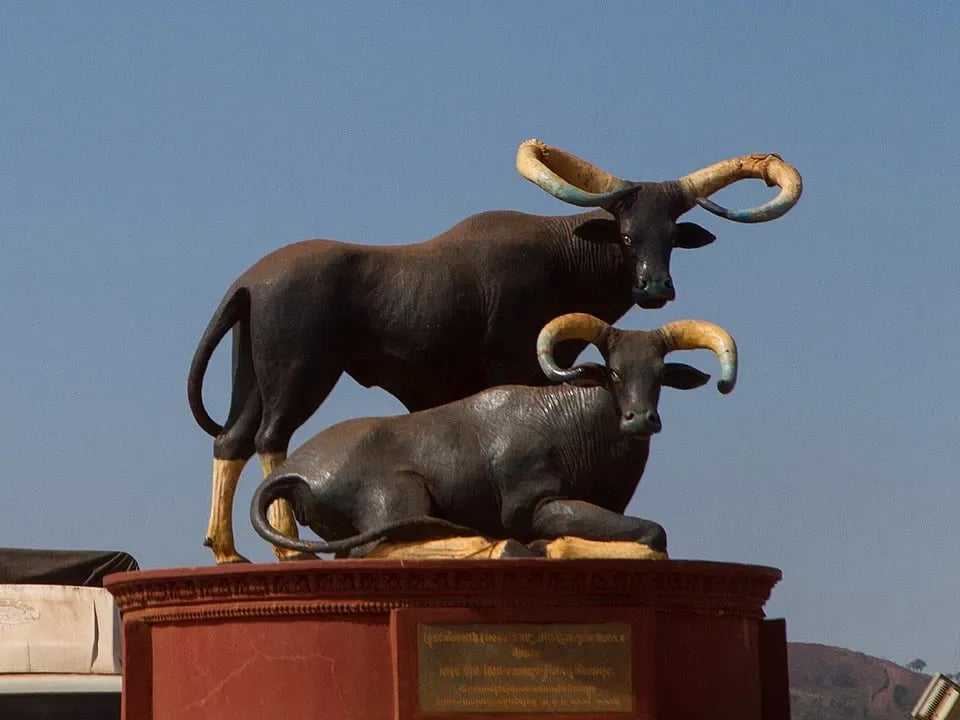
Kouprey
Bos sauveli
The kouprey is a rare wild cattle that works as a strong symbol for Cambodia even though it is hard to see. It appears in official texts and projects that talk about national heritage and the loss of large animals in forests. By naming the kouprey as a national animal, the country links its modern image with remote rural areas and old grazing traditions.
View details→Wildlife in Cambodia
Cambodia mixes lowland forests, rice fields, rivers and a warm coast that visitors explore with light trips. Many tours combine temple visits with short walks in nearby parks, boat rides on the Mekong or Tonle Sap and simple bird watching points. Wildlife is often seen from paths, village roads or river banks instead of deep jungle routes.
Most Dangerous Animals in Cambodia
Risk in Cambodia often comes from contact with large or secretive animals in forests, wetlands and coastal waters. Water buffalo, dhole, clouded leopard, bengal slow loris, asiatic black bear, wild boar, asian elephant and gaur can be dangerous at close range. Reticulated python, king cobra, monitor lizard, sea snake, orca and bull shark add risk in rivers and at sea, though encounters are usually brief or distant.
Top 10 Animals in Cambodia
The top ten list in Cambodia focuses on animals that visitors may hear about when they plan a trip. Asian elephant, reticulated python and peregrine falcon stand out because they appear in stories from forest reserves, river edges and coastal cliffs. Many people know them from guided walks, river tours or views from high platforms during the cooler hours of the day.
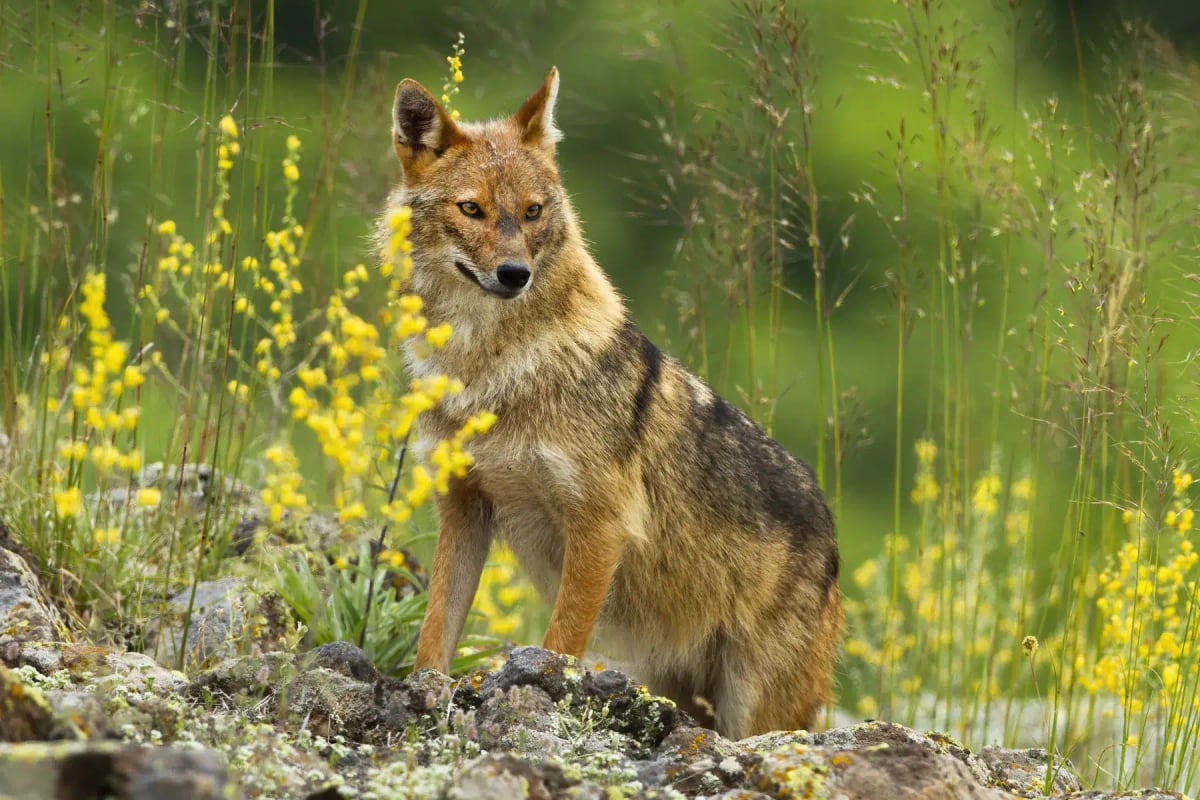
Golden Jackal
Canis aureus
In Cambodia, the golden jackal inhabits open landscapes and areas with partial cover, including grasslands, scrub areas, and the edges of dry deciduous forests. It is present in parts of the Mekong lowlands and around the Tonle Sap floodplain, where seasonal flooding creates a shifting mosaic of habitat. Mostly nocturnal, it is rarely seen but detected through tracks and its characteristic calls. IUCN status: Least Concern.
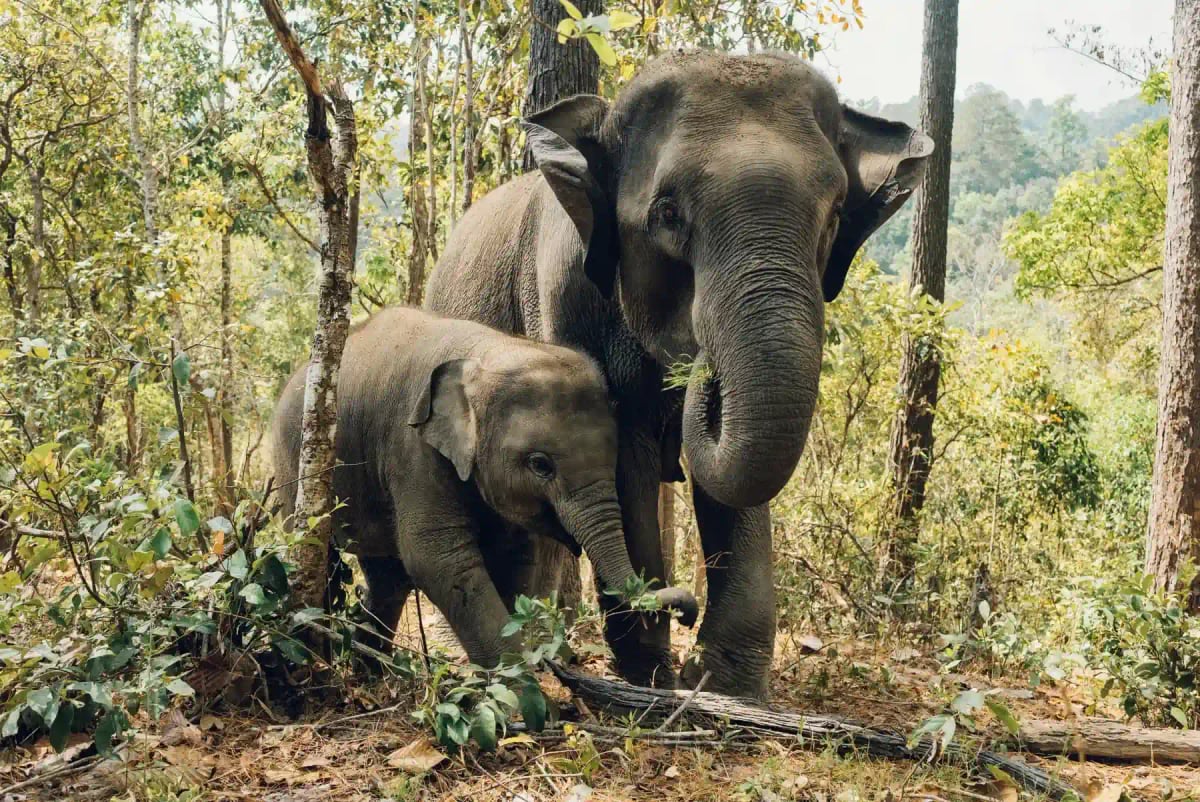
Asian Elephant
Elephas maximus
Cambodia's Asian elephants are concentrated in two main areas: the Cardamom Mountains in the southwest and the forests of Mondulkiri province in the east. The total wild population is estimated at between 400 and 600 individuals. Habitat loss from logging and agricultural expansion has fragmented their range considerably, and conflict with farming communities is frequent. Conservation organizations have worked alongside local communities in the Cardamoms to reduce poaching and protect critical forest corridors.
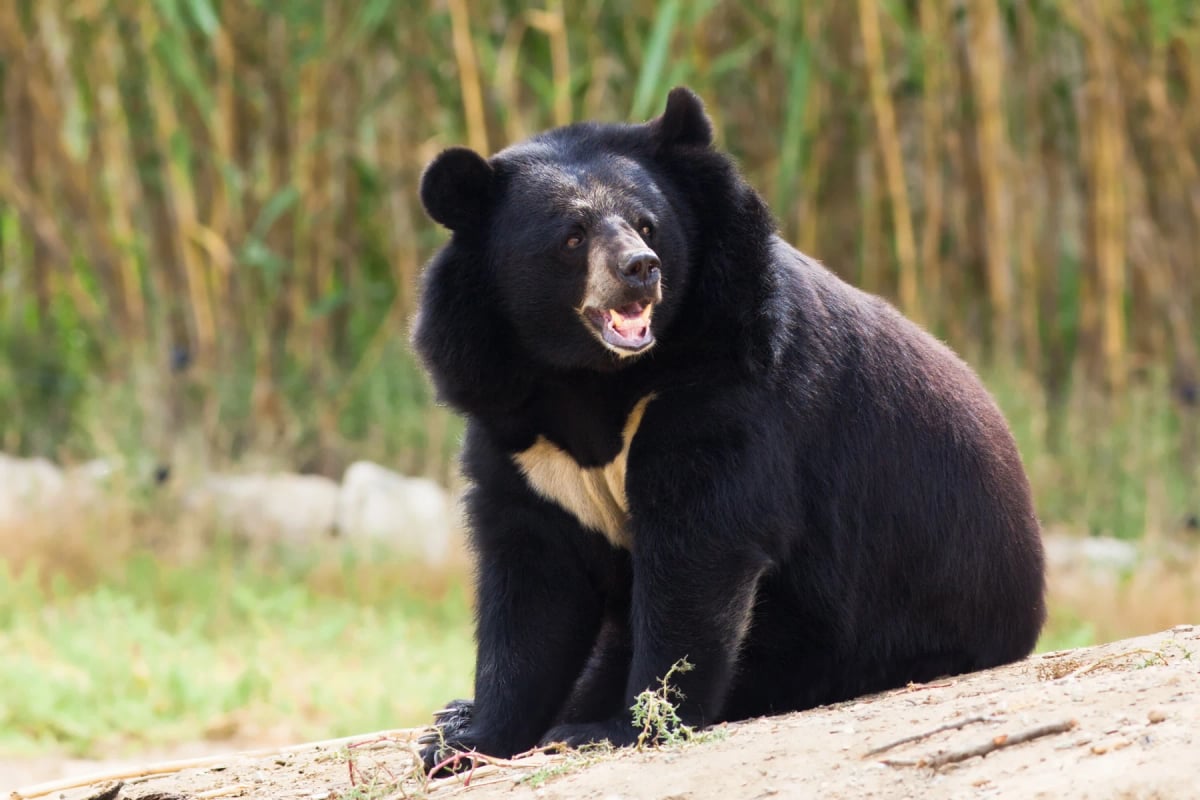
Asiatic Black Bear
Ursus thibetanus
The Asiatic black bear is present in forested areas of northern and northeastern Cambodia, including parts of the Cardamom Mountains and the forests of Mondulkiri and Ratanakiri provinces. It shares habitat with the sun bear in some of these areas, and the two species are sometimes confused by local communities. Rapid deforestation driven by agricultural expansion has significantly reduced available habitat, and poaching for the traditional medicine trade remains a serious concern. Camera trap surveys have confirmed its presence in several protected areas.
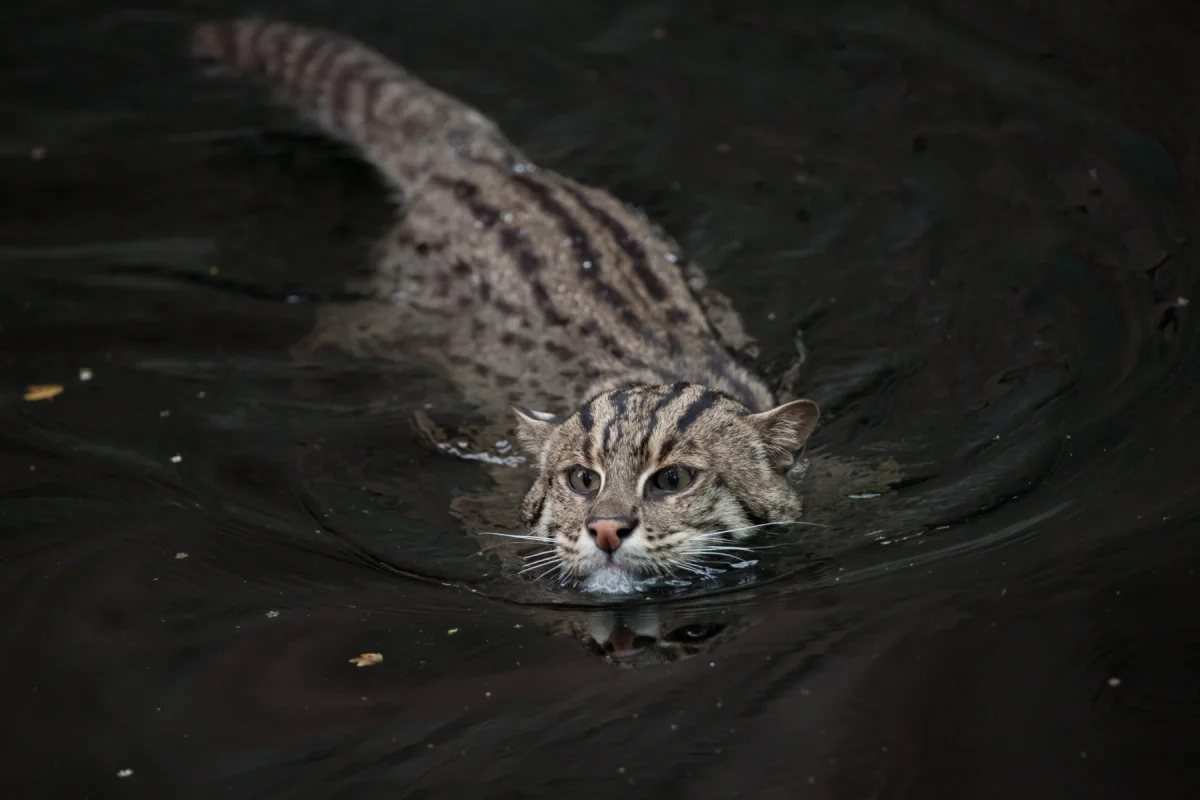
Fishing Cat
Prionailurus viverrinus
In Cambodia, fishing cats are associated with the wetland systems around the Tonle Sap lake, the largest freshwater lake in Southeast Asia. Seasonal flooding creates rich habitat where this cat hunts fish, frogs, and crustaceans along the water's edge. Rapid conversion of wetlands for agriculture and fishing pressure on its prey base have made sightings increasingly rare across the country. IUCN status: Vulnerable.
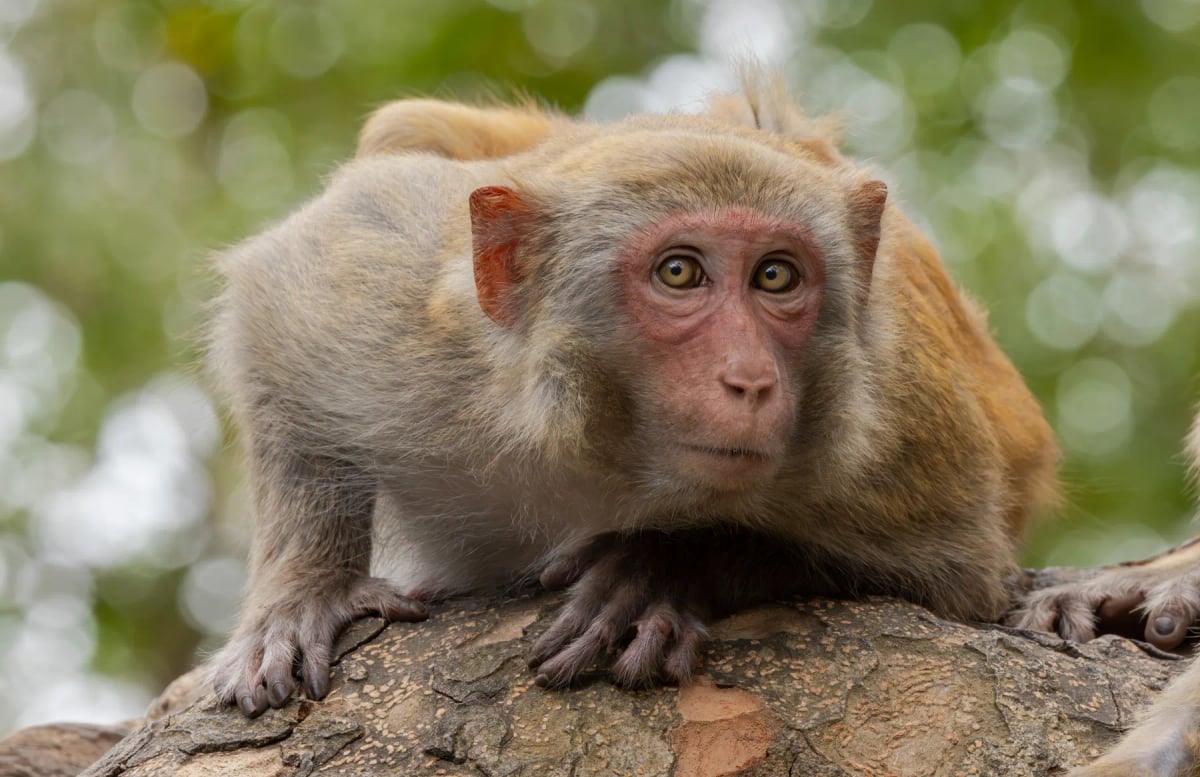
Macaque
Macaca spp.
Long-tailed and pig-tailed macaques both live in Cambodia, inhabiting tropical forests, forest edges, and areas around ancient temple complexes such as Angkor. Populations near temples have grown accustomed to people and often receive food from visitors. In wilder areas, they forage in the forest canopy and on the ground. Habitat loss from deforestation remains a pressure on forest populations.
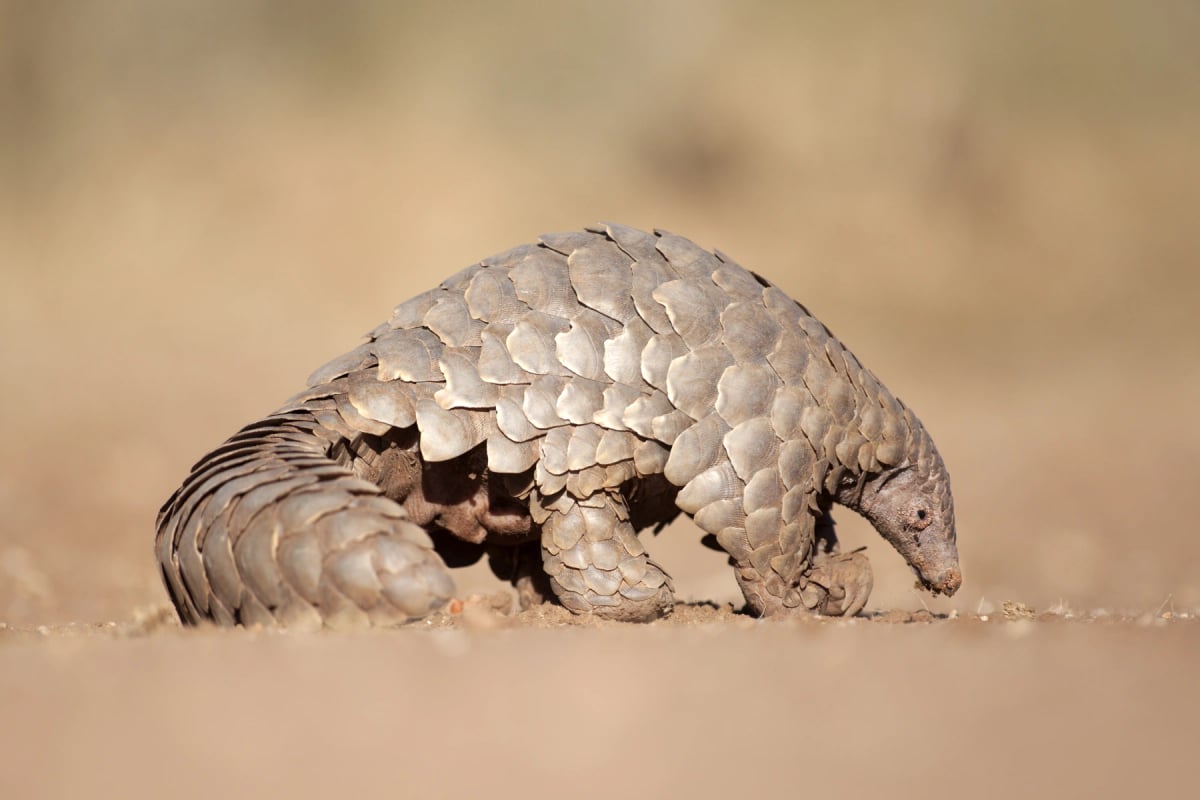
Pangolin
Manis spp.
In Cambodia, pangolins inhabit the evergreen and deciduous forests of the Cardamom Mountains and the Eastern Plains. They are critically endangered, facing intense pressure from poaching networks that supply illegal markets. Organizations like Wildlife Alliance actively patrol these forests to intercept traffickers. Pangolins feed on ants and termites using a long sticky tongue and have no teeth at all, making them one of the most unusual mammals in Southeast Asia.
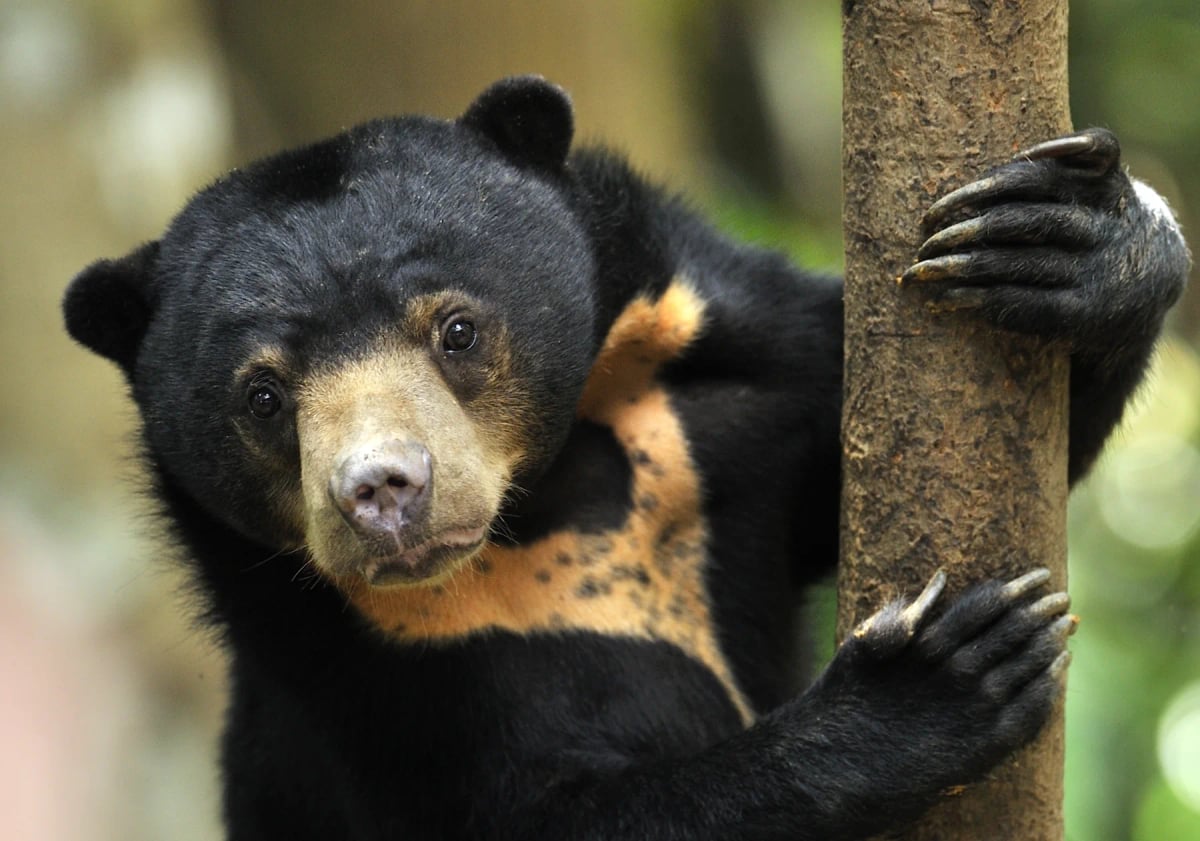
Sun Bear
Helarctos malayanus
In Cambodia, the sun bear lives in the evergreen and mixed forests of the Cardamom Mountains and the Eastern Plains. It is the smallest bear in the world and is recognizable by the pale crescent mark on its chest. Poaching and the illegal pet trade have hit Cambodian populations hard. Conservation groups are working across protected areas to reduce these threats to this Vulnerable species.
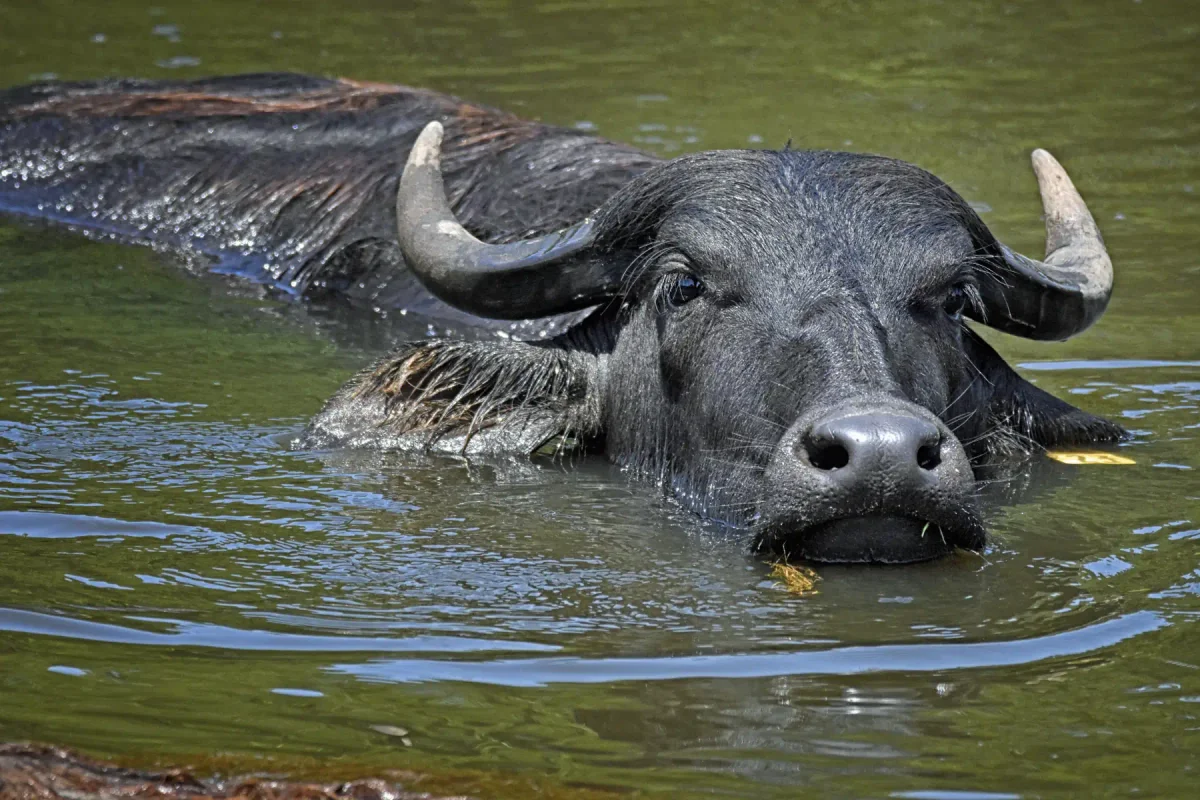
Water Buffalo
Bubalus arnee
Cambodia holds one of the few remaining wild water buffalo populations in Southeast Asia, with individuals recorded in protected areas along the Mekong floodplains and in the forests of Mondulkiri. Adults can weigh over 1,000 kg and spend much of the day cooling off in shallow water or mud. The species is Endangered, with crossbreeding with domestic animals posing a serious risk to its wild gene pool.
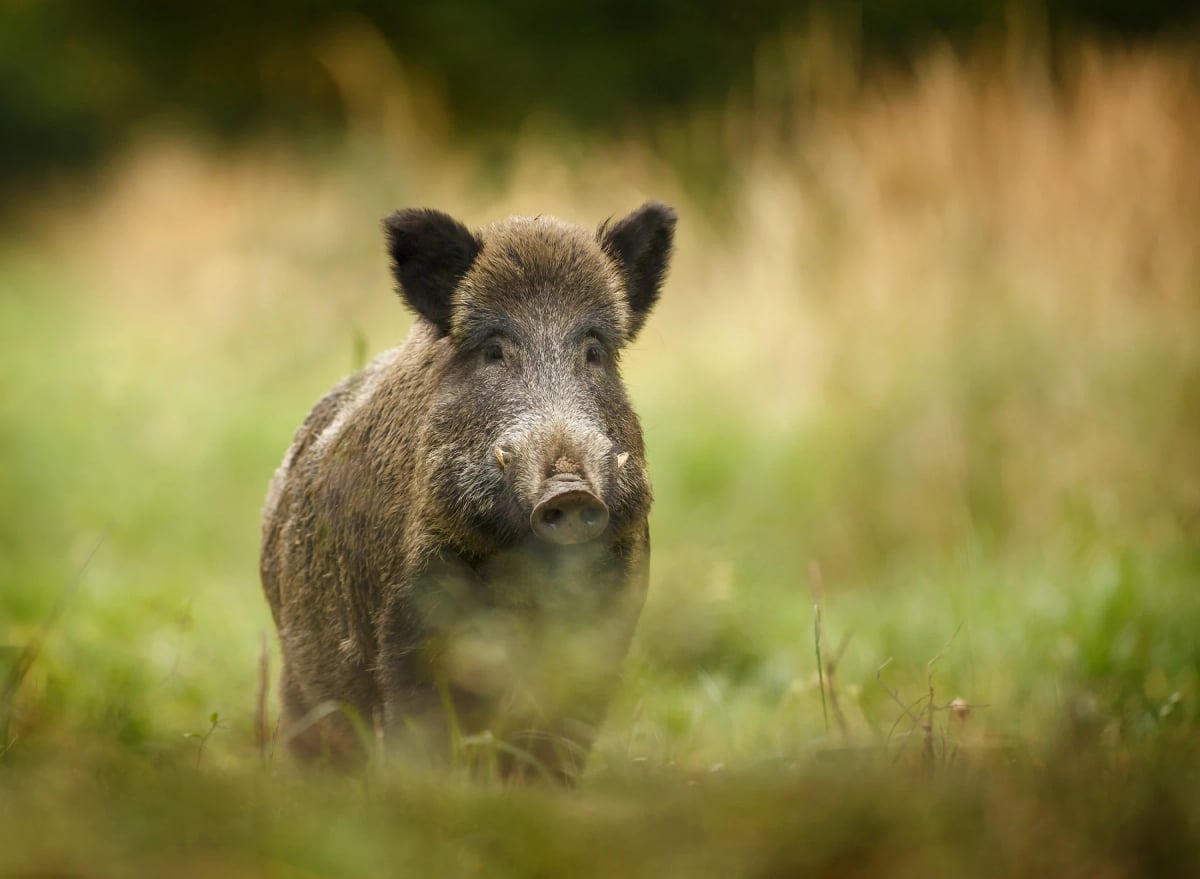
Wild Boar
Sus scrofa
Wild boars range across Cambodia's forests, from the Cardamom Mountains in the southwest to the dry forests of the eastern plains. They are an important source of meat for rural communities and are hunted using traditional methods in many areas. Wild boars also play a role as prey for the country's remaining large predators and help disperse seeds through their foraging, though their rooting can damage crops near farmland.
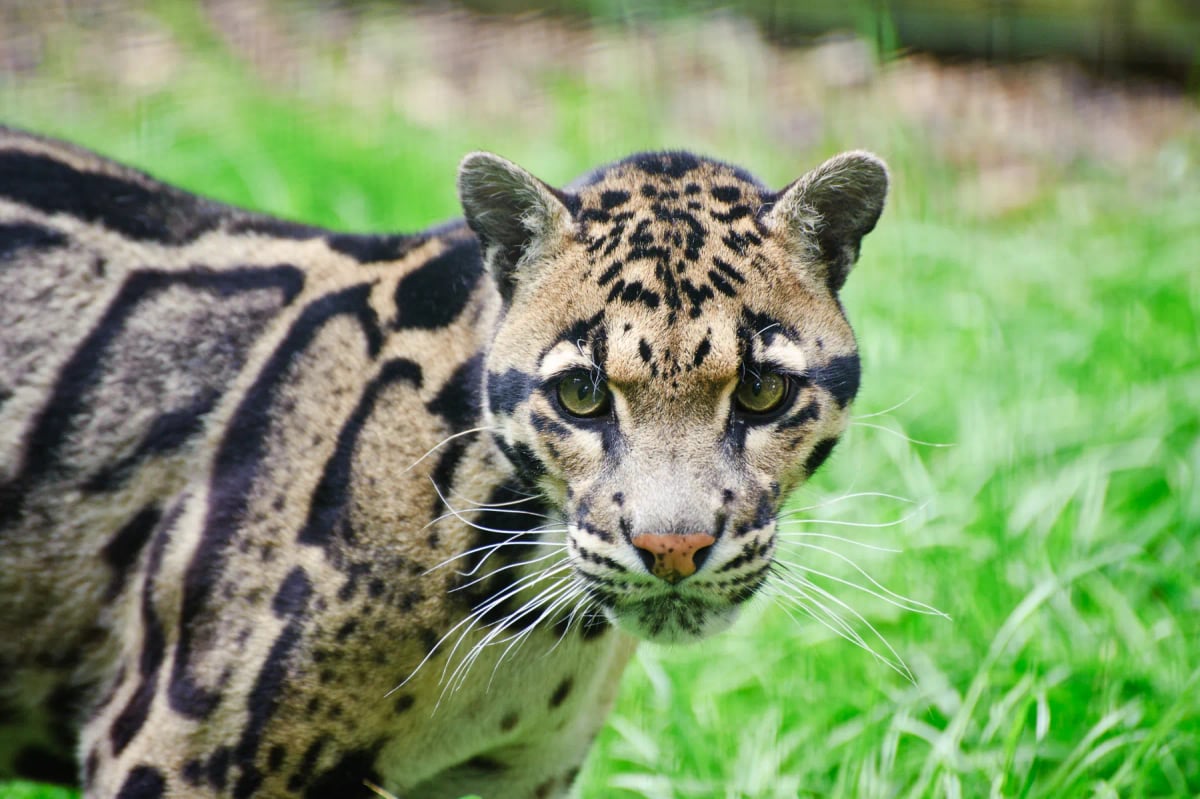
Clouded Leopard
Neofelis nebulosa
The clouded leopard is found in the evergreen and mixed deciduous forests of the Cardamom Mountains and the northeastern highlands of Cambodia. These regions hold some of the largest remaining blocks of forest in mainland Southeast Asia. Poaching and the loss of prey species are serious concerns. The IUCN lists it as Vulnerable, and conservation efforts in Cambodia focus on protecting these key forest landscapes.
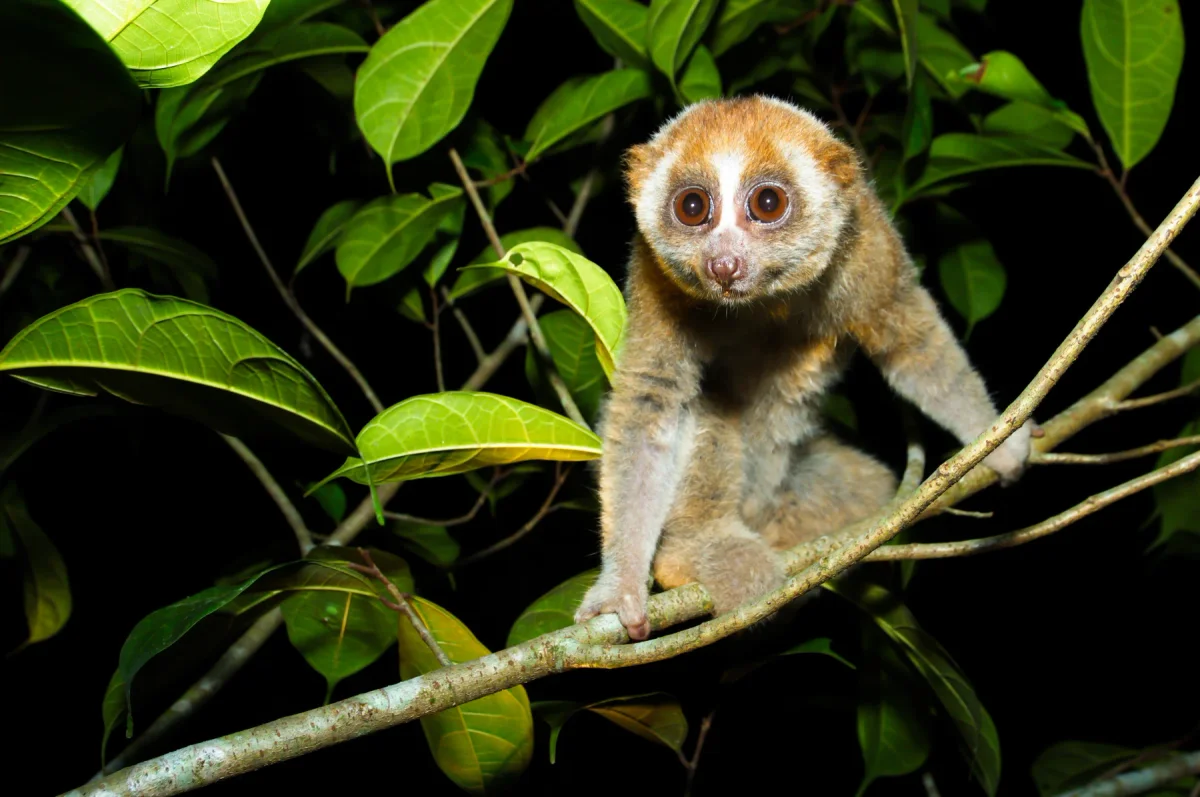
Bengal Slow Loris
Nycticebus bengalensis
The Bengal slow loris is present in Cambodia's evergreen and semi-evergreen forests, including areas within the Cardamom Mountains and northeastern regions. It is nocturnal and relies on dense forest canopy for shelter and foraging. In Cambodia, illegal wildlife trade poses one of the greatest threats to this primate. The IUCN lists it as Vulnerable, and local enforcement of trade laws remains a critical conservation challenge.
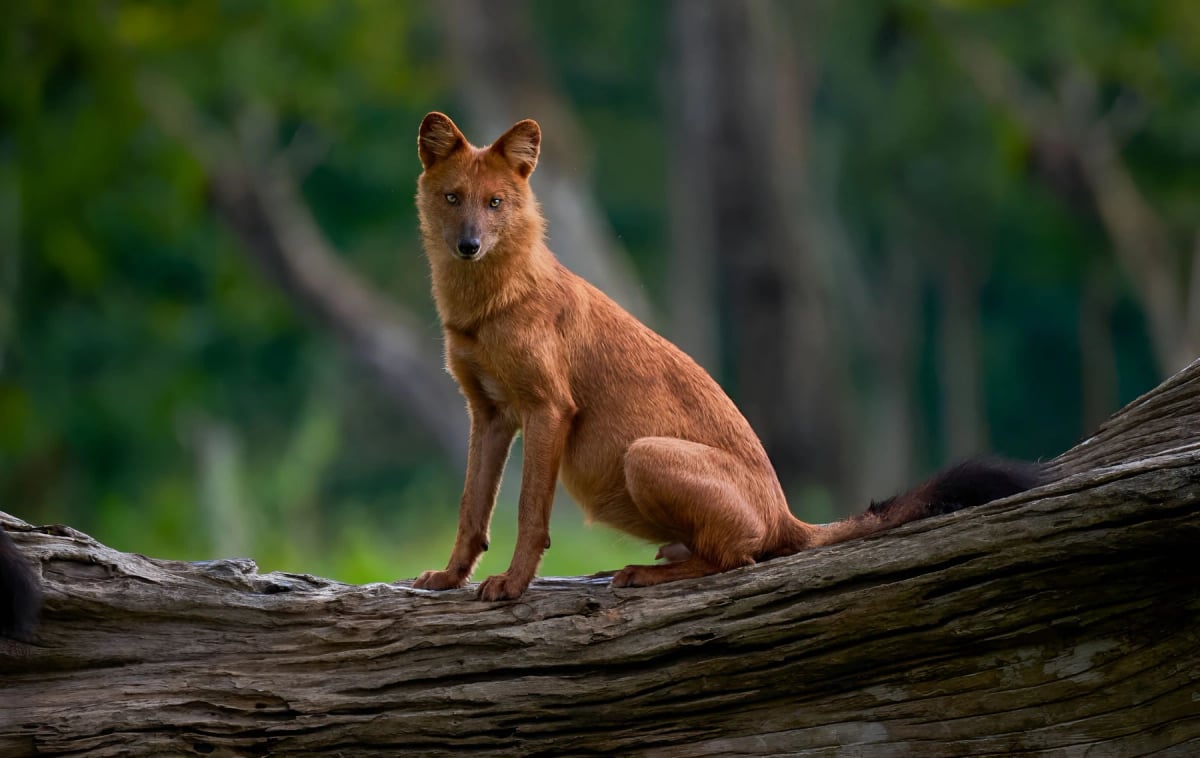
Dhole
Cuon alpinus
Dholes are found in Cambodia's dry deciduous forests and the wilder areas of the Cardamom Mountains. Once more widespread, their numbers have dropped sharply due to decades of habitat destruction and hunting. Camera trap surveys have confirmed their presence, but sightings are rare. Protecting large forest areas and recovering prey species are essential to their survival in Cambodia. The IUCN lists the dhole as Endangered.
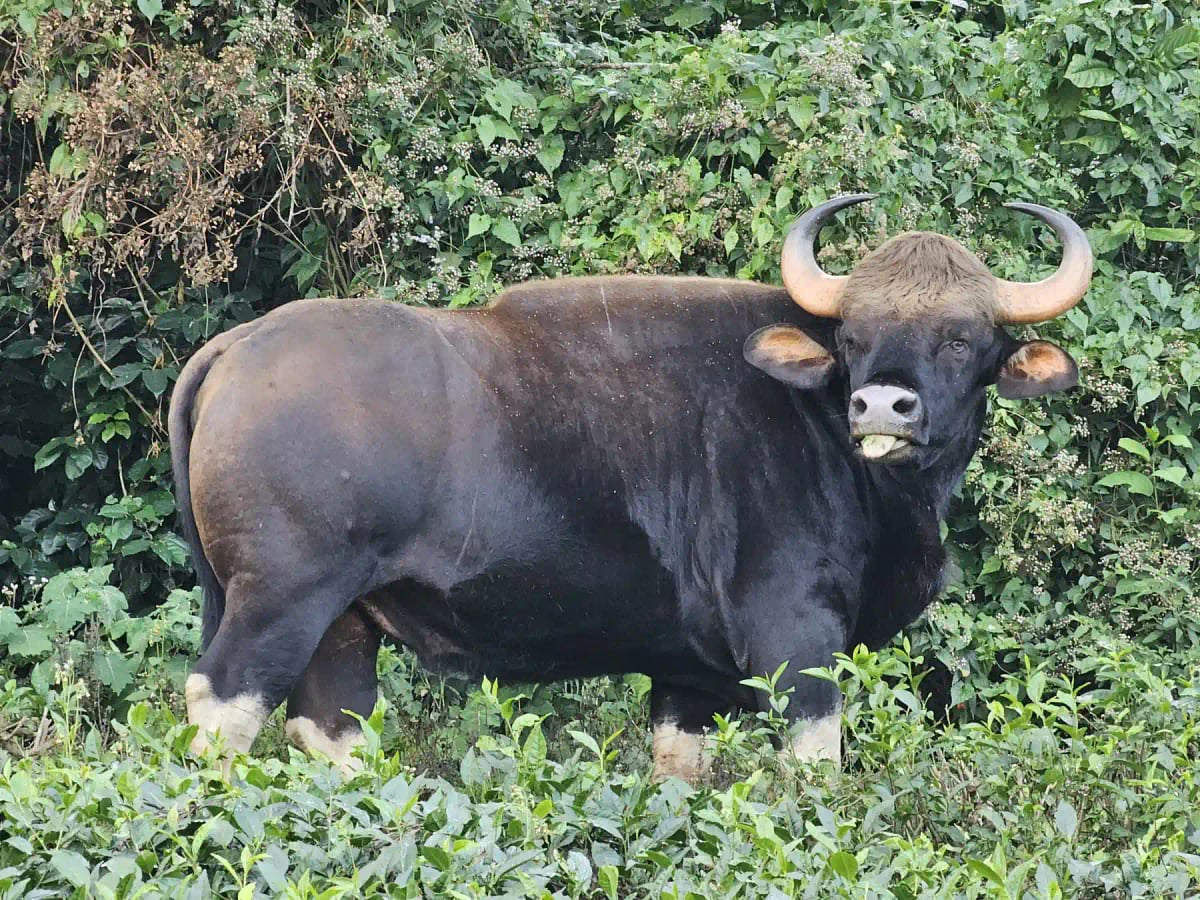
Gaur
Bos gaurus
In Cambodia, gaurs inhabit the deciduous forests and rolling hills of the Cardamom Mountains and the Eastern Plains, including areas around Mondulkiri. Poaching and habitat loss have placed serious pressure on the population here. Conservation groups work with local communities to protect remaining herds. These massive bovines are a flagship species for forest protection efforts across the country.
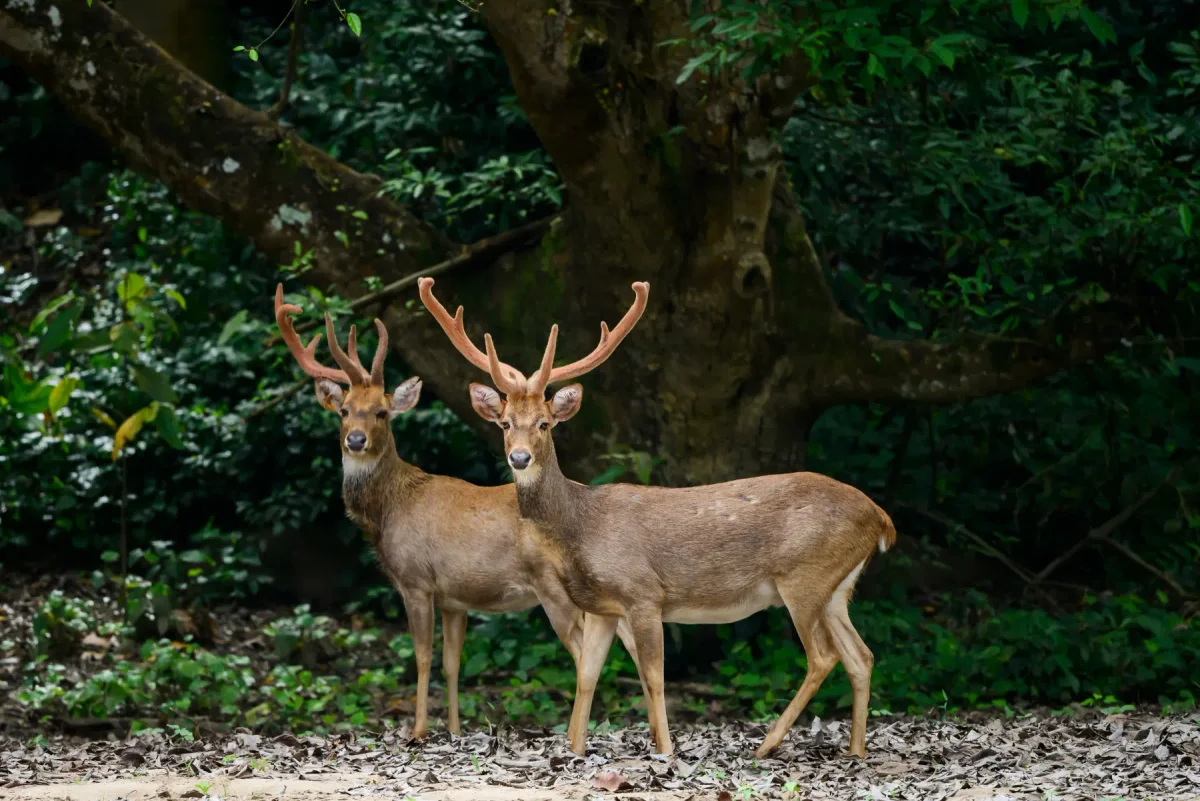
Eld's Deer
Rucervus eldii
Eld's deer once roamed widely across Cambodia but has been pushed to the edge of local extinction by decades of hunting and habitat loss. A small population survives in the northern plains, particularly around Preah Vihear province. The species favors open dry forests and grasslands. Conservation groups are working to protect what little suitable habitat remains and to monitor the few individuals still present in the country.
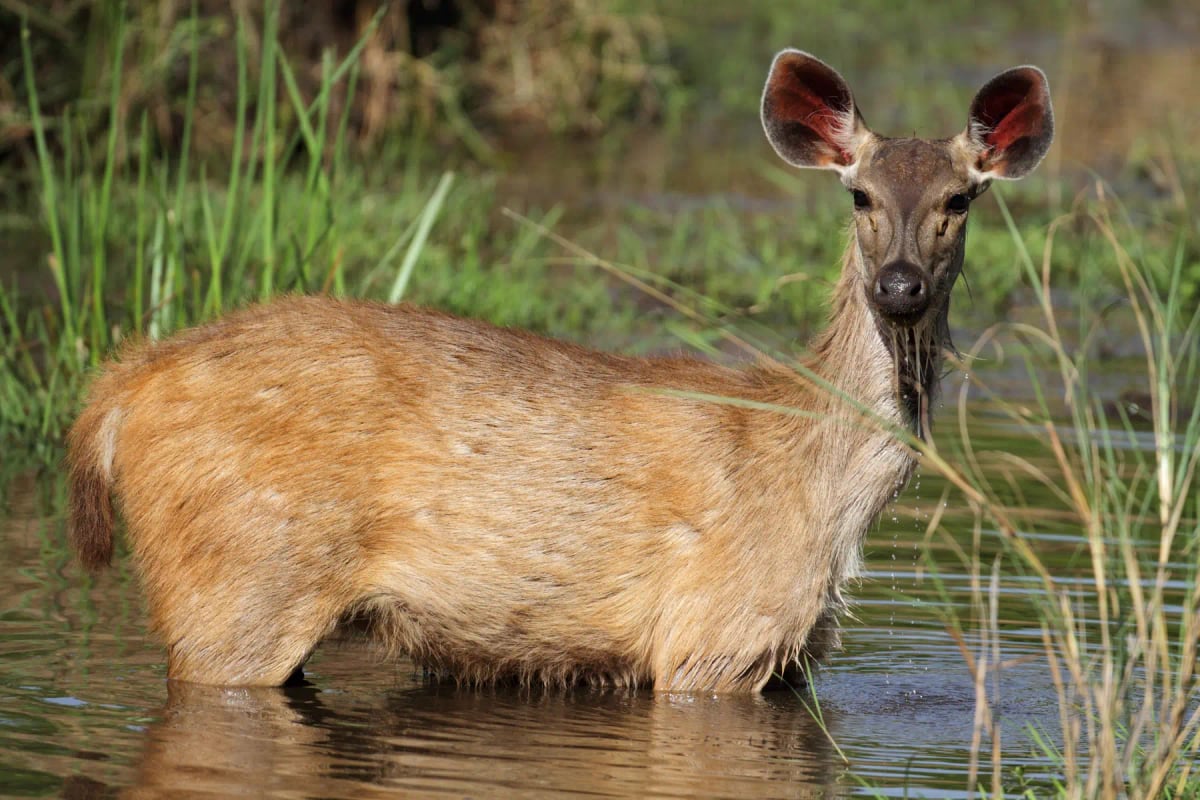
Sambar Deer
Rusa unicolor
In Cambodia, sambar deer are found in the forests of the Cardamom Mountains, the Eastern Plains, and areas around the Mekong River. They are an important prey species for tigers, though Cambodia's tiger population is now functionally extinct. Poaching and habitat clearance remain serious threats. Conservation groups are working to protect remaining forest blocks where sambar and other large mammals still survive.
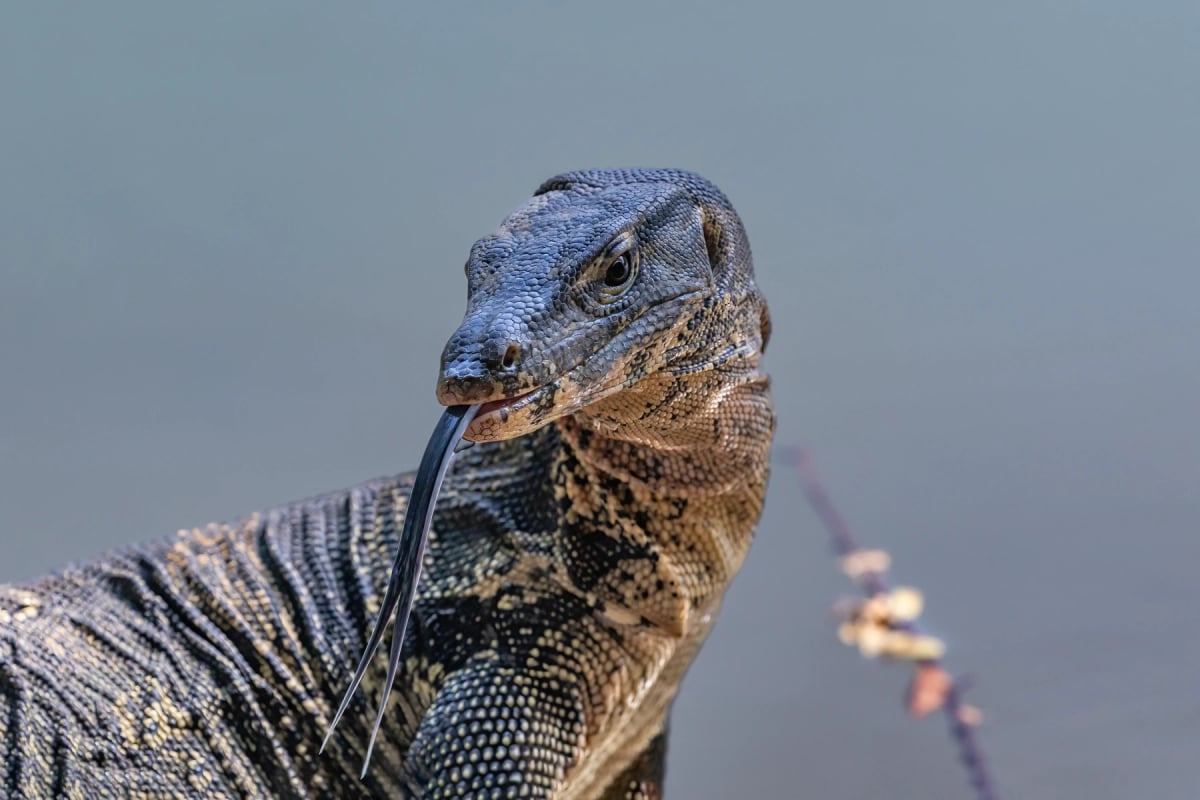
Monitor Lizard
Varanus salvator
The Asian water monitor is a common presence throughout Cambodia, particularly around the Mekong River and the floodplains of Tonle Sap Lake, the largest freshwater lake in Southeast Asia. It makes use of the region's seasonal flooding, moving into flooded forests and rice fields during the wet season and retreating to permanent water bodies as the dry season returns. It is well known to rural communities throughout the country.
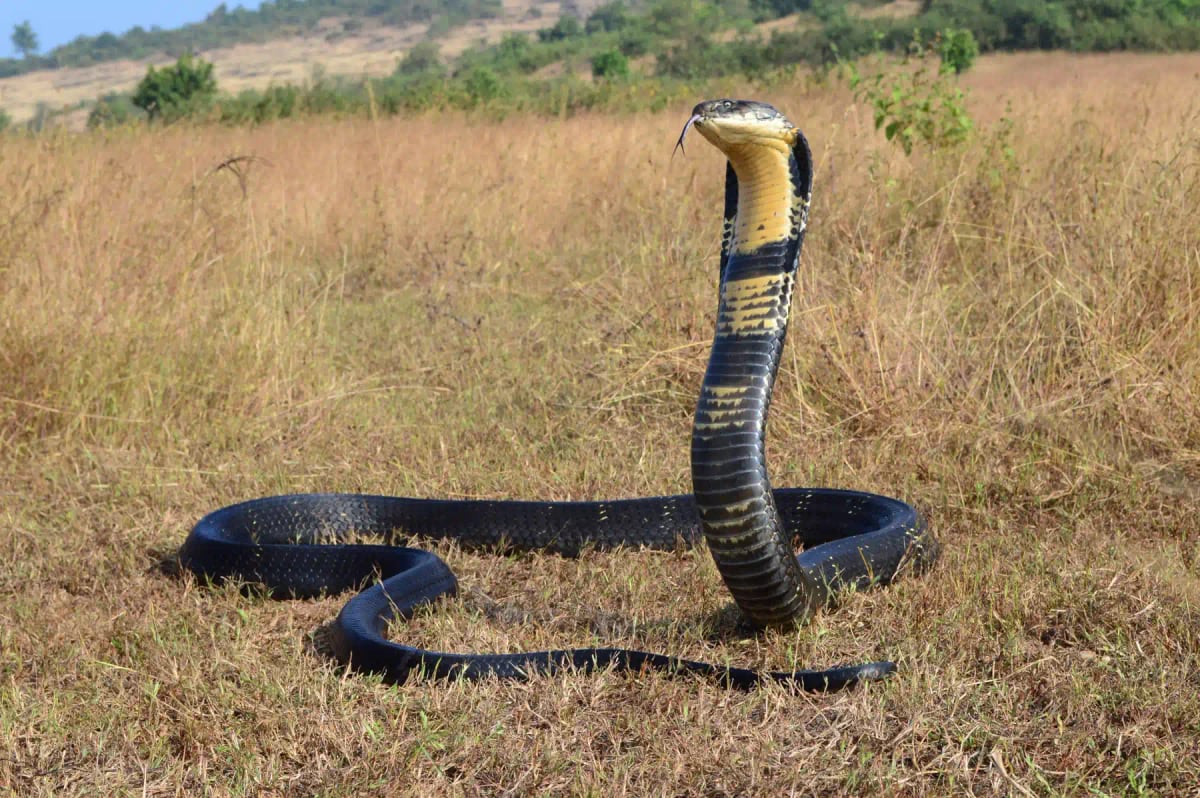
King Cobra
Ophiophagus hannah
The king cobra is found in Cambodia's remaining forests, particularly in the Cardamom Mountains in the southwest and the highland forests near the borders with Laos and Vietnam. It feeds on rat snakes, pythons and other species that share its forest habitat. Rapid deforestation and hunting for traditional medicine and the food trade have put pressure on the species throughout the country.
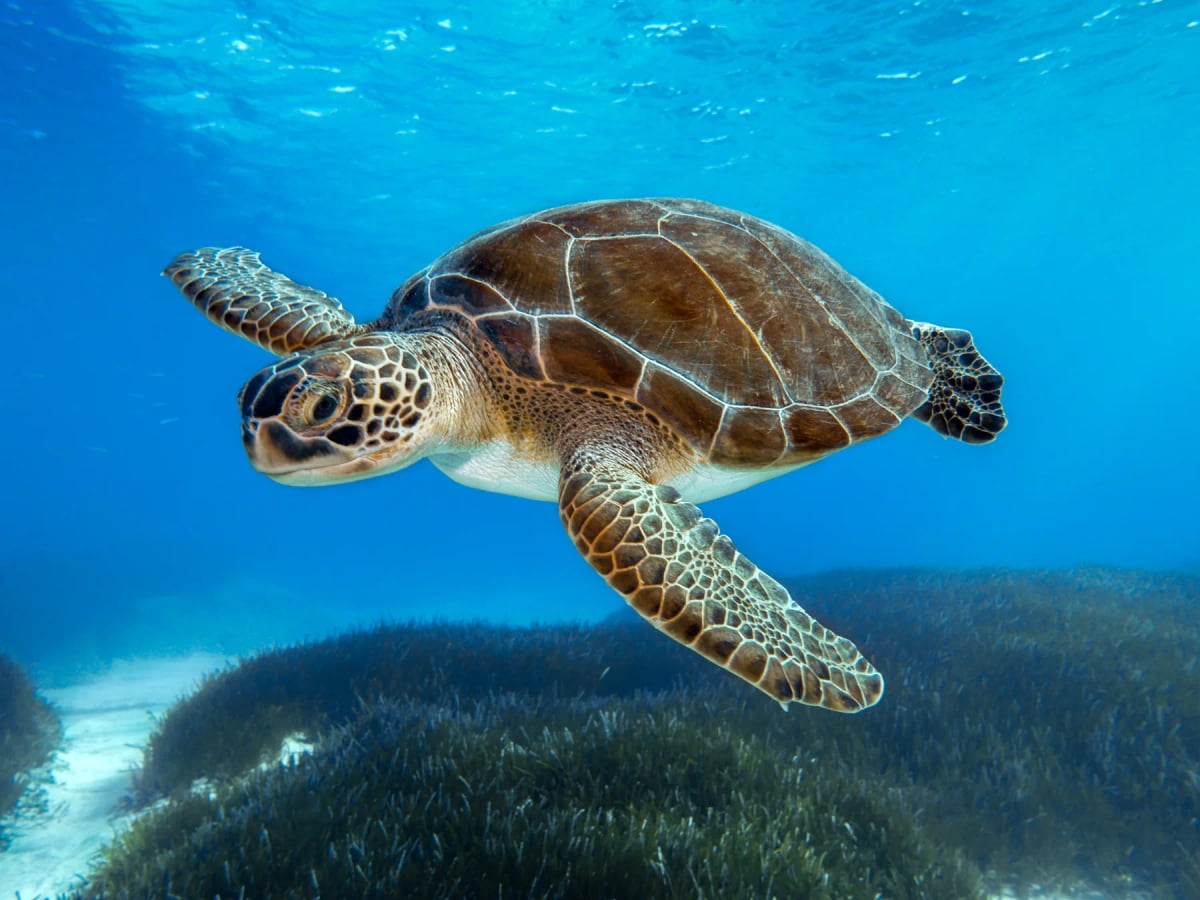
Sea Turtle
Cheloniidae & Dermochelyidae (families)
Cambodia's coastline along the Gulf of Thailand supports sea turtle populations, with green and hawksbill turtles being the most commonly recorded species. The Koh Rong archipelago and the Cardamom Coast waters have been identified as important turtle habitat. Conservation efforts are still developing, and sea turtles face pressure from fishing activity and the rapid growth of coastal tourism in the region.
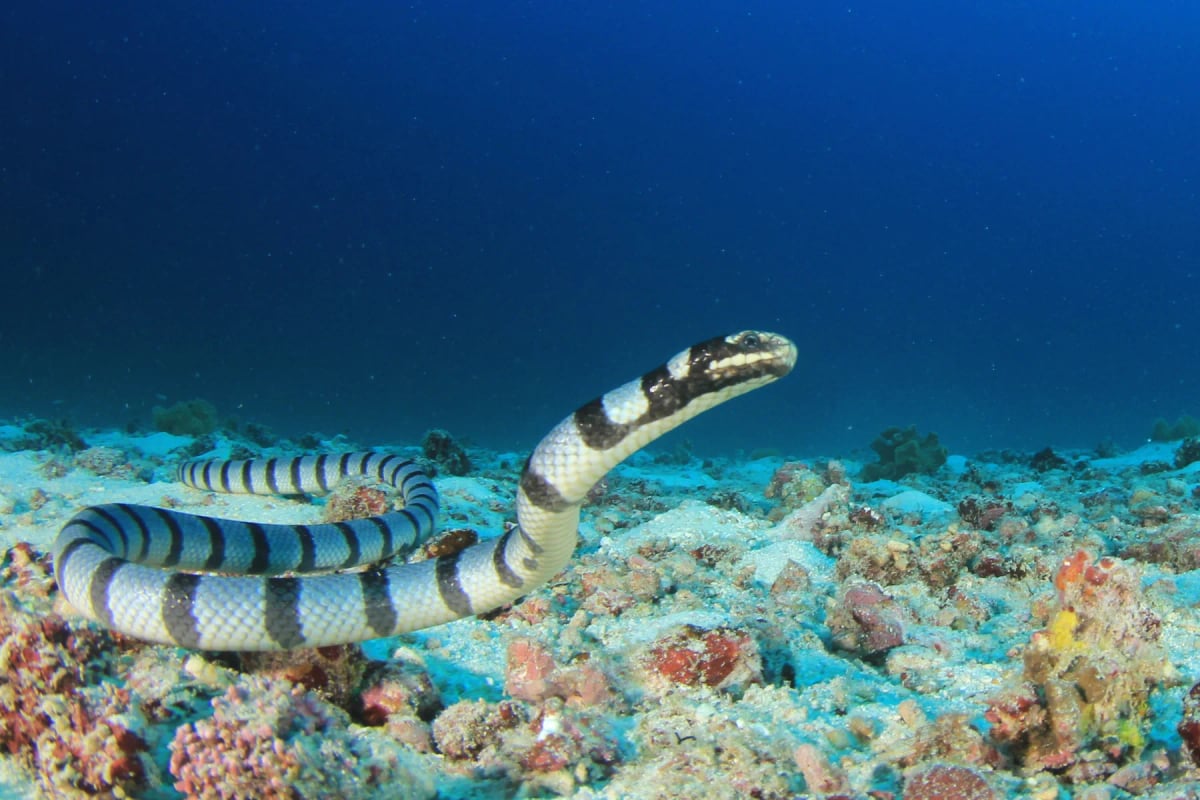
Sea Snake
Hydrophiinae / Laticauda spp.
Sea snakes inhabit the warm coastal waters of the Gulf of Thailand, where they hunt fish and eels among shallow reefs and seagrass beds. Both true sea snakes and sea kraits are found in the region. Their greatest threat in Cambodia is accidental capture in fishing nets. Though their venom is highly toxic, bites on people are rare and almost always unintentional. IUCN status: Data Deficient.
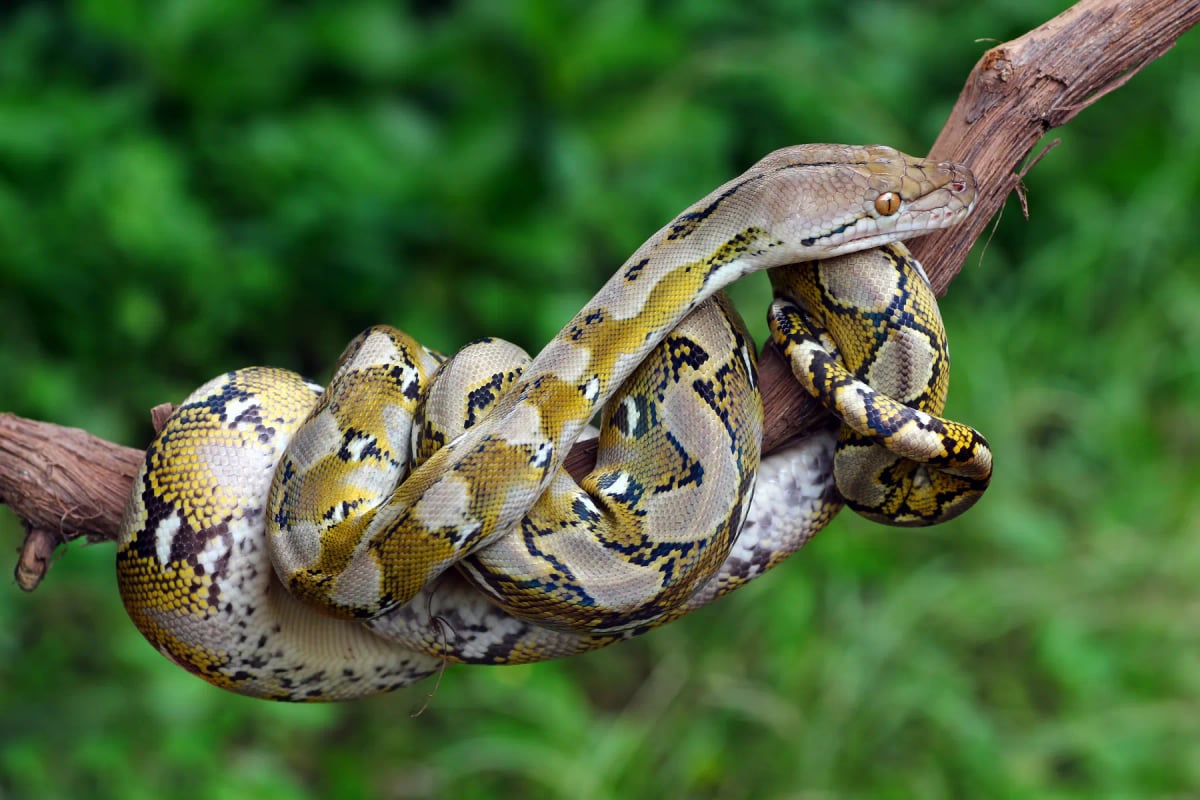
Reticulated Python
Malayopython reticulatus
In Cambodia, the reticulated python is found in the lowland forests of the Cardamom Mountains and in wetland areas surrounding the Tonle Sap lake. It relies on dense vegetation and proximity to water to ambush prey. Hunting for its skin and meat, combined with forest clearance, has reduced numbers in many areas, though the species remains present across much of the country.
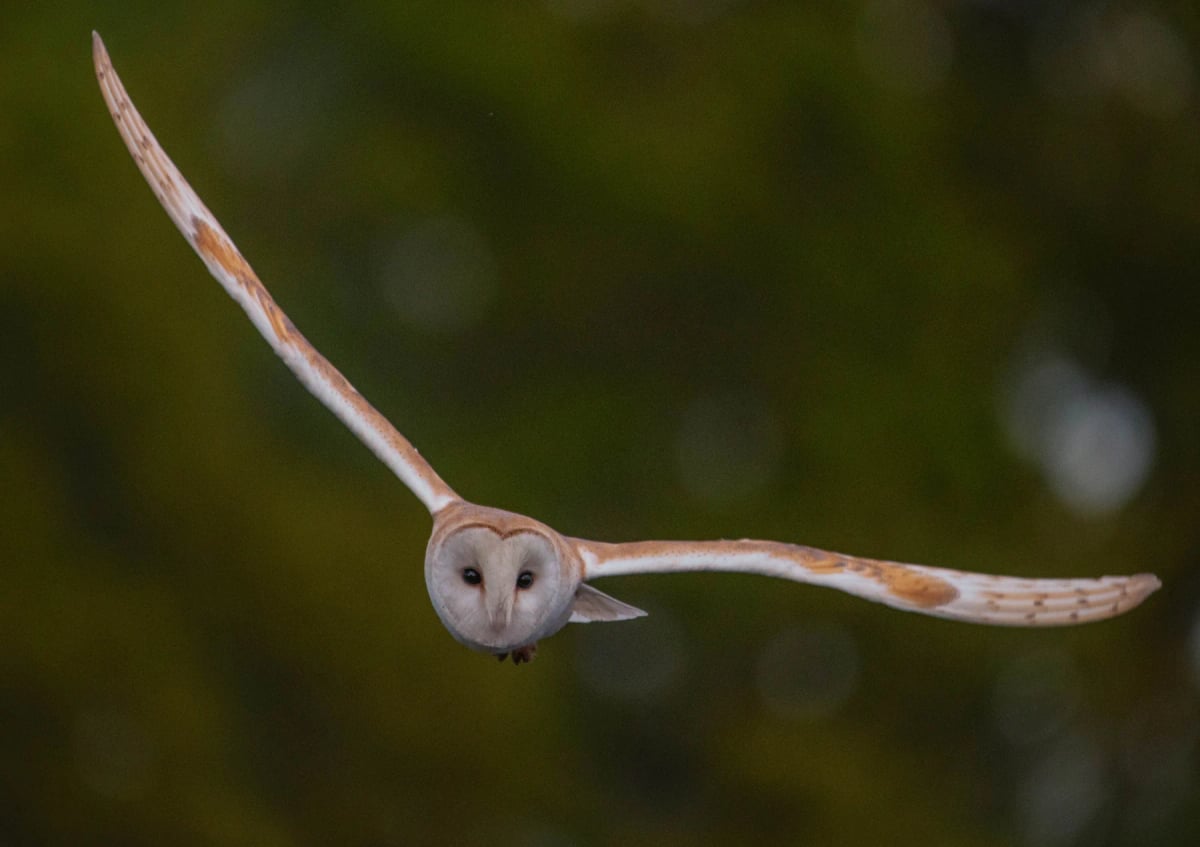
Barn Owl
Tyto alba
The barn owl is found across Cambodia in open farmland, rice paddies, and areas near villages and towns throughout the country. It nests in old buildings, hollow trees, and temple ruins, and hunts rodents at night using its exceptional hearing. In Cambodia's agricultural landscape, where rice farming dominates and rodent damage to crops is a persistent problem, it is genuinely valued by farming communities. Its presence near ancient Khmer temple complexes, where it nests in old stone structures, gives it a distinctive character in the Cambodian landscape.
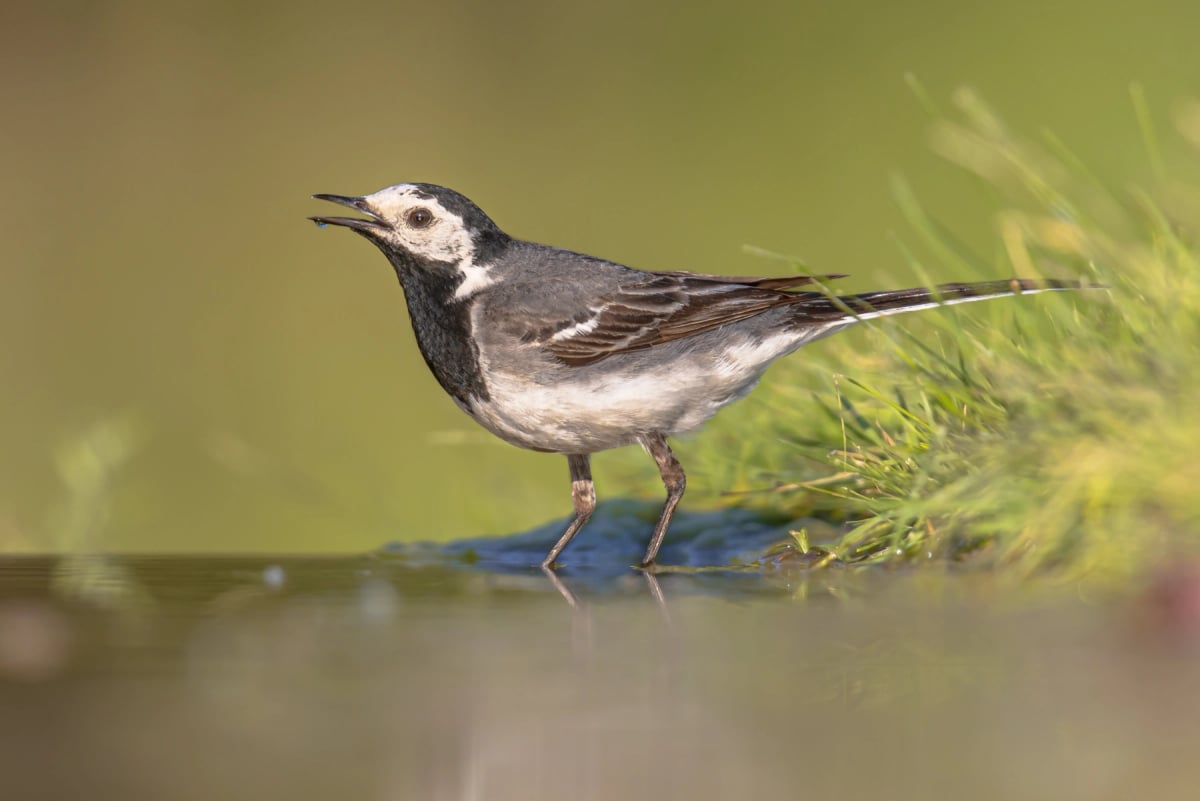
White Wagtail
Motacilla alba
In Cambodia, the white wagtail is a winter visitor, present from around October to April. It is commonly seen around the shores of the Tonle Sap lake, along the Mekong River and on open ground near rice paddies. It feeds on insects disturbed by grazing cattle or by the movement of water at the lake's edge. The constantly wagging tail makes it easy to spot even from a distance. Its status is Least Concern.
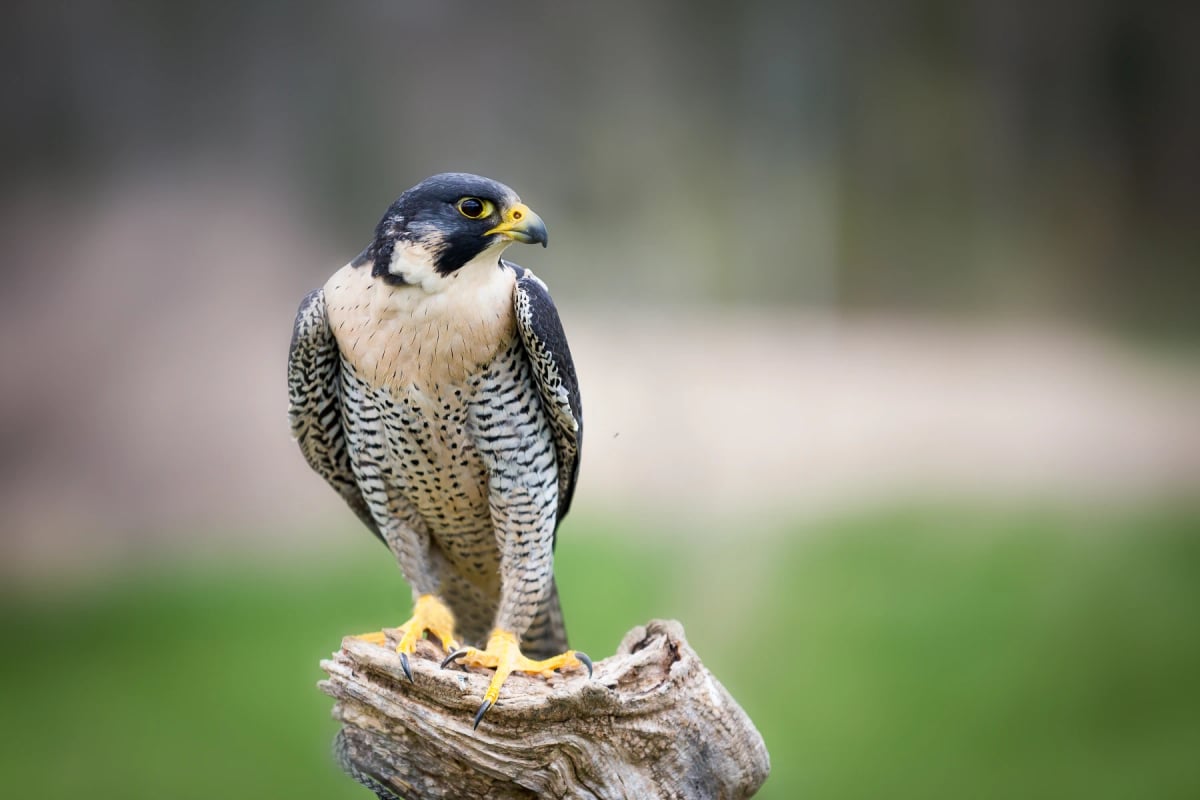
Peregrine Falcon
Falco peregrinus
The peregrine falcon passes through Cambodia as a migratory visitor, traveling along flyways that cross mainland Southeast Asia each year. It can be seen over the floodplains of the Tonle Sap lake, along the Mekong River corridor, and over open agricultural land. Some individuals may spend the northern winter in Cambodia before returning north to breed. Its presence is most likely during the cooler months between October and March. IUCN status: Least Concern.
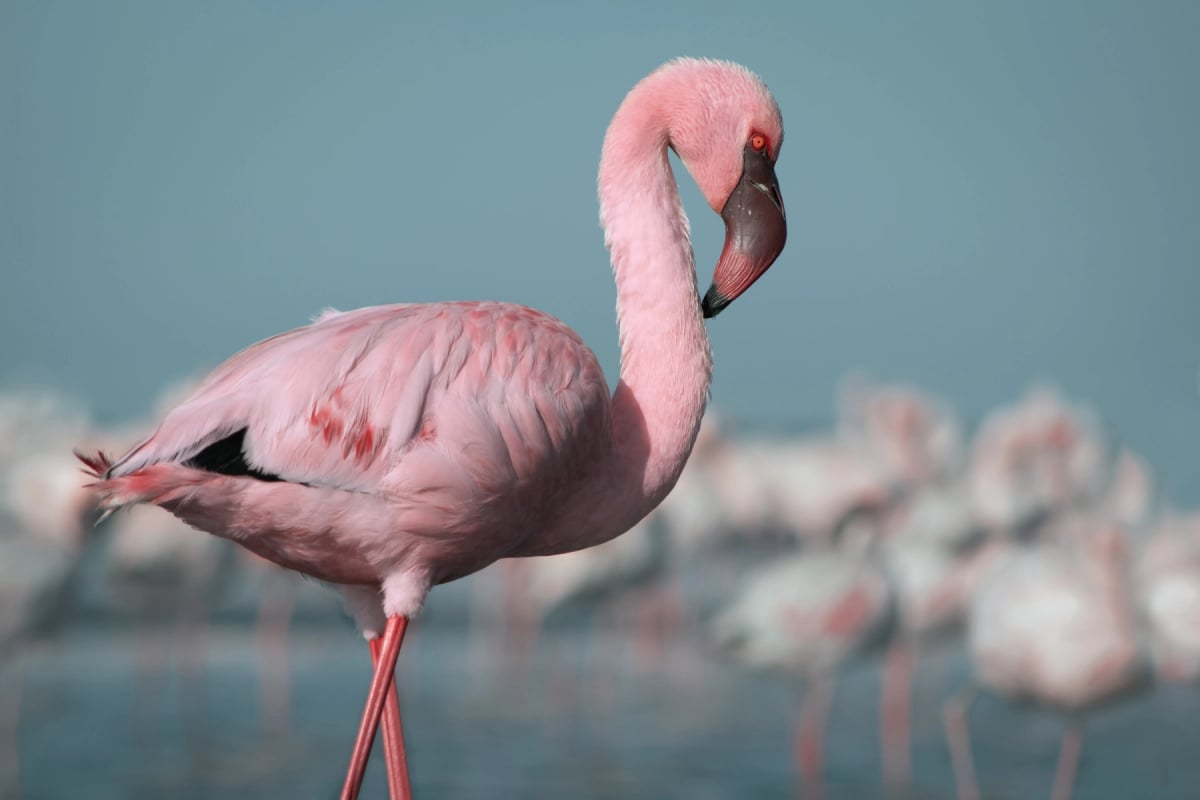
Flamingo
Phoenicopteridae (6 species)
Cambodia lies at the far eastern edge of the greater flamingo's range, and although the IUCN lists the species as present, it is extremely rare here. Records are occasional and usually involve single birds or small groups in coastal salt pans or large wetlands, far from the species' strongholds in India and the Middle East. Any flamingo seen in Cambodia is a notable event for local ornithologists. IUCN status: Least Concern.

Bottlenose Dolphin
Tursiops truncatus
Bottlenose dolphins occur in the coastal and offshore waters of Cambodia along the Gulf of Thailand, where warm shallow seas and productive fishing grounds define the marine environment. They are typically spotted in small pods near the coastline and around islands such as those in the Koh Rong archipelago. Fishing pressure and coastal development pose local challenges. The species is classified as Least Concern globally.
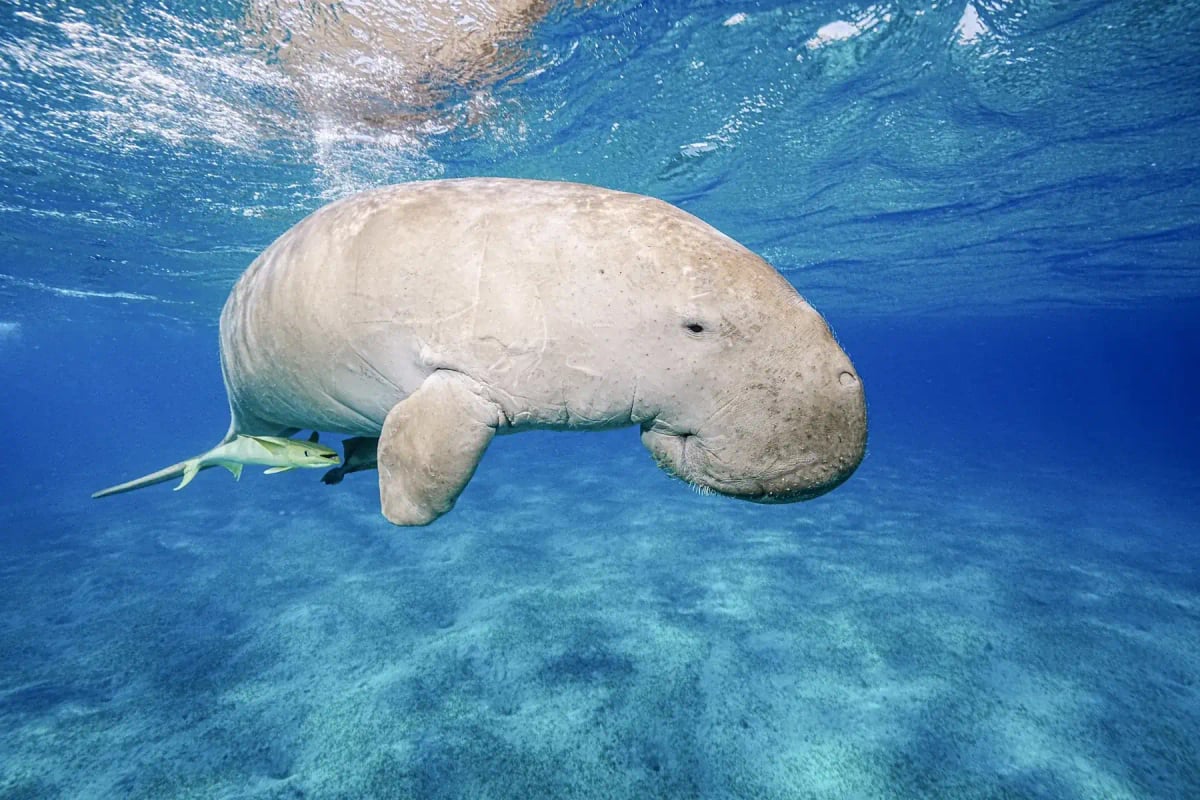
Dugong
Dugong dugon
In Cambodia, dugongs have been recorded in the Gulf of Thailand, particularly around the Koh Rong archipelago and other coastal areas in Koh Kong province. Their numbers are believed to be very low, and the species is considered locally at risk due to gillnet fishing and seagrass degradation. Community awareness efforts and marine protected areas are beginning to address these threats along Cambodia's coastline. IUCN status: Vulnerable.
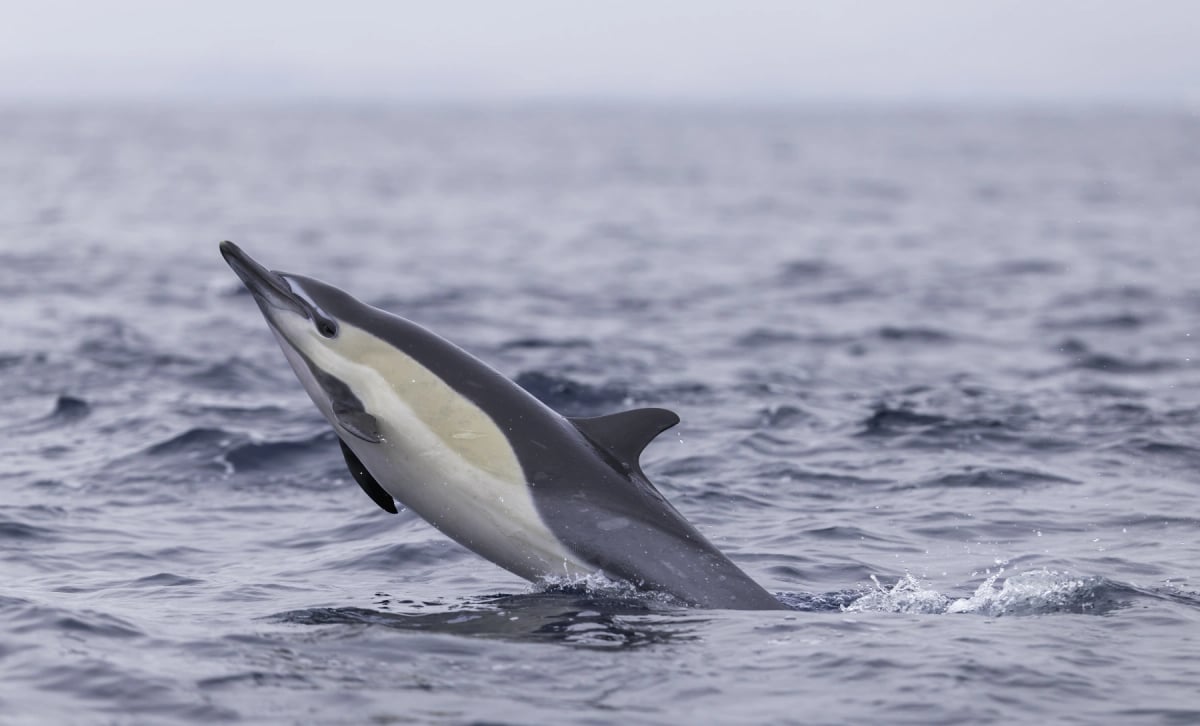
Common Dolphin
Delphinus delphis
Common dolphins have been recorded in the Gulf of Thailand along Cambodia's coastline, a warm and relatively shallow sea that connects to the broader South China Sea. Marine mammal research in Cambodia remains limited, but sightings by fishing communities suggest these dolphins are present in offshore waters. The Gulf of Thailand supports diverse fish populations that attract a range of dolphin species, including the wide ranging common dolphin.
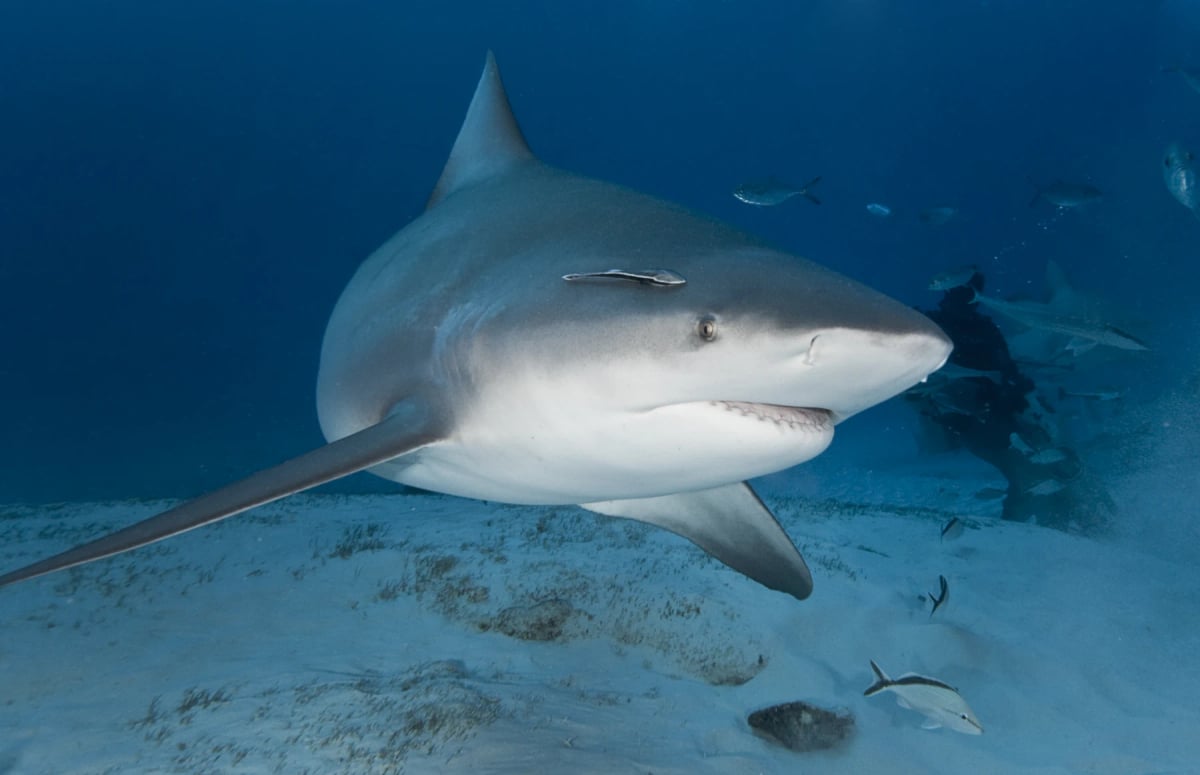
Bull Shark
Carcharhinus leucas
Cambodia's Mekong River system and the Tonle Sap lake basin historically provided habitat for bull sharks, which are capable of navigating far upstream through fresh water. The species has been recorded in the lower Mekong, though sightings have become increasingly rare due to the combined pressures of overfishing, water infrastructure development, and river habitat degradation. Cambodia's coastal waters in the Gulf of Thailand also offer inshore habitat for the species.
Researched and written by Juan Pablo. Sources: IUCN Red List, scientific literature and regional field guides. Last updated: .