Animals in Myanmar
Wildlife in Myanmar
Myanmar stretches from forested hills and wide river plains to coastal mangroves and warm sea. Visitors usually meet wildlife on boat trips along main rivers, short walks to viewpoints near pagodas and guided paths in national parks. From these routes they may see monkeys, deer, elephants, wild dogs, bears and birds while still staying close to villages and simple guesthouses.
Most Dangerous Animals in Myanmar
Danger for visitors in Myanmar appears mainly in remote forests, hill areas and some coastal zones. Large cats, wild dogs, bears, wild boar, elephants, gaur and wolves are strong animals that can react with force if they feel cornered. Big pythons, king cobras, monitor lizards and sea snakes live in dense cover and warm shallows, and offshore orcas and bull sharks use deeper water far from beaches.
Top 10 Animals in Myanmar
The top 10 list for Myanmar highlights big cats, elephants, wolves, large pythons and a fast falcon that fit its forests and river plains. Big cats and wolves move through quiet hills and shaded valleys, while elephants use lowland forests and open clearings near rivers. The falcon hunts above cliffs and steep slopes and can sometimes be seen from simple viewpoints or boat trips.
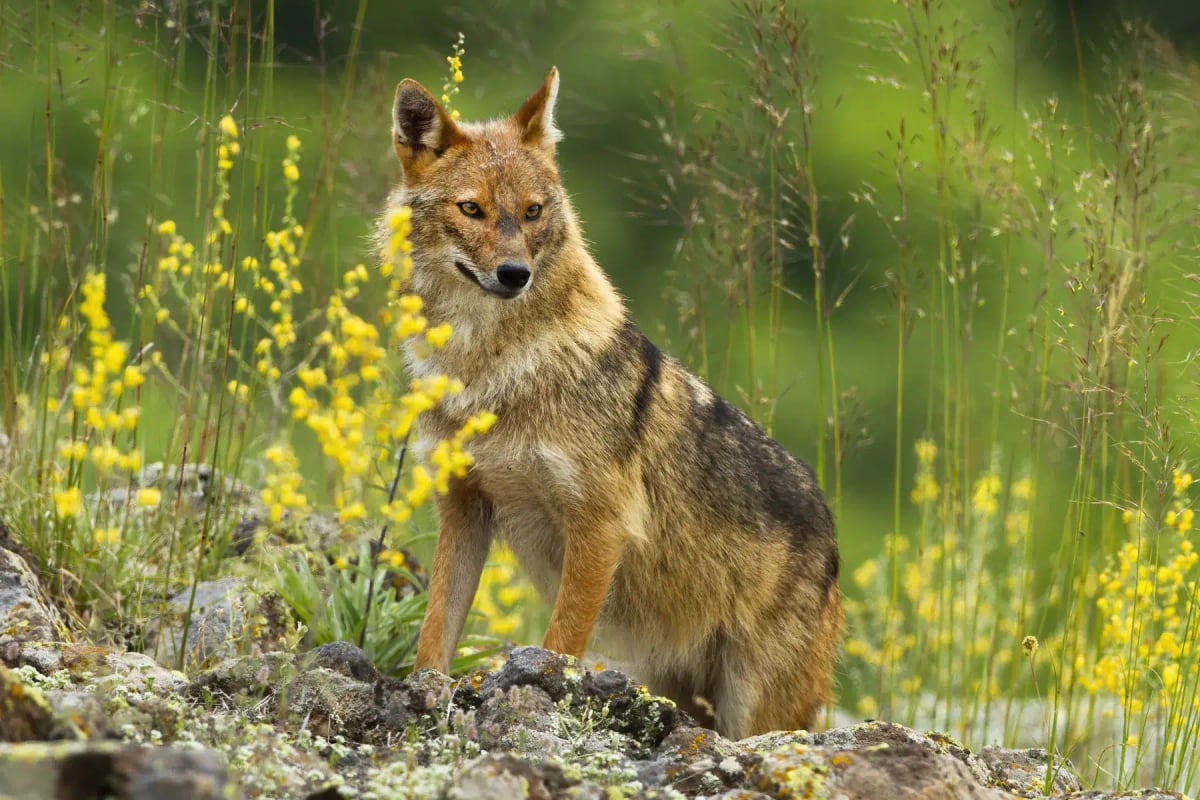
Golden Jackal
Canis aureus
In Myanmar, the golden jackal occupies open habitats and areas with scattered tree cover in the central dry zone, as well as agricultural land and scrub in the Irrawaddy basin. It is an opportunistic feeder, taking small prey, insects, carrion, and crops near villages. The species is less frequently studied in Myanmar than in neighbouring South Asian countries, but it forms a natural part of the local fauna. Its status is Least Concern.
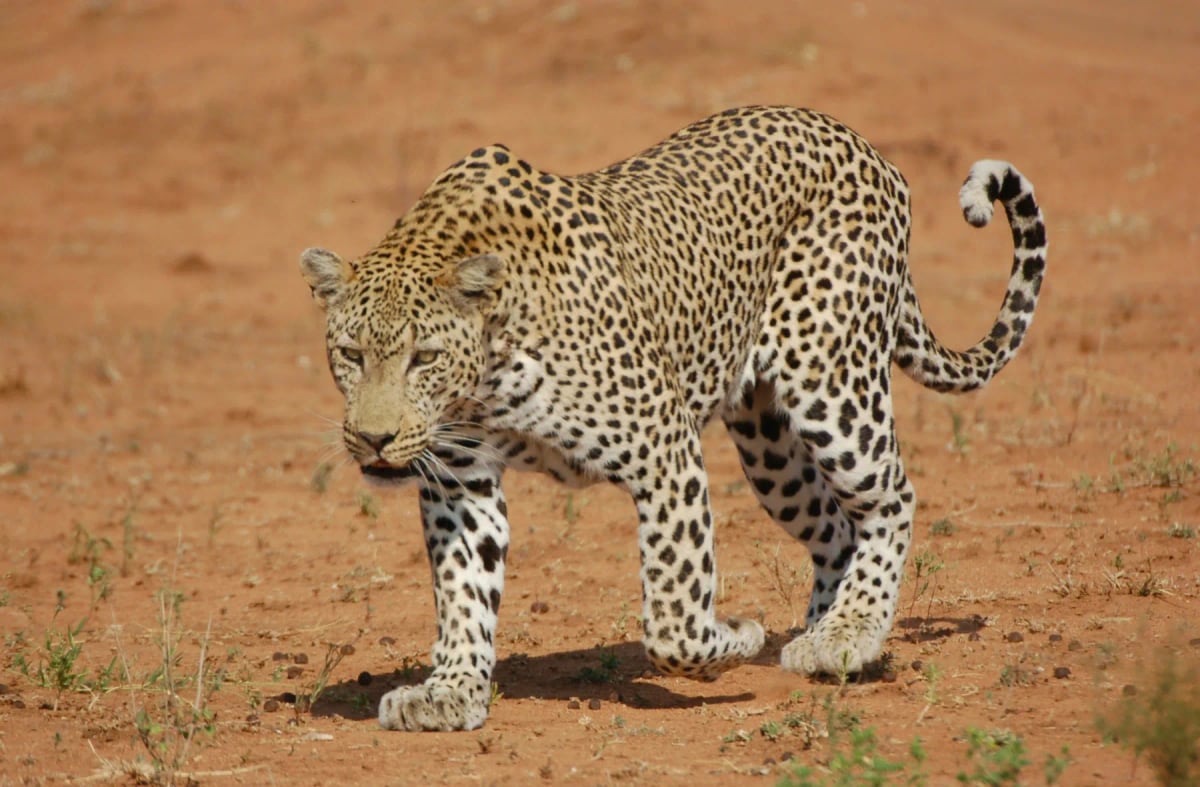
Leopard
Panthera pardus
Myanmar still holds substantial areas of forest across its northern and central regions, and leopards have been recorded in several protected areas including Hukaung Valley and the Tanintharyi landscape in the south. Camera trap surveys have confirmed their presence, though populations are thought to be declining. Poaching for the illegal wildlife trade, particularly for skins and bones, is one of the most serious threats they face in this country.
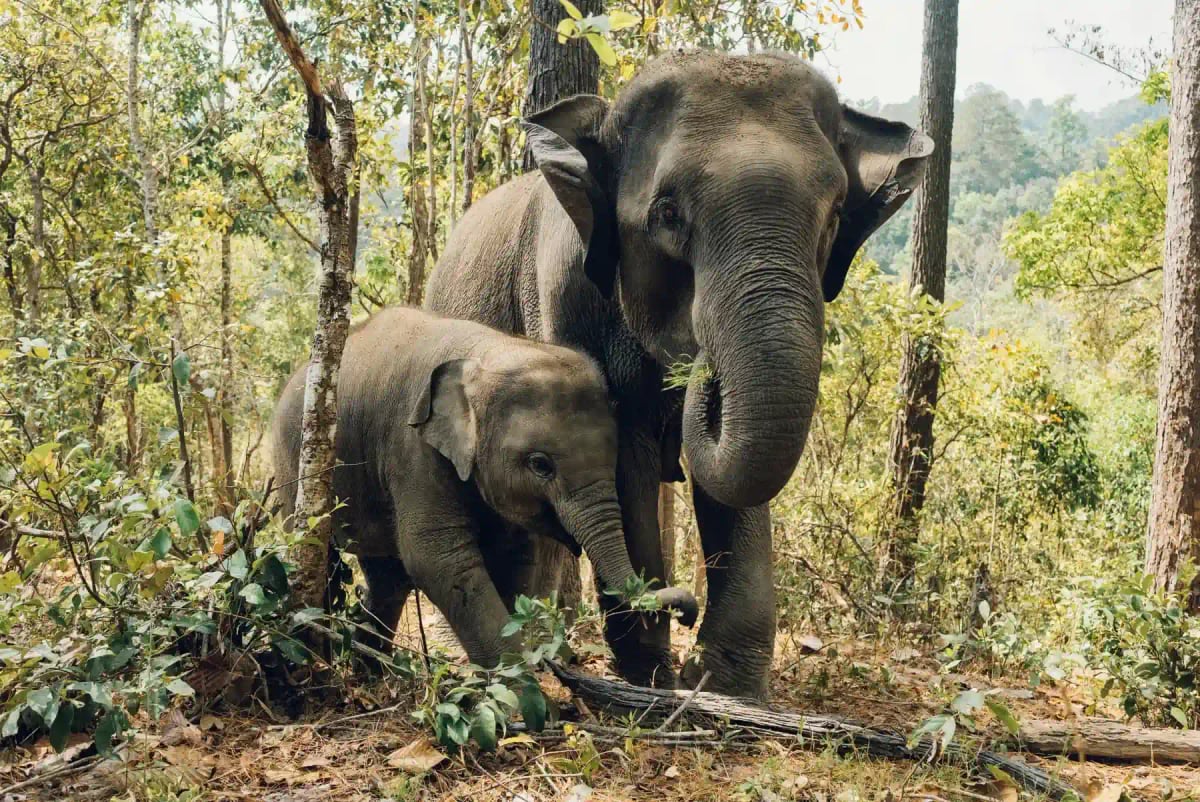
Asian Elephant
Elephas maximus
Myanmar holds one of the largest wild Asian elephant populations in Southeast Asia, estimated at between 1,400 and 2,000 individuals in forests across the country. The Ayeyarwady basin and the hills bordering Thailand, China, and India are key areas. Myanmar also has one of the world's largest captive elephant populations, historically used in the timber industry. Forest loss and poaching remain serious threats, though large areas of intact forest still support viable herds.
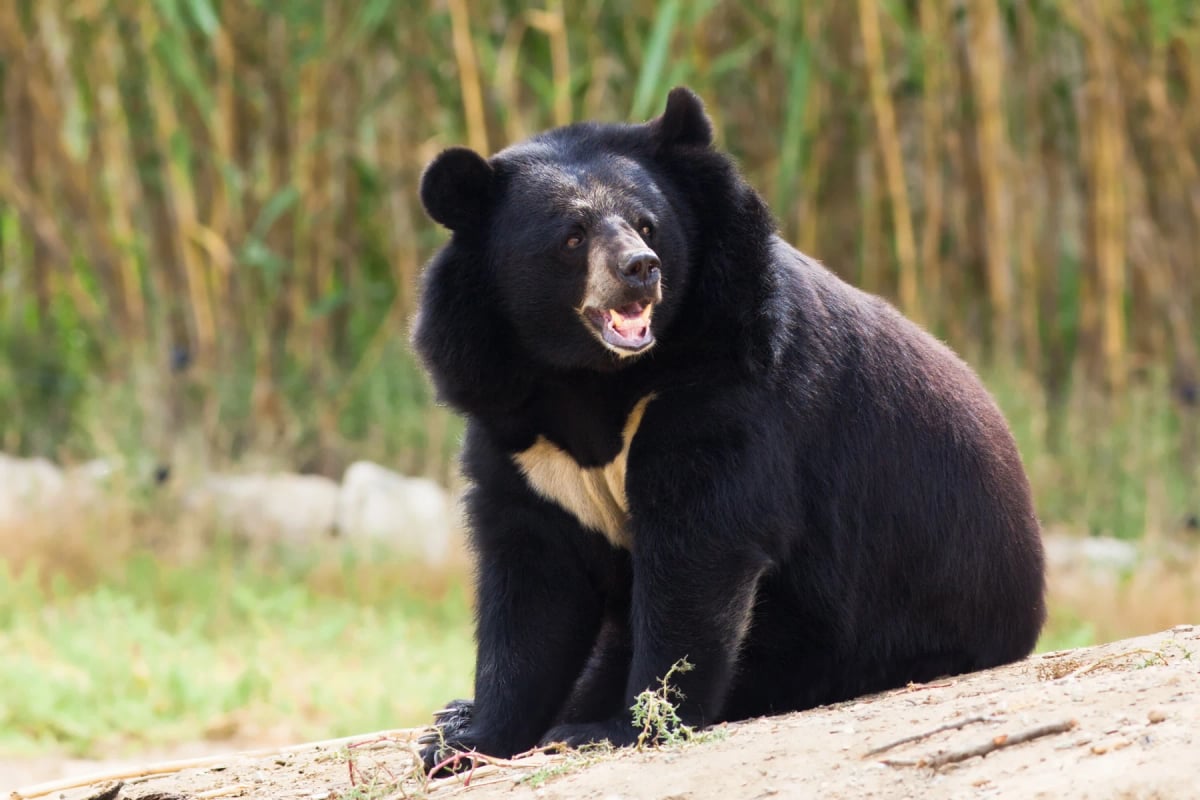
Asiatic Black Bear
Ursus thibetanus
Myanmar supports one of the more significant Asiatic black bear populations in Southeast Asia, distributed across forested mountain ranges in the north and east of the country. The forests bordering China, India, and Thailand provide connected habitat across international boundaries. Poaching for the bile trade is a persistent threat, and Myanmar's forests have faced increasing pressure from logging and agricultural expansion over recent decades. Some populations benefit from proximity to large protected areas, but enforcement remains a challenge across much of the country.
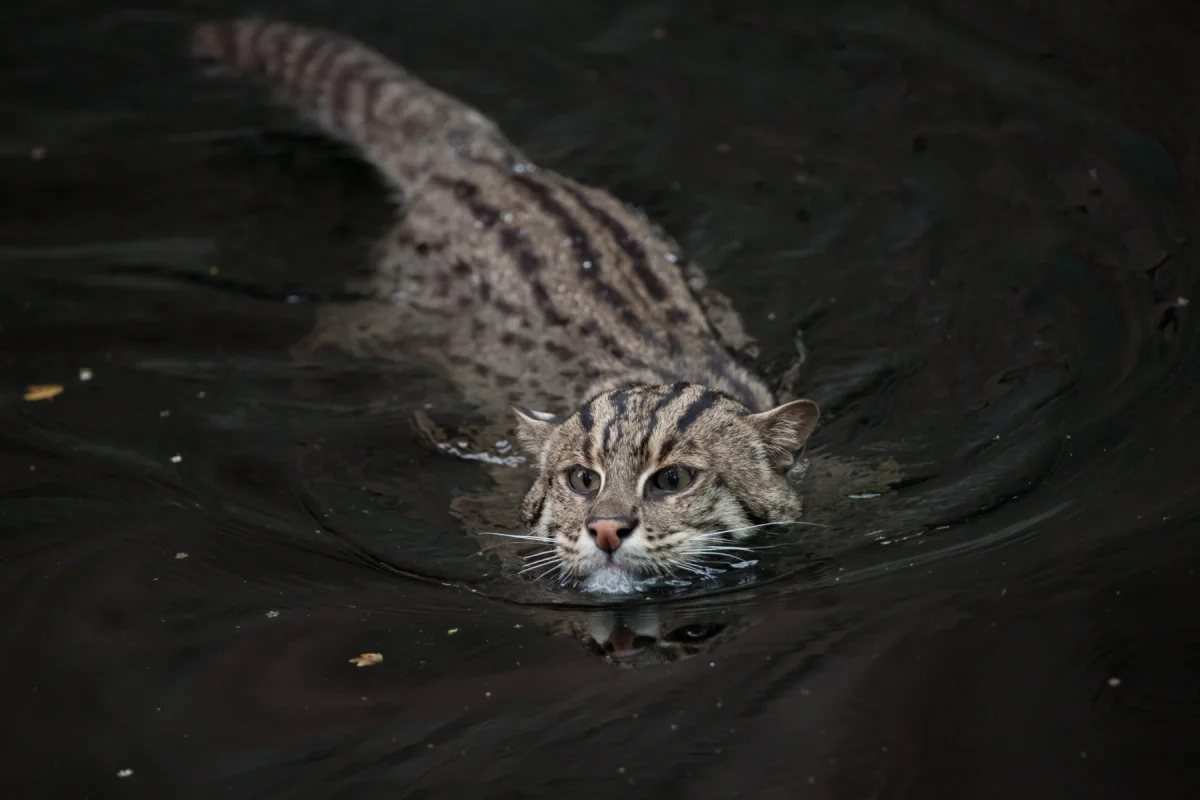
Fishing Cat
Prionailurus viverrinus
Myanmar's river deltas, coastal mangroves, and inland wetlands provide suitable habitat for the fishing cat. The Irrawaddy delta is considered one of the more likely strongholds for the species in the country, though survey data remains limited. As across much of its range, wetland degradation driven by agriculture and aquaculture expansion is the primary threat. Reliable population estimates for Myanmar are still lacking due to limited field research. IUCN status: Vulnerable.
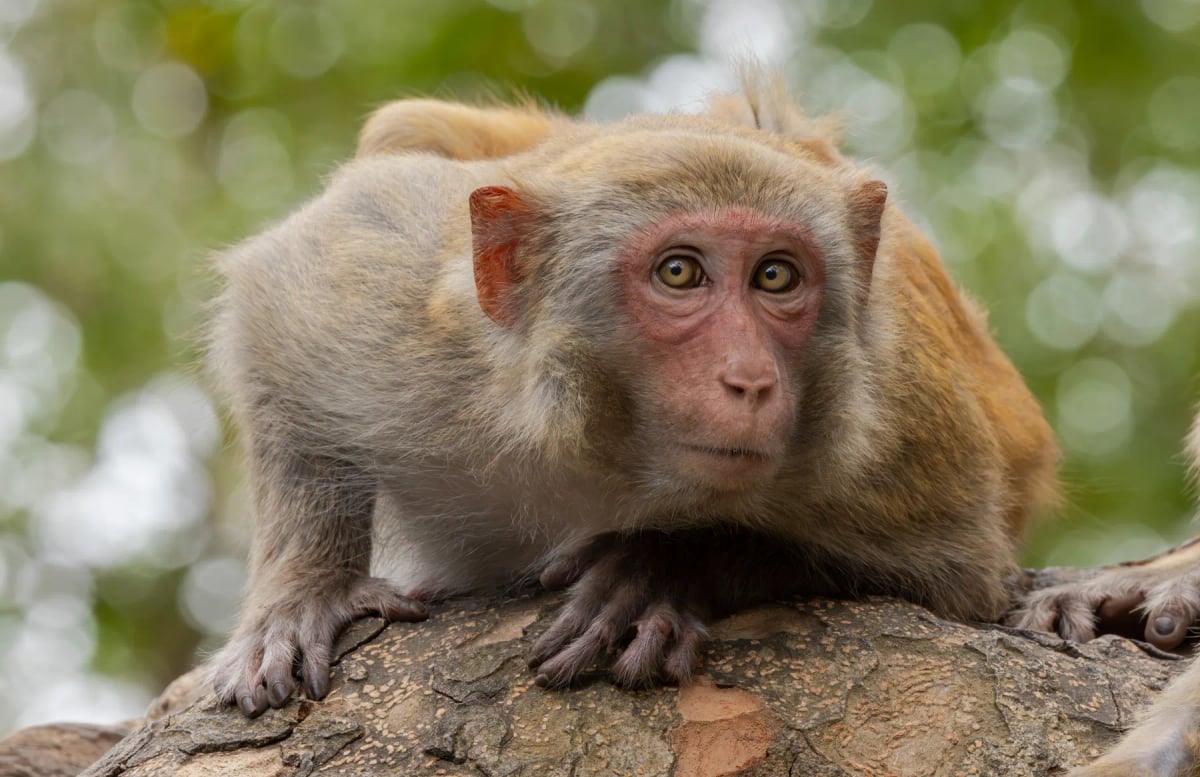
Macaque
Macaca spp.
Myanmar supports several macaque species, including rhesus, Assamese, and pig-tailed macaques across its diverse landscapes of tropical forest, mountain terrain, and river valleys. The country's relatively large areas of intact forest provide important refuge. However, wildlife trade, hunting for bushmeat, and habitat clearance pose growing threats. Macaques are also found near pagodas and human settlements, where they have adapted to life close to people.
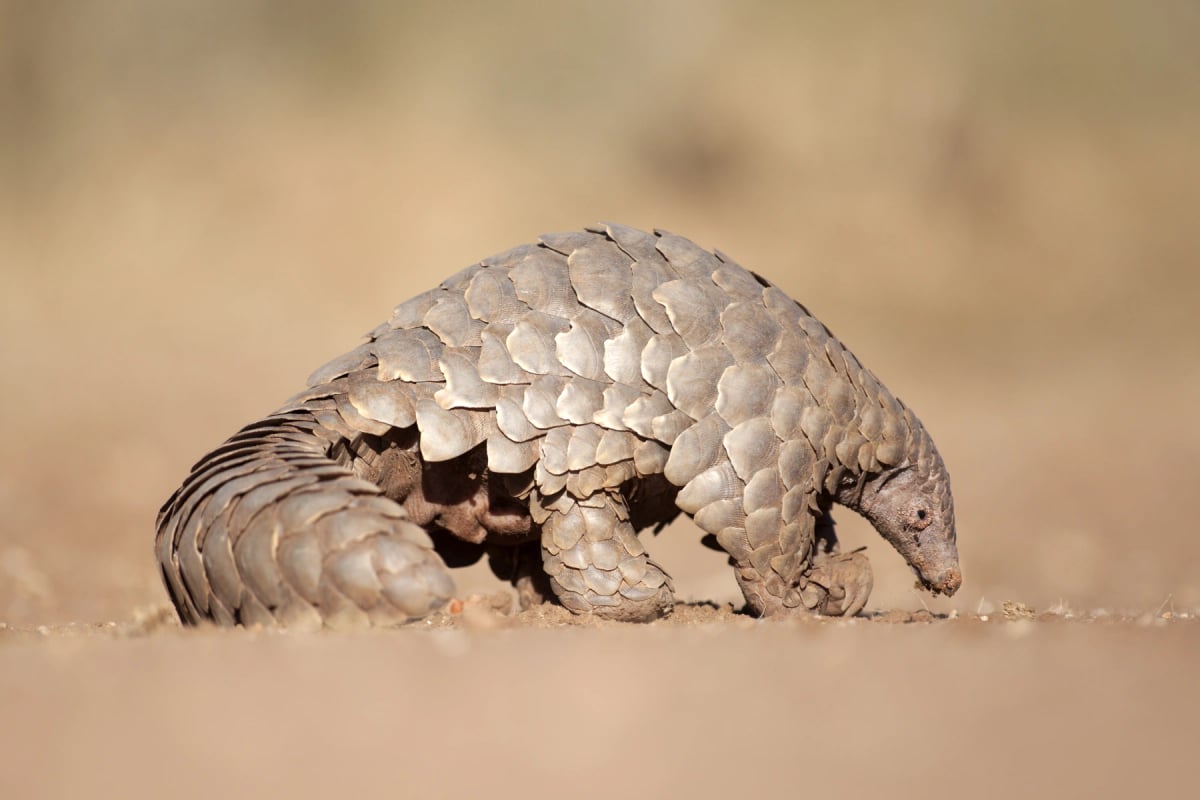
Pangolin
Manis spp.
Myanmar holds some of the most significant remaining forest cover in mainland Southeast Asia, and pangolins are found across these habitats, from the tropical lowlands to the hills of Kachin State. Despite this, they are critically endangered due to heavy poaching and a porous border that allows illegal trade to flow into China. Pangolins rely on their keratin scales for defense, but this armor cannot protect them from human hunters.
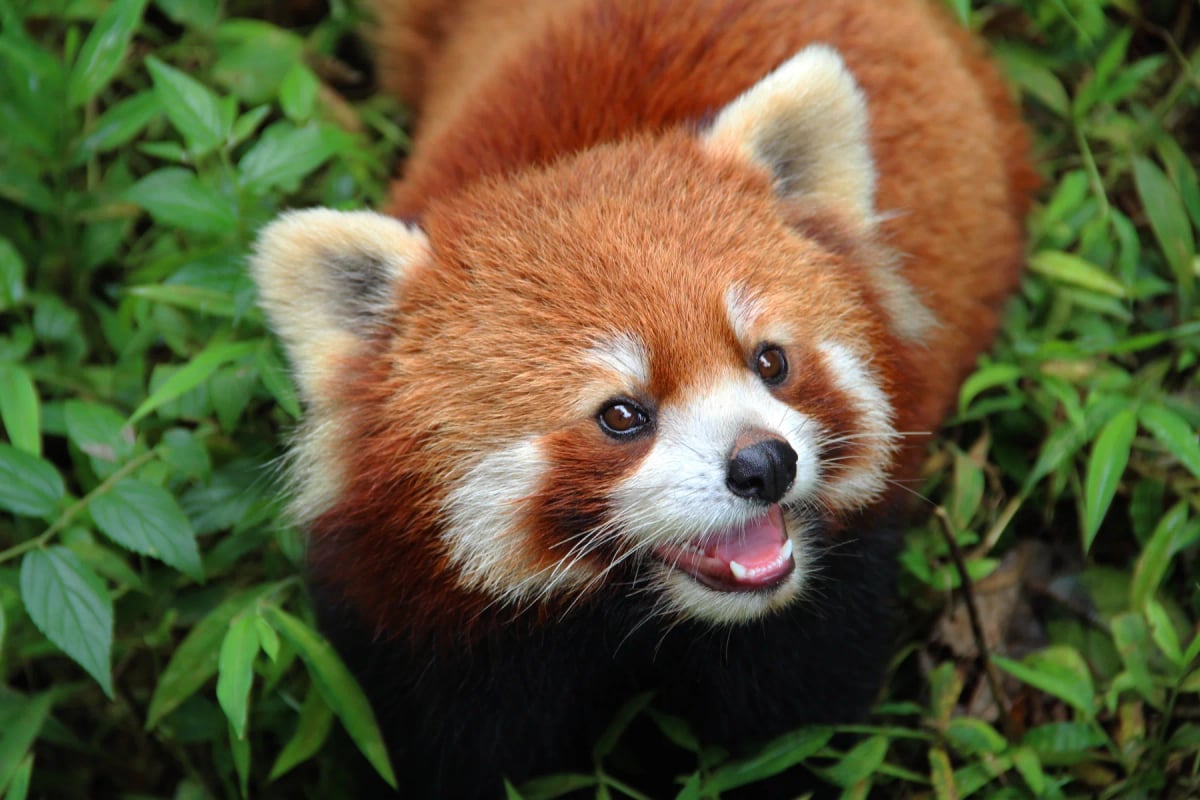
Red Panda
Ailurus fulgens
In Myanmar, the red panda inhabits the cool mountain forests of the northern and eastern highlands, including areas of Kachin and Shan states, where bamboo forest provides both food and shelter. This part of its range is among the least studied, and the full extent of its population there remains uncertain. Ongoing habitat clearance adds pressure to what is likely a small and fragmented population. Its status is Endangered.
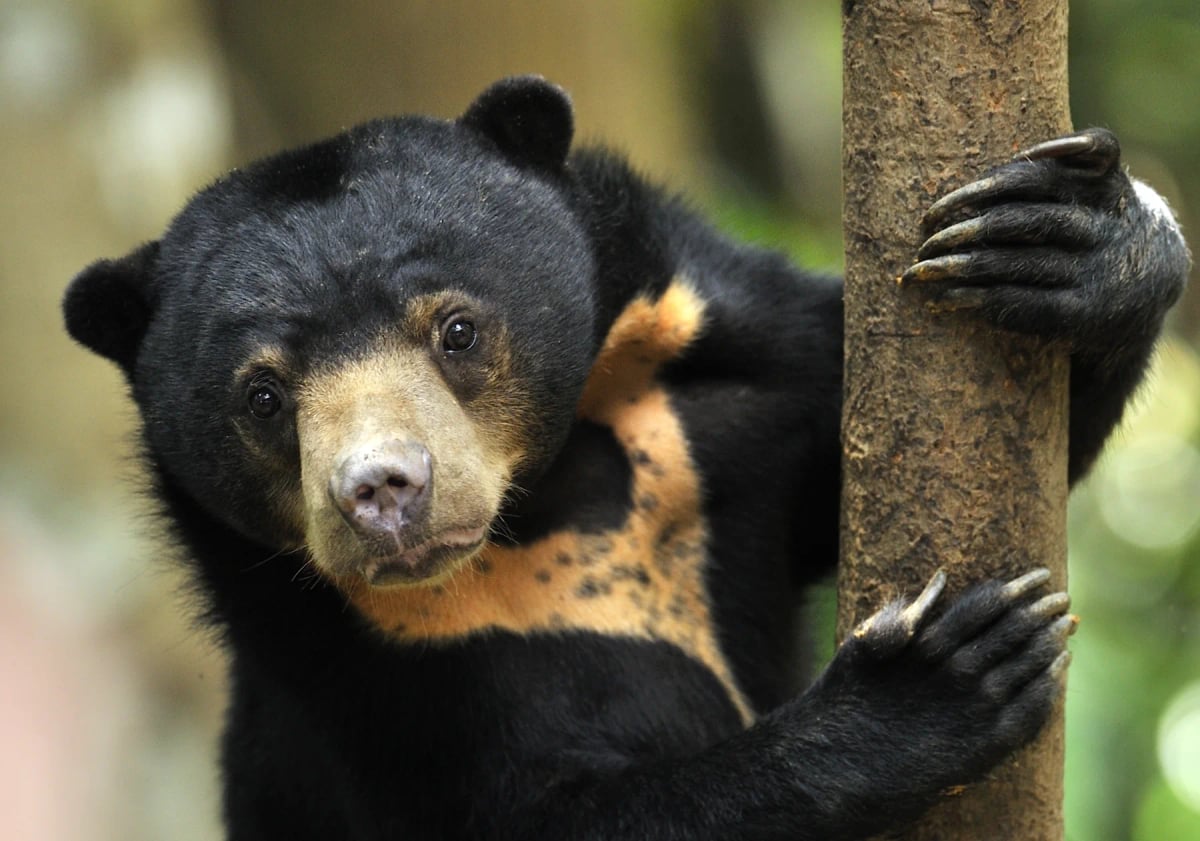
Sun Bear
Helarctos malayanus
The sun bear lives in the tropical and subtropical forests of Myanmar, from the hills of Kachin State in the north to the forests of Tanintharyi in the south. It is the world's smallest bear, recognized by its unique chest patch and long tongue suited for reaching honey and insects inside trees. Deforestation and poaching for bear bile remain major threats to this Vulnerable species throughout the country.
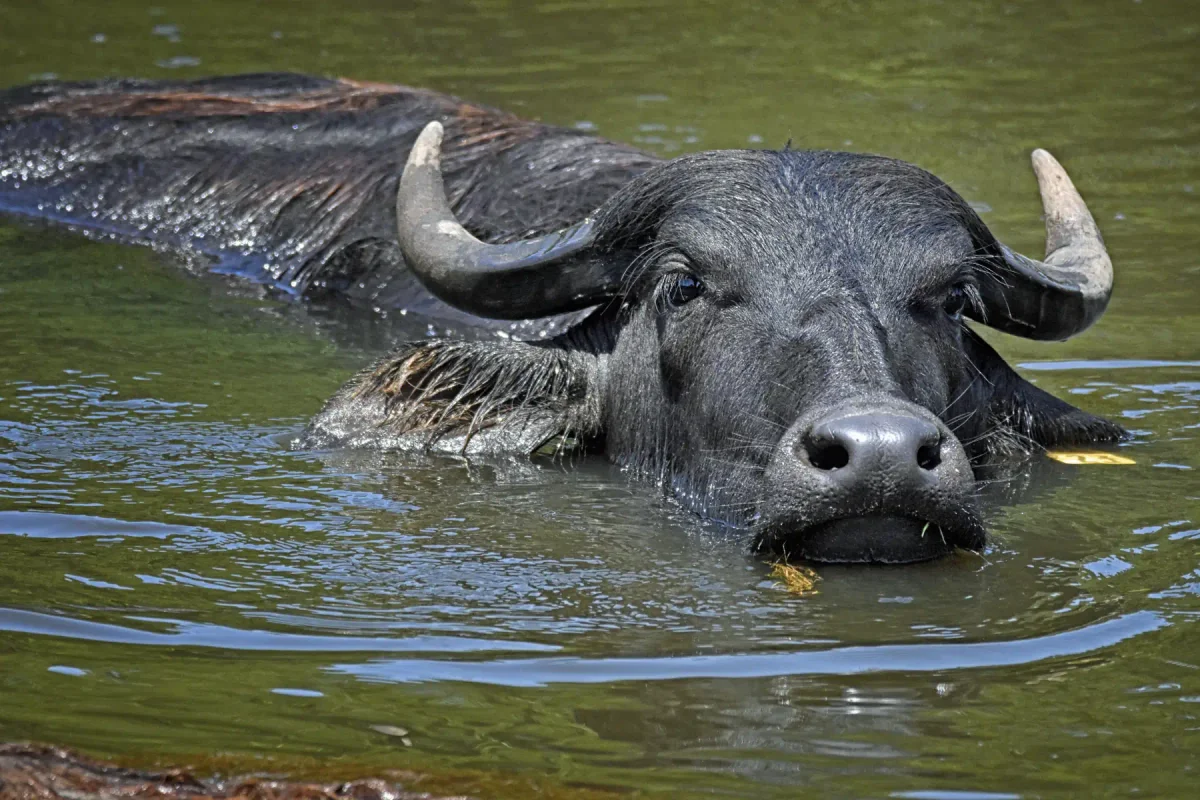
Water Buffalo
Bubalus arnee
In Myanmar, wild water buffalo survive in small, scattered groups across the country's remaining lowland forests and wetlands. Populations are difficult to survey due to dense vegetation and remote terrain, but the species faces serious pressure from habitat loss and crossbreeding with domestic buffalo. Adults can weigh over 1,000 kg and spend much of the day resting in shallow water to stay cool. The species is Endangered.
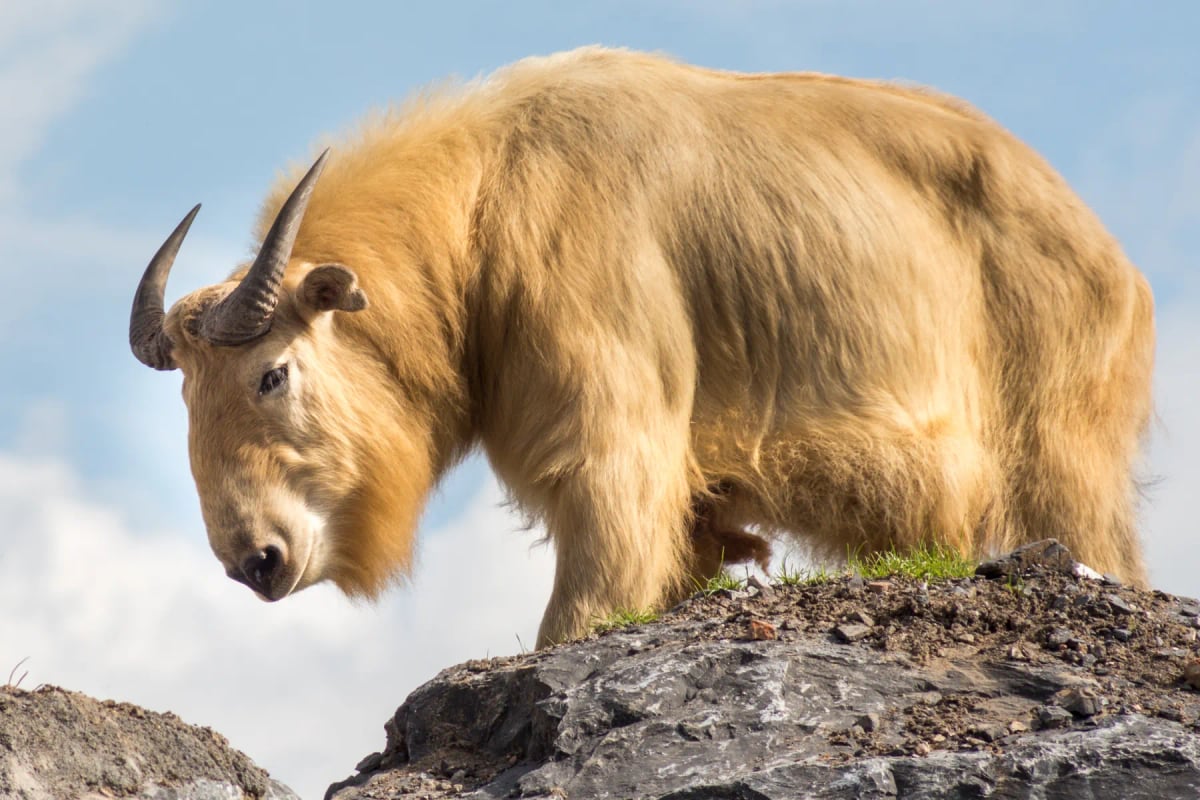
Takin
Budorcas taxicolor
Myanmar represents the southwestern edge of the takin's range, where the animal occurs in the northern mountain forests near the border with China and India. Dense forest cover and high elevation terrain characterize this habitat. Takins here face significant pressure from hunting and forest clearance. Relatively little research has been conducted on this population, making conservation efforts in the region especially important. The IUCN lists the takin as Vulnerable across its entire range.
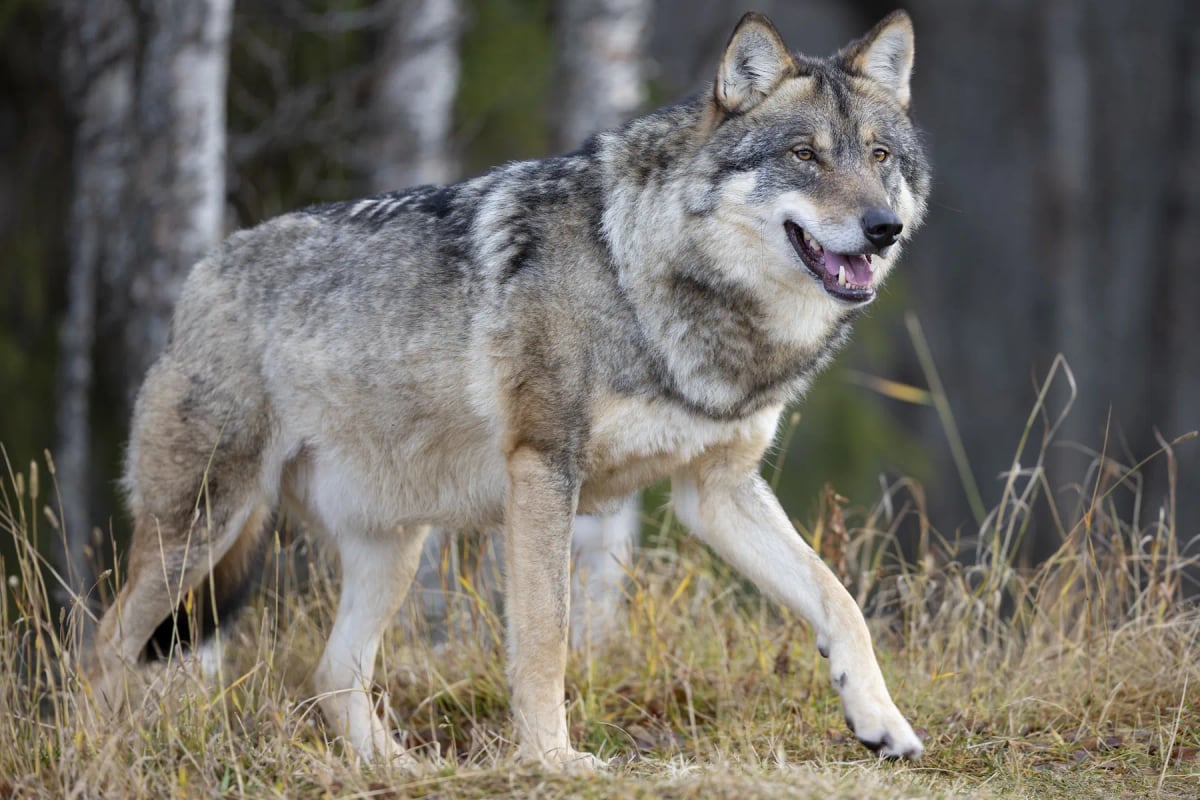
Gray Wolf
Canis lupus
The gray wolf reaches the southeastern edge of its Asian range in Myanmar, where it inhabits remote highland and montane areas near the borders with China and India. Sightings are rare and population data is limited, but the species is recognized as present. Wolves here face pressure from habitat loss and conflict with livestock herders. Their IUCN status is Least Concern globally, though local numbers remain poorly understood.
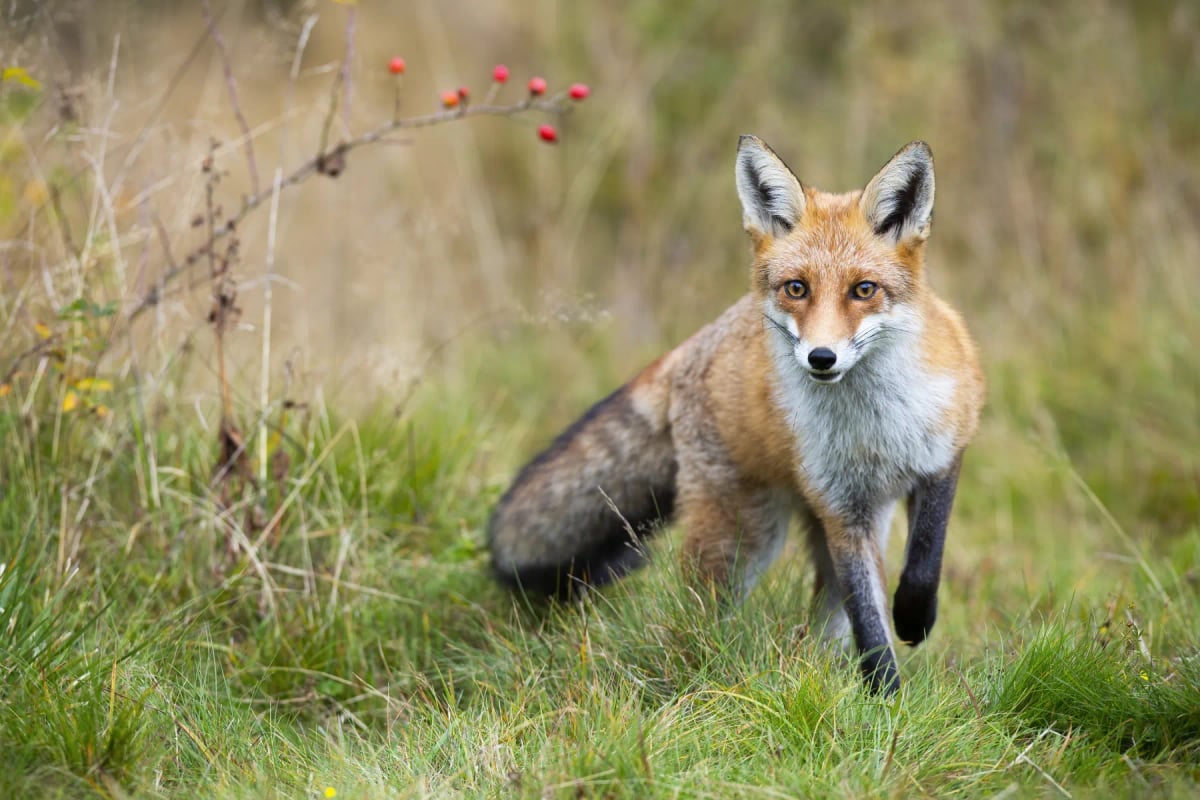
Red Fox
Vulpes vulpes
In Myanmar, the red fox occurs in the cooler highland regions of the north, including the hills and mountain valleys near the borders with China and India. It tends to avoid the tropical lowland forests that dominate much of the country, preferring open terrain and forest edges at higher elevations. Its presence in Myanmar sits at the southern edge of the species' natural range in mainland Asia. It is listed as Least Concern globally.
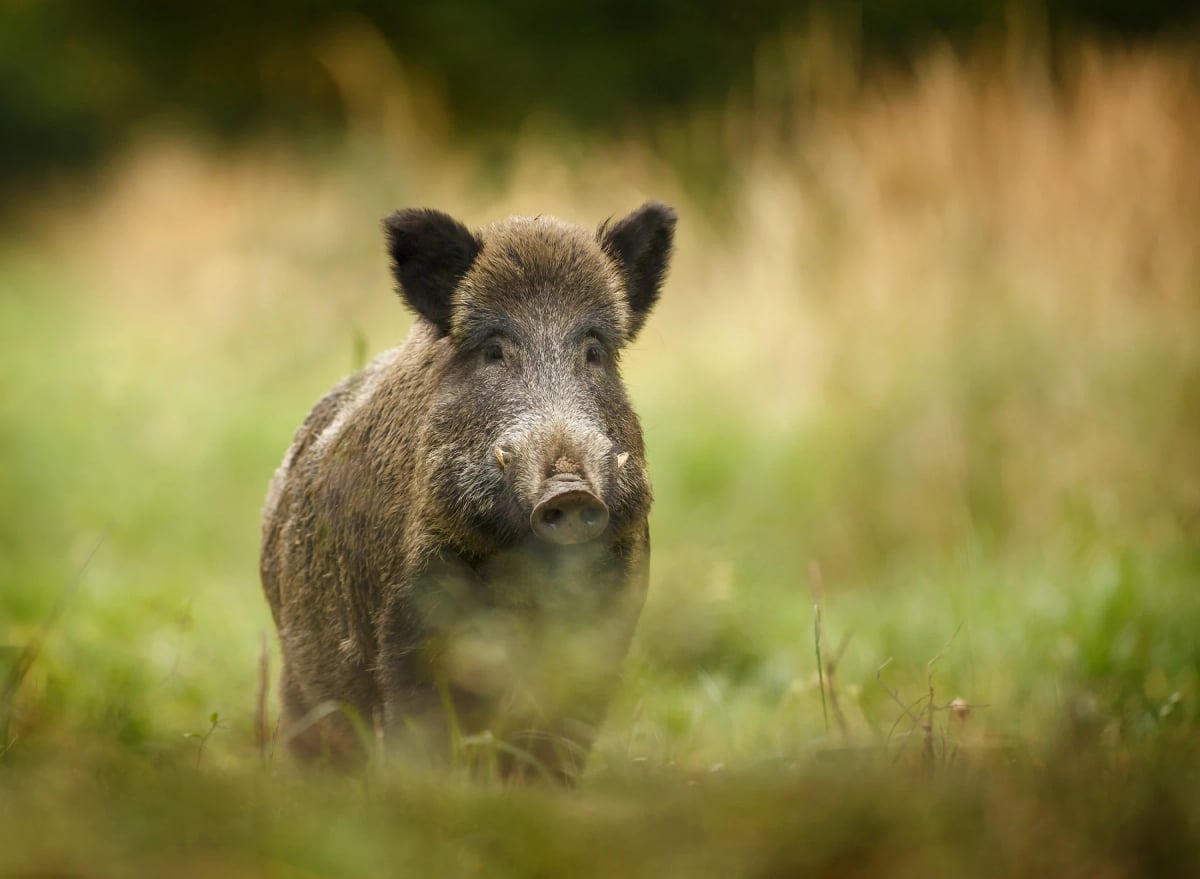
Wild Boar
Sus scrofa
Wild boars are widespread across Myanmar's forests and farmland, from the hill forests of the north to the lowland plains further south. They remain an important prey species for the country's remaining tigers and leopards in protected forest areas. Various ethnic communities hunt wild boar for meat using traditional methods, while farmers near forest edges frequently report crop damage from foraging boars.
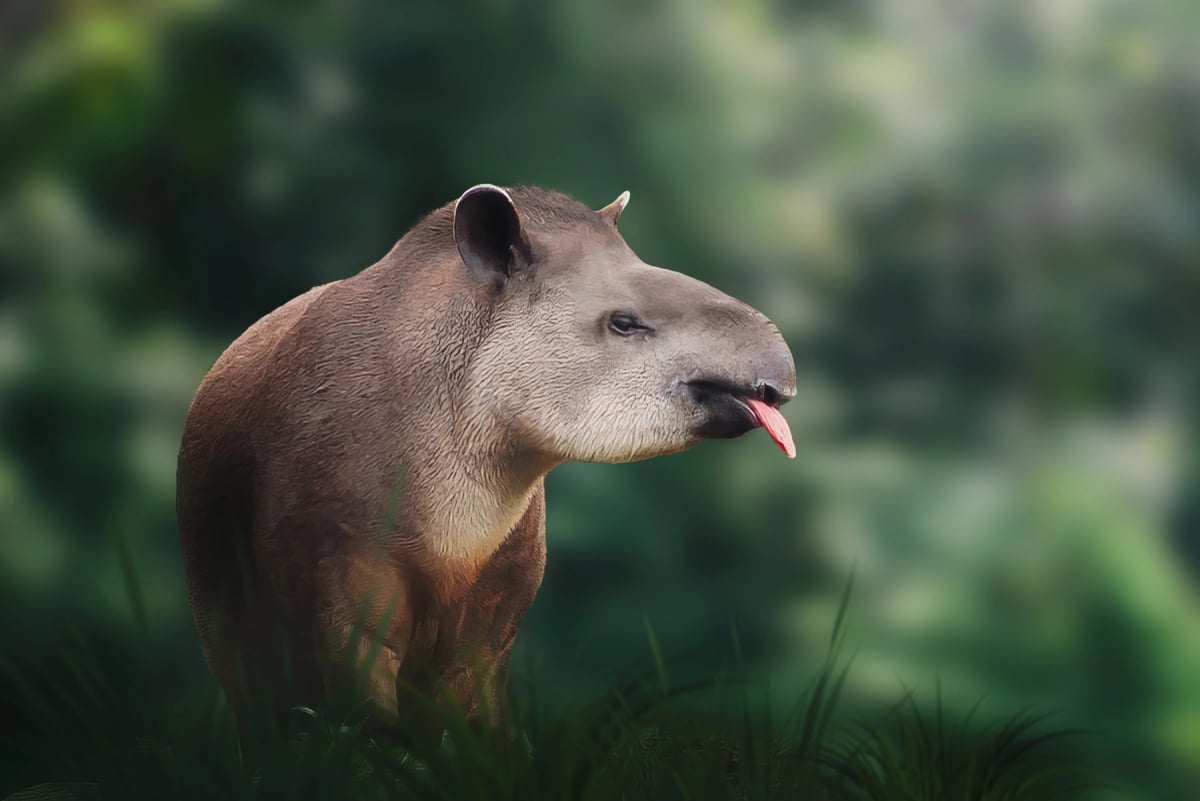
Tapir
Tapirus spp.
Myanmar is home to the Malayan tapir, the only tapir species found in Asia. It lives in the dense lowland rainforests and mixed forests of Tanintharyi Region in the south, where it browses on leaves, shoots, and fallen fruit at night. Habitat loss from logging and agricultural expansion has put serious pressure on this species. The IUCN lists the Malayan tapir as Endangered.
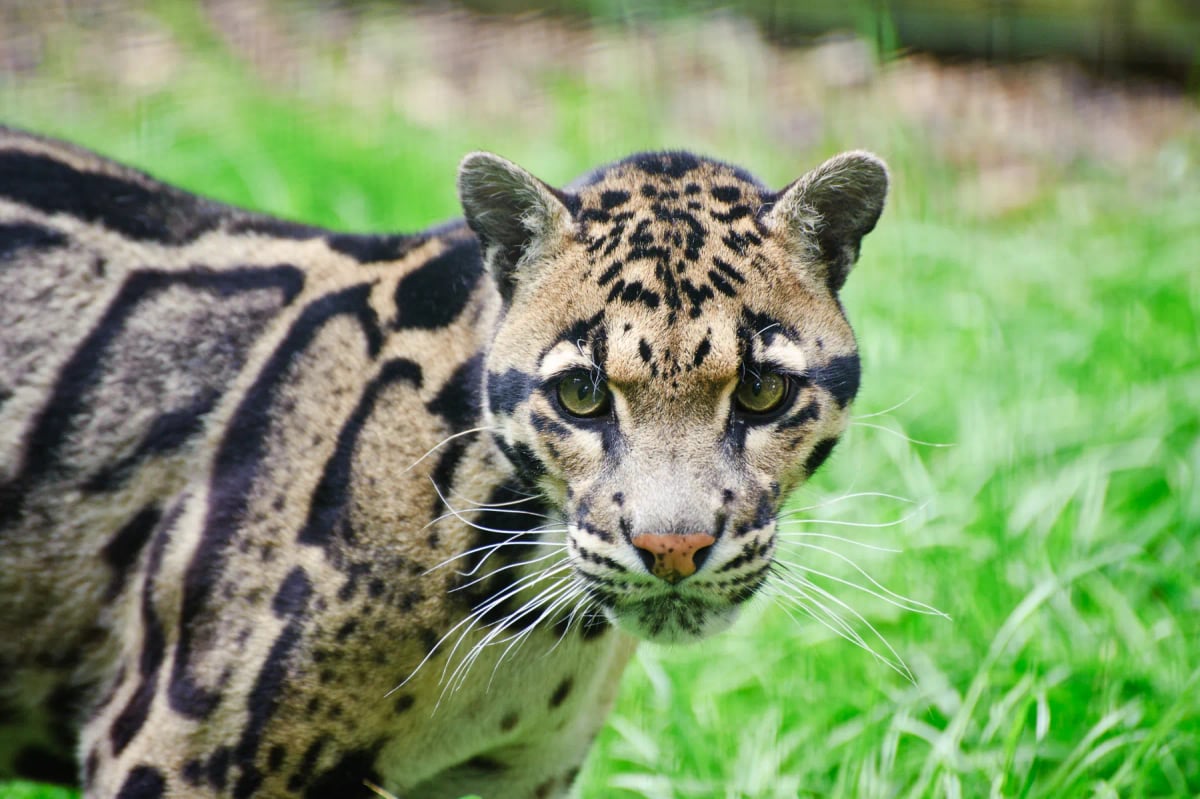
Clouded Leopard
Neofelis nebulosa
Myanmar holds some of the most extensive remaining forest cover in Southeast Asia, and the clouded leopard is found across much of the country, from the northern hill forests near Kachin State to the forests of Tanintharyi in the south. Despite this relatively broad range, ongoing habitat loss and poaching pose real risks. Several protected areas, including Hkakabo Razi National Park, offer crucial refuge for this elusive cat.
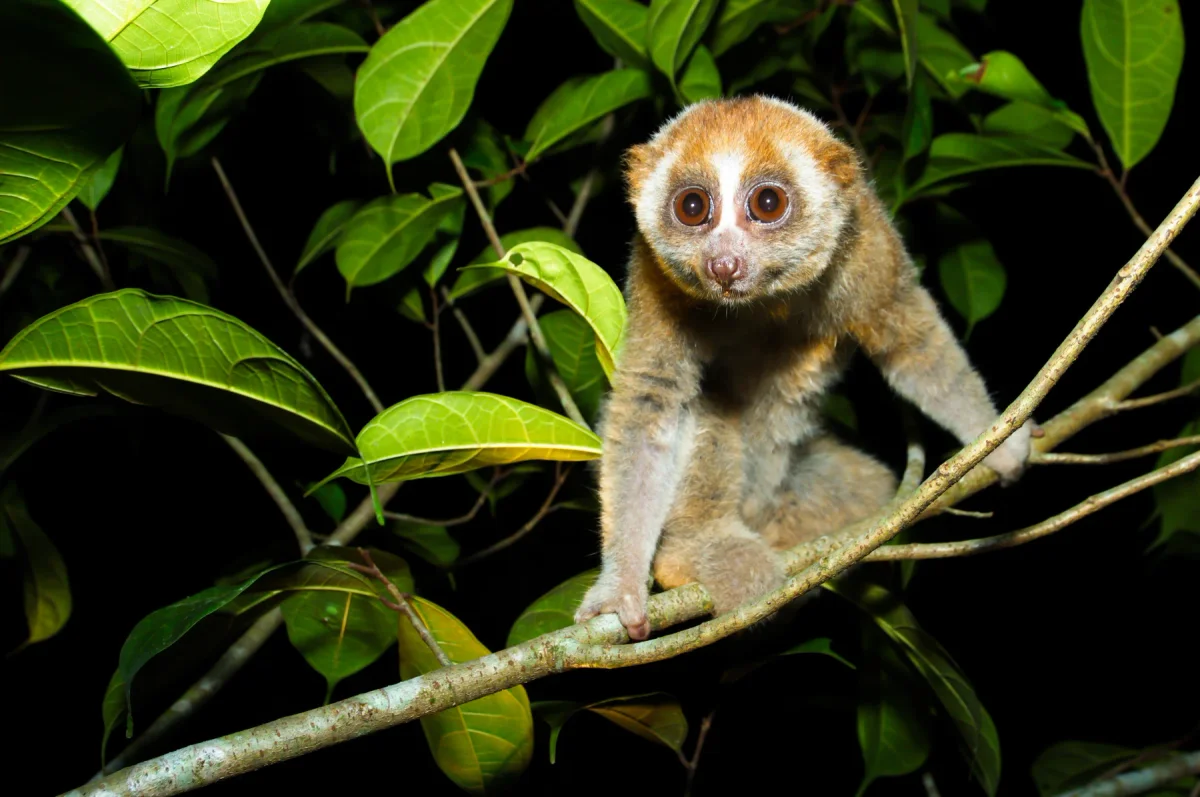
Bengal Slow Loris
Nycticebus bengalensis
Myanmar holds some of the most significant remaining habitat for the Bengal slow loris, with populations found across the country's tropical and subtropical forests. It is a nocturnal primate capable of producing venom through a gland on its inner arm. Widespread deforestation and a highly active illegal wildlife trade have placed populations under considerable pressure. The IUCN classifies the species as Vulnerable.
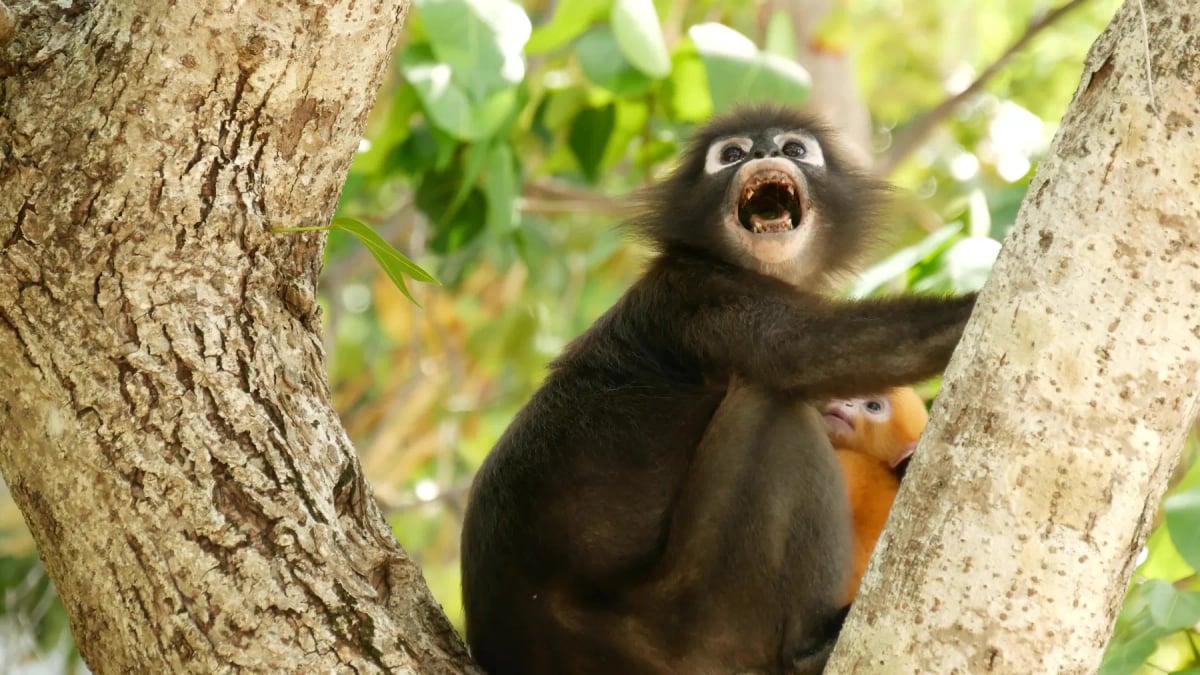
Dusky Langur
Trachypithecus obscurus
In Myanmar, the dusky langur occupies forested areas in the southern and Tenasserim regions, where it spends most of its time in the canopy feeding on young leaves, shoots, and flowers. Adults are recognized by their dark grey coat and white eye rings. Populations here face pressure from deforestation and hunting. The IUCN considers this species Near Threatened across its entire range.
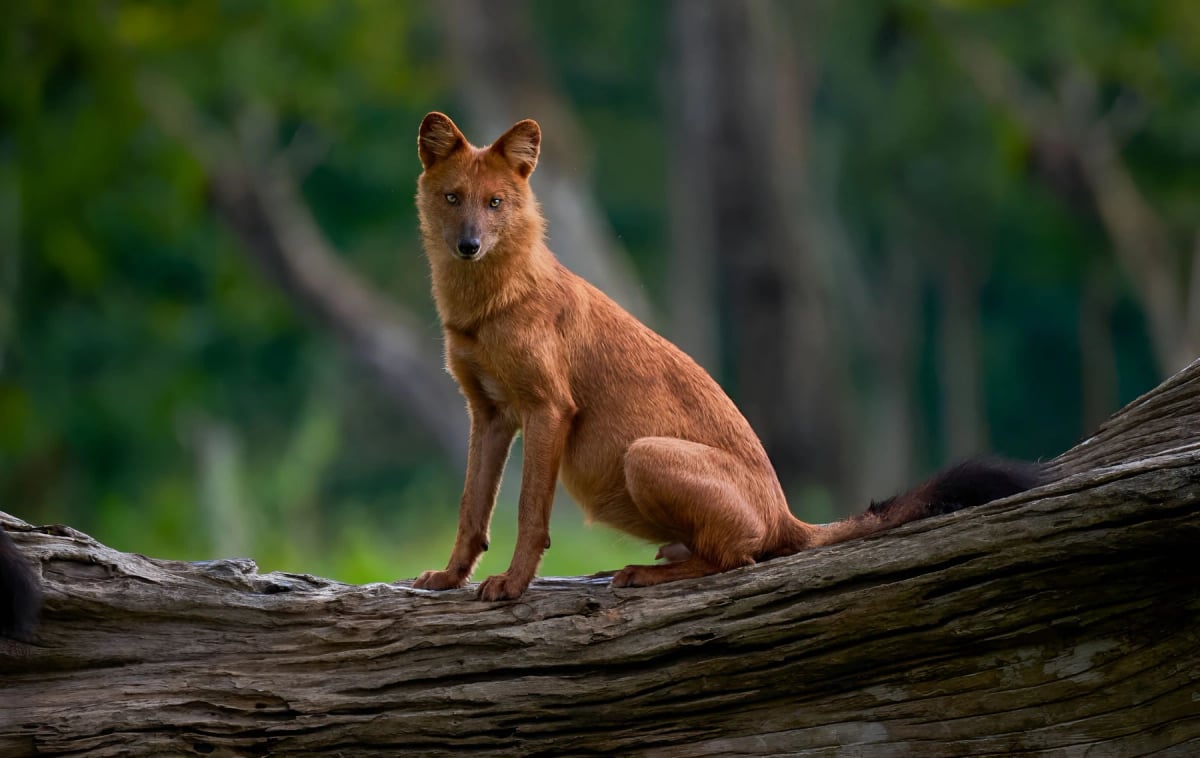
Dhole
Cuon alpinus
Myanmar's extensive forests, including those in the Hukawng Valley and Hukaung Valley Tiger Reserve, provide habitat for dholes. The country's varied landscapes, from tropical lowlands to highland forests, can support healthy packs if prey is available. However, widespread poaching, snaring, and ongoing habitat loss have placed dholes under growing pressure. More field surveys are needed to understand their current distribution. The IUCN lists the dhole as Endangered.
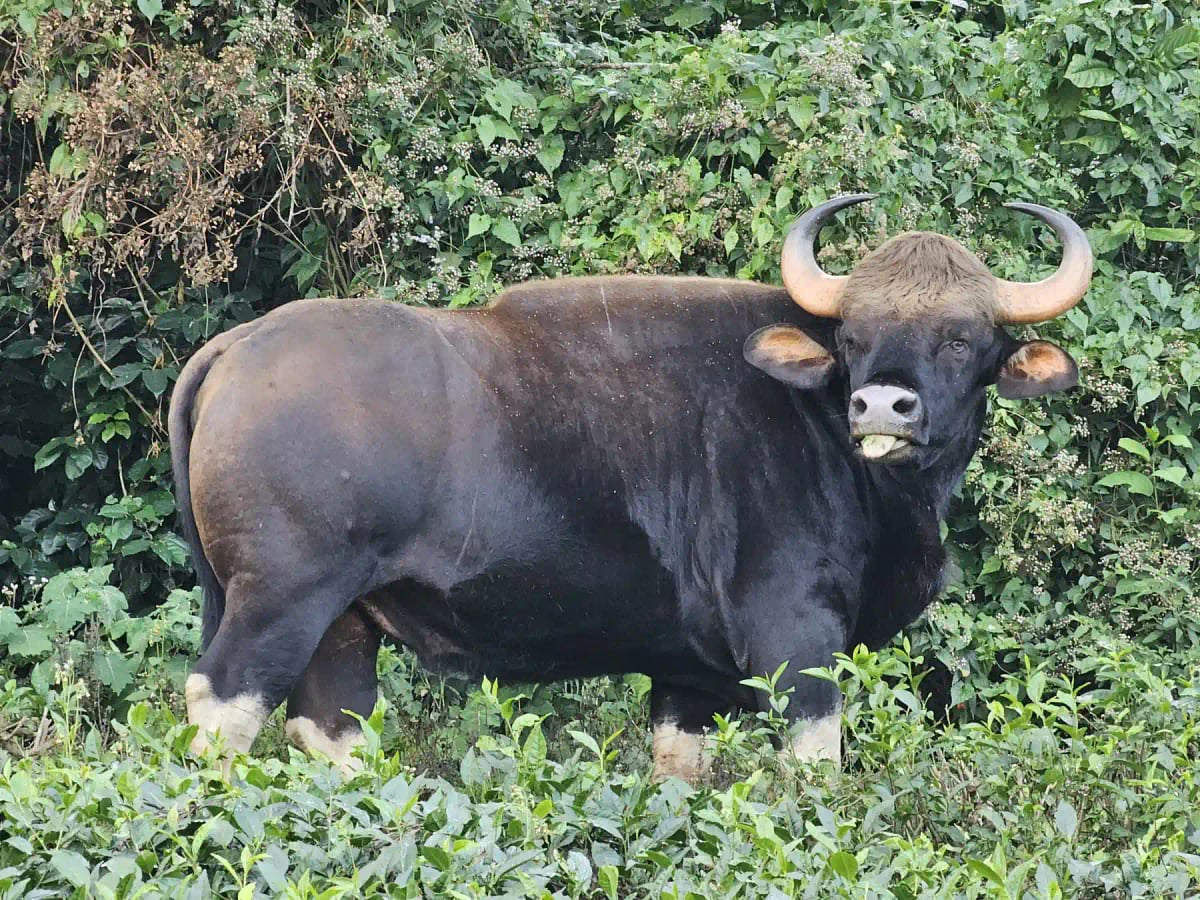
Gaur
Bos gaurus
Myanmar supports one of the more significant gaur populations in Southeast Asia, with animals found across the central dry zone forests and along the hilly borders with Thailand and India. Poaching for meat and traditional medicine markets poses a serious ongoing threat. Several protected areas, including Hukaung Valley Wildlife Sanctuary, provide refuge, though enforcement across such vast landscapes remains challenging.
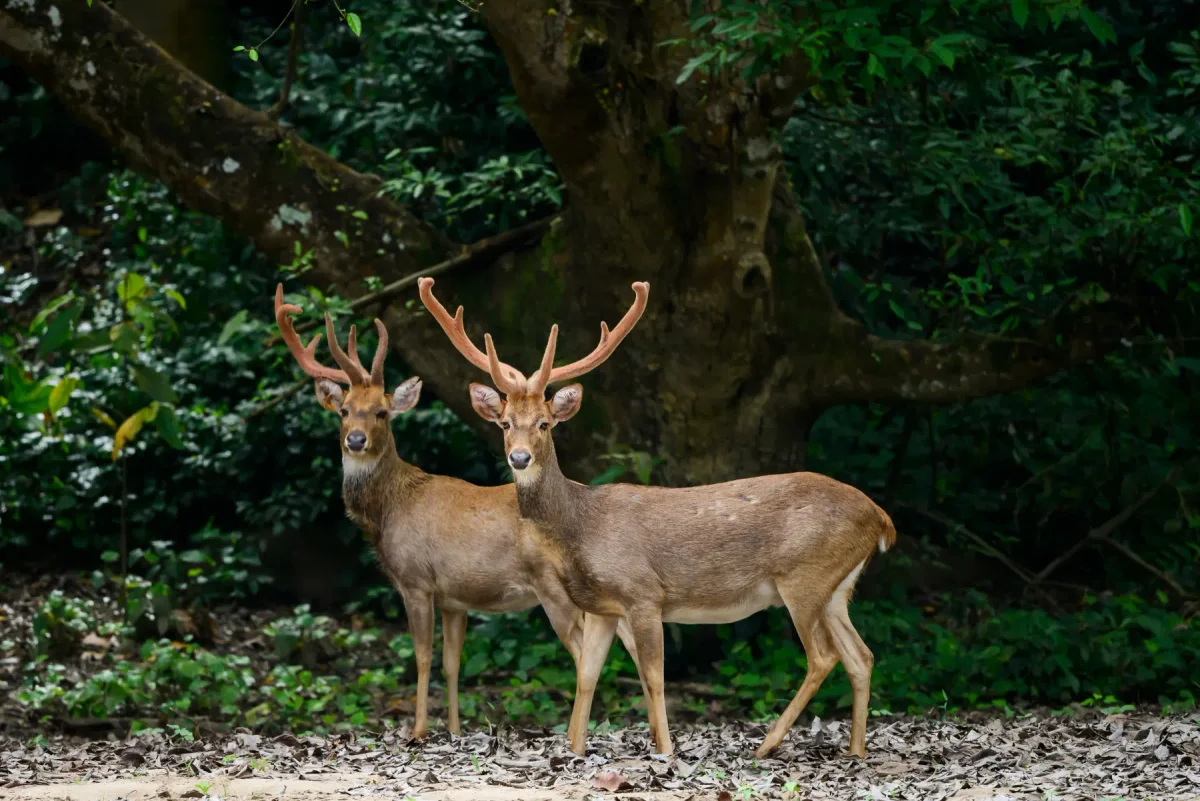
Eld's Deer
Rucervus eldii
Myanmar holds the largest remaining population of Eld's deer, particularly the thamin subspecies found in dry central regions around areas such as Shwesettaw Wildlife Sanctuary. The species favors dry deciduous forests and open plains. While this population is the most stable of all range countries, hunting and habitat loss remain serious threats. Conservation programs in Myanmar are among the most active in the region, focusing on anti-poaching patrols and habitat management.
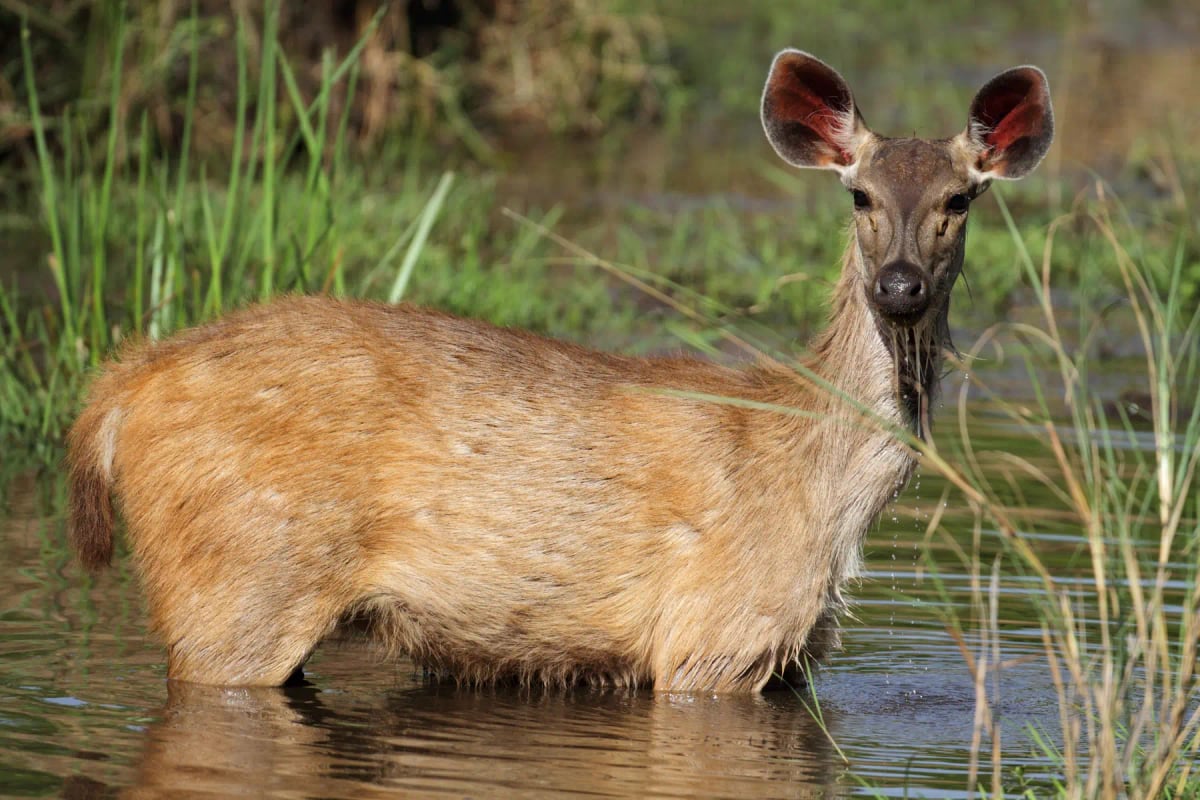
Sambar Deer
Rusa unicolor
Myanmar supports significant sambar deer populations across its diverse forests, from the dry forests of the central plains to the tropical rainforests of Tanintharyi in the south. Protected areas like Hkakabo Razi and Hukaung Valley provide important habitat. Myanmar's forests are under growing pressure from agricultural expansion and logging. Sambar here are preyed upon by tigers and leopards, underlining their ecological importance across the region.
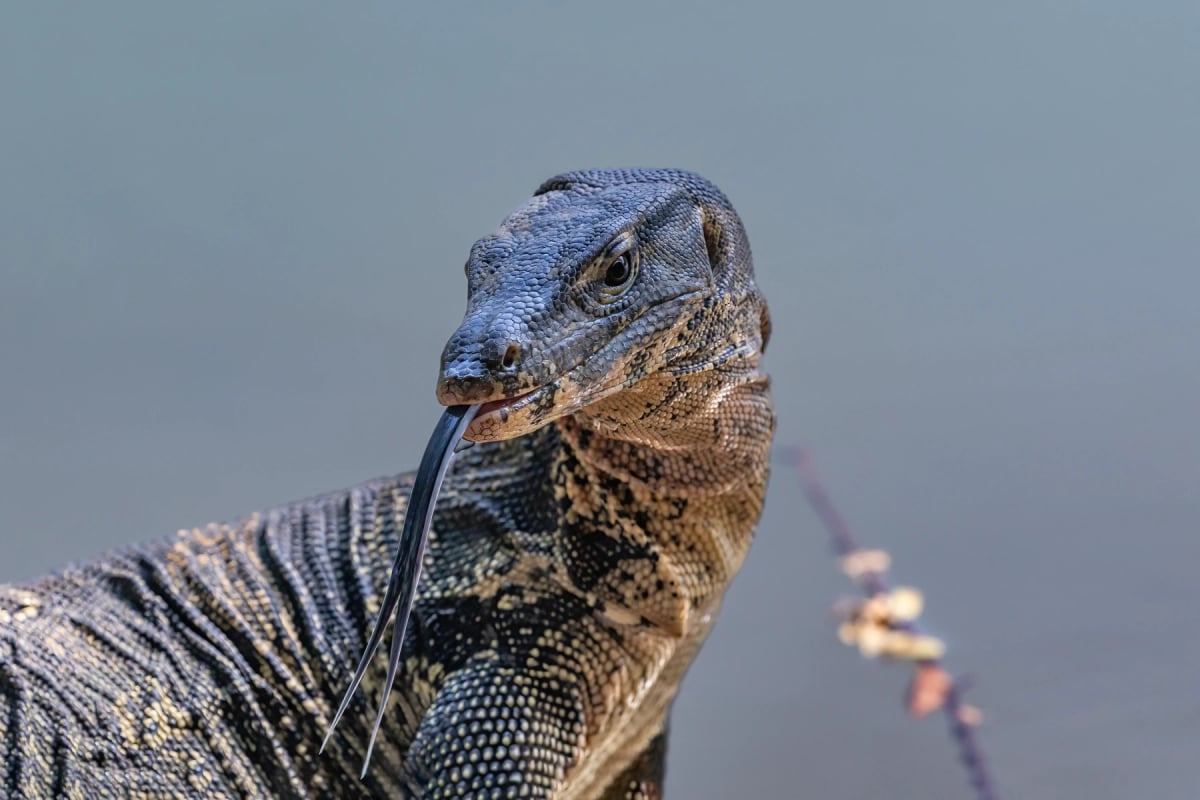
Monitor Lizard
Varanus salvator
The Asian water monitor is found throughout Myanmar's river systems and coastal wetlands, from the Ayeyarwady delta in the south to the mangroves of Rakhine State on the western coast. It thrives in floodplains and tidal channels, often living near fishing communities where carrion and food scraps are easy to find. It is generally tolerated by local people and not considered a dangerous animal.
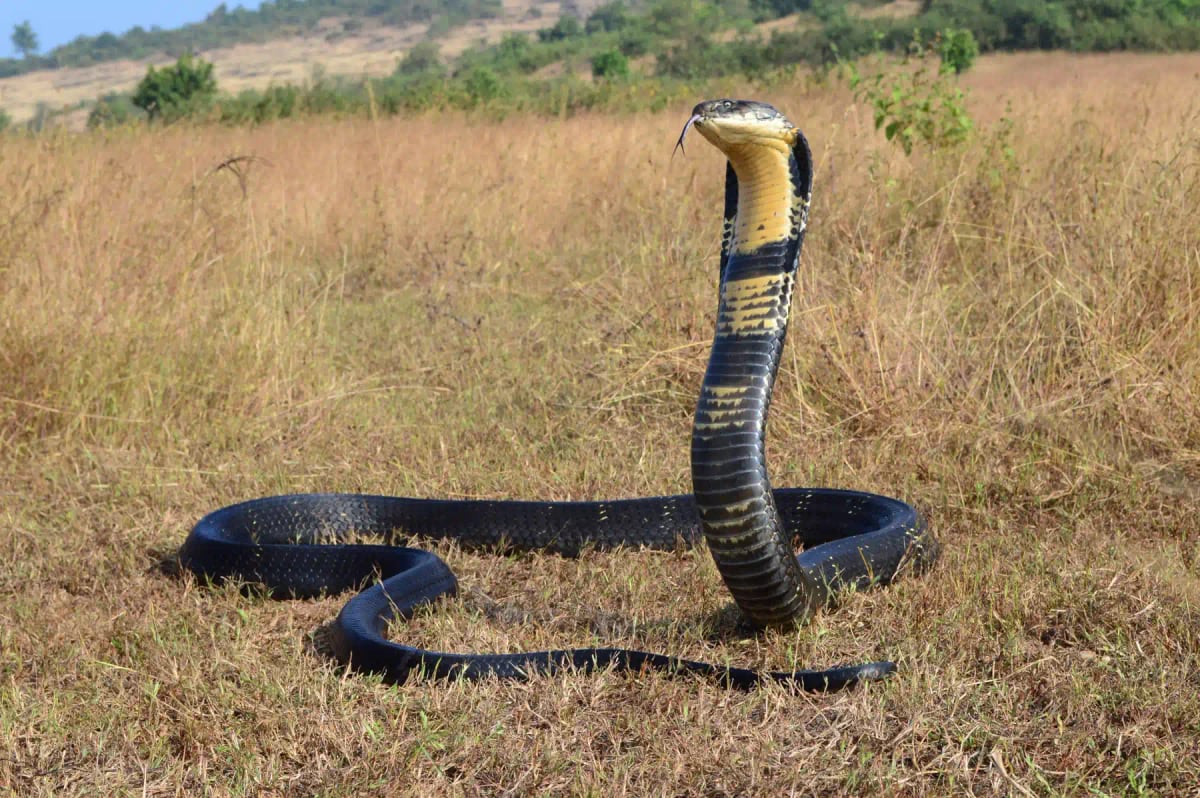
King Cobra
Ophiophagus hannah
Myanmar is considered one of the strongholds of the king cobra in mainland Southeast Asia, with large areas of intact forest across the country. The species is found from the hill forests of the north to the mangroves of the Irrawaddy Delta. Myanmar's rural communities are familiar with the snake, which occasionally appears near villages. Hunting and habitat loss are growing threats as infrastructure development expands into forested areas.
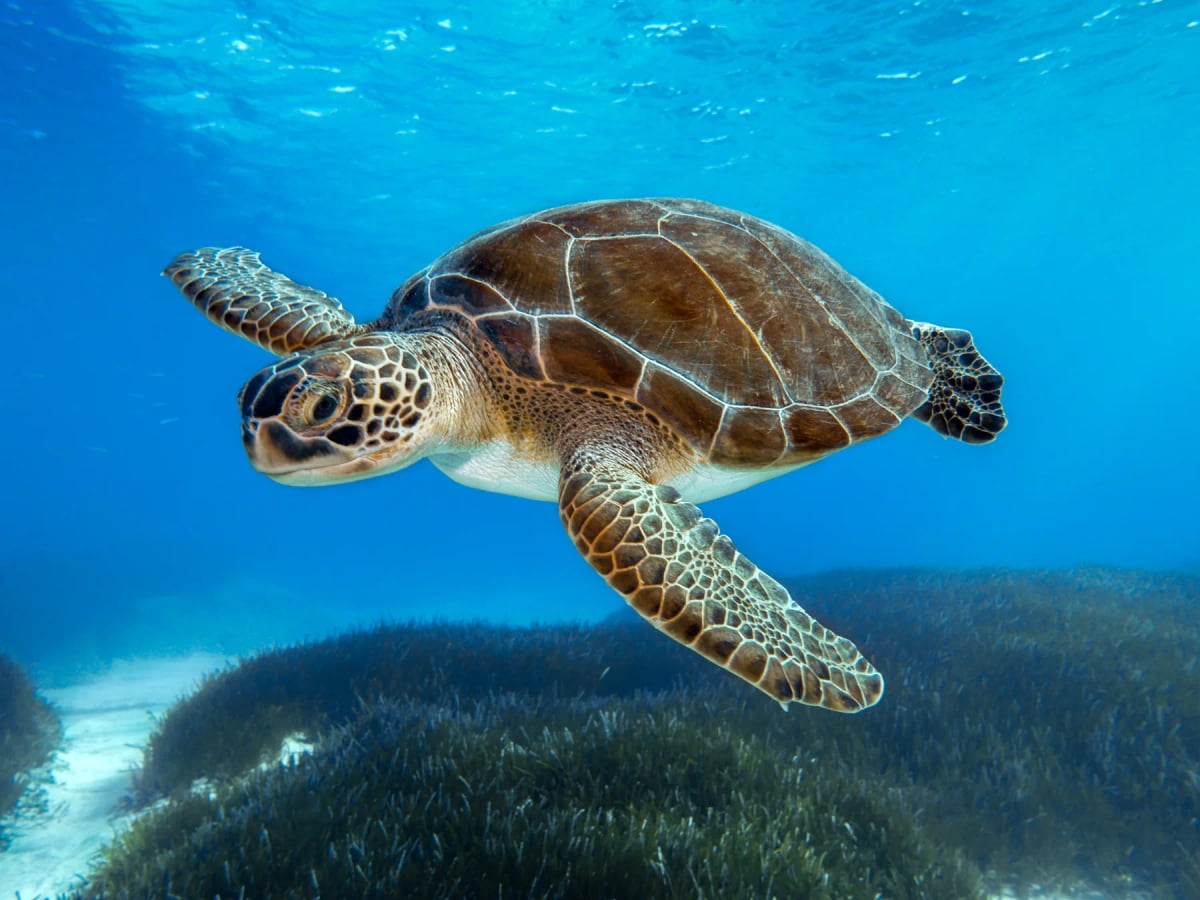
Sea Turtle
Cheloniidae & Dermochelyidae (families)
Myanmar's Andaman Sea coastline and the Mergui Archipelago provide habitat for green, hawksbill and olive ridley sea turtles. Several beaches along the Tanintharyi coast and on the outer islands of the archipelago have documented nesting activity. Myanmar sits within the broader Bay of Bengal sea turtle region, and olive ridley turtles from Indian nesting populations are known to forage in Burmese waters. Conservation infrastructure remains limited, and turtles face pressure from fishing and coastal development.
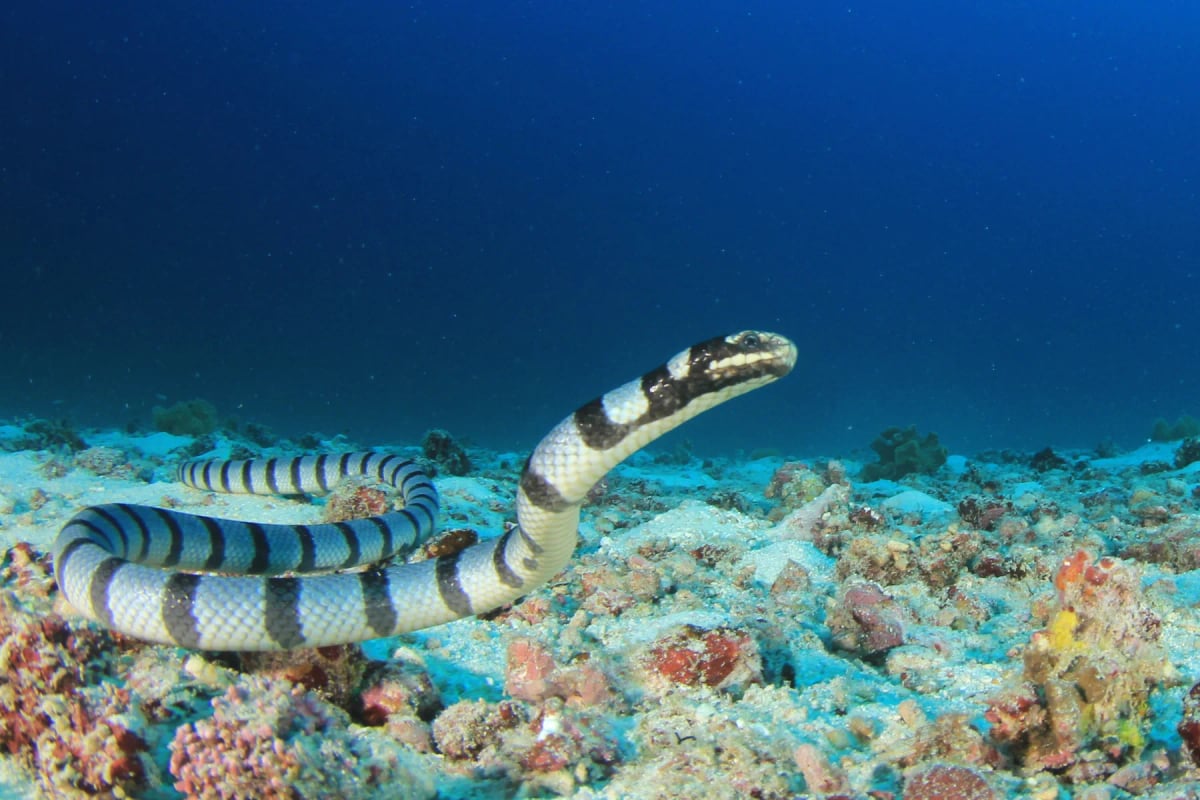
Sea Snake
Hydrophiinae / Laticauda spp.
Sea snakes inhabit Myanmar's coastal waters along the Bay of Bengal and the Andaman Sea, including the reef and mangrove areas around the Myeik Archipelago in the south. Several species hunt fish and eels in these shallow, productive waters. They face pressure from intense artisanal fishing activity, which results in frequent bycatch. Though venomous, sea snakes rarely bite unless handled. IUCN status: Data Deficient.
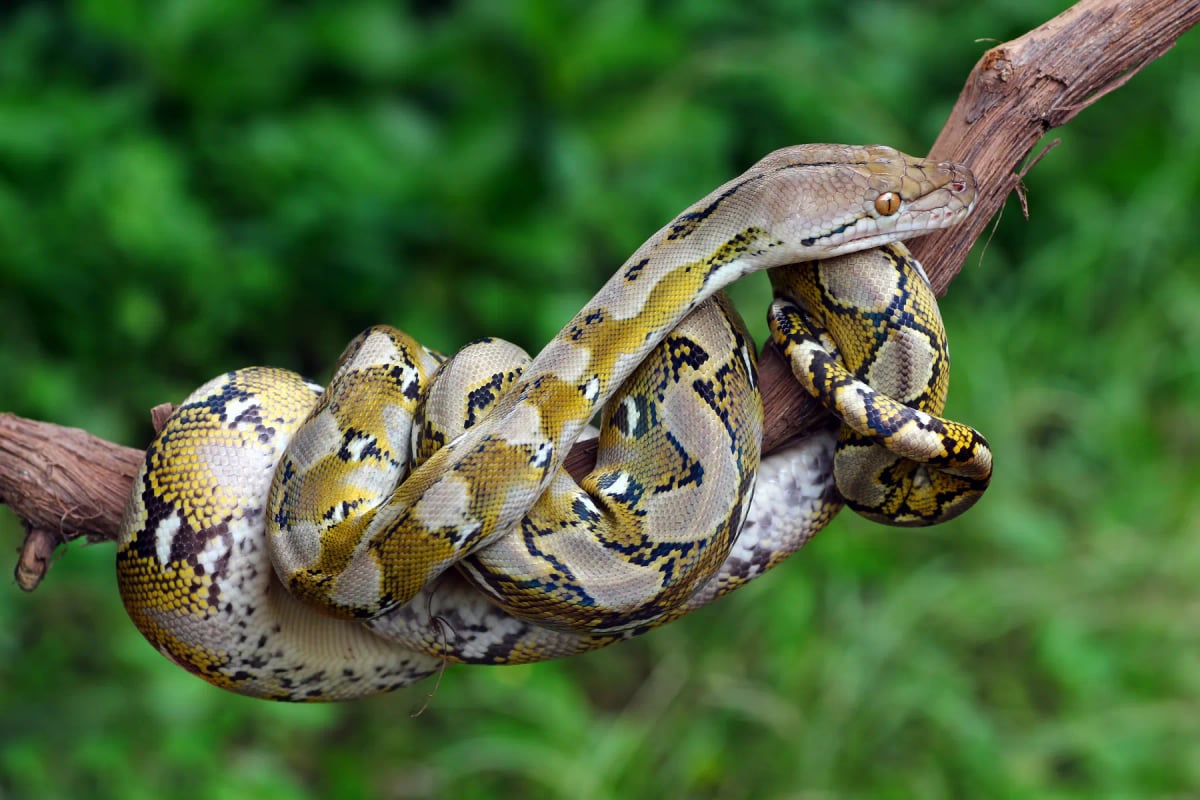
Reticulated Python
Malayopython reticulatus
In Myanmar, the reticulated python inhabits the tropical forests of Tanintharyi, the Irrawaddy delta, and the forested uplands bordering Thailand. It is well adapted to areas near water and is often found close to villages. Despite legal protections, demand for its skin and use in traditional medicine continue to threaten populations, particularly in regions where enforcement of wildlife laws remains limited.
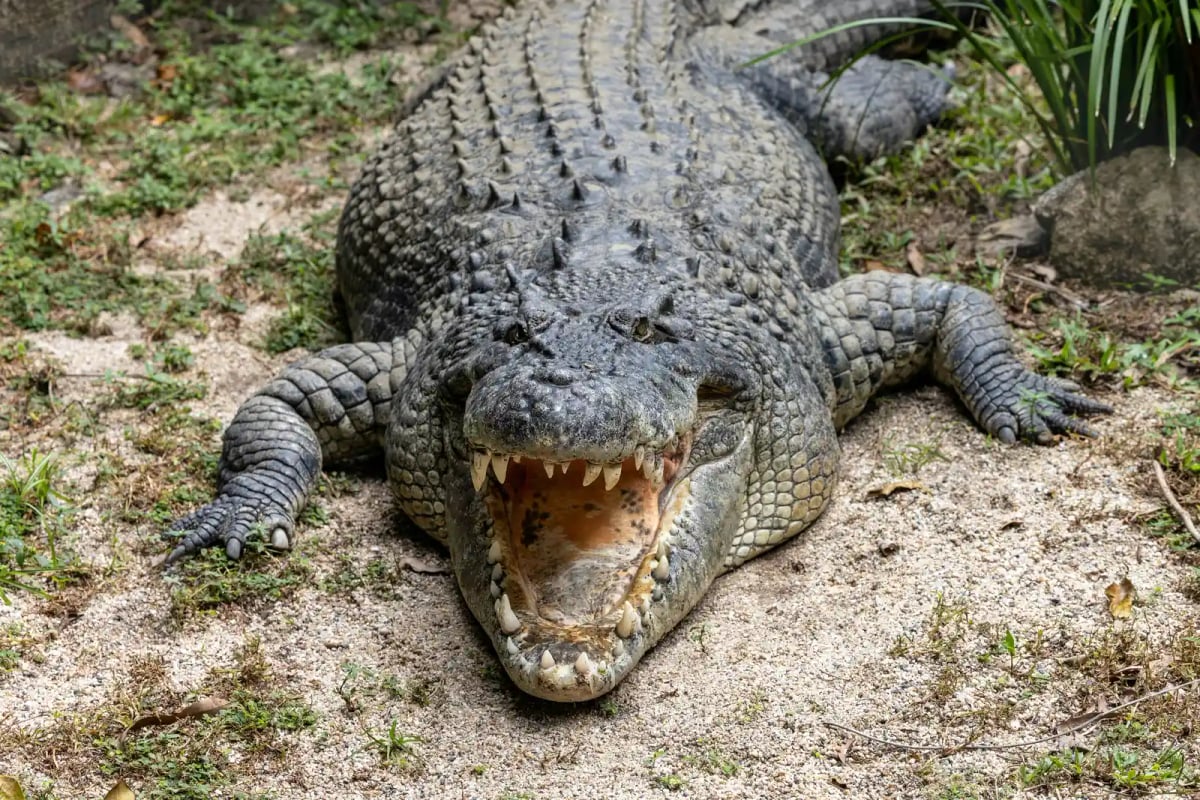
Saltwater Crocodile
Crocodylus porosus
Myanmar's remaining saltwater crocodiles are concentrated in the Ayeyarwady Delta, especially around Meinmahla Kyun Wildlife Sanctuary, a protected mangrove island set aside partly for this species. Populations elsewhere along the coast were reduced by hunting and the conversion of mangroves into rice fields and shrimp ponds. The delta is also exposed to cyclones, which leaves the small surviving group vulnerable and dependent on continued protection.
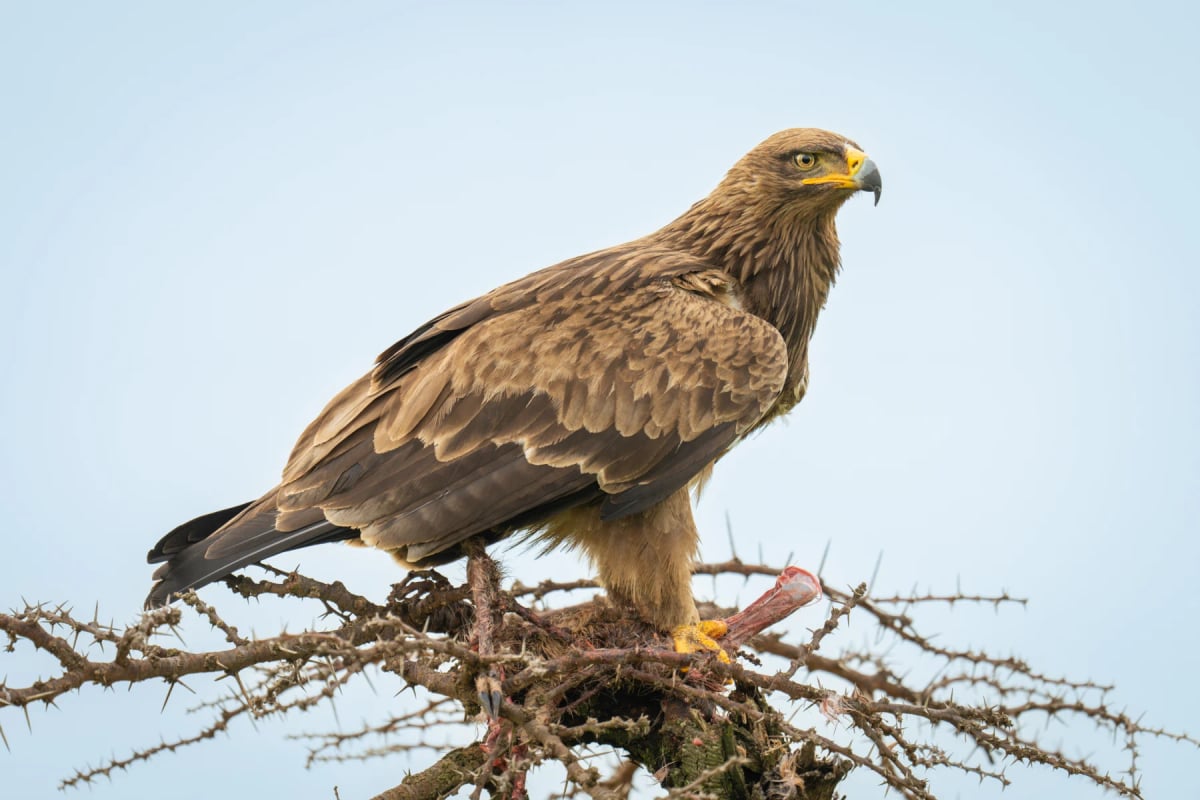
Steppe Eagle
Aquila nipalensis
Myanmar lies along one of the Steppe Eagle's wintering routes, with birds arriving from Central Asia during the cooler months. Open agricultural plains and lowland areas in the country provide foraging opportunities for these large raptors. The species is Endangered, and pressures such as poisoning and habitat change along migration routes make every wintering site increasingly important to its survival.
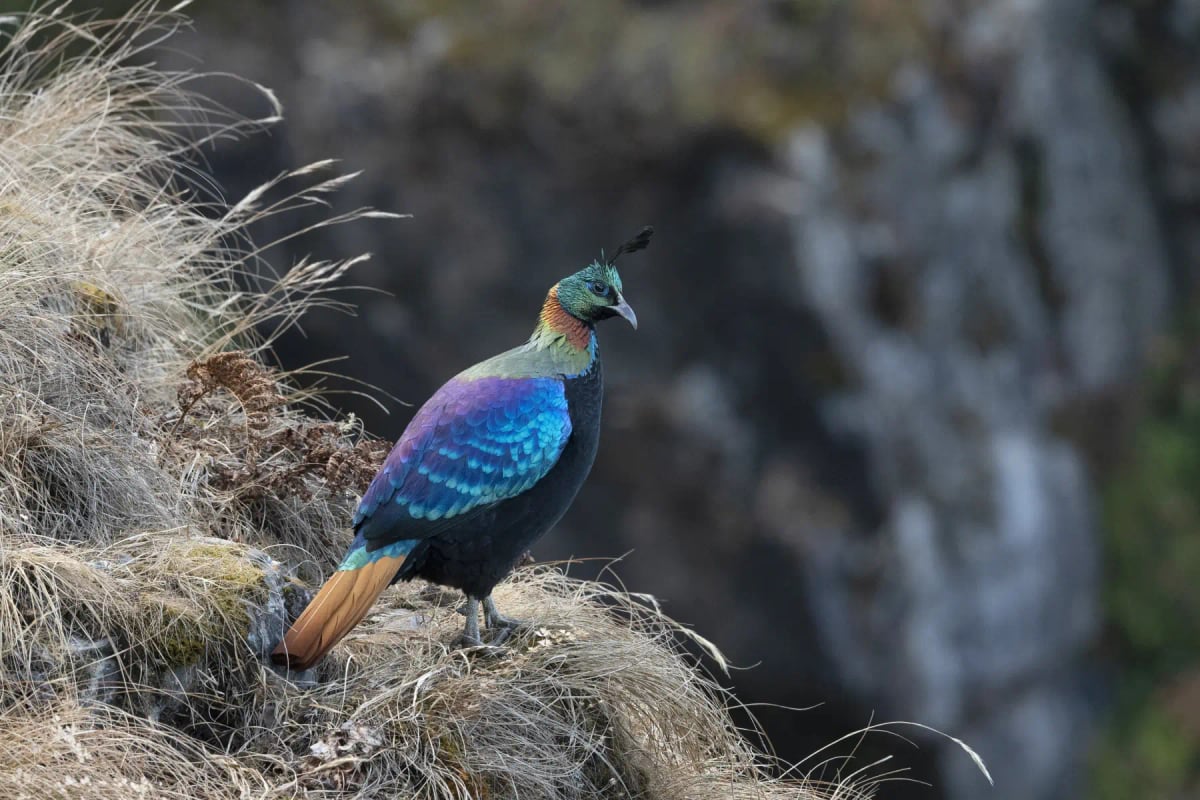
Himalayan Monal
Lophophorus impejanus
The Himalayan monal reaches the eastern edge of its range in the high mountains of northern Myanmar, particularly in the Kachin State highlands near the border with China. Here it occupies forests and meadows at elevations above 2,500 meters. Far less studied in Myanmar than elsewhere, the species benefits from the region's relative remoteness. Males stand out with their iridescent plumage of shifting greens, blues, copper, and purple.
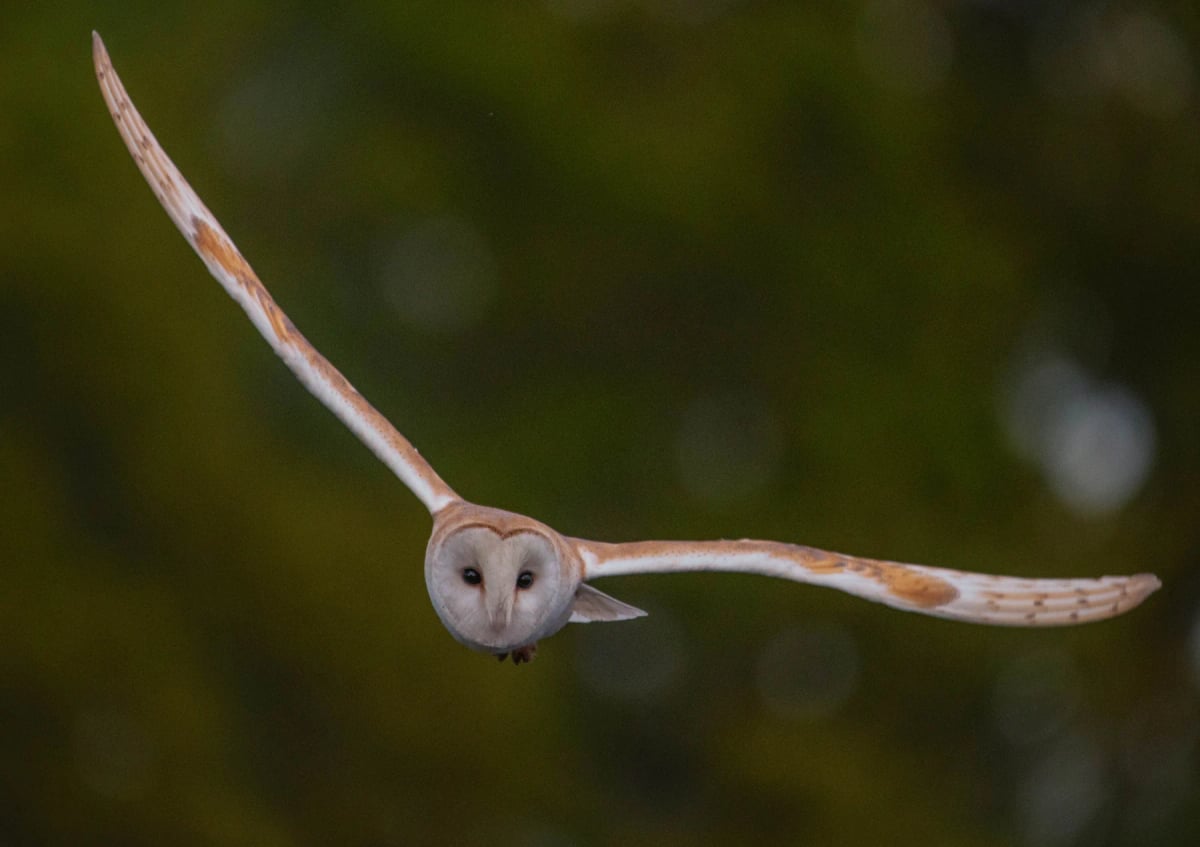
Barn Owl
Tyto alba
The barn owl is found across Myanmar in open farmland, rice paddies, and areas near villages and towns from the Irrawaddy Delta and the central dry zone to the Shan plateau and the coastal lowlands. It nests in old buildings, hollow trees, and cliff faces, and hunts rodents at night using its exceptional hearing. In Myanmar's large agricultural regions, particularly in the rice-growing lowlands of the delta and the central plains, it provides natural control of the rodent populations that damage crops and stored grain.
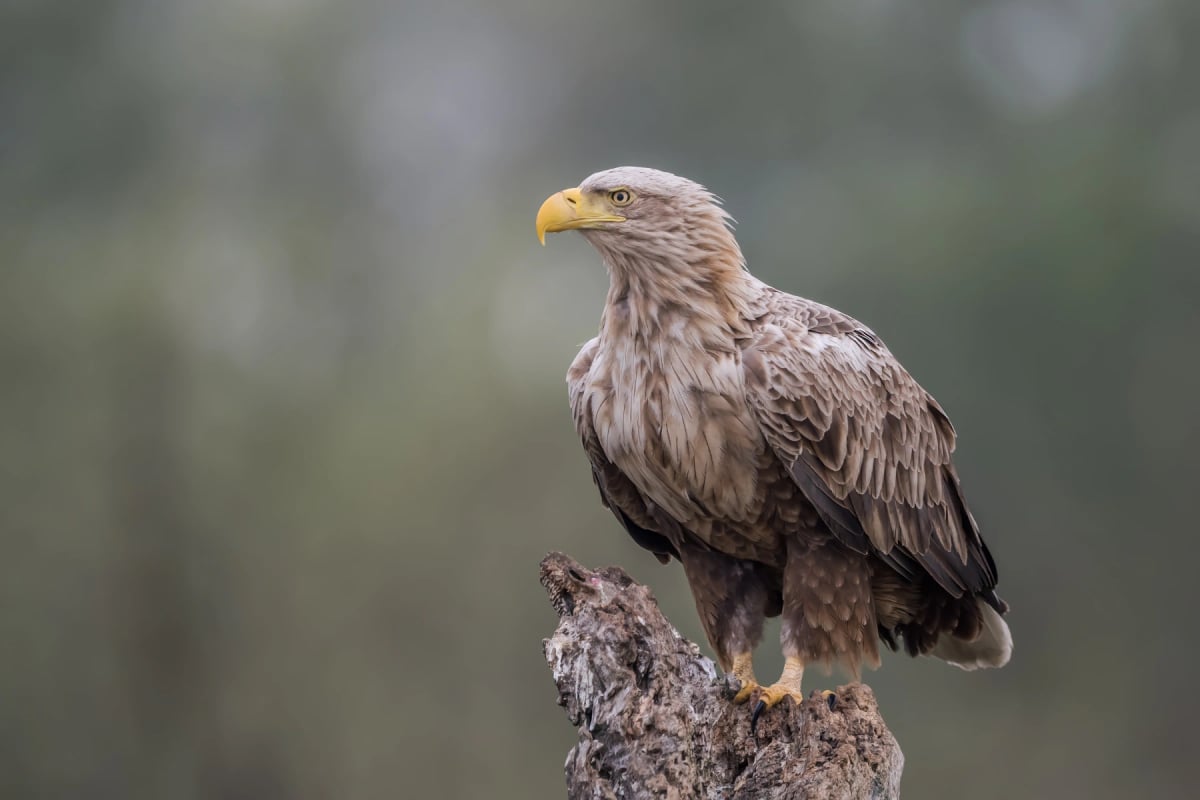
White tailed Eagle
Haliaeetus albicilla
Myanmar sits within the winter range of the white tailed eagle, which appears as a scarce seasonal visitor in wetland areas, large river systems, and coastal zones, particularly in the Irrawaddy Delta and northern regions. With one of the largest wingspans of any eagle in Asia, reaching 2.5 metres, it is a striking presence. The IUCN lists it as Least Concern, though wetland loss in Myanmar remains a concern for visiting waterbirds.
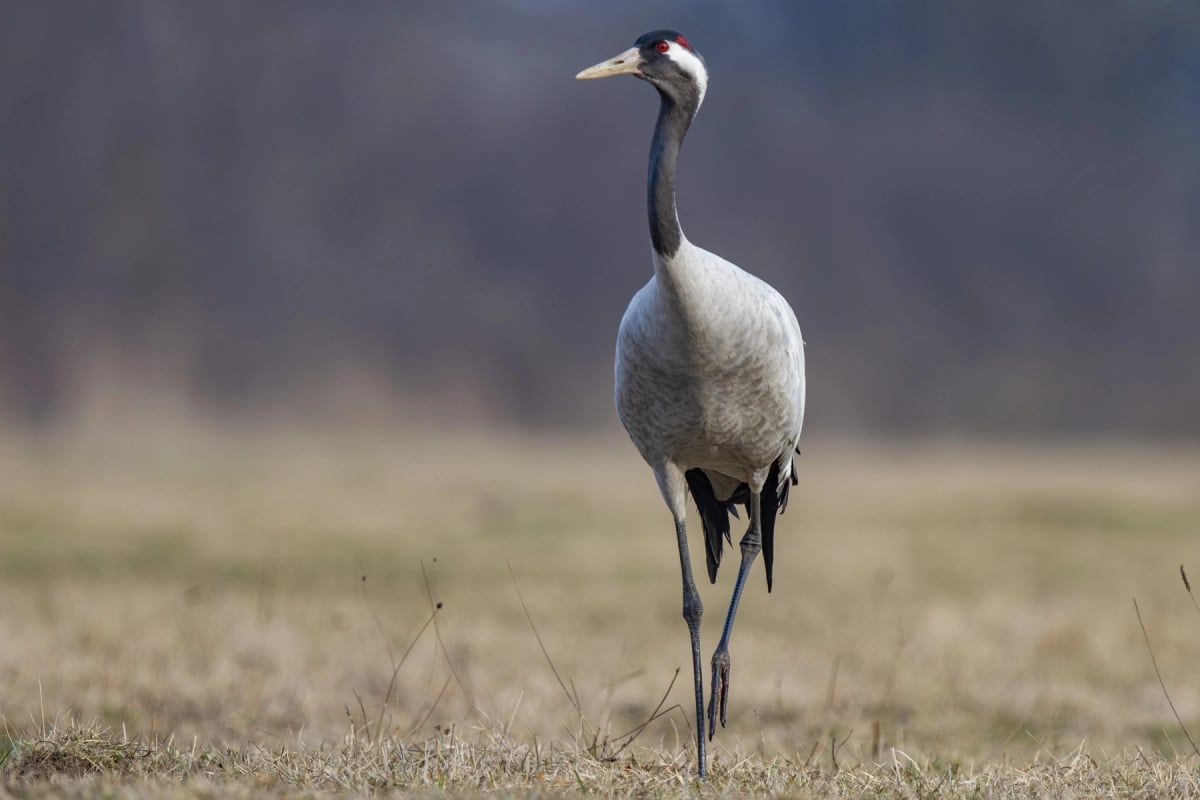
Crane
Grus grus
The common crane reaches the eastern edge of its wintering range in Myanmar, where small numbers have been recorded in the river valleys and wetlands of the northern and central parts of the country. These birds travel along the East Asian flyway from breeding grounds in Russia and central Asia. The IUCN lists the species as Least Concern. Myanmar's wetlands and agricultural plains provide winter foraging habitat for cranes passing through this part of the range.
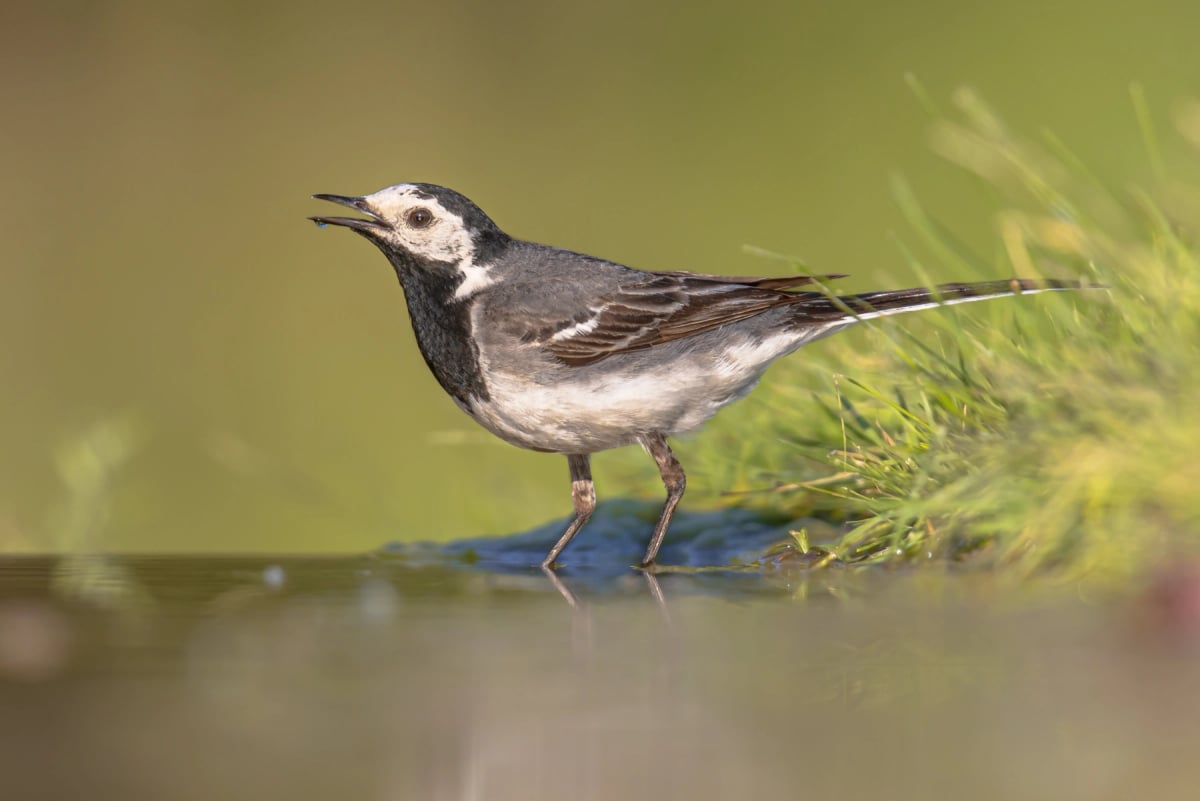
White Wagtail
Motacilla alba
The white wagtail visits Myanmar during the winter months, passing through or settling across lowland areas, river valleys and rice paddies. The Irrawaddy River corridor and the central dry zone attract good numbers of these birds as they escape colder climates to the north. True to form, they dash across open ground in pursuit of insects, their tails pumping constantly. They return north to breed once temperatures rise again. IUCN status: Least Concern.
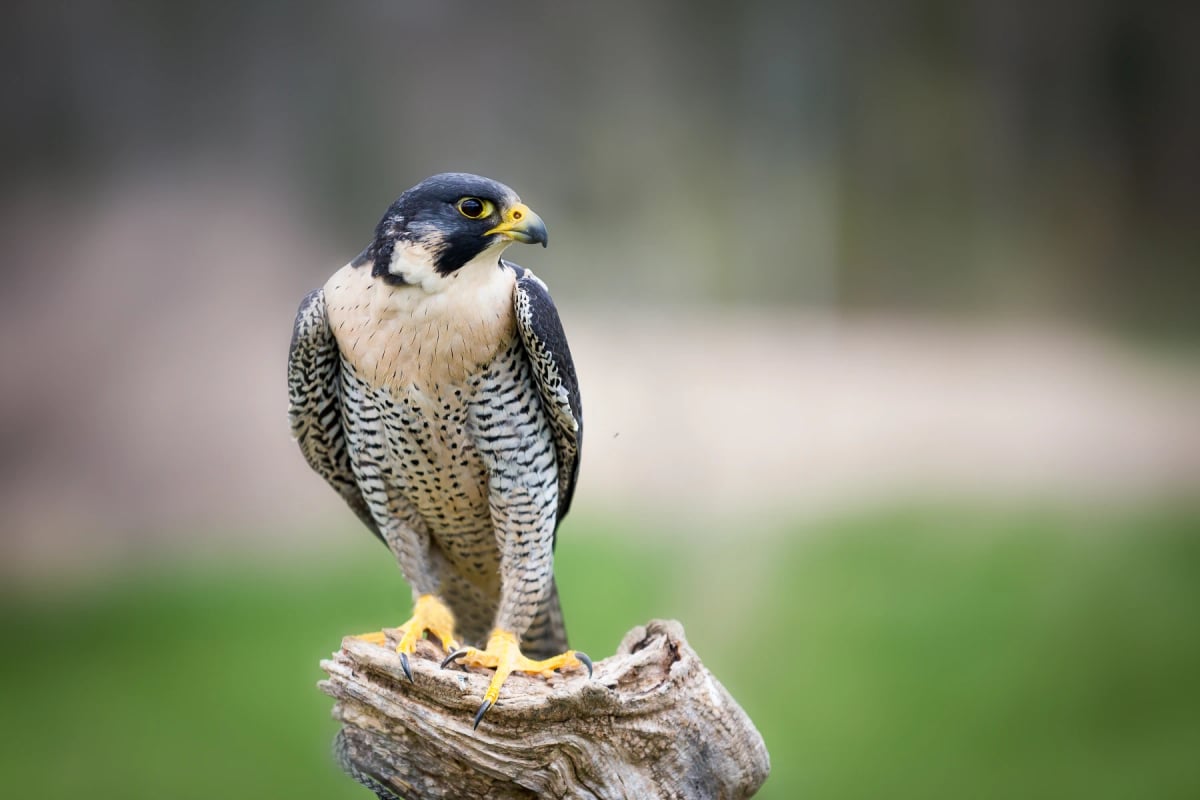
Peregrine Falcon
Falco peregrinus
Myanmar's varied geography, from the high ridges of the Himalayas in the north to coastal plains and river deltas in the south, supports the peregrine falcon both as a resident and as a seasonal visitor. It has been recorded in upland areas and along major river systems, where it hunts pigeons, doves, and waterbirds. The species passes through the country during migration, connecting breeding populations in Central Asia with their southern wintering grounds. Its IUCN status is Least Concern.
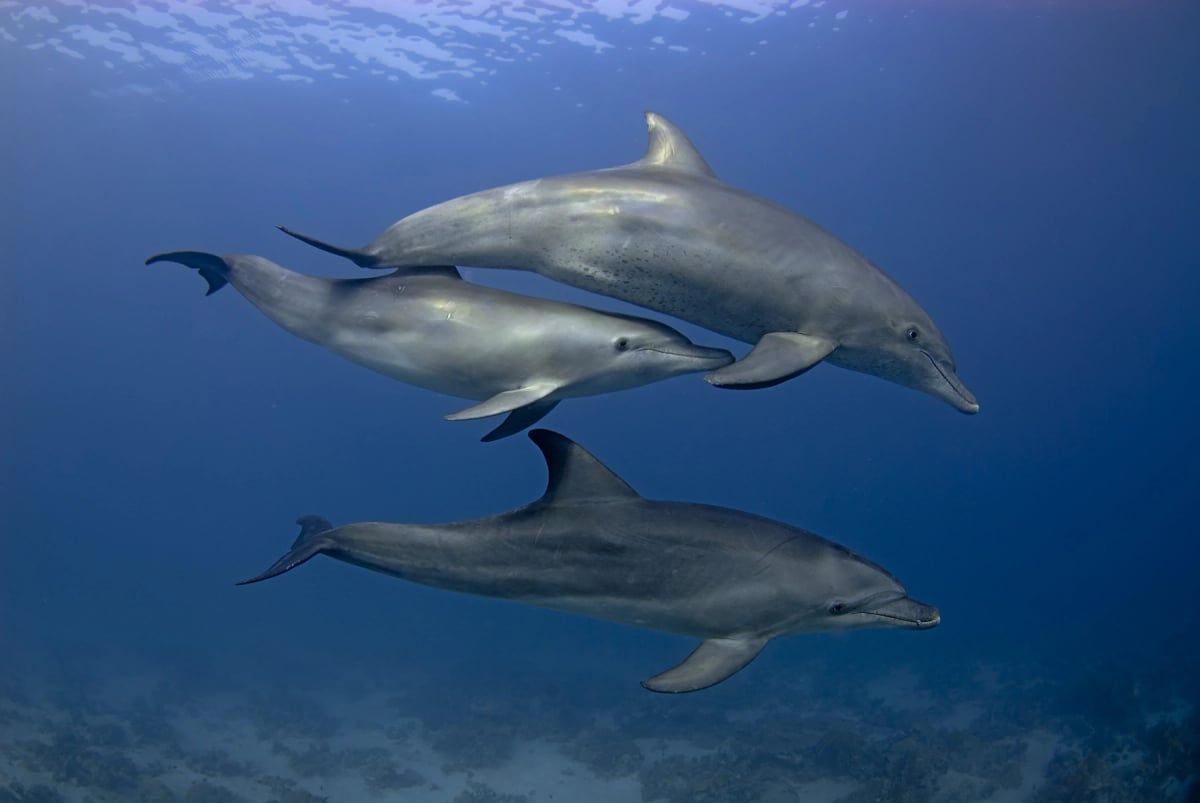
Bottlenose Dolphin
Tursiops truncatus
Bottlenose dolphins occur in the coastal and offshore waters of Myanmar, particularly in the Andaman Sea. They are seen near estuaries and in the shallow bays that indent the country's long coastline. Threats from gillnet fisheries, coastal pollution, and habitat disturbance affect local populations. The IUCN classifies the species as Least Concern globally, but regional pressures in Southeast Asia remain a concern.
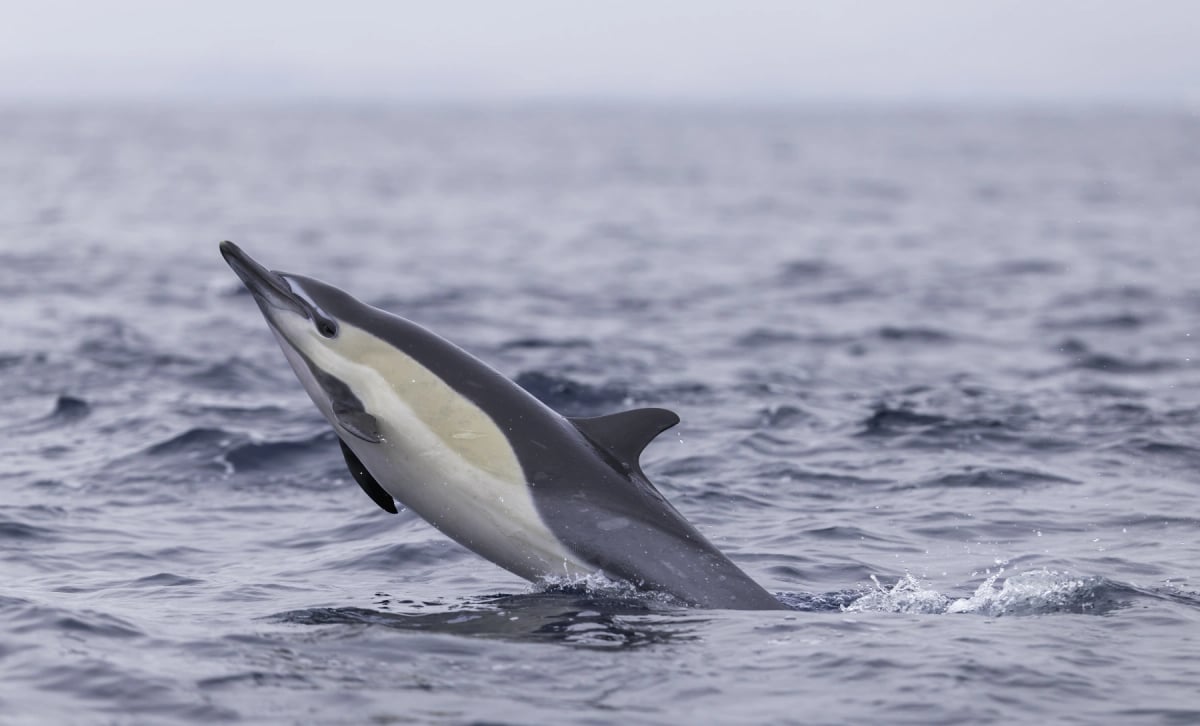
Common Dolphin
Delphinus delphis
The common dolphin appears in the coastal and offshore waters of the Andaman Sea bordering Myanmar. With its vivid hourglass pattern in yellow and grey, it is one of the most recognisable cetaceans in the region. Groups often number in the hundreds, feeding cooperatively on fish such as anchovies and sardines. Its IUCN status is Least Concern, though fishing pressures in the Bay of Bengal remain a local threat.
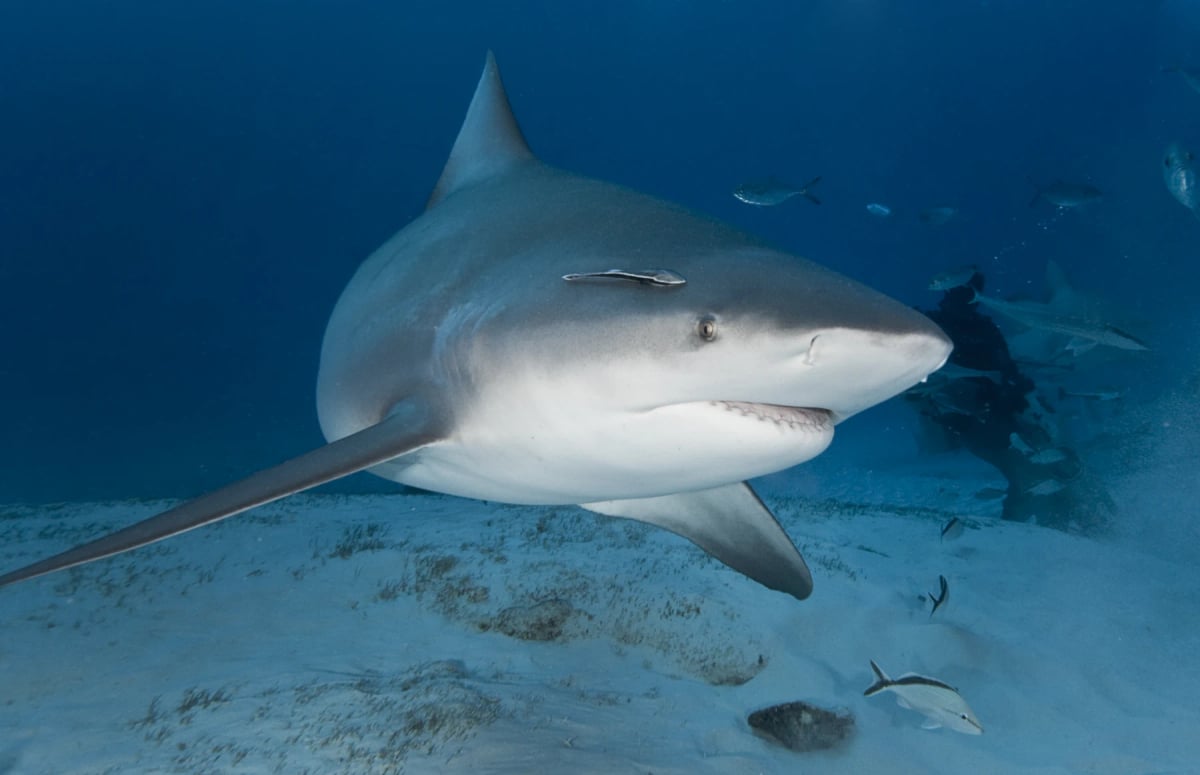
Bull Shark
Carcharhinus leucas
In Myanmar, bull sharks are associated with the major river systems and coastal habitats of the Irrawaddy delta and the Bay of Bengal shoreline. The Irrawaddy River, one of Southeast Asia's great rivers, provides a potential freshwater corridor for this species. Coastal fishing communities in Myanmar encounter bull sharks in estuarine and inshore areas. Rapid coastal development and intense fishing pressure pose significant threats to their local populations.
Researched and written by Juan Pablo. Sources: IUCN Red List, scientific literature and regional field guides. Last updated: .