Animals in Philippines
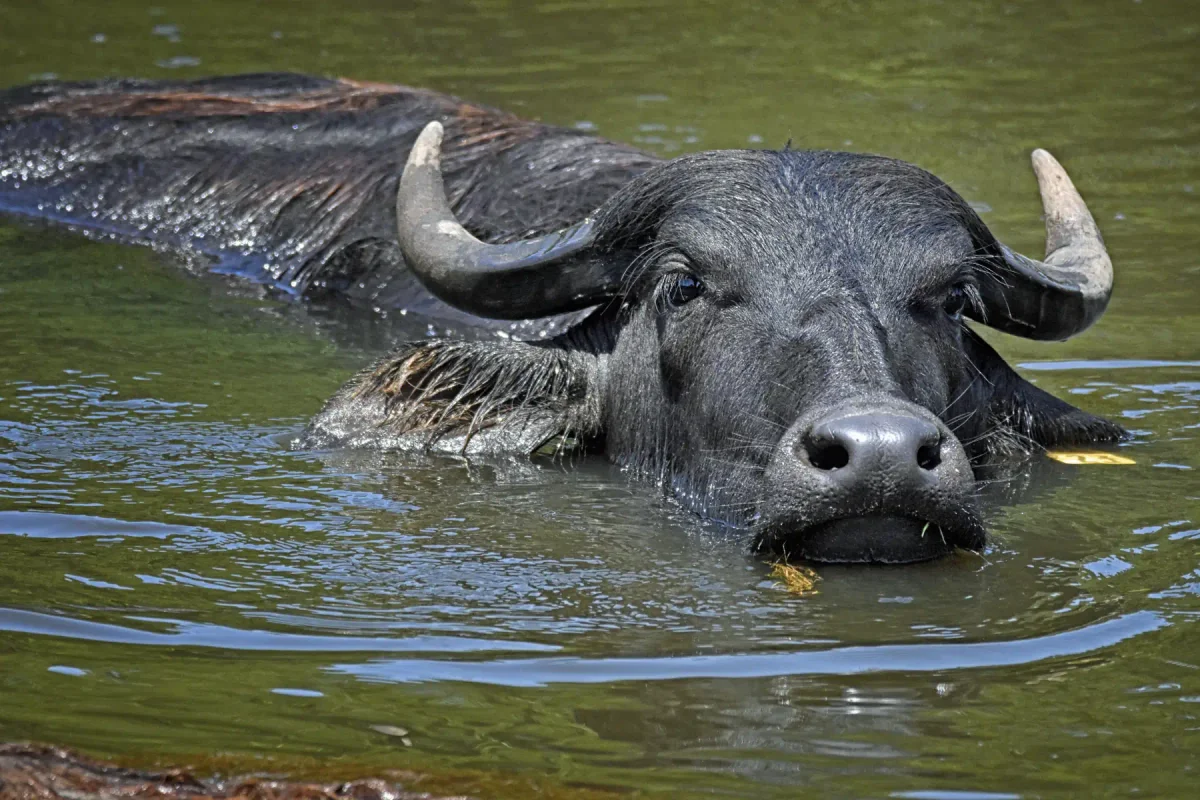
Water Buffalo
Bubalus arnee
The water buffalo, known as the carabao, is a national emblem tied to farming, transport and village life. Its steady work in rice fields shaped rural culture, and the animal appears in festivals, school books and local art. Museums and community centers use the carabao to tell how land, water and people build food security, turning a farm helper into a symbol of patience, strength and shared heritage.
View details→Wildlife in Philippines
The Philippines is an island nation of reefs, rainforests and volcanoes linked by short flights and ferries. In Palawan and Bohol, clear bays and mangroves make easy boat trips and snorkel days, while Luzon and Mindanao keep forest parks with simple trails and viewpoints. Whale routes pass near island shelves in season, and calm coves often show sea turtles and bright reef fish close to towns and ports.
Most Dangerous Animals in Philippines
Risk in the Philippines follows habitat and season. In humid forests, large pythons and king cobras exist but are seldom seen, and big monitor lizards use open edges. At sea, sea snakes and reef sharks belong to channels and passes, while larger sharks such as great white and bull use deeper routes offshore. Offshore orcas pass some islands. Reports tend to describe brief encounters seen at distance.
Top 10 Animals in Philippines
Our Top 10 highlights four names that guide most trips between forest and sea. The reticulated python represents the draw of warm lowland woods and river edges. The peregrine falcon adds fast city and cliff views. The clownfish brings the easy reef image for shore snorkel. The great white shark stands for deep Pacific water off island points, giving the list a clear balance of land and ocean scenes.
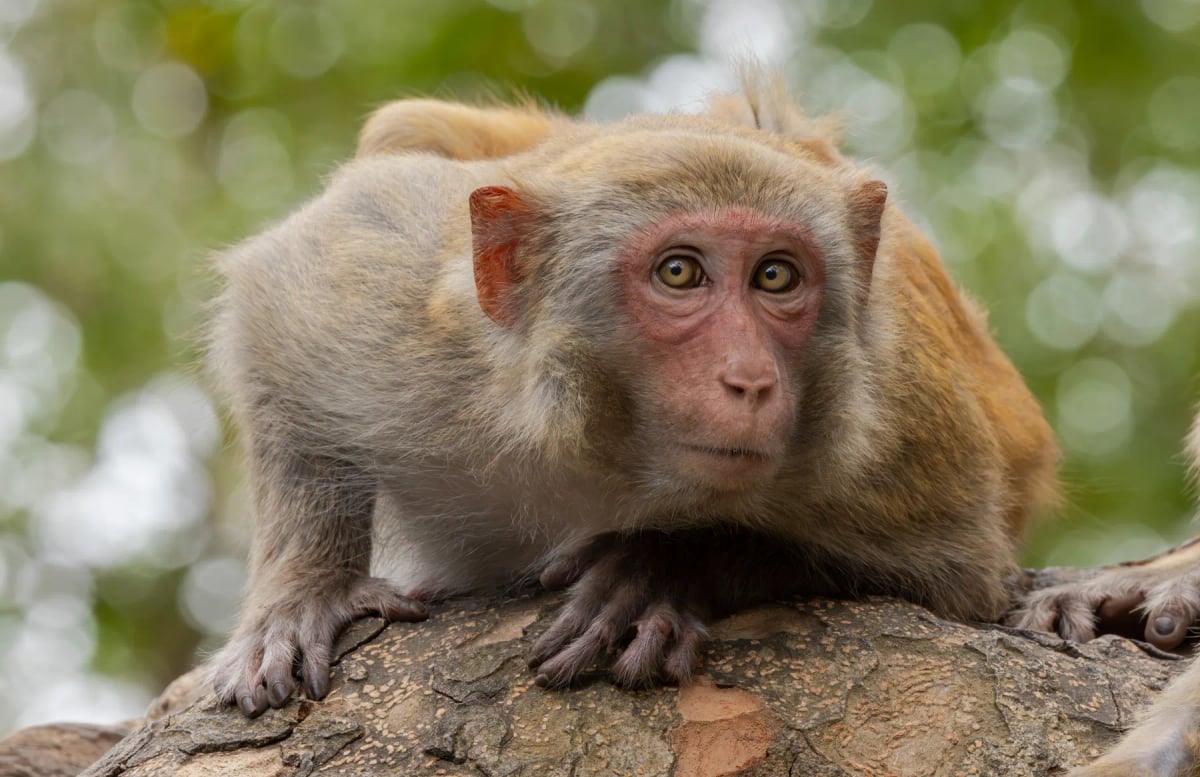
Macaque
Macaca spp.
The Philippines is home to the Philippine long-tailed macaque, known locally as the crab-eating macaque or Macaca fascicularis philippensis. It lives in coastal mangroves, lowland forests, and areas near rivers across many islands. This species is listed as Vulnerable by the IUCN due to habitat loss and hunting. It plays an important ecological role by dispersing seeds throughout the forests where it forages.
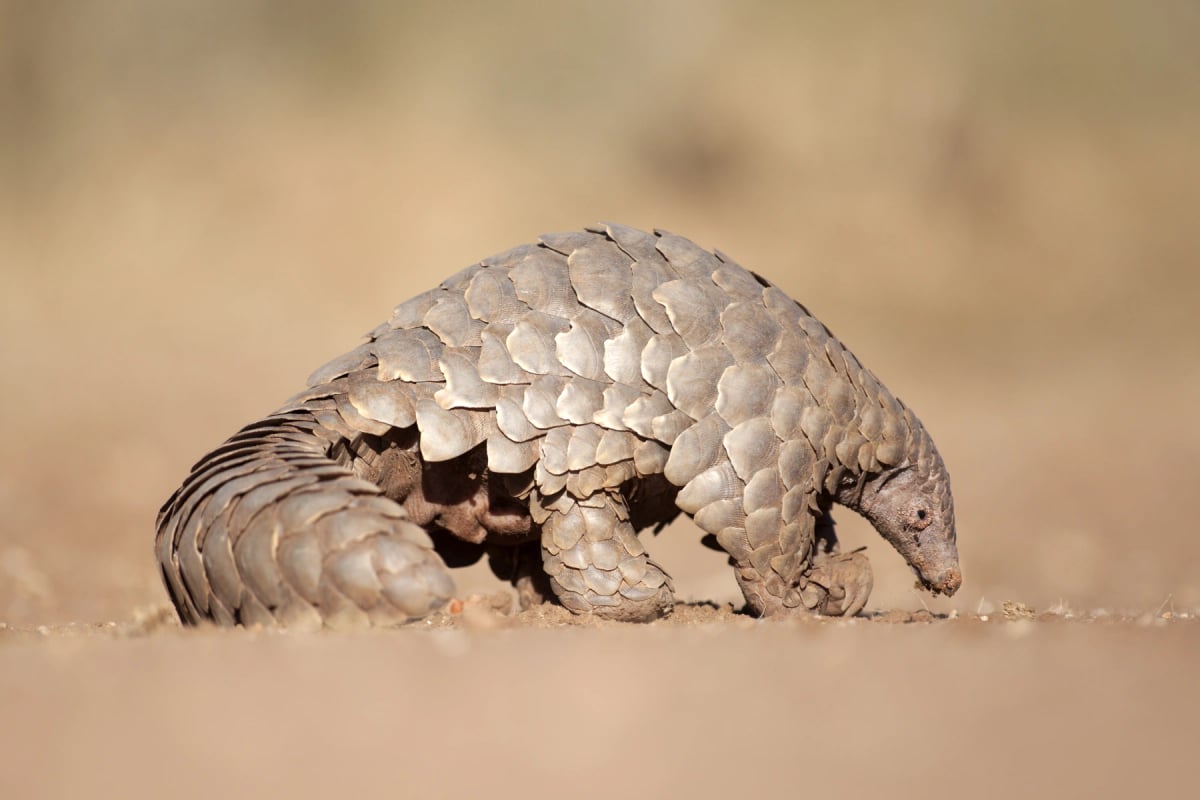
Pangolin
Manis spp.
The Palawan pangolin (Manis culionensis) is found only on Palawan Island and several nearby smaller islands, making the Philippines its sole home in the world. It lives in forests ranging from lowland areas to mid-elevation slopes. Palawan's rich biodiversity has made it a conservation priority, but poaching and the clearing of forests for farming continue to threaten this unique species. It is protected under the Philippine Wildlife Resources Conservation and Protection Act.
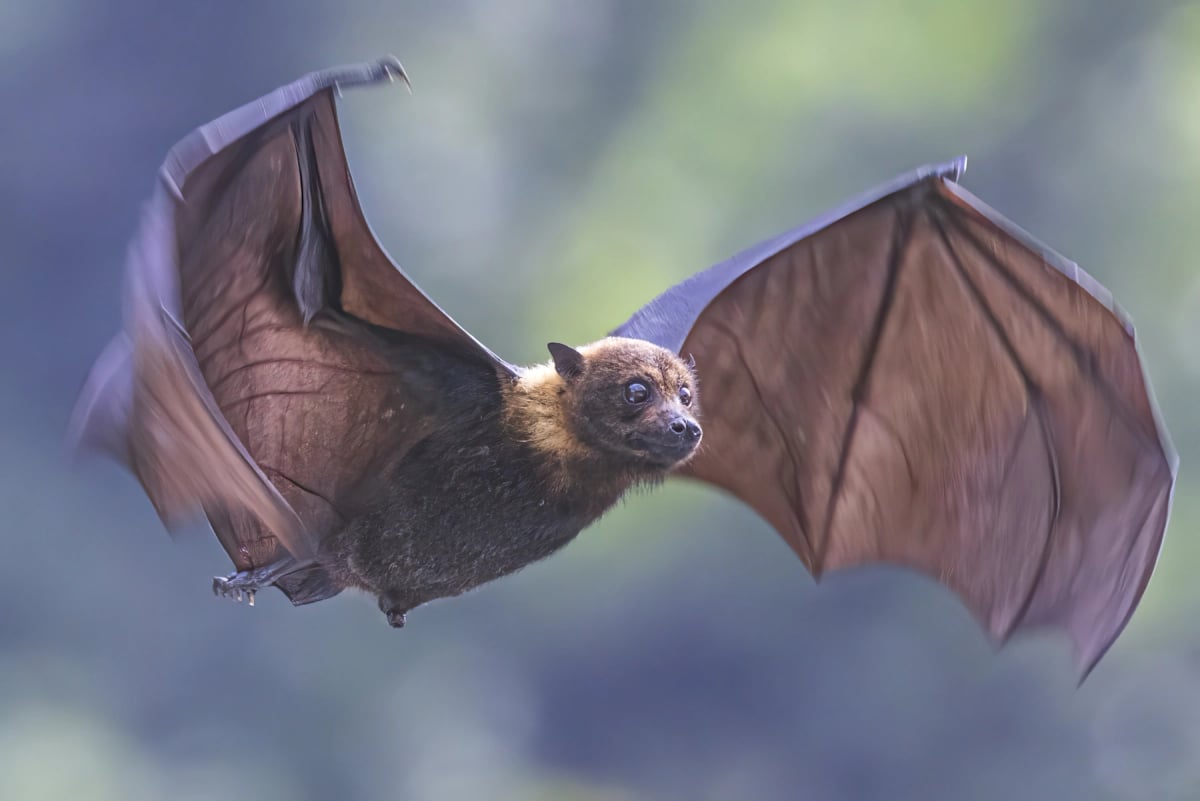
Fruit Bat
Pteropodidae
The Philippines is home to several fruit bat species, including the giant golden-crowned flying fox, one of the largest bats on Earth. They shelter in caves and old-growth forests across many islands. Deforestation and hunting have put pressure on local populations, though the family as a whole remains listed as Least Concern. They play a vital role in seed dispersal across the country's fragmented forest landscapes.
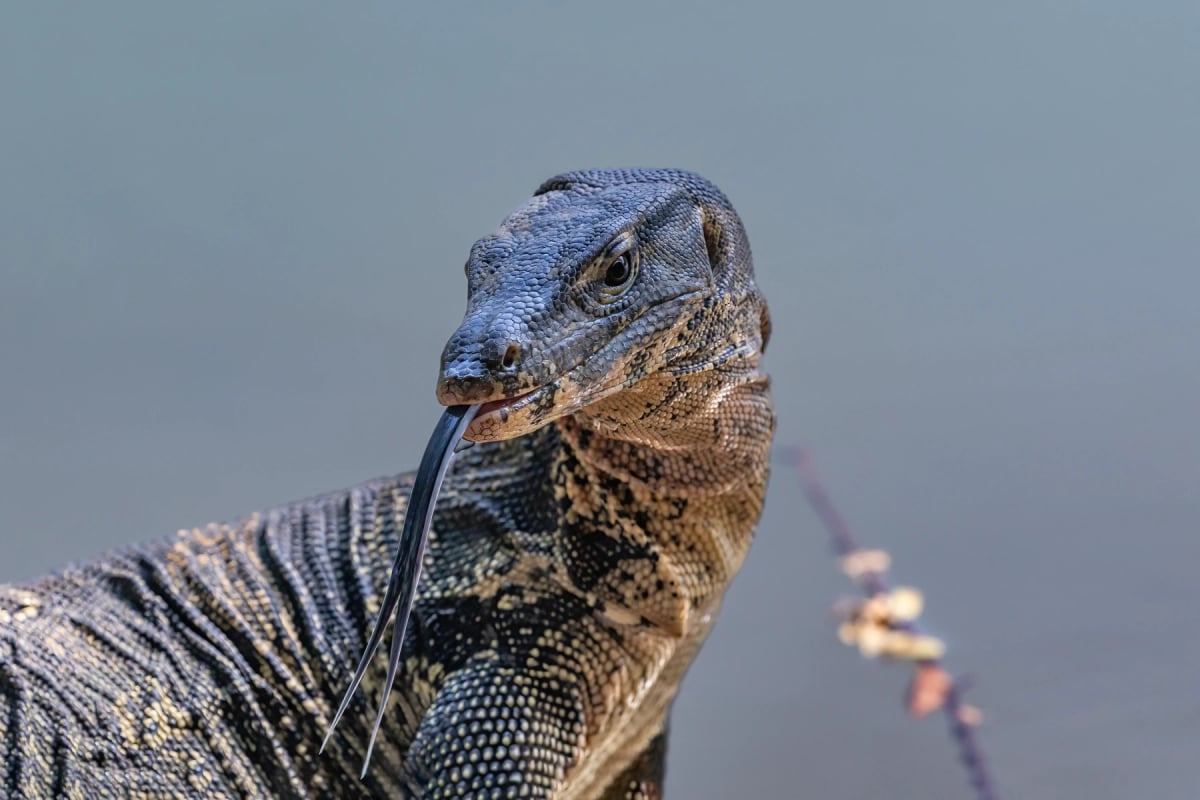
Monitor Lizard
Varanus salvator
The Asian water monitor is found across many of the Philippine islands, from Luzon and Mindanao to smaller islands throughout the archipelago. It lives near rivers, mangroves, wetlands and rice paddies, and is also seen in villages and coastal areas. Known locally as "bayawak," it is one of the largest reptiles regularly encountered in the country. It is sometimes hunted for meat and skin but remains abundant.
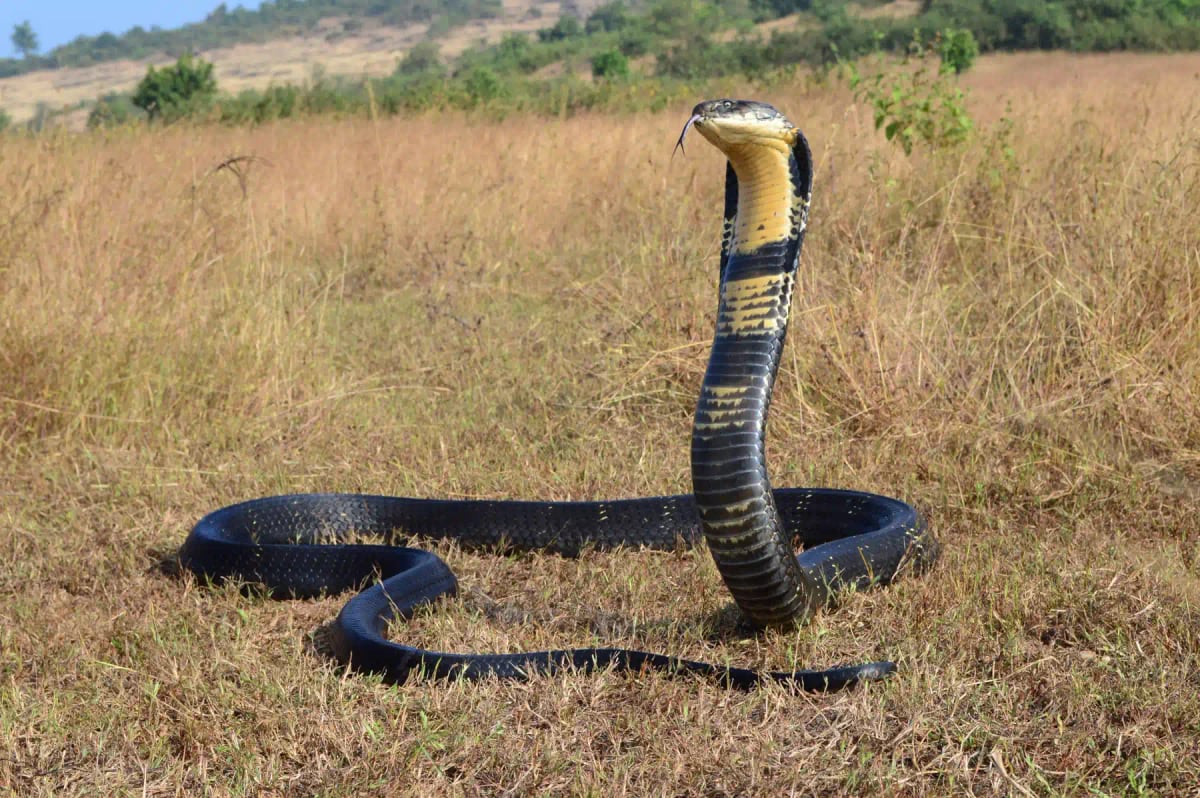
King Cobra
Ophiophagus hannah
The king cobra is found on several of the Philippines' major islands, including Luzon, Mindanao, Palawan and the Visayas. It lives in tropical forest near streams, feeding on the many snake species that share its island habitats. The Philippines is one of the few island archipelagos where king cobras occur naturally. Deforestation and collection for the wildlife trade are the main pressures on the species in the country.
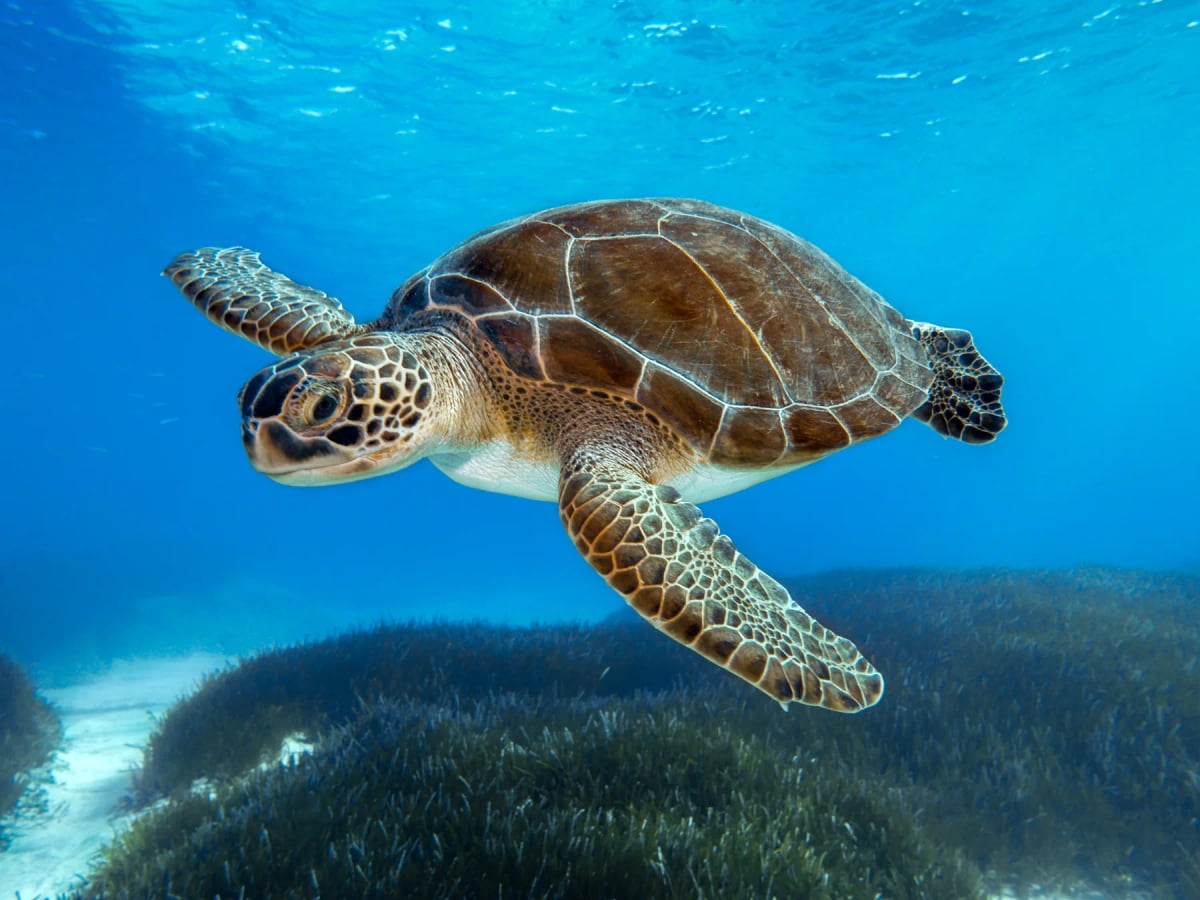
Sea Turtle
Cheloniidae & Dermochelyidae (families)
The Philippines is one of the most important sea turtle countries in Southeast Asia, with five species recorded in its waters. Green and hawksbill turtles are the most common, nesting on beaches across the archipelago. Turtle Islands Wildlife Sanctuary in the Sulu Sea, shared with Malaysia, is one of the largest green turtle nesting sites in the region. Leatherback, olive ridley and loggerhead turtles are also present in Philippine waters. Despite legal protections, turtles face significant pressure from hunting, egg collection and entanglement in fishing gear.
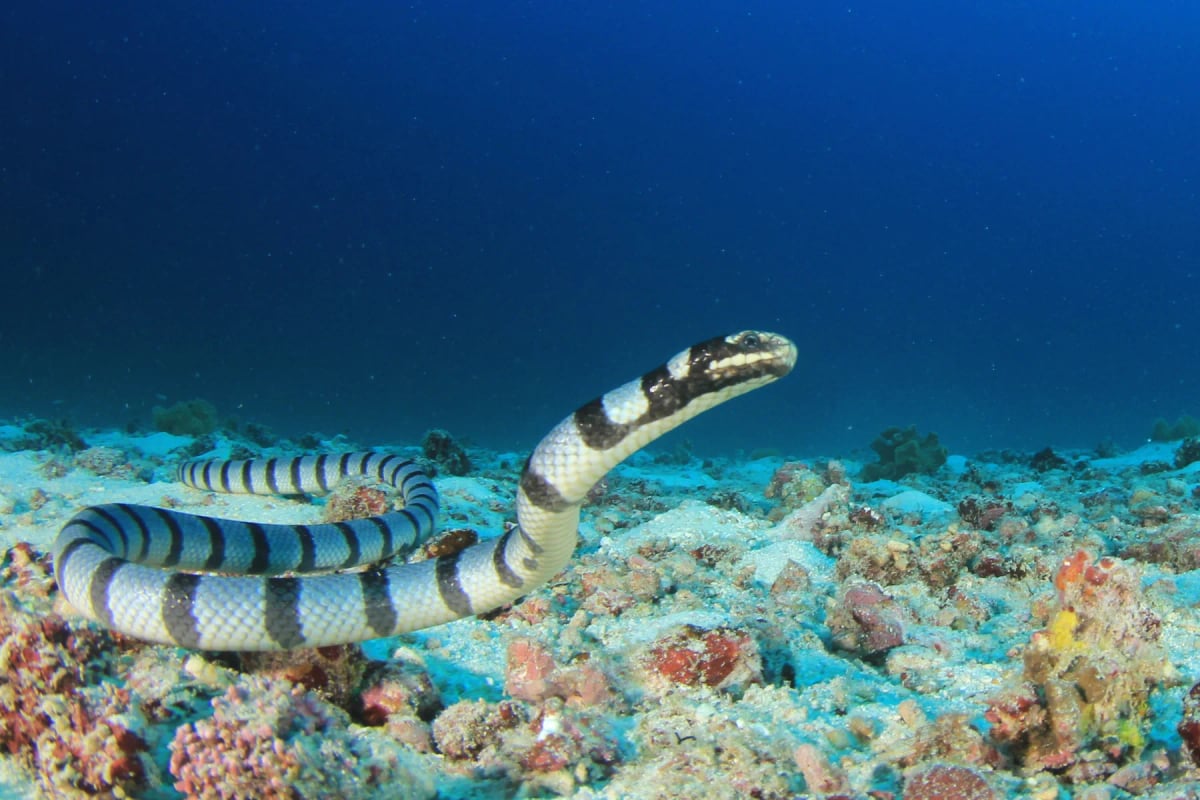
Sea Snake
Hydrophiinae / Laticauda spp.
The Philippines, a key part of the Coral Triangle, supports a remarkable variety of sea snake species across its more than 7,000 islands. Sea kraits are especially visible on rocky coasts and in the clear reef waters of the Visayas and Palawan. These snakes hunt eels and fish in reef channels and come ashore to rest. Bycatch in fishing nets remains the primary conservation concern. IUCN status: Data Deficient.
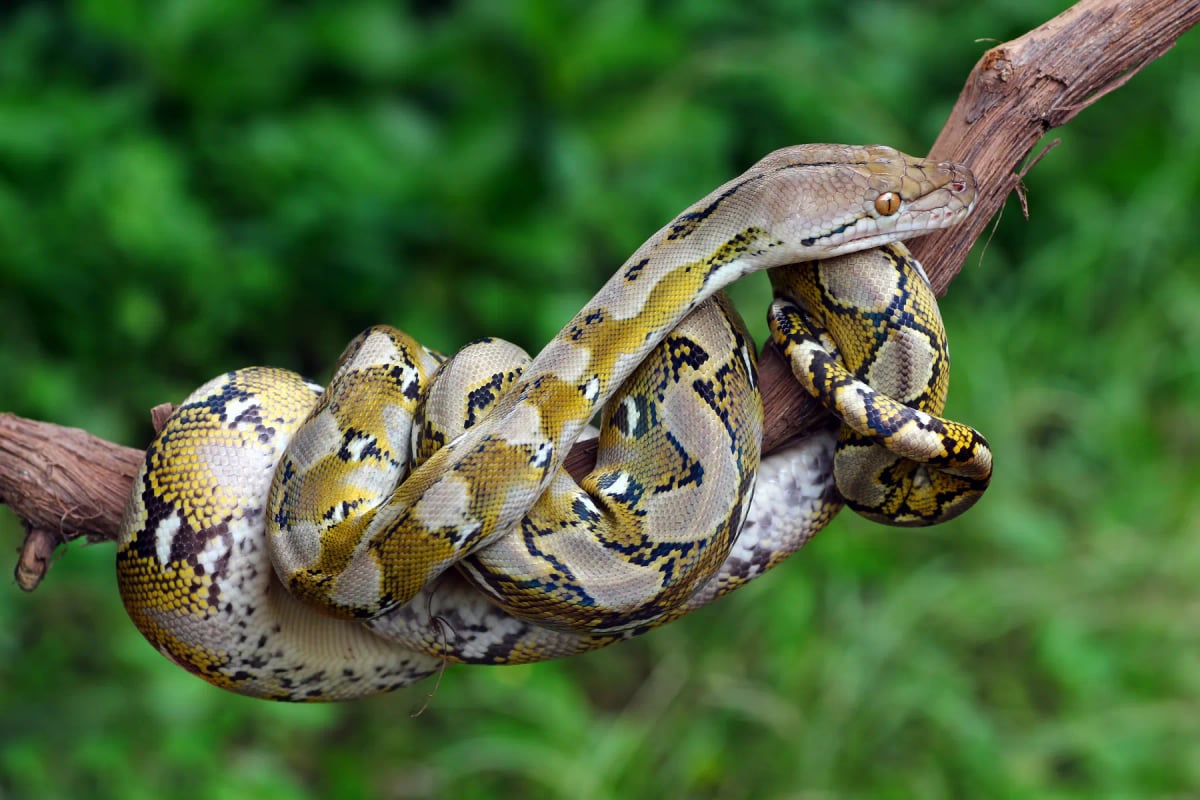
Reticulated Python
Malayopython reticulatus
The reticulated python is the largest native snake in the Philippines, found across Luzon, Mindanao, Palawan, and many other islands. It lives in rainforests, mangroves, and areas of farmland near forest cover. Island populations can differ in size and coloration from mainland relatives. Hunting and habitat loss driven by deforestation pose the greatest threats to python populations across the Philippine archipelago.
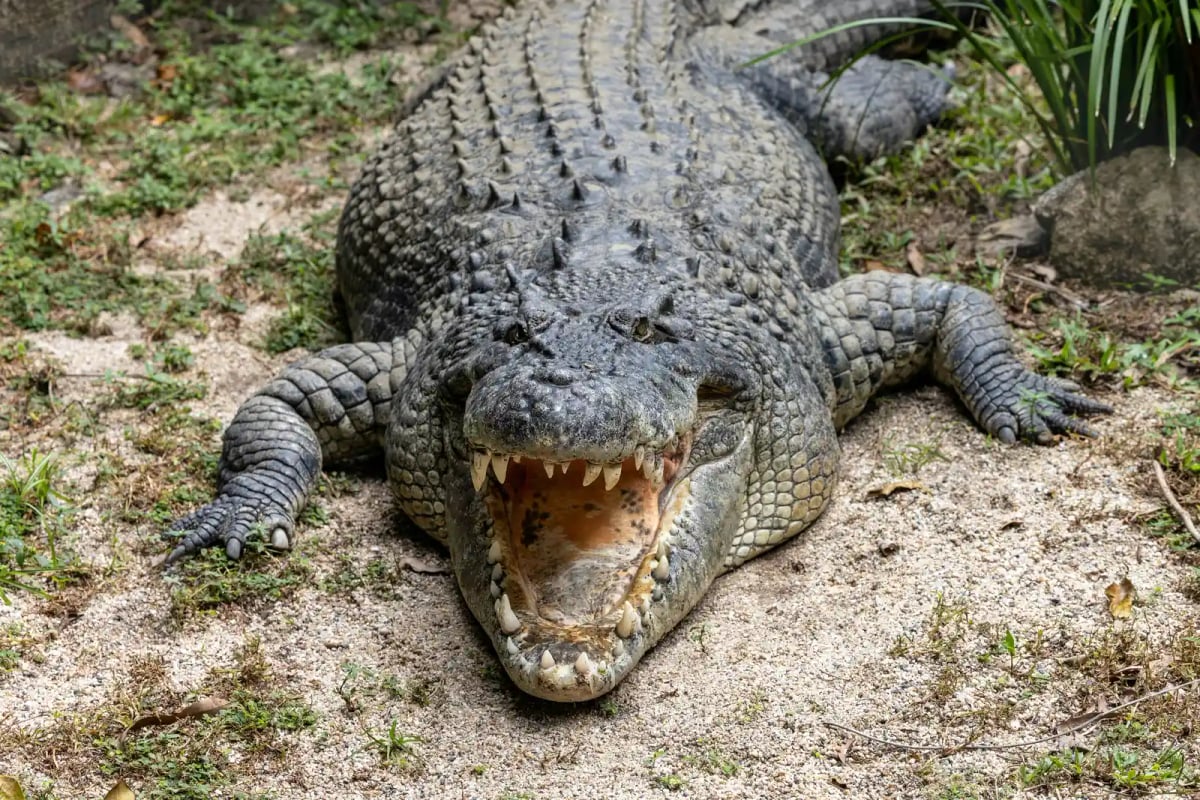
Saltwater Crocodile
Crocodylus porosus
In the Philippines the saltwater crocodile is the larger of the two native crocodile species, sharing the country with the much smaller and far rarer Philippine crocodile. It survives mainly in Palawan and in the wetlands of Mindanao, including Agusan Marsh. This country produced Lolong, captured in Bunawan in 2011 and measured at over six meters, the largest crocodile ever held in captivity. Habitat loss and killings after attacks remain the main threats.
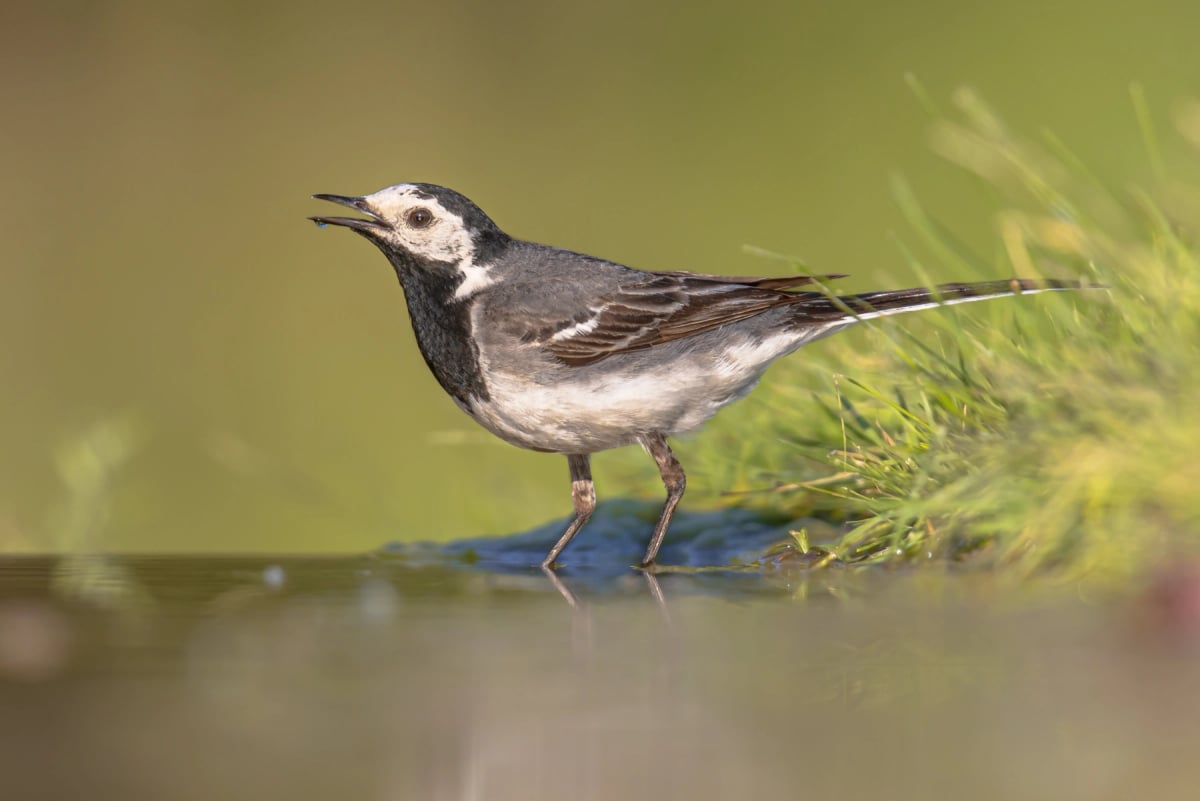
White Wagtail
Motacilla alba
The white wagtail is a winter visitor to the Philippines, reaching the archipelago after a long journey from breeding areas across Asia. It occurs mainly in Luzon and other northern islands, favouring open ground near water such as ricefields, riverbeds and coastal areas. It is not as common here as in mainland Asia, but birders encounter it with some regularity each season. It departs again in spring to breed further north.
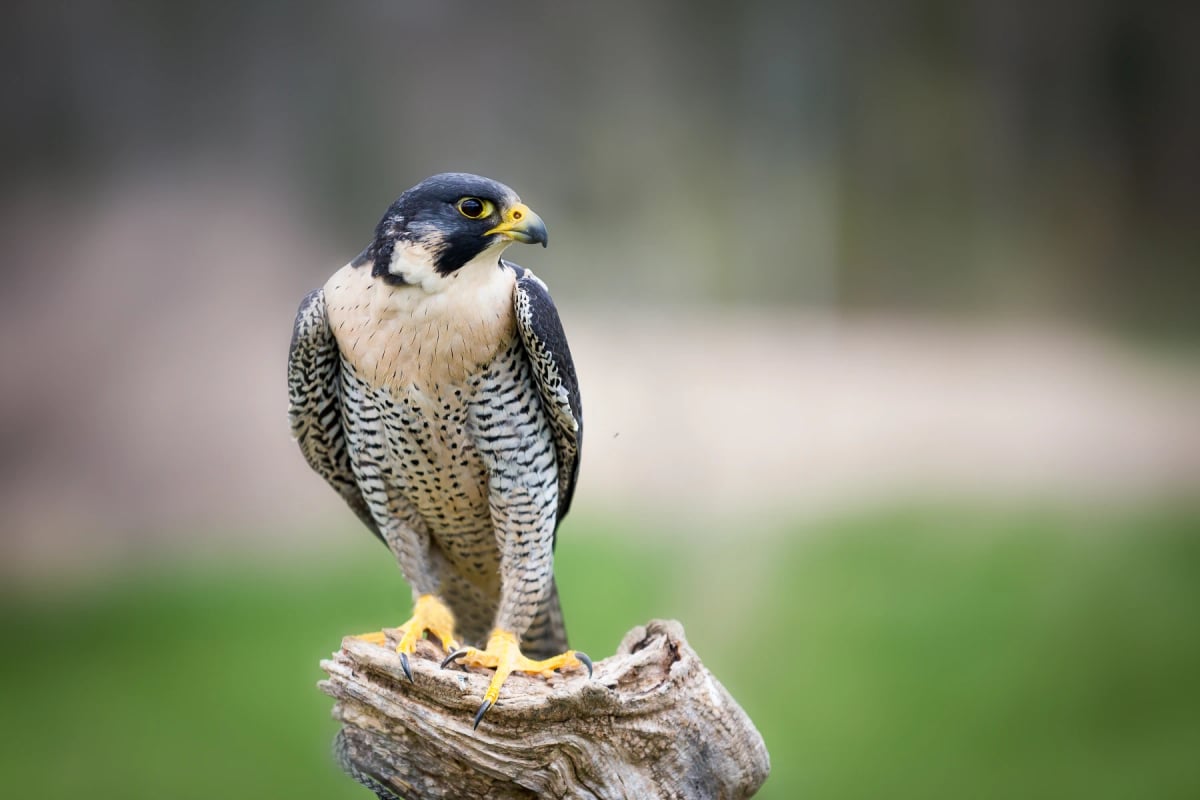
Peregrine Falcon
Falco peregrinus
The peregrine falcon visits the Philippines as a migratory bird, arriving during the northern winter from breeding grounds across Asia and Russia. It passes through and winters across the archipelago, hunting shorebirds and pigeons along coastlines and open lowlands. Several subspecies move through the region, making the Philippines an important stopover point along East Asian flyways. Its speed and aerial skill make it a striking sight in Philippine skies.
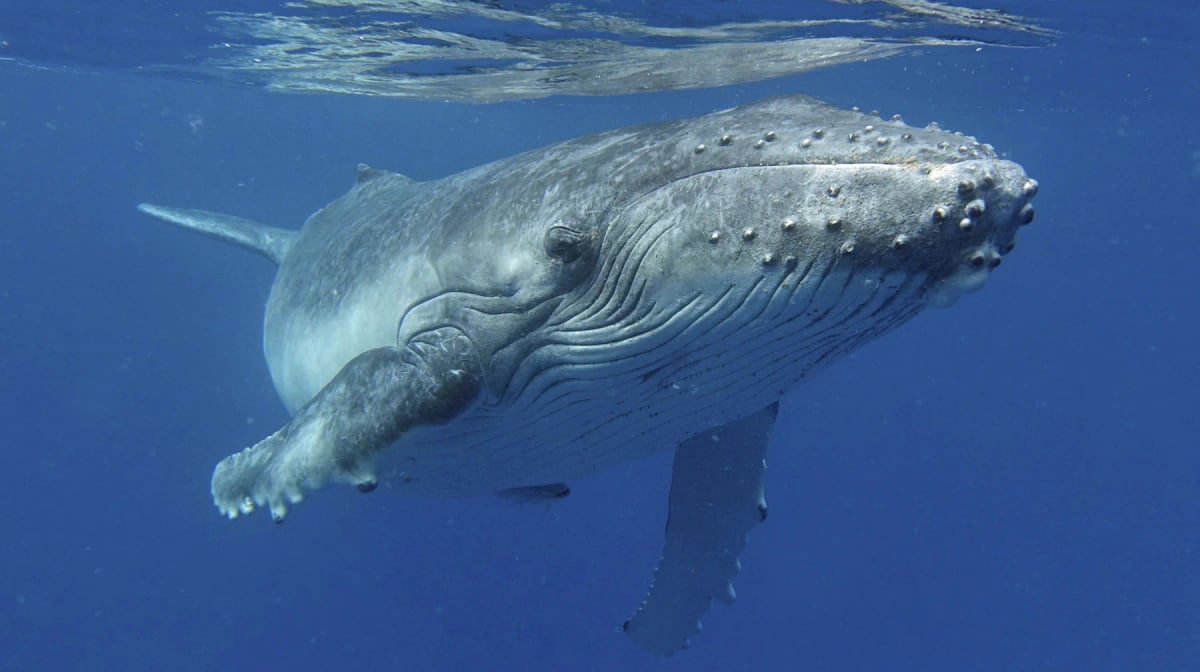
Humpback Whale
Megaptera novaeangliae
Humpback whales have been recorded in Philippine waters, particularly in the Bohol Sea and areas of the western Pacific surrounding the archipelago. The Philippines sits within a stretch of ocean recognised for its extraordinary marine biodiversity. Sightings tend to occur during seasonal migrations, and local researchers and conservation groups are working to better document whale presence and movement across Philippine waters.
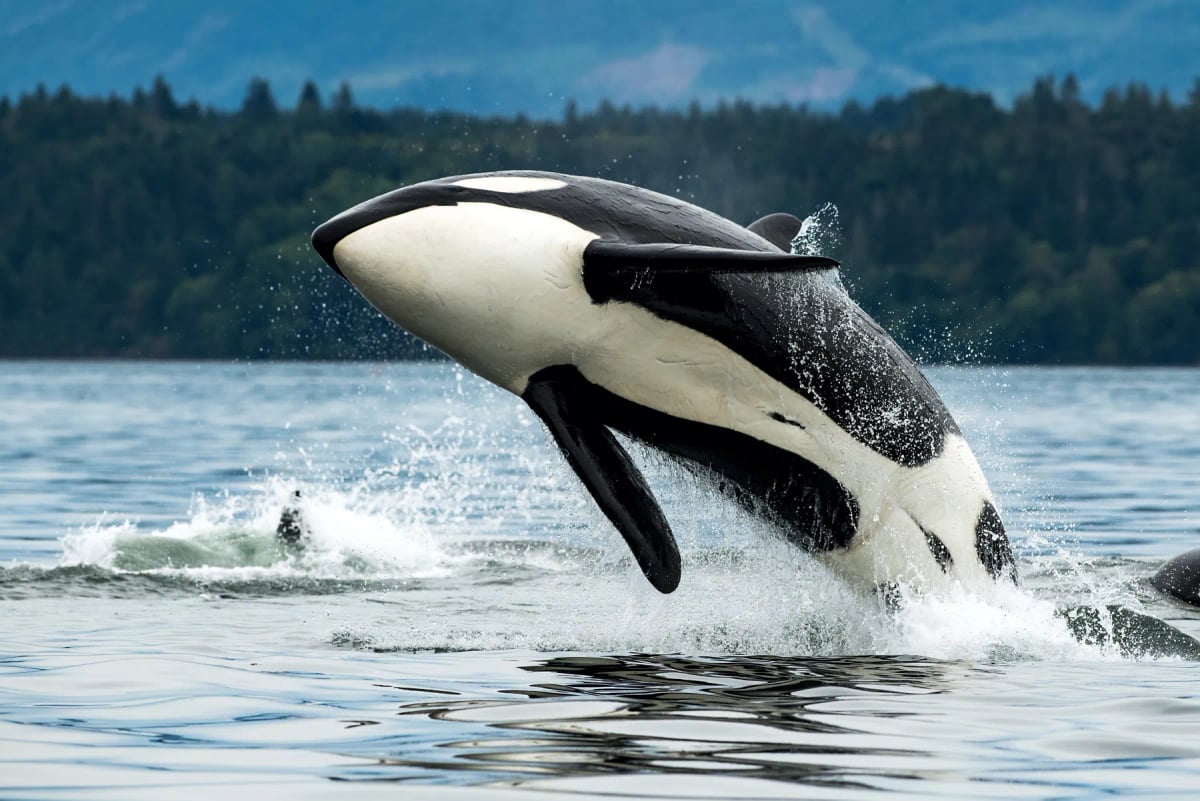
Orca
Orcinus orca
Orcas have been recorded in Philippine waters, particularly in deeper offshore areas of the Sulu Sea and the Philippine Sea. These sightings are rare and tend to involve small groups moving through the region. The Philippines hosts extraordinary marine biodiversity, and orca presence highlights the ecological importance of these waters. As with much of their global range, more research is needed to understand their patterns here.
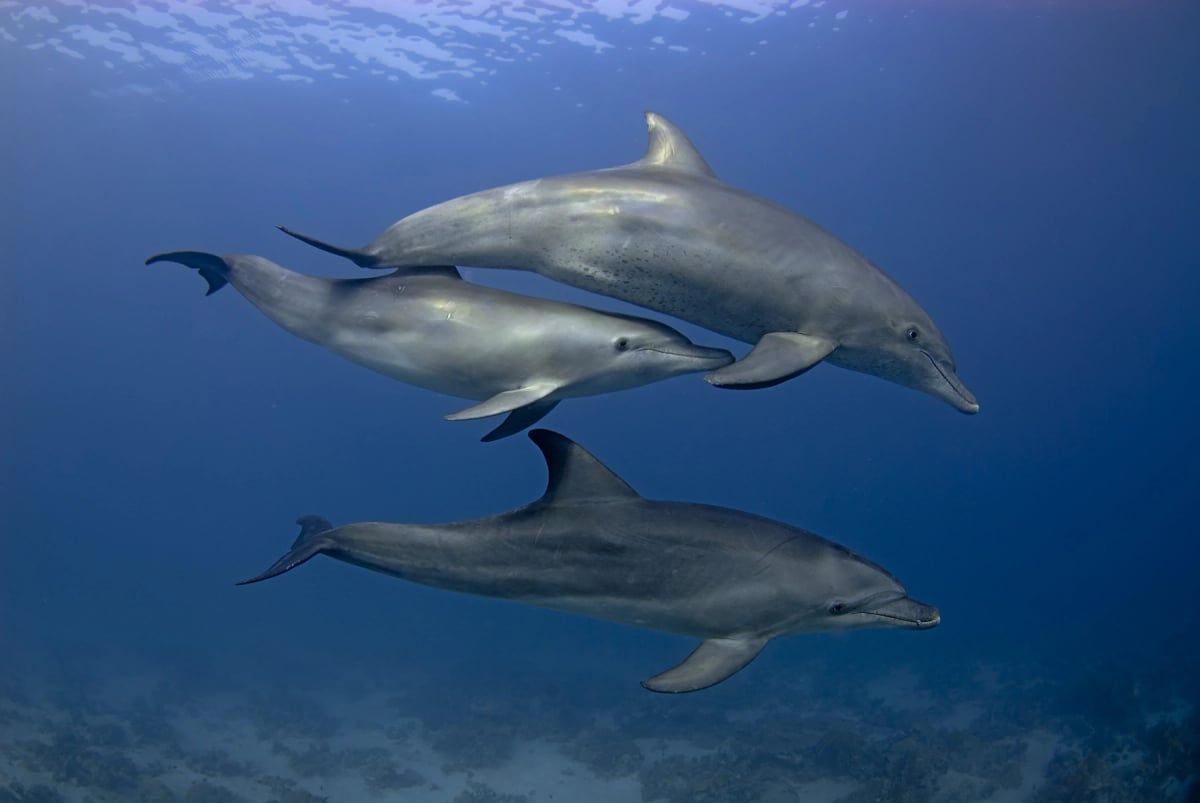
Bottlenose Dolphin
Tursiops truncatus
The Philippines' thousands of islands create a mosaic of bays, straits, and open sea passages where bottlenose dolphins are regularly encountered. They are observed around Palawan, in the Bohol Sea, and near Donsol. The species faces pressure from incidental capture and boat traffic in busy coastal waters. The IUCN classifies the bottlenose dolphin as Least Concern globally.
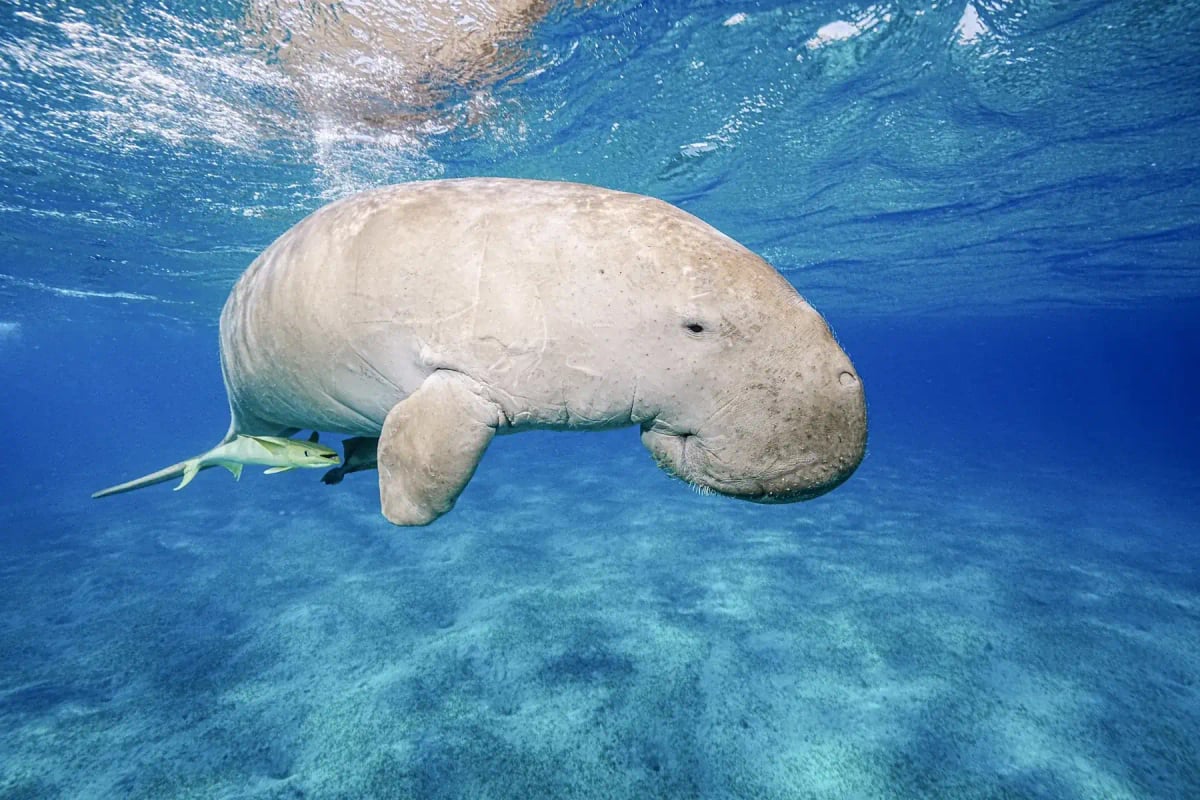
Dugong
Dugong dugon
In the Philippines, dugongs are most commonly associated with the seagrass meadows of Palawan, particularly around Coron and the Calauit area, as well as parts of the Visayas and Mindanao. The country has designated several dugong sanctuaries to protect key feeding areas. Despite this, illegal fishing practices, boat strikes, and the loss of seagrass continue to threaten populations. Community based conservation programs have shown encouraging results in some coastal areas. IUCN status: Vulnerable.
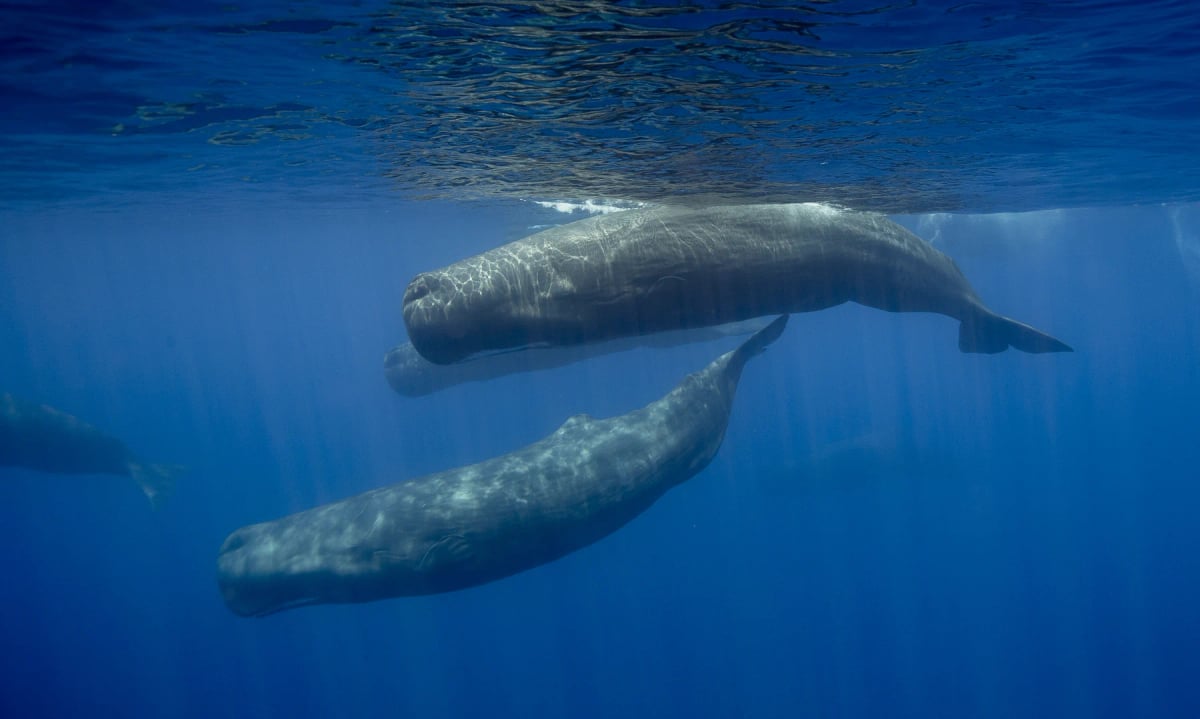
Sperm Whale
Physeter macrocephalus
The Philippines sits within the Coral Triangle, and its surrounding seas include some of the deepest waters in the world, such as the Philippine Trench. These conditions make the area ideal for sperm whales, which have been documented in Philippine waters. Listed as Vulnerable, they face threats from fishing gear entanglement and plastic pollution, which is a serious concern in Southeast Asian seas, as well as noise from busy regional shipping routes.
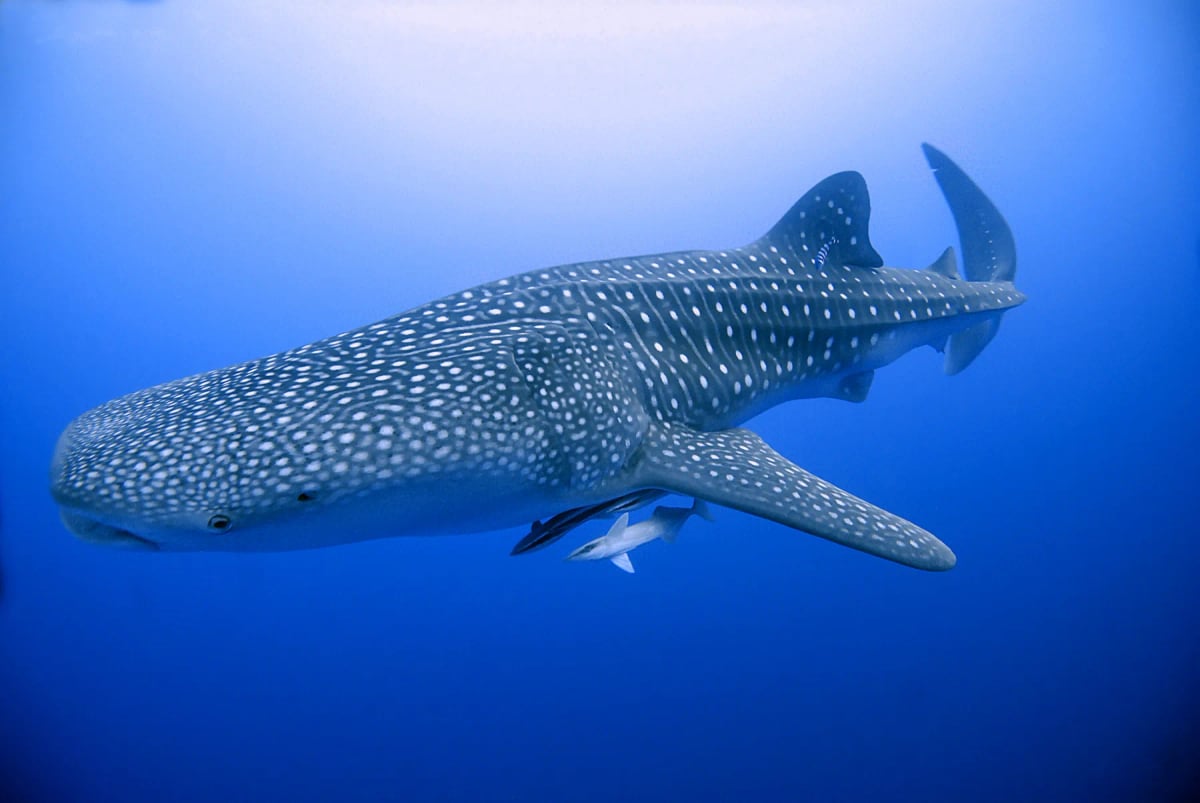
Whale Shark
Rhincodon typus
In the Philippines, Donsol in Sorsogon has offered regulated whale shark encounters since the late 1990s, with sightings most reliable between November and June. Oslob in Cebu also draws large numbers of visitors, though its practice of hand feeding sharks close to shore has drawn criticism from conservationists concerned about changing the animals' natural behavior. Southern Leyte offers a less crowded alternative for spotting whale sharks in their feeding grounds.
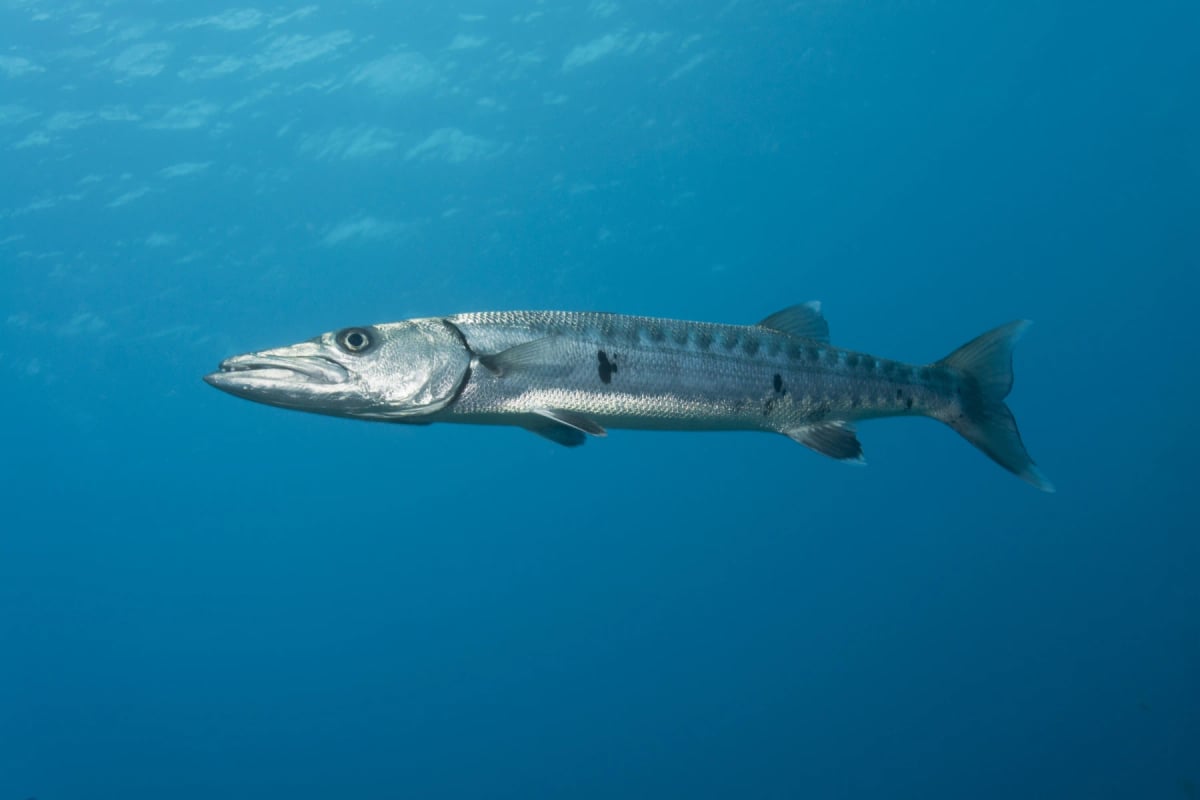
Barracuda
Sphyraena spp.
Barracudas are abundant in Philippine waters, found throughout the coral reef systems of the Visayas, Palawan, the Tubbataha Reef Natural Park, and the Coral Triangle reefs of the south. Several species are present, including the great barracuda and large schooling species that gather on current-swept reef points and channel walls. The Philippines is one of the world's top dive destinations, and barracuda encounters are a regular feature of reef dives across the archipelago. Large schools of barracuda circling in tight formations are a iconic sight at sites like Malapascua, Moalboal, and Tubbataha.
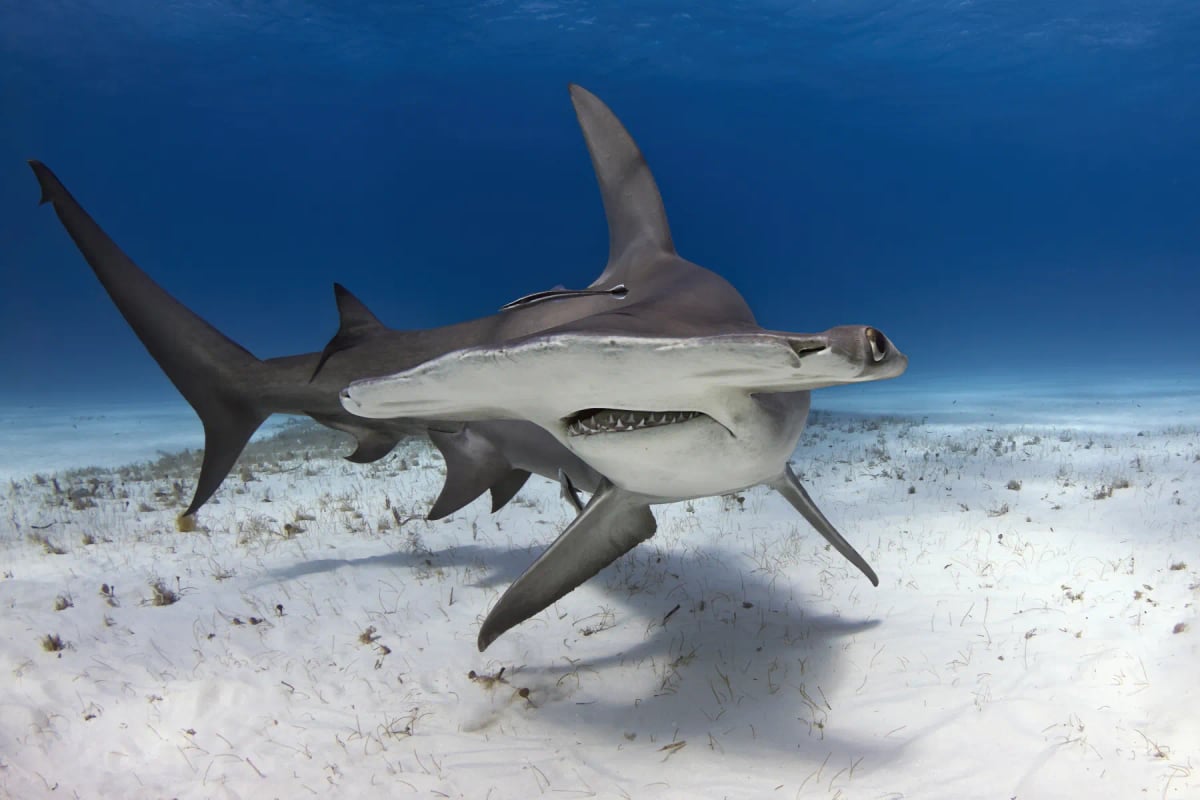
Hammerhead Shark
Sphyrna spp.
The Philippines sits within the Coral Triangle, one of the most biodiverse marine regions on Earth, and hammerhead sharks are part of this rich underwater world. They roam reef edges and open waters hunting fish, rays, and squid. Despite national protections for several shark species, illegal fishing and the fin trade remain serious threats to hammerheads throughout Philippine waters.
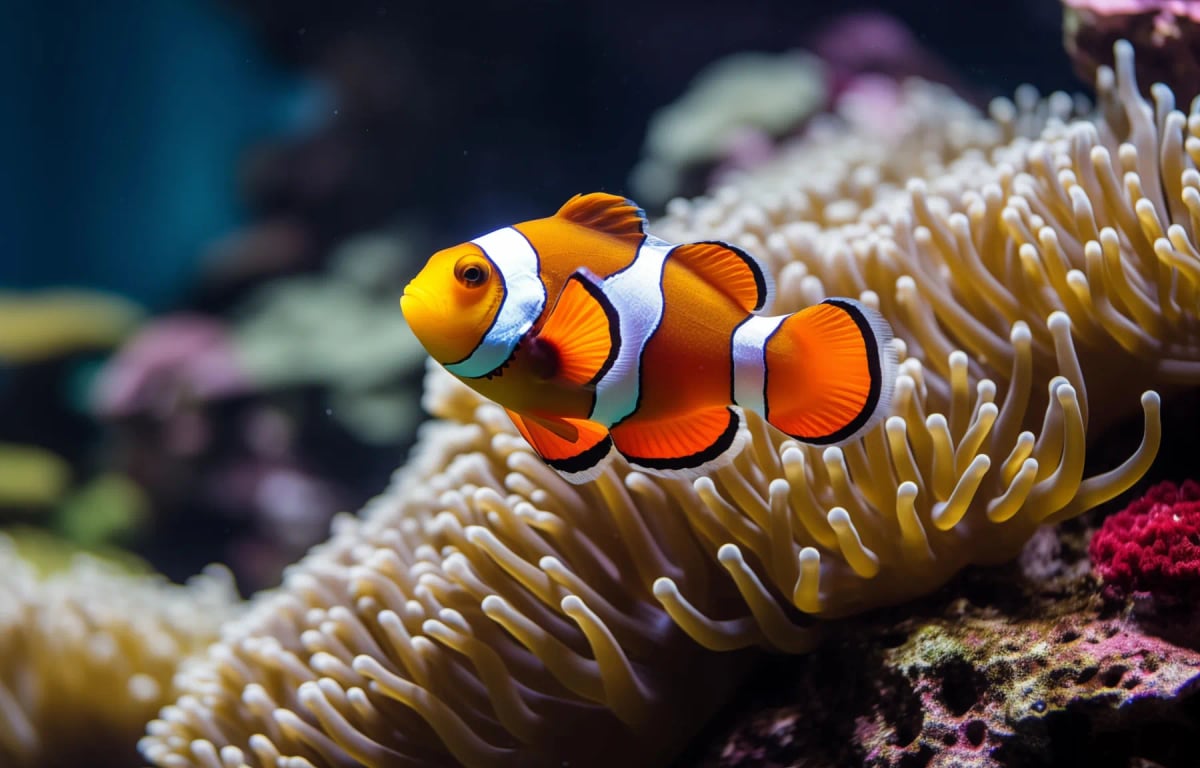
Clownfish
Amphiprioninae (over 30 species)
The Philippines lies within the Coral Triangle, and its thousands of reef systems provide a rich home for clownfish across many of its islands. Tubbataha Reef Natural Park is among the protected areas where these colorful fish can be found sheltering in sea anemones. Local fishing communities have long recognized the clownfish as a symbol of reef life, and marine sanctuary programs across the archipelago help protect the coral habitats they depend on.
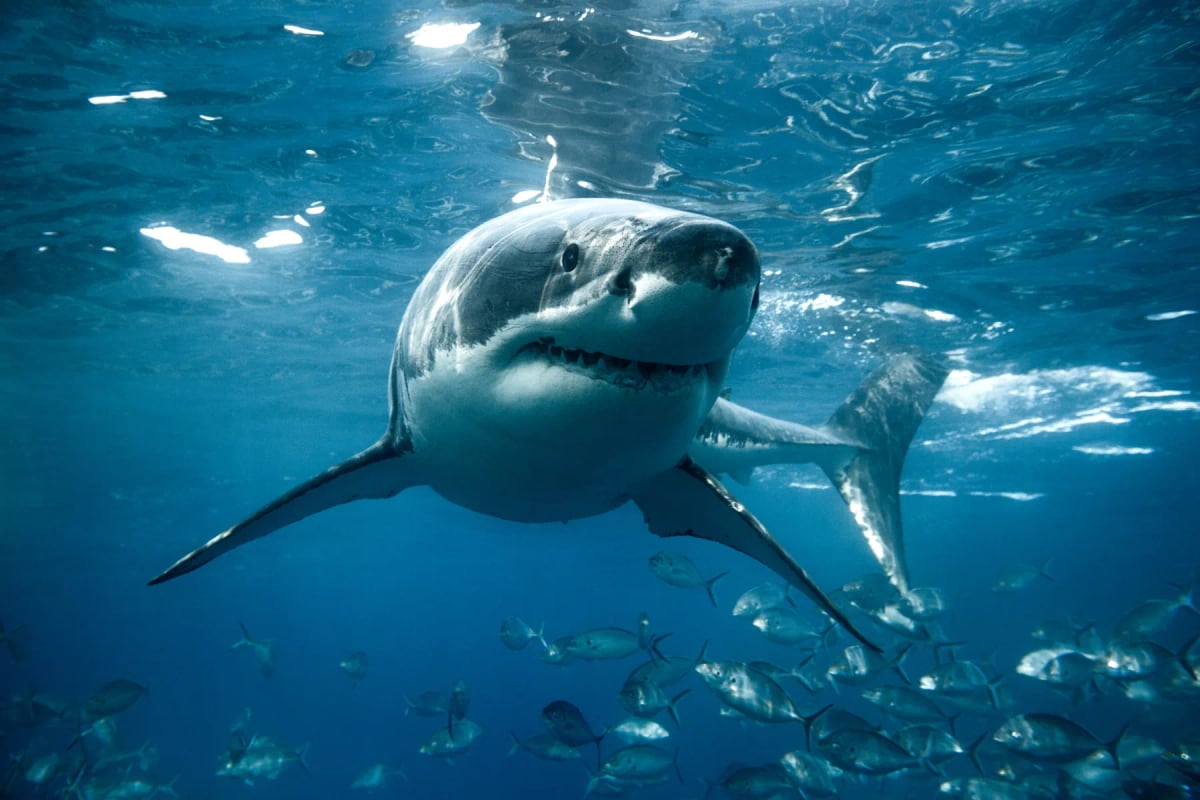
Great White Shark
Carcharodon carcharias
Great white sharks are rarely encountered in Philippine waters, where the warm tropical seas of the Coral Triangle are generally less typical habitat for this species. Occasional records suggest individuals may pass through deeper or cooler offshore areas. The Philippines hosts extraordinary marine biodiversity, and awareness of all large shark species contributes to broader conservation efforts across this globally significant ocean region.
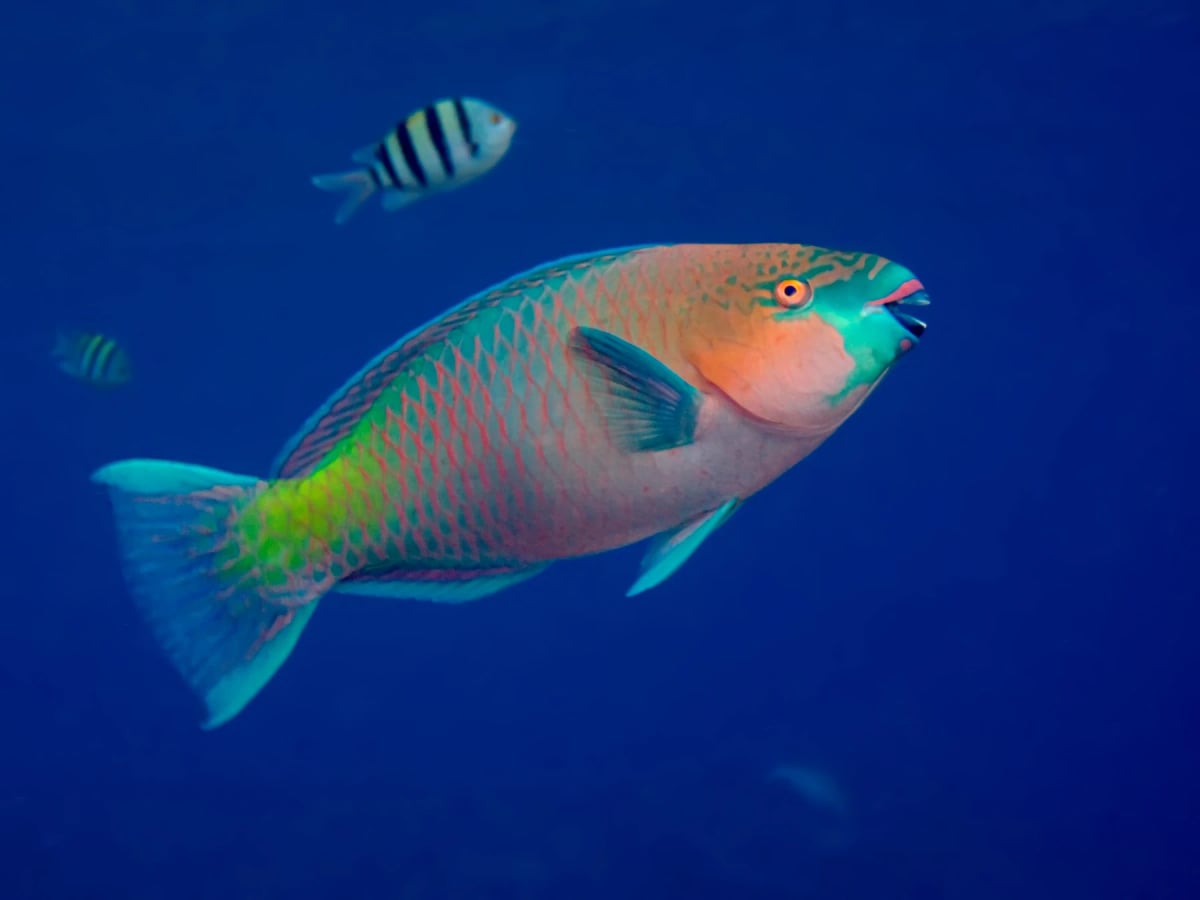
Parrotfish
Scaridae
The Philippines sits within the Coral Triangle and supports some of the richest reef systems in the world. Parrotfish are a familiar sight across these reefs, grazing in groups through shallow coral gardens. Their scraping activity removes algae and produces the fine sand found along many Philippine beaches. Overfishing has put pressure on parrotfish populations in some areas, and local efforts to protect them recognize how vital they are to reef health over the long term.
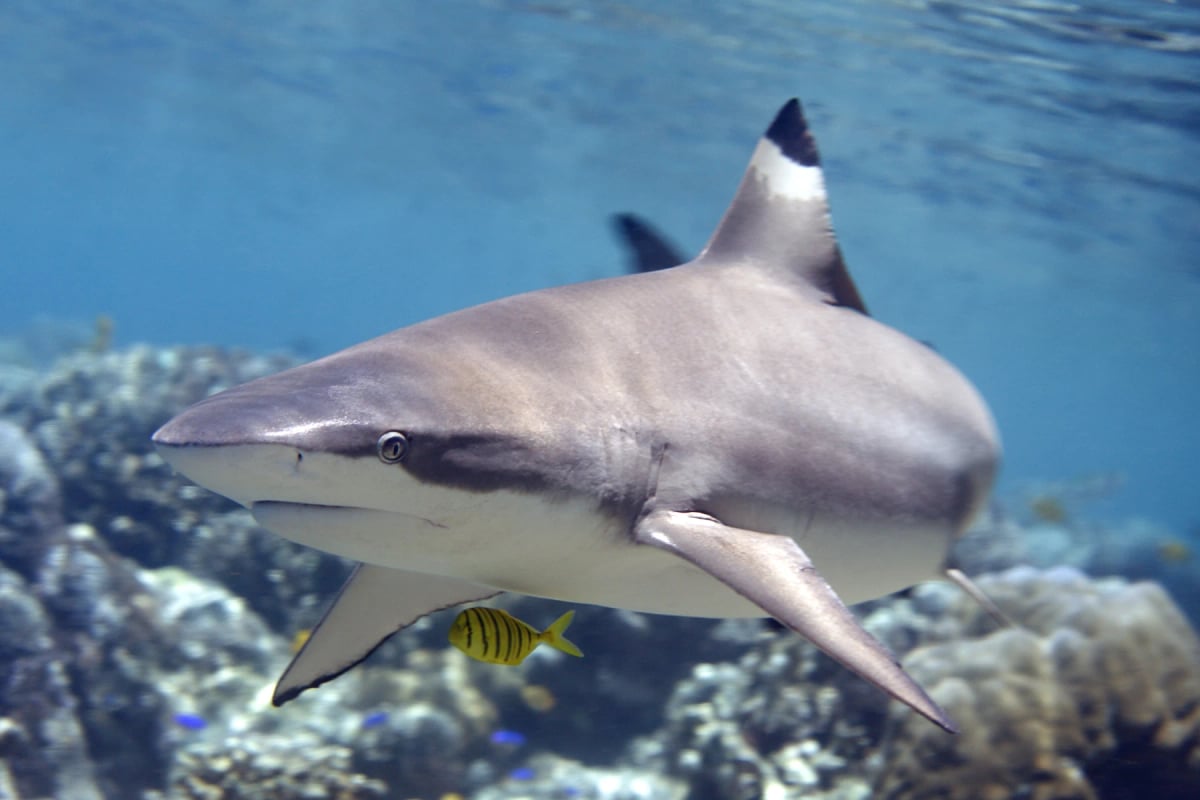
Reef Shark
Carcharhinus spp.
The Philippines sits at the heart of the Coral Triangle, one of the most diverse marine regions on Earth, making it prime habitat for reef sharks. Blacktip and whitetip reef sharks are regularly seen around shallow reef edges and sandy lagoons. Shark fishing and habitat loss from reef degradation put pressure on local populations, and community conservation efforts are growing across many island groups.
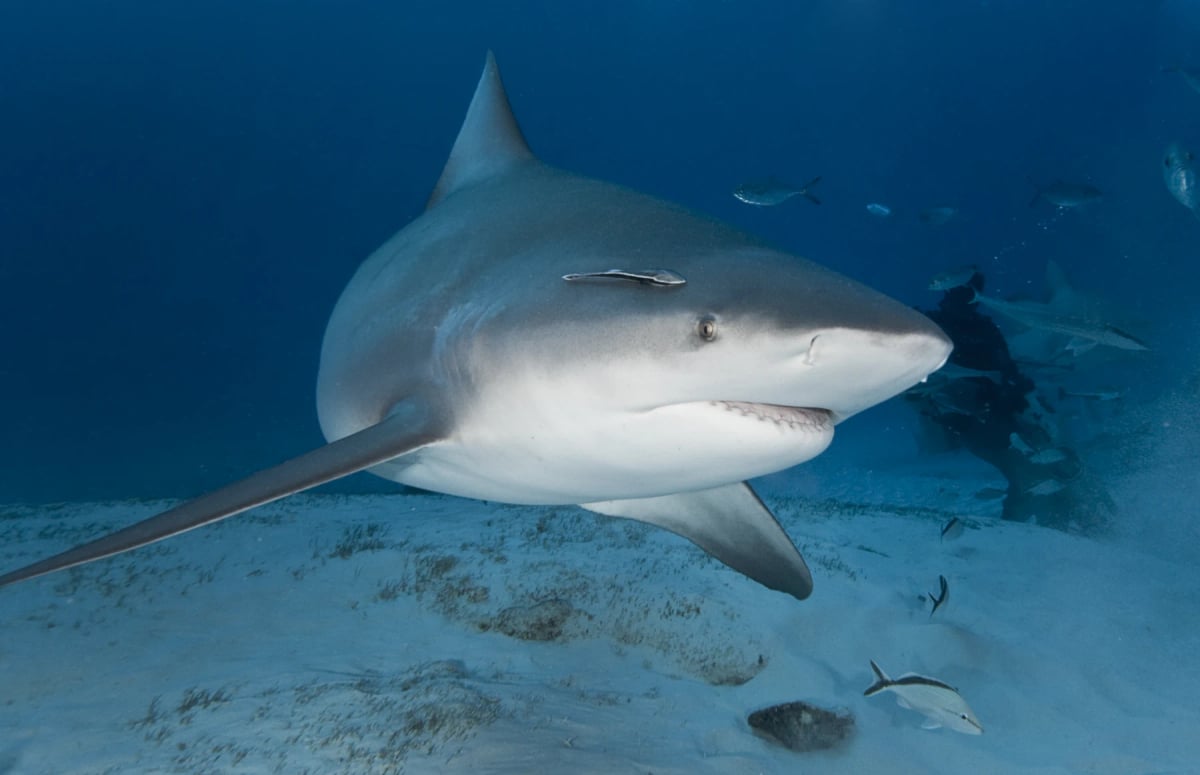
Bull Shark
Carcharhinus leucas
The Philippines, with its thousands of islands and extensive tropical coastline, provides abundant habitat for bull sharks across shallow bays, estuaries, and river mouths. The species is encountered around many island groups, and its ability to enter rivers means it penetrates well inland in some areas. Shark fishing has a long history in the Philippines, placing pressure on populations of this Near Threatened species across the archipelago.
Researched and written by Juan Pablo. Sources: IUCN Red List, scientific literature and regional field guides. Last updated: .