Animals in Guinea Bissau
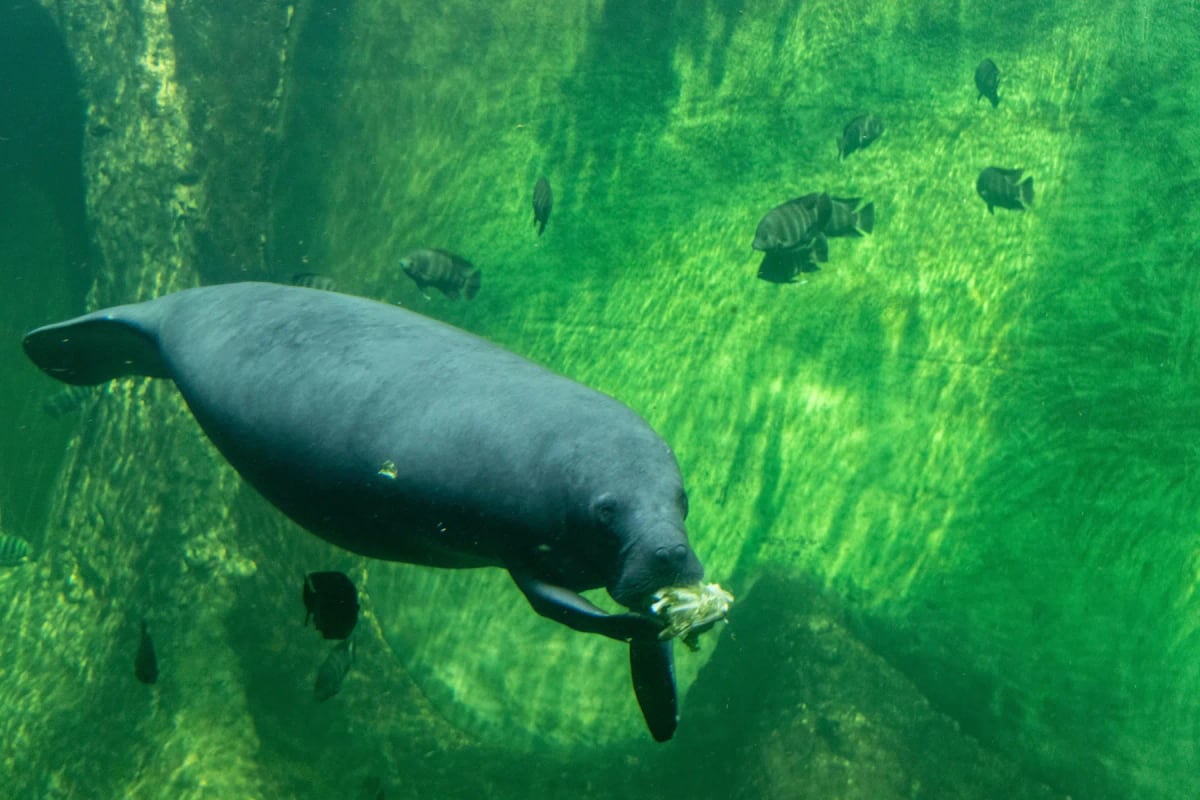
African Manatee
Trichechus senegalensis
The African manatee, linked to Guinea Bissau’s rivers and lagoons, is seen as a national symbol. Calm and gentle, it moves through mangrove channels and estuaries where local guides work to protect it. Its presence reminds people of the close relationship between coastal life and marine nature.
View details→Wildlife in Guinea Bissau
Guinea Bissau’s wildlife thrives in mangroves, forests and coastal waters along the Atlantic. Dolphins, manatees, hippos and chimpanzees share habitats with colorful birds and reptiles. The Bijagós Archipelago, a UNESCO Biosphere Reserve, offers visitors a peaceful place to see this biodiversity up close and support conservation tourism.
Most Dangerous Animals in Guinea Bissau
Caution is needed in Guinea Bissau’s rivers and forests, where hippos, buffaloes, leopards and snakes live. Local rangers help visitors follow safe paths and respect wildlife boundaries. With guidance and care, encounters with nature remain exciting but secure for everyone.
Top 10 Animals in Guinea Bissau
Chimpanzees, leopards, hippos and manatees are among the animals that define Guinea Bissau’s wildlife. National parks and island reserves let travelers explore forests, wetlands and beaches while learning about the efforts made by communities to protect endangered species.
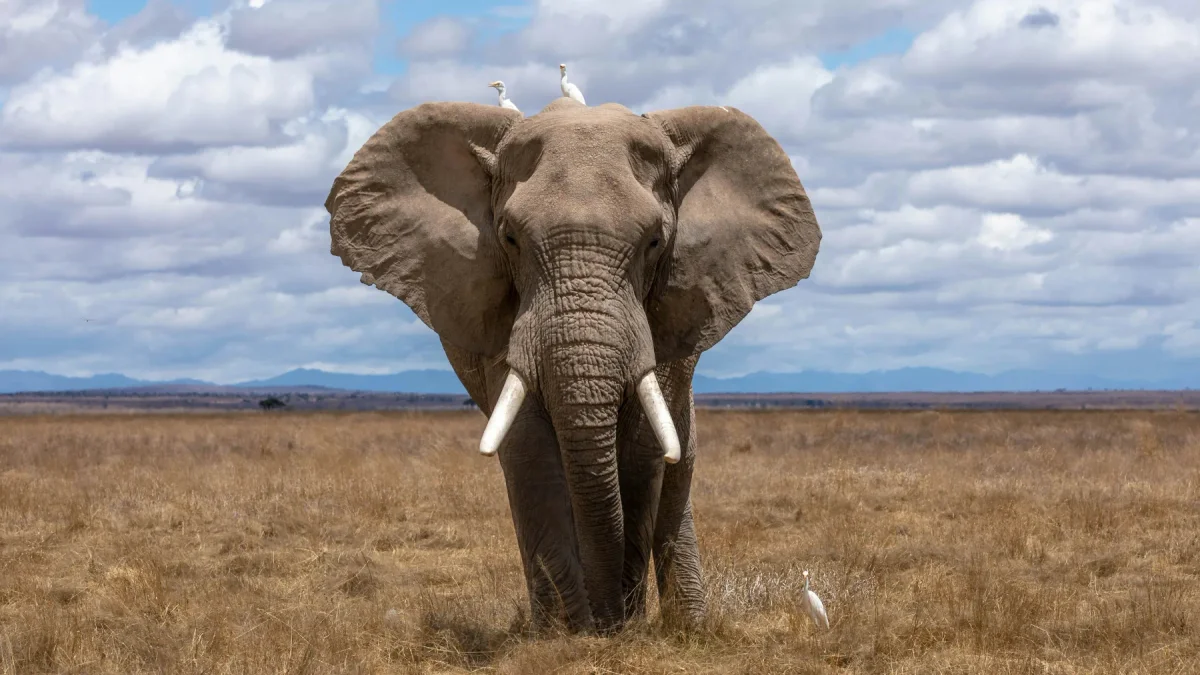
African Elephant
Loxodonta africana
Guinea-Bissau has one of the smallest elephant populations in West Africa, with a very small number of individuals surviving in Cantanhez National Park in the south and in areas near the border with Guinea. These elephants move between the two countries depending on season and available resources. The population is among the least studied in the region, and the country's limited conservation infrastructure makes it difficult to assess current numbers or monitor trends over time.
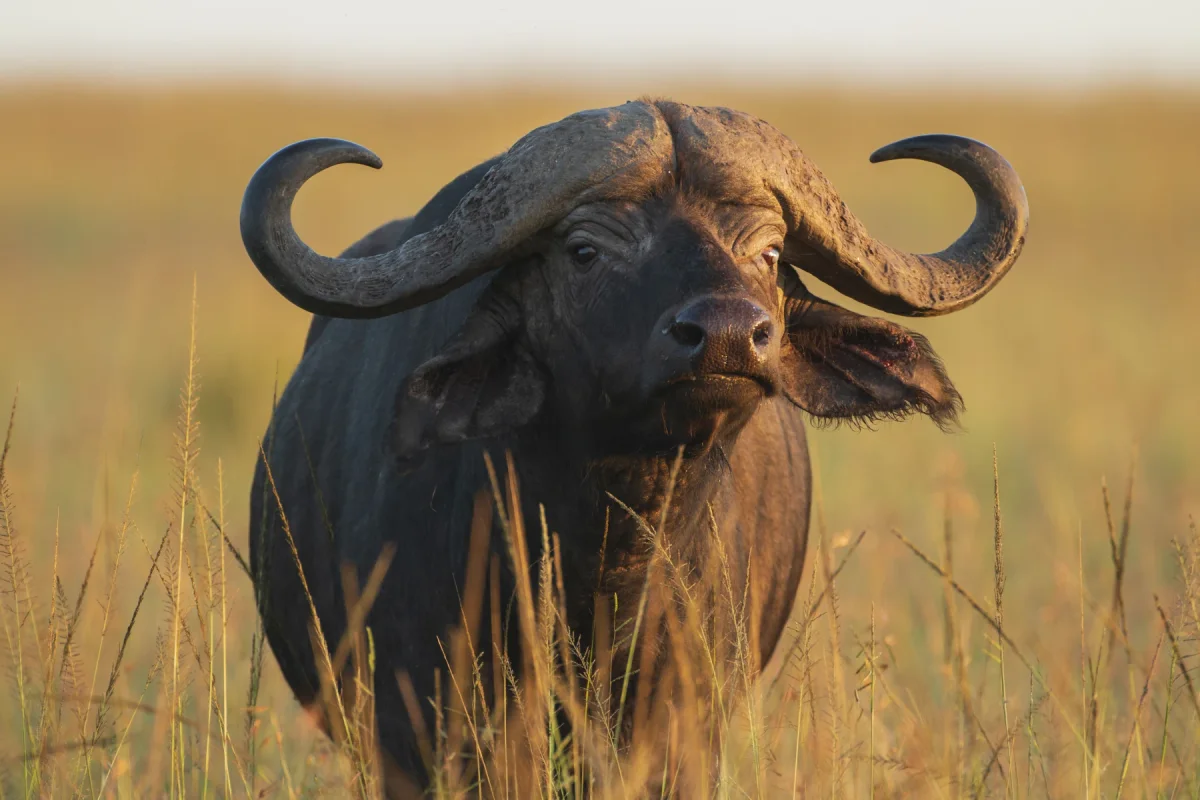
Buffalo
Syncerus caffer
In Guinea-Bissau, African buffaloes inhabit woodland savanna and areas bordering wetlands, with populations present in and around the Cantanhez National Park in the south. This park protects a mosaic of forest, savanna, and coastal habitat. Buffalo numbers in the country are relatively small, and the species faces threats from habitat loss and unregulated hunting, which limit population recovery across the region.
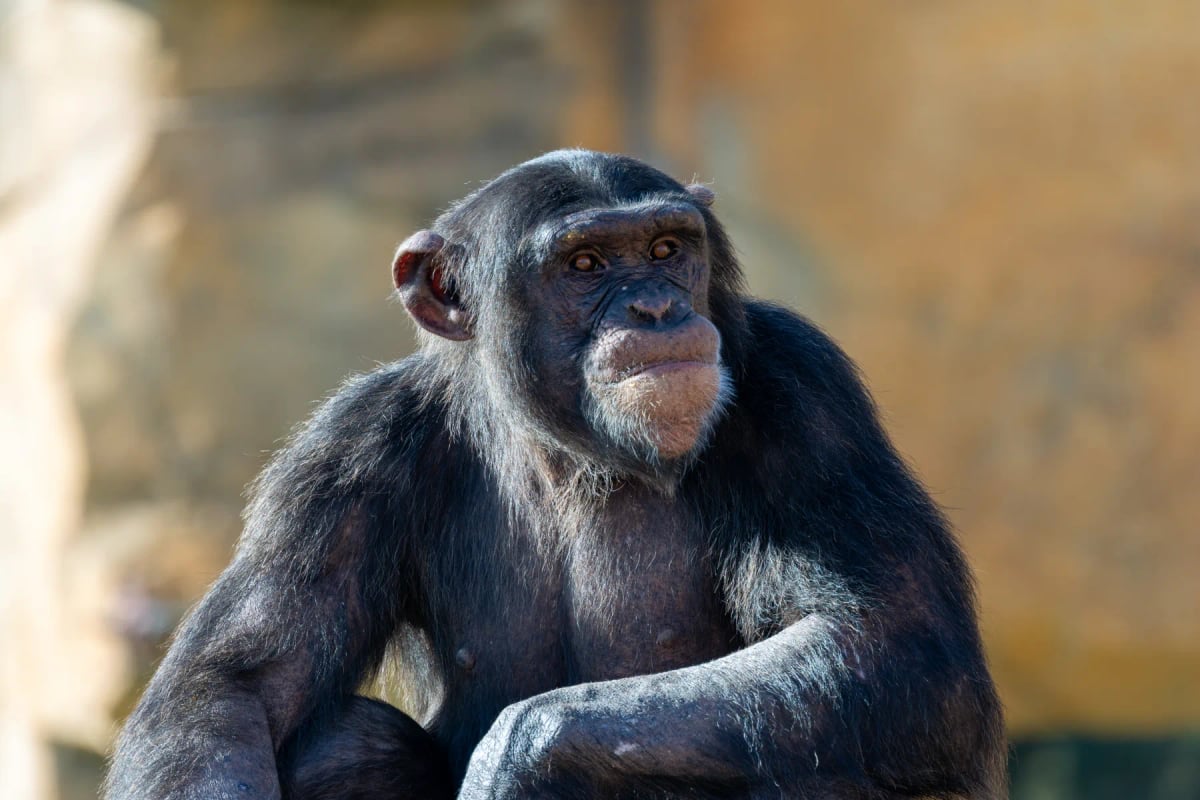
Chimpanzee
Pan troglodytes
In Guinea-Bissau, chimpanzees inhabit forest patches and woodland areas, with some communities recorded in the Cantanhez National Park in the south. The country's populations are small and poorly studied, existing in a landscape increasingly altered by agriculture and logging. Local cultural beliefs in some communities have historically offered informal protection to chimpanzees, though growing land pressure is steadily eroding that traditional buffer.
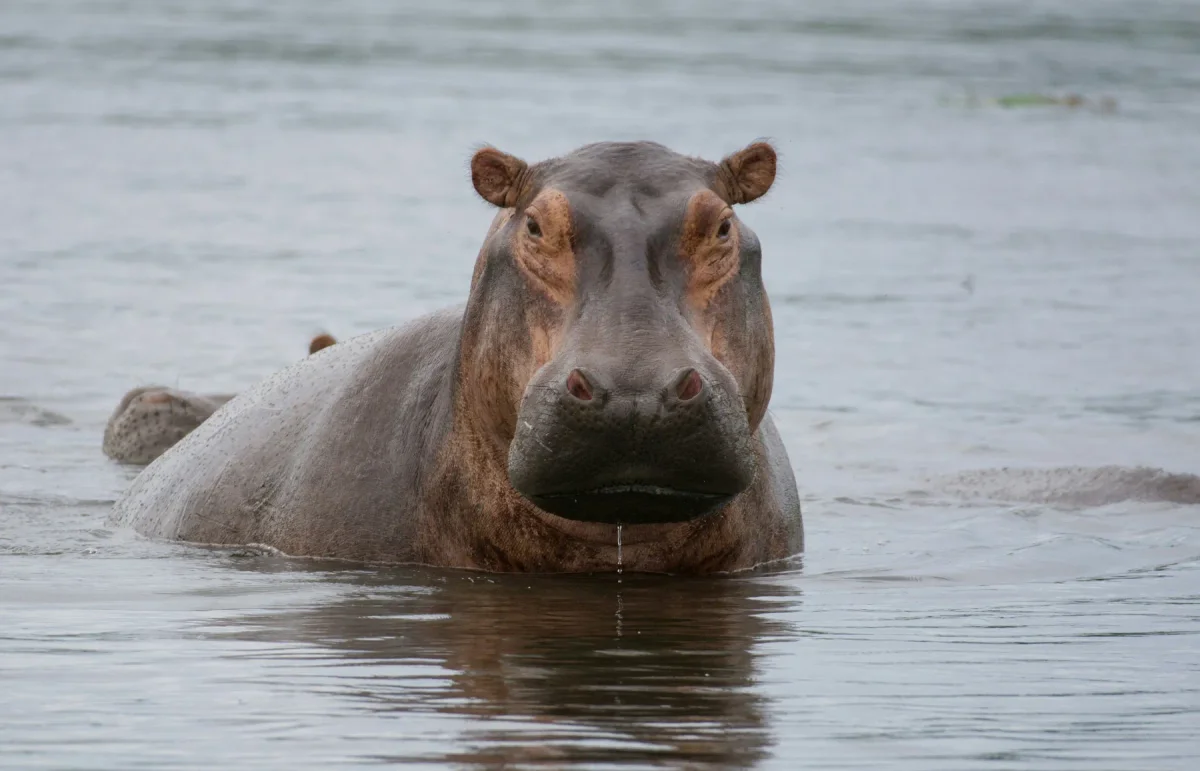
Hippopotamus
Hippopotamus amphibius
Guinea-Bissau's network of rivers and coastal wetlands, including those within the Cantanhez National Park, supports a small but notable hippopotamus population in West Africa. The species benefits from relatively intact mangrove and freshwater habitats in some areas. Poaching and habitat loss remain ongoing threats. The IUCN lists the hippopotamus as Vulnerable, and regional cooperation is important for protecting these cross-border populations.
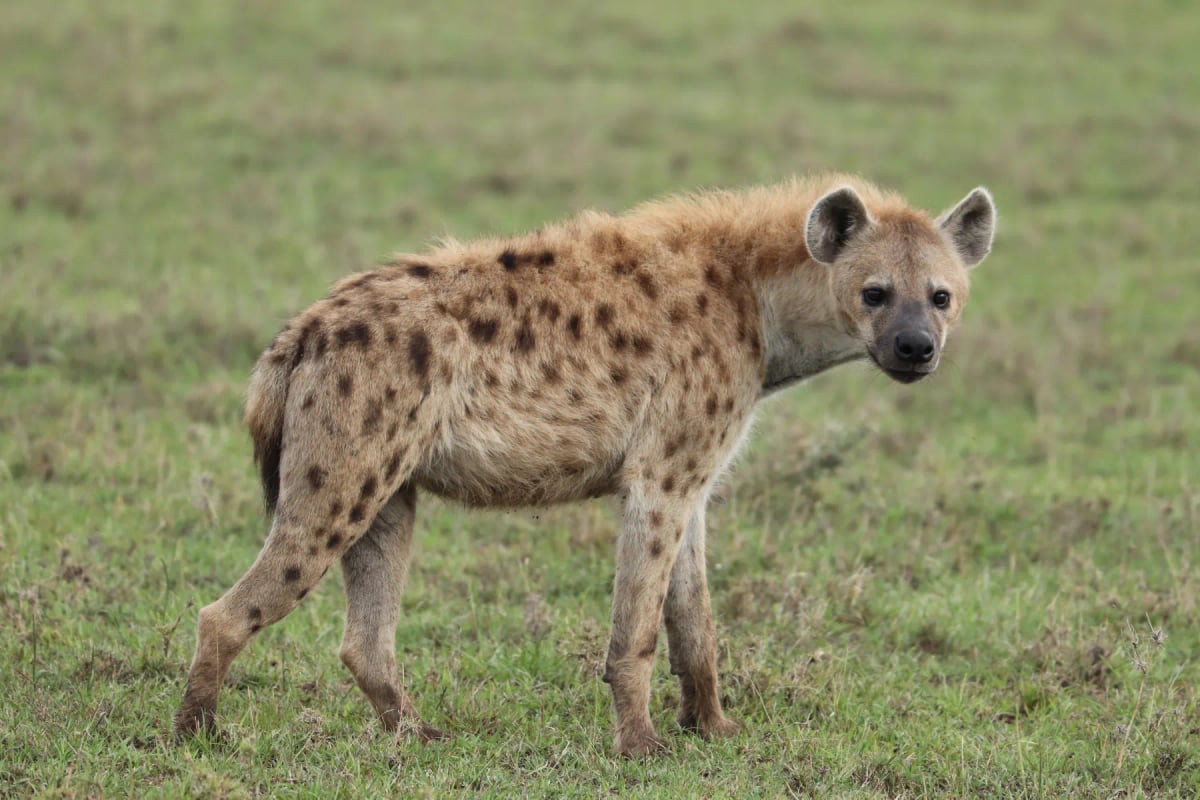
Spotted Hyena
Crocuta crocuta
In Guinea-Bissau, spotted hyenas are found in the savanna and woodland habitats of the interior, though they are rarely documented due to limited wildlife research in the country. The Cantanhez National Park in the south provides some refuge for larger mammals. Pressure from habitat clearance and conflict with herding communities threatens the stability of their small populations. Their IUCN status is Least Concern.
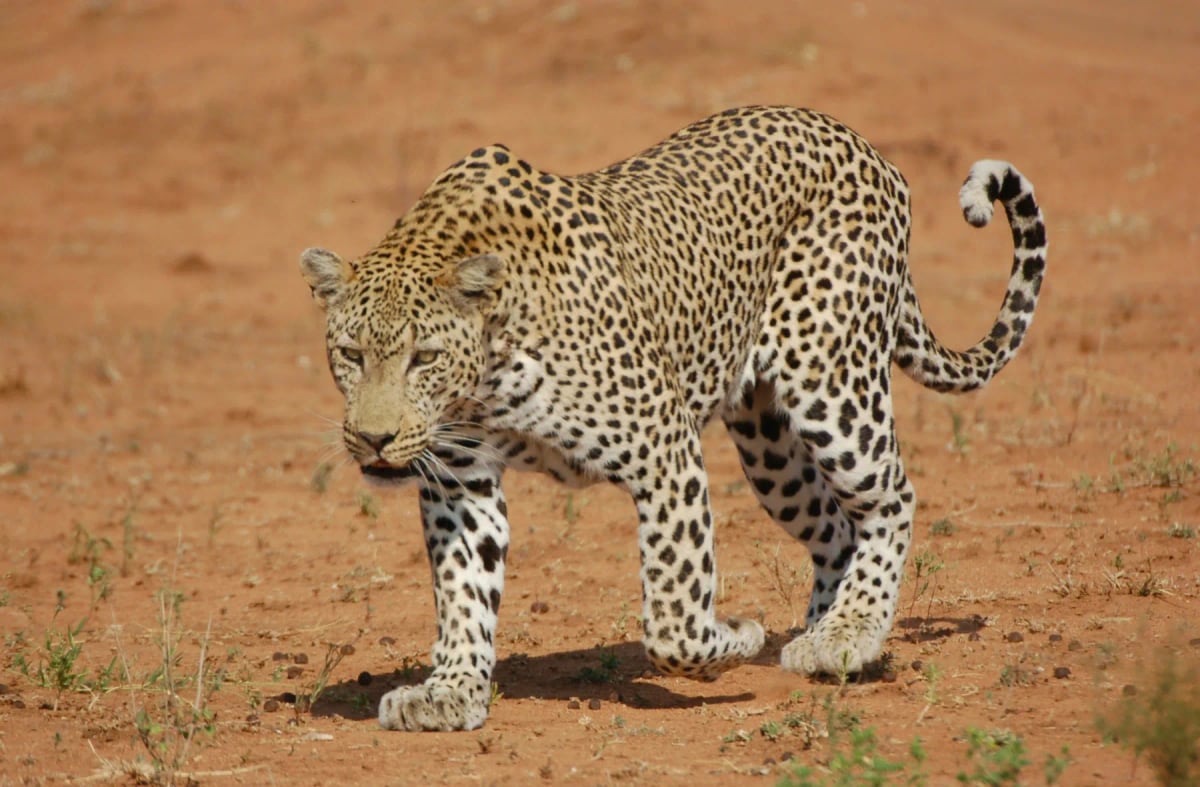
Leopard
Panthera pardus
Guinea-Bissau holds a small leopard population, likely concentrated in the Cantanhez National Park in the south, which protects a rare pocket of West African rainforest. The country's coastal forests and woodland patches offer some habitat, though the overall range is limited. Bushmeat hunting and forest clearance are the main threats. Research on leopards in Guinea-Bissau remains limited, and much about their status there is still uncertain.
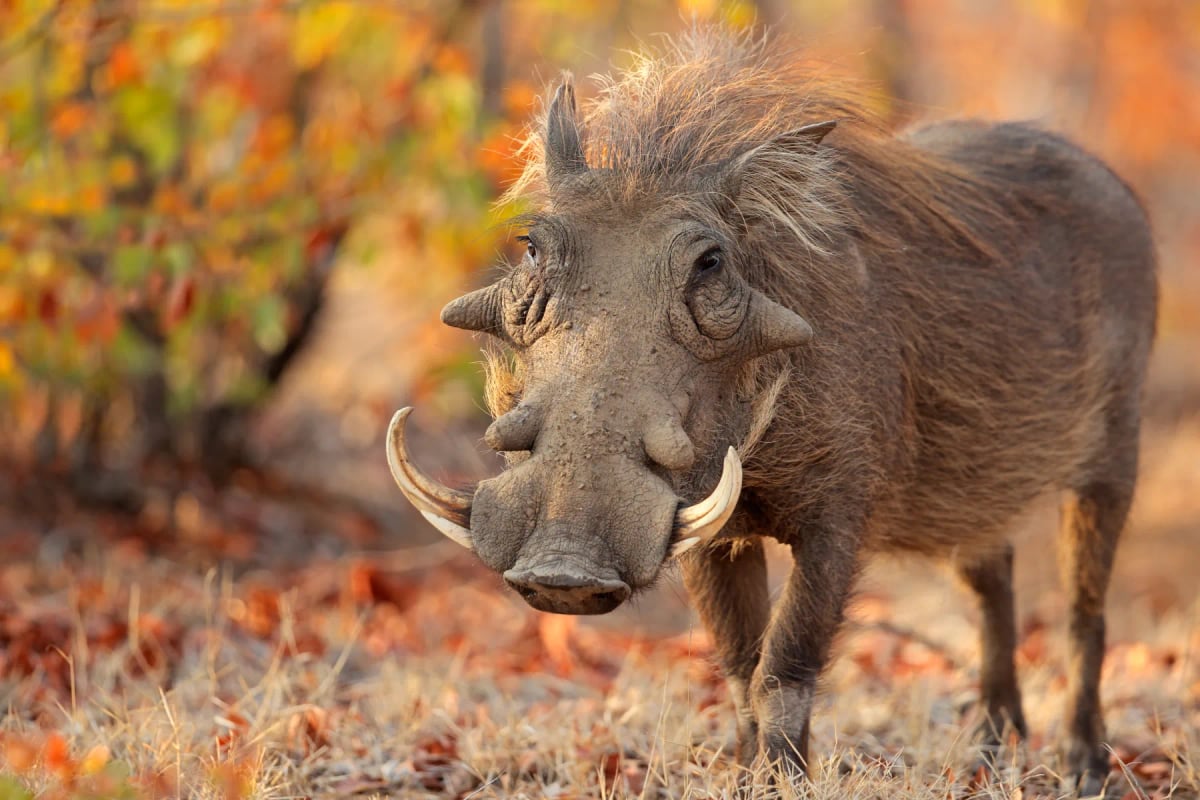
Warthog
Phacochoerus africanus
In Guinea-Bissau, warthogs are found in savanna corridors and open woodland areas, particularly inland from the coastal mangrove zones. They live in small groups, feeding on grasses and digging for roots and bulbs. Burrows offer shelter during the hottest parts of the day. The species is part of the broader West African warthog population and is listed as Least Concern by the IUCN.
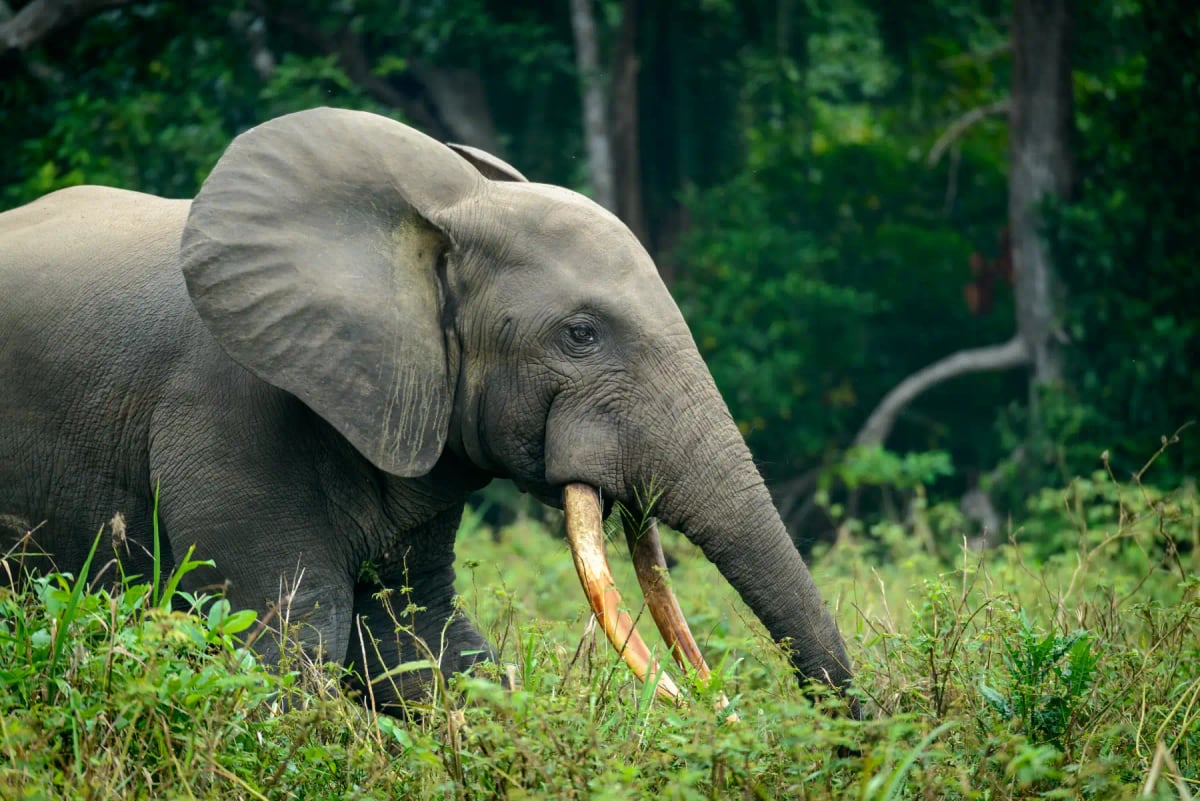
African Forest Elephant
Loxodonta cyclotis
Guinea-Bissau sits at the extreme northwestern edge of the African forest elephant's range, and its presence there is considered marginal. The country lacks the dense tropical rainforest that the species typically requires, and no reliable population survey data exists. Small numbers may persist near the borders with Guinea in areas with gallery forest, but the species is rarely recorded. The IUCN lists Guinea-Bissau as a range country, though its population, if present, is likely very small.
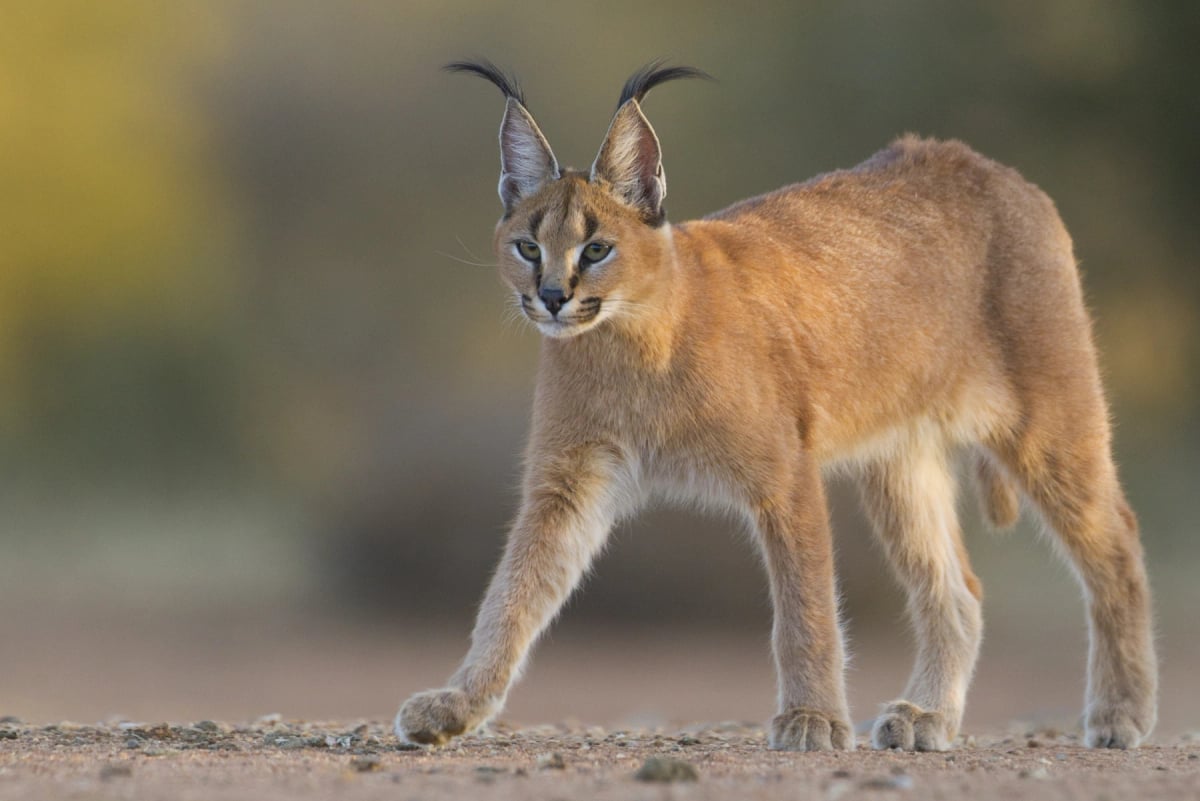
Caracal
Caracal caracal
In Guinea-Bissau, the caracal inhabits the drier savanna and woodland areas inland, where it finds suitable cover and prey. This small West African country lies near the edge of the caracal's range in the region. Habitat degradation and limited protected area coverage are the main concerns for wildlife here. The IUCN lists the caracal as Least Concern, though data on its population in Guinea-Bissau specifically remains scarce.
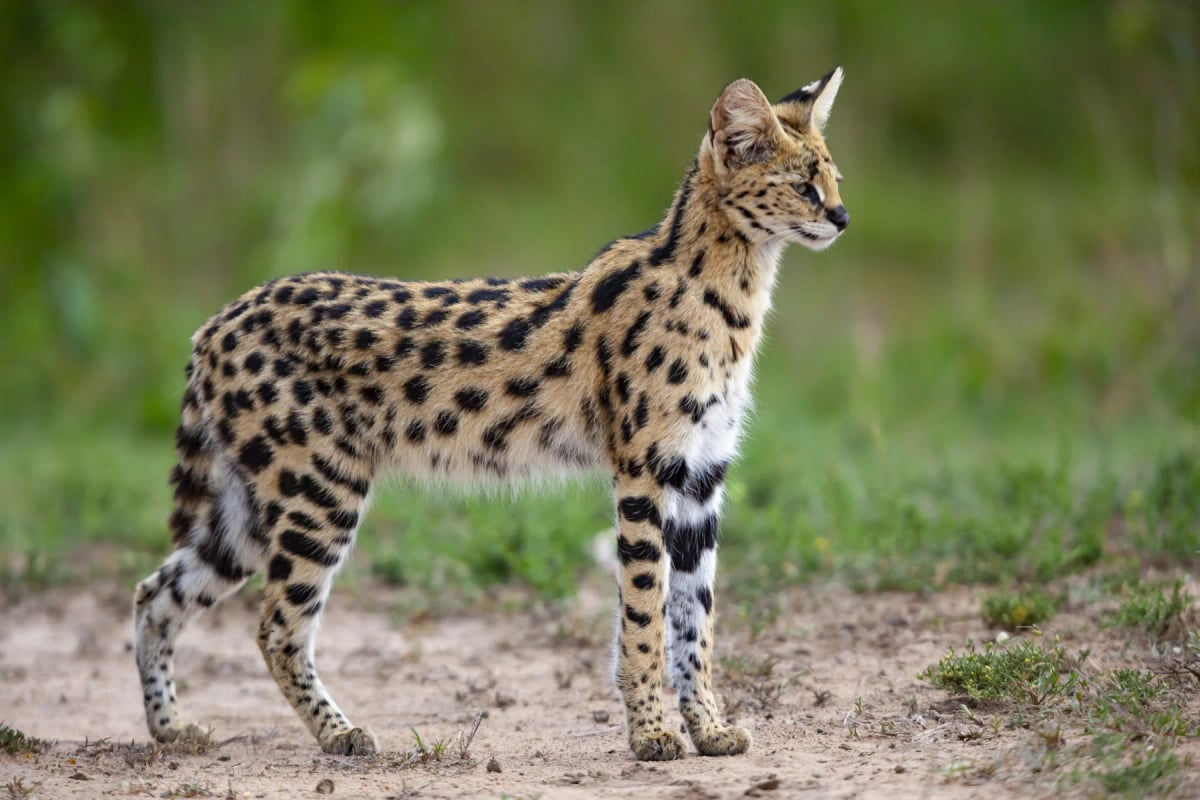
Serval
Leptailurus serval
In Guinea-Bissau, the serval can be found in the moist savanna and grassland areas inland from the coastal mangroves. It favors vegetation near rivers and seasonal wetlands, hunting mainly at night for rodents and small prey. The country's low level of industrial development has helped preserve some natural habitat, though agricultural expansion is an ongoing pressure. The IUCN rates the serval as Least Concern, and local populations appear to persist where grassland remains intact.
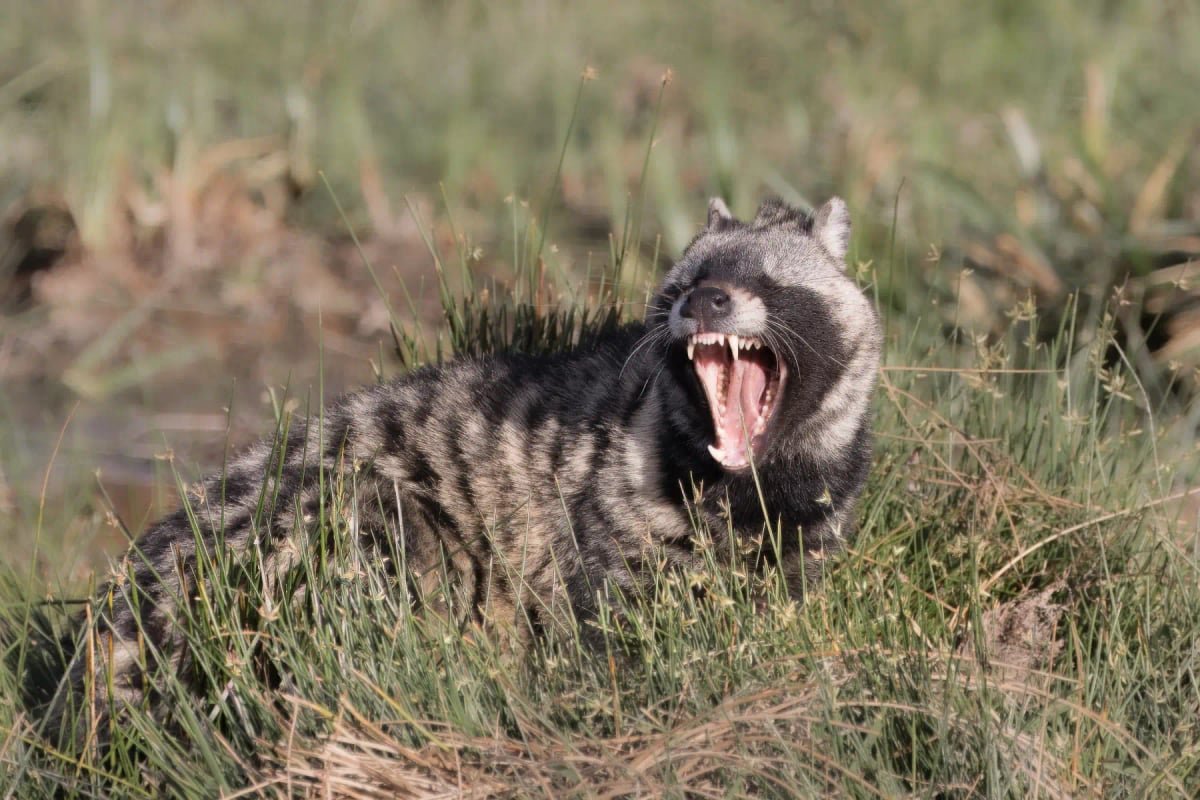
African Civet
Civettictis civetta
The African civet occurs across Guinea-Bissau in the coastal forests, riparian woodlands, and Guinea savanna zones that cover much of the country. The Cantanhez National Park in the south, with its rare tidal forests and dense woodland, represents some of the most important civet habitat in the country. In the Bijagós Archipelago, civets are absent, but on the mainland they remain part of the nocturnal carnivore community wherever sufficient cover and water are available.

Honey Badger
Mellivora capensis
The honey badger occurs in Guinea Bissau across the savanna and dry woodland of the interior, away from the coastal mangroves and rice growing lowlands. It is a solitary, wide ranging carnivore that digs for rodents and insects and is known to raid beehives without hesitation. Its small population here has not been closely studied, but the IUCN lists the species as Least Concern overall.
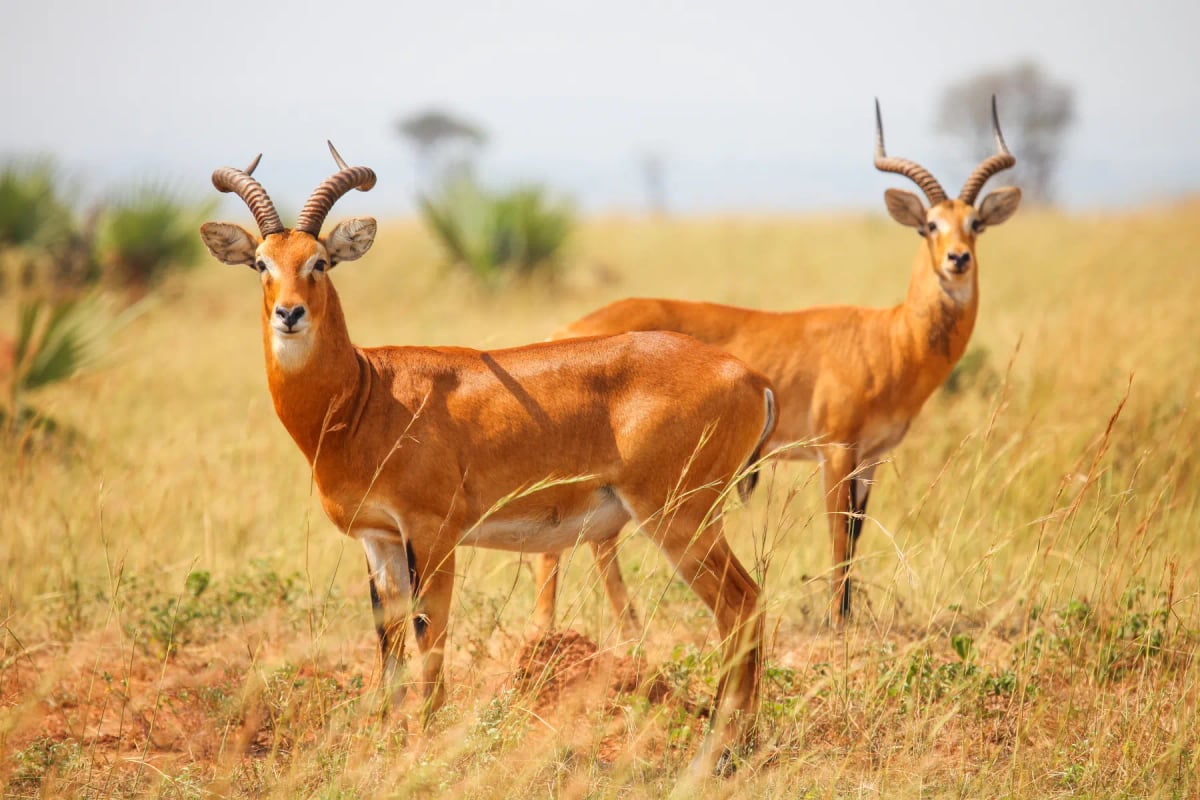
Kob
Kobus kob
The kob is present in Guinea-Bissau, where it inhabits the grassy plains and woodland edges in the eastern interior of the country. Populations here are small and face pressure from habitat loss and unregulated hunting. The kob is a medium-sized antelope with a coat of reddish gold, and males carry curved, ridged horns. It is listed as Least Concern by the IUCN, though local numbers remain vulnerable.
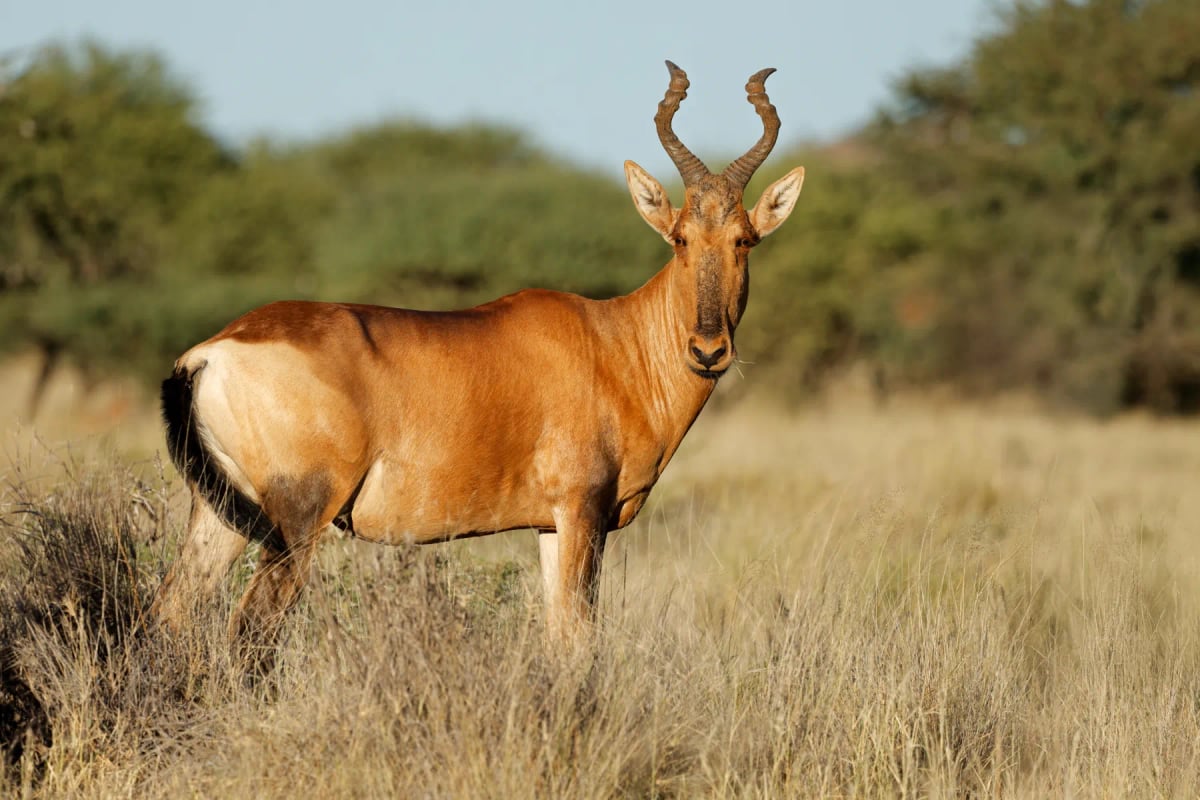
Hartebeest
Alcelaphus buselaphus
In Guinea-Bissau, the hartebeest inhabits open savanna and woodland areas, relying on grasses as its primary food source. Its distinctive long face and steeply sloping back make it easy to identify. Populations in this small West African country are limited, and the species faces ongoing pressure from habitat degradation and hunting. Across its full range in Africa, the hartebeest is listed as Least Concern by the IUCN.
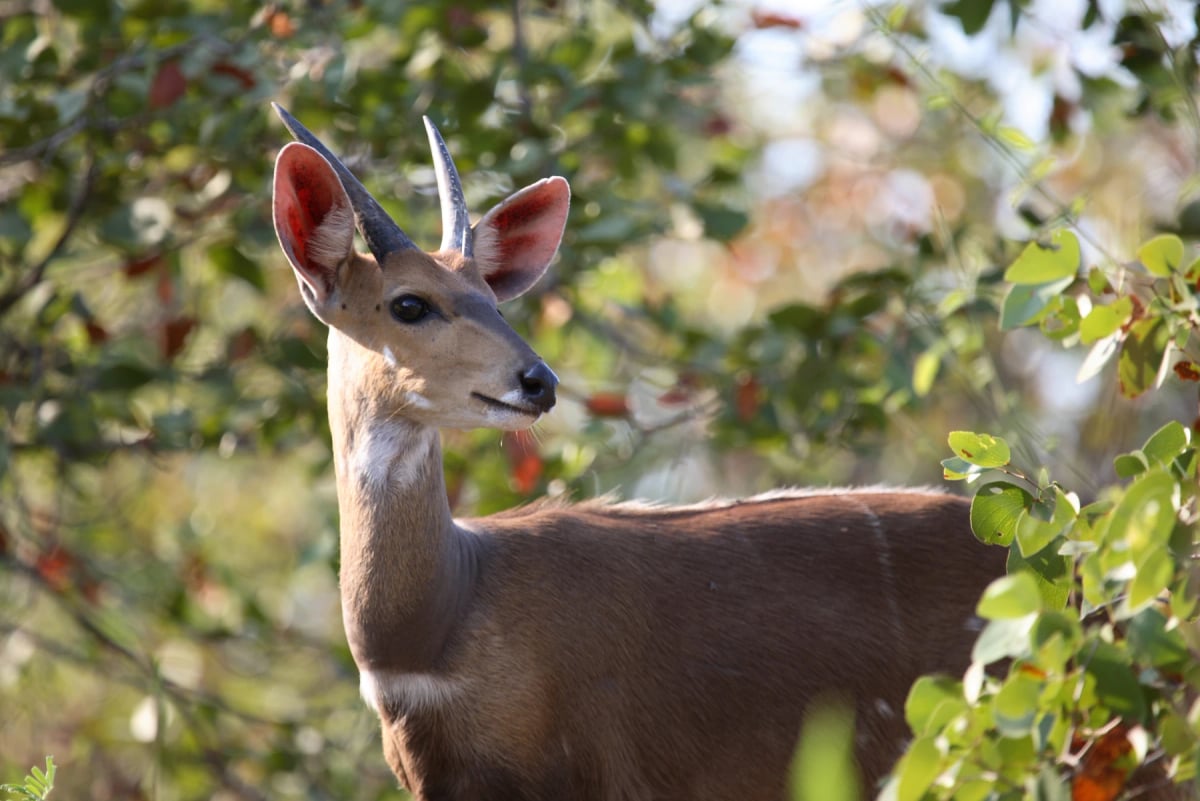
Bushbuck
Tragelaphus scriptus
Guinea-Bissau's bushbucks occupy riverine forests and woodland patches in the eastern interior regions. This West African country provides marginal habitat for the species, with populations concentrated along river valleys. Dense vegetation in these riparian areas offers essential shelter and feeding opportunities.
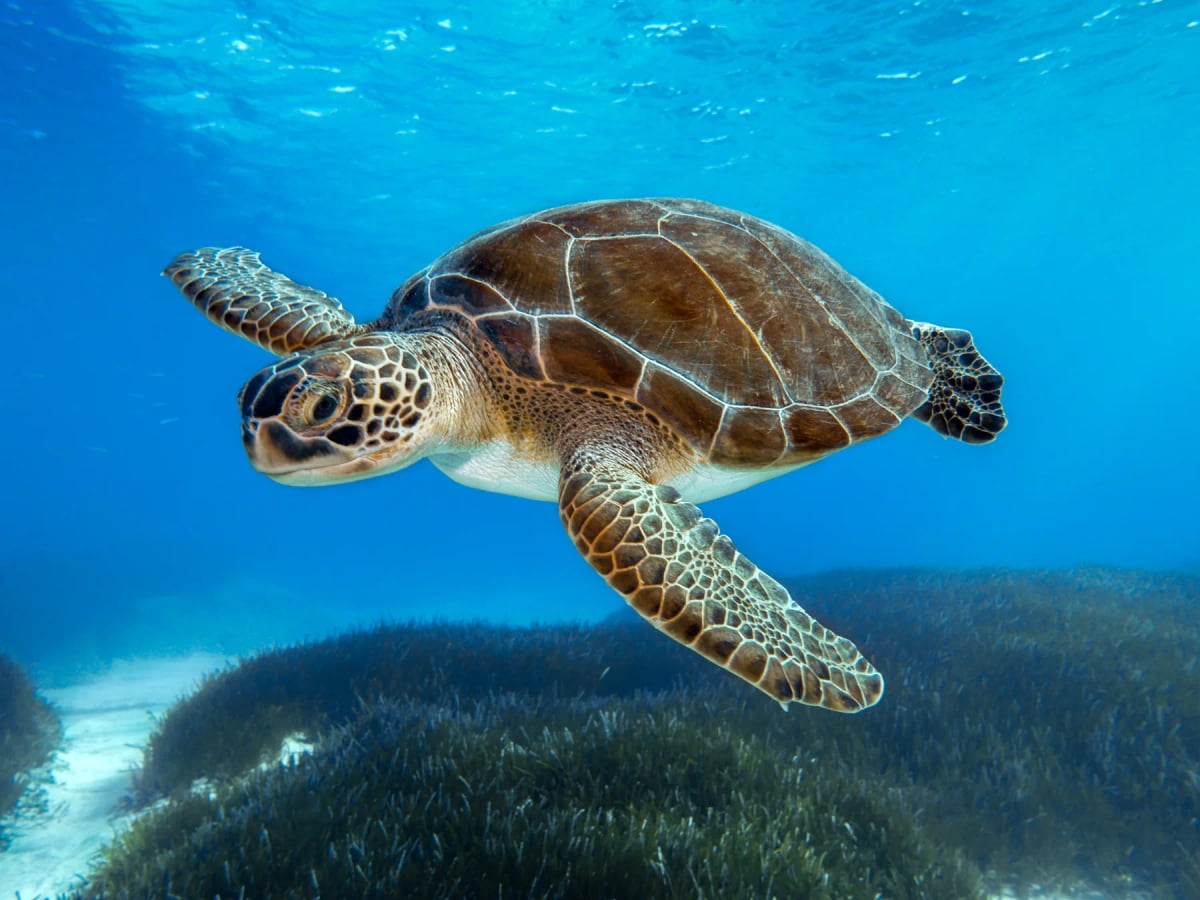
Sea Turtle
Cheloniidae & Dermochelyidae (families)
Guinea-Bissau's Bijagós Archipelago is one of the most significant sea turtle habitats in West Africa. The remote islands and undisturbed beaches of the archipelago host nesting populations of green, olive ridley and leatherback turtles. The Bijagós Biosphere Reserve provides formal protection for much of this area. Local communities have traditionally interacted with sea turtles, and conservation programs work to balance cultural practices with the need to protect nesting populations.
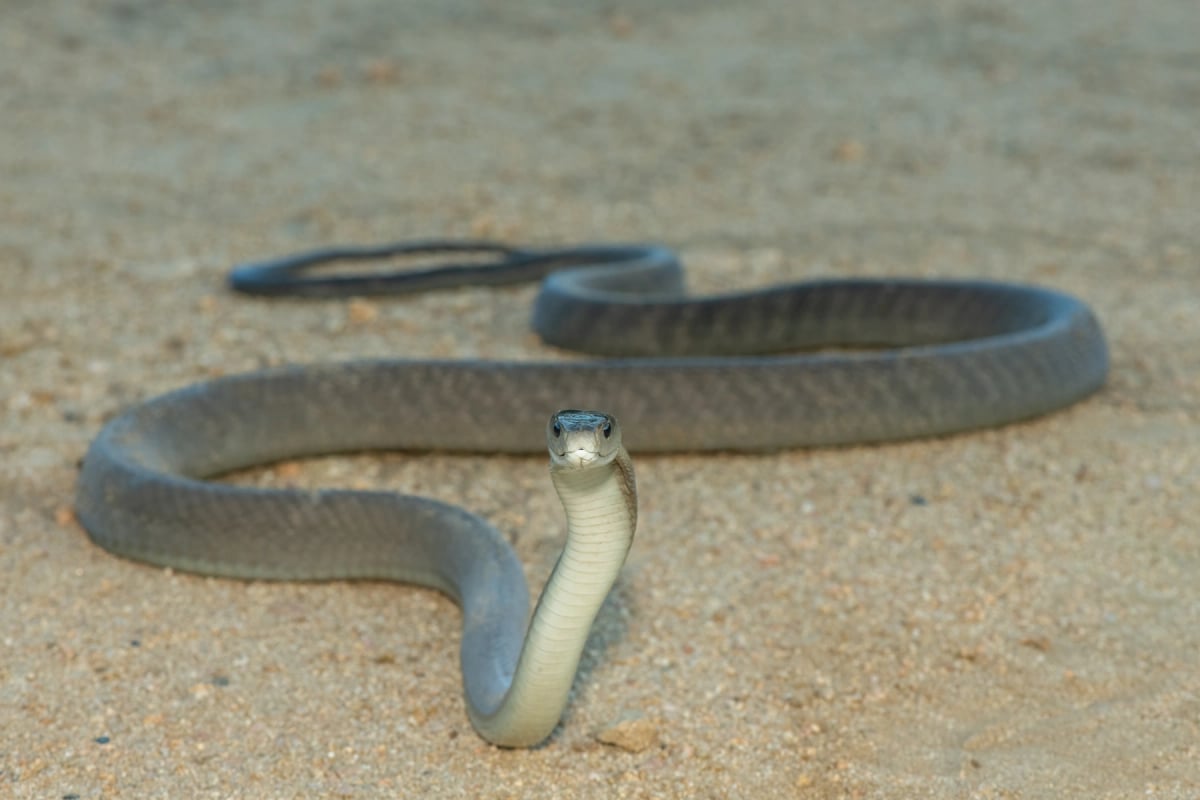
Black Mamba
Dendroaspis polylepis
In Guinea-Bissau, the black mamba (Dendroaspis polylepis) occupies open savannas and woodland edges in the country's interior, where its olive to gray coloring provides effective cover. Africa's longest venomous snake, it can exceed 3 meters and is capable of short bursts of speed above 15 km/h. It is listed as Least Concern by the IUCN, though snakebite management is a challenge in remote areas.
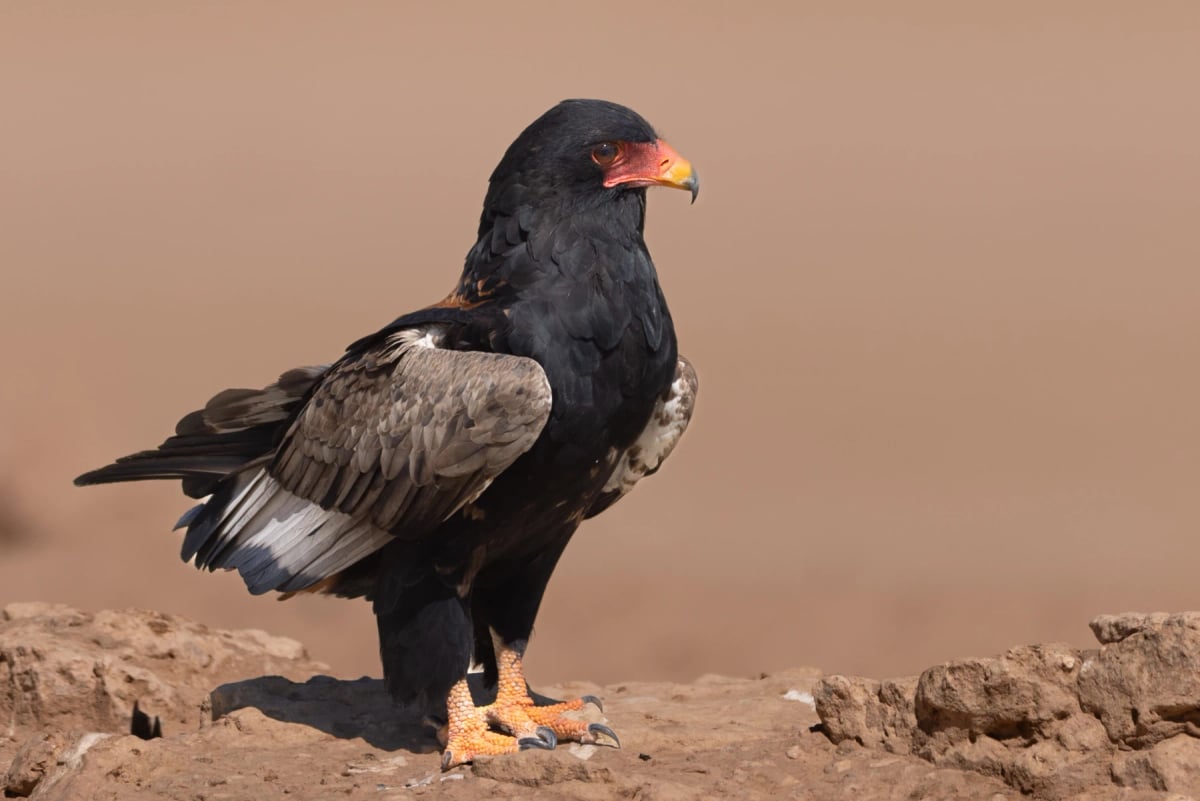
Bateleur
Terathopius ecaudatus
In Guinea-Bissau, the bateleur is a rare and poorly documented resident, most associated with the savanna and open woodland habitats of the country's interior. Its wide daily foraging range means it can appear across large areas, but confirmed records are scarce. Ongoing habitat degradation and the broader decline across West Africa make its future in the country uncertain. The IUCN lists the species as Endangered.
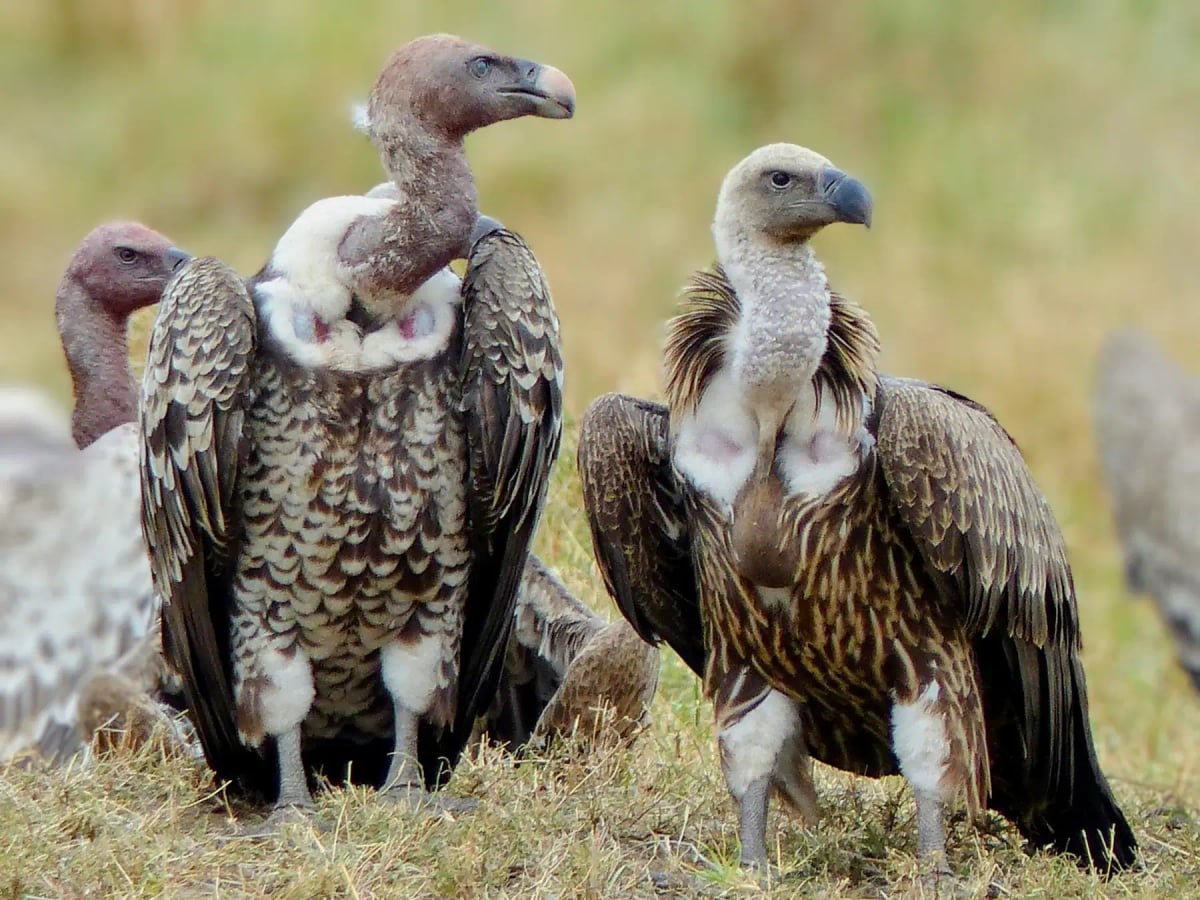
White backed Vulture
Gyps africanus
Guinea Bissau is part of the western end of the white backed vulture's range, and here it lives in the savannas and open woodlands of the interior, away from the coastal mangroves. Numbers are small, and like other vultures in West Africa it is under pressure from poisoning and the trade in body parts for belief based practices. It depends on areas where cattle and wildlife still provide carcasses. The species is Critically Endangered.
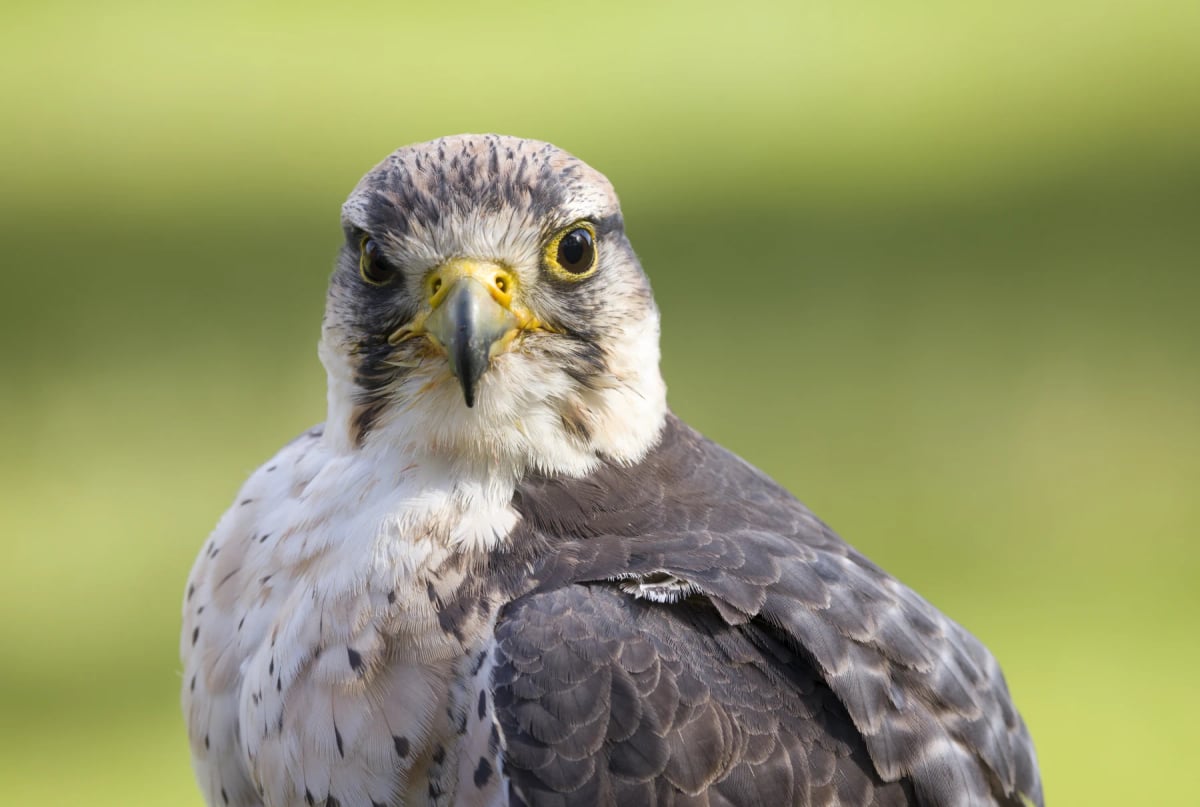
Lanner Falcon
Falco biarmicus
In Guinea-Bissau, the lanner falcon is an uncommon species recorded mainly in open savanna and agricultural areas in the interior of the country, away from the dense coastal mangroves. Its presence here sits at the western edge of its West African range. Prey is taken in fast, low pursuit flights. The IUCN lists it as Least Concern, but detailed survey data for this country remains sparse.
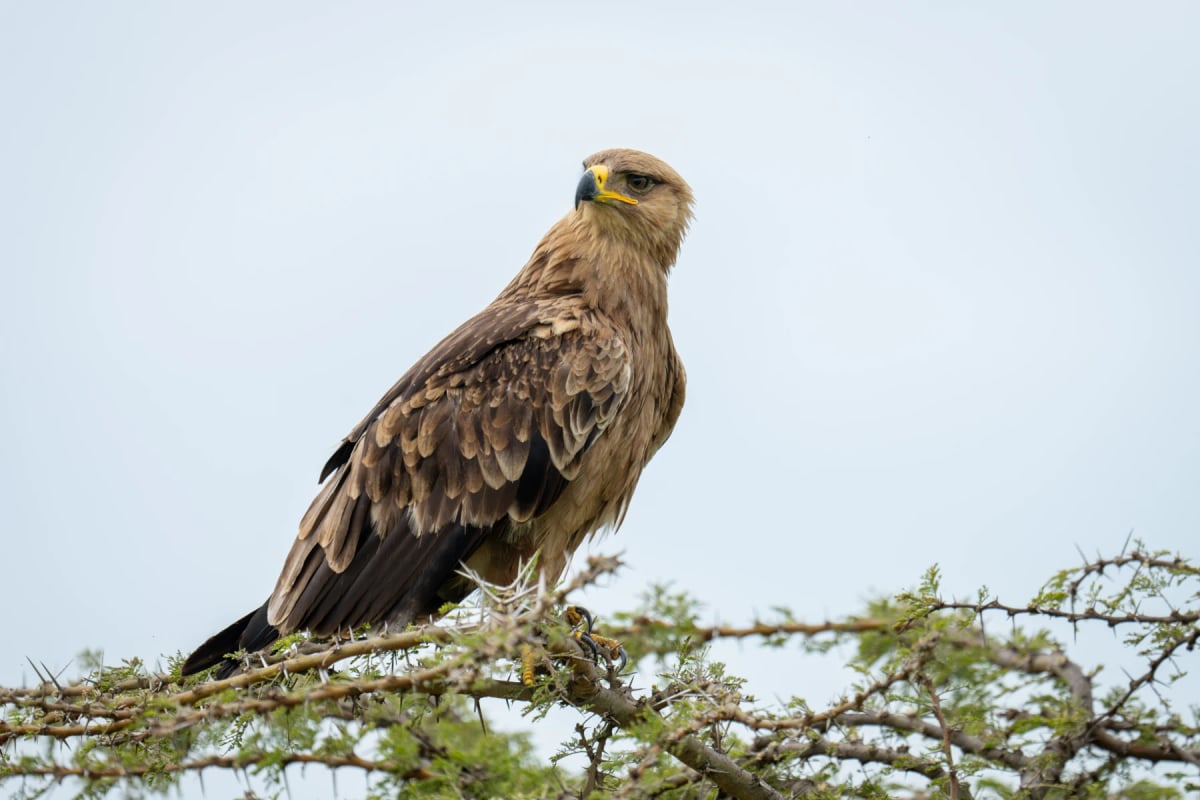
Tawny Eagle
Aquila rapax
The tawny eagle is an uncommon visitor to Guinea-Bissau, occasionally seen in the dry savanna zones inland from the coast. It forages across open ground, taking small prey or scavenging from carcasses. Habitat loss driven by agricultural expansion puts pressure on this species here. The IUCN lists it as Vulnerable, and its appearances in Guinea-Bissau are considered irregular rather than part of a stable resident population.
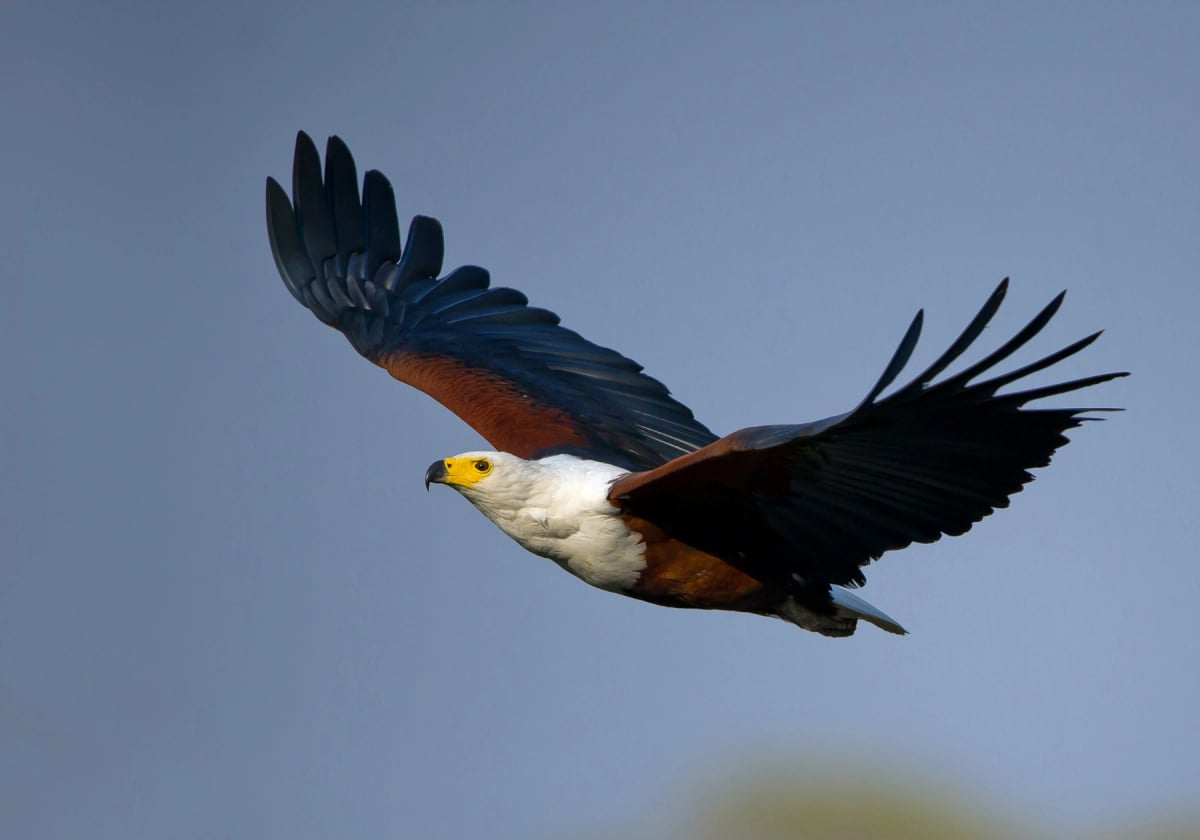
African Fish Eagle
Haliaeetus vocifer
The African fish eagle is present in Guinea-Bissau, a country defined by its coastal rivers, estuaries and the Bijagós Archipelago. The Geba and Corubal rivers and the mangrove-lined tidal channels that cross the country provide habitat along their freshwater upper reaches. It is not a common species here given the dominance of brackish and tidal water, but it is a resident near the interior rivers and can be observed at freshwater stretches away from the saltwater influence.
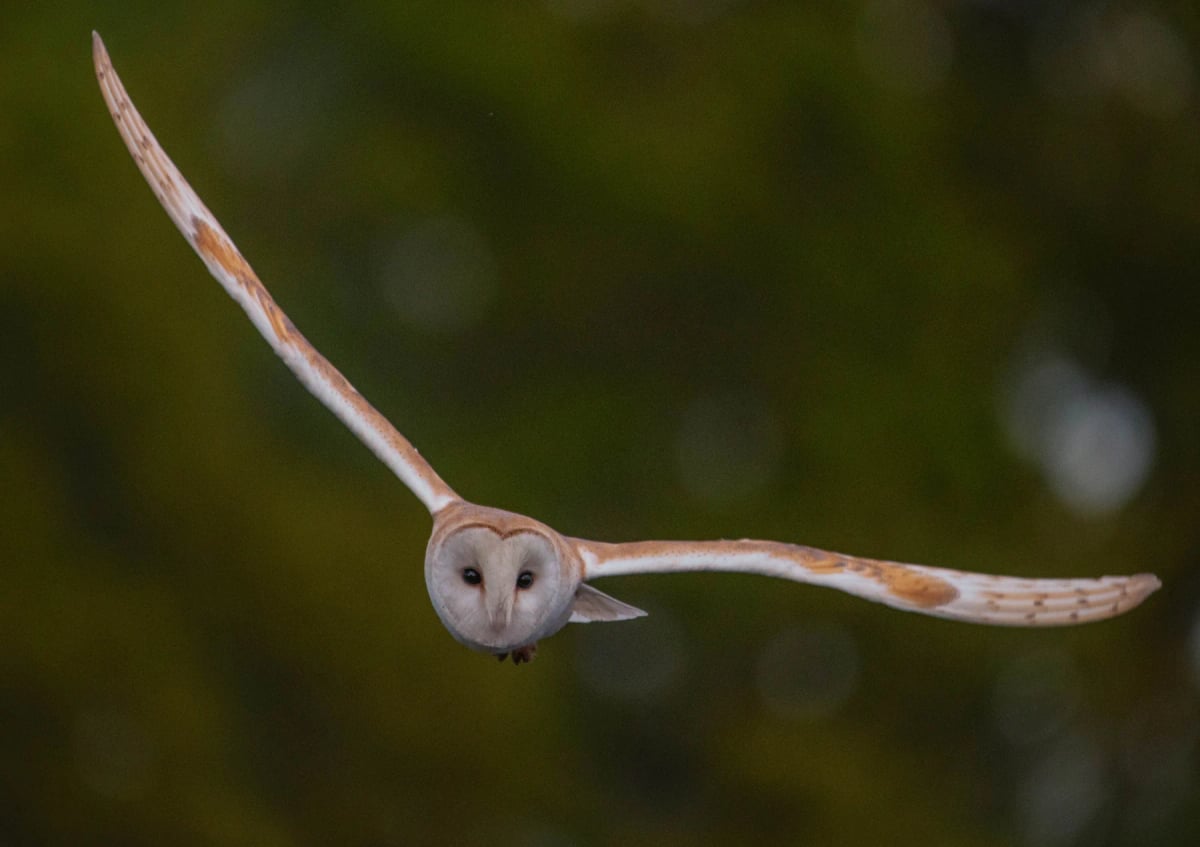
Barn Owl
Tyto alba
The barn owl is found in Guinea-Bissau in open savanna, farmland, and areas near villages throughout this small coastal country. It nests in old buildings, hollow trees, and occasionally in the large silk-cotton trees that dot the landscape, and hunts rodents at night. In farming communities it plays a useful role in controlling small mammal populations that damage crops and stored food. Its presence is concentrated in the more open inland areas rather than the mangrove-dominated coastline.
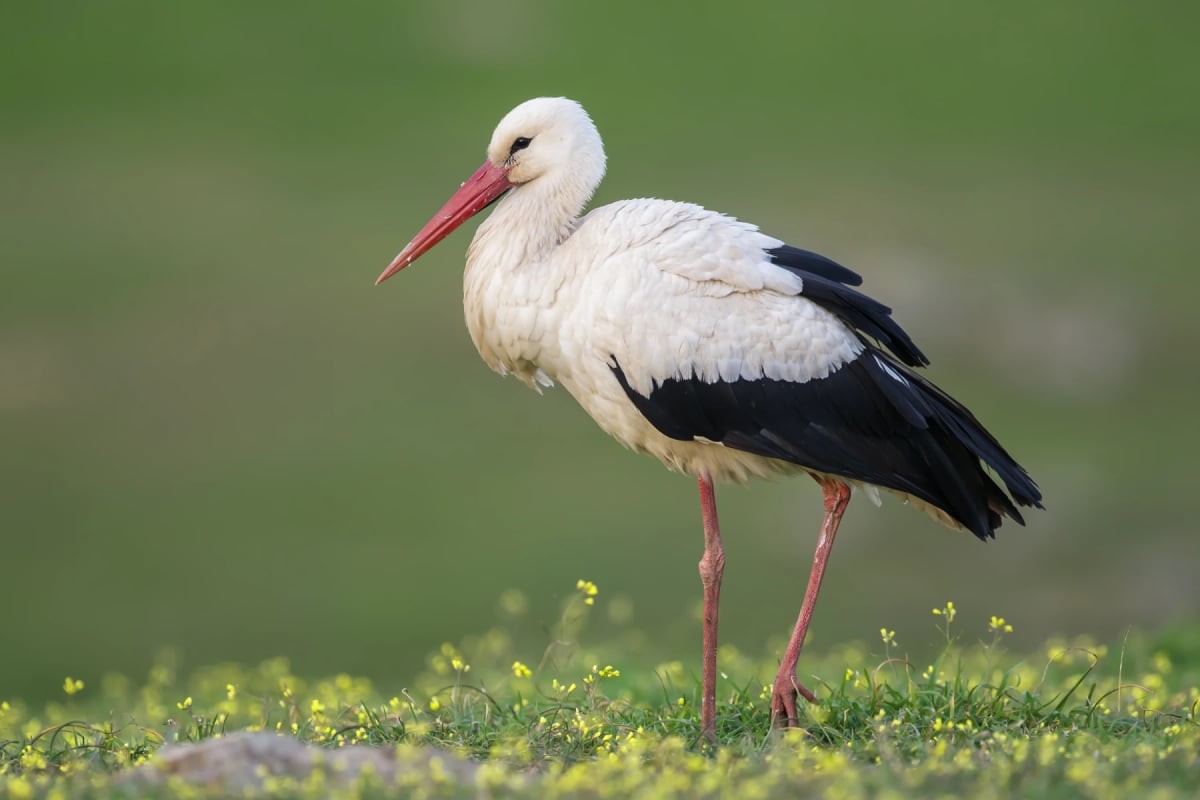
Stork
Ciconia ciconia
Guinea-Bissau receives white storks as winter visitors from Europe, with birds using the country's coastal wetlands, rice fields, and open interior areas to feed. The Bijagós Archipelago and surrounding estuaries provide rich habitat during the African wet and dry seasons. Storks feed on frogs, insects, and small aquatic animals found in shallow waters and fields. The IUCN lists the white stork as Least Concern, and West Africa as a whole serves as a key wintering destination for the species.
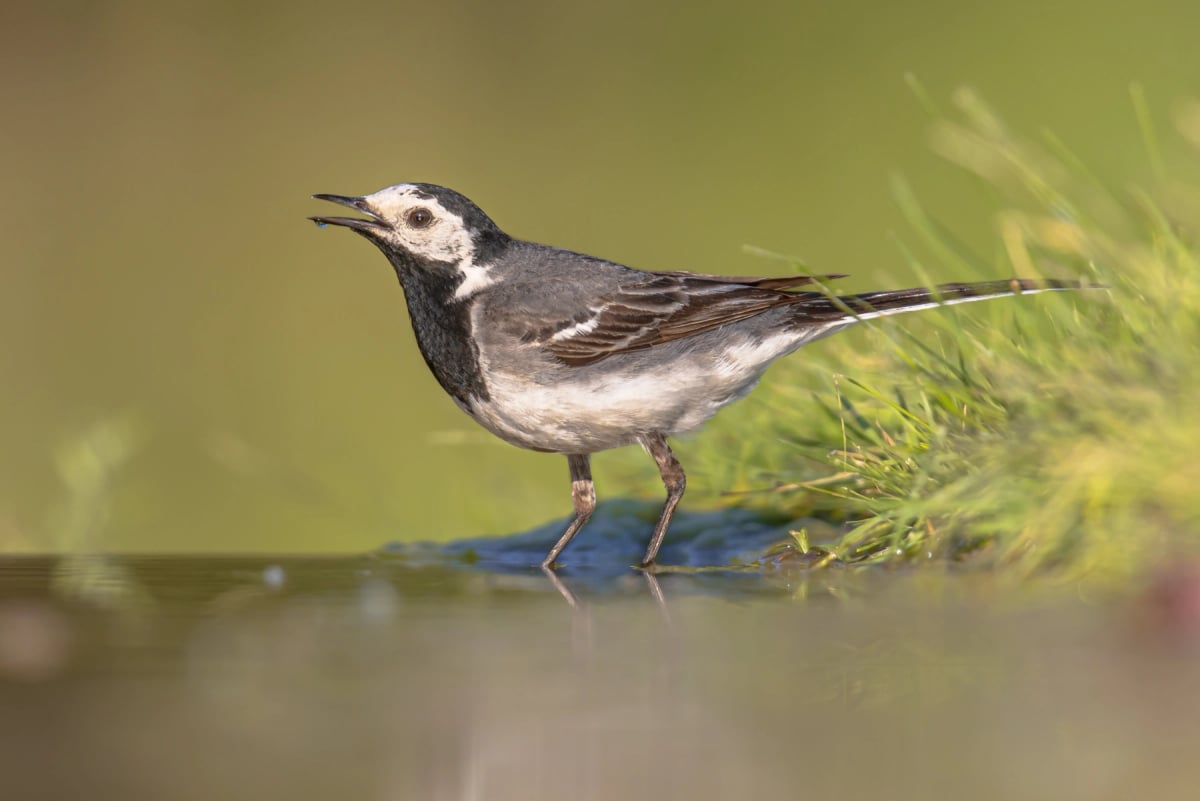
White Wagtail
Motacilla alba
Guinea-Bissau receives the white wagtail as a seasonal visitor during the northern winter months. The country's extensive network of estuaries, rice paddies and coastal wetlands in the Bijagós Archipelago and along the mainland coast provides excellent feeding ground. The bird runs actively across mudflats and open fields, catching insects with quick precise movements. It departs again in spring as conditions in its European and Asian breeding grounds begin to improve.
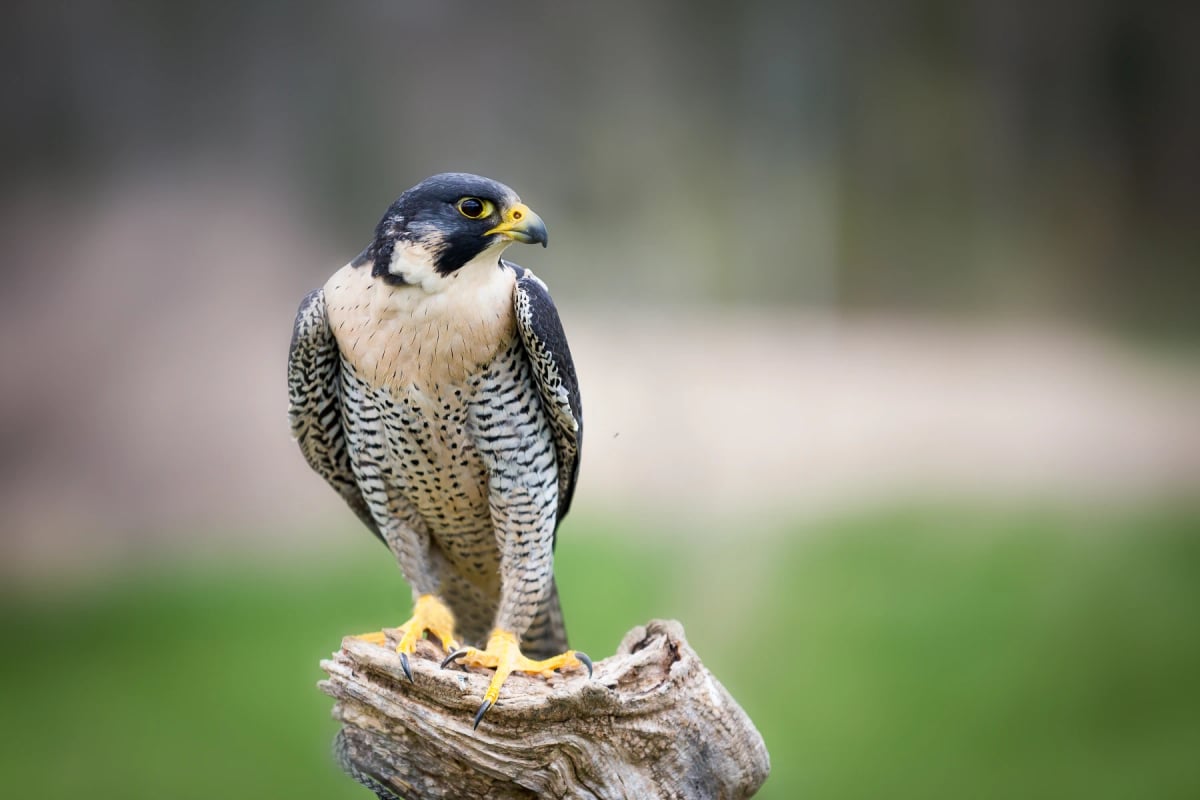
Peregrine Falcon
Falco peregrinus
Guinea-Bissau's extensive mangrove coastline and the Bijagós Archipelago provide excellent stopover habitat for the peregrine falcon during migration. This bird travels through the country between its European and northern breeding grounds and its West African wintering areas. Along the coast and river estuaries, it hunts shorebirds and other species with breathtaking speed, reaching over 300 km/h in a hunting dive. IUCN status: Least Concern.
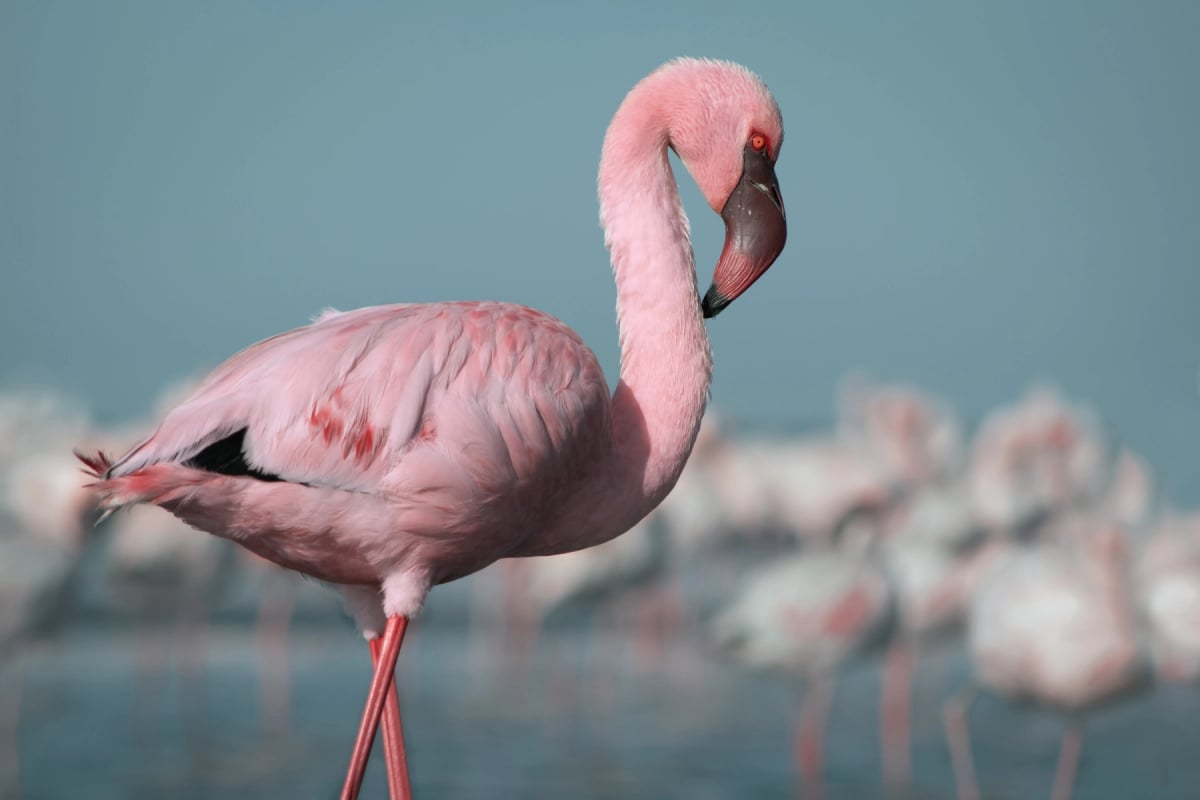
Flamingo
Phoenicopteridae (6 species)
Guinea Bissau has the greater flamingo, present year round, and the lesser flamingo, which visits outside the breeding season. The Bijagós archipelago, a maze of islands, mangroves and tidal flats off the coast, is one of the most important wetlands in West Africa and a good place to find them, alongside huge numbers of shorebirds. The flamingos feed on the mudflats exposed at low tide. IUCN status: greater flamingo Least Concern, lesser flamingo Near Threatened.
African Manatee
Trichechus senegalensis
Guinea-Bissau's coastline and river systems, including the Bijagós Archipelago, provide some of the most intact estuarine habitat for the African manatee in the region. The country's network of waterways lined with mangroves offers abundant food and shelter. Community awareness programs have been developed in some areas to reduce accidental capture, though hunting pressure and fishing activity continue to affect local populations.
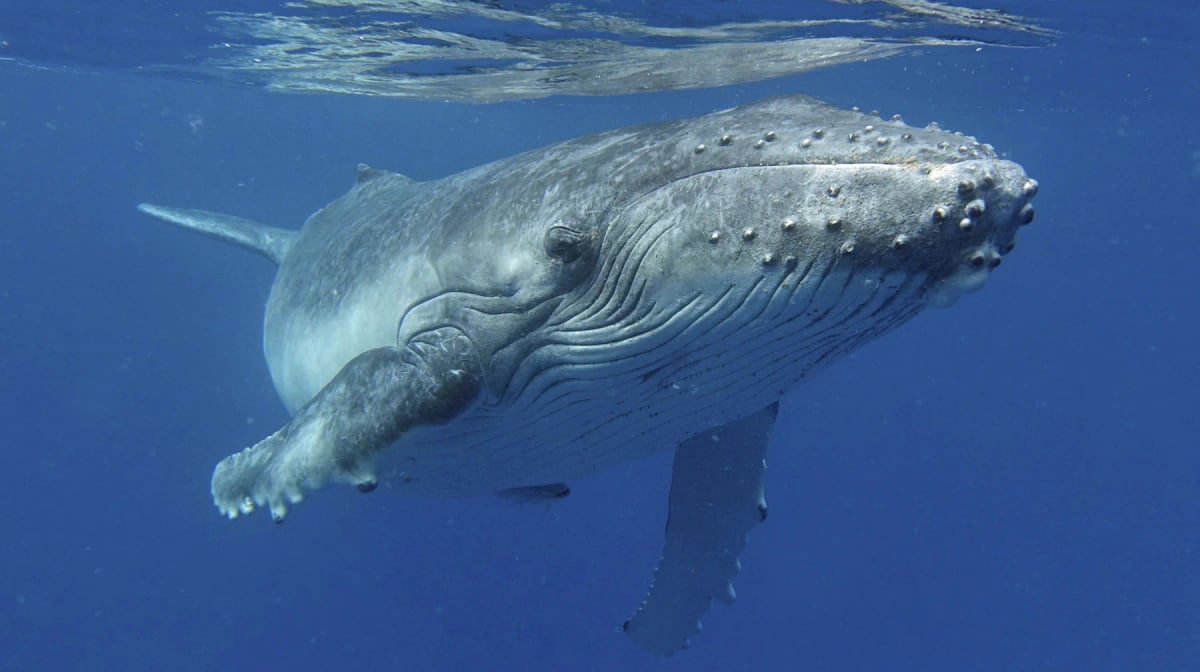
Humpback Whale
Megaptera novaeangliae
Humpback whales occur in the Atlantic waters off Guinea-Bissau as part of their migration along the West African coast. The Bijagós Archipelago and surrounding seas support rich marine biodiversity, and the broader coastal zone is used by whales moving between the South Atlantic breeding grounds and northern feeding areas. The IUCN lists the humpback whale as Least Concern.
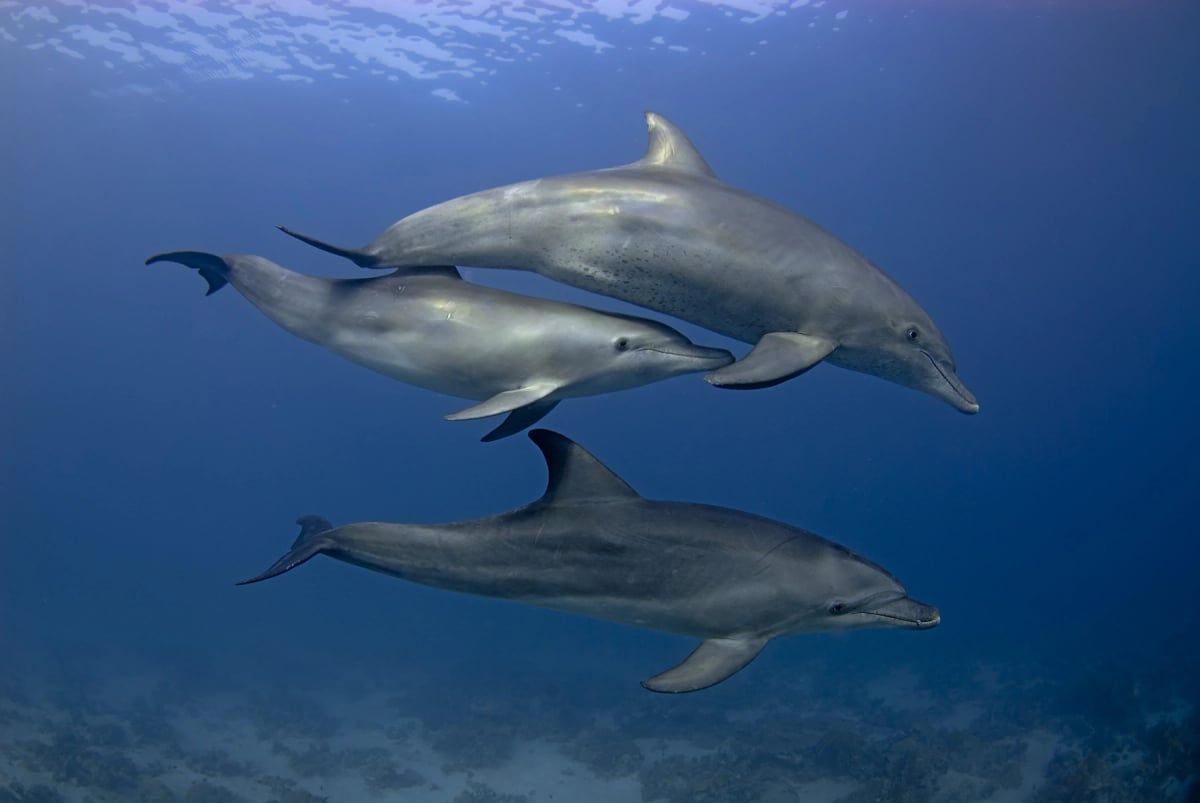
Bottlenose Dolphin
Tursiops truncatus
The Bijagós Archipelago of Guinea-Bissau, a UNESCO Biosphere Reserve, provides exceptional habitat for bottlenose dolphins. These waters are rich in fish and bordered by mangroves and shallow tidal channels that pods use for feeding and shelter. Conservation efforts in the archipelago benefit marine mammals alongside sea turtles and manatees. The IUCN classifies the species as Least Concern globally.
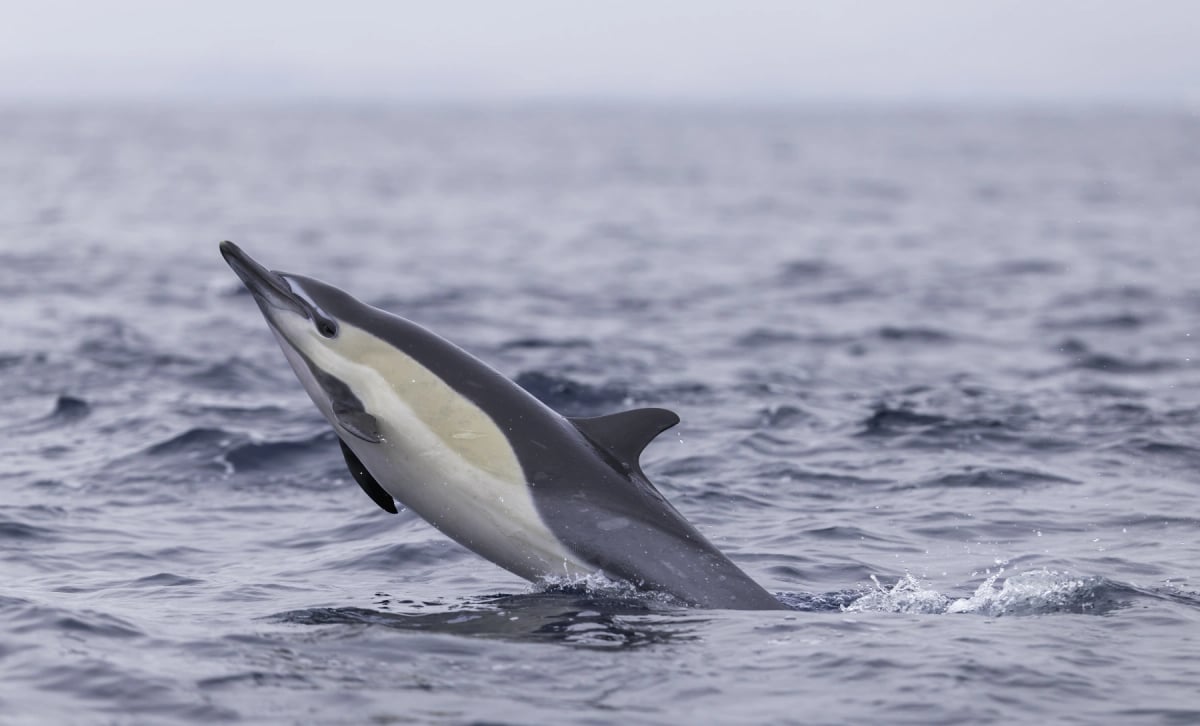
Common Dolphin
Delphinus delphis
Common dolphins inhabit Atlantic waters off Guinea-Bissau, a country whose coastline is defined by a complex network of estuaries, islands, and shallow seas that support exceptional marine biodiversity. While dolphins tend to favour deeper offshore waters, they are recorded along this stretch of the West African coast. The Bijagós Archipelago, a UNESCO Biosphere Reserve, lies within this coastal zone and is home to a remarkable range of marine life. IUCN status: Least Concern.
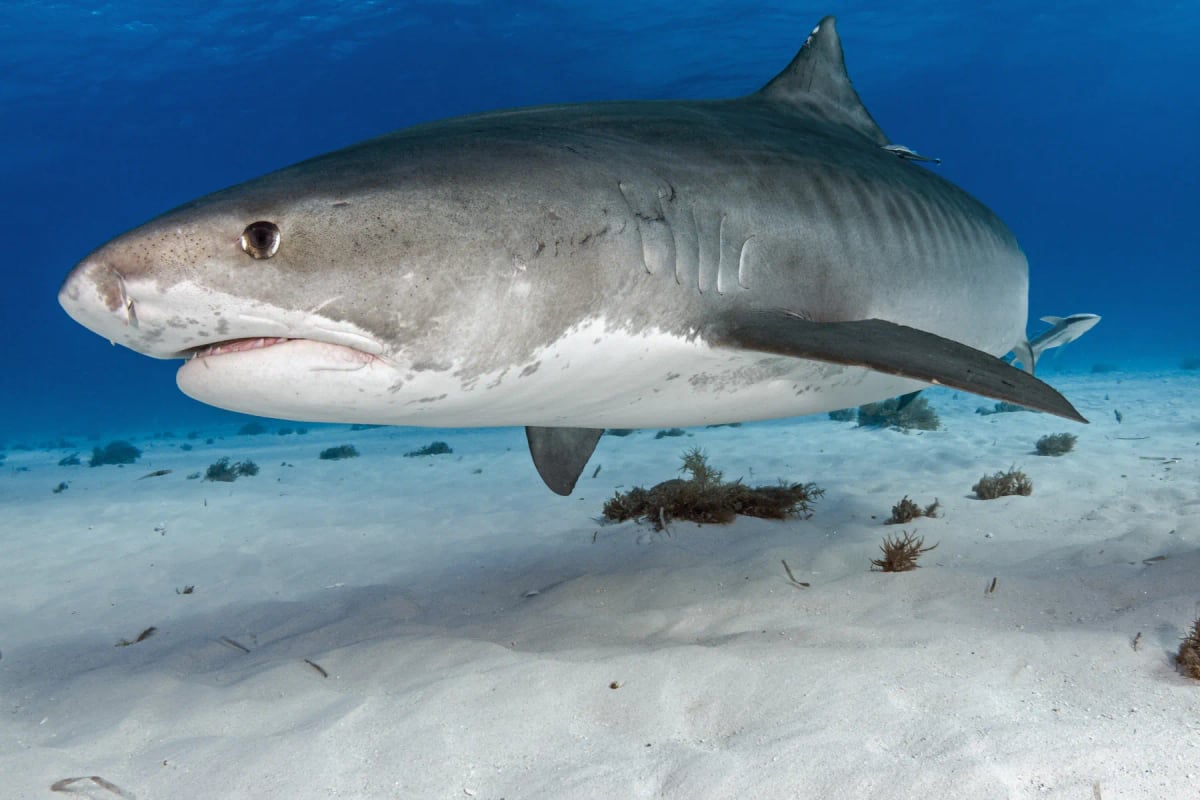
Tiger Shark
Galeocerdo cuvier
Guinea-Bissau's Bijagós Archipelago is one of the most ecologically significant marine areas in West Africa, and tiger sharks are part of this thriving ecosystem. The shallow, warm waters surrounding the islands are rich in sea turtles, rays, and fish, all of which are key prey for tiger sharks. The Bijagós region has protected zones that indirectly support the survival of large marine predators in the area.
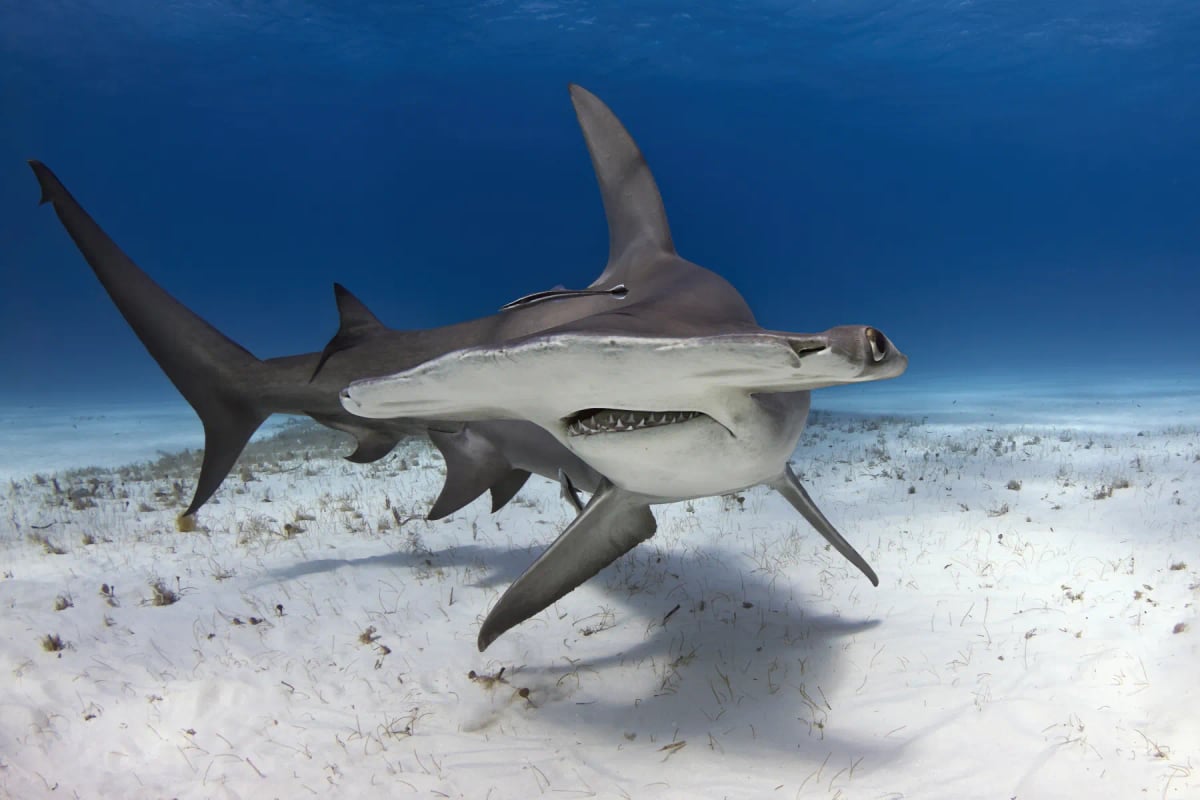
Hammerhead Shark
Sphyrna spp.
The coastal waters and estuaries of Guinea-Bissau, including the Bijagós Archipelago, provide important habitat for Hammerhead Sharks. These nutrient-rich shallows support the rays and fish that hammerheads prey upon. The Bijagós region holds significant biodiversity, but pressure from artisanal and commercial fishing threatens these sharks. They are Critically Endangered, and local conservation efforts are vital to protecting them.
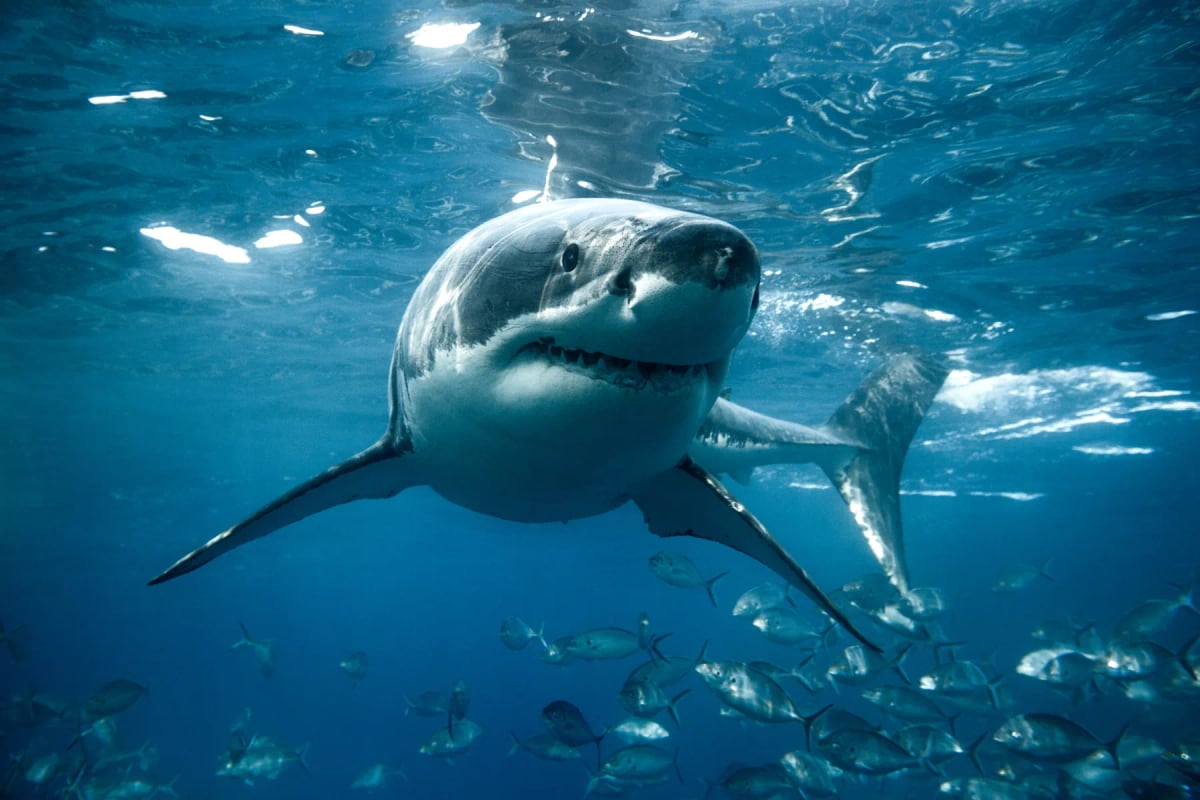
Great White Shark
Carcharodon carcharias
The coastal waters of Guinea-Bissau, including the Bijagós Archipelago, a UNESCO Biosphere Reserve rich in marine life, fall within the Atlantic range of the great white shark. The region supports a remarkable variety of marine species, making it ecologically significant. Great whites passing through these waters face threats from poorly regulated fishing practices, a challenge shared across much of the West African coast.
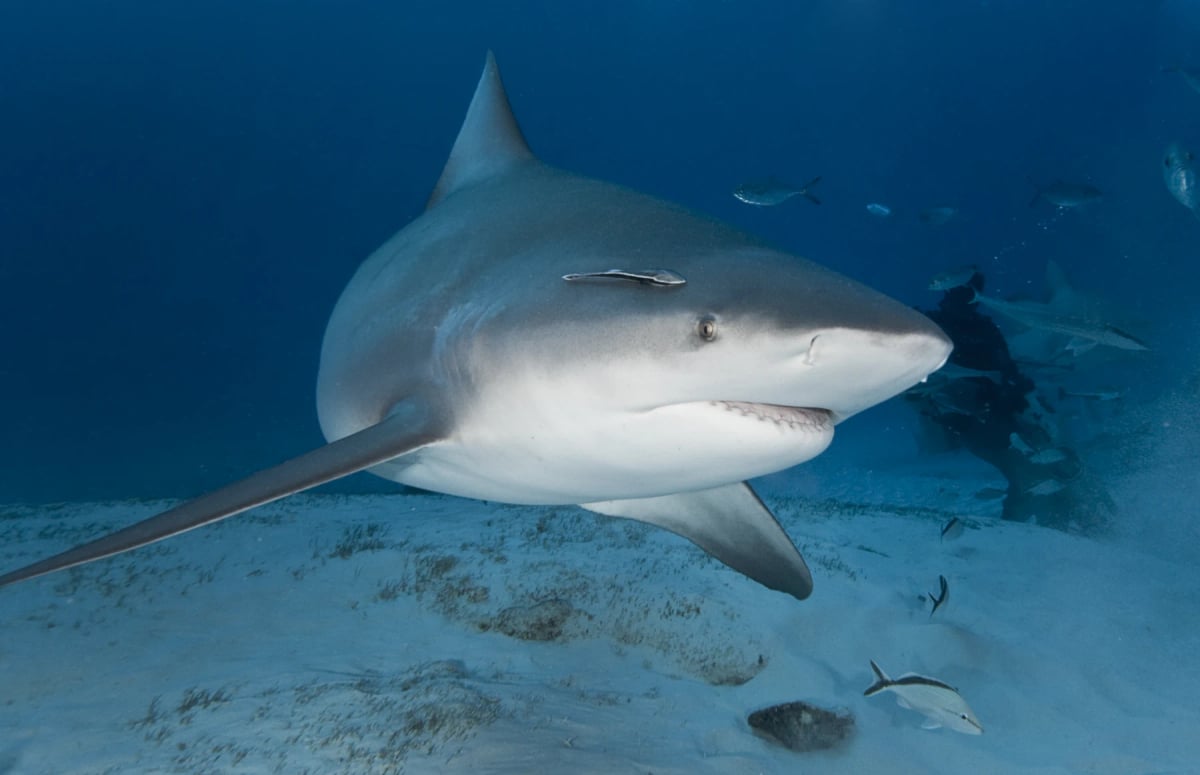
Bull Shark
Carcharhinus leucas
Guinea-Bissau's Bijagós Archipelago and its intricate coastal estuaries form one of West Africa's most ecologically significant marine environments, and bull sharks are part of this rich ecosystem. The shallow, nutrient-rich waters between the islands and the mainland provide excellent foraging habitat. The Bijagós was designated a UNESCO Biosphere Reserve, offering some level of protection. Bull sharks are listed as Near Threatened by the IUCN, making conservation of such habitats especially important.
Researched and written by Juan Pablo. Sources: IUCN Red List, scientific literature and regional field guides. Last updated: .