Animals in Albania
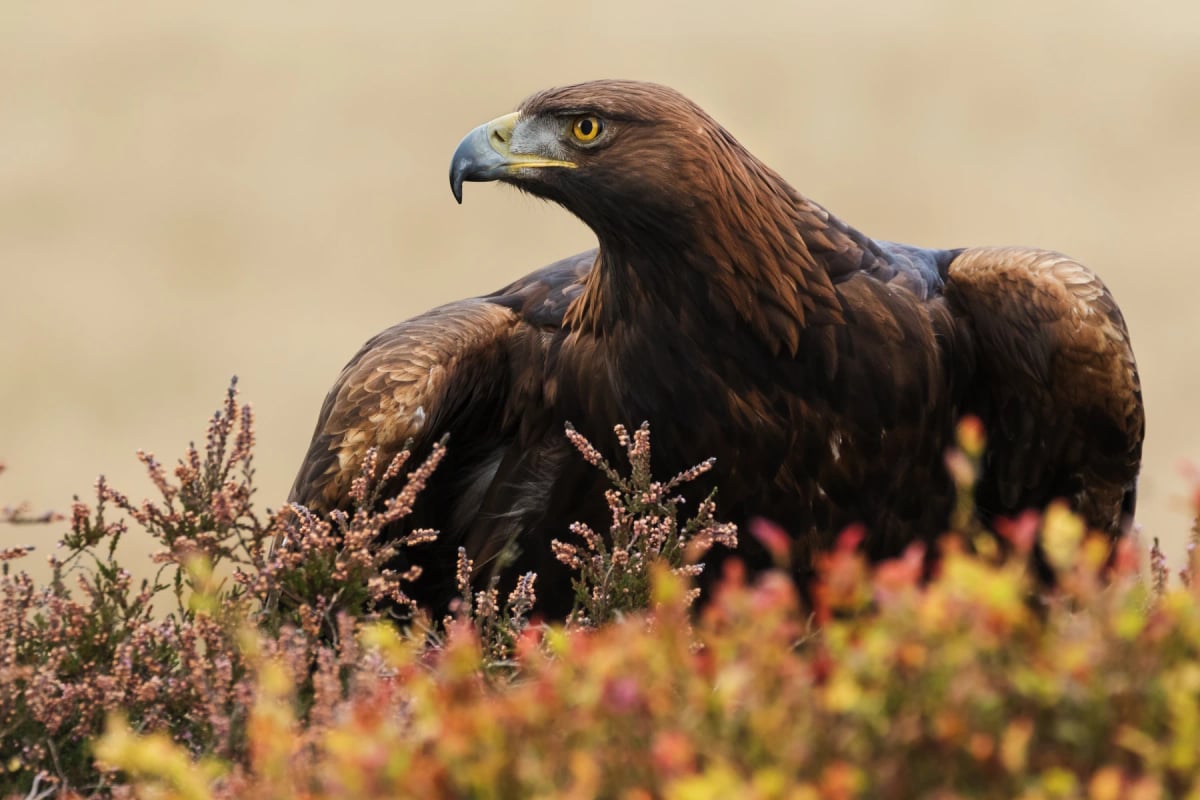
Golden Eagle
Aquila chrysaetos
The golden eagle represents the pride and freedom of Albania. Seen gliding over cliffs and remote valleys, it has inspired legends and symbols that remain alive today. Its presence connects deeply with the country’s spirit and continues to be one of the most admired images for visitors and locals alike.
View details→Wildlife in Albania
Albania’s nature surprises with its contrast of mountains, forests, and coasts. Brown bears, wolves, and dolphins share this landscape, where rivers meet the sea and wild valleys hide ancient trails. Its rich biodiversity makes Albania a remarkable destination for those who enjoy authentic nature and outdoor exploration.
Most Dangerous Animals in Albania
Wild boars, brown bears, and European adders are part of Albania’s wilder side. Encounters are uncommon, yet these species remind visitors of the country’s untamed landscapes. For nature lovers, observing them from a distance adds a sense of respect and fascination to every journey.
Top 10 Animals in Albania
The brown bear, gray wolf, and Eurasian lynx are among Albania’s most iconic animals. They inhabit its wild forests and represent the raw beauty that still defines much of the country. Travelers often seek these species in protected areas, where conservation and tradition coexist naturally.
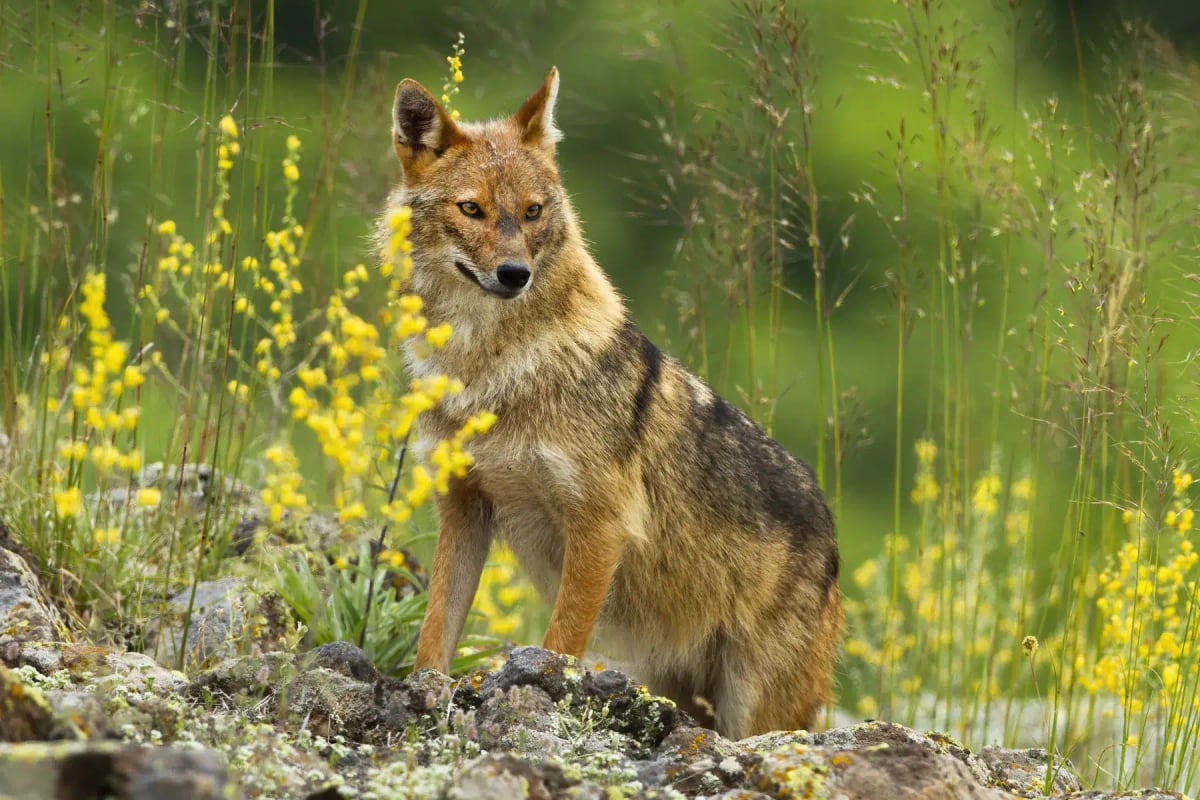
Golden Jackal
Canis aureus
In Albania, the golden jackal is well established along the Adriatic coastal lowlands and in the river floodplains of the interior, where wetlands and farmland sit side by side. It is one of the more visible wild canids in the country, often detected by its howling at dusk. Opportunistic and bold, it feeds on everything from small prey to fruit and scraps. IUCN status: Least Concern.
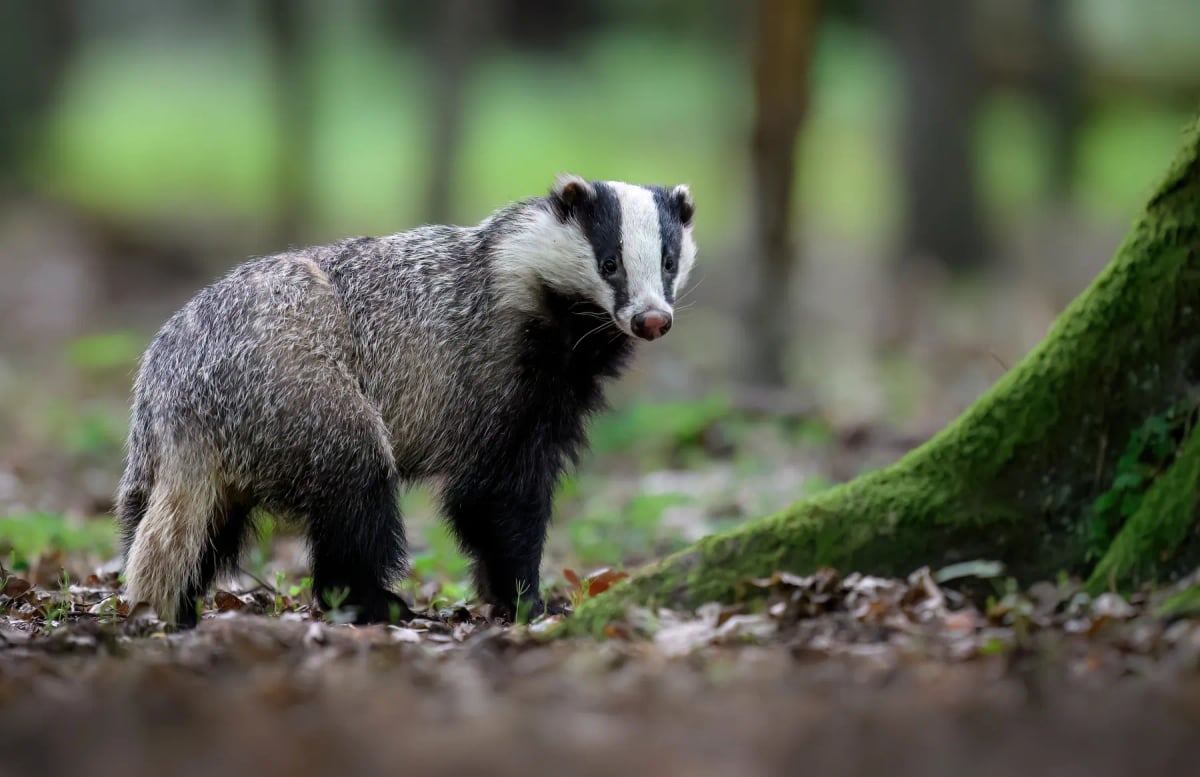
Badger
Meles meles
The Eurasian badger is present across Albania in forested hills and mixed woodland, particularly in the mountainous interior where suitable soils allow it to dig its extensive burrow systems. It is nocturnal and rarely observed directly, but signs of its digging activity are common in wooded areas. It feeds on earthworms, insects, fruit and small animals, adjusting its diet to local conditions through the seasons.

Brown Bear
Ursus arctos
In Albania, brown bears inhabit the dense forests and rugged mountain terrain of the Albanian Alps and other northern highland areas. The population is small but considered stable, with bears relying on beech and oak woodlands for food and shelter. Conservation efforts remain limited, and human conflict over livestock predation poses a persistent challenge to the survival of bears in the region.
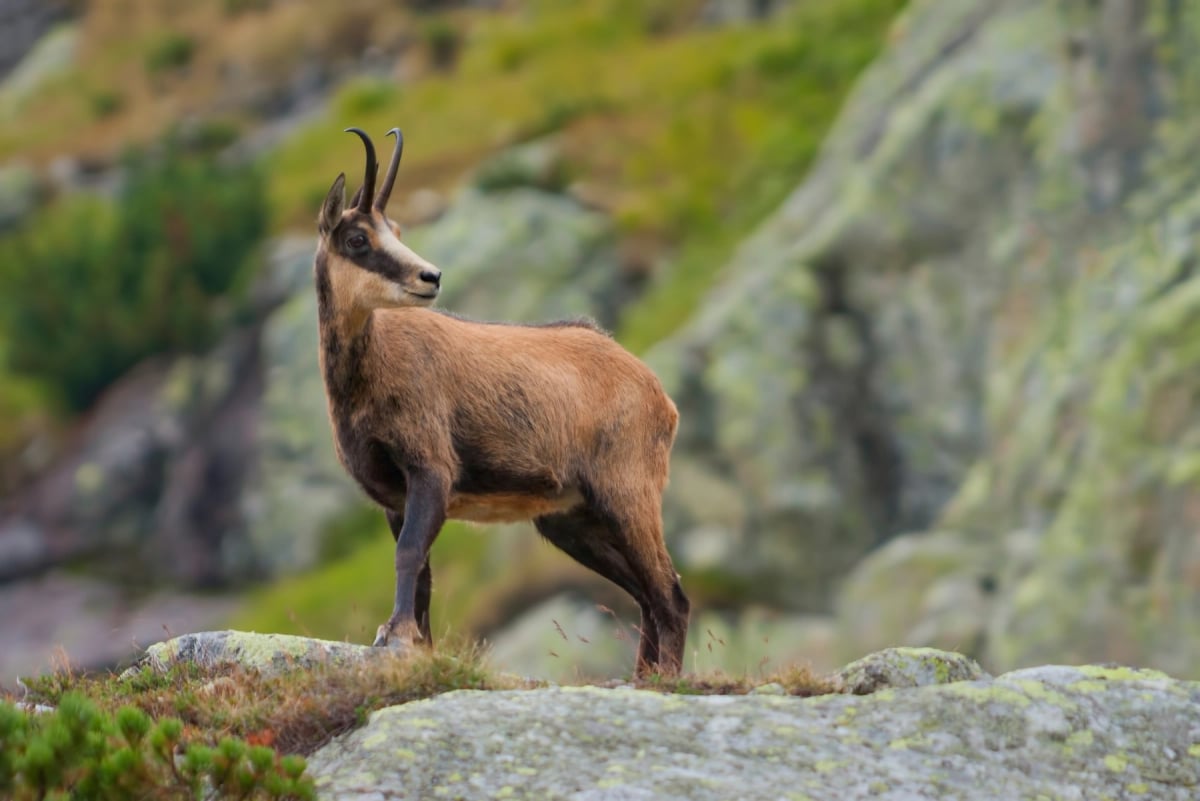
Chamois
Rupicapra rupicapra
In Albania, the chamois inhabits the rugged peaks of the Albanian Alps in the north, particularly around the Valbona and Theth areas. It navigates steep limestone terrain with ease, relying on its grip-adapted hooves. Females form small herds while males roam alone outside the rut season. The species holds Least Concern status, though habitat pressure from livestock grazing remains a local concern.
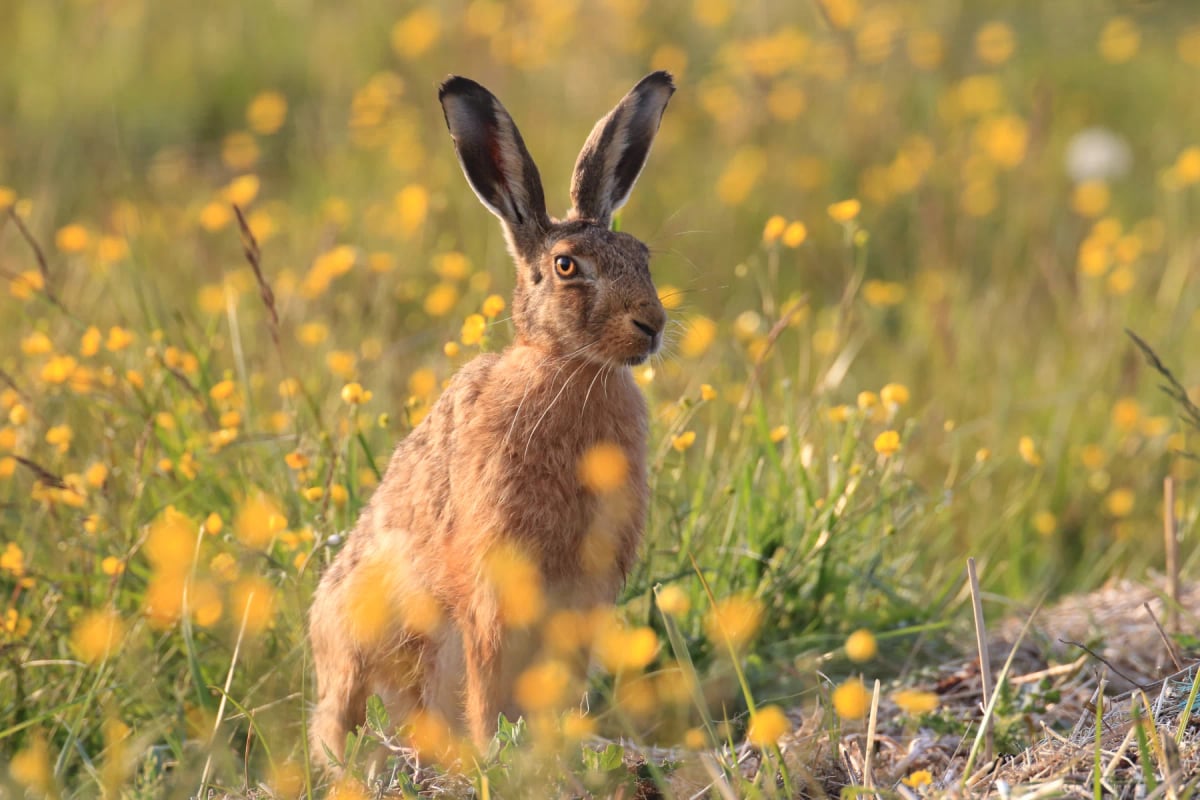
Hare
Lepus europaeus
The European hare is found across Albania's open lowlands, agricultural fields, and the grassy foothills of the Albanian Alps and Dinaric ranges. It shelters in shallow depressions called forms rather than digging burrows, and relies on speed and agility to escape predators. Classified as Least Concern globally, it faces local pressure from hunting and changes in farming practices across the Balkans.
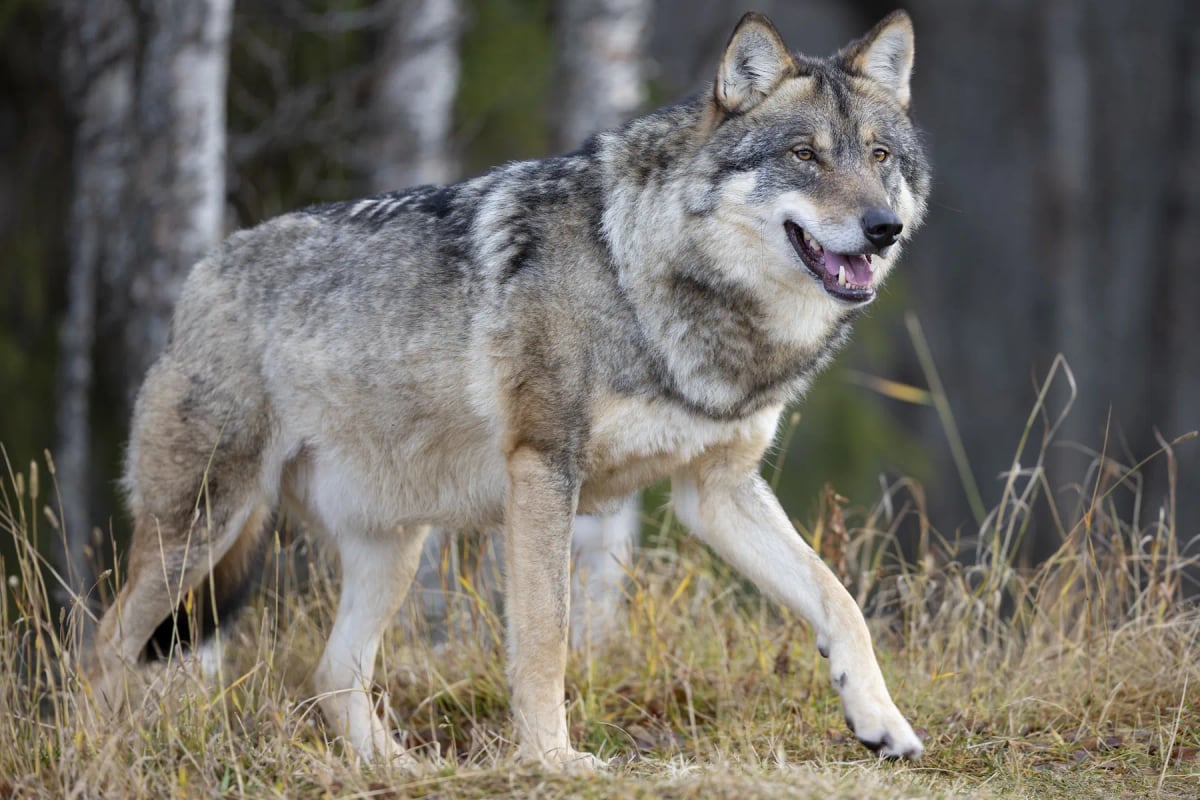
Gray Wolf
Canis lupus
In Albania, gray wolves inhabit the mountainous interior of the country, particularly in areas near the borders with Kosovo and North Macedonia. The population is relatively small but connected to wolf groups in neighboring Balkan nations. Wolves occasionally prey on livestock, creating tension with local farmers. Conservation efforts in the Balkans aim to protect this connectivity across borders over the long term. IUCN status: Least Concern.
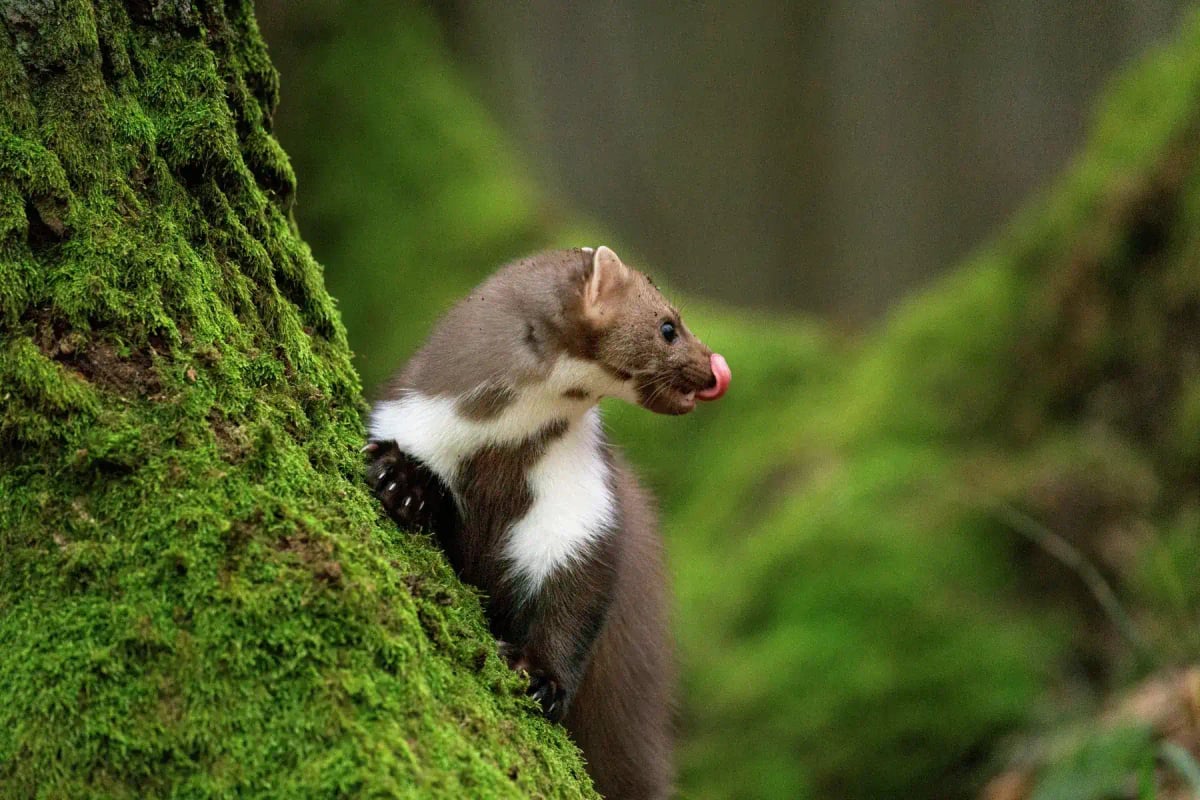
Marten
Martes martes / Martes foina
Both the pine marten and stone marten live in Albania, where the forests of the Albanian Alps and the slopes of the Dinaric range give them plenty of cover. Stone martens are especially adaptable here, turning up near farmland and villages. They hunt rodents and birds at night and eat wild fruit in season. Both species are rated Least Concern by the IUCN.
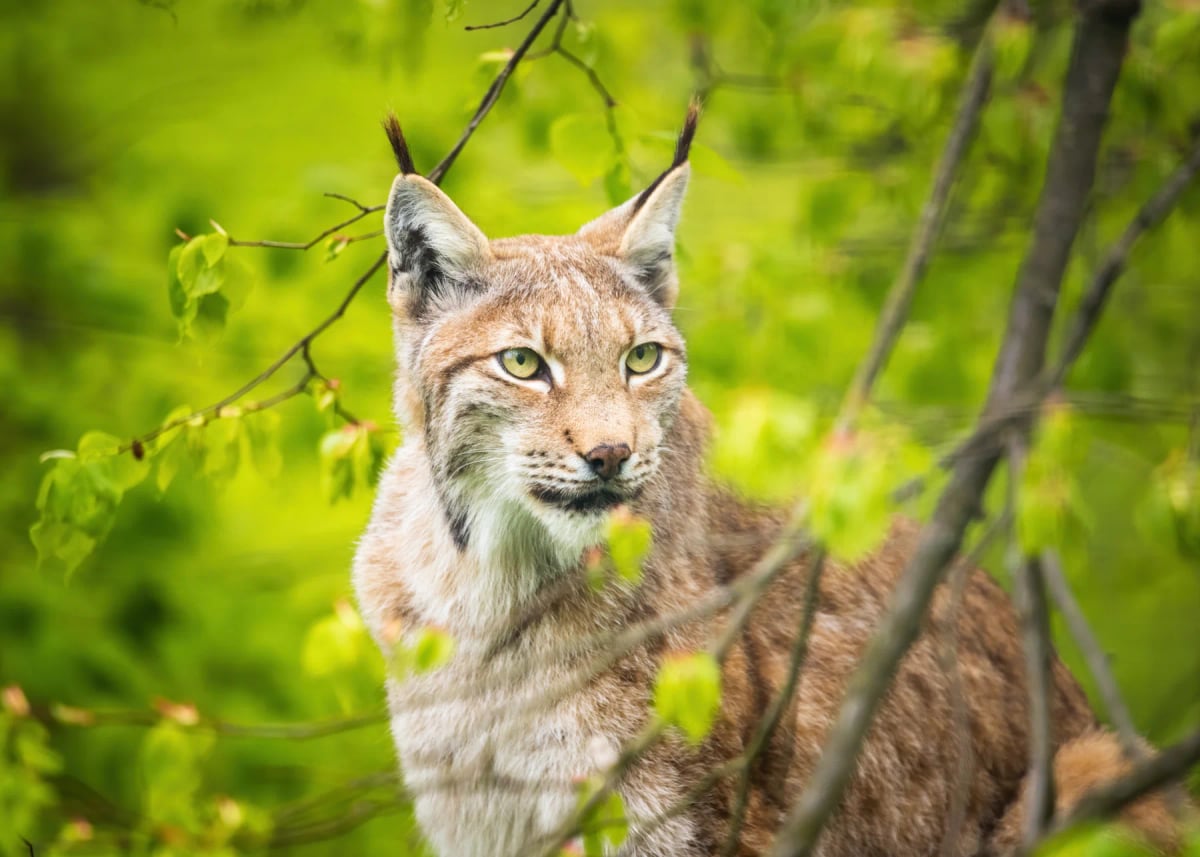
Eurasian Lynx
Lynx lynx
In Albania, the Eurasian Lynx survives in the rugged forests and mountains of the country's east and northeast, including areas bordering Kosovo and North Macedonia. It is one of the rarest large carnivores in the western Balkans, with a very small and fragmented population. Poaching and habitat loss remain serious threats. Conservation efforts across the broader Balkan region aim to support its recovery. Its IUCN status is Least Concern.
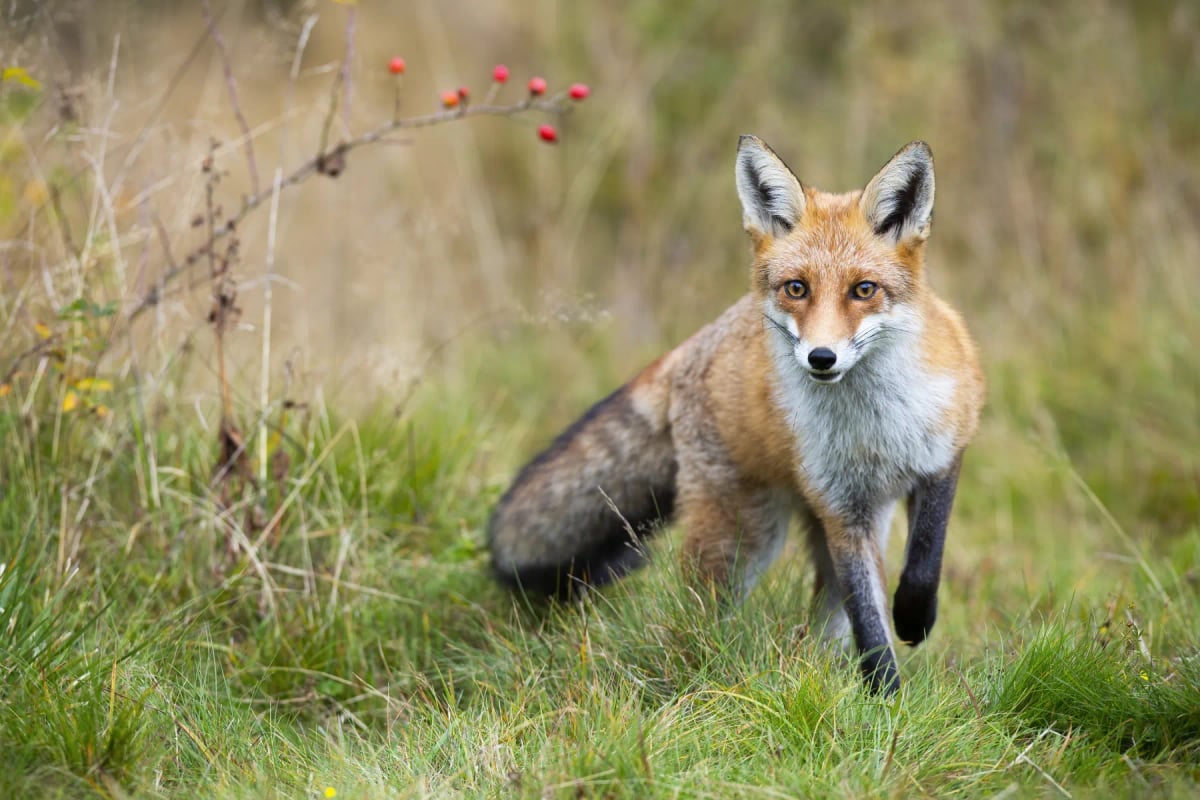
Red Fox
Vulpes vulpes
In Albania, the red fox roams forests, farmland, and coastal scrubland from the Albanian Alps down to the Adriatic lowlands. It is one of the country's most adaptable predators, feeding on small mammals, birds, and seasonal fruit. Though hunted in some areas, populations remain stable. Locals often spot it at dusk along field edges and rural roads. Its IUCN status is Least Concern.
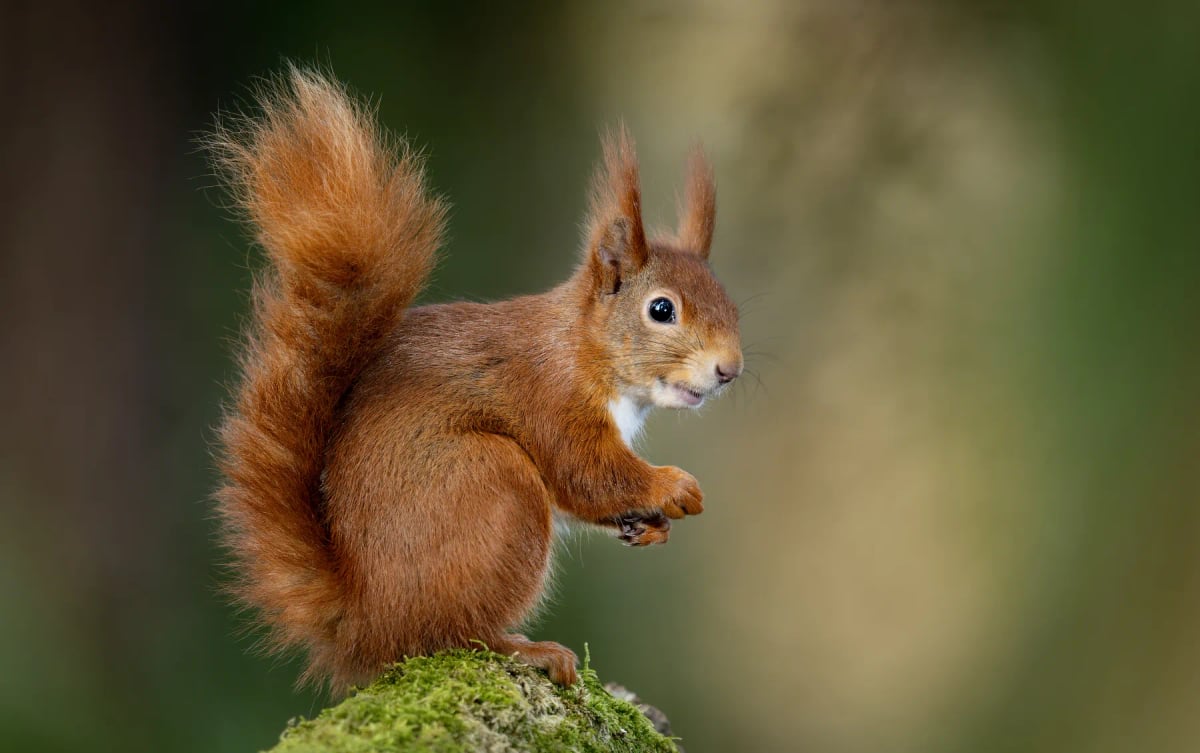
Red Squirrel
Sciurus vulgaris
The red squirrel is found in the forested mountain regions of Albania, particularly in the mixed and coniferous woodlands of the Albanian Alps and the highlands further south. It feeds on seeds, nuts, and fungi, storing food underground to survive winter. Its coat tends toward darker shades in this part of its range. IUCN status: Least Concern.
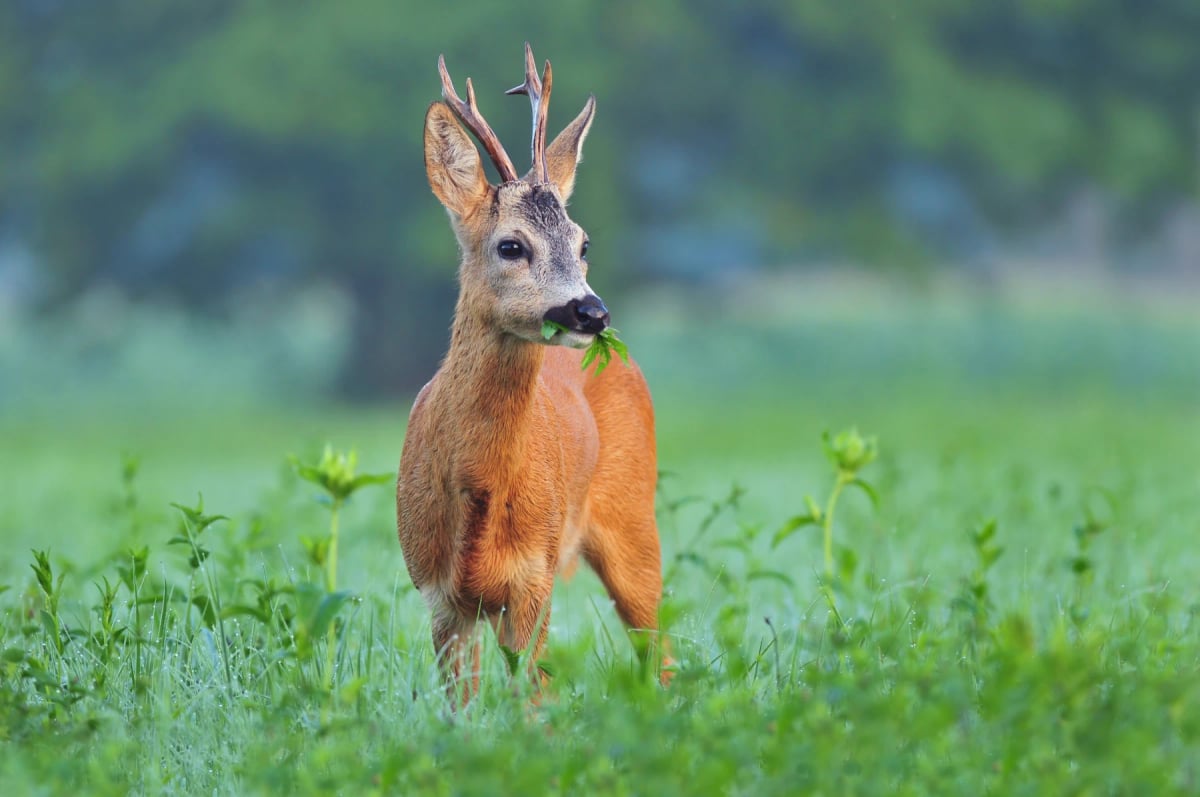
Roe Deer
Capreolus capreolus
The roe deer is found across Albania's forested hills and mountain slopes, particularly in areas like the Accursed Mountains and the forests of central Albania. It favors mixed woodland and scrubby edges where cover is dense. Its coat turns grey in winter and russet in summer. Classified as Least Concern globally, it remains a familiar presence in Albanian forests, though hunting pressure and habitat loss require ongoing attention.
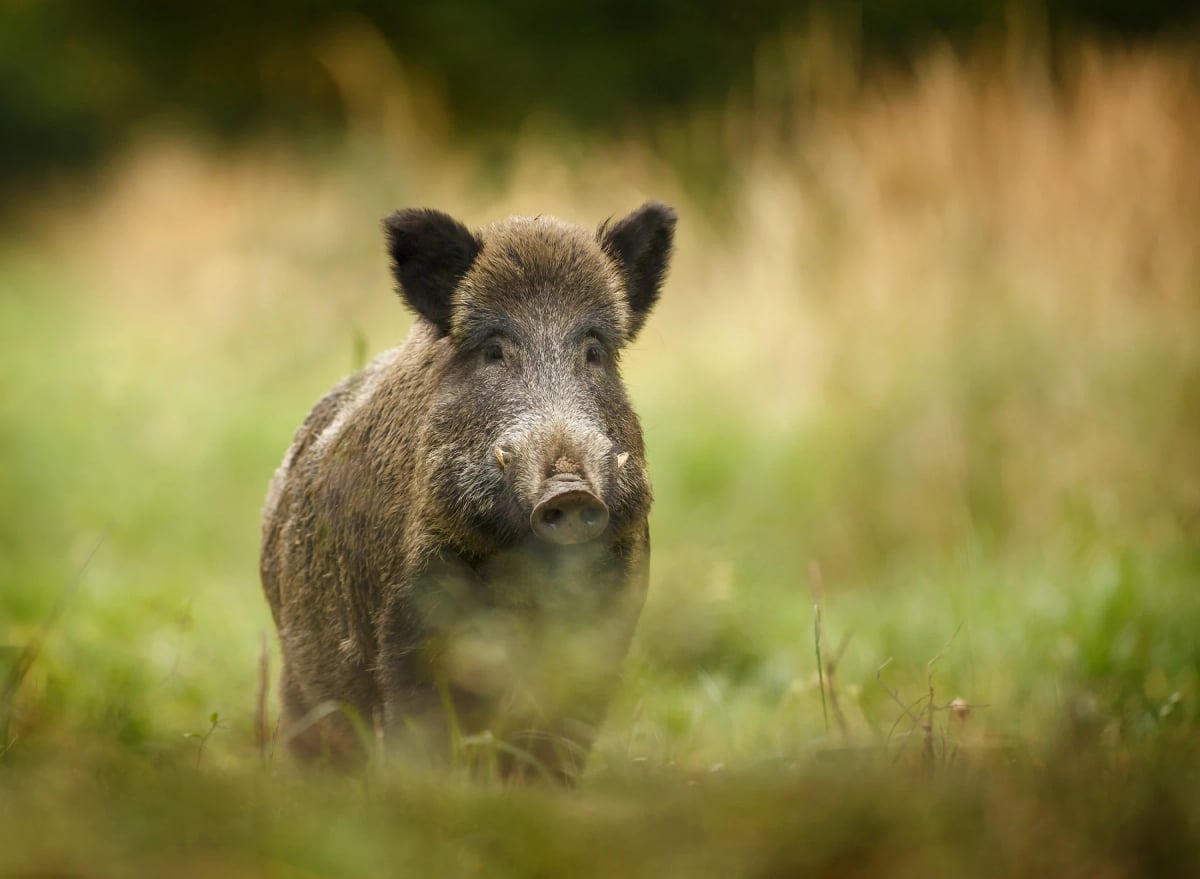
Wild Boar
Sus scrofa
Wild boars are widespread across Albania's forested mountains and hills, where they remain one of the country's most common large mammals. They favor dense woodland with good cover and nearby water, often descending into farmland edges to feed. Wild boar hunting has a long tradition in Albania, and the species remains an important game animal managed through regulated hunting seasons in many forested districts.
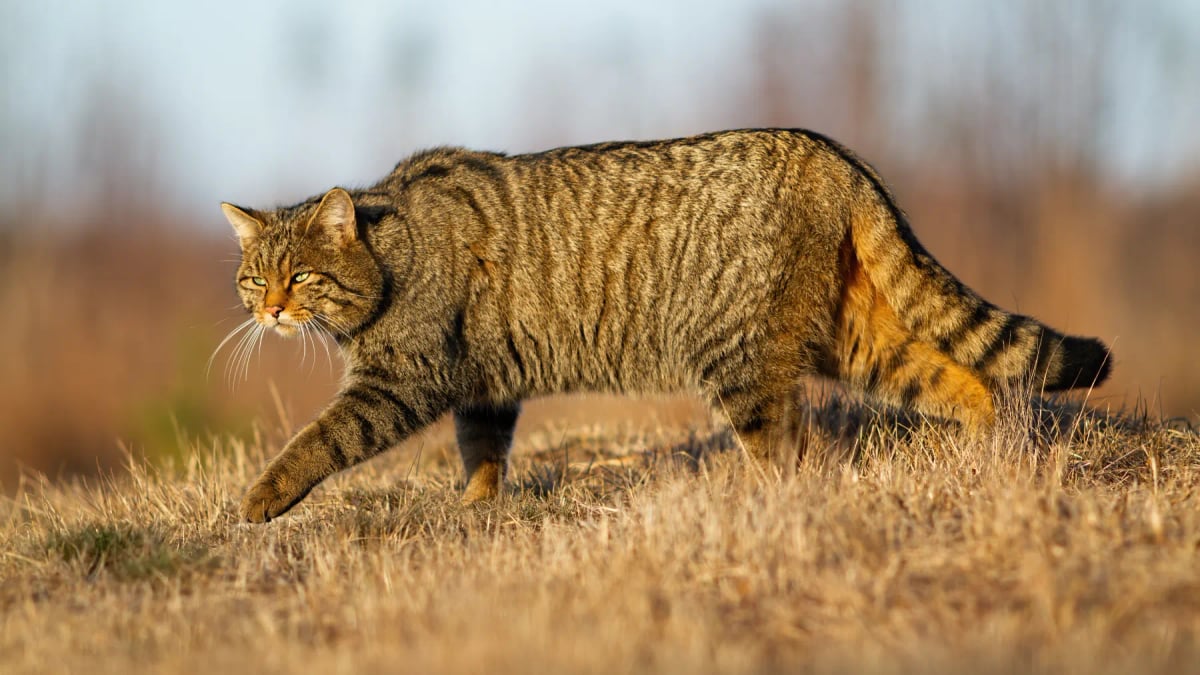
European Wildcat
Felis silvestris silvestris
The European wildcat lives in the forested hills and mountains of Albania, particularly in areas such as the Accursed Mountains in the north. Bulkier than a domestic cat, it has dense tabby fur and a thick, blunt-tipped tail. It hunts rodents and small prey at night. Crossbreeding with stray cats is its greatest threat. The IUCN lists it as Least Concern.
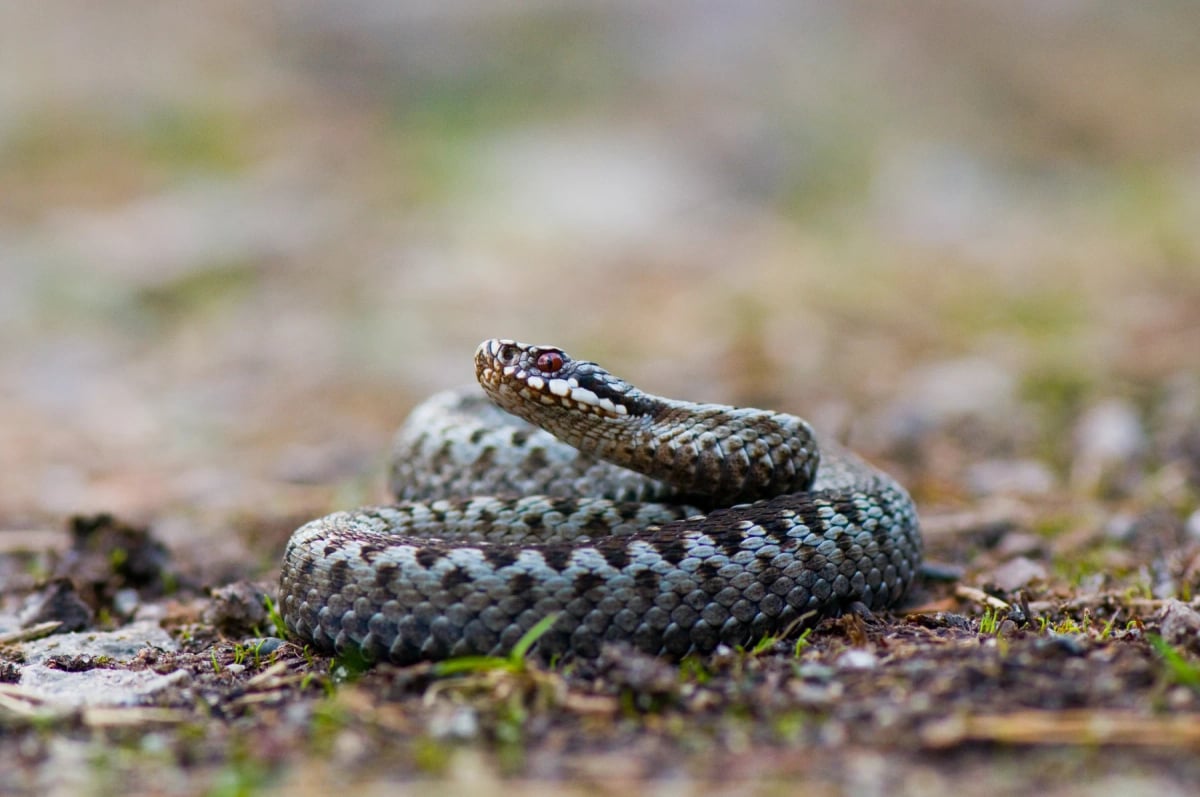
European Adder
Vipera berus
The European adder is present in Albania's mountainous interior, particularly in the highlands of the north and east where forests give way to open meadows. It is the country's only venomous snake and tends to favour rocky slopes and woodland edges. Although shy and rarely seen, it plays a role in controlling small rodent populations. Its IUCN status is Least Concern.
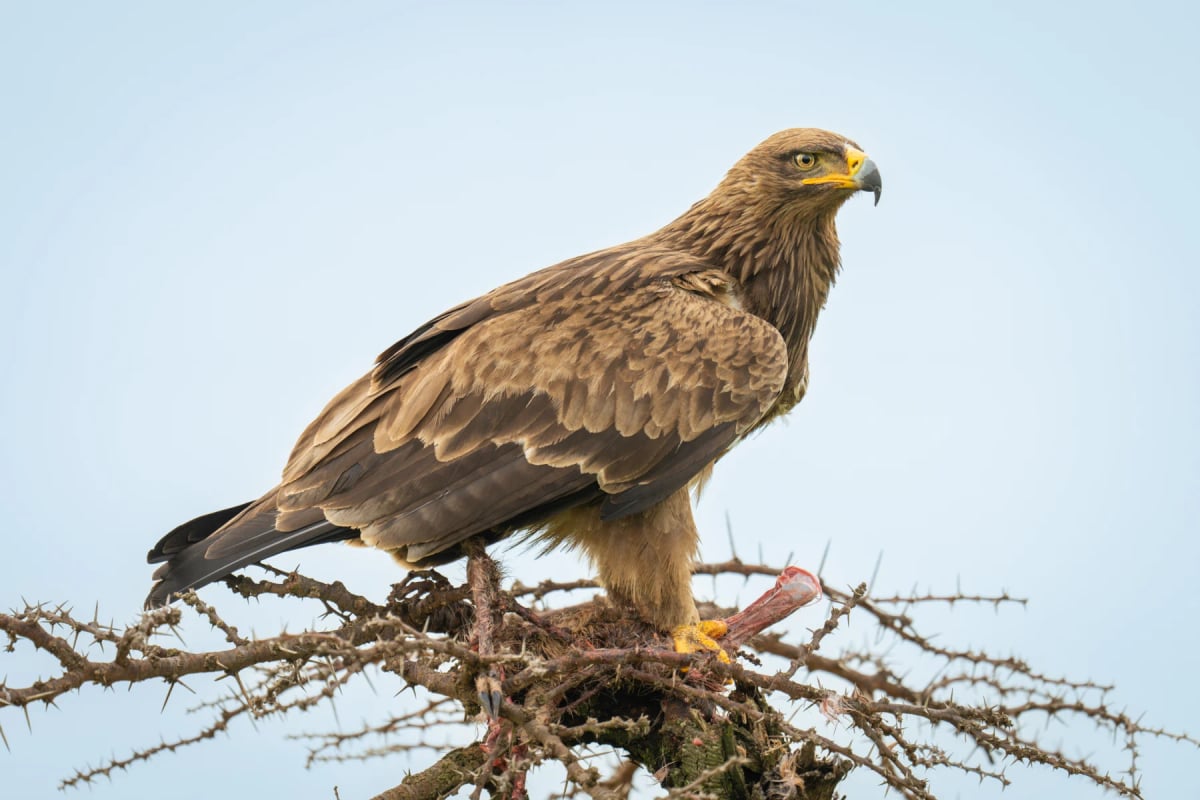
Steppe Eagle
Aquila nipalensis
Albania sits along the western Balkan corridor where occasional Steppe Eagles are recorded during migration. Open lowland areas near the Adriatic coast and inland river valleys can provide temporary resting spots for birds moving between breeding and wintering grounds. The species is Endangered, and sightings in Albania, while rare, highlight how far individual eagles can stray from their core migration routes across Eurasia.
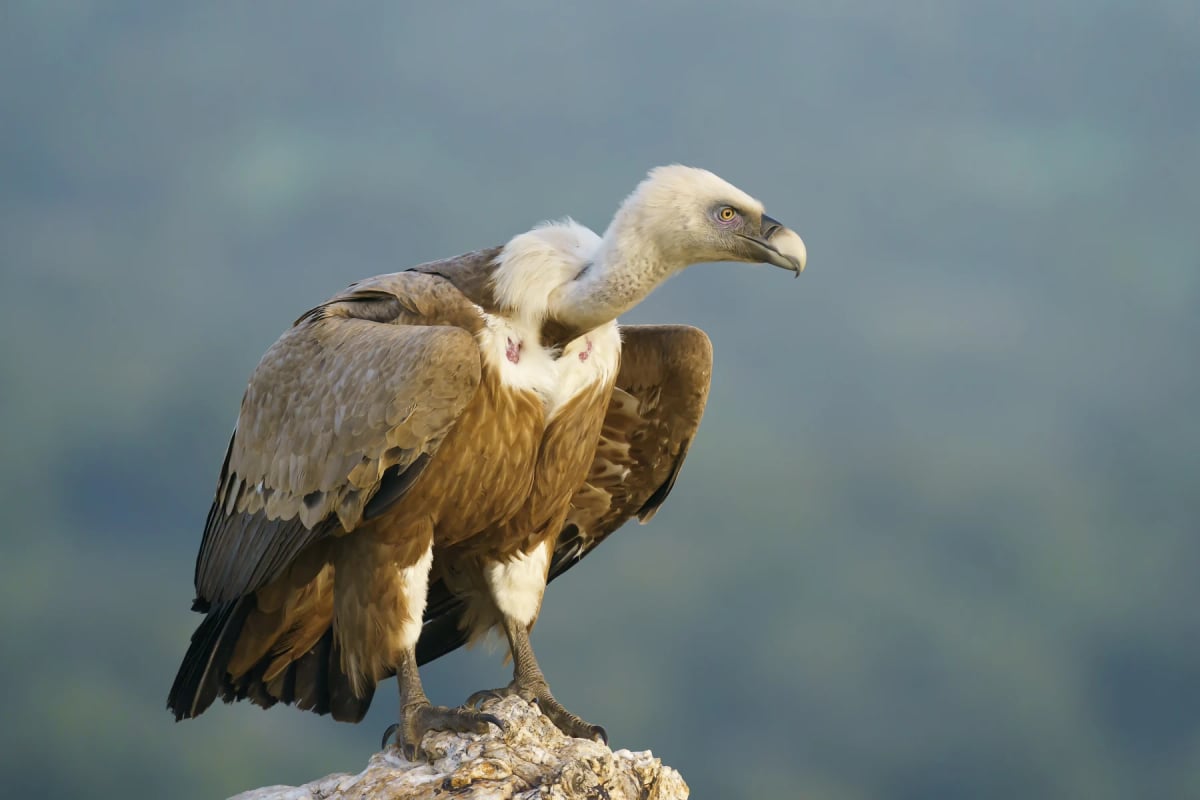
Griffon Vulture
Gyps fulvus
Albania lost its breeding griffon vultures in the 1990s, when poisoning and hunting wiped out the last colonies, but the species still appears in its mountains during the breeding season. The steep limestone cliffs and remote gorges of the country remain good habitat, and birds from colonies in neighboring countries cross into Albania while foraging. Their return as a breeding bird is a goal of Balkan vulture projects. IUCN status: Least Concern.
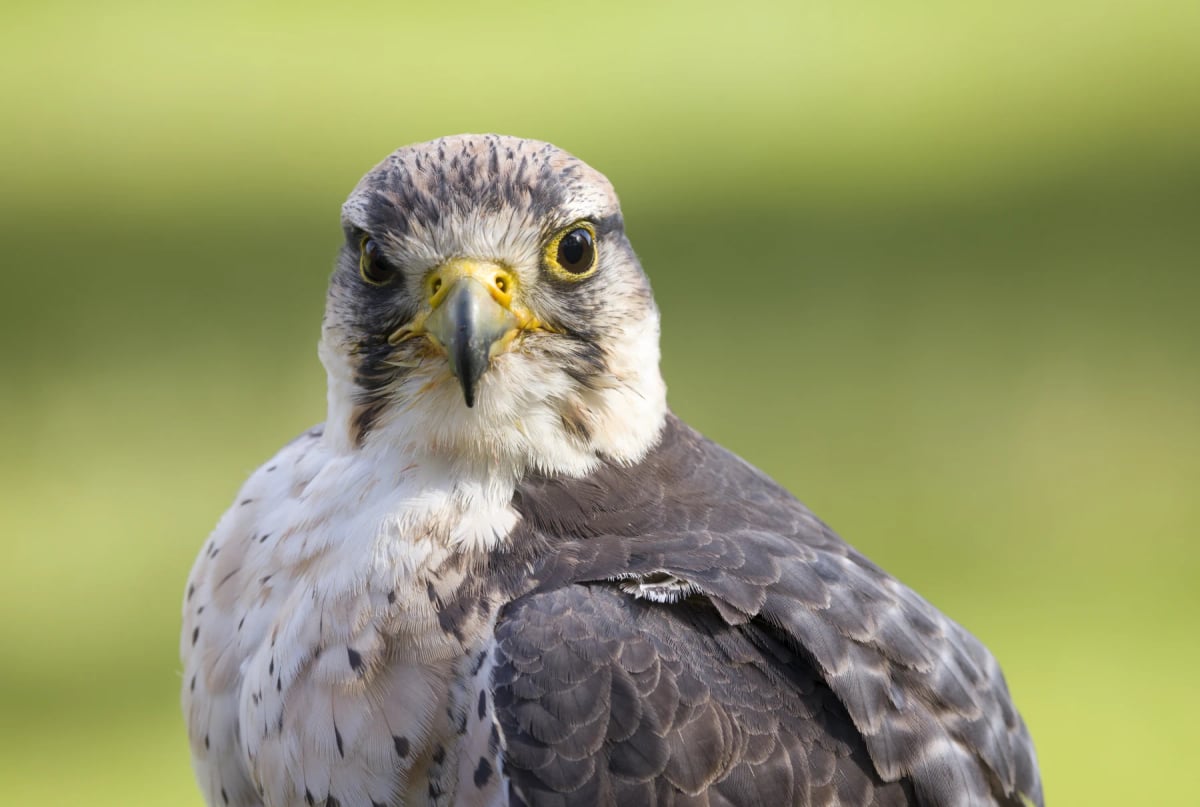
Lanner Falcon
Falco biarmicus
The lanner falcon is an uncommon resident in Albania, found mainly along rocky cliffs and gorges in the inland mountain ranges. It hunts birds such as doves and pigeons using fast, low pursuit flights across open terrain. Pairs stay together year-round and nest on cliff ledges. The species is listed as Least Concern by the IUCN, though habitat disturbance and power line electrocution pose local threats.
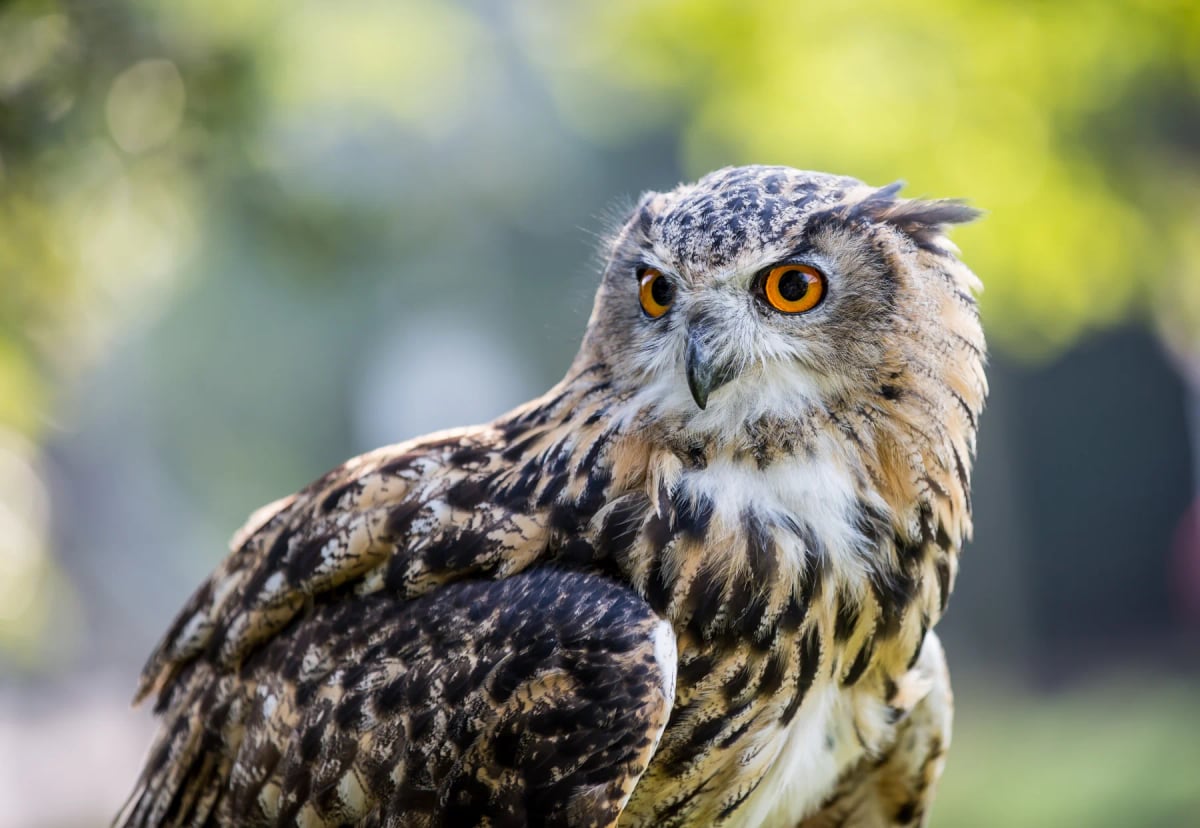
Eagle Owl
Bubo bubo
In Albania, the Eurasian eagle owl inhabits rocky hillsides, river gorges, and forested uplands, particularly in the Albanian Alps and the mountainous interior. It is a year round resident and one of the country's most impressive nocturnal birds. Hunting mainly after dark, it preys on rabbits, rodents, and other birds. The IUCN considers it Least Concern across its wide range.
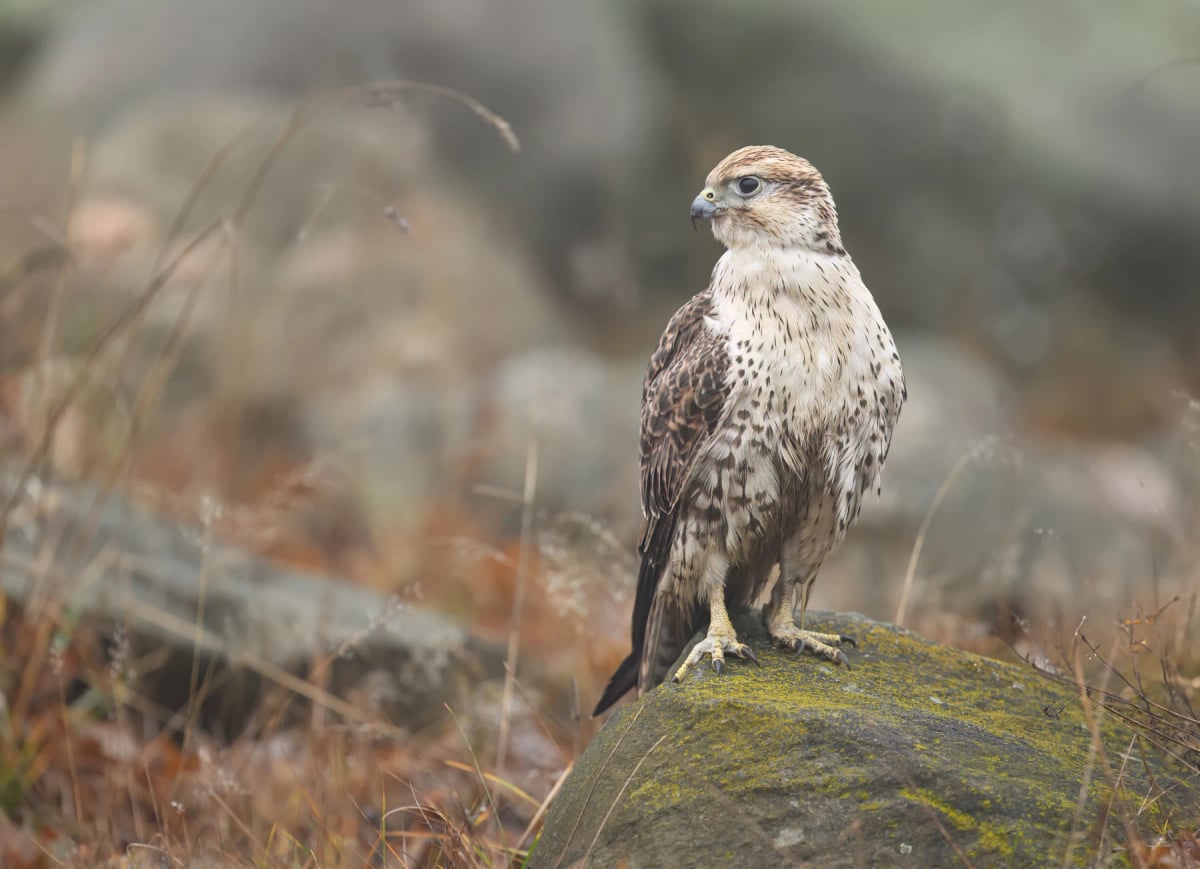
Saker Falcon
Falco cherrug
The saker falcon occurs in Albania as a rare visitor, recorded passing through during migration between its breeding grounds further east and its wintering areas to the south. Albania's mix of open farmland and inland plains can provide temporary foraging habitat for this large falcon on the move. The species faces serious threats across its range and carries Endangered status on the IUCN Red List.
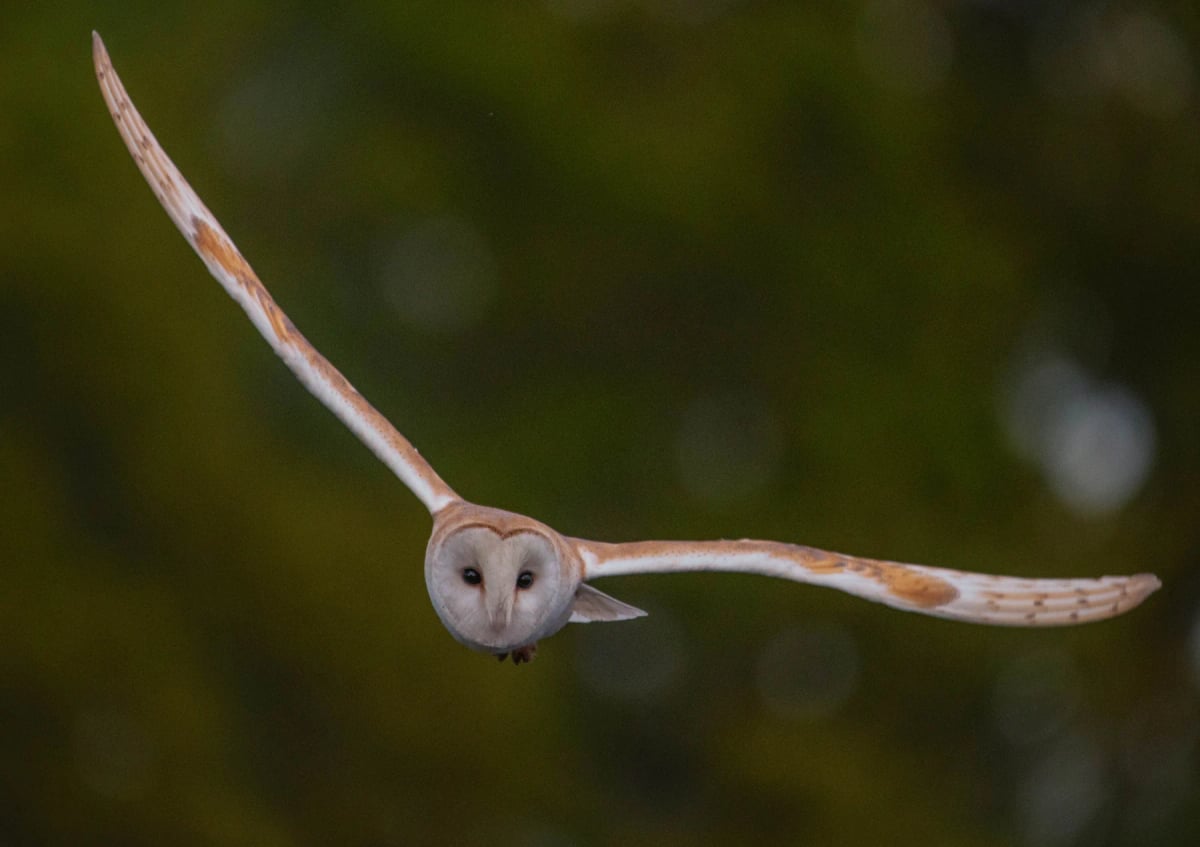
Barn Owl
Tyto alba
The barn owl is a resident of lowland and coastal Albania, found in open farmland, olive groves, and rural villages across the Adriatic coastal plain and the river valleys of the interior. It nests in old stone buildings, church towers, and cliff faces, and hunts mice and voles at night in open fields. Albania's relatively traditional agricultural landscape, with many old rural structures still intact, provides good nesting opportunities. It is one of the more commonly encountered owls in the country's open and semi-open habitats.
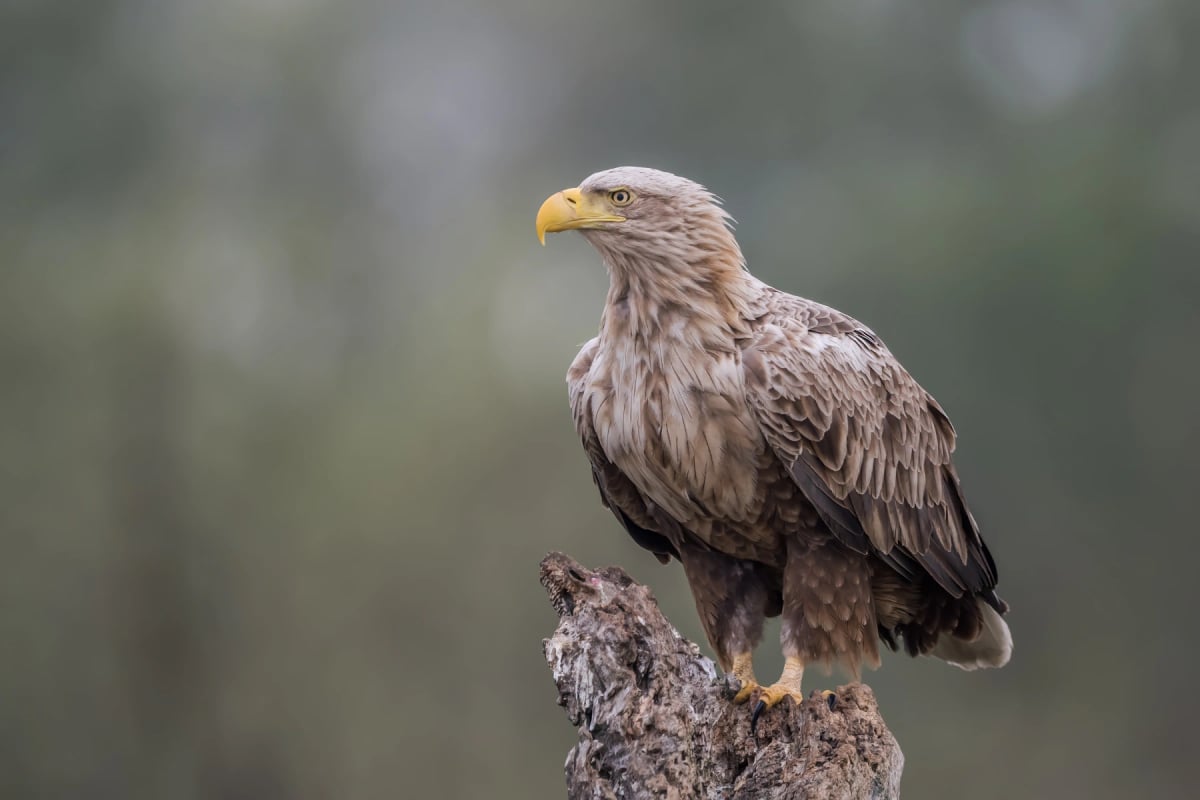
White tailed Eagle
Haliaeetus albicilla
In Albania, the white-tailed eagle is a rare but regular visitor, most often seen around coastal lagoons and large inland lakes such as Lake Shkodër and Lake Ohrid during the colder months. It hunts fish and waterfowl in these wetland habitats. Habitat loss and human disturbance remain concerns for its presence in the region. The IUCN lists it as Least Concern.
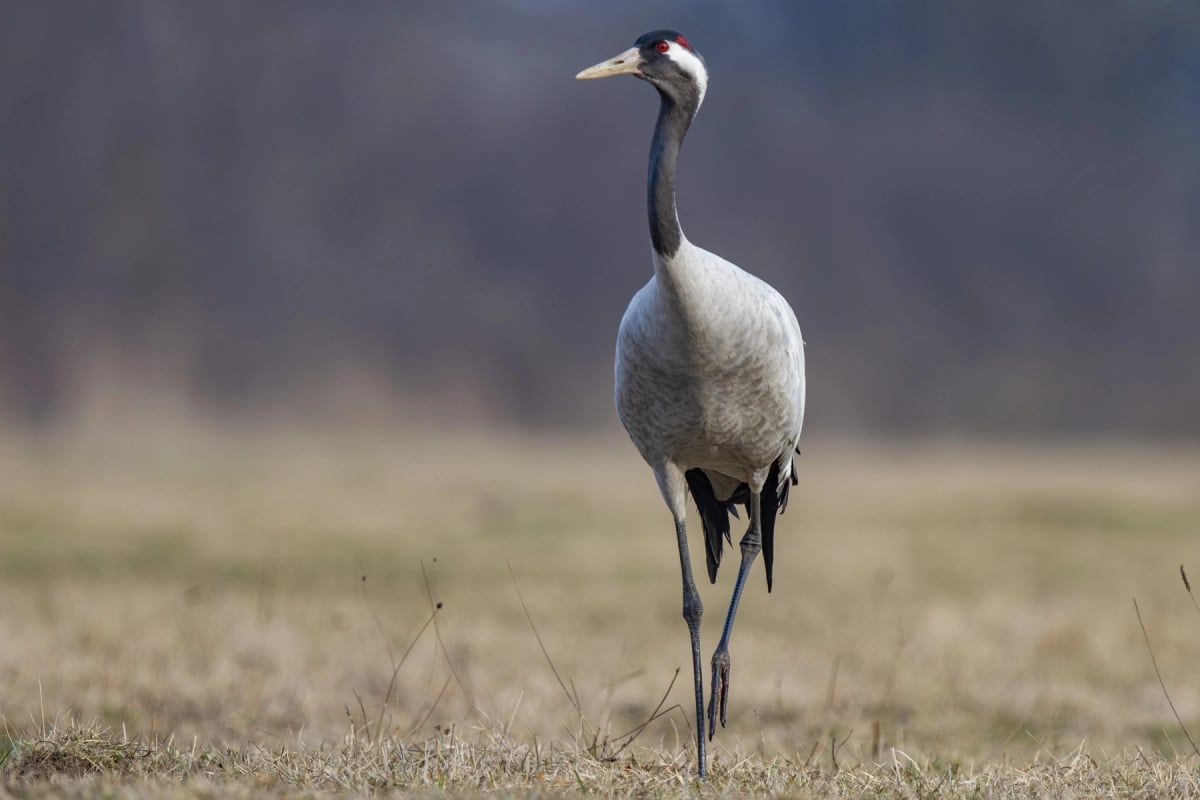
Crane
Grus grus
The common crane passes through Albania during its seasonal migrations, with flocks moving along the Adriatic coast and resting in lowland wetlands such as the Shkumbin river valley. Standing up to 120 centimeters tall, this grey bird with its bold black and white head is hard to miss in open fields. It holds a status of Least Concern globally, and Albanian wetlands provide a useful stopover for birds heading to and from wintering grounds further south.
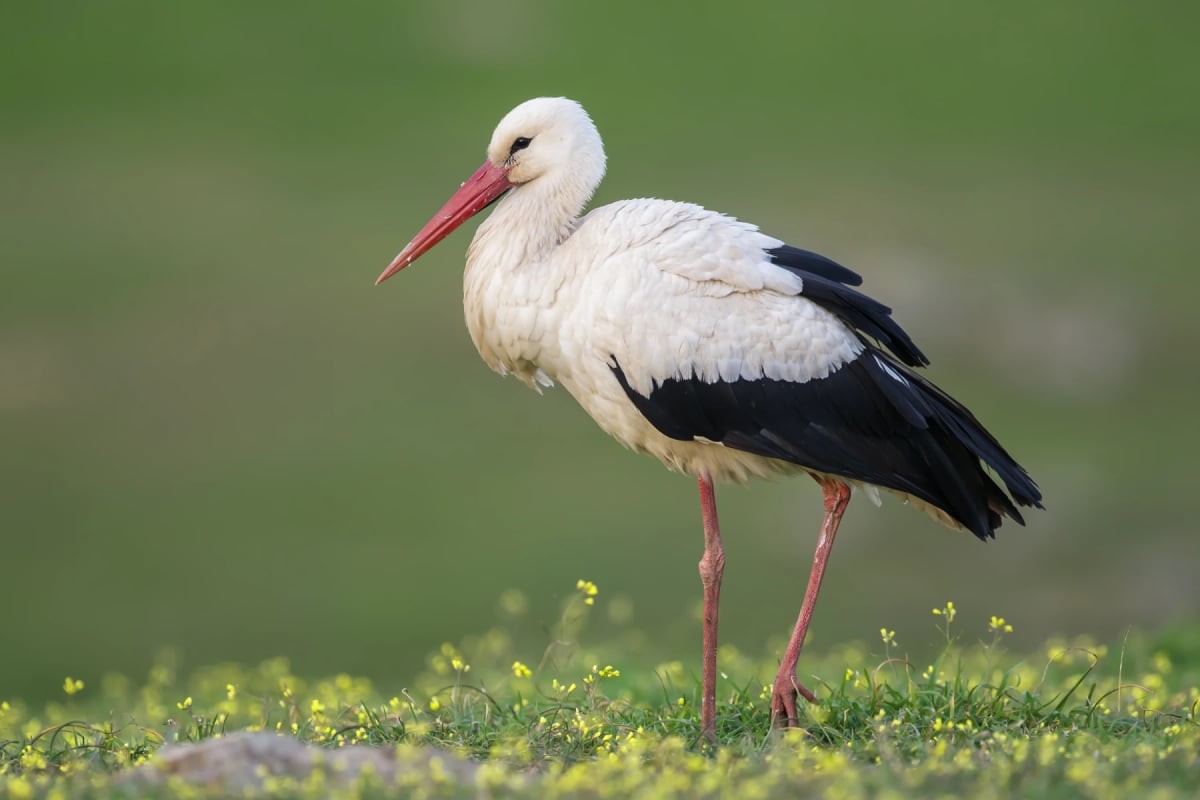
Stork
Ciconia ciconia
The white stork breeds in Albania's river valleys and agricultural lowlands, particularly around the Shkumbin and Vjosa rivers. Pairs build large stick nests on rooftops and utility poles in rural villages, returning to the same site each spring. The species feeds in wet meadows and farmland, catching frogs, insects, and small animals. Albania sits along an important migration corridor connecting Europe to Africa. IUCN status: Least Concern.
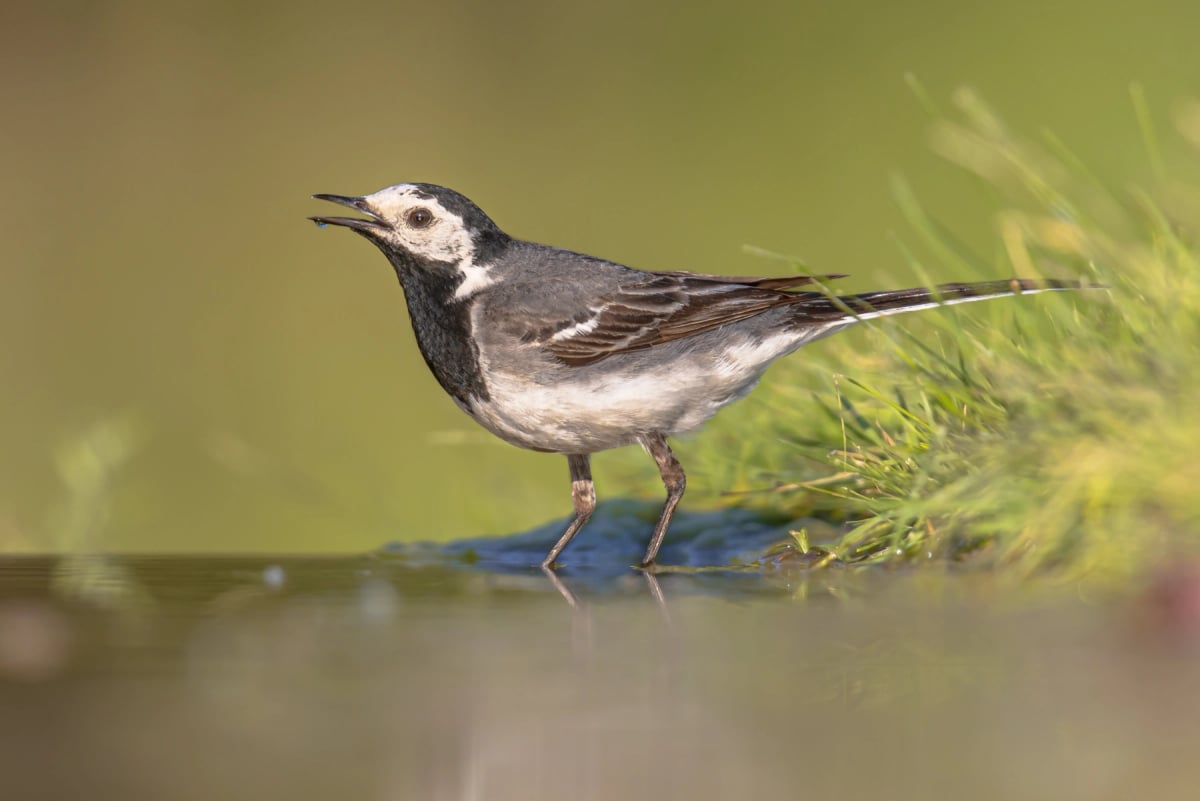
White Wagtail
Motacilla alba
The white wagtail breeds across Albania, along rivers such as the Drin, Vjosa and Shkumbin, around Lake Shkodra and in villages and towns, where it nests in walls, bridges and old buildings. In winter its numbers grow as birds from central and eastern Europe arrive to spend the cold months in the coastal lowlands and wetlands such as Divjaka-Karavasta, where it feeds on insects at the water's edge. IUCN status: Least Concern.
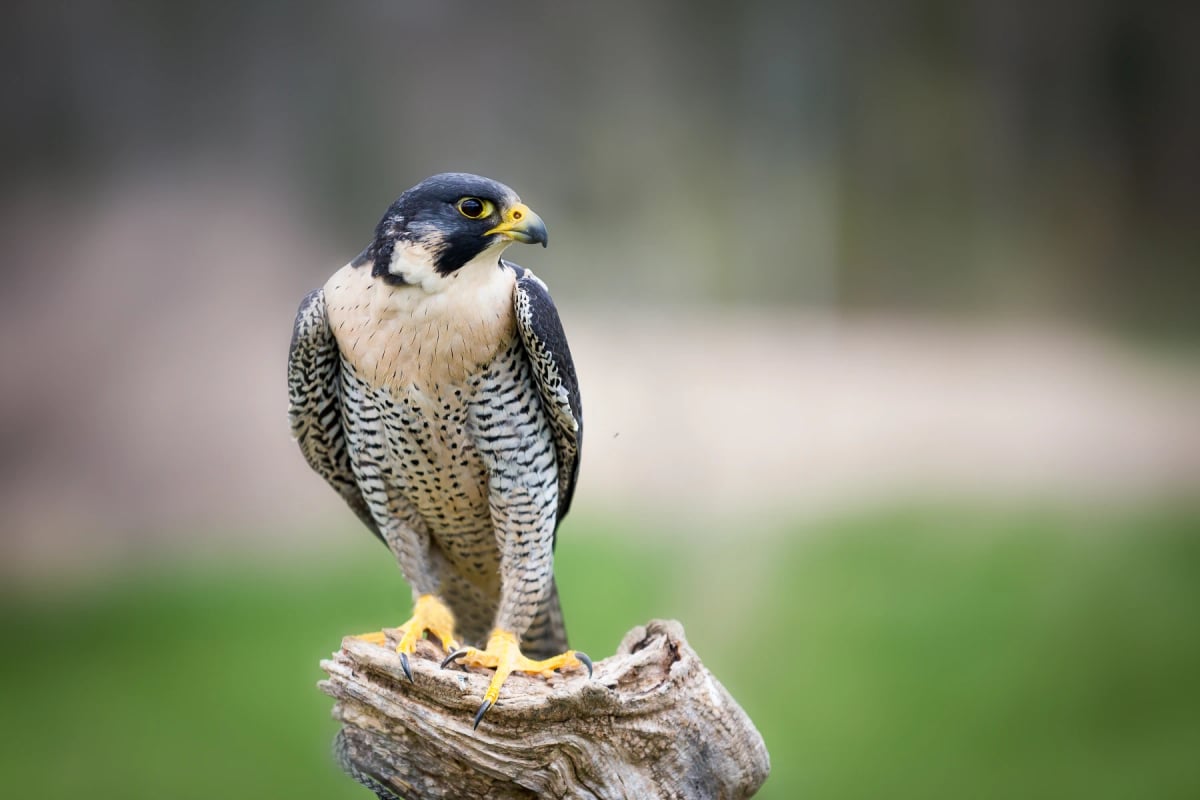
Peregrine Falcon
Falco peregrinus
In Albania, the peregrine falcon breeds along the rugged limestone cliffs of the Albanian Alps and the canyon landscapes of the interior. It also moves through coastal areas during migration. The country's varied terrain, from the Accursed Mountains in the north to the Ionian coast, supports both resident and passage birds. The species is considered Least Concern and populations across the western Balkans remain stable.
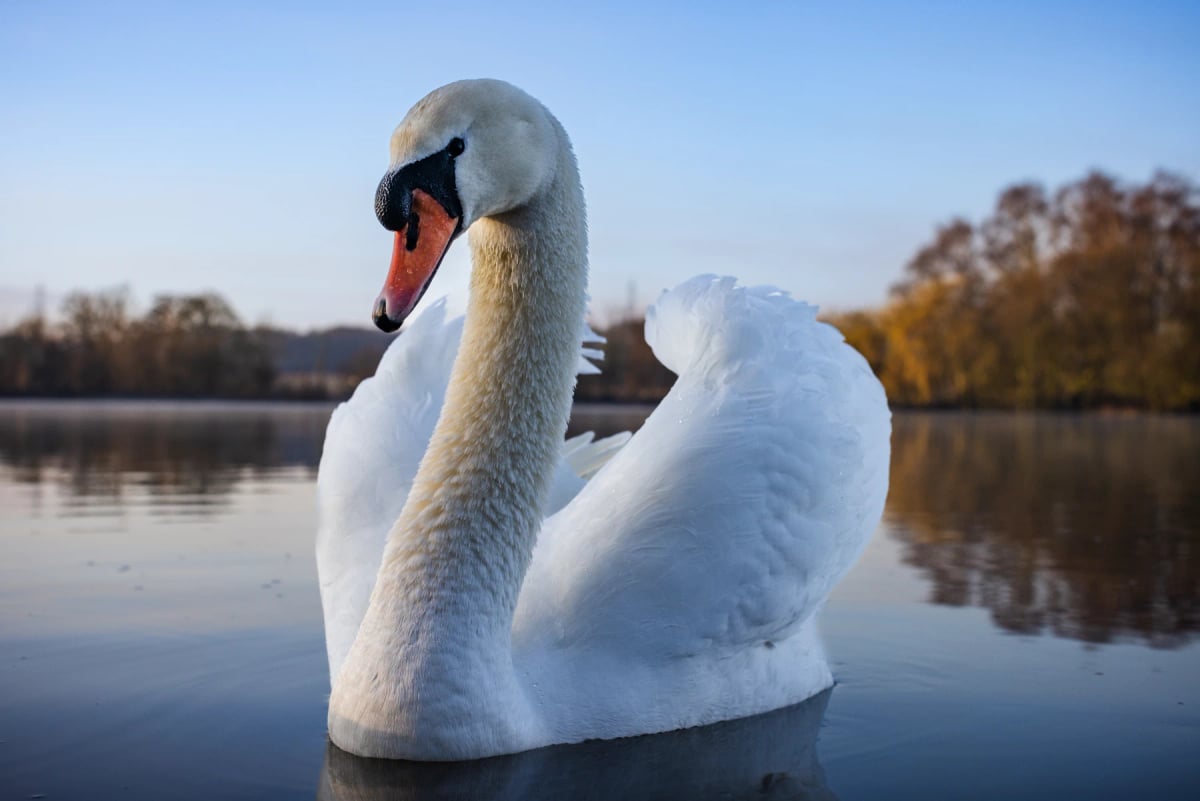
Mute Swan
Cygnus olor
The mute swan is a large waterbird with pure white feathers, a long curved neck, and an orange bill marked with a black knob. In Albania, it can be found around coastal lagoons such as Karavasta, one of the most important wetlands in the Balkans. Pairs bond for many years and raise their chicks together. The IUCN lists this species as Least Concern.
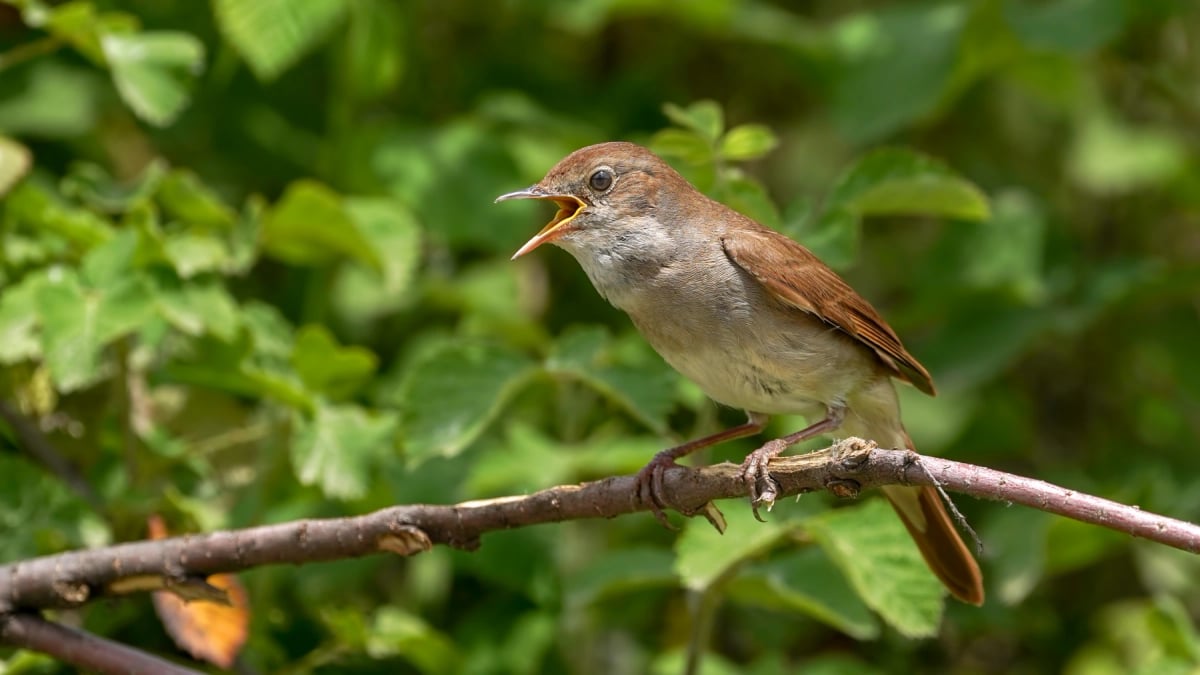
Nightingale
Luscinia megarhynchos
In Albania, the nightingale is a well-known breeding bird of spring and summer, found in riparian forests, dense Mediterranean scrub, and shrubby valleys throughout much of the country. Its song is deeply familiar to people in rural areas and is celebrated in local tradition. The species arrives from Africa in April and departs again in late summer. Habitat in Albania remains relatively intact compared to parts of western Europe. Its IUCN status is Least Concern.
Golden Eagle
Aquila chrysaetos
In Albania, the golden eagle inhabits the mountainous interior, particularly the Albanian Alps in the north and the rugged highlands further south. It soars over open terrain in search of rabbits, hares, and small mammals. Nesting pairs return to the same cliff sites year after year. The IUCN lists the species as Least Concern, and it holds cultural significance as Albania's national symbol.

Bottlenose Dolphin
Tursiops truncatus
Bottlenose dolphins are a familiar presence along Albania's Adriatic and Ionian coastlines, where they patrol shallow bays and feed on fish and squid. The species navigates the same waters as local fishing fleets, which can lead to accidental bycatch. Conservation awareness in the region has grown in recent years, with Albania participating in broader Mediterranean efforts to protect cetaceans. The IUCN lists this species as Least Concern.
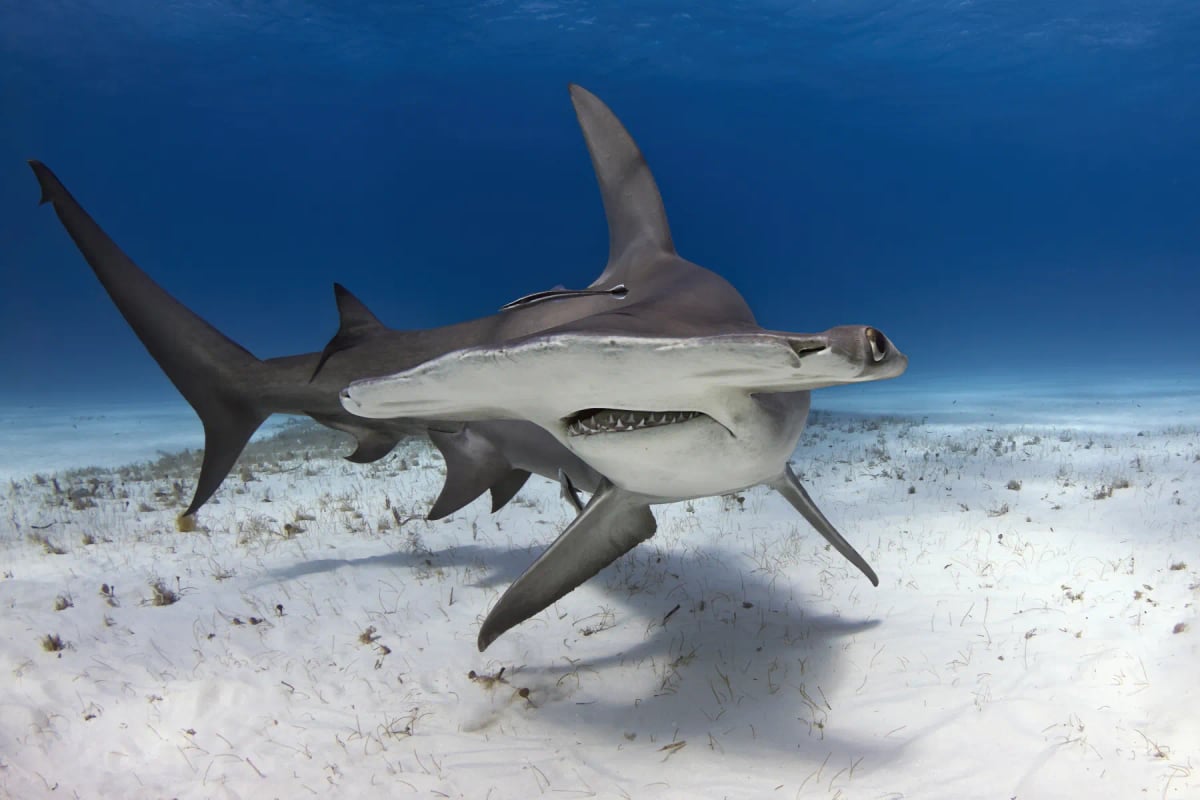
Hammerhead Shark
Sphyrna spp.
Hammerhead Sharks occasionally pass through the Adriatic Sea along Albania's coastline, though sightings are rare. These sharks are drawn to warmer Mediterranean waters during seasonal migrations. Albania has limited dedicated shark conservation programs, and hammerheads face pressure from regional fishing activity. Their critically endangered status makes every confirmed sighting in the eastern Adriatic a significant event for marine researchers.
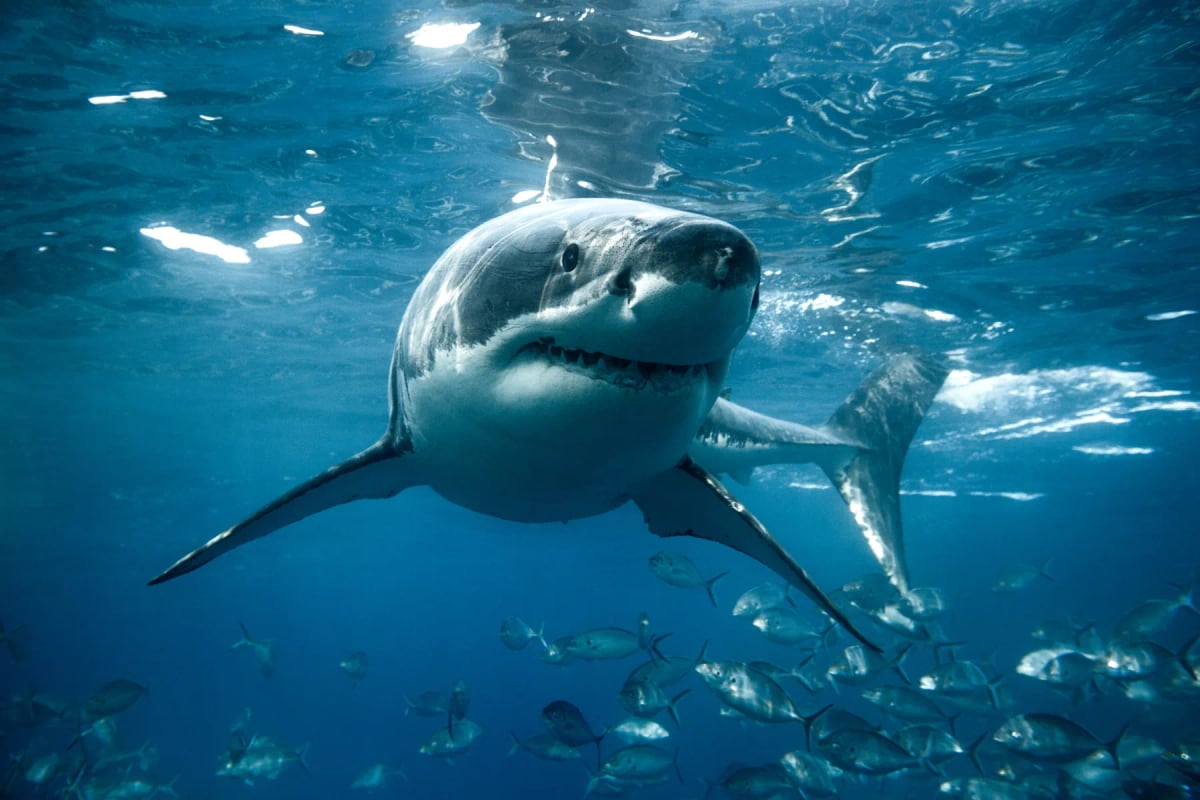
Great White Shark
Carcharodon carcharias
The great white shark occasionally passes through the Adriatic and Ionian seas along Albania's coastline, though sightings are rare. As the largest predatory fish on Earth, it can reach six metres in length and weigh over a tonne. Albania has no specific protections for the species, and fishing pressure across the Mediterranean remains one of the main threats to its survival in the region. Its IUCN status is Vulnerable.
Researched and written by Juan Pablo. Sources: IUCN Red List, scientific literature and regional field guides. Last updated: .