Animals in Djibouti
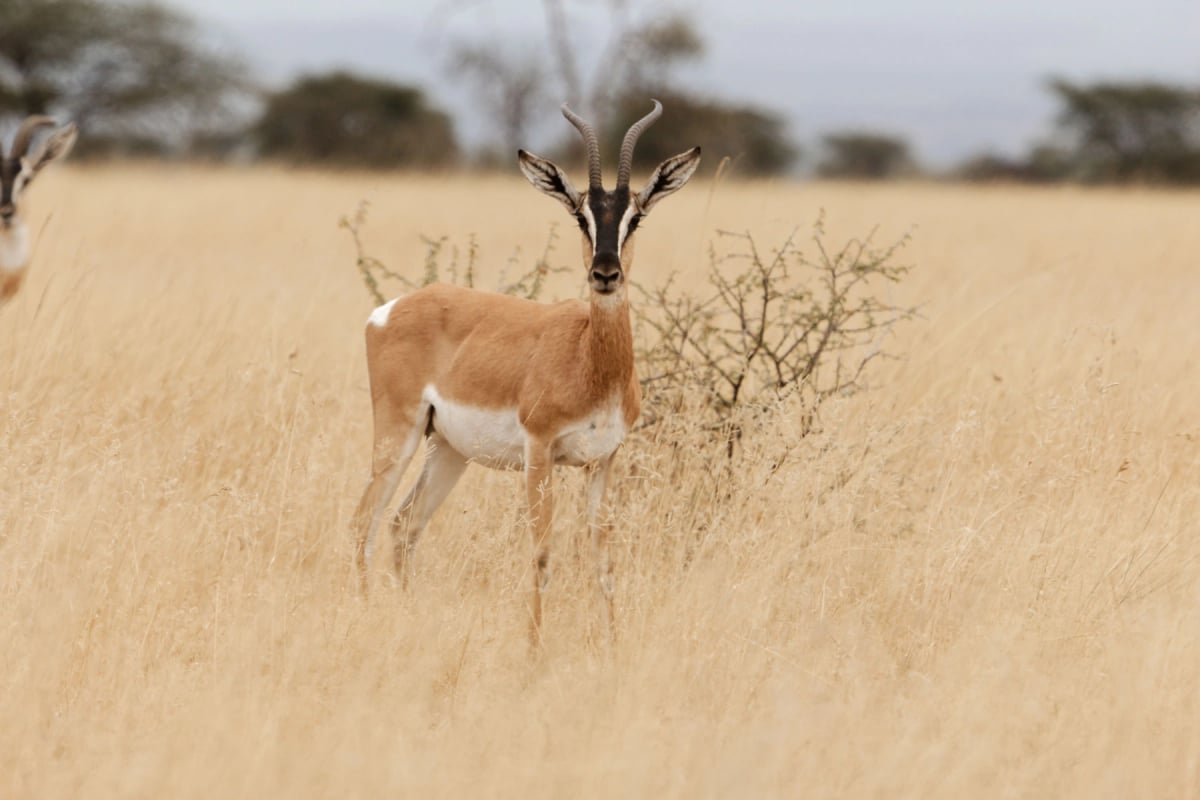
Soemmerring's Gazelle
Nanger soemmerringii
The Soemmerring gazelle, Djibouti’s national animal, lives in open plains and dry valleys. Its endurance reflects the country’s spirit and the balance between people and nature in demanding environments. Conservation projects aim to protect this elegant species from hunting and habitat loss.
View details→Wildlife in Djibouti
Djibouti’s wildlife endures across deserts, mountains and coral rich coasts. Cheetahs, gazelles, dolphins and migratory birds inhabit landscapes shaped by arid winds and the Red Sea. Its blend of land and marine life attracts researchers and travelers interested in the Horn of Africa’s ecosystems.
Most Dangerous Animals in Djibouti
Exploring Djibouti’s wild regions requires caution, as hyenas, leopards and sharks may appear. Coastal waters of the Red Sea contain predatory species, making guided excursions the safest way to enjoy wildlife while respecting natural limits.
Top 10 Animals in Djibouti
Cheetahs, leopards, gazelles and dolphins represent Djibouti’s most remarkable wildlife. Visitors exploring Day Forest National Park or the Gulf of Tadjoura can observe these species and experience a landscape where desert and sea meet in vivid contrast.
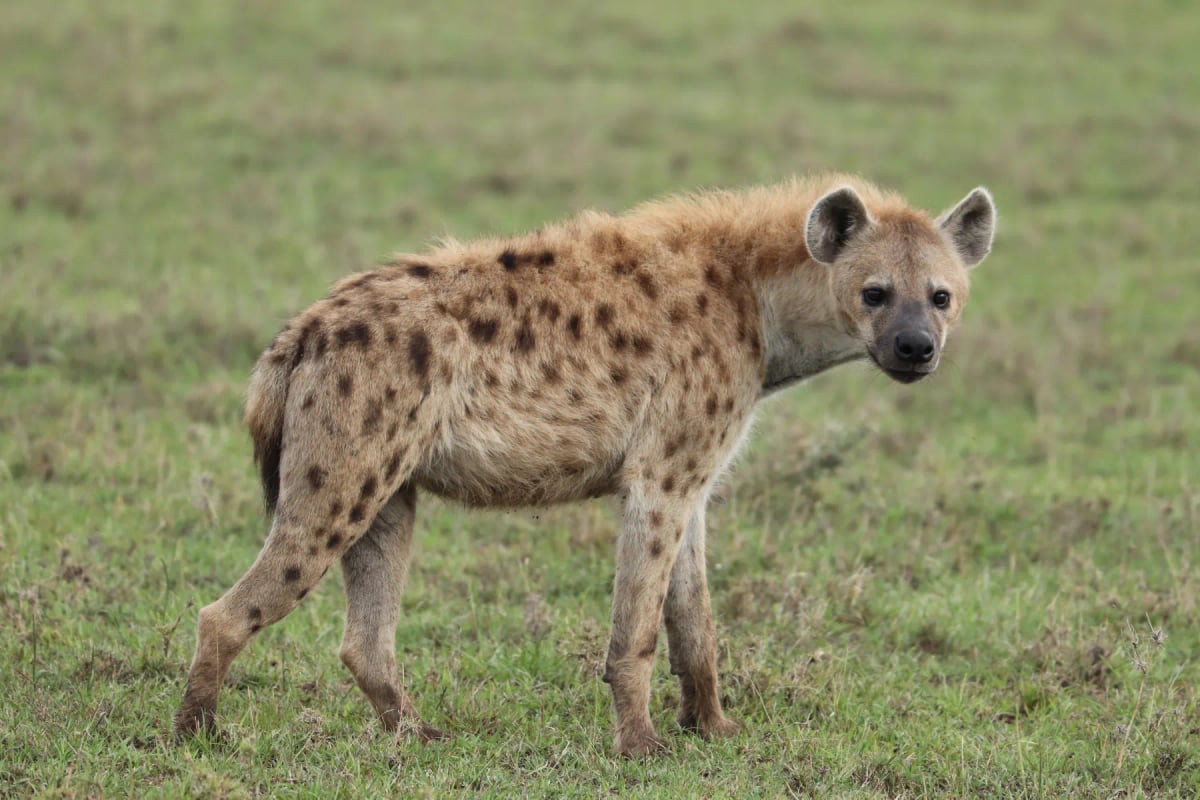
Spotted Hyena
Crocuta crocuta
Spotted hyenas in Djibouti inhabit the arid plains and rocky escarpments of this small Horn of Africa nation. With very limited wildlife habitat available, they are rarely observed but persist in low numbers in remote areas away from human settlement. They are important scavengers in these harsh, dry landscapes. Conflict with herders over livestock losses is a serious concern for their survival. Their IUCN status is Least Concern.
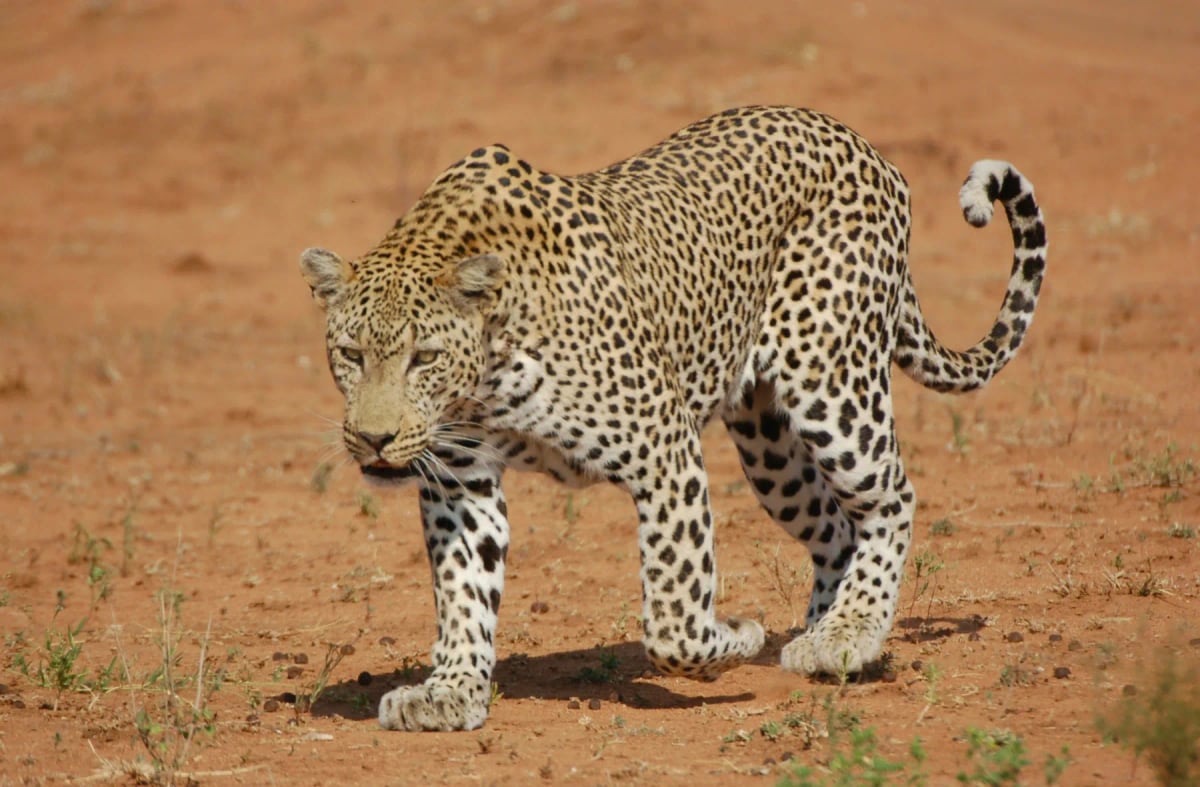
Leopard
Panthera pardus
Djibouti represents one of the leopard's most marginal ranges in Africa. A small and rarely confirmed population may persist in the Day Forest National Park and surrounding rocky highlands in the north of the country. This forest, dominated by juniper trees, is the last significant woodland in Djibouti and critical for any wildlife that remains. The leopard is listed as Vulnerable on the IUCN Red List.
Soemmerring's Gazelle
Nanger soemmerringii
Soemmerring's gazelle is one of Djibouti's most striking large mammals, roaming the country's arid plains and scrublands. Its sandy coat and bold white rump patch help it blend into the dry, open terrain. Both males and females carry lyre-shaped ringed horns. Populations here are small and under pressure from hunting and habitat loss, making conservation attention increasingly urgent.
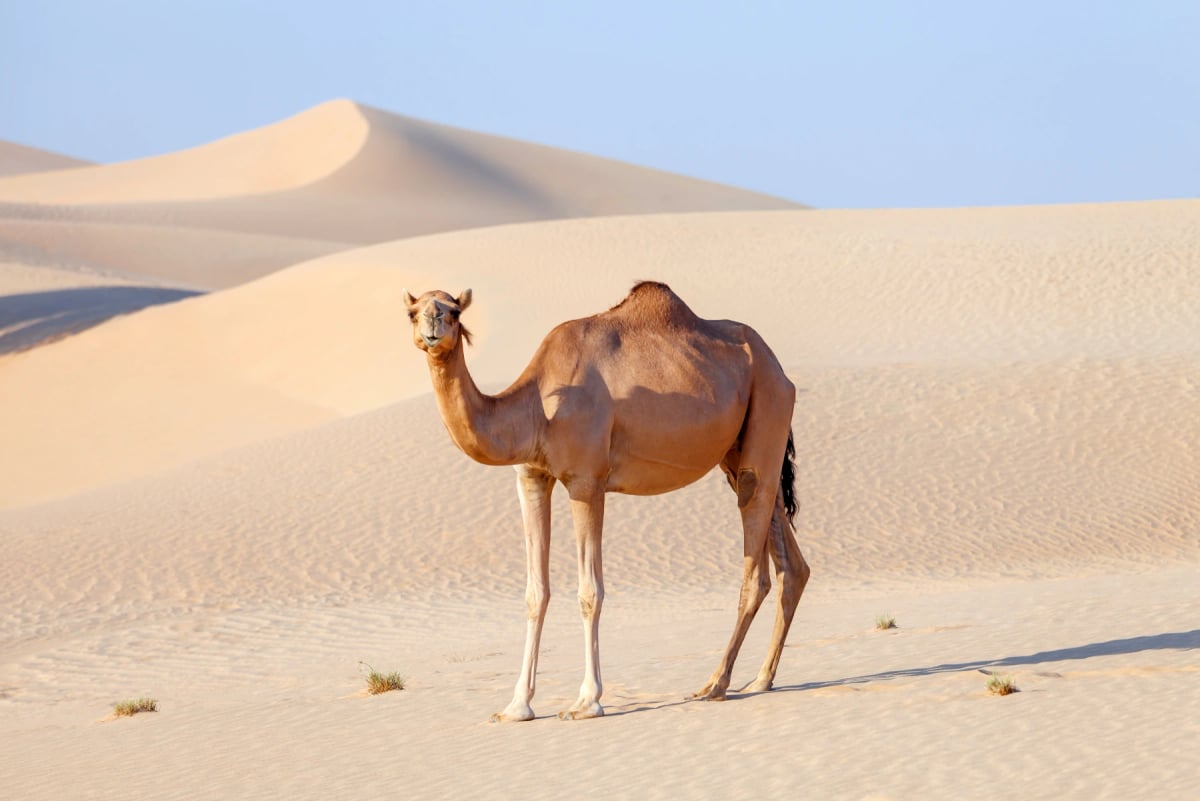
Dromedary Camel
Camelus dromedarius
Djibouti is a small but extremely arid country, and dromedary camels are well suited to its harsh interior plateaus and volcanic plains. Afar and Somali pastoralists have herded camels here for generations, relying on them for milk and as a symbol of wealth. Despite the country's small size, camels cover considerable ground in search of sparse vegetation, and they remain an important part of the pastoral economy and daily life outside the capital.
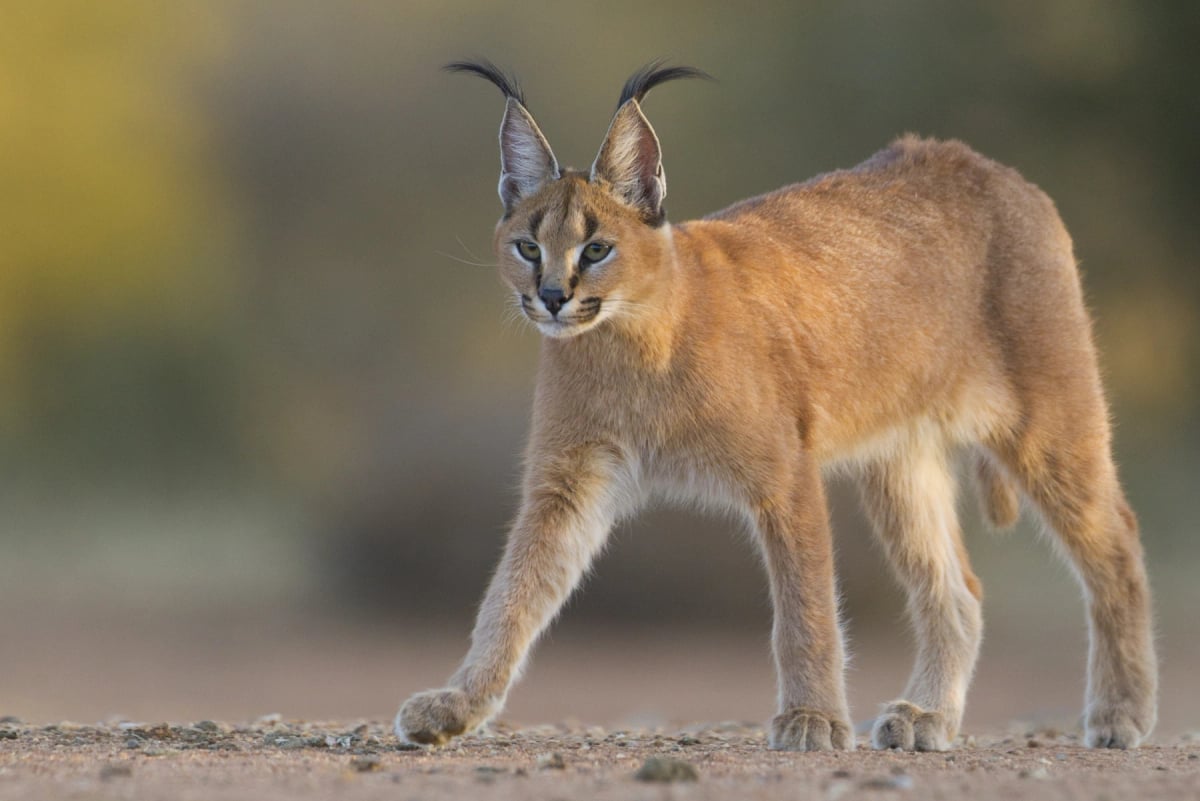
Caracal
Caracal caracal
In Djibouti, the caracal inhabits the rocky semi-arid plains and scrublands that cover much of this small Horn of Africa nation. Its tawny coat blends well with the dry, stony landscape. An agile and mostly nocturnal hunter, it targets small mammals and birds. The IUCN lists it as Least Concern, though the extremely limited suitable habitat in Djibouti makes local populations particularly vulnerable.
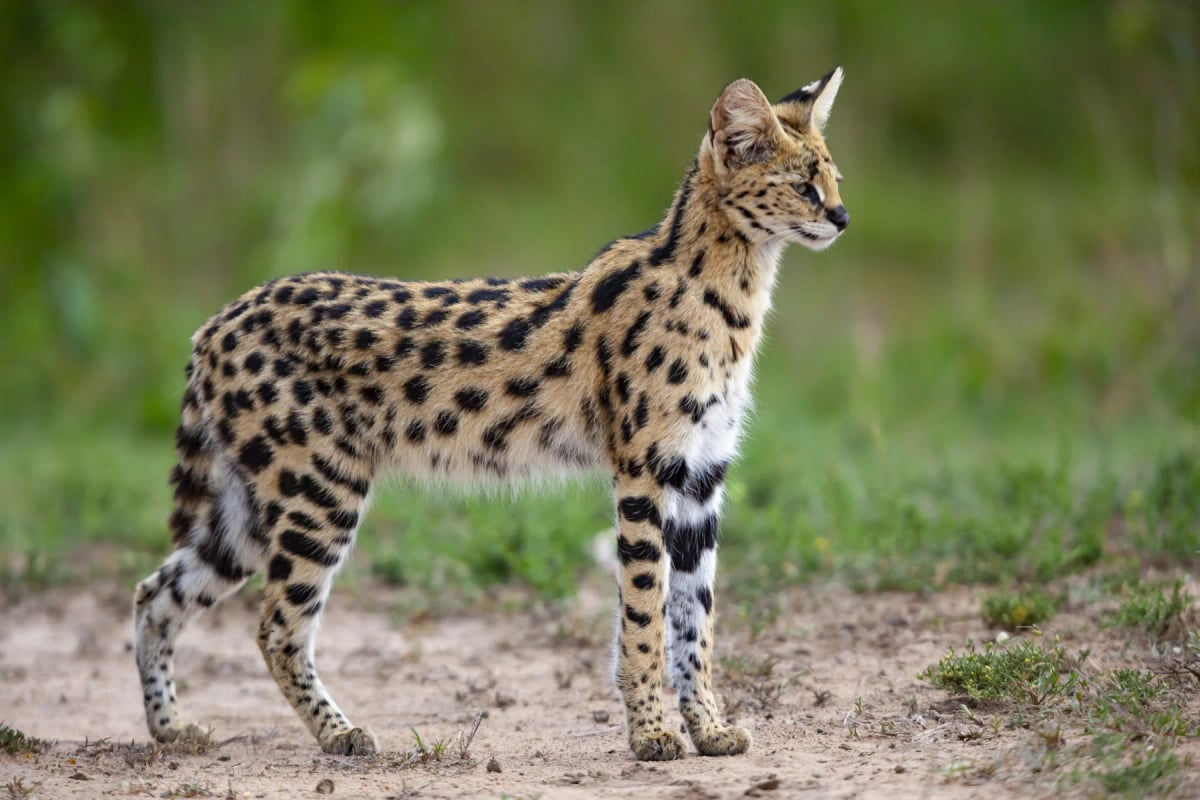
Serval
Leptailurus serval
The serval has a limited and fragile presence in Djibouti, where suitable habitat is scarce across this largely arid country. It may persist in areas with denser vegetation near seasonal watercourses in the interior. With rodents as its main prey, the serval depends on pockets of grassland that are rare in this region. The IUCN lists the species as Least Concern overall, but local numbers are likely very small.
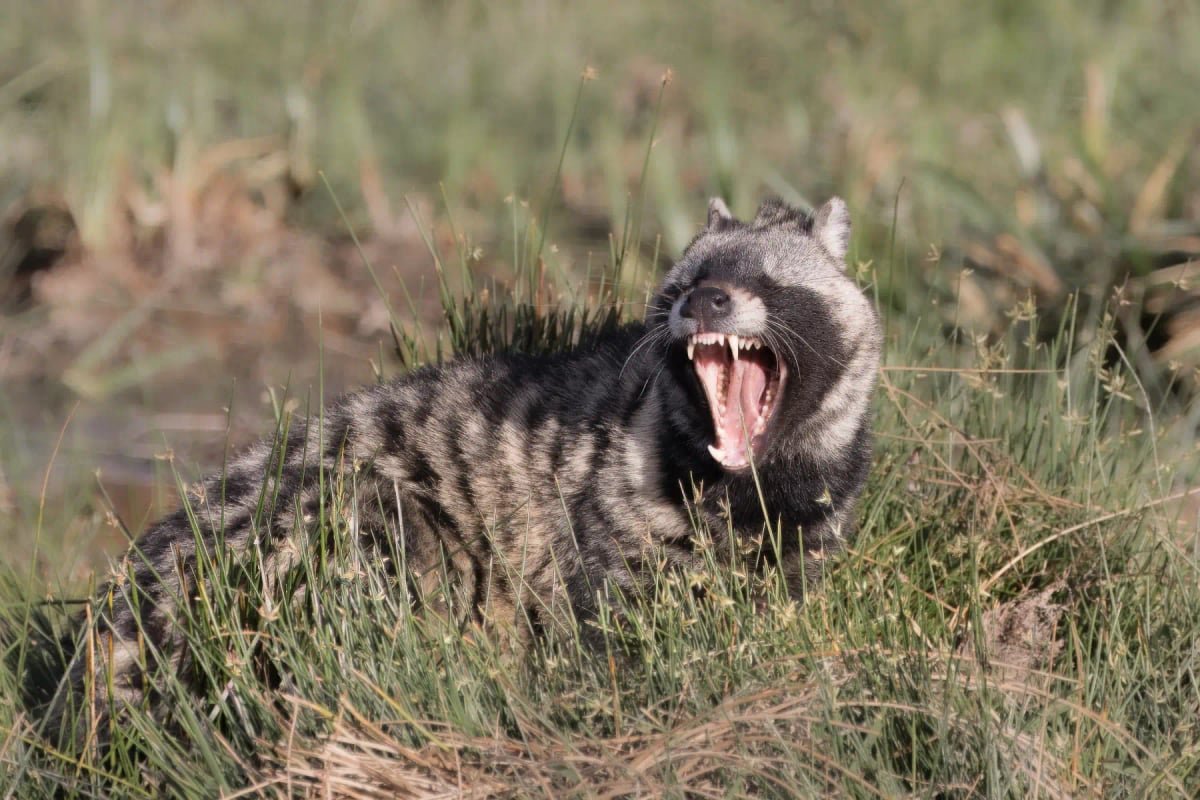
African Civet
Civettictis civetta
The African civet reaches one of its range limits in Djibouti, where a distinct subspecies, Civettictis civetta pauli, was formally described in 2000. Its presence is restricted to the Day Forest on the Goda Massif, the only area in the country with sufficient woodland cover and reliable moisture. This isolated population is small and vulnerable, living in one of the most fragile and restricted forest ecosystems in the Horn of Africa.
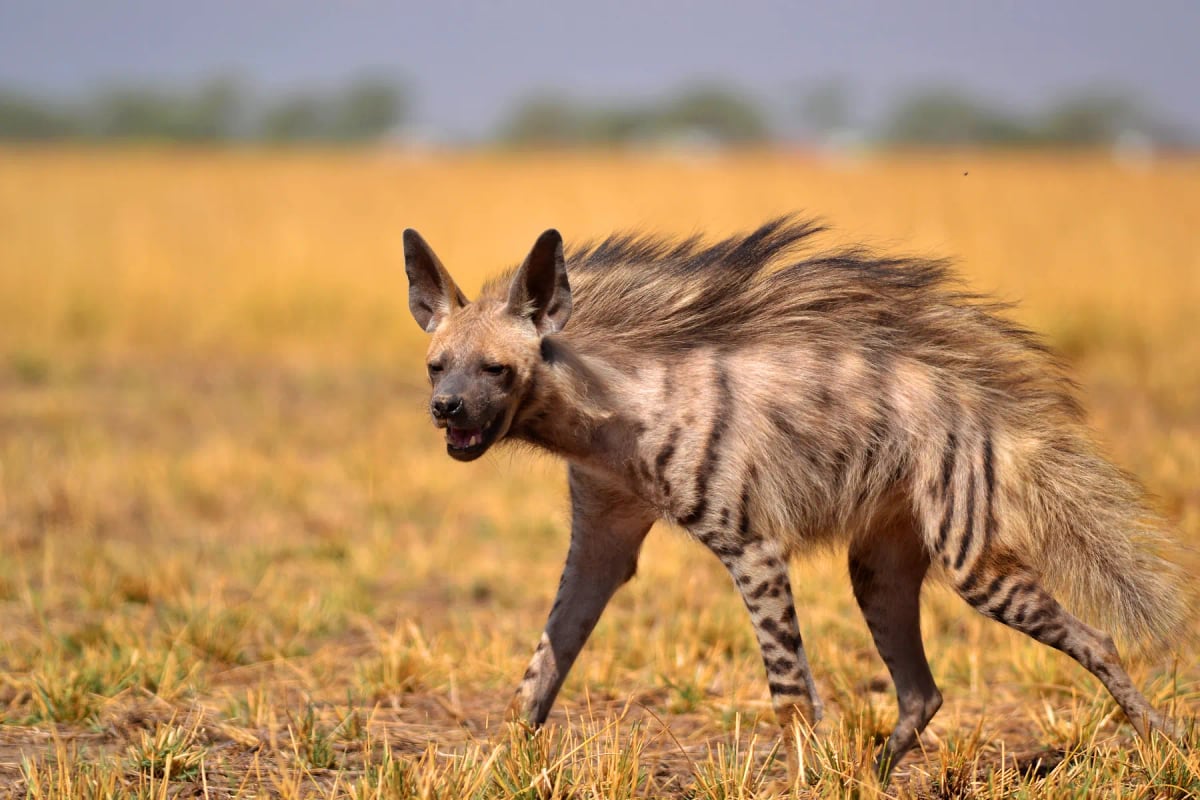
Striped Hyena
Hyaena hyaena
Shy nocturnal scavenger with a striped gray coat and an erectile mane that helps clean the landscape by consuming carcasses across Africa, the Middle East and Asia.

Honey Badger
Mellivora capensis
The honey badger has a presence in Djibouti, where it navigates the country's arid scrublands and rocky terrain near the Gulf of Aden. It relies on its powerful claws and tough skin to hunt in harsh, dry conditions, feeding on insects, small vertebrates, and whatever else it can find. The IUCN lists it as Least Concern, though its numbers in this region are sparse.
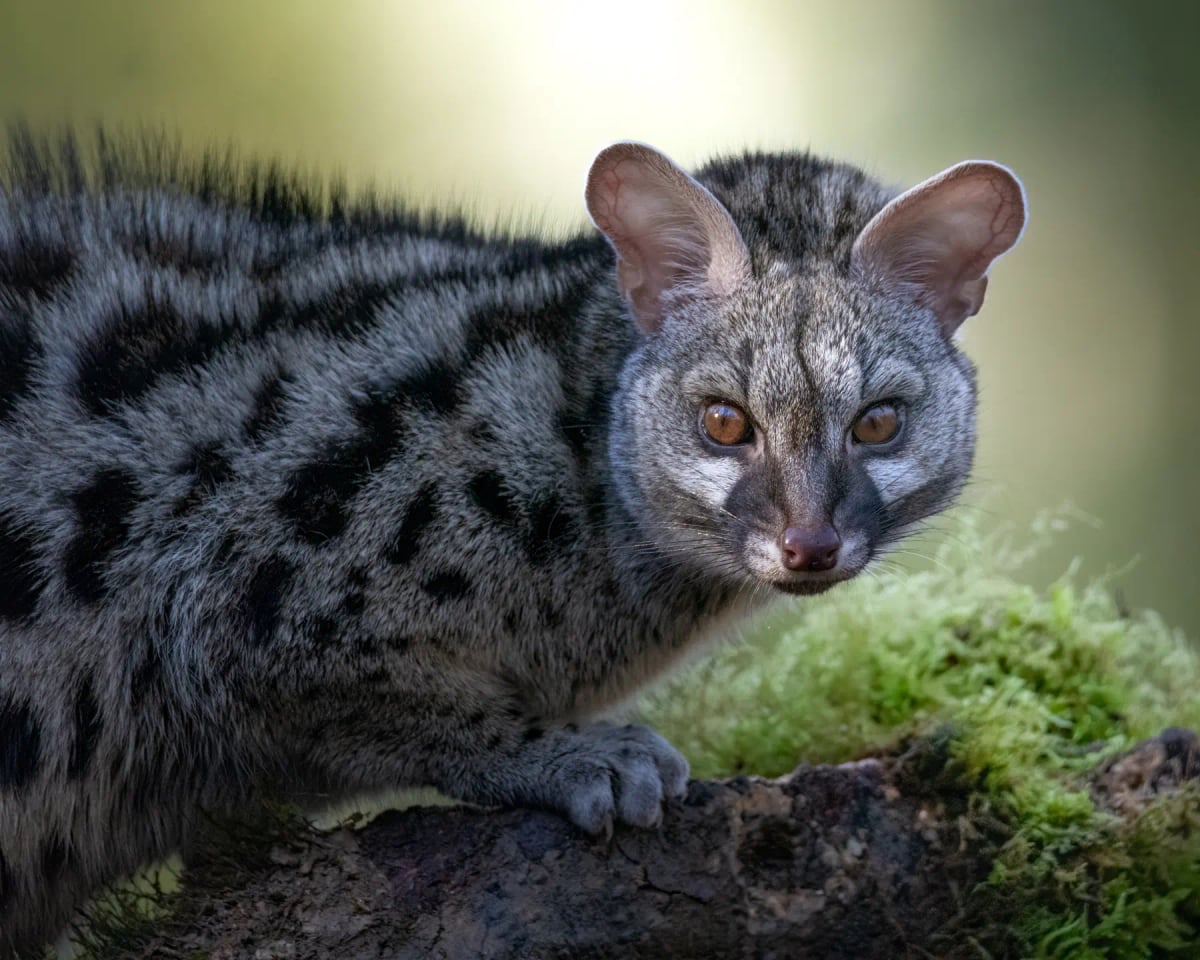
Common Genet
Genetta genetta
In Djibouti, the common genet occupies rocky hillsides, dry scrubland, and patches of woodland in this largely arid country. It is one of the few carnivores adapted to survive in such harsh conditions, relying on its nocturnal habits and varied diet of small mammals, birds, insects, and reptiles. Djibouti sits near the edge of the genet's range on the Horn of Africa, and sightings here are relatively uncommon. Its IUCN status is Least Concern.
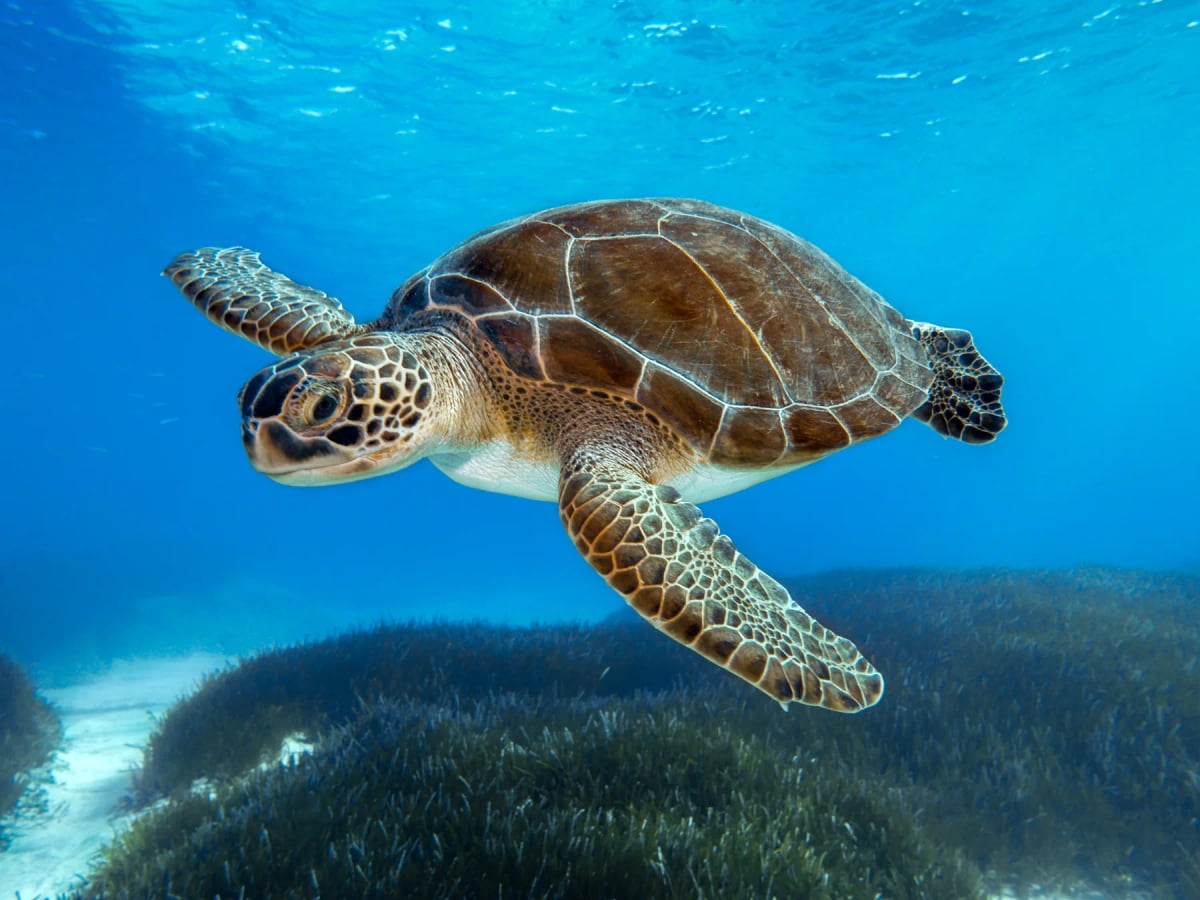
Sea Turtle
Cheloniidae & Dermochelyidae (families)
Djibouti's coastline along the Gulf of Aden and the southern Red Sea supports green and hawksbill sea turtles. Both species use Djiboutian waters for feeding and are occasionally recorded nesting on isolated beaches along the coast. The Gulf of Tadjoura and the waters around the Day Forest National Park area are among the more sheltered stretches where turtle activity has been documented. Conservation infrastructure remains limited, and turtles face pressure from fishing and coastal development.
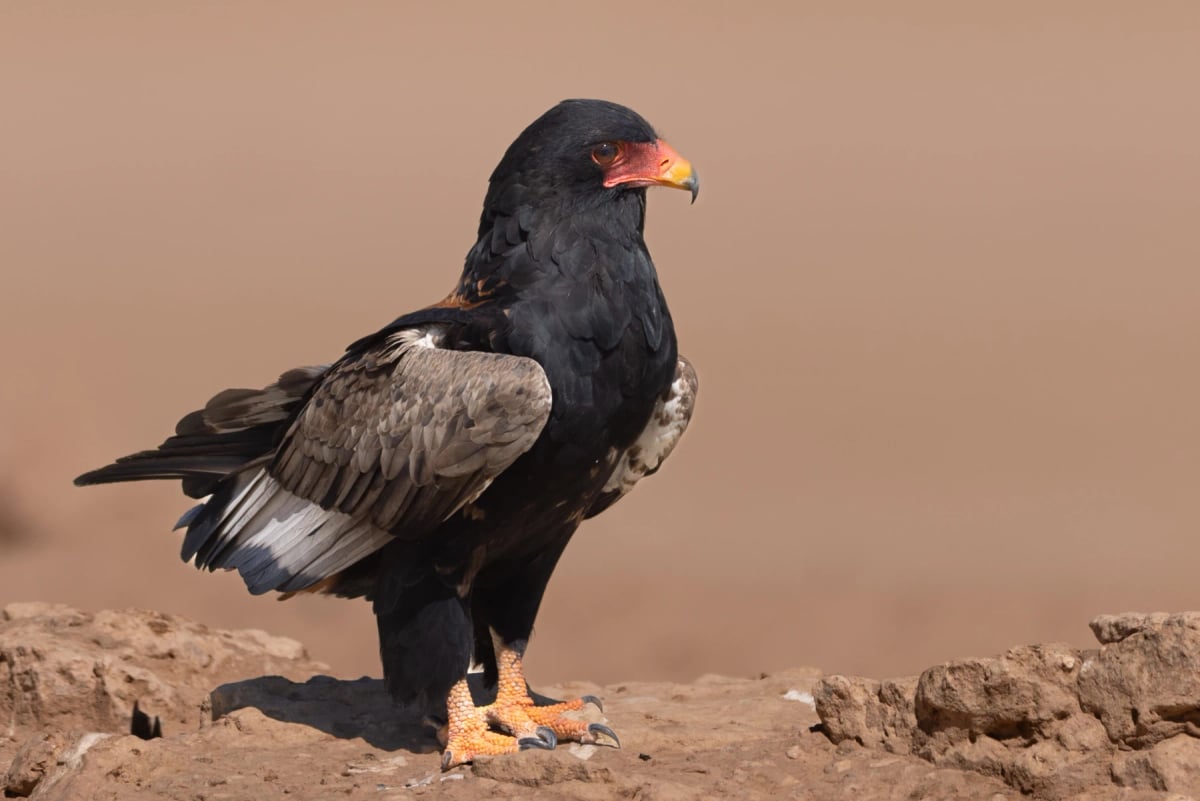
Bateleur
Terathopius ecaudatus
The bateleur is a scarce resident of Djibouti, where it patrols the dry acacia savanna and semi-desert plains of the interior and the wooded slopes of the Day Forest area. Sightings are few: this is one of the smallest countries in its range and open country with tall nesting trees is limited. Birds here belong to the Horn of Africa population, the northeastern corner of a range that covers most of sub-Saharan Africa. The IUCN classifies it as Endangered.
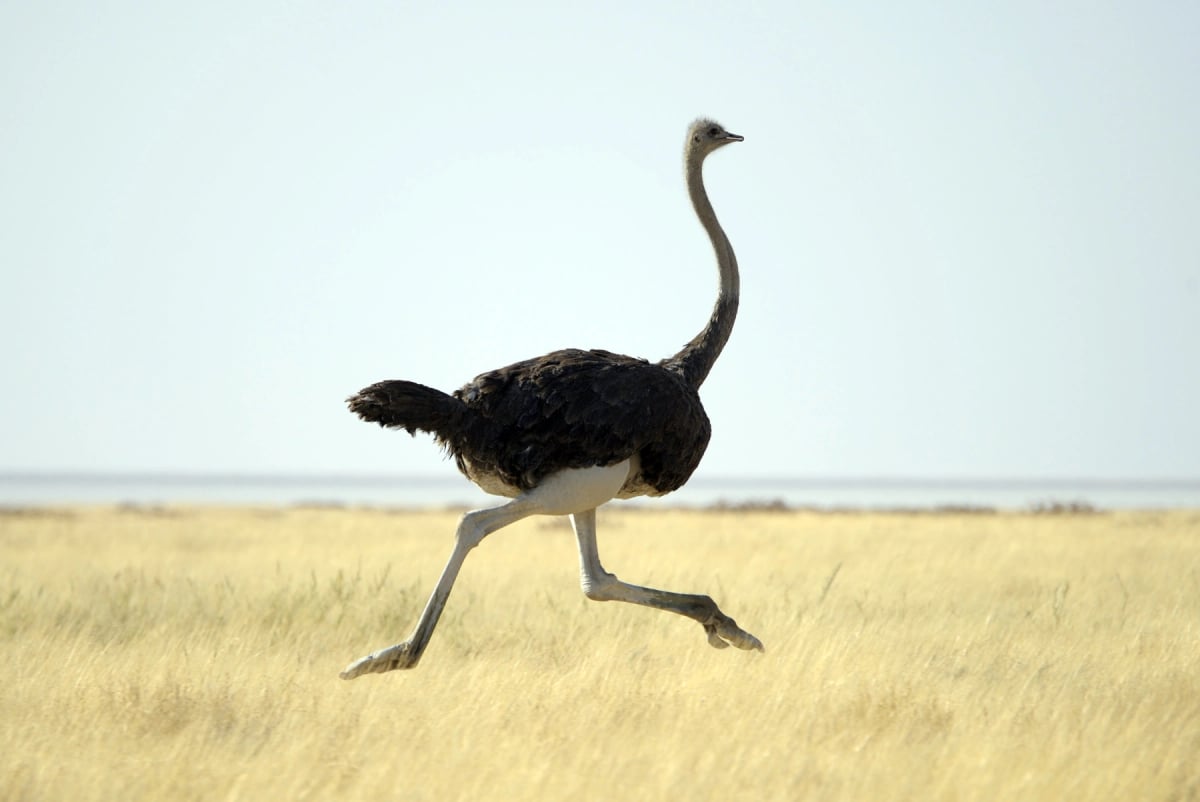
Ostrich
Struthio camelus
Djibouti is one of the smaller countries within the ostrich's range in the Horn of Africa. The birds inhabit the arid plains and rocky semi-desert terrain that dominate much of the country's interior. Populations are limited, reflecting the harsh and restricted habitat available. This is where the common ostrich meets the Somali ostrich, a separate species since 2014, in some of the driest conditions found anywhere in its range.
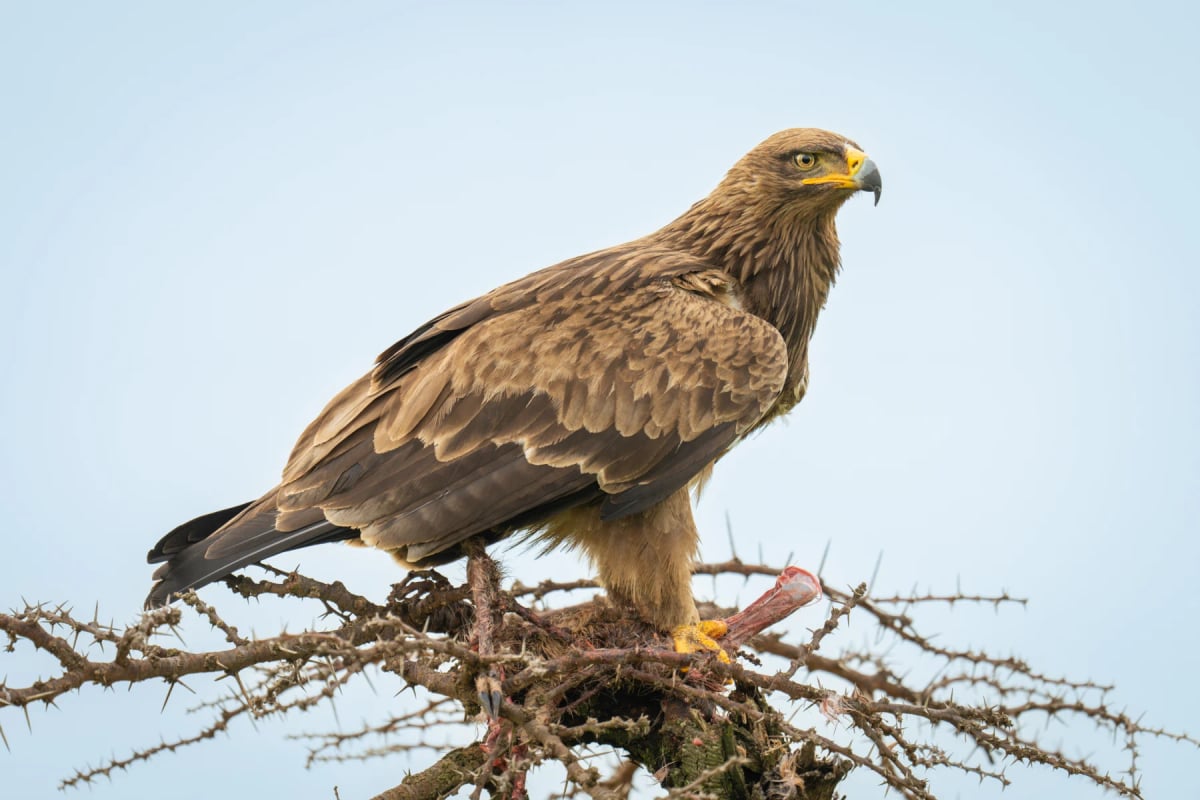
Steppe Eagle
Aquila nipalensis
Djibouti occupies a strategic position along one of the main migration routes used by the Steppe Eagle as it moves between Central Asia and its African wintering grounds. The country's coastal and inland open habitats serve as stopover points where birds can rest and feed before continuing their journey. Observations in Djibouti help researchers track movement patterns for this Endangered species across the wider region.
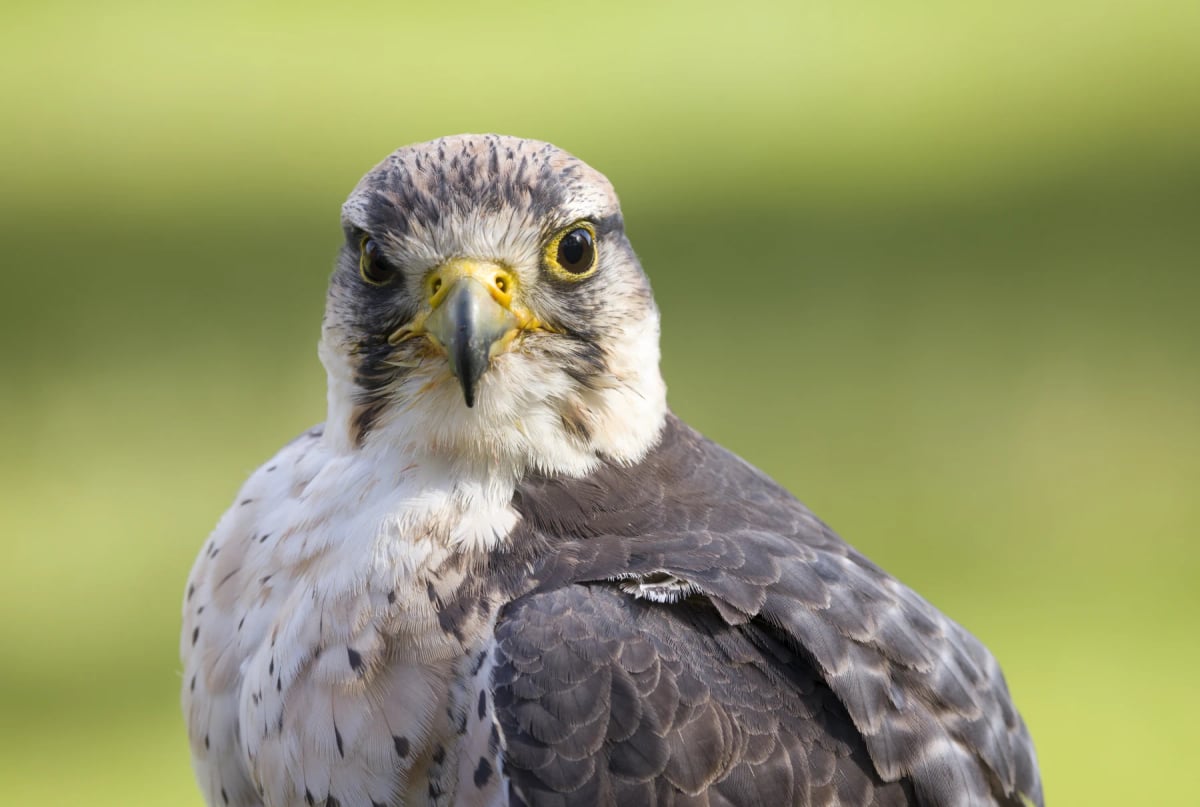
Lanner Falcon
Falco biarmicus
Djibouti's arid landscape of rocky plains, escarpments, and volcanic terrain provides a fitting habitat for the lanner falcon. The species is seen across the country, hunting birds such as doves and sandgrouse in the open semi-desert. Cliff faces offer secure nesting ledges in this rugged environment. The IUCN lists it as Least Concern, and Djibouti's position on migratory routes also means occasional passage birds are recorded.
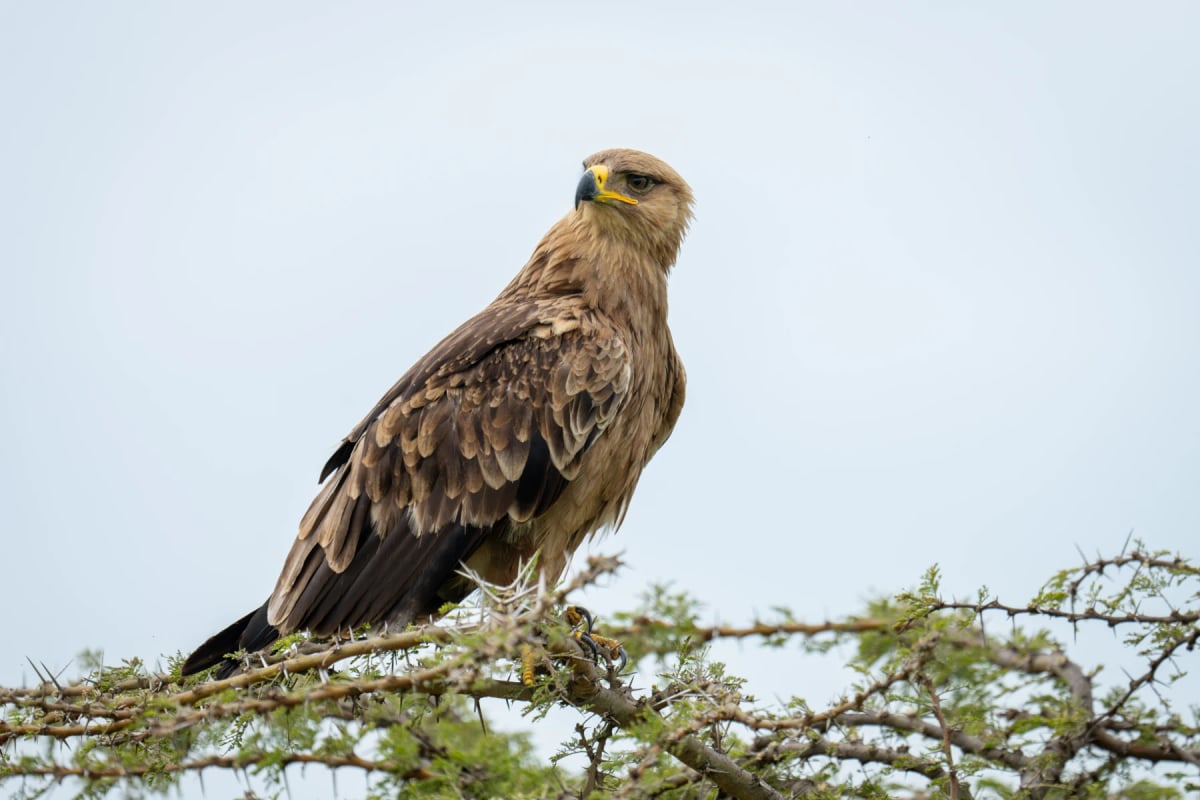
Tawny Eagle
Aquila rapax
Djibouti's arid plains and rocky scrublands provide a sparse but suitable habitat for the Tawny Eagle. The bird is not common here, but it can be spotted soaring over open terrain as it searches for reptiles, small mammals, and carrion. Its tolerance of harsh, dry conditions helps it survive in this corner of the Horn of Africa. The IUCN lists it as Vulnerable.
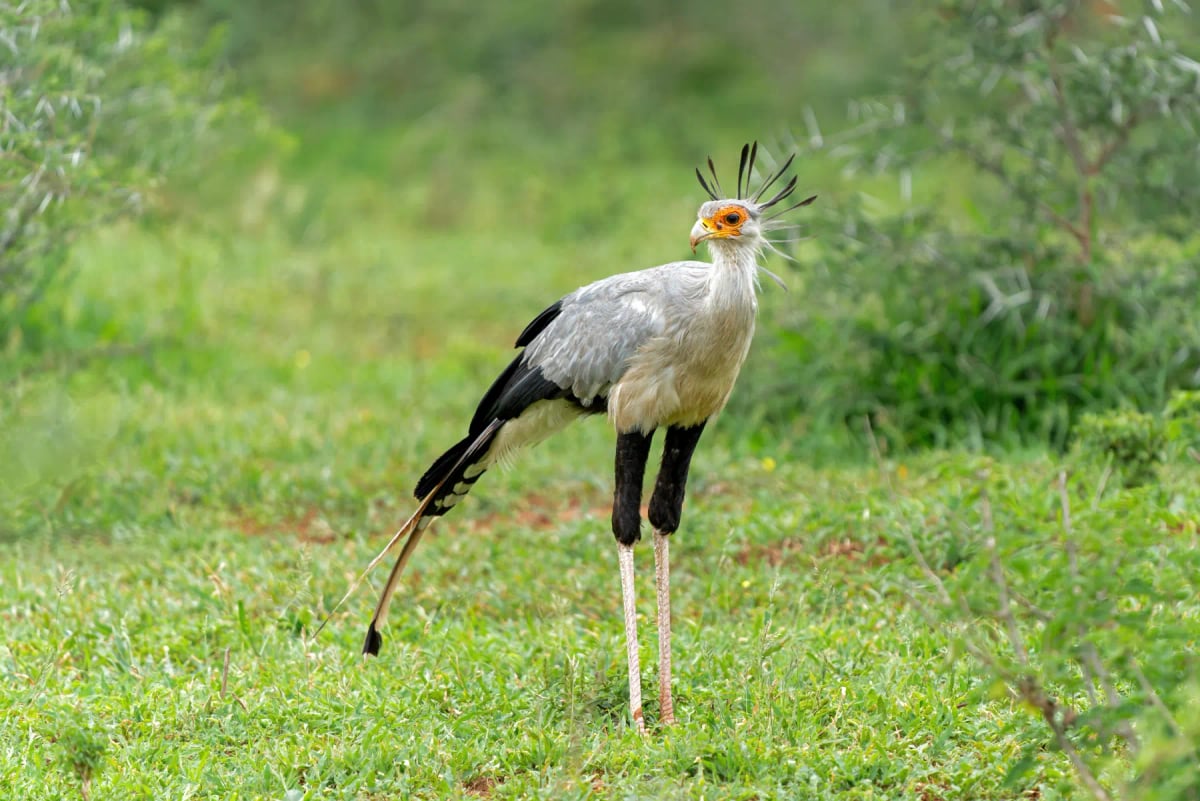
Secretary Bird
Sagittarius serpentarius
The secretary bird reaches the very edge of its range in Djibouti, where the IUCN still records it as resident in the open scrub and grassland near the Ethiopian border. Sightings here are rare. This tall raptor hunts on foot, stamping on snakes and rodents with powerful kicks. Djibouti marks the northeastern limit of a range that stretches across sub-Saharan Africa. The IUCN lists it as Endangered.
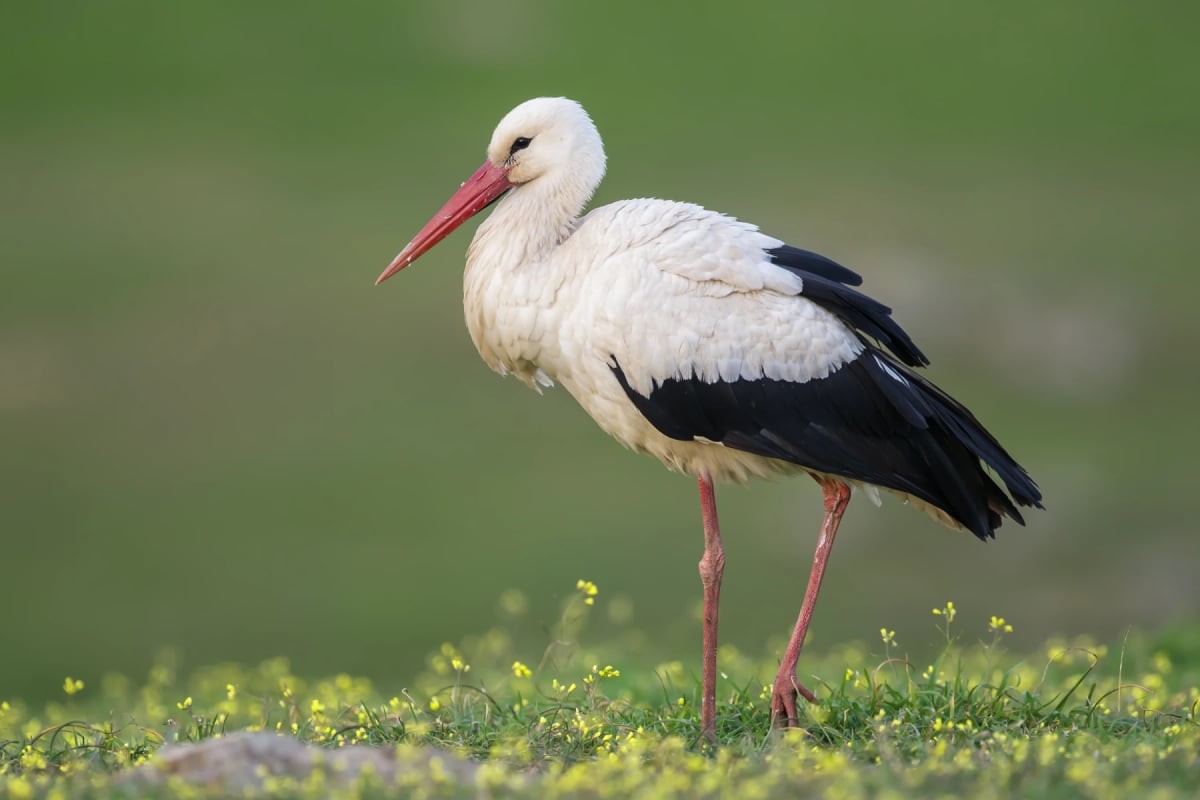
Stork
Ciconia ciconia
Djibouti sits along the eastern migration corridor used by white storks crossing between the Arabian Peninsula and East Africa. Each year, birds are observed passing through during spring and autumn migration, using the country's coastal plains and open terrain as a brief stopover. Djibouti's position near the Bab el Mandeb strait makes it a useful reference point for researchers tracking the movement of storks along this flyway.
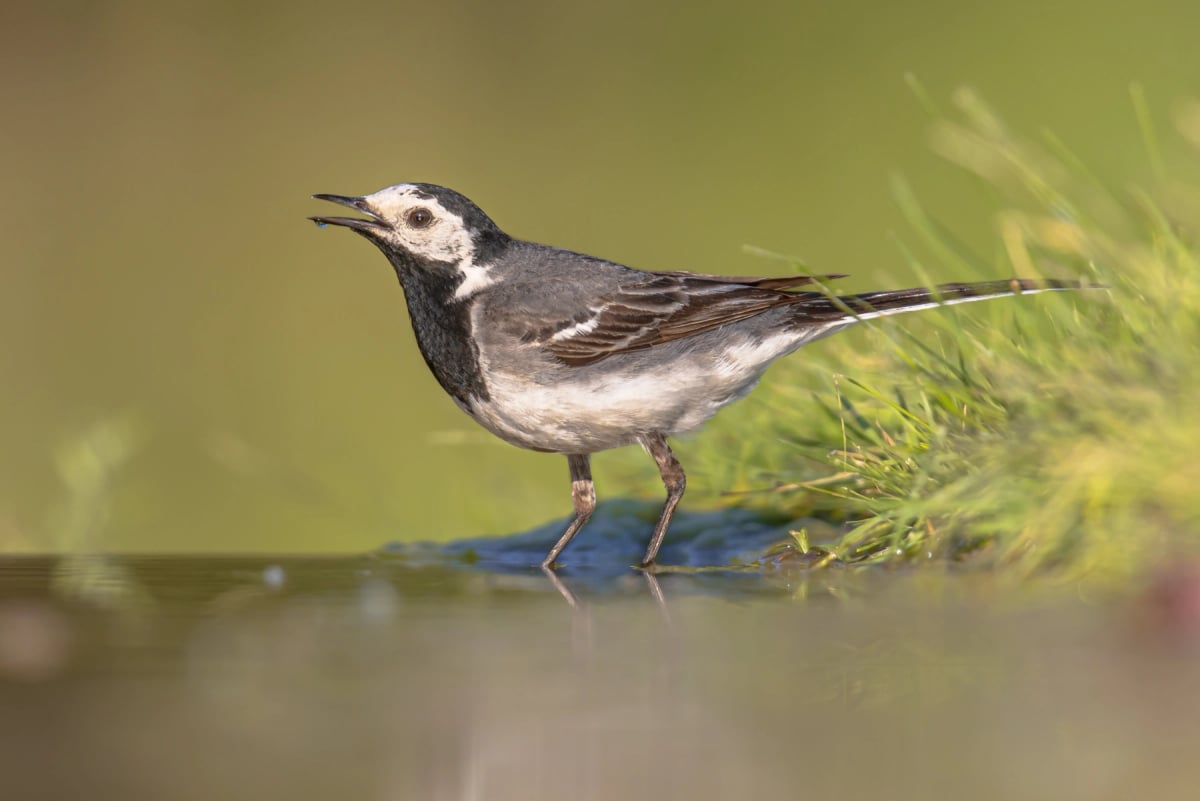
White Wagtail
Motacilla alba
Djibouti sits along a key migration route between the Arabian Peninsula and East Africa, and the white wagtail passes through regularly during spring and autumn. Some birds also spend the winter months here, favoring the coastal flats, dry riverbeds and the shores of Lake Assal and the Gulf of Tadjoura. Despite the harsh, arid landscape, this adaptable bird finds enough insect food to sustain itself. The IUCN lists it as Least Concern.
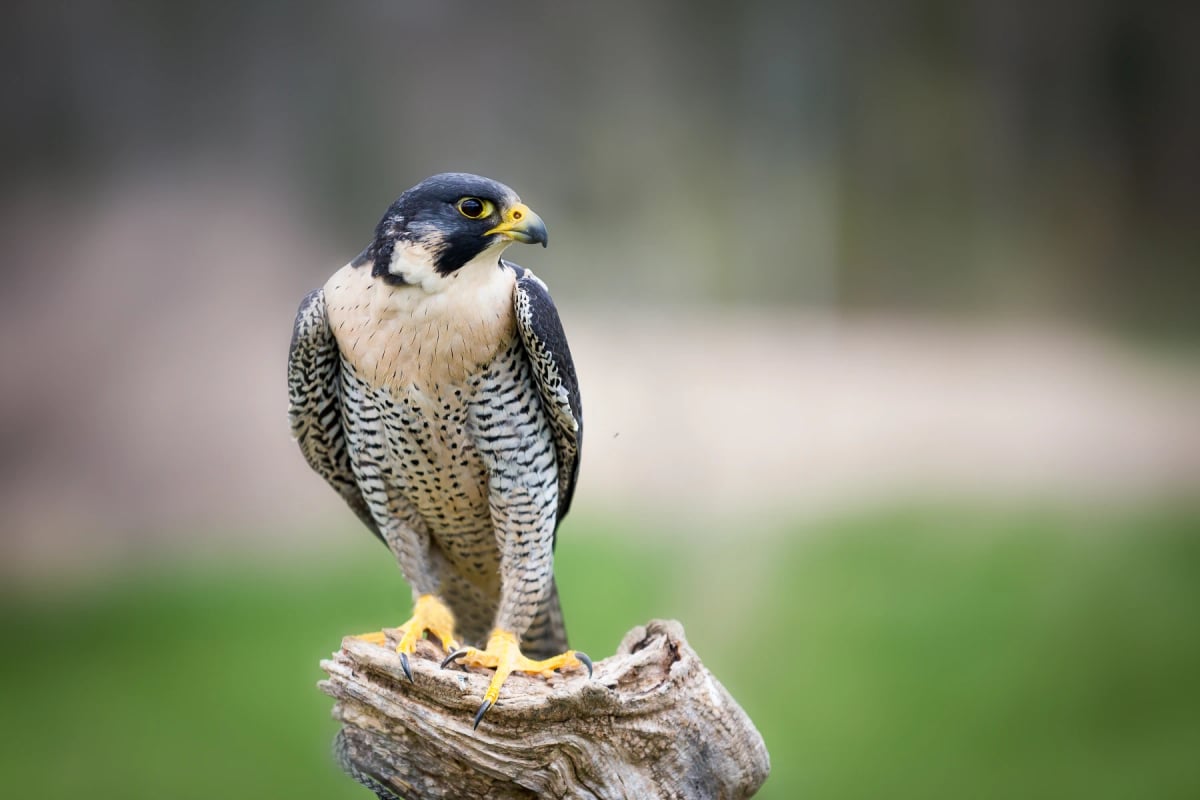
Peregrine Falcon
Falco peregrinus
In Djibouti, the peregrine falcon is primarily a passage migrant and winter visitor, moving through the country along the Red Sea coast and the Gulf of Aden. Rocky escarpments and volcanic highlands near the Ethiopian border provide occasional perching and hunting grounds. Shorebirds and waders that gather along Djibouti's coastal wetlands serve as important prey during the winter months. Its IUCN status is Least Concern.
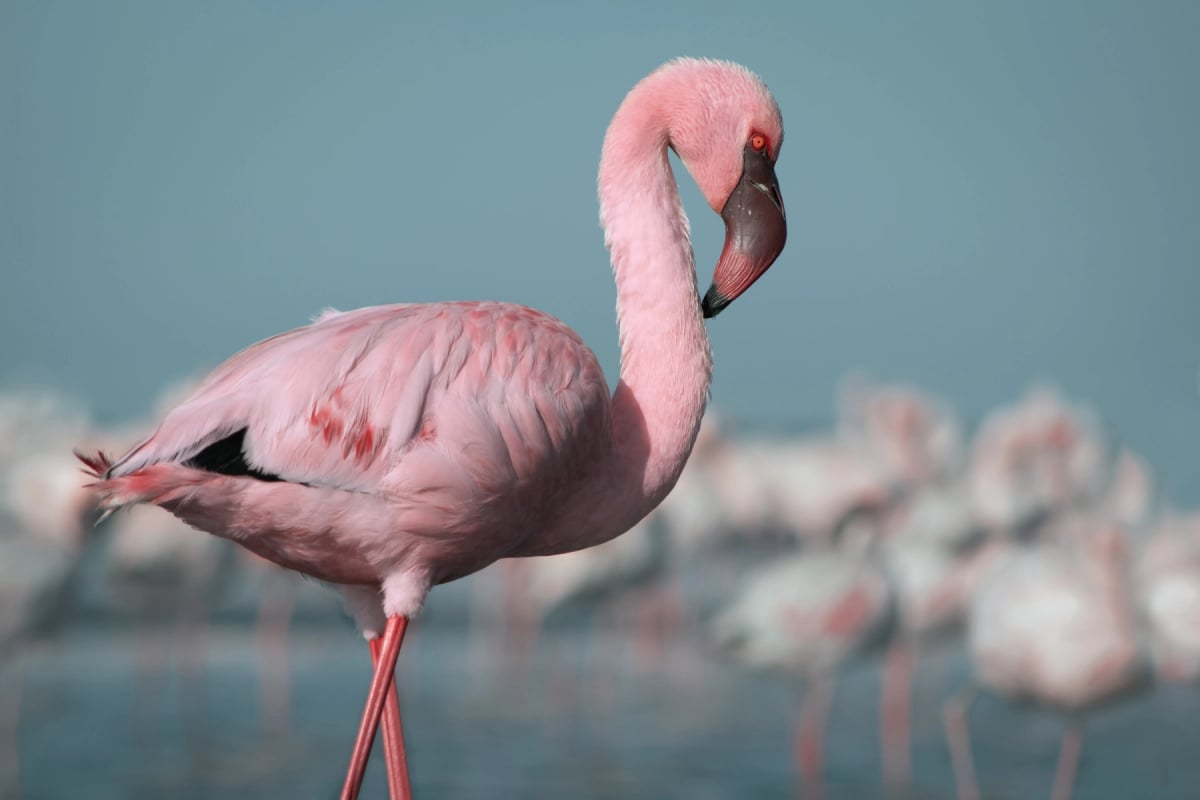
Flamingo
Phoenicopteridae (6 species)
Both the greater flamingo, present year round, and the lesser flamingo, a non breeding visitor, live in Djibouti. The best known site is Lake Abbe, on the border with Ethiopia, a salty lake surrounded by limestone chimneys where flamingos feed at dawn in an almost lunar landscape. Flocks also use lagoons and salt flats along the coast of the Gulf of Tadjoura, filtering algae and small crustaceans. IUCN status: greater flamingo Least Concern, lesser flamingo Near Threatened.
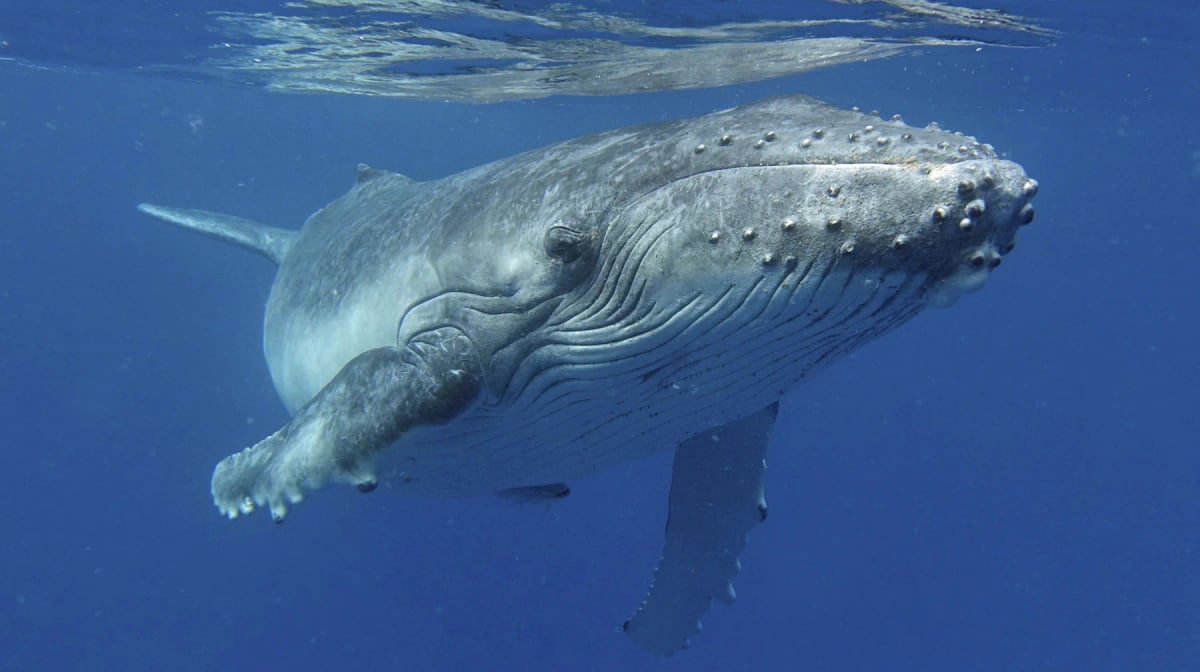
Humpback Whale
Megaptera novaeangliae
Djibouti's position at the mouth of the Red Sea, along the Gulf of Aden, places it within the migratory corridor used by humpback whales moving through the northwestern Indian Ocean. The waters off Djibouti are part of an important but relatively understudied stretch of ocean for cetacean research. Sightings in this region contribute valuable data to the broader understanding of humpback whale movements across the Indian Ocean basin.
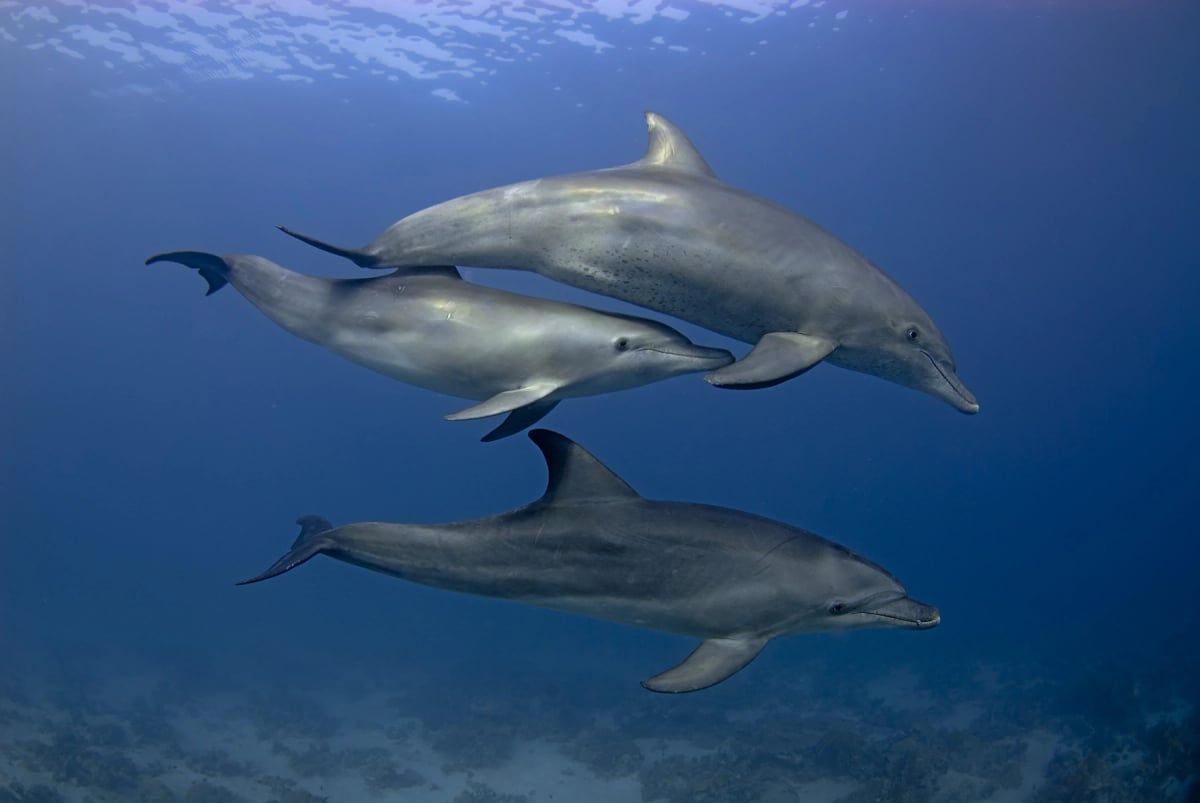
Bottlenose Dolphin
Tursiops truncatus
The coastal waters of Djibouti, where the Gulf of Tadjoura meets the Gulf of Aden, provide productive habitat for bottlenose dolphins. The species is spotted regularly near the shores of this small nation, often traveling in groups that hunt fish in the warm, nutrient rich currents of the region. Djibouti's location along major shipping lanes means vessel traffic is a consistent source of disturbance for marine mammals in these waters. IUCN status: Least Concern.
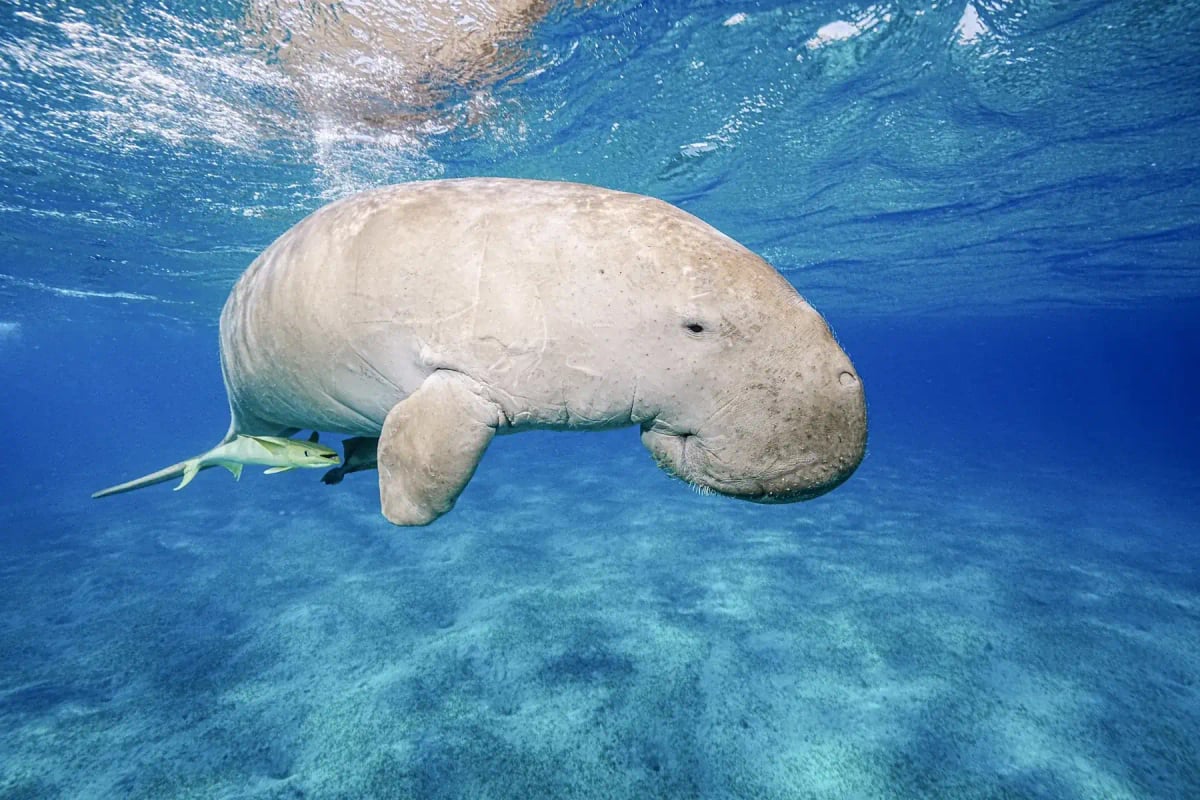
Dugong
Dugong dugon
Djibouti's Gulf of Tadjoura and its coastline along the Gulf of Aden provide warm, shallow waters where dugongs have been recorded. Seagrass beds in these areas serve as feeding grounds for the species. Dugongs in Djibouti exist in small numbers, and local fishing pressure as well as limited conservation infrastructure pose ongoing challenges to their survival in this part of the Red Sea region. IUCN status: Vulnerable.
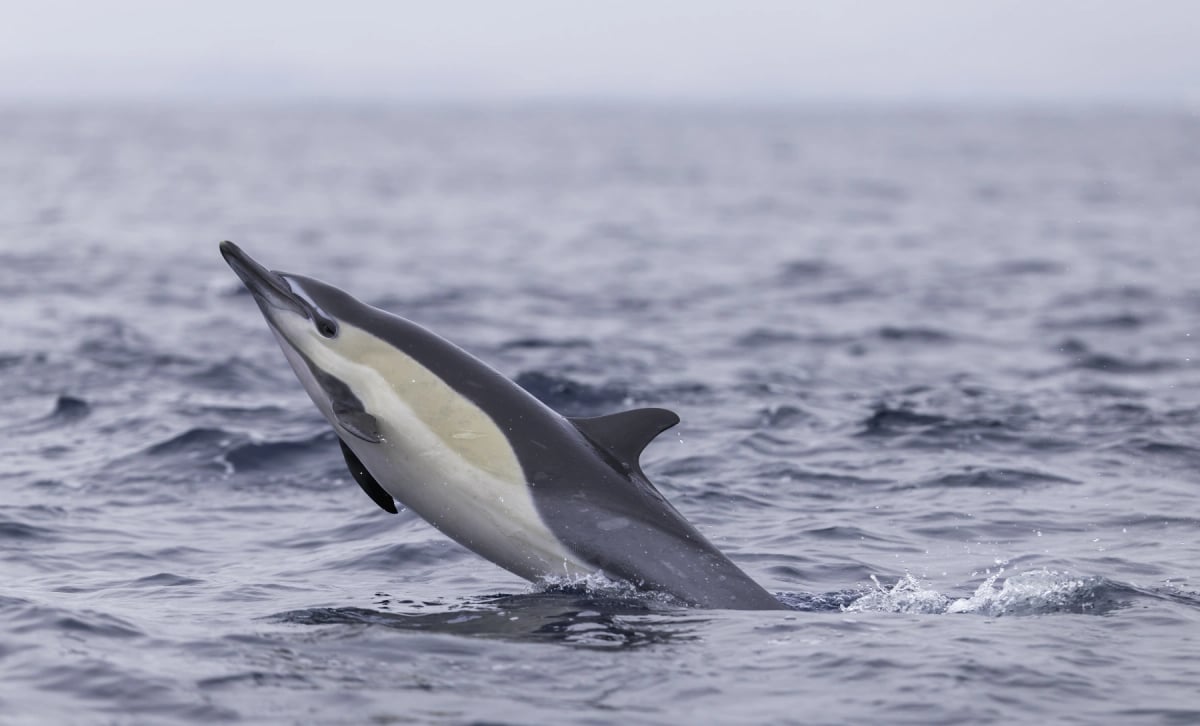
Common Dolphin
Delphinus delphis
Common dolphins are found in the waters around Djibouti, where the Gulf of Aden meets the Red Sea. This strategically located stretch of ocean experiences strong currents and seasonal upwellings that support rich fish populations, providing good foraging conditions. Dolphins here may travel in groups ranging from a few dozen to several hundred individuals. The species has not been extensively studied in Djibouti but is considered Least Concern by the IUCN.
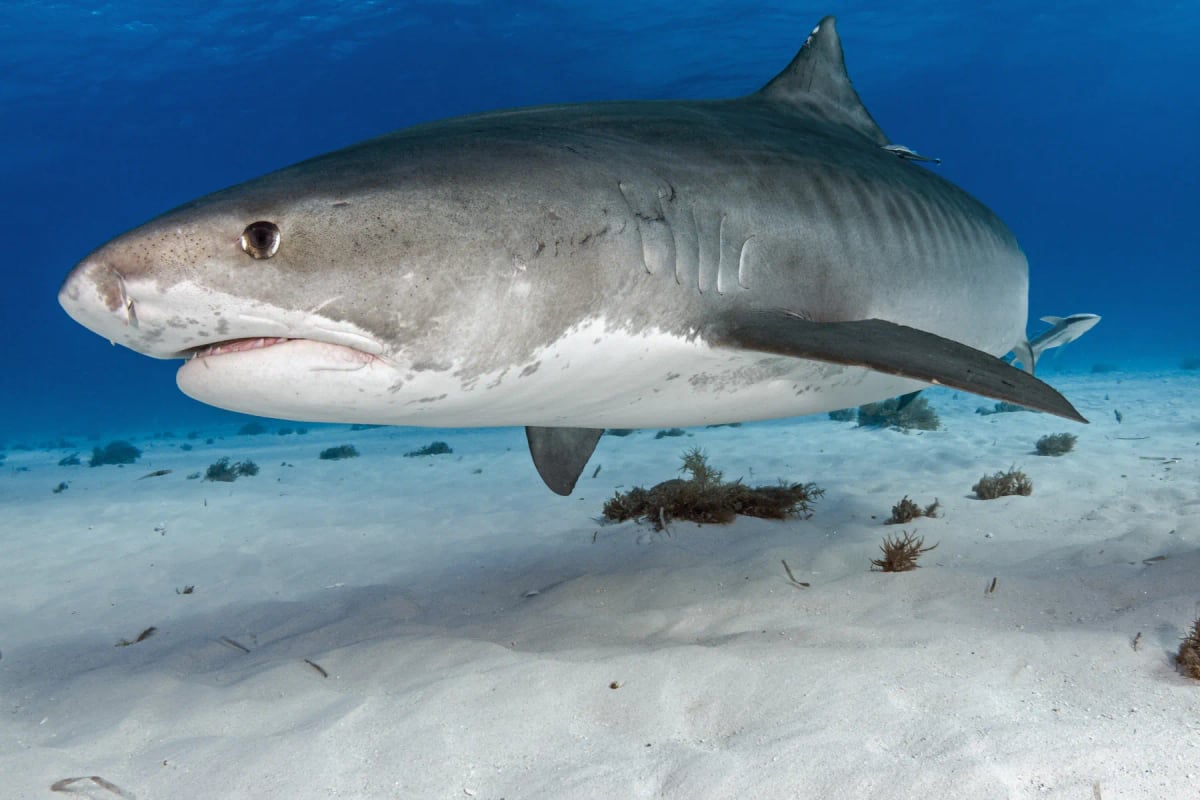
Tiger Shark
Galeocerdo cuvier
The Gulf of Tadjoura and the southern Red Sea off Djibouti offer tiger sharks a warm, productive environment. These waters sit along important migratory corridors and support diverse marine life that the tiger shark feeds on, including fish, rays, and sea turtles. Regional fishing activity and the fin trade contribute to pressure on the species, which the IUCN classifies as Near Threatened globally.
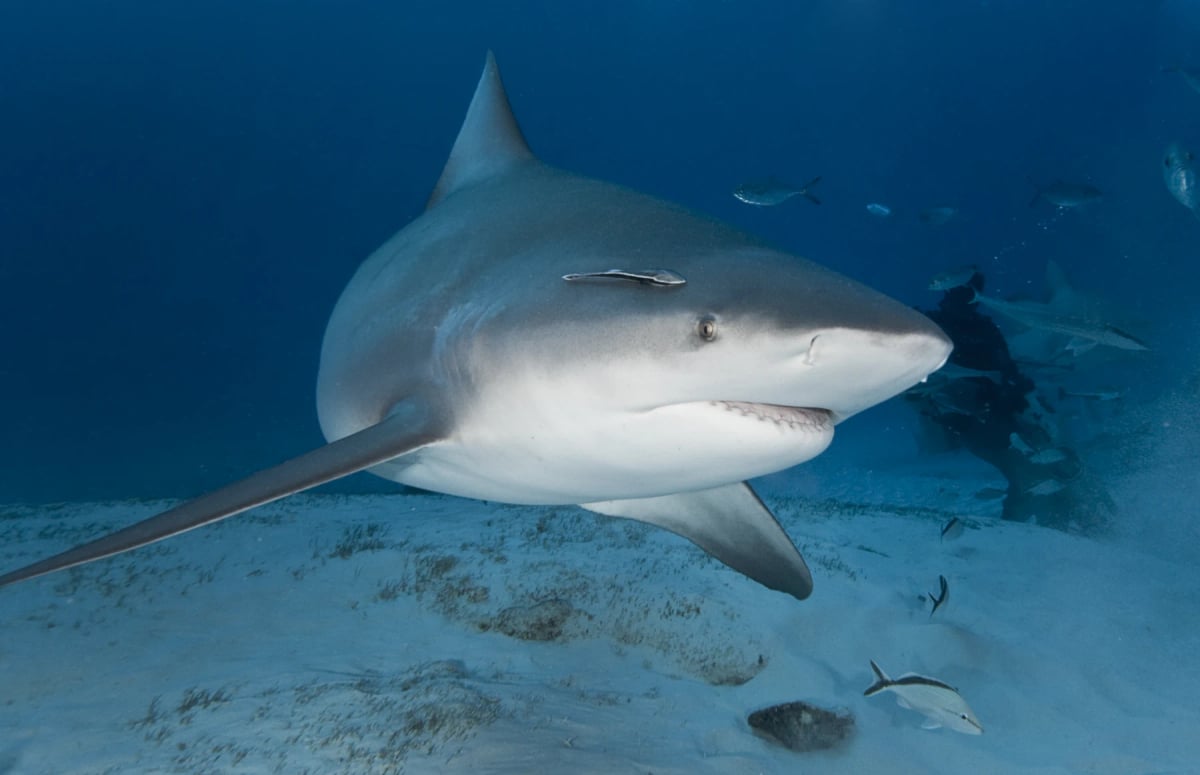
Bull Shark
Carcharhinus leucas
Djibouti's coastal waters along the Gulf of Aden and the Bab el Mandeb strait fall within the known range of the bull shark. While records from this small nation are limited, the warm inshore waters and proximity to major marine corridors make sightings plausible. Near Threatened globally, bull sharks in this region contend with fishing pressure and the ecological challenges of a semi enclosed sea with heavy maritime traffic.
Researched and written by Juan Pablo. Sources: IUCN Red List, scientific literature and regional field guides. Last updated: .