Animals in Armenia
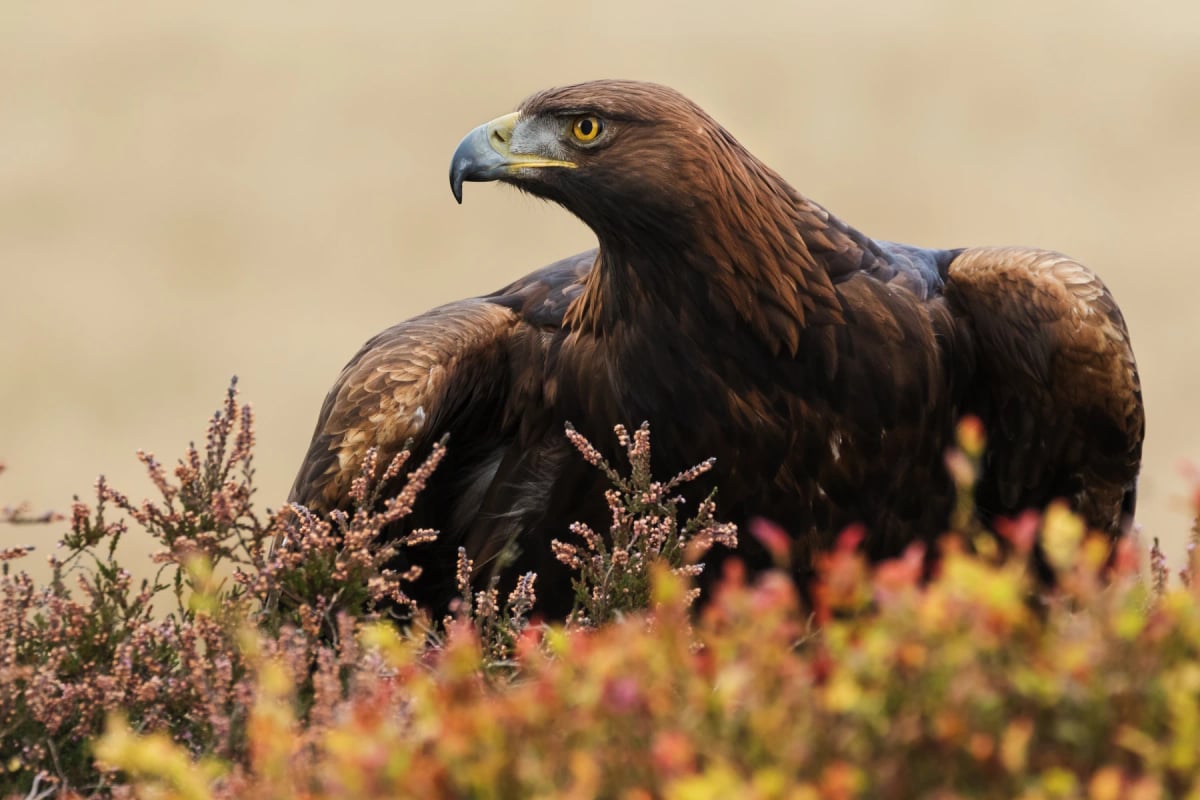
Golden Eagle
Aquila chrysaetos
The golden eagle is a national emblem tied to mountain life. Its broad wings and steady glide are a familiar image over ridges and high valleys, and the bird appears in folk stories, carvings and museum displays. Protected cliffs in the Caucasus keep nesting sites, and raptor teams monitor pairs each season, turning a classic symbol into a living point of pride for towns across the uplands.
View details→Wildlife in Armenia
Armenia packs tall ridges, beech and oak woods, steppe slopes and the wide waters of Lake Sevan. Trails in Dilijan National Park link clear viewpoints with forest paths, and canyons in Vayots Dzor add cliffs and springs. In spring and autumn the Armash ponds and mountain passes draw raptors and cranes. Short drives connect monasteries, river gorges and bird hides for easy weekend nature trips.
Most Dangerous Animals in Armenia
In Armenia the main risk comes from terrain, snow and sudden weather, while dangerous wildlife is seldom met. Wild boar can be forceful in thick cover, and wolves are powerful in open country. Large cats such as leopard are present but very scarce, and lynx keeps to dense woods. Most notes from rangers speak of brief signs or distant views rather than close contact in busy hiking areas.
Top 10 Animals in Armenia
Our Top 10 for Armenia favors a clear mix of mountain predators and emblem species. Leopard and Eurasian lynx define remote cliffs and forest edges, even if sightings are rare. Gray wolf adds the open steppe feel, and red deer anchors valley meadows and woodland views. Peregrine falcon rounds out the set with fast flights over towers and gorges, giving the list a direct map from ridges to towns.
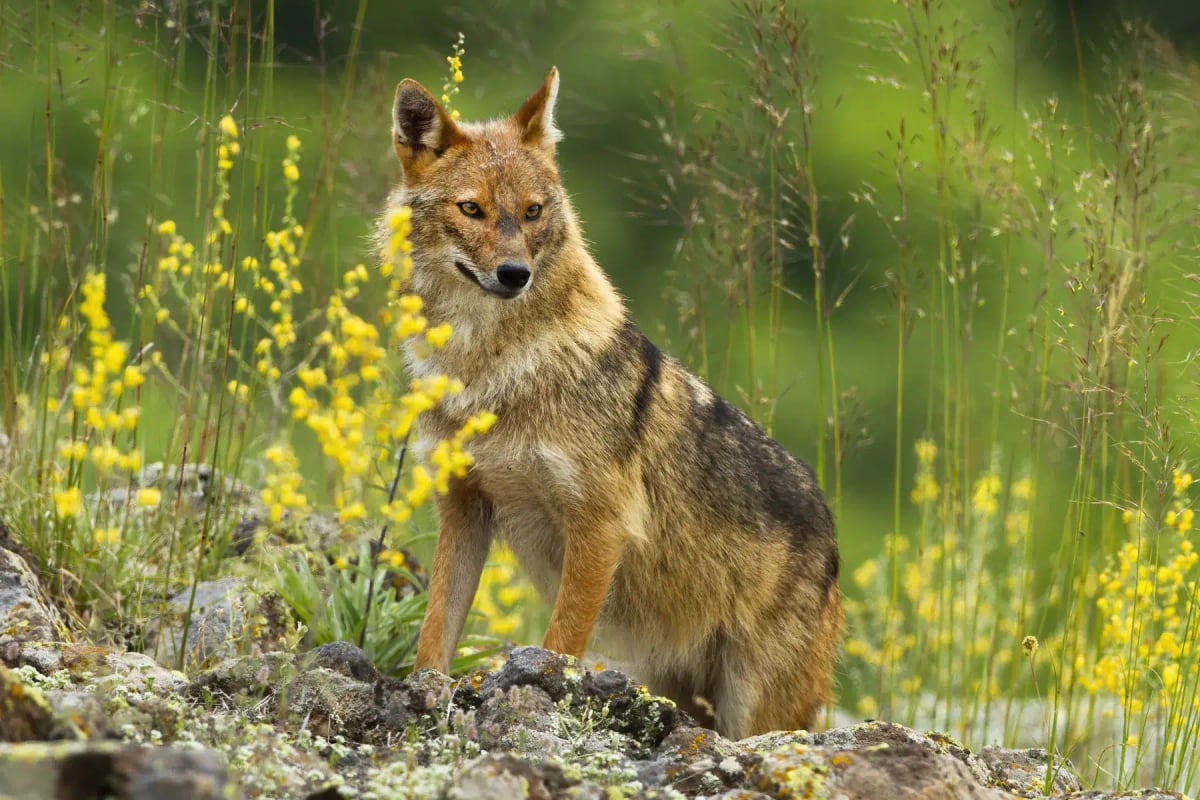
Golden Jackal
Canis aureus
The golden jackal occurs in Armenia mainly in the lower Ararat Valley and along the Aras River corridor, where irrigated farmland, riparian thickets, and open steppe provide ideal habitat. Populations here sit at the edge of its range in the South Caucasus. It tends to stay close to water and cultivated areas, where food is plentiful year round. IUCN status: Least Concern.
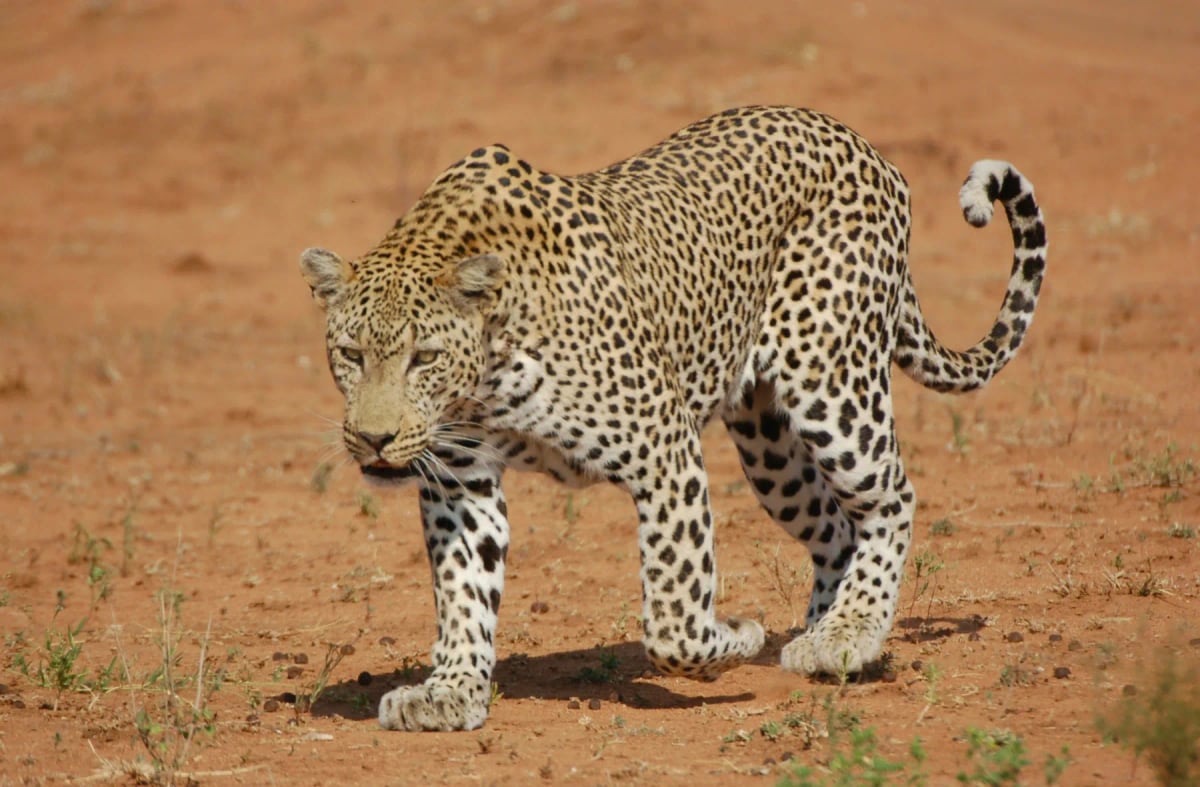
Leopard
Panthera pardus
Armenia is home to a critically small population of the Caucasian leopard, a subspecies clinging to survival in remote mountainous areas near the borders with Iran and Azerbaijan. Prey scarcity, road development, and poaching have pushed this population to the edge. Conservation organizations are working with local communities to monitor sightings and reduce conflict, but the leopard remains extremely rare in Armenia.
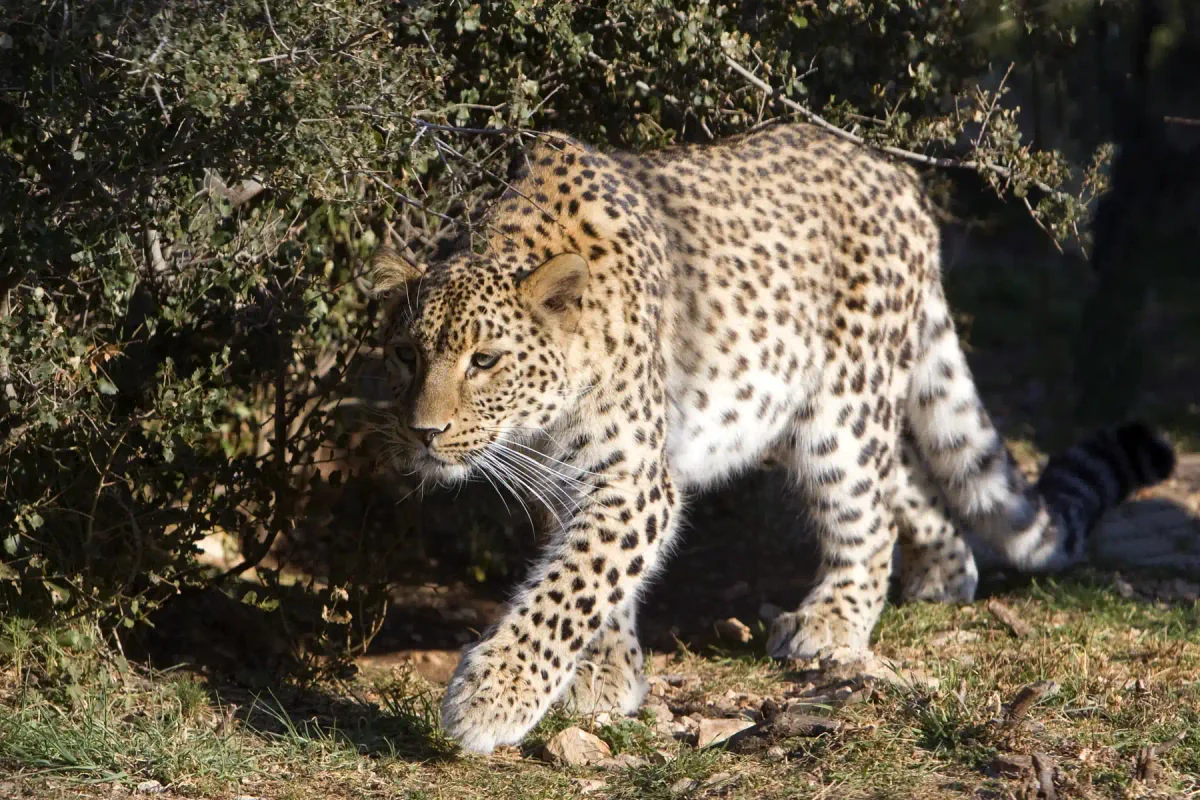
Persian Leopard
Panthera pardus tulliana
Armenia sits within a critical corridor for Persian leopard movement across the southern Caucasus. The Zangezur mountains in the south of the country offer rocky terrain and sufficient prey for this large cat. The population is extremely small, but the species is legally protected. Conservation organizations are working with local communities to reduce conflict and support the recovery of prey species like roe deer.
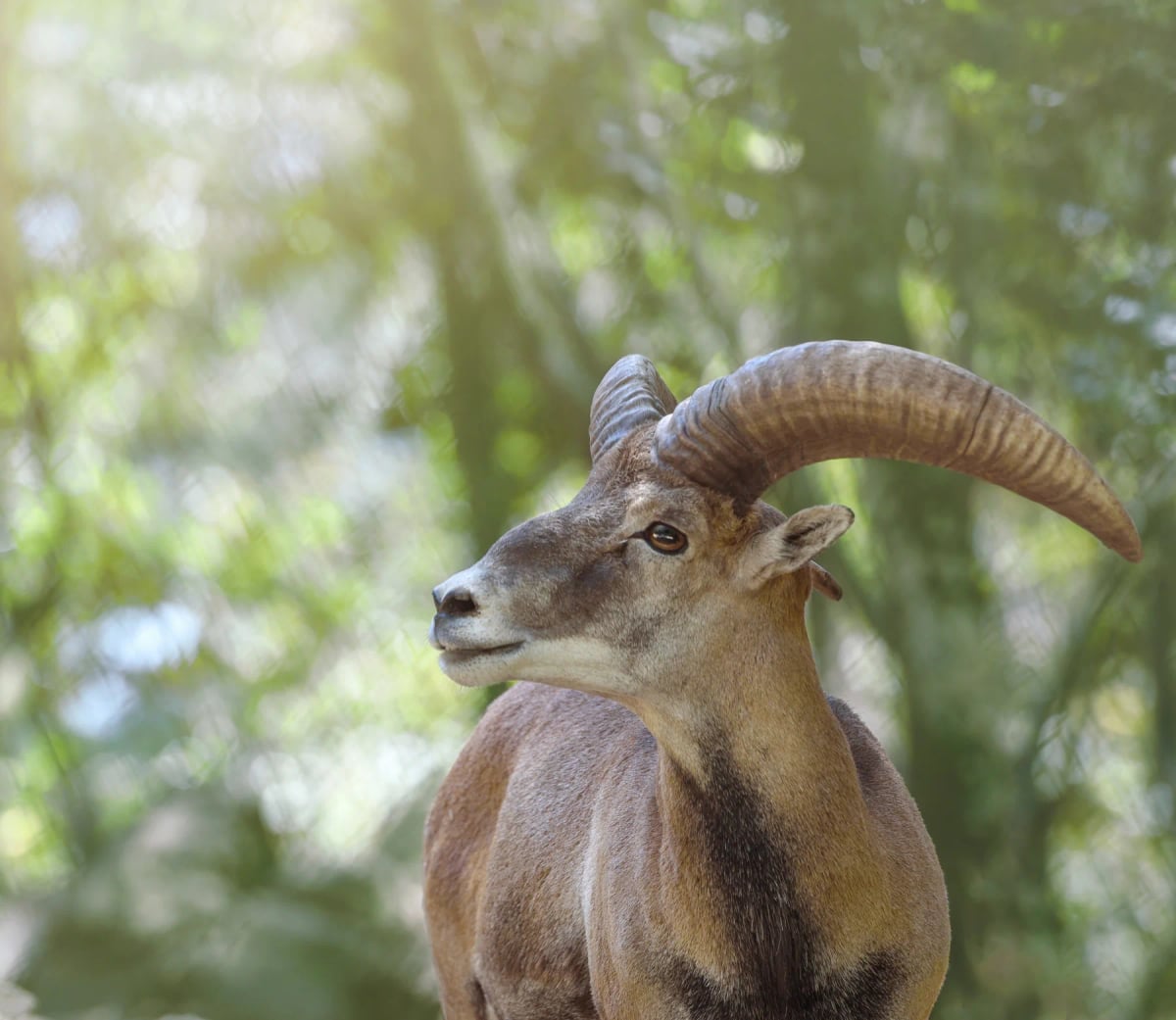
Mouflon
Ovis gmelini
The mouflon roams the rocky mountain slopes of Armenia, particularly in the southern and eastern regions near the borders with Iran and Azerbaijan. Males carry impressive curling horns and graze on grasses and herbs across steep terrain. After years of heavy hunting, legal protections have helped populations recover somewhat, though the species remains Near Threatened and continues to face pressure from habitat loss and poaching.
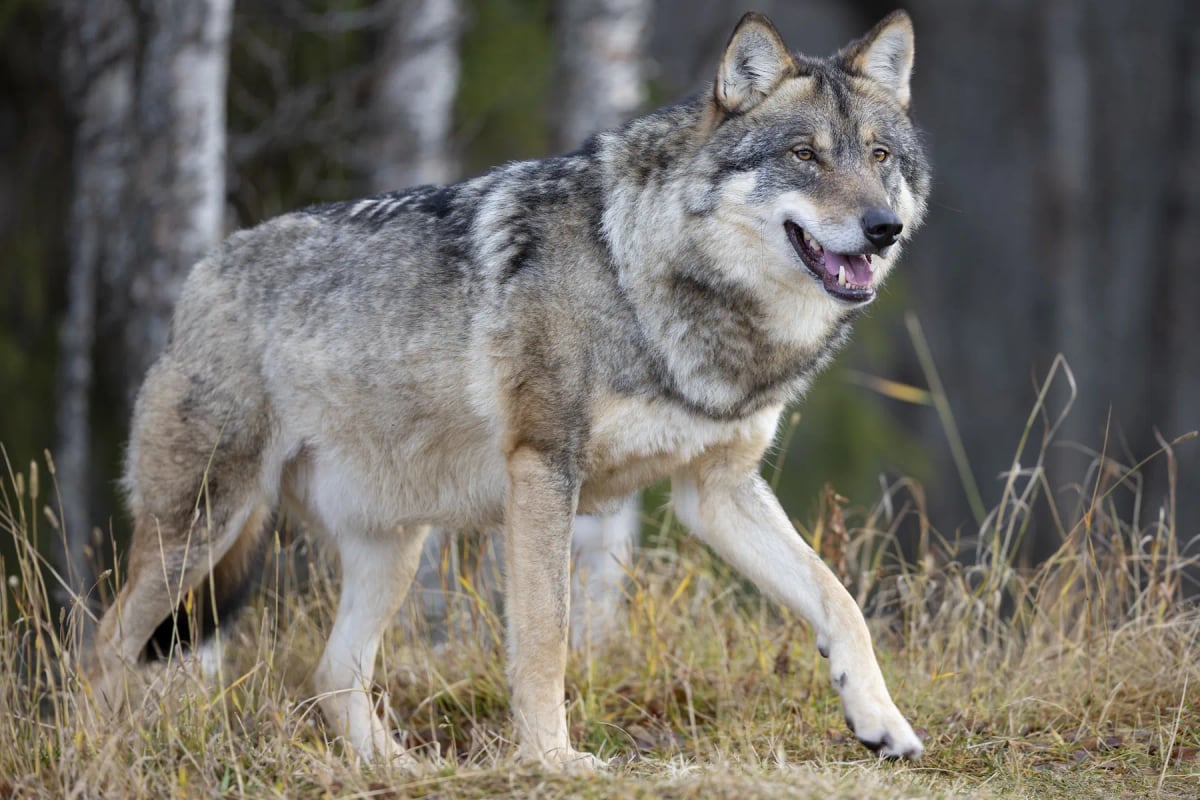
Gray Wolf
Canis lupus
Gray wolves are present throughout much of Armenia, living in the mountainous forests and semi-arid foothills that define the country's landscape. They are known to prey on domestic animals, which puts them at odds with rural communities. Armenia sits within the Caucasus biodiversity hotspot, a region of significant importance for the species. Persecution remains a key pressure on wolves in this part of the world. IUCN status: Least Concern.
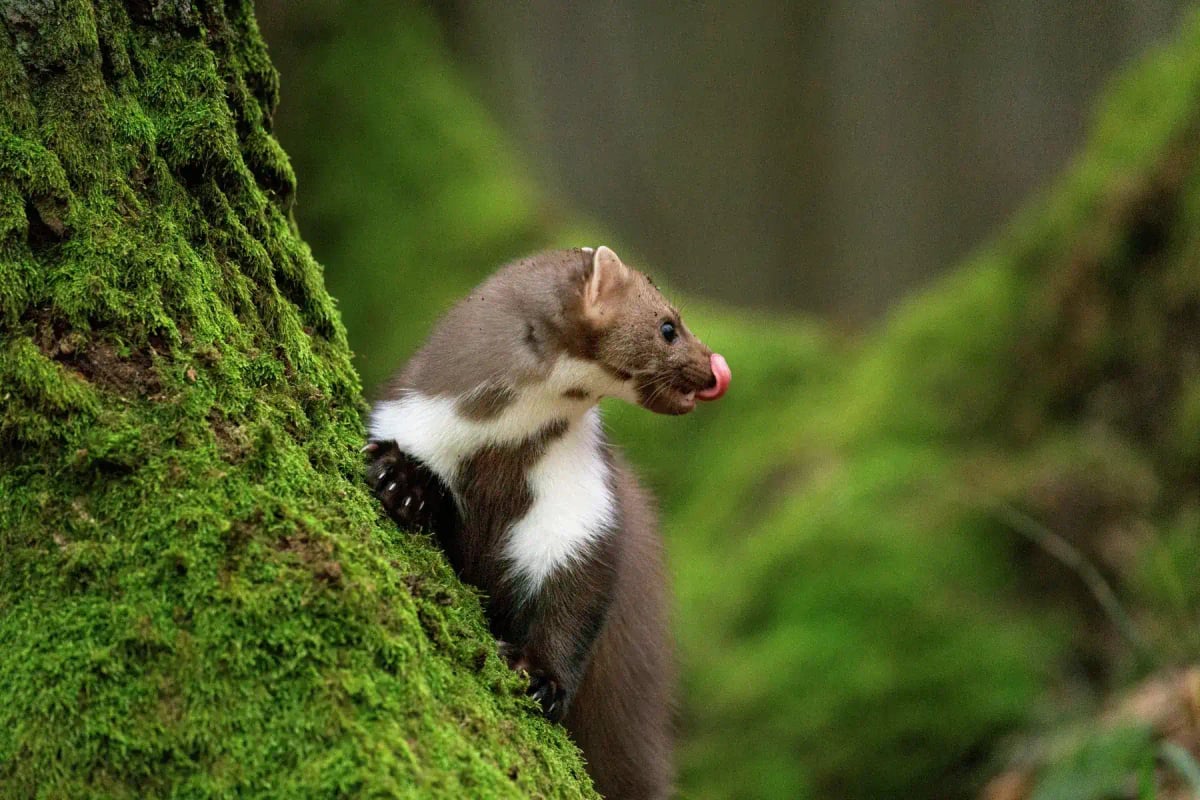
Marten
Martes martes / Martes foina
In Armenia, pine martens inhabit the dense oak and beech forests of the Caucasus, particularly in the north around Dilijan and Tavush. The rugged terrain and rich woodland provide ideal conditions for these agile hunters. They feed on rodents, birds, and seasonal berries, and their presence helps keep small mammal populations in balance. The IUCN lists them as Least Concern.
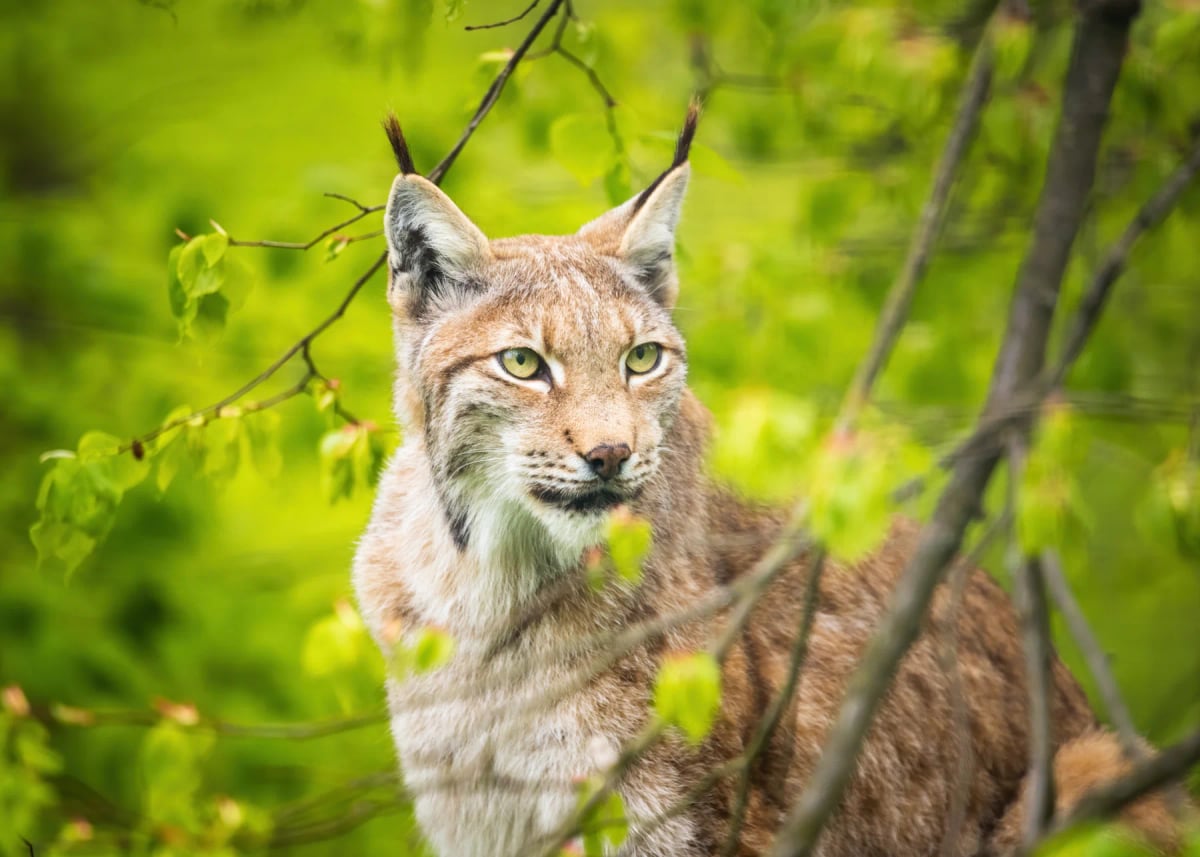
Eurasian Lynx
Lynx lynx
The Eurasian Lynx occurs in Armenia's forested mountain zones, including parts of the Caucasus range. It tends to favor dense woodland and rocky slopes where prey such as roe deer and hares are available. The population is small and not well studied, and the species faces pressure from habitat fragmentation and illegal hunting. Regional cooperation in the Caucasus is important for its survival over the long term. Its IUCN status is Least Concern.
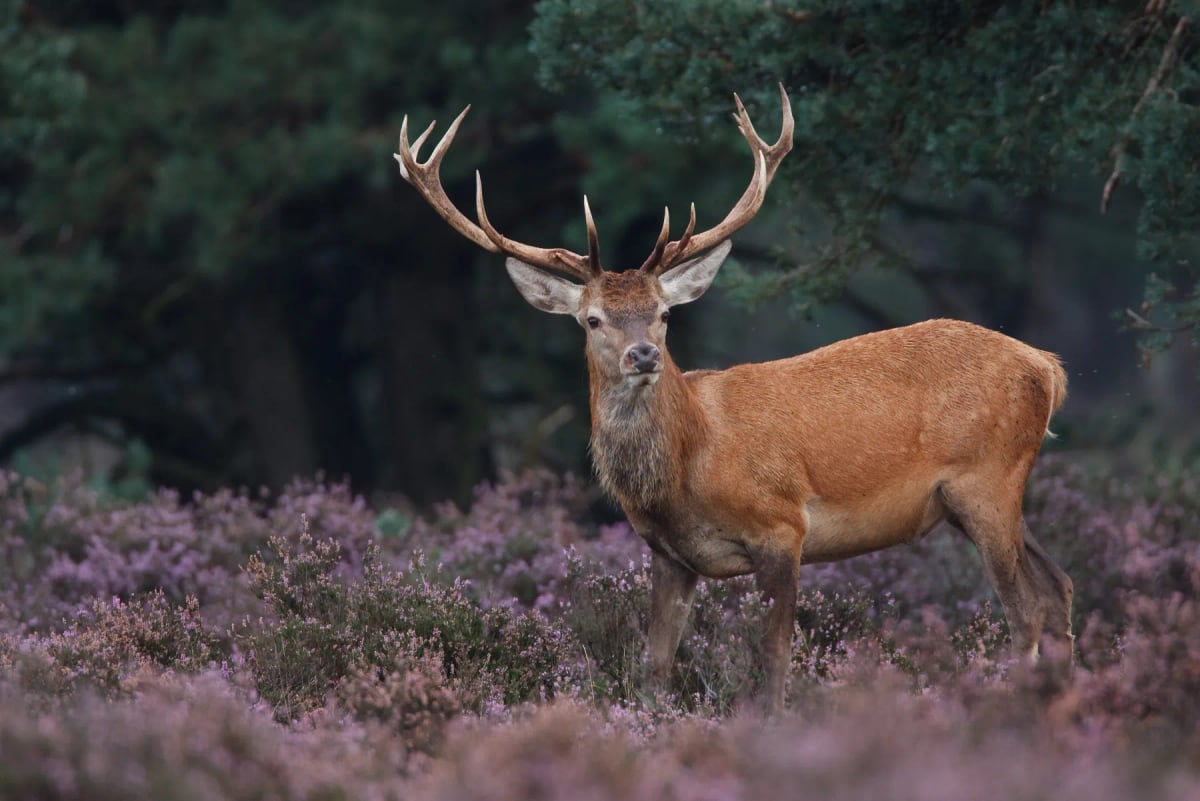
Red Deer
Cervus elaphus
Red deer inhabit the forested mountain slopes and river valleys of Armenia, with populations concentrated in areas such as the Dilijan National Park. The species benefits from relatively intact woodland habitat in the north of the country. Illegal hunting has historically put pressure on numbers, but protected areas provide important refuges. The red deer is a valued part of Armenia's native wildlife. IUCN status: Least Concern.
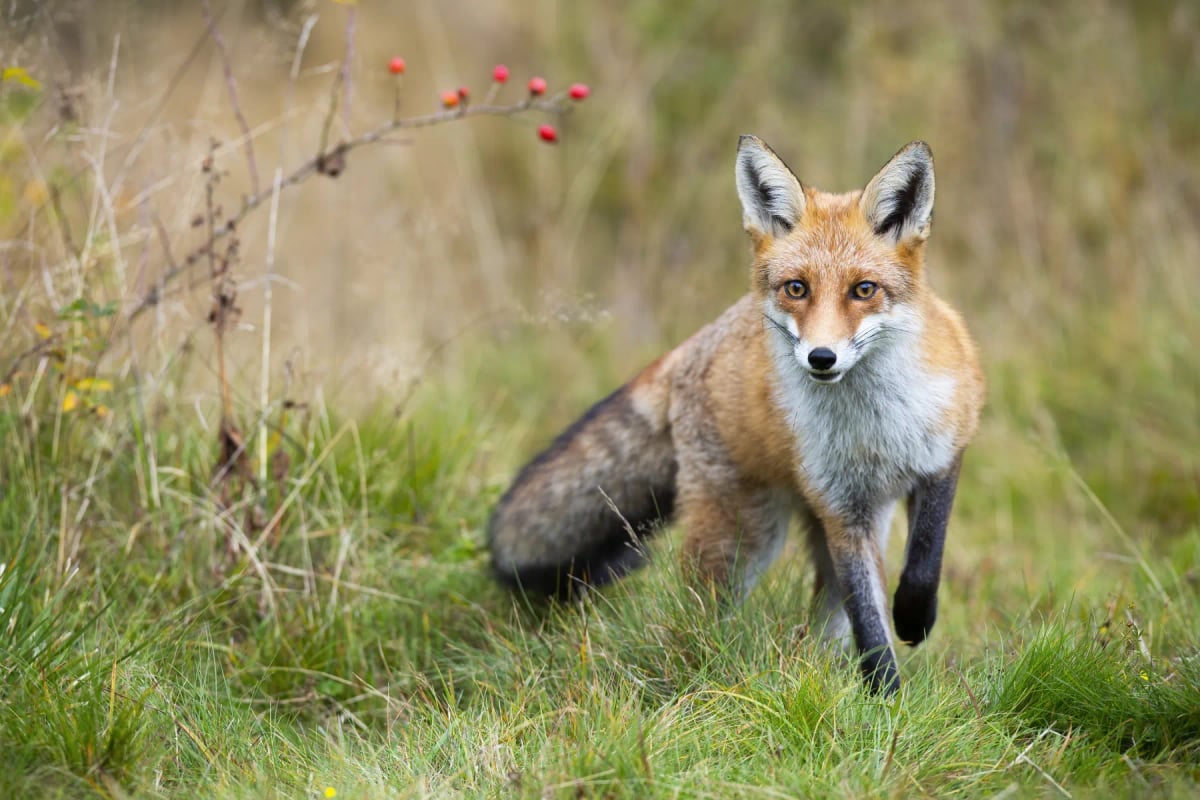
Red Fox
Vulpes vulpes
Armenia's varied landscape, ranging from the Ararat Valley to forested mountain slopes and semi-arid steppes, suits the red fox perfectly. It is among the most frequently encountered wild carnivores in the country. The fox feeds on voles, hares, fruit, and carrion, adjusting its diet to whatever each season offers. It occasionally ventures near farms and villages, sometimes coming into conflict with poultry keepers. Its IUCN status is Least Concern.
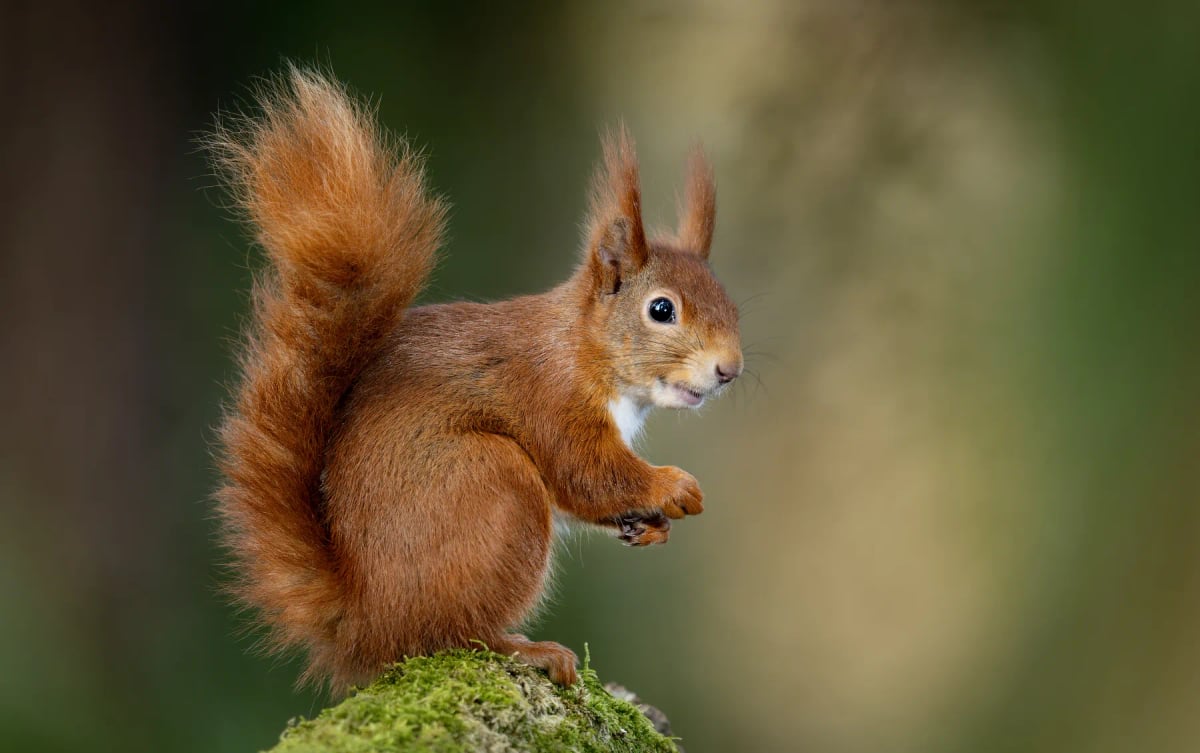
Red Squirrel
Sciurus vulgaris
In Armenia, the red squirrel inhabits the deciduous and mixed forests that cover the mountain slopes of the north, including areas around Lake Sevan and the Dilijan National Park. It feeds on acorns, hazelnuts, seeds, and fungi. The forested highlands provide ideal habitat, and the species is considered stable in the country. Its IUCN status is Least Concern.
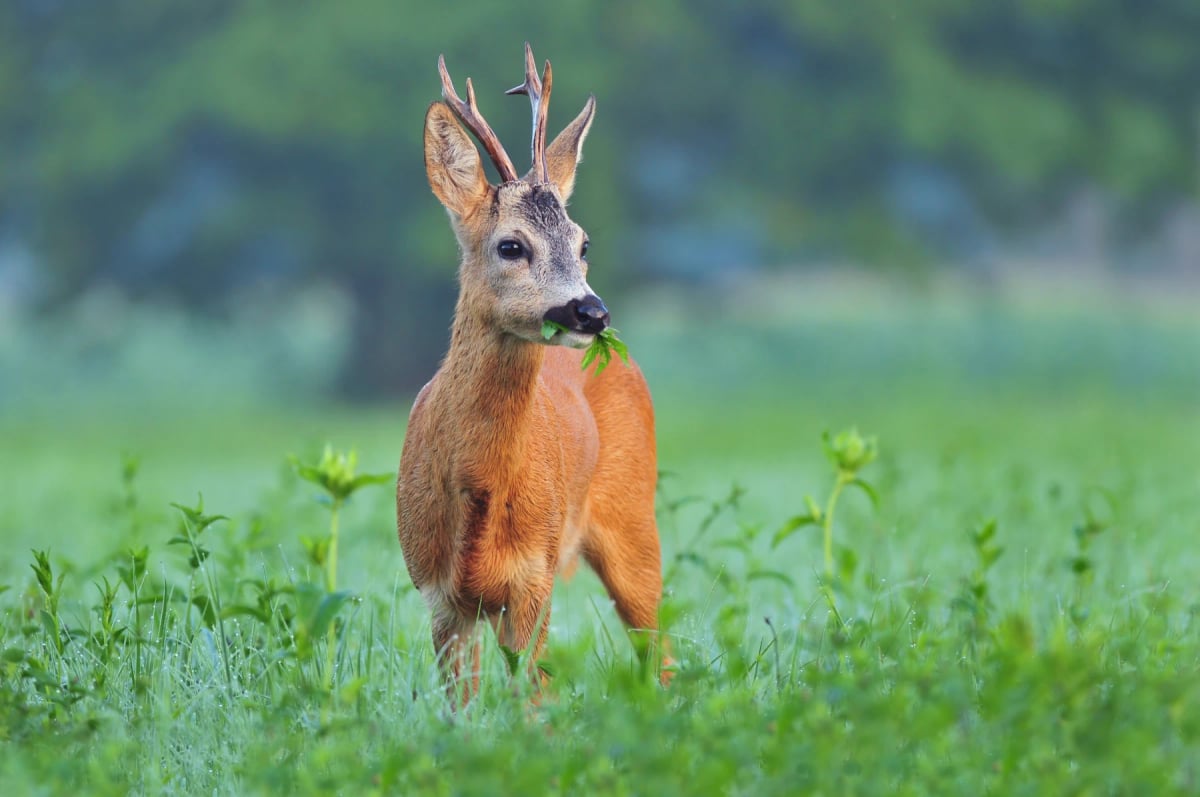
Roe Deer
Capreolus capreolus
In Armenia, roe deer inhabit the broadleaf forests of the north, including areas around Dilijan National Park and the Tavush region, where oak and beech woodland provides food and shelter. The species is active mainly at dawn and dusk. Bucks grow short antlers with typically three tines. Globally listed as Least Concern, Armenia's roe deer populations benefit from protected areas but face pressure from poaching and forest degradation.
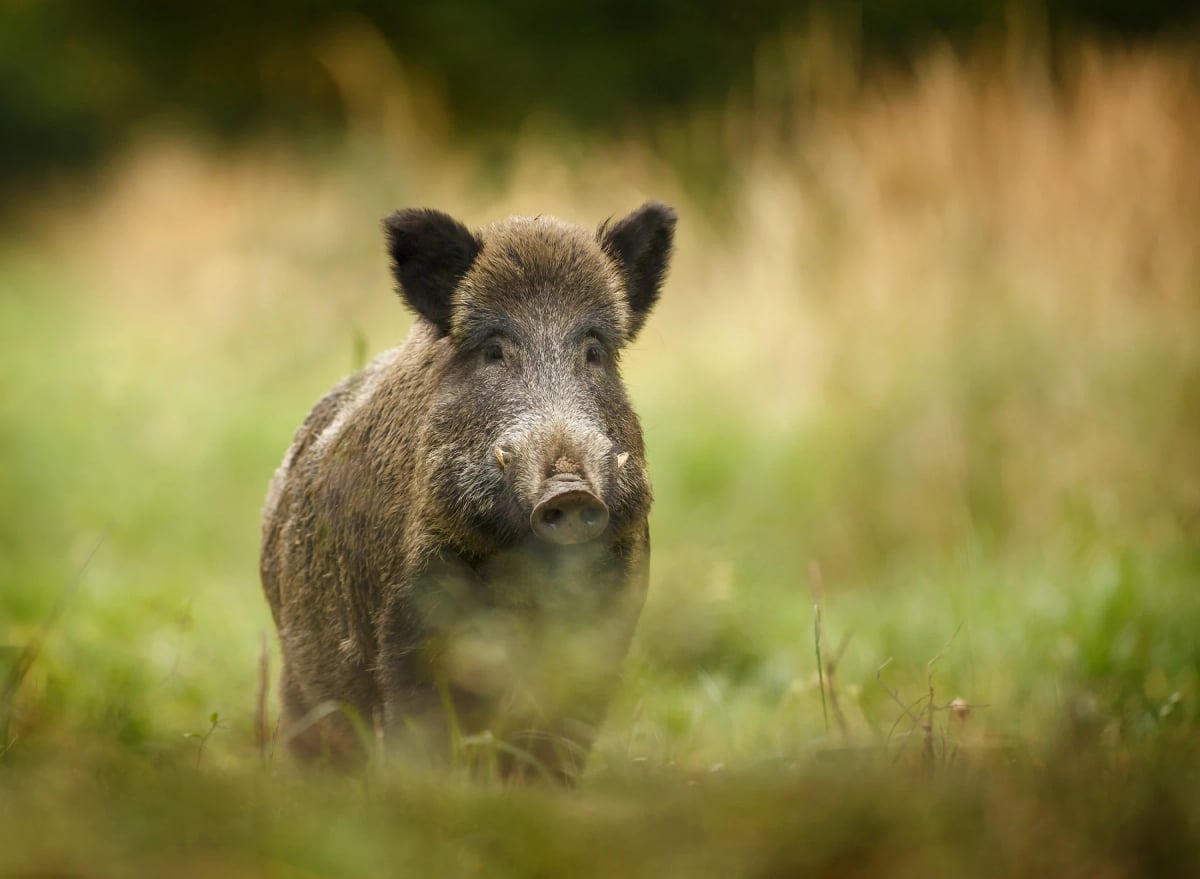
Wild Boar
Sus scrofa
Wild boars inhabit the forested slopes and river valleys of Armenia, particularly in the south and in protected areas such as Khosrov Forest and the woodlands around Dilijan. They favor dense cover near streams and feed on roots, nuts and crops from nearby farmland. Although hunted to a degree, wild boar numbers in Armenia have remained relatively stable thanks to extensive forest habitat in mountainous regions.
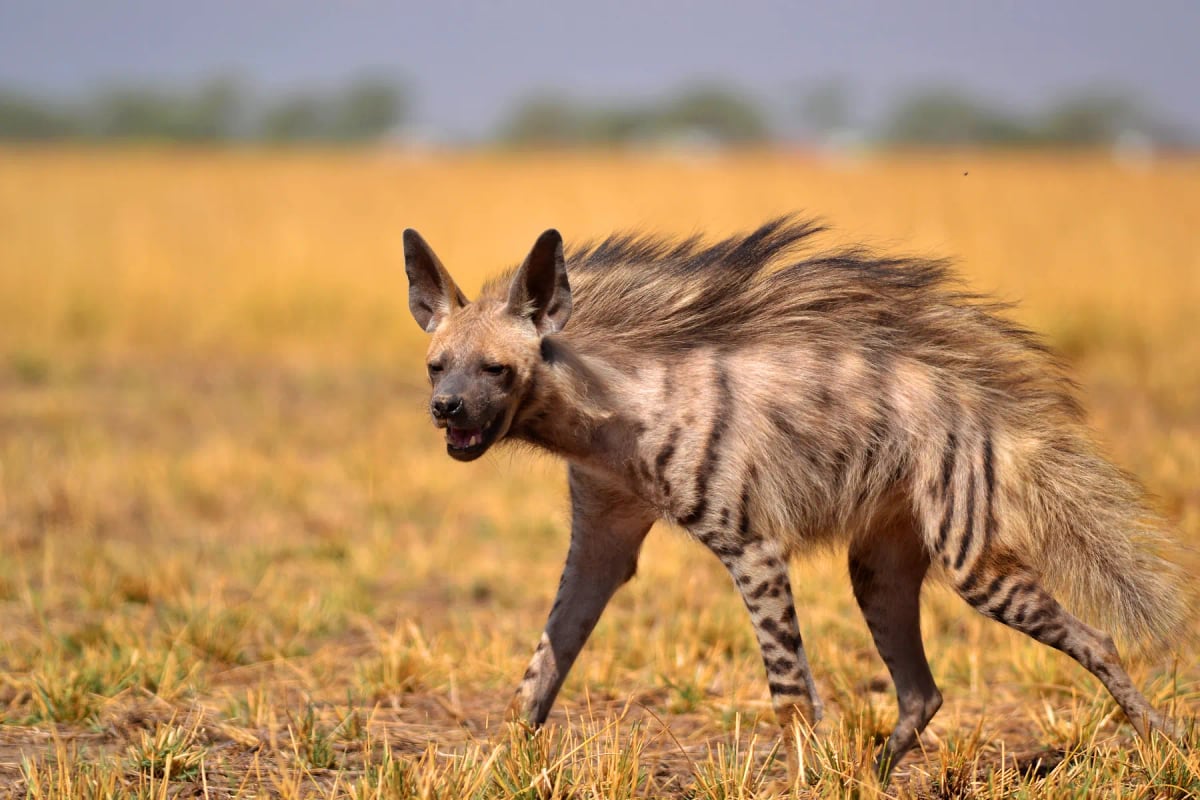
Striped Hyena
Hyaena hyaena
Shy nocturnal scavenger with a striped gray coat and an erectile mane that helps clean the landscape by consuming carcasses across Africa, the Middle East and Asia.
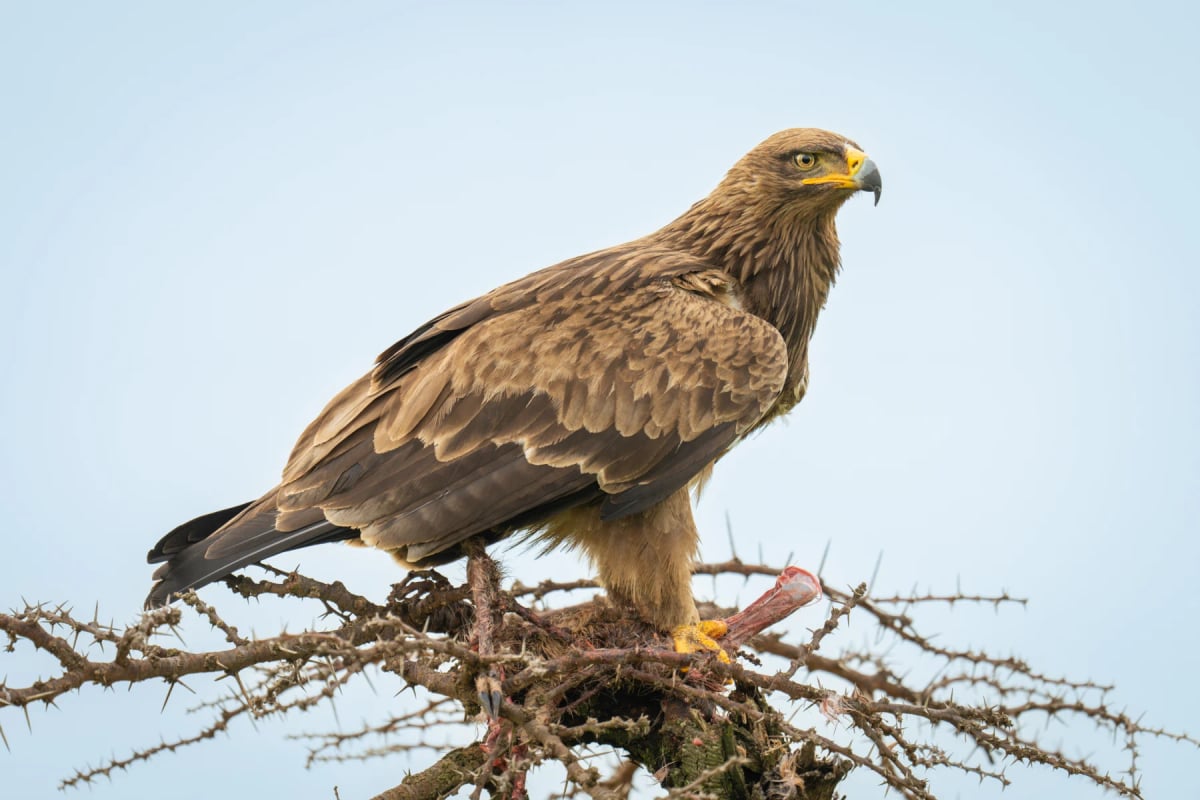
Steppe Eagle
Aquila nipalensis
Armenia sits along the Steppe Eagle's migration route between its Central Asian breeding grounds and wintering areas in Africa and South Asia. Birds pass through the country's open highlands and river valleys, particularly during spring and autumn. Although not a breeding country, Armenia contributes to the eagle's survival as a stopover site. The species is listed as Endangered by the IUCN, threatened by electrocution on power lines and poisoning across its flyway.
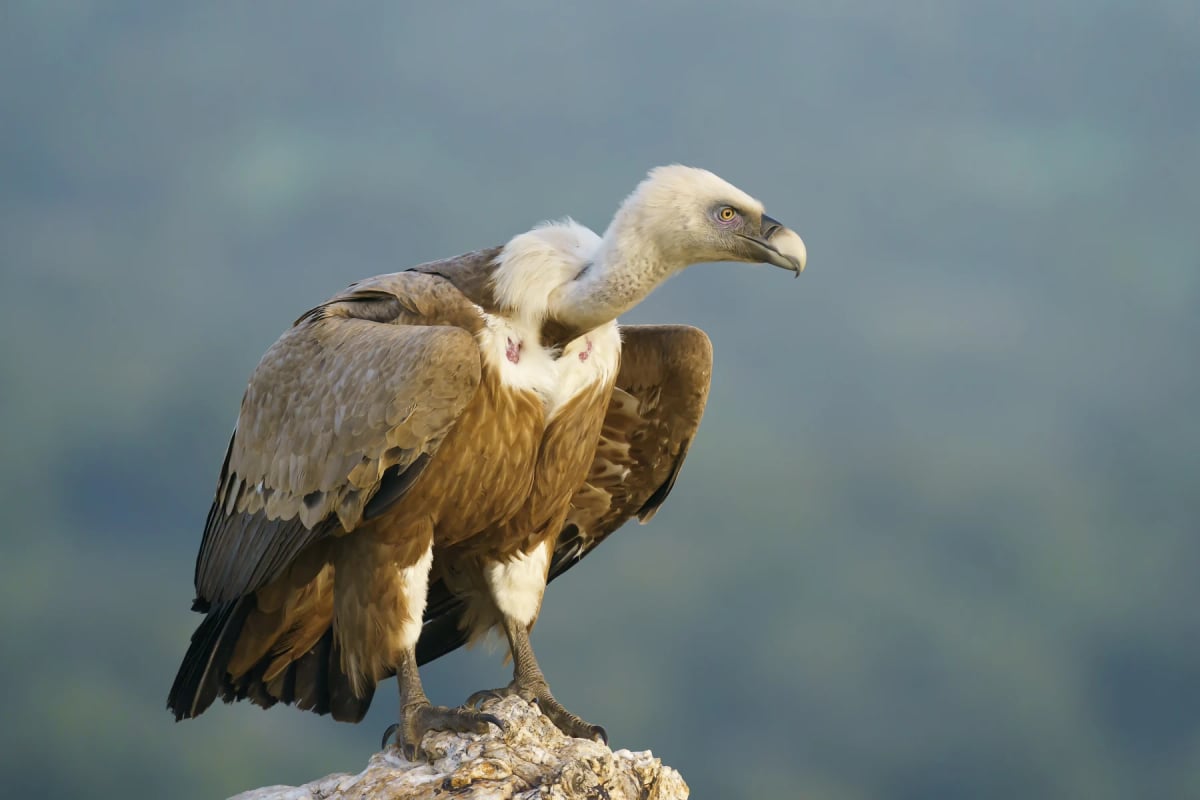
Griffon Vulture
Gyps fulvus
In Armenia, the griffon vulture breeds on the steep limestone cliffs of the Khosrov Forest State Reserve and in the gorges of the Arpa and Azat rivers, with around 46 to 54 breeding pairs. It is regularly seen circling high above the Armenian Highlands in search of carrion. Farmers and conservationists have set up feeding stations to help the species across the rugged interior. IUCN status: Least Concern.
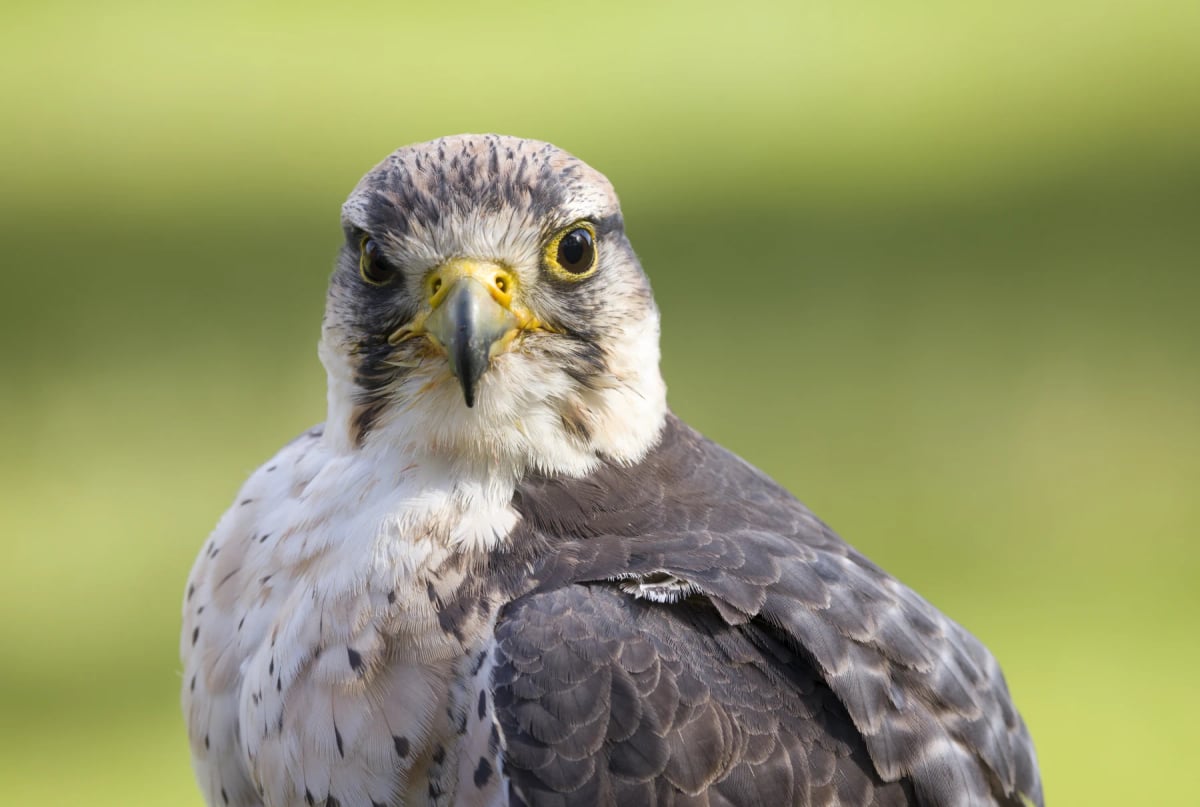
Lanner Falcon
Falco biarmicus
The lanner falcon is a rare and localised bird in Armenia, recorded mainly in the rocky gorges and semi-arid valleys of the south, particularly near the borders with Turkey and Iran. It nests on steep cliff faces and hunts birds across open ground. Populations in this part of its range are small and isolated, making local monitoring important for understanding its status in the South Caucasus region.
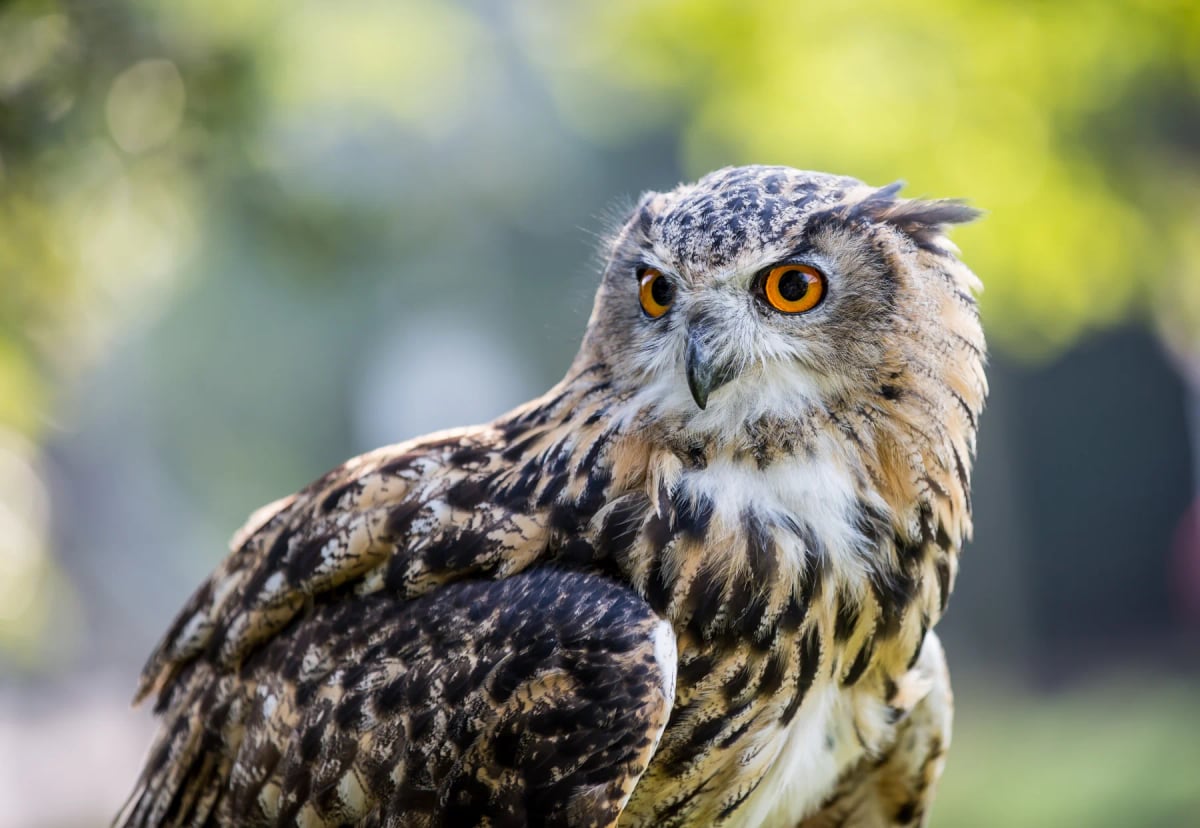
Eagle Owl
Bubo bubo
Armenia's volcanic gorges, rocky slopes of the Caucasus, and dry lowlands all provide suitable habitat for the Eurasian eagle owl. The species nests on bare cliff ledges and is an effective predator of hares, hedgehogs, and small birds. It is a permanent resident throughout the country. The IUCN rates it as Least Concern, though it remains a species of note among Armenian birdwatchers.
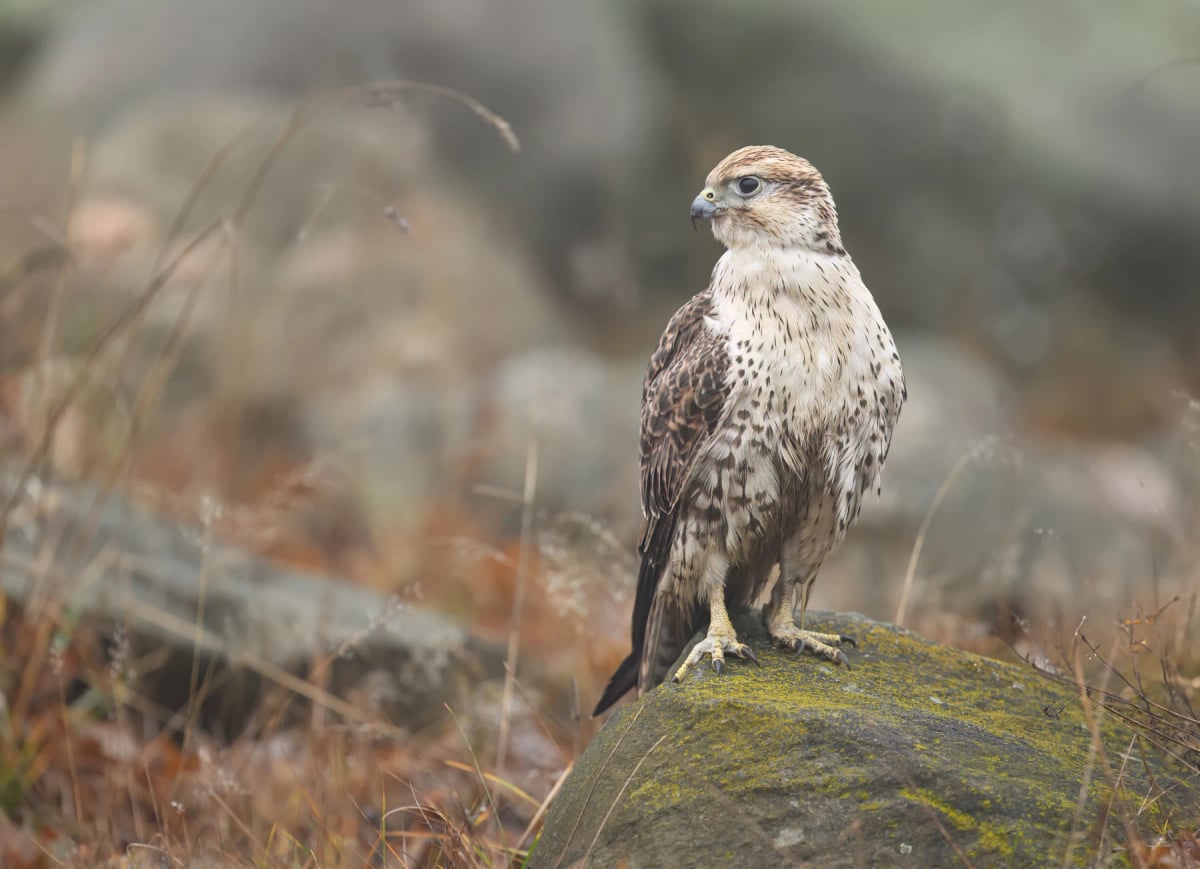
Saker Falcon
Falco cherrug
Armenia sits within the Caucasus region, where the saker falcon occurs as a passage migrant and occasional winter visitor. Open grasslands and agricultural plains in the Ararat Valley and surrounding lowlands can provide foraging habitat during these movements. The Caucasus acts as an important corridor between Central Asian breeding areas and southern wintering grounds. The IUCN lists the saker falcon as Endangered, reflecting serious declines across its entire range.
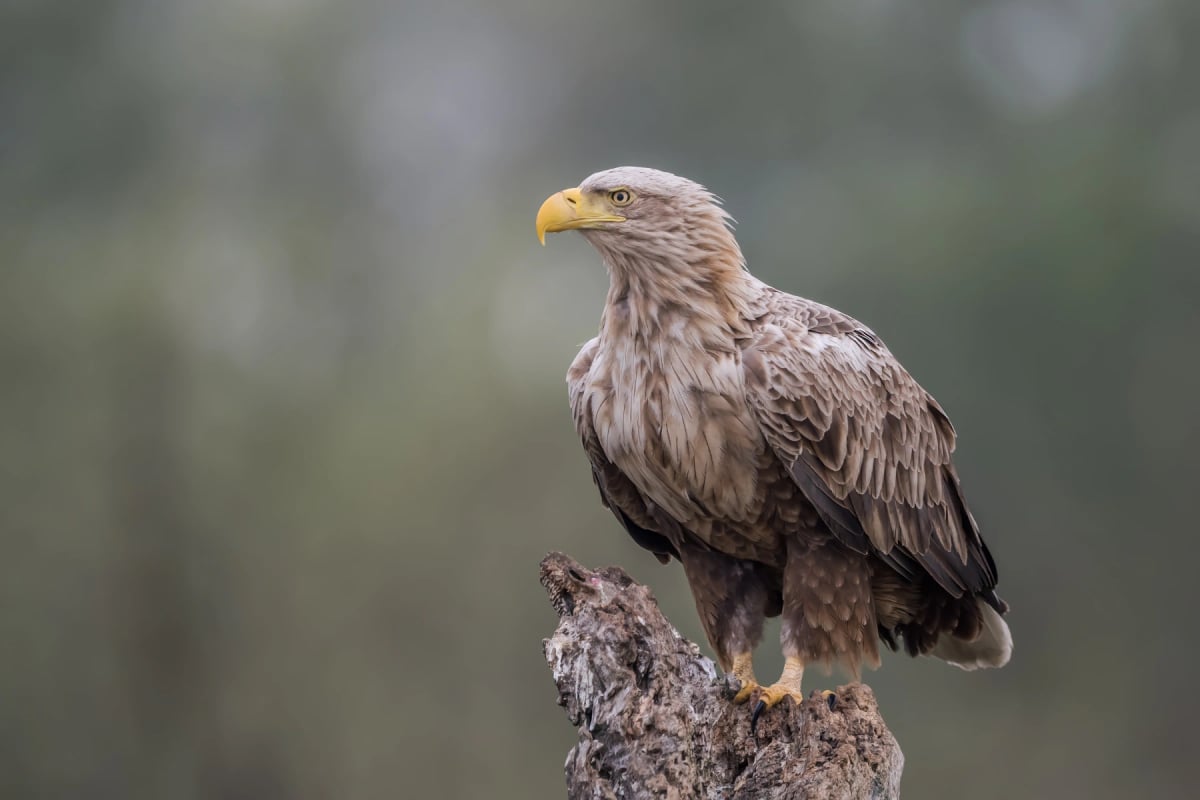
White tailed Eagle
Haliaeetus albicilla
The white-tailed eagle occurs in Armenia as a passage migrant and occasional winter visitor, with sightings concentrated around Lake Sevan, the country's largest lake, and the Ararat Valley wetlands. It feeds on fish and waterfowl in these open water habitats. Continued protection of Armenian wetlands is important for supporting this impressive bird. The IUCN lists it as Least Concern.
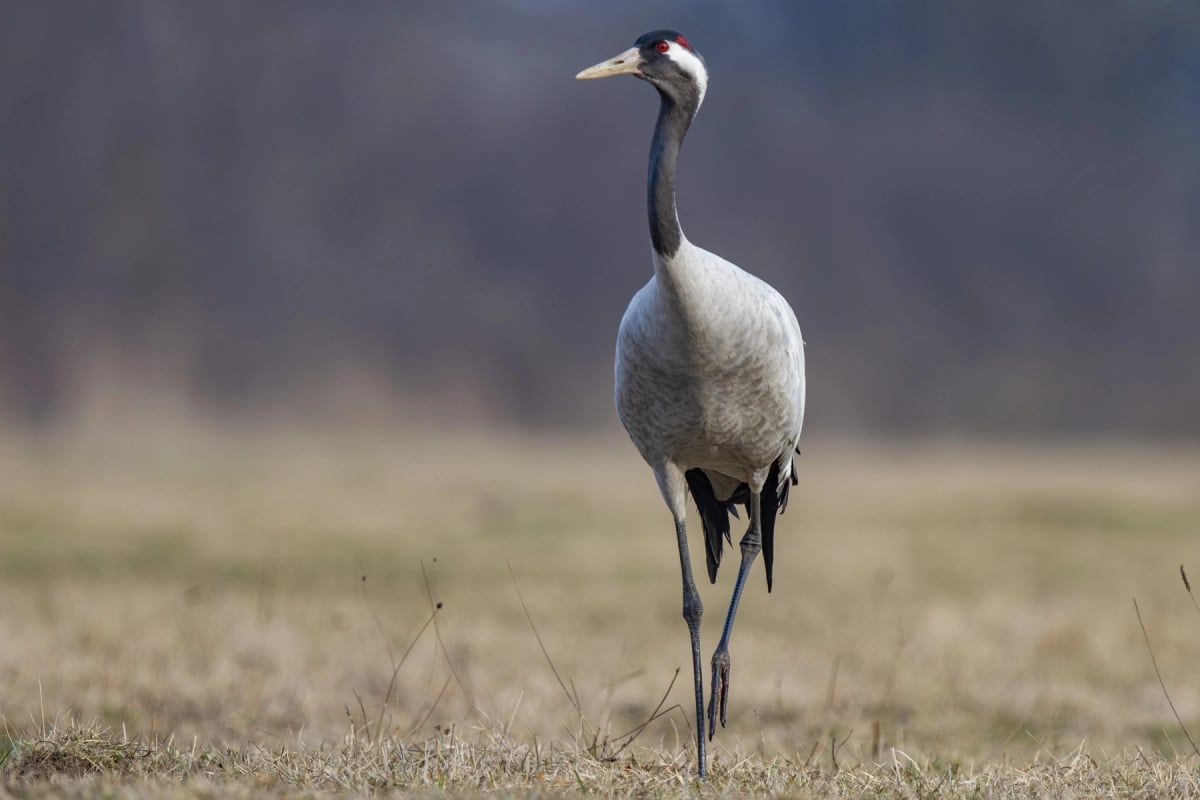
Crane
Grus grus
Common cranes pass through Armenia during spring and autumn migration, crossing the mountain valleys and river plains of the Ararat Valley, one of the country's most important areas for birds. Flocks rest and feed in agricultural fields and wetland edges before continuing their journey. Armenia sits along a key flyway connecting breeding grounds in Russia and Scandinavia with wintering areas to the south. The species is classified as Least Concern and remains a regular seasonal visitor.
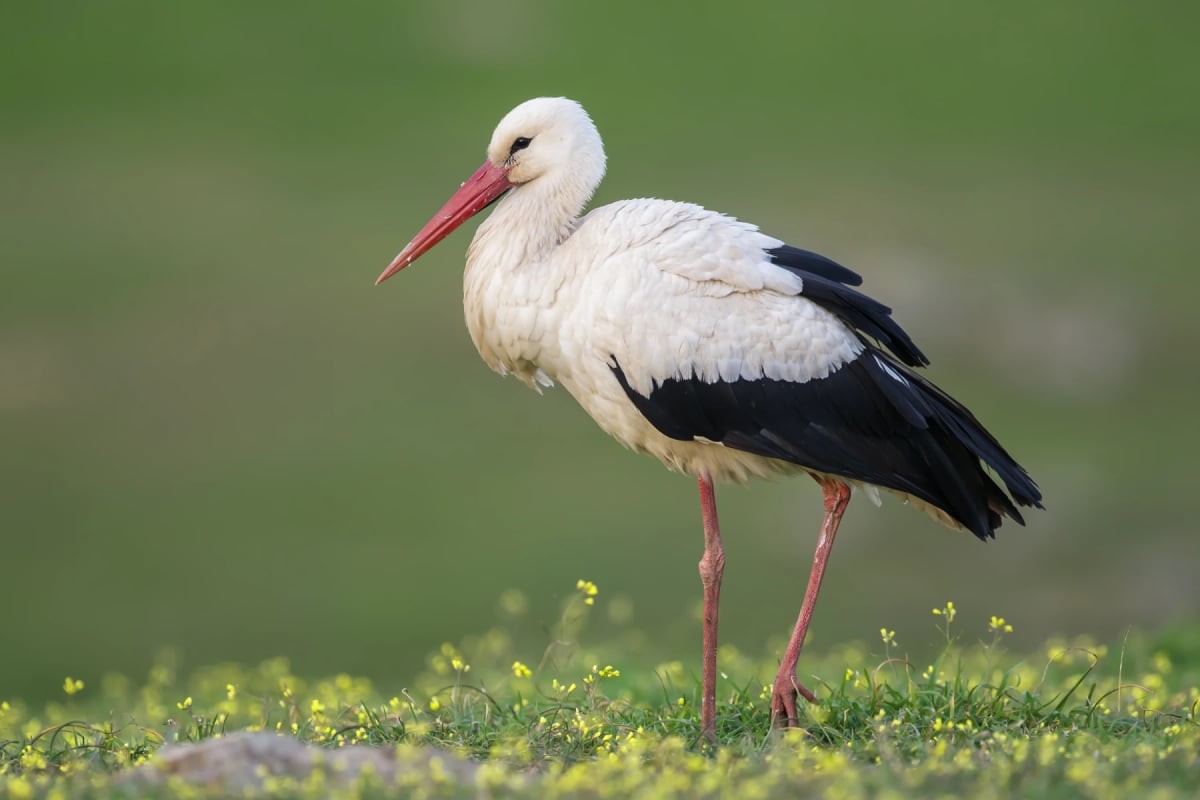
Stork
Ciconia ciconia
Armenia sits along one of the white stork's eastern migration routes, and the Ararat Valley in the west of the country is a well known breeding area. Storks nest on rooftops, poles, and old ruins in villages across the lowlands, where irrigated fields and wetlands provide reliable food. The species holds great affection in local culture. The IUCN lists the white stork as Least Concern.
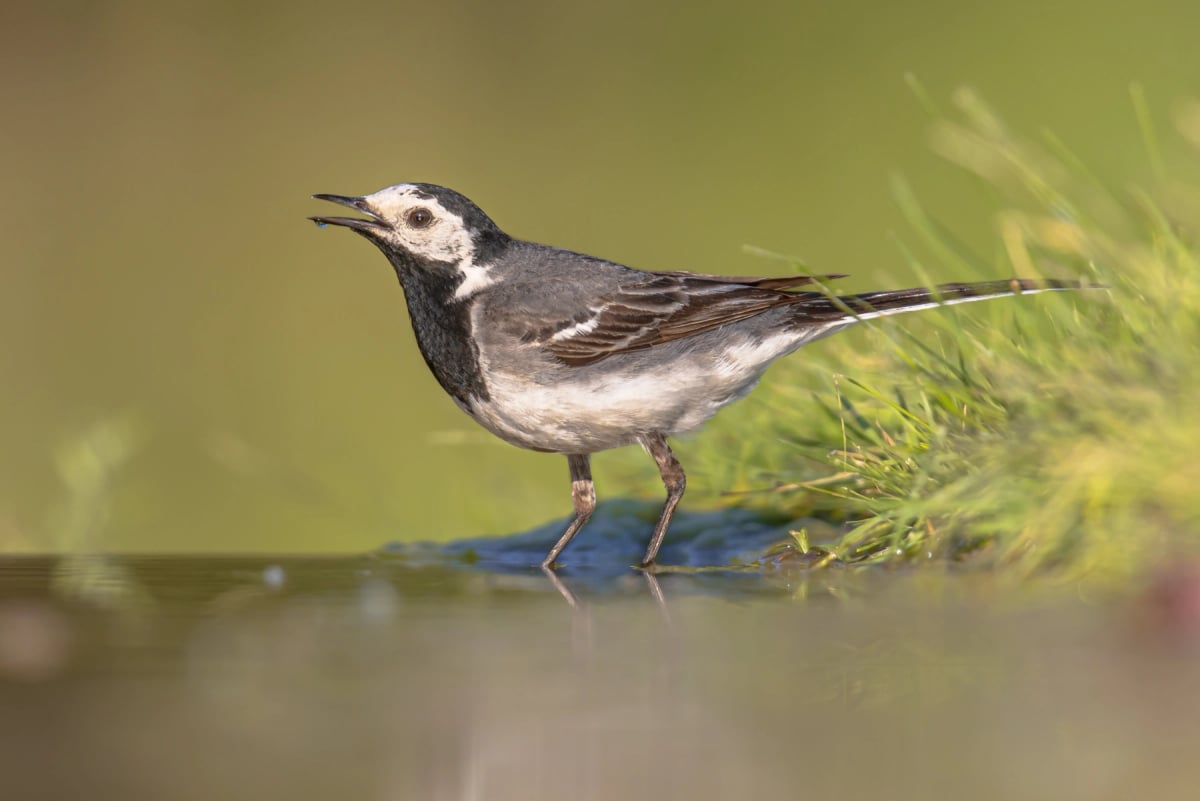
White Wagtail
Motacilla alba
In Armenia the white wagtail breeds from the Ararat Valley up to high mountain streams and the shores of Lake Sevan, nesting in stone walls, bridges and village buildings. It is one of the most familiar small birds of rivers and settlements in summer. Most birds leave in autumn for the Middle East and Africa, while migrants from Russia pass through in spring and autumn and a few stay in the lowlands. IUCN status: Least Concern.
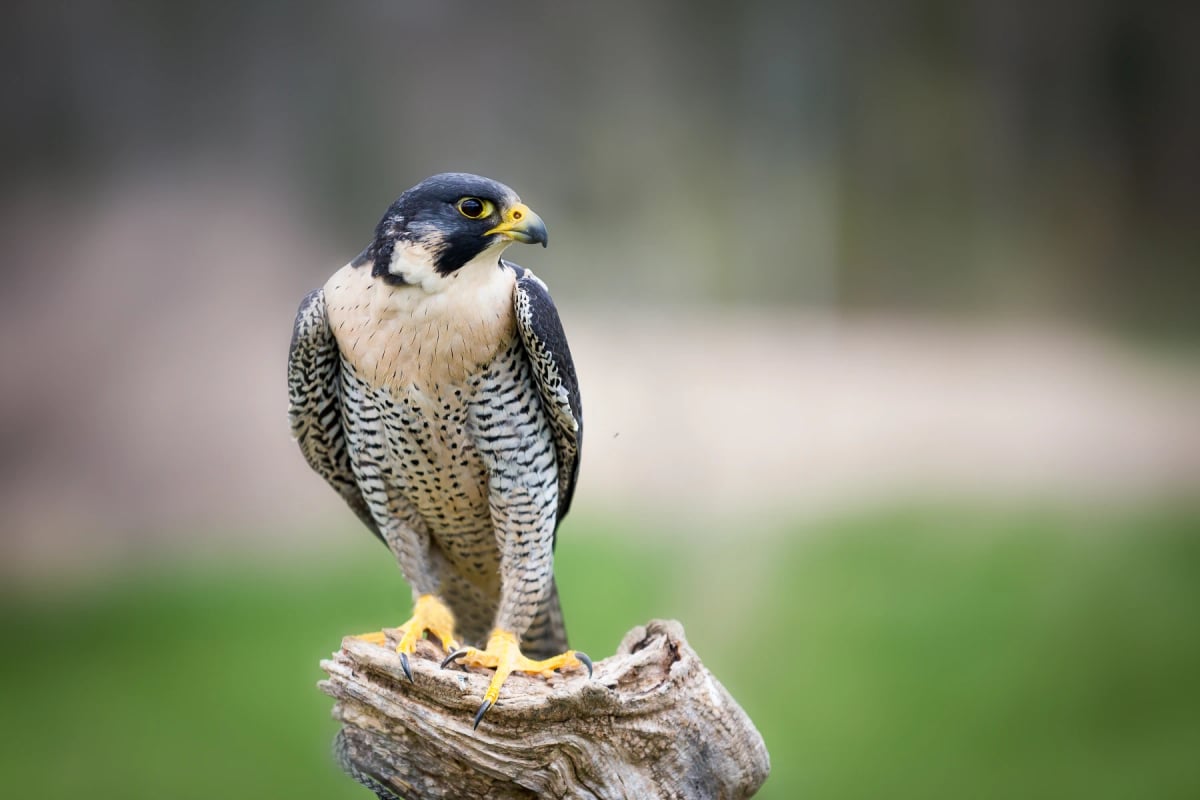
Peregrine Falcon
Falco peregrinus
In Armenia, the peregrine falcon inhabits rocky gorges and cliff faces across the country's rugged highland terrain. It is a relatively uncommon resident, spotted in areas such as the Debed Canyon and the slopes of Mount Aragats. It preys mainly on mid sized birds and is valued by local conservationists as an indicator of healthy upland ecosystems. Its IUCN status is Least Concern.
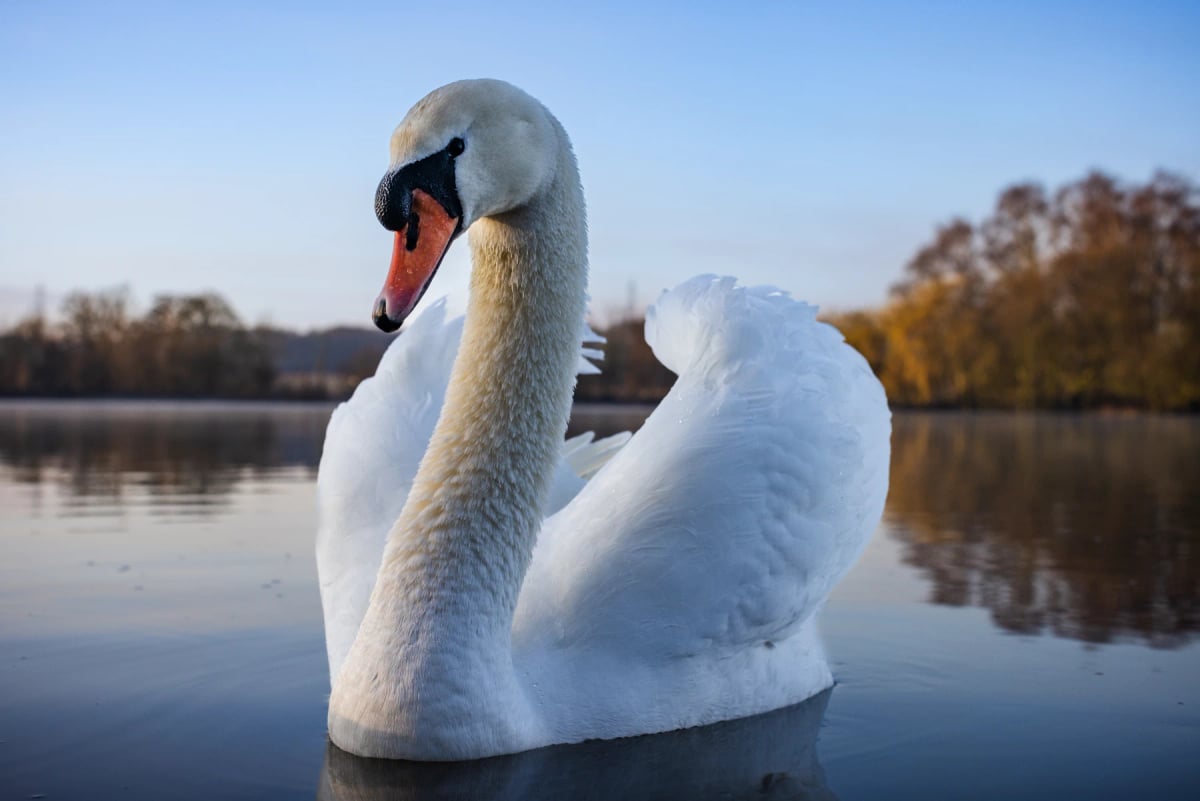
Mute Swan
Cygnus olor
In Armenia, the mute swan is primarily a passage migrant and winter visitor, observed at Lake Sevan and other wetland areas. Lake Sevan, the largest lake in the Caucasus, is the most significant site for waterbirds in the country and provides suitable habitat during migration and cold weather months. Breeding is not confirmed regularly, but the species is a recognized part of Armenia's waterbird fauna. IUCN status: Least Concern.
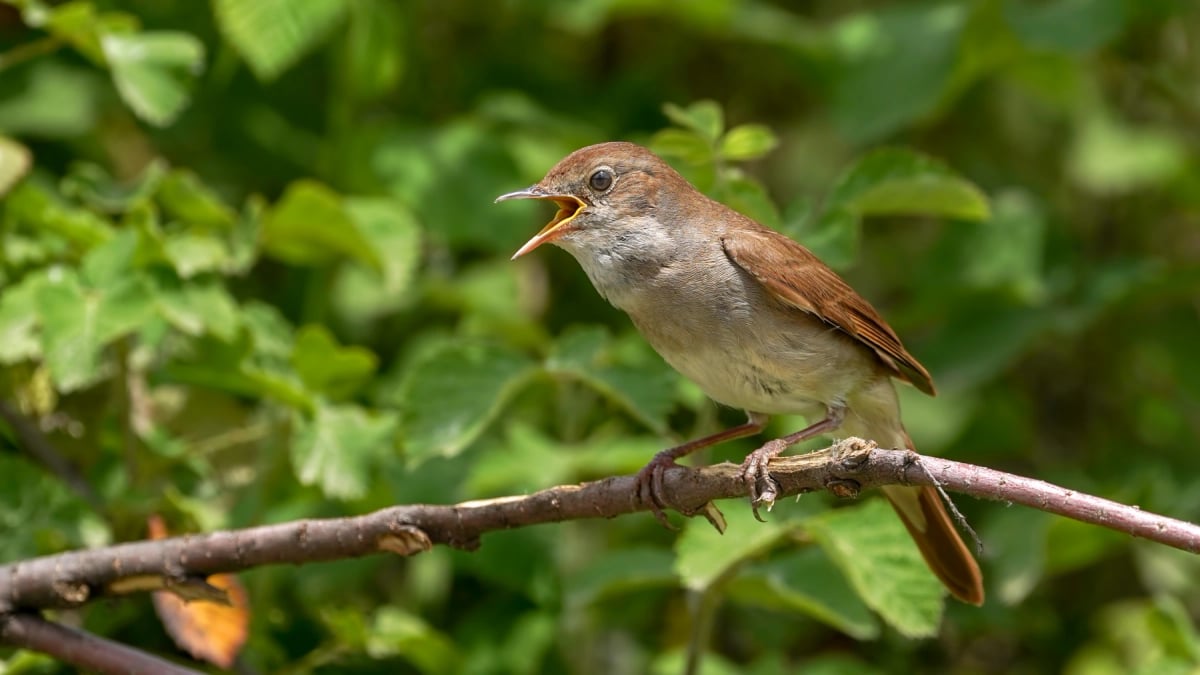
Nightingale
Luscinia megarhynchos
The nightingale visits Armenia each spring to breed, favouring the dense riverside thickets and wooded valleys of the Ararat Plain and the lower slopes of the country's mountain ranges. Its song fills the air at dusk and through the night, making it unmistakable even when the bird itself stays hidden in the undergrowth. In autumn it departs south to spend the winter in sub-Saharan Africa. It is rated Least Concern by the IUCN.
Golden Eagle
Aquila chrysaetos
In Armenia, the golden eagle ranges across the Lesser Caucasus mountains and the open volcanic plateaus of the country's interior. It hunts hares, marmots, and ground squirrels across rocky hillsides and alpine meadows. Nesting pairs occupy cliff ledges in isolated areas. The IUCN lists it as Least Concern, and it is considered a protected species under Armenian wildlife legislation.
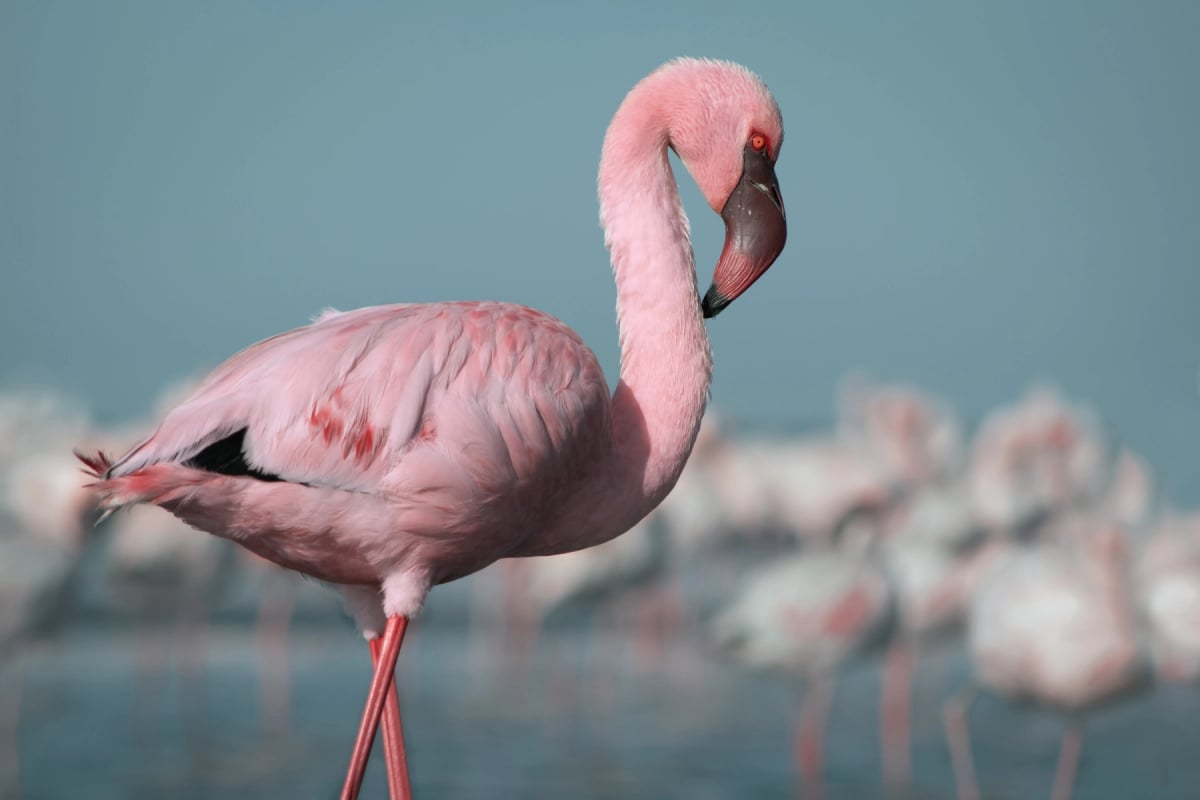
Flamingo
Phoenicopteridae (6 species)
The greater flamingo is listed by the IUCN as present year round in Armenia, although it is a scarce bird here, far from the big colonies of the Mediterranean and Central Asia. Small groups turn up at fishponds and shallow wetlands of the Ararat plain, where they filter small crustaceans and algae from the water. Seeing a pink flamingo against the backdrop of the mountains is a memorable sight for local birdwatchers. IUCN status: Least Concern.
Researched and written by Juan Pablo. Sources: IUCN Red List, scientific literature and regional field guides. Last updated: .