Animals in W Sahara
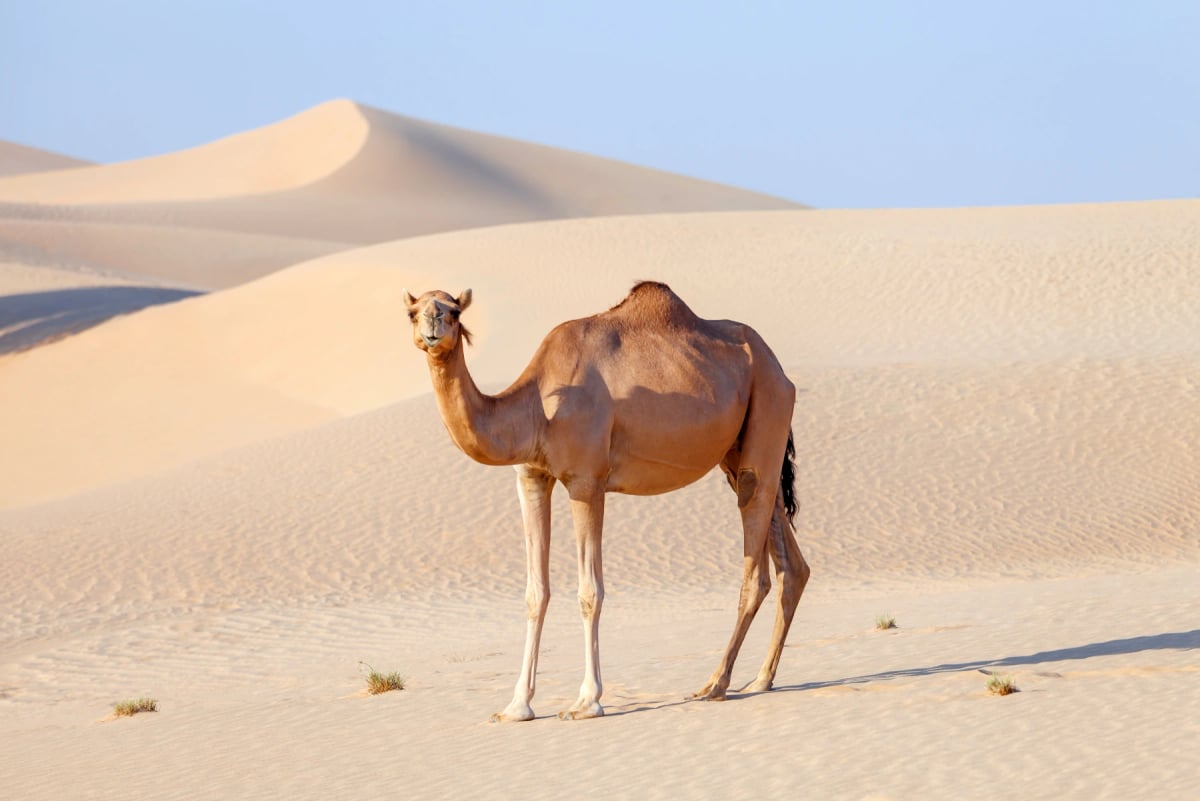
Dromedary Camel
Camelus dromedarius
The dromedary camel is deeply tied to the cultural and ecological identity of Western Sahara. Its endurance and importance for transport and survival in arid zones make it a living emblem of resilience. For centuries, it has represented balance between people, desert and tradition.
View details→Wildlife in W Sahara
Western Sahara’s wildlife endures extreme heat and scarce water, shaped by vast dunes and the Atlantic coast. Fennec foxes and dromedary camels dominate the desert, while dolphins and seabirds thrive offshore. This blend of desert and marine life illustrates how species adapt to isolation and the contrasts between sand and sea.
Most Dangerous Animals in W Sahara
Although few land species are dangerous, Western Sahara’s coasts host sharks such as hammerheads and tigers. These marine predators require caution among fishers and divers. Respecting their habitats is key to maintaining safety and ecological balance in the region.
Top 10 Animals in W Sahara
Western Sahara’s most notable animals include the fennec fox and dromedary camel, masters of desert life. Along the Atlantic coast, dolphins and seabirds add movement and diversity to the region’s ecosystem, linking the silence of the dunes with the vitality of the sea.
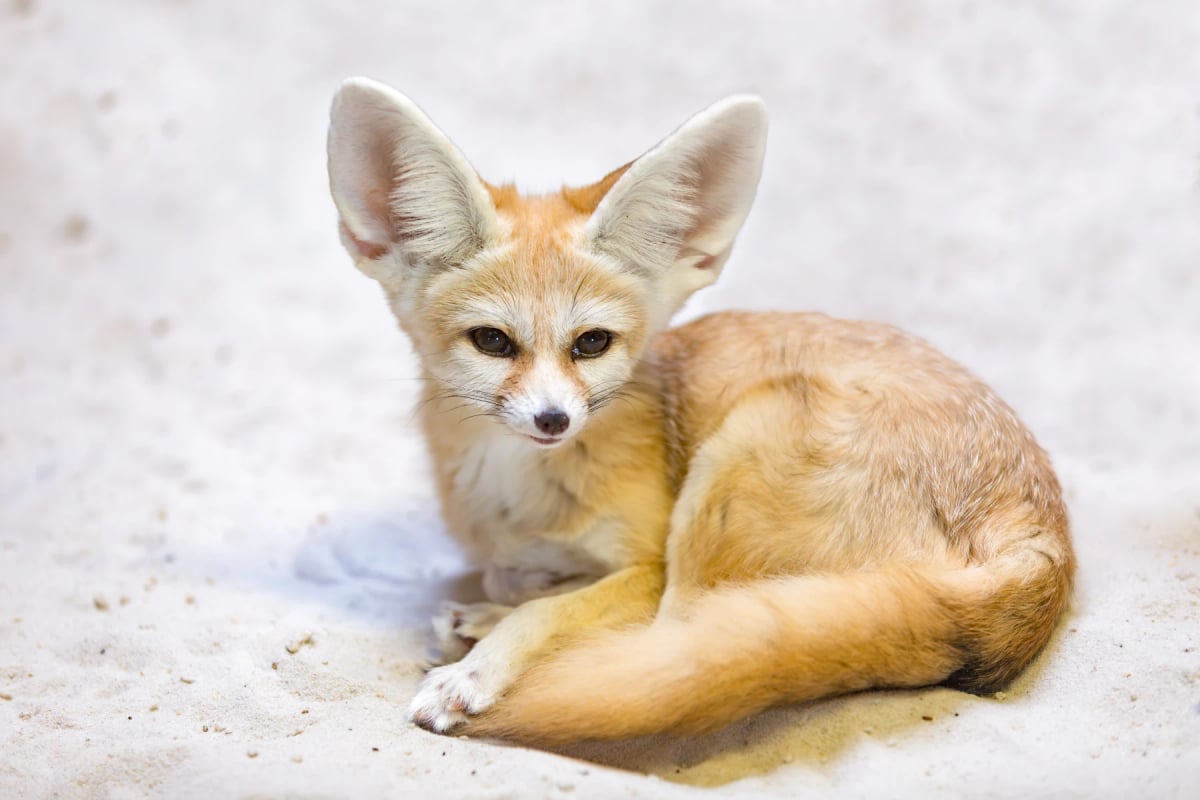
Fennec Fox
Vulpes zerda
Western Sahara is almost entirely desert, and the fennec fox is one of the few mammals that thrives across this vast and largely uninhabited territory. It lives on sandy plains and rocky plateaus, hunting at night and resting in burrows during the day. The remoteness of the territory and its sparse human population mean the fennec faces relatively little pressure here.
Dromedary Camel
Camelus dromedarius
Western Sahara is one of the most sparsely populated territories on Earth, and the dromedary camel has long been the most reliable companion for the Sahrawi people across its endless plains and dunes. Camels provide milk, meat, and transport in a region with very limited infrastructure. For the Sahrawi, the camel carries deep cultural meaning and has historically been central to survival in this remote and wind swept territory.
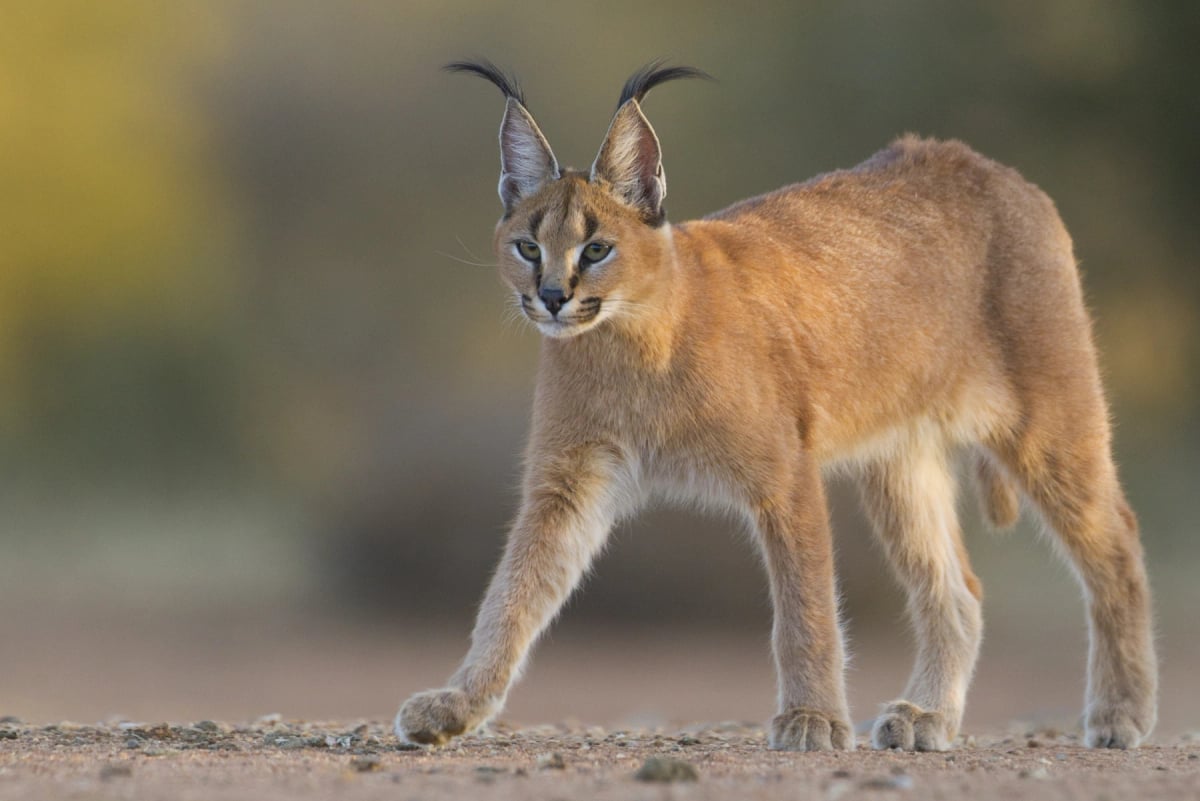
Caracal
Caracal caracal
In Western Sahara, the caracal is present across arid and semi-arid terrain typical of this largely desert territory. Population density is thought to be very low, reflecting the sparse prey base and extreme aridity of the landscape. The species relies on whatever small mammals, birds, and reptiles the environment supports. Monitoring efforts in Western Sahara are limited, making it difficult to assess its status with precision.
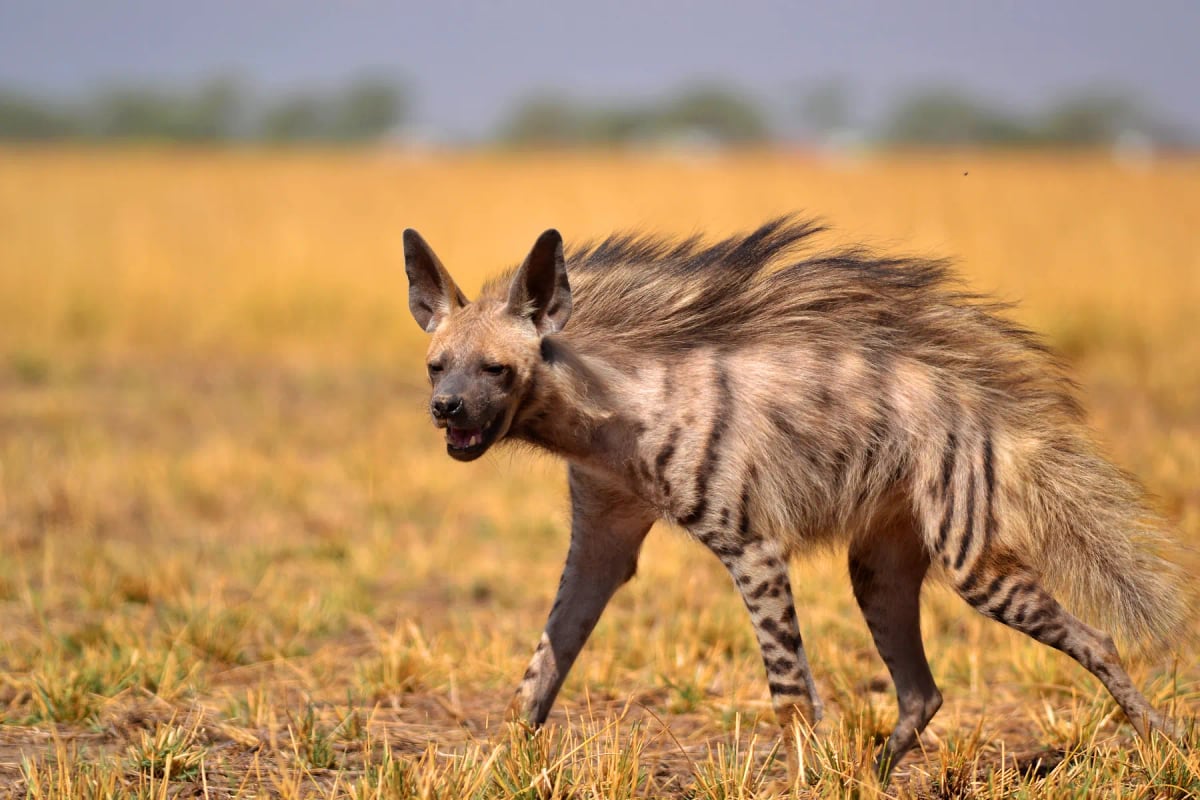
Striped Hyena
Hyaena hyaena
The striped hyena is believed to be present in Western Sahara, where it roams vast stretches of desert and rocky plateau. Reliable survey data for the territory are extremely limited, but the species is known to survive in similarly harsh landscapes across the surrounding region. It is a solitary, nocturnal scavenger well adapted to life with scarce resources. The IUCN lists it as Near Threatened, with habitat loss and human persecution affecting populations across North Africa.

Honey Badger
Mellivora capensis
The honey badger has a sparse presence in Western Sahara, within the rocky and sandy desert that covers nearly the entire territory. Vegetation and prey are scarce across most of this landscape, limiting the species to areas with at least some cover or water access. It feeds on rodents, reptiles and insects whenever it can find them. The IUCN lists the species as Least Concern across its broader range.
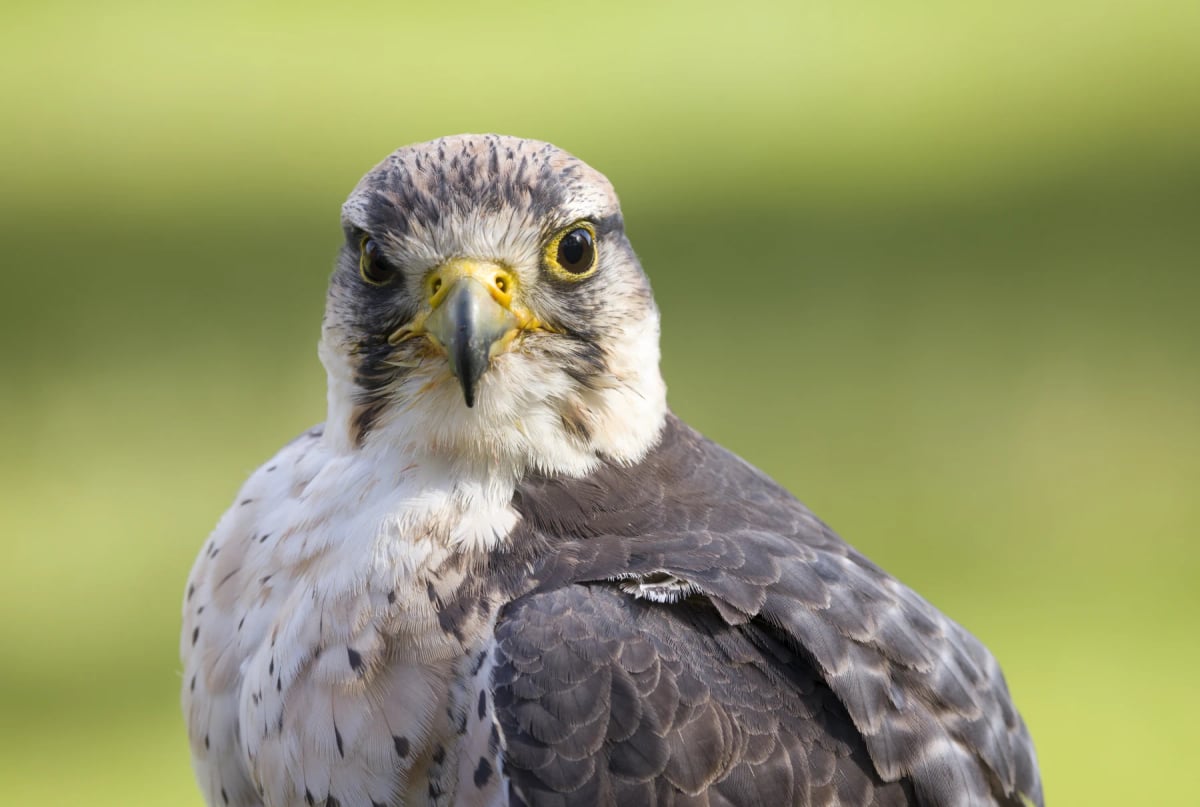
Lanner Falcon
Falco biarmicus
The lanner falcon inhabits the arid plains and rocky escarpments of Western Sahara, where sparse vegetation and open terrain suit its style of hunting. It pursues birds in low, fast chases across desert scrub. The region's sparse human population means direct persecution is limited, though the harsh environment keeps overall numbers low. It is listed as Least Concern by the IUCN.
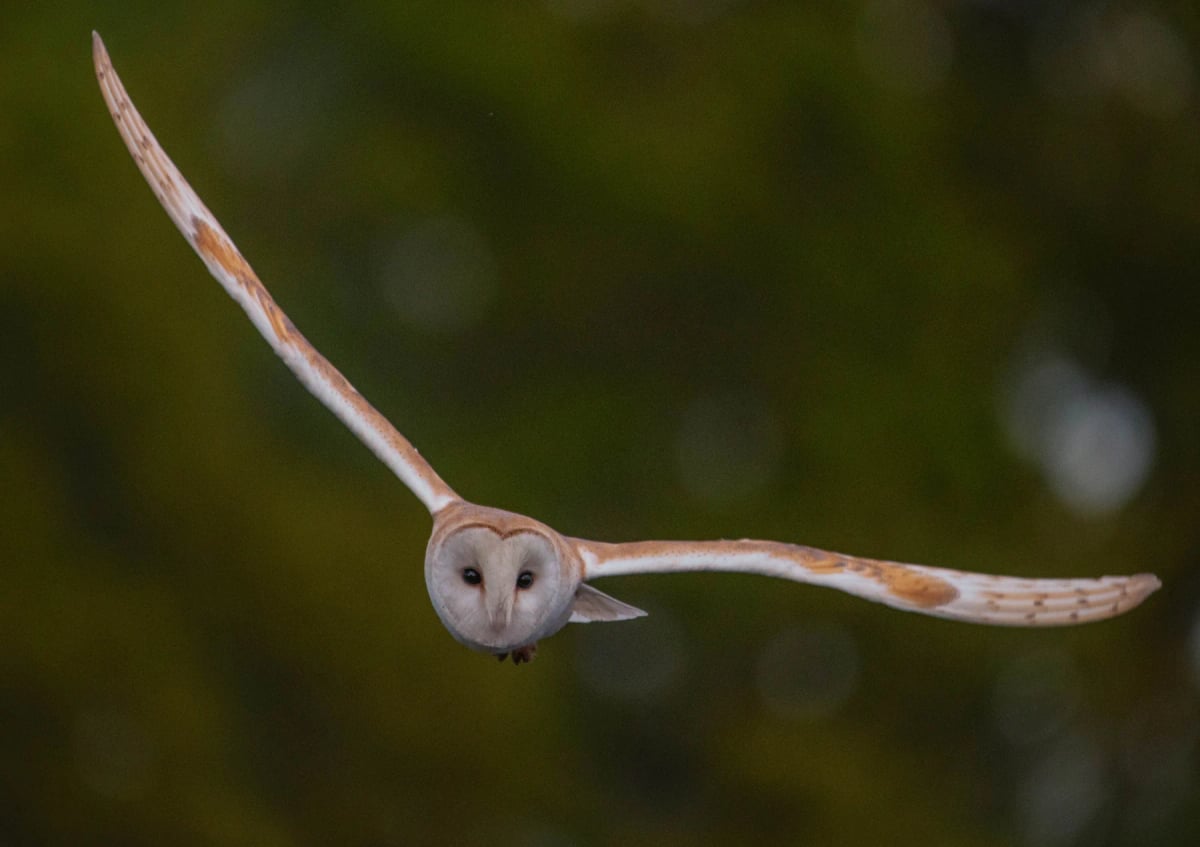
Barn Owl
Tyto alba
The barn owl is present in Western Sahara mainly in oases, wadi areas, and the few settled zones along the Atlantic coast and near Laayoune and Dakhla. The vast desert interior of the territory offers little suitable hunting habitat, and the species is concentrated near human settlements and the sparse agricultural areas where rodent prey is available. It nests in old buildings and rocky outcrops near water sources. Its distribution here is highly limited compared to neighboring Morocco to the north.
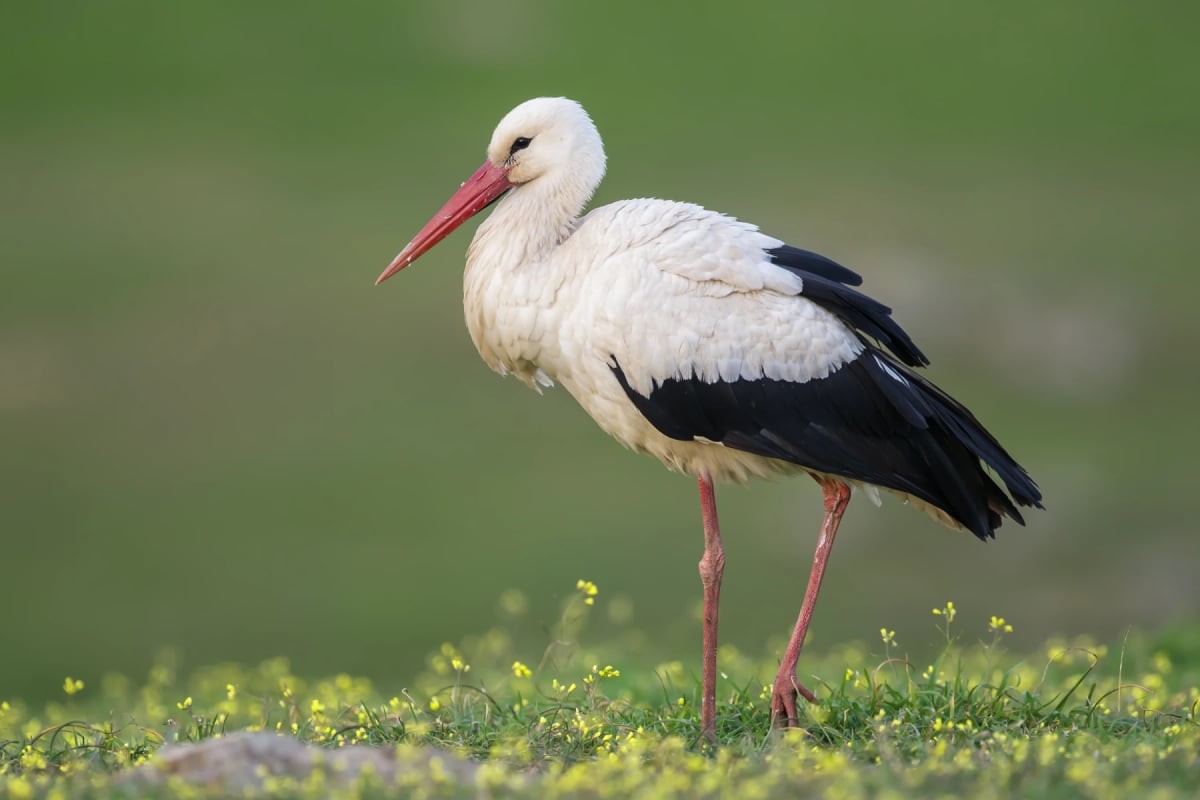
Stork
Ciconia ciconia
Western Sahara lies along the Atlantic flyway used by white storks migrating between Europe and Africa south of the Sahara. Birds moving down the west coast of the African continent pass through or over this largely arid territory each autumn, with some returning north in spring. While the sparse desert landscape offers little feeding habitat, coastal and inland areas near any seasonal water can attract resting birds during their long journey south. IUCN status: Least Concern.
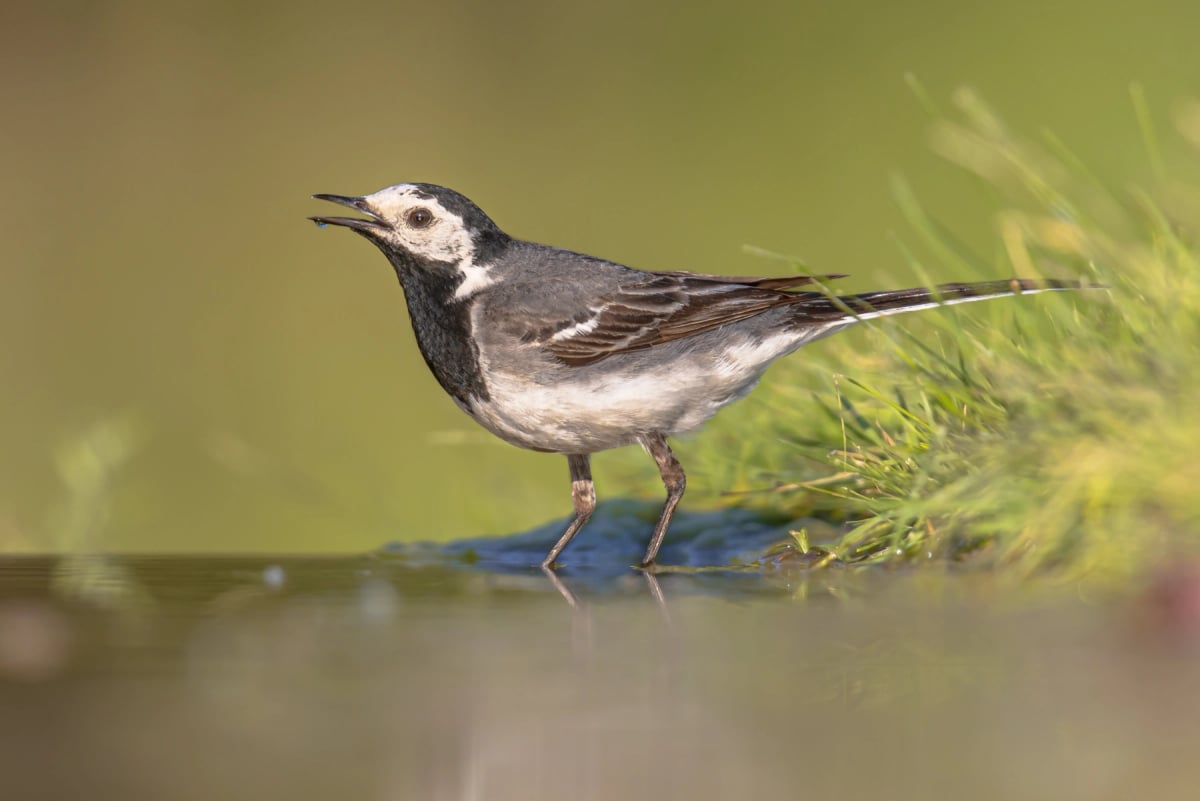
White Wagtail
Motacilla alba
In Western Sahara the white wagtail is a winter visitor and migrant, seen from October to March. Birds from Europe crossing toward West Africa stop along the Atlantic coast, around the Dakhla bay, lagoons, wadis and the edges of towns such as Laayoune, where water and insects can be found in an otherwise desert landscape. Some stay the whole winter before flying north again. IUCN status: Least Concern.
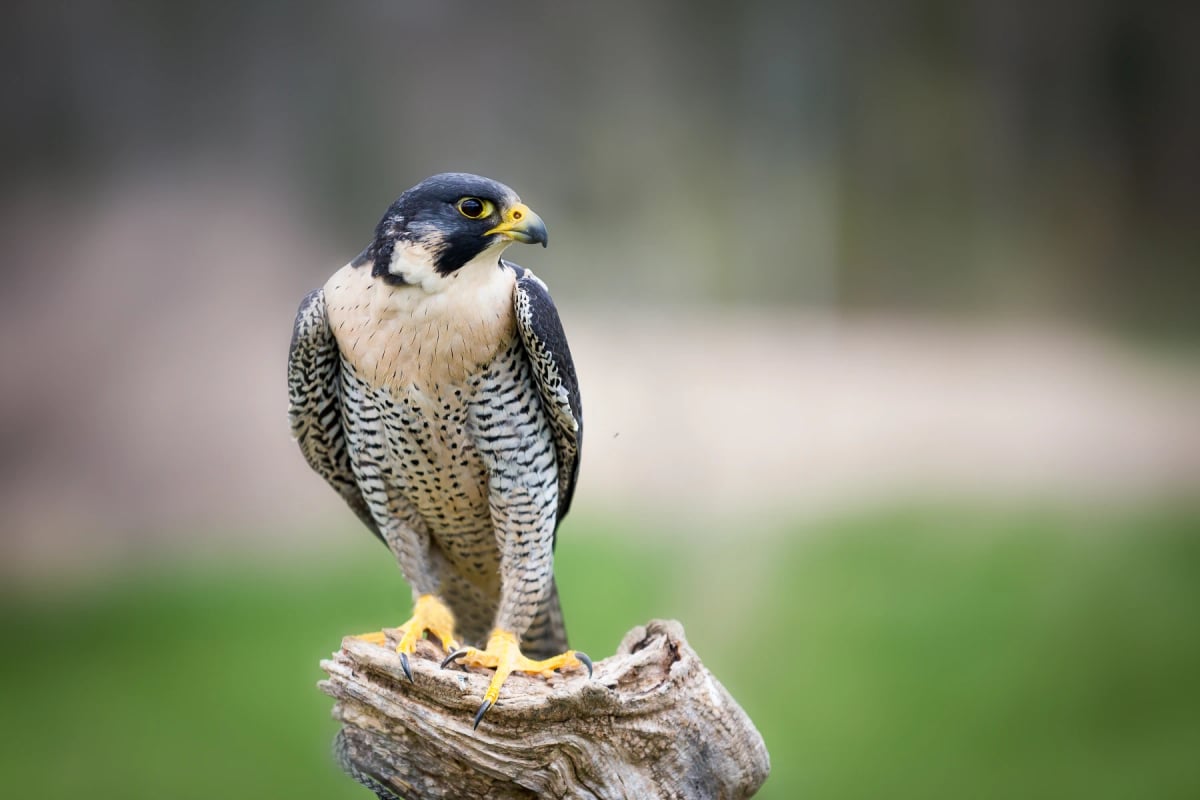
Peregrine Falcon
Falco peregrinus
Western Sahara's vast desert and Atlantic coastline make it a transit zone for migratory peregrine falcons moving between Europe and West Africa. The coastline, rich in seabirds and shorebirds, provides reliable hunting opportunities for birds passing through or wintering in the territory. Rocky desert plateaus inland may also shelter occasional individuals. Given the remoteness of much of the region, the full extent of the falcon's presence here is not yet completely documented. IUCN status: Least Concern.
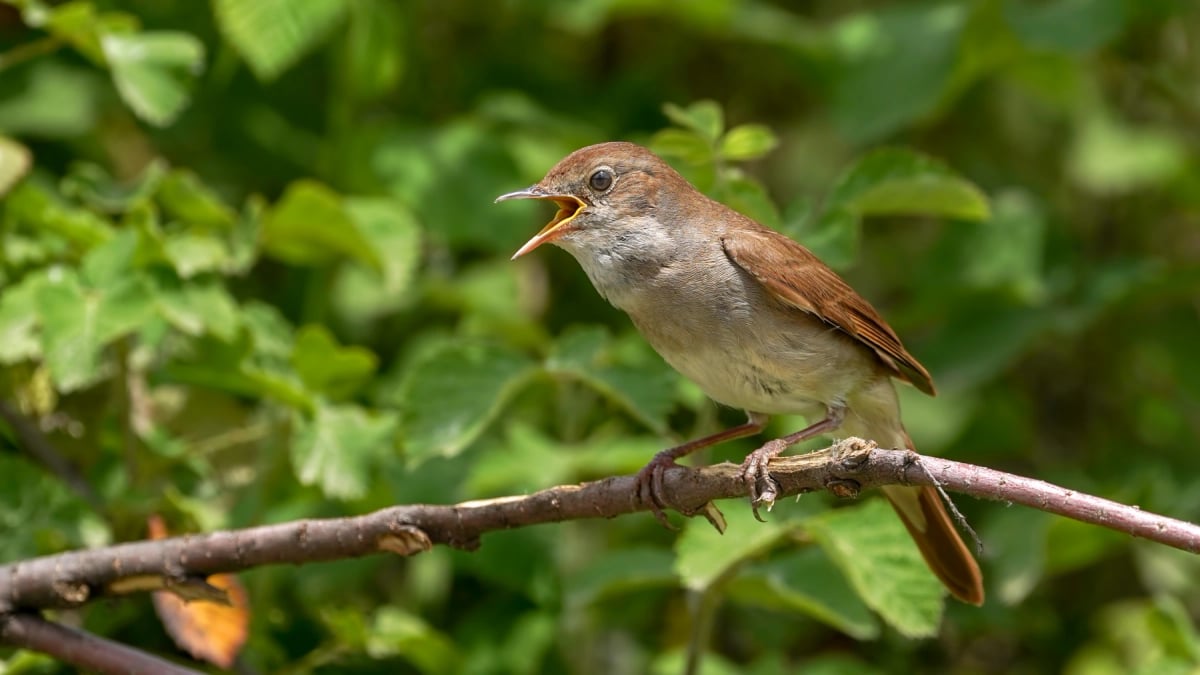
Nightingale
Luscinia megarhynchos
Western Sahara sits along the Atlantic migration corridor, and the nightingale passes through this territory during its autumn and spring journeys between Europe and sub-Saharan Africa. Migrants tend to follow the coast and seek out any patches of vegetation, wadis, or scrub that offer shelter and food during the crossing of this arid region. Breeding is not confirmed here, and the species is primarily a bird of passage. Its IUCN status is Least Concern.
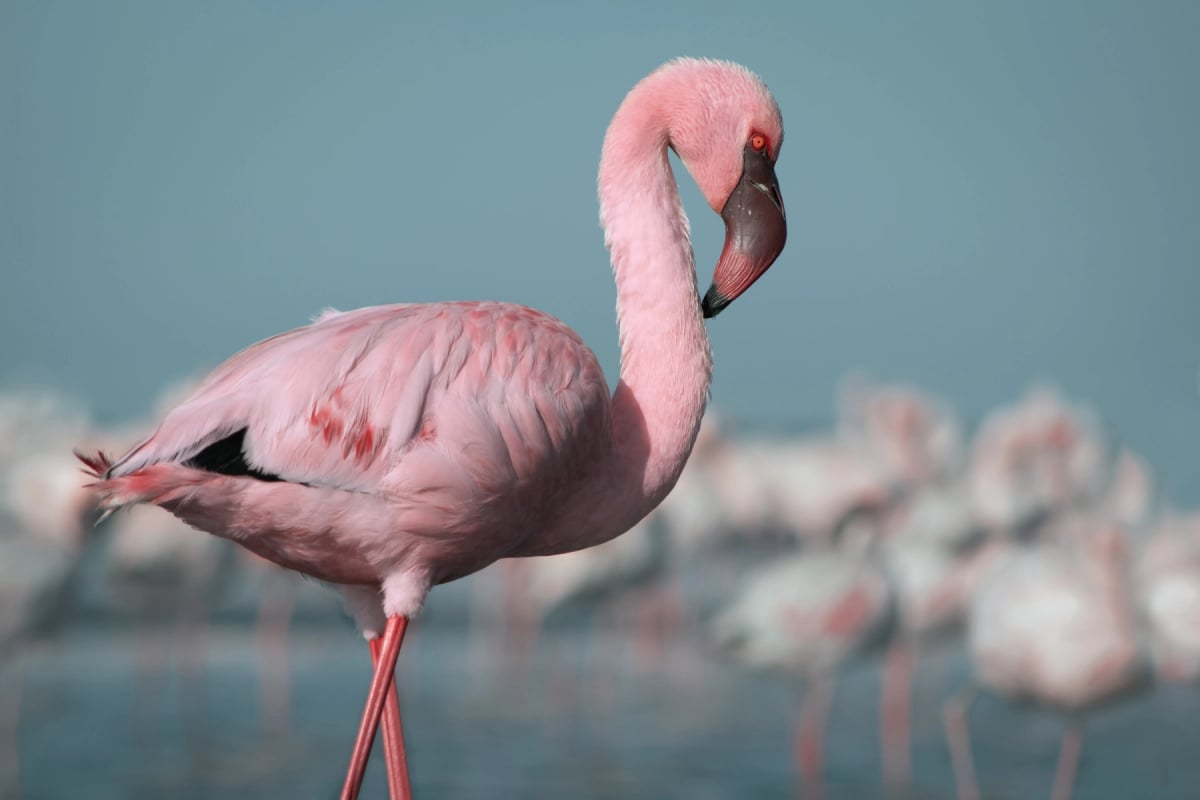
Flamingo
Phoenicopteridae (6 species)
The greater flamingo is present year round along the Atlantic coast of Western Sahara, where sheltered bays such as the Dakhla lagoon and scattered coastal salt flats offer calm, shallow water to feed. Flocks move along this coast between the colonies of Mauritania's Banc d'Arguin and the wetlands of Morocco and Spain. The birds filter small crustaceans and worms from the mud at low tide. IUCN status: Least Concern.
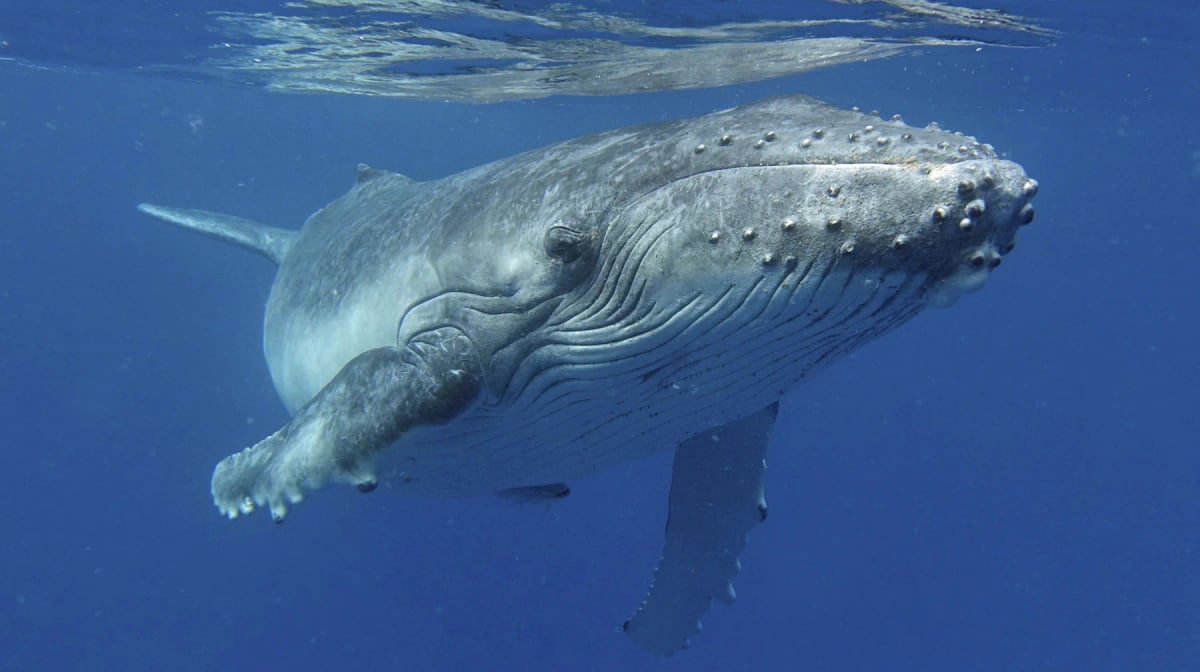
Humpback Whale
Megaptera novaeangliae
The Atlantic waters off Western Sahara form part of a migration corridor that humpback whales use when travelling along the West African coast. These whales move between rich feeding grounds further north and tropical breeding areas closer to the equator. The coastline here borders the Canary Current, a productive upwelling zone. Humpbacks can grow to 16 metres and are recognised by their unusually long pectoral fins and knobbly heads.
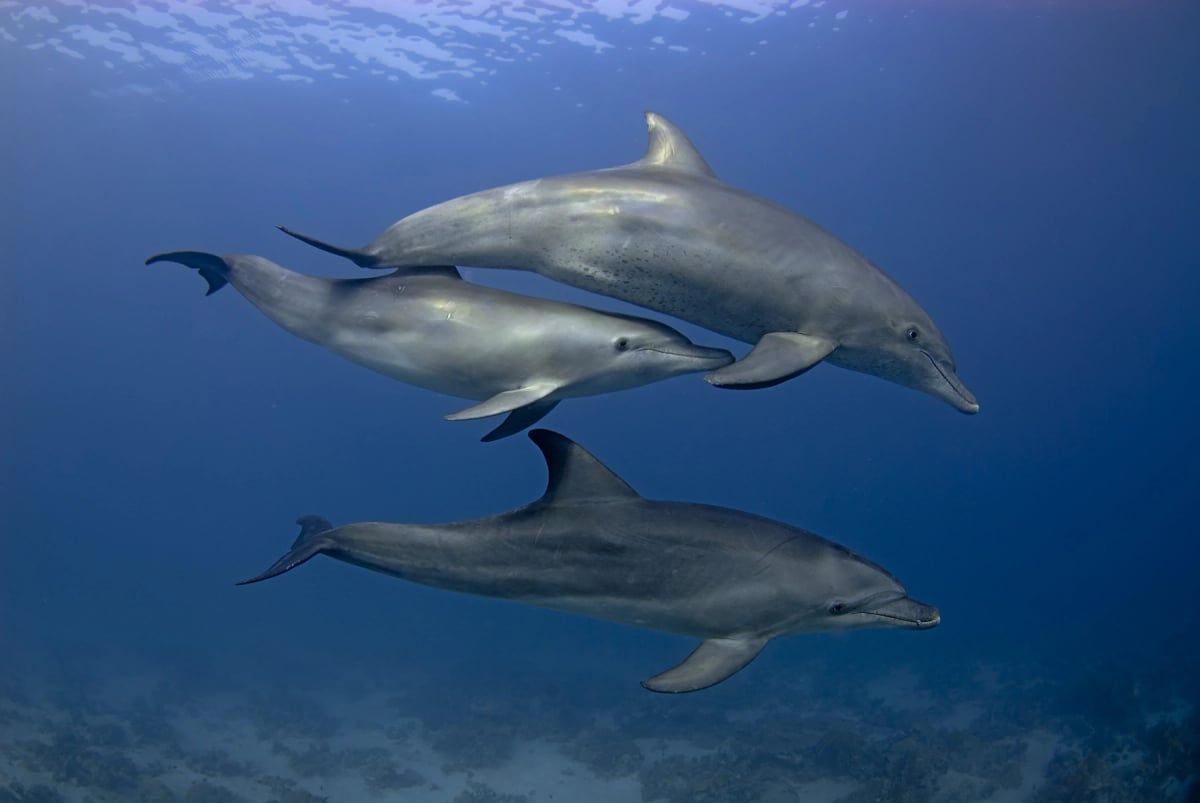
Bottlenose Dolphin
Tursiops truncatus
The Atlantic waters off Western Sahara support populations of bottlenose dolphins, which forage in the productive upwelling zone driven by the Canary Current. This stretch of coastline is one of the most biologically rich in the eastern Atlantic, offering abundant fish. Limited research has been conducted in the region, so population dynamics here remain poorly understood. The IUCN lists the species as Least Concern.
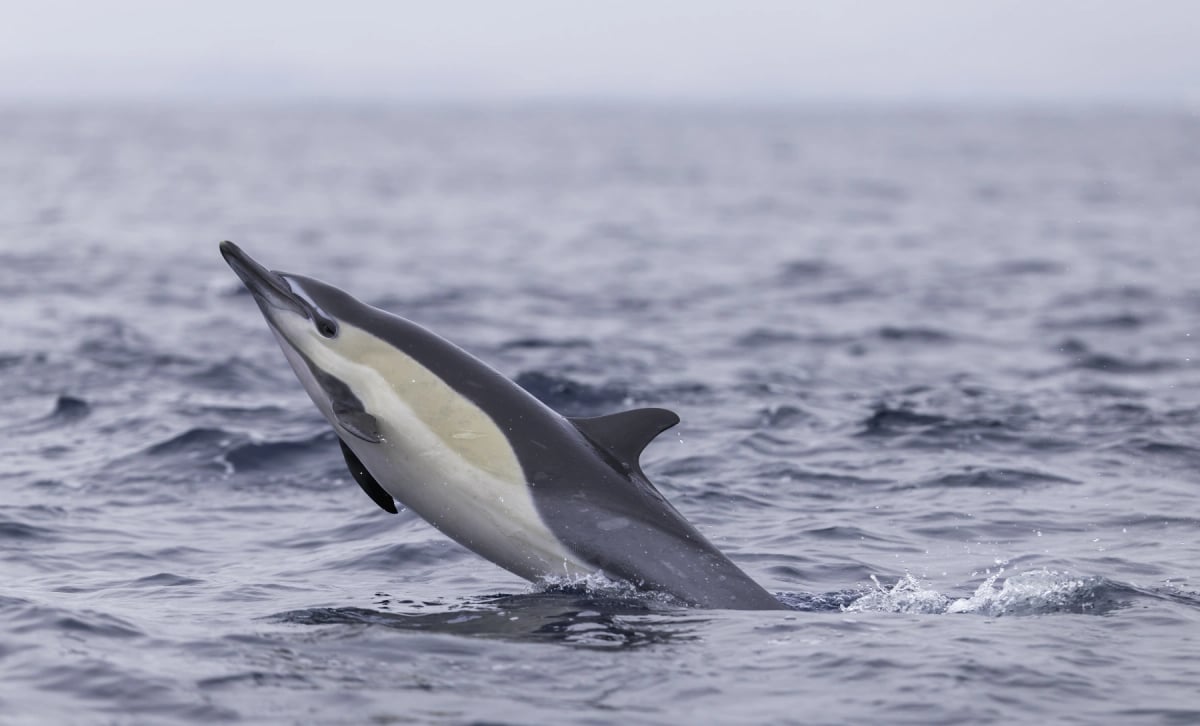
Common Dolphin
Delphinus delphis
The waters off Western Sahara, along the northwest African coastline, form part of the Canary Current upwelling system, one of the most productive marine areas in the Atlantic Ocean. Common dolphins thrive here, feeding on the abundant small fish that the cold, nutrient rich upwelling supports. Groups can be large, reflecting the richness of this ecosystem. The area is also important for several other cetacean species that share these highly productive waters.
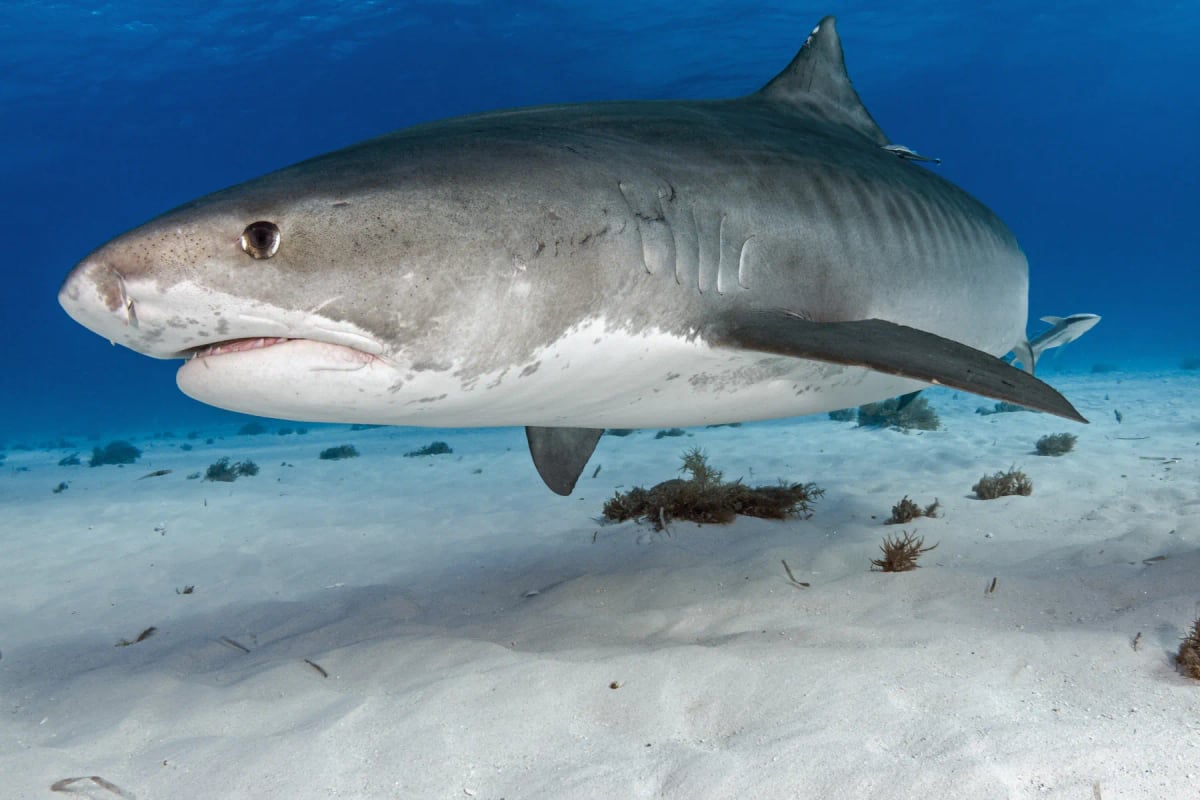
Tiger Shark
Galeocerdo cuvier
The Atlantic waters along the coast of Western Sahara fall within the range of the tiger shark. This stretch of the eastern Atlantic is influenced by the Canary Current, which brings cold, nutrient rich water from the north, supporting abundant marine life that can attract large predators. Tiger shark records from this region are limited, but the species is known to occur along the Northwest African coast. The IUCN lists it as Near Threatened.
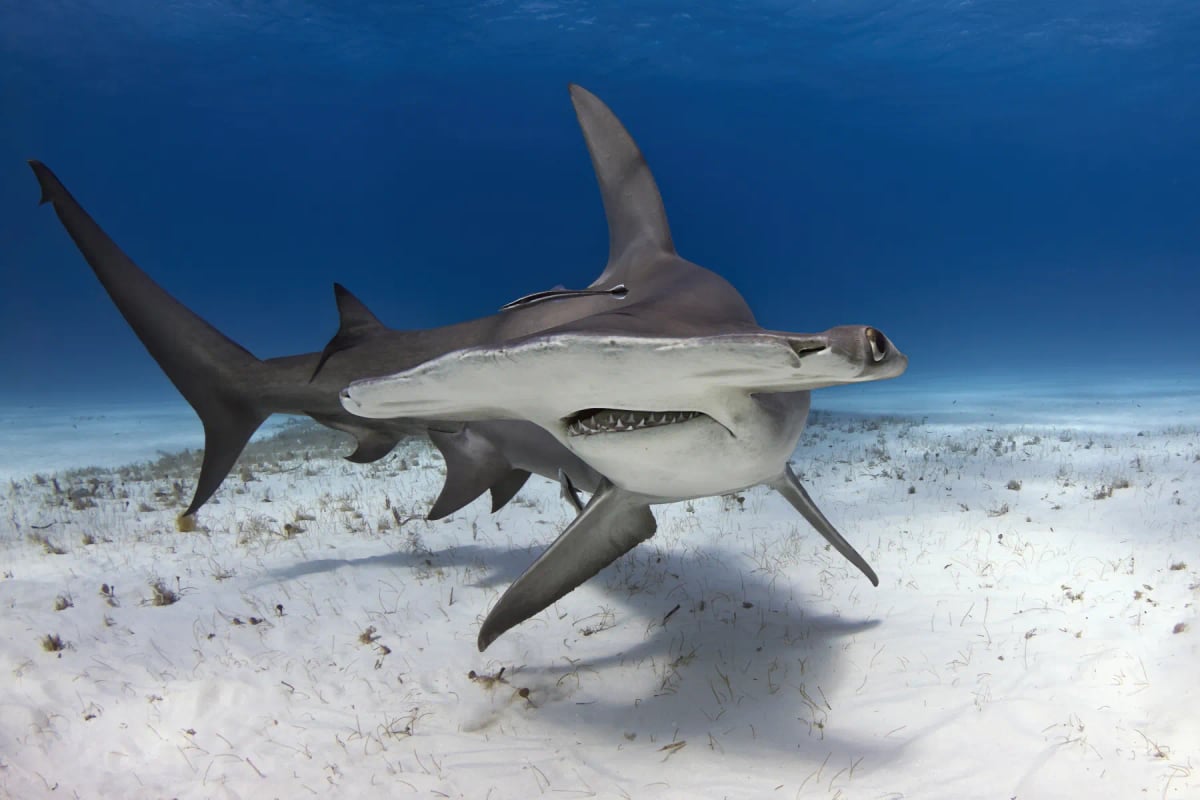
Hammerhead Shark
Sphyrna spp.
The Atlantic waters washing the coast of Western Sahara are rich in marine life, and hammerhead sharks are part of this ecosystem. These productive upwelling zones attract rays and fish that hammerheads depend on for food. The region's limited regulatory framework for fishing leaves these sharks vulnerable to international fleets operating offshore, compounding the global pressures already threatening their survival.
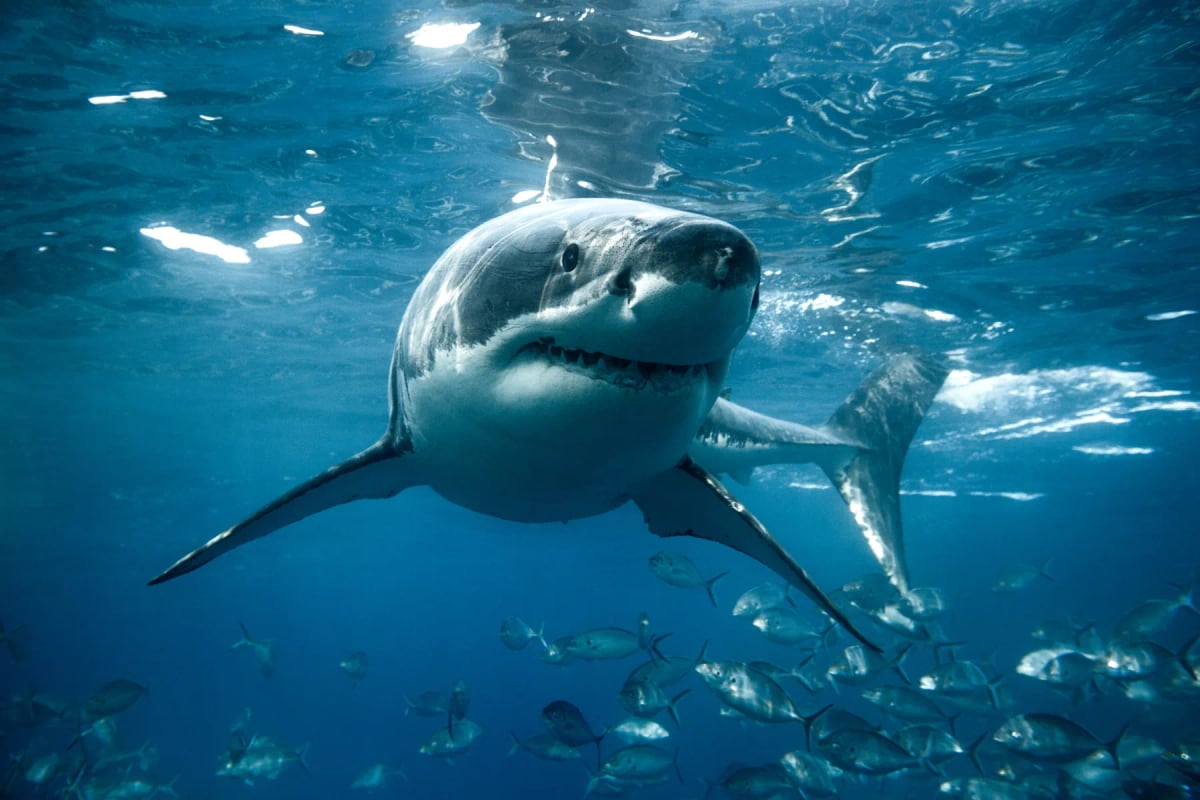
Great White Shark
Carcharodon carcharias
The waters off Western Sahara, along the northwest African coast, lie within the Atlantic range of the great white shark. Cold upwellings from the Canary Current make this stretch of ocean productive and capable of supporting large marine predators. The great white has been recorded in the wider region, moving along the African Atlantic coast. This species faces considerable pressure across its range from bycatch and the demand for shark fins.
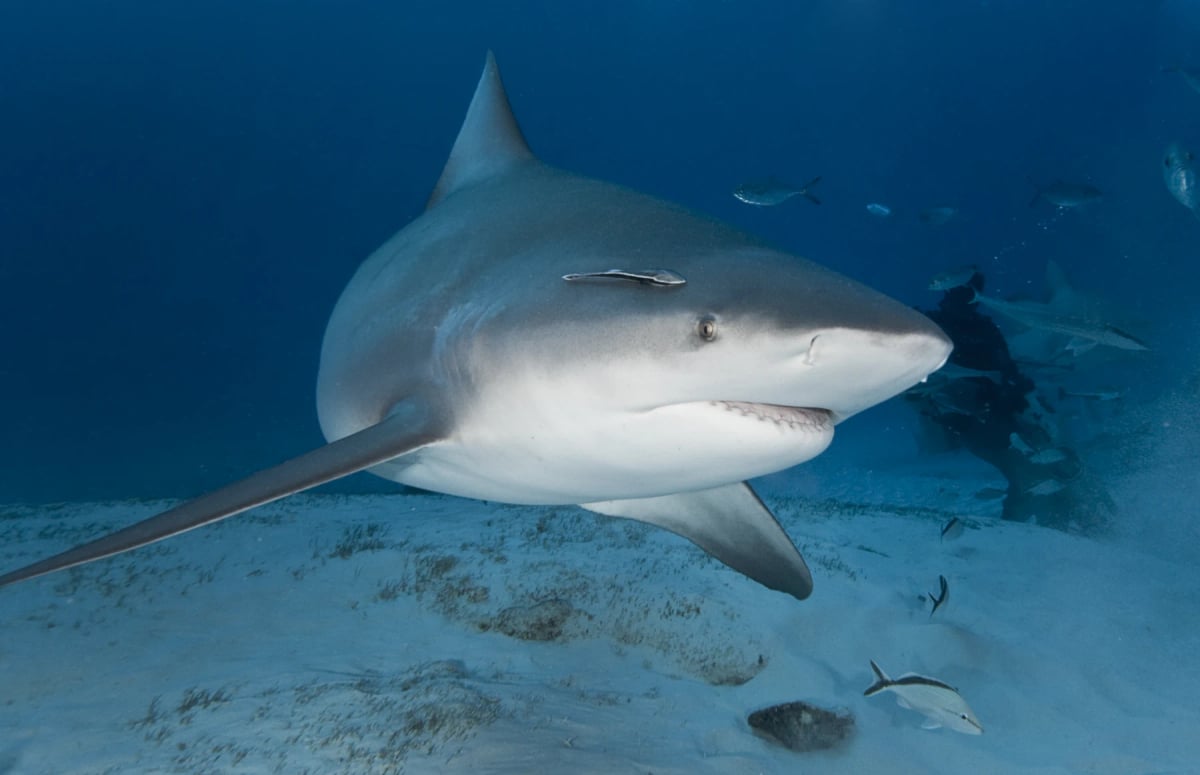
Bull Shark
Carcharhinus leucas
Along the Atlantic coast of Western Sahara, bull sharks may be encountered in shallow coastal waters, benefiting from the productivity driven by the Canary Current upwelling system. This stretch of coast supports diverse marine life, which provides prey for opportunistic predators like the bull shark. Formal population data for this territory is limited, though their Near Threatened IUCN status applies across their entire range, including this coastal stretch.
Researched and written by Juan Pablo. Sources: IUCN Red List, scientific literature and regional field guides. Last updated: .