Animals in Mongolia
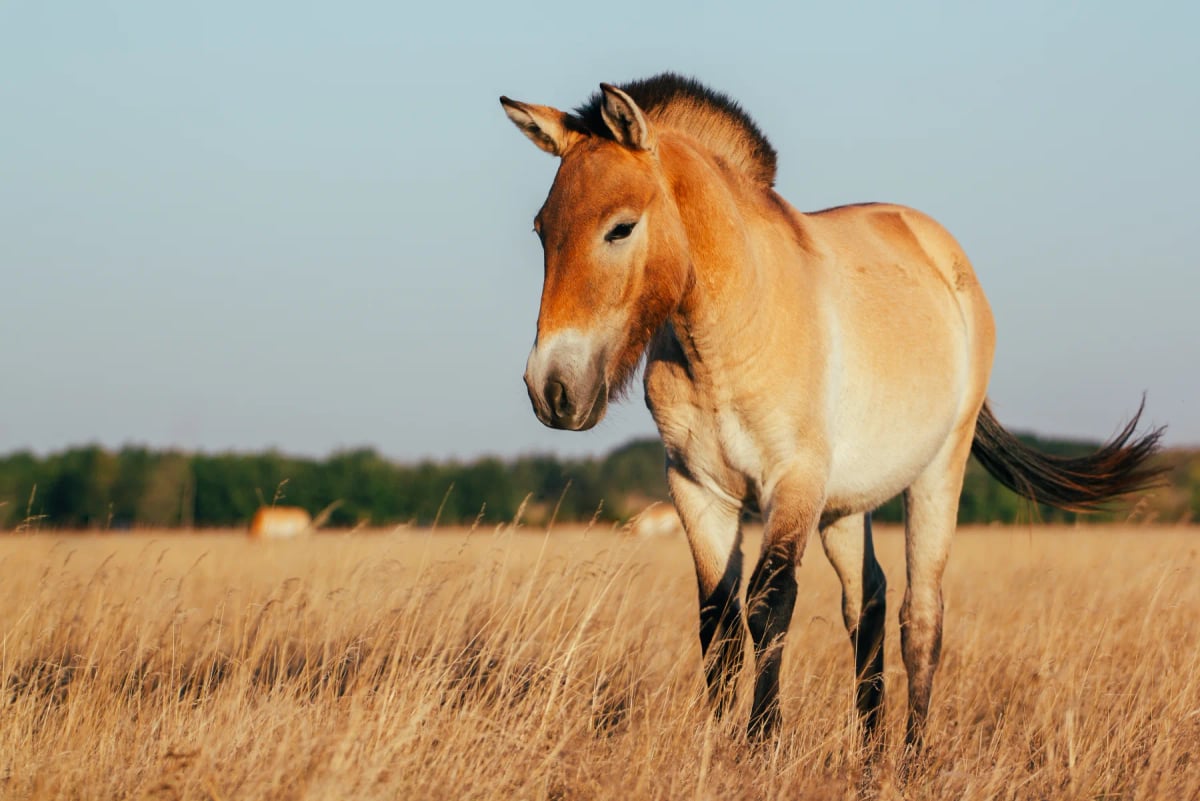
Przewalski's Horse
Equus ferus przewalskii
The Przewalski horse is a strong symbol for Mongolia and for the idea of a wild steppe that still has native animals. It appears in school material, visitor centres and local projects that explain how herds returned to protected areas. For many people it links modern life in towns with older traditions of open land and free ranging horses.
View details→Wildlife in Mongolia
Mongolia has wide grasslands, rocky valleys and dry mountains where visitors move mainly along clear tracks. Many tours use simple camps, horse rides or long drives between small towns. Wildlife is usually seen at a distance near rivers, lakes or hillside viewpoints, so most people watch animals while they follow easy steppe trails rather than deep forest routes.
Most Dangerous Animals in Mongolia
Danger in Mongolia comes mostly from rough terrain and from a few wild species that defend space when surprised. Wolverine, moose, snow leopard, wild boar, eurasian lynx, gray wolf and european adder can cause problems in remote areas, especially near dens or resting sites. Most people only see them far away on slopes, river banks or open grassland.
Top 10 Animals in Mongolia
The top ten list for Mongolia focuses on animals linked to open land and a harsh climate. Species such as wolverine, moose, eurasian lynx, reindeer, gray wolf and peregrine falcon are often named in travel stories because they live on mountain slopes, river valleys and steppe areas that visitors cross during tours and simple lookout stops.
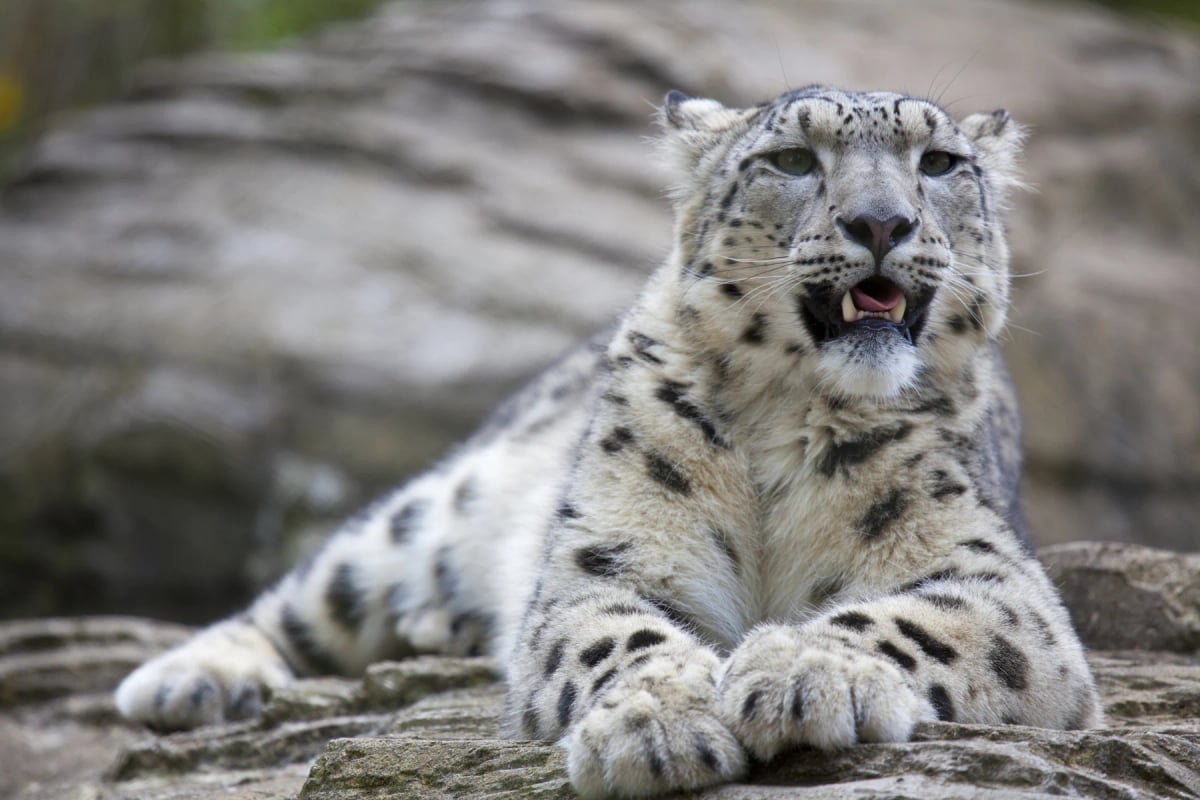
Snow Leopard
Panthera uncia
Mongolia's Altai Mountains in the west of the country are the primary home of snow leopards here, where the cats hunt argali sheep and ibex across vast, open terrain. Mongolia holds a notable portion of the global population. The Snow Leopard Trust has conducted extensive research and community conservation work in the country for decades. Herder compensation programs help reduce the incentive to kill snow leopards in retaliation for livestock losses. IUCN status: Vulnerable.
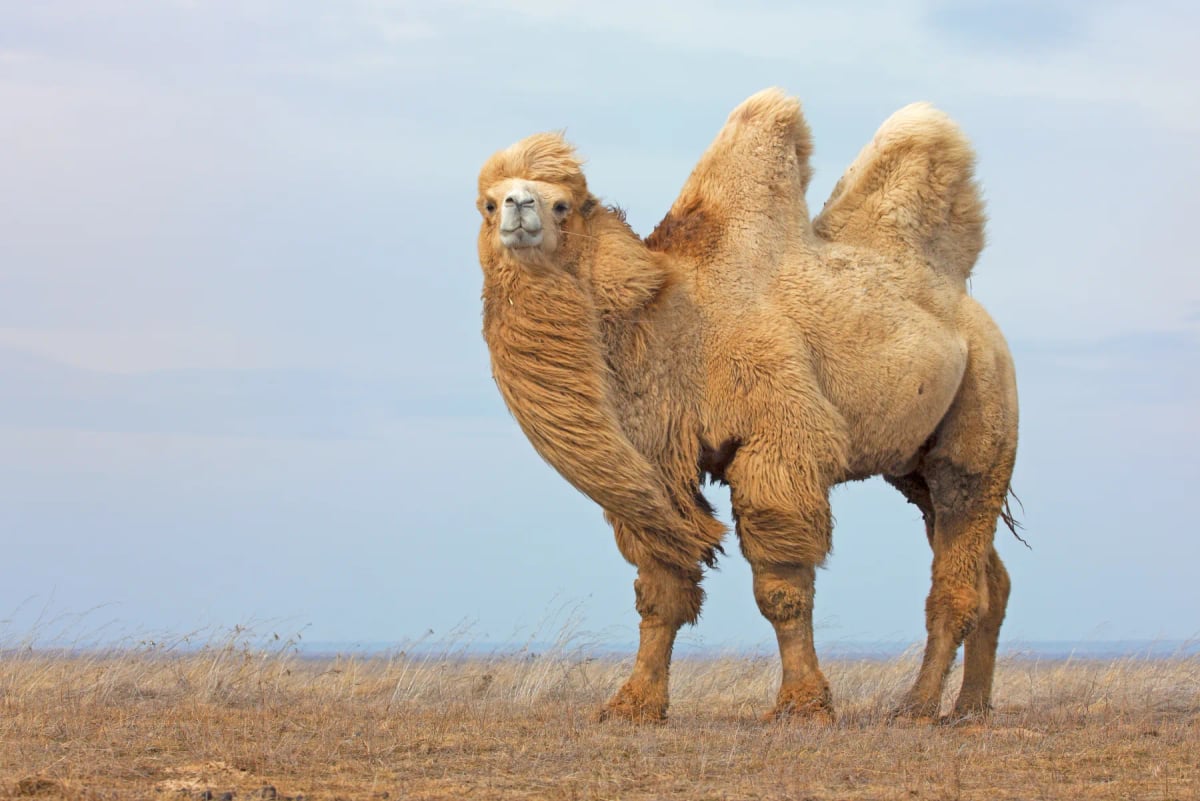
Bactrian Camel
Camelus bactrianus
Mongolia is home to the largest population of domesticated Bactrian camels in the world, with around 430,000 individuals kept by nomadic herders across the Gobi Desert and southern steppes. The camel is deeply woven into Mongolian pastoral culture, providing transport, milk, wool, and meat. Mongolia also shares with China the last remaining wild Bactrian camels, a critically endangered and genetically distinct species that survives in small numbers in the Great Gobi Reserve Area, one of the few places on Earth where truly wild camels still roam.
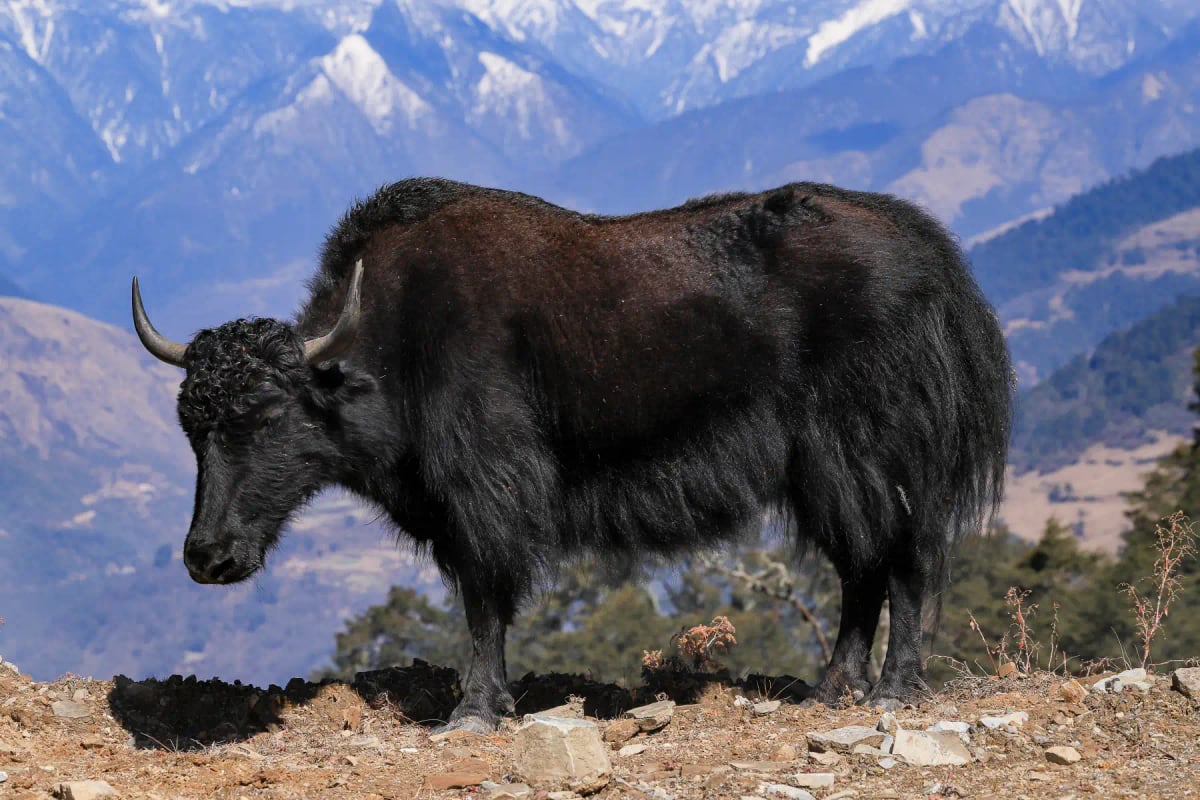
Yak
Bos grunniens
In Mongolia, yaks live mainly in the Altai mountains of the west, in provinces such as Bayan Ulgii and Khovd, where herding families rely on them for milk, meat and wool through harsh, high altitude winters. Better suited to steep, rocky ground than horses or cattle, yaks remain a practical choice for households living at the country's highest and coldest elevations.
Przewalski's Horse
Equus ferus przewalskii
Mongolia is the heart of Przewalski's Horse recovery. The Hustai National Park and the Great Gobi B Strictly Protected Area are home to reintroduced family bands that now roam the open steppe as they once did centuries ago. Descended entirely from zoo-bred animals, these horses graze coarse grassland vegetation and face harsh winters on the Mongolian plateau, where conservation programs continue to support their survival over the long term.
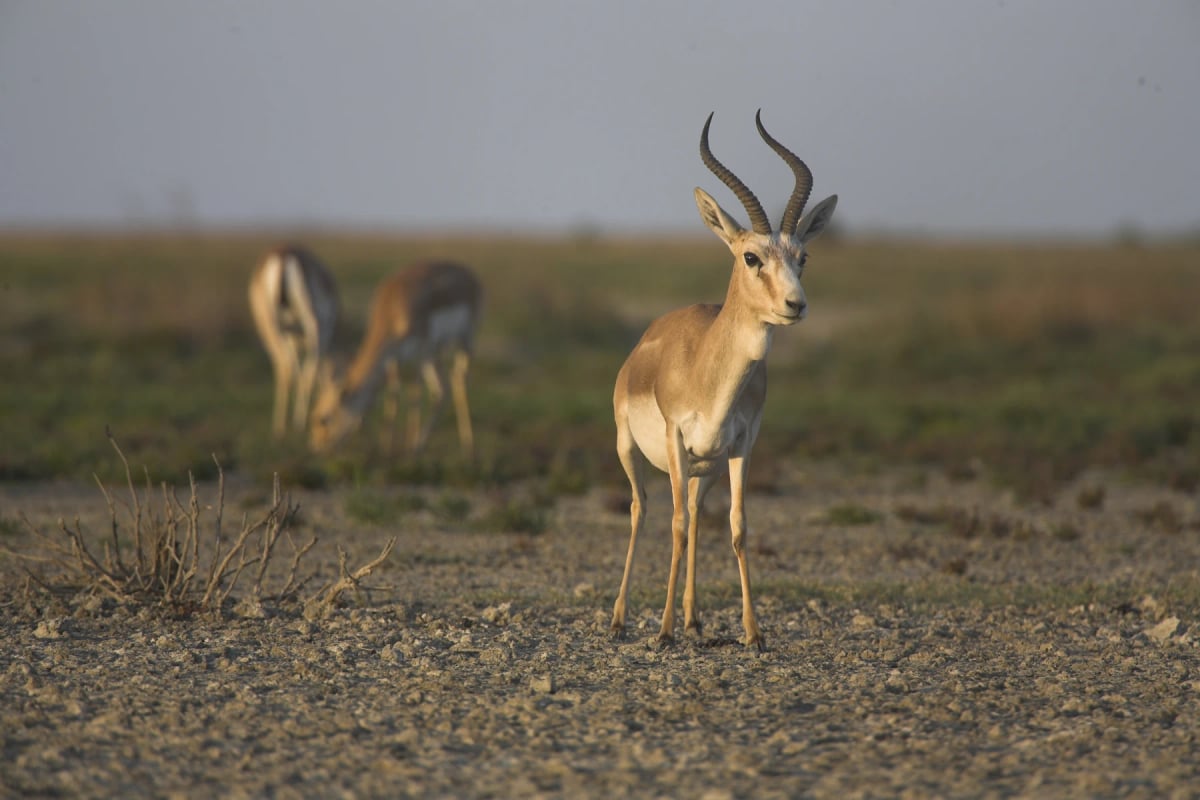
Goitered Gazelle
Gazella subgutturosa
In Mongolia, the goitered gazelle is found in the Gobi Desert and surrounding semi-arid basins in the south and southwest of the country. It is well adapted to the cold winters and hot summers of this region, surviving on sparse grasses and drought-resistant shrubs. Infrastructure expansion and illegal hunting pose growing threats. The IUCN lists the species as Vulnerable, and Mongolia holds an important portion of its global range.
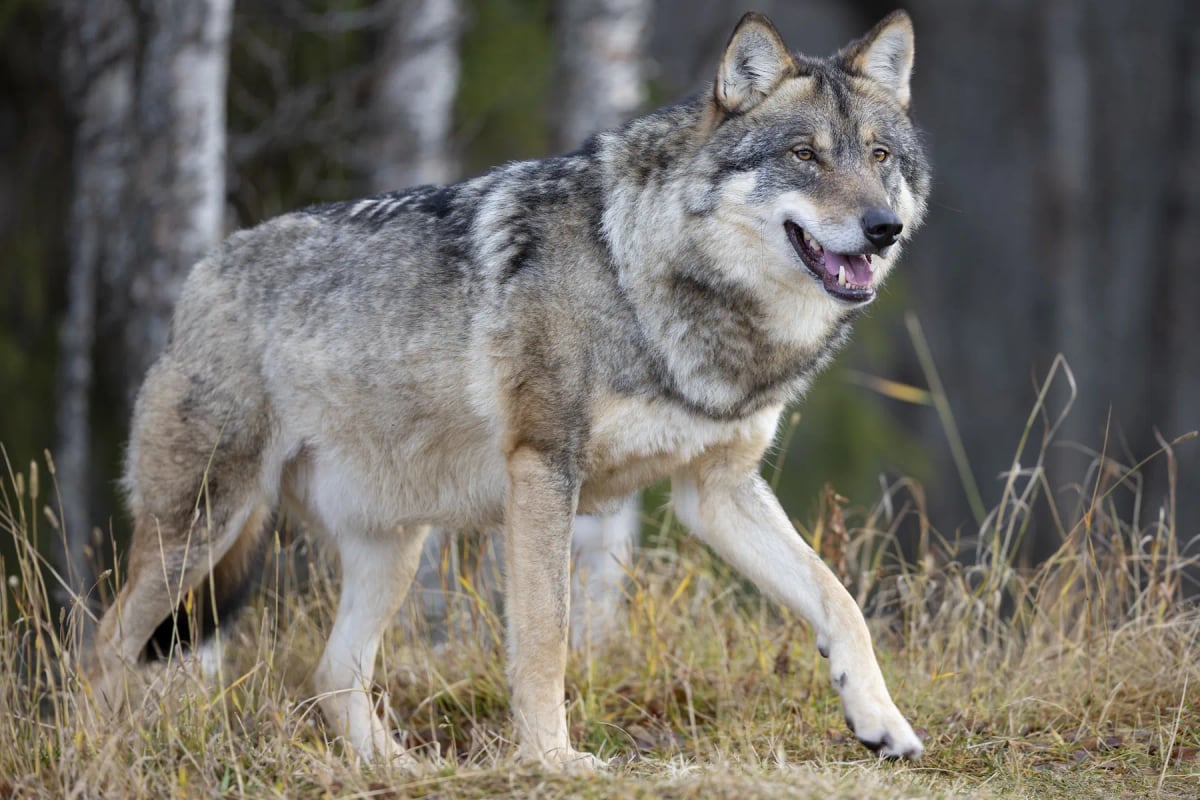
Gray Wolf
Canis lupus
Mongolia supports one of the largest wolf populations in Asia. Wolves range across the vast steppes, the Gobi Desert edges and the northern forests of the country. They prey on gazelle, argali and domestic livestock, and conflict with nomadic herders is common. Mongolia has no legal protection for wolves and they can be hunted year round. Despite this, the population remains large due to the country's enormous and sparsely populated wilderness areas. The global status is Least Concern.
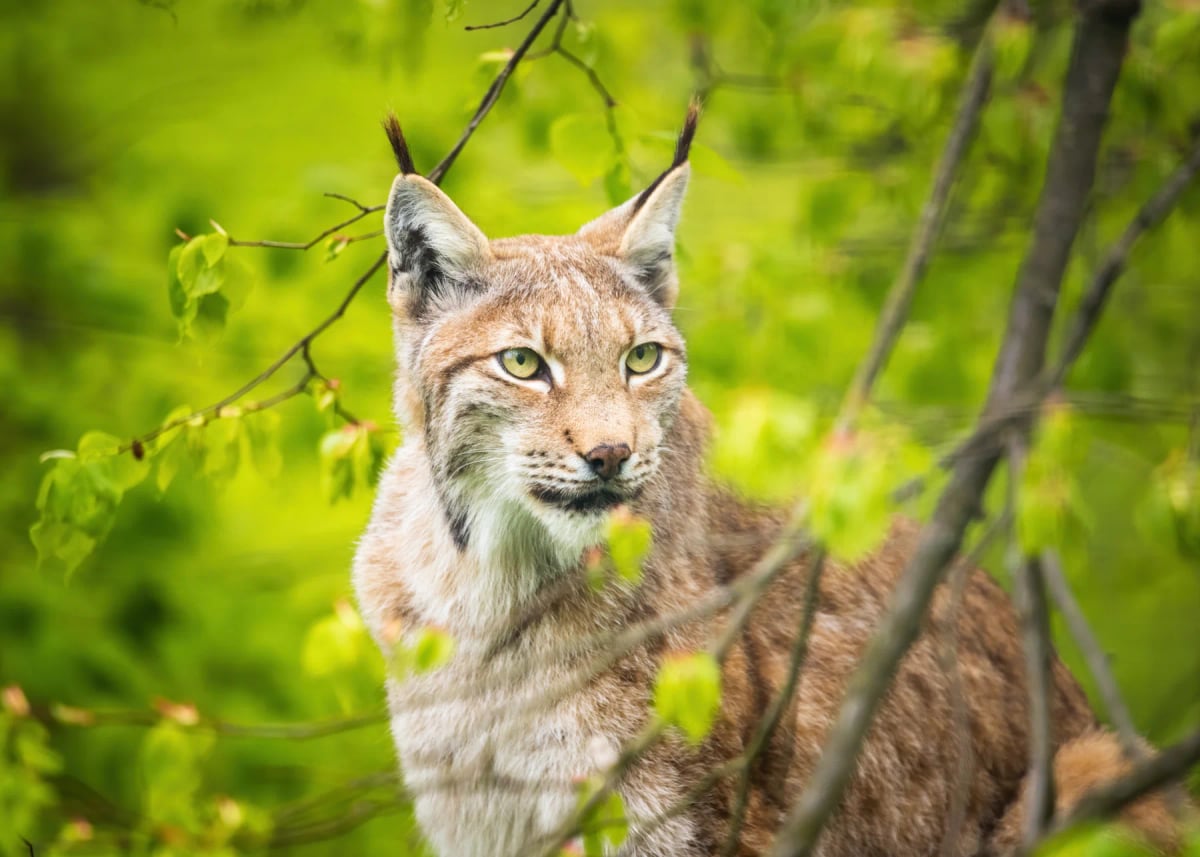
Eurasian Lynx
Lynx lynx
In Mongolia, the Eurasian Lynx roams the taiga forests of the north, particularly in regions bordering Russia and the Altai mountains. It preys on deer, hares, and other mammals suited to the cold terrain. Vast and sparsely populated, Mongolia's northern forests offer the lynx plenty of undisturbed habitat. The IUCN lists it as Least Concern, though exact population data for the country remains limited.
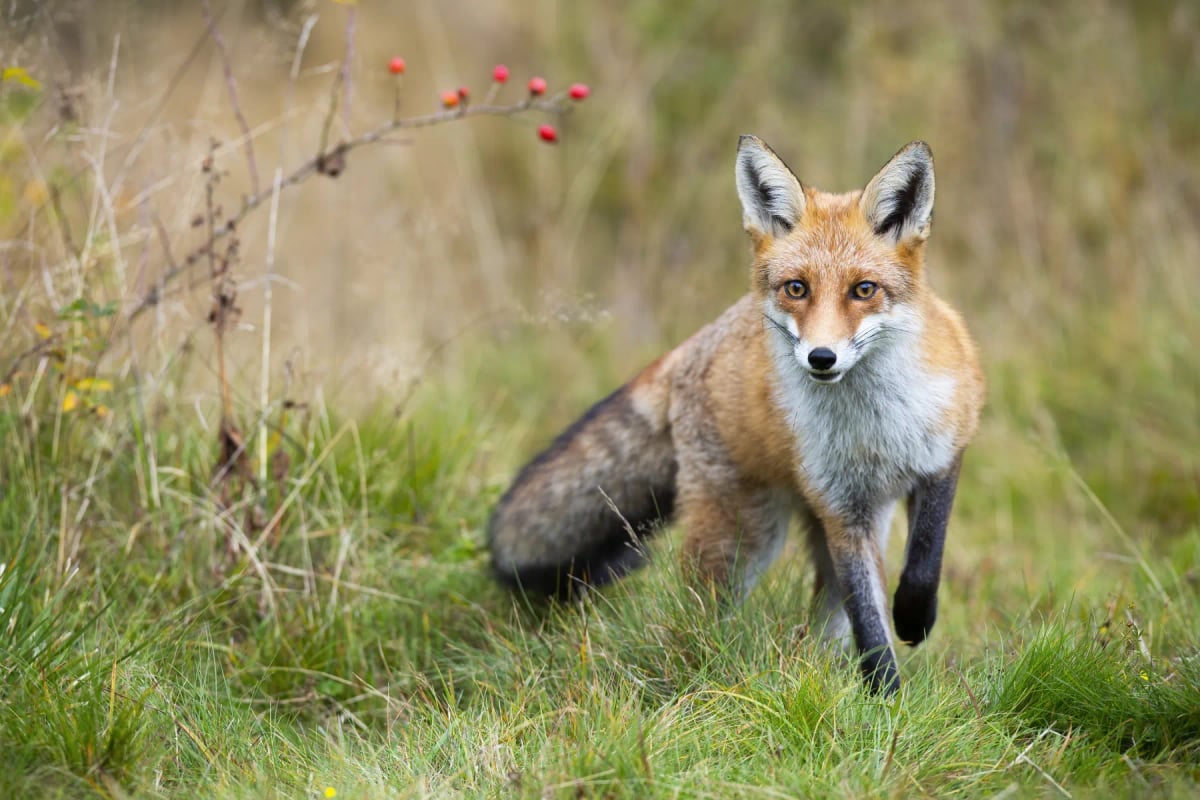
Red Fox
Vulpes vulpes
Mongolia's vast steppes, mountain forests, and semi-arid zones are home to healthy red fox populations. Across the Mongolian steppe, foxes hunt rodents such as voles and pikas, which are essential prey in these open grasslands. Their thick winter coats help them endure Mongolia's harsh continental winters. Historically prized for their fur, they remain common throughout the country and are listed as Least Concern globally.
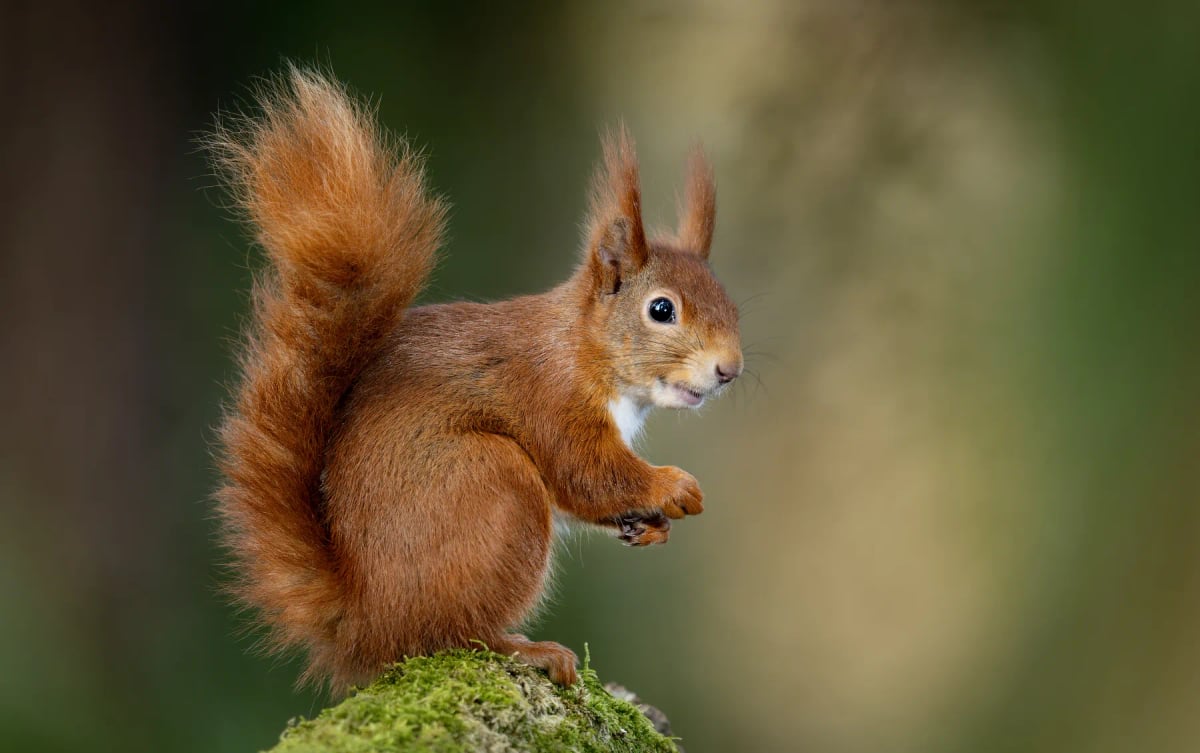
Red Squirrel
Sciurus vulgaris
In Mongolia, the red squirrel inhabits the taiga forests of the north, particularly in the forested zones bordering Russia near the Khövsgöl and Selenge regions. It feeds on conifer seeds, berries, and fungi in this remote boreal landscape. Populations here are far removed from the pressures affecting western Europe, and the species lives relatively undisturbed across the sparse but intact northern forests of the country.
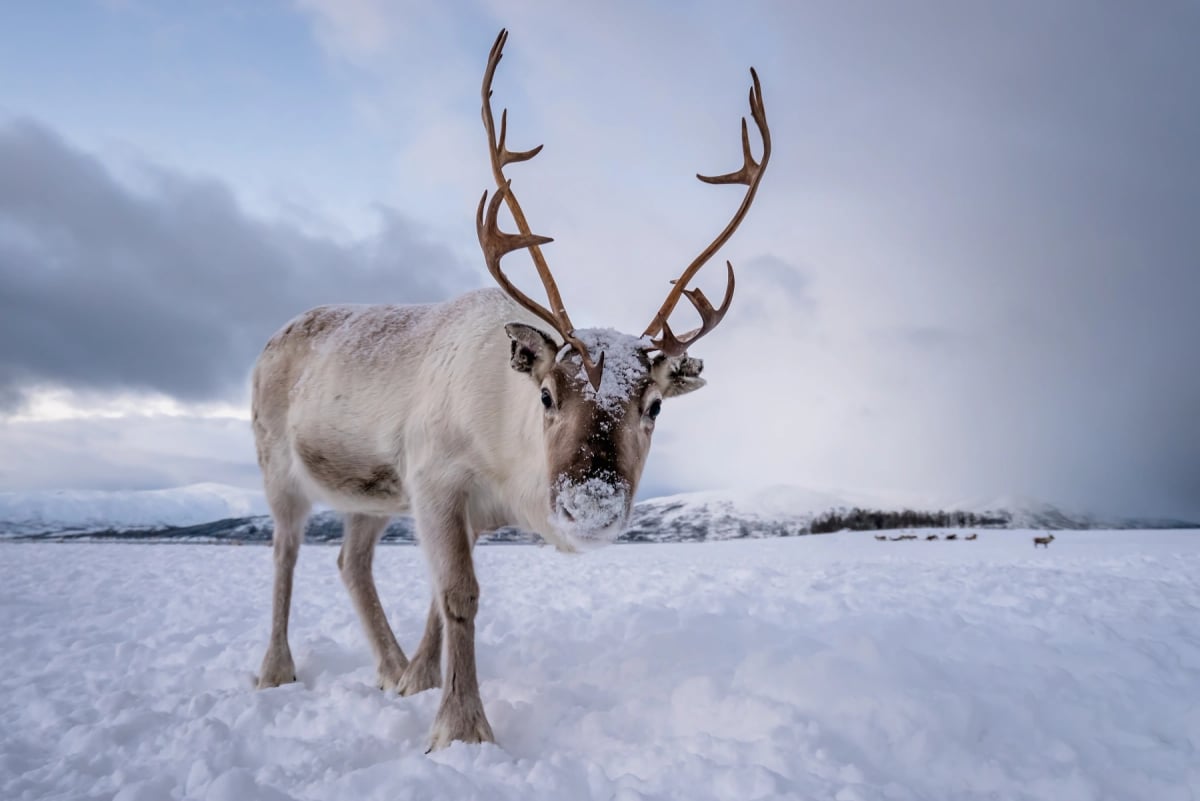
Reindeer
Rangifer tarandus
In Mongolia, a small and rare population of reindeer lives in the taiga forests of the far north, near the border with Russia. These animals are herded by the Dukha people, also called Tsaatan, one of the last communities on Earth to practice reindeer herding as a core part of daily life. The population is very small and considered at risk, making conservation efforts in this remote region especially important. IUCN status: Vulnerable.
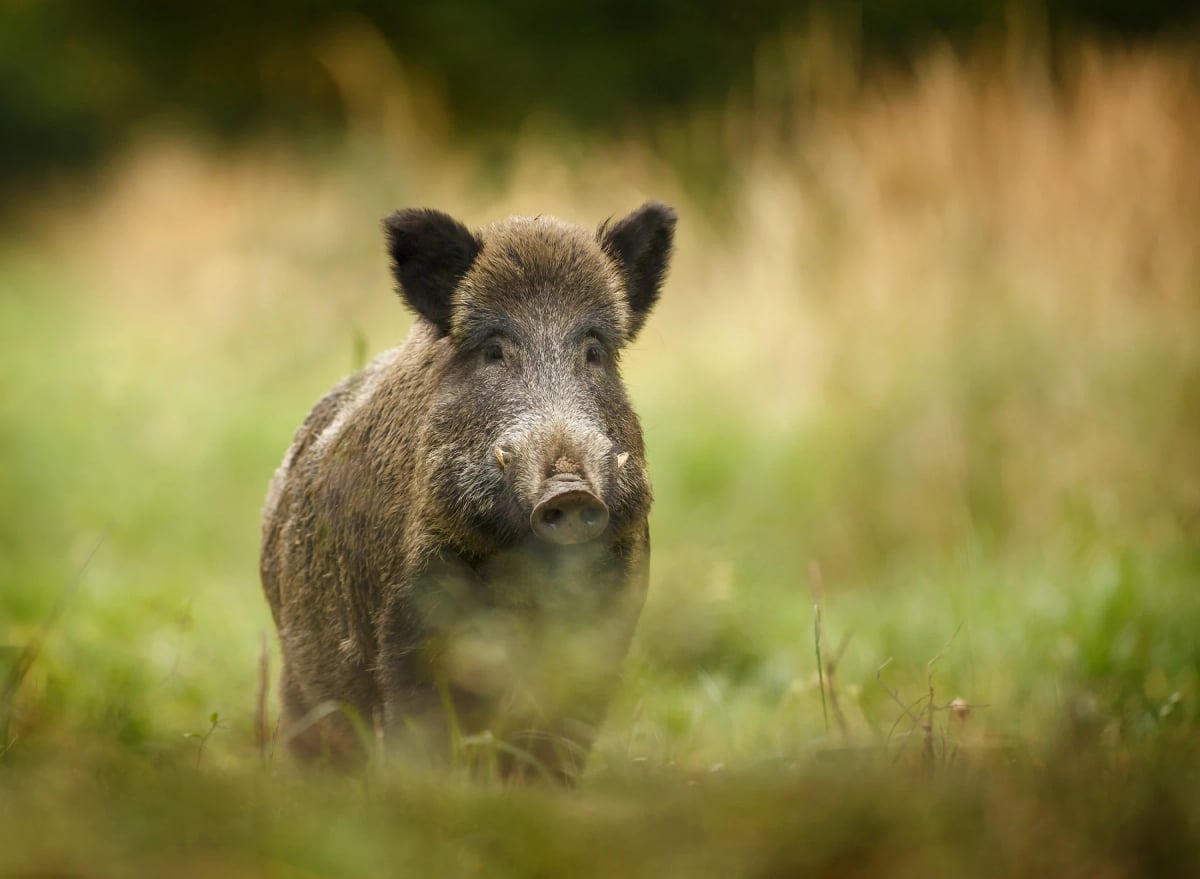
Wild Boar
Sus scrofa
Wild boars in Mongolia are largely confined to forested river valleys and taiga in the north, particularly near the Russian border in regions such as Khentii and Khovsgol. Unlike much of the country's open grassland, these wooded areas provide the cover and food wild boars need. They are hunted for meat by local communities and remain far less numerous than Mongolia's iconic steppe and desert wildlife.
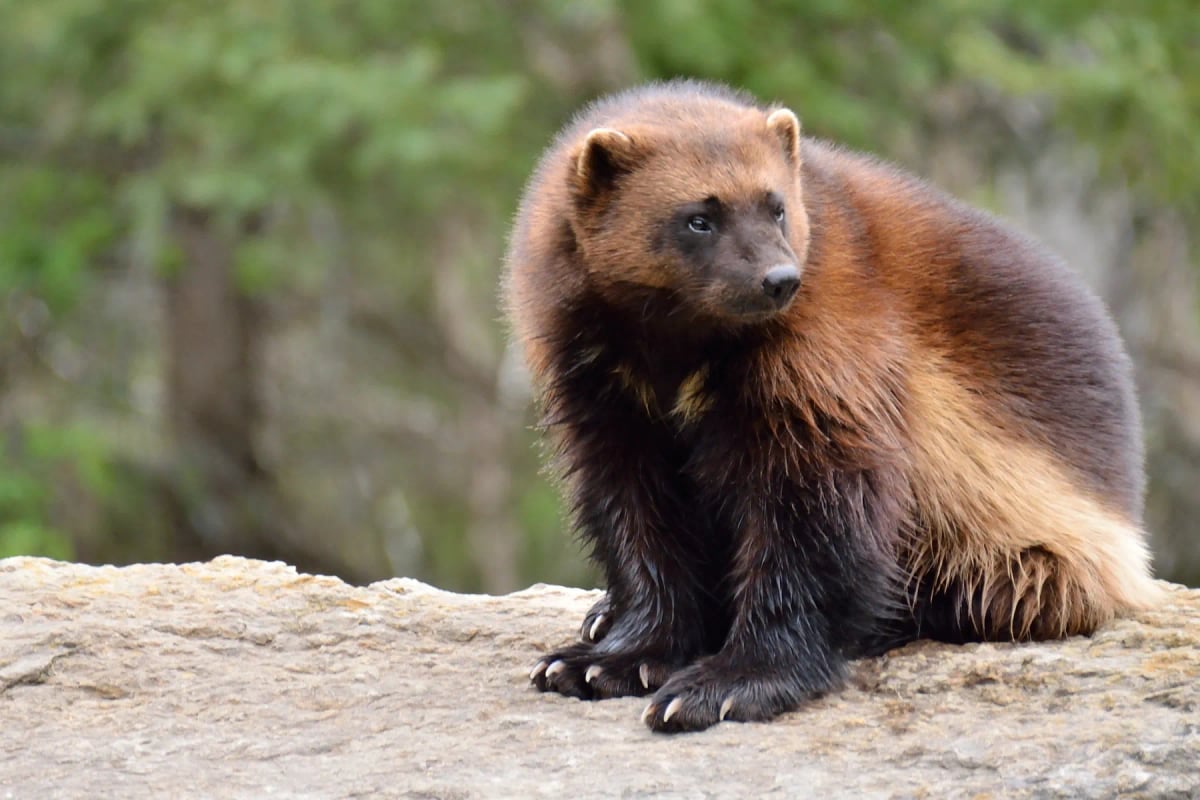
Wolverine
Gulo gulo
In Mongolia, wolverines are found in the rugged mountain ranges of the north and west, including the Altai and Khangai ranges, where cold temperatures and forested slopes provide suitable habitat. They are rarely observed and their population size in the country is not well documented. The wolverine holds an air of mystery here, known mostly to hunters and herders who occasionally cross paths with one in remote valleys.
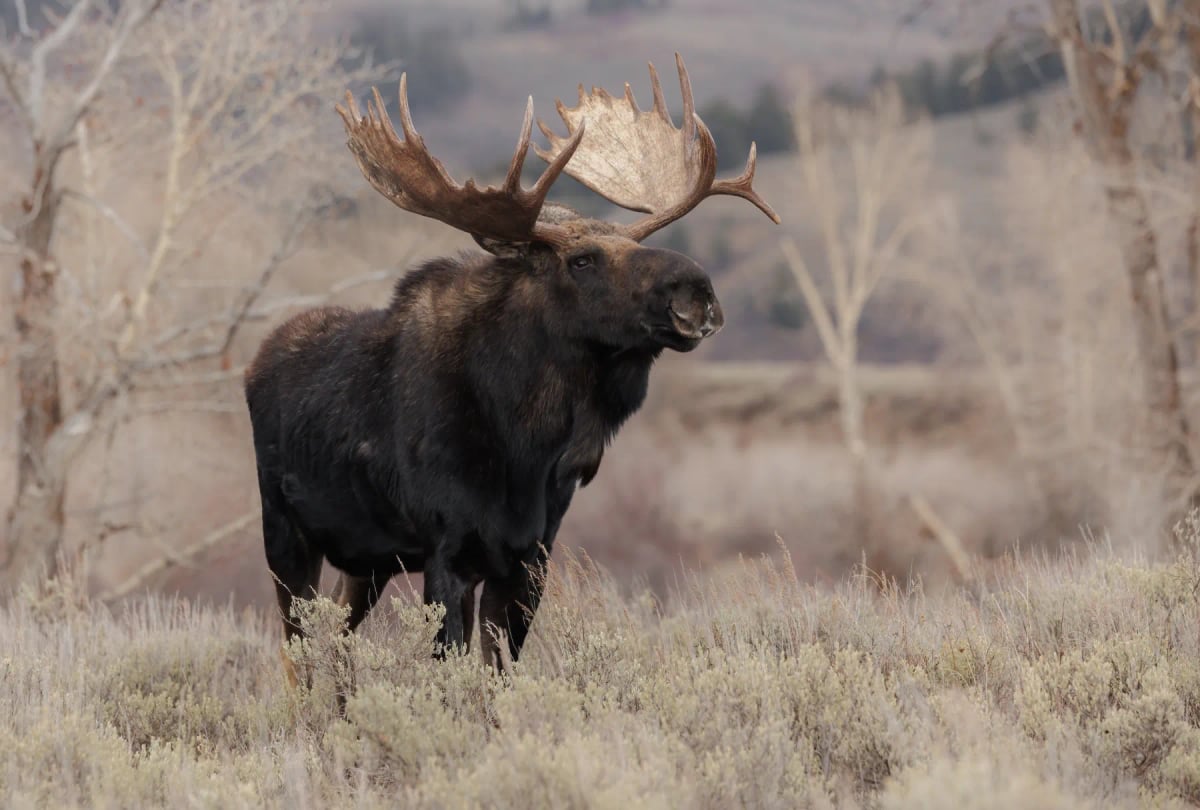
Moose
Alces alces
In Mongolia, moose are found in the taiga forests of the far north, particularly in the Khövsgöl and Selenge regions near the Russian border. This is the southern edge of their global range, and numbers here are relatively low. The animals rely on boreal riverine forests and wetlands in a landscape that also supports reindeer herders and abundant predators such as wolves. IUCN status: Least Concern.
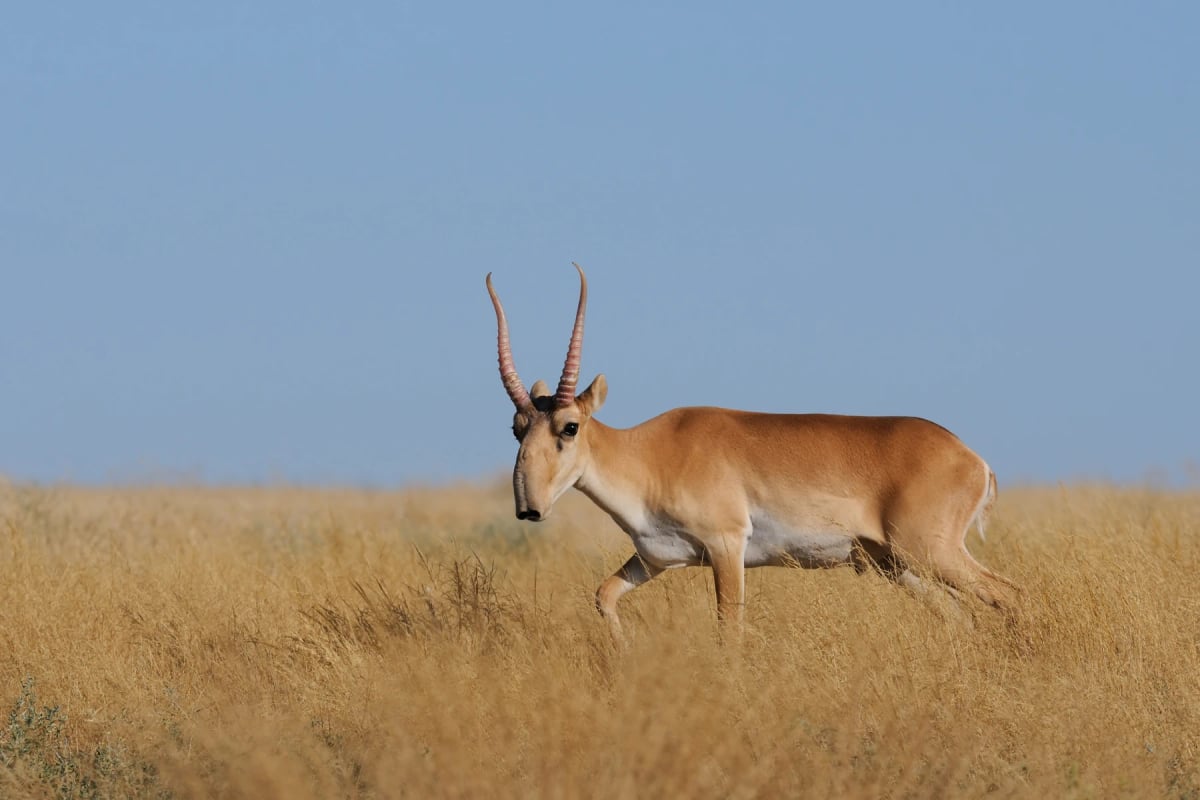
Saiga
Saiga tatarica
In Mongolia, a small and isolated population of saigas survives in the remote grasslands of the Sharga and Mankhan nature reserves in the west of the country. This group belongs to the subspecies Saiga tatarica mongolica and is considered especially vulnerable. Cross-border cooperation with neighboring countries and local conservation efforts are essential to prevent this population from disappearing entirely.
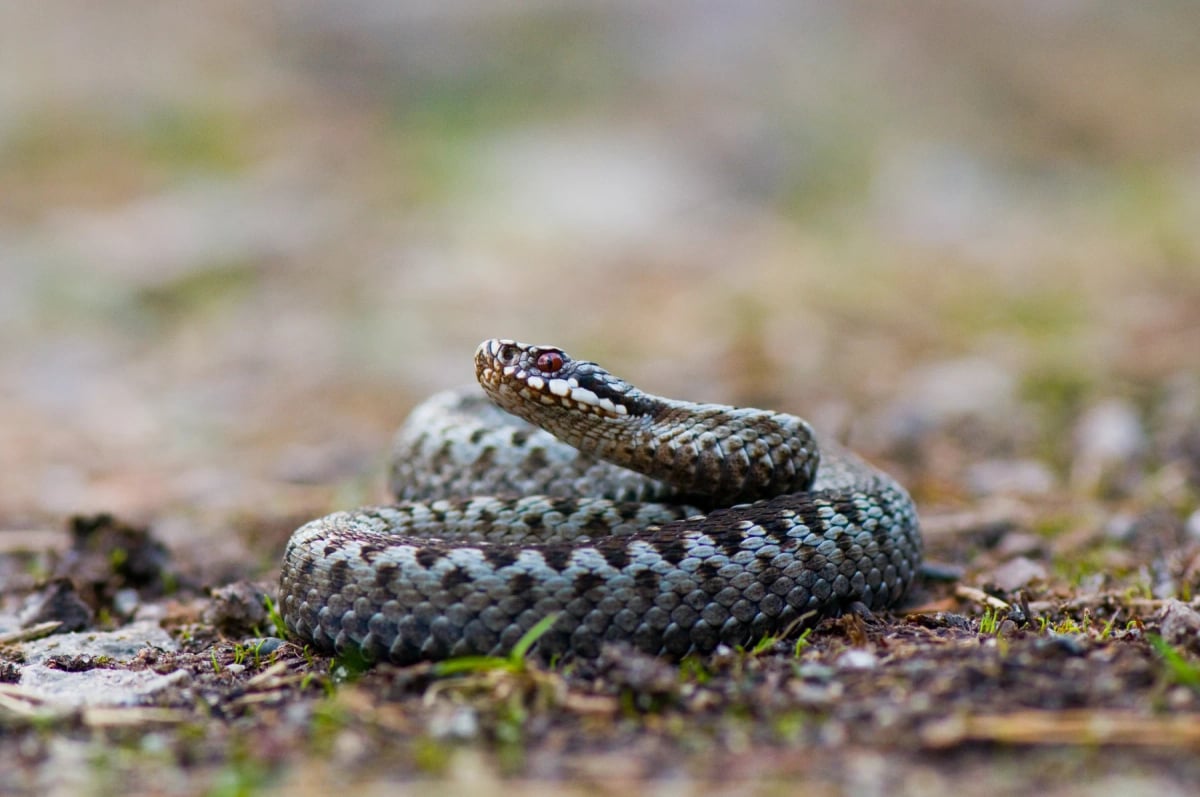
European Adder
Vipera berus
In Mongolia, the European adder reaches the eastern edge of its range, appearing in the forested highlands of the north, particularly around the Khangai and Khentii mountain zones. It favors rocky slopes and forest clearings where it can bask in the short warm season. Winters here are severe, so the adder spends several months in hibernation underground. Its IUCN status is Least Concern.
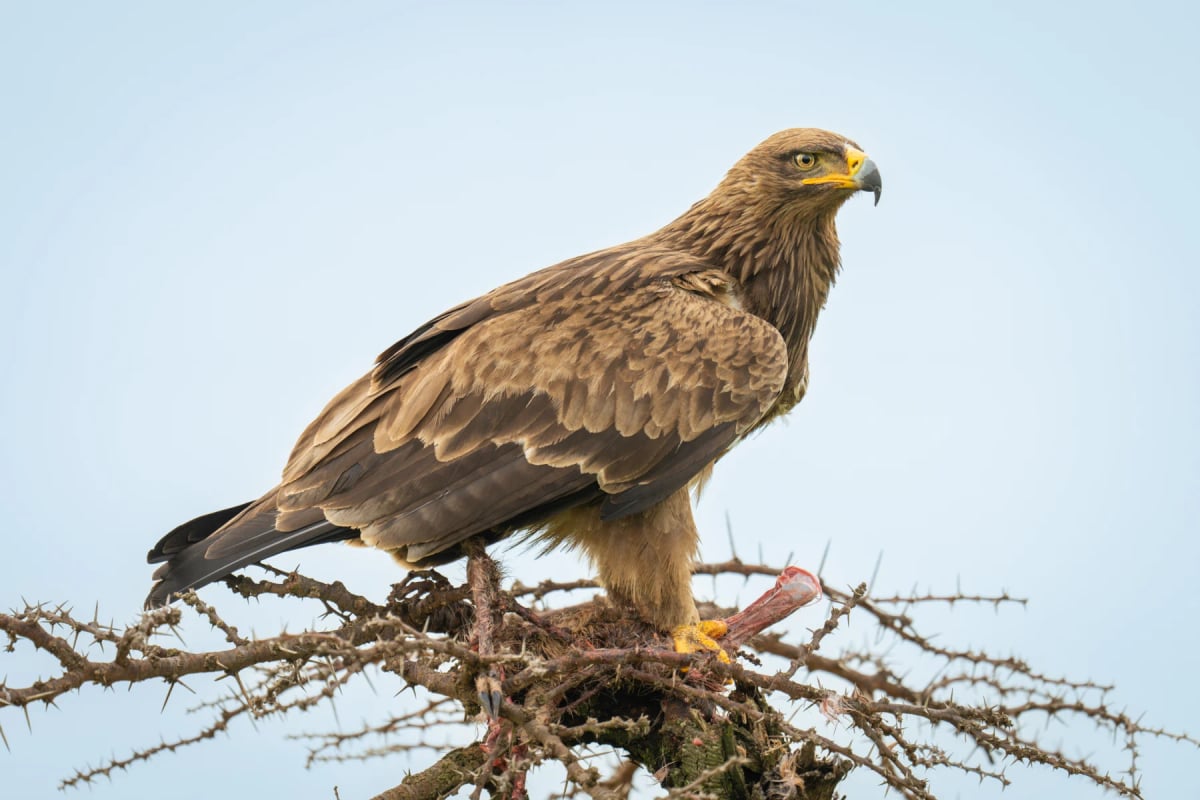
Steppe Eagle
Aquila nipalensis
Mongolia is one of the most important breeding grounds for the Steppe Eagle. Vast open grasslands and semi-desert plains across the country provide ideal nesting habitat. Pairs build their nests on the ground or on low rocky outcrops. Each autumn, birds leave Mongolia on a journey of thousands of kilometers to wintering areas in Africa and South Asia. The species is listed as Endangered by the IUCN.
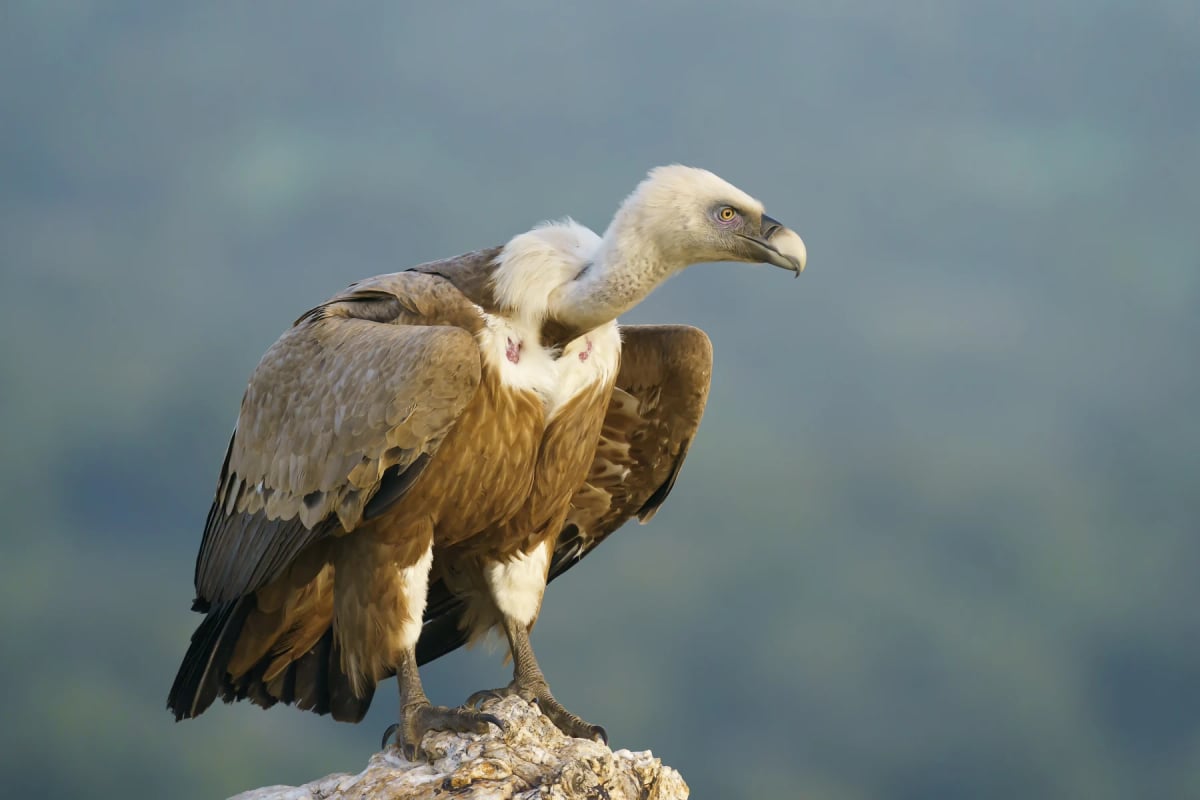
Griffon Vulture
Gyps fulvus
Mongolia lies at the eastern edge of the griffon vulture's range, and here it is a very rare bird. The few records come from the Altai and Khangai mountains in the west, mostly in summer. It is easy to overlook, since other, far more common vultures share the same skies. Any griffon seen in Mongolia is soaring over open steppe or rocky slopes looking for dead livestock. IUCN status: Least Concern.
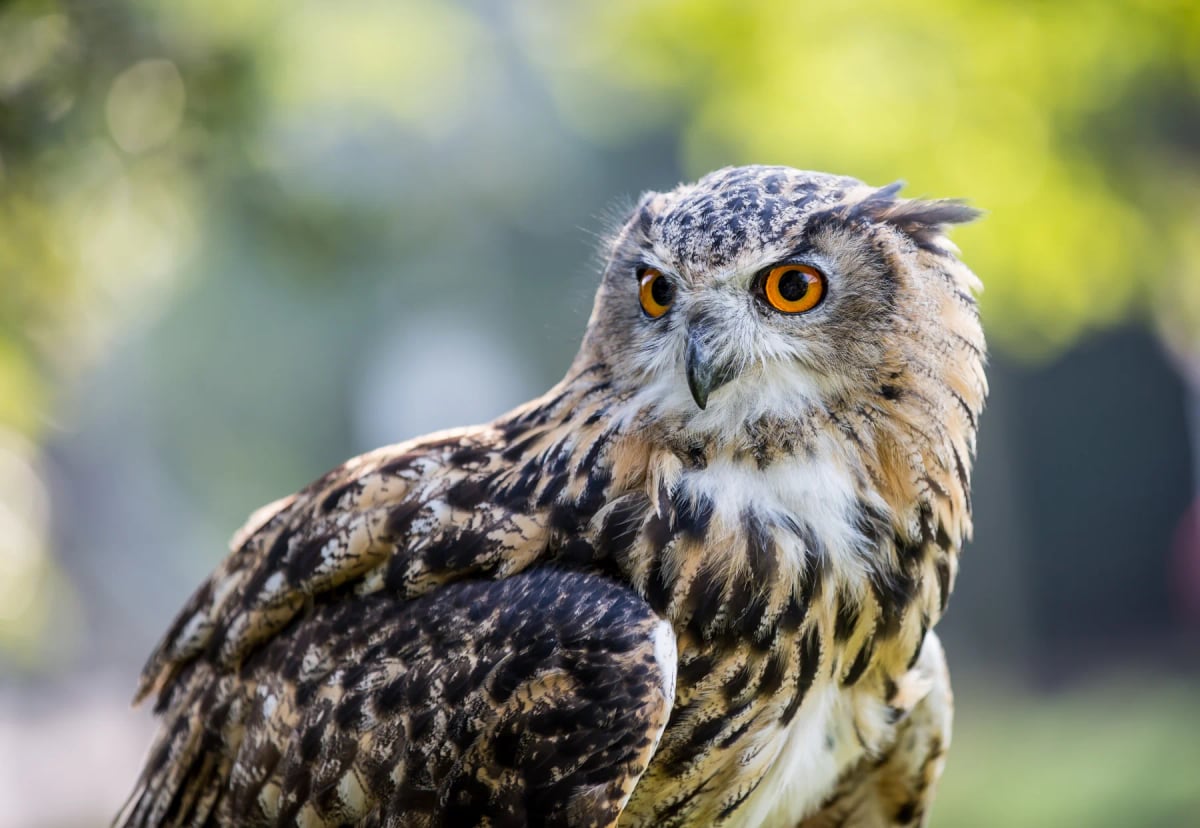
Eagle Owl
Bubo bubo
Mongolia's vast steppe, rocky mountains, and river valleys provide ideal habitat for the Eurasian eagle owl. It is found across much of the country, from the Altai and Khangai mountain ranges to drier desert regions in the south. A powerful nocturnal hunter, it targets rodents, hares, and birds. Mongolia's low human population density means large areas of habitat remain undisturbed. It is one of the country's most impressive birds. The IUCN lists it as Least Concern.
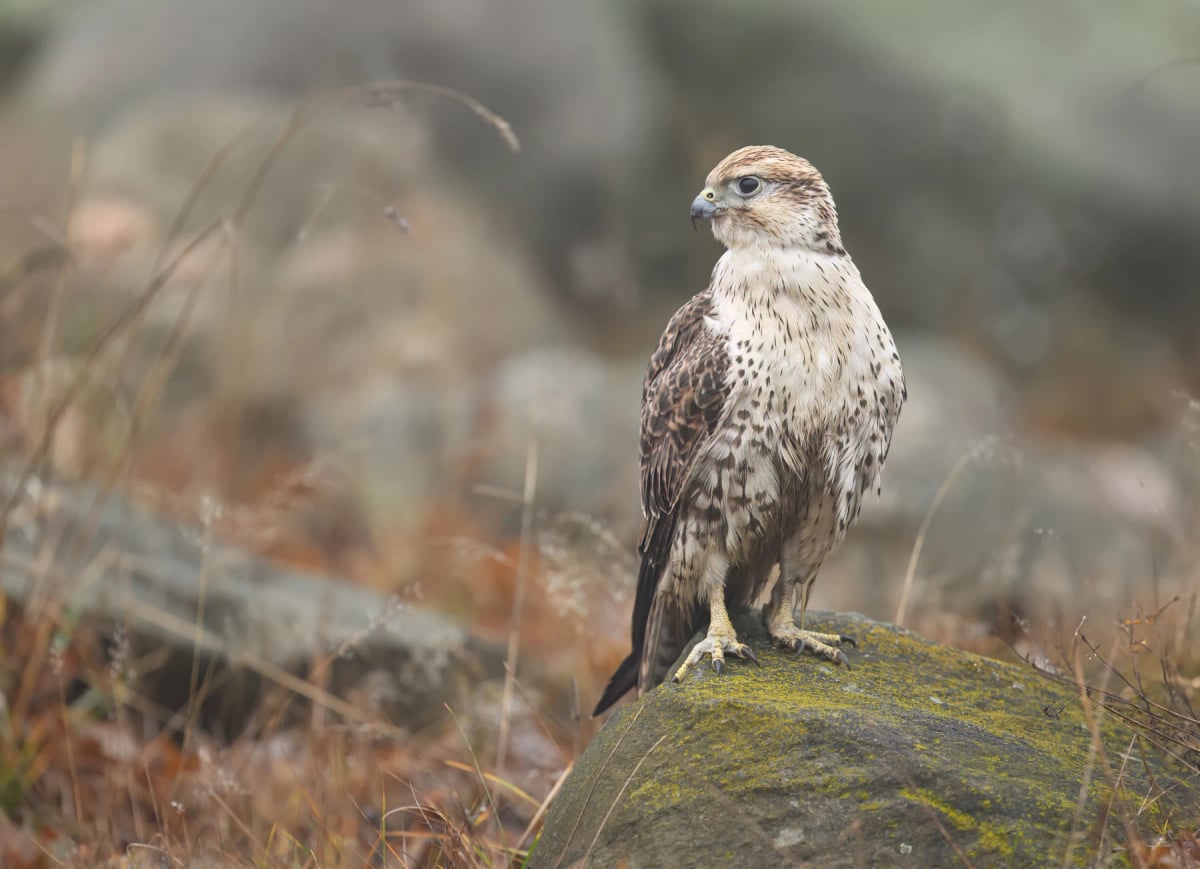
Saker Falcon
Falco cherrug
Mongolia is one of the most important countries in the world for the saker falcon. The vast steppes and semi-desert landscapes of the country provide ideal breeding habitat, and Mongolia holds a significant share of the global breeding population. Ground squirrels, particularly the Mongolian ground squirrel, are a key food source. Illegal trapping for export to the Gulf falconry market has caused severe declines, making Mongolia central to international efforts to protect the species. The IUCN lists it as Endangered.
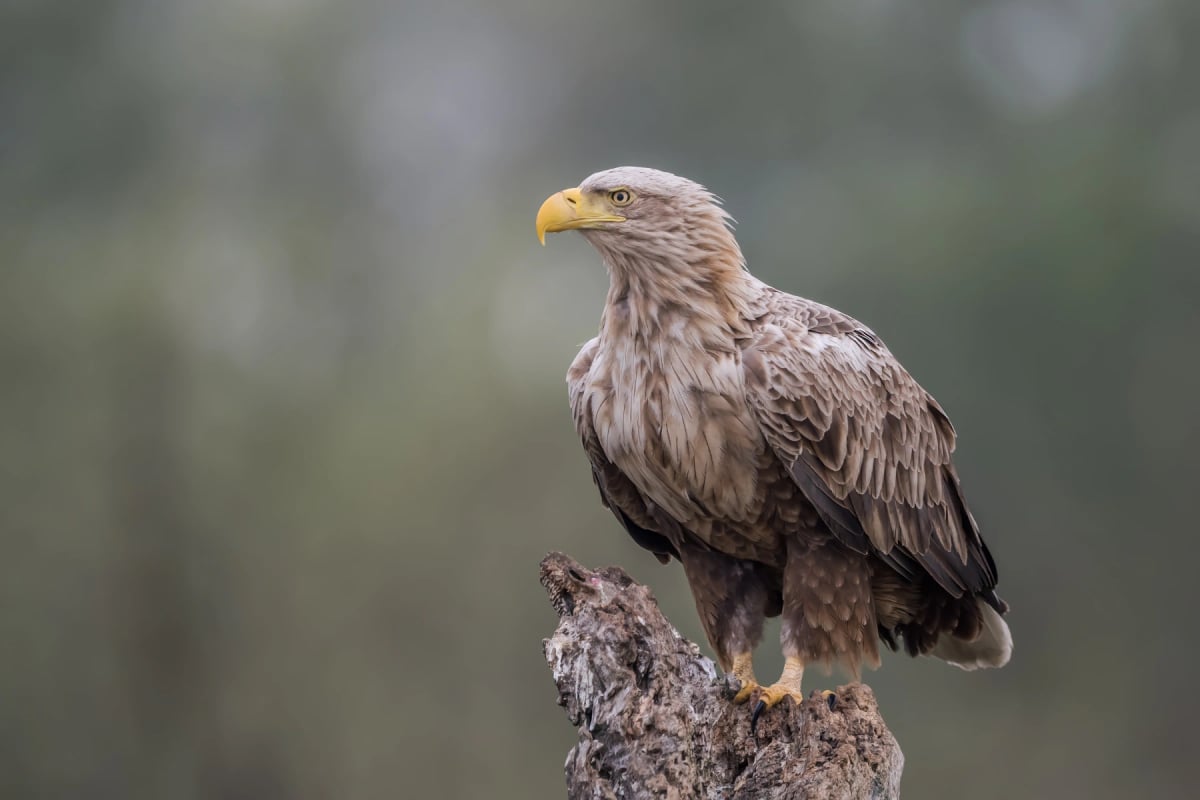
White tailed Eagle
Haliaeetus albicilla
In Mongolia, the white tailed eagle breeds along river valleys and the shores of large lakes, including Lake Khövsgöl and rivers in the north of the country. It is also present as a winter visitor across broader areas. The species shares habitat with steppe eagles and other raptors in this vast, sparsely populated landscape. Poisoning linked to predator control practices and disturbance near nests are the primary conservation concerns for eagles in Mongolia.
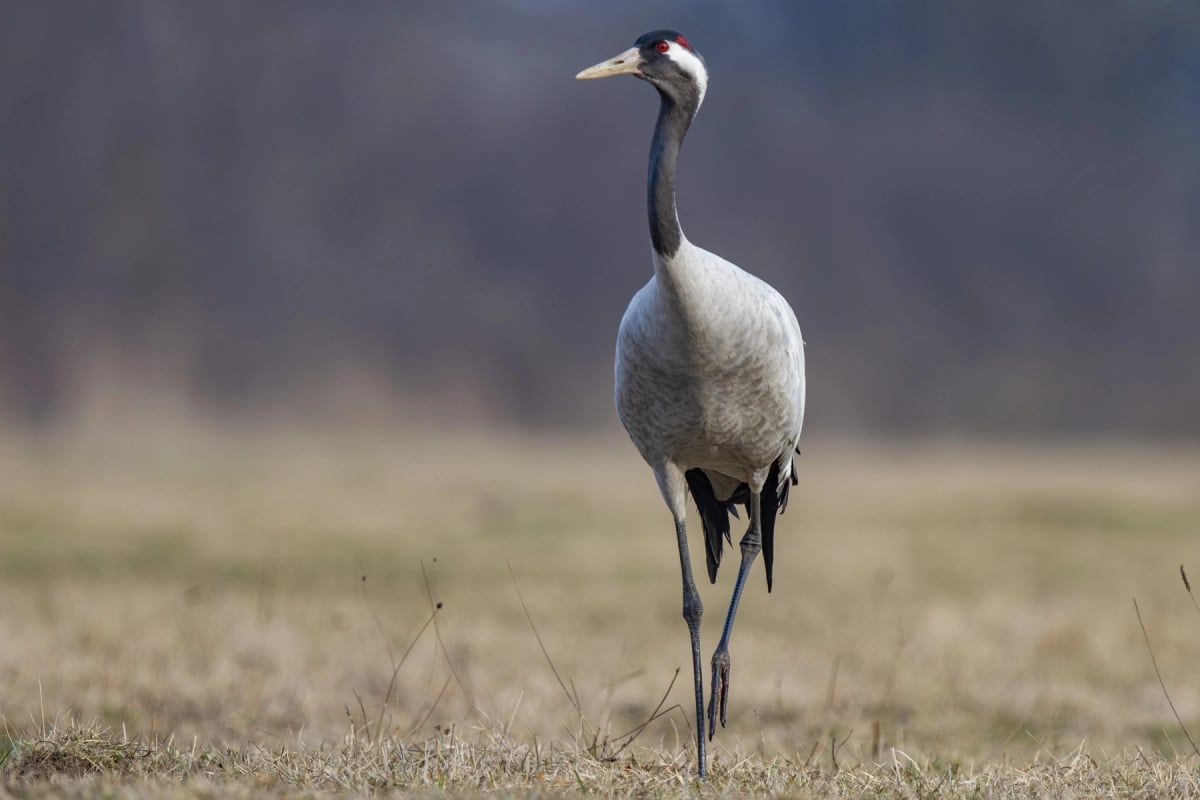
Crane
Grus grus
Mongolia is part of the common crane's breeding range. Pairs nest in wetlands, lake shores and river valleys of the north and east, including the Selenge and Onon basins and the Darkhad depression, often near demoiselle cranes. In late summer families gather in flocks on the steppe before migrating south to winter in China and India, with thousands crossing the country in long lines each autumn. IUCN status: Least Concern.
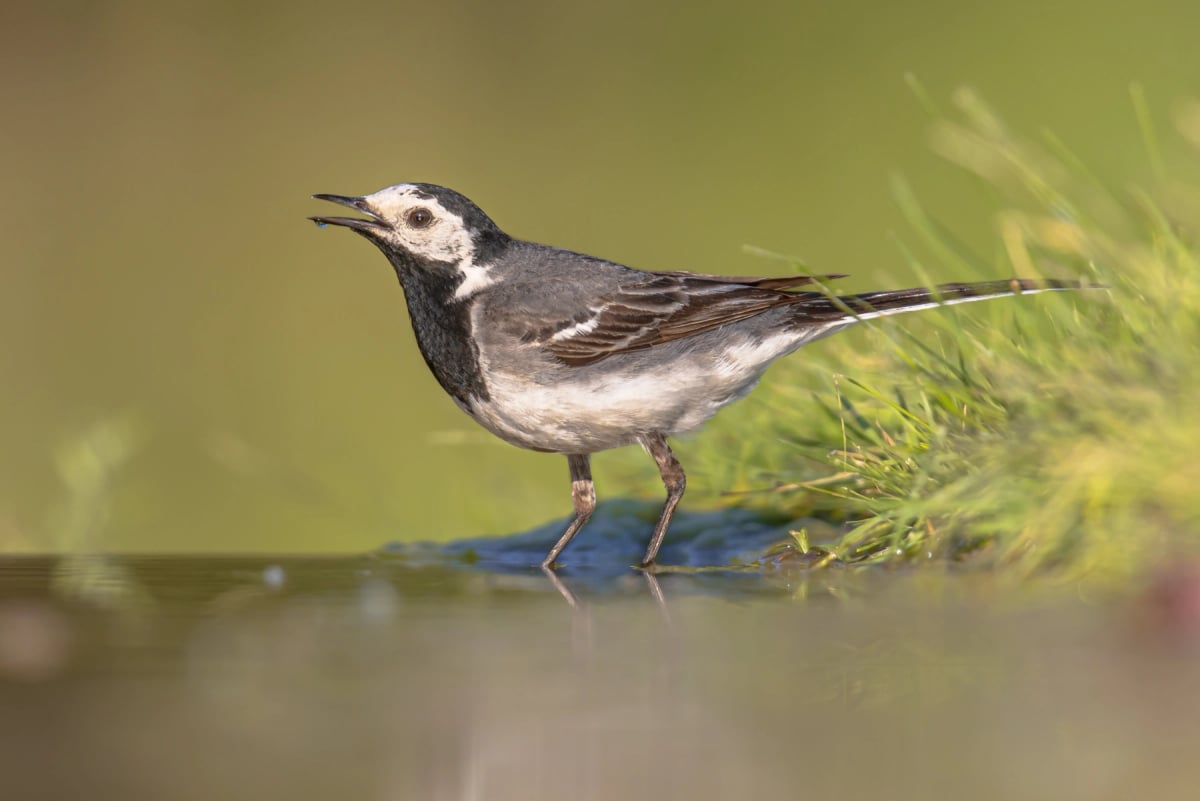
White Wagtail
Motacilla alba
Mongolia is part of the white wagtail's breeding range, and two subspecies meet here: the Baikal wagtail in the north and the black backed Amur wagtail in the east. They nest along rivers and lakes and in the gers and buildings of settlements, from the Selenge basin to the valleys of the Khangai. In autumn they leave the cold steppe to winter in southern China and Southeast Asia. IUCN status: Least Concern.
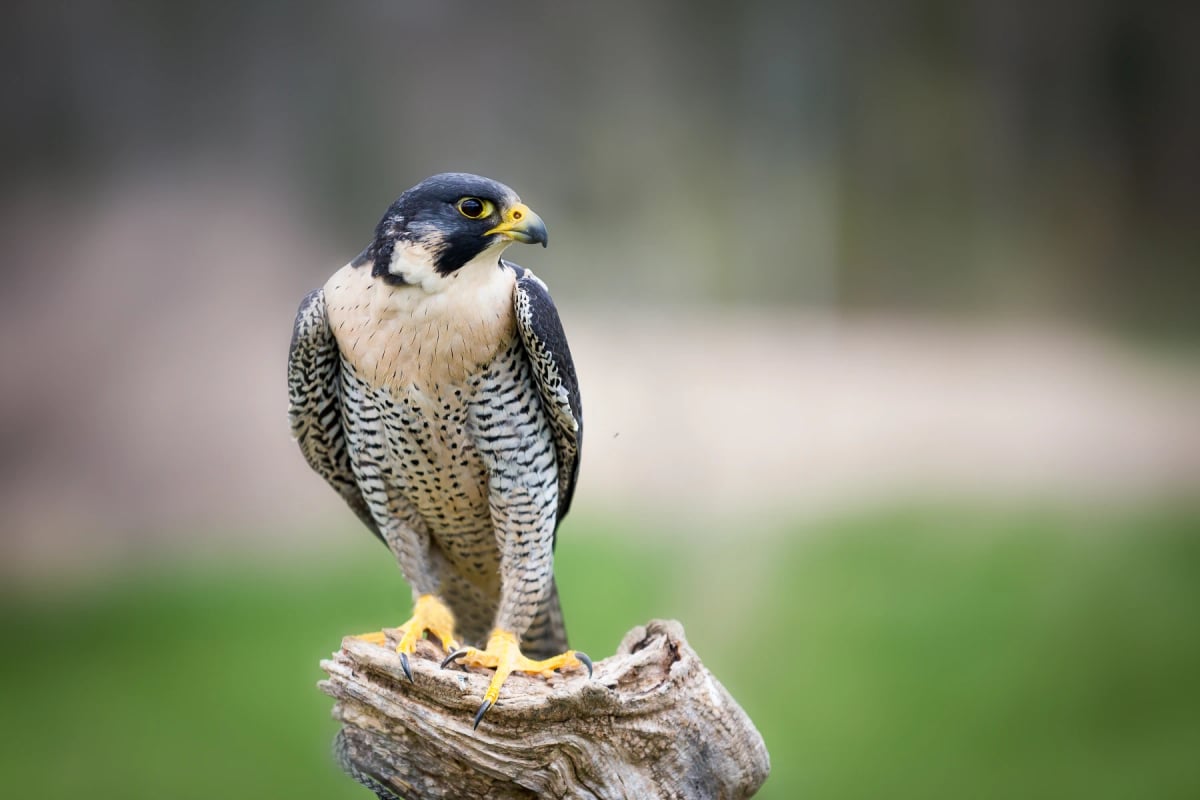
Peregrine Falcon
Falco peregrinus
Mongolia's vast open steppes and rocky mountain ranges provide excellent hunting ground for the peregrine falcon. It breeds across the country, nesting on cliff faces in ranges such as the Khangai and Altai mountains. Mongolian falcons have long been tied to the country's deep tradition of falconry, one of the oldest in the world. The species is rated Least Concern and populations remain stable across the region.
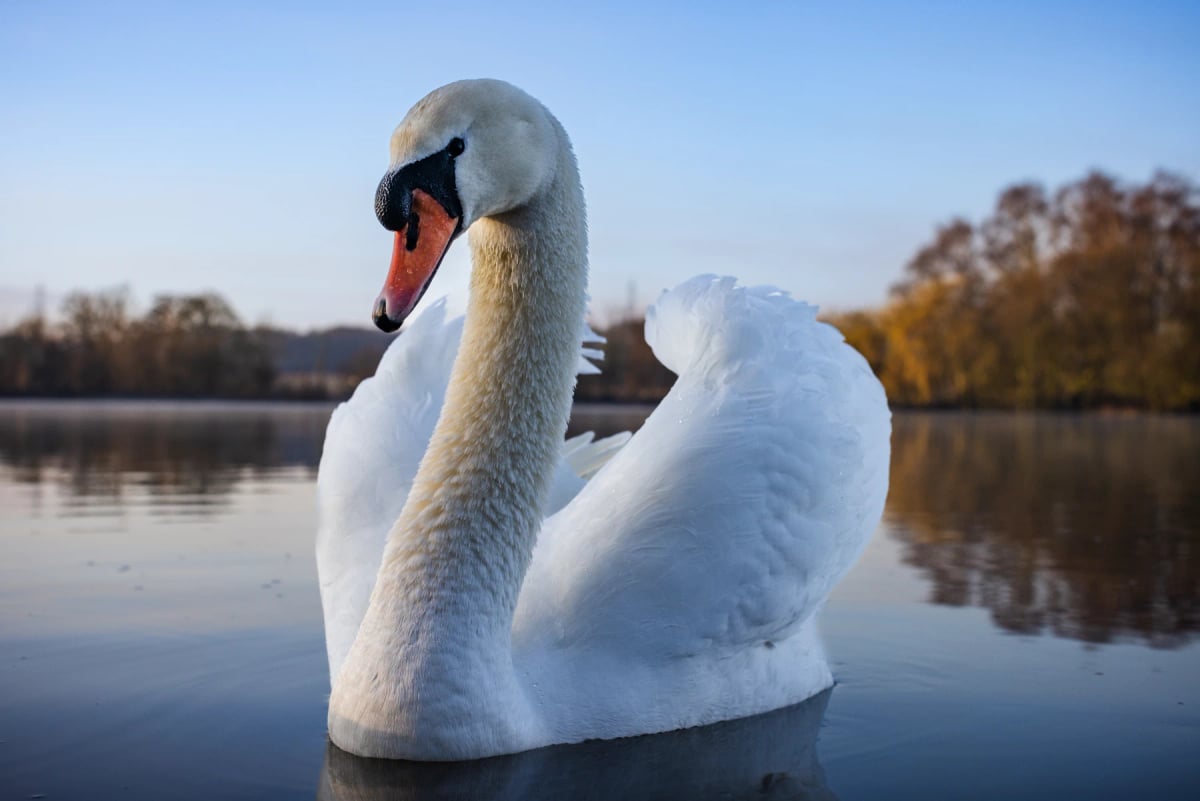
Mute Swan
Cygnus olor
Mongolia lies at the eastern edge of the mute swan's breeding range. Scattered pairs nest on lakes across the country during the short summer, raising their cygnets among the reeds, and in autumn the birds fly southeast toward China and Korea to spend the winter. Numbers are small compared with Europe, so a breeding pair on a Mongolian steppe lake is a notable sight for birdwatchers. The species shares these lakes with other swans and geese. IUCN status: Least Concern.
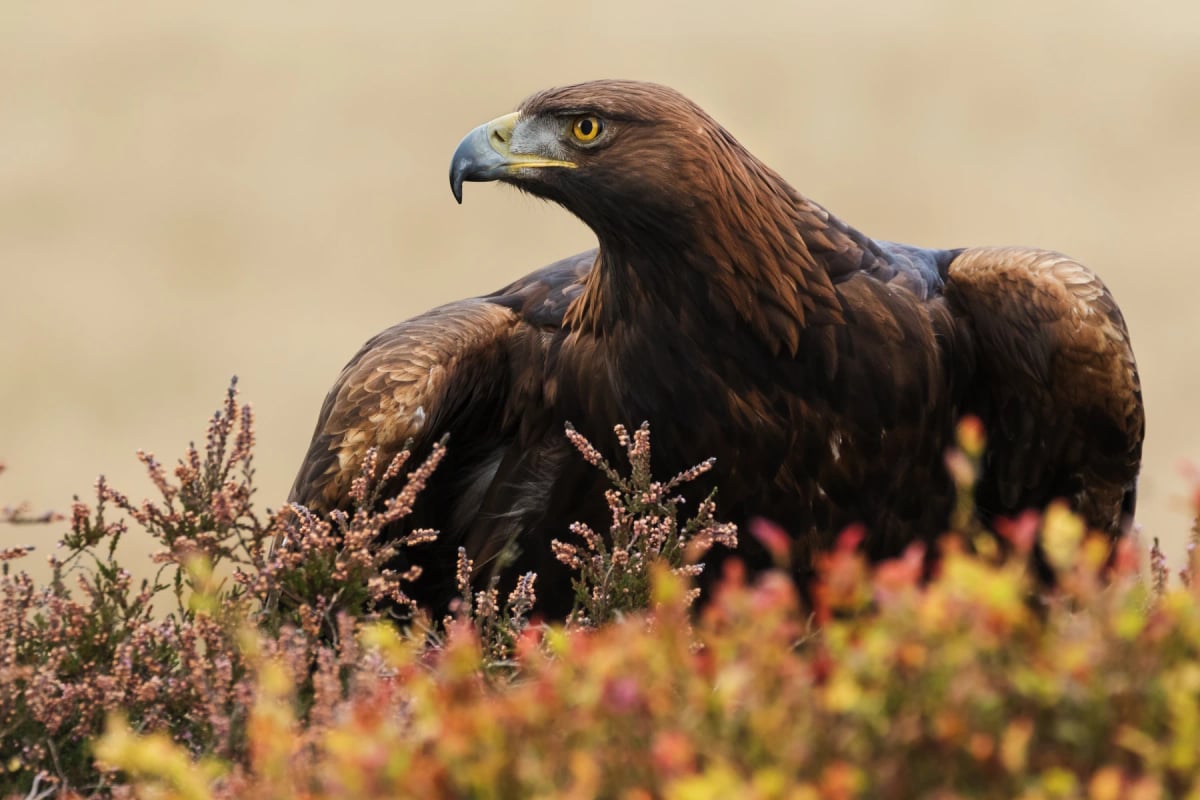
Golden Eagle
Aquila chrysaetos
Mongolia is home to a significant population of golden eagles, spread across the Altai, Khangai, and Khentii mountain ranges. The vast open steppes and high peaks provide ideal hunting grounds. The eagle holds an important place in Mongolian culture, where the tradition of eagle hunting practiced by Kazakh communities in the west has been recognized by UNESCO. The IUCN lists the species as Least Concern.
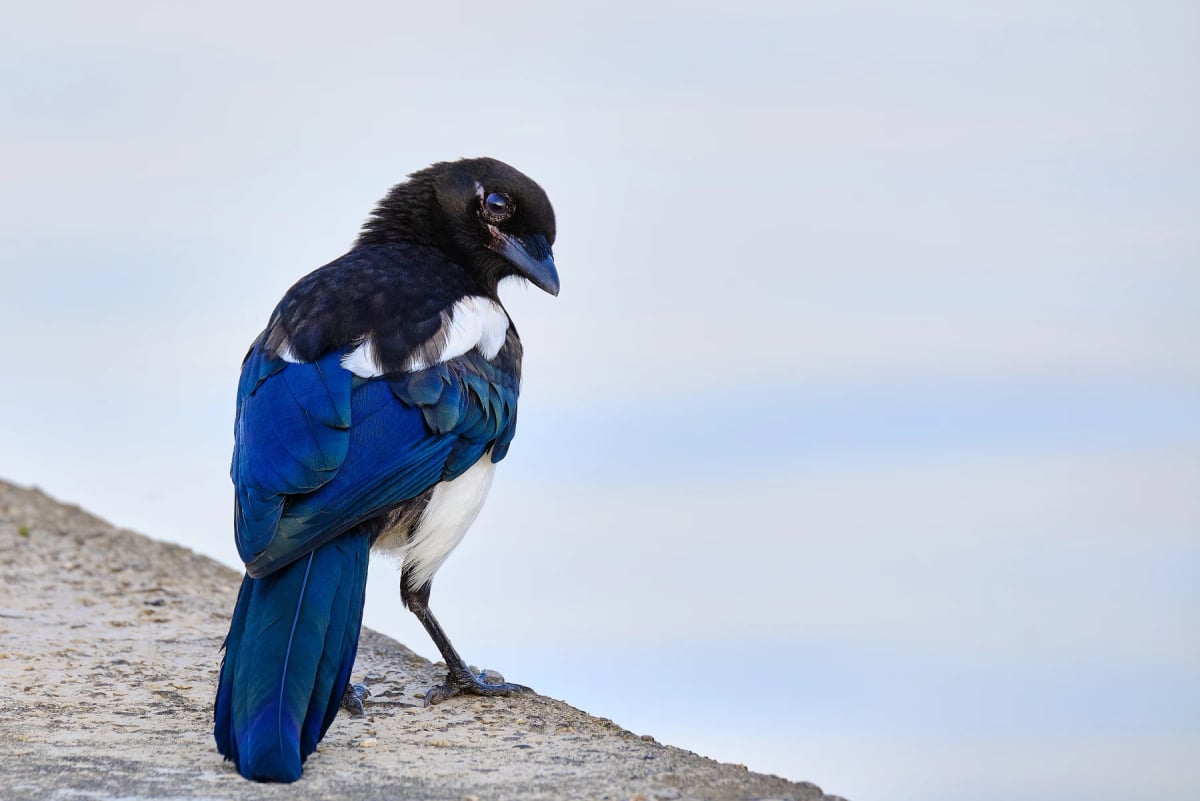
Eurasian Magpie
Pica pica
In Mongolia, the Eurasian Magpie is found mainly in the north of the country, where river valleys lined with birch and willow trees offer suitable habitat amid a largely open and arid landscape. It is far less common in the Gobi Desert regions to the south. Often seen near settlements and livestock camps, it is a resourceful scavenger. Its IUCN status is Least Concern throughout its range.
Researched and written by Juan Pablo. Sources: IUCN Red List, scientific literature and regional field guides. Last updated: .