Animals in Tajikistan
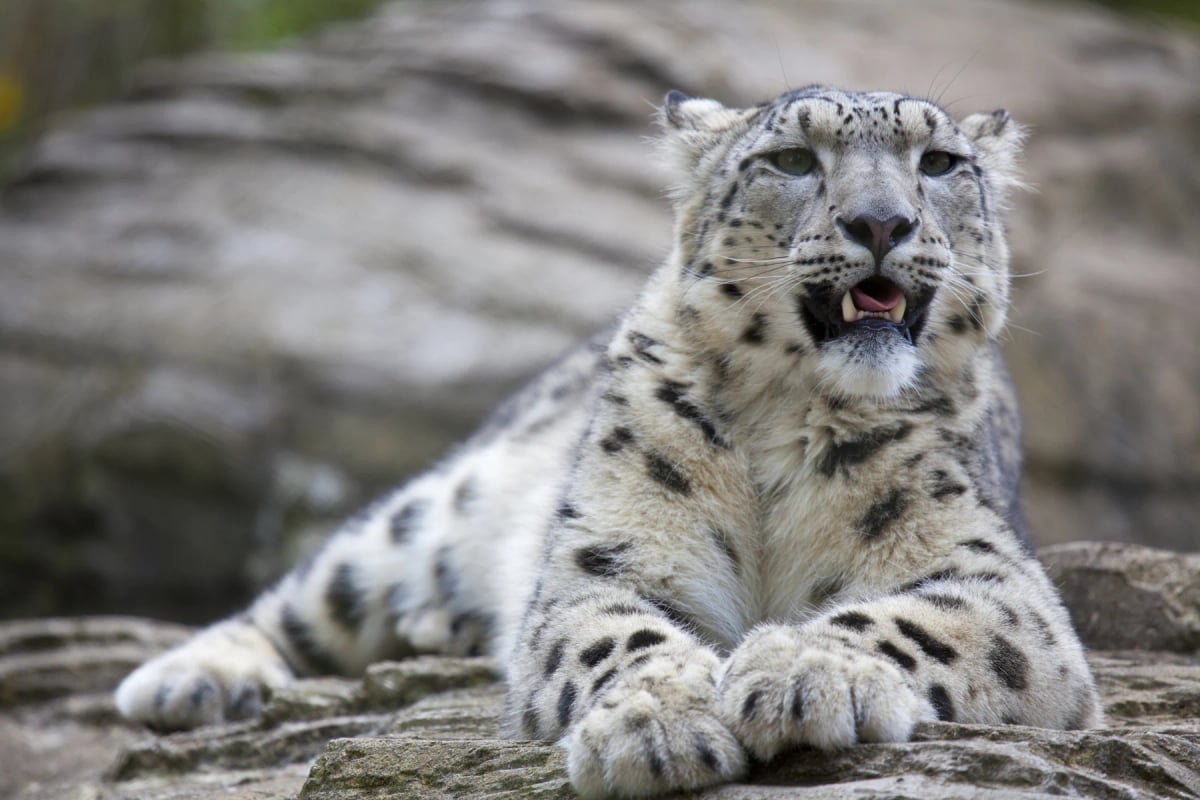
Snow Leopard
Panthera uncia
The snow leopard is considered the national animal of Tajikistan, embodying the solitude and majesty of its rugged highlands. This elusive big cat is not only a top predator in the region but also a conservation icon recognized internationally. Though sightings are rare, the snow leopard plays a vital role in the mountain ecosystems and represents the natural spirit of Tajikistan’s wild landscapes, where resilience and mystery coexist in silence.
View details→Wildlife in Tajikistan
Wildlife in Tajikistan follows its steep valleys and high ridges, especially in the Pamir and Alay mountains. Visitors usually experience nature on long road trips over high passes, day hikes from small villages and simple stays in mountain guesthouses. From these routes they see open pastures, clear rivers and quiet slopes where wild animals and birds of prey still have room to move.
Most Dangerous Animals in Tajikistan
Tajikistan’s wild terrain is home to several species that, while usually shy, can be dangerous if surprised or provoked. The snow leopard remains a top predator, and gray wolves and wild boars may react in defence, especially in remote areas. Conflict between people and wildlife is not very common, but understanding these animals and respecting their space helps keep trips safe.
Top 10 Animals in Tajikistan
The most emblematic animals of Tajikistan are those that thrive in its dramatic mountain environments and reflect both ecological rarity and symbolic strength. This evolving list features species often hidden from sight but central to the identity of the region. Whether seen in folklore, research, or conservation discourse, these animals offer insight into Tajikistan’s deep connection with its remote and powerful wilderness.
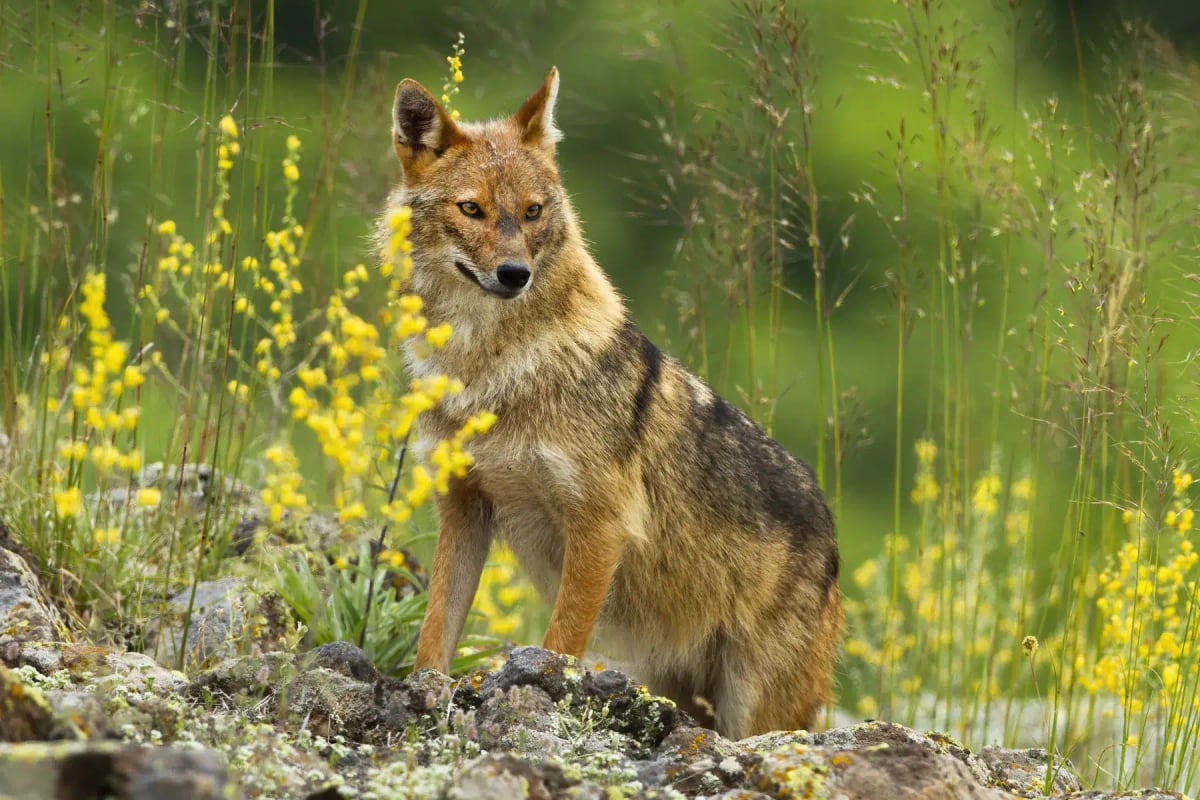
Golden Jackal
Canis aureus
In Tajikistan, golden jackals are found in the lowland valleys and river corridors of the south, particularly around the Vakhsh and Panj rivers. They favour dense riverside vegetation and agricultural edges where food is plentiful. Highly adaptable, they feed on small animals, fruit, and carrion. Their eerie howling calls are a familiar sound in rural communities of the Khatlon region. IUCN status: Least Concern.
Snow Leopard
Panthera uncia
Tajikistan holds some of the most important snow leopard habitat in Central Asia. The Pamir Mountains, covering much of the country, provide the steep cliffs and rocky slopes this cat depends on. Snow leopards here prey on Marco Polo sheep and ibex across vast, remote terrain. Tajikistan's national parks, including Zorkul Nature Reserve, offer critical refuge for a population under pressure from poaching and habitat disturbance. IUCN status: Vulnerable.
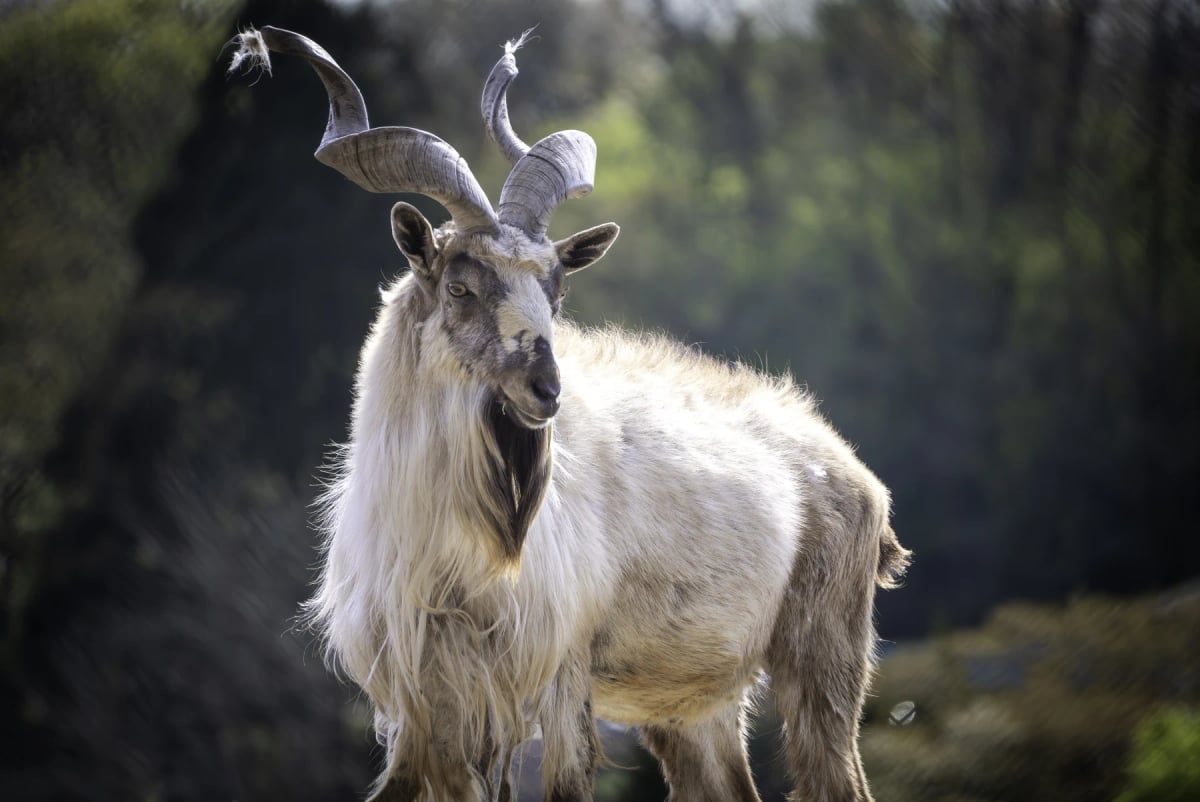
Markhor
Capra falconeri
In Tajikistan, the markhor inhabits the western ranges of the Pamir mountains, where it moves across cliffs and rocky slopes at high elevations. The population here faces pressure from habitat competition with livestock and from poaching. Conservation efforts tied to the wider Central Asian region have helped raise awareness, but consistent on the ground protection is still needed to secure the species in this country.
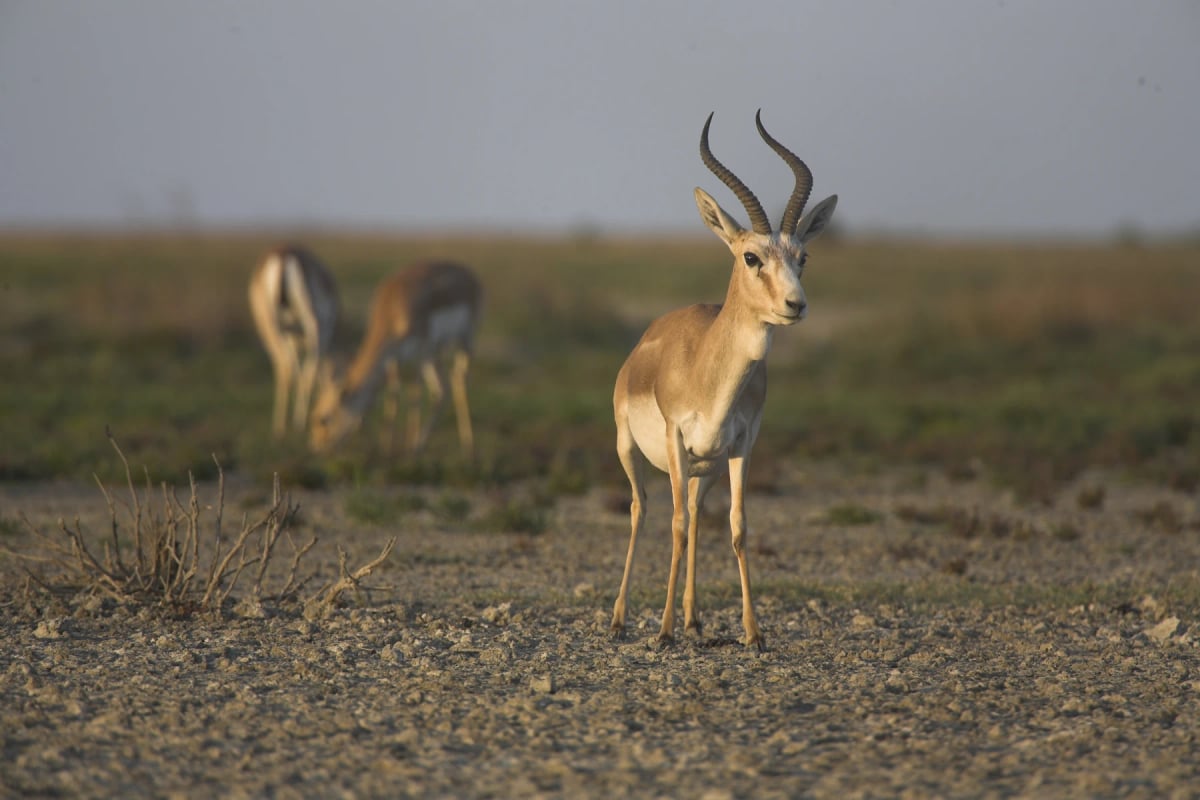
Goitered Gazelle
Gazella subgutturosa
In Tajikistan, the goitered gazelle is found in the lower elevation plains and semi-desert zones in the north and southwest of the country, including areas near the Vakhsh River valley. Harsh terrain limits its distribution to flatter, drier areas. Poaching and competition with livestock for grazing resources have reduced populations considerably. The IUCN lists the species as Vulnerable, and sightings in the country have become increasingly rare in recent decades.
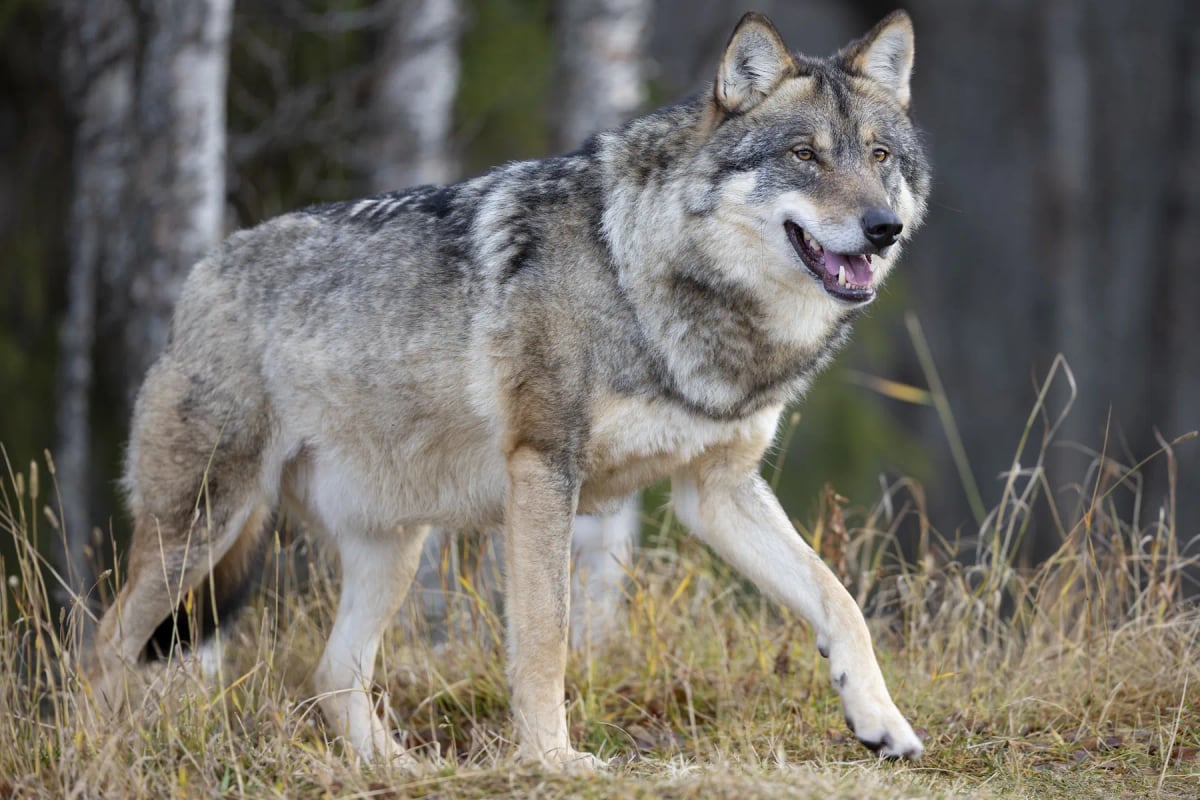
Gray Wolf
Canis lupus
Gray wolves are found throughout Tajikistan, inhabiting the rugged mountain ranges of the Pamir and Tian Shan as well as lower valleys and river plains. They prey on wild ungulates such as ibex and Marco Polo sheep, as well as on domestic livestock, which brings them into frequent conflict with herders. Wolves have no strong legal protection in Tajikistan and are widely hunted. Their population nonetheless persists across much of the country. IUCN status: Least Concern.
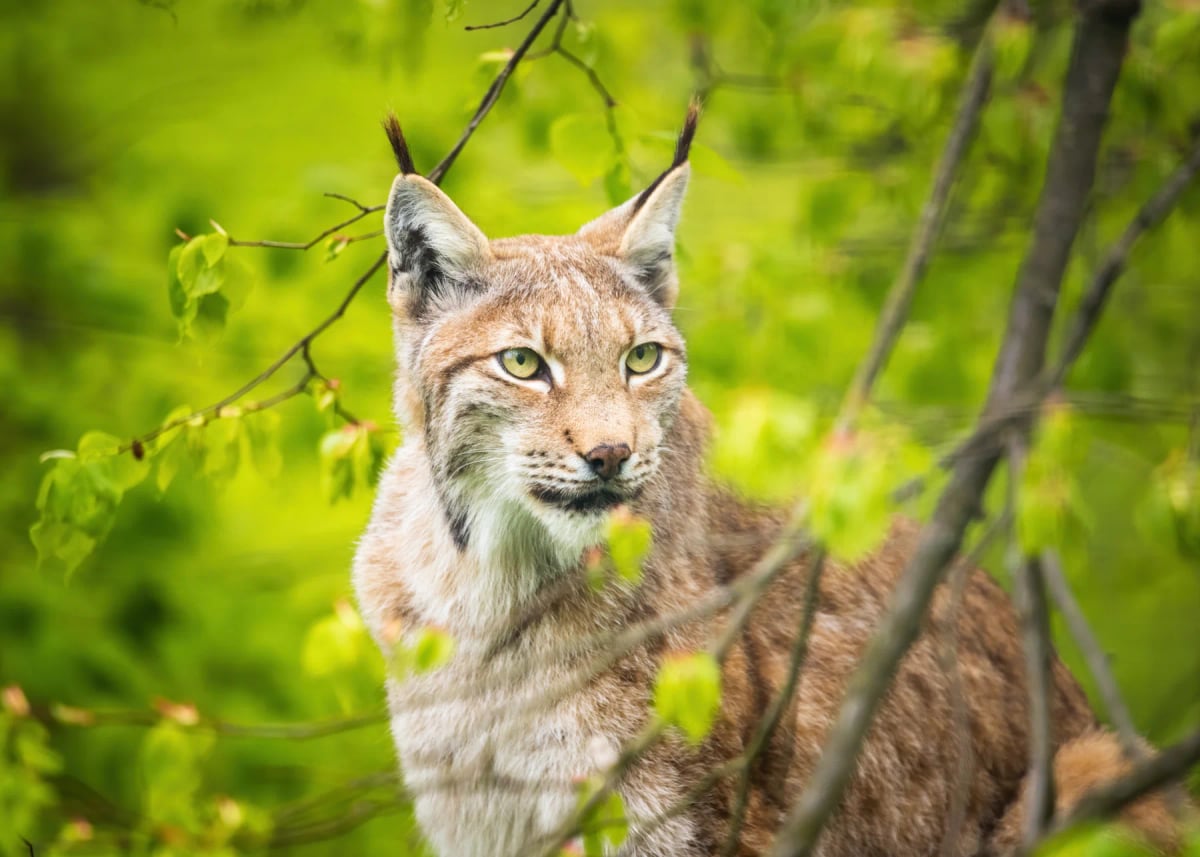
Eurasian Lynx
Lynx lynx
In Tajikistan, the Eurasian Lynx inhabits the rugged mountain ranges of the Pamir and the western Tian Shan, at elevations that can exceed 3,000 metres. It shares this harsh landscape with snow leopards and wolves. The lynx here tends to prey on hares, ibex, and small ungulates. Remote terrain offers some natural protection, though data on population size remains limited. The IUCN lists the species as Least Concern.
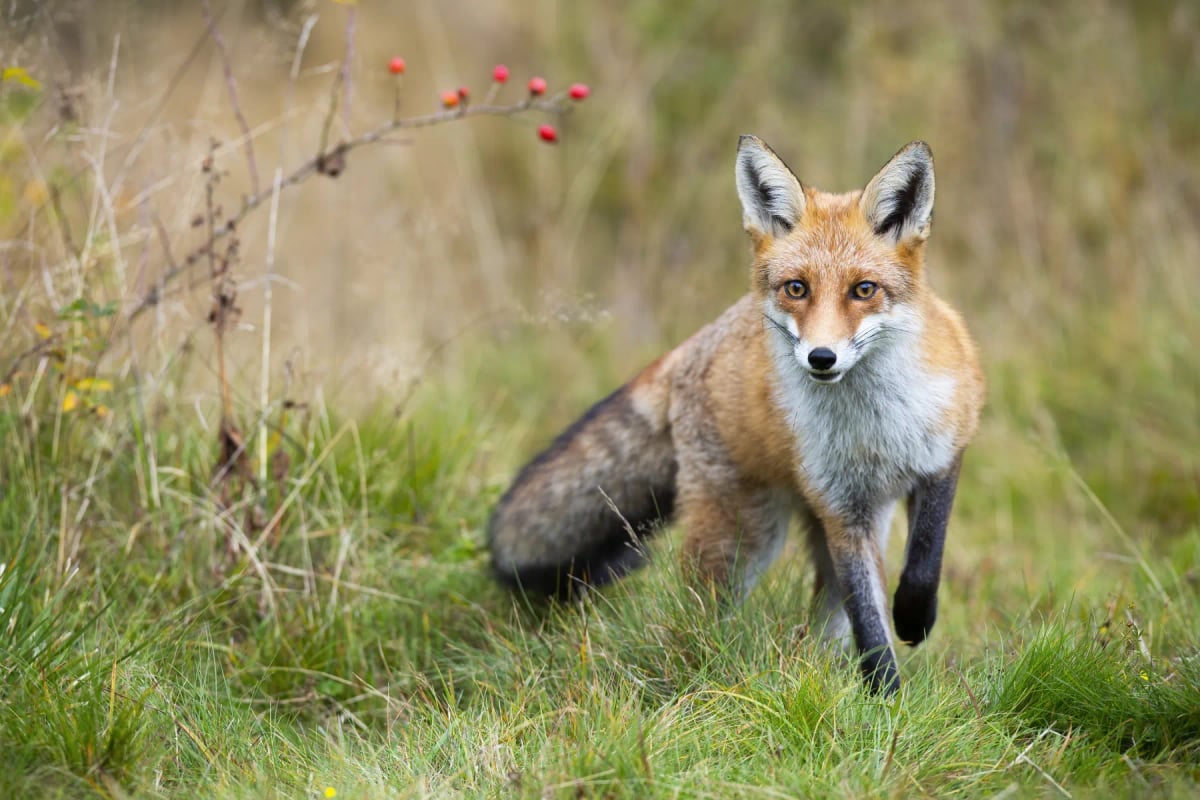
Red Fox
Vulpes vulpes
In Tajikistan, the red fox occupies a broad range of elevations, from the fertile valleys of the Fergana region to the rocky slopes of the Pamir and western Tian Shan mountains. It is an adaptable hunter, preying on rodents and hares while supplementing its diet with berries and carrion. The species faces little direct pressure here and is classified as Least Concern by the IUCN.
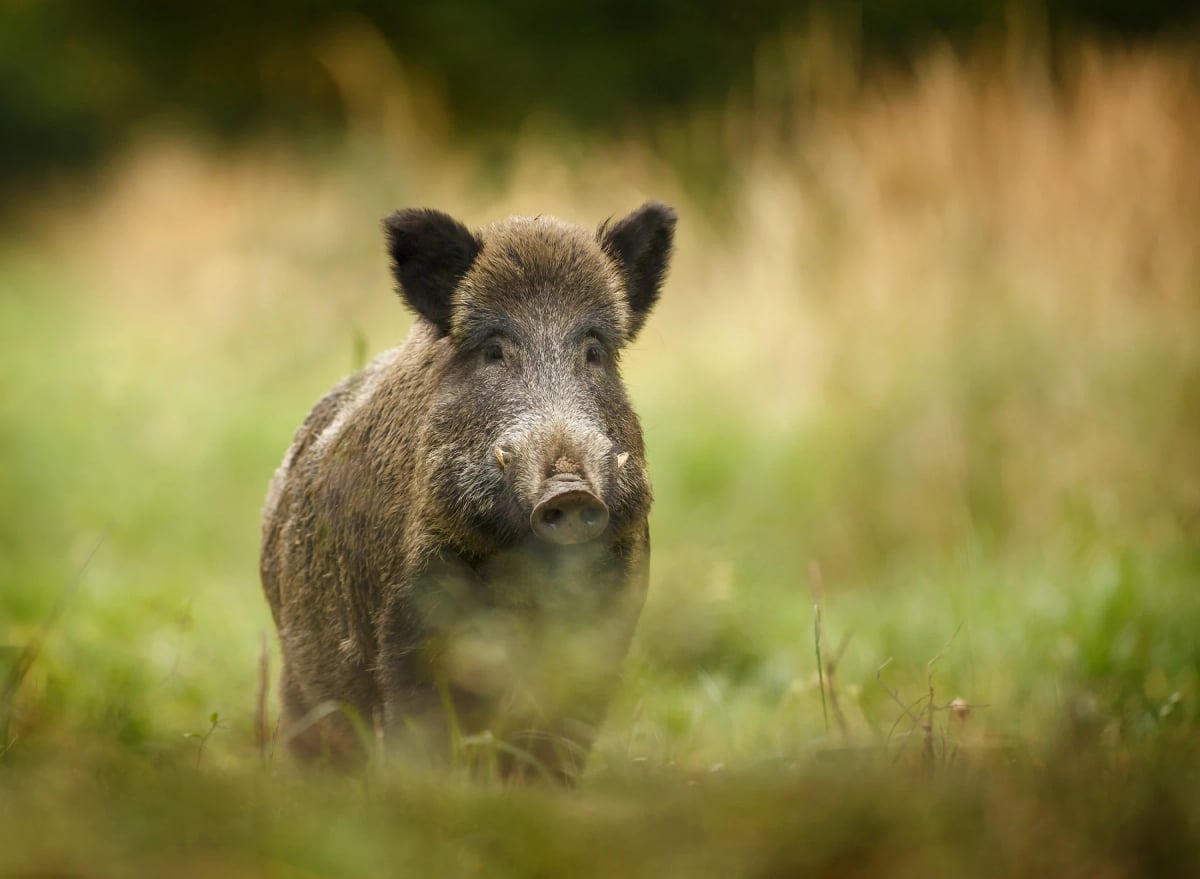
Wild Boar
Sus scrofa
Wild boars in Tajikistan live mainly in the tugai forests along rivers such as the Vakhsh and Pyanj, as well as in forested valleys at the foothills of the Pamir mountains. Dense riverside vegetation provides cover and food, supporting populations that are hunted in some areas. Wild boars also serve as prey for predators such as wolves and leopards in parts of the country's mountainous terrain.
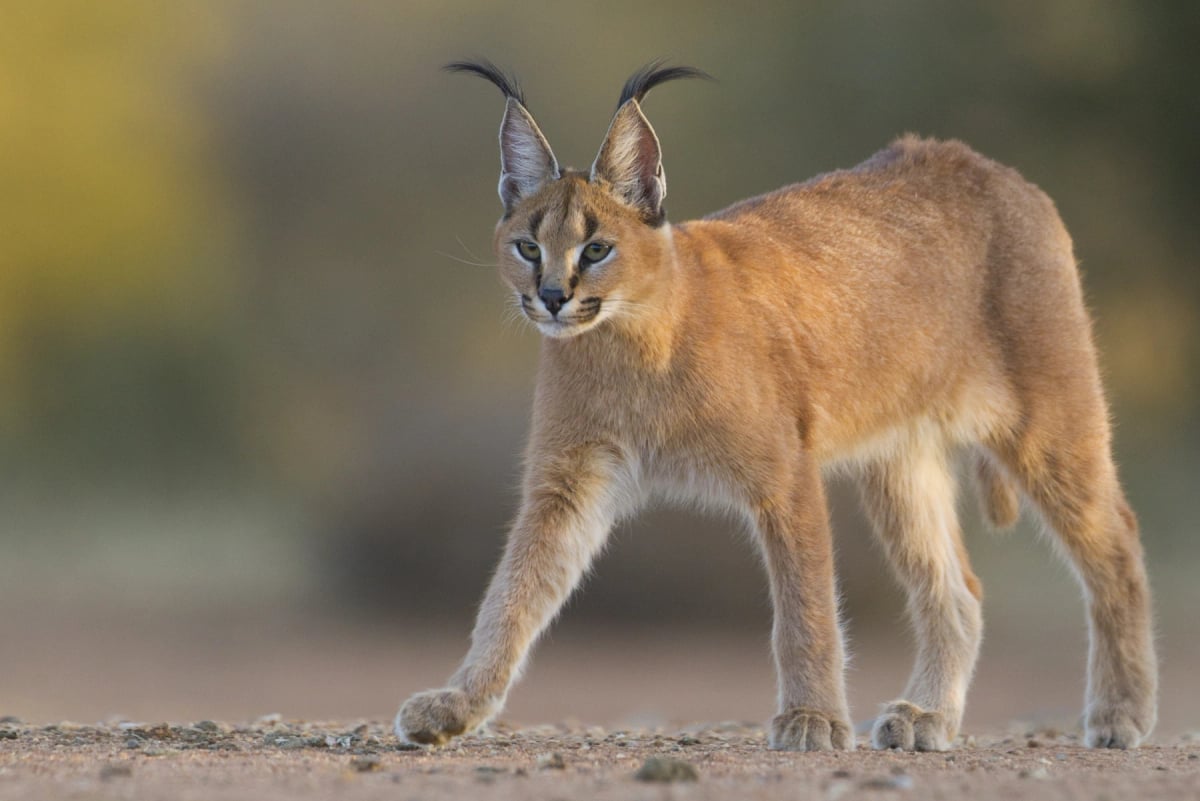
Caracal
Caracal caracal
In Tajikistan, the caracal reaches the northern edge of its Central Asian range, occurring in rocky, semi-arid foothills and valley scrublands at lower elevations. It is considered rare in the country. With ears tipped by long black tufts and a muscular build suited to pursuing fast prey, it hunts rodents, hares, and birds. The IUCN rates the species as Least Concern overall, though Central Asian populations warrant closer monitoring.
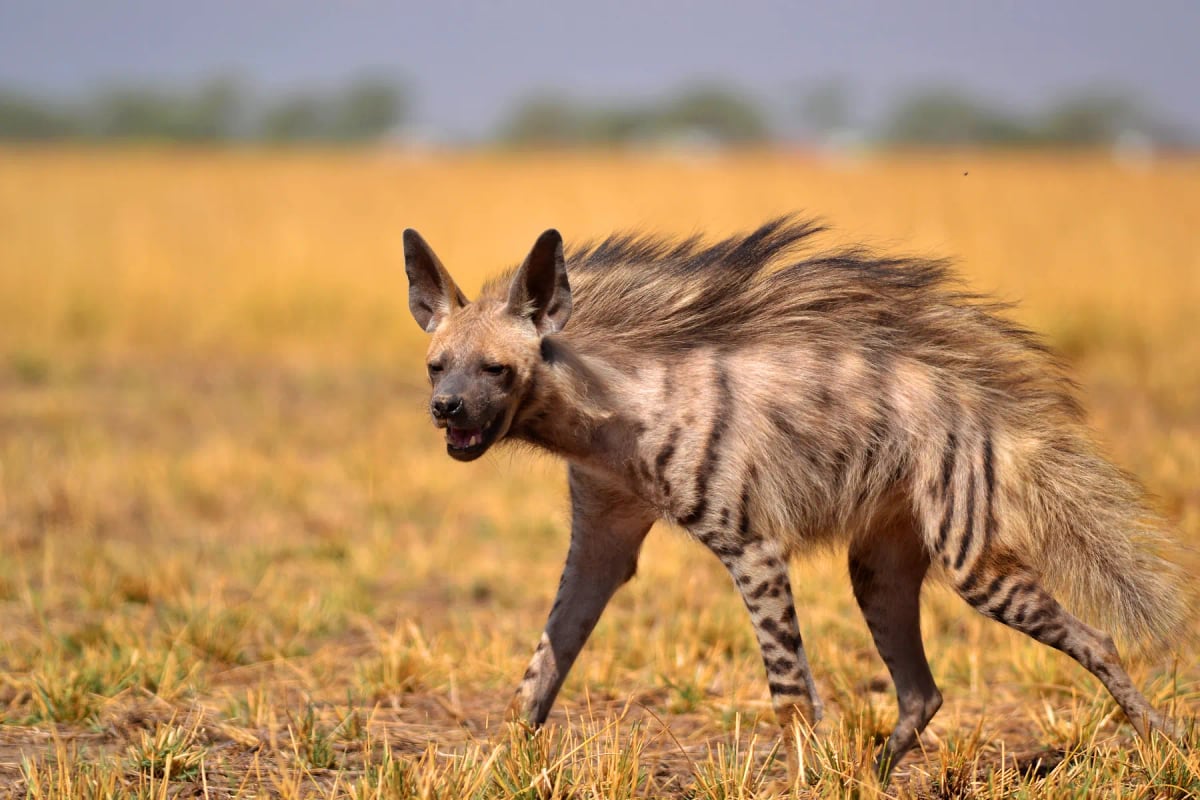
Striped Hyena
Hyaena hyaena
The striped hyena lives in Tajikistan's rocky foothills and arid lowland valleys, particularly in areas bordering Afghanistan and Uzbekistan. It shelters in caves and rock crevices during the day and forages at night. As a scavenger, it plays a quiet but important role in keeping the landscape clean. The IUCN lists this species as Near Threatened, and populations across Central Asia face pressure from habitat loss and persecution.
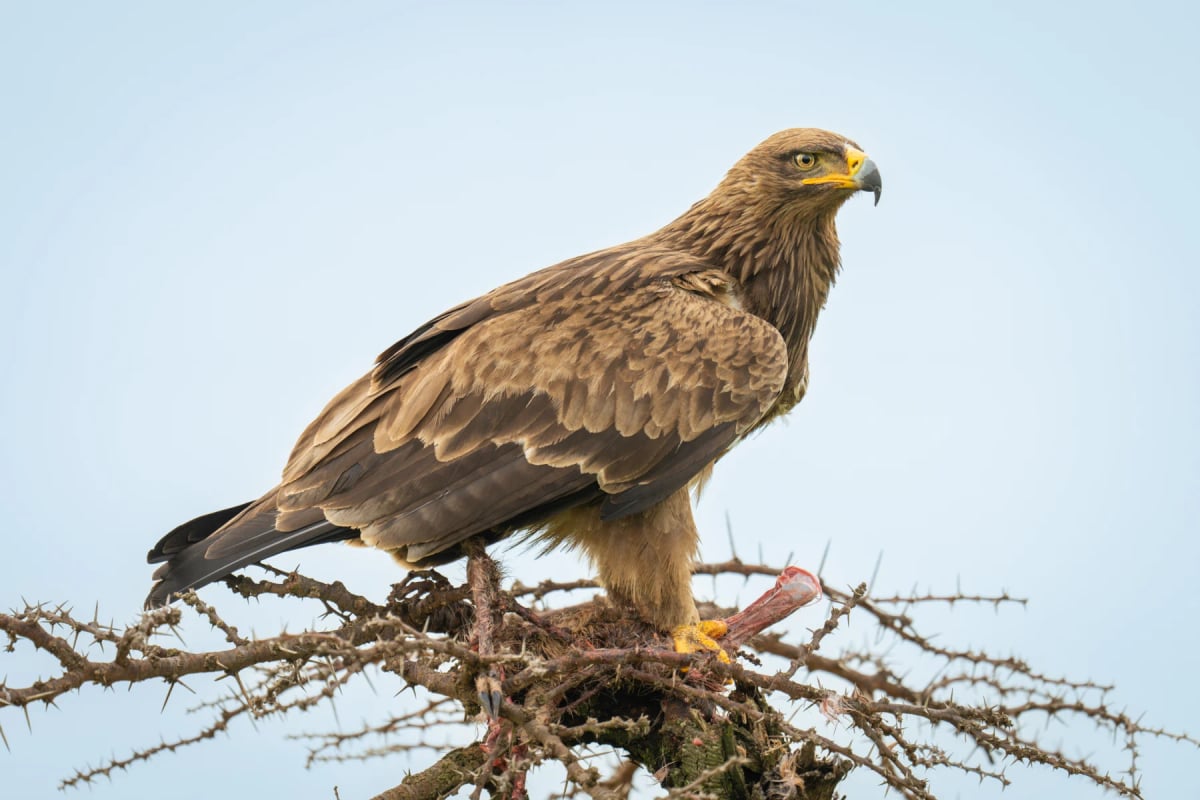
Steppe Eagle
Aquila nipalensis
Tajikistan falls within the heart of the Steppe Eagle's Central Asian range, and the species uses the open valleys and plateau edges of this mountainous country as migratory pathways each season. Some birds may also breed in suitable steppe areas at lower elevations. Classified as Endangered by the IUCN, Steppe Eagles in Tajikistan face threats from poorly insulated power lines, which cause fatal electrocutions across Central Asia.
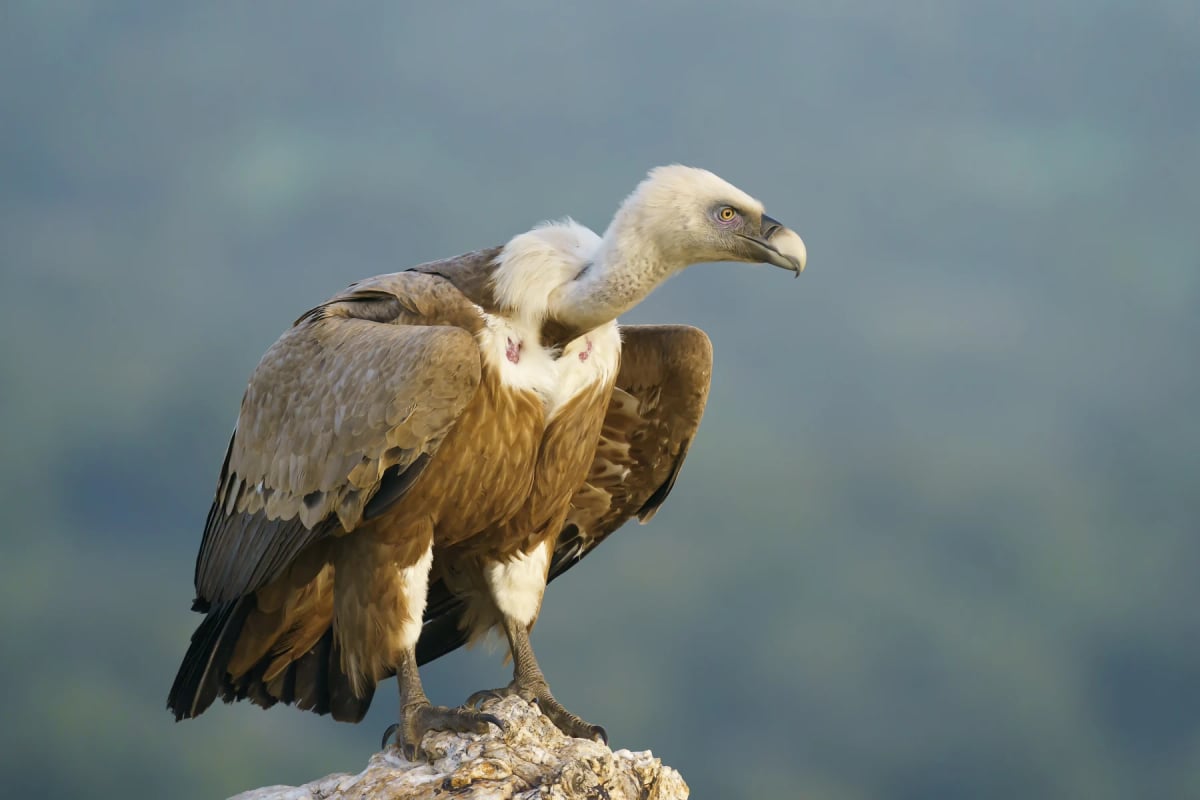
Griffon Vulture
Gyps fulvus
Tajikistan's mountains, including the Hissar range and parts of the Pamir, are breeding grounds for the griffon vulture. Colonies nest on sheer cliff faces, and the birds soar over high valleys and plateaus searching for the carcasses of wild ungulates and livestock. The country's large areas of undisturbed wilderness help support vultures, which share these skies with other large scavengers. IUCN status: Least Concern.
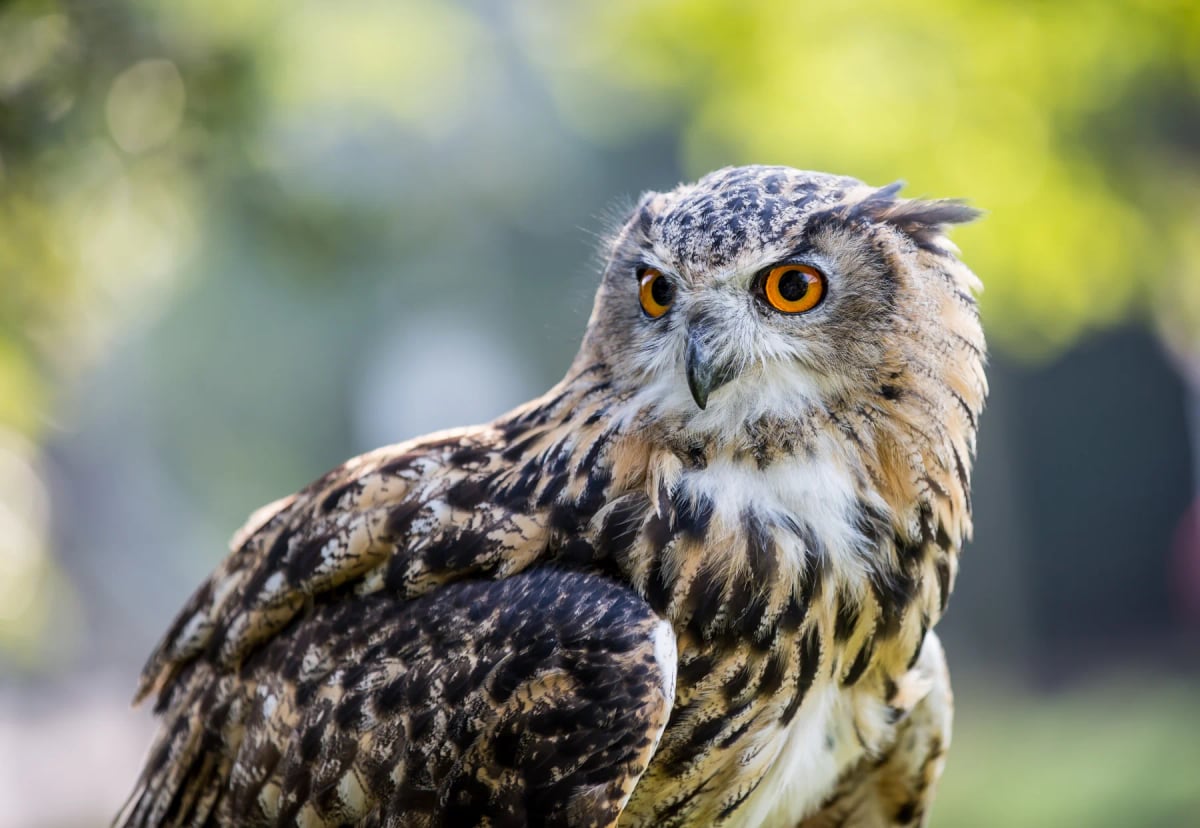
Eagle Owl
Bubo bubo
In Tajikistan, the eagle owl is found in the dramatic mountain landscapes of the Pamir and Tian Shan ranges, as well as in rocky river gorges at lower elevations. It is one of the few large predatory birds able to thrive at high altitude in Central Asia. The species nests on cliff faces and hunts rodents, birds, and reptiles across a variety of terrain. IUCN status: Least Concern.
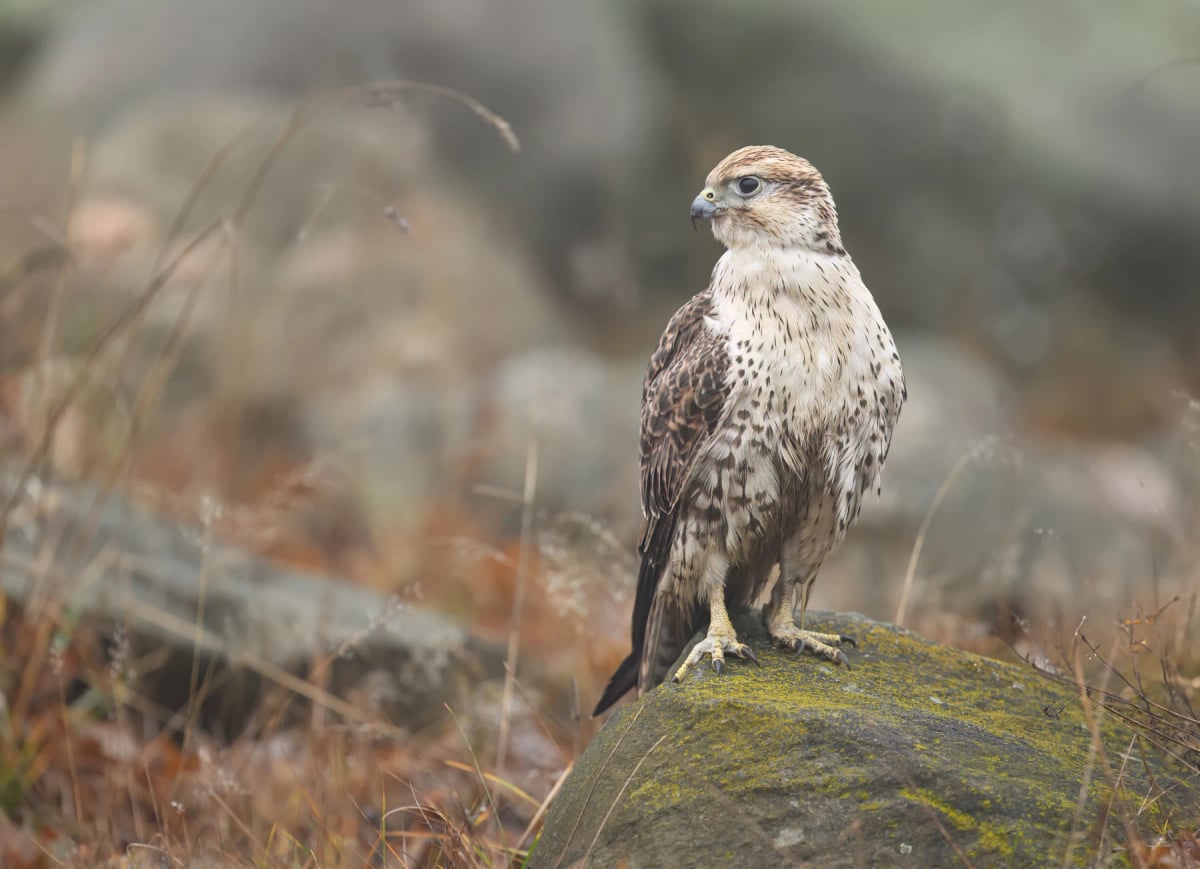
Saker Falcon
Falco cherrug
Tajikistan sits within the core breeding and migratory range of the saker falcon in Central Asia. The country's mountain valleys, foothill steppes and open plateaus provide nesting and hunting habitat, with birds targeting ground squirrels and other small prey. Illegal trapping for the international falconry trade is a serious concern here. Tajikistan's landscapes form a critical part of the broader Central Asian stronghold for this Endangered species.
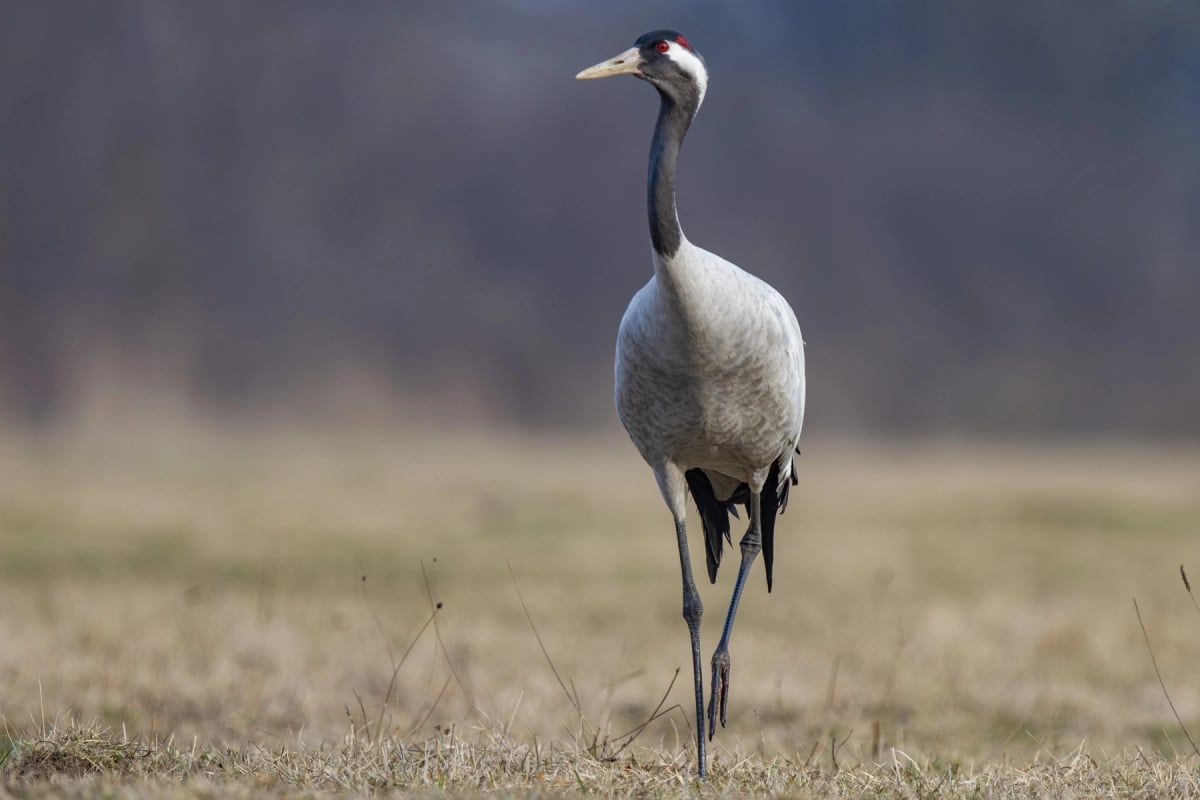
Crane
Grus grus
Common cranes cross Tajikistan during their spring and autumn migrations between breeding grounds in Kazakhstan and Siberia and wintering areas in India and Iran. Flocks follow the valleys of the Amu Darya and Vakhsh rivers and rest in fields and wetlands such as the Tigrovaya Balka reserve in the southwest. Some birds winter in the southern lowlands, where the climate stays mild enough to find food. IUCN status: Least Concern.
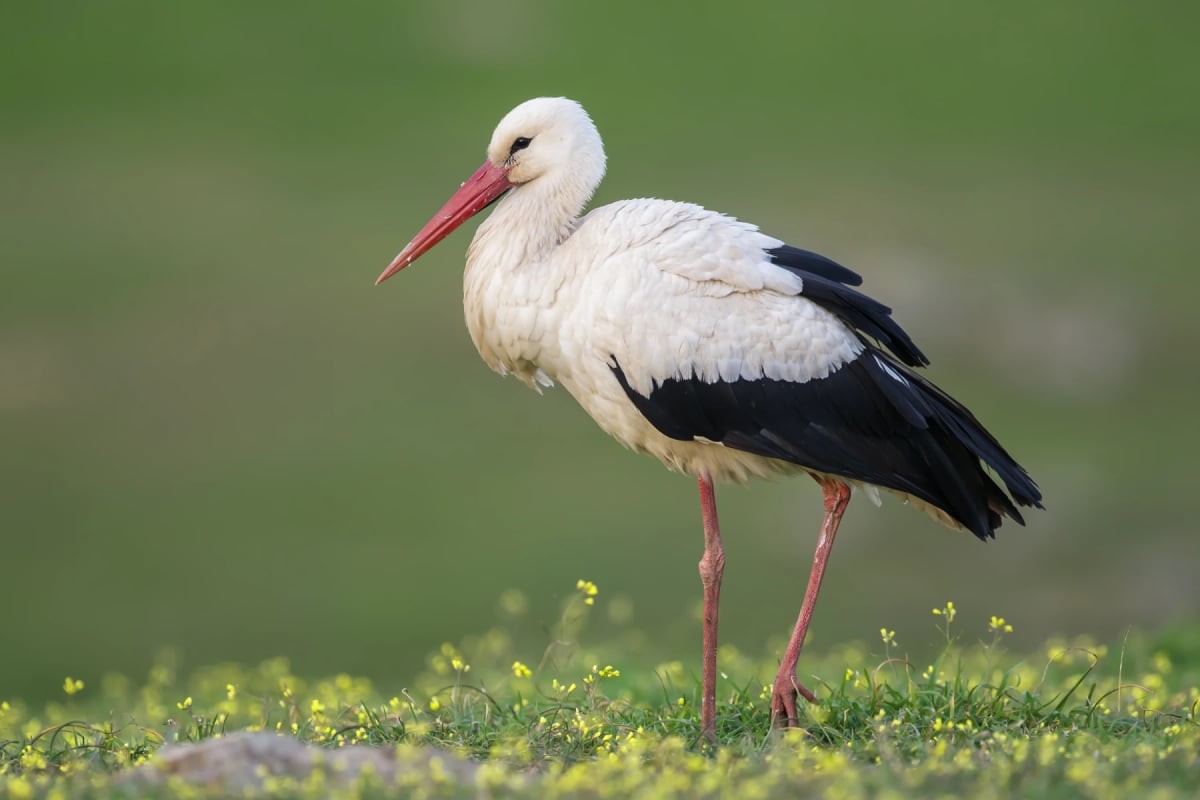
Stork
Ciconia ciconia
In Tajikistan, the white stork passes through during its seasonal migrations between Europe and Africa south of the Sahara, and some pairs also breed in the country. It favors river valleys and agricultural lowlands where food is easy to find. Frogs, insects, and small vertebrates make up most of its diet. With its striking white and black plumage and red bill, it is a memorable sight over the Fergana Valley and surrounding farmland. It is listed as Least Concern by the IUCN.
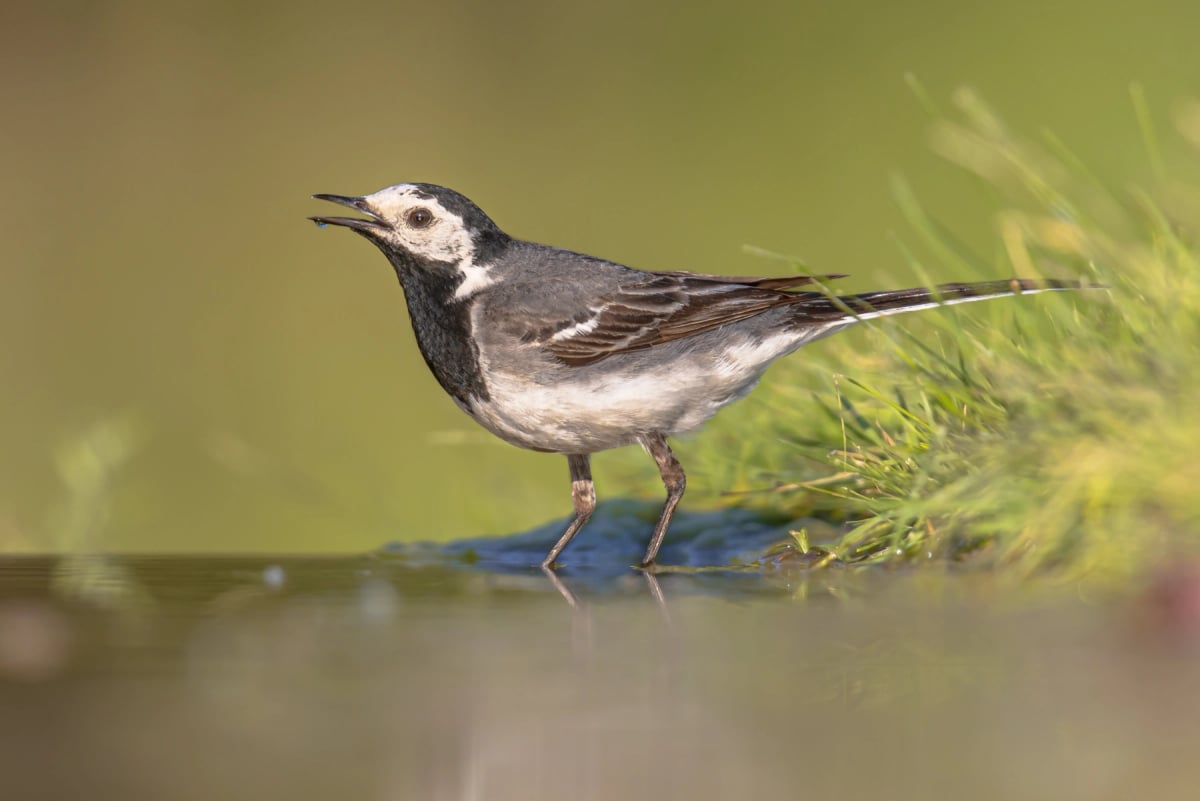
White Wagtail
Motacilla alba
In Tajikistan the white wagtail breeds along rivers and mountain streams, from the Fergana Valley and the lowlands of the southwest up to the high valleys of the Pamirs. Most birds here belong to the masked wagtail, with a mostly black head and a white mask around the eye. They nest in banks, stone walls and village houses, and many move to South Asia in winter, while some stay in the south. IUCN status: Least Concern.
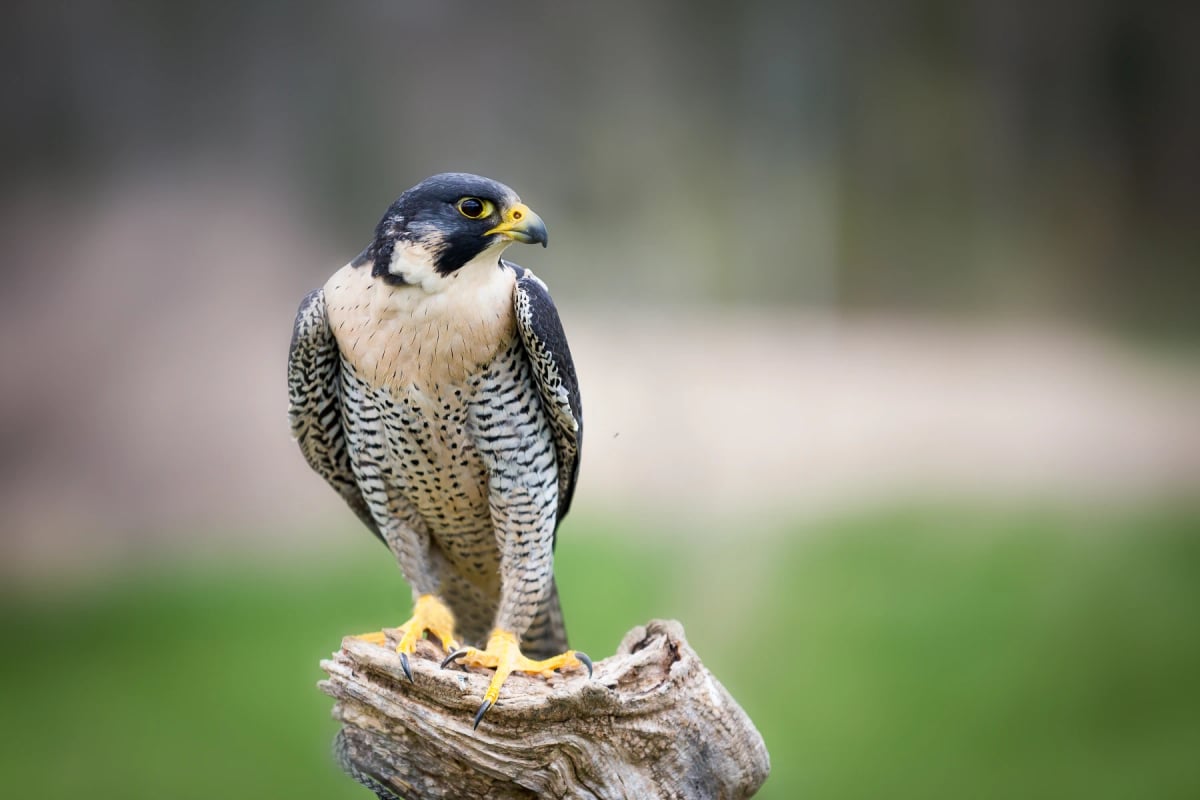
Peregrine Falcon
Falco peregrinus
Tajikistan's rugged mountain ranges, including the Pamir and the Tian Shan foothills, provide dramatic cliff faces that suit the peregrine falcon for nesting. The species breeds in remote gorges and hunts pigeons and other birds across the country's high plateaus and river valleys. It is also recorded on passage. The IUCN classifies the peregrine falcon as Least Concern globally.
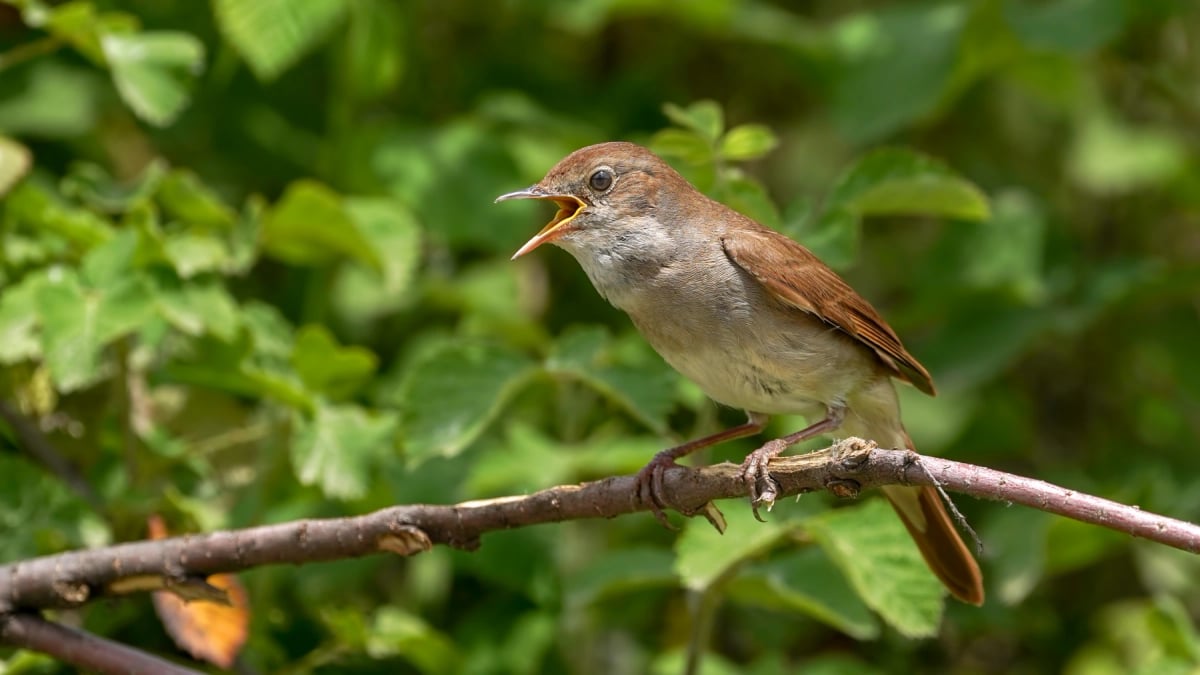
Nightingale
Luscinia megarhynchos
In Tajikistan, the nightingale breeds in scrubby valleys and river corridors at lower elevations, particularly in the southwestern parts of the country where the climate is warmer and drier. The Vakhsh and Panj river valleys provide suitable habitat of dense thickets and shrubby edges. It migrates south to Africa for the winter. This is one of the easternmost parts of the species range, and it remains fairly localized here.
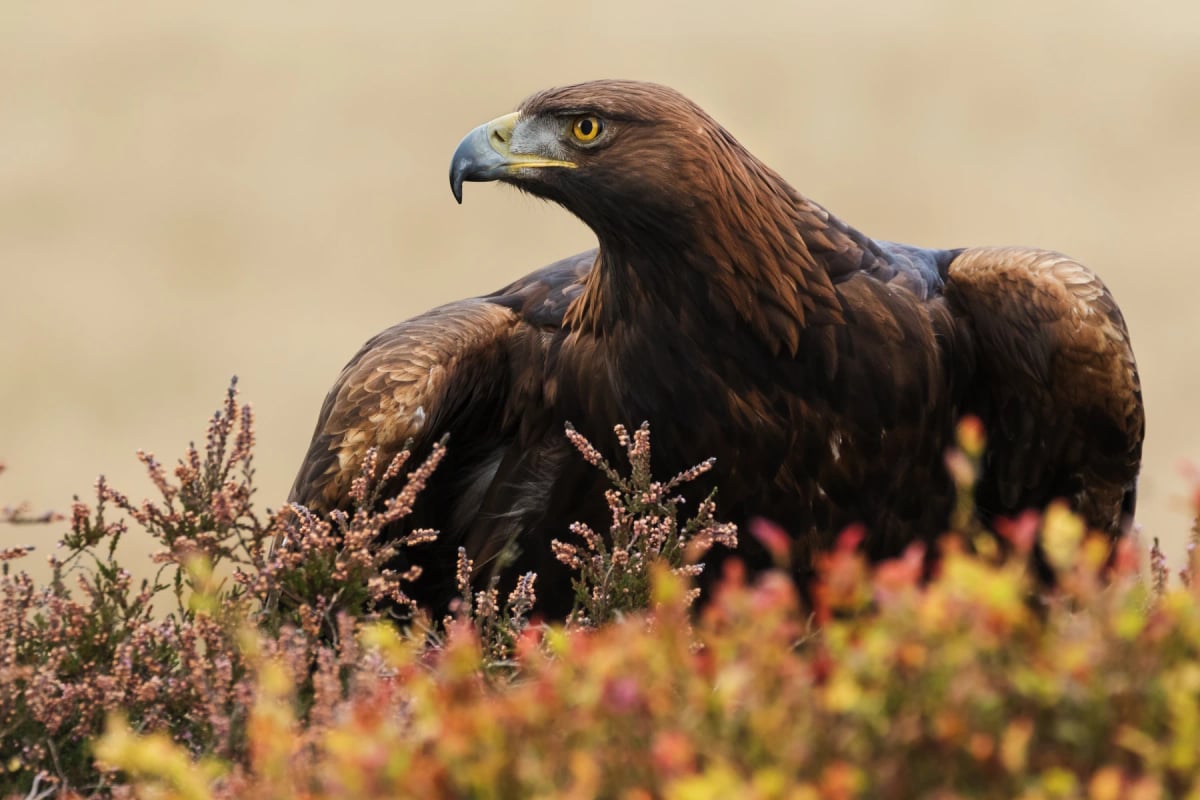
Golden Eagle
Aquila chrysaetos
Tajikistan's rugged terrain makes it well suited to the golden eagle. The species inhabits the Pamir Mountains and the ranges of the western Tian Shan, nesting on high cliff ledges and hunting marmots, hares, and other small animals across alpine meadows and rocky slopes. The country's vast, remote highlands remain largely undisturbed, offering the eagle secure nesting habitat. The IUCN lists it as Least Concern across its wide range.
Researched and written by Juan Pablo. Sources: IUCN Red List, scientific literature and regional field guides. Last updated: .