Animals in Bhutan
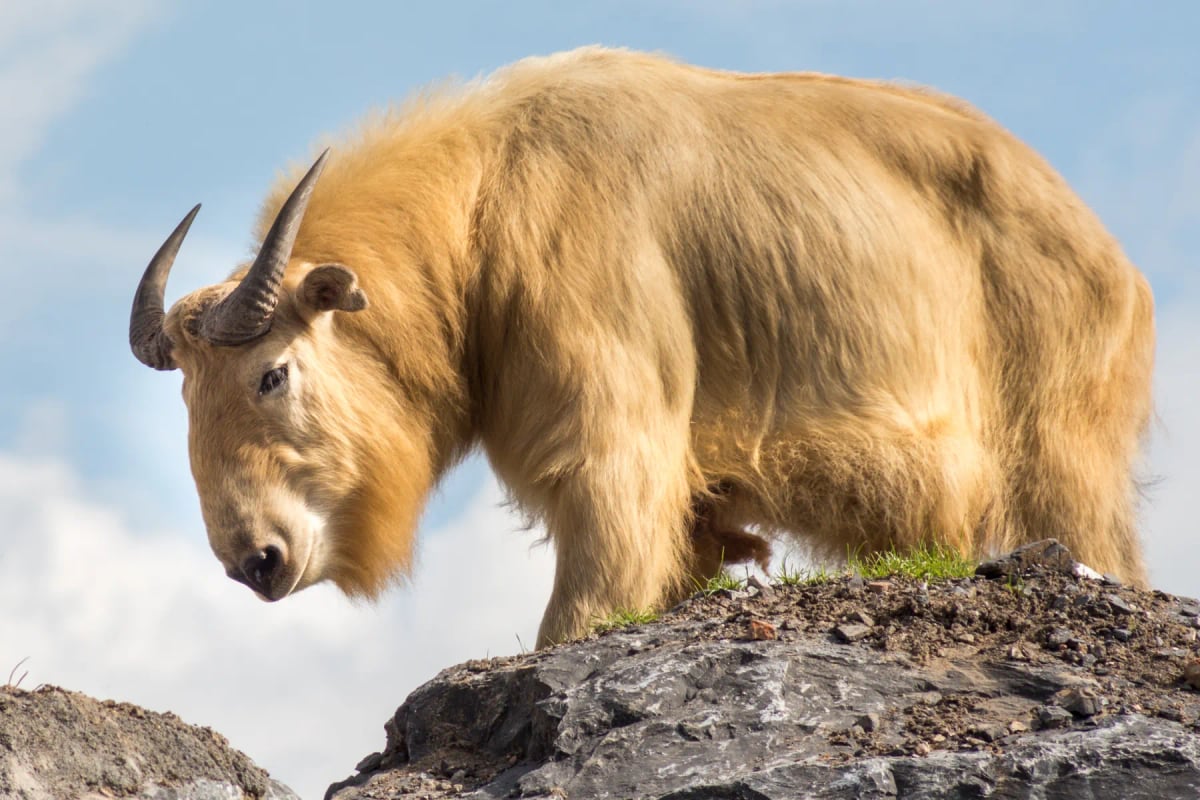
Takin
Budorcas taxicolor
The takin is the national animal and a strong symbol in Bhutanese culture. It lives on steep slopes and bamboo thickets and moves between summer and winter ranges. The Motithang Takin Preserve near Thimphu explains field research and local beliefs that protect mountain wildlife. The animal appears in school books, festivals and art, joining daily life with the goal of caring for shared land and water.
View details→Wildlife in Bhutan
Bhutan runs from subtropical valleys to high Himalayan ridges with forests, rivers and alpine meadows. Parks like Jigme Dorji and Royal Manas keep clear trails, village homestays and simple lookout points. Spring and autumn bring bird movement through passes, while winter mornings give wide views in Phobjikha. Short drives link monasteries, farm terraces and river flats where wildlife still follows old paths.
Most Dangerous Animals in Bhutan
Wildlife risk in Bhutan changes with altitude and cover. In forest and scrub, big cats are secretive but powerful, and wild boar or Asiatic black bear can react at close range. Along southern rivers, Asian elephant is strong when groups cross tracks and fields. In humid zones, king cobra and packs of dhole exist but are rarely seen. Most reports mention brief sightings at distance on signed trails and roads.
Top 10 Animals in Bhutan
Our Top 10 for Bhutan balances classic forest cats, large herd life and a clear raptor view. Leopard and Bengal tiger represent quiet sal forests and rocky ravines where many safaris set their hopes. Asian elephant brings river crossings and grass clearings in the south. Gray wolf adds a high country note from open ridges. Peregrine falcon rounds the list with fast flights over cliffs and monastery towers.
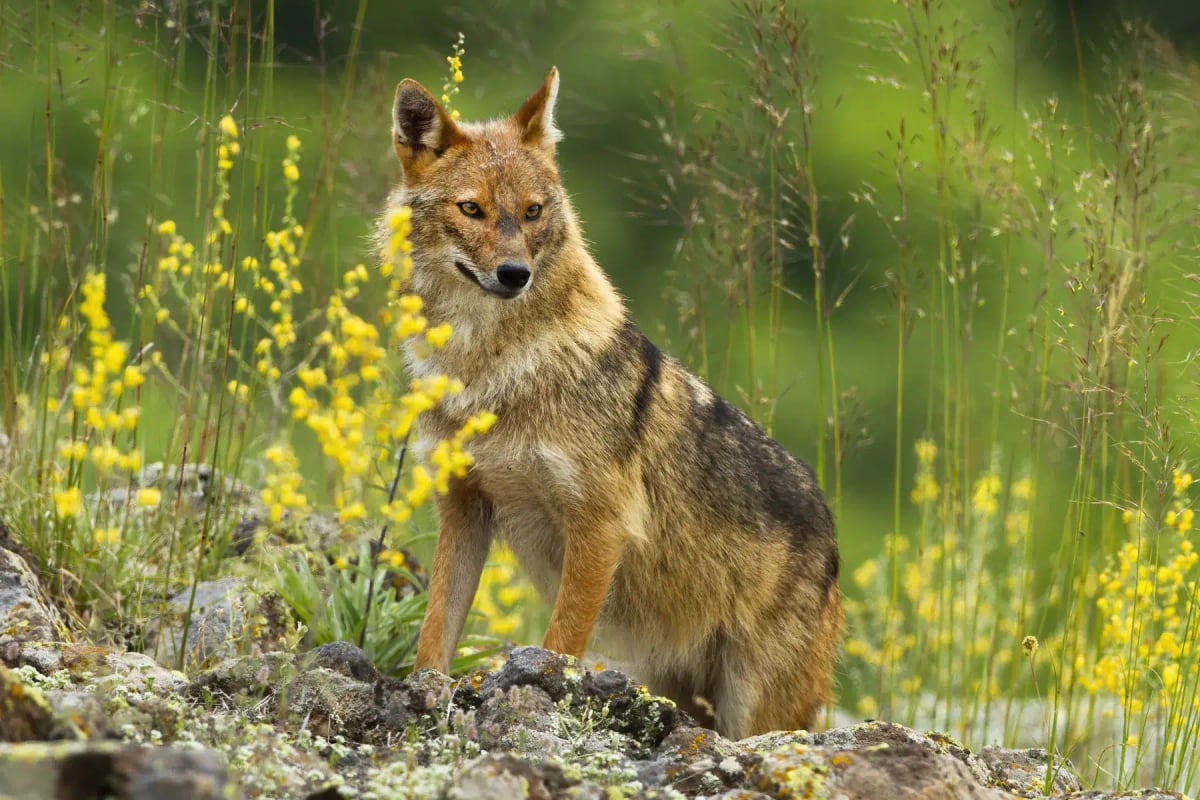
Golden Jackal
Canis aureus
The golden jackal reaches into the subtropical lowlands and foothills of southern Bhutan, particularly in areas bordering India. Here it inhabits the edges of sal forests, grasslands, and cultivated land in the Duars region. While less prominent than in the lowland plains farther south, it is a confirmed resident and is occasionally reported near villages and forest clearings. IUCN status: Least Concern.
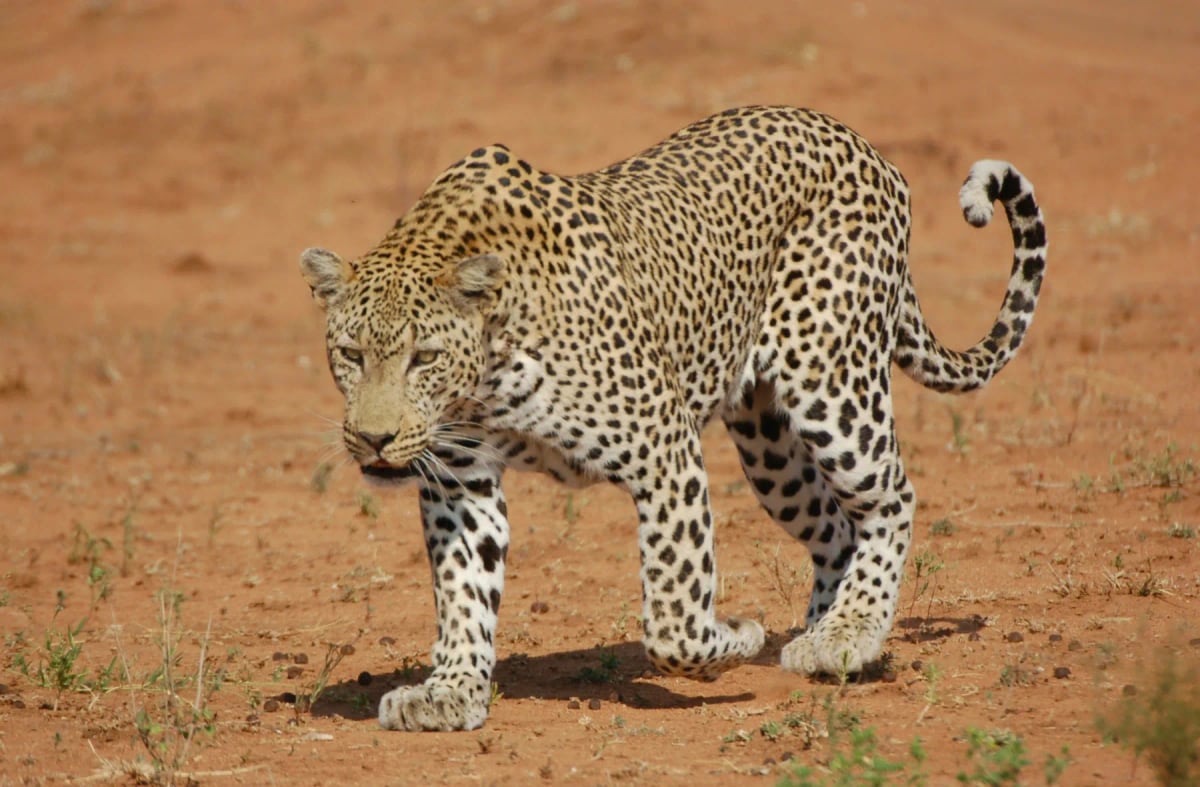
Leopard
Panthera pardus
Bhutan's network of protected areas and forest corridors makes it one of the more hopeful places for leopards in South Asia. The species is found across a range of elevations, from subtropical foothills to temperate forests. Bhutan's strong conservation policies and the cultural value placed on wildlife have helped maintain relatively healthy leopard populations, though conflict with herders in highland areas remains a concern.
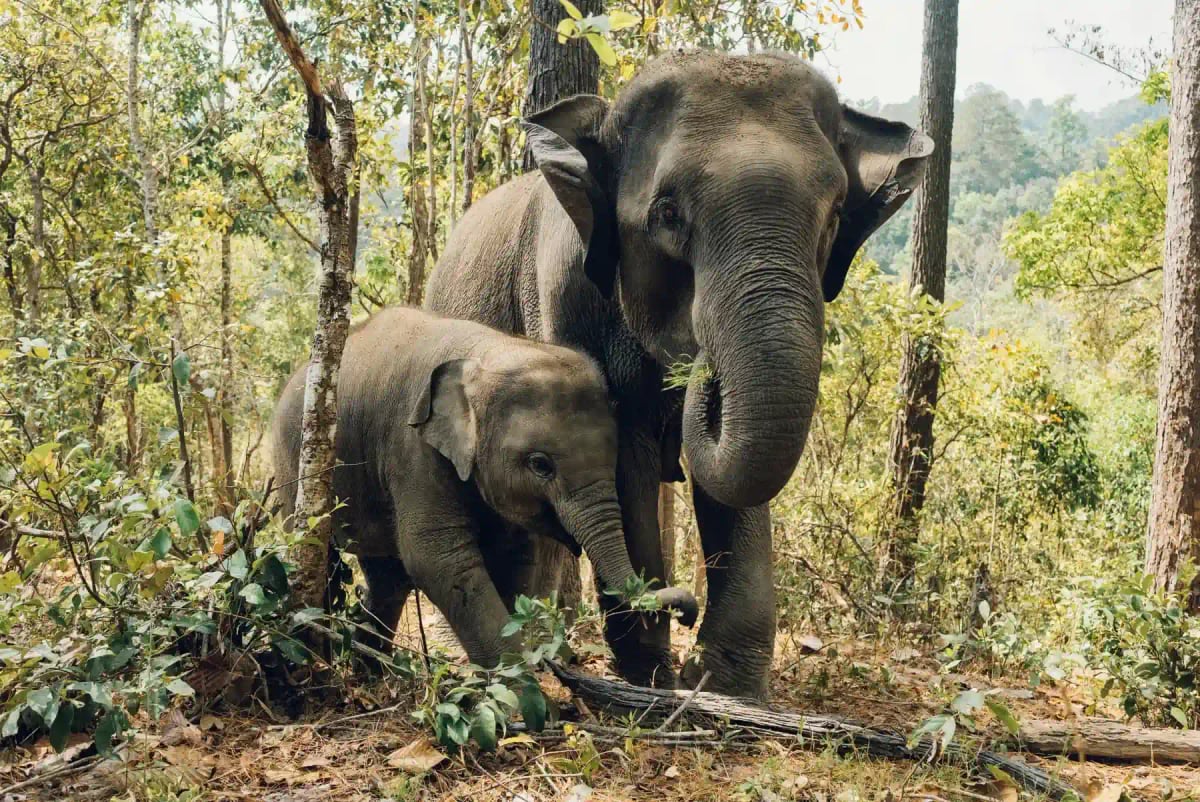
Asian Elephant
Elephas maximus
Bhutan's Asian elephants inhabit the subtropical forests of the southern foothills, particularly around Royal Manas National Park near the Indian border. The population is relatively small, numbering in the hundreds, but benefits from intact forest corridors that connect to larger herds in Assam. Bhutan's conservation policies and low human population density in the south have helped maintain viable habitat, though conflict with farming communities in the buffer zones remains a persistent challenge.
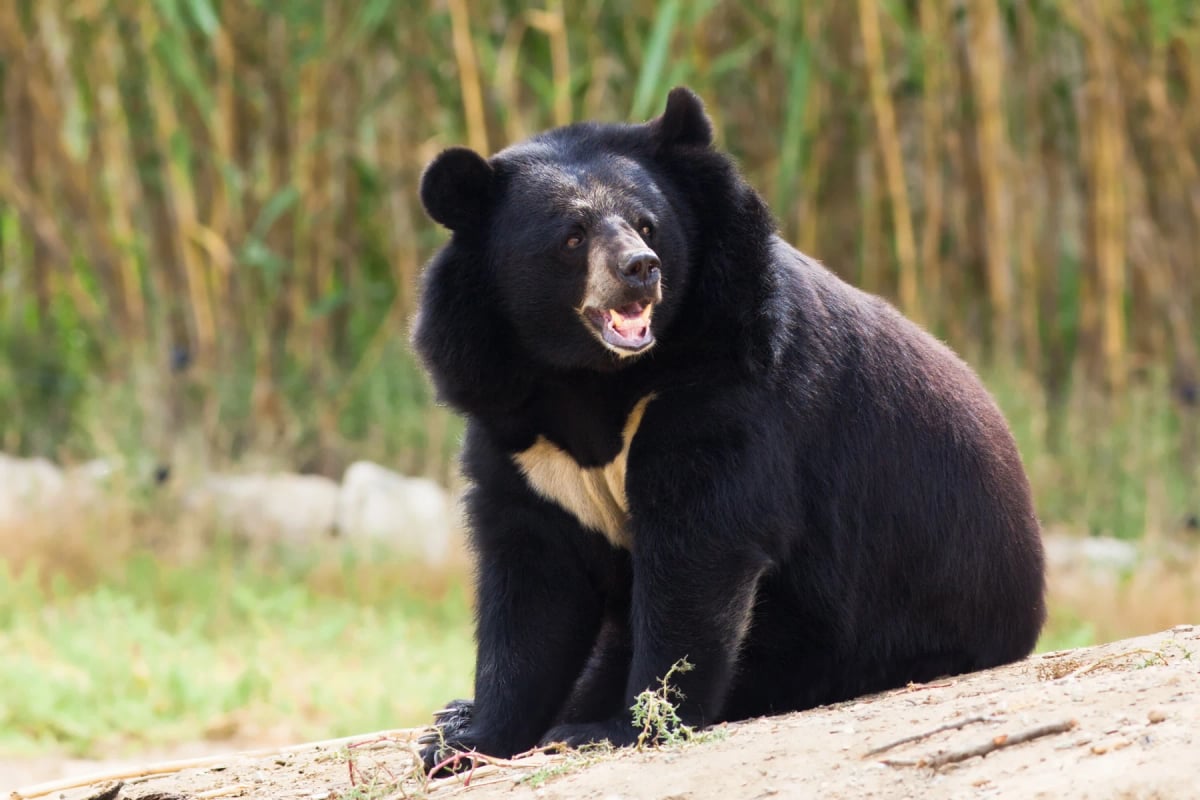
Asiatic Black Bear
Ursus thibetanus
The Asiatic black bear inhabits the temperate and subtropical forests of Bhutan across a wide elevation range, from the southern foothills up through the mid-mountain zones. It is one of the more frequently encountered large mammals in the country and is known to raid crops and beehives in villages near forest edges, generating conflict with local communities. Bhutan's extensive network of protected areas and biological corridors provides some of the most intact habitat available to the species across its entire range.
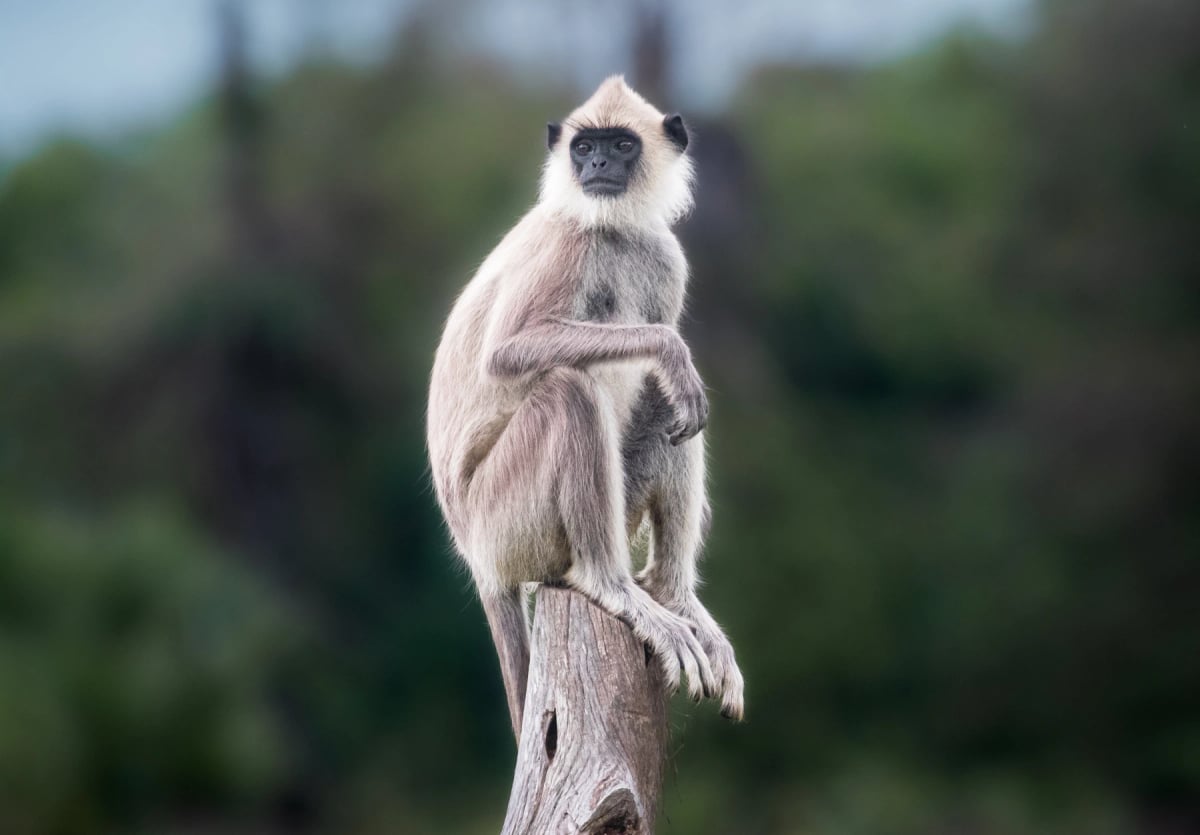
Langur
Semnopithecus spp.
In Bhutan, langurs inhabit the broadleaf forests of the southern foothills and mid-altitude valleys, where tree cover remains relatively intact thanks to the country's strong conservation policies. They feed on leaves, fruit, and flowers, and live in social troops. Bhutan's protected areas and high forest coverage provide a stable environment that supports healthier langur populations compared to many neighboring countries.
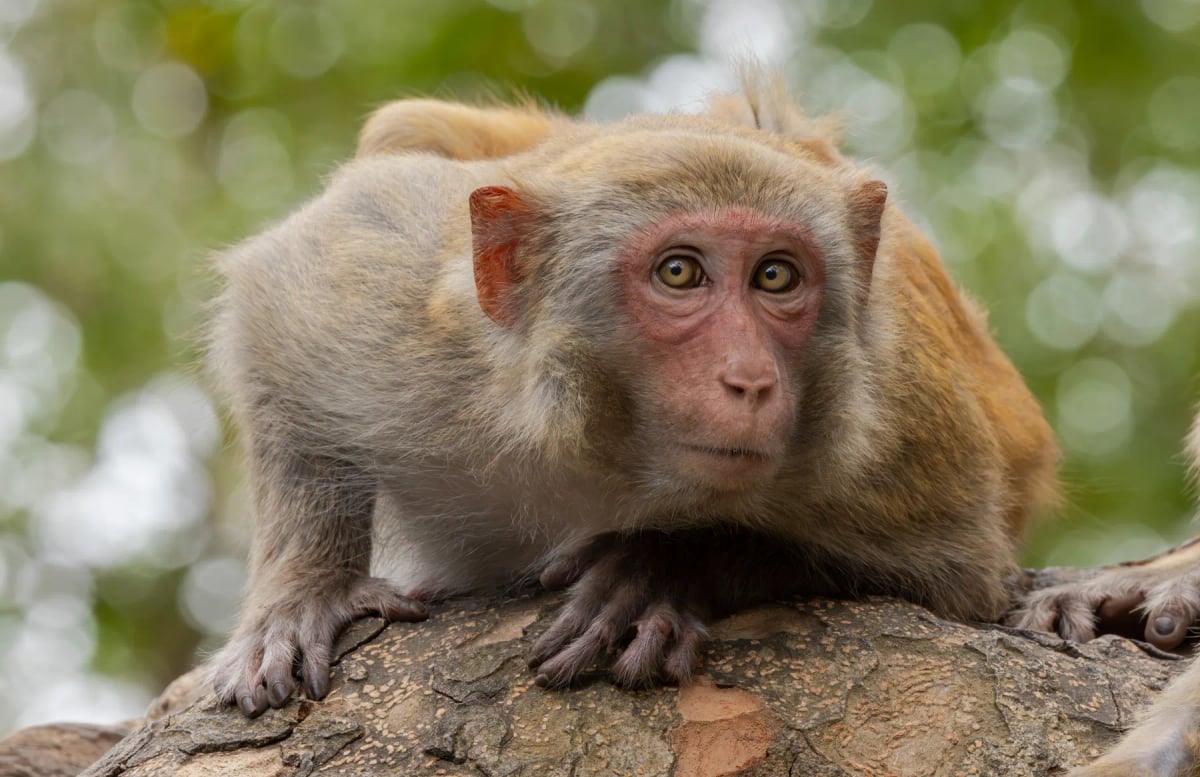
Macaque
Macaca spp.
Bhutan is home to rhesus and Assamese macaques, living across forested valleys and mountain slopes up to considerable elevations. They shelter in the broadleaf and mixed forests of the foothills and middle hills. Bhutan's strong conservation culture and large areas of protected forest provide a relatively stable environment for these primates, though encounters near monasteries and farms are common.
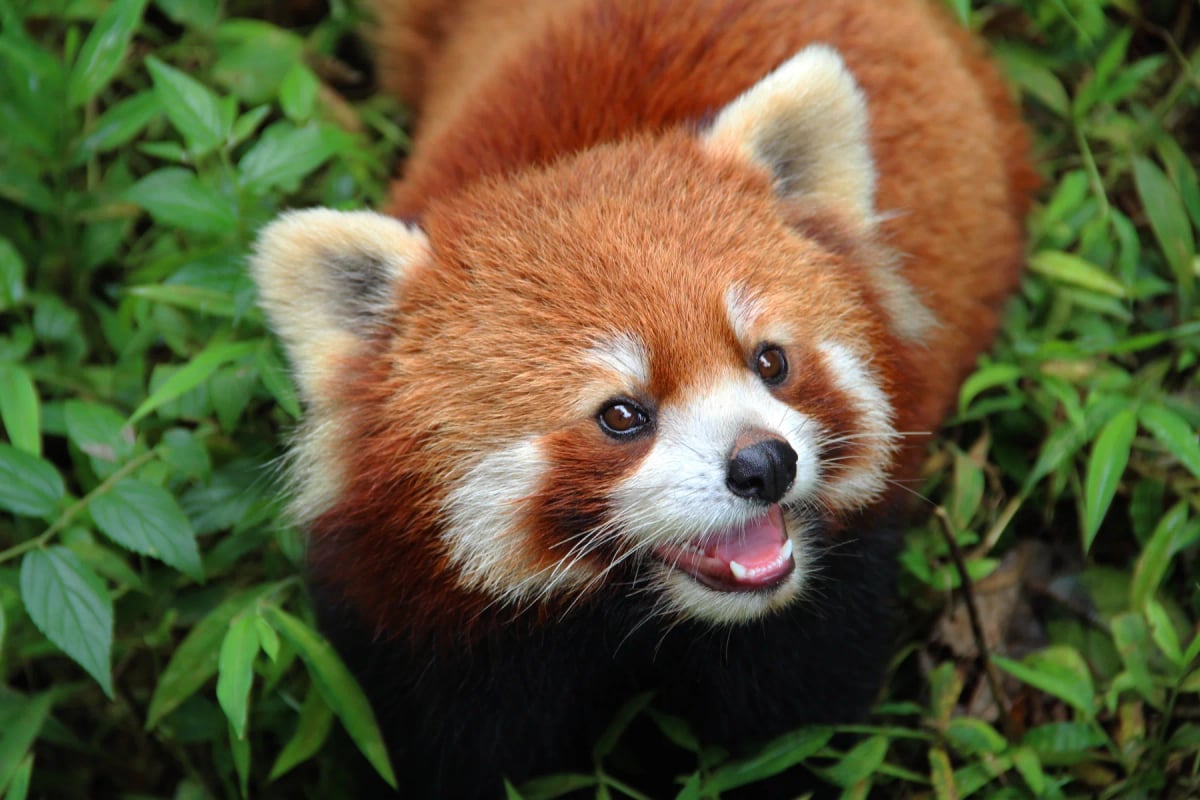
Red Panda
Ailurus fulgens
The red panda lives in Bhutan's temperate mountain forests, particularly in the eastern and central regions where bamboo grows in abundance beneath the tree canopy. Bhutan's strong conservation ethic and protected forest network offer this small mammal a relatively stable refuge. It spends its days resting in the branches and feeds mainly on bamboo, coming alive at dawn and dusk. Its status is Endangered.
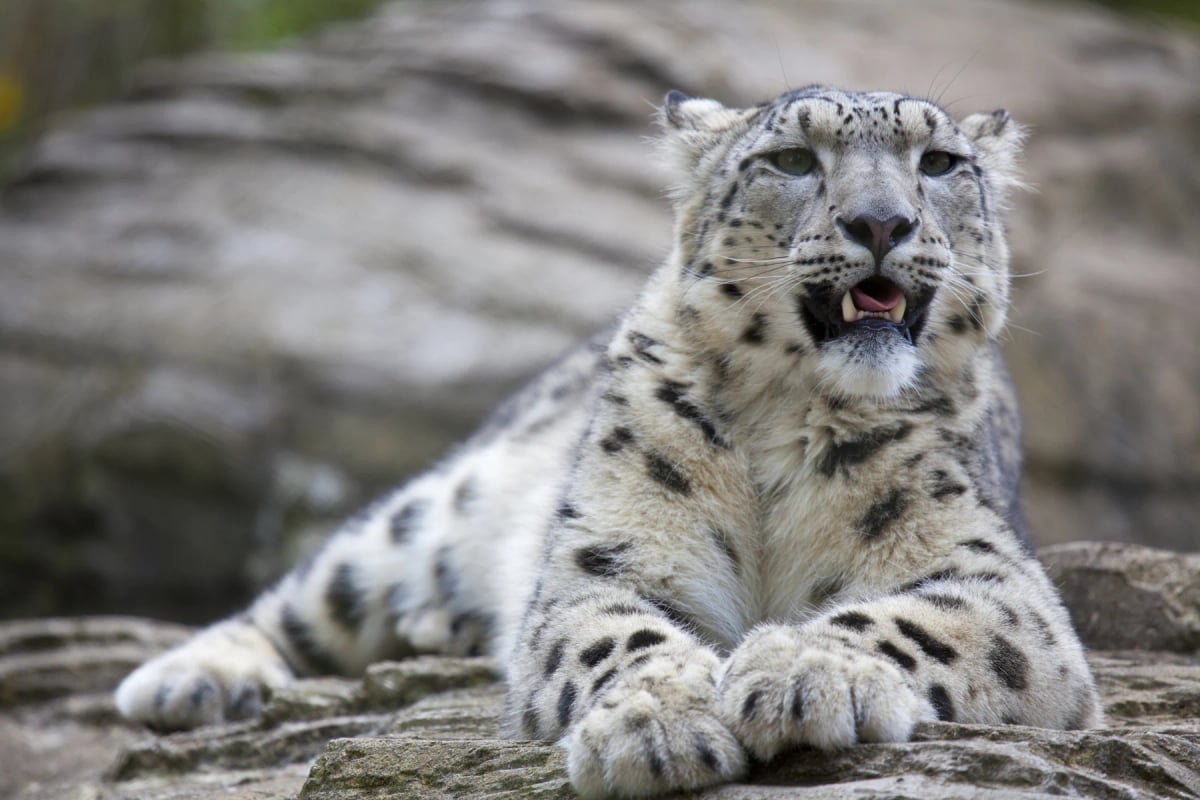
Snow Leopard
Panthera uncia
Bhutan's northern highlands, bordering Tibet, provide some of the most intact mountain habitat remaining for snow leopards in South Asia. The country's strong conservation ethic and protected area network, including Jigme Dorji National Park, offer real shelter for the species. Camera trap surveys have confirmed a small but stable population moving through alpine meadows and rocky ridgelines above the treeline. IUCN status: Vulnerable.
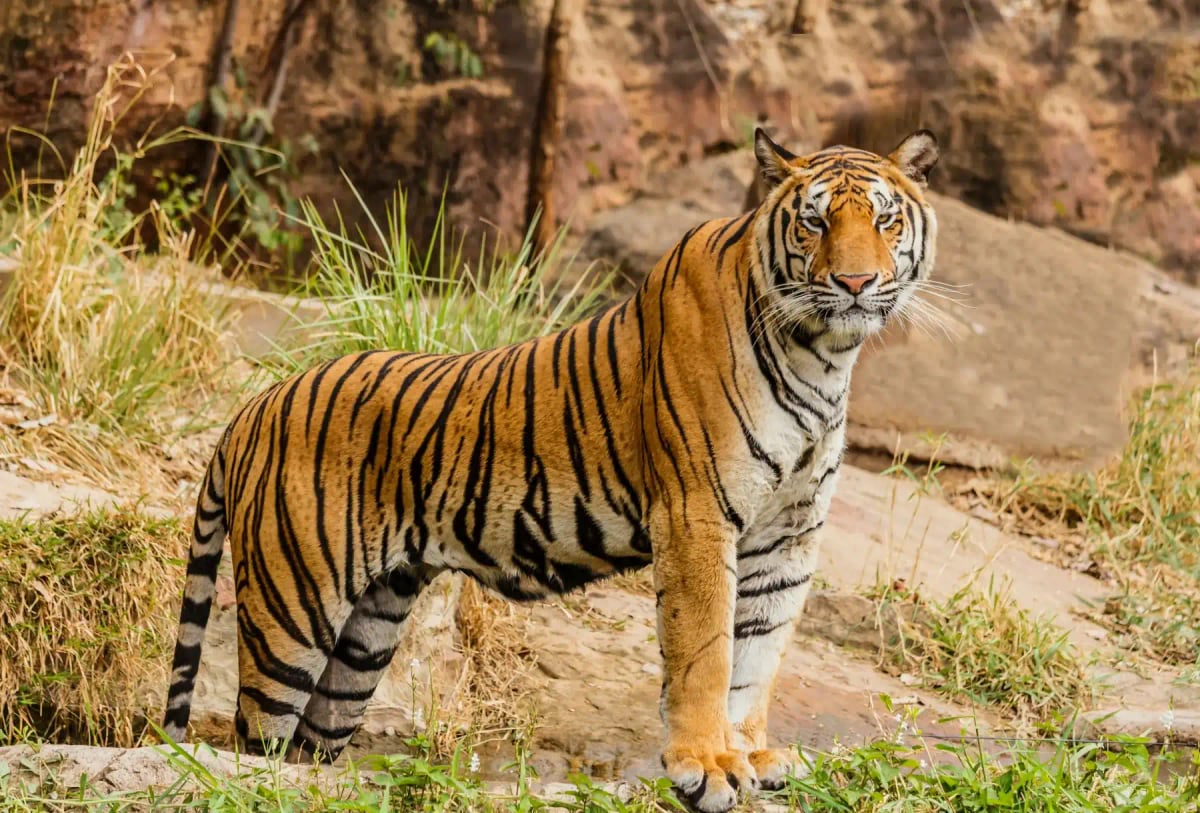
Bengal Tiger
Panthera tigris tigris
Bhutan hosts a small but significant population of Bengal tigers across a remarkable range of elevations, from subtropical forests in the south to temperate zones in the north. The country's extensive protected area network and commitment to conservation provide a relatively stable environment for the subspecies. Camera trap surveys have confirmed tiger presence at elevations exceeding 4,000 meters, a record for the species. IUCN status: Endangered.
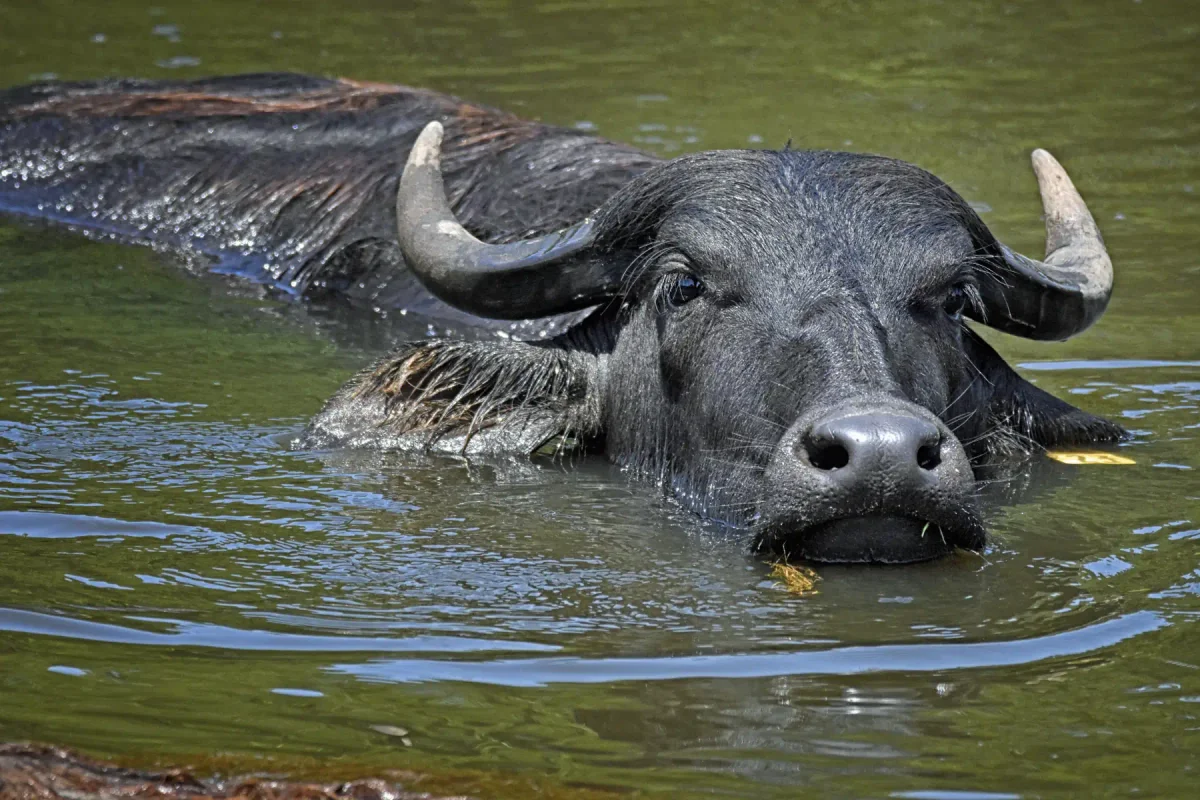
Water Buffalo
Bubalus arnee
The wild water buffalo is rarely seen in Bhutan, where small numbers persist in the low-lying grasslands and wetlands of the southern foothills, particularly around Manas. One of the largest members of the cattle family, it can weigh over 1,000 kg and carries sweeping horns longer than those of any other living bovid. Crossbreeding with domestic buffalo remains its greatest threat.
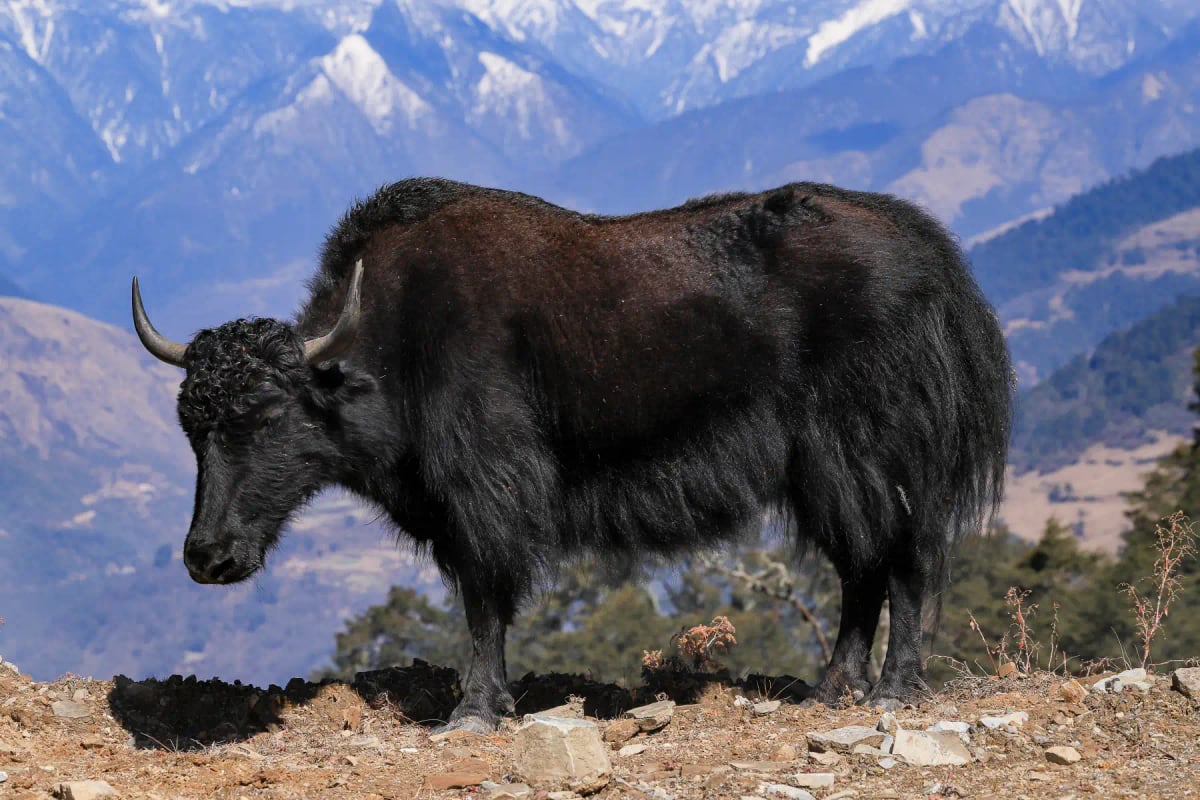
Yak
Bos grunniens
In Bhutan, yaks are kept by highland herders, including the Brokpa and Layap communities, in remote northern valleys near the border with Tibet. The animals provide wool, milk and meat, and carry loads between high pastures and lower villages as families move with the seasons. Yak herding remains a defining part of life and identity for these isolated mountain communities.
Takin
Budorcas taxicolor
The takin is Bhutan's national animal, and few places on Earth are more closely associated with this stocky bovid. Herds roam the mountain forests and alpine meadows of the Himalayas, moving to lower elevations in winter and climbing high in summer. Their oily coat keeps them dry in Bhutan's wet mountain conditions. The IUCN lists the takin as Vulnerable, and Bhutan's protected areas play a key role in its conservation.
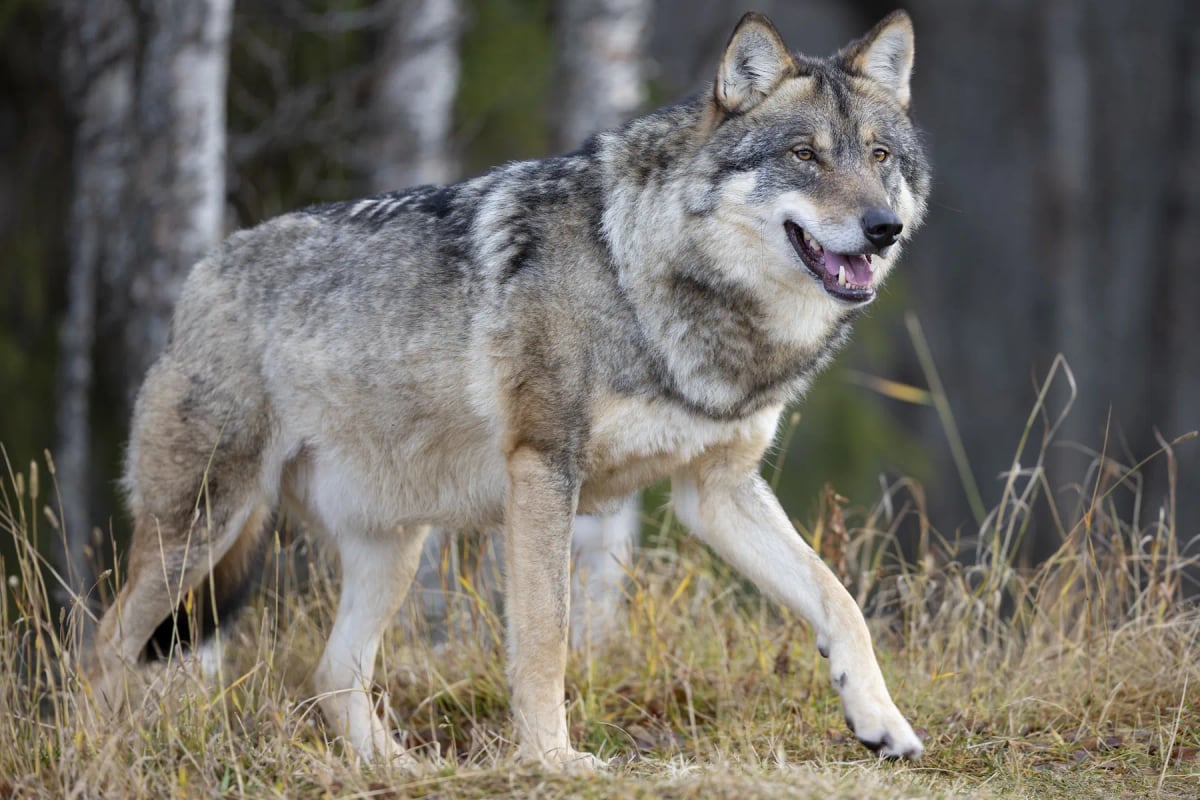
Gray Wolf
Canis lupus
In Bhutan, gray wolves are found in the high altitude areas of the north, particularly in the alpine meadows and remote valleys that border Tibet. The Bhutanese wolf is believed to belong to the Himalayan wolf lineage, which some researchers consider a distinct population. Wolves occasionally prey on yaks and other livestock kept by herding communities, and coexistence with nomadic herders remains an ongoing challenge in these high mountain ecosystems. IUCN status: Least Concern.
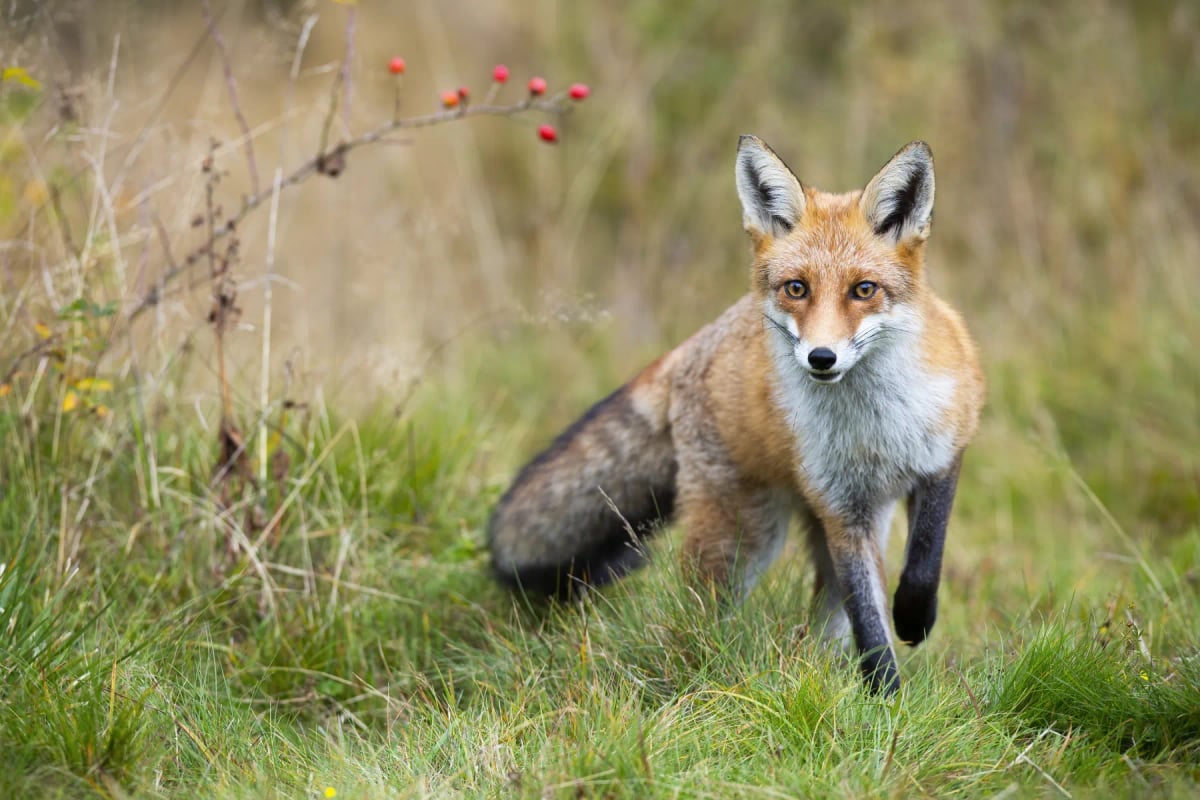
Red Fox
Vulpes vulpes
In Bhutan, the red fox is found at a range of elevations, from temperate broadleaf forests in the foothills to alpine meadows in the north. It is an opportunistic hunter, taking rodents, birds, and insects, and will also feed on fruit and carrion. The fox coexists alongside snow leopards and wolves in some of Bhutan's protected areas, occupying a distinct niche as a smaller predator. Its IUCN status is Least Concern.
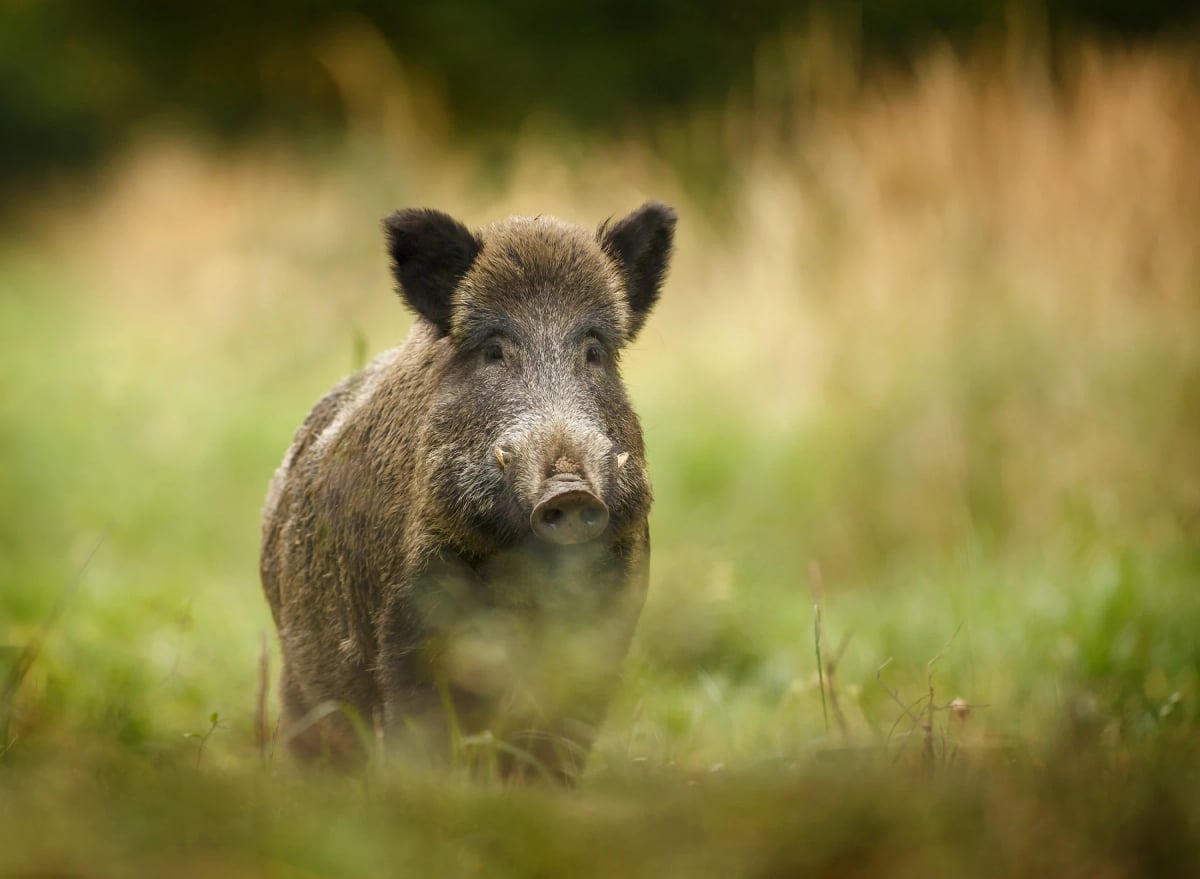
Wild Boar
Sus scrofa
Wild boars are common across Bhutan's subtropical and temperate forests, especially at lower elevations near farming villages. As a Buddhist country where hunting is widely discouraged, Bhutan relies mainly on fencing and other non lethal methods rather than culling to manage crop raids. Wild boars also serve as prey for predators such as leopards in the country's southern foothills, and their rooting helps turn over forest soil.
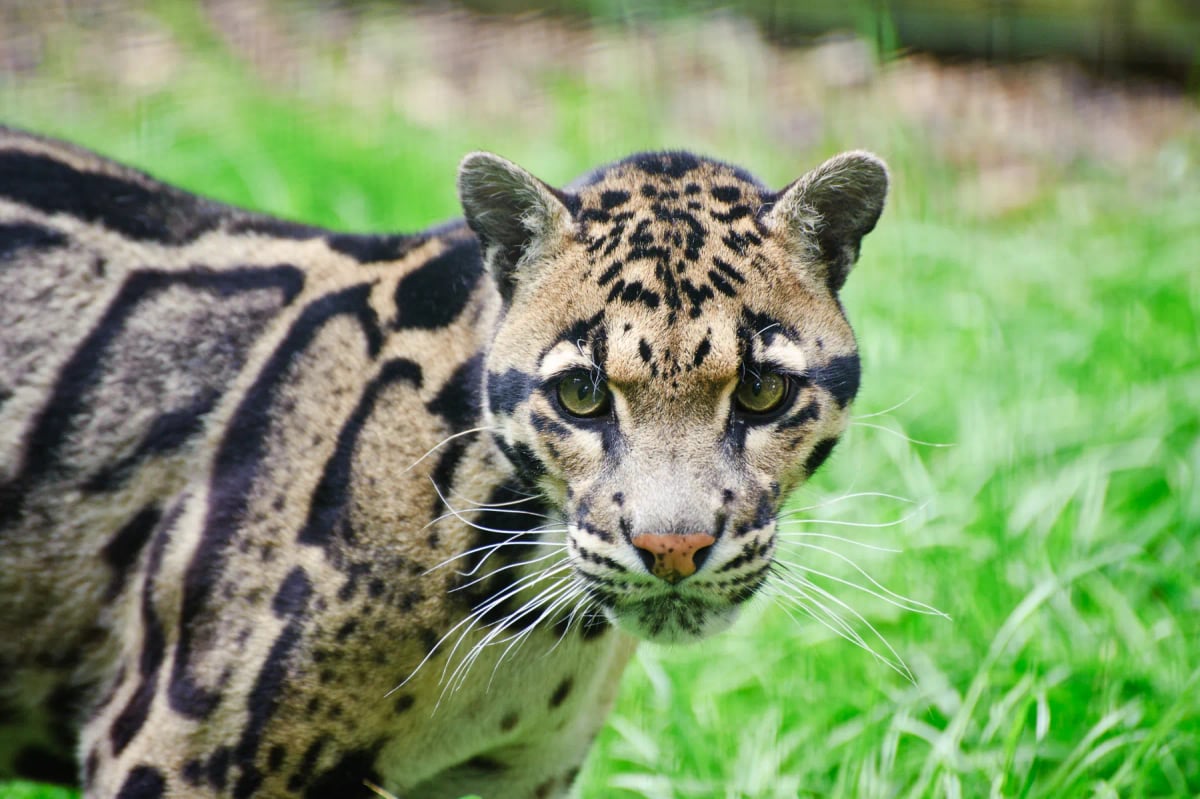
Clouded Leopard
Neofelis nebulosa
In Bhutan, the clouded leopard roams the subtropical and temperate forests along the southern foothills, including protected areas such as Royal Manas National Park. The country's strong conservation policies and large areas of intact forest make it one of the more hopeful strongholds for this cat in the eastern Himalayas. It is seldom seen, but camera traps have confirmed its presence across several forested valleys.
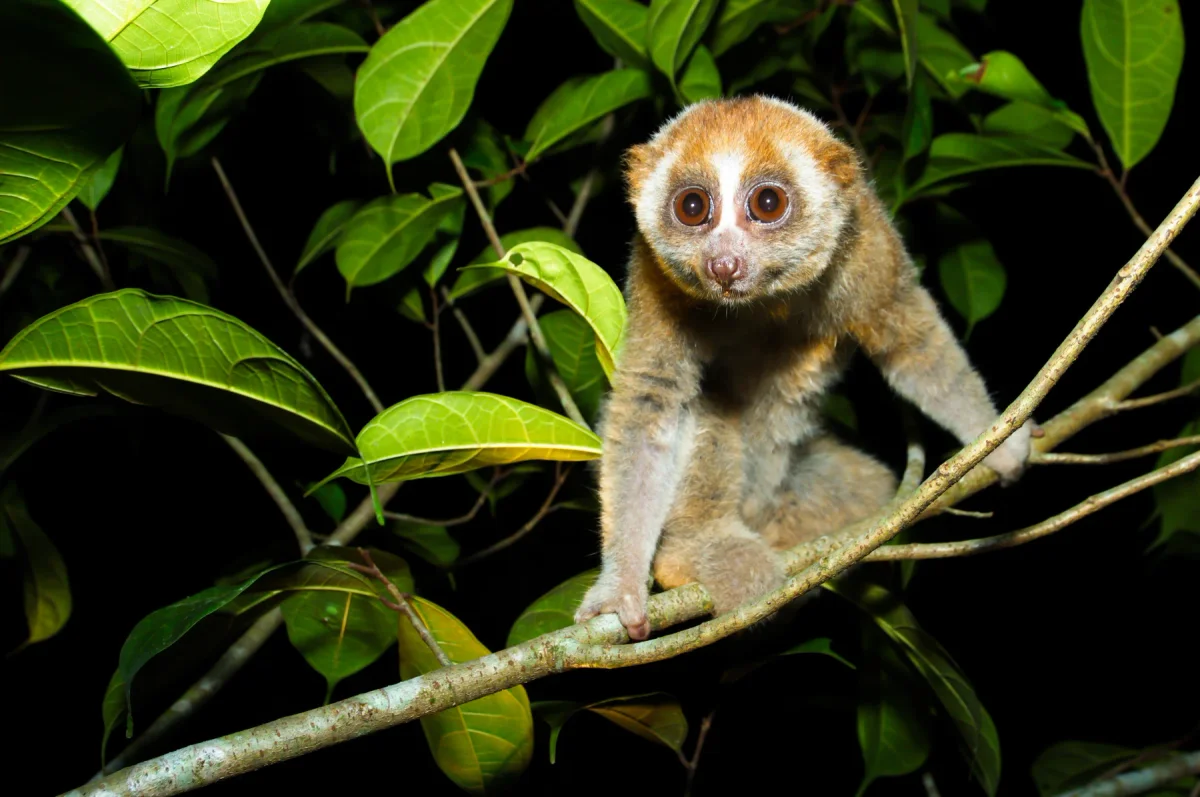
Bengal Slow Loris
Nycticebus bengalensis
In Bhutan, the Bengal slow loris occupies subtropical and tropical forest zones in the southern foothills, where tree cover remains relatively intact compared to much of its broader range. It moves through the canopy at night using a specialized grip supported by a unique network of blood vessels in its hands. Despite Bhutan's strong conservation record, this primate is still classified as Vulnerable by the IUCN.
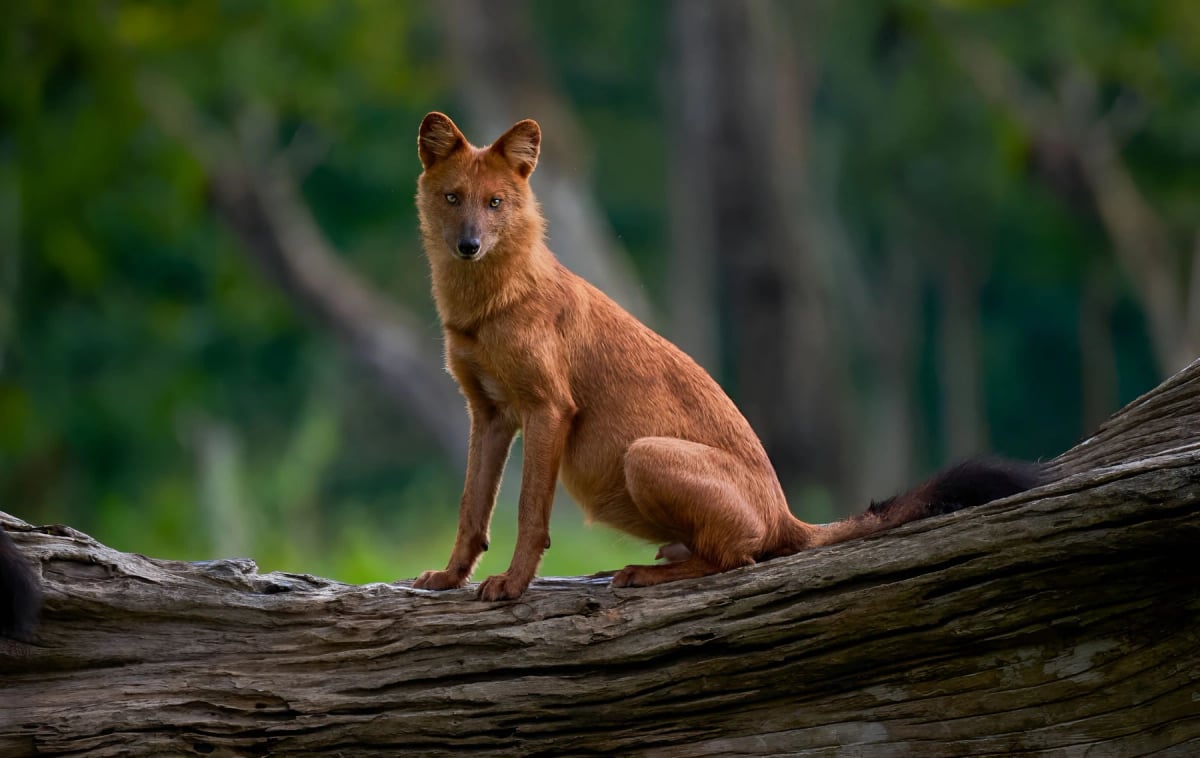
Dhole
Cuon alpinus
In Bhutan, dholes roam the temperate and subtropical forests that cover much of the country, including protected areas like Royal Manas National Park. They hunt in coordinated packs and can take down prey much larger than themselves. Bhutan's strong conservation policies help protect their habitat, though prey depletion and disease from domestic dogs remain concerns. The IUCN lists the dhole as Endangered.
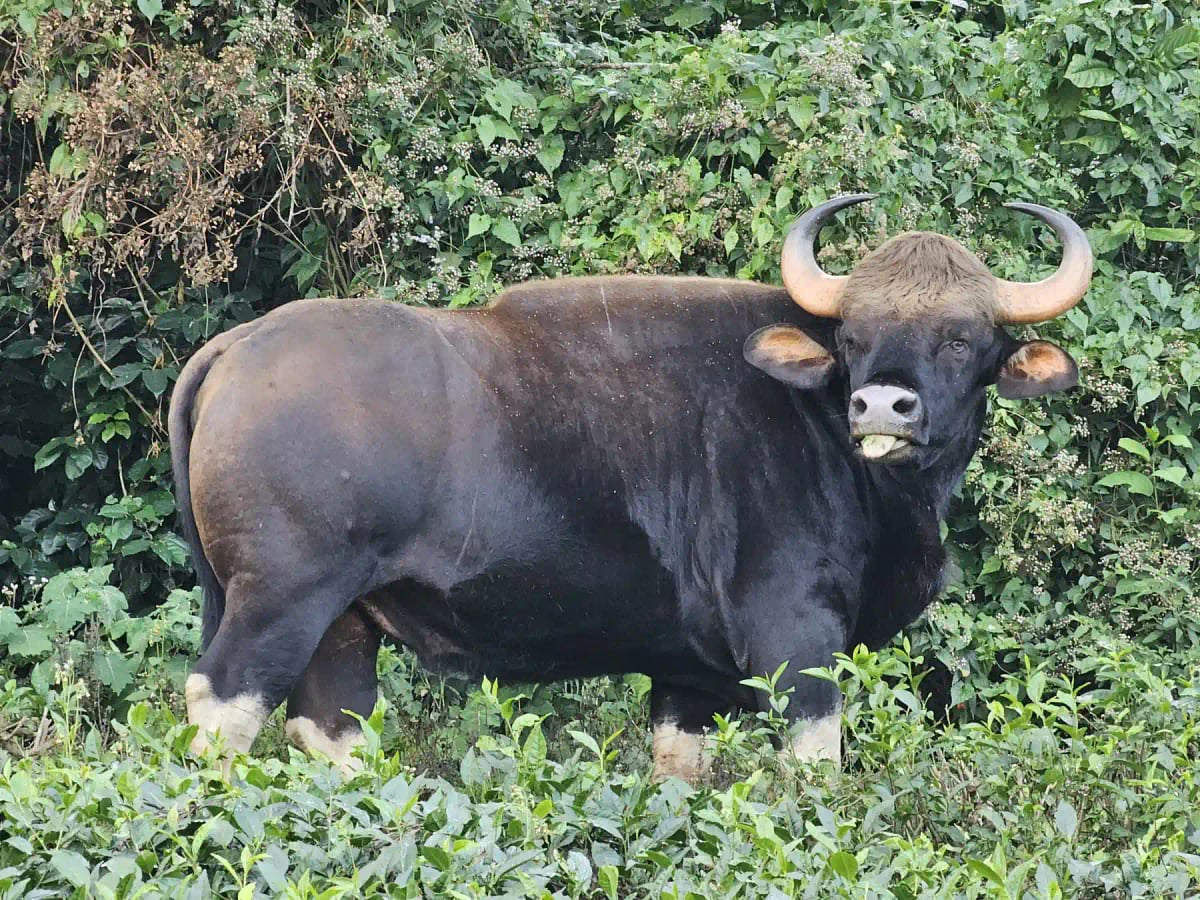
Gaur
Bos gaurus
The gaur roams the subtropical forests and grassy foothills of southern Bhutan, particularly in and around the Royal Manas National Park. Bhutan's strong conservation policies and low human pressure have helped maintain a modest but stable population. Adult males are enormous, standing taller than most doorways and weighing over a tonne. Herds graze at forest edges in the early morning, browsing on grass, bamboo, and leaves.
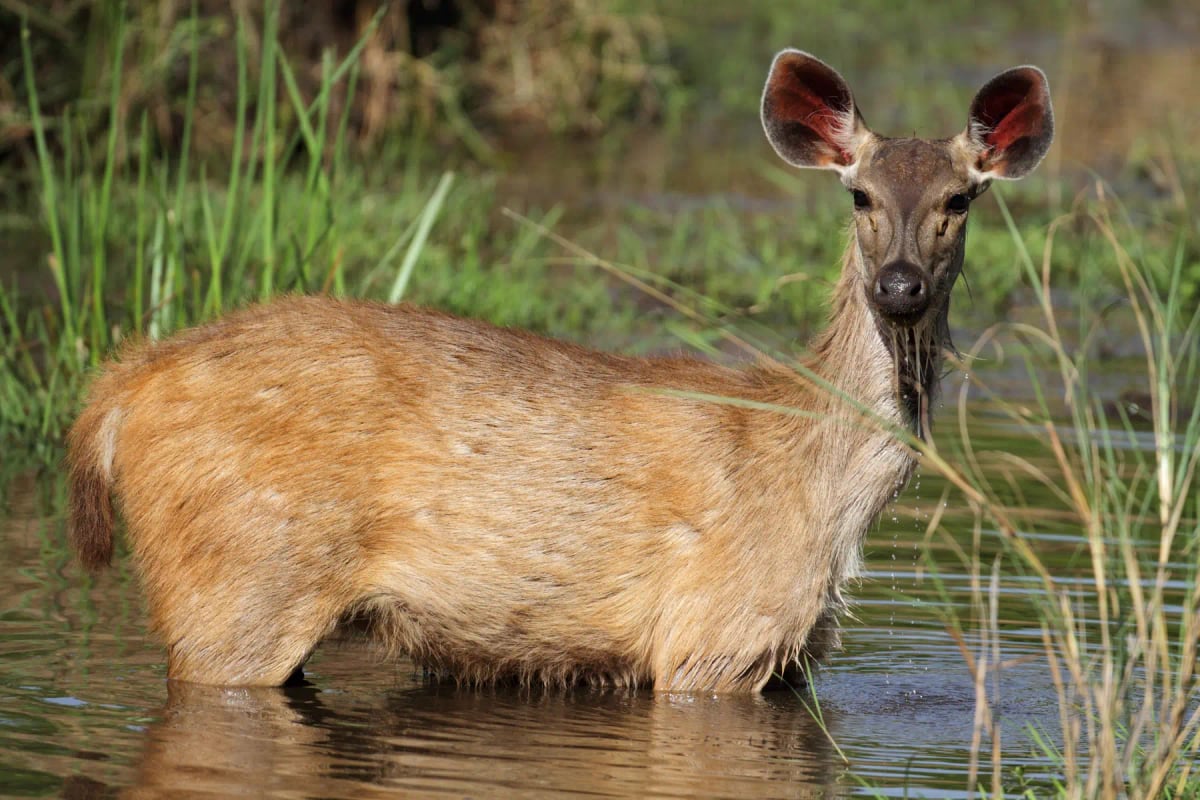
Sambar Deer
Rusa unicolor
In Bhutan, sambar deer live across the subtropical and temperate forests of the southern foothills and valleys, including protected areas like Royal Manas National Park. They share their habitat with tigers and leopards, which depend on them as a key food source. Bhutan's strong conservation policies have helped maintain forest cover, giving sambar populations a better chance of survival over the long term.
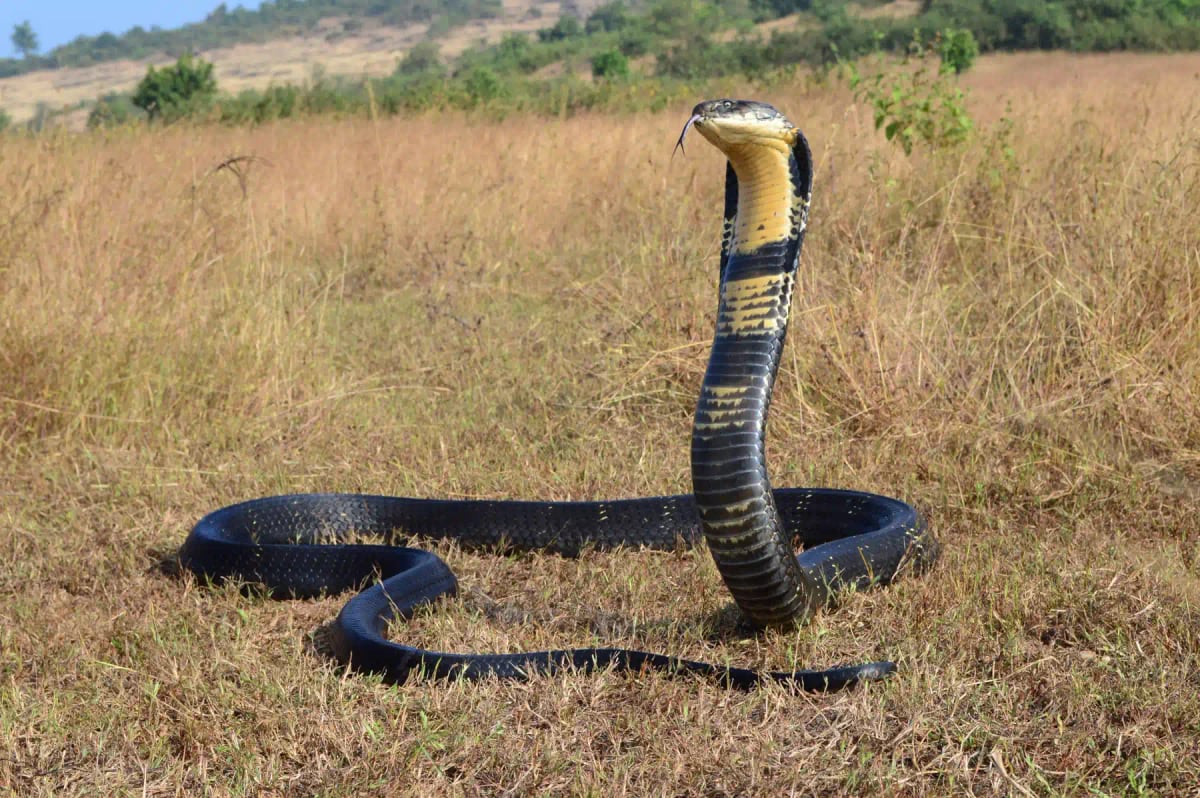
King Cobra
Ophiophagus hannah
The king cobra is present in the subtropical forests of Bhutan's southern foothills, where the climate and vegetation suit its needs. It is rarely encountered, as it prefers dense forest away from settlements. The snake feeds on other species common in the region and plays a role in regulating local reptile populations. Bhutan's extensive forest protection indirectly benefits this species by preserving suitable habitat.
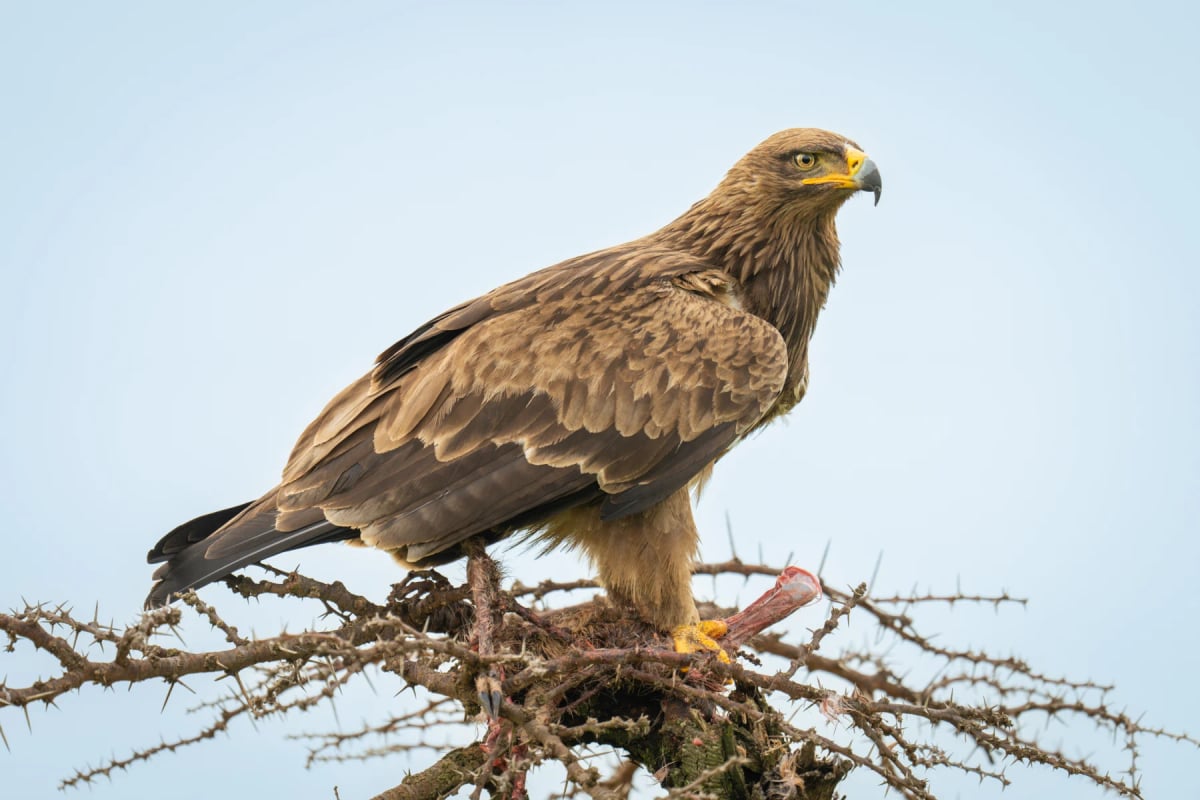
Steppe Eagle
Aquila nipalensis
The Steppe Eagle passes through Bhutan during migration, with sightings most common in the lower valleys and foothills as birds move between their Central Asian breeding grounds and wintering areas further south. Bhutan's varied terrain acts as a corridor for several raptor species making long seasonal journeys. Though not a breeding species here, its presence reflects the country's role in supporting migratory wildlife across the region.
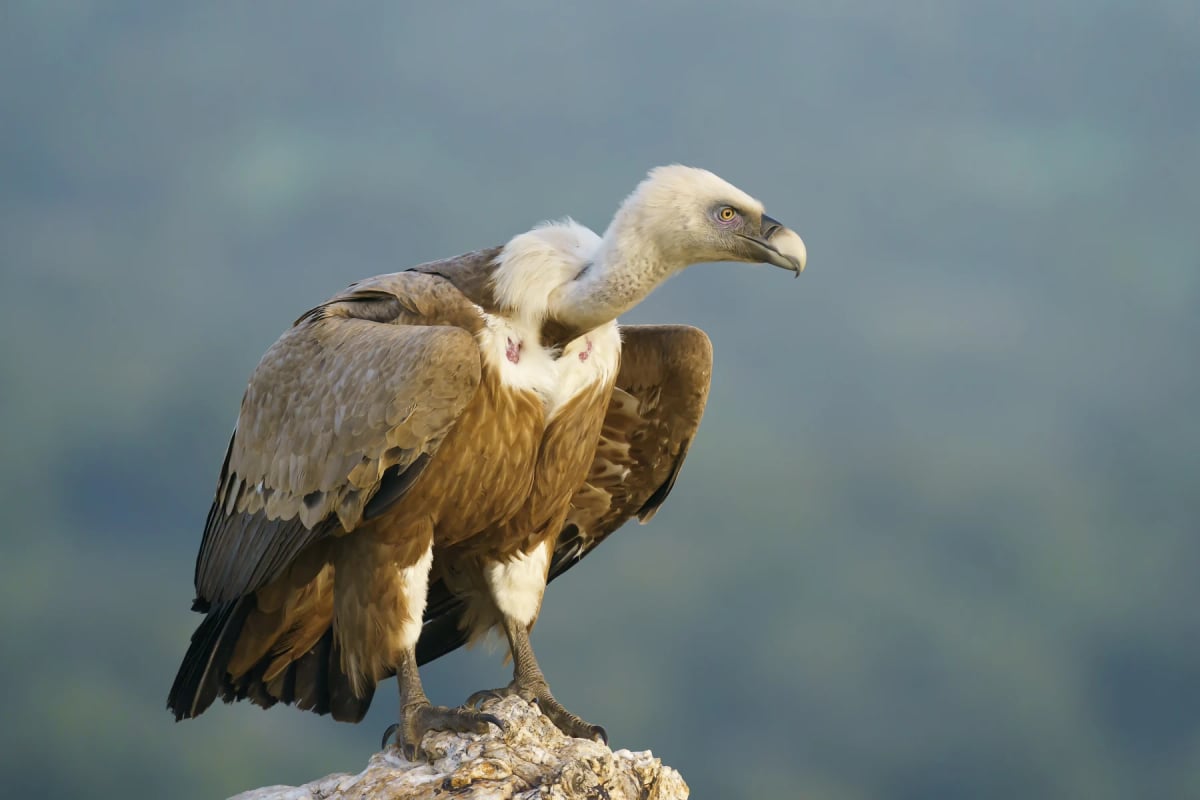
Griffon Vulture
Gyps fulvus
Bhutan sits at the eastern end of the griffon vulture's Himalayan range, and here it is an uncommon bird. It soars over the river valleys and open slopes of the country, riding thermals as it searches for dead livestock and wild animals. Bhutan's strong protection of its forests and its low use of veterinary drugs harmful to vultures make it a relatively safe place for large scavengers. IUCN status: Least Concern.
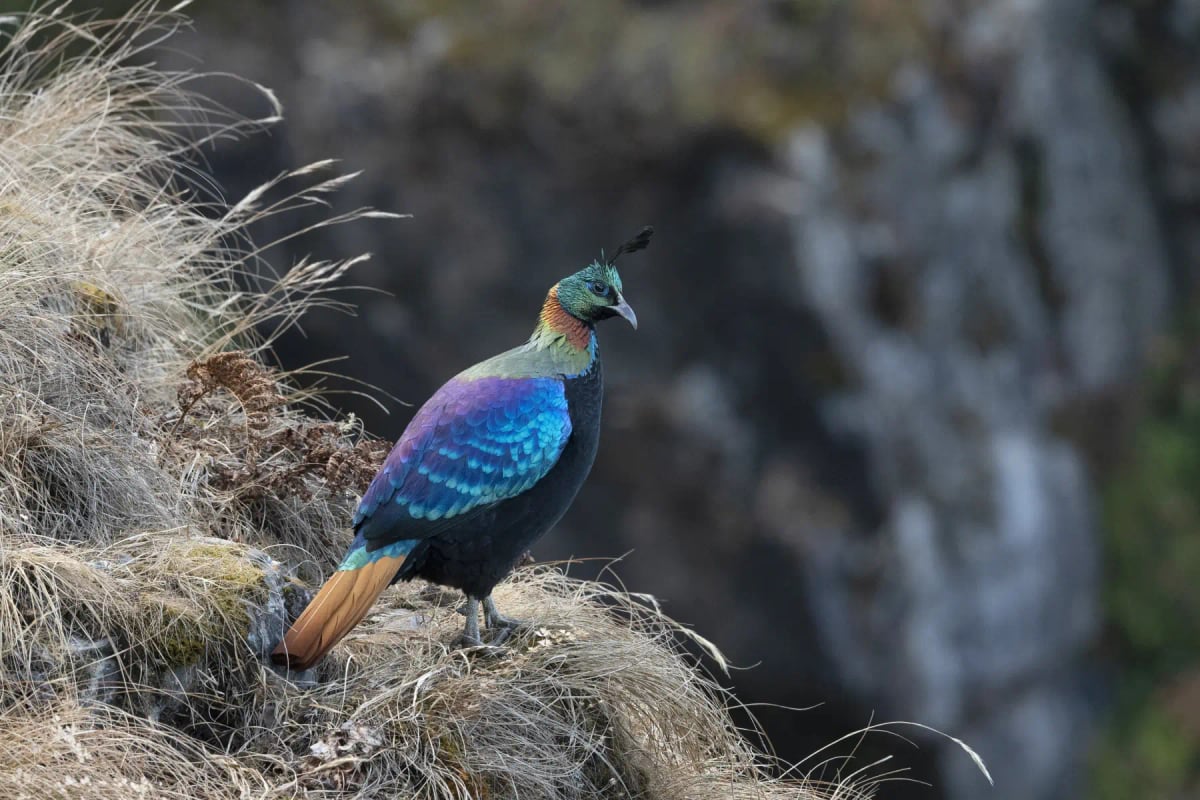
Himalayan Monal
Lophophorus impejanus
The Himalayan monal is a striking pheasant found in Bhutan's mountain forests and alpine meadows, typically between 2,500 and 4,500 meters. Males dazzle with iridescent feathers in greens, blues, copper, and purple, topped by a fan shaped crest. Bhutan's well protected national parks, including Jigme Dorji, provide strongholds for this species. It digs through soil and snow with its curved bill to find roots, bulbs, and insects.
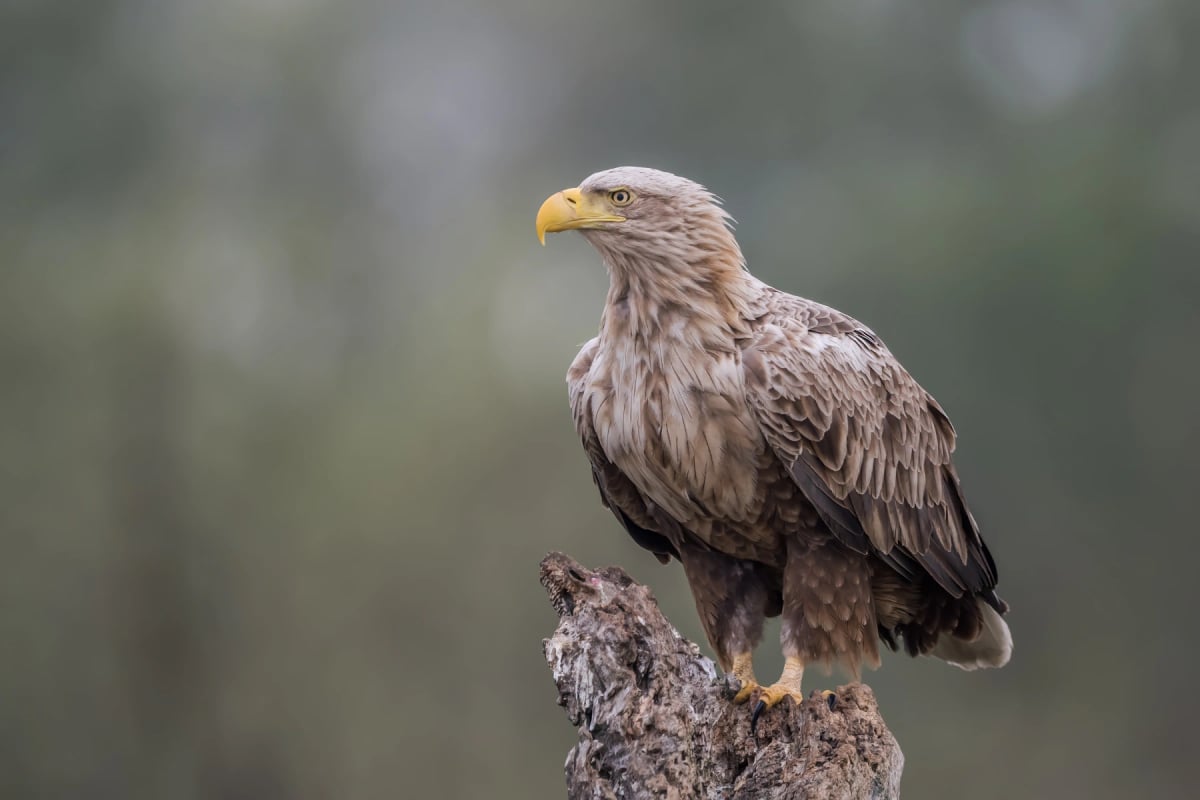
White tailed Eagle
Haliaeetus albicilla
In Bhutan, the white tailed eagle is an uncommon winter visitor, occasionally recorded along river valleys in the low lying southern foothills and central regions. It tends to appear near rivers and wetlands where fish and waterbirds are available. Bhutan's strong conservation ethic and extensive protected area network help safeguard habitats for visiting raptors. The IUCN lists this impressive eagle as Least Concern.
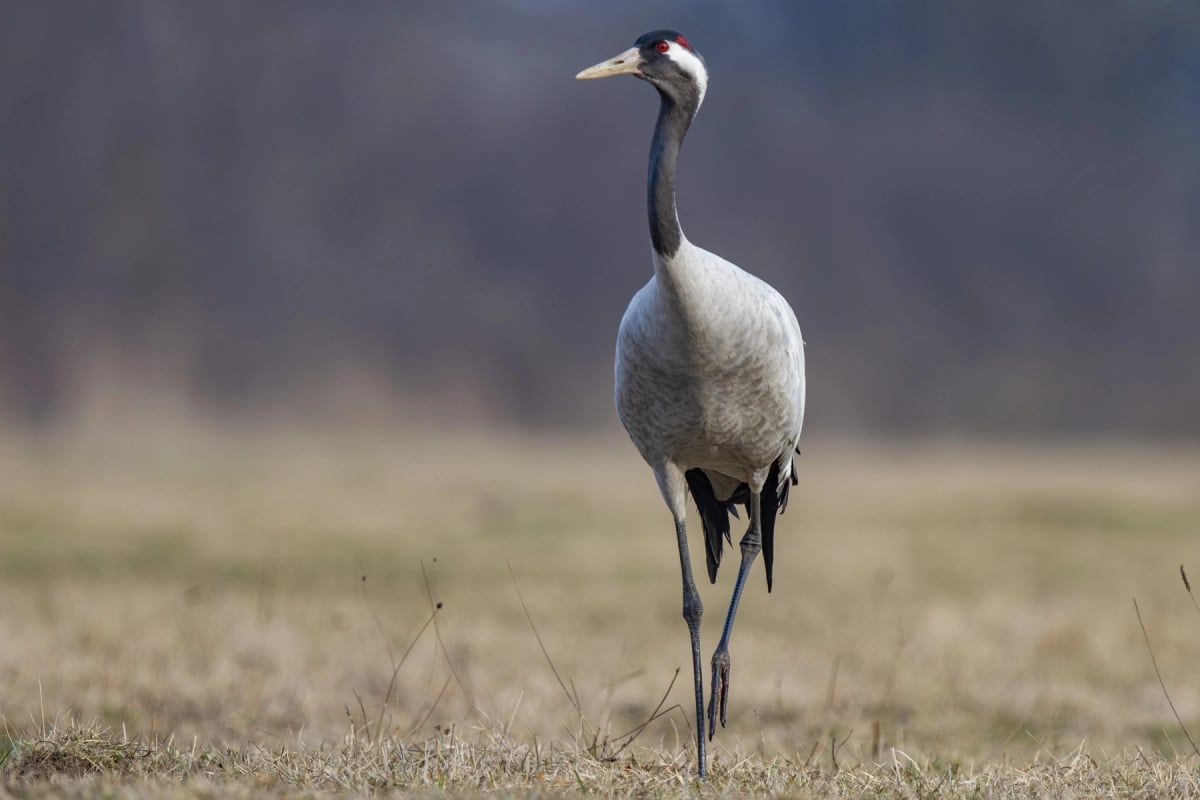
Crane
Grus grus
Bhutan lies at the southern edge of the common crane's range in the Himalayas. The IUCN includes the country in its range, but the bird is scarce here, recorded mostly in winter and on migration in river valleys and farmland, usually as single birds or small groups. Bhutan is far better known for its wintering black necked cranes, so every common crane sighting is noteworthy for local birdwatchers. IUCN status: Least Concern.
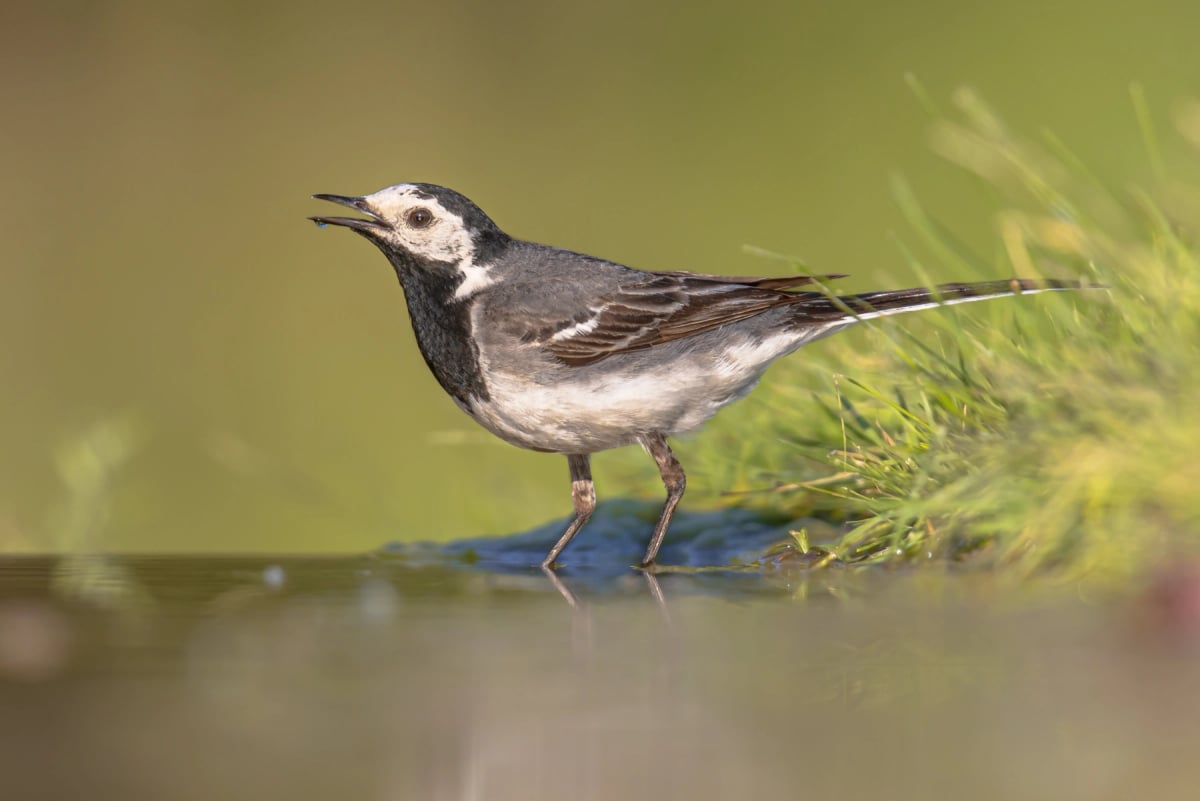
White Wagtail
Motacilla alba
In Bhutan, the white wagtail is found along fast rivers and streams that flow through the valleys of the Himalayas. It is present year round at lower elevations, while higher altitude birds descend to the warmer valleys in winter. The bird forages along exposed gravel bars and the edges of paddy fields, and its bobbing tail is a familiar sight to anyone traveling the river valleys. Its status is Least Concern.
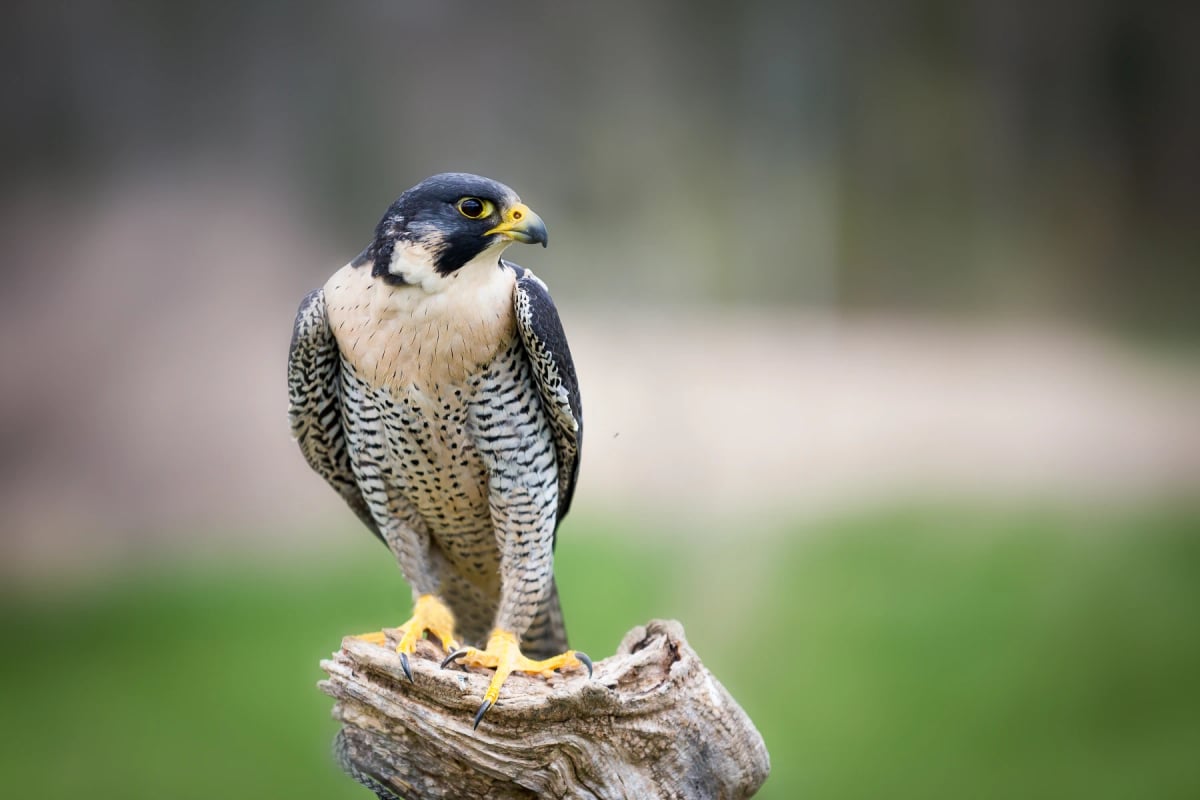
Peregrine Falcon
Falco peregrinus
In Bhutan, the peregrine falcon is found along river valleys and rocky escarpments that cut through the Himalayan foothills and the high mountain zones. It is present both as a resident in suitable cliff habitats and as a passage migrant moving through the region. The country's well preserved forests and low human pressure in many areas make Bhutan a relatively secure environment for this falcon. Its IUCN status is Least Concern.
Researched and written by Juan Pablo. Sources: IUCN Red List, scientific literature and regional field guides. Last updated: .