Animals in Finland

Brown Bear
Ursus arctos
The brown bear is Finland’s national animal and a symbol of strength and endurance. It lives in dense forests across the country and has inspired countless stories in Finnish folklore. Once feared, the bear is now admired and respected as a powerful emblem of the country’s deep connection with nature.
View details→Wildlife in Finland
Finland has one of the most untouched natural environments in Europe, with forests, lakes and Arctic tundra that shelter brown bears, lynxes, reindeer and wolves. In the north, reindeer roam freely, while seals and eagles are common near the coast. The country’s national parks protect these ecosystems and make nature accessible to everyone.
Most Dangerous Animals in Finland
Finland’s wilderness is home to animals that deserve respect such as brown bears, moose, wild boars, wolves and wolverines. Encounters are rare, but keeping distance and following local advice ensures safety. The country’s balance between people and wildlife is one of its greatest achievements.
Top 10 Animals in Finland
Among Finland’s most iconic animals are the brown bear, wolverine, moose, reindeer, Eurasian lynx and gray wolf. These species represent the wild character of the Nordic landscape. Many travelers visit national parks to see them and to experience the calm and beauty of Finland’s vast wilderness.
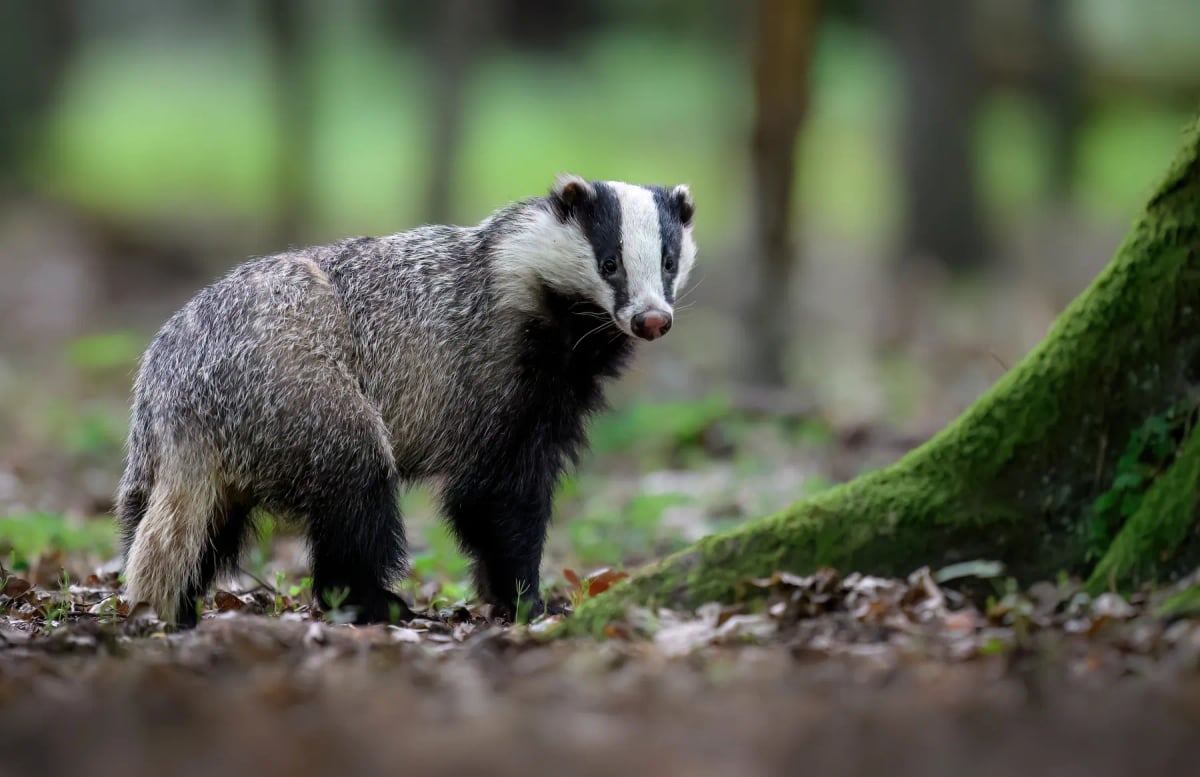
Badger
Meles meles
The Eurasian badger reaches the northern edge of its European range in Finland, where it is found mainly in the southern and central parts of the country in mixed forest and farmland. Finnish winters are severe and badgers spend several months in deep sleep underground, emerging in spring once temperatures rise. They feed on earthworms, insects, berries and small animals during the warmer months and build up substantial fat reserves before winter. Populations in Finland are smaller and patchier than further south in Europe.
Brown Bear
Ursus arctos
Finland has one of the largest brown bear populations in Europe, with thousands of individuals living across its vast boreal forests. The species was nearly extirpated in the early twentieth century but recovered strongly following legal protection. Bears are found throughout the country, with the highest densities in the east near the Russian border. Hunting is legally permitted under a quota system and remains a culturally embedded tradition in Finland.
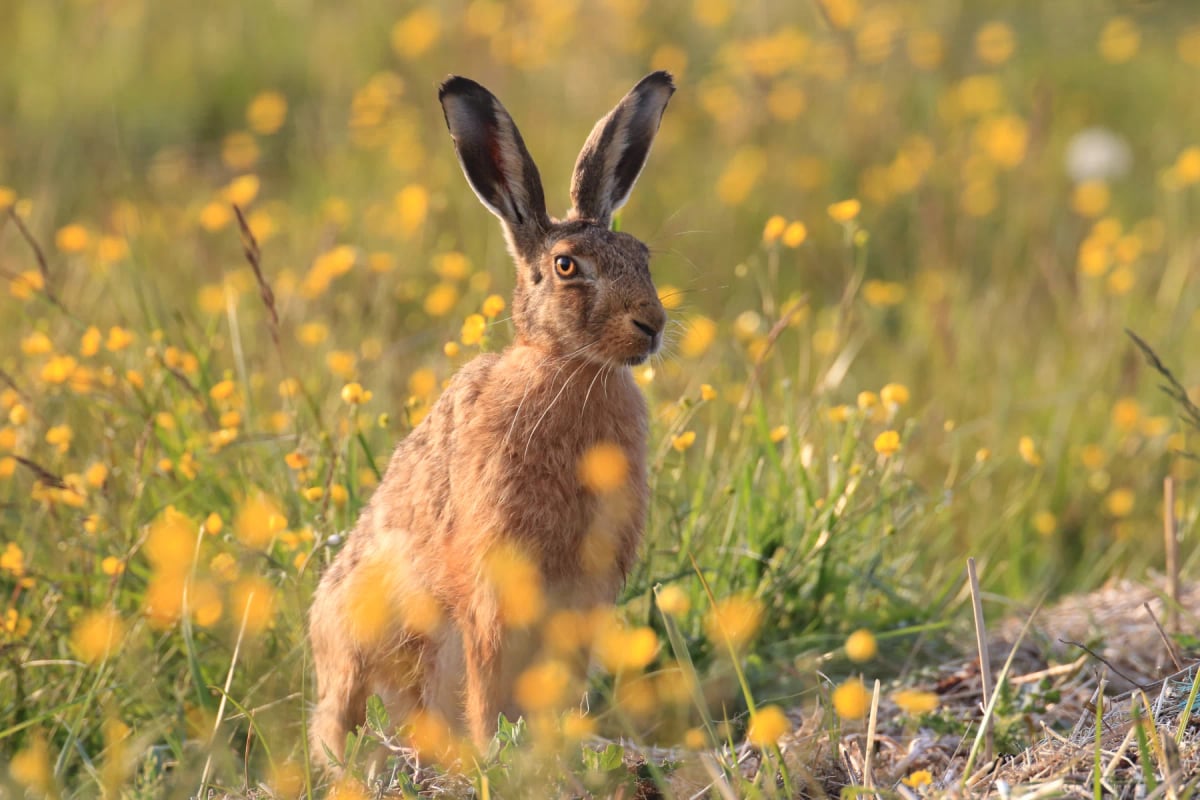
Hare
Lepus europaeus
The European hare reaches the northern edge of its native range in Finland, where it is found mainly in southern and central areas among farmland and open countryside. Further north, the mountain hare takes over as the dominant species. Finnish winters push the European hare to adapt to cold and snow, and its populations are closely monitored as agriculture in the south continues to evolve. IUCN status: Least Concern.
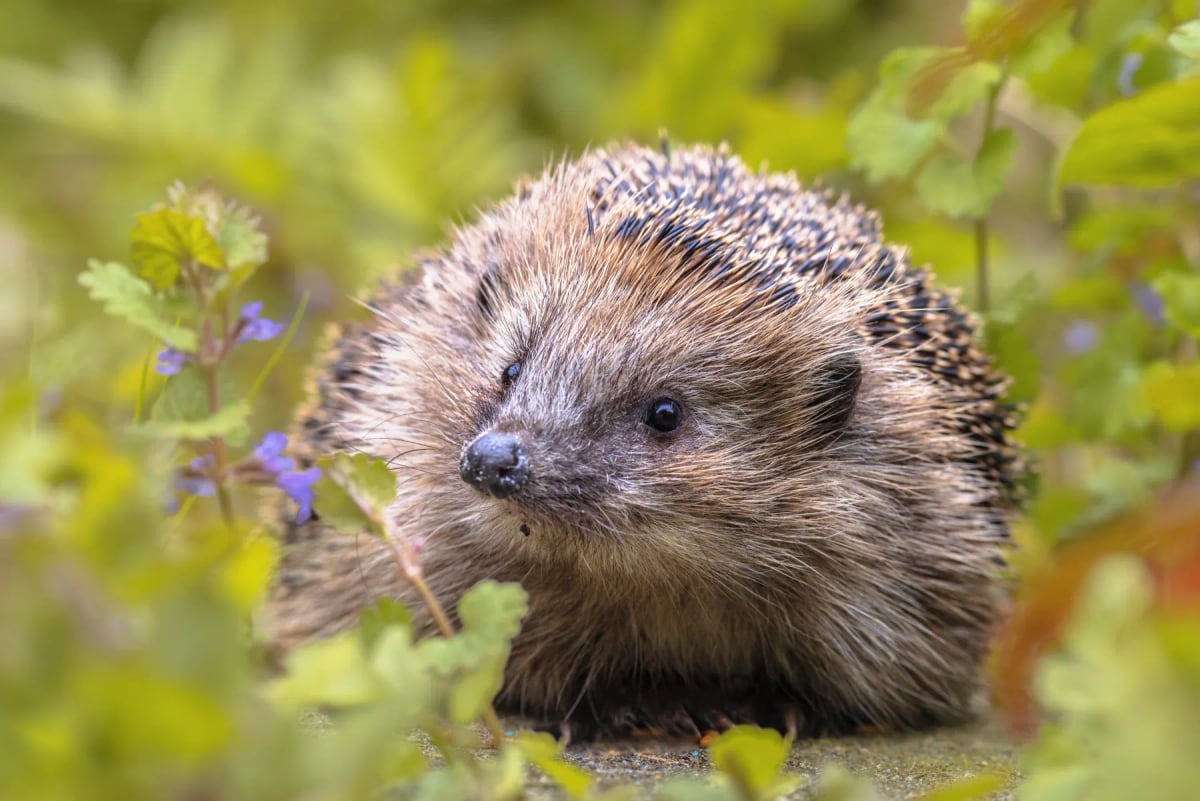
Hedgehog
Erinaceus europaeus
Finland sits at the northern limit of the European hedgehog's range, where the species is found mainly in the southwestern coastal regions and around the Helsinki area. The severe winters here demand a long hibernation, sometimes lasting from October all the way to April or May. The hedgehog is considered relatively rare in Finland compared to more southerly countries, and its range has been shifting gradually northward as winters become milder. Its IUCN status is Least Concern.
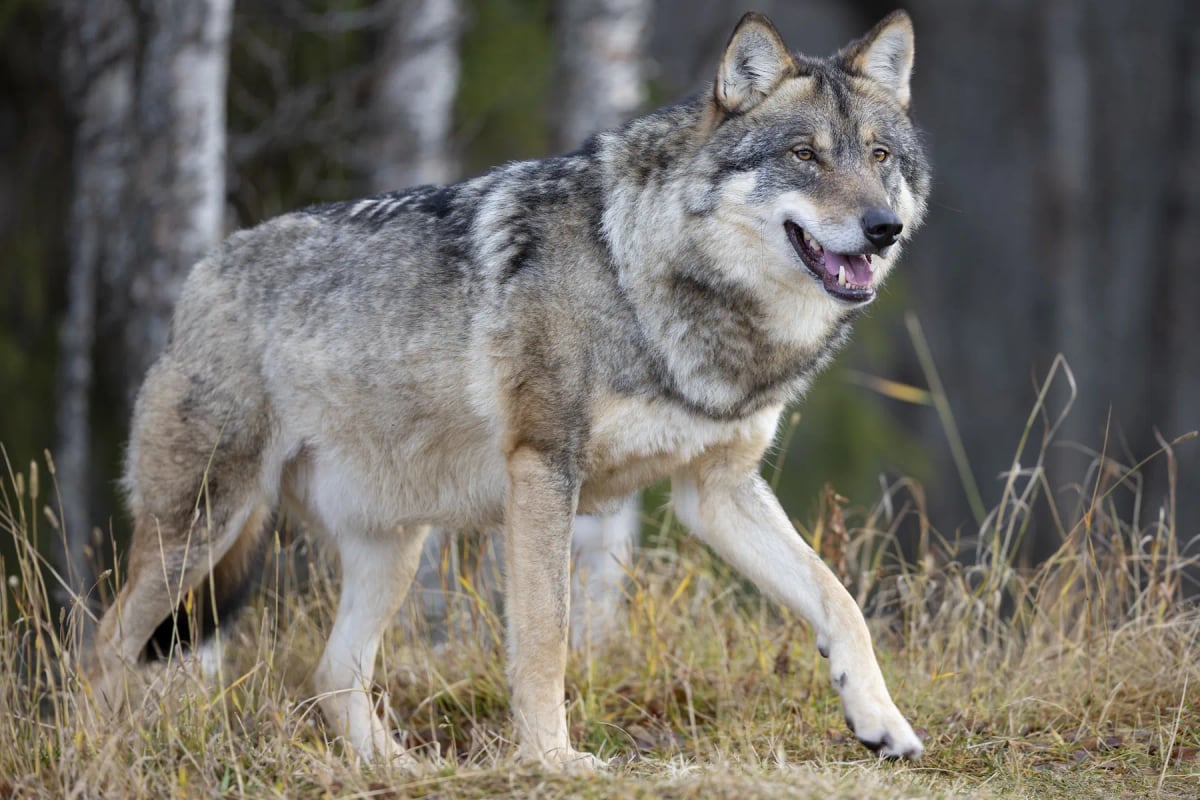
Gray Wolf
Canis lupus
Gray wolves in Finland live mainly in the eastern and central parts of the country, in boreal forests close to the Russian border. Finland's wolf population has grown gradually since the late twentieth century but remains relatively small. The species is protected, though licensed removals are permitted under certain conditions. Wolves prey primarily on white tailed deer and moose. Tensions with reindeer herders in the north are an ongoing part of the conservation conversation.
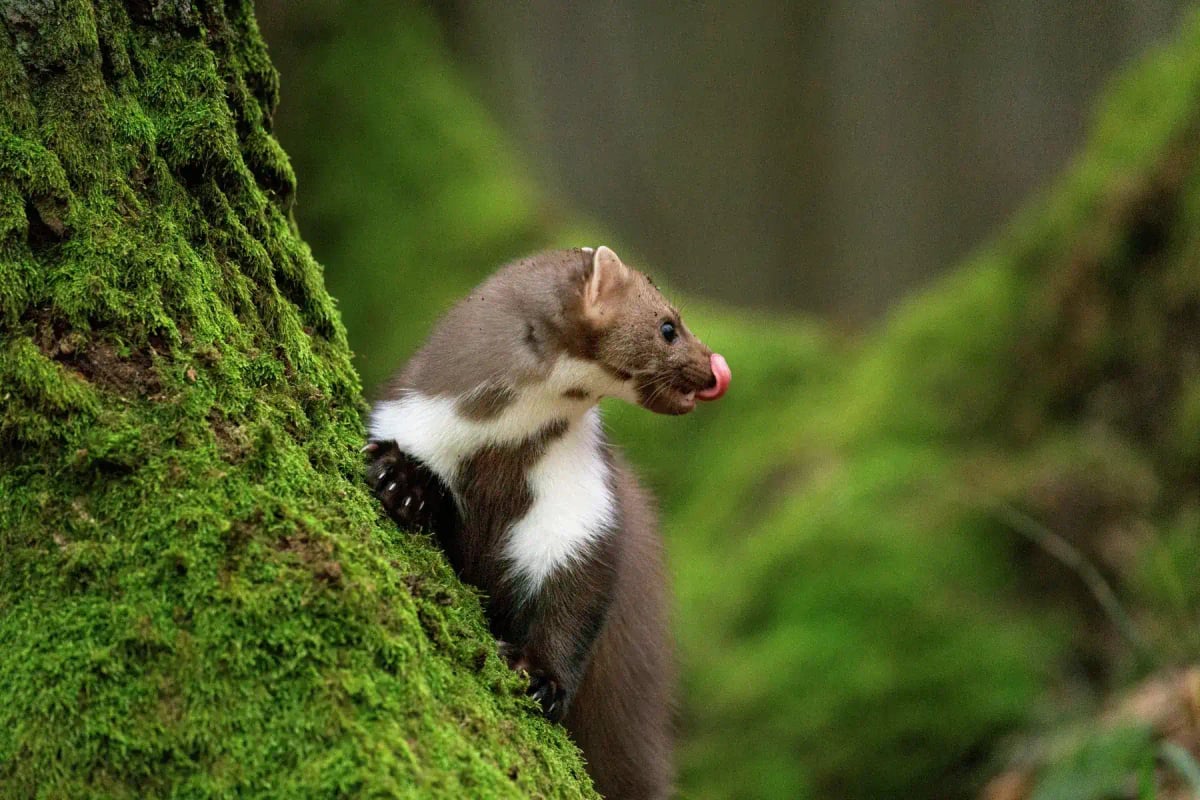
Marten
Martes martes / Martes foina
Finland is one of the strongholds of the pine marten in Europe. The species is well distributed across the country's vast boreal forests, from the southern coast to the fringes of Lapland. In Finland, pine martens were heavily trapped for their fur in the past, but populations have since recovered well. They remain important predators in the taiga ecosystem, controlling small mammals and supporting forest health. Their IUCN status is Least Concern.
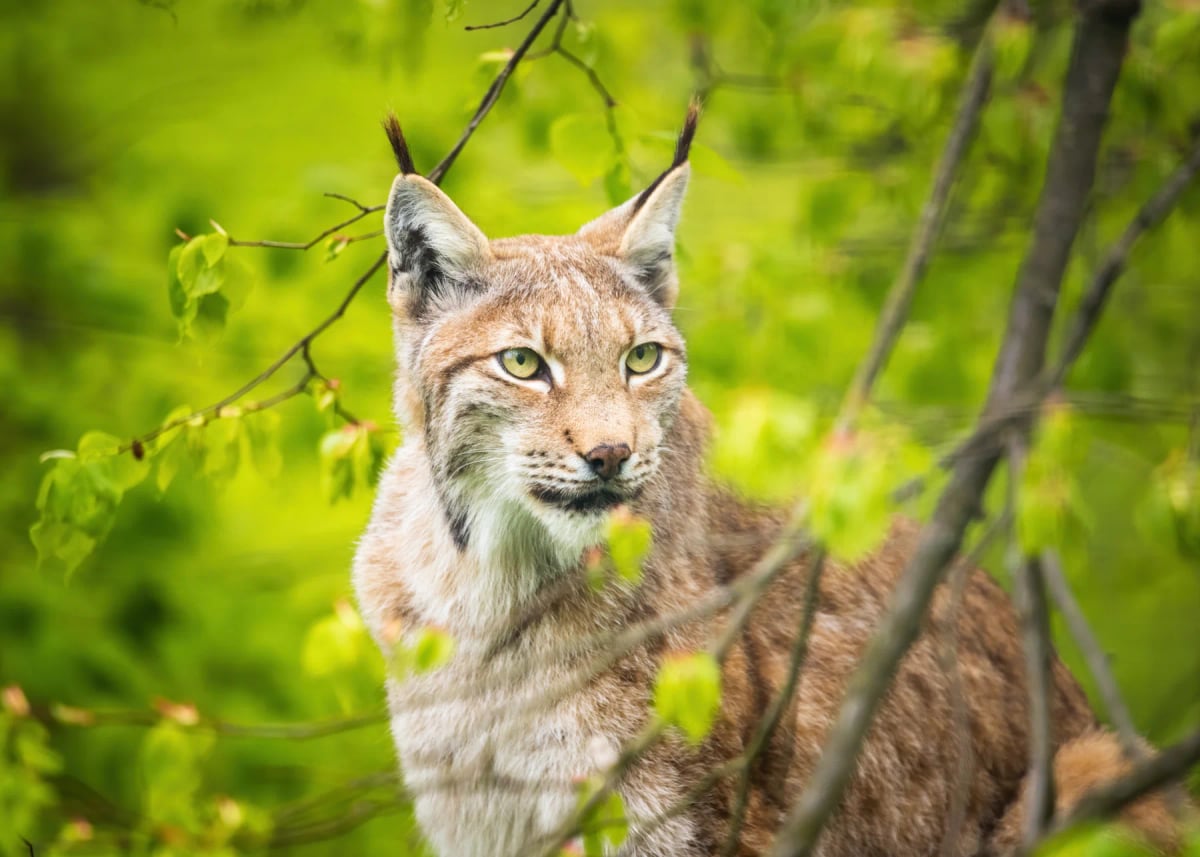
Eurasian Lynx
Lynx lynx
The Eurasian Lynx is widespread across Finland, inhabiting the vast boreal forests that cover much of the country. After being hunted to near extinction in the early twentieth century, the population recovered strongly and now numbers in the thousands. Roe deer, white-tailed deer, and hares form the core of its diet. Finland manages the species through regulated hunting. The IUCN lists it as Least Concern.
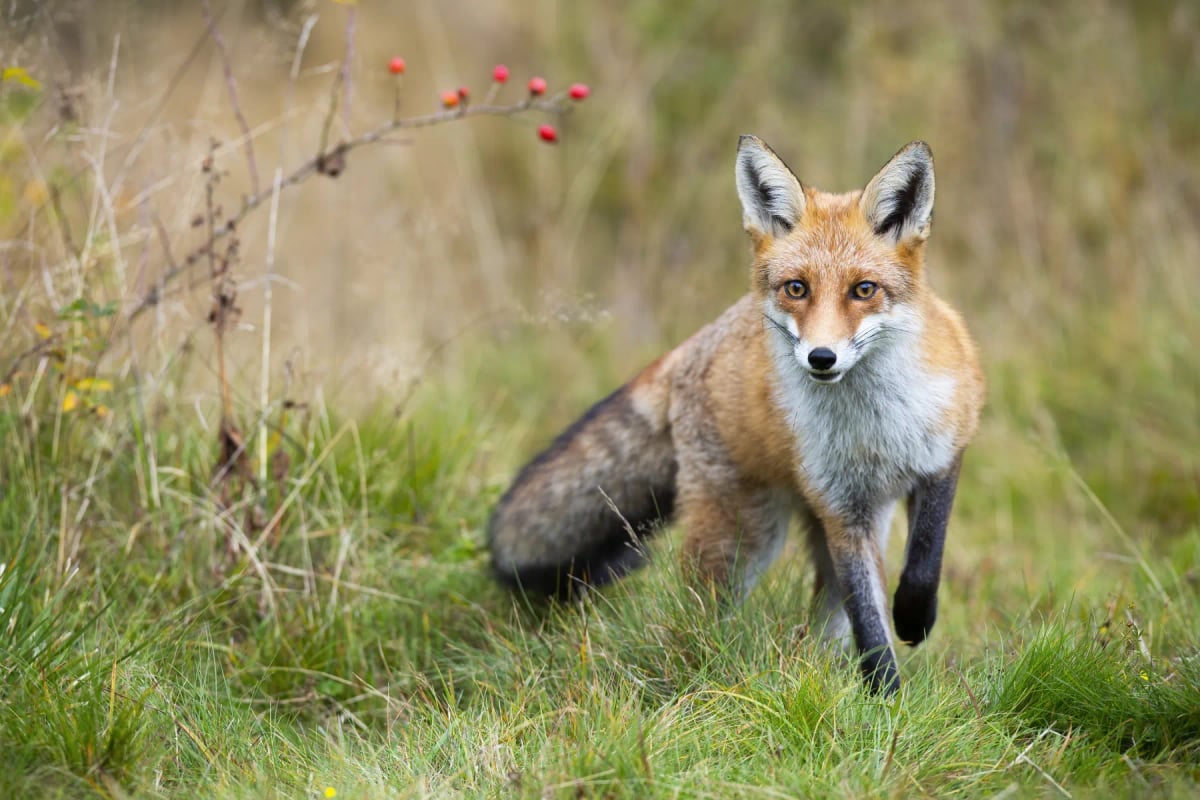
Red Fox
Vulpes vulpes
The red fox is one of Finland's most familiar wild animals, living in forests, farmland, and even the fringes of Helsinki. It ranges as far north as Lapland, where it competes with the Arctic fox for food and territory. This competition has put pressure on Arctic fox populations in Finland. The red fox itself is not threatened and holds Least Concern status, with a stable and widespread population across the country.
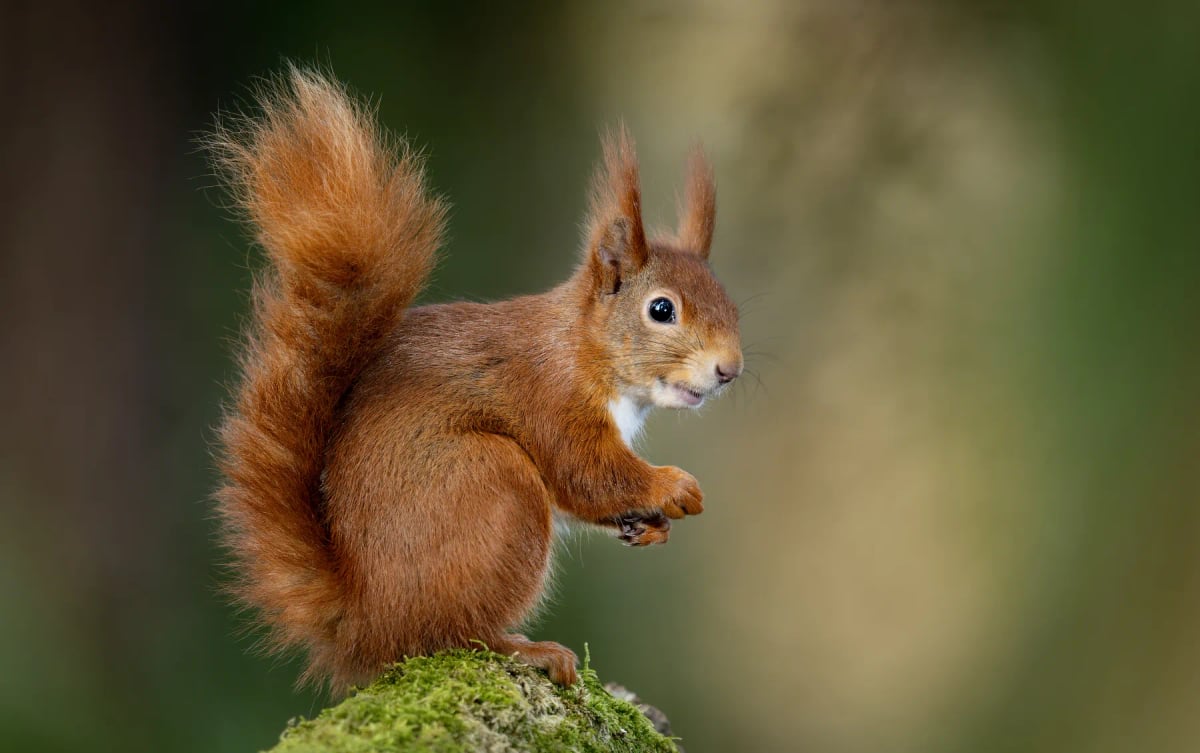
Red Squirrel
Sciurus vulgaris
Finland's vast conifer forests make it one of the strongest strongholds for the red squirrel in all of Europe. The species is widespread from the southern coast to the forests of Lapland, where it must rely heavily on stored food caches to survive the long, harsh winters. Its ability to stay active even in deep snow and bitter cold makes it a true symbol of Finnish woodland life. IUCN status: Least Concern.
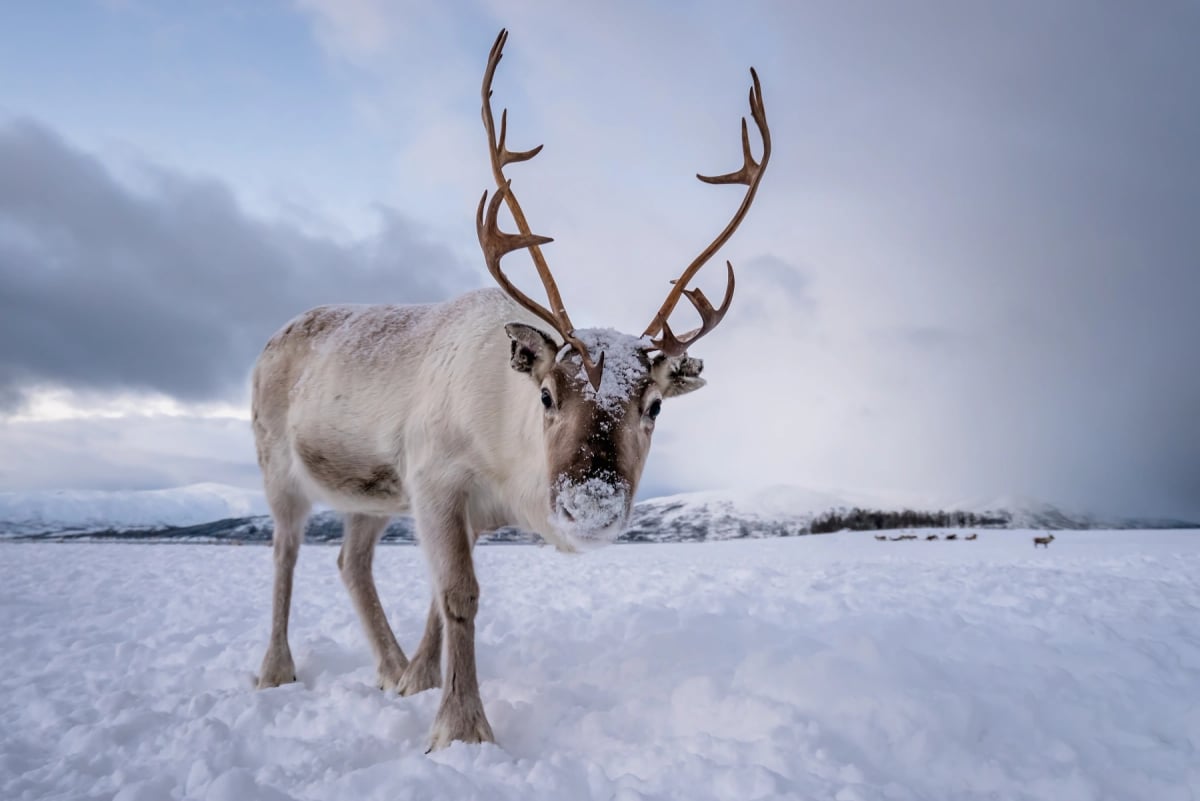
Reindeer
Rangifer tarandus
In Finland, reindeer herding has been practiced for centuries and remains a living tradition across Lapland, the country's northernmost region. The Sámi people have long relied on reindeer for food, clothing, and transport. Today, both Sámi and Finnish herders manage large semi-domesticated populations across fell landscapes and boreal forest. Wild reindeer are essentially absent, making Finland's reindeer story one of culture and husbandry. IUCN status: Vulnerable.
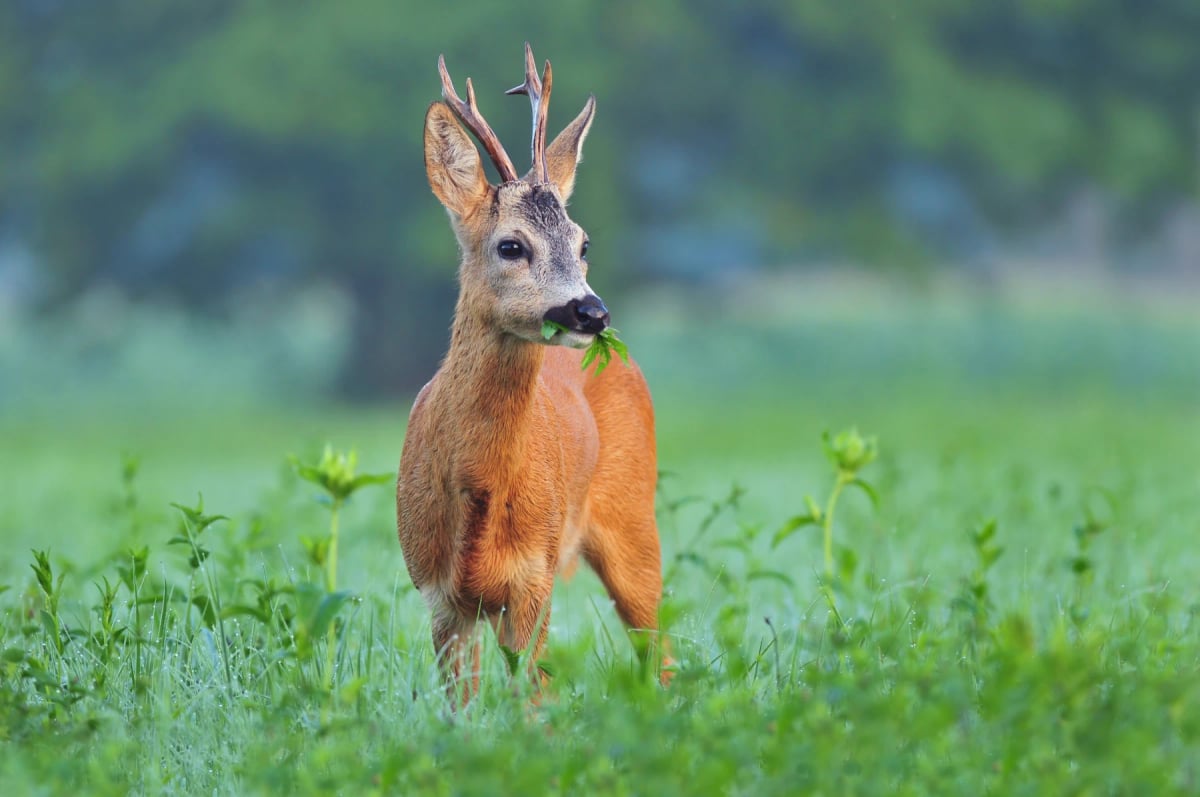
Roe Deer
Capreolus capreolus
The roe deer is a relatively recent arrival in Finland. It began spreading northward during the twentieth century as winters became milder and forest cover increased. Today it is found mainly in the southwestern coastal regions and the archipelago, where conditions are less severe. Finnish wildlife authorities monitor its range carefully, as deep snow can make survival through winter difficult. Its IUCN status is Least Concern.
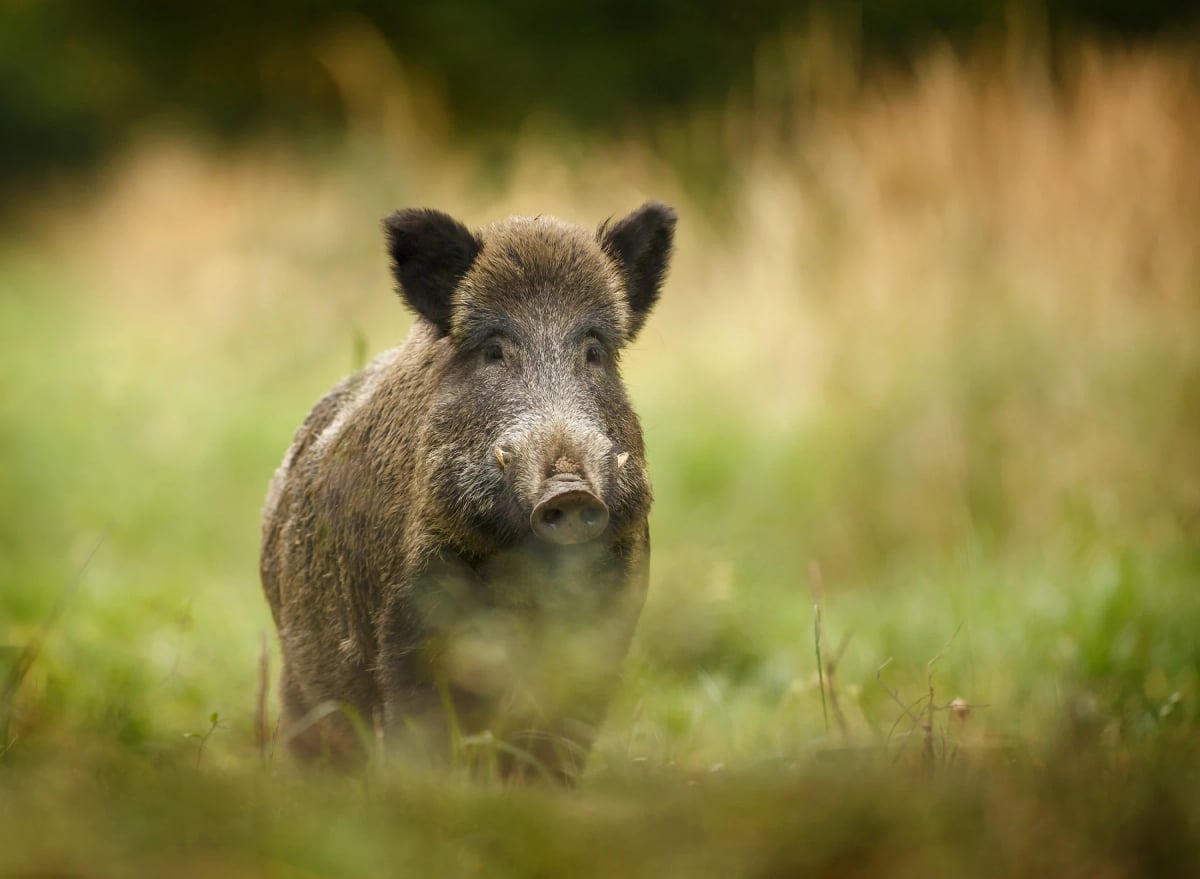
Wild Boar
Sus scrofa
Wild boars are found mainly in southern Finland, where milder winters and forested farmland have allowed the species to expand its range in recent decades after long being scarce or absent further north. They favor dense forest cover near agricultural land, where they feed on roots, crops and fallen fruit. Hunting helps manage growing numbers, and authorities keep close watch on the species due to disease concerns.
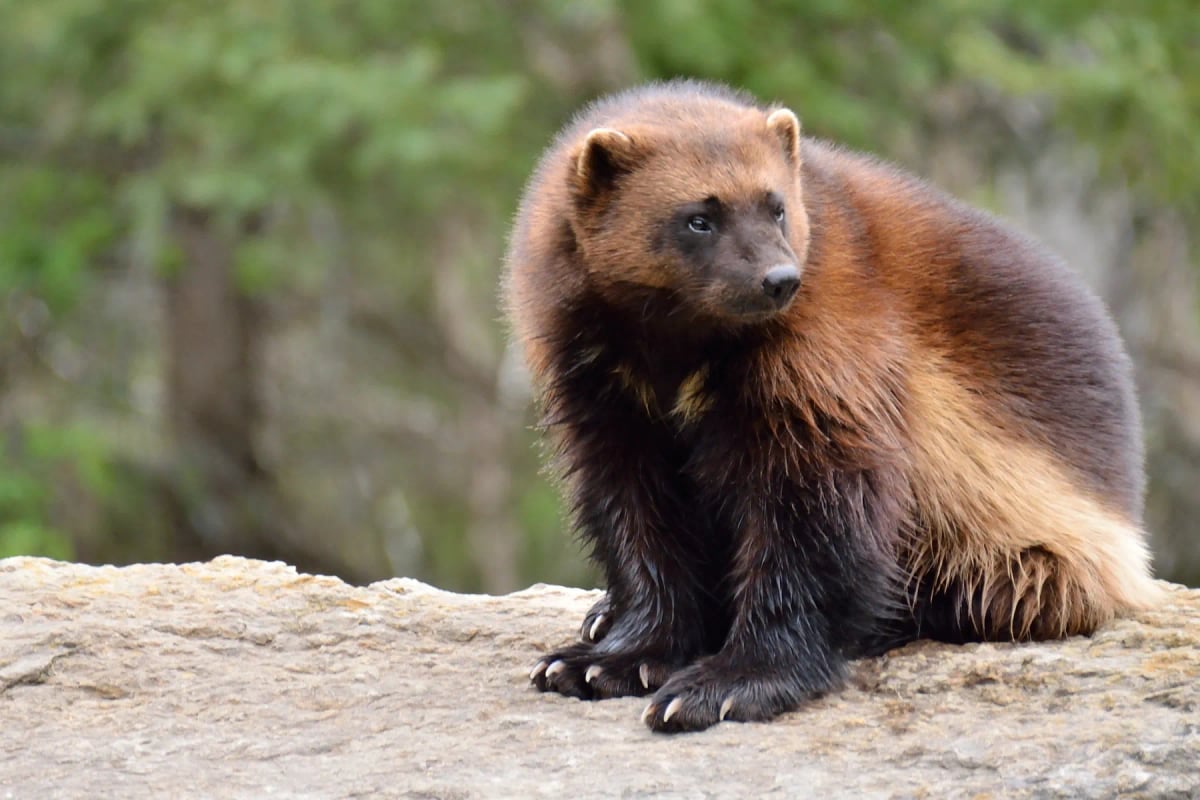
Wolverine
Gulo gulo
In Finland, wolverines inhabit the remote forests and fells of Lapland, in the far north of the country. After being hunted to near extinction during the twentieth century, the population has slowly recovered thanks to legal protections. Reindeer herders and wolverines sometimes come into conflict, as wolverines occasionally prey on reindeer calves. Conservation efforts continue to balance the needs of wildlife and local communities.
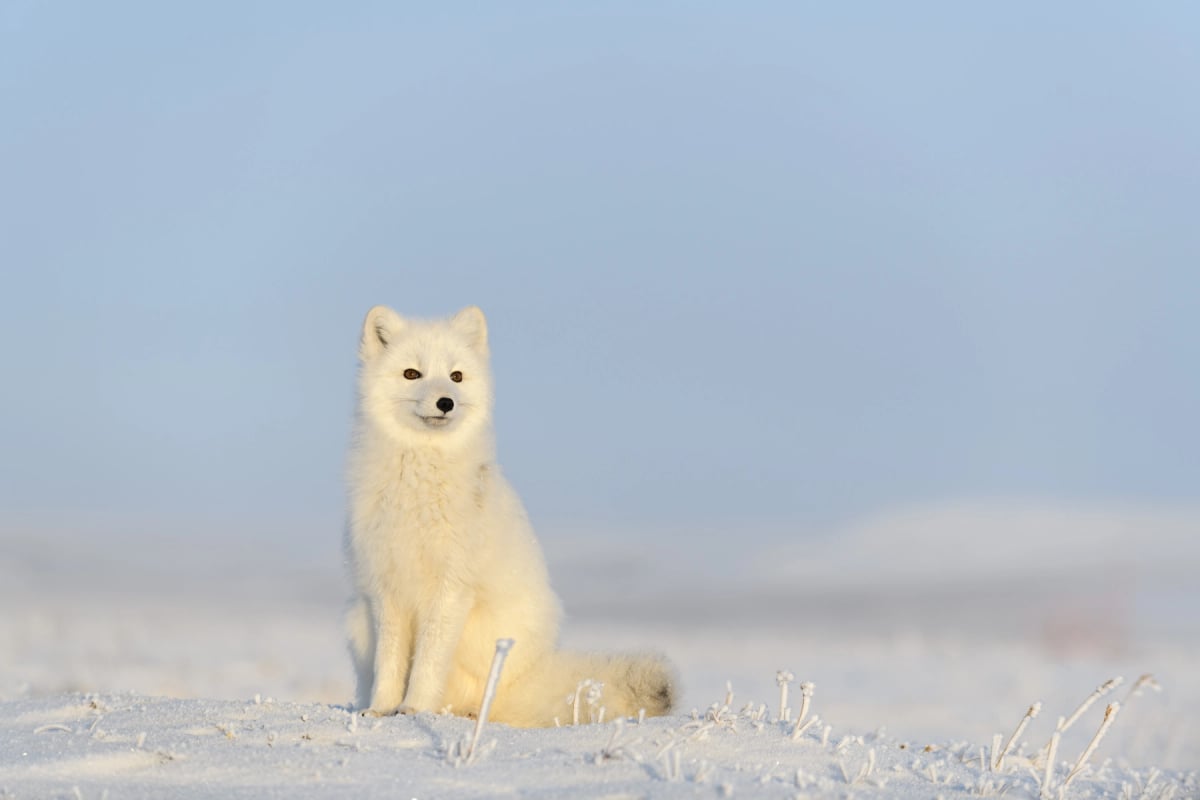
Arctic Fox
Vulpes lagopus
The Arctic fox has one of its smallest and most fragile European populations in Finland, where it inhabits the fells of Lapland near the borders with Norway and Sweden. Decades of intensive hunting in the early twentieth century nearly wiped it out across Scandinavia. Legal protection and supplemental feeding programs have supported a slow recovery, but competition with the expanding red fox continues to limit population growth. Coordinated conservation efforts across all three Scandinavian countries are essential for the subspecies' survival in the region.
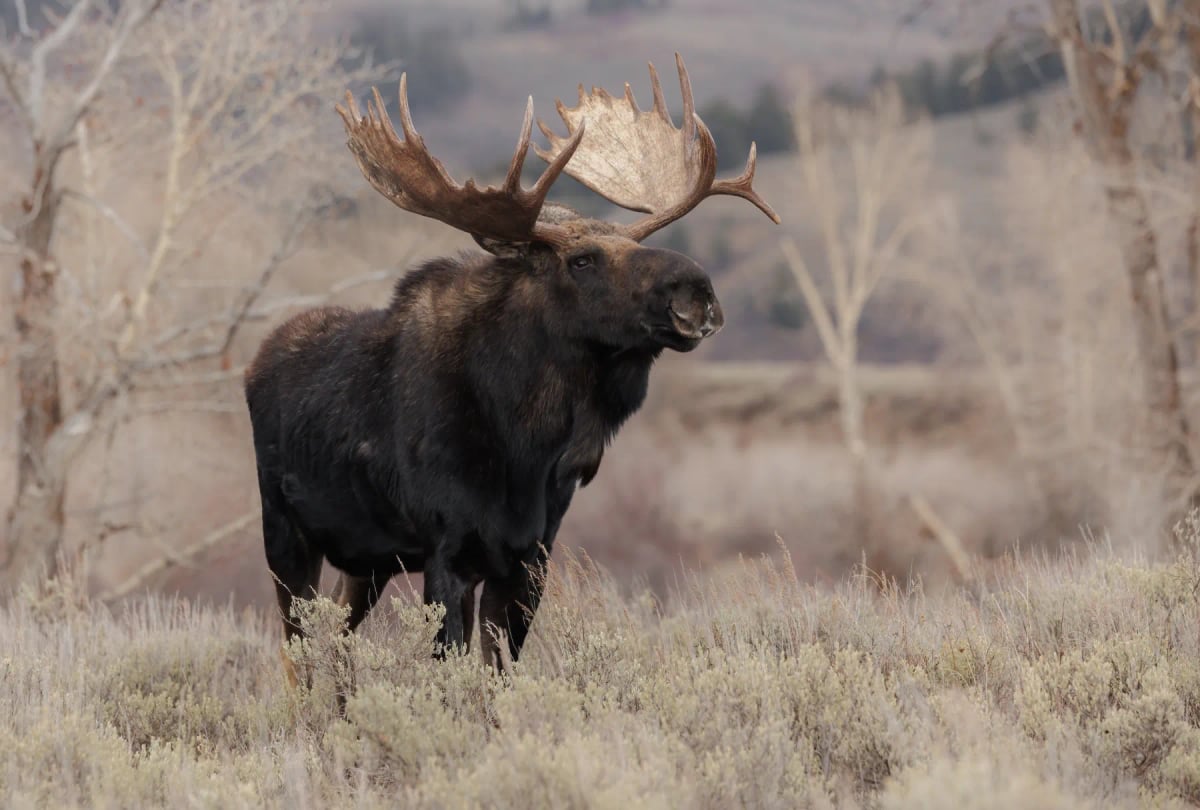
Moose
Alces alces
Finland has one of the densest moose populations in the world relative to its land area, with hundreds of thousands of individuals living across the country's boreal forests and lakeland regions. The species is deeply woven into Finnish culture and wildlife management. Annual hunting quotas are carefully set to balance forest regeneration with population health. Moose are seen throughout the country, including near farmland and roads, especially at dusk and dawn.
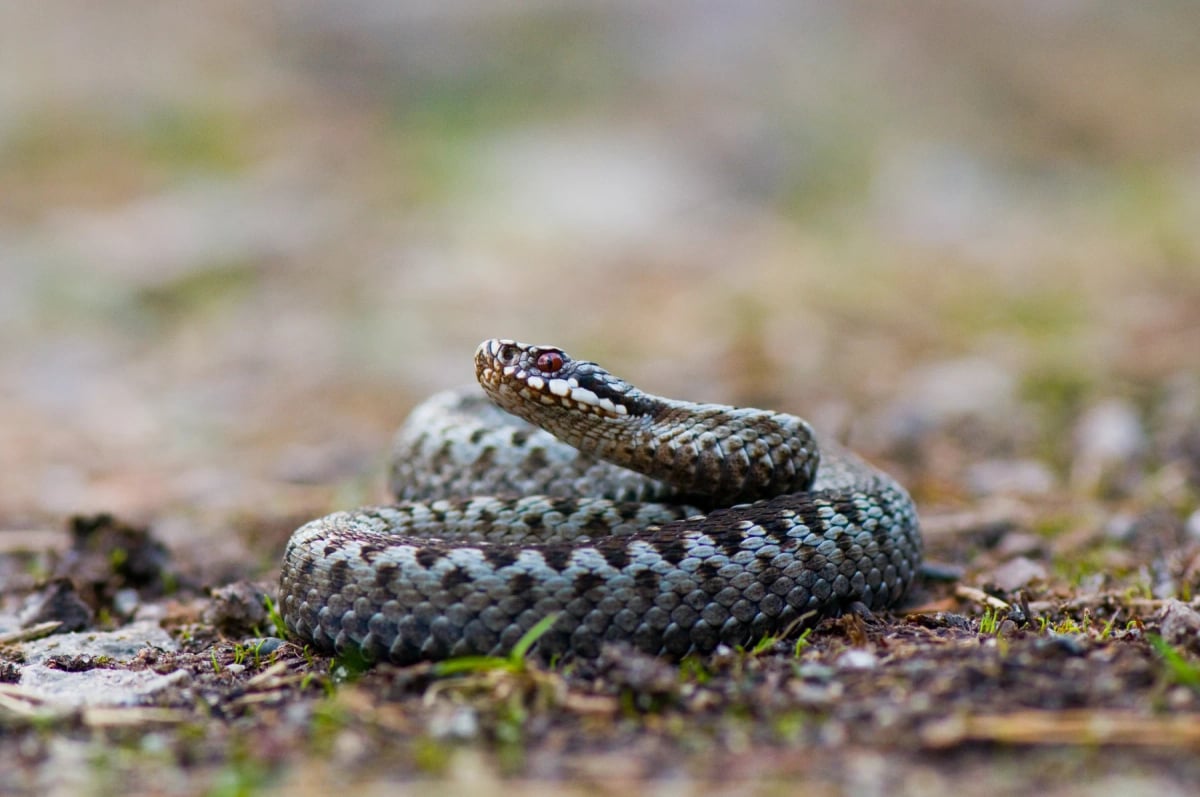
European Adder
Vipera berus
The European adder is Finland's only venomous snake and one of the few reptiles able to survive so far north, reaching well into the Arctic Circle. It depends heavily on basking to regulate its body temperature during Finland's brief summers and hibernates for up to six months each year. Found in forests, rocky outcrops, and moorlands throughout the country, it is a well known but rarely aggressive species. Its IUCN status is Least Concern.
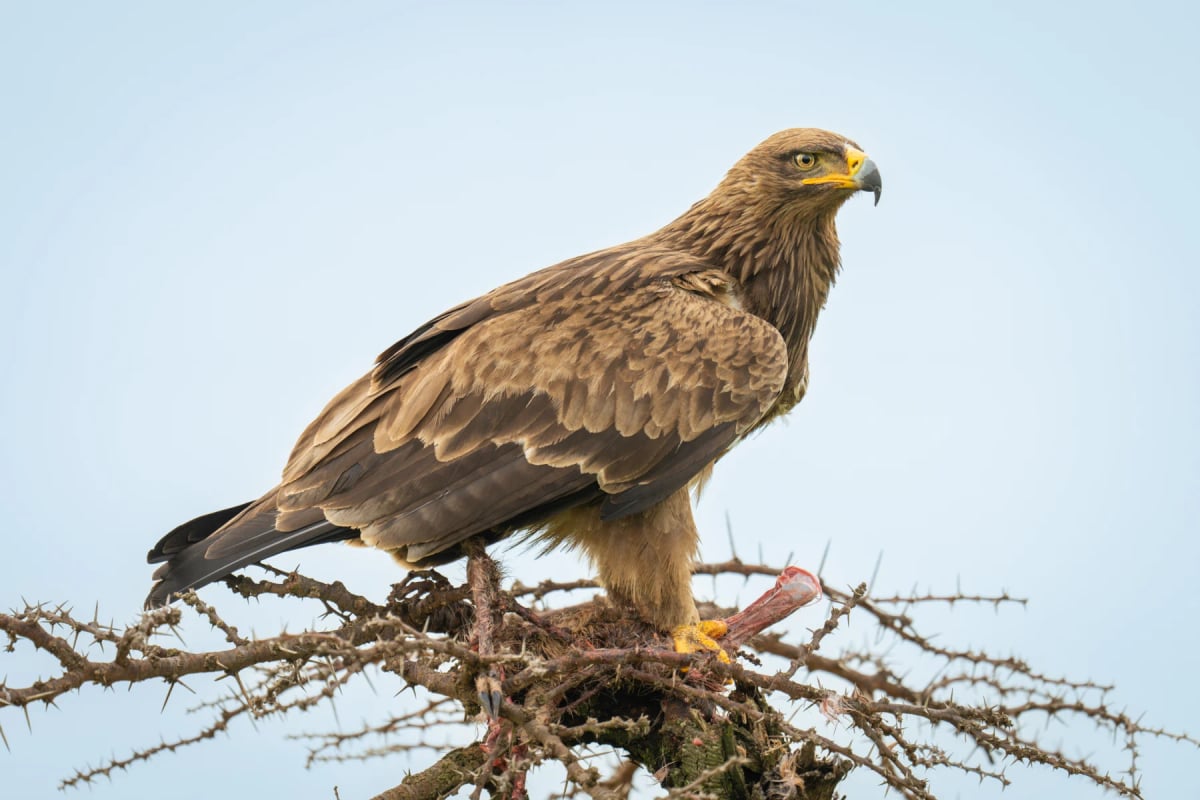
Steppe Eagle
Aquila nipalensis
Finland represents the northern fringe of recorded Steppe Eagle vagrancy in Europe. Any sighting here involves birds that have wandered well beyond their typical migration corridor, which runs through Eastern Europe, the Middle East, and into Africa. The open boreal landscapes of Finland offer little of the thermal uplift these eagles depend on for efficient travel. Listed as Endangered with a population of around 30,000, every vagrant record contributes to the broader understanding of the species' movements.
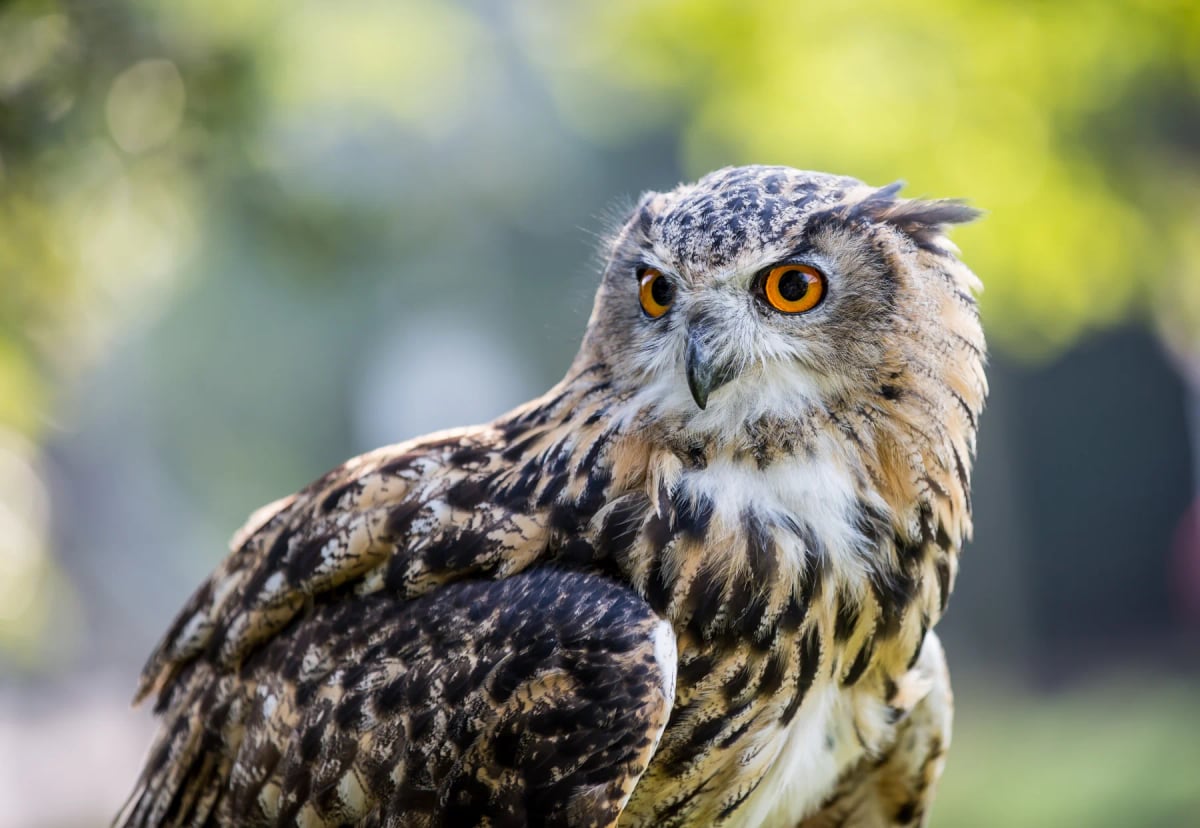
Eagle Owl
Bubo bubo
Finland holds one of the most studied eagle owl populations in northern Europe. The species thrives in the country's vast conifer forests and breeds on rocky hillsides and cliff faces scattered throughout the landscape. Researchers in Finland have studied it extensively, contributing valuable data on its nesting habits and prey preferences. It relies heavily on hares and forest grouse during the harsh winter months. The IUCN lists it as Least Concern.
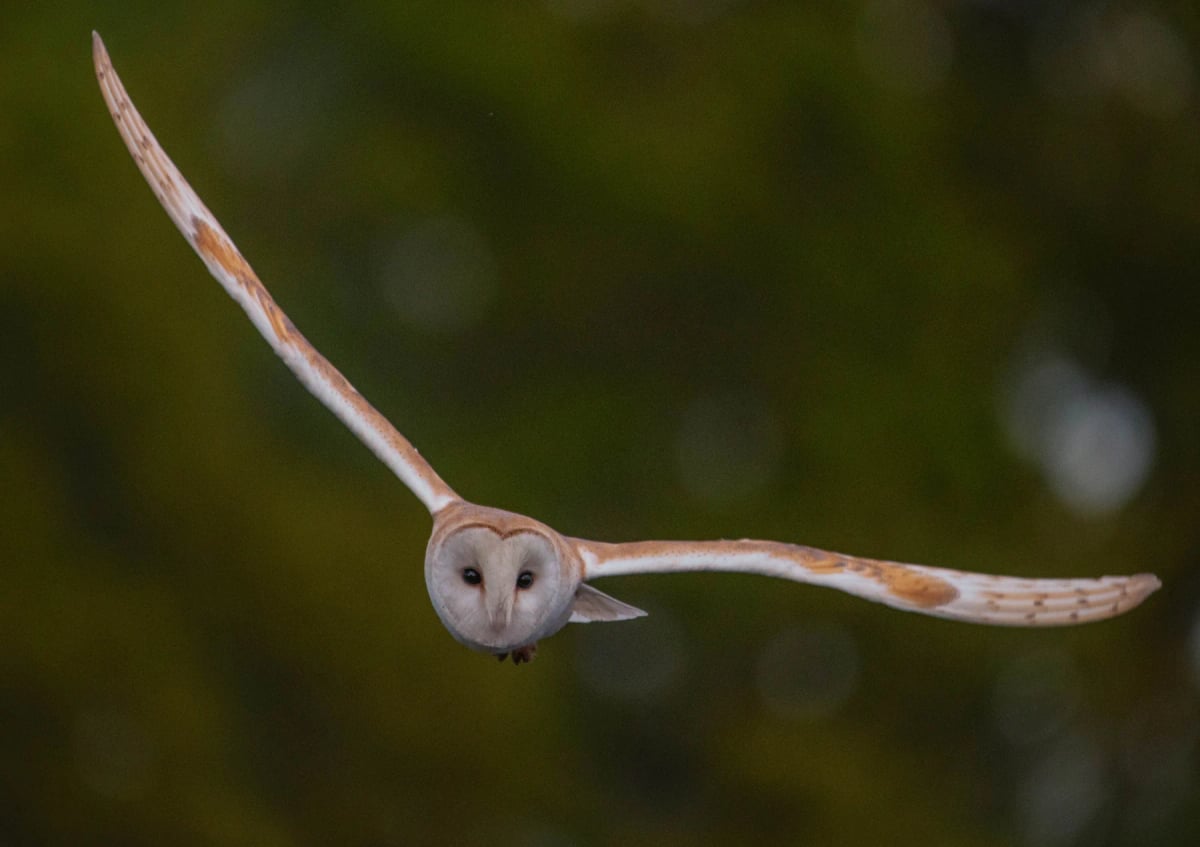
Barn Owl
Tyto alba
The barn owl is extremely rare in Finland and is not considered a regular breeding species. Occasional records exist from the southwestern coastal areas and the Åland Islands, where milder conditions allow very rare visits by individuals from Scandinavia or the Baltic region. Finland's cold climate, extensive boreal forest cover, and long harsh winters make it largely unsuitable for barn owls. Any confirmed sighting is exceptional and draws considerable attention from the Finnish ornithological community.
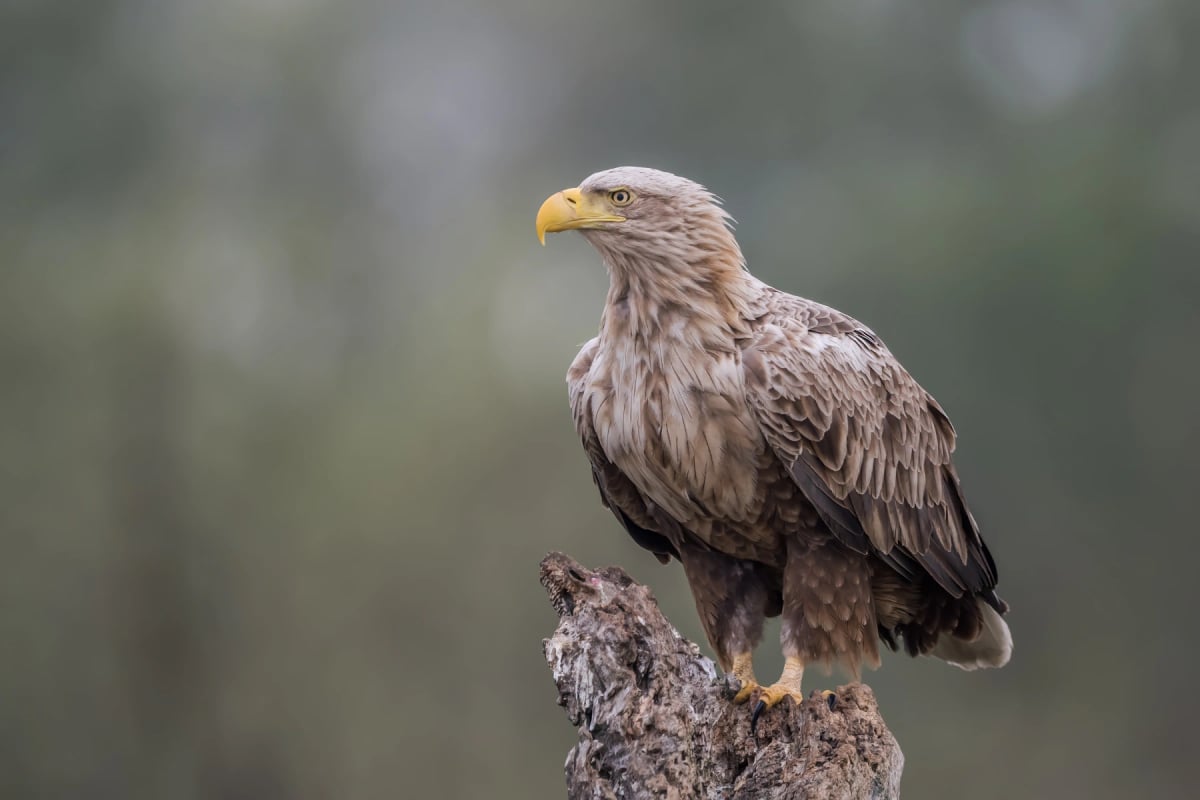
White tailed Eagle
Haliaeetus albicilla
Finland supports one of the most significant breeding populations of the white-tailed eagle in Europe. The species nests along the Baltic coast, the Archipelago Sea, and beside large inland lakes. After near extinction in the 20th century due to hunting and the effects of DDT, a strict protection programme helped the Finnish population recover strongly. The IUCN lists it as Least Concern.
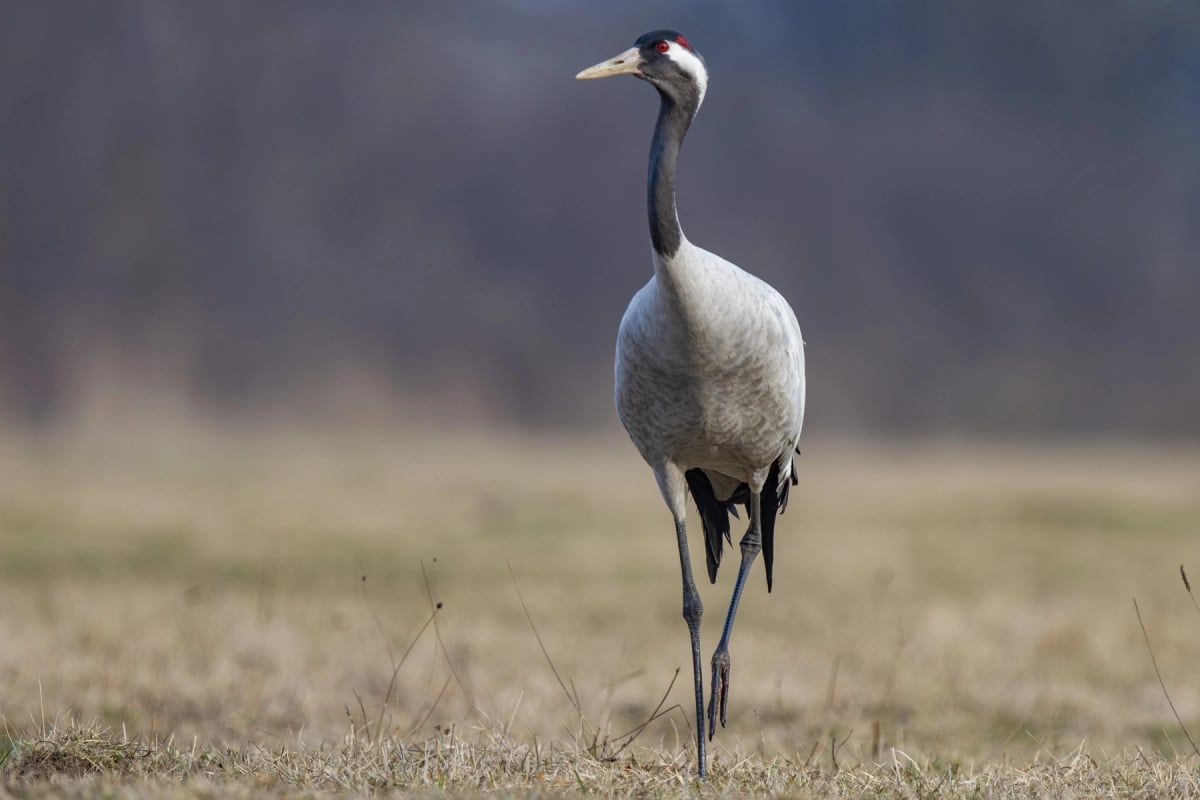
Crane
Grus grus
Finland holds one of the largest breeding populations of common cranes in Europe. The country's vast network of bogs, marshes and boreal forest wetlands provides ideal nesting conditions. Cranes are a beloved symbol of the Finnish wilderness, and their resonant calls echo across the landscape each spring. In autumn, thousands gather at staging sites such as Liminka Bay before departing south. Pairs bond for life and perform graceful courtship dances. Its IUCN status is Least Concern.
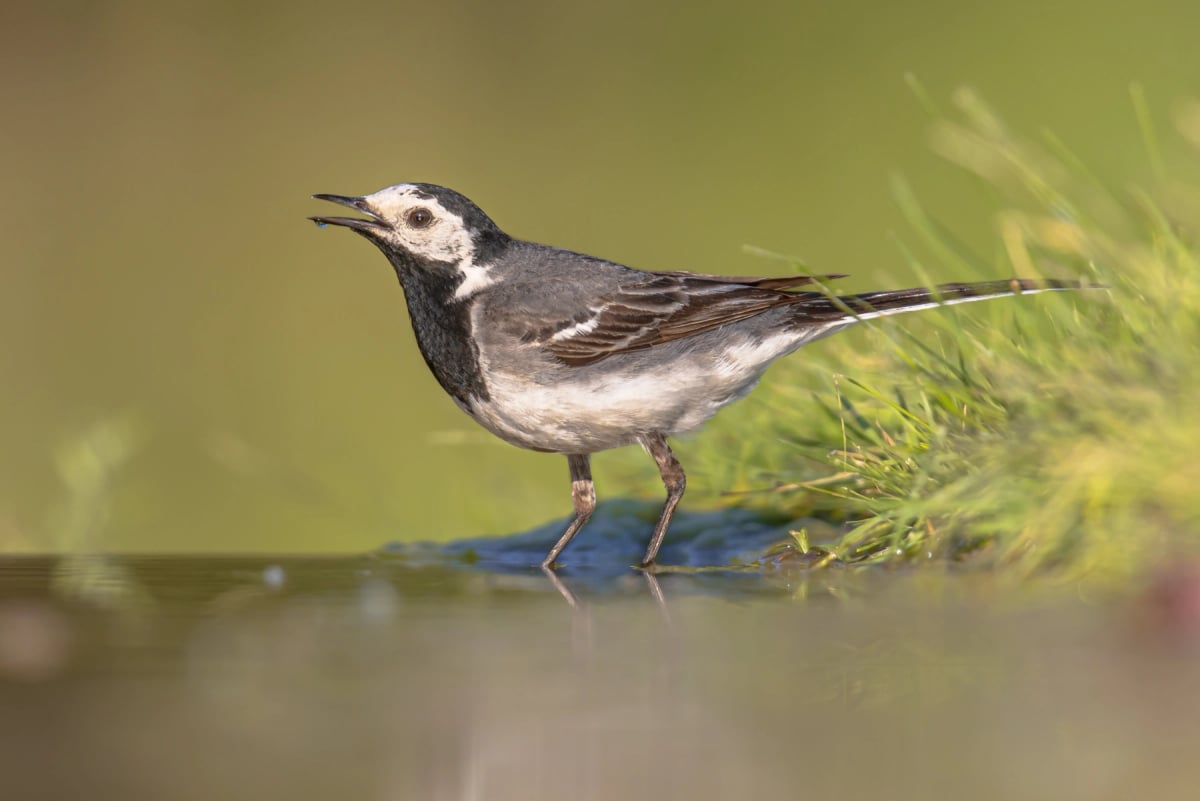
White Wagtail
Motacilla alba
The white wagtail is one of the most recognisable birds of the Finnish summer. It arrives in April or May, breeding across the country from southern farmland to villages near the Arctic in Lapland. It nests in wood piles, buildings and rocky outcrops, often very close to people. By September most birds have left for Africa, but for a few months it is a constant presence along Finnish lakeshores and roadsides. IUCN status: Least Concern.
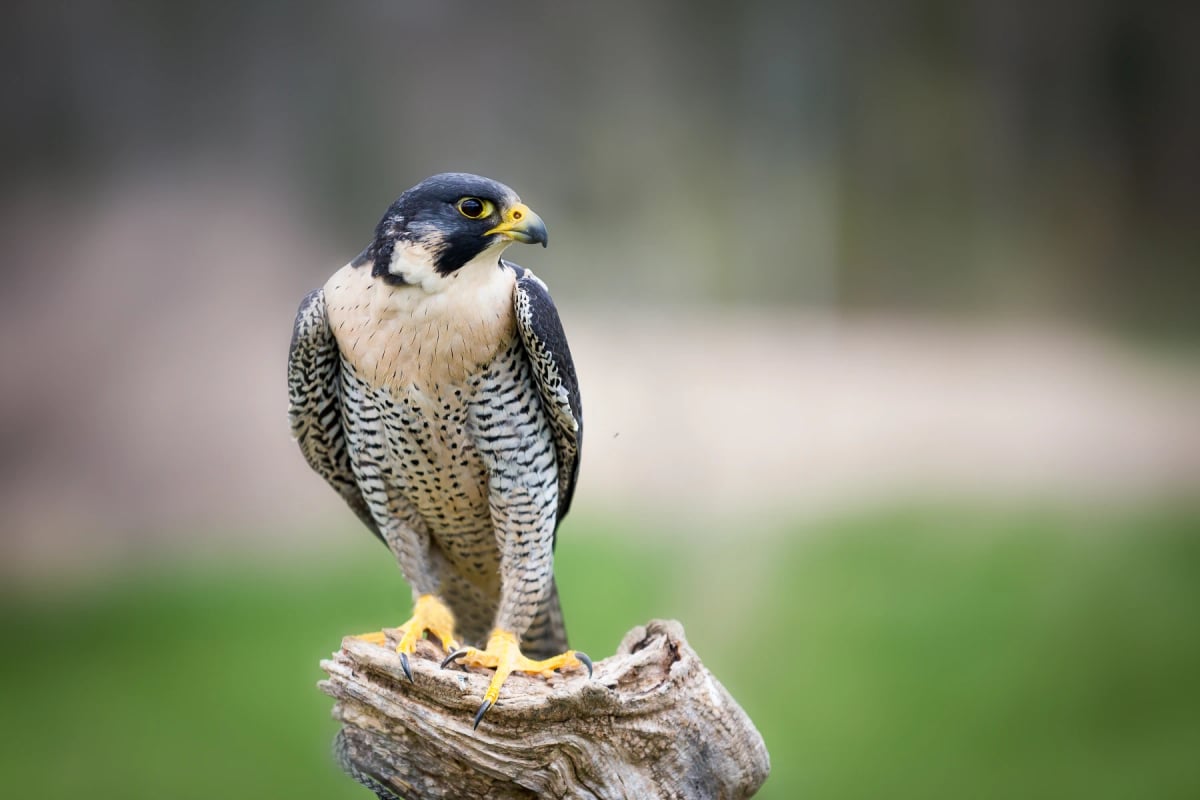
Peregrine Falcon
Falco peregrinus
In Finland, the peregrine falcon breeds across the boreal forests and along rocky lake shores, favoring cliff faces in the north and west of the country. The Finnish population was nearly wiped out by pesticide use in the twentieth century but has recovered thanks to strong conservation efforts and monitoring programs. Today, several hundred pairs nest in Finland each year. Its IUCN status is Least Concern.
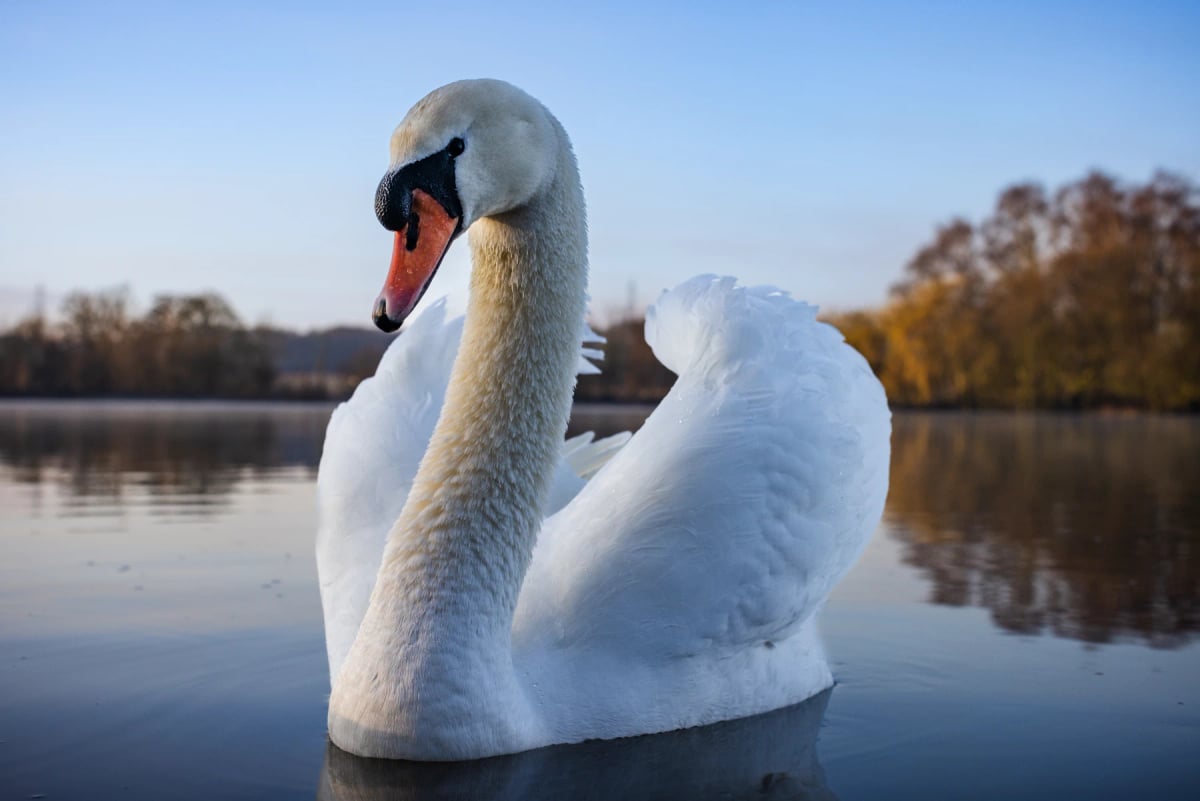
Mute Swan
Cygnus olor
The mute swan has expanded its range in Finland over recent decades and now breeds regularly across the southern and central parts of the country. It favors sheltered bays along the Gulf of Finland, the Archipelago Sea, and the many lakes scattered through the Finnish interior. Pairs are strongly territorial during the breeding season. Outside that period, birds gather in small flocks on open coastal waters. It is listed as Least Concern.
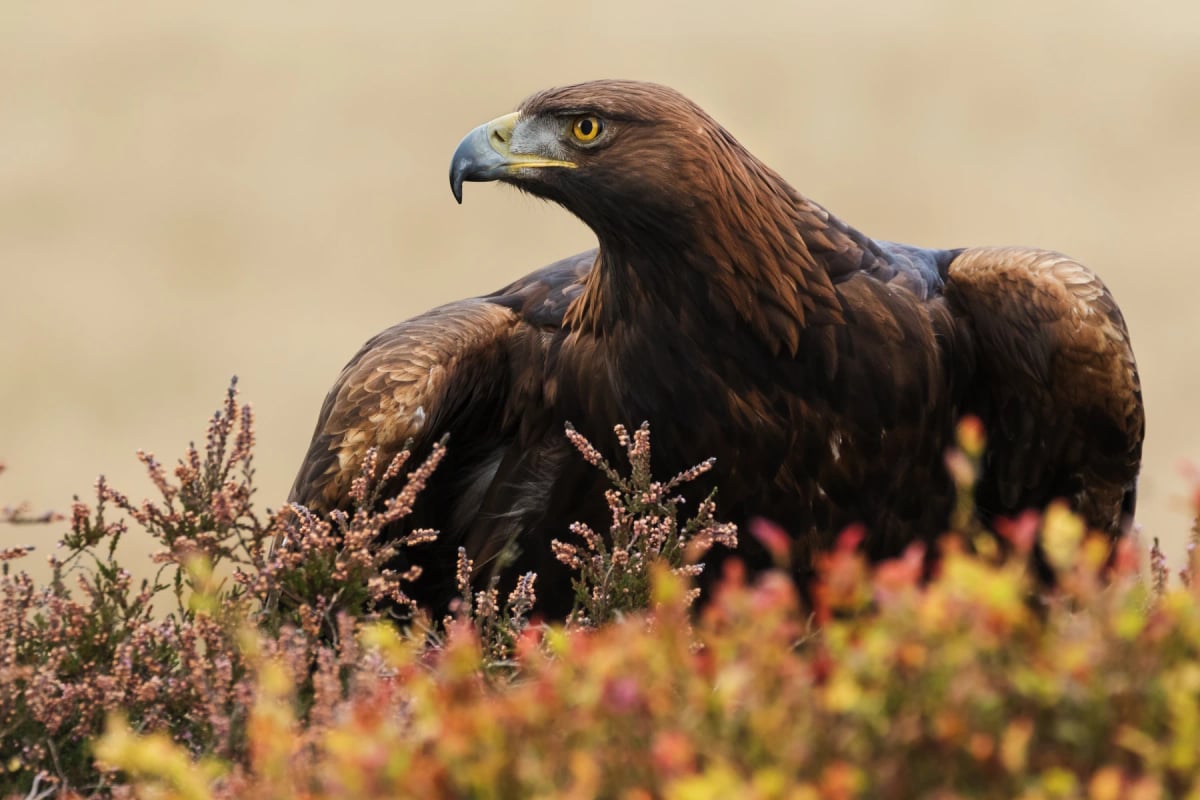
Golden Eagle
Aquila chrysaetos
Finland holds one of the healthier golden eagle populations in northern Europe. The species breeds mainly in the boreal forests of the north and centre of the country, nesting in large conifers or on cliff ledges. It hunts over open fells and wetlands, taking hares, grouse, and other prey. Finnish wildlife authorities monitor nests carefully, and the population has shown a steady recovery following declines caused by persecution in earlier decades.
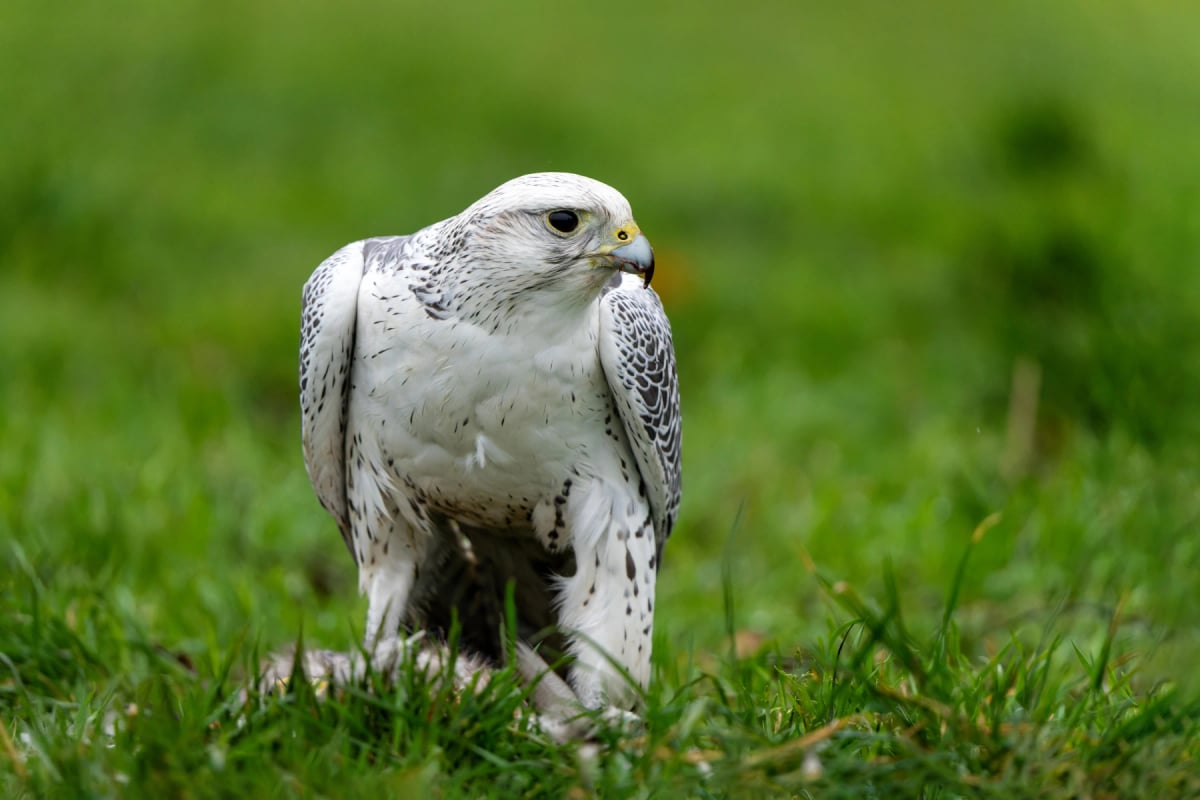
Gyrfalcon
Falco rusticolus
Finland has only a small breeding population, about 22 to 29 pairs in the fells of northern Lapland, around Inari, Enontekiö and Utsjoki. The species is listed as critically endangered in the national red list. These pairs stay on their territories year round and depend almost entirely on willow and rock ptarmigan, so poor ptarmigan years hit them hard. Nest sites are monitored and kept secret. IUCN status: Least Concern.
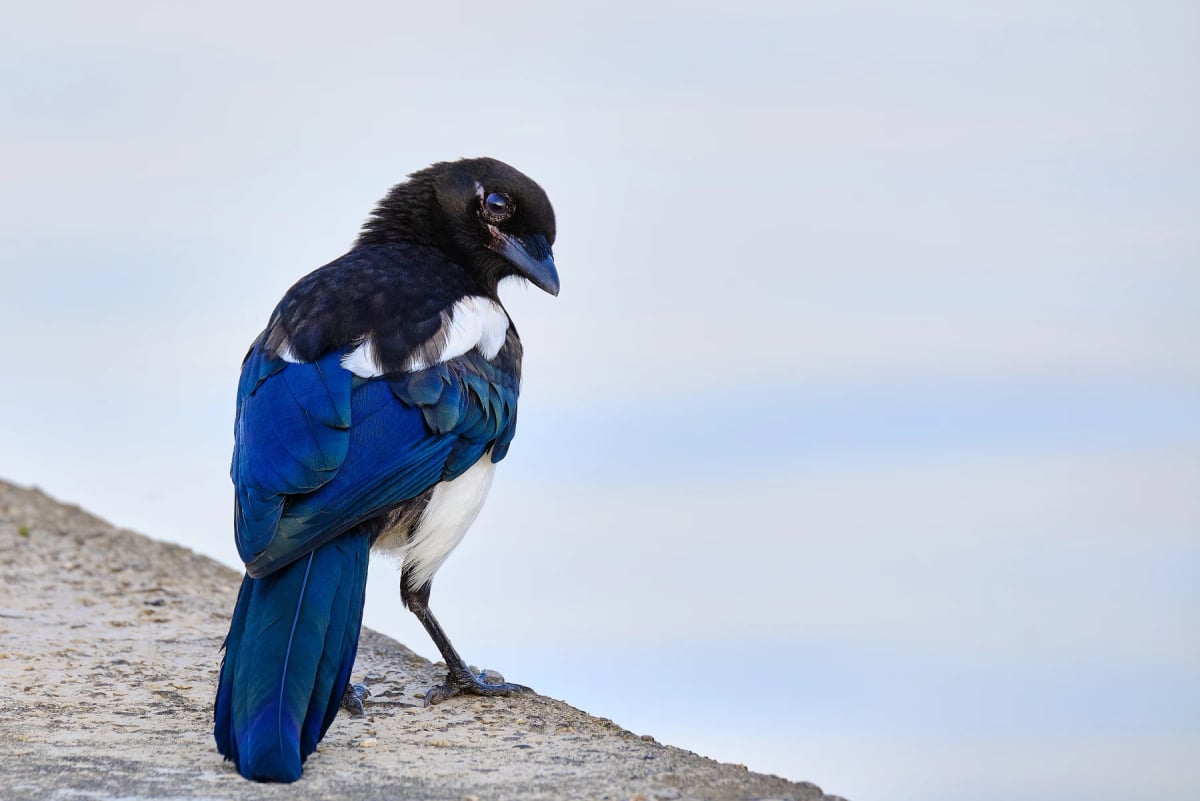
Eurasian Magpie
Pica pica
The Eurasian Magpie is a familiar sight across southern Finland, where it frequents farmland, village gardens, and the edges of forests. It is less common further north, where the boreal landscape becomes too dense and cold for it to thrive. A bold and adaptable bird, it eats insects, berries, small animals, and scraps. Its IUCN status is Least Concern, and its numbers in Finland remain stable.
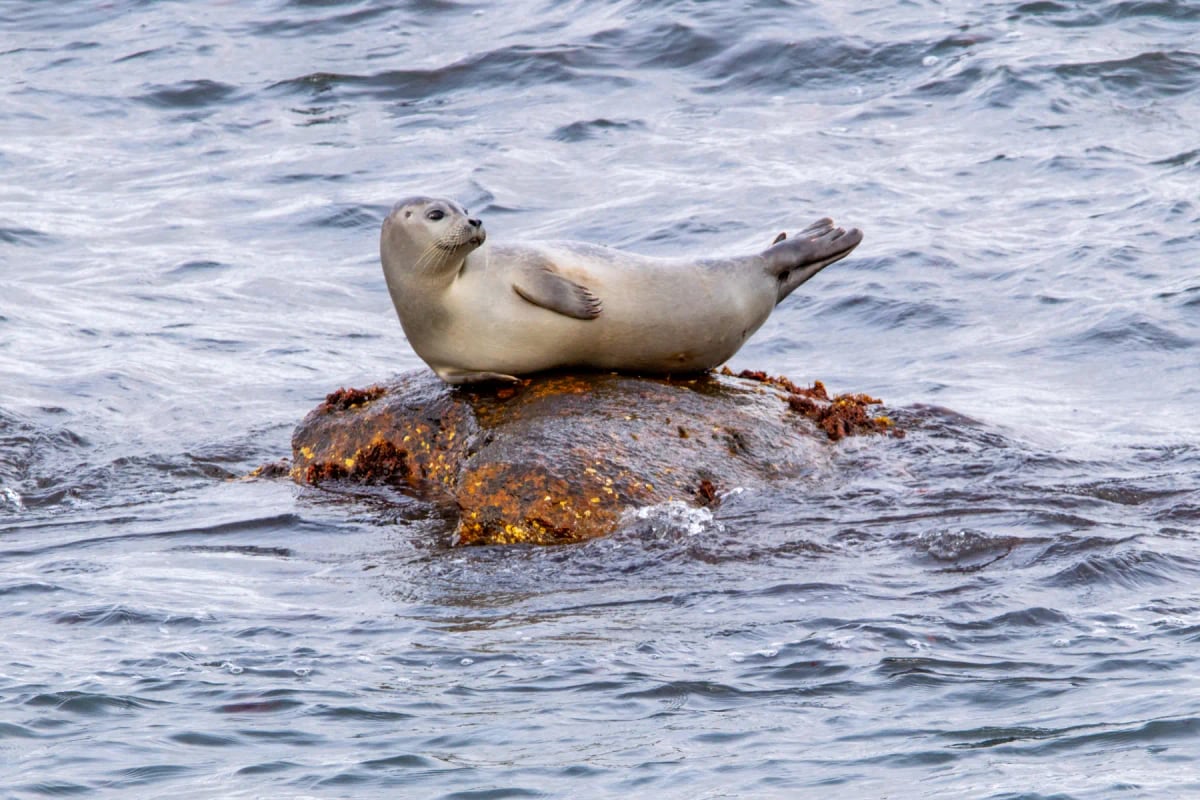
Seal
Phoca vitulina
Harbor seals occur in the southwestern archipelago of Finland, particularly around the Åland Islands and along the coast of the Baltic Sea. The Baltic population faces distinct challenges, including low salinity water and persistent organic pollutants that have historically affected reproduction. Conservation efforts and reduced hunting since the late twentieth century have allowed numbers to recover gradually in Finnish waters. IUCN status: Least Concern.

Hammerhead Shark
Sphyrna spp.
Finland's coastline along the Baltic Sea is far too cold for Hammerhead Sharks to inhabit. Their connection to Finland comes through the broader North Atlantic, where Finnish fishing activity can occasionally result in bycatch. As an EU member state, Finland adheres to shark conservation frameworks designed to reduce pressure on species like the Hammerhead, which is Critically Endangered across much of its global range.
Researched and written by Juan Pablo. Sources: IUCN Red List, scientific literature and regional field guides. Last updated: .