Animals in Senegal
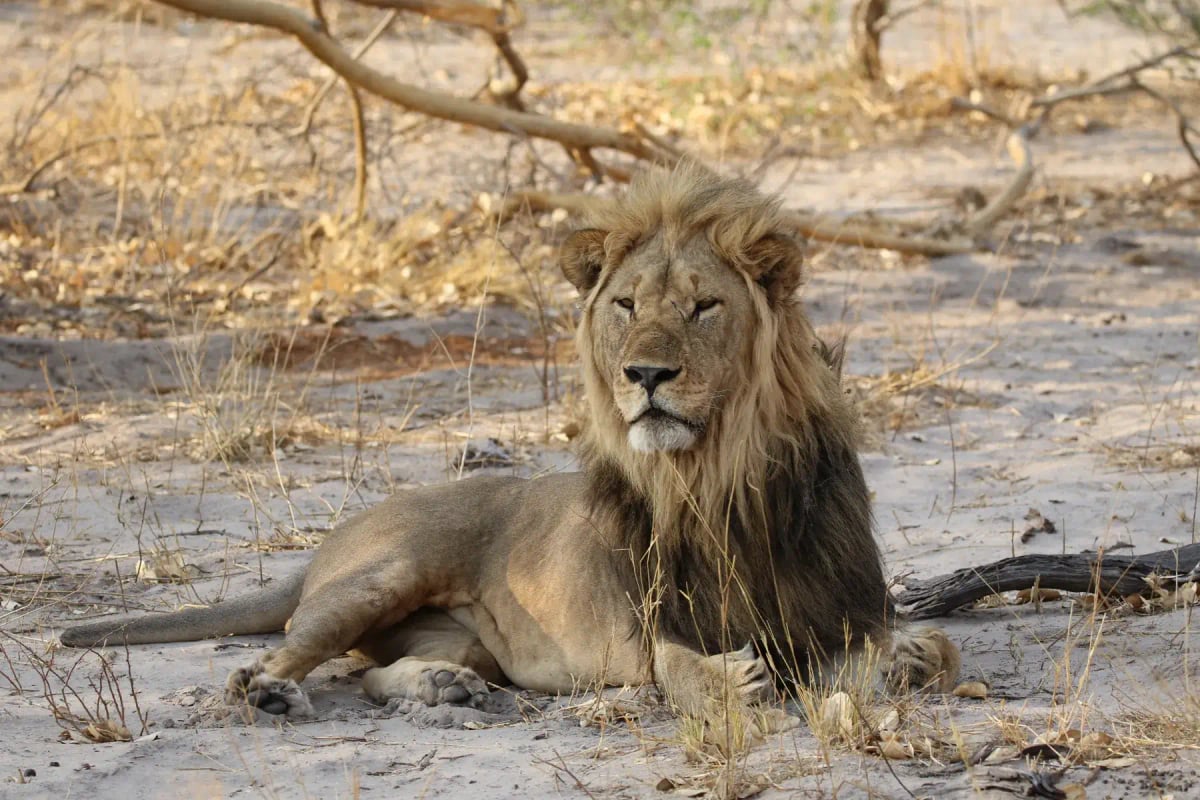
Lion
Panthera leo
The lion, Senegal’s national symbol, embodies courage, pride and strength. Though rarely seen in the wild today, it remains present in art, folklore and sports, representing unity and determination. Its image reminds Senegalese people of their cultural roots and commitment to preserving their wildlife.
View details→Wildlife in Senegal
Senegal’s wildlife lives between dry savannas, mangroves and Atlantic waters. Lions, chimpanzees, dolphins and turtles represent the balance between land and sea life. National parks such as Niokolo Koba and Djoudj protect this biodiversity, offering safaris, birdwatching and eco tours that connect travelers with the country’s natural wealth.
Most Dangerous Animals in Senegal
Some animals in Senegal can be dangerous, especially elephants, hippos, lions and venomous snakes. In coastal waters, sharks and orcas occasionally appear. Staying alert and following local guides ensures that encounters with wildlife remain safe and respectful for both people and nature.
Top 10 Animals in Senegal
Lions, chimpanzees, dolphins, turtles and hippos stand among Senegal’s most remarkable animals. Their habitats range from forests to coastal waters, reflecting a rich variety of ecosystems. Protected areas attract visitors who come to see wildlife and support conservation projects across the country.
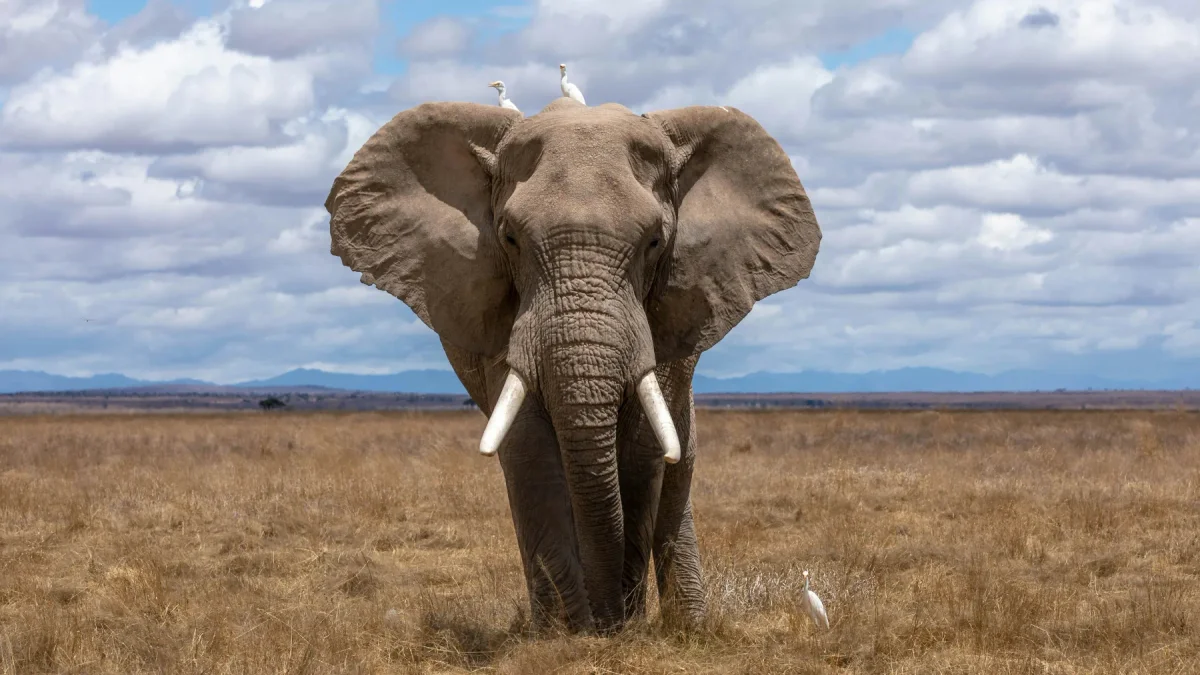
African Elephant
Loxodonta africana
Senegal's elephants are found in Niokolo-Koba National Park in the southeast, a UNESCO World Heritage Site and one of the most important protected areas in West Africa. The population has declined sharply over recent decades and is estimated at fewer than 200 individuals today. These are among the most isolated elephants in West Africa, and their long term survival depends on strengthened anti-poaching efforts and reduced pressure from farming communities at the park's boundaries.
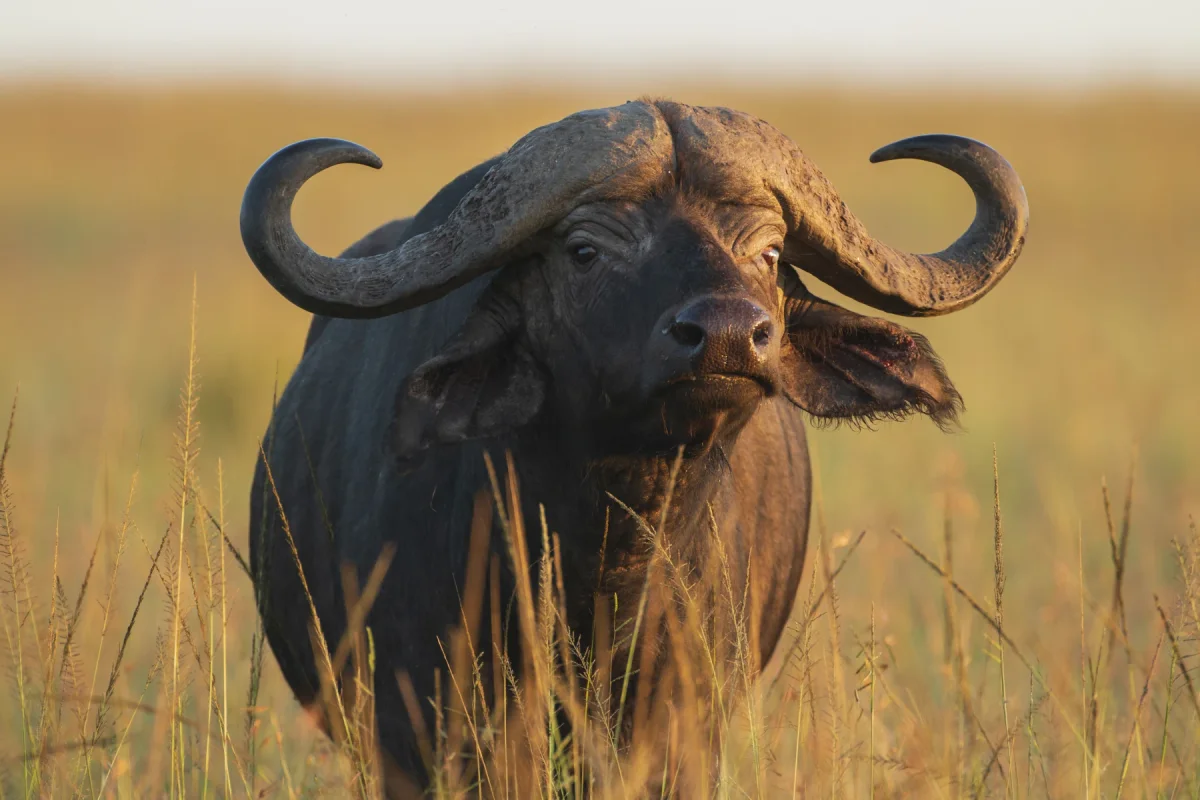
Buffalo
Syncerus caffer
In Senegal, African buffaloes occur in the south of the country, mainly within Niokolo-Koba National Park, a UNESCO World Heritage Site along the Gambia River. This park represents one of the last strongholds for large mammals in West Africa. Buffalo populations here have declined due to poaching and disease, and the park faces ongoing conservation challenges. Efforts to reinforce protection in recent years aim to stabilize remaining herds. IUCN status: Least Concern.
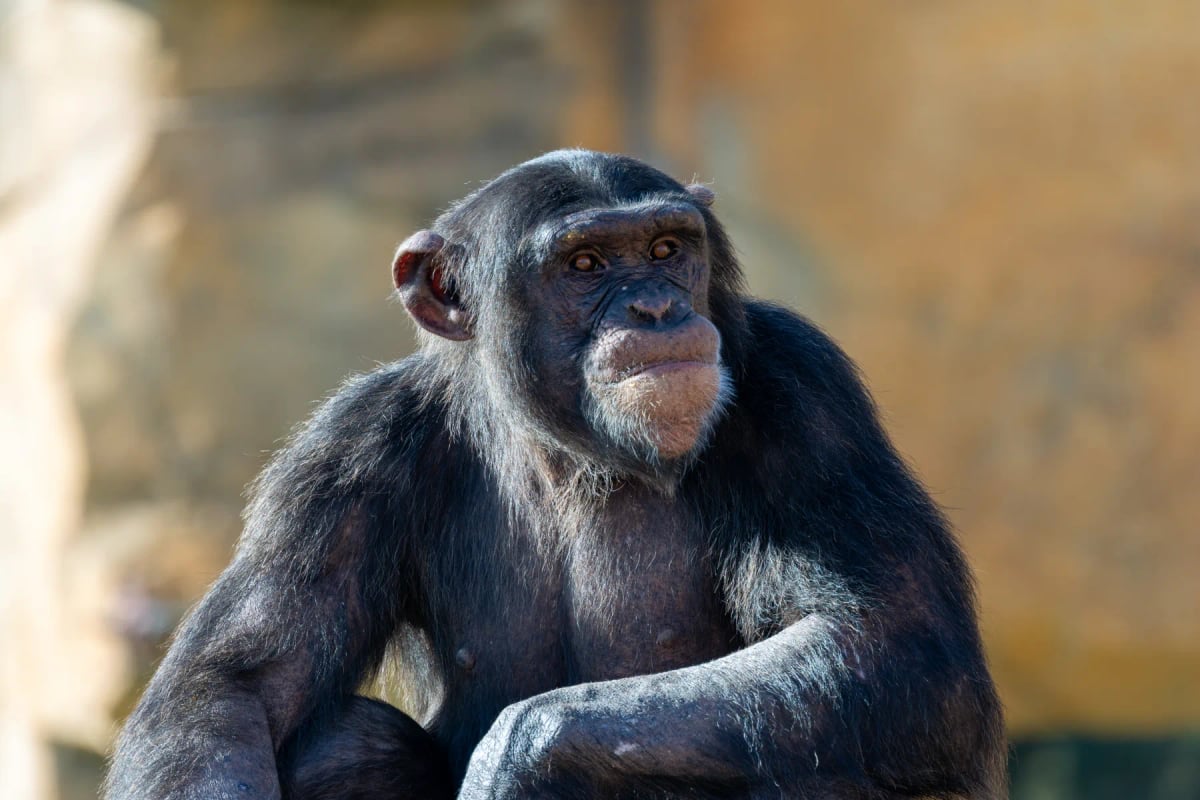
Chimpanzee
Pan troglodytes
Senegal is home to a remarkable chimpanzee population in the Fongoli area near Kédougou, where individuals live in open savanna and woodland rather than dense rainforest. These chimpanzees are known for hunting with spears crafted from branches, a behavior documented by researchers and considered rare among non-human primates. Surviving in one of the driest and most open environments occupied by the species anywhere, the Fongoli community is of exceptional scientific interest.
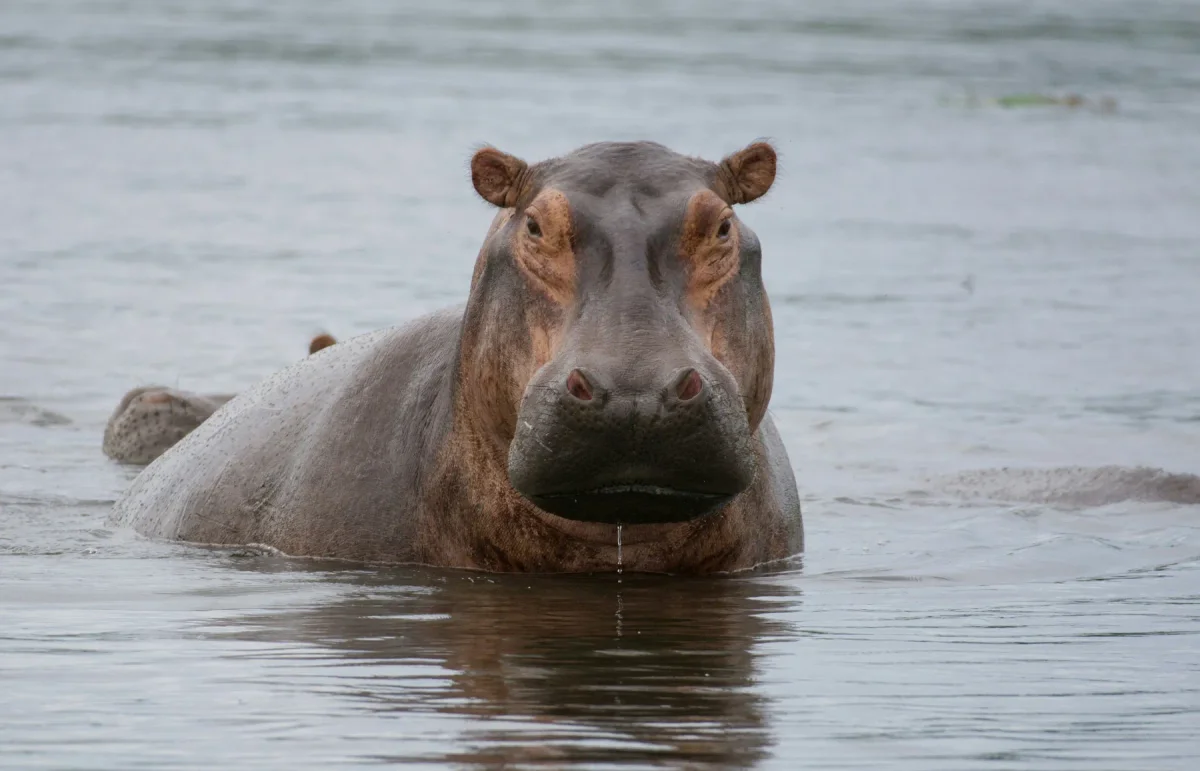
Hippopotamus
Hippopotamus amphibius
In Senegal, hippos inhabit the Casamance and Gambia rivers in the south and east of the country. Niokolo-Koba National Park, a UNESCO World Heritage Site, is home to one of the more stable populations in the region. Numbers elsewhere have declined due to habitat degradation and conflict with farming communities. The IUCN lists the hippopotamus as Vulnerable.
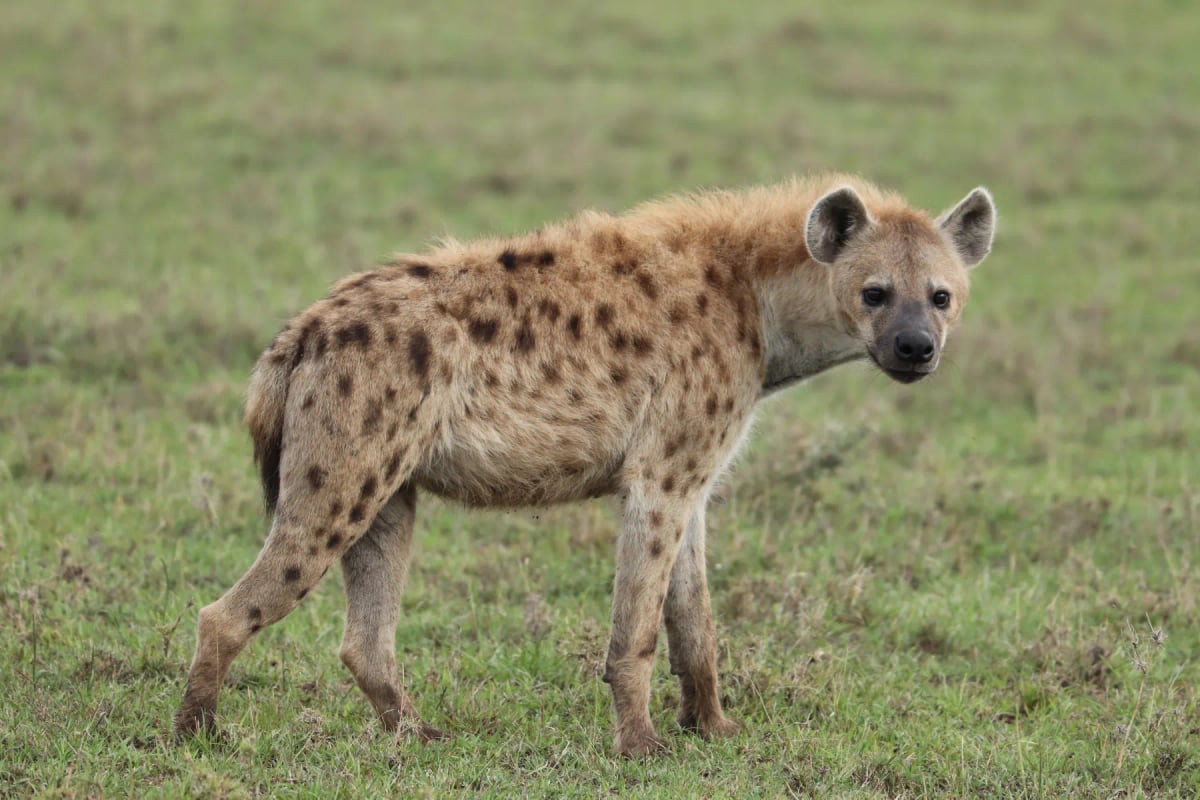
Spotted Hyena
Crocuta crocuta
In Senegal, spotted hyenas inhabit the savannas and woodland areas of the south and east, with populations present in Niokolo-Koba National Park, a UNESCO World Heritage Site. This park is one of West Africa's most important refuges for large mammals. Outside protected zones, hyenas are frequently persecuted due to attacks on livestock, which puts added pressure on an already fragmented population.
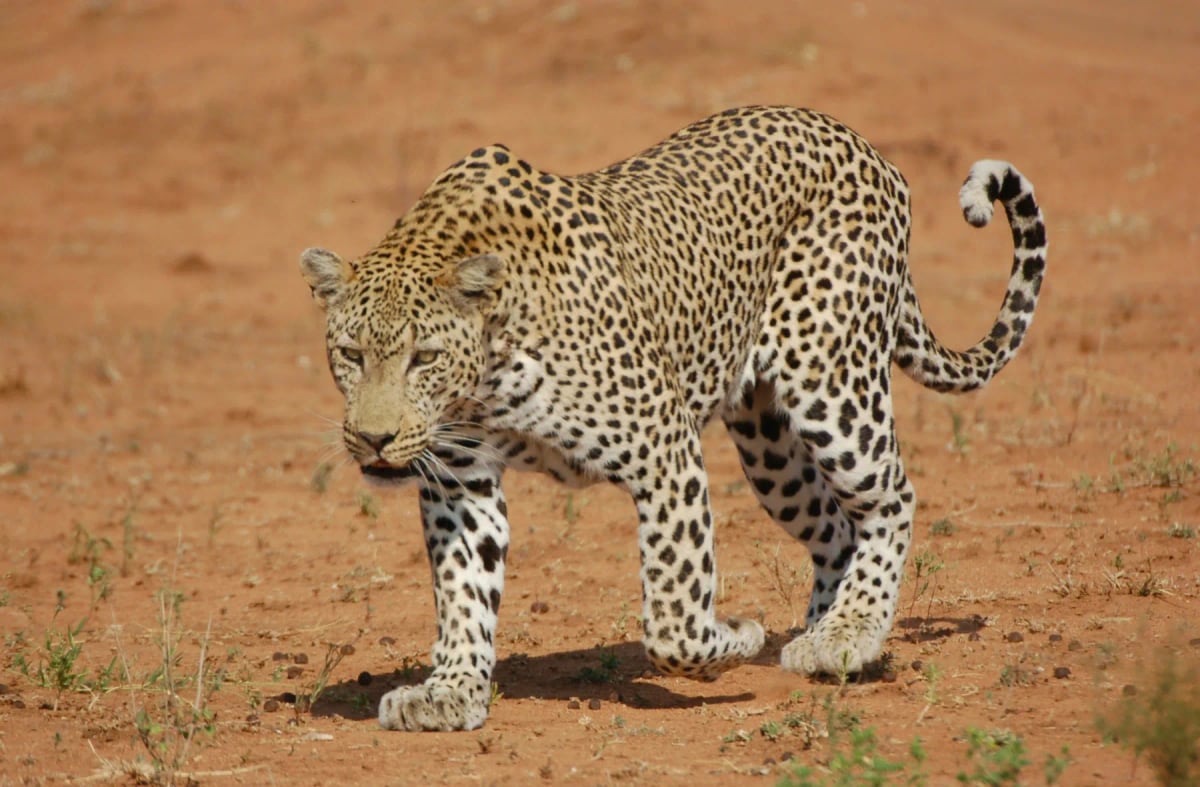
Leopard
Panthera pardus
In Senegal, leopards are found mainly in the southeast, particularly in and around the Niokolo-Koba National Park, a UNESCO World Heritage Site. This area of Guinea savanna and gallery forest provides suitable habitat for the species. Populations have declined due to poaching and the reduction of prey species. The leopard is now considered rare in Senegal, and its continued presence depends on the effectiveness of protection within the park.
Lion
Panthera leo
In Senegal, lions are found in Niokolo-Koba National Park in the southeast, a UNESCO World Heritage Site and the most important protected area in the country. The population is small and has declined in recent decades, but the park remains the best hope for lion survival in Senegal. Niokolo-Koba is one of the few places in West Africa where lions, elephants and other large mammals still coexist.
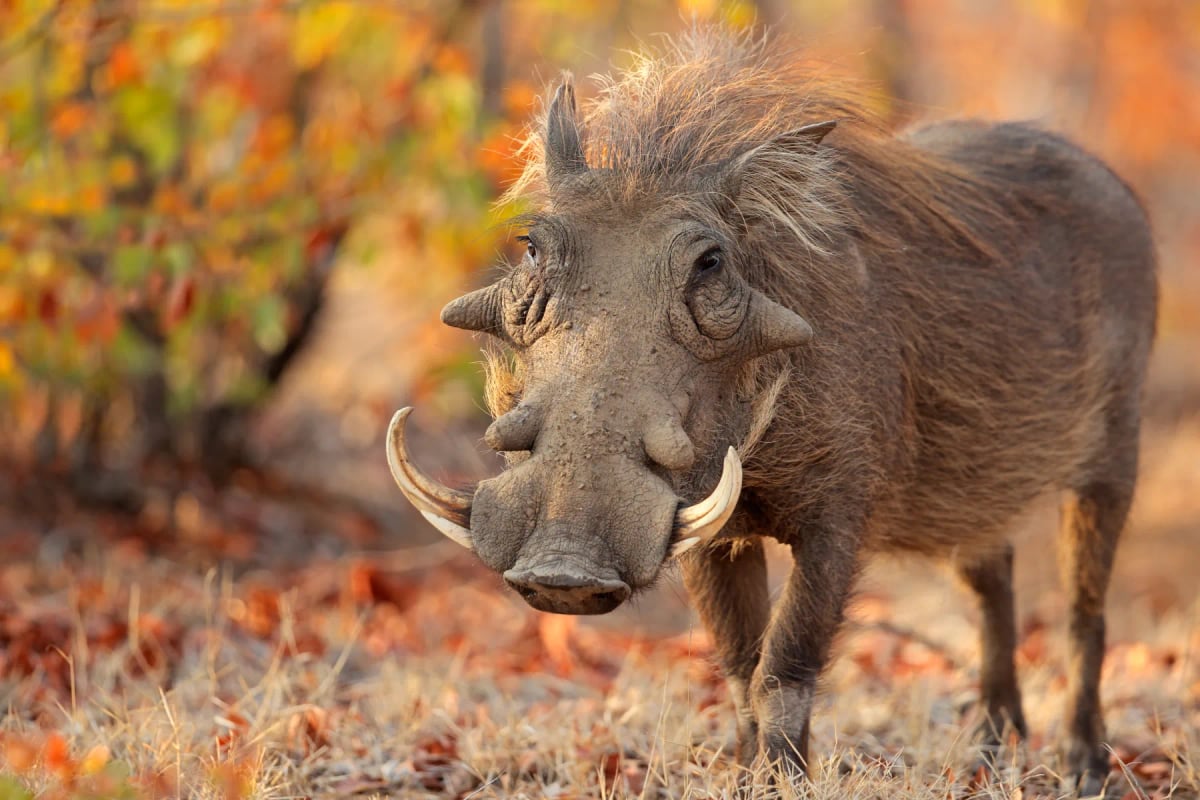
Warthog
Phacochoerus africanus
Warthogs are widespread across the savanna and woodland areas of Senegal, including Niokolo-Koba National Park, a UNESCO World Heritage Site in the southeast. They thrive in the Sudanian savanna zone, where seasonal rains produce the grasses and roots they depend on. Though hunting and habitat pressure exist outside protected areas, populations within reserves remain in good shape. IUCN status: Least Concern.
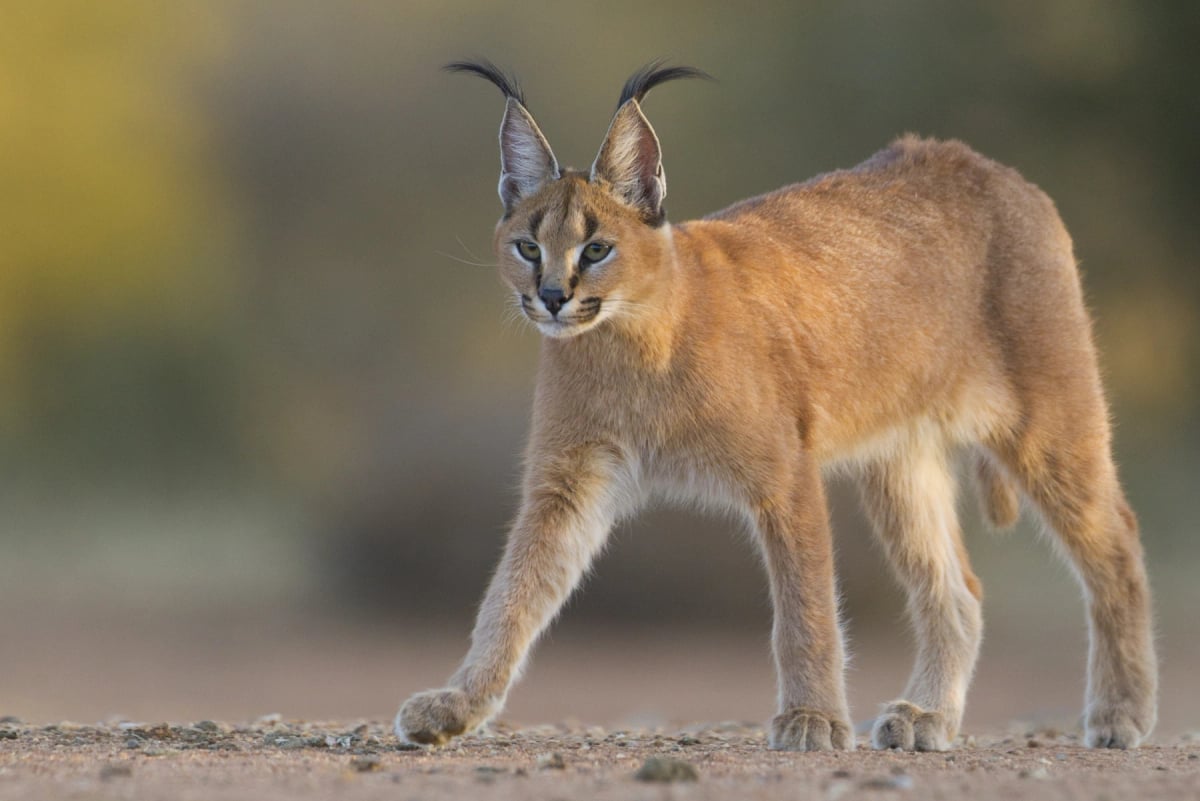
Caracal
Caracal caracal
In Senegal, the caracal occupies savanna woodlands and semi-arid scrubland across the northern and central parts of the country, including areas within and around protected zones such as Niokolo-Koba National Park. Recognizable by the tall black tufts on its ears, this solitary cat hunts at night, preying on birds, rodents, and small mammals. The IUCN lists it as Least Concern, but habitat degradation continues to reduce suitable territory.
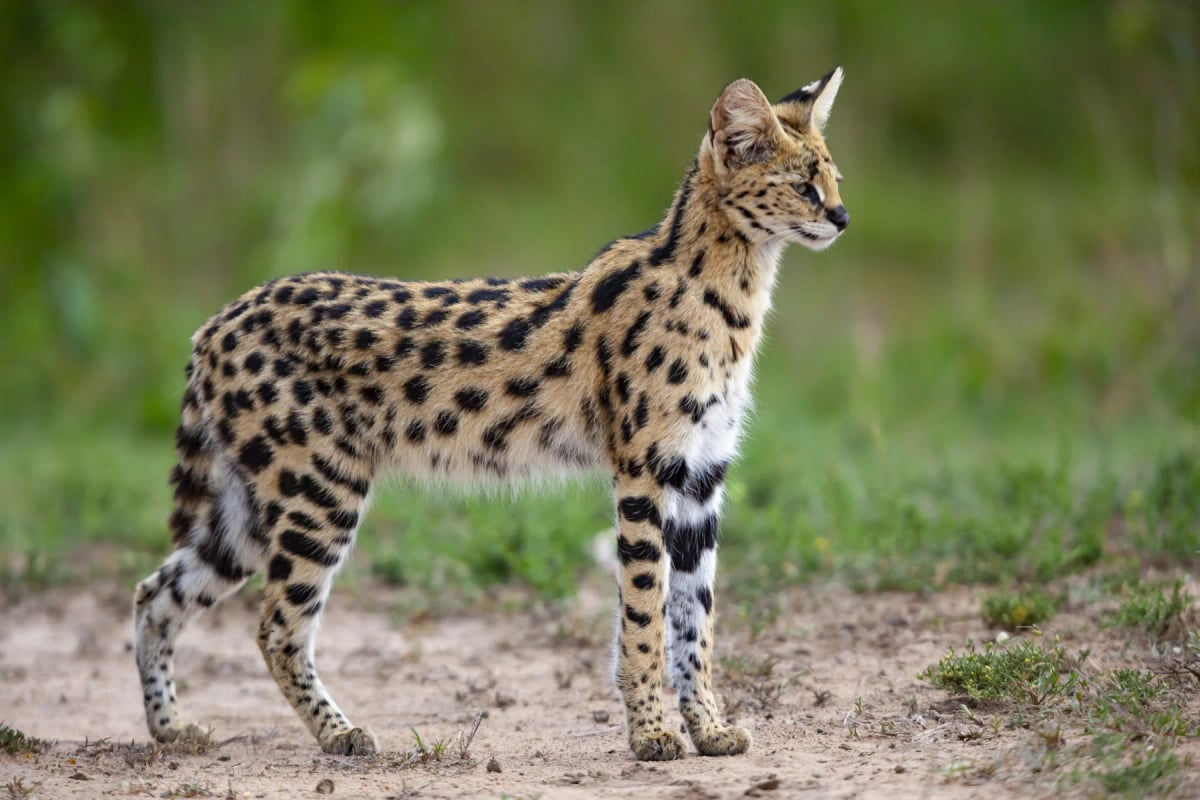
Serval
Leptailurus serval
Senegal's servals are found in the wetter southern regions and along river corridors such as the Casamance, where moist grassland and reed beds provide ideal hunting grounds. They use their oversized ears to detect prey beneath the grass before striking with a powerful leap. The IUCN lists the species as Least Concern. In Senegal, the Niokolo Koba National Park offers meaningful protection for servals within a largely rural landscape.
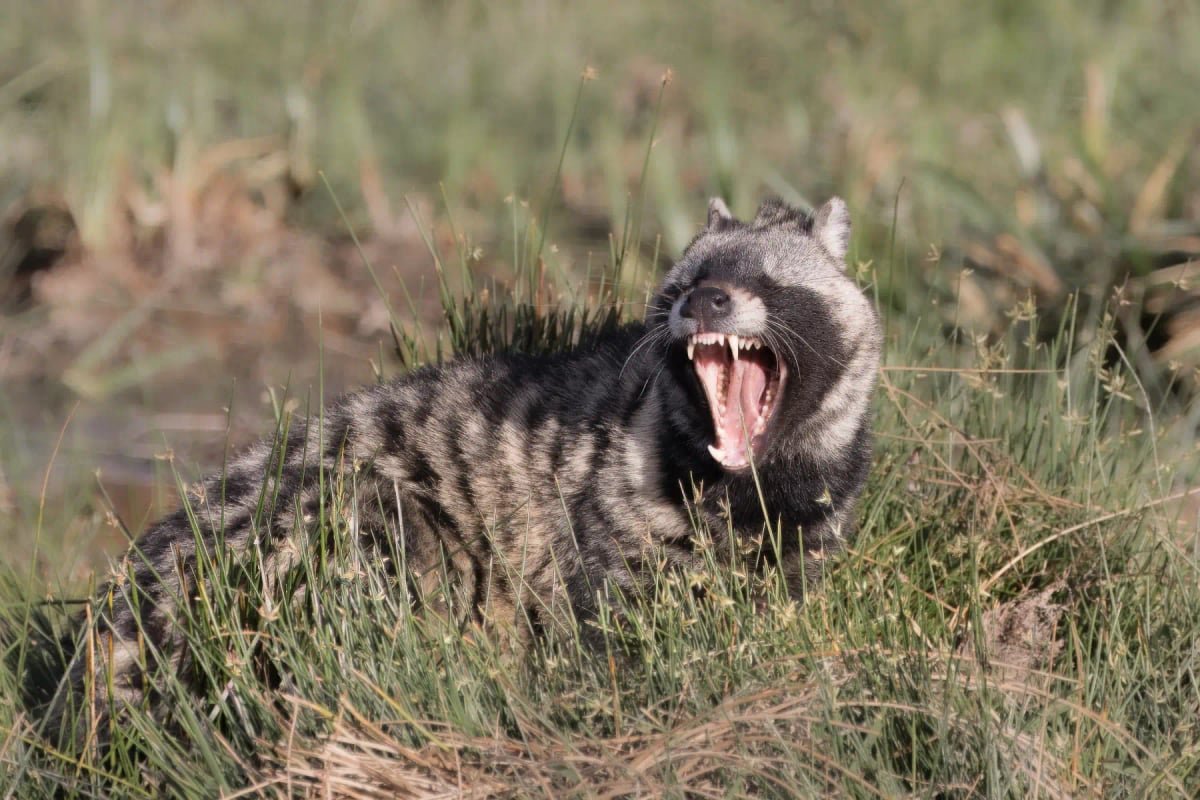
African Civet
Civettictis civetta
The African civet is widespread in Senegal, found in the Guinea savanna woodlands and gallery forests along the Gambia and Casamance rivers. Niokolo-Koba National Park, near the Guinea border, is the most important protected site. In the agricultural south, civets adapt to forest edges and secondary growth. Toward the arid north, the species disappears as cover and permanent water become unavailable.
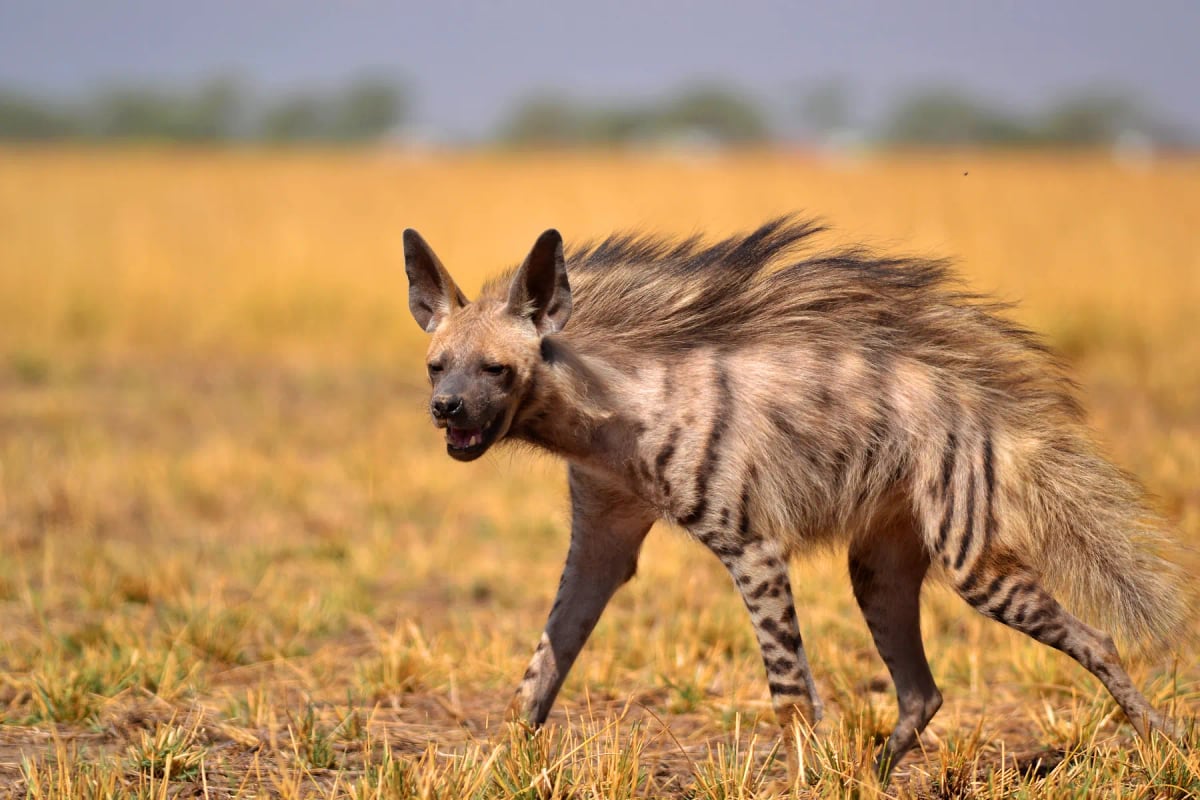
Striped Hyena
Hyaena hyaena
In Senegal, the striped hyena occurs in the drier northern and central areas, where Sahelian scrub and open woodland provide suitable habitat. It is largely nocturnal and avoids human activity, relying on carrion and fruit to survive. Habitat loss driven by agricultural expansion and hunting pressure linked to traditional beliefs continue to threaten the species. The IUCN lists it as Near Threatened.

Honey Badger
Mellivora capensis
In Senegal, the honey badger occupies the Sahelian savanna and dry woodland of the interior, including areas near Niokolo Koba National Park, rather than the more densely settled coastal zone. It digs for rodents, reptiles and insects and is known to raid beehives without much hesitation. Agricultural expansion gradually reduces suitable habitat, though the species remains listed as Least Concern by the IUCN.
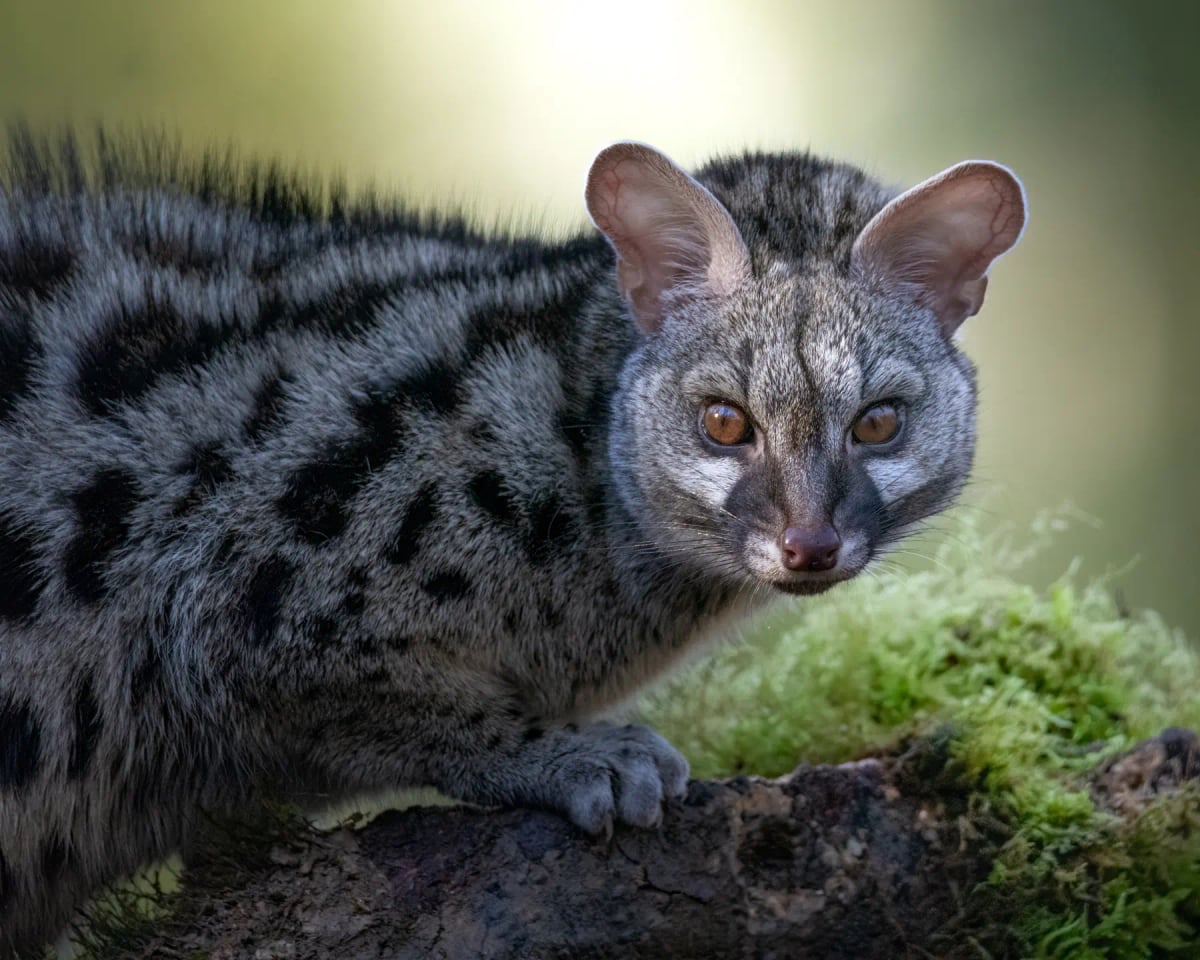
Common Genet
Genetta genetta
The common genet is found throughout much of Senegal, in Sahel scrubland, savanna woodland, and gallery forest along river corridors. Protected areas such as Niokolo-Koba National Park provide important refuges. It is a nocturnal and solitary species that marks its territory with scent and preys on a wide range of small animals and insects. IUCN status: Least Concern.
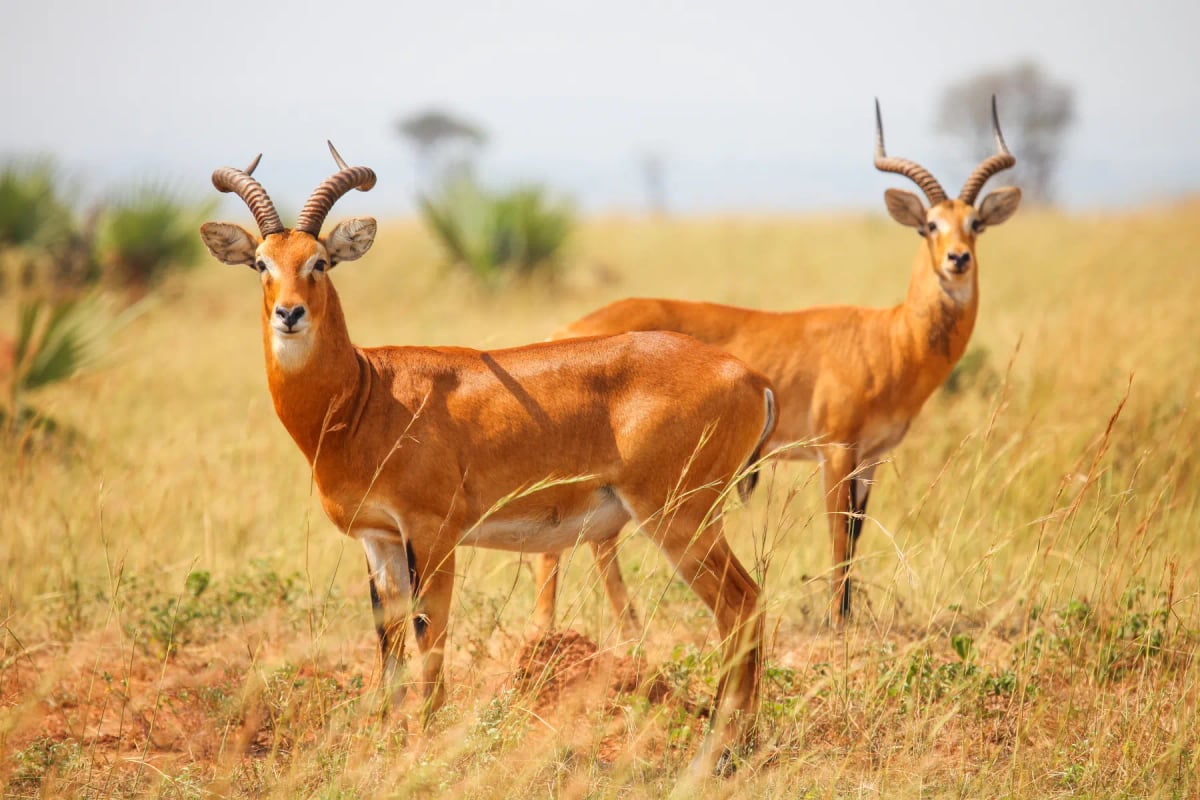
Kob
Kobus kob
The kob is present in Senegal, where it inhabits the southern savannas and the floodplains near the Casamance and Gambia river systems. Niokolo-Koba National Park, a UNESCO World Heritage Site, provides important protected habitat for the species. The kob lives in social herds and males perform lekking displays during breeding season. It is listed as Least Concern by the IUCN, though habitat pressure outside protected areas is a concern.
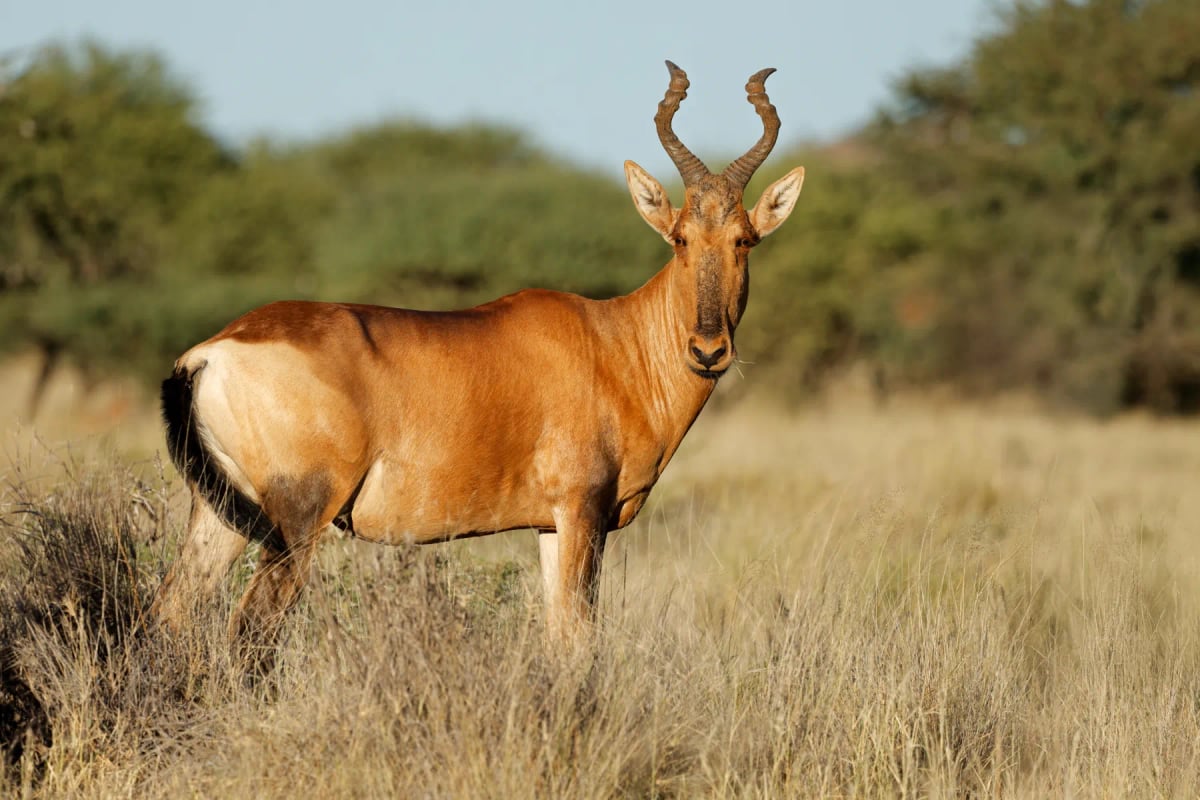
Hartebeest
Alcelaphus buselaphus
In Senegal, the hartebeest is found in the open savannas of the east and southeast, including within Niokolo-Koba National Park, a UNESCO World Heritage Site. Its long face, sloping back, and bracket-shaped horns make it one of the most recognizable antelopes in the park. Populations have declined due to poaching and habitat degradation, but the protected area provides an important refuge. The species is listed as Least Concern at the global level.
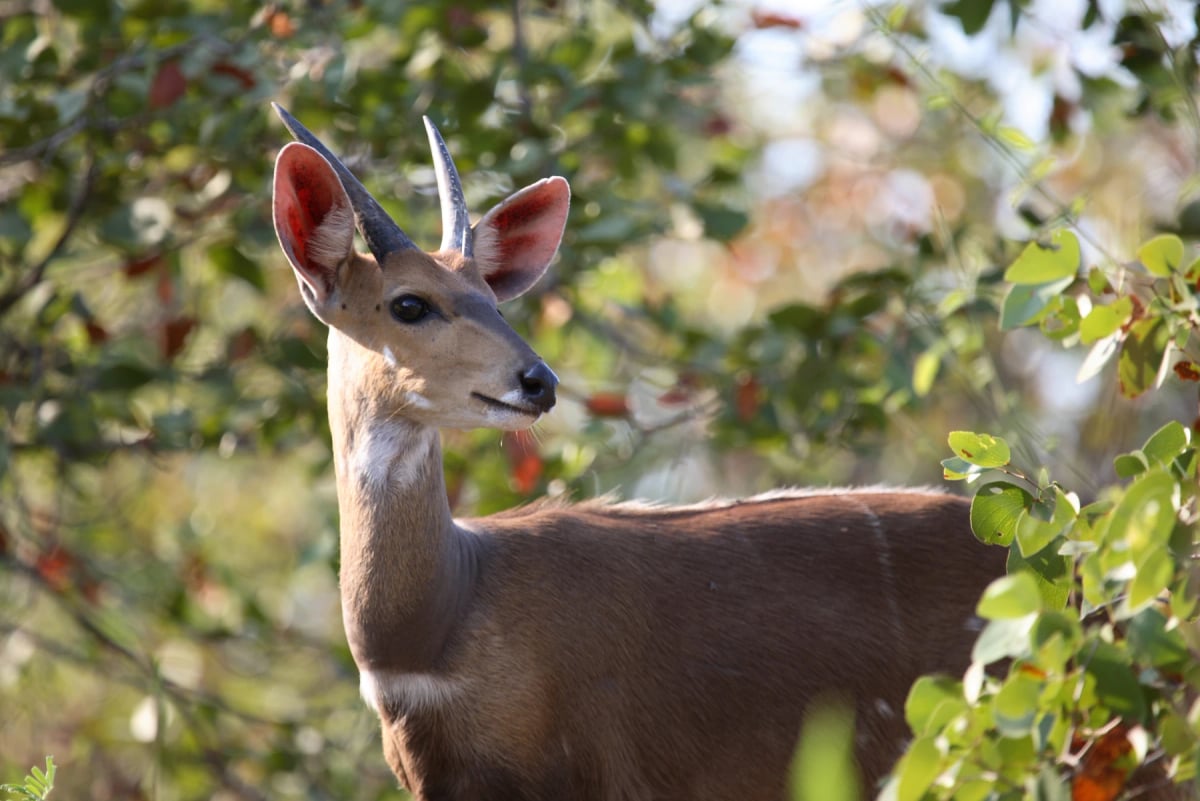
Bushbuck
Tragelaphus scriptus
Senegal's bushbucks inhabit forested areas and dense riverine vegetation, particularly within protected reserves and less disturbed woodland zones. These solitary browsers remain adapted to the country's mix of savanna and forest ecosystems. Their distinctive white spotted coats enable effective camouflage within shaded forest environments. Primarily nocturnal and naturally cautious, bushbucks in Senegal are rarely observed despite their presence in suitable forested and riverine habitats.
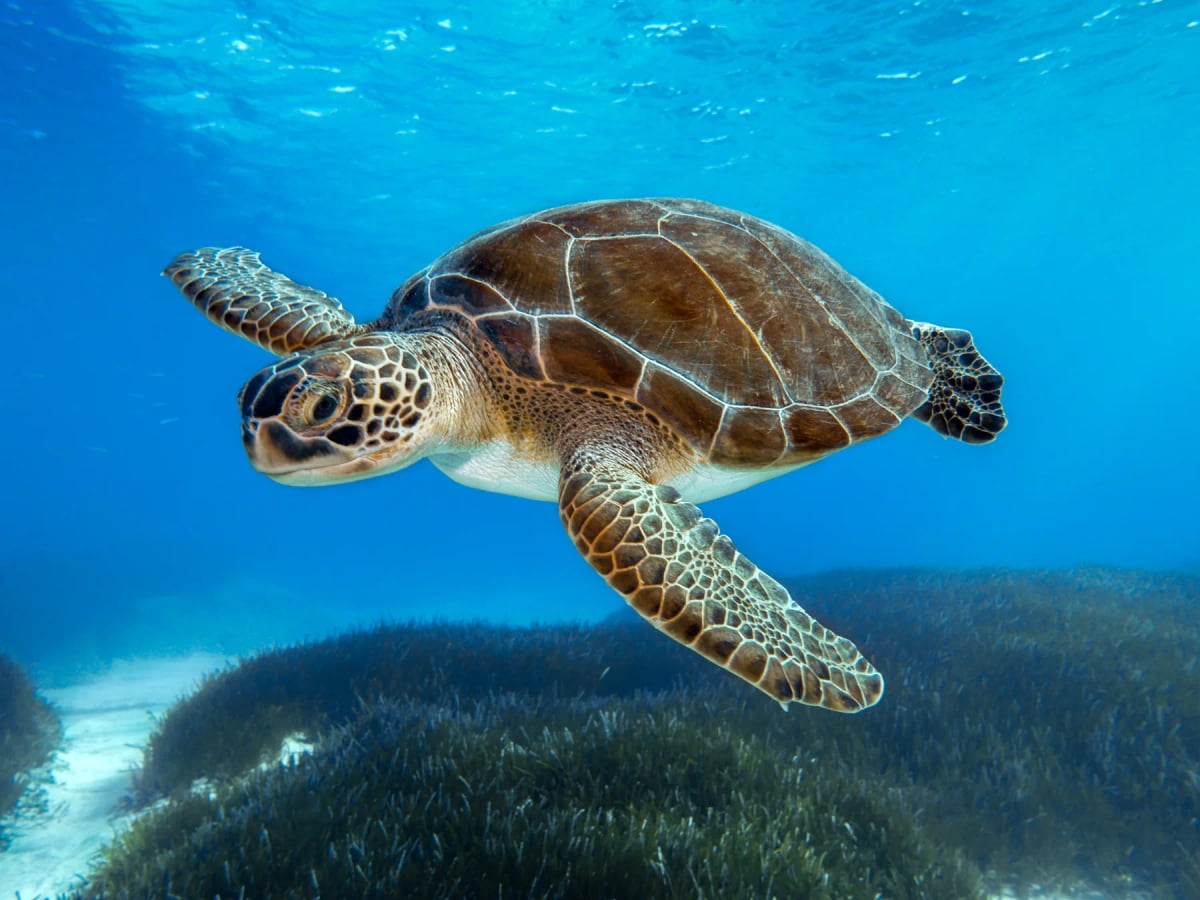
Sea Turtle
Cheloniidae & Dermochelyidae (families)
Senegal's Atlantic coastline is part of the West African sea turtle nesting region. Leatherback and olive ridley turtles nest on Senegalese beaches, with the leatherback being the more significant of the two. The Saloum Delta Biosphere Reserve and the Casamance coast are among the more documented turtle areas in the country. Green turtles also forage in Senegalese waters. Conservation programs work with coastal fishing communities to reduce bycatch and protect nesting beaches, where egg poaching remains a persistent challenge.
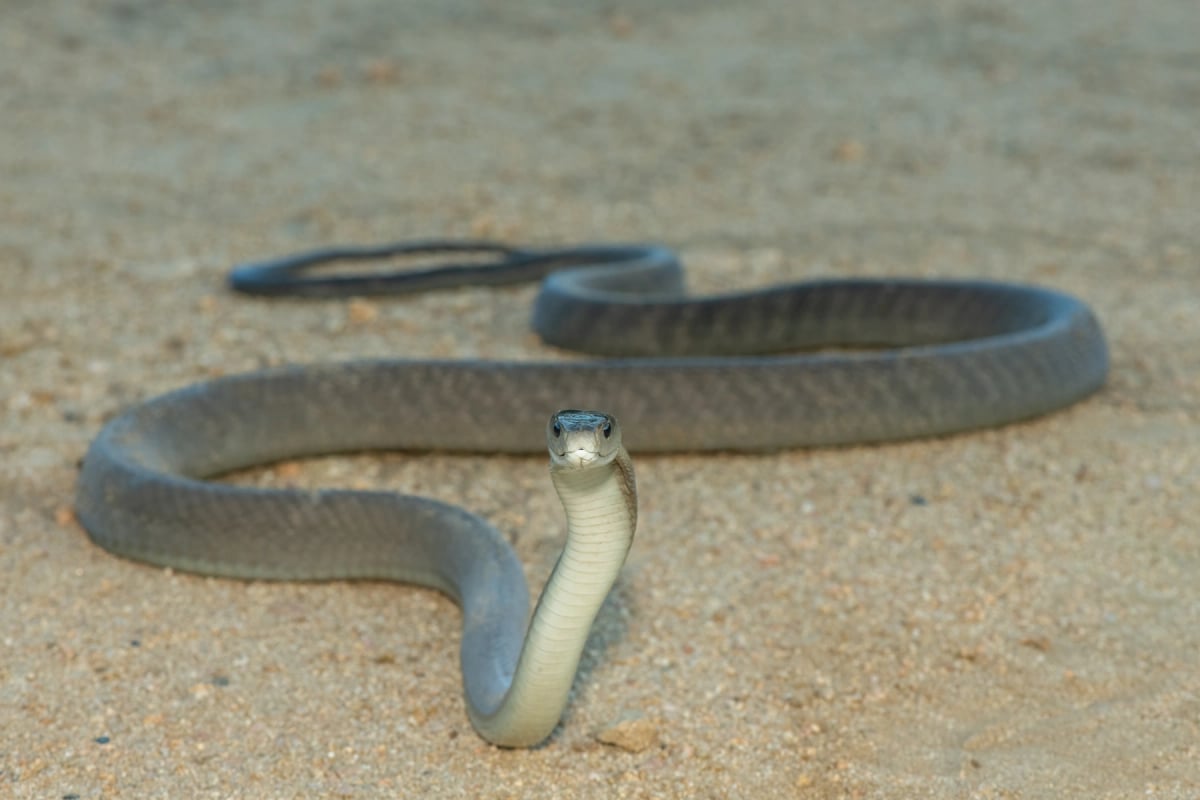
Black Mamba
Dendroaspis polylepis
In Senegal, the black mamba (Dendroaspis polylepis) is found at the western edge of its range, inhabiting dry savannas and open woodlands in the southern and eastern parts of the country. It hunts during daylight hours, targeting rodents and birds with a combination of speed and powerful neurotoxic venom. Listed as Least Concern by the IUCN, it is among the most formidable snakes in West Africa.
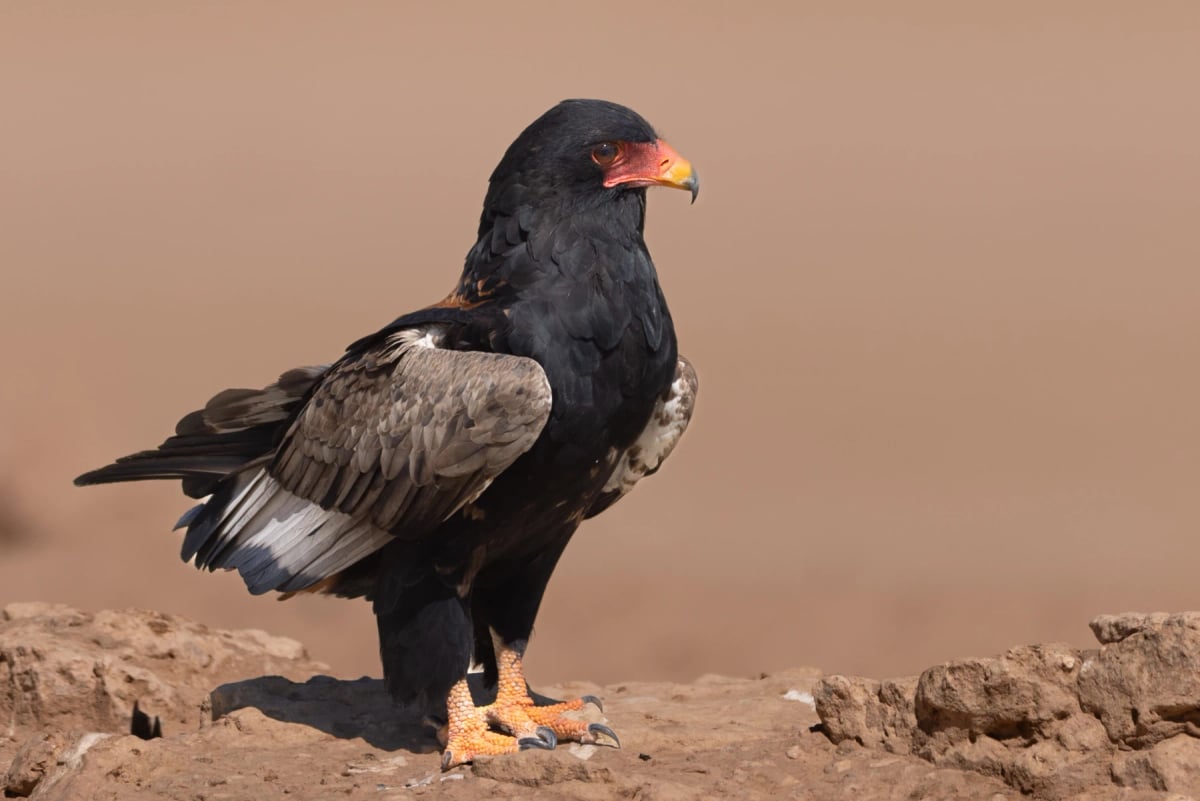
Bateleur
Terathopius ecaudatus
In Senegal, the bateleur is found across the Sudanian savanna and dry woodland areas, with records from protected zones including Niokolo-Koba National Park. It soars over open terrain covering large distances each day in search of carrion, reptiles, and small animals. Classified as Endangered by the IUCN, it is under growing pressure from habitat loss, persecution, and the use of poisoned baits across West Africa.
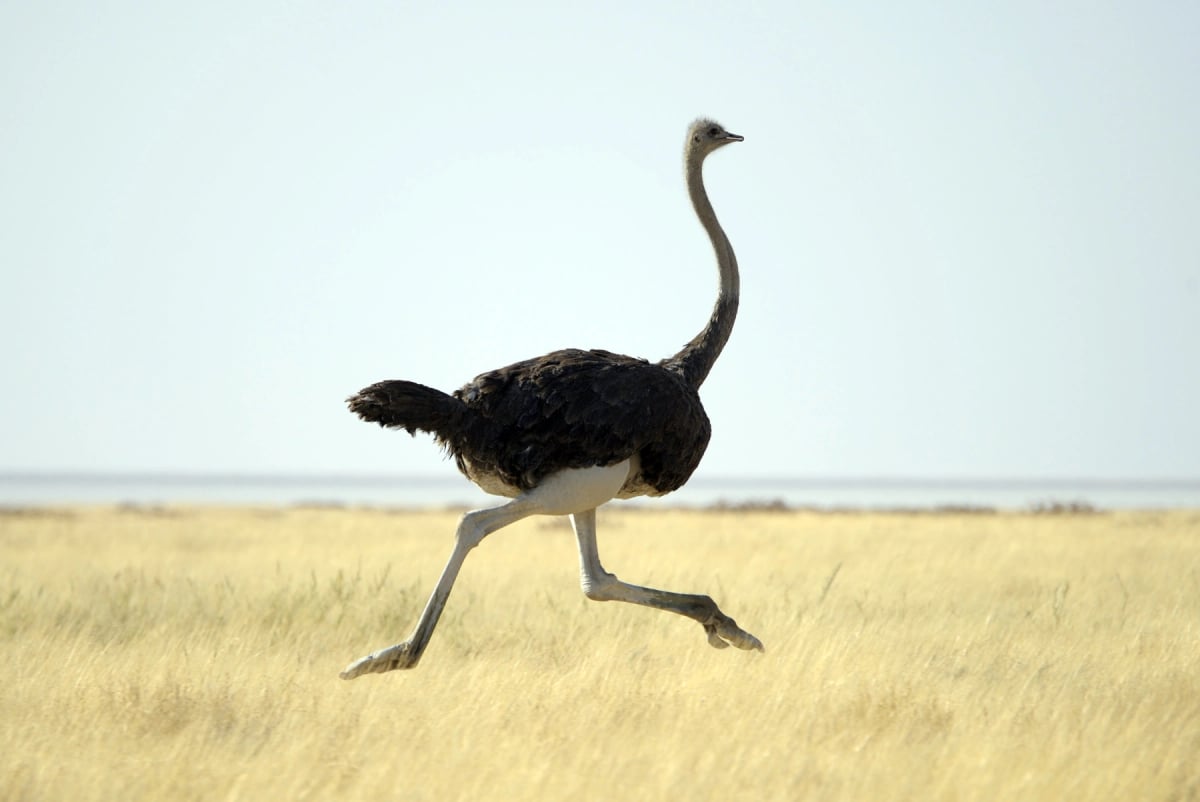
Ostrich
Struthio camelus
In Senegal, ostriches are found in the arid north and northeast of the country, within the Sahel zone. The Ferlo region, with its open dry savannas and sparse shrubland, provides suitable conditions for small resident populations. They are well adapted to heat and low rainfall, subsisting on the grasses and seeds available in these landscapes. The species is of Least Concern globally, though West African Sahel populations are locally reduced.
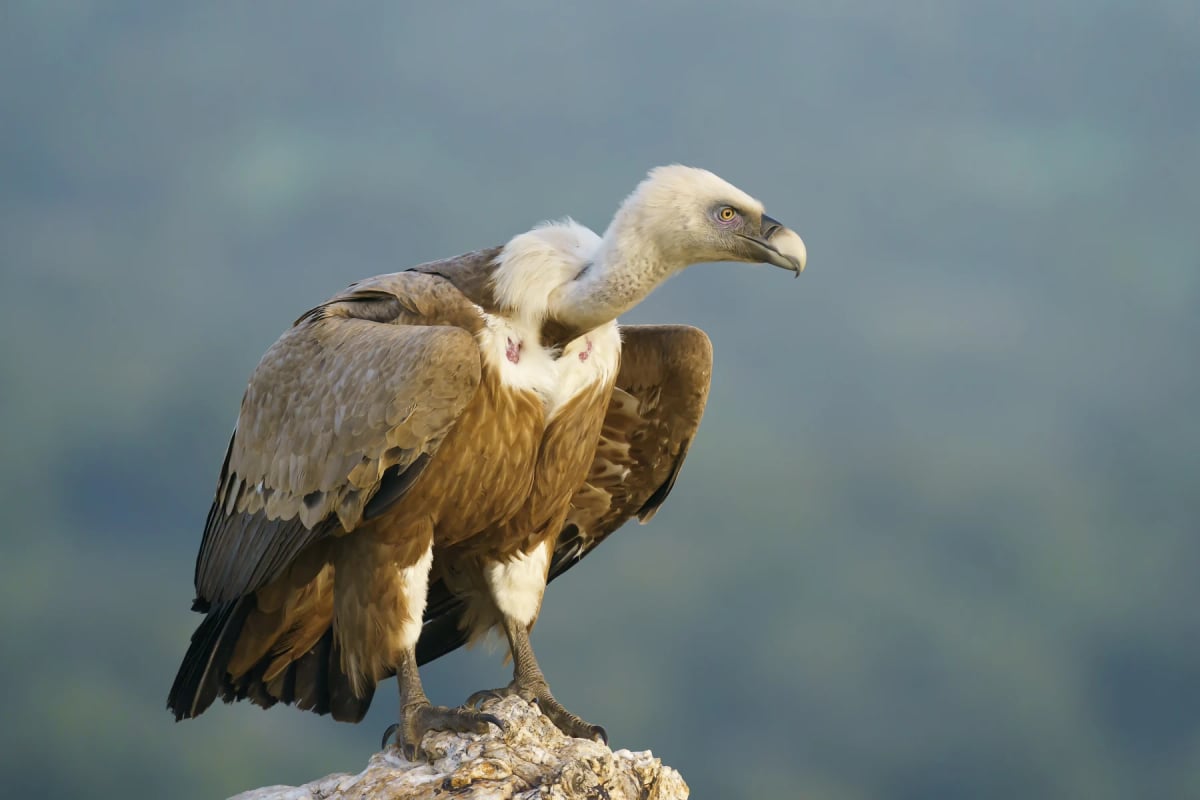
Griffon Vulture
Gyps fulvus
Senegal is one of the main wintering areas for young griffon vultures from Spain. Birds fitted with GPS trackers have been followed from their Spanish colonies across the Strait of Gibraltar and the Sahara to the savannas of Senegal and neighboring Gambia, where they spend the winter feeding on livestock carcasses. Some stay for years before heading back north. The IUCN lists the species as resident in the country. IUCN status: Least Concern.
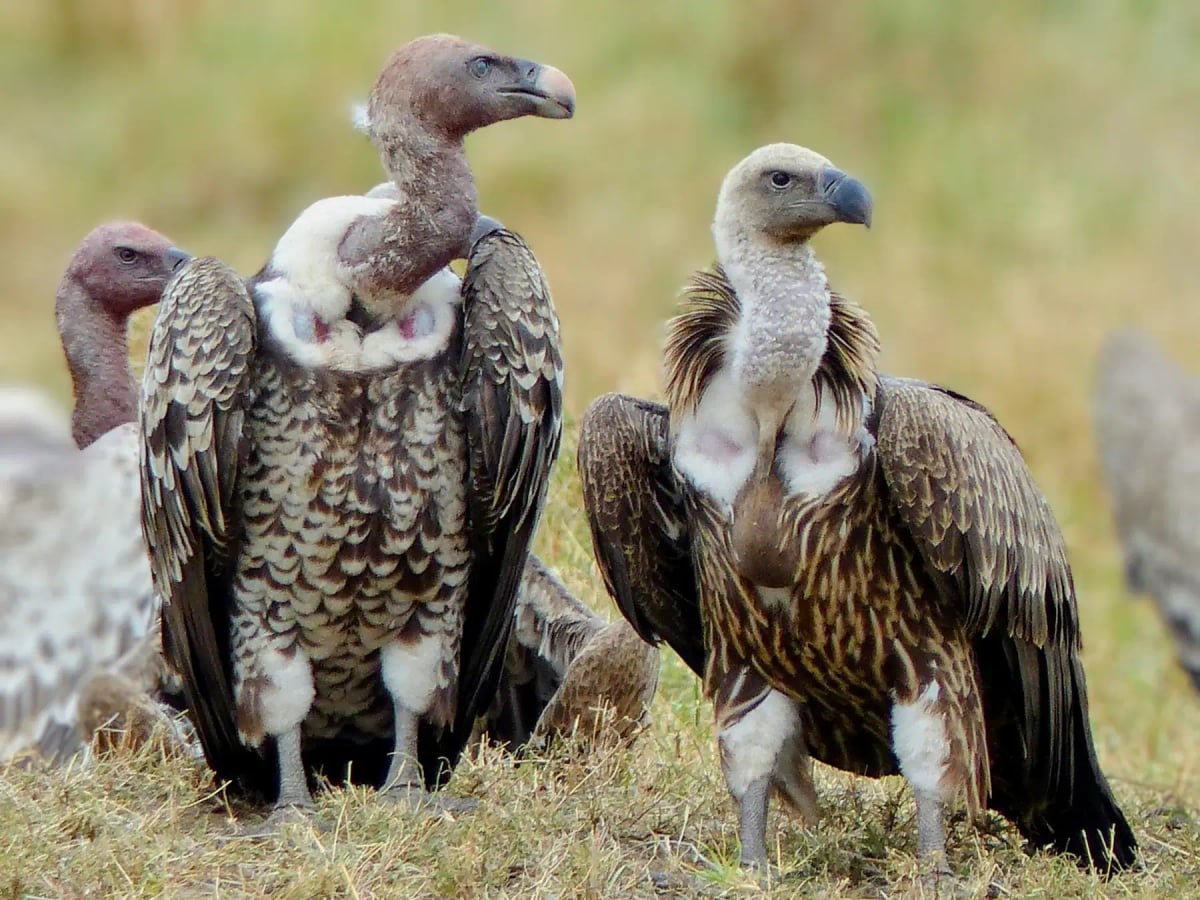
White backed Vulture
Gyps africanus
The white backed vulture is a regular presence across Senegal's savannas, including the open woodlands of Niokolo Koba National Park. It soars on thermals for hours, searching for carcasses left by large mammals below. Critically endangered across its range, this species faces serious threats from poisoning. Its role as a natural cleanup crew keeps ecosystems healthy by consuming carcasses before disease can spread.
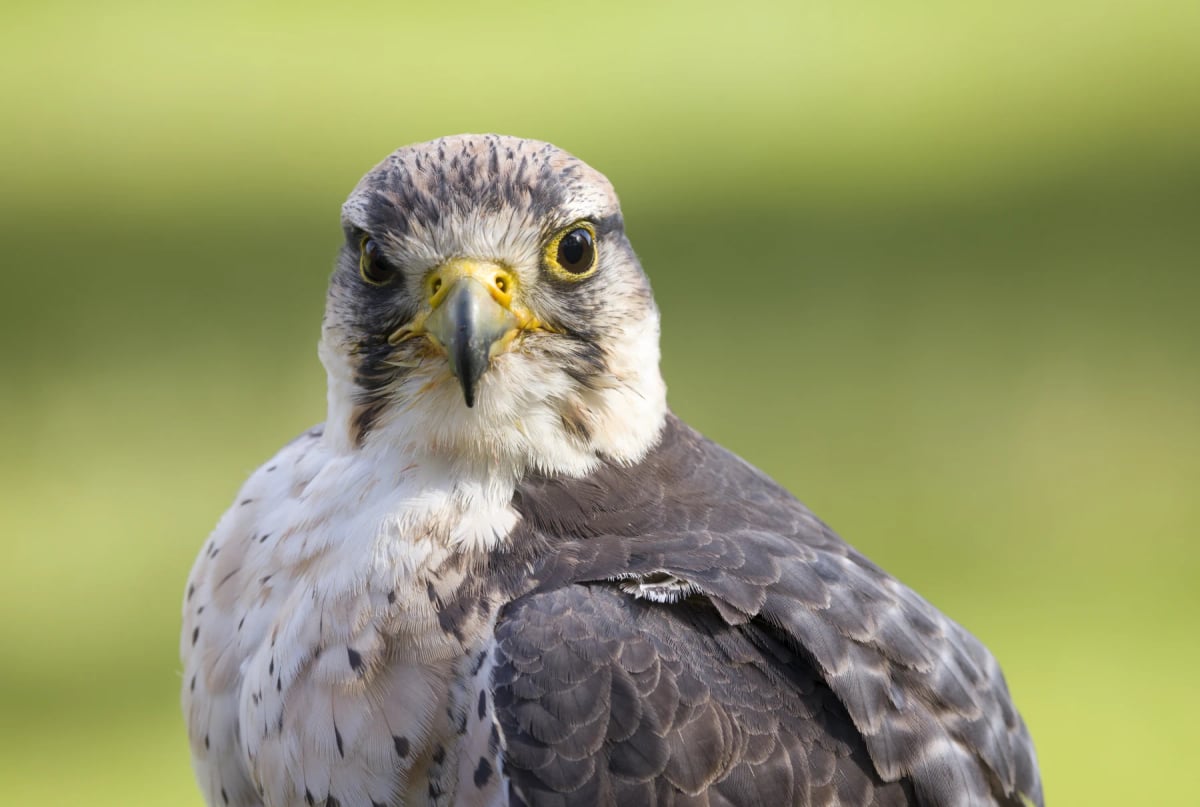
Lanner Falcon
Falco biarmicus
In Senegal, the lanner falcon is found mainly across the semi-arid north and the Sahel zone, where open terrain and scattered rocky features suit its hunting style. It preys on birds using fast, low flights, sometimes cooperating with its partner to flush prey. Nesting occurs on cliff ledges and rocky outcrops where available. The IUCN lists the species as Least Concern, though habitat degradation across the Sahel continues to affect local wildlife.
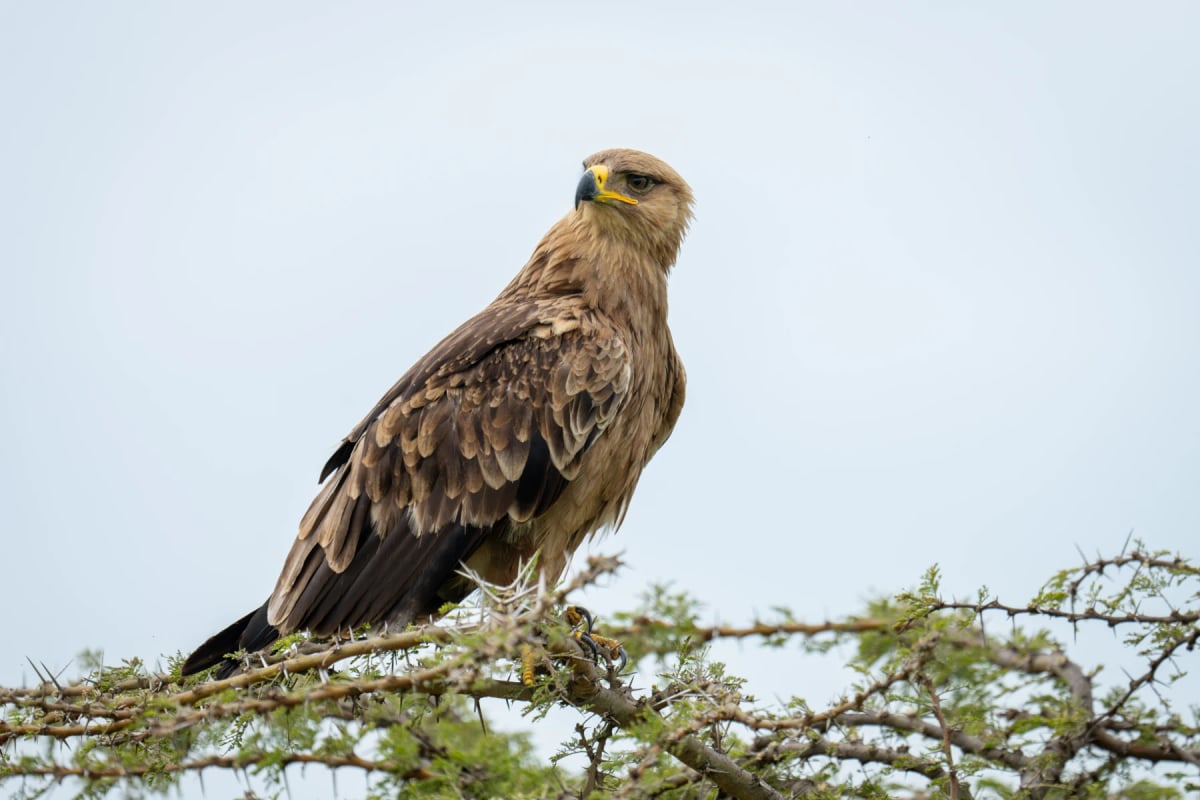
Tawny Eagle
Aquila rapax
The tawny eagle is found in Senegal's Sahel and Sudan savanna zones, where open terrain gives it excellent visibility for hunting and scavenging. It is known to exploit communal feeding sites and will boldly steal prey from smaller raptors. Pressure from land conversion, pesticide use, and power line electrocution has reduced numbers across West Africa. The IUCN classifies it as Vulnerable.
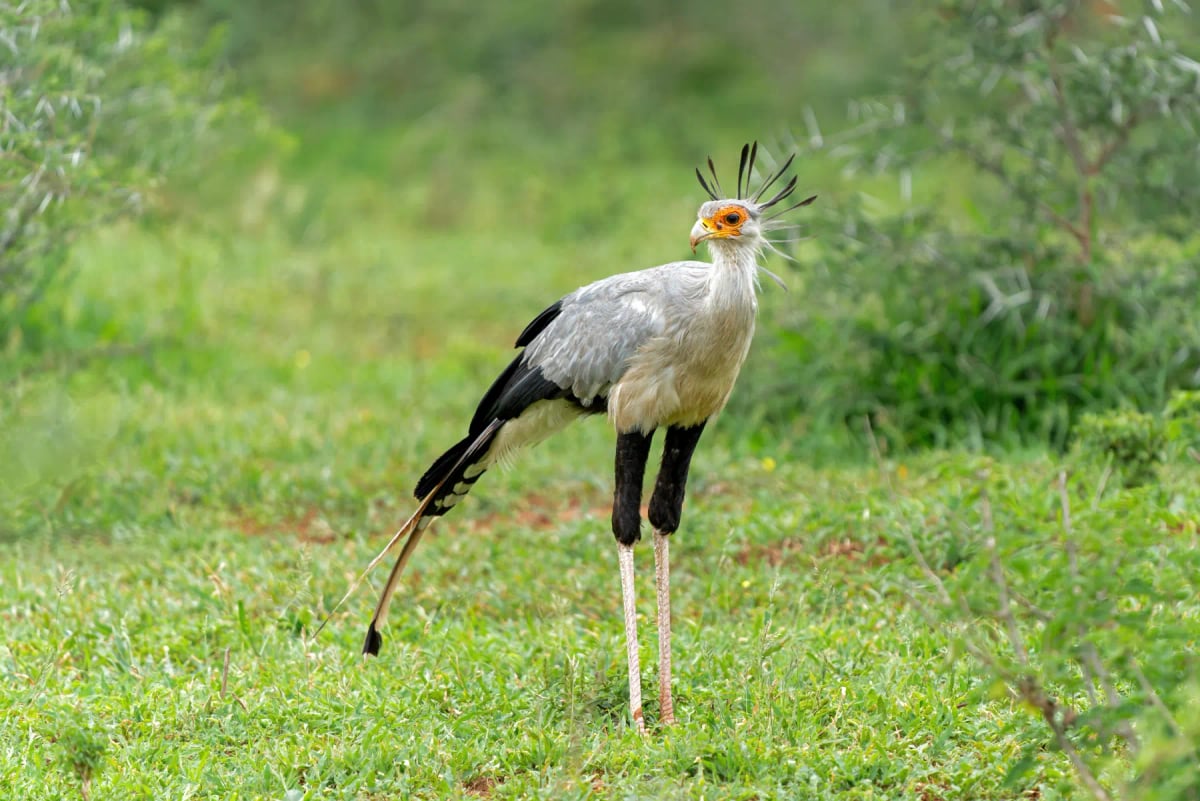
Secretary Bird
Sagittarius serpentarius
In Senegal, the secretary bird inhabits the open savannas and dry grasslands of the Sahel and Sudan vegetation zones. Protected areas such as Niokolo-Koba National Park offer some refuge for the species. It hunts on foot, taking snakes, rodents, and insects across open terrain. Habitat loss from farming and land degradation continues to affect the population. The IUCN lists it as Endangered.
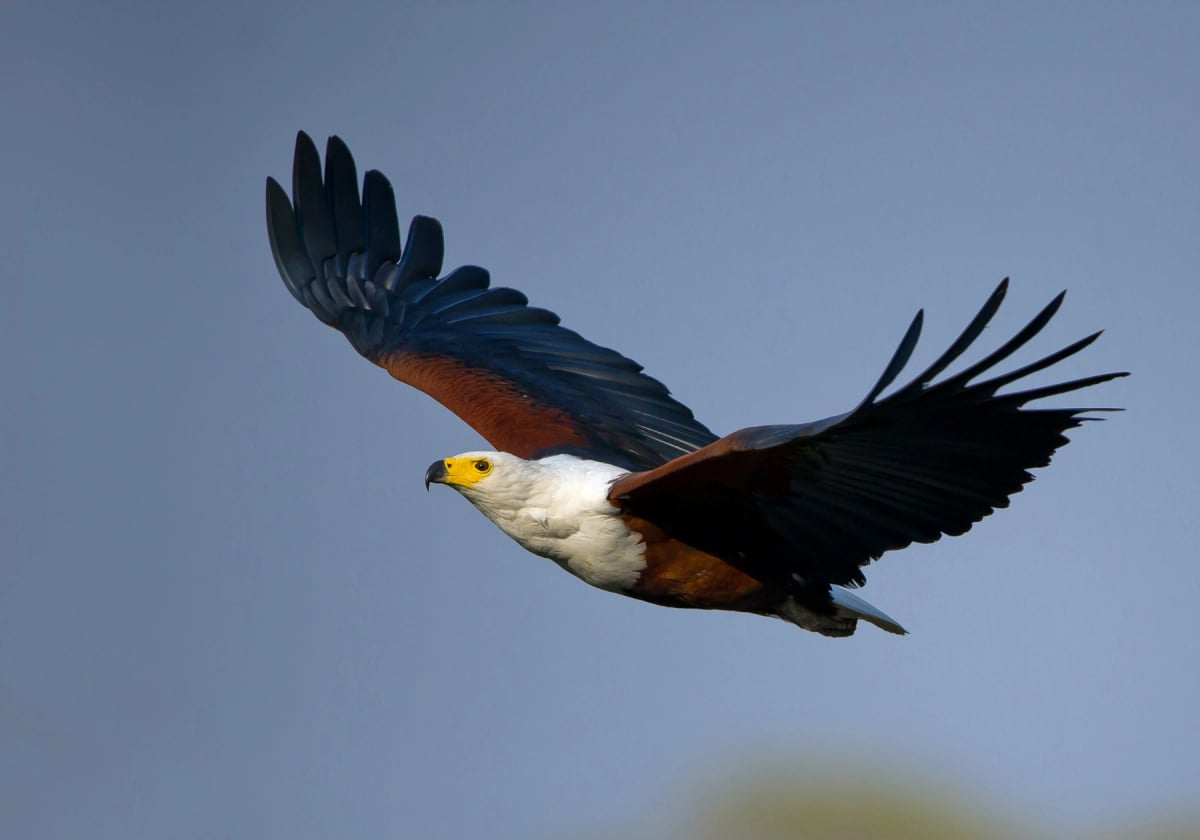
African Fish Eagle
Haliaeetus vocifer
The African fish eagle is a resident in Senegal along the Senegal River in the north, the Gambia River and the country's coastal lagoons and wetlands. The Djoudj National Bird Sanctuary in the Senegal River delta, a UNESCO World Heritage Site, is one of the most important waterbird areas in West Africa and provides reliable habitat for this species. The Casamance River in the south also holds resident pairs throughout the year.
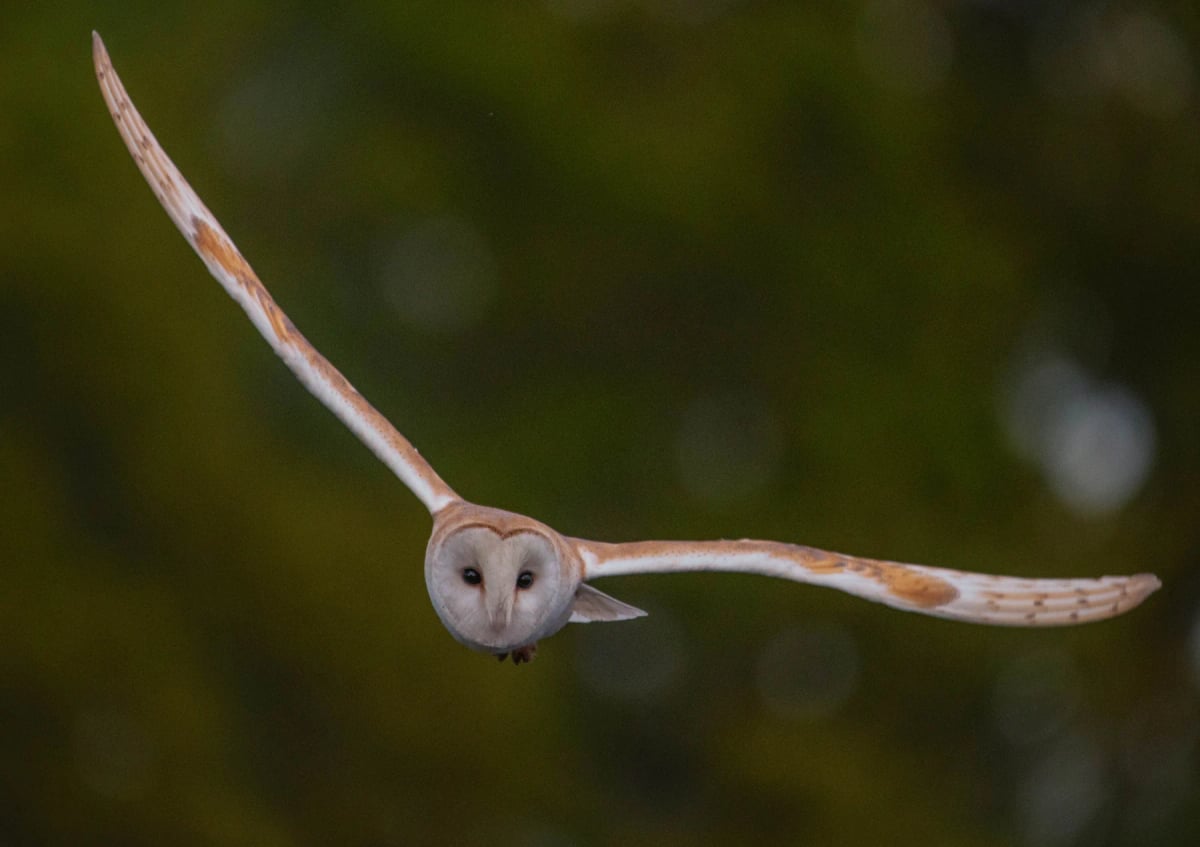
Barn Owl
Tyto alba
The barn owl is found across Senegal in open savanna, farmland, and areas near villages and towns from the Sahel zone in the north to the Casamance region in the south. It nests in old buildings, baobab trees, rocky outcrops, and large hollow trees, and hunts rodents at night. In the agricultural communities of the peanut basin and the Senegal River valley it is valued for controlling the small mammal populations that damage stored grain. It is one of the more commonly encountered owls across Senegal's open landscapes.
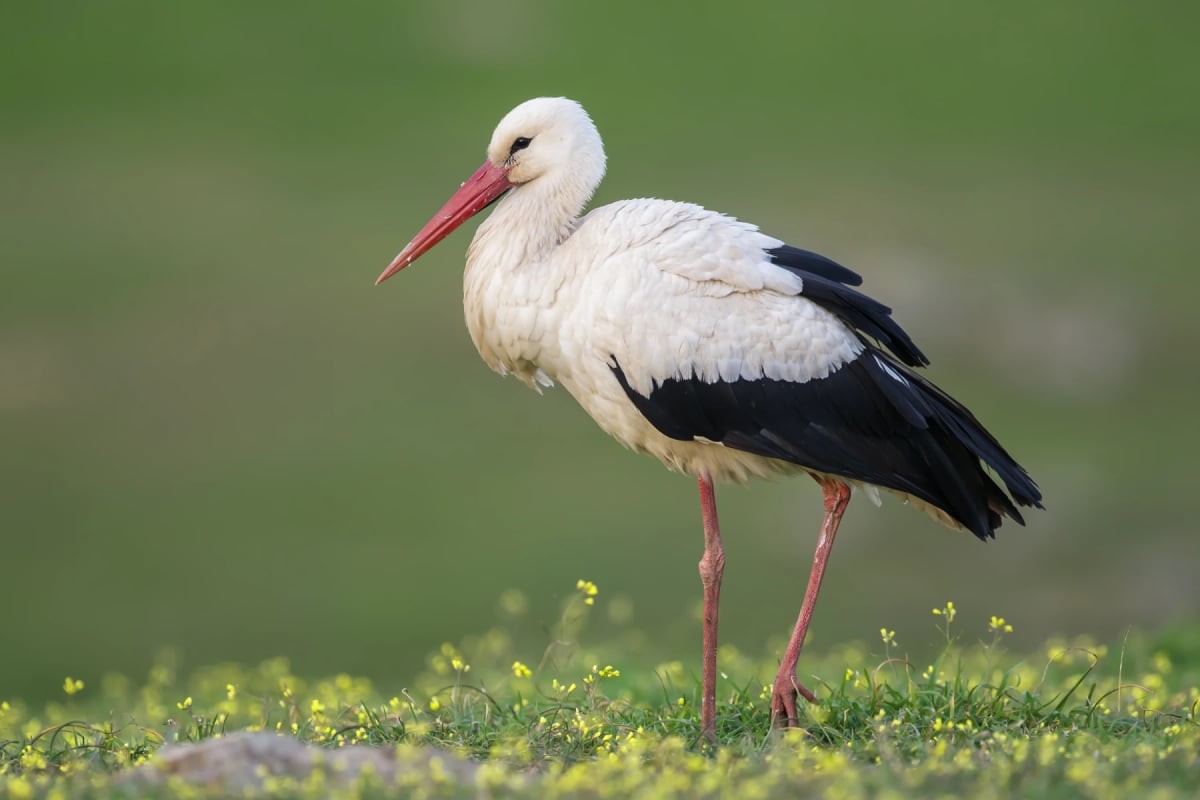
Stork
Ciconia ciconia
Senegal serves as one of the white stork's key wintering destinations in West Africa. Large flocks gather across the Sahel zone and the Senegal River valley, taking advantage of grasslands and flooded plains rich in frogs and insects. Birds arrive from Europe in the northern autumn and spend several months feeding here before making the long journey back north to breed in spring.
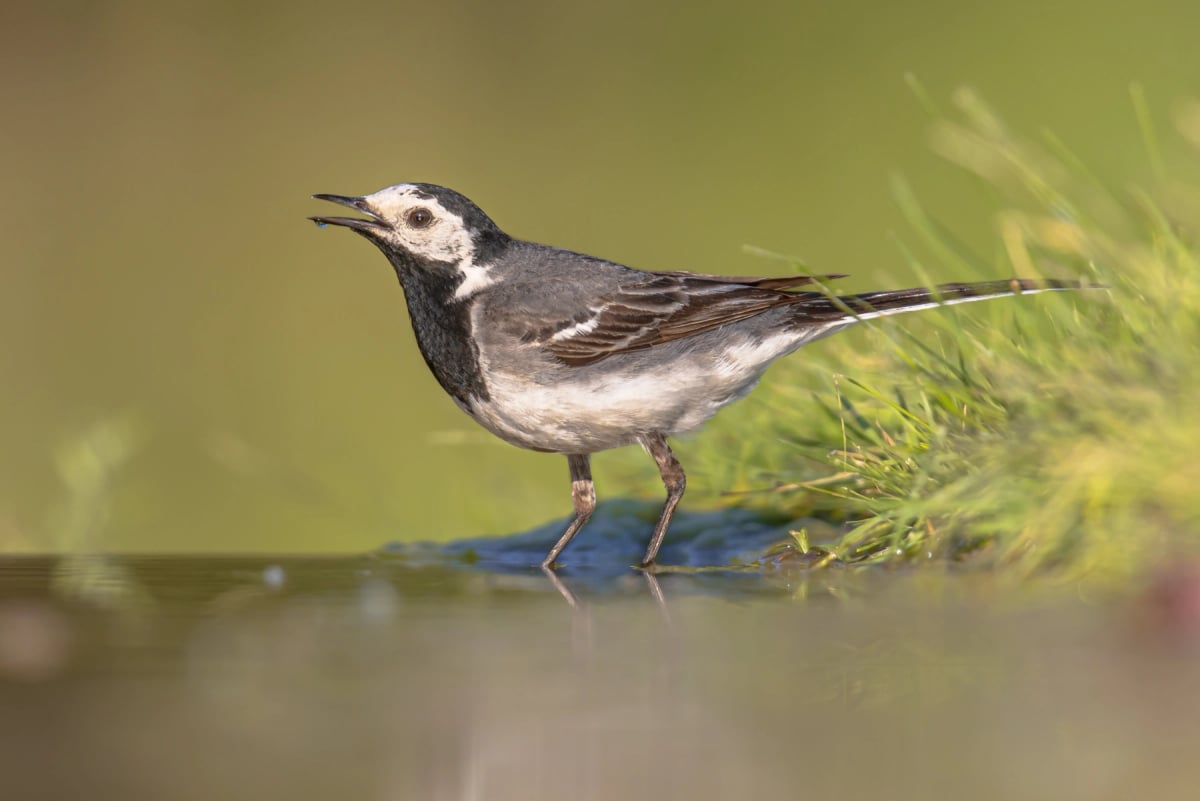
White Wagtail
Motacilla alba
Senegal is one of the main West African wintering areas for the white wagtail. Birds arrive from Europe in October and November and spread across the Senegal River valley, the Djoudj and Langue de Barbarie parks, rice fields, lagoons and village edges, often feeding around cattle and at the water's edge. They stay until March or April, when they head back north across the Sahara to breed. IUCN status: Least Concern.
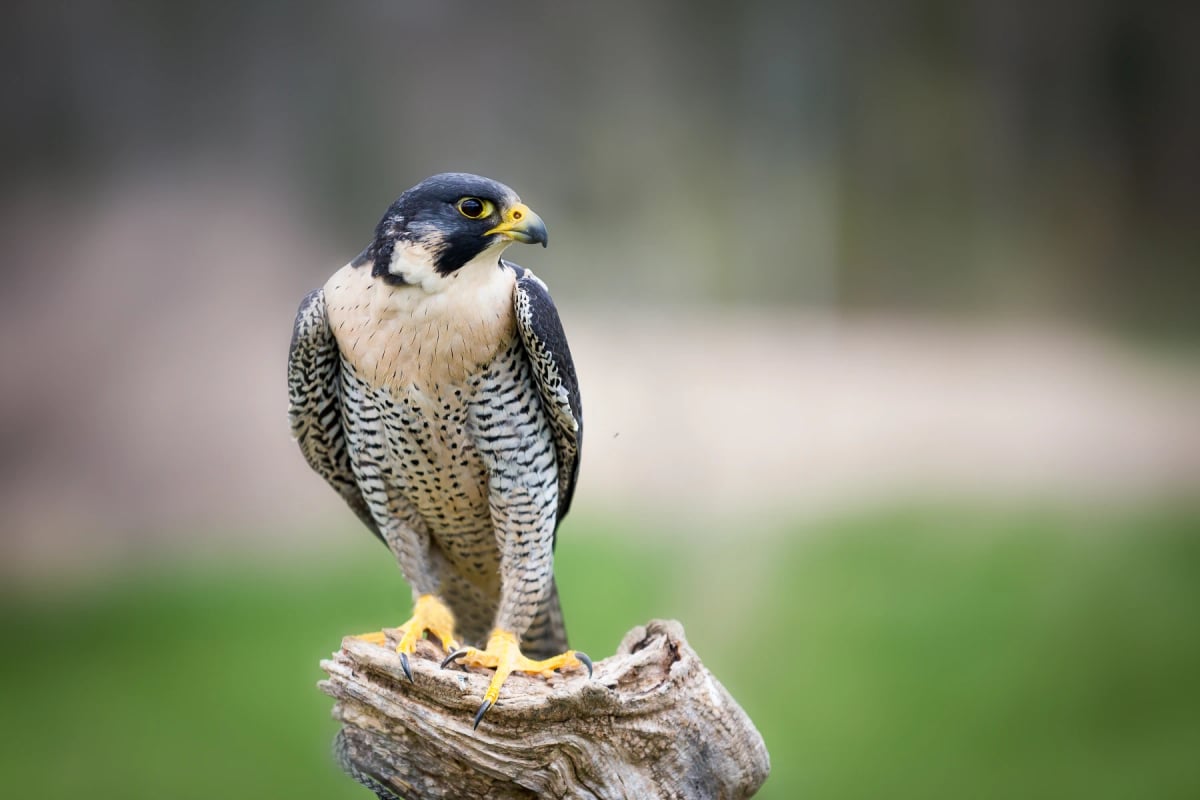
Peregrine Falcon
Falco peregrinus
In Senegal, the peregrine falcon is a regular visitor during the northern winter, arriving from European and Arctic breeding populations. It frequents the wetlands of the Saloum Delta and the coastline around Dakar, where large concentrations of shorebirds provide rich hunting. The open Sahel zone also sees the species on passage. It does not breed in Senegal but is a consistent and widespread presence from October through March. Its IUCN status is Least Concern.
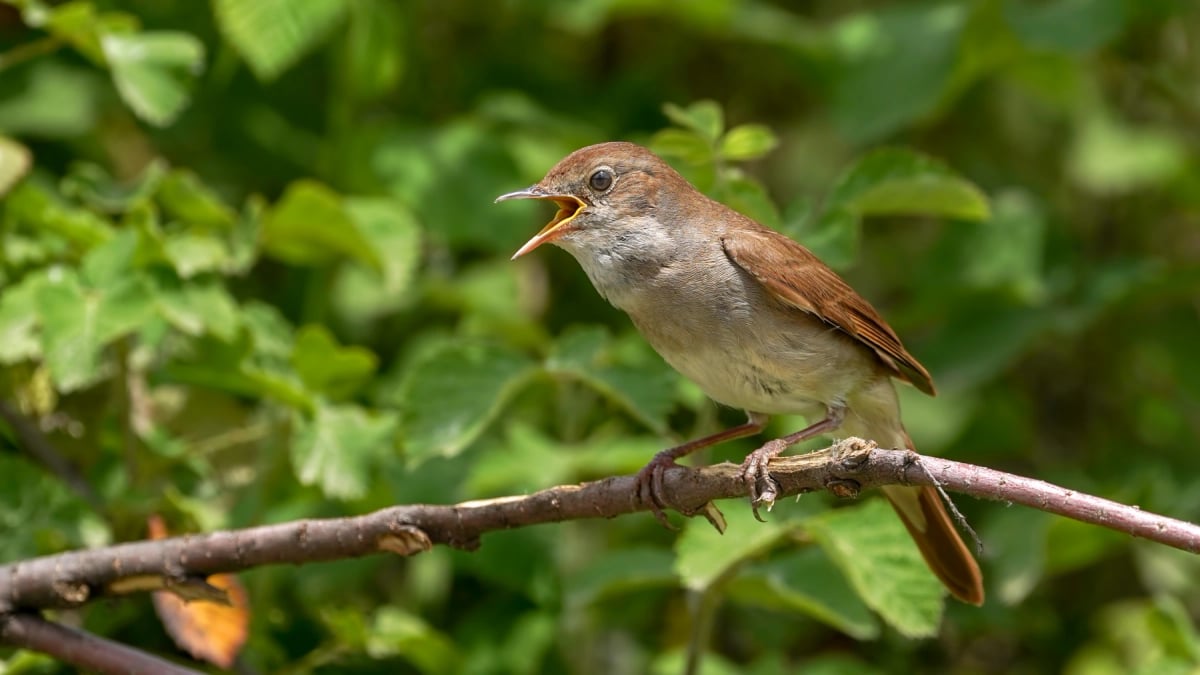
Nightingale
Luscinia megarhynchos
Senegal is an important wintering destination for the nightingale, which arrives from Europe in the northern autumn and settles into scrub, woodland edges and the gallery forests along the Casamance and Gambia river systems. It is a small, plain brown bird with a warm rusty tail, quiet and inconspicuous during its time in the country. It feeds mainly on insects gleaned from low vegetation. Its IUCN status is Least Concern.
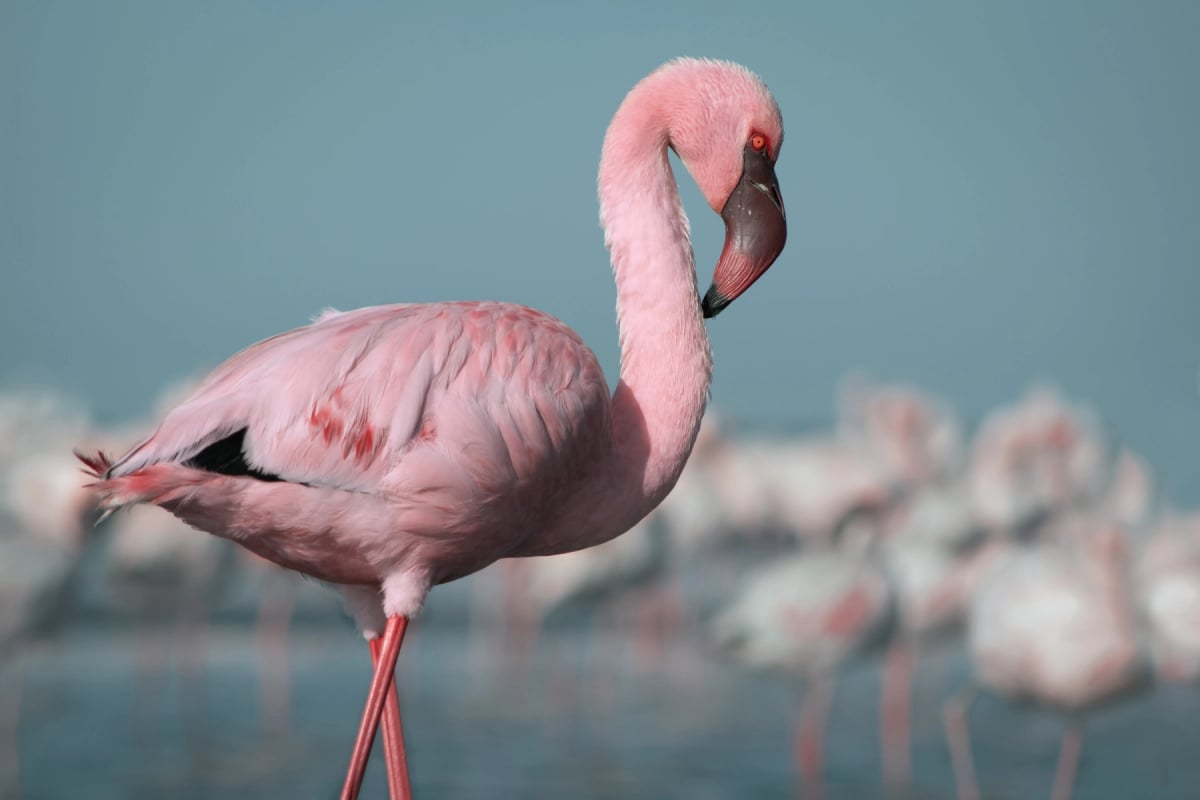
Flamingo
Phoenicopteridae (6 species)
Senegal has the greater flamingo, which breeds there, and the lesser flamingo, which visits outside the breeding season. The Djoudj National Bird Sanctuary, in the Senegal River delta, is one of the great bird reserves of Africa and holds large flocks, and flamingos also feed in the Saloum Delta and in coastal lagoons. The famous pink Lake Retba, near Dakar, owes its color to algae, not to flamingos. IUCN status: greater flamingo Least Concern, lesser flamingo Near Threatened.
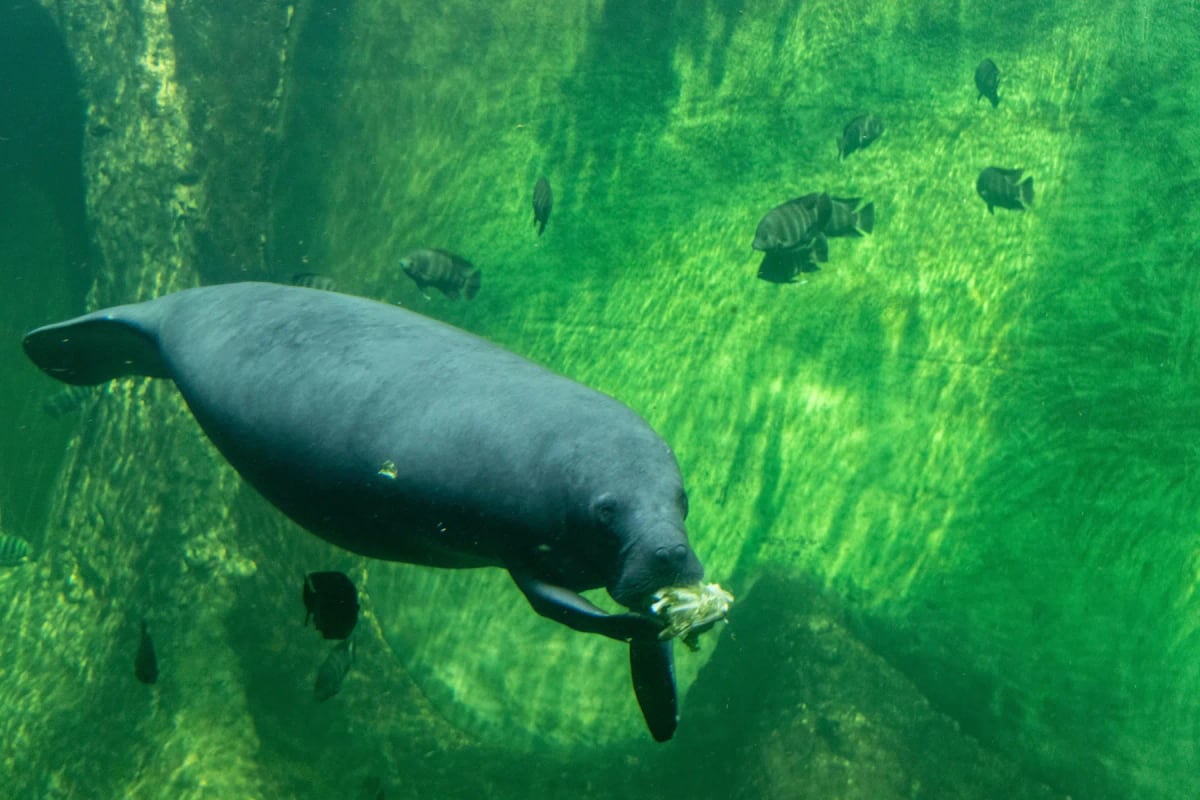
African Manatee
Trichechus senegalensis
Senegal is one of the most important countries for research and conservation of the African manatee. The species inhabits the Senegal River in the north, the Casamance River in the south and the coastal lagoons between them. Local conservation programs have worked with fishing communities to reduce accidental capture, and the Casamance region is considered one of the more stable areas for the species in West Africa.
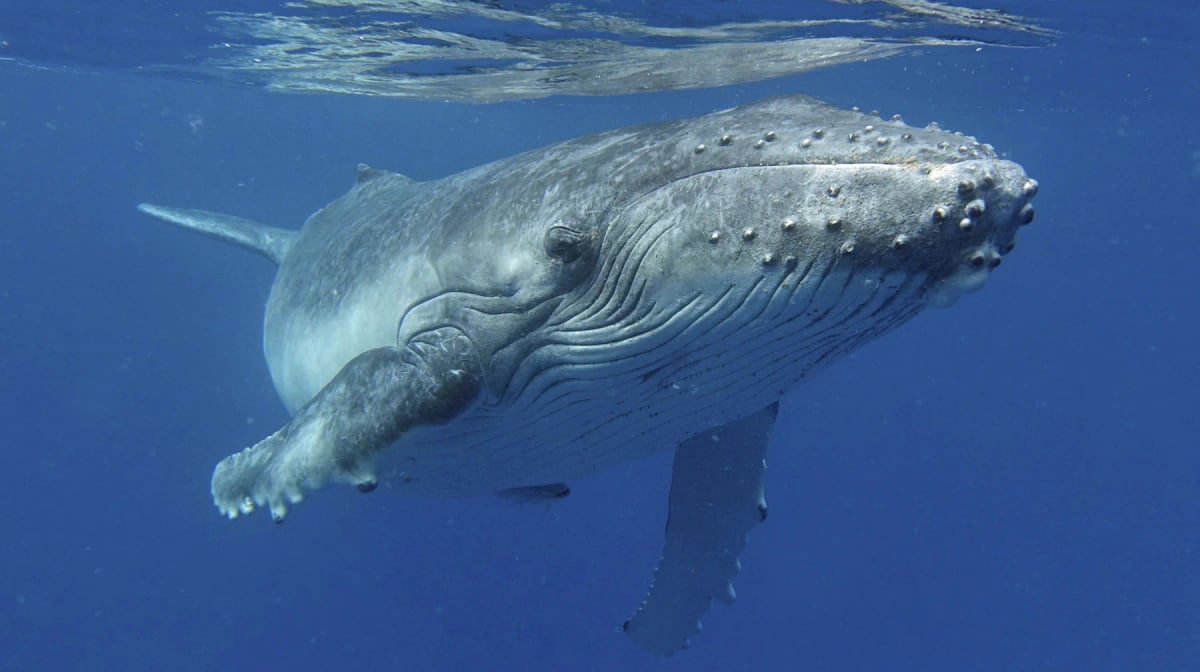
Humpback Whale
Megaptera novaeangliae
The Atlantic coast of Senegal lies along a migratory corridor used by humpback whales travelling between Antarctic feeding grounds and tropical breeding areas in the North Atlantic. The productive waters off West Africa, influenced by the Canary Current, attract whales as they pass through the region. Senegal's coastal communities have a long tradition of ocean knowledge, and whale sightings off Dakar and beyond are a part of local maritime experience. The IUCN lists the species as Least Concern.
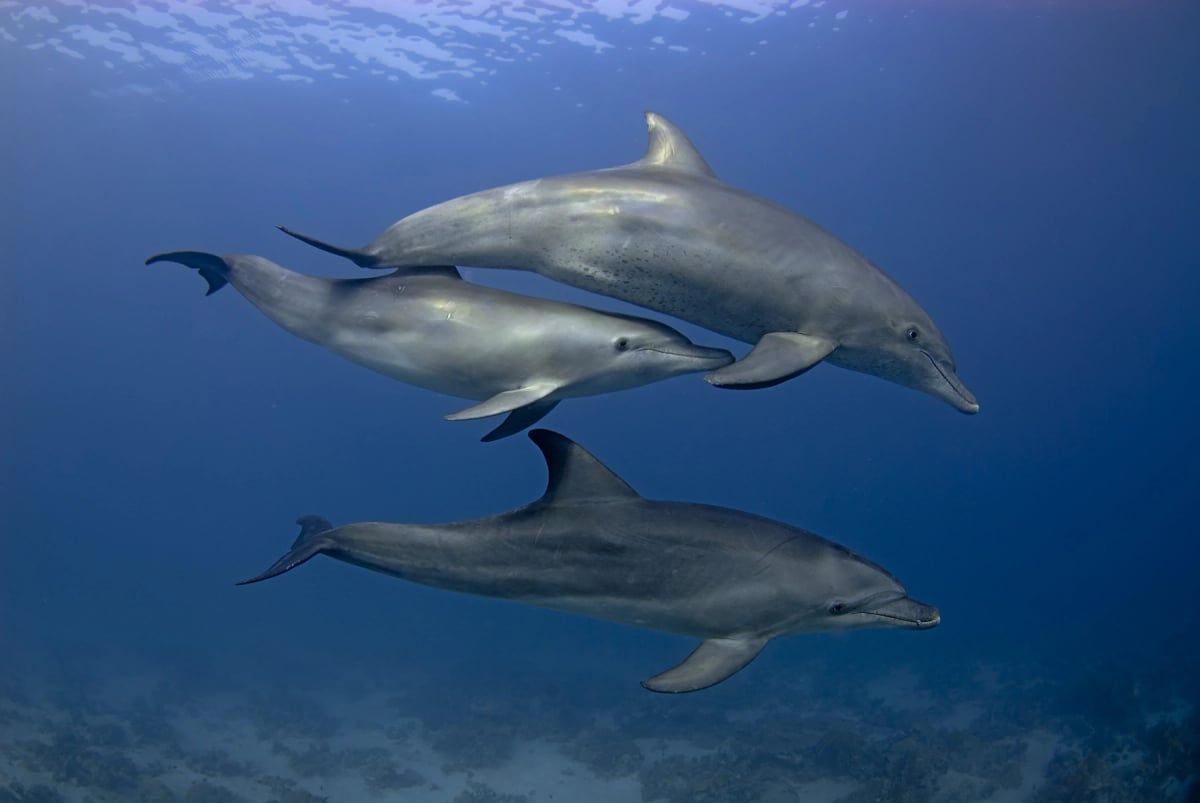
Bottlenose Dolphin
Tursiops truncatus
Along the coast of Senegal, bottlenose dolphins are regularly observed in nearshore waters, particularly around the Cape Verde Peninsula and the Saloum Delta, a UNESCO biosphere reserve. This delta system of mangroves, tidal channels, and shallow bays provides rich feeding habitat. Local fishers and dolphins sometimes share the same fishing grounds, which can lead to bycatch. Community-based monitoring programs have begun documenting pod sizes and movement patterns. IUCN status: Least Concern.
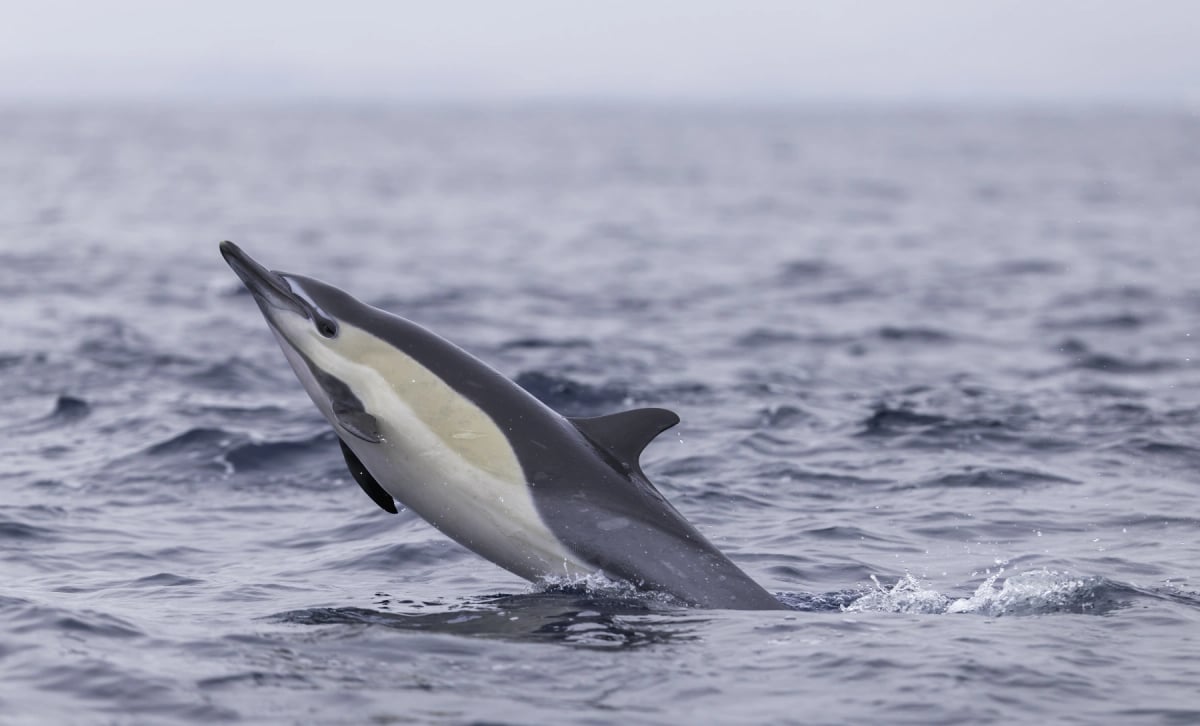
Common Dolphin
Delphinus delphis
Common dolphins are regularly seen in Senegalese waters off the West African coast, where the Canary Current brings cold, nutrient-rich upwellings that support abundant fish populations. The waters around the Cap-Vert Peninsula and offshore zones are particularly productive. Local fishing communities have long shared the sea with these dolphins, though interactions with fishing nets remain a concern for their conservation. IUCN status: Least Concern.
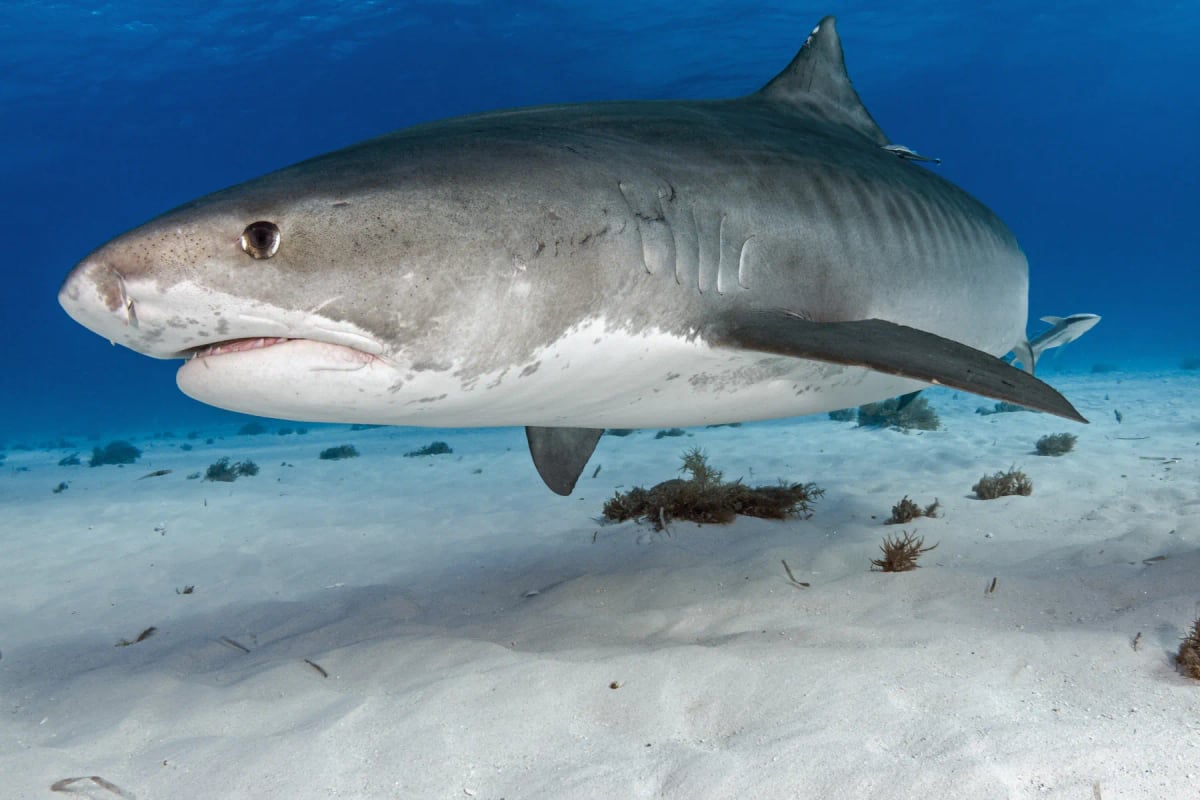
Tiger Shark
Galeocerdo cuvier
The tiger shark is found along Senegal's Atlantic coastline, a stretch of water known for its exceptional marine productivity. This apex predator grows up to 5 metres and feeds on fish, rays, and sea turtles common in West African waters. Artisanal and commercial fishing in Senegal puts significant pressure on shark populations here. The IUCN lists the species as Near Threatened at the global level.
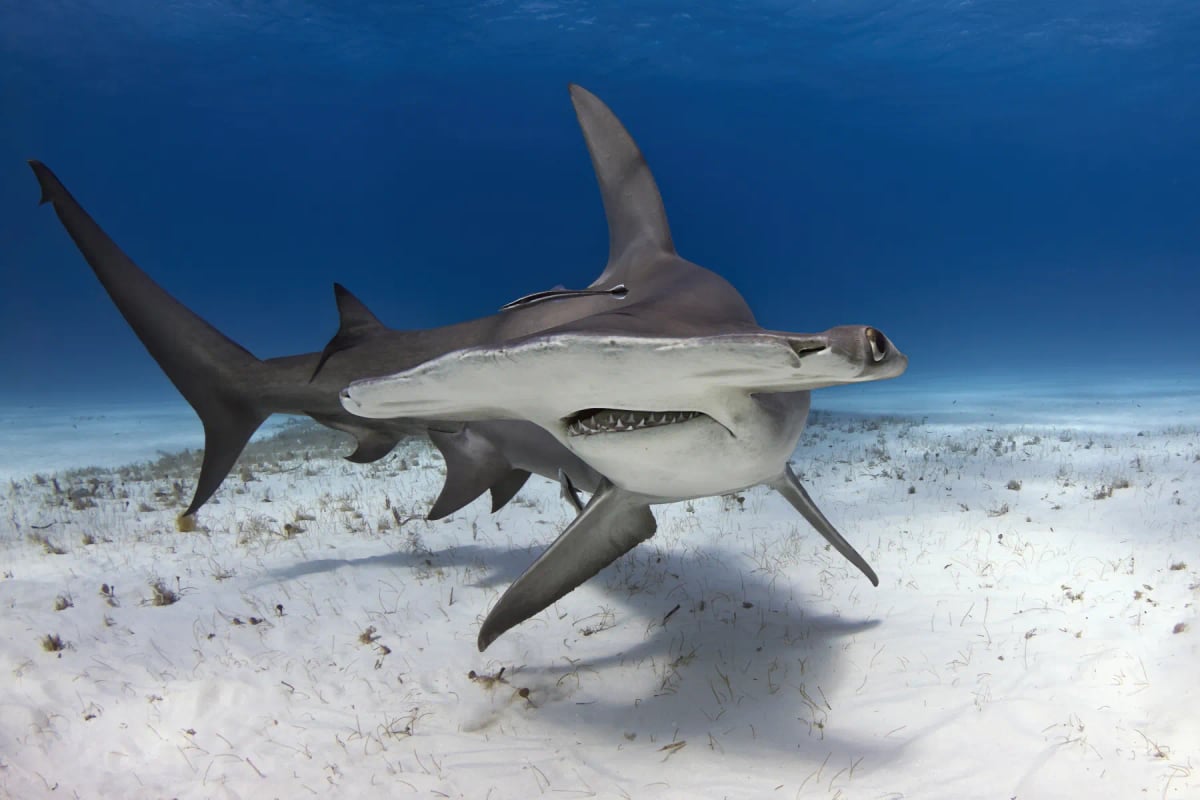
Hammerhead Shark
Sphyrna spp.
Hammerhead sharks patrol the warm Atlantic waters off Senegal, particularly around the Cape Verde Peninsula and the rich fishing grounds of the Casamance coast. Their distinctive flat head helps them detect prey buried in the sandy seafloor. Senegal's busy artisanal fishing industry poses a serious threat to these sharks, as they are frequently caught as bycatch and targeted for their fins.
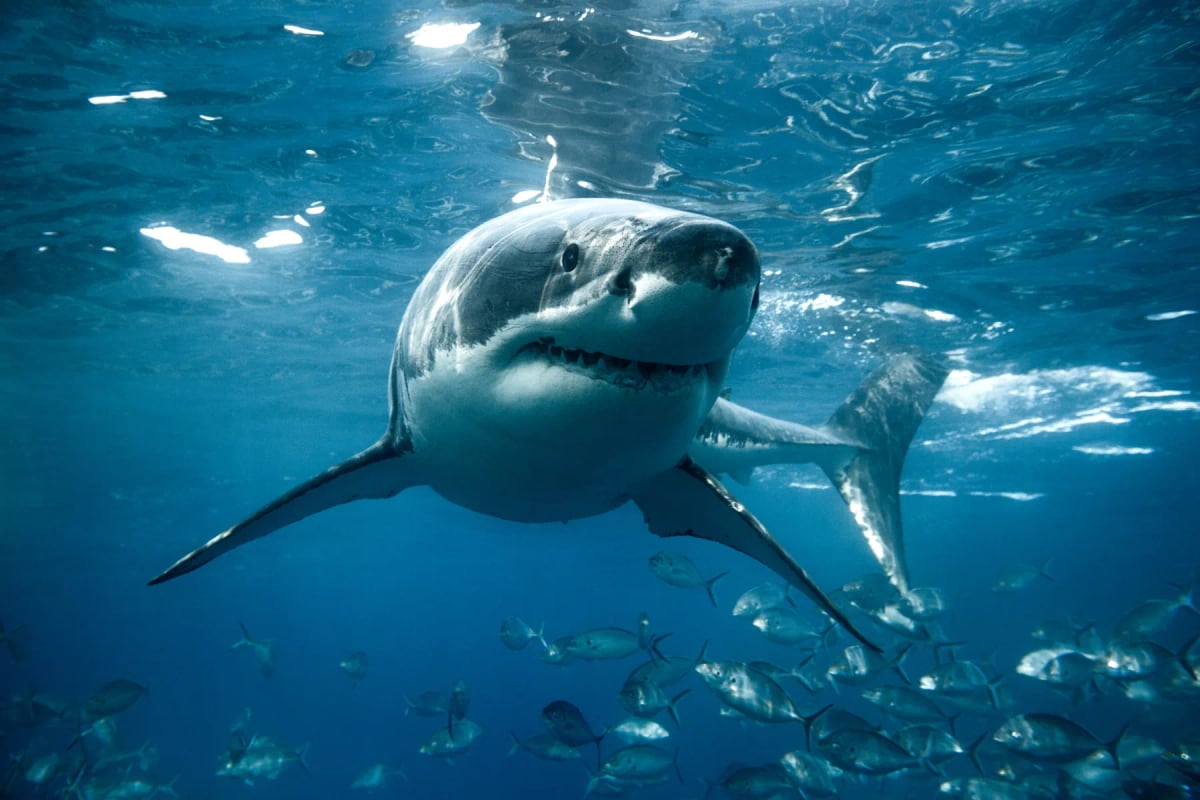
Great White Shark
Carcharodon carcharias
The great white shark has been recorded along the Senegalese coast, where the cold Canary Current flows south along the West African shoreline and creates productive upwelling conditions. These nutrient-rich waters support a diverse range of marine life, making the region suitable for great whites passing through. Senegal's fishing industry is one of the most active in Africa, which brings added conservation concern for large sharks in the area.
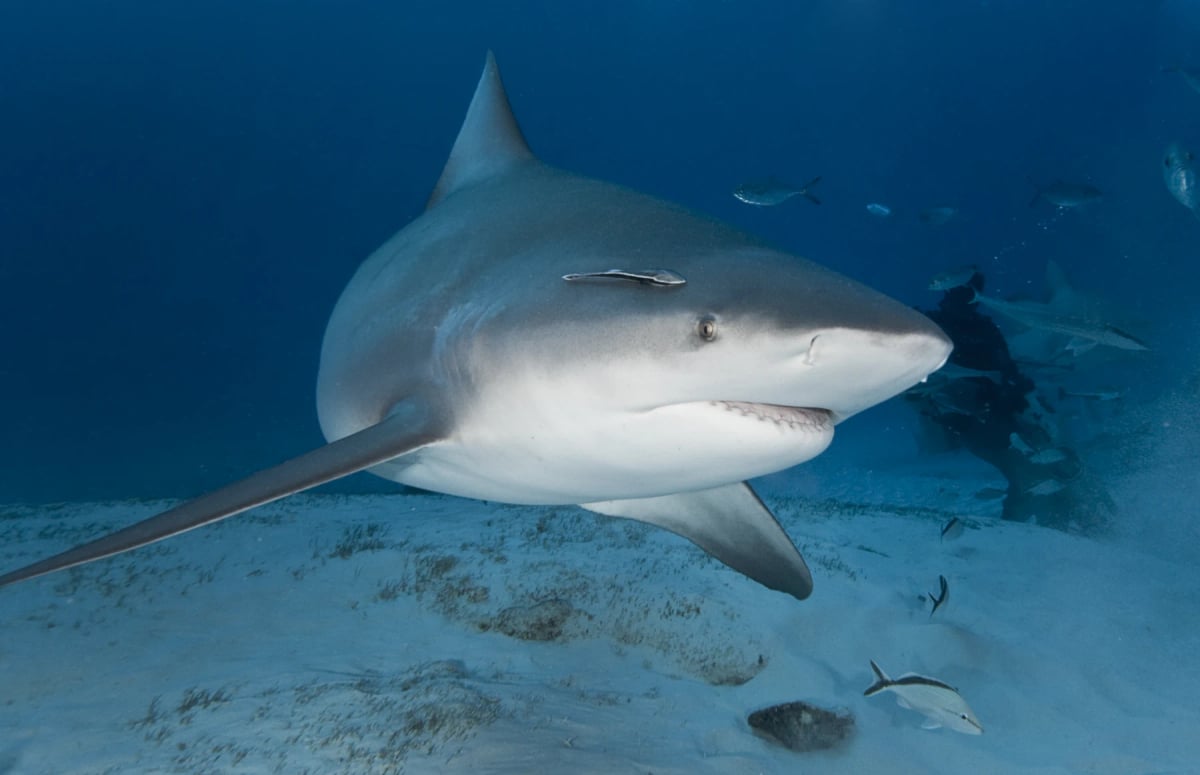
Bull Shark
Carcharhinus leucas
Along the West African coast of Senegal, bull sharks are found in warm Atlantic waters, estuaries, and the lower reaches of rivers such as the Casamance. These environments provide ideal conditions for foraging and reproduction. Local artisanal fishing fleets sometimes catch bull sharks as bycatch, adding to pressures on the species. Globally listed as Near Threatened, their conservation in this region depends on sustainable fisheries management.
Researched and written by Juan Pablo. Sources: IUCN Red List, scientific literature and regional field guides. Last updated: .