Animals in Bulgaria
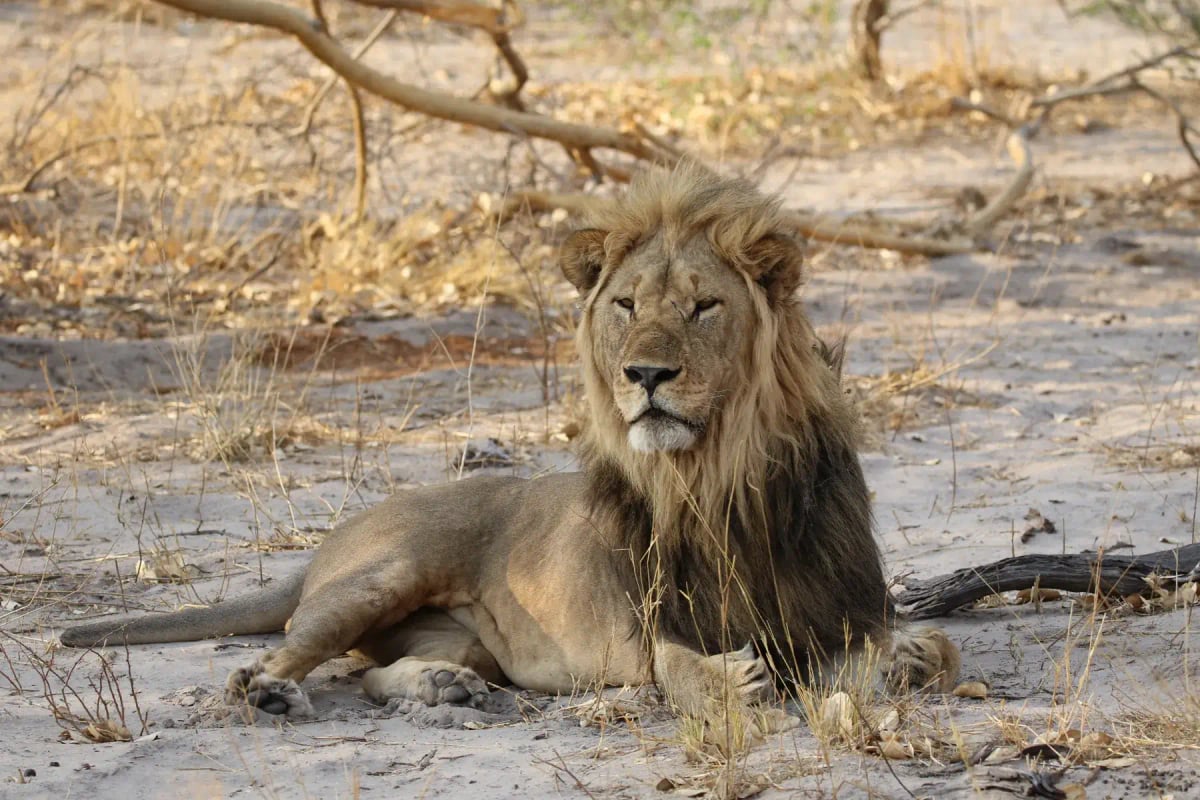
Lion
Panthera leo
The lion has served as Bulgaria's national symbol for centuries, appearing on the coat of arms and woven into the country's cultural identity since medieval times. Though lions have not lived in the wild in Bulgaria for thousands of years, the animal came to represent courage, strength and national pride through its repeated use in royal seals, military emblems and public monuments. Today the lion appears on official documents, coins, architecture and everyday objects across the country. Its enduring presence in Bulgarian identity reflects a long tradition of choosing powerful animals as symbols of resilience, a practice shared by many nations throughout European history.
View details→Wildlife in Bulgaria
Bulgaria packs a remarkable variety of habitats into a relatively small territory. The Balkan Mountains run through the center of the country and the Rhodope Mountains rise across the south, both covered in dense forests where bears, wolves and lynxes still roam. The Danube plain in the north and its associated wetlands draw huge numbers of migratory birds each autumn and spring. Along the Black Sea coast, dolphins are visible offshore and wetlands like Lake Durankulak host thousands of waterbirds every year. National parks like Rila, Pirin and Central Balkan protect some of the most intact wilderness remaining in Europe, making Bulgaria a genuine destination for wildlife lovers.
Most Dangerous Animals in Bulgaria
Most encounters with Bulgarian wildlife are peaceful, but several species deserve serious respect. Brown bears are present in forests throughout the Balkan and Rhodope mountains and can be dangerous when surprised at close range, particularly mothers with cubs. Wild boars are widespread and can act aggressively when threatened. The European adder is the main venomous snake in the country, found on forest edges and rocky hillsides, and its bite requires prompt medical attention. Wolves generally avoid people but should never be approached. Visitors exploring remote areas are advised to make noise on trails, keep food well secured and always maintain a safe distance from any large mammal they encounter.
Top 10 Animals in Bulgaria
Bulgaria's most iconic animals reflect the richness of its mountain forests and wetlands. The brown bear, gray wolf and Eurasian lynx form a trio of large predators rarely found together in such numbers elsewhere in Europe. The chamois navigates rocky ridgelines across the Balkans and Rhodopes while the European bison, reintroduced to the Rhodope Mountains, has become a symbol of rewilding success on the continent. White storks nest in nearly every village, golden eagles patrol mountain thermals and griffon vultures have made a strong comeback in the Eastern Rhodopes. The bottlenose dolphin rounds out the picture along the Black Sea coast, adding a marine dimension to Bulgaria's exceptional wildlife.
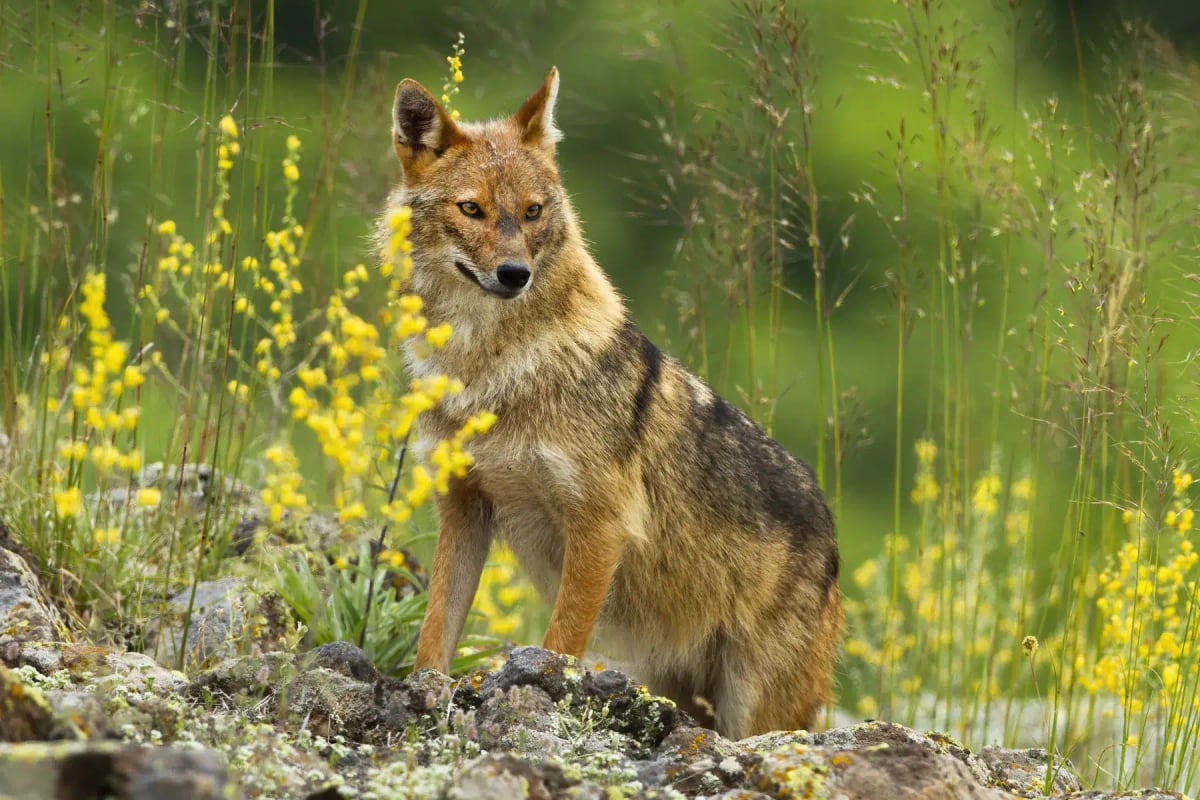
Golden Jackal
Canis aureus
Bulgaria holds one of the largest and most stable golden jackal populations in Europe. The species is widespread across the Thracian Plain, the Danube lowlands, and coastal areas along the Black Sea. It does well in a mosaic of farmland, wetlands, and shrubby terrain. Bulgarian populations have served as a source for much of the species' ongoing expansion into central and northern Europe. IUCN status: Least Concern.
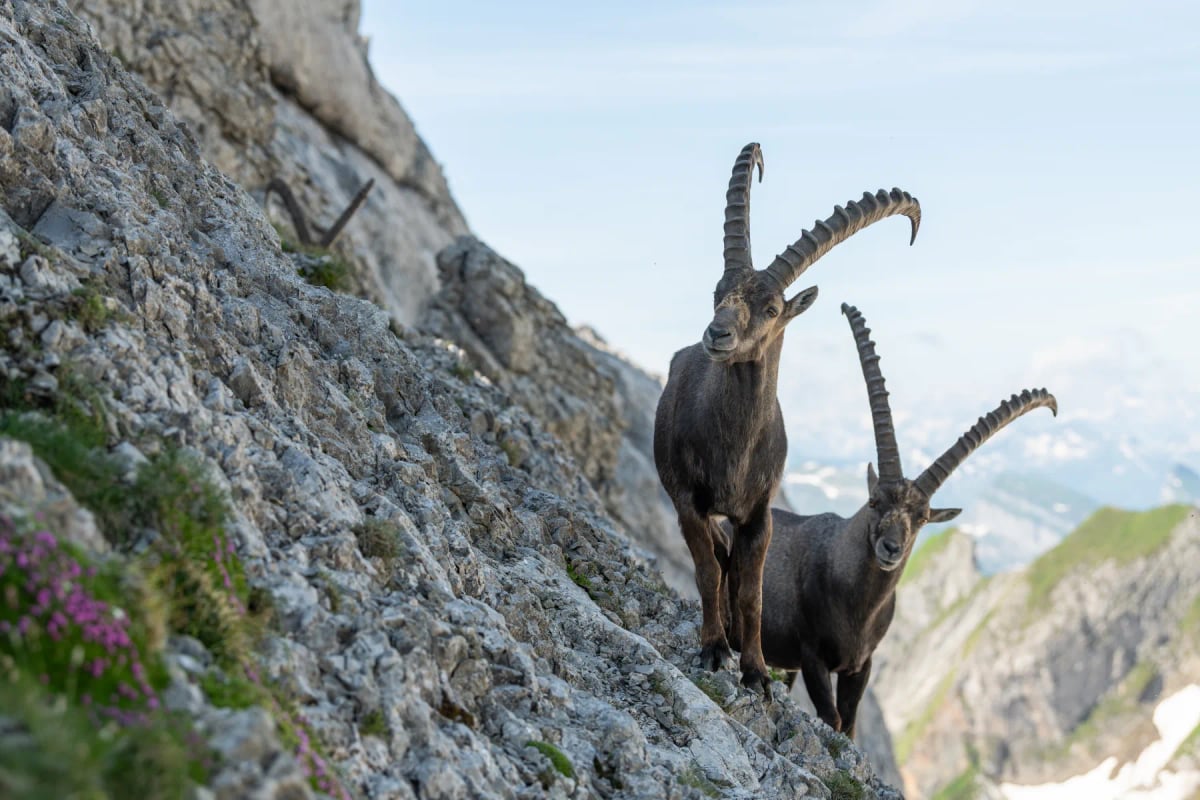
Alpine Ibex
Capra ibex
The alpine ibex was present in Bulgaria during prehistoric times but disappeared long ago. A small population was introduced in the Rhodope Mountains and is maintained today in the State Hunting Reserve of Kormisosh, where gamekeepers manage and protect the animals year round. It is not a naturally wild population, but the reserve offers visitors a rare chance to see this impressive mountain goat in the rugged terrain of the southern Rhodopes.
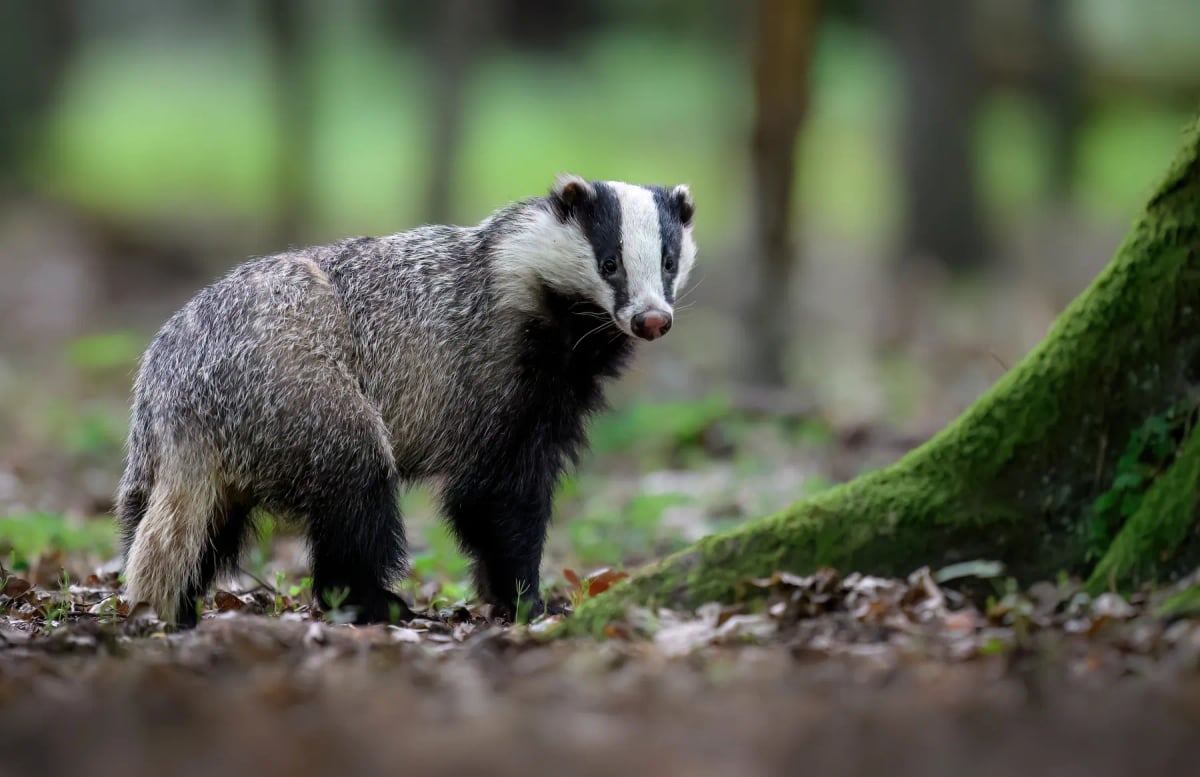
Badger
Meles meles
The Eurasian badger is widespread across Bulgaria, found in deciduous forests, forest edges and agricultural land from the Danube plain to the lower mountain slopes. It lives in extensive underground burrow systems called setts, which families expand and use for generations. In Bulgaria it is mostly nocturnal and rarely seen during the day, though signs of its digging activity are common in woodland areas. It feeds on earthworms, insects, small mammals, roots and fruit depending on the season.

Brown Bear
Ursus arctos
Bulgaria's brown bear population is concentrated in the Rhodope Mountains, the Rila and Pirin ranges, and parts of the Balkan mountain chain. After reaching critically low numbers in the twentieth century, the population has recovered thanks to legal protection introduced in 1993. Today, several hundred bears roam Bulgarian forests, though illegal killing and habitat fragmentation remain ongoing threats to the population's recovery.
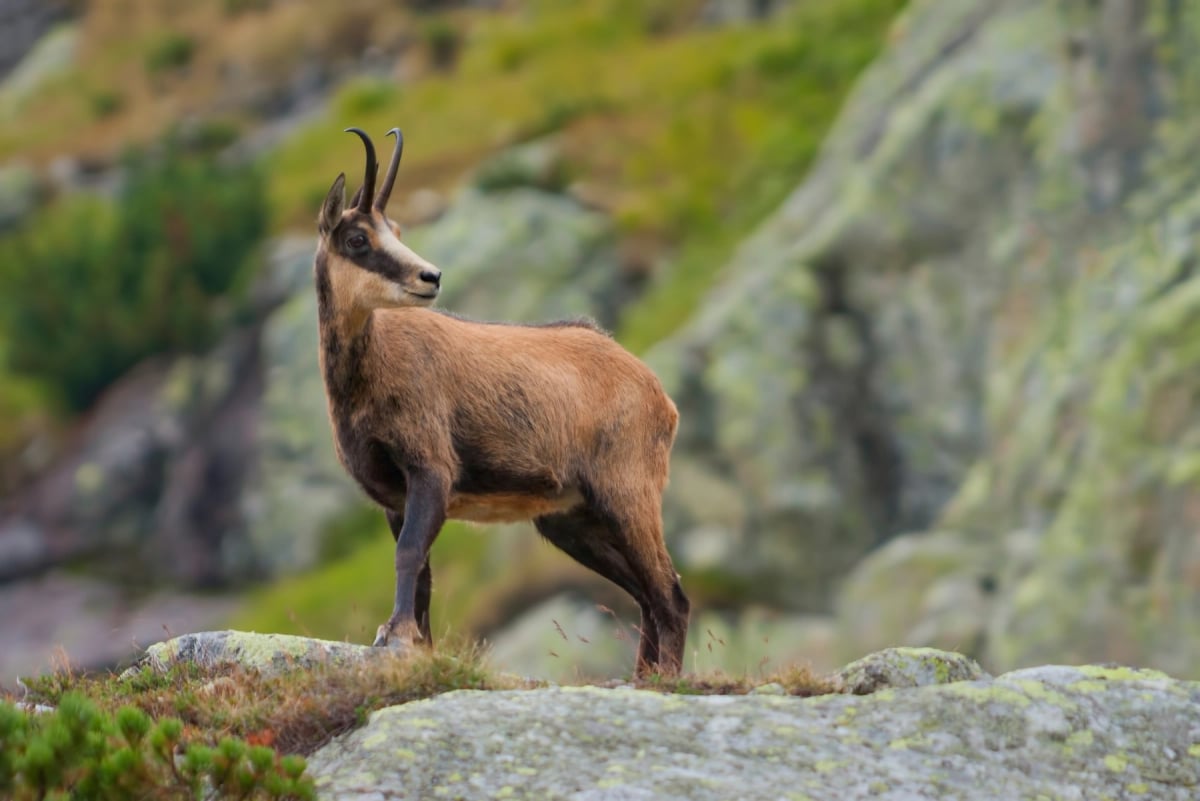
Chamois
Rupicapra rupicapra
Bulgaria's chamois population is found primarily in the Rila, Pirin, and Balkan mountain ranges, with Pirin National Park serving as a stronghold. The species was hunted to very low numbers during the twentieth century and has since recovered through active protection efforts. Today it is a regulated game species, and populations are carefully monitored. It occupies rocky alpine zones above the tree line during summer months.
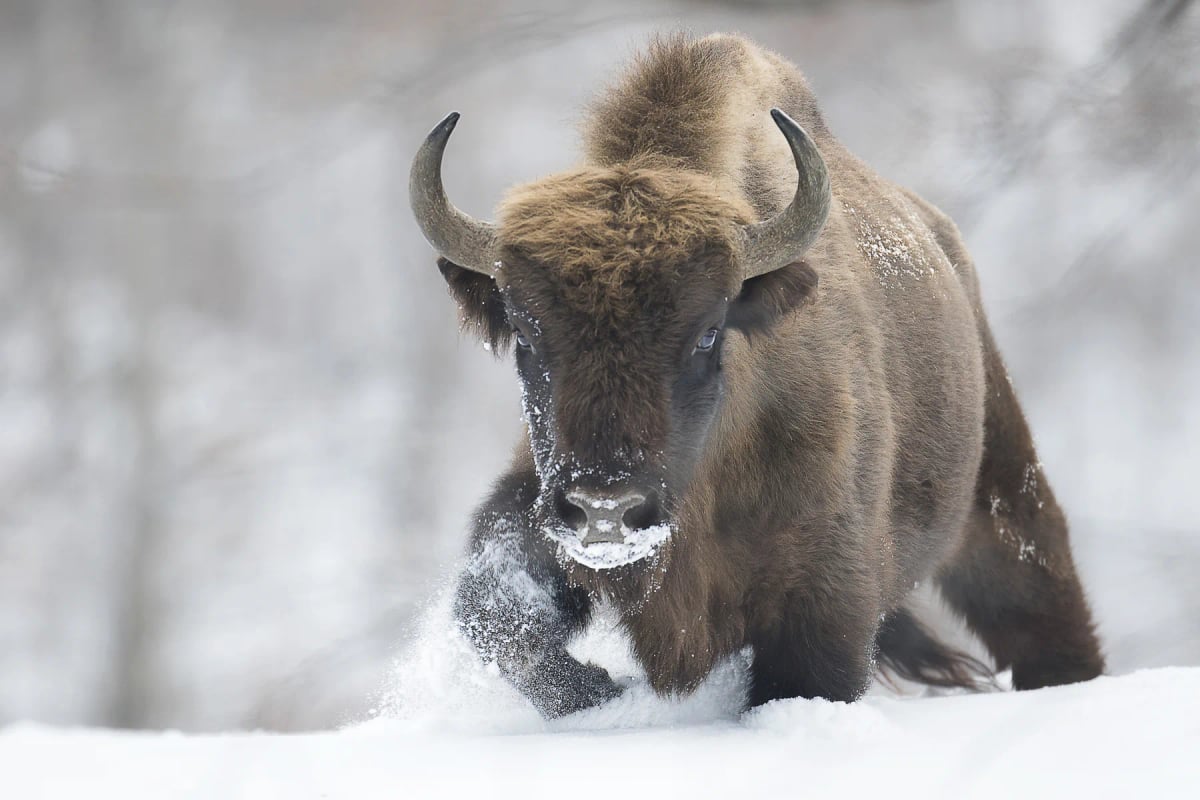
European Bison
Bison bonasus
The European bison was absent from Bulgaria for centuries before reintroduction efforts began in recent decades. Small herds have been established in forested areas in the country, representing part of a broader effort to restore the species across Europe. These animals adapt well to mixed woodland habitats. Bulgaria's participation reflects a growing regional commitment to recovering populations of this once vanished giant. IUCN status: Near Threatened.
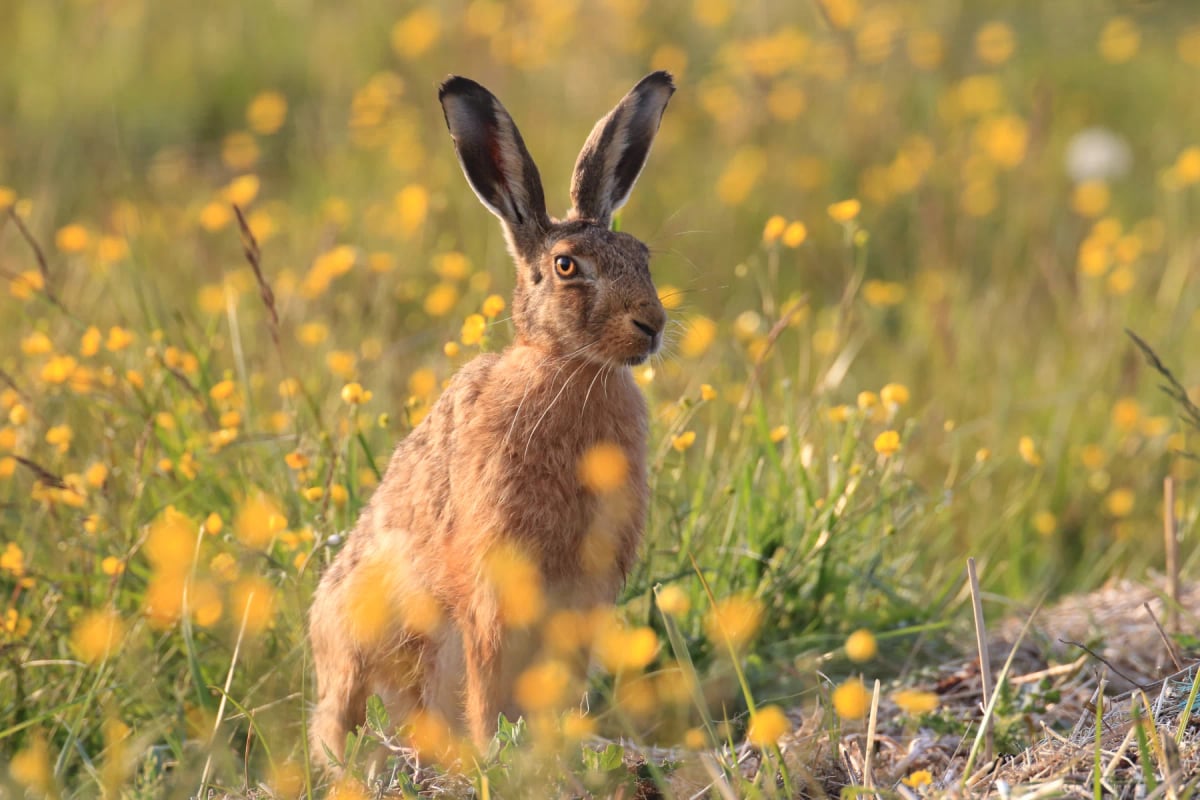
Hare
Lepus europaeus
Bulgaria's open plains, farmland, and steppe areas provide excellent habitat for the European hare. It is particularly common across the Thracian Plain in the south and the Danubian Plain in the north. The species has experienced population declines in recent decades due to intensive agriculture, pesticide use, and mechanised harvesting. It is one of the most hunted mammals in Bulgaria, and wildlife managers continue to monitor its status closely.
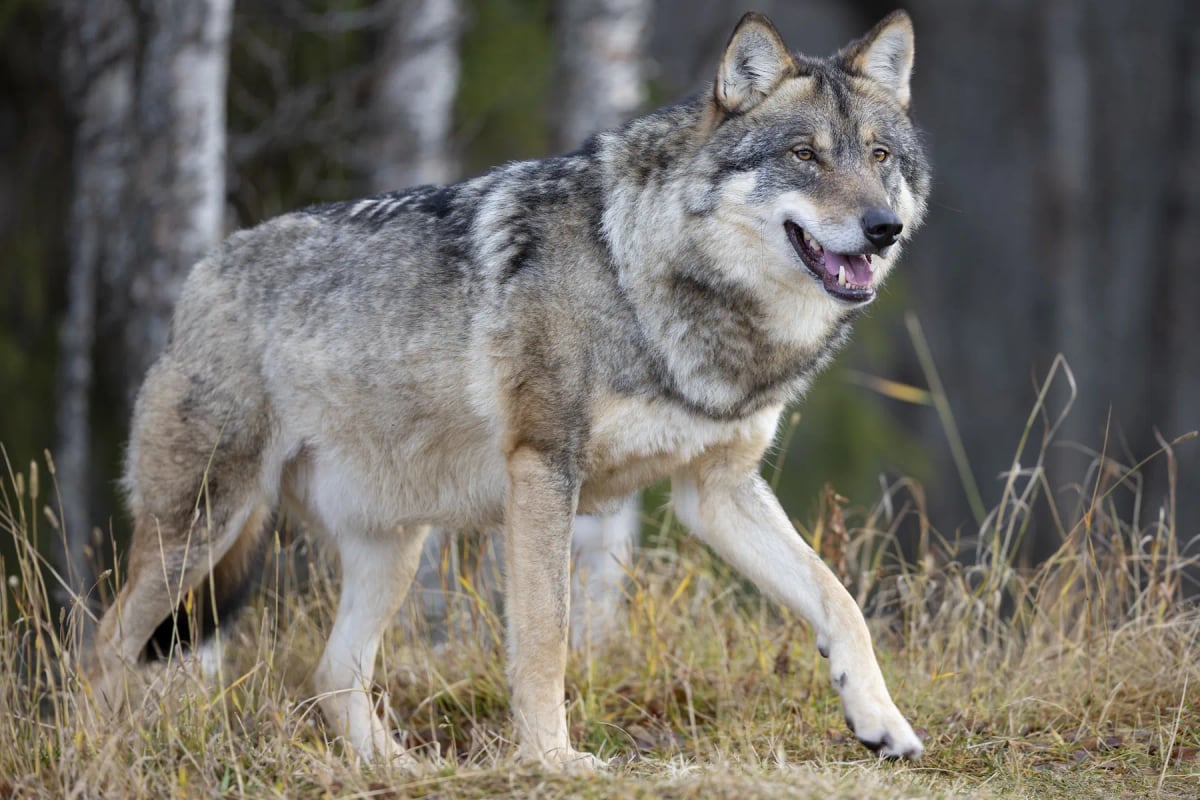
Gray Wolf
Canis lupus
The gray wolf is present across much of Bulgaria, particularly in the Rhodope Mountains, the Balkan Range and the Strandzha region. Wolves here roam forests and rugged mountain terrain, preying on deer and wild boar. Bulgaria holds one of the larger wolf populations in the European Union. The species has no strict legal protection in the country, and conflicts with livestock farmers remain a serious ongoing challenge.
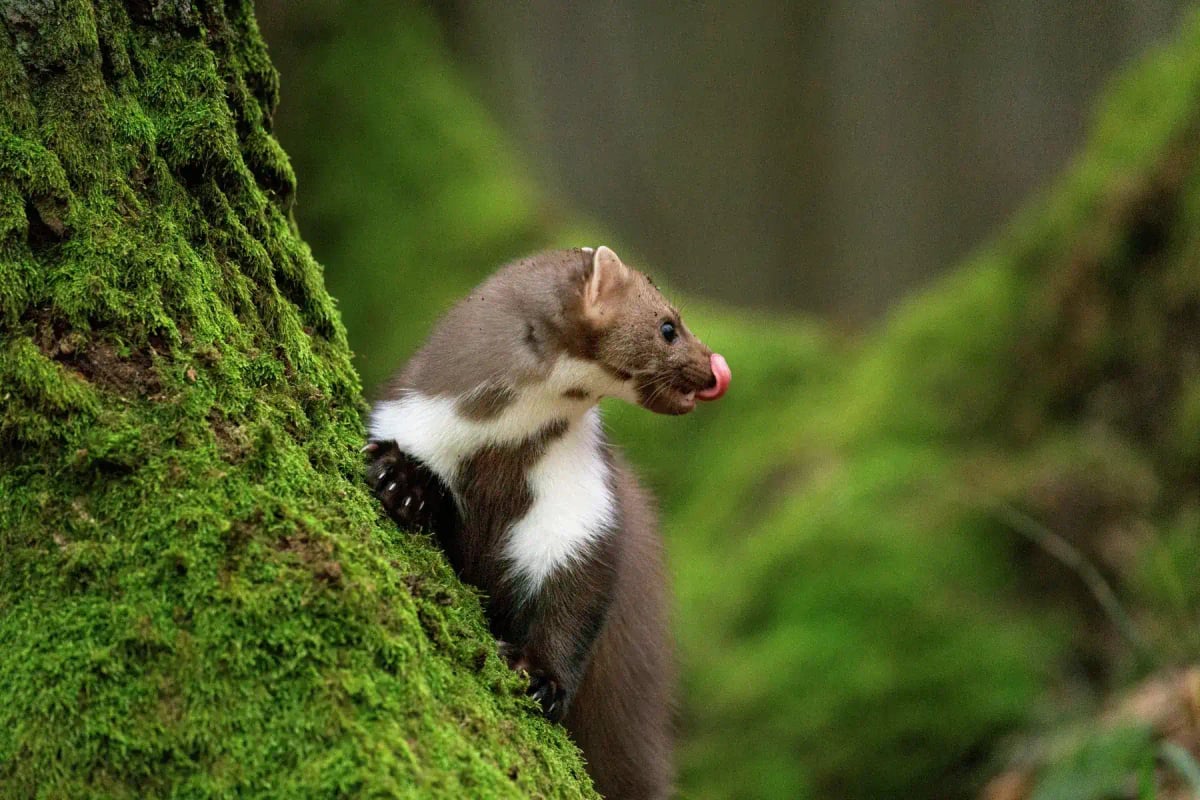
Marten
Martes martes / Martes foina
Bulgaria supports both marten species across a range of habitats. Pine martens are found in the Rhodope, Balkan, and Rila mountain forests, while stone martens are common throughout the country, including in agricultural areas and rocky terrain. Bulgaria's varied landscape, from lowland plains to high mountain zones, means the two species rarely have to compete for the same space. Both are classed as Least Concern by the IUCN.
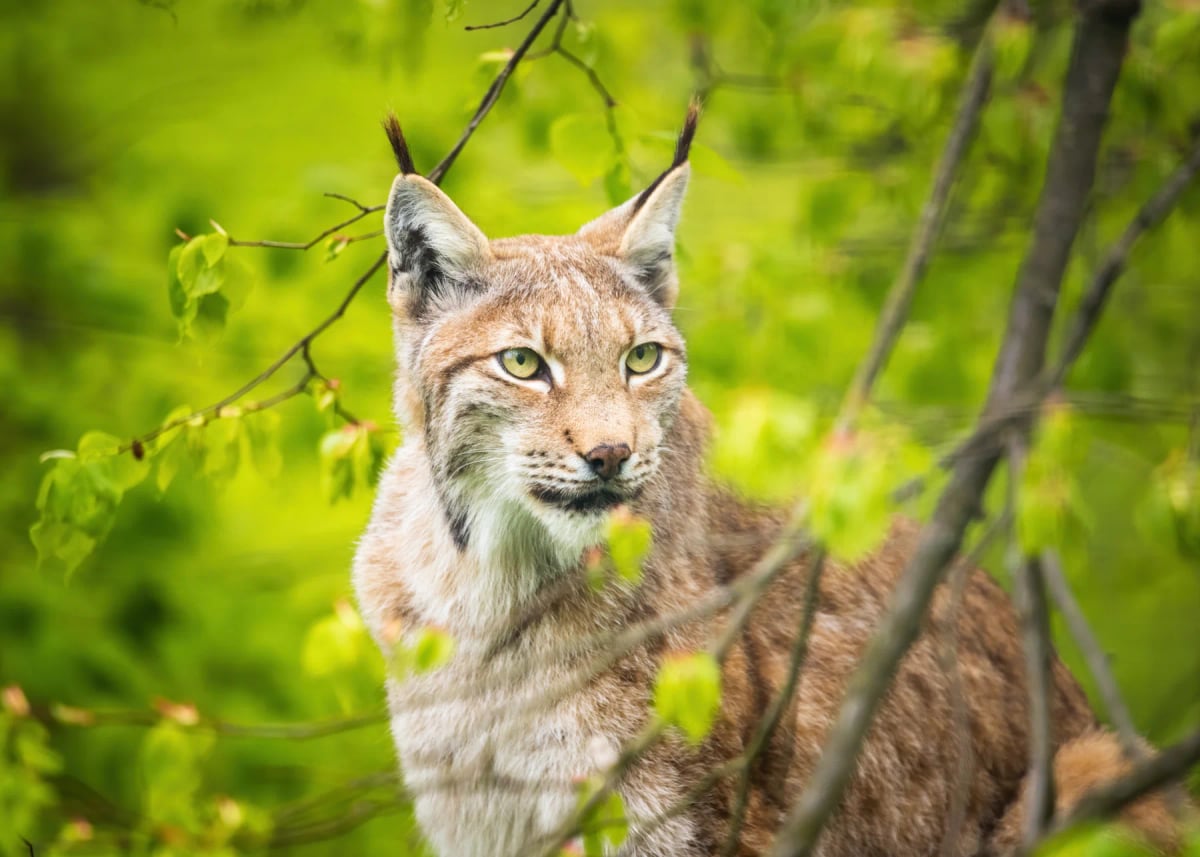
Eurasian Lynx
Lynx lynx
The Eurasian Lynx is present in Bulgaria in very low numbers, mainly in mountain ranges such as the Rhodopes, the Balkan Mountains, and the Rila and Pirin massifs. It is considered one of the rarest large carnivores in the country. Habitat quality in these forested mountain areas is generally good, but poaching and prey depletion remain concerns. Efforts to document and protect the Bulgarian population are ongoing. Its IUCN status is Least Concern.
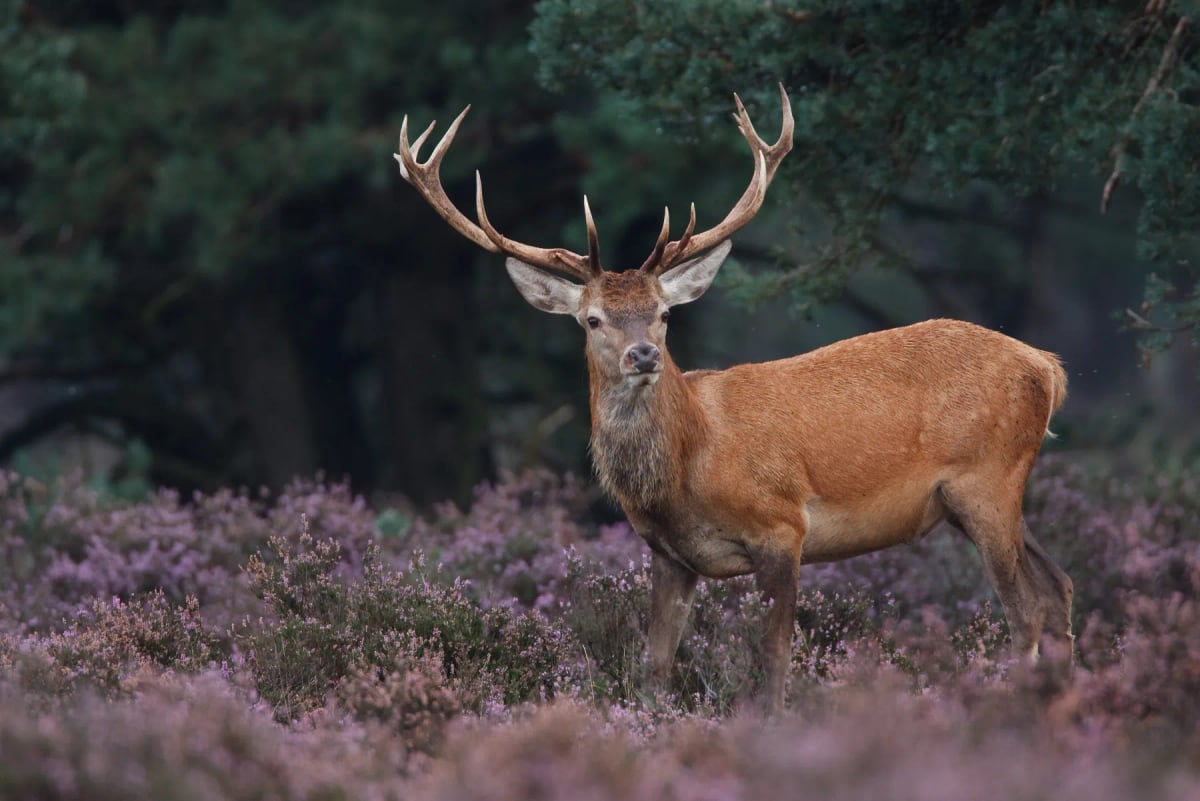
Red Deer
Cervus elaphus
Red deer are widespread across Bulgaria's mountain and lowland forests, with the Rhodope Mountains, Balkan Range and Rila region all supporting notable populations. The species was heavily reduced in the twentieth century but has recovered well thanks to legal protection and reintroduction programs. Bulgaria's rich forest cover continues to provide strong habitat for one of Europe's most iconic deer species. IUCN status: Least Concern.
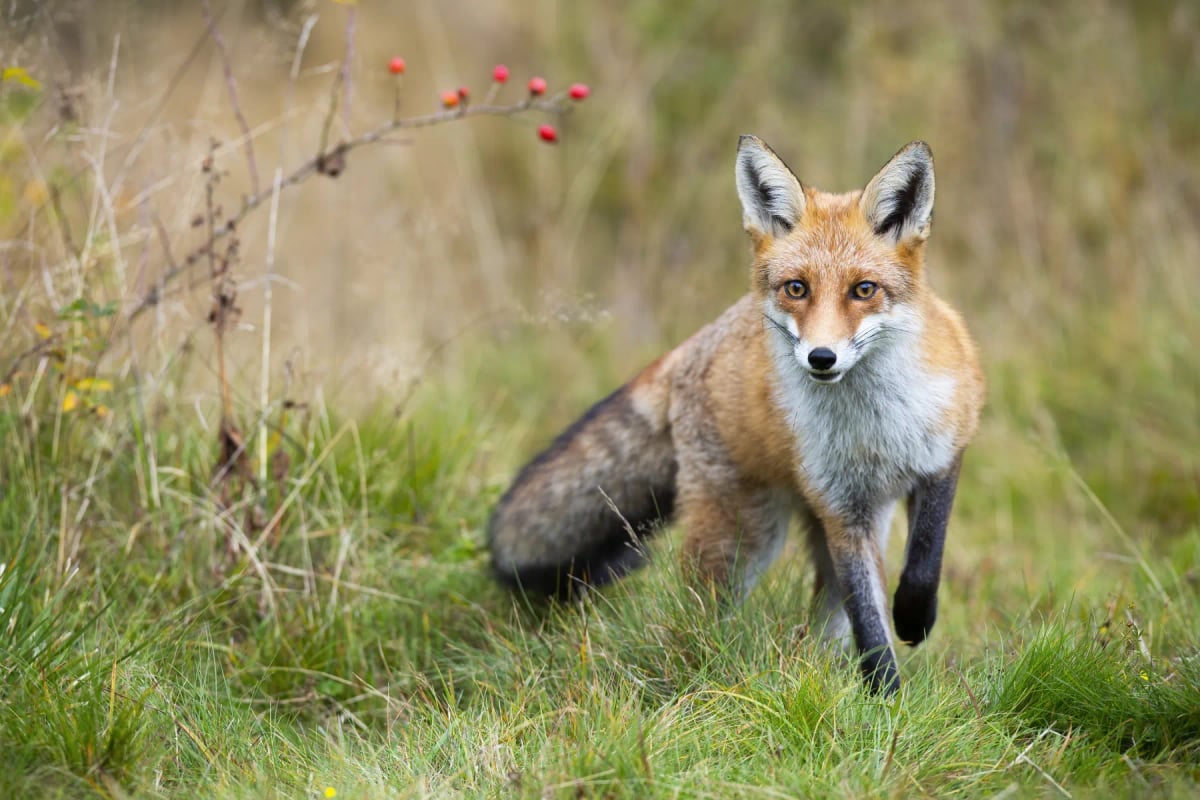
Red Fox
Vulpes vulpes
In Bulgaria, the red fox ranges from the Rhodope and Balkan mountain forests down to the lowland plains and the Black Sea coast. It is one of the most adaptable predators in the country, feeding on rodents, insects, and berries depending on the season. Populations are stable and widespread. The species carries Least Concern status and is familiar to people in both rural villages and the edges of larger towns.
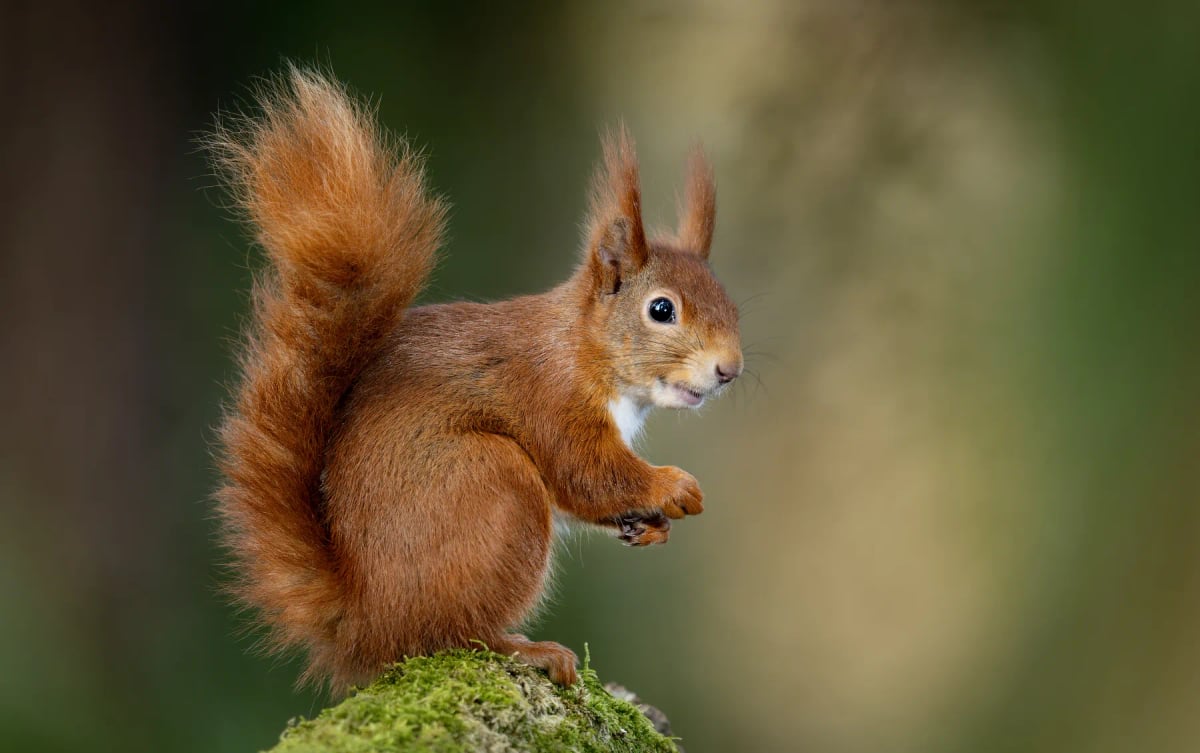
Red Squirrel
Sciurus vulgaris
The red squirrel is widely distributed across Bulgaria's mountain forests, including the Rhodope, Balkan, and Rila ranges. It favors coniferous and mixed woodland at higher elevations, where it feeds on pine seeds, beech mast, and other forest produce. Populations are considered stable, and the species faces no threat from grey squirrels in this country. IUCN status: Least Concern.
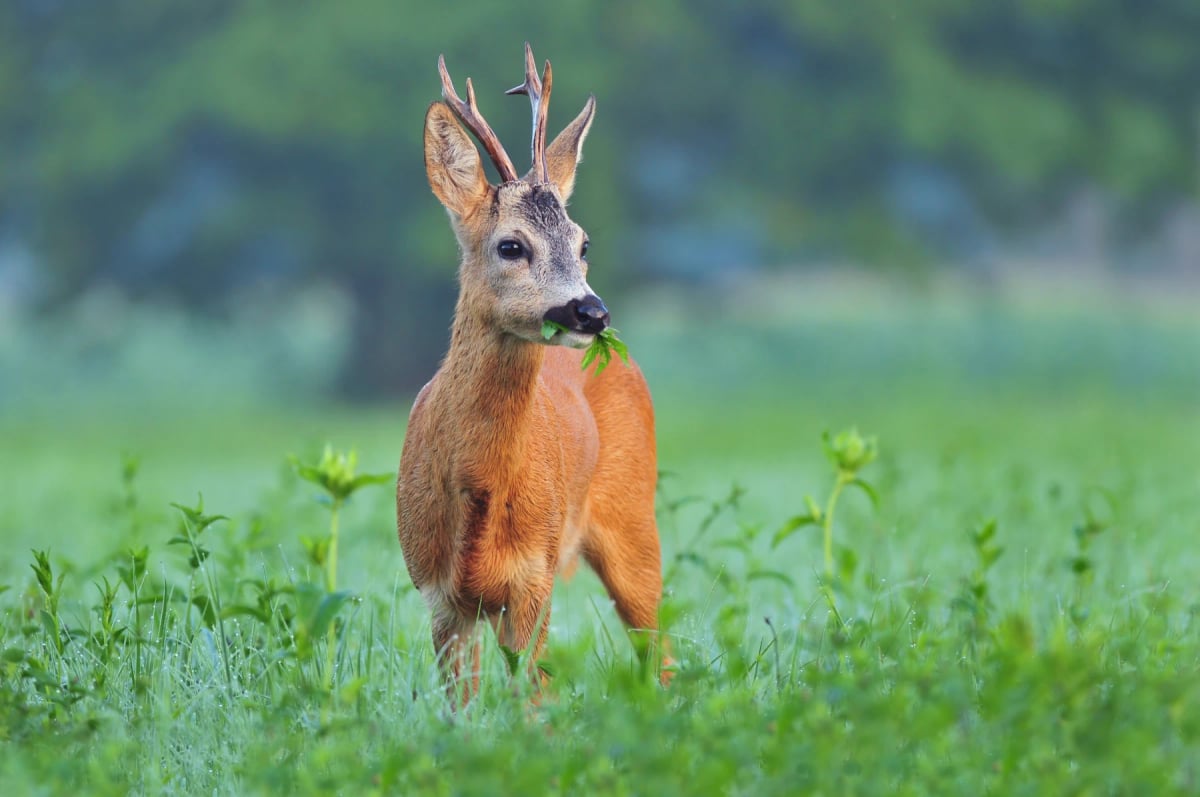
Roe Deer
Capreolus capreolus
Roe deer are widespread across Bulgaria, from the Rhodope and Balkan mountain forests to the agricultural plains of the Danube lowlands. The species adapts well to mixed woodland and farmland edges. Bulgaria's rural landscape, with its patchwork of fields and forest, suits the roe deer particularly well. Hunting is regulated nationally. The species holds a global status of Least Concern and is one of the most commonly hunted and observed wild deer in the country.
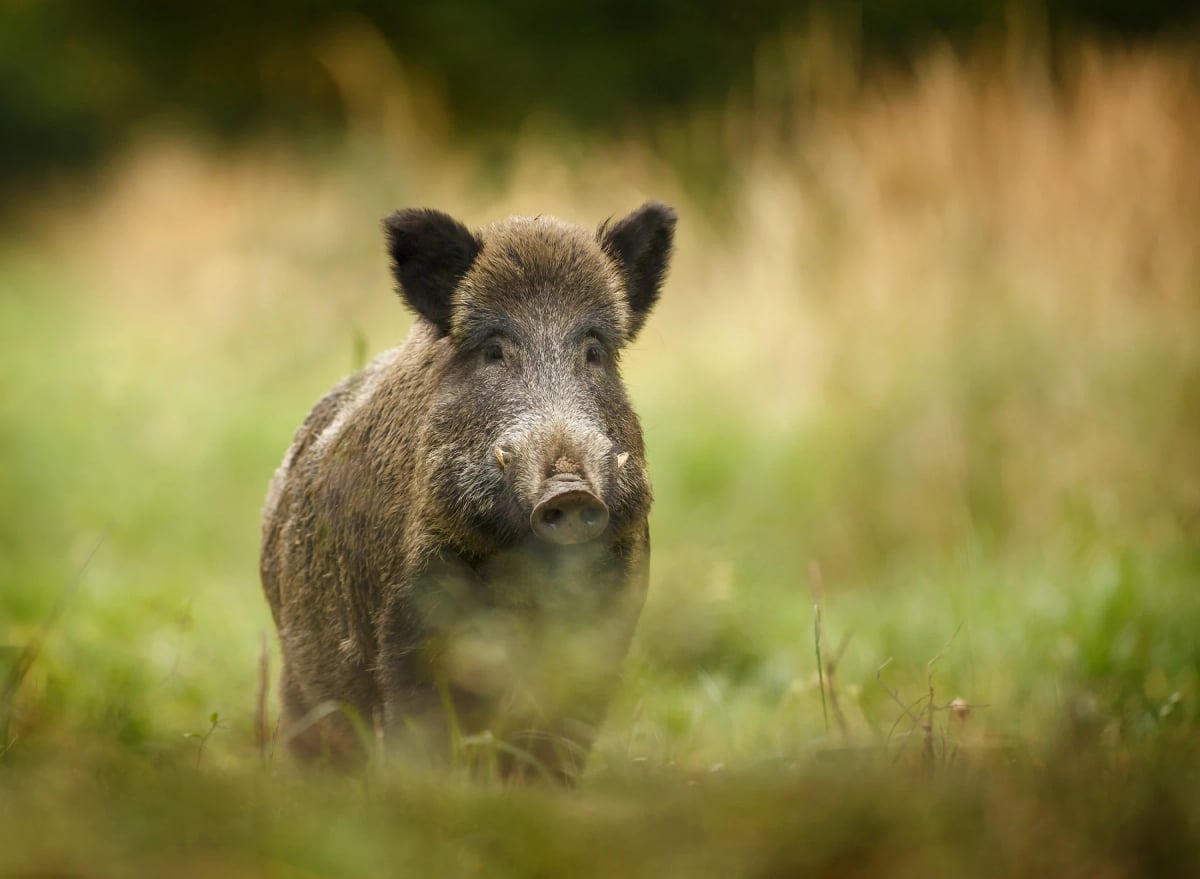
Wild Boar
Sus scrofa
The wild boar is one of Bulgaria's most abundant large mammals, found in forests, scrubland and farmland across the country. It is a highly adaptable omnivore that roots through soil for bulbs, tubers, acorns and small animals. Numbers have grown significantly in recent decades, and the species is now common close to many towns and villages. Females with piglets are particularly defensive and should never be approached.
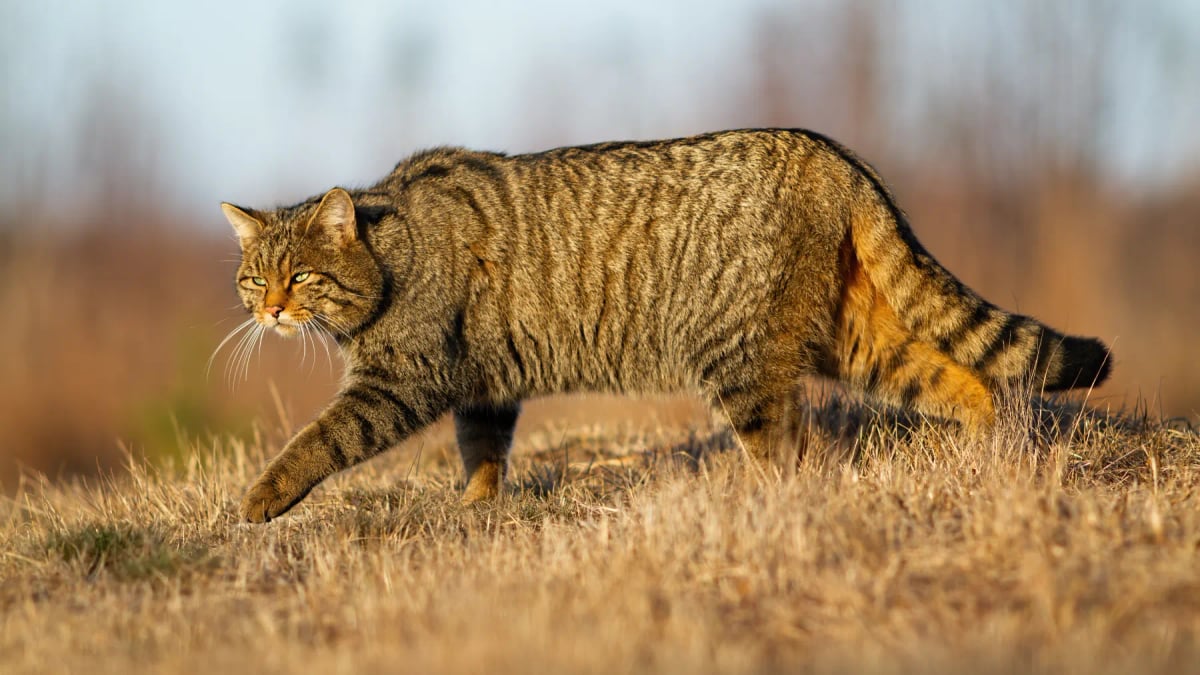
European Wildcat
Felis silvestris silvestris
The European wildcat is distributed across several forested regions of Bulgaria, including the Rhodope Mountains, the Balkan range, and Strandzha Nature Park in the southeast. It is a nocturnal predator that relies on dense forest cover to hunt rodents, birds, and small rabbits. Bulgaria's relatively large areas of intact woodland support viable populations. Hybridization with domestic cats remains the key long term concern.
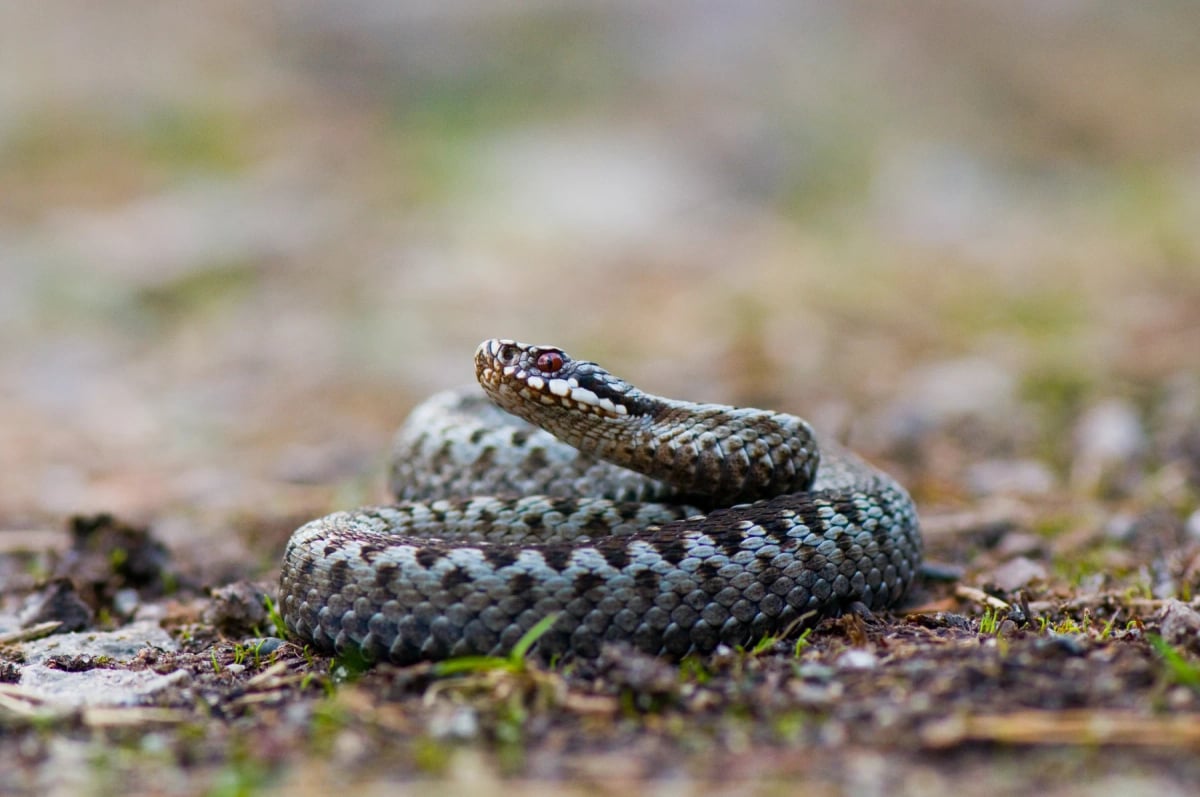
European Adder
Vipera berus
In Bulgaria, the European adder is found mainly in the mountain ranges of the north and center, including the Balkan Mountains and the Rhodopes, where it occupies forest edges, rocky slopes, and subalpine meadows. It is one of several snake species in the country and tends to be more active during the cooler months of spring. Its IUCN status is Least Concern.
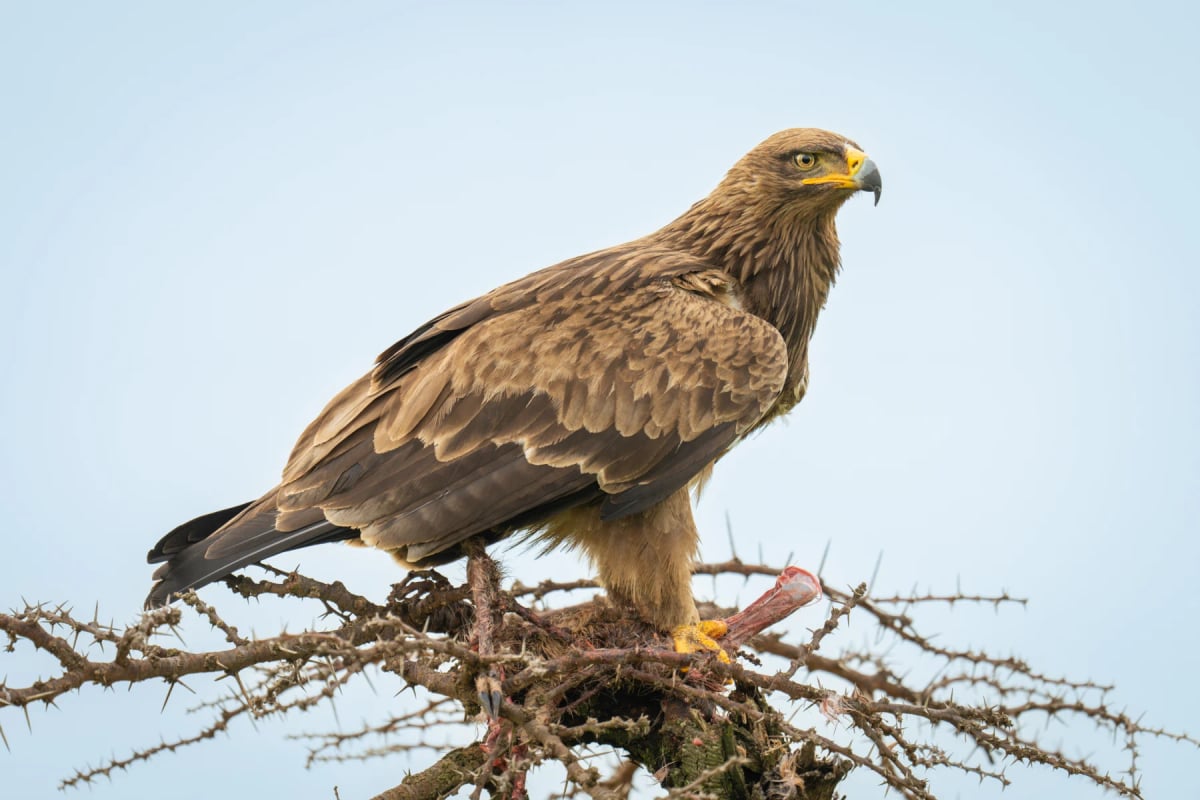
Steppe Eagle
Aquila nipalensis
Bulgaria sits on the Via Pontica, one of Europe's most significant bird migration routes along the Black Sea coast, and Steppe Eagles are recorded passing through each spring and autumn. Open farmland and steppe habitats in the east of the country provide resting opportunities for birds on the move. The species is Endangered globally, and Bulgaria's role as a migration bottleneck gives conservation efforts here an outsized impact on the health of the wider population.
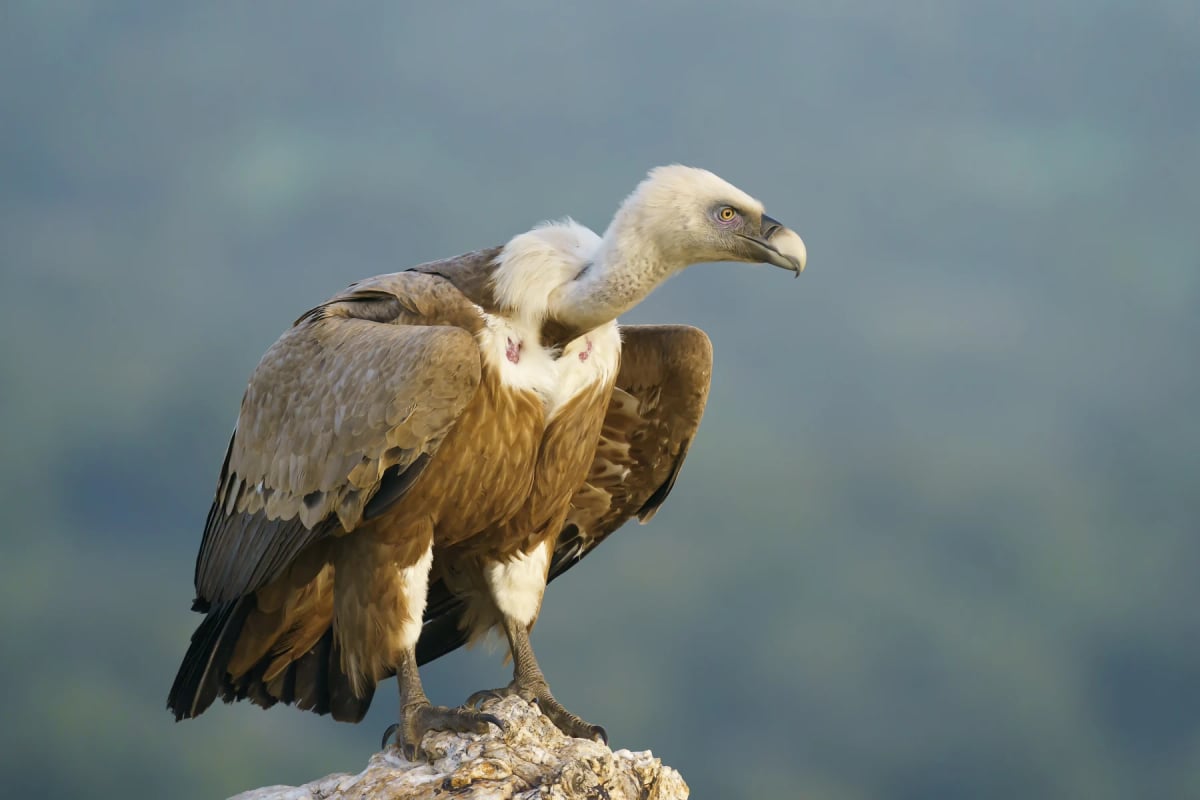
Griffon Vulture
Gyps fulvus
Bulgaria once had griffon vultures in many of its mountains, but poisoning wiped out almost all of them. The Eastern Rhodopes are the core of today's population, and between 2010 and 2016 a reintroduction program released 275 birds to bring the species back to other ranges, including the Balkan Mountains and the Kresna gorge. Feeding stations and work with local farmers have driven a remarkable recovery. IUCN status: Least Concern.
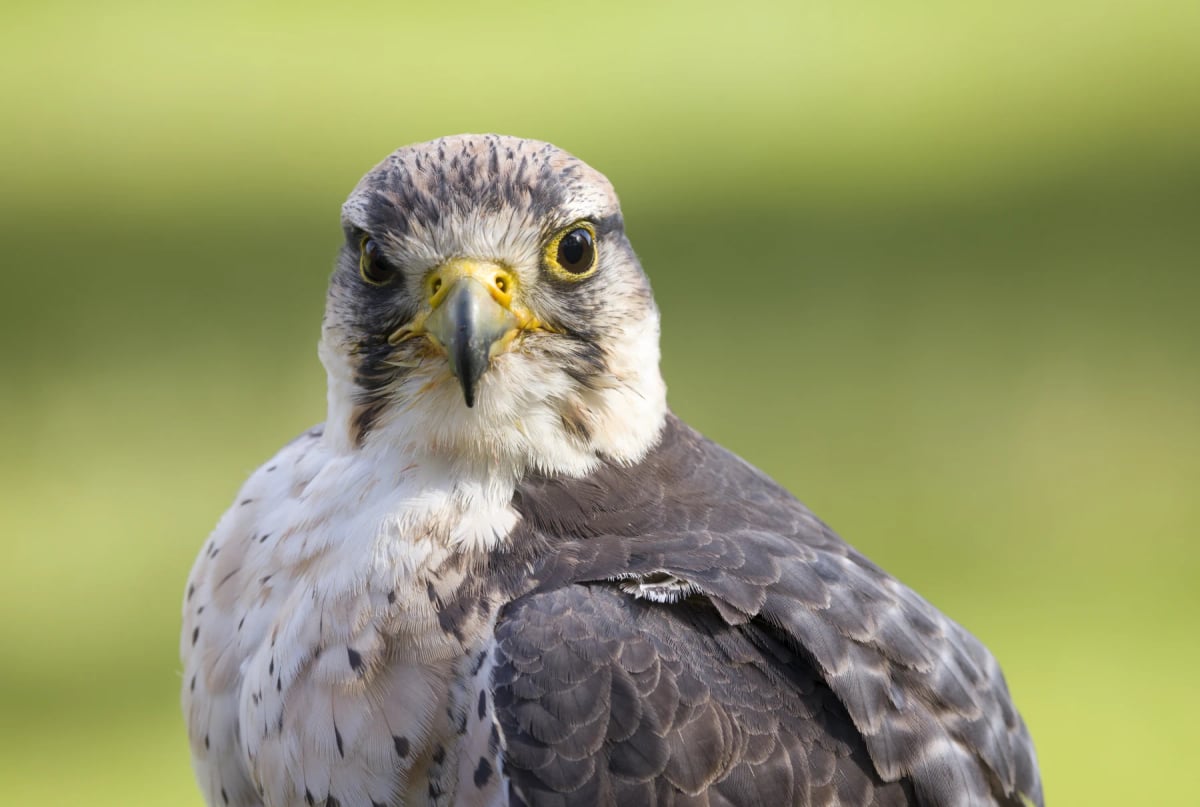
Lanner Falcon
Falco biarmicus
Bulgaria represents the northeastern edge of the lanner falcon's European breeding range. The species nests in small numbers on rocky gorges and cliff faces, particularly in the southern and central parts of the country. It has declined significantly in Bulgaria over recent decades, and conservation efforts focus on monitoring known nest sites and reducing threats from disturbance and illegal persecution. It is considered critically endangered at the national level.
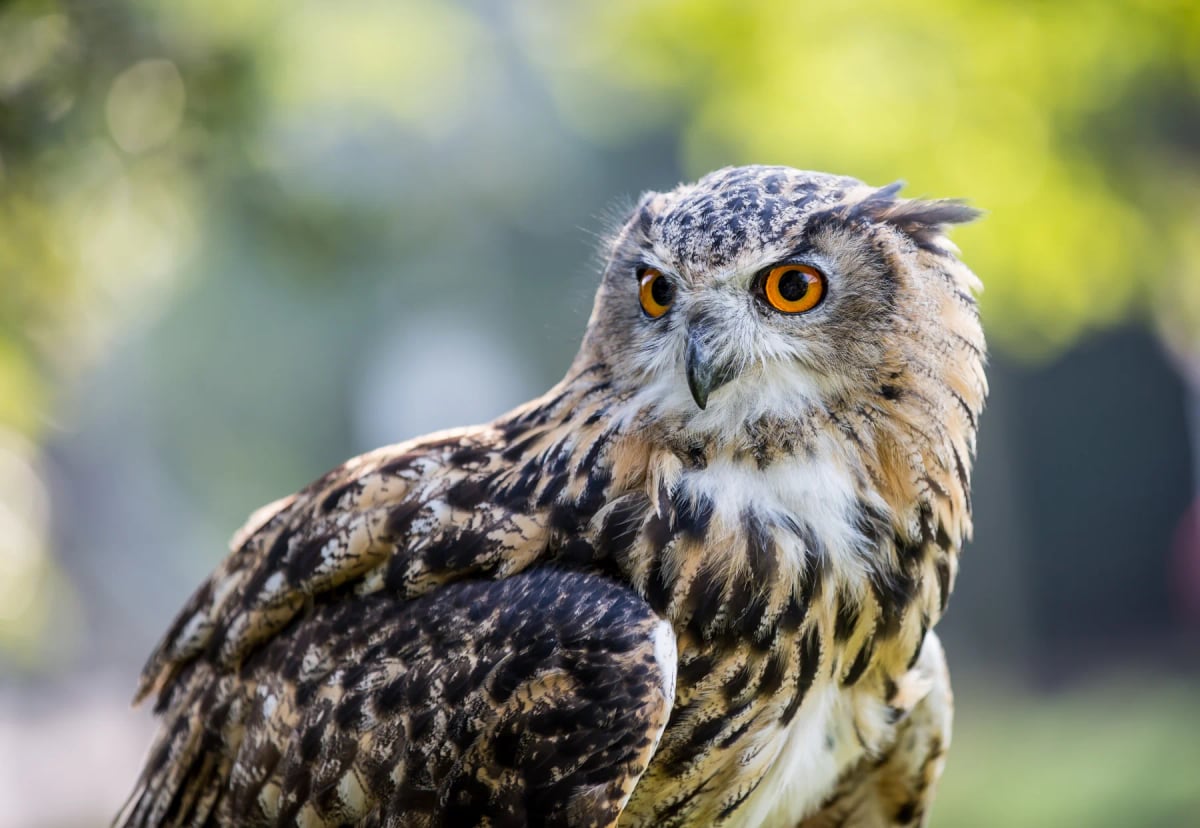
Eagle Owl
Bubo bubo
Bulgaria supports a healthy population of Eurasian eagle owls, particularly in the Rhodope Mountains, the Balkan Range, and along the rocky gorges of major rivers. The species benefits from Bulgaria's extensive areas of undisturbed rocky terrain and mixed forest. It is a year round resident that nests on cliff faces and hunts at night. The IUCN lists it as Least Concern.
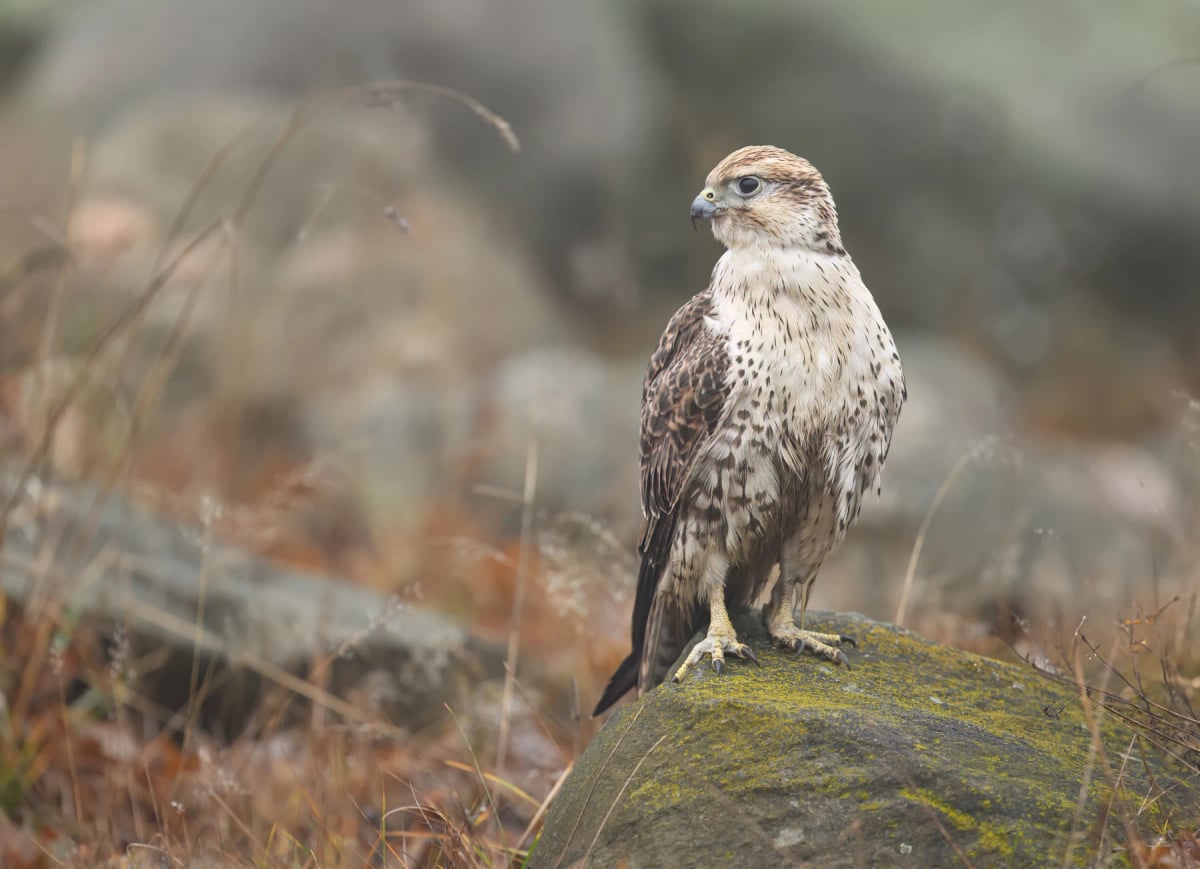
Saker Falcon
Falco cherrug
Bulgaria holds genuine importance for the saker falcon, with the open steppe-like farmland and grasslands of the Danube Plain providing breeding habitat for a small but significant local population. Conservation programs here have focused on installing nest boxes on electricity pylons and fitting them with anti-electrocution devices. These efforts have helped stabilize numbers in one of the westernmost breeding areas in Europe. The IUCN lists the saker falcon as Endangered.
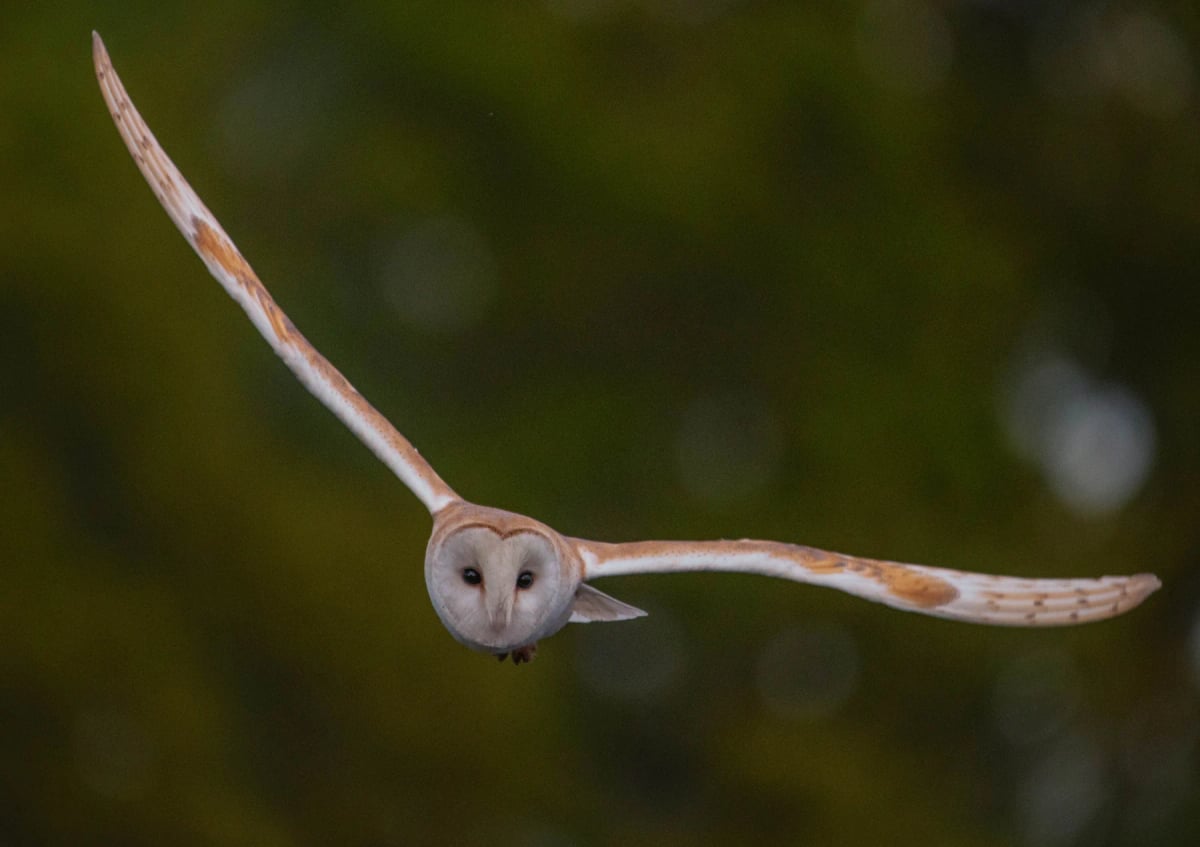
Barn Owl
Tyto alba
The barn owl is a common resident across Bulgaria's lowlands and agricultural areas, nesting in old farm buildings, church towers and ruined structures scattered throughout the countryside. It is a highly effective hunter of mice and voles, relying entirely on its exceptional hearing to locate prey in complete darkness. In Bulgaria's rural villages, its pale silhouette drifting silently over fields at dusk is a familiar and welcome sight for local farmers.
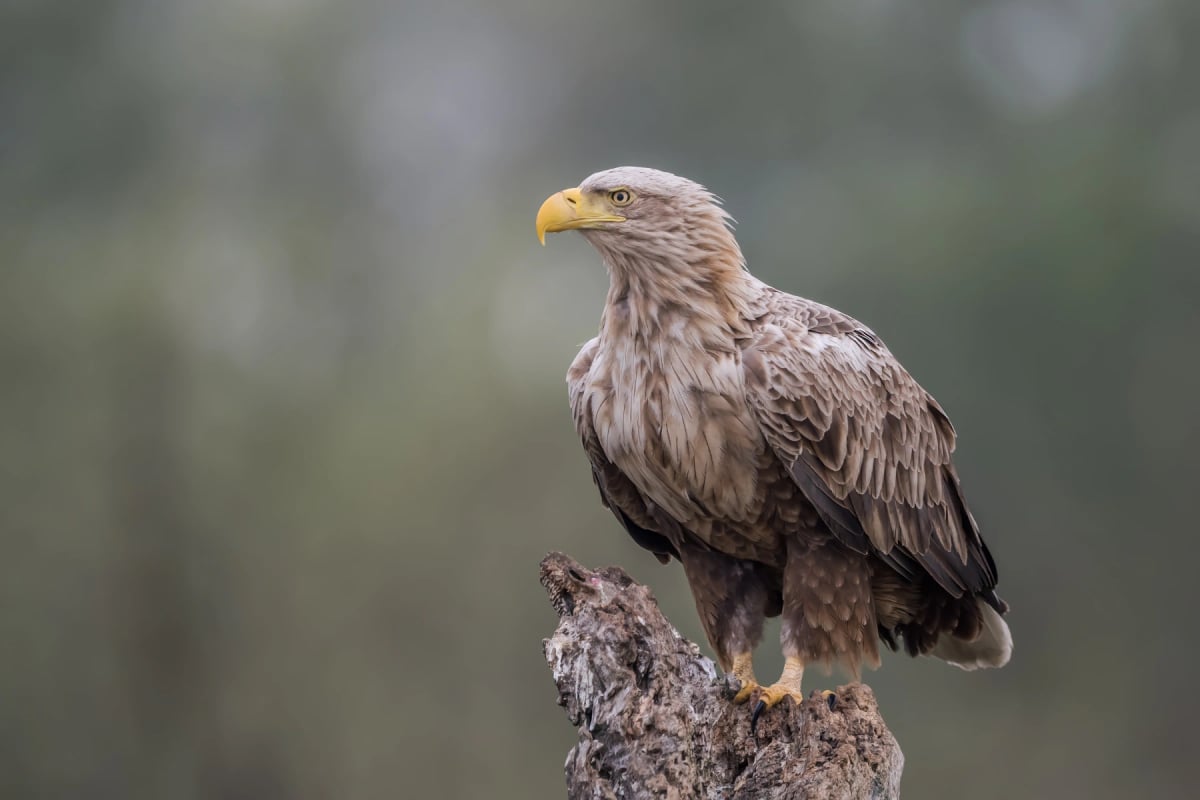
White tailed Eagle
Haliaeetus albicilla
In Bulgaria, the white-tailed eagle breeds in small numbers along the Danube river and its associated wetlands in the north of the country. It also winters in larger numbers, particularly around the Black Sea coast and major inland lakes. Wetland conservation efforts have helped stabilise its population. It feeds on fish, waterfowl, and carrion. The IUCN lists it as Least Concern.
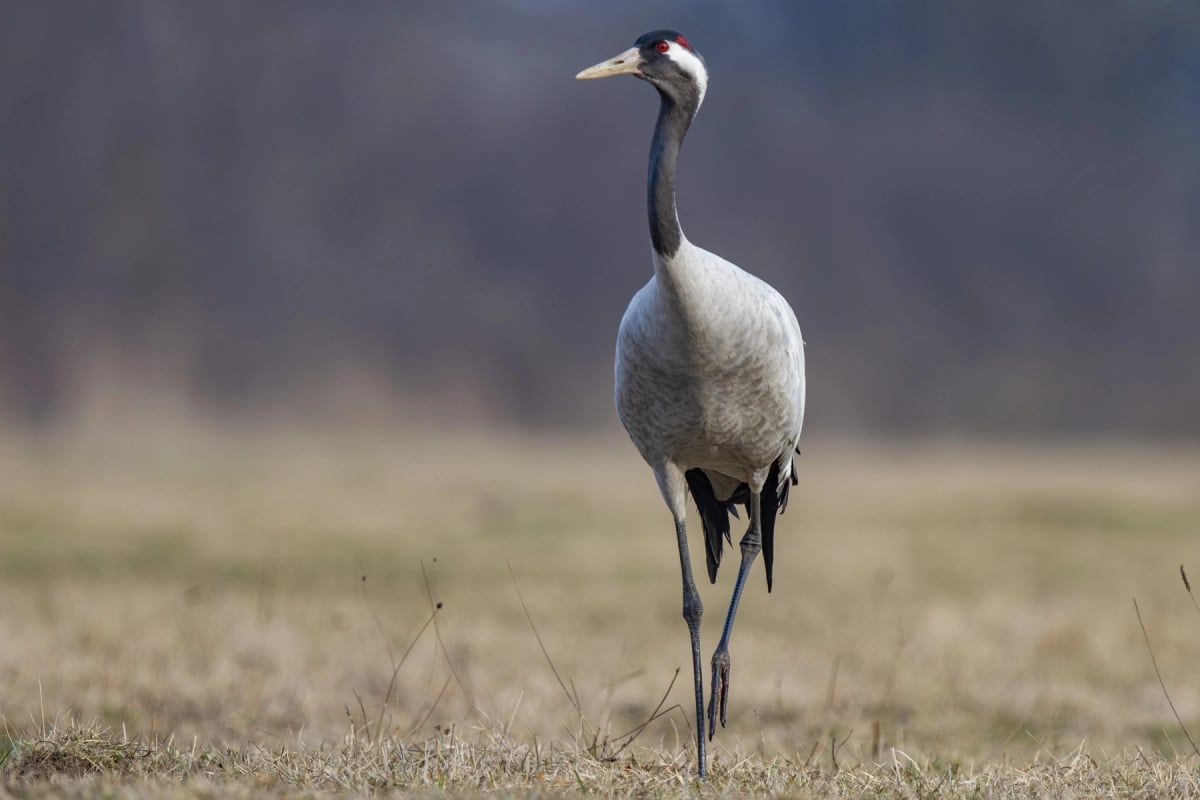
Crane
Grus grus
Bulgaria is an important stopover and wintering site for common cranes migrating along the Via Pontica flyway, one of Europe's major bird migration routes running along the Black Sea coast. Large flocks congregate in the Thracian Plain and around the Burgas wetlands complex in the south of the country. This tall grey bird with a red crown patch is classified as Least Concern and can be seen in Bulgaria in considerable numbers each autumn and winter.
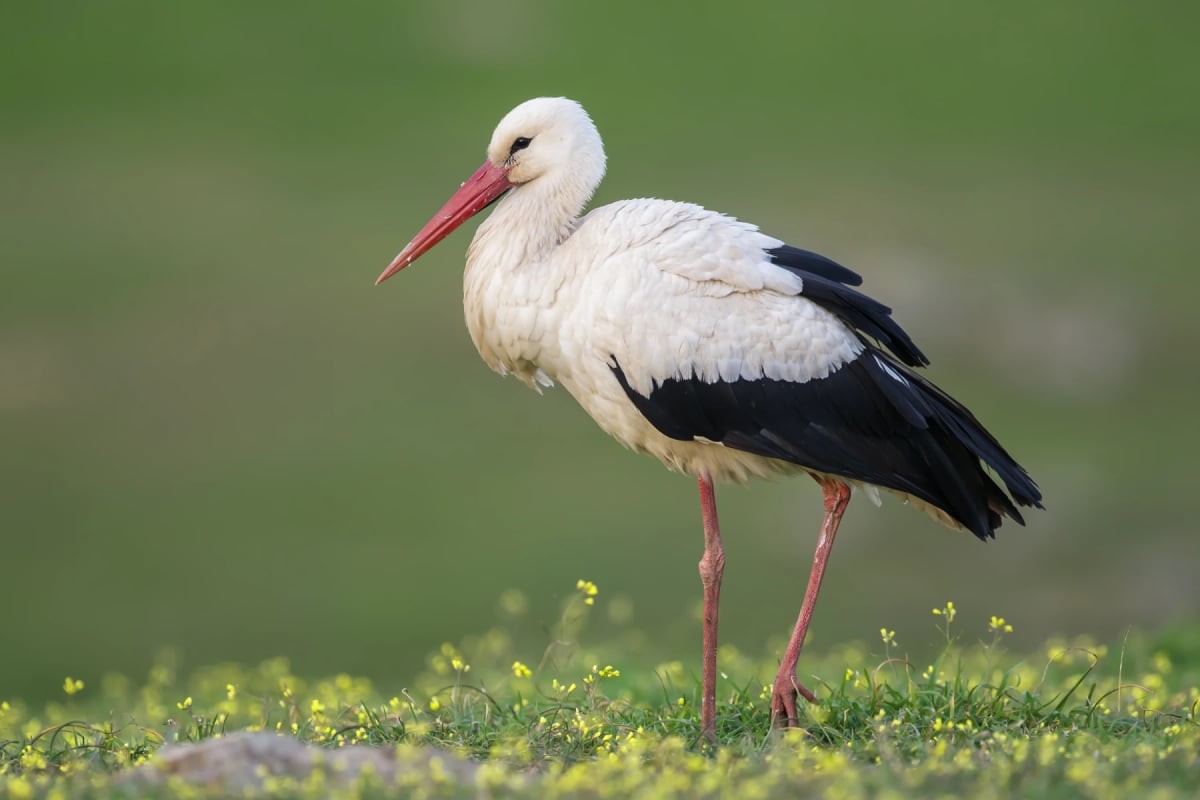
Stork
Ciconia ciconia
Bulgaria is one of the most important countries in Europe for the white stork. The Bosphorus corridor in neighboring Turkey funnels birds leaving Bulgaria each autumn, making the migration particularly dramatic. Villages across the Thracian Plain and the Danube lowlands host some of the densest nesting populations on the continent, with storks building large nests on rooftops and pylons. The IUCN lists the species as Least Concern.
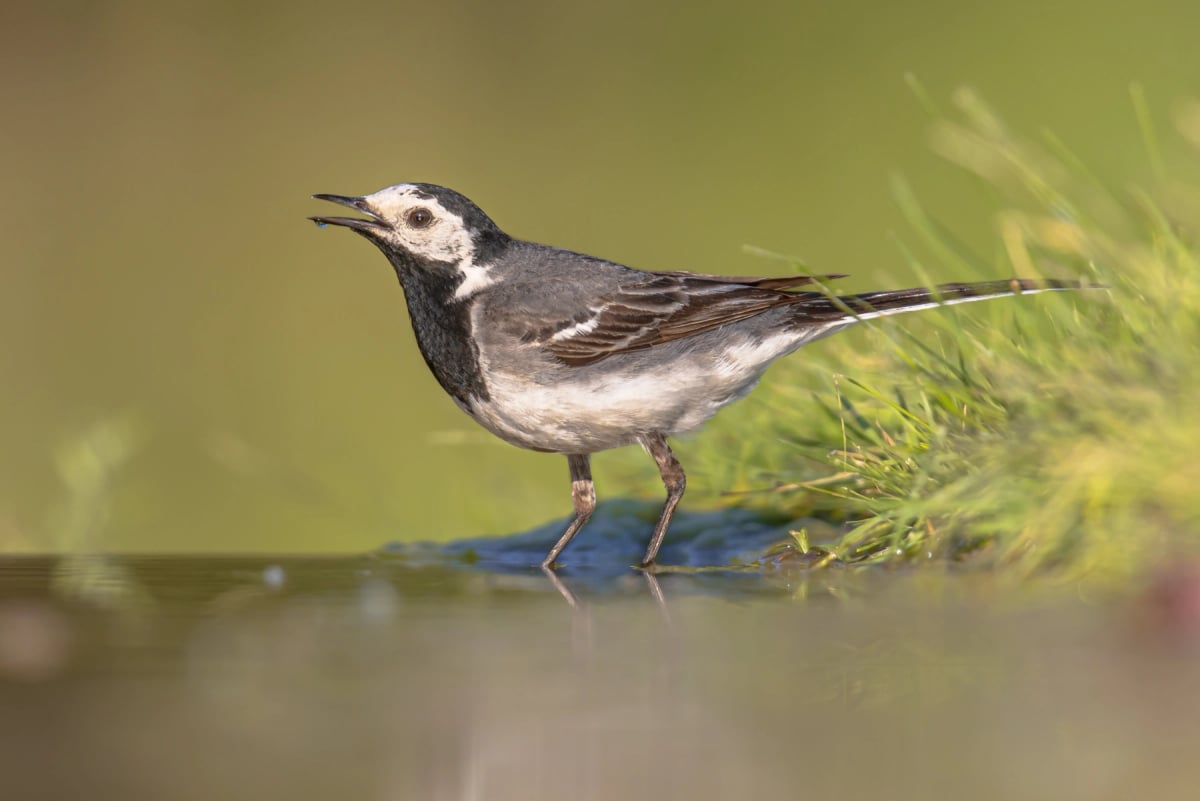
White Wagtail
Motacilla alba
Bulgaria hosts white wagtails as breeding birds throughout the country, with strong populations along the Danube floodplains in the north and the river valleys of the Balkan Mountains. It nests in walls, quarries and farm buildings, often beside flowing water. Migrants from further north swell the numbers in autumn before heading to Africa. It is one of Bulgaria's most recognisable small birds. Its status is Least Concern.
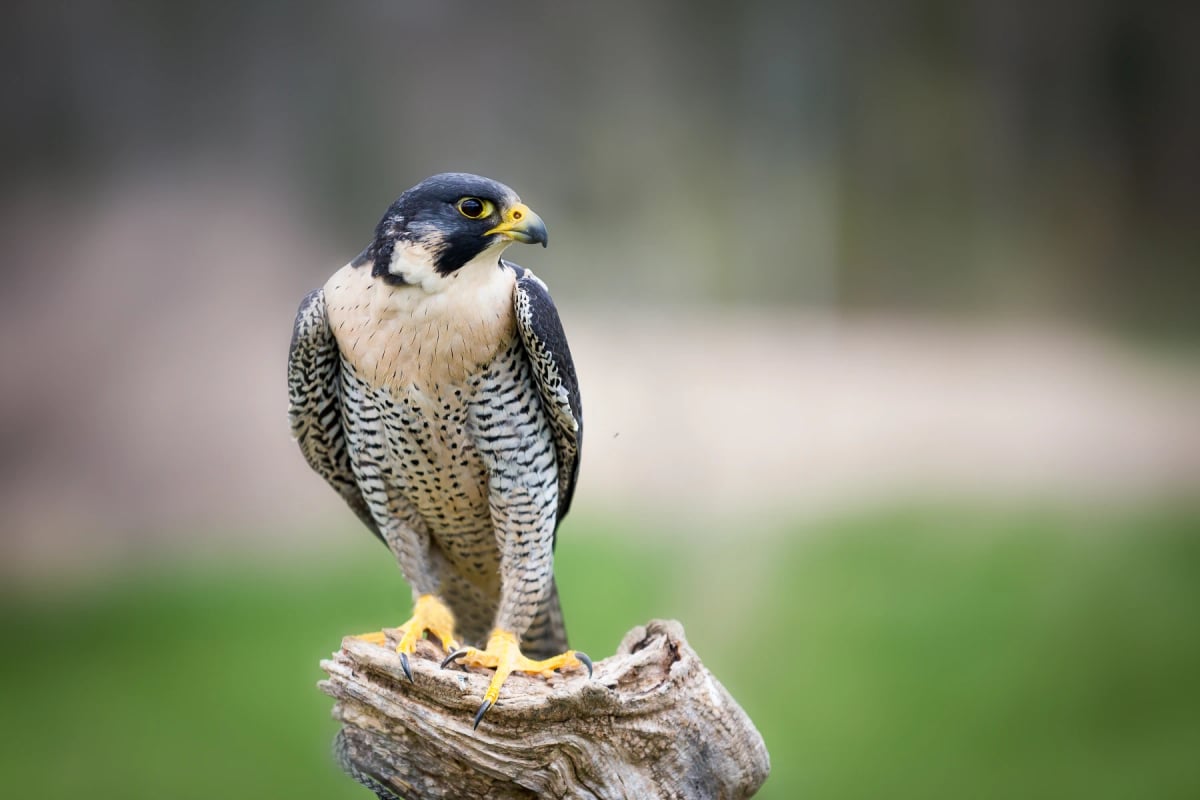
Peregrine Falcon
Falco peregrinus
Bulgaria holds a small but important breeding population of peregrine falcons, nesting on rocky cliffs in the Balkan Mountains, the Rhodopes, and along the Danube gorges. The species had disappeared as a breeding bird for decades and only began recolonizing in recent years, making its return a notable conservation success. Migrants from further north also pass through the country each autumn and spring, adding to sightings across the region. IUCN status: Least Concern.
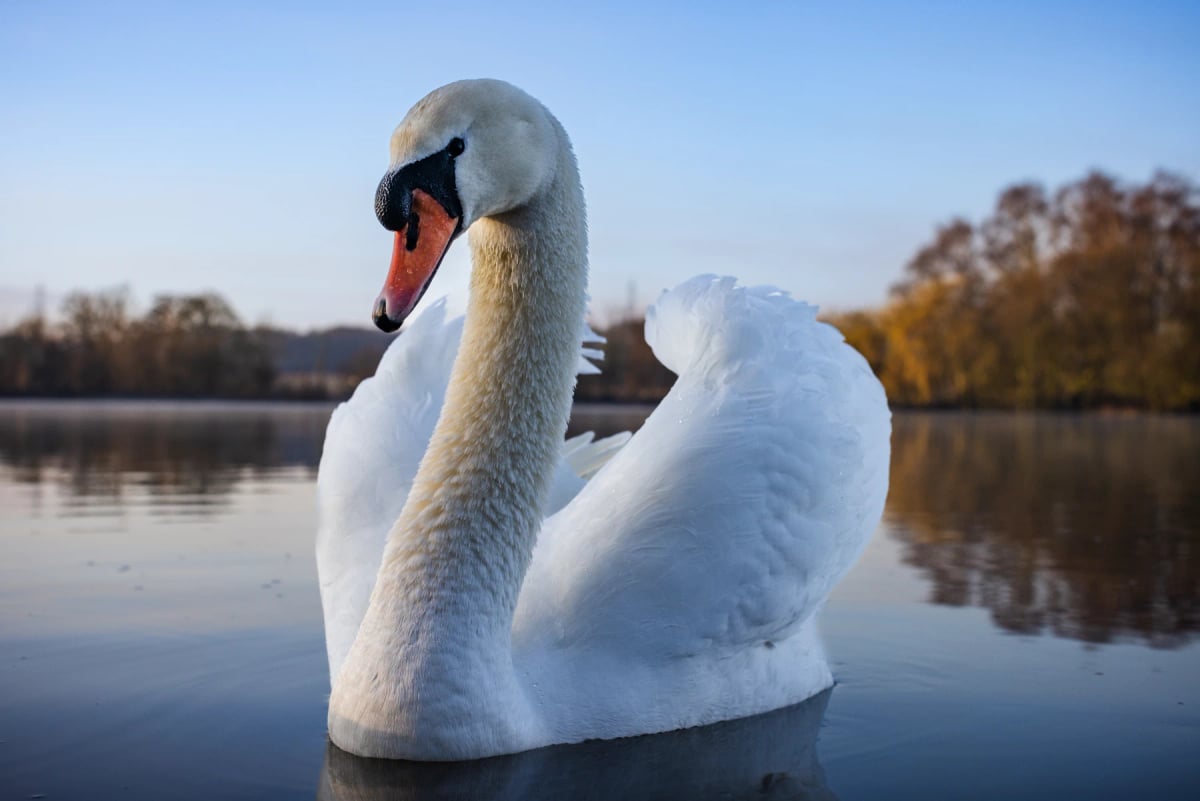
Mute Swan
Cygnus olor
The mute swan is a large waterbird with entirely white plumage, a long curved neck, and a distinctive orange bill. In Bulgaria, it inhabits lakes, river floodplains, and the wetlands along the Black Sea coast, including important sites such as Durankulak Lake and Srebarna Nature Reserve. Outside the breeding season, groups gather in coastal areas to feed. The IUCN lists it as Least Concern.
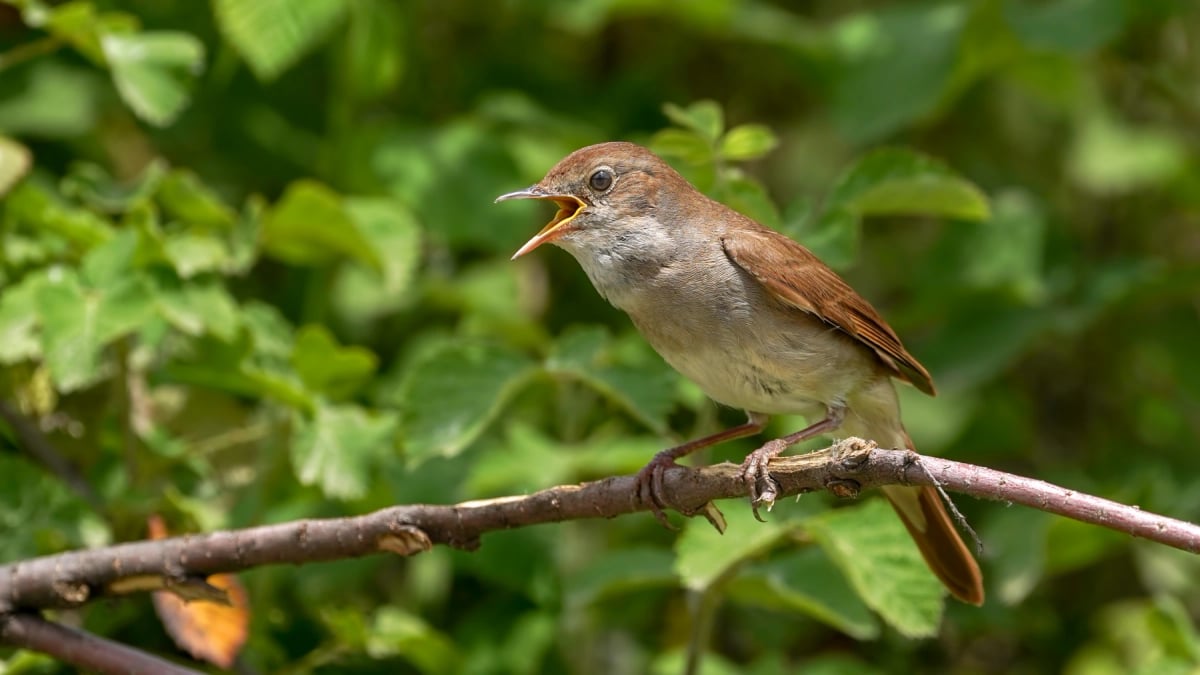
Nightingale
Luscinia megarhynchos
Bulgaria is one of the nightingale's key breeding grounds in southeastern Europe. Males arrive in late April and fill river valleys, woodland edges and dense riverside thickets with song through May and June. The Maritsa and Tundzha river corridors are particularly good places to hear them. After raising their young in low shrubby nests, they quietly depart for sub-Saharan Africa in late summer. Its IUCN status is Least Concern.
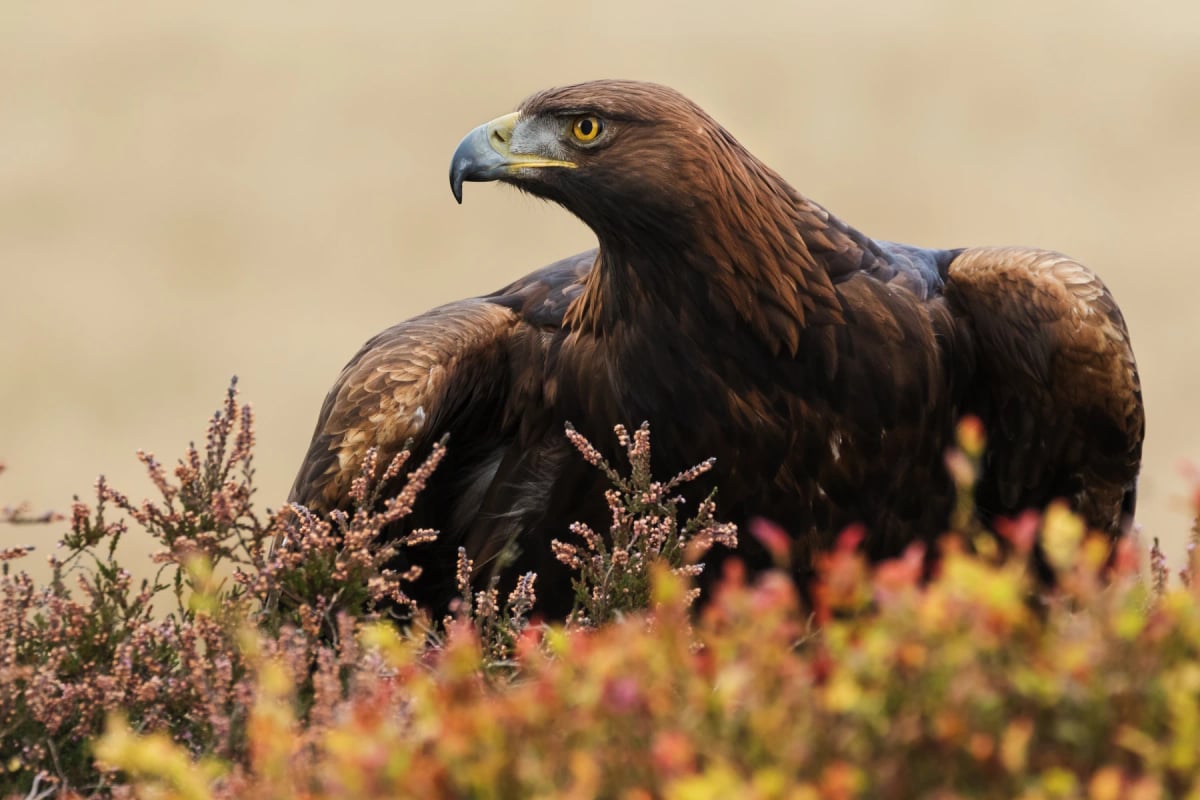
Golden Eagle
Aquila chrysaetos
The golden eagle is found in Bulgaria's mountain ranges, including the Balkan Mountains, the Rhodopes, and the Rila and Pirin massifs. It nests on cliff ledges and hunts over open alpine terrain and forested slopes. Prey includes hares, small rodents, and occasionally reptiles. The IUCN lists it as Least Concern, and Bulgaria has designated protected areas that help support its breeding population.

Bottlenose Dolphin
Tursiops truncatus
Bottlenose dolphins are found along Bulgaria's Black Sea coast, where they share the basin with two other cetacean species. The Black Sea population is considered genetically distinct and faces significant threats from bycatch in fishing nets, historical hunting, and pollution. Conservation efforts in the region have grown in recent decades. Globally the species is Least Concern, but the Black Sea subpopulation is of particular concern to researchers.
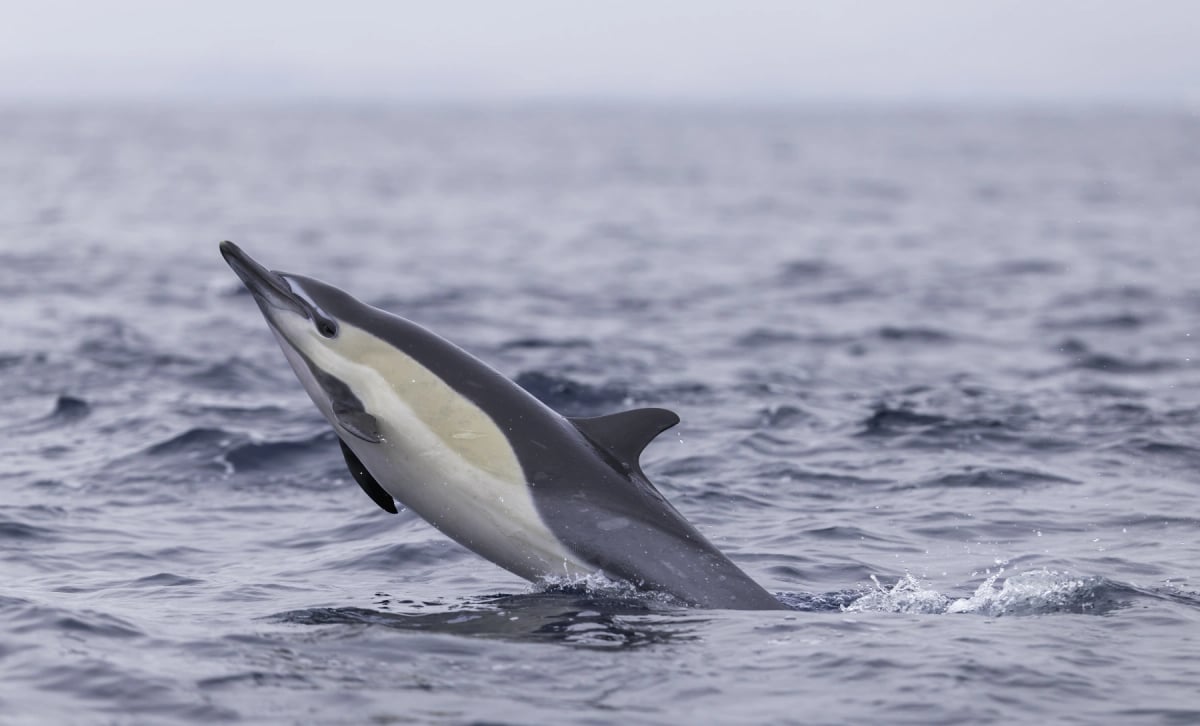
Common Dolphin
Delphinus delphis
In the Black Sea off Bulgaria's coast, common dolphins are one of three cetacean species present, though their population here has faced pressures from fishing bycatch and pollution over recent decades. The Black Sea is essentially an isolated basin, and the dolphins found here represent a distinct regional population. Conservation efforts in Bulgaria and neighbouring countries aim to reduce accidental captures and improve monitoring of these animals.
Researched and written by Juan Pablo. Sources: IUCN Red List, scientific literature and regional field guides. Last updated: .