Animals in Moldova
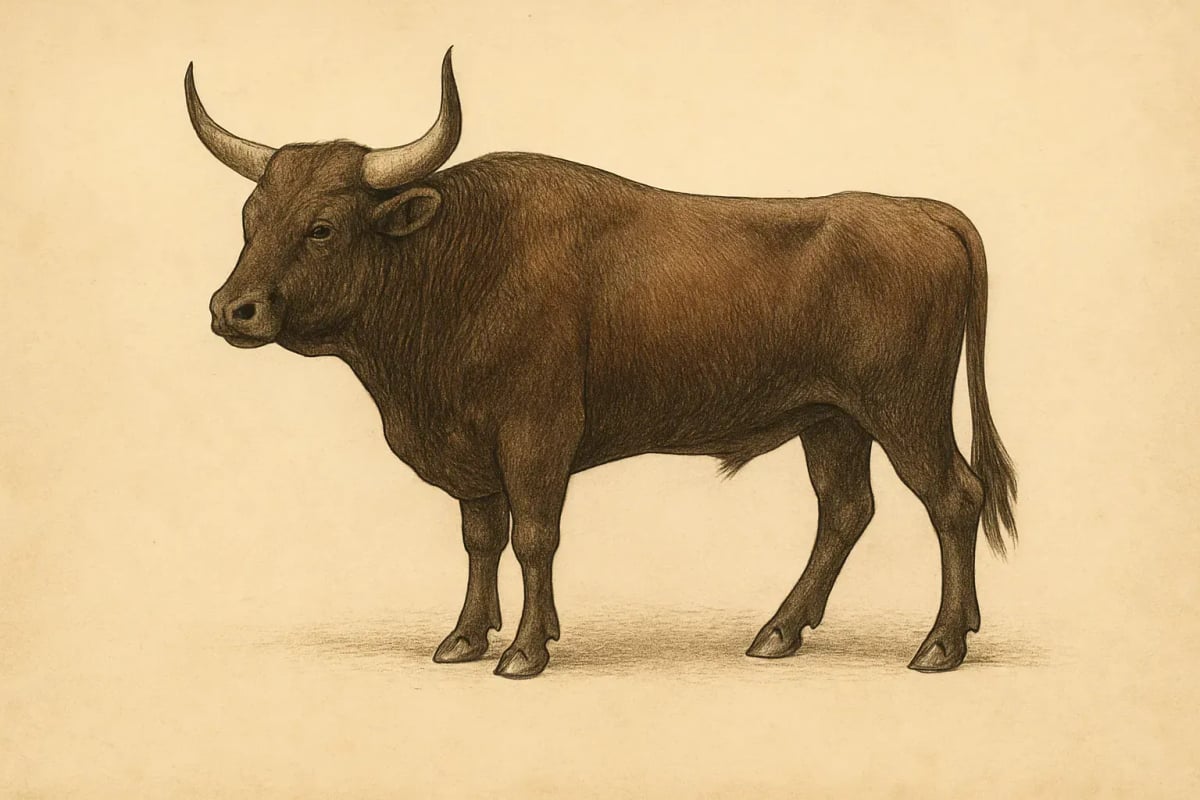
Aurochs
Bos primigenius
The aurochs, an extinct wild bovine, is part of Moldova’s historic identity. Its head appears on regional coats of arms and public art, linking medieval Moldavia with today’s state. Although no longer alive, the animal stands for strength and endurance, and keeps attention on open landscapes, pastures and forests that support present day wildlife across the country.
View details→Wildlife in Moldova
Moldova is a small country of rolling hills, oak woods and broad river plains. Nature reserves along the Dniester and Prut keep wetlands, meadows and forest patches where red deer, roe deer, wild boar and many birds live close to villages. Trails near lakes and floodplains make it simple to watch seasonal bird movements, while quiet valleys in the north hold foxes, jackals and occasional wolf tracks.
Most Dangerous Animals in Moldova
Wildlife risks in Moldova are limited and tied mostly to habitat type. In floodplain forests, wild boar can be defensive with young. In remote woods, gray wolves are present but avoid people. Moose may cross roads at dusk in the north, and adders use sunny edges in summer. Most encounters are brief and observed from distance across farmland and river corridors.
Top 10 Animals in Moldova
Our Top 10 list for Moldova focuses on species that visitors ask about and that locals report often. It balances presence and interest, from red deer and moose to gray wolf and peregrine falcon, and updates as records improve. It is a guide for first searches, pointing to seasons and regions where these animals are most likely, not a final ranking.
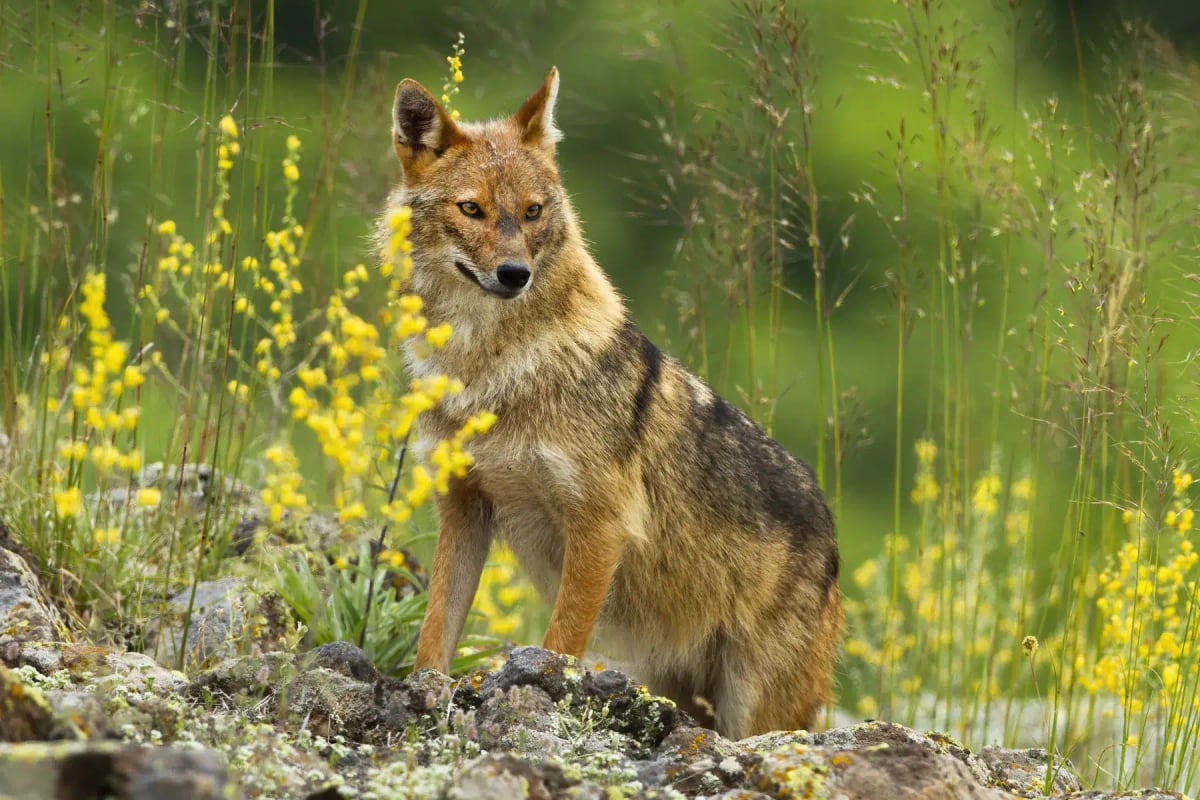
Golden Jackal
Canis aureus
The golden jackal has expanded its range into Moldova in recent decades, following a broader westward movement across Eastern Europe. It favours river floodplains, patches of forest, and farmland, particularly along the Prut and Dniester rivers. As a newcomer to the Moldovan landscape, it is still being monitored by local wildlife authorities. It feeds on small animals, carrion, and seasonal fruit. Its status is Least Concern.
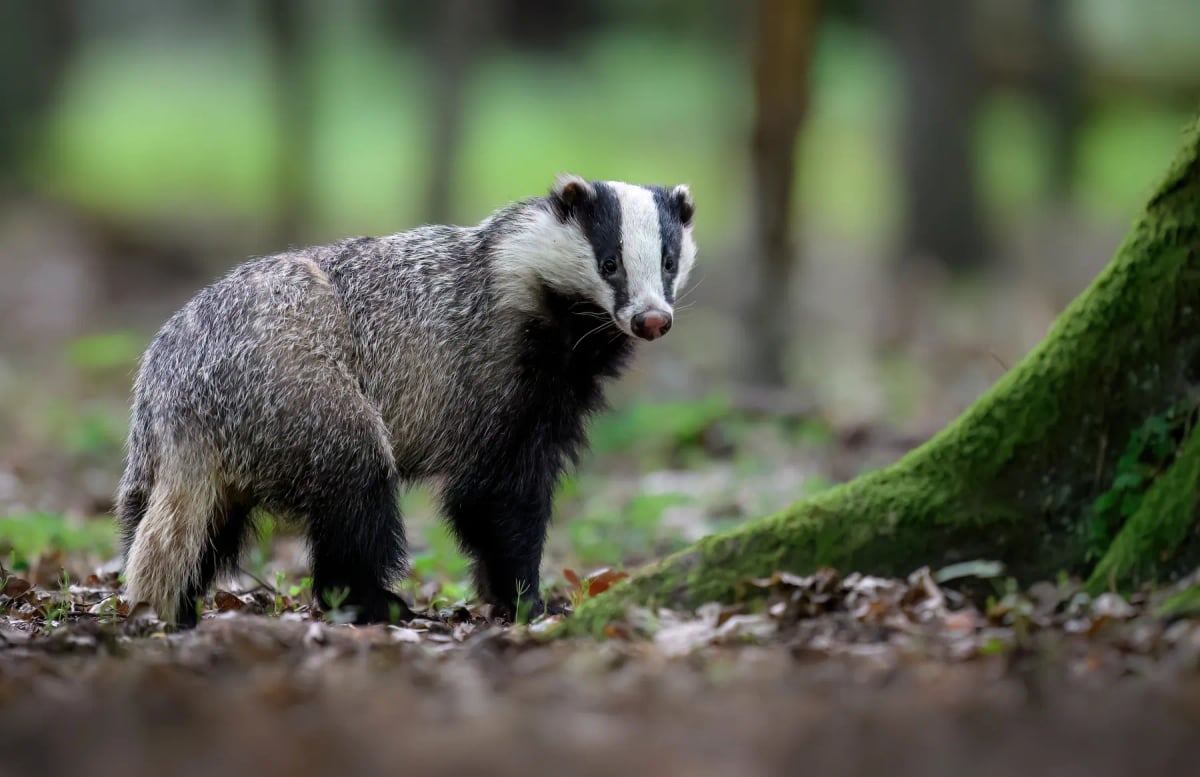
Badger
Meles meles
The Eurasian badger is present in Moldova in deciduous woodland and forest edges, particularly in the more heavily forested north and central regions of the country. It lives in family groups in extensive setts and is active mainly at night, feeding on earthworms, insects, fruit and small animals. Habitat loss through agricultural expansion has reduced suitable badger territory in some areas, but the species remains present across much of the country's woodland.
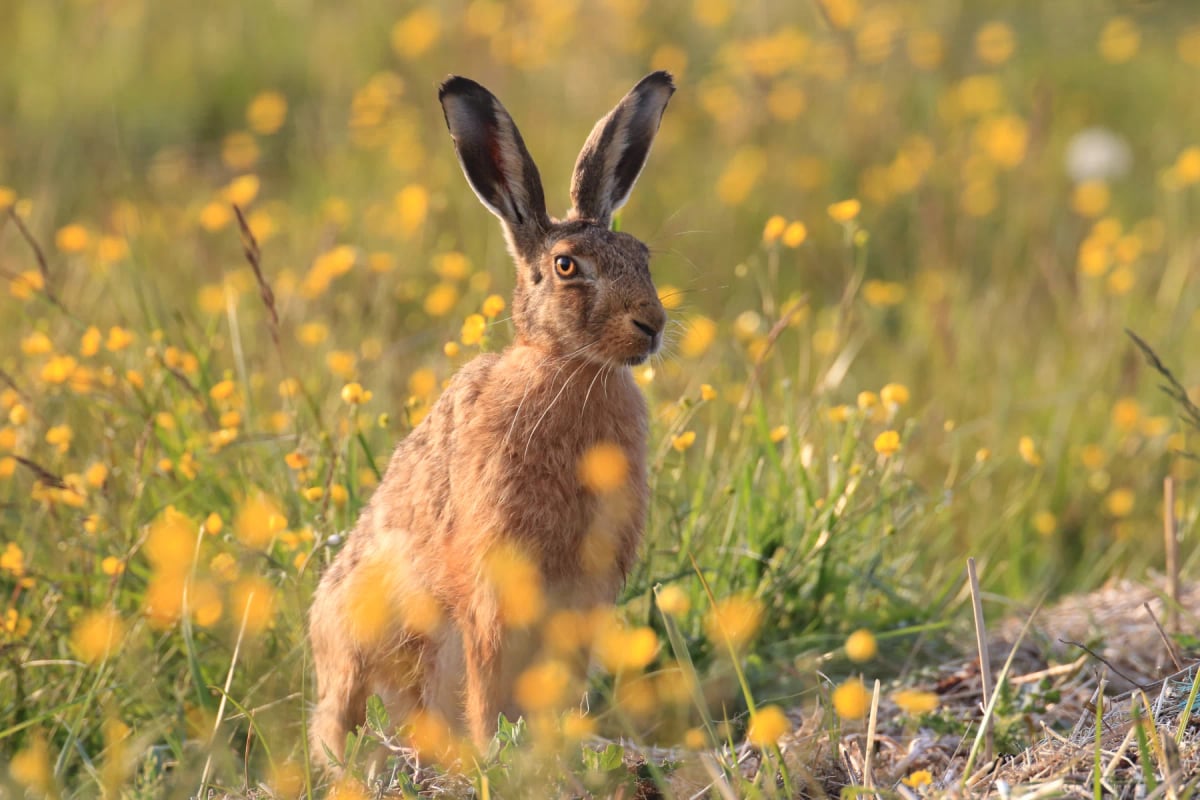
Hare
Lepus europaeus
Moldova's wide agricultural plains and steppe grasslands provide ideal habitat for the European hare. The country's open landscape, with fields of crops and patches of shrubland, suits this species well. The hare is a well known animal across Moldova and plays a role in local hunting culture. Intensive farming has reduced numbers in some areas, but the species remains common and is listed as Least Concern.
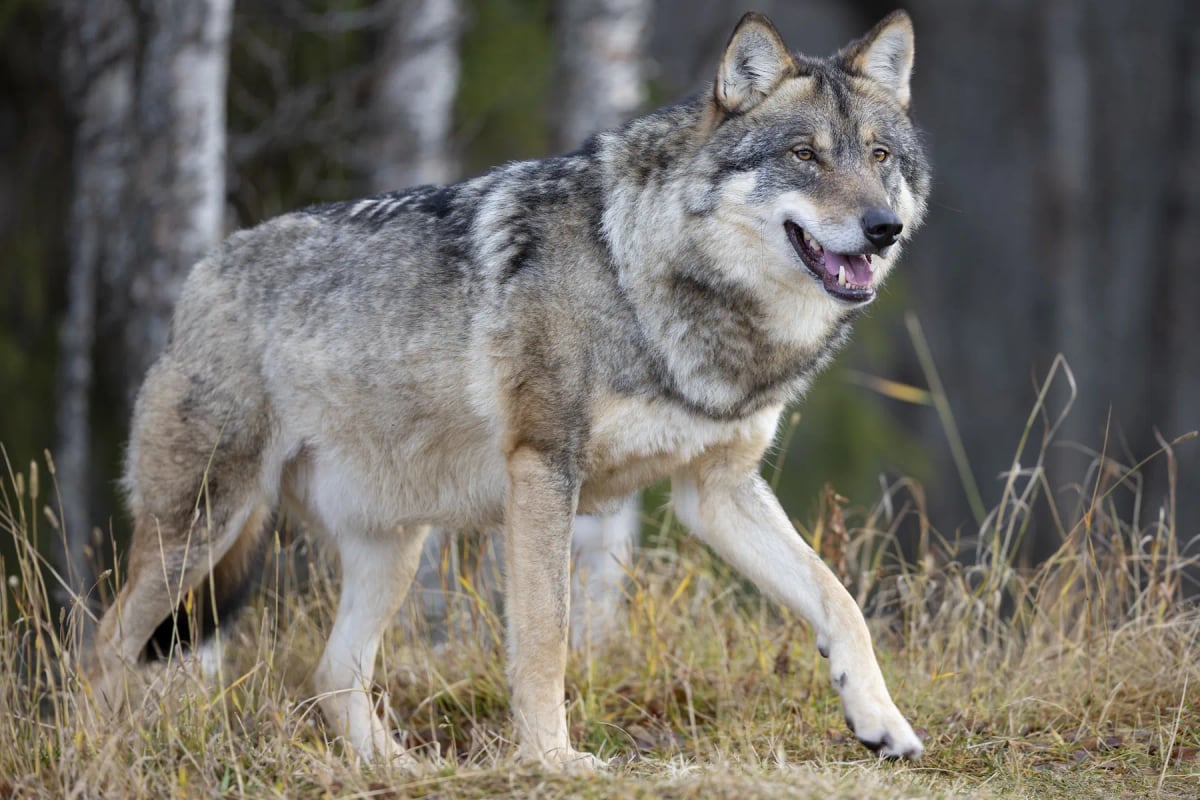
Gray Wolf
Canis lupus
Gray wolves are present in Moldova in small numbers, mainly in forested areas near the borders with Romania and Ukraine. The population is not large, but wolves do occasionally prey on livestock, creating tension with rural communities. Moldova lacks robust monitoring programs for the species, so precise population data are limited. Wolves in the region tend to move across borders as part of broader Carpathian and Eastern European populations. The global IUCN status is Least Concern.
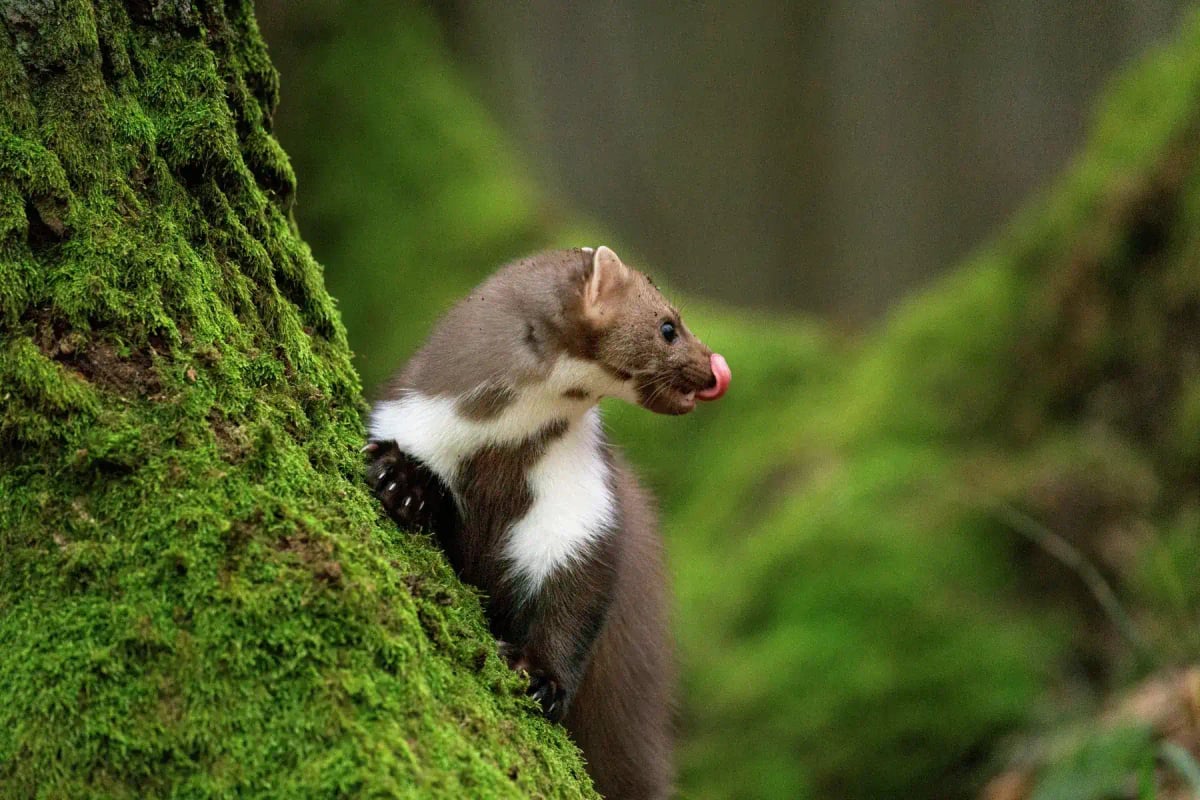
Marten
Martes martes / Martes foina
In Moldova, the stone marten is the more widespread of the two marten species, found in wooded river valleys, orchards, and farmland edges across the country. It adapts readily to landscapes shaped by agriculture, often sheltering in stone walls, old buildings, and hedgerows. A generalist hunter, it feeds on rodents, birds, and fruit, which is plentiful in Moldova's rural landscape. Its flexibility allows it to persist even where natural forest cover is limited. Its IUCN status is Least Concern.
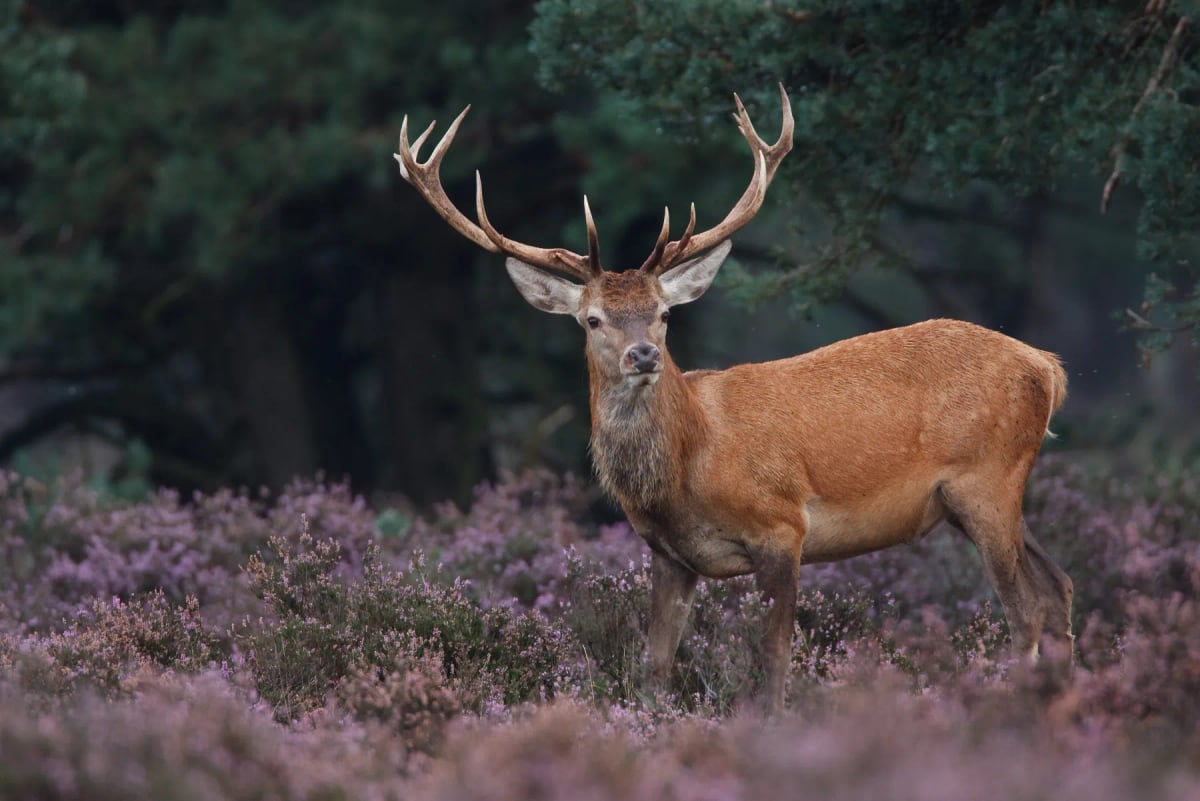
Red Deer
Cervus elaphus
The red deer (Cervus elaphus) inhabits the remaining forest patches and river corridor woodlands of Moldova, where suitable habitat has become increasingly fragmented. Numbers in the country are modest compared to neighbouring Romania and Ukraine. Stags are known for their impressive antlers and the deep roaring calls they make in autumn. Conservation efforts focus on habitat protection to support the population over the long term. The IUCN lists the species as Least Concern.
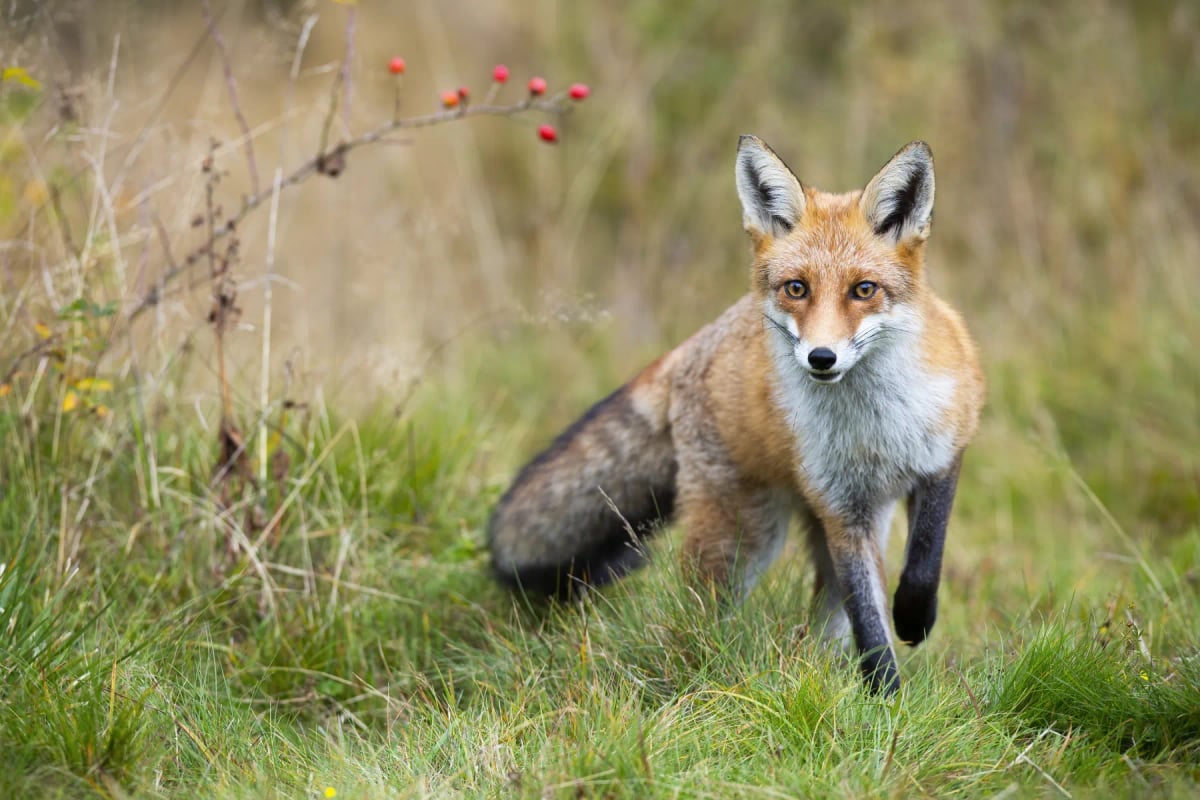
Red Fox
Vulpes vulpes
The red fox is widespread across Moldova, where it makes use of the country's rolling farmland, river corridors along the Dniester and Prut, and patches of deciduous forest. It is highly adaptable and often ventures close to rural villages in search of food. Small mammals and birds form the bulk of its diet. The species is considered stable here, holding an IUCN status of Least Concern.
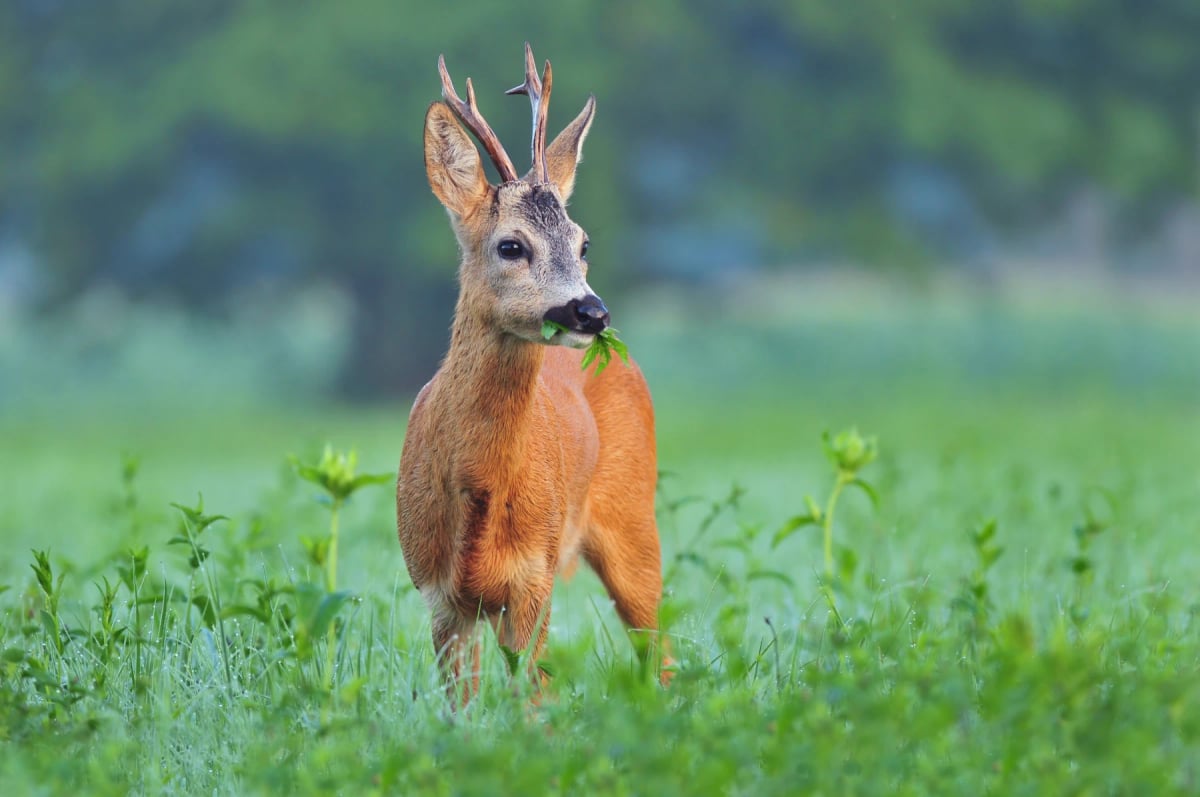
Roe Deer
Capreolus capreolus
In Moldova, the roe deer inhabits the country's remaining forest patches, river corridors, and the wooded slopes along the Prut and Dniester rivers. Moldova is largely agricultural, so the deer depends on the patches of woodland and shrubby margins that break up the farmland. Numbers are lower than in more heavily forested neighbouring countries, but the species is present and locally stable. Conservation of riparian woodlands is particularly important for its continued presence in the country.
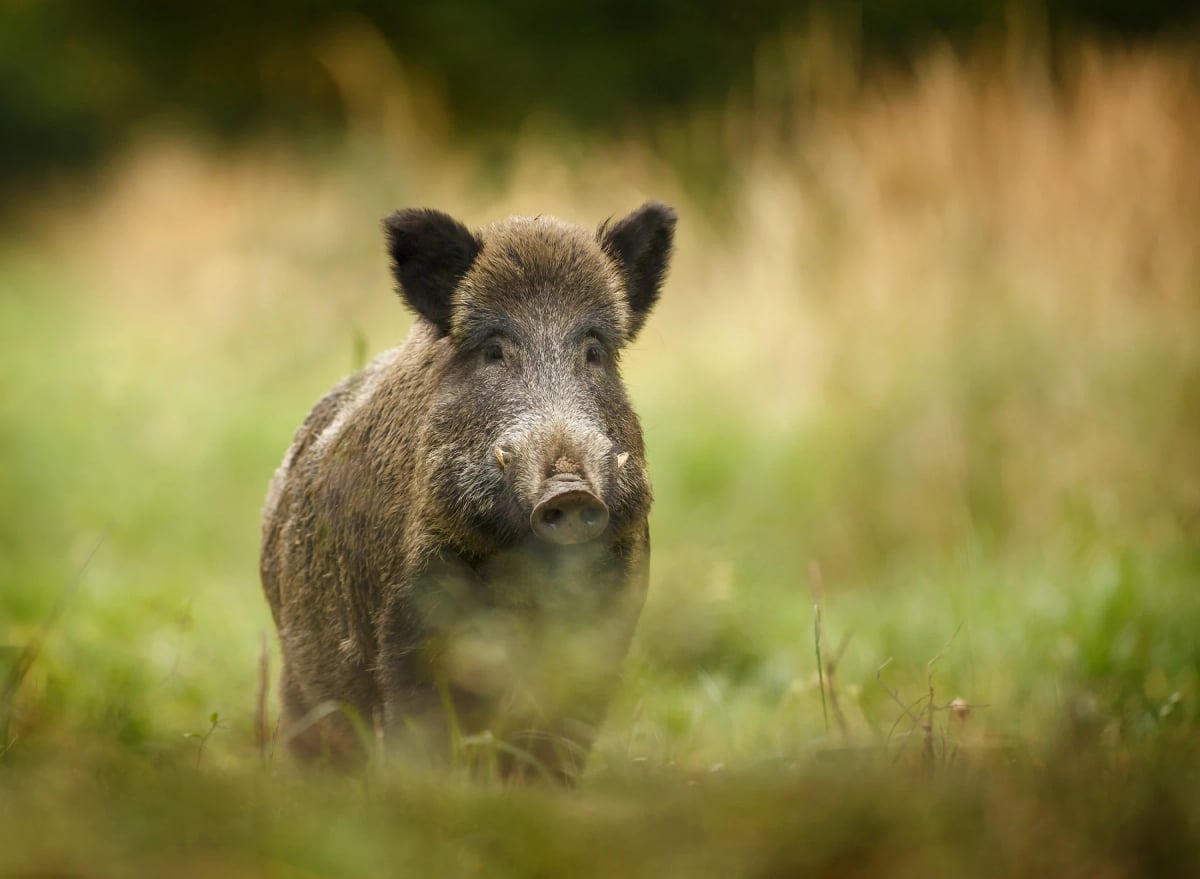
Wild Boar
Sus scrofa
Wild boars are common across Moldova's forests, particularly in the wooded hills of the Codru region in the center of the country. The species is a popular game animal managed through licensed hunting, and growing numbers in recent decades have increased damage to vineyards and farmland nearby. Authorities also monitor wild boar populations closely because of the risk of African swine fever.
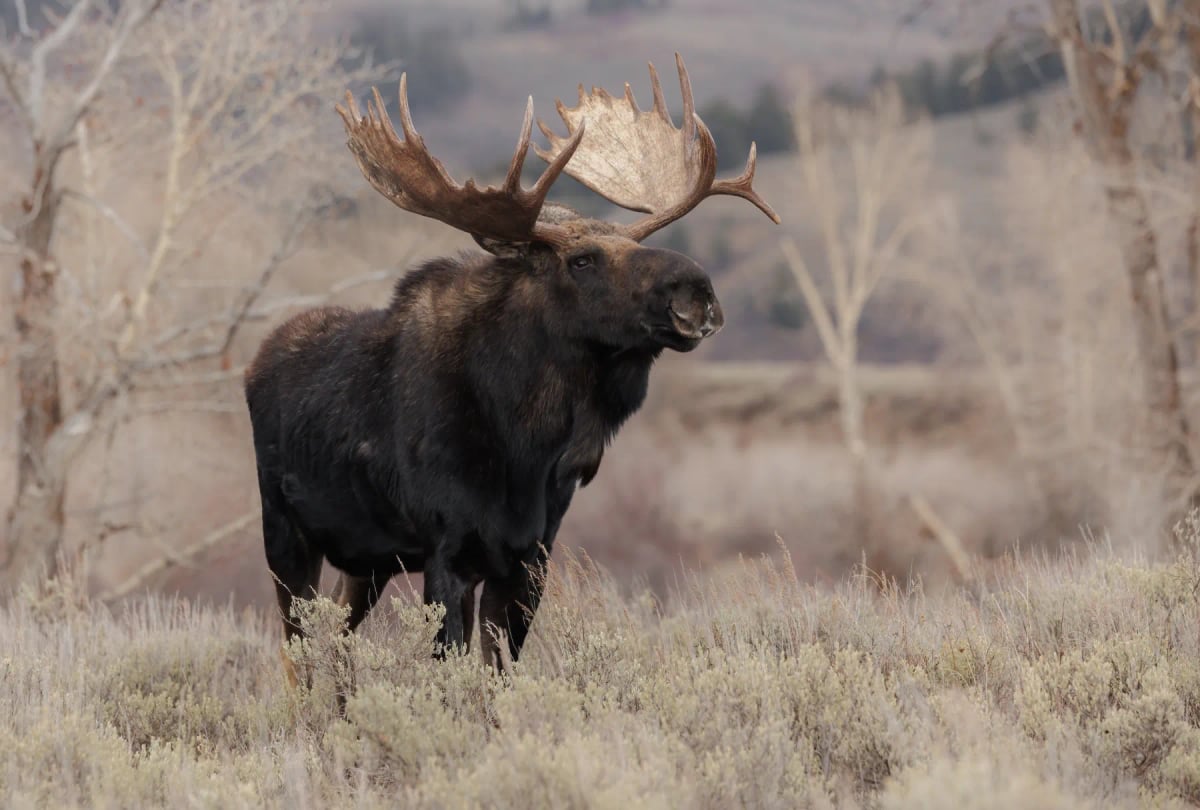
Moose
Alces alces
The moose has only a marginal presence in Moldova, occasionally appearing in the forested areas of the north near the borders with Ukraine. These are typically solitary individuals wandering from larger populations in neighbouring countries rather than a resident breeding population. Sightings are rare, and the species is not formally managed as part of Moldova's wildlife. IUCN status: Least Concern.
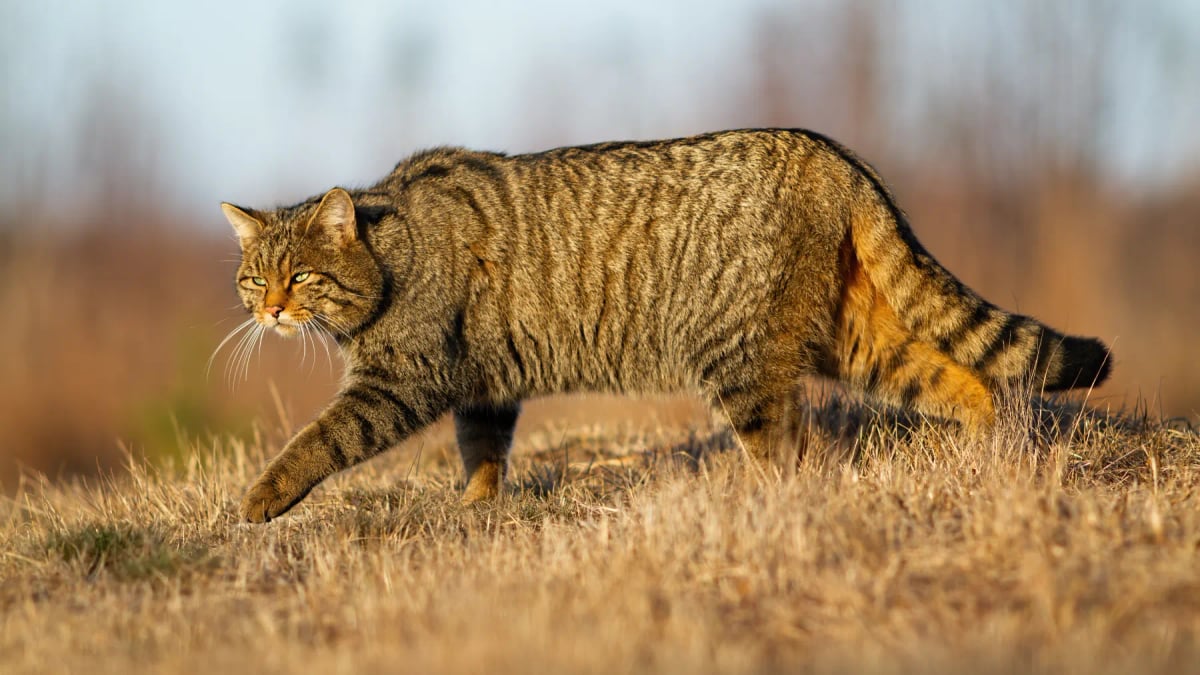
European Wildcat
Felis silvestris silvestris
The European wildcat has a limited presence in Moldova, found mainly in the larger forested areas that remain in the country. Moldova's landscape is heavily agricultural, which reduces the available habitat for this secretive feline. It relies on patches of broadleaved forest for cover and hunting. Monitoring is limited, and the true status of the population is not well documented. IUCN status: Least Concern.
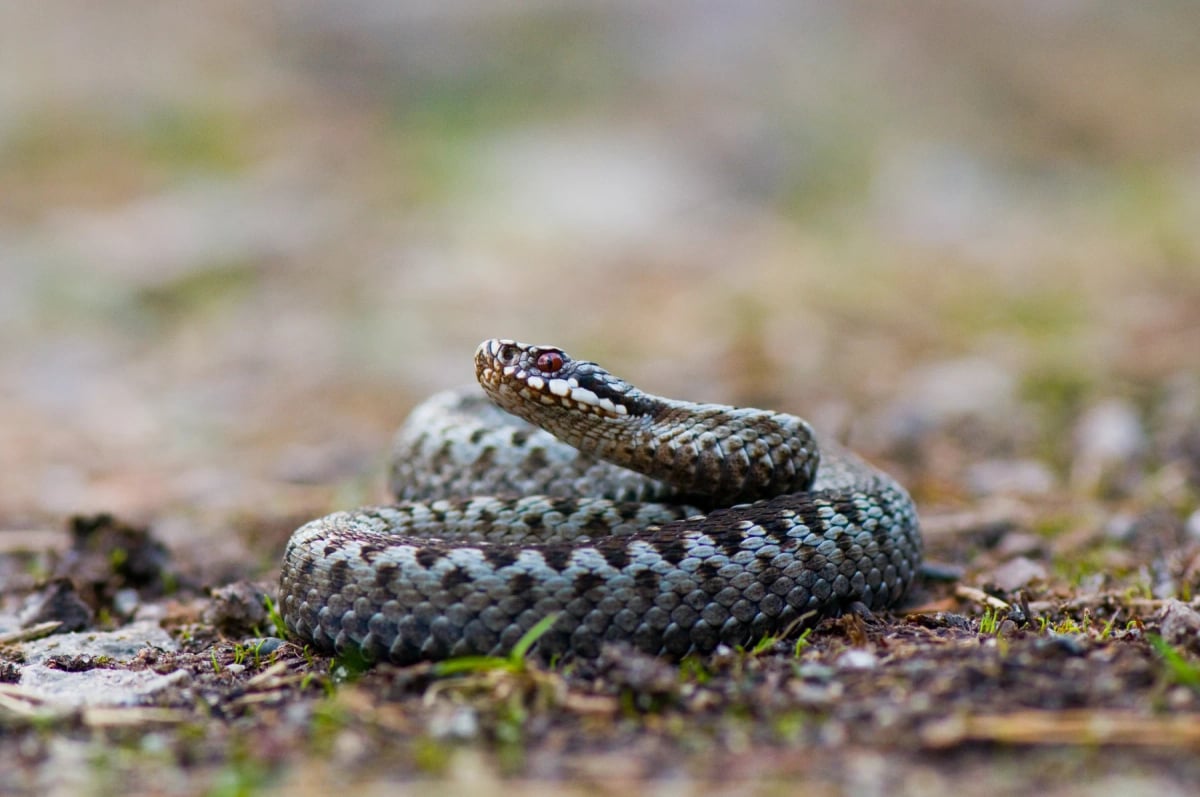
European Adder
Vipera berus
The European adder is found across Moldova in forest edges, meadows, and the shrubby slopes of the Codru region. It is the country's only venomous snake and tends to be secretive and rarely seen. It feeds on small rodents and lizards, and bites only when cornered or handled. Its IUCN status is Least Concern, though habitat loss to agriculture puts local populations under pressure.
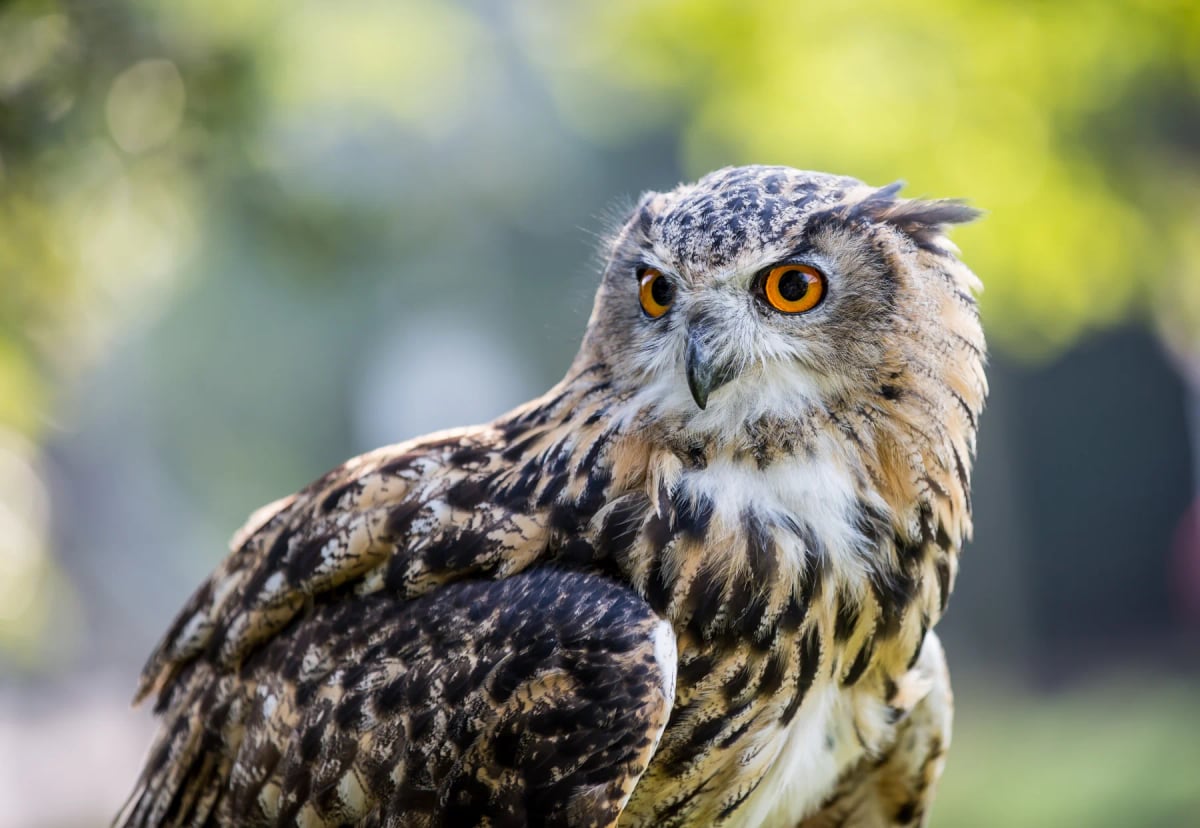
Eagle Owl
Bubo bubo
In Moldova, the Eurasian eagle owl inhabits rocky river valleys, steep ravines, and patches of mature forest. It is a scarce resident, with a limited number of breeding pairs recorded across the country. The species hunts at night, feeding on rodents, hares, and birds across open agricultural land and wooded areas. Habitat degradation and human pressure remain concerns for its survival at a local level. The IUCN lists it as Least Concern.
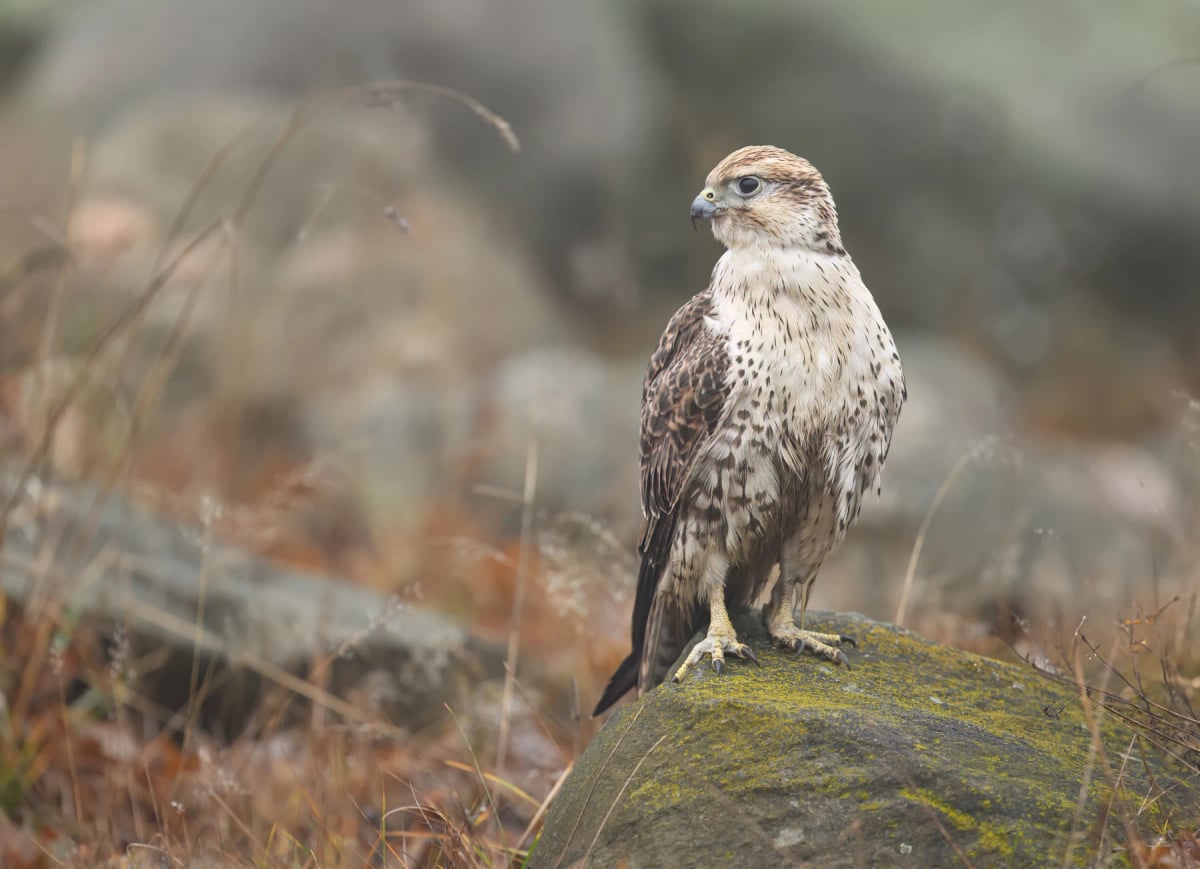
Saker Falcon
Falco cherrug
Moldova lies within the saker falcon's breeding range in Eastern Europe. Small numbers of pairs have nested in the country's agricultural lowlands and forest edges, particularly where open ground is available near woodland. Habitat loss and the intensification of farming have reduced suitable nesting sites over the decades. Conservation efforts across the region aim to support recovery, including nest box programs and power line modifications to prevent electrocution. The IUCN lists this species as Endangered.
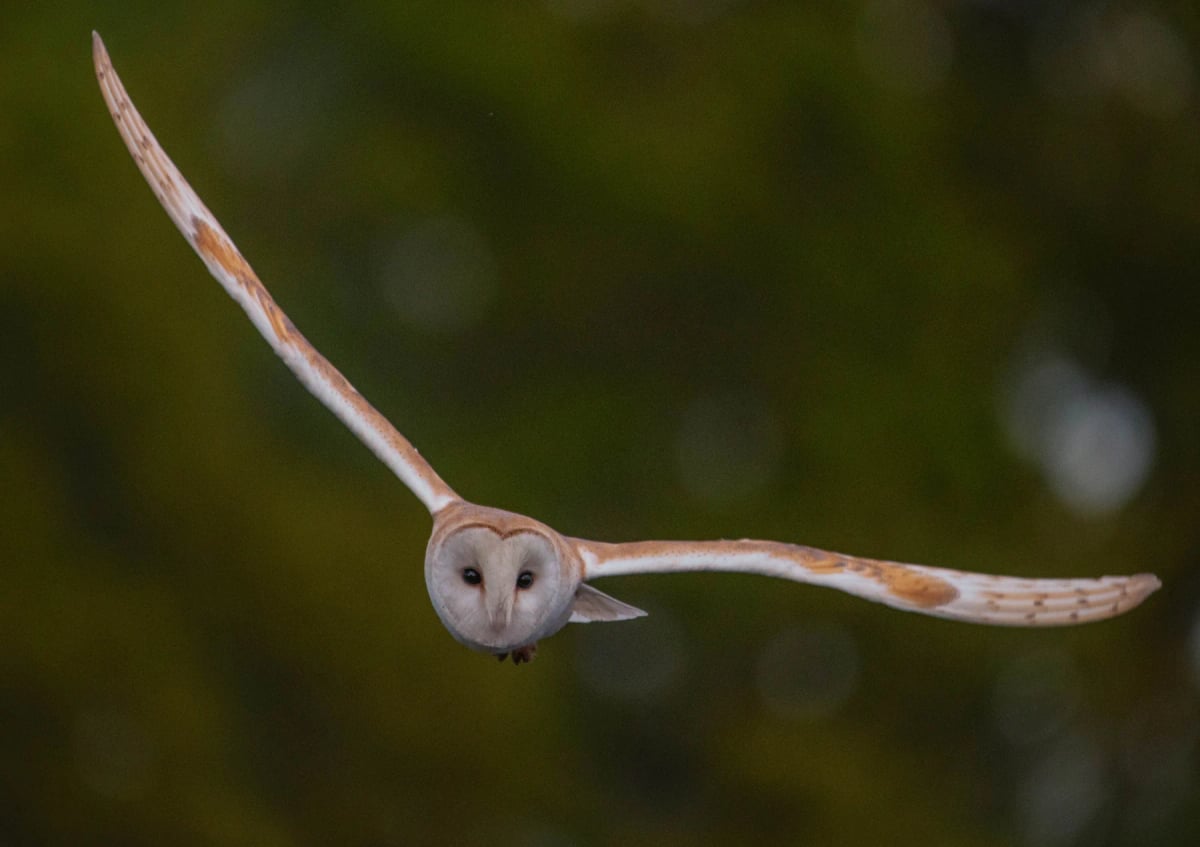
Barn Owl
Tyto alba
The barn owl is a resident of Moldova in open farmland, orchards, and rural villages across this predominantly agricultural country. It nests in old farm buildings, church towers, and hollow trees, and hunts mice and voles at night in open fields and meadows. Moldova's warm summers and relatively mild climate support a more stable population than in neighboring Belarus or northern Ukraine. Populations have declined in some areas due to agricultural intensification and the loss of old structures that serve as nest sites.
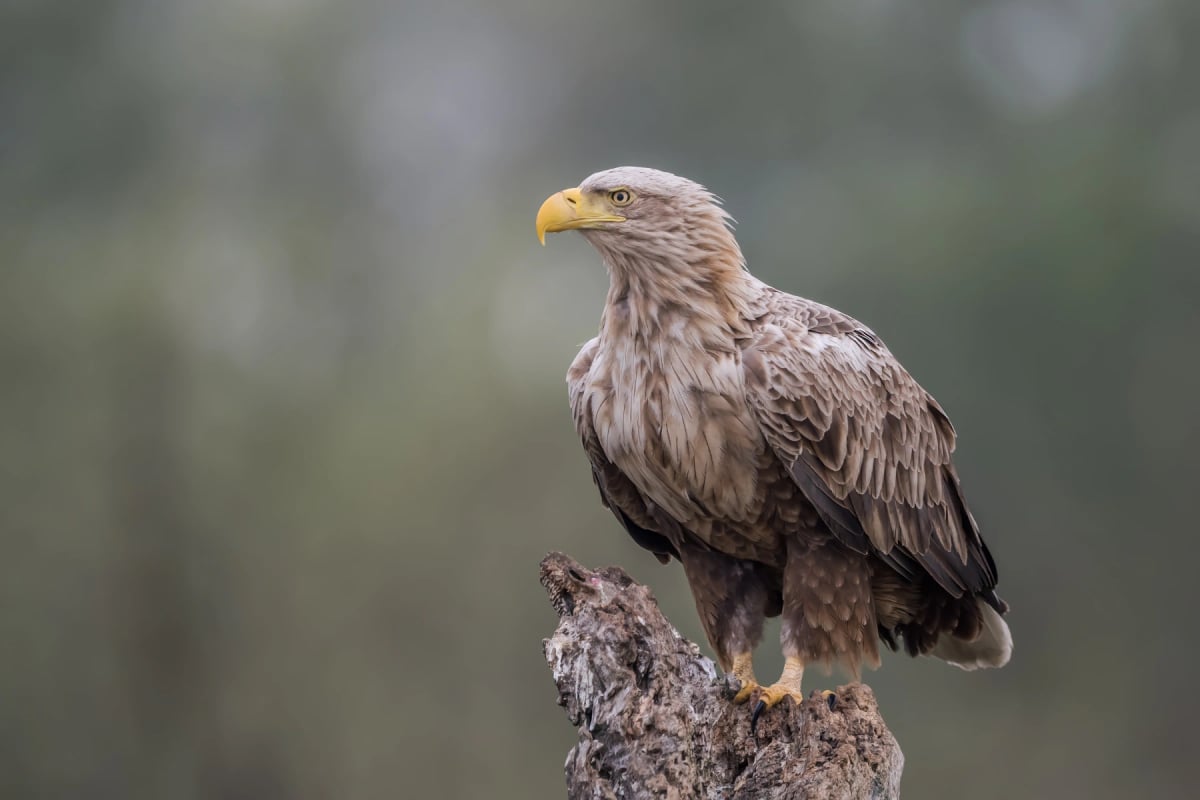
White tailed Eagle
Haliaeetus albicilla
In Moldova, the white tailed eagle is mainly a winter visitor and occasional breeder, found along the Dniester River and its associated floodplain forests and oxbow lakes. These riparian habitats provide shelter and fishing opportunities during the colder months. The species is listed as Least Concern globally, but in Moldova it remains rare, and its presence depends heavily on the health of the Dniester river ecosystem.
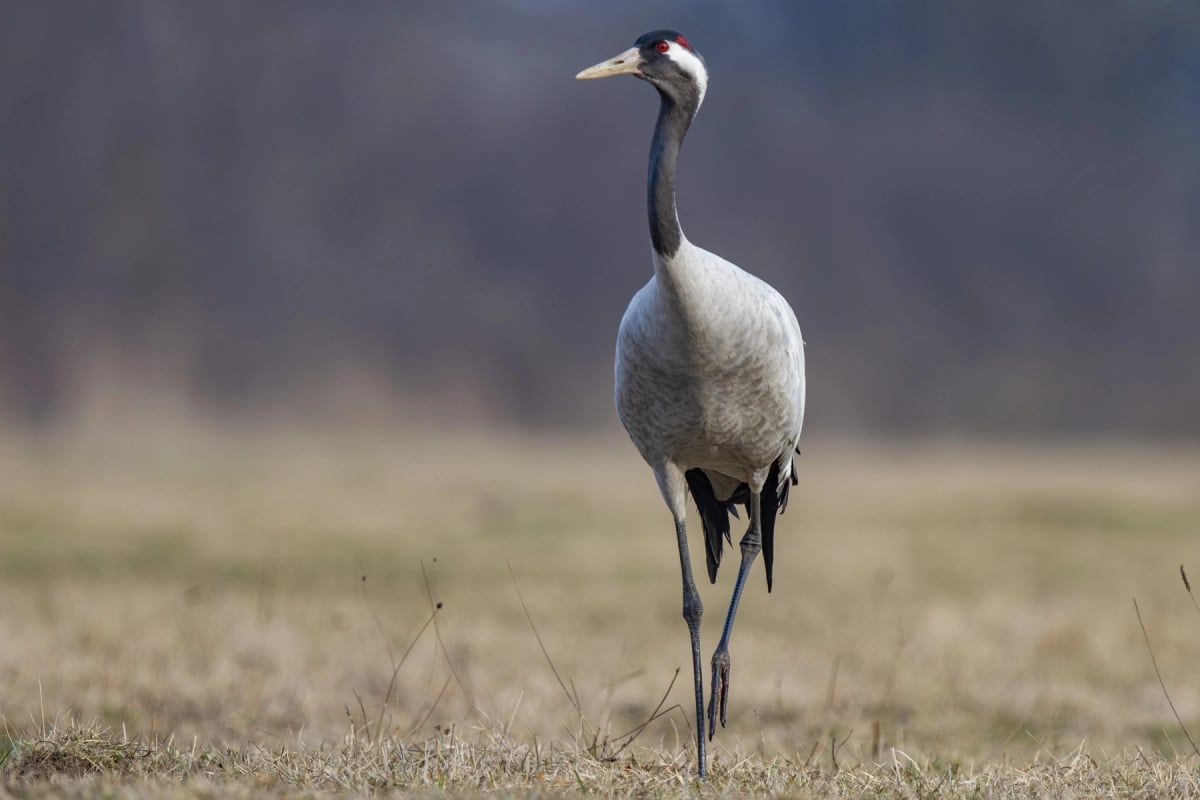
Crane
Grus grus
Common cranes pass through Moldova during their autumn and spring migrations, using the country's river floodplains and open agricultural land as stopover sites. The Prut and Dniester river valleys are particularly suitable resting areas for traveling flocks. Moldova's position between eastern European breeding grounds and southern wintering sites places it directly on a well used migration corridor. The IUCN lists the species as Least Concern.
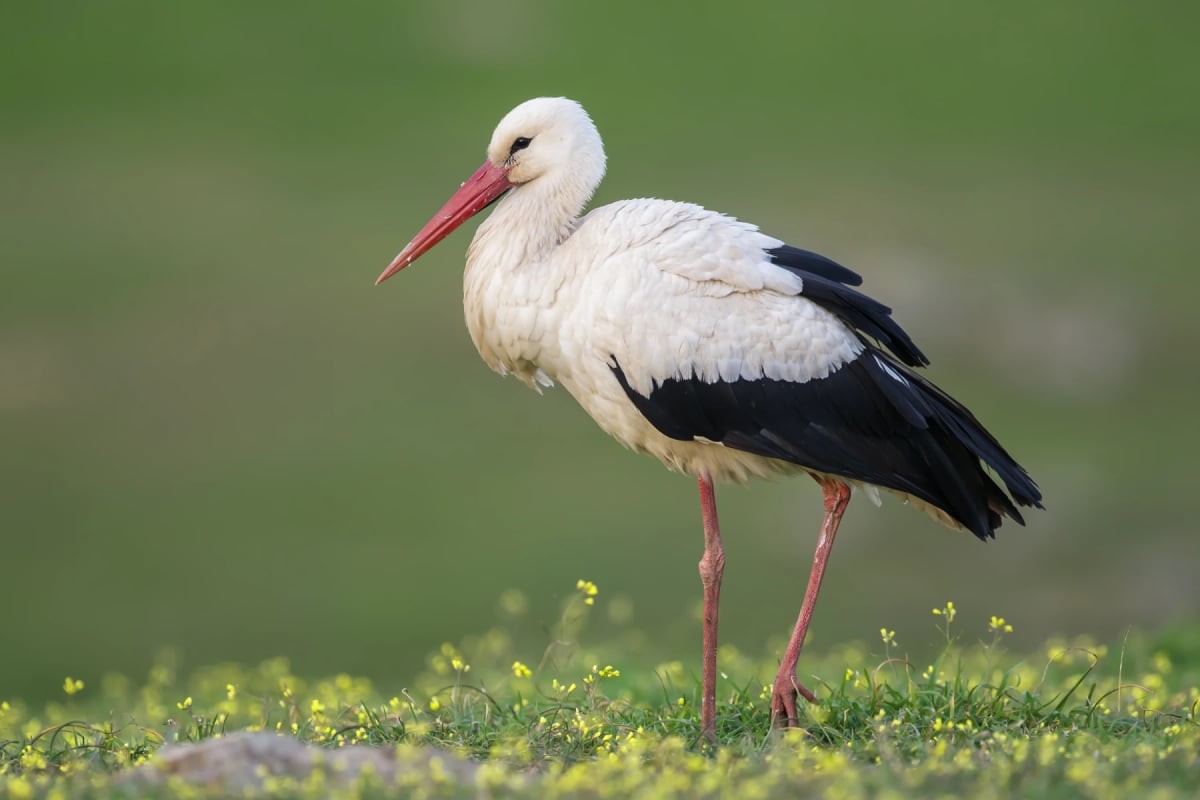
Stork
Ciconia ciconia
Moldova is a breeding country for the white stork, and the bird holds a special place in local culture and tradition. Nests are built on rooftops, poles, and old trees across the country's farmland and river valleys. The storks feed on frogs, earthworms, and insects in the meadows and wetlands along rivers like the Dniester and Prut. The IUCN lists the species as Least Concern.
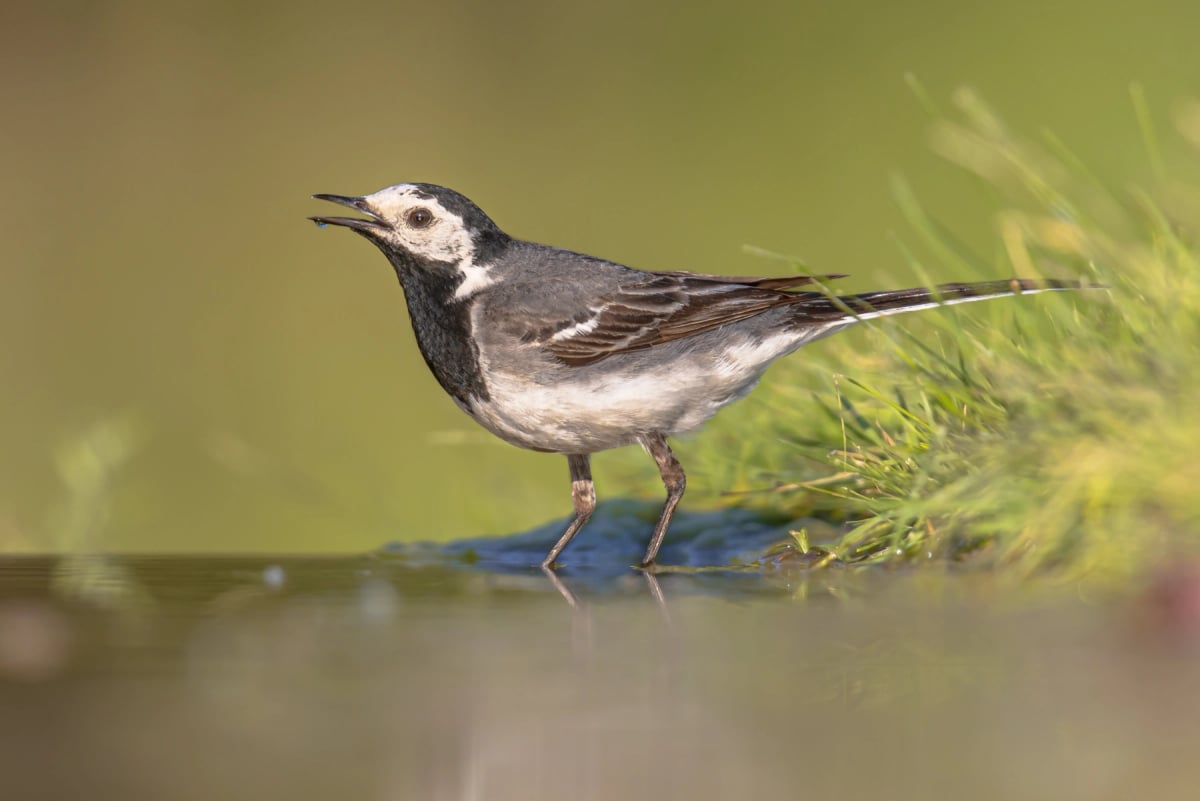
White Wagtail
Motacilla alba
The white wagtail is a common breeding bird in Moldova, nesting along the Dniester and Prut rivers and around ponds, villages and farmyards across the country. It thrives in the mix of open agricultural land and riparian corridors that cover much of the country. It migrates south in autumn, with most birds gone by October. Its IUCN status is Least Concern.
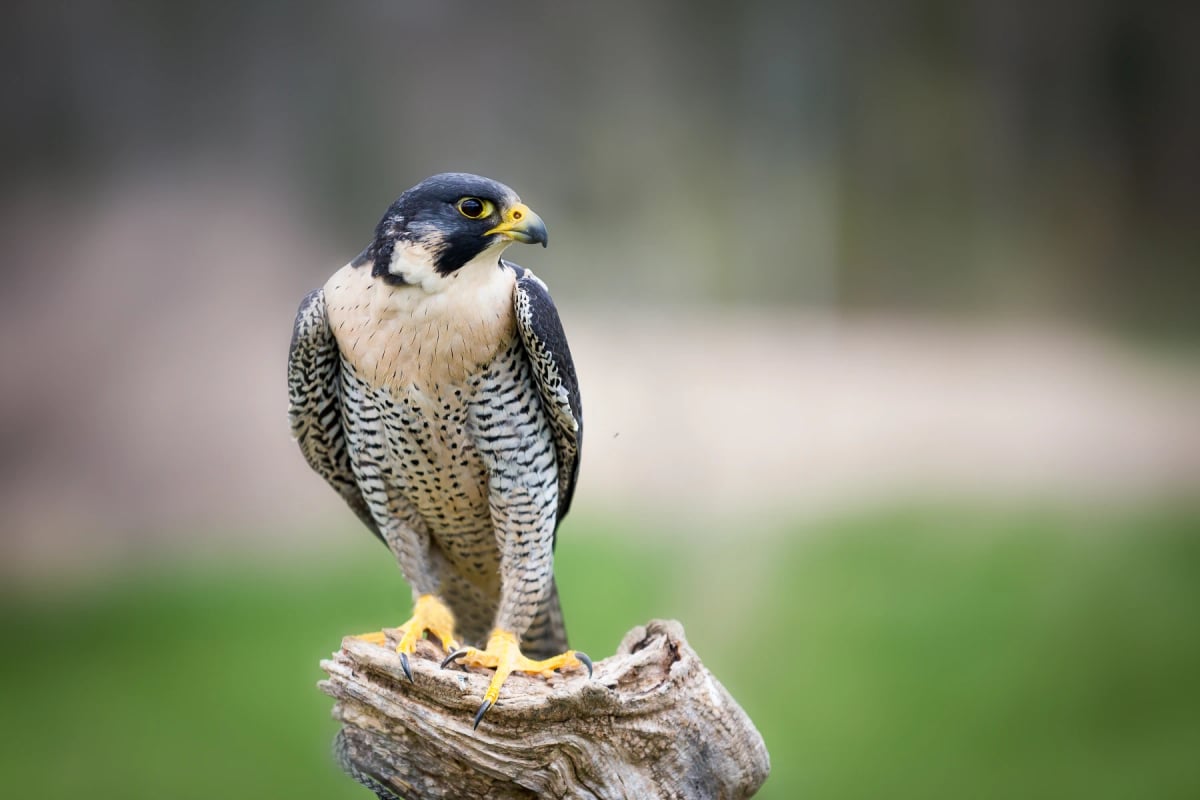
Peregrine Falcon
Falco peregrinus
In Moldova, the peregrine falcon is primarily a bird of passage, moving through during spring and autumn migrations between its northern breeding grounds and wintering areas further south. The country's river valleys, wetlands along the Dniester and Prut rivers, and open agricultural plains can attract migrating birds that the falcon hunts. Breeding in Moldova is rare. Populations across the region have recovered well since DDT was banned. The IUCN lists this species as Least Concern.
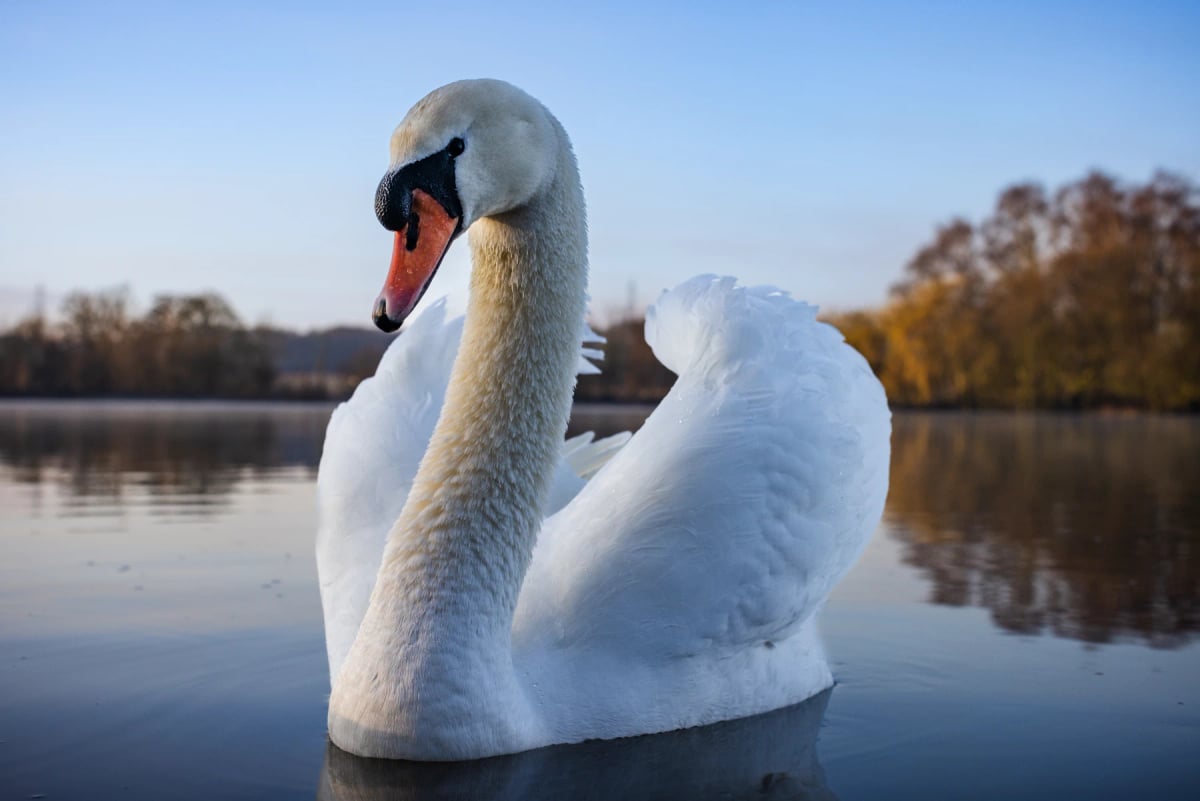
Mute Swan
Cygnus olor
In Moldova, the mute swan occurs along the Dniester and Prut rivers and in the wetlands and reservoirs associated with them. It is present during both the breeding season and winter, when birds from further north may also move through. Moldova's river floodplains provide patches of suitable habitat, though wetland drainage has reduced available areas over time. The IUCN lists the mute swan globally as Least Concern.
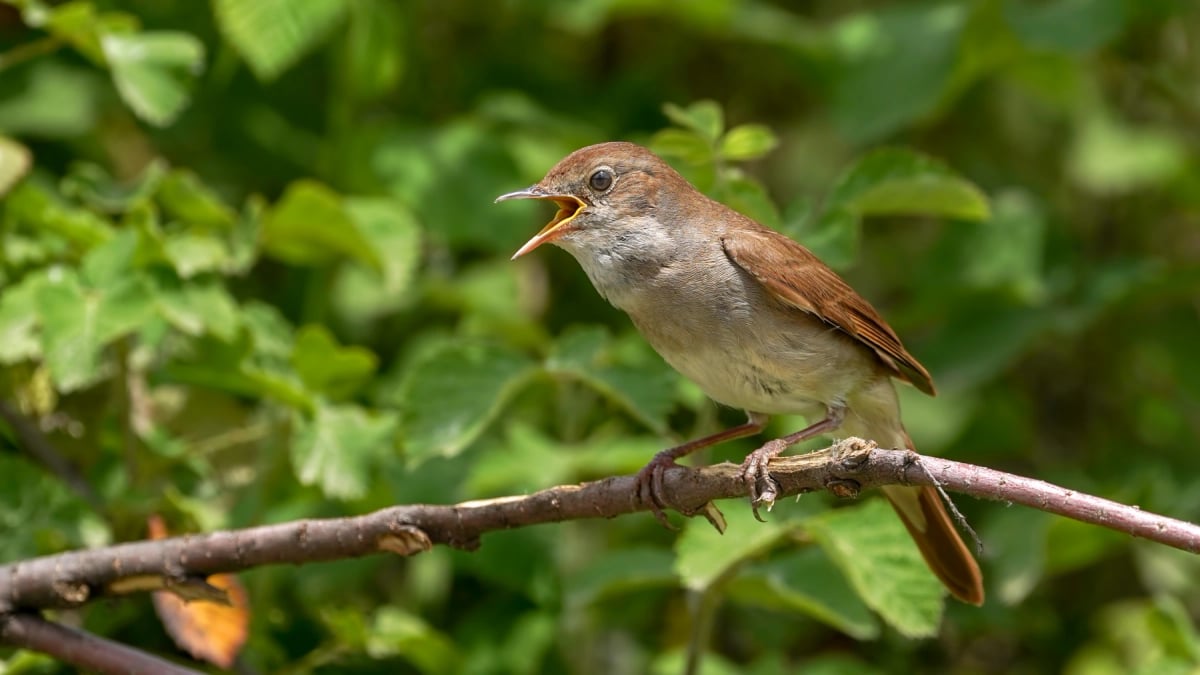
Nightingale
Luscinia megarhynchos
Moldova provides good breeding habitat for the nightingale across much of its territory. Dense shrubby thickets along the Dniester and Prut river corridors, as well as the country's many wooded ravines, are particularly favoured. Males can be heard singing through warm spring nights in May and June. The species migrates to sub-Saharan Africa for winter. It remains one of the most recognised and celebrated birds in Moldovan culture. Its IUCN status is Least Concern.
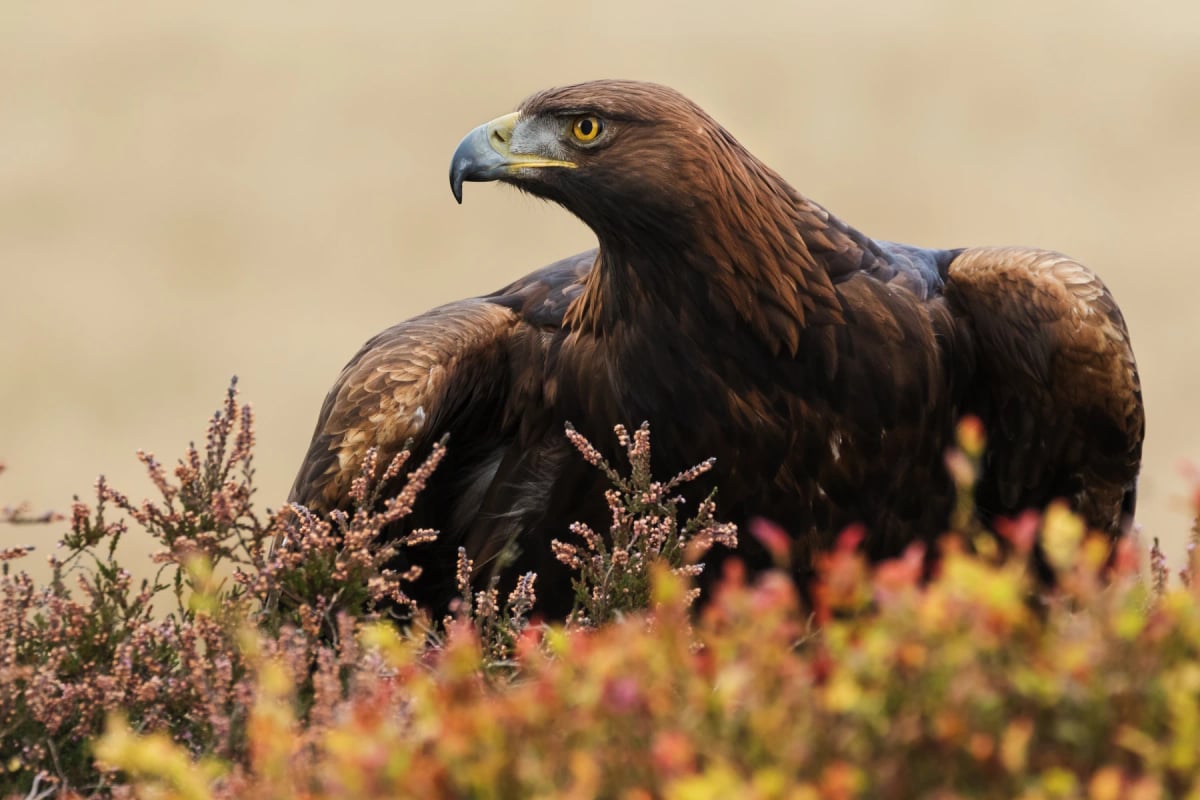
Golden Eagle
Aquila chrysaetos
The golden eagle is a rare visitor to Moldova, occasionally observed during migration or in winter as it moves through the region. The country's predominantly agricultural landscape and limited areas of natural habitat offer few permanent nesting opportunities. Sightings are most likely along river corridors and forested hills. The IUCN lists the species as Least Concern, though local records remain sparse.
Researched and written by Juan Pablo. Sources: IUCN Red List, scientific literature and regional field guides. Last updated: .