Greater Kudu
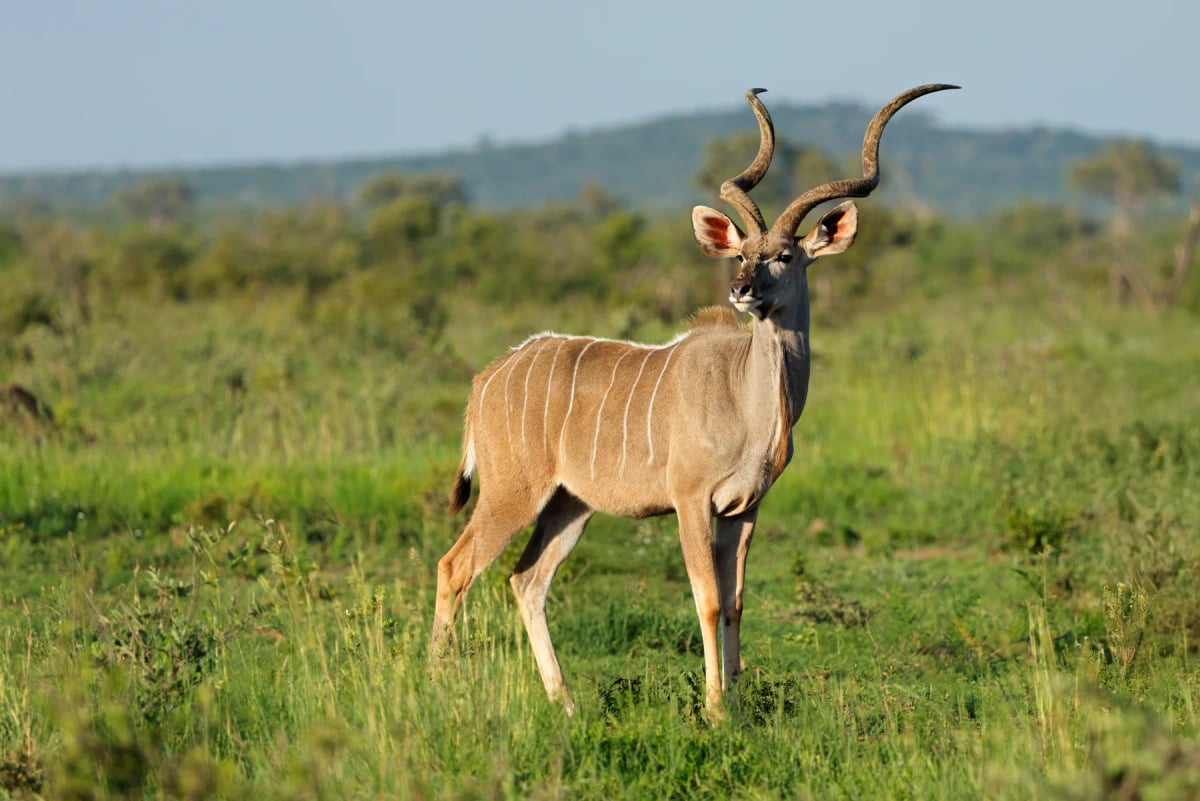
The greater kudu is one of Africa's largest antelopes, instantly recognizable by its towering spiral horns and coat of grey-brown marked with thin white stripes running down the flanks. Only males grow horns, which can surpass 1.8 meters along the curl and take up to six years to reach full size. Females are smaller and hornless, but both sexes share a pattern that breaks up their outline among trees and shrubs. Greater kudus favor woodland and bushland with dense cover, where they browse on leaves, pods, tubers and wild fruits. They are most active around dawn and dusk, resting in shade during the heat of the day. Females and young form small groups, while adult males tend to live alone or in bachelor groups outside of the breeding season. The global population is estimated at around 480,000 individuals.
Appearance
The greater kudu is one of Africa's most striking antelopes. Males carry magnificent spiral horns that can exceed 1.8 meters along the curl, taking as many as six years to reach their full size. The coat is grey to reddish brown, marked with between four and twelve thin white stripes running vertically down the flanks. Both sexes also display a short mane along the back of the neck and a white chevron between the eyes. Females are noticeably smaller than males and grow no horns at all. A fringe of longer hair runs from the chin down the throat and chest of the male. Together, the striped coat and broken outline allow kudus to disappear into woodland shadows with remarkable ease, making them genuinely difficult to spot even at close range.
Diet
Unlike many African antelopes that graze on grass, the greater kudu is a browser. It feeds on leaves, tender shoots, wild fruits, seedpods and tubers pulled from the soil. Because of their height and long necks, kudus can reach foliage that smaller antelopes cannot access. They are selective feeders, choosing the most nutritious plant parts available at any given time of year. During the dry season, when green leaves become scarce, kudus rely more heavily on fruits and pods to meet their energy needs. Feeding activity peaks around dawn and again toward late afternoon. Through the hottest hours of the day, kudus rest in shade and ruminate, digesting the plant material they have gathered. They can go without water for extended periods by drawing moisture from the vegetation they eat.
Behavior
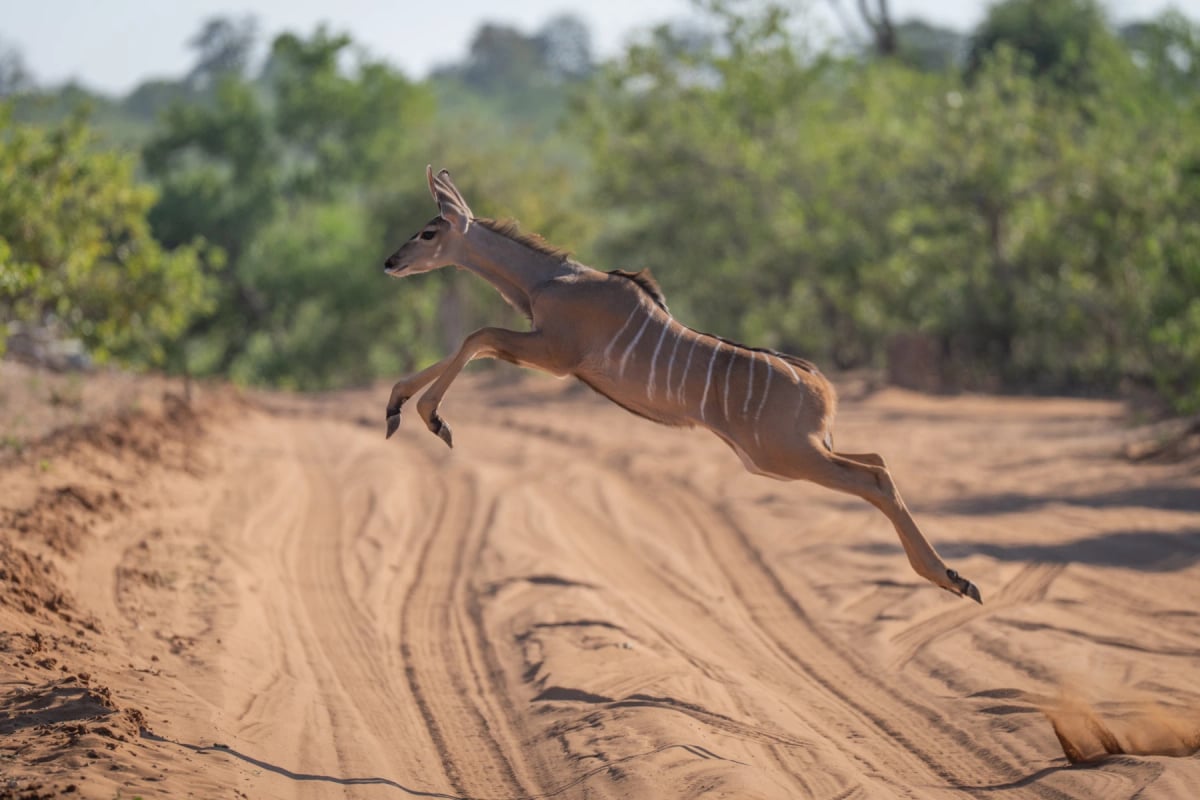
Greater kudus have a social structure that changes with the season. Females and their young form small, loosely organized groups, typically numbering between two and ten individuals. Adult males spend most of the year alone or in small bachelor groups, only seeking out females during the breeding season. When rival males meet at this time, they engage in dramatic head to head trials of strength, locking their spiral horns and pushing hard against each other. Their deep, resonant bark is one of the loudest alarm calls of any African antelope and alerts other animals to nearby predators. When threatened, kudus often freeze and rely on their camouflage before bolting. Males are capable of clearing obstacles over two meters tall, making them exceptional jumpers relative to their body size.
Habitat and range
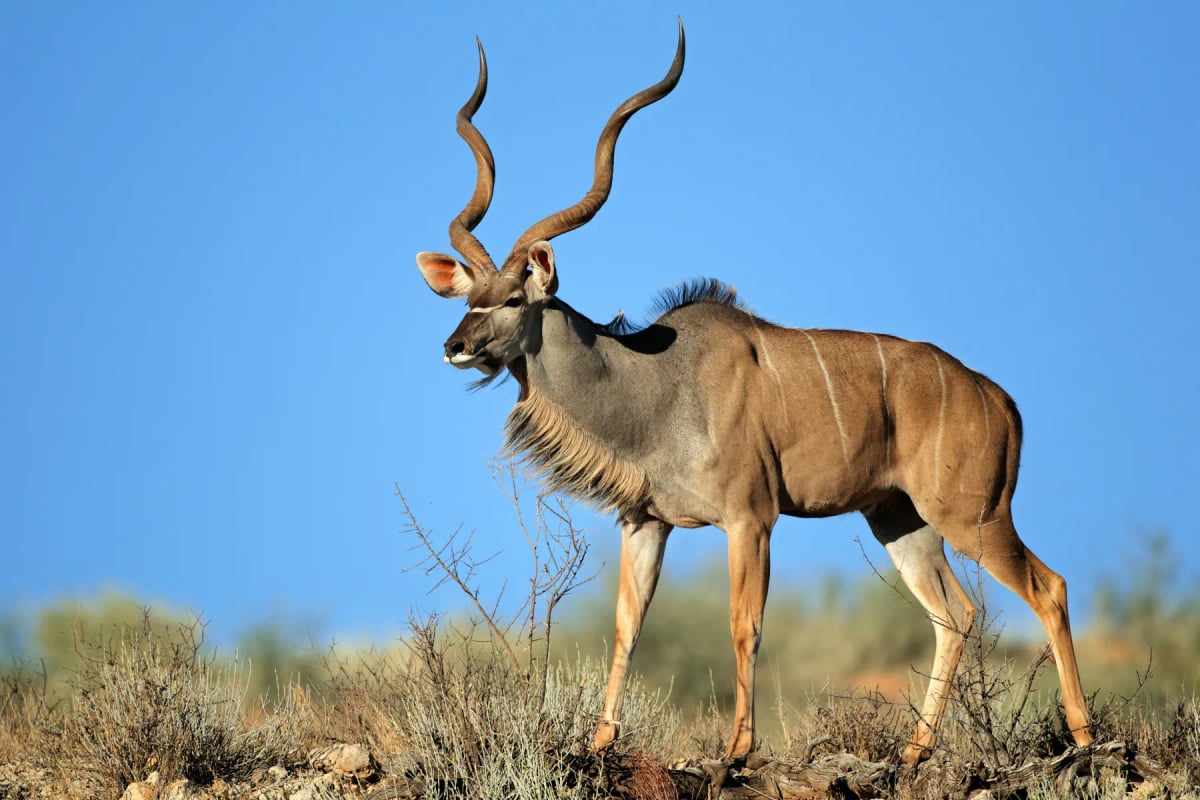
Woodland and dense bushland are the environments where the greater kudu feels most at home. The species is found across a wide arc of eastern and southern Africa, ranging from Ethiopia, Eritrea and Chad in the north, through Kenya, Tanzania and the countries of central Africa, down to South Africa, Namibia and Botswana in the south. Kudus show a clear preference for areas with rocky hills, riverine woodland and thick shrub cover, which provide both food and shelter from predators. They are absent from open grassland and true desert, though they tolerate semi arid conditions well. The species reaches its highest densities inside national parks and game reserves, where hunting pressure is low and suitable habitat is protected. A global population of around 480,000 individuals is currently estimated.
Conservation
Assessed by the IUCN as Least Concern, the greater kudu remains one of Africa's more widespread large antelopes. That status, however, does not mean the species faces no pressure. Hunting for meat and for trophy horns has reduced numbers in several parts of its range, and the spread of farmland continues to shrink and fragment the woodland habitats kudus depend on. In some regions, disease transmitted from domestic livestock has caused local population declines. National parks, game reserves and well managed private land play a vital role in keeping populations stable. The species also adapts reasonably well to areas outside formal protection, provided enough cover and food remain available. Continued monitoring and efforts to reduce conflict between kudus and farming communities will be important for maintaining healthy numbers over the long term.
Where it is found
The Greater Kudu can be found in places such as:
Researched and written by Juan Pablo. Sources: IUCN Red List, scientific literature and regional field guides. Last updated: .
Technical factsheet

Frequently Asked Questions
What do greater kudus eat?
Greater kudus are browsers, not grazers. They feed on leaves, shoots, wild fruits, seedpods and tubers. Their long necks let them reach foliage that smaller animals cannot. During dry seasons, when leaves are scarce, fruits and pods become especially important. They can also go long periods without drinking water, getting much of the moisture they need directly from the plants they eat.
How big do greater kudu horns get?
Only male kudus grow horns, and they are truly impressive. The spiral horns can measure more than 1.8 meters along the curl and take up to six years to reach full size. Males use them during the breeding season to wrestle rival males in head to head contests of strength. Trophy hunters have long prized these horns, which has put hunting pressure on adult males across parts of the species' range.
Where do greater kudus live?
Greater kudus are found across a broad stretch of eastern and southern Africa, from Ethiopia and Chad in the north down to South Africa, Namibia and Botswana. They prefer woodland and dense bushland, especially areas with rocky hills and riverine cover. They avoid open grassland and true desert. The highest concentrations of kudus are found inside national parks and game reserves, where habitat is protected and hunting is controlled.
Are greater kudus endangered?
The greater kudu is currently listed as Least Concern on the IUCN Red List, with a global population estimated at around 480,000 individuals. That said, the species still faces real threats. Hunting for meat and trophies, the loss of woodland habitat to farming, and disease spread by domestic livestock have all reduced numbers in certain areas. Protected reserves play a key role in keeping the overall population stable.
How high can a greater kudu jump?
Greater kudus are remarkable jumpers for their size. Adult males can clear obstacles more than two meters tall in a single bound, which helps them escape predators and move through landscapes broken up by fences or fallen trees. When threatened, a kudu will first try to freeze and blend into its surroundings using its striped coat. If that does not work, it bolts and can clear impressive barriers with ease.
Do greater kudus live in groups?
Greater kudus have a flexible social life. Females and their young gather in small groups, usually between two and ten animals. Adult males spend most of the year on their own or in small groups made up entirely of males. That changes during the breeding season, when males actively seek out females. Outside of that period, males and females rarely share the same space, which is unusual among large African antelopes.
What animals hunt greater kudus?
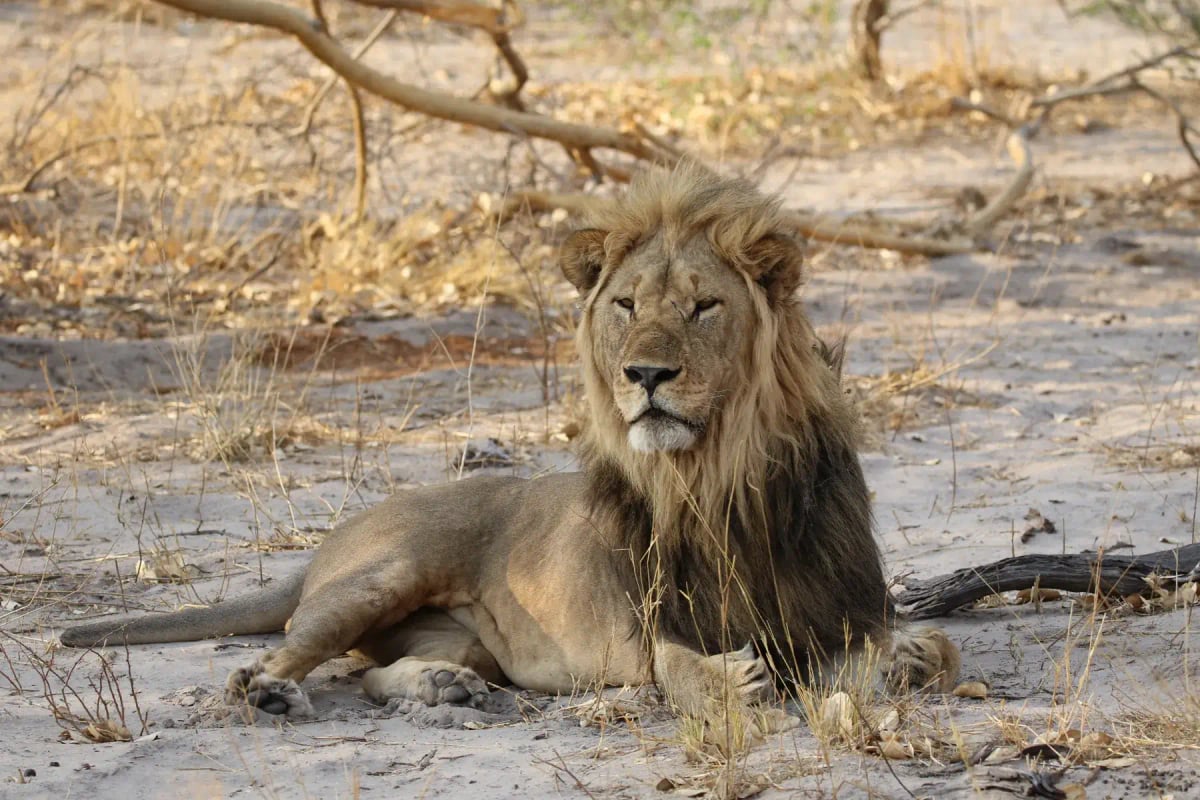
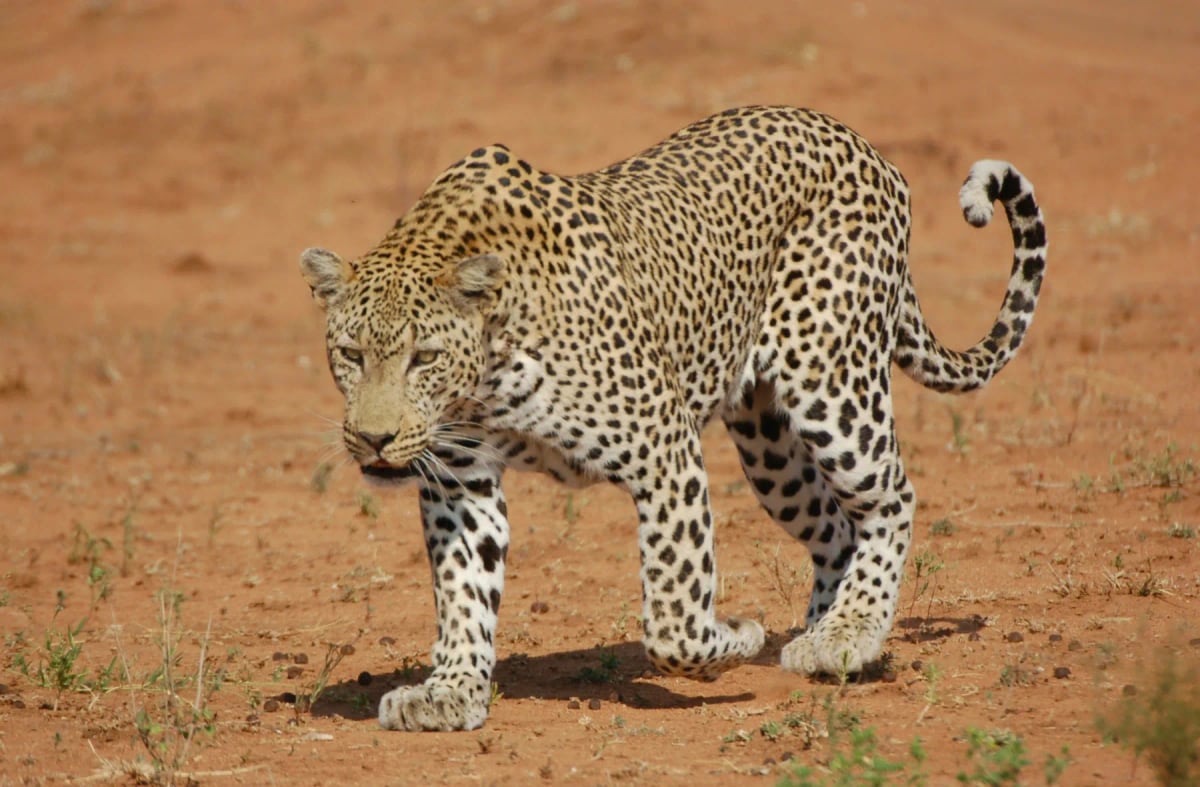
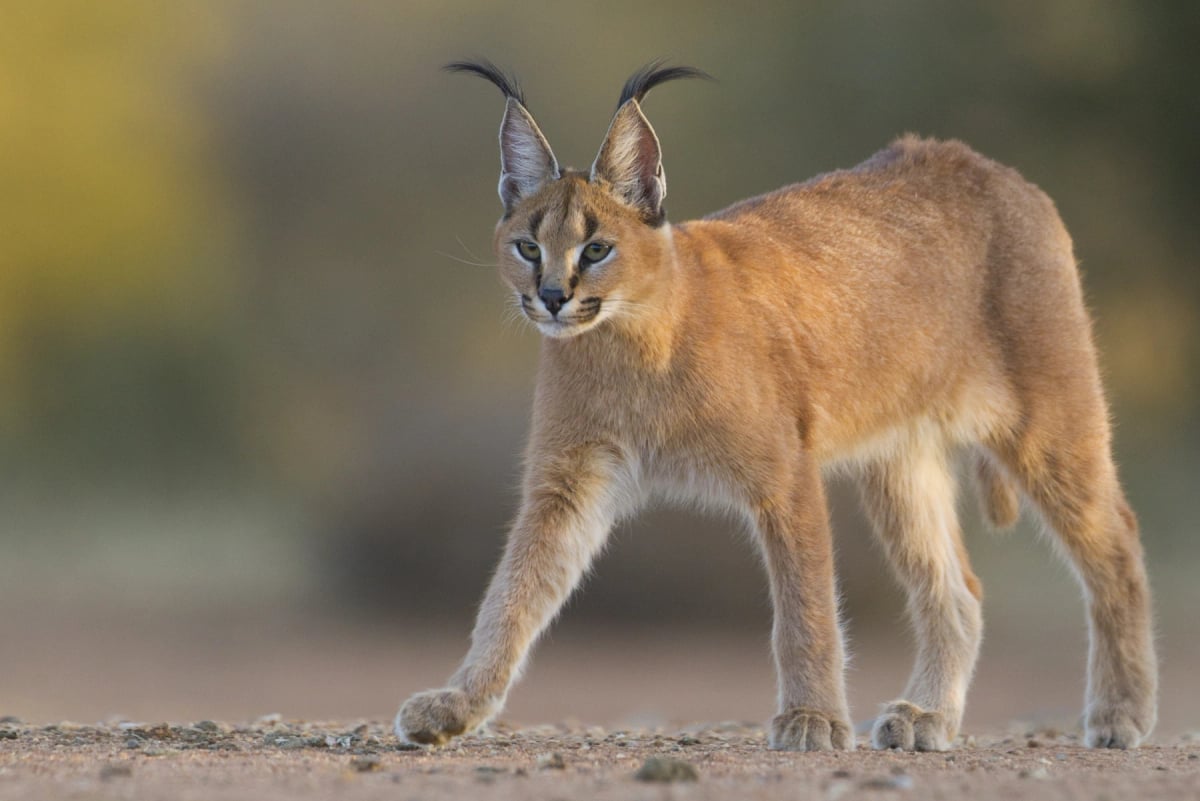
Greater kudus are preyed upon by lions, leopards, African wild dogs and spotted hyenas. Calves are also vulnerable to smaller predators such as cheetahs and caracals. Kudus rely heavily on their striped coat for camouflage as a first line of defense. They also produce one of the loudest alarm calls of any African antelope, a deep bark that warns nearby animals of danger. Their jumping ability gives them a further advantage when fleeing through dense bush.