Animals in Spain
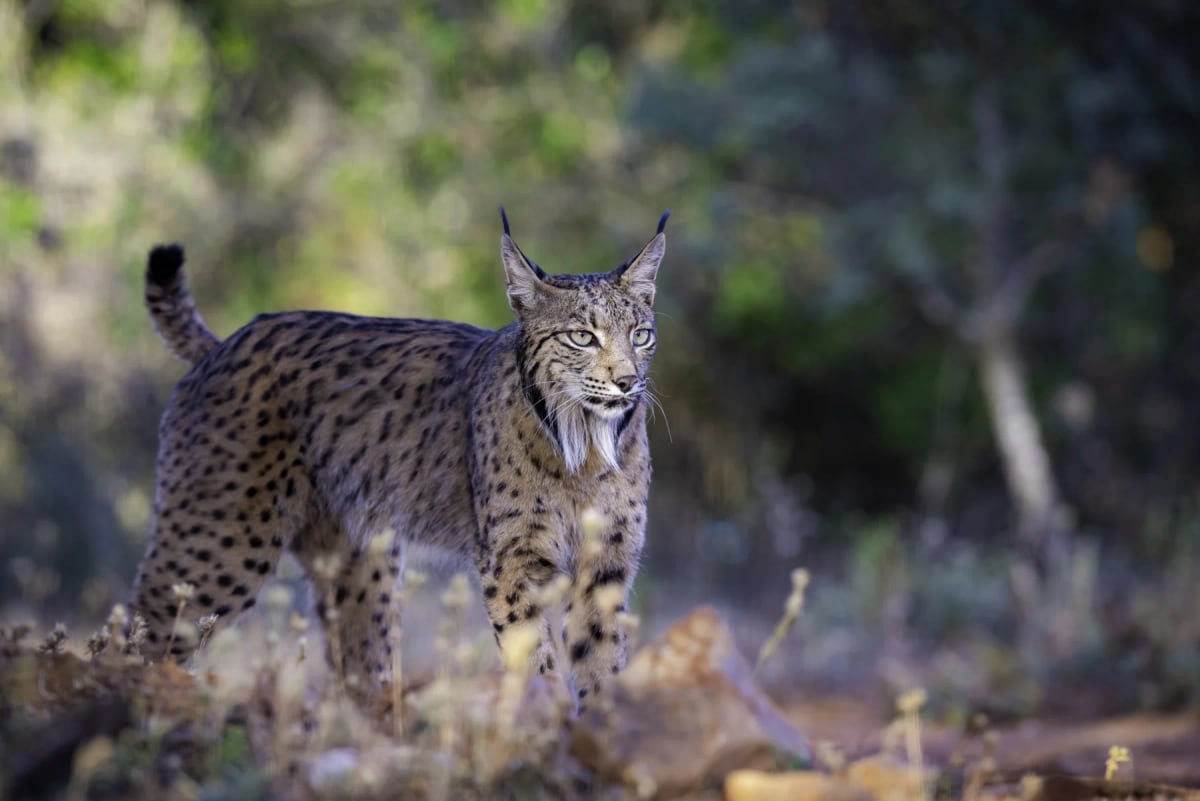
Iberian Lynx
Lynx pardinus
The Iberian lynx is the great symbol of Spanish wildlife and one of the best comeback stories in Europe. In 2002 fewer than 100 were left, split into two small groups in Doñana and the Sierra de Andújar, and it was the most endangered wild cat on Earth. Spain and Portugal then started breeding lynxes in special centers, releasing them into the wild and restoring rabbit populations, which are almost all the lynx eats. The plan worked. The 2024 census counted 2,401 Iberian lynxes, most of them in Spain, and in 2024 the IUCN moved the species from Endangered to Vulnerable. It is easy to recognize by its spotted coat, its short tail and the black tufts on its ears. Its biggest danger today is traffic, since most lynxes that die are hit by cars.
View details→Wildlife in Spain
Spain has some of the richest wildlife in Europe, with high mountains, dry plains, wetlands and two very different seas. In the north, the Cantabrian Mountains are home to brown bears and gray wolves, and alpine marmots whistle in the meadows of the Pyrenees. In the south, the Iberian lynx, which lives only in Spain and Portugal, hunts rabbits in the Mediterranean woodlands of Andalusia and Castilla La Mancha. Doñana National Park is one of the most important wetlands in Europe, where flamingos, storks and thousands of other birds stop every year. Spain also has the largest population of griffon vultures in Europe, and parks like Monfragüe are great places to see them together with golden eagles and eagle owls. Every winter, huge flocks of cranes arrive at the Gallocanta lagoon. In the sea, dolphins and sperm whales live in the Strait of Gibraltar, where orcas follow the tuna each summer.
Most Dangerous Animals in Spain
Spain is a very safe country when it comes to wild animals, and serious incidents are rare. Brown bears and gray wolves live in remote mountain areas of the north and almost always avoid people. If you ever see a bear, keep your distance and never try to get closer for a photo. Wild boars are the animals that cause the most trouble. They are common across the country and even walk into the edges of cities like Barcelona and Madrid looking for food. They can charge if they feel cornered, especially mothers with young, and they cause many car accidents on country roads. Spain also has a few kinds of vipers, which live in rocky, sunny places, but bites are rare and almost always happen when someone steps on one. At sea, orcas in the Strait of Gibraltar have pushed and damaged sailboats since 2020, so sailors follow official advice in that area. Sharks are present in Spanish waters, but attacks on people are extremely rare.
Top 10 Animals in Spain
The top 10 animals in Spain mix rare land predators with big animals of the sea. The Iberian lynx is the star, and the Sierra de Andújar in Jaén is the best place to try to see one. Brown bears live in two areas, about 370 in the Cantabrian Mountains and a smaller group of around 100 in the Pyrenees, shared with France. Gray wolves live mainly in the northwest, in Galicia, Asturias and Castilla y León, and the Sierra de la Culebra in Zamora is famous for wolf watching. White storks build huge nests on church towers and rooftops, especially in Extremadura and around Madrid, and white tailed eagles are very rare visitors. At sea, the Strait of Gibraltar is one of the best places in Europe to see dolphins and sperm whales on boat trips from Tarifa. A small group of orcas also lives there, and in recent years some of them have become famous for pushing and damaging sailboats.
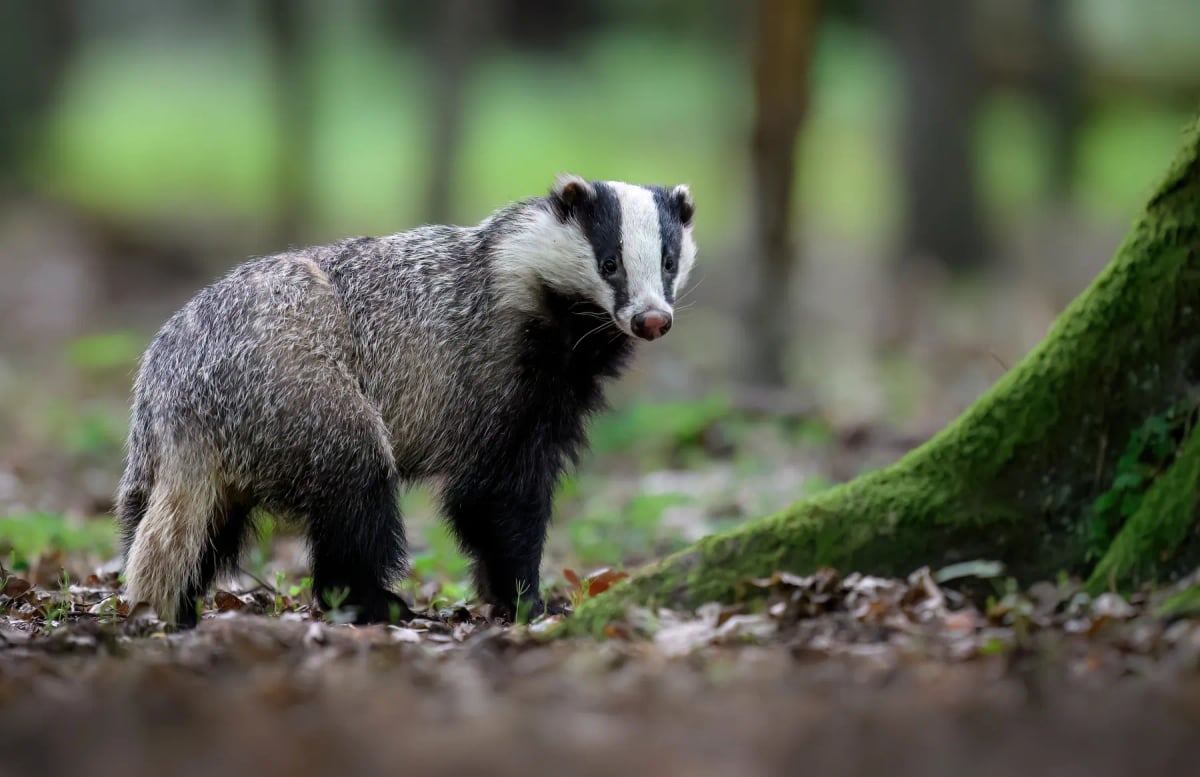
Badger
Meles meles
The Eurasian badger is widespread across Spain, living in forests, scrubland and agricultural areas where soil conditions allow it to dig its extensive underground burrow systems. Nocturnal and secretive, it is rarely seen despite being common in many parts of the country. In Spain the badger is an omnivore that feeds on earthworms, insects, fruit and small animals, adjusting its diet to whatever each season and habitat provides.

Brown Bear
Ursus arctos
Spain is home to two isolated brown bear populations: one in the Cantabrian Mountains of the northwest and one in the Pyrenees along the French border. Both populations suffered severe declines during the twentieth century and remain small. Recovery programs, including reintroductions in the Pyrenees, have shown gradual progress. The Cantabrian population, managed without reintroductions, has slowly grown thanks to strict legal protection.
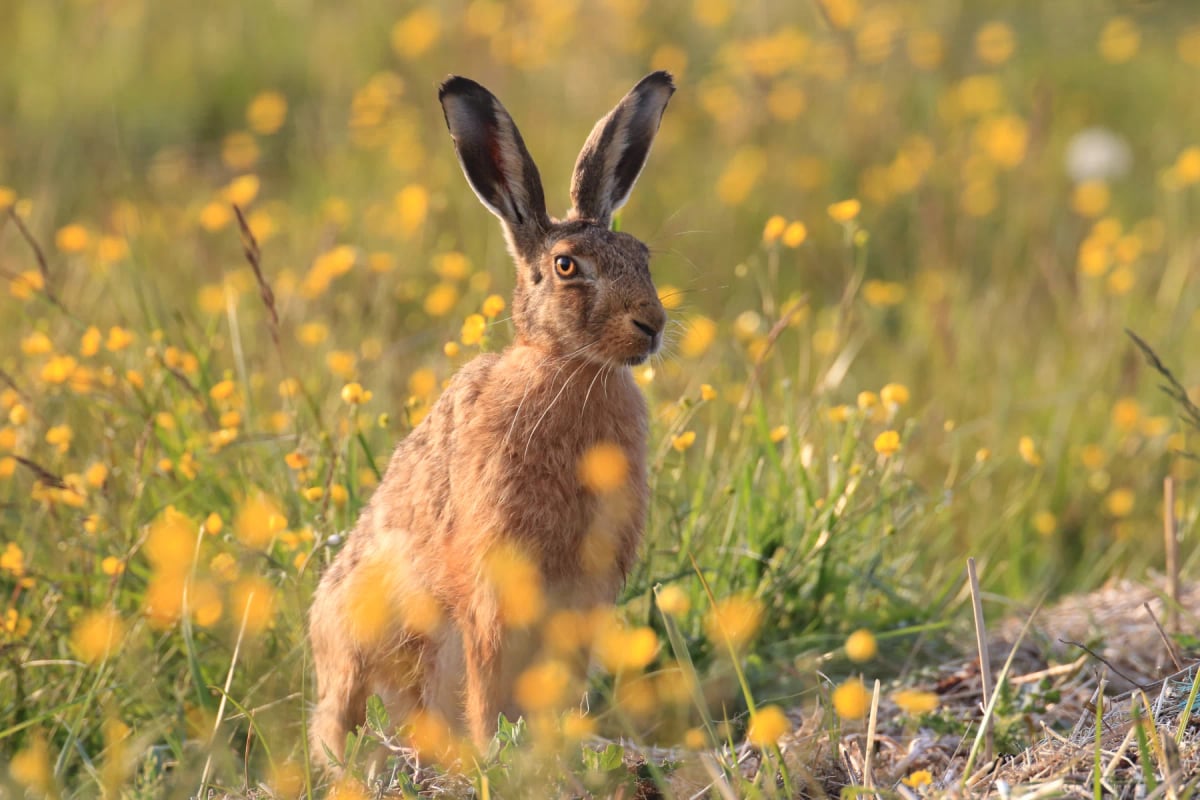
Hare
Lepus europaeus
The European hare is present across much of mainland Spain, from the cereal plains of Castile to the open plateaus of Aragon and the farmland of Andalusia. It thrives in dry, open landscapes where it can spot danger from a distance and rely on its speed to escape. In some regions it coexists with the Iberian hare, a closely related species. Agricultural changes and the loss of traditional farming practices have affected populations in several areas.
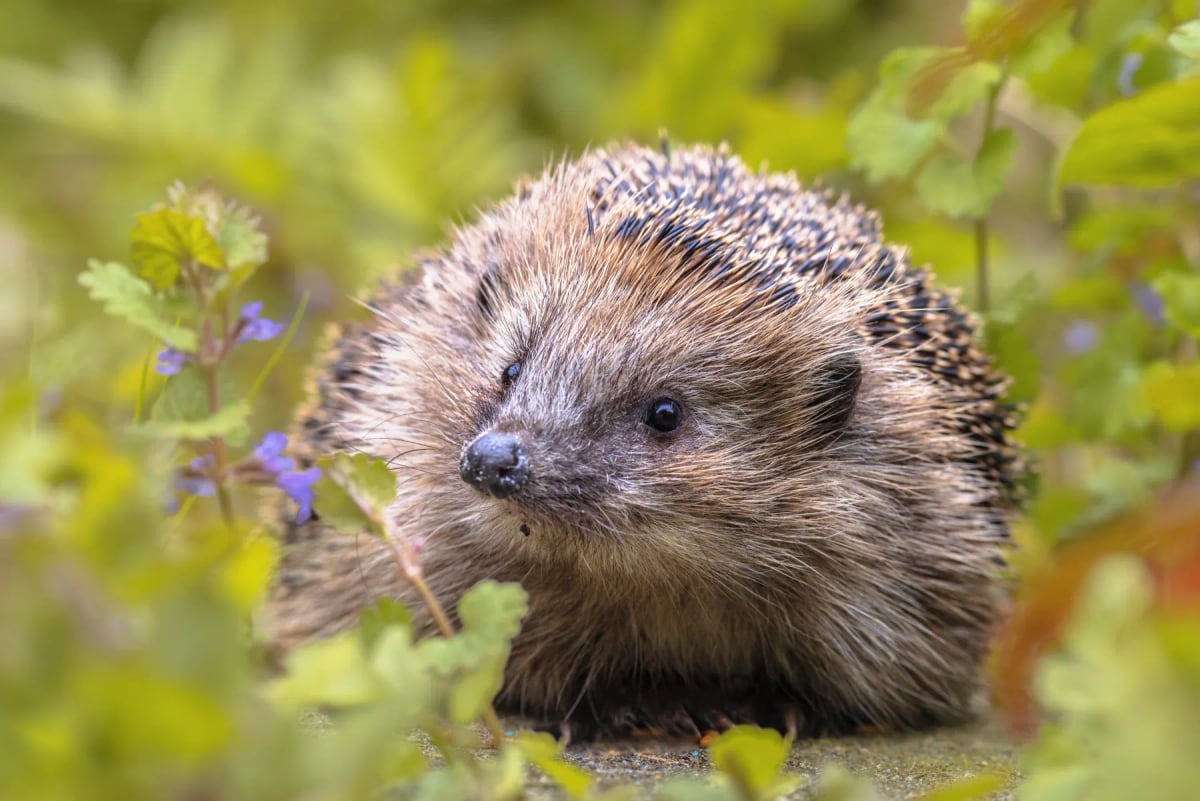
Hedgehog
Erinaceus europaeus
In Spain, the European hedgehog is found across the northern third of the country, from Galicia and the Cantabrian coast through Navarre and into parts of Catalonia. It favours gardens, scrubland, and the edges of woodland where prey is easy to find. Absent from most of the dry interior plateau, it thrives where the climate stays mild and moist. The IUCN lists it as Least Concern, though habitat loss in rural areas poses a growing challenge.
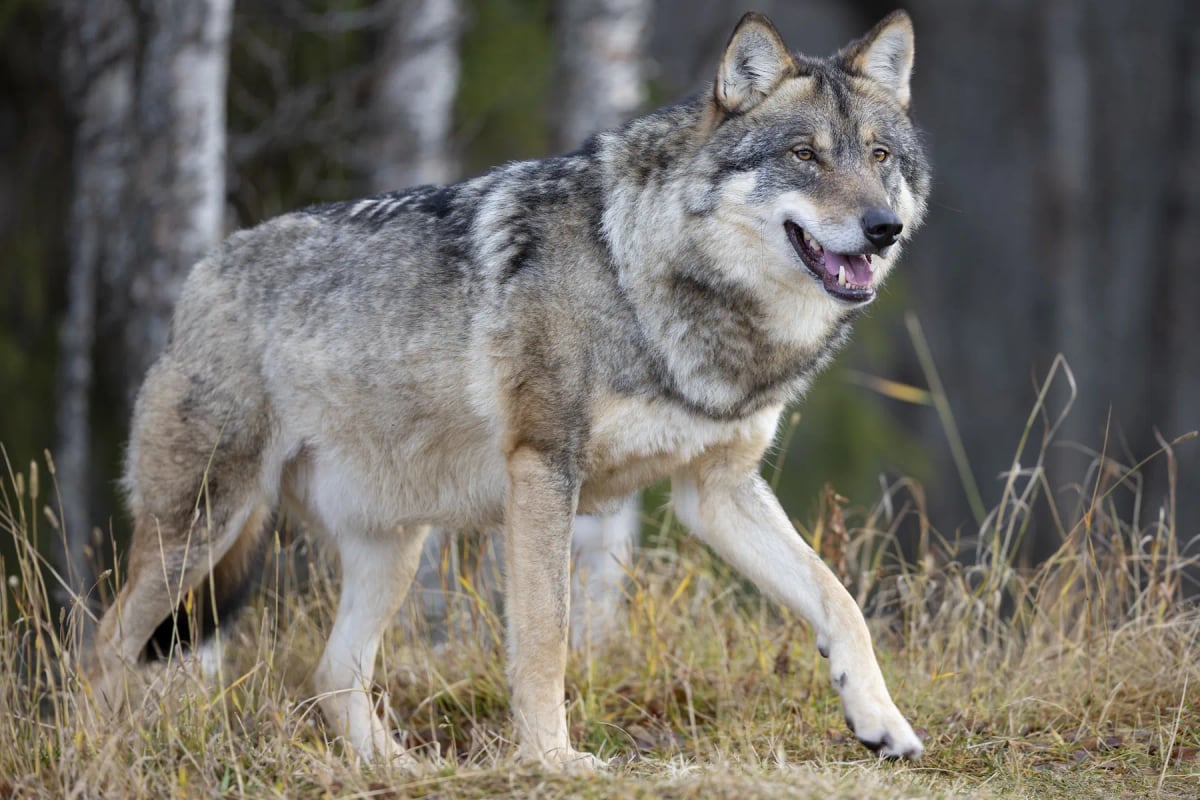
Gray Wolf
Canis lupus
Spain holds the largest wolf population in Western Europe, with most individuals found north of the Duero River in Castilla y León, Galicia and Asturias. A smaller, isolated southern population also exists in the Sierra Morena. The Iberian wolf is a distinct subspecies adapted to the landscape of the peninsula. Spain protected the wolf nationwide in 2021 and reversed it: since April 2025 wolves north of the Duero can be hunted again, while those south of the river stay protected. IUCN status: Least Concern.
Iberian Lynx
Lynx pardinus
The Iberian lynx is one of Spain's most iconic animals and the rarest wild cat on Earth. Its stronghold lies in Andalusia, particularly in the Sierra Morena and Doñana areas, where scrubland and cork oak forests provide ideal cover. Spain has led recovery efforts through captive breeding and habitat restoration, helping the species rebound from near extinction to over 1,600 individuals by 2024.
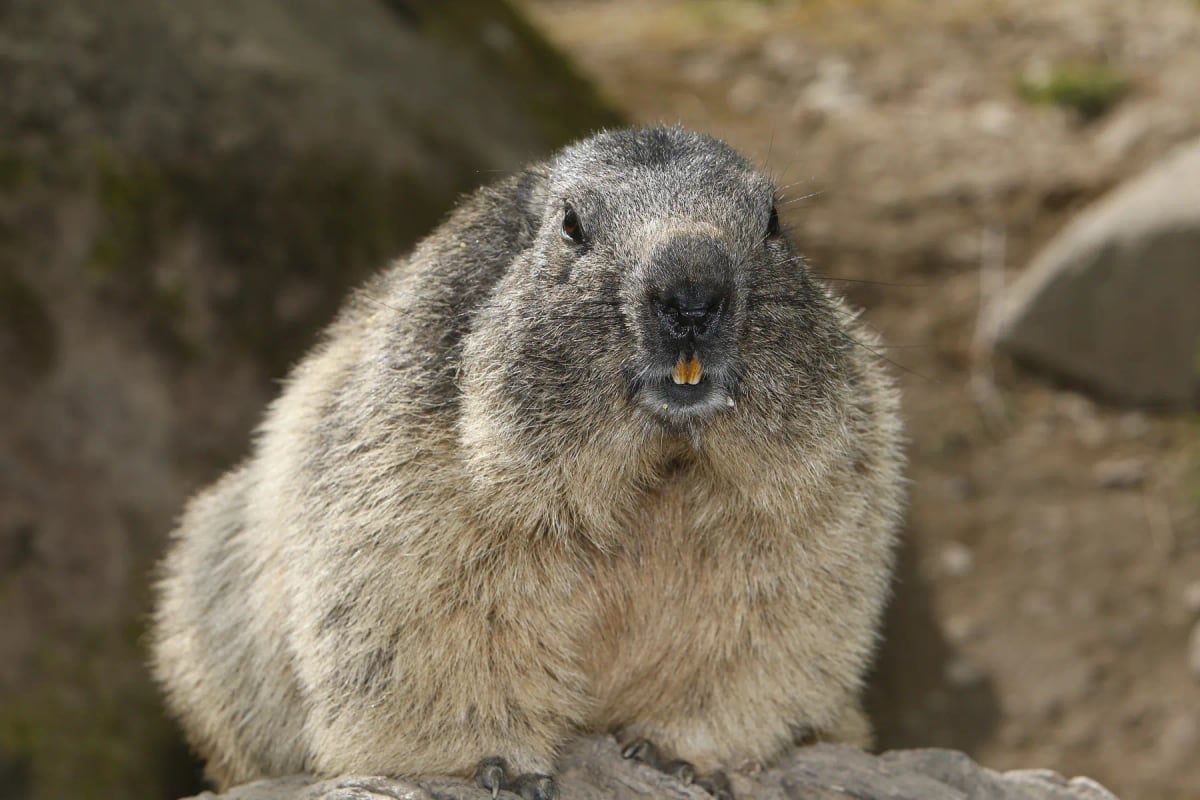
Alpine Marmot
Marmota marmota
The alpine marmot was introduced to the Pyrenees in the mid twentieth century and has since established a stable population across the Spanish side of the mountain range. Originally from the Alps, it thrives in high altitude meadows where it lives in burrow colonies and feeds on grasses and plants. Its sharp warning call is a familiar sound for hikers in the Pyrenees, and sightings are common in summer when the animals are active before preparing for their long winter hibernation.
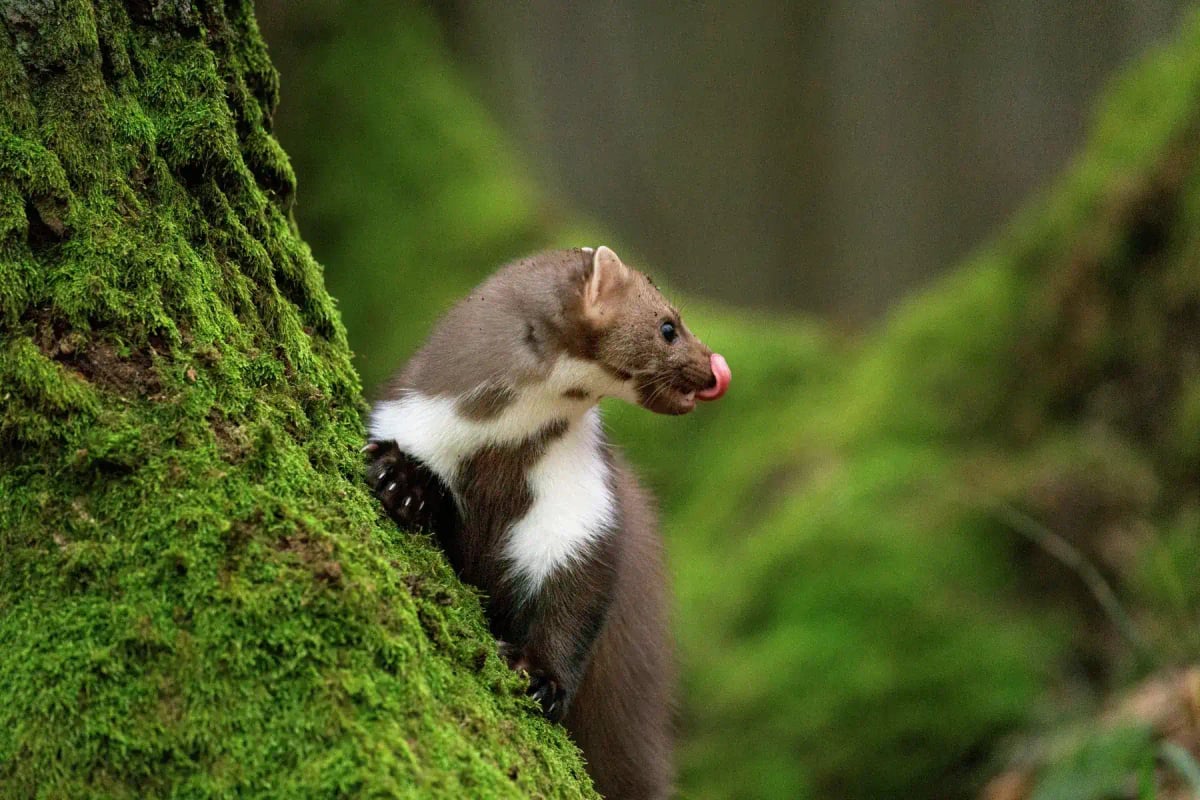
Marten
Martes martes / Martes foina
Spain is home to the stone marten, found across much of the peninsula in rocky areas, scrubland, and rural villages. The pine marten has a more limited presence, recorded mainly in the Pyrenees and parts of the Cantabrian Mountains. Stone martens are especially adaptable and thrive even near towns. Both species contribute to pest control by feeding on rodents and are protected under Spanish law. IUCN status: Least Concern.
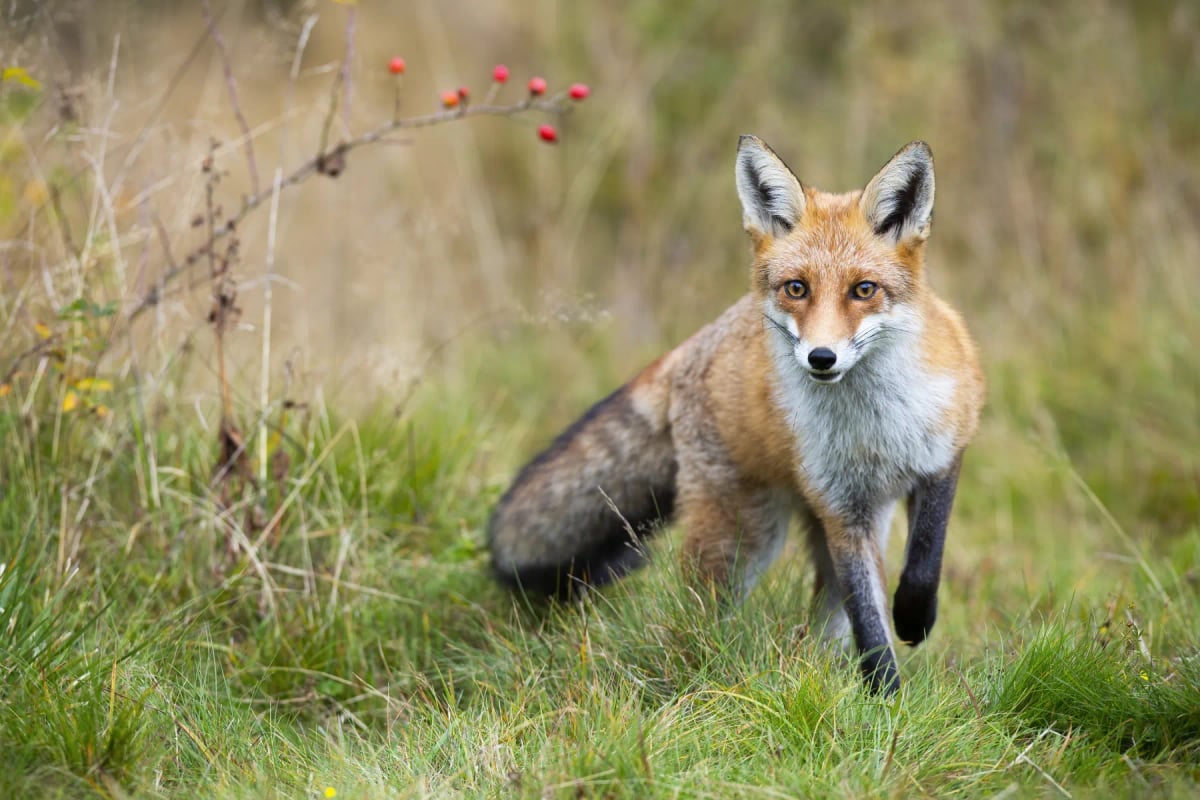
Red Fox
Vulpes vulpes
The red fox is widespread across Spain, inhabiting everything from the scrublands of Extremadura and the highlands of the Pyrenees to olive groves and coastal plains. It plays an important ecological role as a controller of rodent populations. In some areas, it shares territory with the endangered Iberian lynx, and careful land management helps both species coexist. Its IUCN status is Least Concern.
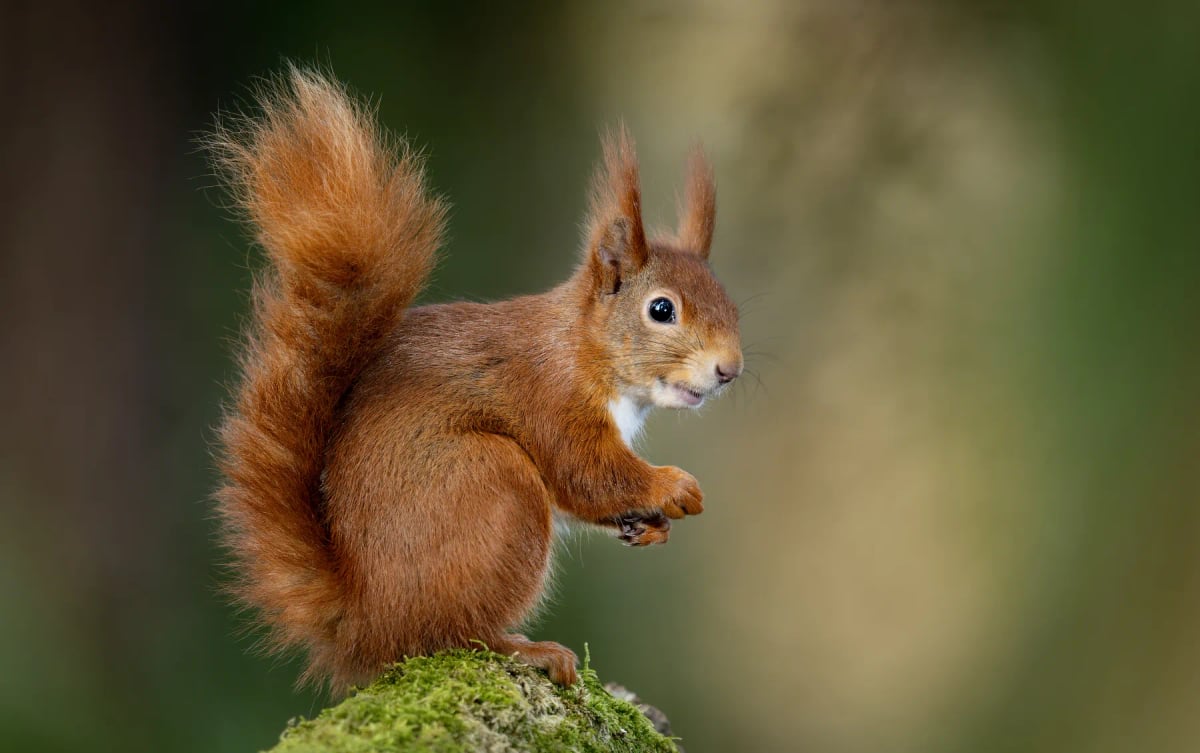
Red Squirrel
Sciurus vulgaris
In Spain, the red squirrel is found across the northern regions, including the Pyrenees, the Cantabrian Mountains and forested areas of Navarre and Castile. It favours pine and mixed forests at higher elevations. Unlike in the United Kingdom, the grey squirrel has not yet established itself widely in Spain, so the red squirrel faces less competitive pressure here. Its IUCN status is Least Concern.
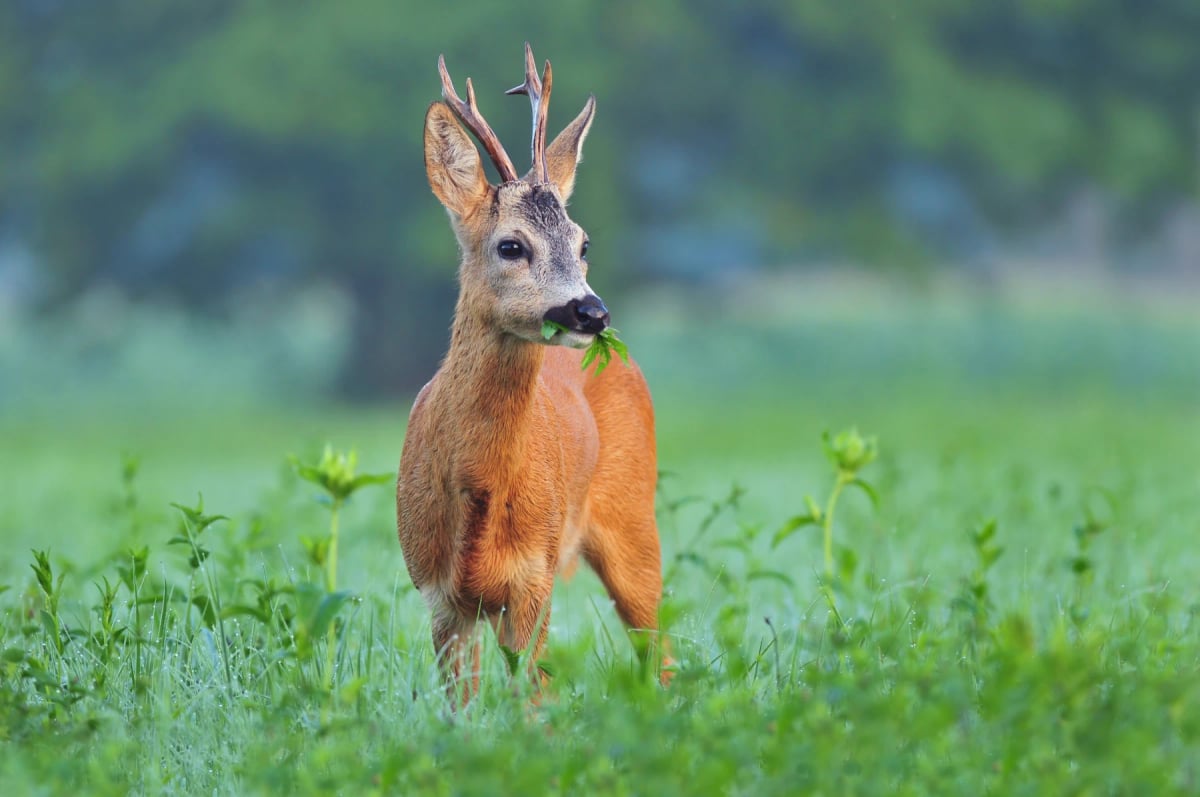
Roe Deer
Capreolus capreolus
In Spain, roe deer are mainly found in the north, particularly across the Pyrenees, the Cantabrian Mountains, and parts of the Iberian System. Their range has expanded over recent decades as forest cover has increased. They favour woodland edges and areas of dense scrub. Absent from most of the arid south, they are far more common than the larger red deer in montane forest habitats of the north. IUCN status: Least Concern.
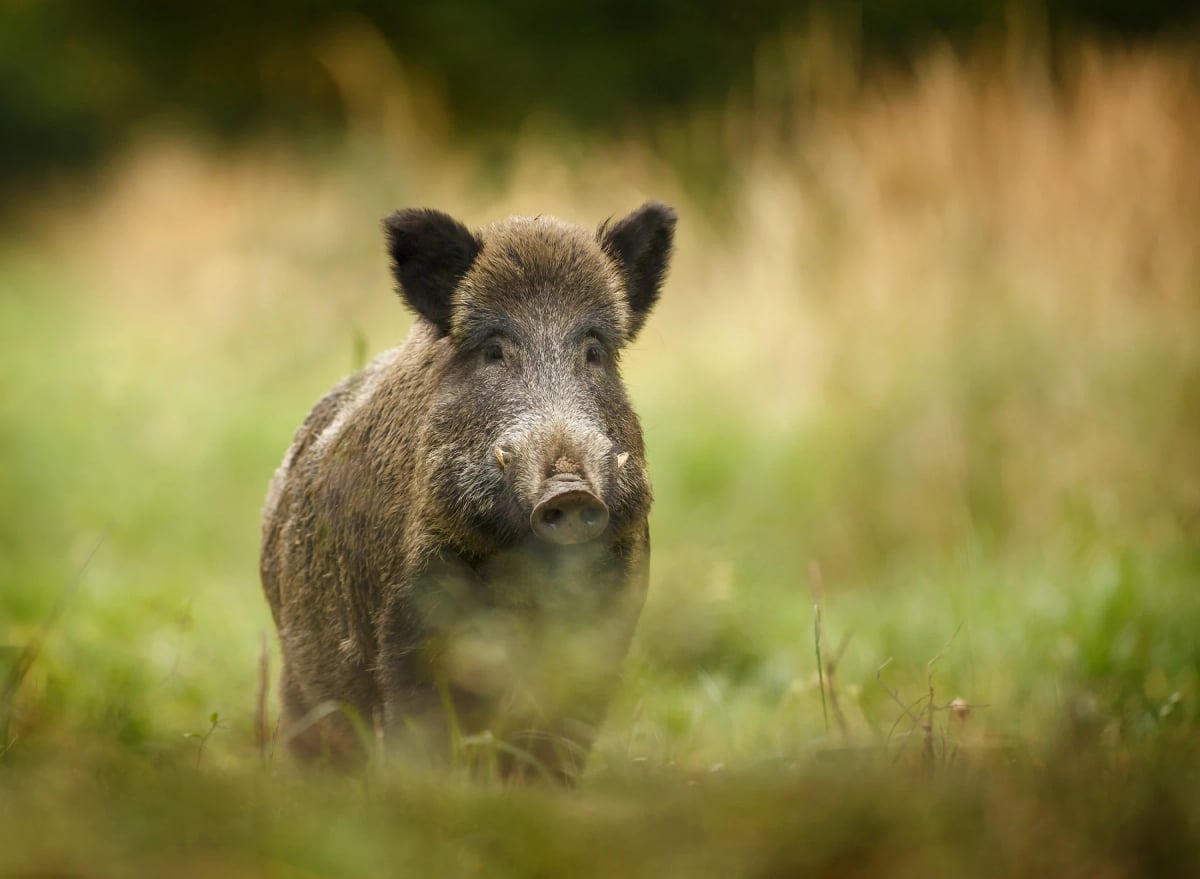
Wild Boar
Sus scrofa
The wild boar is one of the most abundant and widespread large mammals in Spain, found in forests, scrubland and agricultural areas across virtually the entire country. Highly adaptable, it roots through soil in search of bulbs, roots, acorns and small animals. Populations have grown significantly in recent decades, bringing the species into increasing contact with farms, vineyards and suburban areas, where it causes damage and generates ongoing management debates.
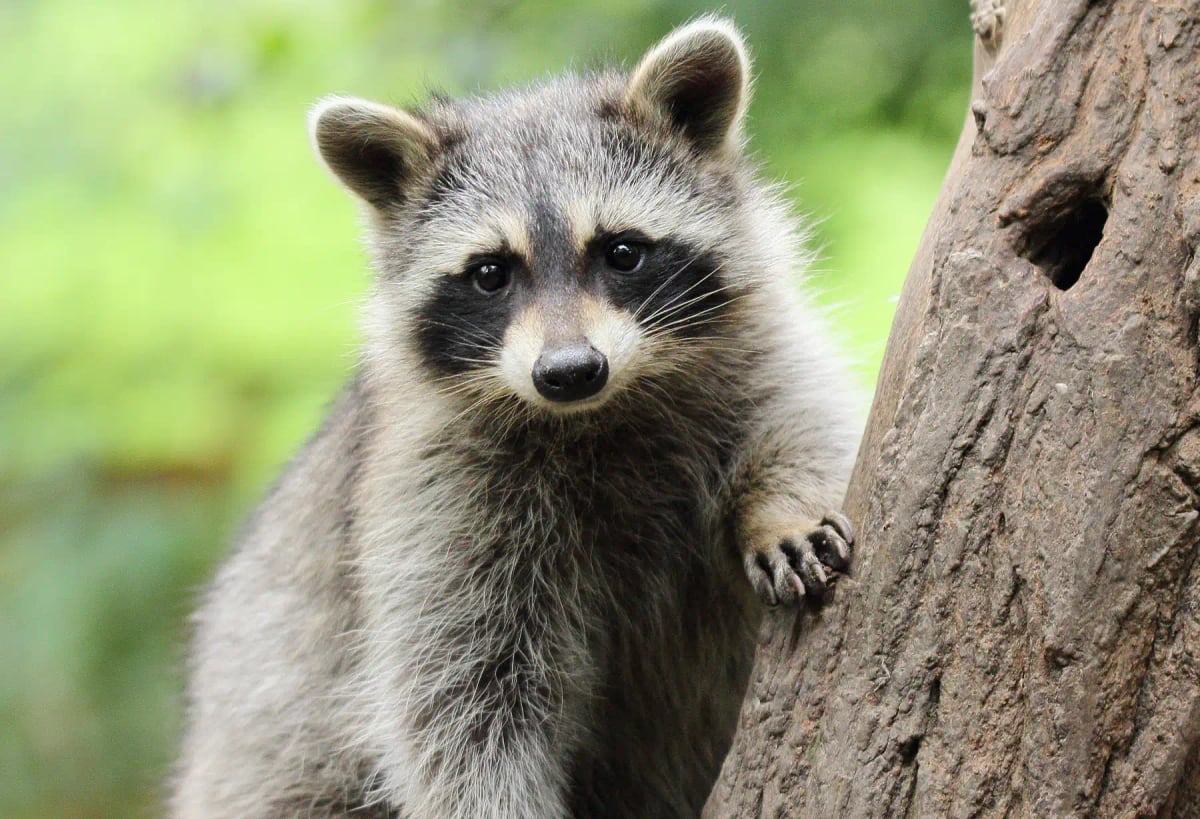
Raccoon
Procyon lotor
Raccoons arrived in Spain mainly through the exotic pet trade and subsequent releases or escapes. Established populations have been confirmed in areas including Madrid and the Ebro basin, where they colonize riverbanks, urban parks, and irrigated farmland. Spain lists the raccoon as an invasive alien species, and regional authorities have carried out trapping programmes to reduce numbers. Their impact on native reptiles, amphibians, and waterfowl is a key concern.
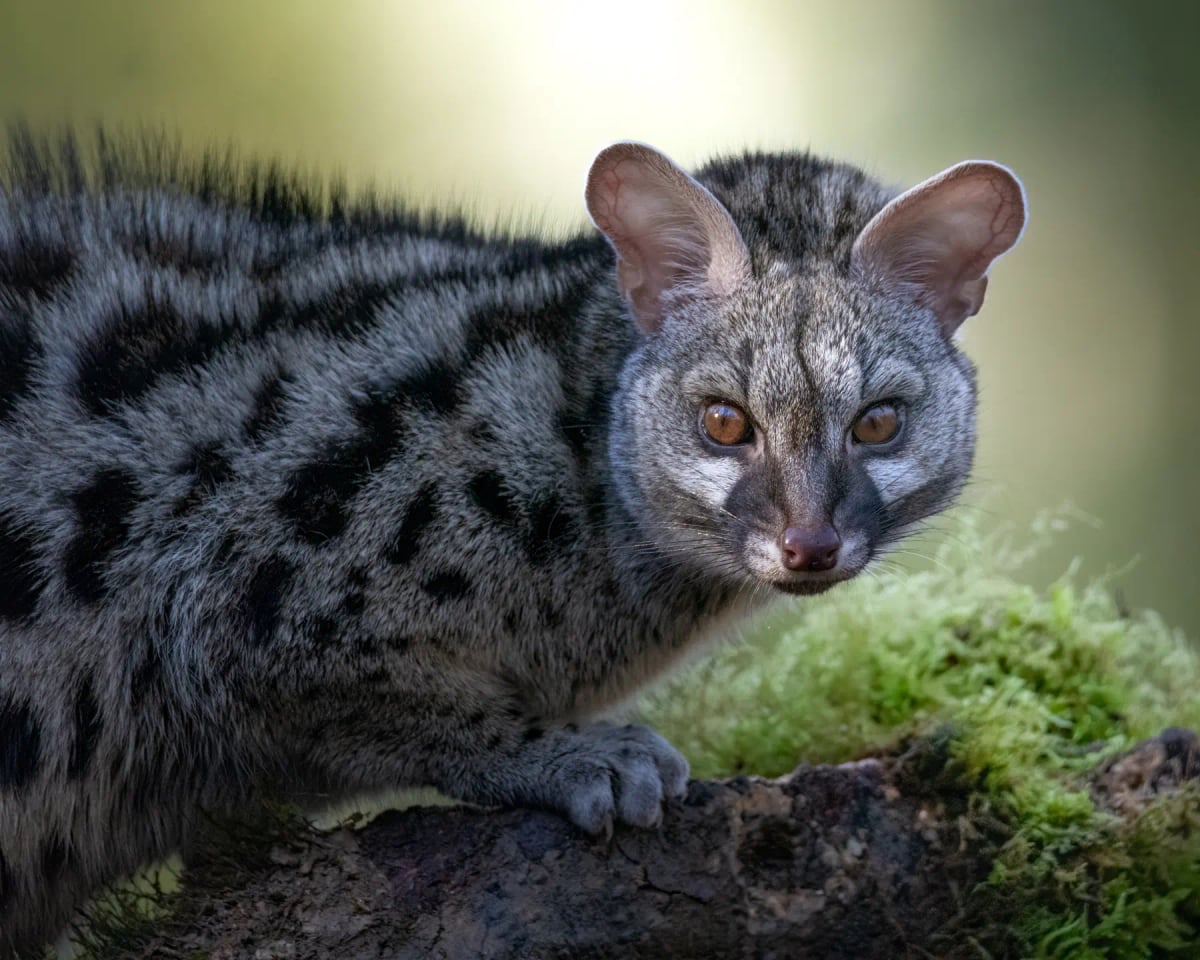
Common Genet
Genetta genetta
Spain holds one of the strongest populations of common genets in Europe. The species thrives in Mediterranean woodlands, riverside forests, and shrublands across much of the peninsula and the Balearic Islands. Brought to Iberia during the medieval period, it is now a well settled wild resident. It hunts at night, taking small mammals, birds, reptiles, and insects, and is listed as Least Concern by the IUCN.
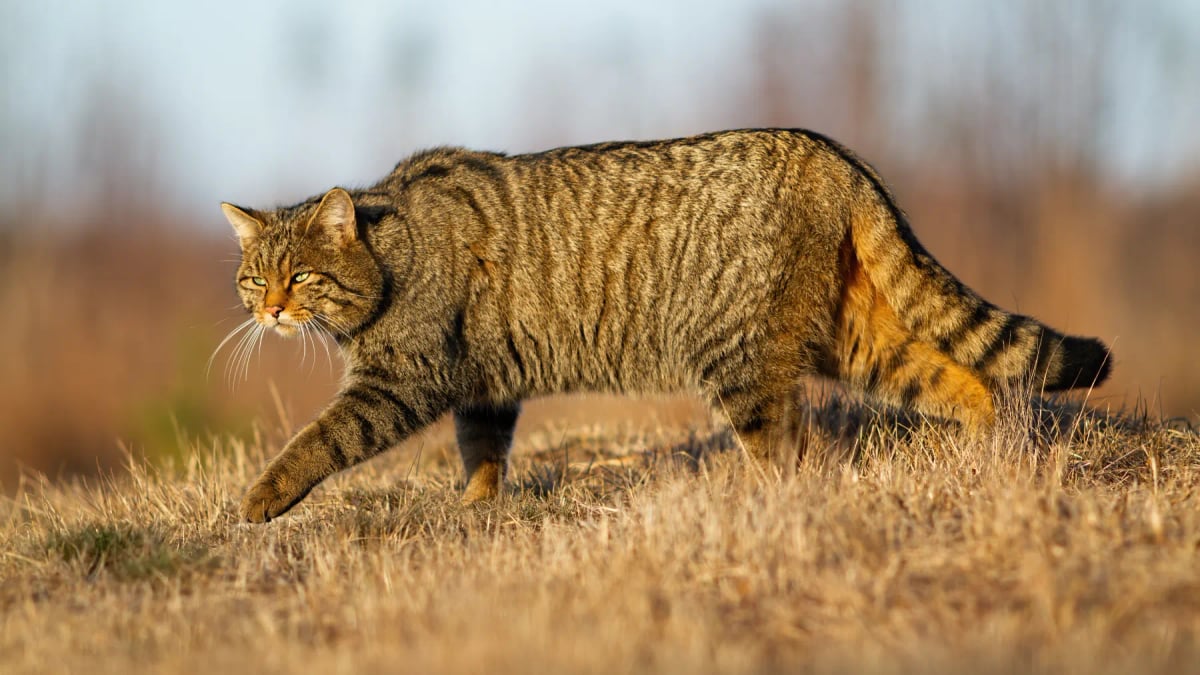
European Wildcat
Felis silvestris silvestris
In Spain, the European wildcat is mainly found in the Cantabrian Mountains, the Pyrenees, and parts of Galicia and Navarre. It favors dense woodland and scrubland away from human settlements. With its striped coat, broad head, and blunt tail tip, it is noticeably more robust than a domestic cat. Crossbreeding with feral cats is the greatest threat to the genetic integrity of Spanish populations.
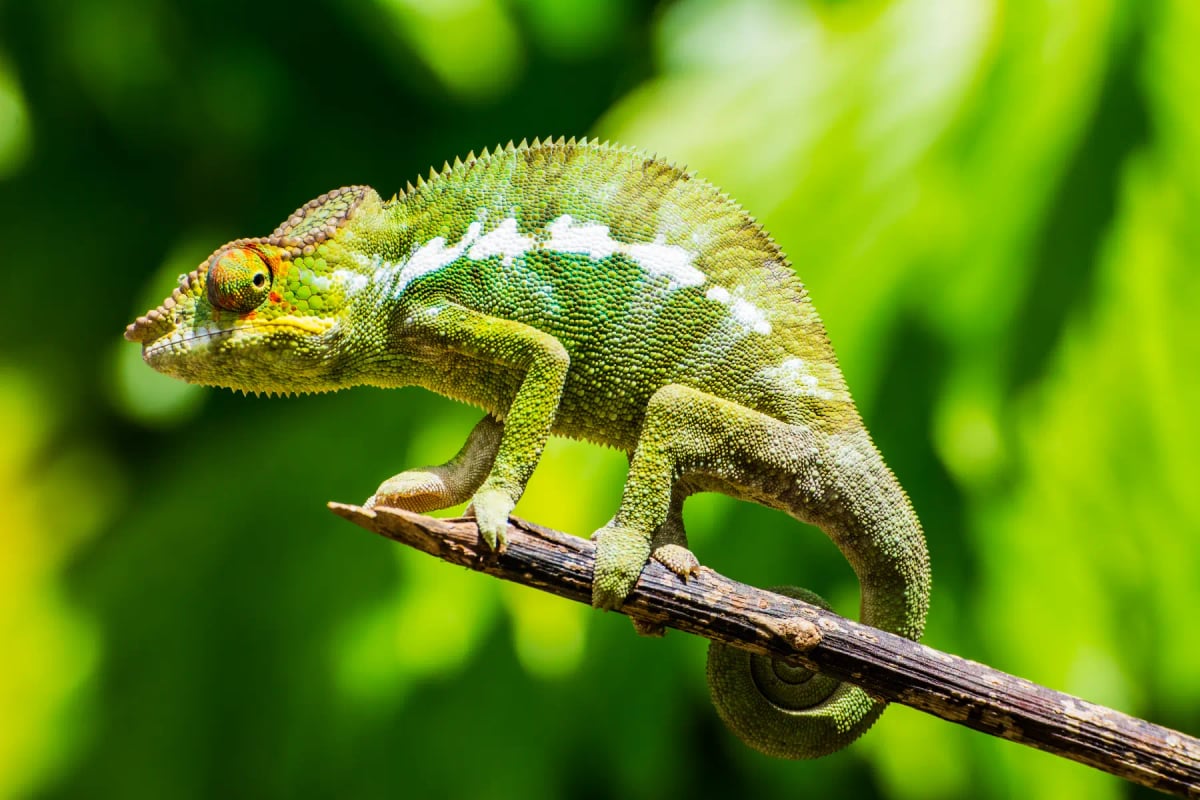
Chameleon
Chamaeleo chamaeleon
In Spain, the common chameleon is found in Andalusia, particularly in the provinces of Cádiz, Huelva, and Málaga, as well as in the Canary Islands. It inhabits scrublands, cork oak woodland edges, and coastal dunes with dense vegetation. The species is legally protected under Spanish law. Urban expansion along the coast and road mortality are significant threats, and several local conservation programs actively monitor and protect known populations.
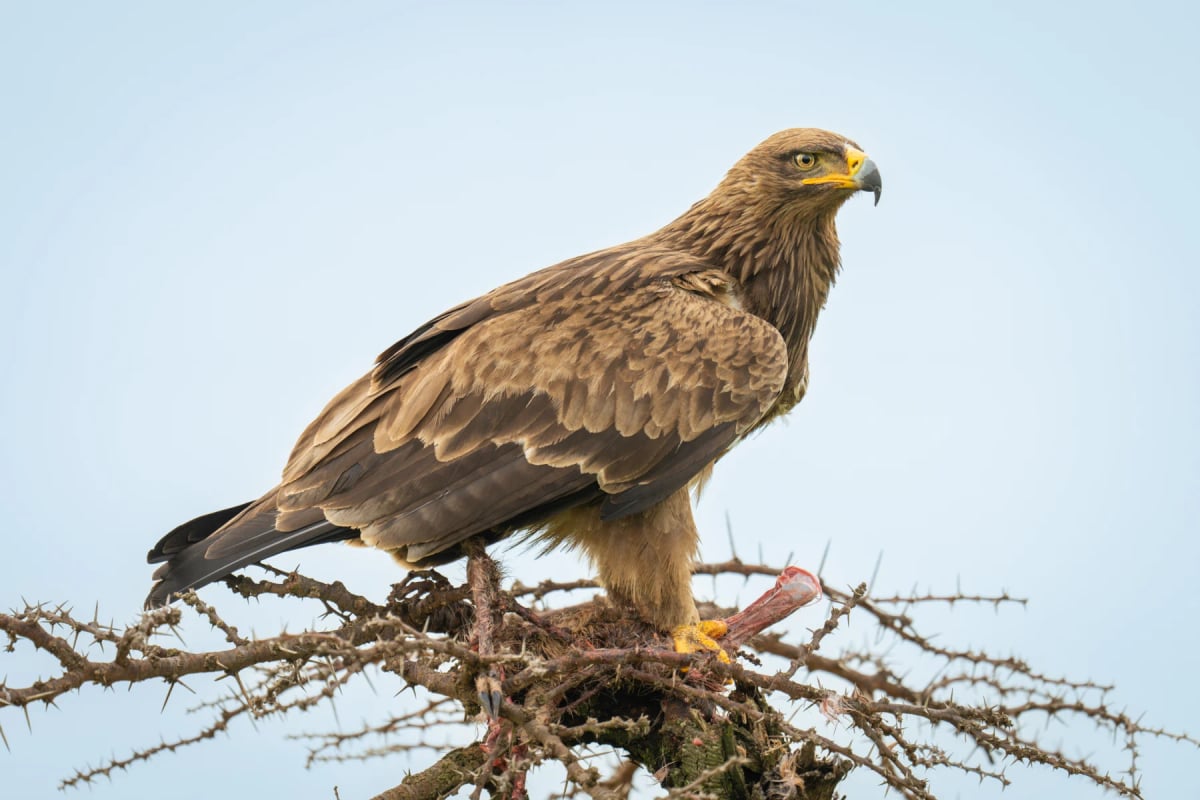
Steppe Eagle
Aquila nipalensis
Spain records the Steppe Eagle as an occasional vagrant, with sightings most likely during autumn migration when birds drifting west of their usual Eastern European flyway may appear over the Iberian Peninsula. There is no breeding population in the country. Some records come from raptor watchpoints near the Strait of Gibraltar, a well-known crossing point for migrating birds of prey. The species is classified as Endangered by the IUCN due to ongoing population declines.
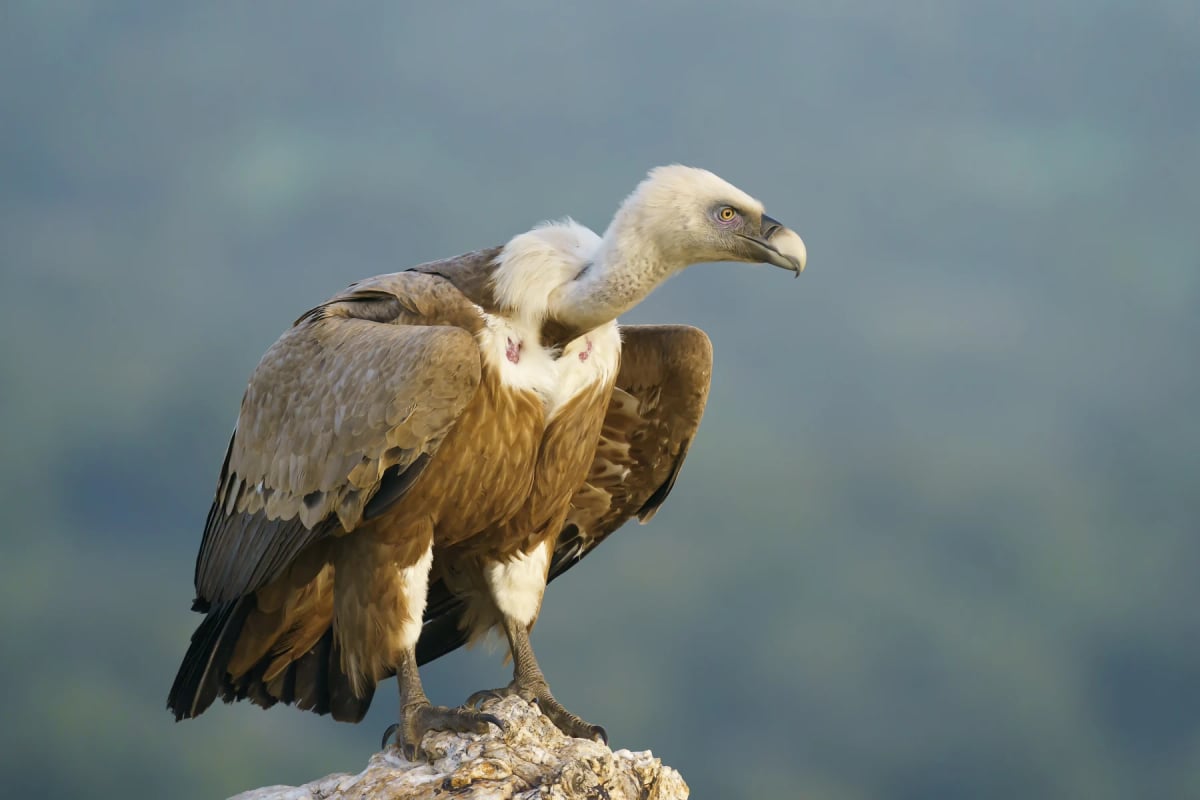
Griffon Vulture
Gyps fulvus
Spain holds one of the largest griffon vulture populations in the world, with strongholds in the Pyrenees, the Picos de Europa, and Extremadura. These birds soar on thermal currents above gorges and open plains, scanning for carrion below. Their recovery in Spain is a conservation success story, with numbers growing steadily after protections were put in place. IUCN status: Least Concern.
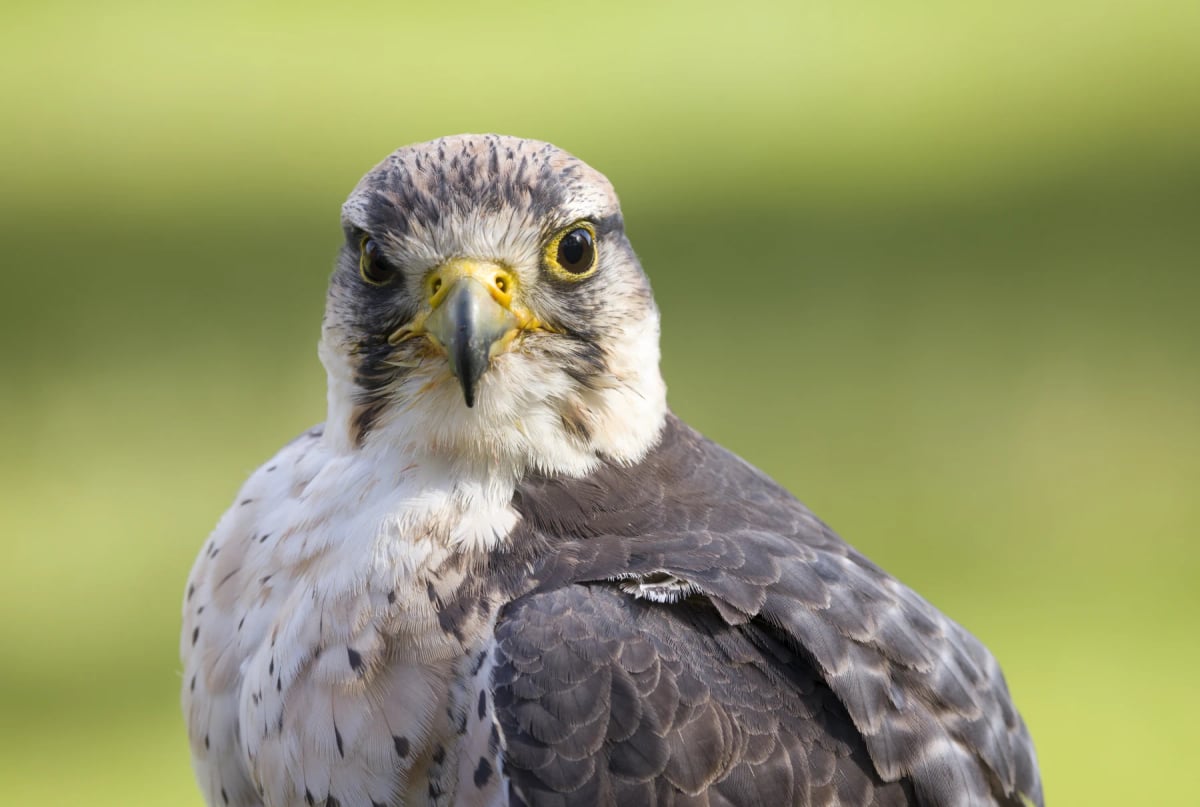
Lanner Falcon
Falco biarmicus
In Spain, the lanner falcon is an uncommon visitor, most often recorded in the south, including Andalusia and the Canary Islands, where its appearance may relate to birds moving from nearby North African populations across the Strait of Gibraltar. It does not maintain a stable breeding population in the country. Sightings in open scrubland and cliff areas attract attention from birders. The IUCN lists the species as Least Concern.
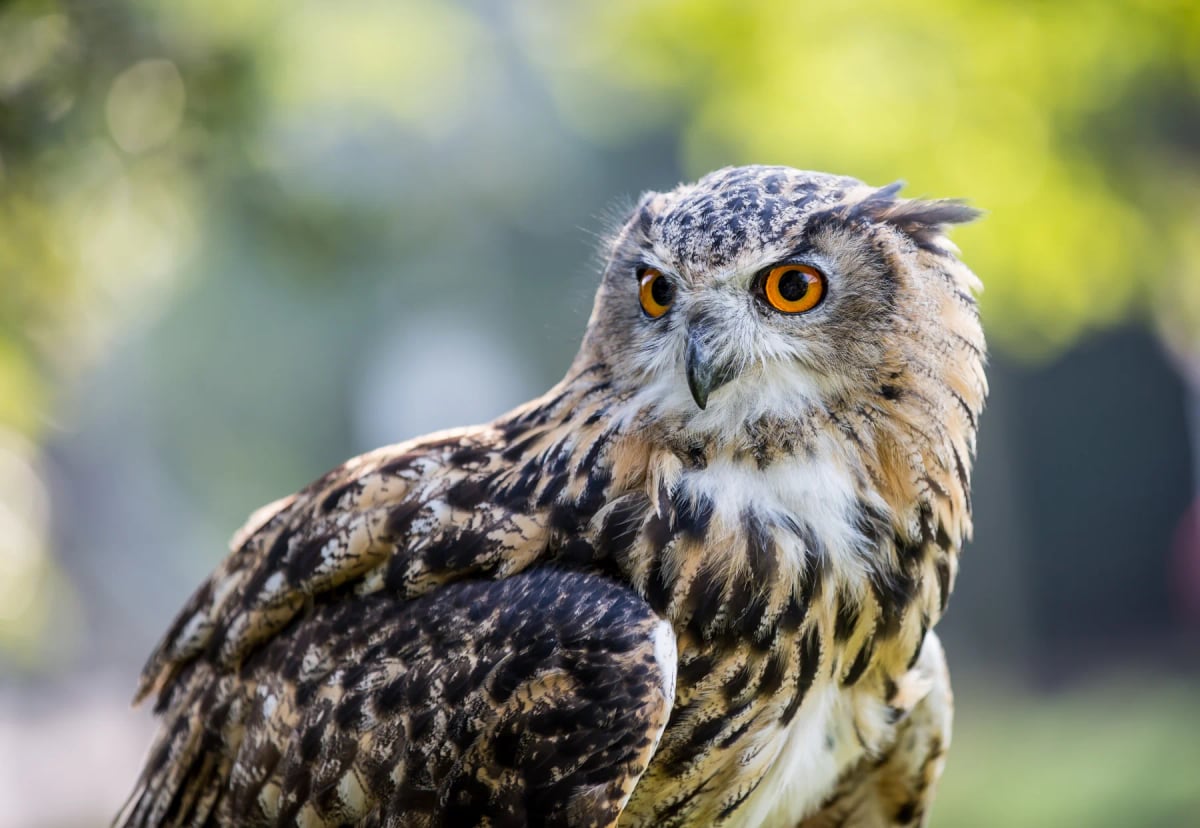
Eagle Owl
Bubo bubo
The Eagle Owl is one of Spain's most iconic birds of prey, found across rocky sierras, river gorges, and scrubland from the Pyrenees to Andalusia. Spain holds one of the largest populations in Europe. Pairs nest on bare cliff ledges, often in areas shared with other raptors. With its vivid orange eyes and booming call, it is a highlight for wildlife watchers across the peninsula. IUCN status: Least Concern.
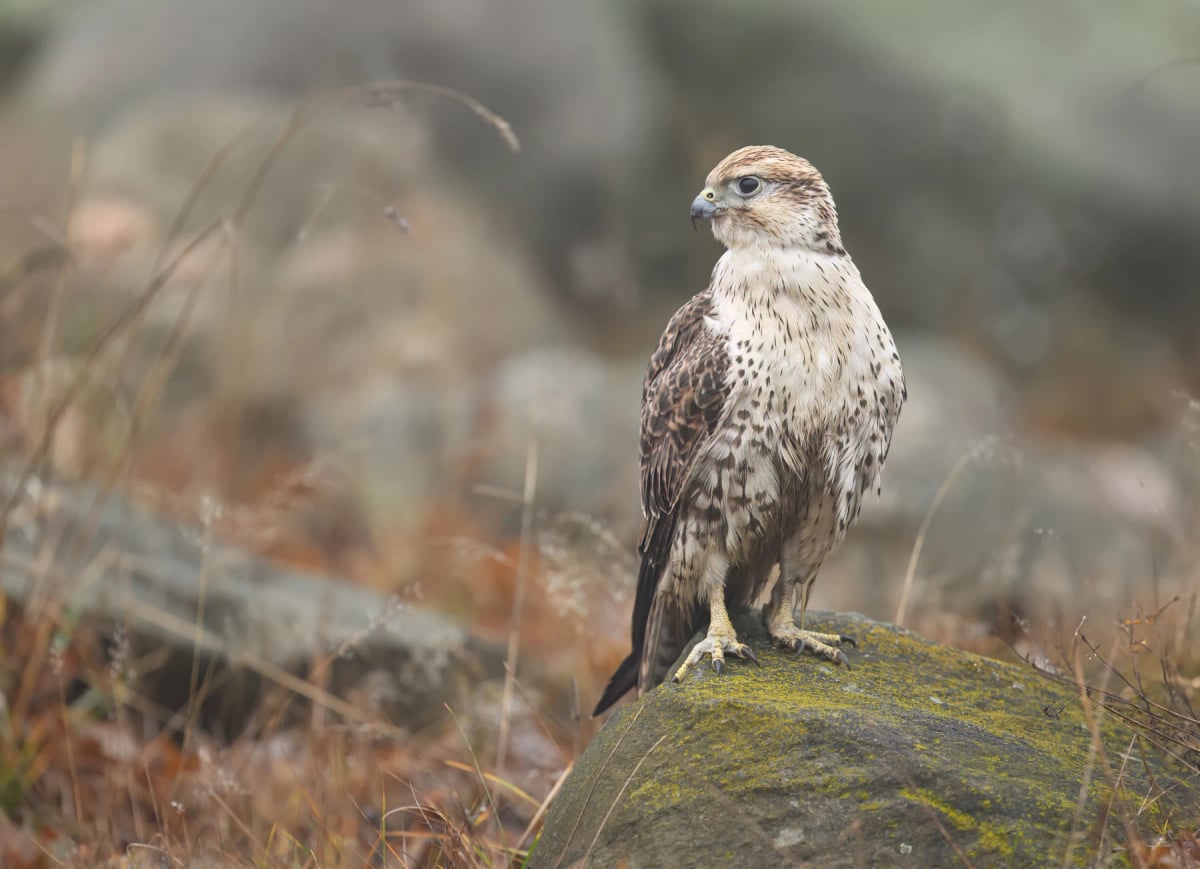
Saker Falcon
Falco cherrug
Spain represents the far western edge of the saker falcon's recorded range in Europe, where the bird is an extremely rare vagrant rather than a regular visitor. When sightings do occur, they tend to involve open plateau landscapes or the broad river valleys of the interior. Its appearance in Spain is considered exceptional, and any record is of significant interest to ornithologists. The IUCN lists the saker falcon as Endangered.
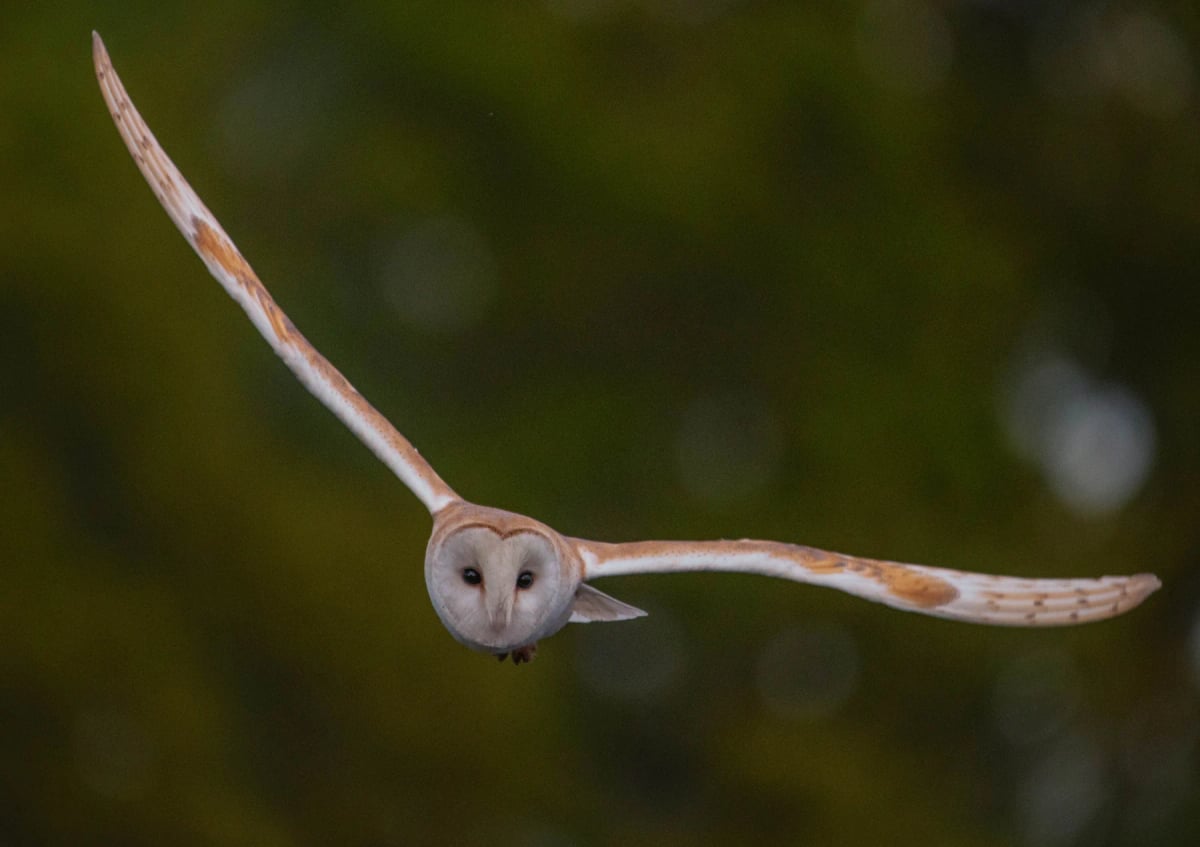
Barn Owl
Tyto alba
The barn owl is one of Spain's most widespread and familiar birds, found across virtually the entire country from agricultural lowlands to village outskirts. It hunts at night with extraordinary precision, using its exceptional hearing to locate small rodents in complete darkness. Spain's barn owl population is generally healthy, and the species benefits from nest box programs installed by farmers who value it as a natural and effective pest controller.
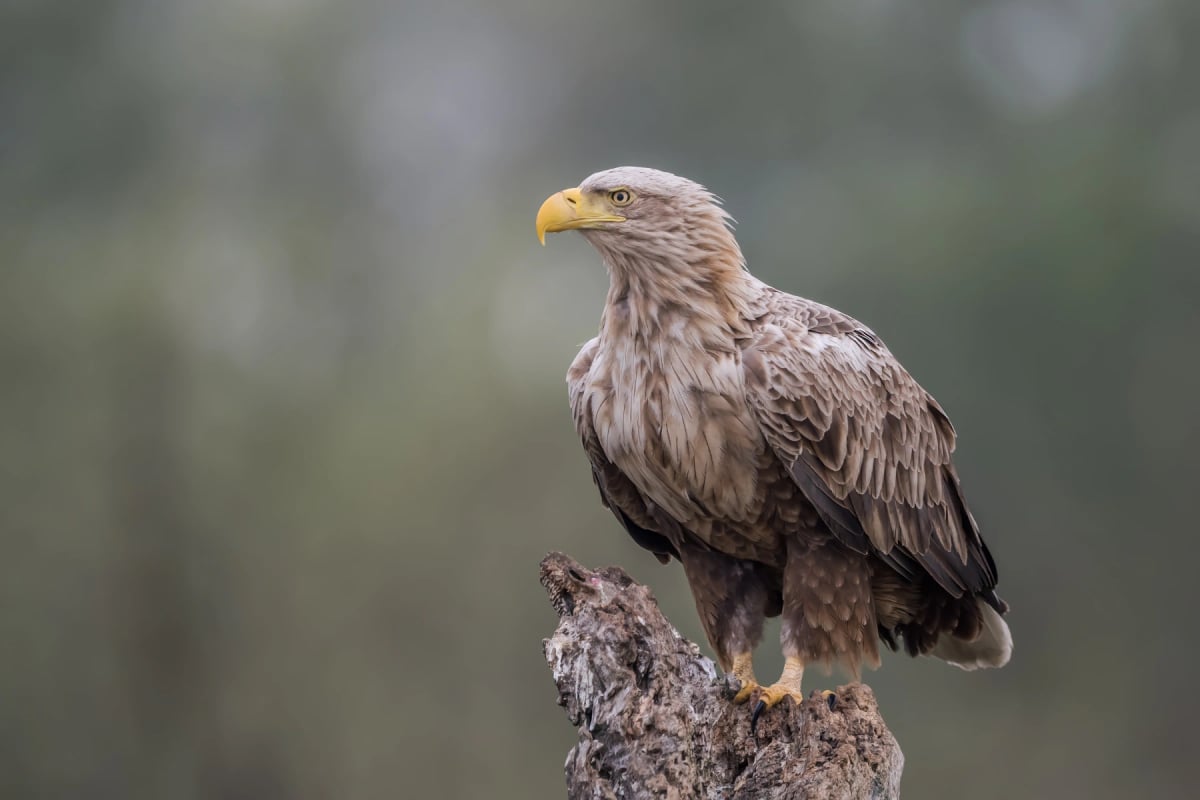
White tailed Eagle
Haliaeetus albicilla
In Spain, the white tailed eagle is primarily a rare winter visitor, with occasional sightings in coastal wetlands and river estuaries, particularly in the north and along the Mediterranean. It does not breed here. Feeding mainly on fish and waterbirds, it can appear near large reservoirs and lagoons. Listed as Least Concern by the IUCN, any sighting in Spain is considered a notable event among birdwatchers.
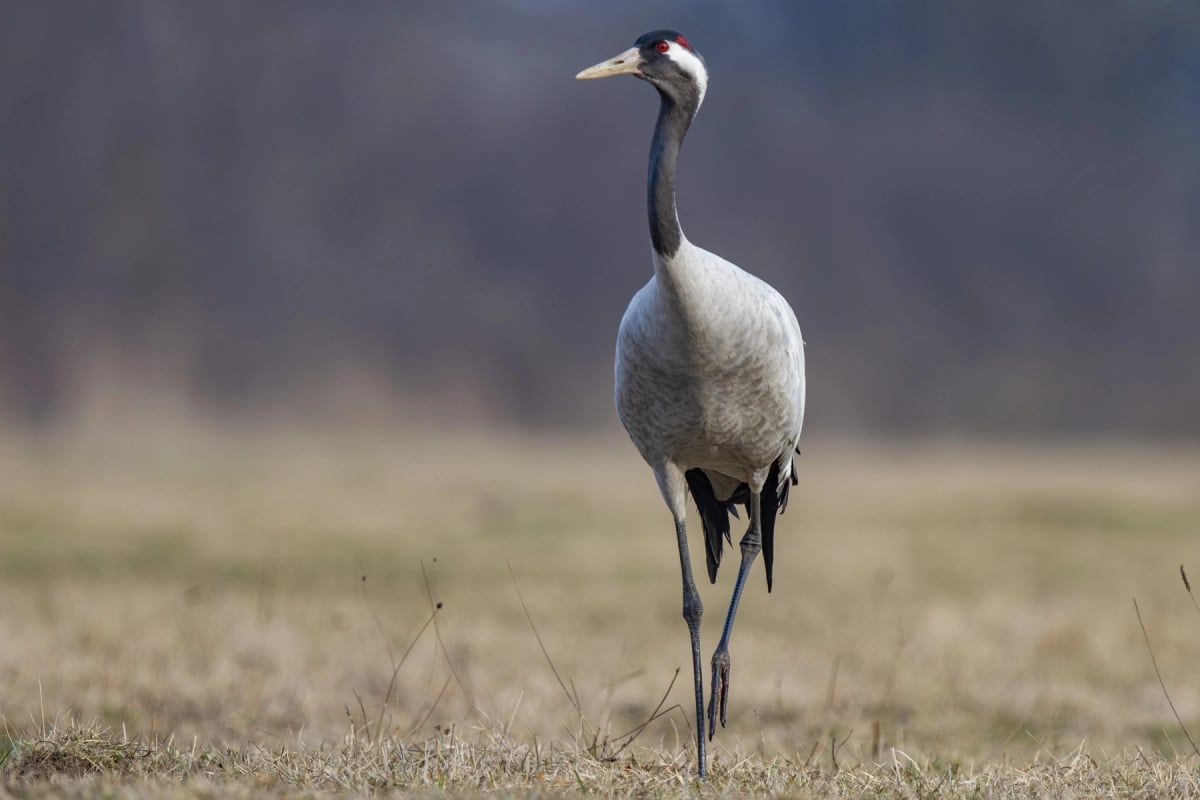
Crane
Grus grus
Spain is one of the most important wintering grounds in Europe for the common crane. Each winter, hundreds of thousands of cranes arrive in Extremadura and other regions of the southwest, feeding on acorns in the dehesa, a traditional landscape of scattered oak trees and open pasture. The Laguna de Gallocanta in Aragon also serves as a major staging site during migration. Spain's mild winters and abundant food make it a critical refuge for the species. Its IUCN status is Least Concern.
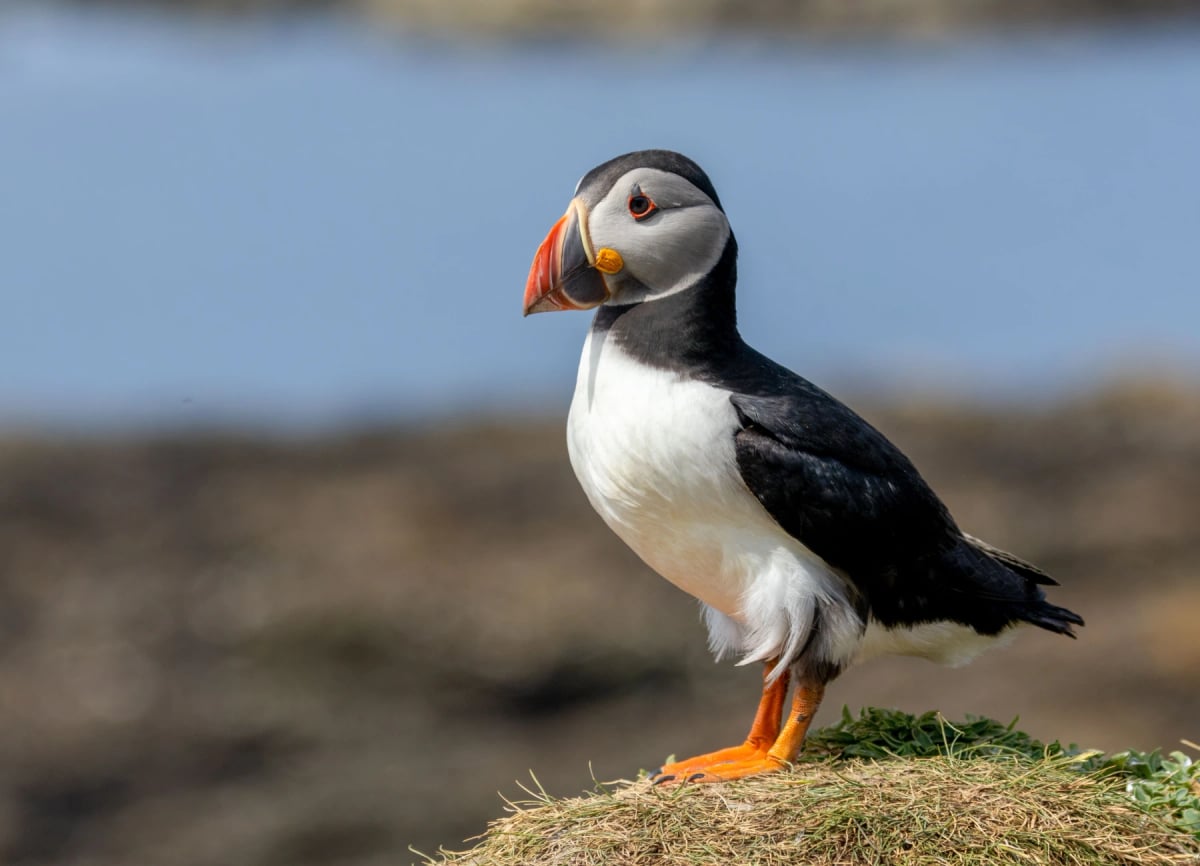
Puffin
Fratercula arctica
In Spain, the Atlantic puffin is a rare but regular visitor to the waters off the northern coast, particularly around the Bay of Biscay. It is seen almost entirely at sea during the winter months and rarely comes close to shore. Globally listed as Vulnerable, it faces pressure from declining fish stocks and warming seas that affect the prey available along Spanish Atlantic waters.
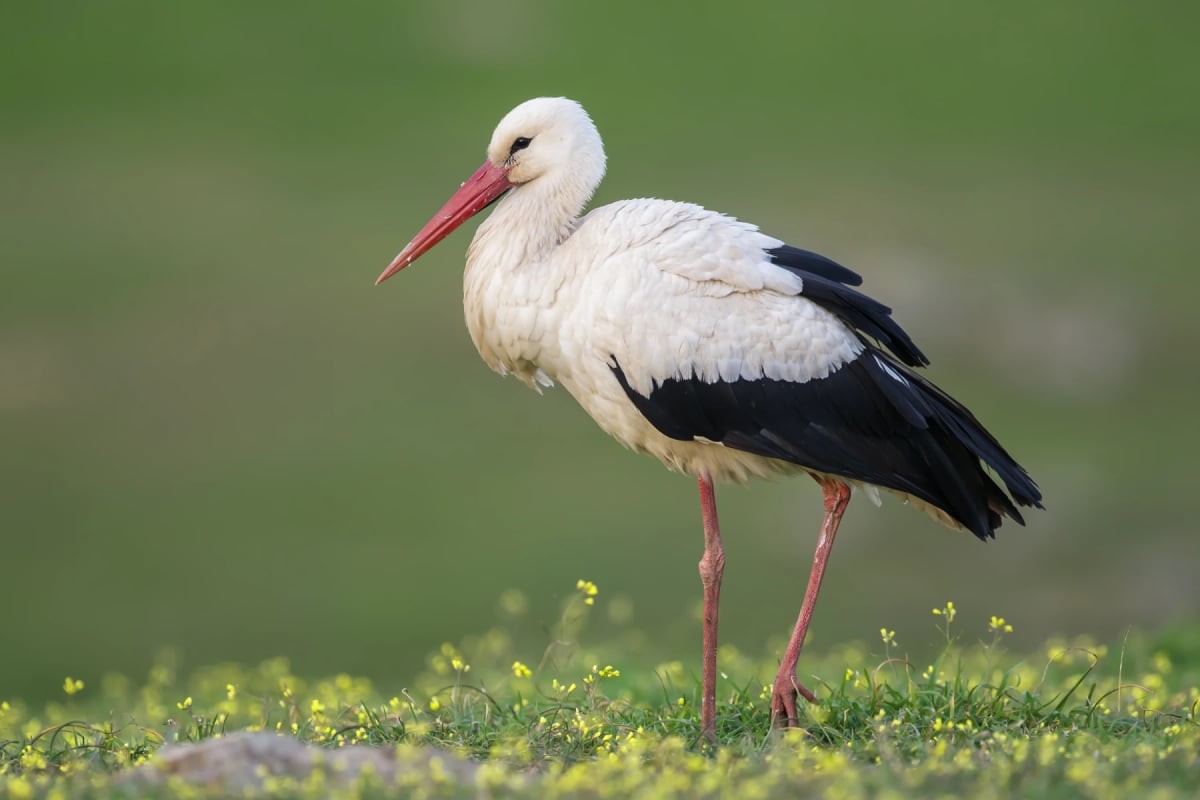
Stork
Ciconia ciconia
Spain holds one of the largest breeding populations of white storks in Europe. Extremadura, with its dehesa landscape of scattered oak trees and open pasture, is especially important, but nesting birds are found across much of the country. Spain also sits at the western end of the main migration bottleneck at the Strait of Gibraltar, where hundreds of thousands of storks cross between Europe and Africa each year.
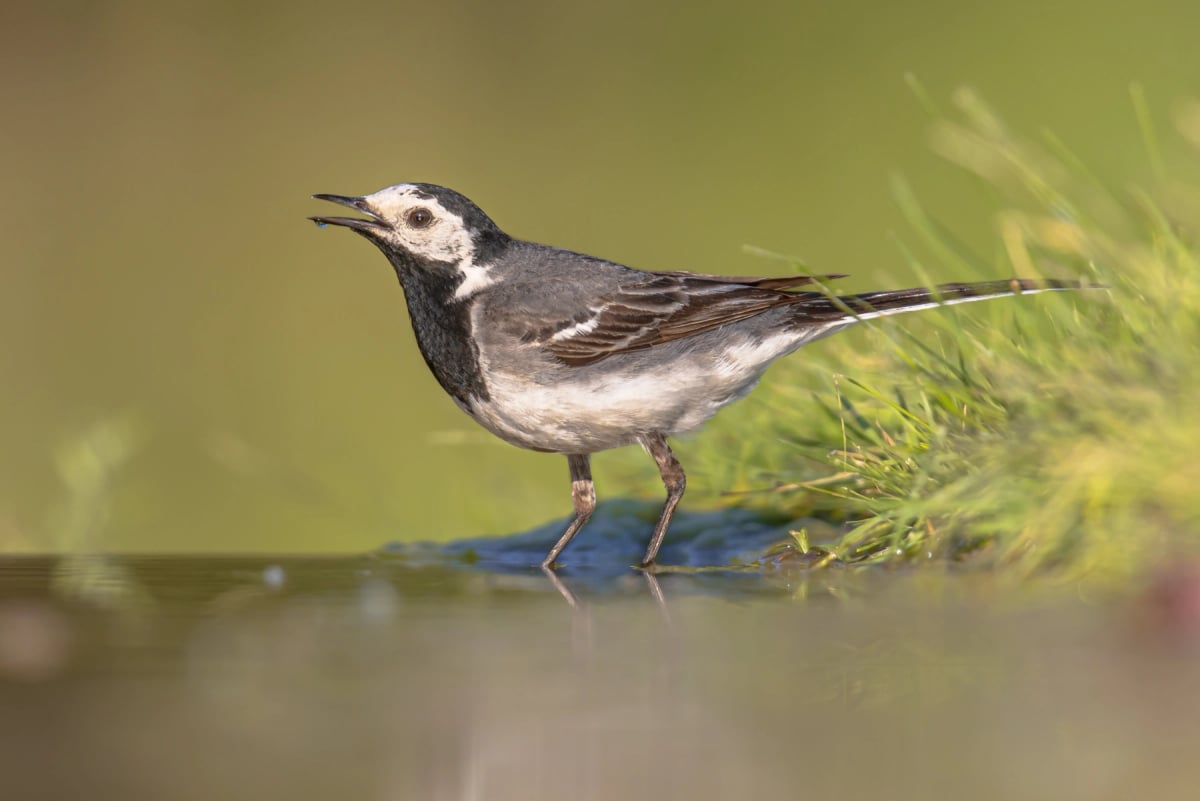
White Wagtail
Motacilla alba
The white wagtail is a common and lively presence across Spain, found near rivers, streams, farmland and urban areas throughout the country. It moves constantly, bobbing its long tail up and down as it forages for insects along the ground. Spain hosts both resident populations and large numbers of birds that pass through during spring and autumn migration, making it a species encountered in virtually every corner of the country at some point in the year.
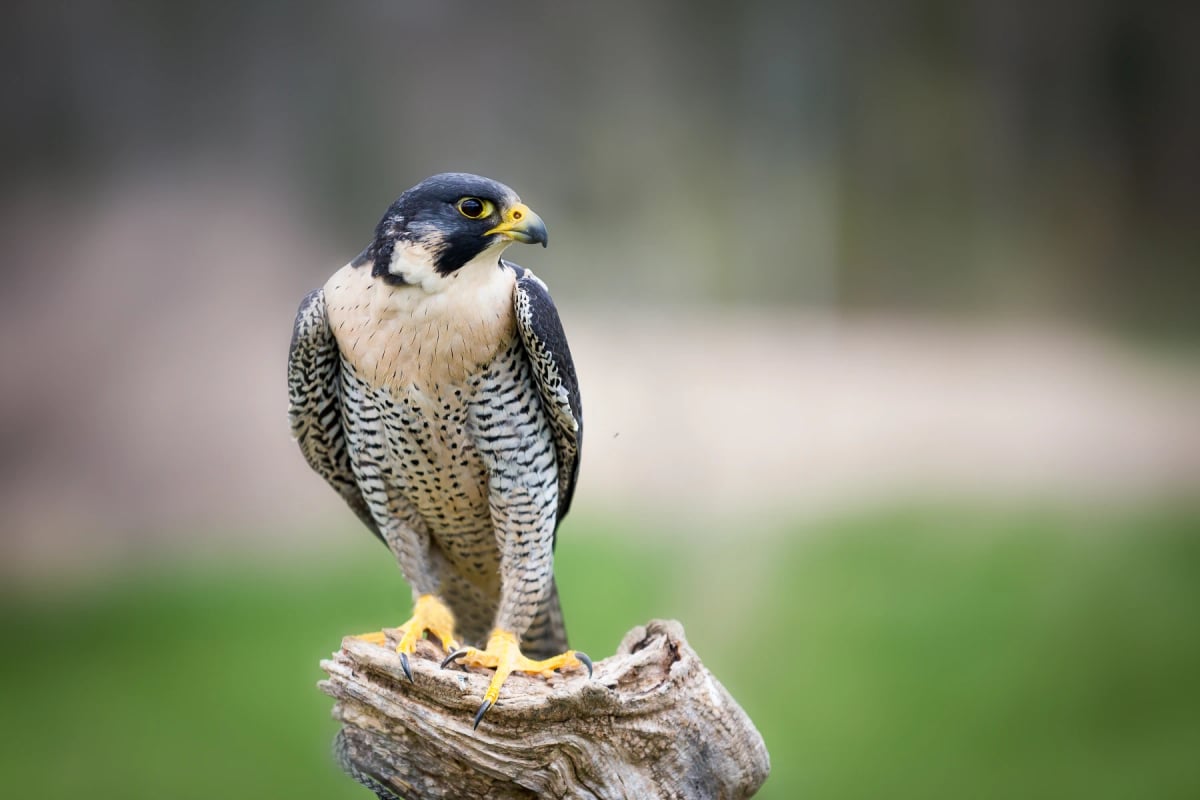
Peregrine Falcon
Falco peregrinus
Spain holds one of the most important peregrine falcon populations in Europe. The species nests on sea cliffs along the Cantabrian coast, on limestone gorges in Aragon and Castile, and even on cathedral towers in cities such as Seville and Madrid. After severe declines caused by DDT in the twentieth century, the population recovered well following the pesticide ban. Spain also serves as a key staging area for birds migrating between Europe and Africa via the Strait of Gibraltar. Its IUCN status is Least Concern.
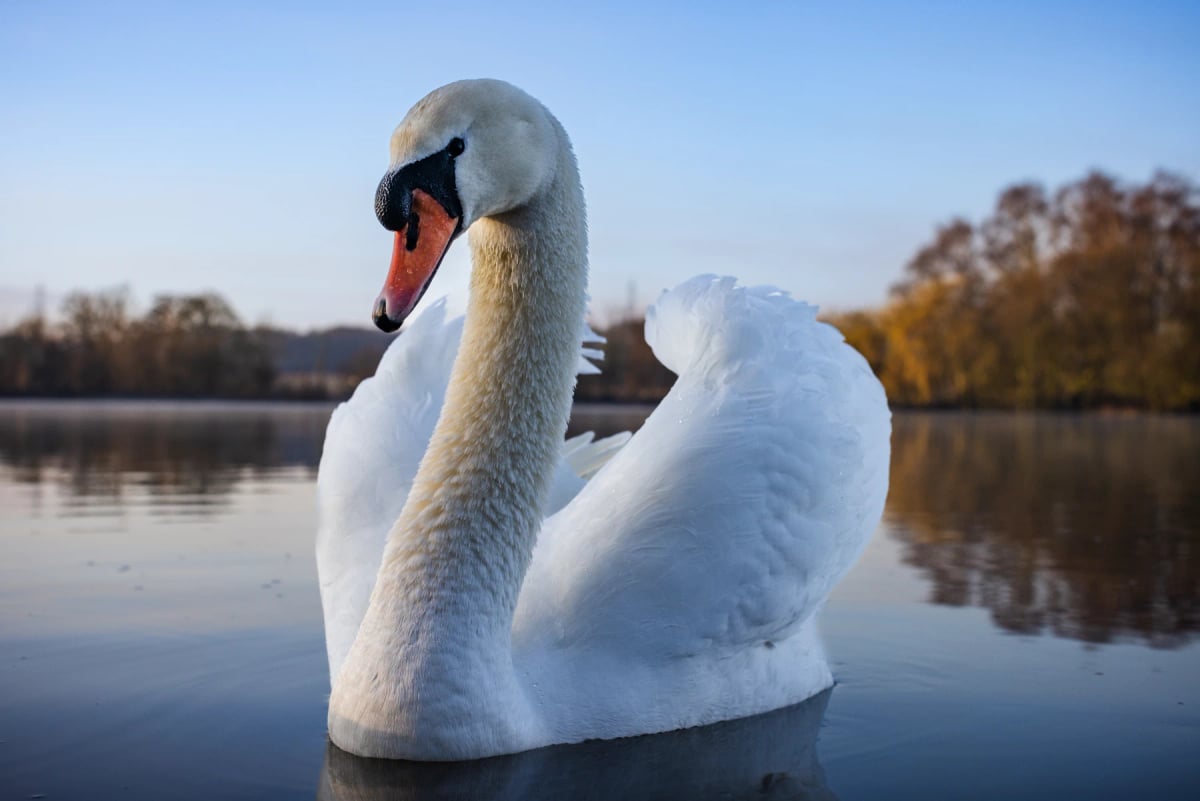
Mute Swan
Cygnus olor
In Spain, the mute swan is not a native breeding species but can be found as a feral or introduced bird in parks, reservoirs, and wetlands across various regions. It has established small populations in certain areas, particularly in the north and around urban water bodies. Native wetlands such as the Ebro Delta also attract occasional visitors. Its IUCN status is Least Concern.
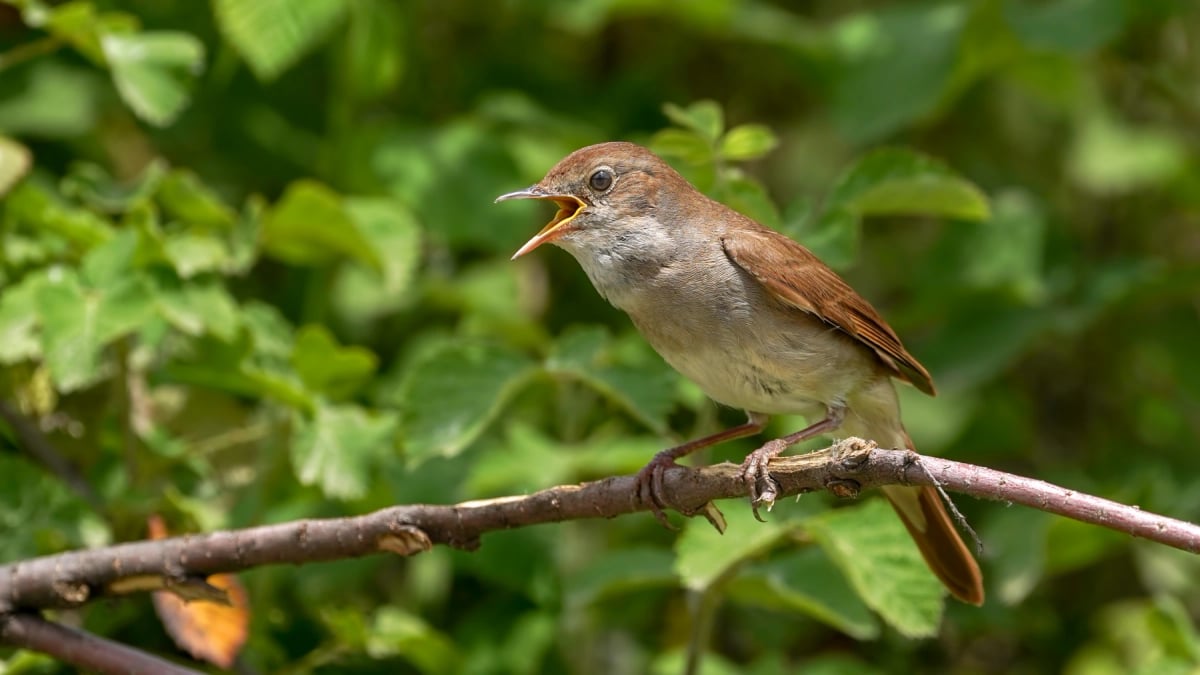
Nightingale
Luscinia megarhynchos
In Spain, the nightingale is a familiar visitor to riverside woodlands, cork oak scrub, and the dense thickets of Mediterranean hillsides. Males arrive in spring and fill the nights with their extraordinary song, which is considered one of the finest of any bird on Earth. Populations have declined in some northern regions due to the loss of dense undergrowth, though the species remains widespread across the Iberian Peninsula. Its IUCN status is Least Concern.
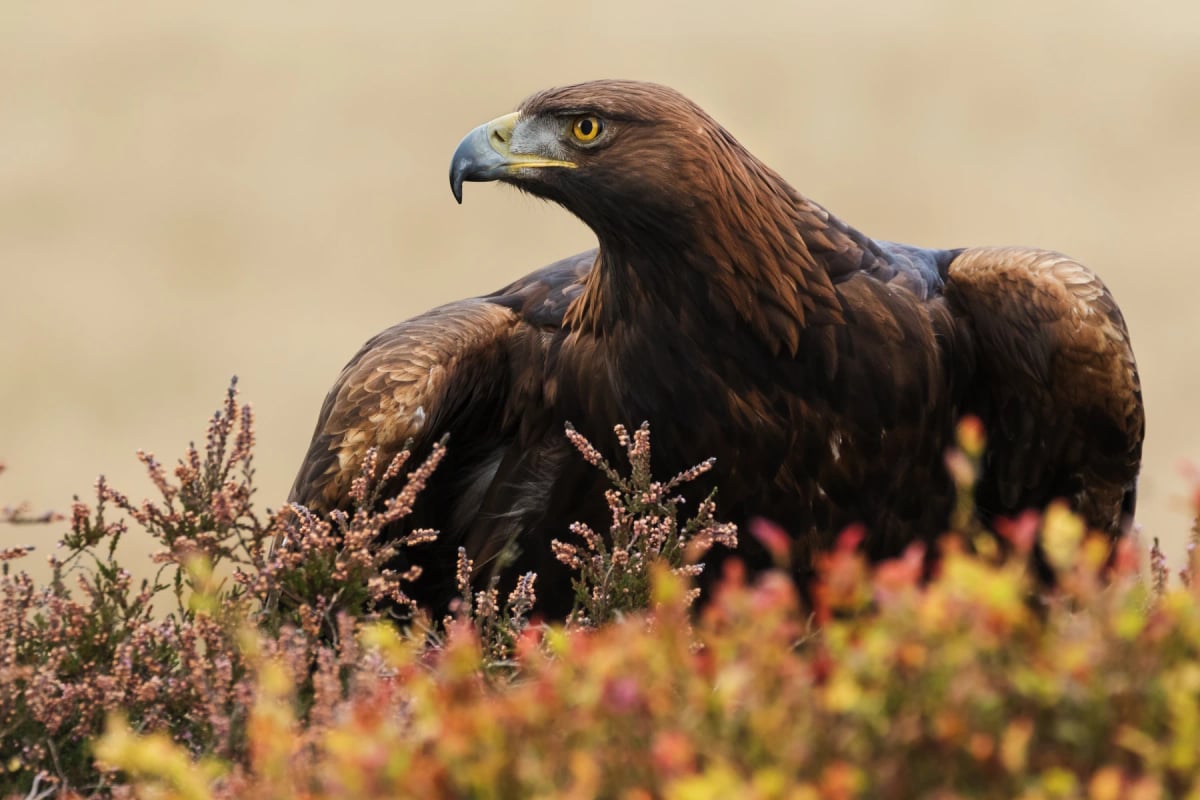
Golden Eagle
Aquila chrysaetos
In Spain, the golden eagle is found across much of the Peninsula, from the Pyrenees in the north to the sierras of Andalusia in the south. It favours rugged mountain terrain with cliffs for nesting and open land for hunting. Spain holds one of the largest golden eagle populations in Western Europe. The IUCN lists it as Least Concern, and the species benefits from a broad network of protected natural areas.
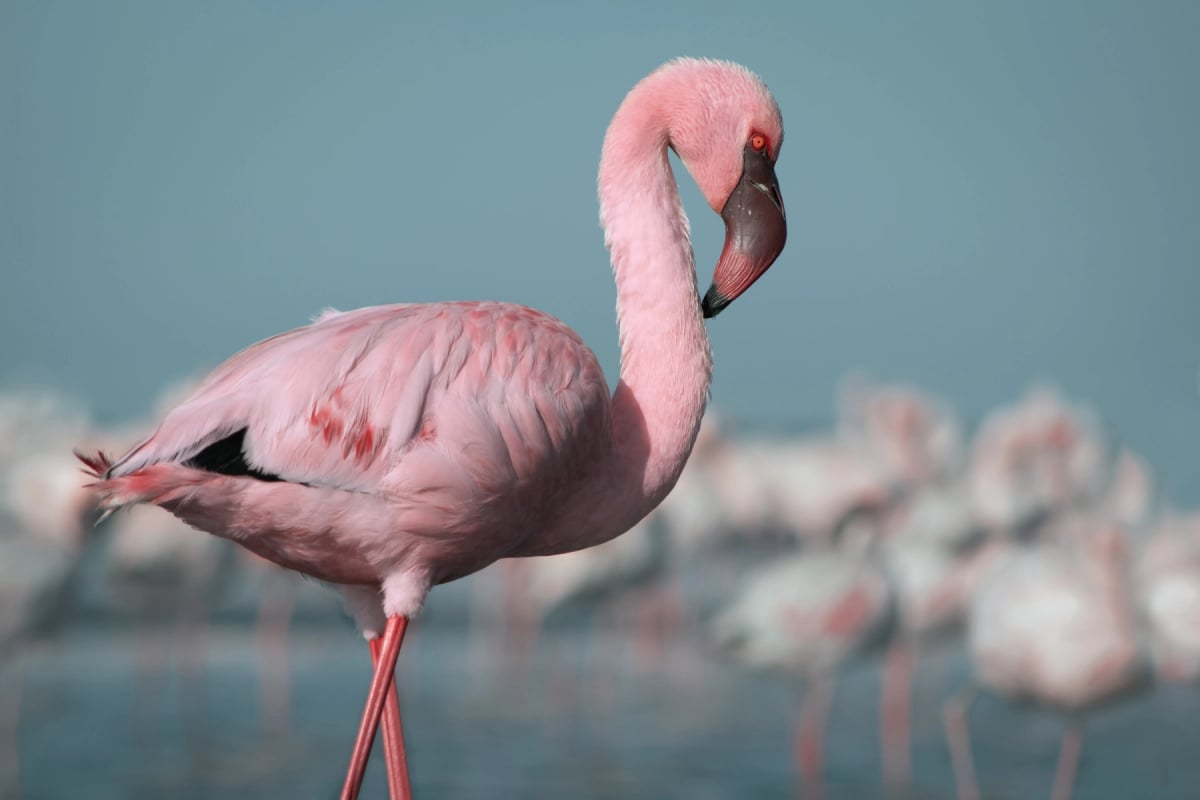
Flamingo
Phoenicopterus spp.
Spain hosts flamingos at some of Europe's most important wetlands, including the Doñana National Park in Andalusia and the Fuente de Piedra lagoon in Málaga, which is one of the largest breeding colonies on the continent. These birds gather in the thousands to feed on brine shrimp and algae in the shallow, salty waters. The species is listed as Least Concern by the IUCN, and Spanish wetlands play a key role in supporting the European population.
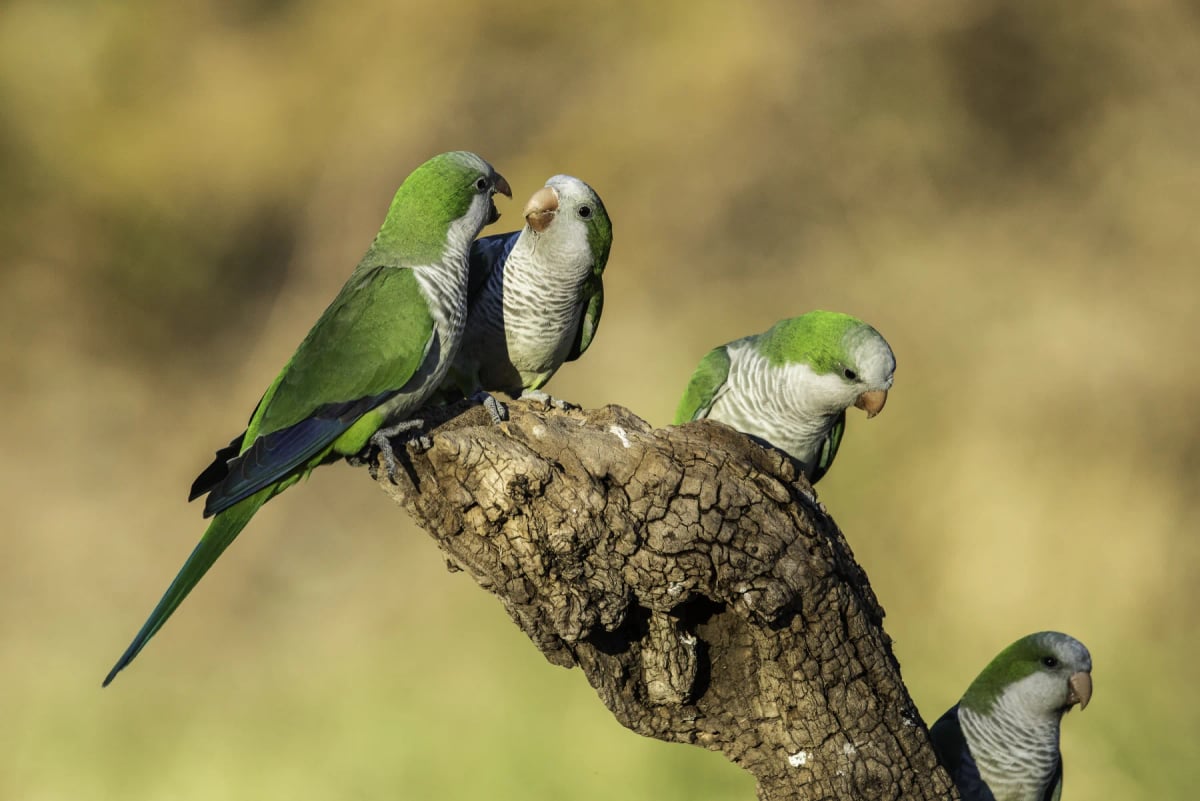
Monk Parakeet
Myiopsitta monachus
Spain holds one of the largest Monk Parakeet populations in Europe, concentrated mainly in cities such as Madrid and Barcelona. The birds arrived as escaped pets and have thrived in urban parks and gardens for decades. Their bulky communal nests can cause problems on electricity pylons. Spanish authorities have carried out management programs in several cities to control their numbers and protect local biodiversity.
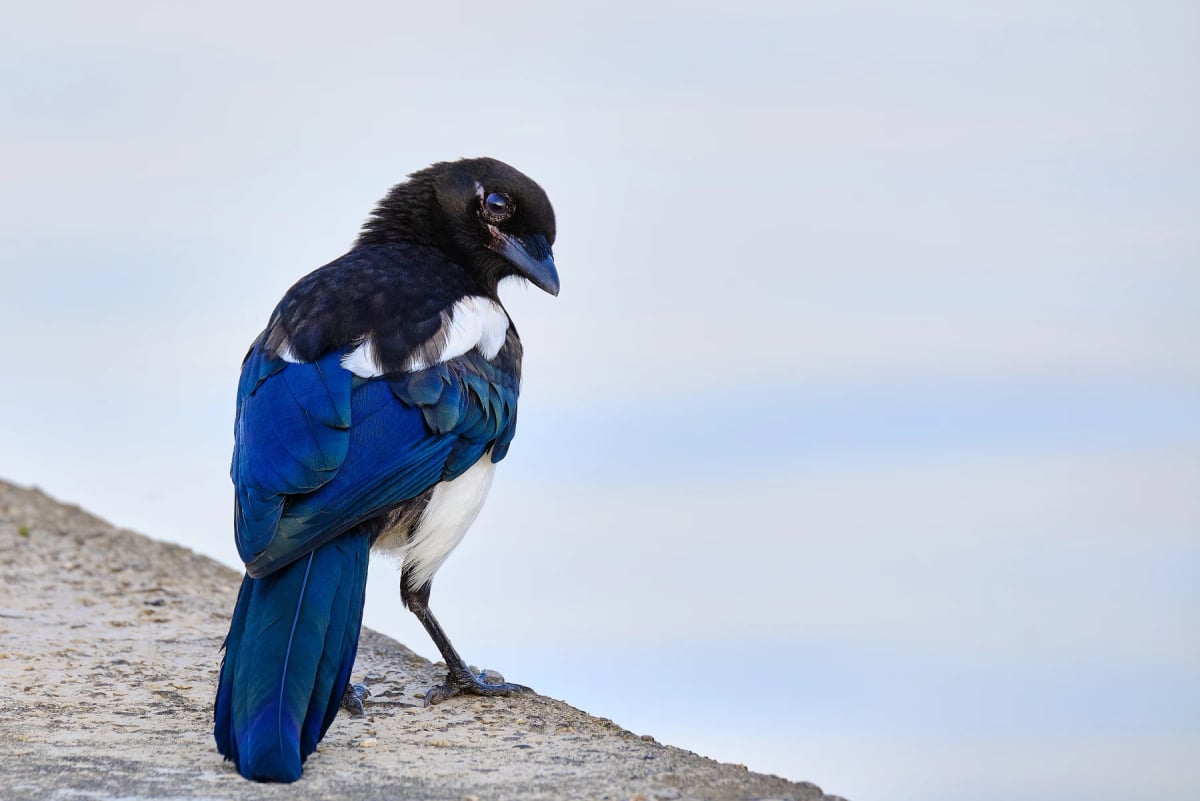
Eurasian Magpie
Pica pica
The Eurasian Magpie is a familiar sight across Spain, from the olive groves of Andalusia to the parks of Madrid. It thrives in open farmland and woodland edges, where food is easy to find year round. One of the most intelligent birds in the world, it can recognize itself in a mirror. In Spain it is common and widespread, with no conservation concerns. IUCN status: Least Concern.
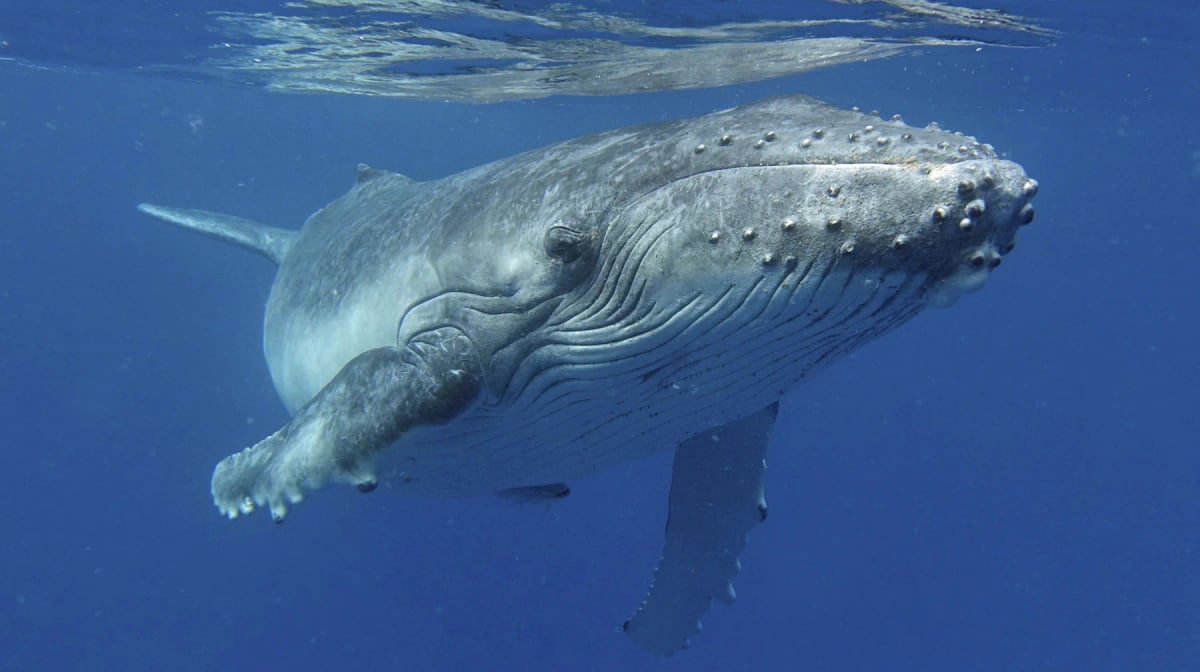
Humpback Whale
Megaptera novaeangliae
Humpback whales are seen in Spanish waters primarily in the Atlantic, including the Bay of Biscay and the approaches to the Strait of Gibraltar, a key passage between the Atlantic and the Mediterranean. The Canary Islands, a Spanish archipelago off the northwest coast of Africa, sit directly along a major migratory route for whales travelling along the eastern Atlantic. Sightings around the Canaries are relatively regular, making them one of Spain's most notable spots for whale observation. The IUCN lists this species as Least Concern.
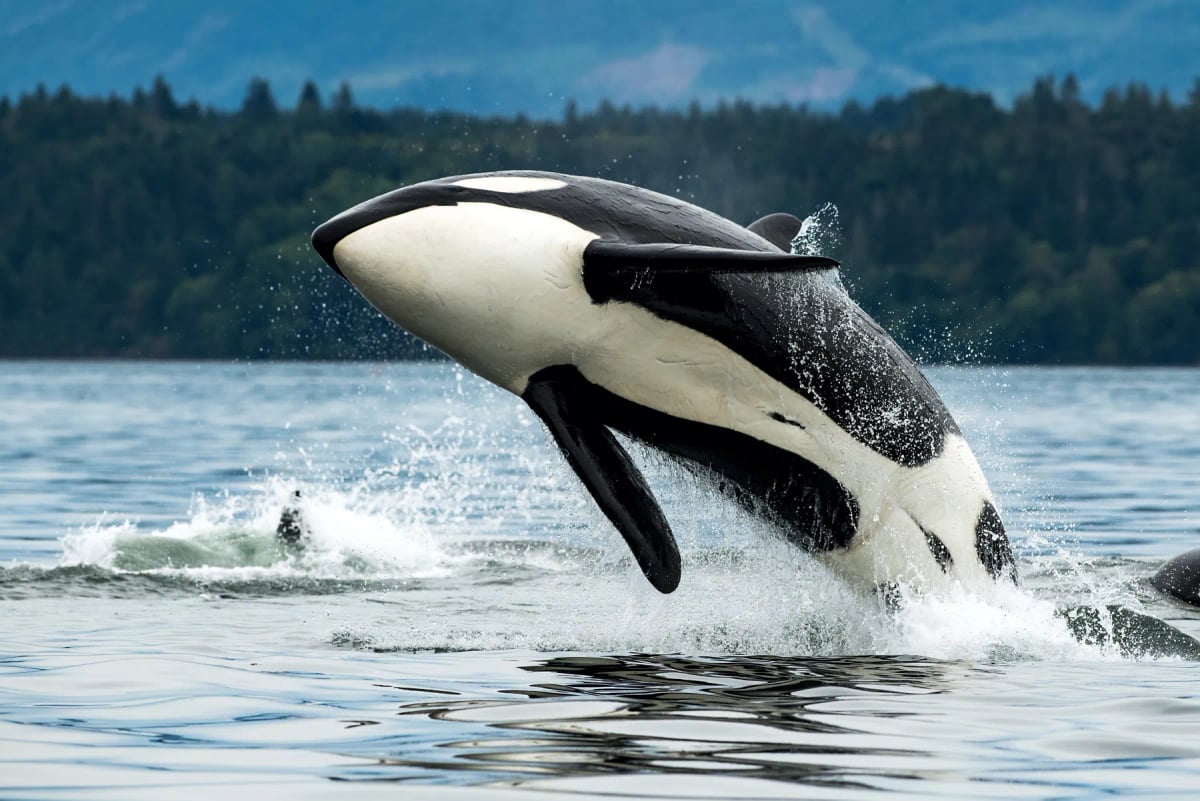
Orca
Orcinus orca
Spain hosts one of the most studied orca populations in Europe, found in the Strait of Gibraltar and along the Atlantic coast near Galicia. A distinct group here has gained international attention for interacting with sailing vessels, a behaviour researchers continue to investigate. These orcas specialise in hunting Atlantic bluefin tuna during seasonal migrations. Their small population size makes them particularly vulnerable to any additional pressures.

Bottlenose Dolphin
Tursiops truncatus
Bottlenose dolphins are found along Spain's Atlantic and Mediterranean coasts, as well as in the waters of the Canary Islands and the Balearic Islands. In the Strait of Gibraltar, pods are frequently spotted feeding in the productive, fast-moving currents between the Atlantic and the Mediterranean. Spain has established several marine protected areas that benefit these dolphins. Research groups in Galicia, Andalusia, and the island territories contribute to long-term population monitoring. IUCN status: Least Concern.
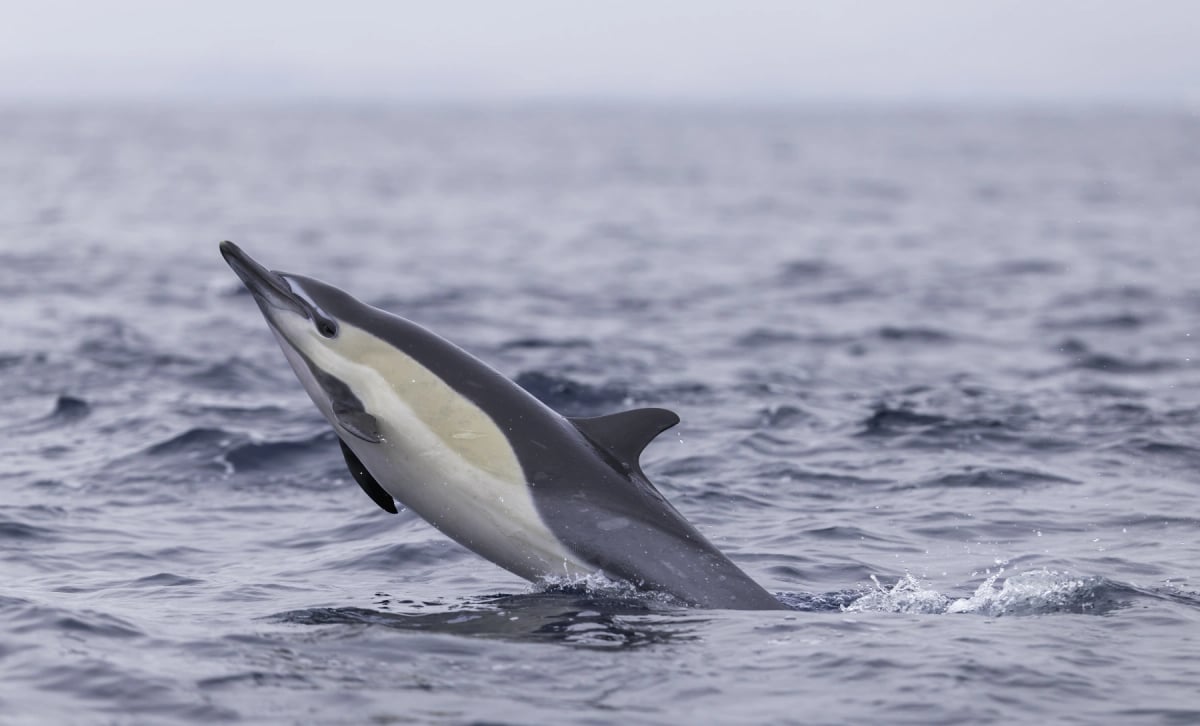
Common Dolphin
Delphinus delphis
Common dolphins are found throughout Spanish waters, from the Bay of Biscay in the north to the Strait of Gibraltar and the Mediterranean coast. The Strait of Gibraltar is a particularly important feeding area, where strong currents concentrate schools of fish. They are often spotted on whale watching trips departing from Tarifa. Their IUCN status is Least Concern.
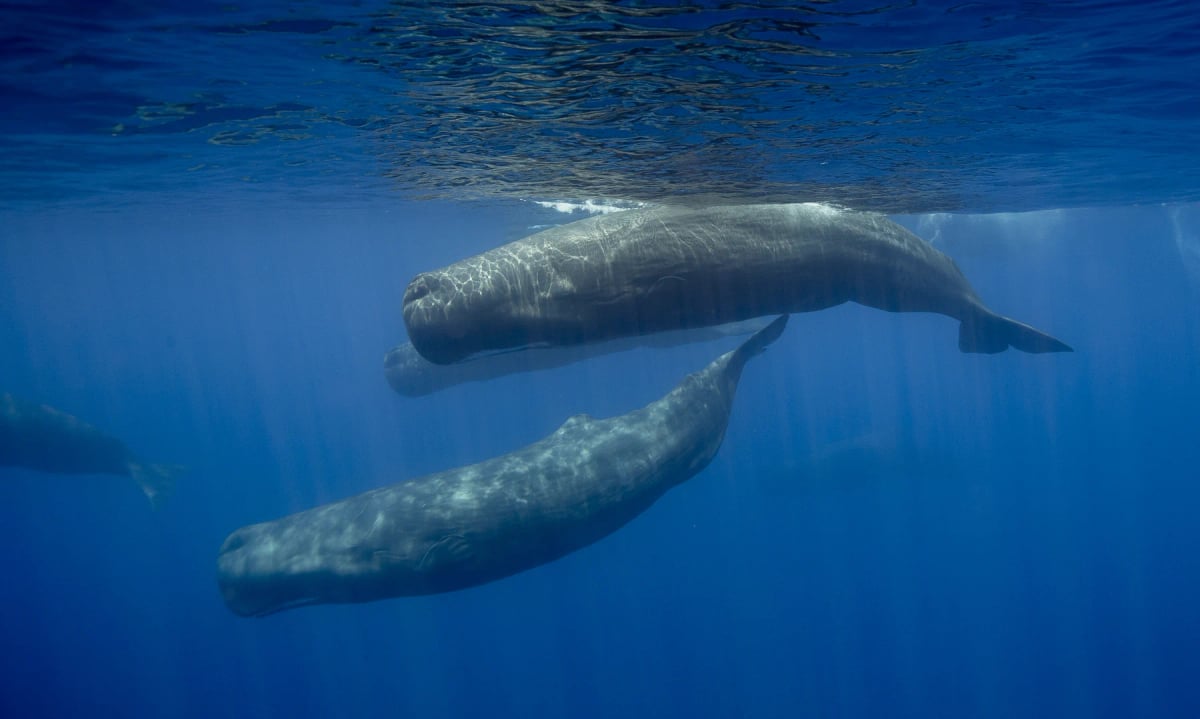
Sperm Whale
Physeter macrocephalus
Spain is one of the best places in Europe to observe sperm whales. The Strait of Gibraltar and the deep waters of the Alboran Sea serve as important habitat, and the Canary Islands are particularly well known as a year-round home for resident groups. Conservation efforts in the Canaries focus on reducing ship strikes and noise disturbance. The sperm whale is classified as Vulnerable by the IUCN.
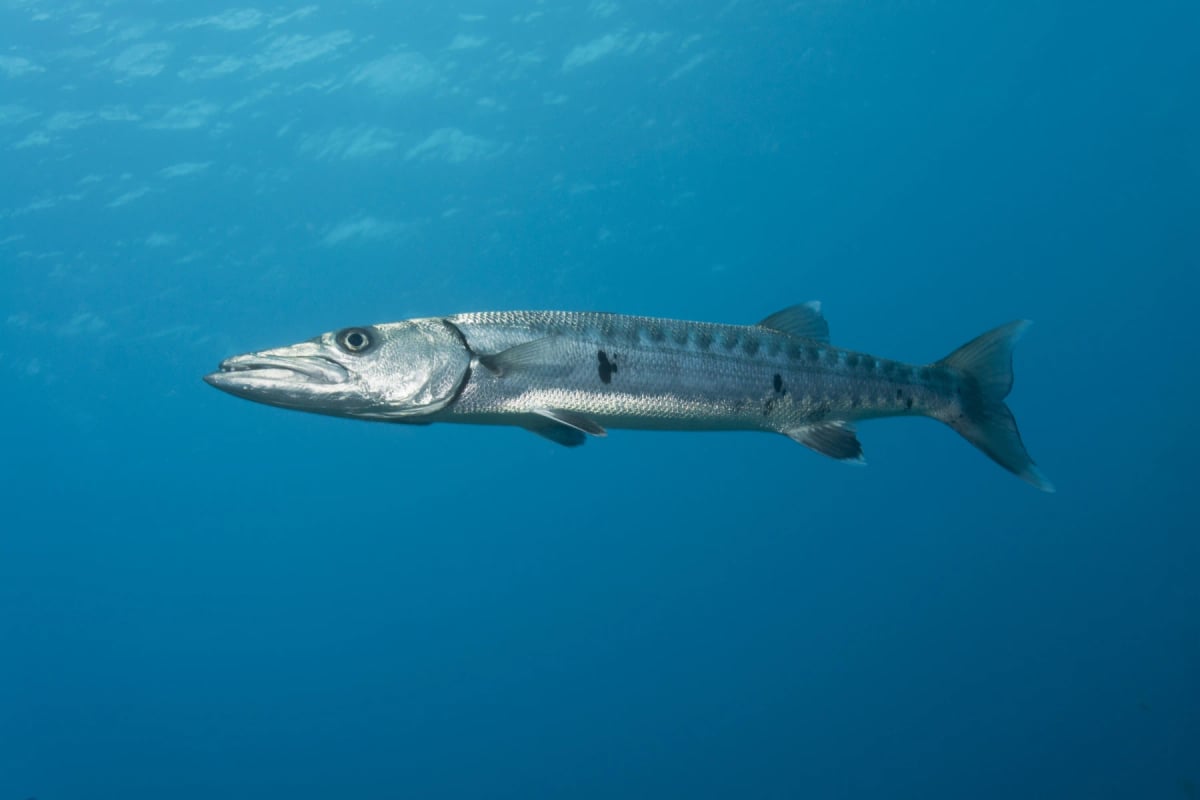
Barracuda
Sphyraena spp.
The great barracuda and other barracuda species are found in Spanish waters, particularly around the Canary Islands and in the warmer stretches of the Mediterranean. They are fast, predatory fish that hunt smaller species near reefs and rocky underwater structures. Divers and snorkelers in the Canaries regularly encounter them, often in small groups hanging motionless in the water before moving off with sudden bursts of speed.
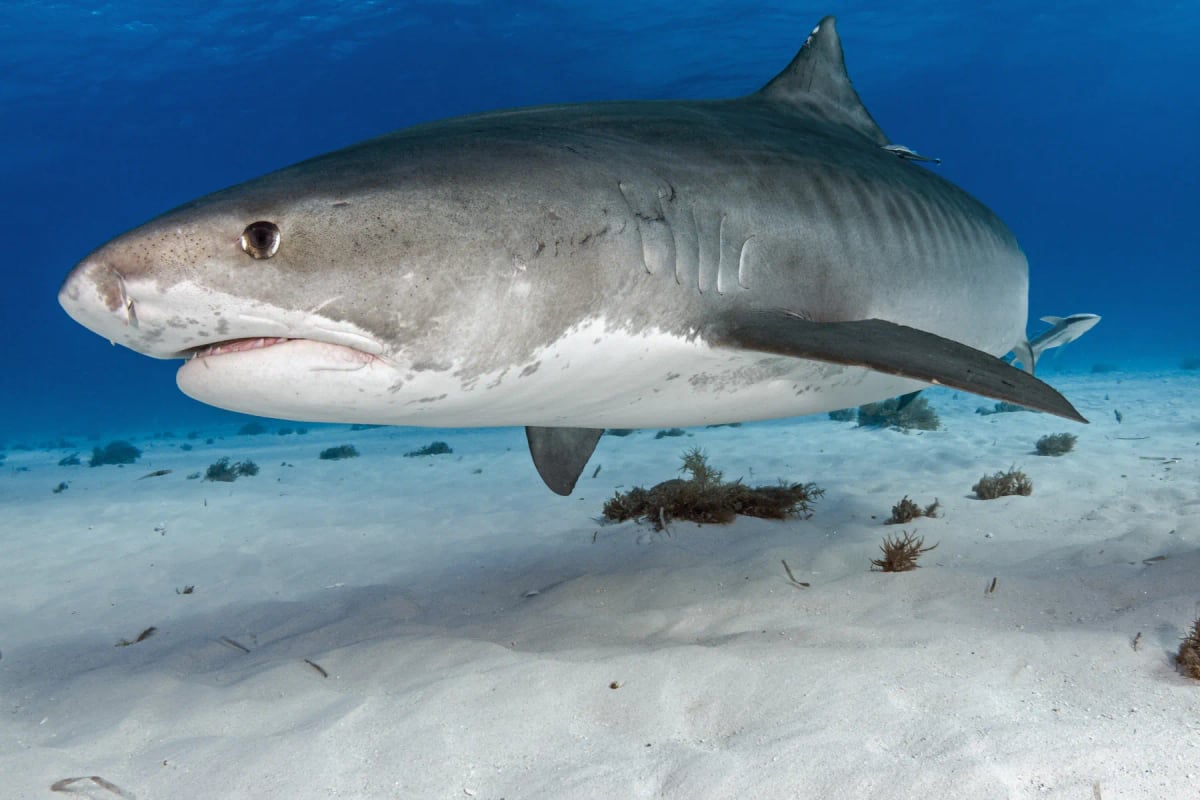
Tiger Shark
Galeocerdo cuvier
Tiger sharks have been recorded in Spanish waters, particularly in the Canary Islands, where the warm currents of the Atlantic create suitable conditions for this tropical species. Growing to around 5 metres, it is a wide-ranging predator that feeds on fish, turtles, and rays. The IUCN lists the tiger shark as Near Threatened, with fishing activity in the Atlantic identified as a significant pressure on the population.
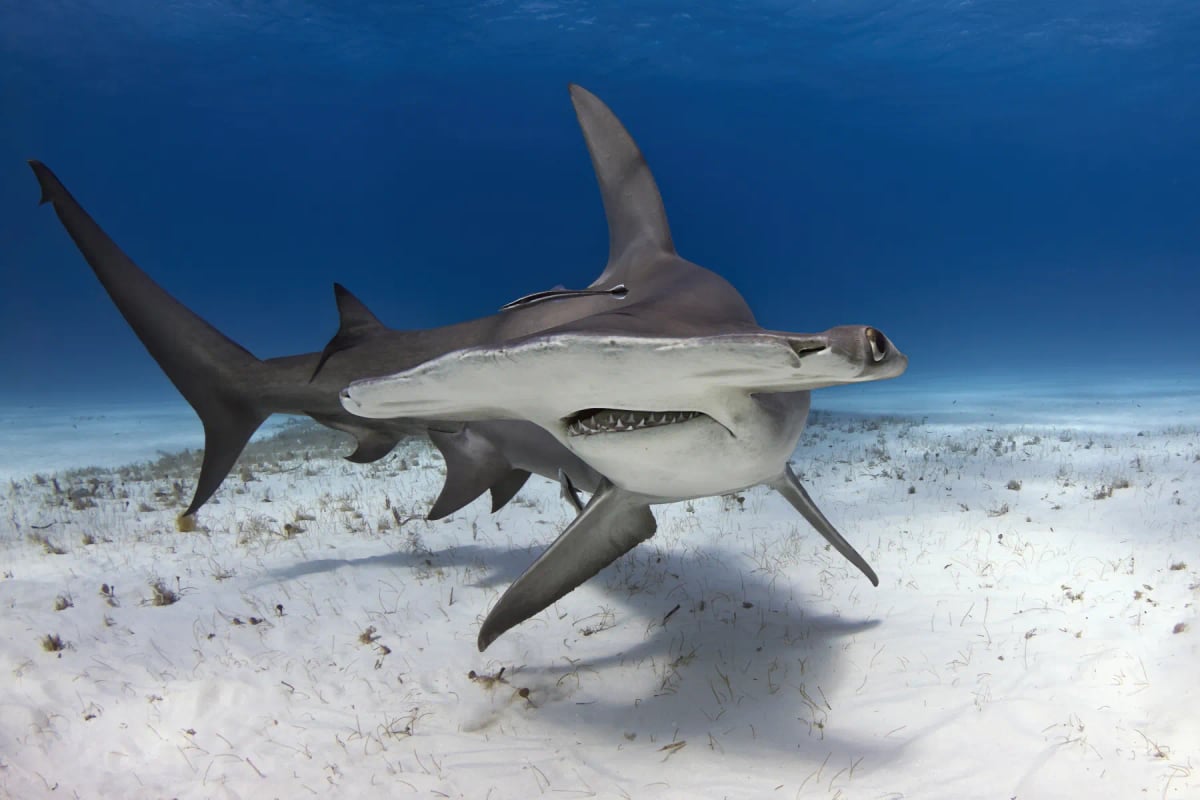
Hammerhead Shark
Sphyrna spp.
Hammerhead sharks are found in Spanish waters across both the Atlantic coast and the Mediterranean Sea, with sightings reported around the Canary Islands and the Strait of Gibraltar. The strait serves as a key passage between the Atlantic and Mediterranean. Spain participates in European Union shark conservation policies, though illegal fishing and the fin trade continue to put pressure on hammerhead populations in these waters.
Great White Shark
Carcharodon carcharias
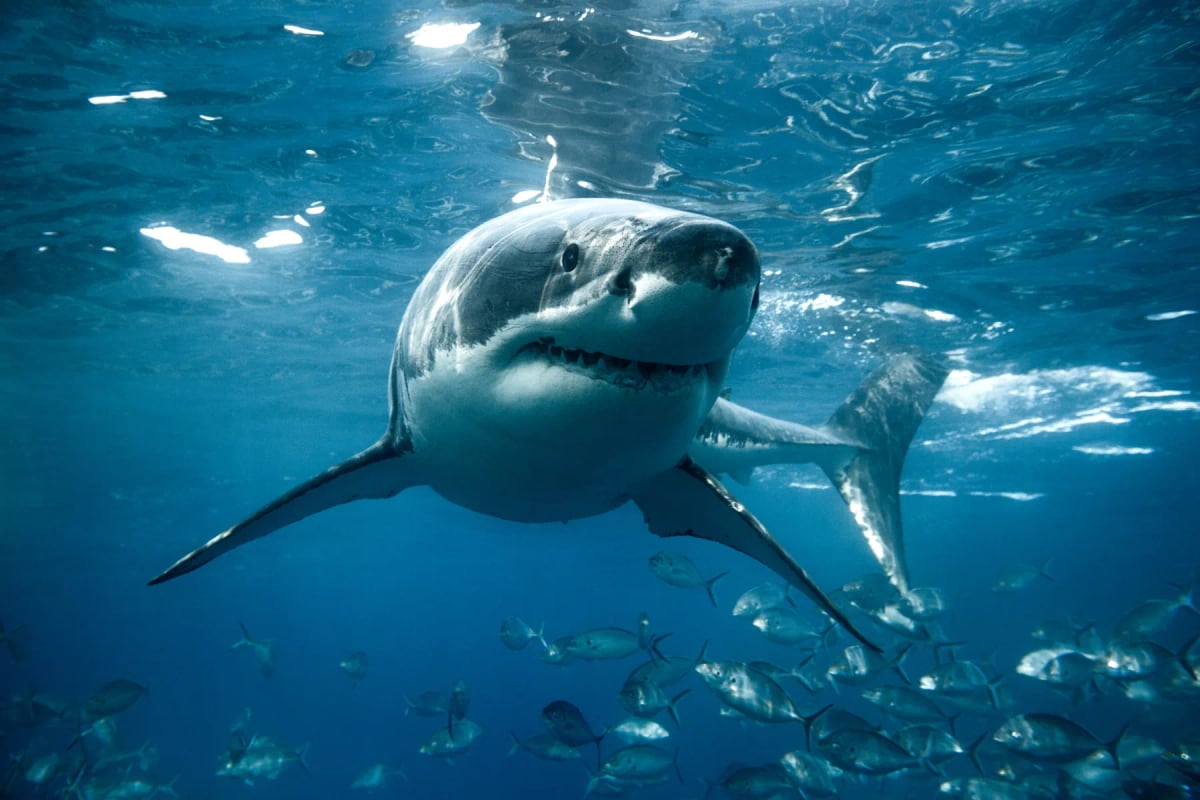
Great white sharks are part of the Mediterranean and Atlantic waters that border Spain, including the Strait of Gibraltar, one of the most strategically important passages in the species' range. The Mediterranean population is small and rarely seen, and Spain plays a role in regional conservation efforts under agreements that protect this shark across European seas. Juveniles have occasionally been documented in Spanish Atlantic coastal waters.
Frequently Asked Questions
What animals live in Spain?
Spain's animals include the Iberian lynx, brown bears, gray wolves, wild boars, red foxes, European wildcats, common genets, badgers, roe deer, hedgehogs and red squirrels. Its birds include griffon vultures, golden eagles, eagle owls, white storks, flamingos, cranes and nightingales. The chameleon lives along parts of the southern coast. In its seas swim bottlenose and common dolphins, sperm whales, orcas and several kinds of sharks, and puffins spend the winter off its Atlantic coast.
What is the national animal of Spain?
Spain has no official national animal chosen by law. The bull is the animal most often linked to Spain in popular culture, and the black bull silhouettes seen along Spanish roads are famous. When it comes to wildlife, the Iberian lynx is the best known symbol of the country. It lives only in Spain and Portugal, and it went from fewer than 100 animals in 2002 to more than 2,400 in 2024 thanks to a huge conservation effort.
Where can you see the Iberian lynx in Spain?
The best place is the Sierra de Andújar Natural Park in Jaén, Andalusia, where lynxes are sometimes seen crossing tracks or resting on rocks, especially in winter, during their mating season. Doñana National Park also has lynxes, although they are harder to spot there. Other populations now live in Castilla La Mancha, the region with the most lynxes, and in Extremadura. Local guides know the best spots, and it is important to watch from a distance and never leave food for the animals.
Are there bears and wolves in Spain?
Yes. About 370 brown bears live in the Cantabrian Mountains, mainly in Asturias, León, Palencia and Cantabria, and around 100 more live in the Pyrenees, a population shared with France. Their numbers have grown a lot in recent decades. Gray wolves live mainly in the northwest of Spain, in Galicia, Asturias and Castilla y León. The Sierra de la Culebra in Zamora is one of the best places in Europe to watch wild wolves with a guide. Both animals are shy and rarely seen by hikers.
Why do orcas push boats near Spain?
Since 2020, a small group of orcas that lives around the Strait of Gibraltar and the Atlantic coast of Spain and Portugal has pushed and damaged hundreds of sailboats, usually biting or hitting their rudders. Scientists are still not sure why. Some think it started as a game among young orcas that others copied, while others think it may be a reaction to a bad experience with a boat. These orcas follow the bluefin tuna, and they have not attacked people in the water. Sailors in the area are advised to follow official safety guidance.
Researched and written by Juan Pablo. Sources: IUCN Red List, scientific literature and regional field guides. Last updated: .