Sambar Deer
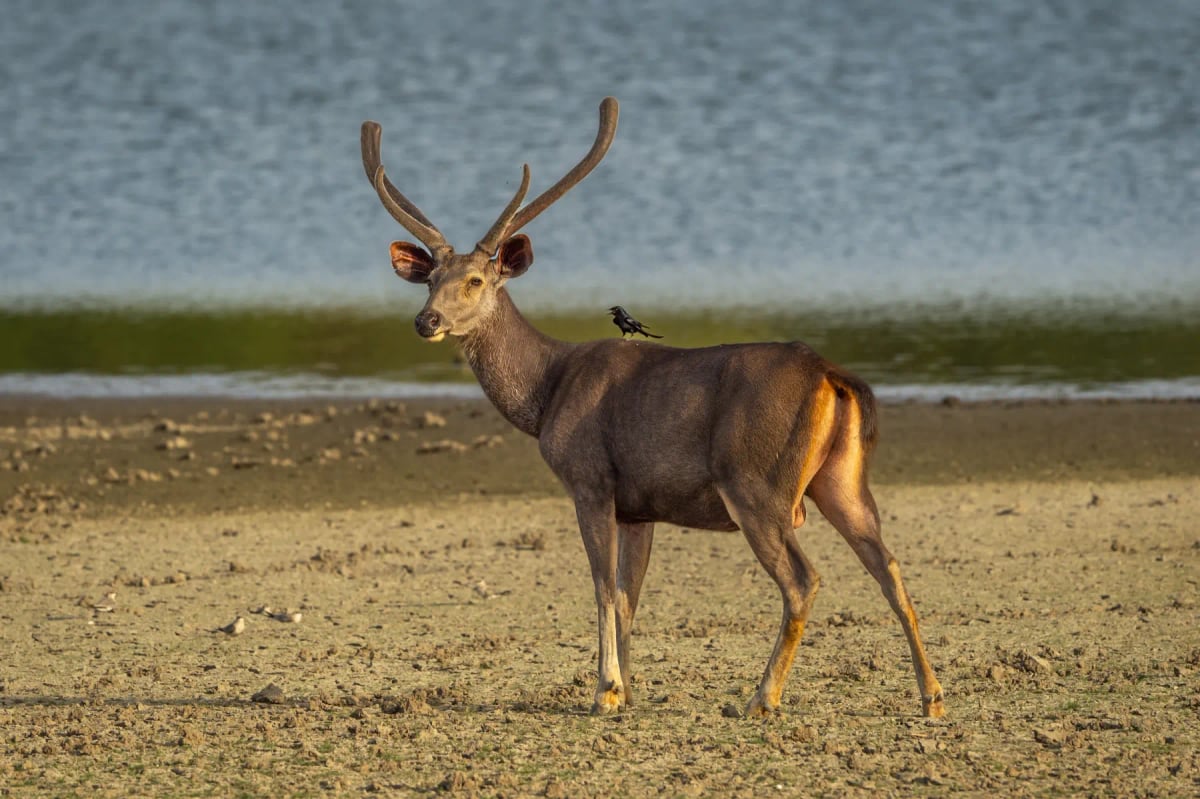
The sambar deer (Rusa unicolor) is one of the largest deer in Asia, ranging from the Indian subcontinent through Southeast Asia. Males grow rugged antlers with three tines and develop a thick mane around the neck, while females are smaller and antlerless. Both sexes have a coarse coat that varies from dark brown to yellowish gray. Sambars are highly adaptable and thrive in dense forests, open woodlands, grasslands, and wetlands. They are strong swimmers and often wade into water to feed on aquatic plants or escape predators. Across much of their range they serve as the primary prey of tigers and leopards, making them a cornerstone of Asian forest ecosystems. Populations have declined in many areas due to habitat loss and hunting, and the IUCN currently lists the species as Vulnerable.
Habitat and distribution
Sambar deer occupy one of the broadest ranges of any deer species in Asia. They are found across the Indian subcontinent, including India, Sri Lanka, Nepal, and Bhutan, and extend through Myanmar, Thailand, Cambodia, Vietnam, Malaysia, Indonesia, and southern China. Within this vast range, sambars adapt to an impressive variety of environments. Dense tropical forests are their preferred habitat, but they also thrive in dry deciduous woodlands, shrublands, and grassy clearings near water. They tend to stay close to rivers, lakes, and swamps, where aquatic vegetation is plentiful. Elevation is no barrier either: sambars have been recorded living in lowland plains as well as mountain forests at altitudes above 3,500 metres in parts of the Himalayas and southwestern China.
Diet
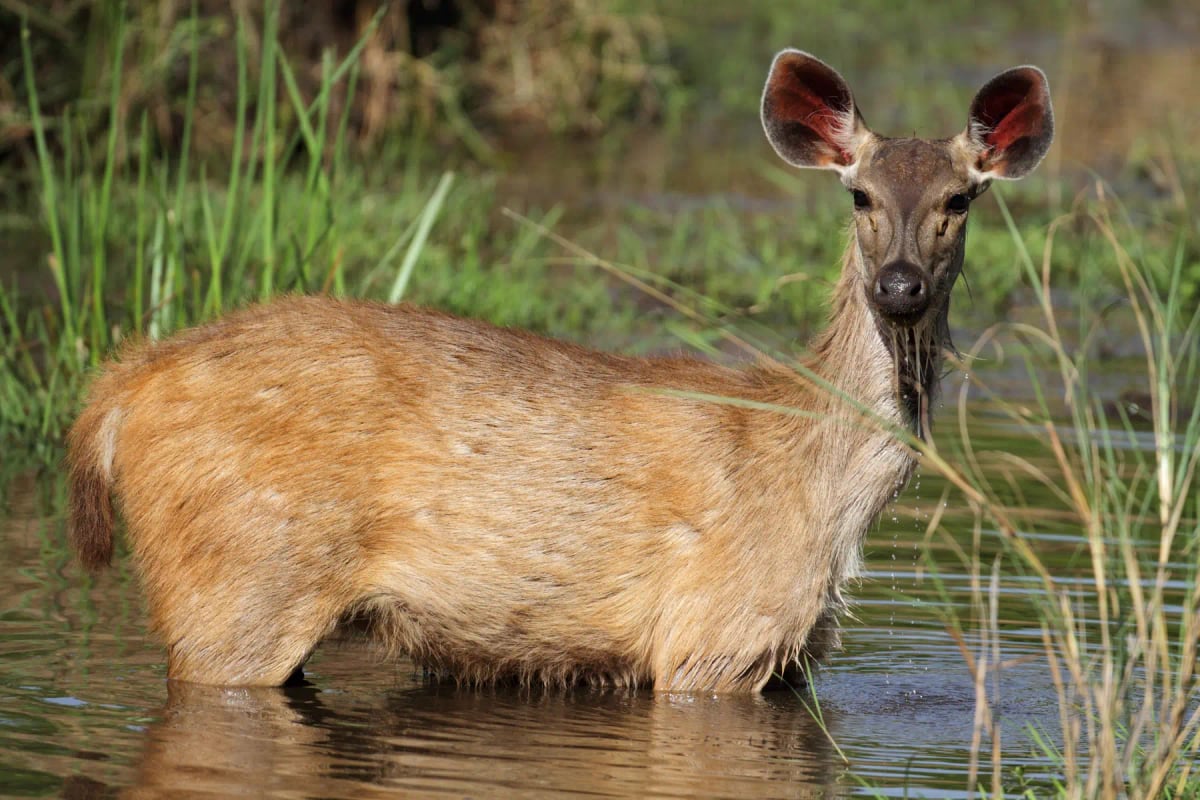
Browsing and grazing make up the foundation of the sambar's diet. These deer feed on a wide range of plant material, including grasses, leaves, bark, fruit, and berries. One of their most distinctive feeding habits is wading into shallow water to eat aquatic plants such as water hyacinth and other emergent vegetation. This behaviour also helps them stay cool and avoid insects. Sambars are selective feeders when food is plentiful, choosing the most nutritious shoots and leaves available, but they switch to coarser material during dry seasons. Salt licks are an important supplement, and sambars will travel considerable distances to reach mineral deposits in the soil. This varied and flexible approach to feeding is one reason the species can live across such a wide range of habitats.
Behavior
Although sambar deer can be active at any hour, they are most active at dusk and through the night, which helps them avoid both the midday heat and predators that rely on daylight. Adults tend to be solitary or live in small, loosely organised groups, usually a female with her young. Males spend much of the year alone, coming together with females only during the rut. Breeding typically takes place between October and January across most of the range, though timing can vary. During this period, males bellow loudly, mark trees with their antlers, and wallow in mud to signal their condition to rivals and potential mates. When alarmed, sambars produce a sharp, repetitive bark that alerts other animals in the area, a behaviour well known to wildlife trackers across Asia.
Predators
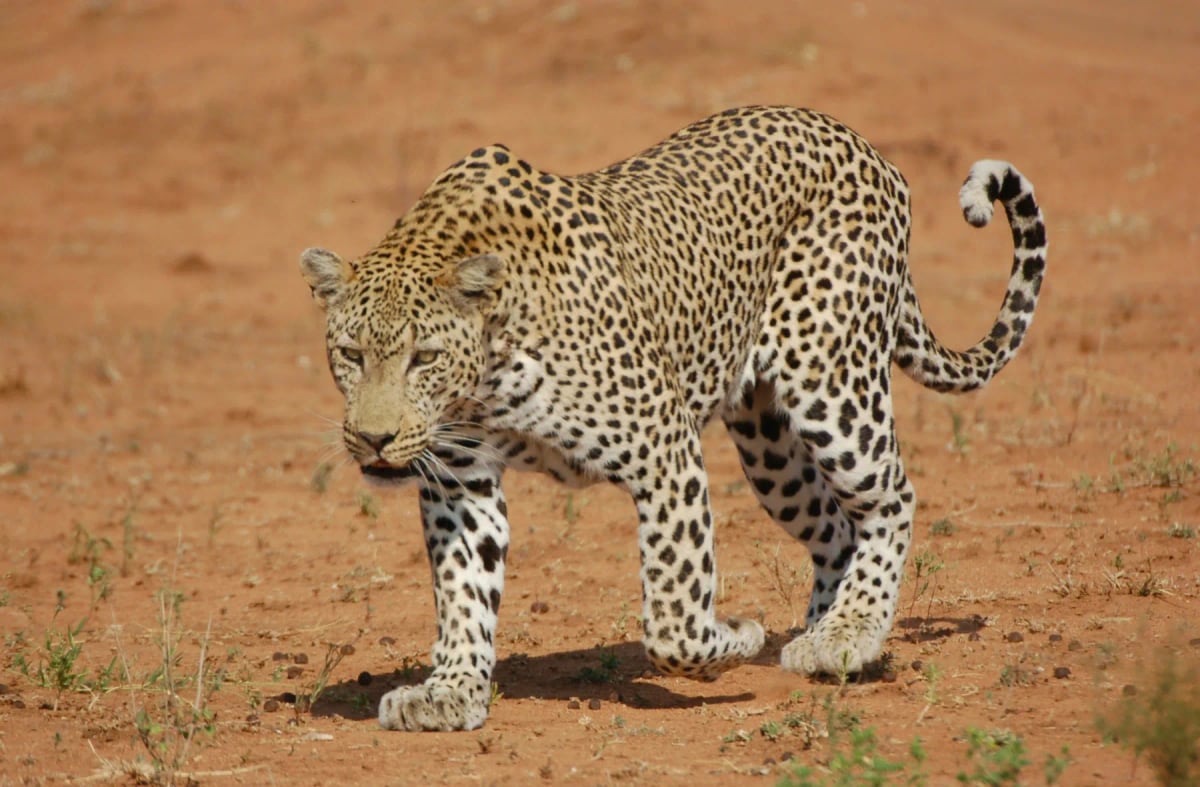
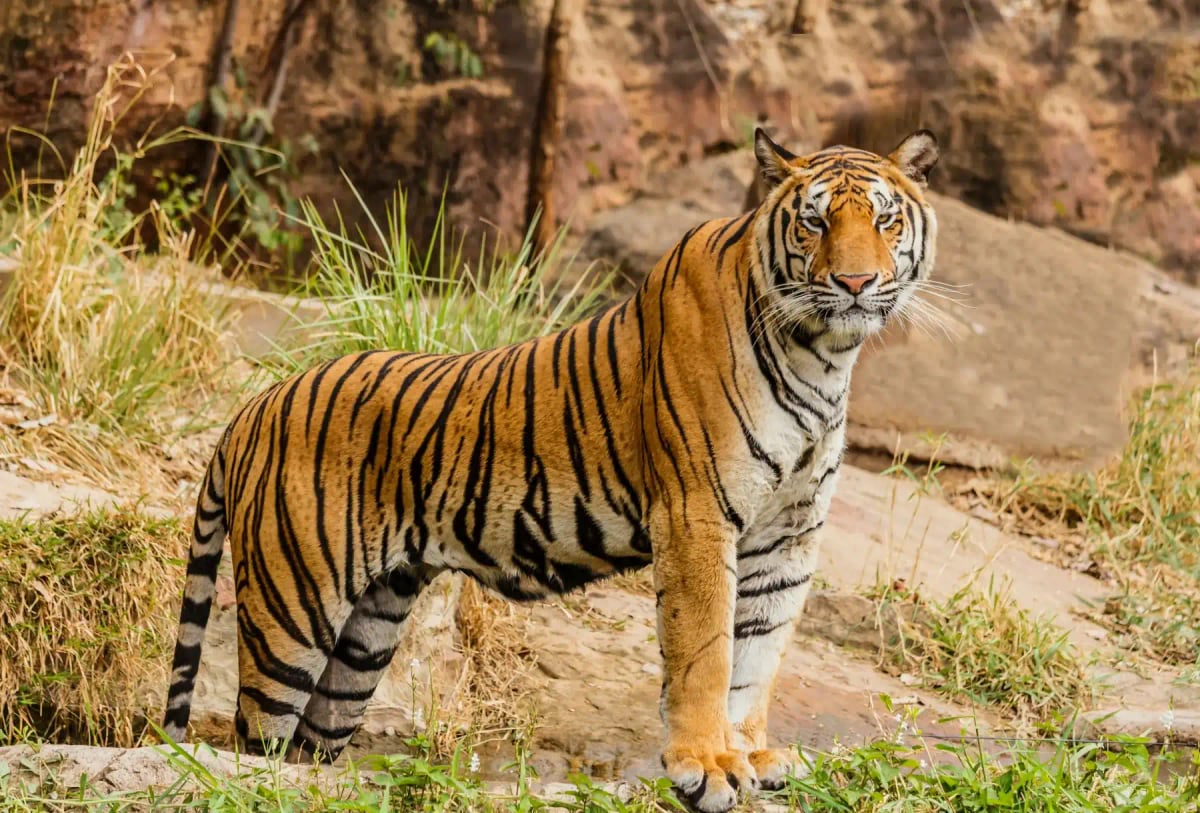
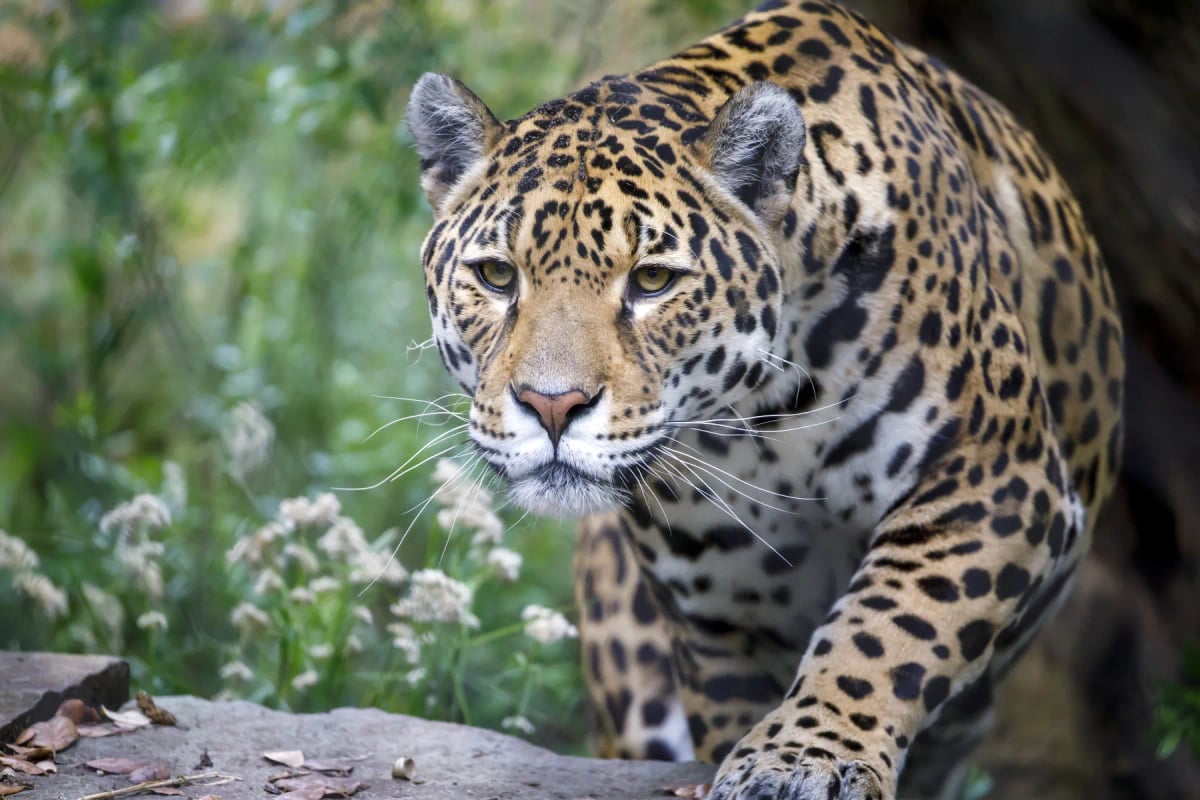
Few animals are as central to a predator's diet as the sambar deer. Across its range, the species is the single most important prey animal for tigers, accounting for a large share of tiger kills in many Indian reserves such as Ranthambore and Kanha. Leopards also target sambars regularly, particularly younger or smaller individuals. Dholes, the wild dogs of Asia, hunt sambars cooperatively and are capable of bringing down full adults. In Sri Lanka, where tigers are absent, leopards depend on sambars even more heavily. Crocodiles occasionally take sambars that wade into rivers and lakes. This central role in so many predator diets means that healthy sambar populations directly support the survival of some of Asia's most iconic and threatened large carnivores.
Conservation
The IUCN currently classifies the sambar deer as Vulnerable, reflecting a population decline estimated at over 20 percent in recent decades. Hunting is one of the main pressures the species faces. Sambar are targeted for their meat, their hide, and their antlers, which are used in traditional medicine across parts of Asia. Poaching continues even inside protected areas in several countries. Habitat loss is the other major threat: deforestation for agriculture, logging, and human settlement has fragmented sambar populations across much of Southeast Asia. The species does receive protection under national law in most of its range countries, and it benefits from large tiger reserves in India and Nepal. Strengthening anti-poaching enforcement and maintaining forest connectivity are considered the most urgent priorities for the species over the long term.
Where it is found
The Sambar Deer can be found in places such as:
Researched and written by Juan Pablo. Sources: IUCN Red List, scientific literature and regional field guides. Last updated: .
Technical factsheet



Frequently Asked Questions
What do sambar deer eat?
Sambar deer eat a wide variety of plant foods, including grasses, leaves, fruit, bark, and berries. One of their most notable habits is wading into shallow water to munch on aquatic plants like water hyacinth. They also visit natural salt licks to get minerals their bodies need. When food is plentiful, they pick the most nutritious options available, but they are perfectly happy eating coarser vegetation during dry spells.
Where do sambar deer live?
Sambar deer are found across a huge stretch of Asia, from India, Sri Lanka, Nepal, and Bhutan through Southeast Asia and into southern China. They are remarkably flexible when it comes to habitat, living in tropical forests, dry woodlands, shrublands, and areas near rivers and swamps. They handle altitude well too, with some individuals recorded above 3,500 metres in the Himalayas.
Are sambar deer dangerous to humans?
Sambar deer are generally shy and will flee long before a person gets close. However, males during the rutting season can become unpredictable and aggressive, especially if they feel cornered. A startled sambar may also charge as a last resort. In most situations, though, these deer pose no real threat to people and prefer to disappear quietly into the forest rather than stand their ground.
Why are sambar deer important to tigers?
Sambar deer are the single most important prey animal for tigers across much of Asia. In famous reserves like Ranthambore and Kanha in India, sambars make up a large share of what tigers eat. Without healthy sambar populations, tigers struggle to survive and reproduce. This connection means that protecting sambar deer is effectively the same as protecting tigers, making them a cornerstone of forest ecosystems.
How big do sambar deer get?
Sambar deer are among the largest deer in all of Asia. Adult males can weigh anywhere from around 100 to over 300 kilograms depending on the region, and they stand up to 1.5 metres tall at the shoulder. Females are noticeably smaller and do not grow antlers. Males develop large, rugged antlers that typically have three tines, which they use during fights with rival males.
What is the conservation status of the sambar deer?
The IUCN lists the sambar deer as Vulnerable. Populations have dropped by more than 20 percent over recent decades, driven mainly by hunting for meat, hide, and antlers used in traditional medicine, and by the loss of forest habitat across Southeast Asia. The species is legally protected in most countries where it lives, and it benefits from large protected areas, but poaching remains a serious ongoing problem.
Do sambar deer swim?
Yes, sambar deer are strong and willing swimmers. They regularly wade into rivers, lakes, and swamps to feed on aquatic plants, cool off, and escape predators like tigers and leopards. Water is genuinely important to them, and they tend to stay close to rivers or wetlands throughout their lives. This comfort in water sets them apart from many other deer species found across Asia.