Animals in Guatemala
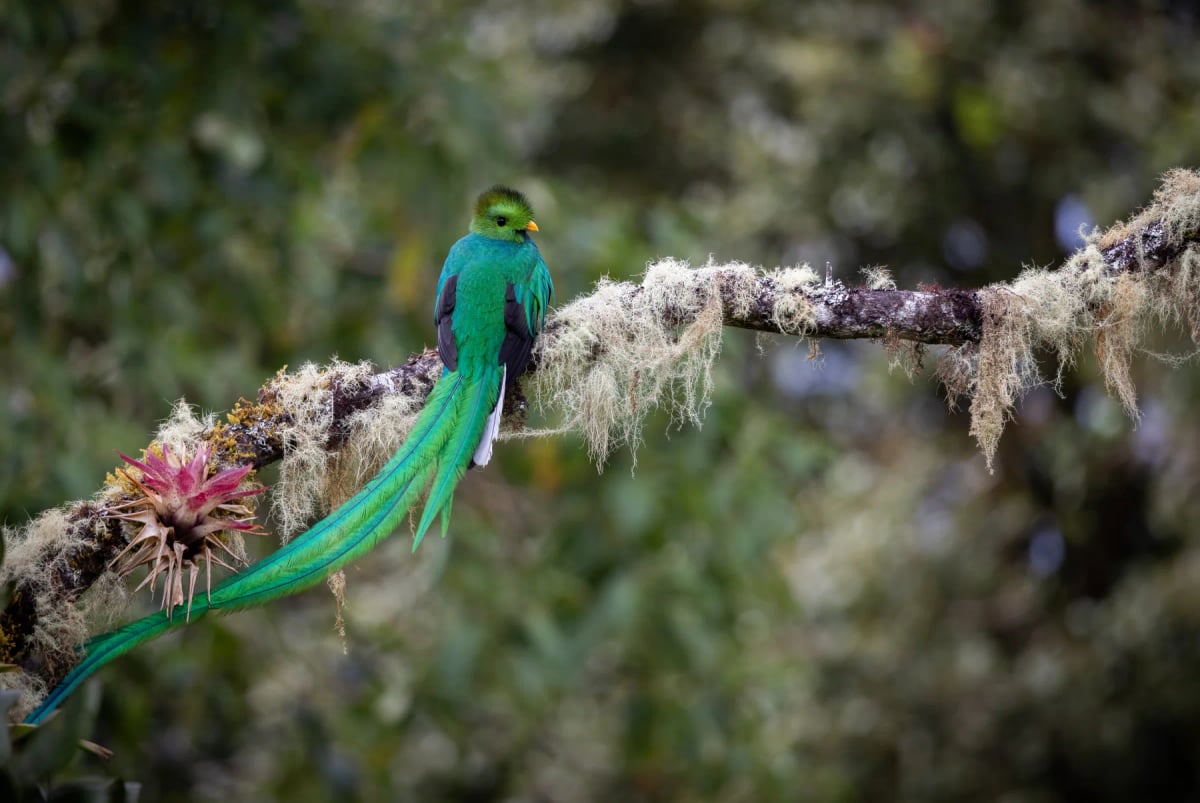
Resplendent Quetzal
Pharomachrus mocinno
The resplendent quetzal, with shining green feathers, a red breast and tail plumes longer than its body, is Guatemala's national bird and a symbol of freedom. It appears on the national flag and coat of arms, and since 1925 the national currency has carried its name. The ancient Maya prized its feathers, and a legend says its breast turned red with the blood of the Kiche leader Tecún Umán. Today it lives in the cloud forests of the Sierra de las Minas and the Biotopo del Quetzal, created in 1976 to protect it.
View details→Wildlife in Guatemala
Guatemala sits where the wildlife of North and South America meet, and its volcanoes, cloud forests, lowland jungles and two coastlines give that mix plenty of room. The heart of it is the Maya Biosphere Reserve in Petén, created in 1990 and the largest protected area in Central America, where the rainforest grows over ancient Maya cities such as Tikal. Jaguars and pumas hunt there along with ocelots, margays and jaguarundis, tapirs feed along the rivers, and spider monkeys, toucans and scarlet macaws fill the canopy. White tailed deer, coyotes, gray foxes, raccoons, opossums and armadillos live across the country. In the highland cloud forests lives the resplendent quetzal, the national bird, and the harpy eagle survives in the remote north. Boas, iguanas, caimans, rattlesnakes and lanceheads are among its reptiles. On the Pacific coast, sea turtles nest at Monterrico, while on the Caribbean side manatees graze in the quiet waters of the Río Dulce, and dolphins and humpback whales swim offshore.
Most Dangerous Animals in Guatemala
The most dangerous animals in Guatemala are its venomous snakes. The lancehead, known locally as barba amarilla, lives in the humid lowlands of Petén, Izabal and the Pacific slope, and it causes most serious snakebites, often among farm workers. The rattlesnake lives in the dry valleys of the east, such as the Motagua. Both need fast hospital care with antivenom. Boa constrictors are not venomous, but a large one can bite hard if handled. Jaguars and pumas live in remote forests and avoid people, so attacks are almost unknown. Caimans rest in rivers and lagoons and rarely bother anyone. At sea, tiger and bull sharks hunt off both coasts, and the bull shark can even swim up rivers and into lakes, although incidents with swimmers are very rare. Wearing boots, watching the ground on trails and using a flashlight at night are the best protection.
Top 10 Animals in Guatemala
The top 10 animals in Guatemala are led by its big predators. The jaguar is the largest cat in the Americas and the king of the Maya Biosphere Reserve, where it was a sacred animal for the ancient Maya, and the puma shares the same forests and ranges higher into the mountains. The boa constrictor, which can pass three meters, kills its prey by squeezing and is common from the lowlands to farmland. Three smaller cats follow: the spotted ocelot, the margay, a tree climber with huge eyes, and the jaguarundi, a plain cat that hunts by day. The white tailed deer grazes forest edges and fields, and the coyote lives in open country and farmland. Two venomous snakes close the list, the rattlesnake of the dry valleys and the lancehead, called barba amarilla in Guatemala, the snake behind most serious bites.
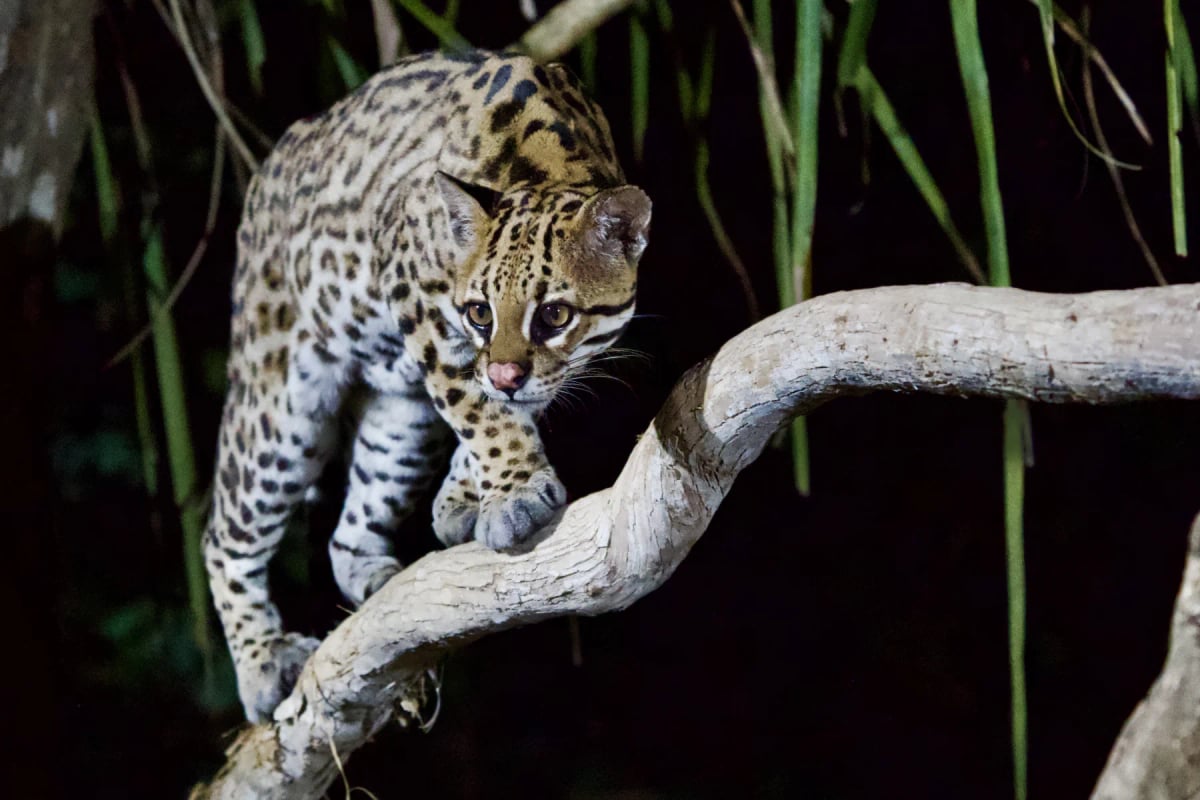
Ocelot
Leopardus pardalis
In Guatemala, ocelots are found in the lowland forests of Petén in the north, which form part of the greater Maya Forest shared with Mexico and Belize. This region is one of the most important areas for large mammals in Mesoamerica. Ocelots also occur in Pacific coastal forests and some highland areas. Deforestation from agricultural expansion in Petén is an ongoing concern, though protected areas like the Maya Biosphere Reserve offer important habitat.
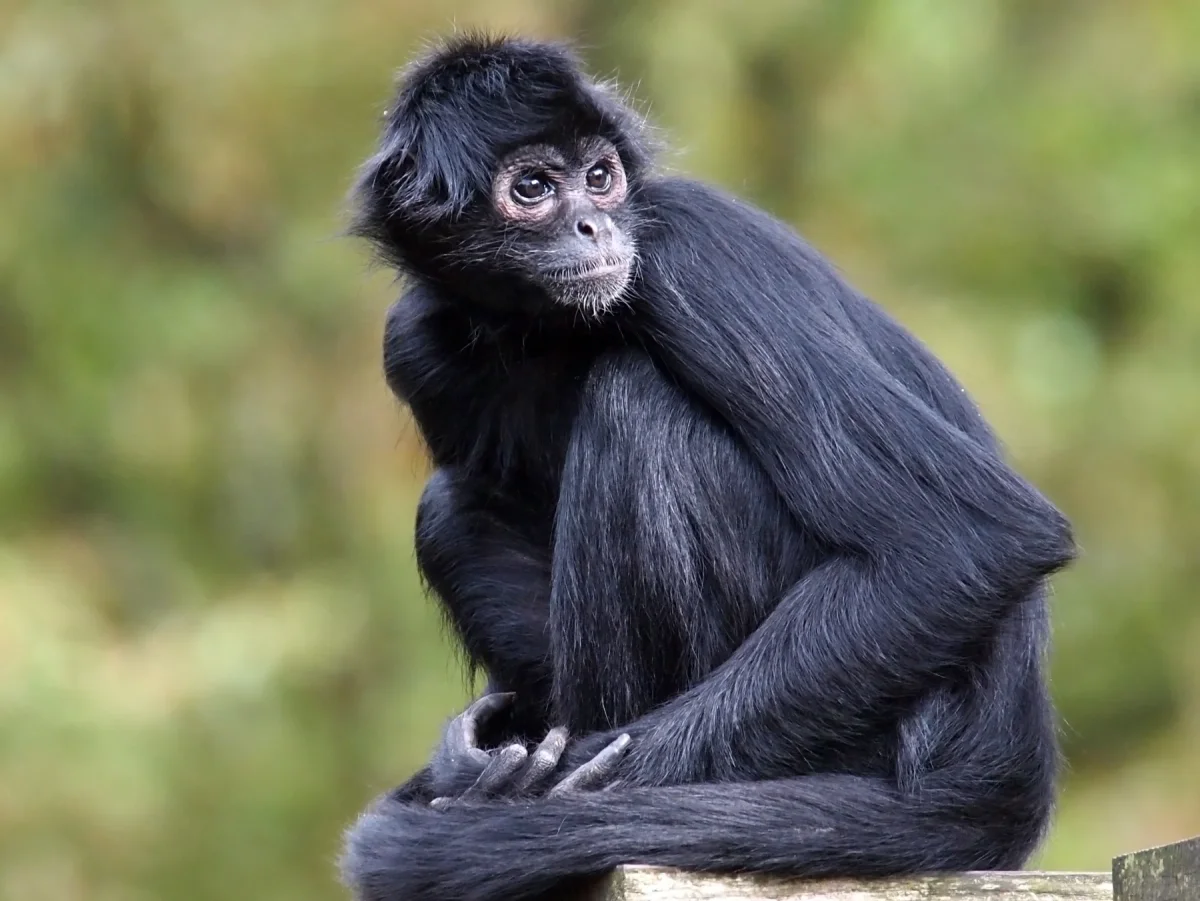
Spider Monkey
Ateles spp.
In Guatemala, spider monkeys are found in the lowland rainforests of the Petén region, including the Maya Biosphere Reserve, one of the largest protected areas in Central America. They play a crucial role as seed dispersers, helping to sustain the forest they depend on. Illegal hunting and agricultural expansion continue to push their populations into smaller and more isolated forest patches.
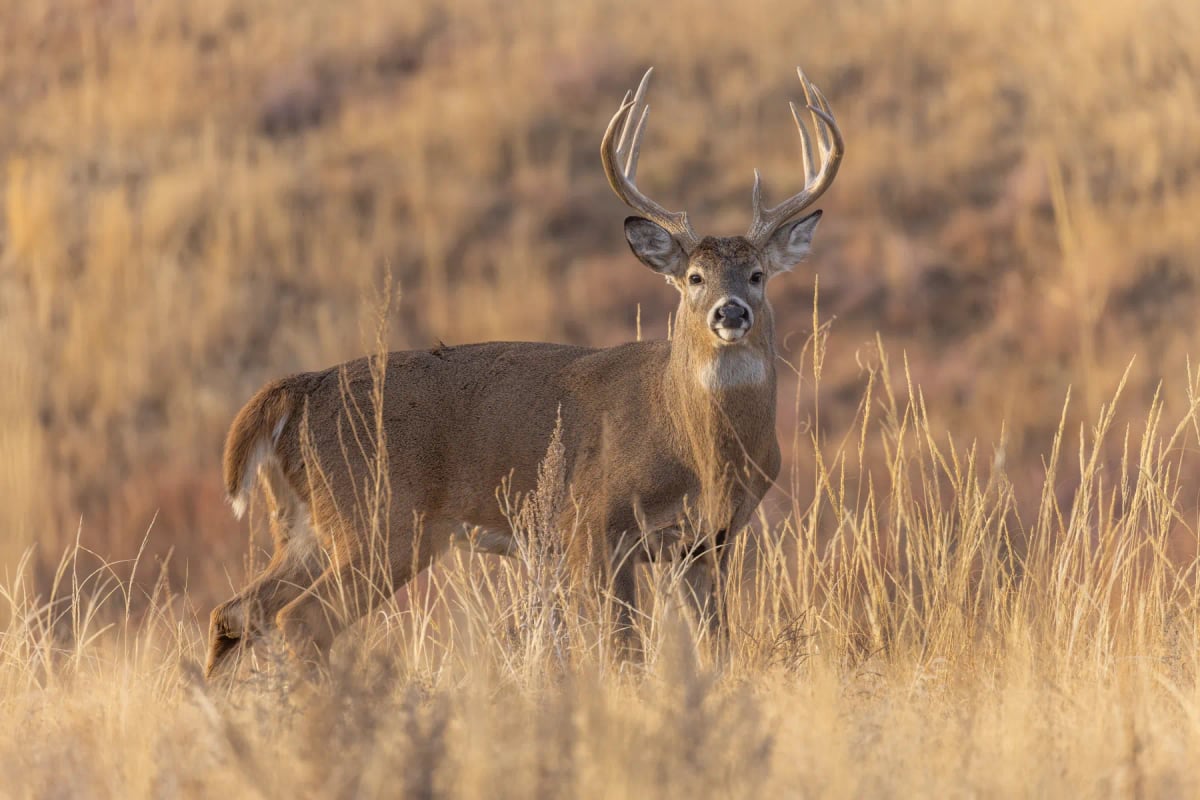
White tailed Deer
Odocoileus virginianus
The white tailed deer is widespread across Guatemala, living in pine and oak forests of the highlands, dry forests along the Pacific coast, and lowland areas of the Petén region. It holds cultural importance for many indigenous Maya communities and appears in ancient iconography. Populations in Petén benefit from the protection offered by the Maya Biosphere Reserve, one of the largest protected areas in Central America.
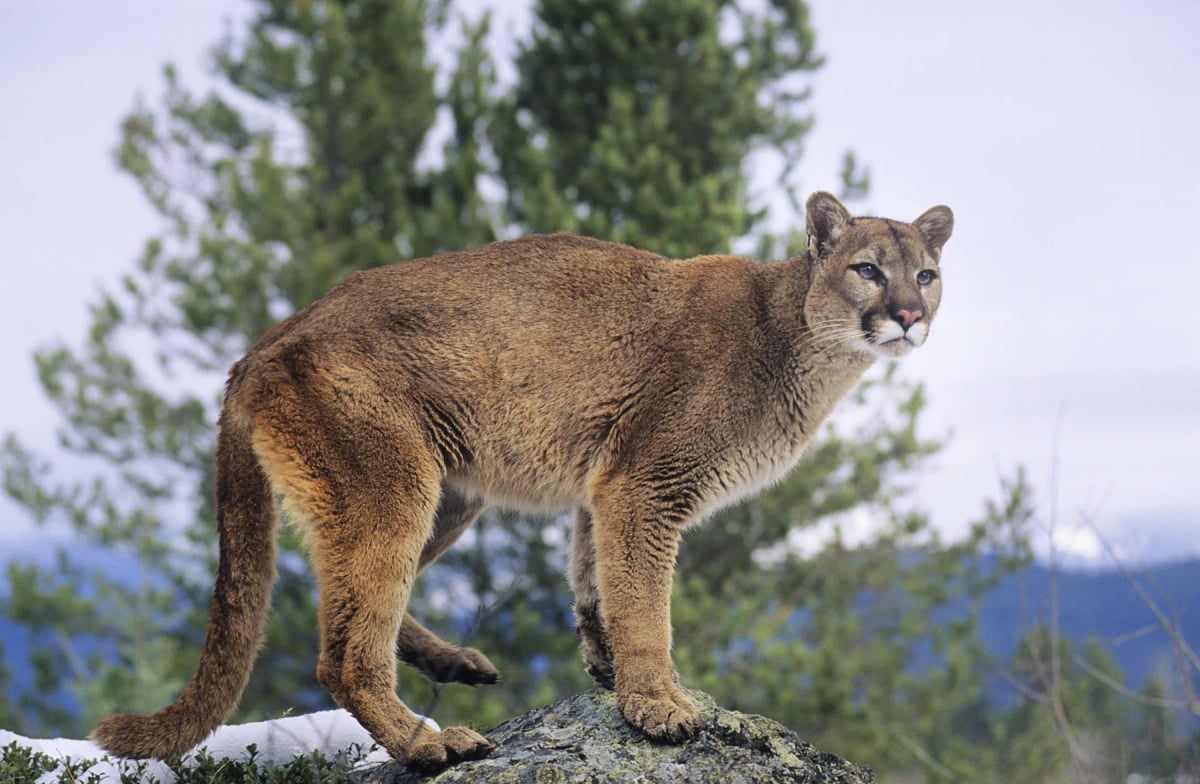
Cougar
Puma concolor
The cougar roams Guatemala's dense highland forests and the lowland jungles of the Petén region, where it preys mainly on deer and smaller mammals. It is the country's second largest wild cat after the jaguar, and it plays a key role in keeping prey populations in balance. Though listed as Least Concern globally, habitat loss and conflict with livestock farmers put growing pressure on the species here.
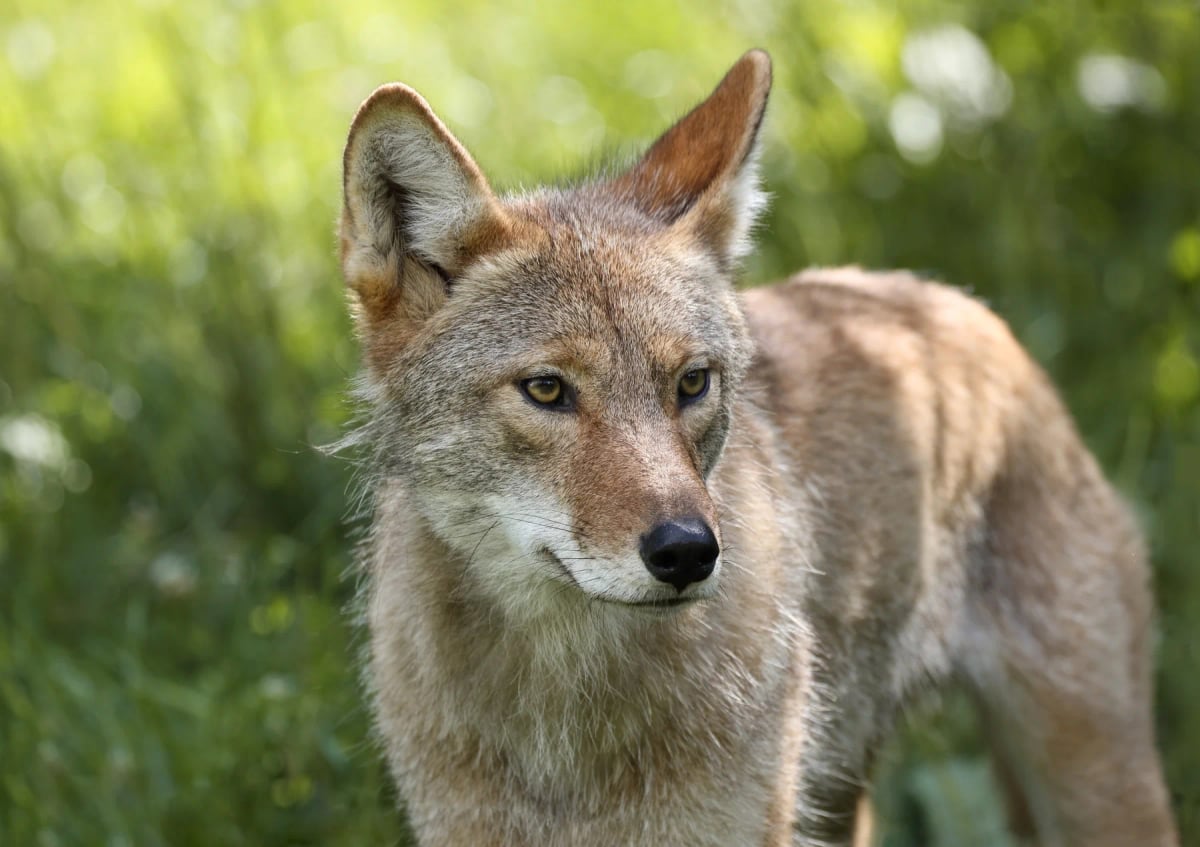
Coyote
Canis latrans
The coyote reaches the southern limit of its range in Guatemala, where it inhabits the dry valleys, open highlands, and scrublands of the interior. It is most commonly seen in the eastern and northwestern regions of the country. Although present, it is far less common here than in North America. It feeds on small animals, fruit, and whatever food the landscape provides. Its IUCN status is Least Concern.
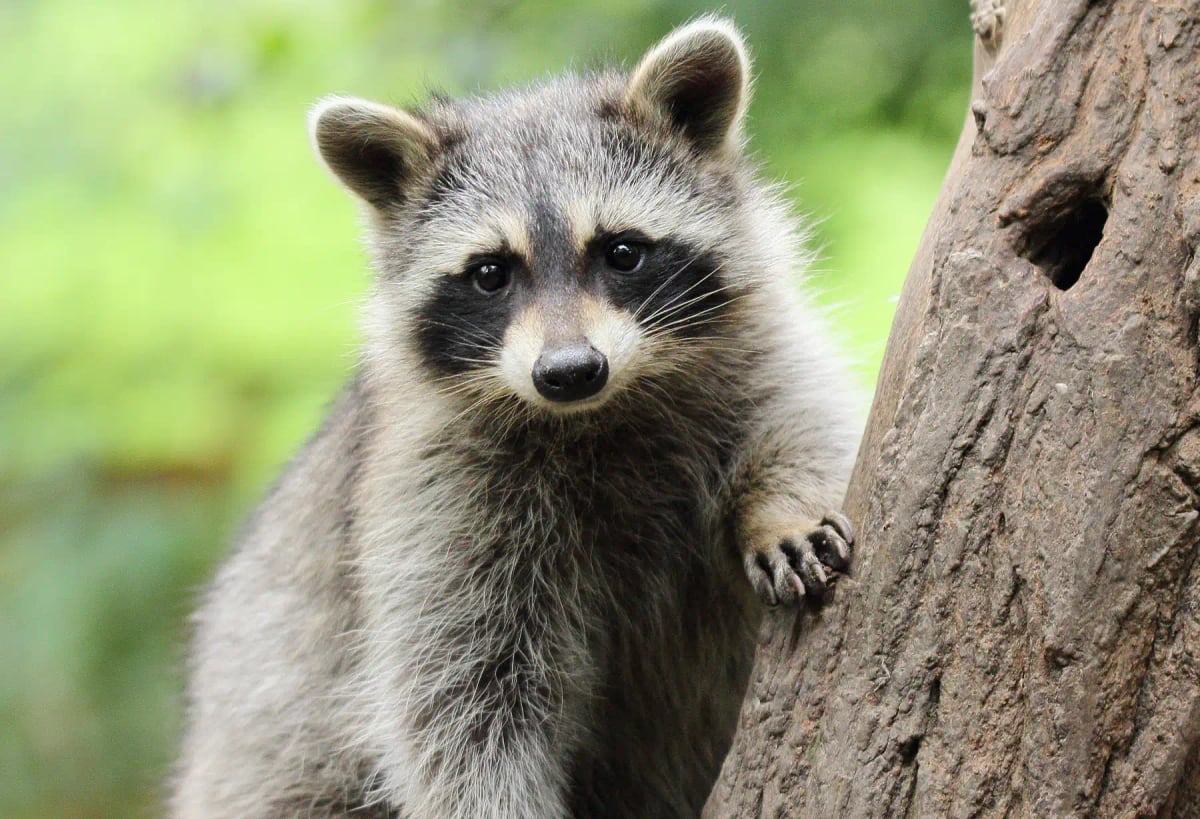
Raccoon
Procyon lotor
In Guatemala, raccoons inhabit a variety of ecosystems, from the mangroves and wetlands of the Pacific lowlands to the tropical forests of Petén. They are opportunistic and feed on fish, invertebrates, fruit, and scraps near human settlements. The Petén region, part of the Maya Biosphere Reserve, provides important habitat for raccoons alongside jaguars, tapirs, and many other species. The raccoon is listed as Least Concern in Guatemala.
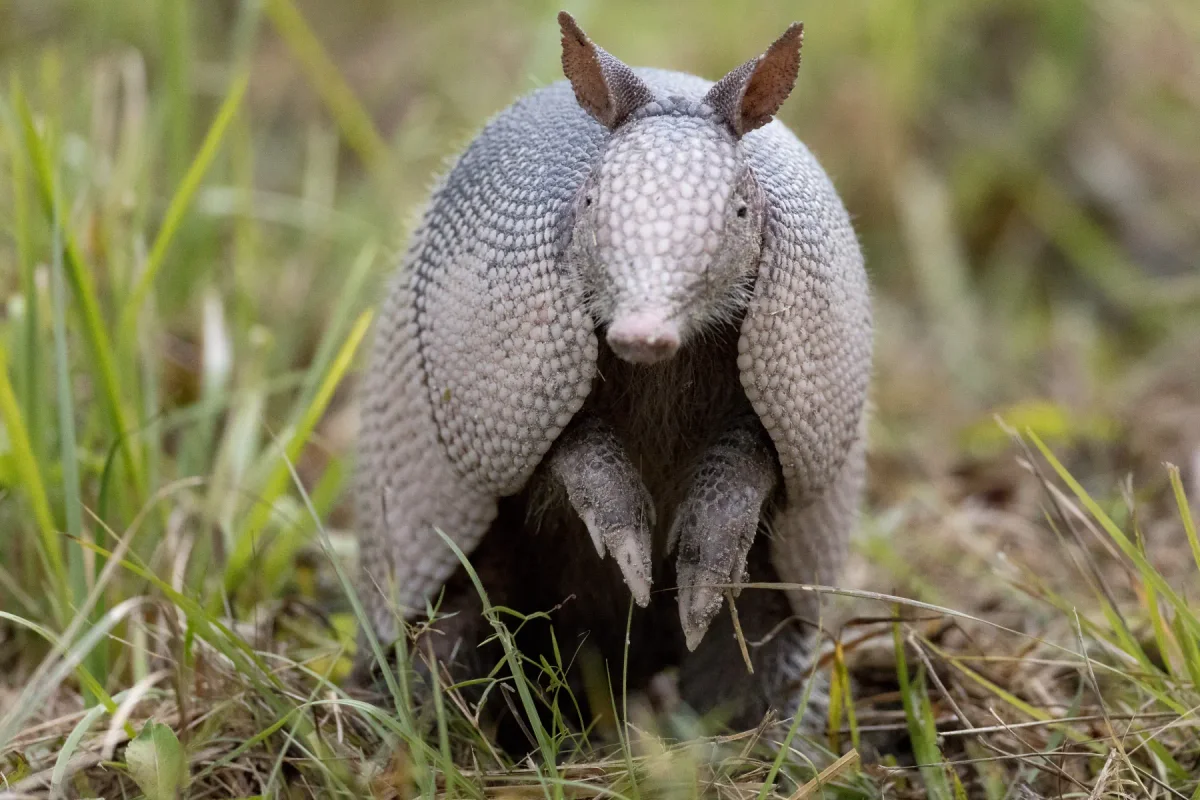
Armadillo
Dasypodidae spp.
Several armadillo species are present in Guatemala, with the nine banded armadillo being the most widespread. It occupies a range of environments from lowland tropical forests to highland scrublands and agricultural edges. Armadillos dig burrows for shelter and forage at night for insects, larvae, and earthworms. In rural areas they are occasionally hunted for food, and road mortality is a growing threat as agricultural expansion fragments their habitat across the country.
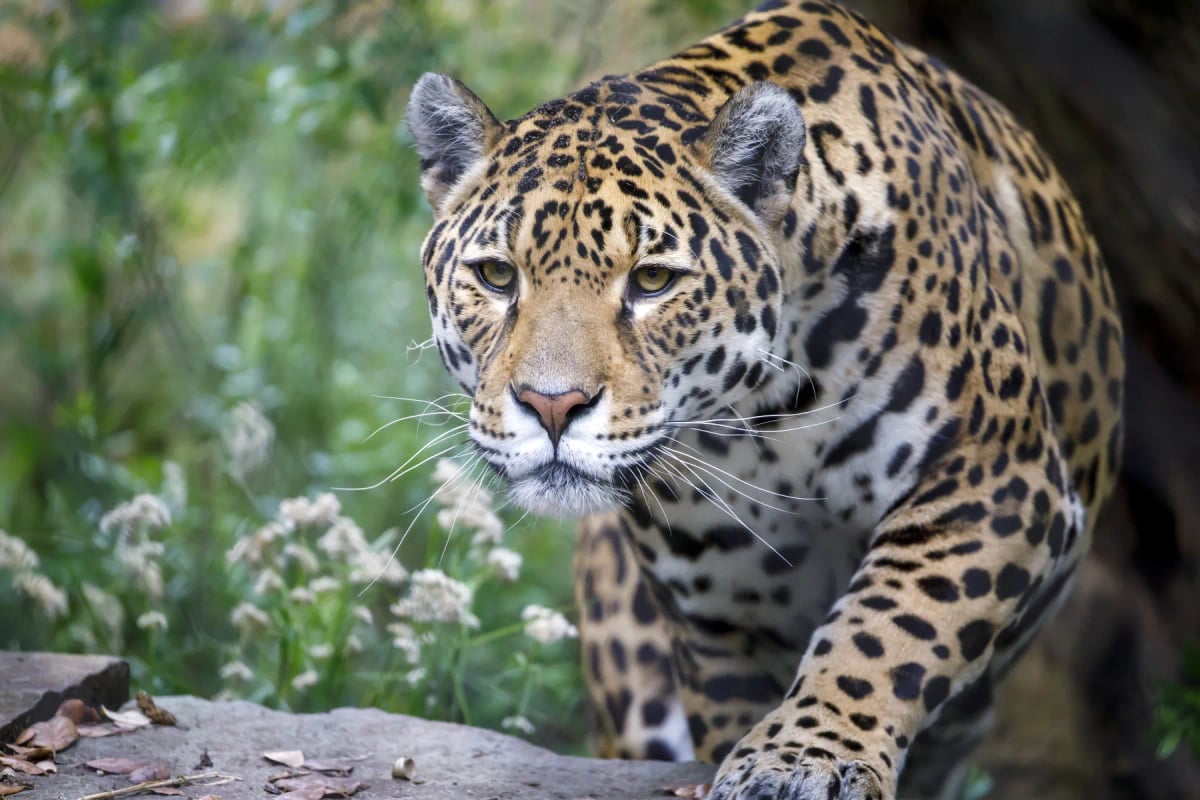
Jaguar
Panthera onca
Guatemala's jaguars are most closely associated with the Maya Biosphere Reserve in the Petén department, the largest protected tropical forest north of the Amazon in the Americas. This area forms part of a broader transboundary forest shared with Mexico and Belize. Poaching and agricultural encroachment are ongoing concerns, but the reserve remains the most important jaguar habitat in the country by a significant margin.
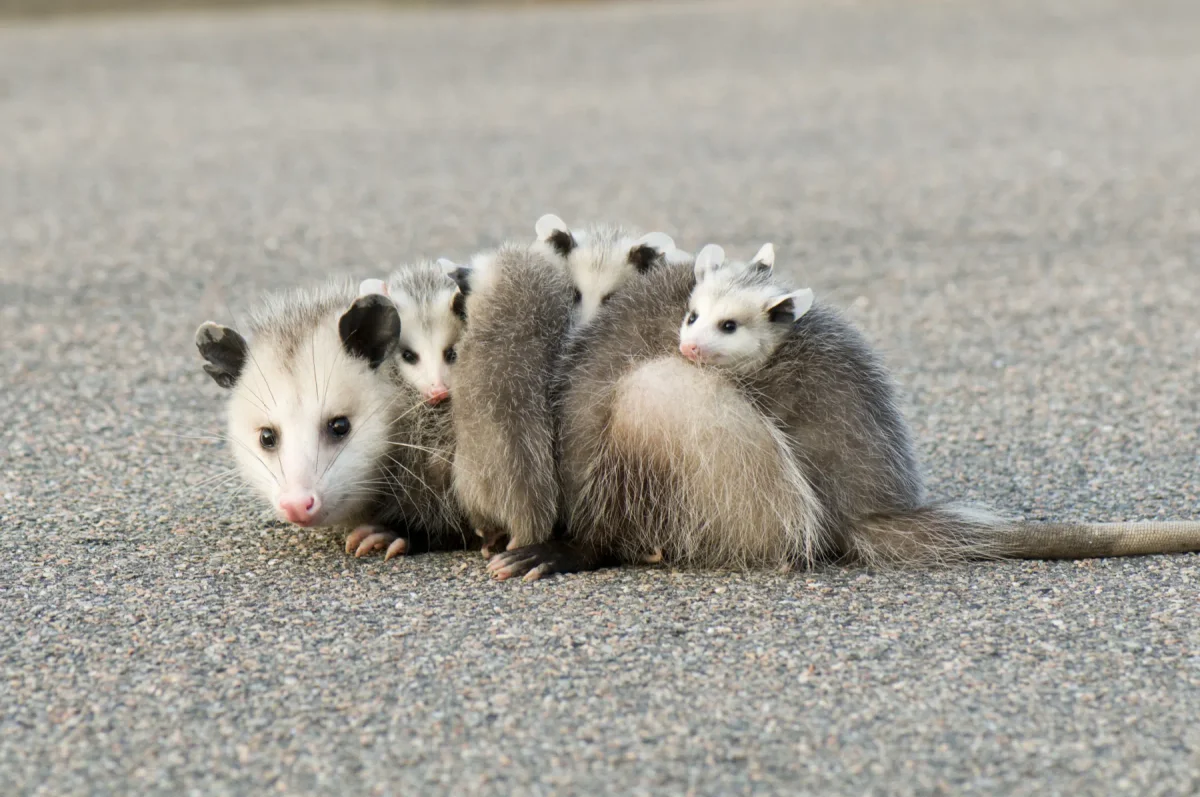
Opossum
Didelphis spp.
In Guatemala, the common opossum (Didelphis marsupialis) inhabits tropical and subtropical forests along the Caribbean lowlands, the Pacific coast, and the Petén region. It moves comfortably through dense vegetation and is also found near villages and farms. Its broad diet, spanning fruit, insects, small animals, and carrion, allows it to thrive across very different landscapes. It remains one of the most frequently encountered wild mammals in the country.
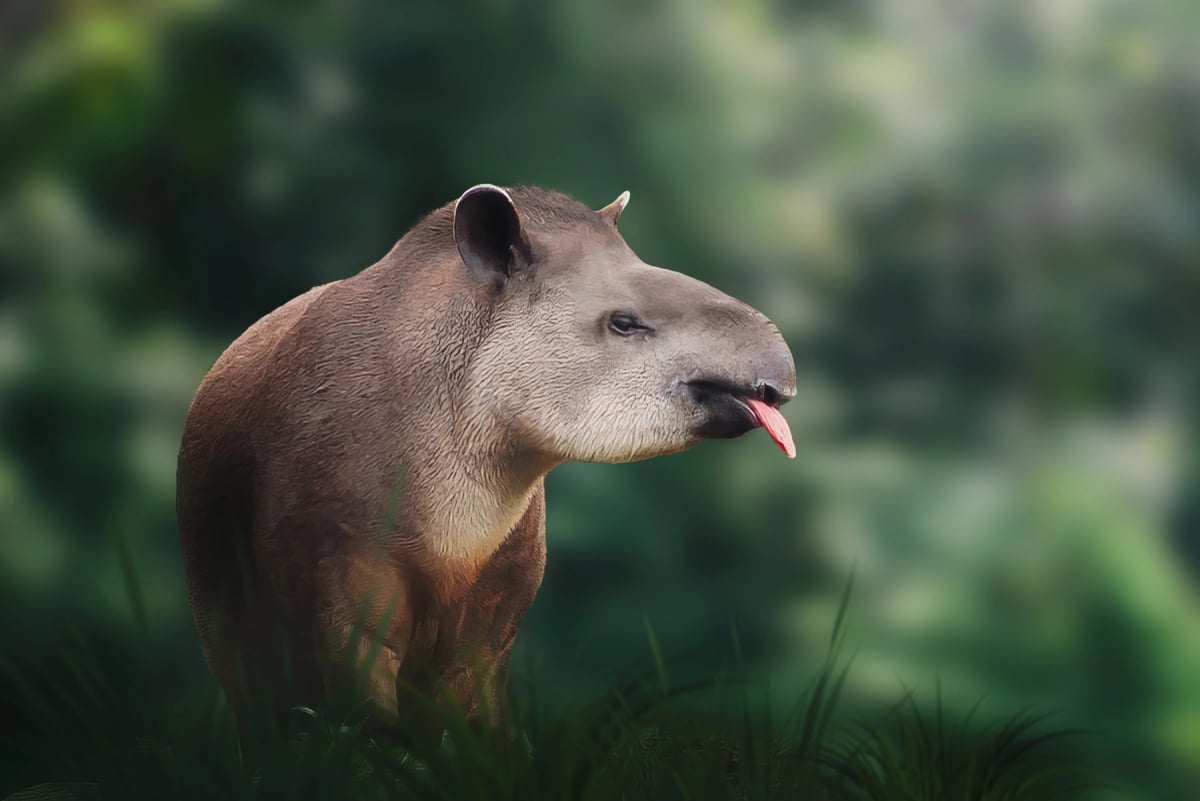
Tapir
Tapirus spp.
In Guatemala, Baird's tapir is found in the lowland rainforests of the Petén region, where the Maya Biosphere Reserve provides one of its last strongholds in the country. It also occurs in smaller numbers along the Pacific slopes. Deforestation linked to agriculture and cattle ranching remains the biggest threat, and the species is considered endangered at the national level.
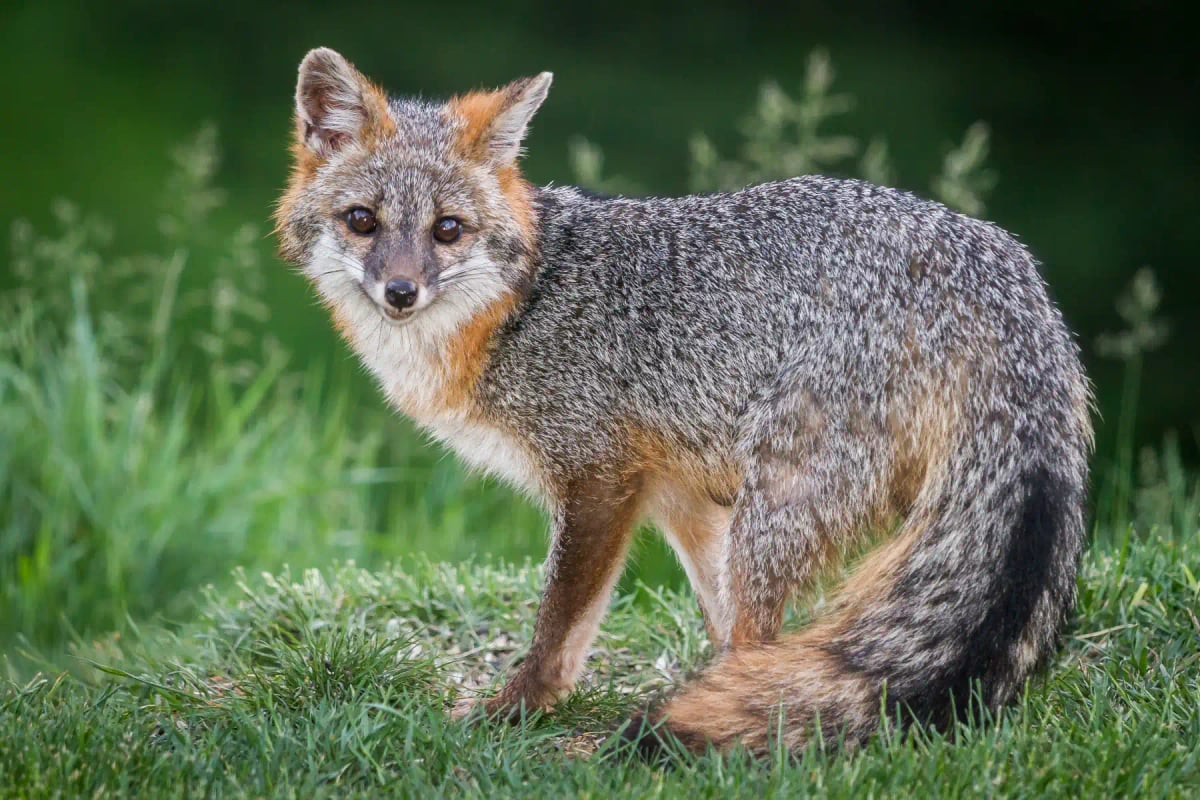
Gray Fox
Urocyon cinereoargenteus
Guatemala's highland forests and Pacific lowland scrublands provide suitable habitat for the gray fox. It is present in several regions of the country, where it navigates a landscape shaped by volcanic mountains, cloud forest patches, and drier zones at lower elevations. As with elsewhere in Central America, it faces pressure from habitat loss due to agriculture and human settlement. It remains an active nocturnal predator, feeding on rodents, birds, and seasonal plant material.
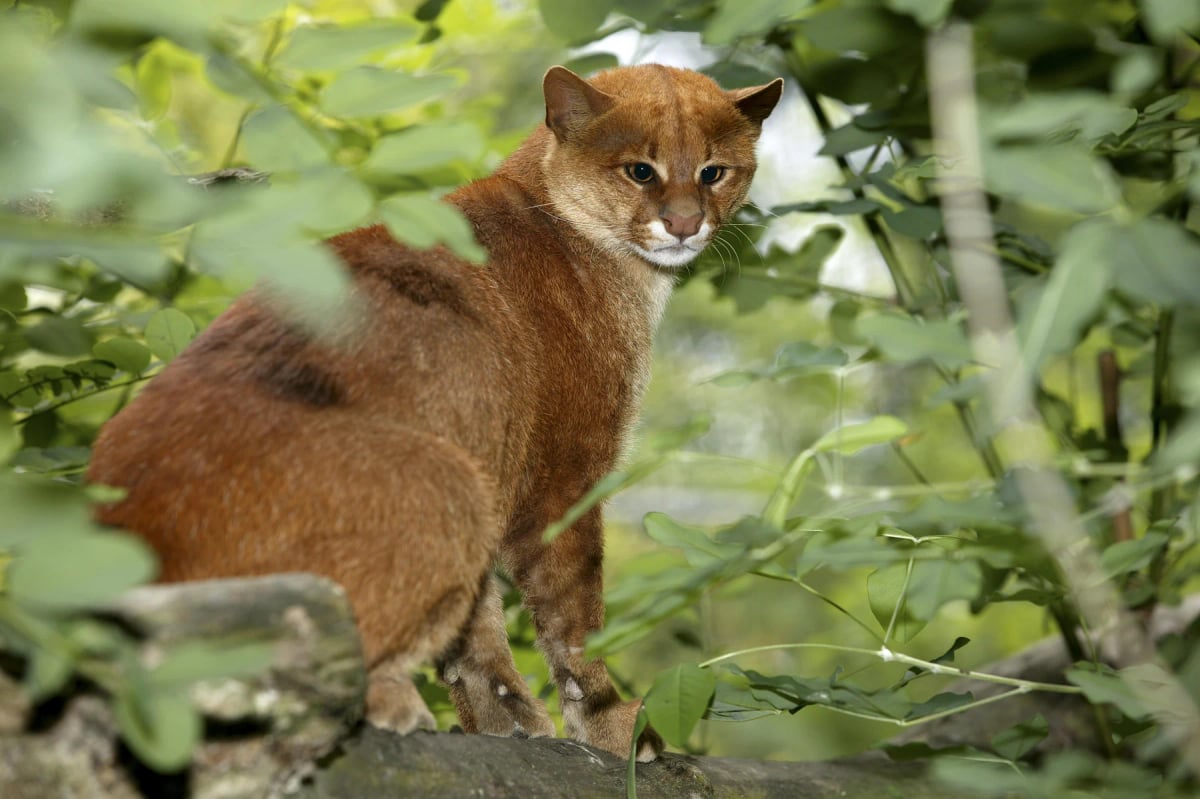
Jaguarundi
Herpailurus yagouaroundi
Guatemala's jaguarundis are found in the tropical lowland forests of Petén, the Pacific coastal plain, and drier regions along the Caribbean slope. The Maya Biosphere Reserve in northern Guatemala is one of the most significant protected areas for wildlife in Central America and provides important habitat for this cat. Deforestation outside protected zones has fragmented much of its range, and encounters with poultry farmers occasionally lead to persecution.
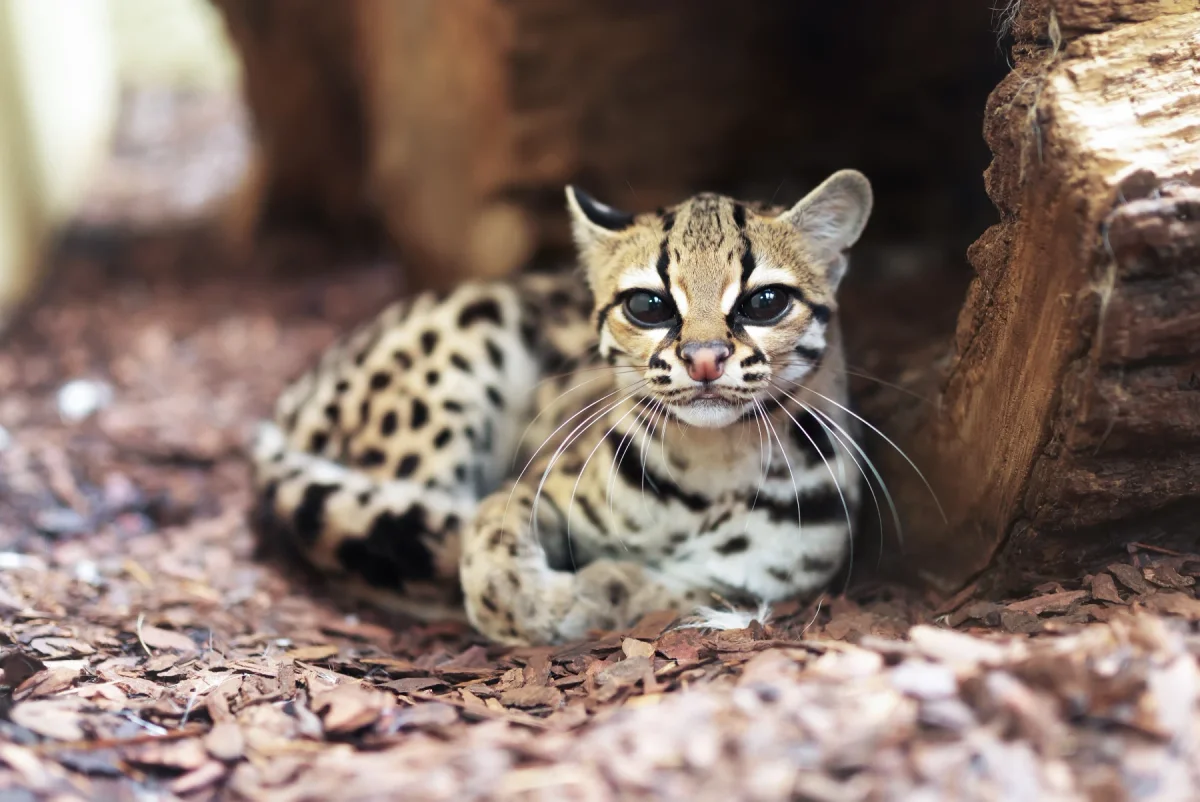
Margay
Leopardus wiedii
In Guatemala, the margay inhabits tropical and subtropical forests, with the Petén lowlands and the forests along the Sierra de los Cuchumatanes among its known habitats. The Maya Biosphere Reserve in northern Guatemala provides one of the largest protected forest blocks in the region and serves as an important refuge for this cat. Deforestation and illegal wildlife trafficking remain significant concerns. The IUCN classifies the margay as Near Threatened throughout its range.

Iguana
Iguana iguana
The green iguana is widespread in Guatemala's lowlands, across the Pacific coast, the Petén rainforest and the Caribbean region around Izabal. It inhabits rivers, gallery forests and agricultural edges, and is commonly seen near water. In the Petén it shares the landscape with major Maya ruins and is a familiar animal in the surrounding forests. Despite hunting pressure in rural areas, the species remains common throughout the country's warm lowlands.
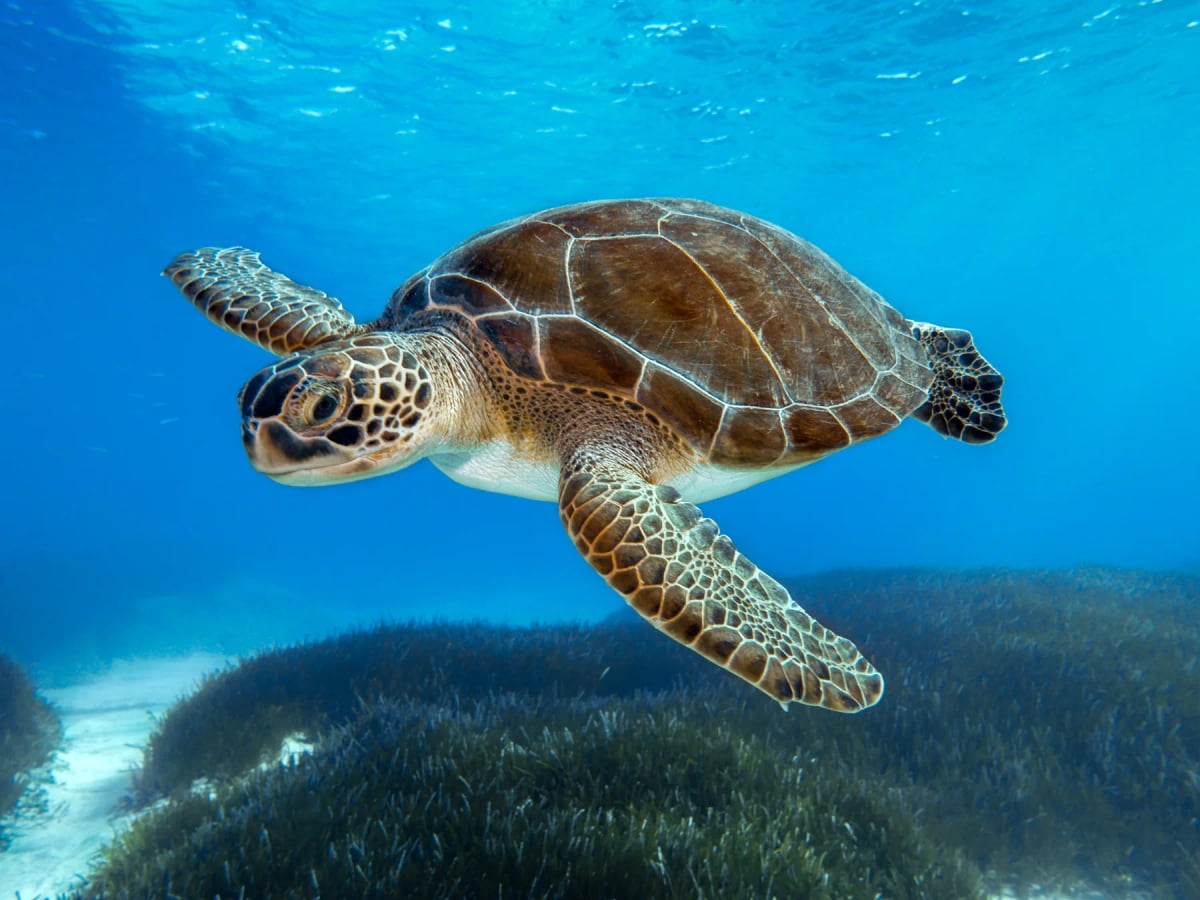
Sea Turtle
Cheloniidae & Dermochelyidae (families)
Guatemala's Pacific coast is an important nesting ground for olive ridley sea turtles. Monterrico, within the Hawaii Biotope Reserve, is the best known nesting beach in the country and attracts conservation volunteers during the nesting season. Hawksbill turtles also nest on some Pacific beaches, and green turtles are present in Caribbean waters near Livingston. Community hatchery programs operate along the Pacific coast to protect eggs and release hatchlings.
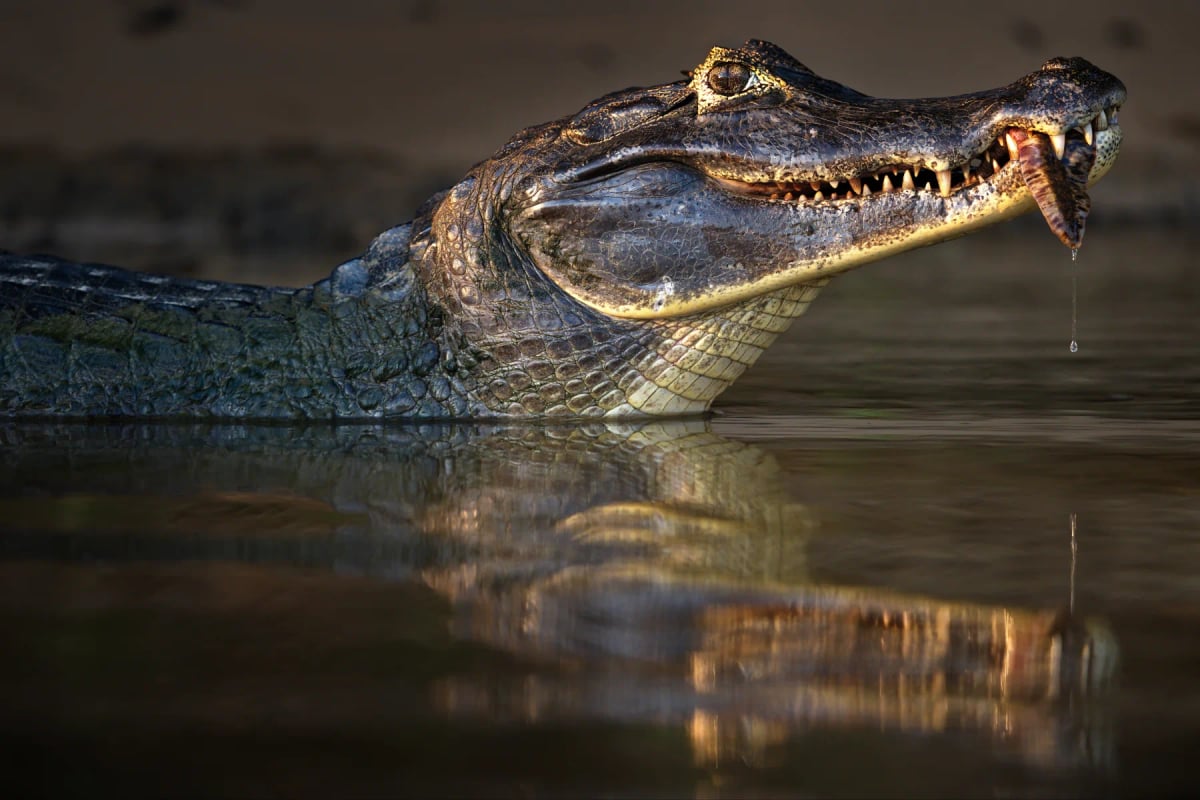
Caiman
Caiman spp.
In Guatemala, caimans inhabit the lowland rivers and wetlands of the Petén department, as well as the Caribbean coastal lagoons near the country's eastern shoreline. The spectacled caiman is the species most frequently encountered, favoring slow or still bodies of water surrounded by dense vegetation. The Maya Biosphere Reserve provides critical habitat for these reptiles, though ongoing deforestation and agricultural expansion continue to pressure caiman populations across the region.
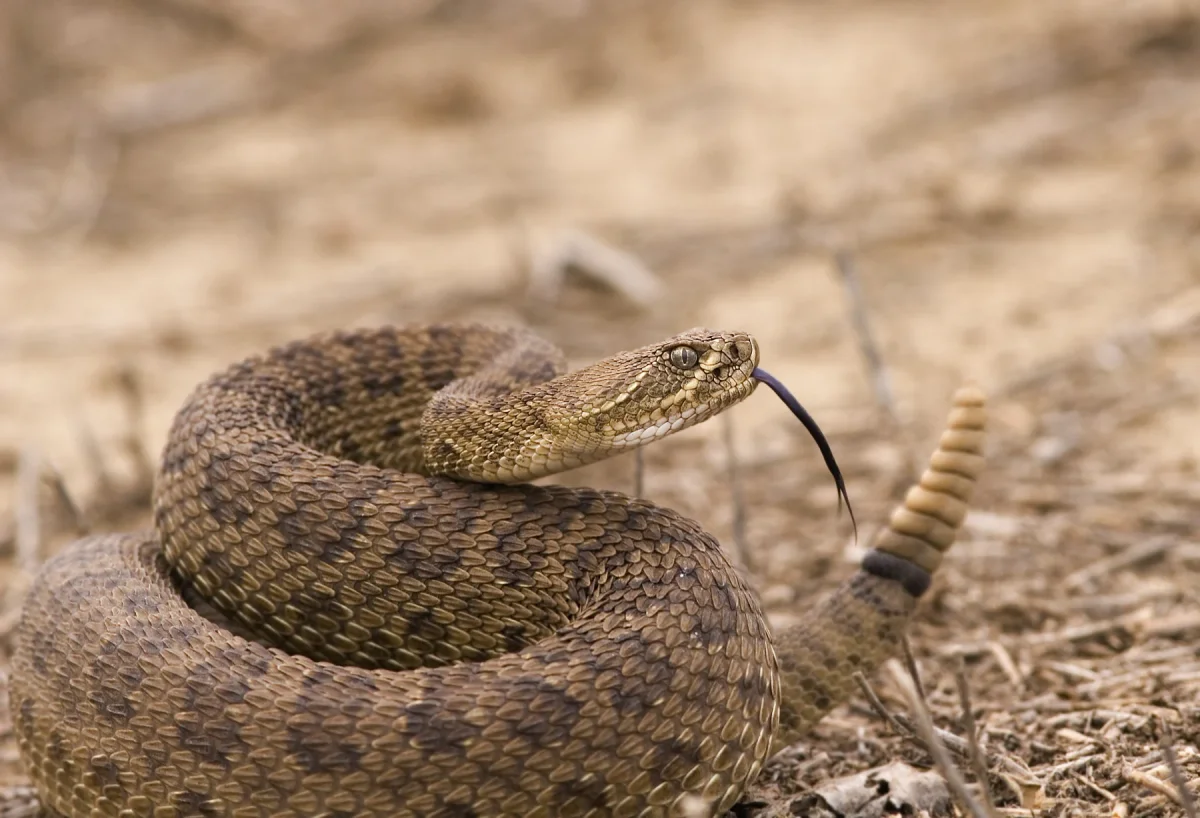
Rattlesnake
Crotalus spp. / Sistrurus spp.
Guatemala is home to the Neotropical Rattlesnake (Crotalus simus), which inhabits dry valleys, scrublands, and the Pacific lowlands. This species is far less common than it once was due to agricultural expansion and deliberate killing by local communities who fear it. It tends to favor open and semi-open terrain at lower elevations. Conservation awareness efforts are gradually helping to shift attitudes toward this snake. IUCN status: Least Concern.
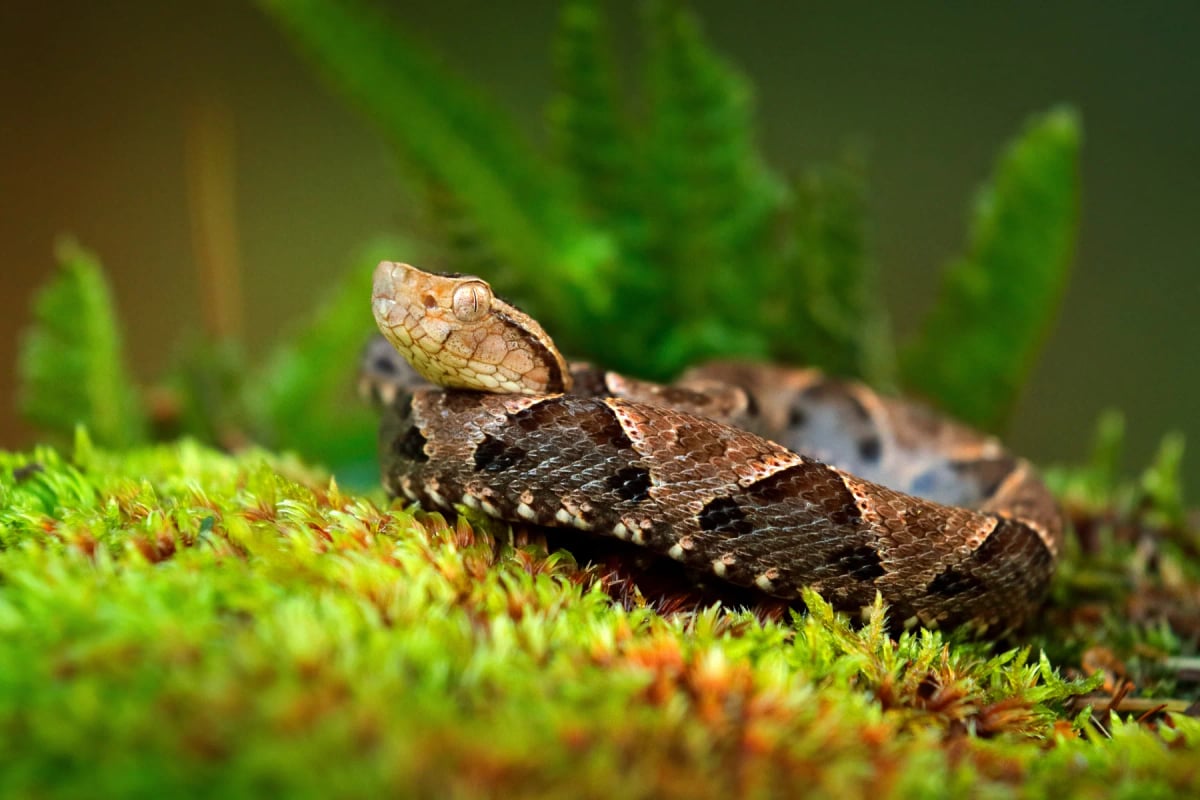
Lancehead
Bothrops spp.
Guatemala's Pacific lowlands, Atlantic coast forests, and the Petén jungle are all home to lancehead species. The fer-de-lance thrives in warm, humid areas at lower elevations and is the snake most often involved in snakebite cases reported to health authorities. Rural and indigenous communities living near forested zones face elevated risk. Education about snakebite prevention is an ongoing public health priority throughout the country.
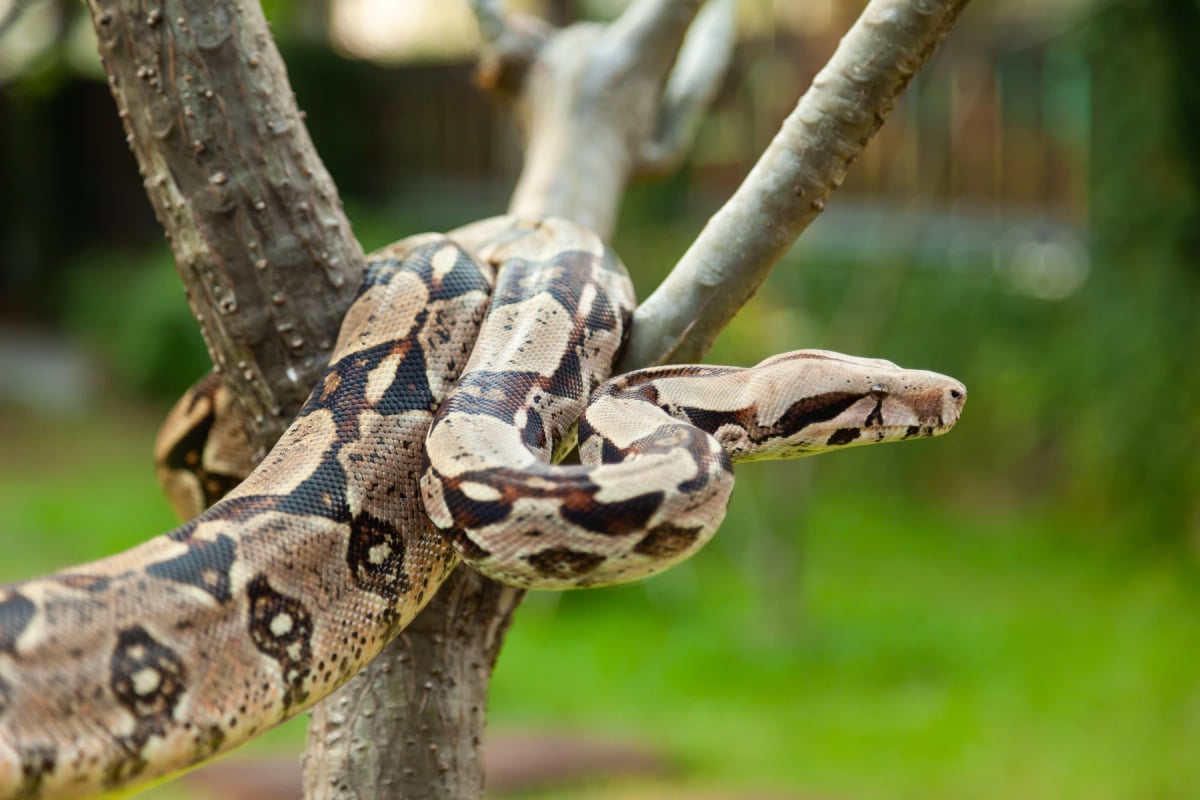
Boa Constrictor
Boa constrictor
In Guatemala, the boa constrictor is found primarily in the lowland forests of Petén, along the Pacific coastal plain, and in the Caribbean lowlands near Izabal. It tolerates disturbed habitats well and is sometimes encountered near agricultural land. The species is listed as Least Concern by the IUCN, but ongoing deforestation in Petén and persecution by local communities who consider it a threat to livestock put pressure on populations.
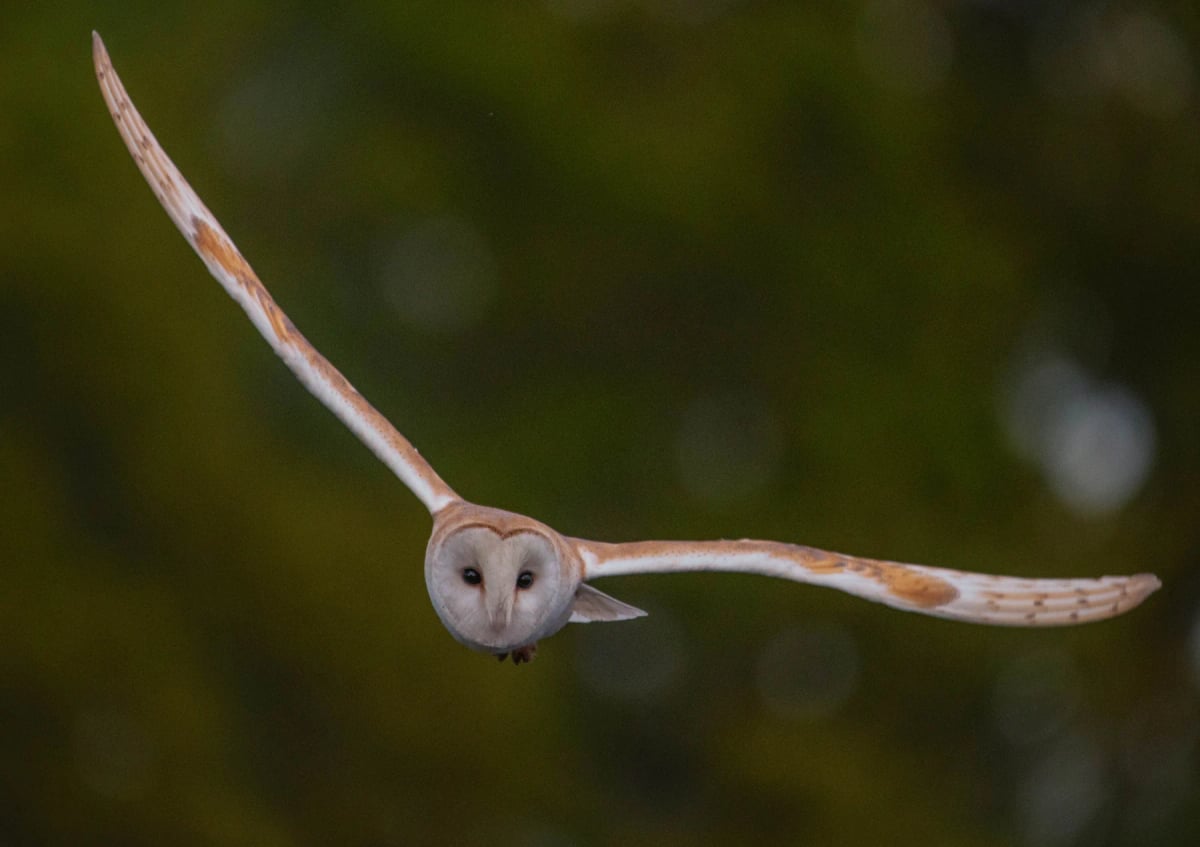
Barn Owl
Tyto alba
The barn owl is found across Guatemala in open farmland, pastures, highland valleys, and the outskirts of towns and villages throughout the country. It nests in old buildings, church towers, cliff faces, and hollow trees, and hunts rodents and other small prey at night. It is present from the Pacific coastal lowlands through the central highlands to the Caribbean lowlands and the Petén region. In farming areas it is valued as a natural pest controller and is one of the more familiar owls across the country's open and semi-open landscapes.
Resplendent Quetzal
Pharomachrus mocinno
Guatemala adopted the Resplendent Quetzal as its national bird and named its currency after it, reflecting the deep cultural bond between this species and the country. The bird lives in the cloud forests of the Sierra de los Cuchumatanes and the highlands of Verapaz. Sacred to the ancient Maya, it remains a national symbol of freedom. Habitat loss in Guatemala's mountain forests is the greatest threat to its survival.
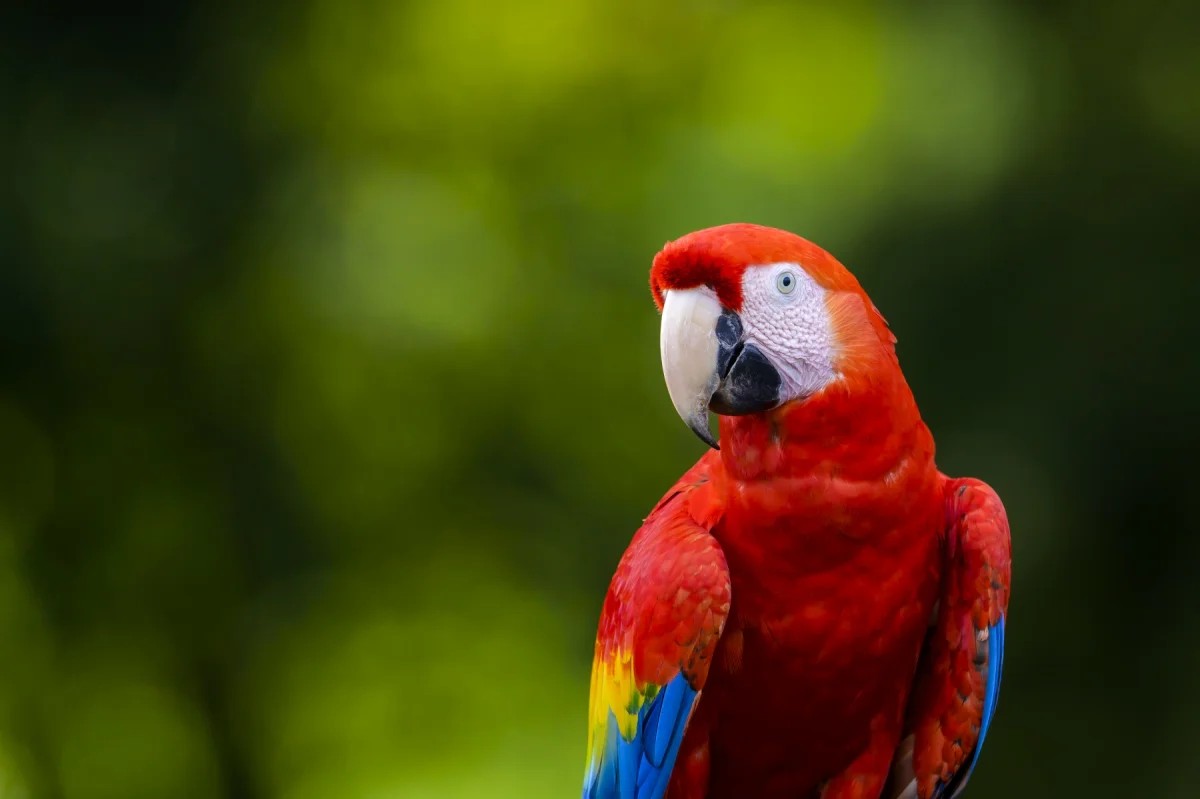
Scarlet Macaw
Ara macao
In Guatemala, the scarlet macaw is most closely associated with the Maya Biosphere Reserve in the Petén lowlands, one of the last strongholds for the species in the country. Conservation programs run by local communities and NGOs have helped protect nesting sites in this region. Habitat loss outside protected areas remains the main threat. Pairs are often seen flying above the forest canopy at dawn. The IUCN lists the species as Least Concern.
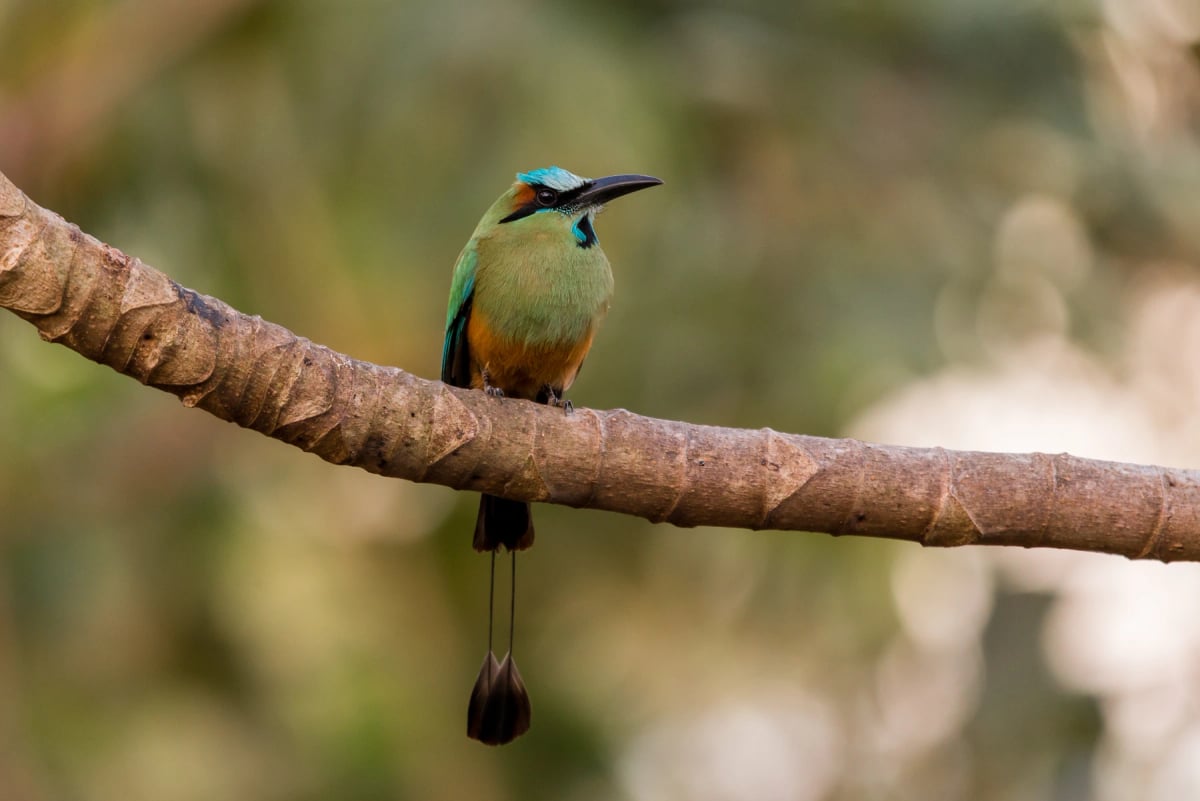
Turquoise browed Motmot
Eumomota superciliosa
In Guatemala, the turquoise browed motmot is found along the Pacific slope, the dry valleys of the east, and lowland forest edges throughout the country. It nests in burrows dug into earthen banks, with both parents sharing incubation duties. Its vivid turquoise eyebrow stripe and distinctive racket tipped tail make it instantly recognizable among the rich birdlife that Guatemala's varied landscapes support.
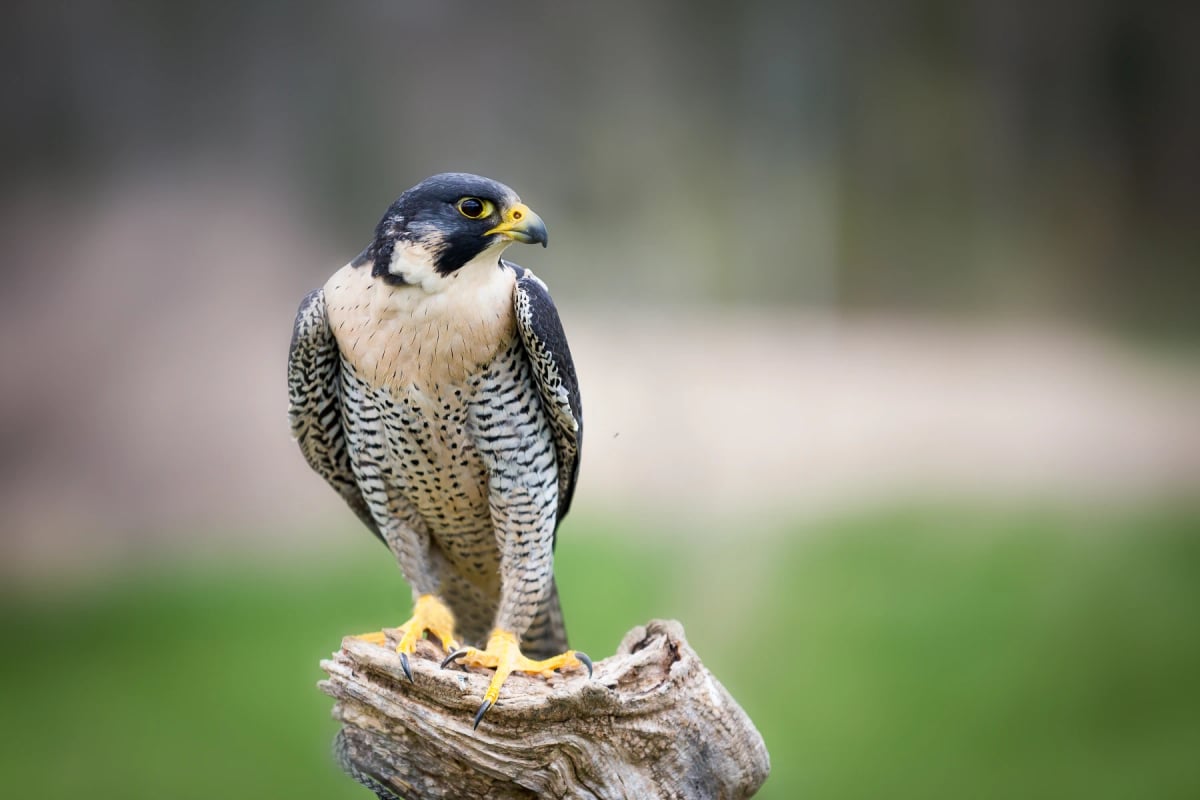
Peregrine Falcon
Falco peregrinus
The peregrine falcon passes through Guatemala during migration, traveling between North American breeding grounds and wintering areas further south. It has been recorded across a range of habitats, from the Pacific coastal plain to the highland valleys of the Sierra Madre. Some individuals overwinter in the country. It hunts smaller birds in flight, including doves and shorebirds along the Pacific coast. Its IUCN status is Least Concern.
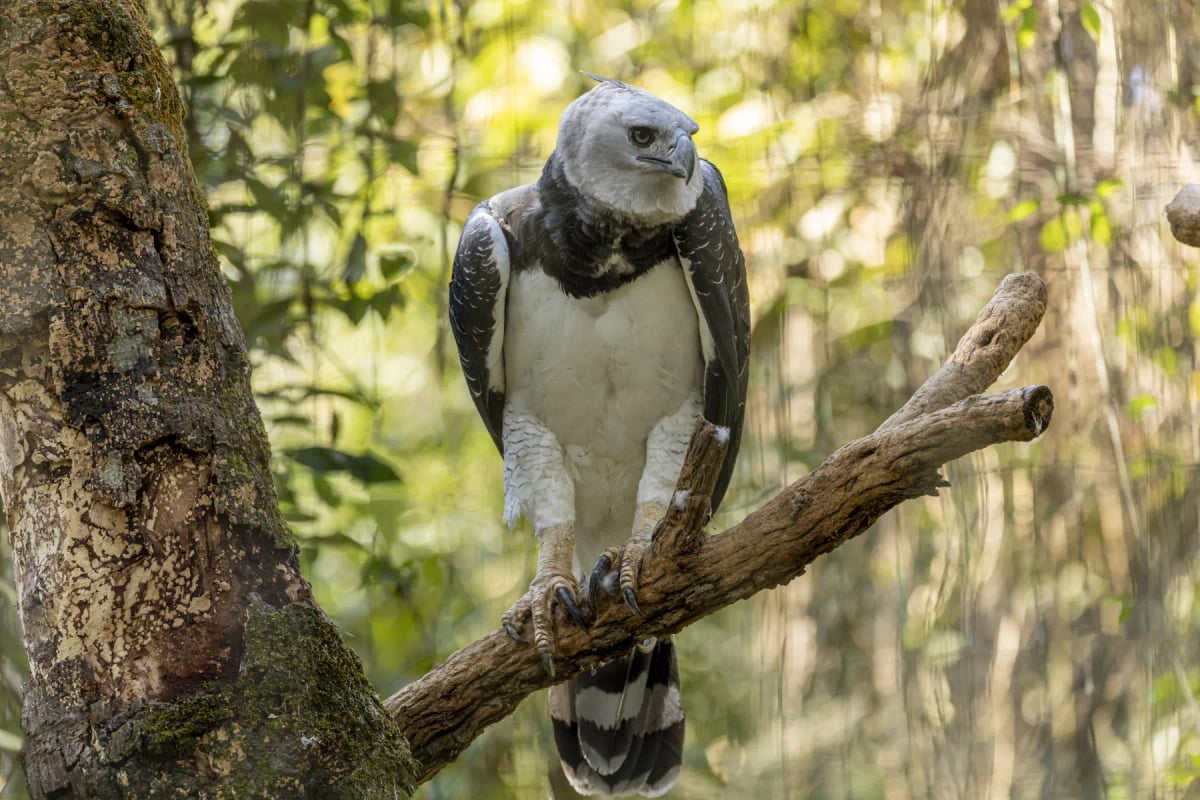
Harpy Eagle
Harpia harpyja
The harpy eagle is Guatemala's national bird and holds deep cultural significance for the country. It is found in the lowland forests of the Petén department, particularly within the Maya Biosphere Reserve, the largest protected tropical forest in Central America north of the Amazon. Populations are small and under pressure from deforestation, but ongoing efforts by local conservation groups aim to protect nesting sites across the region.
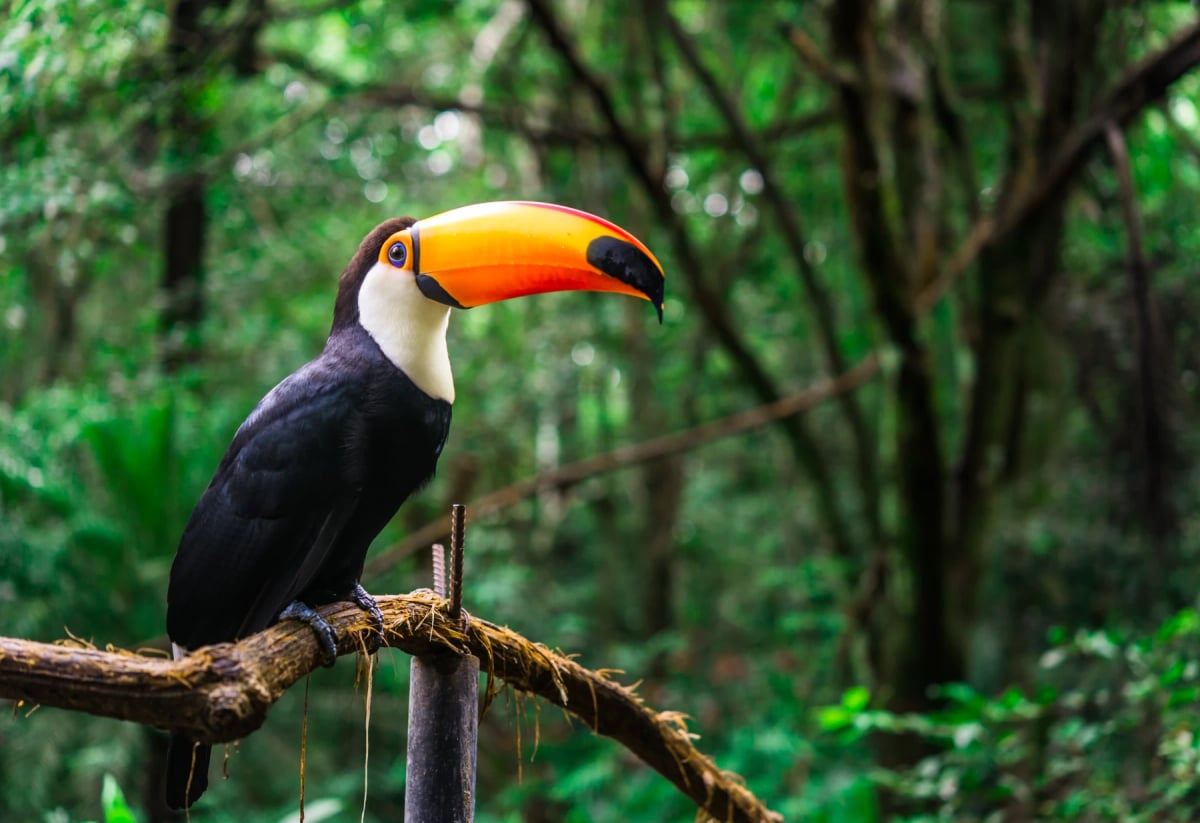
Toucan
Ramphastos spp.
In Guatemala, toucans inhabit the tropical lowland forests of Petén, the country's largest and most biodiverse department. The keel-billed toucan is the most common species here, moving through the canopy in small, vocal groups. The Maya Biosphere Reserve provides critical protected habitat, though illegal logging and agricultural expansion continue to threaten the forests that toucans and countless other species depend on.
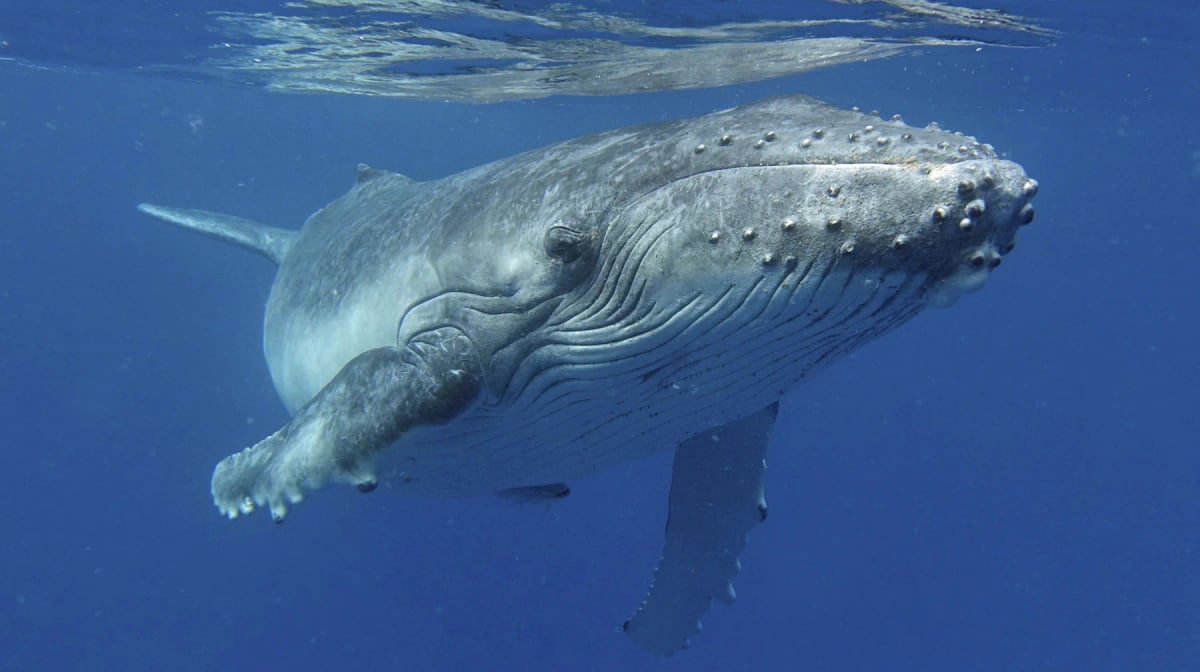
Humpback Whale
Megaptera novaeangliae
Guatemala has a narrow but ecologically significant Pacific coastline, and humpback whales pass through these waters during their seasonal migrations. The Pacific coast of Central America serves as a corridor for whales traveling between feeding areas in the north and warm breeding grounds further south. Sightings off Guatemala, while not frequent, are recorded each year. The IUCN lists the species as Least Concern.
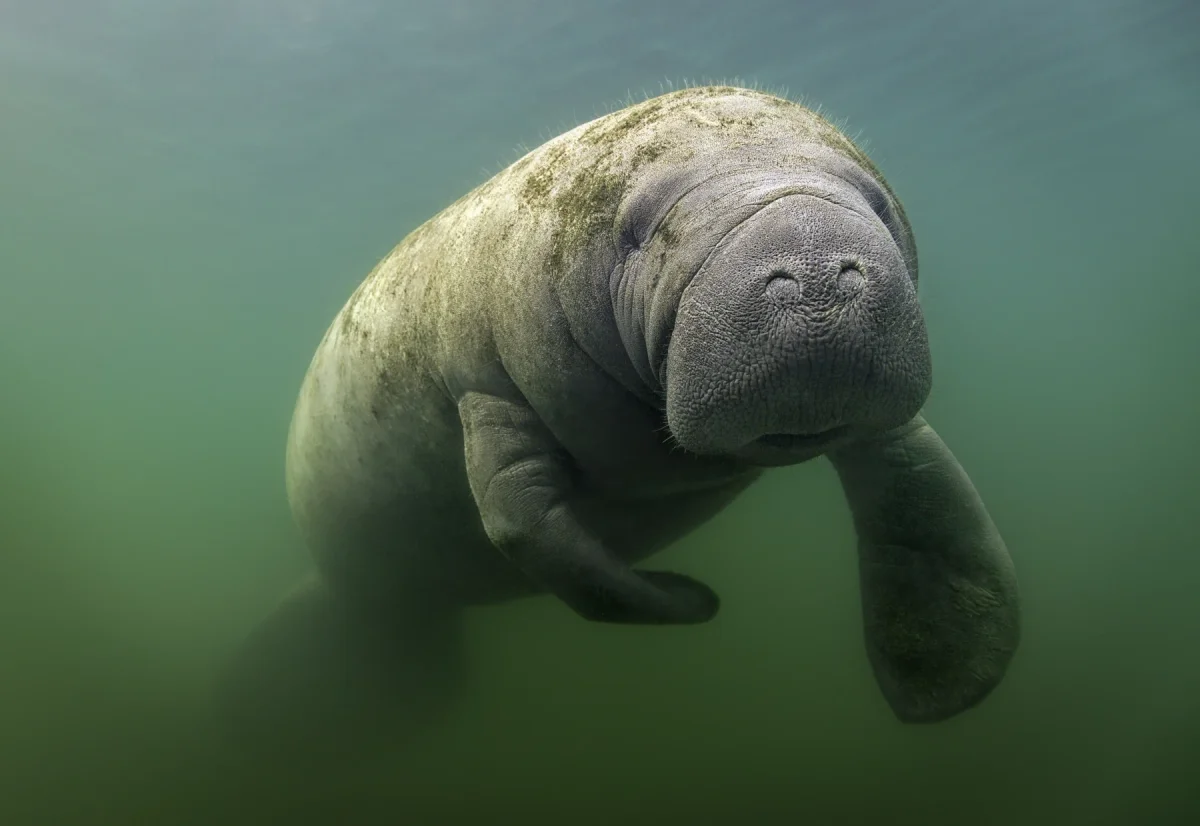
Manatee
Trichechus manatus
In Guatemala, manatees are found in the Caribbean lowlands, particularly in the freshwater lagoons and rivers of the Izabal region. Lake Izabal and the Rio Dulce, which connects the lake to the sea, form one of the few areas in Central America where manatees regularly use freshwater environments. The species is considered endangered at the national level, facing threats from fishing nets and habitat degradation.
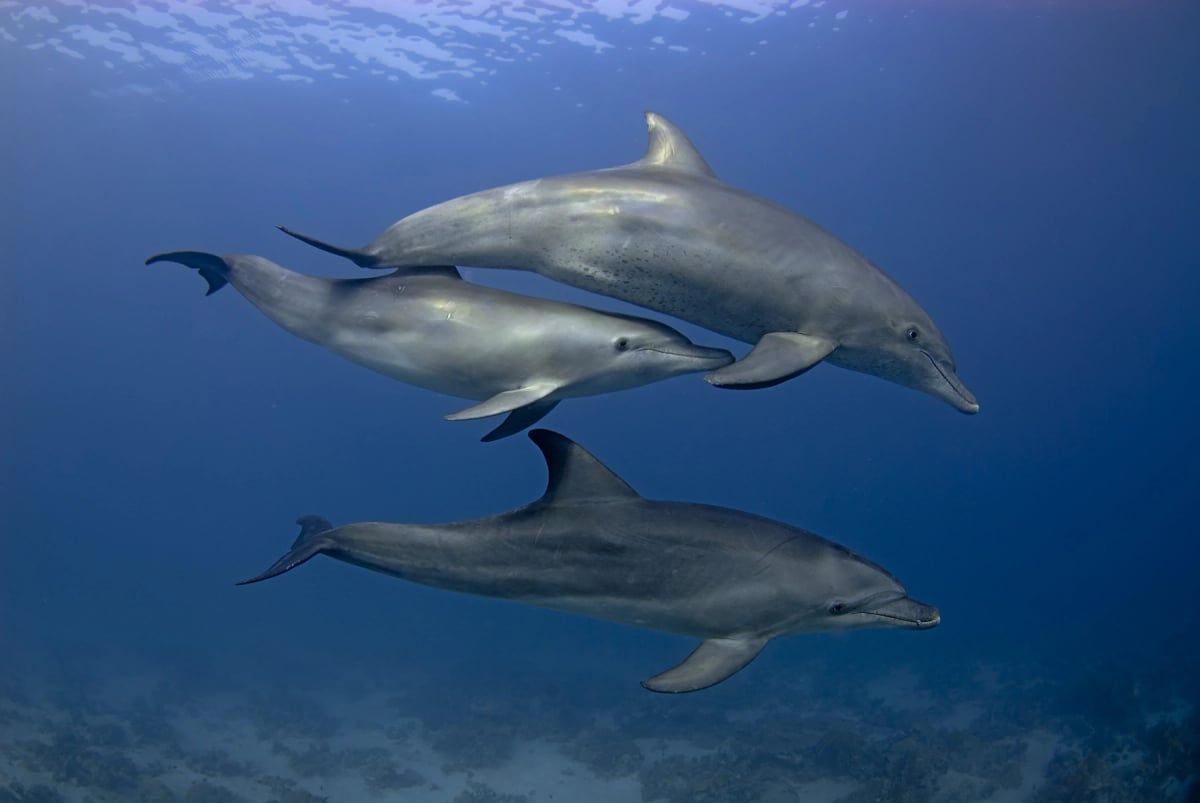
Bottlenose Dolphin
Tursiops truncatus
Along Guatemala's Pacific coast and in the Caribbean waters near Izabal, bottlenose dolphins patrol shallow bays and coastal zones in search of fish and squid. The country's coastline, though relatively short, provides productive nearshore habitat for small pods. The IUCN lists the species as Least Concern, but accidental capture in fishing gear is a documented threat in Central American waters.
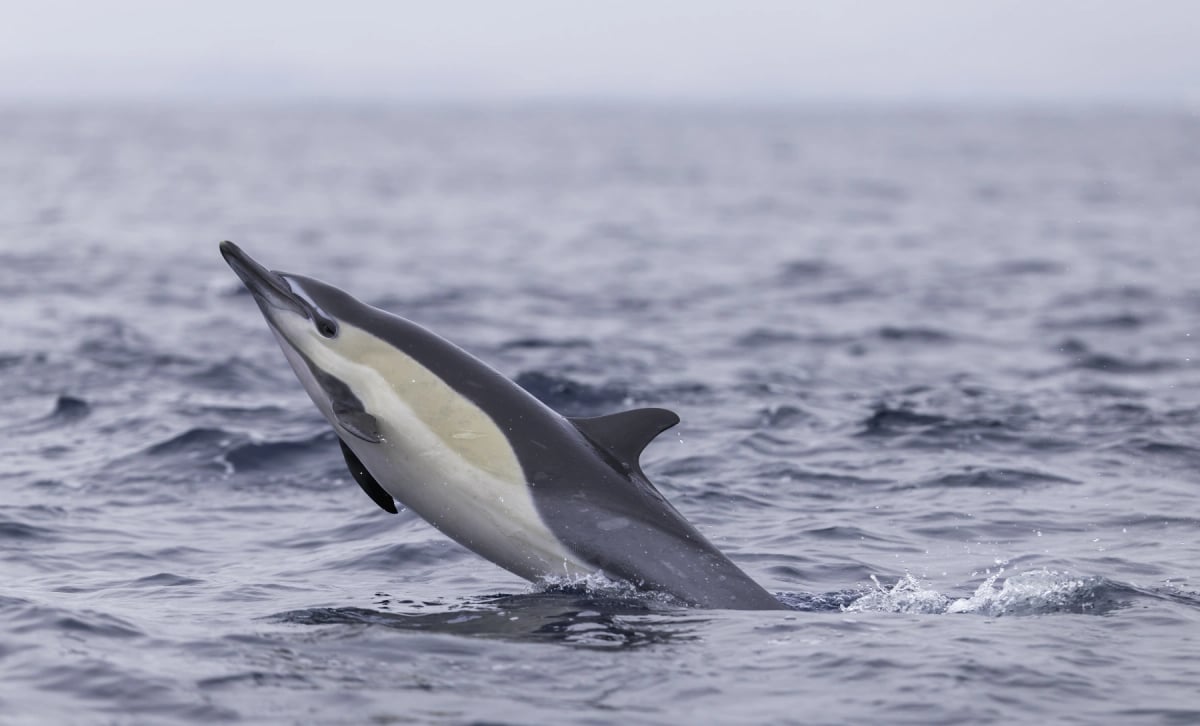
Common Dolphin
Delphinus delphis
The common dolphin is found in Pacific waters off Guatemala's coast, where the California Current system and local upwelling bring cold, nutrient rich water to the surface, supporting abundant fish populations. These dolphins often form large pods in offshore waters, hunting anchovy and other small fish cooperatively. Guatemala's Pacific coastline, though short, sits within a highly productive marine zone for this species. IUCN status: Least Concern.
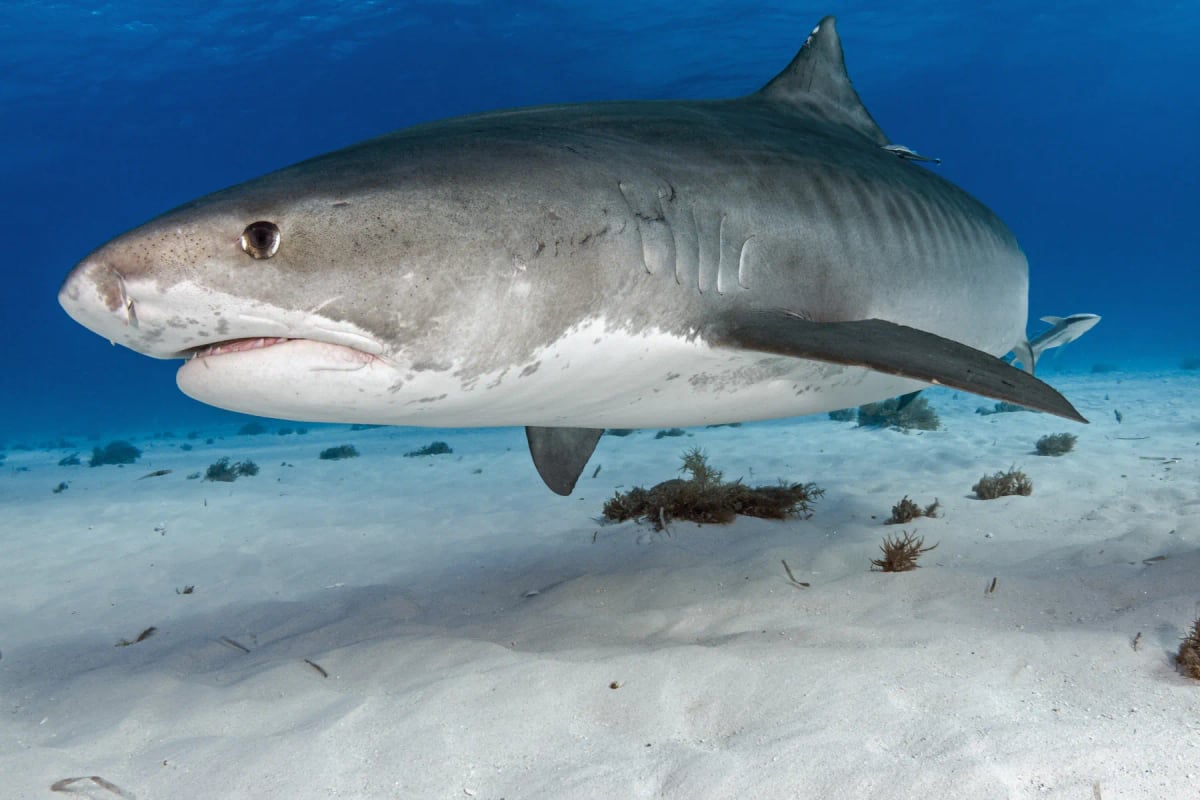
Tiger Shark
Galeocerdo cuvier
Guatemala has coastline on both the Pacific Ocean and the Caribbean Sea, and tiger sharks have been recorded in both areas. On the Pacific side, they patrol warm coastal waters, while the Caribbean coast offers shallower bays and river mouths. Tiger sharks are powerful and wide ranging predators, and their presence in Guatemalan waters reflects the country's diverse and productive marine environments on two separate coasts.
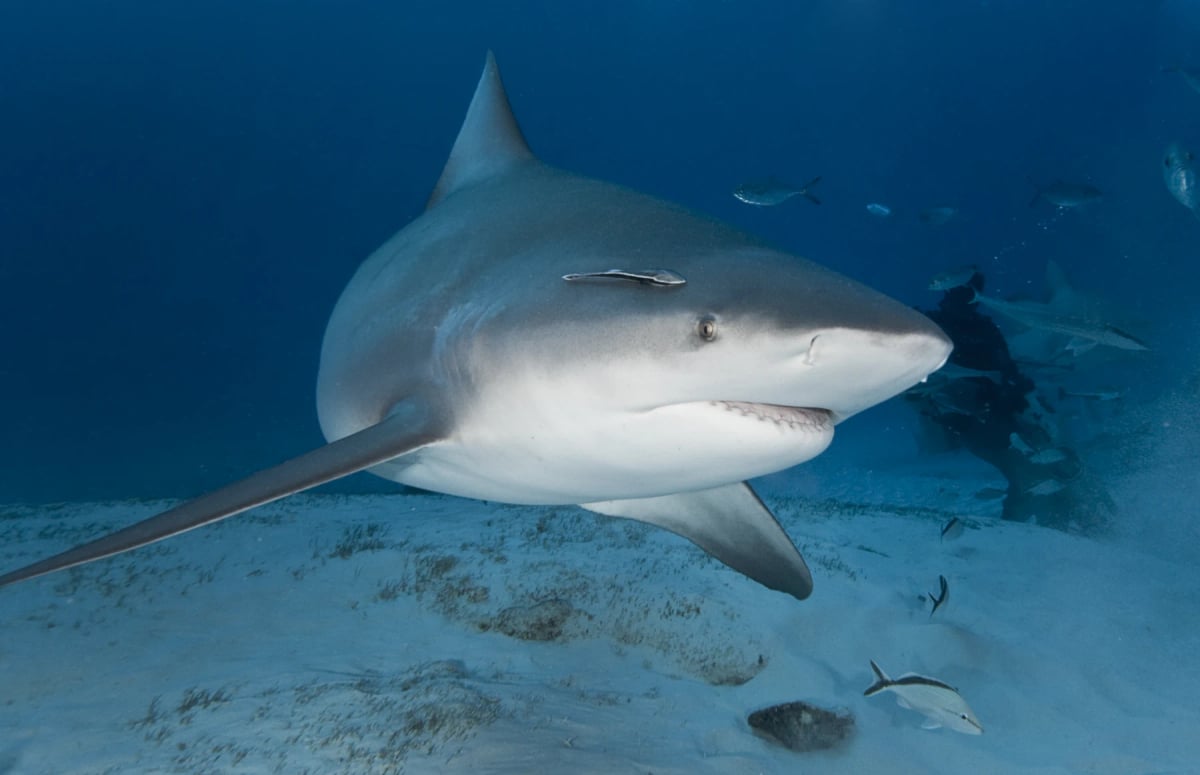
Bull Shark
Carcharhinus leucas
Guatemala has both Pacific and Caribbean coastlines, and bull sharks can be found in the shallow coastal waters and estuaries on both sides of the country. The Caribbean coast, with its connections to the broader reef system and river mouths along the Gulf of Honduras, is particularly relevant habitat. Bull sharks are listed as Near Threatened by the IUCN, and fishing pressure across Central American coastal waters adds to the challenges this species faces in the region.
Frequently Asked Questions
What animals live in Guatemala?
Guatemala is home to jaguars, pumas, ocelots, margays, jaguarundis, tapirs, spider monkeys, white tailed deer, coyotes, gray foxes, raccoons, opossums and armadillos. Its birds include the resplendent quetzal, toucans, scarlet macaws, harpy eagles, turquoise browed motmots, peregrine falcons and barn owls. Reptiles include boa constrictors, iguanas, caimans, rattlesnakes and lanceheads. Along its coasts live sea turtles, manatees, bottlenose and common dolphins, humpback whales and tiger and bull sharks.
What is the national animal of Guatemala?
The national animal of Guatemala is the resplendent quetzal, the national bird. The male has bright green feathers, a red breast and tail plumes that can reach about 65 centimeters. The quetzal appears on the flag and the coat of arms, and the national currency, the quetzal, has carried its name since 1925. It lives in highland cloud forests, and the best place to look for it is the Biotopo del Quetzal in Baja Verapaz, especially from March to June, when it nests.
What are the top 10 animals in Guatemala?
The top 10 animals in Guatemala on this site are the jaguar, the puma, the boa constrictor, the ocelot, the margay, the jaguarundi, the white tailed deer, the coyote, the rattlesnake and the lancehead. The list is ordered by how famous each animal is. Just outside it are other stars of Guatemalan wildlife, such as the resplendent quetzal, the national bird, and the spider monkeys, toucans and scarlet macaws of Tikal and the Maya Biosphere Reserve.
Are there poisonous snakes in Guatemala?
Yes. Guatemala has several venomous snakes. The most dangerous is the lancehead, called barba amarilla in Guatemala and fer de lance in English, which lives in humid lowlands and causes most serious bites. The rattlesnake lives in the dry valleys of the east. The boa constrictor, one of the most common large snakes, is not venomous. Bites are uncommon for visitors and happen mostly to farm workers, so closed shoes, a flashlight at night and care near logs and tall grass are enough.
Are there tigers in Guatemala?
No, there are no wild tigers in Guatemala, or anywhere in the Americas, because tigers live only in Asia. The confusion comes from the jaguar, which many people in Guatemala and the rest of Latin America call tigre. The jaguar is the largest cat in the Americas, with a spotted coat of rosettes, and it lives in the Maya Biosphere Reserve and other forests of Petén. The ocelot, a much smaller spotted cat, is sometimes called tigrillo.
Researched and written by Juan Pablo. Sources: IUCN Red List, scientific literature and regional field guides. Last updated: .