Animals in Guinea
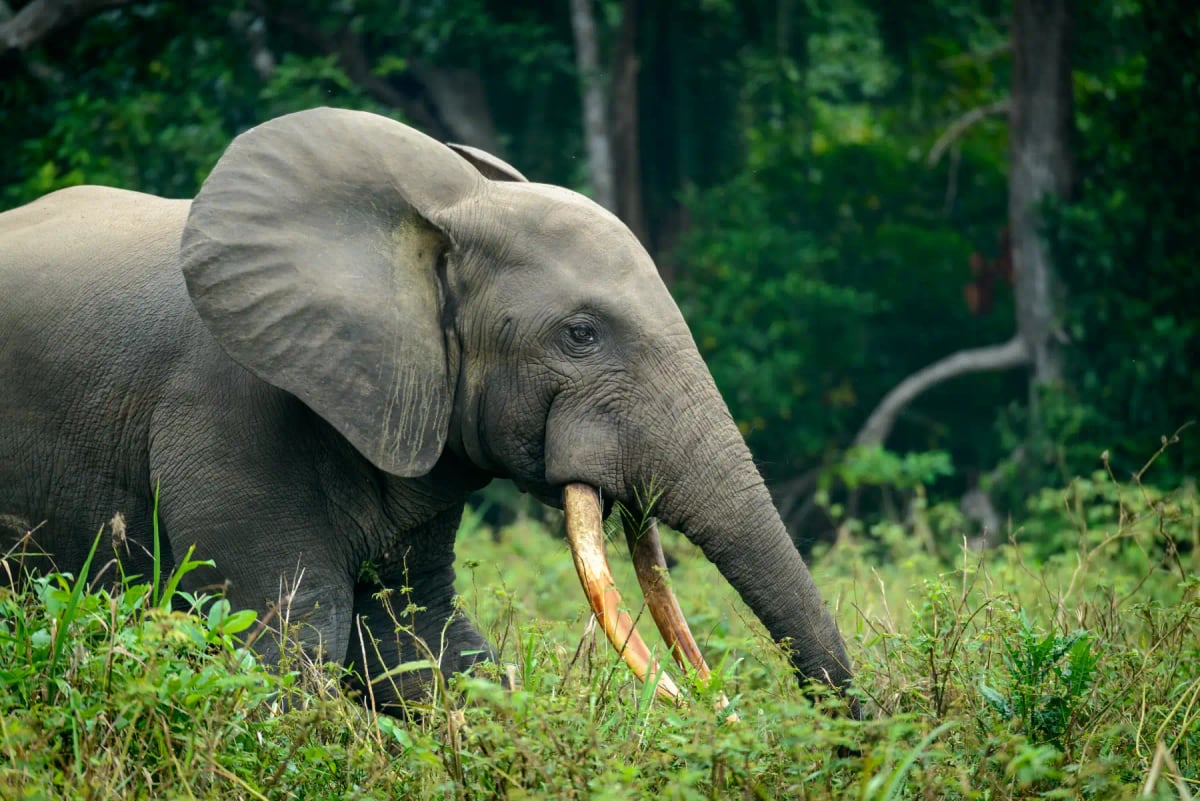
African Forest Elephant
Loxodonta cyclotis
The African forest elephant, seen as a national symbol of Guinea, lives deep within humid rainforests where few people venture. It shapes the forest by dispersing seeds and opening paths for other animals. Its survival represents the country’s dedication to protecting its natural heritage and tropical ecosystems.
View details→Wildlife in Guinea
Guinea’s wildlife thrives in a tropical setting of forests, rivers and coastal plains. Chimpanzees, forest elephants and hippos share space with colorful birds and marine life such as dolphins and manatees. National parks and mangrove reserves allow travelers to explore this variety while supporting local conservation work.
Most Dangerous Animals in Guinea
Some animals in Guinea can be dangerous, including hippos, elephants, leopards and hyenas. Along the coast, sharks and orcas may appear near fishing areas. Guided excursions help visitors experience this wildlife safely and encourage respect for the natural balance of the region.
Top 10 Animals in Guinea
Guinea is home to remarkable animals such as chimpanzees, leopards, hippos and the black mamba. Forest reserves and river valleys give visitors the chance to see these species in their natural environment and to understand how the country’s biodiversity connects West Africa’s forests and savannas.
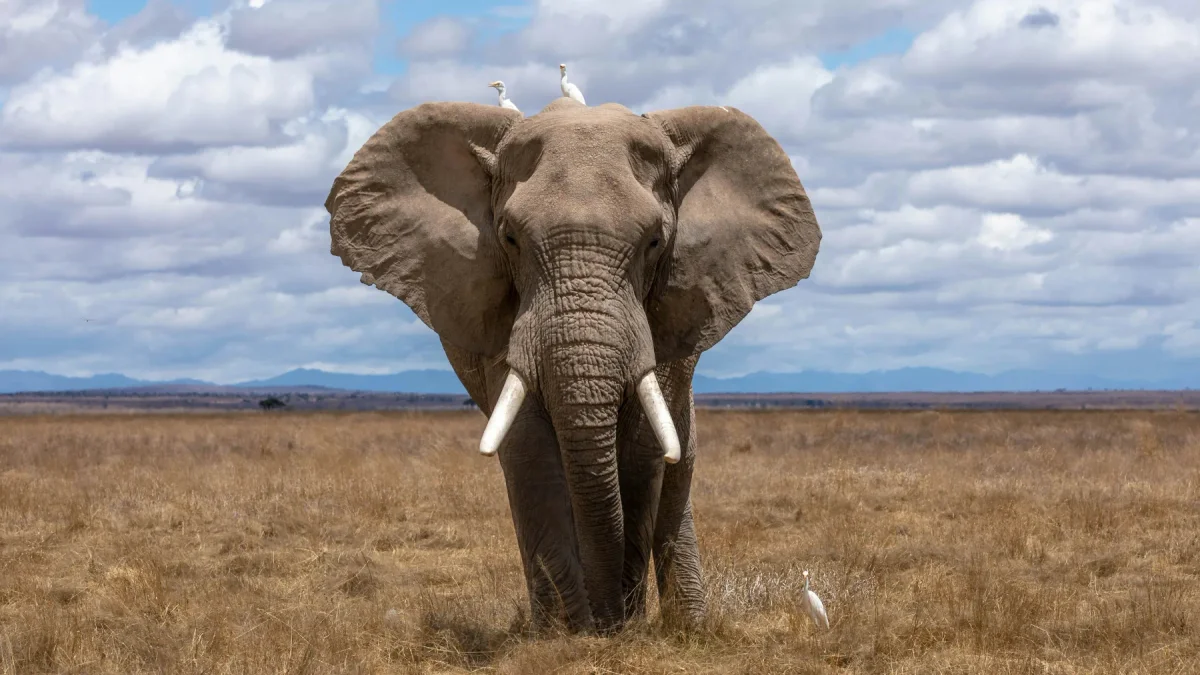
African Elephant
Loxodonta africana
Guinea's elephants are found in scattered groups across the southeast of the country, in forest-savanna transition zones near the borders with Sierra Leone, Liberia and Côte d'Ivoire. These populations are poorly documented and survive in fragmented patches of habitat under growing agricultural pressure. Guinea's elephants are part of the broader West African regional population that has declined dramatically over the past century and today exists in isolated groups across a fraction of its former range.
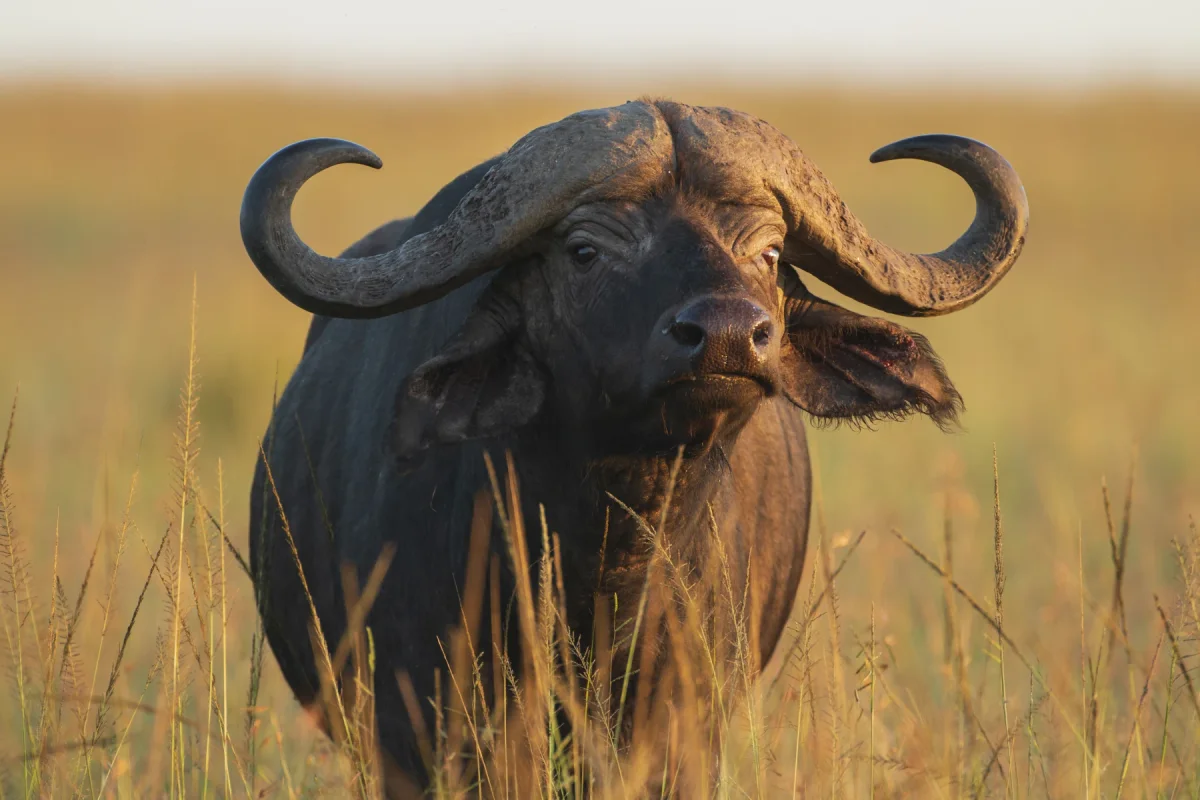
Buffalo
Syncerus caffer
African buffaloes in Guinea are found in the savanna zones of the interior, including areas of the Fouta Djallon highlands and surrounding lowlands. They tend to occupy woodland and grassland habitats with reliable access to water. Populations across Guinea face ongoing pressure from bushmeat hunting and agricultural encroachment, making the integrity of remaining wild areas critical to their survival over the long term.
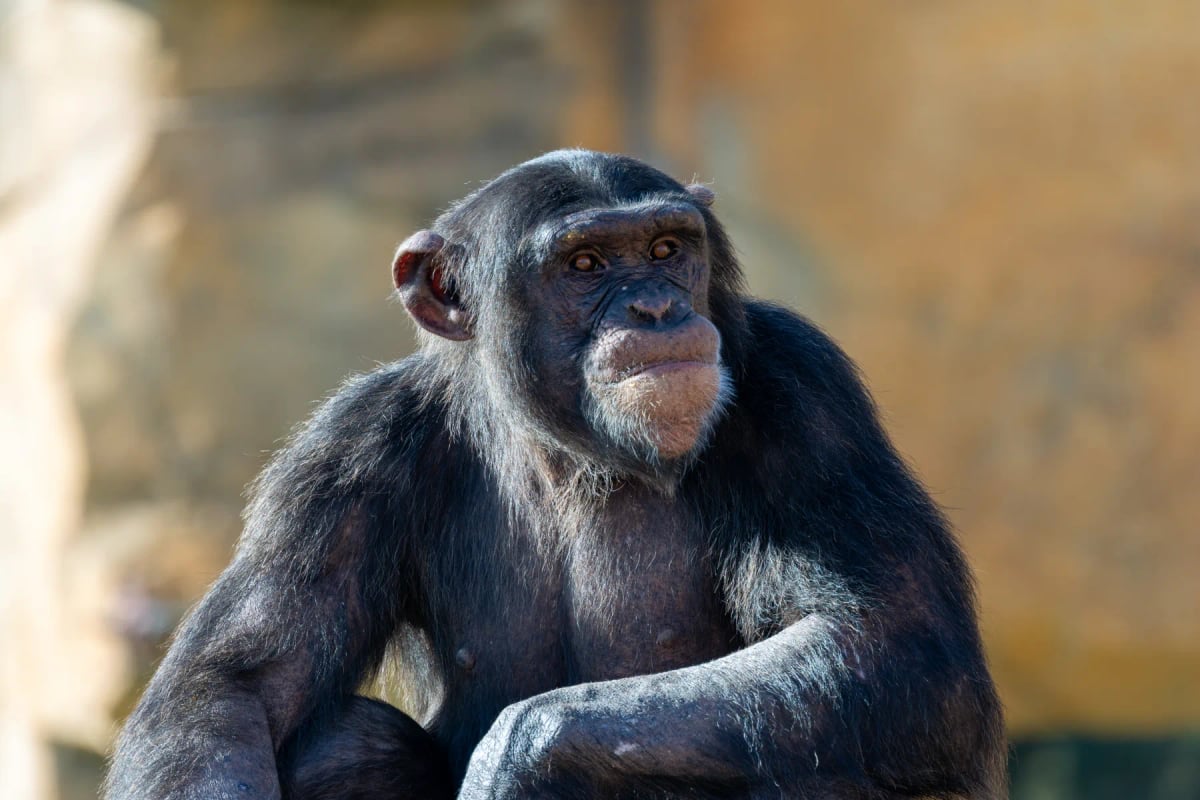
Chimpanzee
Pan troglodytes
Guinea supports a significant chimpanzee population, particularly in the forested highlands of the Fouta Djallon and in the forests of the south and southeast. The Bossou community, near the town of the same name, has been studied for decades and is renowned for its sophisticated use of stone tools to crack oil palm nuts. Despite this scientific attention, habitat loss and hunting continue to threaten populations across the country.
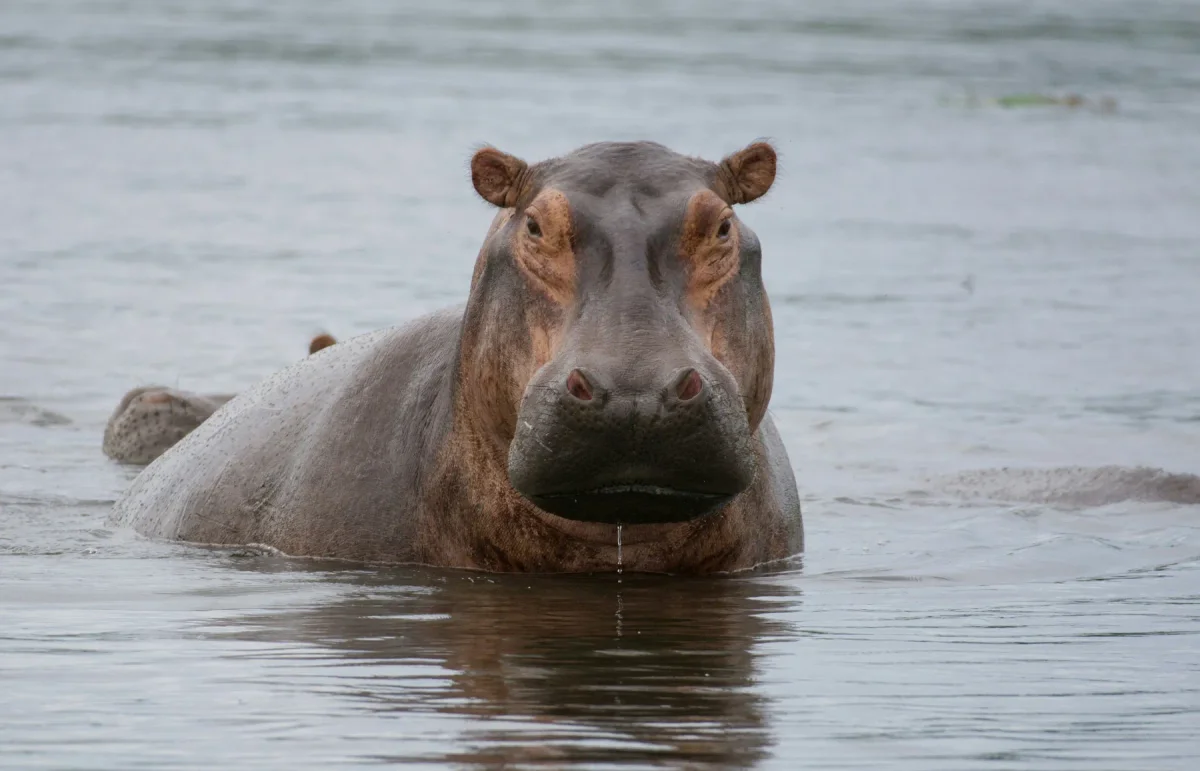
Hippopotamus
Hippopotamus amphibius
Guinea's rivers and forested wetlands, particularly in the interior highlands and along the Niger River's upper course, provide habitat for a small hippopotamus population. The species faces pressure from hunting and the degradation of river ecosystems caused by agricultural expansion. The IUCN lists the hippopotamus as Vulnerable, and populations in Guinea are considered at risk due to limited formal protection in key river corridors.
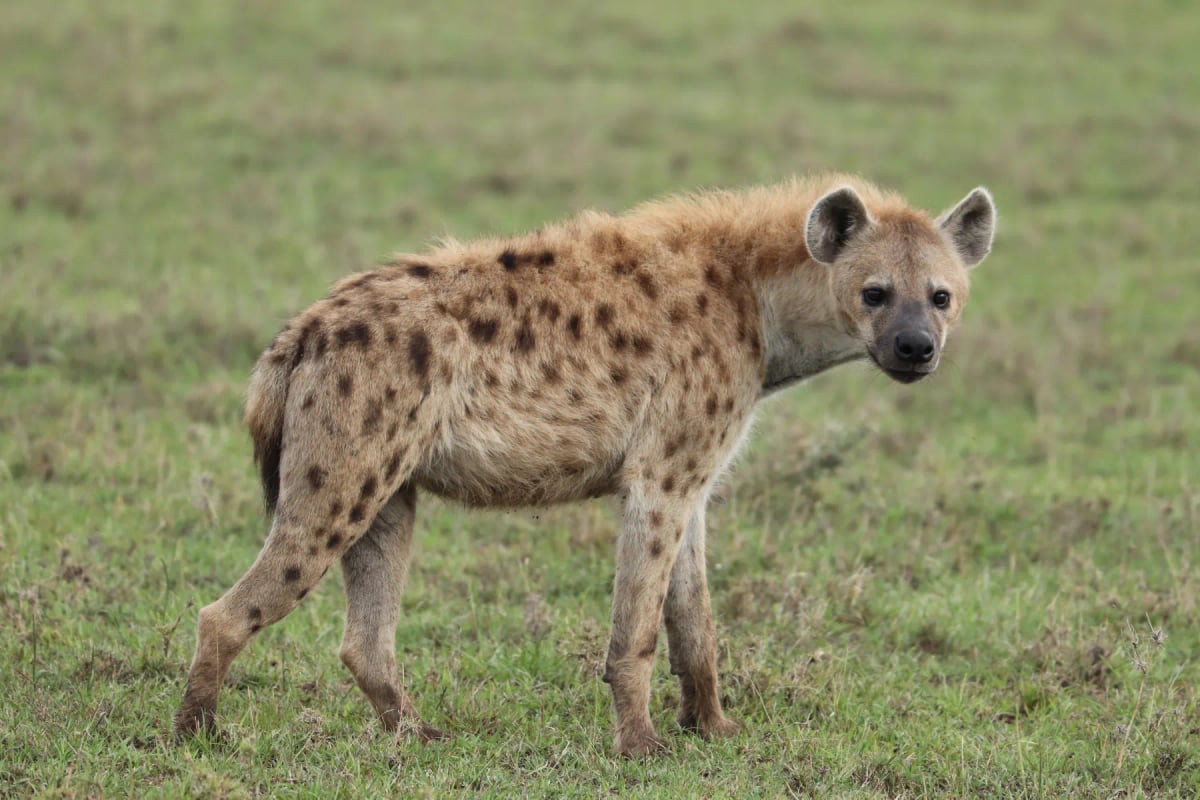
Spotted Hyena
Crocuta crocuta
In Guinea, spotted hyenas inhabit the savanna zones of the interior, particularly in the Fouta Djallon highlands region and the areas bordering Mali and Senegal. They are far less common in the forested south of the country. Deforestation, hunting, and escalating conflict with farming and herding communities are the main threats they face in Guinea. Their IUCN status is Least Concern.
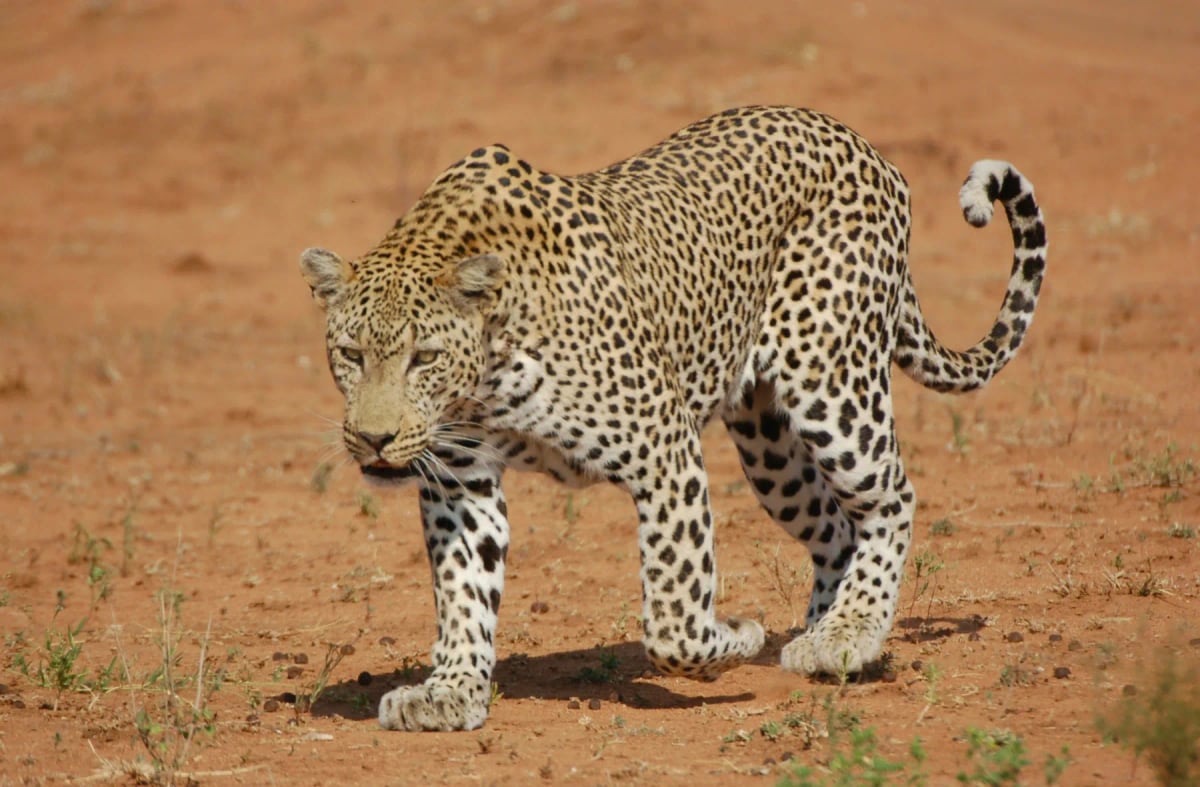
Leopard
Panthera pardus
In Guinea, leopards inhabit the forested highlands of the Fouta Djallon plateau and the denser forests toward the border with Sierra Leone and Liberia. They are secretive animals here, rarely encountered by people. Deforestation for agriculture and mining is reducing available habitat at a concerning rate. As one of the few large predators remaining in the country, the leopard is a key part of Guinea's forest ecosystems.
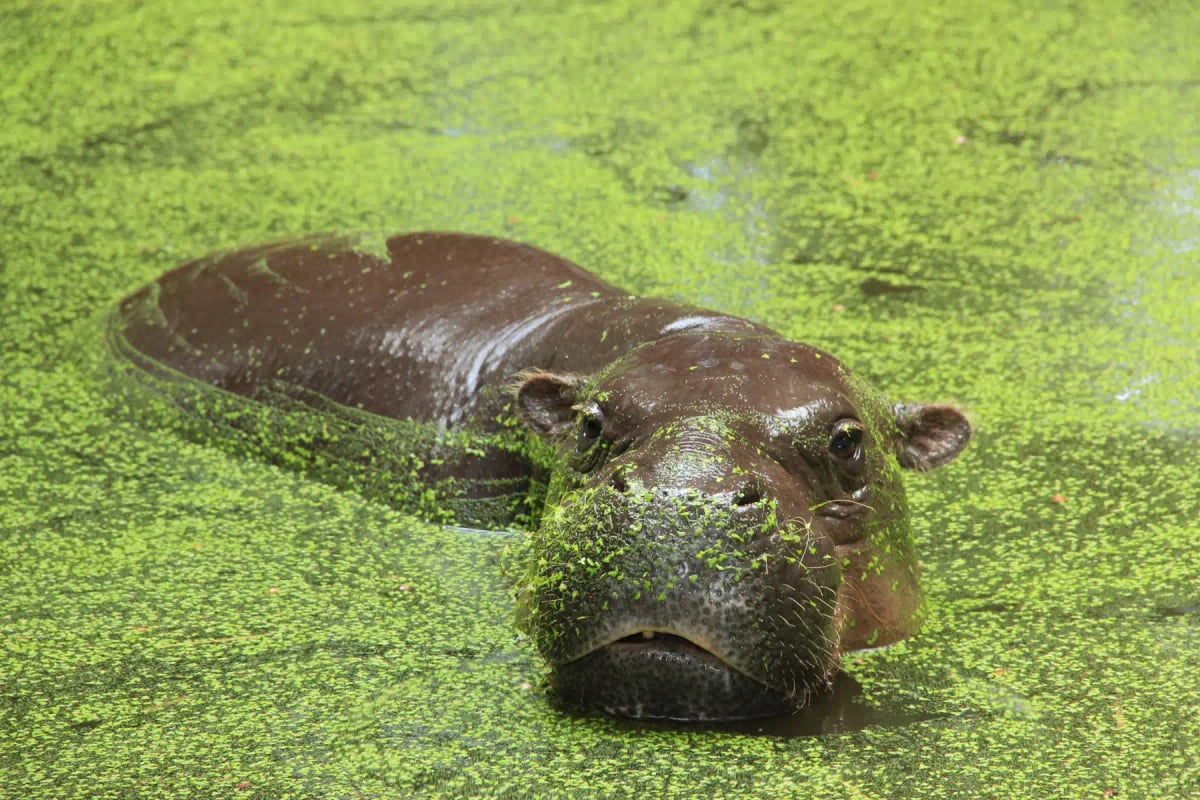
Pygmy Hippo
Choeropsis liberiensis
In Guinea, the pygmy hippo shelters in the forested river valleys and wetlands of the country's southwestern region. It is a solitary animal, spending its days resting near streams and emerging after dark to feed. Habitat loss from agriculture and logging, combined with illegal hunting, has made sightings increasingly rare. This small relative of the common hippo is classified as Endangered and its population across West Africa continues to decline.
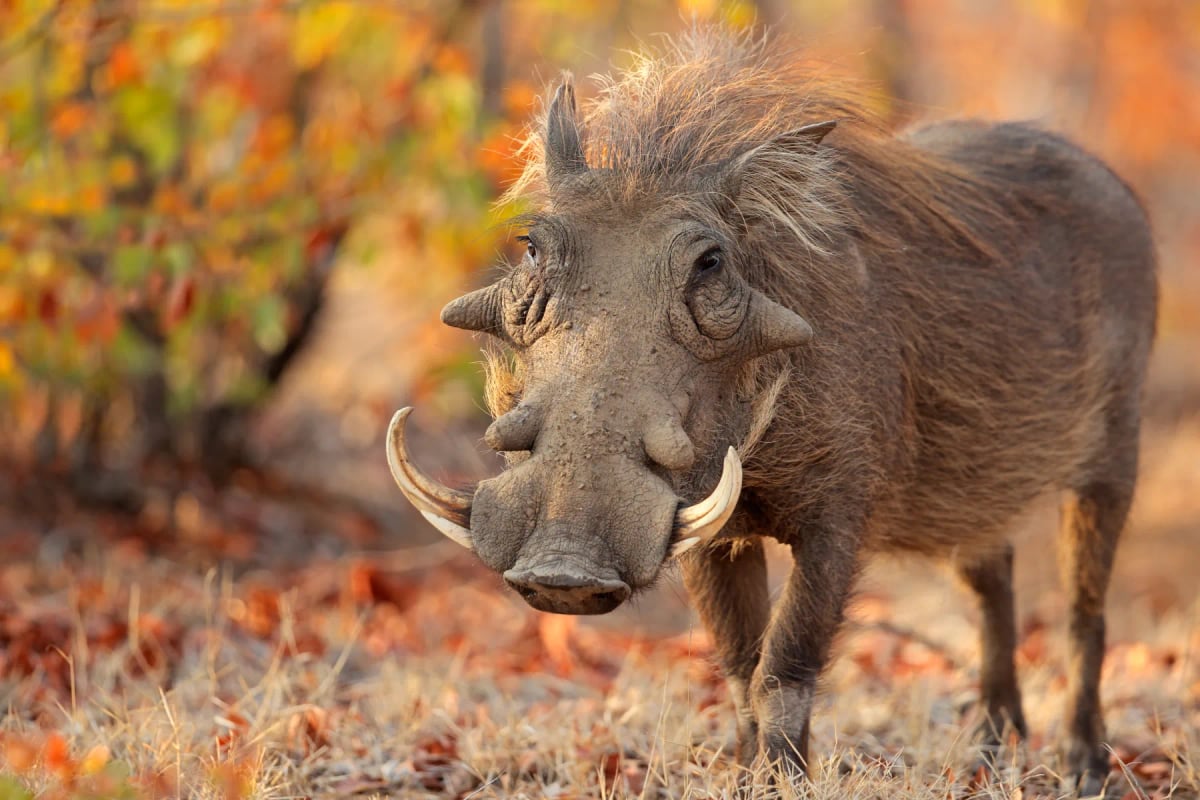
Warthog
Phacochoerus africanus
Warthogs inhabit the savanna and open woodland areas of Guinea, particularly in the northern and central parts of the country where grasslands are more extensive. They feed on grasses and roots, often kneeling to graze, and use abandoned burrows for shelter. Guinea's varied landscape supports a range of wildlife alongside the warthog. The IUCN considers the species to be of Least Concern.
African Forest Elephant
Loxodonta cyclotis
Guinea holds forest elephant populations in its southeastern forest zone, where the Ziama and Diécké forest reserves border Sierra Leone and Liberia. These Guinea Highlands forests are part of the Upper Guinean forest block, one of the most biodiverse regions in West Africa. The population is small and has been little studied, and ongoing logging and agricultural expansion continue to reduce available habitat. Guinea's forest elephants represent an important western outpost of the species, genetically connected to populations in neighboring countries.
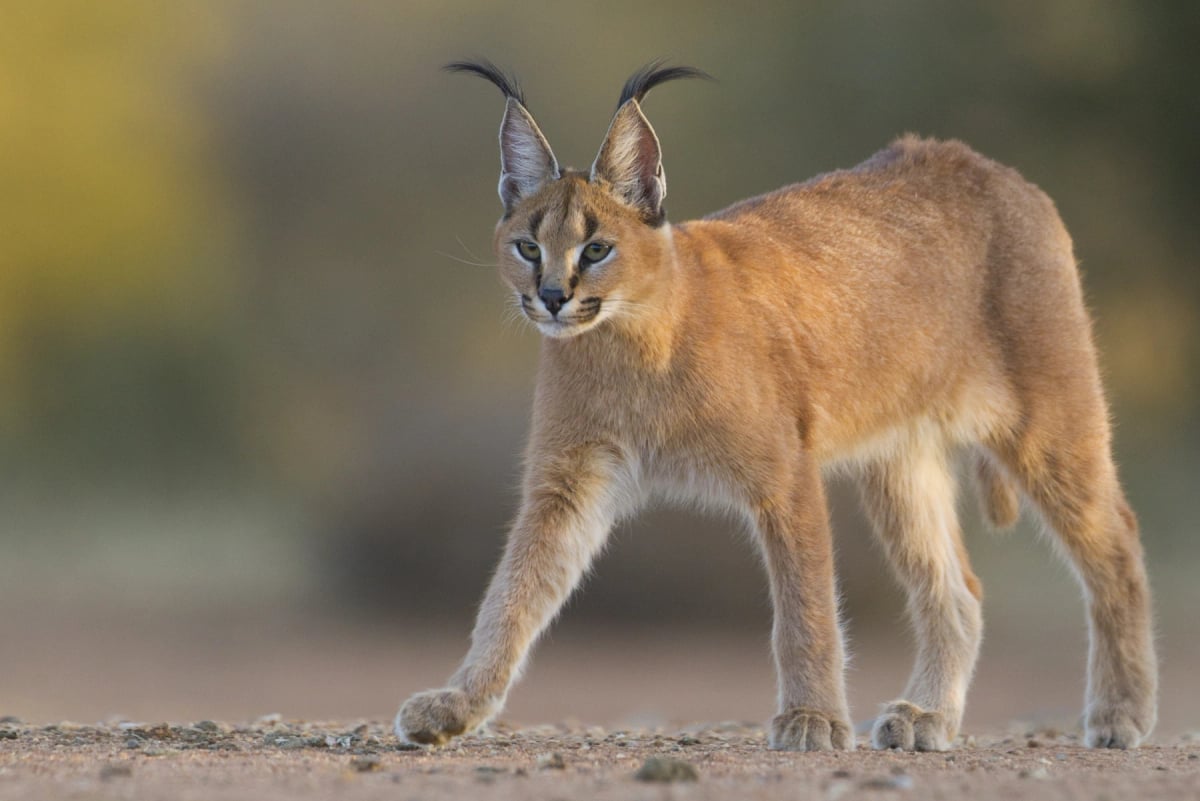
Caracal
Caracal caracal
In Guinea, the caracal is found in the savanna corridors and dry woodland habitats of the interior, particularly in the upper Guinea highlands and the Fouta Djallon region. It avoids the dense humid forests closer to the coast. Largely solitary and active at night, it hunts small mammals and birds. The IUCN lists it as Least Concern, though deforestation and hunting pressure affect wildlife across Guinea.
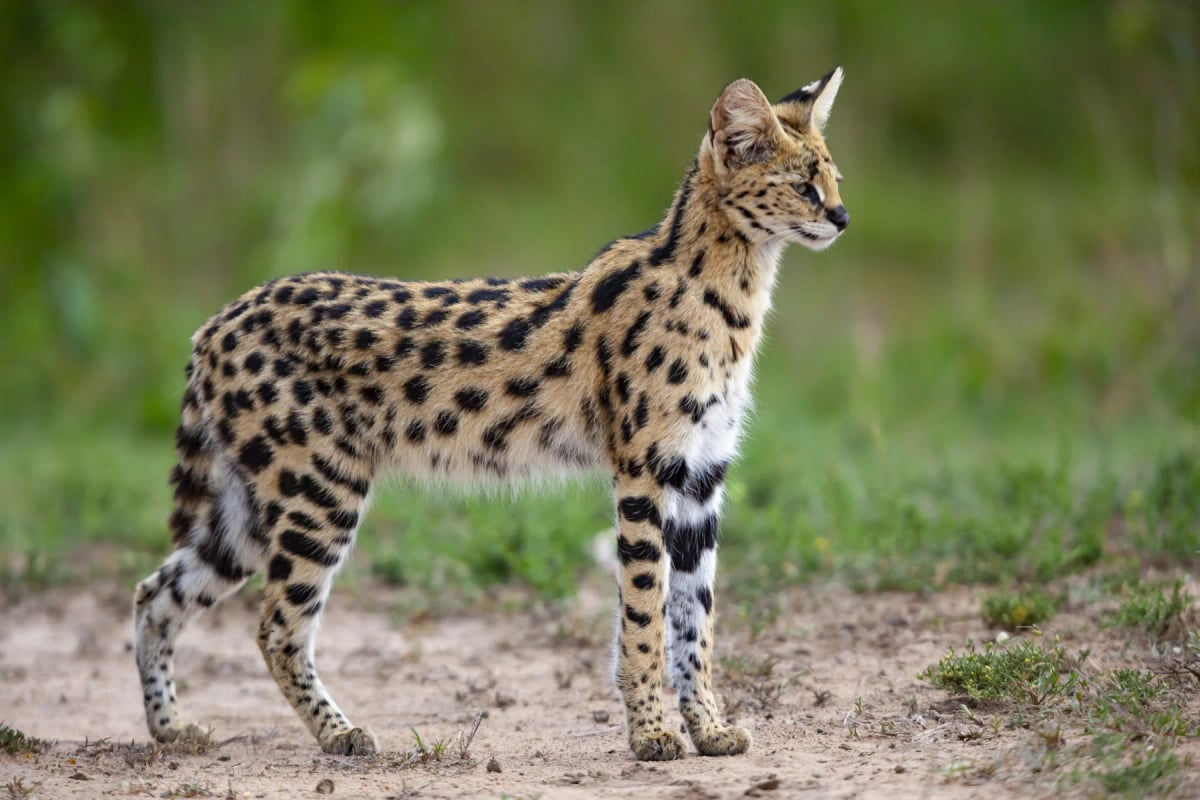
Serval
Leptailurus serval
Guinea's mix of forest edges, moist grasslands, and river plains in the Fouta Djallon highlands and surrounding lowlands supports the serval. This cat is drawn to tall grass near water, where it can use its large ears to detect hidden rodents before leaping to catch them. The IUCN lists the serval as Least Concern, but habitat destruction linked to agriculture and mining activities in Guinea continues to reduce suitable territory for this and other wildlife.
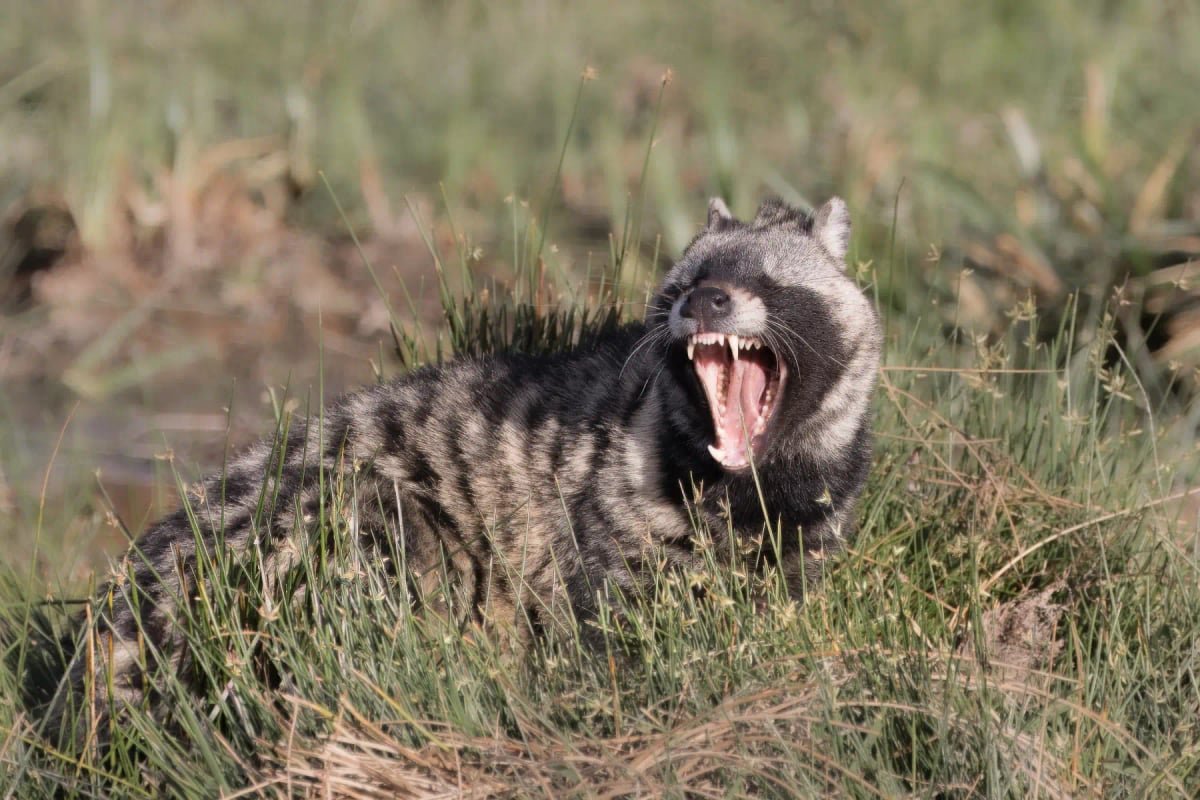
African Civet
Civettictis civetta
Guinea's varied terrain supports African civet populations from the coastal forests and mangroves of the Basse-Côte to the dense forests of the Fouta Djallon highlands and the savanna woodlands of Upper Guinea. The Ziama and Diécké forest reserves in the southeast hold some of the country's most intact forest habitat. Civets are present wherever ground cover and water converge, adapting readily to secondary forest across the country's more disturbed zones.

Honey Badger
Mellivora capensis
In Guinea, the honey badger is found mainly in the savanna and woodland zones of the Fouta Djallon highlands and the drier northeast, rather than the dense rainforest of the south. It digs for rodents and insects and raids beehives whenever the chance arises. Agricultural expansion and logging continue to shrink suitable habitat. The IUCN lists the species as Least Concern across its full range.
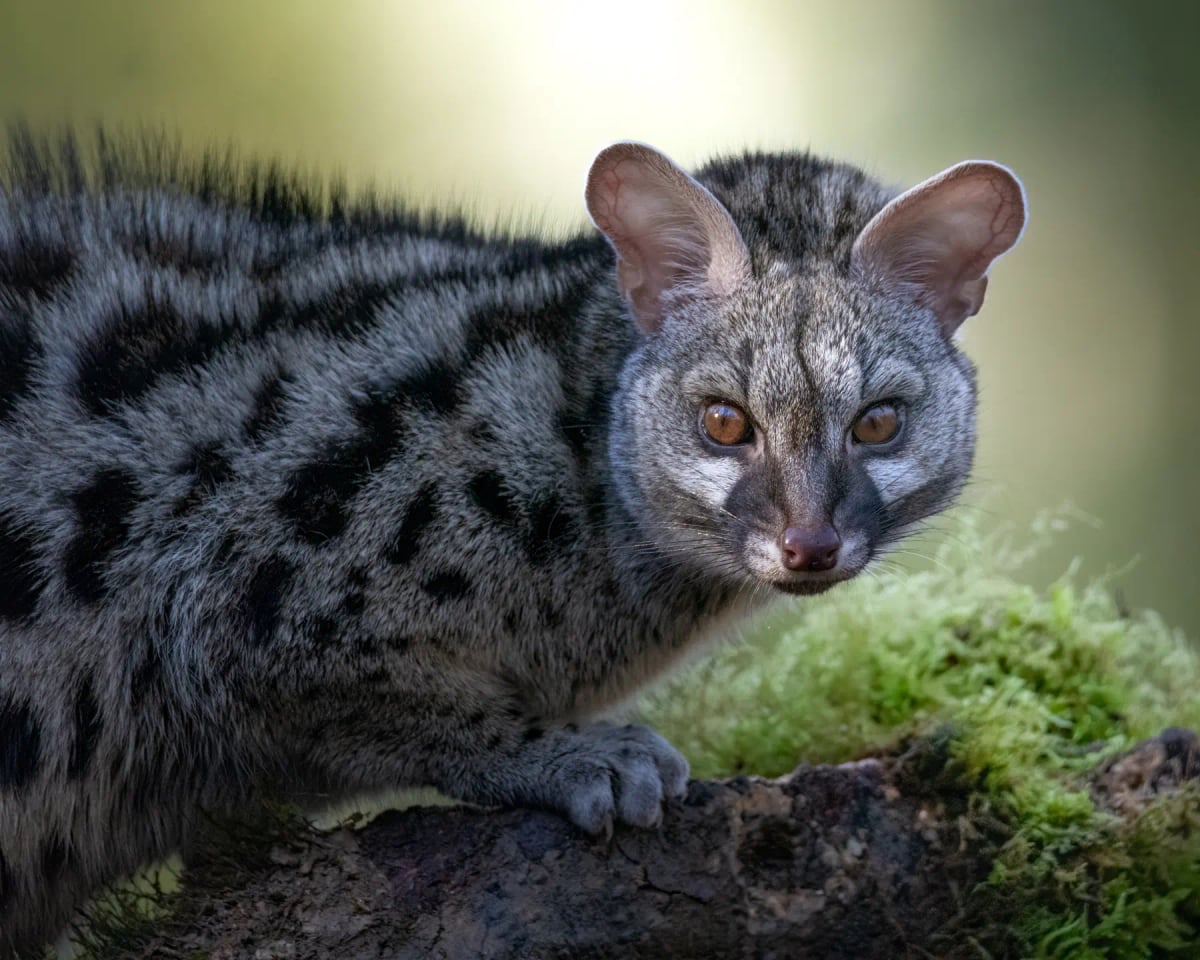
Common Genet
Genetta genetta
In Guinea, the common genet is found across wooded savannas and the fringes of the Upper Guinea forest zone. The country's varied terrain, from coastal lowlands to the Fouta Djallon highlands, supports populations of this adaptable carnivore. Nocturnal and solitary, it hunts small mammals, birds, insects, and reptiles. Like elsewhere in West Africa, it is rarely encountered directly but is present across suitable forested and woodland areas. IUCN status: Least Concern.
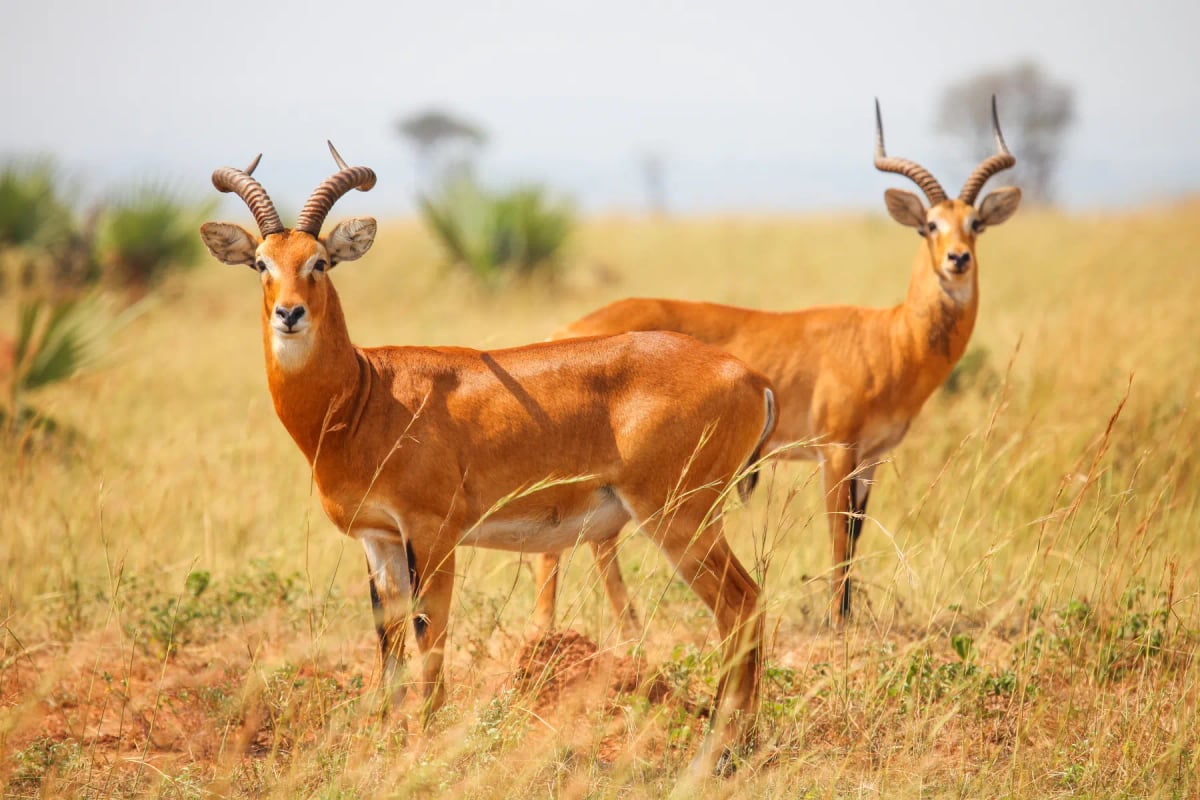
Kob
Kobus kob
In Guinea, the kob inhabits the northern savanna zones, including areas within the Badiar National Park along the Senegal border, which forms part of the transboundary Niokolo-Badiar ecosystem. This antelope favors open grasslands and river margins where water is accessible in the dry season. Cross-border conservation cooperation has helped sustain wildlife corridors in this region. The kob's IUCN status is Least Concern.
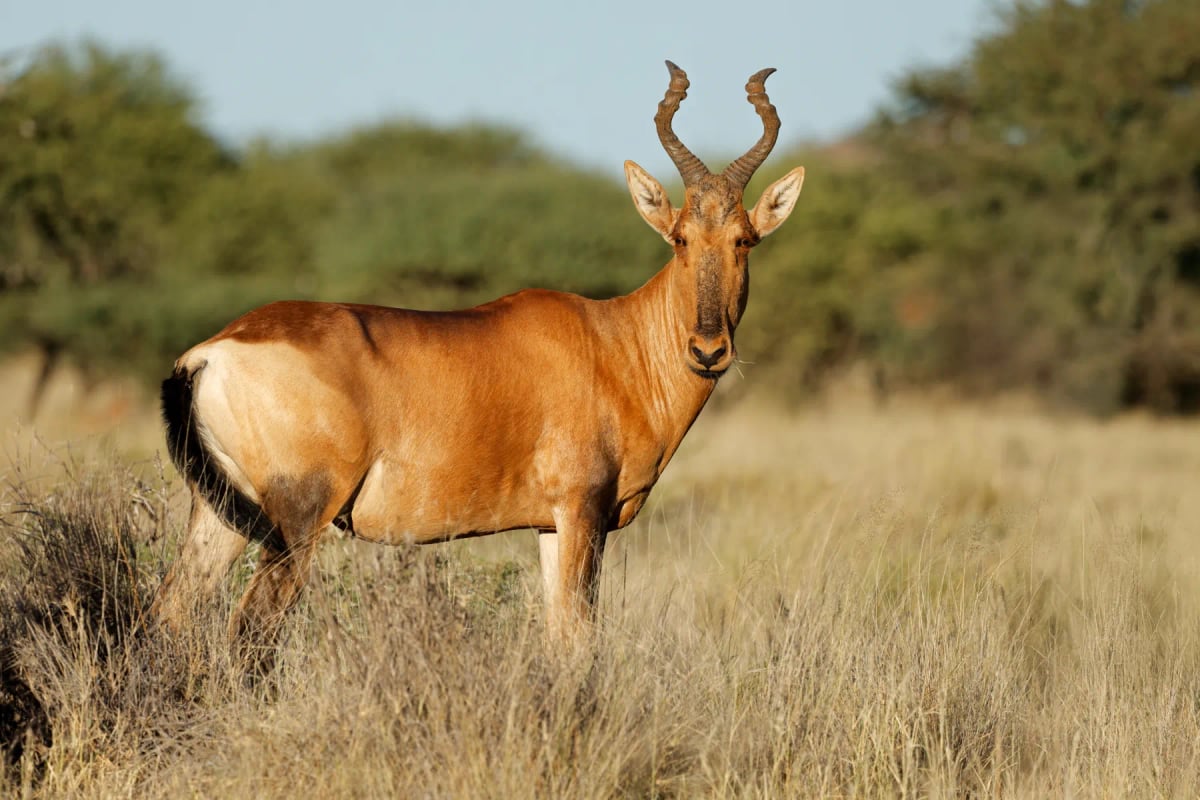
Hartebeest
Alcelaphus buselaphus
The hartebeest occurs in Guinea's interior savanna zones, where open grasslands provide the grazing habitat it depends on. Recognizable by its long face, sloping body, and paired bracket-shaped horns, it feeds almost entirely on grasses, including coarse varieties that other herbivores leave behind. Populations here face pressure from habitat loss and hunting. The species as a whole is listed as Least Concern, though regional numbers have declined.
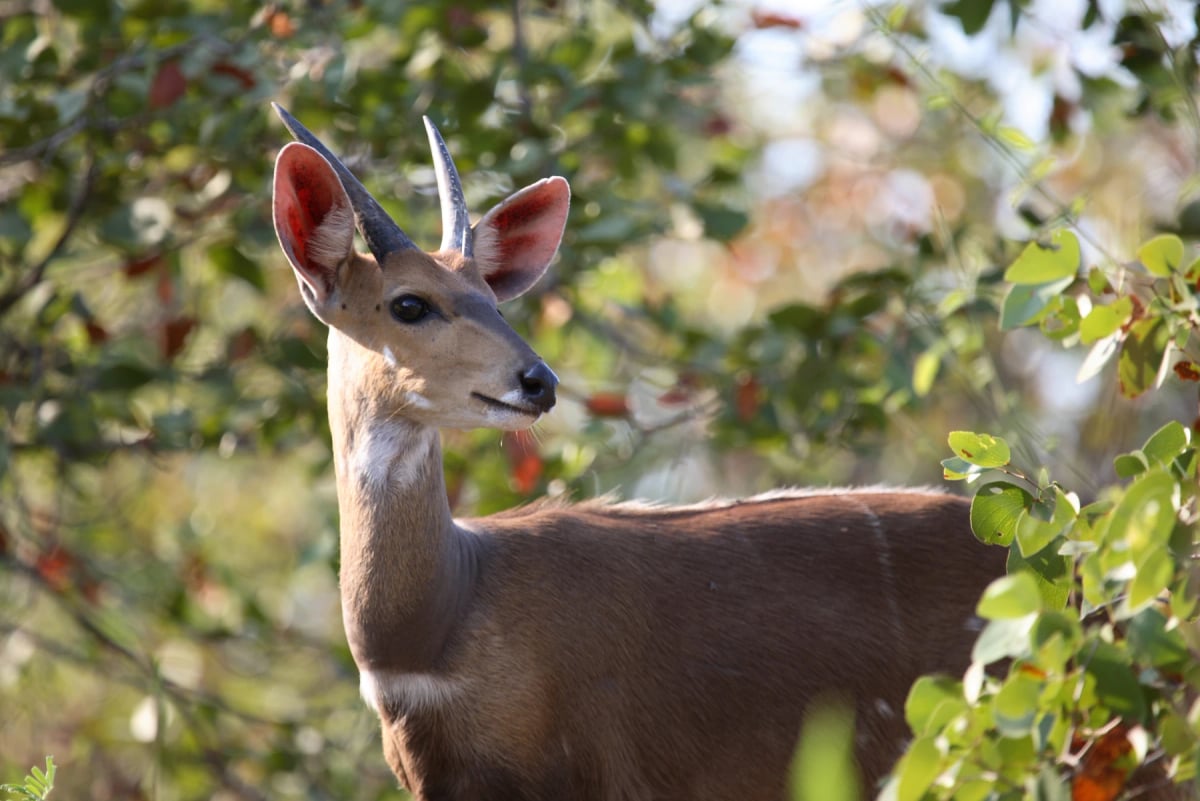
Bushbuck
Tragelaphus scriptus
In Guinea, bushbucks occur in patches of humid forest and forest edges throughout the country, especially in areas with dense understory vegetation. These solitary browsers are most active during nocturnal hours, feeding on leaves, shoots and available fruits. Their presence reflects the integrity of remaining forest habitats.
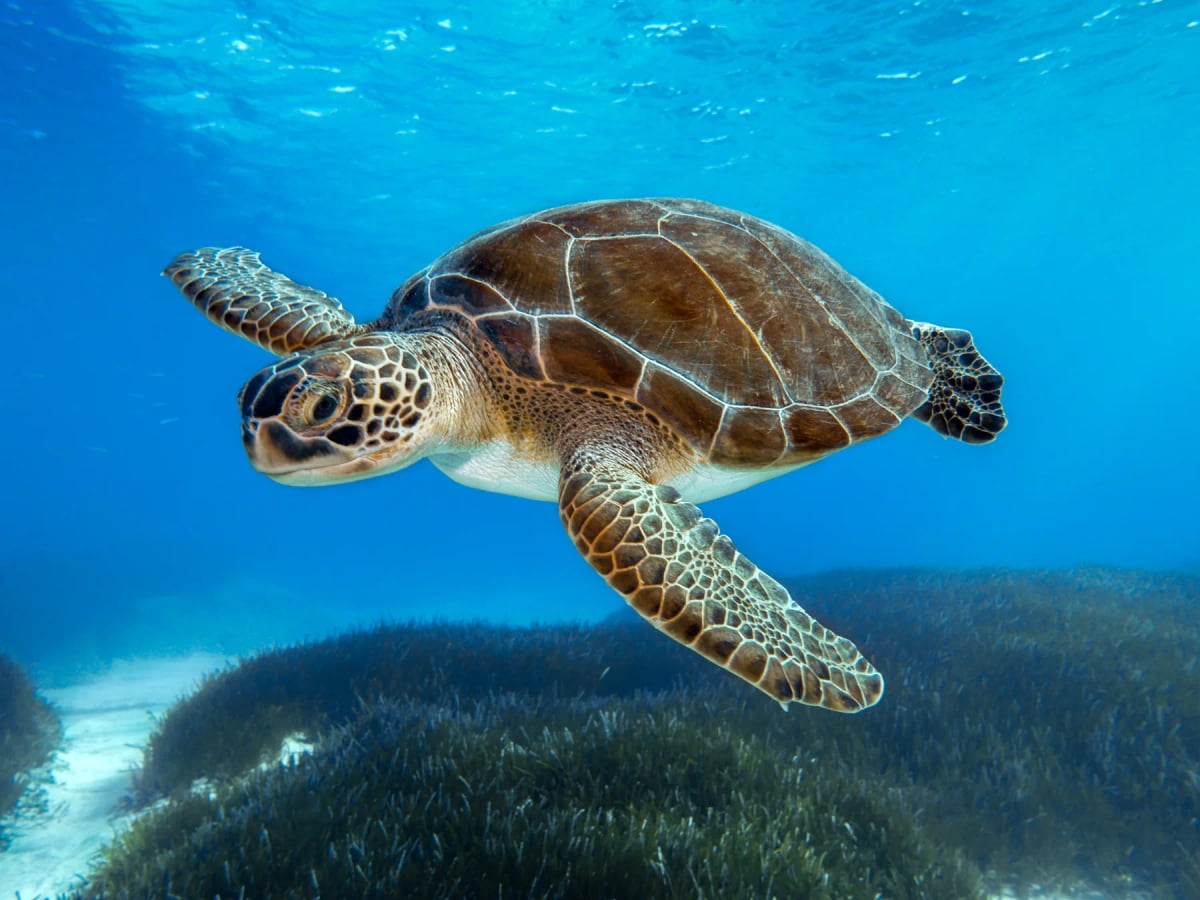
Sea Turtle
Cheloniidae & Dermochelyidae (families)
Guinea's Atlantic coastline is part of the West African sea turtle nesting region. Leatherback and olive ridley turtles nest on beaches along the coast, and green and hawksbill turtles are also recorded in Guinean waters. The Tristao Islands and the Alcatraz Island area are among the more documented sea turtle habitats in the country. Conservation capacity remains limited, and egg poaching and bycatch continue to be significant threats.
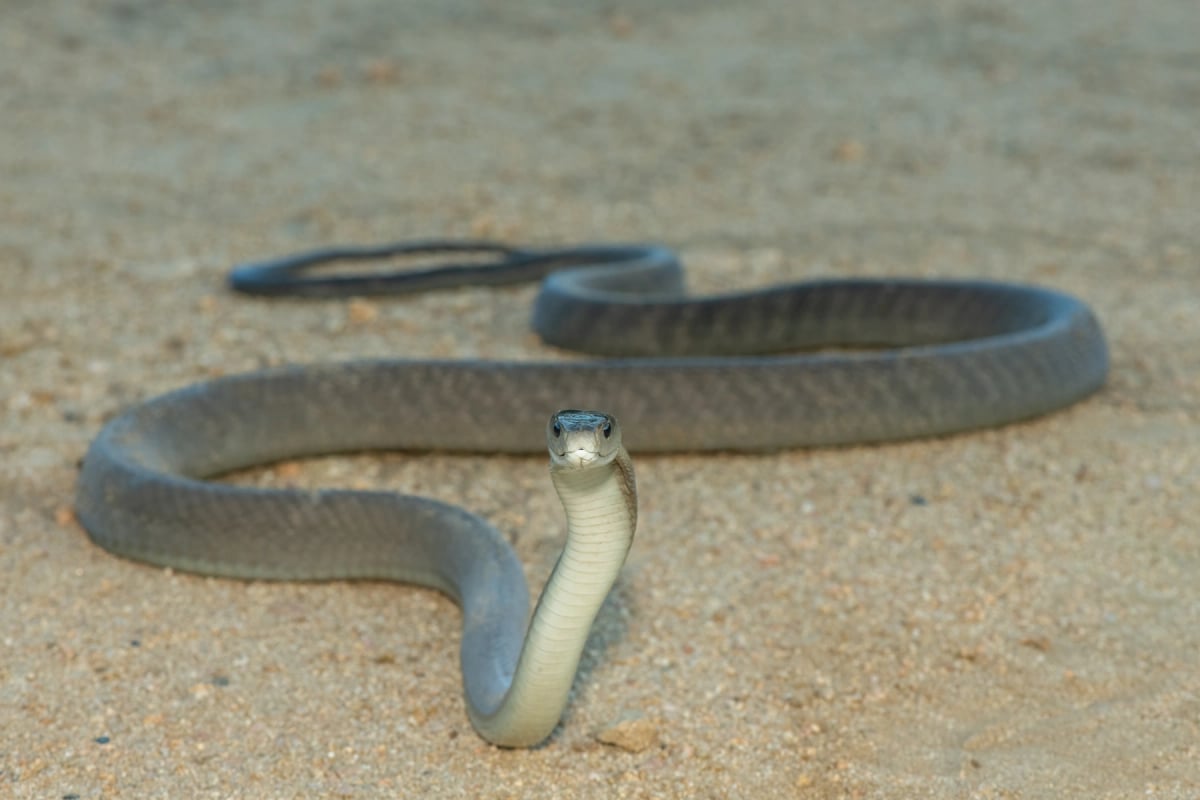
Black Mamba
Dendroaspis polylepis
The black mamba (Dendroaspis polylepis) is present in Guinea's drier interior savannas and open woodlands, away from the dense rainforest of the coastal zone. It is a diurnal hunter, pursuing rodents and birds with speed and a highly potent neurotoxic venom. Classified as Least Concern by the IUCN, it remains one of the most feared snakes in the region due to the severity of untreated bites.
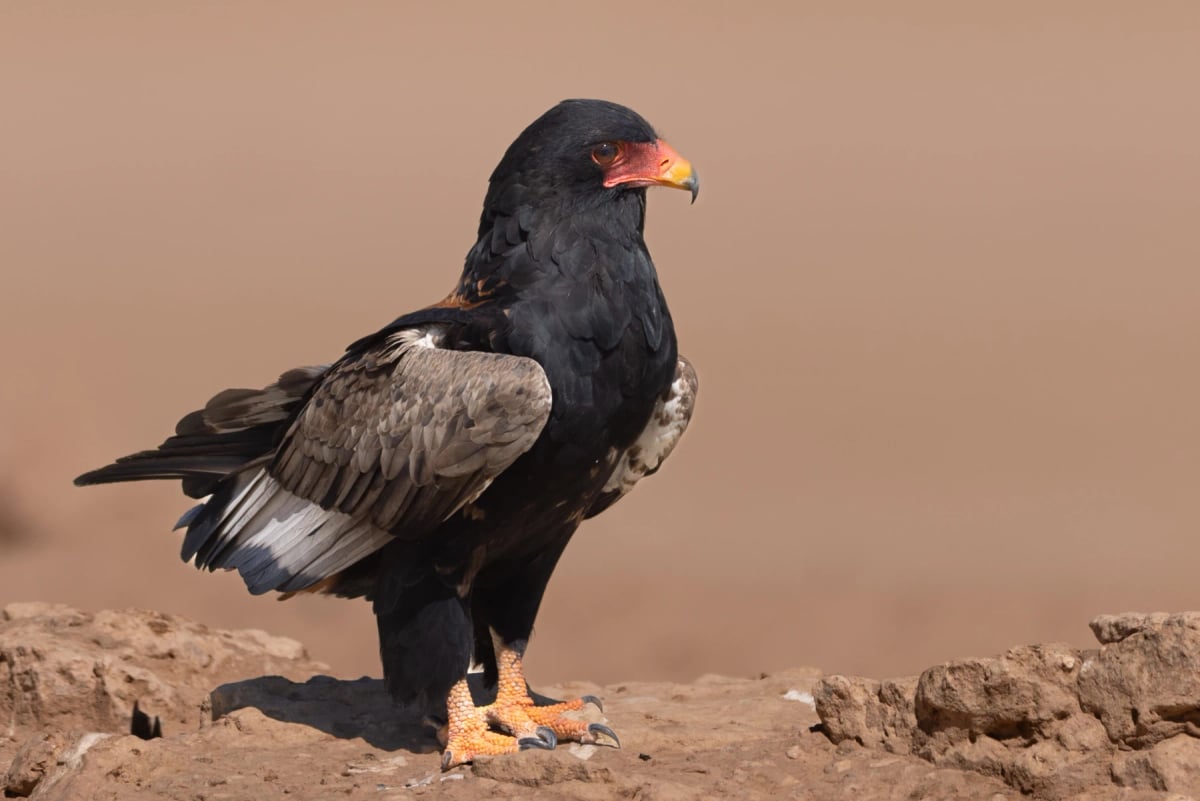
Bateleur
Terathopius ecaudatus
The bateleur occurs in Guinea's northern and interior savanna regions, where open woodland provides the type of terrain it favors for long daily soaring flights. It is not a commonly recorded species in the country, and its population is thought to be small. Across West Africa, habitat loss and poisoning have caused widespread declines. The IUCN classifies the bateleur as Endangered, and conservation awareness in Guinea remains limited.
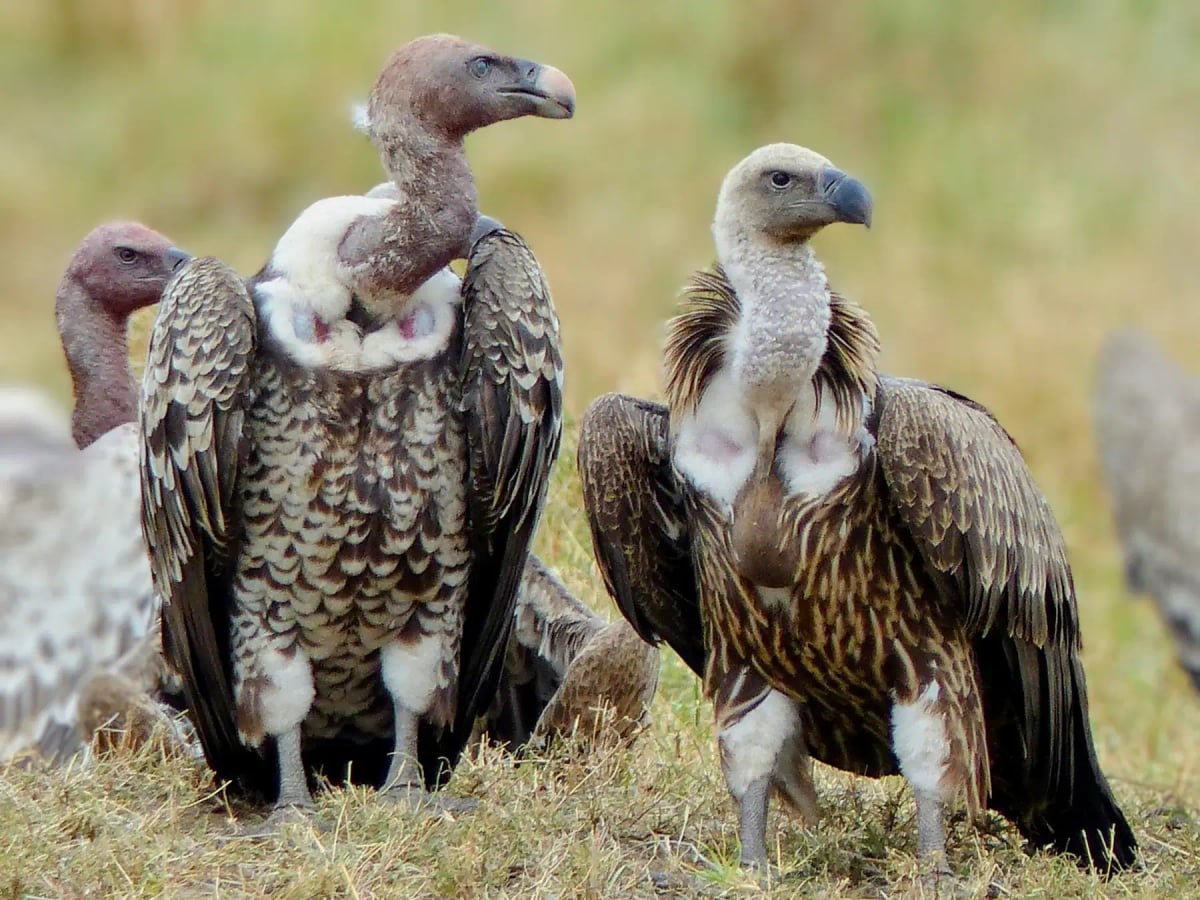
White backed Vulture
Gyps africanus
In Guinea, the white backed vulture occurs mainly in the drier interior regions of Upper Guinea, where patches of open woodland and savanna still support some large wildlife. Populations are sparse and under pressure from poisoning and the bushmeat trade. As a Critically Endangered species across West Africa, its presence in Guinea is a reminder of how much pressure these birds face throughout the region.
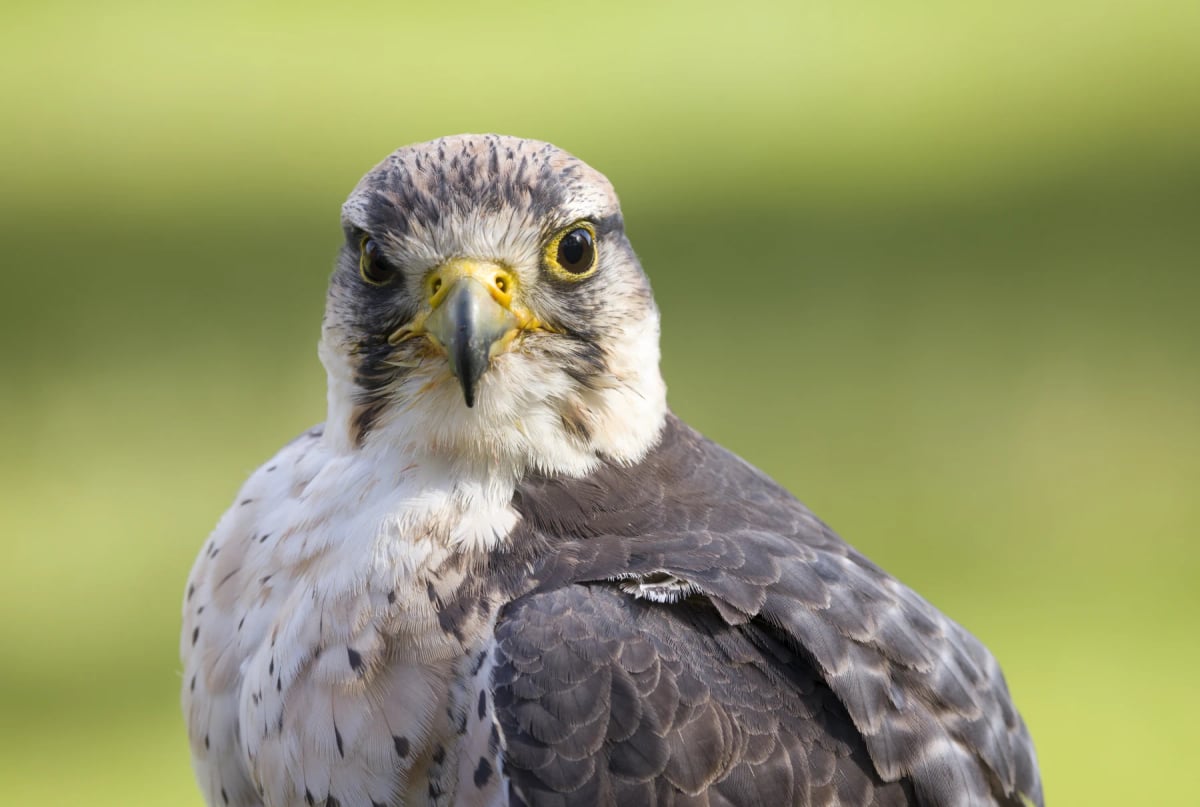
Lanner Falcon
Falco biarmicus
The lanner falcon occurs in Guinea mainly in the drier savanna regions of the north and east, such as the Fouta Djallon highlands and the Upper Niger basin, where open terrain supports its hunting style. It is not commonly recorded in the more forested southern zones. The IUCN lists the species as Least Concern, though data on population size and trends within Guinea specifically remains limited.
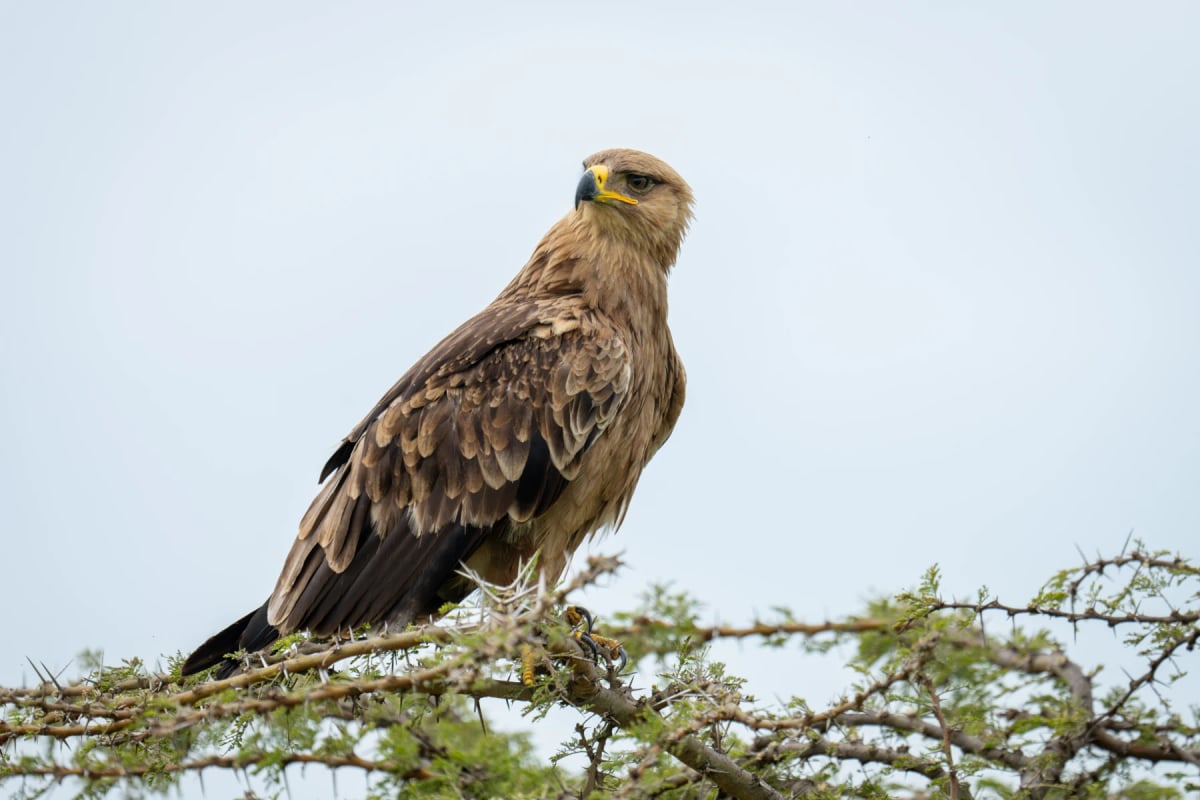
Tawny Eagle
Aquila rapax
In Guinea, the Tawny Eagle is associated with the drier savanna and woodland habitats found in the northern and central parts of the country, away from the wetter coastal forests. It is an opportunistic hunter and scavenger, taking whatever prey is available. Deforestation and land conversion for agriculture are gradually reducing the open habitats this eagle depends on. The IUCN lists it as Vulnerable.
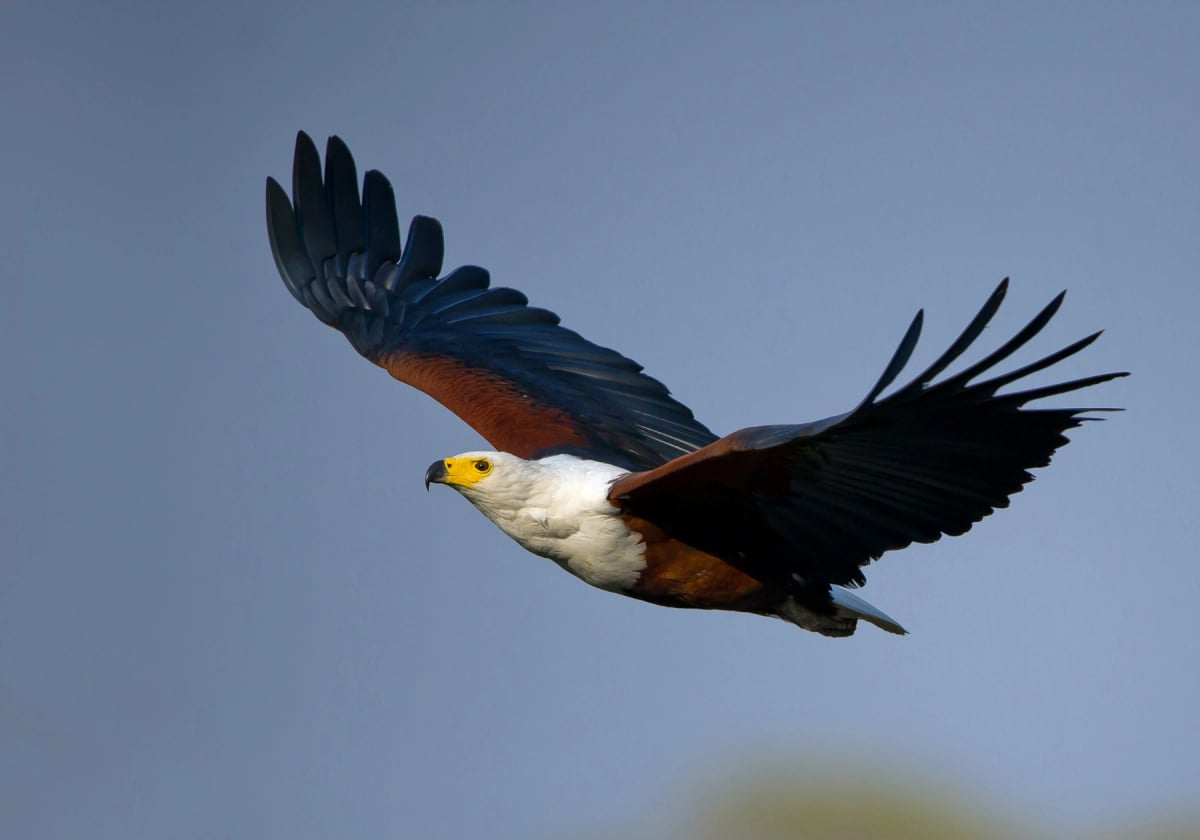
African Fish Eagle
Haliaeetus vocifer
The African fish eagle occurs in Guinea along the country's rivers and wetlands, particularly in the lowland areas bordering the coast and in the Fouta Djallon highland river systems, which feed many of West Africa's major waterways. It is not among the most frequently recorded species in the country but is a resident near permanent freshwater. The Niger River rises in the Fouta Djallon, and the eagle can be found along its upper course within Guinea.
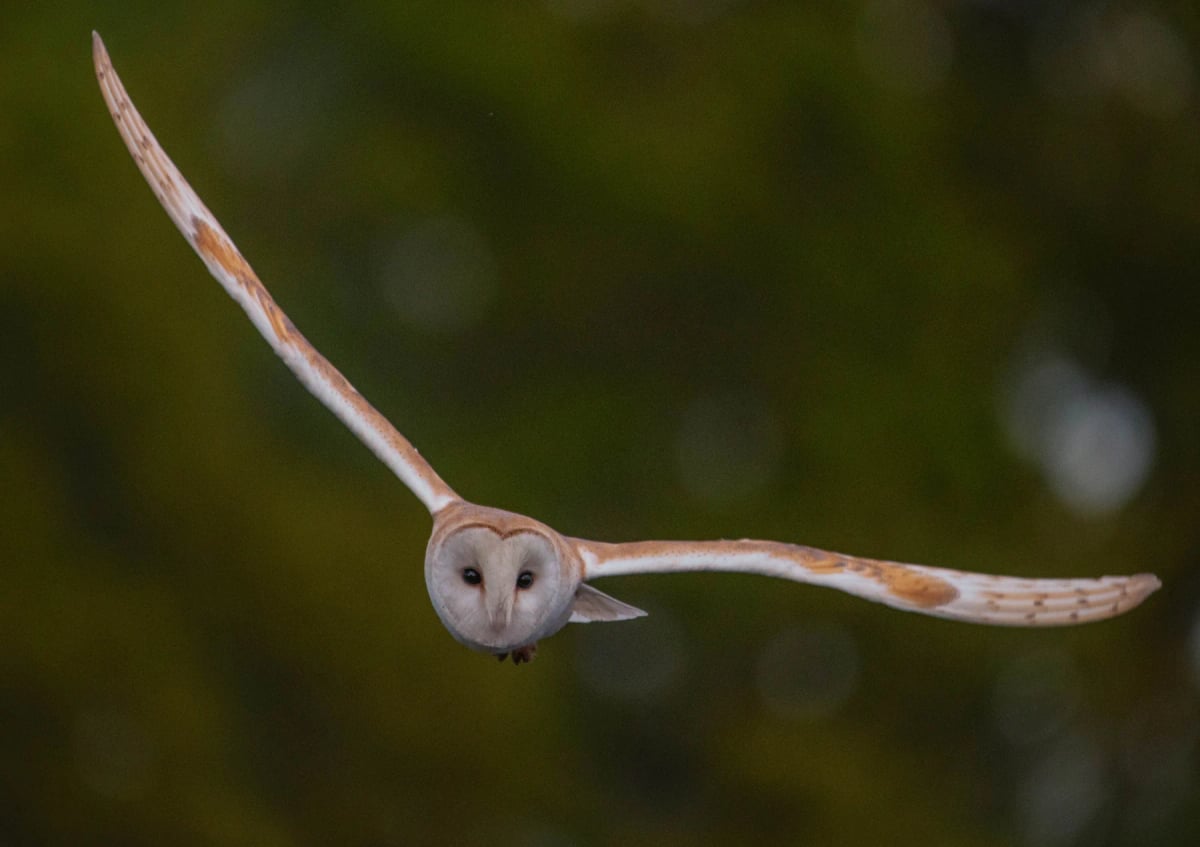
Barn Owl
Tyto alba
The barn owl is found in Guinea in open savanna, farmland, and areas near villages and towns, particularly in the northern Fouta Djallon highlands and the drier interior regions. It nests in old buildings, rocky outcrops, and hollow trees, and hunts rodents at night. It is less commonly encountered in the dense rainforest areas of the coastal region. In farming communities it helps control rodent populations that threaten stored grain and crops across the savanna and highland zones.
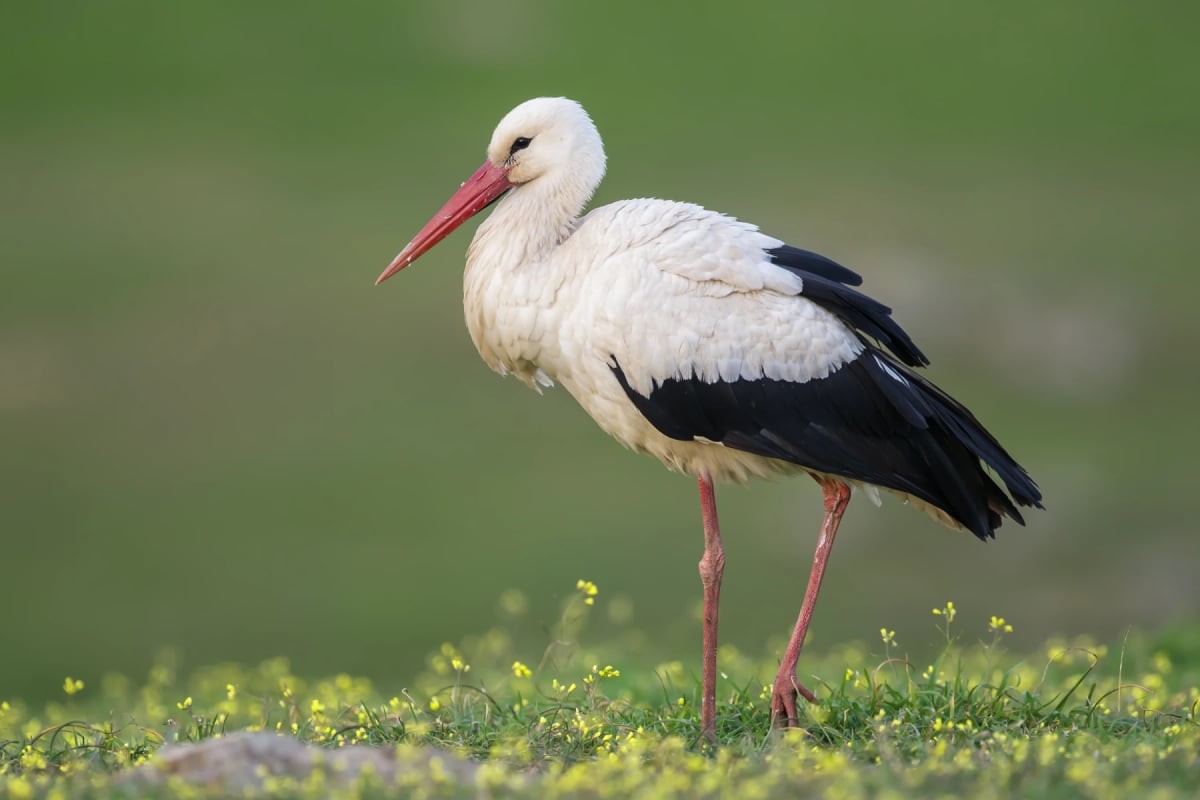
Stork
Ciconia ciconia
The white stork visits Guinea during the northern winter, making use of the country's open interior savannas and floodplains for foraging. It tends to avoid the dense coastal rainforest belt and concentrates instead on areas with short vegetation where prey is visible. Insects, frogs, and small reptiles form the bulk of its diet during this period. The IUCN lists the white stork as Least Concern, and its wintering presence in West Africa is well established.
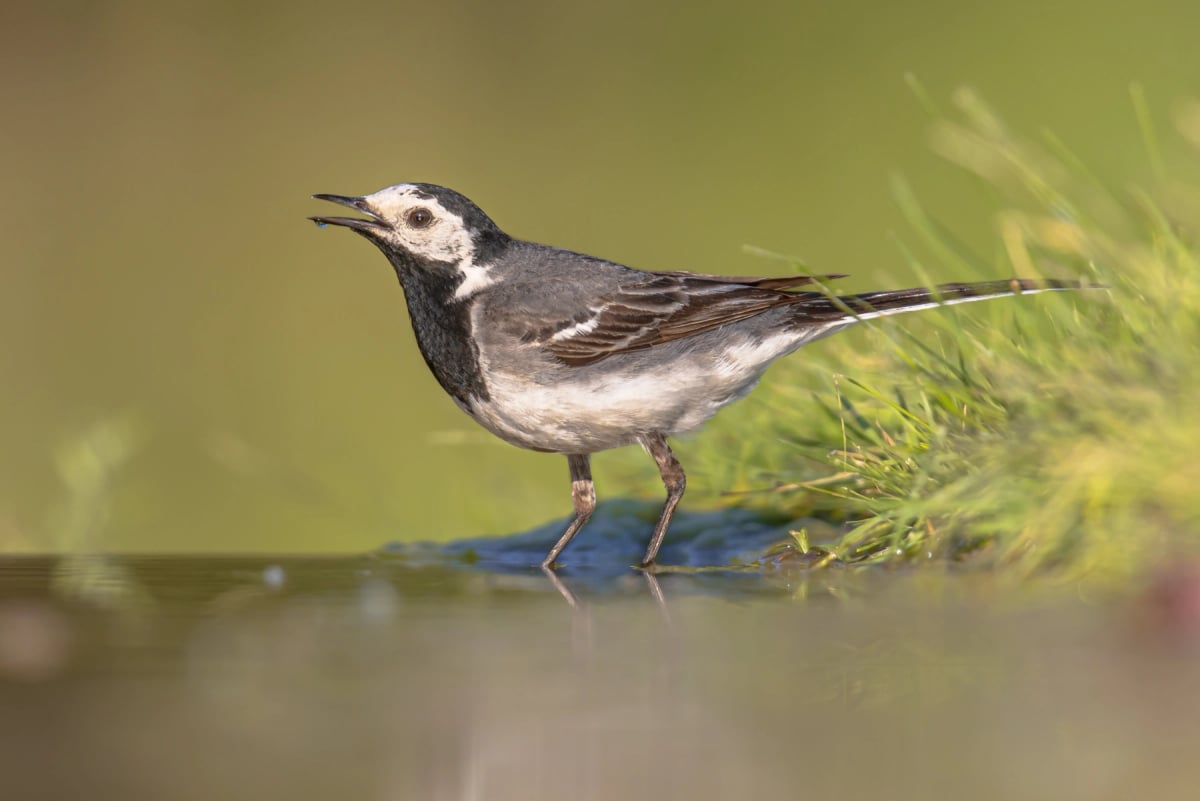
White Wagtail
Motacilla alba
The white wagtail reaches Guinea as a winter visitor from its breeding grounds in Europe and northern Asia. It tends to frequent the edges of rivers, flooded fields and open areas near the coast. The country's mix of forest margins, wetlands and agricultural land provides suitable foraging habitat during its stay. As temperatures drop in the north, these birds head south to take advantage of Guinea's warm and insect rich conditions through the dry season.
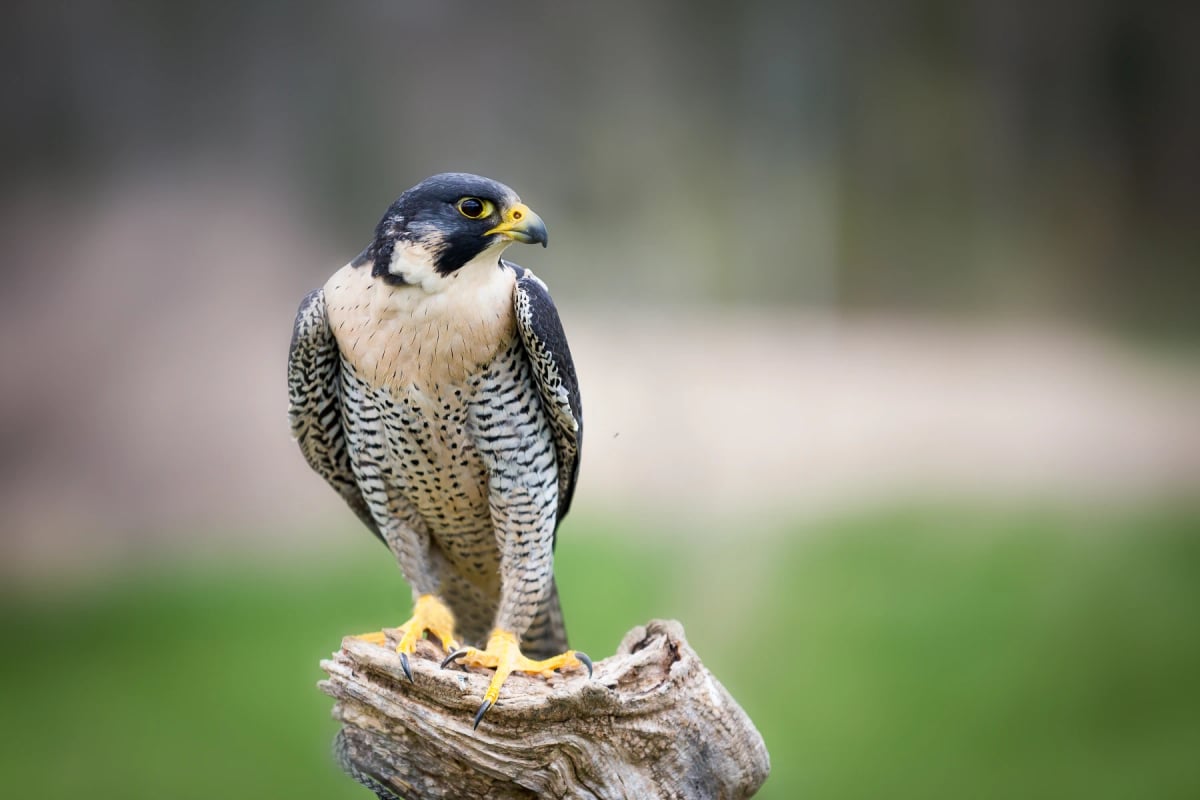
Peregrine Falcon
Falco peregrinus
The peregrine falcon passes through Guinea during migration, moving between breeding grounds in Europe and wintering areas across West Africa. It can be spotted along the Atlantic coastline and over the forested interior, hunting other birds with devastating speed. Its iconic hunting dive can exceed 300 km/h, making it the fastest animal on Earth. Guinea's coastal wetlands and river valleys offer good foraging ground during its seasonal stay. IUCN status: Least Concern.
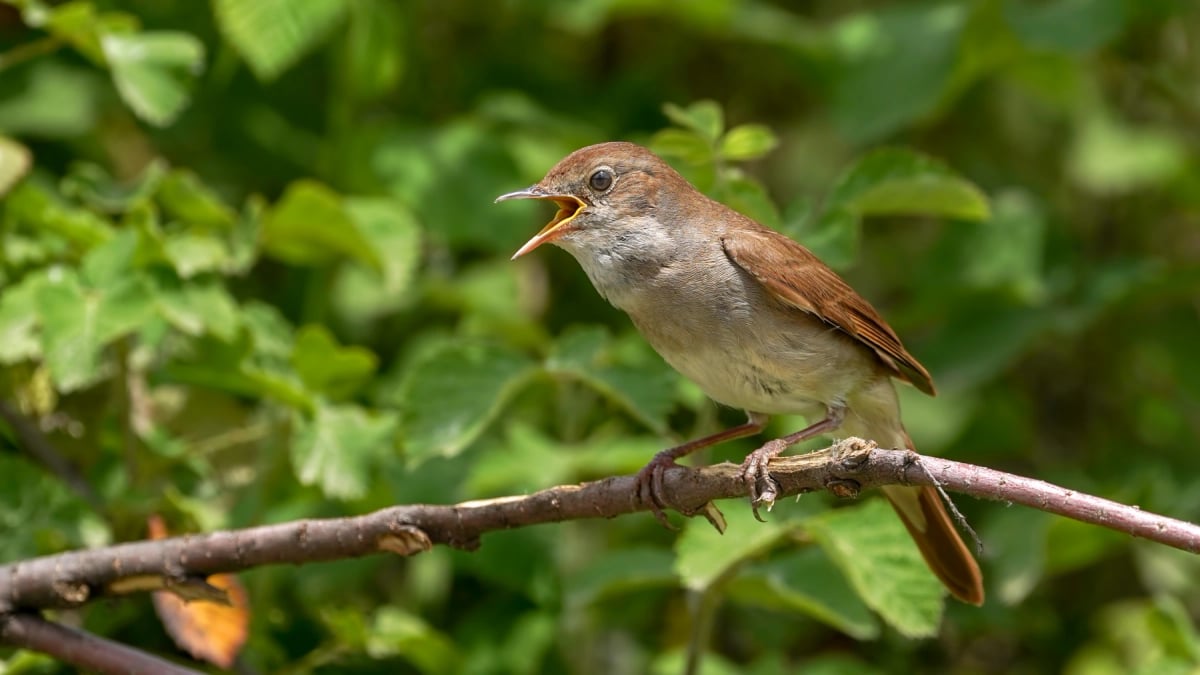
Nightingale
Luscinia megarhynchos
Guinea provides wintering habitat for the nightingale across its coastal lowlands and interior savanna zones. The country's mix of forest edges, gallery forests along rivers and areas of dense scrub offers suitable cover during the species' months away from Europe. It forages quietly among the undergrowth, feeding on insects and small fruits. Its IUCN status is Least Concern.
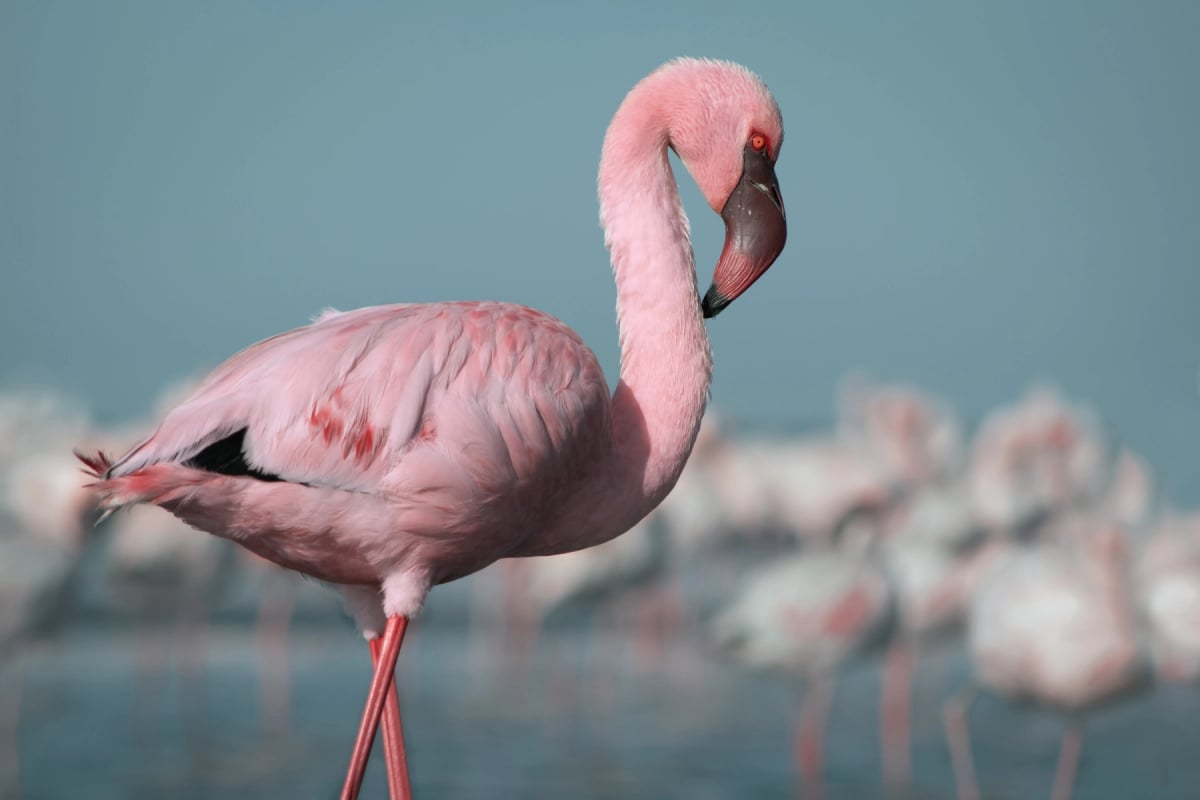
Flamingo
Phoenicopteridae (6 species)
Guinea has the greater flamingo, present year round, and the lesser flamingo, which visits outside the breeding season. Both use the country's coastal mudflats, mangrove edges and lagoons, especially in the north of the coast near the border with Guinea Bissau, where the tide exposes wide areas of mud rich in small invertebrates. Numbers are modest and vary with the seasons as birds move along the West African coast. IUCN status: greater flamingo Least Concern, lesser flamingo Near Threatened.
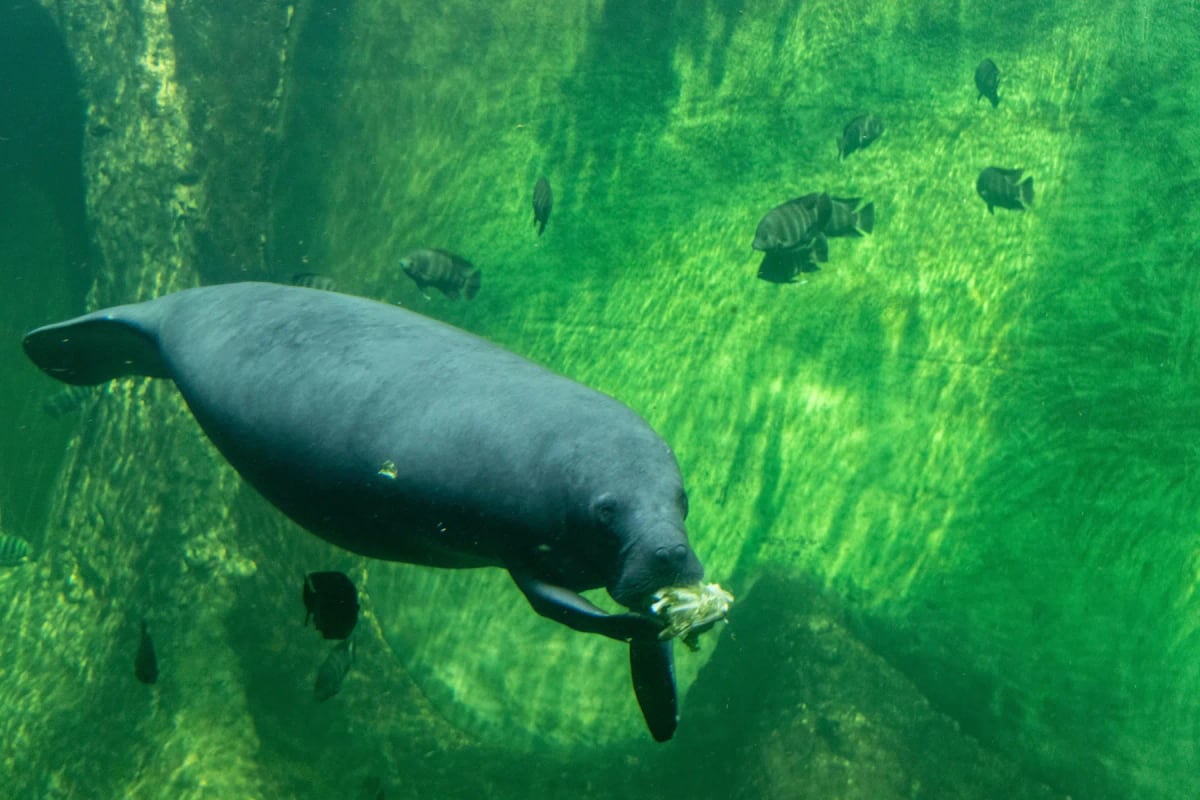
African Manatee
Trichechus senegalensis
Guinea holds an important position within the African manatee's range, with the species present in coastal estuaries and major rivers including the Konkouré and the upper Niger basin. The country's Atlantic coast provides access to estuaries rich in mangroves where the species can feed and shelter. Hunting for bushmeat and entanglement in artisanal fishing gear are the primary documented threats.
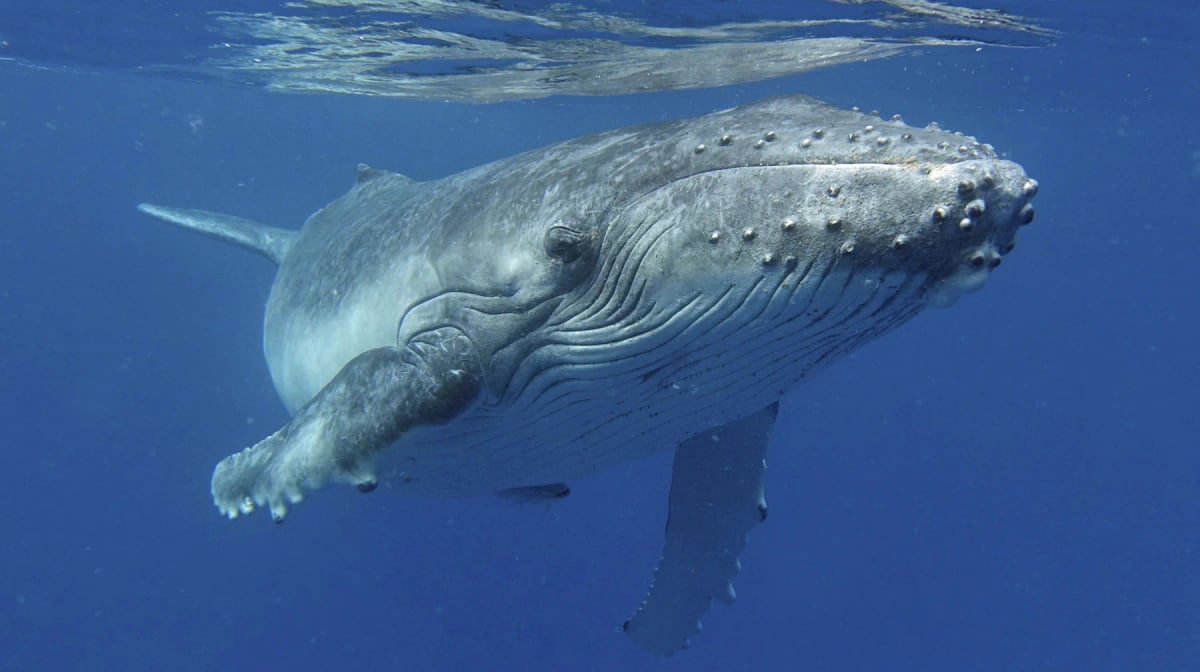
Humpback Whale
Megaptera novaeangliae
The Atlantic waters off Guinea form part of the West African coastal corridor that humpback whales use during their migrations between feeding and breeding grounds. The Gulf of Guinea is recognized as an area of movement for this species, with whales passing along the coast of Guinea as part of broader South Atlantic population movements. The IUCN classifies the humpback whale as Least Concern.
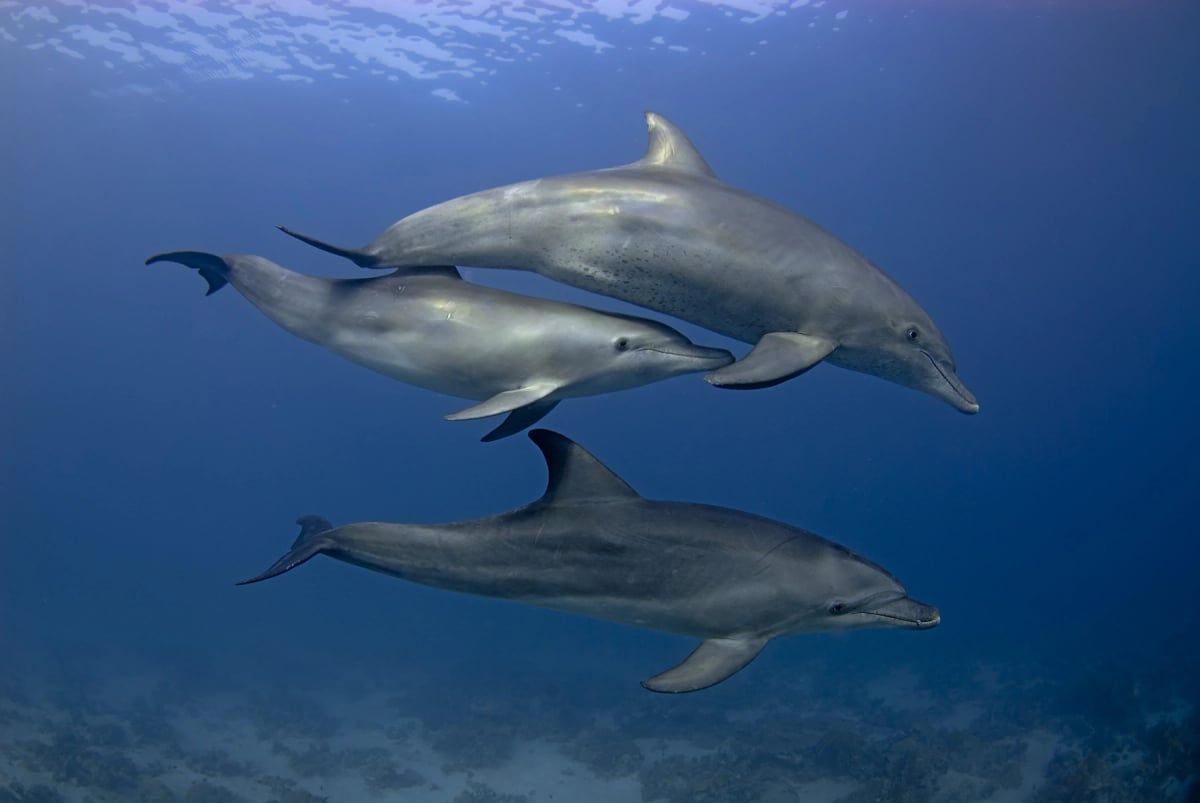
Bottlenose Dolphin
Tursiops truncatus
Bottlenose dolphins frequent the coastal and estuarine waters off Guinea, where the warm Atlantic and nutrient rich upwellings support rich fisheries. They are often seen near river mouths and shallow offshore banks. The species shares these waters with artisanal fishing communities, and accidental entanglement in nets poses a local risk. Globally, the IUCN rates the species as Least Concern.
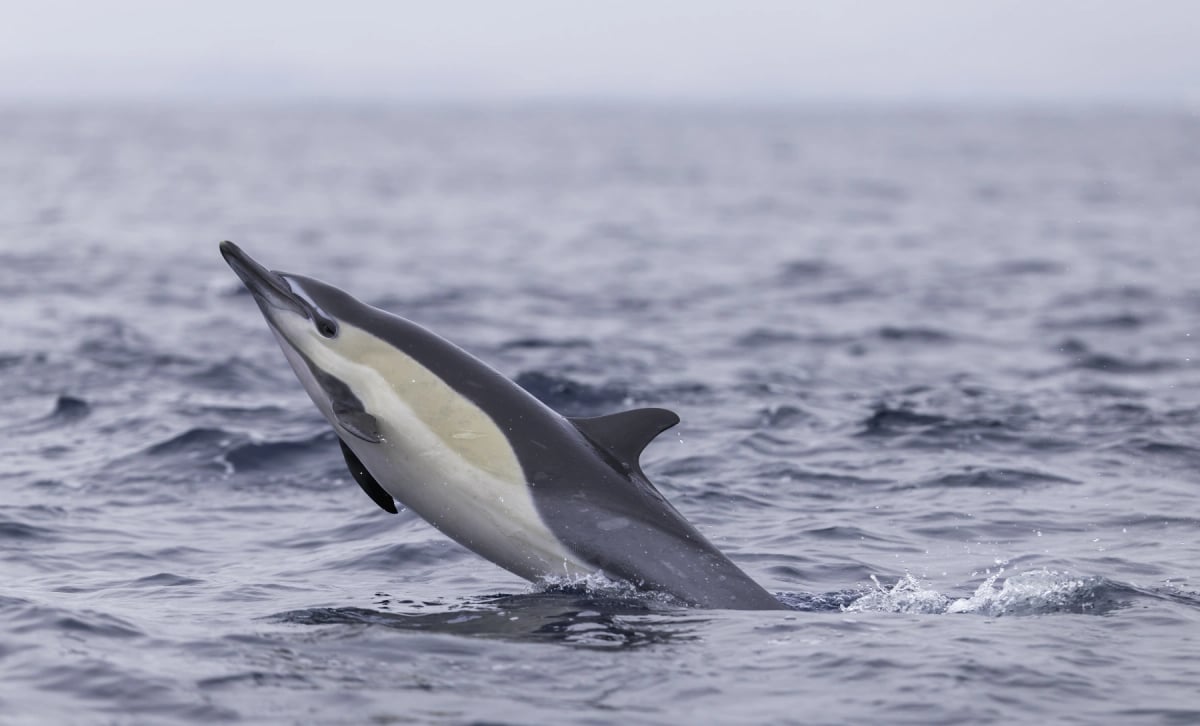
Common Dolphin
Delphinus delphis
Off the Atlantic coast of Guinea in West Africa, common dolphins inhabit the productive waters of the Guinea Current Large Marine Ecosystem, one of the most biologically rich coastal systems in the region. They feed on the abundant small fish found here and are sometimes seen near artisanal fishing areas. The Gulf of Guinea's upwelling zones provide reliable food sources for this highly social species throughout the year. IUCN status: Least Concern.
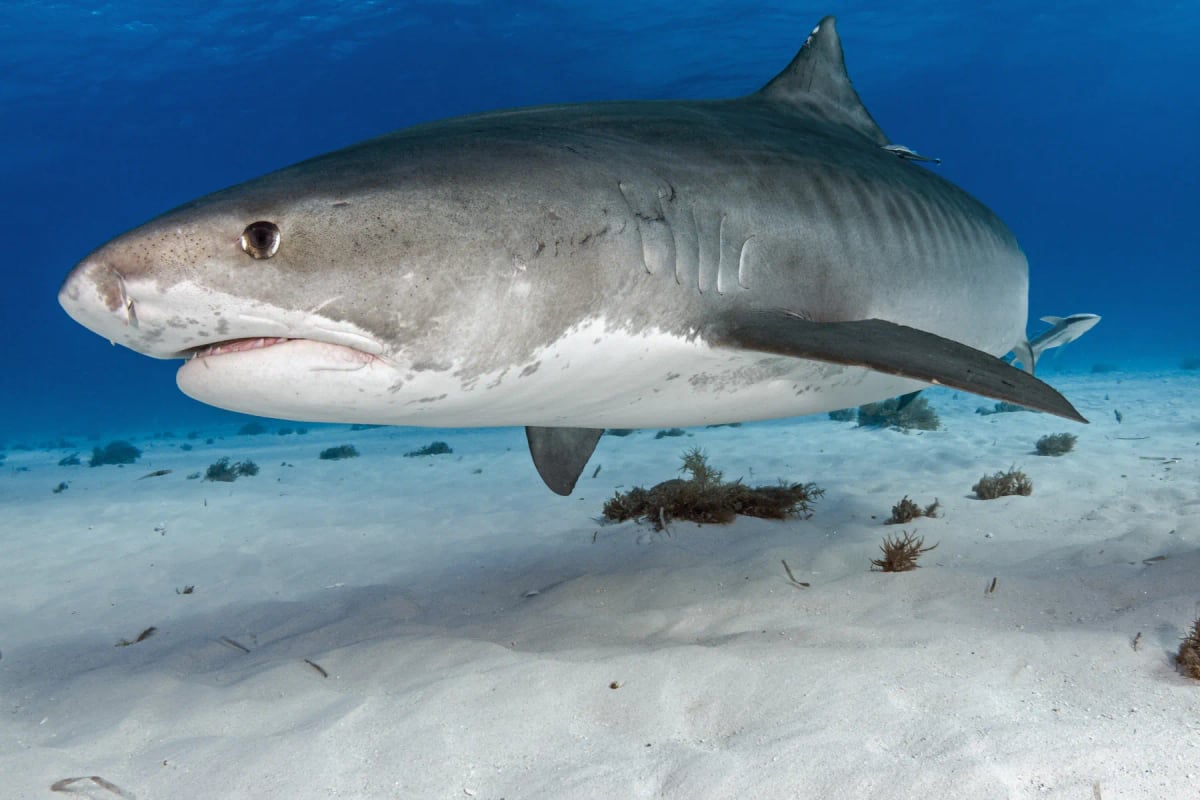
Tiger Shark
Galeocerdo cuvier
The waters off Guinea, along the upper West African coast, provide warm and nutrient rich conditions that support a wide range of marine life, including tiger sharks. These sharks are attracted to the region's estuaries and coastal shallows, where prey is plentiful. Fishing activity in the area is intense, and tiger sharks, listed as Near Threatened by the IUCN, face ongoing pressure from both targeted fishing and accidental capture.
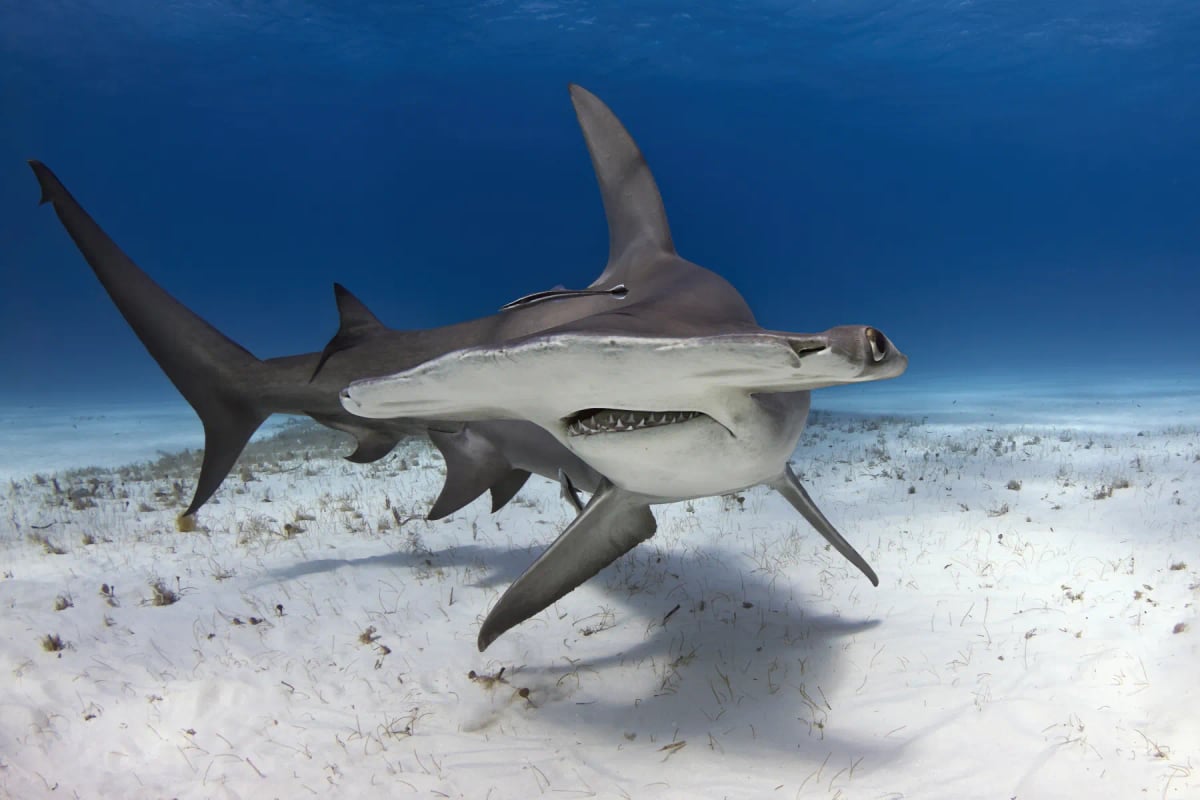
Hammerhead Shark
Sphyrna spp.
Along the Atlantic coast of Guinea, Hammerhead Sharks inhabit the warm, productive waters of the Gulf of Guinea. This region supports rich marine life, making it a feeding ground for these sharks as they hunt rays and fish near the coast. Overfishing and the fin trade have severely reduced their numbers, and they are now considered Critically Endangered throughout West African waters.
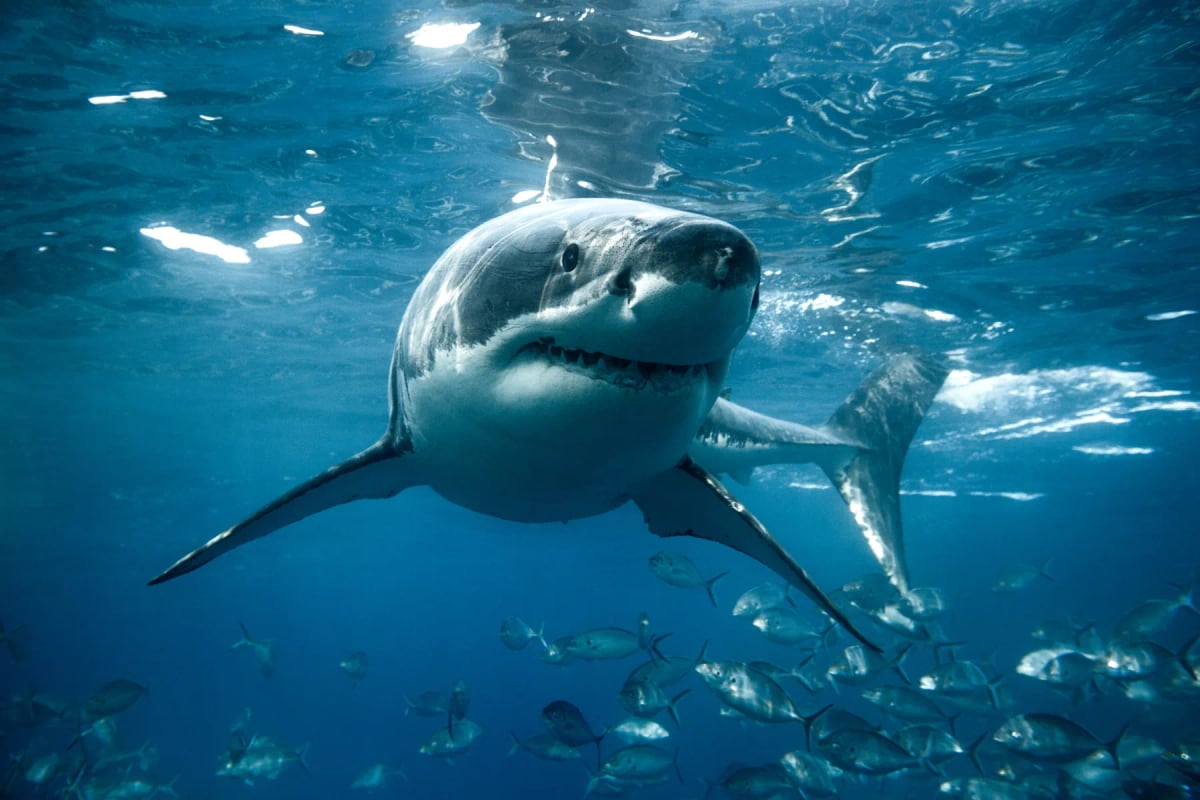
Great White Shark
Carcharodon carcharias
Guinea's Atlantic coastline, part of the broader Gulf of Guinea region, lies within the known range of the great white shark along the West African coast. Sightings in Guinean waters are uncommon, but the species is known to travel widely. Coastal fishing communities rely heavily on the sea here, and bycatch remains a concern for this Vulnerable species as fishing effort in the region continues to grow.
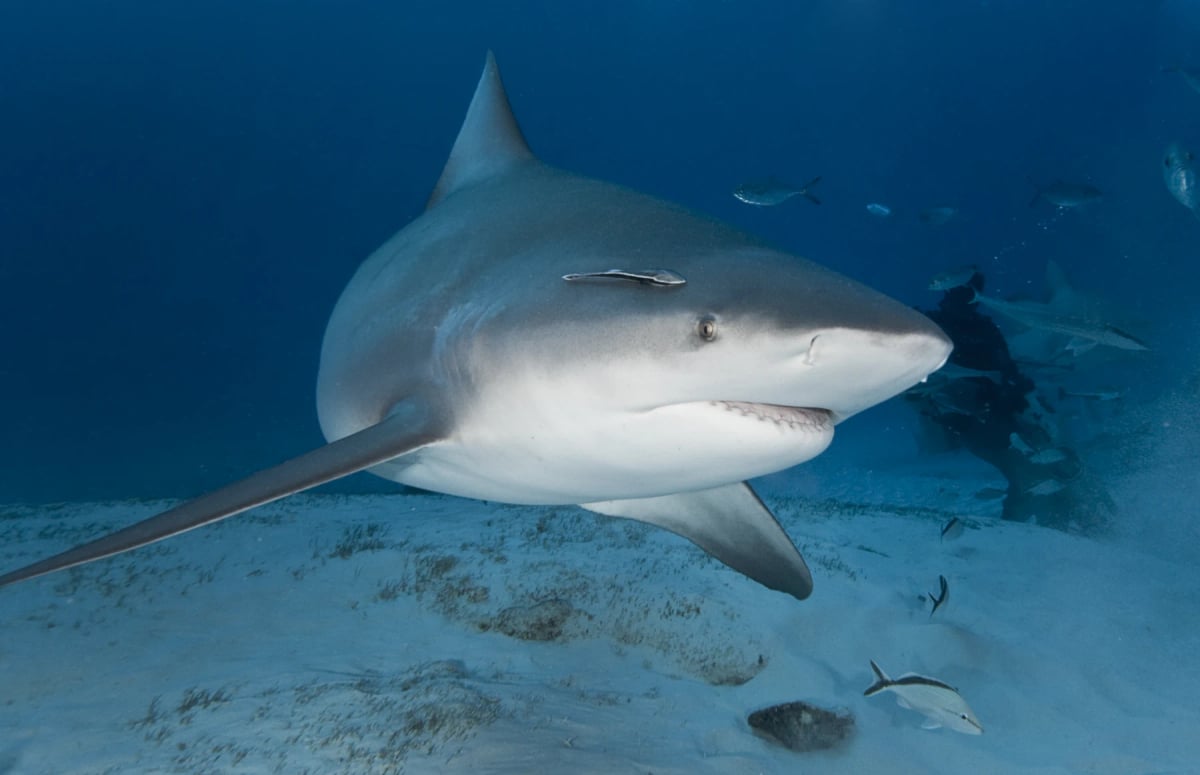
Bull Shark
Carcharhinus leucas
The coastline of Guinea along the eastern Atlantic is characterized by an extensive network of estuaries, mangrove systems, and shallow continental shelf waters that suit bull sharks well. The Konkouré and other rivers carry freshwater plumes into the sea, creating the kind of brackish transition zones this species readily exploits. Listed as Near Threatened by the IUCN, bull sharks in Guinea contend with artisanal fishing pressure and limited marine conservation infrastructure.
Researched and written by Juan Pablo. Sources: IUCN Red List, scientific literature and regional field guides. Last updated: .