Animals in Belgium
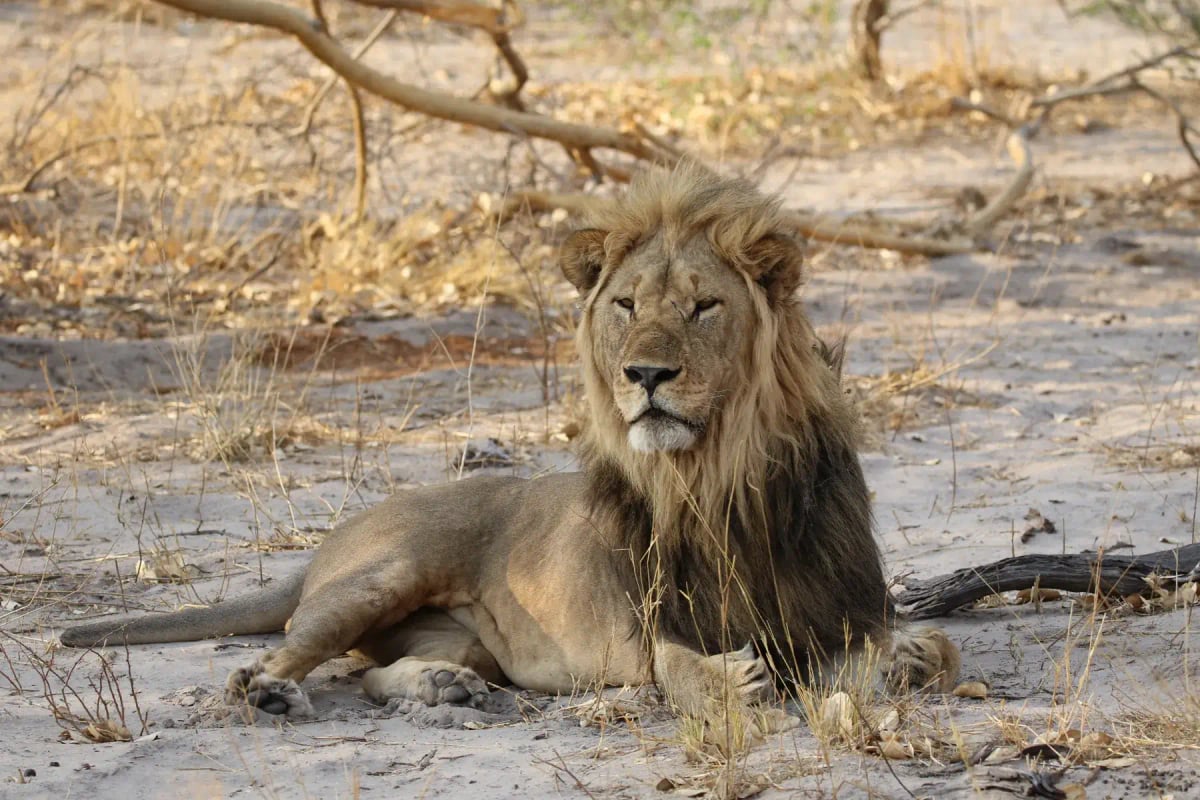
Lion
Panthera leo
The lion, although not native to Belgium, has become a strong national emblem. It appears on the country’s coat of arms and represents unity, bravery and pride. The symbol dates back to medieval times, when it was used by regional kingdoms and later adopted to express the nation’s collective identity and spirit of resilience.
View details→Wildlife in Belgium
Belgium combines forests, rivers and a short but lively coastline that shelters a wide range of animals. Red deer, wolves and foxes inhabit the Ardennes, while dolphins can be seen off the North Sea coast. Nature parks and green corridors let wildlife thrive close to cities, offering travelers easy access to hikes, wetlands and forest reserves across the country.
Most Dangerous Animals in Belgium
Belgium has a peaceful natural environment, though wild boars, wolves and adders can be dangerous if provoked. Encounters are rare and most trails are perfectly safe for hiking. Visitors are encouraged to respect signs and keep a distance when exploring forests or coastal wetlands, where wildlife remains an important part of the local ecosystem.
Top 10 Animals in Belgium
Among Belgium’s most remarkable species are the red deer, gray wolf and peregrine falcon. The Ardennes forests are the best place to see them, especially during autumn when the landscape turns golden. Wildlife tours and photography routes have grown in popularity as conservation programs work to restore natural habitats across the region.
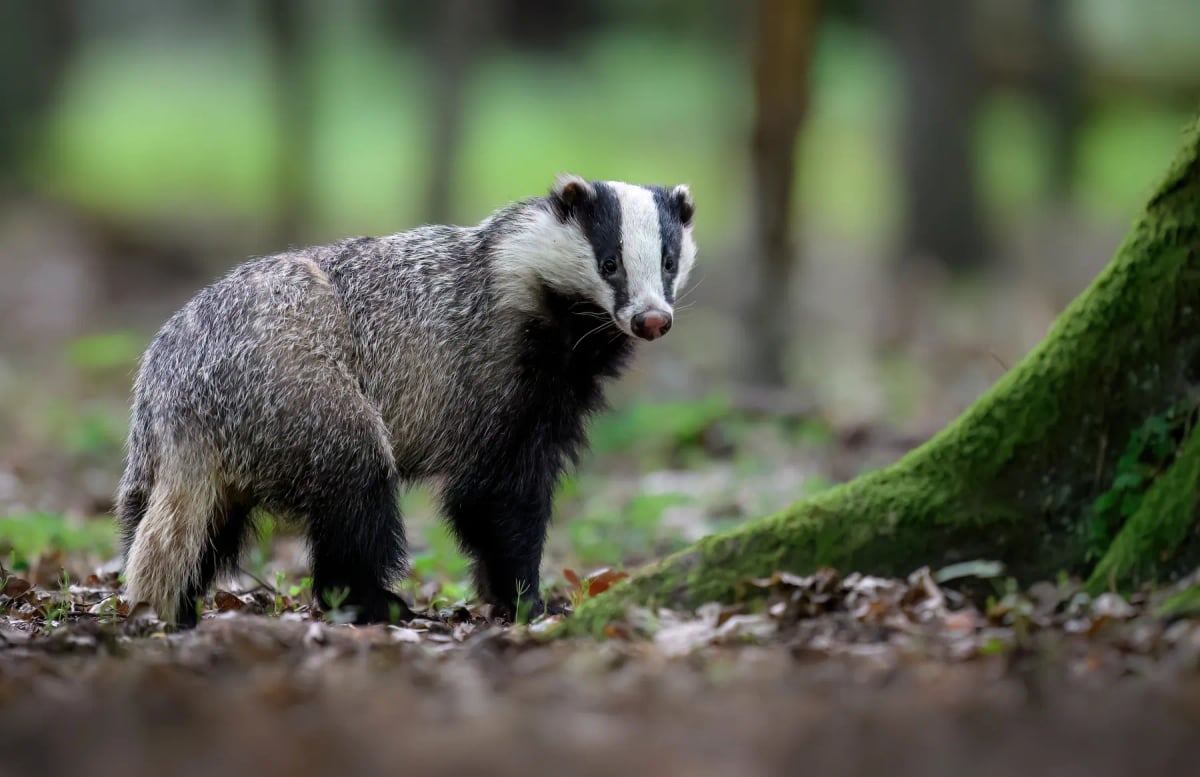
Badger
Meles meles
The Eurasian badger is present across Belgium in woodland, hedgerow country and mixed farmland, with the highest densities found in the forests of the Ardennes and the bocage landscapes of the south. It is nocturnal and lives in family clans in extensive setts, feeding primarily on earthworms along with fruit, insects and small mammals. Belgian badger populations have recovered in recent decades following legal protection and are now considered stable.
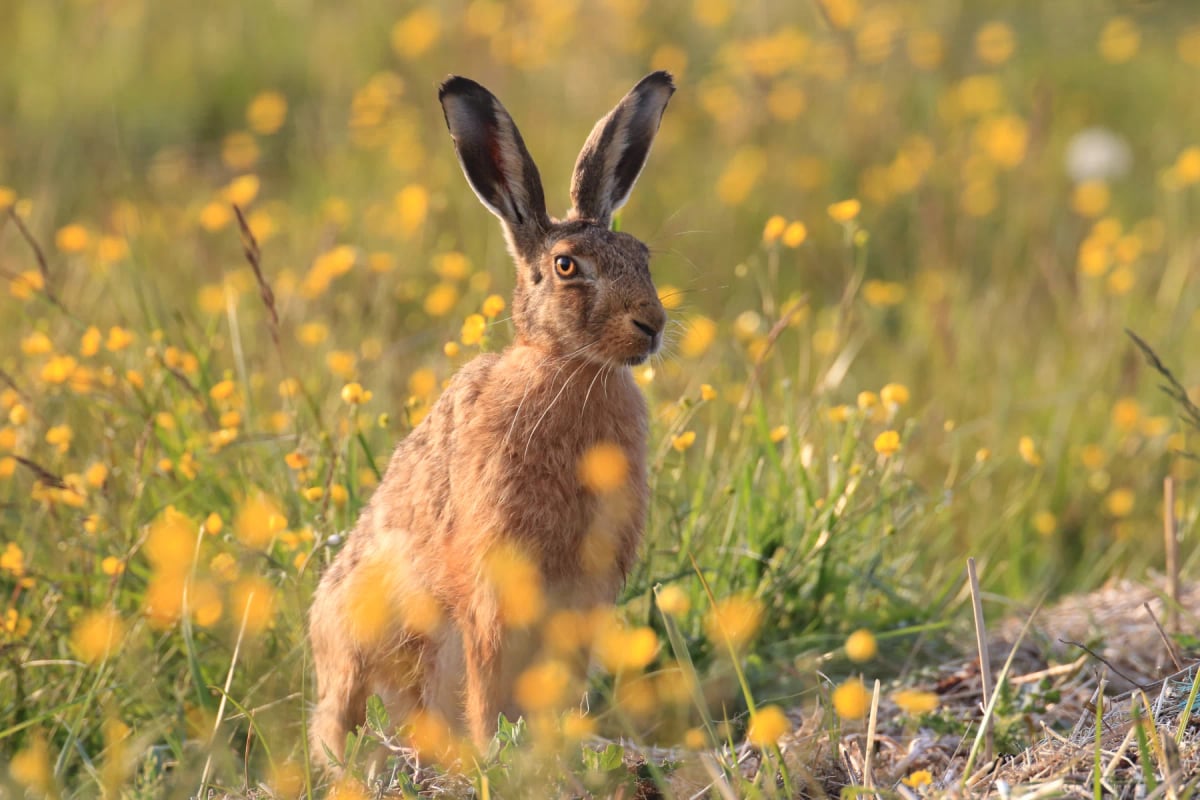
Hare
Lepus europaeus
The European hare is found throughout Belgium, particularly across the flat, fertile farmland of Flanders and the open plateaus of Wallonia. Populations declined sharply through the latter half of the twentieth century due to intensive agriculture and the loss of field margins. Conservation programmes and agri-environment schemes have helped stabilise numbers in some areas. The species is classified as Least Concern globally but remains under monitoring at the national level.
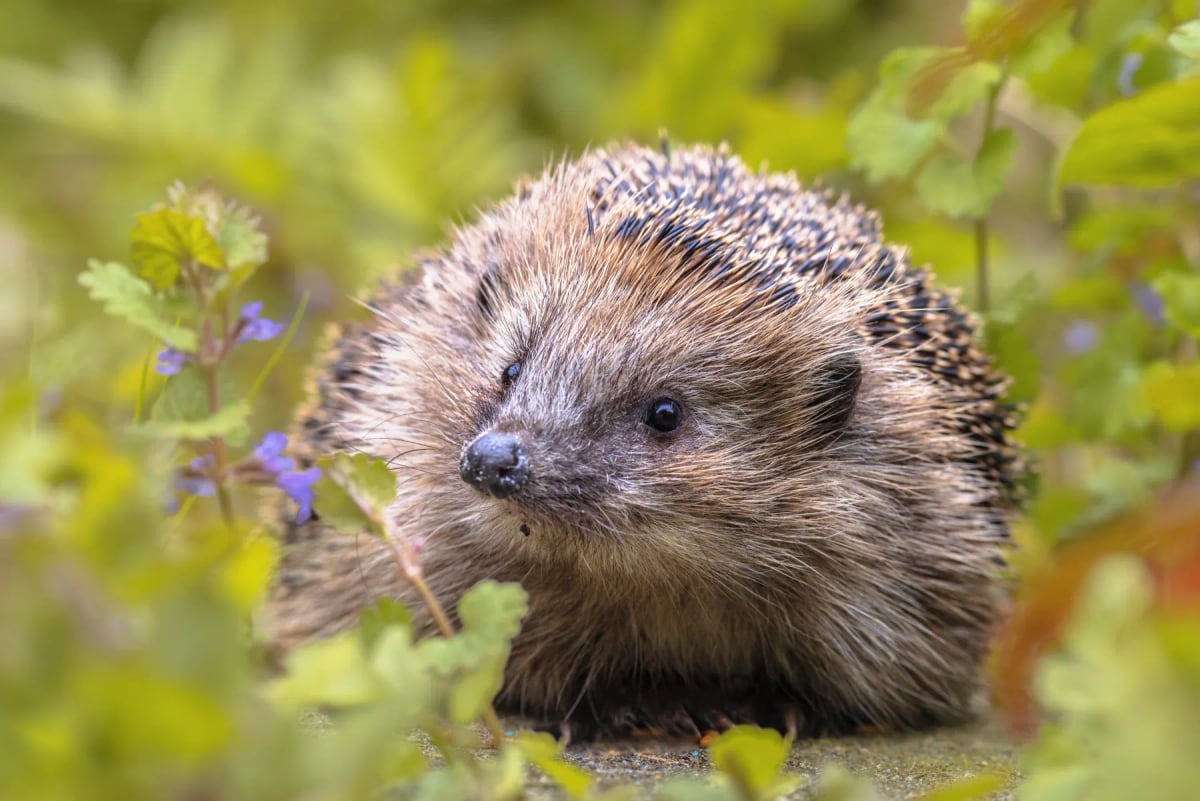
Hedgehog
Erinaceus europaeus
In Belgium, the European hedgehog is found in gardens, parks, and hedgerows across both Flanders and Wallonia. It is active after dark, hunting worms, beetles, and slugs with great enthusiasm. Belgian winters prompt a hibernation period that typically lasts from November through March. Habitat fragmentation caused by roads and urban sprawl has led to notable population declines, making garden friendly practices increasingly important for its survival. Its IUCN status is Least Concern.
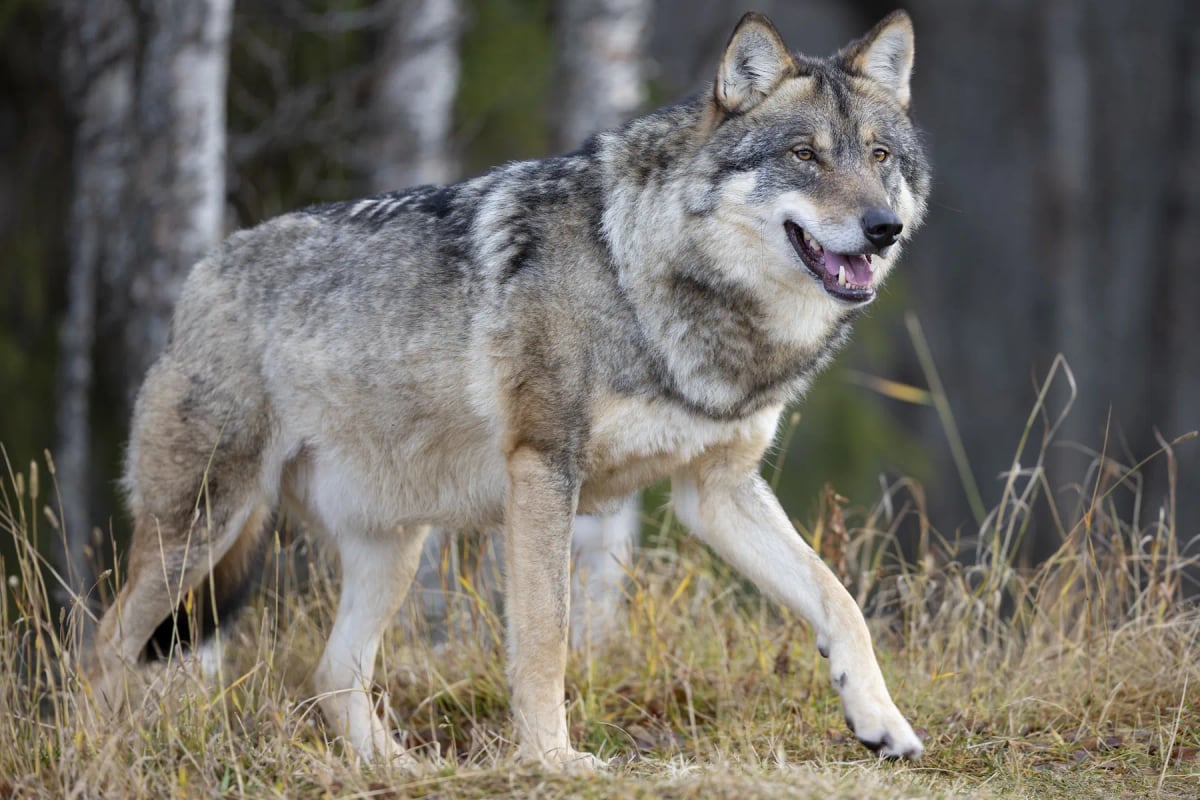
Gray Wolf
Canis lupus
The gray wolf returned to Belgium in 2018 after an absence of more than a century, when a female wolf named Naya was confirmed in the Flemish region. Since then, wolves have begun to establish themselves, with the first pups born in the country in 2019. Dispersing from German and Dutch populations, these animals are adapting to a densely populated, largely agricultural landscape. The return of the wolf has sparked lively public debate across Belgium. IUCN status: Least Concern.
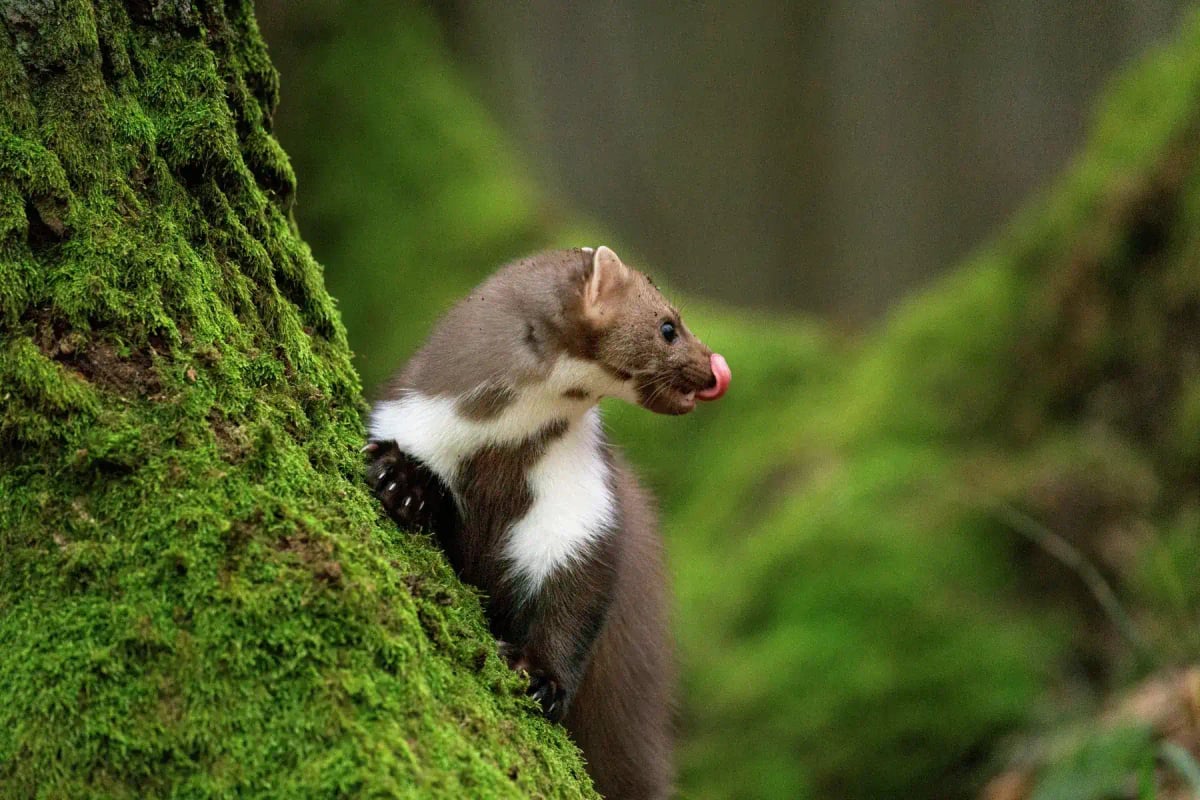
Marten
Martes martes / Martes foina
The pine marten was nearly lost from Belgium but has been making a steady comeback, particularly in the Ardennes region in the south. Forest restoration and reduced persecution have helped the species regain a foothold. Stone martens are more widespread and can be found across the country, including in urban areas. Both species benefit from the network of protected forests. The IUCN lists both as Least Concern.
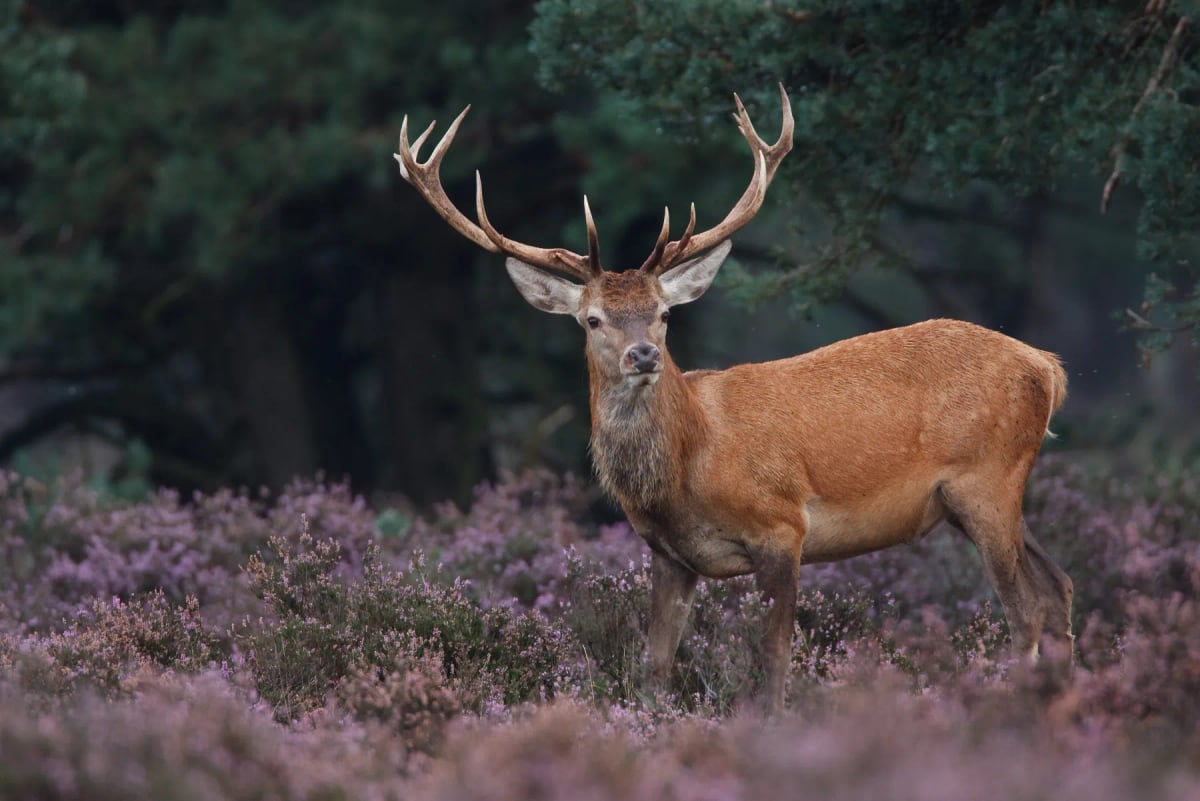
Red Deer
Cervus elaphus
In Belgium, red deer are most strongly associated with the forests of the Ardennes in the south of the country, where large woodland blocks provide the cover and food sources the species needs. The population is actively managed through regulated hunting to prevent overgrazing of forest vegetation. Red deer are also found in smaller numbers in other forested areas of Wallonia. IUCN status: Least Concern.
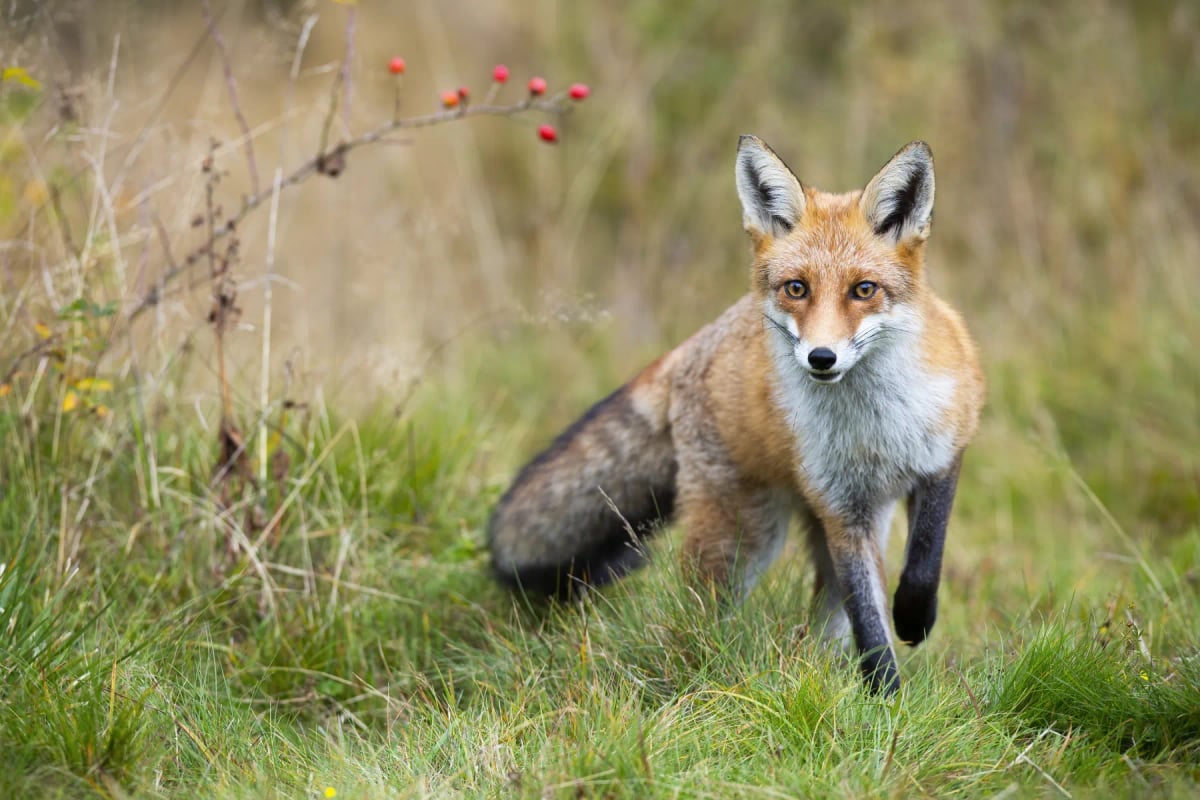
Red Fox
Vulpes vulpes
The red fox is widespread across Belgium, from the Ardennes forests in the south to the agricultural plains of Flanders and the suburban fringes of Brussels. It was heavily persecuted for much of the twentieth century but recovered after rabies vaccination campaigns in the 1990s. Today it is a common urban and rural resident, known for raiding bins and raising cubs beneath garden sheds. Its IUCN status is Least Concern.
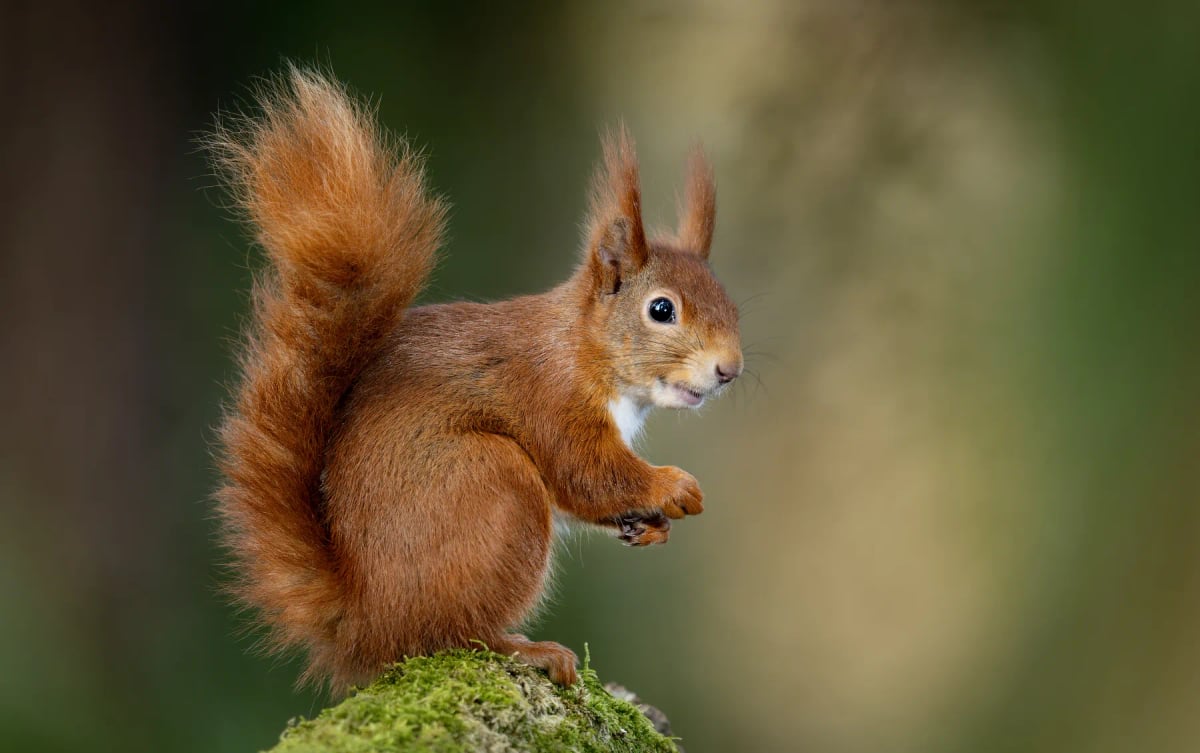
Red Squirrel
Sciurus vulgaris
In Belgium, the red squirrel survives in fragmented forest patches, with the Ardennes region in the south offering its strongest populations. It has largely disappeared from many areas of Flanders due to habitat loss and competition from the introduced grey squirrel. Conservation efforts are ongoing to protect remaining populations and manage grey squirrel numbers. IUCN status: Least Concern.
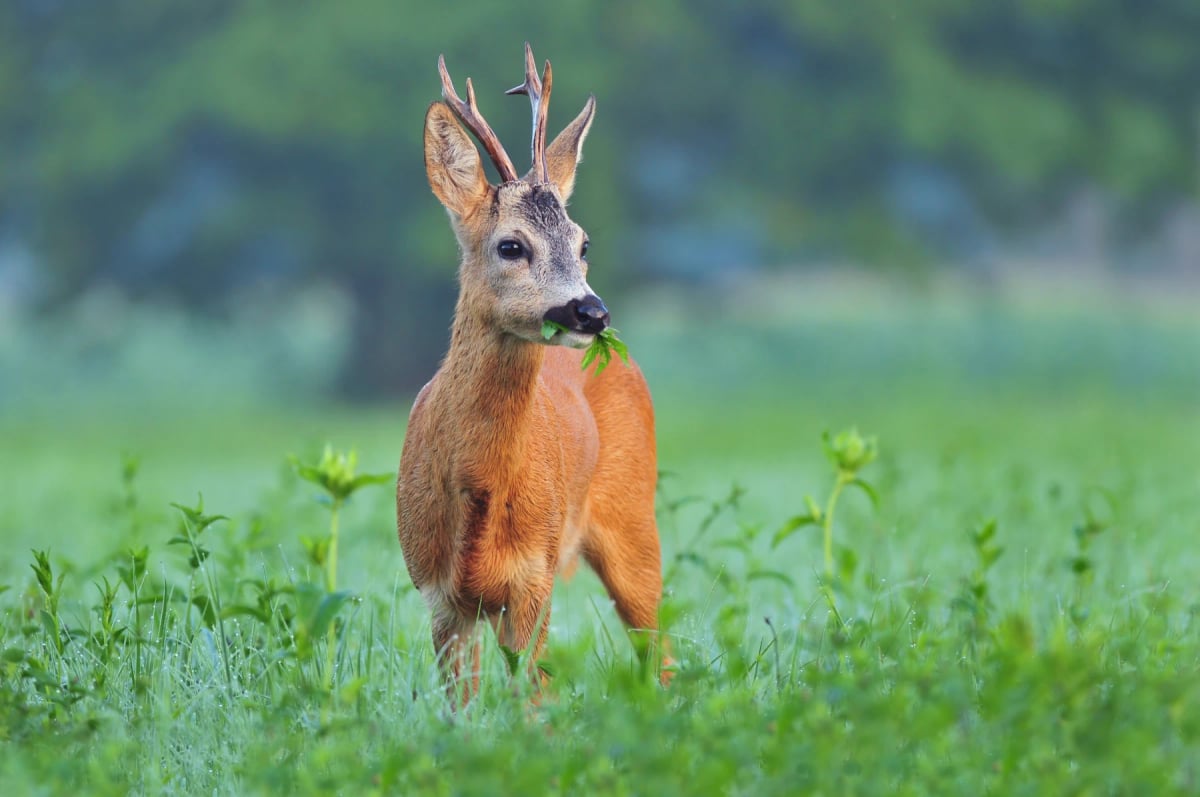
Roe Deer
Capreolus capreolus
The roe deer is one of Belgium's most recognizable wild mammals, found in the Ardennes forests, the Flemish countryside, and along the wooded corridors of the Walloon region. It adapts well to fragmented landscapes and is frequently spotted along field edges at dusk. Belgium manages its population through regulated hunting seasons. The species is listed as Least Concern globally and continues to thrive despite the country's high level of urbanization.
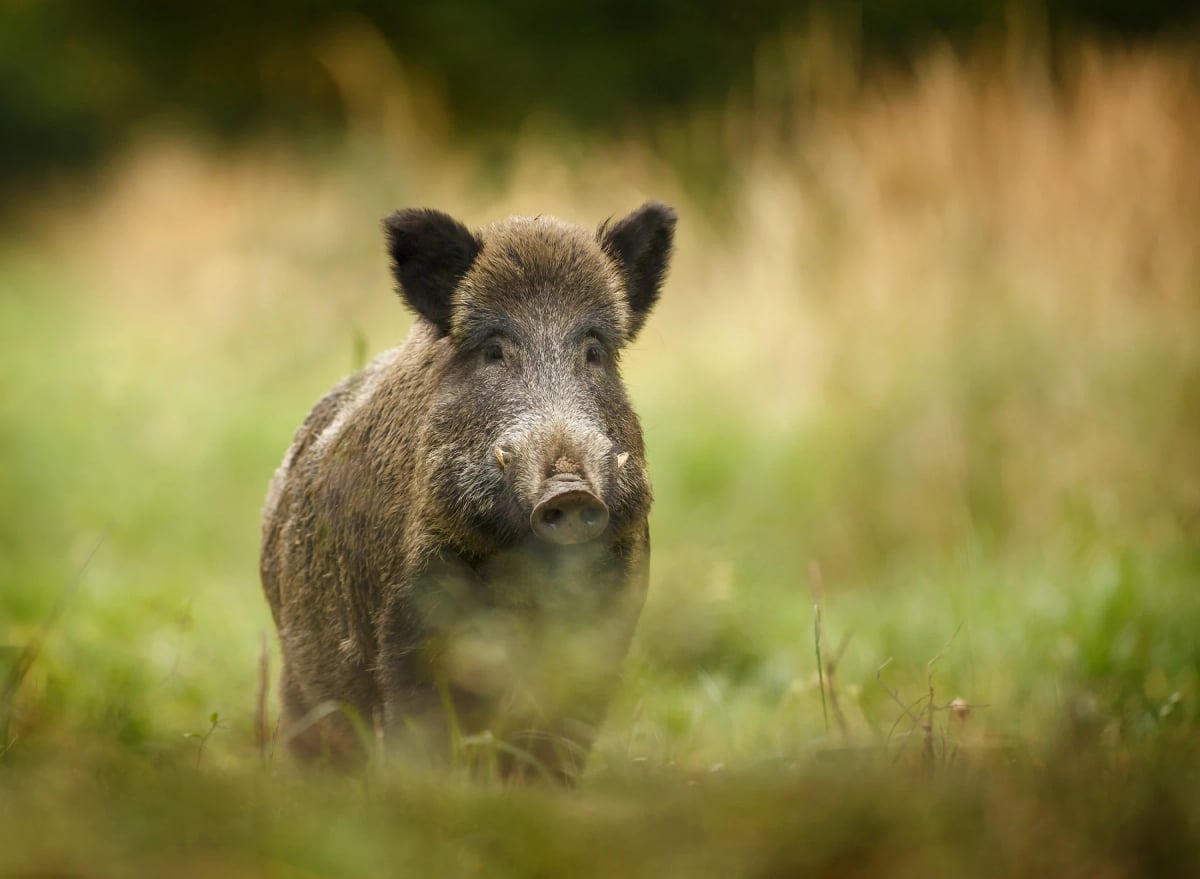
Wild Boar
Sus scrofa
Wild boars are most common in the forested hills of the Ardennes in southern Belgium, where dense woodland provides ideal cover and food. Populations have grown substantially in recent decades, leading to more frequent crop damage, garden raids and collisions with vehicles, even close to smaller towns. Hunting is the primary tool used to manage numbers, and wild boar meat remains a traditional autumn dish in the region.
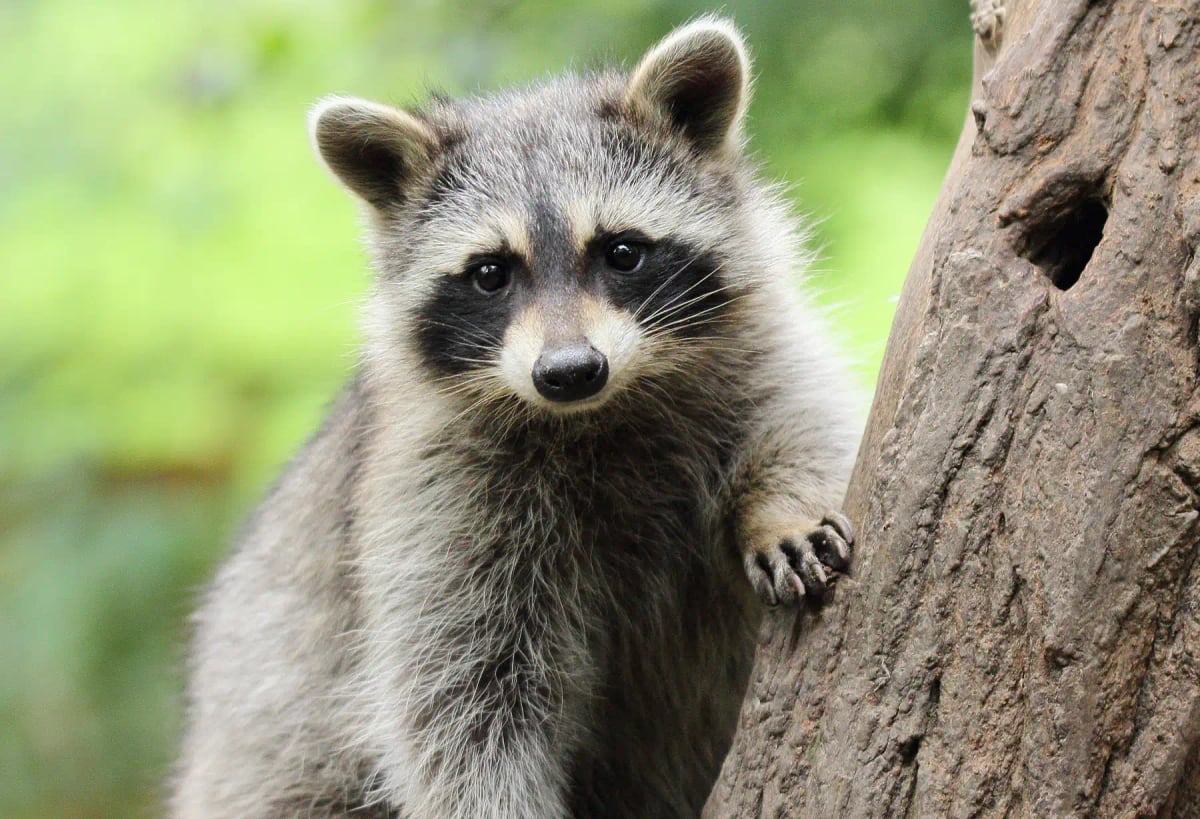
Raccoon
Procyon lotor
Raccoons have been expanding into Belgium steadily from neighboring Germany and Luxembourg, and sightings are now reported across the Walloon region and the Ardennes forests. Considered an invasive species under European Union regulations, they are subject to control measures. Their talent for exploiting rivers, farmland edges, and suburban green spaces makes them difficult to contain once a population takes hold in an area.
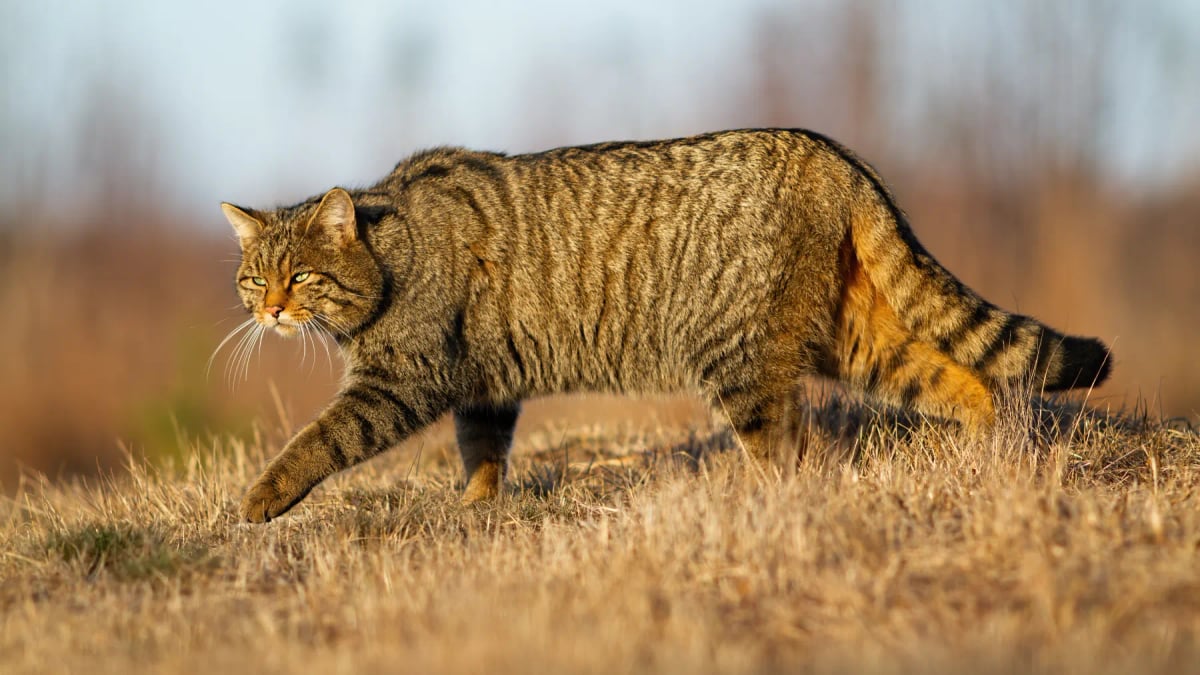
European Wildcat
Felis silvestris silvestris
In Belgium, the European wildcat is largely confined to the Ardennes forest in the south and east of the country. It was once nearly extinct here but has recovered thanks to forest protection efforts. It hunts rodents and birds under cover of night and marks a territory it defends with scent. Road traffic remains a real danger, and hybridization with feral cats threatens its genetic purity.
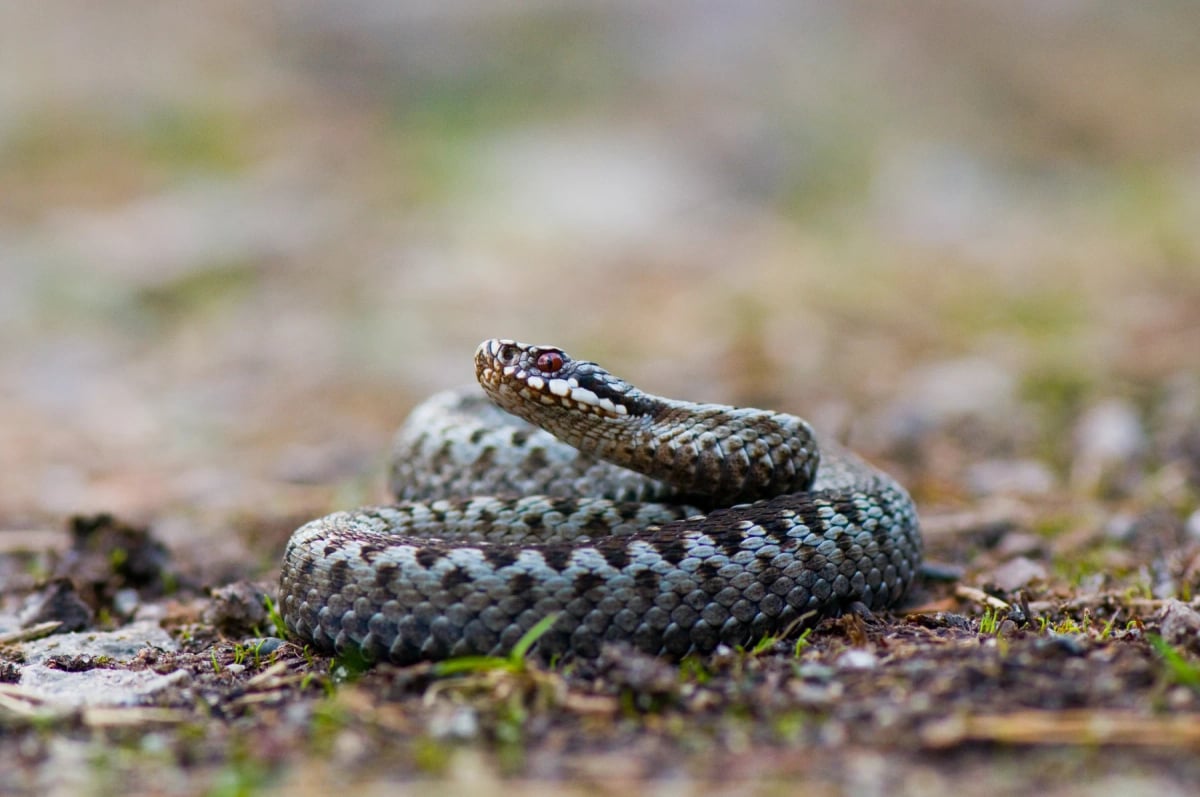
European Adder
Vipera berus
In Belgium, the European adder is restricted to a handful of heathland and moorland sites, mainly in the Ardennes and the Campine region of Flanders. It is considered rare and is legally protected. Habitat fragmentation has reduced populations significantly over recent decades, making it one of the more vulnerable reptiles in the country. Its IUCN status is Least Concern.
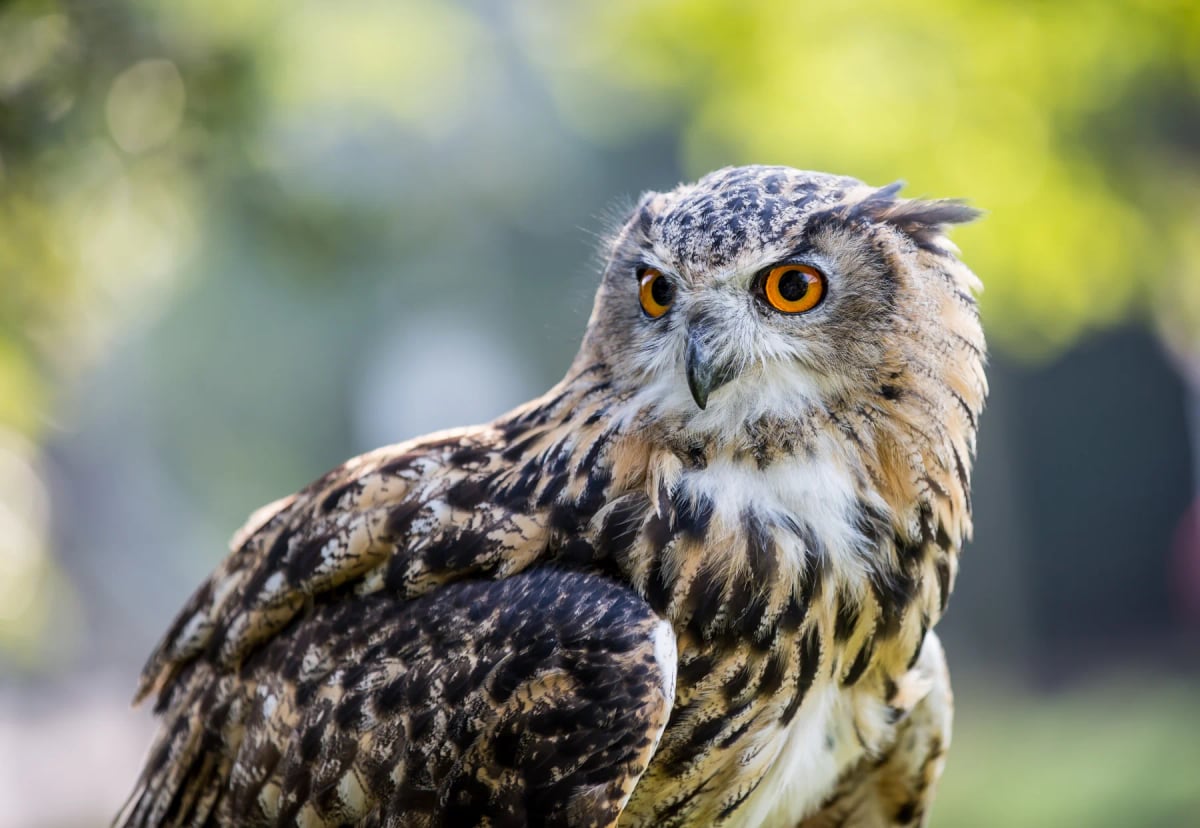
Eagle Owl
Bubo bubo
The Eurasian eagle owl disappeared from Belgium during the twentieth century due to hunting and habitat loss, but it returned naturally through recolonization from neighboring countries, particularly Germany and Luxembourg. Today small numbers breed in the Ardennes region and along rocky river valleys. It is fully protected under Belgian law. The IUCN lists the species as Least Concern across its global range.
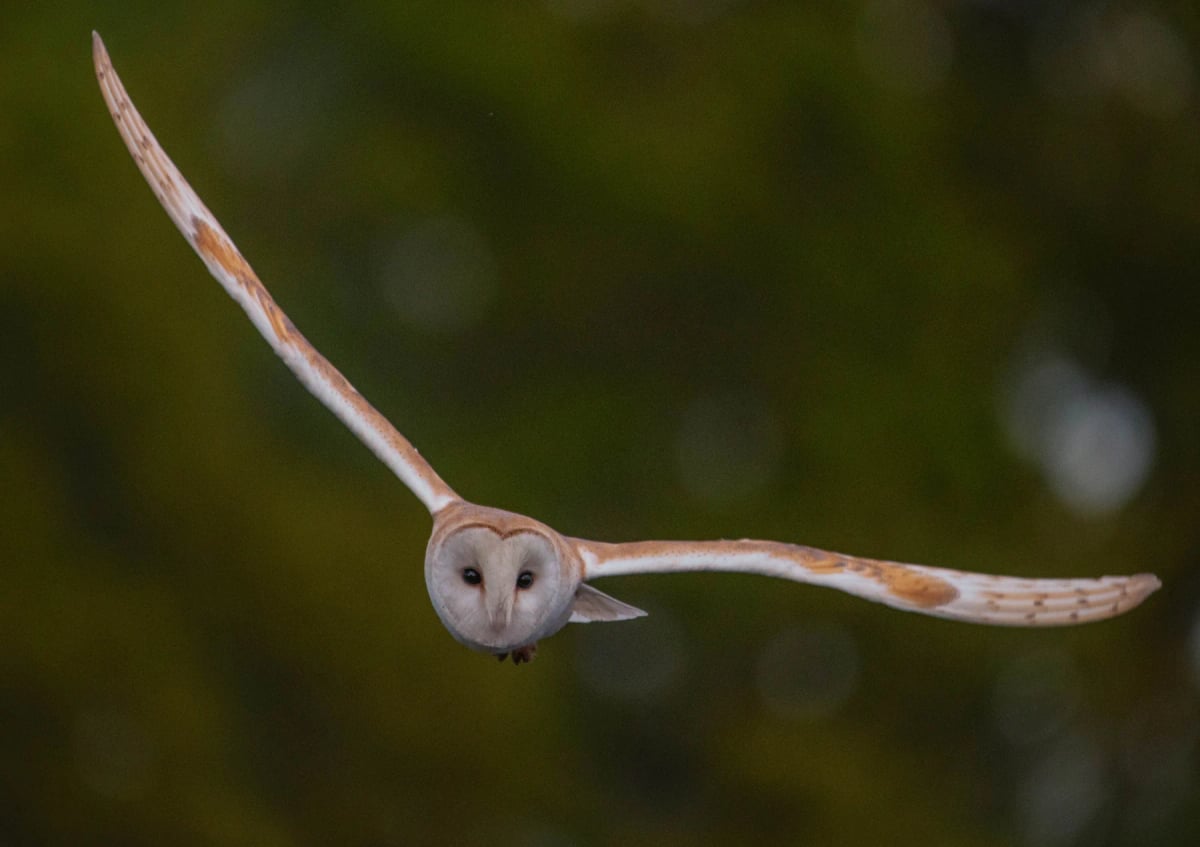
Barn Owl
Tyto alba
The barn owl is found across Belgium in farmland, open countryside, and rural villages, nesting in old farm buildings, church towers, and hollow trees. It is one of the most familiar owls in the country but populations have declined due to intensive farming and the loss of nesting sites. Conservation programs involving nest box installation on farms and along road verges have helped stabilize numbers in several regions.
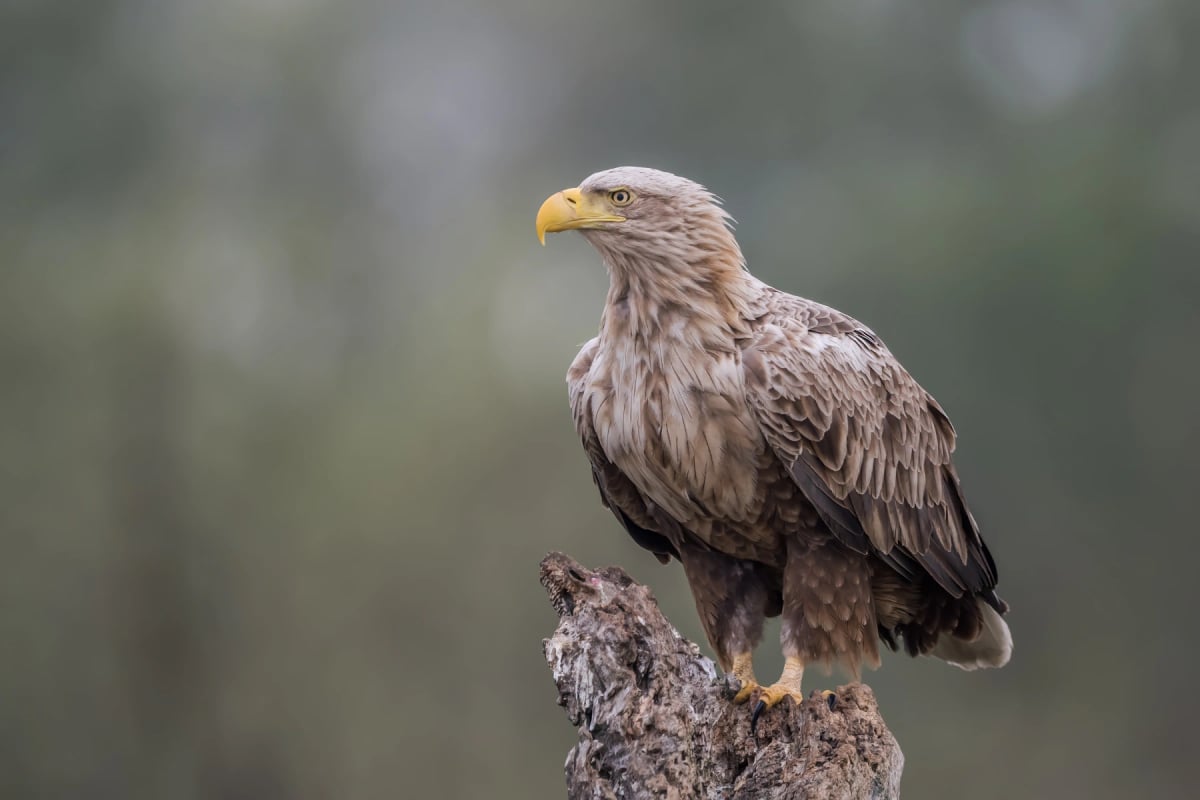
White tailed Eagle
Haliaeetus albicilla
Belgium receives the white tailed eagle mainly as a winter visitor and passage migrant, with sightings concentrated around large rivers, flooded meadows, and wetland reserves such as those in the Scheldt and Meuse valleys. Numbers have grown in recent decades as populations in neighbouring countries have recovered strongly. The IUCN lists this eagle as Least Concern, and Belgian birdwatchers now see it with increasing regularity.
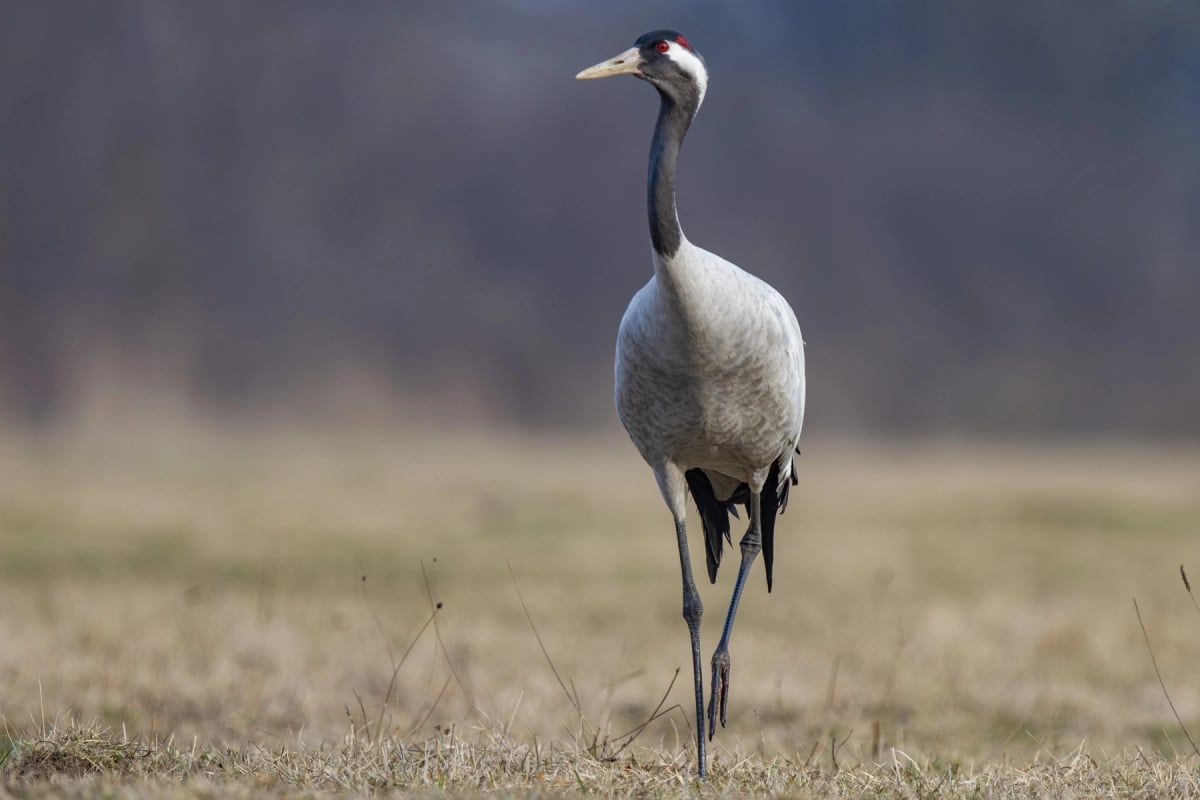
Crane
Grus grus
In Belgium, common cranes are primarily seen during spring and autumn migration, with flocks resting and feeding in open farmland and river floodplains. Numbers passing through have grown noticeably in recent decades. Their loud, bugling calls often announce their arrival before the birds come into view. The IUCN lists the species as Least Concern, reflecting a healthy and expanding European population.
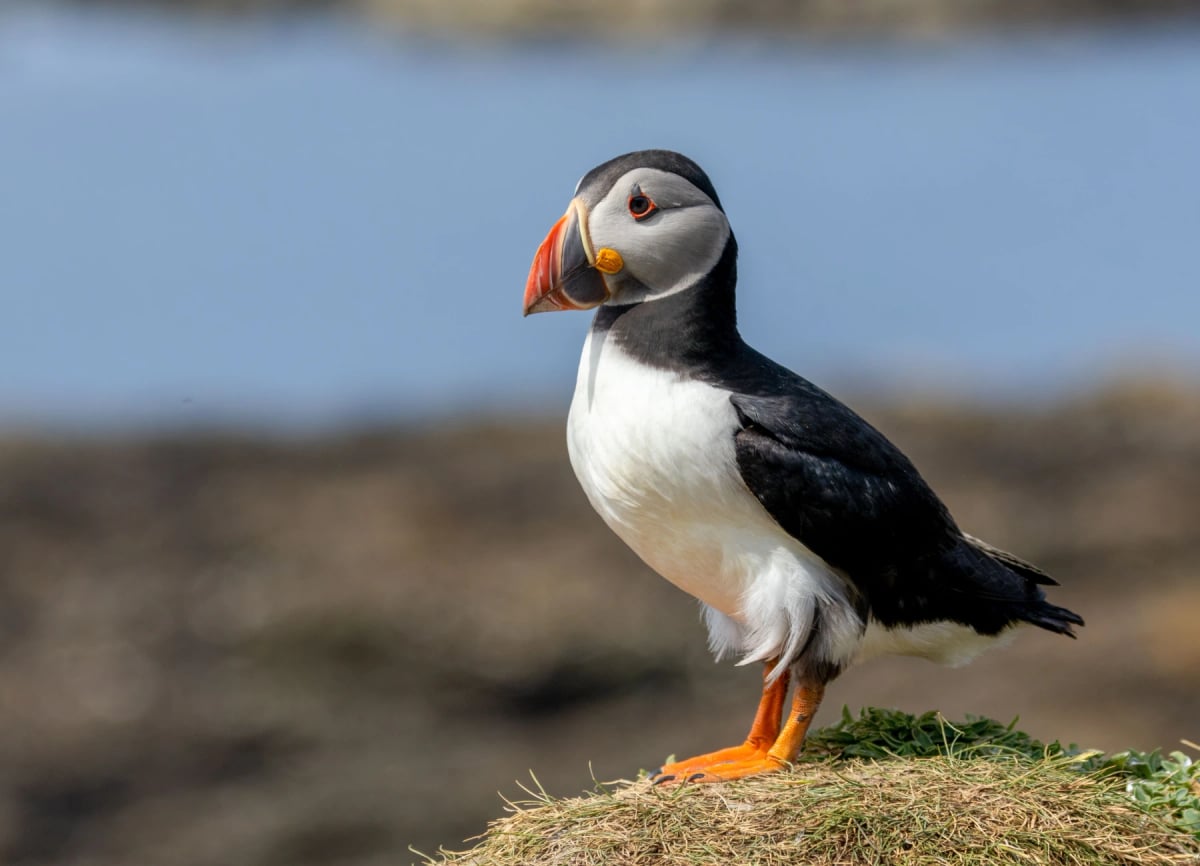
Puffin
Fratercula arctica
The Atlantic puffin visits Belgium outside the breeding season. Birds from colonies in the British Isles and Norway spend part of the winter at sea in the southern North Sea, and a few are seen off the short Belgian coast, usually far from shore or during seabird counts from boats. After strong winter storms, weakened or dead birds are sometimes found on the beaches. They return to their colonies in spring. IUCN status: Vulnerable.
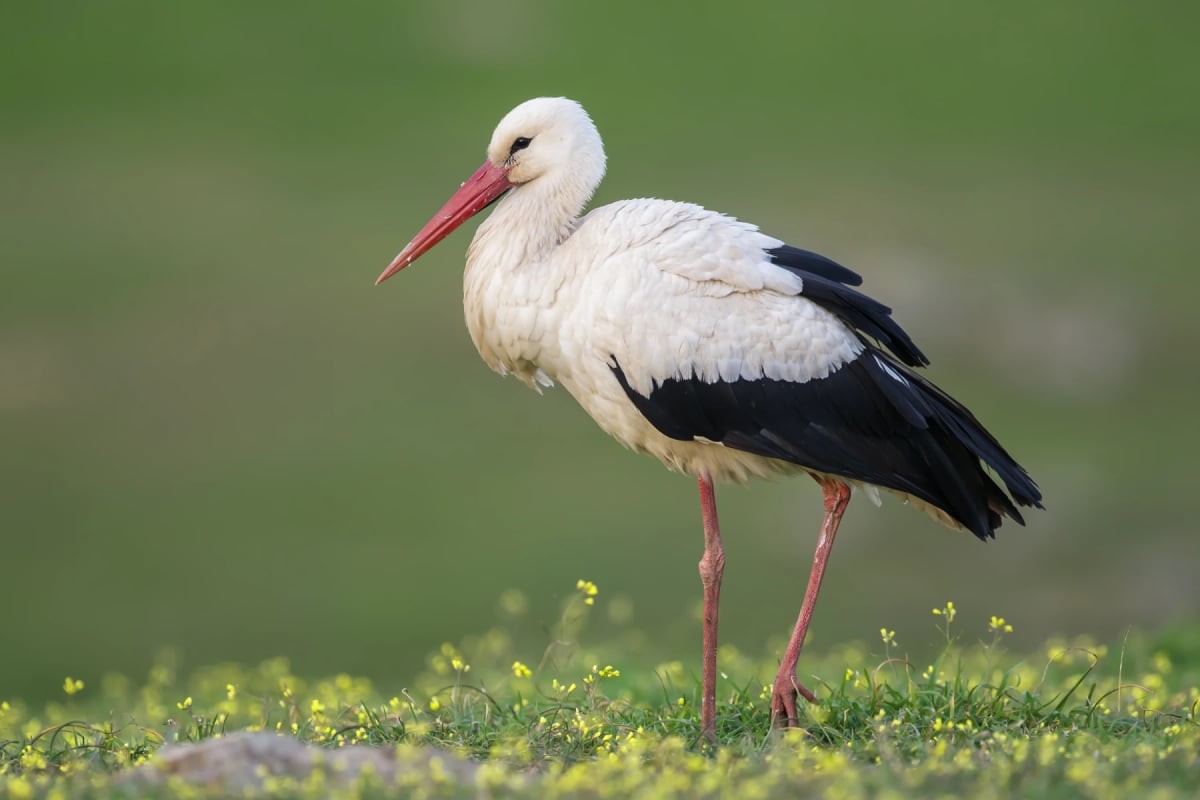
Stork
Ciconia ciconia
The white stork nearly disappeared as a breeding bird in Belgium during the twentieth century, but reintroduction efforts have helped populations recover, especially in the Flanders and Wallonia regions. Storks now nest on platforms set up on rooftops and poles, feeding in wet meadows and along river valleys. Belgium sits on the western migration route toward Gibraltar. The IUCN lists the species as Least Concern.
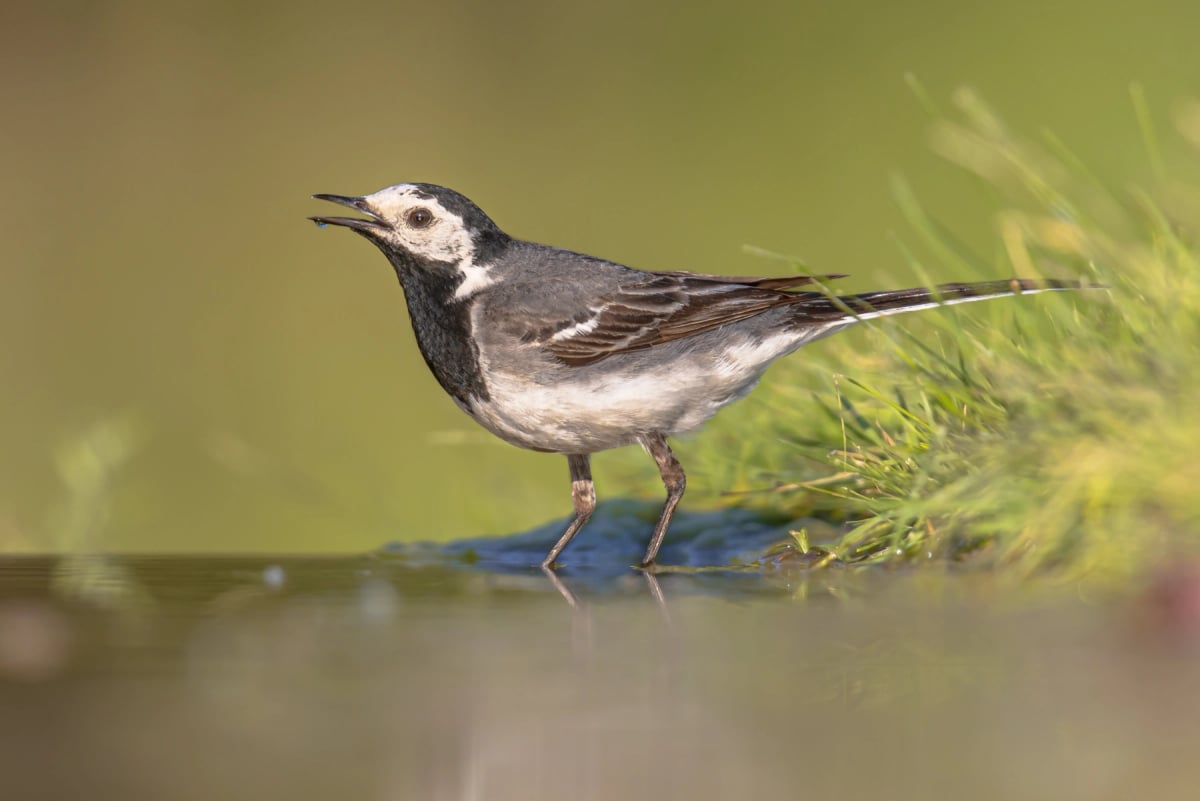
White Wagtail
Motacilla alba
The white wagtail is a well known breeding bird in Belgium, nesting along rivers such as the Meuse and Scheldt and in farmland across the country. It readily uses human structures, tucking its nest into walls, barns and even road bridges. Autumn sees most birds head south, but mild winters can keep a few along the coast and in towns. Its status is Least Concern.
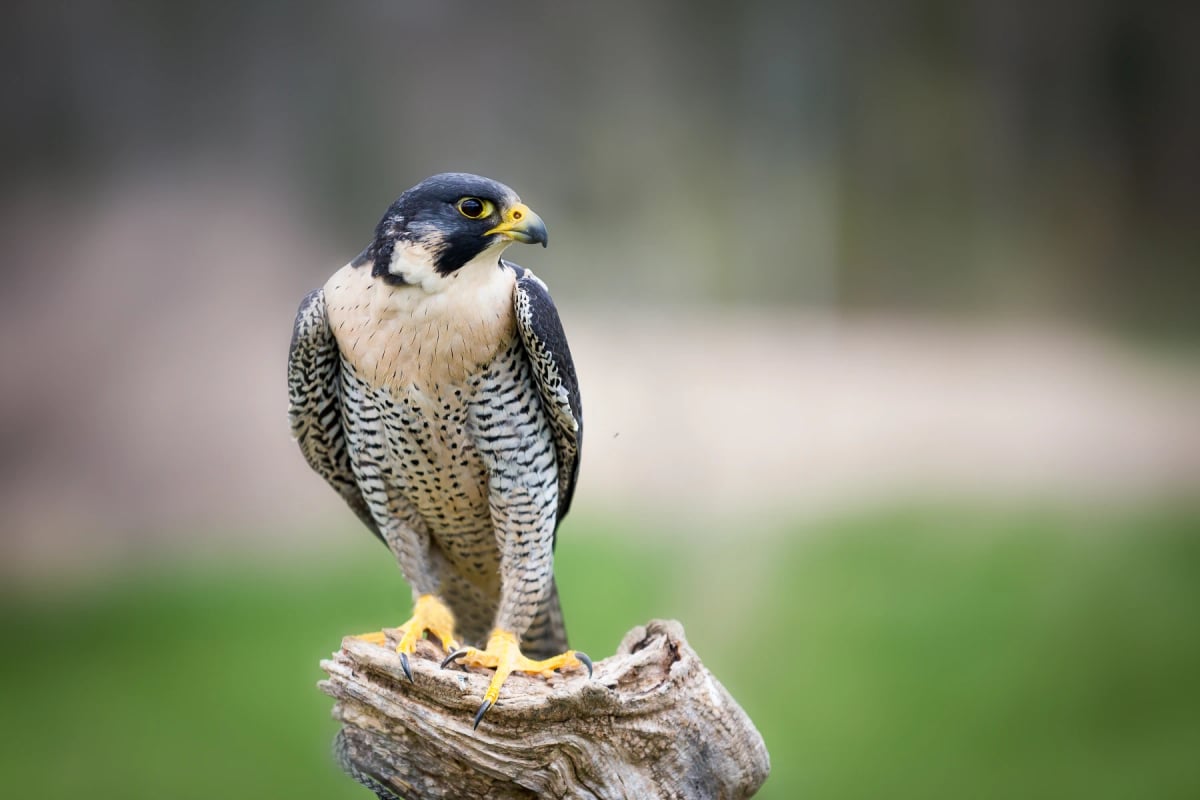
Peregrine Falcon
Falco peregrinus
Belgium's peregrine falcon population has grown steadily since the species recolonized the country in the 1990s after its collapse due to pesticides. Breeding pairs are now well established on church towers, industrial chimneys, and bridges in cities including Brussels, Liège, and Antwerp, as well as on natural cliff faces in the Meuse valley. Nest cams in several cities have turned the species into a beloved urban icon. Its IUCN status is Least Concern.
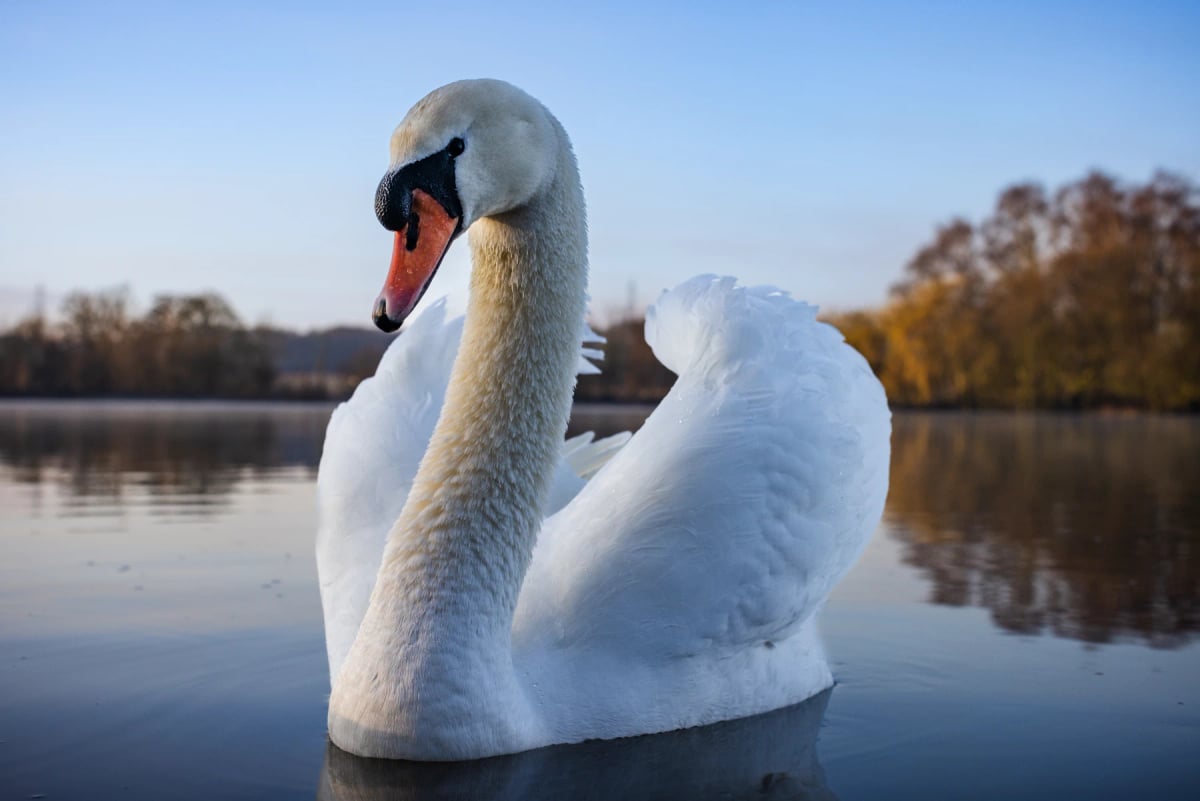
Mute Swan
Cygnus olor
The mute swan is a large waterbird recognized by its white plumage, arched neck, and orange bill. In Belgium, it is a common resident on canals, rivers, and parks across Flanders and Wallonia. The population has grown considerably over recent decades, and the species is now well established in both urban and rural wetlands. The IUCN lists it as Least Concern.
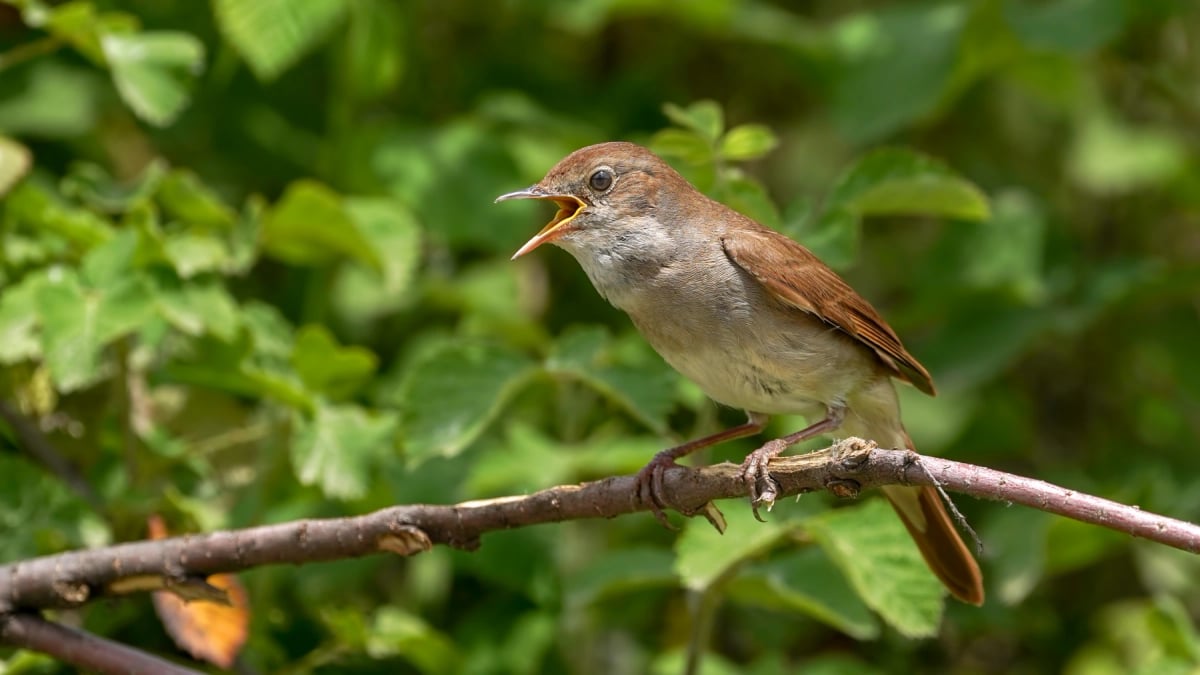
Nightingale
Luscinia megarhynchos
The nightingale is a scarce and declining summer visitor to Belgium, found mainly in the warmer southern provinces of Namur and Luxembourg, where ancient coppiced woodland and dense hedgerows still provide suitable nesting habitat. It has largely disappeared from Flanders, where agricultural intensification has removed much of the scrubby undergrowth it needs. Conservationists are working to restore and manage woodland edges for the species. It is rated Least Concern by the IUCN.
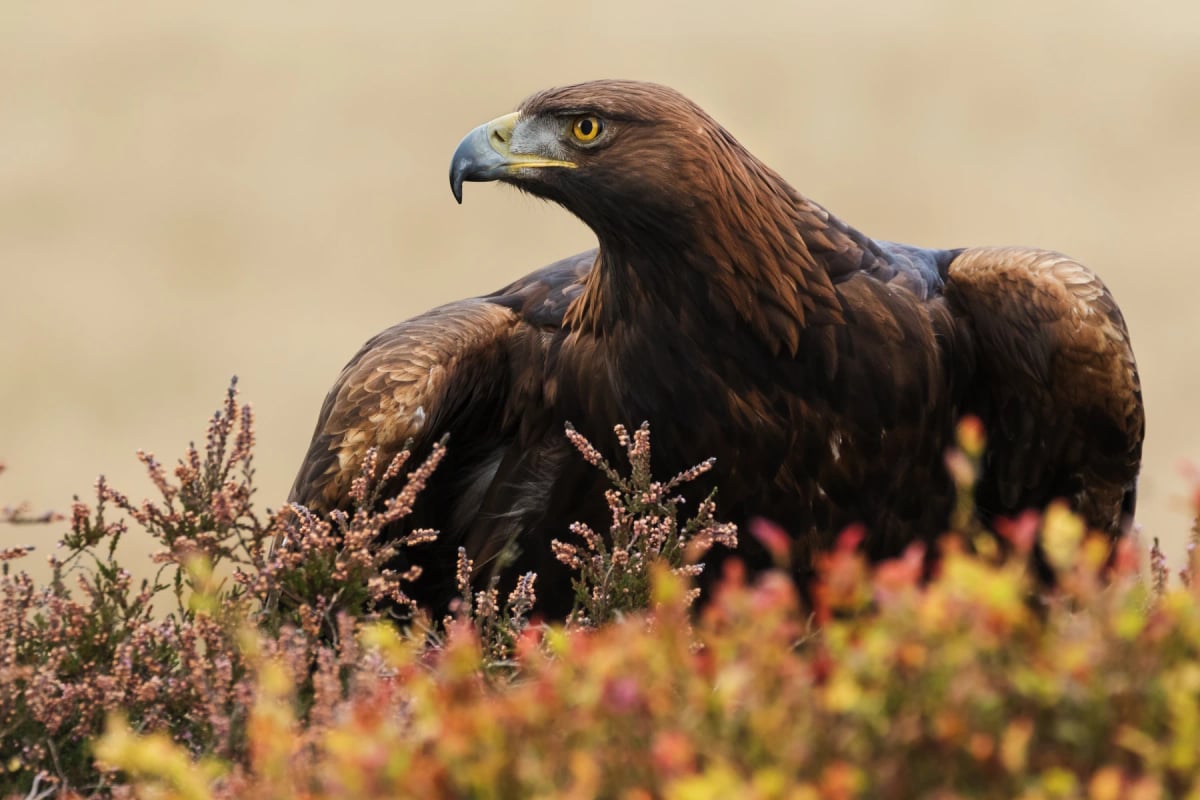
Golden Eagle
Aquila chrysaetos
The golden eagle is a very rare visitor to Belgium, occasionally recorded during autumn and winter migrations, particularly in the Ardennes region in the south. It does not breed in the country. Sightings are notable events for local birdwatchers. The species breeds in neighbouring countries and individuals sometimes wander into Belgium while travelling. Habitat in Belgium is generally too fragmented and disturbed to support resident pairs. The IUCN lists it as Least Concern.
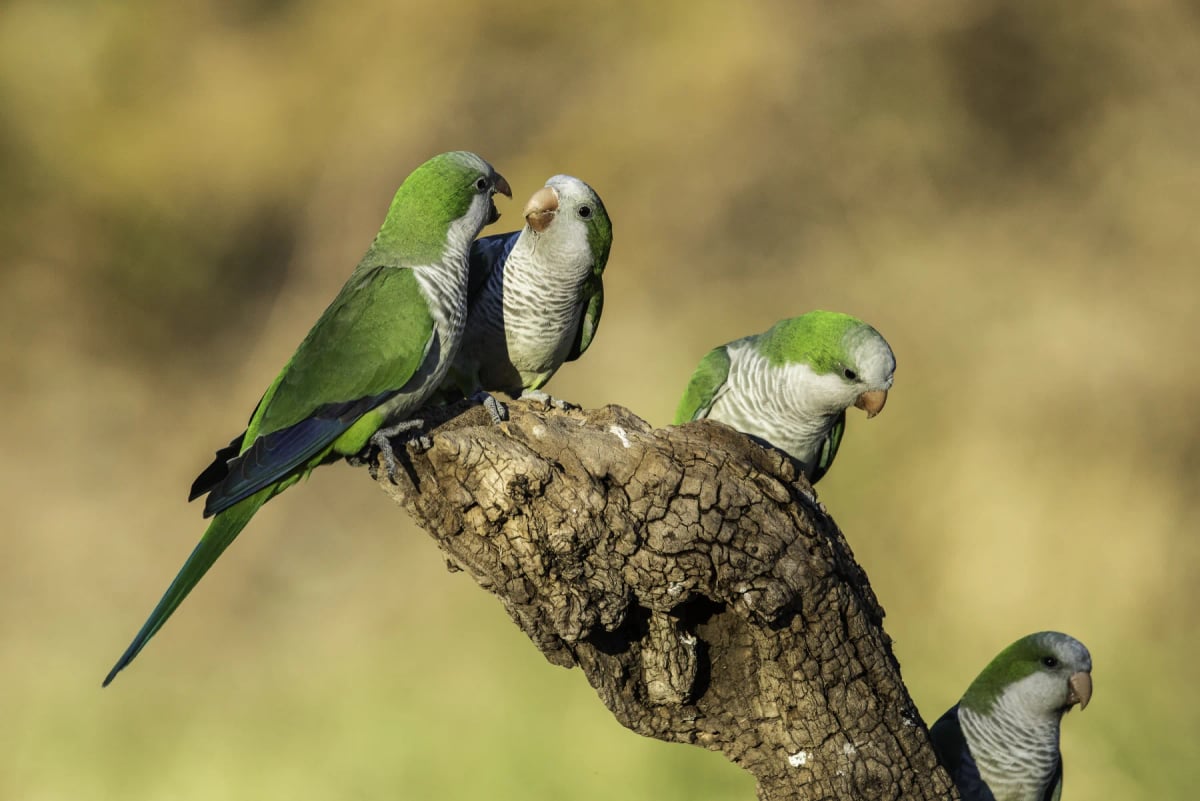
Monk Parakeet
Myiopsitta monachus
Belgium hosts one of the largest introduced monk parakeet populations in Europe, centered on Brussels. Birds descended from escaped pets have formed stable urban colonies, nesting on trees and buildings across the city. Belgian wildlife authorities keep track of the population due to concerns about its impact on native species and crops. The parakeets are now a well-known part of the Brussels urban landscape. IUCN status: Least Concern.
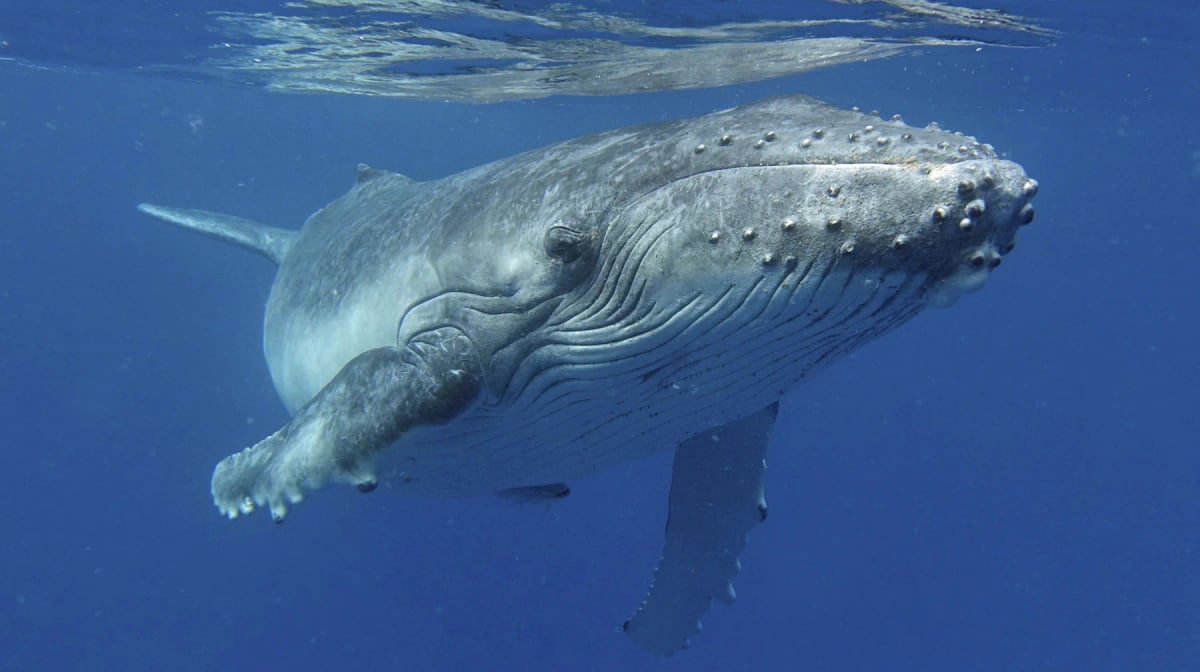
Humpback Whale
Megaptera novaeangliae
Humpback whales are rare but documented visitors to Belgian waters in the southern North Sea. Occasional sightings, usually of lone individuals, have been recorded close to the Belgian coast. These appearances are considered strays from the North Atlantic population rather than part of a regular migration route. The species can grow up to 16 metres long and weigh 40 tonnes. The IUCN lists the humpback whale as Least Concern.

Bottlenose Dolphin
Tursiops truncatus
Bottlenose dolphins are occasional visitors to Belgian waters in the southern North Sea, typically spotted near the coast or in the Scheldt estuary. These sightings are less frequent than in neighboring UK or Dutch waters, but they do occur, particularly during winter months. Noise from shipping and offshore wind farm construction is a recognized concern in this heavily trafficked sea region. The IUCN classifies the species as Least Concern.
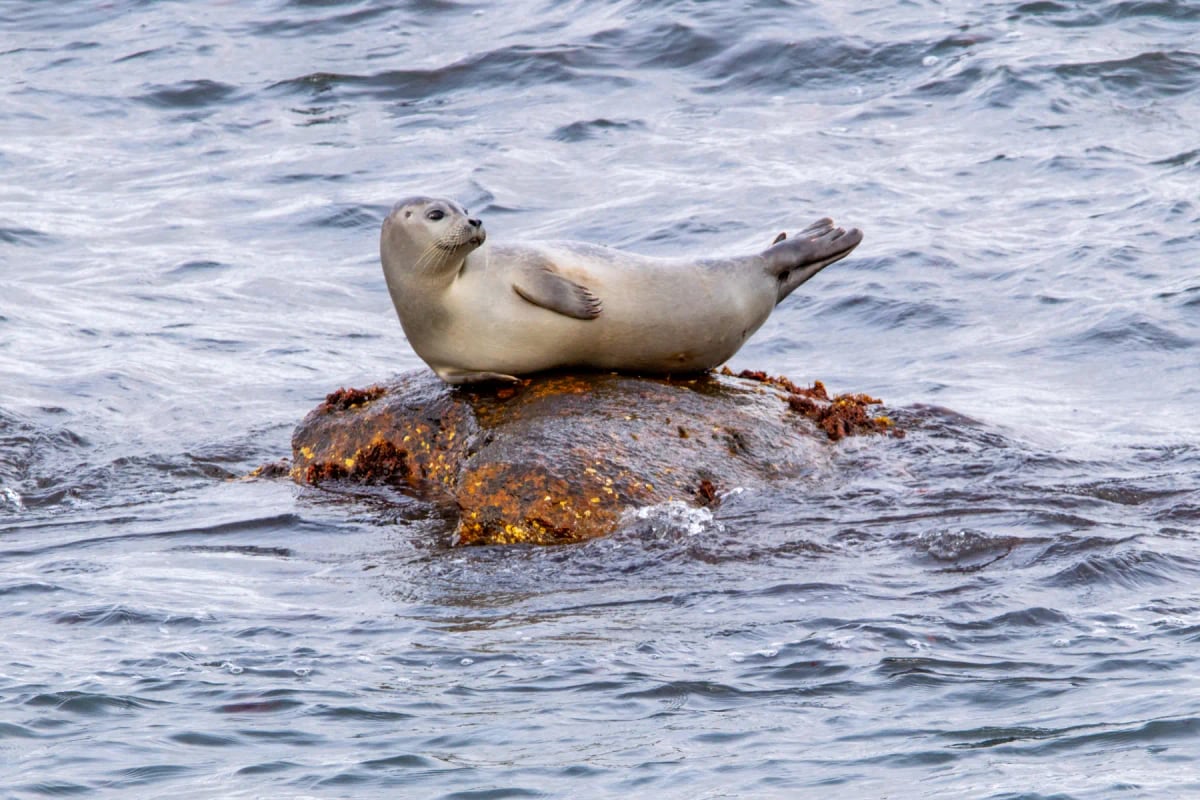
Seal
Phoca vitulina
The harbor seal visits the Belgian North Sea coast, particularly around the Zwin nature reserve near the Dutch border. Small numbers haul out on sandbanks to rest between feeding trips. Belgium sits at the southern edge of the species' North Sea range, so sightings are less frequent than in neighboring Netherlands or the United Kingdom. Entanglement in fishing gear and boat traffic remain the main local pressures. IUCN status: Least Concern.
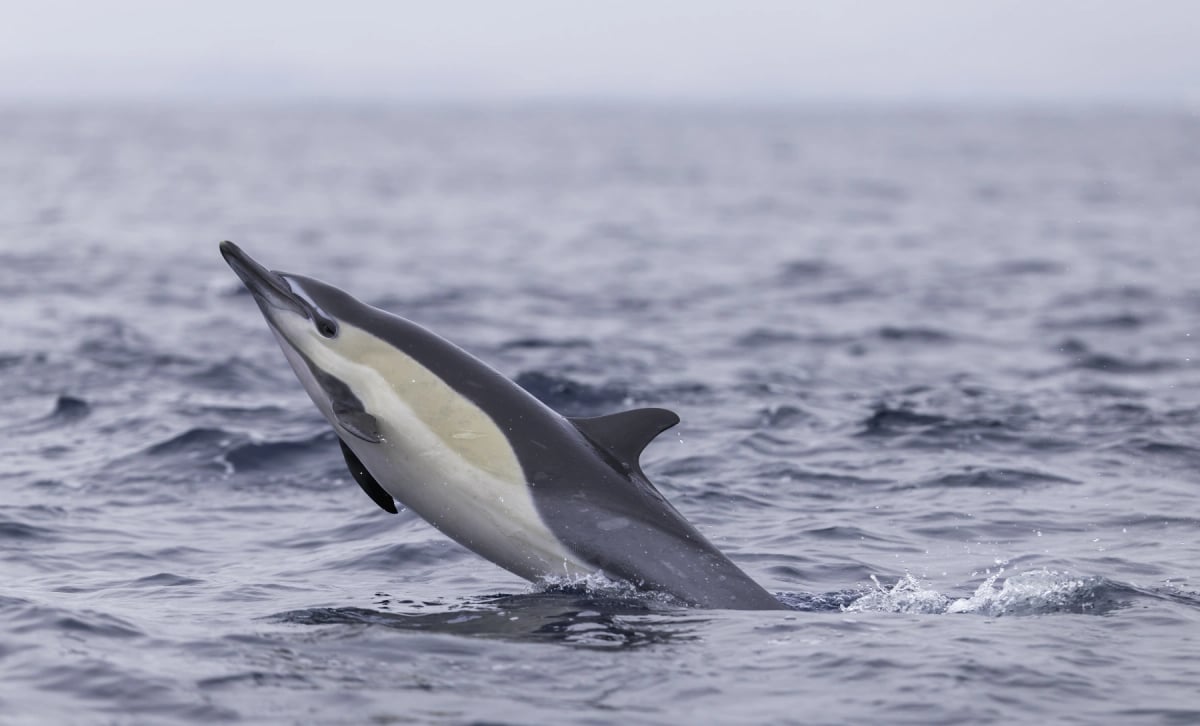
Common Dolphin
Delphinus delphis
The common dolphin occasionally appears in the southern North Sea off the Belgian coast, typically during winter and spring months when individuals stray from their usual Atlantic range. These sightings are considered uncommon and often involve lone animals or small groups. Belgian and international marine researchers monitor such occurrences closely, as strandings and sightings help build a clearer picture of cetacean movements in this busy, heavily trafficked sea.
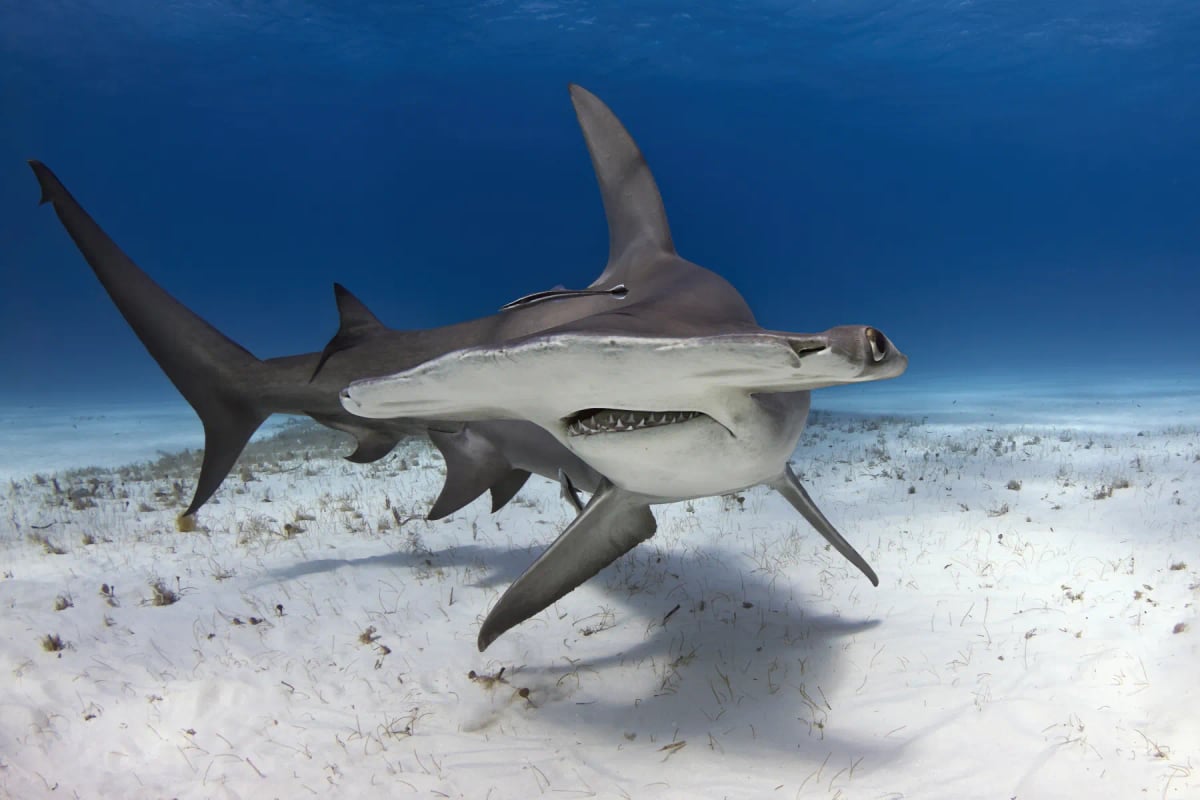
Hammerhead Shark
Sphyrna spp.
Belgium does not have warm coastal waters where hammerhead sharks typically live, but the country connects to the North Sea, and rare individuals have been recorded in northern European waters during unusual migrations. Belgium plays a role in hammerhead conservation through its support of European Union fishing regulations and international trade restrictions that limit the shark fin trade affecting this critically endangered species.
Researched and written by Juan Pablo. Sources: IUCN Red List, scientific literature and regional field guides. Last updated: .