Animals in Fr. S. Antarctic Lands
Wildlife in Fr. S. Antarctic Lands
The French Southern and Antarctic Lands are home to one of the most remote and ecologically significant ecosystems on the planet. These scattered islands and icy zones host unique fauna shaped by isolation, oceanic currents and polar climates. Wildlife here thrives especially in coastal and sub Antarctic environments, where seabirds nest in dense colonies and marine mammals haul out to rest and breed. From the commanding presence of large seals to the steady glide of great ocean birds, these lands offer a raw, pristine glimpse into some of Earth’s least disturbed natural realms.
Most Dangerous Animals in Fr. S. Antarctic Lands
These territories are not known for wildlife that poses a serious threat to people. Human presence is limited and highly regulated, so contact with local animals tends to be brief and controlled. Large seals can look imposing at close range, but incidents are extremely rare when basic distance is respected. In practice, the greatest risks come from the environment itself, such as harsh weather and isolation, while the fauna mainly inspires respect and scientific interest.
Top 10 Animals in Fr. S. Antarctic Lands
On this site the group of top animals for the French Southern and Antarctic Lands is designed to highlight a small set of species that people strongly associate with these remote islands and seas. Rather than trying to include every bird, seal or whale that appears in the area, it focuses on a few emblematic creatures that sum up cold oceans, rocky shores and isolated colonies. As new entries are added, the aim is to keep the list clear and easy to explore for anyone curious about the region’s wildlife.
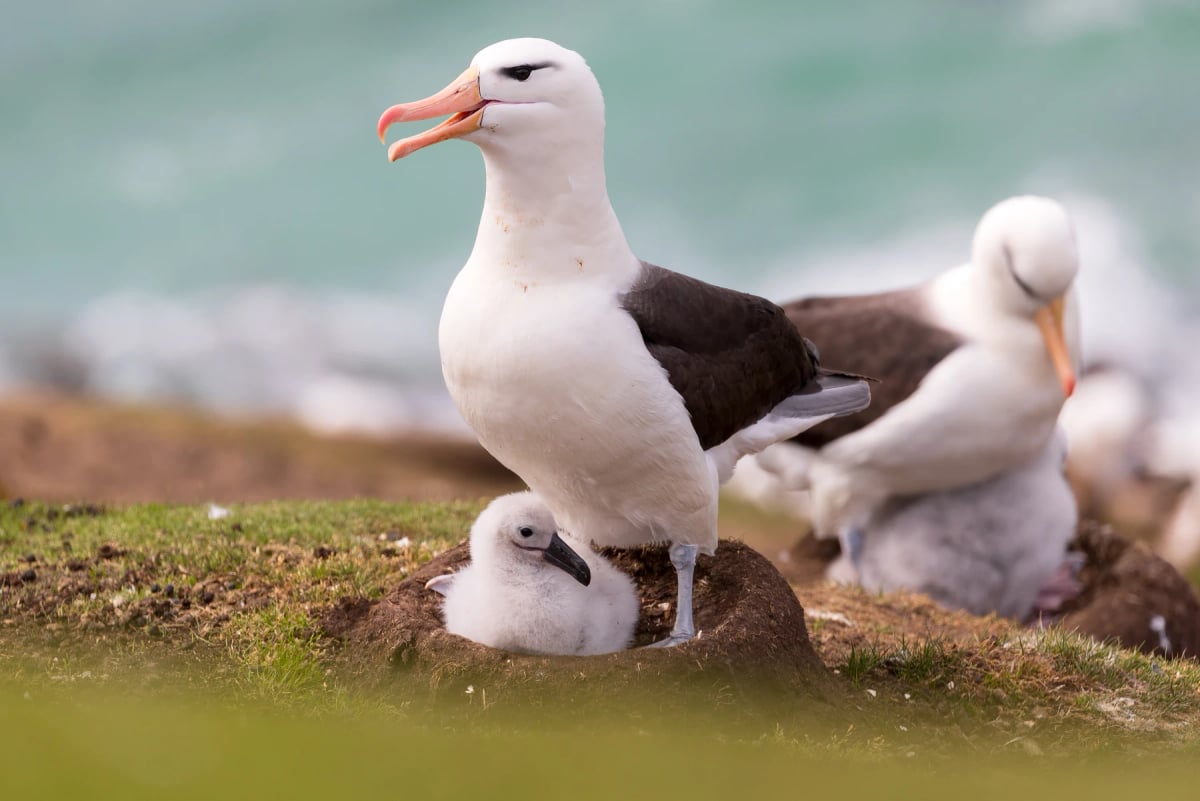
Black browed Albatross
Thalassarche melanophris
The French Southern and Antarctic Lands, including the Kerguelen and Crozet archipelagos, support important black browed albatross breeding populations. These sub Antarctic islands offer the rugged coastal terrain the species needs for nesting. French fisheries management in these territories has incorporated measures to reduce seabird bycatch, making this region a notable example of efforts to protect the species at sea. IUCN status: Least Concern.
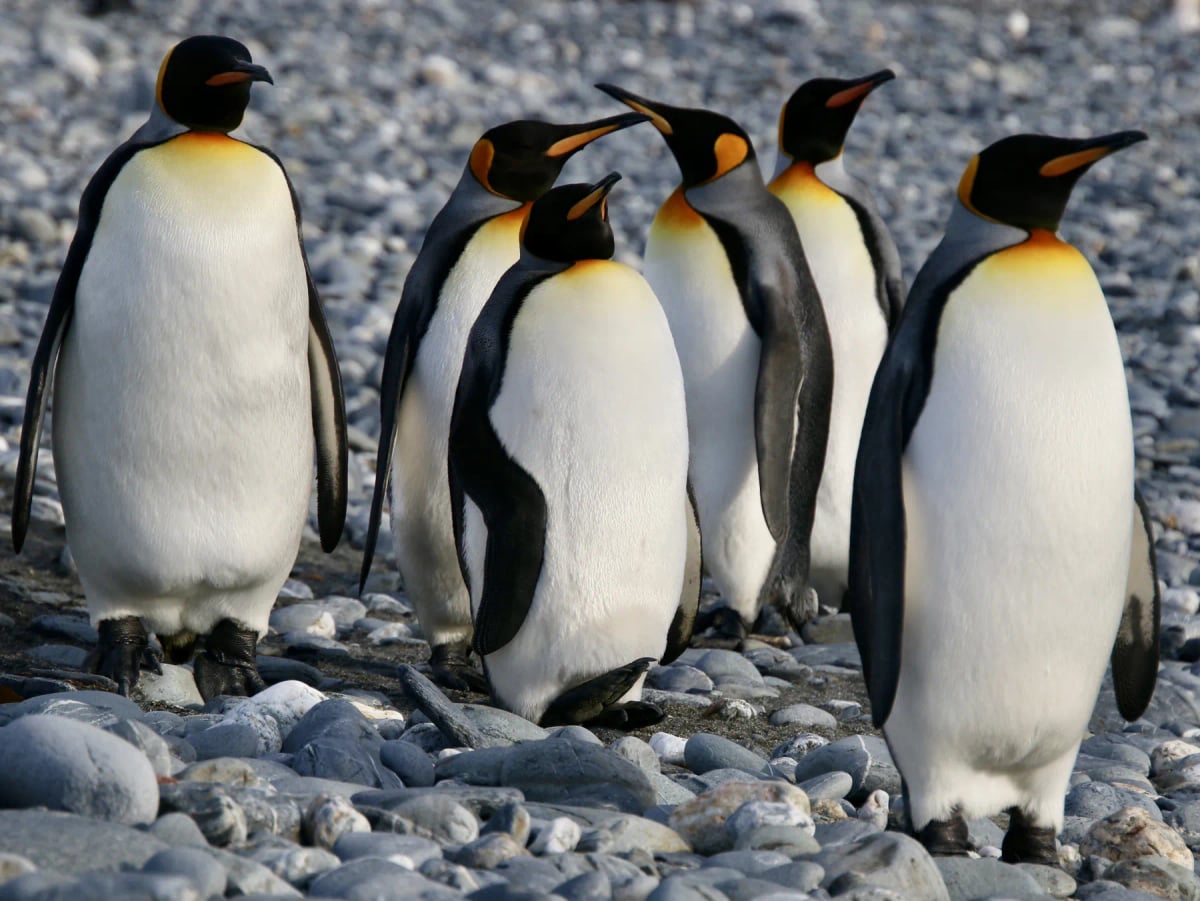
King Penguin
Aptenodytes patagonicus
The French Southern and Antarctic Lands, especially Crozet and Kerguelen Islands, are home to some of the largest king penguin colonies on Earth. Hundreds of thousands of individuals gather on these remote subantarctic islands to breed. Balancing a single egg on their feet, pairs take turns incubating over the harsh winter months. These islands are protected territories, making them vital refuges for the species. IUCN status: Least Concern.
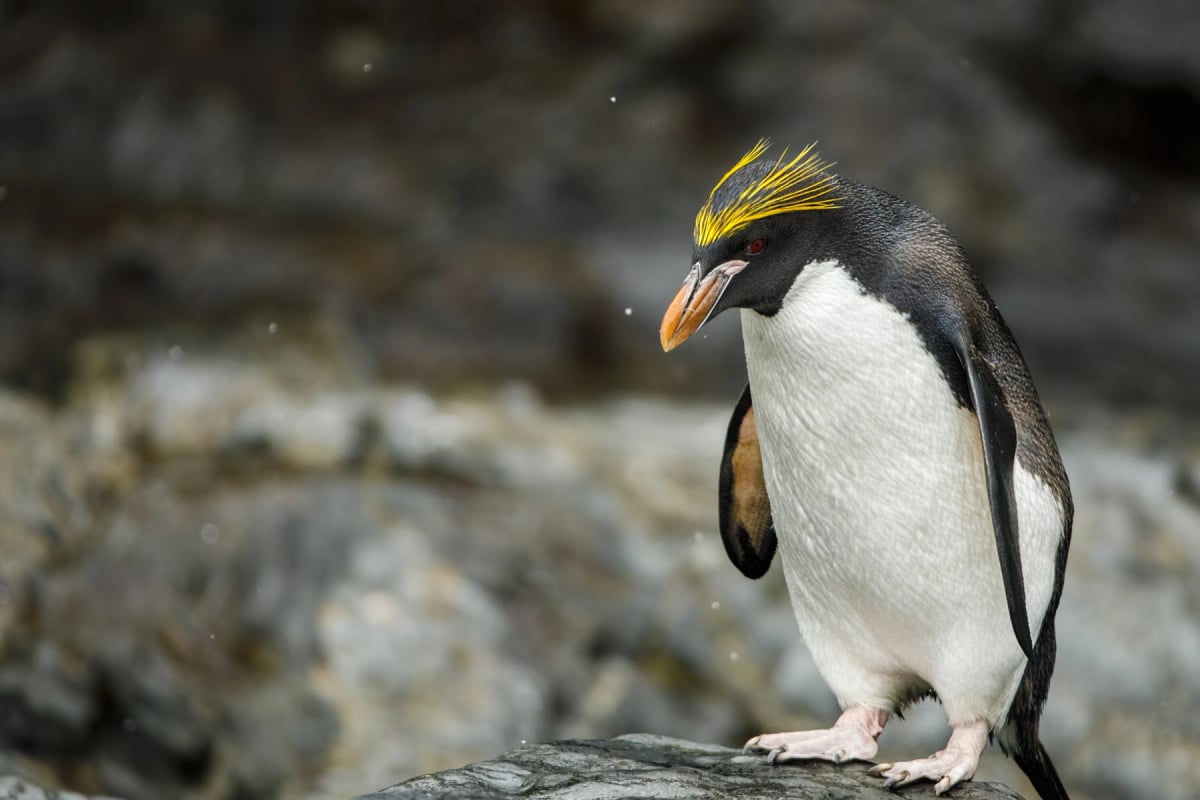
Macaroni Penguin
Eudyptes chrysolophus
The French Southern Territories, including islands such as Crozet and Kerguelen, support major macaroni penguin breeding colonies. These remote sub-Antarctic islands provide the rocky, windswept terrain this species favors for nesting. Adults travel far into the Southern Ocean to feed on krill and squid before returning to raise their chicks. The IUCN lists the macaroni penguin as Vulnerable due to ongoing population declines.
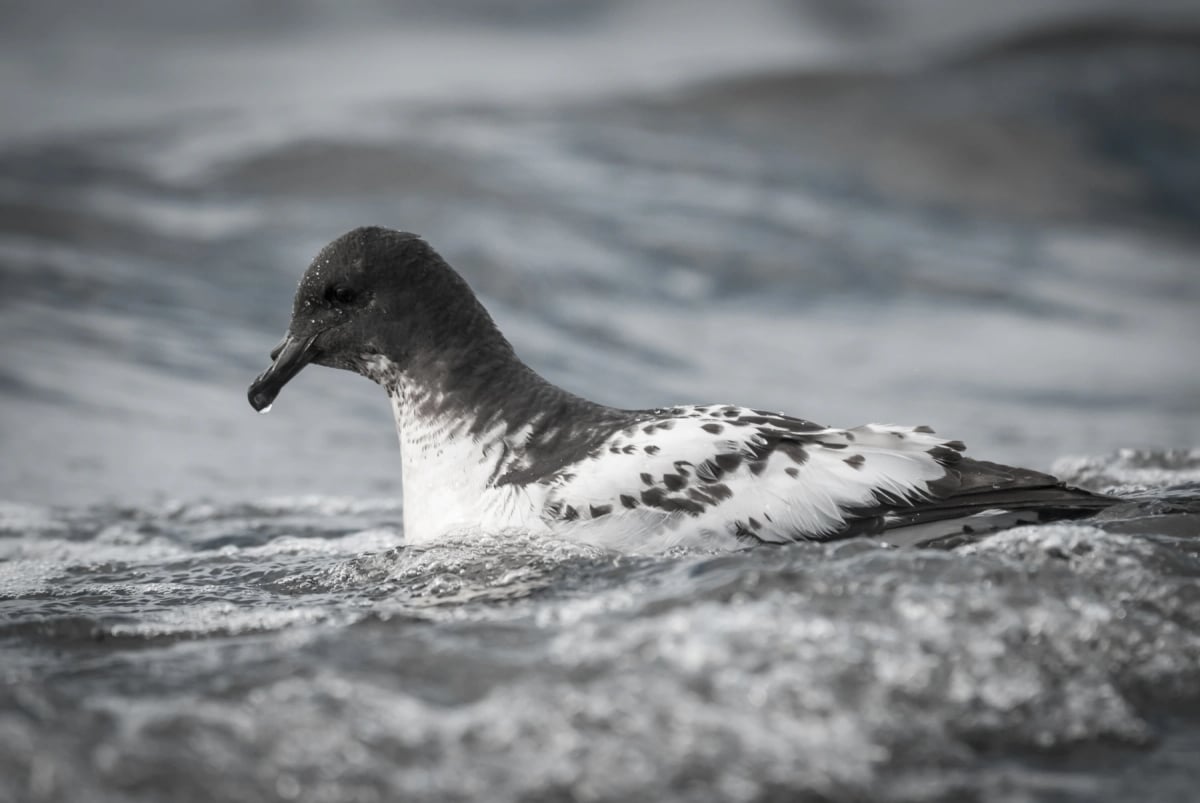
Cape Petrel
Daption capense
The French Southern Territories, including islands such as Crozet and Kerguelen, provide key sub-Antarctic breeding habitat for the Cape Petrel. Rocky cliffs on these remote islands support dense, noisy colonies during the breeding season. Outside this period, birds disperse widely across the Southern Ocean. The species remains abundant throughout this region. IUCN status: Least Concern.
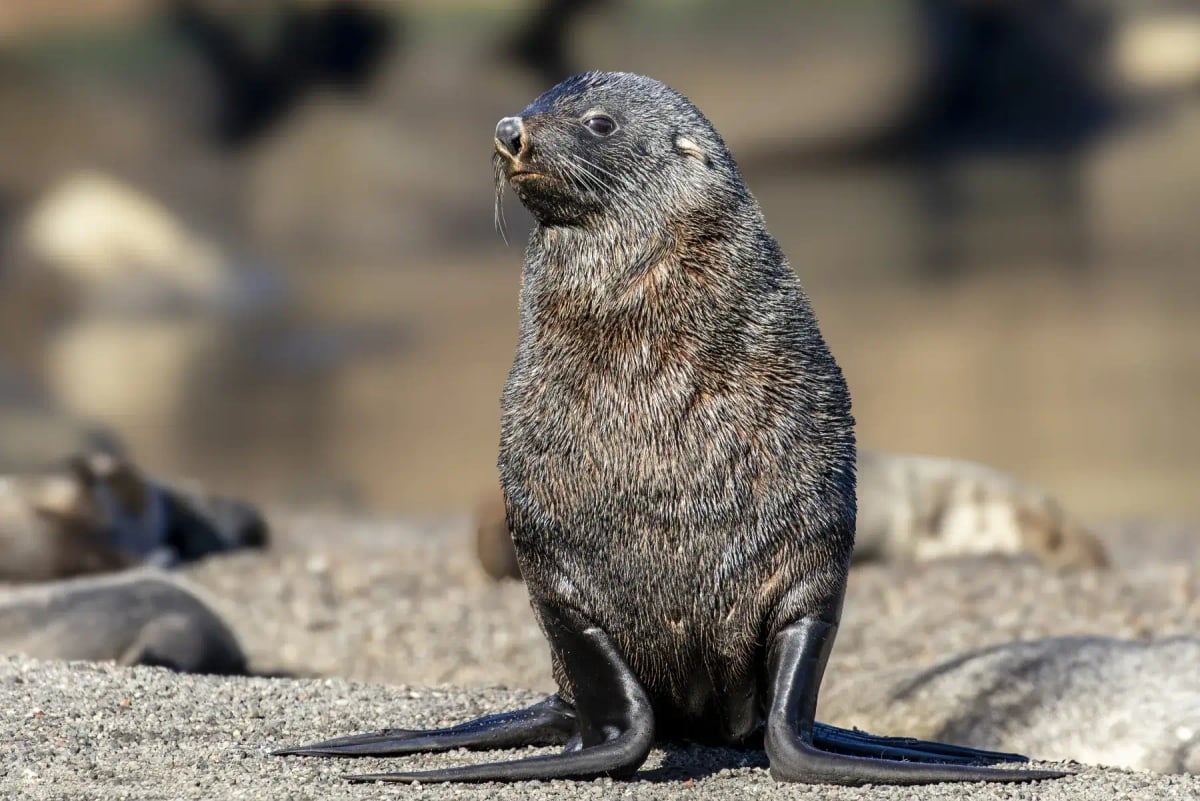
Fur Seal
Arctocephalus spp.
The French Southern Territories, particularly Kerguelen and Crozet Islands, provide important breeding habitat for Antarctic fur seals. These remote subantarctic islands offer rocky shores ideal for colonies of seals that feed in the cold, nutrient-rich waters nearby. The area's protected status has helped populations thrive far from the pressures of commercial fishing and human disturbance.
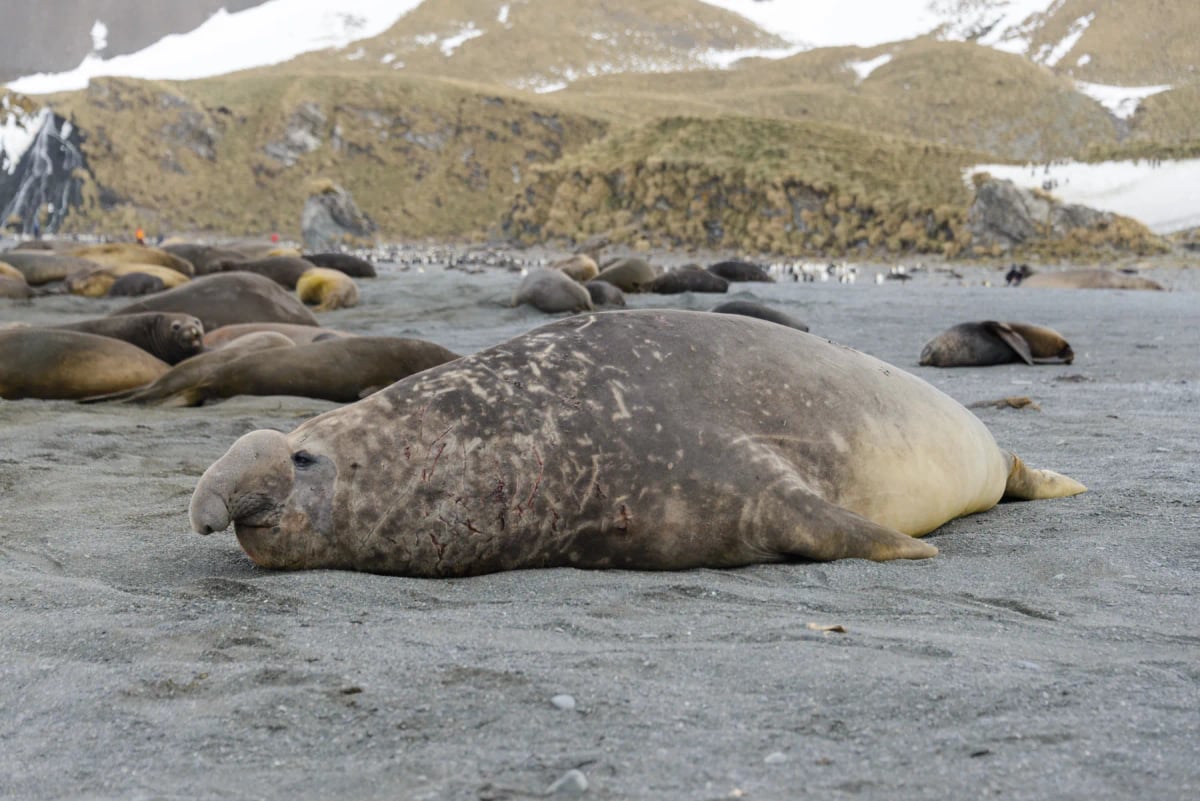
Elephant Seal
Mirounga spp.
The French Southern and Antarctic Lands, particularly Kerguelen and Crozet islands, host some of the largest colonies of southern elephant seals in the world. Kerguelen alone supports tens of thousands of individuals. These windswept subantarctic islands provide ideal breeding beaches and are surrounded by cold, nutrient-rich waters full of squid and fish. French scientific stations on these islands have contributed decades of research on this species.
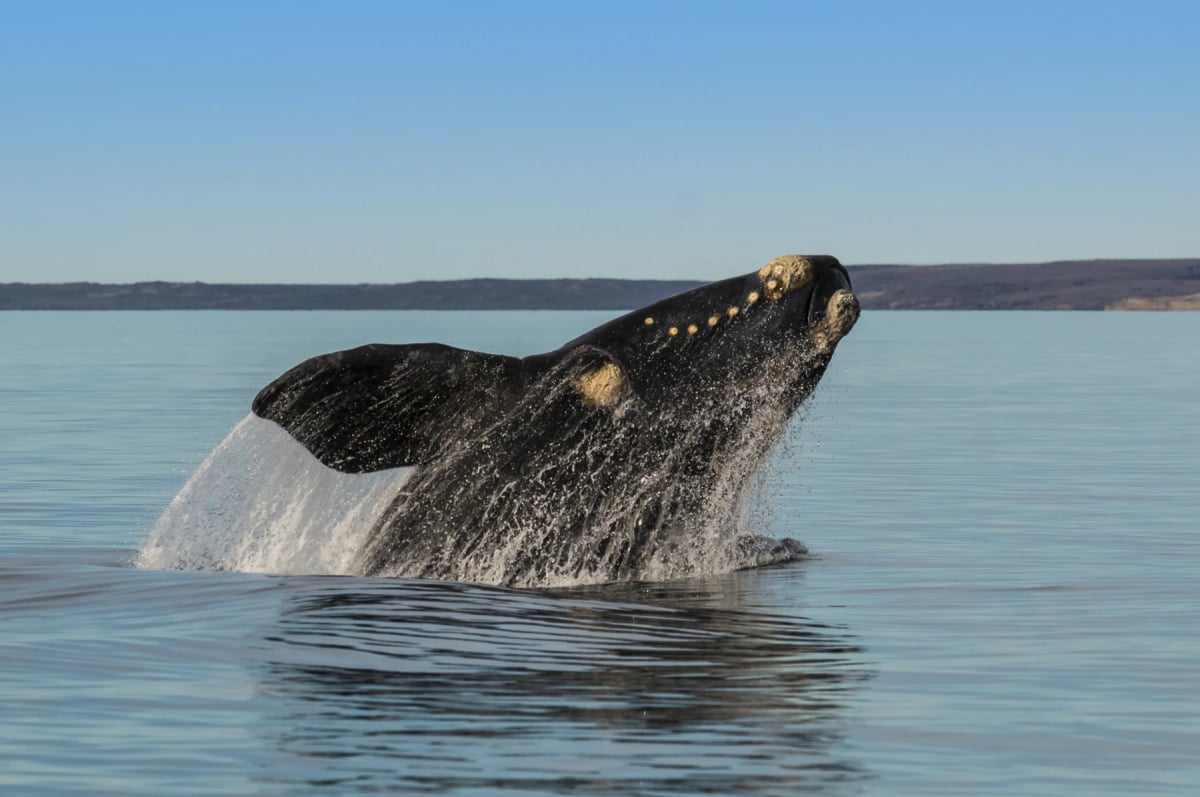
Southern Right Whale
Eubalaena australis
The French Southern and Antarctic Lands, including the waters around Kerguelen and Crozet Islands, sit at the heart of the southern right whale's feeding grounds. These subantarctic seas are rich in copepods and krill, providing essential nutrition for whales during the summer months. The area is extremely remote and largely free of human disturbance, making it a critical refuge for the species. Listed as Least Concern.
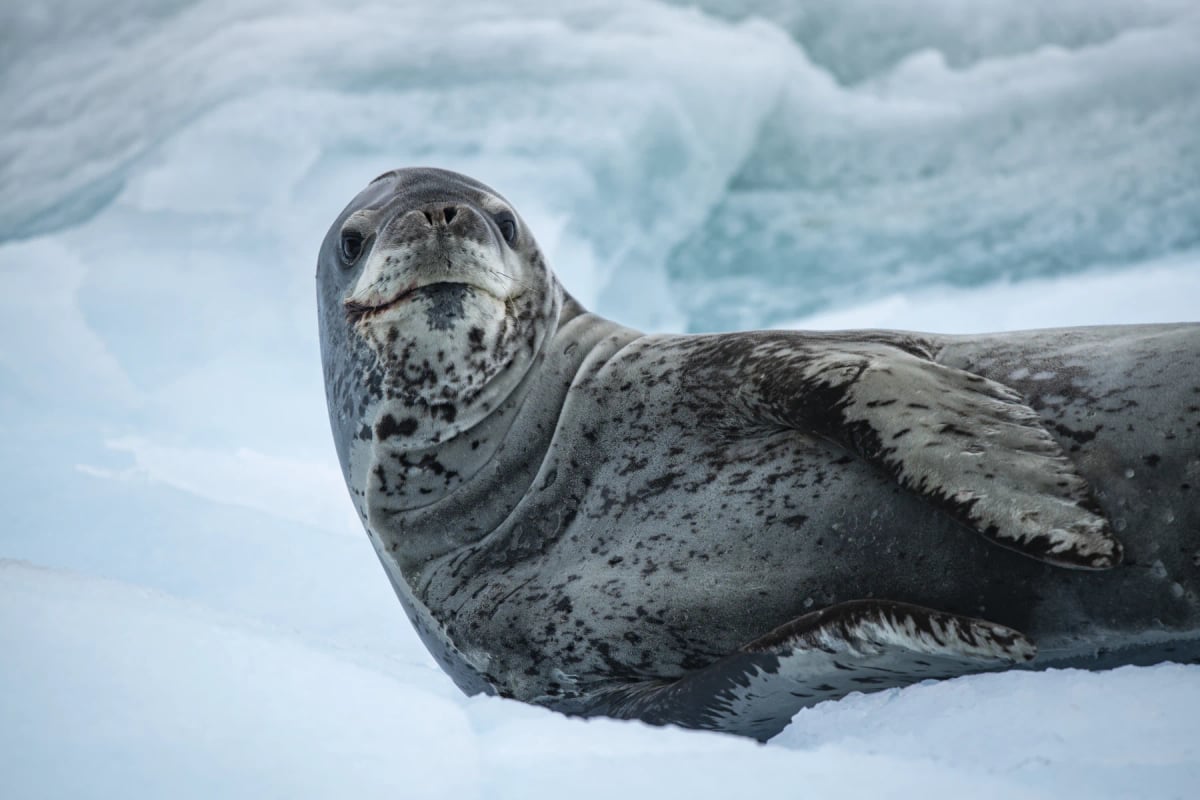
Leopard Seal
Hydrurga leptonyx
Leopard seals visit the islands and frigid waters of the French Southern Territories, where rich feeding grounds attract them seasonally. Here they hunt penguins and smaller seals along rocky coastlines and drifting ice. Their haunting underwater calls have been recorded in these remote seas. The species is listed as Least Concern by the IUCN, though sea ice loss remains a concern across its range.
Researched and written by Juan Pablo. Sources: IUCN Red List, scientific literature and regional field guides. Last updated: .