Animals in Norway
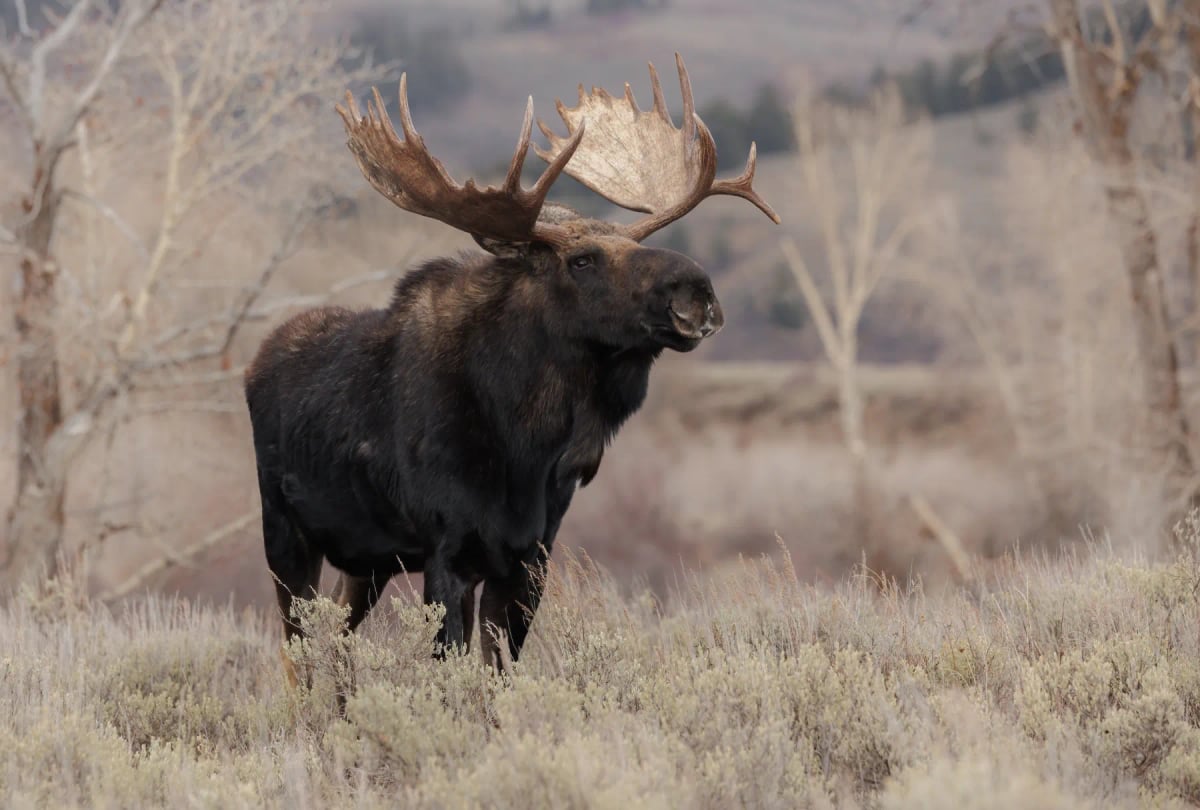
Moose
Alces alces
The moose is closely linked to Norway’s identity. It can often be seen near forests and rural areas, especially at dawn or dusk. Known for its calm yet strong presence, it symbolizes balance and connection with nature. Many travelers hope to spot one while driving through the countryside or hiking.
View details→Wildlife in Norway
Norway has one of the most diverse natural environments in northern Europe. From Arctic tundra to green valleys and deep fjords, it shelters animals such as reindeer, lynxes, whales, and puffins. Visitors can explore national parks, hike through forests, or take boat trips to watch wildlife in its natural setting.
Most Dangerous Animals in Norway
Norway’s fauna includes species that require caution, such as brown bears, wolverines, and moose. While attacks are very rare, visitors are advised to respect distance and follow park rules. In the sea, orcas are sometimes seen near the coast, drawing attention from tourists and wildlife photographers alike.
Top 10 Animals in Norway
Among Norway’s most iconic animals are the moose, polar bear, and Eurasian lynx. These species live in different regions, from inland forests to the Arctic coast. Wildlife tours often include visits to natural reserves where people can learn about the country’s conservation programs and see animals in their habitats.
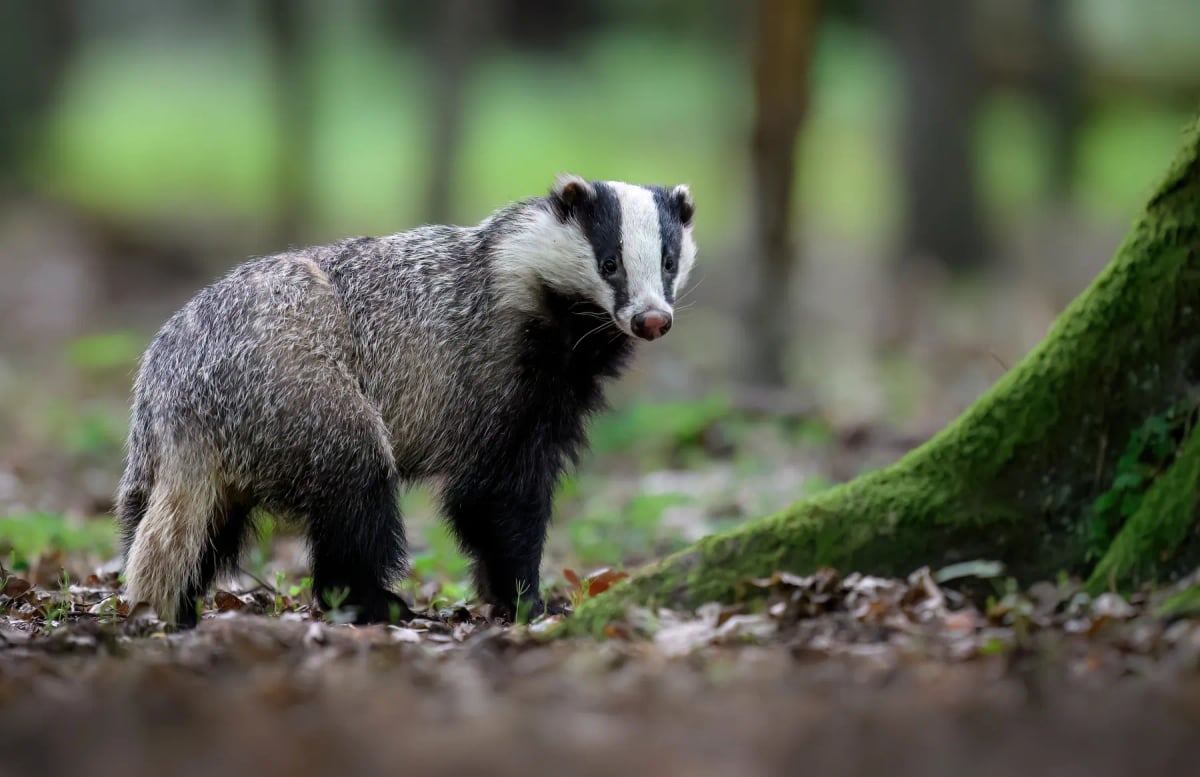
Badger
Meles meles
The Eurasian badger is found across southern and central Norway in mixed woodland and farmland, reaching its northern limit in Scandinavia around the Trondheim region. Norwegian winters are long and harsh, and badgers spend several months in reduced activity underground, living off fat reserves accumulated during summer and autumn. They feed on earthworms, insects, berries and small animals during the warmer months. Populations are stable in suitable southern habitats but sparse further north.

Brown Bear
Ursus arctos
Norway has a relatively small brown bear population, estimated at a few hundred individuals, found mainly in the forested border regions with Sweden, Finland, and Russia. The species was nearly extirpated in the early twentieth century due to intensive hunting, and recovery has been slow. Management is subject to ongoing debate between conservation goals and the interests of sheep farmers, as predation on livestock is a significant source of conflict.
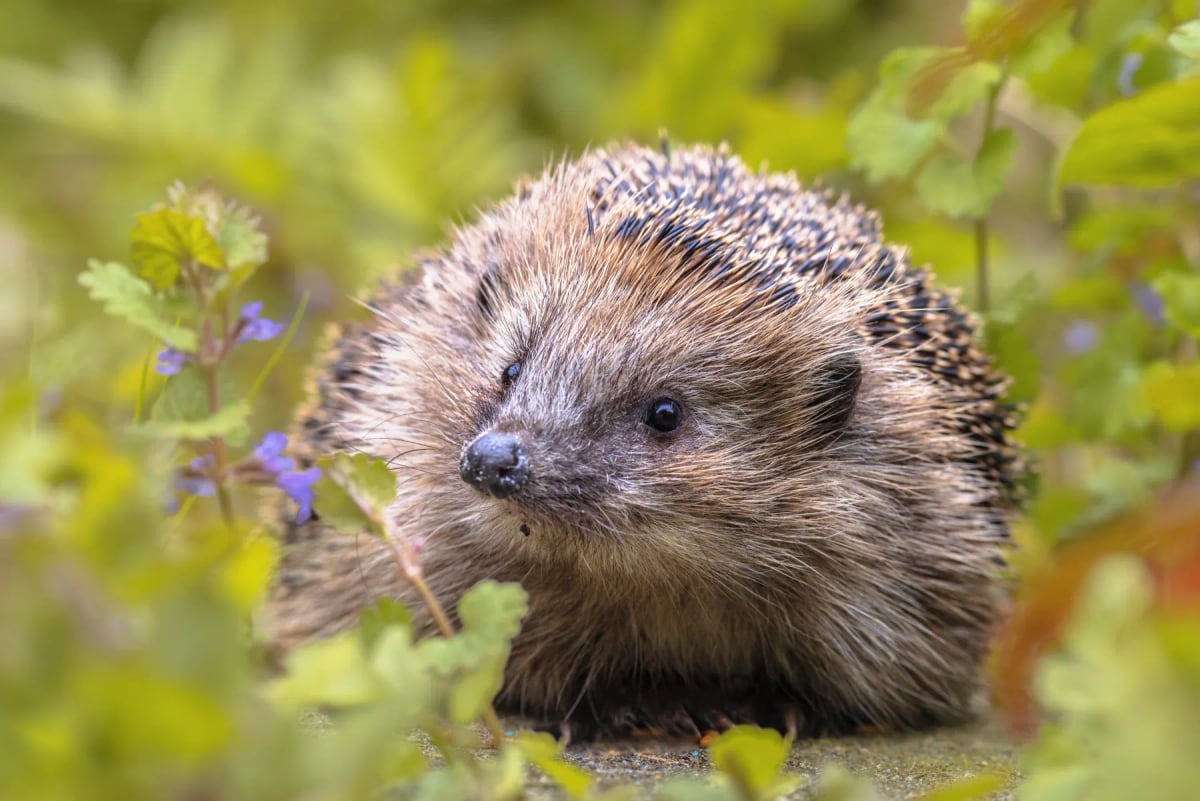
Hedgehog
Erinaceus europaeus
In Norway, the European hedgehog is present mainly in the south and along the southwestern coast, where the climate is mild enough to support it. Oslo's gardens and the farmland of Østfold and Vestfold are among the areas where it is most regularly recorded. The short summers mean hedgehogs must feed intensively before hibernating through the long Norwegian winter. Road mortality and the loss of insect populations due to pesticide use are key concerns for conservationists. IUCN status: Least Concern.
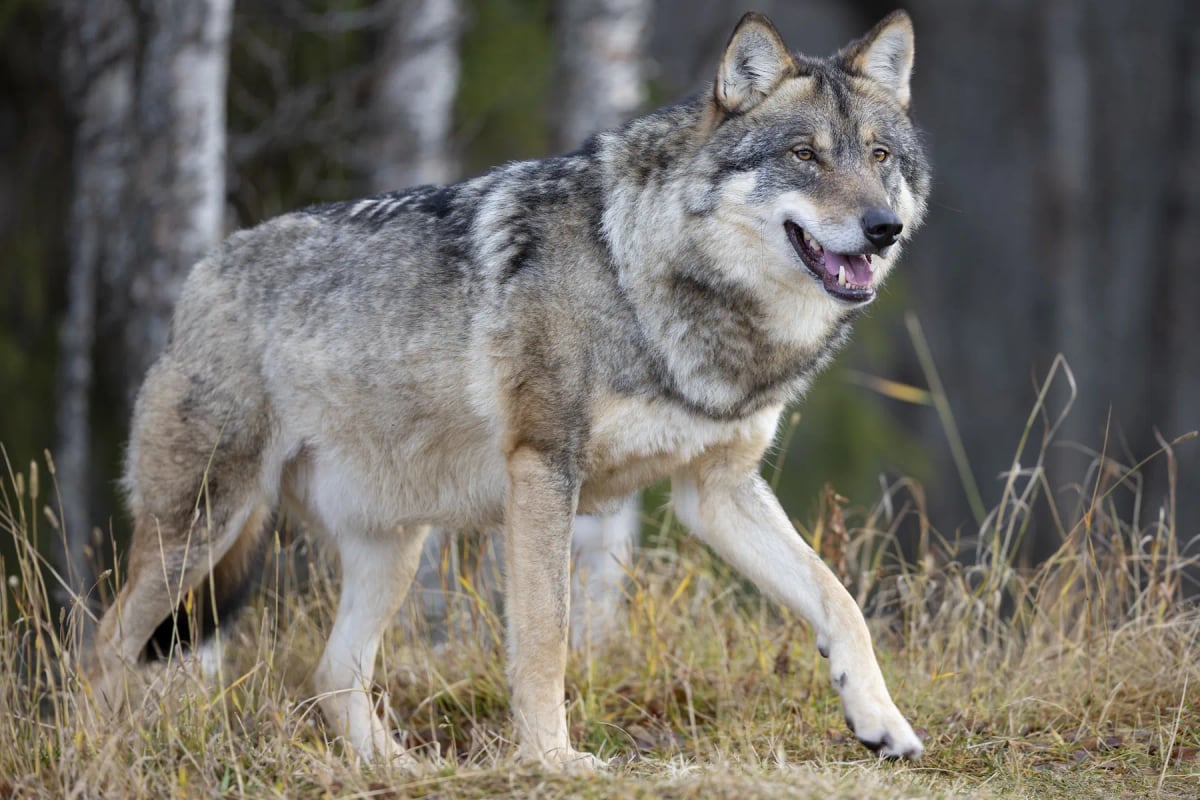
Gray Wolf
Canis lupus
Norway's wolf population is small and concentrated mainly in the southeastern forests near the Swedish border, in an area known as the wolf zone established by the government. With only a few dozen individuals, it is one of the smallest wolf populations in Europe. Reindeer herding communities and sheep farmers have historically opposed their presence, making wolf management one of the most politically sensitive conservation issues in the country.
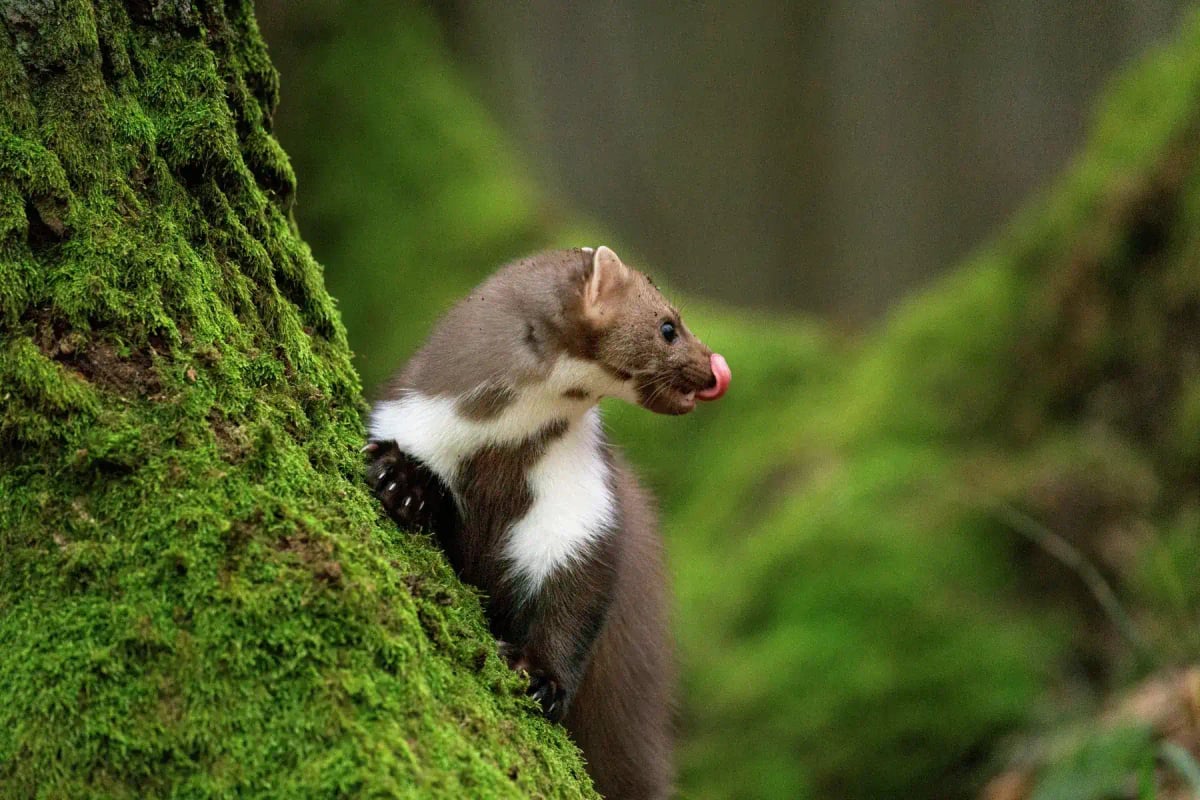
Marten
Martes martes / Martes foina
Norway is home to the pine marten, which thrives in the boreal forests stretching across the country from the south up into Trøndelag and beyond. It favors old spruce and pine woodland where it hunts voles, birds, and berries with ease. The stone marten is absent here. Pine martens are protected under Norwegian wildlife law, and their populations are considered stable across most of the country. IUCN status: Least Concern.
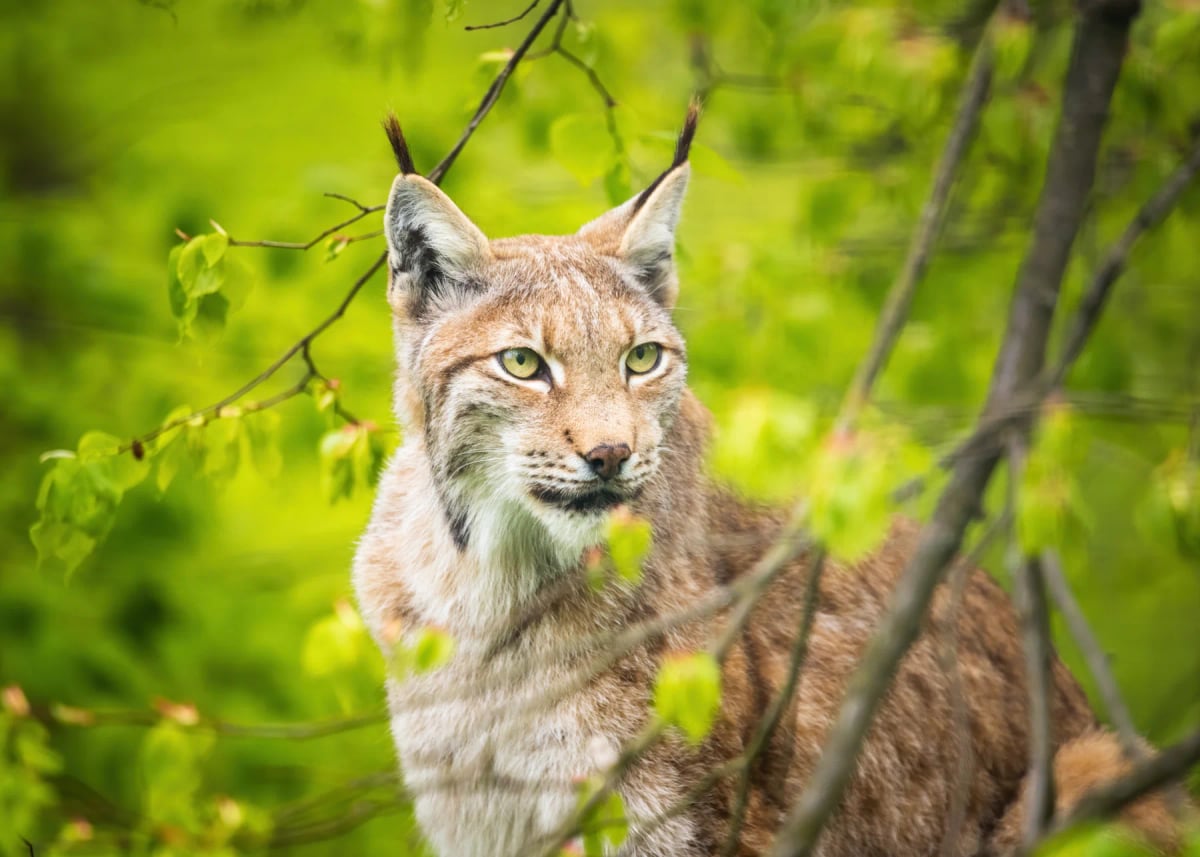
Eurasian Lynx
Lynx lynx
Norway has a well-established Eurasian Lynx population spread across its boreal forests and mountain plateaus. Roe deer and reindeer form the core of its diet, which has at times brought it into conflict with reindeer herders in the north. The Norwegian government manages the population through a quota system, balancing conservation with the needs of local communities. The IUCN lists it as Least Concern.
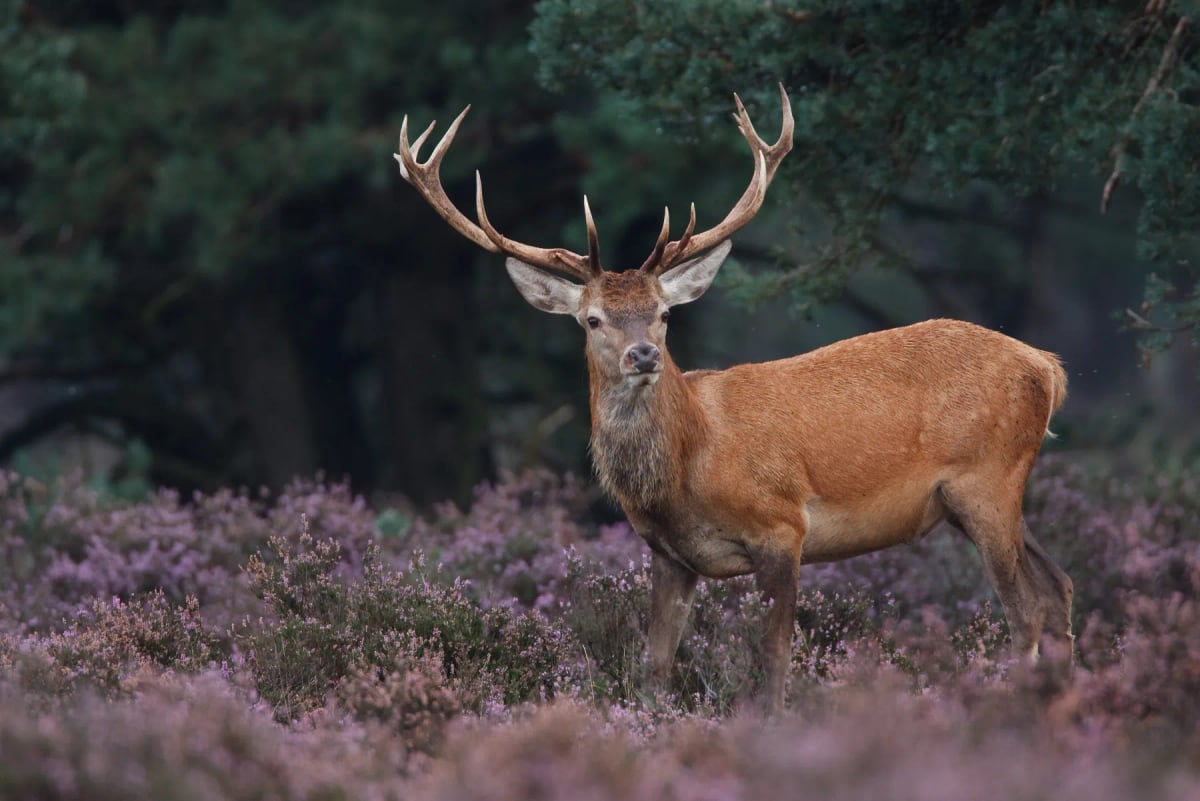
Red Deer
Cervus elaphus
Red deer (Cervus elaphus) are common along the coast and fjord regions of western Norway, where the mild climate and rich vegetation support large numbers. The population has grown considerably over recent decades and Norway now holds one of the highest densities of red deer in Europe. Stags are a familiar sight on open hillsides and forest edges, particularly during the autumn rut. Hunting is an important management tool. The IUCN lists the species as Least Concern.
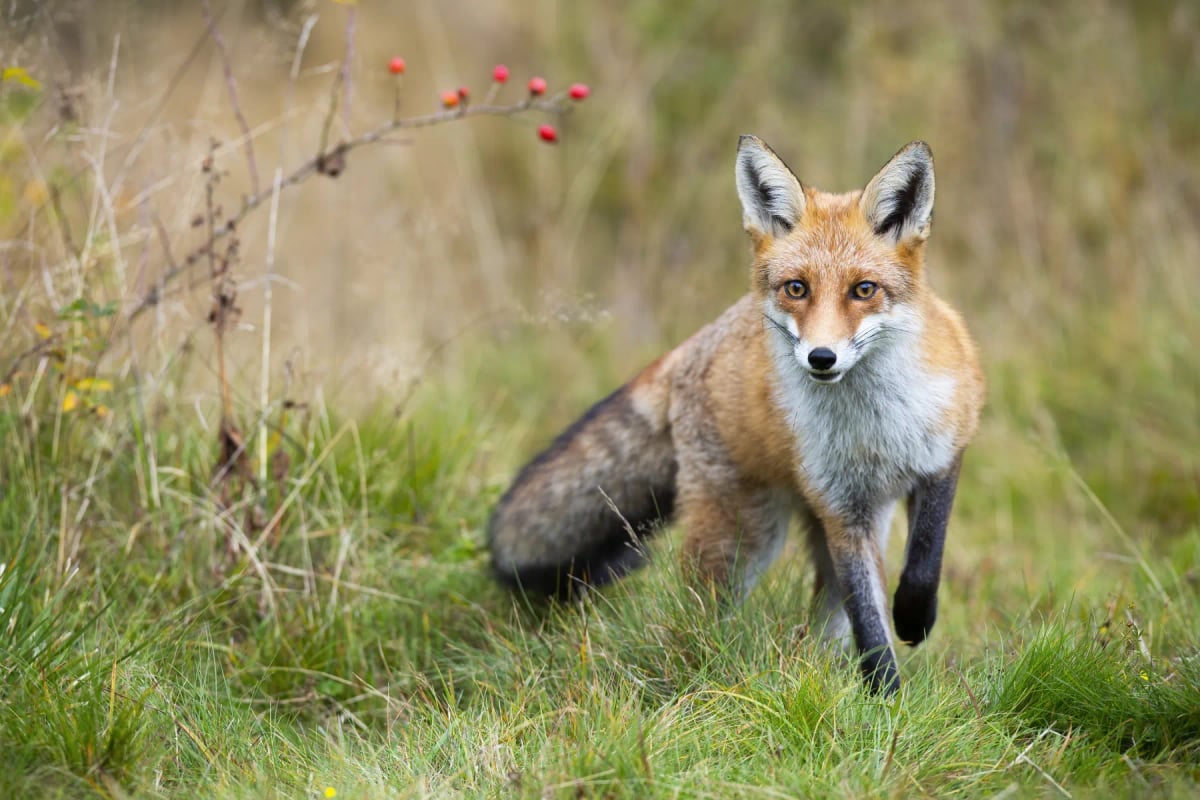
Red Fox
Vulpes vulpes
The red fox is found across nearly all of Norway, from coastal lowlands to mountain plateaus. In the far north, it shares territory with the endangered Arctic fox, and the two species sometimes compete for food and den sites. Norway's red fox adapts its diet to the season, eating lemmings, berries, birds, and carrion. It is widespread and holds a status of Least Concern.
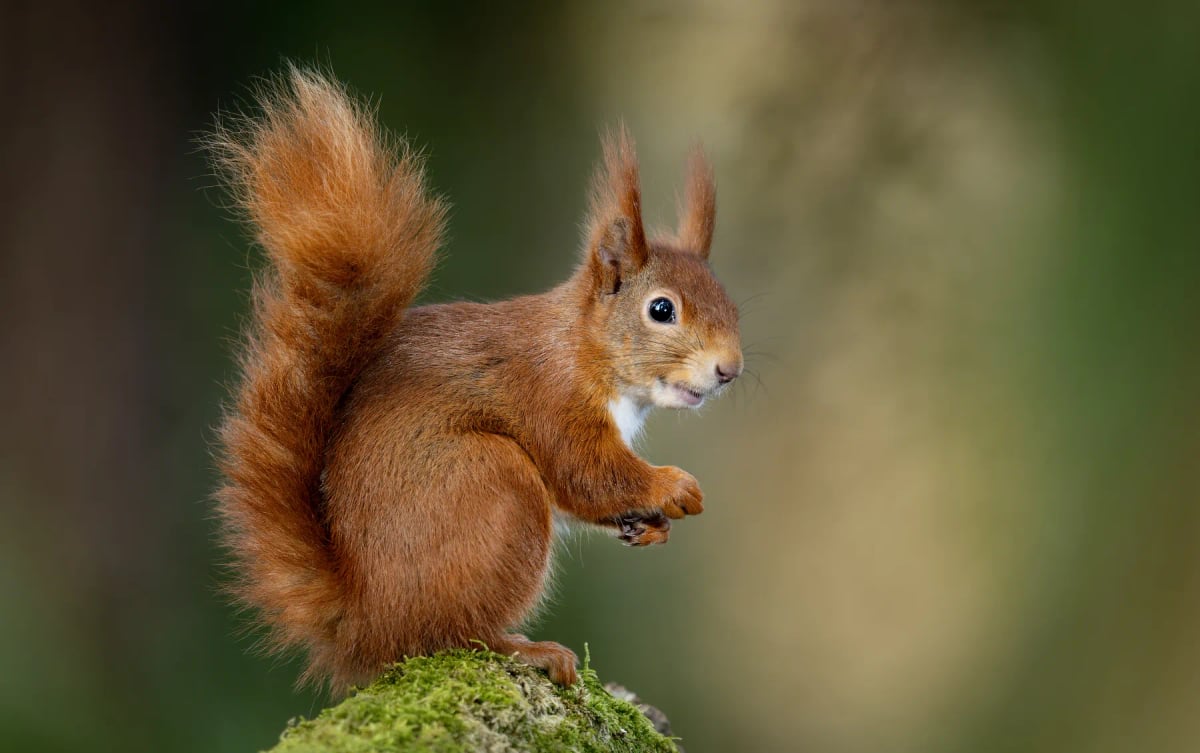
Red Squirrel
Sciurus vulgaris
The red squirrel is common throughout Norway, living in the boreal forests of spruce and pine that stretch across much of the country. It is equally at home in the forests of eastern Norway and in coastal woodland further west. Active year round, it depends on food it has buried during autumn to survive the long Scandinavian winters. Norway holds one of Europe's most stable and abundant red squirrel populations.
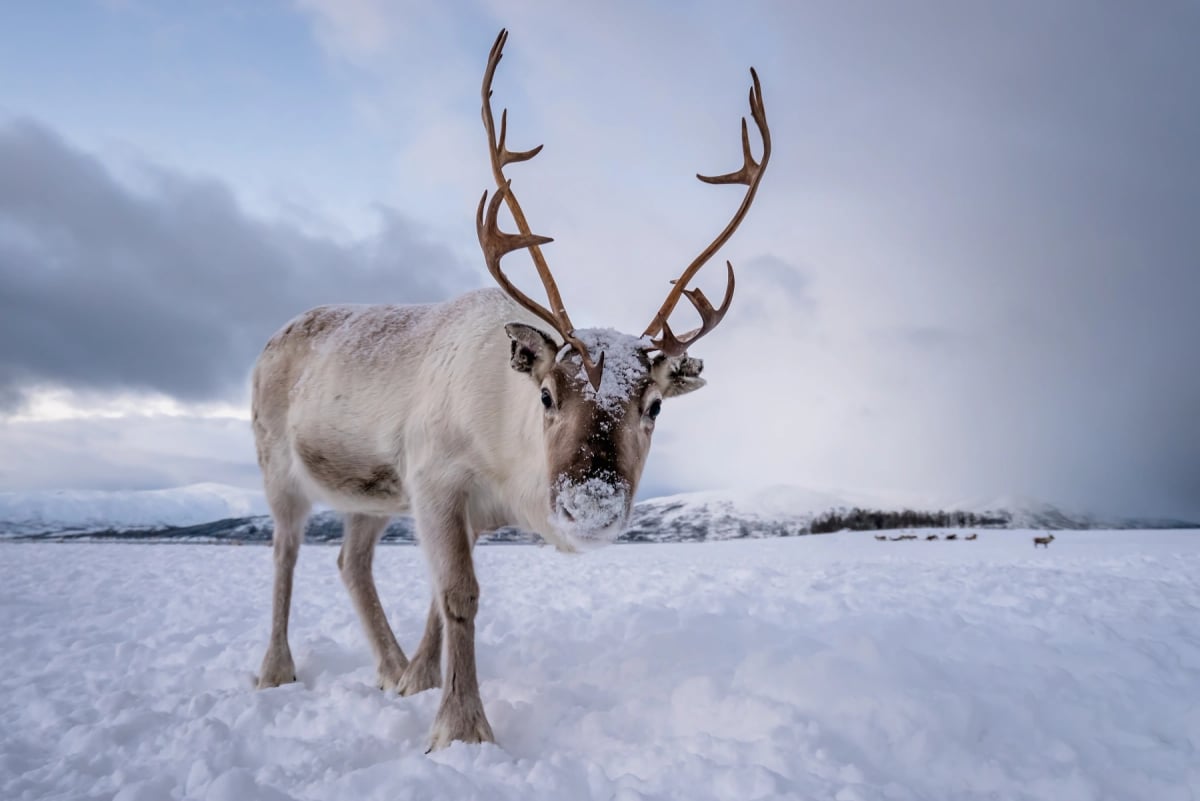
Reindeer
Rangifer tarandus
Norway supports both wild and semi-domesticated reindeer populations. Wild herds live on the mountain plateaus of central and southern Norway, including Hardangervidda, which hosts the largest wild reindeer population in Europe. In the north, Sámi herders manage extensive semi-domesticated herds across Finnmark and Troms. Reindeer are woven into Norwegian nature and culture alike, and their habitat is carefully monitored by wildlife authorities. IUCN status: Vulnerable.
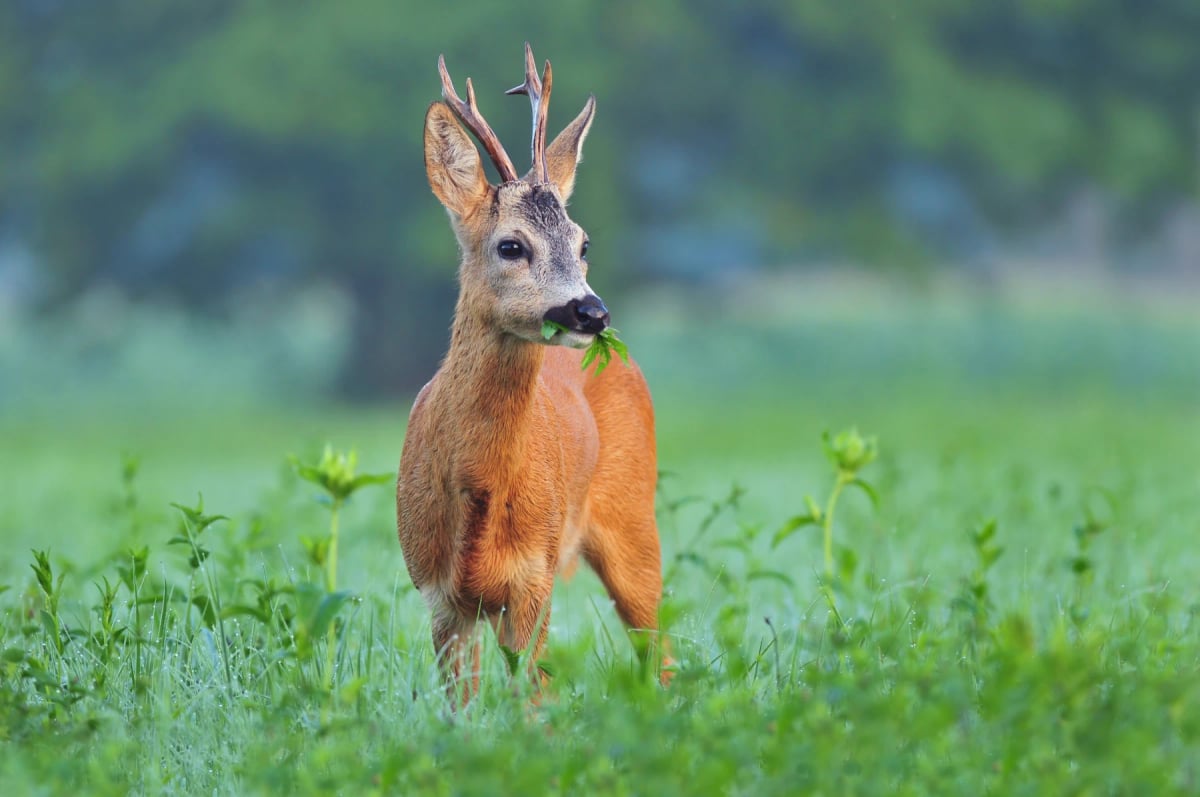
Roe Deer
Capreolus capreolus
The roe deer is found across much of southern and central Norway, particularly in the lowlands, coastal districts, and valley forests of the southeast and west. It is less common in the far north, where winters are too severe. Norway's mix of farmland and forest provides ideal conditions, and populations have grown noticeably over recent decades. The species is a popular game animal in Norway, and annual hunting seasons are managed carefully to keep populations in good balance with local habitats.
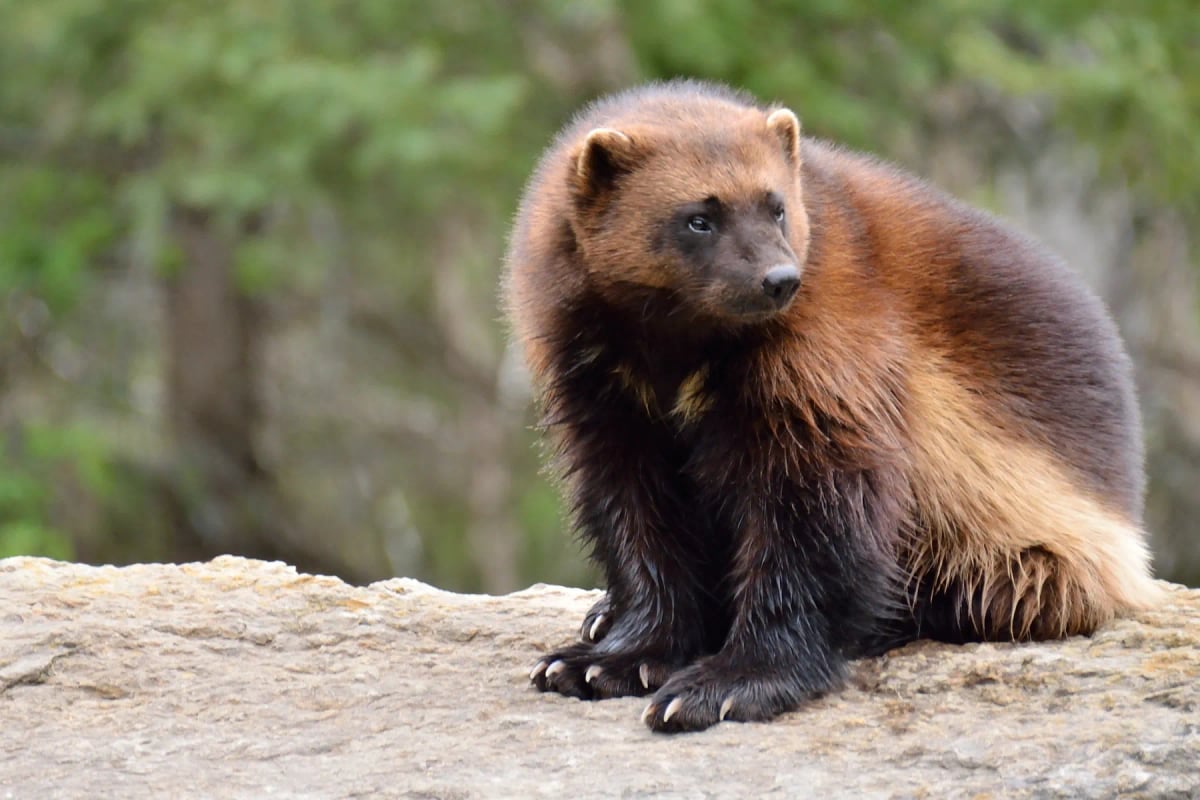
Wolverine
Gulo gulo
Norway holds one of the most important wolverine populations in Europe, concentrated in mountain regions such as Finnmark, Troms, and the central highlands. The Norwegian government monitors wolverine numbers closely and sets annual targets for the population size. Conflicts with sheep and reindeer farming are common, and farmers can receive compensation for livestock losses. Wolverines are a protected species in Norway under national wildlife law.
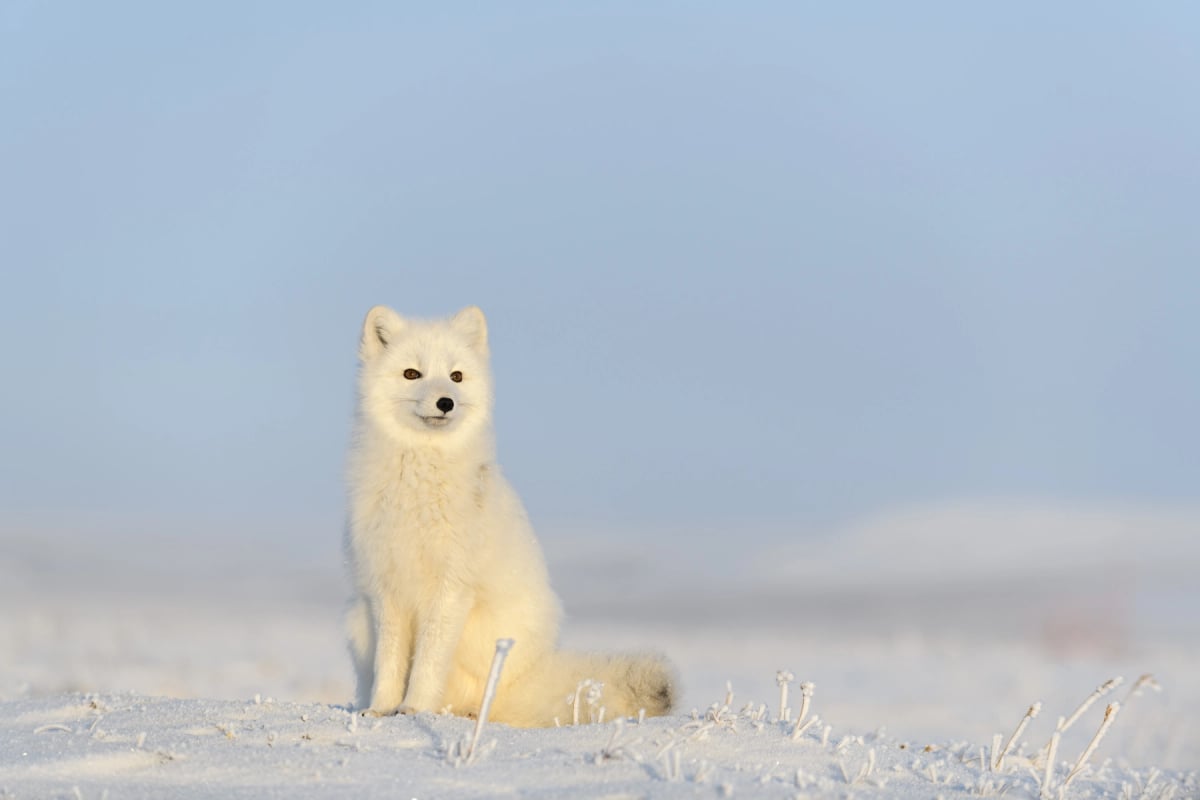
Arctic Fox
Vulpes lagopus
Norway supports Arctic fox populations both on the Scandinavian mainland and across the Svalbard archipelago. The mainland population is critically small, estimated at fewer than 100 individuals in Norway alone, and is protected under national law. Svalbard, by contrast, holds a much healthier population that benefits from abundant seabirds and marine food sources along the coast. Norway leads conservation programs that include supplemental winter feeding and red fox control in key fell areas, and coordinates recovery efforts with Sweden and Finland across shared habitat.
Moose
Alces alces
Norway holds one of the densest moose populations in the world, with hundreds of thousands of individuals spread across the country's boreal forests, from the southern lowlands to the forests of Trøndelag and Nordland. Moose are central to Norwegian hunting culture, and an annual harvest of tens of thousands of animals is carefully managed. They thrive in young regenerating forests rich in birch and willow. IUCN status: Least Concern.
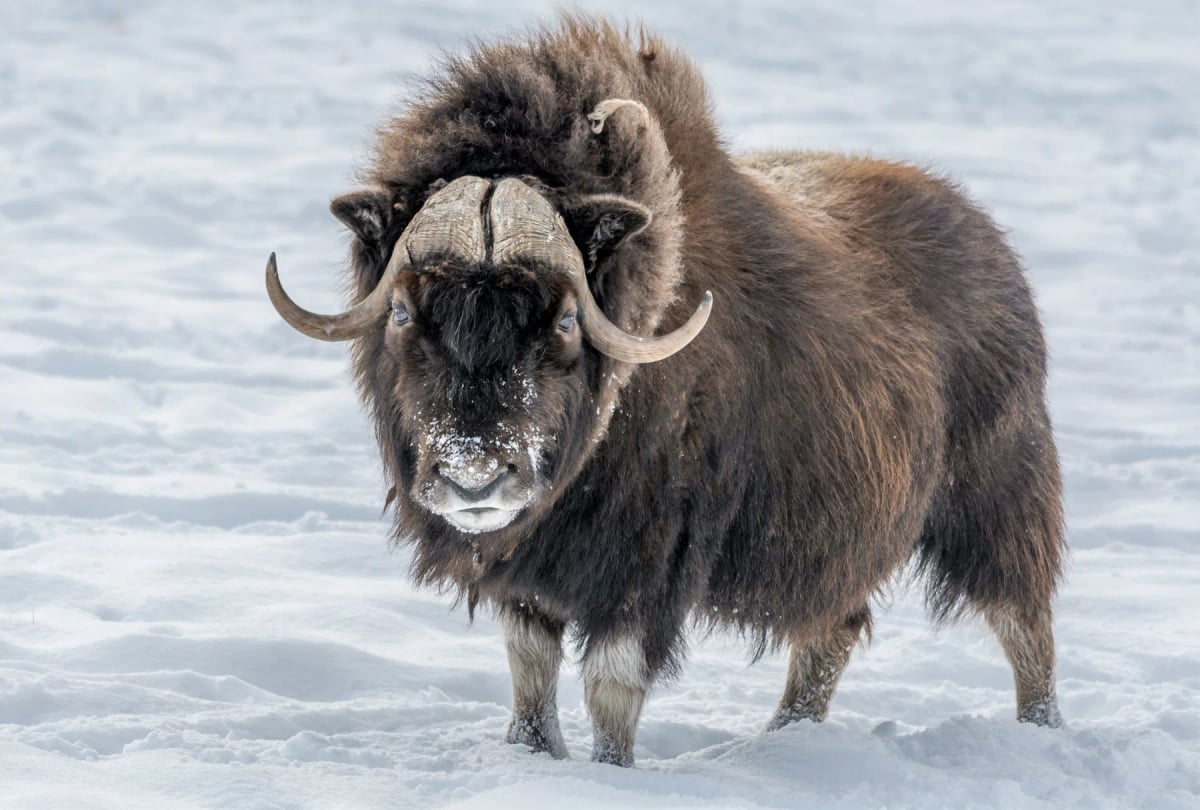
Musk Ox
Ovibos moschatus
Musk oxen were hunted to extinction in Norway in the early twentieth century. A reintroduction program using animals from Greenland and East Greenland brought them back to the Dovre mountain region in the 1930s and again after World War II. Today a stable population lives in and around Dovrefjell–Sunndalsfjella National Park. This herd is one of the most accessible in the world and draws wildlife enthusiasts from across Europe. IUCN Status: Least Concern.
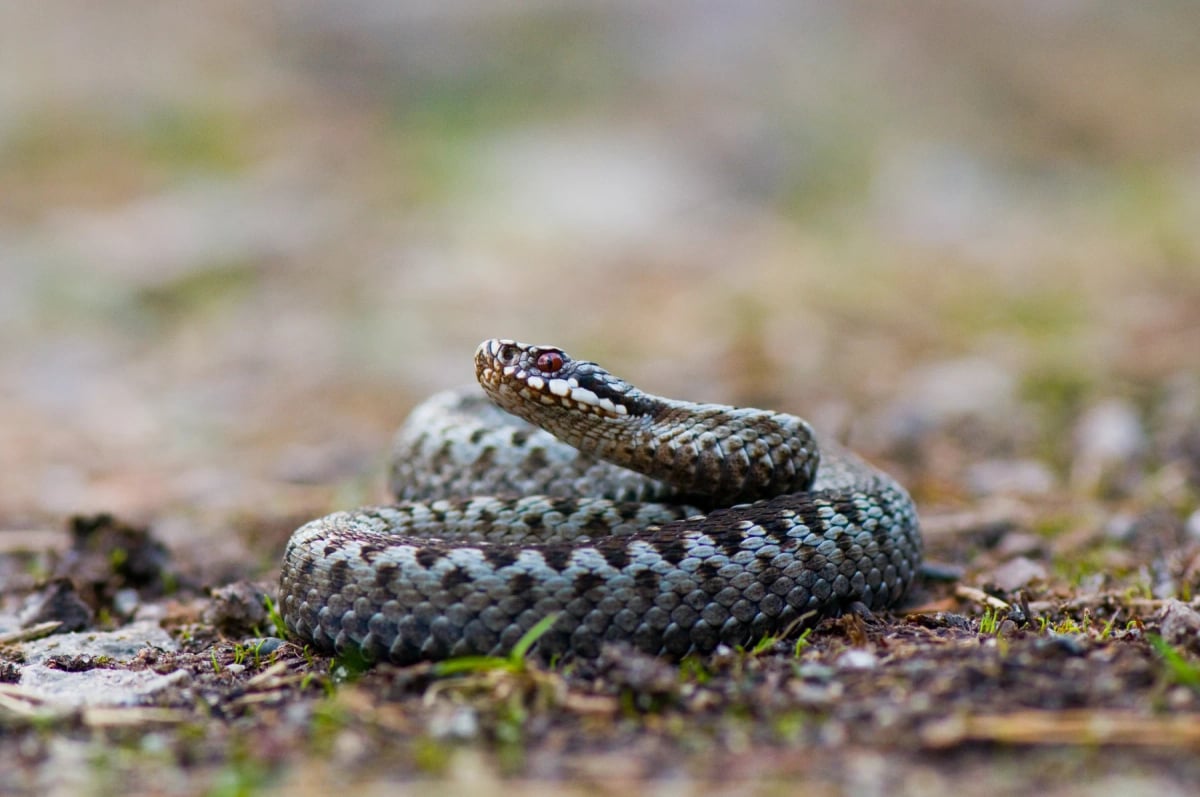
European Adder
Vipera berus
The European adder is the most common and widespread snake in Norway, and the only venomous one. It ranges from the southern lowlands all the way up to the North Cape, making it one of the northernmost snakes on Earth. It thrives on heathland, rocky hillsides, and forest clearings. Long winters mean it hibernates for up to six months. Its IUCN status is Least Concern.
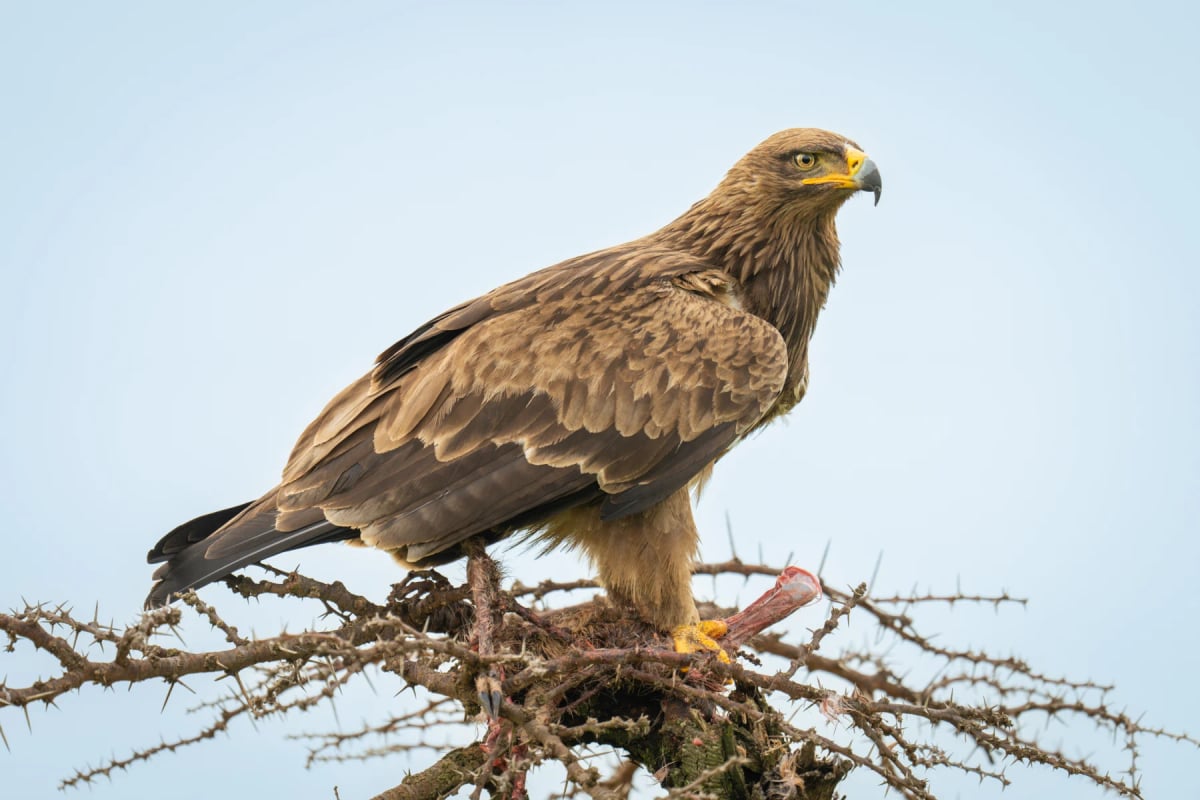
Steppe Eagle
Aquila nipalensis
The Steppe Eagle is a rare visitor to Norway, recorded occasionally as a vagrant well outside its normal migratory route. Sightings here are uncommon and typically involve young birds that have strayed far from the usual corridor through Eastern Europe and the Middle East. Norway holds no breeding population. The species is listed as Endangered globally, with ongoing declines driven by electrocution, poisoning, and the loss of open steppe habitats.
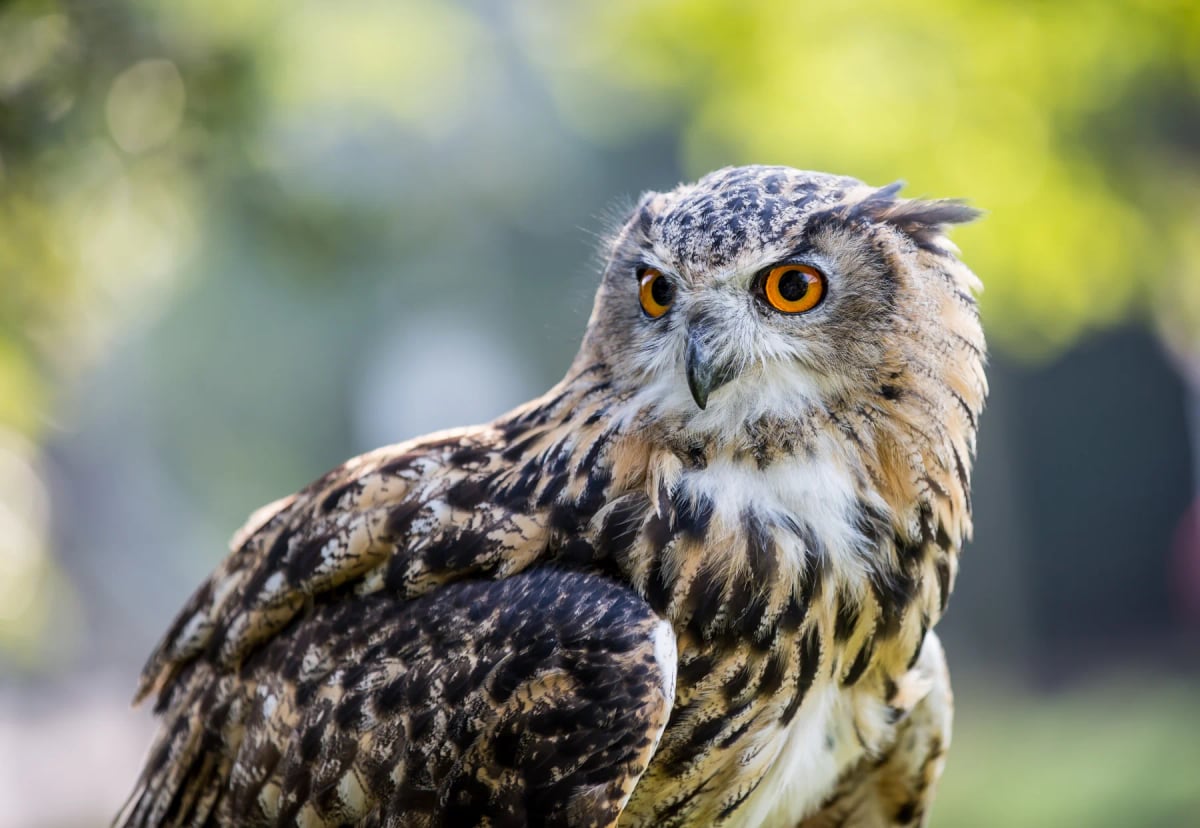
Eagle Owl
Bubo bubo
The eagle owl is Norway's largest owl, found across much of the country from coastal cliffs to the forested valleys of the interior. It nests on rocky ledges, often in steep hillsides above rivers and lakes. Norwegian populations declined sharply during the twentieth century due to persecution and disturbance, but legal protection has helped numbers recover. The IUCN lists the species as Least Concern.
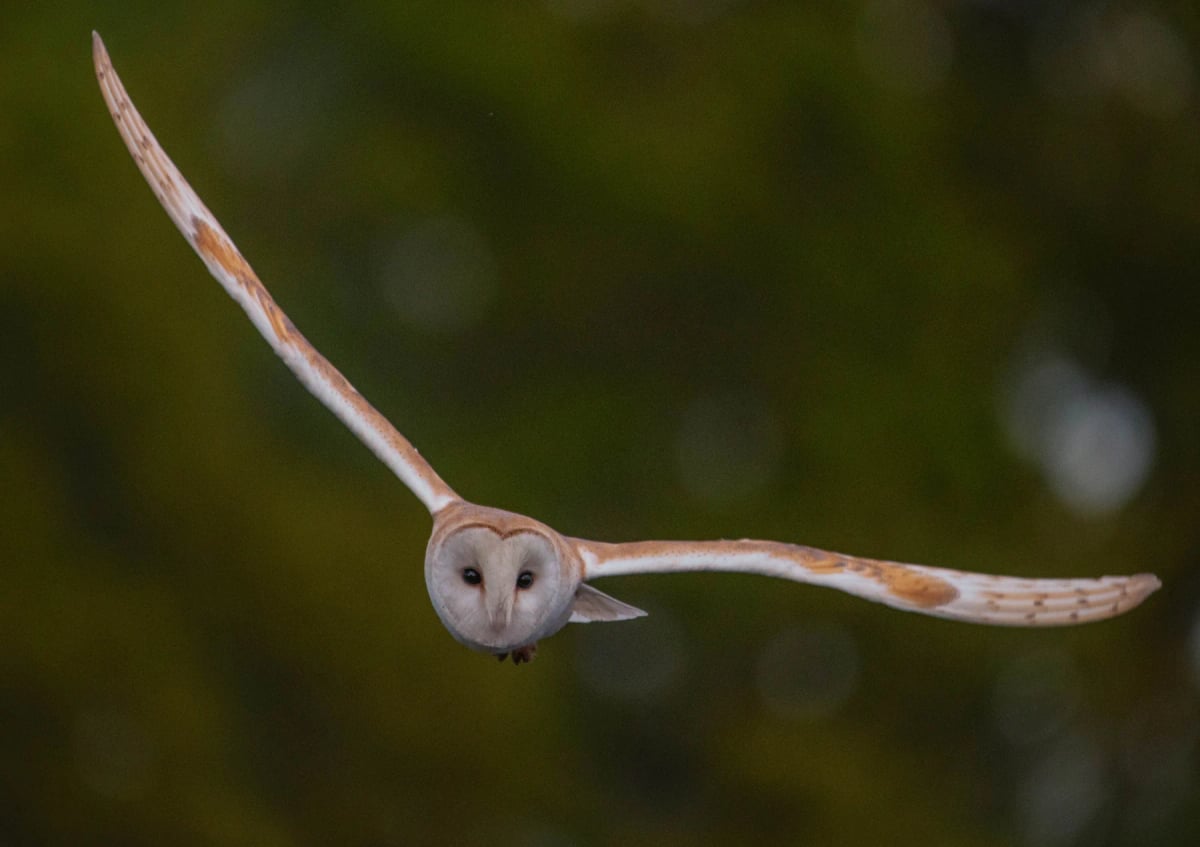
Barn Owl
Tyto alba
The barn owl is extremely rare in Norway and is considered a vagrant or very occasional visitor rather than a resident breeding species. Most records come from the southwestern coastal areas and the islands of Rogaland and Vestland, where milder Atlantic conditions occasionally allow individuals from Britain or continental Europe to reach. Norway's cold climate, long winters, and limited open agricultural habitat make it largely unsuitable for sustained barn owl populations. Any sighting in Norway is considered exceptional and is of significant interest to local ornithologists.
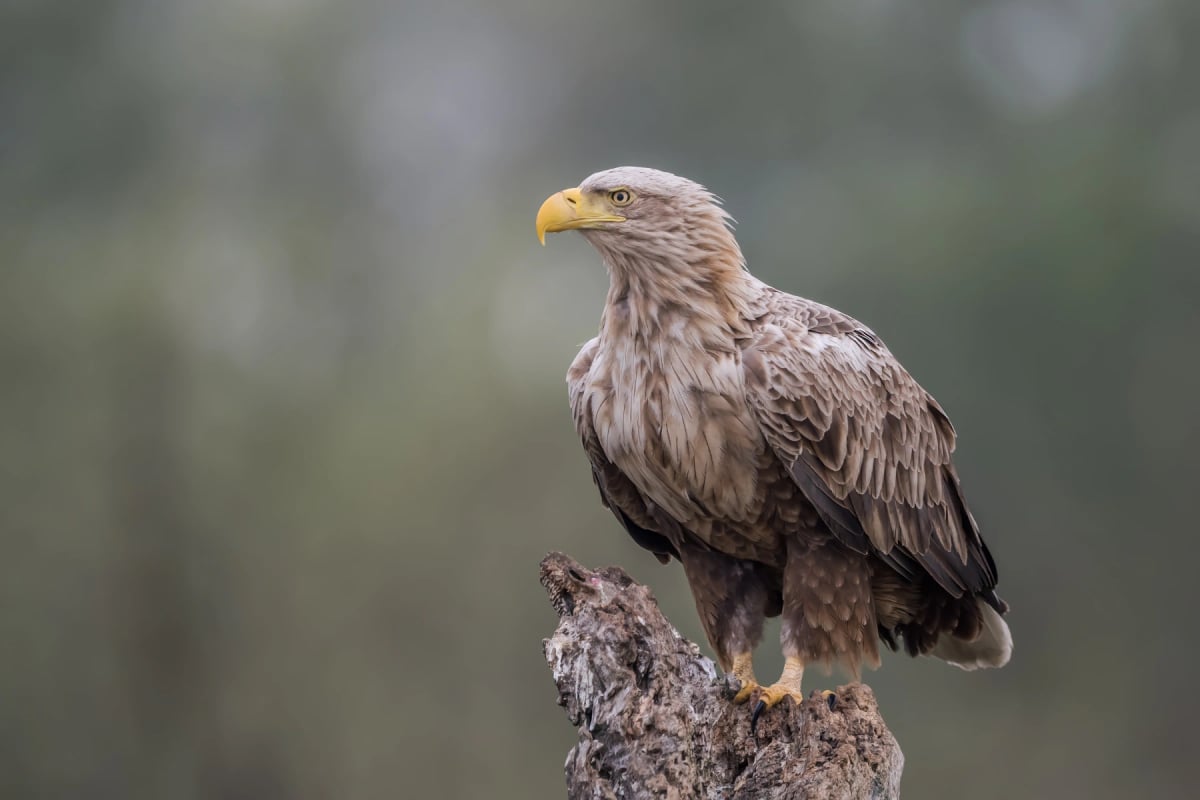
White tailed Eagle
Haliaeetus albicilla
Norway holds one of the largest and most stable populations of white tailed eagles in Europe. The species thrives along the rugged coastline, fjords, and island archipelagos of western and northern Norway, where fish are plentiful year round. After serious declines in the twentieth century due to persecution, strong legal protection helped the population recover impressively. Today, Norway is considered a core country for this eagle across its entire European range.
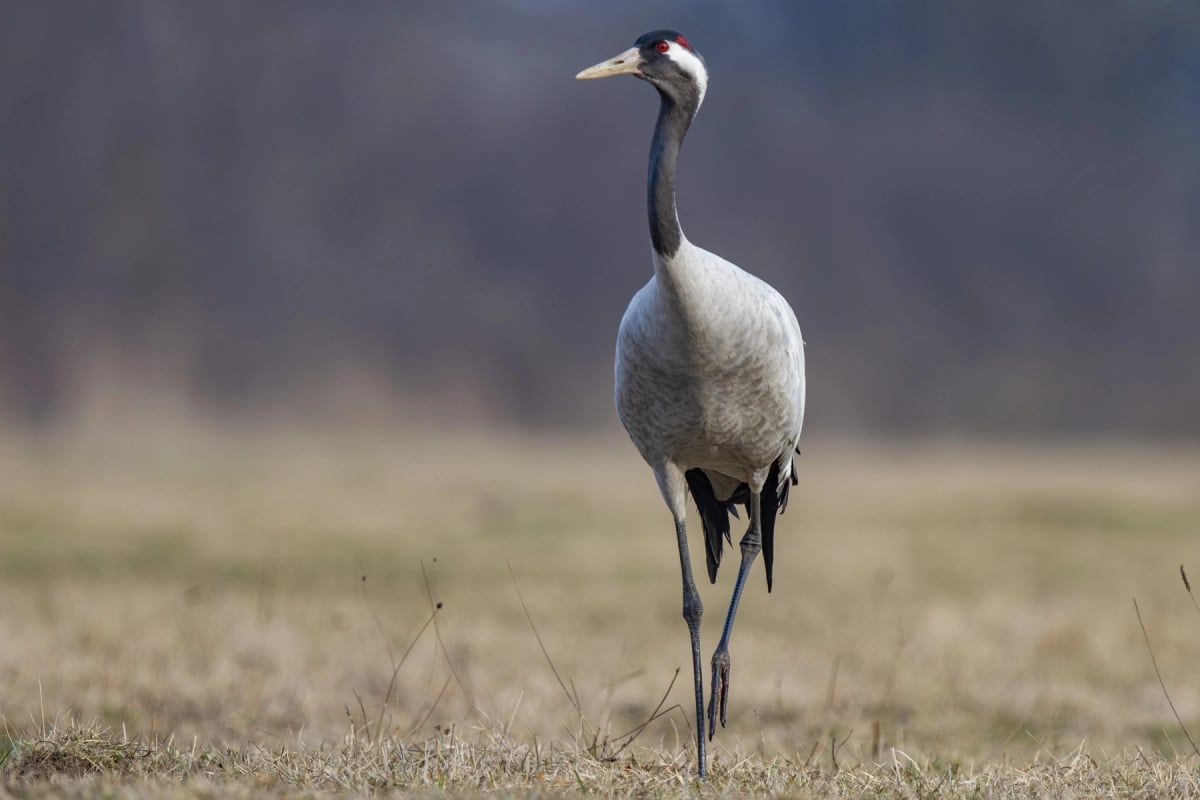
Crane
Grus grus
Norway is one of the breeding strongholds of the common crane in Scandinavia, where the bird nests in bogs, fens and forest wetlands, particularly across central and southern regions. After years of persecution and habitat loss, the crane has made a strong comeback in Norway and is now a regular and welcome sight. The species is rated Least Concern by the IUCN, and conservation efforts to protect wetland habitats have helped its recovery.
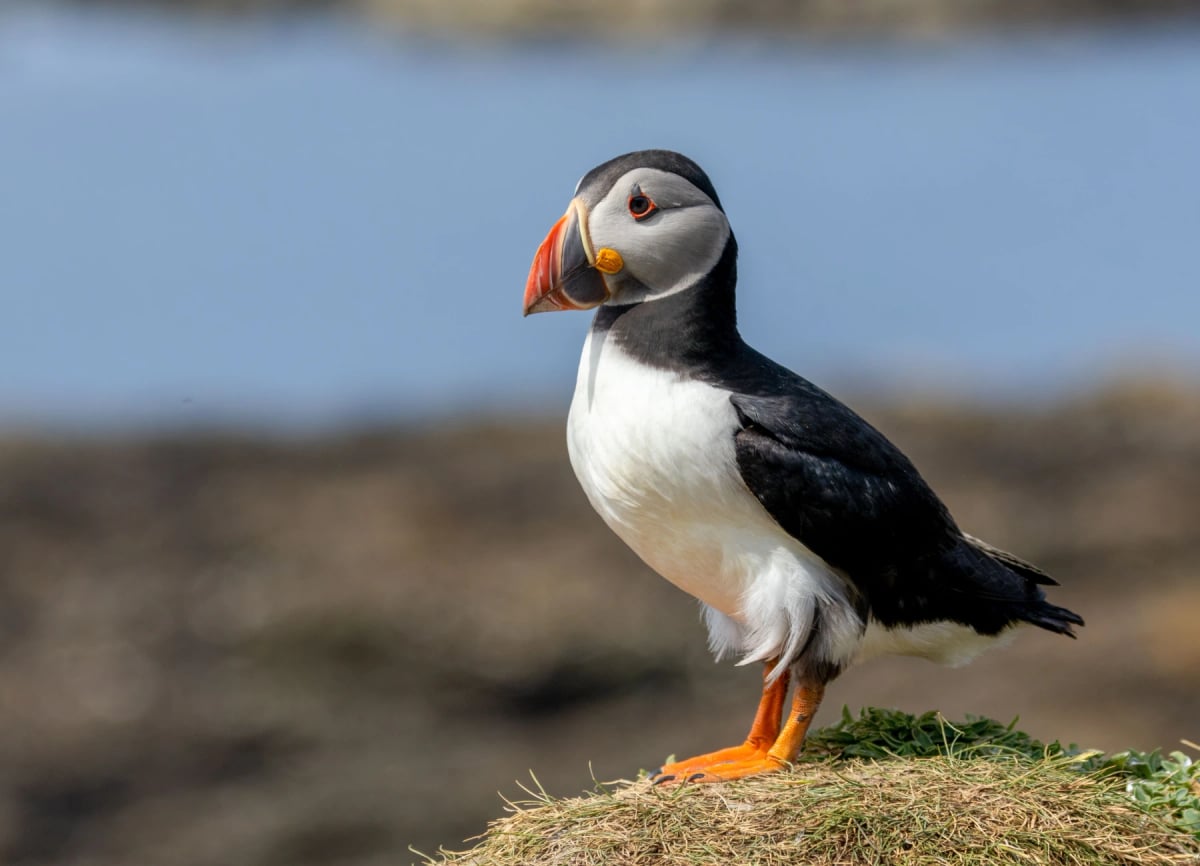
Puffin
Fratercula arctica
Norway holds one of the most significant puffin populations in Europe, with large colonies on islands along its extensive coastline, including Røst in the Lofoten archipelago. However, numbers have dropped dramatically over the past few decades, with Røst losing a large share of its breeding birds. Researchers link the decline to reduced availability of herring and sand eels in the Norwegian Sea. The puffin is now considered a species of high conservation concern in Norway.
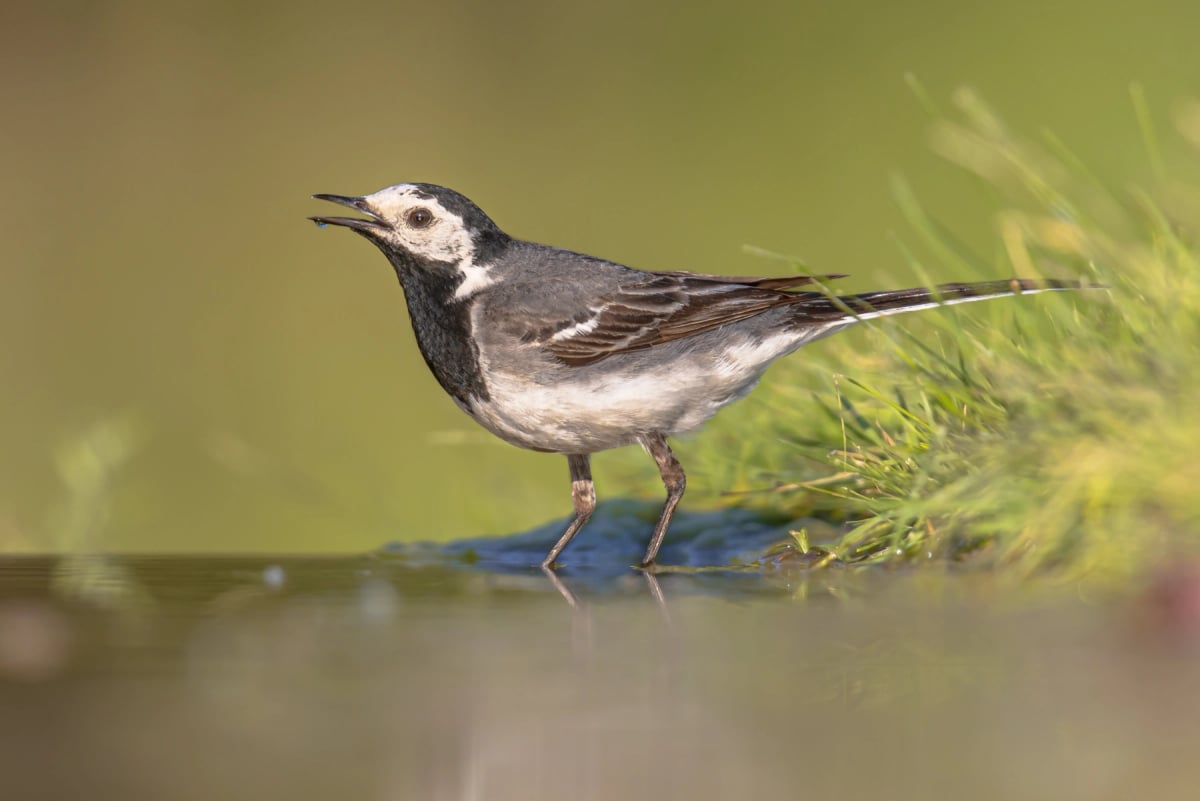
White Wagtail
Motacilla alba
Small black, white and grey bird with a slender tail that bobs up and down as it walks and feeds along the edges of water and open ground.
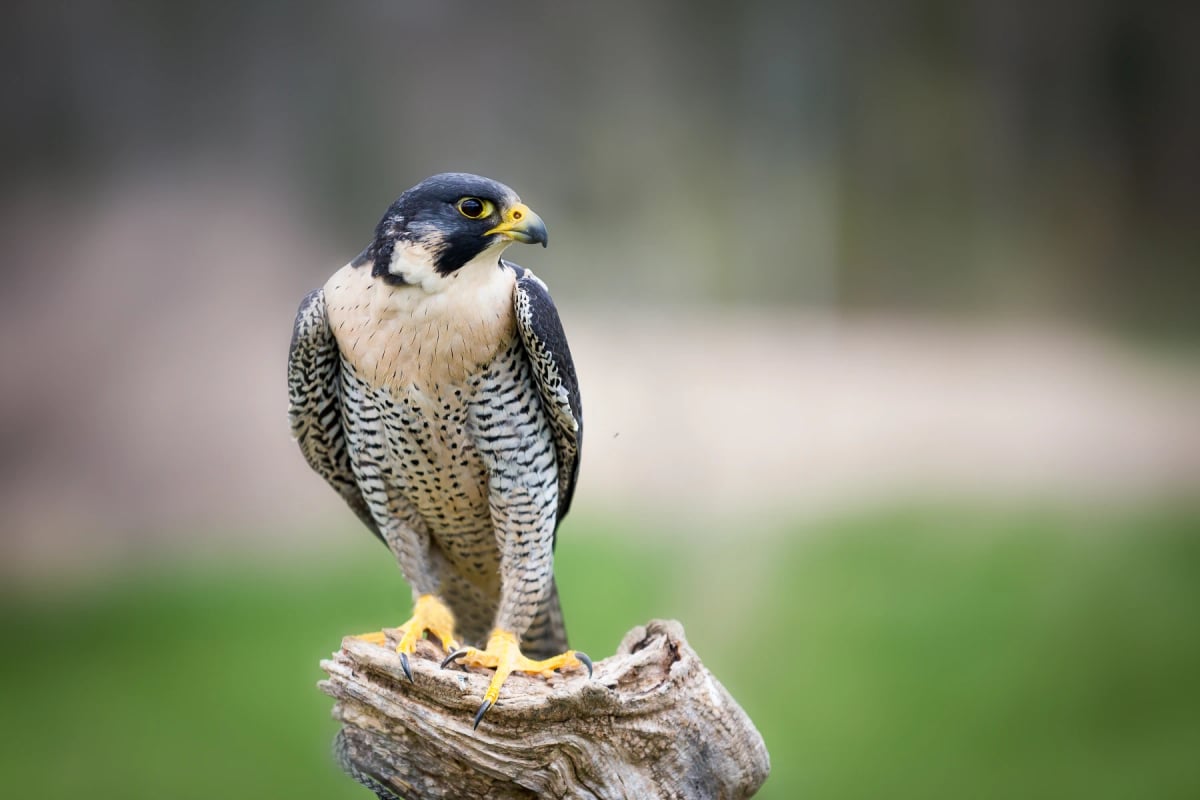
Peregrine Falcon
Falco peregrinus
Norway holds one of the most important peregrine falcon populations in northern Europe. The species nests on the steep coastal cliffs of the fjords, on mountain ledges inland, and along the rocky shores of the Arctic north. Norwegian populations were devastated by DDT in the mid twentieth century but have recovered well following the pesticide's ban. Conservation monitoring continues across the country. Its IUCN status is Least Concern.
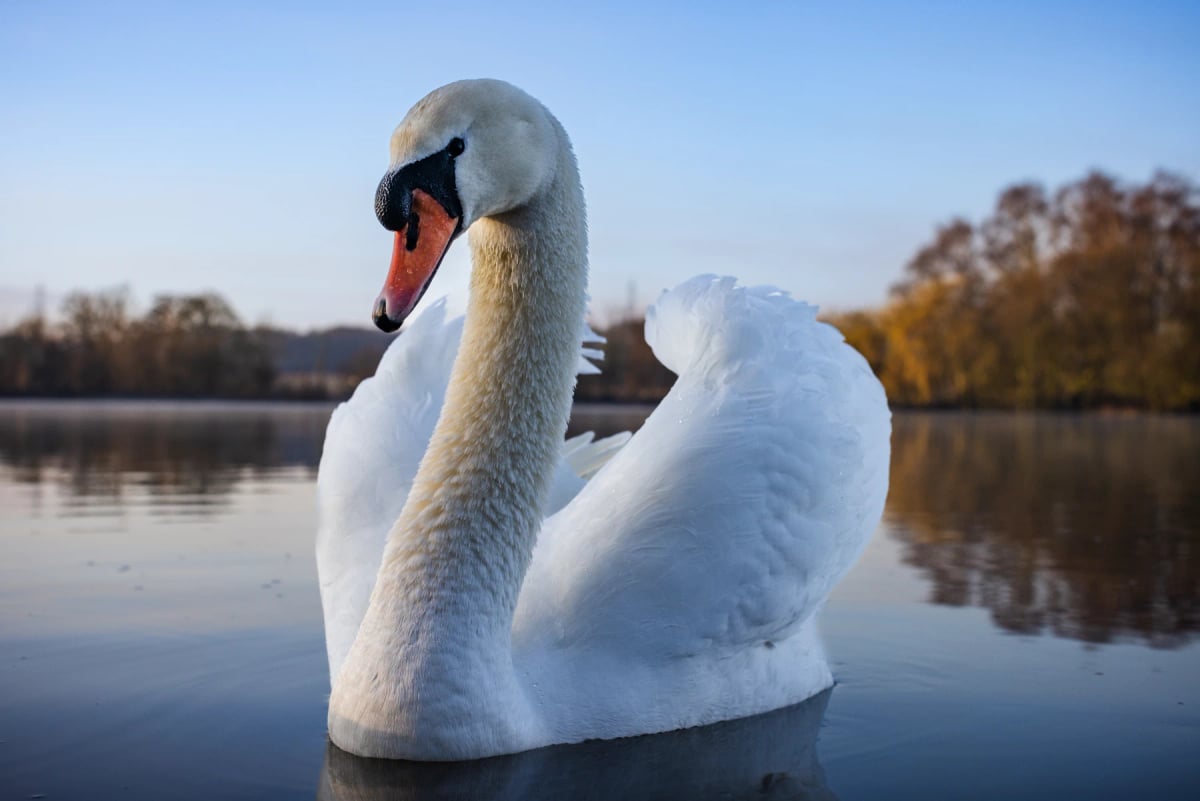
Mute Swan
Cygnus olor
The mute swan breeds along the coast of southern Norway, favoring sheltered fjords, bays, and shallow lakes where aquatic vegetation grows. It is less common further north, where conditions become too harsh. During winter, birds gather on ice-free coastal waters. Norway's population has expanded over recent decades, a trend seen across much of northern Europe. The IUCN considers the mute swan to be of Least Concern across its global range.
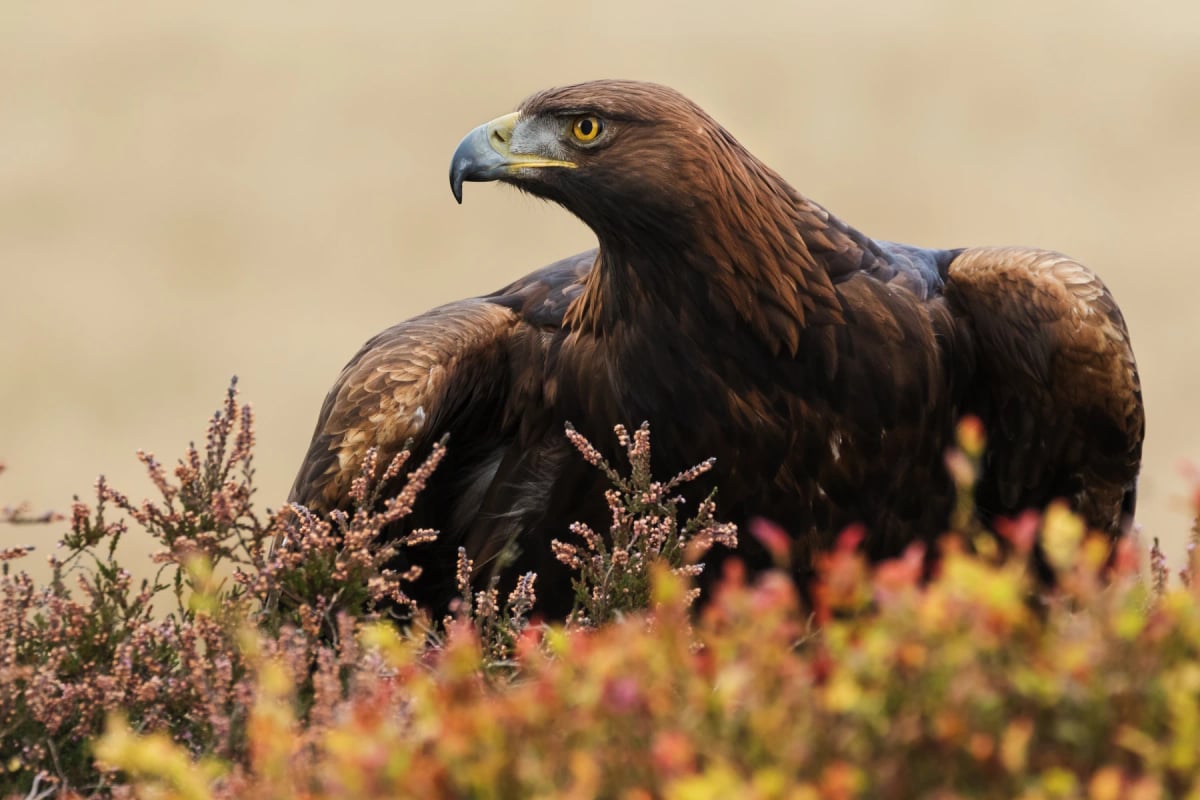
Golden Eagle
Aquila chrysaetos
Norway holds one of the healthiest golden eagle populations in Europe. The bird is widespread across the country, from the fjord landscapes of the west to the open plateaus of the north. It feeds on ptarmigan, hares, and reindeer calves. Pairs defend large territories across remote wilderness areas. Persecution reduced numbers historically, but protections introduced in the twentieth century have supported a strong recovery.
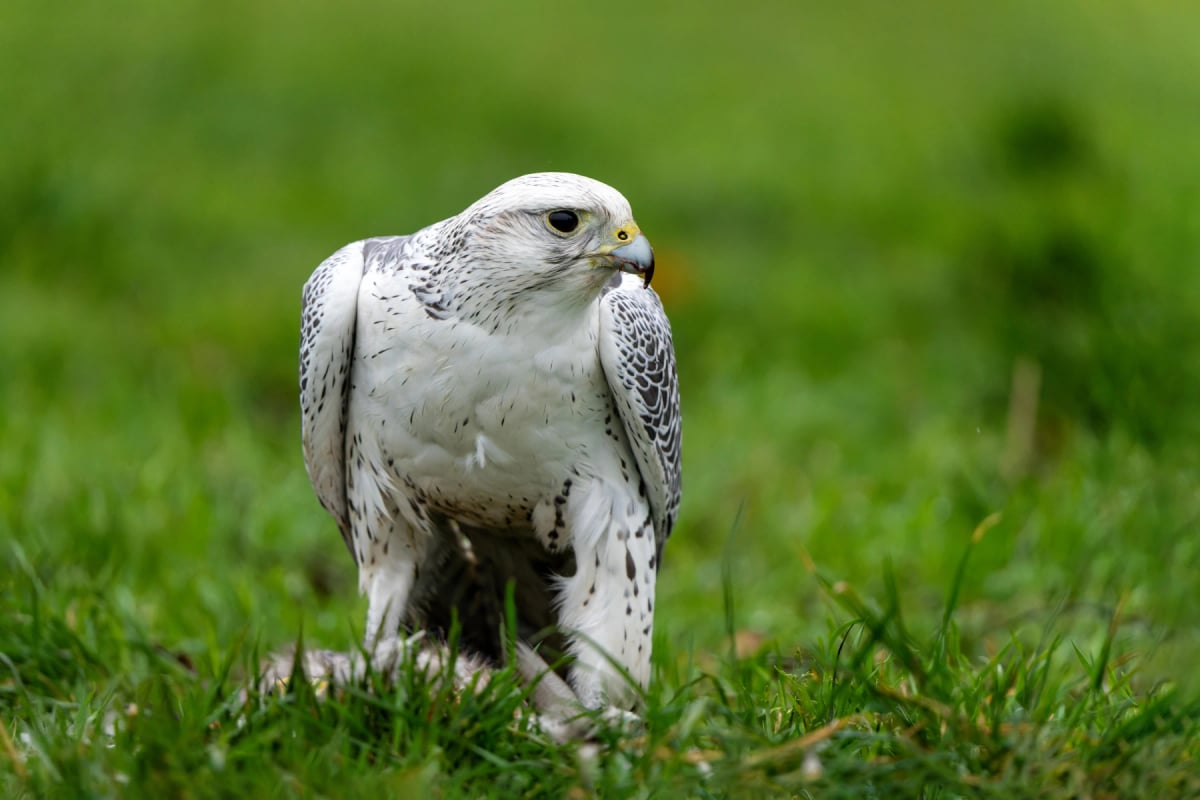
Gyrfalcon
Falco rusticolus
Norway's Arctic regions, particularly Svalbard and the northern mainland, provide prime nesting habitat for the gyrfalcon. Cliff faces overlooking open tundra and coastal plains are favored spots. Ptarmigan are the main prey throughout the year. Norwegian conservation efforts help protect nest sites, and surveys track the population across Finnmark and other northern counties. The species is considered a flagship bird of Norway's Arctic landscape. IUCN status: Least Concern.
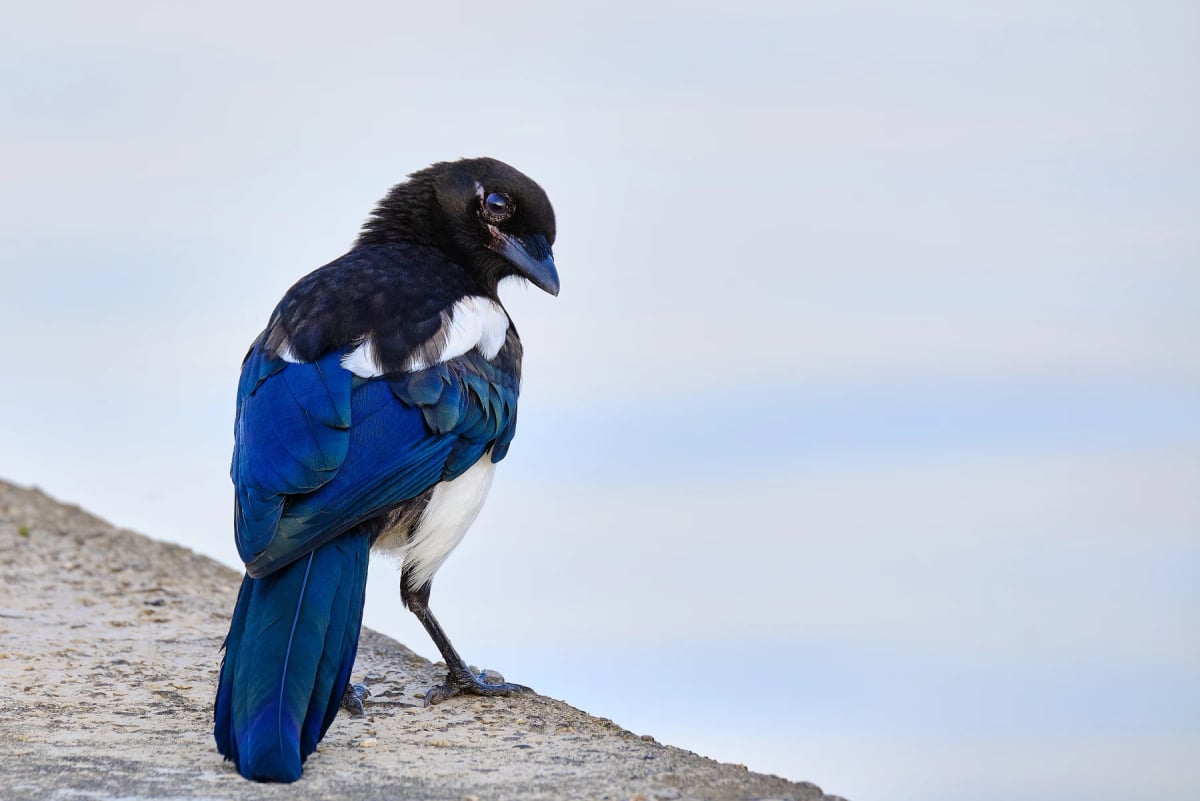
Eurasian Magpie
Pica pica
In Norway, the Eurasian Magpie is most common along the coast and in the southern lowlands, where milder winters and access to food make life easier. It is a regular presence in Norwegian towns and gardens, particularly around Oslo and other cities in the southeast. Further north, it becomes less frequent but is still seen in sheltered coastal areas. It is a year round resident that does not migrate. IUCN status: Least Concern.
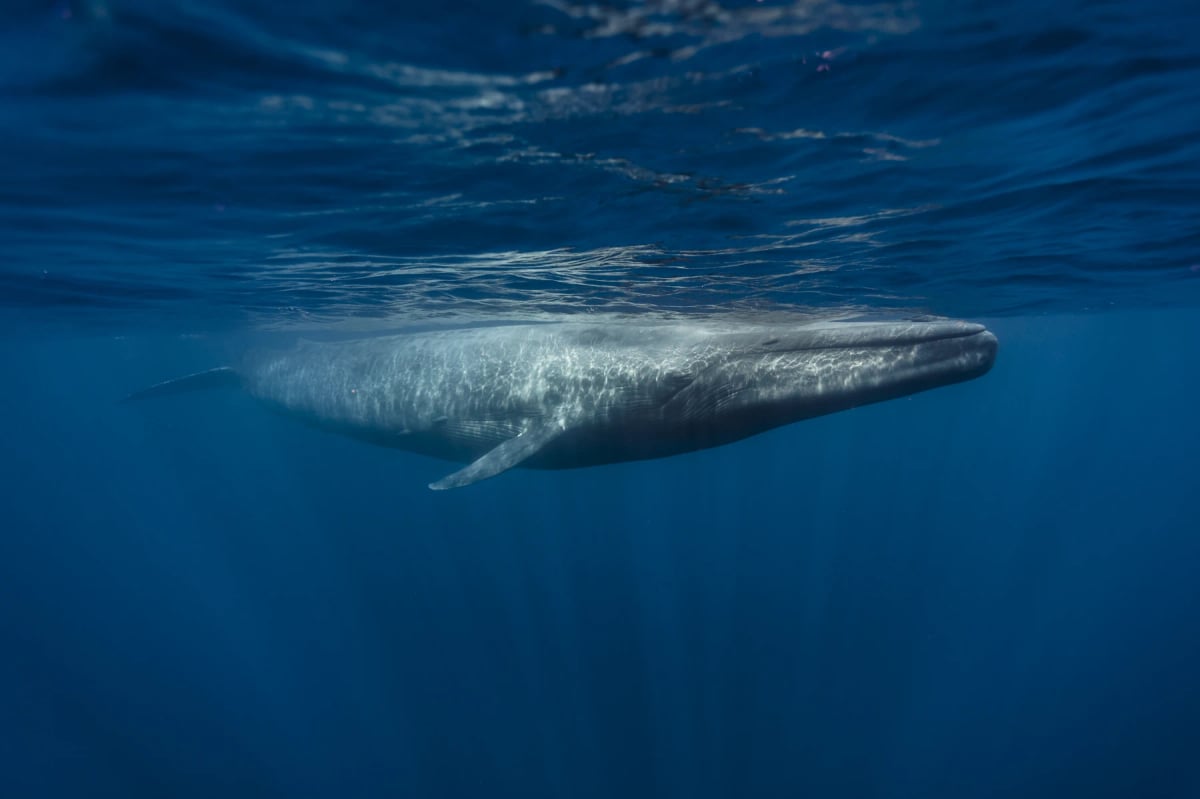
Blue Whale
Balaenoptera musculus
Norwegian interest in blue whales centres on Svalbard, where the species has been recorded with increasing frequency since the 1990s after being nearly wiped out locally by whaling a century earlier. Summer sightings occur along the ice edge and in fjord mouths, where melting ice releases nutrients and krill concentrates. Numbers remain modest, but the return of the species to these waters is treated as one of the clearer recovery signals in the North Atlantic.
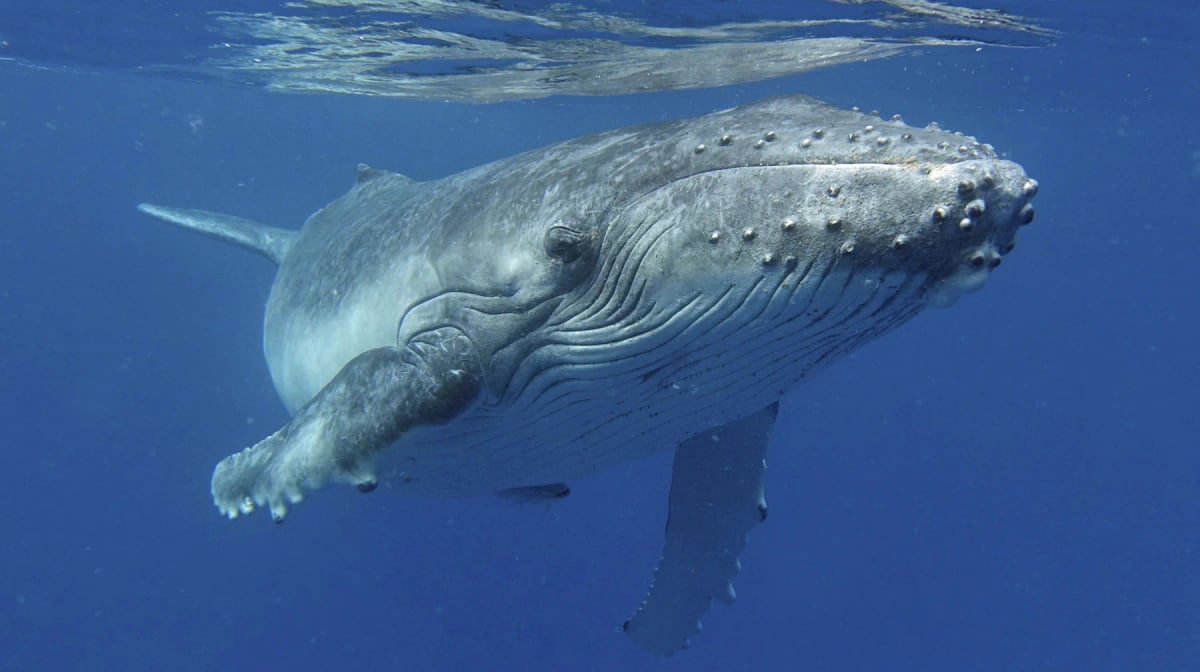
Humpback Whale
Megaptera novaeangliae
Norway's Arctic and sub-Arctic waters, particularly around Svalbard and the northern fjords, serve as rich feeding grounds for humpback whales during summer. The cold seas here are packed with krill and herring, drawing these whales in large numbers. Norway has a complex history with whaling, but humpbacks are now fully protected, and whale watching off the northern coast has grown into a significant activity.
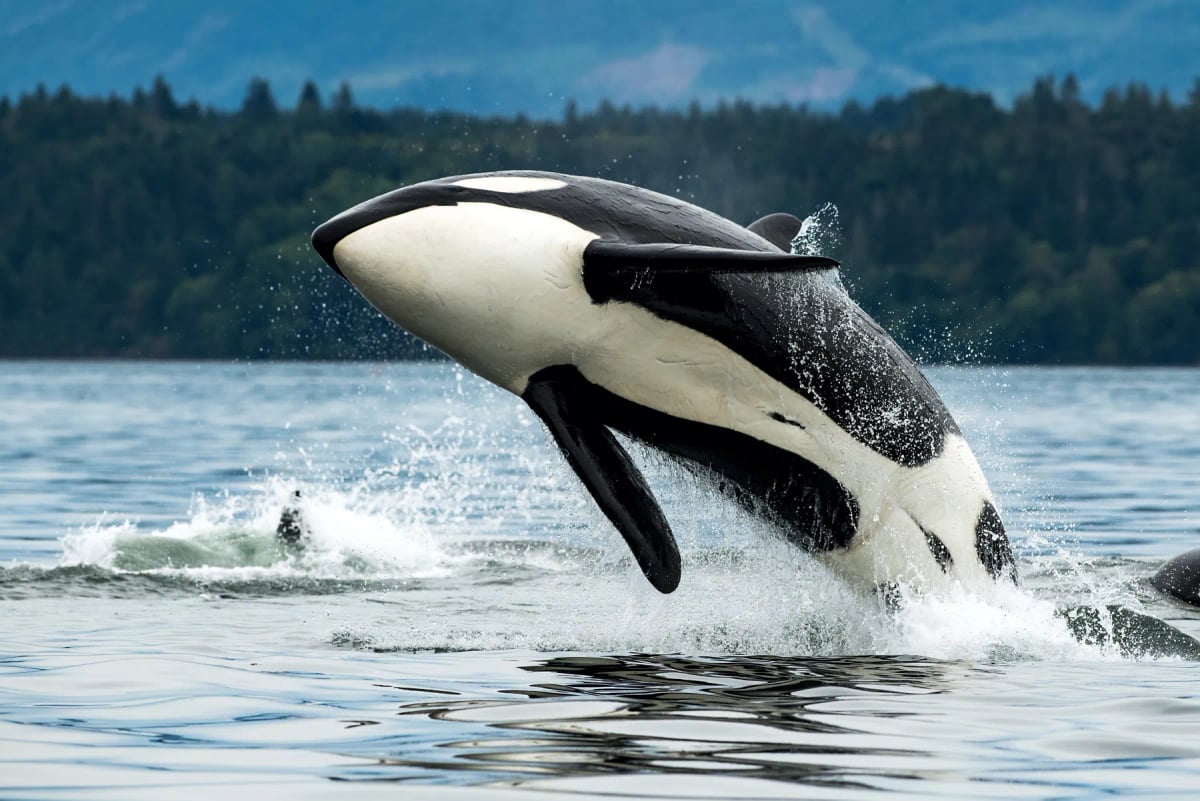
Orca
Orcinus orca
Norway is one of the best places in the world to observe orcas. Every autumn and winter, pods gather in the fjords of northern Norway, particularly around Tromsø and the Lofoten Islands, to feed on the vast herring schools that migrate through those waters. Norwegian orcas are among the most studied populations on Earth, giving scientists valuable insight into their social structures and hunting techniques.
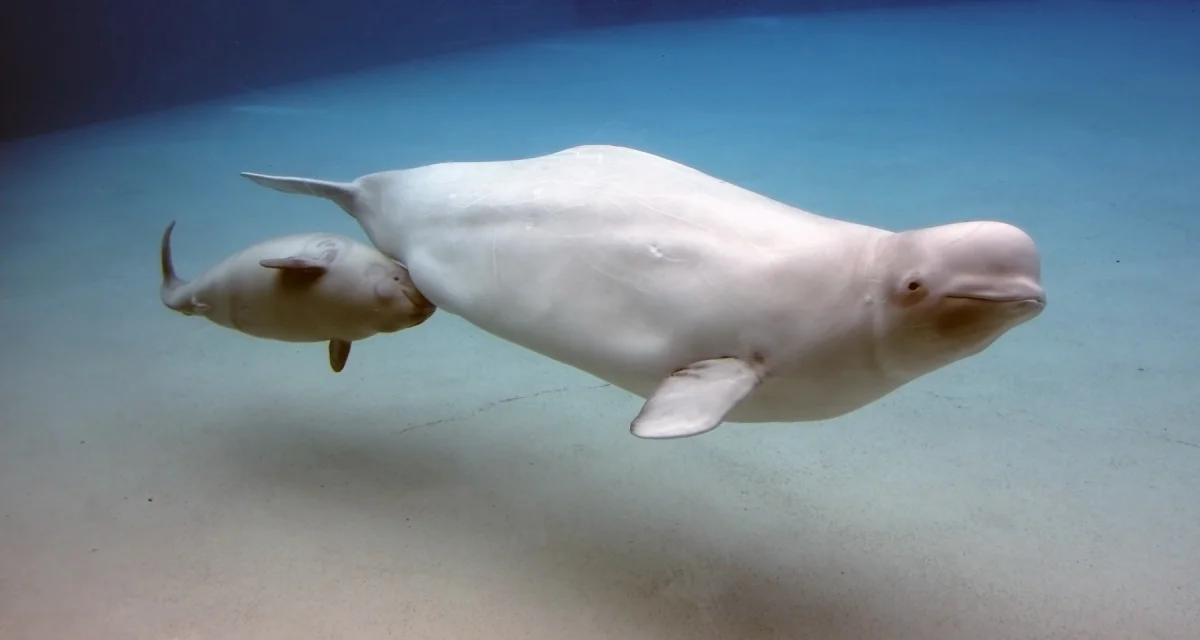
Beluga Whale
Delphinapterus leucas
Beluga whales occur in Norwegian Arctic waters, primarily around the Svalbard archipelago, where they inhabit fjords and nearshore areas during summer. Svalbard serves as an important summer feeding ground, and belugas are regularly spotted from research vessels and tourist boats. Norway plays an active role in Arctic marine research, and beluga sightings contribute to ongoing population monitoring across the region. IUCN status: Least Concern.
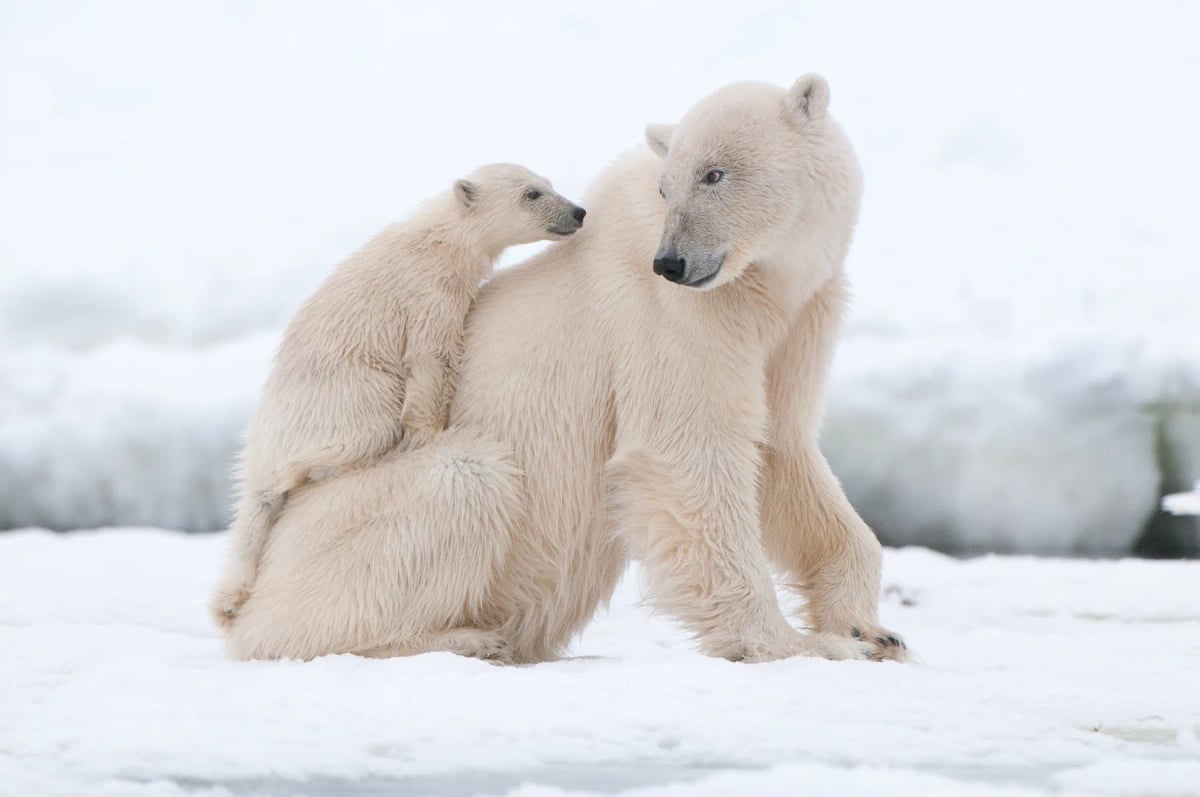
Polar Bear
Ursus maritimus
In Norway, polar bears are found almost exclusively in the Svalbard archipelago, a protected wilderness in the high Arctic. The Svalbard population is shared with Russia and numbers in the low thousands. Norwegian law gives polar bears full protection, and the archipelago serves as an important research base for scientists monitoring how melting sea ice affects bear health and behavior. The IUCN lists the species as Vulnerable.

Bottlenose Dolphin
Tursiops truncatus
In Norwegian waters, bottlenose dolphins are occasional visitors along the southwestern coastline, where the influence of the North Atlantic Current keeps temperatures relatively mild. Sightings tend to cluster near coastal fjords and offshore banks rich in fish. Populations in this northern range are not permanently resident but follow prey availability. The IUCN lists the species as Least Concern.
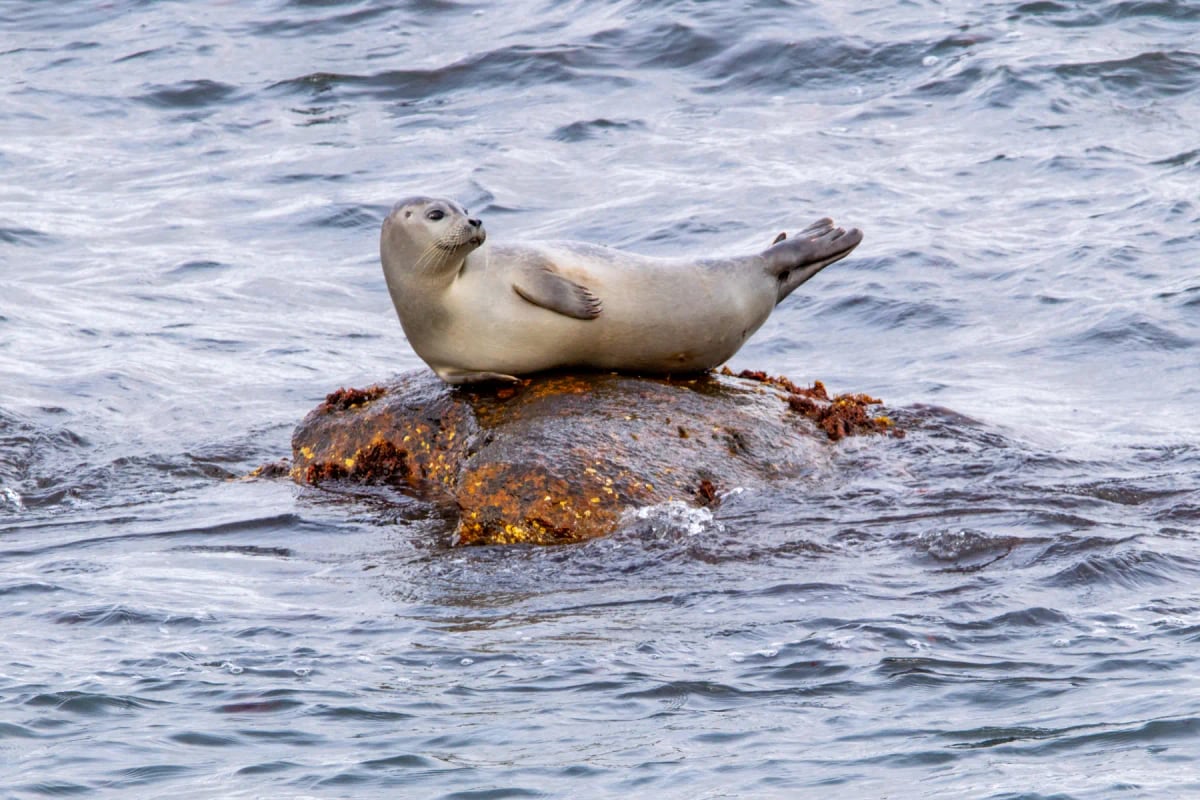
Seal
Phoca vitulina
Harbor seals are found along the entire Norwegian coastline, from sheltered fjords in the south to exposed rocky shores farther north. They hunt cod, herring, and other fish common in Norwegian waters. Conflicts with fisheries have historically led to culling in some areas. The species is considered at a stable level nationally, though local populations in certain fjords remain small and vulnerable to disturbance.
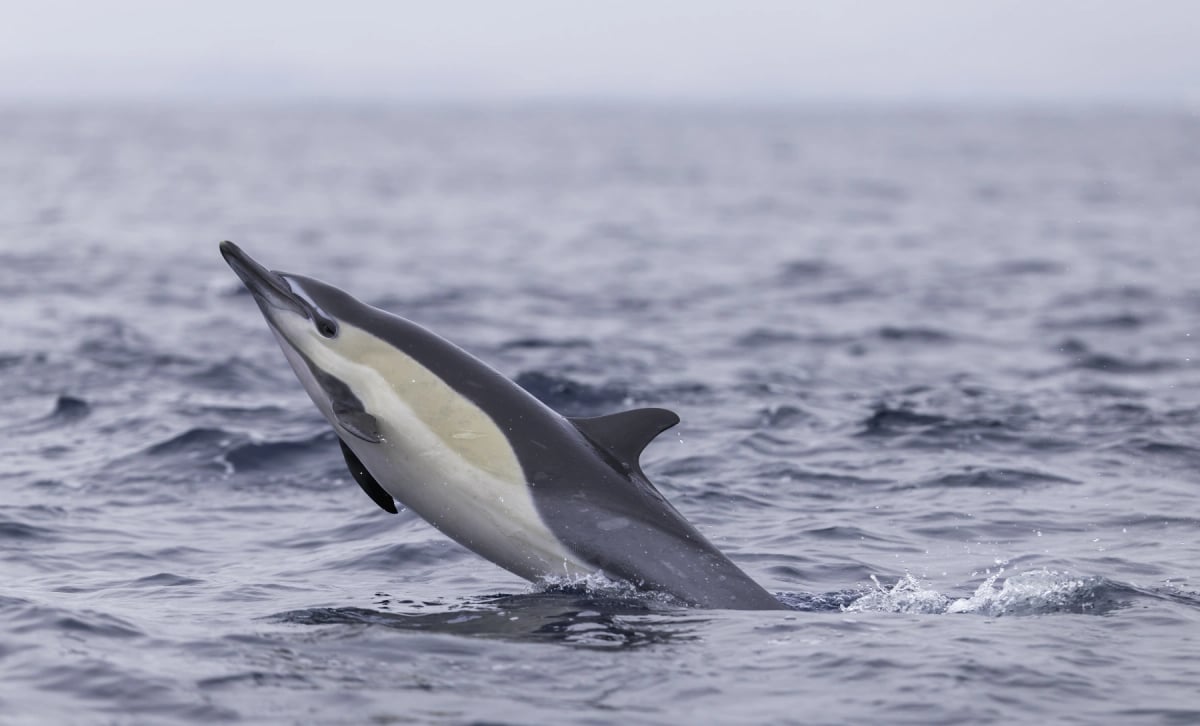
Common Dolphin
Delphinus delphis
In Norwegian waters, the common dolphin is most often seen along the western coast and around the North Sea, particularly during summer and autumn when warmer Atlantic currents push northward. Herring and mackerel draw these dolphins into Norwegian fjords on occasion. The species holds a Least Concern status with the IUCN. Norway's well-documented whale and dolphin surveys have helped confirm the regular presence of this species in the northeast Atlantic.
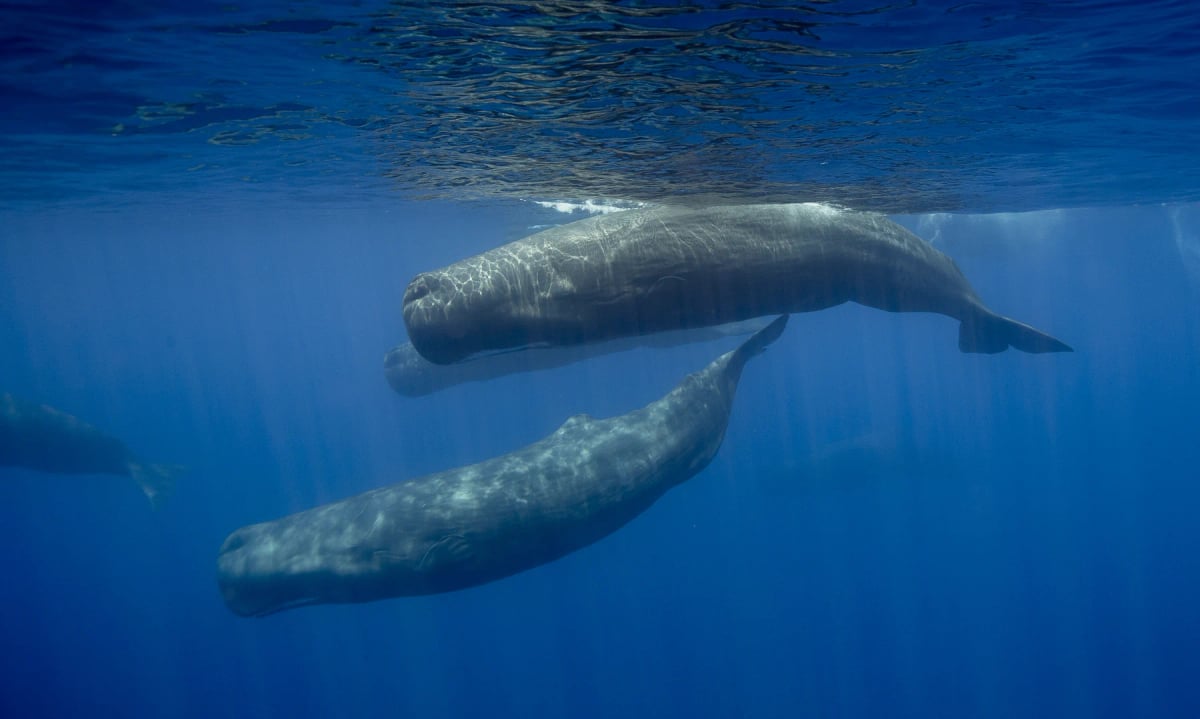
Sperm Whale
Physeter macrocephalus
Sperm whales visit Norwegian waters, particularly around the deep fjords and the shelf edges of the Norwegian Sea. Males are most commonly seen here, following concentrations of squid into these cold northern waters. Norway has a long history with this species through its whaling past, but today the sperm whale is fully protected. The IUCN lists the species as Vulnerable, and scientists continue to monitor populations in the Northeast Atlantic.
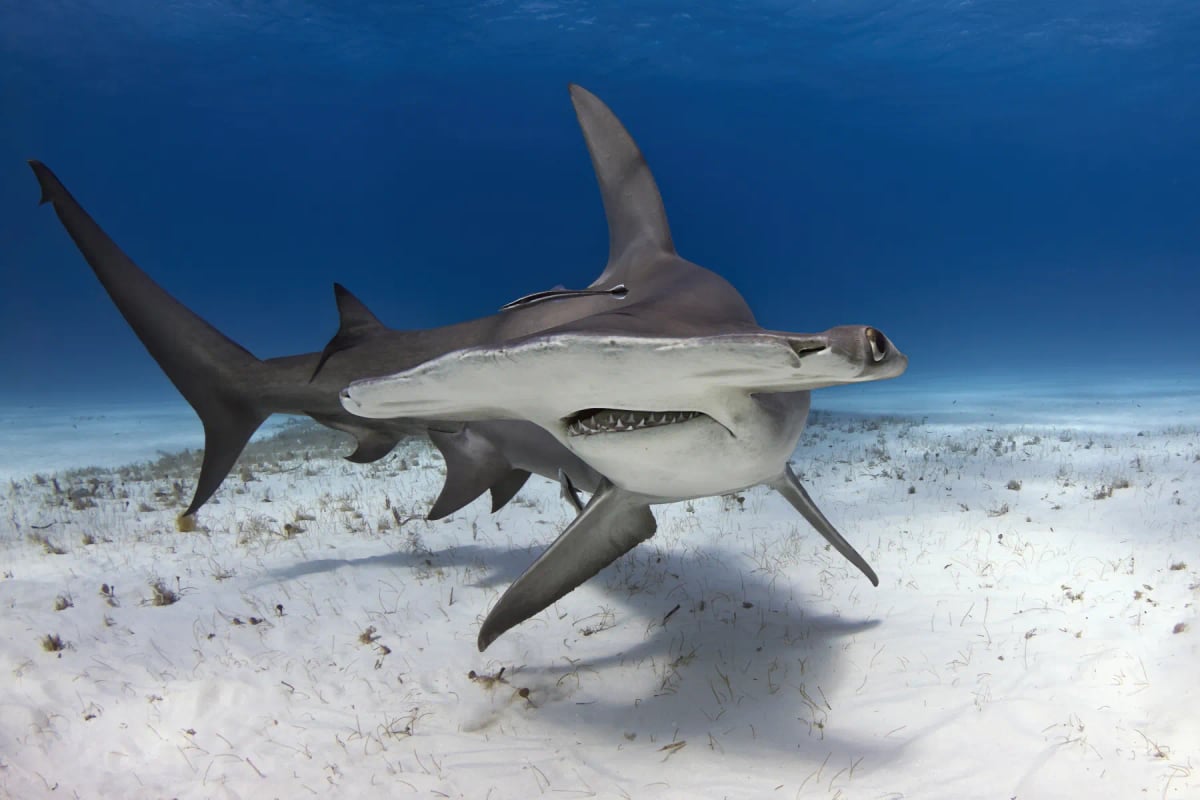
Hammerhead Shark
Sphyrna spp.
Norway's coastline along the North Atlantic and Norwegian Sea is generally too cold for hammerhead sharks, though records from the broader northeastern Atlantic suggest occasional presence in warmer offshore currents. Norway is a major fishing nation and has engaged with international shark conservation frameworks. Hammerheads are Critically Endangered worldwide, and Norwegian scientific and regulatory involvement in Atlantic fisheries management has relevance for their recovery.
Researched and written by Juan Pablo. Sources: IUCN Red List, scientific literature and regional field guides. Last updated: .