Animals in France
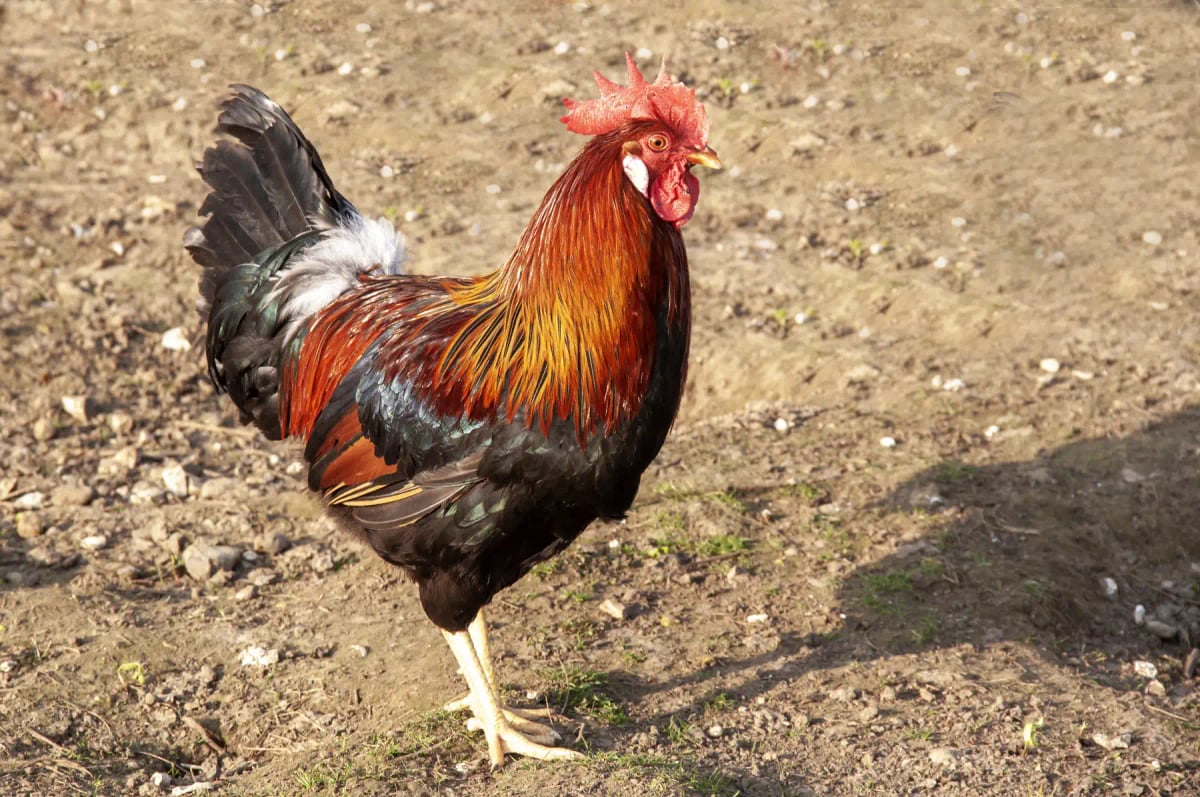
Rooster
Gallus gallus domesticus
The Gallic rooster has been linked with France for centuries, thanks to a Latin word play: gallus means both rooster and a person from Gaul, the ancient name of the region. It became a symbol of courage, pride and vigilance, and it appears on the gate of the Élysée Palace garden, on war memorials, on coins and on the shirts of French sports teams. The rooster is not an official emblem in the Constitution, unlike the flag, the motto and the anthem, and it is a farm bird rather than a wild species, but it remains the animal most people associate with France.
View details→Wildlife in France
France stretches from the English Channel and the Atlantic coast to the Alps and the Mediterranean, with the Pyrenees along its southern border, and this range of landscapes supports a remarkably rich wildlife for a western European country. In the mountains live brown bears in the Pyrenees, wolves that spread from Italy into the Alps, and alpine ibex, chamois and alpine marmots on the high slopes, while Eurasian lynx roam the forests of the Jura and the Vosges. Red deer, roe deer, wild boars, red foxes, badgers, hares, hedgehogs and European wildcats live in the lowland woods, and the common genet hunts at night in the southwest. Golden eagles, eagle owls and griffon vultures soar over the Cévennes and the Pyrenees, storks nest in Alsace, cranes stop at Lac du Der on migration, and puffins breed on the Sept Îles in Brittany. Along the coasts swim bottlenose and common dolphins, seals, sperm whales and orcas, and barracudas are now common in the warm Mediterranean.
Most Dangerous Animals in France
The wildlife of France is generally not threatening, but a few animals deserve attention. Wild boars are common in French forests, and their numbers have grown so much that they now enter towns and gardens; they can be dangerous at close range, especially females with young, and they cause many road accidents. The European adder is one of a few venomous vipers in France, living on heaths, rocky slopes and forest edges, and its bite needs hospital care but is rarely fatal. Brown bears and wolves live in small numbers in the Pyrenees and the Alps and avoid people, although their attacks on sheep cause conflict with farmers, and lynx are shy and harmless to humans. In the Atlantic and the Mediterranean, orcas occasionally appear, and hammerhead and great white sharks are recorded offshore, but incidents with people are extremely rare. Barracudas may bite if a shiny object attracts them. Watching the ground on mountain trails and keeping away from boars are the simplest precautions.
Top 10 Animals in France
The top 10 animals in France bring together ocean hunters and the big mammals that have come back to its mountains. Orcas pass along the Atlantic coast and the Bay of Biscay, and the great white shark is recorded, very rarely, in the Mediterranean. The brown bear lives in the Pyrenees, where the French count reached 96 bears in 2024 after bears from Slovenia were released to save the population. Wolves returned by themselves from Italy to the Mercantour in 1992, and today about 1,082 live in France, which is why both the gray wolf and the Italian wolf appear on the list. The Eurasian lynx, reintroduced in the 1970s and 1980s, lives mainly in the Jura. The red deer is the largest wild herbivore, famous for the autumn rut in forests such as Chambord. Sperm whales dive in the deep waters of the Mediterranean, and the hedgehog and the common genet, a spotted night hunter of the southwest, complete the list.
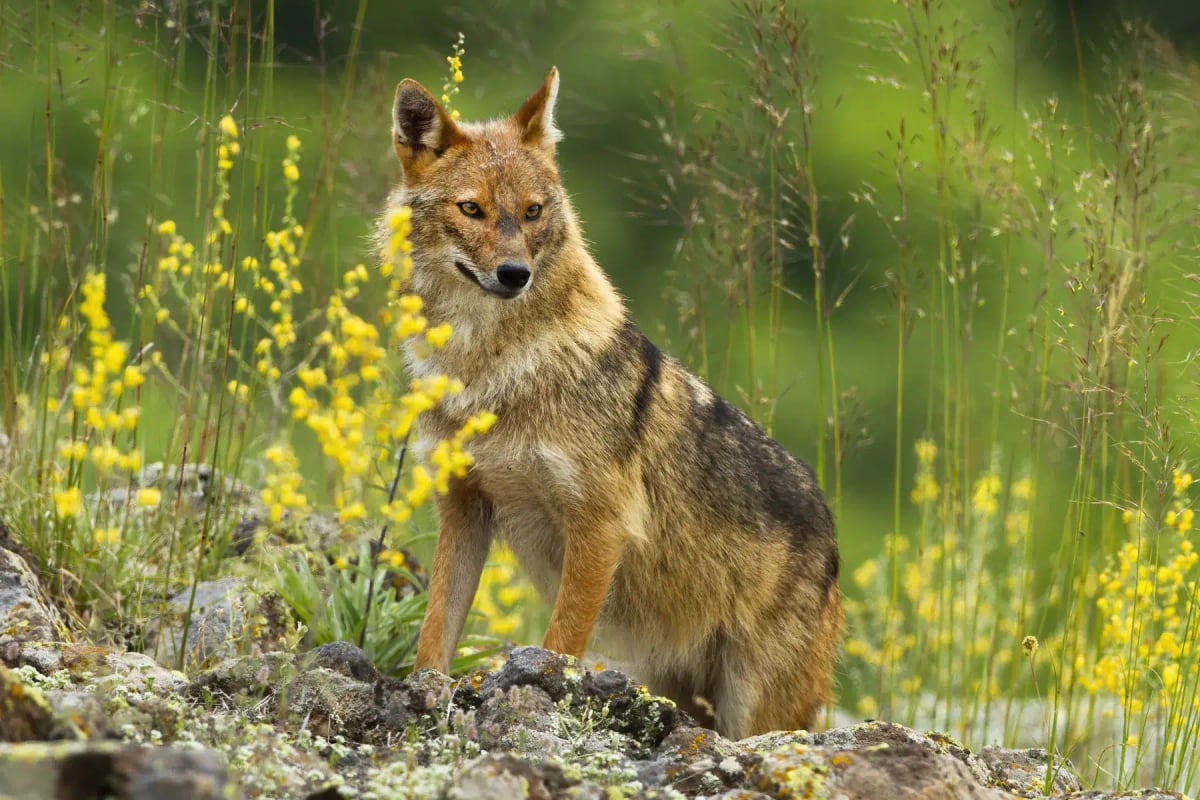
Golden Jackal
Canis aureus
France has recorded golden jackals with increasing regularity since the 2010s, mainly in the southeast, including areas near the Rhône delta and Provence. These animals have entered from Italy and the Balkans as part of the species' well documented westward expansion across Europe. The jackal is not yet an established breeding population in France, but confirmed sightings suggest it is gradually finding suitable habitat in scrubland and wetland areas. IUCN status: Least Concern.
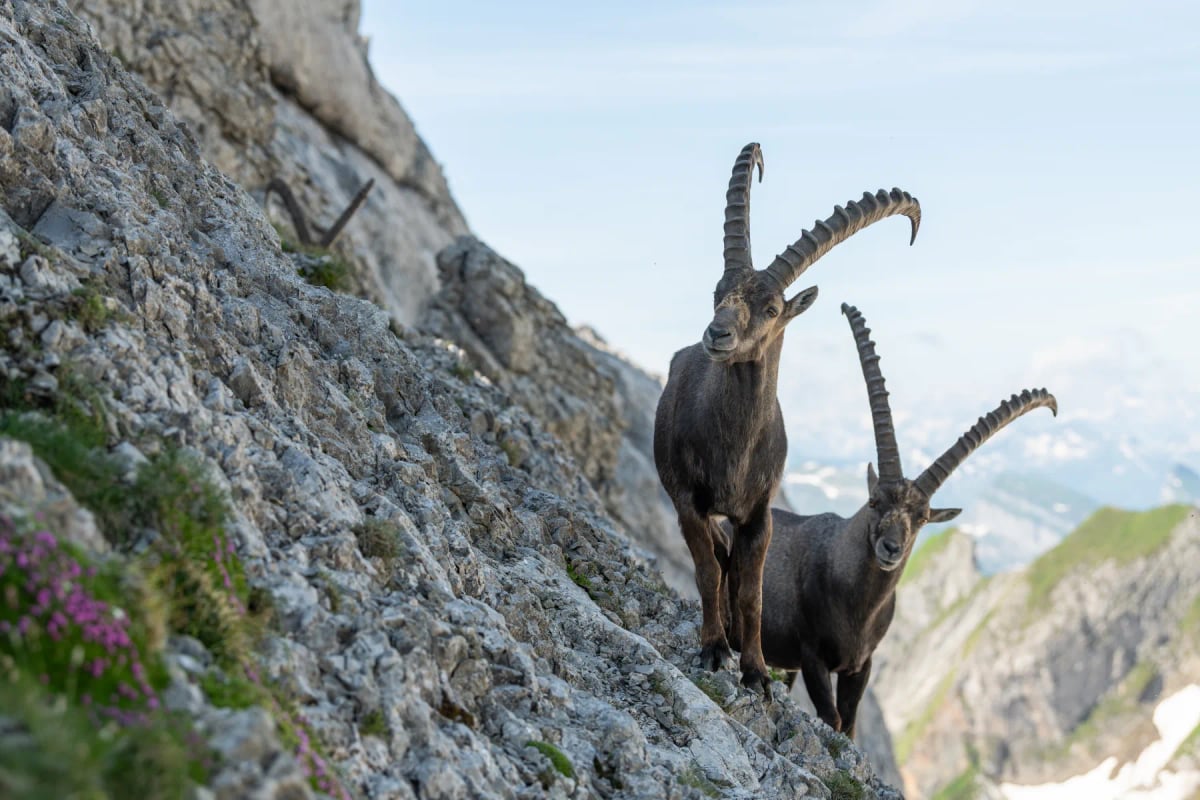
Alpine Ibex
Capra ibex
The alpine ibex was hunted to extinction in France by the nineteenth century but has been successfully reintroduced into the French Alps through programs that began in the 1960s. Today several thousand ibex live in protected areas of the Alps, particularly in the Vanoise National Park, which holds one of the most important populations in France. Males carry massive curved horns that can grow over a meter long and are most visible in summer on high rocky slopes above the tree line. France shares its ibex population with neighboring Switzerland and Italy.
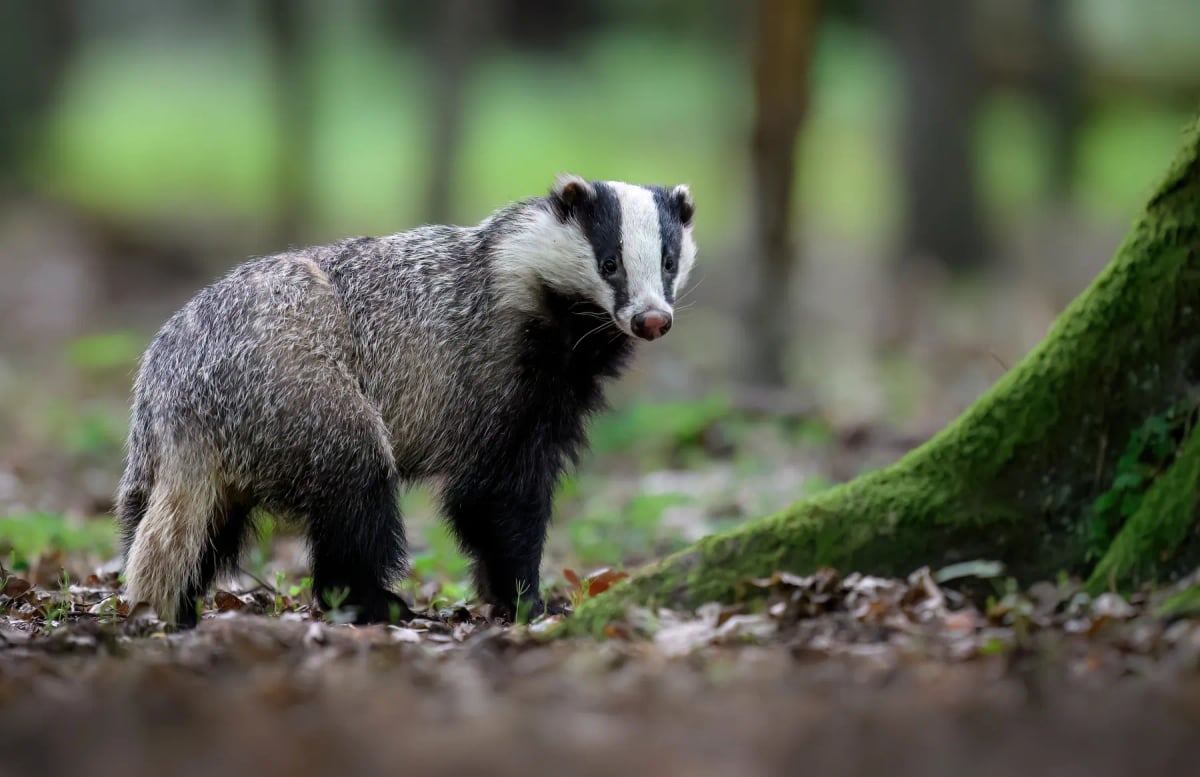
Badger
Meles meles
The Eurasian badger is widespread across France in woodland, farmland, hedgerow country and scrubland, found from the coastal lowlands of Normandy and Brittany to the forested foothills of the Alps and Pyrenees. It lives in family groups in extensive burrow systems called setts, which are used for generations. It feeds mainly on earthworms but also takes roots, berries, insects and small mammals. It is mostly nocturnal and rarely seen during the day, though its digging activity leaves clear signs across the French countryside.

Brown Bear
Ursus arctos
In France, brown bears survive in very small numbers in the Pyrenees, the only mountain range in the country where the species is present. The population descends largely from bears reintroduced from Slovenia in the 1990s and 2000s, as the original French population had been reduced to near extinction. Fewer than one hundred individuals currently inhabit the range. The bears face ongoing tension between conservation goals and opposition from livestock farmers.
Chamois
Rupicapra rupicapra
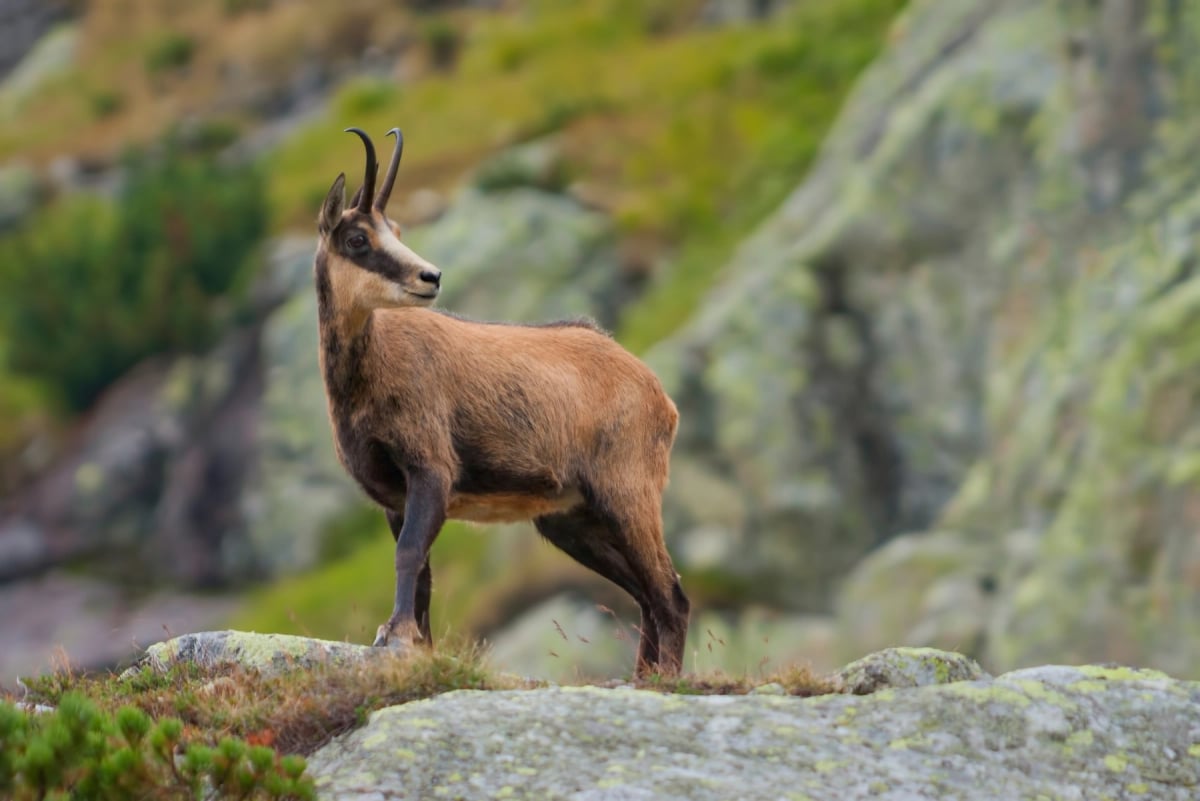
France supports chamois populations across the Alps and the Pyrenees, with the Vanoise and Écrins National Parks forming key conservation areas in the Alps. In the Pyrenees, the chamois coexists with the closely related Pyrenean chamois, a separate species. French populations are generally stable and are managed through hunting quotas. The species moves between rocky ridges in summer and sheltered slopes at lower elevation during winter.
Hare
Lepus europaeus
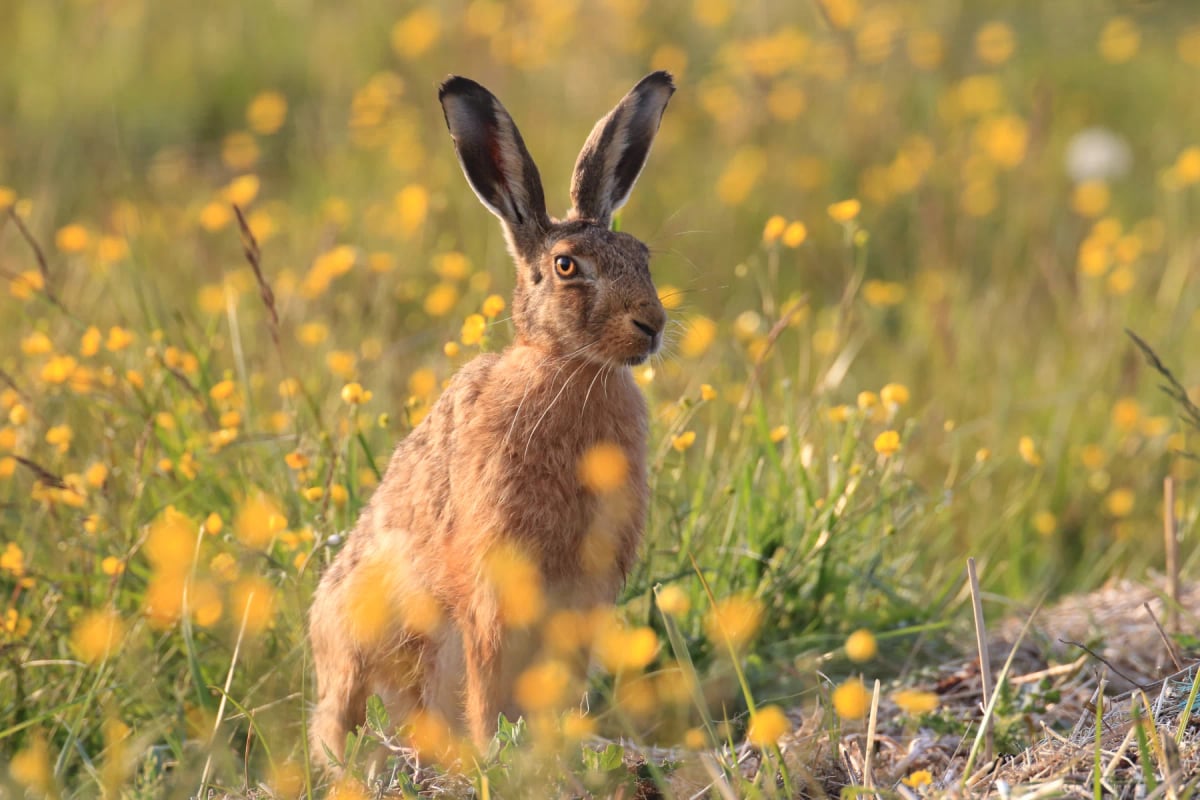
France holds one of the most significant populations of European hares in western Europe, with the species spread across the grain fields of Beauce, the vineyards of Burgundy, and the open plains of the south. Numbers dropped sharply during the latter half of the twentieth century due to mechanised harvesting and habitat loss. Hunting management programs and agri-environment schemes have since helped stabilise populations in several regions. IUCN status: Least Concern.
Hedgehog
Erinaceus europaeus
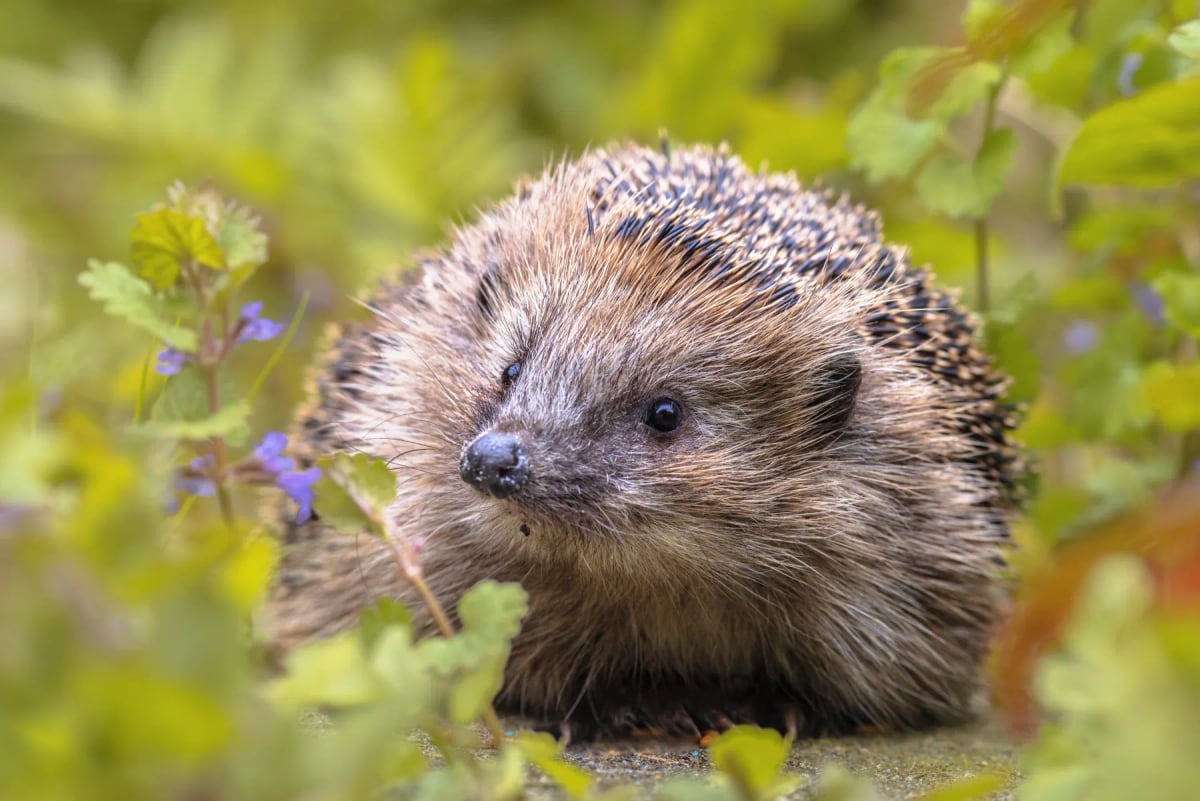
Across France, the European hedgehog is a common presence in rural gardens, vineyards, and the bocage landscapes of Normandy and Brittany, where dense hedgerows provide ideal shelter. It feeds on a wide variety of invertebrates and helps control garden pests naturally. Populations in France have declined significantly in recent decades due to the removal of hedgerows, road traffic, and pesticide use in agriculture. Conservation groups actively encourage citizens to create hedgehog friendly gardens. Its IUCN status is Least Concern.
Gray Wolf
Canis lupus
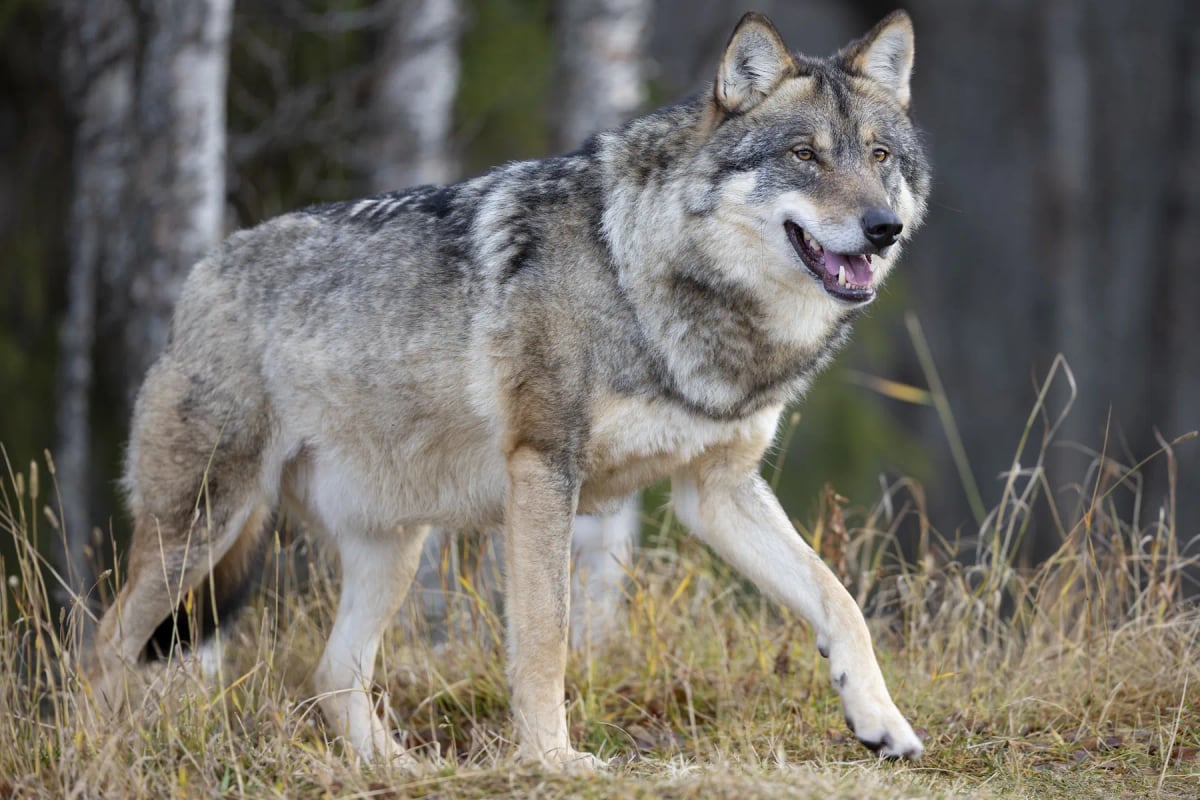
The gray wolf returned to France naturally from Italy in the early 1990s, entering through the Maritime Alps. Wolves have since spread across southeastern and central parts of the country, with packs now established in regions including the Alps, Massif Central and Vosges. The species is protected in France, but the government allows limited culls to reduce pressure on livestock. Sheep farming communities and conservationists hold sharply different views on managing the population.
Italian Wolf
Canis lupus italicus
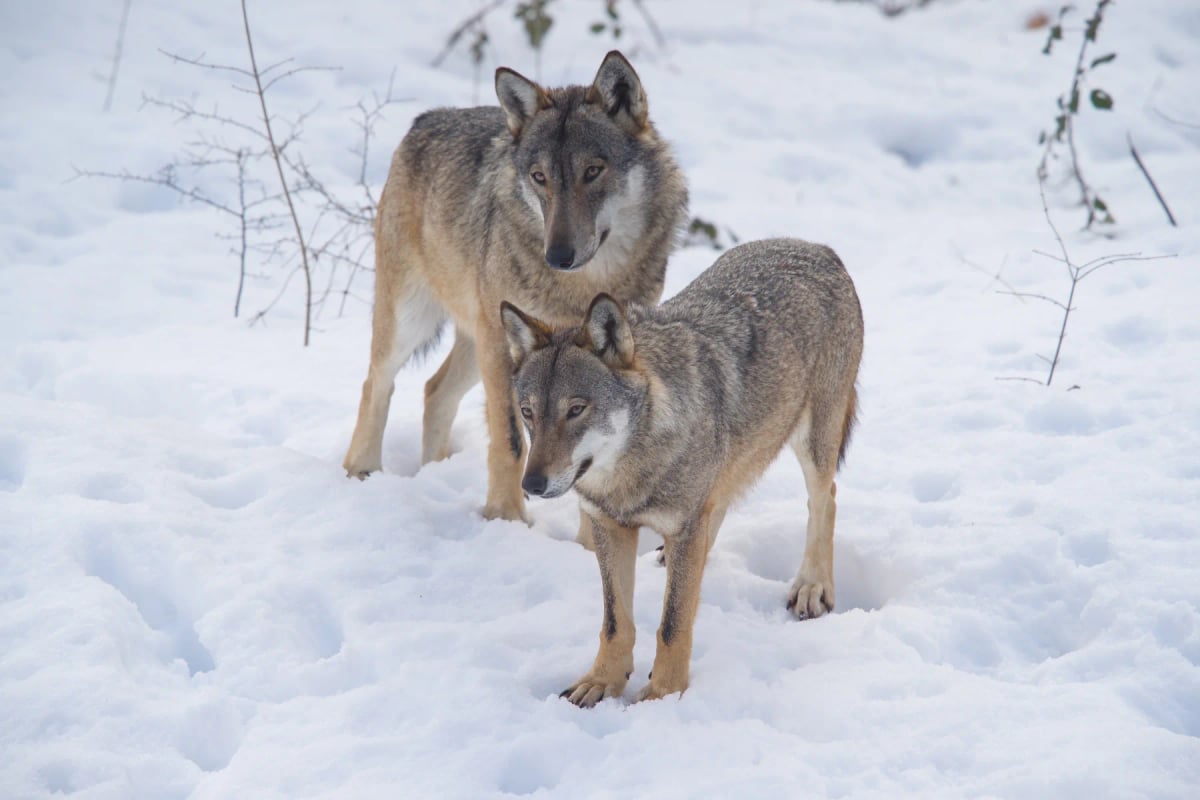
Italian wolves began naturally recolonizing France from Italy through the Alps during the 1990s, and packs are now established across the southern Alps and into areas such as the Mercantour National Park. Nearly every wolf in France descends from that Italian stock, which is why both wolves are listed here. The wolves prey mainly on deer and wild boar, though their presence has sparked ongoing debate between conservationists and livestock farmers.
Alpine Marmot
Marmota marmota
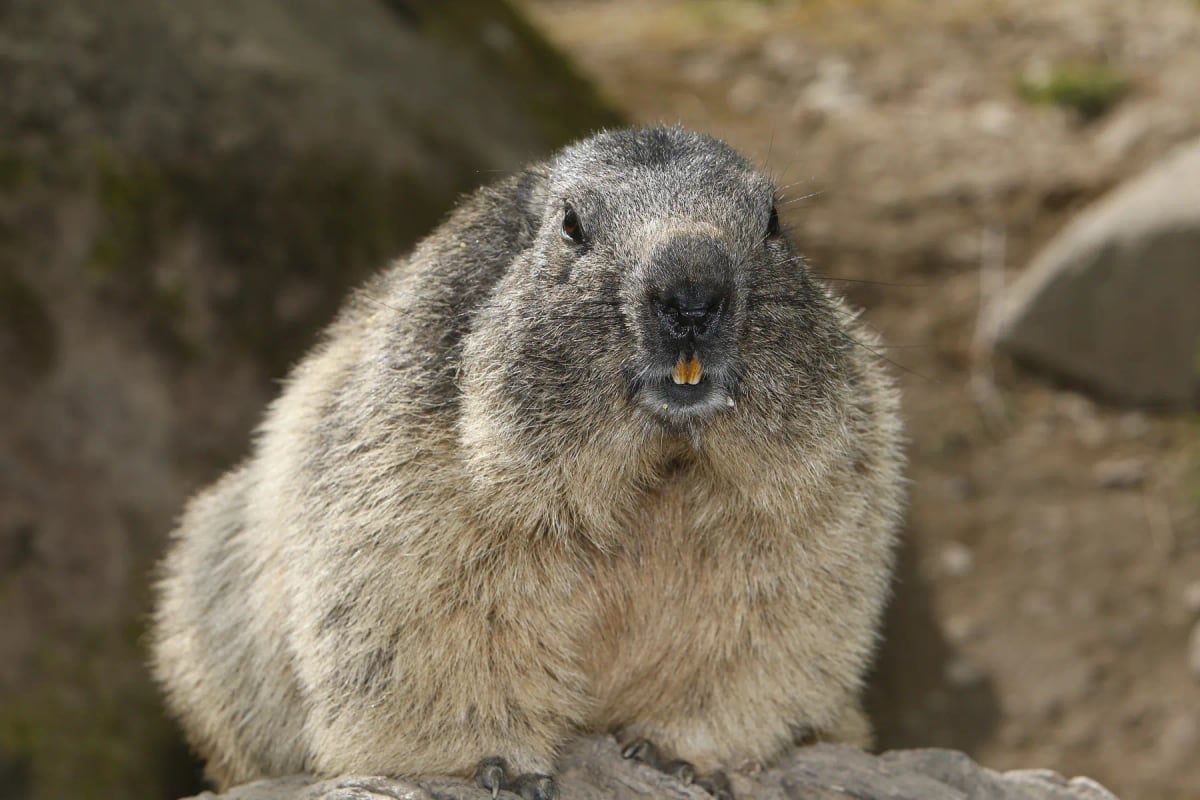
The alpine marmot is one of the most characteristic mammals of the French Alps and Pyrenees, living in colonies on alpine meadows and rocky slopes above the tree line. It spends up to eight months of the year in hibernation underground and emerges in spring to graze on the short vegetation of high pastures. Its sharp warning whistles are one of the defining sounds of summer in the French mountains and alert the colony to approaching eagles, foxes and other predators. It is commonly seen in national parks such as the Vanoise and the Écrins.

Marten
Martes martes / Martes foina
Both the pine marten and the stone marten are found across France, though they tend to divide the landscape between them. Pine martens prefer the mature forests of the Massif Central, the Alps, and the Pyrenees, while stone martens are far more flexible and turn up in vineyards, farmland, and urban gardens. Stone martens are even known to shelter in car engines in French towns. Both species are protected under French law. Their IUCN status is Least Concern.
Eurasian Lynx
Lynx lynx
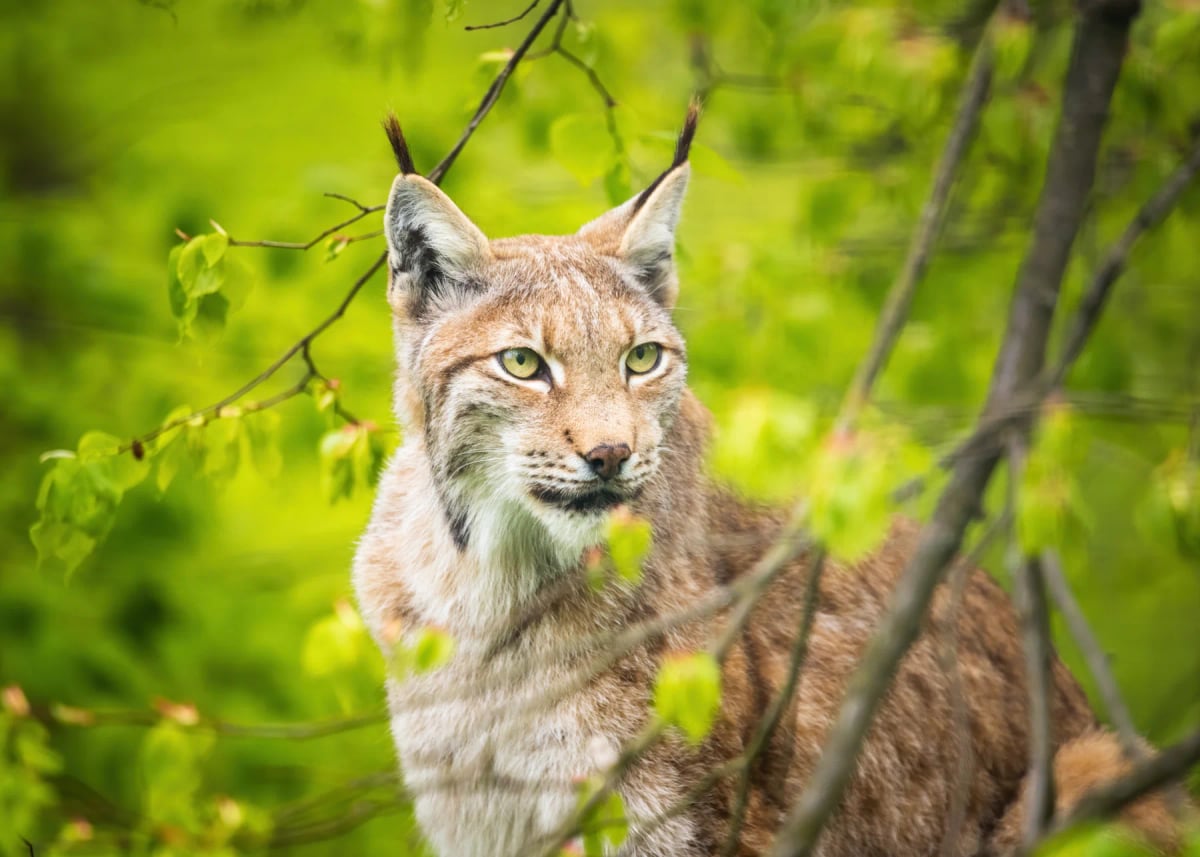
In France, the Eurasian Lynx is found mainly in the Jura and Vosges mountains, following a reintroduction program that began in the 1970s in neighboring Switzerland. A smaller presence has been recorded in the Alps. The population remains relatively low and fragmented, making road casualties and habitat connectivity key conservation concerns. It feeds chiefly on roe deer. The IUCN lists it as Least Concern.
Red Deer
Cervus elaphus
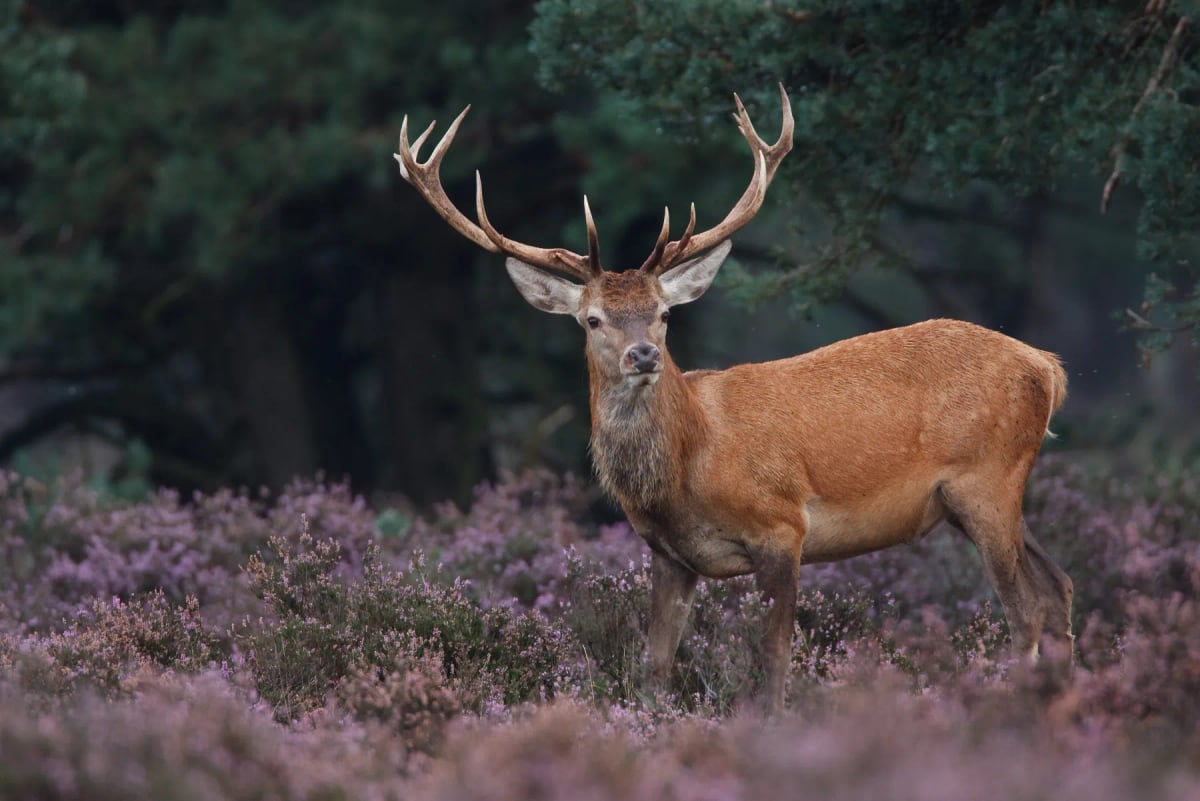
Red deer are widespread across France, inhabiting forests from the Ardennes and Vosges in the northeast to the woodlands of the Sologne and the forests of the Pyrenees. France holds one of the largest red deer populations in western Europe, and numbers have grown considerably over recent decades. The autumn rut draws many wildlife enthusiasts to listen to stags roaring at dawn. Hunting is regulated and helps manage populations in balance with forest ecosystems. IUCN status: Least Concern.
Red Fox
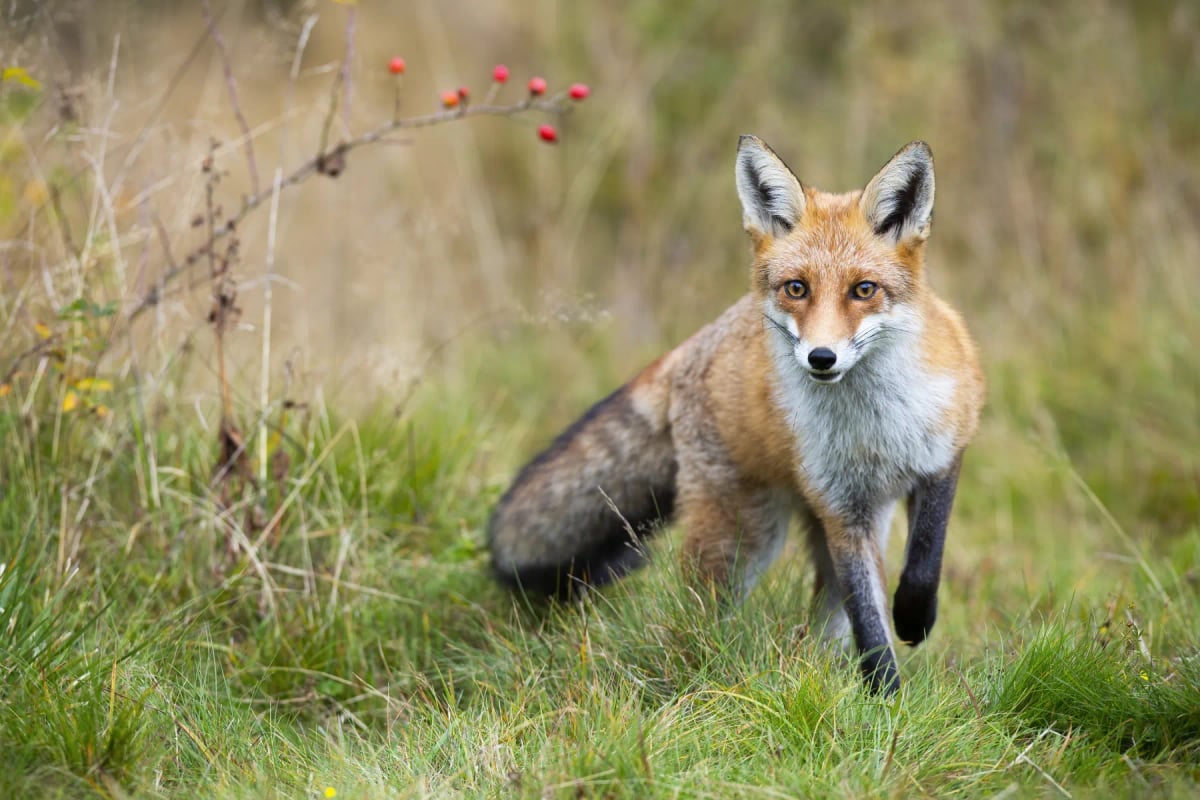
Vulpes vulpes
The red fox is one of France's most familiar wild mammals, found from the forests of Normandy and the Massif Central to the vineyards of Bordeaux and the streets of Paris. It adapts easily to farmland, woodland, and urban parks alike. Classified as Least Concern, it faces no major threats in France, though it is legally hunted and managed as a game species across most of the country.

Red Squirrel
Sciurus vulgaris
In France, the red squirrel inhabits forests across much of the country, from the oak and beech woodlands of the north to the pine and fir forests of the Alps and Pyrenees. It faces pressure in some regions from the introduced grey squirrel, particularly in certain areas of Normandy. Mountain forest zones in the east and south continue to support strong populations. IUCN status: Least Concern.
Roe Deer
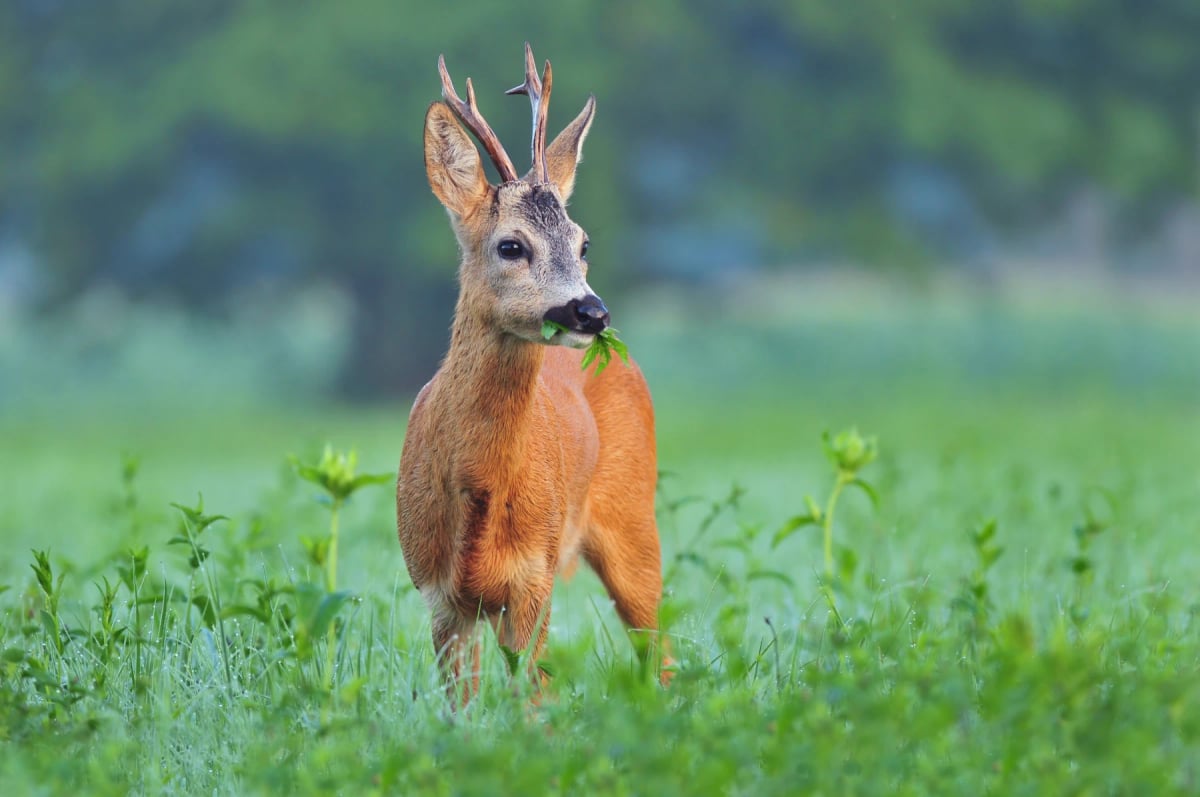
Capreolus capreolus
The roe deer is found throughout France, from the oak and beech forests of Normandy and the Massif Central to the wooded foothills of the Pyrenees and the Alps. It is one of the country's most abundant large wild mammals. French hunters harvest large numbers each year, yet populations remain robust. It feeds on a wide variety of plants and adapts easily to farmland and peri-urban woodland. Its IUCN status is Least Concern.
Wild Boar
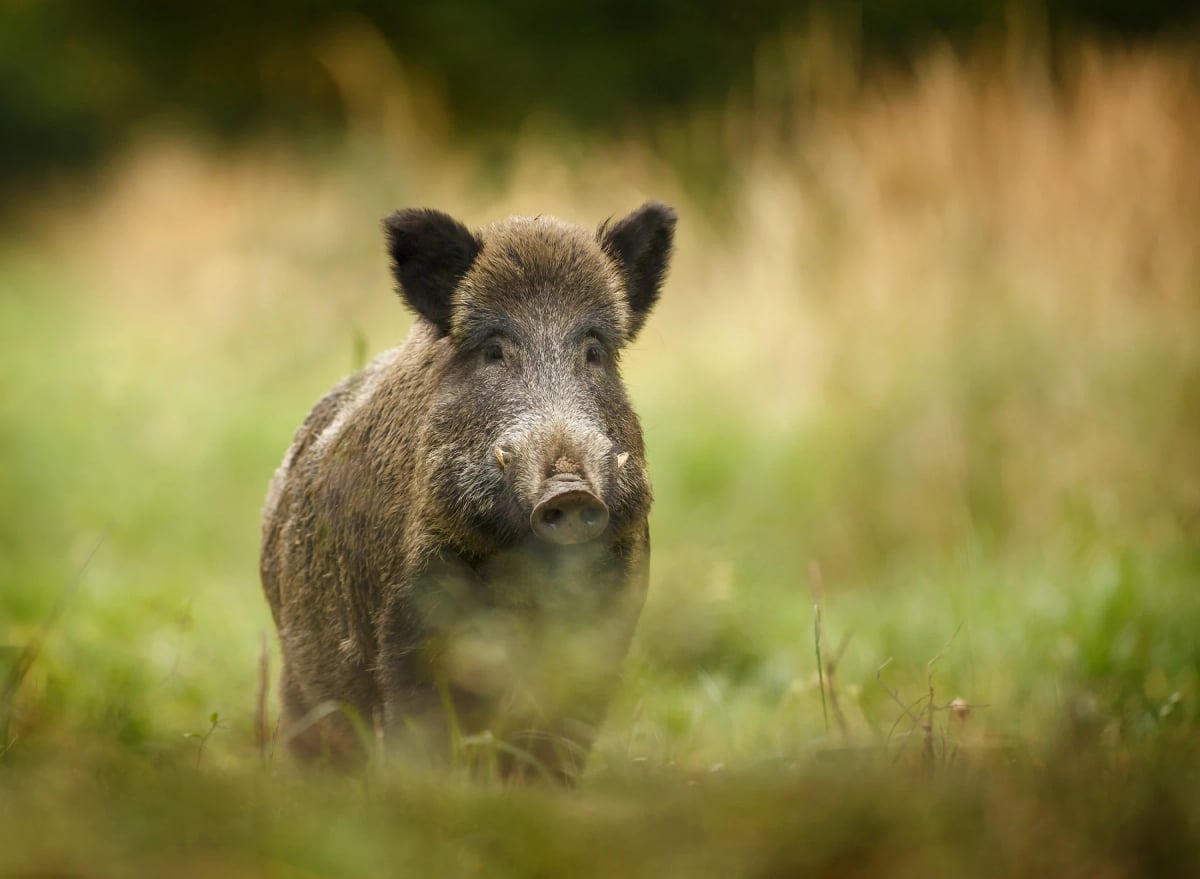
Sus scrofa
The wild boar is one of the most abundant large mammals in France, with its population having grown substantially since the mid twentieth century. It is found nearly everywhere in the country, in woodland, scrubland, farmland and even suburban areas, where it increasingly enters gardens and parks. France has one of the highest wild boar densities in Europe, and the species causes significant agricultural damage and frequent road collisions, particularly at night.
Raccoon
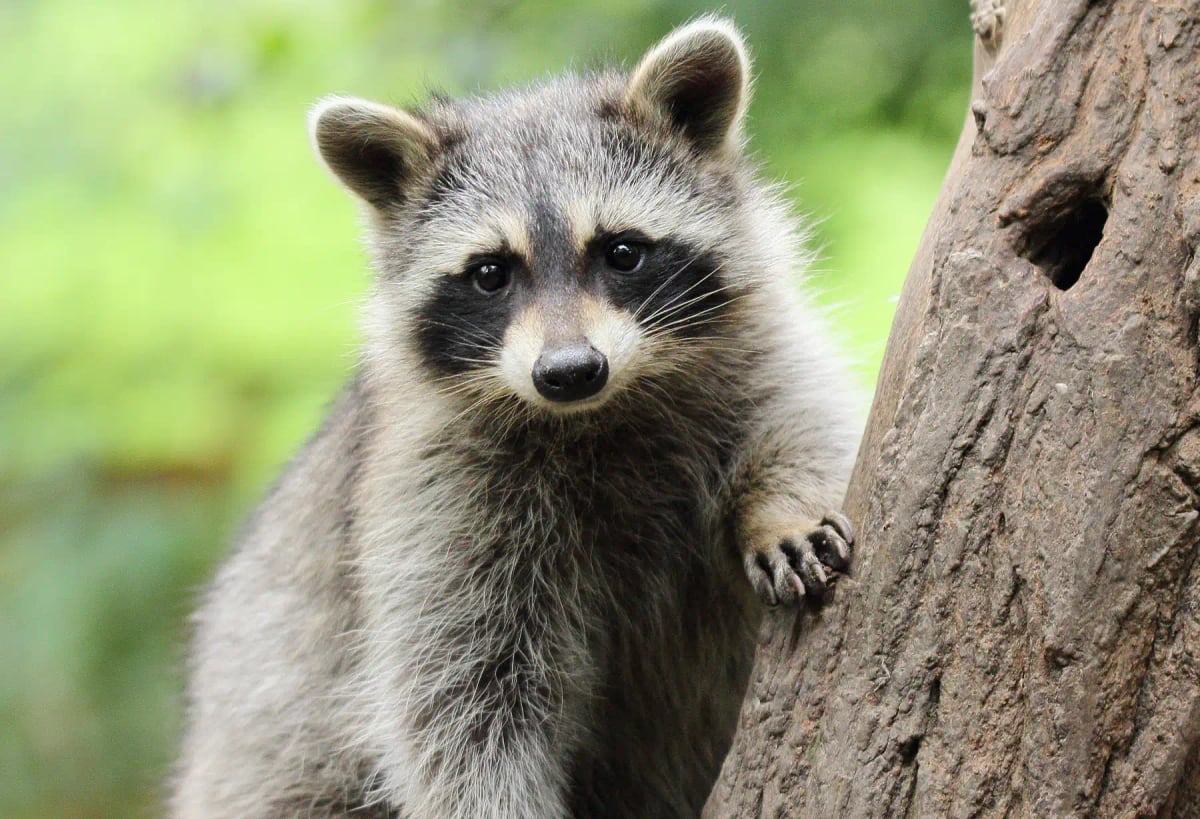
Procyon lotor
France hosts a growing raccoon population concentrated mainly in the Alsace region and areas near the German border, though records now extend further into the country. They are classified as an invasive species at the European level and are subject to management programs. River corridors and mixed woodland provide prime habitat, and French wildlife agencies have raised concerns about the pressure raccoons place on native species such as water voles and pond turtles.
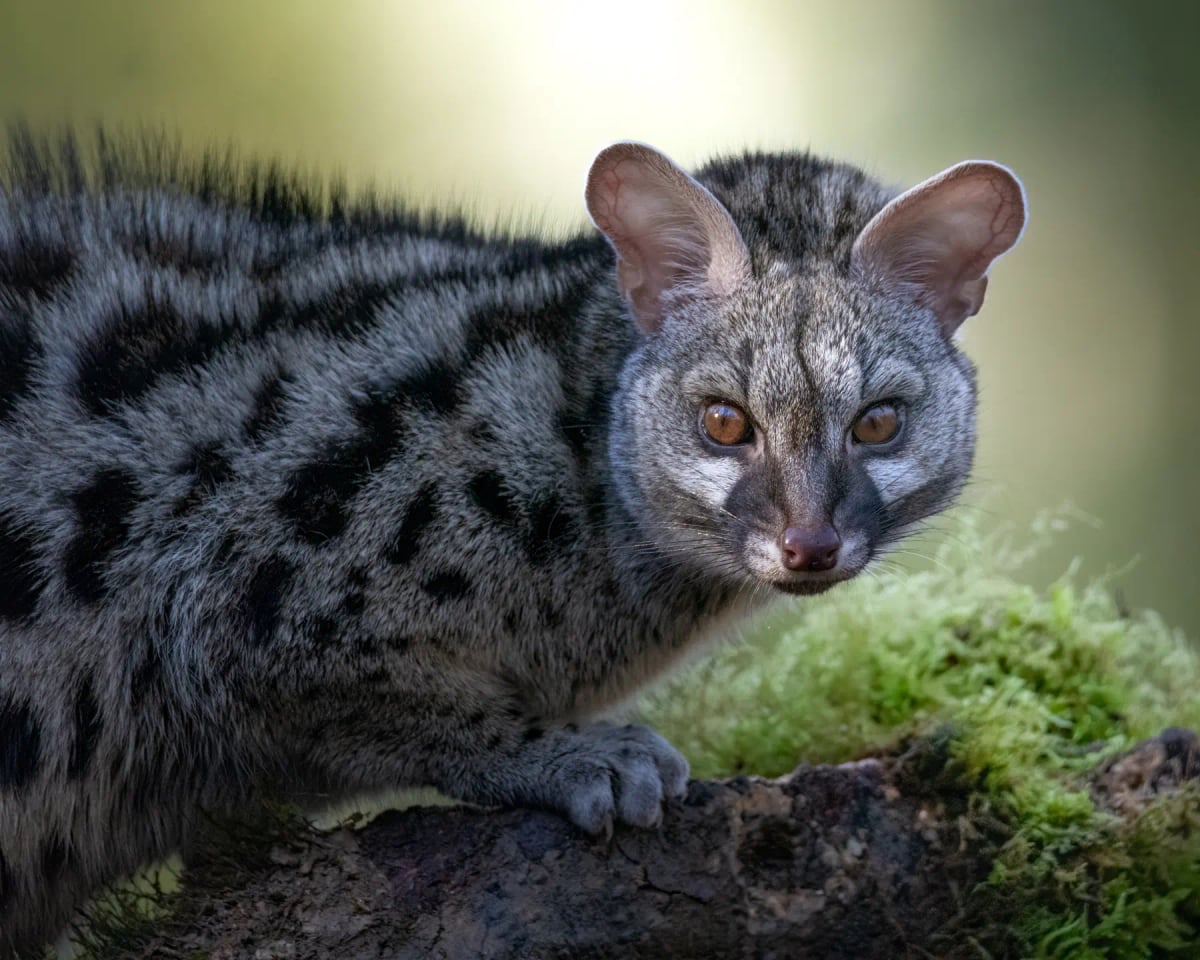
Common Genet
Genetta genetta
In France, the common genet is found mainly in the southwest, particularly in the Basque Country, Gascony, and parts of Languedoc. It likely arrived from the Iberian Peninsula and has established a stable population over centuries. It favors dense scrubland and wooded valleys near water. It is the only wild viverrid in Western Europe and is considered Least Concern by the IUCN.
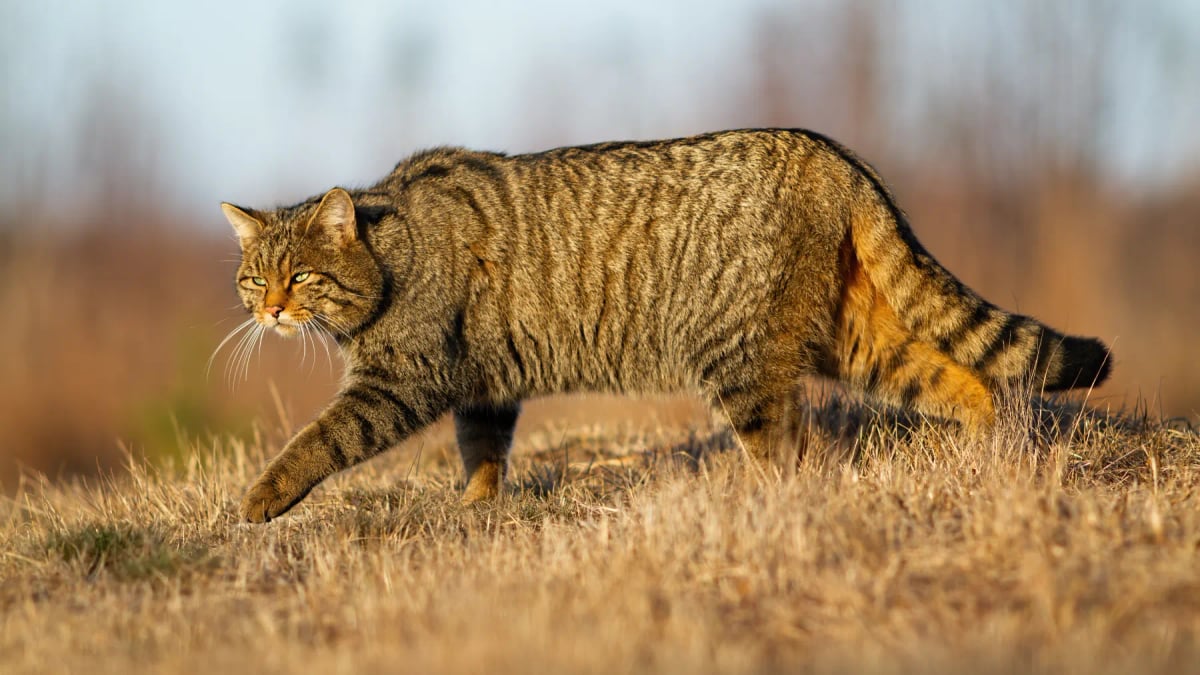
European Wildcat
Felis silvestris silvestris
France holds one of western Europe's more significant wildcat populations, found mainly in the forests of the Vosges, Jura, and Massif Central, as well as parts of the Pyrenees. The species has benefited from reforestation over recent decades. It preys on rodents, rabbits, and occasionally birds. Hybridization with feral cats is the most pressing threat, and ongoing studies track the genetic health of French populations.
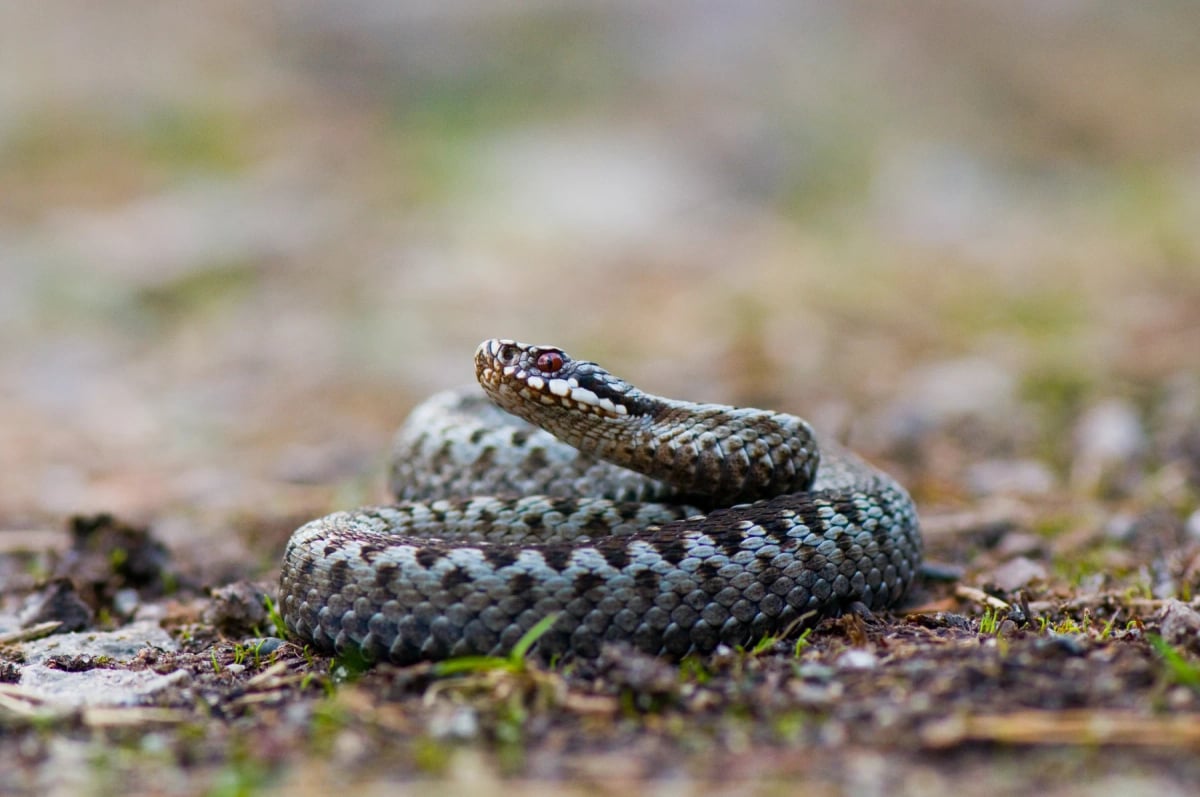
European Adder
Vipera berus
In France, the European adder is found across a broad range of habitats, from the heathlands of Brittany and the forests of the Massif Central to alpine meadows in the French Alps. It is absent from the Mediterranean south and most urban areas. Populations have declined in some regions due to habitat loss and persecution, though the species remains present across much of the country. Its IUCN status is Least Concern.
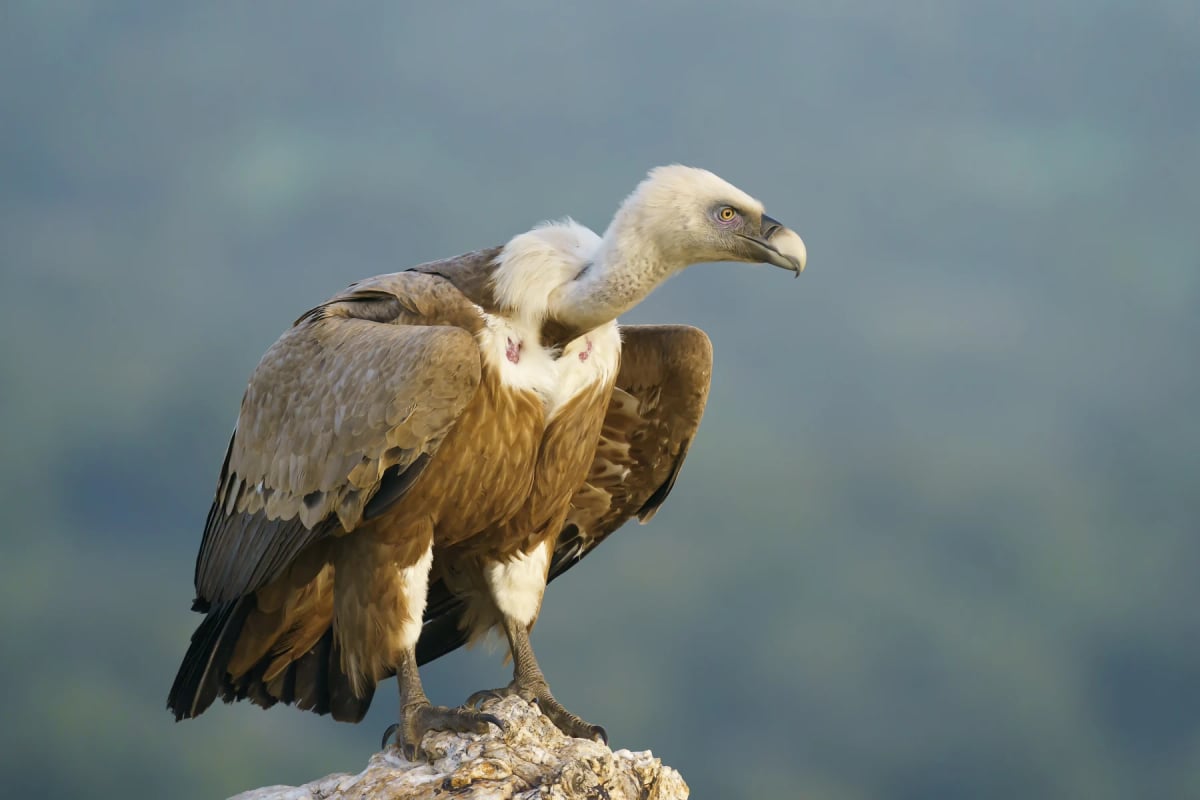
Griffon Vulture
Gyps fulvus
In France, the griffon vulture breeds naturally in the Pyrenees and has returned to the Grands Causses and the Alps thanks to reintroduction. Between 1980 and 2004, more than 300 birds were released at five sites, and colonies now nest on the cliffs of gorges such as the Tarn and the Jonte. French griffons regularly cross into Spain and Italy on their long foraging flights. IUCN status: Least Concern.
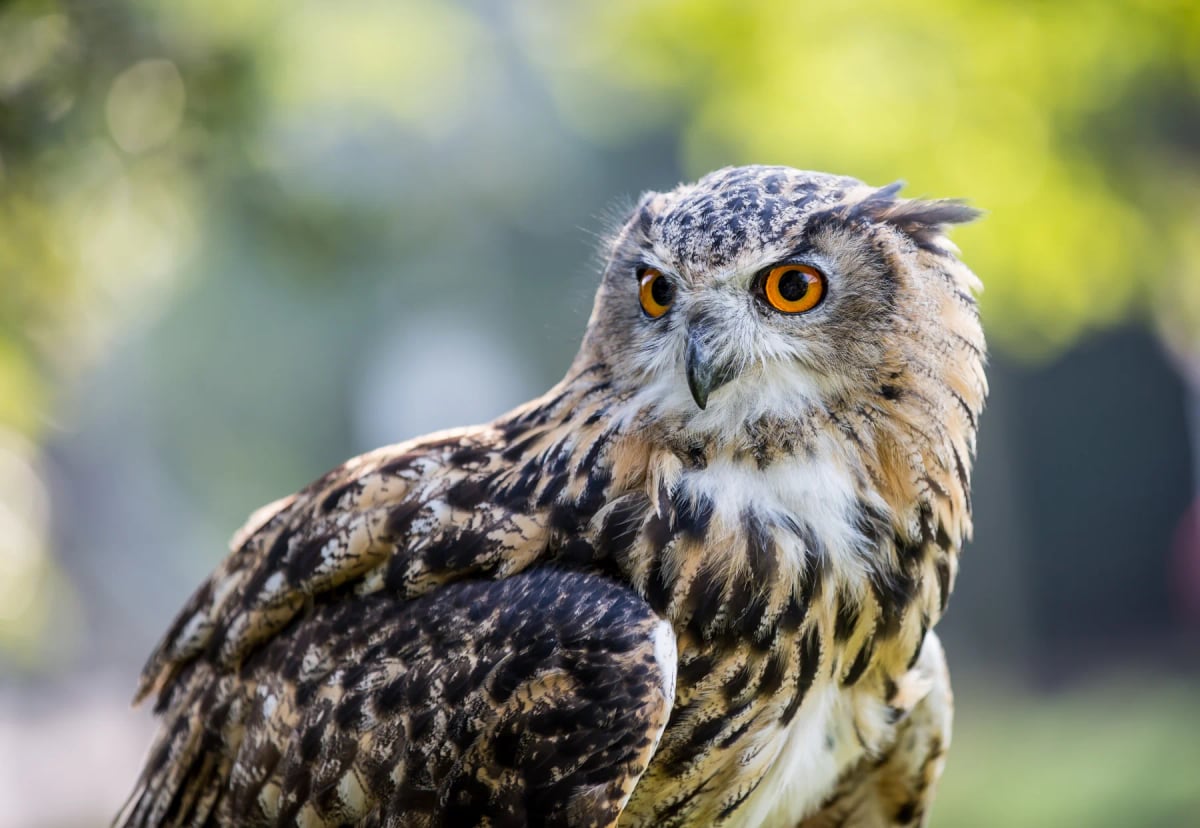
Eagle Owl
Bubo bubo
In France, the eagle owl is found across a wide range of habitats, from the rocky massifs of the Massif Central and the Alps to forested valleys in the Pyrenees. It was heavily persecuted in the past but has recovered well since legal protection came into force. Today it is a permanent resident across much of the country, nesting on cliff ledges and quarry faces. The IUCN lists it as Least Concern.
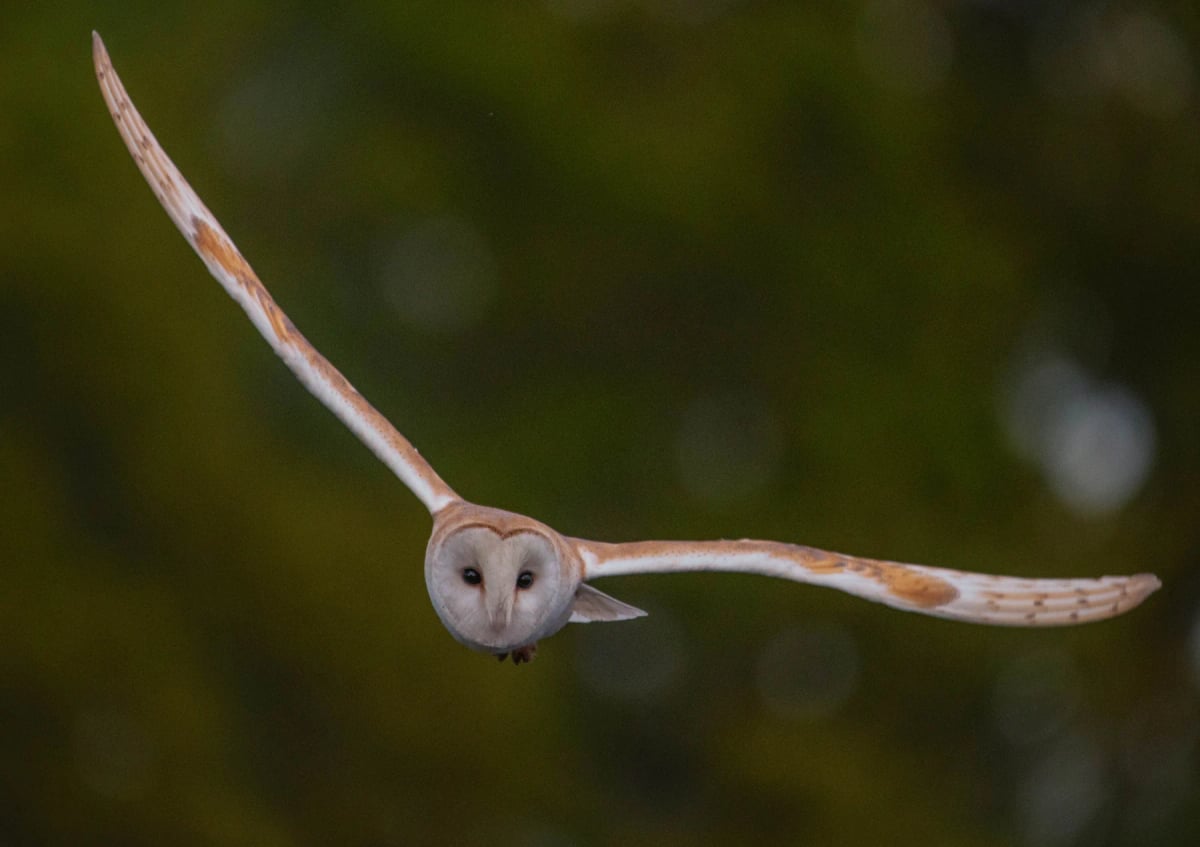
Barn Owl
Tyto alba
The barn owl is one of the most widespread birds of prey in France, found in farmland, open countryside, villages and the edges of towns from the Channel coast to the Mediterranean. It nests in farm buildings, church towers, cliff faces and hollow trees, and hunts rodents silently at night using its remarkable hearing. France holds a large and generally stable barn owl population, though numbers fluctuate with rodent cycles and harsh winters can cause significant mortality. In many rural areas nest box programs have been installed by farmers and wildlife groups to support the species.
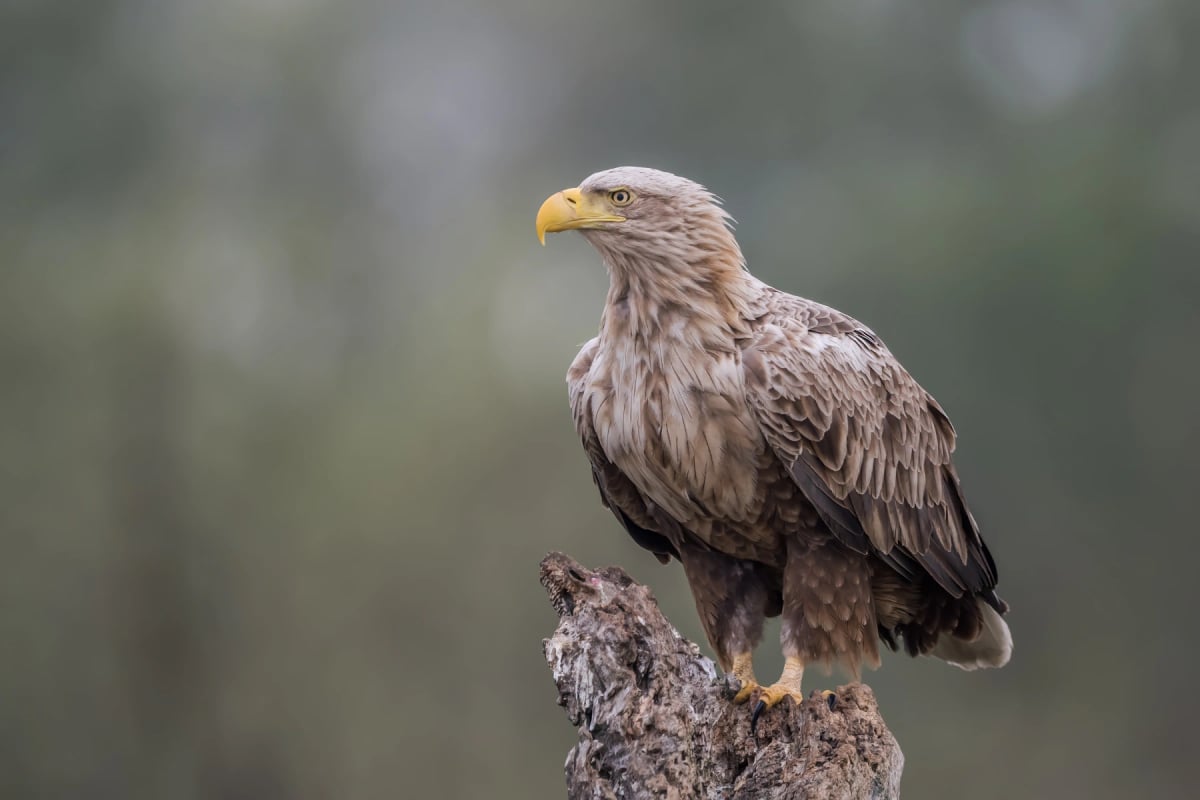
White tailed Eagle
Haliaeetus albicilla
The white tailed eagle is a rare but increasingly regular winter visitor to France, appearing mainly along the Rhine Valley, the Camargue wetlands, and large river systems in the north and east. Driven out centuries ago by hunting and habitat loss, it has not reestablished a breeding population, but sightings are growing as numbers recover across central Europe. It holds Least Concern status globally.
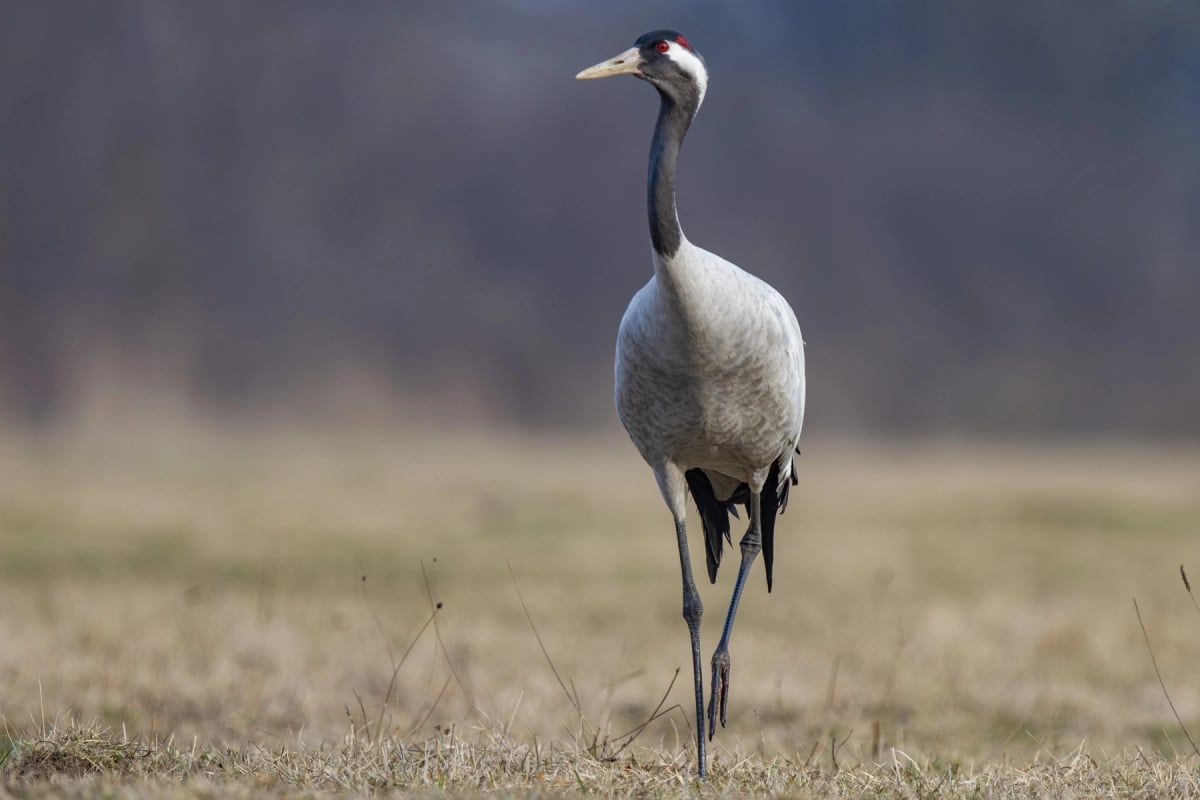
Crane
Grus grus
France lies on the western European flyway, and each autumn tens of thousands of common cranes stop at Lac du Der in Champagne, one of the great crane sites of Europe. More and more of them now spend the whole winter in France, above all around Lac du Der and in the Landes, instead of continuing to Spain. After an absence of centuries, a small number of pairs have also returned to breed, mainly in Lorraine in the northeast. IUCN status: Least Concern.
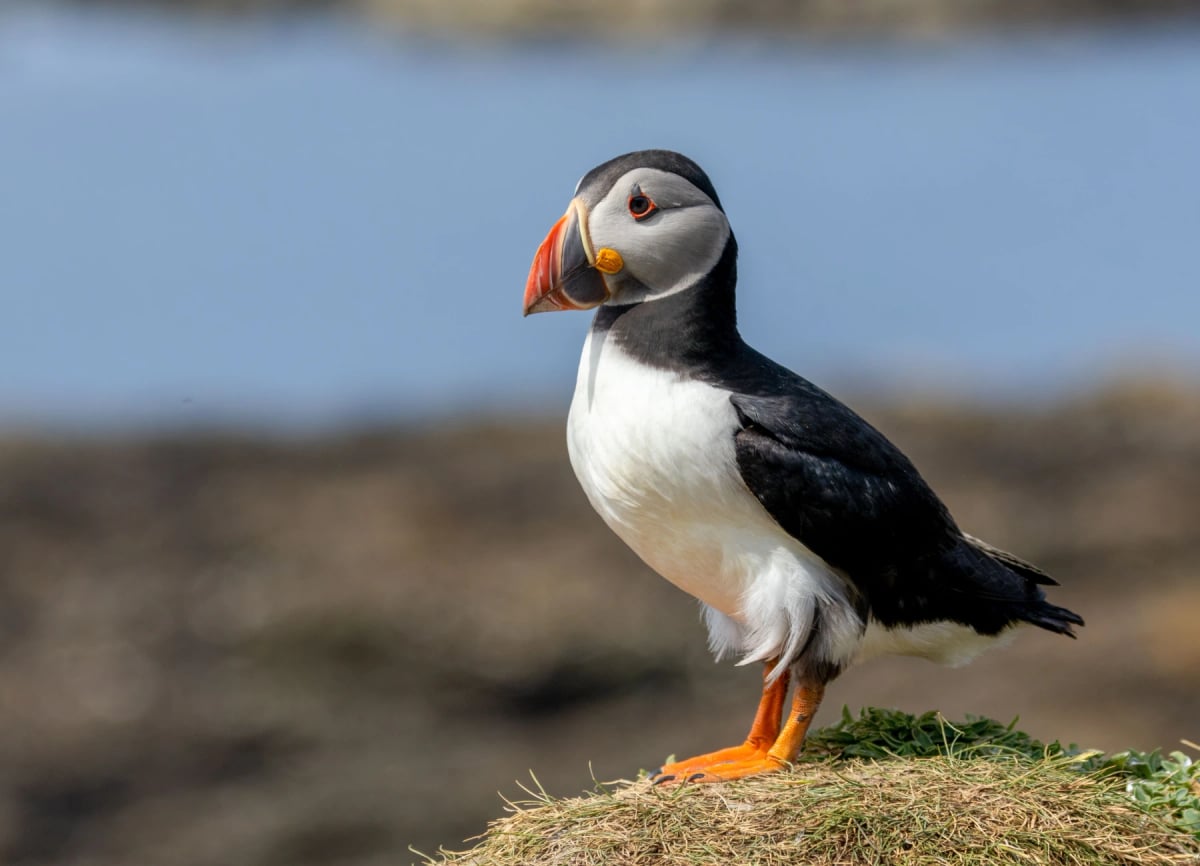
Puffin
Fratercula arctica
Atlantic puffins nest in small numbers on islands off the coast of Brittany, particularly around the Sept-Îles archipelago, which is a protected nature reserve. This site represents one of the southernmost breeding locations in the species' range. French conservation bodies monitor the colony closely, as it remains small and vulnerable to disturbance and changes in fish availability driven by shifts in the Atlantic Ocean.
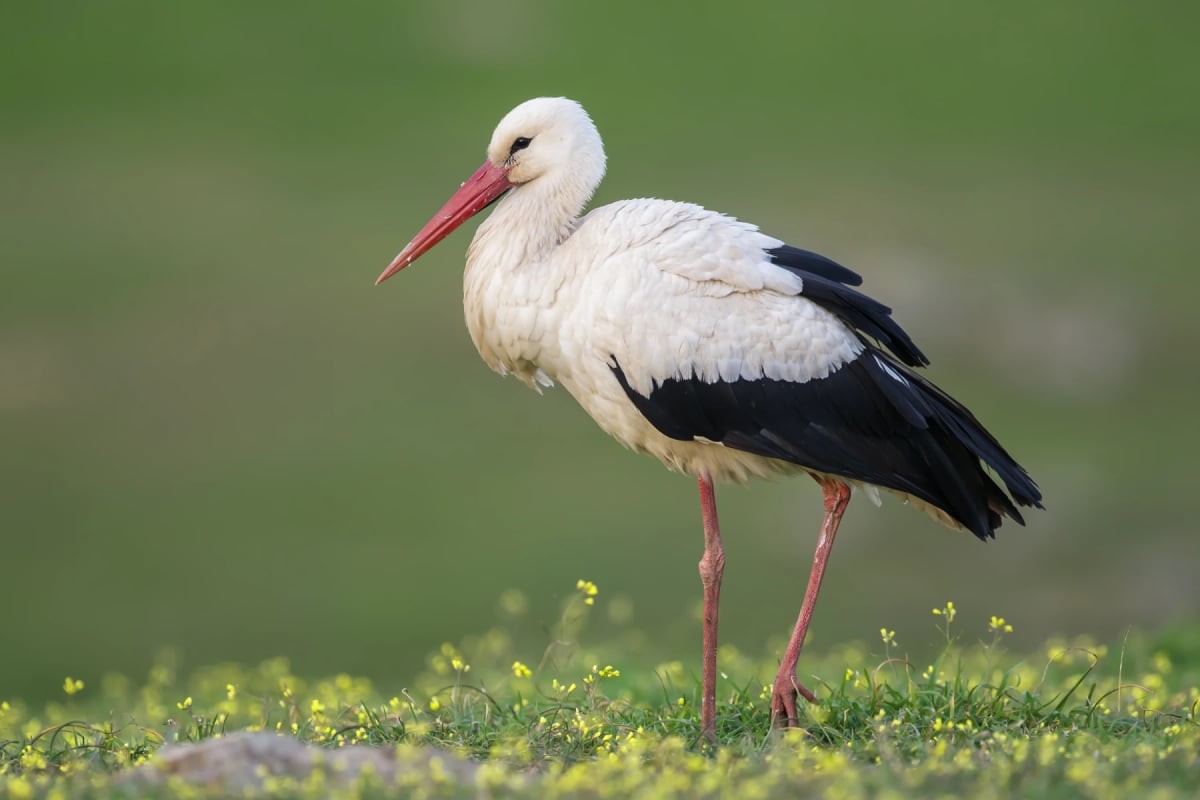
Stork
Ciconia ciconia
France holds a significant breeding population of white storks, concentrated mainly in Alsace in the northeast, where restoration programs since the 1980s have helped the species recover from near local extinction. The birds nest on rooftops, church towers, and purpose built platforms in villages and towns. Wetlands, meadows, and river floodplains provide rich feeding grounds. Listed as Least Concern by the IUCN, the French population has grown considerably over recent decades.
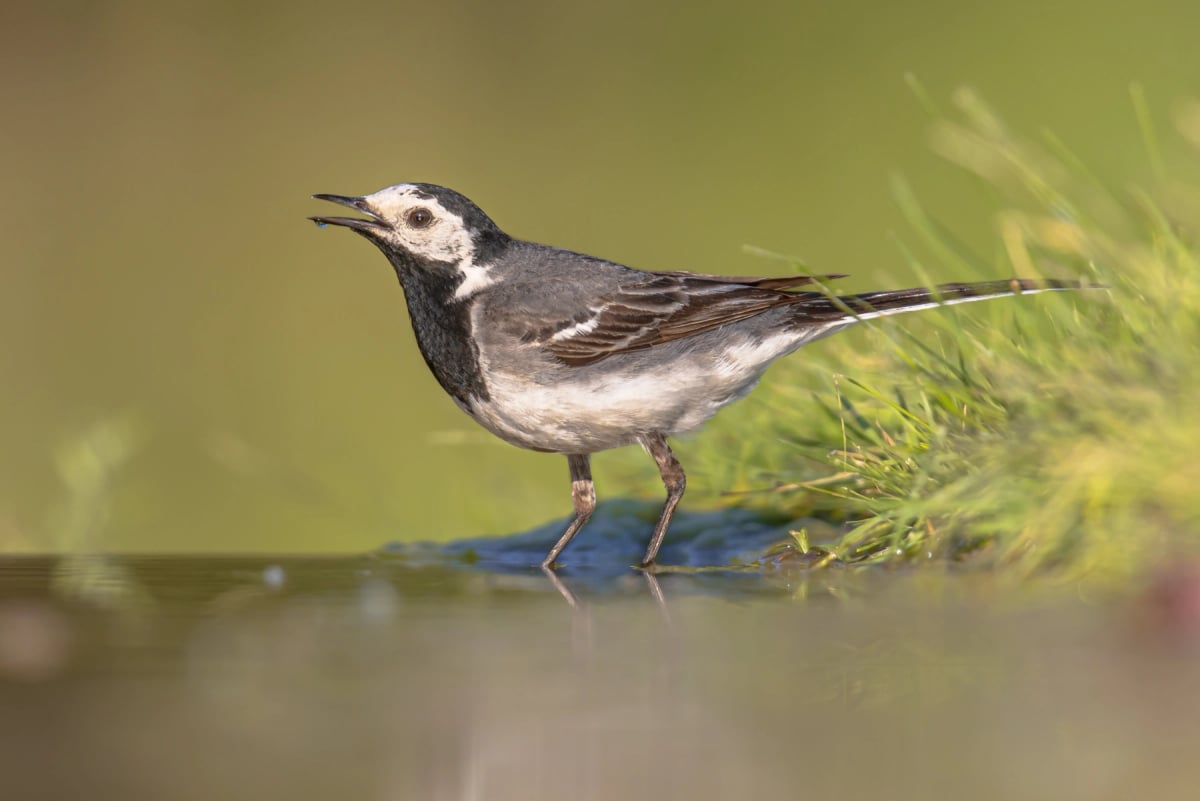
White Wagtail
Motacilla alba
In France, the white wagtail breeds widely across the country and is present year round in the milder south and along the Atlantic coast. It favors riverbanks, lakeshores, wetlands and towns, and is a common sight in parks and on rooftops in many cities. Northern populations move through France in autumn on their way to wintering grounds in Africa, making it one of the most frequently observed small birds in the country. IUCN status: Least Concern.
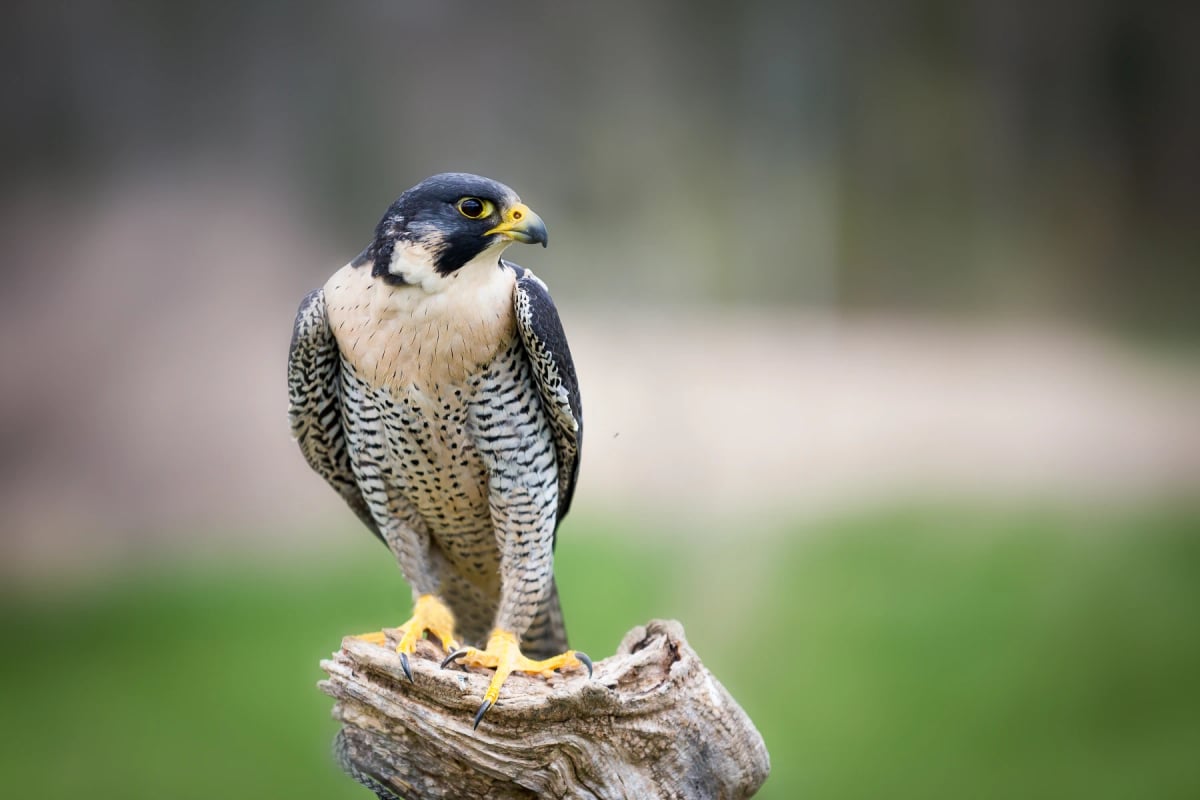
Peregrine Falcon
Falco peregrinus
In France, the peregrine falcon nests on the cliffs of the Massif Central, the Alps, and the Pyrenees, and has also become a familiar sight in cities like Paris, where it breeds on cathedral towers and tall buildings. Urban populations feed mainly on pigeons and starlings. Conservation efforts following the DDT crisis helped the species reestablish itself across the country. Its IUCN status is Least Concern.

Mute Swan
Cygnus olor
In France, the mute swan is found across much of the country, particularly in the wetlands of the Camargue in the south, the Loire Valley, and the ponds and lakes of northern and eastern regions. It nests along slow rivers, marshes, and artificial lakes. In some areas, particularly in the Camargue, it shares wetland habitats with a rich variety of other waterbirds. The population is stable and classified as Least Concern.
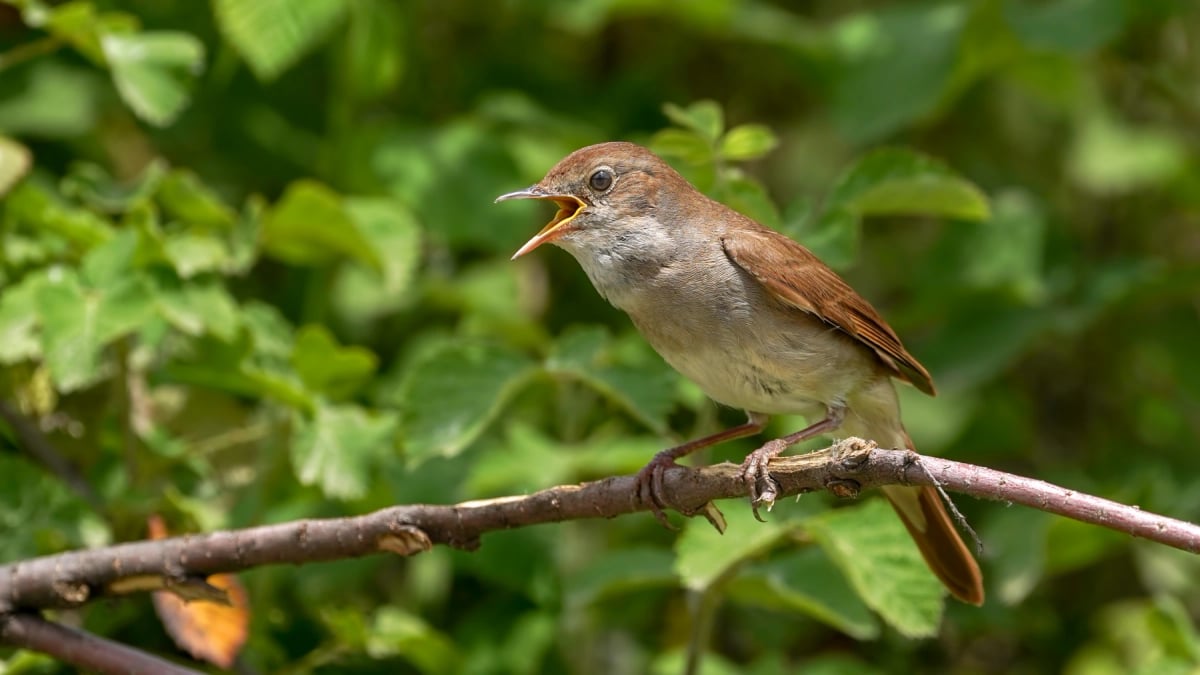
Nightingale
Luscinia megarhynchos
The nightingale breeds across much of France, from the bocage landscapes of the north to the garrigue scrubland of the Mediterranean south. It is closely tied to dense, low thickets and coppiced woodland, habitats that have declined sharply with modern farming and forestry practices. Populations in northern France have fallen considerably over recent decades. In the south, the species remains more stable thanks to the abundance of dense Mediterranean scrub. It is rated Least Concern by the IUCN.
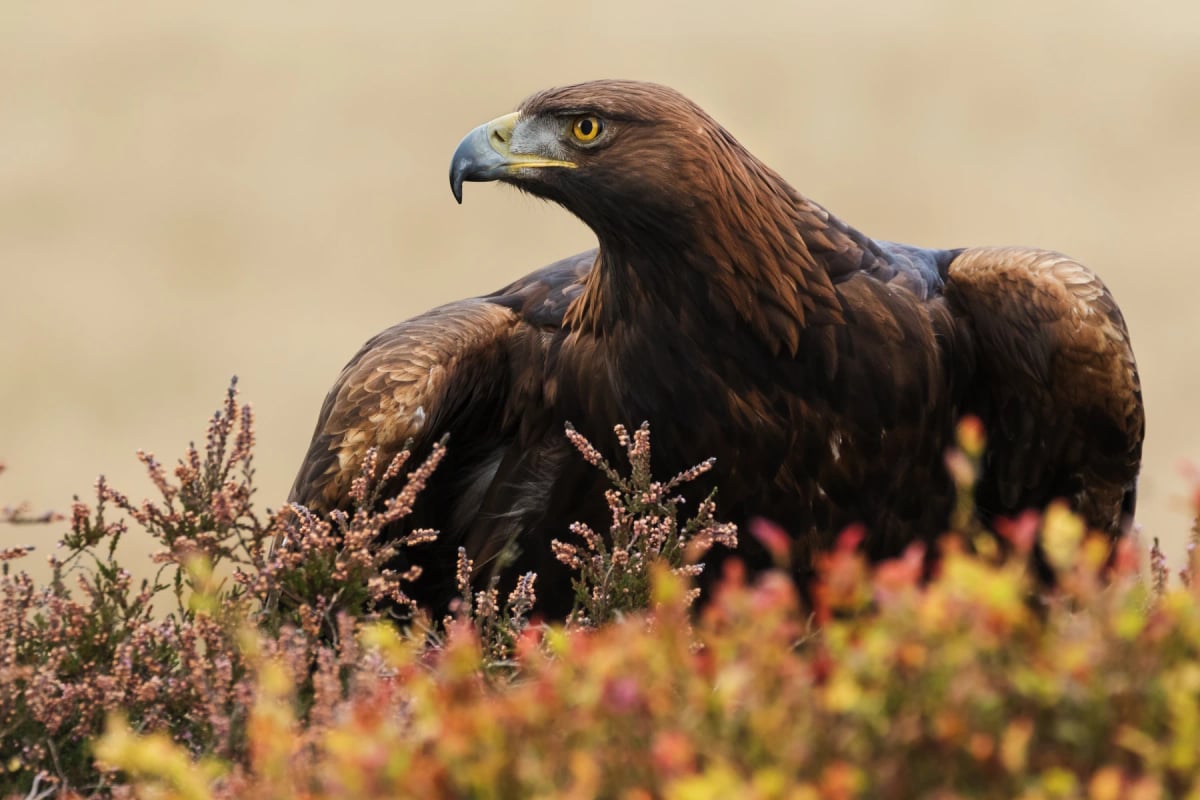
Golden Eagle
Aquila chrysaetos
In France, the golden eagle breeds in the Alps, the Pyrenees, the Massif Central, and Corsica. It favours steep mountain terrain where cliff ledges provide secure nest sites above open hunting ground. Chamois, rabbits, and hares make up much of its diet in the French mountains. The population is monitored by the French Office for Biodiversity, and while numbers are modest, the species has shown stability across its main mountain strongholds in recent years.
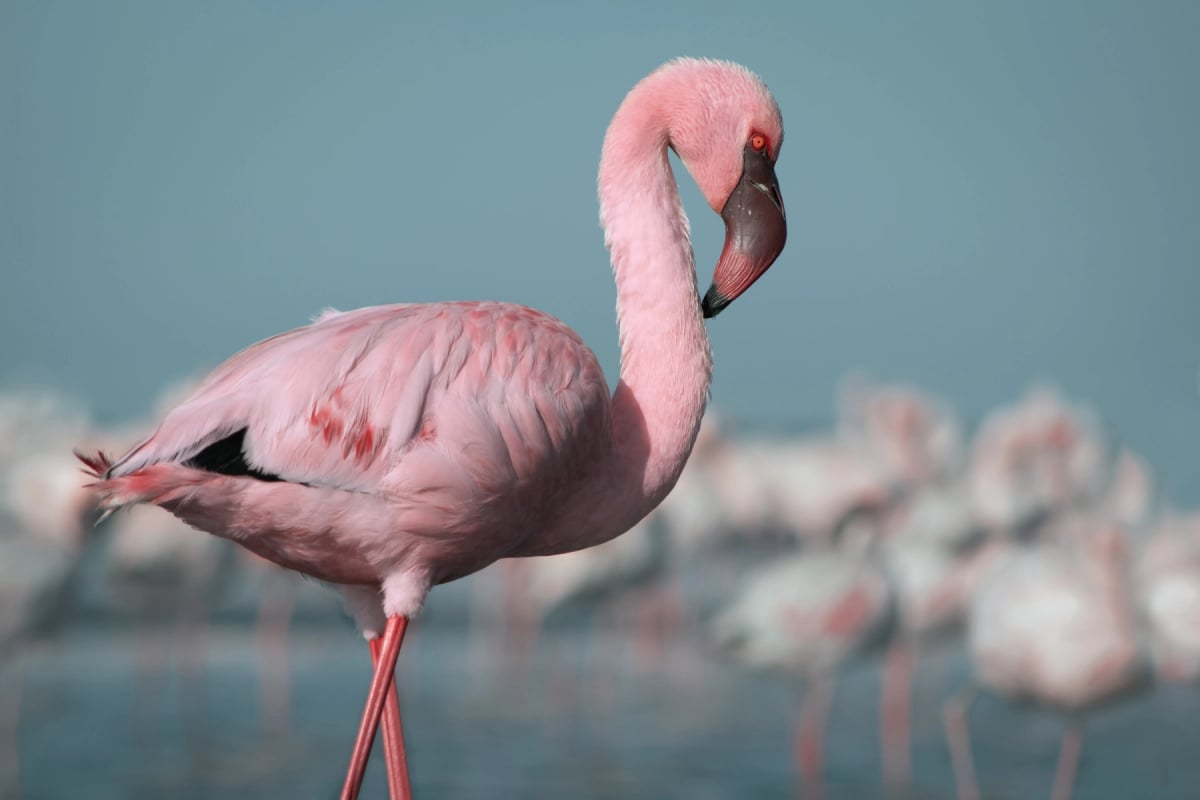
Flamingo
Phoenicopteridae (6 species)
France holds one of the most famous greater flamingo colonies in Europe, in the Camargue, the Rhône delta in the south. The birds nest on islands in the salt lagoons, and the colony has been studied and protected for decades, with thousands of chicks ringed there over the years. Flamingos are a symbol of the Camargue and can be seen all year in its lagoons and salt pans, as well as in other wetlands along the Mediterranean coast. IUCN status: Least Concern.
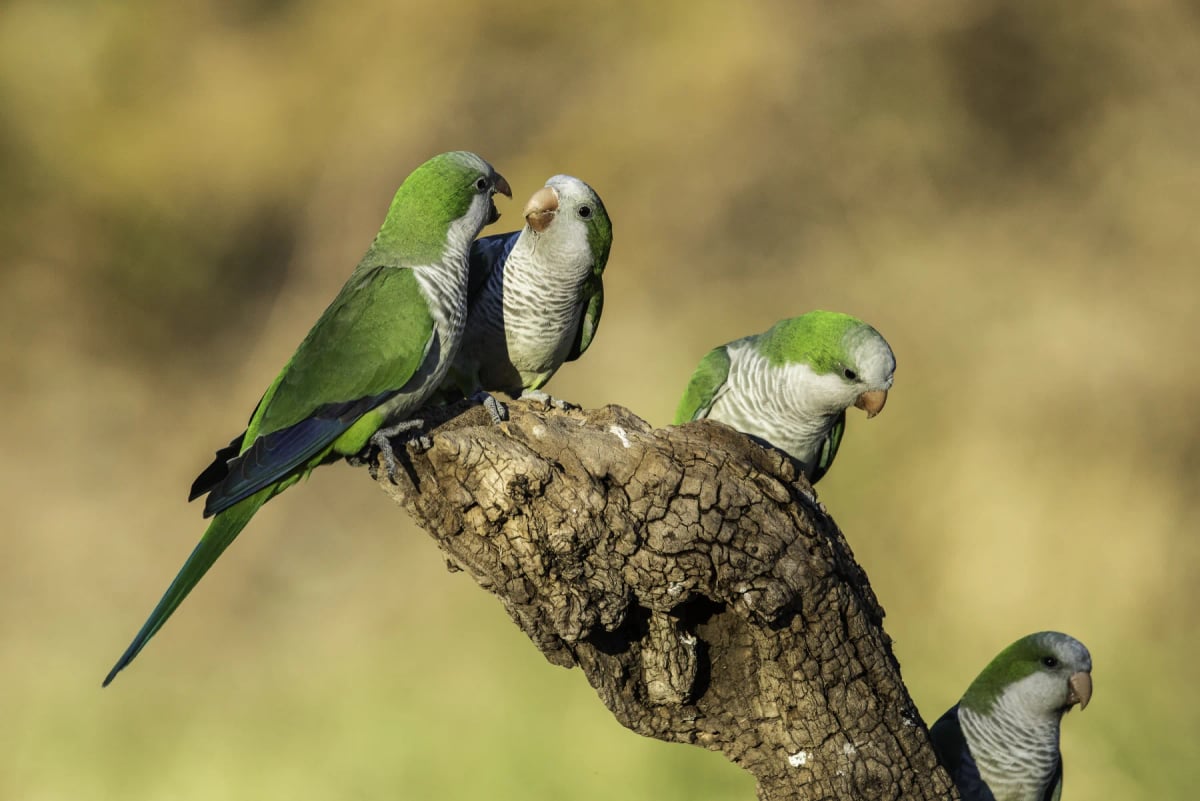
Monk Parakeet
Myiopsitta monachus
In France, introduced monk parakeet populations are present in several cities, most notably in the Paris region and along the Mediterranean coast. Originally descended from escaped pet birds, these urban flocks have grown steadily. French authorities have at times managed colony sizes due to concerns about damage to crops and infrastructure from their large communal nests. IUCN status: Least Concern.
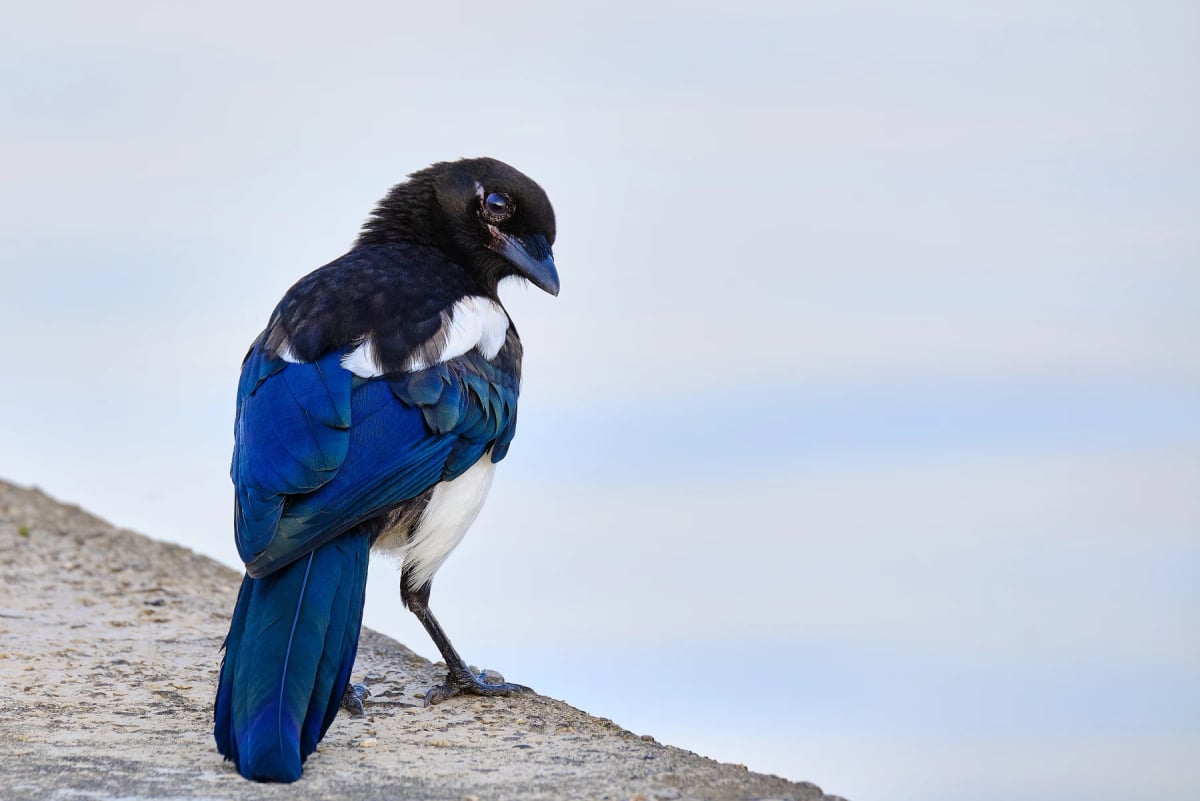
Eurasian Magpie
Pica pica
Across France, the Eurasian Magpie is a constant presence in hedgerow landscapes, river valleys, and city parks from Brittany to Provence. It adapts easily to both rural and urban settings, feeding on insects, berries, and scraps. Its striking black and white plumage, with a tail that shimmers green and blue, makes it instantly recognizable. It is abundant throughout the country and faces no significant threats. IUCN status: Least Concern.
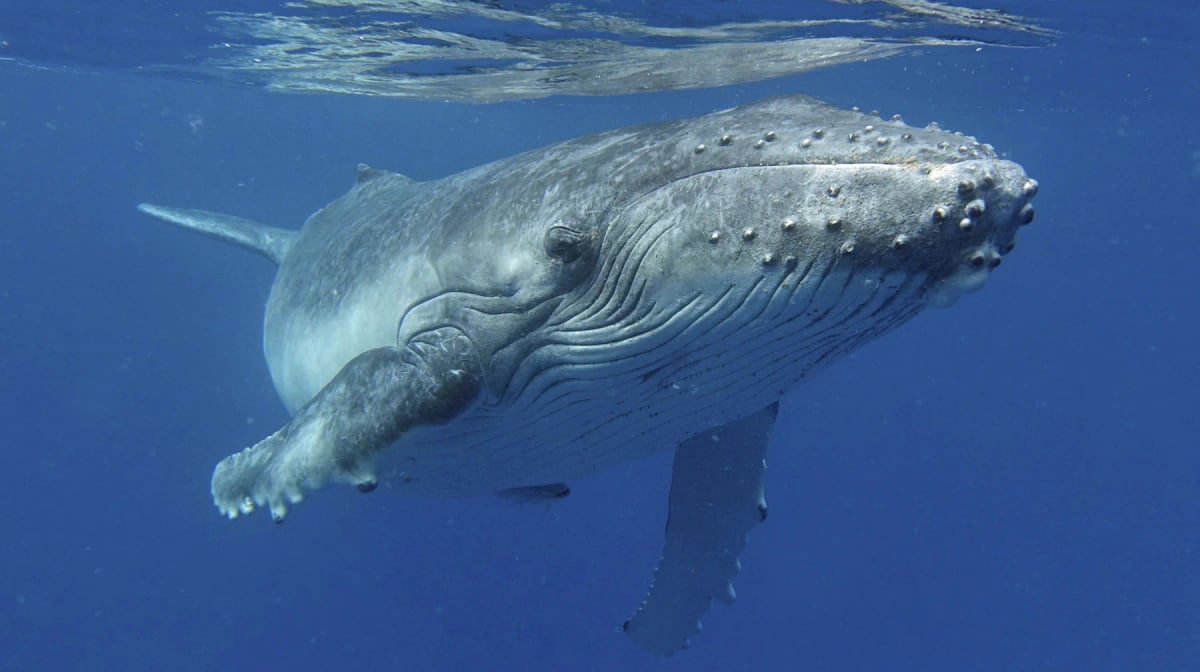
Humpback Whale
Megaptera novaeangliae
Humpback whales are occasional visitors to French Atlantic waters, including the Bay of Biscay, where they may be spotted during seasonal migrations. France also has an important connection to the species through its overseas territories, particularly in the Caribbean and the South Pacific, where whales breed and calve in protected marine areas. The IUCN lists the humpback whale as Least Concern, reflecting its recovery after commercial whaling.

Orca
Orcinus orca
Orcas appear in French Atlantic waters, particularly in the Bay of Biscay, where deep offshore canyons attract a variety of marine life. French research institutions have contributed to studies on orca behavior and diet in European waters, where tuna and bluefin prey are important food sources. In recent years, a small group of orcas has been documented repeatedly interacting with sailing vessels near the Strait of Gibraltar and along the French Atlantic coast.

Bottlenose Dolphin
Tursiops truncatus
Bottlenose dolphins are seen along both the Atlantic and Mediterranean coasts of France. In the Bay of Biscay, they are among the most commonly recorded cetaceans, though bycatch in fishing gear remains a serious concern for local populations. Along the French Mediterranean coast, resident groups have been documented near Marseille and the Gulf of Lion. Conservation efforts focus on reducing incidental capture in trawl fisheries. The IUCN lists the species as Least Concern.

Seal
Phoca vitulina
In France, harbor seals are found mainly along the English Channel coast, especially in the Bay of the Somme and around the Pas-de-Calais region. A small but stable population rests on sandbanks exposed at low tide. France marks the southern limit of the species' regular range in the eastern North Atlantic. Local authorities and conservation groups monitor the population closely to minimize disturbance from tourism and boat traffic. IUCN status: Least Concern.

Common Dolphin
Delphinus delphis
Common dolphins are a familiar sight along France's Atlantic coastline, particularly in the Bay of Biscay, one of the most important feeding areas for this species in Europe. They gather in large groups to pursue anchovy and sardine schools. Unfortunately, many individuals are caught accidentally in fishing nets each year, making bycatch a serious conservation concern for French waters. IUCN status: Least Concern.

Sperm Whale
Physeter macrocephalus
In French waters, sperm whales are most regularly observed in the deep Mediterranean basin and in the Atlantic off the Bay of Biscay, where underwater canyons concentrate their prey. The Mediterranean population is considered particularly small and fragile. French research institutions and conservation organisations actively monitor these whales, and national marine protected areas provide some refuge. Vessel traffic and underwater noise remain serious concerns for their survival in the region. IUCN status: Vulnerable.
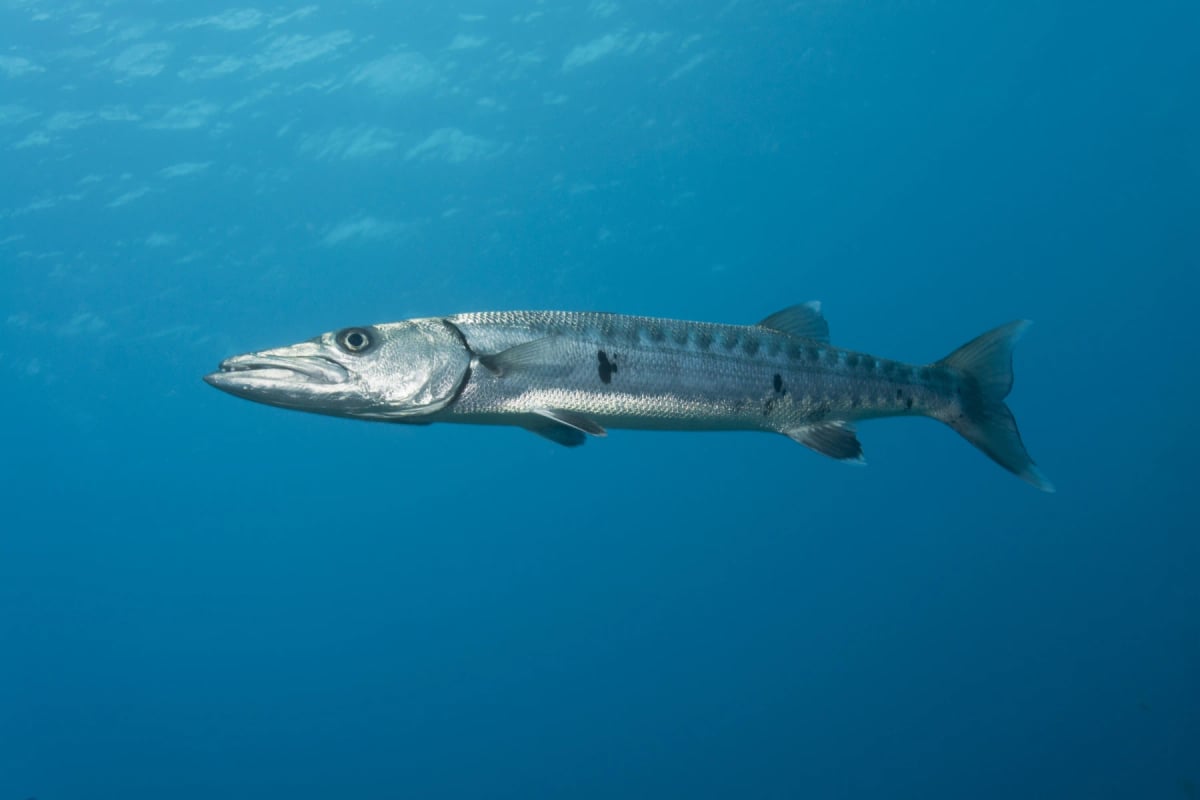
Barracuda
Sphyraena spp.
The European barracuda is present in French waters, particularly along the Mediterranean coast from the Gulf of Lion to the Côte d'Azur and around Corsica, where it inhabits rocky reefs and open coastal waters. It is a common predator encountered by divers and snorkelers in the warmer months and is a familiar species in Mediterranean fishing grounds. As sea temperatures in the Mediterranean rise, barracuda sightings have also become more frequent along parts of the Atlantic coast of France in recent summers.

Hammerhead Shark
Sphyrna spp.
Hammerhead Sharks occur in French waters across several regions, including the Mediterranean Sea and the waters surrounding French overseas territories such as French Polynesia, Martinique, and Réunion. In French Polynesia, healthy populations can still be found around remote atolls. France has implemented EU shark finning bans and supports international conservation measures for this Critically Endangered species.

Great White Shark
Carcharodon carcharias
France has coastline along both the Mediterranean Sea and the Atlantic Ocean, both of which fall within the historical range of the great white shark. Mediterranean sightings near French waters have become increasingly uncommon as regional populations have declined over decades. Along the Atlantic coast, occasional records exist, particularly farther south toward the Bay of Biscay. France participates in European Union wildlife protection frameworks that classify the great white as a Vulnerable species requiring active conservation attention.
Frequently Asked Questions
What animals live in France?
France is home to brown bears, gray wolves, Eurasian lynx, red deer, roe deer, wild boars, alpine ibex, chamois, alpine marmots, red foxes, badgers, hares, hedgehogs, European wildcats, common genets and golden jackals. Its birds include golden eagles, eagle owls, griffon vultures, white tailed eagles, peregrine falcons, storks, cranes, puffins and nightingales. The European adder is one of its vipers, and along its coasts live dolphins, seals, sperm whales, humpback whales, orcas and barracudas.
What is the national animal of France?
The national animal of France is the Gallic rooster, le coq gaulois. The link comes from Latin, where gallus means both rooster and Gaul, the old name of the region. The rooster appears on the Élysée Palace garden gate, on coins, stamps and war memorials, and on the shirts of the French football and rugby teams. It is not listed in the Constitution as an official symbol, and it is a farm animal, not a wild one, but it has represented the French people for centuries.
Are there wolves in France?
Yes. Wolves disappeared from France in the 1930s and came back on their own from Italy, crossing the Alps into the Mercantour National Park in 1992. The population has grown quickly, and the French Office for Biodiversity estimated about 1,082 wolves at the end of winter 2024 to 2025, mostly in the Alps and Provence but spreading into the Massif Central, the Jura and the Vosges. They avoid people, but their attacks on sheep cause strong debates with farmers.
Are there bears in France?
Yes, but only in the Pyrenees. The native brown bears had almost disappeared by the 1990s, so France released bears from Slovenia starting in 1996. The population has recovered, and in 2024 the French count found 96 bears, including 22 cubs born that year, with about 130 bears across the whole Pyrenees range shared with Spain and Andorra. They live in remote forests, feed mostly on plants, nuts and insects, and are rarely seen by hikers.
Are there dangerous animals in France?
France has few dangerous animals. Wild boars are the most common risk, as they can charge when surprised and cause many road accidents. The European adder is one of a few venomous vipers, and its bite needs hospital care but is rarely fatal. Bears, wolves and lynx live in the mountains and avoid people. At sea, orcas, hammerhead sharks and great white sharks are recorded, but incidents are extremely rare. Barracudas in the Mediterranean may bite if something shiny catches their eye.
Researched and written by Juan Pablo. Sources: IUCN Red List, scientific literature and regional field guides. Last updated: .