Animals in Cote d'Ivoire
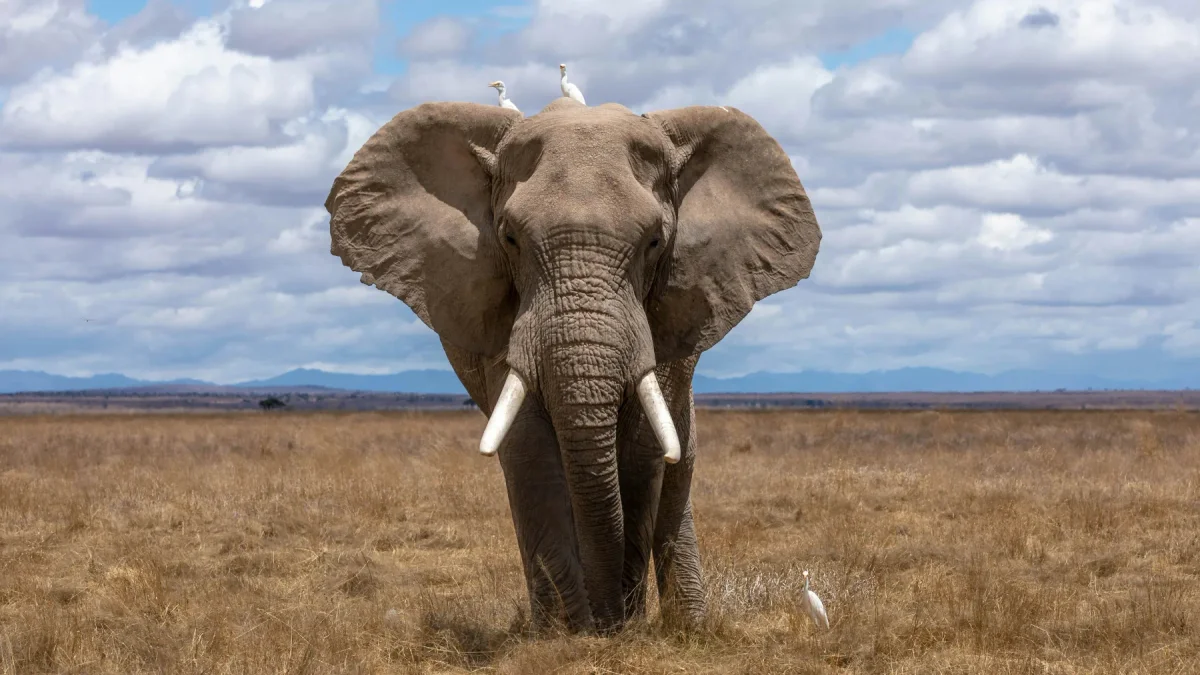
African Elephant
Loxodonta africana
The African elephant, Côte d’Ivoire’s national animal, symbolizes strength and resilience. Once widespread, forest elephants are now mostly found in reserves such as Taï National Park, where conservation programs aim to restore their populations and preserve this emblem of the nation’s heritage.
View details→Wildlife in Cote d'Ivoire
Côte d’Ivoire’s wildlife reflects the country’s position between West and Central Africa, with tropical forests, open savannas, and a long Atlantic coast. Chimpanzees, forest elephants, pygmy hippos, and manatees live in protected areas that attract eco-travelers and researchers interested in conservation.
Most Dangerous Animals in Cote d'Ivoire
Wildlife encounters in Côte d’Ivoire demand caution, especially near rivers and forests. Hippos, snakes, and crocodiles can be unpredictable, so guided tours and local advice are essential. Respect for nature ensures that exploration remains both safe and rewarding for travelers.
Top 10 Animals in Cote d'Ivoire
Côte d’Ivoire’s wildlife features species such as chimpanzees, leopards, hippos, and forest elephants, each adapted to habitats ranging from dense rainforests to coastal lagoons. Visitors to national parks and forest reserves often glimpse this diversity while exploring the country’s rich natural landscapes.
African Elephant
Loxodonta africana
The elephant is the national symbol of Côte d'Ivoire, giving the country its historic association with the ivory trade and inspiring the nickname of its national football team, Les Éléphants. Comoé National Park in the northeast holds the country's main savanna elephant population and is a UNESCO World Heritage Site. Numbers have declined sharply from historical levels due to poaching and habitat loss, making the continued presence of elephants in Côte d'Ivoire both ecologically and culturally significant.
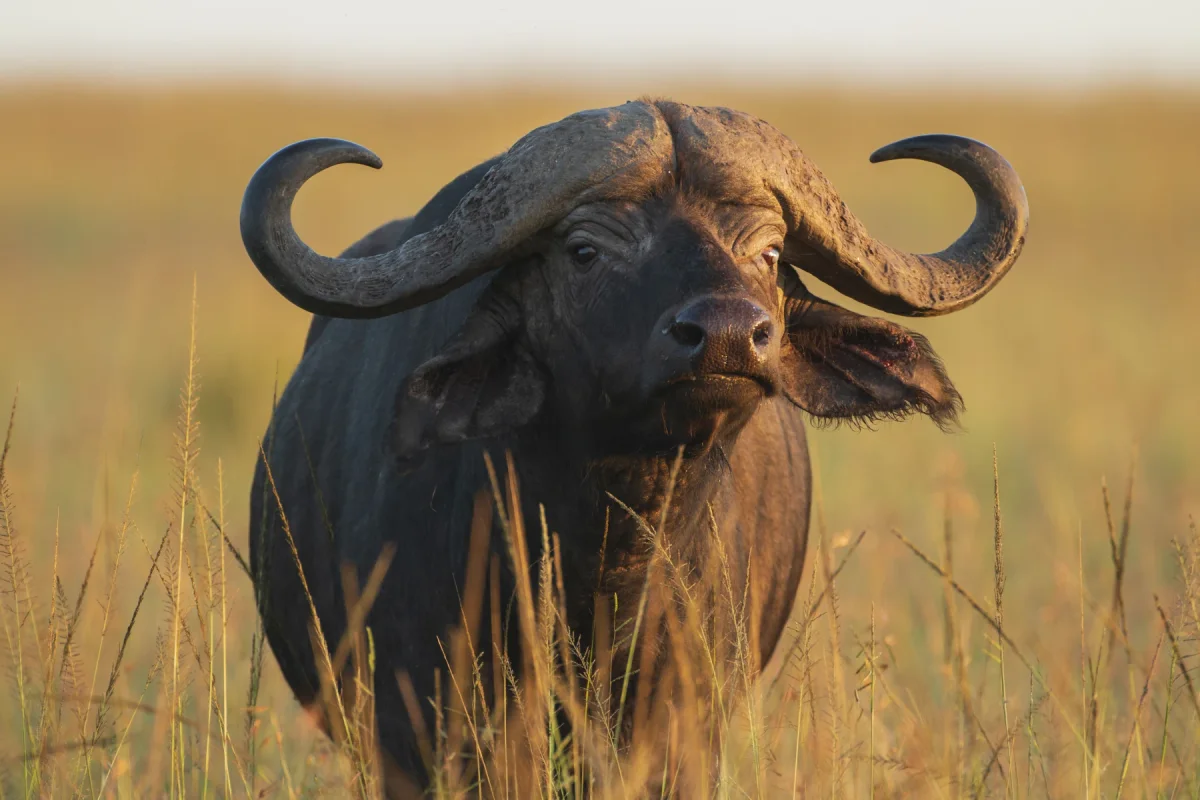
Buffalo
Syncerus caffer
In Côte d'Ivoire, African buffaloes are found within protected areas such as Comoé National Park in the northeast, one of the largest in West Africa. They favor the park's mix of savanna and gallery forest, staying close to rivers. Populations here face pressure from poaching and habitat loss. The buffalo is listed as Least Concern globally, though West African numbers remain a regional concern.
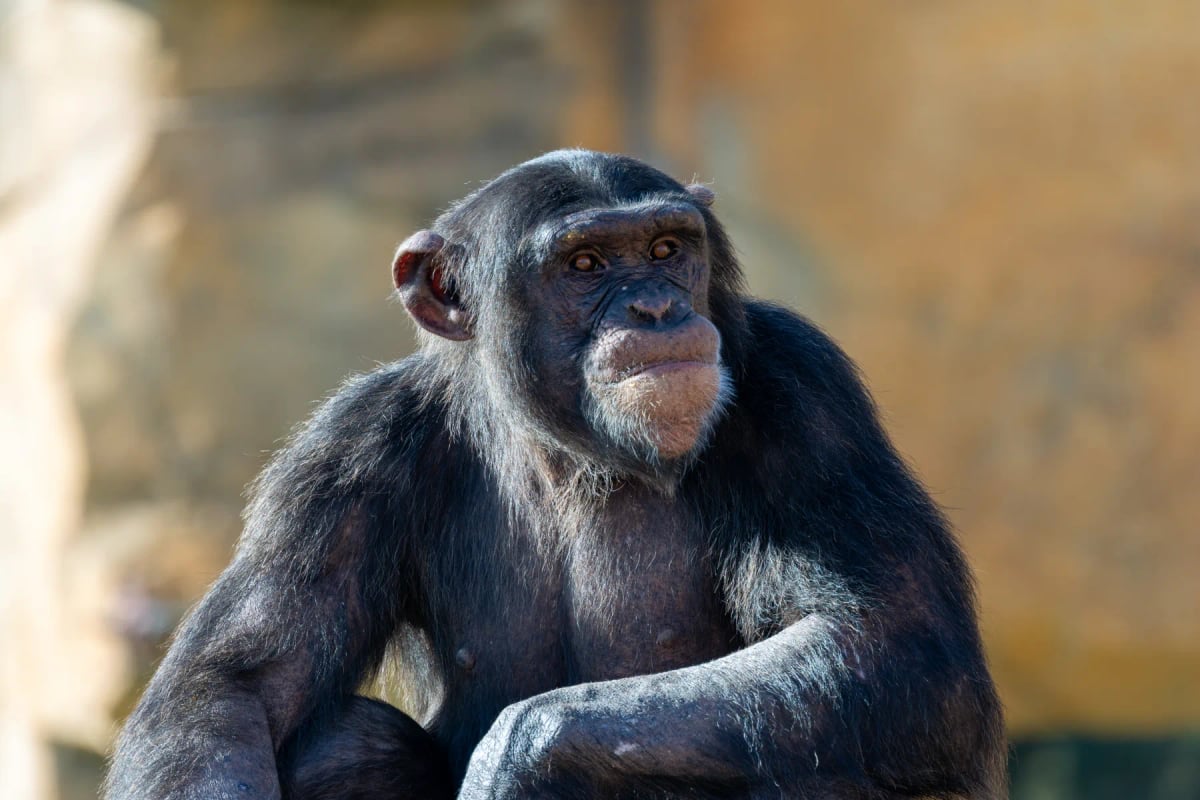
Chimpanzee
Pan troglodytes
Côte d'Ivoire was once a major stronghold for West African chimpanzees, but decades of intensive deforestation have reduced forest cover dramatically. Today, the Taï National Park in the southwest is the most important refuge, home to a well-studied population that has contributed greatly to scientific understanding of chimpanzee tool use and culture. The species is Endangered throughout its West African range.
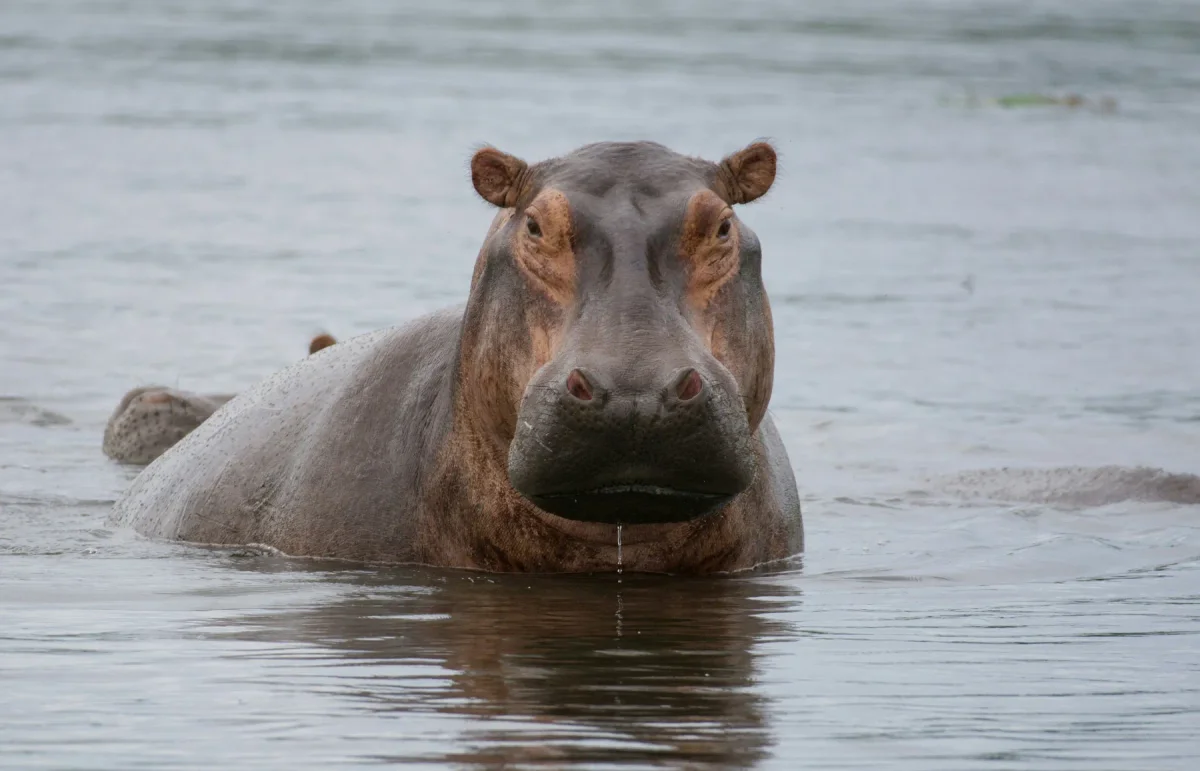
Hippopotamus
Hippopotamus amphibius
In Côte d'Ivoire, hippopotamuses are found in rivers and wetlands, with the Comoé River and Taï National Park among their most important refuges. Populations here have declined sharply due to habitat loss and poaching for their ivory teeth and meat. The IUCN lists the hippopotamus as Vulnerable, and conservation efforts in protected areas are critical to the survival of this species over the long term.
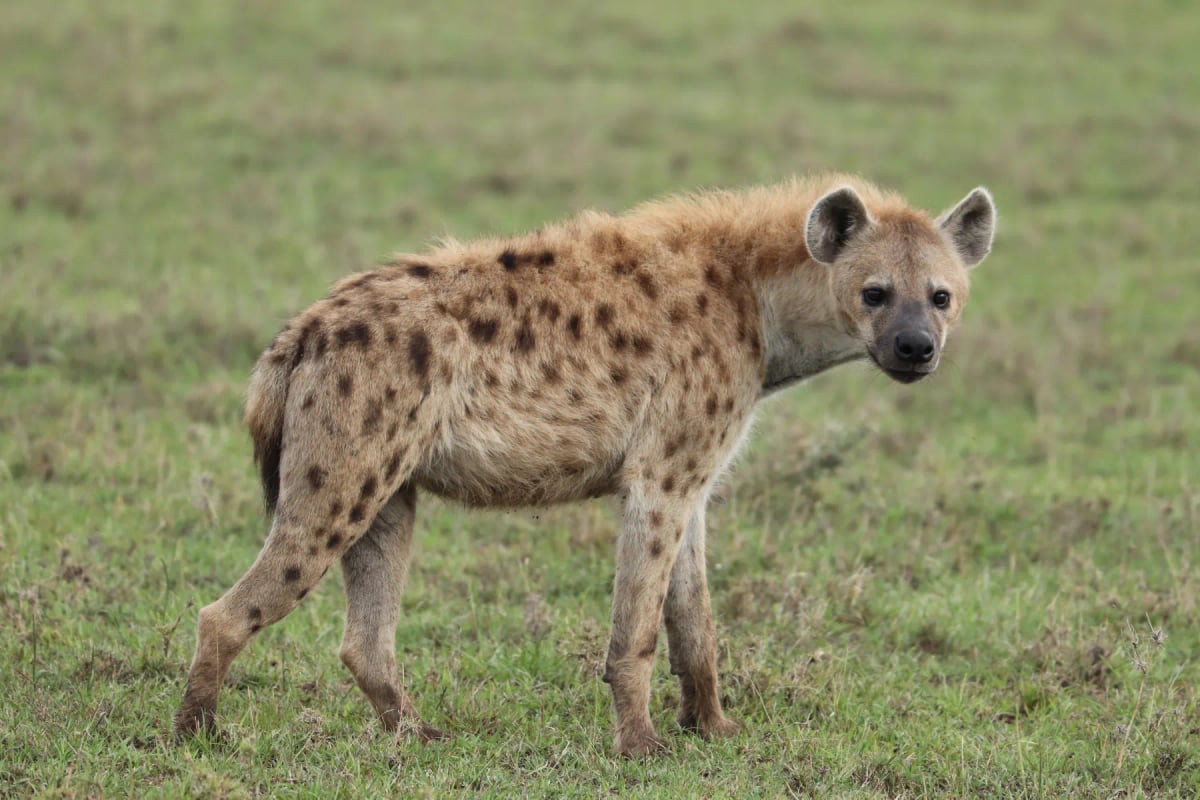
Spotted Hyena
Crocuta crocuta
In Côte d'Ivoire, spotted hyenas are found in the northern savannas and protected areas such as Comoé National Park, one of the largest in West Africa. They play a key role in keeping ecosystems healthy by cleaning up carcasses. Habitat loss and conflict with farmers and livestock herders remain the main pressures on their populations across the country. Their IUCN status is Least Concern.
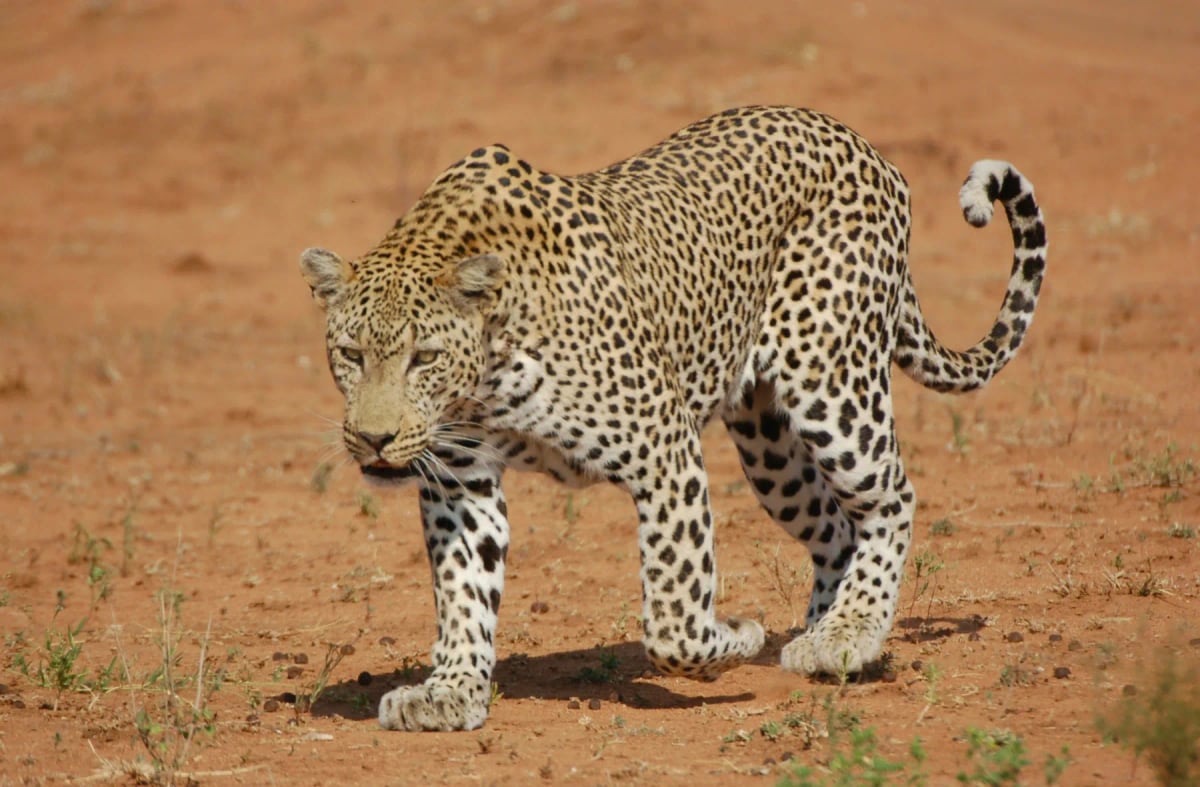
Leopard
Panthera pardus
In Côte d'Ivoire, leopards are found mainly in the north and within protected areas such as Comoé National Park, a UNESCO World Heritage Site. Much of the country's original forest cover has been lost to agriculture, pushing leopards into increasingly fragmented patches of habitat. They prey on forest antelopes, monkeys, and smaller mammals. The species is listed as Vulnerable on the IUCN Red List.
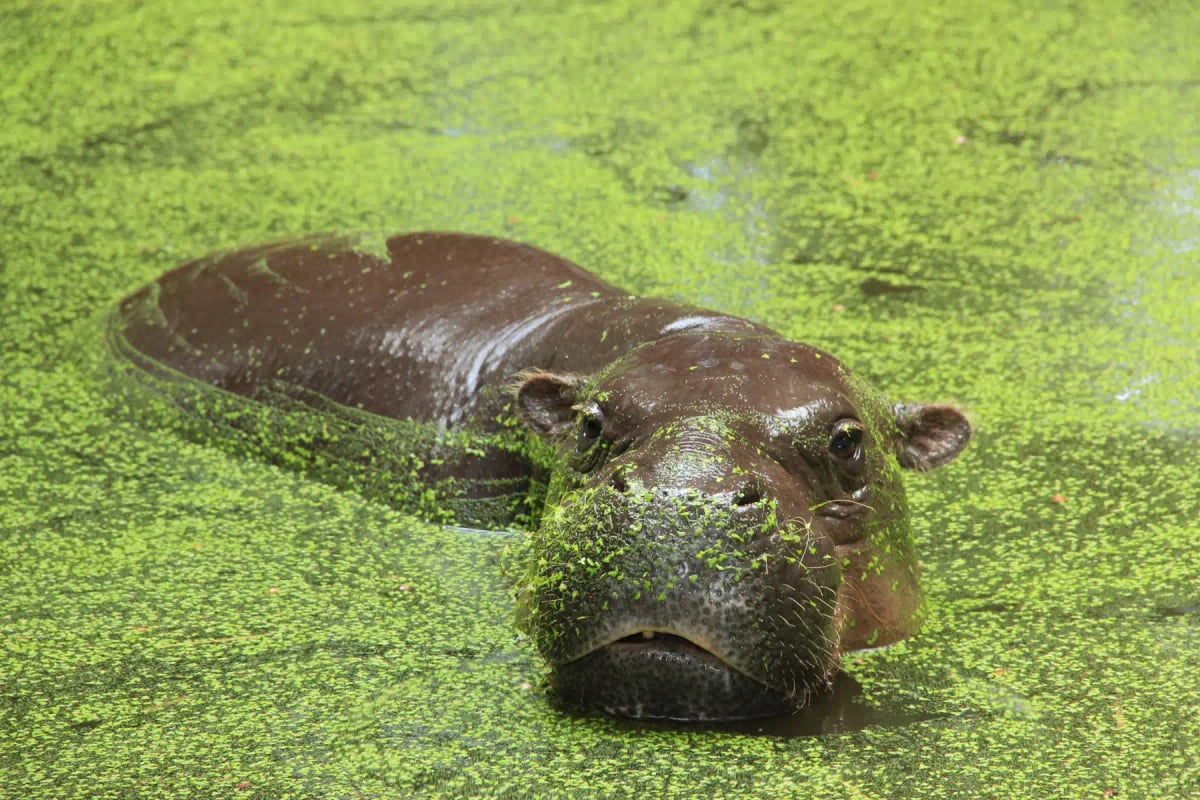
Pygmy Hippo
Choeropsis liberiensis
The pygmy hippo lives in the dense rainforests of Côte d'Ivoire, particularly around Taï National Park, one of the last large areas of primary forest in West Africa. Shy and active mostly at night, it feeds on leaves, ferns, and fallen fruit near forest streams. Deforestation and poaching have pushed this small, secretive mammal close to the edge, with fewer than 2,500 individuals thought to survive across its entire range.
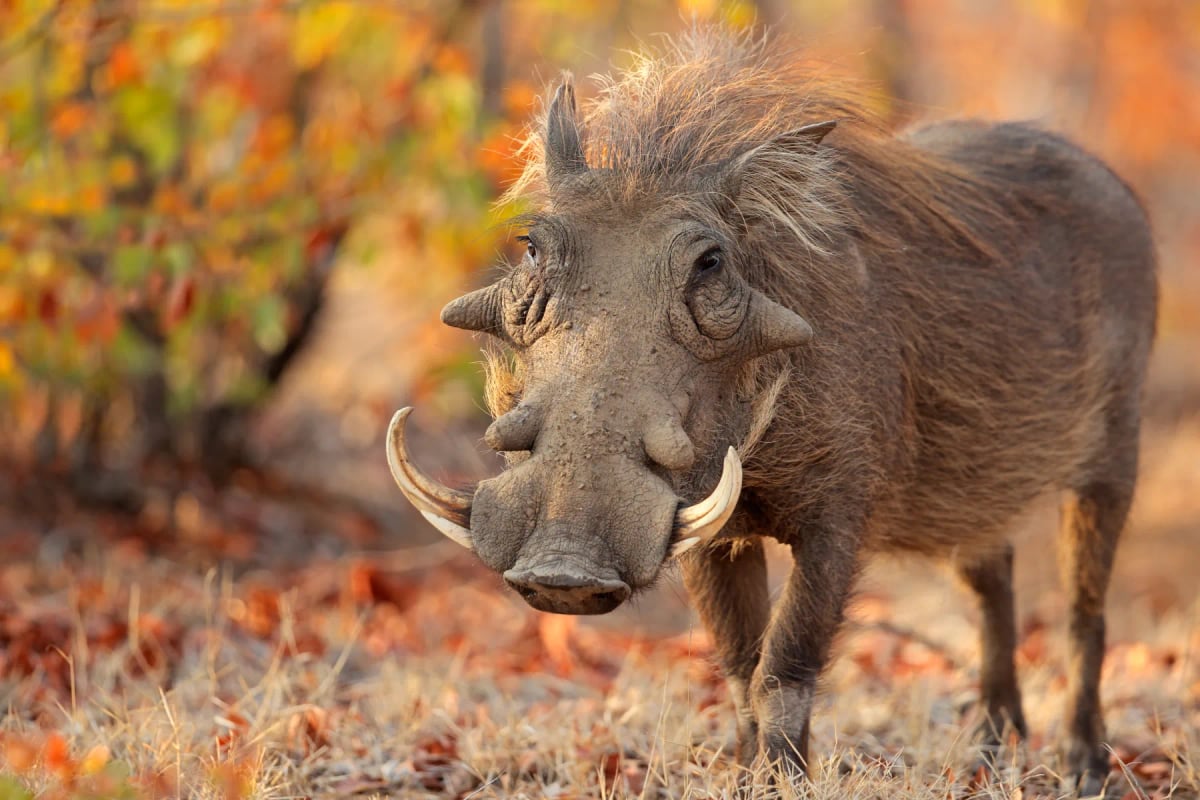
Warthog
Phacochoerus africanus
In Côte d'Ivoire, the common warthog is mainly found in the northern savannas, where the landscape opens up beyond the dense forests of the south. Comoé National Park, a UNESCO World Heritage Site and one of the largest protected areas in West Africa, supports a population of warthogs alongside other large mammals. It grazes on grasses and digs for roots, relying on burrows for shelter. Its IUCN status is Least Concern.
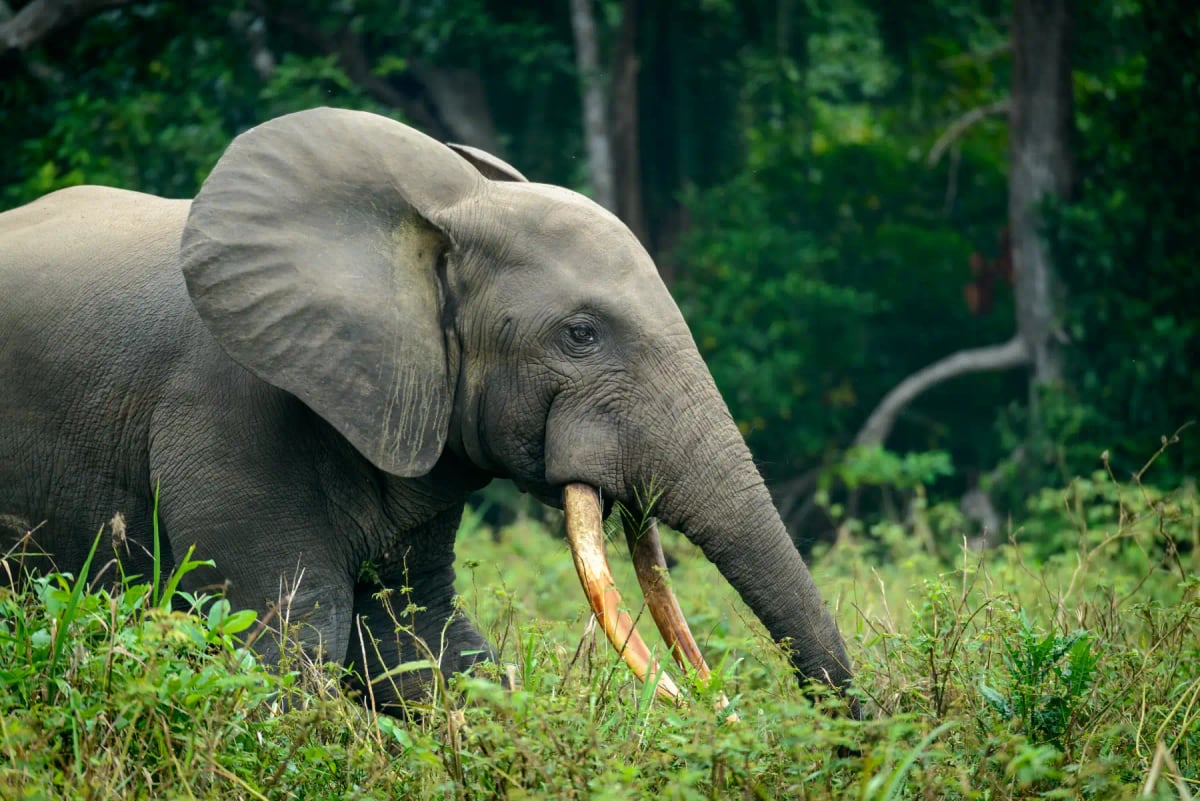
African Forest Elephant
Loxodonta cyclotis
Côte d'Ivoire once had one of the largest forest elephant populations in West Africa, but numbers have collapsed due to intense poaching and rapid deforestation over the past 50 years. Taï National Park in the southwest, a UNESCO World Heritage Site, now holds the country's most viable remaining population within intact lowland rainforest. Outside Taï, sightings are rare and populations are heavily fragmented, making Côte d'Ivoire a critical but precarious outpost for the species in West Africa.
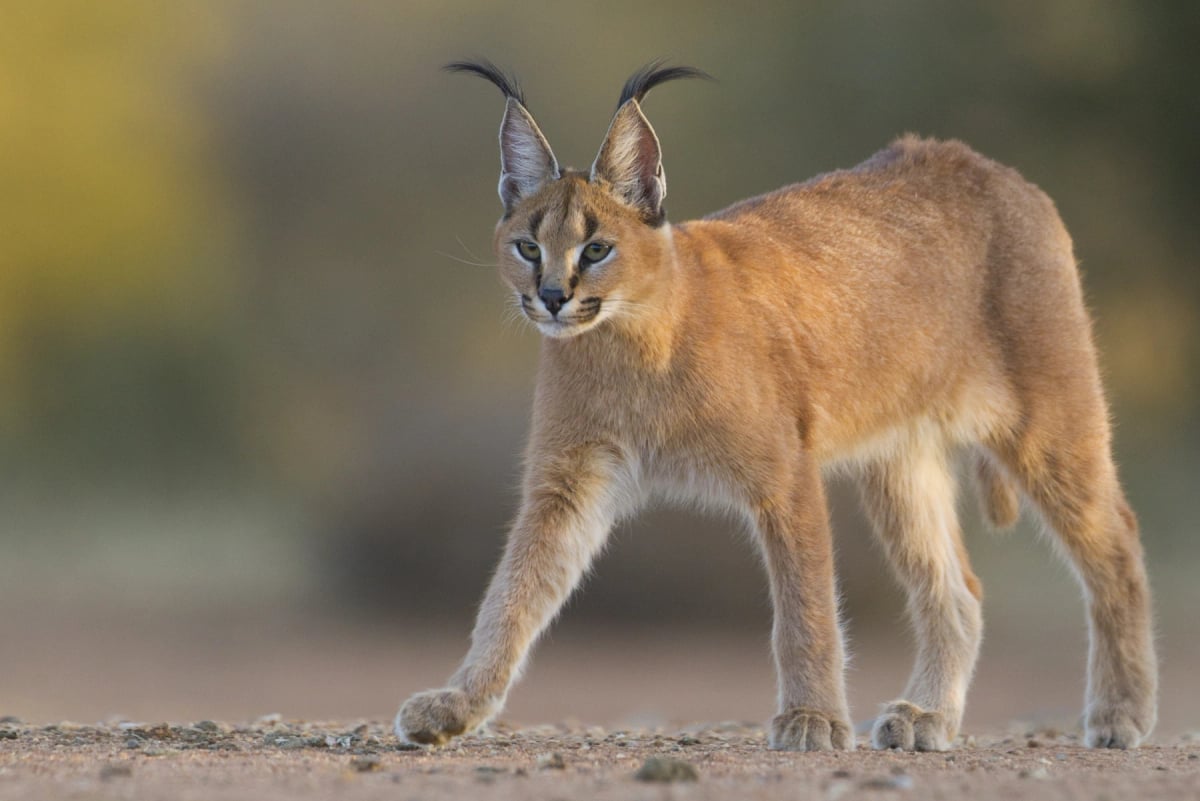
Caracal
Caracal caracal
In Côte d'Ivoire, the caracal occupies the drier savanna zones in the north of the country, avoiding the dense rainforests of the south. This medium-sized wild cat, recognized by its tall ears tipped with black tufts, preys on rodents, hares, and birds. Listed as Least Concern by the IUCN, it faces pressure from habitat loss as agricultural land expands across the northern savannas.
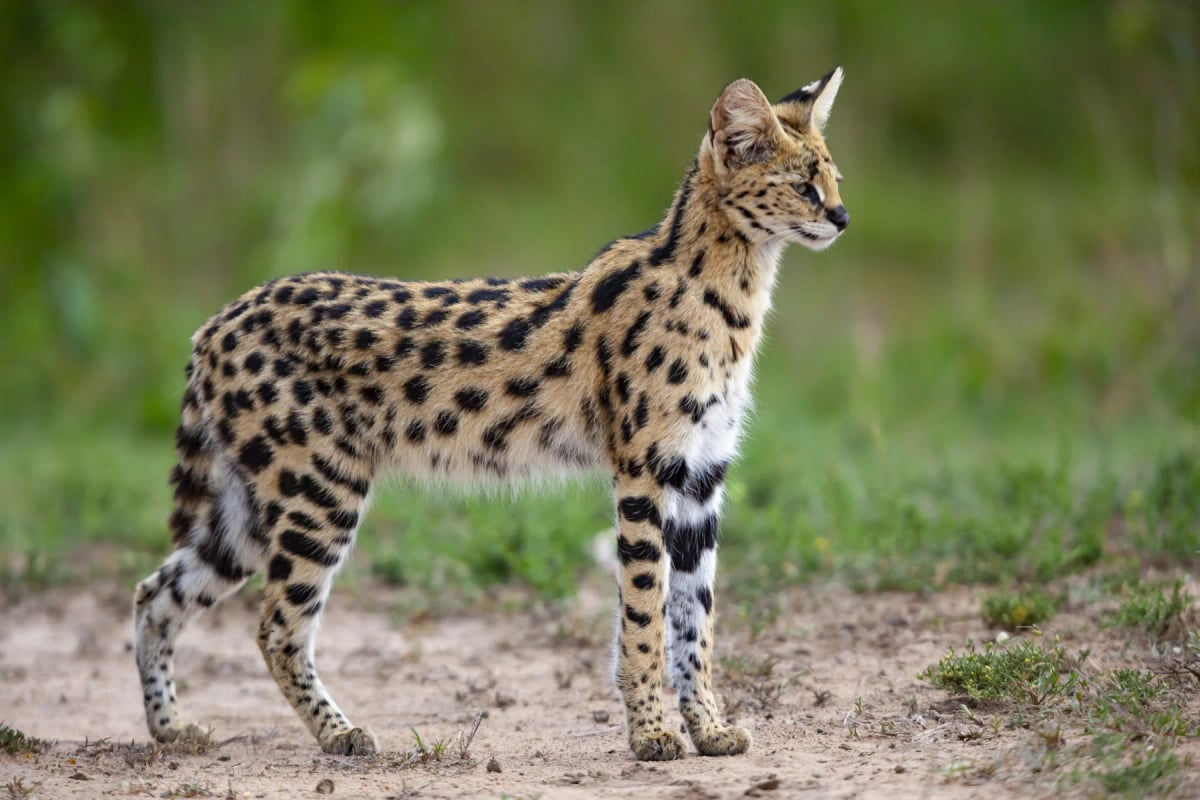
Serval
Leptailurus serval
The serval roams the forest edges and moist savannas of Côte d'Ivoire, particularly in the north and west of the country. With its towering ears and powerful legs, it hunts rodents and frogs in tall grass near streams and wetlands. Though listed as Least Concern by the IUCN, habitat loss from agriculture and hunting pressure remain real concerns for local populations across the country.
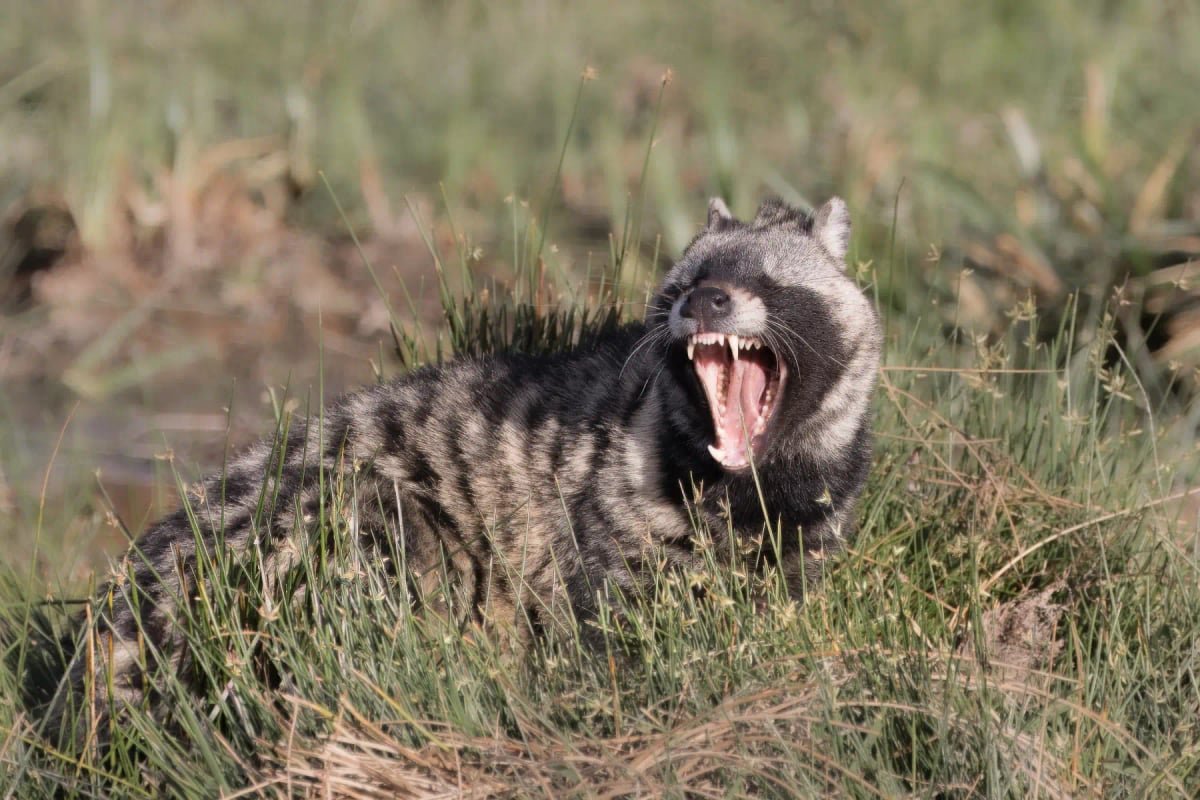
African Civet
Civettictis civetta
The African civet is widespread in Côte d'Ivoire, from the dense lowland rainforests of the southwest to the Guinea savanna woodlands of the north. Taï National Park, one of the largest remaining rainforests in West Africa, supports healthy civet populations alongside other nocturnal carnivores. In the agricultural center and east, civets adapt to fragmented forest patches and plantation edges, remaining active wherever ground cover and water persist.

Honey Badger
Mellivora capensis
In Côte d'Ivoire, the honey badger occupies savanna zones in the north as well as woodland areas across the country. Stocky and bold, it is well known for raiding beehives and standing its ground against much larger predators. Conflict with farmers and habitat loss pose local threats, though the species holds a status of Least Concern on the IUCN Red List.
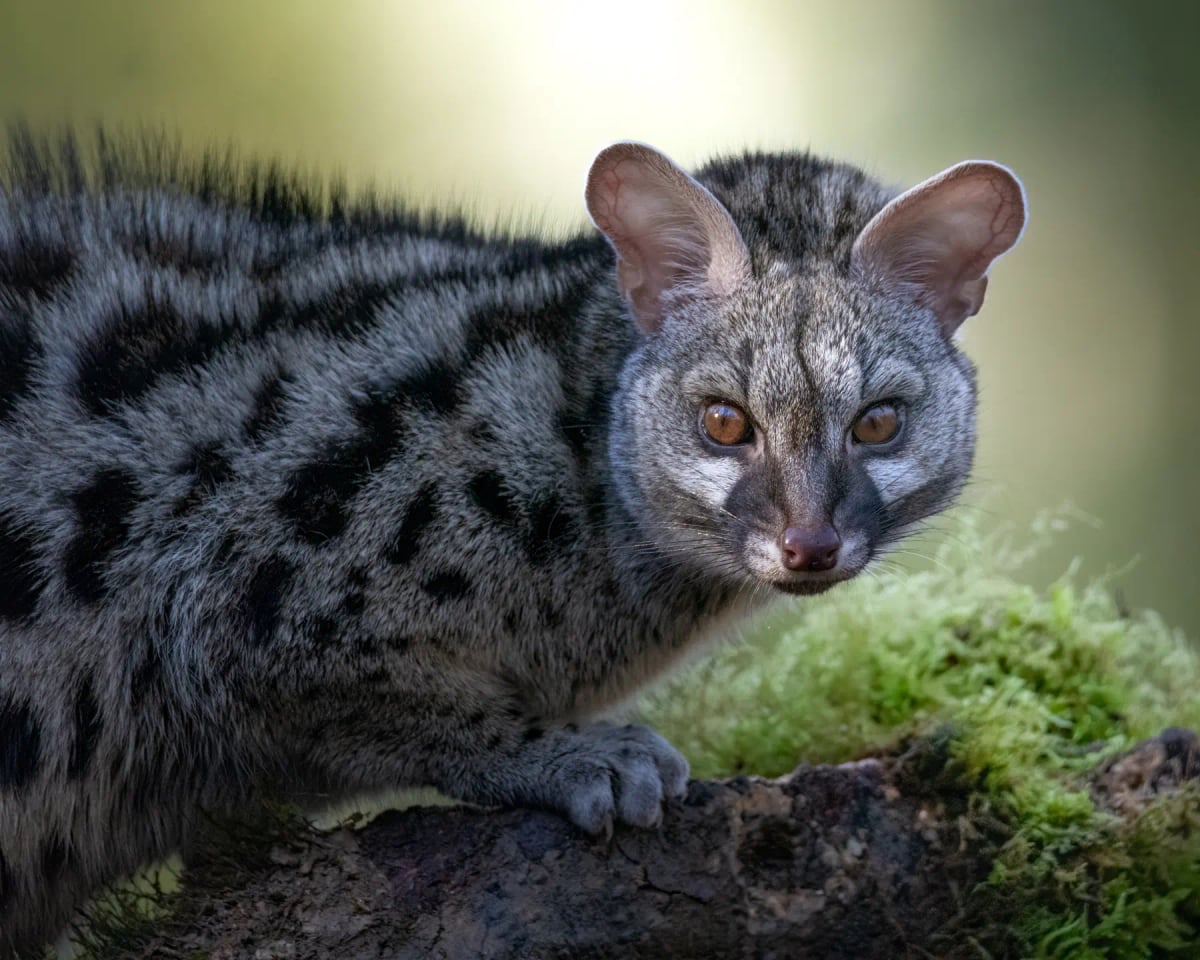
Common Genet
Genetta genetta
The common genet is present in Côte d'Ivoire, living in forest edges, gallery forests, and wooded savannas across the country. It is nocturnal and solitary, resting in hollow trees or thick vegetation during the day. In Côte d'Ivoire it feeds on small mammals, birds, insects, and some fruit. The country's mix of forested zones and open woodland suits this flexible carnivore well. Its spotted coat blends into the dappled forest light. Its IUCN status is Least Concern.
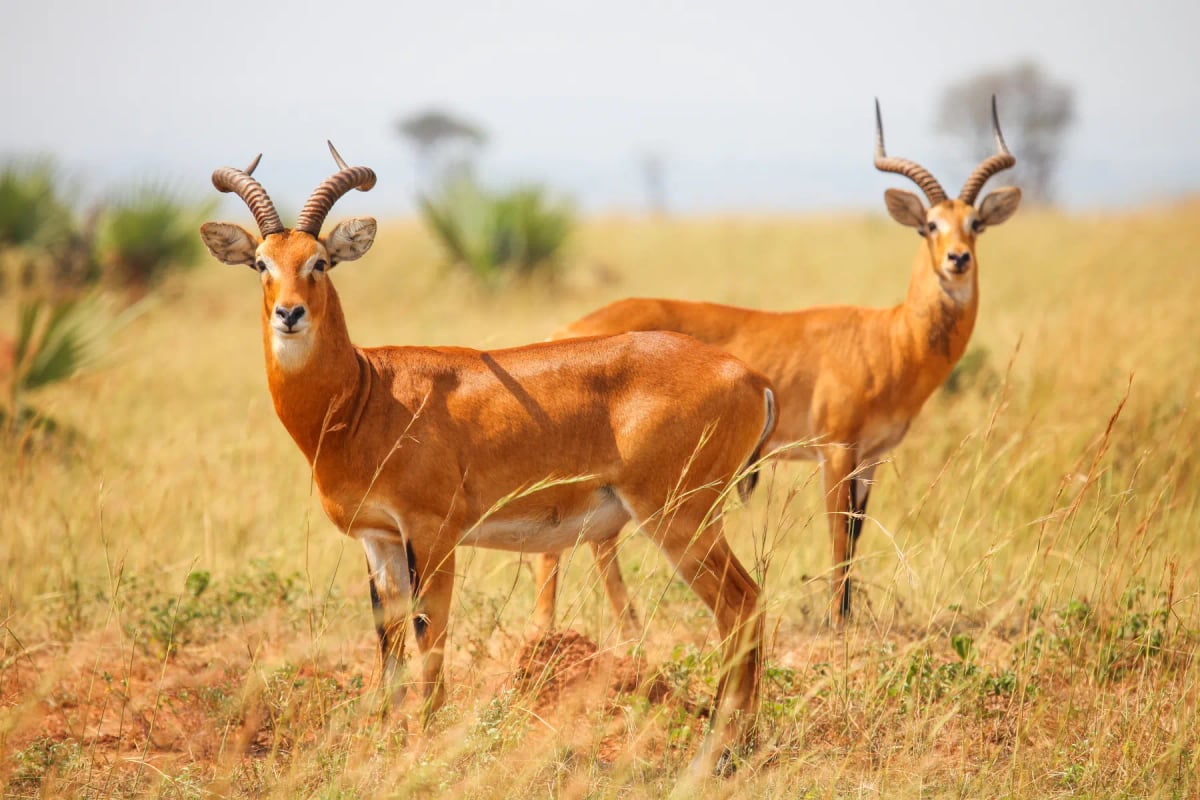
Kob
Kobus kob
The kob is present in the northern savannas of Côte d'Ivoire, with the Comoé National Park, a UNESCO World Heritage Site, serving as one of its most important refuges. The park's mix of Guinea savanna, gallery forest, and river corridors creates excellent habitat for grazing herds. Populations have declined due to poaching and reduced management capacity in the park over past decades. Its IUCN status is Least Concern.
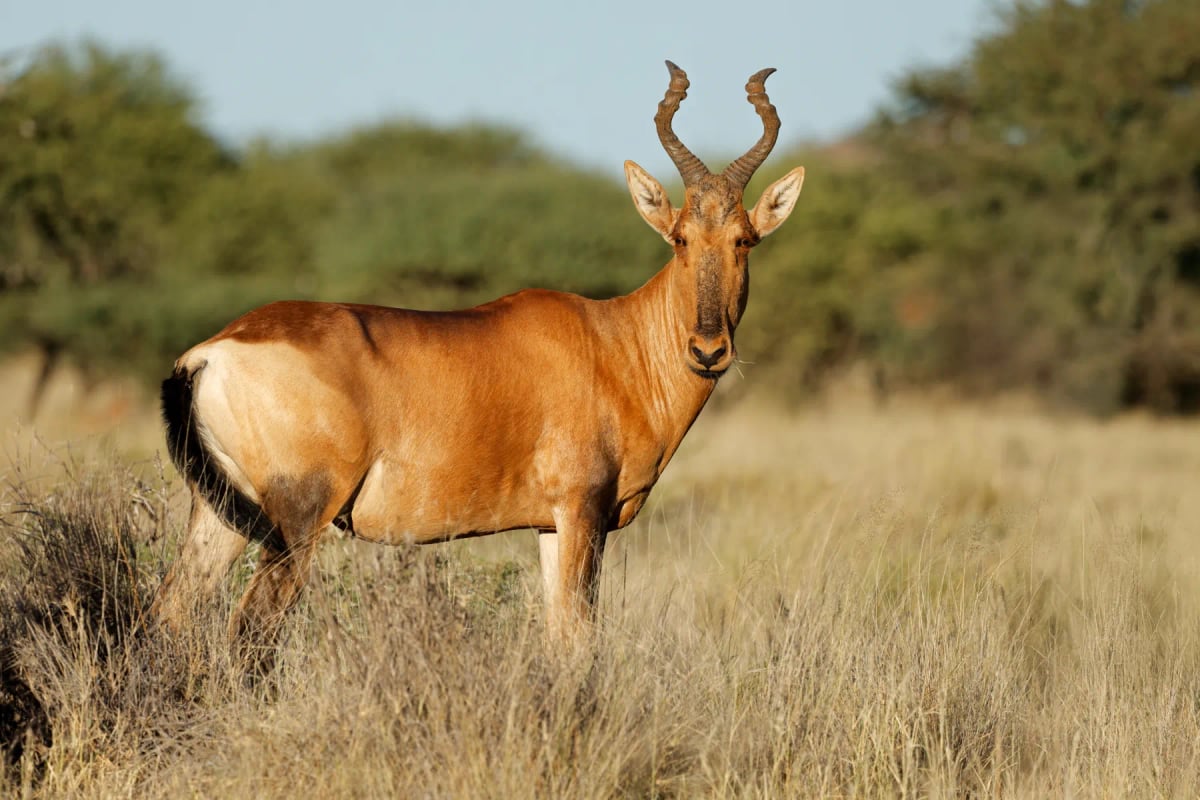
Hartebeest
Alcelaphus buselaphus
In Côte d'Ivoire, the hartebeest is restricted to the Sudanian savanna in the north of the country, where the Comoé National Park provides its most significant refuge. This park, a UNESCO World Heritage Site, holds a range of large mammals that have disappeared from much of West Africa. Populations here are small and under pressure from habitat degradation and illegal hunting outside protected boundaries.
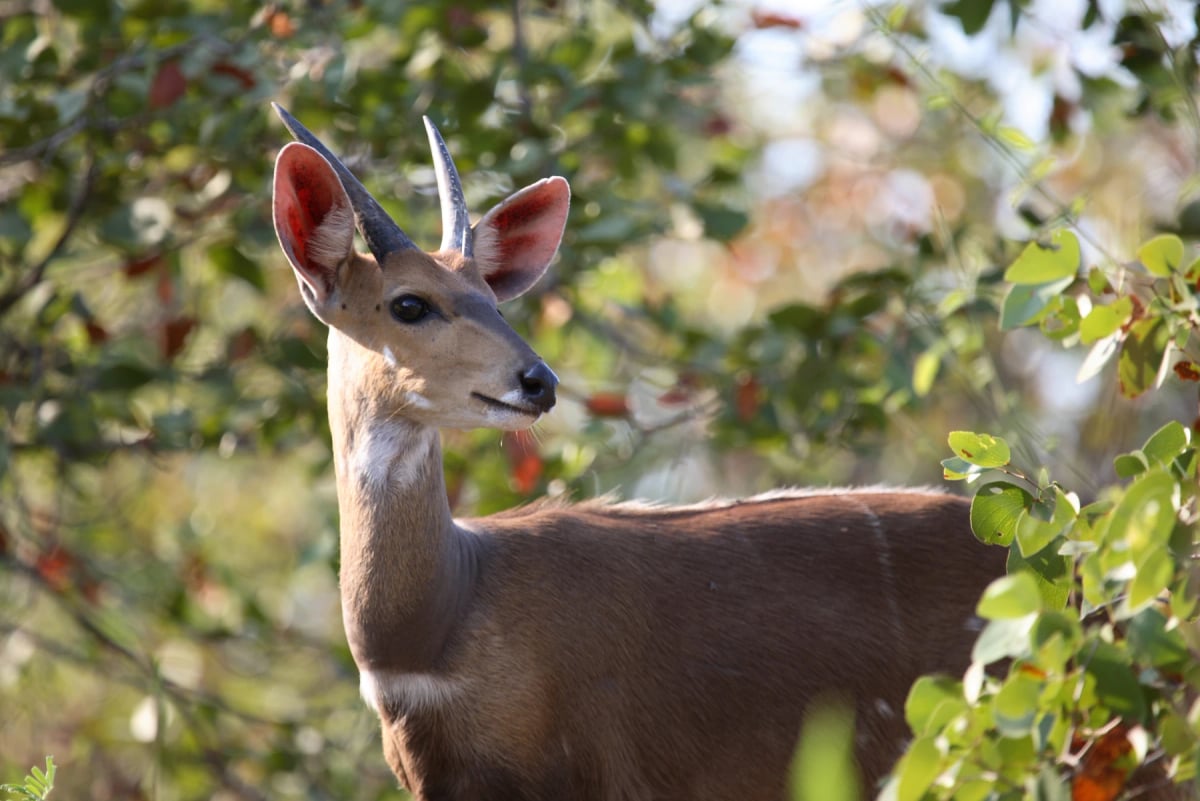
Bushbuck
Tragelaphus scriptus
In Côte d'Ivoire, bushbucks inhabit the remaining patches of dense forest and woodland in the southern and central regions. These solitary antelopes are seldom seen due to their preference for thick vegetation and nocturnal habits. The country's tropical forests provide ideal habitat, though habitat loss continues to threaten populations in this region.
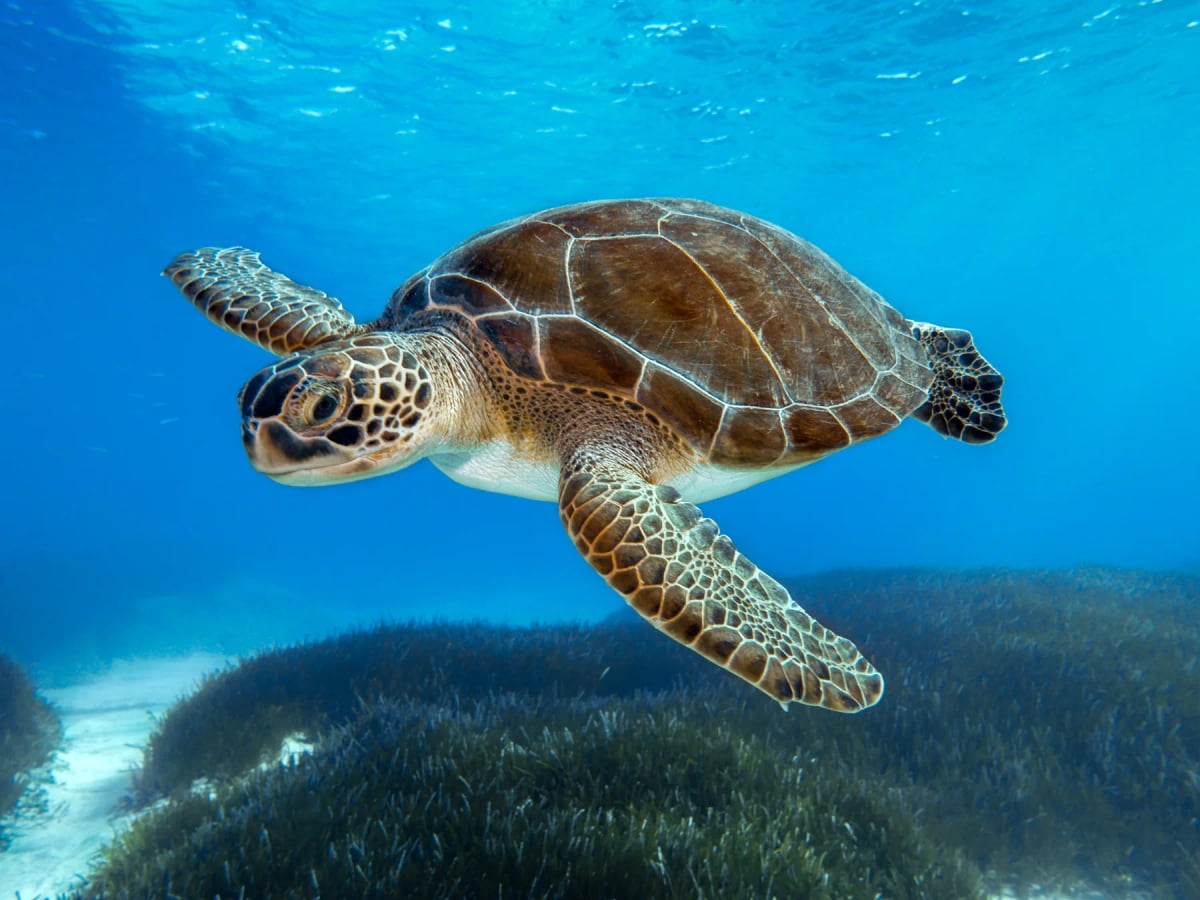
Sea Turtle
Cheloniidae & Dermochelyidae (families)
Côte d'Ivoire's Gulf of Guinea coastline is part of the West African sea turtle nesting zone. Leatherback and olive ridley turtles are the main nesting species, with some hawksbill activity also recorded. Beaches between Sassandra and the Liberian border are among the most significant nesting areas in the country. Conservation efforts focus on reducing egg poaching and bycatch, the main threats to sea turtles along this coast.
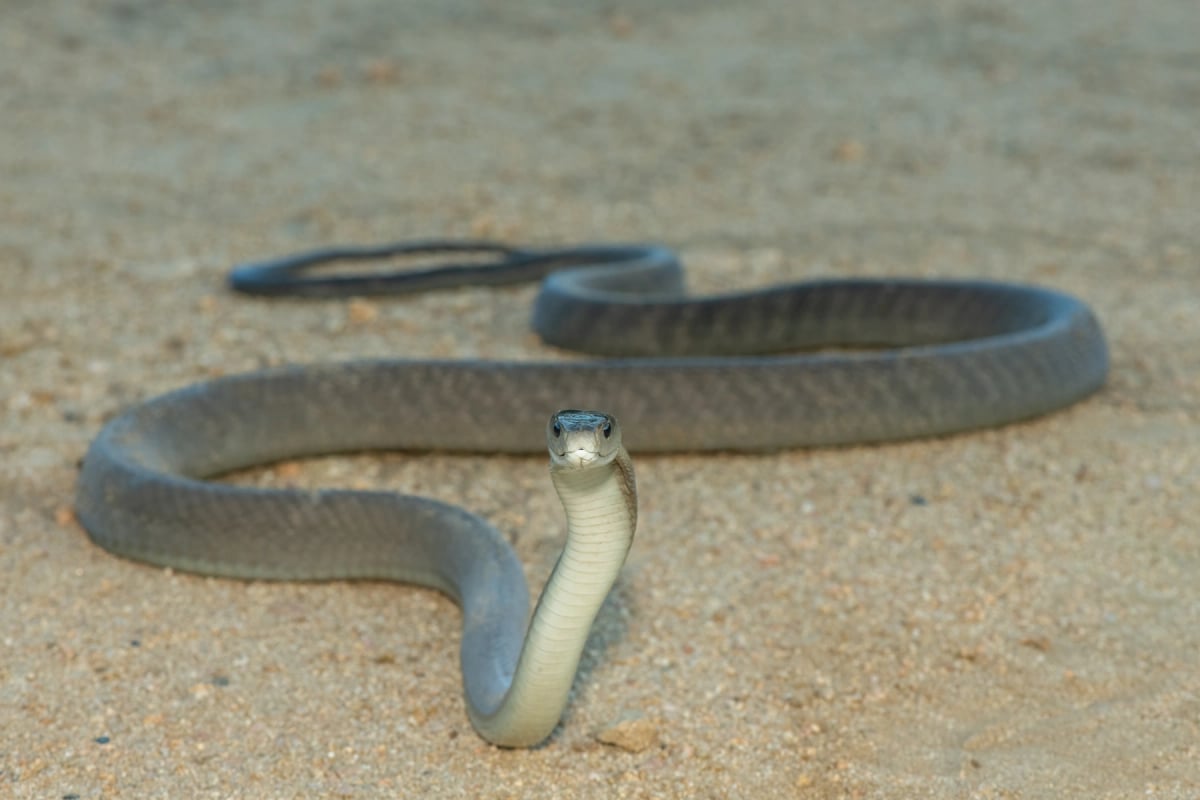
Black Mamba
Dendroaspis polylepis
In Côte d'Ivoire, the black mamba is recorded in the northern savanna zone, where open grassland and dry woodland suit its habits. It is far less common in the forested south of the country. Capable of short bursts above 15 km/h, it is one of the fastest snakes on Earth. Agricultural expansion into savanna areas has increased the likelihood of encounters between this species and farming communities.
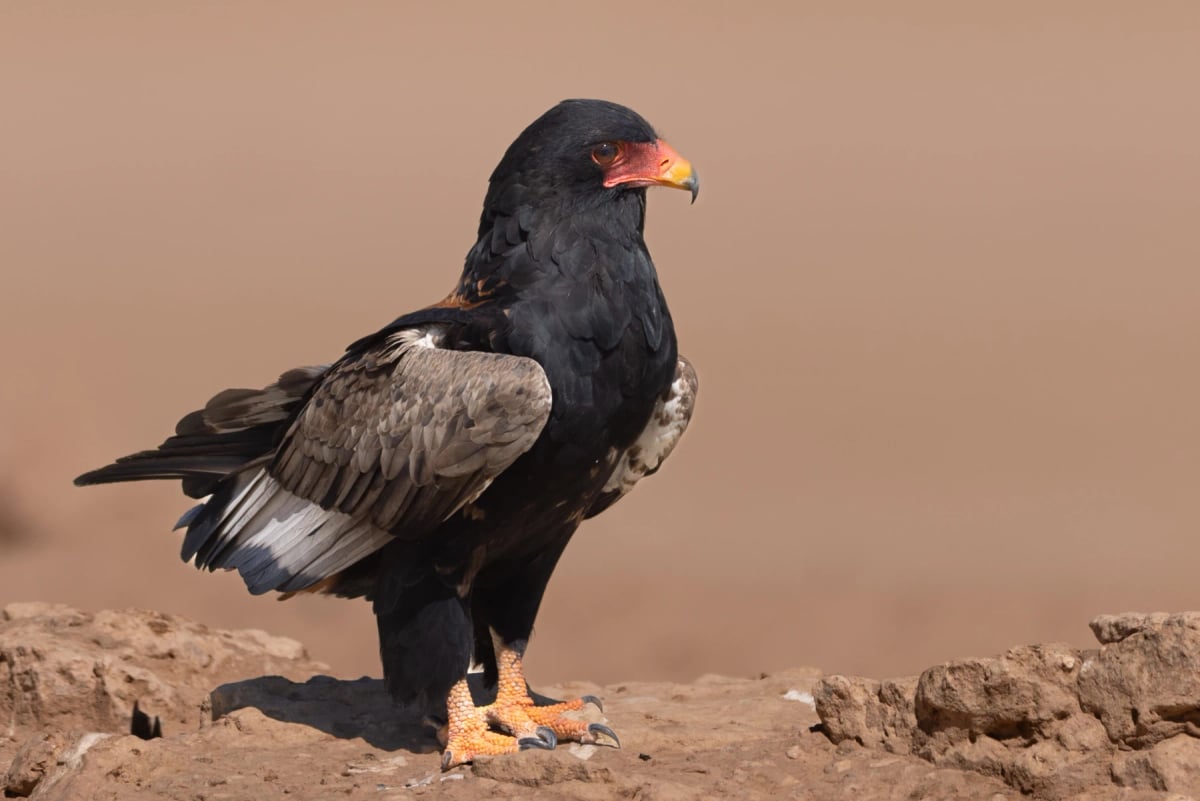
Bateleur
Terathopius ecaudatus
In Côte d'Ivoire, the bateleur is an uncommon resident of the northern savanna zones, particularly around Comoé National Park. It soars over open woodland and grassland in search of carrion and small prey, covering vast distances each day. Habitat loss from agricultural expansion and poisoning of carcasses pose serious threats. The IUCN lists this eagle as Endangered, and sightings in the country have become increasingly rare.
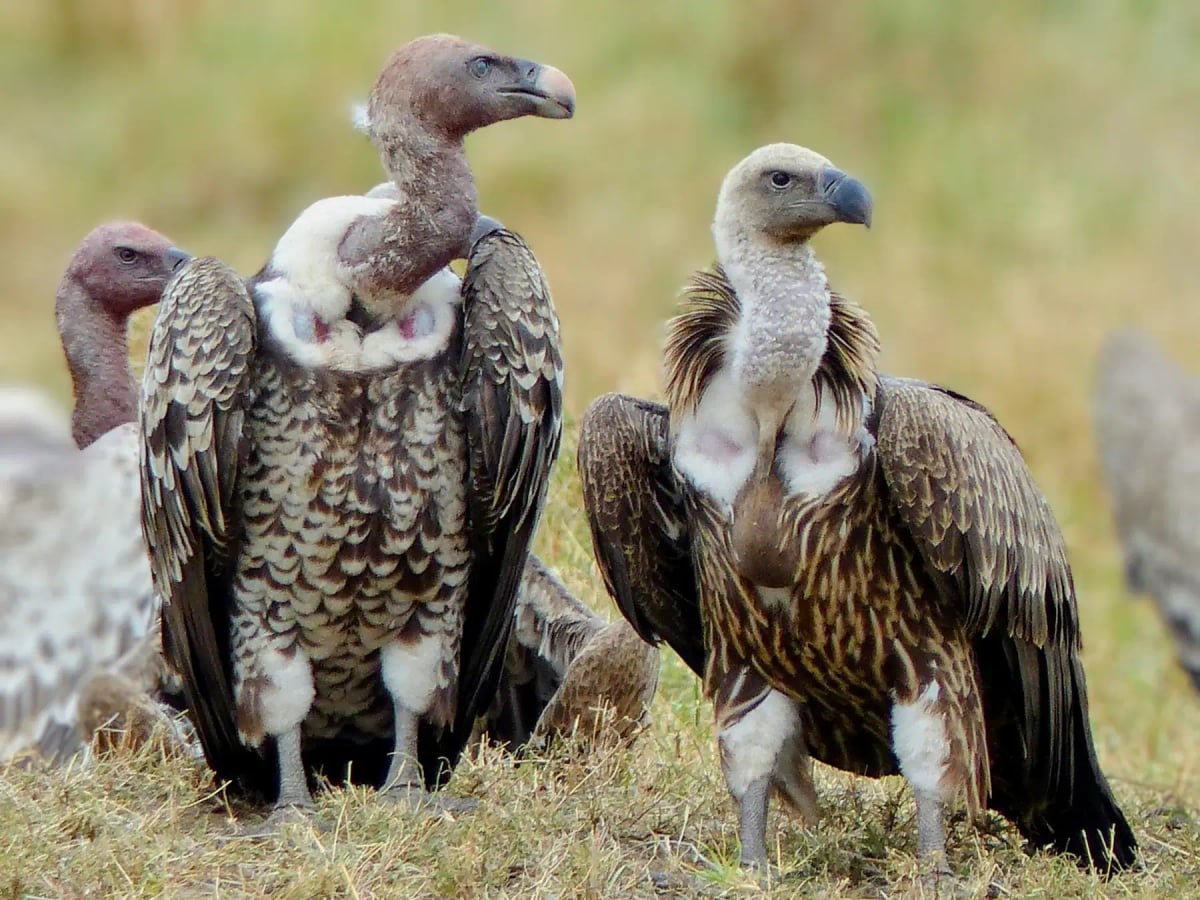
White backed Vulture
Gyps africanus
The white backed vulture is a rare sight in Côte d'Ivoire, where shrinking savanna habitats in the north have pushed populations to very low numbers. It depends on large mammals for food, but wildlife declines across the region have reduced carcass availability. Classified as Critically Endangered, this vulture faces serious pressure from poisoning and habitat loss across West Africa, making every sighting in the country significant.
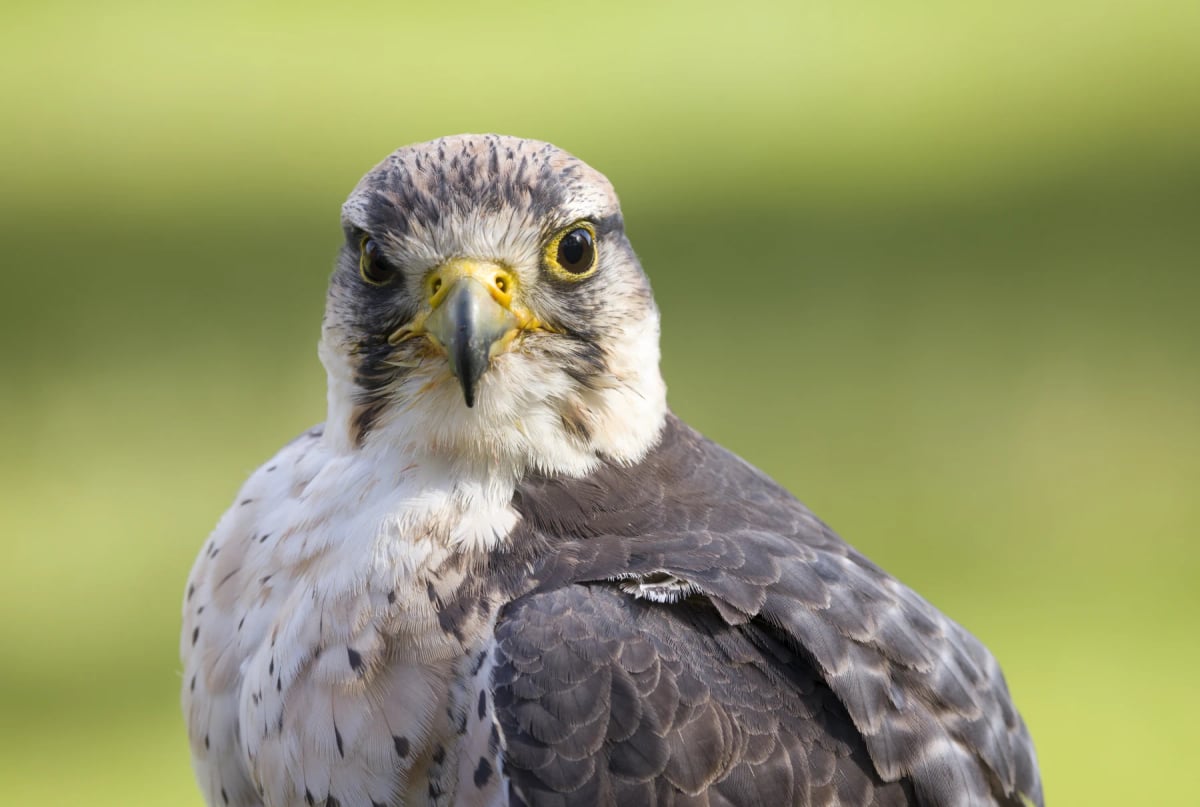
Lanner Falcon
Falco biarmicus
In Côte d'Ivoire, the lanner falcon is associated with the northern savanna regions, where open terrain and scattered rocky areas support its hunting style. It preys mainly on birds, using fast and low pursuit flights, and pairs often hunt cooperatively. Habitat loss from agricultural expansion in the north poses some local pressure on the species, which the IUCN lists as Least Concern overall.
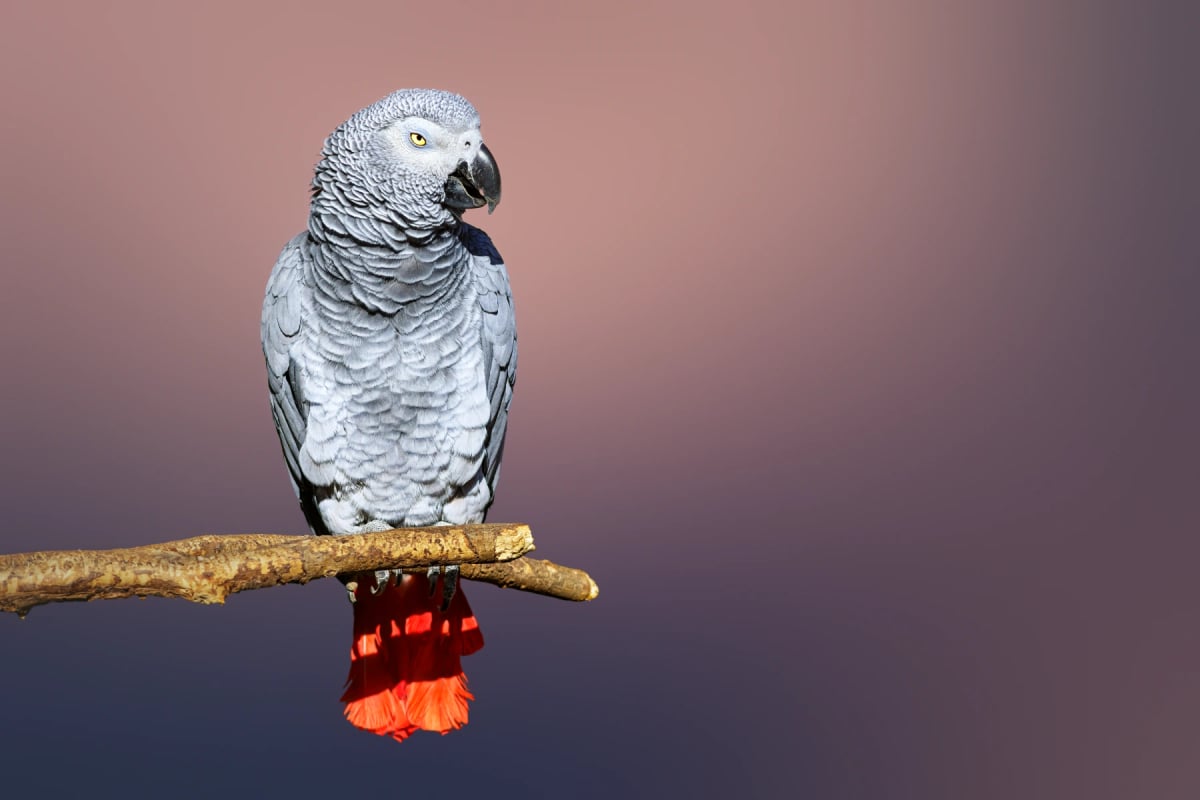
African Grey Parrot
Psittacus erithacus
Côte d'Ivoire sits at the western edge of the African grey parrot's range, with the species present only in the forests of the southeast, near the border with Ghana. The west of the country, including Taï National Park, belongs to its close relative the Timneh parrot, a separate species. Populations have declined sharply due to deforestation driven by cocoa and palm oil farming, which has destroyed most of the country's original forest cover over the past century.
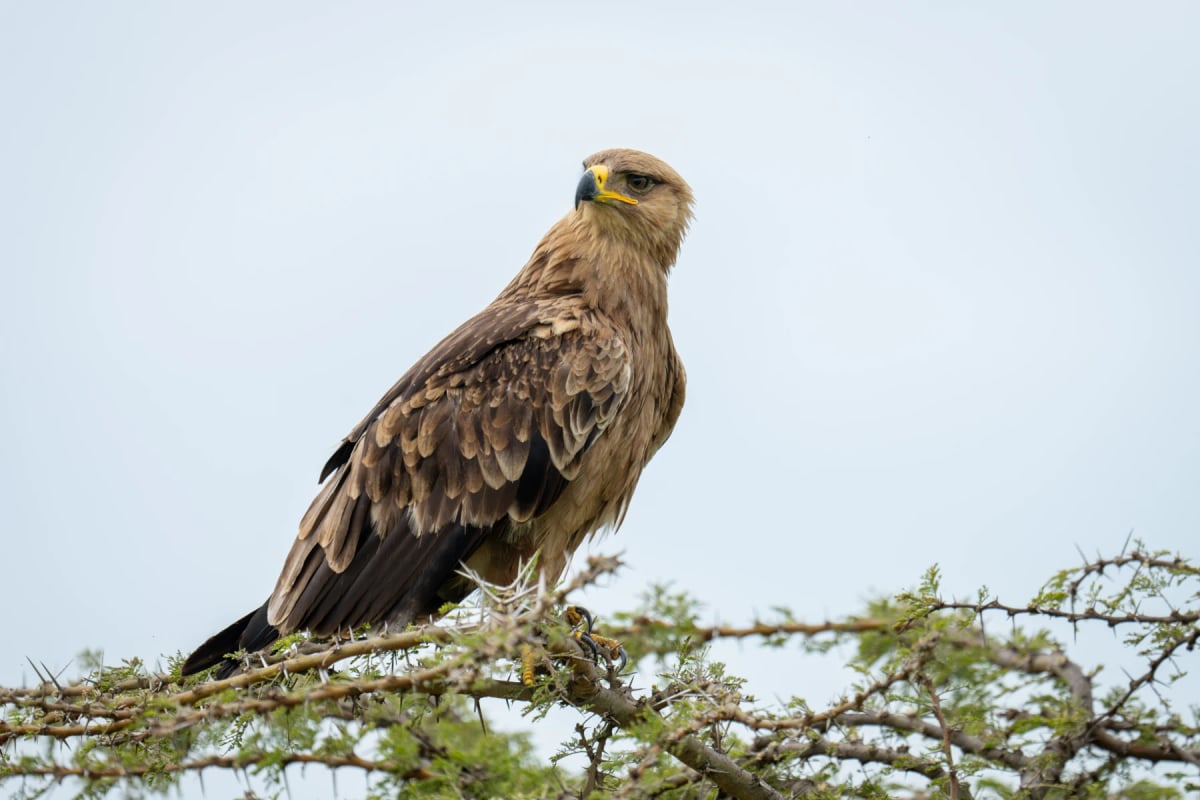
Tawny Eagle
Aquila rapax
In Côte d'Ivoire, the Tawny Eagle occupies the open savannas and dry woodlands of the northern region, particularly around areas such as Comoé National Park. It soars on warm air currents while scanning for prey below, feeding on small animals and carrion alike. Habitat pressure from agriculture has reduced its presence in the country. The IUCN lists it as Vulnerable.
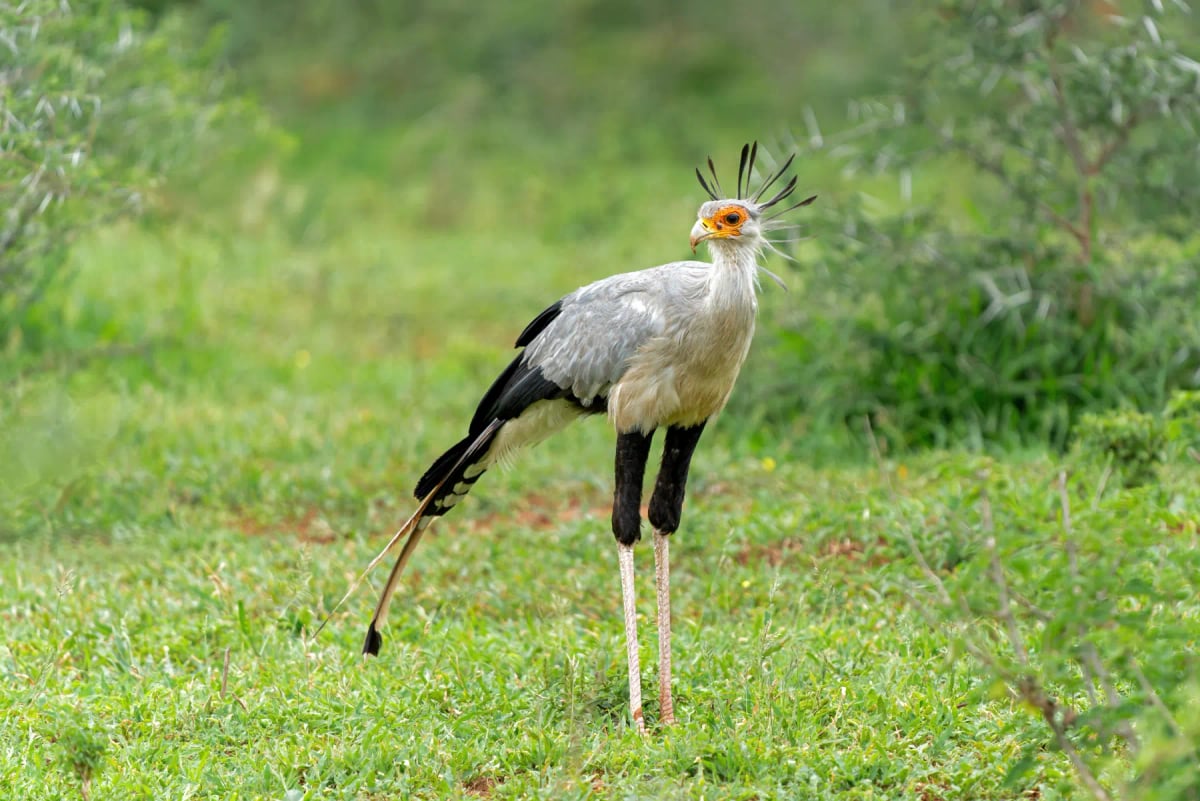
Secretary Bird
Sagittarius serpentarius
In Côte d'Ivoire, the secretary bird is restricted to the open savannas and grasslands of the northern regions, including areas around Comoé National Park. It is rarely encountered in the south, where dense forest dominates. It hunts on foot across open terrain, preying on snakes, lizards, and rodents. The rapid expansion of agriculture in the north has significantly reduced its available habitat. The IUCN lists it as Endangered.
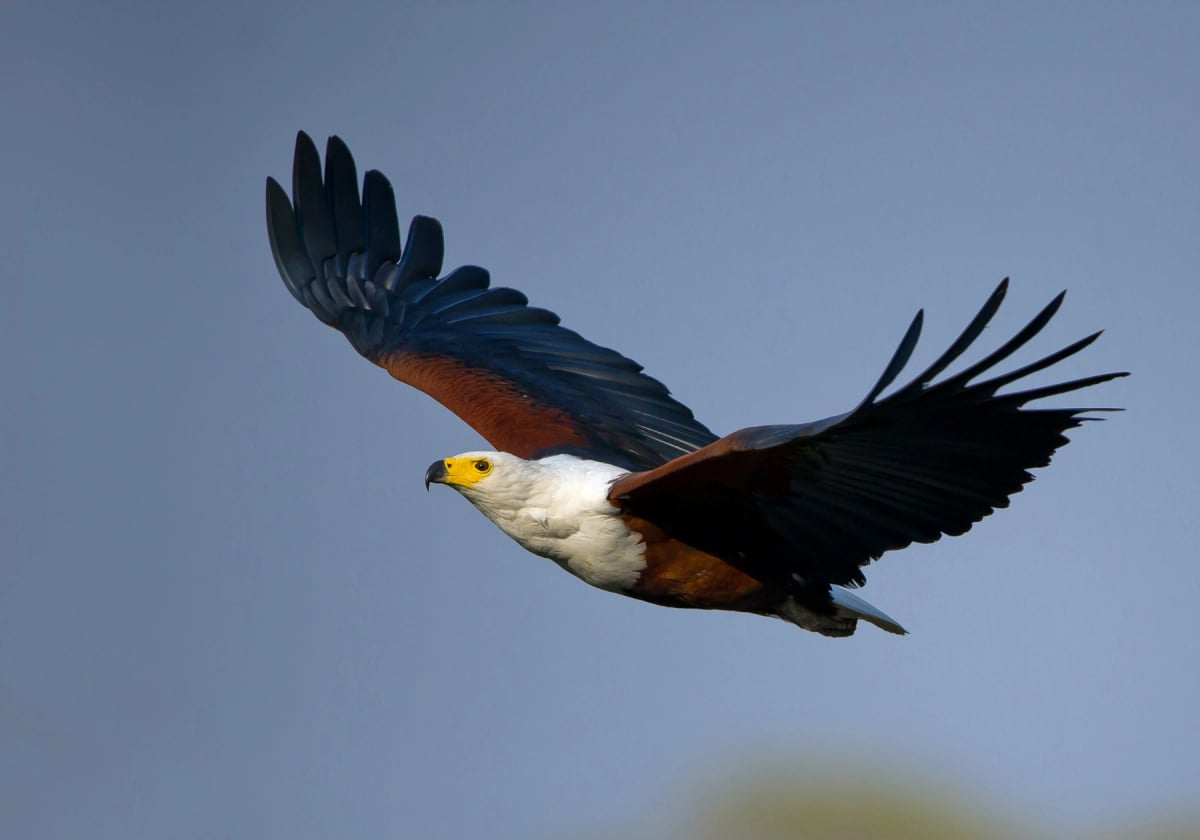
African Fish Eagle
Haliaeetus vocifer
The African fish eagle is present in Côte d'Ivoire near the country's rivers, lagoons and coastal wetlands. It is most regularly seen along the Comoé and Sassandra rivers and around the larger lakes and reservoirs of the interior. Tai National Park and the wetlands of the southern lowlands provide suitable habitat. It is not among the most abundant raptors in the country but is a consistent resident wherever permanent water and fish are available.
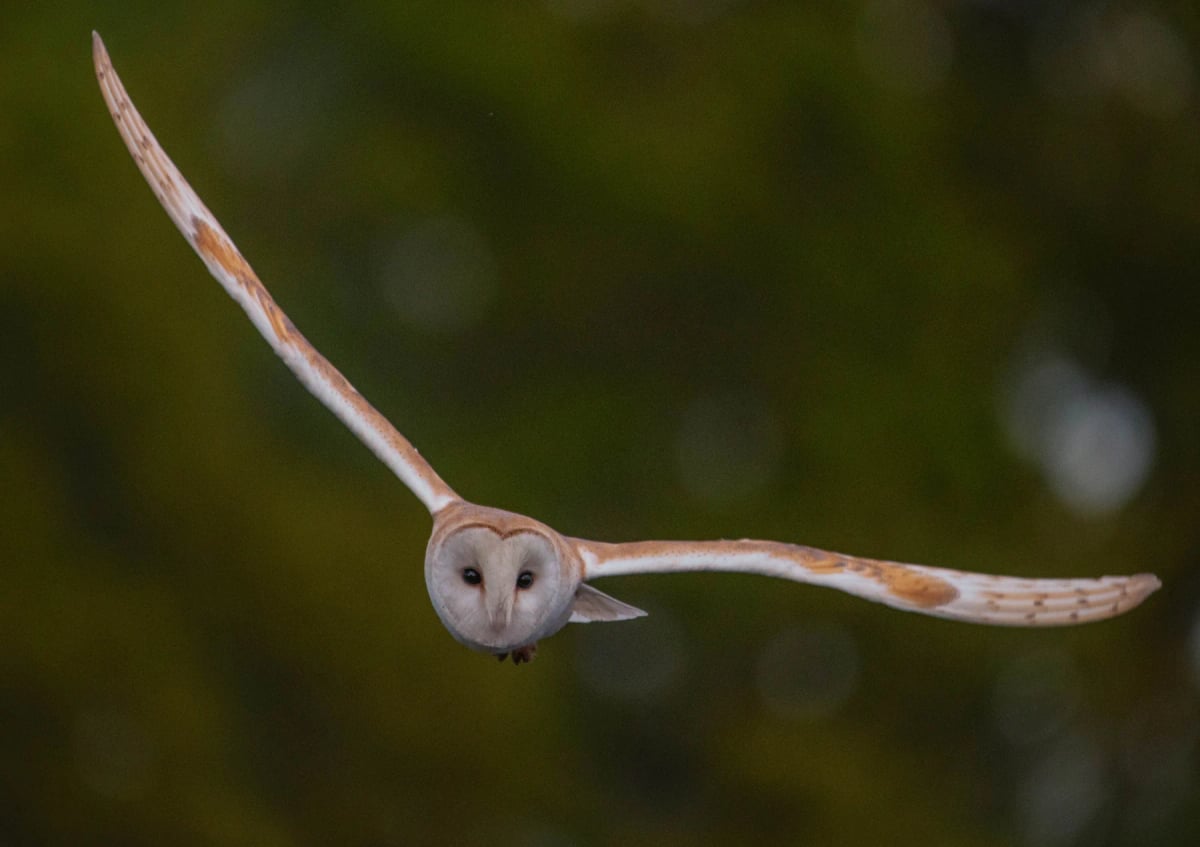
Barn Owl
Tyto alba
The barn owl is found across Côte d'Ivoire in open savanna, farmland, and areas near villages and towns, particularly in the northern and central regions where open habitat is more prevalent. It nests in old buildings, hollow trees, and large rocky outcrops. In farming communities it helps control the rodent populations that damage stored grain. It is less commonly encountered in the dense rainforest zones of the southwest.
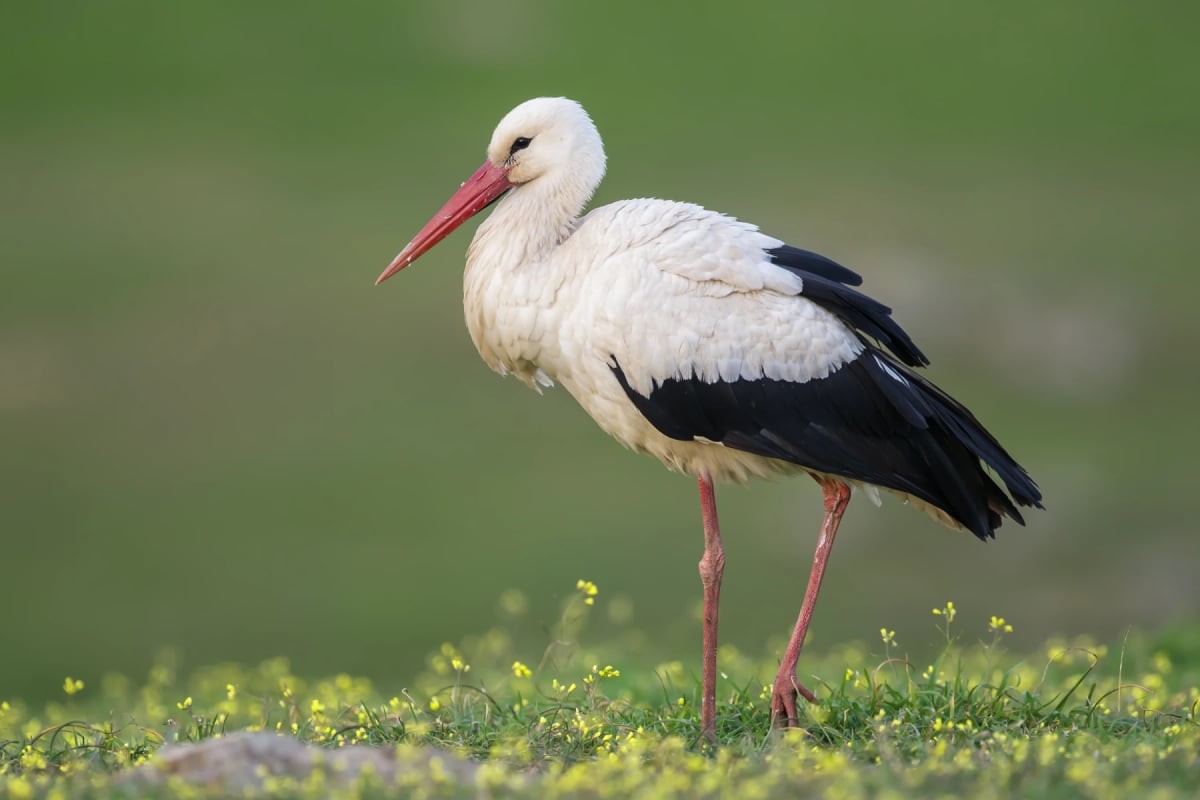
Stork
Ciconia ciconia
The white stork visits Côte d'Ivoire as a non breeding migrant, appearing mainly in the northern savannas during the northern winter months. Open and lightly wooded areas in the north of the country suit the stork's hunting style far better than the dense forests of the south. The birds feed on insects, small reptiles, and frogs during their stay before returning to breeding grounds in Europe and western Asia.
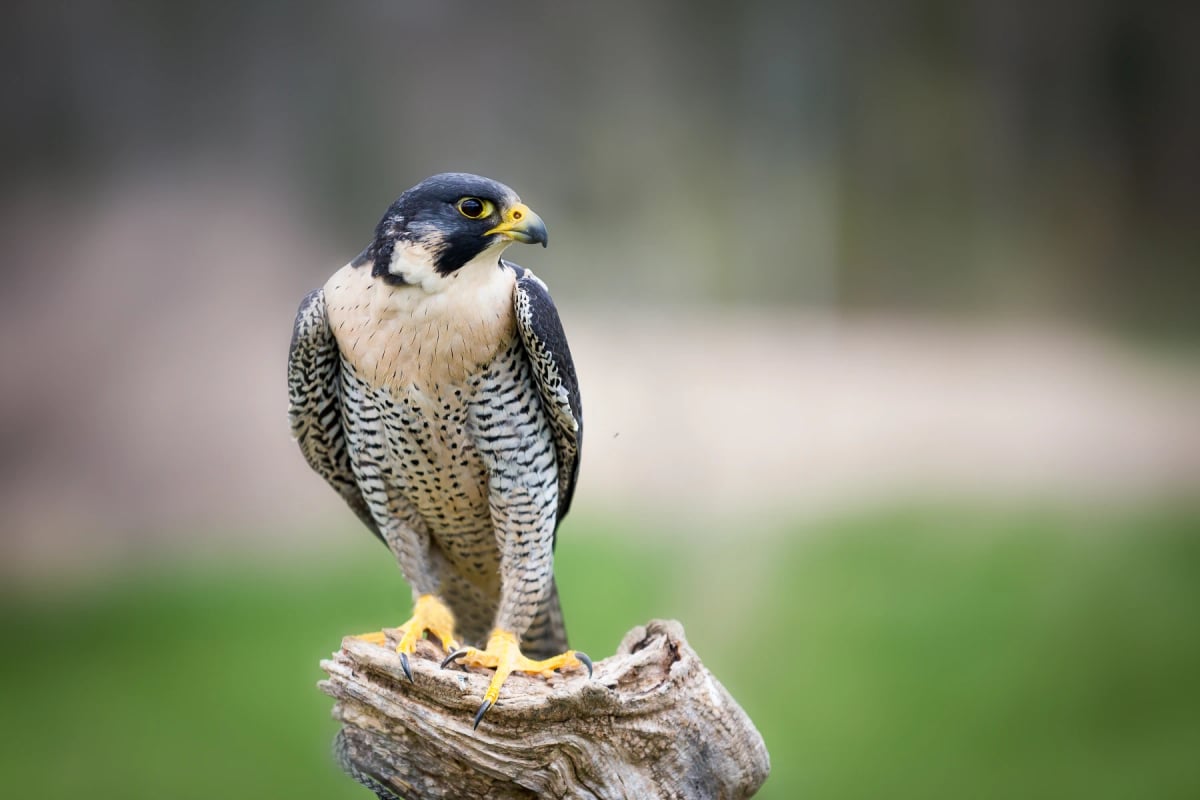
Peregrine Falcon
Falco peregrinus
In Côte d'Ivoire, the peregrine falcon is primarily a non-breeding visitor from Europe and western Asia, present during the northern winter months. It hunts over open savanna zones in the north of the country, as well as coastal lagoons and wetlands along the Gulf of Guinea. The country sits within the West African wintering zone used by the subspecies that breeds across the western Palearctic region.
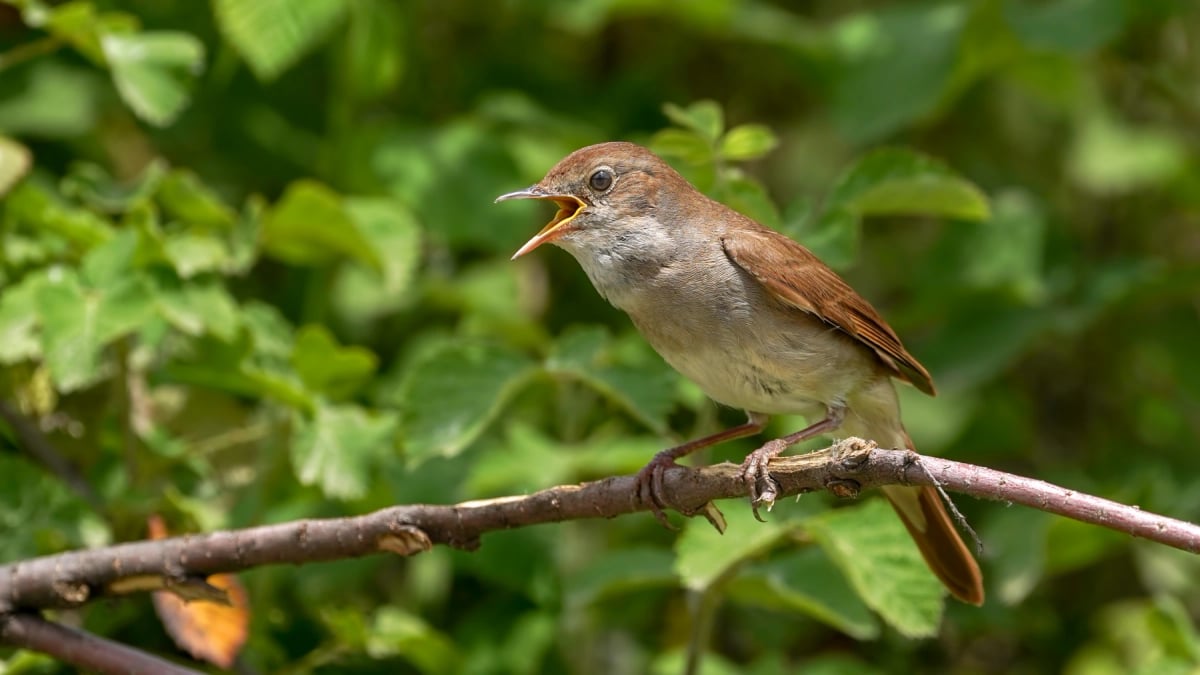
Nightingale
Luscinia megarhynchos
Côte d'Ivoire receives nightingales during the northern winter, with birds spreading across the Guinea savanna and drier woodland zones in the north of the country. The humid forest belt further south is less suitable for this species. These small birds travel from as far as Europe and western Asia to spend several months here, foraging quietly on insects. Their stay coincides with the dry season, when open scrubby habitats become particularly accessible. Its IUCN status is Least Concern.
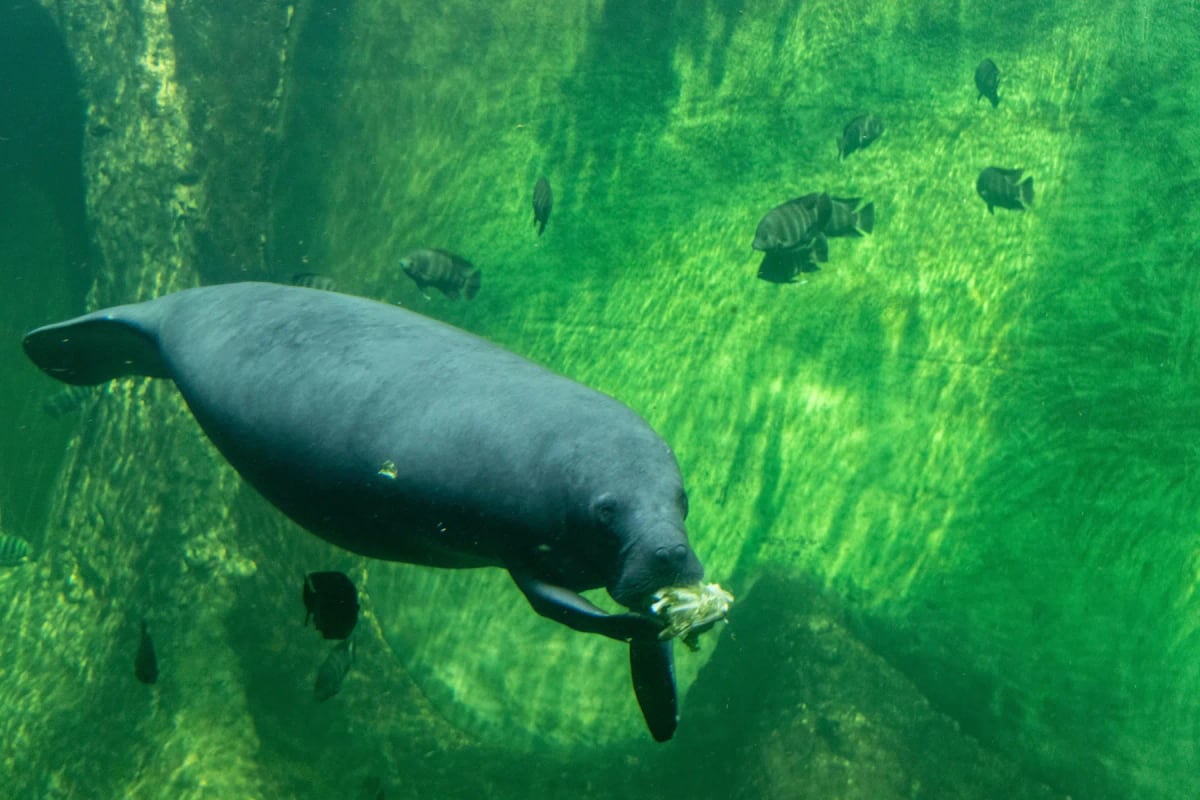
African Manatee
Trichechus senegalensis
Côte d'Ivoire provides important habitat for the African manatee along its coastline and in river systems draining into the Gulf of Guinea. The species is found in coastal lagoons and the lower sections of rivers such as the Bandama, the Sassandra and the Comoé. Hunting and accidental capture in fishing gear are documented threats, and awareness campaigns have been carried out in some coastal communities.
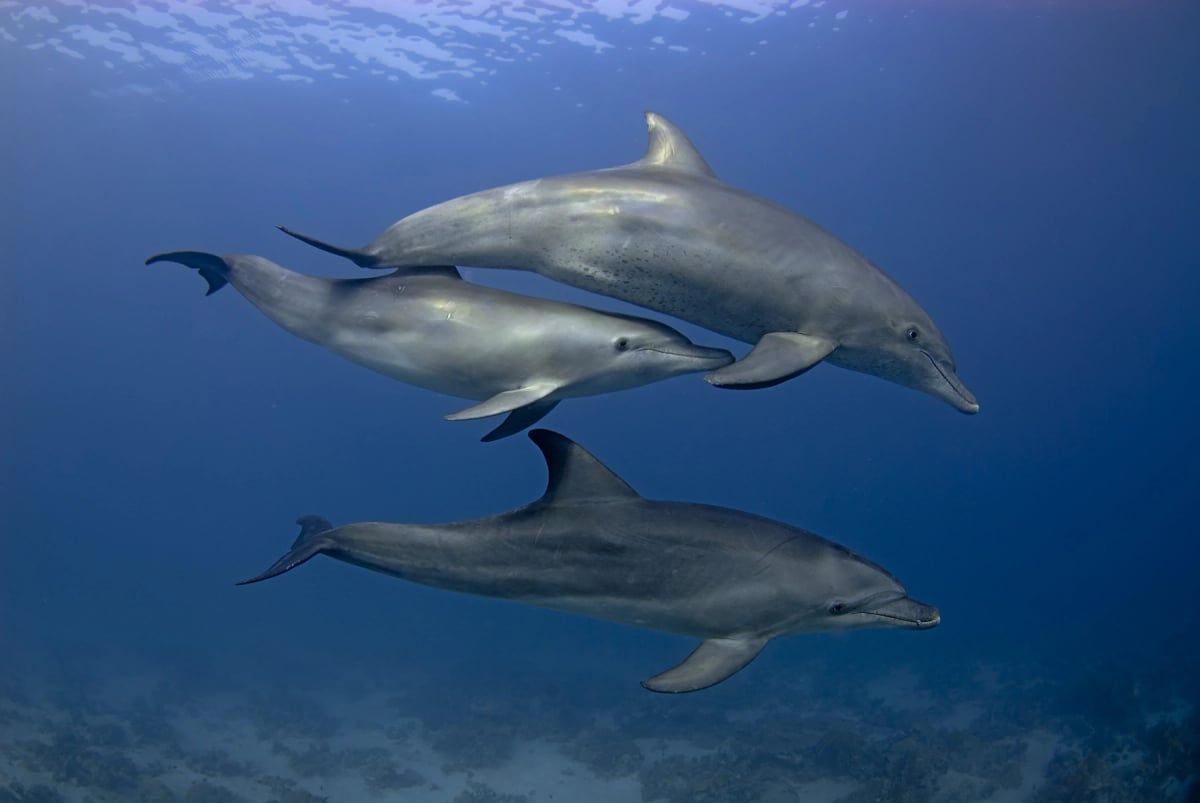
Bottlenose Dolphin
Tursiops truncatus
Along the Gulf of Guinea coastline of Côte d'Ivoire, bottlenose dolphins move through warm tropical waters, often appearing near coastal fishing communities. They feed on fish and squid in the shallows and are occasionally sighted near river mouths where nutrient rich waters attract prey. Bycatch in artisanal fishing nets poses a threat to local populations, and conservation awareness in coastal communities remains an important challenge. IUCN status: Least Concern.
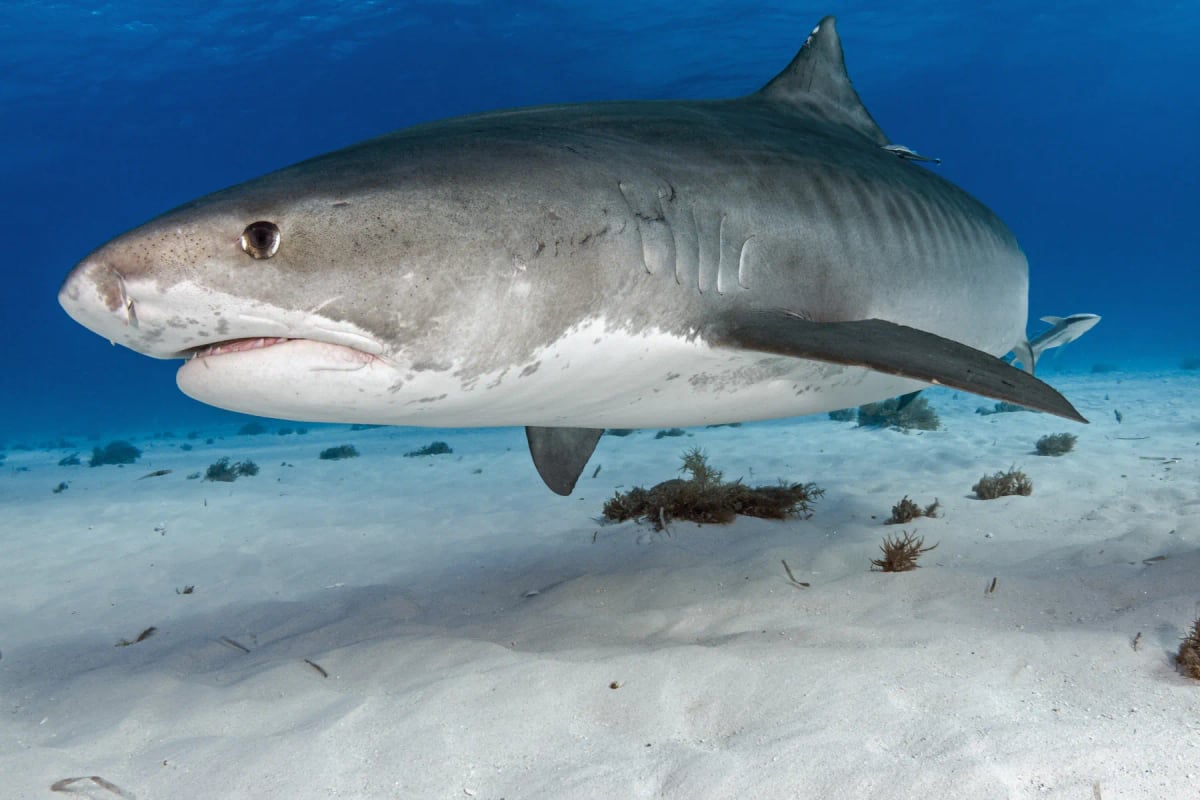
Tiger Shark
Galeocerdo cuvier
Tiger sharks inhabit the tropical Atlantic waters along the coast of Côte d'Ivoire, where warm currents and productive fishing grounds provide ample food. They may be spotted near river mouths such as the Comoé and in coastal zones rich in prey. Fishing fleets operating off this coastline put pressure on the species, contributing to its Near Threatened status on the IUCN Red List.
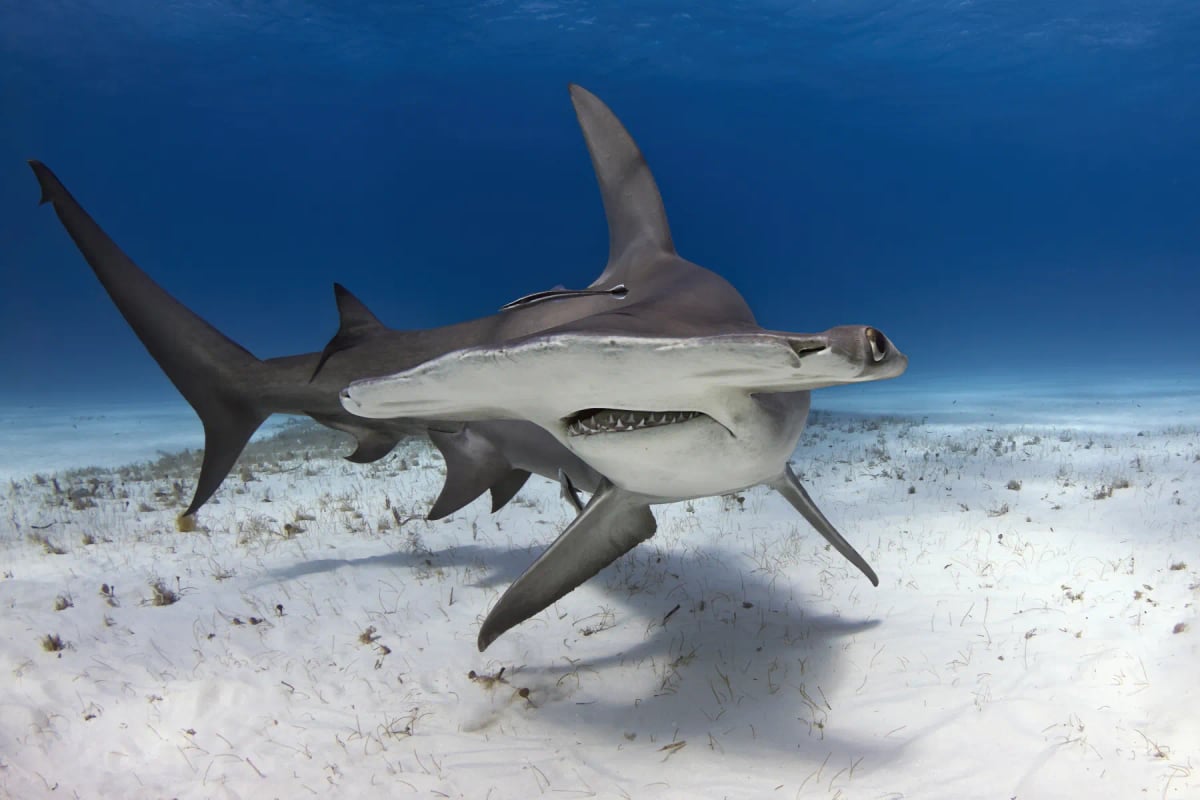
Hammerhead Shark
Sphyrna spp.
The warm waters of the Gulf of Guinea off Côte d'Ivoire provide habitat for Hammerhead Sharks along the West African coast. These sharks are found in coastal and offshore zones, where they hunt fish and rays. In Ivorian waters, hammerheads face heavy pressure from both artisanal and industrial fishing fleets. Shark fins are also traded in regional markets. Stronger fisheries management is urgently needed to protect remaining populations.
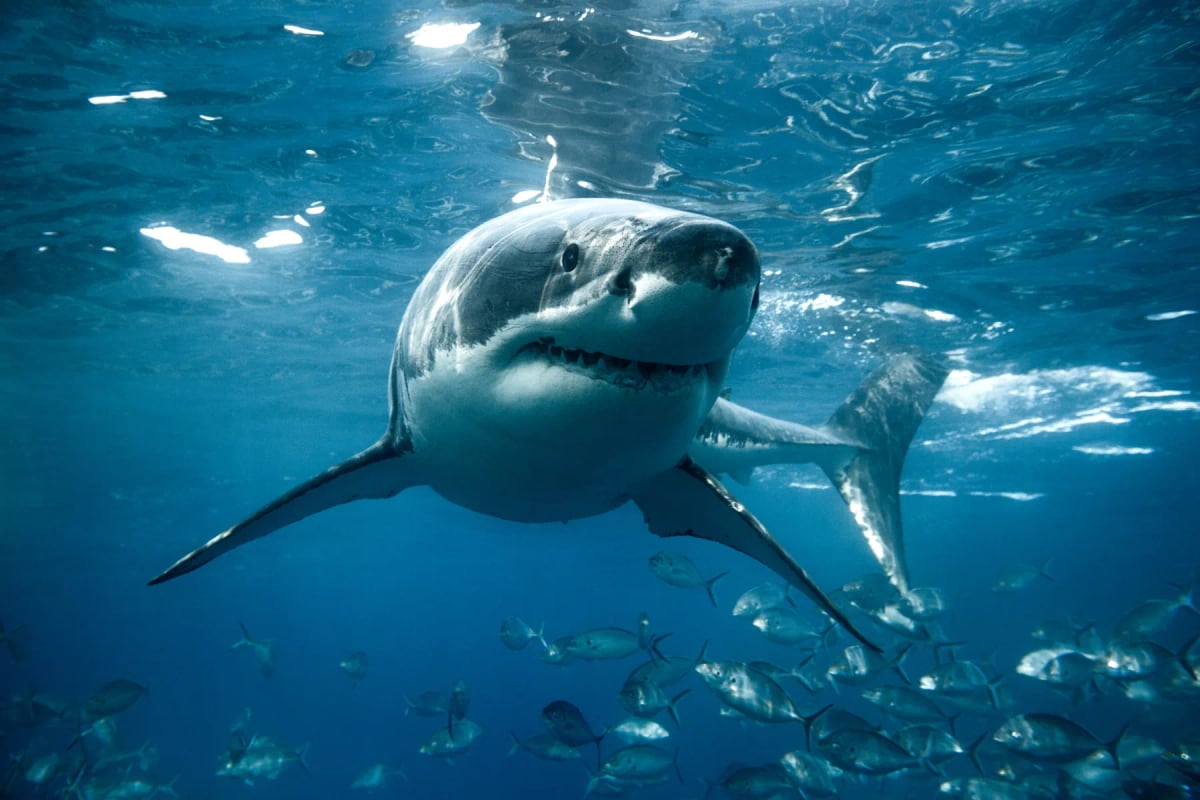
Great White Shark
Carcharodon carcharias
The Atlantic coastal waters of Côte d'Ivoire fall within the known range of the great white shark along the West African coast. Warm currents and productive fishing grounds in this area support a wide variety of marine life, but also mean that sharks face considerable pressure from artisanal and commercial fishing fleets. Bycatch is the primary threat to great whites in this part of the world, and monitoring of the Vulnerable species in this region remains limited.
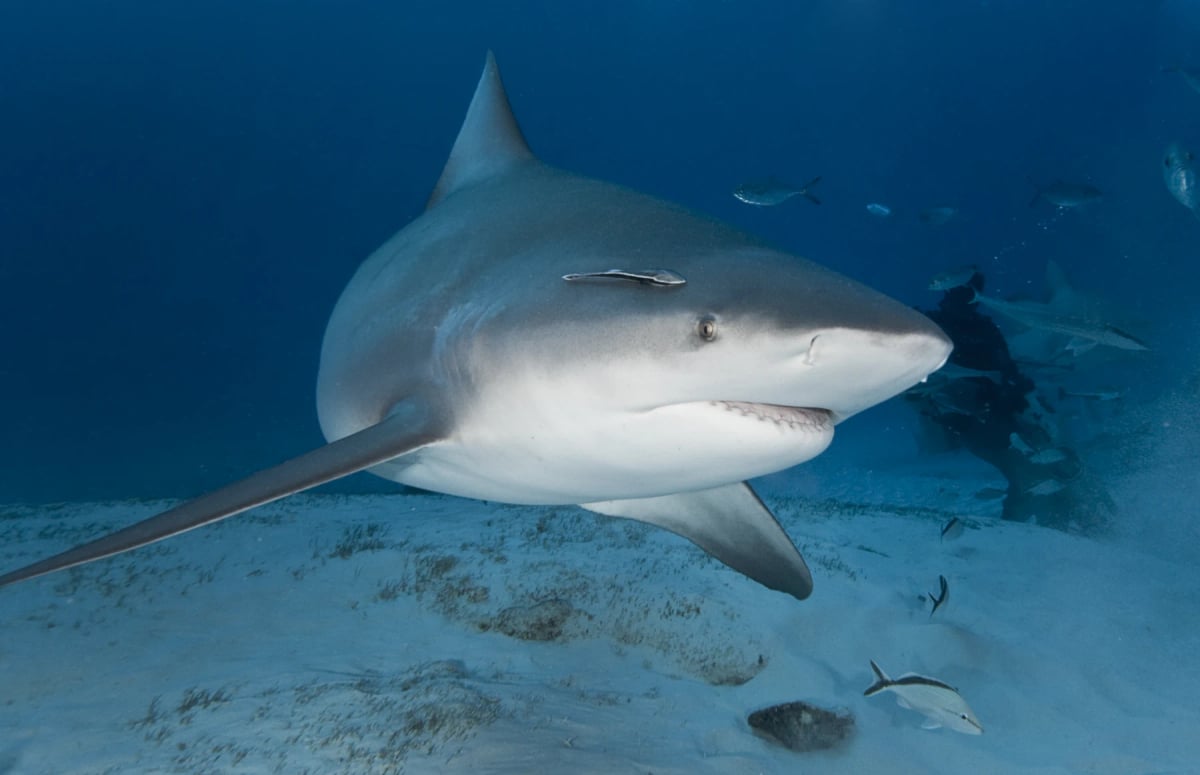
Bull Shark
Carcharhinus leucas
Along the coast of Côte d'Ivoire, bull sharks inhabit the warm, shallow waters of the Gulf of Guinea and are known to enter lagoons and river estuaries that characterize much of the country's shoreline. The Ébrié Lagoon and similar brackish systems offer productive foraging grounds. Classified as Near Threatened, these sharks face pressure from artisanal fishing and a lack of dedicated monitoring in the region.
Researched and written by Juan Pablo. Sources: IUCN Red List, scientific literature and regional field guides. Last updated: .