Animals in Argentina
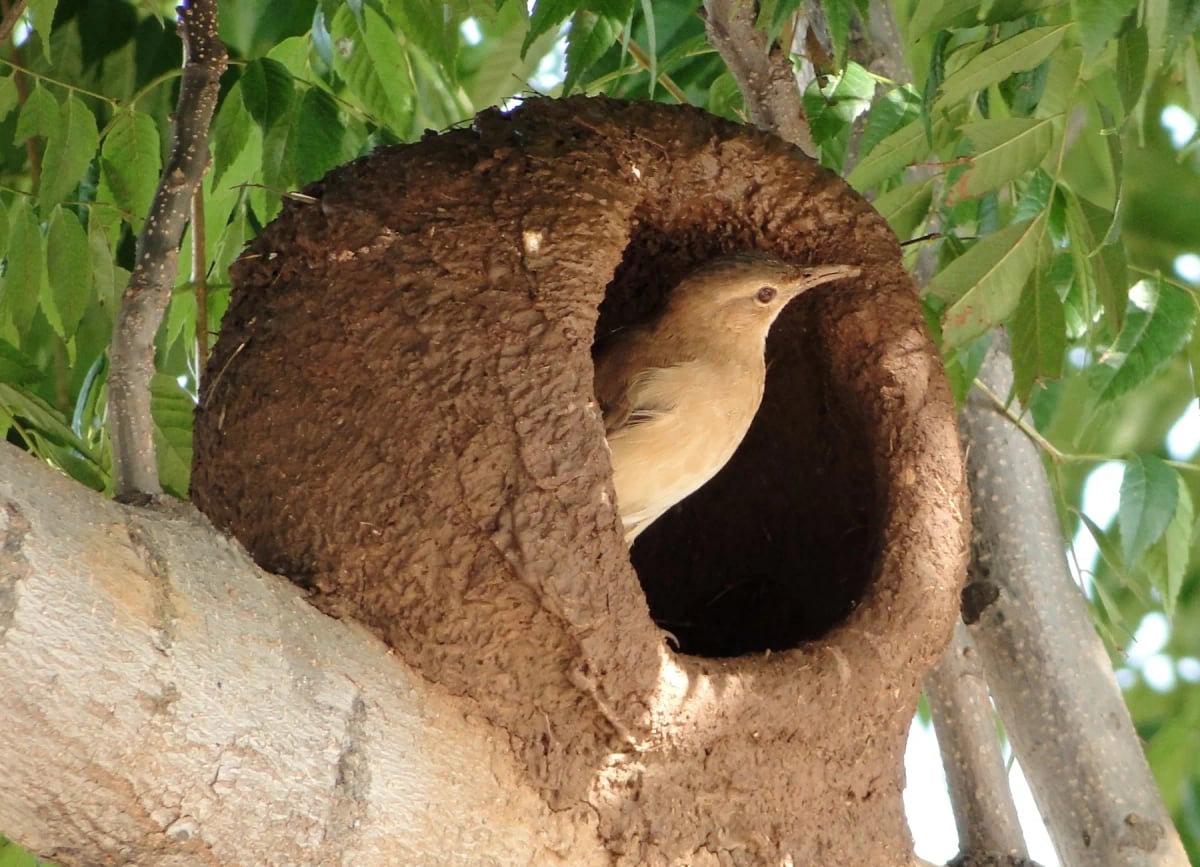
Hornero
Furnarius rufus
The hornero is Argentina's national bird, and almost every Argentine knows it. It was chosen in 1928, when the newspaper La Razón asked schoolchildren across the country which bird best represented Argentina, and the hornero won the most votes. It is a small, reddish brown bird that walks on the ground looking for insects and worms in parks, farms, plazas and roadsides. Its name comes from the Spanish word horno, meaning oven, because it builds a round mud nest that looks just like an old clay oven. The nest has a curved inner wall that protects the eggs and chicks, and pairs often build it on fence posts, trees, streetlights and even rooftops. Both the male and the female build the nest and defend it together, and they often sing loudly as a pair.
View details→Wildlife in Argentina
Argentina is one of the best countries in South America for wildlife, because it stretches from hot forests in the north to icy seas near Antarctica. In the far north, the forests of Misiones and the Yungas hide jaguars, tapirs, ocelots and anteaters. The Iberá Wetlands in Corrientes are full of capybaras, caimans and marsh deer, and projects there have brought back jaguars and giant anteaters that had disappeared from the area. High in the Andes of the northwest, vicuñas graze near salt flats and flamingos feed in mountain lagoons, while Andean condors glide overhead. The Pampas grasslands are home to rheas, armadillos, horneros and the rare pampas deer. Patagonia is famous for guanacos, maras and pumas on land, and for its incredible coast. At Península Valdés, southern right whales raise their calves, orcas hunt sea lions right on the beach and elephant seals rest on the sand, while Magellanic penguins nest by the hundreds of thousands at Punta Tombo.
Most Dangerous Animals in Argentina
Argentina has some animals that can be dangerous, but serious incidents are rare. Venomous snakes are the most important risk. The yarará, a type of lancehead, causes most snakebites in the country and lives mainly in the north and center, often in tall grass and farm fields. The rattlesnake lives in drier areas of the north and center. Wearing boots and watching where you step makes a big difference. The jaguar and the puma are powerful cats, but attacks on people are very rare, and pumas are more often a problem for sheep and goat farmers. In wetlands, caimans usually avoid people, and the yellow anaconda, which is not venomous, can bite if handled. Wild boars can charge when cornered. At sea, orcas and sharks live off the coast, but they almost never cause problems for swimmers. Following local advice and keeping your distance from wild animals keeps the risk very low.
Top 10 Animals in Argentina
The top 10 animals in Argentina show how different the country is from north to south. The jaguar, the largest cat in the Americas, survives mainly in the forests of Misiones, the Yungas and the Chaco, and it is also returning to the Iberá Wetlands. The puma is much more widespread and lives from the northern forests to the Patagonian steppe. The capybara, the largest rodent in the world, is common in wetlands and even in some neighborhoods near the Paraná River. In the north also live the boa constrictor and the vicuña, which grazes high in the Andes. Along the Patagonian coast, the southern right whale is the star of Península Valdés from about June to December, and sea lions gather in noisy colonies on the rocks. Offshore, orcas are world famous here for sliding onto the beach to catch young sea lions, and sperm whales live in the deep waters of the South Atlantic.
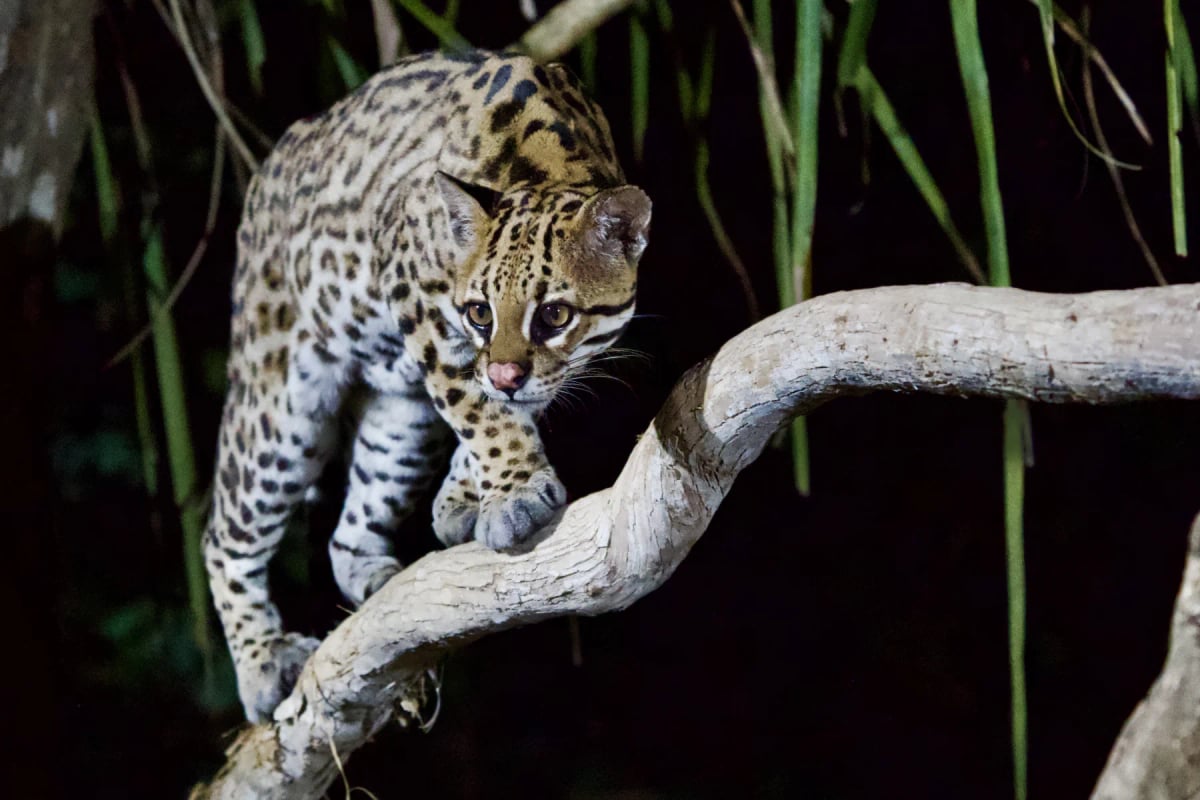
Ocelot
Leopardus pardalis
In Argentina, ocelots are found mainly in the northeastern provinces, including Misiones and the Chaco region. They favor dense forest and thick scrubland, where cover is plentiful. Habitat loss from agriculture and logging has put pressure on local populations. Listed as Least Concern globally, ocelots in Argentina are considered vulnerable at the national level, and conservation efforts in Misiones focus on protecting forest corridors.
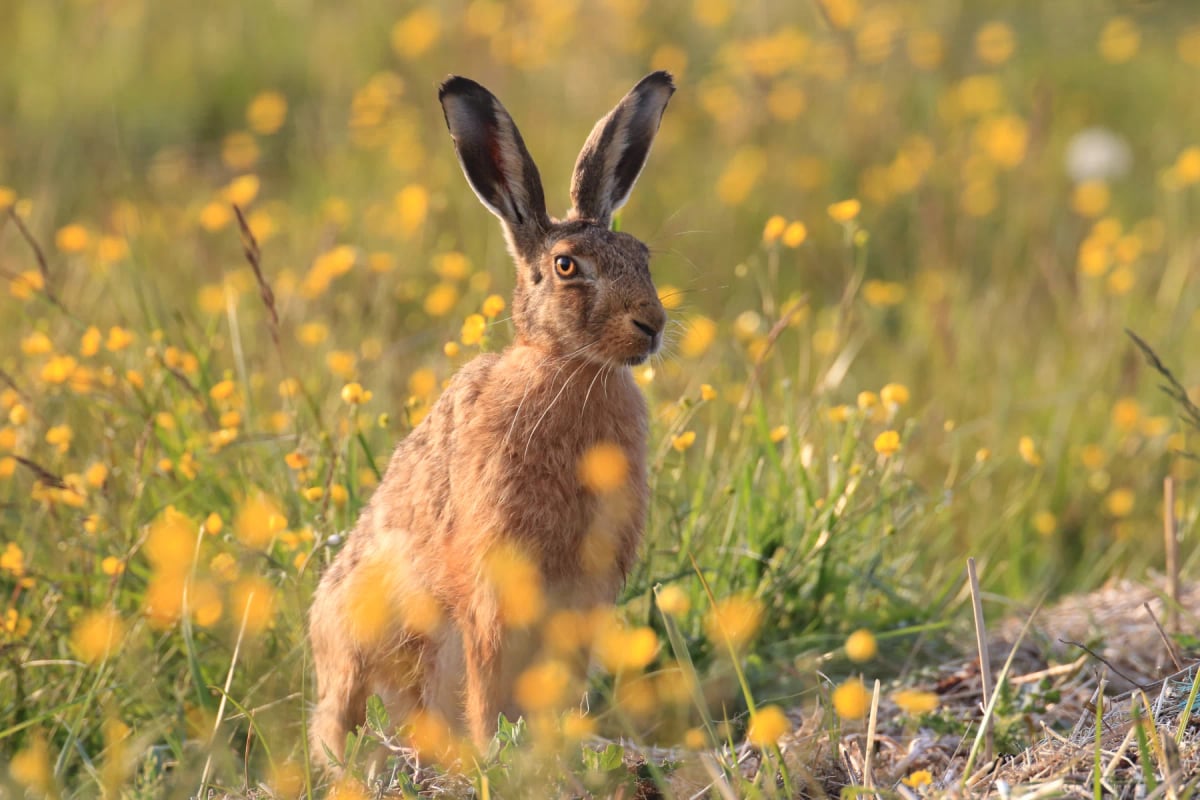
Hare
Lepus europaeus
The European hare was introduced to Argentina in the late nineteenth century and has since spread across a vast area of the country, including the Pampas grasslands, Patagonian steppe, and the foothills of the Andes. It has adapted remarkably well to these open landscapes. In some regions it competes with native wildlife for food and space, and it is considered an invasive species. It is also widely hunted and exported as game, making it economically significant in rural areas.
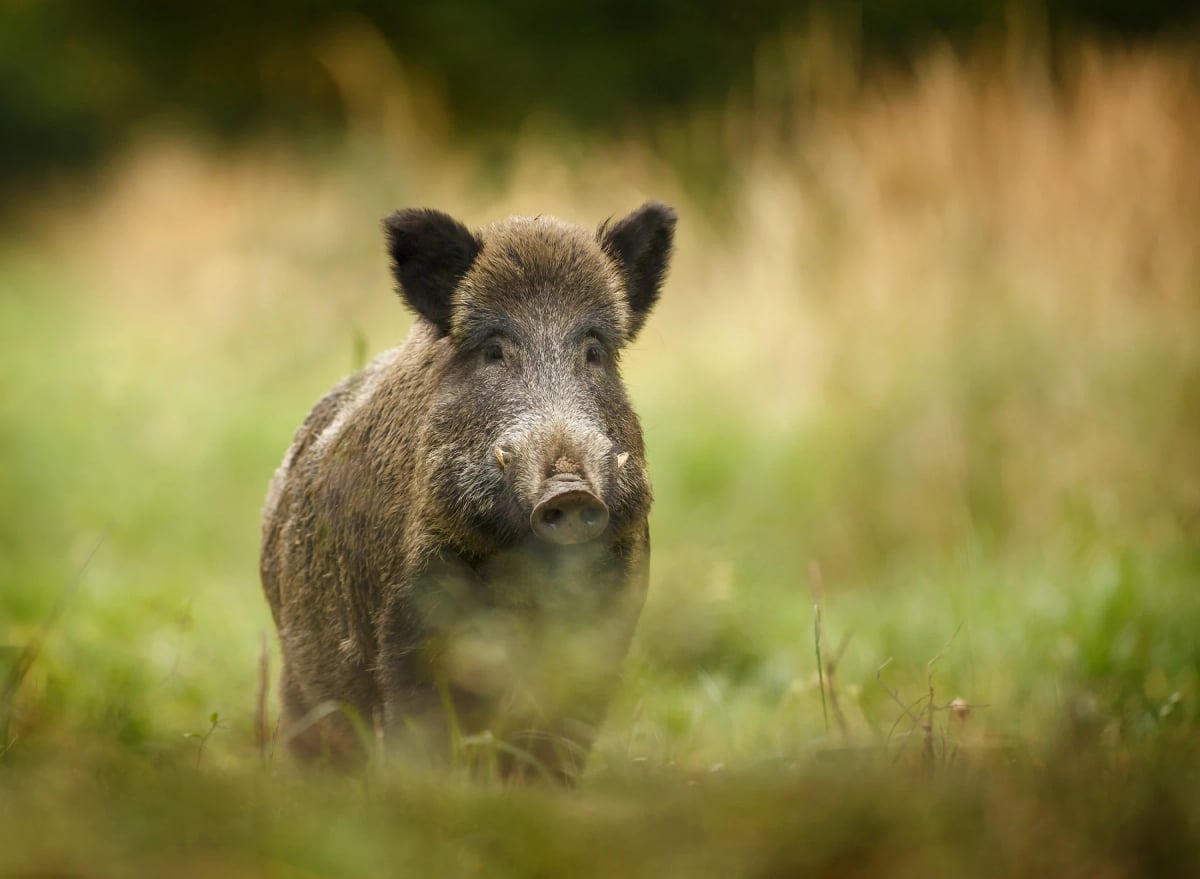
Wild Boar
Sus scrofa
Wild boars were introduced to Argentina and have established themselves across a wide range of habitats, from forests to open grasslands. They are powerful animals with sharp tusks and can cause significant damage to crops and native vegetation. They are considered an invasive species in several regions of the country.
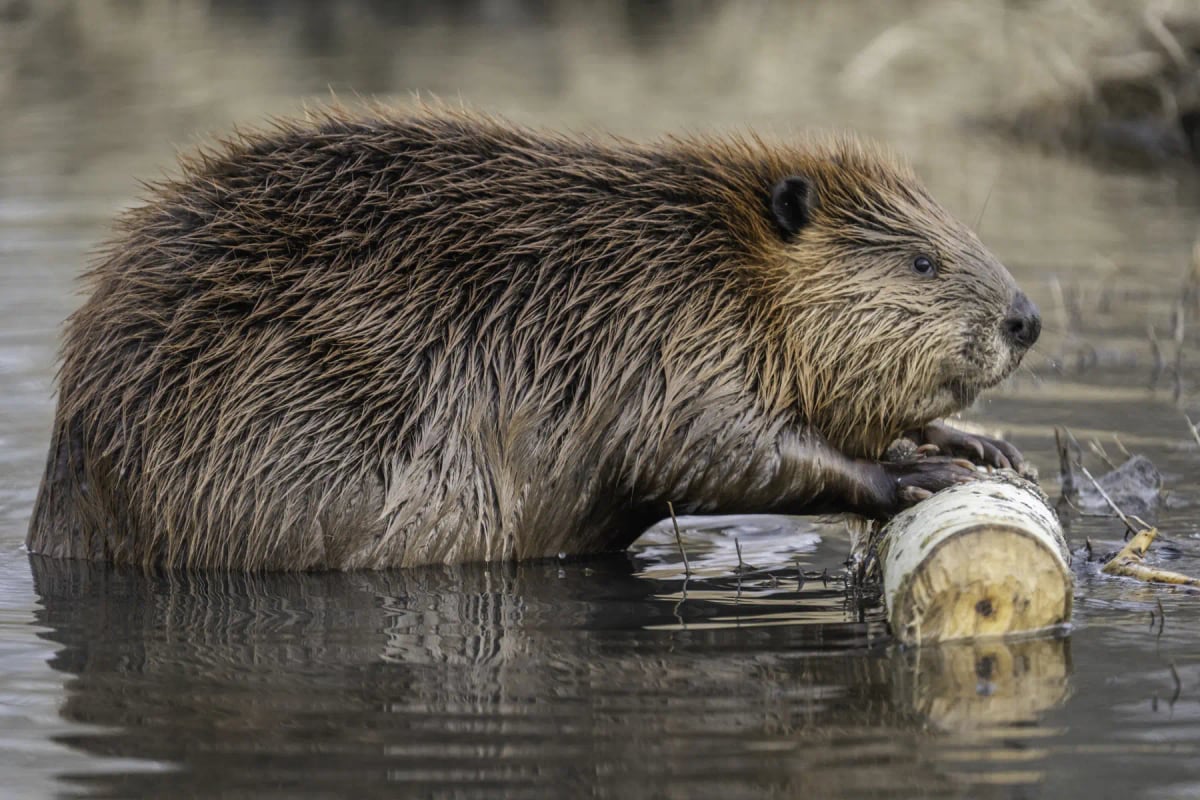
Beaver
Castor canadensis
Beavers are not native to Argentina. They were introduced to Tierra del Fuego in 1946 and have since spread widely across the island and into Chilean Patagonia. With no natural predators in the region, they have altered native forests of lenga beech at a scale considered ecologically damaging. Argentina and Chile have carried out coordinated removal programs to control their impact on this unique subantarctic ecosystem.
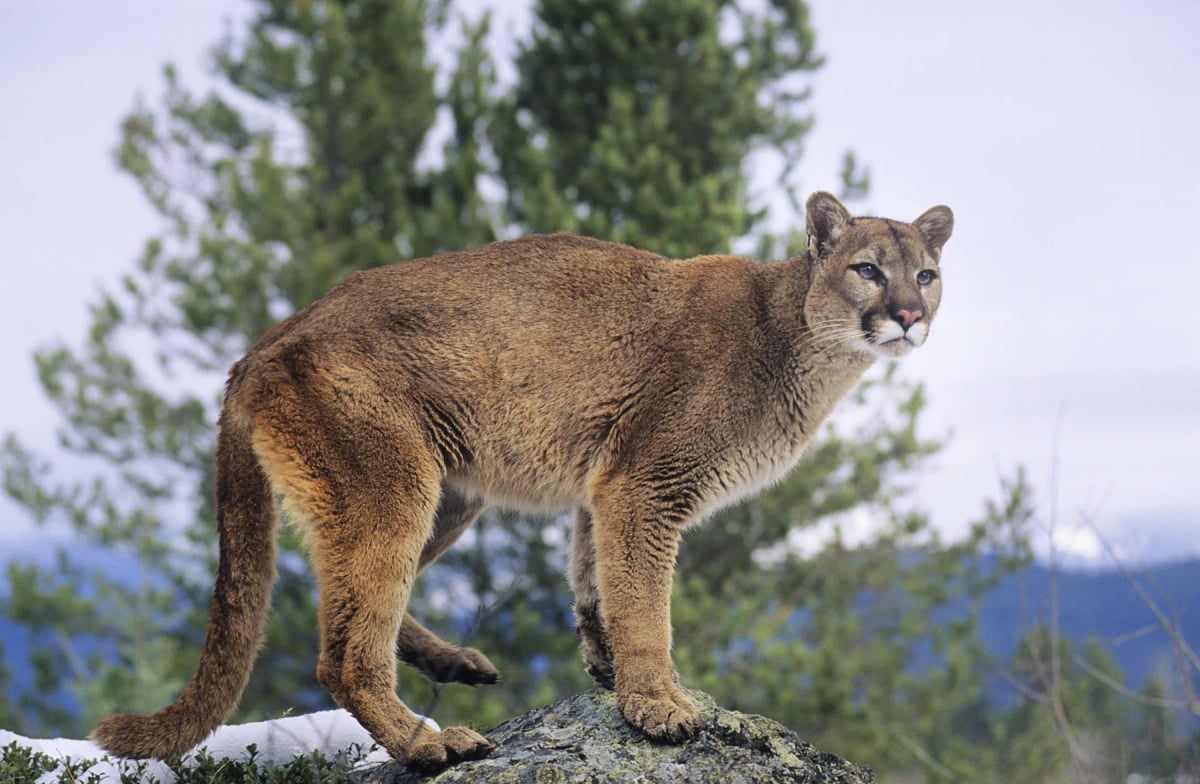
Cougar
Puma concolor
The cougar roams Argentina from the subtropical forests of Misiones in the north to the windswept plains and mountains of southern Patagonia, although it does not live on the island of Tierra del Fuego. It is the country's second largest wild cat after the jaguar, and it hunts guanacos, deer and smaller animals depending on the region. Though classified as Least Concern overall, hunting pressure and habitat loss threaten local populations across several provinces.
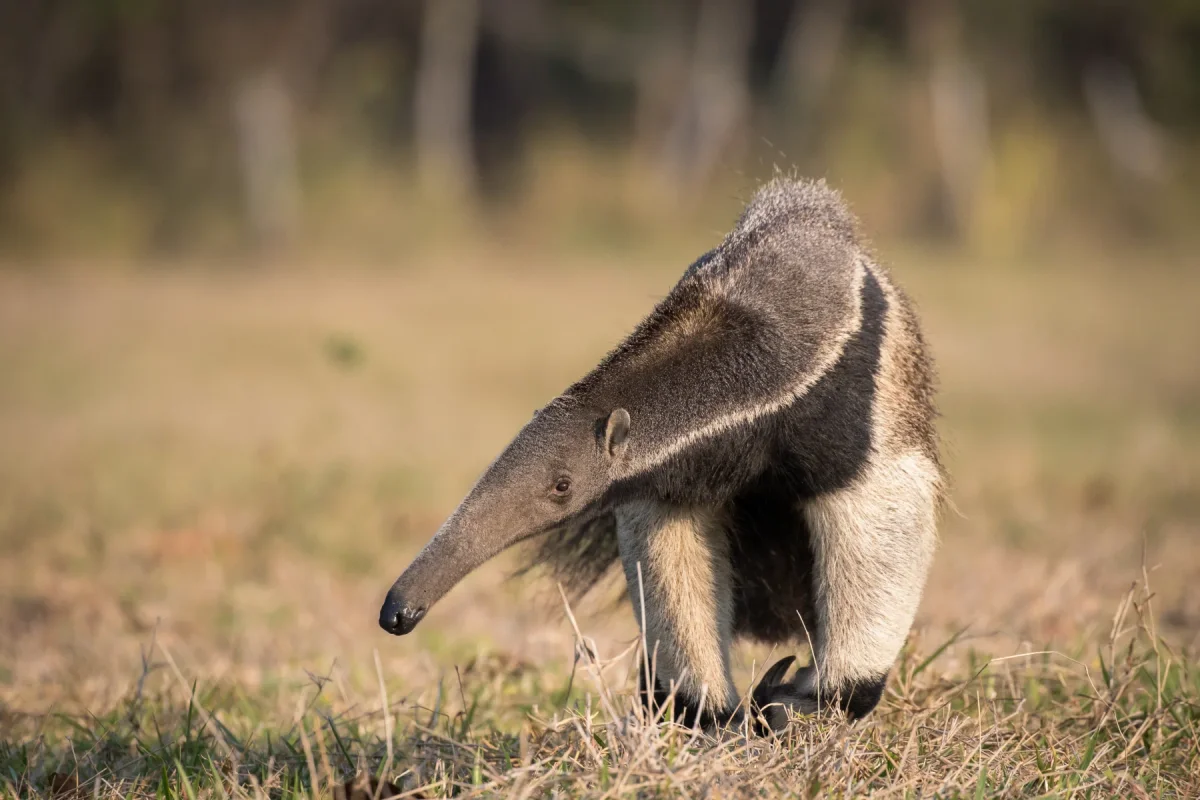
Anteater
Myrmecophaga tridactyla
The giant anteater is found in grasslands and forests of northern Argentina, where it uses its powerful claws to tear open termite mounds and ant nests. It has no teeth and relies entirely on its long sticky tongue to collect insects. It is a slow moving animal but can defend itself forcefully when threatened.
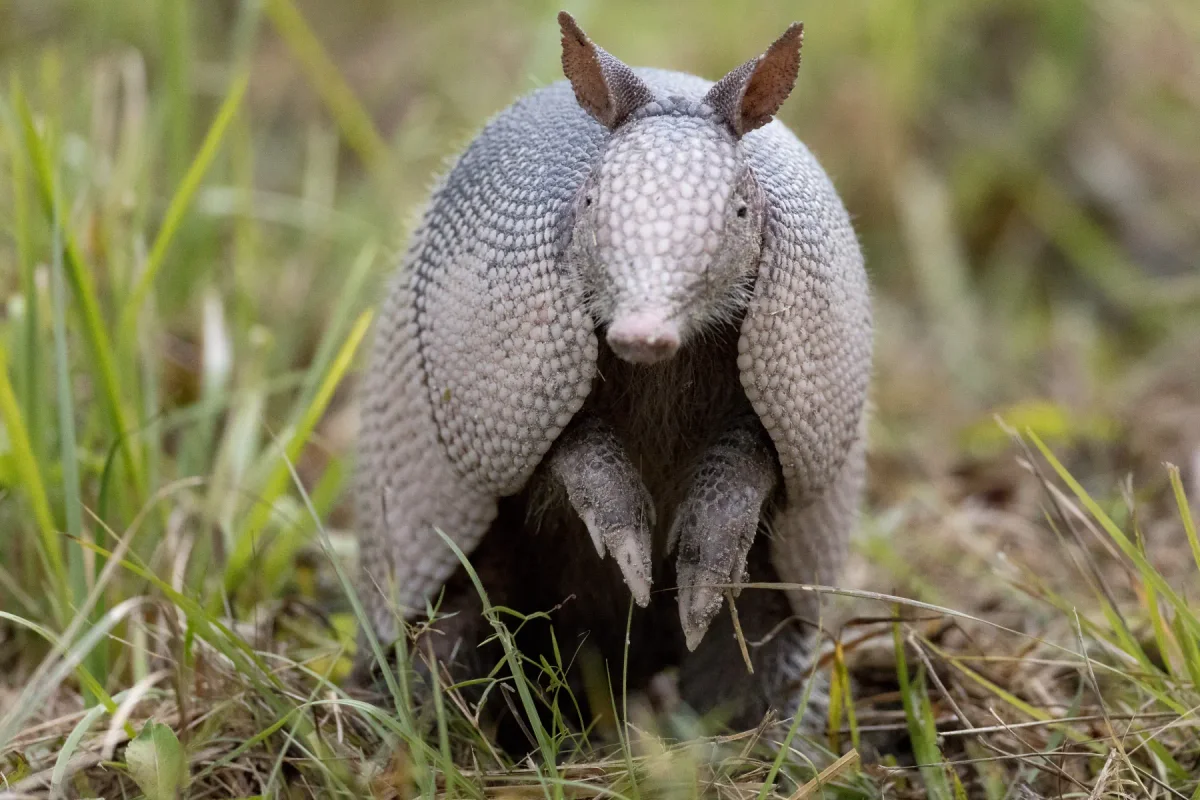
Armadillo
Dasypodidae spp.
Armadillos are found across a wide range of habitats in Argentina, from the subtropical north to the dry south. They are recognized by their bony shell, which offers protection from predators. They dig burrows for shelter and feed mainly on insects, larvae and small invertebrates found in the soil.
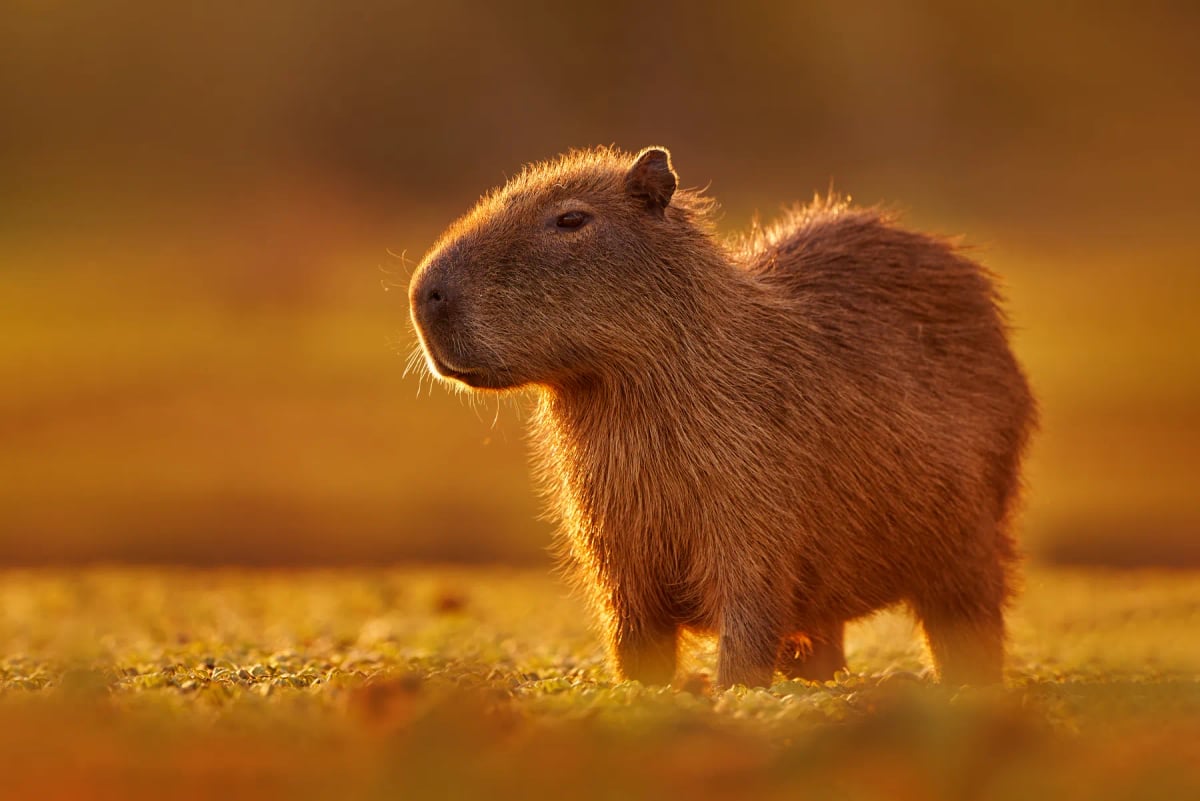
Capybara
Hydrochoerus hydrochaeris
In Argentina, capybaras are widespread across the Litoral region, particularly in the wetlands of the Paraná Delta and the Iberá Wetlands in Corrientes. They thrive along riverbanks and flooded grasslands, forming social groups that graze on aquatic plants and grasses. Classified as Least Concern by the IUCN, they face localized pressure from habitat loss and hunting but remain common across their Argentine range.
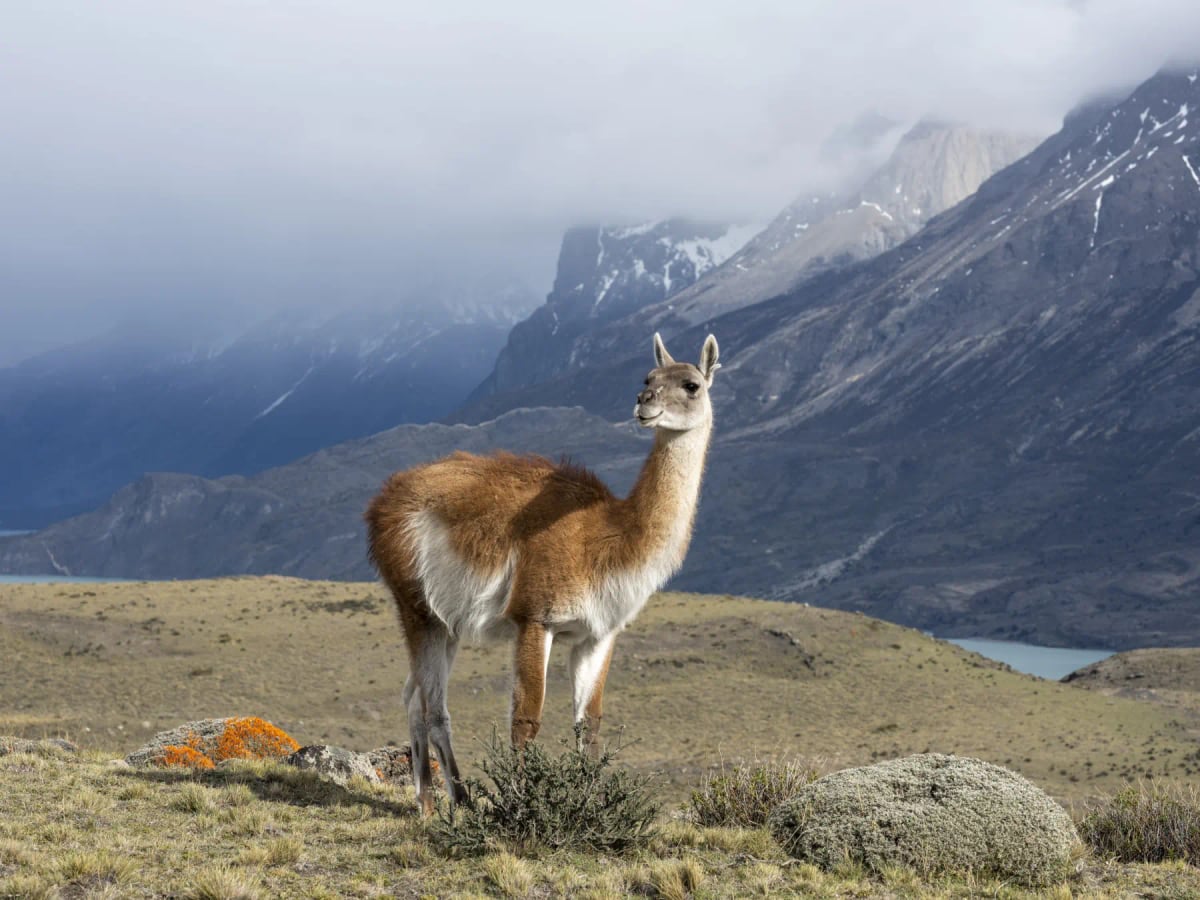
Guanaco
Lama guanicoe
Argentina is home to the largest guanaco population in the world, with Patagonia serving as its stronghold. Vast open steppes, the Pampas, and the rugged landscapes of Tierra del Fuego all support healthy herds. Guanacos here face pressure from sheep ranching and hunting, but protected areas like Los Glaciares National Park provide important refuge. Their status in Argentina is Least Concern.
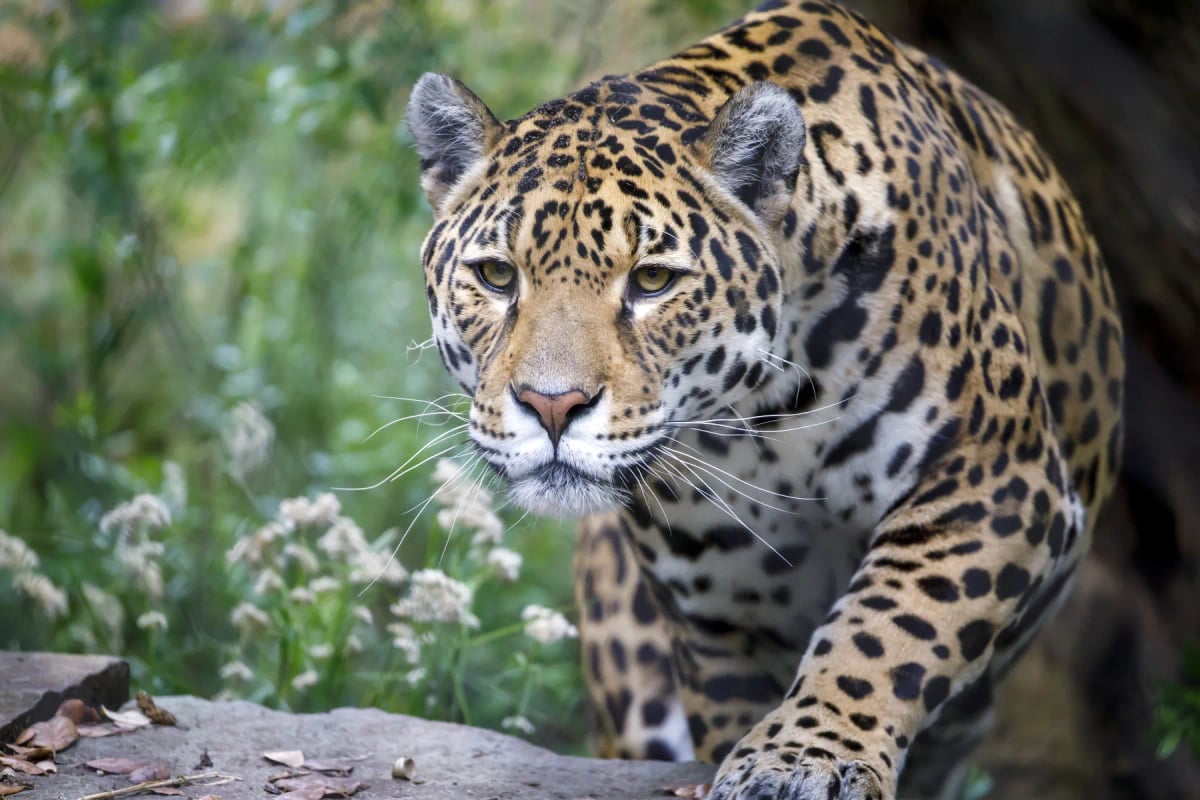
Jaguar
Panthera onca
In Argentina, jaguars survive in small numbers in the northeastern province of Misiones, particularly within and around Iguazú National Park. This subtropical forest is one of the last refuges for the species in the country. Conservation programs have worked to reintroduce individuals and reduce conflict with local communities. The jaguar is considered functionally extinct across most of its former Argentine range.

Llama
Lama glama
In Argentina, llamas are raised primarily in the Puna region of the northwestern provinces of Jujuy, Salta, and Catamarca. These high plateau areas share the same stark, treeless landscape as the Bolivian and Peruvian altiplano. Local communities rely on llamas for wool, meat, and as pack animals. In recent years, llama wool has also gained interest from the Argentine textile industry as a natural fiber.
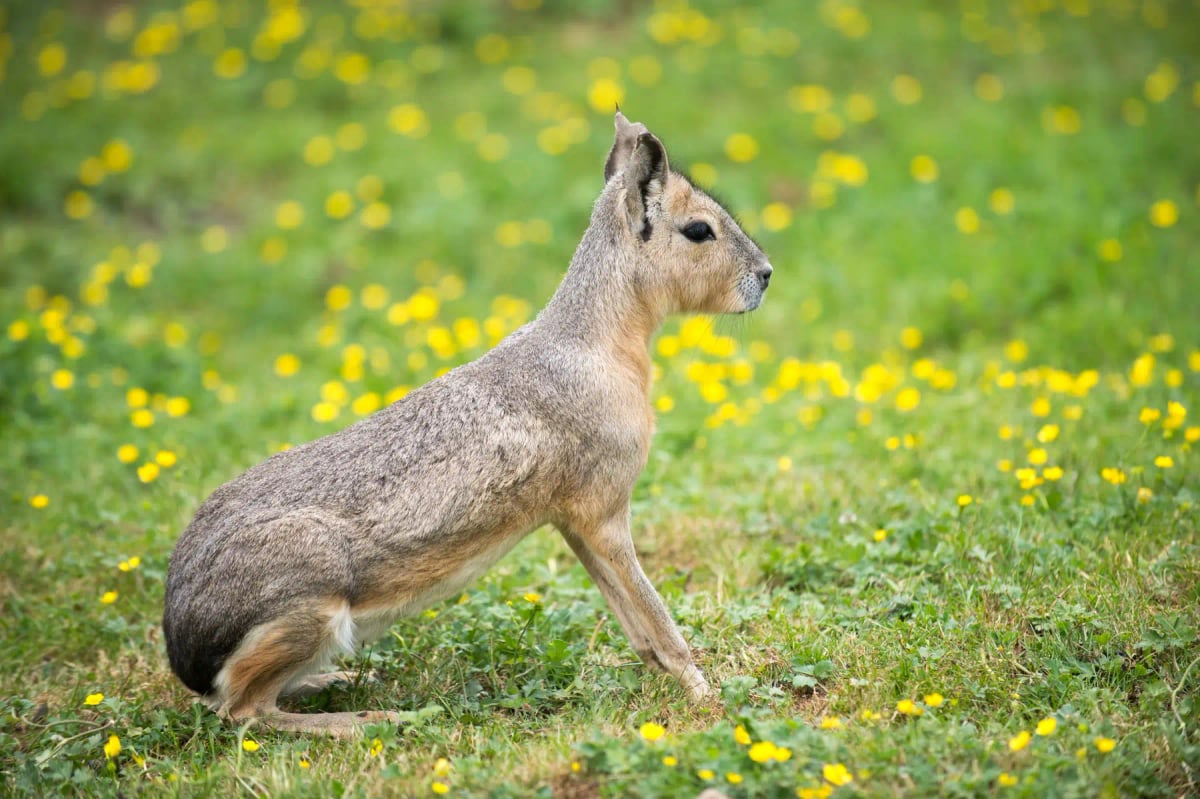
Mara
Dolichotis patagonum
The Patagonian mara lives exclusively in Argentina, roaming the open grasslands and shrublands of Patagonia and central Argentina. It looks more like a small deer than a rodent, yet it is closely related to guinea pigs and capybaras. Pairs bond for life and often share communal burrows with other pairs. Habitat loss and overgrazing by livestock have pushed this species to Near Threatened status on the IUCN Red List.

Opossum
Didelphis spp.
In Argentina, opossums are found mainly in the northeastern provinces, including Misiones, Corrientes, and Chaco, where subtropical forests and wetlands provide reliable food and cover. The species present here overlaps with those found in southern Brazil and Paraguay. They are largely nocturnal and rarely seen during daylight. Despite some habitat loss in the region, their populations remain stable and their status is Least Concern.
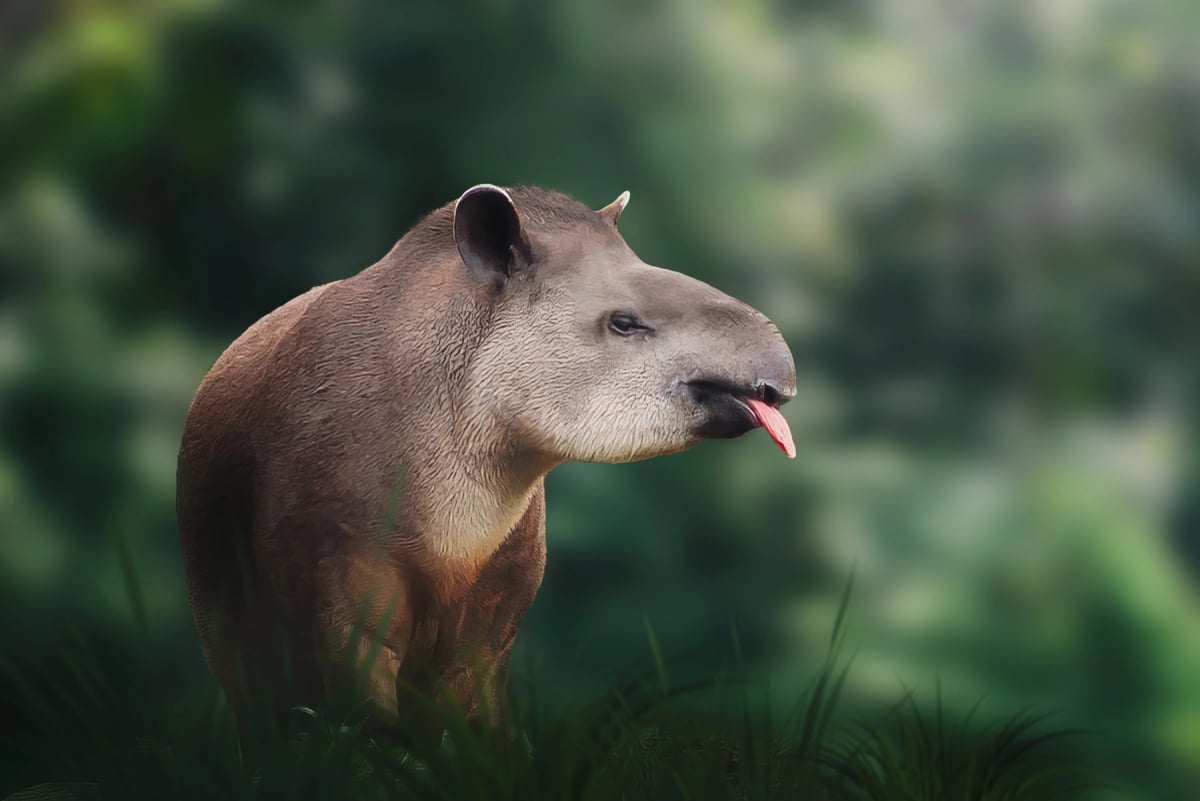
Tapir
Tapirus spp.
In Argentina, the South American tapir is found mainly in the northeastern provinces, particularly in the subtropical forests and wetlands of Misiones and Formosa. It is considered a species at risk within the country, with habitat fragmentation and poaching among the key threats. Conservation programs in areas like the Iberá wetlands and Iguazú National Park are important for maintaining the small tapir populations that remain.
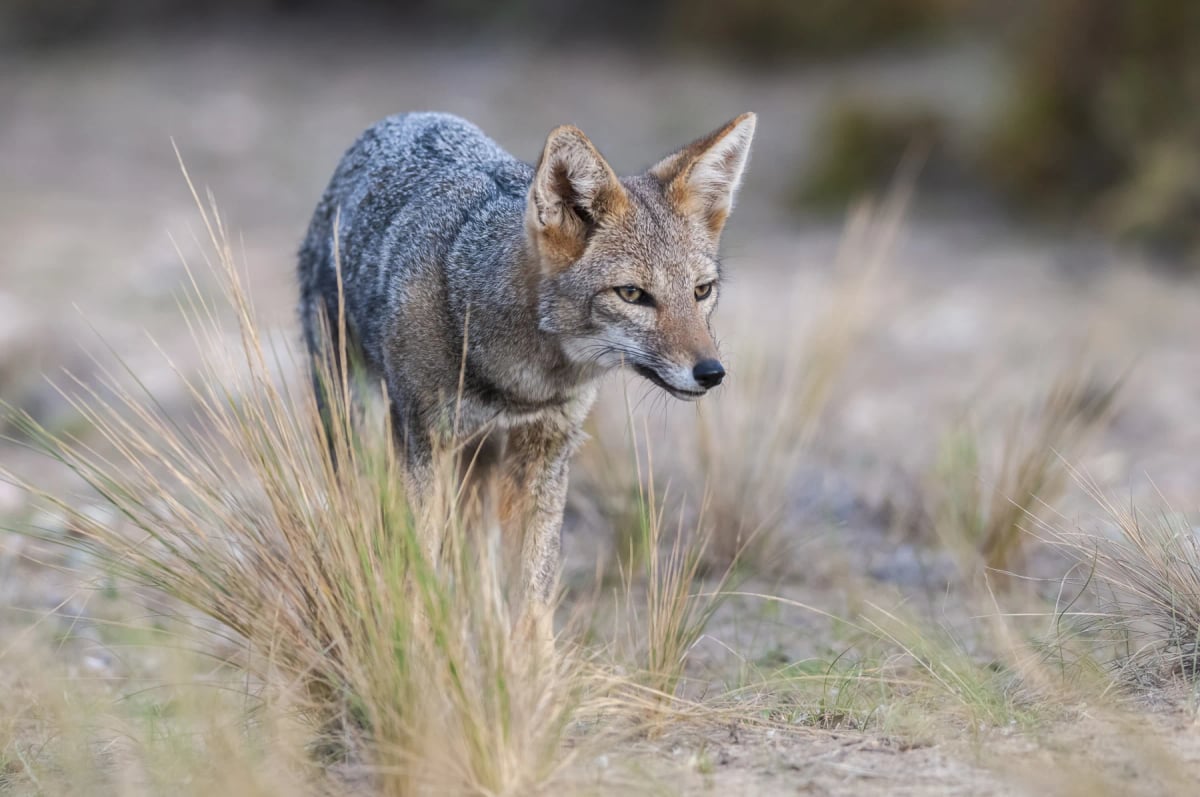
South American Gray Fox
Lycalopex griseus
The South American gray fox is a familiar presence across Argentina's Patagonian steppe and Andean foothills. Its gray coat with reddish sides helps it blend into open scrubland and dry grasslands. An adaptable omnivore, it feeds on rodents, birds, insects, fruits, and carrion. Mostly active at dusk and night, it rests in burrows during the day. The IUCN lists it as Least Concern, though hunting remains a local threat.
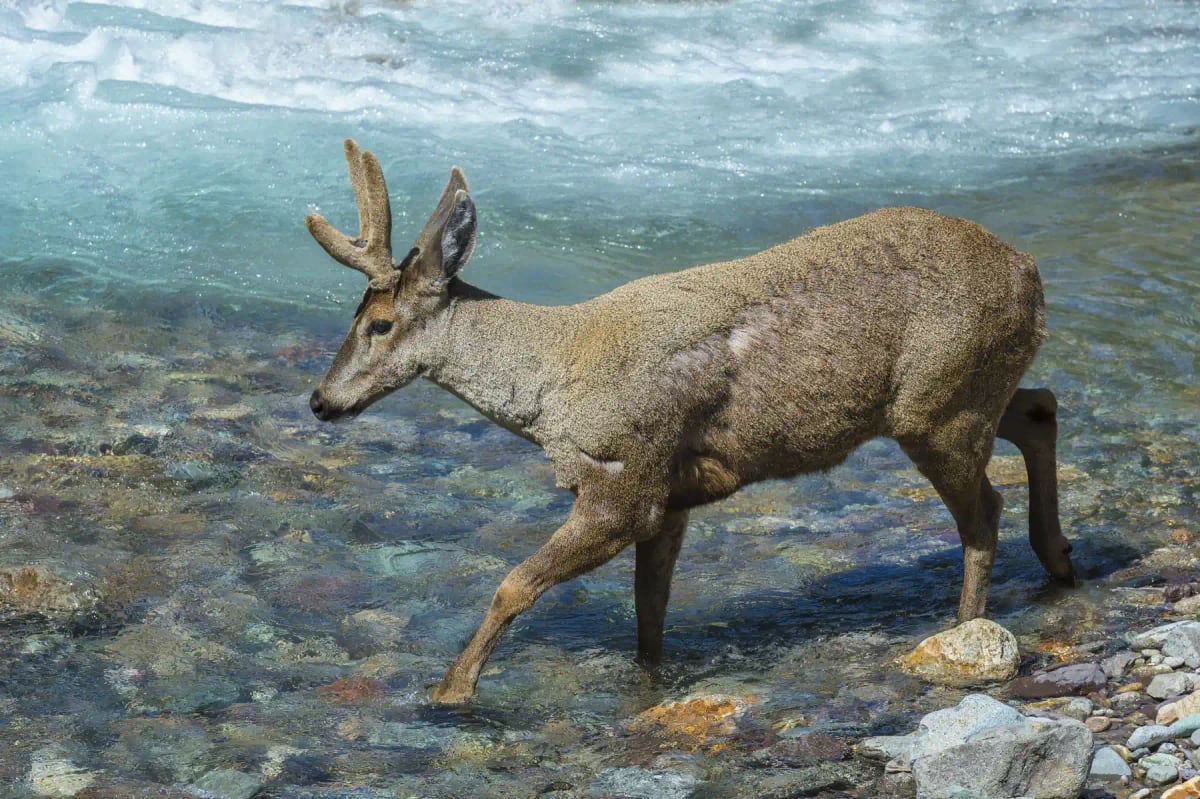
Huemul
Hippocamelus bisulcus
In Argentina, the huemul is found in the Andean Patagonia region, particularly in and around national parks such as Nahuel Huapi and Los Glaciares. It shares the national coat of arms with the condor, reflecting its deep cultural importance. Hunting, livestock pressure, and habitat loss have reduced its numbers dramatically. Conservation efforts across the Argentine side of the Andes are now critical to the survival of this stocky, cautious deer.
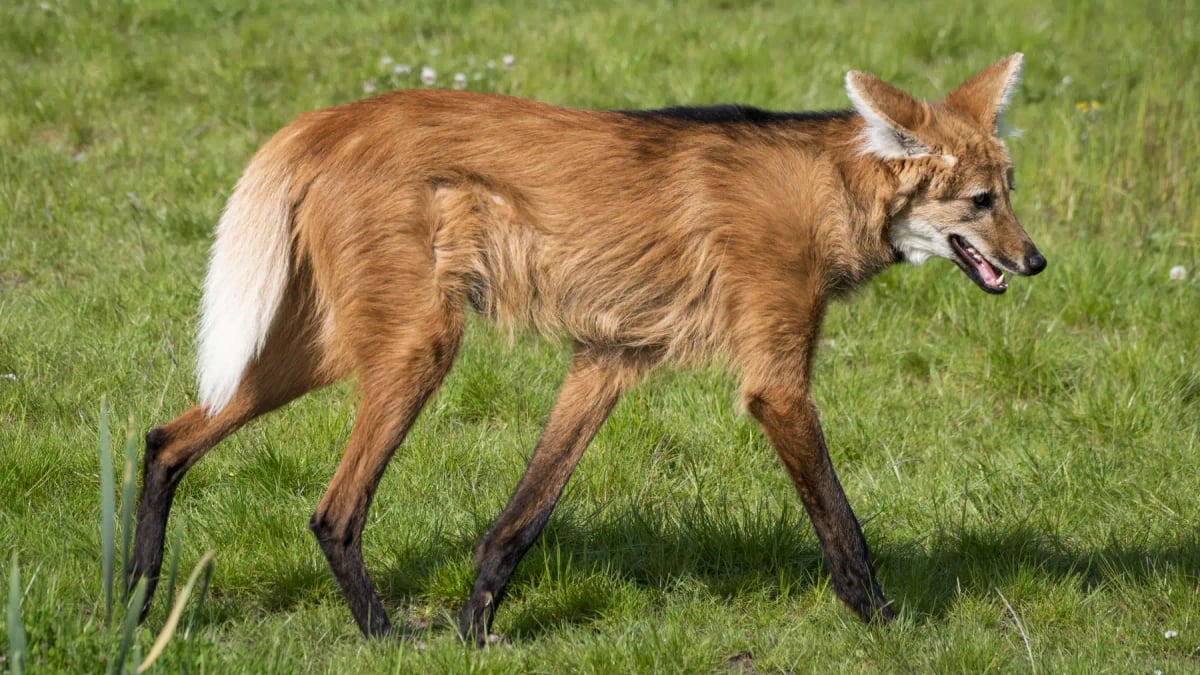
Maned Wolf
Chrysocyon brachyurus
The maned wolf reaches the southern edge of its range in northern Argentina, particularly in the Chaco and Corrientes provinces. It roams open grasslands and scrublands at dawn and dusk, hunting small animals and foraging for fruit. Agriculture and road traffic pose serious threats here. Argentina lists the species as vulnerable at the national level, and conservation efforts focus on protecting remaining savanna habitat.
Marsh Deer
Blastocerus dichotomus
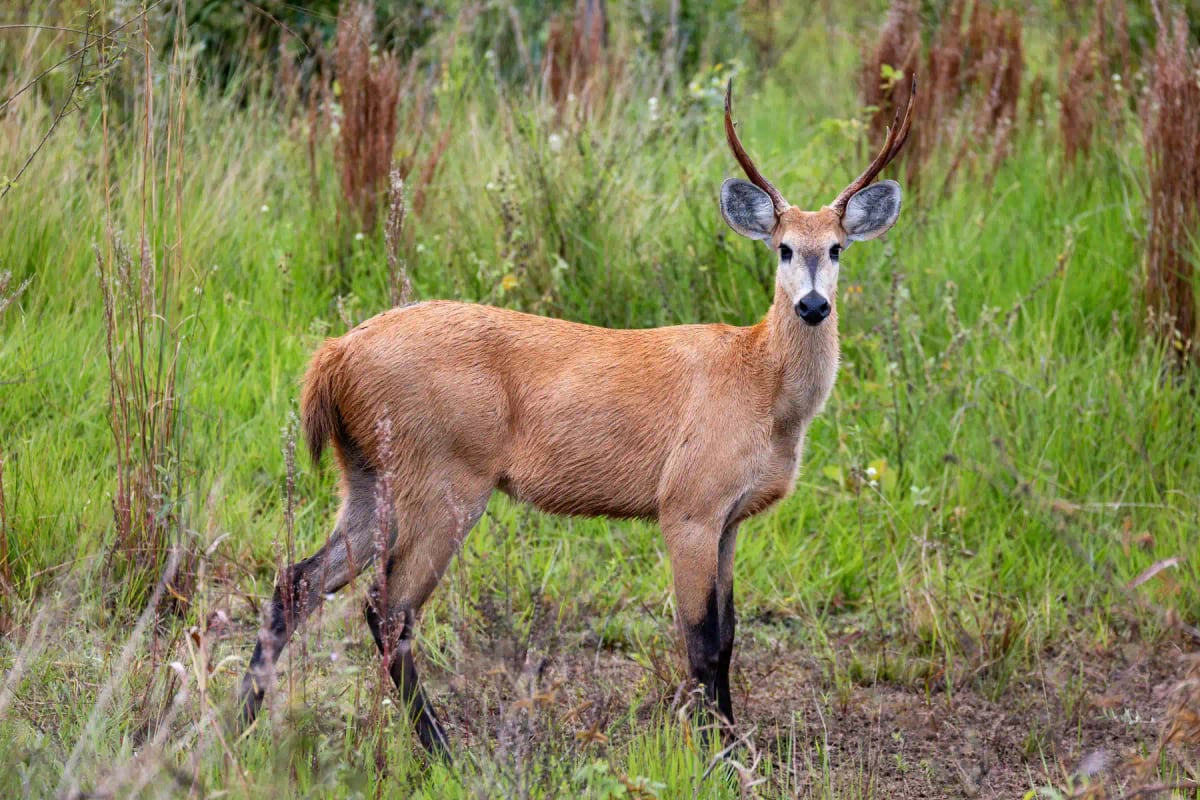
The marsh deer is the largest deer in South America and a defining species of the Iberá wetlands in Corrientes province. Adults can weigh over 150 kg and have wide, slightly webbed hooves that grip soft mud without sinking. Populations here faced serious decline due to wetland drainage and cattle disease, but conservation efforts in the Iberá have helped numbers recover in recent years. The IUCN lists the species as Vulnerable.
Pampas Deer
Ozotoceros bezoarticus
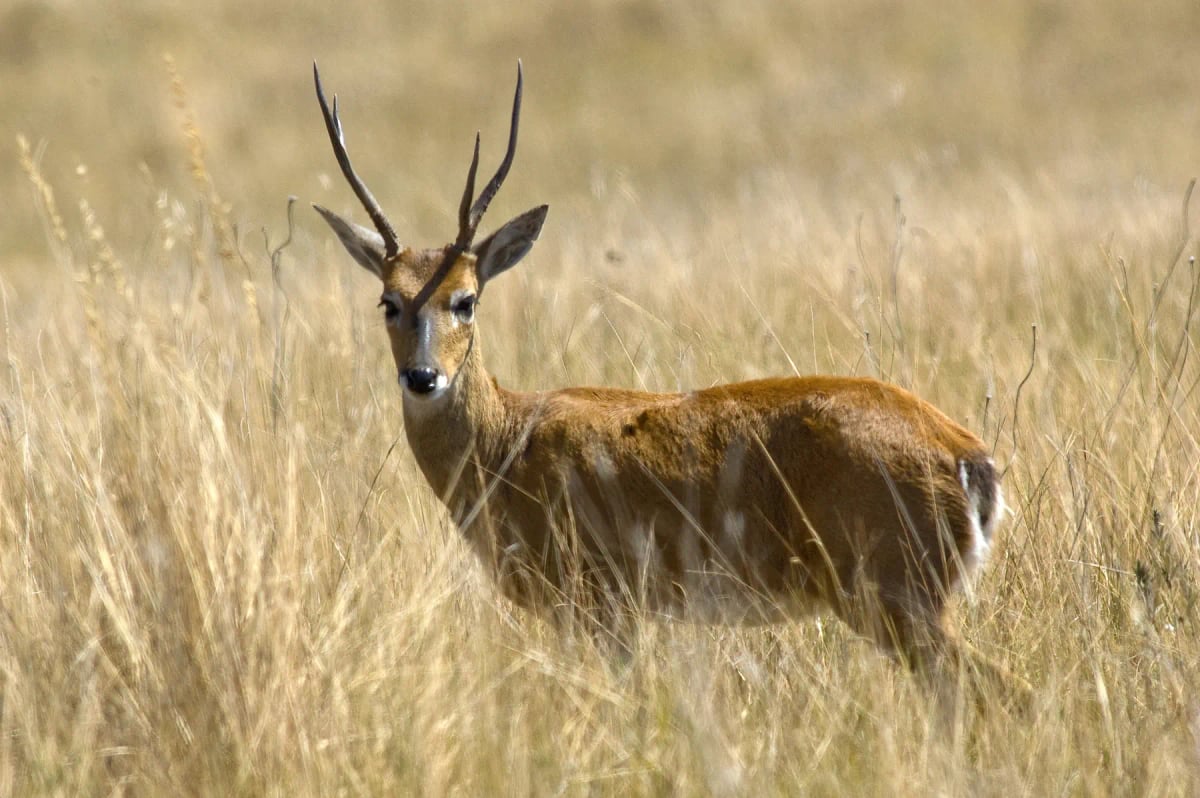
The pampas deer is one of Argentina's most iconic grassland mammals, historically found across the vast Pampas region. Slender and pale in color, it releases a distinctive garlic-like scent from glands near its hooves. Populations have declined sharply due to agriculture and cattle ranching, but protected areas in Buenos Aires and Corrientes provinces offer some of the best remaining habitat for this Near Threatened species.
Vicuña
Vicugna vicugna
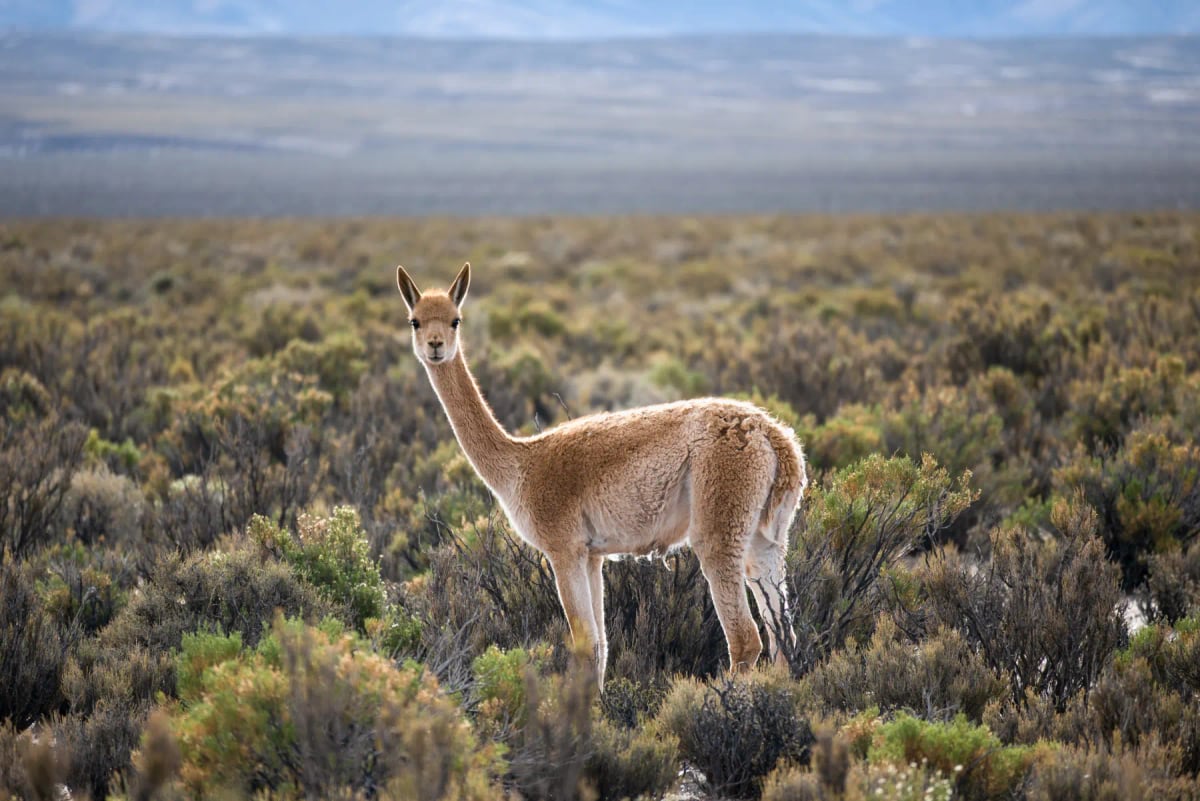
The vicuña roams the high puna grasslands of northwestern Argentina, particularly across the provinces of Jujuy, Salta, and Catamarca. It moves in small family groups led by a dominant male, grazing on tough Andean grasses above 3,500 metres. Once hunted to near collapse, populations have recovered strongly under national protection laws and community shearing programs that harvest its extraordinarily fine fleece without harming the animal.
Brocket Deer
Mazama spp.
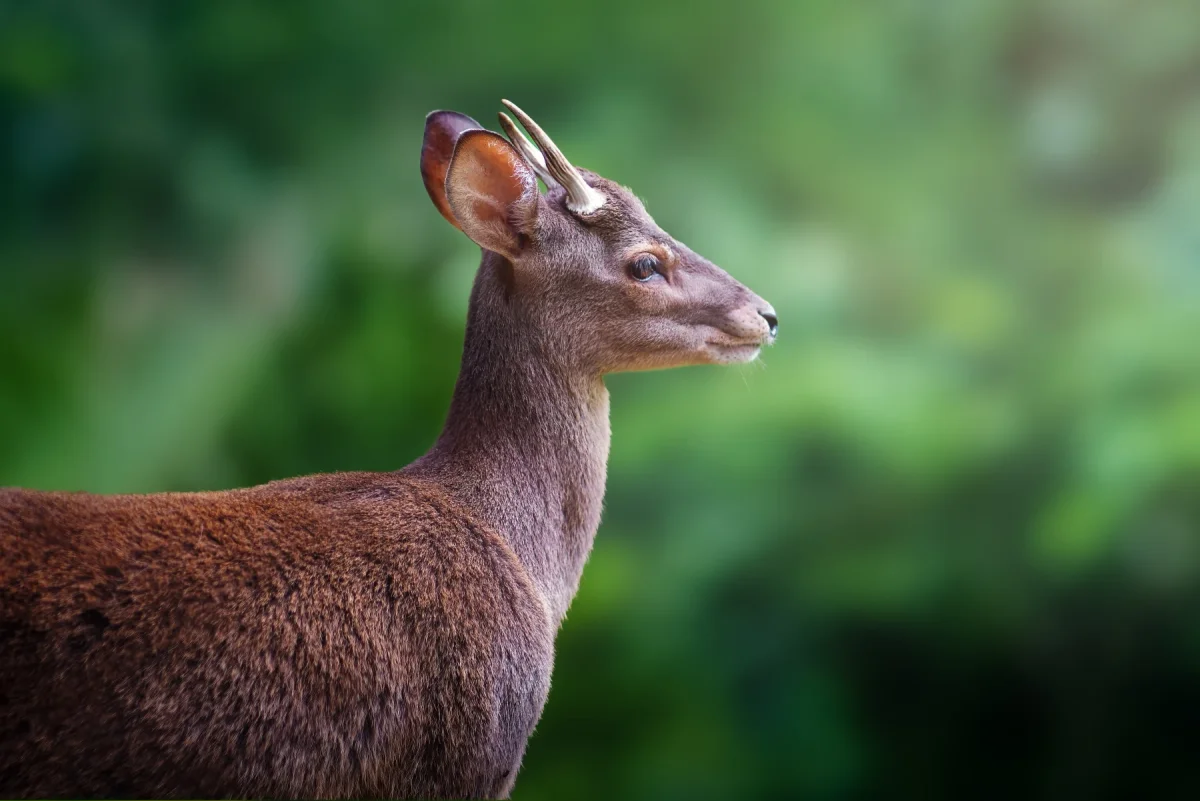
In Argentina, brocket deer inhabit the subtropical forests of Misiones province and the Chaco woodlands, with the gray brocket being particularly widespread. They move quietly through dense undergrowth, feeding on fruits, leaves and fungi. Habitat loss from agricultural expansion poses a growing threat, and subsistence hunting adds further pressure. Their role as seed dispersers makes them important contributors to forest health across northern Argentina.
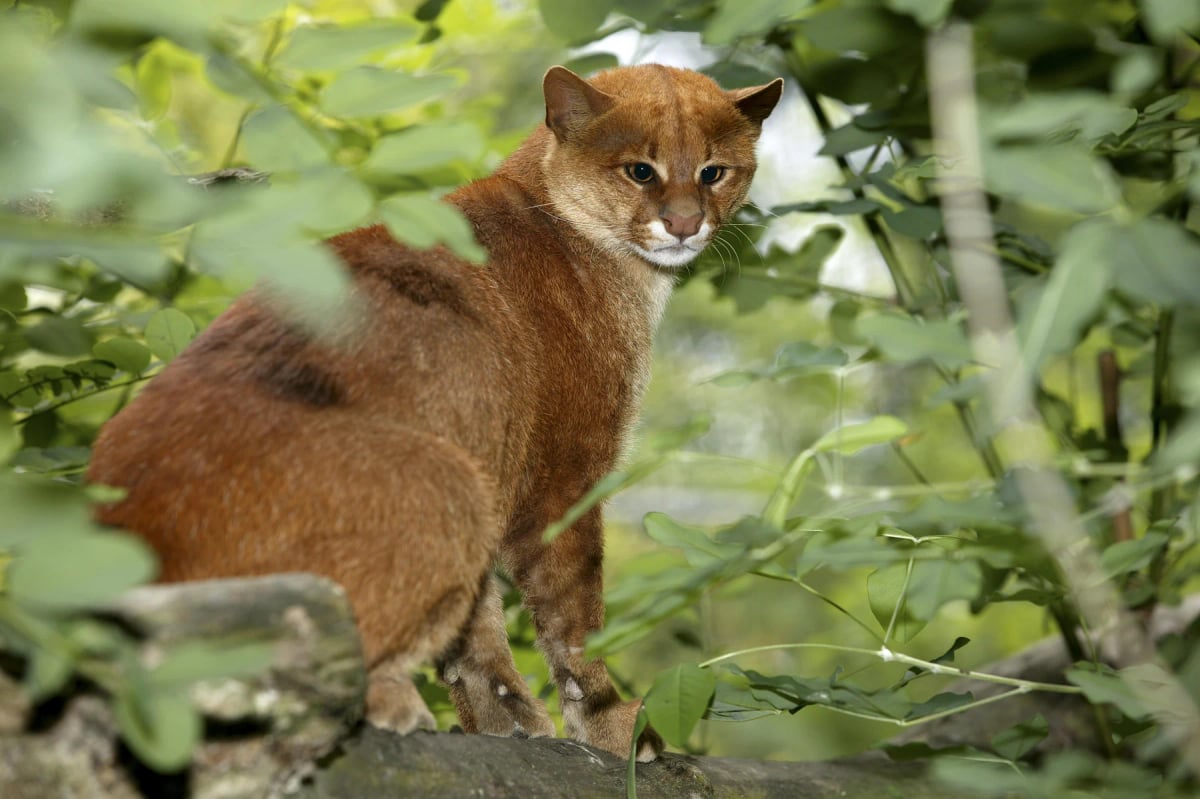
Jaguarundi
Herpailurus yagouaroundi
The jaguarundi reaches the southern edge of its range in Argentina, where it inhabits the subtropical forests of Misiones province and the dry woodlands of the Chaco region. Its plain coat, either gray or reddish brown, helps it blend into dense undergrowth. Active during the day, it hunts birds, lizards, and small mammals. Habitat loss across northern Argentina puts pressure on local populations.
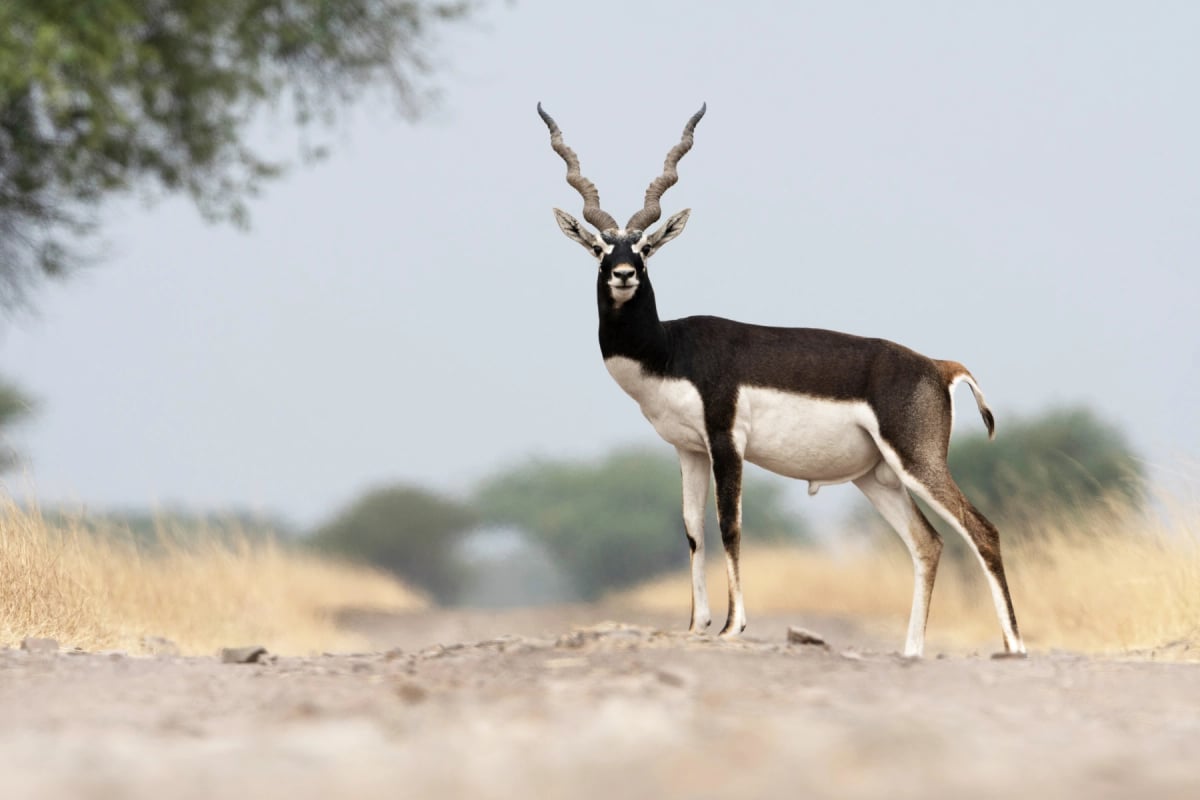
Blackbuck
Antilope cervicapra
Blackbucks were introduced to Argentina in the early 20th century and have established wild populations primarily in the Buenos Aires and La Pampa provinces, where the open pampas grasslands closely resemble their native habitat. They are now a well-known part of the Argentine rural landscape and are legally hunted as a game species. No conservation concern exists for this introduced population. IUCN status: Least Concern.
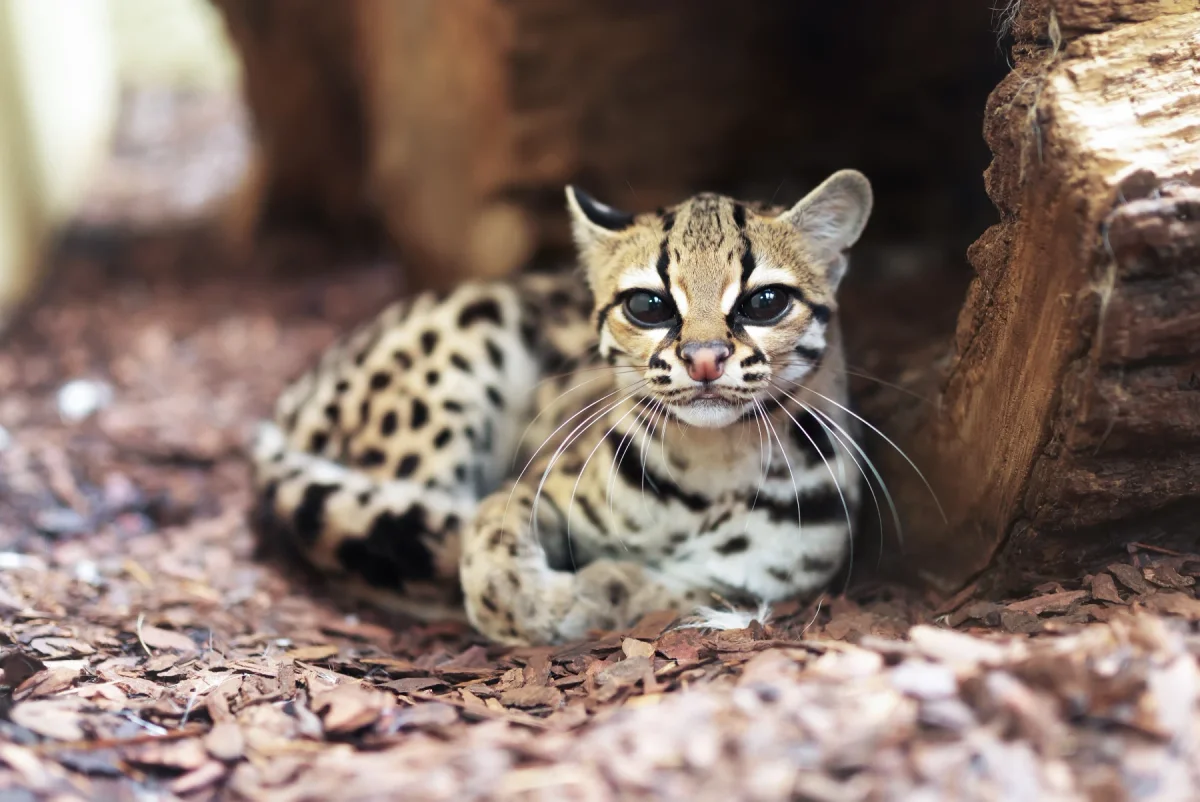
Margay
Leopardus wiedii
The margay reaches the southern edge of its range in Argentina, appearing mainly in the subtropical forests of Misiones province, where the Atlantic Forest still provides dense canopy cover. Rarely seen due to its nocturnal habits, it faces serious pressure from deforestation as native forest shrinks year by year. The IUCN lists it as Near Threatened, and Argentina's remaining forest patches are critical to its survival in the region.
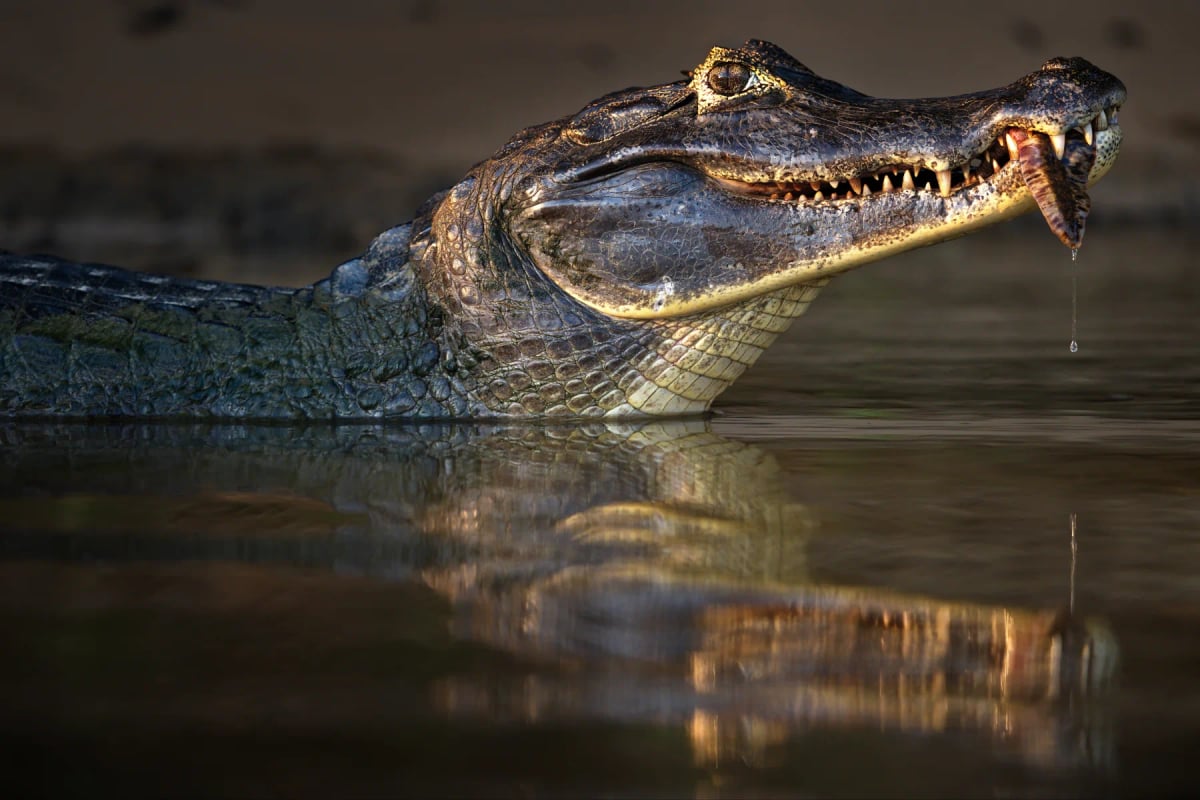
Caiman
Caiman spp.
Two caiman species are present in Argentina: the broad-snouted caiman and the yacare caiman. The broad-snouted caiman is found in the northeastern wetlands of Corrientes and Entre Ríos provinces, while the yacare caiman extends into the Iberá wetlands and the Paraná river system. The broad-snouted caiman is classified as Least Concern but faces pressure from habitat loss in some parts of its range. Both species are protected under national wildlife legislation.
Rattlesnake
Crotalus spp. / Sistrurus spp.
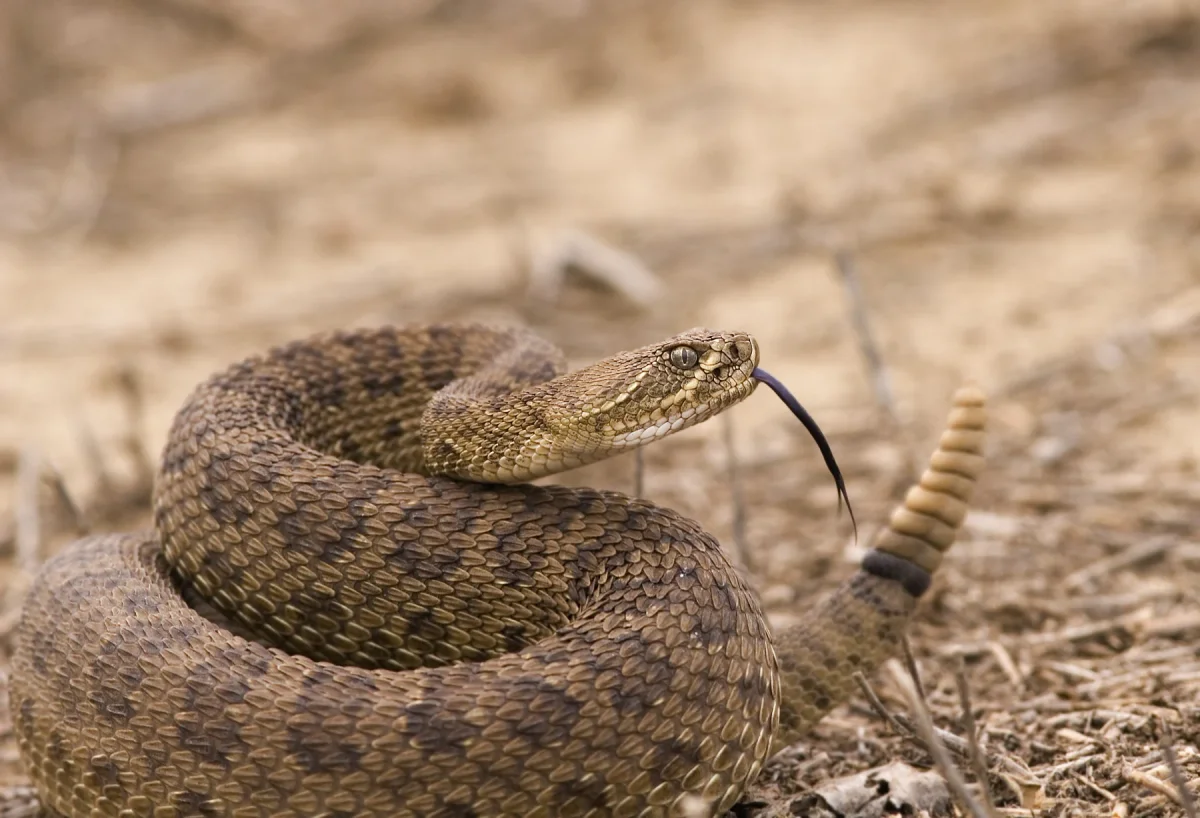
In Argentina, the cascabel (Crotalus durissus terrificus) is found across the Chaco, the dry grasslands of Santiago del Estero, and parts of the Mesopotamia region. It is the only rattlesnake species in the country and one of the most medically significant venomous snakes in South America, as its venom carries both hemotoxic and neurotoxic components. Antivenom production in Argentina has improved outcomes for snakebite victims substantially over recent decades. IUCN status: Least Concern.
Yellow Anaconda
Eunectes notaeus
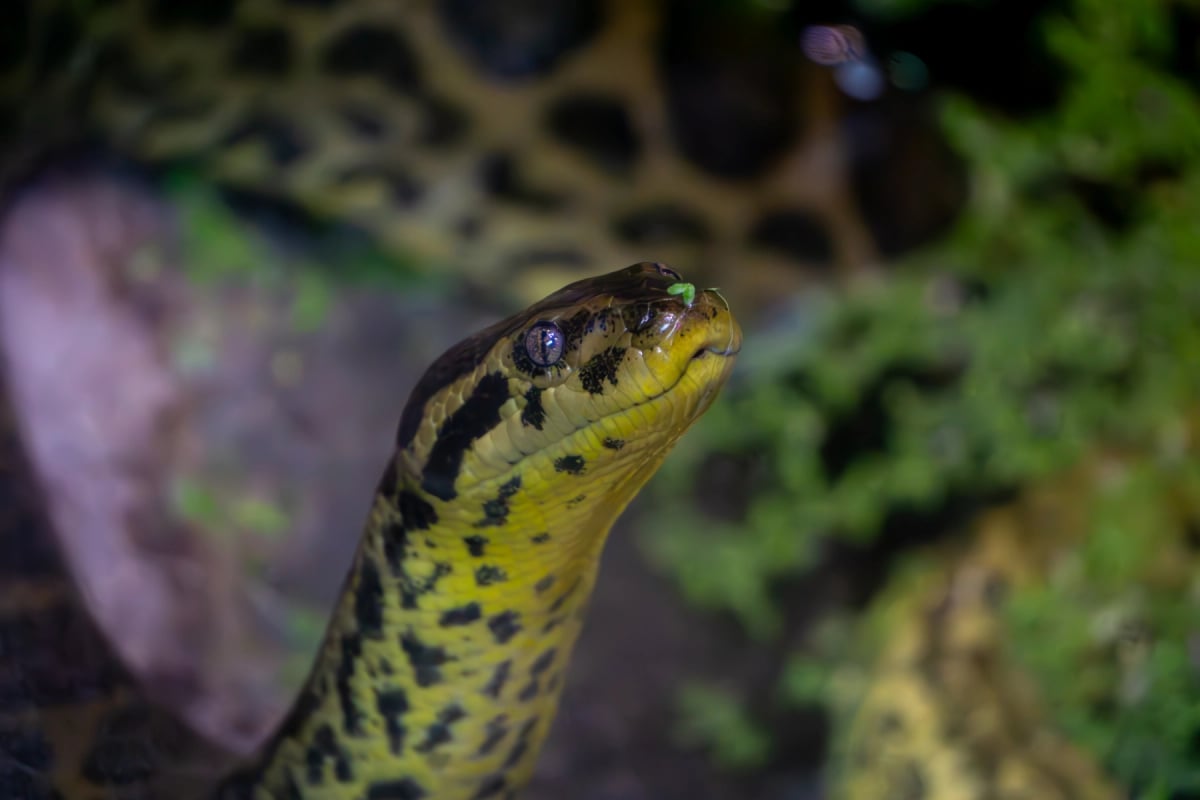
The yellow anaconda is one of the largest snakes in Argentina and lives in the wetlands and flooded areas of the northeast, particularly in the Iberá wetlands and along the Paraná river system. It hunts by constriction, targeting fish, birds and small mammals. Though impressive in size, it is not venomous and generally avoids contact with people.
Lancehead
Bothrops spp.
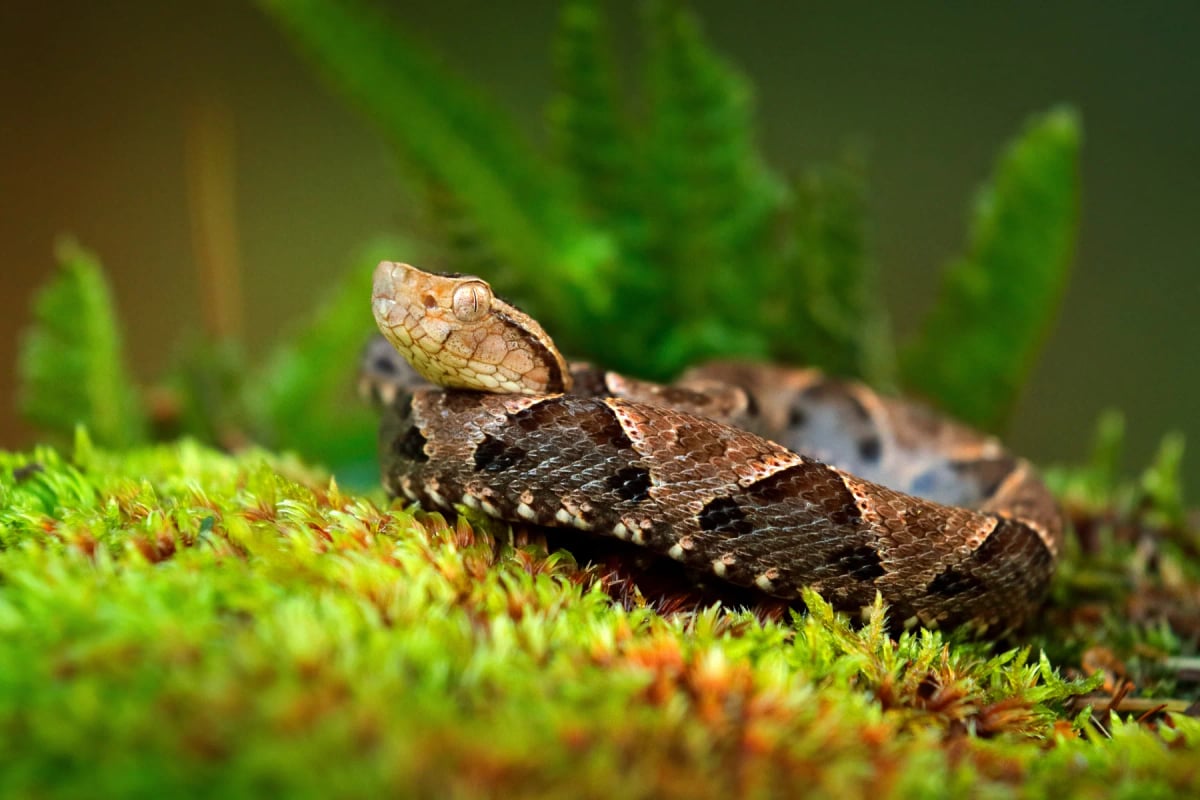
Argentina hosts several lancehead species, with Bothrops alternatus and Bothrops diporus among the most widespread. They range across the Mesopotamia region, the Chaco and the subtropical forests of Misiones province, which borders the Atlantic Forest biome. Snakebite incidents are reported each year, particularly in rural northeastern provinces. These snakes favor thick vegetation and wetland edges, and they remain important regulators of small mammal populations in their range.
Boa Constrictor
Boa constrictor
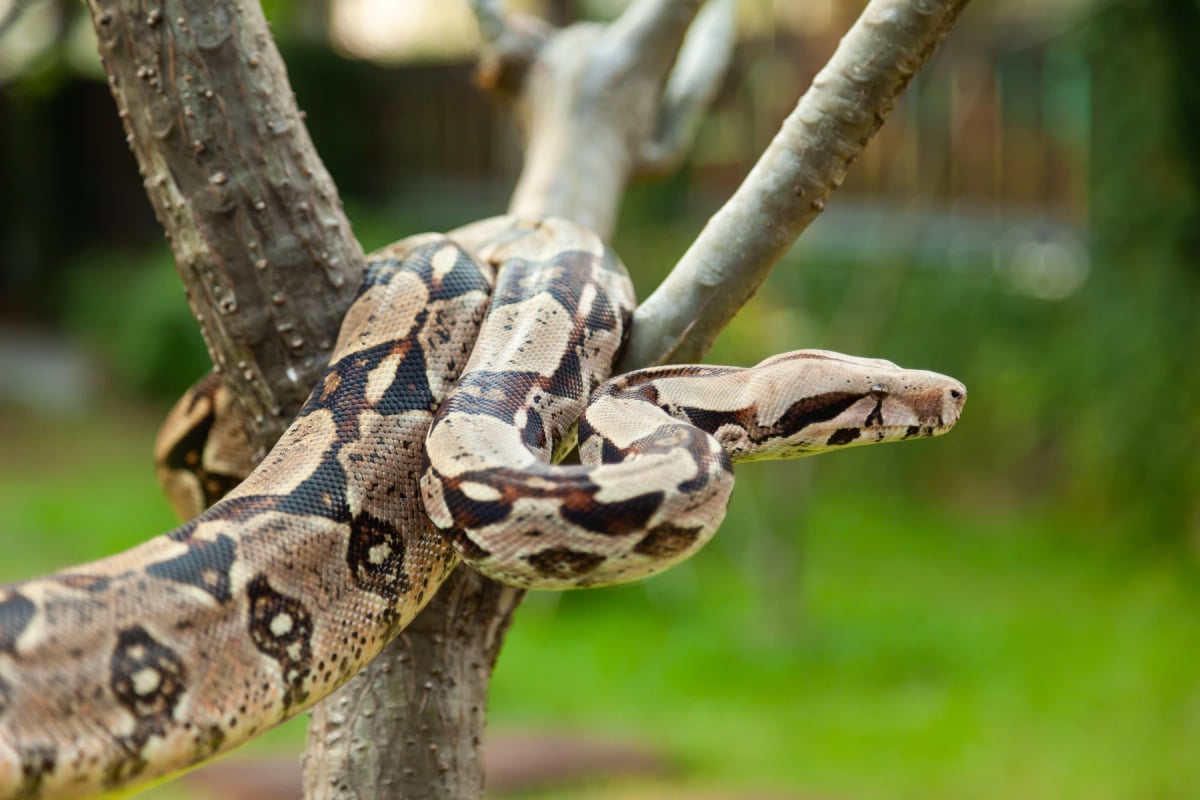
In Argentina, the boa constrictor reaches the southern edge of its range, inhabiting the subtropical forests and dry woodlands of the northeastern provinces, particularly Misiones, Chaco, and Formosa. It favors dense forest cover near water sources and forest edges bordering farmland. Listed as Least Concern by the IUCN, it faces local pressure from habitat clearance and collection for the illegal pet trade.

Black browed Albatross
Thalassarche melanophris
Argentina's Patagonian coast and the waters of the South Atlantic within its exclusive economic zone are important foraging areas for the black browed albatross. The species is frequently encountered following fishing vessels operating out of Argentine ports. Bycatch in the country's squid and finfish trawl and longline fisheries has been identified as a significant threat, and Argentina has been involved in regional efforts to adopt mitigation measures. IUCN status: Least Concern.
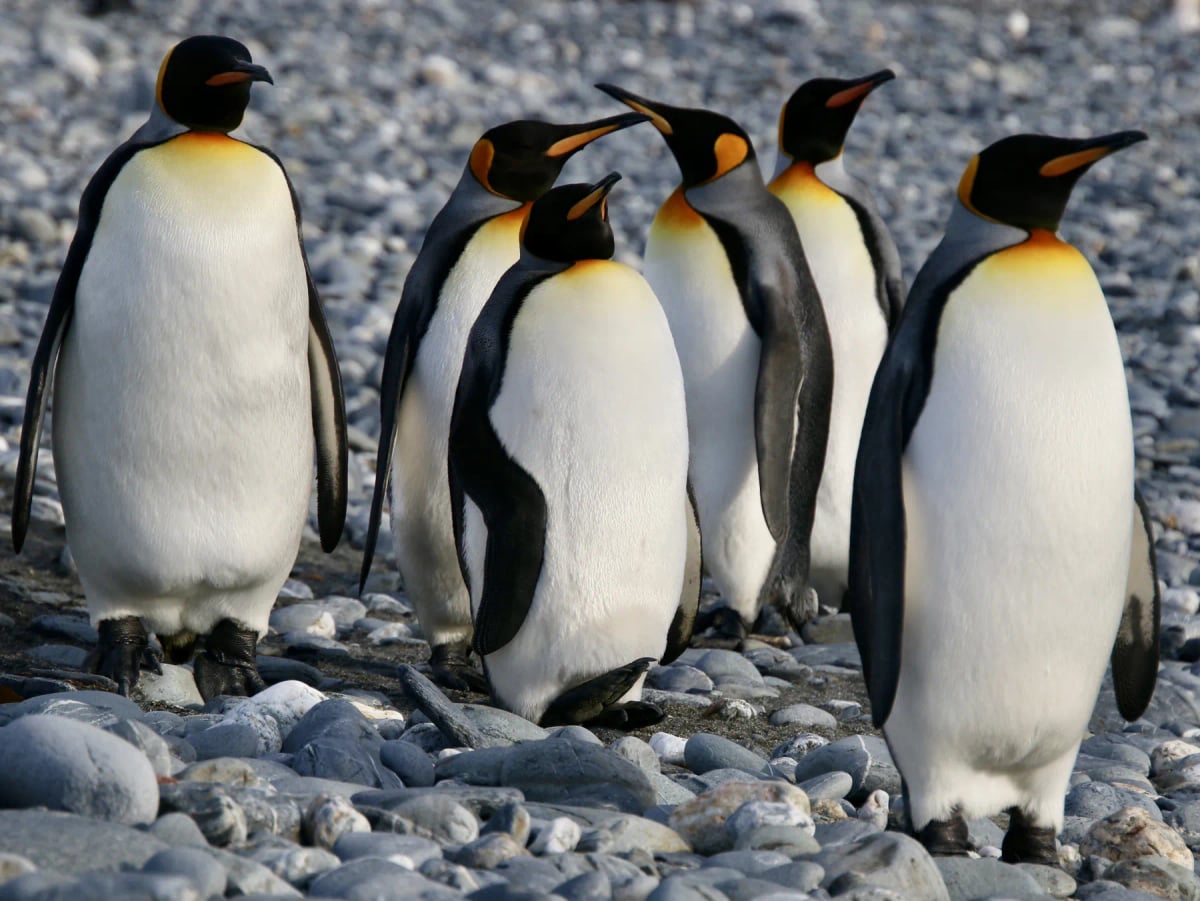
King Penguin
Aptenodytes patagonicus
King penguins are rare in Argentina. Since 2017 a small number of pairs have settled on Isla Martillo, near Ushuaia in Tierra del Fuego, among a much larger colony of Magellanic penguins, so seeing one there takes some luck. Standing up to 95 cm tall, they are the second largest penguins in the world. They do not build nests, instead balancing their single egg on their feet beneath a warm fold of skin. They feed on lanternfish and squid in the cold waters of the South Atlantic. IUCN status: Least Concern.
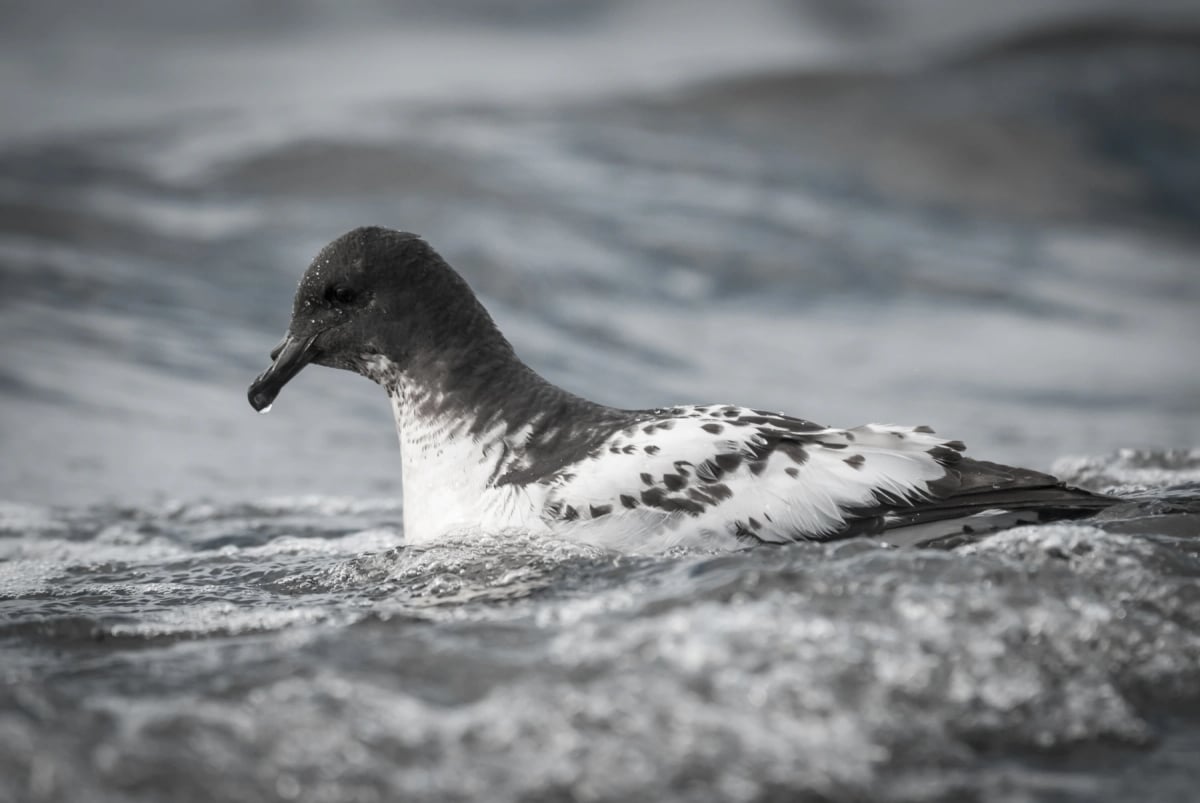
Cape Petrel
Daption capense
Off the Argentine coast, the Cape Petrel is a regular visitor to the waters of Patagonia and the South Atlantic, particularly during the non-breeding season. It is frequently seen from vessels traveling between the mainland and the Falkland Islands. The cold, productive waters of the Argentine Sea provide rich feeding opportunities. The species does not breed on Argentine territory but is a characteristic bird of the region's offshore environment. IUCN status: Least Concern.
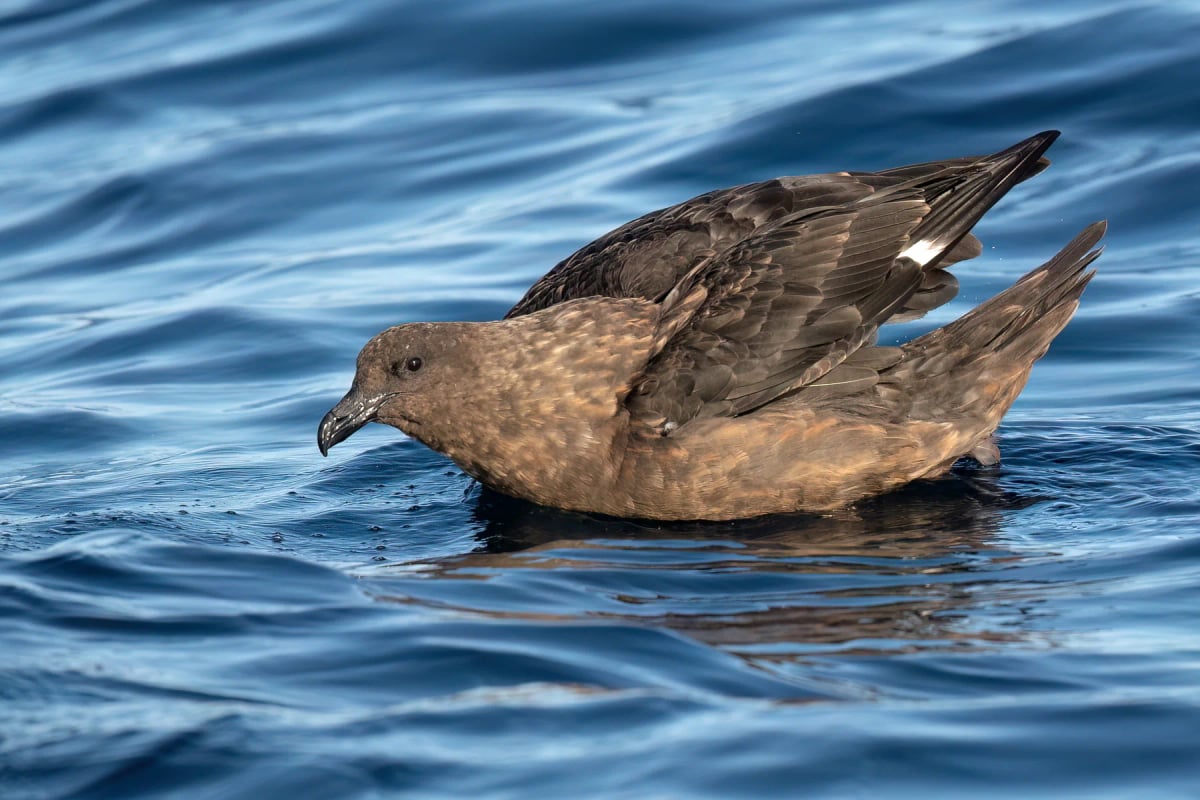
Brown Skua
Stercorarius antarcticus
The brown skua reaches the southern tip of Argentina, including Tierra del Fuego and associated sub-Antarctic islands, where it nests on coastal ground near seabird colonies. It preys on eggs and chicks and frequently harasses other seabirds into dropping their food. Populations in this region are considered stable. The species is listed as Least Concern by the IUCN, though local colonies can be sensitive to disturbance.
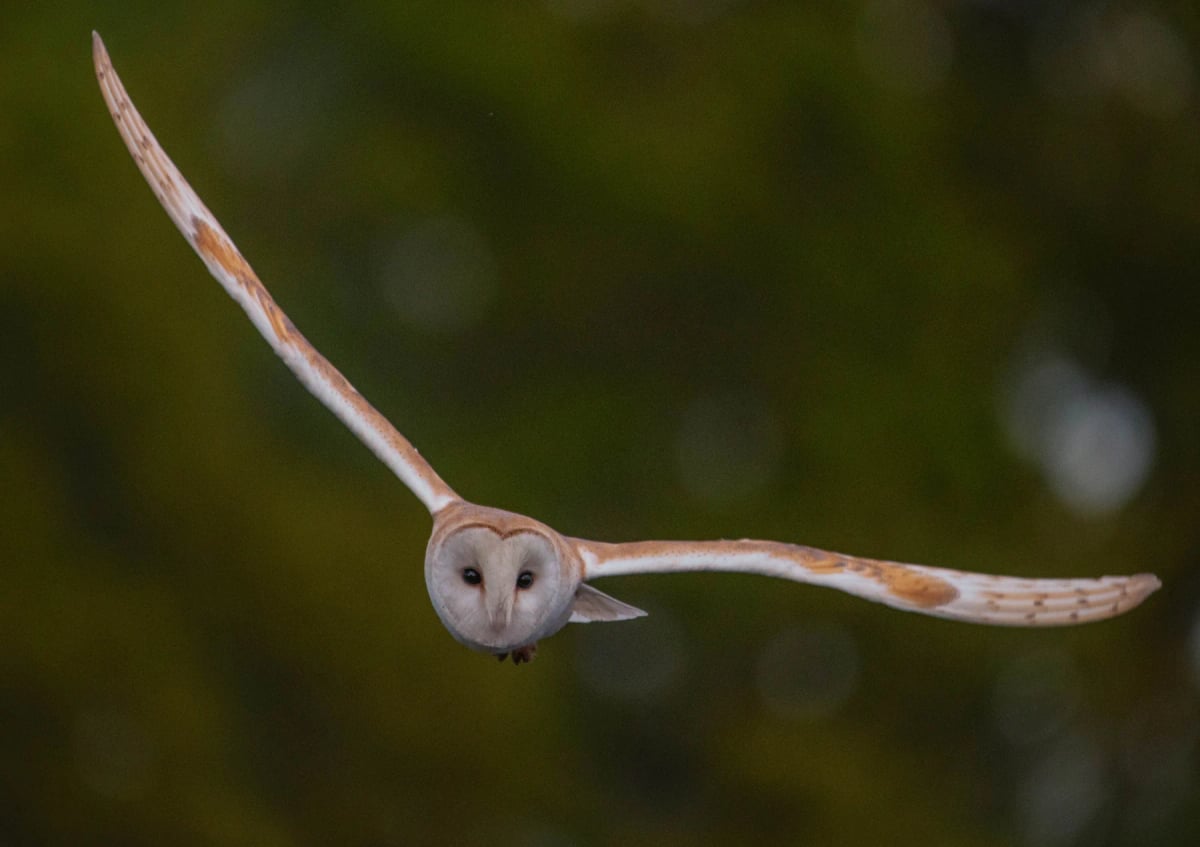
Barn Owl
Tyto alba
The barn owl is one of the most widespread birds of prey in Argentina and can be found across a wide range of habitats, from open farmland to the edges of towns and cities. It hunts mainly at night, using its exceptional hearing to locate rodents in complete darkness.
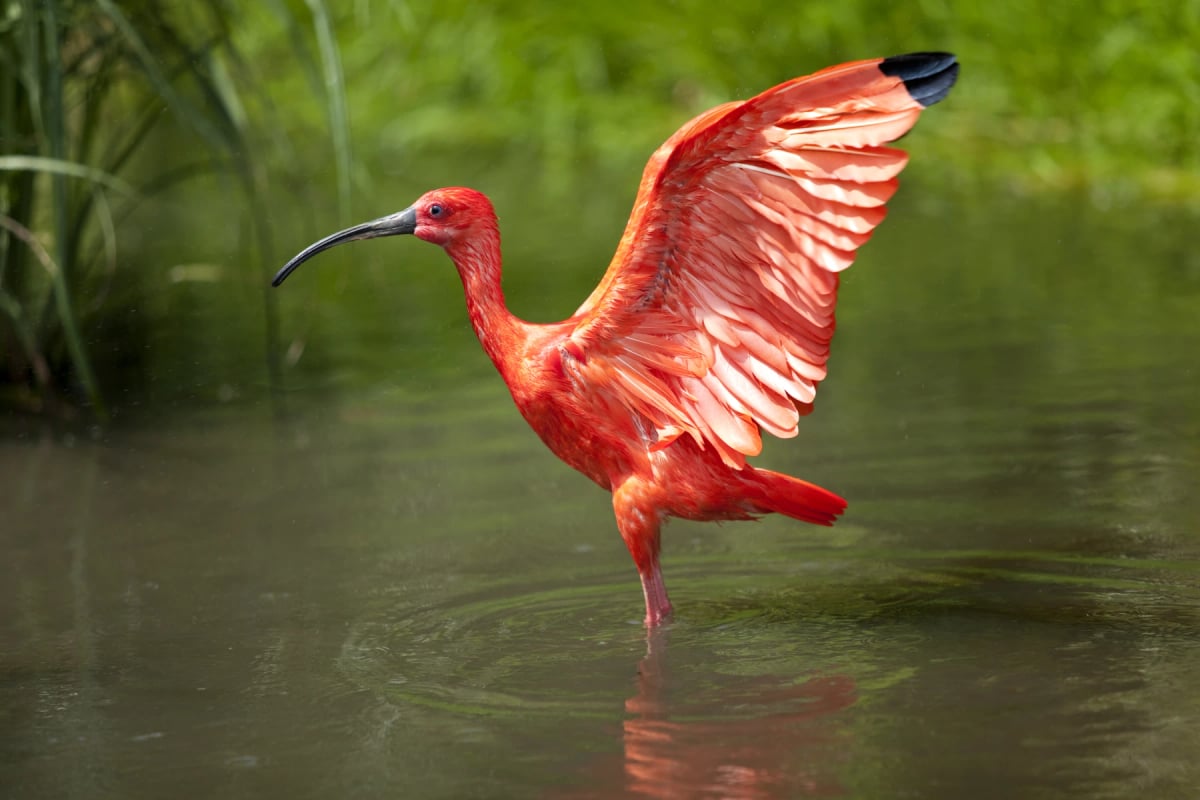
Scarlet Ibis
Eudocimus ruber
The Scarlet Ibis reaches the southern edge of its range in Argentina, appearing occasionally in the northeastern wetlands of the Mesopotamia region, particularly around the Paraná River delta. Its blazing red plumage, earned through a diet rich in carotenoid crustaceans, makes it unmistakable among wading birds. Sightings here are irregular, and the species is considered a rare visitor rather than a permanent resident.
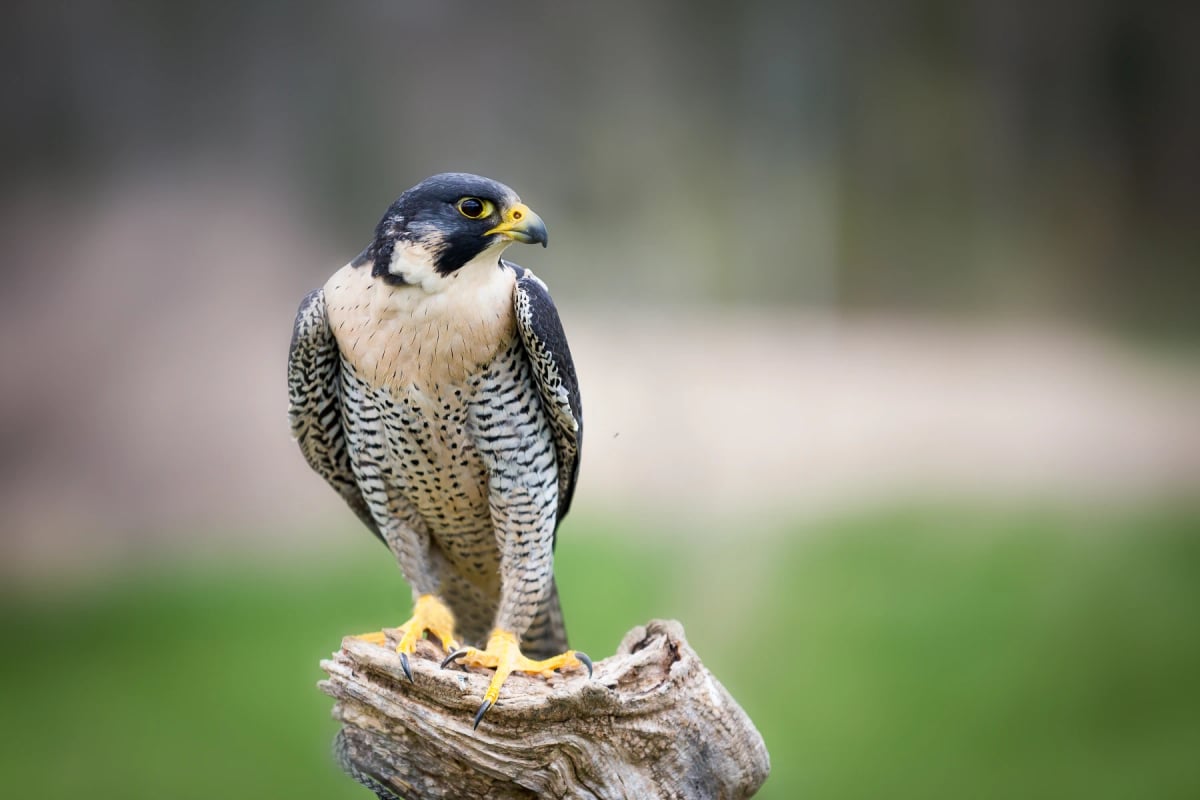
Peregrine Falcon
Falco peregrinus
The peregrine falcon is found across Argentina, from the rocky Patagonian coast to the Andean foothills and the vast Pampas. Some populations are resident year round, while others arrive as migrants from the north during the austral winter. It hunts shorebirds and pigeons with its signature high speed dive, and pairs often nest on cliff faces in the Andes. Its IUCN status is Least Concern.
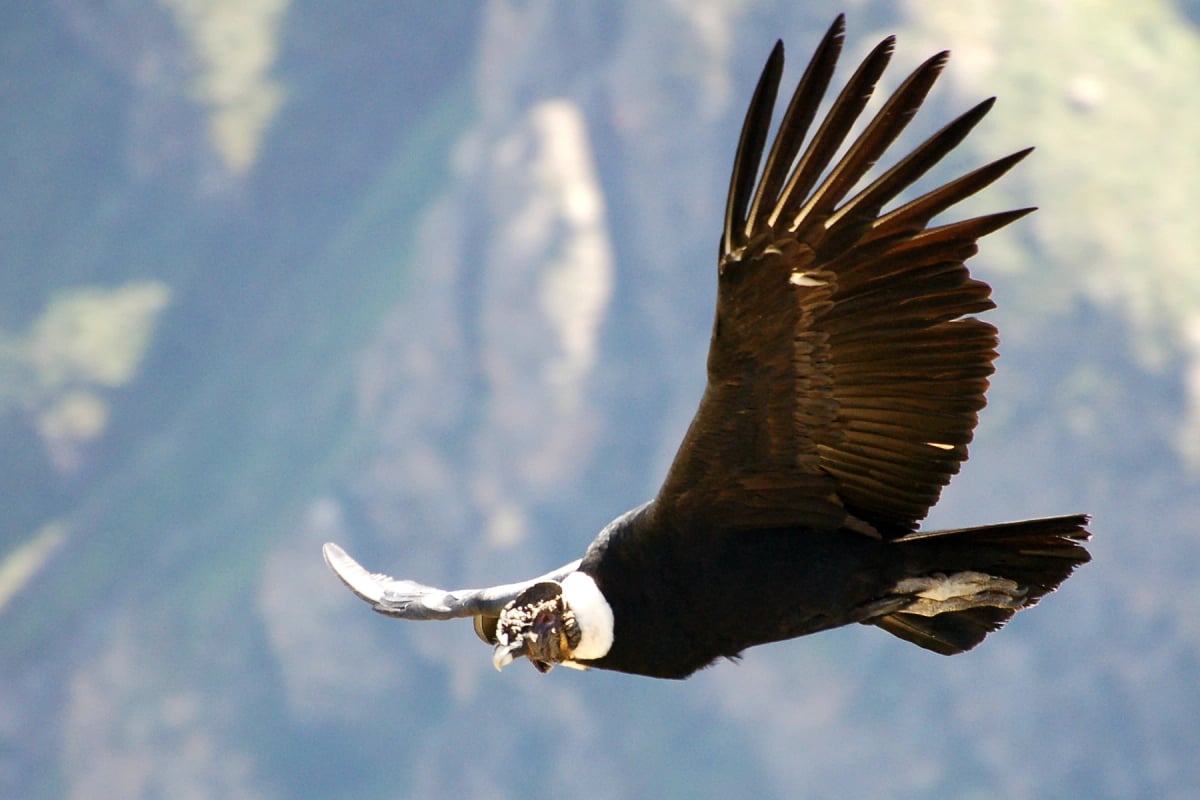
Andean Condor
Vultur gryphus
The Andean condor soars over the whole length of the Argentine Andes, from the northern puna to Patagonia and Tierra del Fuego, and Argentina holds some of its largest populations. It rides thermals for hours without flapping, scanning for carrion. It is the emblem of Quebrada del Condorito National Park in Córdoba, and Argentina's conservation program has released more than 200 condors across South America. IUCN status: Vulnerable.
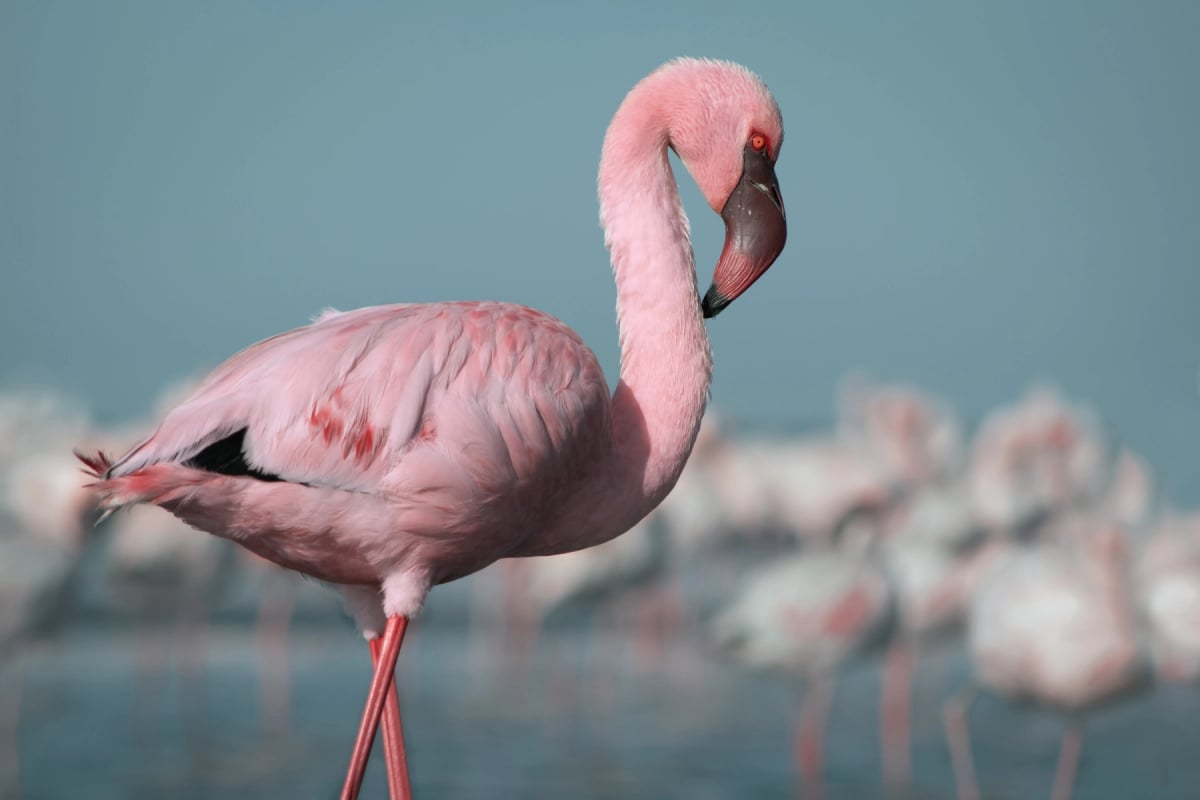
Flamingo
Phoenicopteridae (6 species)
Argentina hosts Chilean, Andean, and Puna flamingos across its northwestern salt flats and Patagonian coastal wetlands. The Puna region near Jujuy and Salta holds important breeding colonies. Farther south, the Chilean flamingo appears in Patagonian estuaries and coastal lagoons. The Mar Chiquita salt lake in Córdoba province is another vital site, supporting some of the largest flamingo concentrations in the country.
Hornero
Furnarius rufus
The rufous hornero has been Argentina's national bird since 1928, a fitting symbol for a country where it thrives from the Pampas grasslands to the edges of Patagonia. It builds its iconic mud nest on fence posts, tree branches, and even rooftops across the country. Comfortable around people, it is one of the most familiar birds in both rural farmland and busy city parks. Its IUCN status is Least Concern.
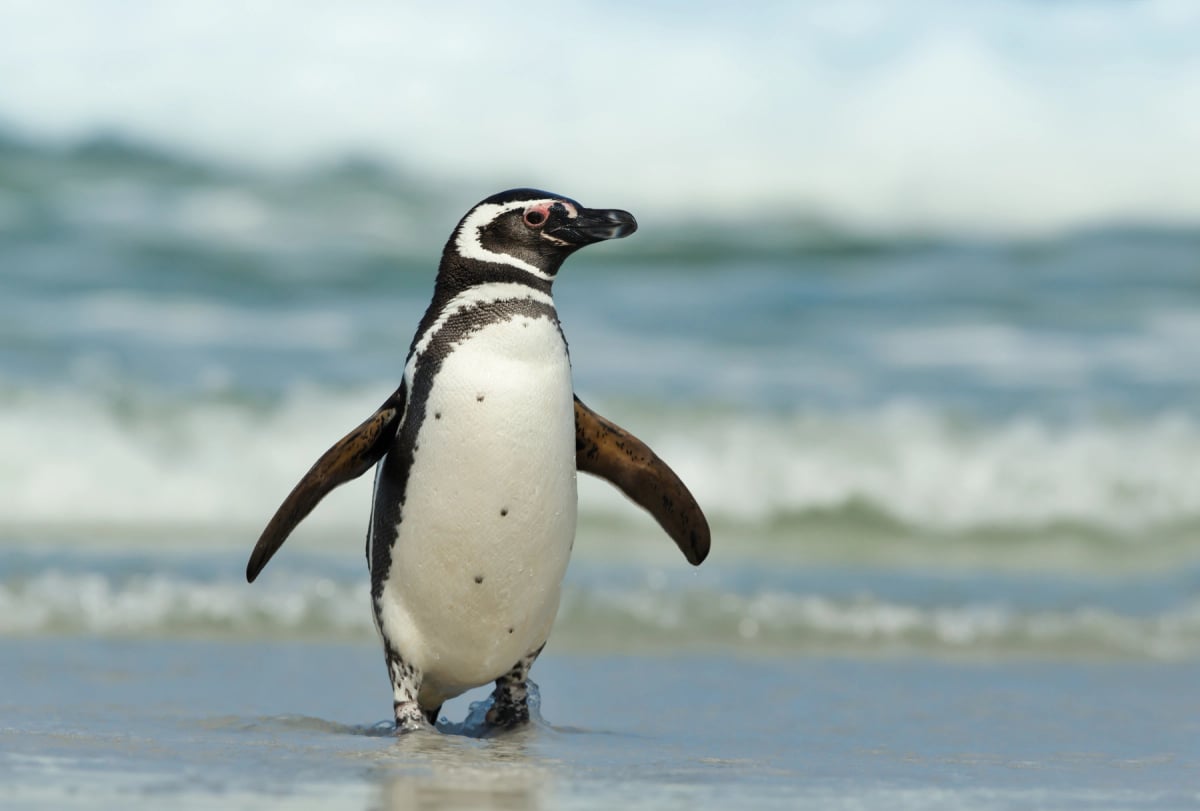
Magellanic Penguin
Spheniscus magellanicus
Argentina is home to the largest continental colony of Magellanic penguins in the world at Punta Tombo, in Chubut, where around 200,000 pairs arrive each spring to breed. Pairs return to the same burrow year after year, raising two chicks together. Oil pollution and shifts in fish populations caused by warming seas have put pressure on several colonies along the Argentine coast, and the number of pairs at Punta Tombo has fallen over recent decades, making conservation efforts especially important here.
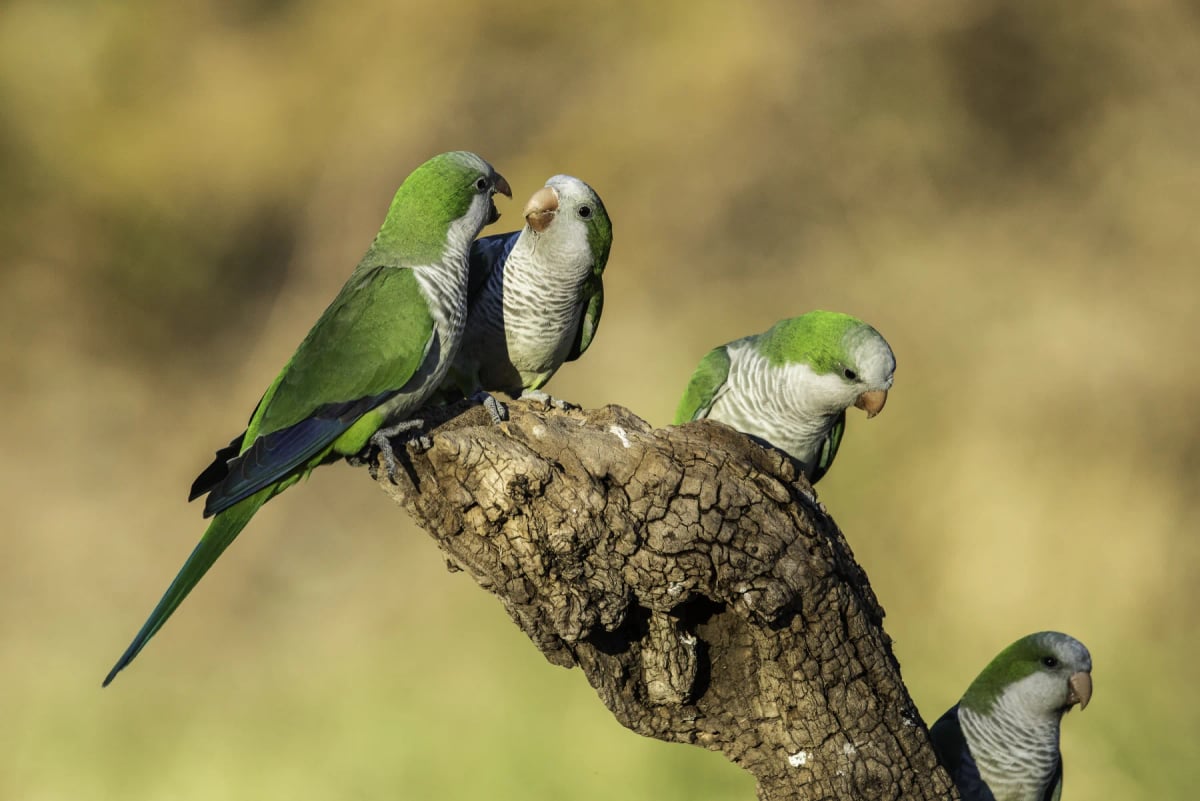
Monk Parakeet
Myiopsitta monachus
The monk parakeet is native to Argentina, where it thrives across the open woodlands and scrublands of the Pampas and Chaco regions. It is one of the most familiar birds in the country, often seen in parks and farmland. Its large communal nests, built from sticks, are a striking sight on utility poles and trees. IUCN status: Least Concern.
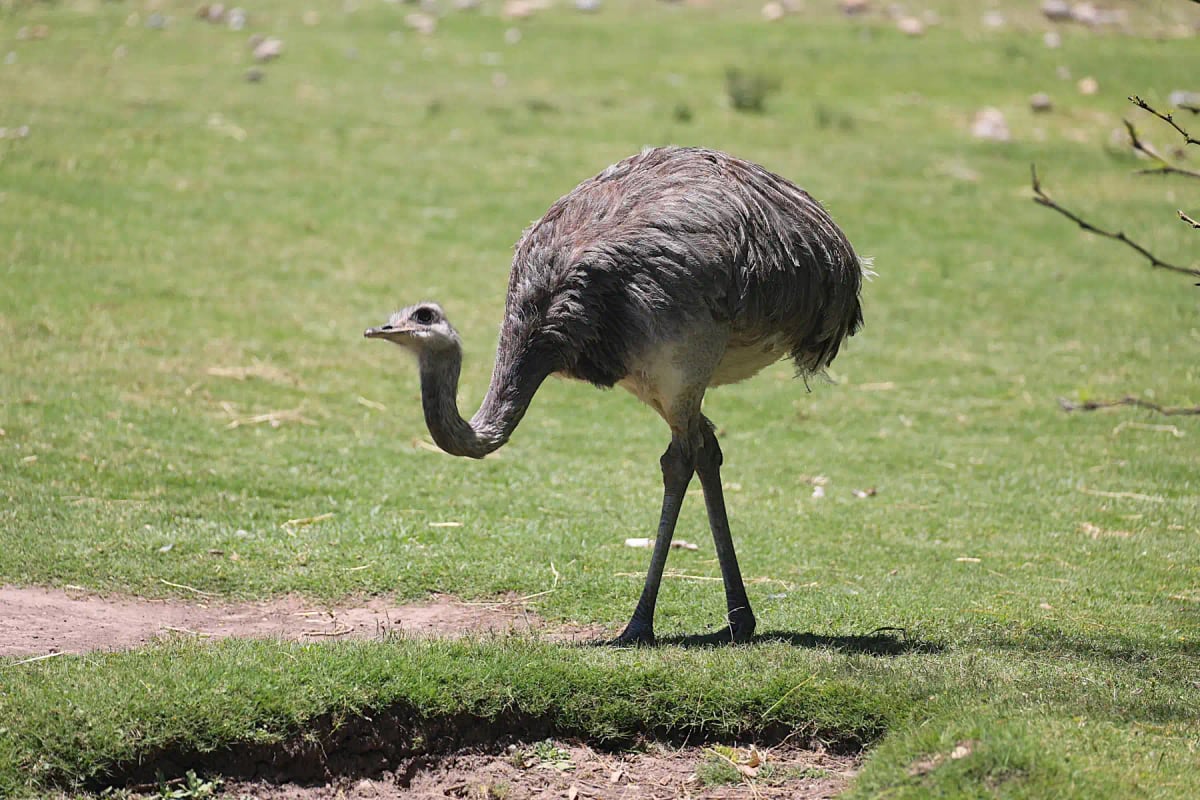
Rhea
Rhea americana
The greater rhea is the largest bird in South America, standing up to 1.5 metres tall. In Argentina, it roams the Pampas grasslands and Patagonian scrublands, often seen alongside cattle on farming land. Though it cannot fly, it runs at up to 60 kilometres per hour. Males incubate and raise the chicks alone, tending nests that can hold 50 eggs. Its IUCN status is Near Threatened.
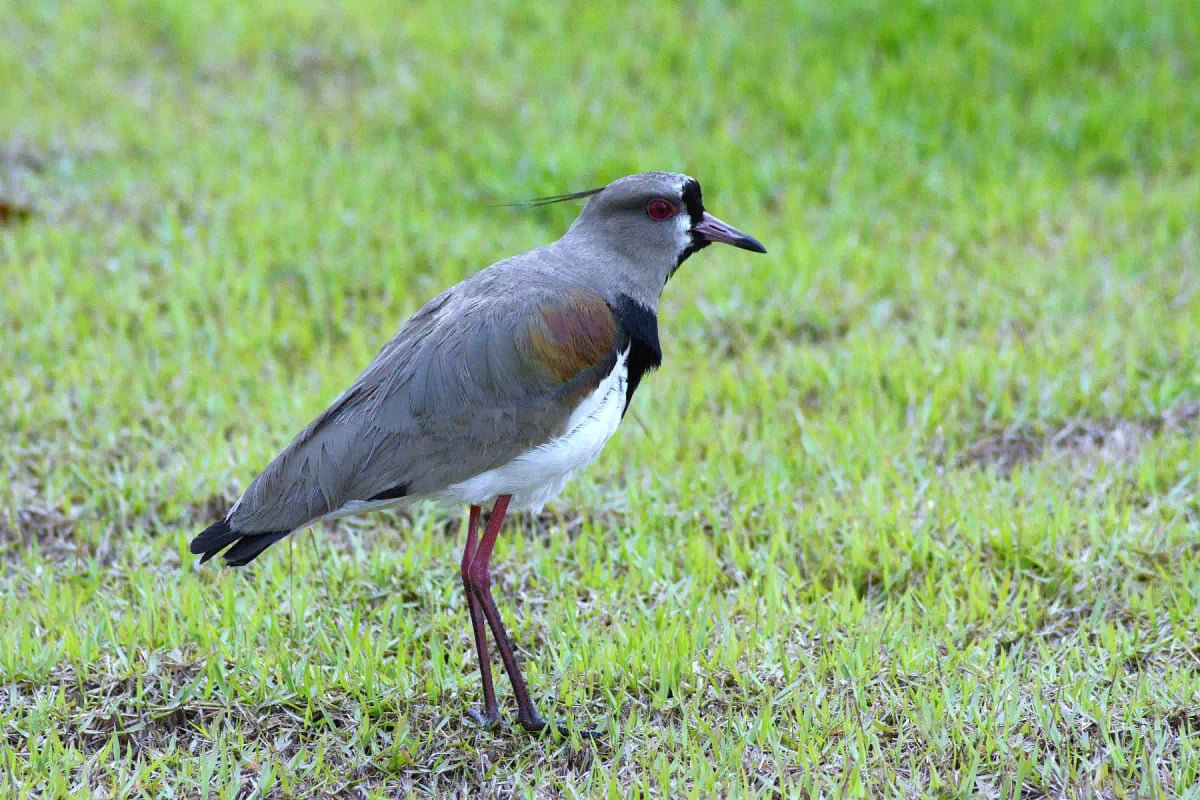
Southern Lapwing
Vanellus chilensis
The southern lapwing is one of Argentina's most familiar birds, found from the Pampas grasslands to Patagonian fields and urban parks. Argentines know it as the tero, famous for its piercing cry and bold defense of its nest. It thrives across farms, riverbanks and city squares alike. Its IUCN status is Least Concern, reflecting how well it has adapted to human landscapes throughout the country.
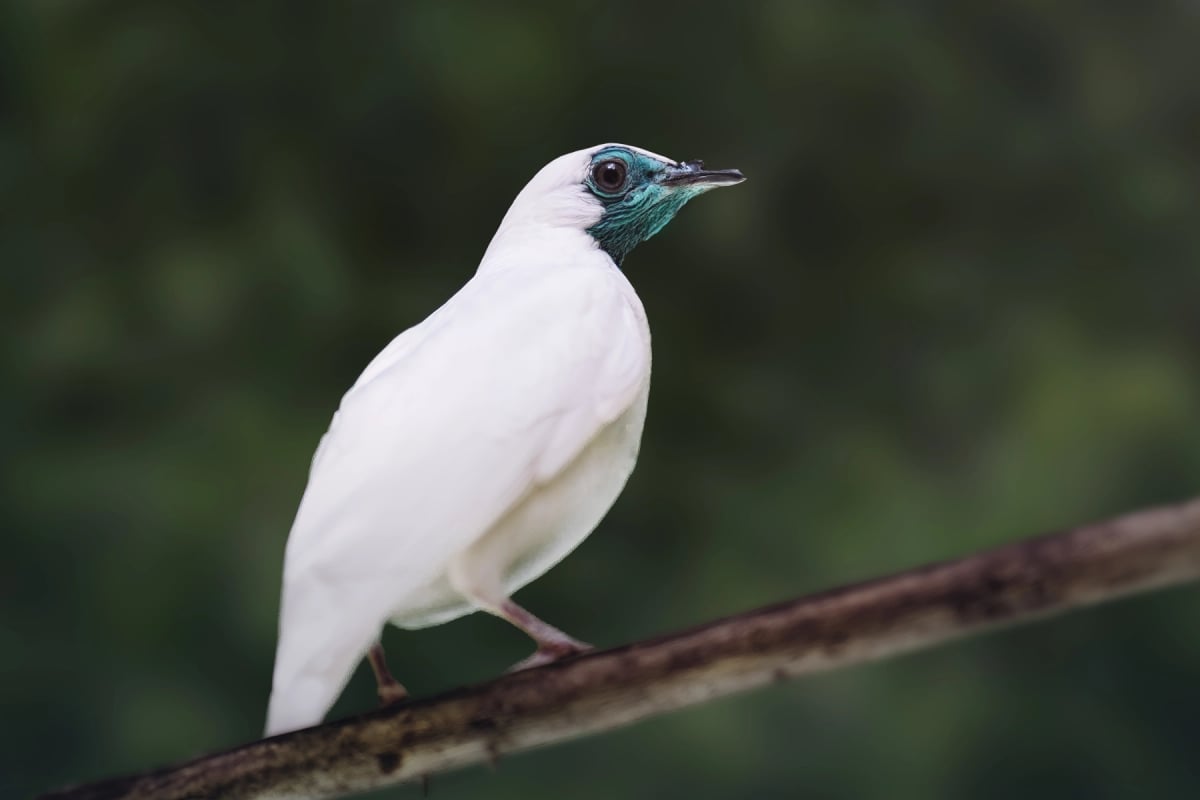
Bellbird
Procnias nudicollis
Misiones province in northeastern Argentina holds the only population of bare-throated bellbirds in the country, within the tall humid forests of the Upper Paraná Atlantic Forest. This is one of the last large remnants of Atlantic Forest in Argentina. Listed as Vulnerable by the IUCN, the species depends on conservation efforts focused on protecting and connecting remaining forest patches across the province.
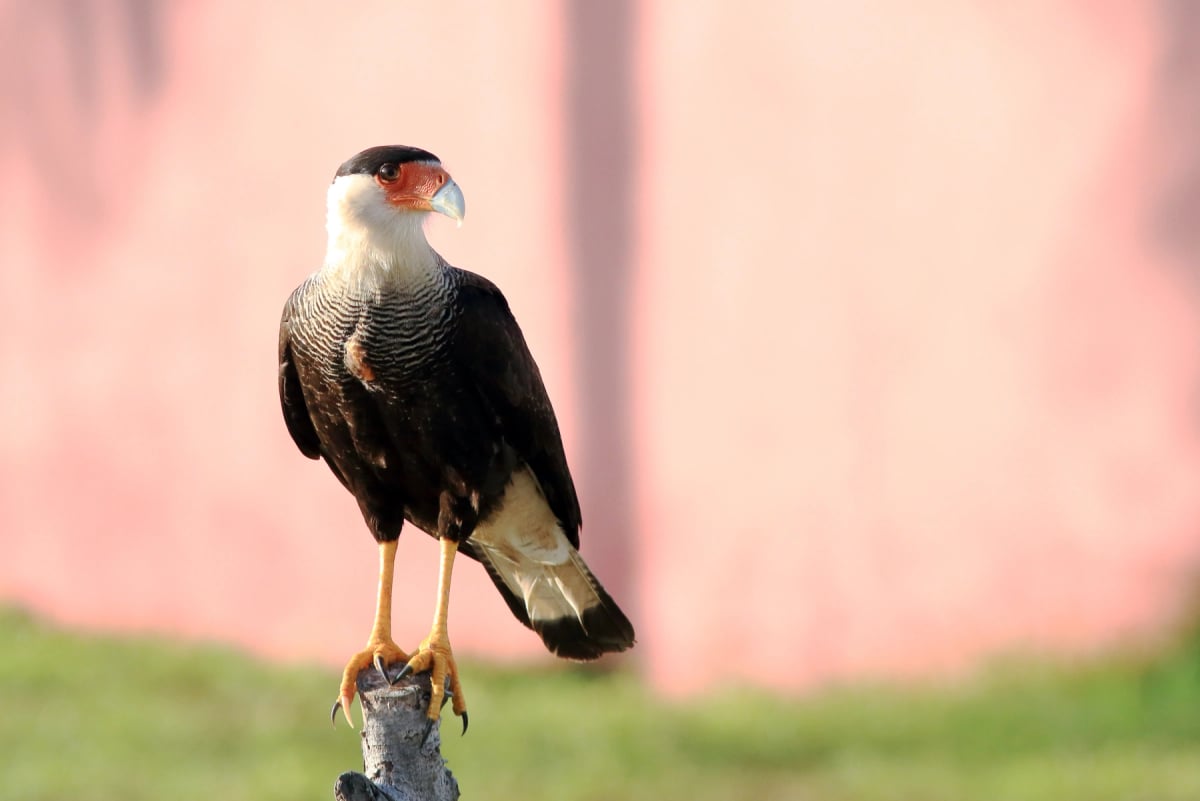
Southern Caracara
Caracara plancus
The southern caracara, known here as the carancho, is one of the most familiar birds in Argentina. It lives in almost every part of the country, from the Pampas and the Chaco to the Patagonian steppe and Tierra del Fuego. It is often seen on fence posts, walking through pastures or eating roadkill beside the highway. Many farmers like that it cleans up dead animals, but some sheep ranchers in Patagonia see it as a threat to their lambs.
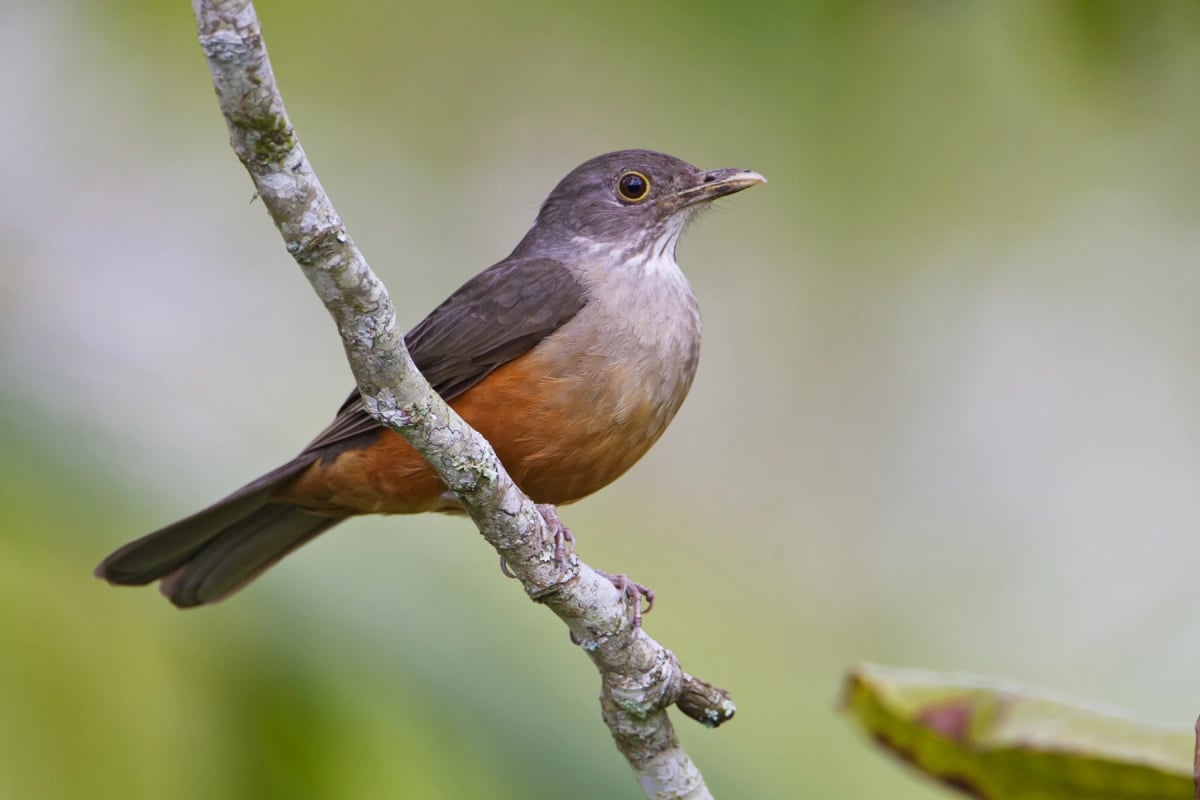
Rufous bellied Thrush
Turdus rufiventris
In Argentina, the rufous bellied thrush is a familiar presence from the Mesopotamia region and the Yungas foothills to the parks and plazas of Buenos Aires. It adapts well to both native woodland edges and urban green spaces. Its warm brown back, streaked throat, and vivid orange belly make it easy to spot, and its clear, melodious song is one of the most recognizable sounds of Argentine mornings.
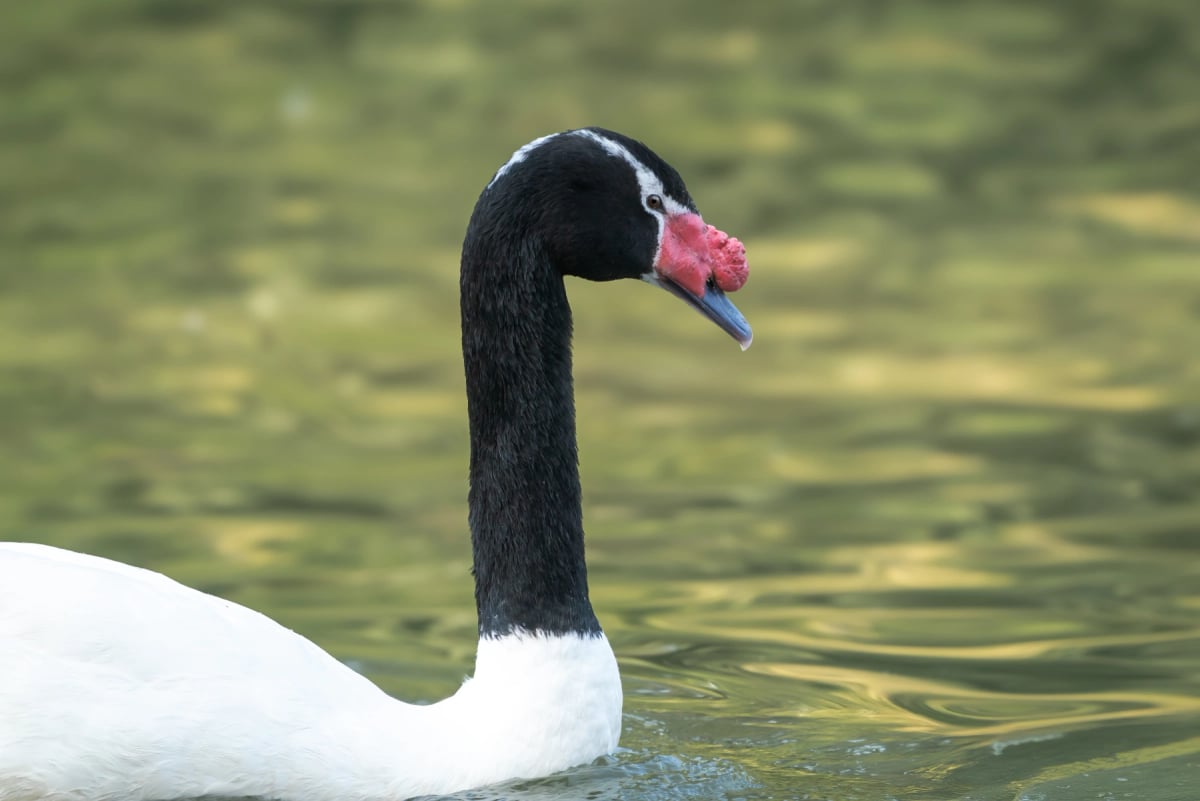
Black necked Swan
Cygnus melancoryphus
In Argentina, the black necked swan inhabits wetlands across a broad range of the country, from the Pampas region to Patagonia and Tierra del Fuego. It favors shallow lakes, lagoons, and coastal marshes where aquatic vegetation is abundant. Argentina holds some of the largest numbers in South America, estimated at about 50,000 birds. Wetland loss driven by agriculture and urban expansion remains a concern. The IUCN lists the species as Least Concern.
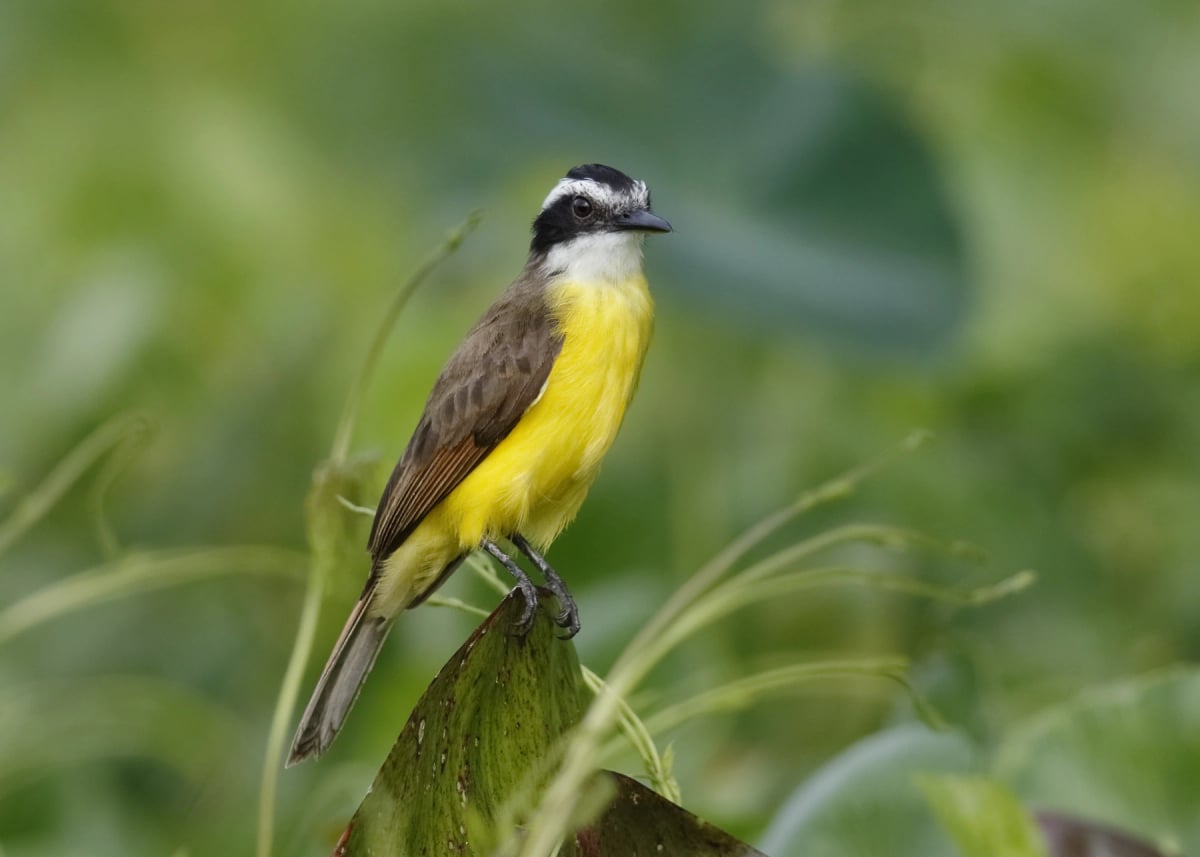
Lesser Kiskadee
Philohydor lictor
Argentina marks the southern edge of the lesser kiskadee's range, and here it is a scarce bird that takes patience to find. Known locally as benteveo pico fino, it looks like a smaller, slimmer version of the familiar benteveo común, with a long, thin bill. It stays low along slow rivers, lagoons, and marshes, sallying out from branches over the water to catch insects on leaves or at the surface. IUCN status: Least Concern.
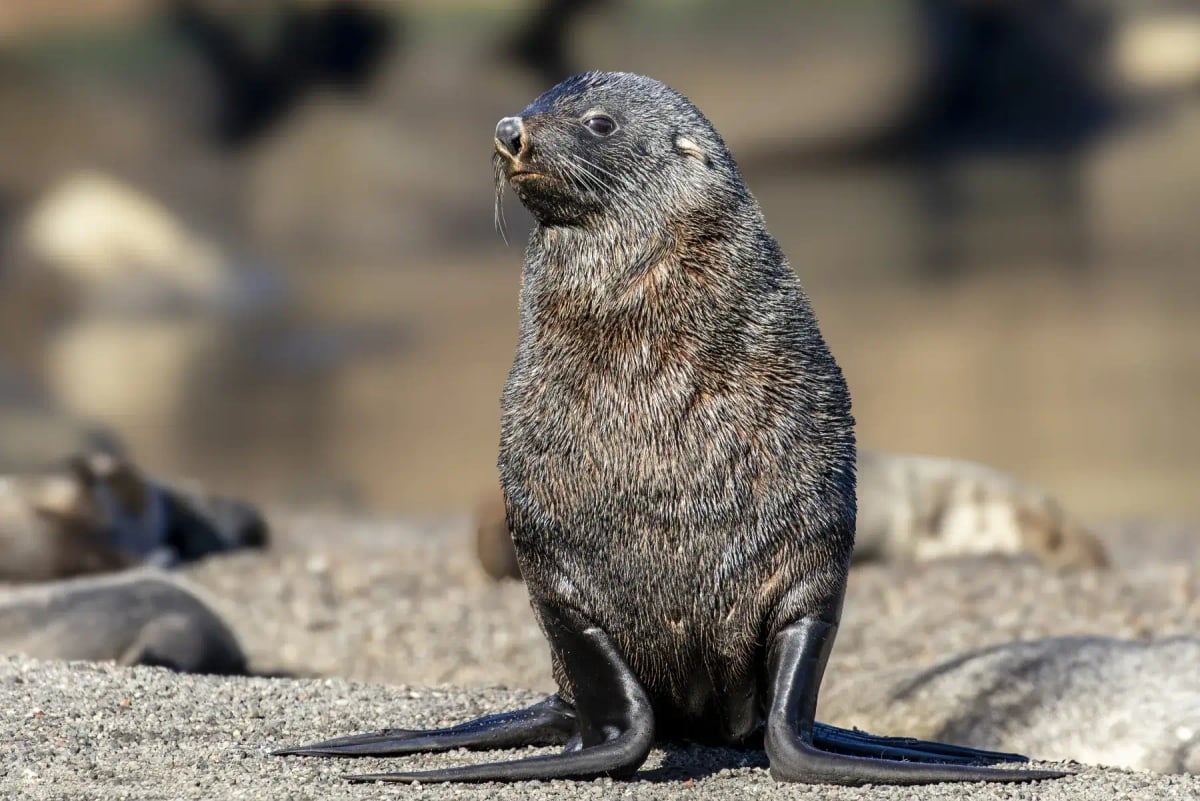
Fur Seal
Arctocephalus spp.
South American fur seals (Arctocephalus australis) gather at several key sites along the Patagonian coast and in Tierra del Fuego. Península Valdés is a well-known area where visitors can observe these animals up close. Argentine populations face ongoing pressure from entanglement in fishing gear and competition for prey. Conservation efforts and ecotourism have helped raise awareness and support for their protection.
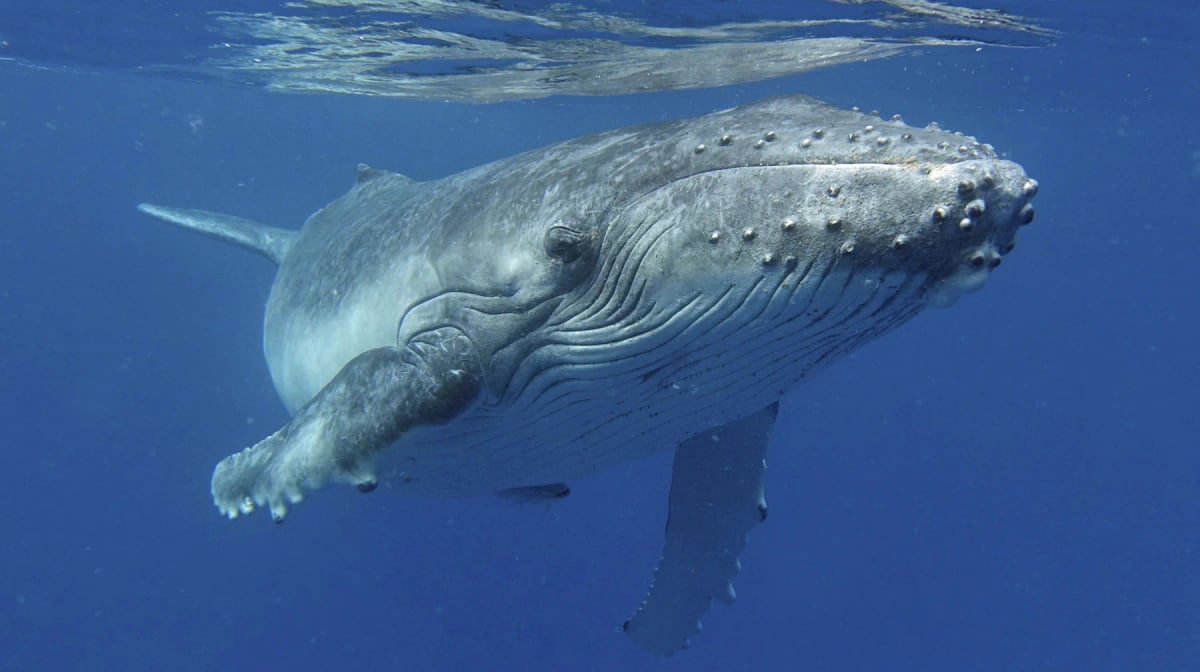
Humpback Whale
Megaptera novaeangliae
Humpback whales are seen in Argentine waters, particularly along Patagonian coastal areas and further south toward the Scotia Sea. They travel these waters during migration between Antarctic feeding grounds and warmer breeding zones to the north. Argentina has developed a growing whale watching industry, and sightings are regularly reported along the southern coast. The IUCN lists the species as Least Concern after a strong recovery from commercial whaling.

Orca
Orcinus orca
Orcas are powerful marine predators found in Argentine waters, with the Valdés Peninsula being one of the most famous places in the world to observe their hunting behavior. There, orcas intentionally beach themselves to catch sea lions near the shore, a technique passed down between generations.

Bottlenose Dolphin
Tursiops truncatus
In Argentina, bottlenose dolphins are found along the Atlantic coast, from the Río de la Plata estuary south toward Patagonia. The nutrient-rich waters of the continental shelf support large fish populations that the dolphins rely on. They are sometimes spotted from coastal towns such as Mar del Plata. Entanglement in fishing gear poses a real threat in these productive but heavily fished waters. The IUCN lists the species as Least Concern.
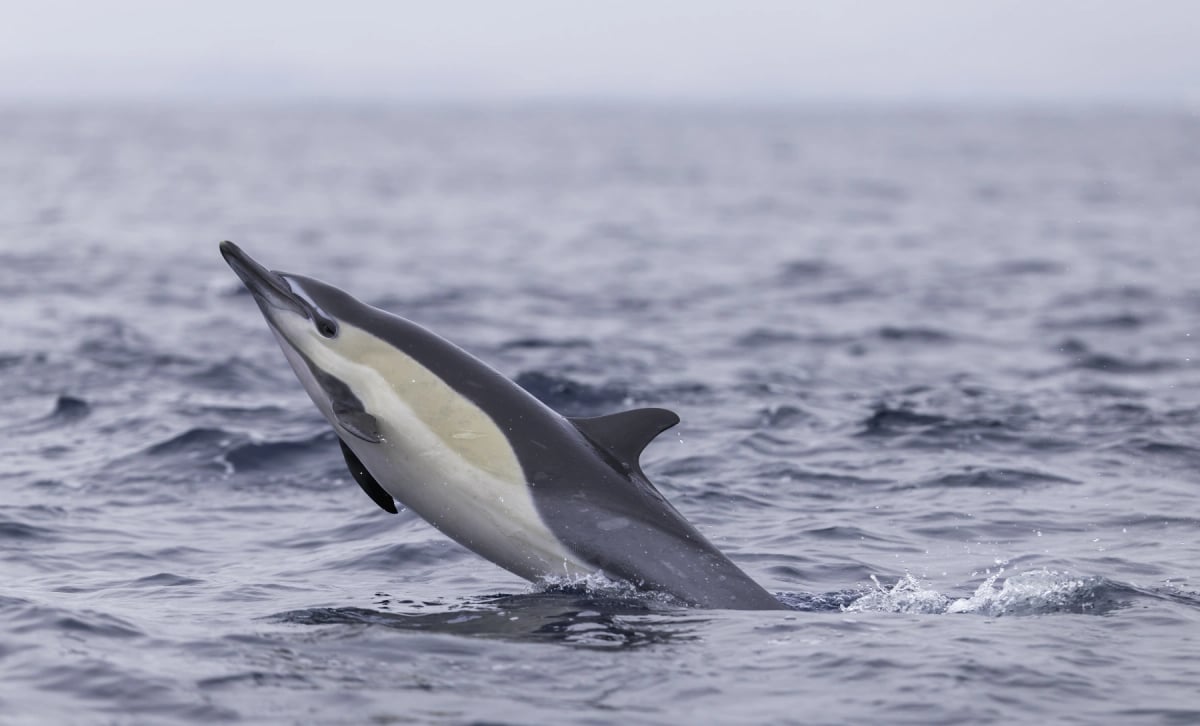
Common Dolphin
Delphinus delphis
Along Argentina's vast Atlantic coastline, common dolphins are a regular sight, particularly in the cooler waters of Patagonia. They gather in large groups to chase anchovies and squid, often travelling alongside fishing vessels. The waters off the Argentine coast form part of one of the richest marine ecosystems in the South Atlantic, supporting healthy populations of this energetic and social species.
Elephant Seal
Mirounga spp.
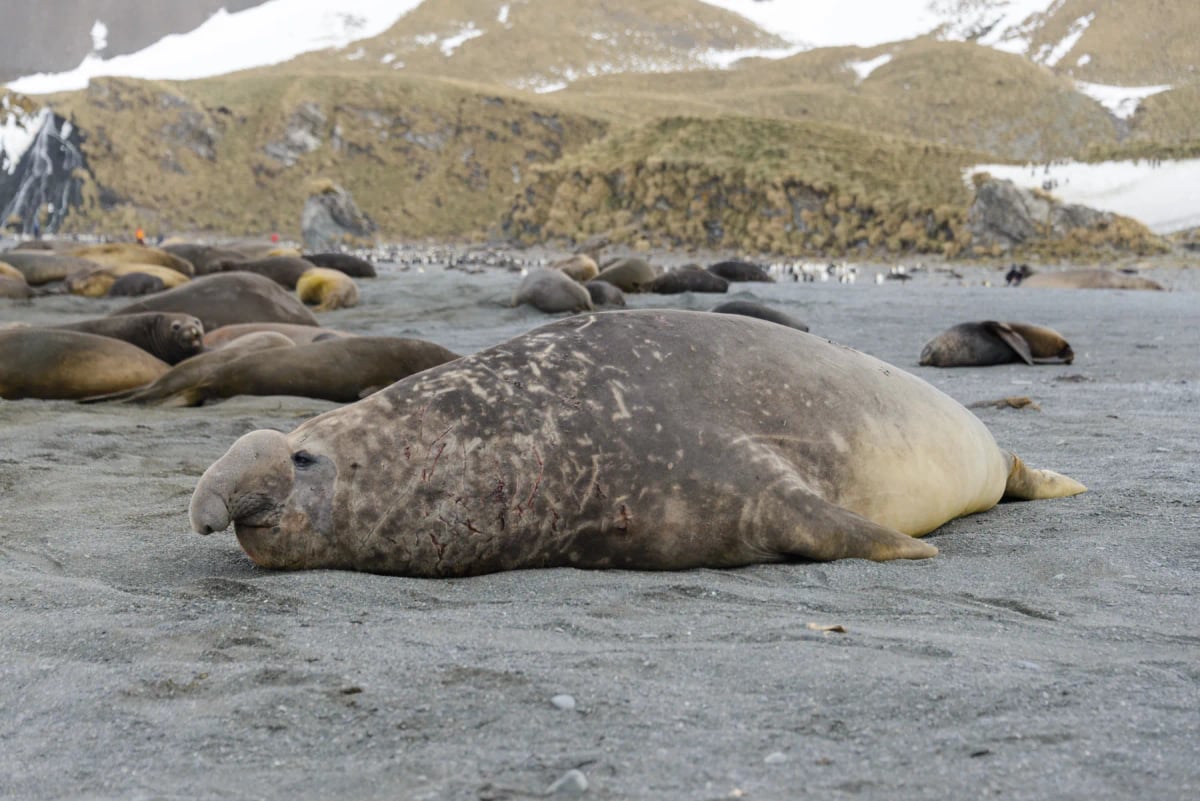
Southern elephant seals gather in large numbers along the Patagonian coast, especially at Península Valdés, a UNESCO World Heritage Site. Argentina holds some of the most accessible and well-studied colonies of this species in the world. Males arriving in spring compete fiercely for beach territory, while females give birth and nurse their pups. The area also supports important research into the seals' remarkable diving behavior.
Sea Lion
Otariinae spp.
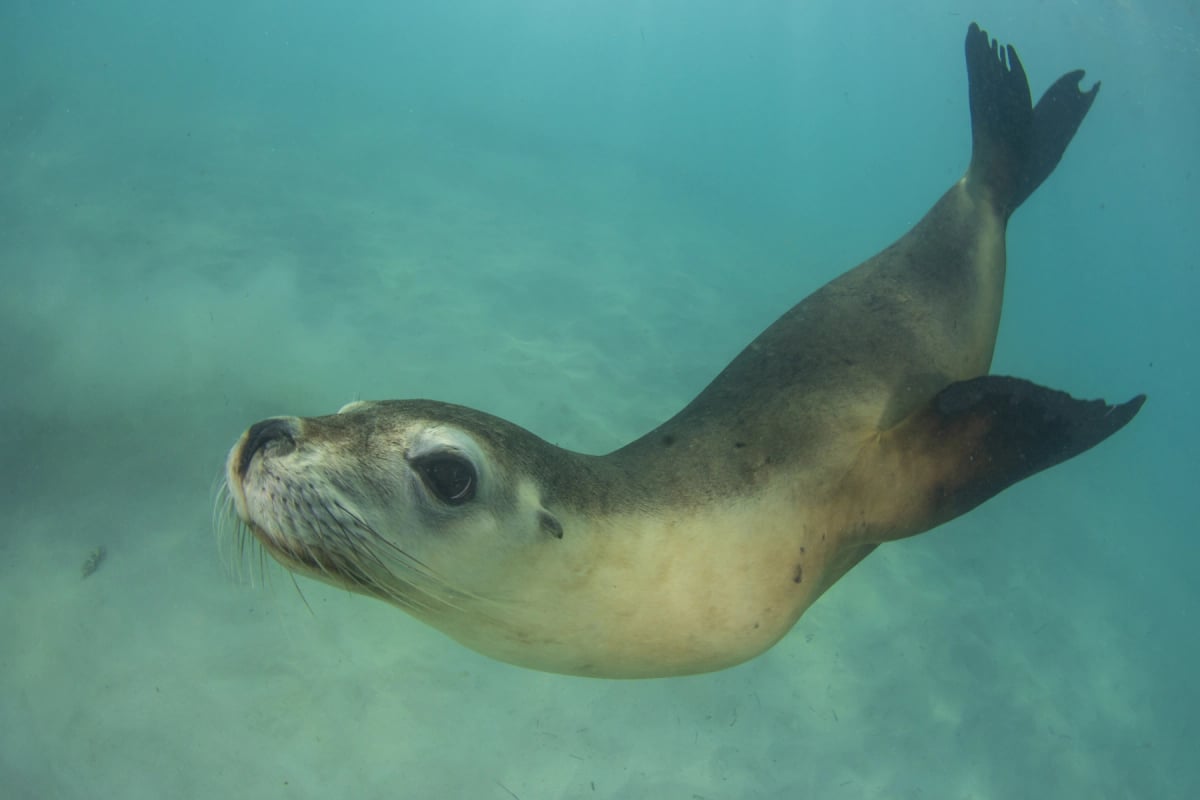
The South American sea lion is found along much of the Argentine coastline, with significant colonies on the Patagonian shores and around the Valdés Peninsula, a UNESCO World Heritage Site. They share these beaches with elephant seals and a remarkable diversity of coastal wildlife. Males are notably larger than females and defend territories during the breeding season. Their IUCN status is Least Concern.
Southern Right Whale
Eubalaena australis
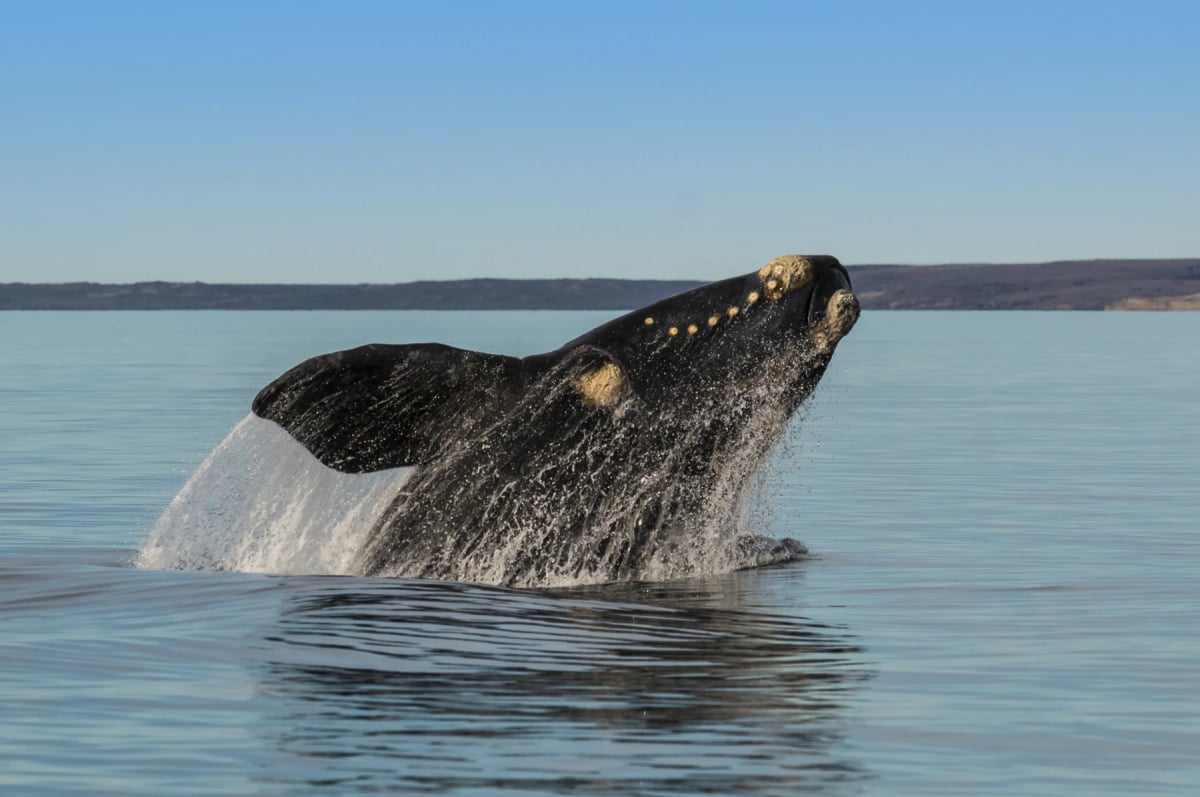
Argentina is one of the most important countries in the world for the southern right whale. Península Valdés, in Patagonia, serves as a key calving and nursing ground, attracting hundreds of whales each year between June and December. The area is a UNESCO World Heritage Site, and whale watching here has become a major part of local conservation efforts. The species is listed as Least Concern.

Sperm Whale
Physeter macrocephalus
Sperm whales are recorded regularly in the South Atlantic waters off Argentina, particularly in areas of deep water beyond the continental shelf. Adult males are the most frequent visitors to Patagonian waters, while mixed groups are occasionally spotted further north. Argentina has built strong marine conservation frameworks, and the waters around Patagonia, already famous for southern right whales, also provide important habitat for sperm whales passing through the region.
Hammerhead Shark
Sphyrna spp.
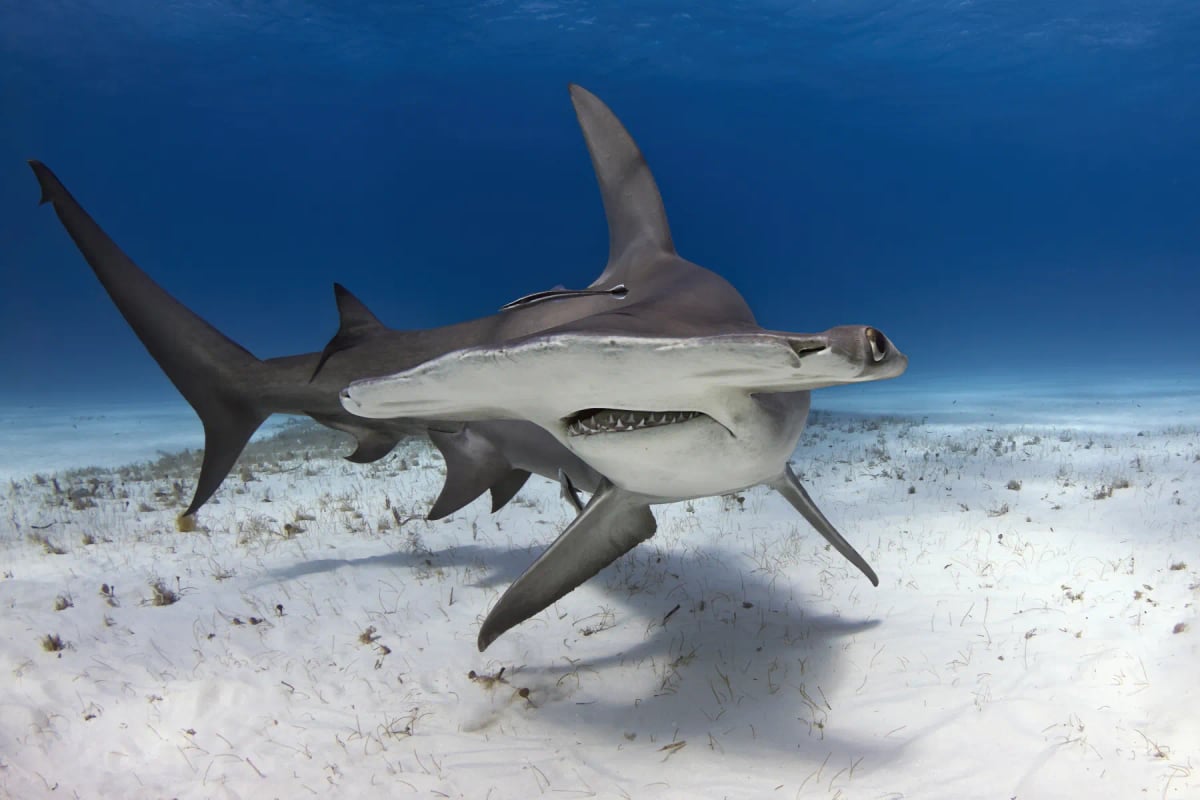
In Argentine waters, hammerhead sharks are found along the Atlantic coast, particularly in warmer northern areas near the Río de la Plata estuary and beyond. They feed on the rich fish and ray populations of the South Atlantic. Argentina's commercial fishing fleets have historically contributed to population declines, and conservation measures for this critically endangered species remain an ongoing priority.

Great White Shark
Carcharodon carcharias
Argentina's Patagonian coast and the waters around the Valdés Peninsula are part of the great white shark's South Atlantic range. The region is rich in sea lions and elephant seals, which are key prey for adult sharks. Researchers have documented white sharks in these productive cold waters, which also attract orcas and other large predators. The species benefits from growing scientific interest in the area, though formal protections remain limited. Its IUCN status is Vulnerable.
Frequently Asked Questions
What animals live in Argentina?
Argentina's animals include jaguars, pumas, ocelots, capybaras, tapirs, anteaters, armadillos, maned wolves, guanacos, vicuñas, maras and huemules. Its birds include the hornero, the Andean condor, rheas, flamingos, black necked swans and Magellanic penguins. Reptiles include caimans, the boa constrictor, the yarará and the rattlesnake. Along the coast live southern right whales, orcas, sea lions, elephant seals and dolphins.
Where can you see penguins in Argentina?
The best known place is Punta Tombo in Chubut, the largest continental colony of Magellanic penguins in the world, where visitors walk on paths right between the nests. The penguins arrive around September and leave around April, and chicks are usually seen from December. Magellanic penguins also nest in other spots along the Patagonian coast and on Isla Martillo, near Ushuaia, where a few king penguins have lived since 2017. Visitors should always stay on the marked trails and never touch the birds.
What animals live in Patagonia?
On land, Patagonia is home to guanacos, rheas, maras, pumas, South American gray foxes, huemules and Andean condors. Its lakes have black necked swans and flamingos, and in Tierra del Fuego there are beavers, brought from Canada in 1946, which now damage the native forests. The coast is even richer. At Península Valdés you can see southern right whales, elephant seals, sea lions and orcas, and Magellanic penguins nest along much of the shore. Out at sea fly black browed albatrosses and cape petrels.
What is the national bird of Argentina?
The national bird of Argentina is the hornero. It was chosen in 1928 through a vote organized by the newspaper La Razón among schoolchildren from all over the country, and the hornero won. It is a small, reddish brown bird famous for its round mud nest, which looks like an old clay oven. That is where its name comes from, since horno means oven in Spanish. It is very common in parks, fields and cities.
Are there dangerous snakes in Argentina?
Yes. The yarará, a kind of lancehead, causes most snakebites in Argentina and lives mainly in the north and center of the country. The rattlesnake lives in drier areas of the north and center. Both have strong venom, but bites can be treated with antivenom, and they almost always happen when someone steps on or grabs a snake. Large snakes like the boa constrictor and the yellow anaconda are not venomous. Wearing boots and long pants in the countryside and watching where you step are the best ways to stay safe.
Researched and written by Juan Pablo. Sources: IUCN Red List, scientific literature and regional field guides. Last updated: .