Animals in Estonia
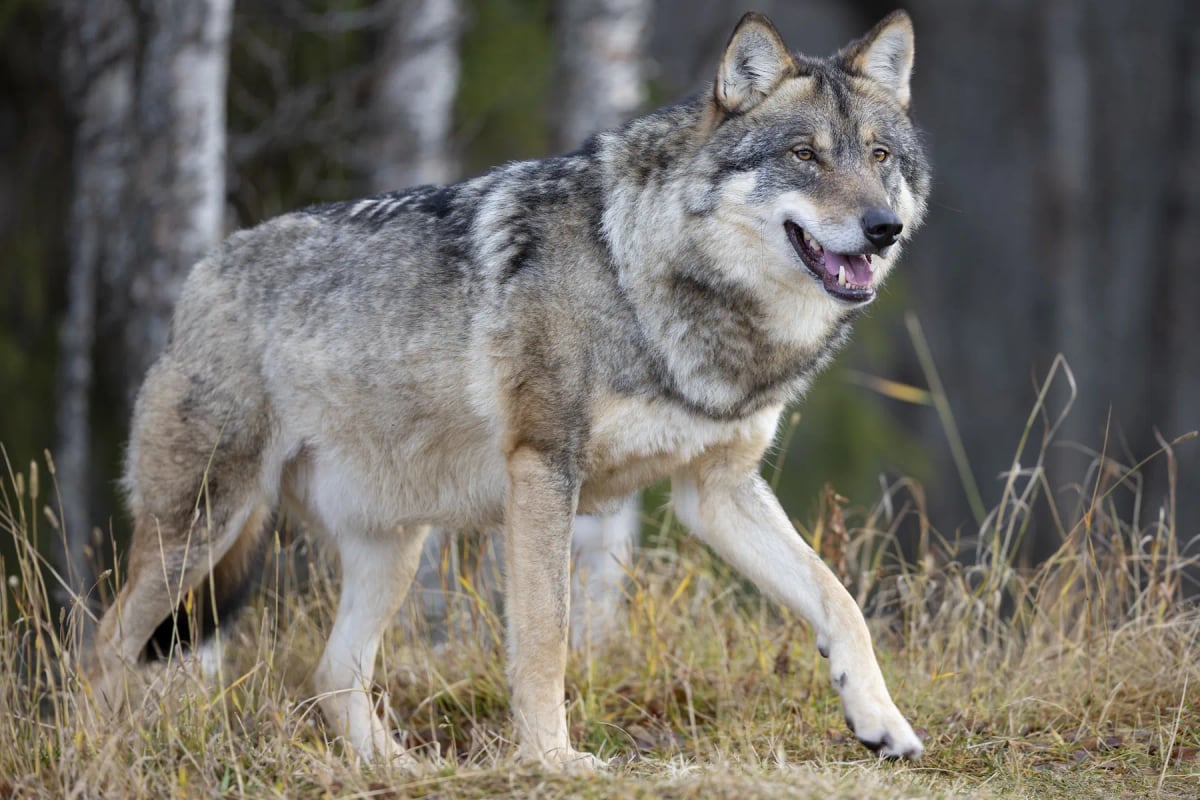
Gray Wolf
Canis lupus
The gray wolf is Estonia’s national animal and a strong cultural symbol. It appears in legends that reflect courage and independence, values deeply rooted in Estonian identity. Common in the country’s forests, the wolf represents respect for wildlife and the enduring link between people and nature.
View details→Wildlife in Estonia
Estonia is one of Europe’s greenest countries, filled with forests, wetlands, and quiet coastlines. Moose, wolves, lynxes, and brown bears share space with birds like cranes, eagles, and storks. The country’s low population density allows nature to thrive, offering visitors peaceful landscapes ideal for hiking and wildlife watching.
Most Dangerous Animals in Estonia
Estonia’s wild areas are home to animals that require caution, including moose, brown bears, wild boars, lynxes, wolves, and European adders. Encounters are rare but possible in remote forests. In coastal waters, hammerhead sharks may appear occasionally, reminding visitors of the country’s natural diversity.
Top 10 Animals in Estonia
Among Estonia’s most notable species are the moose, red deer, brown bear, Eurasian lynx, gray wolf, and peregrine falcon. They inhabit dense forests, wetlands, and cliffs across the country. Nature reserves like Lahemaa and Soomaa offer opportunities to see these animals while promoting conservation and ecotourism.
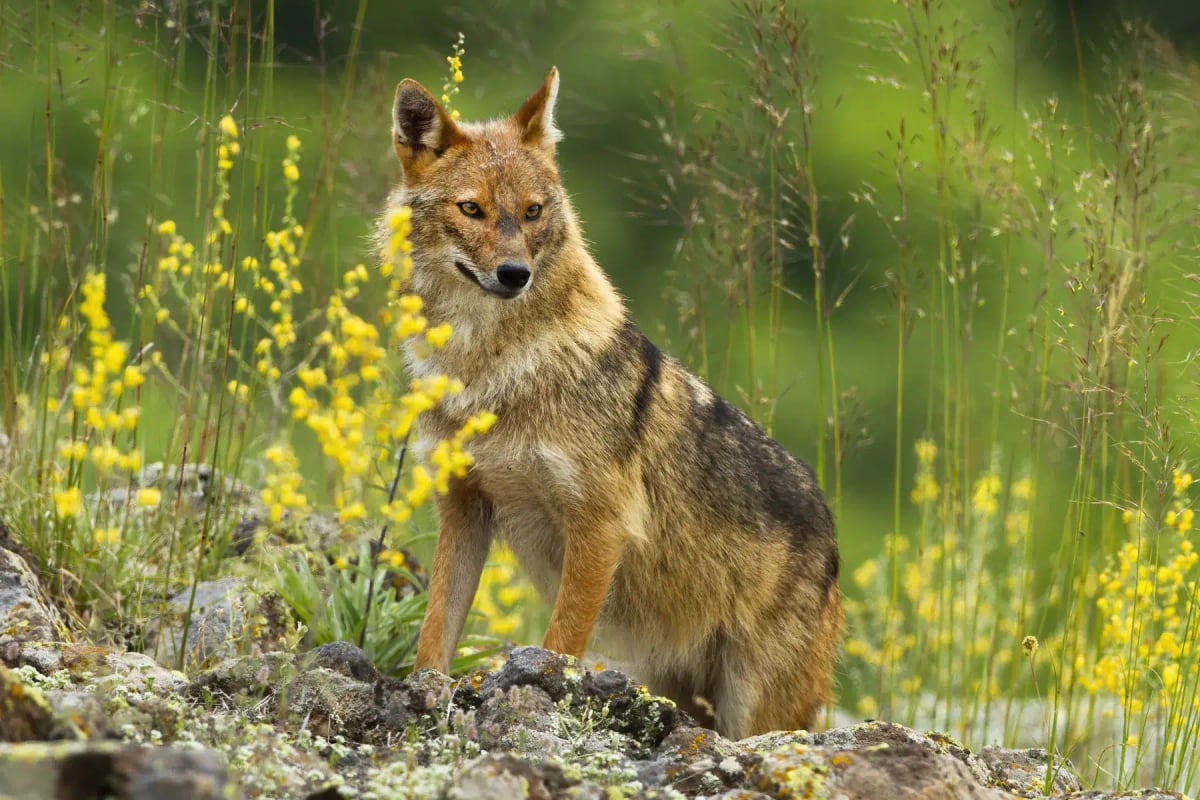
Golden Jackal
Canis aureus
Estonia represents one of the northernmost points of the golden jackal's expanding European range. Occasional individuals have been confirmed in the country, reflecting the species' steady push into the Baltic region over recent years. These animals typically reach Estonia after moving through Latvia and Lithuania. Suitable habitats include coastal wetlands and agricultural areas in the west and south of the country. The population is not yet resident or established. IUCN status: Least Concern.
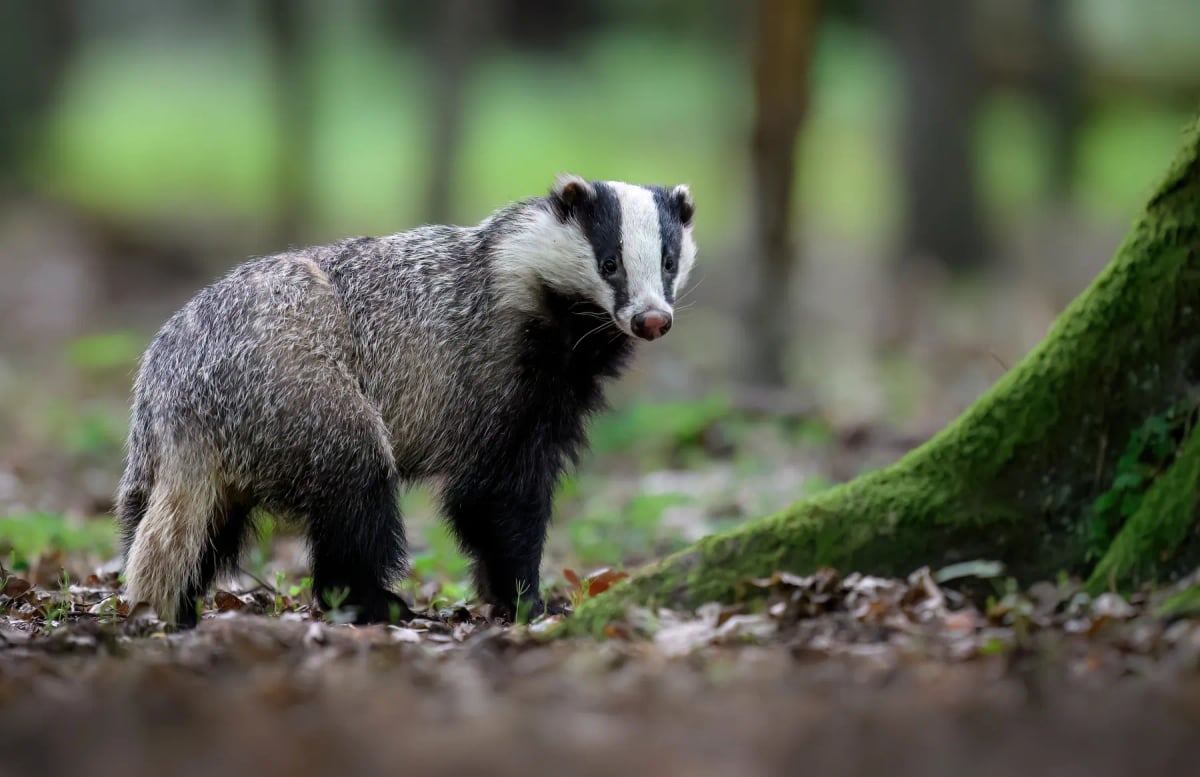
Badger
Meles meles
The Eurasian badger is present across Estonia in mixed and coniferous forest, forest edges and agricultural land. It prefers areas with well-drained sandy soils where digging setts is easier, and lives in family groups that use the same burrow systems for generations. In Estonia badgers reduce their activity significantly during winter, spending long periods underground. They feed on earthworms, insects, berries, roots and small animals, and populations are considered stable.

Brown Bear
Ursus arctos
Estonia supports a healthy and growing brown bear population spread across its boreal forests and wetlands, particularly in the less populated eastern and southern regions. Estimates suggest several hundred bears live in the country. Bears are culturally significant in Estonia, and the species is carefully managed through a regulated hunting quota system. The forested landscape and low human density provide favorable conditions for the species.
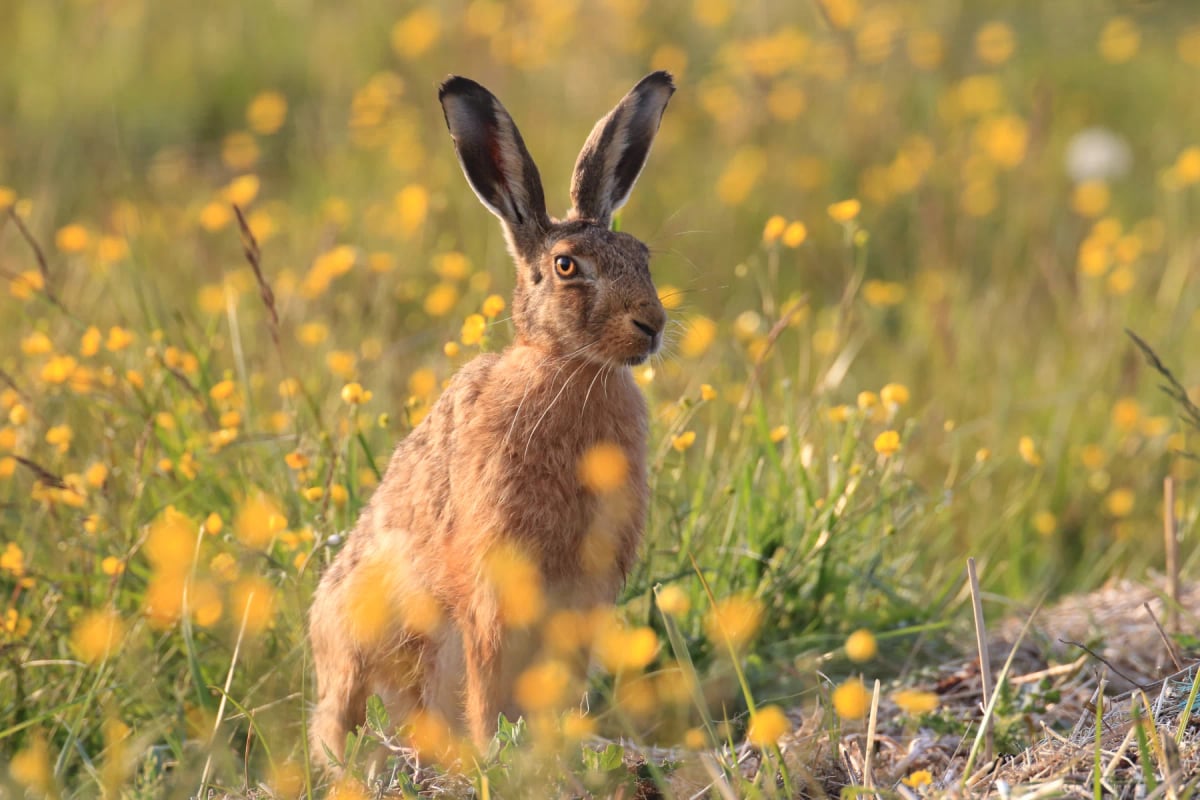
Hare
Lepus europaeus
In Estonia, the European hare inhabits open farmland, forest edges, and the meadows scattered across this Baltic country. It shares its range with the mountain hare in some northern areas, though the European hare tends to favour lower, more open landscapes. Populations remain relatively stable here, though agricultural changes continue to shape the habitats available to this fast and adaptable mammal. IUCN status: Least Concern.
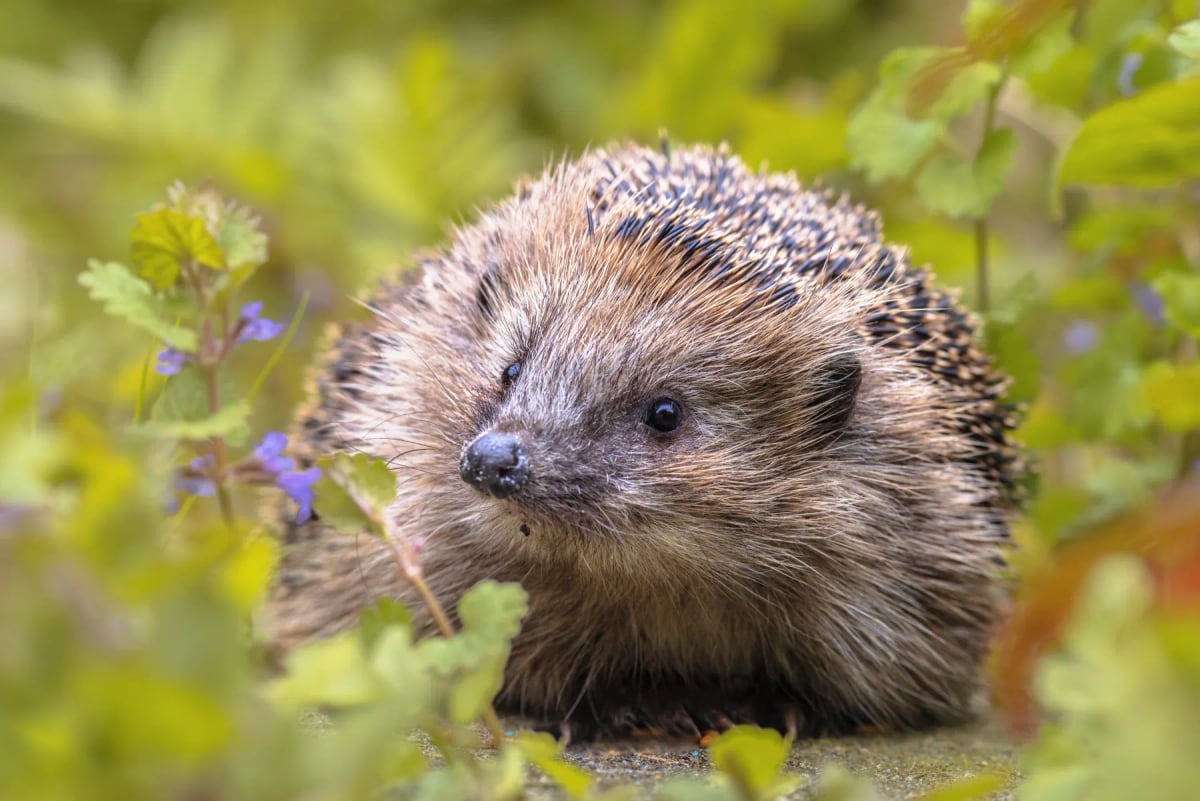
Hedgehog
Erinaceus europaeus
In Estonia, the European hedgehog reaches the northeastern edge of its range, inhabiting gardens, forest edges, and the mixed woodlands typical of the Baltic region. The long, harsh winters mean hibernation can last up to six months here. Populations are generally stable but remain vulnerable to road casualties and the loss of insect rich habitats. The species is more common in the milder western parts of the country, including the islands of Saaremaa and Hiiumaa. Its IUCN status is Least Concern.
Gray Wolf
Canis lupus
Estonia has a well established wolf population that inhabits the country's extensive forests and bogs. Wolves are found throughout much of the mainland and play an important role in controlling deer and wild boar numbers. Estonia manages its wolf population through regulated hunting seasons, balancing conservation goals with the concerns of farmers and hunters. The population size fluctuates but has generally remained stable in recent decades.
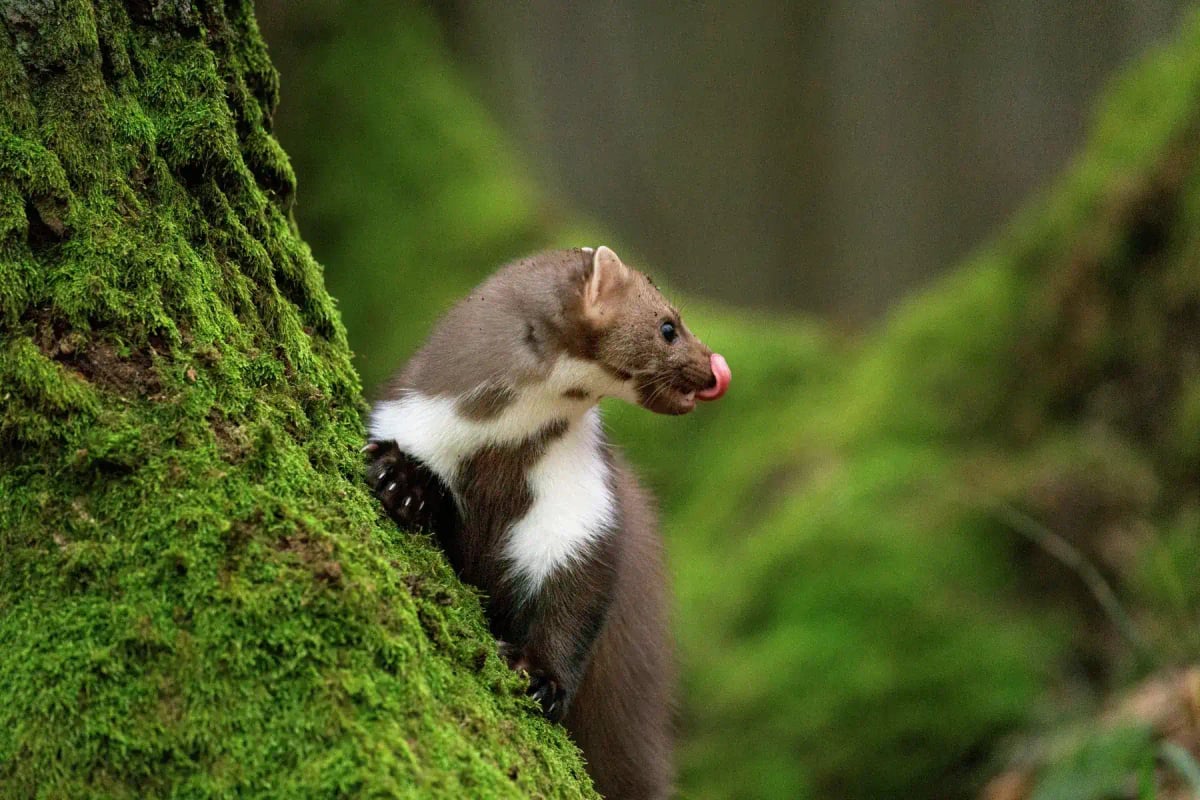
Marten
Martes martes / Martes foina
Estonia's extensive boreal forests make it excellent territory for the pine marten, which thrives among the spruce and pine stands that cover much of the country. Stone martens are also present, though less widespread. Pine martens here rely heavily on old-growth forest patches where hollow trees offer safe resting spots. They are active hunters of voles and squirrels and help maintain forest balance. Their IUCN status is Least Concern.
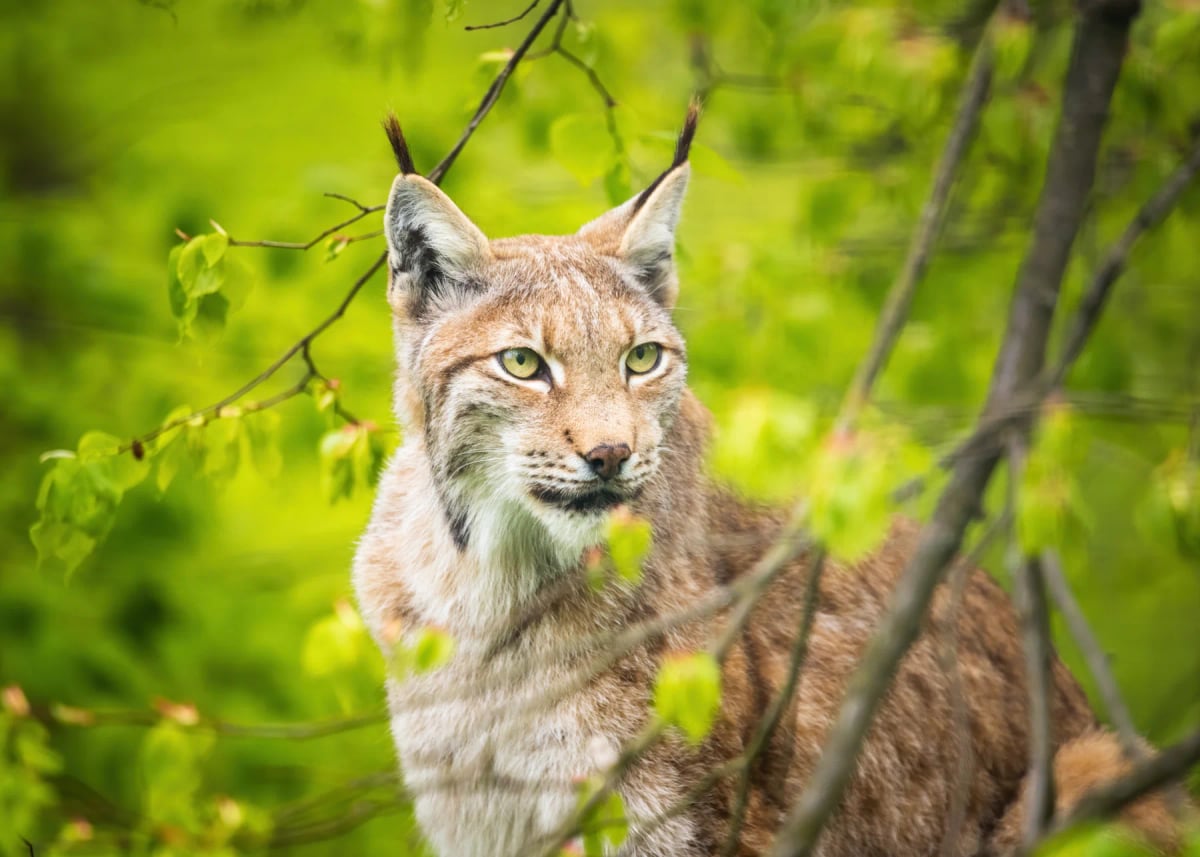
Eurasian Lynx
Lynx lynx
Estonia holds one of the healthiest lynx populations in the European Union, with estimates consistently placing the number in the hundreds. The species thrives in the country's extensive boreal forests and is a regular presence across much of the mainland. Roe deer and hares are its main prey here. Hunting is regulated by seasonal quotas. The IUCN lists the Eurasian Lynx as Least Concern.
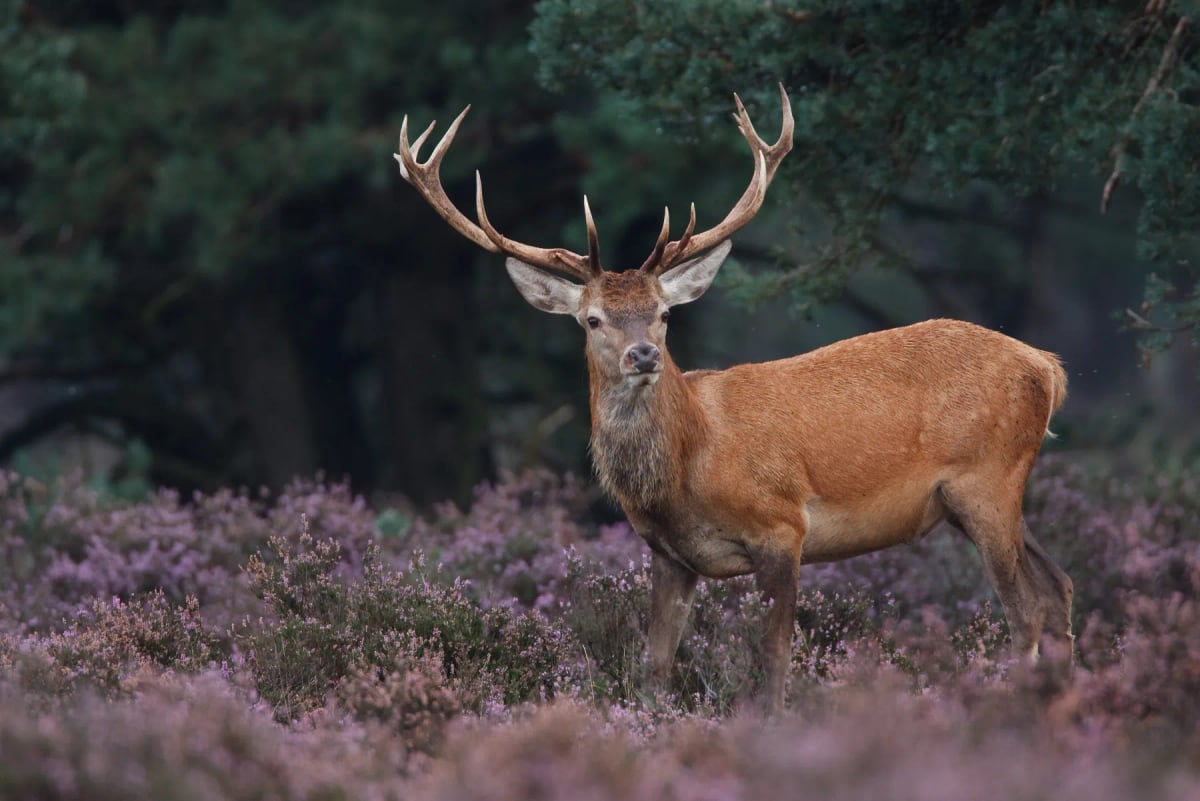
Red Deer
Cervus elaphus
Red deer were reintroduced to Estonia during the Soviet era and have since established a small but growing population, found mainly in the forests and wetland edges of western Estonia and the islands. They share their habitat with roe deer and moose, and their numbers are carefully monitored by wildlife authorities. The species benefits from Estonia's extensive forest cover, which provides shelter and food throughout the year. IUCN status: Least Concern.
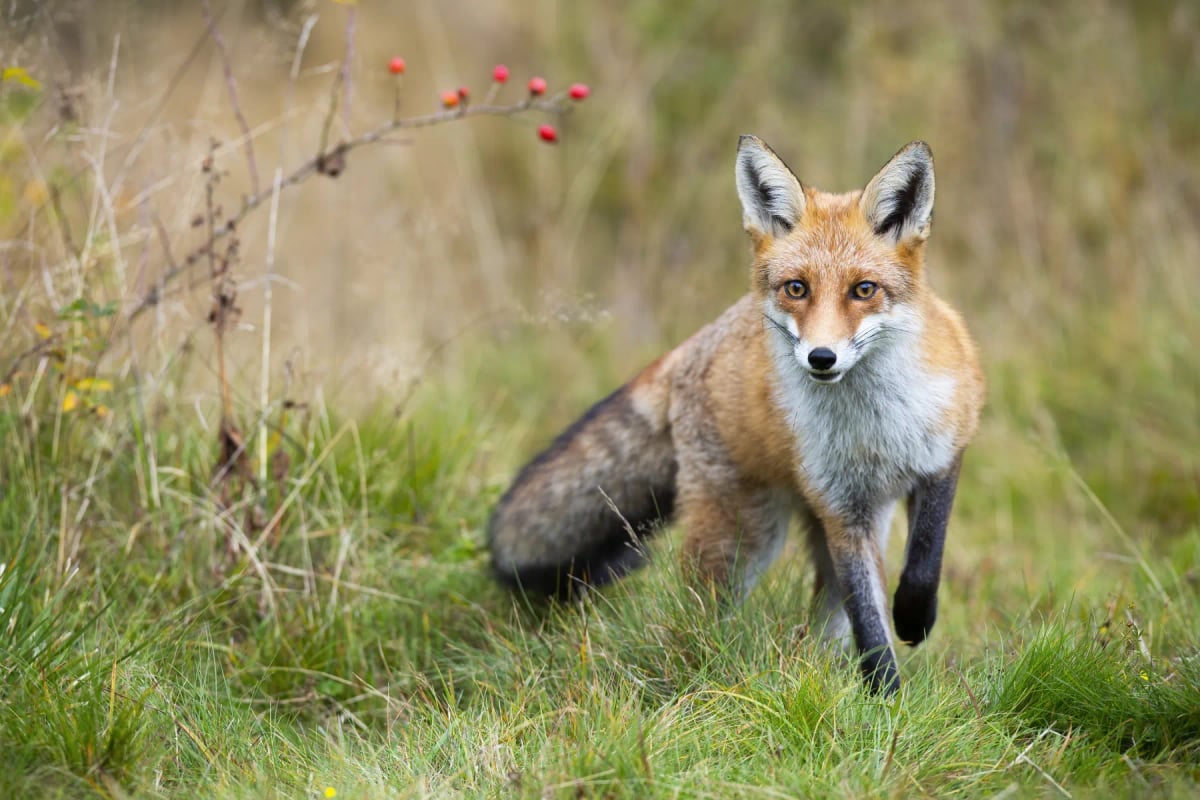
Red Fox
Vulpes vulpes
The red fox is widespread across Estonia, thriving in the country's mosaic of boreal forests, wetlands, and farmland. It is an important species in Estonian ecosystems, helping to keep rodent populations in check. Urban foxes have also been recorded around Tallinn. Populations are monitored as part of broader wildlife management efforts. The species holds Least Concern status and is one of Estonia's best known wild carnivores.
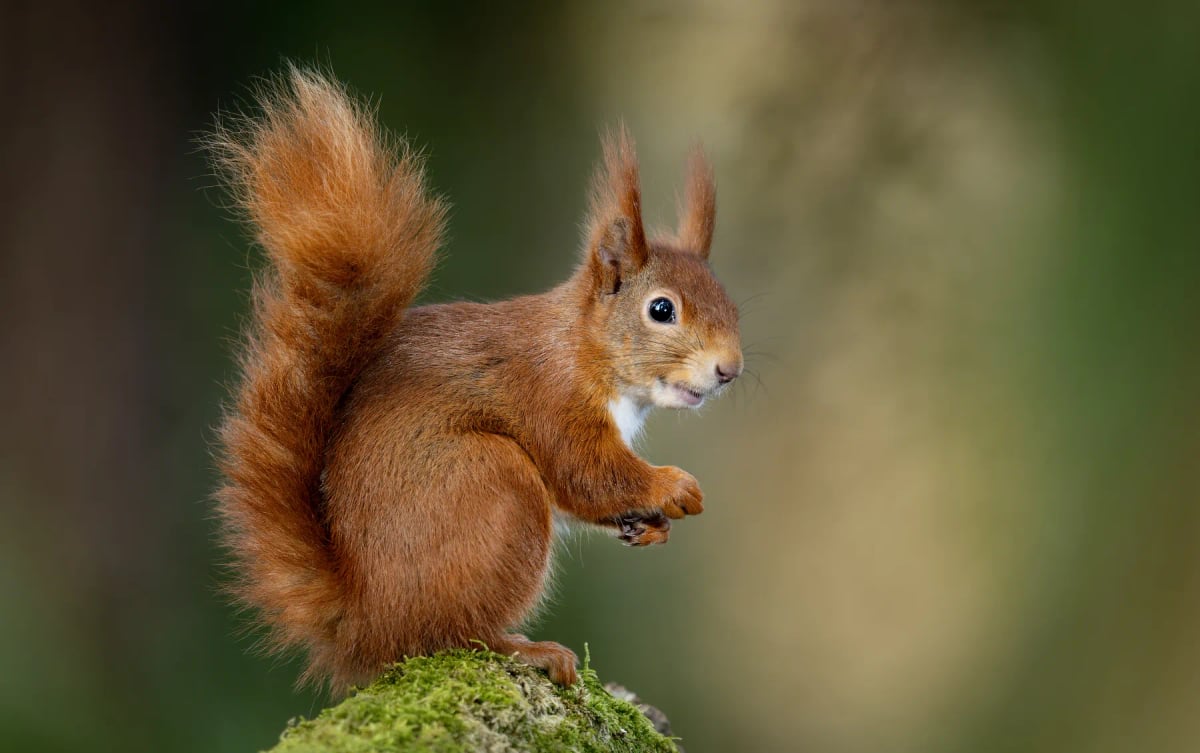
Red Squirrel
Sciurus vulgaris
The red squirrel is a familiar resident of Estonia's vast boreal and mixed forests, where spruce and pine provide an abundant year-round food supply. It is one of the country's most commonly spotted woodland mammals, thriving across both mainland forests and the wooded areas of the larger islands. Estonia's relatively intact forest cover means populations here remain healthy and stable. IUCN status: Least Concern.
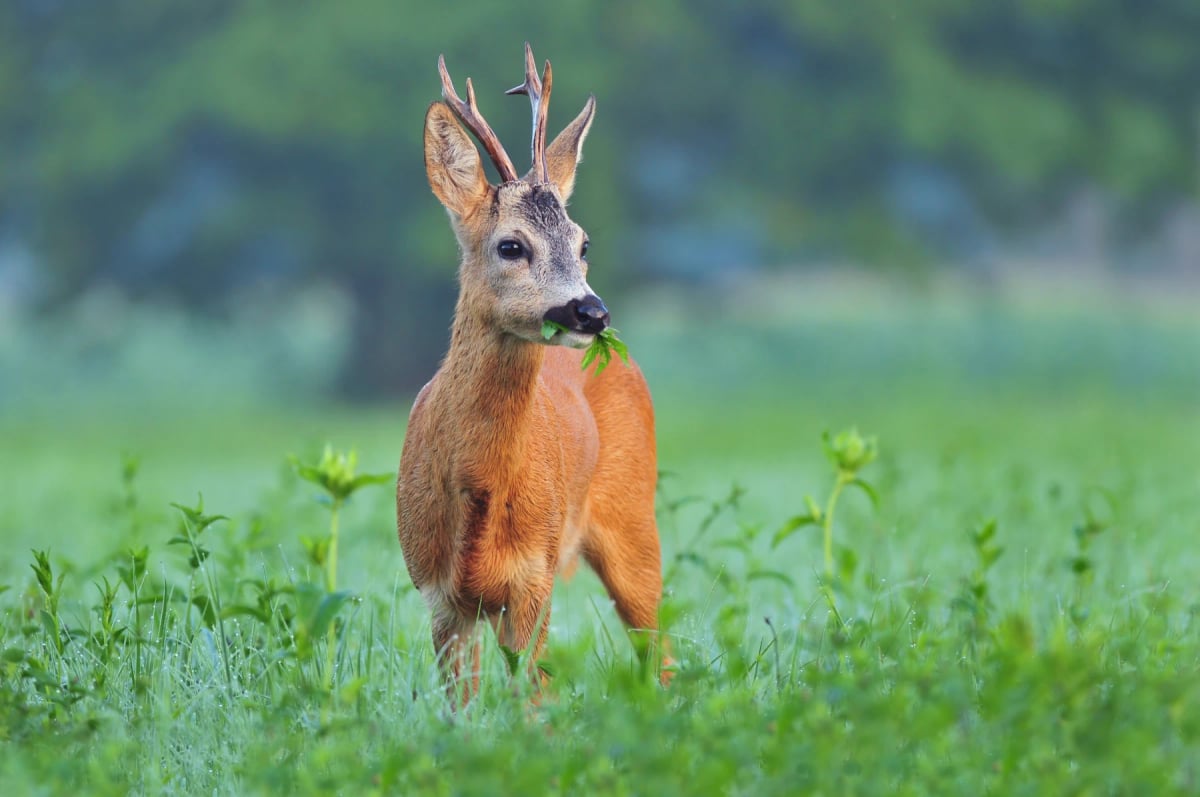
Roe Deer
Capreolus capreolus
In Estonia, the roe deer inhabits the country's extensive boreal forests, forest edges, and scattered farmland. It is particularly common in the south and west, where a mix of woodland and open ground suits it well. During harsh Baltic winters, it seeks shelter deep among the trees. Estonian hunting records and wildlife surveys confirm stable, widespread populations. Its IUCN status is Least Concern.
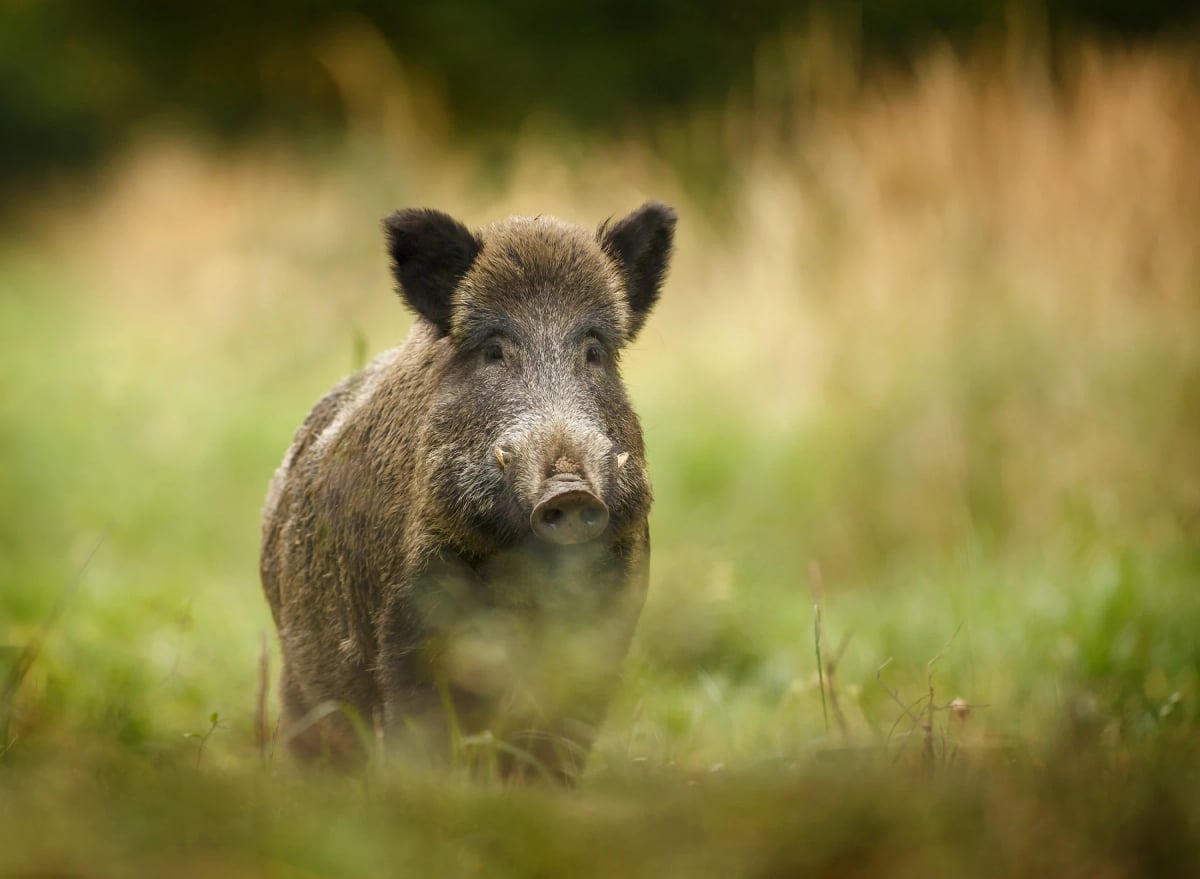
Wild Boar
Sus scrofa
Wild boars live in the forests and wetlands that cover much of Estonia, where dense woodland and abundant acorns and roots support healthy populations. The species is hunted as part of regulated wildlife management, and authorities monitor numbers closely because of the risk of African swine fever spreading among wild and domestic pigs. Boars are most often seen at dawn and dusk near forest edges.
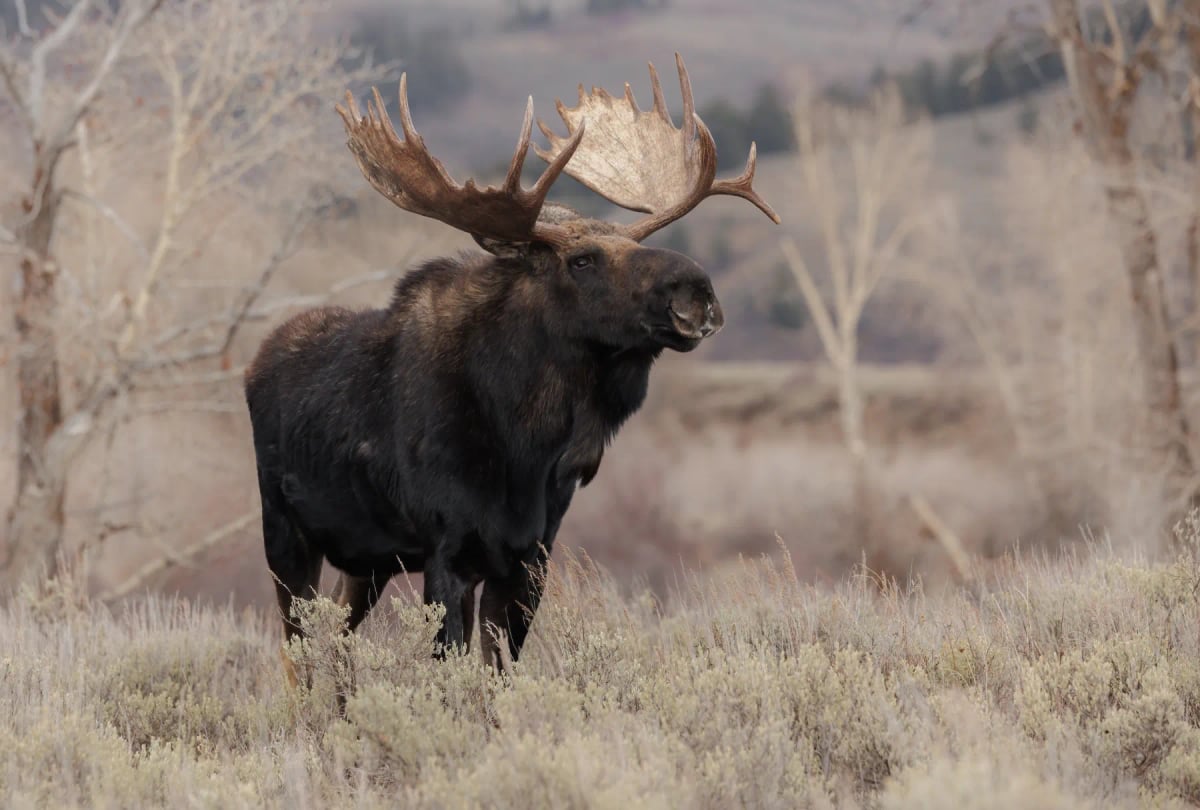
Moose
Alces alces
Estonia has a healthy and well-monitored moose population, spread across its extensive boreal forests, bogs and floodplain woodlands. The species is one of the most important large mammals in the country and plays a significant role in forest ecology. Hunting is regulated and moose numbers are counted annually. The forests of central and southern Estonia are particularly productive habitat, with animals often seen near wetlands and forest edges.
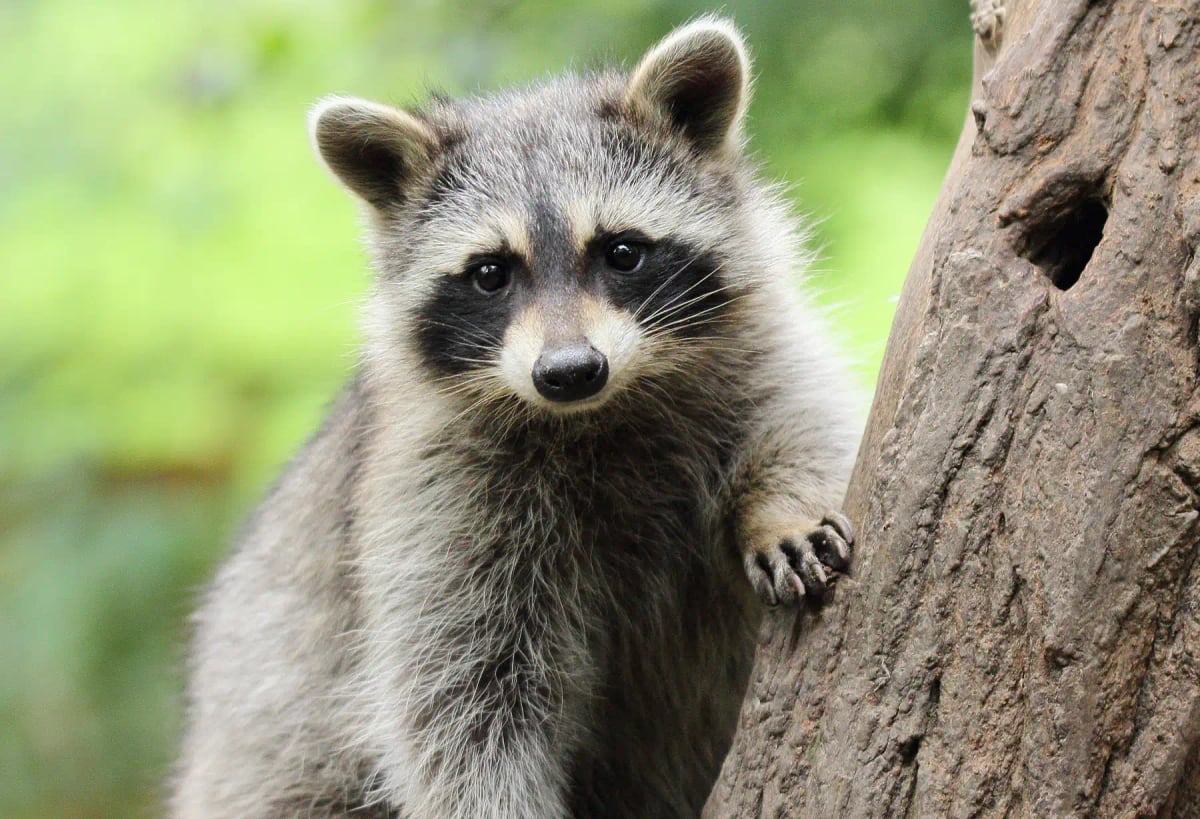
Raccoon
Procyon lotor
The raccoon reached Estonia from Russia and Latvia, and it is now considered an established invasive species in the country. It tends to favor the mosaic of forests, wetlands, and agricultural land that covers much of rural Estonia. Authorities monitor populations due to the risk raccoons pose to ground-nesting birds and their eggs, a serious concern in a country celebrated for its rich birdlife and extensive protected natural areas.
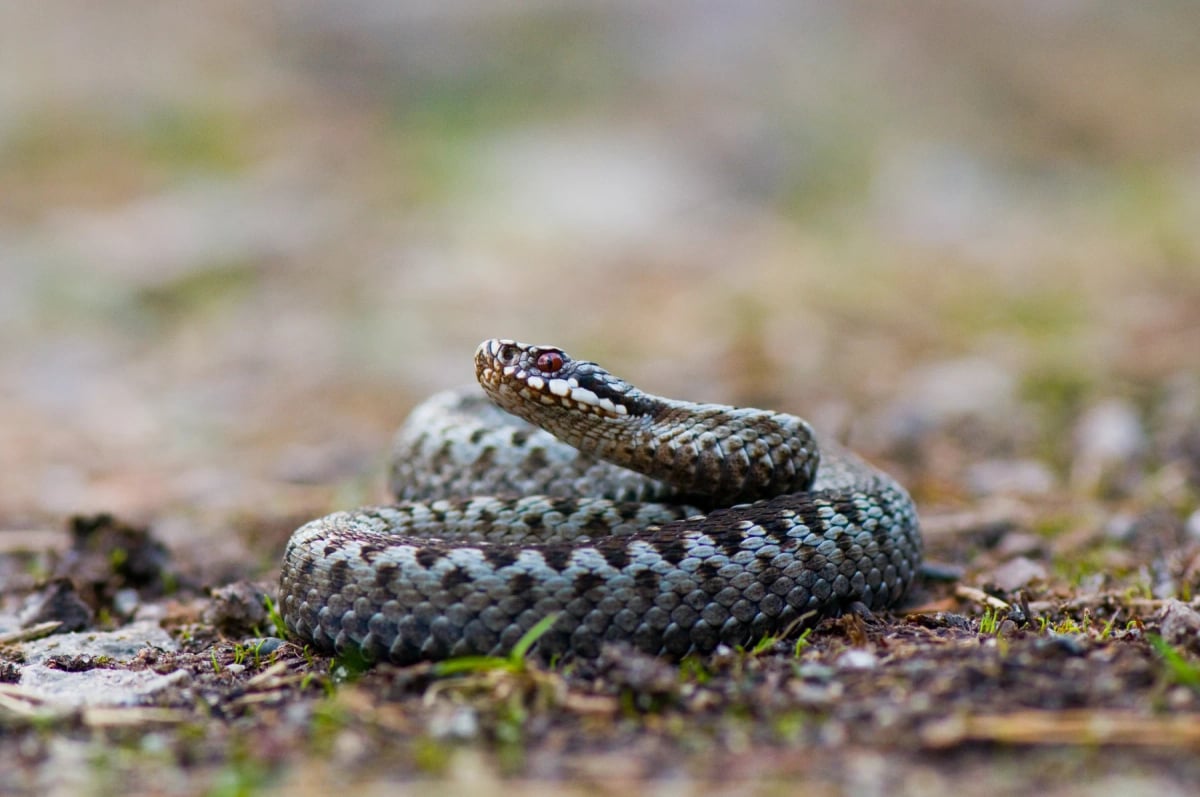
European Adder
Vipera berus
The European adder is Estonia's only venomous snake and a familiar sight across the country's forests, bogs, and coastal meadows. It thrives in the mosaic of habitats that makes up much of the Estonian landscape, basking in sunny clearings to warm up during the short northern summers. It feeds on small rodents and lizards, and while its bite warrants care, it poses little threat when left undisturbed. Its IUCN status is Least Concern.
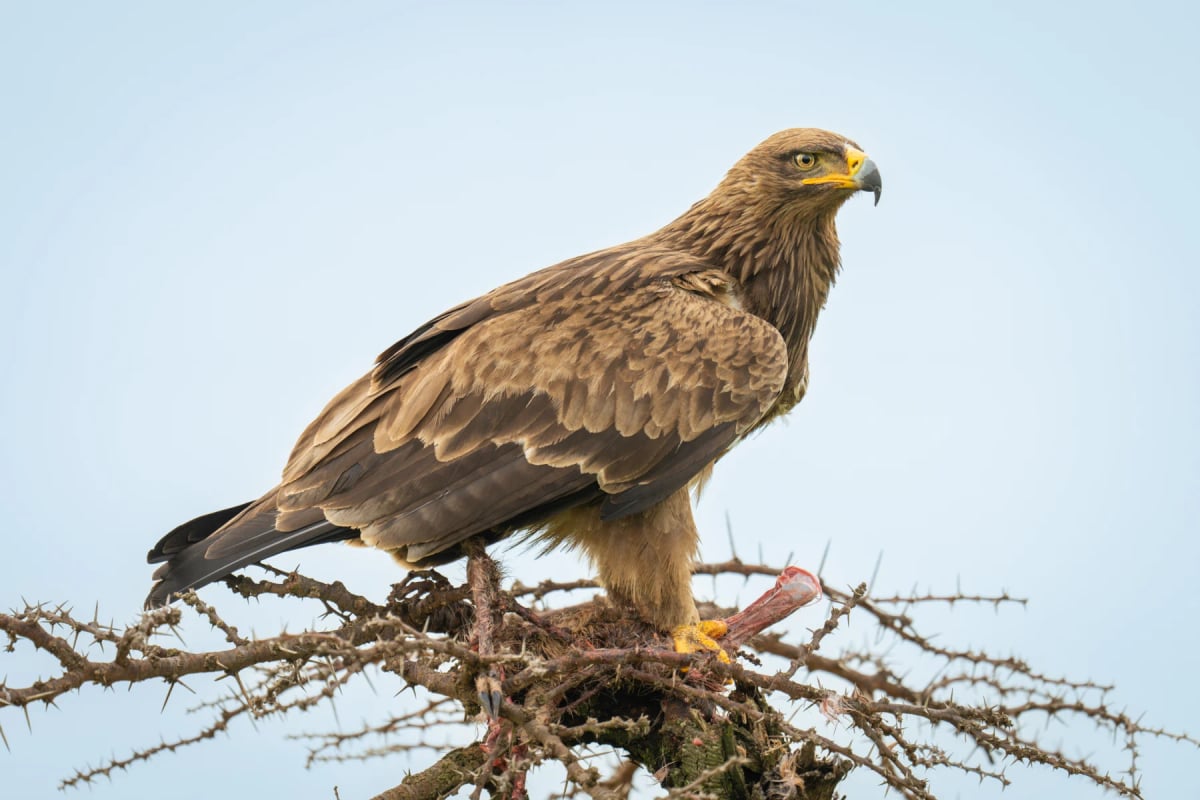
Steppe Eagle
Aquila nipalensis
Estonia sits at the northwestern edge of the Steppe Eagle's occasional vagrancy range in Europe. Rare individuals have been recorded here, likely young birds that have strayed from typical migration routes crossing Eastern Europe. The country's open coastal landscapes and agricultural plains could briefly support a passing eagle. Globally Endangered and down to around 30,000 individuals, the Steppe Eagle is a notable rarity in the Baltic region, and any confirmed sighting is carefully documented.
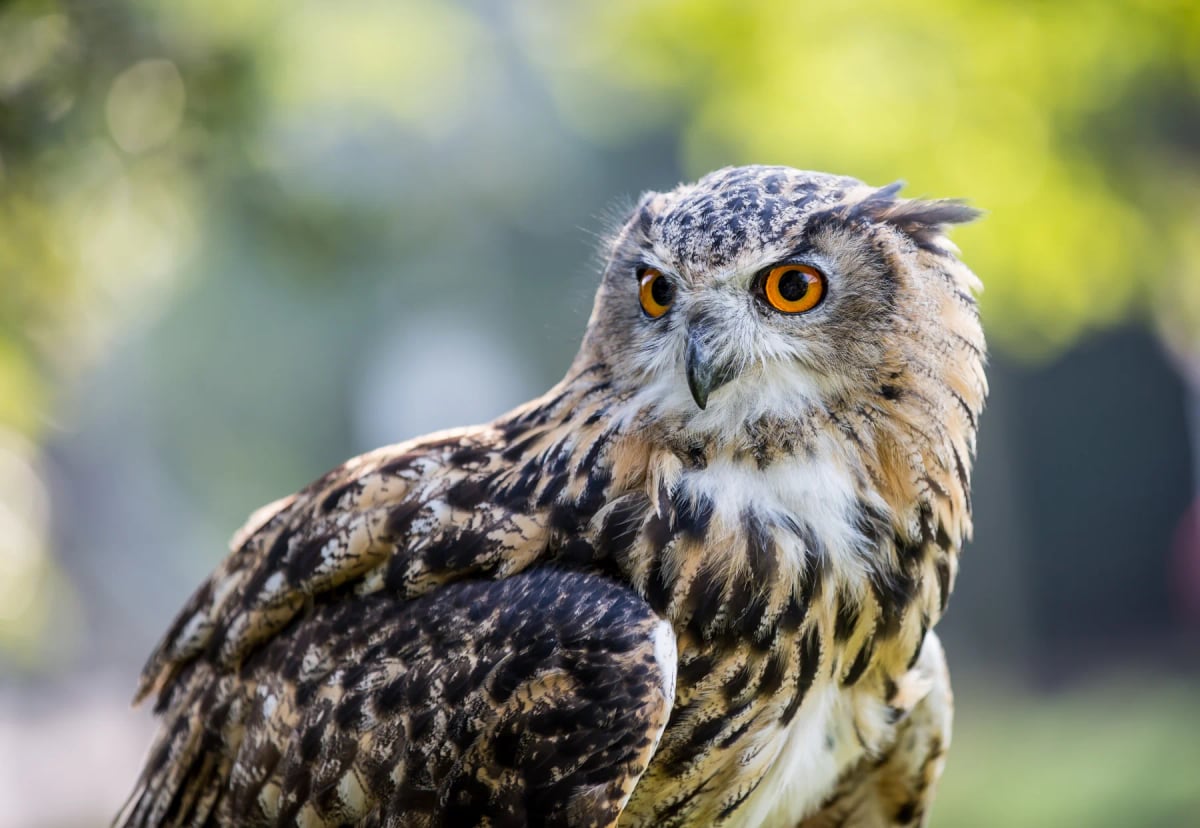
Eagle Owl
Bubo bubo
Estonia sits near the northern edge of the eagle owl's European range. The bird breeds in old boreal forests and among rocky outcrops across the country, including on islands in the Baltic Sea. Its population here is modest but stable, and it is a protected species under Estonian law. It hunts hares, water birds, and small mammals through the long northern nights. The IUCN lists it as Least Concern.
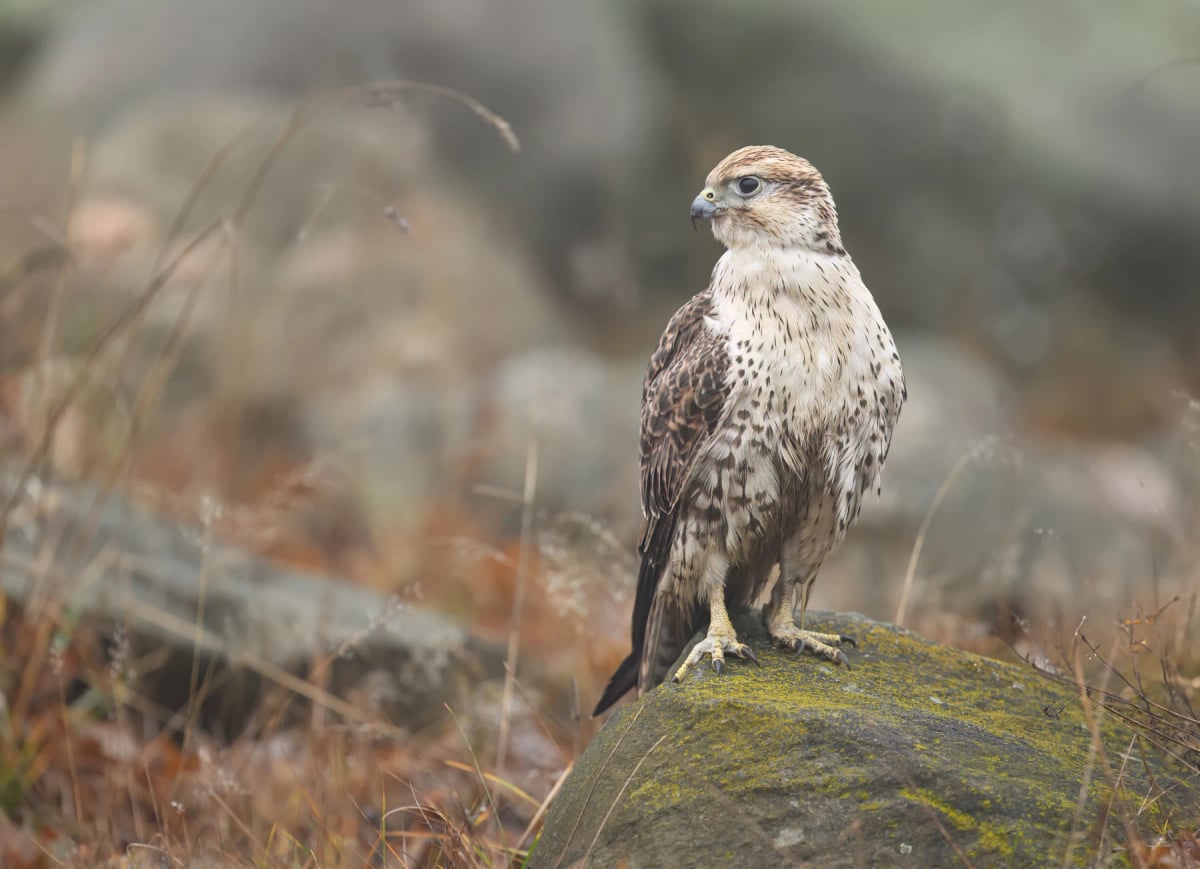
Saker Falcon
Falco cherrug
Estonia sits at the northern fringe of the saker falcon's European range, where the bird appears as a rare migrant rather than a regular breeder. The open farmland and coastal areas along the Baltic may offer brief stopover habitat during migration. Saker numbers across Europe have dropped significantly due to habitat loss and illegal trapping, and the IUCN currently lists this species as Endangered.
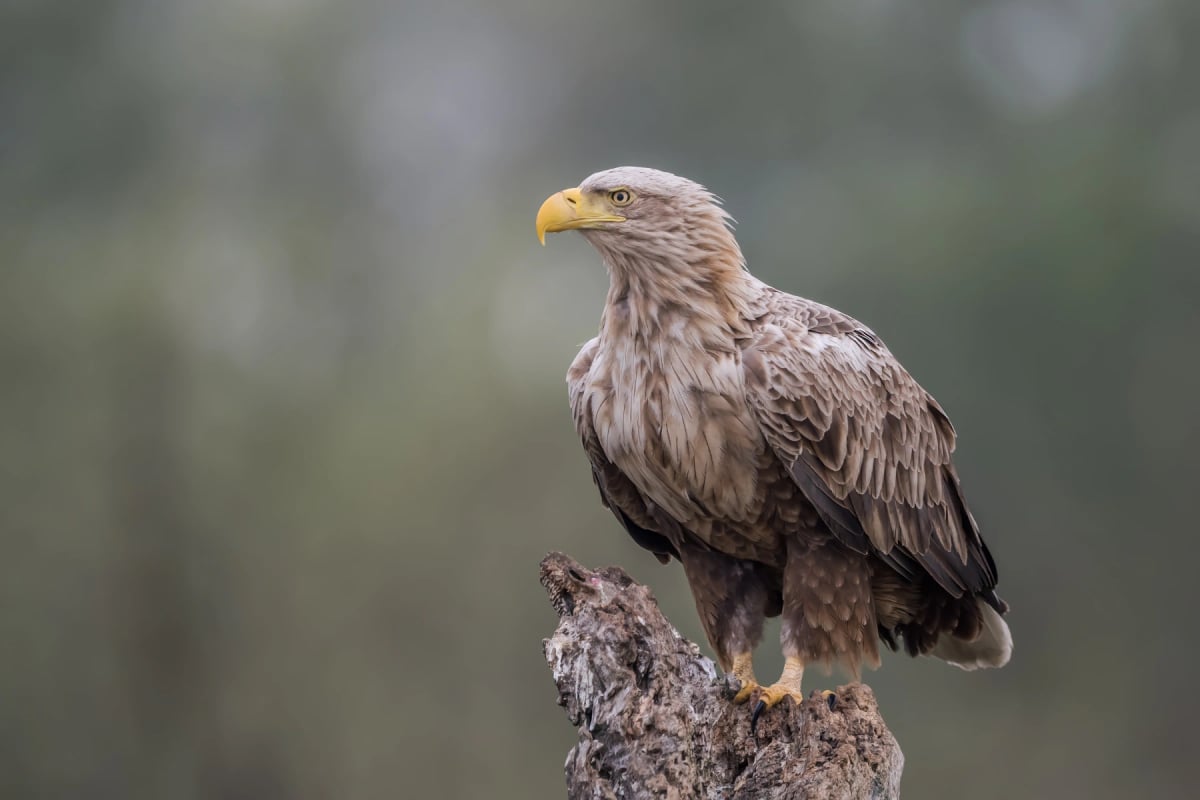
White tailed Eagle
Haliaeetus albicilla
Estonia is one of the strongholds for the white-tailed eagle in the Baltic region. The country's extensive coastline along the Baltic Sea, its many lakes, and large wetland areas provide perfect conditions for nesting and feeding. Estonia holds a healthy breeding population, and the species is a protected bird under national law. The IUCN considers it Least Concern.
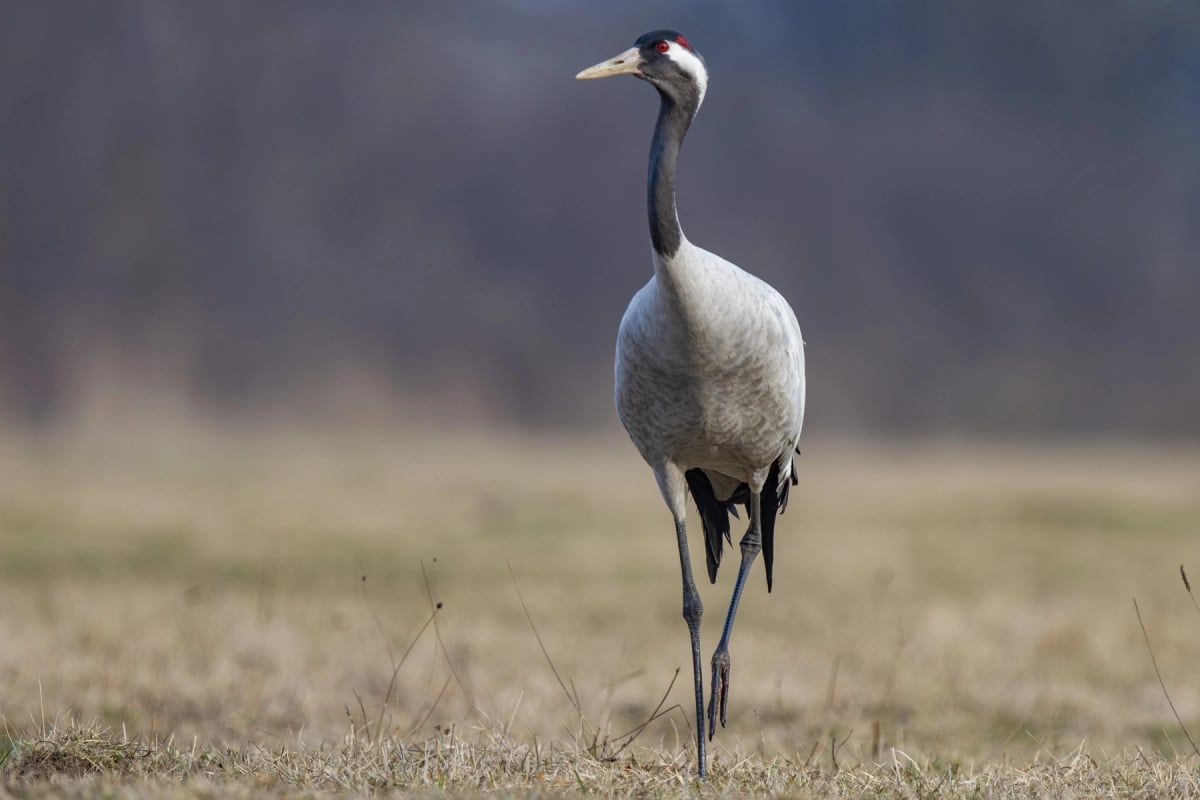
Crane
Grus grus
Estonia is an important breeding ground for the common crane, with pairs nesting in the country's extensive bogs, fens and forest wetlands. The Soomaa and Alam-Pedja nature reserves provide ideal habitat. In late summer, cranes gather in large flocks before heading south. Their bugling calls are a familiar sound across the Estonian countryside. The species reaches up to 120 centimeters tall and mates for life. Its IUCN status is Least Concern.
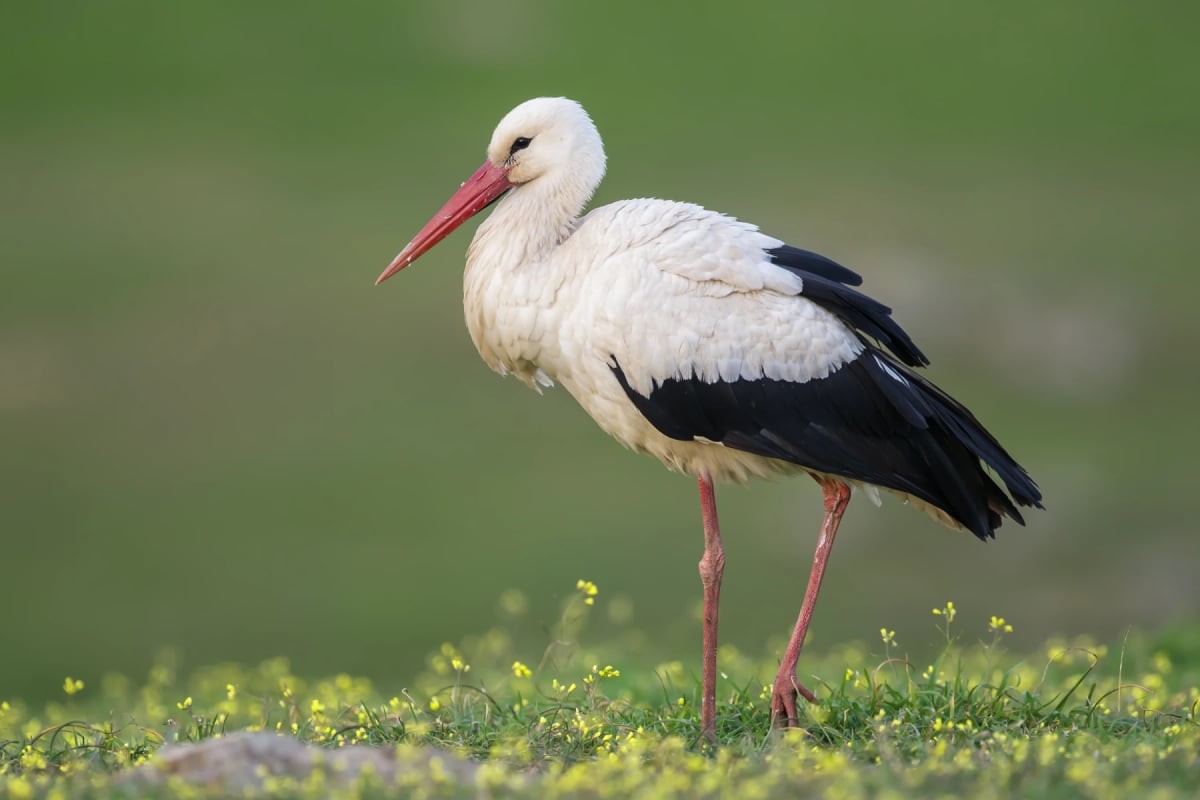
Stork
Ciconia ciconia
The white stork reaches the northern edge of its European breeding range in Estonia. Pairs nest mainly in the western and central parts of the country, favoring open farmland and wet meadows near rivers and lakes. Numbers in Estonia are modest compared to further south, but the species is a celebrated sign of spring. Storks pass through on migration heading to and from Africa south of the Sahara. IUCN status: Least Concern.
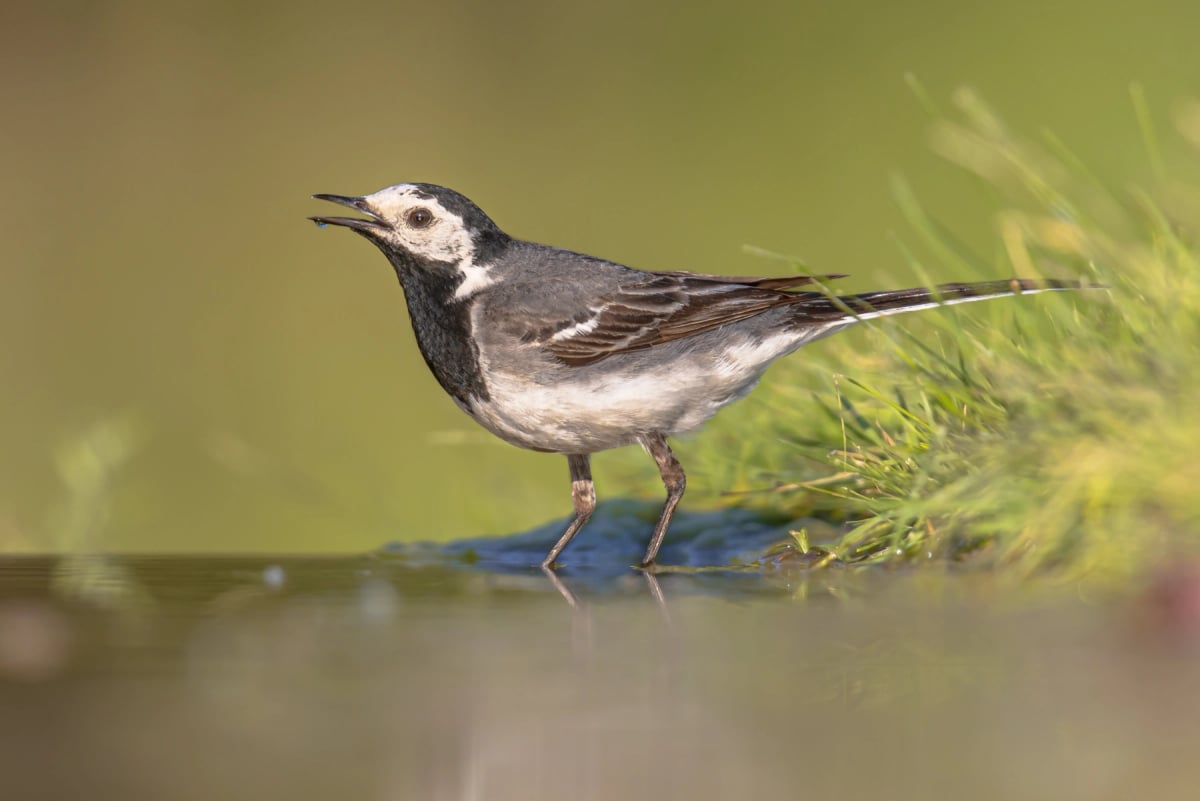
White Wagtail
Motacilla alba
In Estonia, the white wagtail is a familiar breeding bird that arrives each spring from its wintering grounds in Africa. It nests in crevices in farm buildings, stone walls and riverbanks across the country, and is especially common near the many rivers and lakes that dot the Estonian landscape. After the breeding season ends, it gathers in large roosts before heading south again in autumn. IUCN status: Least Concern.
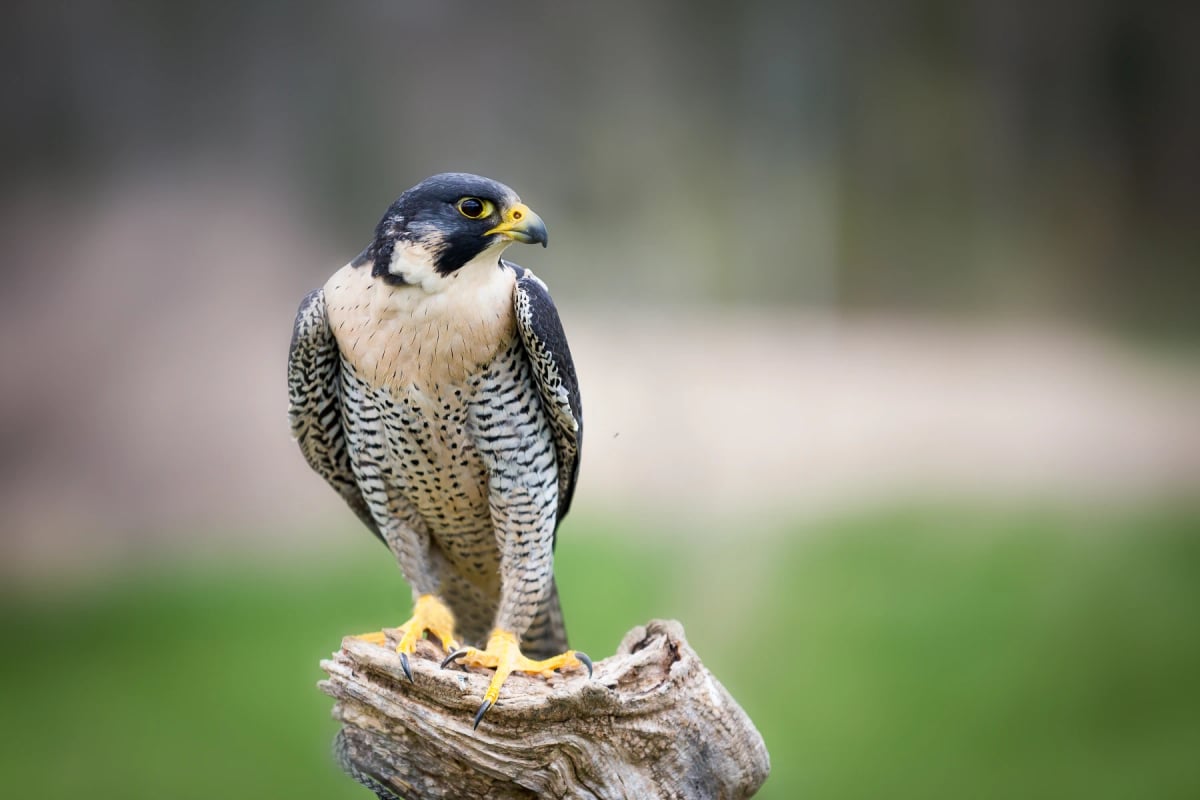
Peregrine Falcon
Falco peregrinus
The peregrine falcon was once extinct as a breeding bird in Estonia, wiped out by pesticide use during the Soviet era. Decades of conservation work have allowed it to slowly return, with a small number of pairs now nesting on forested cliffs and occasionally on buildings. In autumn, the Estonian coast and islands serve as gathering points for migrating falcons heading south across the Baltic Sea. Its IUCN status is Least Concern.
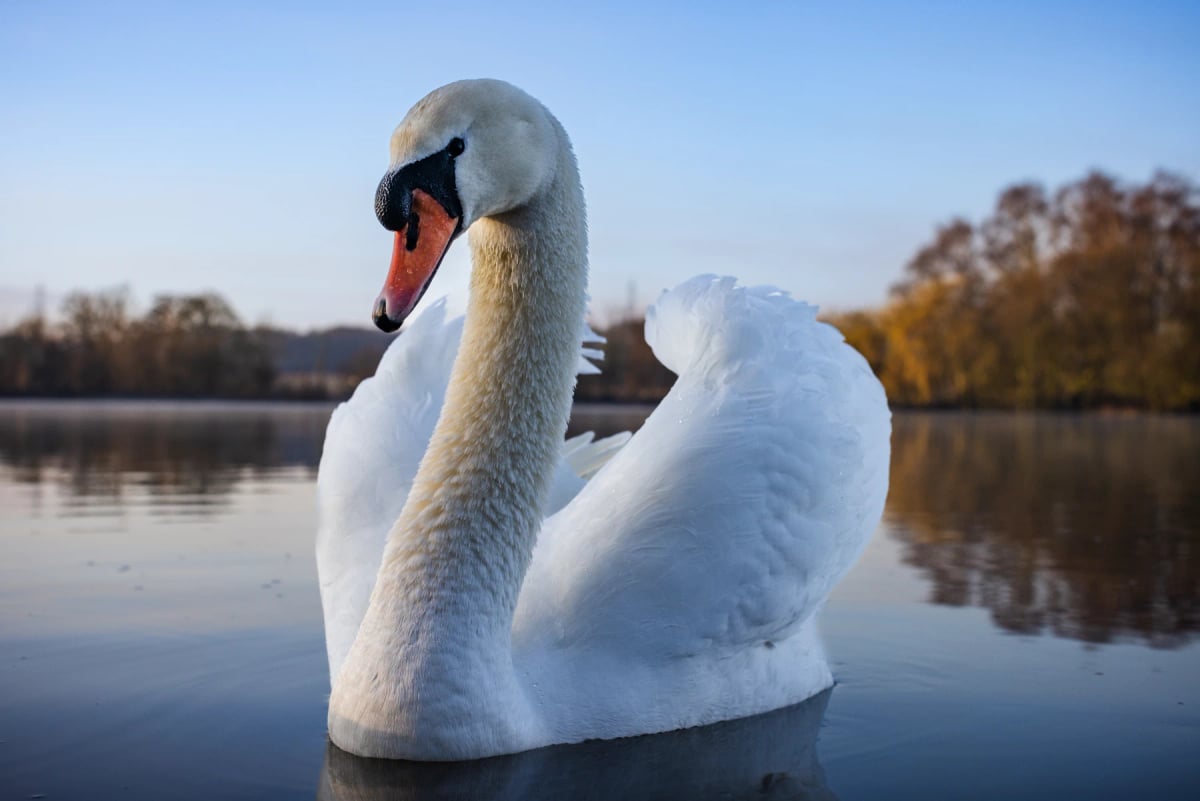
Mute Swan
Cygnus olor
In Estonia, the mute swan breeds along the shallow bays of the Baltic coast, on the islands of the West Estonian Archipelago, and beside inland lakes and rivers. The country's extensive wetlands and low disturbance in many coastal areas make it well suited for nesting pairs. During autumn and winter, larger groups gather along the coast to feed on aquatic vegetation. Its IUCN status is Least Concern.
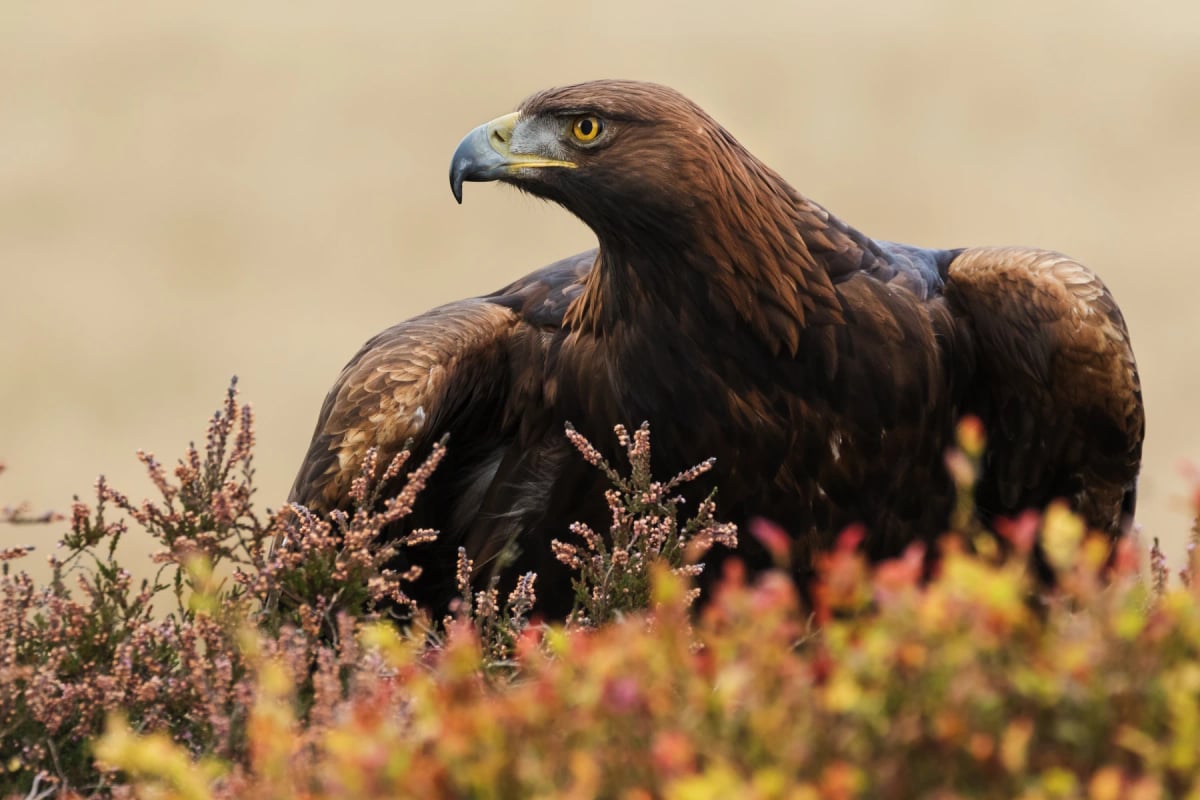
Golden Eagle
Aquila chrysaetos
Estonia sits near the northern edge of the golden eagle's European range, and the species breeds in small numbers in the country's extensive forests and peatland areas. It favours large, undisturbed woodland where it can build substantial nests in tall trees, often using the same site over many years. Conservation work in Estonia includes protecting known nest sites from logging and limiting access during the breeding season.
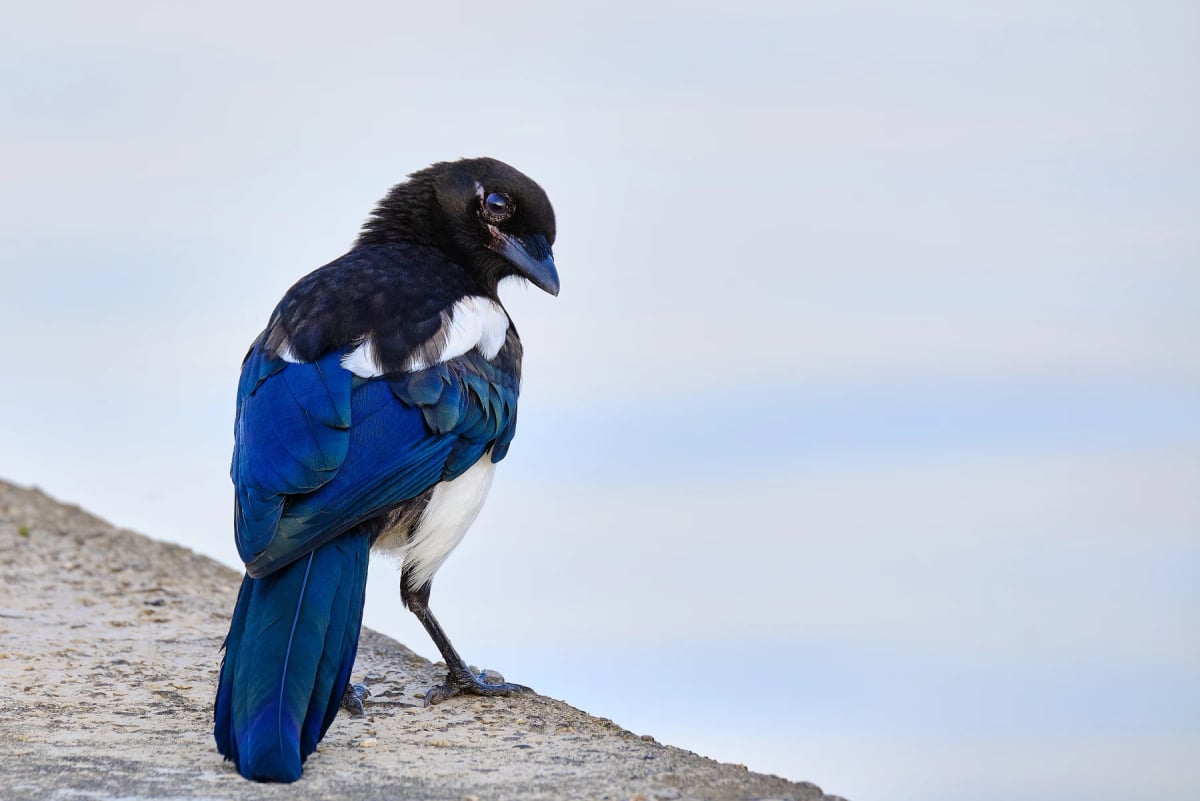
Eurasian Magpie
Pica pica
In Estonia, the Eurasian Magpie is a year-round resident found throughout the country, from coastal meadows to farmland and suburban parks. It copes well with the cold Baltic winters and is one of the most recognizable birds in Estonian towns and villages. Highly intelligent and opportunistic, it feeds on a wide range of food. Its IUCN status is Least Concern, and it is common across the country.
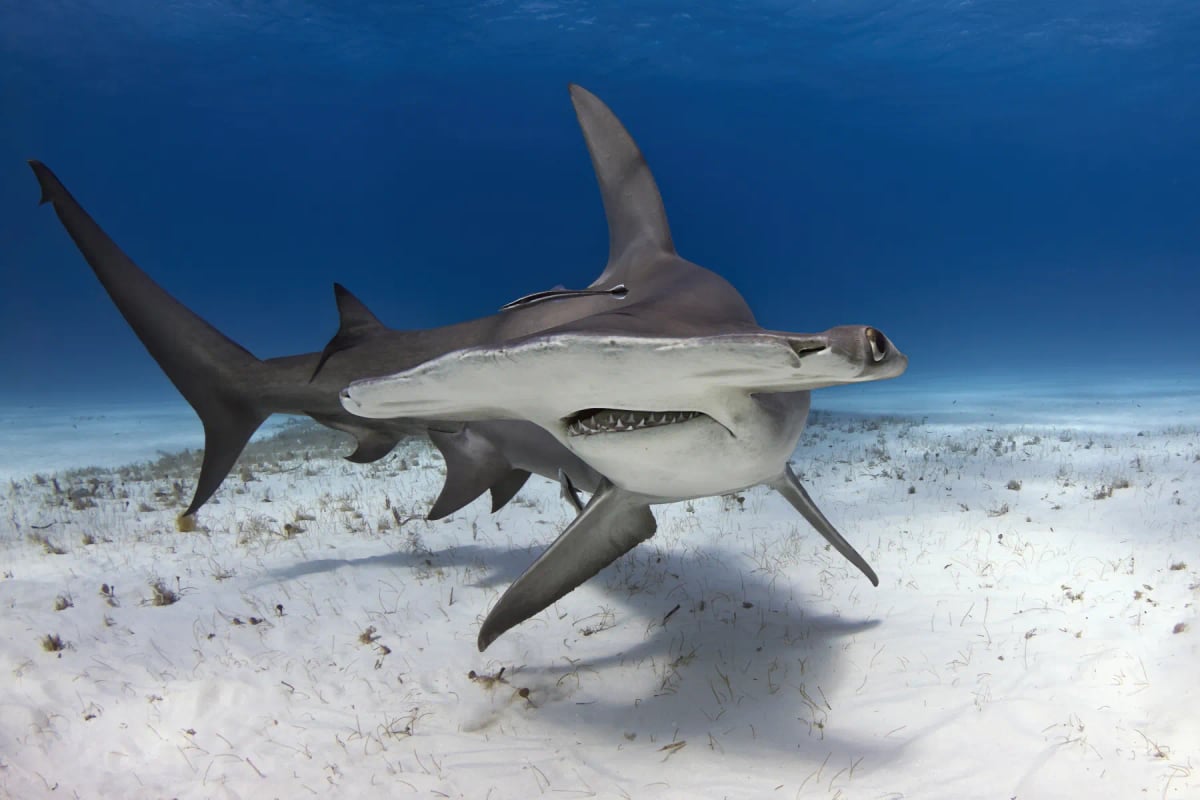
Hammerhead Shark
Sphyrna spp.
Estonia borders the Baltic Sea, and Hammerhead Sharks are not residents of these cold northern waters. However, they occasionally occur in the northeastern Atlantic, and Estonian fishing vessels operating in wider ocean areas have historically contributed to bycatch of these sharks. Estonia, as an EU member, follows regulations aimed at protecting Critically Endangered species like the Hammerhead Shark.
Researched and written by Juan Pablo. Sources: IUCN Red List, scientific literature and regional field guides. Last updated: .