Alligator
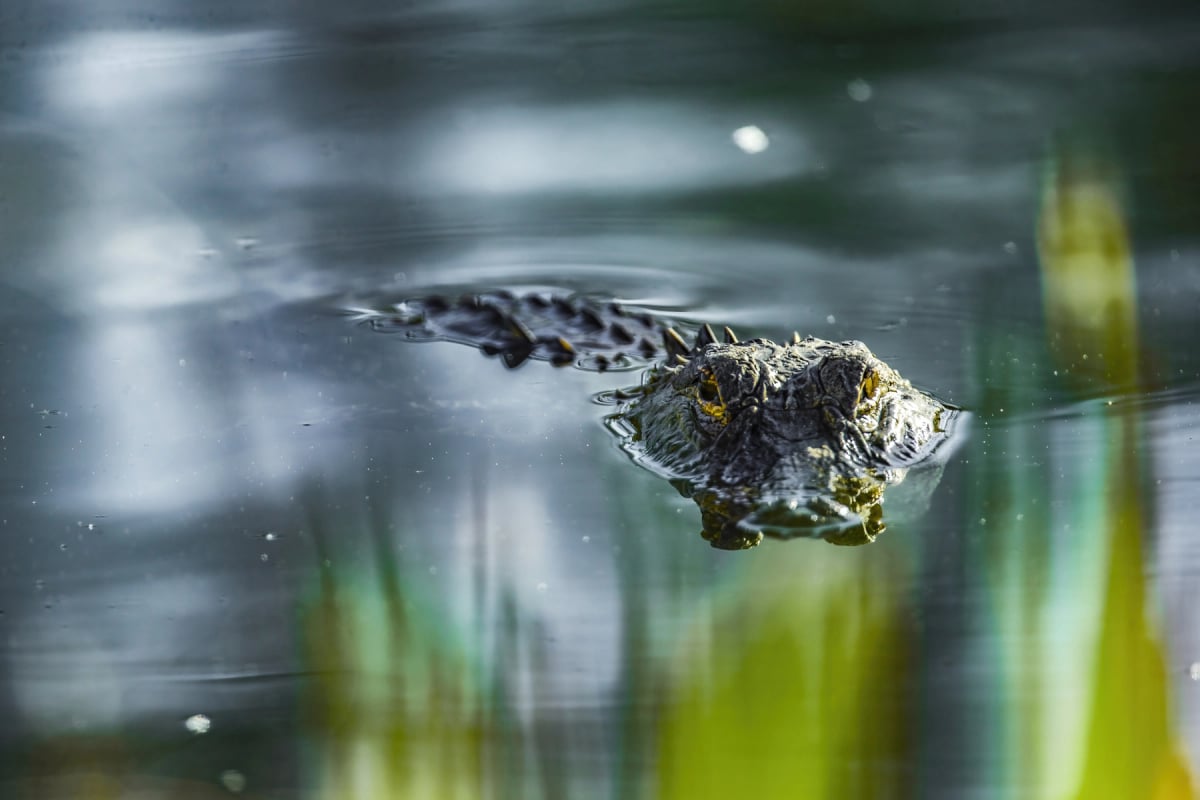
The American alligator is a large semiaquatic reptile native to the southeastern United States. It inhabits swamps, marshes, lakes, and rivers with slow currents, where it preys on fish, turtles, birds, and mammals. Adults may exceed four meters in length and weigh more than 360 kilograms. By digging gator holes that retain water during dry periods, alligators provide refuge for many wetland species, making them one of the most important ecosystem engineers in North America. Once heavily hunted for their hides, populations have recovered strongly thanks to federal protection measures.
Habitat and distribution
The American alligator inhabits freshwater wetlands across the southeastern United States, ranging from North Carolina south through Florida and west through Louisiana and Texas, with smaller populations in Arkansas and Oklahoma. Florida and Louisiana together hold the largest concentrations, estimated at several million individuals combined. Alligators prefer slow-moving freshwater environments such as swamps, marshes, rivers, lakes, and ponds, but can tolerate brackish water for short periods. They are dependent on warm climates and rarely venture far from permanent water sources. The species does not migrate and generally remains within established home ranges throughout the year.
Diet
American alligators are opportunistic predators whose diet shifts with age and season. Juveniles feed primarily on insects, small fish, frogs, and crustaceans. As they grow, prey items expand to include larger fish, turtles, water birds, and mammals of small and medium size such as deer, raccoons, and nutria. Adults strike from the water's edge with explosive speed, dragging prey beneath the surface. In cooler months, alligators reduce feeding significantly. They are also known to consume carrion and, occasionally, fruit. This dietary flexibility makes them effective apex predators across freshwater wetland ecosystems.
Behavior
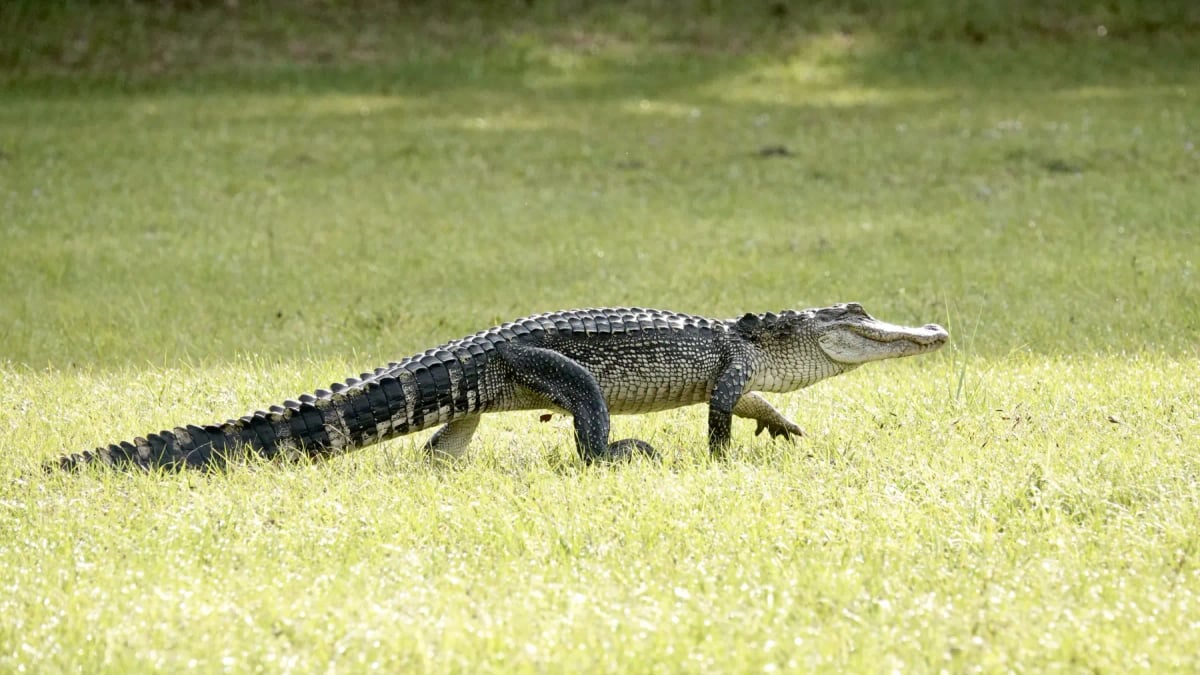
American alligators are largely solitary outside of the breeding season. During the day they bask on banks or floating vegetation to regulate body temperature, which is essential for ectothermic animals. Most active hunting occurs at dusk and through the night. In winter, they enter a state of dormancy called brumation, remaining inactive in dens during cold spells but emerging on warm days. Males bellow loudly in spring to establish territory and attract females. Mothers are among the most attentive of all reptiles, guarding nests closely and carrying hatchlings to the water after they emerge from the eggs.
Role in the ecosystem
American alligators are considered keystone species in southeastern wetlands. Their most important ecological contribution is the excavation of gator holes, depressions dug into mud that retain water during dry seasons. These pools become refuges for fish, amphibians, turtles, wading birds, and invertebrates when surrounding areas dry out, sustaining the entire food web. Alligators also build nesting mounds from vegetation that later serve as habitat for other species, including turtles and birds. By controlling prey populations, they prevent overgrazing of aquatic vegetation and help maintain the ecological balance of wetland systems across the southeastern United States.
Conservation
The American alligator is one of the most remarkable conservation success stories in United States history. By the 1960s, unregulated hunting for hides and habitat loss had driven populations to critically low levels, leading to federal protection under the Endangered Species Act in 1967. With hunting banned and habitats managed, numbers rebounded dramatically, and the species was removed from the endangered list in 1987. Today an estimated five million alligators live across the southeastern United States. Regulated hunting and farming are now permitted under strict oversight, providing economic incentives for wetland preservation and ongoing population monitoring by wildlife agencies.
Where it is found
The Alligator can be found in places such as:
Researched and written by Juan Pablo. Sources: IUCN Red List, scientific literature and regional field guides. Last updated: .
Technical factsheet

Frequently Asked Questions
How dangerous is the American alligator?
American alligators are responsible for attacks on humans, but fatal incidents are rare. Florida averages around seven unprovoked bites per year, with deaths occurring only occasionally. Alligators become more dangerous when fed by people, when protecting nests, or when encountered at the water's edge at dusk or night when they are most active. Keeping a safe distance from the shoreline and never feeding wild alligators are the most effective ways to avoid conflict.
What do American alligators eat?
American alligators are opportunistic predators whose diet changes with age. Juveniles eat insects, small fish, frogs, and crustaceans. Adults take larger fish, turtles, waterbirds, and mammals such as deer, raccoons, and nutria. They strike from the water's edge with explosive speed, dragging prey under the surface. In cooler months they reduce feeding significantly. They also consume carrion and occasionally fruit, making them highly adaptable apex predators across freshwater wetland systems.
How big do American alligators get?
Adult American alligators can exceed four meters in length and weigh more than 360 kilograms, making them one of the largest reptiles in North America. Males are significantly larger than females on average. Growth is rapid in early years and slows considerably with age. The largest verified individuals have exceeded four and a half meters. Size varies by region and food availability, with alligators in nutrient-rich environments like the Florida Everglades tending to grow larger.
Were American alligators endangered?
Yes. By the 1960s, unregulated hunting for hides and widespread habitat loss had reduced alligator populations to critically low levels across the southeastern United States. The species received federal protection in 1967 under the Endangered Species Act, which banned commercial hunting. With populations managed and habitats protected, numbers rebounded dramatically. The alligator was removed from the endangered species list in 1987 and is now estimated at around five million individuals, one of conservation history's great success stories.
What is a gator hole and why is it important?
A gator hole is a depression dug by an alligator into muddy wetland ground, which retains water during dry seasons when surrounding areas dry out. These pools become essential refuges for fish, amphibians, turtles, wading birds, and invertebrates that would otherwise perish. This makes alligators a keystone species in southeastern wetlands: their digging behavior directly sustains the survival of dozens of other species and helps maintain the ecological balance of the entire wetland system.
What is the difference between an alligator and a crocodile?
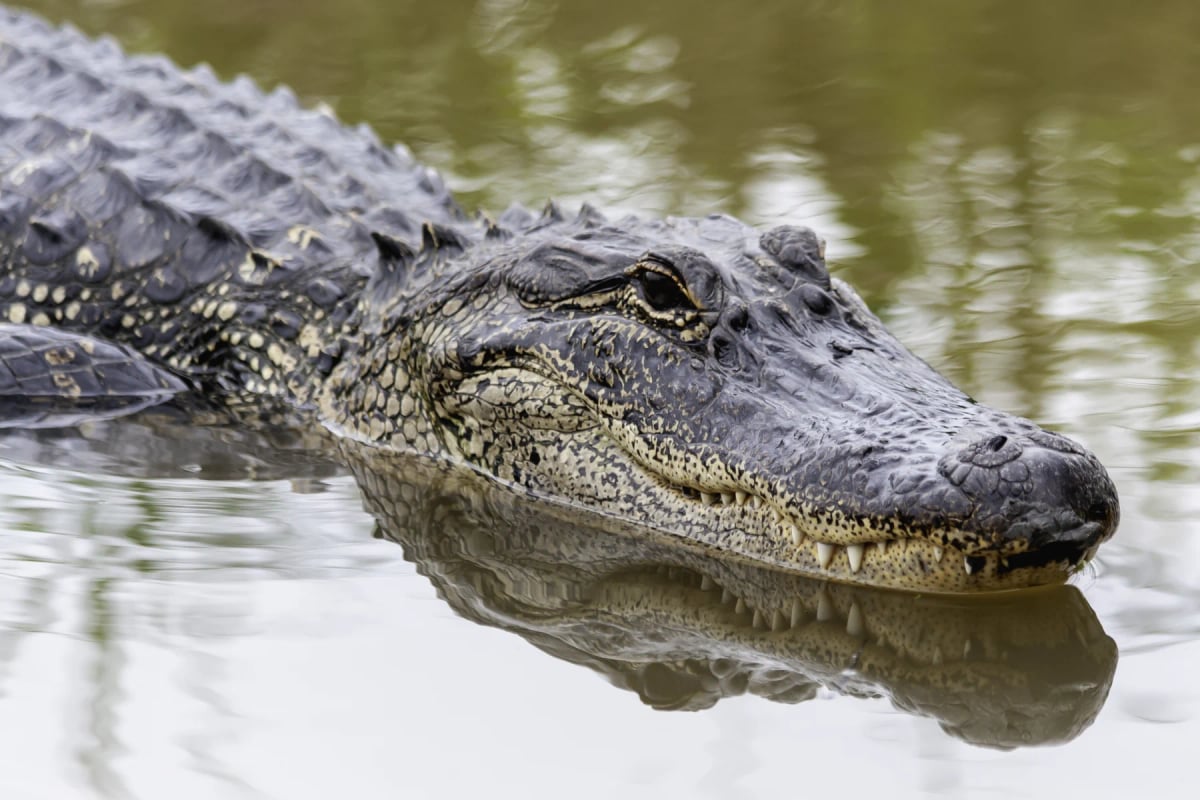
The most visible difference is the snout: alligators have a wide, rounded snout shaped like the letter U, while crocodiles have a longer, narrower snout shaped like the letter V. When an alligator closes its mouth, the upper teeth hide the lower ones, so no teeth are visible. Crocodiles show both rows of teeth when their mouths are closed. In the United States, alligators are found in freshwater across the southeast, while the American crocodile is limited to southern Florida.