Animals in Croatia
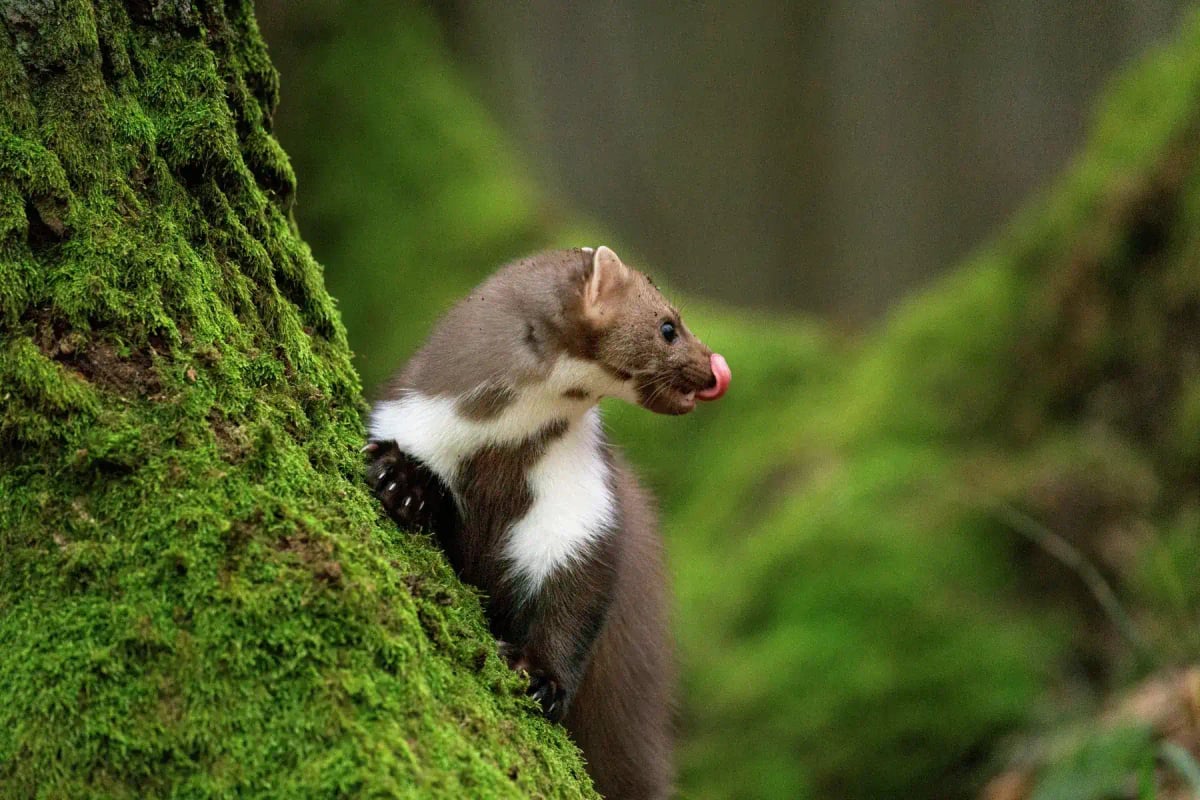
Marten
Martes martes / Martes foina
The marten has a special place in Croatia, noted for giving its name to the former currency, the kuna. This small forest mammal is agile and elusive and appears in folk stories and local tradition. Its connection to woodlands reminds how nature and culture have long been linked across Croatian regions and rural communities.
View details→Wildlife in Croatia
Croatia combines clear coastal waters, dense forests and rugged mountains that shelter a varied wildlife including brown bears, Eurasian lynx, dolphins and several raptors. In national parks like Plitvice, Krka and Risnjak visitors can follow trails, see waterfalls and lakes, and enjoy responsible wildlife watching and outdoor activities year round.
Most Dangerous Animals in Croatia
Croatia’s nature is generally safe but can be dangerous if animals are surprised or provoked. Wild boar, brown bears and venomous adders may pose risks. Visitors should follow local advice, keep distance, avoid feeding wildlife and consider hiring local guides when exploring remote forests and mountain paths.
Top 10 Animals in Croatia
Among Croatia’s emblematic species are the brown bear, gray wolf and Eurasian lynx, animals that roam the Dinaric Alps and surrounding forests. These large mammals and several birds of prey draw nature lovers and photographers who hike mountain trails and visit protected areas to experience some of Europe’s most intact wild landscapes.
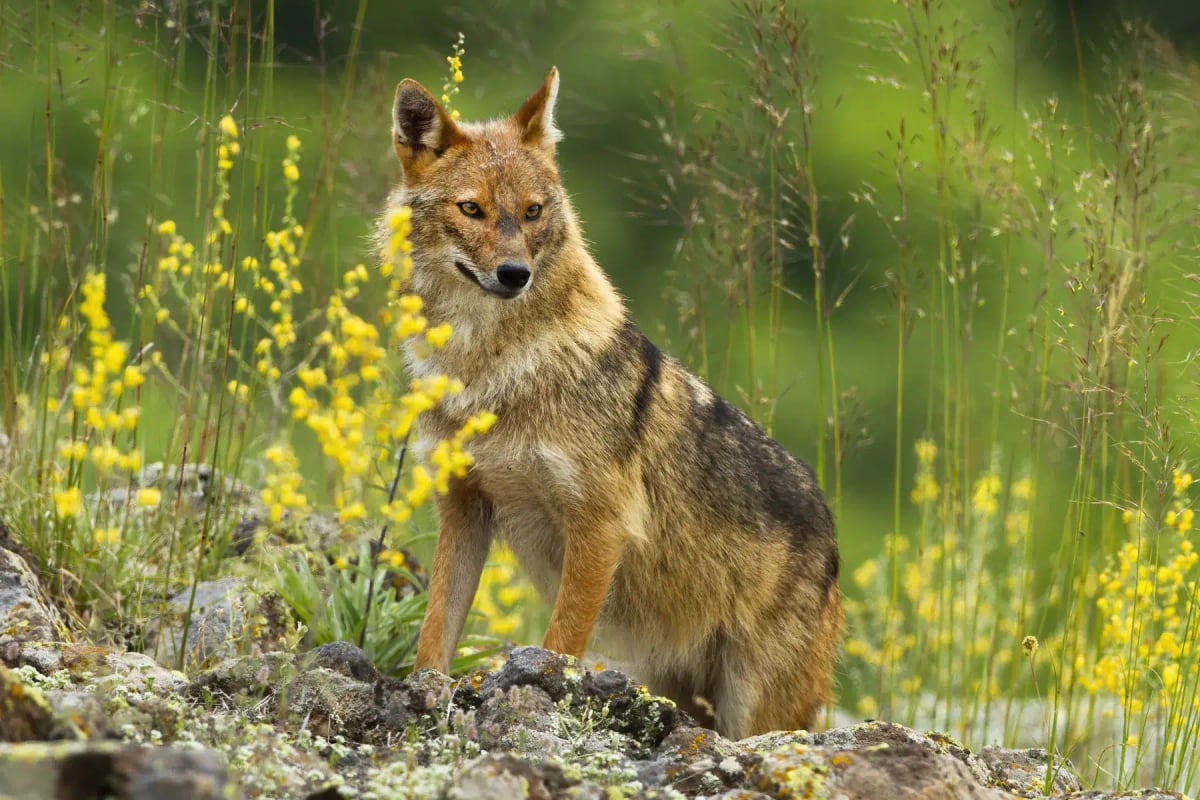
Golden Jackal
Canis aureus
The golden jackal has become a well established presence in Croatia, particularly along the Dalmatian coast and in lowland areas near rivers and wetlands. It adapts easily to the mosaic of farmland, scrub, and forest edges found across the country. Croatians living in rural areas are familiar with its haunting calls at night. The population here is healthy and has been expanding steadily in recent decades. IUCN status: Least Concern.
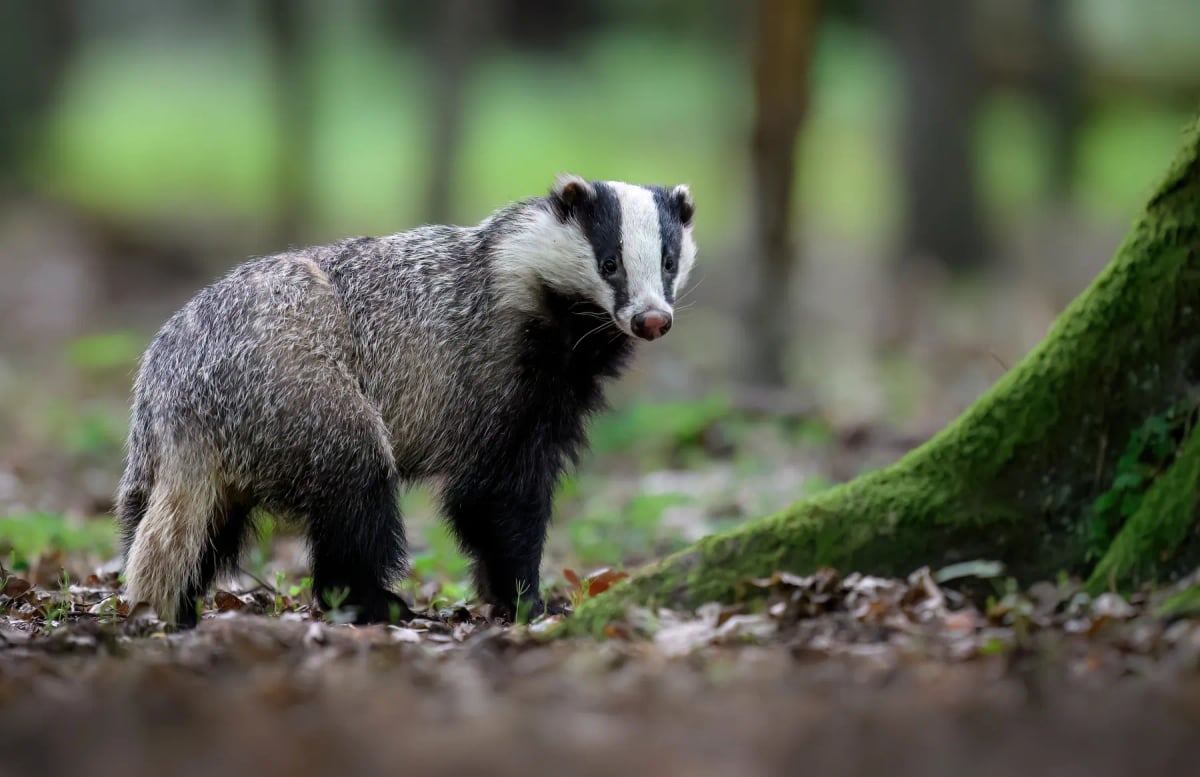
Badger
Meles meles
The Eurasian badger is widespread across Croatia in mixed woodland, scrubland and agricultural areas from the Pannonian plains in the east to the forested hills of the interior and the coastal hinterland. It lives in family groups in extensive burrow systems and is active primarily at night. In Croatia it feeds on earthworms, insects, fruit and small animals, and its populations are considered stable throughout the country.

Brown Bear
Ursus arctos
Croatia is home to a well-studied brown bear population centered in the Dinaric Alps, particularly in Gorski Kotar and the Velebit mountain range. The Croatian population forms part of the larger Dinaric bear population shared with Slovenia and Bosnia and Herzegovina. Bears here use a mosaic of forests and meadows across the year. Croatia has conducted extensive research into bear ecology, contributing to conservation policy across the region.
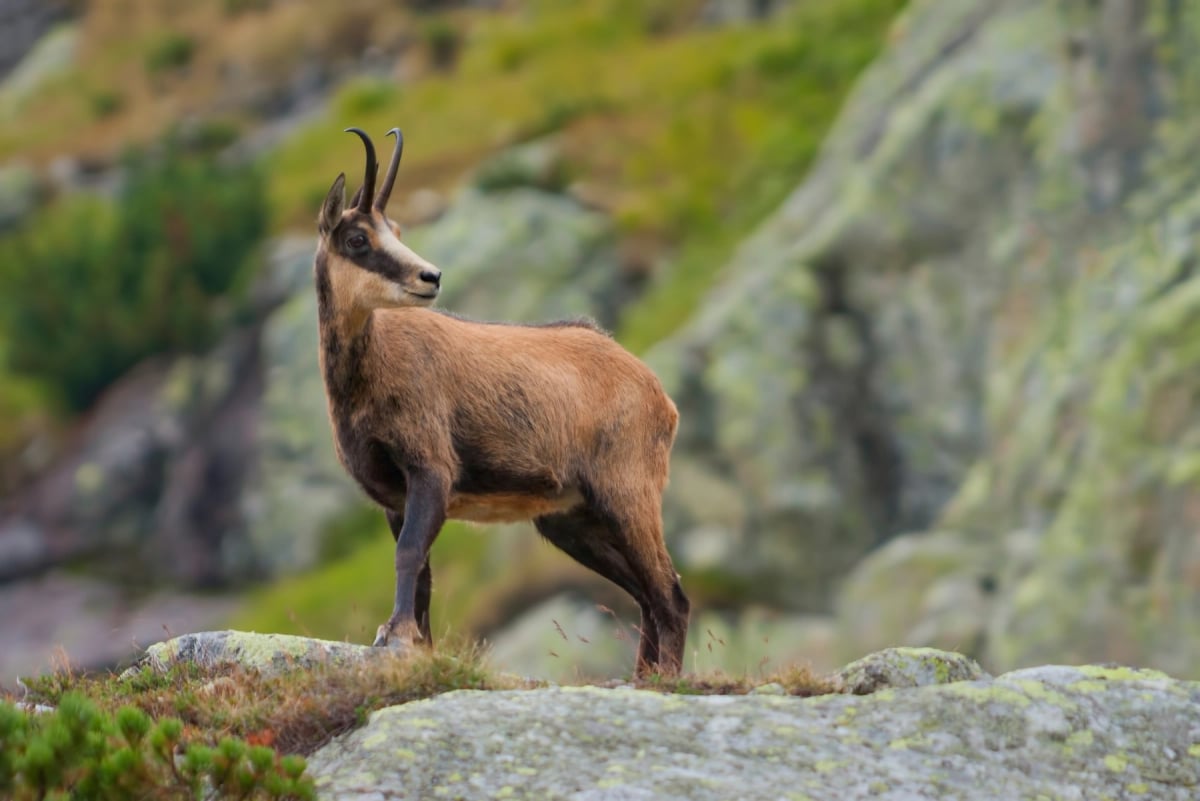
Chamois
Rupicapra rupicapra
In Croatia, chamois are found in the Velebit mountain range along the Adriatic coast as well as in the Gorski Kotar region. Velebit Nature Park and the Northern and Southern Velebit National Parks provide protected habitat across the steep karst terrain the species favors. Populations are stable and subject to regulated hunting. The chamois is well adapted to the rugged limestone landscape that defines much of Croatia's highland interior.
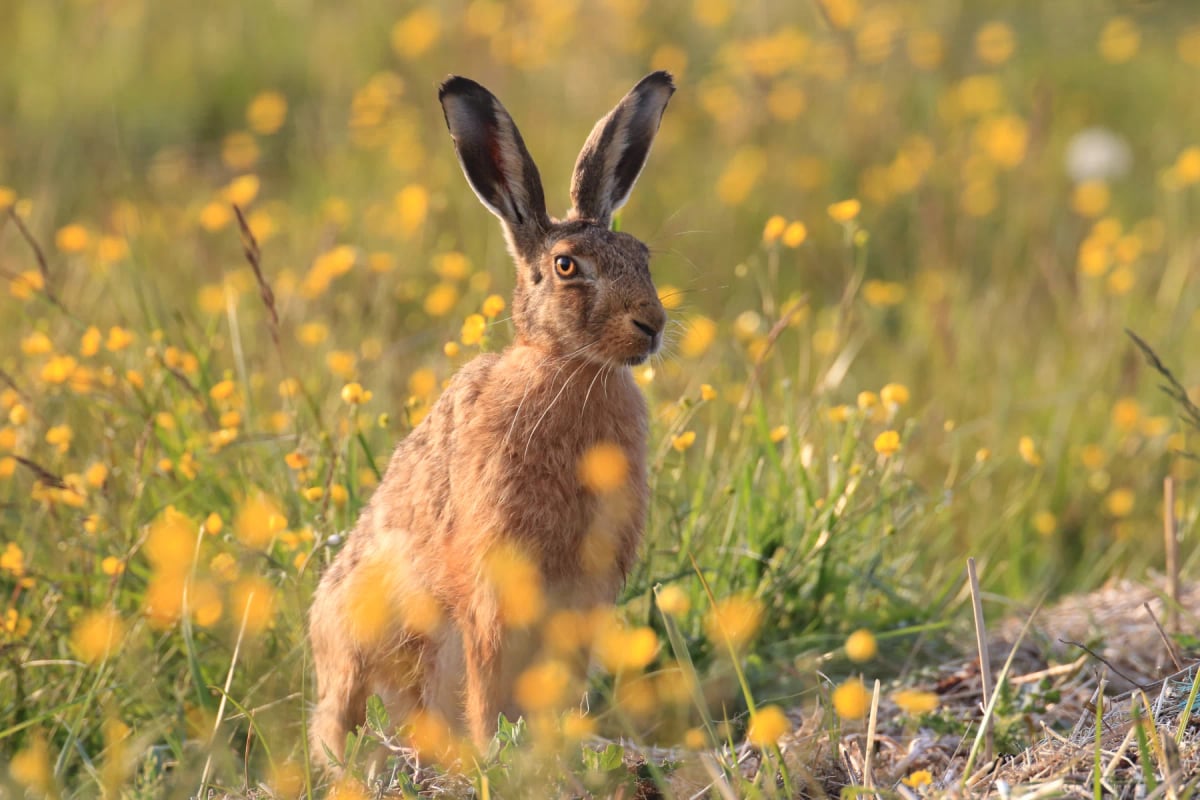
Hare
Lepus europaeus
The European hare is widespread across Croatia, where it favours the open farmland and grasslands of the Pannonian lowlands in the east of the country. It is less common in the heavily forested and karst areas along the Adriatic coast. In Croatia, it is a popular game species managed through a network of hunting grounds. Population trends have been influenced by changes in crop farming and the reduction of traditional small-scale agriculture.
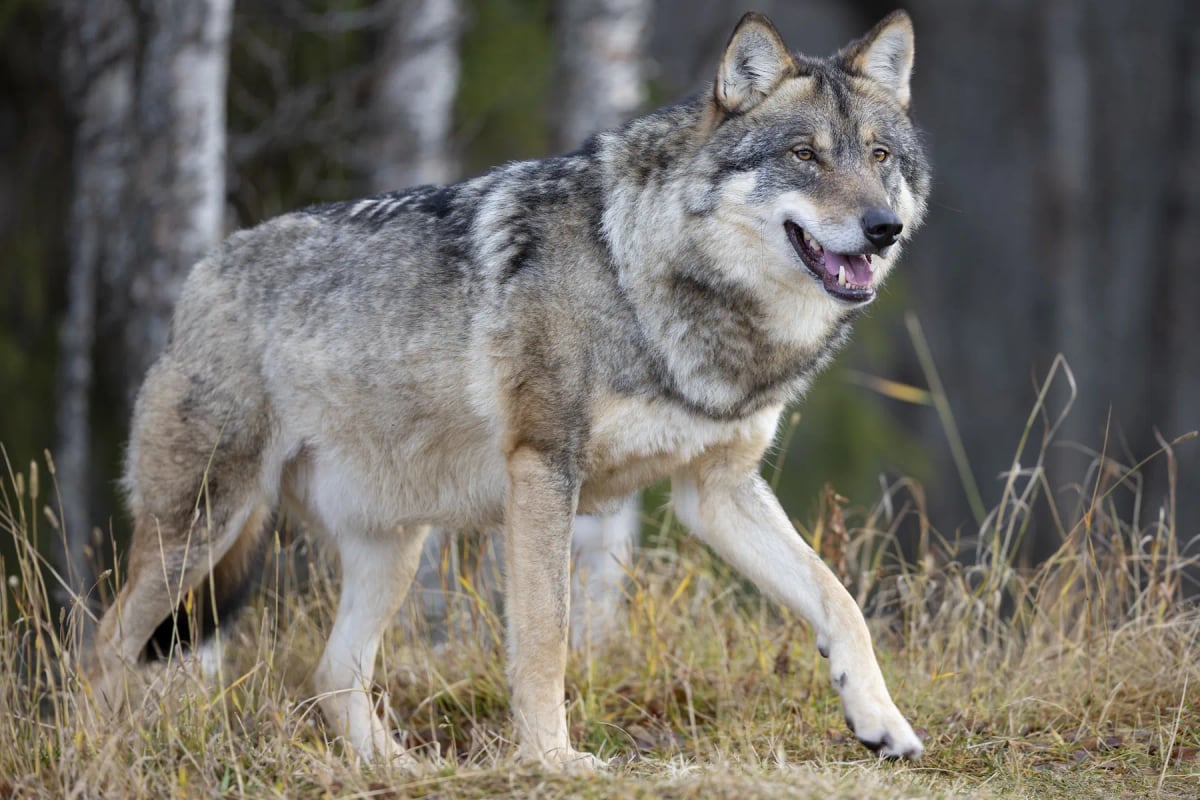
Gray Wolf
Canis lupus
Gray wolves in Croatia are found mainly in the mountainous areas of Gorski Kotar and the Dinaric Alps, as well as parts of Lika. The population is connected to wolves in Slovenia and Bosnia, forming part of the broader Dinaric wolf population. Wolves are legally protected in Croatia. Livestock depredation occurs and is managed through compensation programs. The coexistence between wolves and local farming communities continues to be an active area of conservation work.
Marten
Martes martes / Martes foina
Croatia's forests and karst landscapes suit both marten species well. Pine martens are at home in the woodland of Gorski Kotar and Slavonia, while stone martens are common across the Dalmatian coast and the Istrian peninsula, sometimes sheltering in old stone buildings. Croatia's Dinaric forests are recognized as some of the best preserved in Europe, giving pine martens excellent conditions for breeding and hunting. Both are Least Concern on the IUCN Red List.
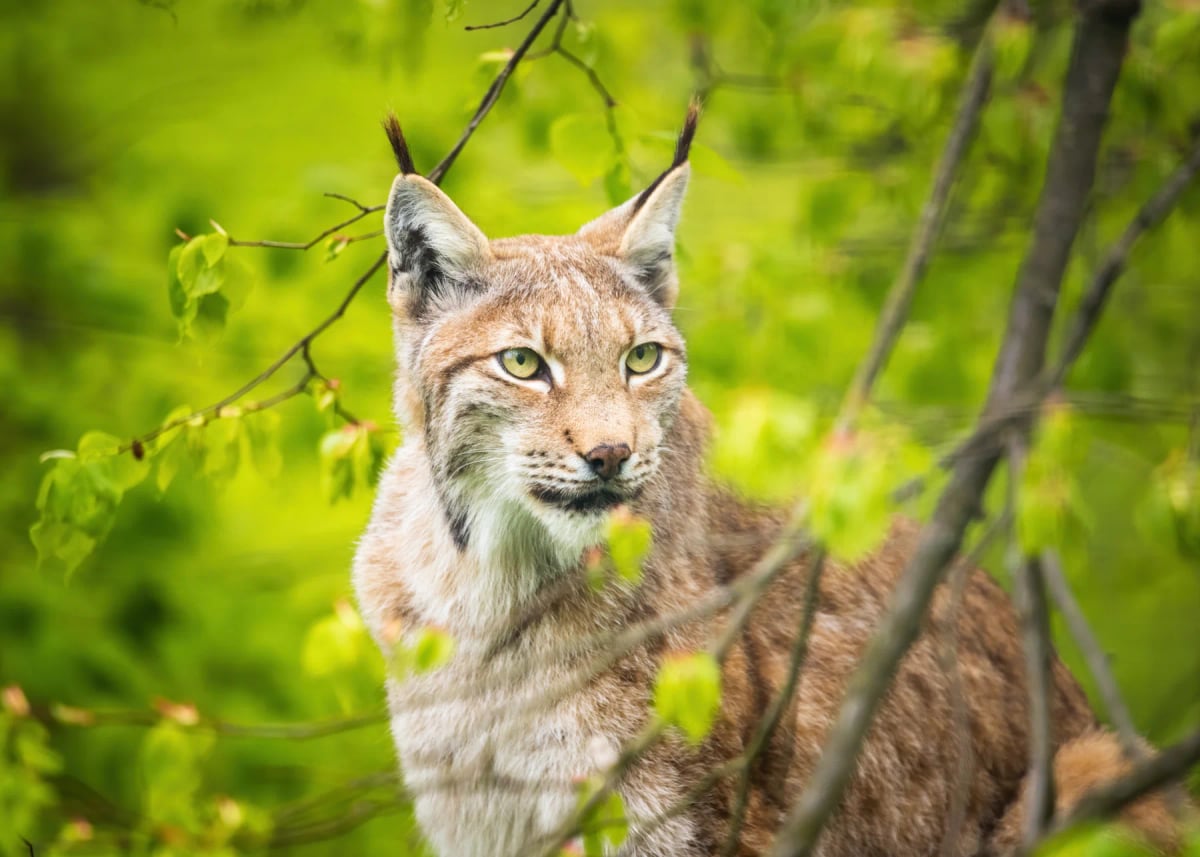
Eurasian Lynx
Lynx lynx
The Eurasian Lynx roams the forests of the Dinaric Alps in Croatia, particularly around Gorski Kotar and the Velebit mountain range. A small population was re-established here following a reintroduction in Slovenia in 1973, with animals gradually spreading across the border. Roe deer and chamois make up the bulk of its diet in this region. Listed as Least Concern by the IUCN, it remains a protected species in Croatia.
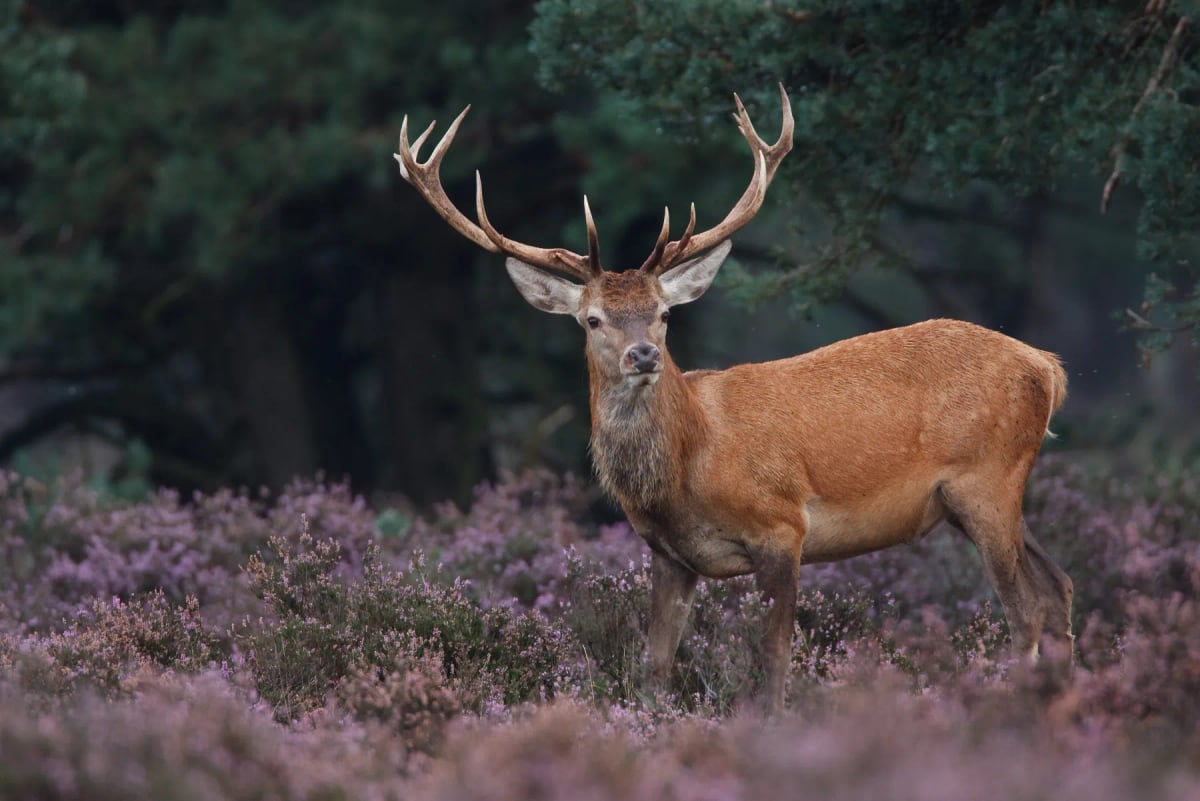
Red Deer
Cervus elaphus
Croatia supports a healthy red deer population spread across its continental forests and lowland river plains, especially in the Slavonia and Lika regions. The floodplain forests along the Drava and Sava rivers provide particularly rich habitat. Hunting is carefully managed, and the red deer is one of the most prized large mammals in Croatian wildlife management and forestry. IUCN status: Least Concern.
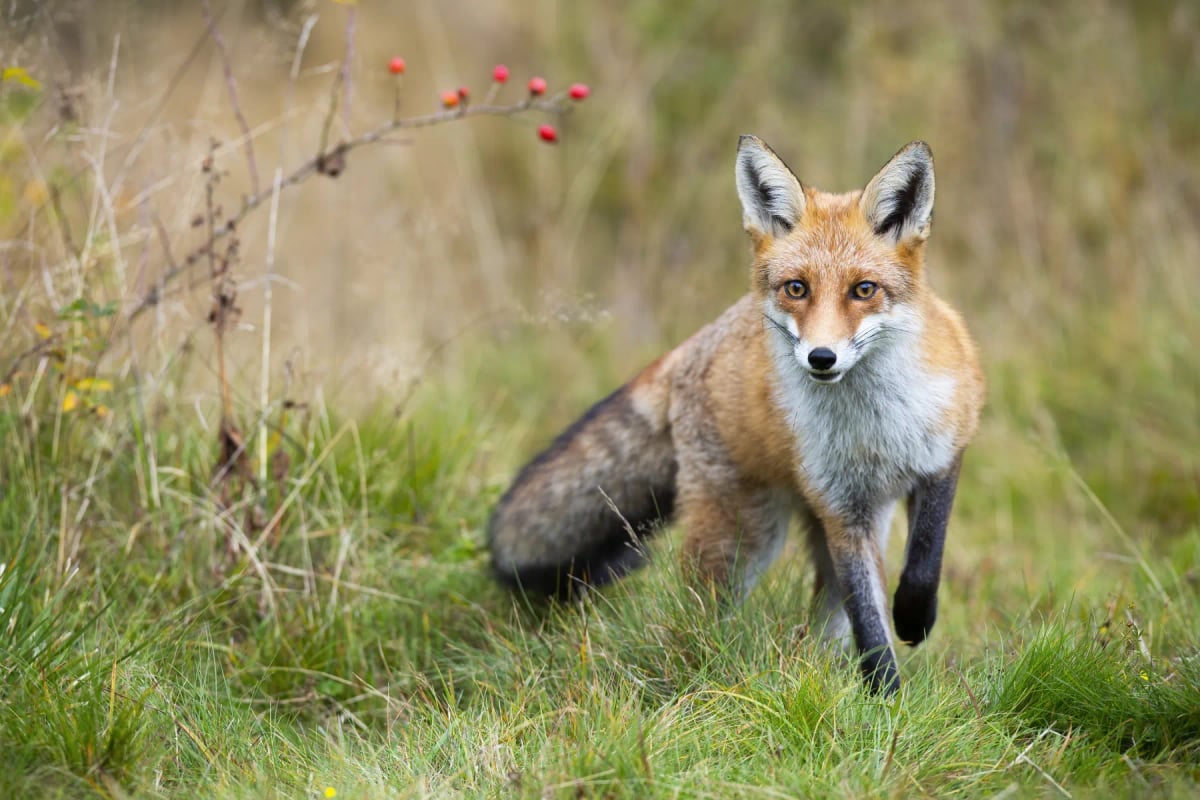
Red Fox
Vulpes vulpes
The red fox lives throughout Croatia, from the oak and beech forests of Slavonia and the Zagorje hills to the karst landscapes along the Adriatic coast. It is an opportunistic feeder, taking rodents, fruit, and carrion depending on what is available. Foxes are also spotted near agricultural land and village outskirts. The species is under no conservation concern in Croatia and carries Least Concern status.
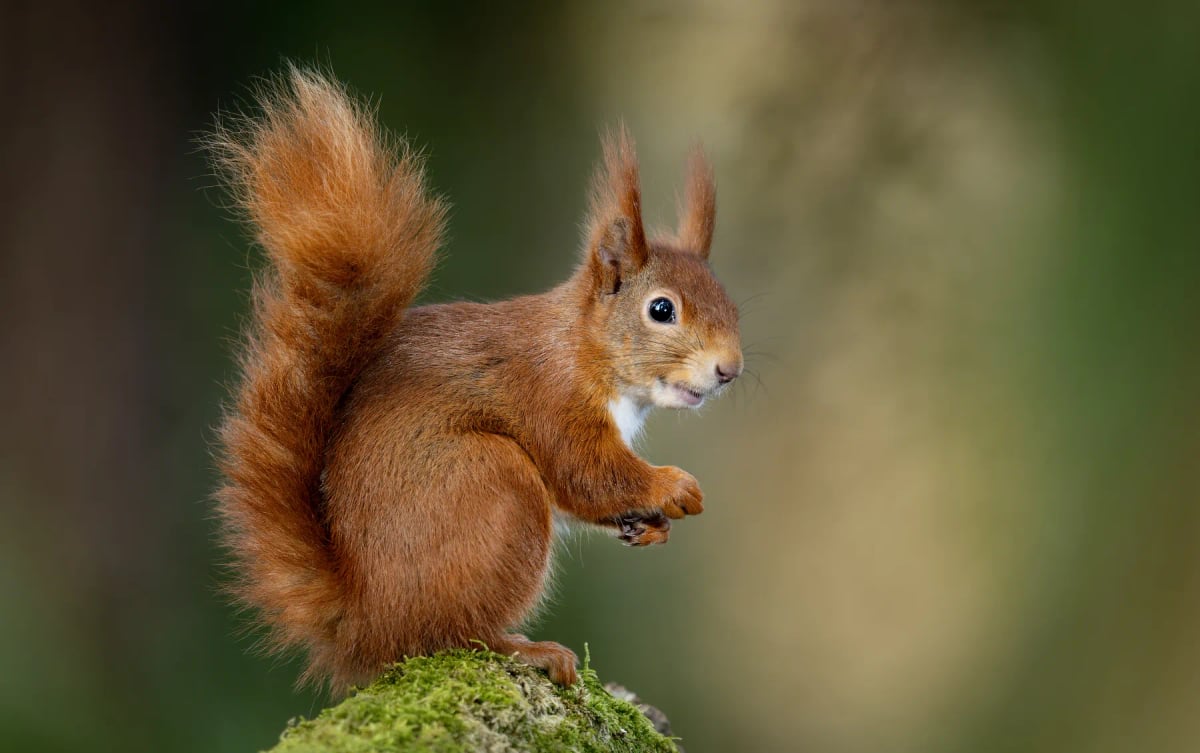
Red Squirrel
Sciurus vulgaris
Croatia's red squirrel population is spread through the country's continental forests and the forested slopes of the Dinaric highlands. It is well established in areas such as Gorski Kotar and the mountain woodlands bordering Slovenia and Bosnia. The species is stable in Croatia, where large areas of broadleaf and mixed forest provide reliable food sources year round. IUCN status: Least Concern.
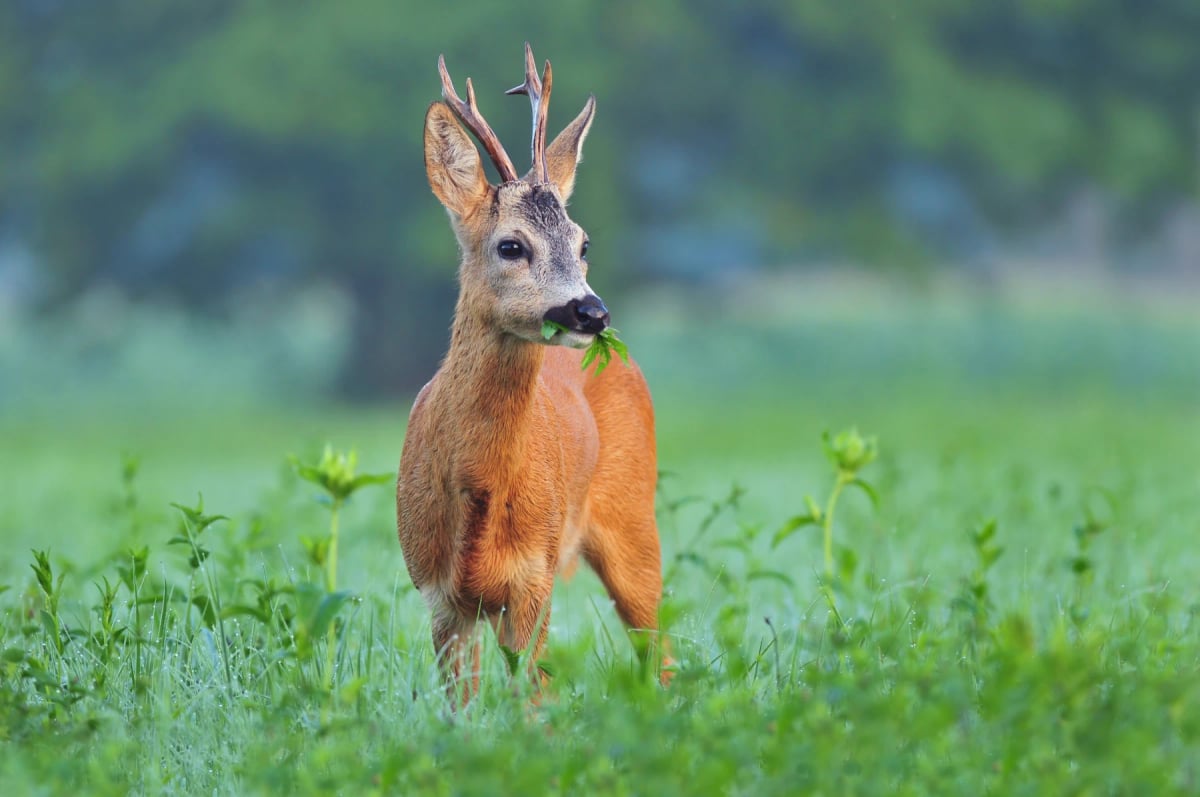
Roe Deer
Capreolus capreolus
Croatia's varied terrain, from the Pannonian forests of Slavonia to the coastal woodlands of Dalmatia and the mountain forests of Gorski Kotar, supports healthy roe deer populations throughout the country. The species is particularly abundant in lowland forest areas where agricultural land borders woodland. Croatian wildlife law regulates hunting through an established concession system. The roe deer is listed as Least Concern globally and is one of Croatia's most valued game animals.

Wild Boar
Sus scrofa
Wild boars are widespread across Croatia's forests, from the continental interior to the wooded hills behind the Adriatic coast. The species is a popular and heavily managed game animal, hunted under licensed seasons throughout much of the country. Growing populations in recent decades have led to more frequent crop damage and vehicle collisions, prompting wildlife authorities to expand hunting quotas in several regions.
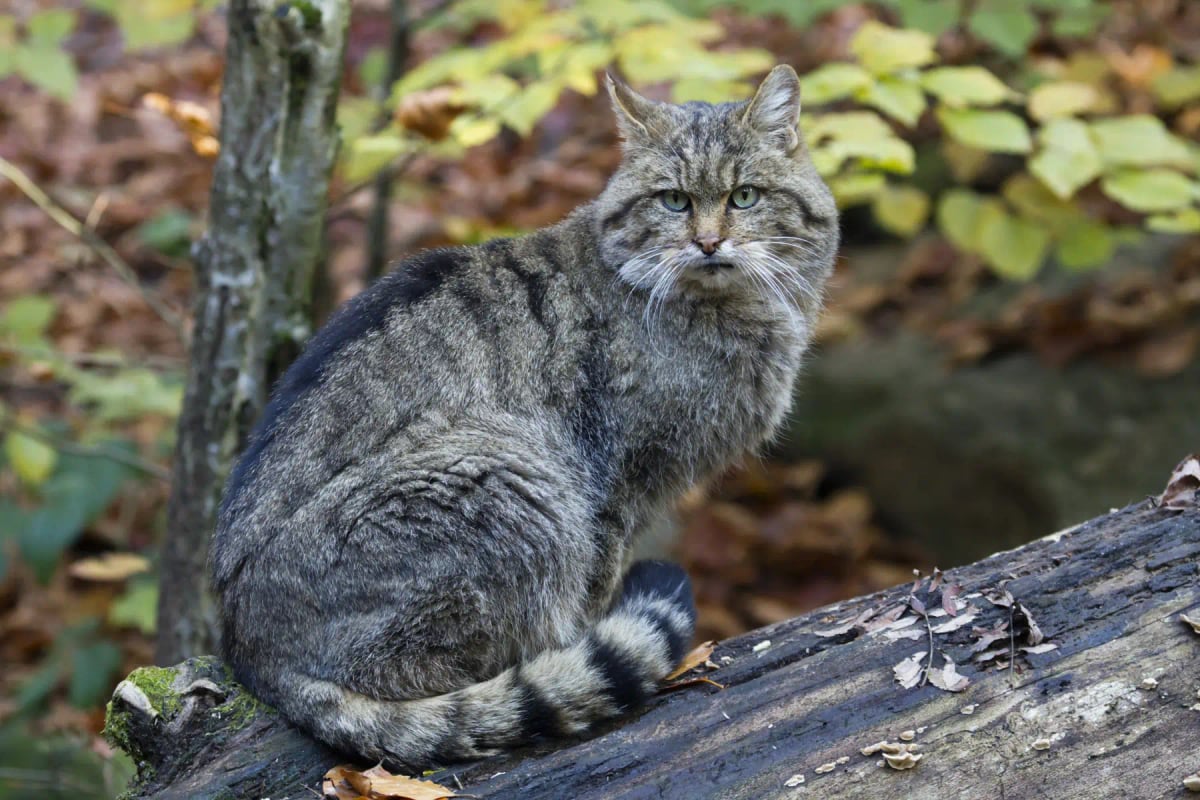
European Wildcat
Felis silvestris silvestris
In Croatia, the European wildcat inhabits forested areas of the Dinaric highlands and parts of Gorski Kotar, a region known for its dense mountain forests. It is one of the country's less visible predators, active mainly after dark and rarely seen by people. It controls small rodent populations and holds a clear territory. Crossbreeding with stray cats and road collisions are the main threats it faces.
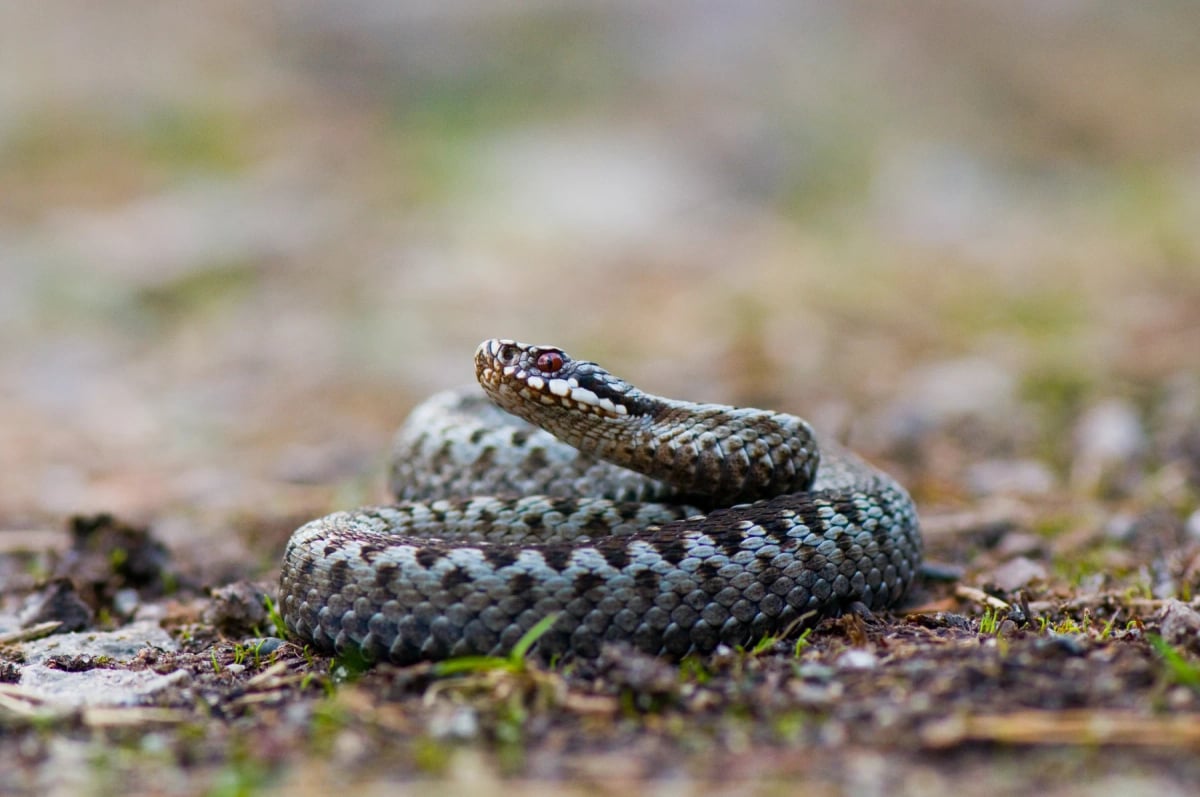
European Adder
Vipera berus
In Croatia, the European adder lives in the mountainous north and interior, including Gorski Kotar and the higher parts of the Dinaric range, in forest clearings, bogs, scrub and rocky hillsides at mid to high elevations. It is less common than the nose-horned viper, which is widespread at lower altitudes and along the coast. It is legally protected in Croatia. IUCN status: Least Concern.
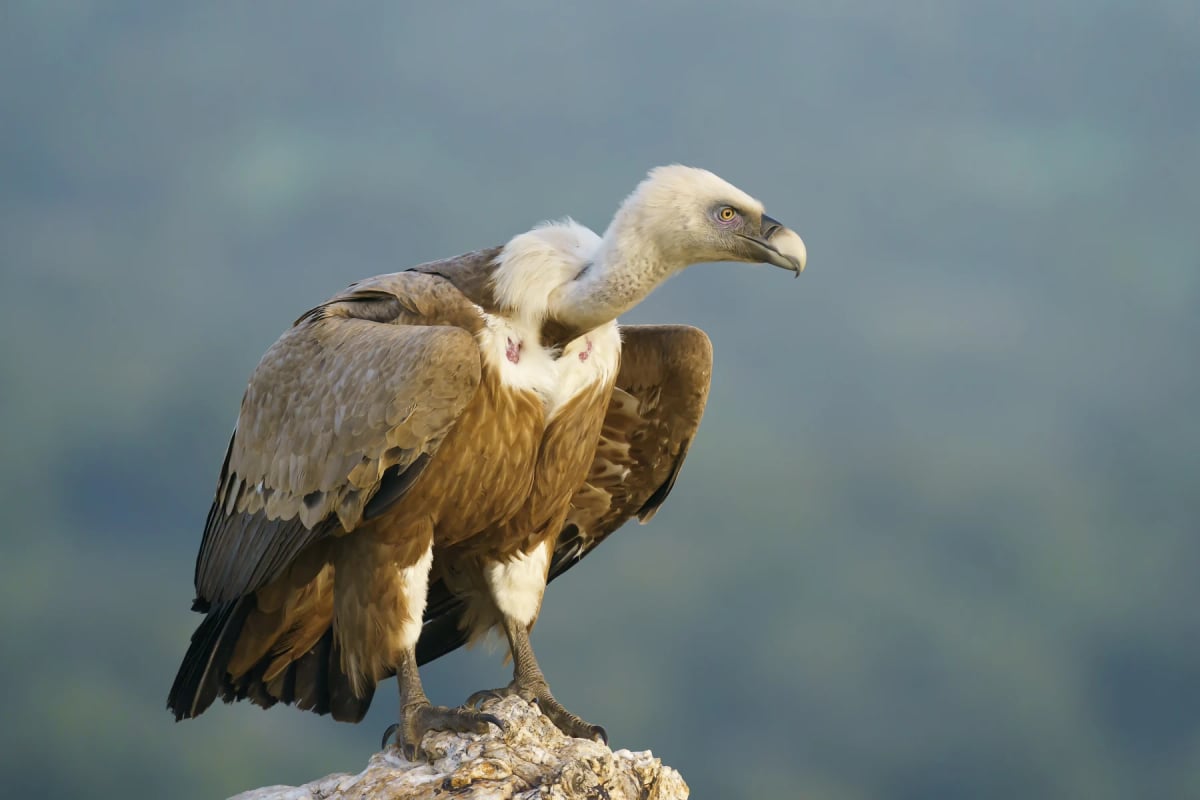
Griffon Vulture
Gyps fulvus
Croatia's griffon vultures once nested along the Dalmatian coast, but today they breed only in the Kvarner islands, especially Cres, which holds one of the largest colonies in the Adriatic. They nest on sea cliffs and forage over the islands' open sheep pastures. Conservation programs and ecotourism on Cres have raised awareness and helped protect the colony from disturbance and poisoning. IUCN status: Least Concern.
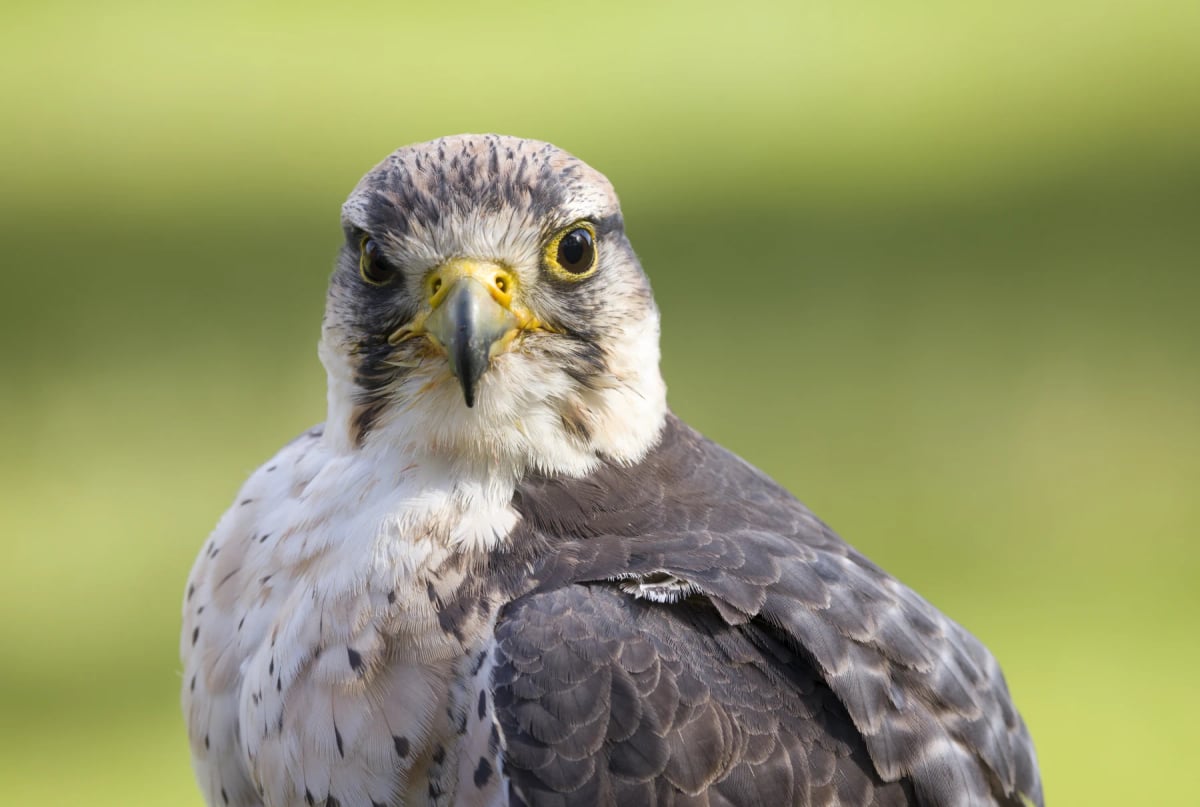
Lanner Falcon
Falco biarmicus
The lanner falcon is a rare but confirmed presence in Croatia, associated with rocky coastal areas along the Adriatic and the karst terrain of the Dinaric range. It nests on cliff ledges in these rugged landscapes and hunts birds over open ground. Croatia sits on the northern edge of its European range. The IUCN lists the species as Least Concern, though its numbers in Europe are small.
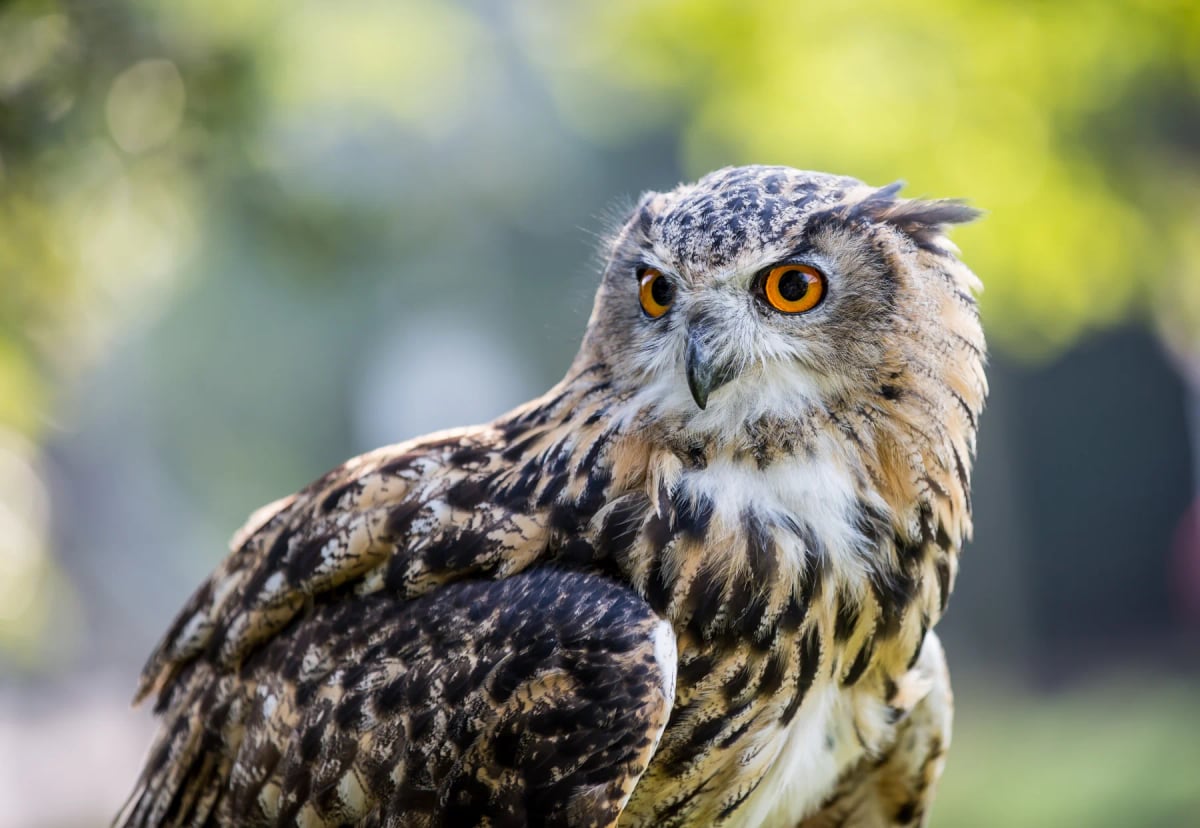
Eagle Owl
Bubo bubo
The eagle owl is one of Croatia's most impressive birds of prey, found in the rocky gorges of the Dinaric Alps, the karst of the interior, and along the Dalmatian coast and its islands. It nests on bare cliff ledges and in river canyons such as that of the Krka. With vivid orange eyes and a wingspan approaching 188 centimeters, it hunts rabbits, hedgehogs, and crows by night. IUCN status: Least Concern.
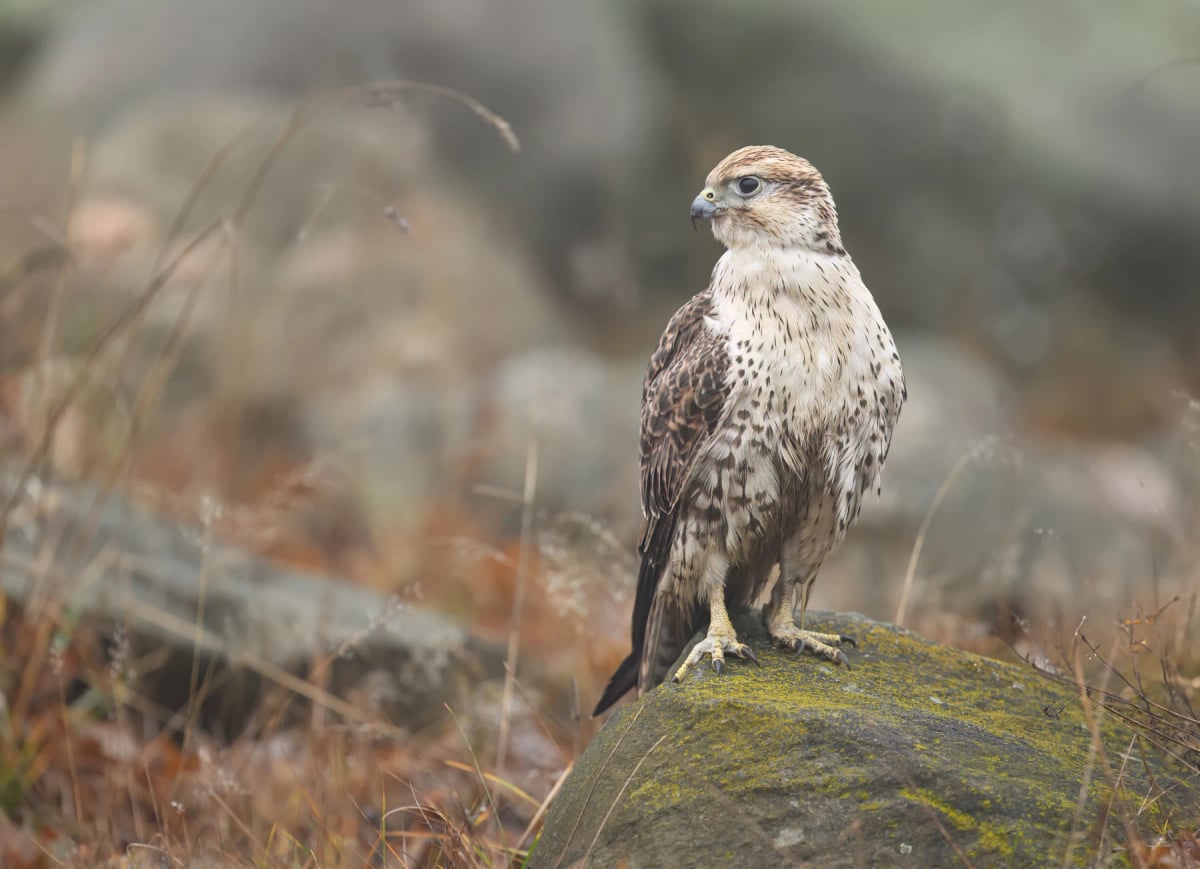
Saker Falcon
Falco cherrug
The saker falcon appears in Croatia mainly as a migrant moving through the Pannonian lowlands in the northeast of the country, a region of flat farmland that connects to the broader steppe corridor of Central Europe. A small number of breeding attempts have been recorded in this area. Electrocution on power lines is a documented cause of death for falcons in this part of their range. The IUCN lists the saker falcon as Endangered.
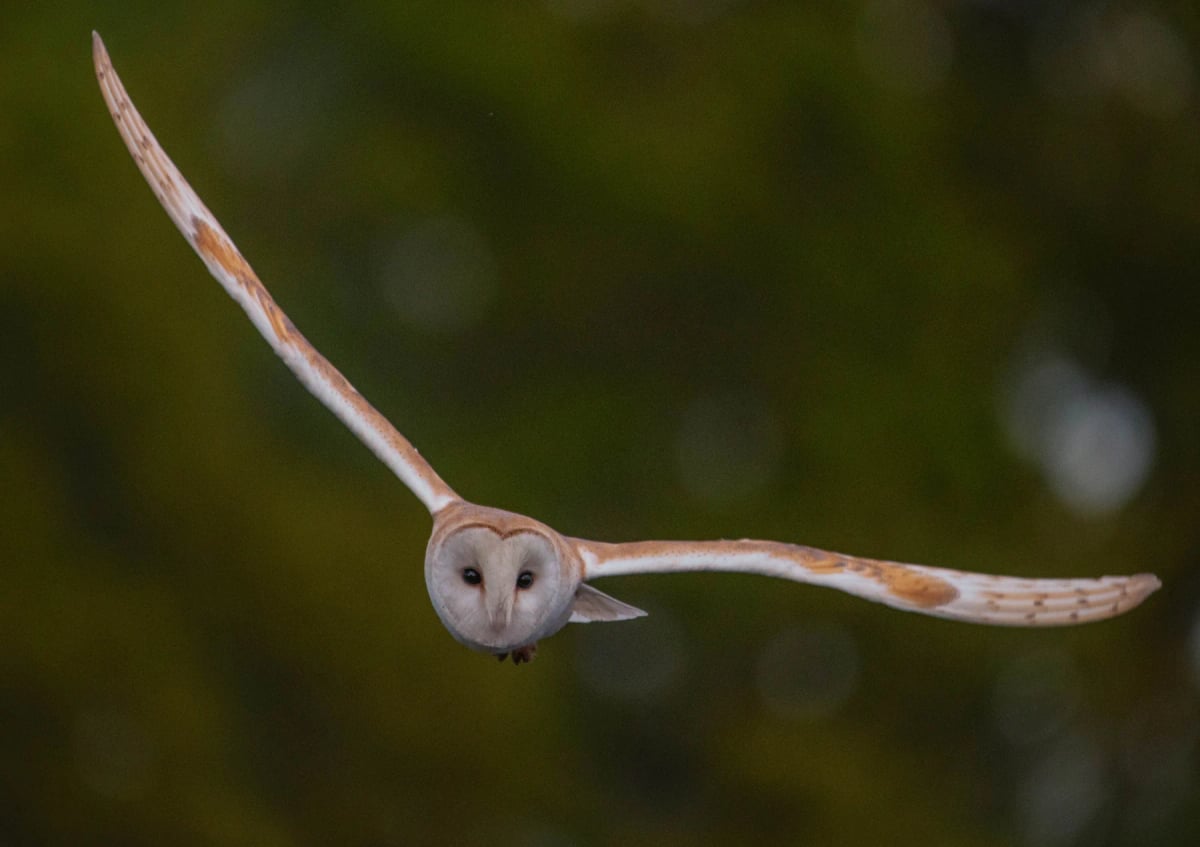
Barn Owl
Tyto alba
The barn owl is a resident of lowland and coastal Croatia, found in farmland, open countryside, and rural villages along the Pannonian plains, the Dinaric foothills, and the Dalmatian coast. It nests in old farm buildings, church towers, and hollow trees, and hunts mice and voles at night. Populations have declined in some areas due to agricultural intensification and the renovation of old buildings that previously provided nesting sites. Nest box programs are in use in several regions.
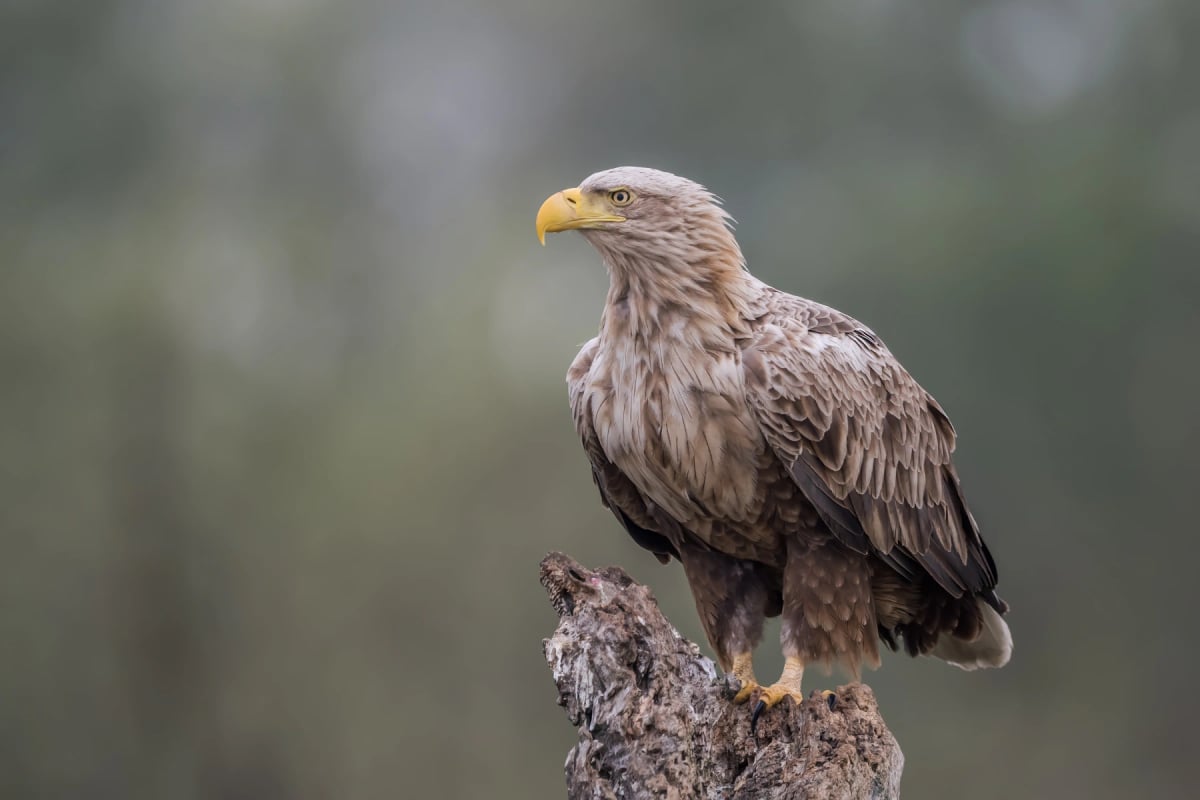
White tailed Eagle
Haliaeetus albicilla
Croatia has a strong breeding population of white tailed eagles, which grew to around 135 pairs by 2009. They nest mainly along the Sava, Drava and Danube rivers and in Kopački Rit Nature Park, one of the largest floodplain wetlands in Europe, where tall trees and rich fishing make ideal habitat. More birds appear in winter. It also feeds on carrion in winter. IUCN status: Least Concern.
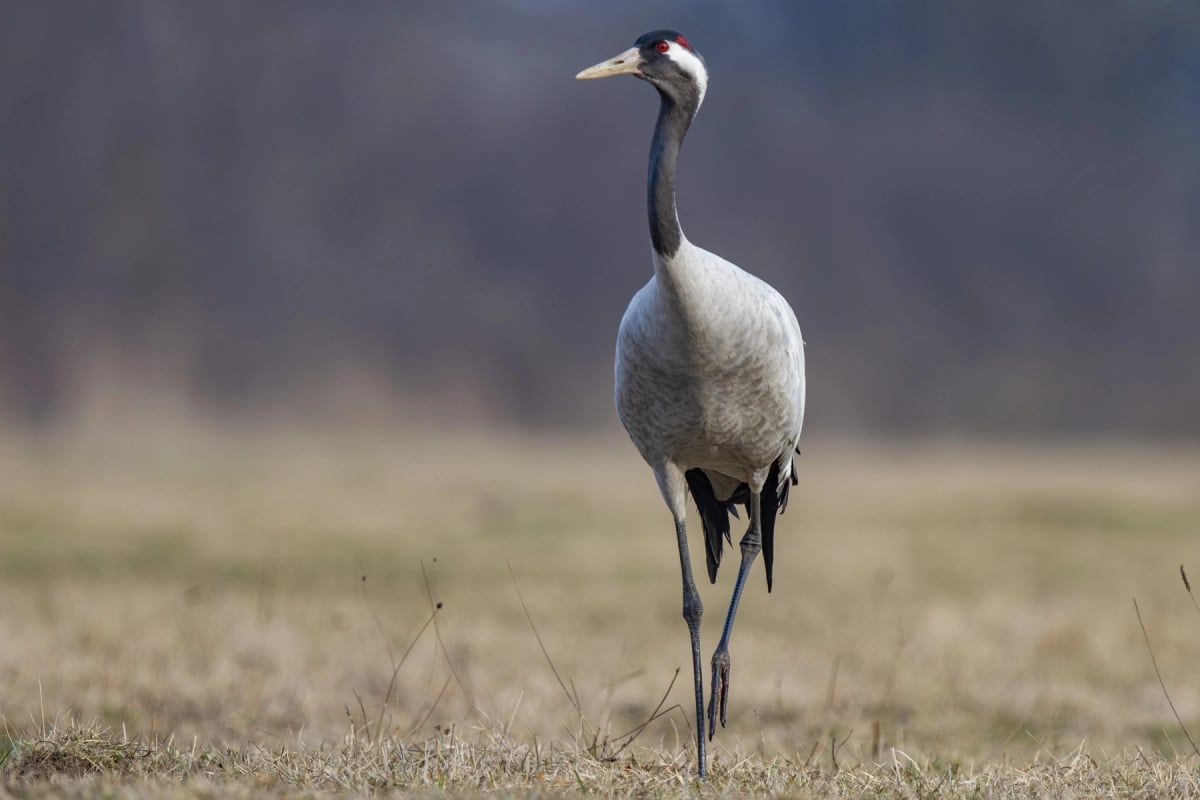
Crane
Grus grus
Croatia sees common cranes passing through on migration each spring and autumn, with flocks making use of the wetlands and agricultural plains of Slavonia and the Sava river valley in the east of the country. These birds are following the broader flyway that links breeding grounds in Scandinavia and eastern Europe with wintering areas around the Mediterranean. Classified as Least Concern, the common crane is a familiar sight in Croatian skies during the migration season.
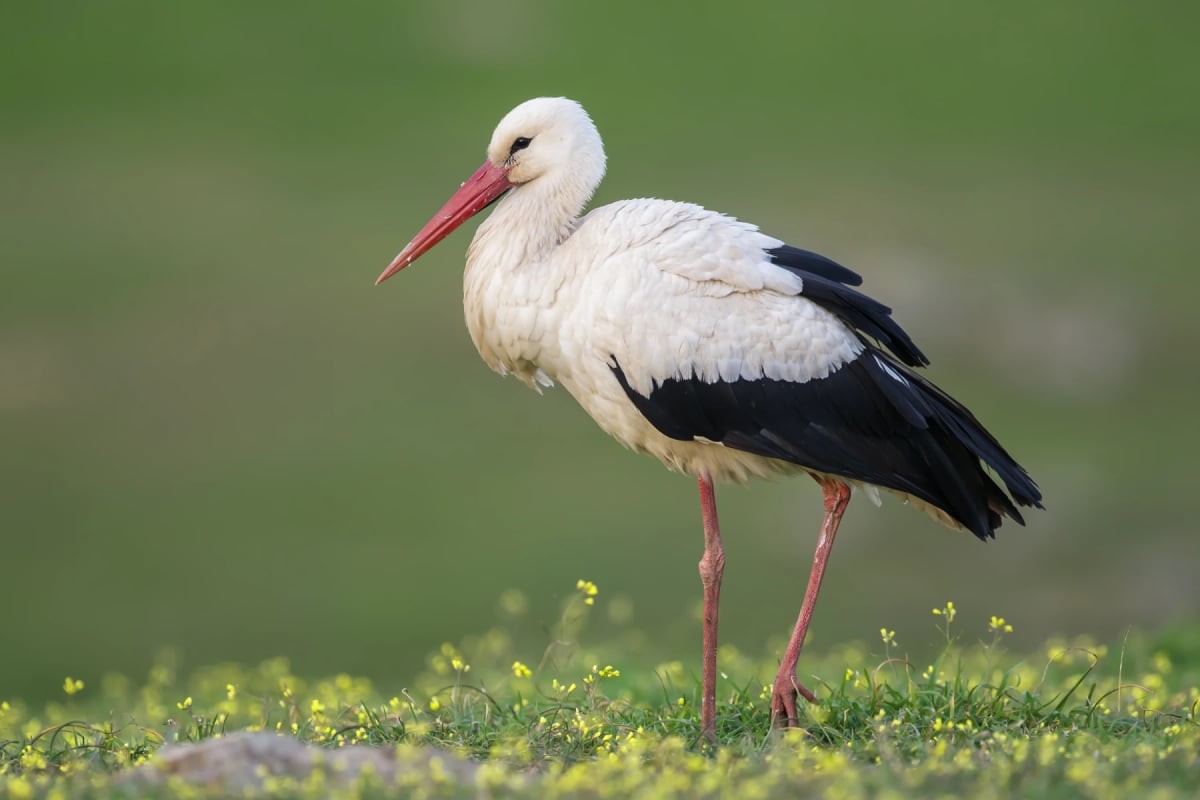
Stork
Ciconia ciconia
Croatia hosts a significant white stork breeding population, particularly in Slavonia and the Lonjsko Polje Nature Park, one of the largest floodplain areas in Europe. The flooded meadows and oak forests of this region provide rich feeding grounds. Many pairs nest on the rooftops of traditional wooden houses in villages such as Čigoč, which has been designated a European Stork Village. IUCN status: Least Concern.
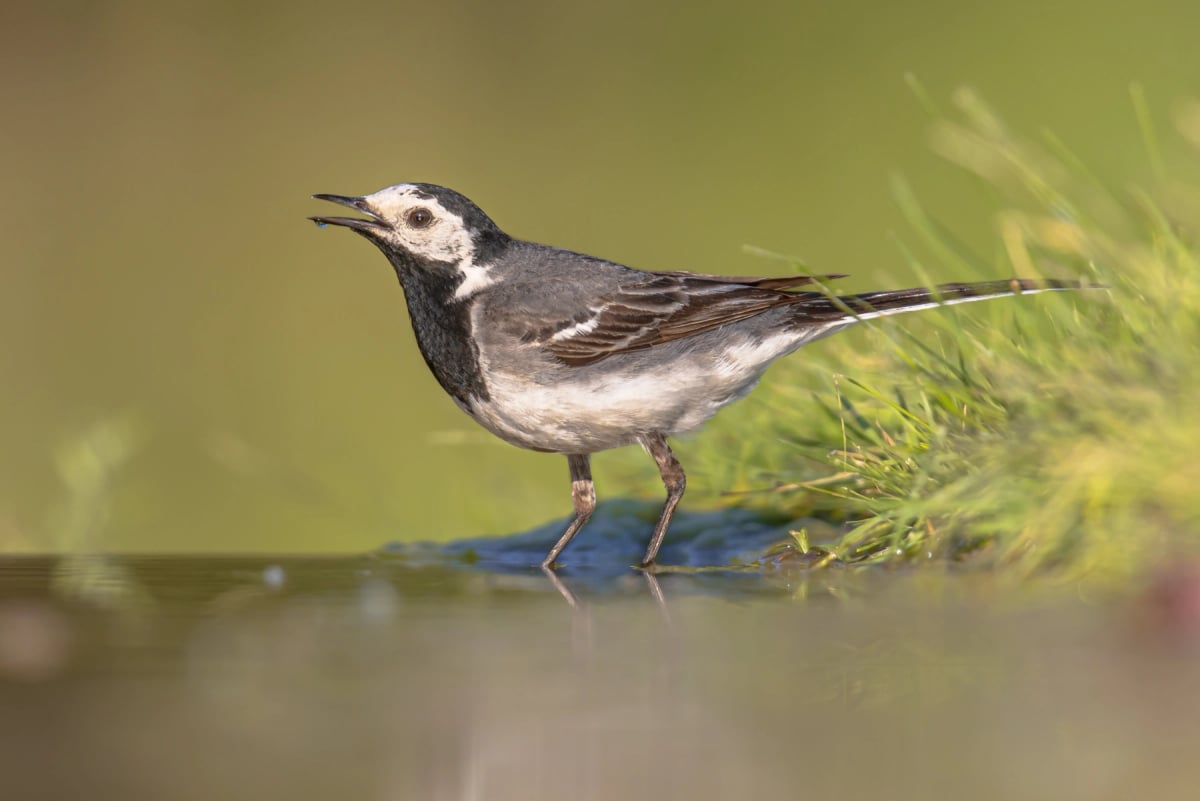
White Wagtail
Motacilla alba
In Croatia, the white wagtail is a familiar breeding bird found along rivers, streams and wetlands throughout the country, including the Neretva Delta and the banks of the Sava and Drava rivers. It also nests in towns and villages, making use of walls, bridges and rooftops. Some birds stay through winter while others migrate south. It is one of Croatia's most recognisable small birds. The IUCN lists it as Least Concern.
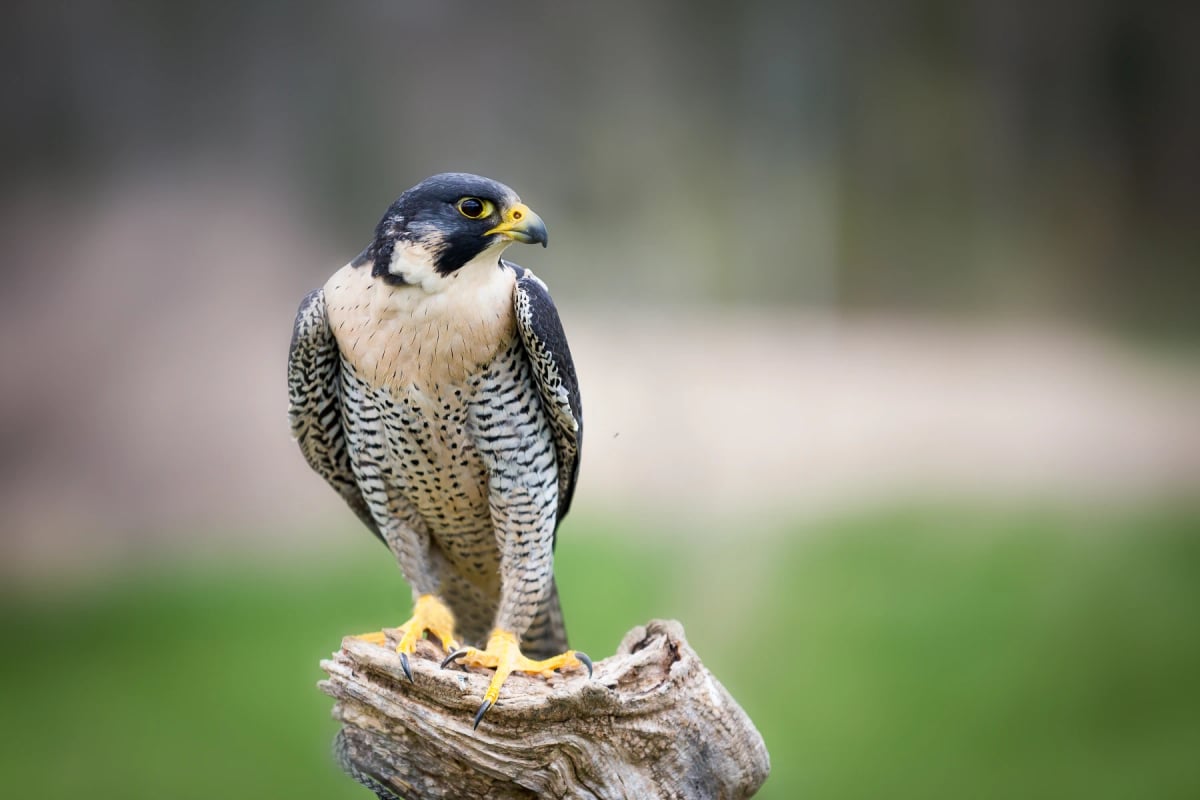
Peregrine Falcon
Falco peregrinus
Croatia supports a small but established breeding population of peregrine falcons, with pairs nesting on the limestone cliffs of the Dinaric Alps and on rocky outcrops along the Adriatic coast. The Dalmatian hinterland and the karst landscapes of the interior provide ideal nesting terrain. Croatia also lies on a migration route for birds moving between central Europe and Africa, increasing sightings during spring and autumn.
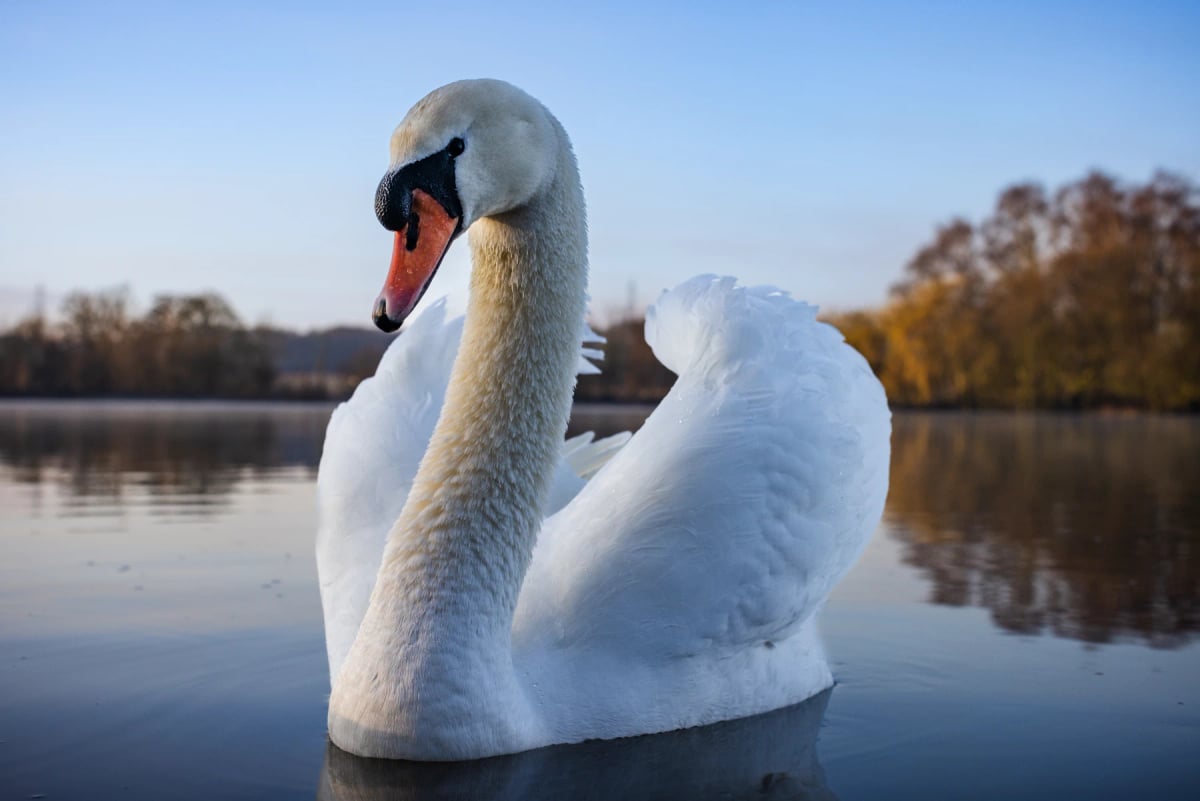
Mute Swan
Cygnus olor
The mute swan is a large waterbird with white plumage, a gracefully curved neck, and an orange bill. In Croatia, it is present along the Sava and Drava rivers, on Lake Vrana, and in the wetlands of Kopački Rit Nature Park, one of the most significant floodplain ecosystems in Europe. Pairs are highly territorial during the breeding season. The IUCN lists this species as Least Concern.
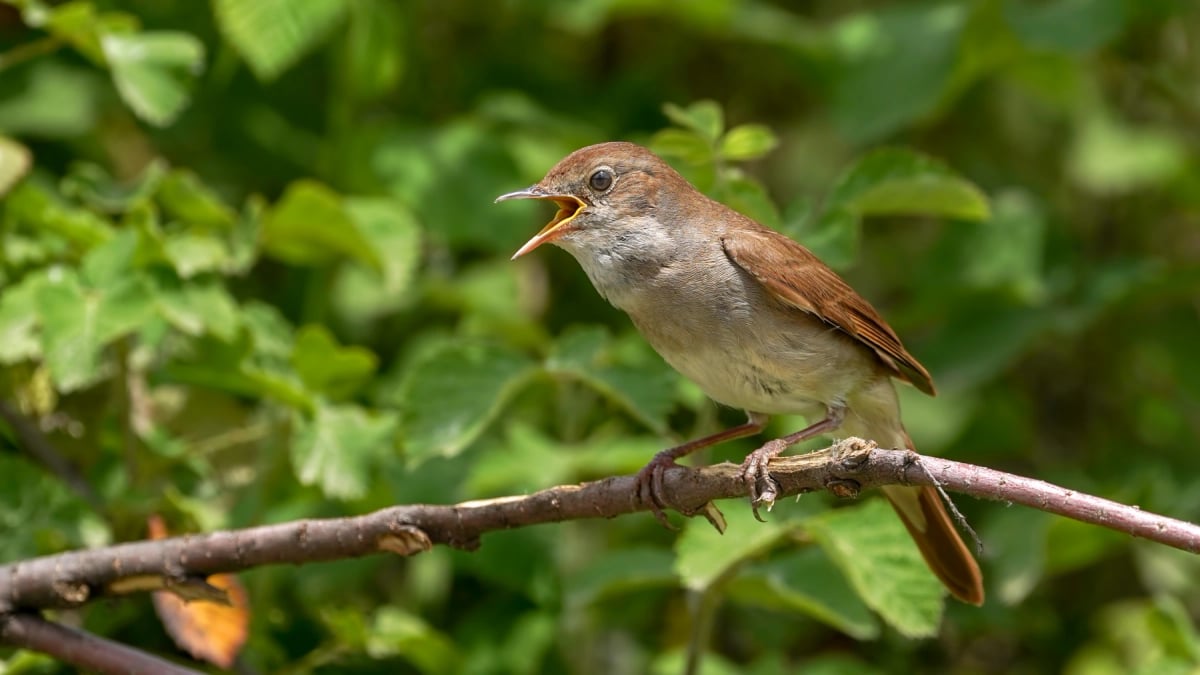
Nightingale
Luscinia megarhynchos
Croatia provides excellent breeding habitat for nightingales, both in the continental interior, especially the floodplain forests and willow thickets along the Sava and Drava rivers, and in the dense maquis scrub of the Dalmatian coast and its islands. More birds pass along the coast on migration in spring and autumn. Its song is a familiar part of spring evenings throughout much of the country, from late April into June. IUCN status: Least Concern.
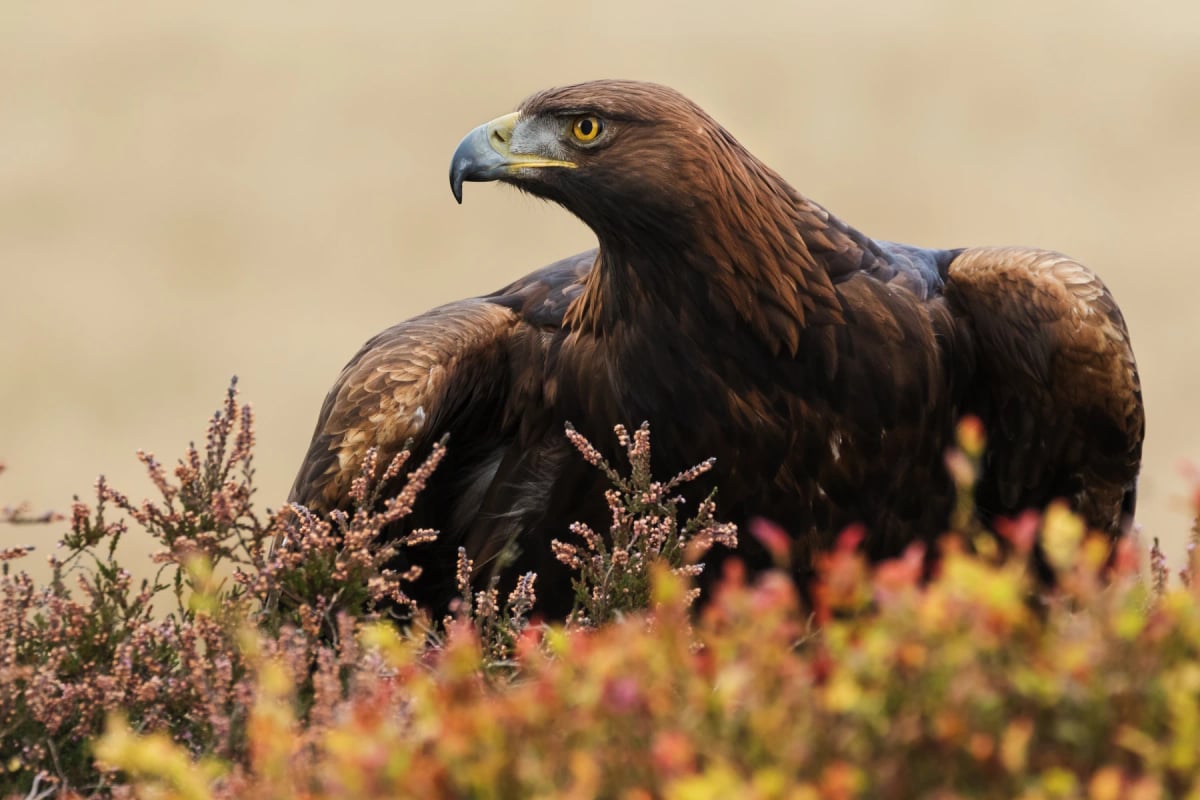
Golden Eagle
Aquila chrysaetos
In Croatia, the golden eagle lives in the Dinaric Alps and the karst mountains of the interior and the coast, such as Velebit and Biokovo. It nests on cliff faces and hunts hares, tortoises, snakes and young foxes over rocky, open hillsides. Only a small population remains, and protection of nesting cliffs from disturbance matters here. Pairs keep the same territory for years and often have several nests. IUCN status: Least Concern.
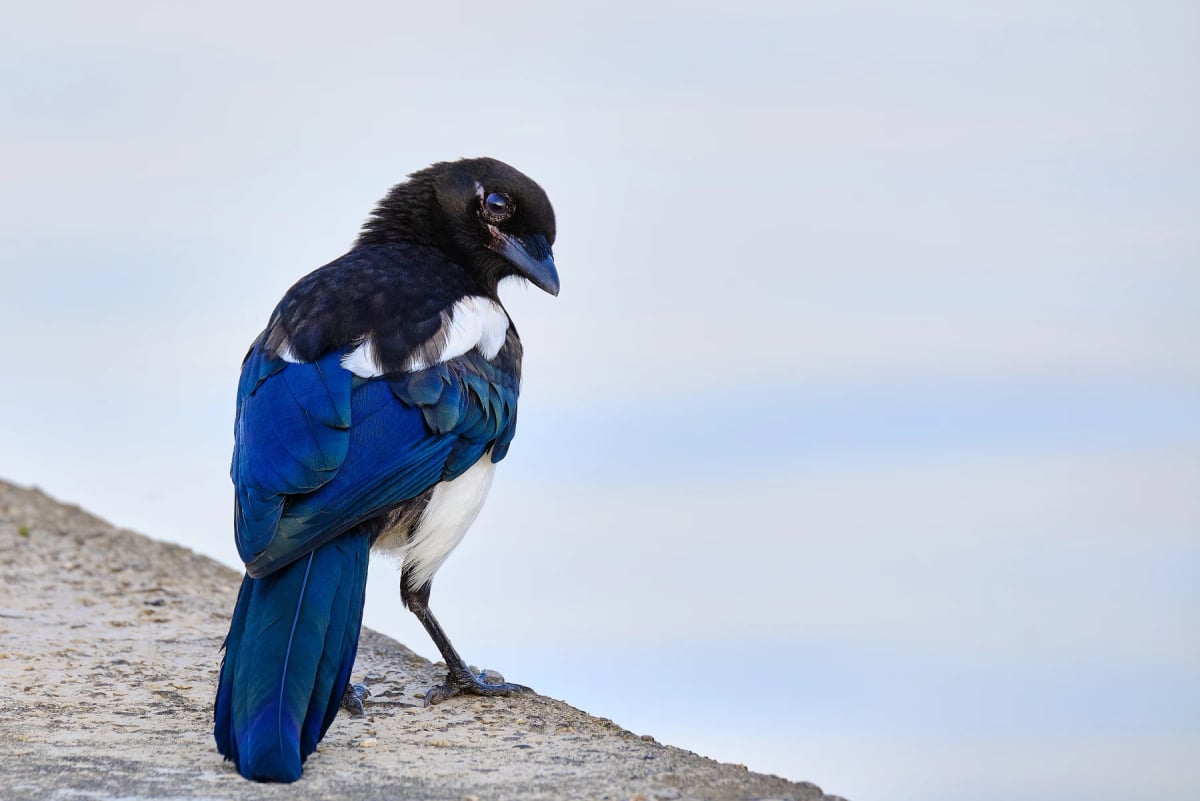
Eurasian Magpie
Pica pica
In Croatia, the Eurasian magpie is a common resident from the farmland of Slavonia and the Sava and Drava plains to the Adriatic coast and its islands, where it lives among olive groves and maquis. It is a familiar bird in the parks of Zagreb and Split. It stays all year, builds bulky stick nests with a roof, and eats insects, fruit, seeds, eggs and scraps. IUCN status: Least Concern.

Bottlenose Dolphin
Tursiops truncatus
Croatia has one of the longest studied bottlenose dolphin populations in the Mediterranean, around the islands of Lošinj and Cres, where the Blue World Institute has followed about 200 dolphins since 1987. They are the only dolphin that lives all year in the Adriatic, and they are seen along much of the Croatian coast. The Mediterranean population is Vulnerable. IUCN status: Least Concern (Mediterranean population: Vulnerable).
Researched and written by Juan Pablo. Sources: IUCN Red List, scientific literature and regional field guides. Last updated: .