Tornjak
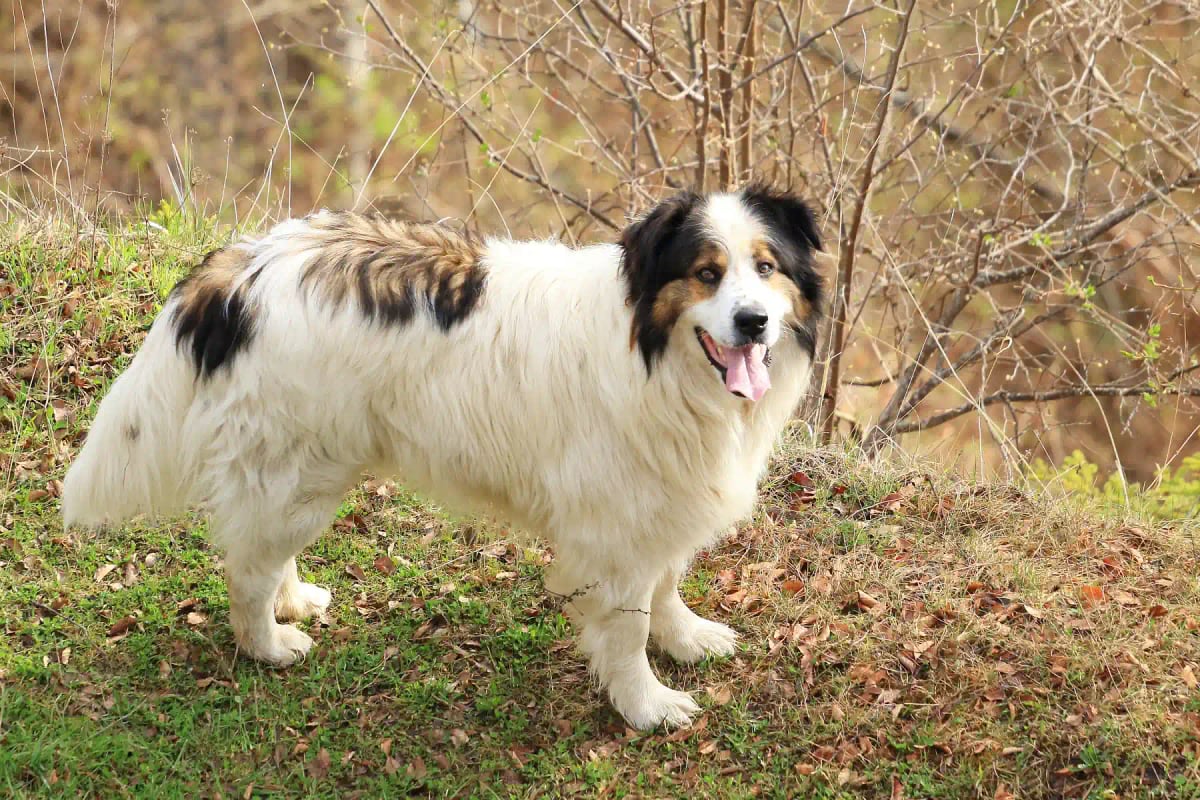
The Tornjak is a large livestock guardian breed with deep roots in the mountain pastures of Bosnia and Herzegovina and Croatia. Shepherds in the Balkans have relied on it for centuries to keep wolves and bears away from their flocks. Built for the job, this dog carries a thick double coat that holds up well against harsh winters at high altitude, combined with the strength and stamina to patrol wide, rugged terrain through the night. Despite its imposing size, the Tornjak is remarkably calm and even tempered around the people and animals it knows. It tends to be reserved with strangers, a trait that makes it an effective deterrent without being needlessly aggressive. Both Bosnia and Herzegovina and Croatia officially recognize it as a national breed, and it remains a living symbol of Balkan pastoral life.
Origin
Few working breeds can trace their roots as far back as the Tornjak. Written records from medieval Bosnia and Herzegovina mention large shepherd dogs matching its description as early as the 9th and 10th centuries, and similar accounts appear in Croatian chronicles from the same era. For generations, mountain communities in the Balkans selectively kept the dogs that proved most capable of guarding flocks on steep, exposed terrain at high altitude. Over time, this careful selection produced a breed with a consistent character and build. Both Bosnia and Herzegovina and Croatia formally recognised the Tornjak as a national breed, and the Fédération Cynologique Internationale granted it full recognition in 2017, cementing its status as one of the oldest and most distinct livestock guardian breeds in Europe.
Physical features
Built to work through long winters at elevation, the Tornjak carries a thick double coat that provides real protection against cold, wind, and snow. The outer layer is coarse and of medium length, while the undercoat is dense and soft. Coat colours vary widely and typically feature a white base marked with patches in shades of black, brown, grey, or tan. Males generally stand between 65 and 72 cm at the shoulder and weigh around 35 to 55 kg, while females are slightly smaller. The body is well muscled and rectangular in proportion, giving the dog the strength and endurance it needs to patrol large areas of rough terrain through the night without tiring. The head is broad, the expression alert, and the tail is carried high when the dog is active.
Temperament and role
What sets the Tornjak apart from many other large breeds is how it combines a calm, steady nature with a strong instinct to protect. Around the family and the animals it has been raised with, it is gentle, affectionate, and reliable. Toward strangers, it is naturally reserved and watchful, which makes it an effective deterrent without the need for aggression. This balance is exactly what centuries of pastoral life required. Shepherds in Bosnia, Herzegovina, and Croatia depended on the Tornjak to hold its ground against wolves and bears, often working through the night with little supervision. Today, the breed still serves as an active livestock guardian across the Balkans and has also found a role as a companion and property guardian in family settings, both in its home region and abroad.
Cultural significance
Across the Balkans, the Tornjak is far more than a useful working animal. For the rural communities that have lived alongside it for centuries, the dog is a tangible link to a way of life built around mountain pastures, seasonal migration of flocks, and the close relationship between people and their animals. Both Bosnia and Herzegovina and Croatia have officially recognised it as a national breed, a distinction that reflects the pride these countries take in their pastoral heritage. Efforts to preserve and promote the Tornjak gained momentum from the 1970s onward, when breeders and cynological organisations in both countries began working together to prevent the breed from disappearing after decades of population decline. Today, breed clubs, registries, and international recognition all help ensure that this ancient dog remains part of living Balkan culture.
Researched and written by Juan Pablo. Sources: IUCN Red List, scientific literature and regional field guides. Last updated: .
Technical factsheet





Frequently Asked Questions
What does a Tornjak eat?
Working Tornjaks on mountain farms are typically fed a diet based on grains, meat scraps, and whatever the shepherd can spare, since they are working animals rather than pets. Tornjaks kept as companions or show dogs today usually eat commercial dry kibble formulated for large breeds. Because they are big and active dogs, they need a good amount of protein to support their muscles and keep their energy levels steady through long nights of patrolling.
Where does the Tornjak live?
The Tornjak is native to the mountain pastures and highlands of Bosnia and Herzegovina and Croatia, where shepherds have used it for centuries. It thrives in cold, rugged environments at high altitude and is well suited to outdoor life in all seasons thanks to its thick double coat. Today the breed can also be found in other parts of Europe and beyond, kept both as a livestock guardian on farms and as a family companion.
Is the Tornjak a good family dog?
Yes, the Tornjak can be a wonderful family dog in the right setting. It is calm, loyal, and gentle with the people and animals it grows up with. That said, it is a large, independent breed with strong instincts for guarding, so it benefits from consistent training and early socialisation. It does best with space to move around, making it a better fit for a house with a yard than for apartment living.
How big does a Tornjak get?
The Tornjak is a large breed. Males typically stand between 65 and 72 cm at the shoulder and weigh somewhere between 35 and 55 kg. Females are somewhat smaller but still substantial in size. Their build is muscular and rectangular, giving them the strength they need for a night of patrolling rough terrain. Despite their size, healthy Tornjaks move with surprising ease and rarely come across as heavy or slow.
Are Tornjaks aggressive?
Tornjaks are not considered an aggressive breed. They are naturally reserved and watchful around strangers, which makes them effective guardians, but they rarely act without reason. Around the family and the animals they know, they are calm and affectionate. Their instinct is to stand their ground and deter threats rather than to attack. Proper socialisation from a young age helps them stay confident and steady in different situations without becoming overly reactive.
Is the Tornjak a rare breed?
The Tornjak was genuinely at risk of disappearing in the mid-20th century, when traditional pastoral life declined across the Balkans and the number of working dogs dropped sharply. Dedicated breeders and cynological organisations in Bosnia and Herzegovina and Croatia worked from the 1970s onward to bring numbers back up. Today the breed is no longer considered endangered, though it remains far less common than popular companion breeds and is still relatively uncommon outside its home region.
How long do Tornjaks live?
Tornjaks have a life expectancy of around 12 to 14 years, which is fairly typical for a large breed dog. Dogs kept in good conditions with regular veterinary care, appropriate exercise, and a balanced diet tend to live toward the higher end of that range. Working dogs on mountain farms often face harder physical conditions, which can affect their overall health over time. Hip dysplasia and joint issues are the health concerns most commonly associated with the breed.