Karabakh Horse
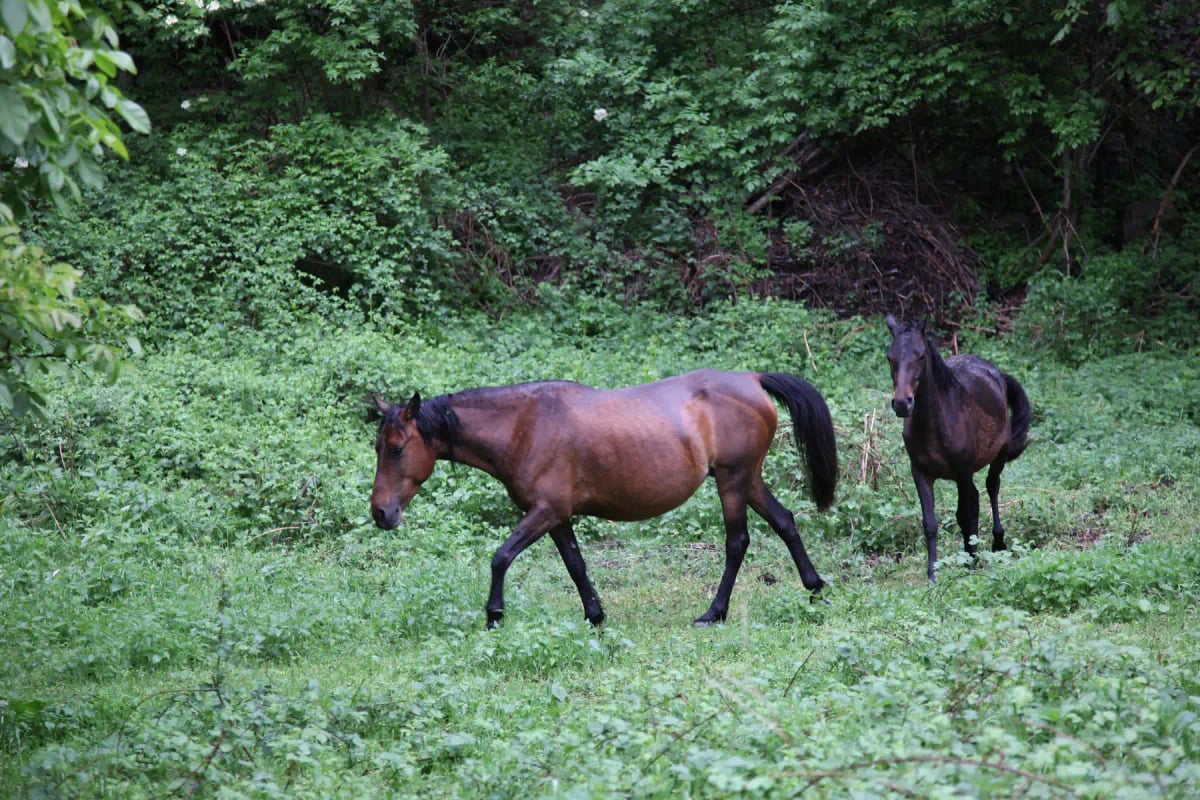
The Karabakh Horse is an ancient breed from the Caucasus region, developed over centuries in the highlands and steppes of what is now Azerbaijan. Its coat ranges from a warm golden chestnut to a rich copper tone, and its build is compact but athletic, with legs built for rocky mountain terrain. Standing around 145 to 155 cm at the withers, it weighs between 350 and 450 kg and moves with a notably smooth, elastic gait that makes long rides comfortable for the rider. The breed is known for its calm temperament, endurance on difficult ground, and a natural agility that suited both warfare and trade routes across the Caucasus. Azerbaijani khans kept these horses as prized possessions, and they remain central to traditional chovgan, a polo style game recognized by UNESCO. Only a few thousand purebred individuals survive today, making breed preservation a serious concern.
Origin and habitat
Few horse breeds can trace their roots as clearly as the Karabakh. It developed over many centuries in the Karabakh region of the South Caucasus, in what is now Azerbaijan. The horses spent their lives moving between the rocky highlands and the open grassy steppes below, and the land shaped them in lasting ways. The altitude, the uneven ground, and the seasonal shifts in temperature all pushed the breed toward toughness and sure footing. Azerbaijani breeders worked with these natural conditions rather than against them, selecting horses that could handle mountain passes and long journeys with equal ease. The Agdam stud farm, established in the twentieth century, became the main center for preserving the pure bloodline, though the conflict over Nagorno-Karabakh disrupted breeding programs and scattered much of the remaining stock.
Characteristics
Built for the mountains, the Karabakh Horse stands between 145 and 155 cm at the withers and weighs roughly 350 to 450 kg, giving it a compact frame that is still clearly athletic. The coat is one of its most recognizable features: a warm golden chestnut or copper tone that can catch the light in a striking way. The legs are lean and strong, shaped by generations of travel over uneven stone and hard soil. What really sets this breed apart, though, is its gait. The movement is smooth and elastic in a way that absorbs the ground well, reducing fatigue for the rider over long distances. Add to that a calm and cooperative temperament, and it becomes easy to understand why this horse was chosen for military campaigns, trade routes, and competitive riding across the Caucasus for centuries.
Cultural role
Throughout Azerbaijani history, the Karabakh Horse has occupied a place well beyond the stable. The khans of the Karabakh region kept these horses as symbols of status and power, and foreign rulers and diplomats received them as gifts of great prestige. Their reputation spread across the Caucasus and into Persia and Russia. Today, the horse is woven into the national identity of Azerbaijan in a very visible way: it appears on coins, in paintings, and in state ceremonies. Its most celebrated living tradition is chovgan, a team game played on horseback that shares roots with polo. UNESCO added Azerbaijani chovgan to its list of Intangible Cultural Heritage in Need of Urgent Safeguarding in 2013, recognizing both the skill it demands and its deep connection to this particular breed.
Conservation
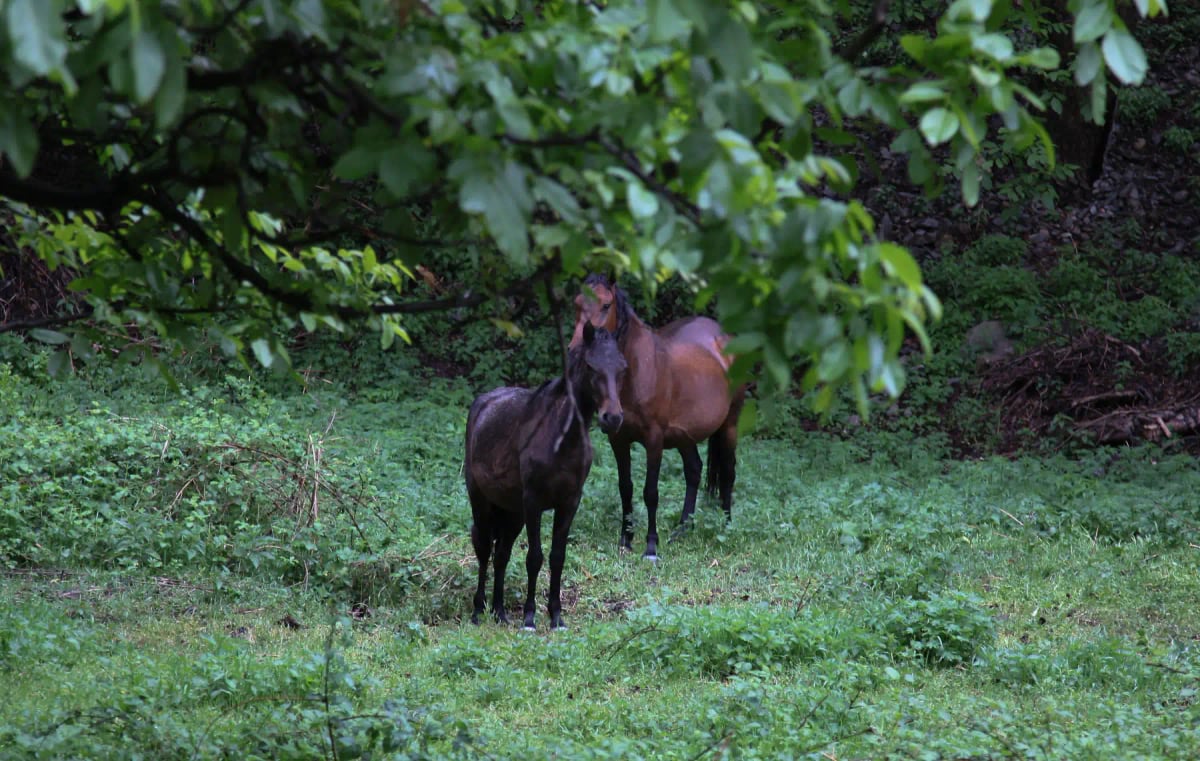
Preserving the Karabakh Horse has proven to be a serious challenge over the past few decades. The breed is not evaluated by the IUCN since it is a domestic breed rather than a wild species, but that does not make its situation less urgent. Crossbreeding with other breeds over generations has diluted the pure bloodline considerably, and only a small number of horses that meet the traditional standard remain. Estimates put the count of purebred individuals in the low thousands. The armed conflict over Nagorno-Karabakh was particularly damaging, forcing the relocation of animals and interrupting the work of dedicated breeding programs. The Azerbaijani government and several cultural organizations have made breed recovery a national priority, investing in registered studs and working to document the remaining population before the genetic heritage of this ancient horse is lost for good.
Researched and written by Juan Pablo. Sources: IUCN Red List, scientific literature and regional field guides. Last updated: .
Technical factsheet



Frequently Asked Questions
What do Karabakh Horses eat?
Karabakh Horses are grazers that thrive on grasses, hay, and wild plants found across mountain pastures and steppes. Like most domestic horse breeds, they also receive supplemental feed such as grains and minerals when kept in managed settings. Their digestive systems are built for frequent, small meals throughout the day. Fresh water is essential, and horses in traditional Azerbaijani herding practices often followed seasonal pastures to find both.
Where do Karabakh Horses live today?
The Karabakh Horse originated in the South Caucasus region of what is now Azerbaijan. Today, most purebred individuals are found in Azerbaijan, where state-supported stud farms work to maintain the bloodline. The armed conflict in the Nagorno-Karabakh region displaced many horses and disrupted breeding programs, so the population is now concentrated in facilities further from that area. Small numbers may also exist in other countries through export and breeding agreements.
How rare is the Karabakh Horse?
The Karabakh Horse is considered one of the rarest horse breeds in the world. Estimates place the number of purebred individuals in the low thousands, and some sources suggest the truly pure population may be even smaller. Decades of crossbreeding and the disruption caused by regional conflict have reduced the gene pool significantly. Conservation efforts in Azerbaijan are actively working to register, protect, and increase the number of horses that meet the traditional breed standard.
Is the Karabakh Horse good for riding?
Yes, the Karabakh Horse has always been valued as a riding horse. Its smooth, elastic gait makes long journeys considerably more comfortable for the rider compared to breeds with a rougher stride. It is also known for a calm and cooperative temperament, which makes it manageable across varied terrain. Historically, these qualities made it a favorite for military use and trade travel across the rugged passes of the Caucasus mountains.
What are the main threats to the Karabakh Horse?
The biggest threats to the Karabakh Horse are crossbreeding and the consequences of armed conflict. Mixing with other breeds over many generations has diluted the original bloodline, making truly purebred animals increasingly rare. The conflict over Nagorno-Karabakh forced the relocation of horses and interrupted decades of careful breeding work. Small population size also increases the risk from disease or other unexpected events, which is why registration and controlled breeding programs are so important right now.
How long do Karabakh Horses live?
Karabakh Horses have a lifespan similar to other domestic horse breeds, typically living between 25 and 30 years when well cared for. Their naturally robust build, developed through generations in the demanding conditions of the Caucasus highlands, contributes to their general hardiness. Horses used in breeding programs or traditional equestrian activities like chovgan are given careful attention to nutrition, veterinary care, and exercise, all of which support a healthy and long life.
Why is the Karabakh Horse important to Azerbaijan?
The Karabakh Horse is a symbol of national identity in Azerbaijan. It appears on the country's coins and in its art, and it is the central figure in chovgan, a traditional horseback game with deep historical roots that UNESCO recognized in 2013 as Intangible Cultural Heritage in Need of Urgent Safeguarding. Beyond culture, the horse represents centuries of skilled breeding by Azerbaijani people who shaped a remarkable animal from the land and climate of the South Caucasus.