Animals in Israel
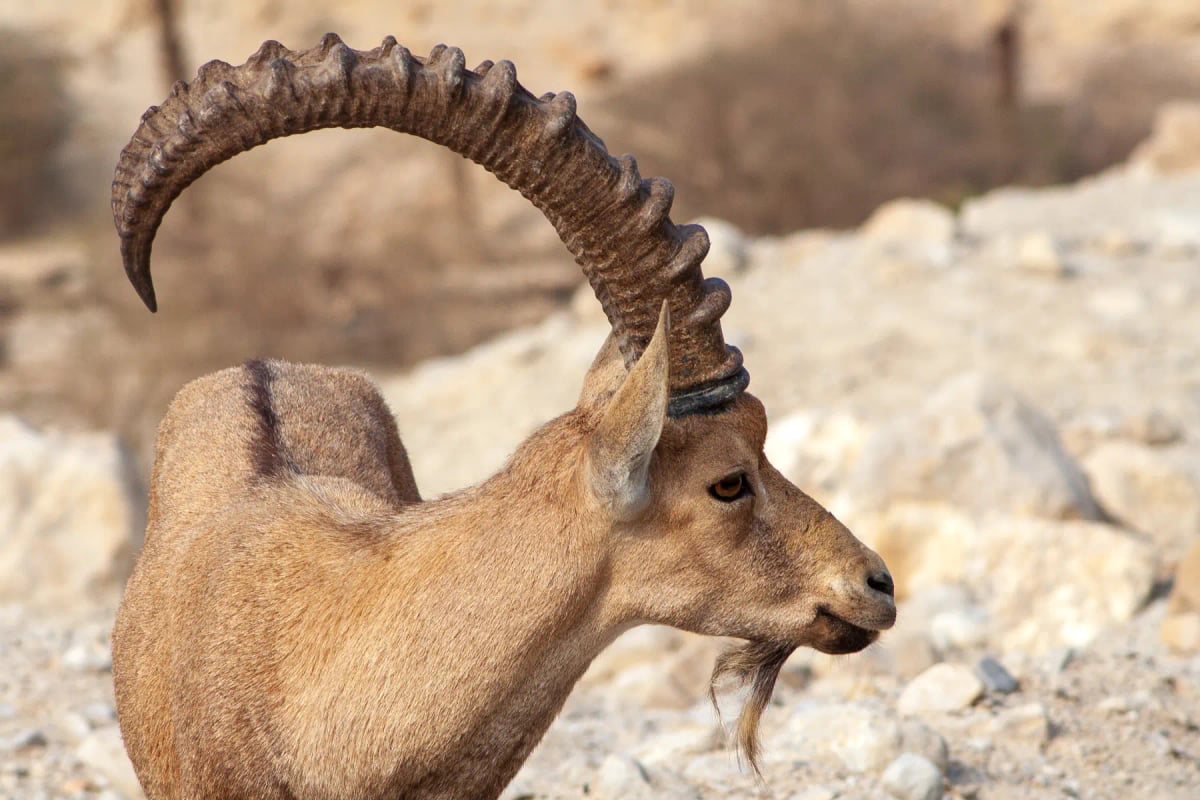
Nubian Ibex
Capra nubiana
The nubian ibex is a well known animal symbol of Israel and lives mainly on rocky desert slopes. Its long horns and sure steps on steep cliffs make it easy to recognise from viewpoints and roads. It appears in park logos, stamps and tourism signs, and for many people it links modern travel with older images of herds and dry mountain landscapes.
View details→Wildlife in Israel
Israel is a small country with many landscapes, from Mediterranean coast and green hills to dry desert and deep valleys. Visitors often meet wildlife in nature reserves, short desert walks and bird watching points near lakes and the sea. From these easy routes it is possible to see gazelles, ibex, foxes, jackals, dolphins and many birds without going far from towns.
Most Dangerous Animals in Israel
Danger for visitors in Israel appears mainly in quiet rural or desert areas and in open sea. Wild boar may defend themselves if they feel trapped in dense cover, while wolves, striped hyenas and honey badgers are strong carnivores that usually avoid people. Offshore the orca and the hammerhead shark use deeper water. On normal tourist routes encounters are brief and distant.
Top 10 Animals in Israel
The top 10 list for Israel highlights the grey wolf and the peregrine falcon, both fitting well with hills, valleys and coastal cliffs. Wolves use open areas and quiet mountains and are sometimes seen at a distance from rural roads. The peregrine falcon hunts near high cliffs and sea edges and can be observed during migration from simple coastal viewpoints.
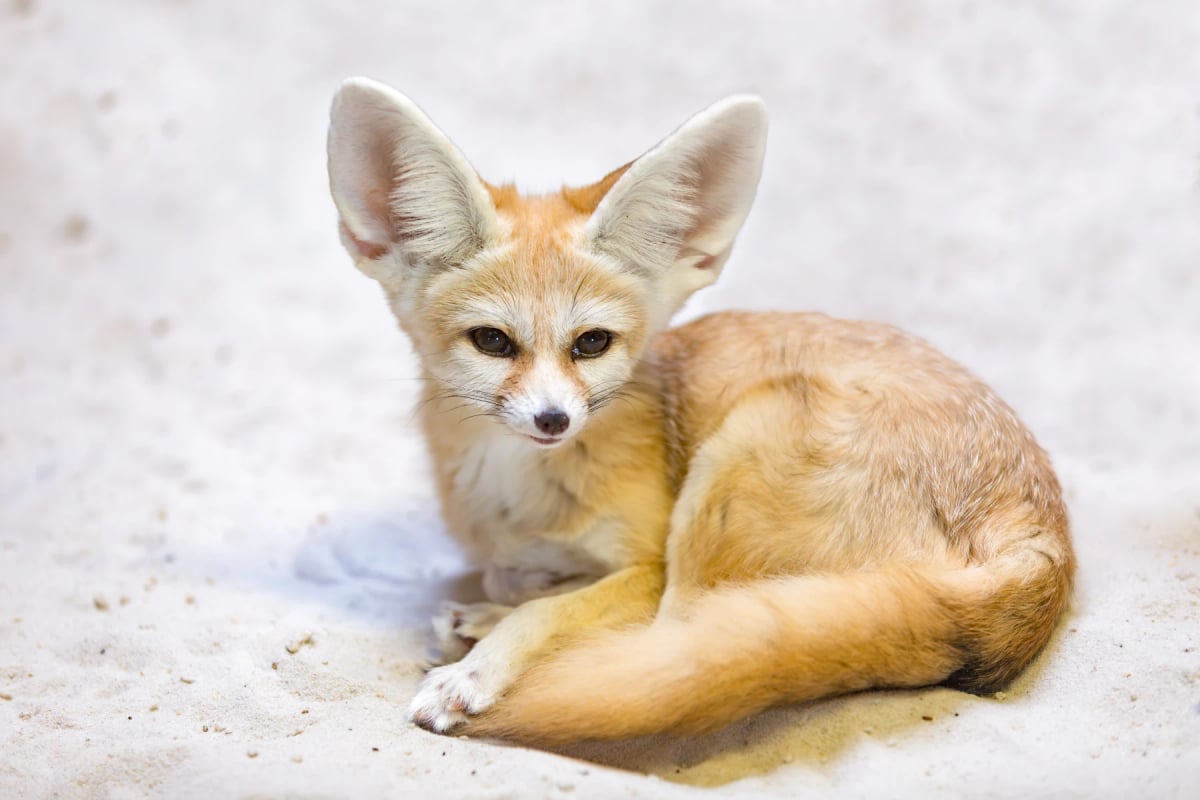
Fennec Fox
Vulpes zerda
In Israel, the fennec fox is found in the Negev Desert and the Arava Valley, which mark the eastern edge of its range. It is not commonly seen but has been documented in sandy and rocky desert areas in the south of the country. Interest in desert wildlife has grown in Israel in recent years, raising awareness around this small and distinctive fox.
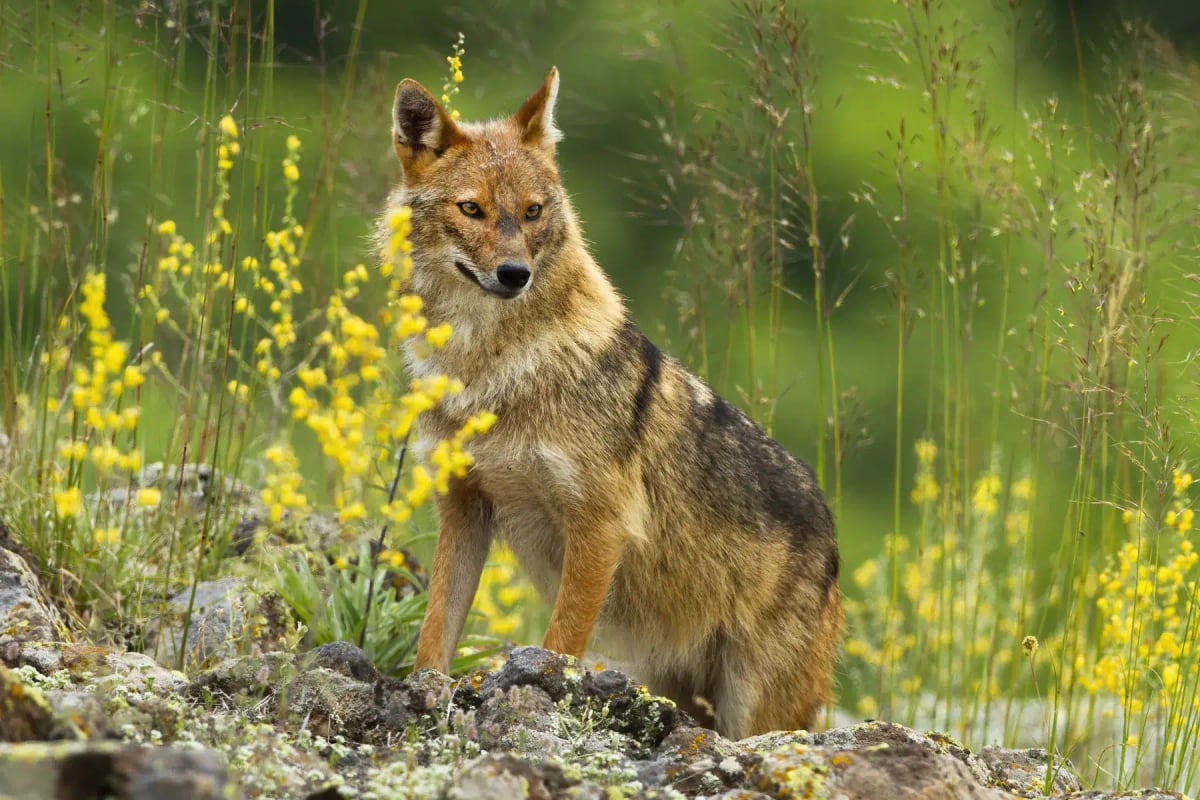
Golden Jackal
Canis aureus
The golden jackal is common throughout Israel, found in habitats ranging from the Mediterranean scrubland of the Galilee and Carmel to agricultural valleys and the edges of urban areas. It has adapted remarkably well to life near human settlements and is frequently detected in nature reserves such as the Hula Valley. Research in Israel has contributed significantly to understanding jackal social behavior and territory use. IUCN status: Least Concern.
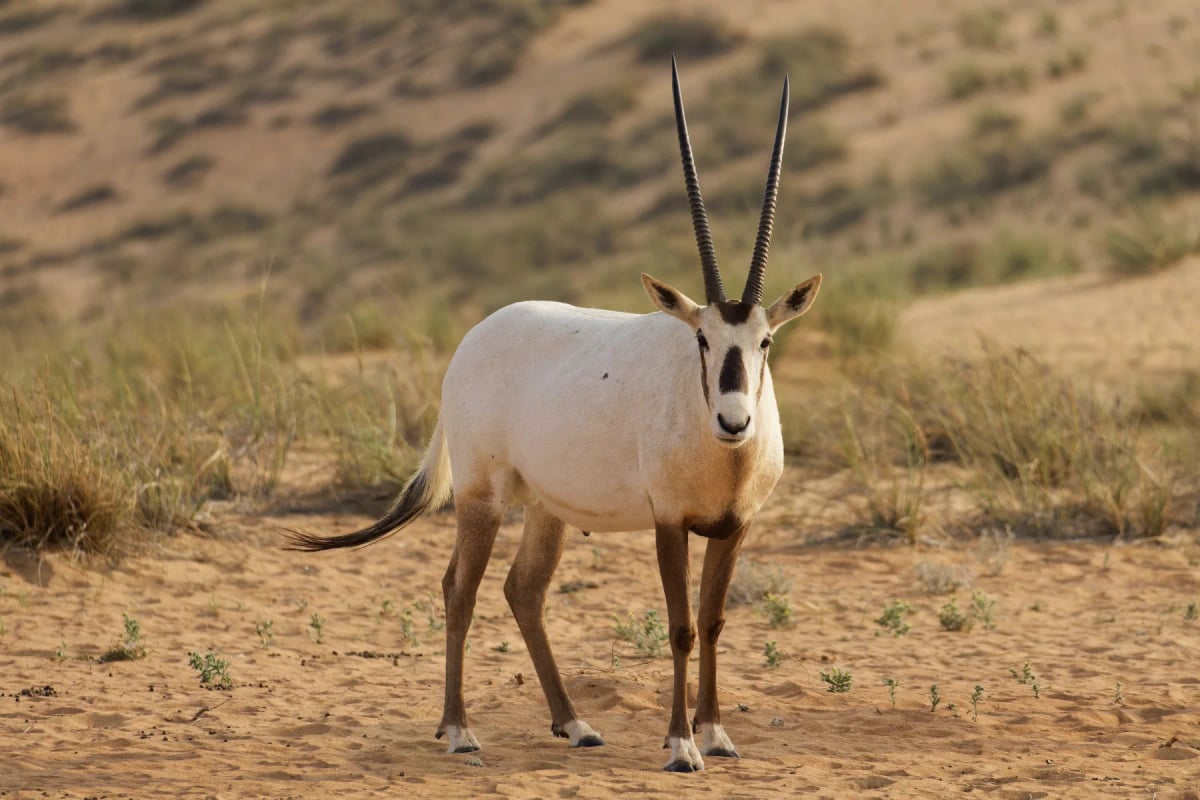
Arabian Oryx
Oryx leucoryx
The Arabian oryx was reintroduced to Israel's Negev desert through the Yotvata Hai-Bar Nature Reserve, established in the 1960s specifically to restore locally extinct desert species. The reserve has maintained a breeding population and released individuals into the surrounding Arava Valley. Israel's oryx population remains small and dependent on active management, but represents a successful restoration at the northwestern edge of the species' historical range.
Nubian Ibex
Capra nubiana
In Israel, the Nubian ibex is closely associated with the Negev Desert and the cliffs around the Dead Sea, particularly in the Ein Gedi Nature Reserve. This reserve has become one of the most reliable places to observe the species, where herds move confidently across sheer rock faces. Conservation efforts here have helped stabilize local numbers, though urban pressure and road traffic remain real concerns for the population. IUCN status: Vulnerable.
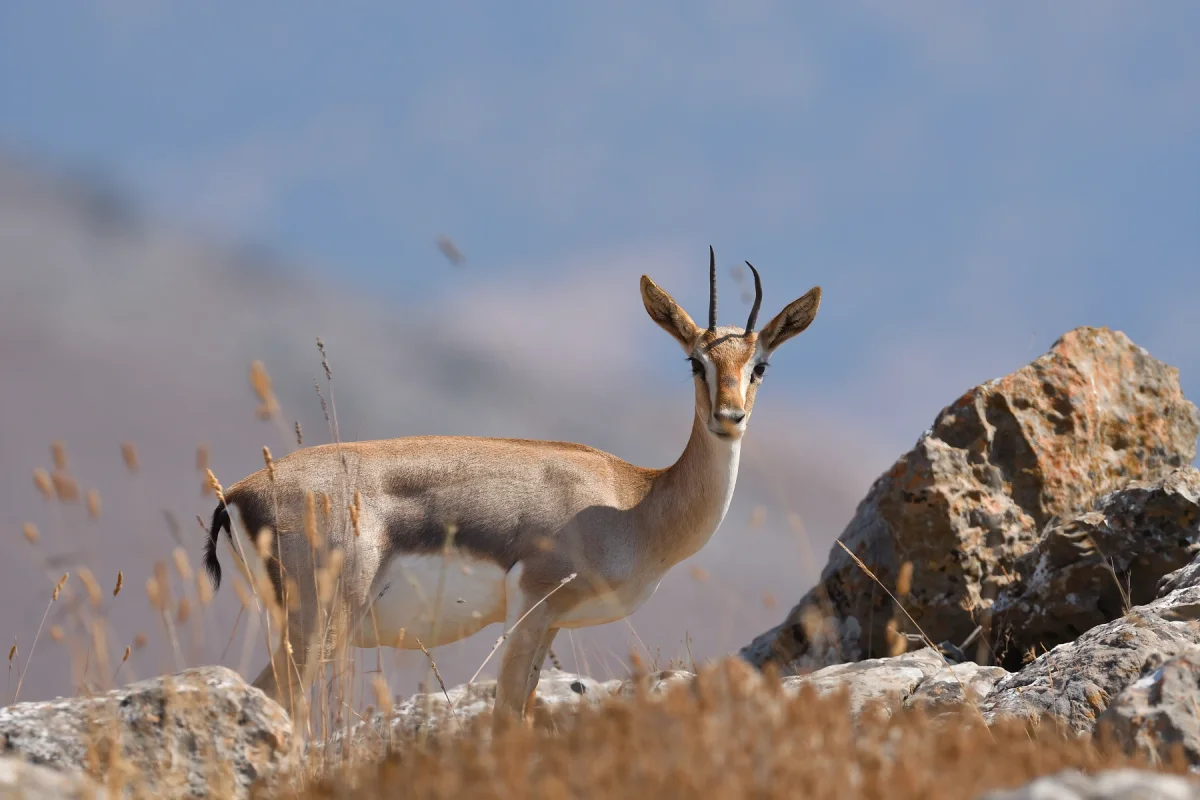
Mountain Gazelle
Gazella gazella
The mountain gazelle is one of Israel's most iconic wild mammals, roaming the Galilee hills, the Carmel range, and the Judean foothills. Israel holds some of the largest remaining populations, many of which are sheltered within nature reserves managed by the Israel Nature and Parks Authority. Urban sprawl, roads, and feral dogs remain serious threats, making protected areas essential to the survival of this Endangered species.
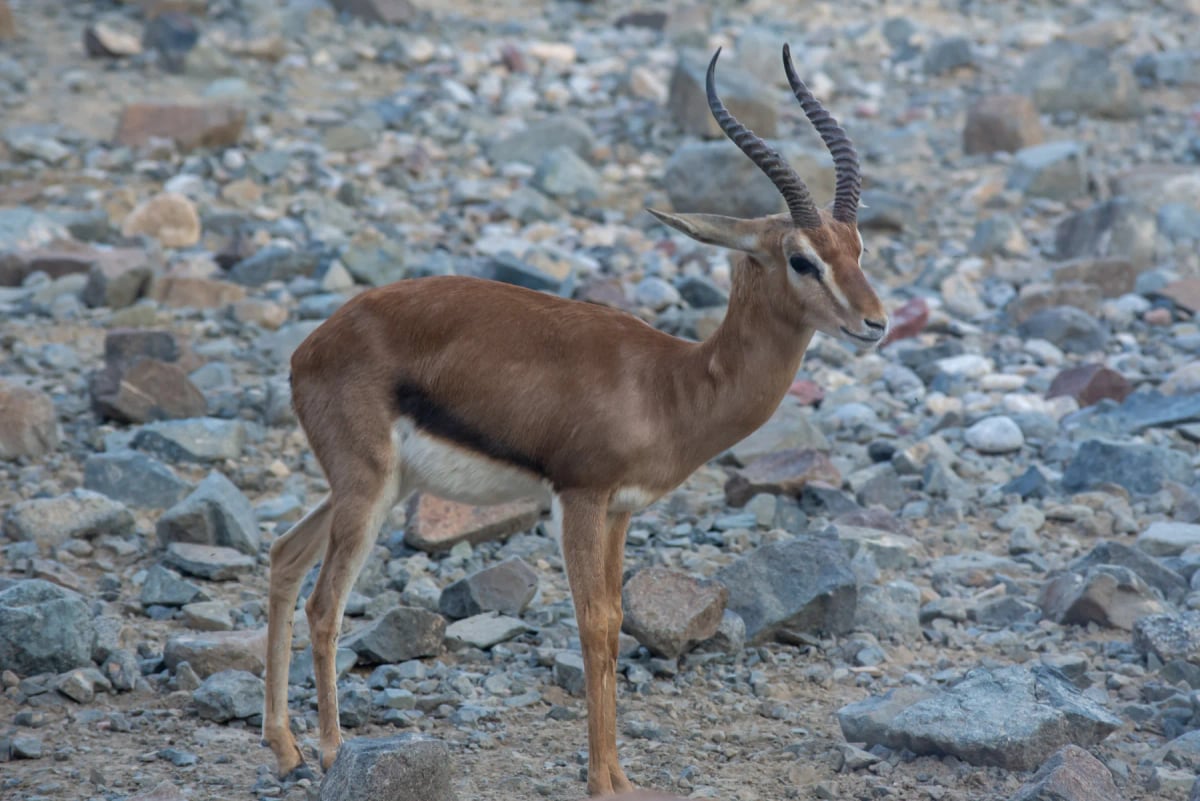
Arabian Gazelle
Gazella arabica
Israel holds one of the smallest and most endangered populations of Arabian gazelle in its entire range. Around 30 individuals survive in the Arava Valley in the south of the country, where they are carefully monitored and protected from hunting. Local researchers have studied this group intensively over decades, and ongoing conservation efforts aim to prevent the local extinction of this critically small population.
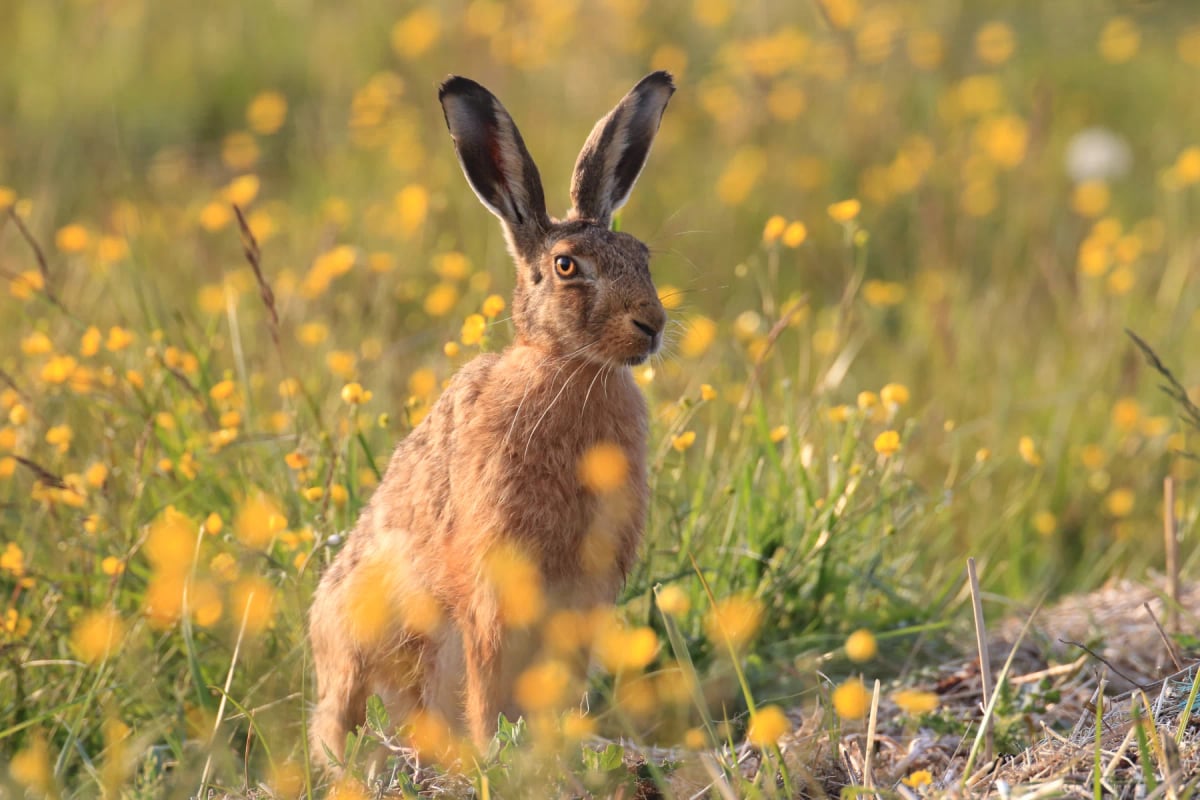
Hare
Lepus europaeus
The European hare is present in Israel across a range of habitats, from the agricultural fields of the Jezreel Valley to the open shrublands of the Negev fringe. It is well adapted to the Mediterranean and semi-arid conditions found throughout much of the country. The species is active mainly at dusk and dawn, avoiding the intense midday heat. It is considered a game species in Israel, with regulated hunting seasons in place. IUCN status: Least Concern.
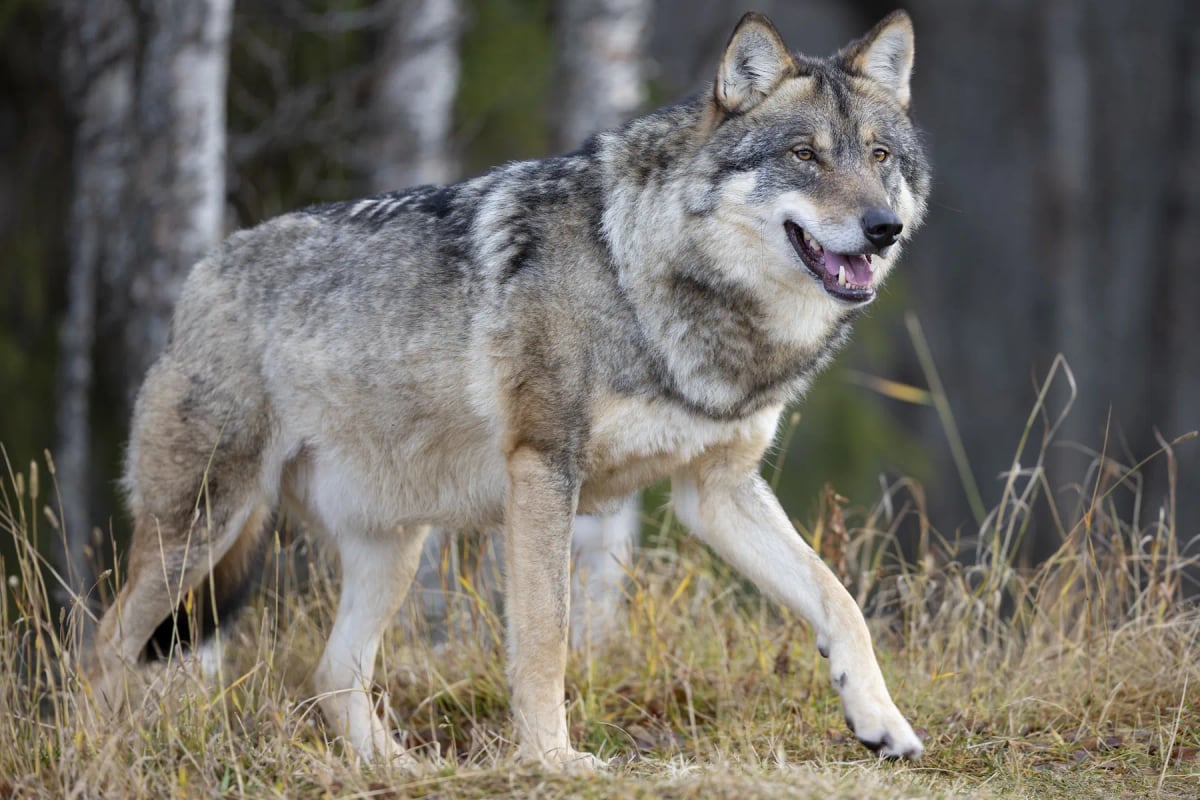
Gray Wolf
Canis lupus
Israel supports a small but notable wolf population, found mainly in the Negev Desert and parts of the Arava Valley. These wolves are remarkably adapted to arid conditions, surviving in one of the driest environments occupied by the species anywhere in the world. The population has benefited from legal protection since the 1950s, making Israel an early example of successful wolf conservation in the Middle East.
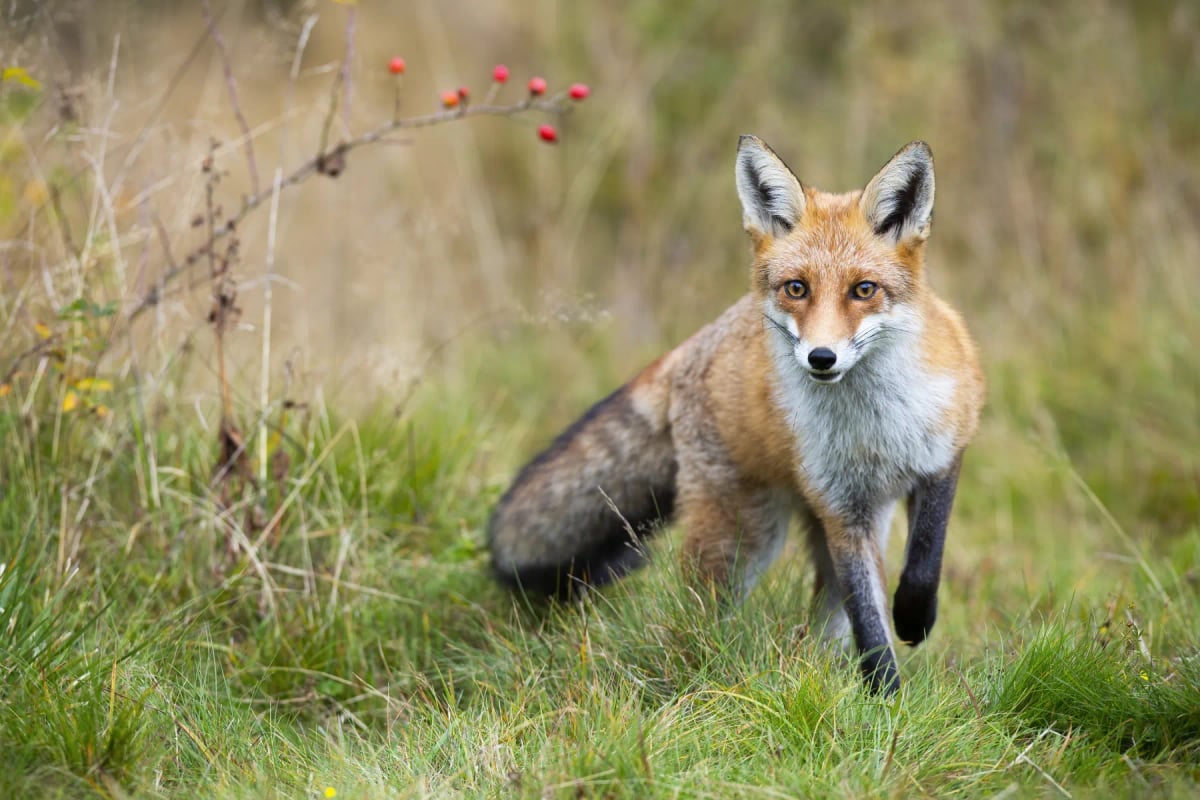
Red Fox
Vulpes vulpes
The red fox is one of the most commonly spotted wild mammals in Israel, living across habitats that range from the Negev Desert to the Galilee hills and Mediterranean coastal plain. It adapts well to farmland and suburban areas, often scavenging near human settlements. Listed as Least Concern, it faces pressure from habitat loss and road traffic but remains widespread throughout the country.
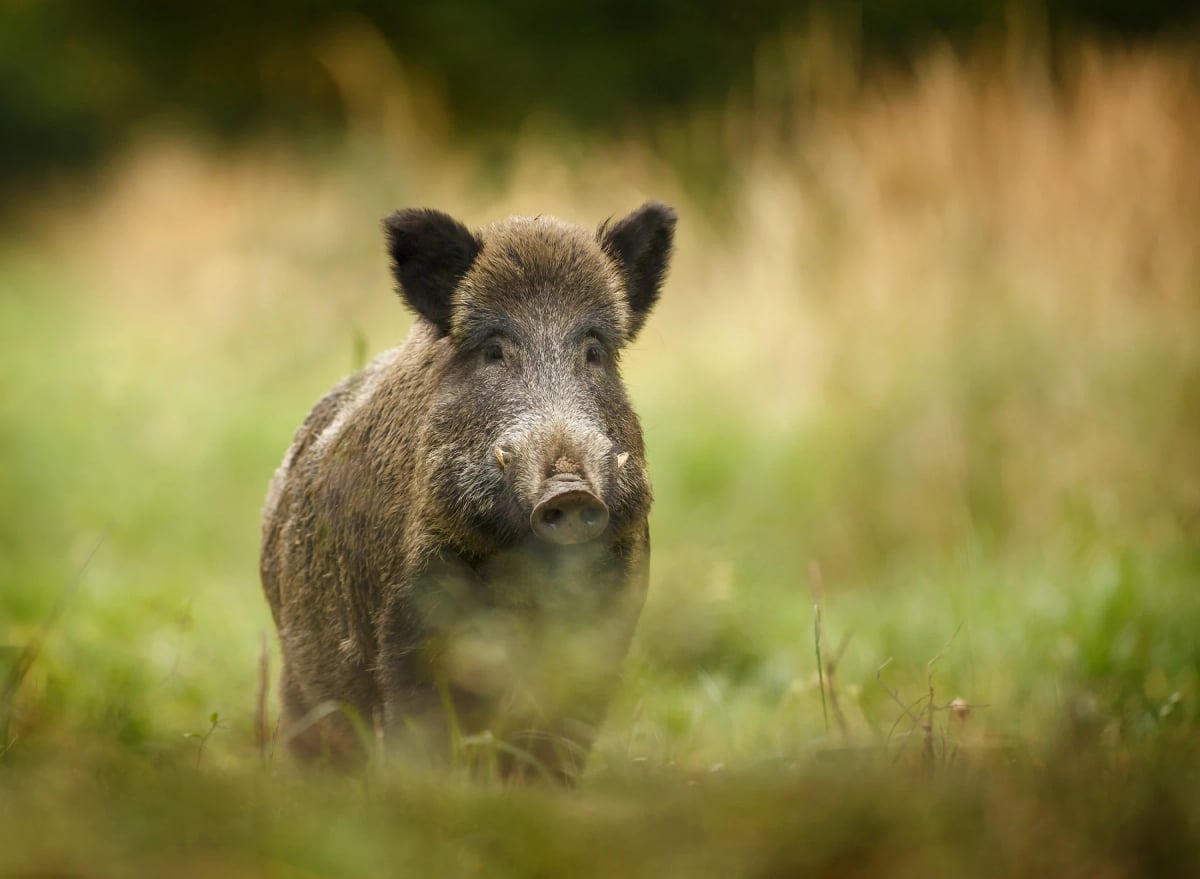
Wild Boar
Sus scrofa
Wild boars are widespread across northern Israel, particularly in the Galilee and Mount Carmel region, and have become increasingly common near cities such as Haifa, where they regularly forage in streets and gardens. Because pork is not eaten under Jewish dietary law, boars face little traditional hunting pressure, which has allowed populations to expand significantly. Authorities now use targeted culling and other measures to manage growing conflicts in urban areas.
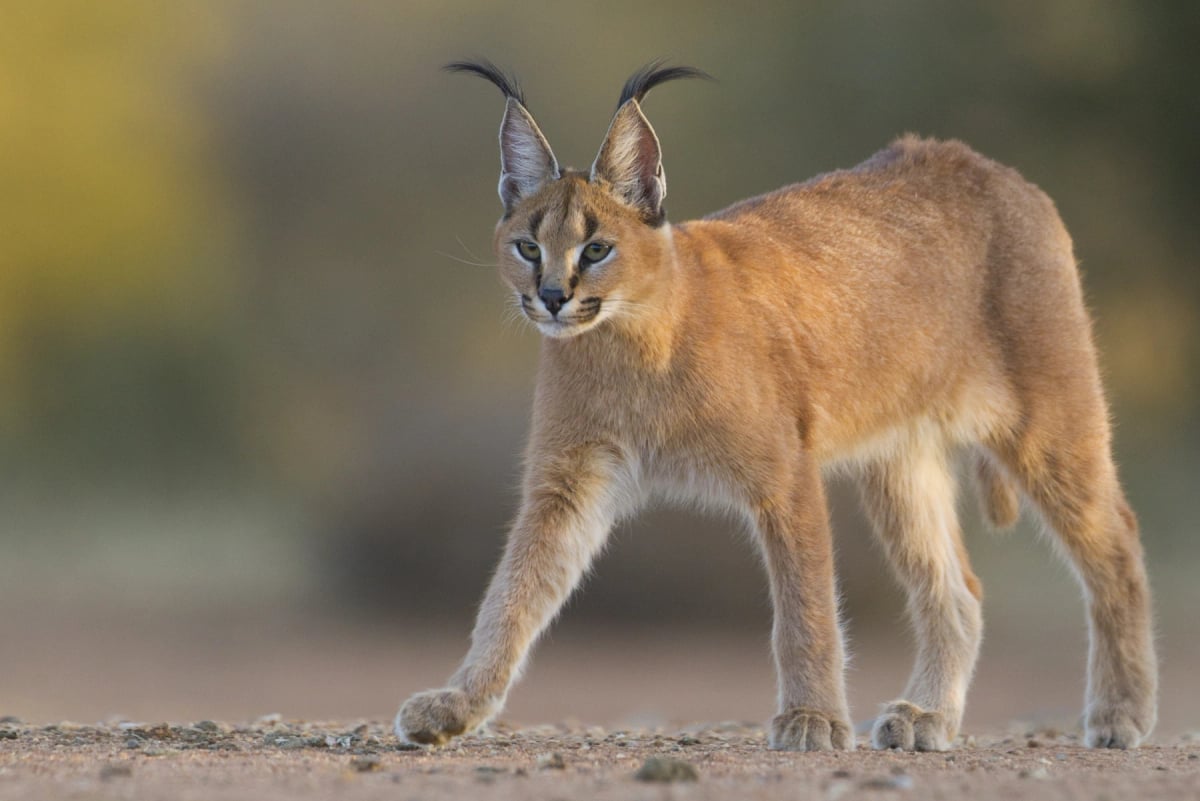
Caracal
Caracal caracal
In Israel, the caracal is found primarily in the Negev Desert, the Judean Desert, and the Jordan Valley, where rocky terrain and sparse vegetation suit its hunting style. It is one of the larger wild cats still present in the region and is legally protected. Prey includes hares, rodents, and birds. The IUCN lists it as Least Concern globally, and the Israeli population appears relatively stable.
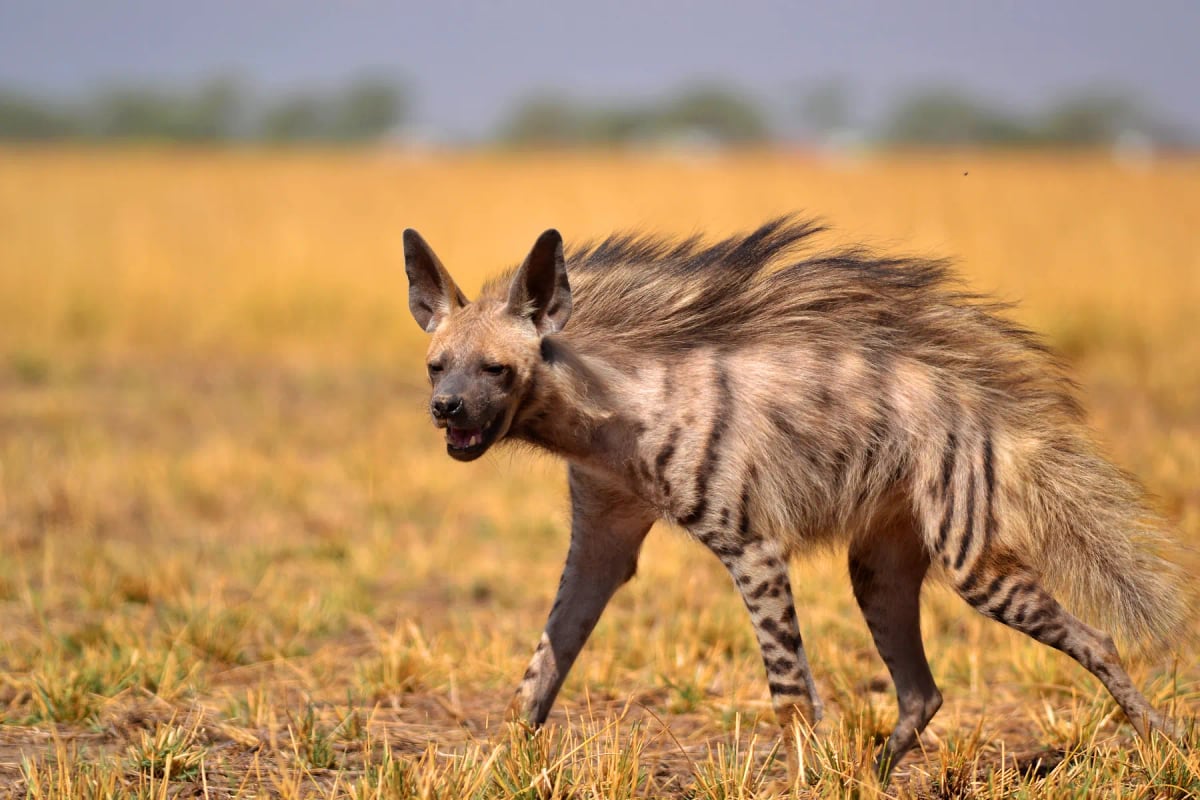
Striped Hyena
Hyaena hyaena
In Israel, the striped hyena is present in the Negev Desert, the Judean Desert, and parts of the Galilee region. It is protected under Israeli law and has benefited from conservation efforts and reduced persecution in recent decades. The species is known to venture into agricultural areas at night in search of food. Despite legal protection, road accidents and illegal poisoning remain real threats to this population.

Honey Badger
Mellivora capensis
In Israel, the honey badger is found mainly in the Negev desert and the Arava valley, at the northwestern edge of its global range. It is rarely encountered due to its nocturnal habits and low population density in this arid landscape. It hunts reptiles, rodents and insects and digs burrows for shelter. Researchers consider local sightings valuable, since records from this part of the range remain limited.
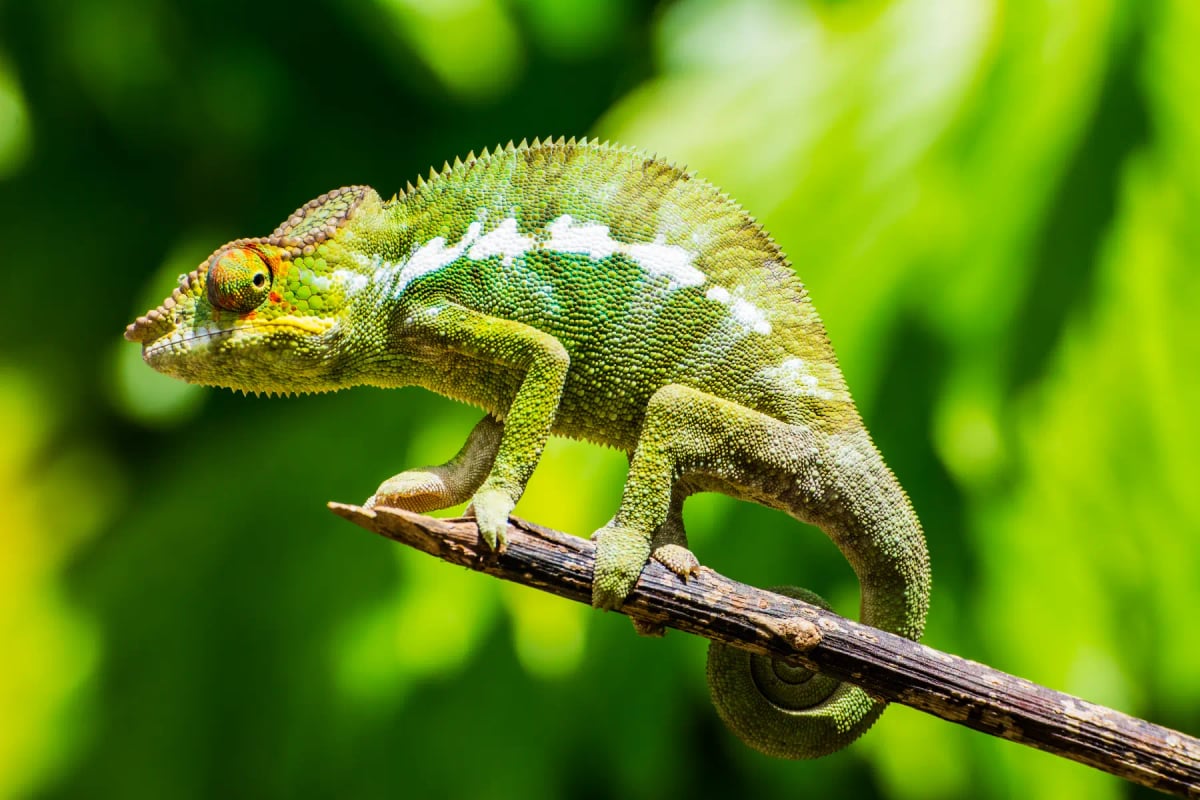
Chameleon
Chamaeleo chamaeleon
In Israel, the common chameleon (Chamaeleo chamaeleon) is found in the coastal plain, the Galilee region, and parts of the Negev fringe, favoring scrublands, citrus plantations, and hedgerows. It is protected under Israeli wildlife law. Urban sprawl and agricultural intensification have reduced available habitat considerably. Beneath the skin, specialized cells called iridophores reflect light to produce its characteristic range of greens, yellows, and browns. IUCN status: Least Concern.
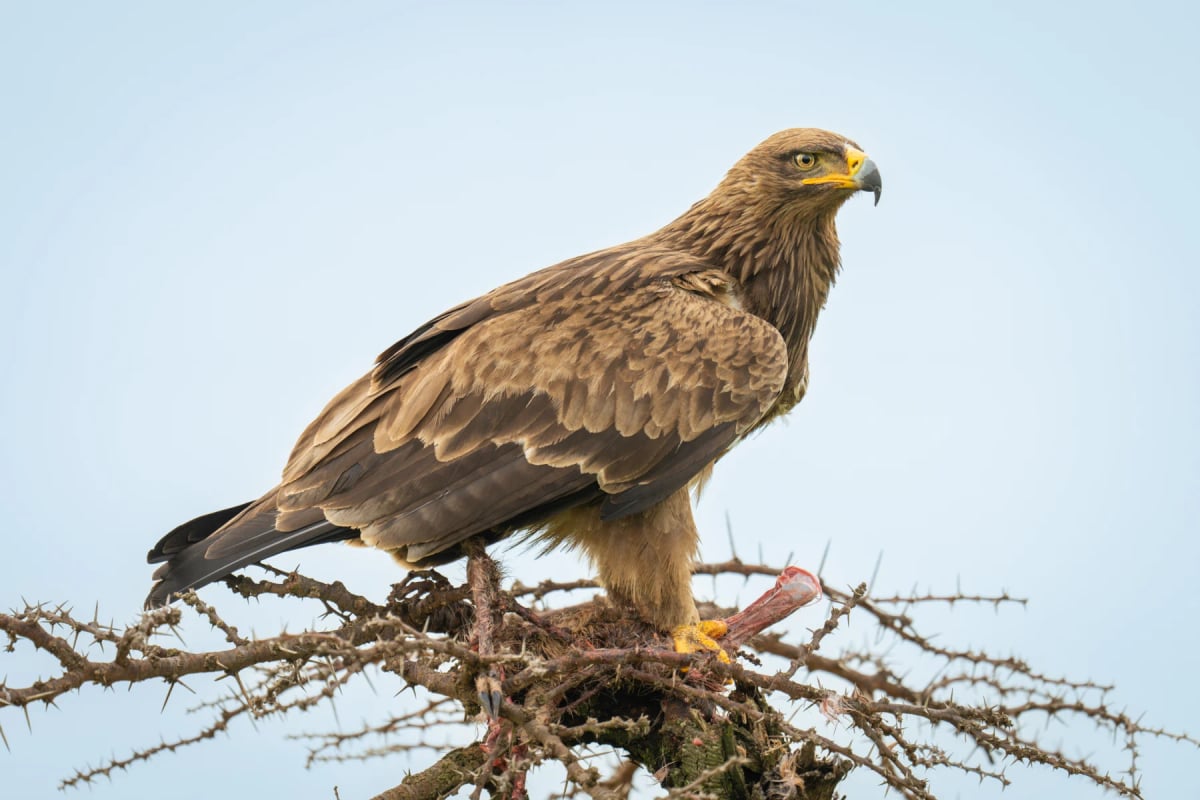
Steppe Eagle
Aquila nipalensis
Israel is a well known bottleneck for migrating raptors, and the Steppe Eagle is among the most impressive species counted at sites like the Eilat Mountains each autumn. Hundreds, sometimes thousands, of these large dark eagles pass over southern Israel on their way to and from African wintering grounds. The IUCN lists the species as Endangered, and Israel's raptor monitoring programs contribute valuable data on population trends.
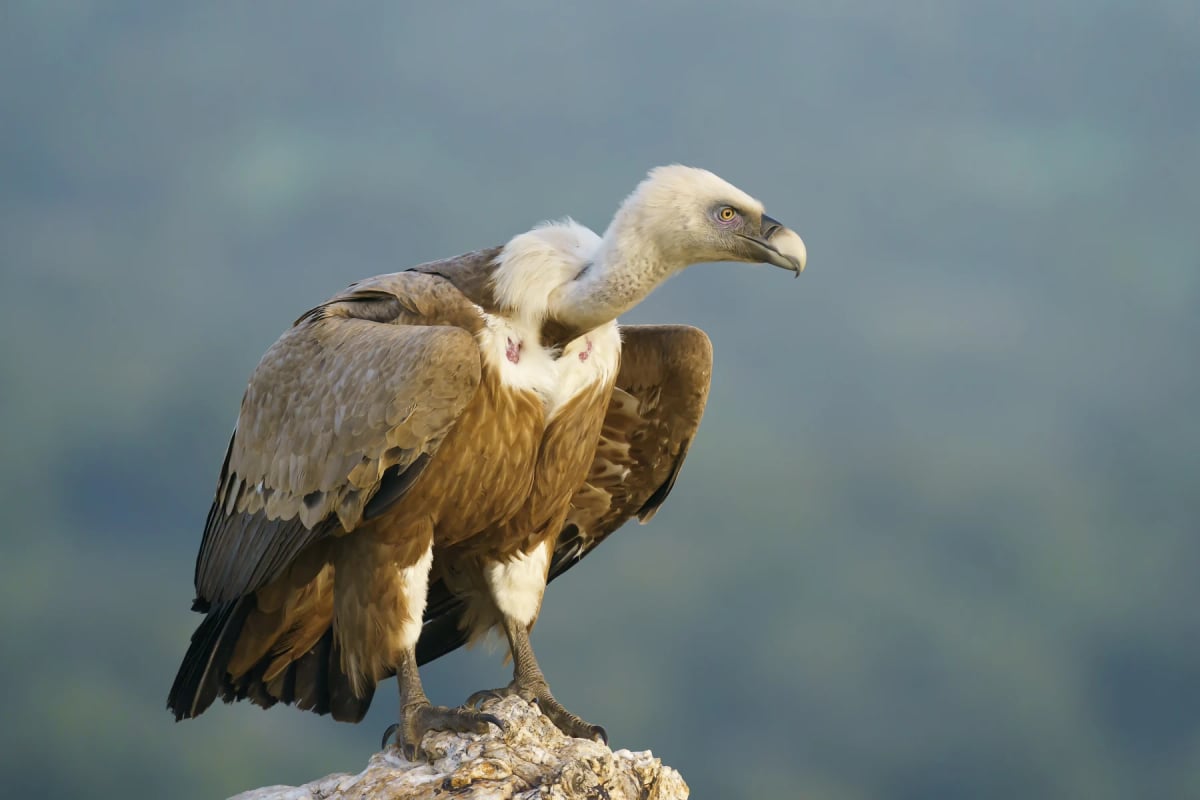
Griffon Vulture
Gyps fulvus
Israel has invested heavily in griffon vulture conservation since the population collapsed in the twentieth century due to poisoning and persecution. Recovery programs, including feeding stations and captive breeding with releases of new birds, have helped numbers in the Golan Heights, the Galilee, and the Negev highlands. The species still nests at several sites across the country, but poisoning remains a constant danger. IUCN status: Least Concern.
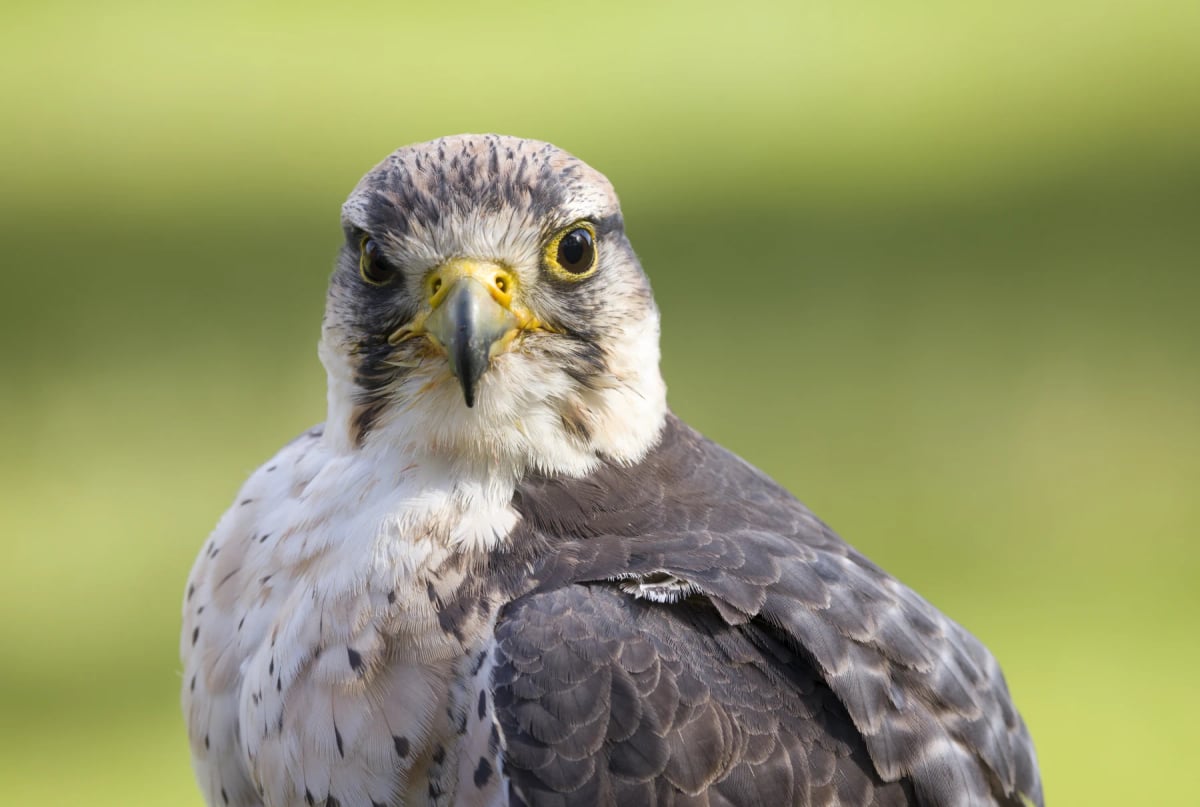
Lanner Falcon
Falco biarmicus
In Israel, the lanner falcon breeds in the Negev Desert and the Judean Desert, where cliff faces and rocky wadis provide nesting sites across a largely arid landscape. It also occurs in the Jordan Valley and the Arava region. The local breeding population is small. Conservation efforts focus on monitoring nest sites and addressing threats from human disturbance. The IUCN lists the species as Least Concern at the global level.
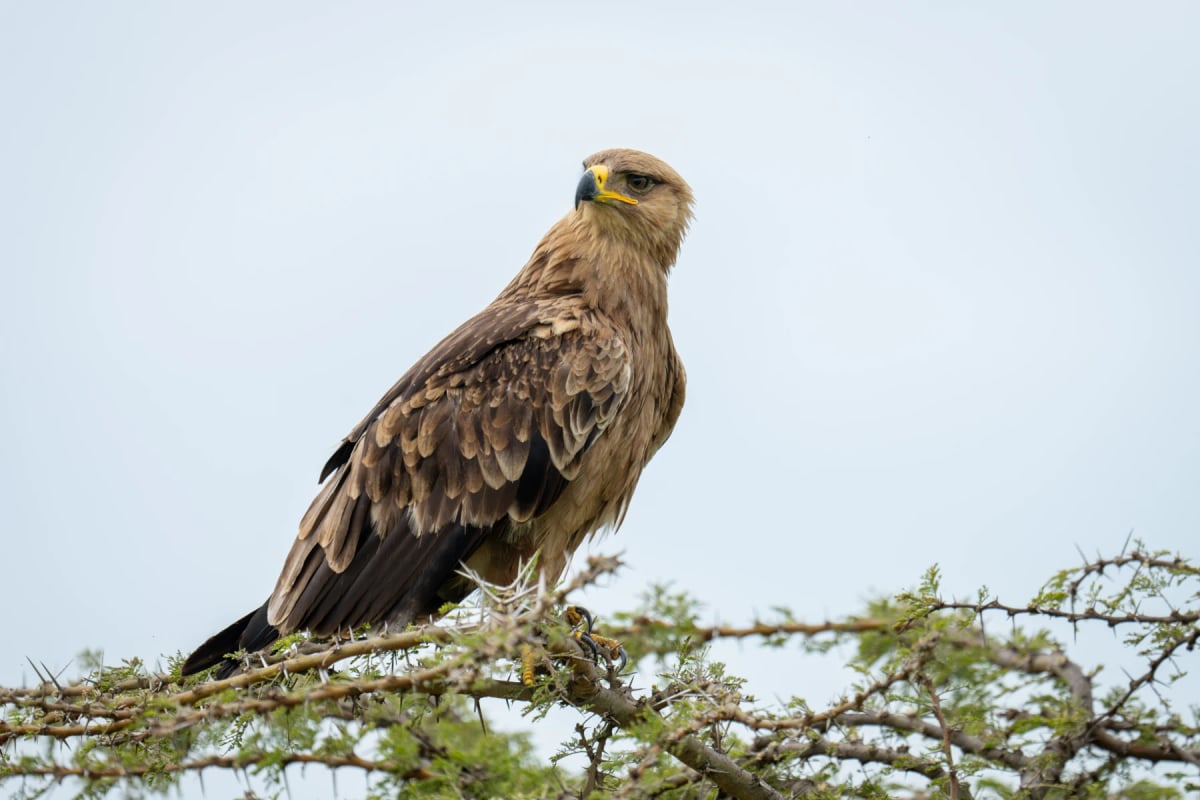
Tawny Eagle
Aquila rapax
The tawny eagle is a rare visitor or marginal resident in Israel, most likely seen in the arid landscapes of the Negev Desert and the Arava Valley during migration or in winter. Israel sits at the edge of its range, so sightings are infrequent. Conservation efforts focused on raptor migration through the region help raise awareness of threats facing this Vulnerable species across its wider range.
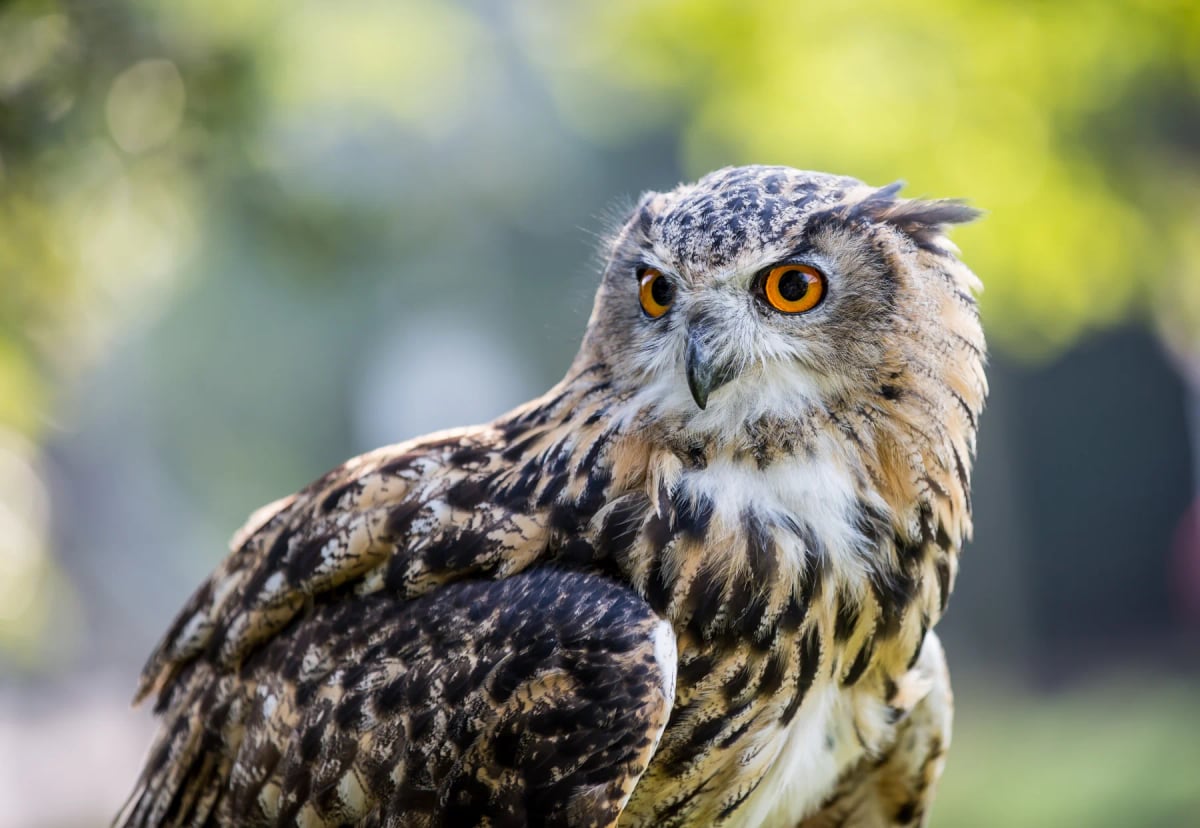
Eagle Owl
Bubo bubo
The Eurasian eagle owl breeds in the north of Israel, in the rocky gorges and cliffs of the Galilee and the Golan Heights, where it hunts rodents, hares, and birds at night. In the Negev and other desert areas of the south it is replaced by a smaller, paler relative adapted to the heat. It is one of the largest birds of prey in the country and is protected by law. IUCN status: Least Concern.
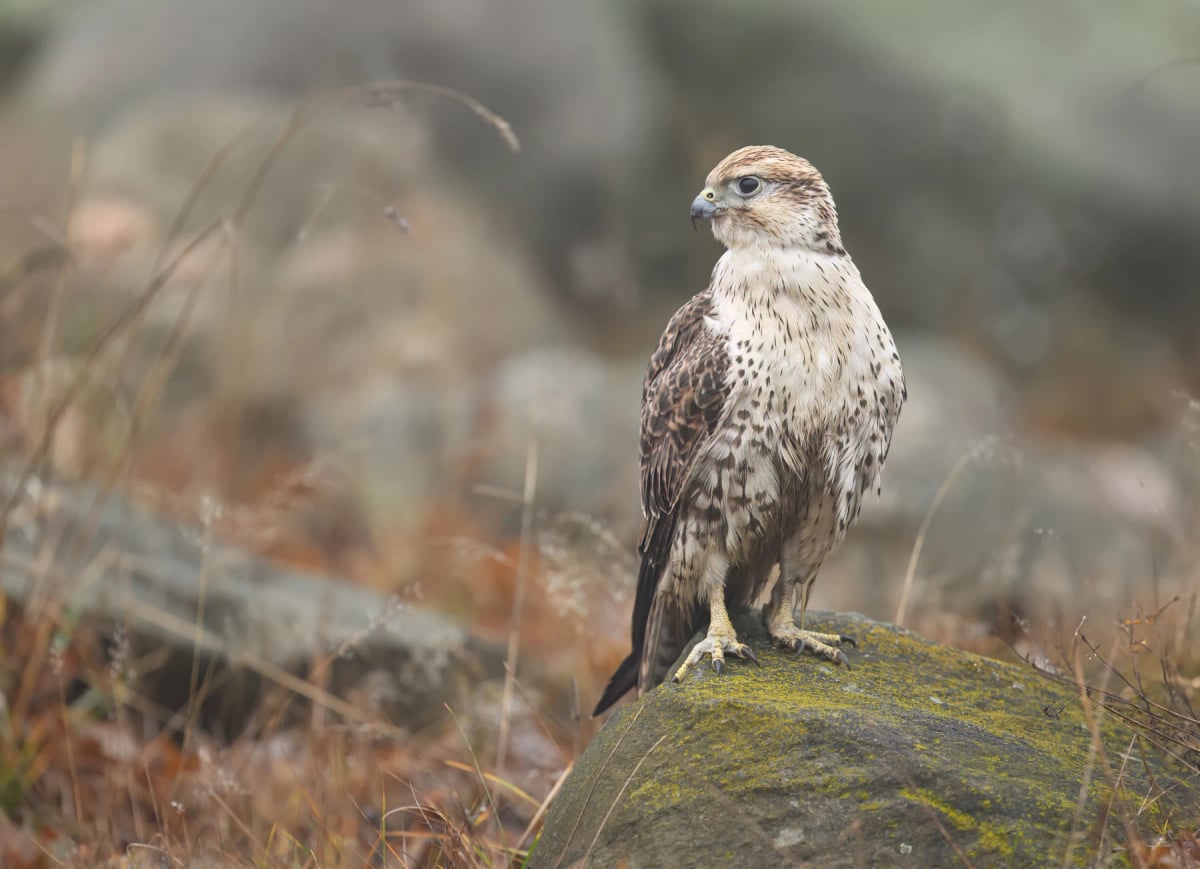
Saker Falcon
Falco cherrug
In Israel, the saker falcon is recorded mainly as a passage migrant and occasional winter visitor, moving through the country on its way between Central Asian breeding grounds and African wintering areas. The open valleys and desert fringes of the Negev and the Jordan Valley can attract the species during these movements. Birdwatchers at key migration watch points sometimes record the bird in autumn. The IUCN lists the saker falcon as Endangered.
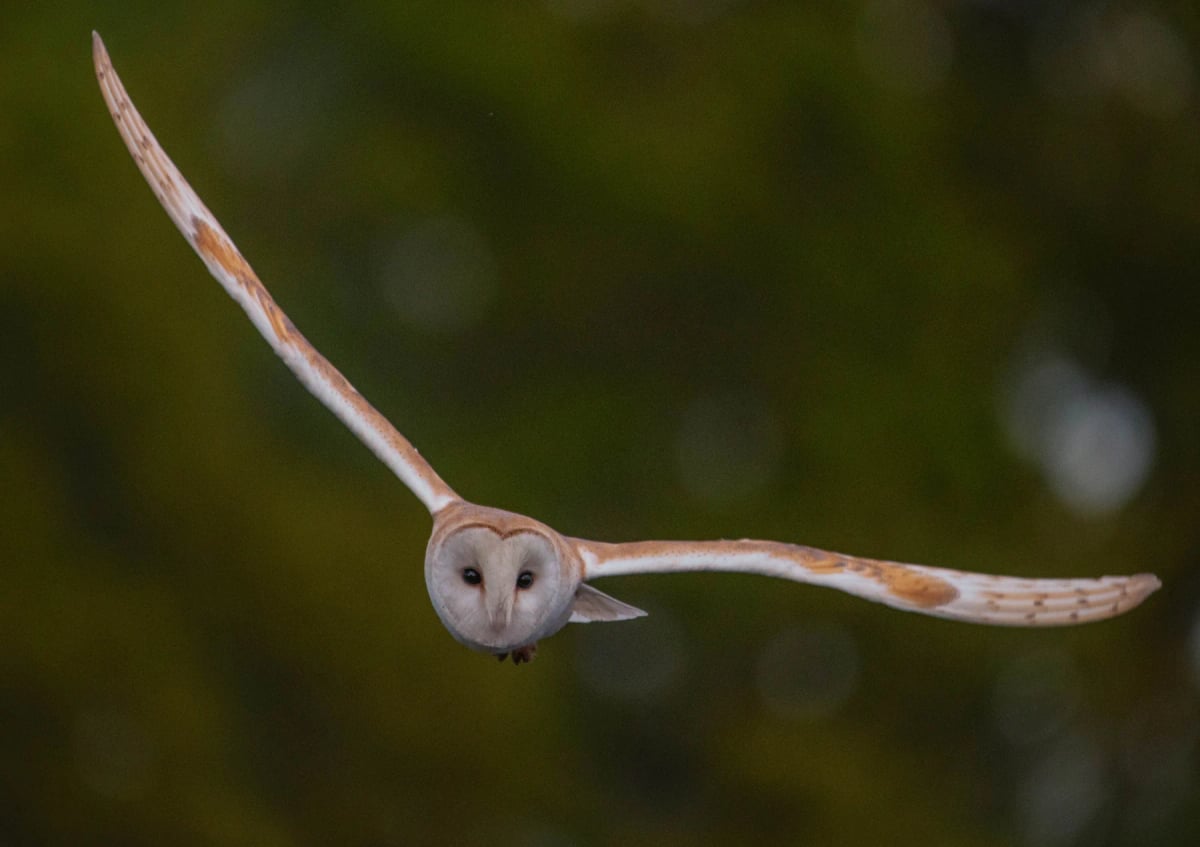
Barn Owl
Tyto alba
The barn owl is found across Israel in open farmland, orchards, scrubland, and areas near villages from the Jezreel Valley and the coastal plain to the Negev Desert fringes. It nests in old buildings, cliff faces, and hollow trees, and hunts rodents at night with exceptional precision. Israel has developed one of the most successful barn owl conservation and pest control programs in the world, placing thousands of nest boxes in agricultural areas along the Jordan Valley border with Jordan. Studies have shown barn owls here consume millions of rodents annually, significantly reducing reliance on rodenticides.
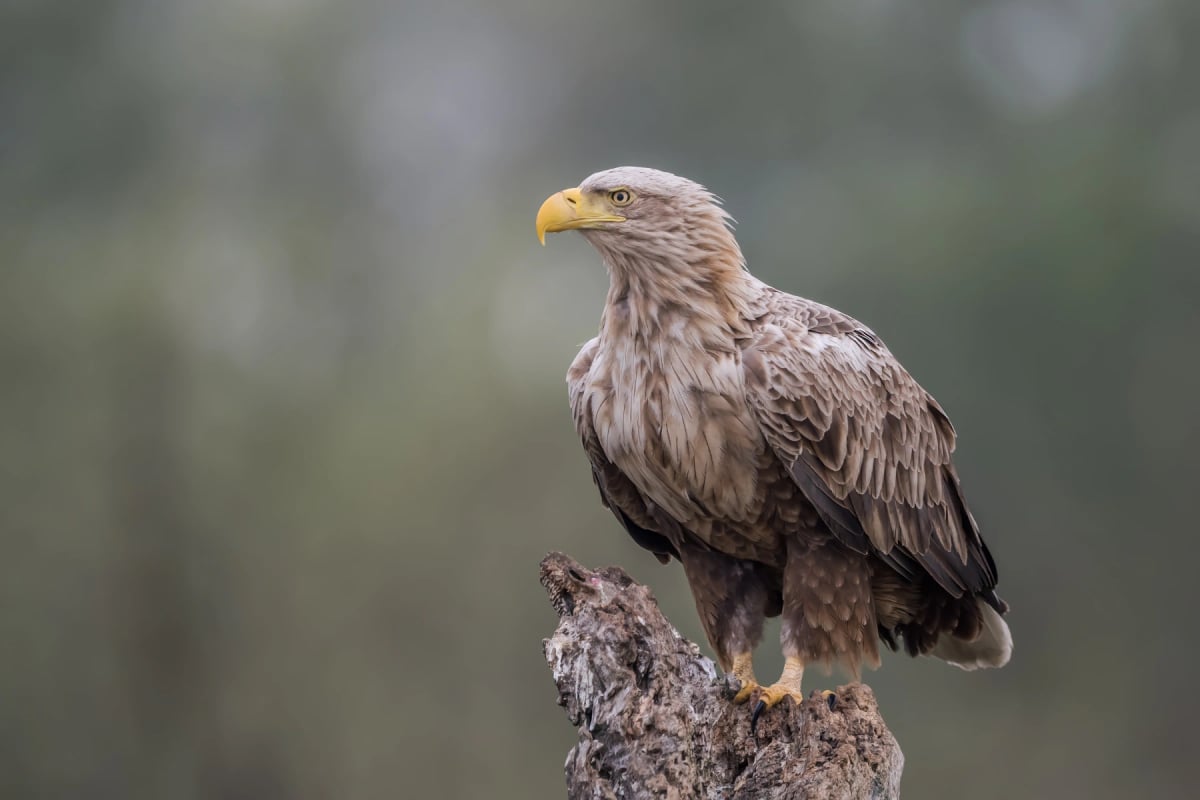
White tailed Eagle
Haliaeetus albicilla
Israel sits along one of the busiest bird migration routes in the world, and the white tailed eagle passes through or overwinters here in small numbers. The Jordan Valley, the Sea of Galilee, and fishponds in the Jezreel and Beit She'an valleys attract these large eagles as they follow wetland corridors southward. Sightings tend to peak between November and February, when conditions on northern breeding grounds become harsh.
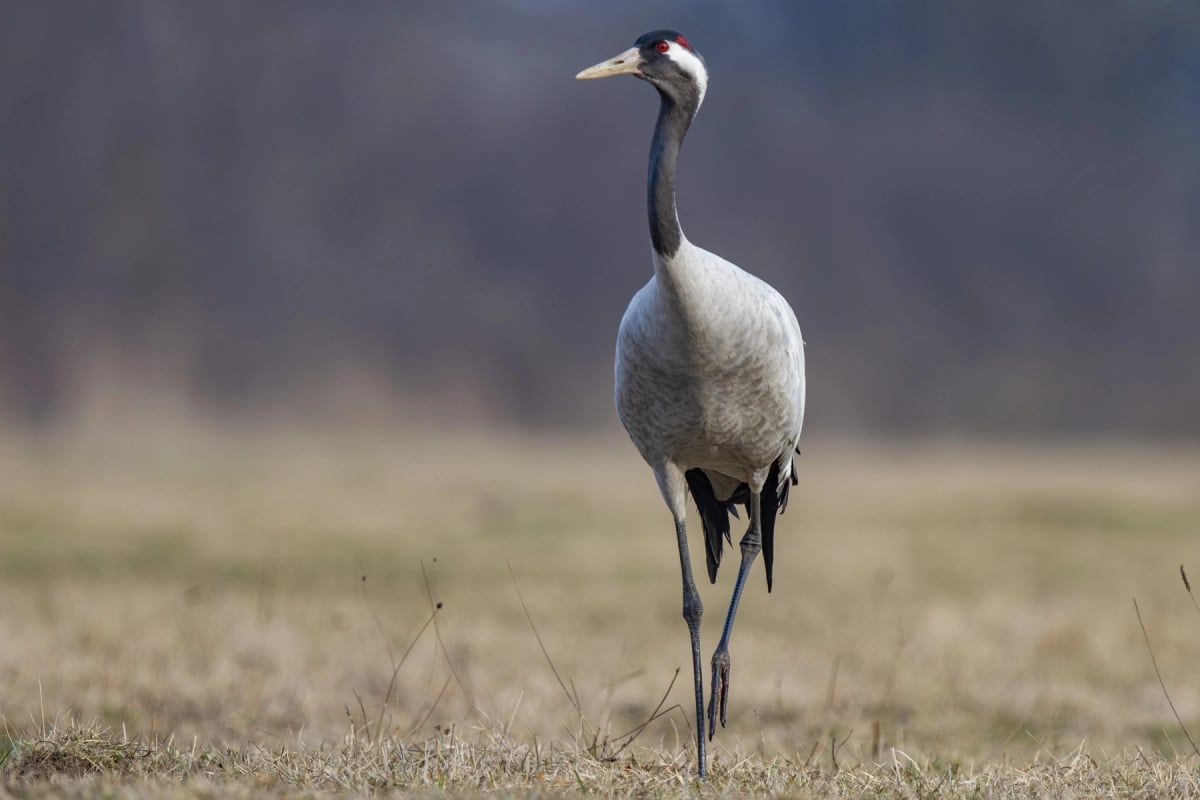
Crane
Grus grus
Israel sits on one of the world's great migration corridors, and common cranes pass through in large numbers each autumn and spring. Some 35,000 to 50,000 stay the whole winter in the Hula Valley in the north, where farmers and conservationists put out corn at the Agamon Hula park to keep the birds off nearby crops. The sight of thousands of cranes rising at dawn draws visitors from across the country. IUCN status: Least Concern.
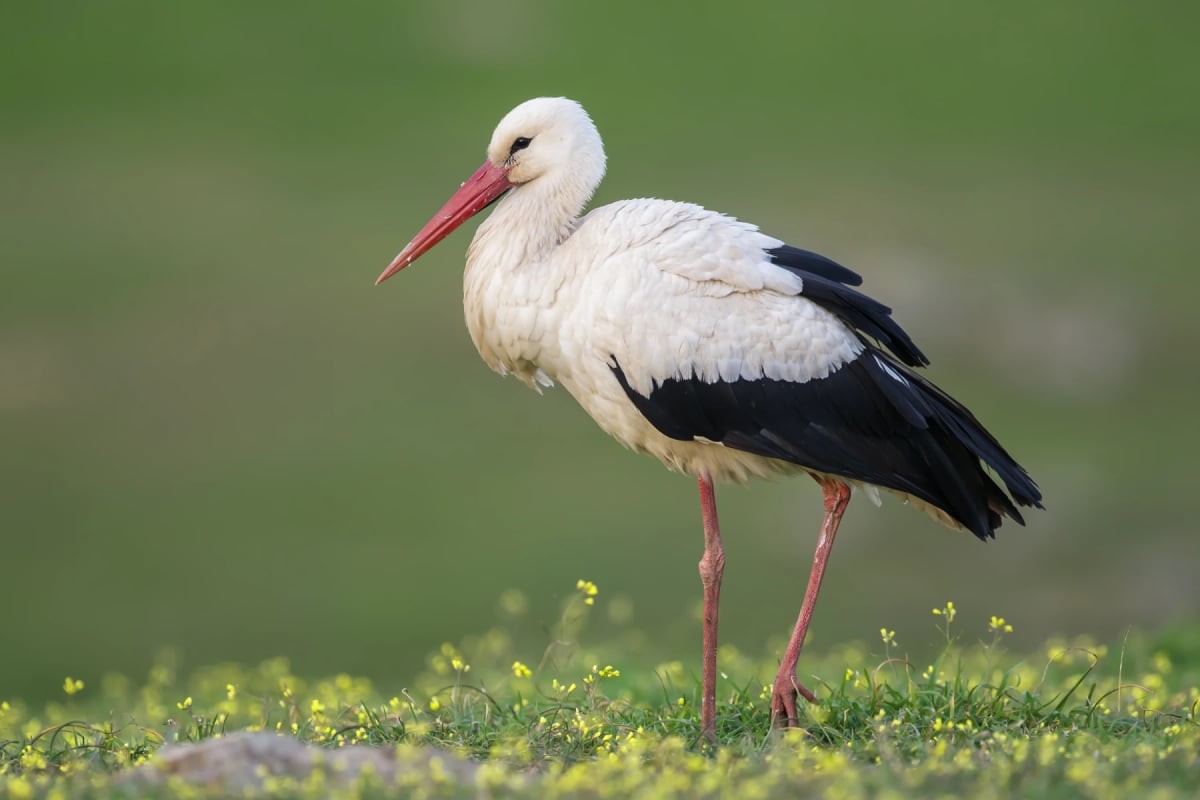
Stork
Ciconia ciconia
Israel sits on one of the world's great migration routes: about 530,000 white storks pass through the Middle East each year, making them one of the most common migrants over the country. They follow the Jordan Valley each spring and autumn, and the Hula Valley in the north is famous for its huge flocks. A small number of pairs also breed in the north. IUCN status: Least Concern.
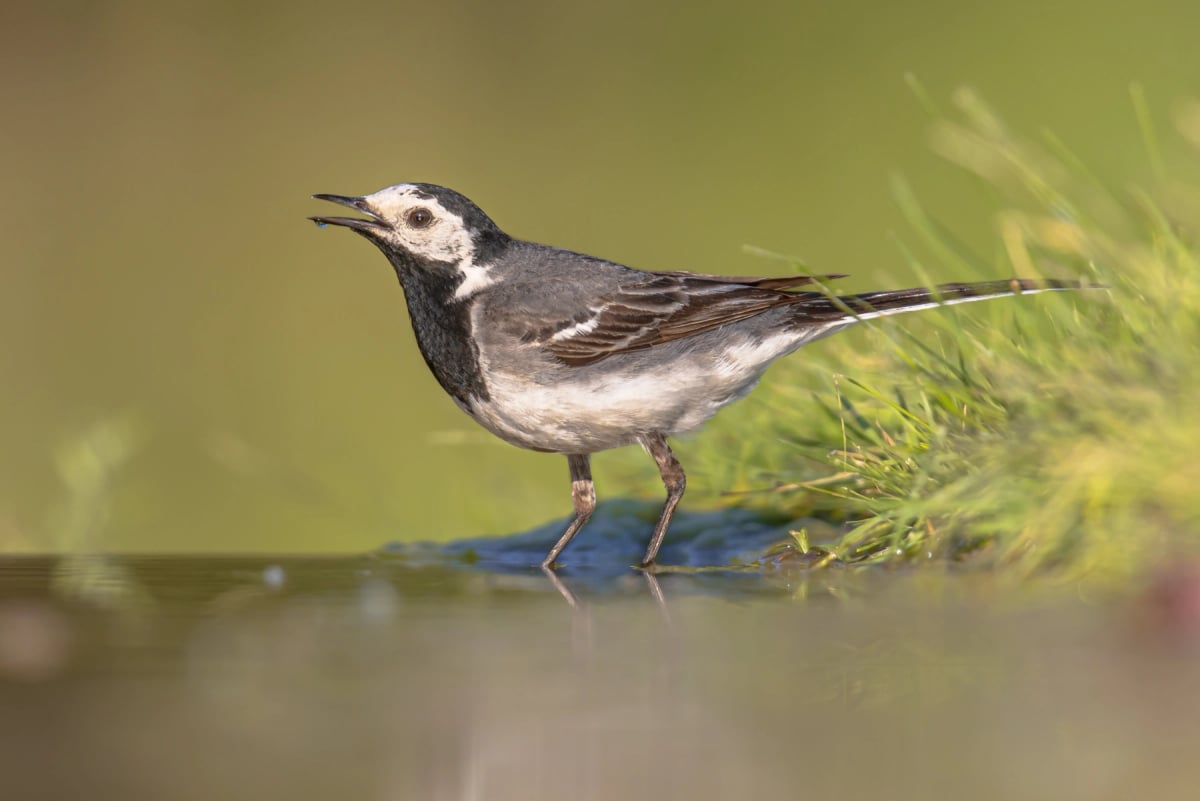
White Wagtail
Motacilla alba
In Israel, the white wagtail is a common winter visitor and passage migrant, appearing in large numbers from autumn through to spring. It gathers along the Jordan River valley, around fish ponds in the Jezreel Valley, and in urban areas throughout the country. Some birds also breed in the north. Israel sits along one of the world's busiest bird migration routes, making it an important stopover for this species. IUCN status: Least Concern.
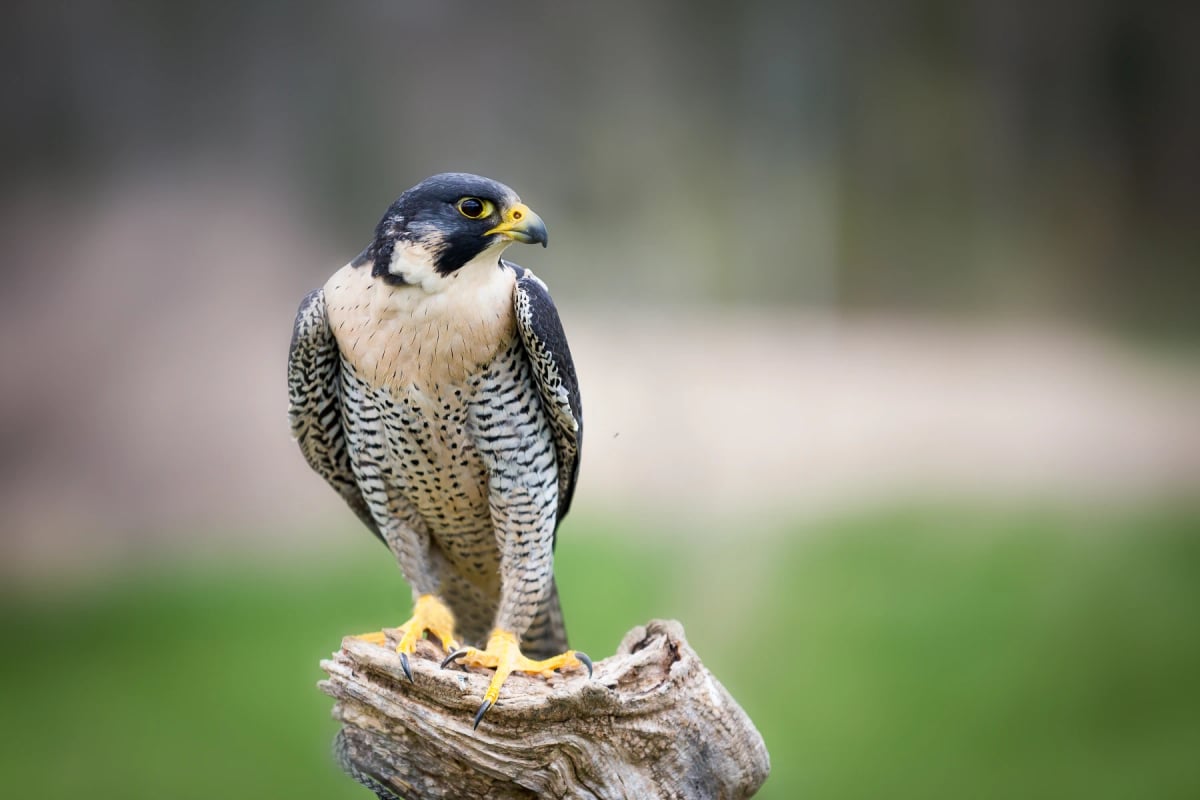
Peregrine Falcon
Falco peregrinus
Israel sits along one of the world's great bird migration corridors, and the peregrine falcon is a regular and impressive presence during spring and autumn passages. Birders frequently spot it along the Rift Valley and at sites like Eilat, where it pursues waders and smaller migrants with breathtaking speed. Some individuals also winter here, taking advantage of the country's wetlands and open agricultural plains. Its IUCN status is Least Concern.
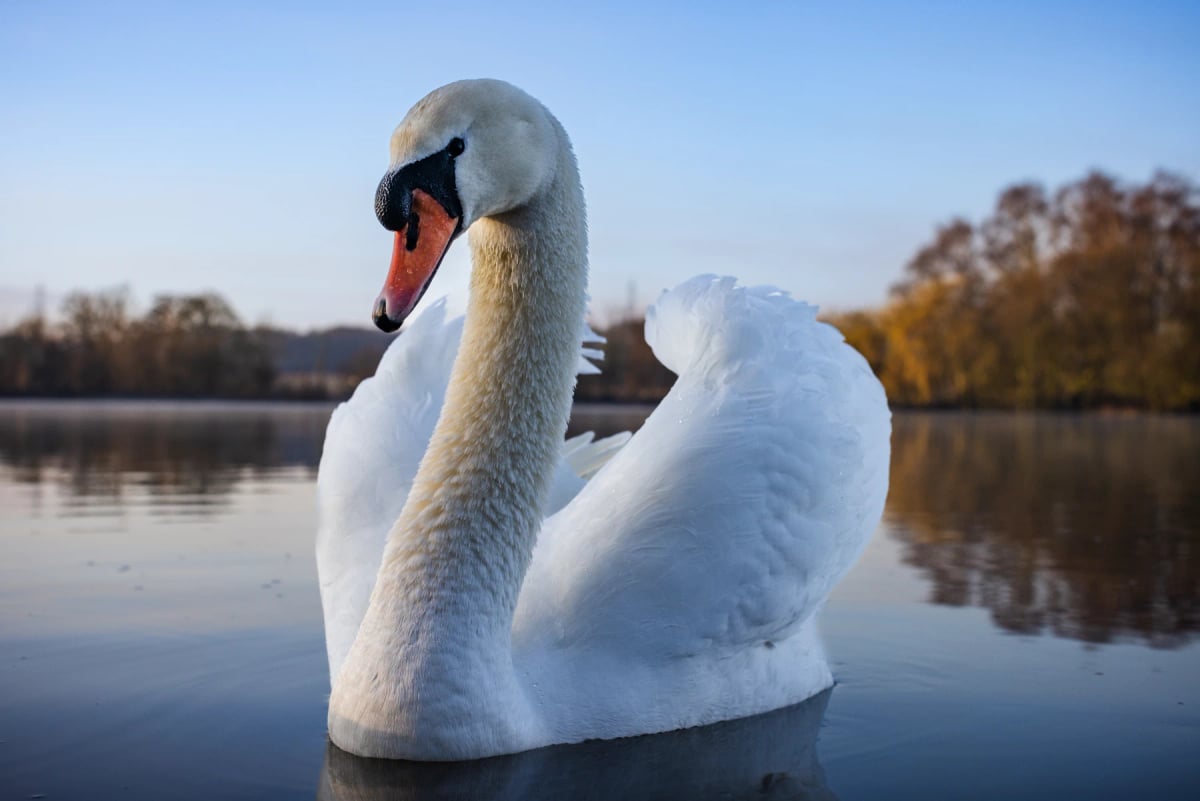
Mute Swan
Cygnus olor
In Israel, the mute swan is a non-breeding visitor rather than a resident, appearing mainly in winter at wetland sites in the north of the country. The Hula Valley, restored after drainage in the mid twentieth century, and fishponds in the Jezreel and Beit She'an valleys occasionally attract small numbers. It is far less common here than in Europe, occurring at the southern edge of its winter range. It is listed as Least Concern globally.
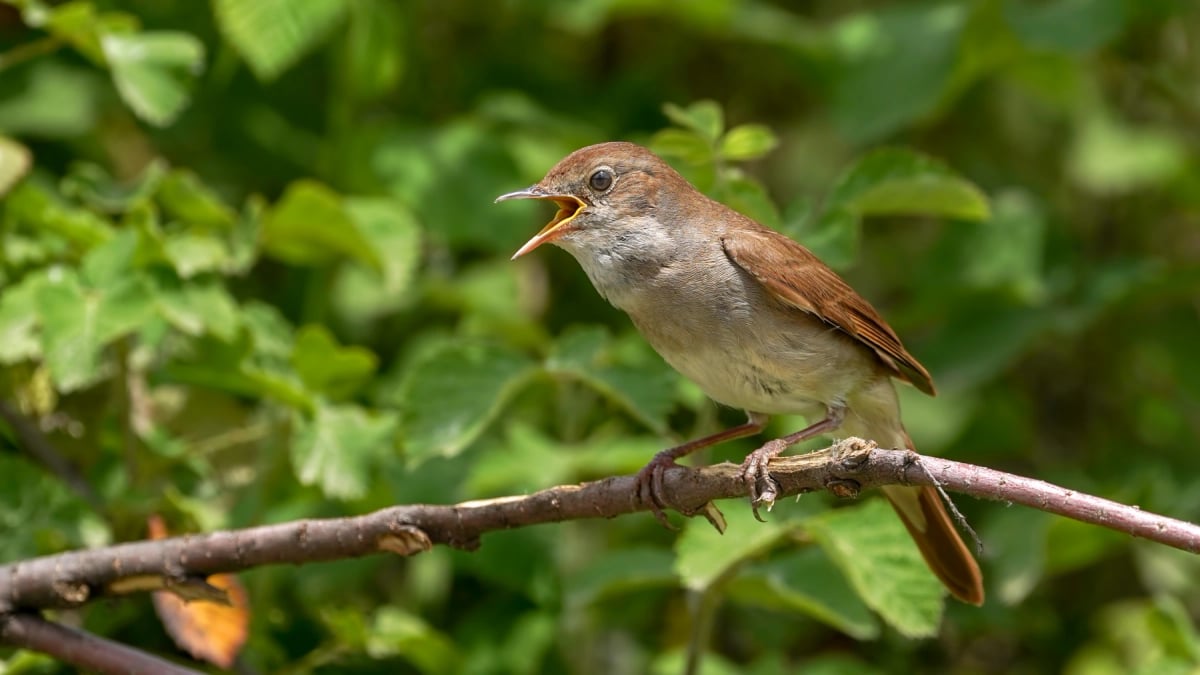
Nightingale
Luscinia megarhynchos
The nightingale passes through Israel during spring and autumn migration, with some birds also breeding in the north of the country in areas of dense scrub and riverside vegetation. The Jordan Valley and the Galilee region provide suitable habitat. Its rich, complex song is a familiar sound in gardens and parks during the spring passage. It winters in sub-Saharan Africa. Its IUCN status is Least Concern.
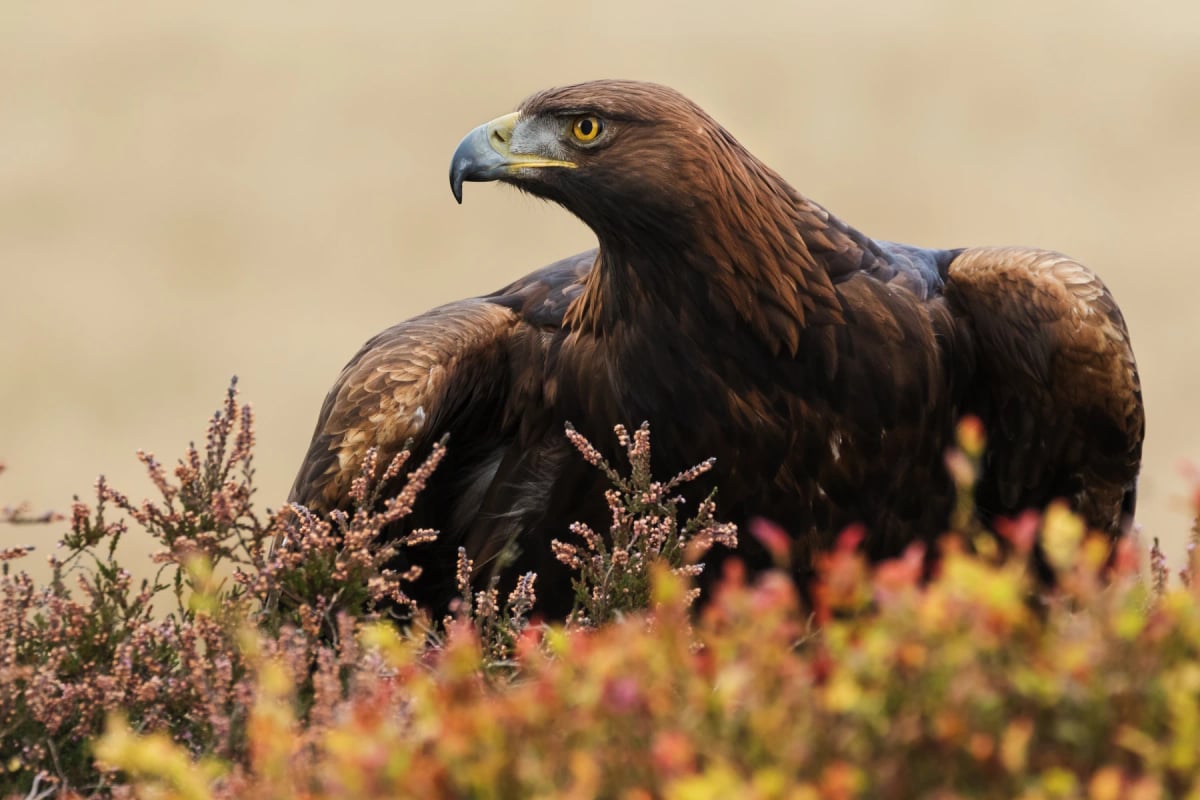
Golden Eagle
Aquila chrysaetos
The golden eagle is a scarce but regular visitor to Israel, most often seen in the Negev highlands, the Golan Heights, and the Judean hills during migration and winter. Some pairs have nested in rocky areas of the north. It hunts over open, semi-arid terrain and is one of the largest raptors recorded in the country. The IUCN lists it as Least Concern, though its numbers in Israel are small.
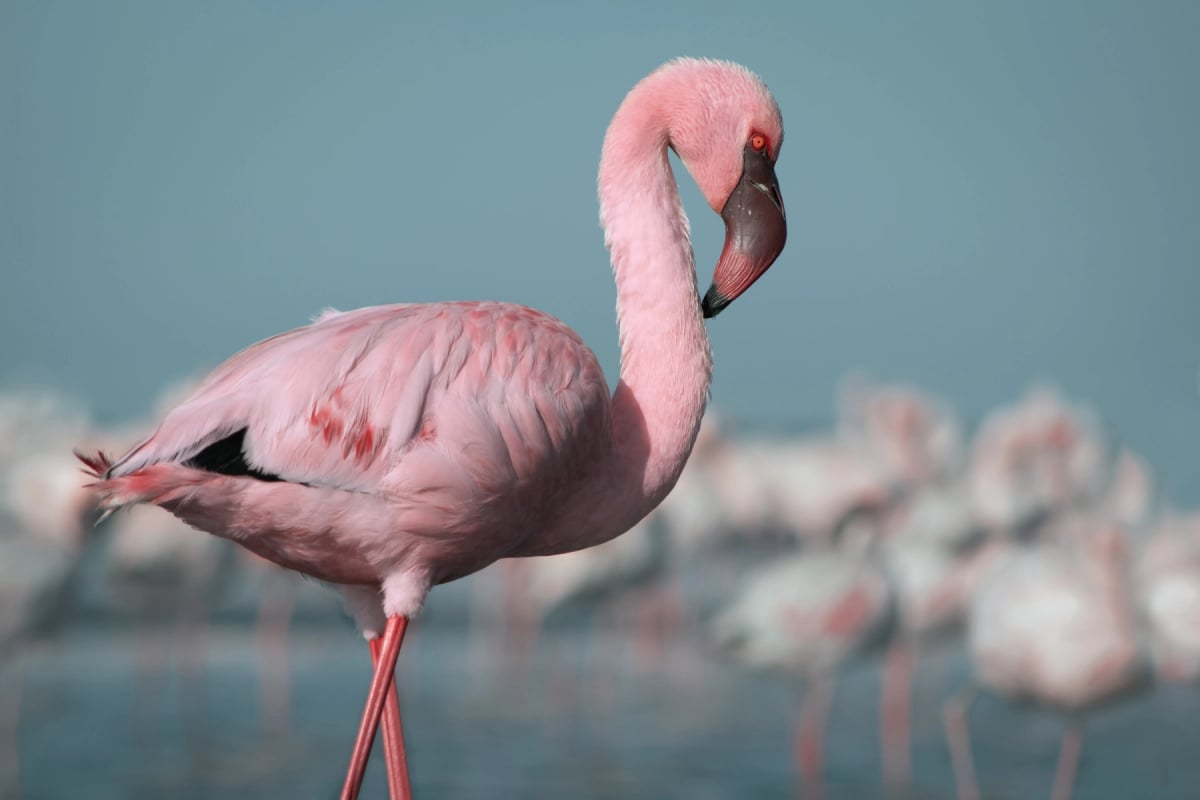
Flamingo
Phoenicopteridae (6 species)
In Israel, the greater flamingo is a familiar sight in the salt ponds and wetlands of the coast and the south. The salt pans of Eilat, on the Red Sea, and of Atlit, south of Haifa, attract flocks for much of the year, and birds also feed in fishponds of the north. They filter brine shrimp and small invertebrates from the shallow, salty water, and numbers usually peak in the winter months, when birds from further north arrive. IUCN status: Least Concern.
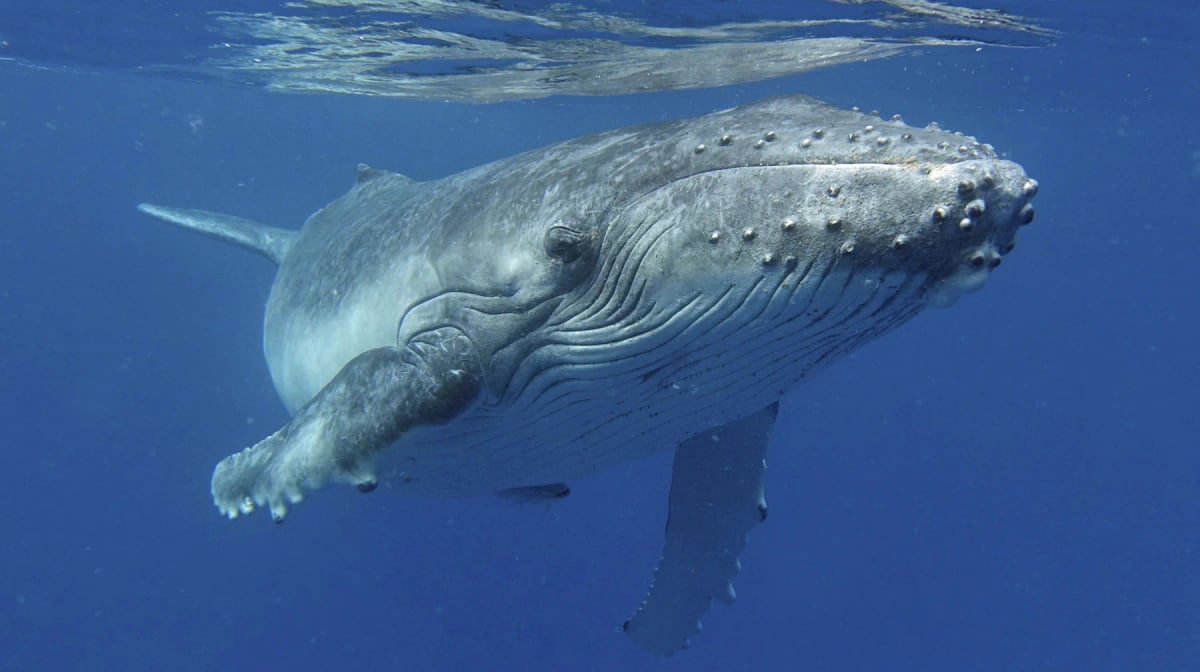
Humpback Whale
Megaptera novaeangliae
Humpback whale records in Israeli waters are rare and considered vagrant occurrences in the eastern Mediterranean Sea. The Mediterranean population of humpback whales is extremely small, and any individual entering through the Strait of Gibraltar and reaching Israeli waters would be highly unusual. These sightings attract significant scientific interest. The species is listed as Least Concern by the IUCN across its main global range.
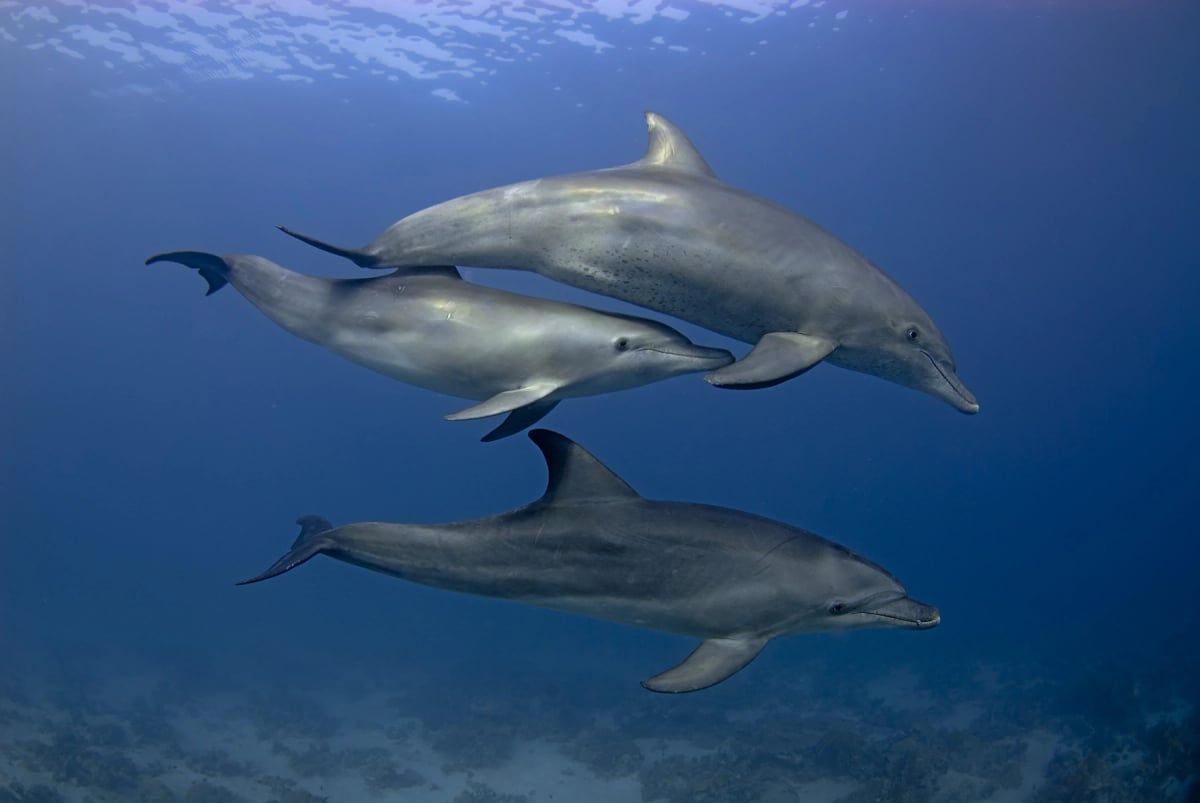
Bottlenose Dolphin
Tursiops truncatus
Bottlenose dolphins are a familiar presence along Israel's Mediterranean coastline and in the Gulf of Eilat, where they navigate warm, shallow waters near busy ports and beaches. Pods are regularly spotted off the coast of Haifa and in the Red Sea. Listed as Least Concern by the IUCN, they face local pressures from boat traffic, fishing activity, and coastal development across Israeli waters.
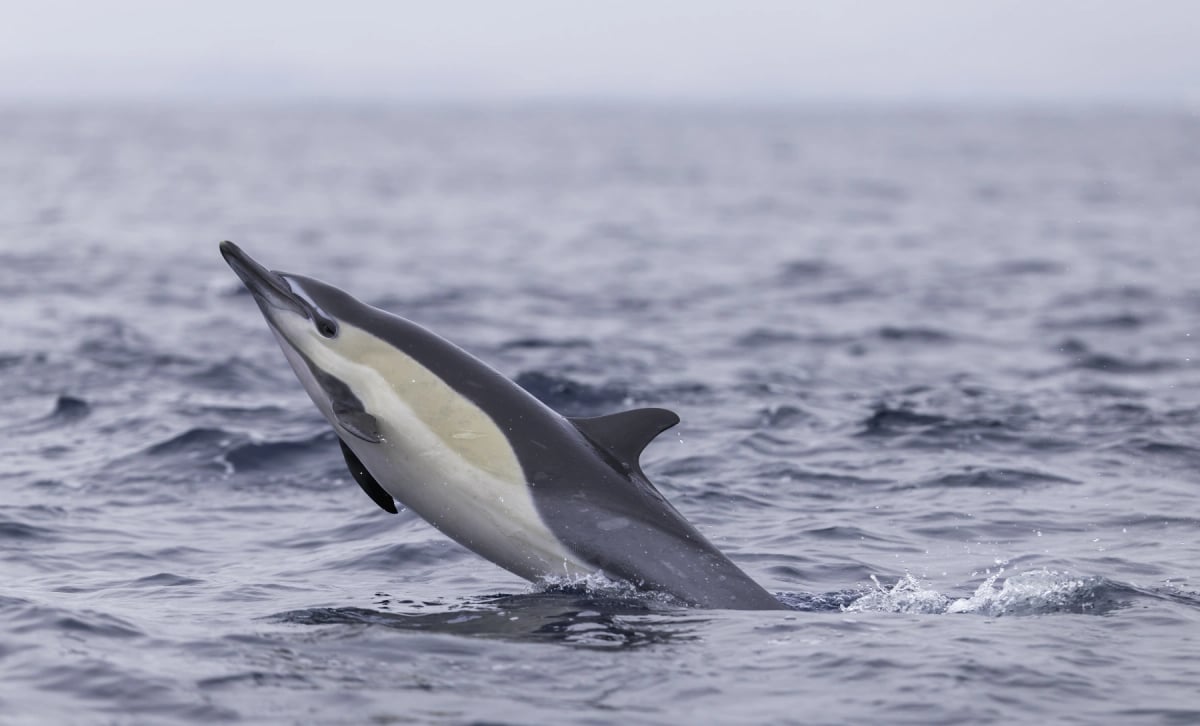
Common Dolphin
Delphinus delphis
The common dolphin is present in the eastern Mediterranean Sea off the coast of Israel. The Mediterranean population of this species has experienced notable declines due to prey depletion from overfishing, bycatch, and habitat disturbance. Israeli waters along the Levantine Basin are relatively warm and less productive than the western Mediterranean, yet dolphins are still recorded here. Conservation efforts in the region seek to address the threats facing this population. IUCN status: Least Concern.
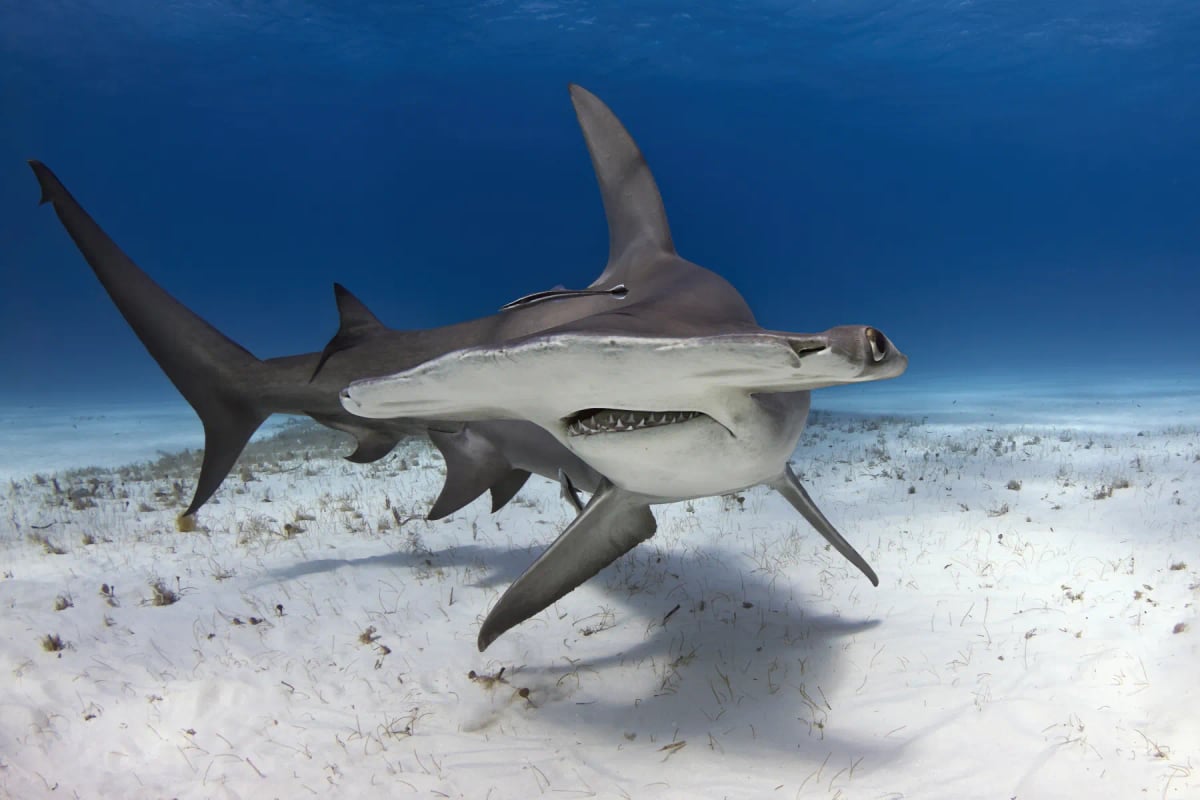
Hammerhead Shark
Sphyrna spp.
Hammerhead Sharks have been recorded in the warm waters of the Red Sea near Eilat, as well as occasionally in the eastern Mediterranean along Israel's coastline. The Red Sea is particularly rich in marine biodiversity and serves as a more consistent habitat for these sharks. They are Critically Endangered globally, and encounters in Israeli waters are uncommon. Fin trade and overfishing remain the greatest threats to their survival.
Researched and written by Juan Pablo. Sources: IUCN Red List, scientific literature and regional field guides. Last updated: .