Animals in Somaliland
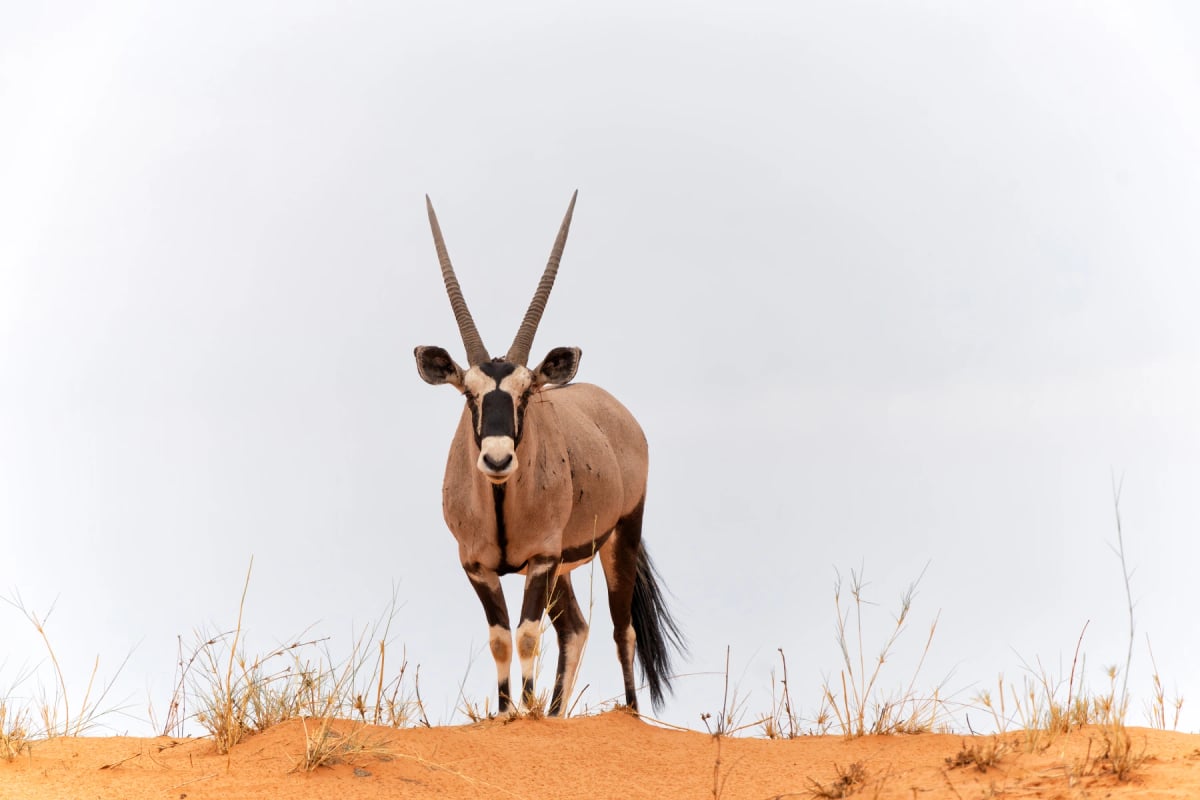
Oryx
Oryx spp.
The oryx, regarded as Somaliland’s national animal, is admired for its tall horns and ability to endure desert heat. It symbolizes strength and resilience deeply rooted in nomadic traditions. The species is sometimes seen in protected reserves and areas visited by travelers interested in the Horn of Africa’s natural heritage.
View details→Wildlife in Somaliland
Somaliland’s wildlife reflects its dry climate and rugged terrain. In remote savannas and desert plains, oryx and Soemmerrings gazelle survive harsh conditions. Raptors and camels are common, and small oases attract crocodiles and other resilient species that define the region’s arid beauty.
Most Dangerous Animals in Somaliland
In Somaliland’s mostly dry environment, crocodiles are among the few animals considered dangerous. They inhabit rivers and seasonal lakes, often hidden beneath the surface. Local guides warn herders and travelers to stay cautious when approaching water sources.
Top 10 Animals in Somaliland
Somaliland’s fauna may be limited, but crocodiles remain among its most notable species. Found near scarce water sources, they play a key ecological role and draw attention from both locals and visitors exploring the few natural sites of the region.
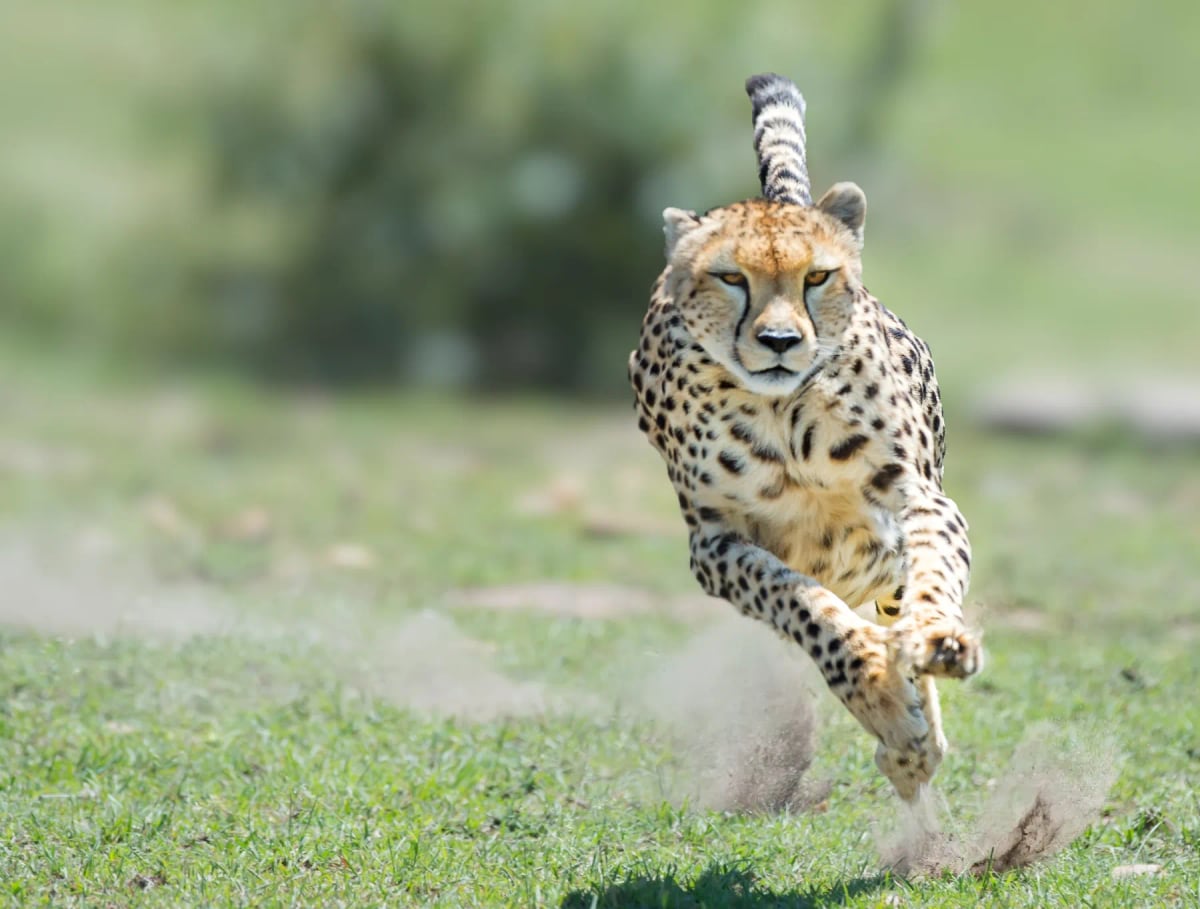
Cheetah
Acinonyx jubatus
In Somaliland, cheetahs are present in arid and semi-arid bush country, though reliable population data is scarce due to limited field research in the region. The species is threatened by illegal trade, as cubs are captured and sold as exotic pets, a practice that significantly harms wild populations across the Horn of Africa. Somaliland sits within a trafficking corridor that affects cheetah numbers across the wider region.
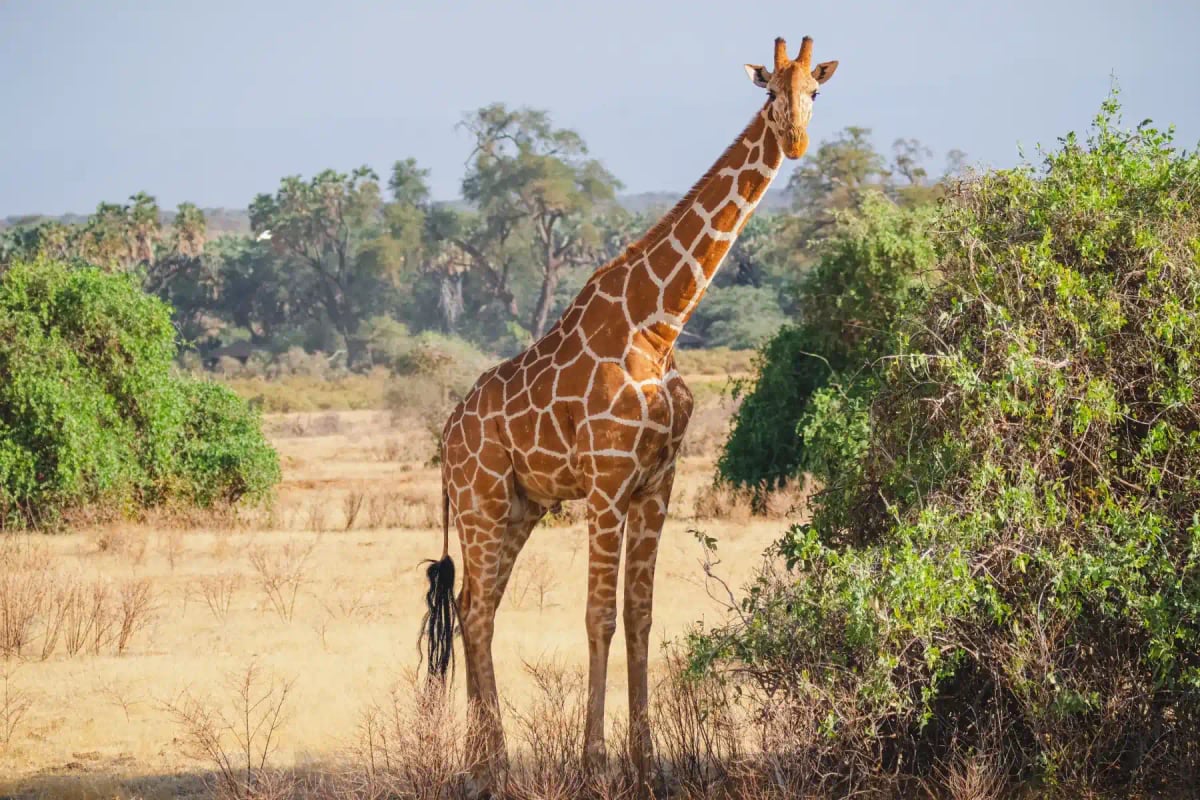
Giraffe
Giraffa camelopardalis
In Somaliland, giraffes are a rare sight, with only a small number of reticulated giraffes persisting in the dry savannas and scattered woodlands of the region. The relative stability of Somaliland compared to southern Somalia has allowed for some degree of local wildlife oversight, but poaching and habitat degradation remain serious concerns. The IUCN lists the giraffe as Vulnerable, and dedicated conservation work here is still very limited.
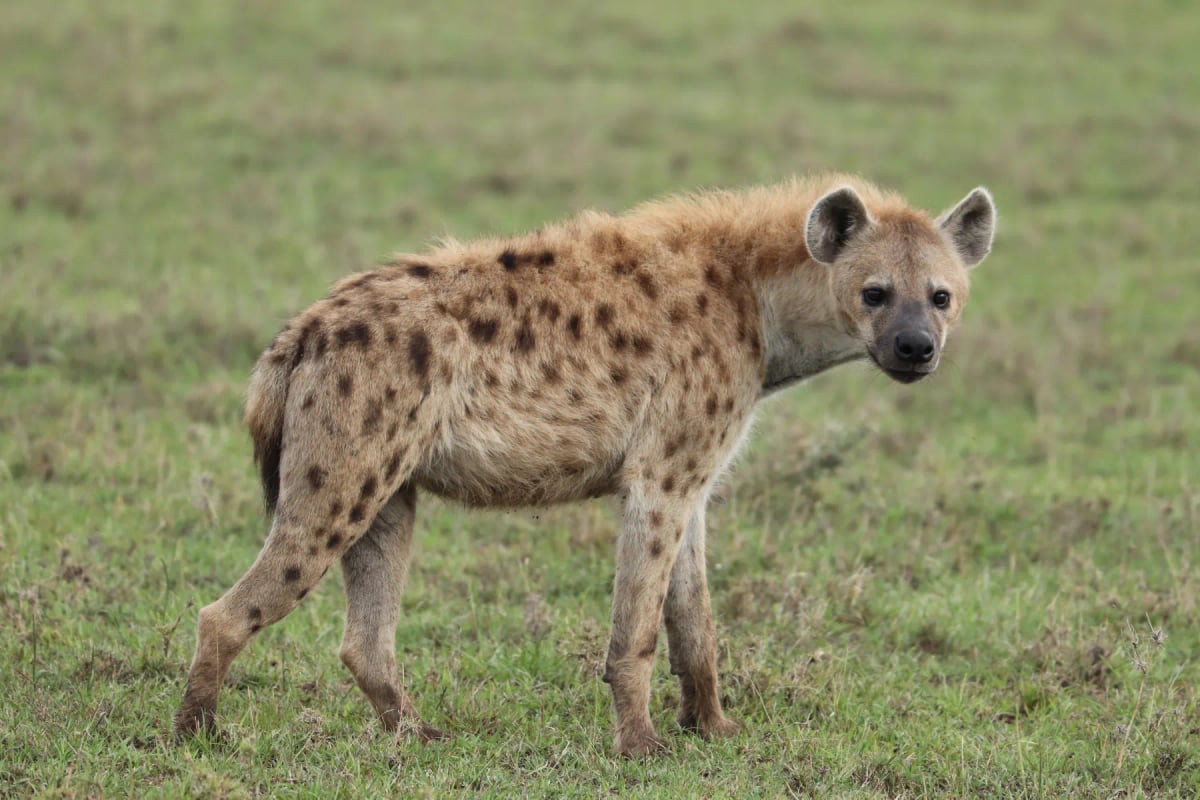
Spotted Hyena
Crocuta crocuta
In Somaliland, spotted hyenas are a familiar presence around towns and rural areas alike. The city of Hargeisa is known for hyenas that approach the outskirts at night, scavenging on refuse. Across the broader landscape of scrub and semi-arid plains, clans patrol large territories. Despite living close to people, they face threats from poisoning and trapping. Their IUCN status is Least Concern.
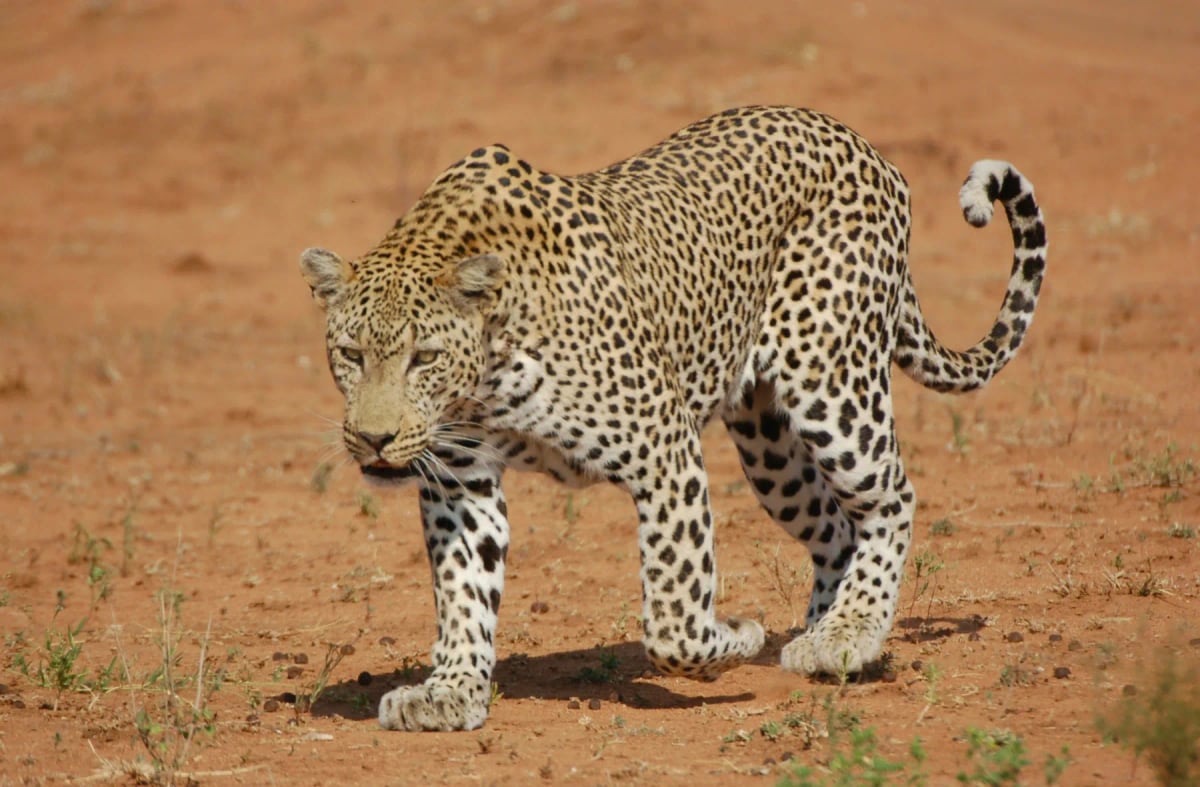
Leopard
Panthera pardus
In Somaliland, leopards are believed to survive in the highland regions, including areas around the Golis Mountains. The combination of rocky escarpments and remnant dry forest provides habitat that suits this adaptable cat. As in Somalia, the lack of formal conservation infrastructure makes accurate population assessments difficult. The leopard is rarely observed, and what is known about its presence in Somaliland comes largely from community reports and camera trap efforts.
Oryx
Oryx spp.
In Somaliland, the beisa oryx is present across the dry interior plains and semi-arid lowlands of this self-declared state in the Horn of Africa. The region's sparse, open landscape suits the oryx well, offering the arid grazing conditions it depends on. Limited wildlife infrastructure makes population estimates difficult, but local sightings confirm their continued presence. Protecting these animals in Somaliland relies heavily on community awareness and traditional land stewardship.
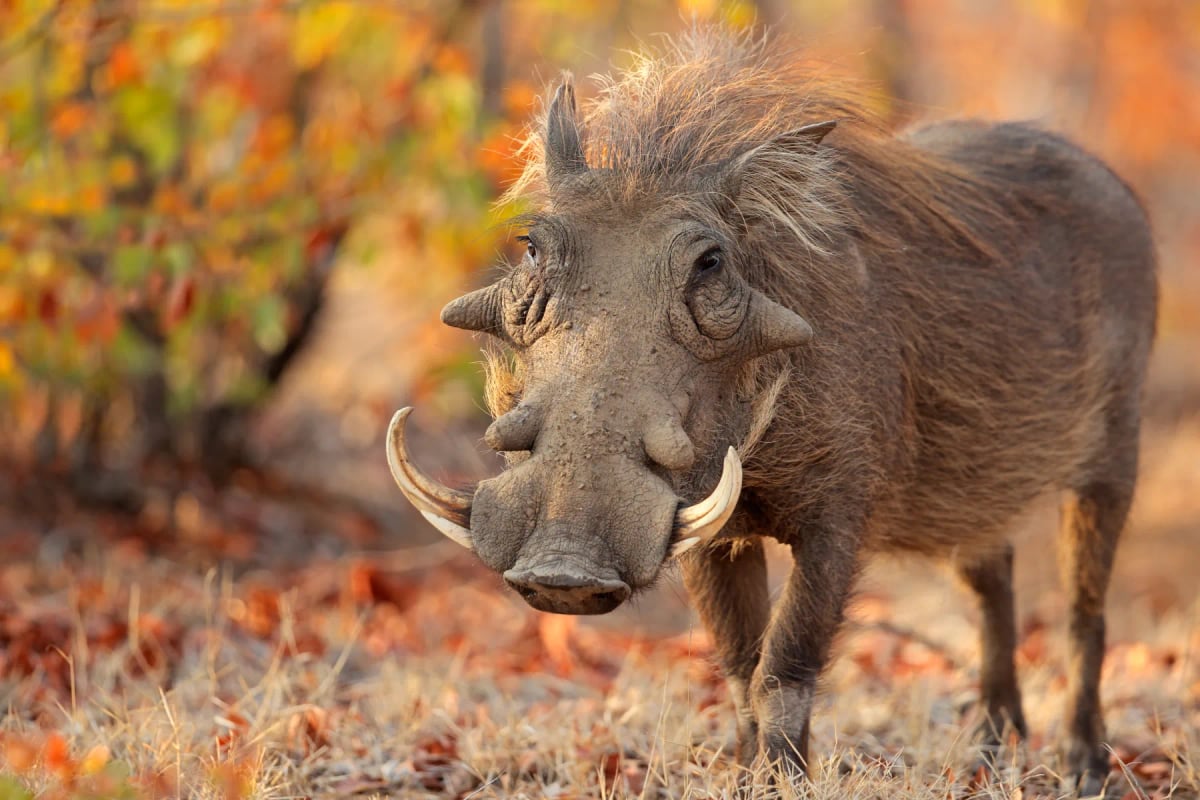
Warthog
Phacochoerus africanus
In Somaliland, warthogs inhabit the drier savanna and scrubland areas, particularly in the inland plateaus away from the coast. They are one of the more resilient large mammals in a region where wildlife has faced significant pressure from conflict and unregulated hunting over many decades. Their ability to survive on tough vegetation in dry conditions helps them persist in this challenging environment. IUCN status: Least Concern.
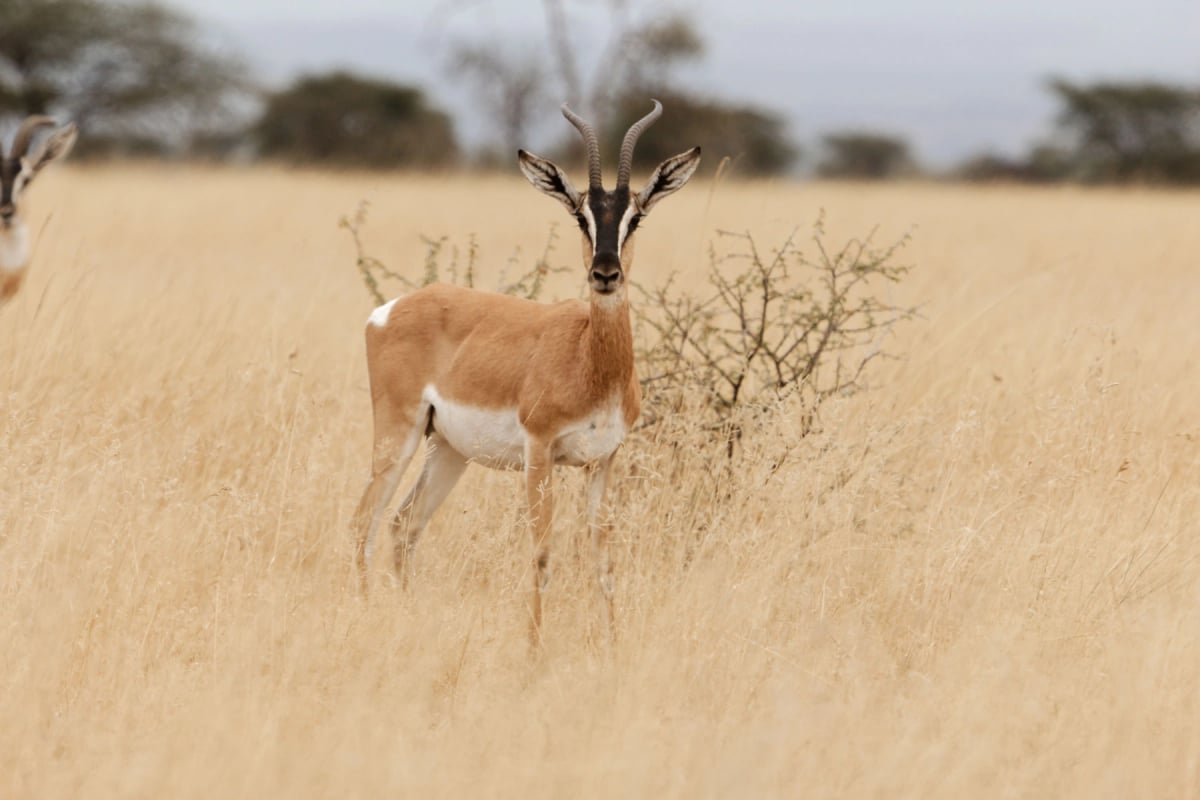
Soemmerring's Gazelle
Nanger soemmerringii
In Somaliland, Soemmerring's gazelle occupies semi-arid plains and shrublands, particularly in areas away from dense human settlement. Its lyre-shaped horns, sandy coat, and white rump make it easy to identify in the open landscape. Like elsewhere in its range, populations here face ongoing pressure from hunting and overgrazing. Greater local awareness and protection efforts will be key to its survival over the long term in this part of the Horn of Africa.
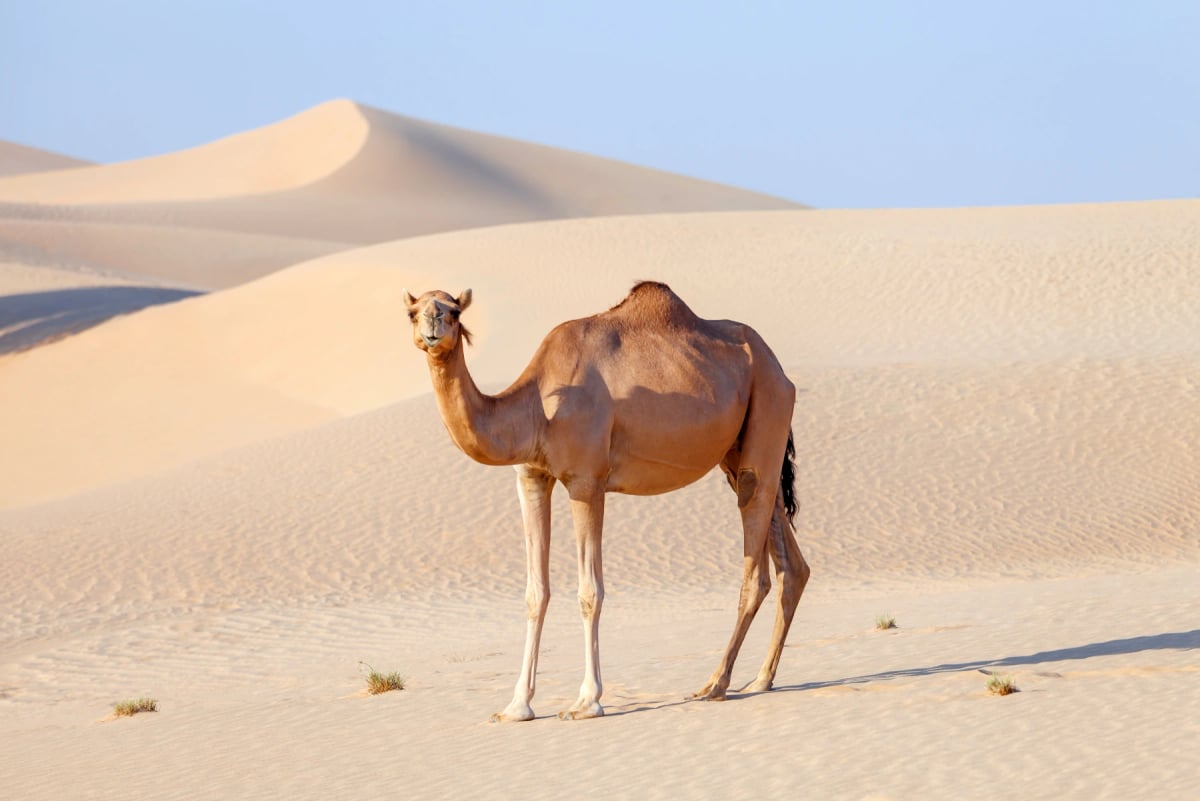
Dromedary Camel
Camelus dromedarius
In Somaliland, dromedary camels are central to the economy and to the identity of pastoral communities across the northern highlands and surrounding arid plains. Camel milk is consumed daily and also sold in local markets, making it a key source of income. The animals are well adapted to the dry conditions of this self-declared region, where rainfall is scarce and unpredictable.
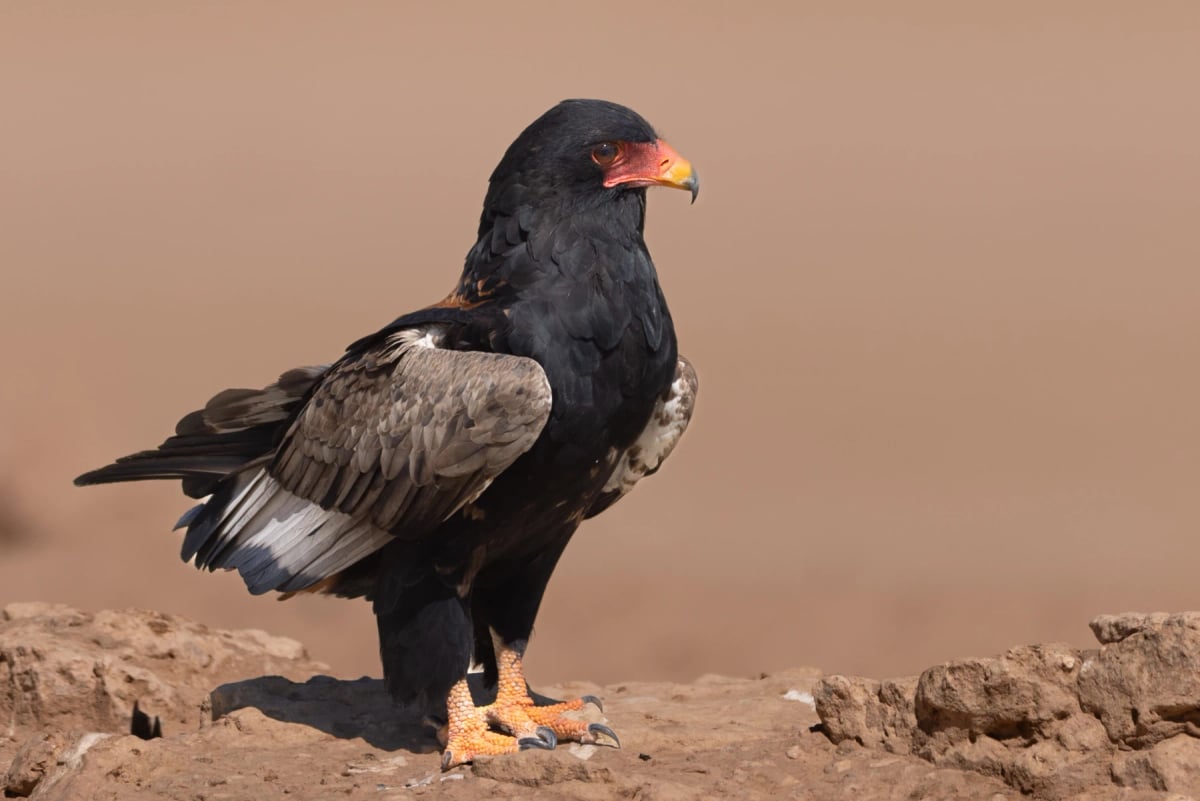
Bateleur
Terathopius ecaudatus
In Somaliland, the bateleur inhabits open savanna and dry woodland across the interior lowlands and foothills. This iconic eagle, with its vivid scarlet face and a tail so short it has nearly vanished, covers vast distances daily in search of carrion and prey. Its presence in the region is part of a broader East African distribution. Classified as Endangered by the IUCN, it faces mounting pressure from poisoning and habitat degradation.
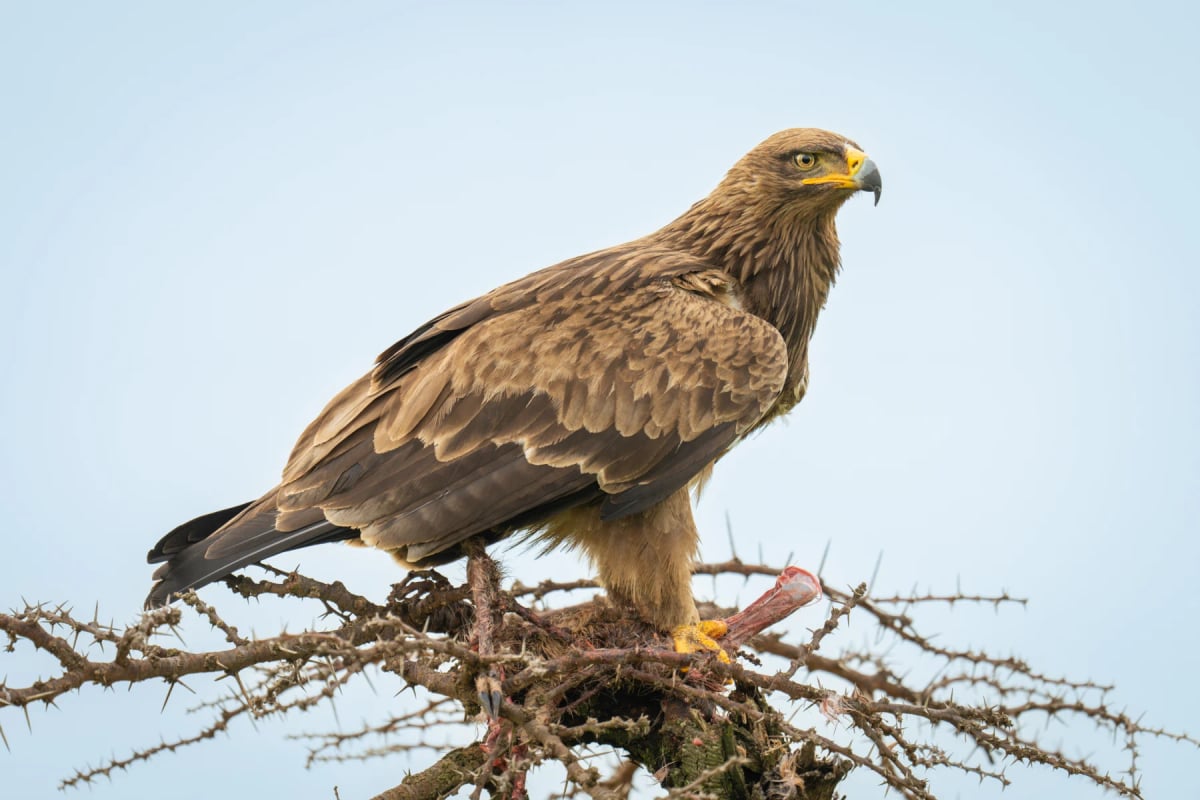
Steppe Eagle
Aquila nipalensis
Somaliland's semi-arid plains and open scrublands form part of the passage and wintering habitat used by the Steppe Eagle on its migration between Central Asia and sub-Saharan Africa. The region sits along the eastern corridor that many raptors follow as they cross the Horn of Africa. Gatherings can occur where food is concentrated. The IUCN lists this eagle as Endangered, and monitoring across the Horn of Africa remains limited.
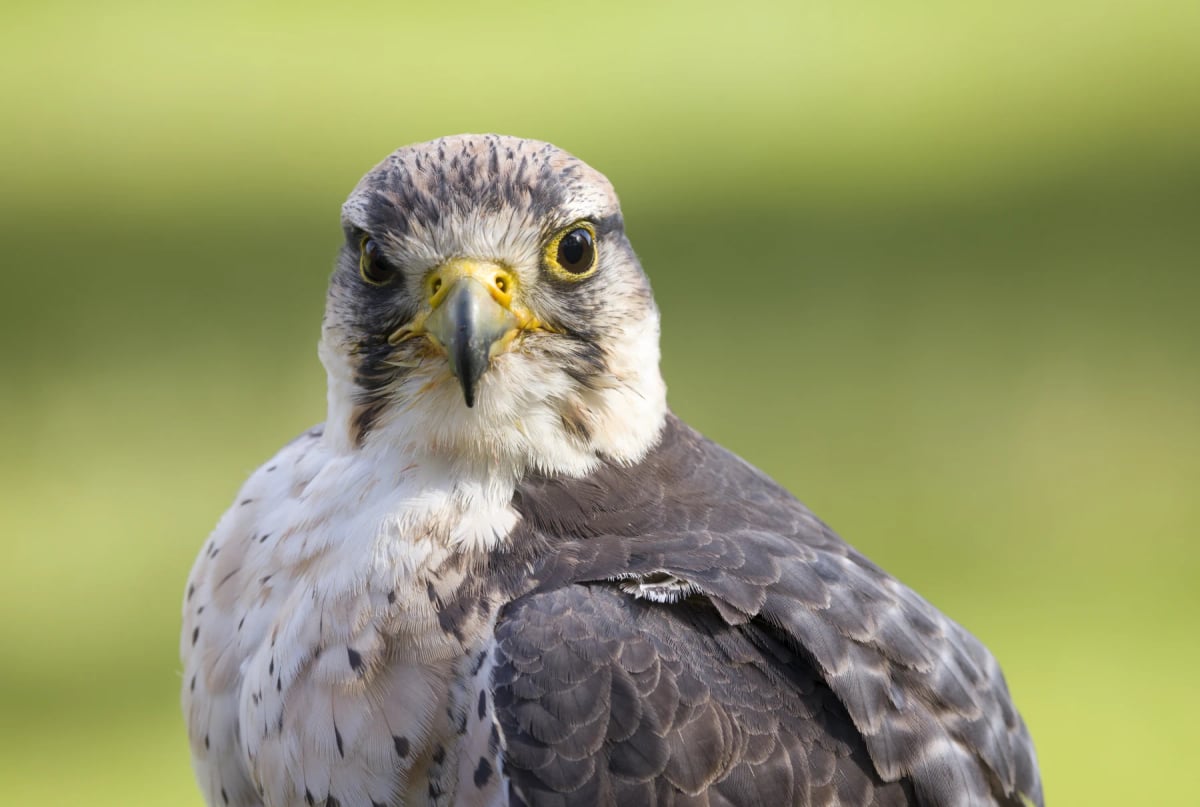
Lanner Falcon
Falco biarmicus
In Somaliland, the lanner falcon inhabits the rocky highlands around the Golis Range and the arid lowland plains stretching toward the Gulf of Aden coast. It is an agile hunter of birds in open country, and pairs often coordinate to drive prey into the open before striking. Nest sites on cliff faces are used consistently from year to year. The IUCN lists the species as Least Concern.
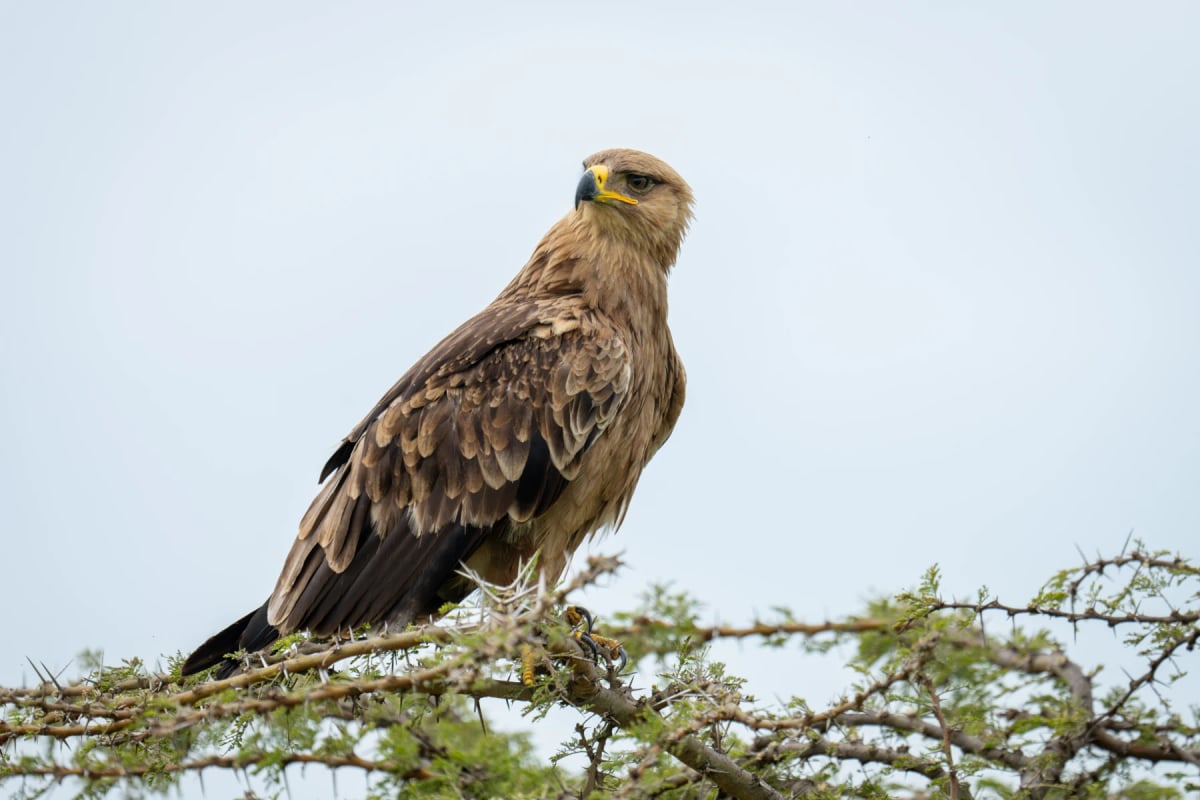
Tawny Eagle
Aquila rapax
In Somaliland, the tawny eagle occupies dry open plains and semi-arid scrublands similar to those found across the Horn of Africa. It soars on thermals while searching for prey such as small mammals and reptiles, and will also feed on carrion. Monitoring wildlife in this region is challenging, and broader threats such as habitat degradation and poisoning remain concerns. The IUCN lists the species as Vulnerable.
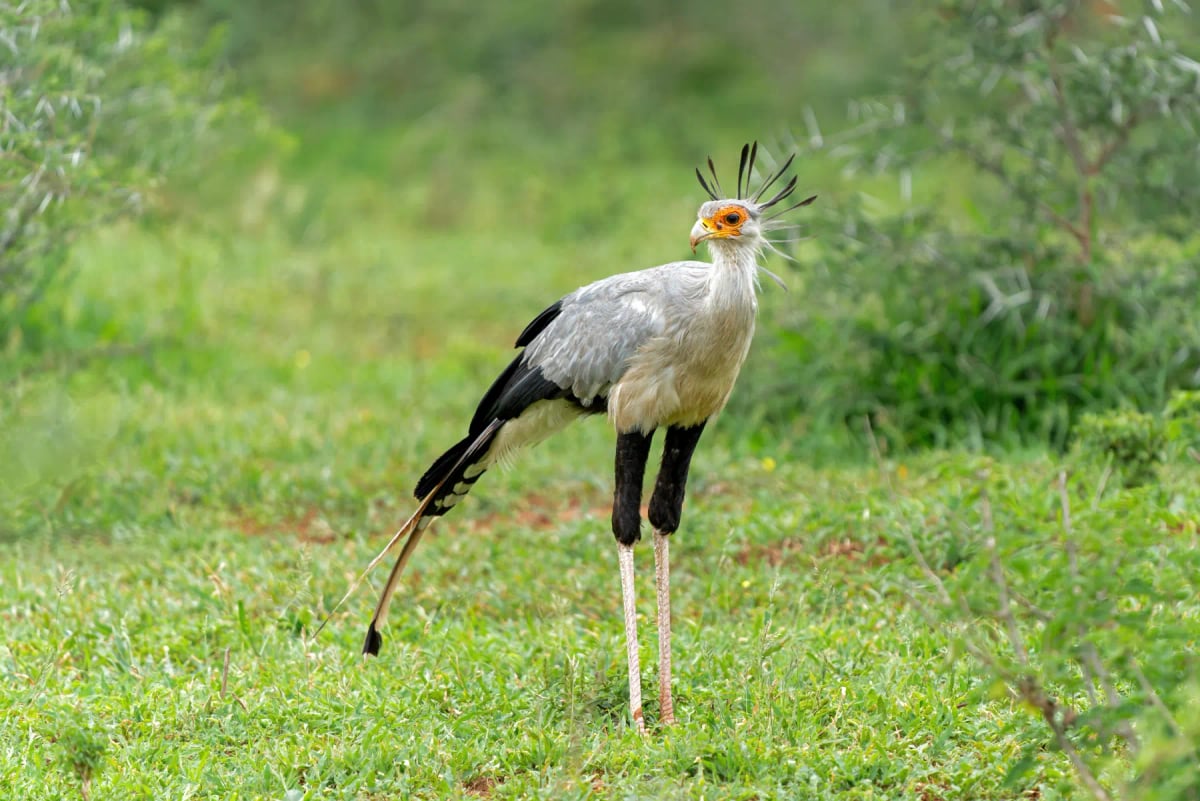
Secretary Bird
Sagittarius serpentarius
In Somaliland, the secretary bird is associated with open grassy plains and dry savanna habitats. It hunts entirely on foot, using powerful kicks to subdue snakes and other prey. Monitoring wildlife in Somaliland remains a challenge, and detailed population data for this species in the region are limited. The IUCN lists the secretary bird as Endangered across its full range in Africa.
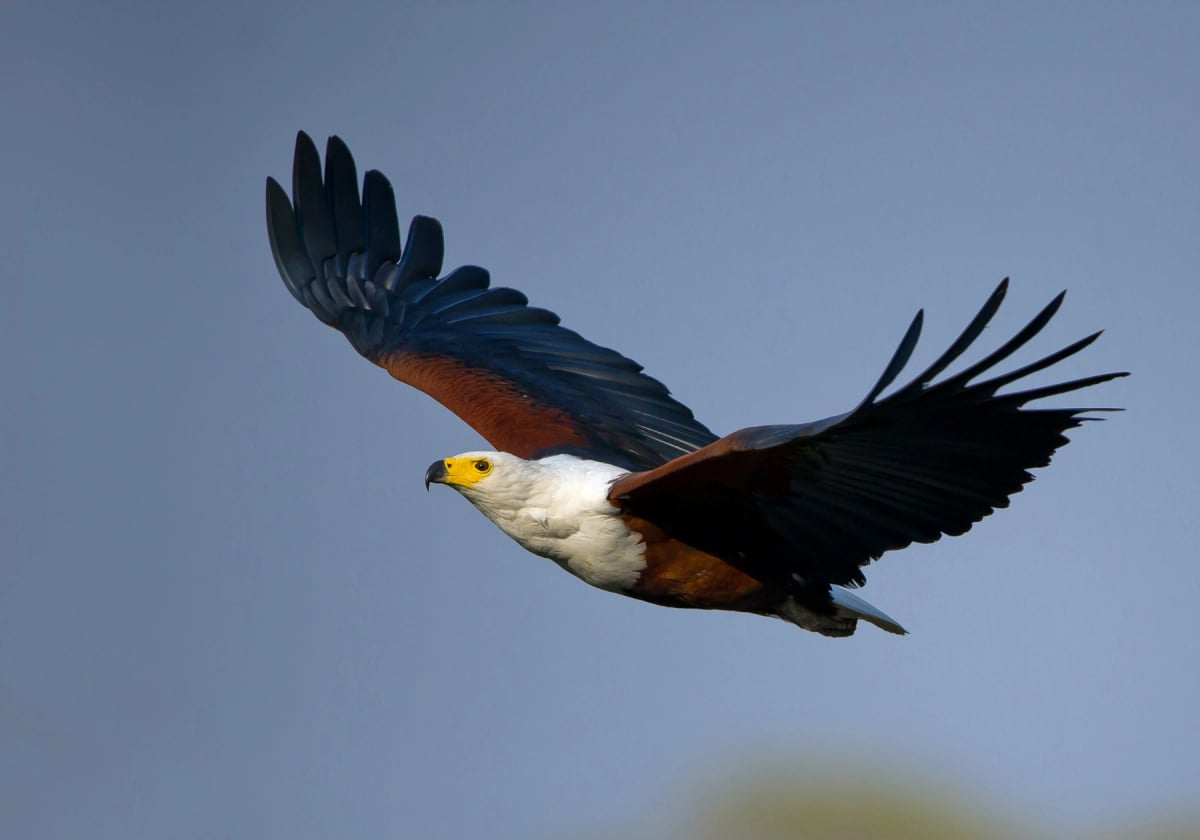
African Fish Eagle
Haliaeetus vocifer
The African fish eagle occurs in Somaliland mainly along the Togdheer and Awaal river valleys, where seasonal and semi-permanent water concentrates in the otherwise dry interior. It is an uncommon species in this arid region and is rarely recorded far from reliable water sources. Sightings are infrequent and tend to be associated with the larger seasonal rivers and any permanent pools or reservoirs that remain through the dry season.
Researched and written by Juan Pablo. Sources: IUCN Red List, scientific literature and regional field guides. Last updated: .