Animals in North Macedonia
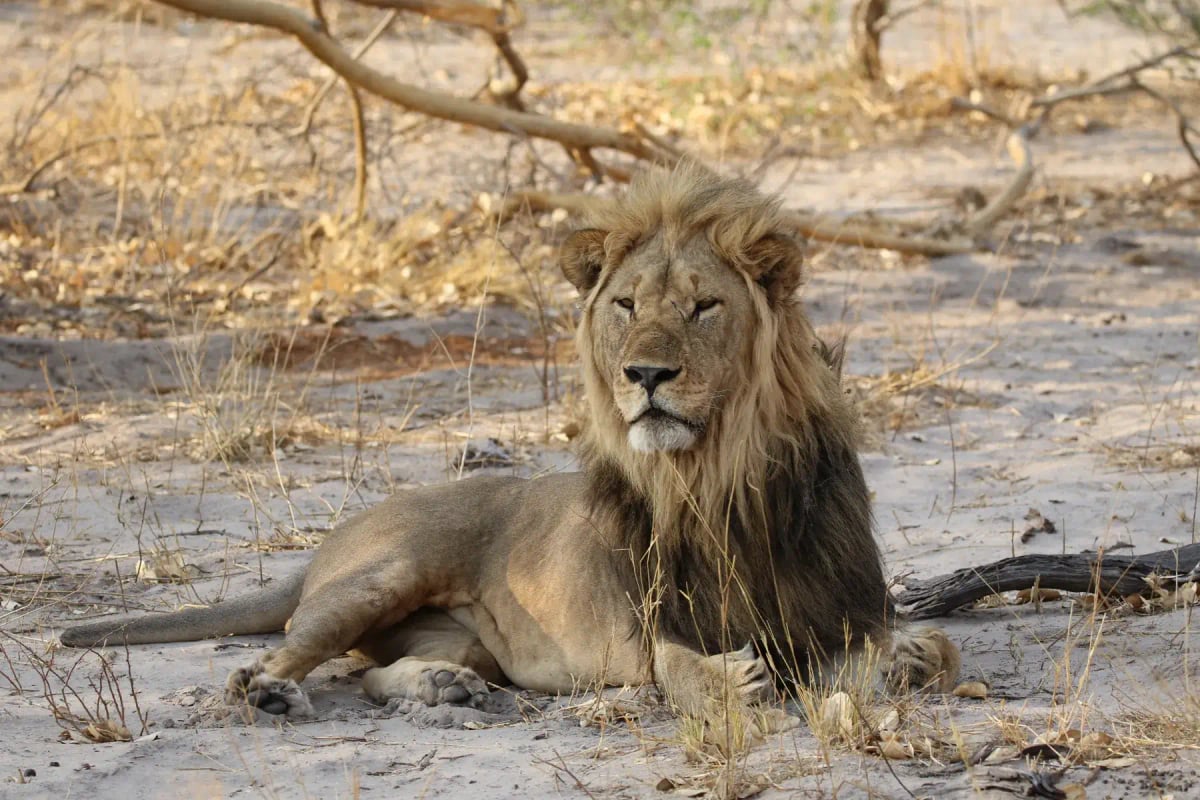
Lion
Panthera leo
The lion is a historic symbol in North Macedonia. It appears in coats of arms and city signs, even though lions do not live in the country. As a heraldic figure it stands for courage, memory and continuity. Museums and town halls use the image in displays that connect medieval records with today, turning an old emblem into a simple way to talk about identity and shared history.
View details→Wildlife in North Macedonia
North Macedonia combines mountains, oak and beech forests, and river canyons that keep wildlife close to towns. Deer and chamois use meadows and ridges, while bears, wolves and lynx remain in quieter valleys. Lake Ohrid and nearby wetlands add birds of prey and night song. Visitor centers in Shar and Mavrovo explain routes, seasons and simple rules so people can watch nature without leaving marked paths.
Most Dangerous Animals in North Macedonia
Nature in North Macedonia is calm but needs care. Wild boar may charge if surprised, and bears, wolves and lynx should be given space. Most incidents come from fast storms, loose rock and summer heat. Check a local forecast, carry water, keep dogs on leash and follow marked routes in Shar and Mavrovo so visits stay safe for people and the animals that live there.
Top 10 Animals in North Macedonia
Our Top 10 list highlights species that visitors ask about most and that locals see with some regularity. It favors animals that mix fame and real presence, such as red deer, brown bear, Eurasian lynx, gray wolf and peregrine falcon. It is not a final ranking. Season, region and access change what people find, so the list guides first trips and links to pages with places, months and simple tips.
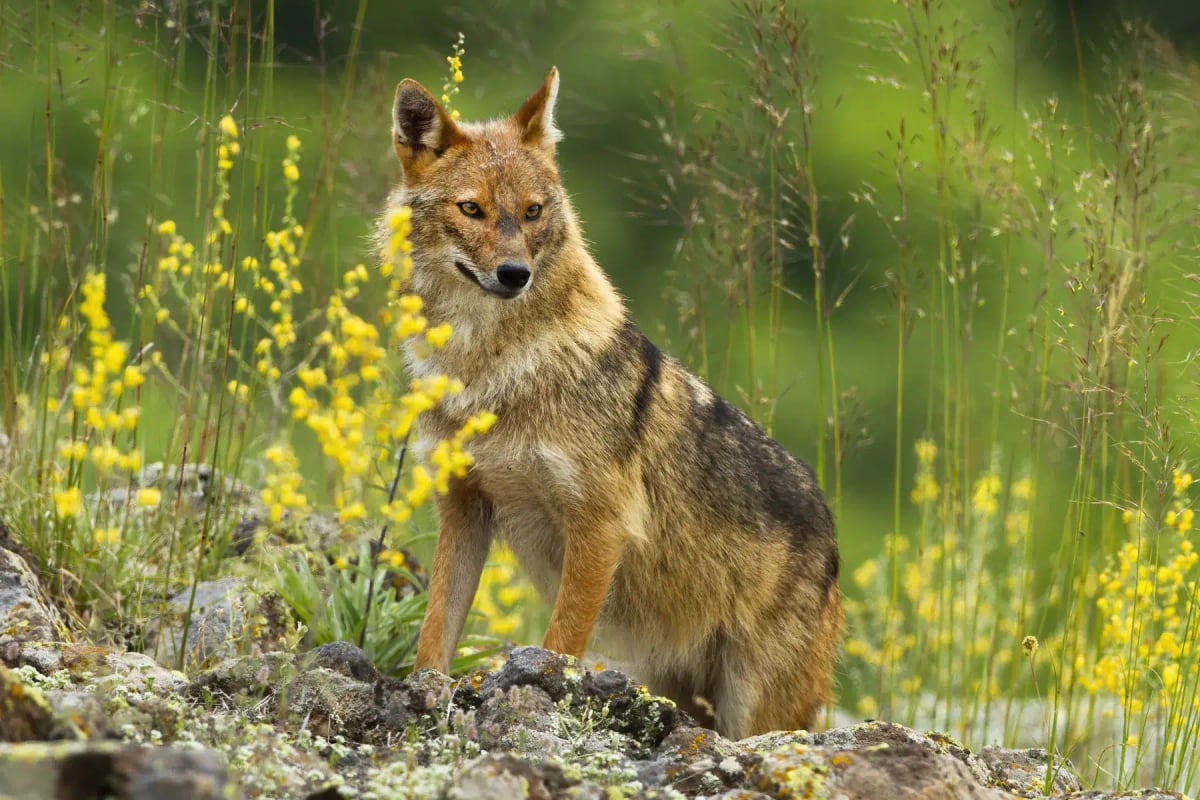
Golden Jackal
Canis aureus
In North Macedonia, the golden jackal is present in lowland river valleys and agricultural plains, particularly in the Vardar basin and areas bordering Greece and Serbia. Its population has grown as part of the wider Balkan expansion of the species over recent decades. It is an omnivore with a flexible diet, taking small vertebrates, insects, fruit, and carrion. Its status is Least Concern.
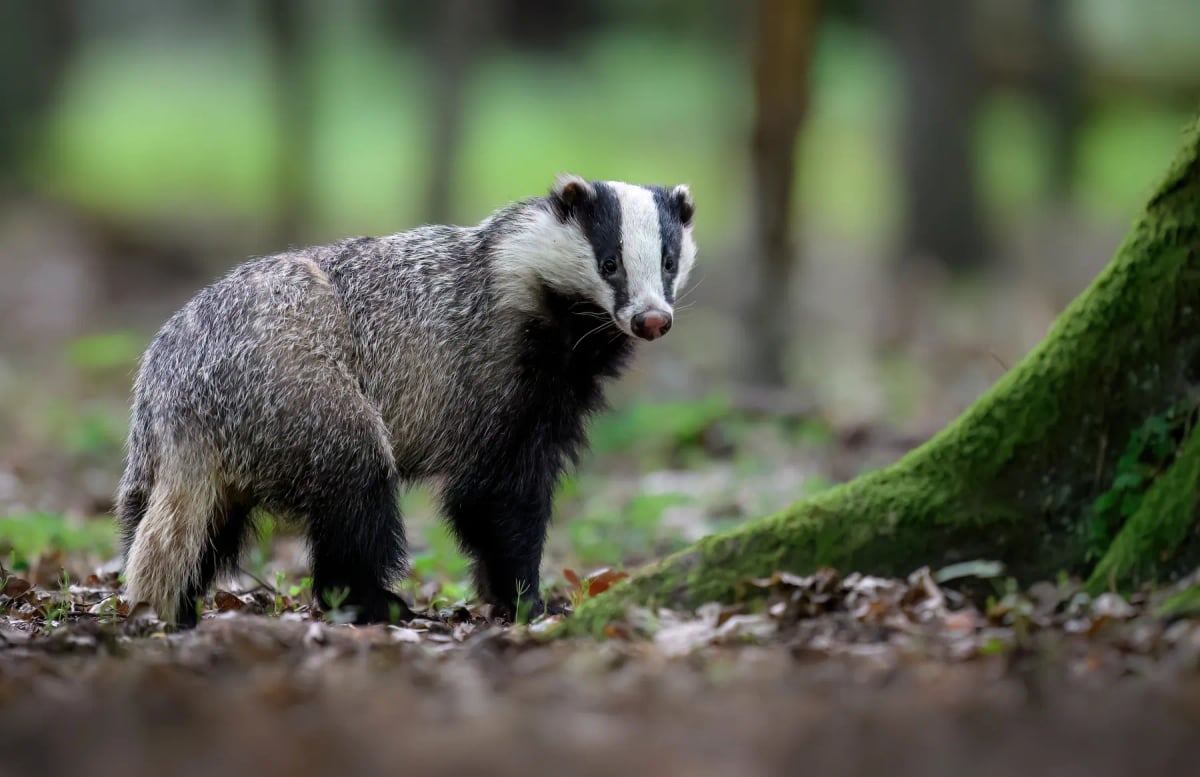
Badger
Meles meles
The Eurasian badger is present in North Macedonia in forested hills and mixed woodland across the country's mountainous landscape. It favors well-drained slopes and forest edges for digging its setts and is active primarily at night. In North Macedonia it feeds on earthworms, insects, fruit and small animals, with diet varying by season. Badger populations are considered stable and the species is distributed across suitable woodland habitat throughout the country.

Brown Bear
Ursus arctos
North Macedonia holds a small population of brown bears, mainly in the mountainous western and central parts of the country. The forests of Mavrovo National Park represent one of the most important strongholds for the species. Bears in North Macedonia are connected to populations in neighbouring Albania and Kosovo, forming part of a broader Balkan metapopulation. Habitat loss and illegal killing remain the primary threats facing bears in the region.
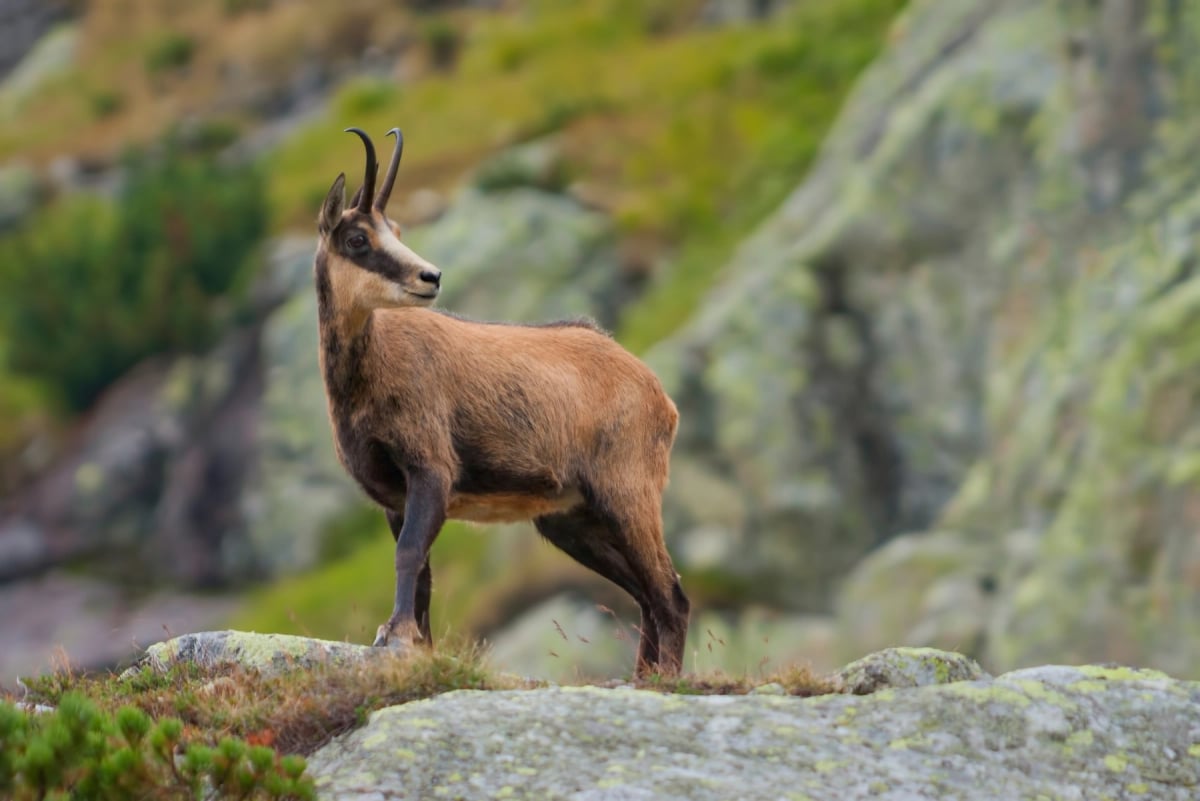
Chamois
Rupicapra rupicapra
The chamois occurs in North Macedonia across the Šar Mountains and within Mavrovo National Park, the country's largest protected area. Populations here are relatively modest in size and share rugged subalpine and alpine zones with wolves and bears. Seasonal movements bring chamois to lower forest edges in winter, where snow depth and food availability shape their distribution across these western ranges. IUCN status: Least Concern.
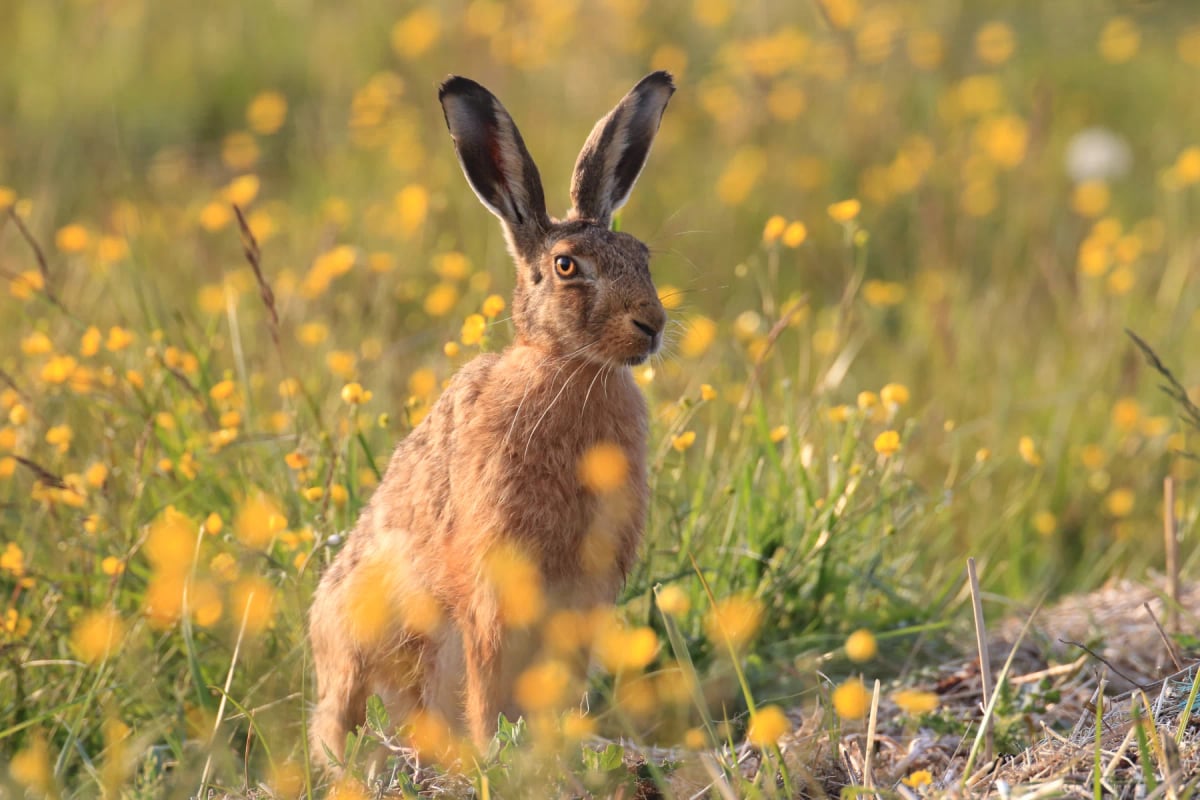
Hare
Lepus europaeus
The European hare is found across the lowland plains and river valleys of North Macedonia, including the Pelagonia and Skopje valleys. It favours open farmland, scrubland, and grassland, avoiding dense forest. The species is hunted recreationally and is part of local wildlife management. Habitat loss tied to agricultural intensification has affected some populations, though the hare remains a common species across the country.
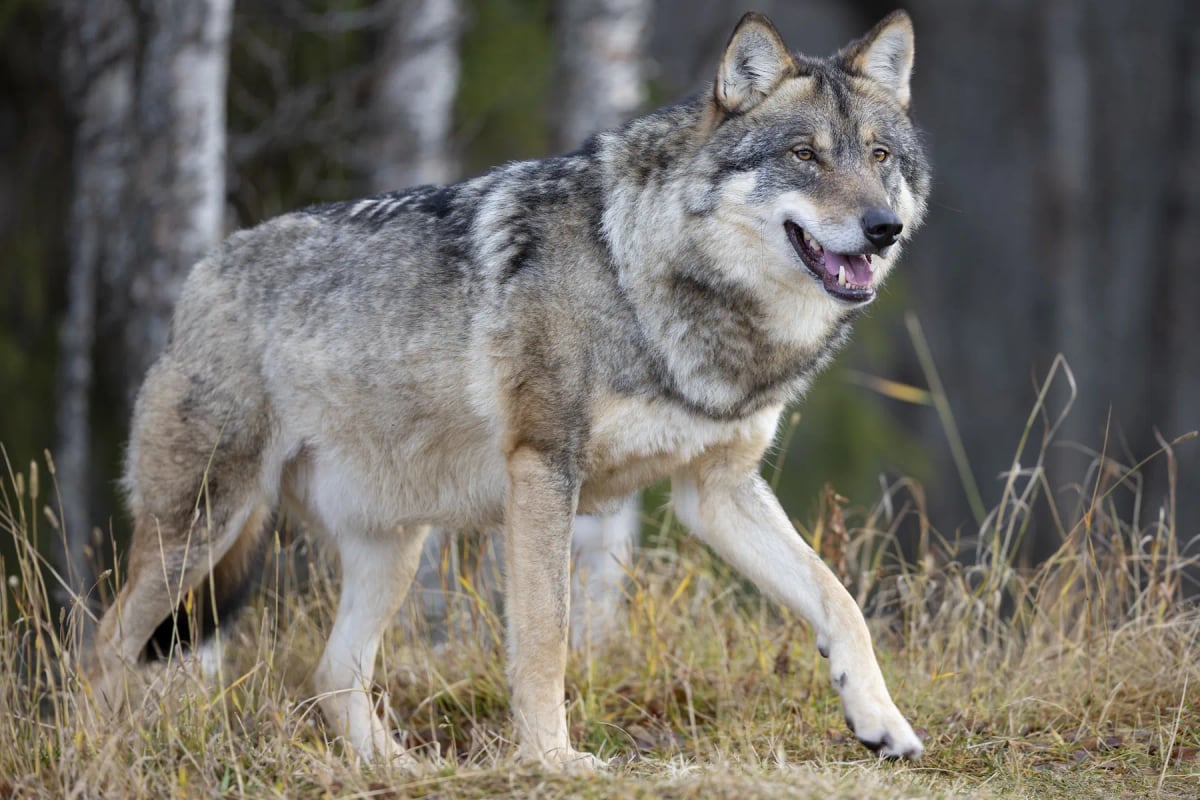
Gray Wolf
Canis lupus
Gray wolves are present throughout North Macedonia, roaming mountainous areas such as the Šar Mountains and Mavrovo National Park. The population is relatively stable and wolves play a key role in the country's ecosystems by controlling deer and wild boar numbers. Tensions with sheep and cattle farmers persist, and illegal killing remains a threat. Conservation groups work with local communities to promote coexistence and reduce retaliatory hunting across the region.
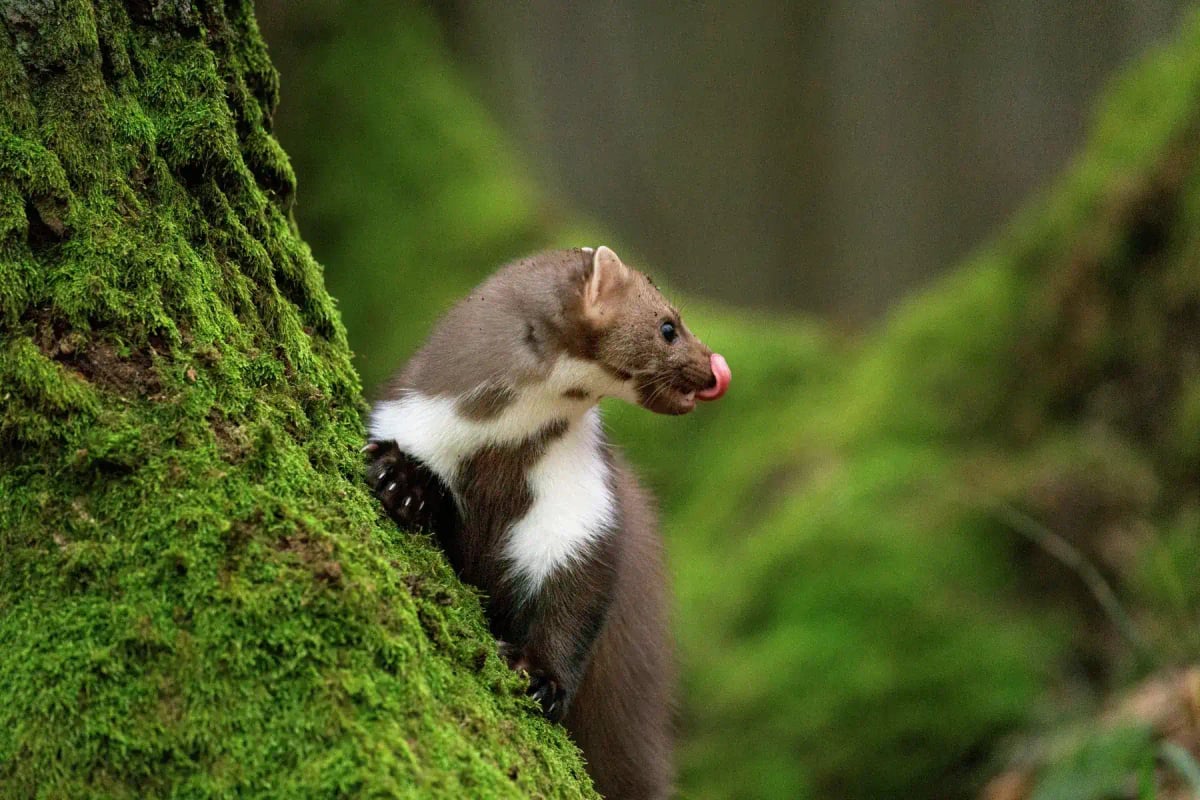
Marten
Martes martes / Martes foina
North Macedonia's mix of mountain forests and rocky Mediterranean landscapes supports both marten species. The pine marten is found in the forested uplands around Mavrovo and Pelister national parks, while the stone marten is widespread across lower elevations, farmland, and rocky areas. Both are nocturnal and opportunistic, hunting rodents and birds and eating fruit when it is available. These adaptable carnivores are a natural part of the country's rich wildlife. Their IUCN status is Least Concern.
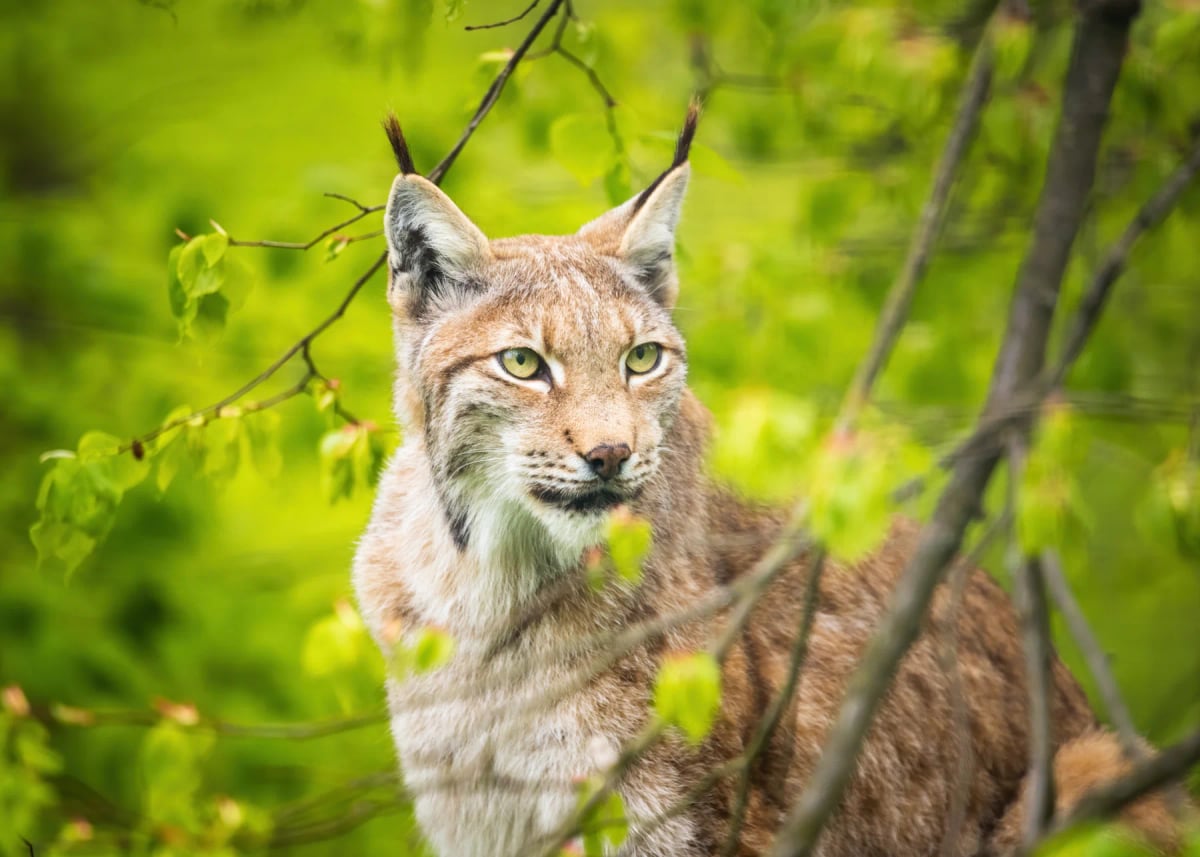
Eurasian Lynx
Lynx lynx
North Macedonia is home to one of the most endangered Eurasian Lynx subpopulations in Europe, known as the Balkan lynx. Found mainly in Mavrovo National Park and surrounding areas, this subpopulation numbers fewer than 50 individuals. Poaching and prey loss are serious threats. Conservation programmes involving local communities and international partners are working to secure its future. The IUCN lists the species as Least Concern globally.
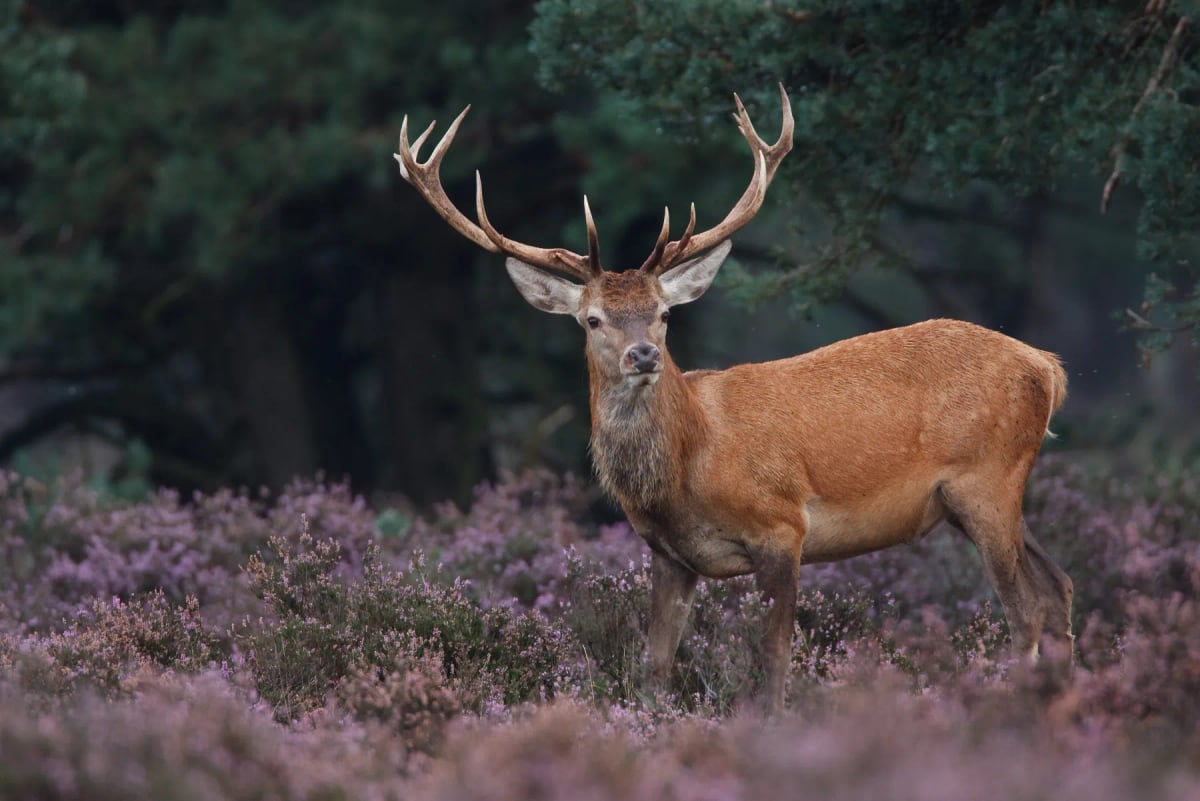
Red Deer
Cervus elaphus
The red deer (Cervus elaphus) lives in the oak and mixed forests of North Macedonia, particularly in mountain ranges such as Mavrovo and Pelister. Mavrovo National Park offers protected habitat where the species can move and feed across forested slopes and valleys. Populations remain relatively small and benefit from national park protections. Stags are recognized by their large antlers and powerful autumn roar. The IUCN lists the species as Least Concern.
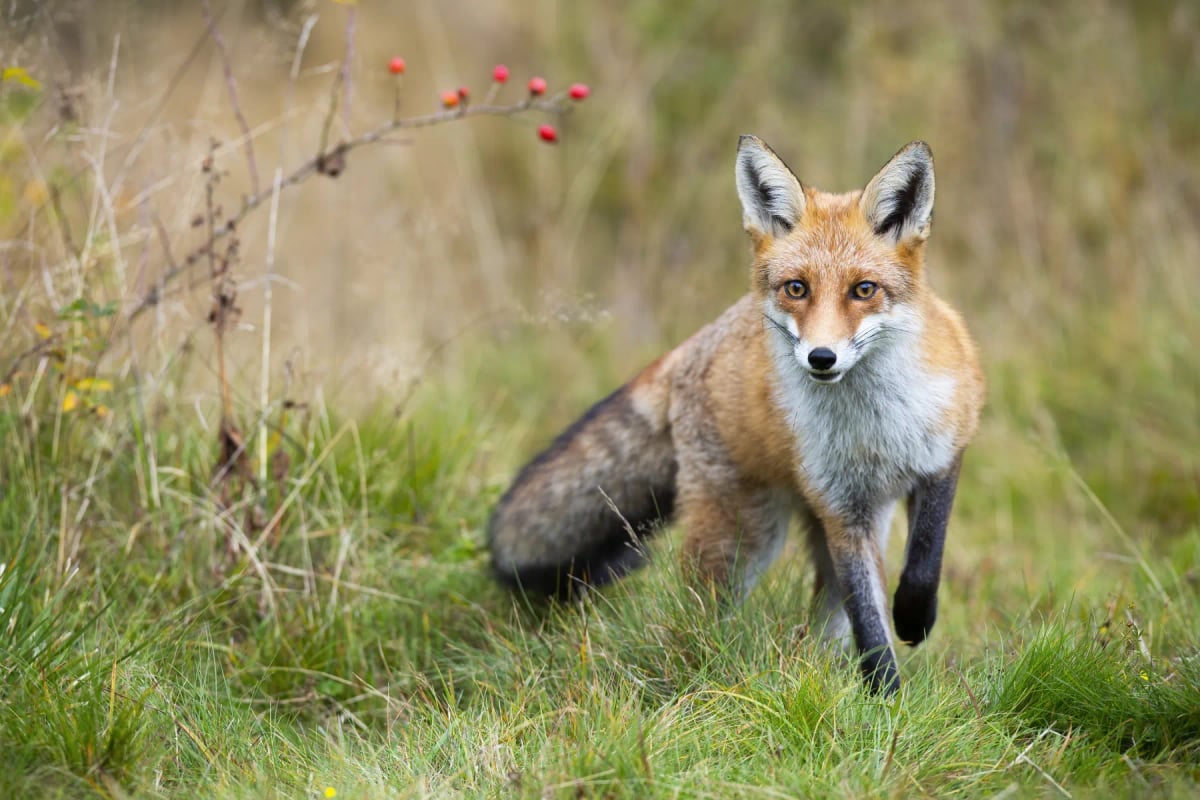
Red Fox
Vulpes vulpes
The red fox is one of the most common wild carnivores in North Macedonia, found in the oak and beech forests of the Šar and Jakupica mountain ranges, as well as in river valleys and agricultural land. It feeds on rodents, birds, and seasonal fruit. Foxes occasionally approach villages, particularly in winter when food is scarce. The species is widespread throughout the country and listed as Least Concern globally.
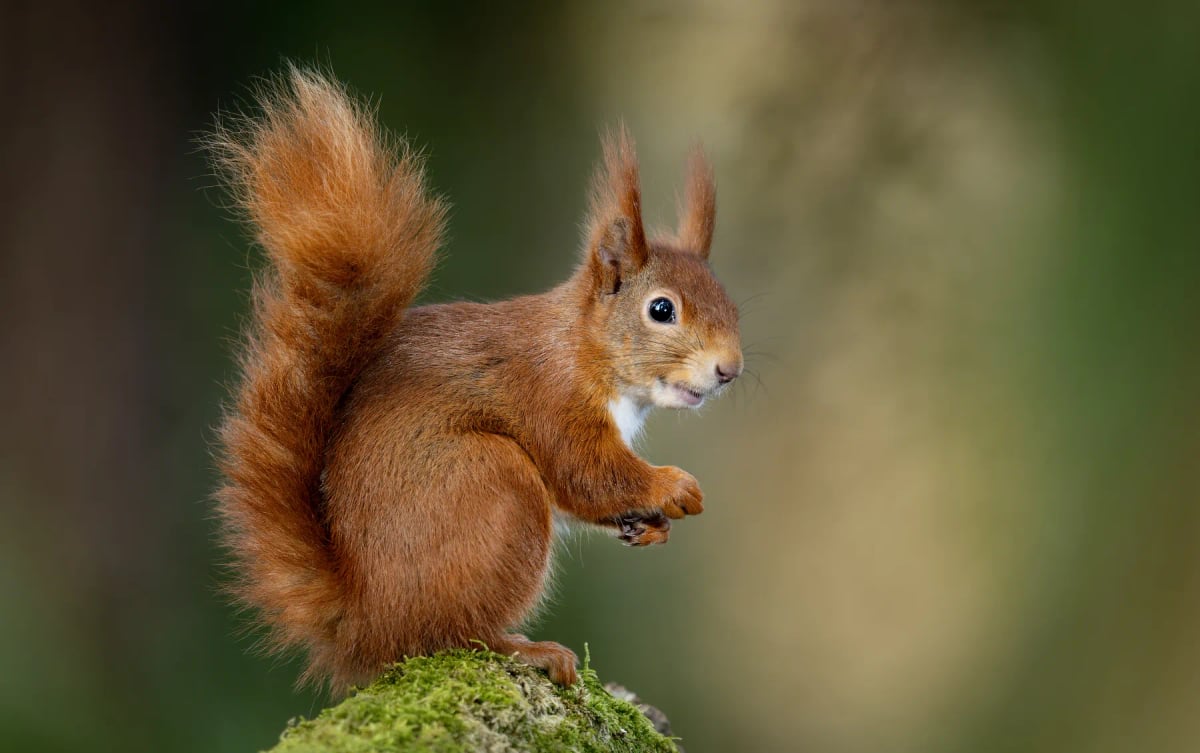
Red Squirrel
Sciurus vulgaris
In North Macedonia, the red squirrel is found in the mountain forests that cover much of the country's interior, including areas around Mavrovo National Park and the Šar Mountains. It favors conifer and mixed woodland at higher elevations. The species is not considered threatened locally, and the relatively intact forest cover across the country's mountain ranges provides a reliable habitat for this small and agile rodent.
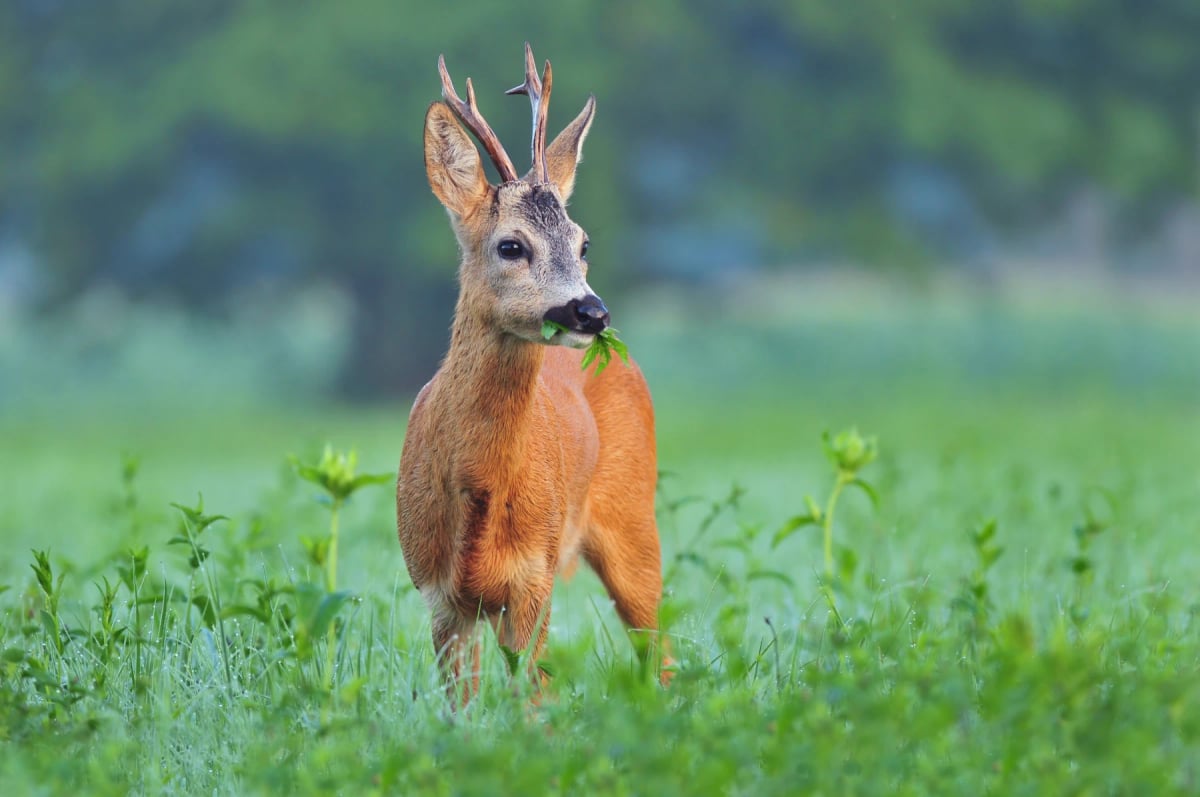
Roe Deer
Capreolus capreolus
In North Macedonia, the roe deer is found in the mixed forests and scrublands that cover much of the country's hillsides and river valleys. It is present in areas such as the Mavrovo and Pelister regions, where woodland provides good shelter and a varied diet of leaves, shoots, and herbs. The deer tends to favour lower and mid elevation forests rather than the high mountain zones. It is managed as a game species and populations are considered stable across the country.
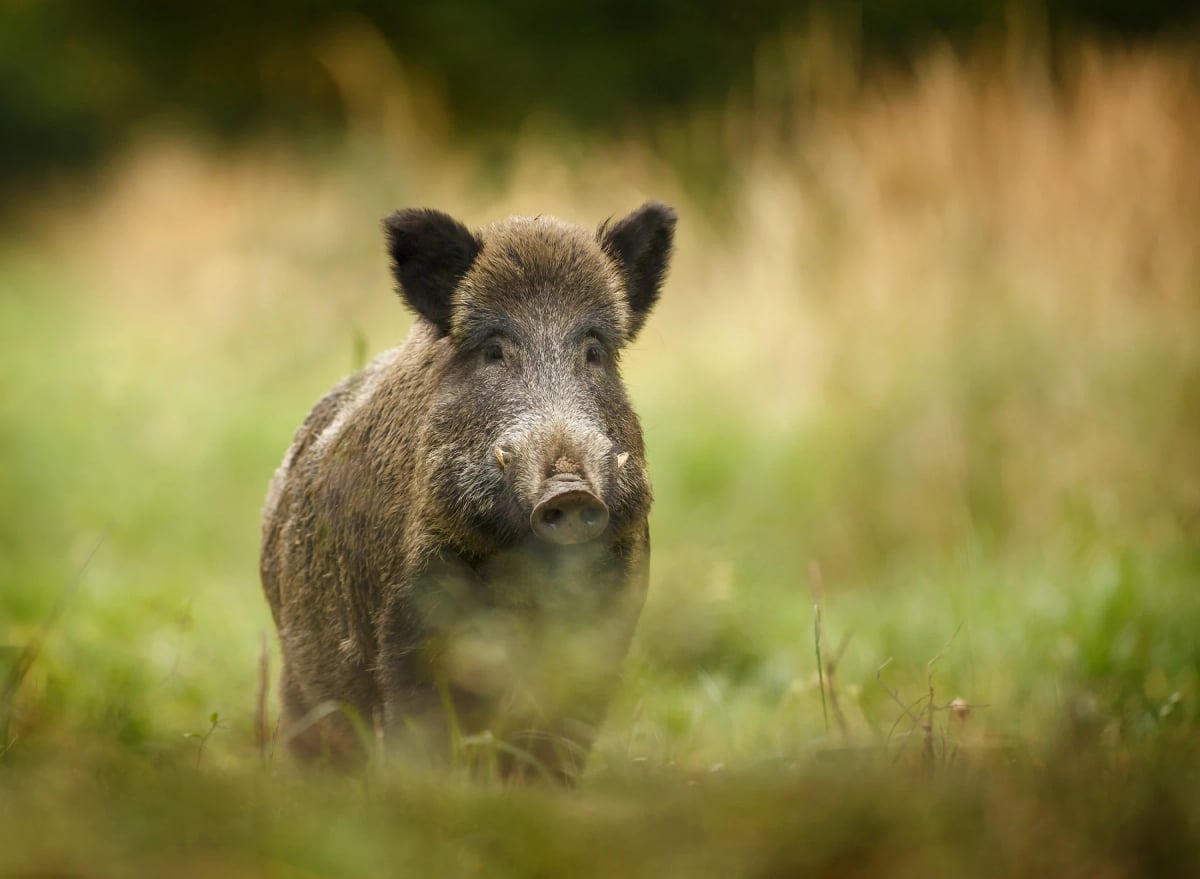
Wild Boar
Sus scrofa
Wild boars are widespread across the forested mountains of North Macedonia, including areas around Mavrovo and Pelister national parks. Dense woodland provides cover and food such as acorns and roots, while nearby farmland offers an additional source of food that sometimes leads to crop damage. The species is a popular and traditional game animal, hunted under regulated seasons throughout much of the country.
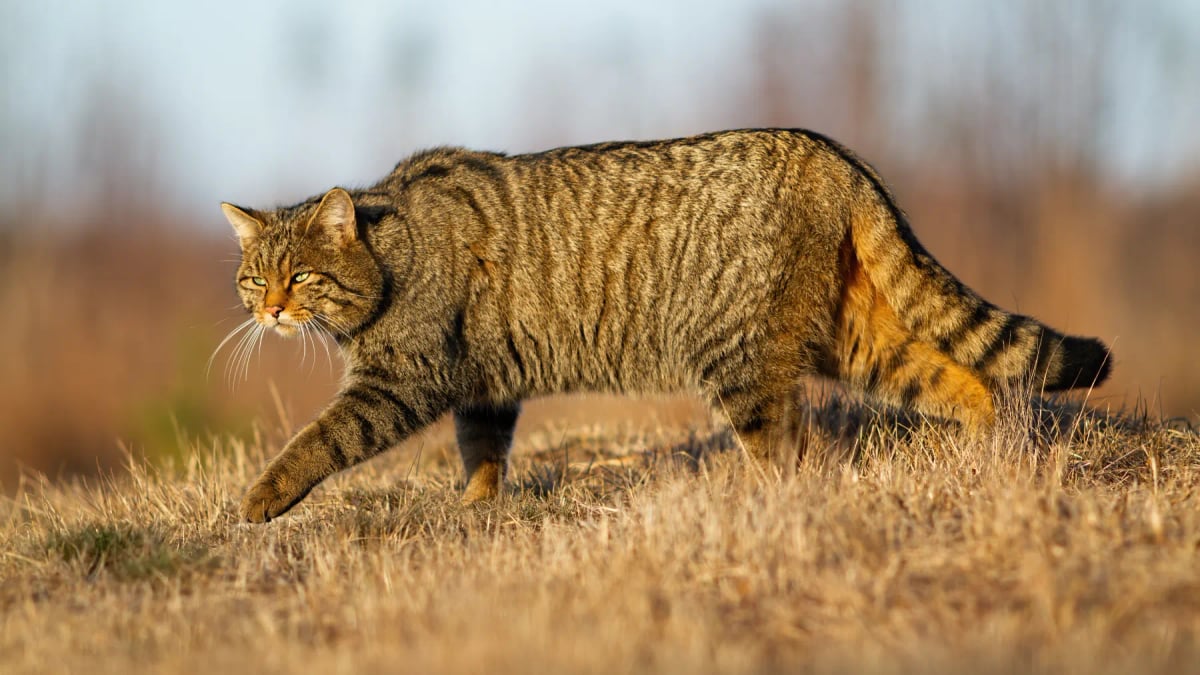
European Wildcat
Felis silvestris silvestris
The European wildcat is present in North Macedonia, where it lives in the forested mountain ranges that cover much of the country, including areas around Mavrovo and the Šar Mountains. These habitats offer good cover and abundant small prey. The species benefits from relatively large expanses of undisturbed forest. Hybridization and habitat fragmentation are the main concerns for local populations. IUCN status: Least Concern.
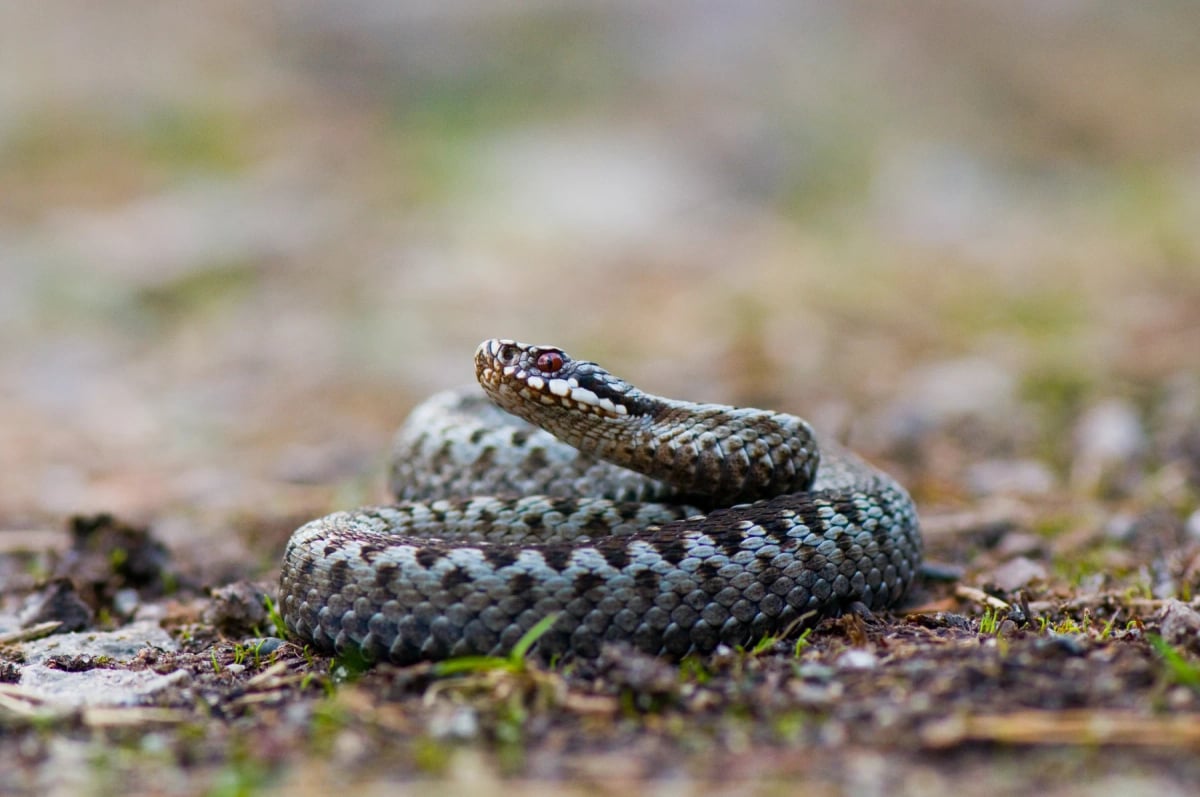
European Adder
Vipera berus
In North Macedonia, the European adder is found in the mountainous areas of the country, where it occupies rocky slopes, scrubland, and forest clearings at higher elevations. The Šar Mountains and other highland zones provide suitable habitat for small, isolated populations. It is not commonly encountered at lower altitudes. As a venomous species in a region with limited herpetological research, its exact population status remains incompletely known. Its IUCN status is Least Concern.
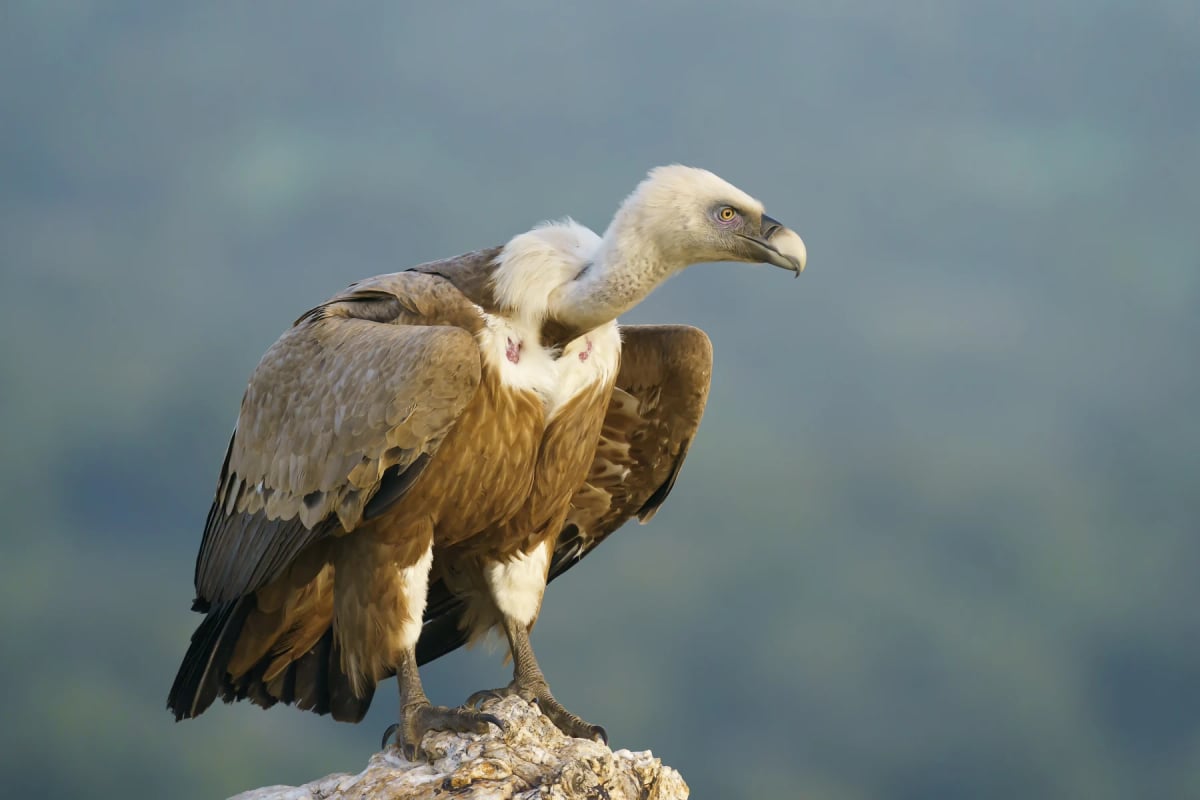
Griffon Vulture
Gyps fulvus
North Macedonia keeps a small population of griffon vultures in the gorges of the Vardar valley and the mountains of the south, where limestone cliffs give them nesting ledges. Numbers fell sharply in recent decades because of poisoned baits, and the birds here are now closely watched by conservation groups. Griffons from Bulgaria, Greece, and Serbia also cross the country. IUCN status: Least Concern.
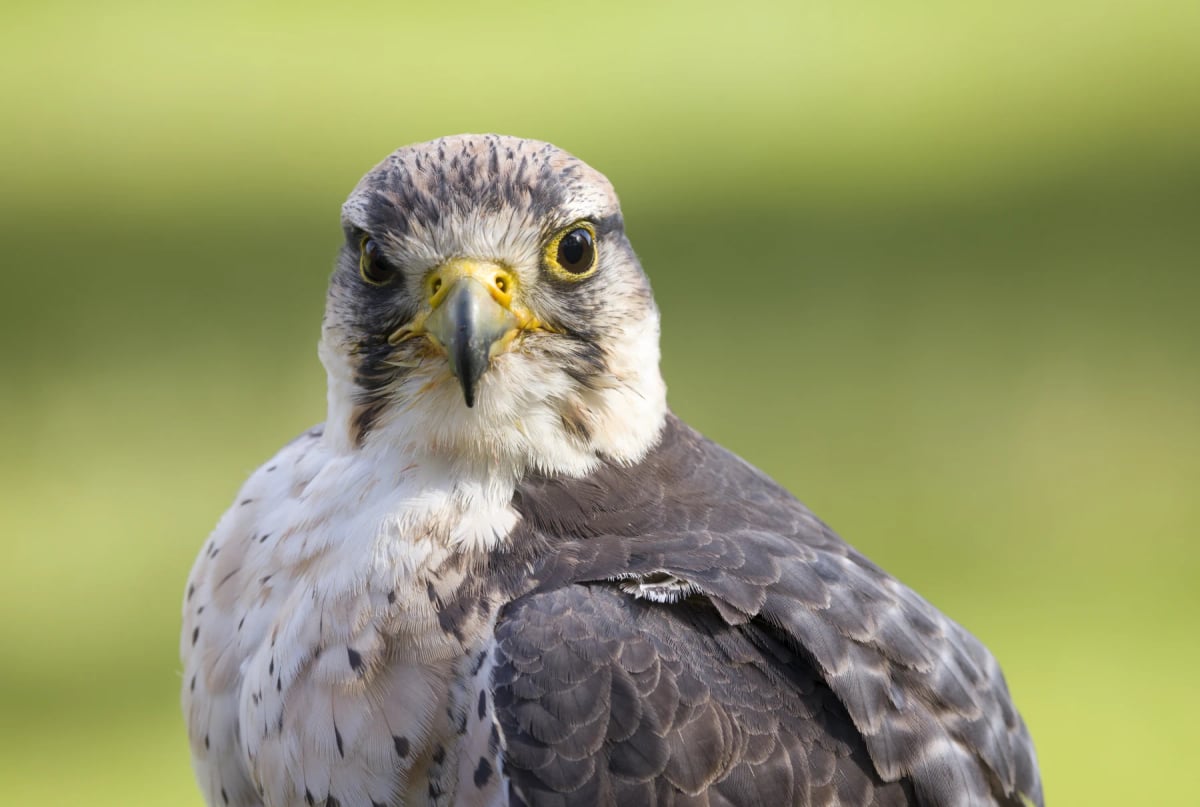
Lanner Falcon
Falco biarmicus
In North Macedonia, the lanner falcon is a rare but notable presence, associated with the country's canyon landscapes and rocky river gorges, particularly in the warmer southern and western parts of the country. It nests on cliff ledges and hunts birds across open ground. The species is listed as Least Concern by the IUCN, though European populations are small and face pressure from habitat disturbance and human activity near nest sites.
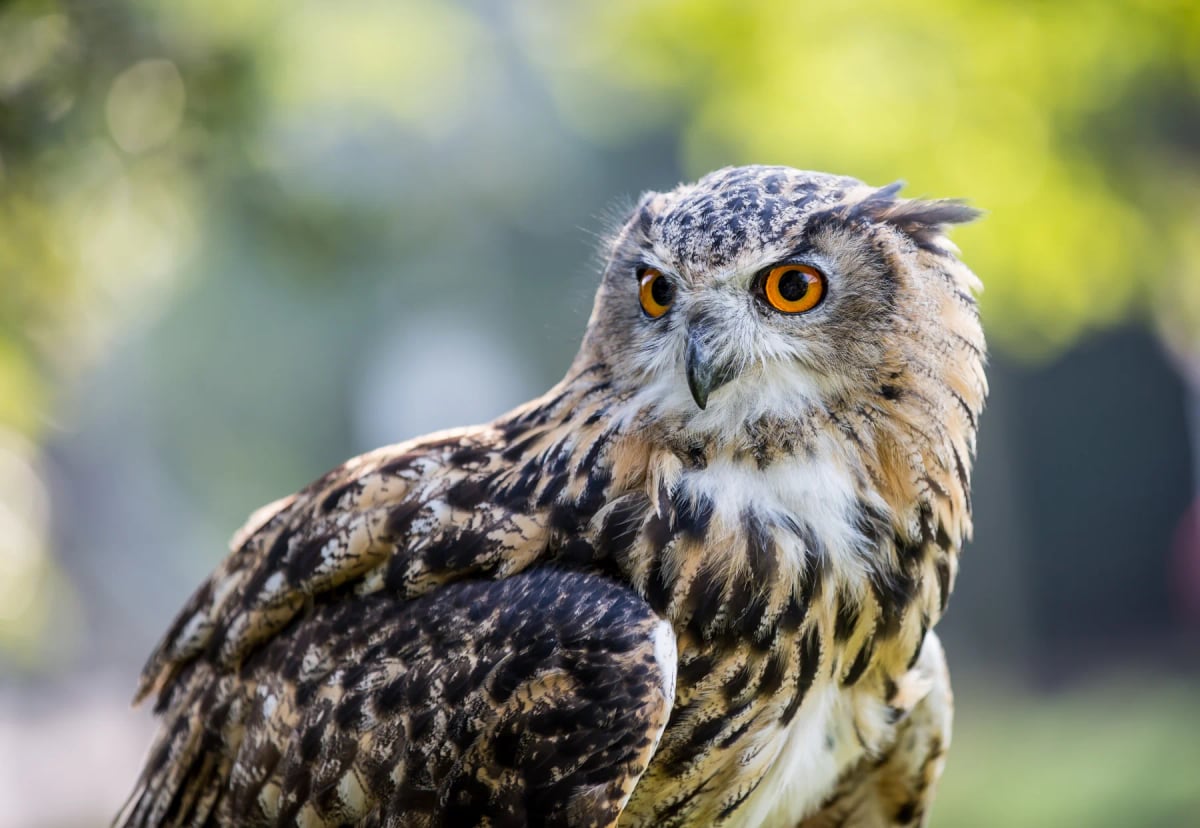
Eagle Owl
Bubo bubo
In North Macedonia, the Eurasian eagle owl inhabits rocky gorges, mountain slopes, and forest edges across much of the country. The Matka Canyon near Skopje and the Mavrovo region offer particularly suitable habitat. It nests directly on cliff ledges and hunts at night, feeding on hares, rodents, and birds. The species is legally protected, though habitat disturbance and human pressure remain challenges. Its loud, resonant call echoes through canyon walls at dusk. The IUCN lists it as Least Concern.
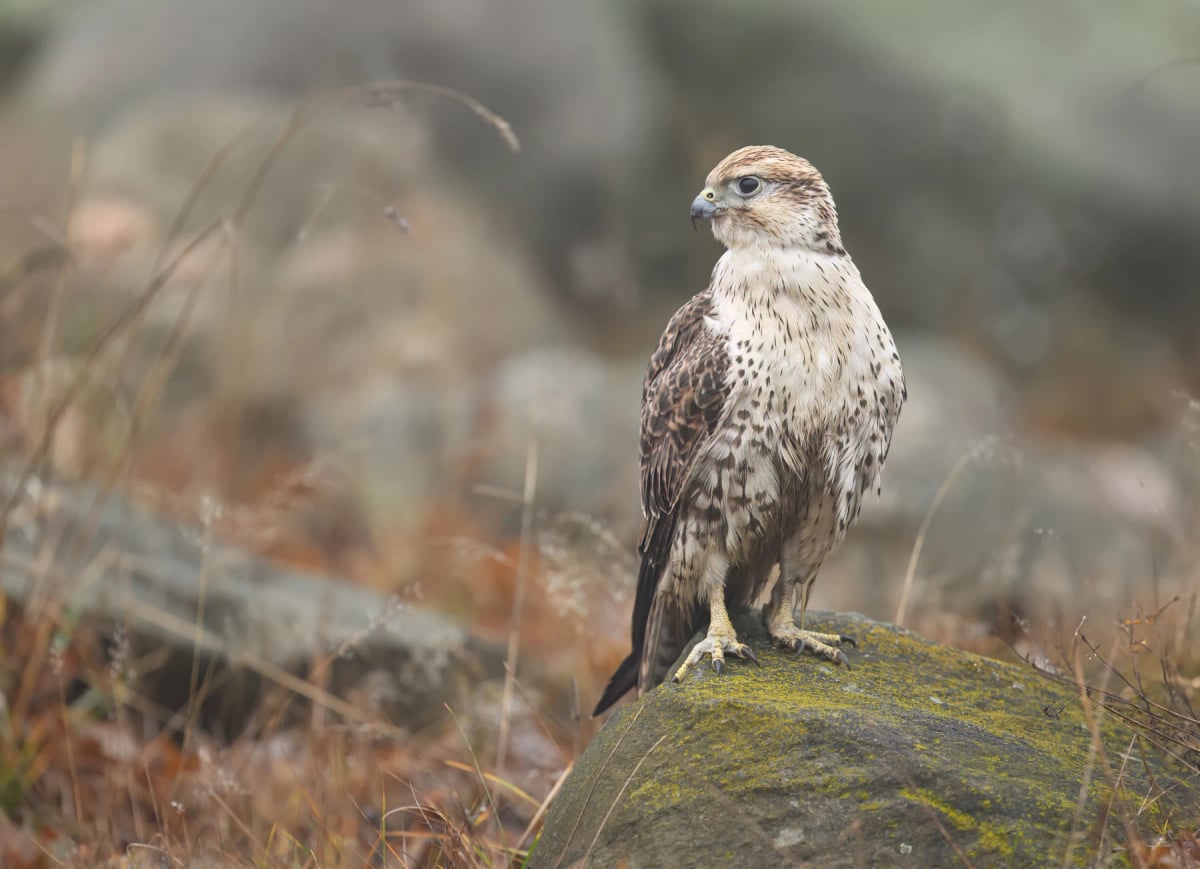
Saker Falcon
Falco cherrug
The saker falcon occurs in North Macedonia as an occasional visitor, most likely during migration across the Balkan Peninsula. Open valleys and agricultural plains in the country could provide temporary resting and hunting habitat. Historically, the species bred in parts of the broader Balkan region, though confirmed breeding in North Macedonia is not well established. The IUCN currently lists the saker falcon as Endangered.
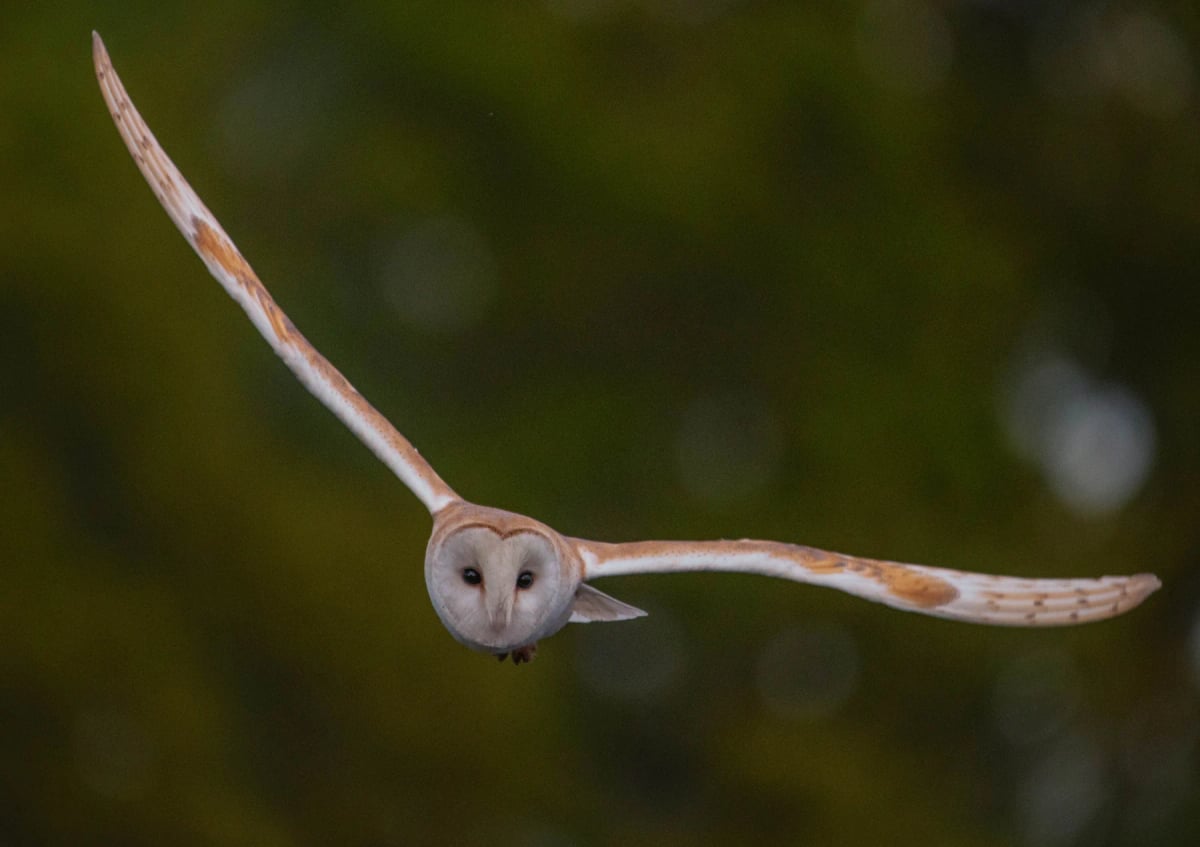
Barn Owl
Tyto alba
The barn owl is a resident of North Macedonia in open farmland, river valleys, and rural villages across the lowland and foothill zones. It nests in old farm buildings, church towers, and cliff faces, and hunts mice and voles at night in open fields. The Vardar River valley and the agricultural plains around Skopje and Bitola provide some of the most suitable habitat in the country. Populations are generally stable, though renovation of old buildings in rural areas has reduced available nest sites in some regions.
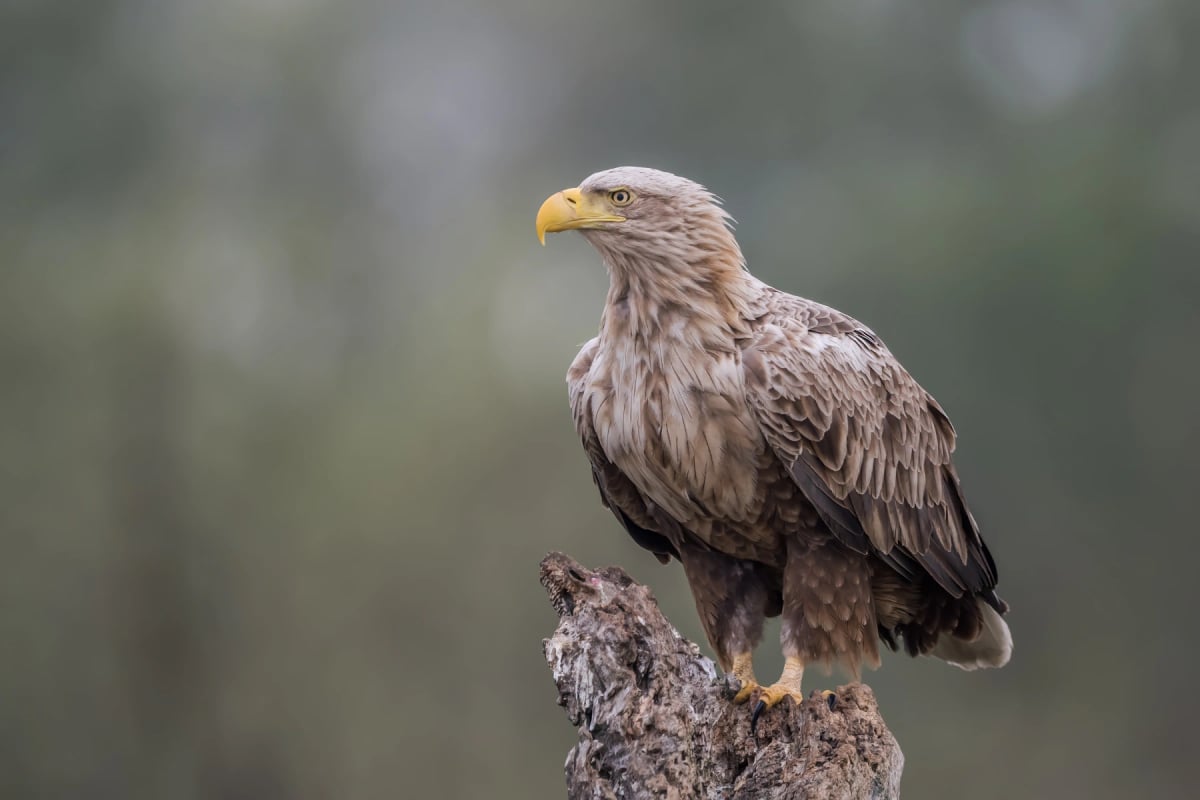
White tailed Eagle
Haliaeetus albicilla
In North Macedonia, the white tailed eagle is a rare but regular winter visitor, most frequently recorded around Lake Ohrid and Lake Prespa in the southwestern part of the country. These ancient lakes, recognized for their exceptional biodiversity, attract the eagle with plentiful fish stocks and waterbirds. The species is listed as Least Concern, but sightings in North Macedonia remain infrequent, making each observation notable for local birdwatchers.
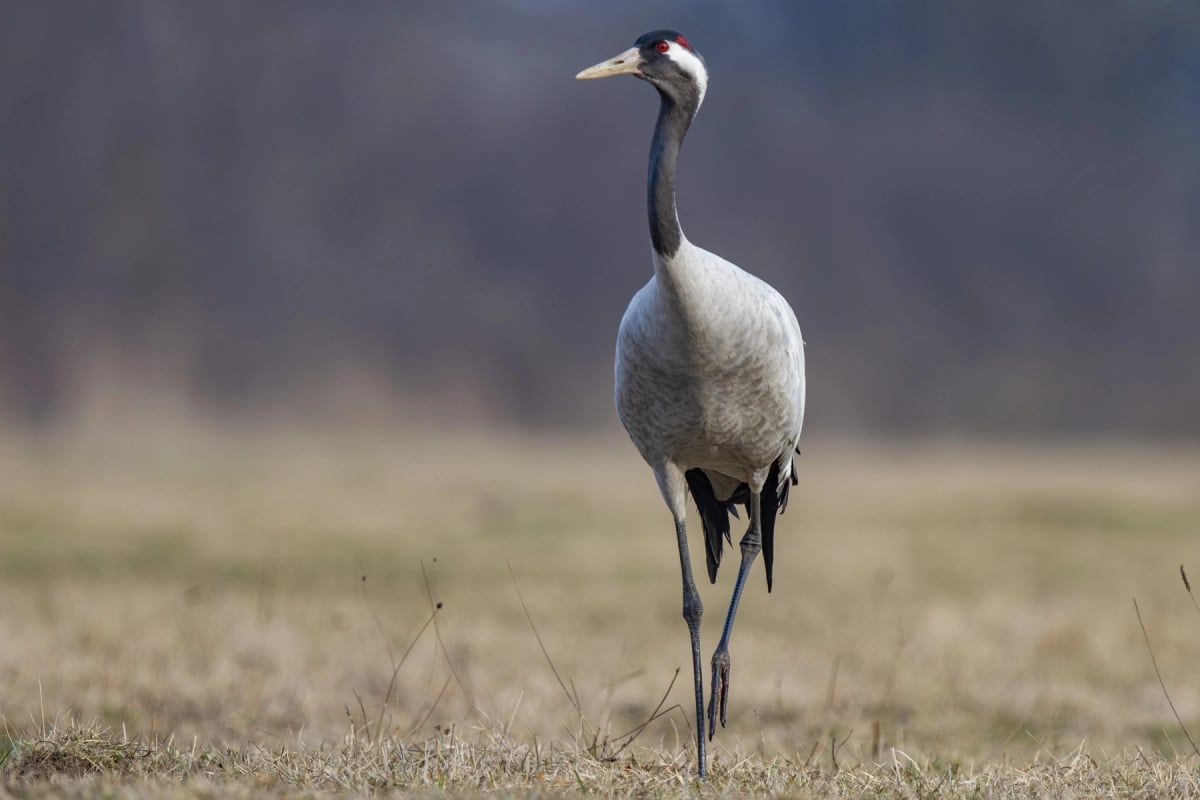
Crane
Grus grus
North Macedonia lies along the migration route that common cranes follow through the Balkans each spring and autumn. River valleys and open lowland areas, particularly around the Vardar valley and Lake Dojran, provide resting and feeding habitat for flocks passing through. The species is rated Least Concern by the IUCN. Although not a breeding country for the crane, North Macedonia plays a role as a passage country during the twice yearly movement between northern Europe and Africa.
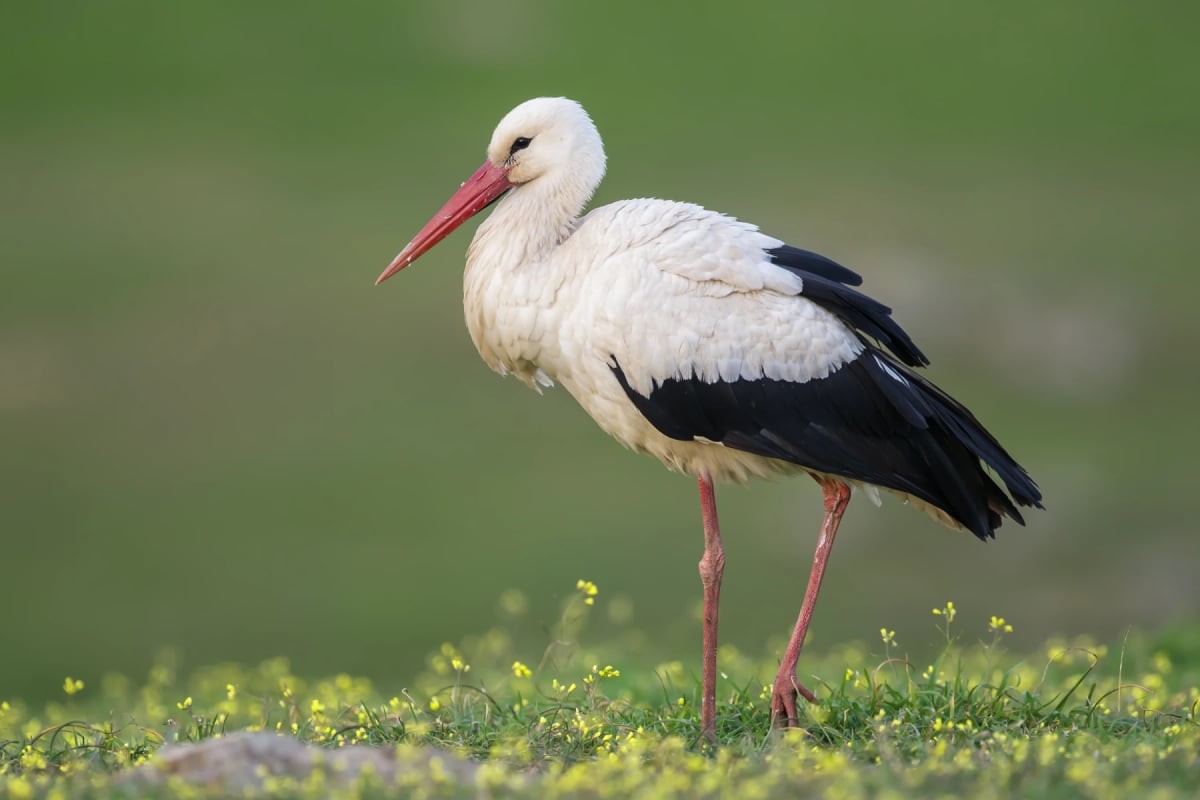
Stork
Ciconia ciconia
North Macedonia holds a small but established breeding population of white storks. Pairs nest on rooftops and utility poles in rural villages across the Vardar River valley and the Pelagonia plain, returning faithfully each spring. The surrounding farmland and river margins provide reliable feeding ground. The stork carries deep cultural meaning in the country, and locals traditionally regard its arrival as a sign of good fortune.
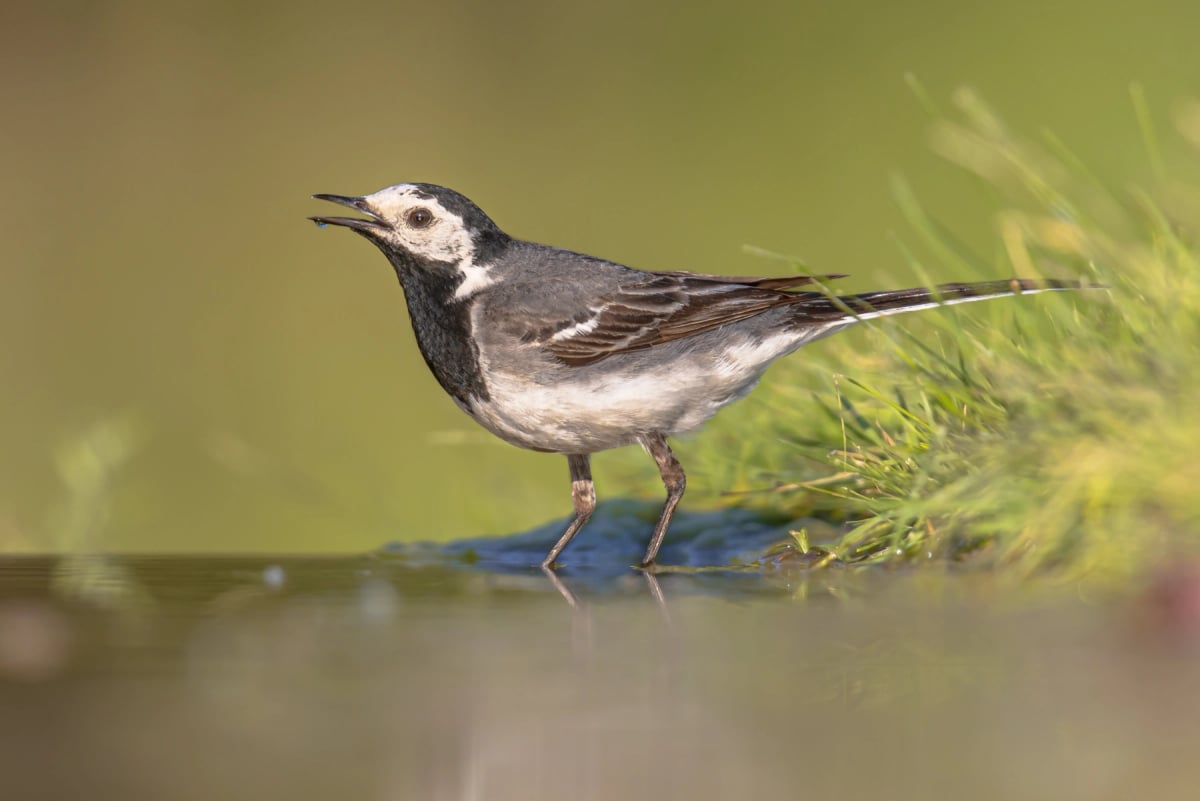
White Wagtail
Motacilla alba
In North Macedonia, the white wagtail breeds along the banks of the Vardar and other rivers, as well as near lakes such as Ohrid and Prespa, two internationally important wetlands. It is a regular presence in farmland and villages throughout the warmer months. Some birds migrate south in autumn, heading toward Africa, while others may linger longer in lowland areas. Its lively tail motion makes it easy to spot along any stream or water channel. IUCN status: Least Concern.
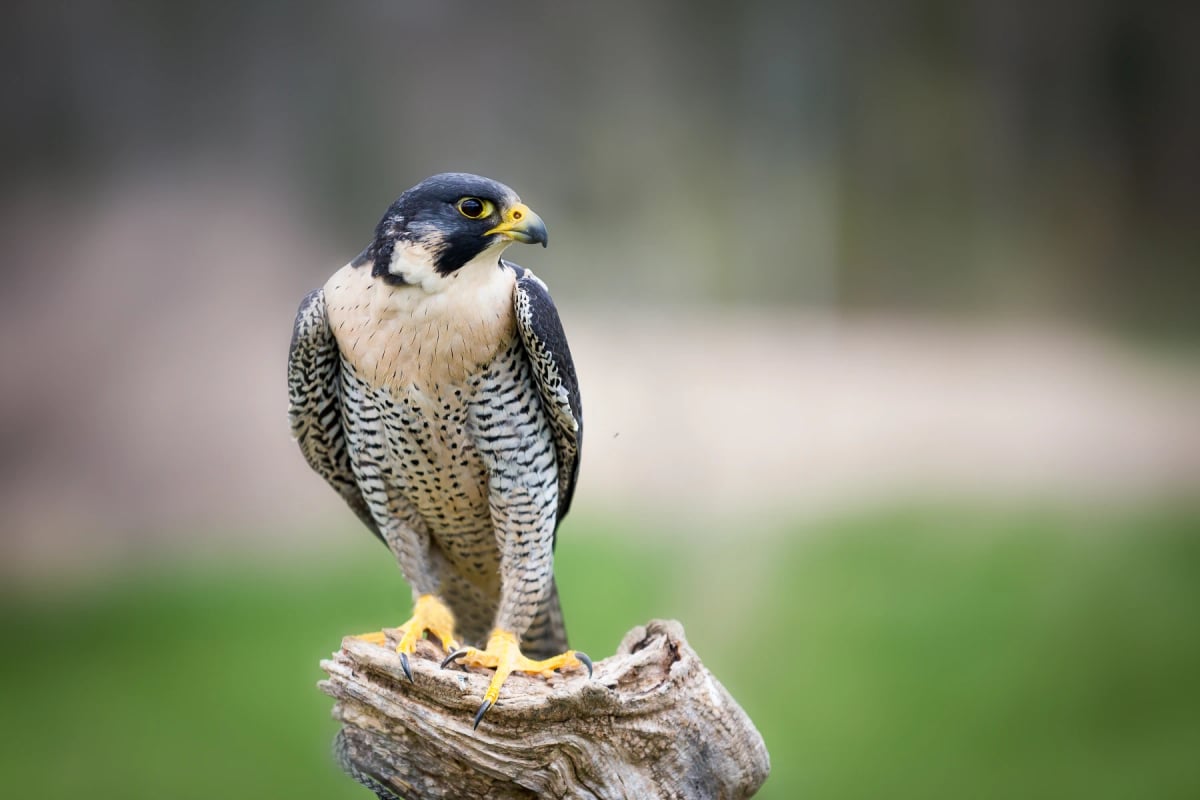
Peregrine Falcon
Falco peregrinus
In North Macedonia, the peregrine falcon nests on limestone cliffs and canyon walls found throughout the country's mountainous interior, including gorges along the Vardar and Treska rivers. The population is small but present year-round. It is regarded as a scarce breeder and receives attention from local conservation groups working to monitor nest sites. The species benefits from legal protection across the country. Its IUCN status is Least Concern.
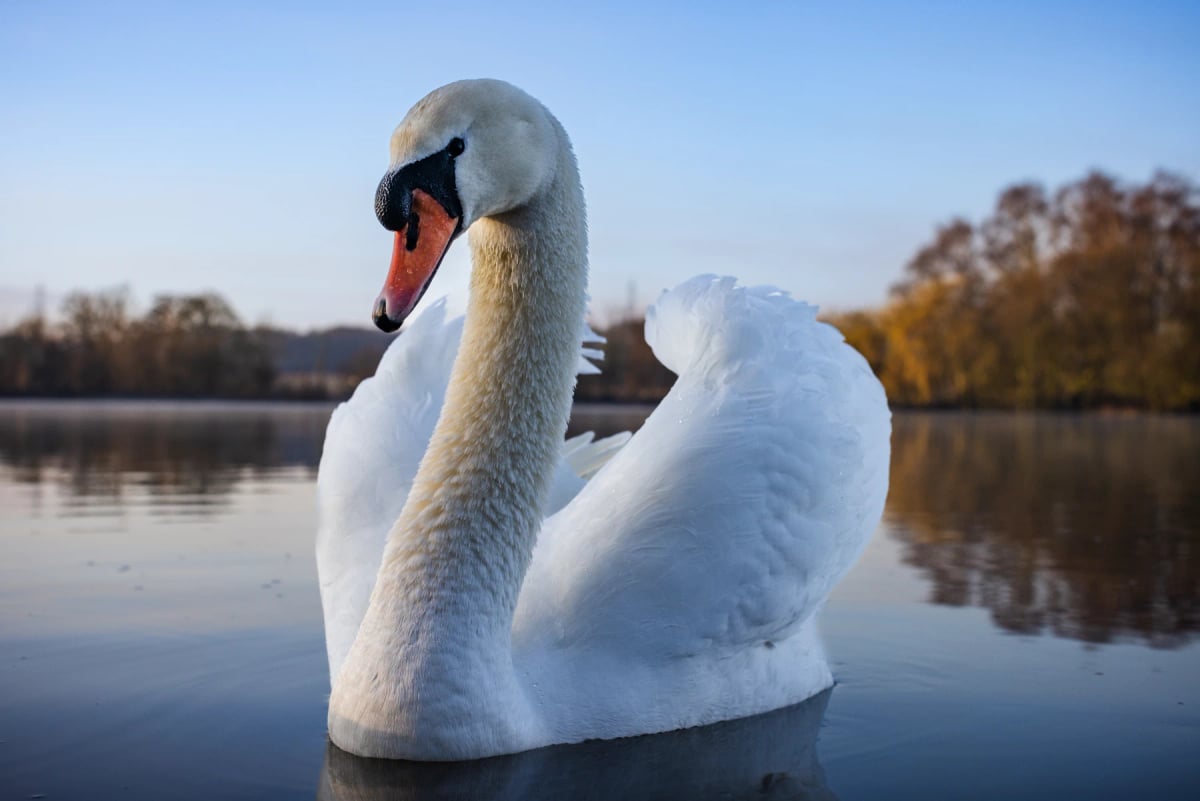
Mute Swan
Cygnus olor
In North Macedonia, the mute swan is associated with larger lakes and wetland areas, most notably Lake Ohrid and Lake Prespa, both of which hold international conservation status. It is more commonly recorded during winter and on migration than as a breeding bird. These ancient lakes support a wide range of waterbird species, and the mute swan adds to that diversity during the colder months. The IUCN lists it as Least Concern.
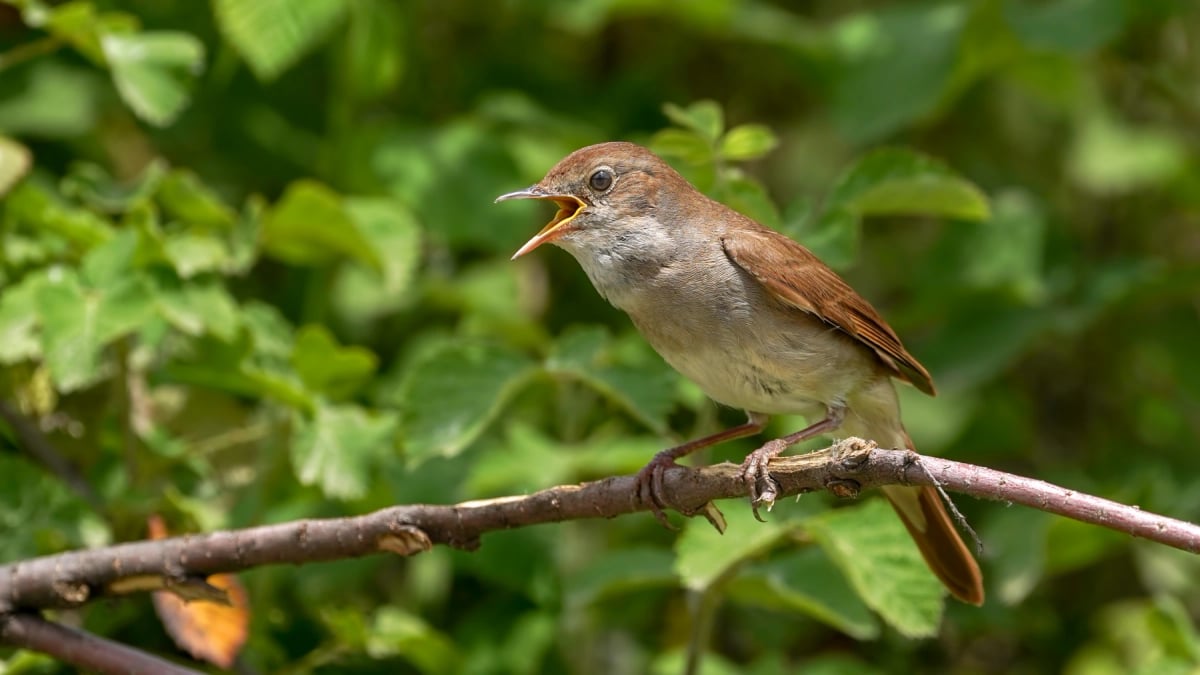
Nightingale
Luscinia megarhynchos
North Macedonia offers the nightingale a range of suitable breeding habitats, from the dense riverside thickets along the Vardar river to scrubby hillsides and woodland edges across the country. The species is a regular presence in spring, with males producing their loud and varied song through the warm nights of May and June. It migrates to sub-Saharan Africa for the winter. It remains widespread and fairly common in the country. Its IUCN status is Least Concern.
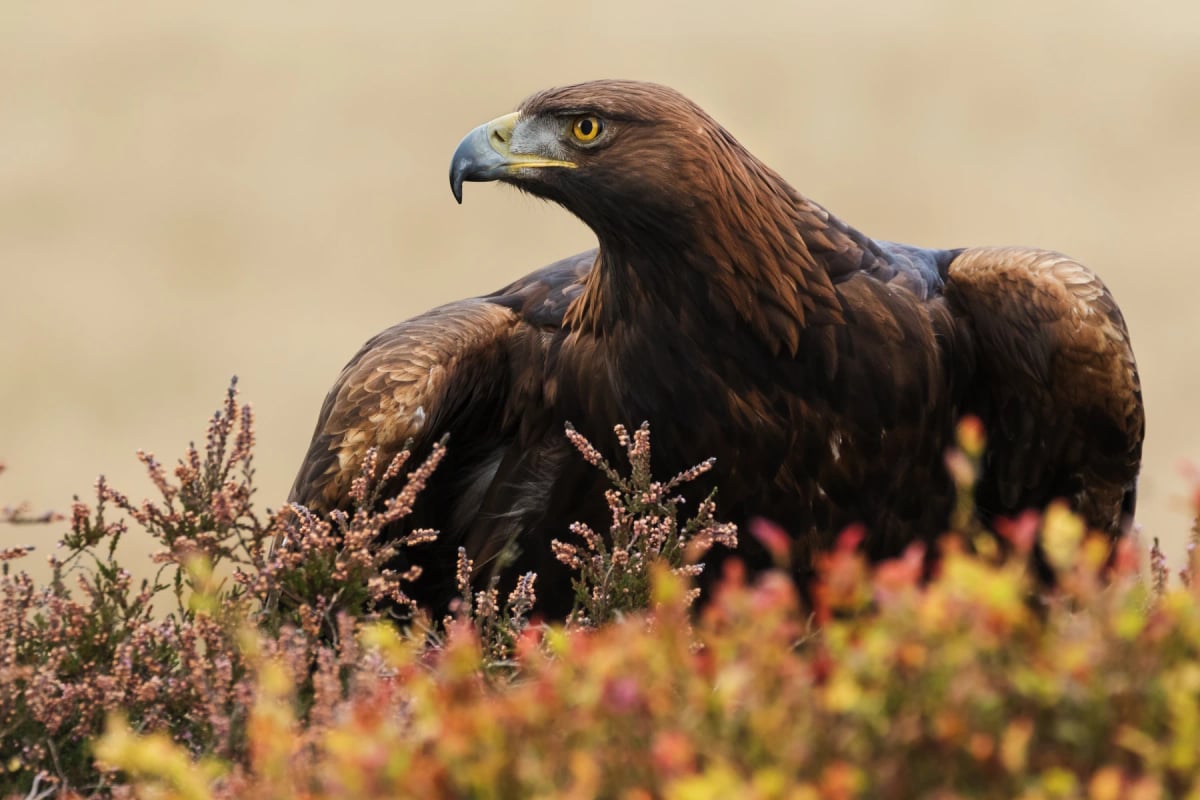
Golden Eagle
Aquila chrysaetos
In North Macedonia, the golden eagle is a resident of the mountainous interior, including areas around the Šar Mountains and the rugged terrain near the Albanian border. It hunts over open hillsides and rocky ridges, targeting hares and small mammals. Nesting pairs occupy cliff ledges in quiet, undisturbed areas. The species is considered Least Concern, but nesting sites here benefit from careful protection.
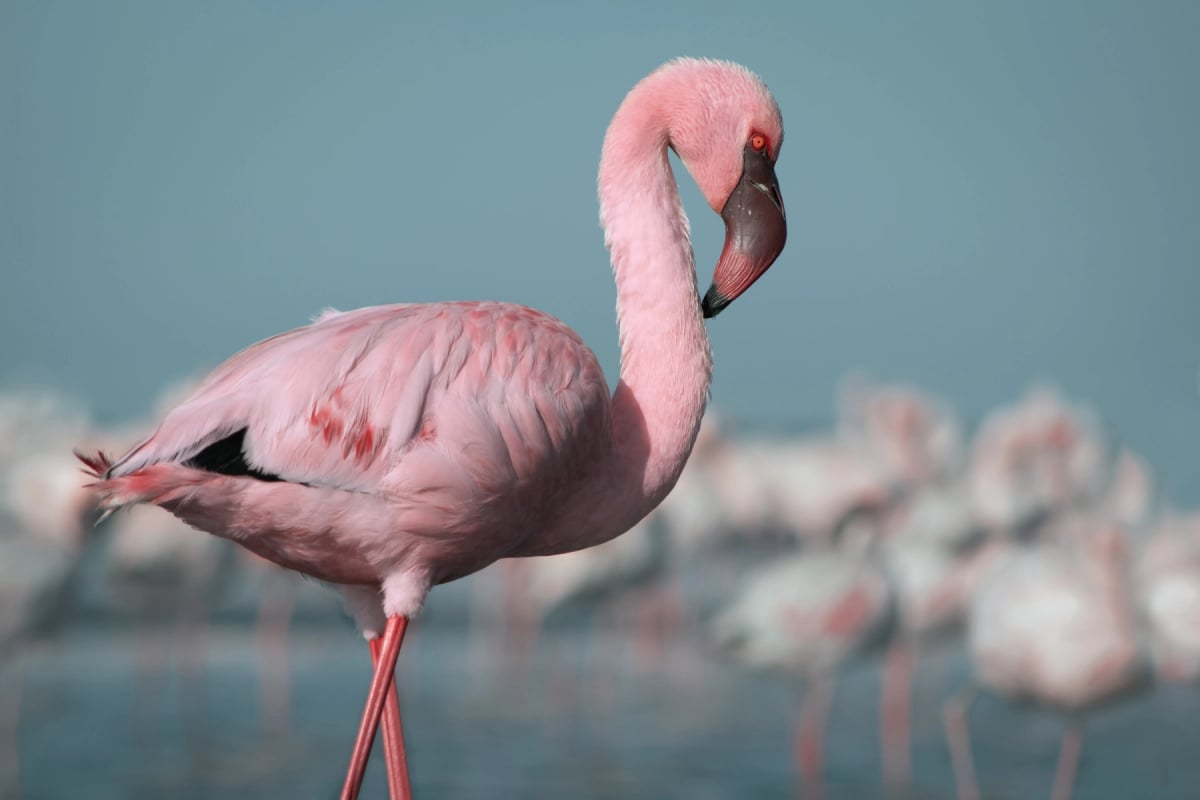
Flamingo
Phoenicopteridae (6 species)
The greater flamingo visits North Macedonia outside the breeding season, and it is a rare sight in this landlocked country. Occasional birds and small groups turn up at lakes, fishponds and wetlands, usually in winter or on migration, far from the coastal lagoons of neighboring Greece where the species is common. Each record is notable for local birdwatchers. IUCN status: Least Concern.
Researched and written by Juan Pablo. Sources: IUCN Red List, scientific literature and regional field guides. Last updated: .