Animals in Sweden
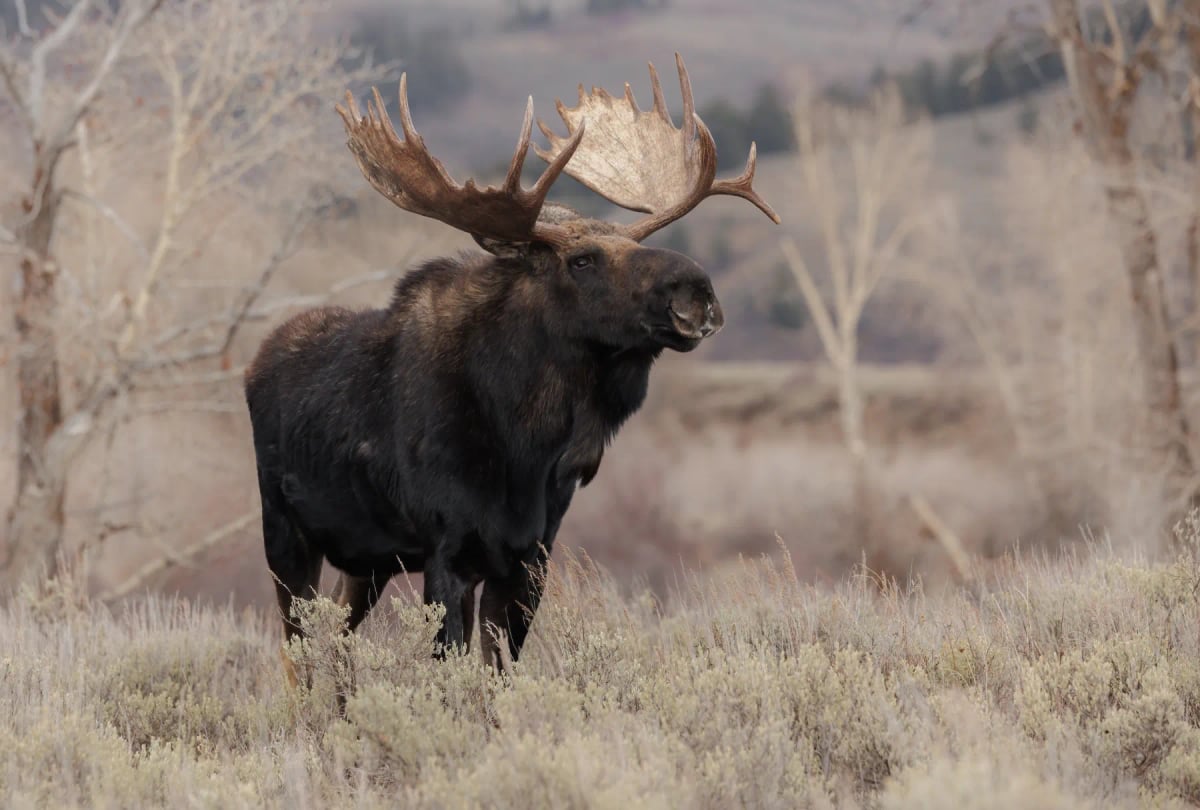
Moose
Alces alces
The moose is one of Sweden’s most recognizable animals and a symbol of its forests. It can often be seen near lakes and rural areas, especially during summer. Strong and calm, it represents the quiet balance between people and nature that defines much of Swedish life and tradition.
View details→Wildlife in Sweden
Sweden offers an impressive natural variety, from dense forests to Arctic landscapes and long coastlines. Lynxes, bears, whales, and wolverines live in its territory, showing how rich northern ecosystems can be. National parks and nature reserves across the country make it easy for visitors to enjoy this wildlife.
Most Dangerous Animals in Sweden
Some Swedish animals require caution, including wild boars, brown bears, and adders. Although incidents are extremely rare, visitors are advised to keep distance and follow park rules. These species remain vital for maintaining the country’s natural balance and healthy ecosystems.
Top 10 Animals in Sweden
Among Sweden’s most iconic animals are the moose, brown bear, and Eurasian lynx. These species attract travelers who enjoy observing wildlife in its natural environment. Nature tours and observation points across the country help promote conservation and raise awareness about their protection.
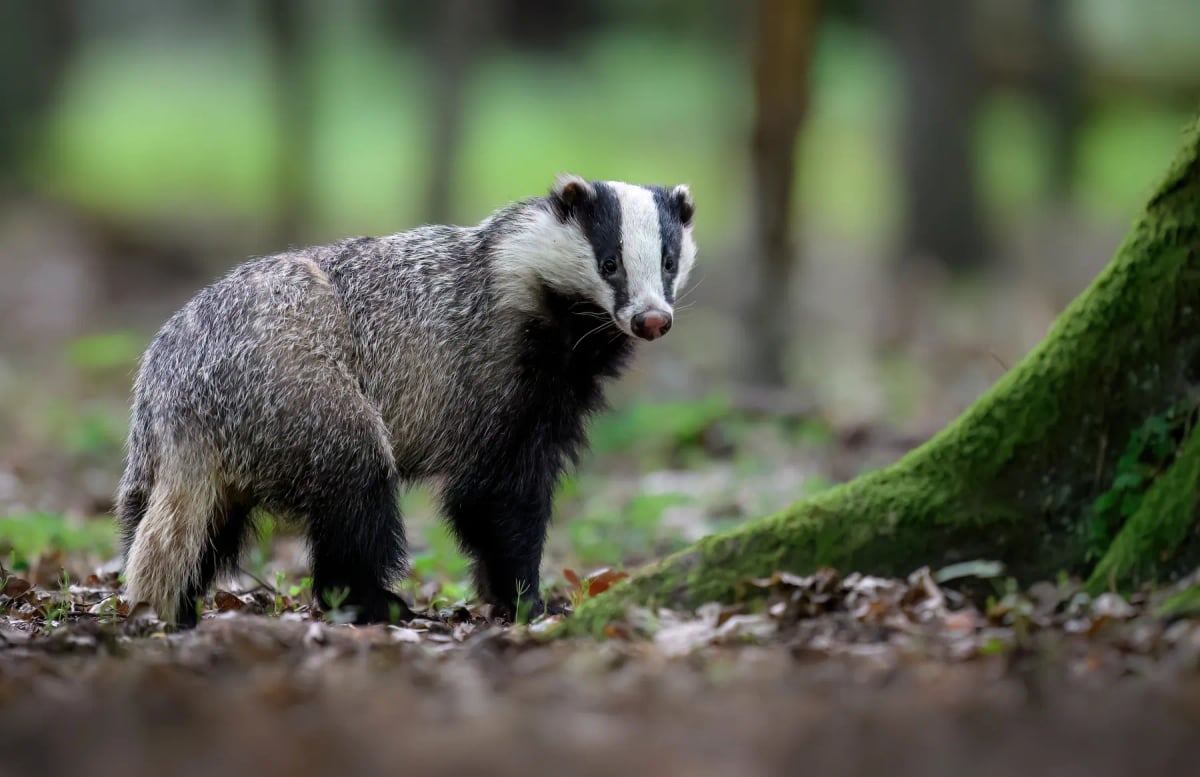
Badger
Meles meles
The Eurasian badger is found across southern and central Sweden in mixed woodland and farmland, with populations becoming sparser further north. Swedish winters are long and cold, and badgers spend several months in reduced activity underground before emerging in spring. They feed on earthworms, insects, berries and small animals during the warmer months and build up significant fat reserves before winter. Populations in Sweden are stable in the southern parts of the country where suitable habitat is more abundant.

Brown Bear
Ursus arctos
Sweden has one of the largest and most stable brown bear populations in Europe, estimated at several thousand individuals spread across the boreal forests of the central and northern regions. The population has recovered strongly since hunting restrictions were introduced in the twentieth century. Bears in Sweden inhabit dense taiga, feeding on berries, ants, and carrion. Regulated hunting is permitted today as part of active population management.
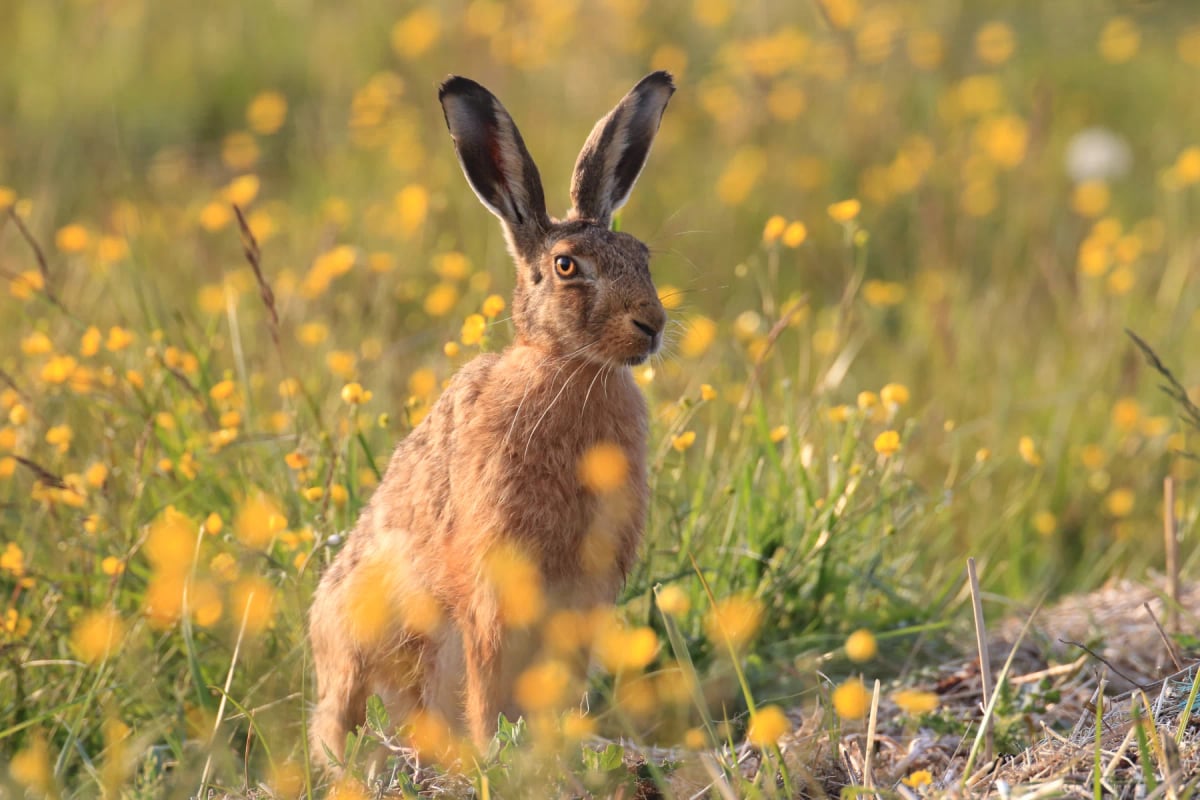
Hare
Lepus europaeus
The European hare is found across much of Sweden, favouring open farmland and meadows in the south and centre of the country. It shares parts of its range with the native mountain hare, and the two species sometimes interbreed. Swedish populations have declined in recent decades due to changes in farming practices. It is a fast runner and rests in shallow ground hollows rather than digging a burrow. Its IUCN status is Least Concern.
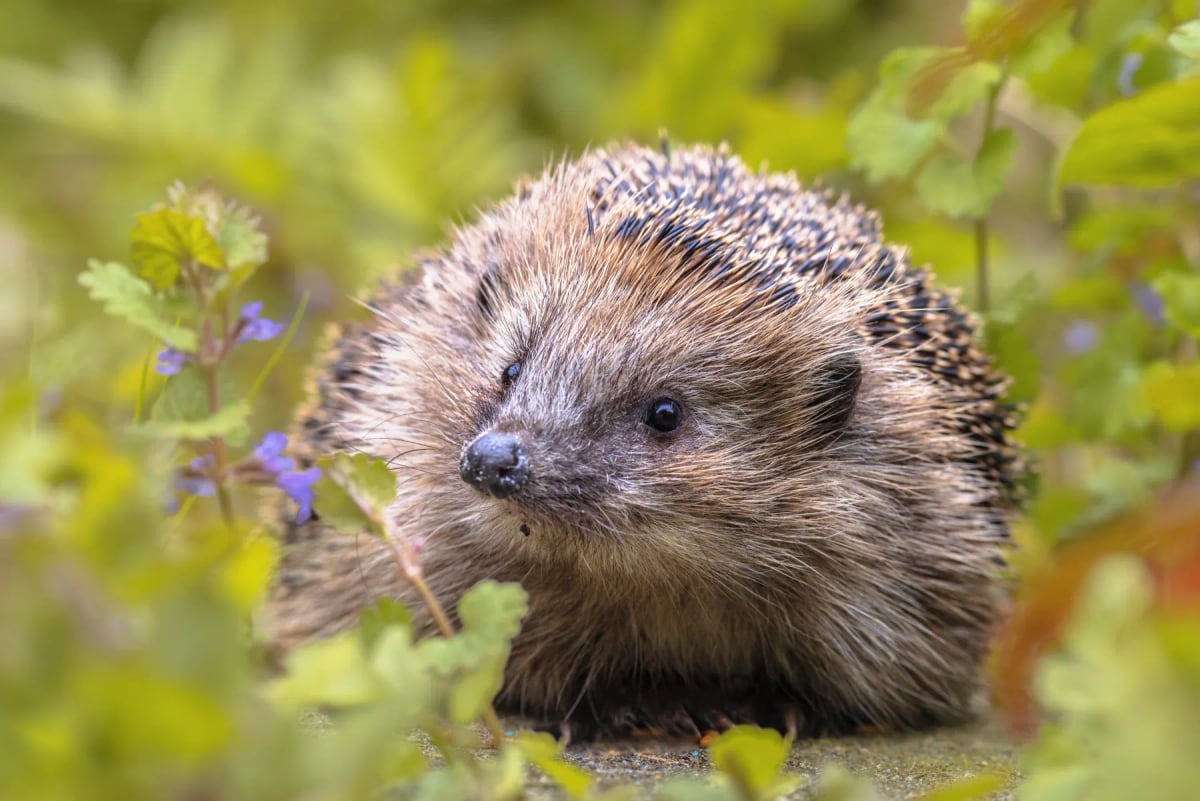
Hedgehog
Erinaceus europaeus
The European hedgehog lives across southern and central Sweden, where mixed forests, farmland, and suburban gardens give it plenty of shelter and food. It feeds on insects, worms, and slugs through the warmer months before entering a long hibernation that can last from October to April in the colder north of its Swedish range. Classified as Least Concern by the IUCN, its numbers have declined in some areas due to intensive agriculture and road mortality.
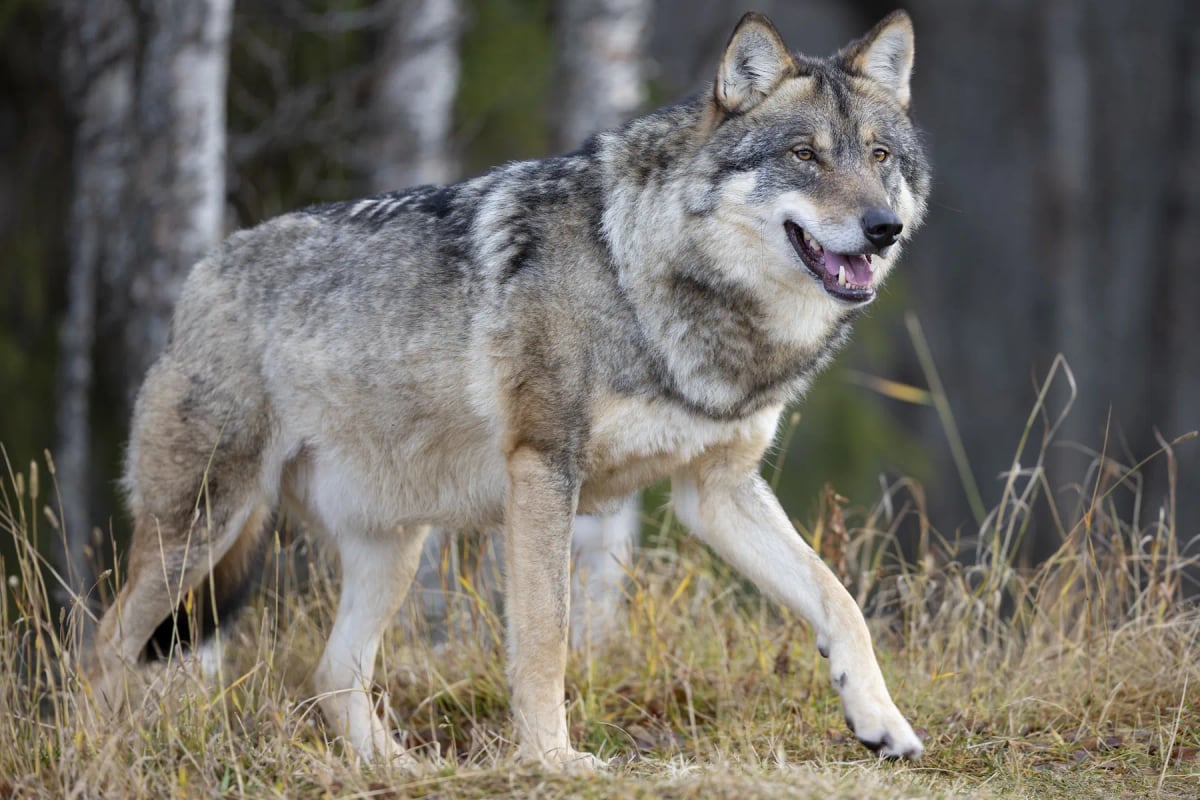
Gray Wolf
Canis lupus
Wolves went extinct in Sweden during the 1960s but naturally recolonized from Finland and Russia in the 1980s. The Swedish population is now concentrated in the forests of central Sweden and is managed together with Norway's as one Scandinavian population. The population remains relatively small and faces genetic concerns due to isolation. Wolves are legally protected in Sweden, and the government manages pack numbers within a set population target. IUCN status: Least Concern.
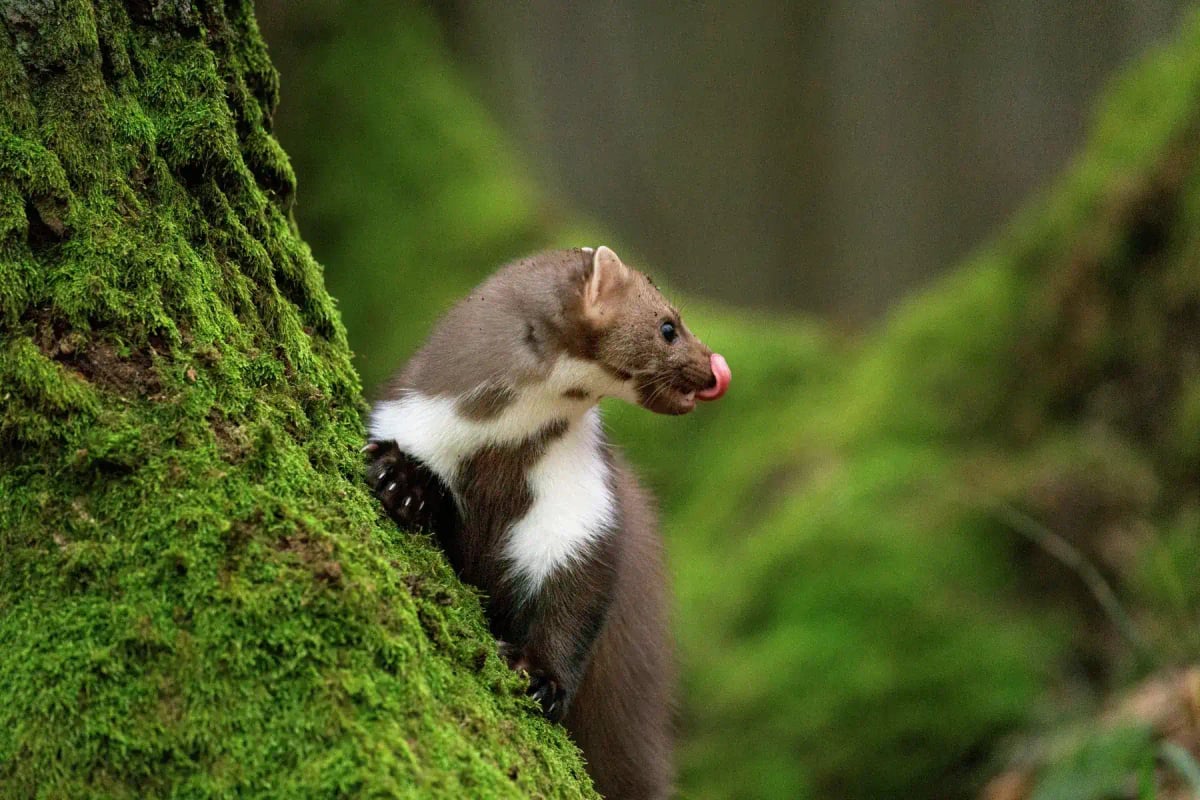
Marten
Martes martes / Martes foina
The pine marten is the only marten species in Sweden, and it is found throughout most of the country, from the southern forests up through the boreal zone to the edge of the mountain tundra. It is closely tied to old forest with abundant fallen timber, which provides shelter and hunting grounds. After historic population declines due to trapping, numbers have recovered well across Sweden. IUCN status: Least Concern.
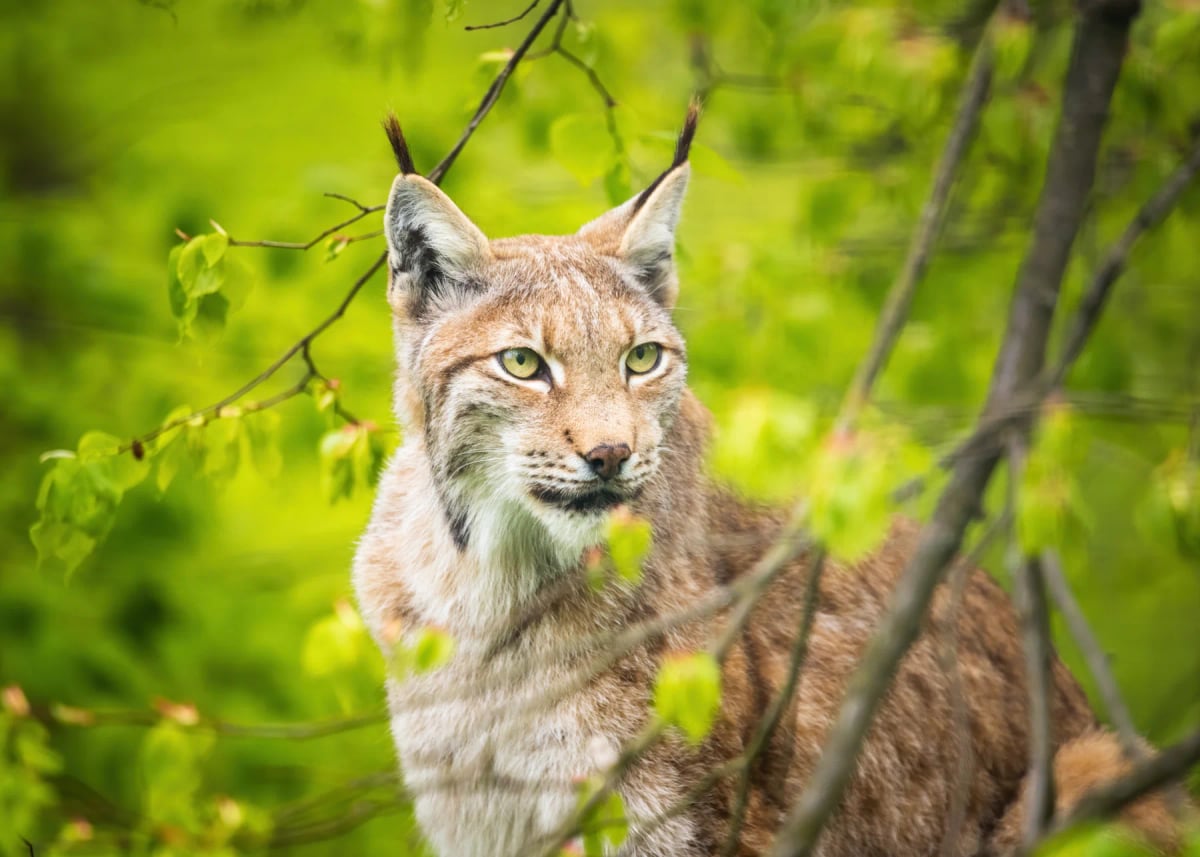
Eurasian Lynx
Lynx lynx
Sweden has seen a strong recovery of the Eurasian Lynx following legal protection introduced in 1991. The species is now widespread across the boreal forests of northern and central Sweden, where it preys heavily on roe deer and reindeer. Its presence in reindeer herding areas creates ongoing tension with Sami communities. Management aims to balance conservation with the concerns of herders. The IUCN lists it as Least Concern.
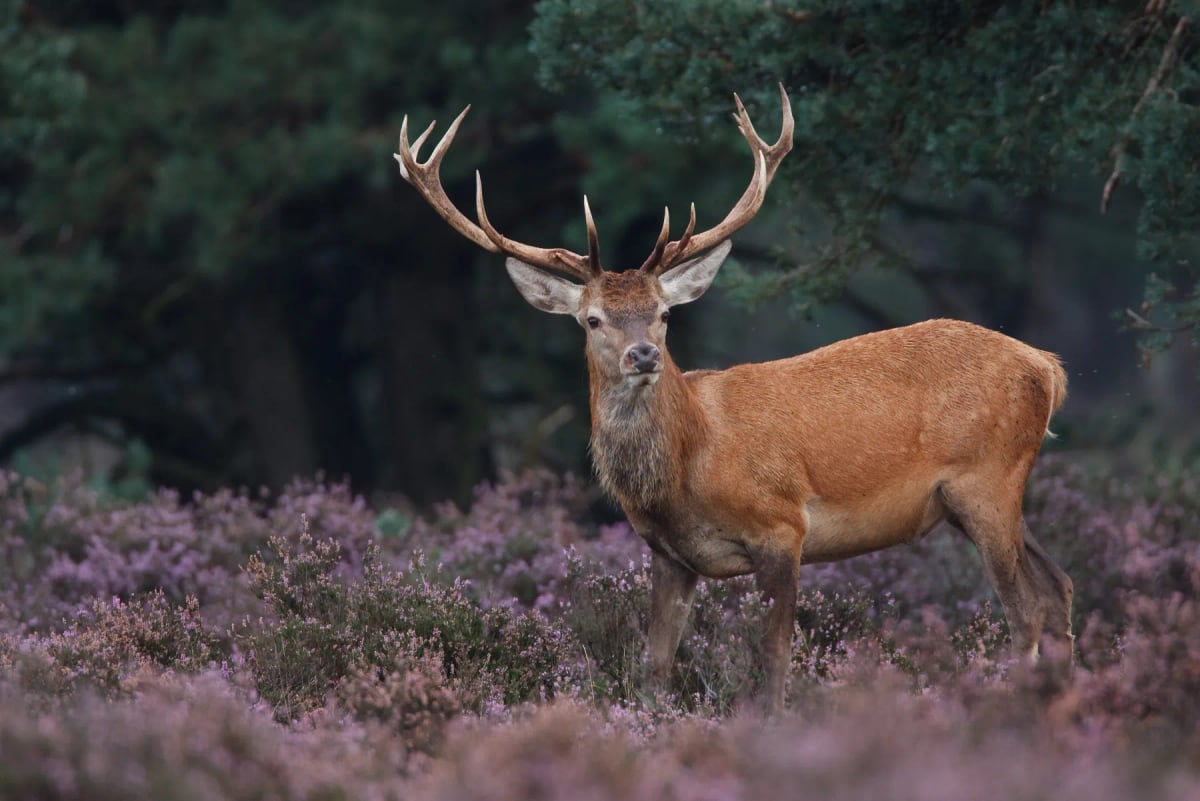
Red Deer
Cervus elaphus
Red deer in Sweden are found mainly in the south and west of the country, particularly in the forests of Värmland and along the western coast. Numbers have grown steadily over recent decades following careful management and natural range expansion. The species shares woodland habitat with roe deer and moose. Stags produce powerful roaring calls during the autumn rut each September and October. Its IUCN status is Least Concern.
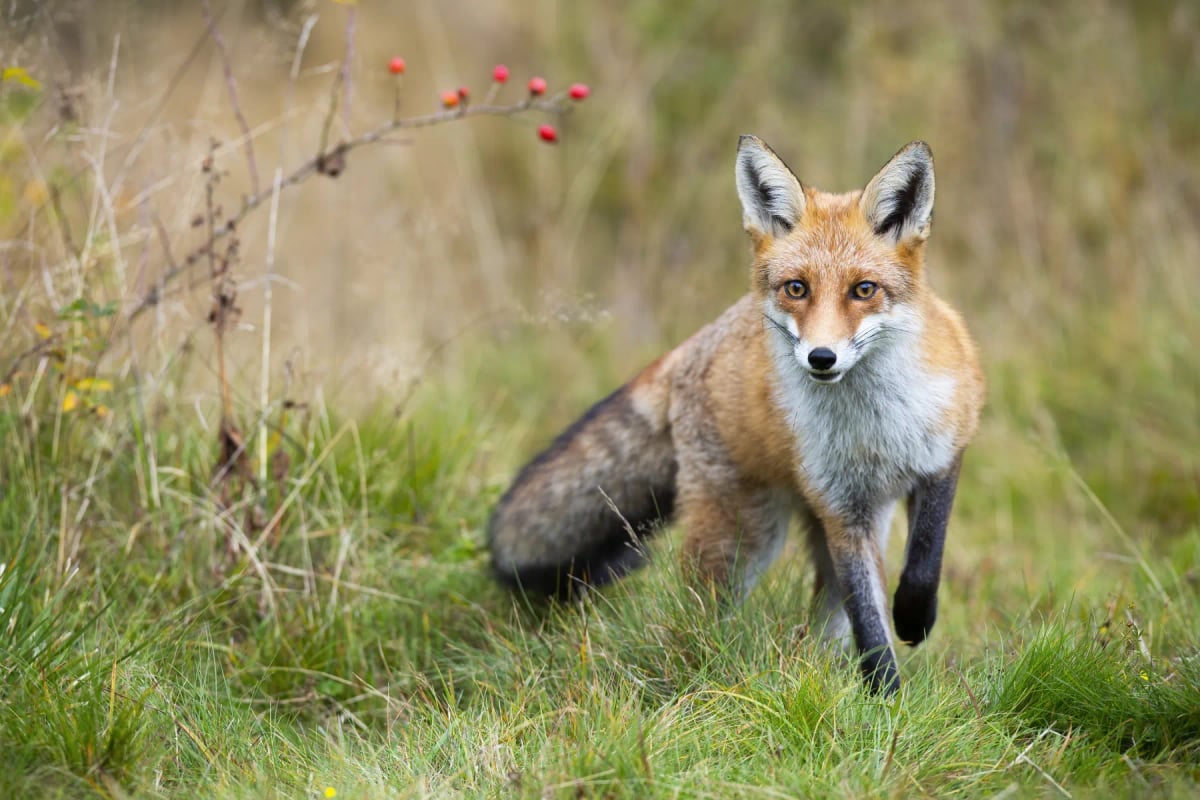
Red Fox
Vulpes vulpes
The red fox is found throughout Sweden, from the agricultural south to the boreal forests and tundra of the far north, where it overlaps with the range of the Arctic fox. It is highly adaptable, thriving in both rural and urban environments. In northern Sweden, it has been known to compete with the Arctic fox for food and den sites, which is a concern for Arctic fox conservation efforts.
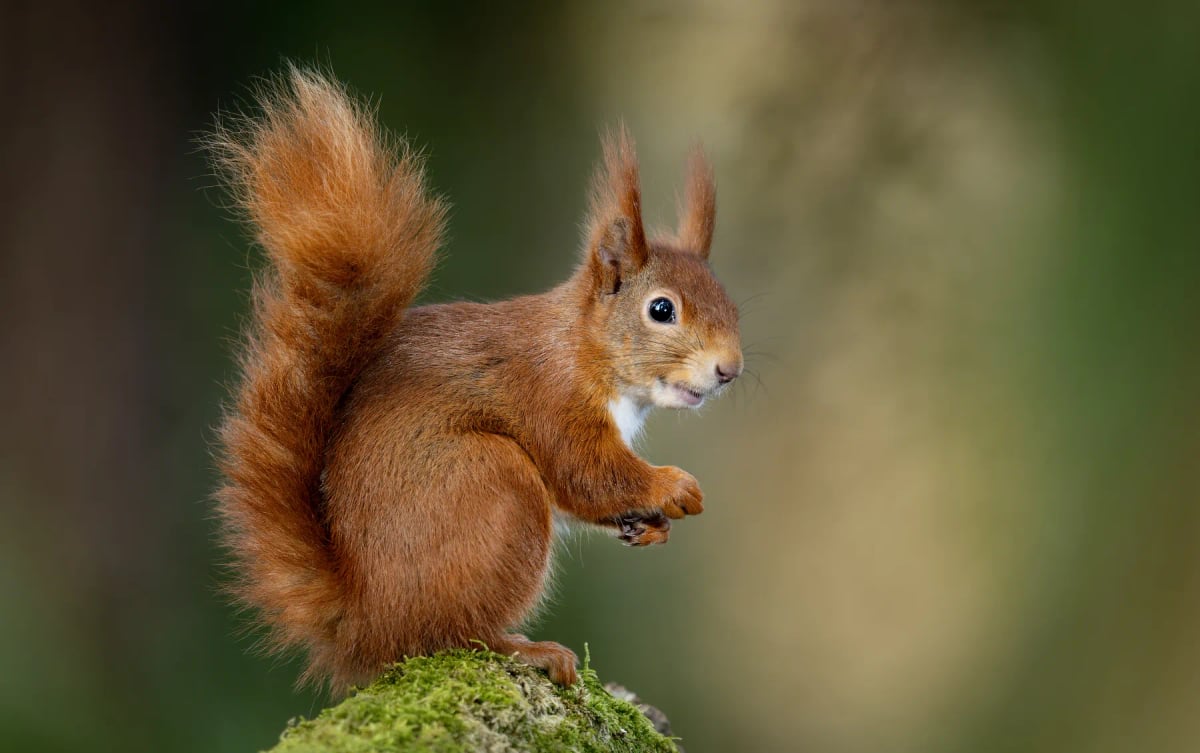
Red Squirrel
Sciurus vulgaris
Sweden is one of the strongholds of the red squirrel in Europe. The species is common throughout the country's vast conifer and mixed forests, from the southern beech woodlands to the boreal spruce and pine forests of the north. It is a familiar sight at forest edges and in parks. Populations are stable and the species faces no significant threats in Sweden. Its IUCN status is Least Concern.
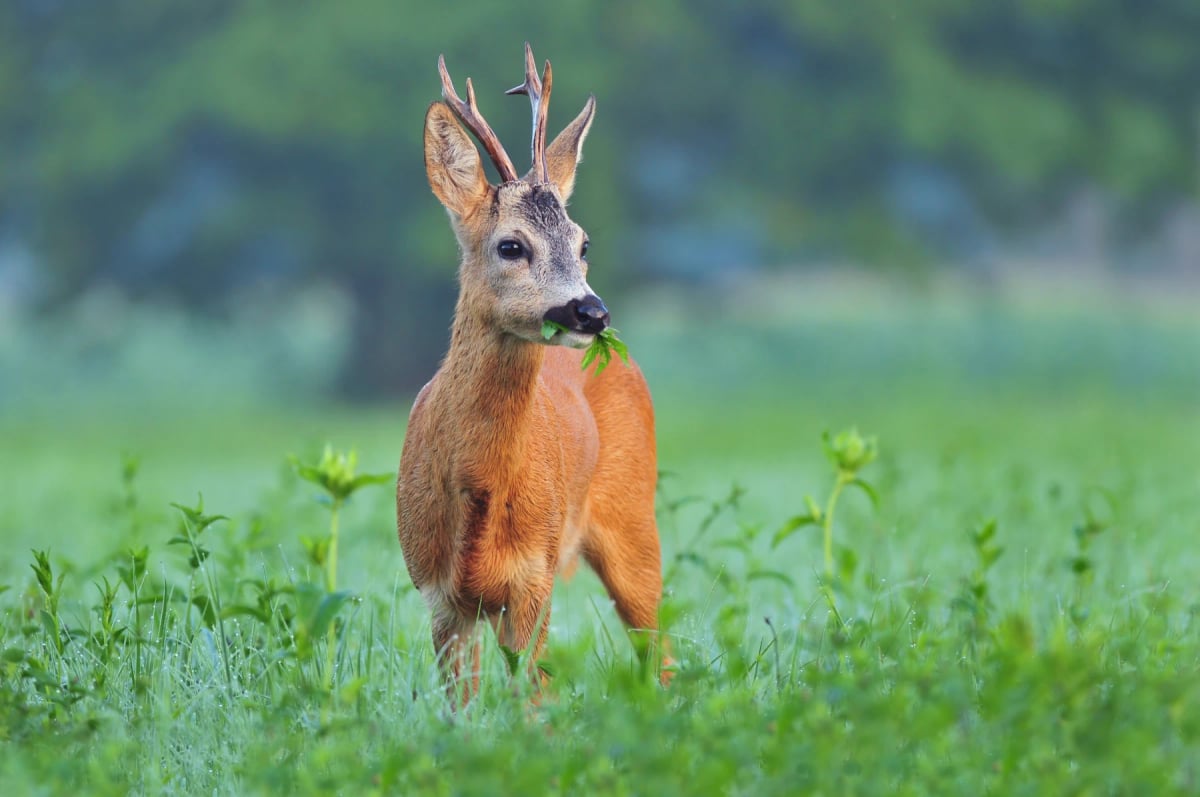
Roe Deer
Capreolus capreolus
The roe deer is one of Sweden's most common large wild mammals, present across most of the country except the far north. It thrives in the varied landscape of southern and central Sweden, where forest meets farmland and meadow. Populations grew strongly through the twentieth century. Roe deer are heavily hunted each year, yet numbers remain stable. They are most active at dawn and dusk, feeding on a wide range of plants. IUCN status: Least Concern.
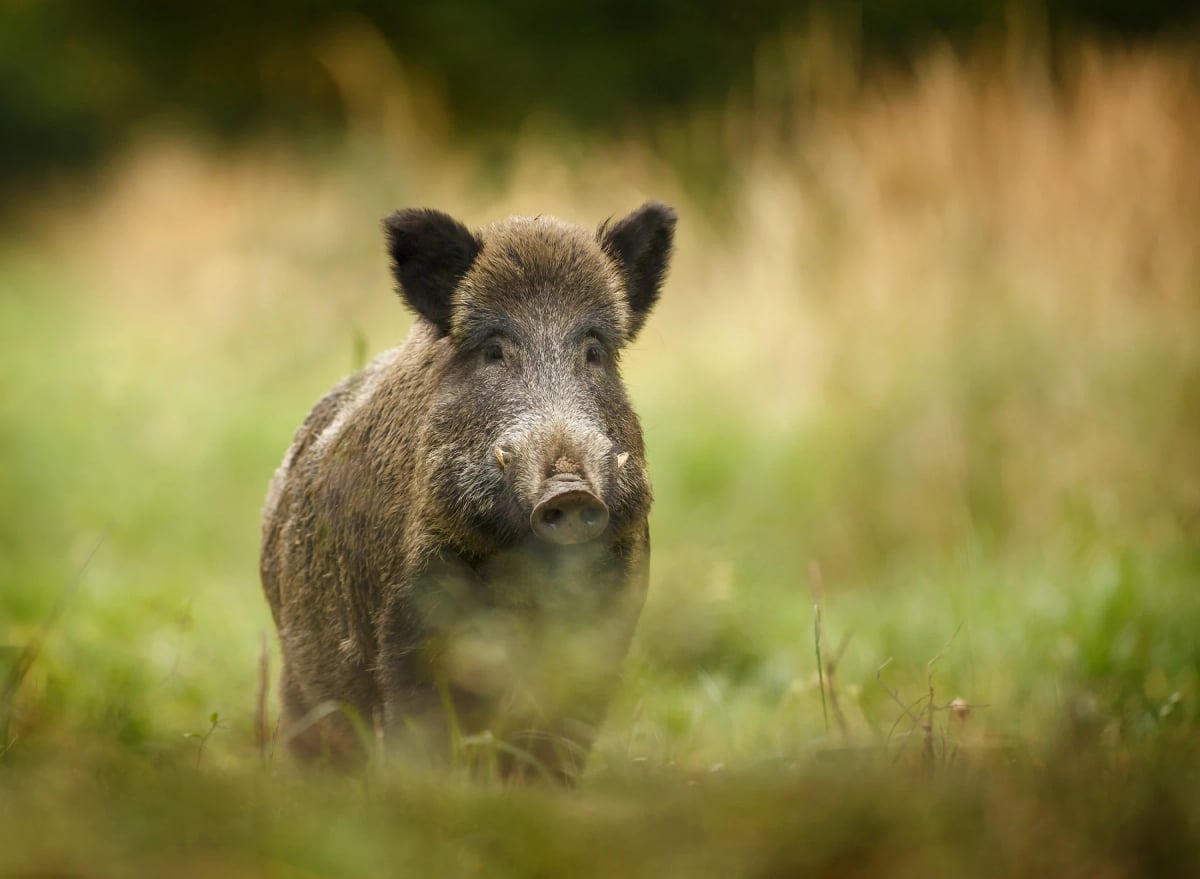
Wild Boar
Sus scrofa
Wild boars largely disappeared from Sweden centuries ago but returned through farm escapes beginning in the 1970s and 1980s, and have since spread across forests in the south and center of the country. Populations have grown rapidly due to mild winters and abundant farmland food, leading to more frequent crop damage and vehicle collisions. Hunting is the main tool used to manage their expanding numbers.
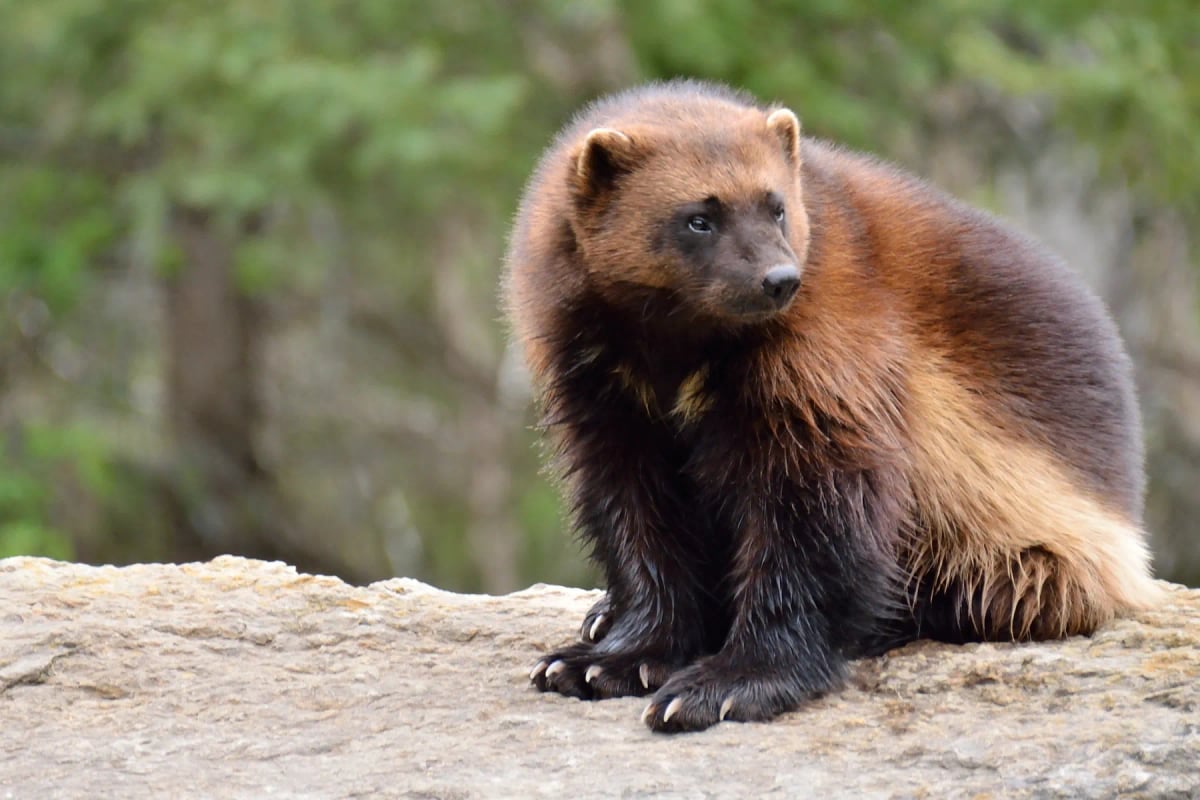
Wolverine
Gulo gulo
Sweden's wolverine population lives mainly in the mountainous areas of the north, in a region known as Fjällen, stretching along the border with Norway. The Swedish government manages wolverine numbers as part of a formal national predator policy and pays compensation to reindeer herders who suffer losses. Camera traps and snow tracking are used each winter to estimate how many family groups are present across the country.
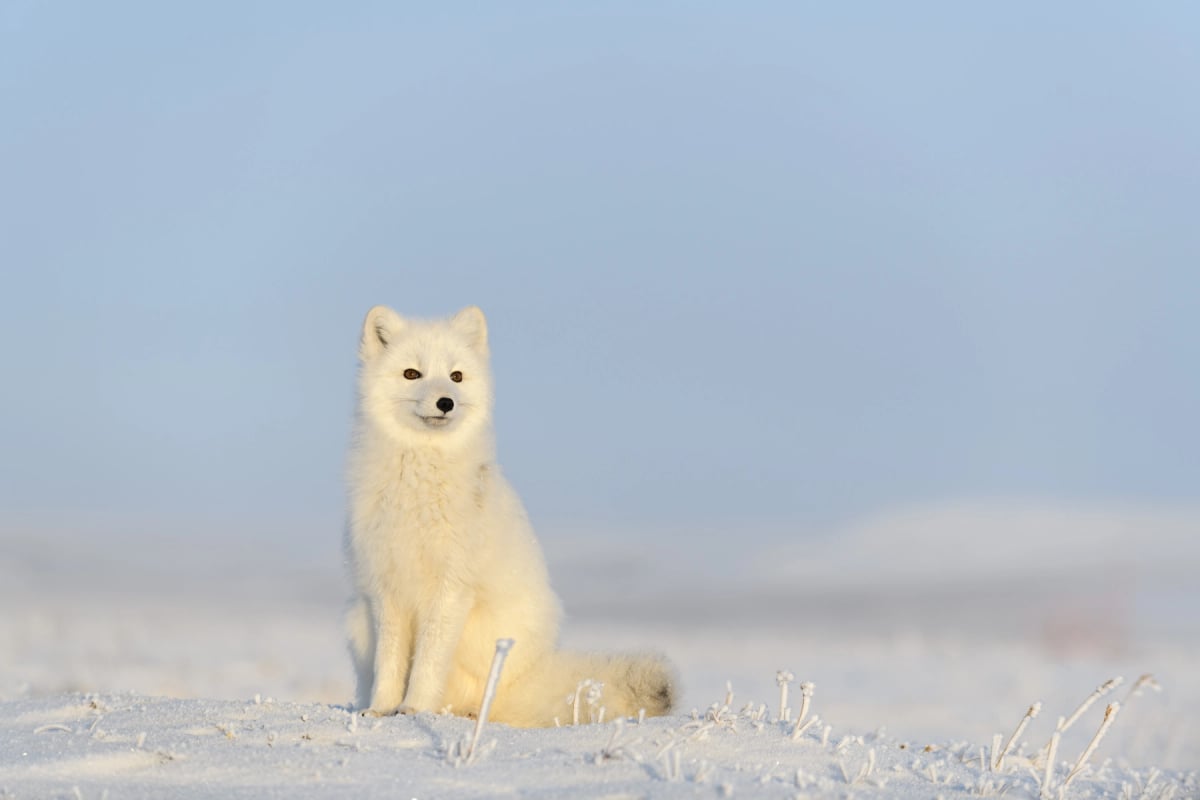
Arctic Fox
Vulpes lagopus
Sweden's Arctic fox population inhabits the mountain fells of the far north, primarily within protected areas such as Vindelfjällen Nature Reserve. The subspecies nearly disappeared from Scandinavia due to hunting in the early twentieth century, and the Swedish population remains critically small despite decades of protection. Active management includes supplemental feeding during winter and monitoring of individual animals with GPS collars. The red fox, advancing northward as climate change warms the region, is the primary ongoing threat to population recovery in Sweden.
Moose
Alces alces
Sweden has one of the world's most intensively studied and managed moose populations, often called the king of the Swedish forest. With an estimated population of around 300,000 to 400,000 animals after the annual hunt, moose shape the ecology of boreal forests across the country. They browse heavily on Scots pine and birch, which has led to significant research into balancing forestry and wildlife management. IUCN status: Least Concern.
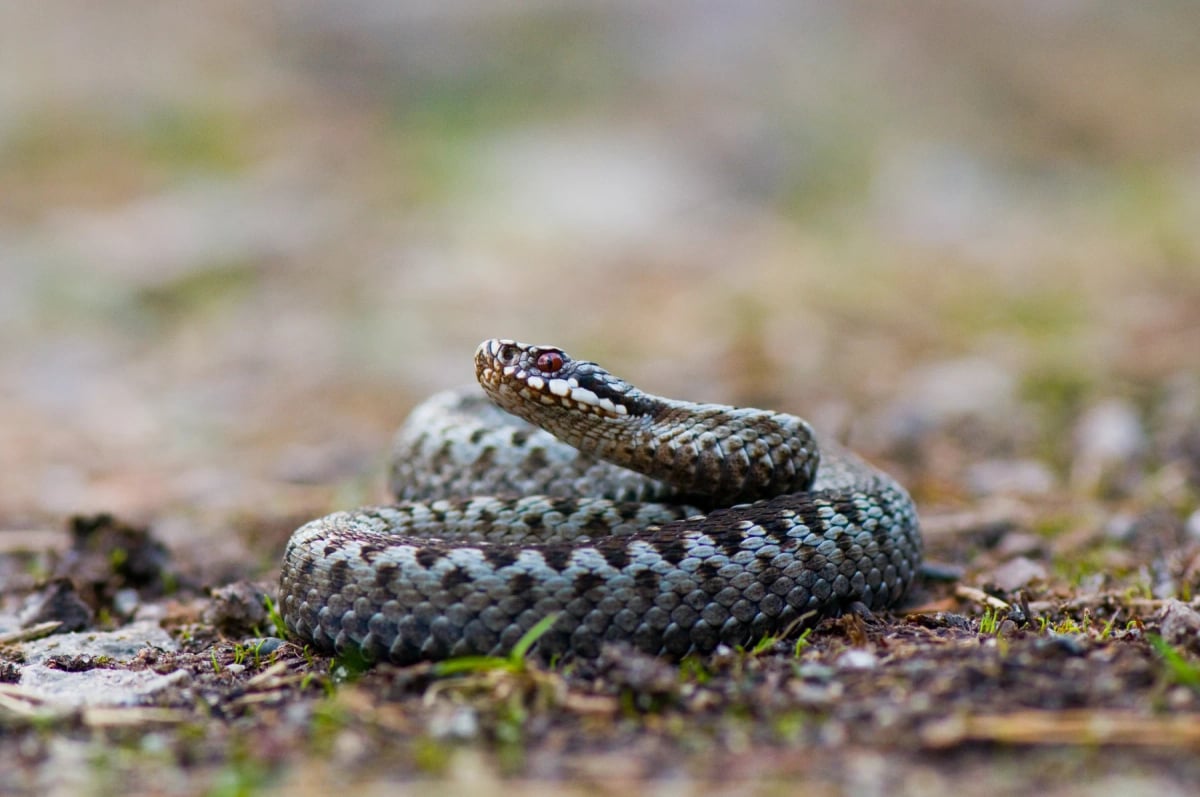
European Adder
Vipera berus
Sweden is home to one of the northernmost populations of the European adder, with the species found as far north as the Arctic Circle. It thrives in heathlands, forest clearings, and rocky coastal areas. To survive the long Scandinavian winters, it hibernates for up to eight months. It is the only venomous snake native to Sweden. Its IUCN status is Least Concern.
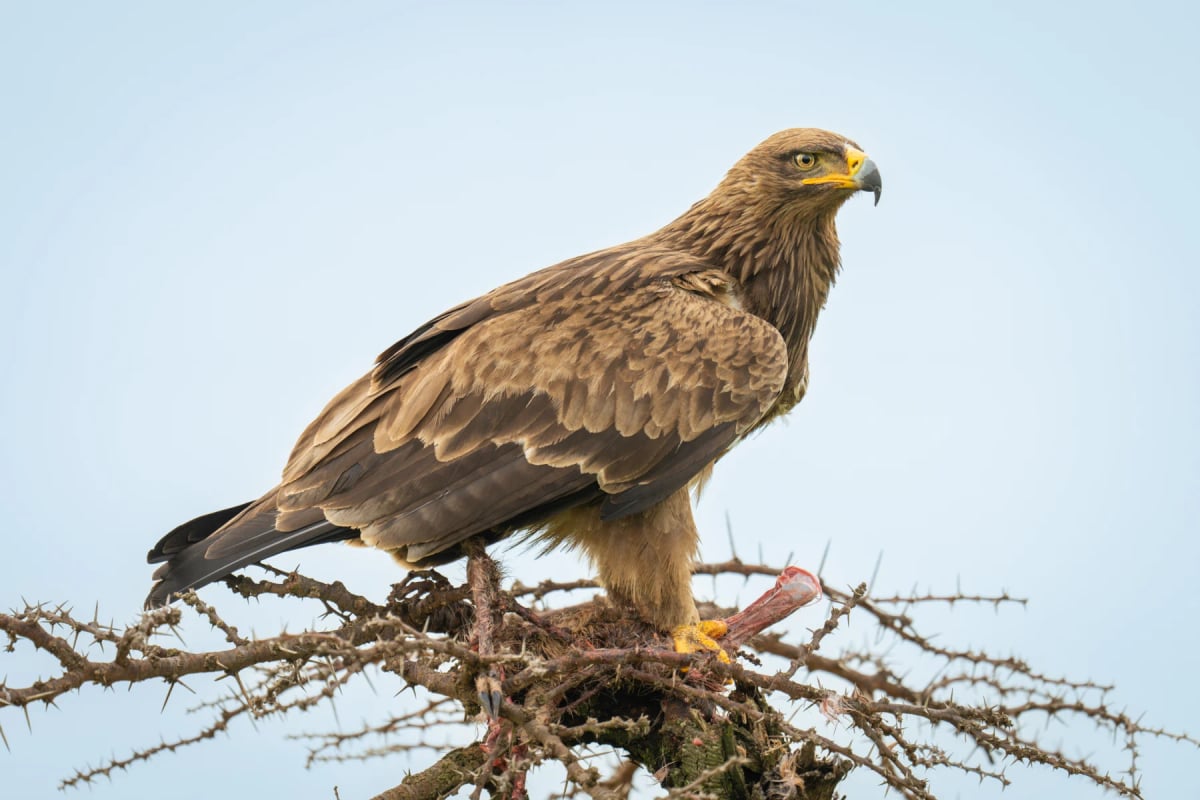
Steppe Eagle
Aquila nipalensis
The Steppe Eagle is a rare vagrant in Sweden, with occasional records of birds straying far beyond the species' typical migration corridor through Eastern Europe and the Middle East. Sightings are unusual and are closely followed by the birding community. Sweden has no breeding population of this eagle. Globally, the species is listed as Endangered, with a population of around 30,000 individuals facing continued pressure from electrocution on power lines and habitat degradation.
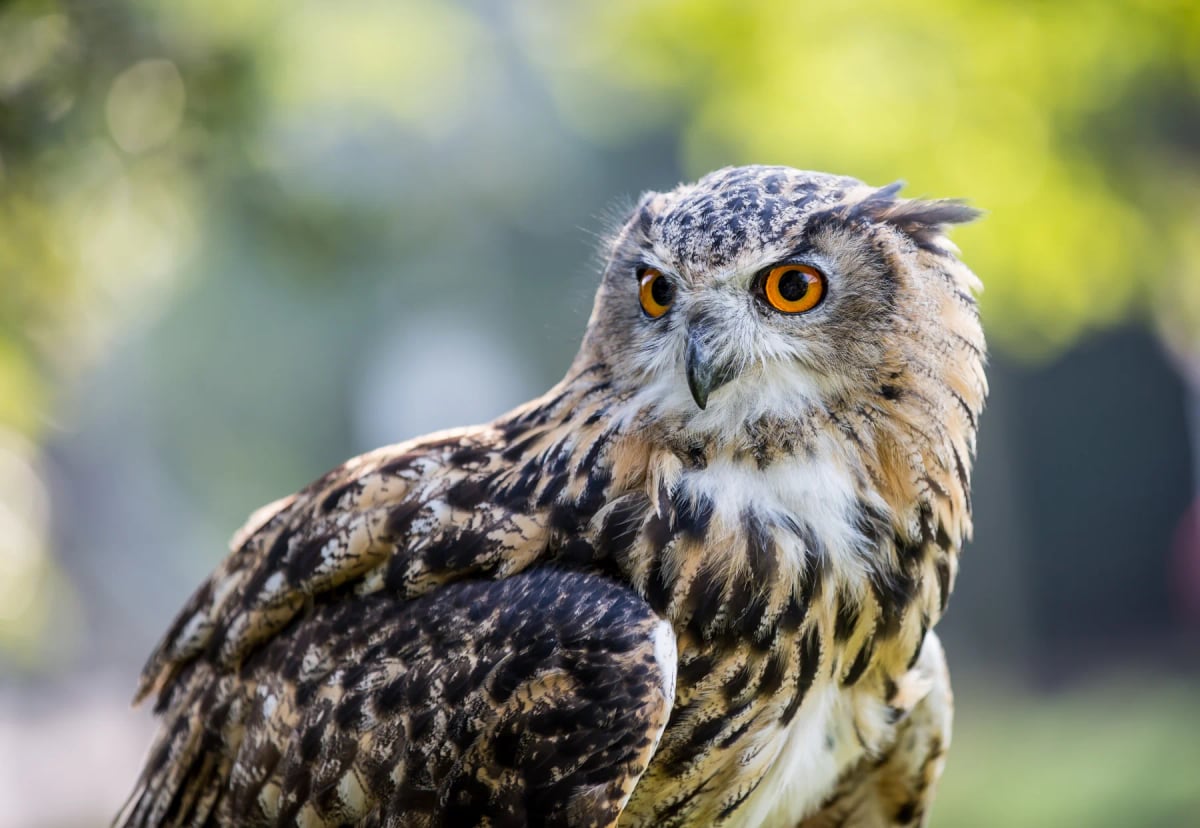
Eagle Owl
Bubo bubo
In Sweden, the eagle owl inhabits boreal forests, rocky coastlines, and the forested highlands of the interior. Once pushed to the edge of extinction by hunting and persecution, the species has made a strong recovery following legal protection in the twentieth century. Today it is heard more often than seen, its deep hooting call carrying through the dark Scandinavian nights. IUCN status: Least Concern.
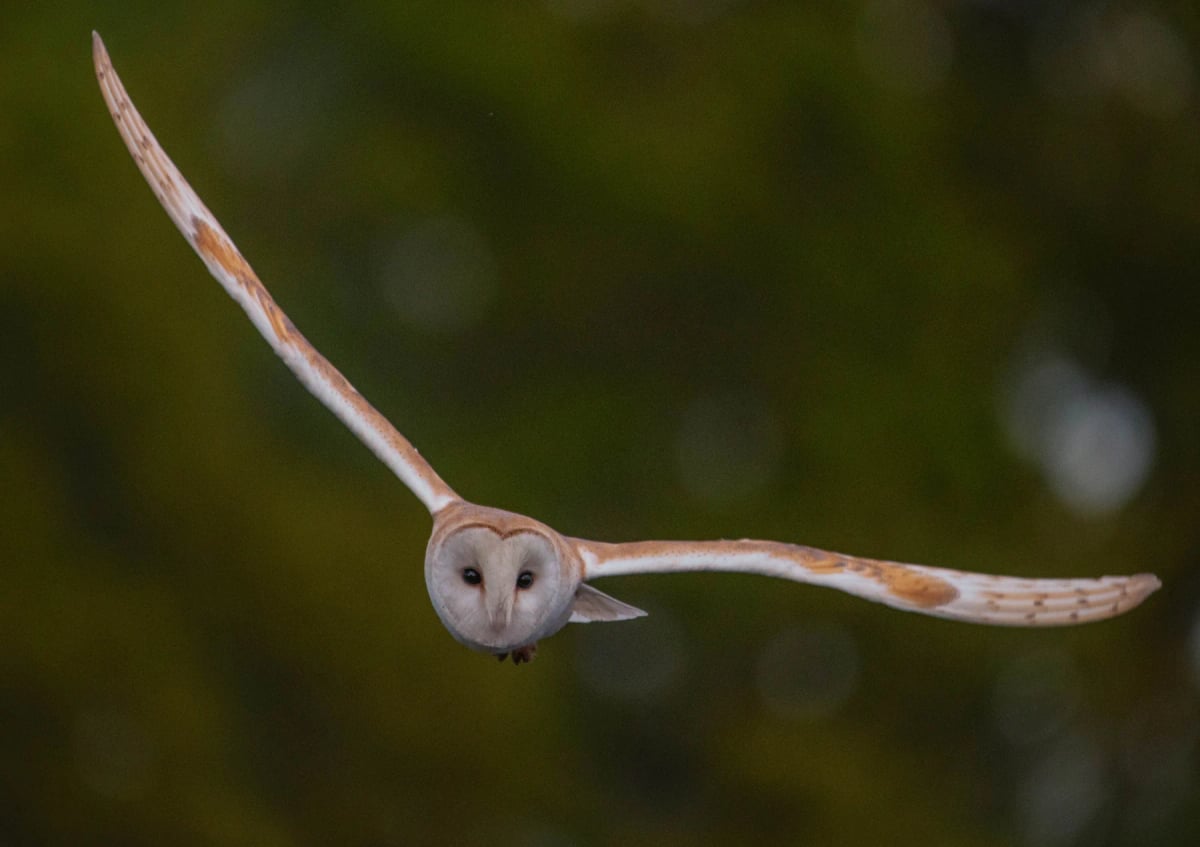
Barn Owl
Tyto alba
The barn owl reaches the northern fringe of its European range in southern Sweden, where it is considered rare and vulnerable. It is found mainly in Skåne and the surrounding agricultural plains of the far south, where milder winters and open farmland provide the conditions it needs to survive. Populations are small and susceptible to cold winters, which can cause significant mortality. Conservation programs including nest box installation and monitoring are in place to support the breeding population, which is one of the northernmost in Europe.
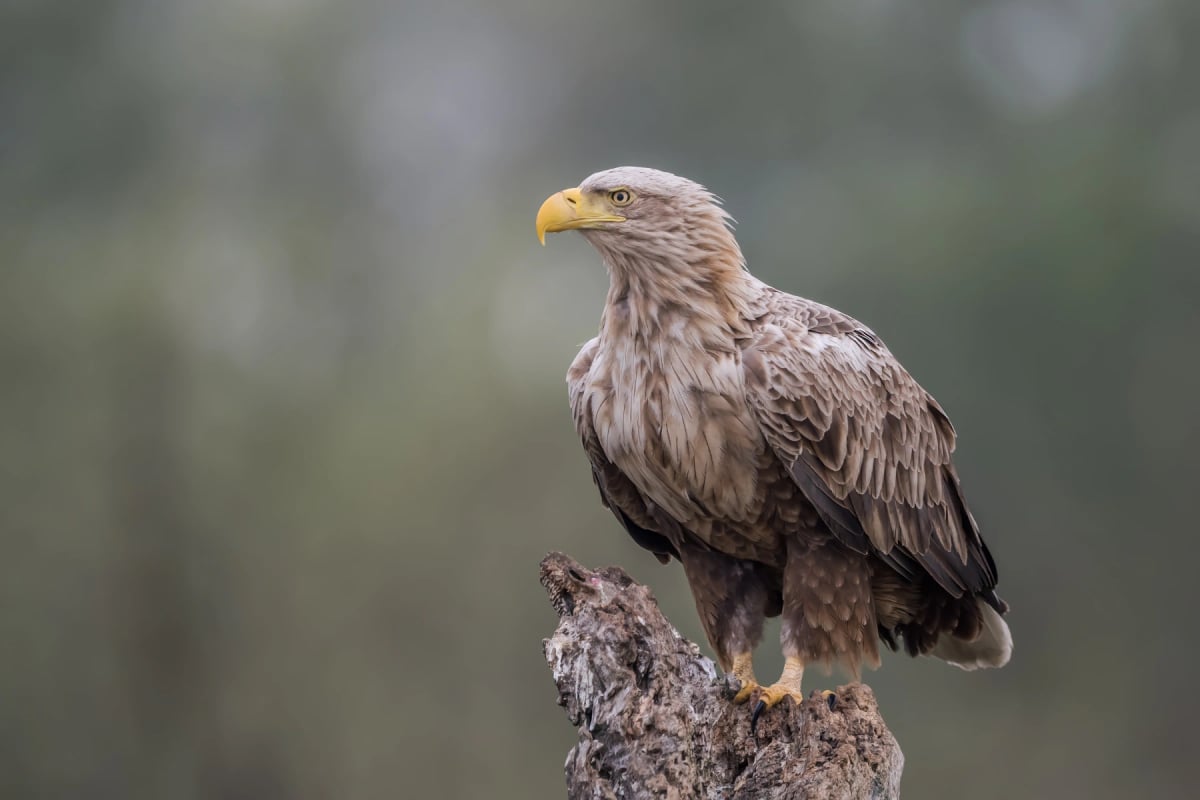
White tailed Eagle
Haliaeetus albicilla
Sweden has one of the great conservation success stories for this species in Europe. After being nearly wiped out in the early twentieth century, strict protection and dedicated recovery programs helped the population grow to over 700 breeding pairs today. Eagles are now found across much of the country, especially along the Baltic coast and around inland lakes. Sweden's efforts continue to serve as a model for eagle recovery across the continent.
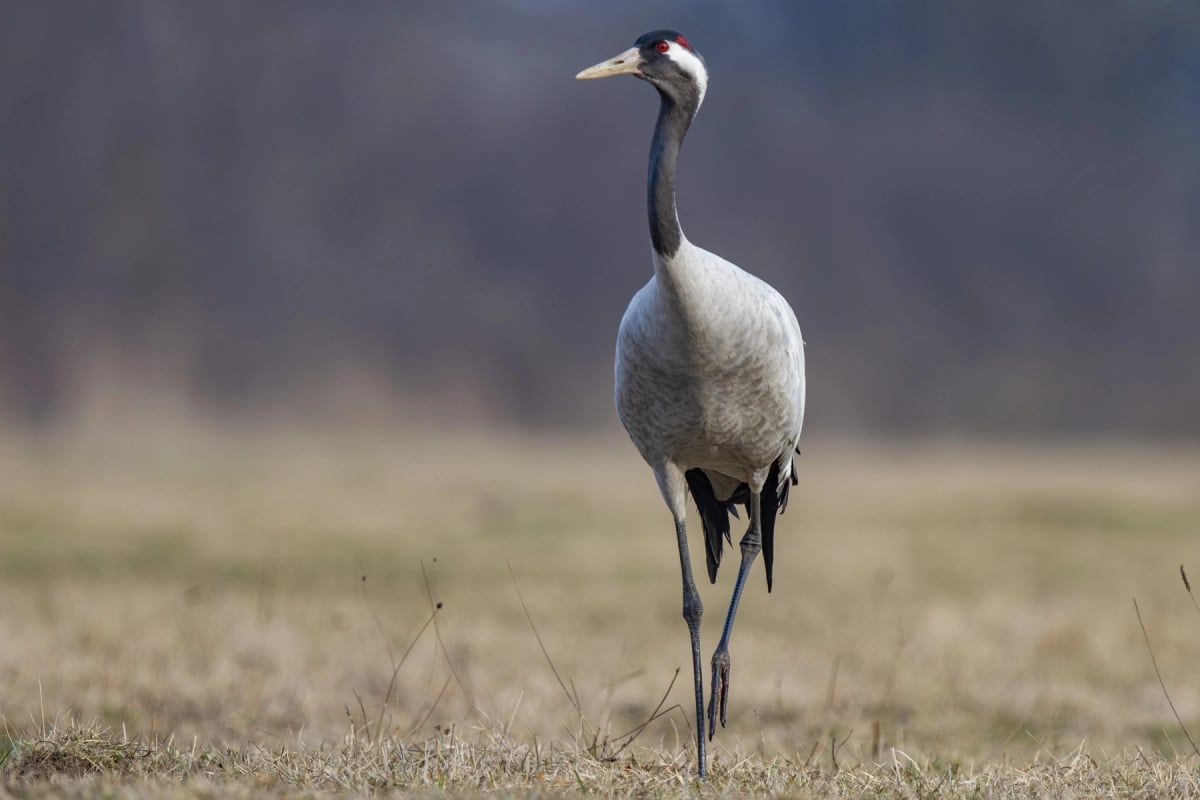
Crane
Grus grus
Sweden is one of the most important breeding countries for the common crane in Europe, with tens of thousands of pairs nesting in bogs and forest wetlands across the country, and numbers have grown strongly in recent decades. Each spring, in late March and April, up to 30,000 cranes stop at Lake Hornborga in the west to feed and dance, a famous event known as the crane dance that draws crowds of visitors. IUCN status: Least Concern.
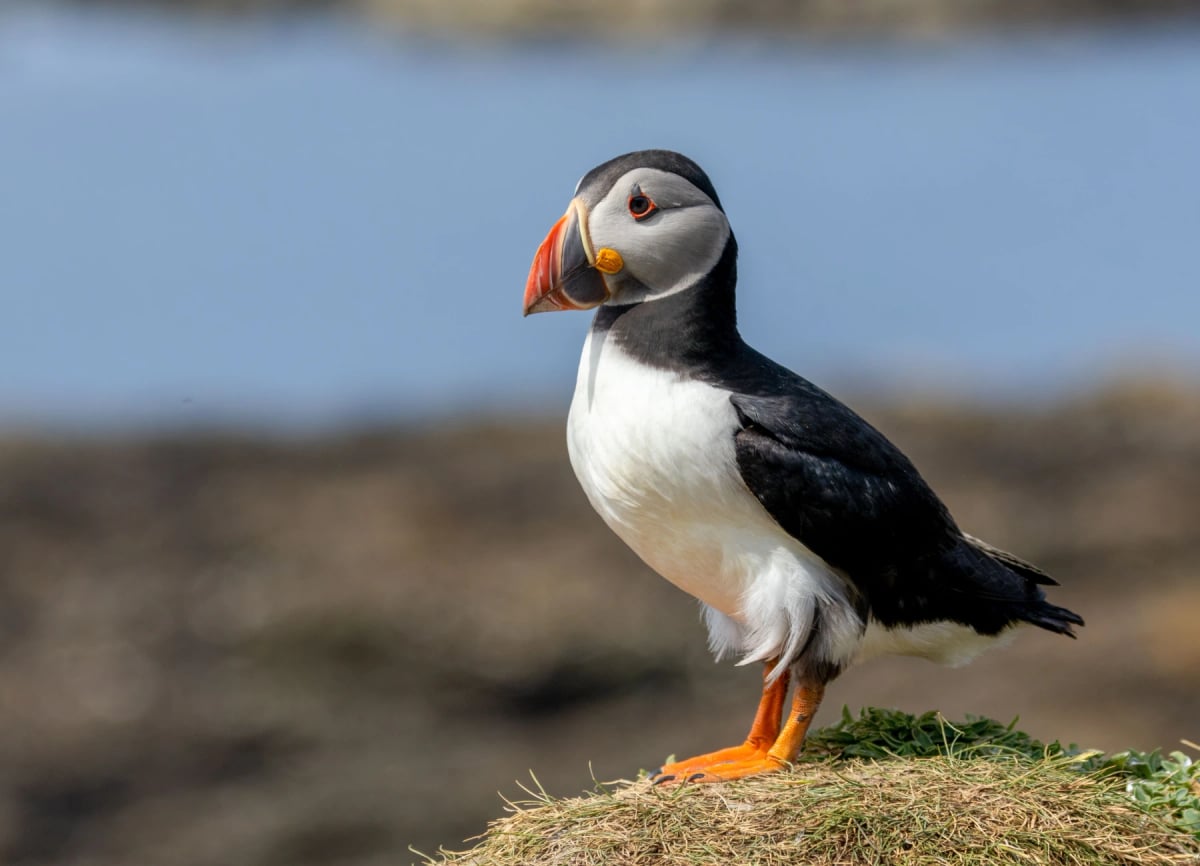
Puffin
Fratercula arctica
The Atlantic puffin visits Sweden outside the breeding season. Birds from the Norwegian colonies winter at sea in the Skagerrak and Kattegat, off the west coast of Sweden, and they are sometimes seen from the coast of Bohuslän and Halland during autumn and winter storms. Puffins do not breed in Sweden, and they return to their colonies further north and west in spring. IUCN status: Vulnerable.
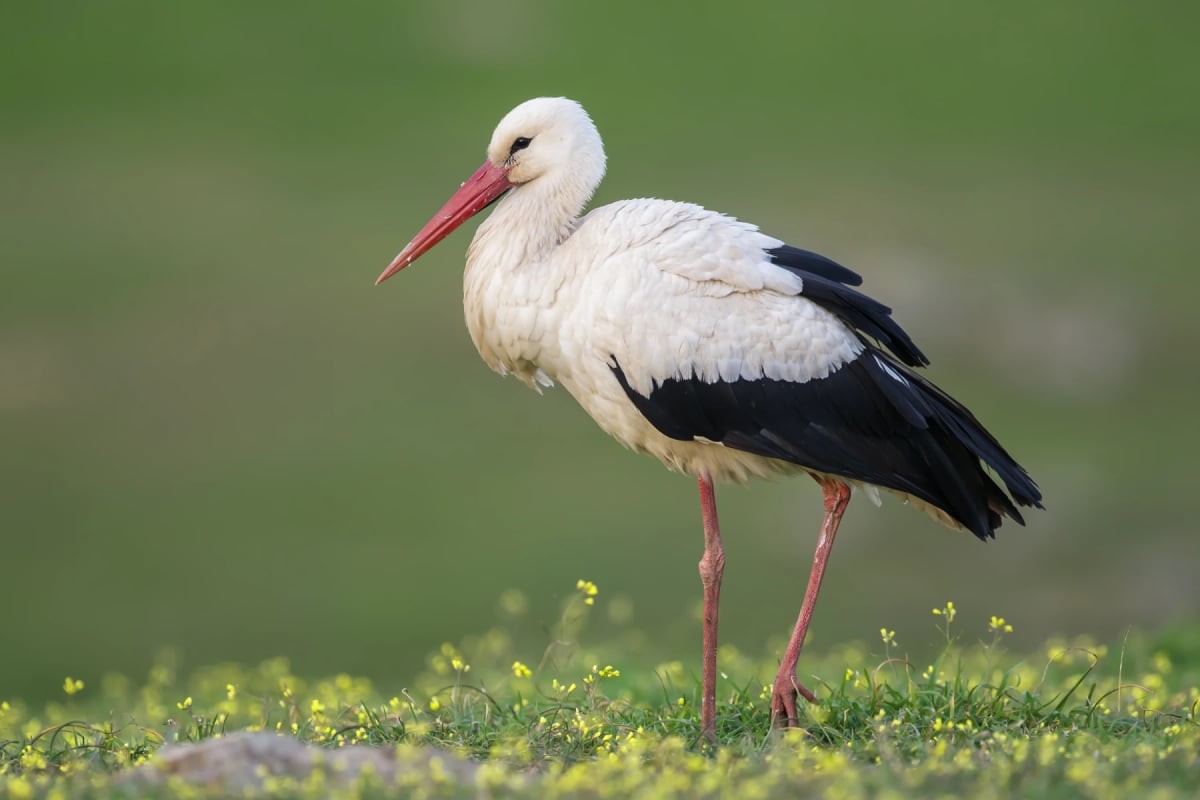
Stork
Ciconia ciconia
The white stork is a rare but celebrated visitor to Sweden, where small numbers breed mainly in Scania, the southernmost province. Rewilding efforts and wetland restoration have helped bring the species back after it vanished from the country in the mid twentieth century. Standing nearly a meter tall, it feeds on frogs, insects, and small mammals in open farmland and meadows. It is listed as Least Concern by the IUCN.
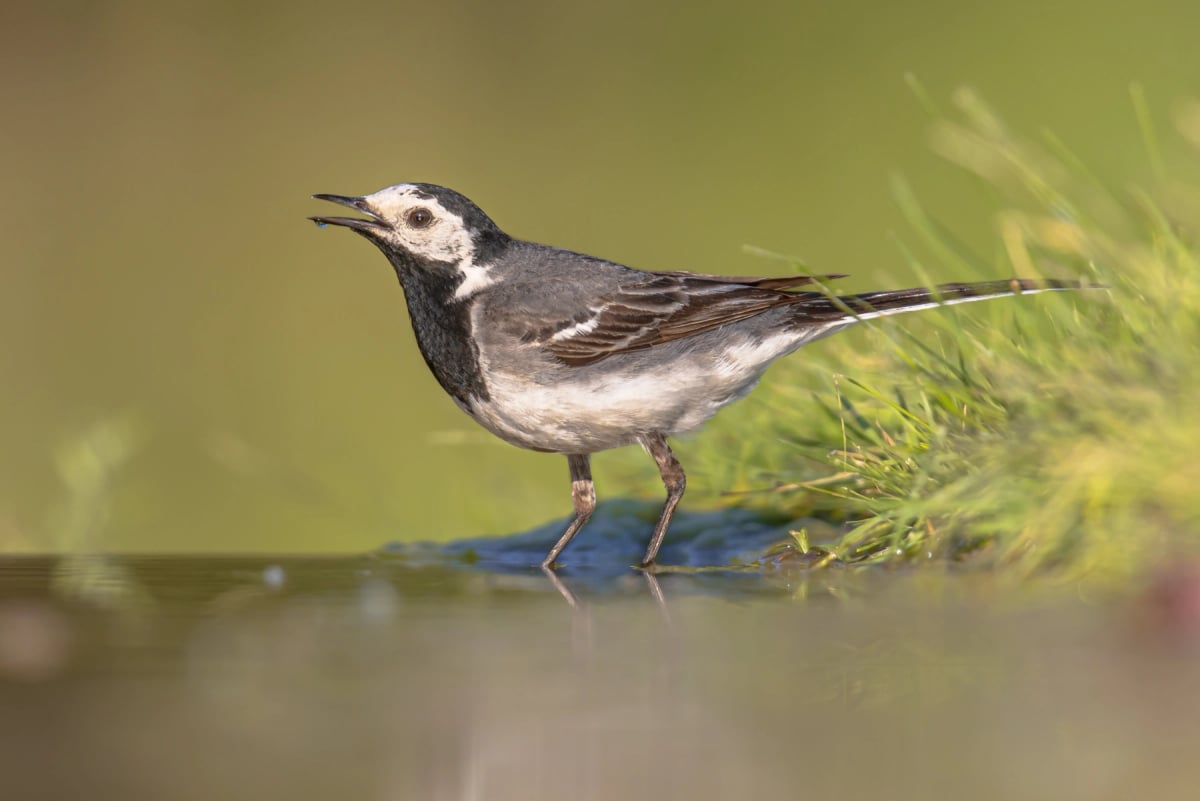
White Wagtail
Motacilla alba
The white wagtail is one of Sweden's most familiar summer birds, breeding across the whole country from Skåne to the mountains of Lapland. It arrives in April, often while snow still lies in the fields, and nests in woodpiles, barns, boathouses and stone walls, usually close to water and people. In late summer it gathers in flocks before leaving in September for the Mediterranean and West Africa. IUCN status: Least Concern.
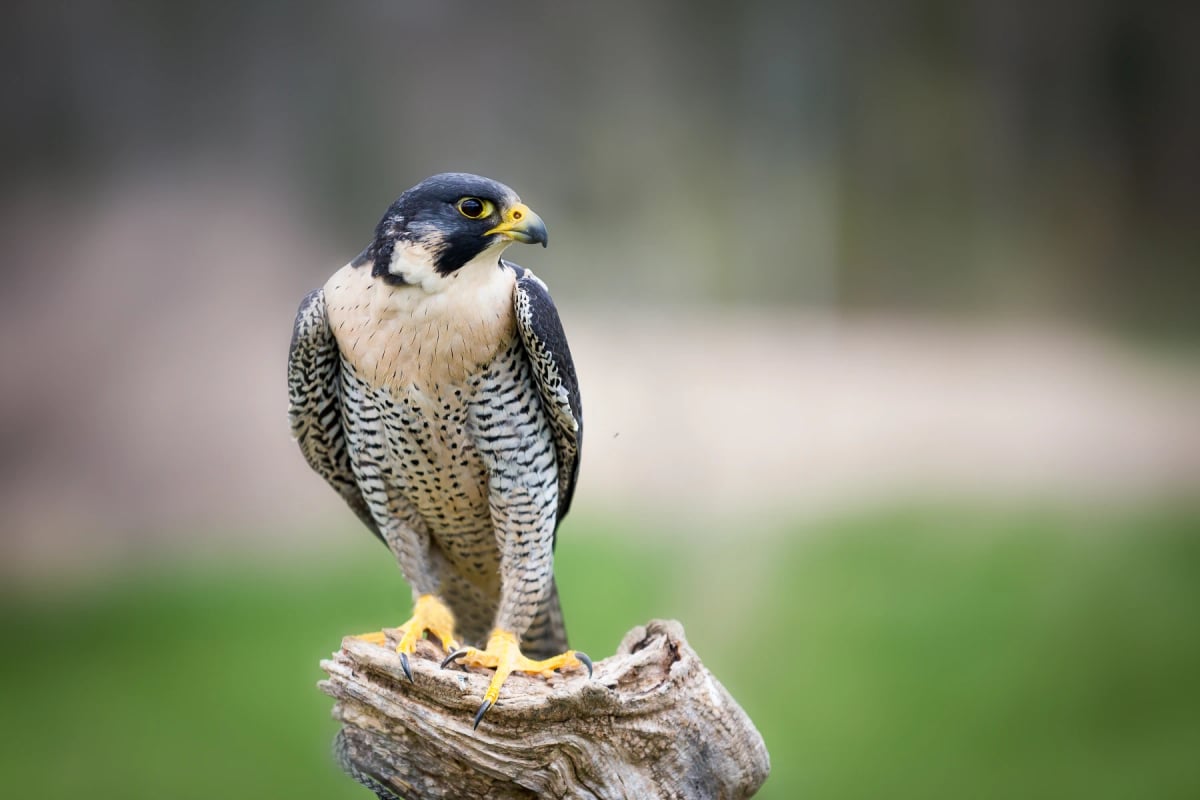
Peregrine Falcon
Falco peregrinus
In Sweden, the peregrine falcon breeds on rocky cliffs along the coast and in forested inland areas. Its population collapsed in the mid twentieth century due to the pesticide DDT and hunting pressure. Thanks to strong legal protection and dedicated recovery programs, numbers have rebounded impressively. Today Sweden holds a healthy breeding population, and the species is listed as Least Concern by the IUCN.
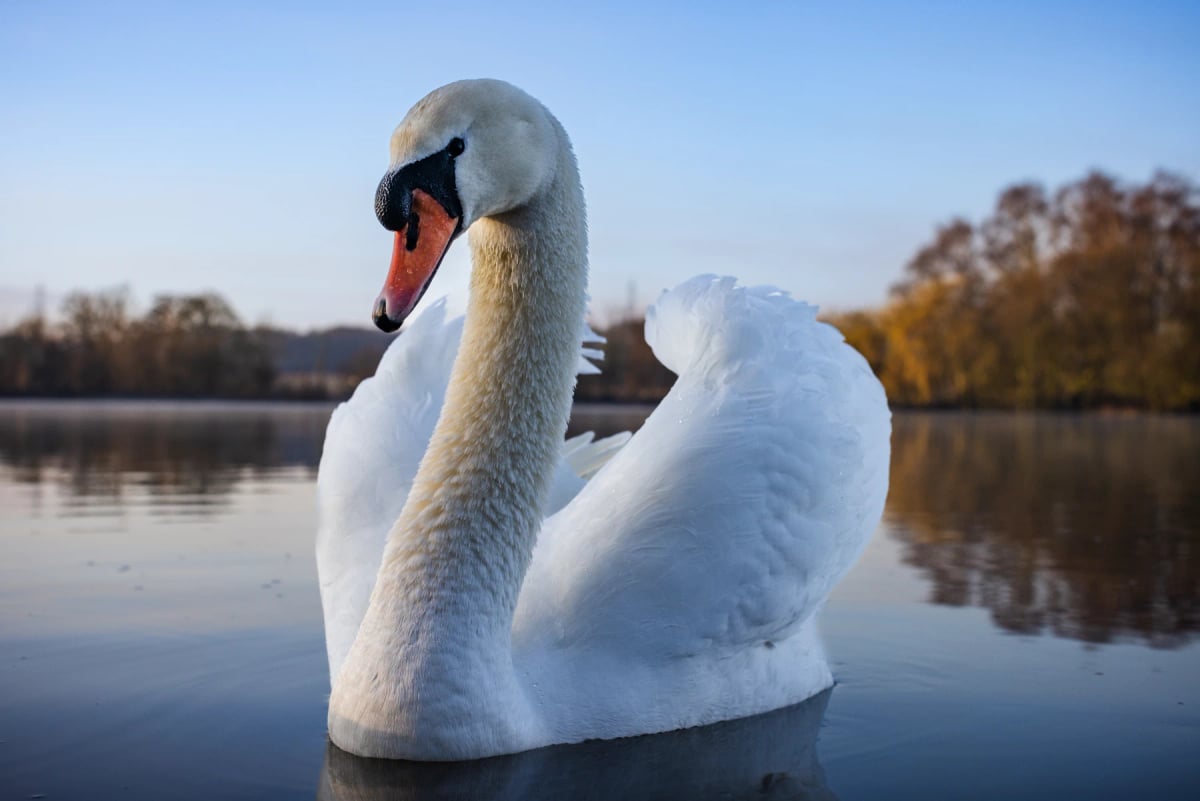
Mute Swan
Cygnus olor
The mute swan is widespread across southern and central Sweden, nesting on lakes, coastal bays, and slow rivers. The Swedish population grew considerably during the twentieth century following legal protection of the species. Lake Vänern and the southern coastline are particularly important areas. In winter, large flocks gather in sheltered Baltic inlets where open water remains available. Sweden holds one of the more robust national populations in northern Europe. The IUCN lists it as Least Concern.
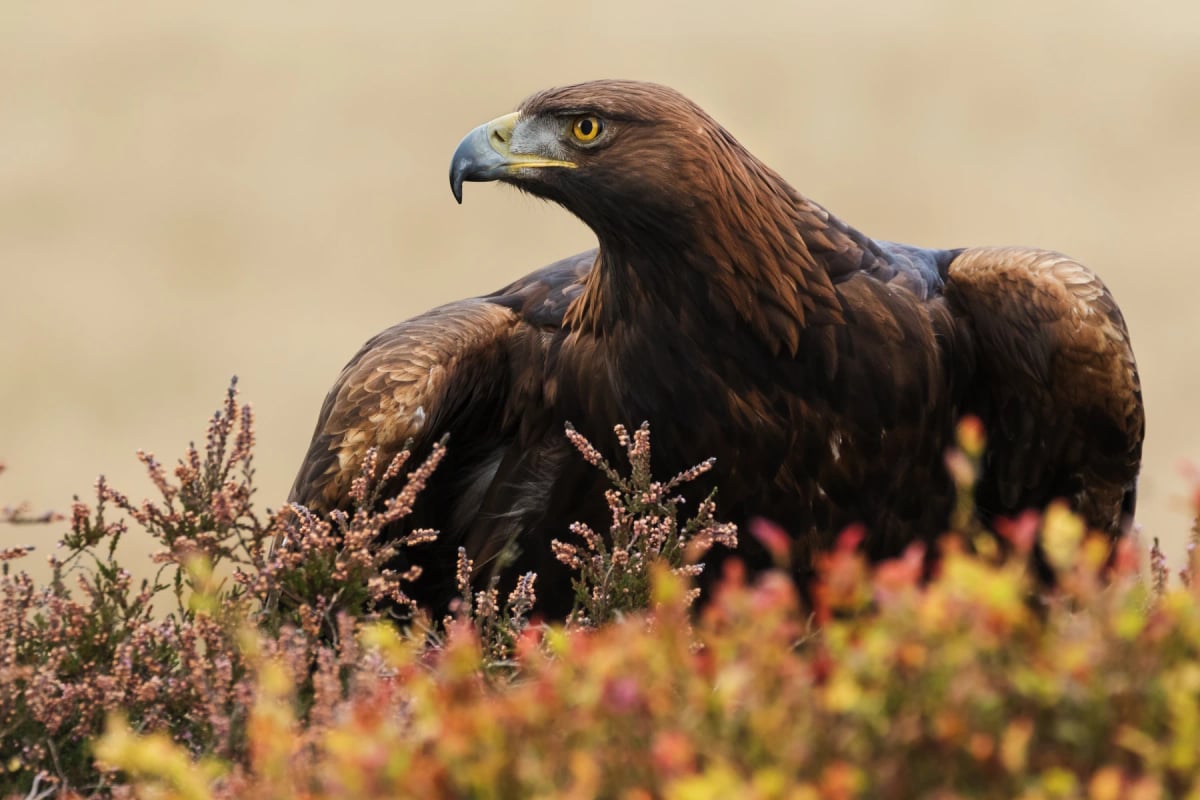
Golden Eagle
Aquila chrysaetos
Sweden supports a healthy and growing golden eagle population, particularly in the northern forests and mountain regions of Lapland. The birds nest in tall conifers and on rocky outcrops, hunting across open tundra and fell plateaus. Decades of legal protection have allowed numbers to recover after historic persecution. The IUCN lists the species as Least Concern, and Sweden is considered a stronghold for the eagle across northern Europe.
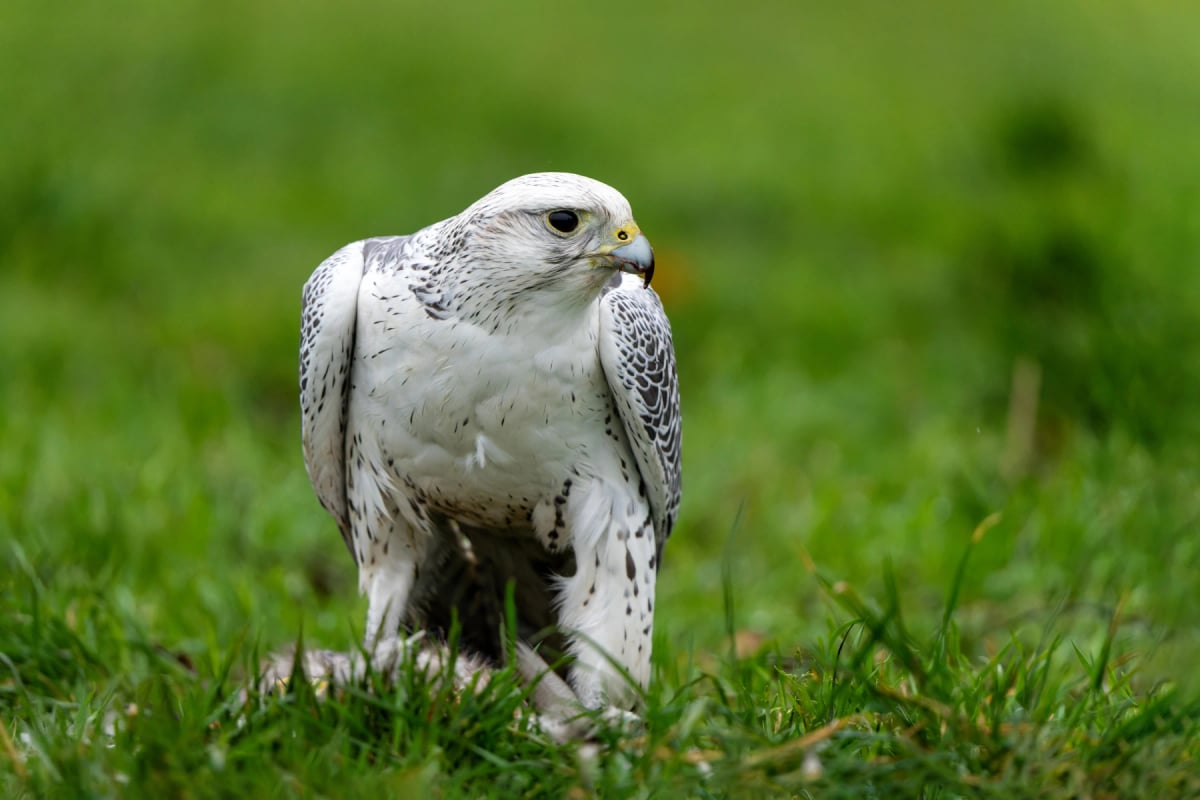
Gyrfalcon
Falco rusticolus
In Sweden the gyrfalcon breeds in small numbers in the mountains of Lapland and Jämtland, a few dozen pairs that nest on cliffs and hunt ptarmigan. The species is listed as endangered in the national red list, and researchers link recent declines to cold, wet springs that ruin breeding at exposed nest ledges, an effect of climate change. Known territories are closely monitored. IUCN status: Least Concern.
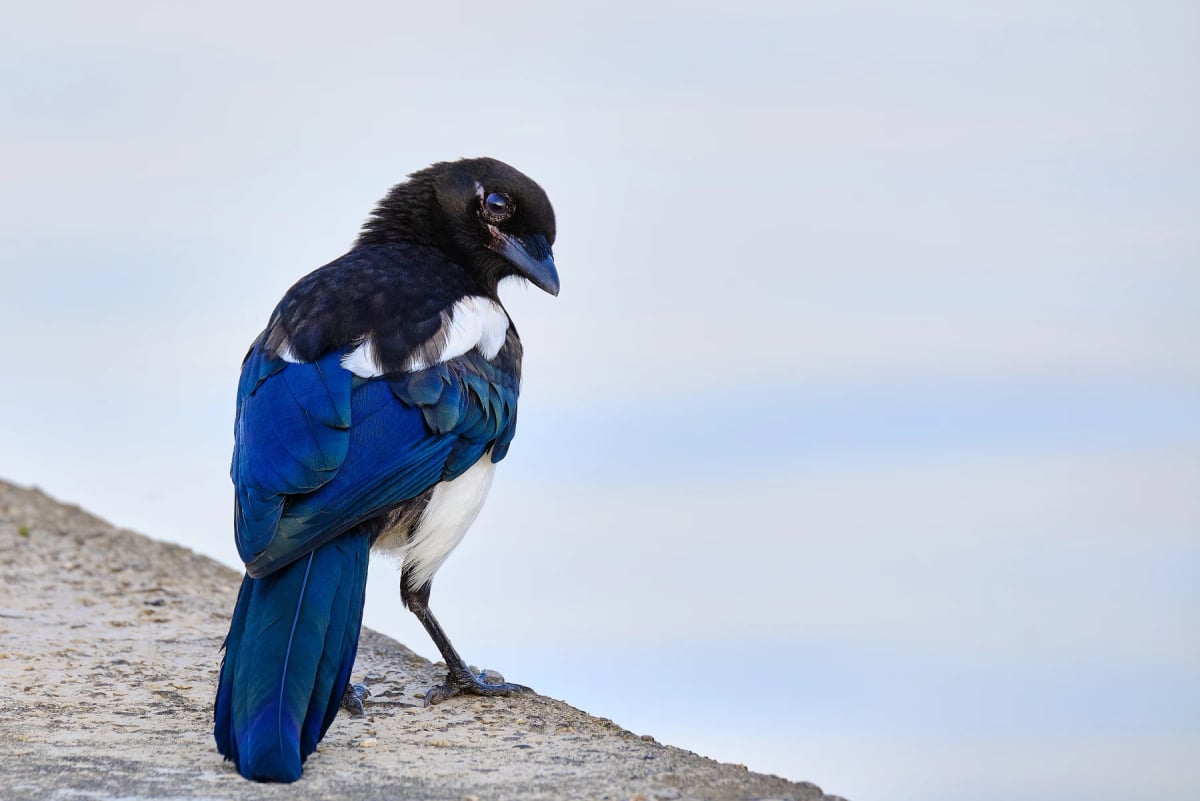
Eurasian Magpie
Pica pica
The Eurasian Magpie is widespread across southern and central Sweden, where it inhabits farmland, parks, and the edges of towns and villages. It becomes progressively less common further north, rarely venturing into the boreal forests of the far north. In Swedish cities like Gothenburg and Malmö it is a daily sight. It is an intelligent, adaptable bird that eats a wide range of food and stores surplus items for leaner times. IUCN status: Least Concern.
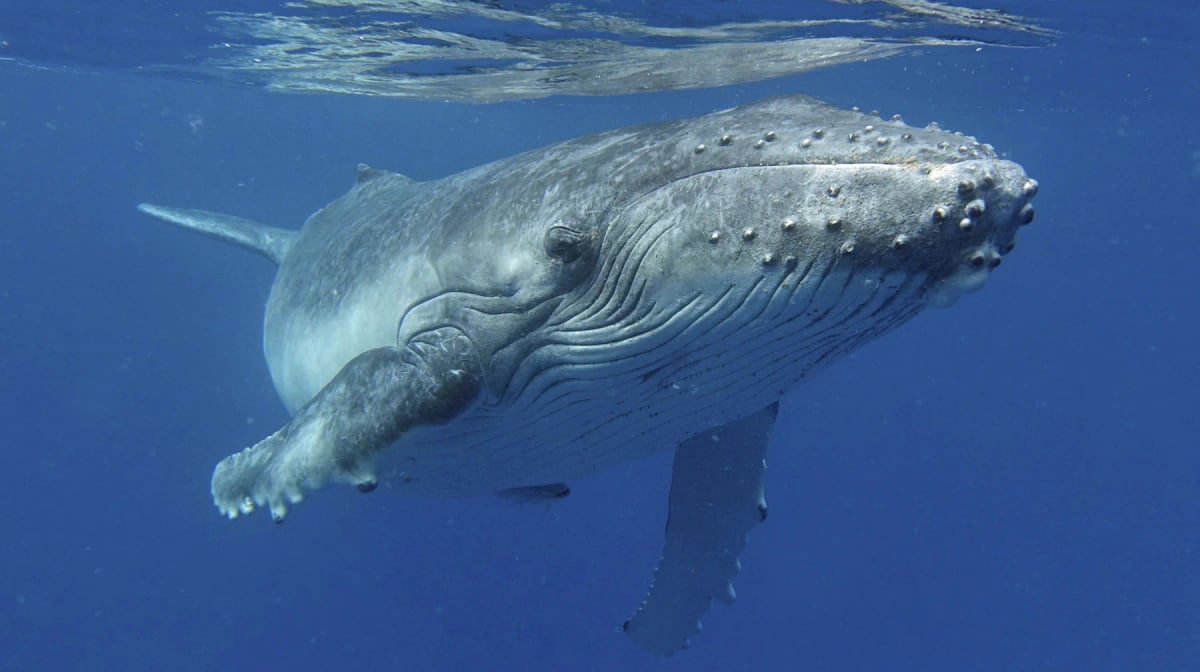
Humpback Whale
Megaptera novaeangliae
Humpback whales pass through the waters off Sweden's west coast, particularly around the Skagerrak and Kattegat straits, during their migrations through the North Atlantic. Sightings here are relatively rare but have become more frequent in recent years as populations recover. These whales can reach 16 metres in length and are recognisable by their remarkably long pectoral fins and the knobby bumps along their heads. The species is listed as Least Concern by the IUCN.
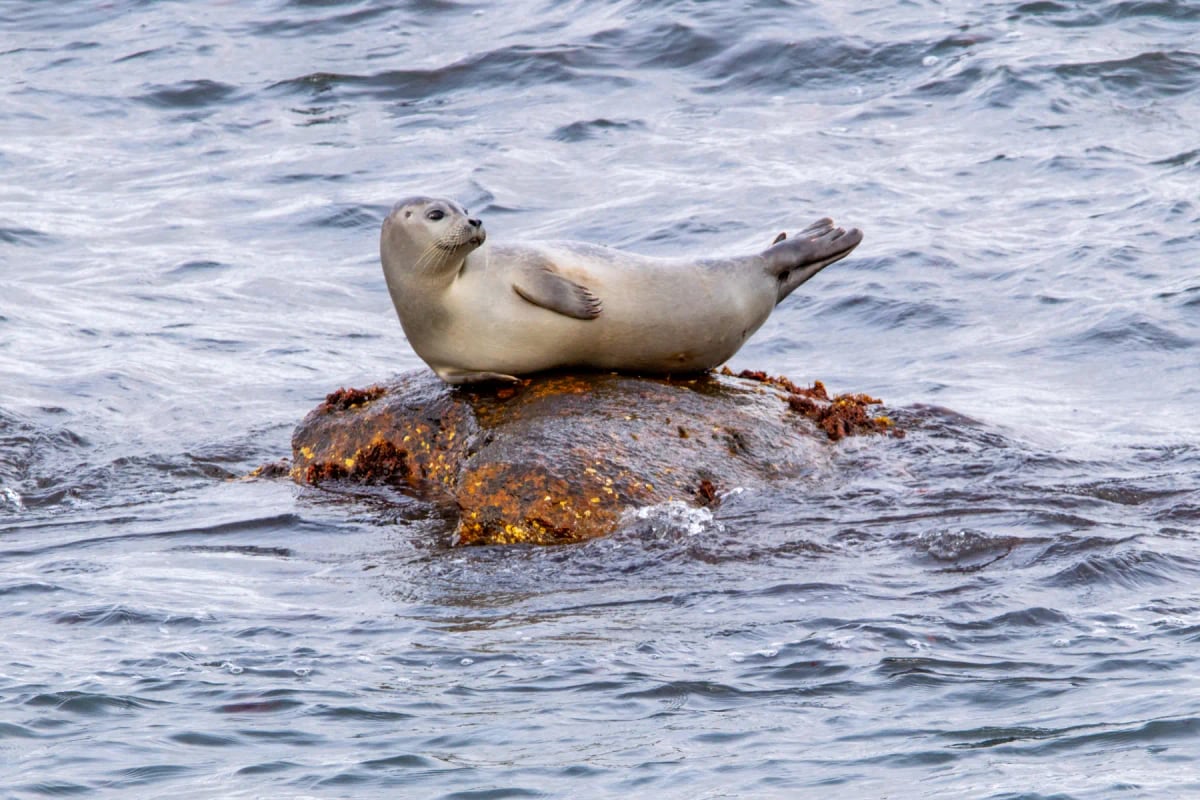
Seal
Phoca vitulina
Harbor seals live along Sweden's west coast, particularly around the Skagerrak and Kattegat straits, as well as in parts of the Baltic Sea. Swedish populations suffered serious losses from hunting and pollution during the twentieth century, but have gradually recovered thanks to legal protections. Seals are regularly spotted resting on skerries and rocky islets. Entanglement in fishing nets remains a key concern for conservation managers today.

Hammerhead Shark
Sphyrna spp.
Hammerhead sharks are extremely rare in Swedish waters, but the country's Atlantic coastline connects to a broader European range where these sharks occasionally venture northward. Sweden is an active supporter of international shark conservation within the European Union and through CITES agreements. Awareness of the critical status of hammerheads has grown among Swedish researchers and conservation organizations in recent years.
Researched and written by Juan Pablo. Sources: IUCN Red List, scientific literature and regional field guides. Last updated: .