Animals in Greenland
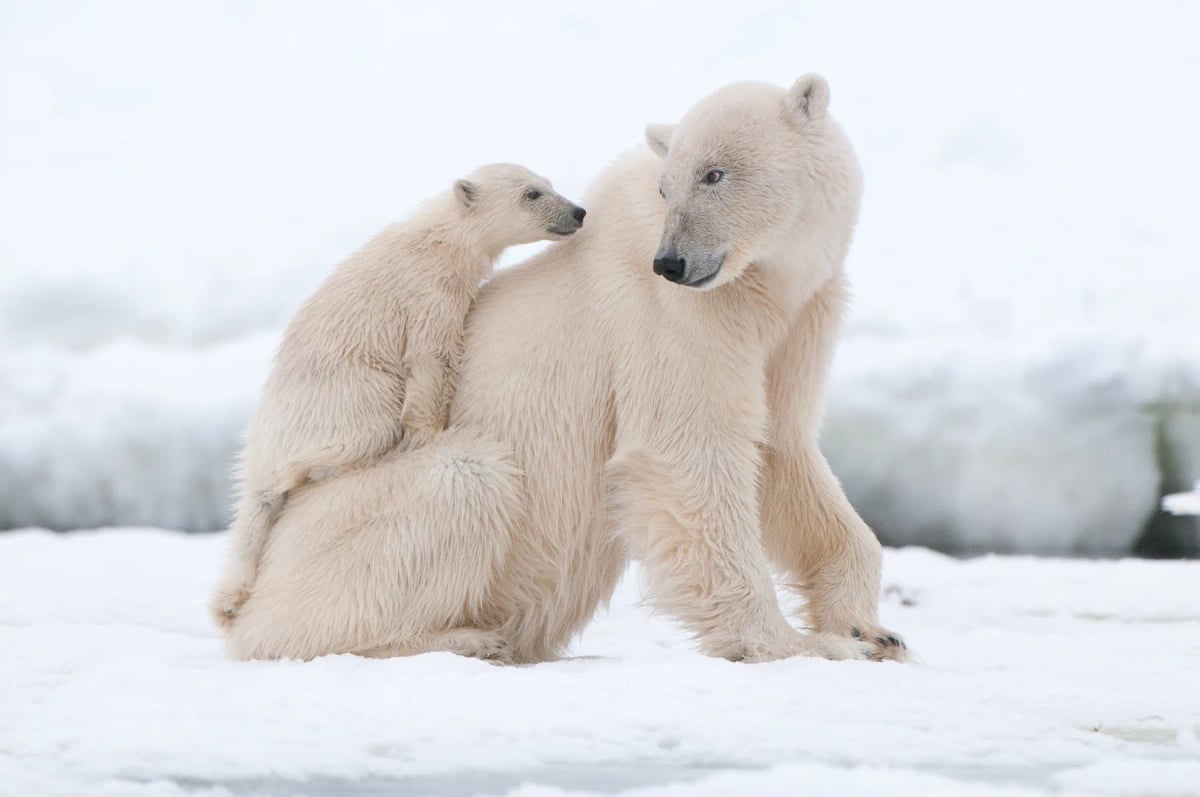
Polar Bear
Ursus maritimus
The polar bear is the key animal symbol for Greenland, representing the strength and resilience needed to thrive in the extreme Arctic environment. Although the animal is a powerful predator, its white coat and vast range connect it to the deep history and cold landscapes of the country. This mammal is widely known and appears in local art, traditions, and stories, reflecting its central place in the national identity, both historical and modern.
View details→Wildlife in Greenland
Greenland's nature is defined by the vast Arctic environment, with ice sheets, rugged coasts, and rocky tundras that stretch across much of the island. Visitors mainly explore through boat tours along fjords and coastlines, guided hikes to elevated viewpoints, and short trips outside towns to observe wildlife in its natural setting. These routes offer good opportunities to spot animals like seals, reindeer, and arctic foxes moving across the open landscape. Low impact tourism focuses on staying on marked paths and keeping a safe distance from animals, which is essential to protecting this fragile ecosystem.
Most Dangerous Animals in Greenland
Real danger for visitors in Greenland relates to powerful predators and large marine mammals. Polar bears are the most serious risk near coastlines and ice edges, and their presence always requires immediate caution. In coastal waters, large walruses can act defensively and with surprising force if approached too closely. The arctic wolf usually keeps its distance from people but remains a strong and capable predator in the inland areas. Orcas are active hunters in the surrounding waters and, while rarely a direct threat to people on land, they are a presence worth respecting on boat trips.
Top 10 Animals in Greenland
The top 10 list focuses on large species that reflect the challenge of Arctic survival. It includes the reindeer, often seen grazing on the tundra, and the arctic wolf, a powerful predator of the inland areas. The polar bear, the largest land carnivore, also features, usually spotted on ice or along the coasts. Visitors learn about these animals on guided trips near land or on coastal boat tours during summer months, which is when most species are most active.
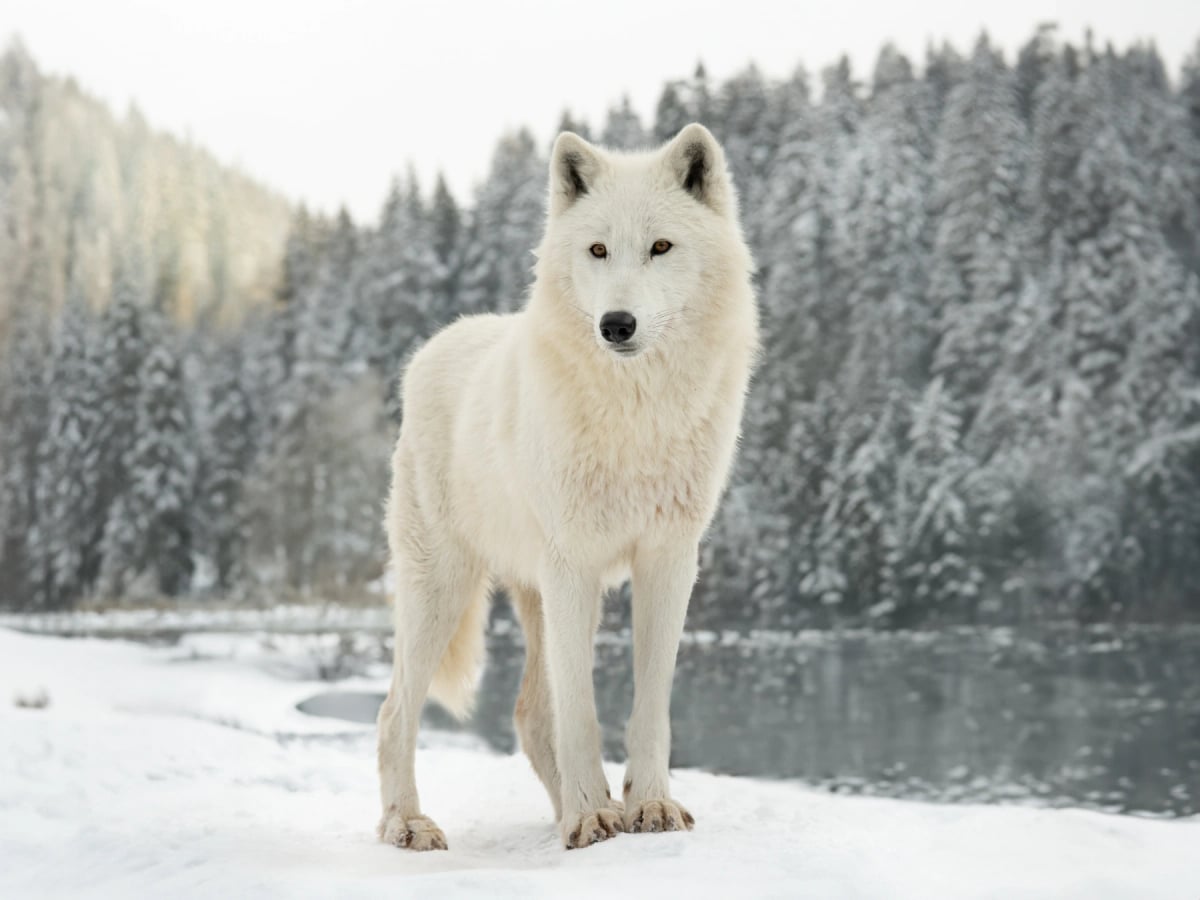
Arctic Wolf
Canis lupus arctos
The arctic wolf lives in the remote northern and northeastern parts of Greenland, making it one of the hardest animals to spot in the wild. It hunts in packs, targeting musk oxen and arctic hares across the open tundra. Its thick white coat blends into the snow and shields it from extreme cold. Arctic wolves here have had little contact with humans and remain largely undisturbed.
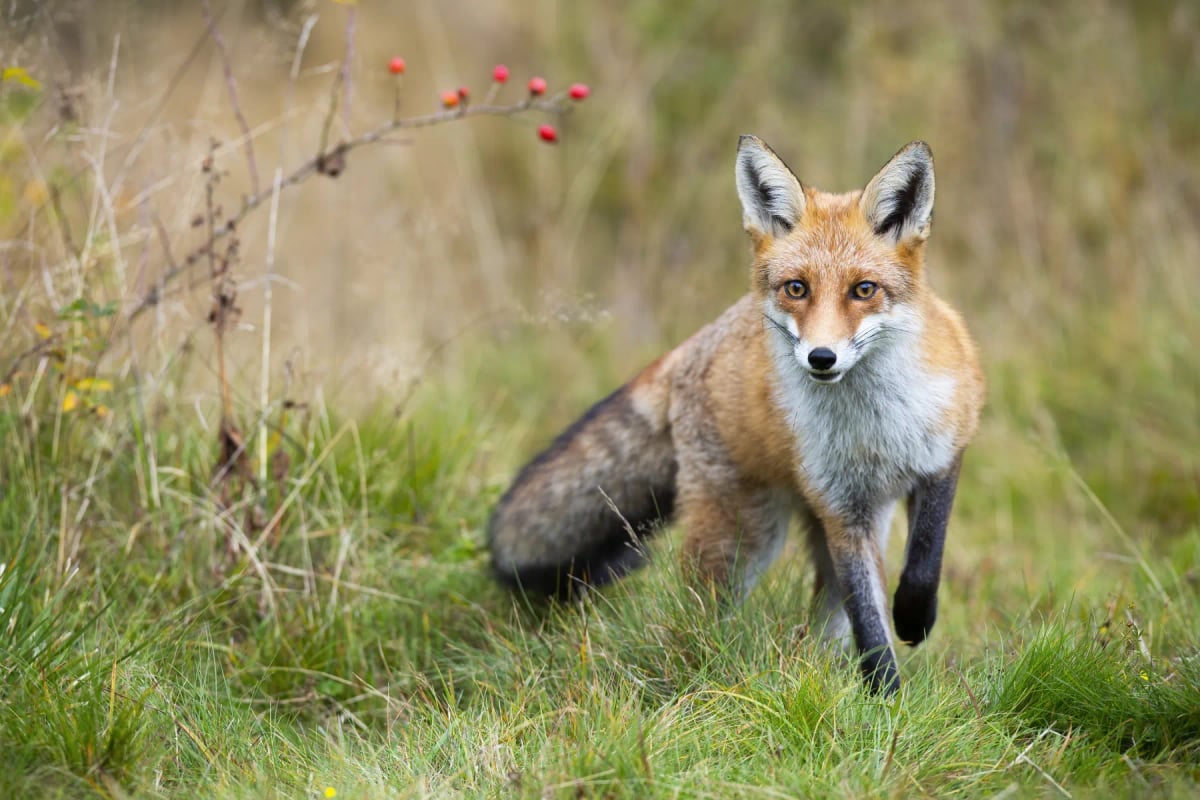
Red Fox
Vulpes vulpes
The red fox is present in southern and western Greenland, where it occupies coastal tundra and areas near human settlements. It shares this harsh environment with the Arctic fox, and in some areas the two species compete for food and territory. The red fox has been expanding its range northward in Greenland in recent decades, a shift that researchers link to rising temperatures and changes in the availability of prey.
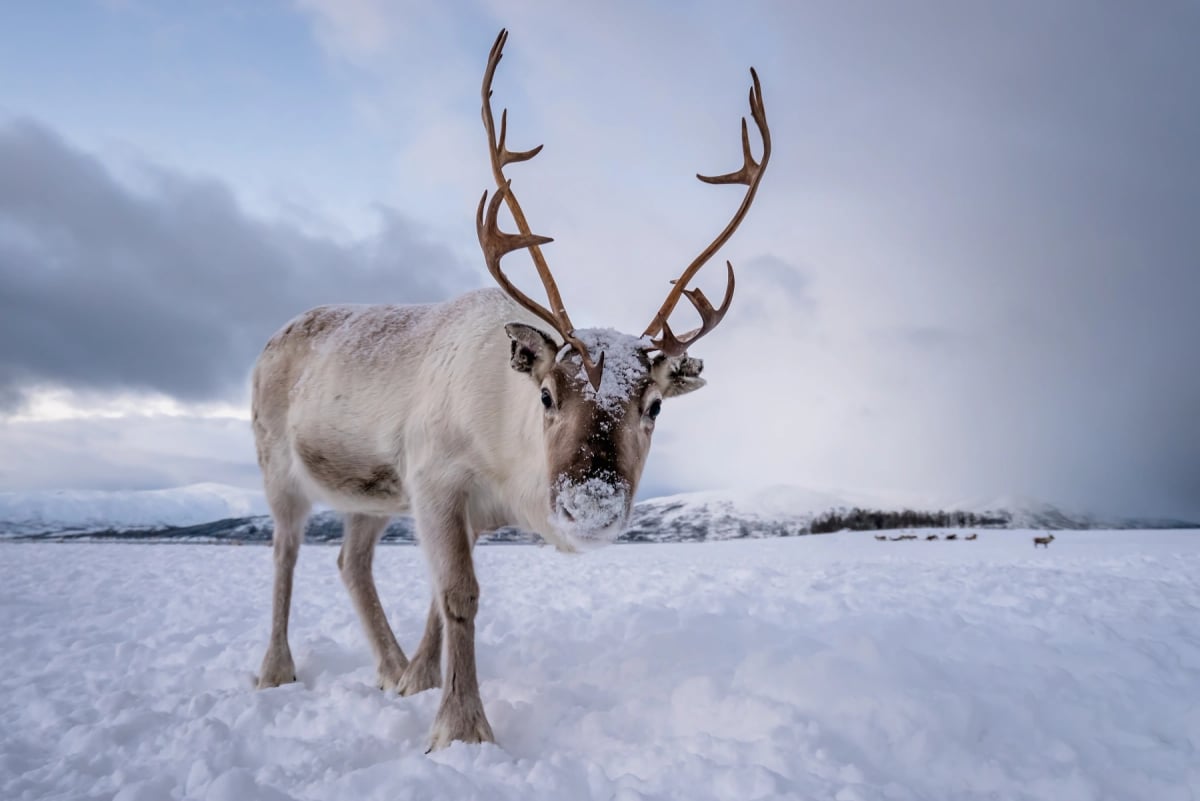
Reindeer
Rangifer tarandus
Greenland is home to a native population of wild reindeer, known locally as caribou, that roams the open tundra of the western and southern parts of the island. These animals are well adapted to one of the harshest environments on the planet. They have long been hunted by Greenlandic Inuit communities as a vital source of food and materials. Population numbers fluctuate with changing Arctic conditions. IUCN status: Vulnerable.
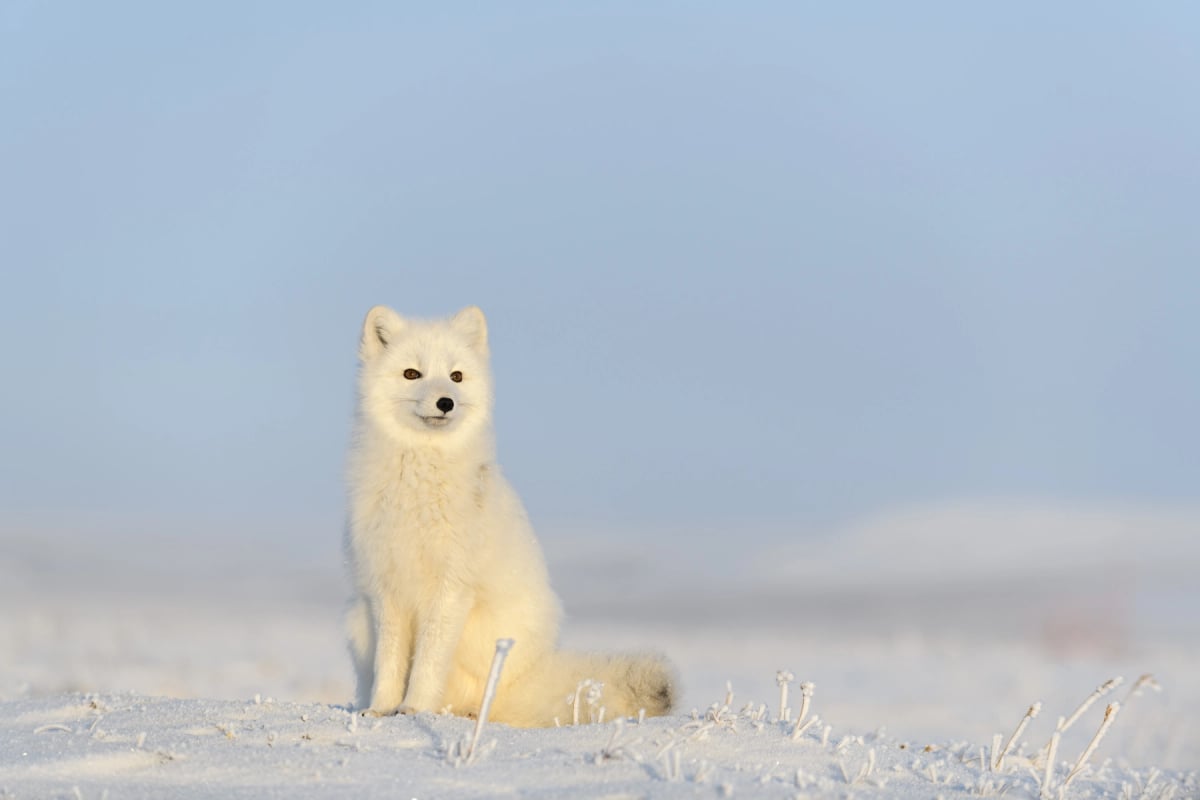
Arctic Fox
Vulpes lagopus
The arctic fox is one of the most common wild animals in Greenland. It appears in two forms: white in winter to blend into the snow, and darker brown in summer. It often follows polar bears across the ice to feed on the remains of their kills. The arctic fox is found across the island and is regularly spotted near settlements, where it has learned to live comfortably close to people.
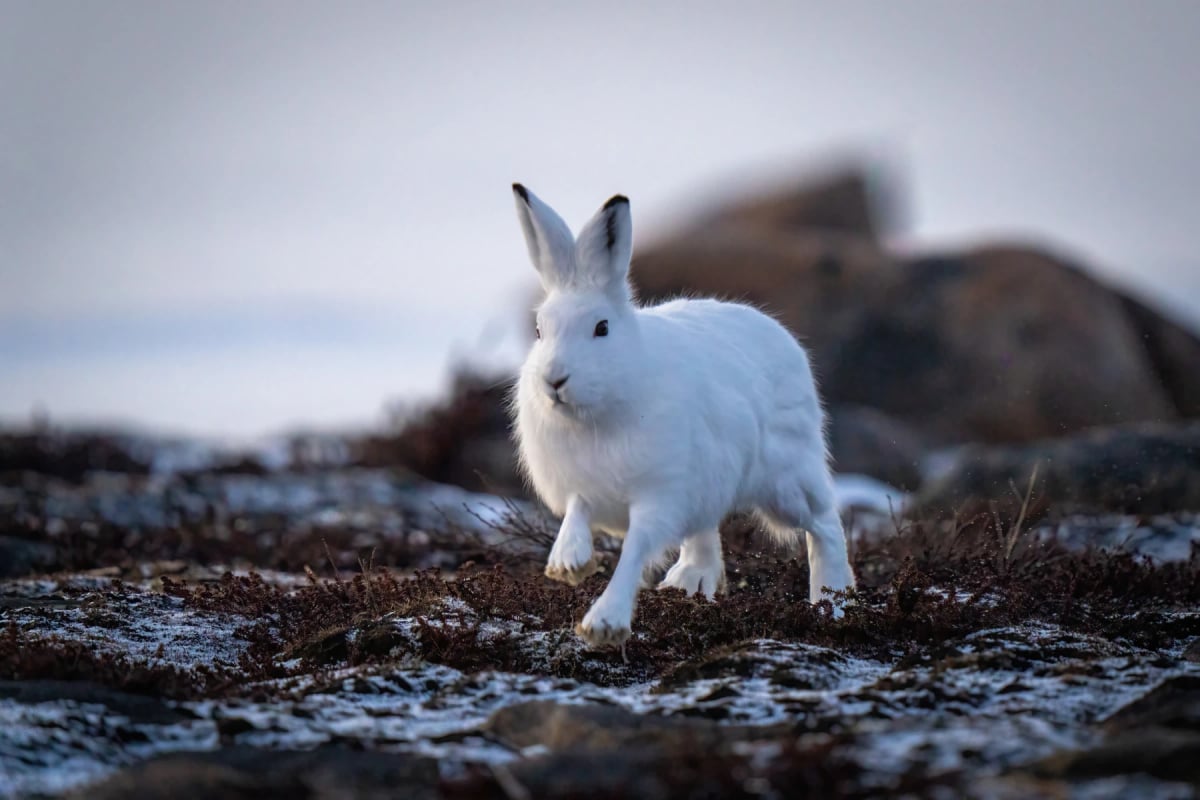
Arctic Hare
Lepus arcticus
The arctic hare is larger than most hares and built to survive the extreme cold of Greenland's tundra. In the far north, it stays white throughout the year since snow cover there is nearly permanent. It often lives in groups, which helps it stay alert to predators like the arctic wolf and the gyrfalcon. On open ground it can reach impressive speeds, making it a challenging target for hunters and predators alike.
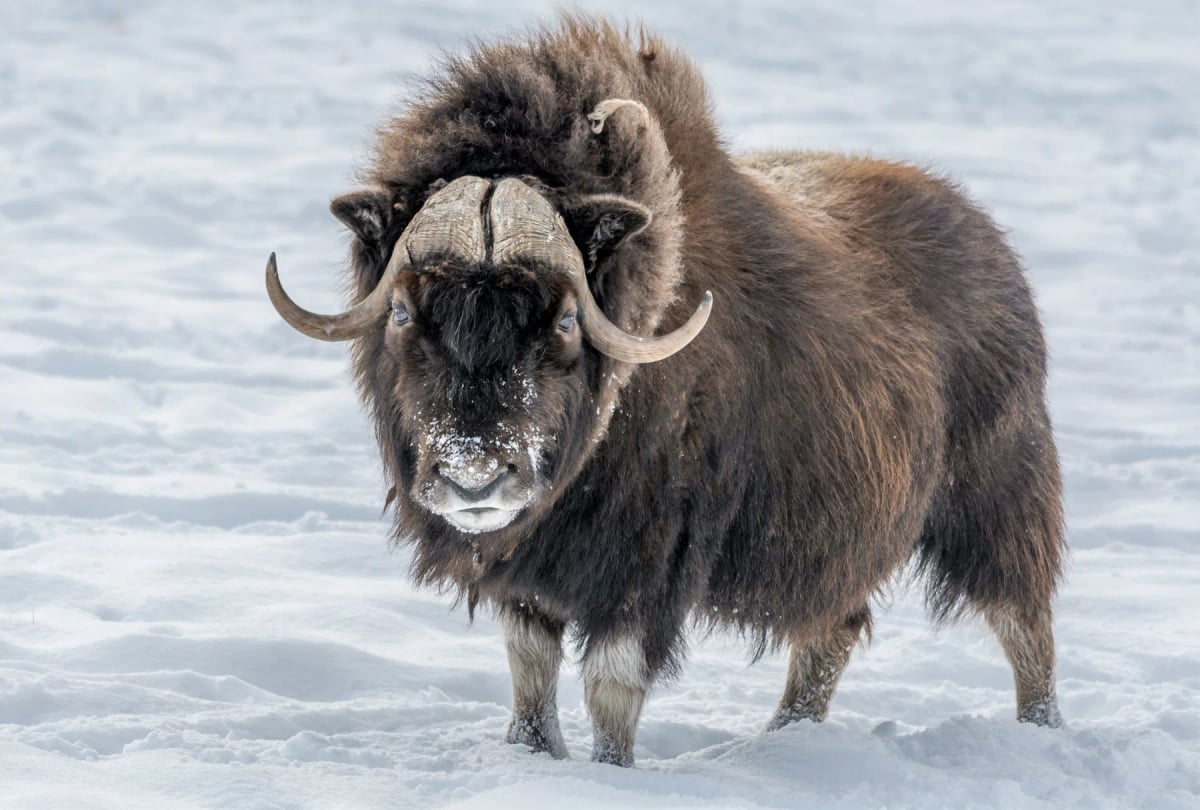
Musk Ox
Ovibos moschatus
Greenland is the ancestral stronghold of the musk ox, where herds have roamed the open tundra since the Pleistocene. Today they are most commonly seen in northeastern Greenland, particularly within the Northeast Greenland National Park, the largest national park on Earth. They graze on whatever vegetation the short Arctic summer allows and rely on their remarkable coats to endure the island's extreme cold and powerful winds. IUCN Status: Least Concern.
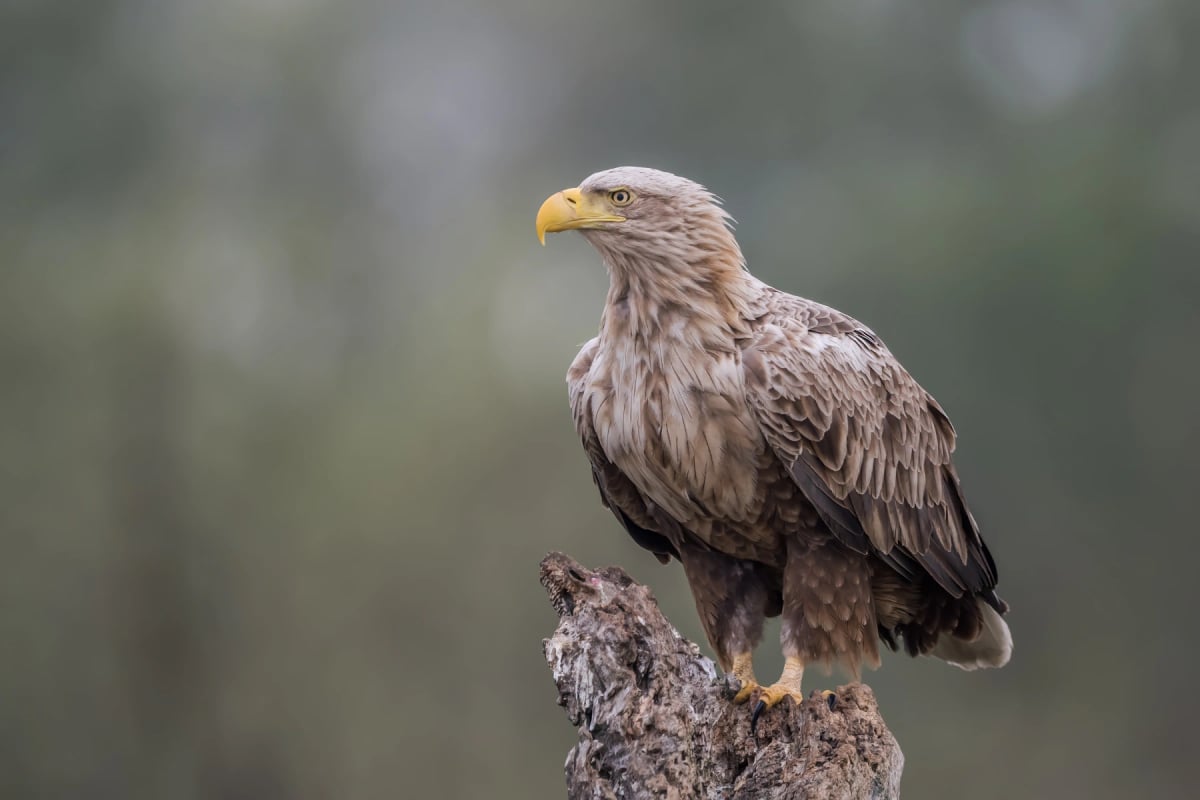
White tailed Eagle
Haliaeetus albicilla
Greenland supports a resident breeding population of the white-tailed eagle, found mainly along the southwestern coast where the climate is less severe. The species nests on rocky cliffs and feeds on fish, seabirds, and marine carrion. It is one of the few large birds of prey to breed on the island. The IUCN considers the species to be of Least Concern globally.
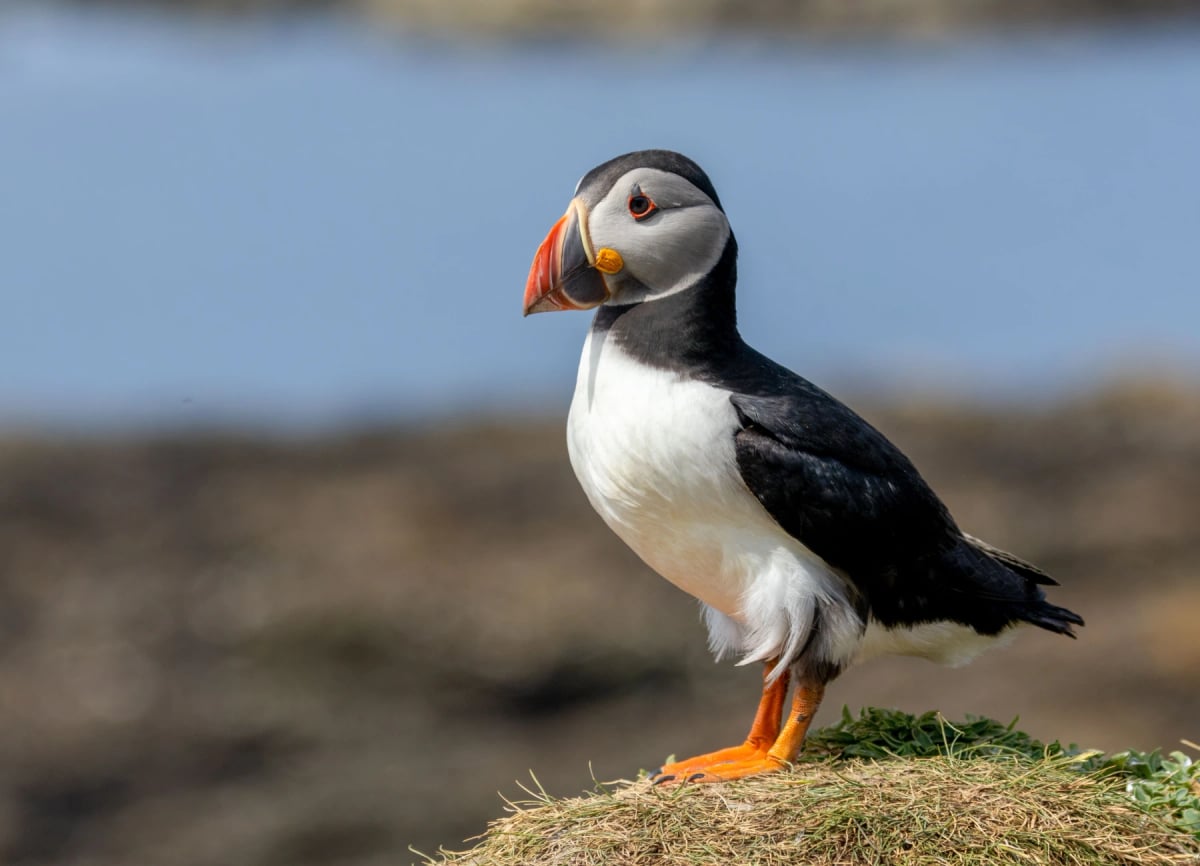
Puffin
Fratercula arctica
Puffins are found along the coasts of southwestern and western Greenland, where cold, nutrient-rich waters support the fish they depend on. They are part of the broader seabird community that thrives in Greenlandic coastal ecosystems. As Arctic waters warm at an accelerated pace, prey fish are shifting in distribution, which poses a growing challenge for puffin colonies in the region. The species is considered Vulnerable worldwide.
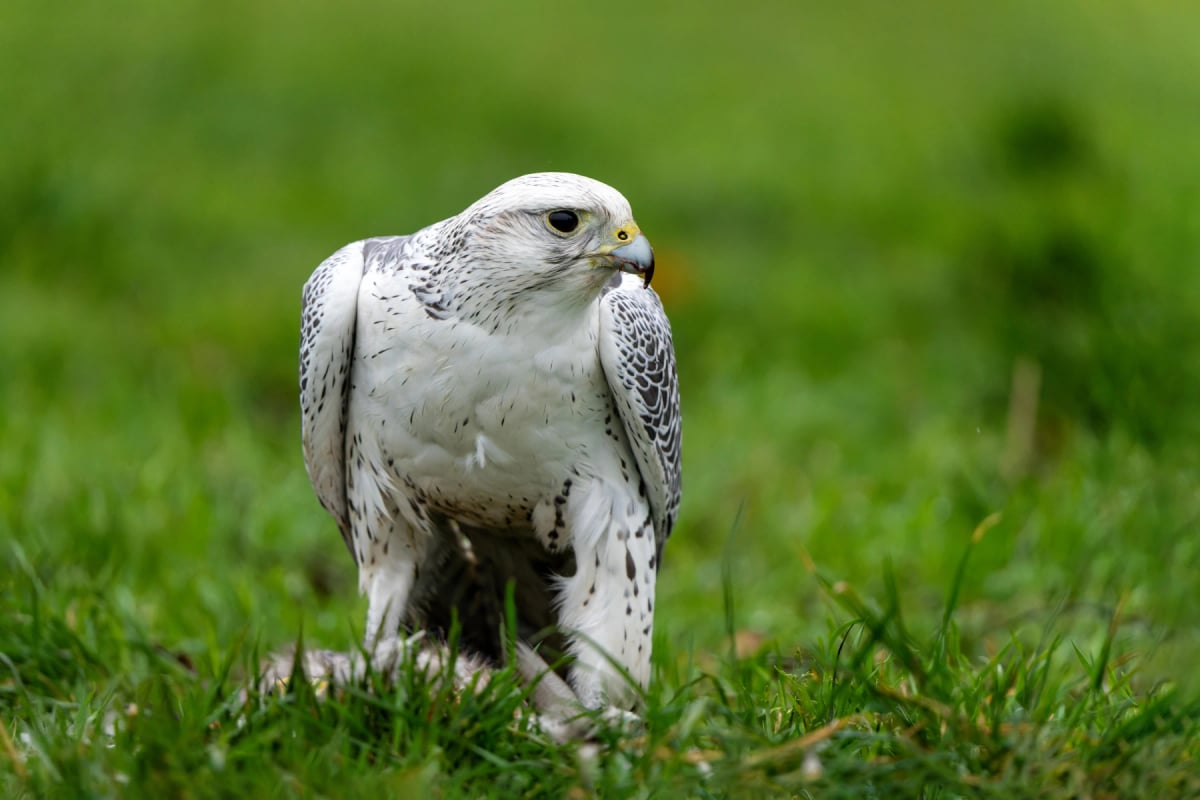
Gyrfalcon
Falco rusticolus
Greenland holds one of the densest breeding populations of gyrfalcons in the world. The bird is a national symbol of Greenland and appears on the country's coat of arms. Pairs nest on cliff ledges across both the ice-free coastal zones and the inland valleys, hunting ptarmigan across open terrain. The sheer scale of Greenland's wilderness makes it a place of great importance for the species. IUCN status: Least Concern.
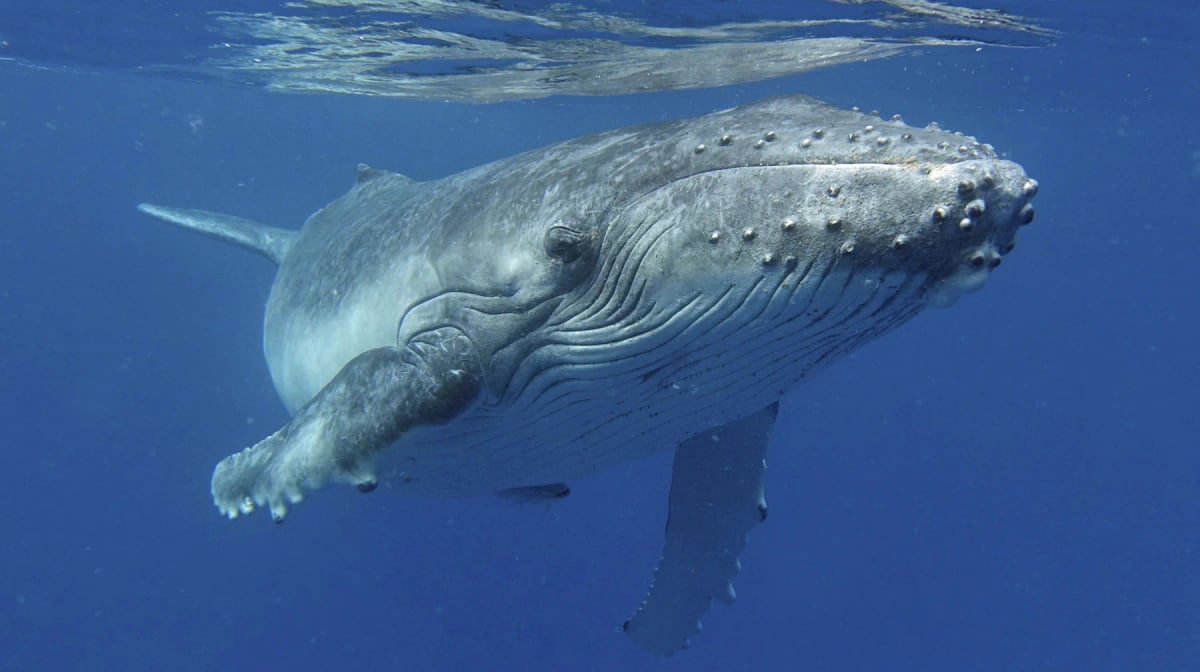
Humpback Whale
Megaptera novaeangliae
The nutrient-rich waters around Greenland are important feeding grounds for humpback whales during the summer months. These giants arrive to take advantage of the abundant krill and small fish that thrive in the cold Arctic and subarctic seas. Whale watching has grown into a meaningful part of Greenland's tourism, particularly around Disko Bay. The IUCN classifies the species as Least Concern.
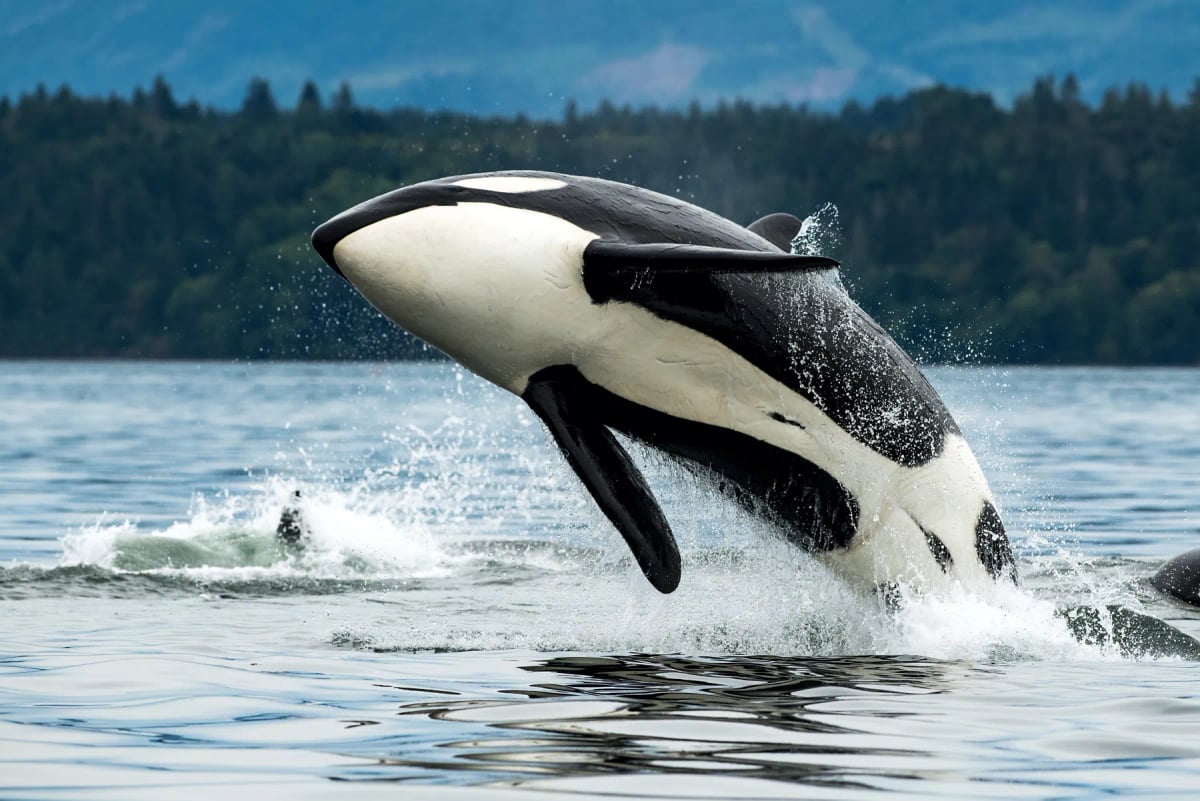
Orca
Orcinus orca
Greenland's cold Arctic and North Atlantic waters are important hunting grounds for orcas. They are spotted along the island's vast coastline, often pursuing seals, fish, and occasionally larger whales. Local Greenlandic communities have long observed these powerful animals from the shore and from boats. As sea ice patterns shift over time, orca behavior and movement in Greenlandic waters continues to draw the attention of researchers.
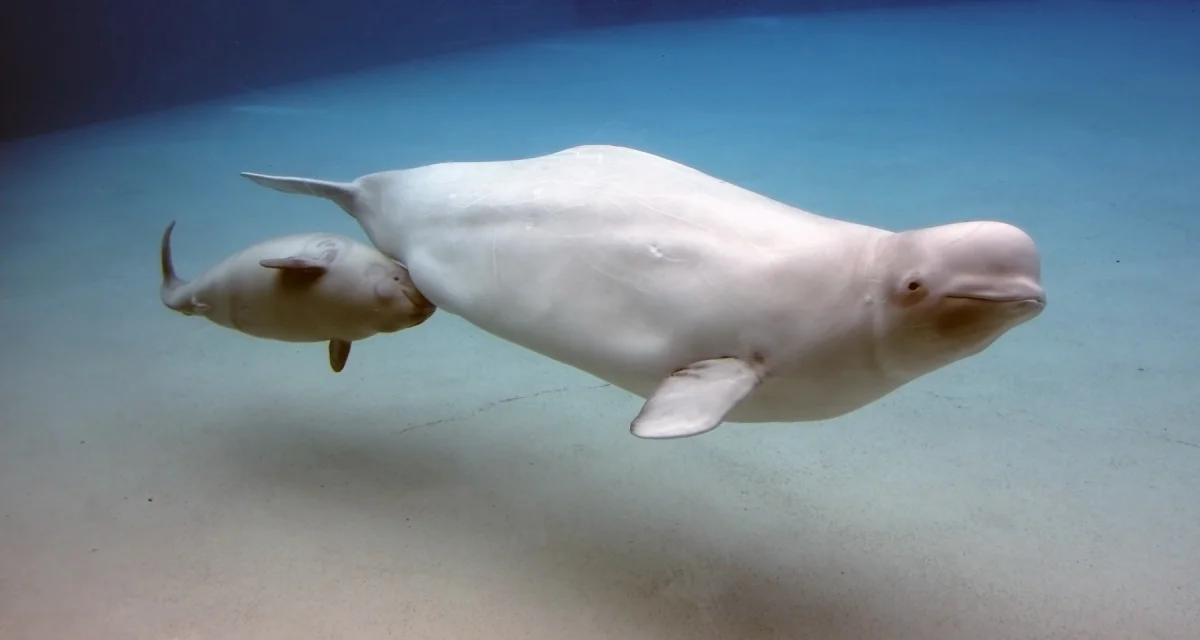
Beluga Whale
Delphinapterus leucas
Beluga whales are a regular presence in Greenlandic waters, particularly around the fjords and coastal inlets of West Greenland. They gather in shallow estuaries during summer, taking advantage of rich fish runs. Belugas have long been part of Greenlandic Inuit culture, and a regulated subsistence hunt continues today under quotas managed by Greenlandic authorities. IUCN status: Least Concern.
Polar Bear
Ursus maritimus
In Greenland, polar bears roam the sea ice along both the east and west coasts, hunting ringed and bearded seals throughout the year. The vast, remote fjords of the northeast provide some of the most intact Arctic habitat remaining. Greenland holds legal subsistence hunting rights for indigenous communities, and managing that balance alongside climate pressures is a central conservation challenge. The IUCN lists the species as Vulnerable.
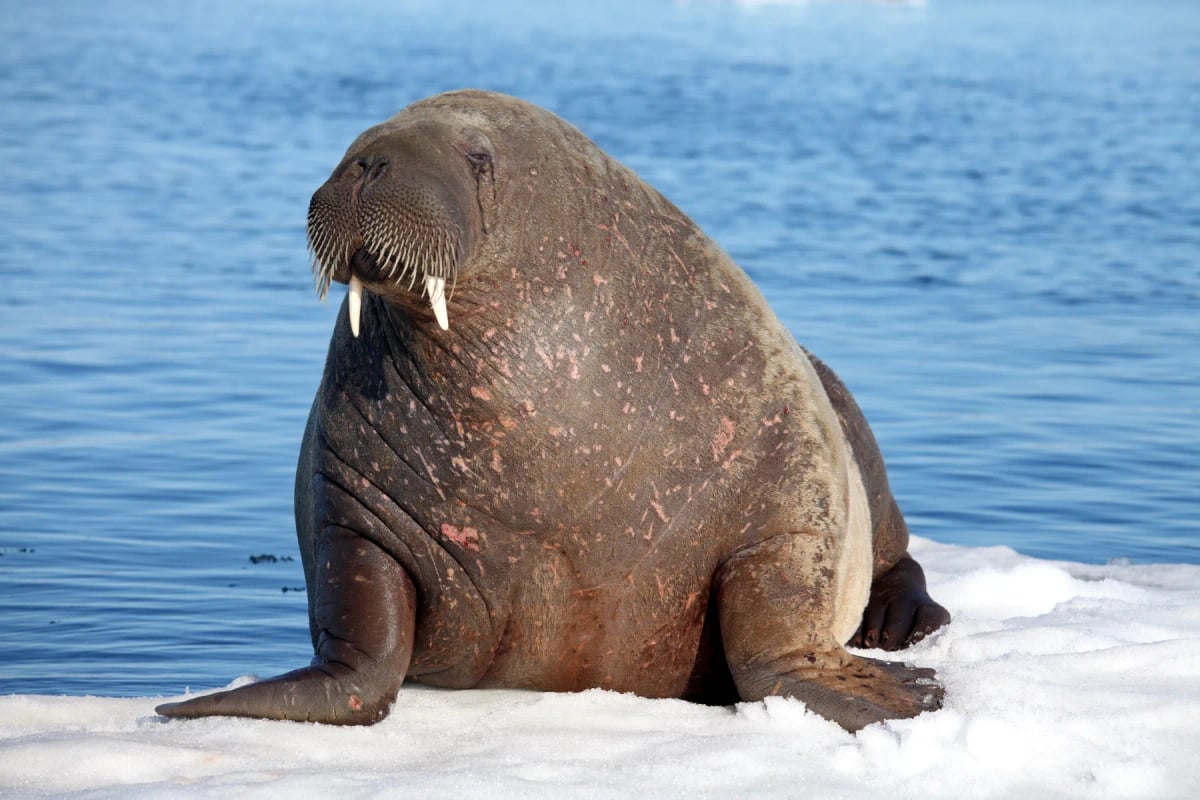
Walrus
Odobenus rosmarus
Walruses are a culturally significant animal in Greenland, where Indigenous Inuit communities have hunted them sustainably for centuries. They gather along the western and eastern coasts, resting on sea ice and foraging on the shallow seafloor. Greenland maintains regulated subsistence hunting today. Warming temperatures and the retreat of sea ice are altering the habitats these animals have depended on for generations.
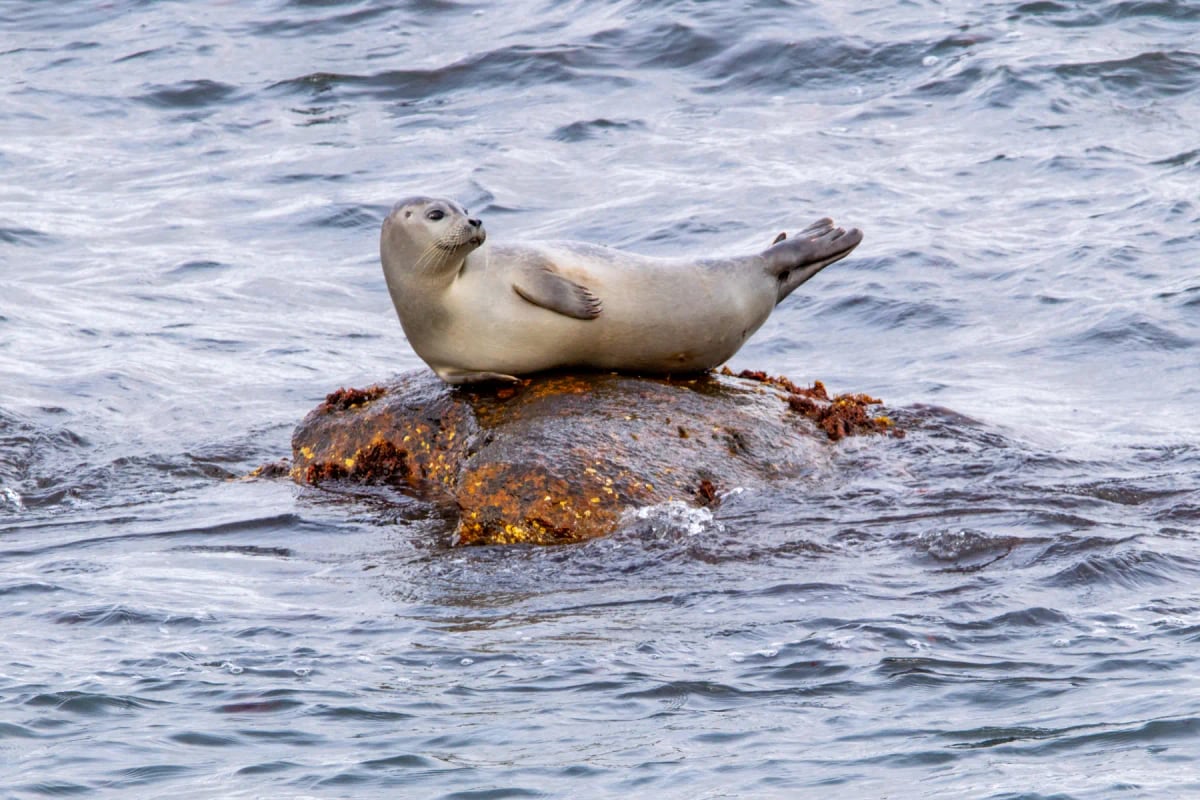
Seal
Phoca vitulina
Harbor seals inhabit the fjords and coastal waters of southwestern Greenland, where cold, nutrient-rich currents support abundant fish populations. They are one of several seal species found in Greenlandic waters and have long been part of the local Inuit culture and subsistence hunting tradition. Pack ice and seasonal changes in sea ice cover influence their distribution throughout the year. IUCN status: Least Concern.
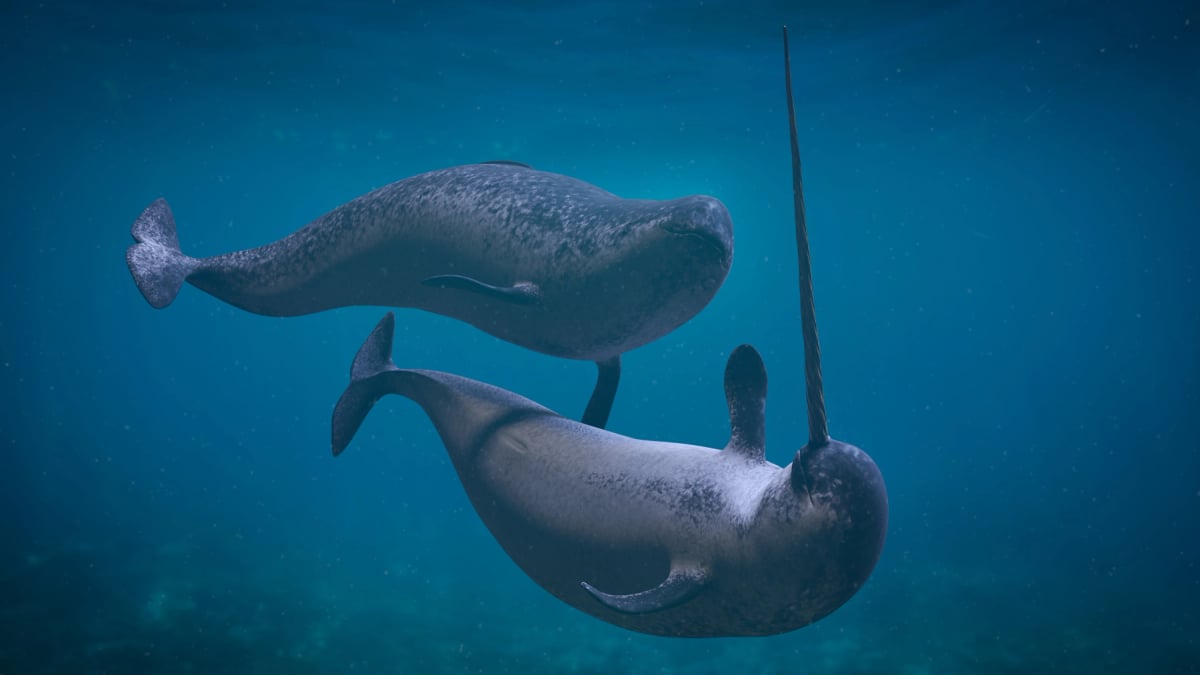
Narwhal
Monodon monoceros
Greenland's deep fjords and shifting pack ice make it one of the most important habitats for narwhals in the world. Large groups pass through Greenlandic waters during seasonal migrations, diving to extraordinary depths to find Greenland halibut and squid. The species holds cultural significance for Greenlandic Inuit, who have hunted narwhals sustainably for centuries. Its IUCN status is Near Threatened.
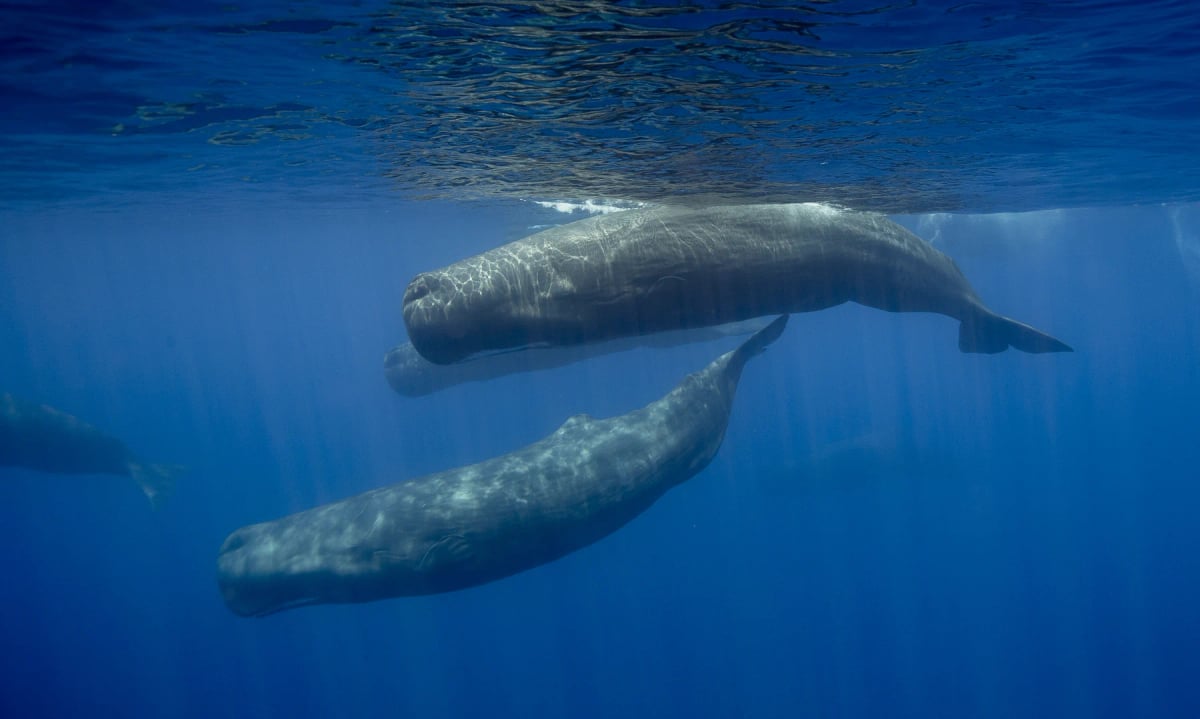
Sperm Whale
Physeter macrocephalus
Sperm whales have been recorded in the waters around Greenland, particularly in the deeper offshore areas of the North Atlantic. Males, which range far more widely than females, are the individuals most likely to venture into these cold northern waters in search of prey. Greenland's surrounding seas are rich in squid and fish. As Arctic and subarctic ecosystems shift due to climate change, the patterns of sperm whale presence in Greenlandic waters may also be changing over time. IUCN status: Vulnerable.
Researched and written by Juan Pablo. Sources: IUCN Red List, scientific literature and regional field guides. Last updated: .