Animals in Denmark
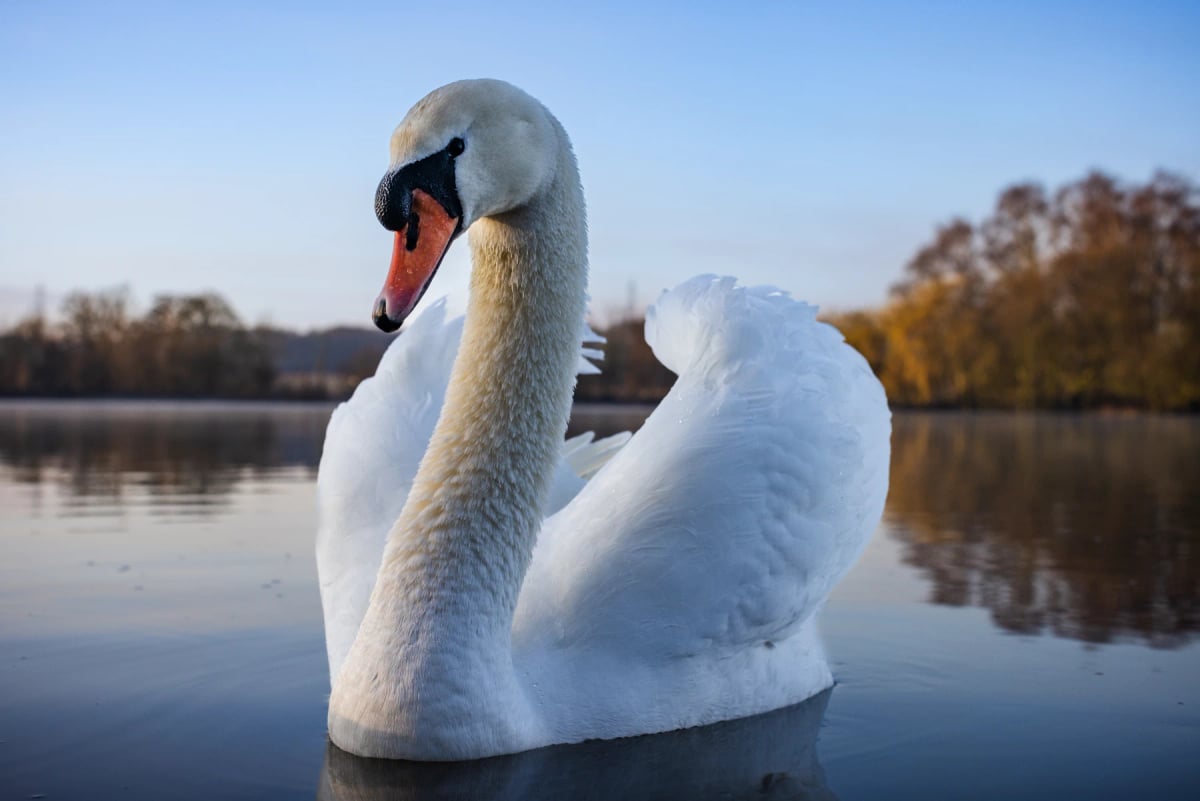
Mute Swan
Cygnus olor
The mute swan has been Denmark's national animal since 1984, chosen through a public poll. Its connection to Danish culture runs deep, mainly through Hans Christian Andersen's story of the Ugly Duckling, one of the most famous fairy tales ever written. The swan is a year round resident of Danish lakes, fjords, and harbors, and is especially visible in cities like Copenhagen and Aarhus where it lives alongside people with little fear. Large, calm, and instantly recognizable, it feels like a natural symbol for a country shaped by water.
View details→Wildlife in Denmark
Denmark's small size hides a surprisingly rich wildlife scene. Its forests, heathlands, and coastal wetlands shelter animals as different as red deer, foxes, and hedgehogs. Along the coasts, gray seals and harbor seals are a common sight, and bottlenose dolphins swim through the country's fjords and straits. Migratory birds are a big part of the picture too: cranes gather in large flocks each autumn in southern Jutland, and white storks return every spring to nest on rooftops and chimneys across the countryside. For birdwatchers and wildlife enthusiasts, Denmark offers more than its geography might suggest.
Most Dangerous Animals in Denmark
Denmark's wildlife is gentle by most standards, but a few species are worth knowing about. The European adder is the only venomous snake in the country and can be found in heathlands and forest edges, mainly in Jutland. Gray wolves are present in small numbers and, while they pose no real threat to people, should be respected and observed from a distance. In the surrounding seas, orcas pass through Danish waters on occasion, usually following fish migrations along the coasts of Jutland and the islands.
Top 10 Animals in Denmark
Denmark's wildlife includes some genuinely remarkable species. Red deer are the largest land mammals in the country, with strong populations across the heathlands and forests of Jutland. The white tailed eagle, once nearly gone from Danish skies, has made a strong comeback and now breeds in many parts of the country. Gray wolves, arriving naturally from Germany, are slowly establishing themselves in Jutland after decades of absence. And along the coast, bottlenose dolphins and harbor seals make the Danish shoreline one of the more rewarding places in northern Europe to watch wildlife up close.
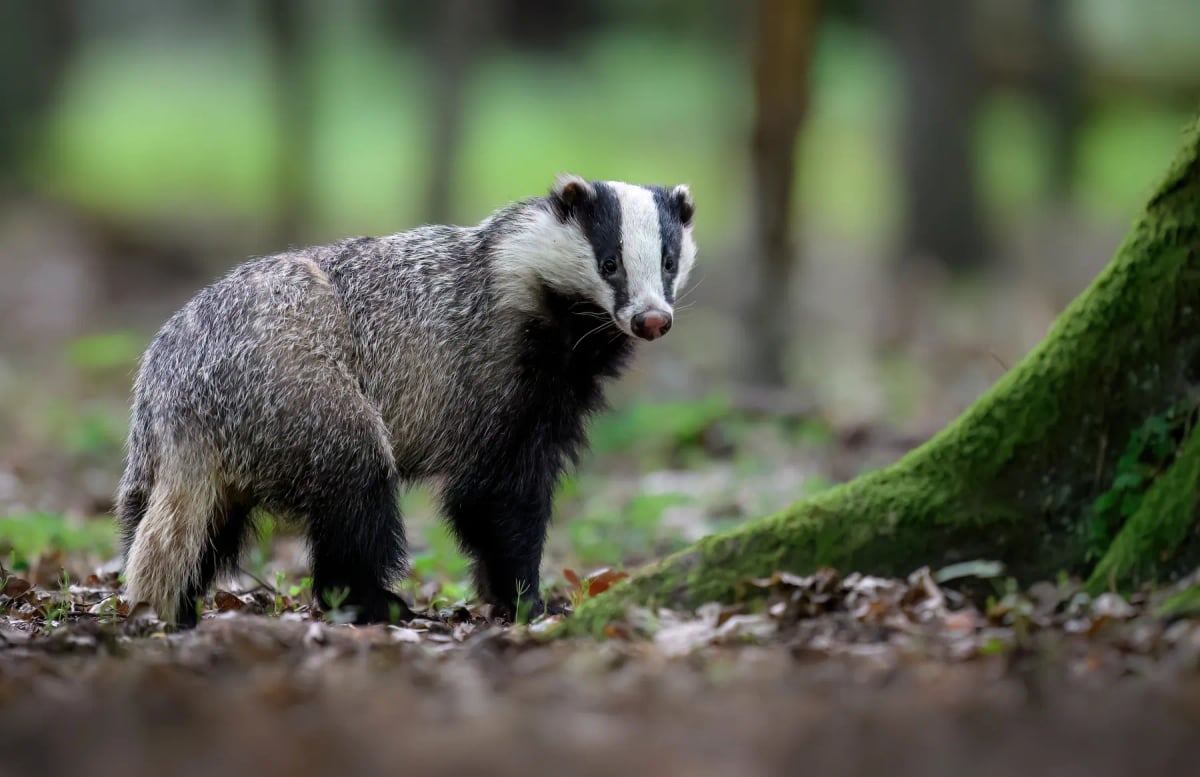
Badger
Meles meles
The badger is a common but rarely seen resident of Danish forests and farmland. It digs extensive burrow systems called setts, often in wooded hillsides, and spends most of its life underground or active only at night. In Denmark it feeds on earthworms, insects, berries, and roots throughout the year. Though widespread across the country, badgers are shy animals and most people know them mainly from road casualties rather than direct encounters.
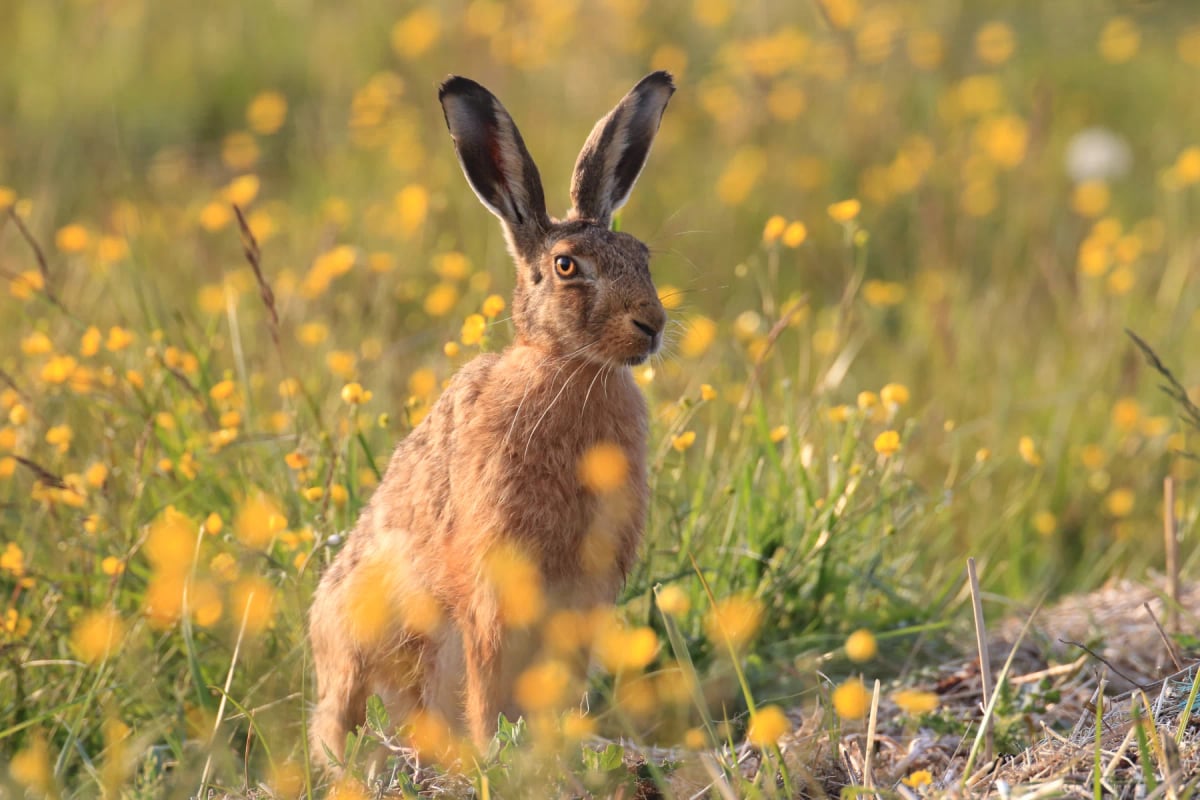
Hare
Lepus europaeus
The European hare is a familiar sight across Denmark's open farmland and coastal meadows. It relies on the country's agricultural fields for food and cover, resting in shallow ground hollows called forms rather than digging burrows. Populations have declined in recent decades due to intensive farming and pesticide use, prompting conservation efforts to restore field margins and hedgerows that give hares safe places to shelter. IUCN status: Least Concern.
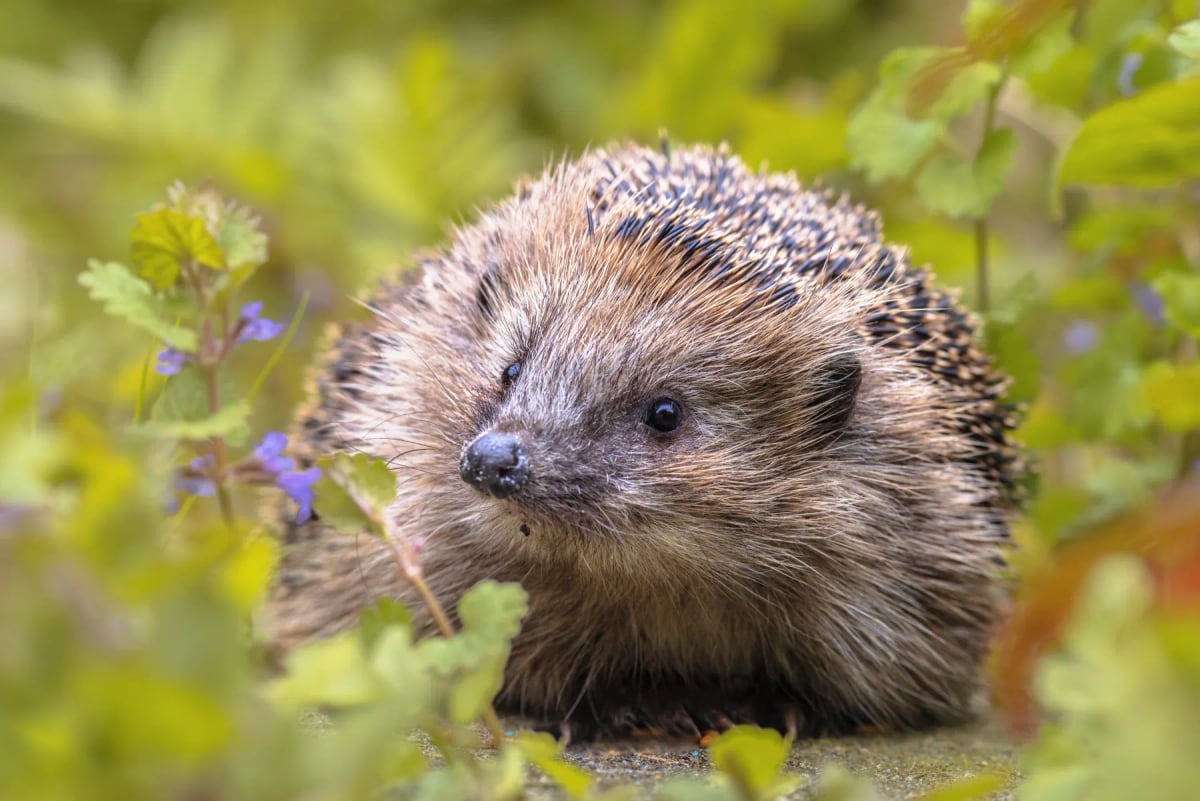
Hedgehog
Erinaceus europaeus
Denmark is home to a well known population of European hedgehogs, living in gardens, coastal dunes, and the farmland that covers much of the country. Danes have a particular affection for this animal, and many householders leave food and gaps in garden fences to help it move freely. Hibernation runs from around October to April. Road traffic remains one of the biggest threats, and the hedgehog is a protected species under Danish law. Its IUCN status is Least Concern.
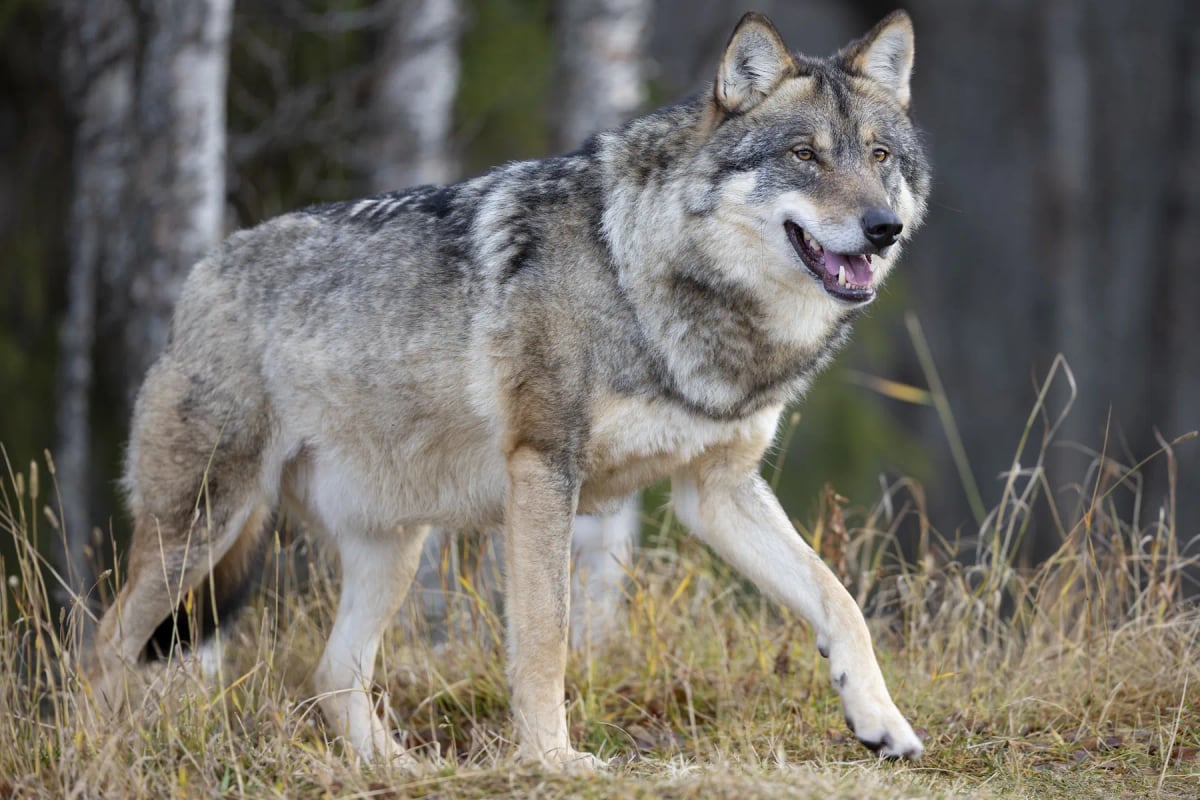
Gray Wolf
Canis lupus
The gray wolf returned to Denmark on its own in 2012, arriving from the German population via natural dispersal. A small number of wolves now live in the heathlands and forests of Jutland. This marks the first time wolves have been present in Denmark in roughly two centuries. The population is protected by law and remains very small. Danes continue to debate how best to manage livestock protection in areas where wolves have settled.
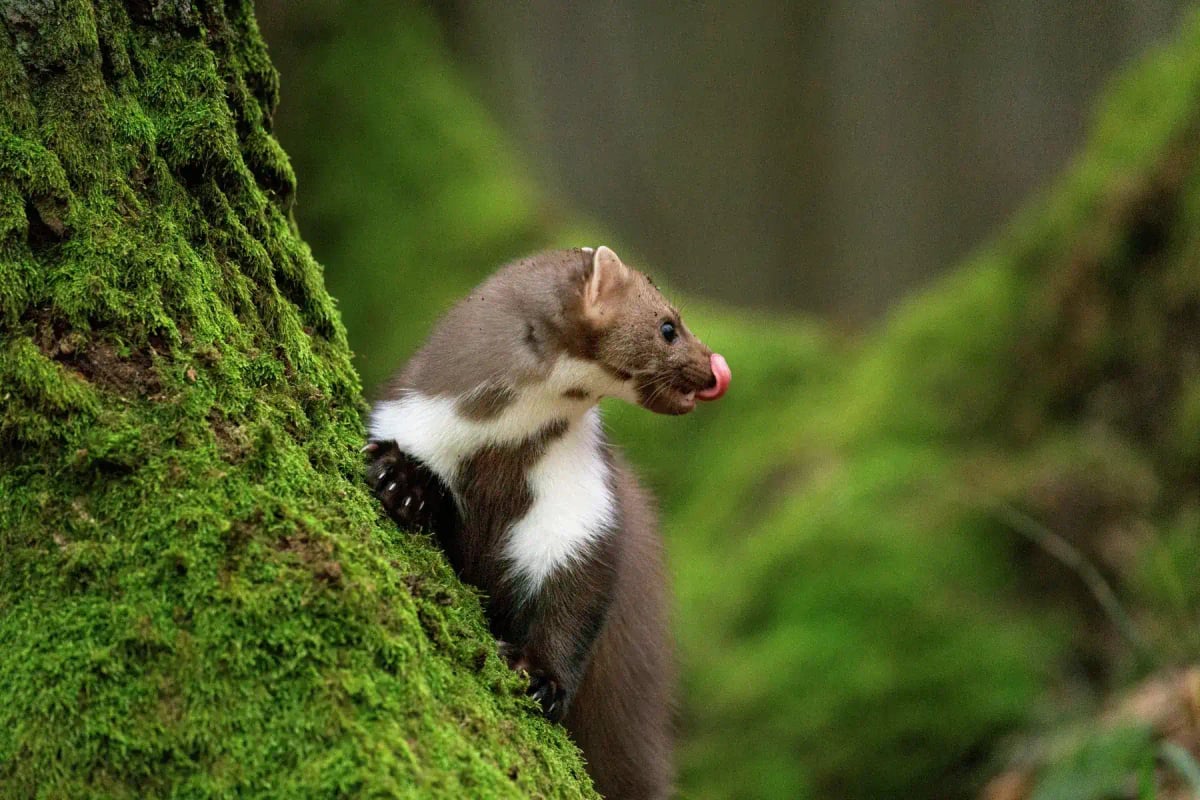
Marten
Martes martes / Martes foina
In Denmark, the stone marten is the more commonly encountered of the two marten species, often turning up in farmland, hedgerows, and even the outskirts of towns. Pine martens are rare and largely confined to Jutland's remaining patches of mature forest. Both species hunt at night, feeding on rodents, birds, and seasonal fruit. The stone marten's boldness in human-altered landscapes makes it a surprisingly familiar presence across the country. Its IUCN status is Least Concern.
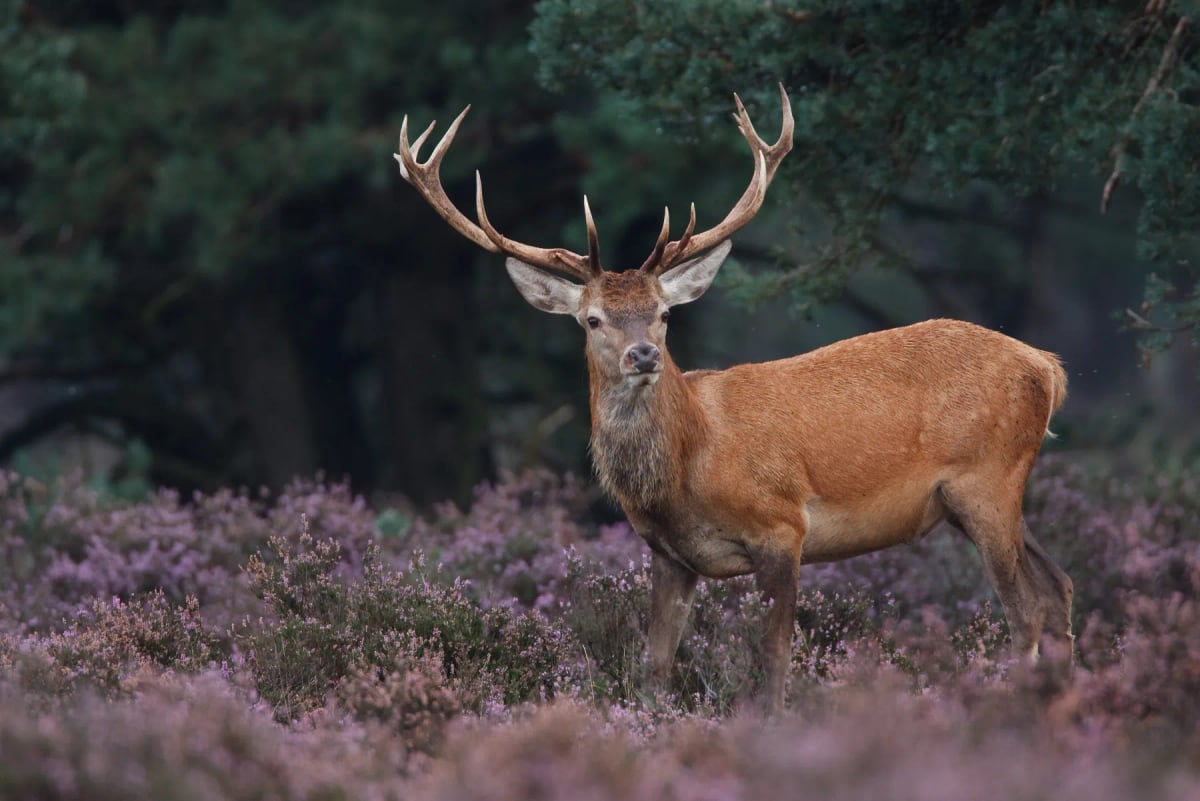
Red Deer
Cervus elaphus
Red deer are the largest wild land mammals in Denmark, living mainly in the heathlands and forests of Jutland, particularly around Thy and Lille Vildmose. After being absent from parts of the country for centuries, populations have recovered strongly and continue to grow. They graze on grasses and heather and occasionally browse on young trees, which puts them in conflict with forestry interests in some areas. IUCN status: Least Concern.
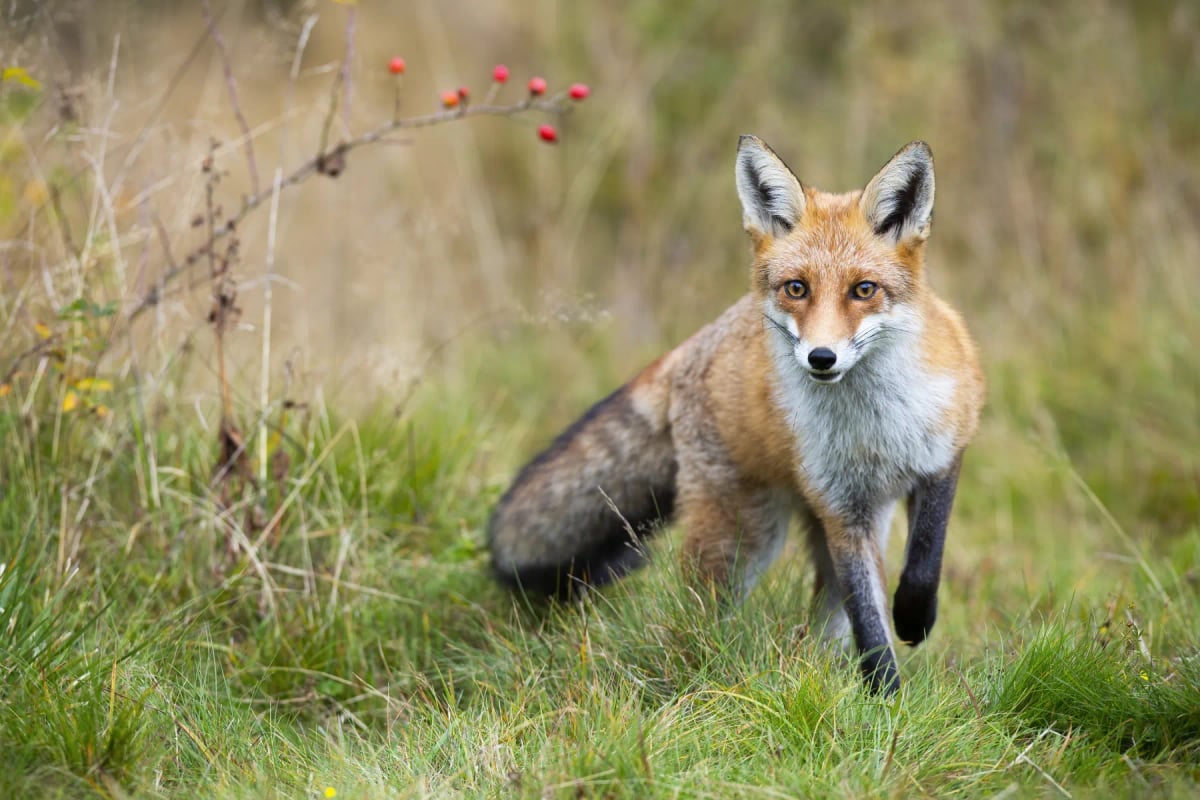
Red Fox
Vulpes vulpes
The red fox is found throughout mainland Denmark and on several of its larger islands. It is highly adaptable, living in mixed forests, coastal heathlands, and agricultural fields, as well as in the outskirts of Copenhagen and other cities. It mainly hunts small mammals and birds but will eat fruit and invertebrates when available. The Danish population is stable and the species holds Least Concern status.
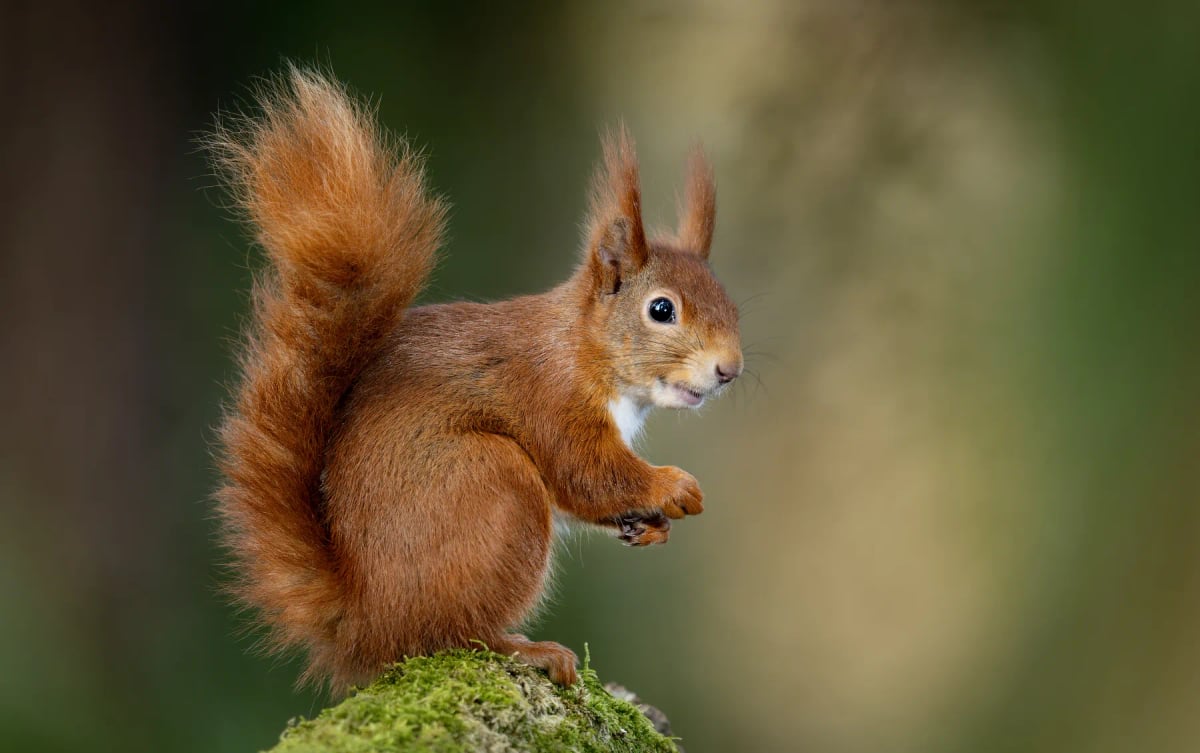
Red Squirrel
Sciurus vulgaris
The red squirrel has a limited and patchy presence in Denmark, mainly found in the coniferous plantations and mixed forests of Jutland. It is absent from most of the Danish islands. Populations are relatively small compared to neighboring Scandinavian countries, and habitat fragmentation poses a challenge to its survival over the long term in Denmark. IUCN status: Least Concern.
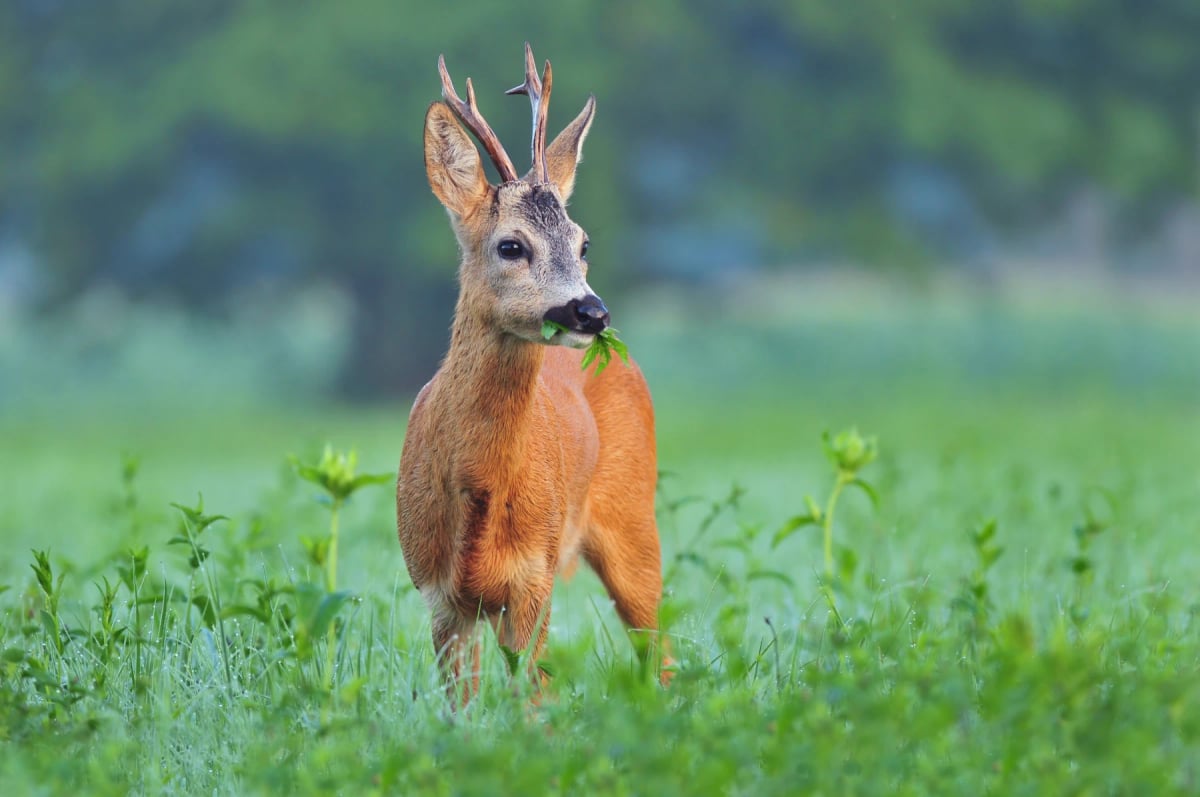
Roe Deer
Capreolus capreolus
The roe deer is Denmark's most common deer species, found across the country from Jutland's heathlands and farmland to the beech forests of the islands. It adapts well to the open, agricultural landscape that covers much of Denmark, feeding on crops, herbs, and hedgerow plants. At dawn and dusk it can often be spotted at field edges. Its IUCN status is Least Concern, and Danish populations are large and thriving.
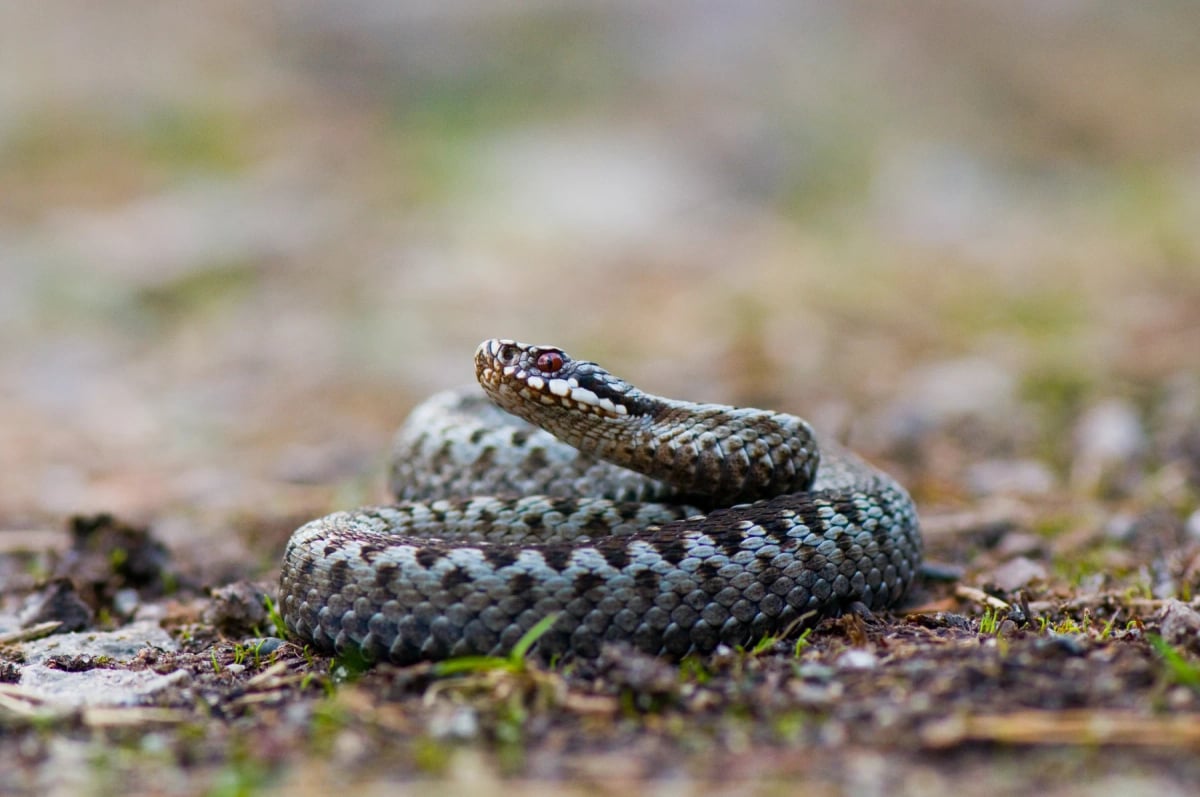
European Adder
Vipera berus
The European adder is the only venomous snake native to Denmark and is found mainly on the Jutland peninsula, where it inhabits heathlands, coastal dunes, and the edges of bogs and forests. It is a protected species and populations are considered stable in suitable habitats. Cooler Danish winters mean it spends a significant part of the year in hibernation. Its IUCN status is Least Concern.
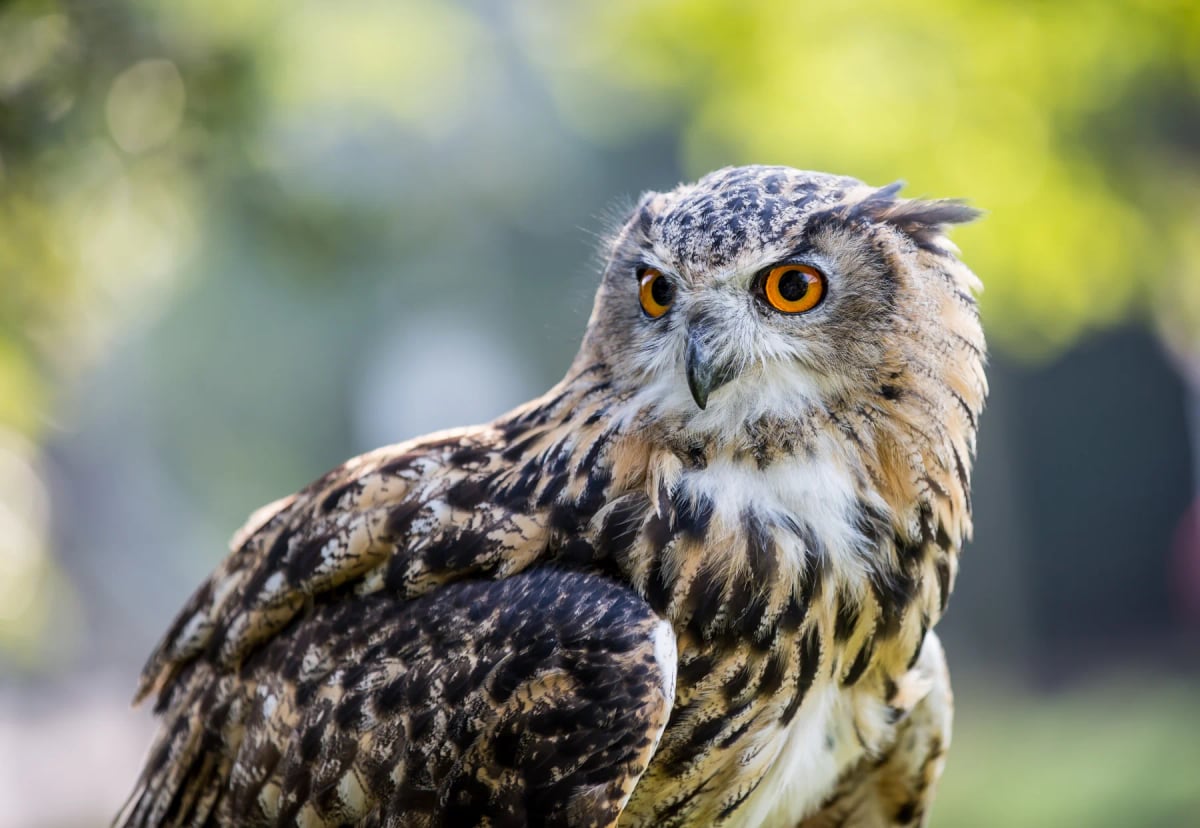
Eagle Owl
Bubo bubo
The eagle owl vanished from Denmark for a long time before it returned as a breeding bird in the late twentieth century, helped by birds spreading north from Germany. Small numbers now breed, mainly in Jutland, favoring quarries, gravel pits, and wooded heathland with open ground for hunting. It is considered a rare but established breeding species in Denmark today. IUCN status: Least Concern.
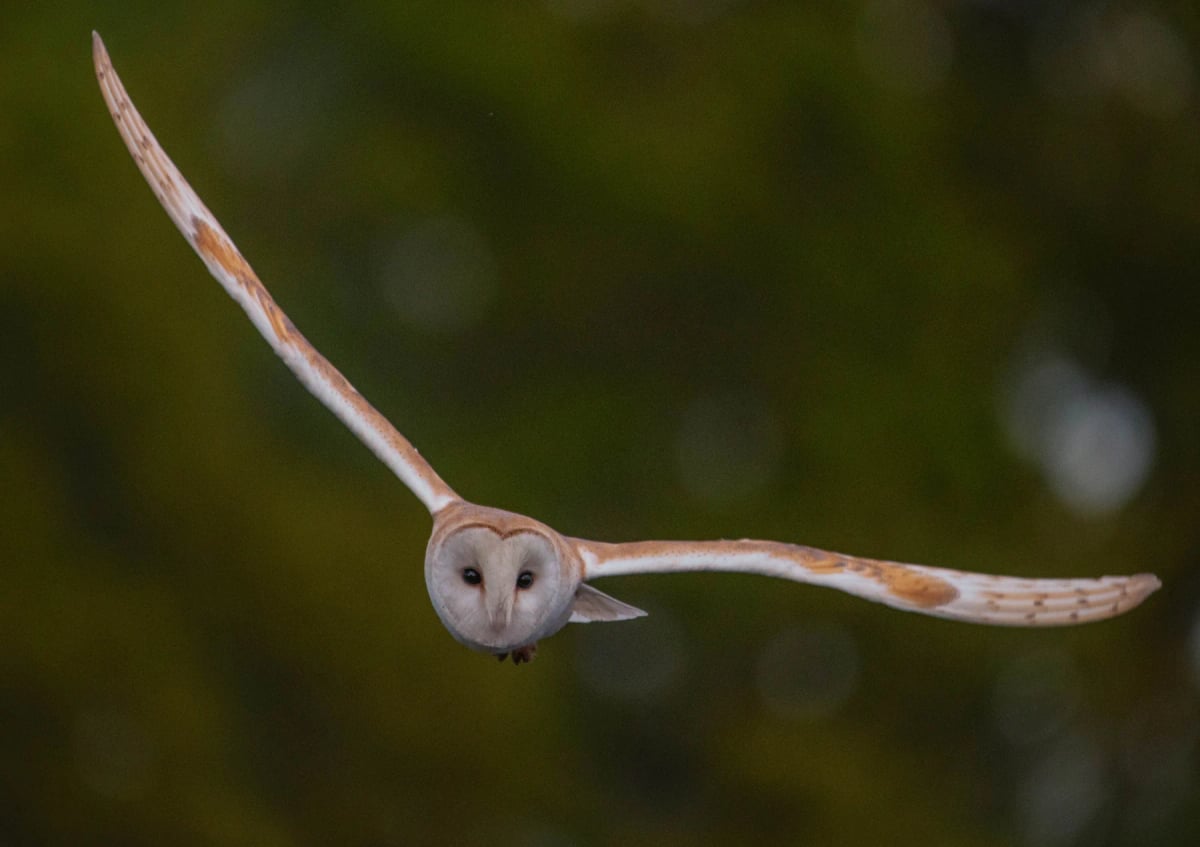
Barn Owl
Tyto alba
The barn owl is a familiar but increasingly rare sight in the Danish countryside. It nests in old farm buildings, church towers, and other structures across Jutland and the islands, hunting voles and mice in open fields. Populations have declined in recent decades due to changes in farming and colder winters. Conservation programs are actively working to bring it back to more areas of the country.
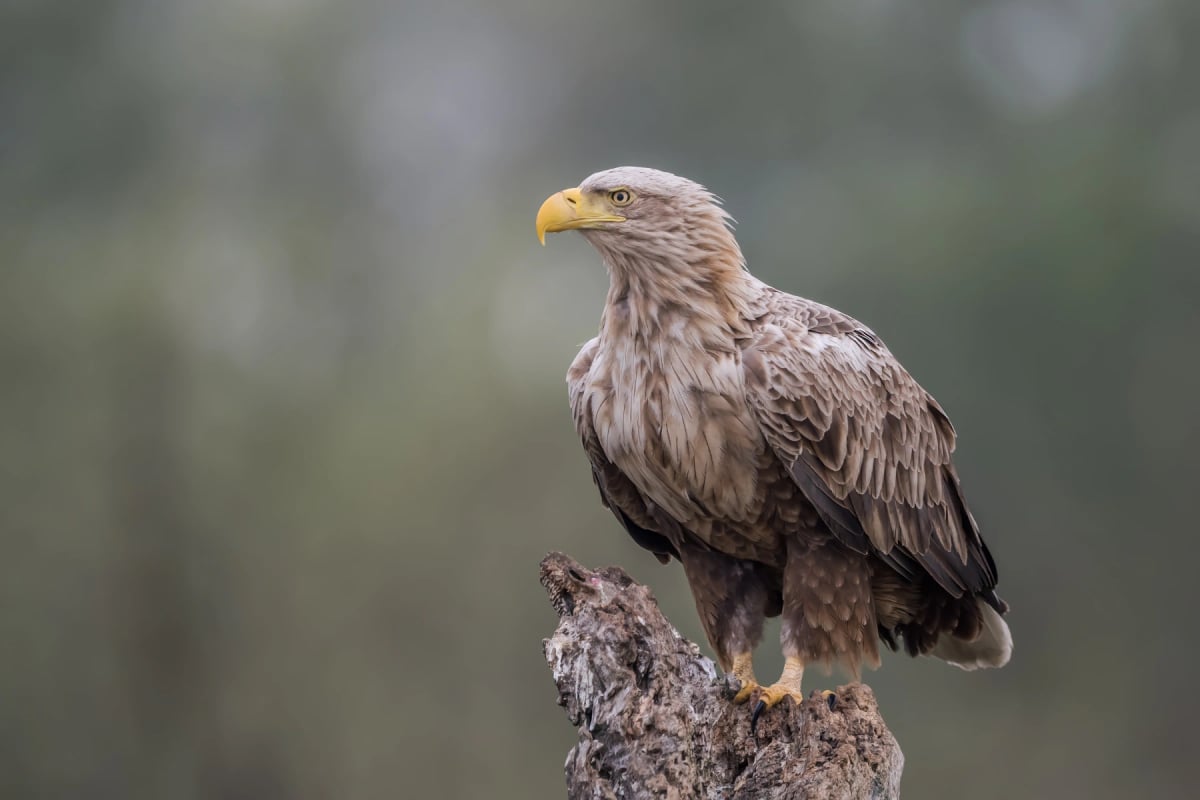
White tailed Eagle
Haliaeetus albicilla
Once extinct as a breeding bird in Denmark, the white-tailed eagle has returned naturally from neighbouring countries and now nests again in areas such as Jutland and the larger Danish islands. Coastal wetlands and forested lake shores provide ideal habitat. Conservation efforts and improved water quality have supported this recovery. The IUCN lists the species as Least Concern.
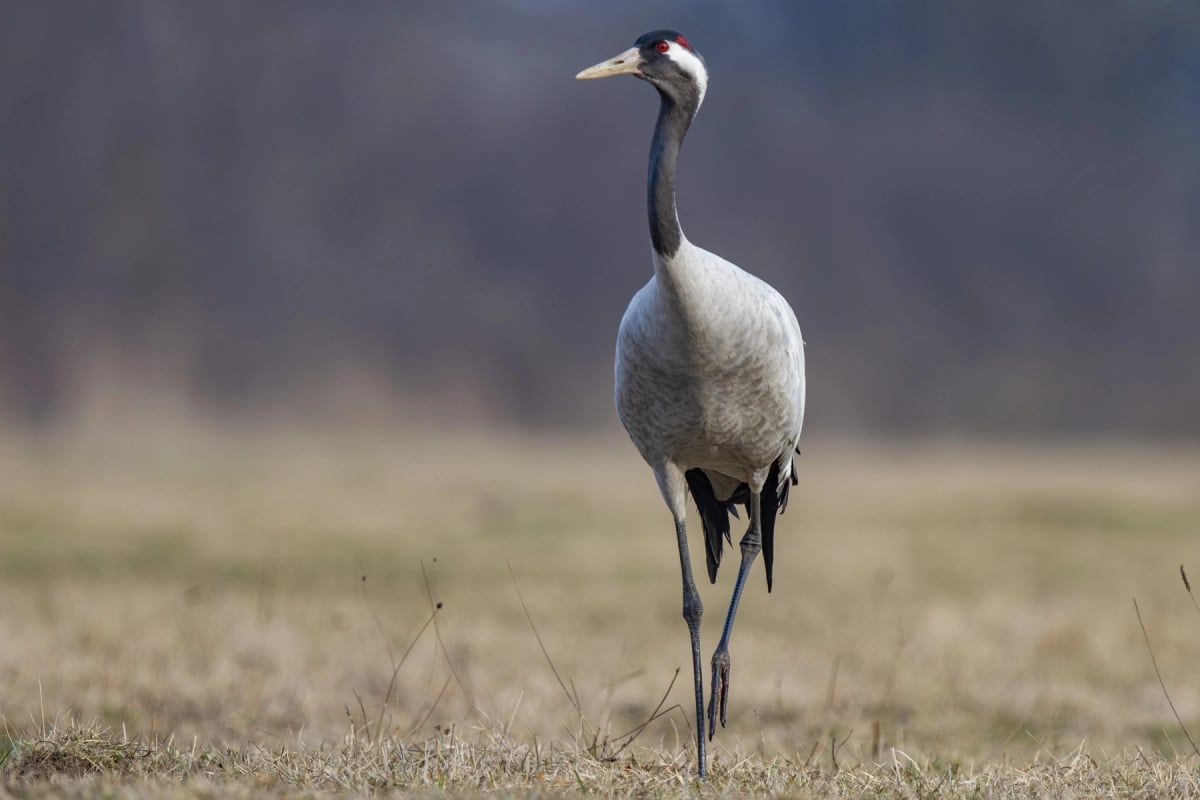
Crane
Grus grus
Denmark holds a special place in the story of the common crane in western Europe. After an absence of centuries, cranes began recolonizing Denmark as a breeding species in the late twentieth century, and numbers have grown steadily since. Jutland's heathlands, bogs and wetland reserves now support nesting pairs each summer. Denmark is also a major stopover for cranes migrating between Scandinavia and southern wintering grounds. The species is classified as Least Concern and continues to expand its presence in the country.
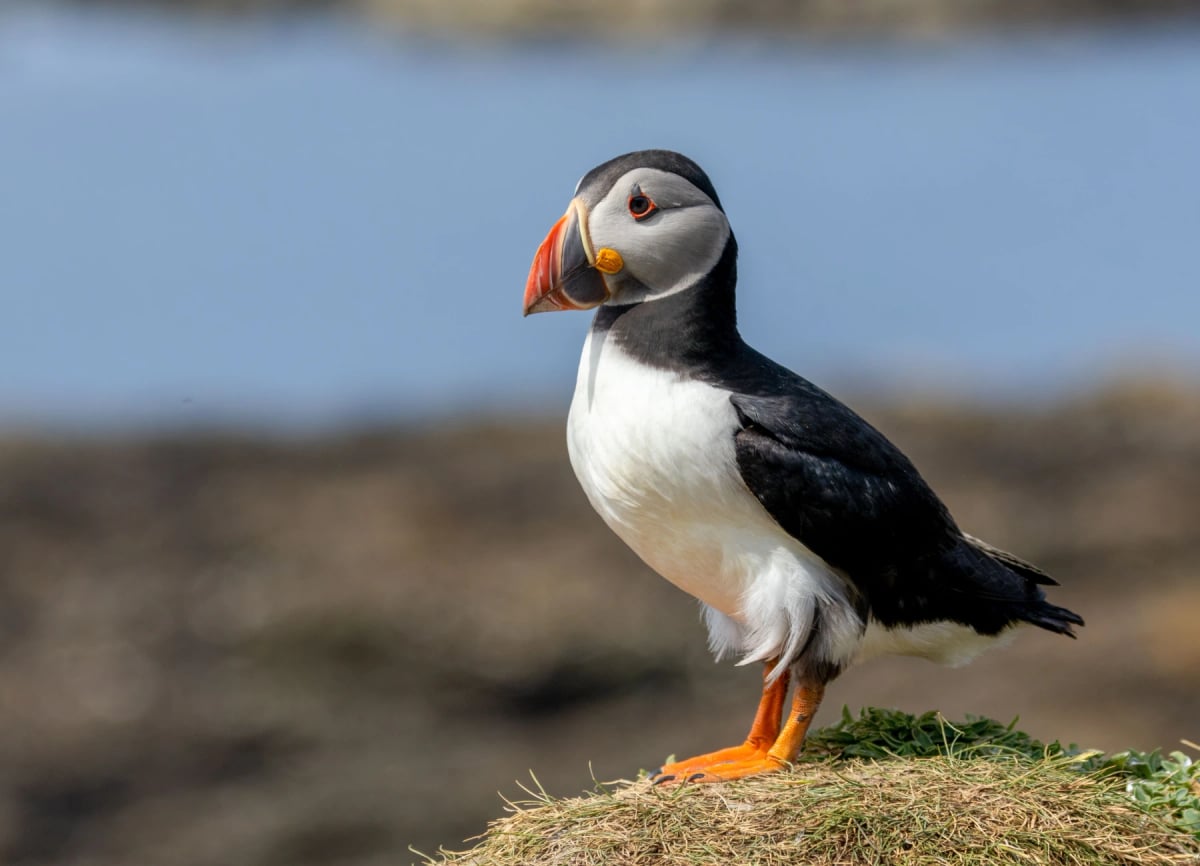
Puffin
Fratercula arctica
In Denmark, Atlantic puffins breed mainly on the Faroe Islands, which lie within the Danish realm and hold a significant portion of the global population. Fishing traditions there have historically included puffin hunting, though this practice has become increasingly controversial as populations decline. Warming waters in the North Atlantic are reducing fish availability, putting pressure on colonies that once numbered in the hundreds of thousands.
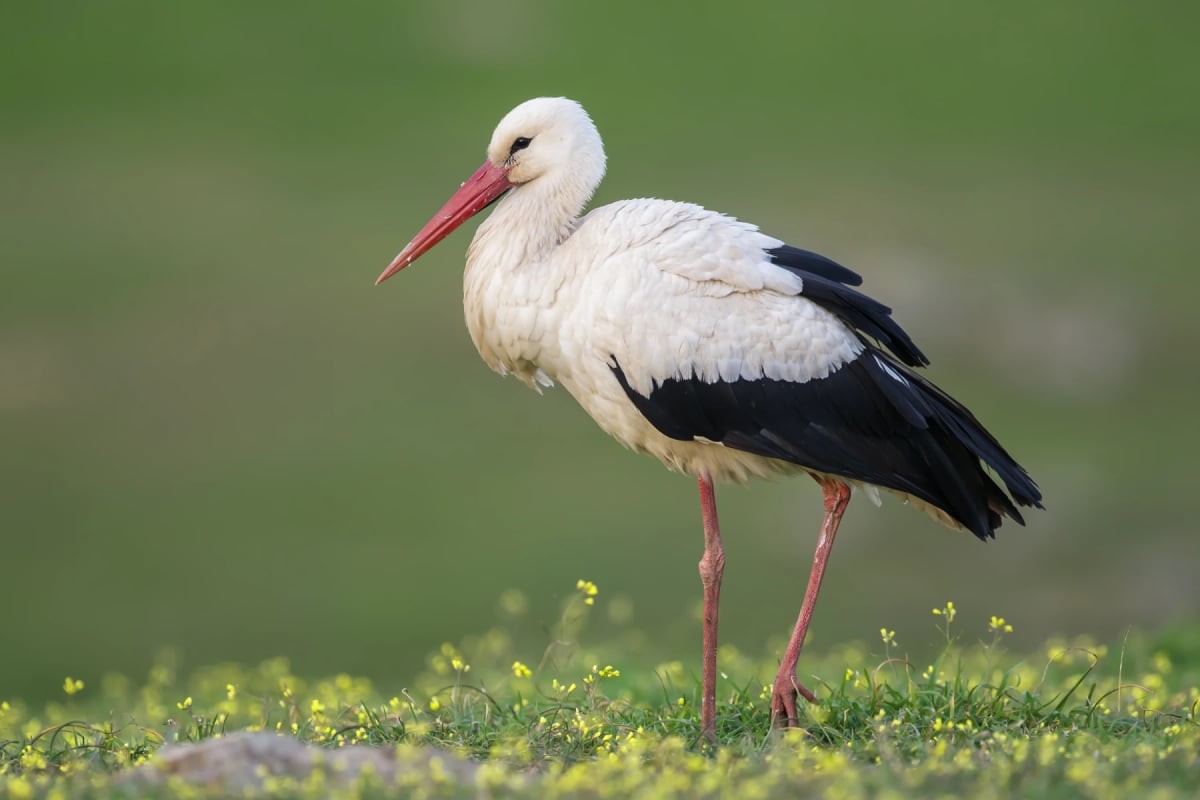
Stork
Ciconia ciconia
The white stork bred widely across Denmark for centuries but disappeared as a regular breeding bird during the twentieth century, as wet meadows were drained and farming changed. In recent years a handful of pairs have nested again, mainly in southern Jutland near the German border, and each new nest draws national attention. Restoring wetlands and meadows is key to its return. IUCN status: Least Concern.
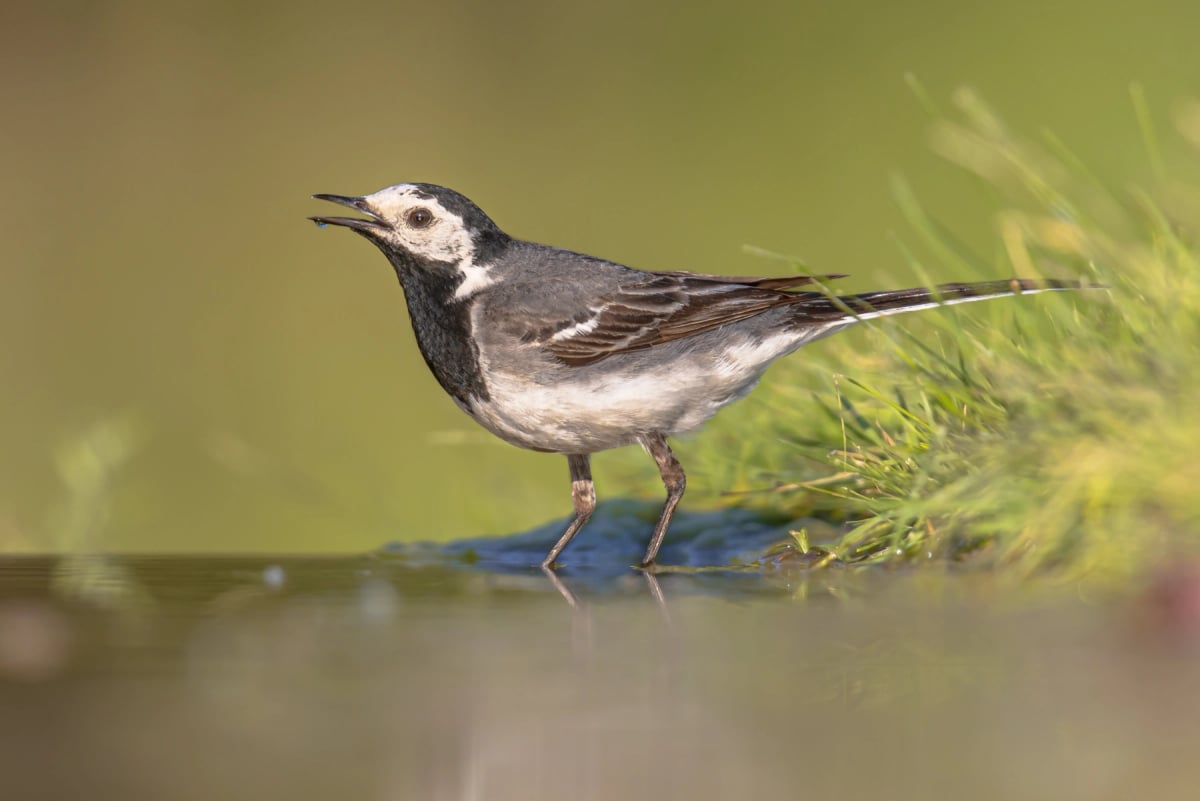
White Wagtail
Motacilla alba
In Denmark, the white wagtail breeds across the country from spring to late summer, favoring open farmland, coastal areas and the edges of lakes and streams. It is especially visible along the coasts of Jutland and around the many wetlands of the Danish countryside. Most birds migrate south to Africa for winter, with the first returning birds being a welcome sign of spring each April. The IUCN lists it as Least Concern.
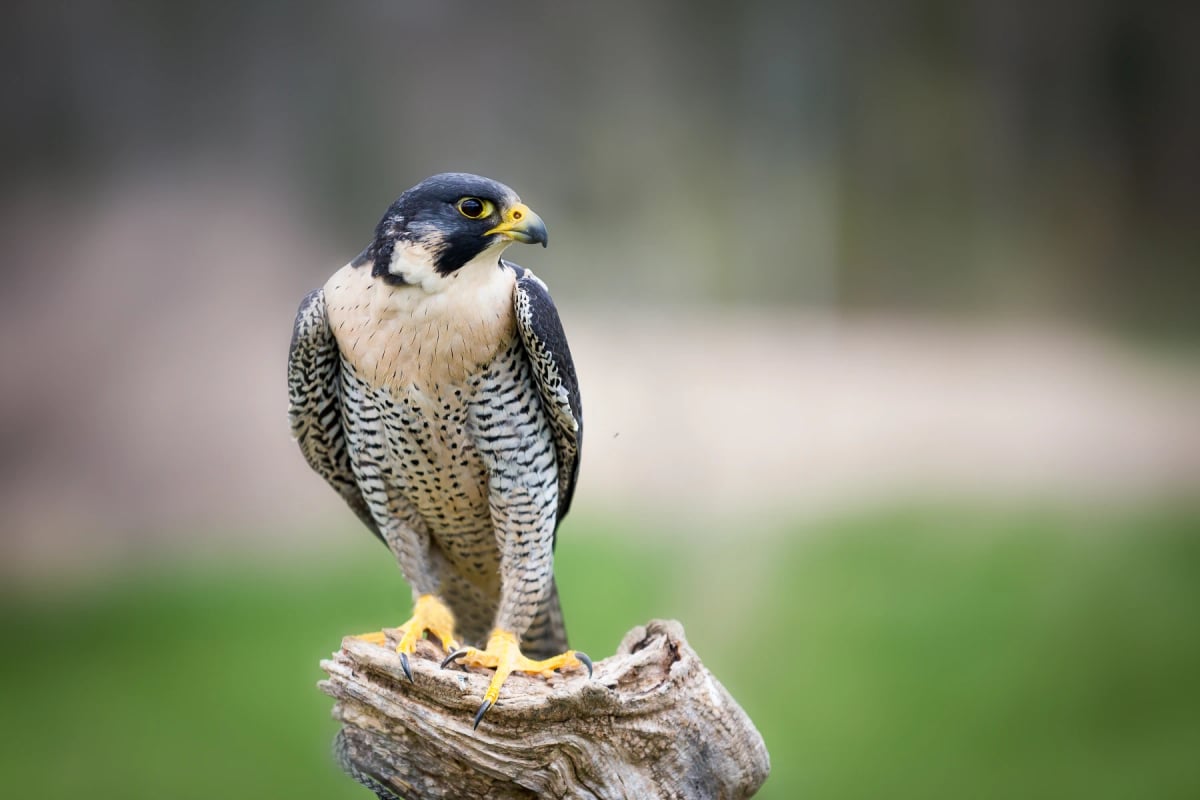
Peregrine Falcon
Falco peregrinus
The peregrine falcon vanished from Denmark as a breeding bird by the 1970s due to DDT poisoning. Thanks to protection efforts and reintroduction programs, it has since made a strong comeback. Today, pairs nest on coastal cliffs, church towers, and bridges across the country. During autumn and winter, visitors from Scandinavia swell local numbers along the coasts and estuaries. Its IUCN status is Least Concern.
Mute Swan
Cygnus olor
The mute swan is a familiar sight across Denmark, from the shallow fjords of Jutland to the lakes and coastal waters of the Danish islands. It is one of the country's most recognized birds and even holds cultural significance as Denmark's national bird. Pairs nest along reedy shorelines and are often seen gliding through harbors and urban parks. The population is stable and listed as Least Concern.
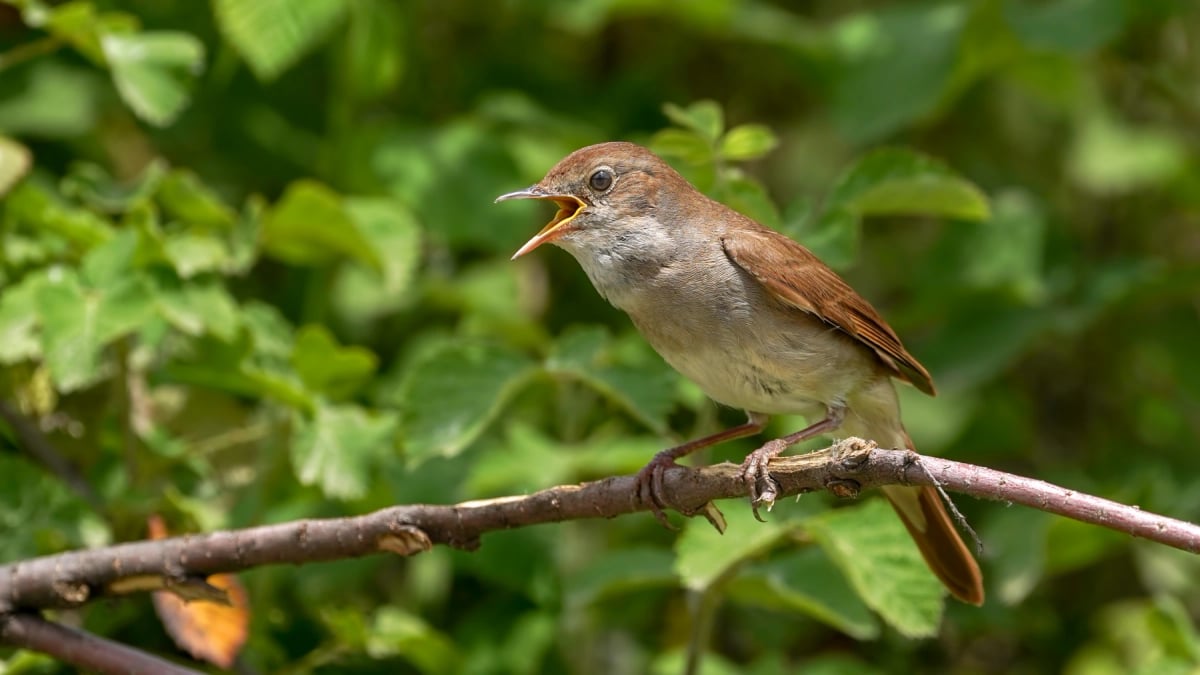
Nightingale
Luscinia megarhynchos
The nightingale reaches the northern edge of its European range in Denmark, where it breeds in moist, dense thickets along streams, woodland edges, and in scrubby areas of the larger islands and the Jutland peninsula. It is not an abundant bird here, but its song makes it unmistakable in the right habitat during May and June. Danish populations form part of the broader northern European group that has seen some decline in recent decades.
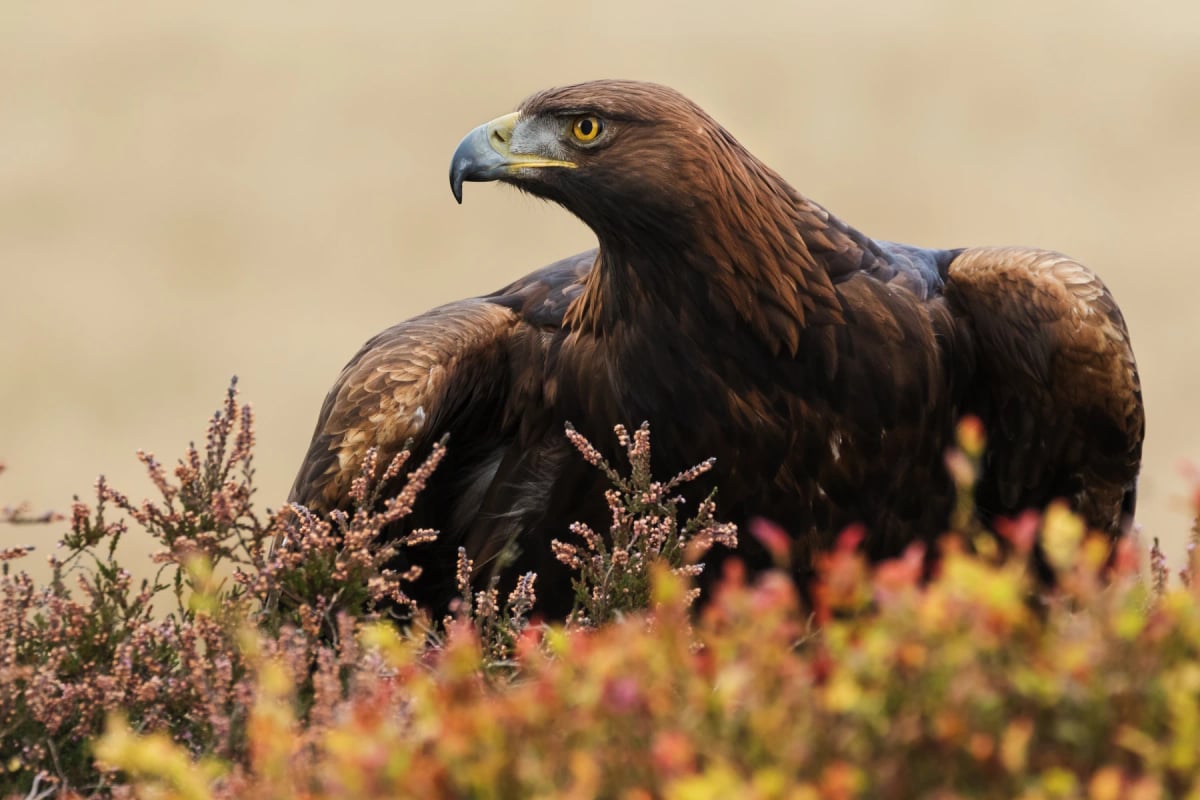
Golden Eagle
Aquila chrysaetos
The golden eagle is a scarce visitor to Denmark rather than a resident breeder. It appears mostly during autumn and winter, when individuals from Scandinavia move south in search of food. Open farmland, heathlands, and coastal areas are the most likely places to spot one. Denmark sits at the southern edge of the species' regular range in northern Europe, and confirmed nesting has not been established in the country.
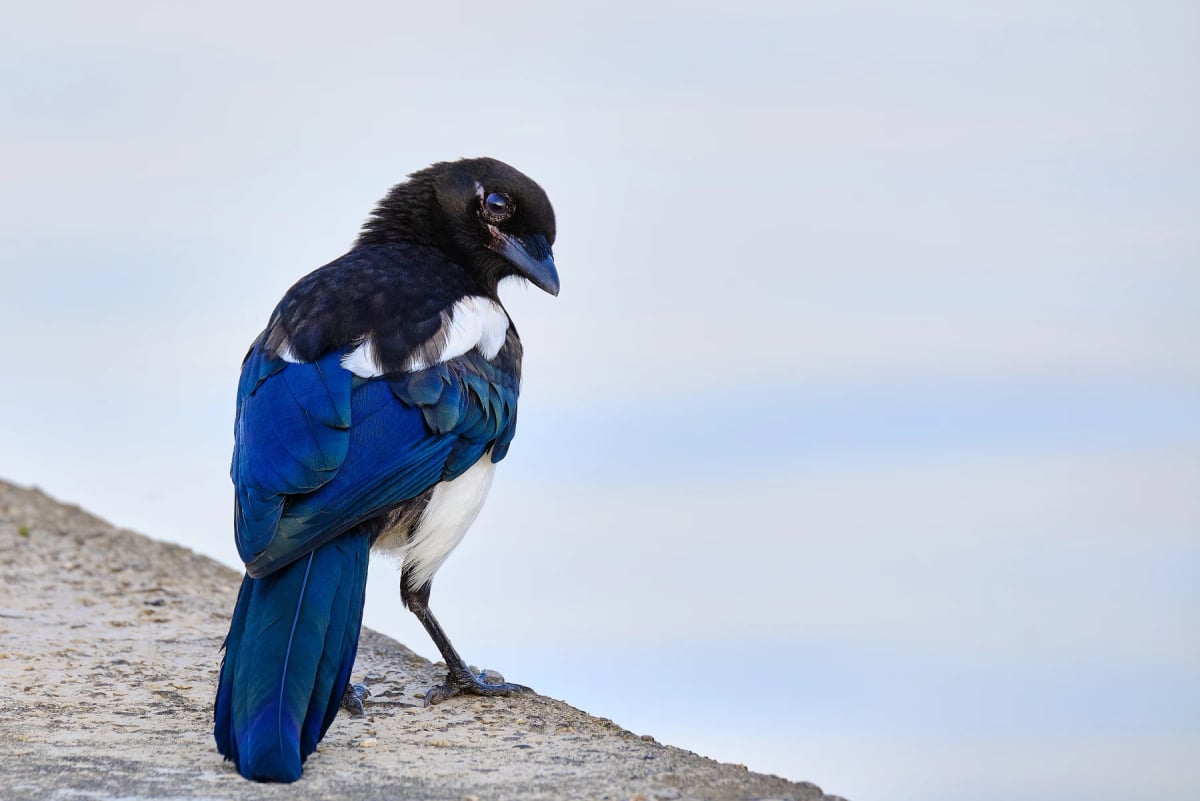
Eurasian Magpie
Pica pica
The Eurasian Magpie is one of Denmark's most familiar birds, at home in farmland, coastal hedgerows, and urban parks throughout the mainland and on several of the larger islands. It has adjusted well to life alongside humans and is a regular visitor to gardens. Danish magpies stay through the winter rather than migrating. They are bold, curious birds known to investigate shiny or unusual objects in their environment. IUCN status: Least Concern.
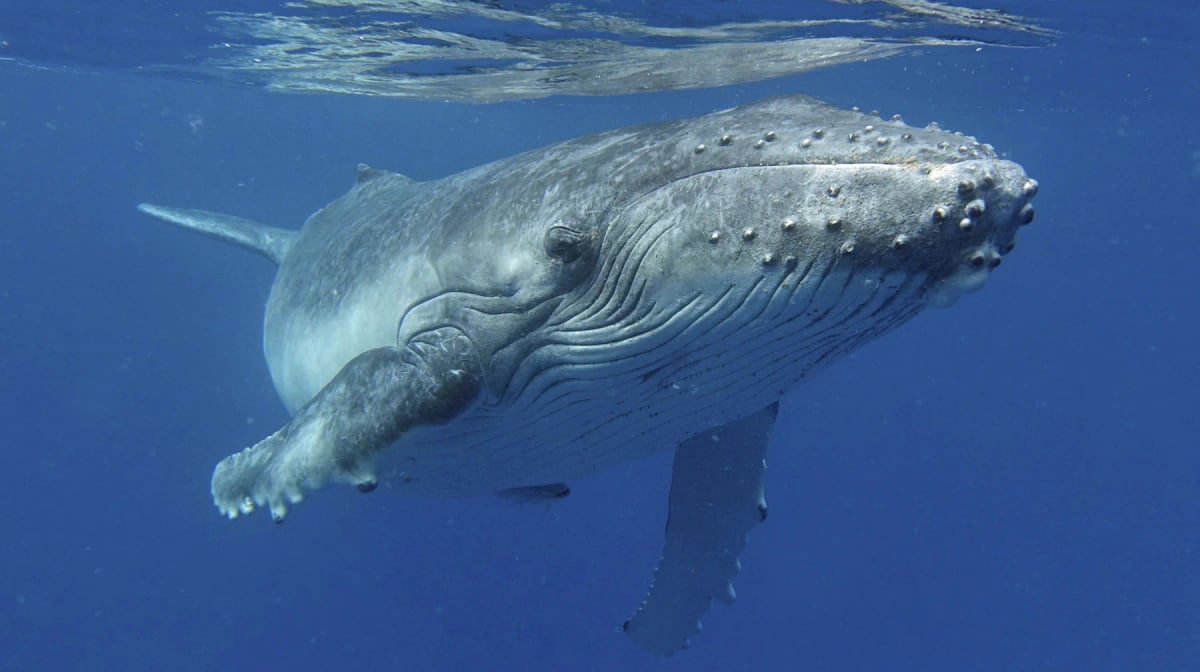
Humpback Whale
Megaptera novaeangliae
Humpback whales appear in the waters around Denmark, including the North Sea and occasionally the approaches to the Danish Straits. These sightings are generally of individuals passing through on migratory routes between higher latitude feeding areas and warmer Atlantic waters. While not a primary habitat, Denmark contributes to international cetacean monitoring efforts and participates in the collaborative research networks that track whale populations across the North Atlantic.
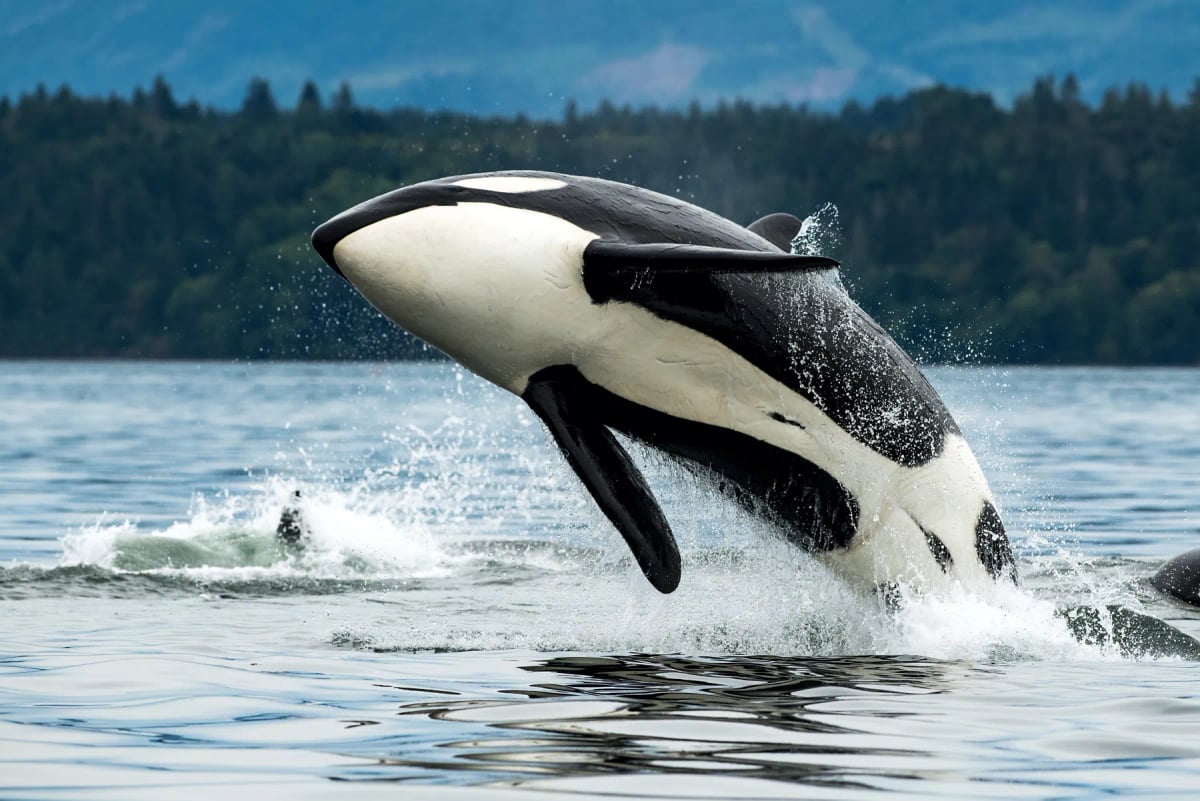
Orca
Orcinus orca
Orcas are recorded in the waters surrounding Denmark, including the North Sea and the approaches to the Baltic Sea. While sightings in Danish waters are not common, the northeastern Atlantic populations that range across Scandinavian and British waters do occasionally move through this area. Pollution in the North Sea, particularly from industrial chemicals, has been a long-standing concern for marine mammals throughout this part of Europe.
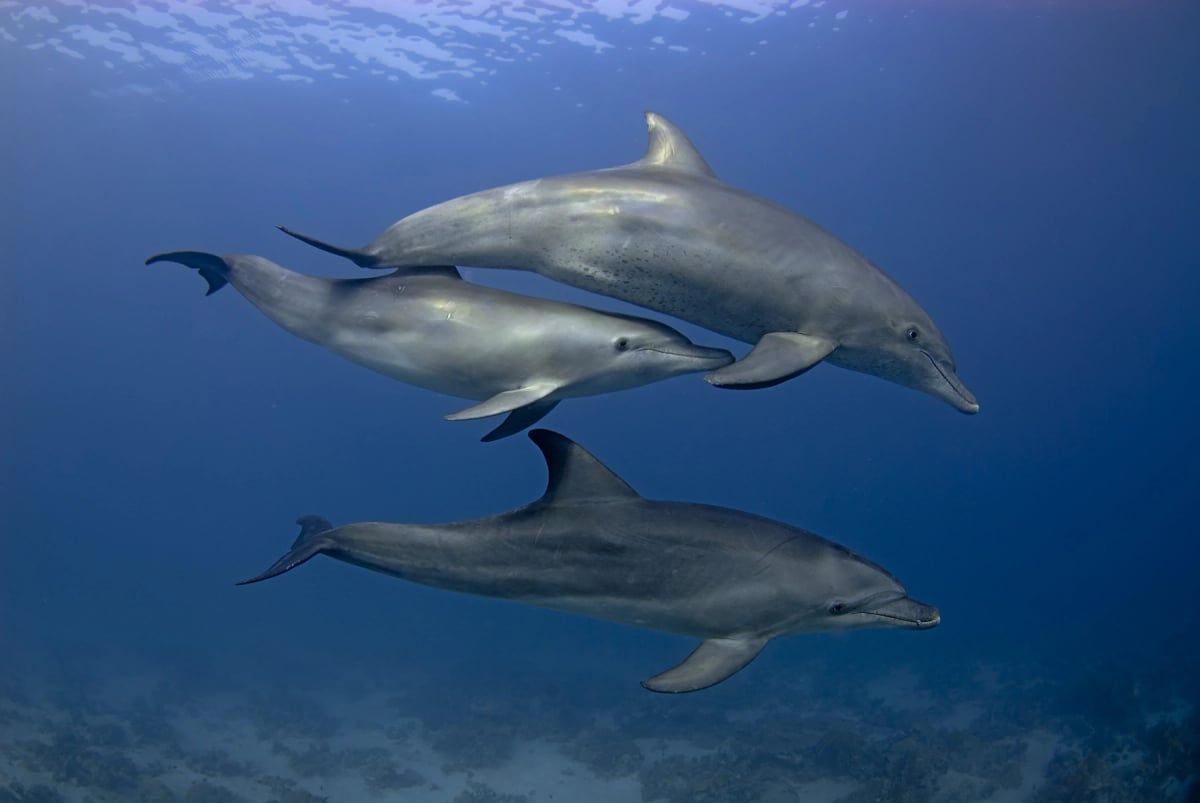
Bottlenose Dolphin
Tursiops truncatus
Bottlenose dolphins occur in Danish waters, particularly in the North Sea and occasionally in the western Baltic approaches. Sightings along the Jutland coast have increased in recent decades, likely linked to shifting prey distributions. Denmark participates in regional cetacean monitoring through OSPAR and HELCOM frameworks, and national guidelines restrict vessel approaches to wild dolphins to minimize disturbance to these animals in northern European waters. IUCN status: Least Concern.
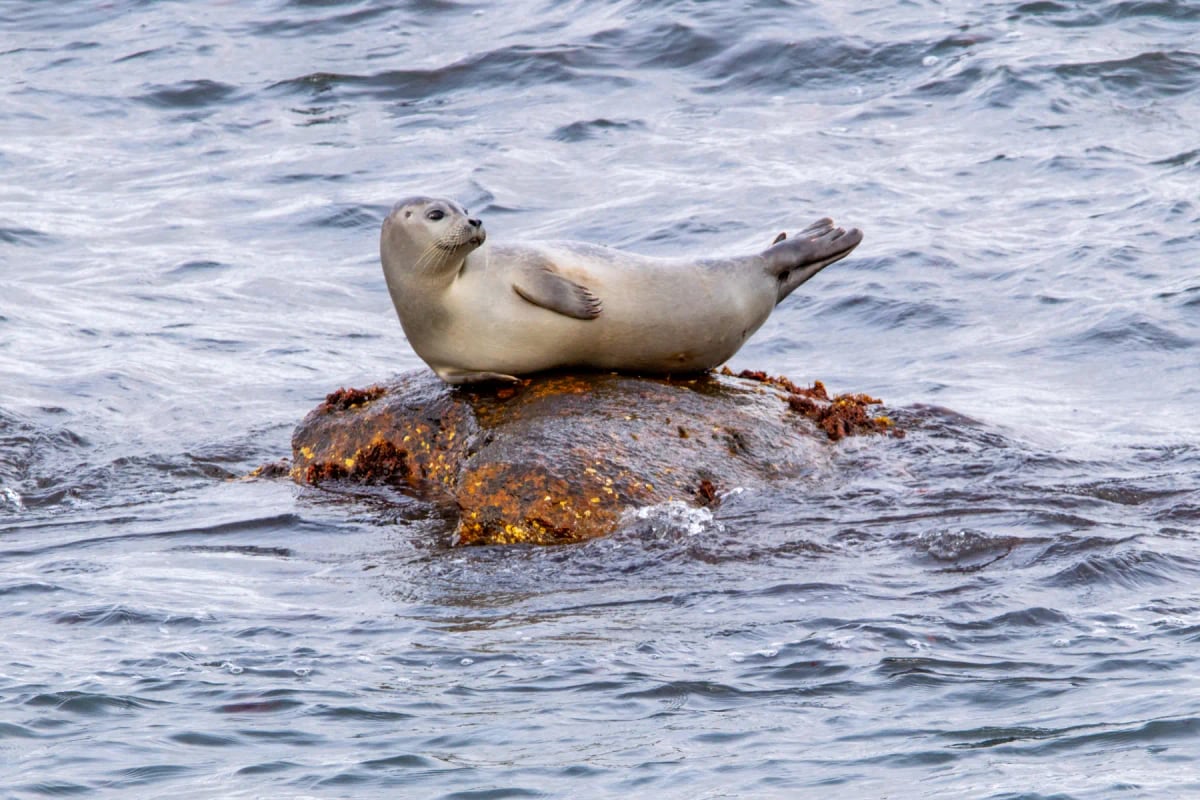
Seal
Phoca vitulina
In Denmark, harbor seals are a well known presence along the Wadden Sea coast of Jutland, a UNESCO World Heritage Site. The tidal flats and sandbanks there provide ideal resting spots for large groups. Danish waters also hold a significant share of the total North Sea population. Hunting pressure, which once severely reduced numbers, ended decades ago, and populations have recovered strongly since. IUCN status: Least Concern.
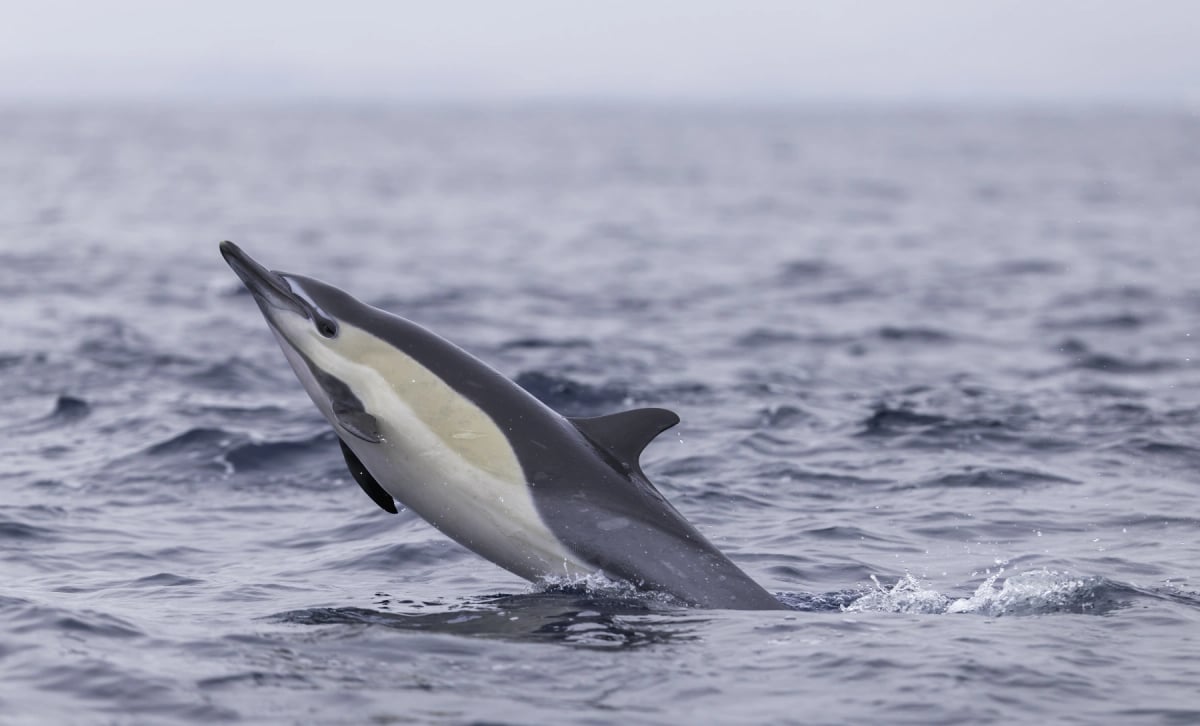
Common Dolphin
Delphinus delphis
Common dolphins appear in Danish waters mainly as seasonal visitors, most often recorded in the North Sea and occasionally in the Skagerrak. They tend to follow shoals of herring and mackerel into these colder northern waters during warmer months. Denmark's maritime monitoring programs have recorded an increase in sightings in recent decades, possibly linked to shifts in sea temperature. The species is rated Least Concern by the IUCN.
Researched and written by Juan Pablo. Sources: IUCN Red List, scientific literature and regional field guides. Last updated: .