CYCyprus

Animals in Cyprus

Mouflon
National animal
CYCyprus

Mouflon

Ovis gmelini

The mouflon is a wild sheep that works as a strong animal symbol for Cyprus. It lives mainly in mountain slopes and deep valleys in the interior and appears on coins stamps and signs in protected areas. For many residents it links village life old farming traditions and the quiet forest hills that still cover part of the island.

View details→
Mouflon
National animal
CYCyprus

Mouflon

Ovis gmelini

The mouflon is a wild sheep that works as a strong animal symbol for Cyprus. It lives mainly in mountain slopes and deep valleys in the interior and appears on coins stamps and signs in protected areas. For many residents it links village life old farming traditions and the quiet forest hills that still cover part of the island.

View details→

Wildlife in Cyprus

Cyprus is an island where wildlife is shaped by dry hills small forests and long coasts. Visitors usually meet nature on coastal paths short walks near villages and boat trips from beach towns. Sea turtles dolphins and many birds can be seen from simple viewpoints and small harbours without leaving the main tourist areas of the island.

National Animal of Cyprus

The mouflon is a wild sheep that works as a strong animal symbol for Cyprus. It lives mainly in mountain slopes and deep valleys in the interior and appears on coins stamps and signs in protected areas. For many residents it links village life old farming traditions and the quiet forest hills that still cover part of the island.

Most Dangerous Animals in Cyprus

Risk for visitors in Cyprus appears mainly in quiet rural areas and open sea. Wild boar live in fields and forested slopes and can cause trouble if they feel surrounded. In the water large sharks such as great white and hammerhead use deeper areas far from the beach. On normal tourist routes encounters are uncommon and almost always at a distance.

Top 10 Animals in Cyprus

The top 10 list for Cyprus highlights fast birds of prey and large sharks. The peregrine falcon uses cliffs and coastal hills during migration and is often seen from viewpoints or simple hiking routes above the sea. Farther offshore the great white shark shows the power of deeper Mediterranean waters known mainly from rare reports and fishing or boat trips.

Mouflon

Mouflon

Ovis gmelini

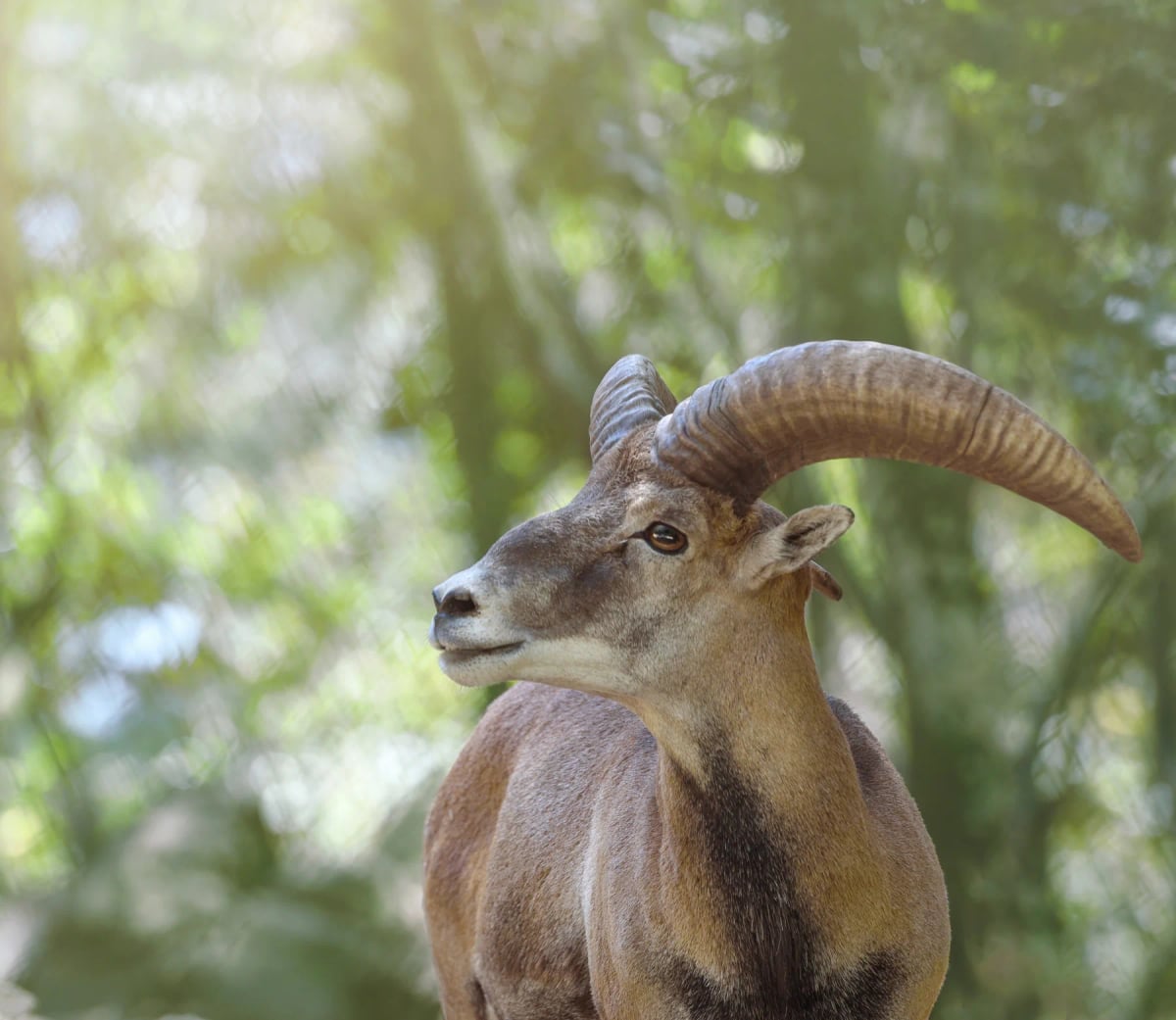
Cyprus is home to one of the most vulnerable mouflon populations in the world. Known locally as the agrino, this distinct population is largely confined to the Paphos Forest in the Troodos Mountains. Only a few hundred individuals survive today. The species has been protected in Cyprus since the 1930s, and a national park was established to safeguard its habitat. It remains a powerful symbol of the island's natural heritage.
Near ThreatenedView more details & photos→
Mouflon

Mouflon

Ovis gmelini

Cyprus is home to one of the most vulnerable mouflon populations in the world. Known locally as the agrino, this distinct population is largely confined to the Paphos Forest in the Troodos Mountains. Only a few hundred individuals survive today. The species has been protected in Cyprus since the 1930s, and a national park was established to safeguard its habitat. It remains a powerful symbol of the island's natural heritage.

Near ThreatenedView more details & photos→
Red Fox

Red Fox

Vulpes vulpes

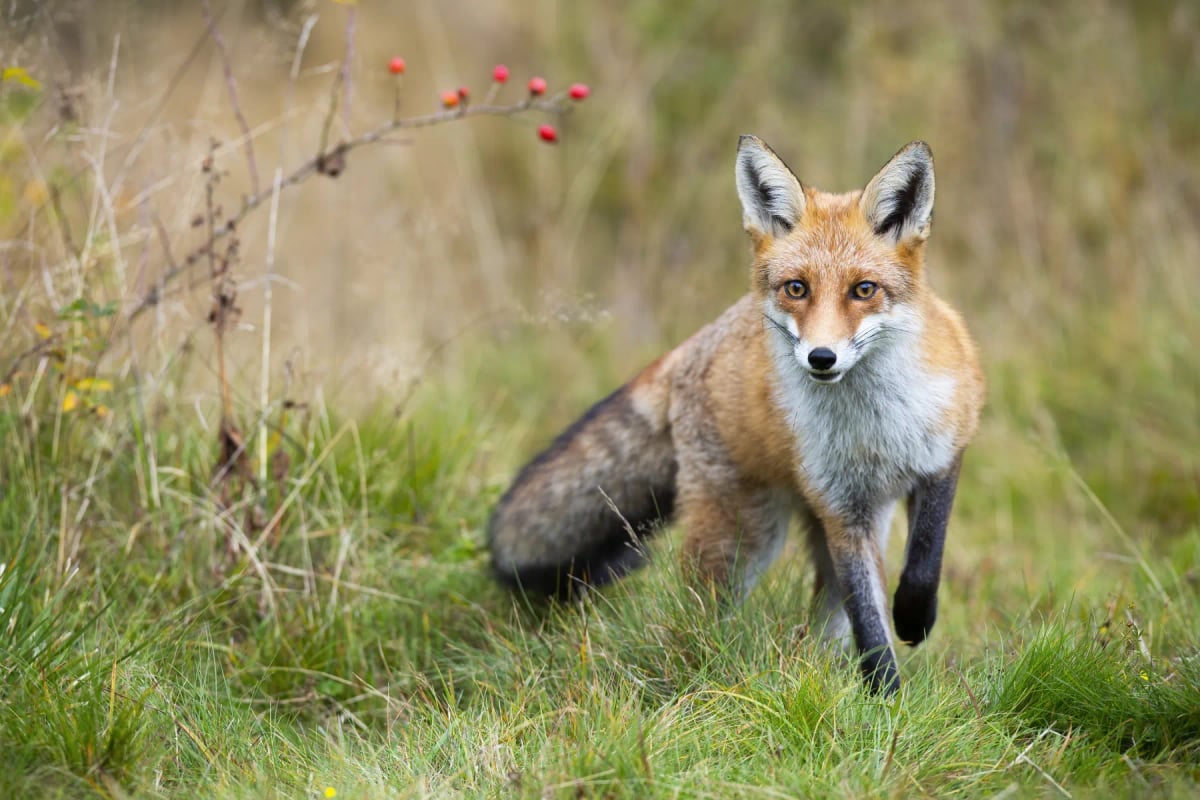
On Cyprus, the red fox is widespread across the island, including the pine and cedar forests of the Troodos Mountains and the drier lowland scrub. It is one of the few large wild predators on the island and plays an important role in controlling rodent populations. Though sometimes in conflict with farmers over poultry, it is not threatened. The species holds Least Concern status on the island.
Least ConcernView more details & photos→
Red Fox

Red Fox

Vulpes vulpes

On Cyprus, the red fox is widespread across the island, including the pine and cedar forests of the Troodos Mountains and the drier lowland scrub. It is one of the few large wild predators on the island and plays an important role in controlling rodent populations. Though sometimes in conflict with farmers over poultry, it is not threatened. The species holds Least Concern status on the island.

Least ConcernView more details & photos→
Wild Boar

Wild Boar

Sus scrofa

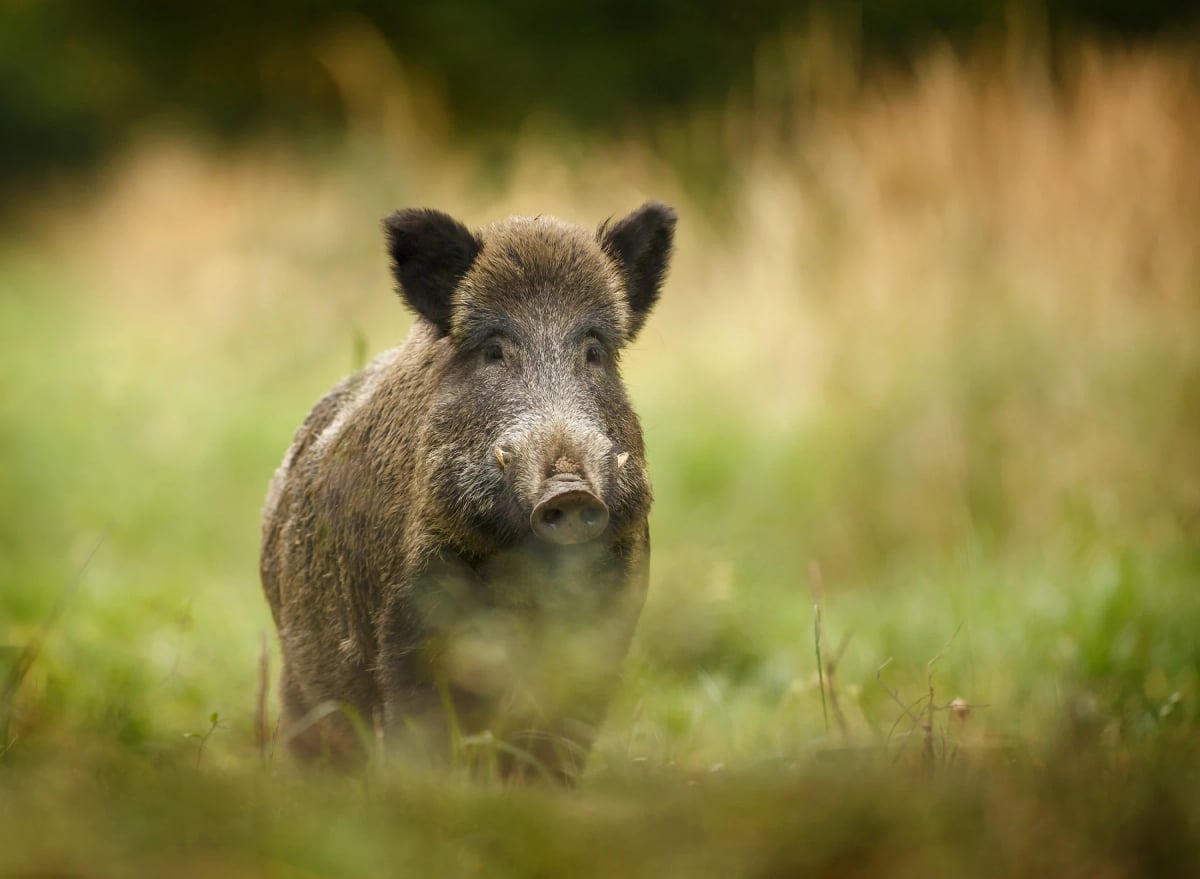
Wild boars have a long, unusual history on Cyprus, where people first brought them to the island during the Neolithic period more than ten thousand years ago, making it one of the earliest known sites of pig domestication. The original population later disappeared, and a twentieth century attempt to reintroduce wild boar to forests such as Troodos largely failed to establish a lasting wild population. Today, confirmed sightings on the island remain rare.
Least ConcernView more details & photos→
Wild Boar

Wild Boar

Sus scrofa

Wild boars have a long, unusual history on Cyprus, where people first brought them to the island during the Neolithic period more than ten thousand years ago, making it one of the earliest known sites of pig domestication. The original population later disappeared, and a twentieth century attempt to reintroduce wild boar to forests such as Troodos largely failed to establish a lasting wild population. Today, confirmed sightings on the island remain rare.

Least ConcernView more details & photos→
Sea Turtle

Sea Turtle

Cheloniidae & Dermochelyidae (families)

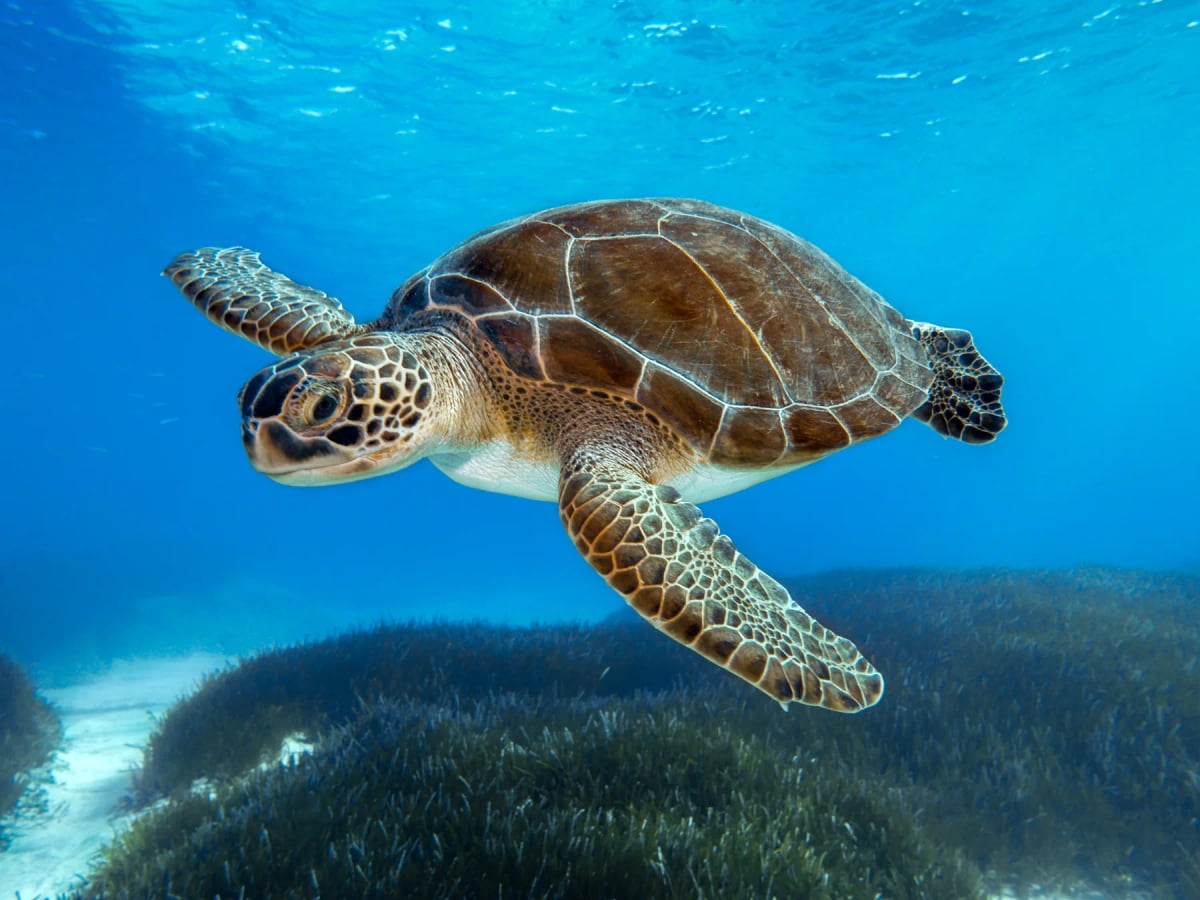
Cyprus is one of the most important loggerhead sea turtle nesting sites in the entire Mediterranean. Lara Bay on the Akamas Peninsula and Toxeftra Beach on the western coast are protected nesting areas where females arrive every summer to dig their nests above the tide line. The Department of Fisheries and Marine Research has been monitoring these beaches since the 1970s, and the nesting population has shown signs of gradual recovery thanks to decades of sustained protection.

View more details & photos→
Sea Turtle

Sea Turtle

Cheloniidae & Dermochelyidae (families)

Cyprus is one of the most important loggerhead sea turtle nesting sites in the entire Mediterranean. Lara Bay on the Akamas Peninsula and Toxeftra Beach on the western coast are protected nesting areas where females arrive every summer to dig their nests above the tide line. The Department of Fisheries and Marine Research has been monitoring these beaches since the 1970s, and the nesting population has shown signs of gradual recovery thanks to decades of sustained protection.

View more details & photos→
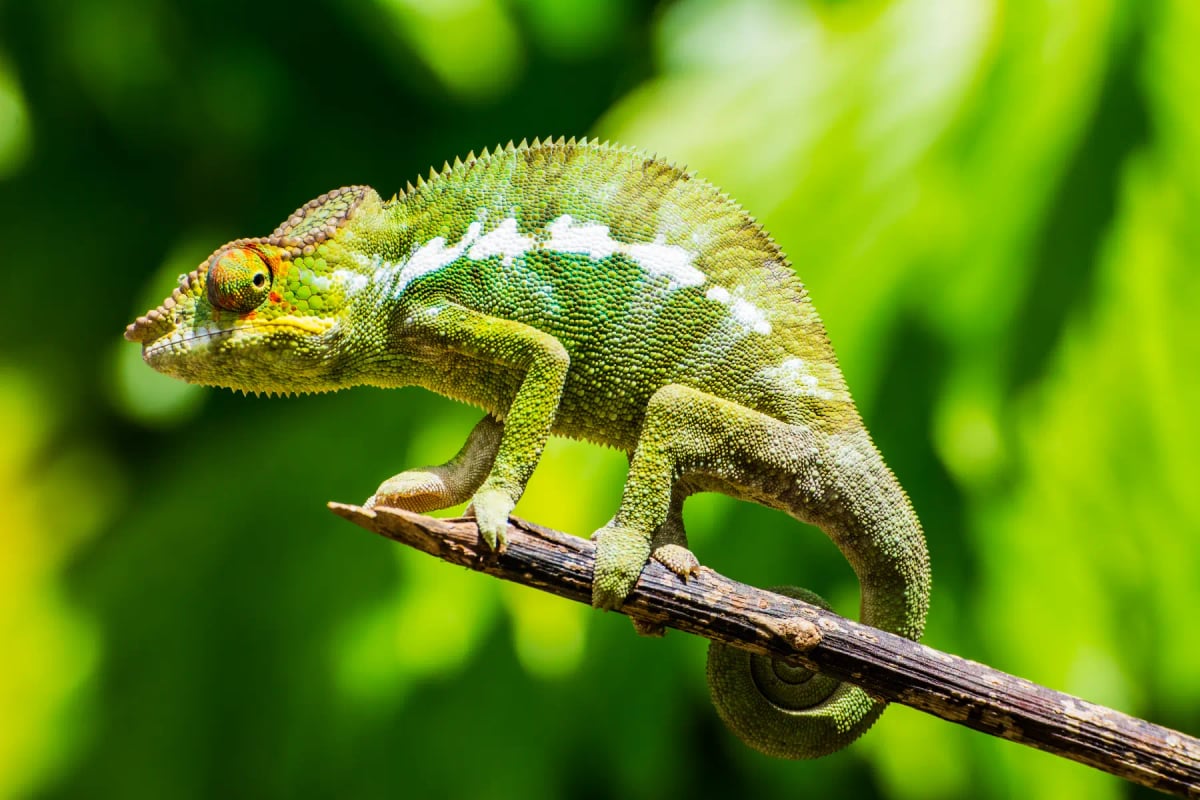
Chameleon

Chameleon

Chamaeleo chamaeleon

Cyprus holds one of the most significant chameleon populations in the eastern Mediterranean. The common chameleon (Chamaeleo chamaeleon) is found across the island's dry scrublands, citrus orchards, and coastal dunes. It is legally protected under Cypriot law, though road casualties and illegal collection remain ongoing concerns. Its remarkable color shifts are governed by mood and temperature rather than simple camouflage. IUCN status: Least Concern.

Least ConcernView more details & photos→
Chameleon

Chameleon

Chamaeleo chamaeleon

Cyprus holds one of the most significant chameleon populations in the eastern Mediterranean. The common chameleon (Chamaeleo chamaeleon) is found across the island's dry scrublands, citrus orchards, and coastal dunes. It is legally protected under Cypriot law, though road casualties and illegal collection remain ongoing concerns. Its remarkable color shifts are governed by mood and temperature rather than simple camouflage. IUCN status: Least Concern.

Least ConcernView more details & photos→
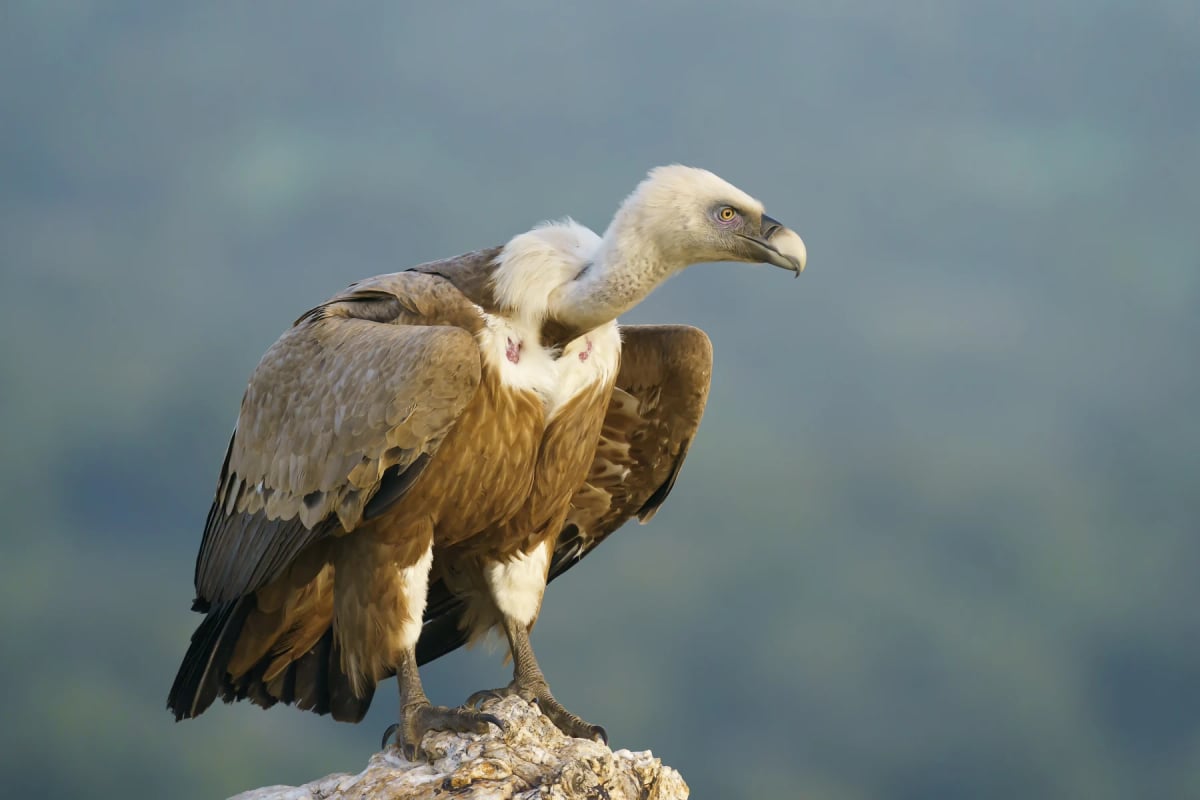
Griffon Vulture

Griffon Vulture

Gyps fulvus

The griffon vulture breeds in the Kyrenia mountain range in northern Cyprus and around the Akamas Peninsula, nesting on steep limestone cliffs. The island population has faced serious pressure from poisoned bait intended for other animals, which has caused sharp declines over the decades. Conservation efforts are ongoing to protect the remaining birds. Despite these challenges, the species continues to soar over the island's rugged hills. IUCN status: Least Concern.

Least ConcernView more details & photos→
Griffon Vulture

Griffon Vulture

Gyps fulvus

The griffon vulture breeds in the Kyrenia mountain range in northern Cyprus and around the Akamas Peninsula, nesting on steep limestone cliffs. The island population has faced serious pressure from poisoned bait intended for other animals, which has caused sharp declines over the decades. Conservation efforts are ongoing to protect the remaining birds. Despite these challenges, the species continues to soar over the island's rugged hills. IUCN status: Least Concern.

Least ConcernView more details & photos→
Lanner Falcon

Lanner Falcon

Falco biarmicus

On Cyprus, the lanner falcon is a rare and irregular visitor or resident, occasionally recorded in rocky and open habitats across the island. The Troodos massif and the Kyrenia range provide suitable cliff nesting sites. Cyprus sits at the edge of the species' European range, making records here particularly noteworthy. The IUCN lists the lanner falcon as Least Concern globally.

Least ConcernView more details & photos→
Lanner Falcon

Lanner Falcon

Falco biarmicus

On Cyprus, the lanner falcon is a rare and irregular visitor or resident, occasionally recorded in rocky and open habitats across the island. The Troodos massif and the Kyrenia range provide suitable cliff nesting sites. Cyprus sits at the edge of the species' European range, making records here particularly noteworthy. The IUCN lists the lanner falcon as Least Concern globally.

Least ConcernView more details & photos→
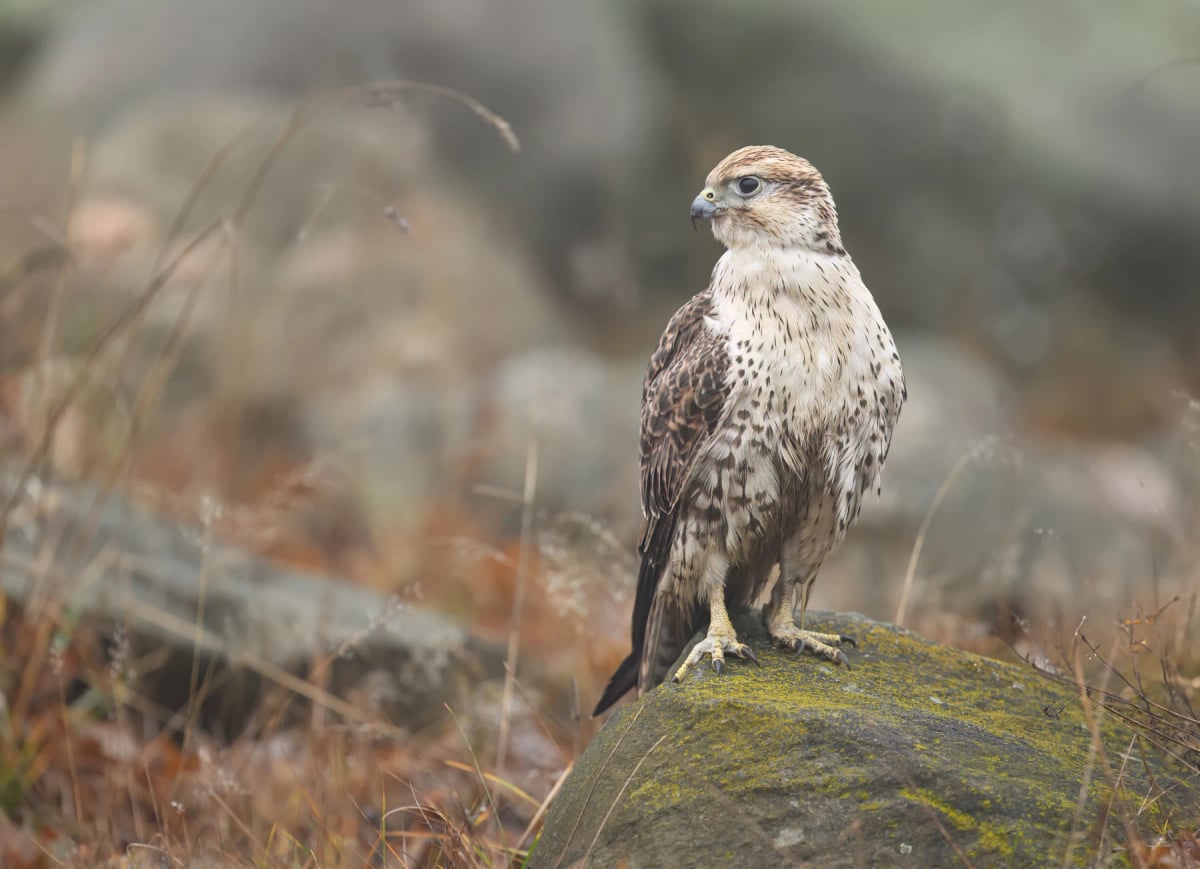
Saker Falcon

Saker Falcon

Falco cherrug

Cyprus is a recorded stopover point for saker falcons during migration between their Eurasian breeding grounds and their African or Middle Eastern wintering areas. The island's position in the eastern Mediterranean places it directly on important migratory routes. Illegal trapping of birds of prey on Cyprus has been a documented problem, adding pressure to an already Endangered species according to the IUCN.
EndangeredView more details & photos→
Saker Falcon

Saker Falcon

Falco cherrug

Cyprus is a recorded stopover point for saker falcons during migration between their Eurasian breeding grounds and their African or Middle Eastern wintering areas. The island's position in the eastern Mediterranean places it directly on important migratory routes. Illegal trapping of birds of prey on Cyprus has been a documented problem, adding pressure to an already Endangered species according to the IUCN.

EndangeredView more details & photos→
Barn Owl

Barn Owl

Tyto alba

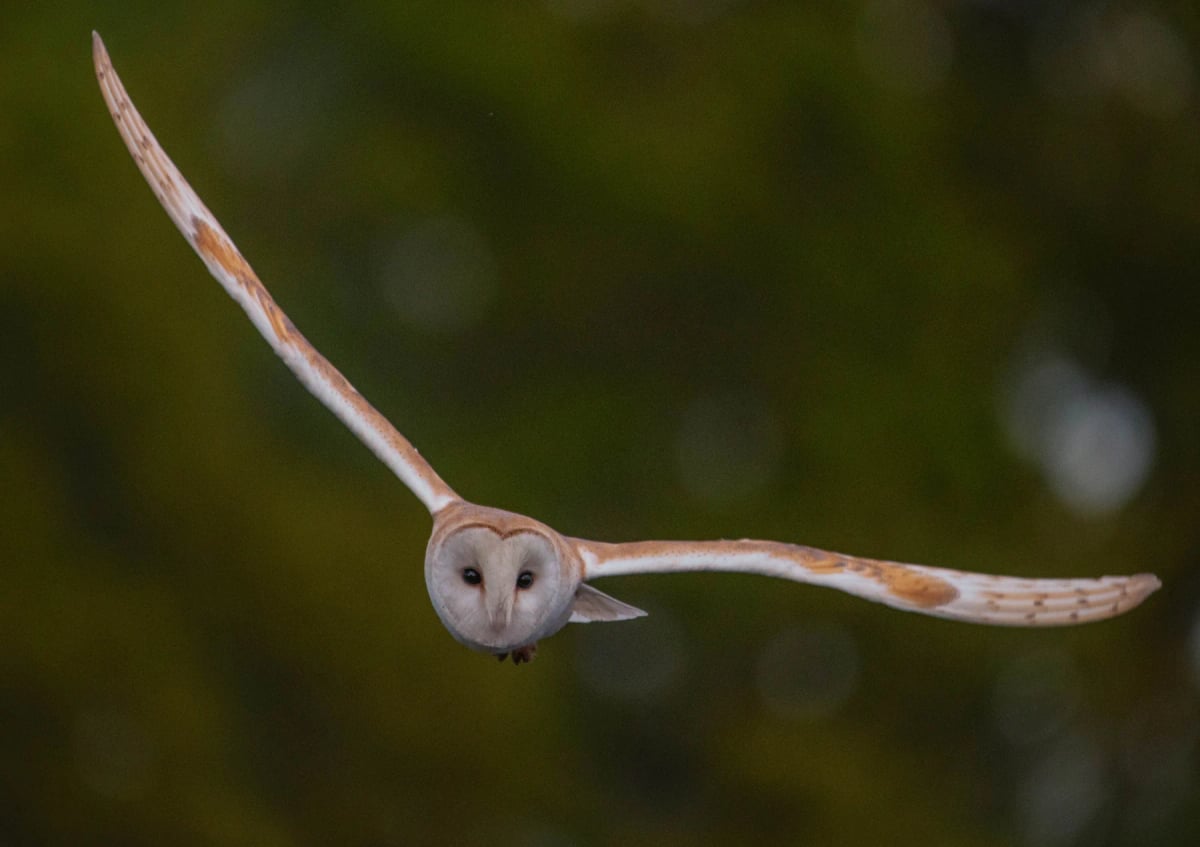
The barn owl is a resident of Cyprus in open farmland, scrubland, and rural areas across the island. It nests in old stone buildings, churches, cliff faces, and hollow trees, and hunts rodents at night with exceptional precision. The species is found from the coastal plains to the lower slopes of the Troodos Mountains. In Cyprus it has traditionally been associated with rural life and is welcomed by farmers as an effective and natural means of controlling mice and rats.
Least ConcernView more details & photos→
Barn Owl

Barn Owl

Tyto alba

The barn owl is a resident of Cyprus in open farmland, scrubland, and rural areas across the island. It nests in old stone buildings, churches, cliff faces, and hollow trees, and hunts rodents at night with exceptional precision. The species is found from the coastal plains to the lower slopes of the Troodos Mountains. In Cyprus it has traditionally been associated with rural life and is welcomed by farmers as an effective and natural means of controlling mice and rats.

Least ConcernView more details & photos→
White tailed Eagle

White tailed Eagle

Haliaeetus albicilla

Cyprus sits along an important raptor migration route, and the white tailed eagle passes through as a scarce but regular visitor, particularly during autumn and spring migration. It may also appear in winter near coastal wetlands and reservoirs. Though it does not breed on the island, each sighting draws considerable attention from the local birdwatching community. The IUCN lists the species as Least Concern globally.

Least ConcernView more details & photos→
White tailed Eagle

White tailed Eagle

Haliaeetus albicilla

Cyprus sits along an important raptor migration route, and the white tailed eagle passes through as a scarce but regular visitor, particularly during autumn and spring migration. It may also appear in winter near coastal wetlands and reservoirs. Though it does not breed on the island, each sighting draws considerable attention from the local birdwatching community. The IUCN lists the species as Least Concern globally.

Least ConcernView more details & photos→
Crane

Crane

Grus grus

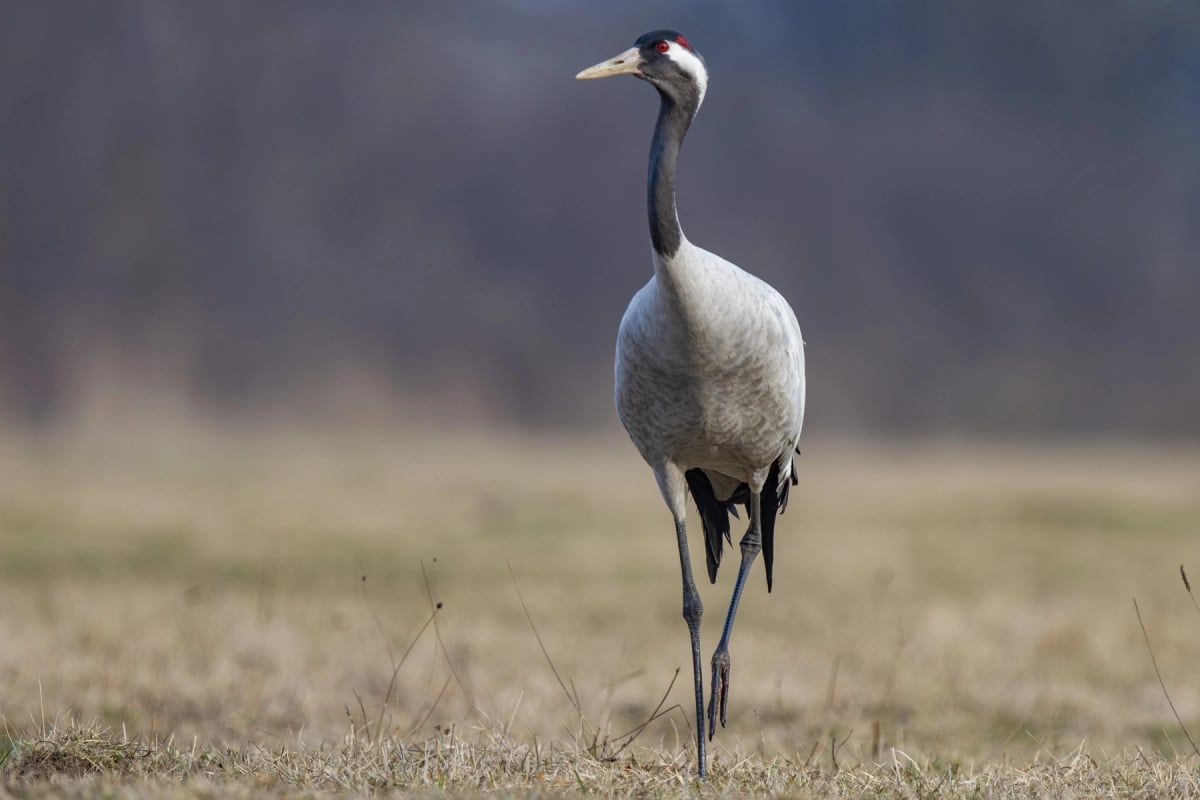
Cyprus sits along an important flyway for common cranes migrating between Europe and Africa. Flocks pass over the island each autumn and spring, sometimes stopping to rest in wetlands and agricultural fields. The Akrotiri salt lake has historically attracted waterbirds during these movements. At up to 120 centimetres tall, cranes are among the most impressive birds seen over the island. The IUCN lists the species as Least Concern.
Least ConcernView more details & photos→
Crane

Crane

Grus grus

Cyprus sits along an important flyway for common cranes migrating between Europe and Africa. Flocks pass over the island each autumn and spring, sometimes stopping to rest in wetlands and agricultural fields. The Akrotiri salt lake has historically attracted waterbirds during these movements. At up to 120 centimetres tall, cranes are among the most impressive birds seen over the island. The IUCN lists the species as Least Concern.

Least ConcernView more details & photos→
Stork

Stork

Ciconia ciconia

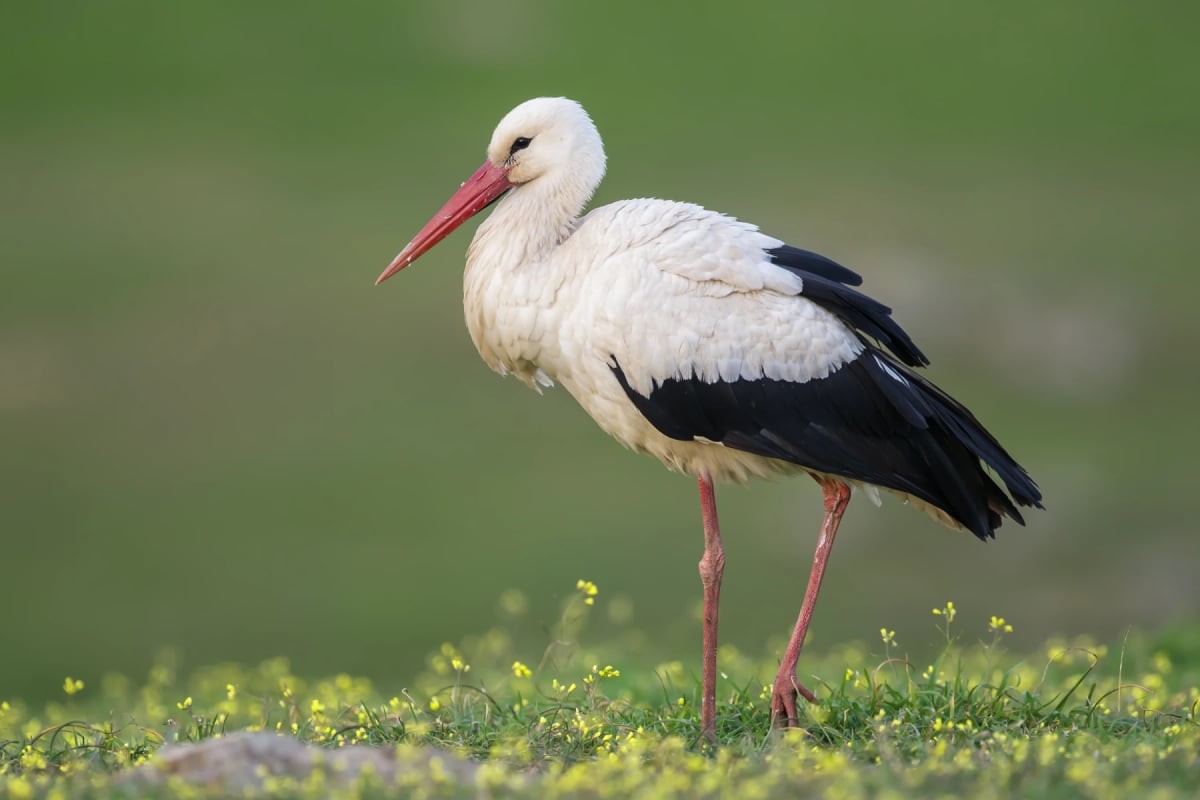
Cyprus lies on an important migration corridor for the white stork, and the species is regularly seen crossing the island each spring and autumn on its way between Europe and Africa. Flocks sometimes stop to rest and feed in agricultural areas and wetlands such as the Akrotiri Salt Lake. The stork does not breed on the island but can appear in impressive numbers during peak migration periods. It feeds on frogs, insects, and small animals. It is listed as Least Concern by the IUCN.
Least ConcernView more details & photos→
Stork

Stork

Ciconia ciconia

Cyprus lies on an important migration corridor for the white stork, and the species is regularly seen crossing the island each spring and autumn on its way between Europe and Africa. Flocks sometimes stop to rest and feed in agricultural areas and wetlands such as the Akrotiri Salt Lake. The stork does not breed on the island but can appear in impressive numbers during peak migration periods. It feeds on frogs, insects, and small animals. It is listed as Least Concern by the IUCN.

Least ConcernView more details & photos→
White Wagtail

White Wagtail

Motacilla alba

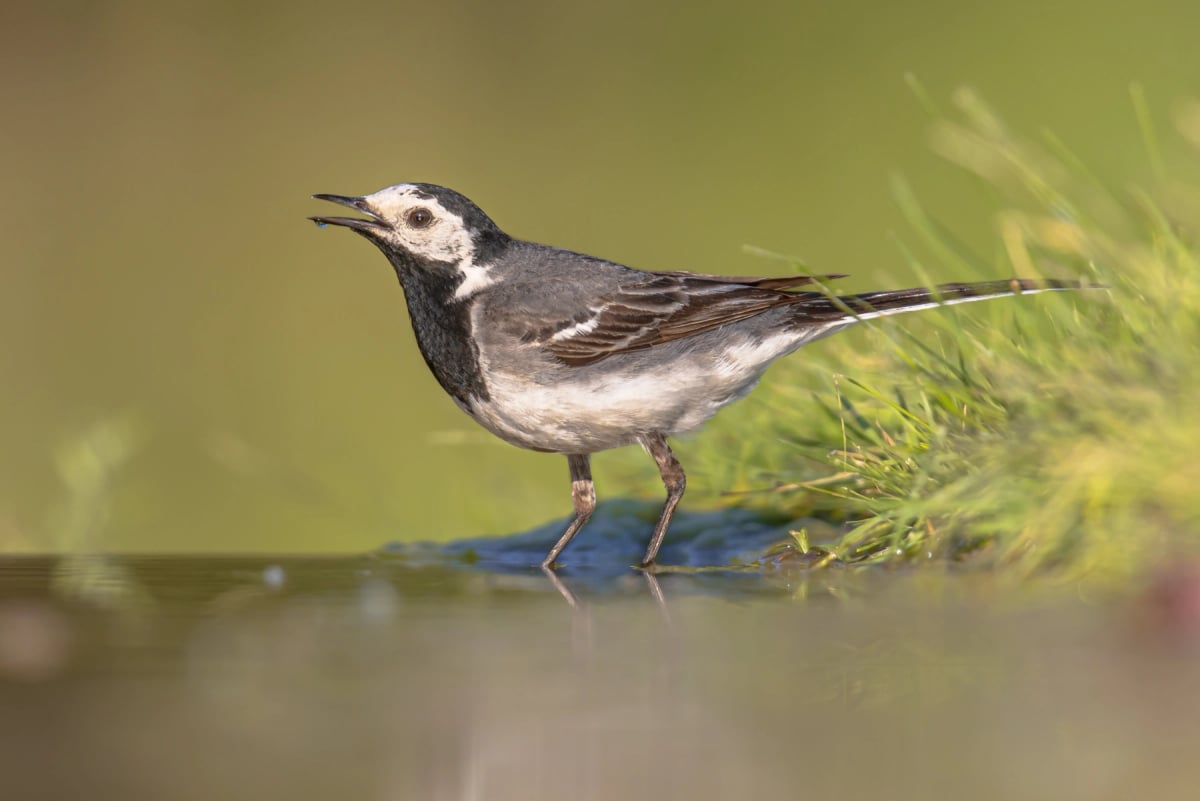
Cyprus is an important stopover point for white wagtails migrating between Europe and Africa, and the island also hosts wintering birds from October through March. They gather around reservoirs, wetlands and farmland, with Akrotiri Salt Lake and the Athalassa wetlands being particularly good sites. A small number may breed on the island. Its lively tail movement makes it easy to watch. The IUCN lists it as Least Concern.
Least ConcernView more details & photos→
White Wagtail

White Wagtail

Motacilla alba

Cyprus is an important stopover point for white wagtails migrating between Europe and Africa, and the island also hosts wintering birds from October through March. They gather around reservoirs, wetlands and farmland, with Akrotiri Salt Lake and the Athalassa wetlands being particularly good sites. A small number may breed on the island. Its lively tail movement makes it easy to watch. The IUCN lists it as Least Concern.

Least ConcernView more details & photos→
Peregrine Falcon

Peregrine Falcon

Falco peregrinus

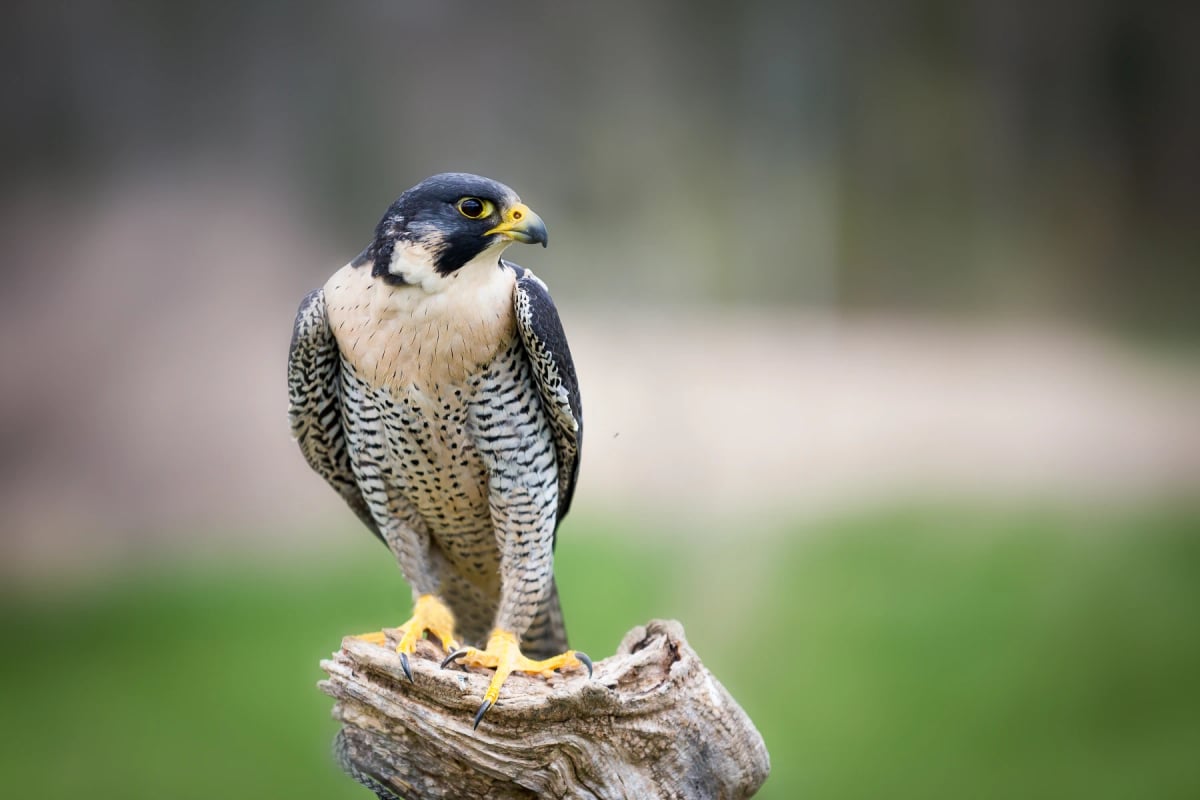
The peregrine falcon is a regular passage migrant and winter visitor in Cyprus, taking advantage of the island's location in the eastern Mediterranean as a stopover point between Europe and Africa. Small numbers have also bred on the rocky cliffs of the Troodos mountains and the Akamas Peninsula. During migration periods, falcons can be seen hunting over open farmland and coastal wetlands across the island.
Least ConcernView more details & photos→
Peregrine Falcon

Peregrine Falcon

Falco peregrinus

The peregrine falcon is a regular passage migrant and winter visitor in Cyprus, taking advantage of the island's location in the eastern Mediterranean as a stopover point between Europe and Africa. Small numbers have also bred on the rocky cliffs of the Troodos mountains and the Akamas Peninsula. During migration periods, falcons can be seen hunting over open farmland and coastal wetlands across the island.

Least ConcernView more details & photos→
Mute Swan

Mute Swan

Cygnus olor

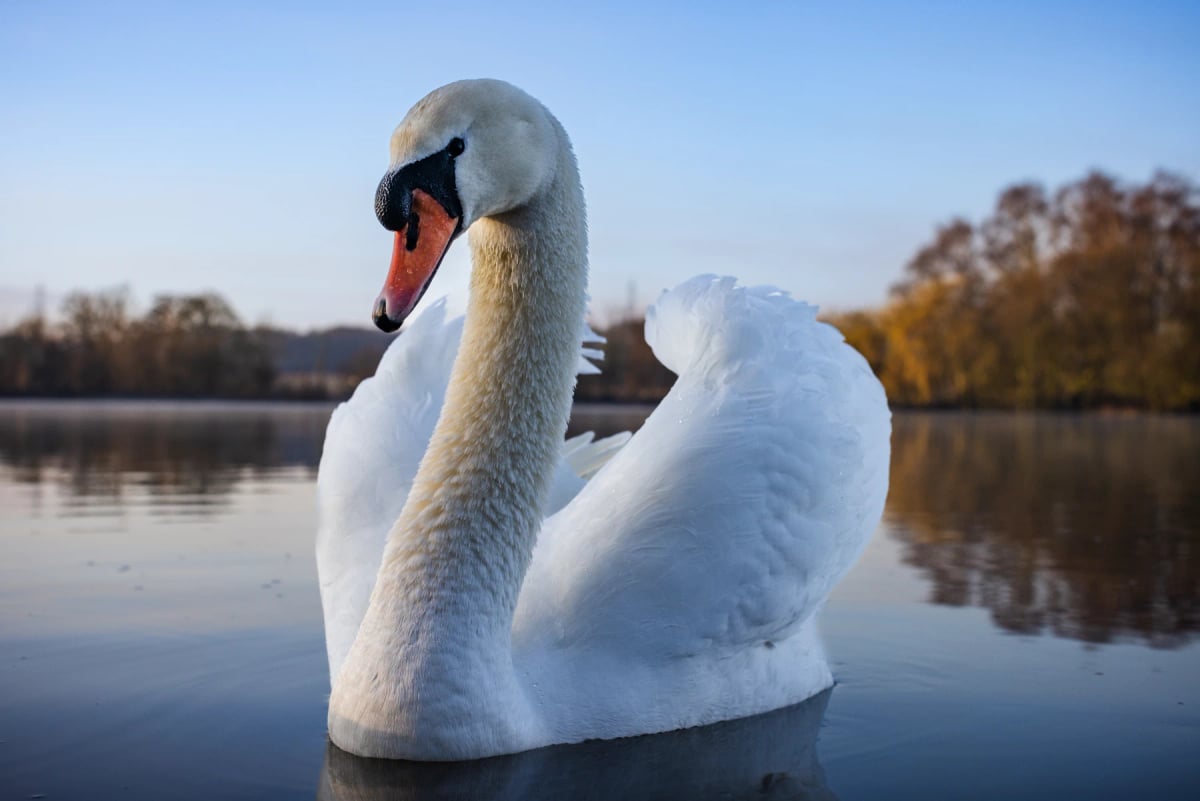
On Cyprus, the mute swan is an uncommon visitor, recorded mainly at coastal wetlands and reservoirs such as Akrotiri Salt Lake and Larnaca Salt Lake, which are key stopover sites for migratory waterbirds in the eastern Mediterranean. The island lies along important migration routes between Europe and Africa, and the species appears here mainly during autumn and winter. It does not breed on the island. IUCN status: Least Concern.
Least ConcernView more details & photos→
Mute Swan

Mute Swan

Cygnus olor

On Cyprus, the mute swan is an uncommon visitor, recorded mainly at coastal wetlands and reservoirs such as Akrotiri Salt Lake and Larnaca Salt Lake, which are key stopover sites for migratory waterbirds in the eastern Mediterranean. The island lies along important migration routes between Europe and Africa, and the species appears here mainly during autumn and winter. It does not breed on the island. IUCN status: Least Concern.

Least ConcernView more details & photos→
Nightingale

Nightingale

Luscinia megarhynchos

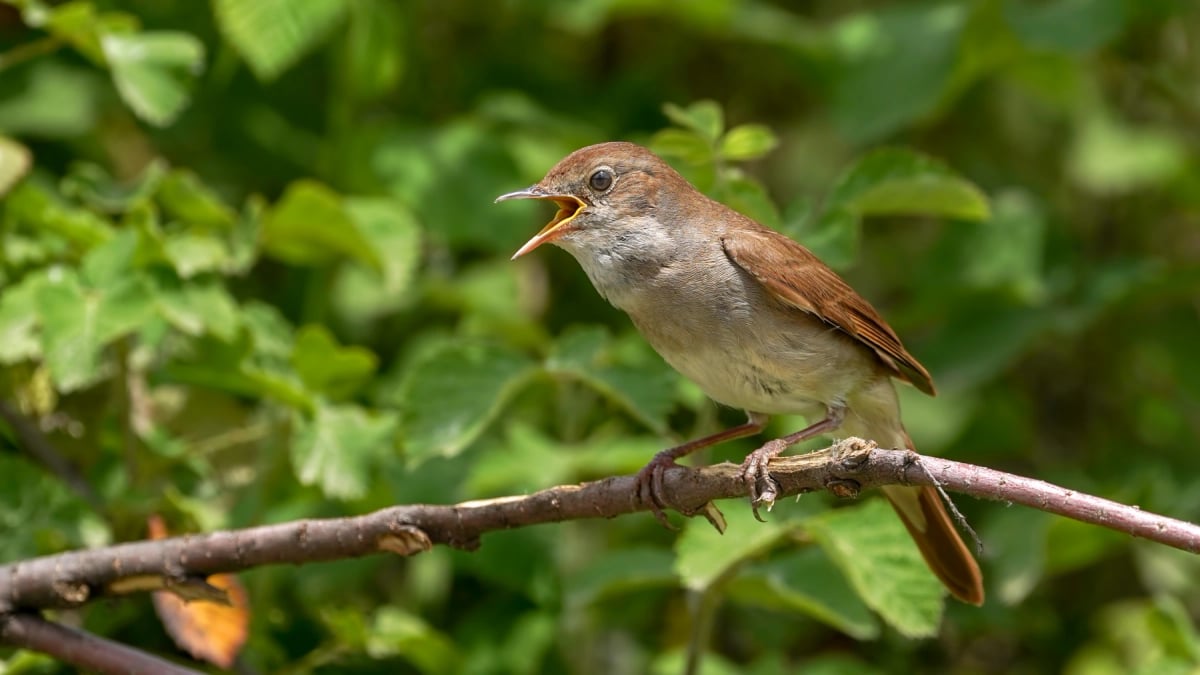
Cyprus is an important stopover point for nightingales migrating between Africa and Europe, and some birds also breed on the island. They favour the dense scrub and carob woodland found in the foothills and river valleys away from the dry coastal plains. The island's position at the eastern end of the Mediterranean makes it a significant rest point during the long journey north each spring. It is rated Least Concern by the IUCN.

Least ConcernView more details & photos→
Nightingale

Nightingale

Luscinia megarhynchos

Cyprus is an important stopover point for nightingales migrating between Africa and Europe, and some birds also breed on the island. They favour the dense scrub and carob woodland found in the foothills and river valleys away from the dry coastal plains. The island's position at the eastern end of the Mediterranean makes it a significant rest point during the long journey north each spring. It is rated Least Concern by the IUCN.

Least ConcernView more details & photos→
Golden Eagle

Golden Eagle

Aquila chrysaetos

In Cyprus, the golden eagle is a rare and irregular visitor, occasionally seen during migration periods as birds move between Europe, the Middle East, and Africa. It does not breed on the island. Sightings tend to occur in the Troodos Mountains and other elevated areas. The island's small size and limited suitable habitat mean that the species has never established a resident population. Observers record it infrequently. The IUCN lists it as Least Concern.

Least ConcernView more details & photos→
Golden Eagle

Golden Eagle

Aquila chrysaetos

In Cyprus, the golden eagle is a rare and irregular visitor, occasionally seen during migration periods as birds move between Europe, the Middle East, and Africa. It does not breed on the island. Sightings tend to occur in the Troodos Mountains and other elevated areas. The island's small size and limited suitable habitat mean that the species has never established a resident population. Observers record it infrequently. The IUCN lists it as Least Concern.

Least ConcernView more details & photos→
Bottlenose Dolphin

Bottlenose Dolphin

Tursiops truncatus

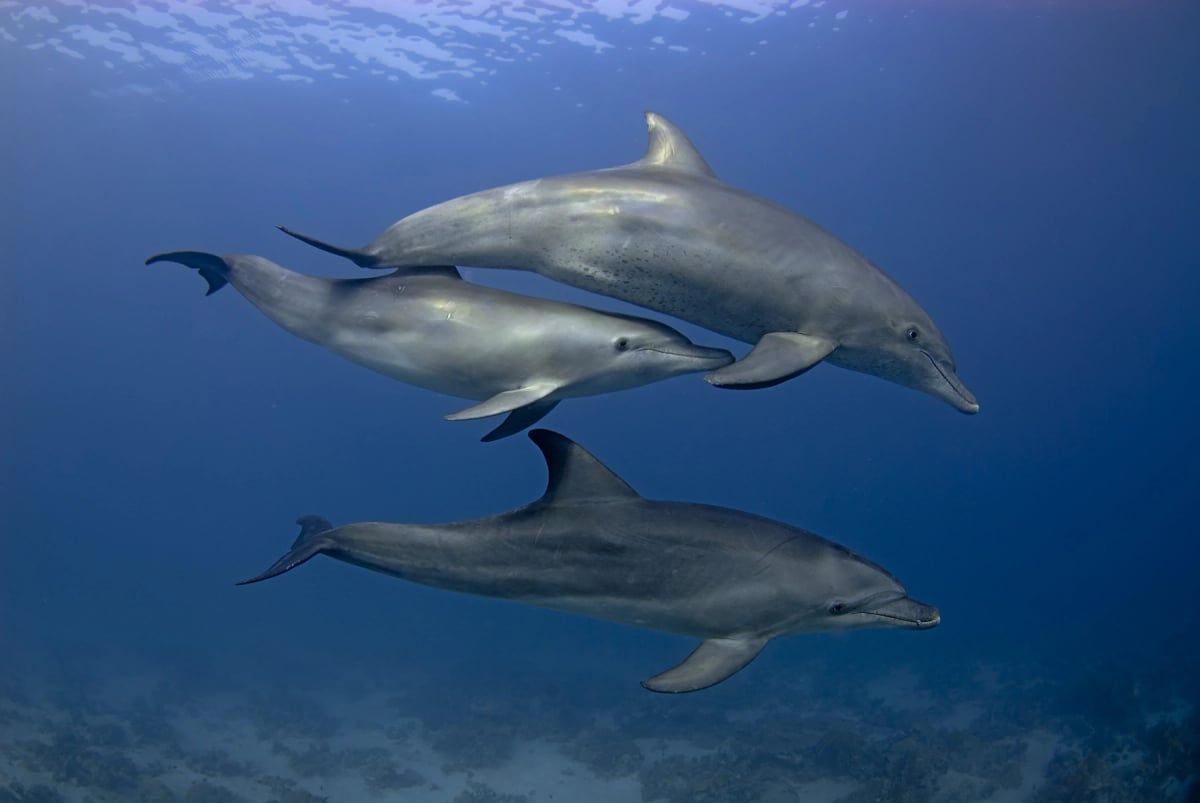
Bottlenose dolphins are present in the waters surrounding Cyprus, navigating the eastern Mediterranean where they feed on fish and squid in both coastal and offshore habitats. Encounters near the island's rocky shores and bays are reported regularly by fishers and recreational boaters. The species faces pressure in this region from boat traffic and bycatch in fishing gear, making marine management efforts increasingly important for its survival. IUCN status: Least Concern.

Least ConcernView more details & photos→
Bottlenose Dolphin

Bottlenose Dolphin

Tursiops truncatus

Bottlenose dolphins are present in the waters surrounding Cyprus, navigating the eastern Mediterranean where they feed on fish and squid in both coastal and offshore habitats. Encounters near the island's rocky shores and bays are reported regularly by fishers and recreational boaters. The species faces pressure in this region from boat traffic and bycatch in fishing gear, making marine management efforts increasingly important for its survival. IUCN status: Least Concern.

Least ConcernView more details & photos→
Sperm Whale

Sperm Whale

Physeter macrocephalus

The deep basins of the eastern Mediterranean Sea, not far from Cyprus, provide suitable habitat for sperm whales. These waters, though enclosed and relatively isolated from the Atlantic, host a small and fragile population. Underwater noise from shipping lanes and military activity poses a serious concern for these animals, which rely on sound to hunt and communicate. The IUCN lists the species as Vulnerable.

VulnerableView more details & photos→
Sperm Whale

Sperm Whale

Physeter macrocephalus

The deep basins of the eastern Mediterranean Sea, not far from Cyprus, provide suitable habitat for sperm whales. These waters, though enclosed and relatively isolated from the Atlantic, host a small and fragile population. Underwater noise from shipping lanes and military activity poses a serious concern for these animals, which rely on sound to hunt and communicate. The IUCN lists the species as Vulnerable.

VulnerableView more details & photos→
Hammerhead Shark

Hammerhead Shark

Sphyrna spp.

Hammerhead Sharks have been documented in the eastern Mediterranean, and Cyprus sits within their historical range in these waters. Sightings around the island are extremely rare, reflecting the broad decline of sharks across the Mediterranean Sea due to centuries of fishing pressure. Cyprus, as a European Union member, benefits from EU shark finning bans. Greater regional cooperation is needed to give these sharks a chance at recovery.

Critically EndangeredView more details & photos→
Hammerhead Shark

Hammerhead Shark

Sphyrna spp.

Hammerhead Sharks have been documented in the eastern Mediterranean, and Cyprus sits within their historical range in these waters. Sightings around the island are extremely rare, reflecting the broad decline of sharks across the Mediterranean Sea due to centuries of fishing pressure. Cyprus, as a European Union member, benefits from EU shark finning bans. Greater regional cooperation is needed to give these sharks a chance at recovery.

Critically EndangeredView more details & photos→
Great White Shark

Great White Shark

Carcharodon carcharias

Cyprus sits within the eastern Mediterranean, a region where great white sharks have long been documented but are now seldom seen. The population across the Mediterranean is considered to be among the most depleted in the world, and sightings near Cyprus are rare events. Overfishing and decades of bycatch have contributed to this serious decline. Regional conservation agreements are working to reverse the trend, though recovery for this Vulnerable species will take considerable time.

VulnerableView more details & photos→
Great White Shark

Great White Shark

Carcharodon carcharias

Cyprus sits within the eastern Mediterranean, a region where great white sharks have long been documented but are now seldom seen. The population across the Mediterranean is considered to be among the most depleted in the world, and sightings near Cyprus are rare events. Overfishing and decades of bycatch have contributed to this serious decline. Regional conservation agreements are working to reverse the trend, though recovery for this Vulnerable species will take considerable time.

VulnerableView more details & photos→

🌍Most searched countries

1
BR
Brazil
2
RU
Russia
3
US
the United States
4
CA
Canada
5
AU
Australia
6
GL
Greenland
7
CN
China
8
IN
India
9
AR
Argentina
10
MX
Mexico

🐾Most searched animals

1
Gray Wolf
Gray Wolf
2
Lion
Lion
3
Red Fox
Red Fox
4
Leopard
Leopard
5
Golden Jackal
Golden Jackal
6
Wild Boar
Wild Boar
7
Bengal Tiger
Bengal Tiger
8
Capybara
Capybara
9
Caracal
Caracal
10
Hammerhead Shark
Hammerhead Shark
The Animal Map LogoThe Animal Map

Directory

All Countries
AfghanistanAlbaniaAlgeriaAngolaAntarcticaArgentinaArmeniaAustraliaAustriaAzerbaijanBahamasBangladeshBelarusBelgiumBelizeBeninBhutanBoliviaBosnia and HerzegovinaBotswanaBrazilBruneiBulgariaBurkina FasoBurundiCambodiaCameroonCanadaCentral African RepChadChileChinaColombiaCongoCosta RicaCote d'IvoireCroatiaCubaCyprusCzechiaDem. Rep. CongoDenmarkDjiboutiDominican RepEcuadorEgyptEl SalvadorEq GuineaEritreaEstoniaEswatiniEthiopiaFalkland Is.FijiFinlandFr. S. Antarctic LandsFranceFrench GuianaGabonGambiaGeorgiaGermanyGhanaGreeceGreenlandGuatemalaGuineaGuinea BissauGuyanaHaitiHondurasHungaryIcelandIndiaIndonesiaIranIraqIrelandIsraelItalyJamaicaJapanJordanKazakhstanKenyaKosovoKuwaitKyrgyzstanLaosLatviaLebanonLesothoLiberiaLibyaLithuaniaLuxembourgMadagascarMalawiMalaysiaMaliMauritaniaMexicoMoldovaMongoliaMontenegroMoroccoMozambiqueMyanmarNamibiaNepalNetherlandsNew ZealandNicaraguaNigerNigeriaNorth KoreaNorth MacedoniaNorwayOmanPakistanPalestinePanamaPapua New GuineaParaguayPeruPhilippinesPolandPortugalPuerto RicoQatarRomaniaRussiaRwandaS SudanSaudi ArabiaSenegalSerbiaSierra LeoneSlovakiaSloveniaSomaliaSomalilandSouth AfricaSouth KoreaSpainSri LankaSudanSurinamSwedenSwitzerlandSyriaTaiwanTajikistanTanzaniaThailandthe United StatesTimor LesteTogoTrinidad and TobagoTunisiaTurkeyTurkmenistanUgandaUkraineUnited Arab EmiratesUnited KingdomUruguayUzbekistanVenezuelaVietnamW SaharaYemenZambiaZimbabwe
Regions
AlaskaCaliforniaFloridaHawaiiNew YorkTexas
All Animals
AddaxAfrican CivetAfrican ElephantAfrican Fish EagleAfrican Forest ElephantAfrican Grey ParrotAfrican ManateeAkhal Teke HorseAlligatorAlpine IbexAlpine MarmotAmazon River DolphinAmerican BisonAmerican Black BearAnacondaAndean CondorAnteaterArabian GazelleArabian LeopardArabian OryxArctic FoxArctic HareArctic WolfArmadilloAsian ElephantAsiatic Black BearAurochsAxolotlBactrian CamelBadgerBald EagleBarbary MacaqueBarn OwlBarracudaBateleurBeaverBellbirdBeluga WhaleBengal Slow LorisBengal TigerBlack backed JackalBlack browed AlbatrossBlack MambaBlack necked SwanBlack RhinocerosBlack SwanBlackbuckBlue CraneBlue WhaleBoa ConstrictorBobcatBonoboBottlenose DolphinBrocket DeerBrown BearBrown HyenaBrown SkuaBuffaloBull SharkBushbuckCaimanCanadian LynxCape PetrelCapybaraCaracalCassowaryChameleonChamoisCheetahChimpanzeeClouded LeopardClownfishCommon DolphinCommon GenetCoquíCottonmouth SnakeCougarCowCoyoteCraneCuban HutiaCuban TrogonDama GazelleDholeDingoDromedary CamelDugongDusky LangurEagle OwlEchidnaEld's DeerElephant SealEmuEurasian LynxEurasian MagpieEuropean AdderEuropean BisonEuropean WildcatFennec FoxFiji Crested IguanaFishing CatFlamingoFossaFruit BatFur SealGaurGelada BaboonGharialGiant OtterGiant PandaGiraffeGoitered GazelleGolden EagleGolden JackalGray FoxGray WolfGreat White SharkGreater KuduGreen PheasantGreen Tree PythonGrey Crowned CraneGriffon VultureGrizzly BearGuanacoGyrfalconHammerhead SharkHareHarpy EagleHartebeestHedgehogHimalayan MonalHippopotamusHispaniolan TrogonHoney BadgerHorneroHuemulHumpback WhaleIberian LynxIguanaImpalaItalian WolfJaguarJaguarundiJapanese MacaqueJapanese SerowKarabakh HorseKeaKing CobraKing PenguinKiwiKoalaKobKomodo DragonKookaburraKoupreyLanceheadLangurLanner FalconLeopardLeopard SealLesser KiskadeeLionLlamaMacaqueMacaroni PenguinMagellanic PenguinManateeMandrillManed WolfMaraMargayMarkhorMarsh DeerMartenMeerkatMonitor LizardMonk ParakeetMooseMouflonMountain GazelleMountain GorillaMugger CrocodileMusk OxMute SwanNarwhalNightingaleNile CrocodileNubian IbexOcelotOkapiOpossumOrangutanOrcaOryxOstrichPalmchatPampas DeerPanamanian Golden FrogPangolinParrotfishPeregrine FalconPersian LeopardPlatypusPolar BearProboscis MonkeyPronghornPrzewalski's HorsePuffinPygmy HippoRaccoonRaggiana Bird of paradiseRattlesnakeRed billed StreamertailRed DeerRed FoxRed Howler MonkeyRed KangarooRed PandaRed SquirrelReef SharkReindeerResplendent QuetzalReticulated PythonRheaRing tailed LemurRiver OtterRoe DeerRoosterRufous bellied ThrushSable AntelopeSaigaSaker FalconSambar DeerSand GazelleScarlet IbisScarlet MacawSea LionSea SnakeSea TurtleSealSecretary BirdServalSiamangSiberian TigerSlothSnow LeopardSoemmerring's GazelleSouth American Gray FoxSouthern CaracaraSouthern LapwingSouthern Red MuntjacSouthern Right WhaleSpectacled BearSperm WhaleSpider MonkeySpotted HyenaSpringbokSquirrel MonkeySri Lankan ElephantSteppe EagleStorkStriped HyenaSun BearTakinTapirTasmanian DevilTawny EagleThe TurulThomson's GazelleTiger SharkTiger SnakeTopiTornjakToucanTree KangarooTrumpeter SwanTuataraTurpialTurquoise browed MotmotVicuñaWallabyWalrusWarthogWater BuffaloWestern Lowland GorillaWhale SharkWhite backed VultureWhite faced CapuchinWhite StallionWhite tailed DeerWhite tailed EagleWhite WagtailWild BoarWild DogWildebeestWolverineWombatYakYellow AnacondaZebra
AboutPrivacy PolicyTerms & ConditionsCookies Policy
Change language