Animals in Trinidad and Tobago
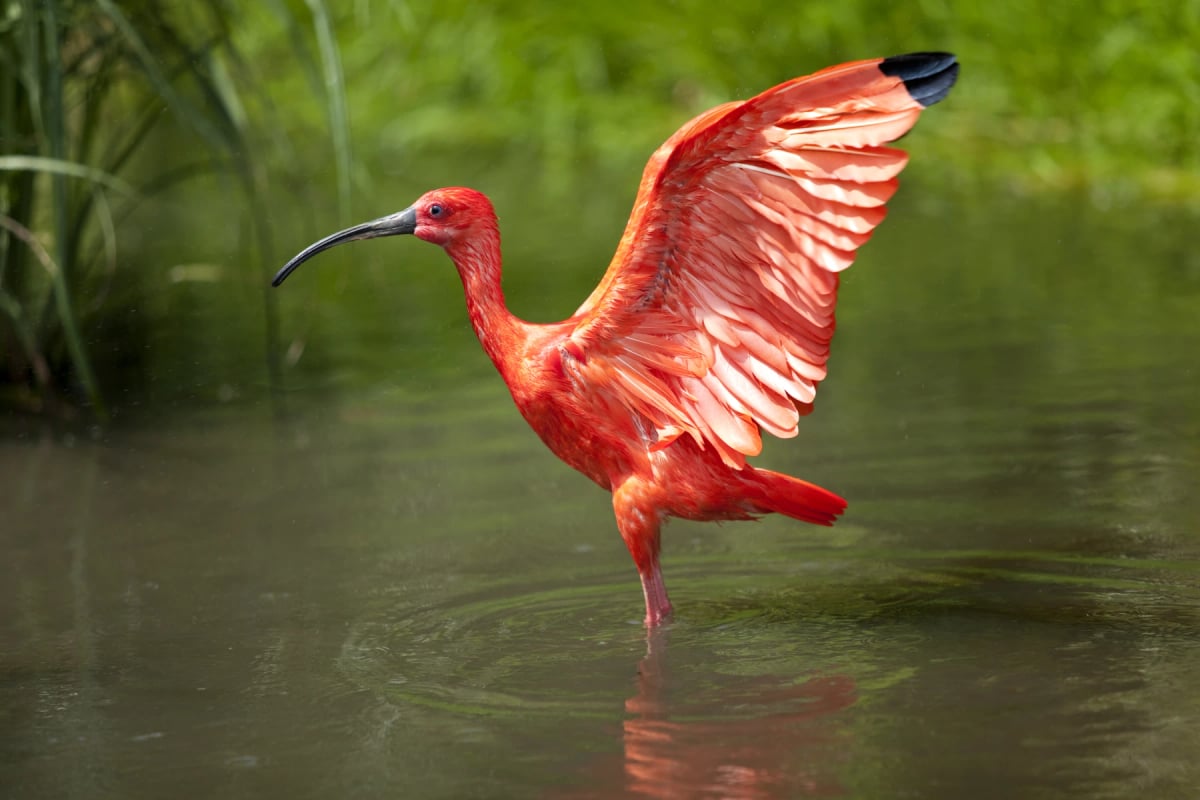
Scarlet Ibis
Eudocimus ruber
Trinidad and Tobago has two national birds, and both appear on the national coat of arms. The scarlet ibis represents Trinidad. It is the only shorebird in the world with bright red feathers, a color it gets from the small crustaceans it eats; young birds are brown and turn red as they grow. Thousands roost every evening in the mangroves of the Caroni Swamp, one of the most famous wildlife sights in the Caribbean. The other national bird is the cocrico, a brown bird with a long tail that represents Tobago. The scarlet ibis is protected by law.
View details→Wildlife in Trinidad and Tobago
Trinidad and Tobago has a surprising variety of wildlife for such a small country. Trinidad lies only a few kilometers from Venezuela and was once joined to South America, so many of its animals are the same ones found on the mainland. Its forests are home to ocelots, red brocket deer, armadillos, toucans and a small population of scarlet macaws, and the Nariva Swamp shelters green anacondas, caimans and West Indian manatees. Boa constrictors, green iguanas and colorful birds like the troupial and the southern lapwing live in forests and open country. The scarlet ibis, one of the two national birds, gathers by the thousands in the Caroni Swamp. The sea is just as rich. Leatherback turtles, the largest turtles in the world, nest on the beaches of Grande Riviere and Matura, while the reefs of Tobago have barracudas and dolphins, and bull, tiger and hammerhead sharks live offshore. Reserves and wetlands help protect this wildlife for the future.
Most Dangerous Animals in Trinidad and Tobago
Trinidad and Tobago has few animals that are a real danger to people, and serious incidents are rare. Trinidad has a few venomous snakes that live in its forests and farmland, so wearing boots and using a flashlight at night are good habits when hiking. Tobago has no venomous snakes at all. The green anaconda and the boa constrictor are not venomous. Anacondas live in swamps and rivers like Nariva and avoid people, and boas may bite only if handled. Caimans live in the same wetlands and should be kept at a distance. At sea, bull sharks can enter the murky waters of the Gulf of Paria and river mouths, and tiger and hammerhead sharks live offshore, although attacks are very rare. Barracudas on Tobago's reefs may bite at shiny objects, so it is best not to wear jewelry when swimming.
Top 10 Animals in Trinidad and Tobago
The top 10 animals of Trinidad and Tobago show how close the country is to South America. The green anaconda, one of the heaviest snakes in the world, lives in the Nariva Swamp, and the boa constrictor is common in the forests of Trinidad. At sea, tiger, bull and hammerhead sharks live in the surrounding waters, and bottlenose dolphins are often seen around Tobago. The peregrine falcon visits in winter from North America. Four colorful animals bring the list to life: the scarlet ibis, the national bird, the toucan, the scarlet macaw and the troupial, a bright orange and black songbird. The ocelot, a spotted wild cat, is another star, although it is rarely seen. Other animals in Trinidad and Tobago worth knowing are the leatherback turtles that nest on its beaches, manatees, caimans and red brocket deer.
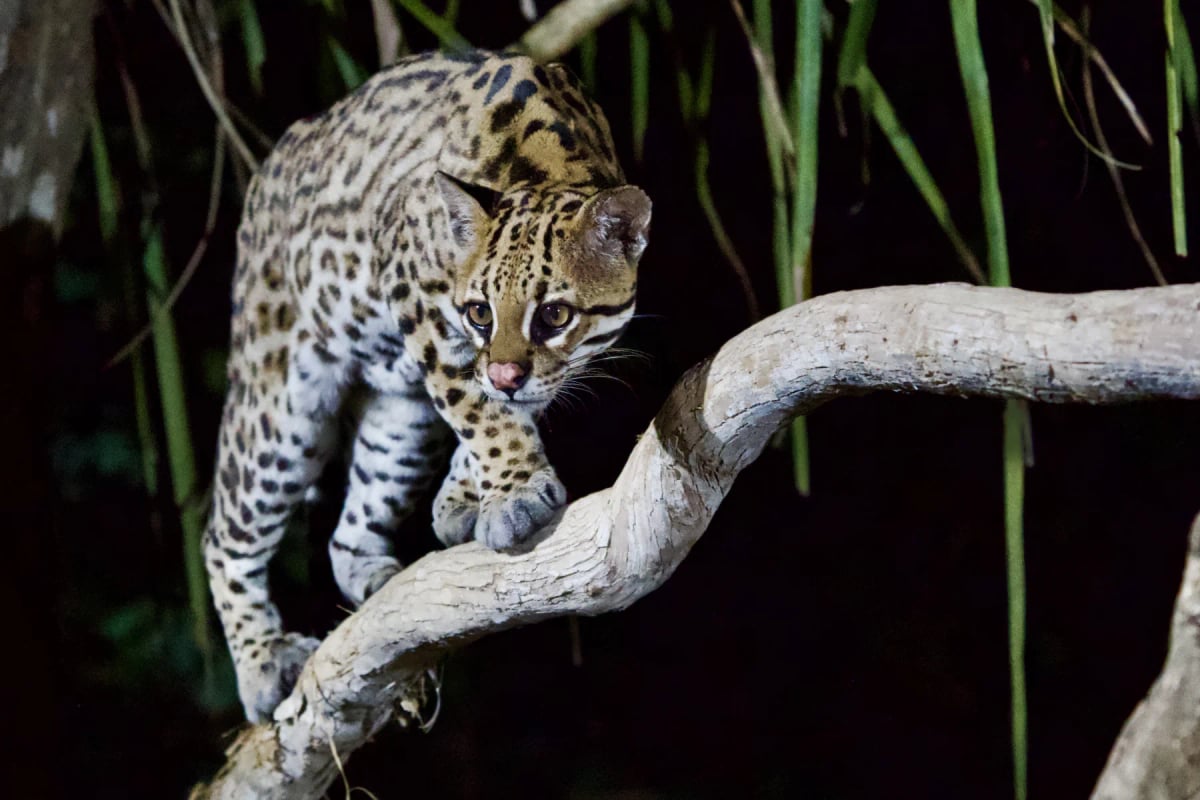
Ocelot
Leopardus pardalis
The ocelot is present on Trinidad, the larger of the two main islands, where it inhabits the Northern Range forests and other forested areas. Trinidad's wildlife reflects its South American origins, and the ocelot is one of several wild cat species found there. Habitat fragmentation and road traffic pose risks to the island population. Ocelots on Trinidad hunt at night, feeding on the island's native rodents, reptiles, and small birds.
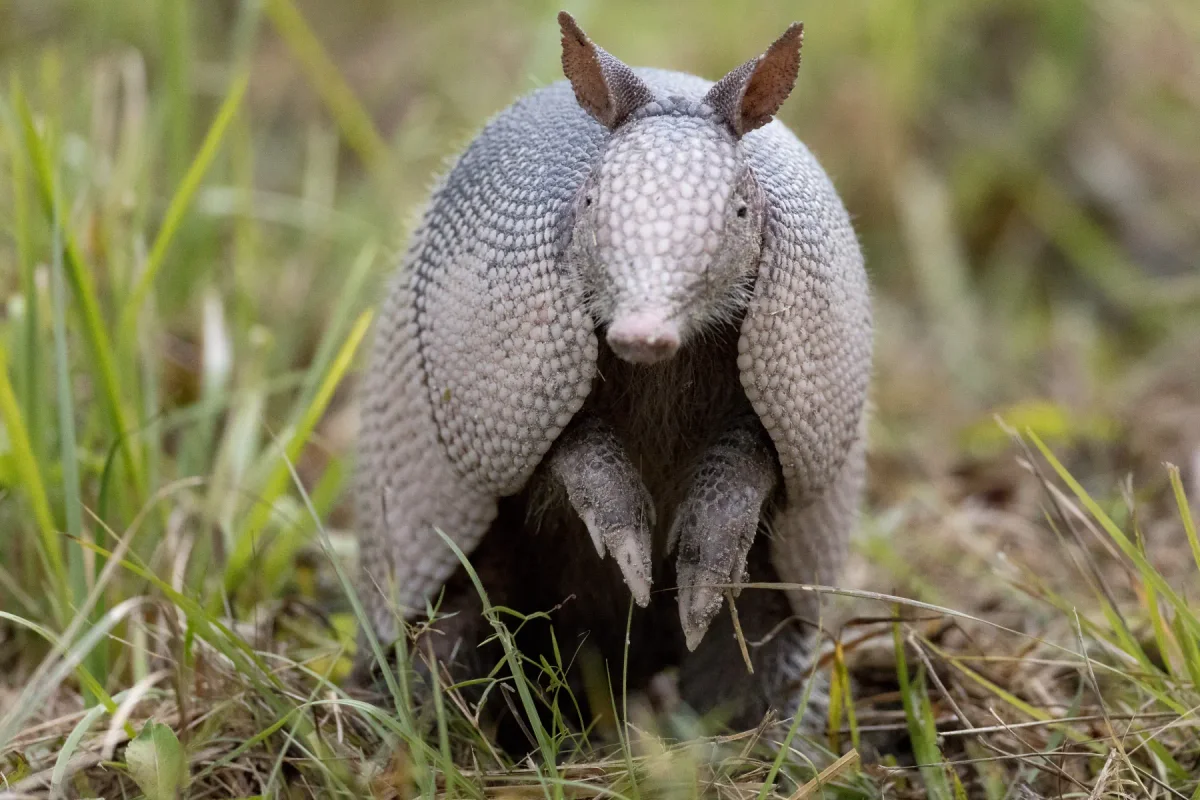
Armadillo
Dasypodidae spp.
The nine banded armadillo is present in Trinidad, where it inhabits forests, agricultural margins, and secondary vegetation across the island. Trinidad's fauna reflects its historical connection to the South American mainland, and the armadillo is part of this continental heritage. It is nocturnal and feeds on insects and invertebrates found in the soil. The species is locally known and has historically been hunted for food. Tobago does not have a native armadillo population.
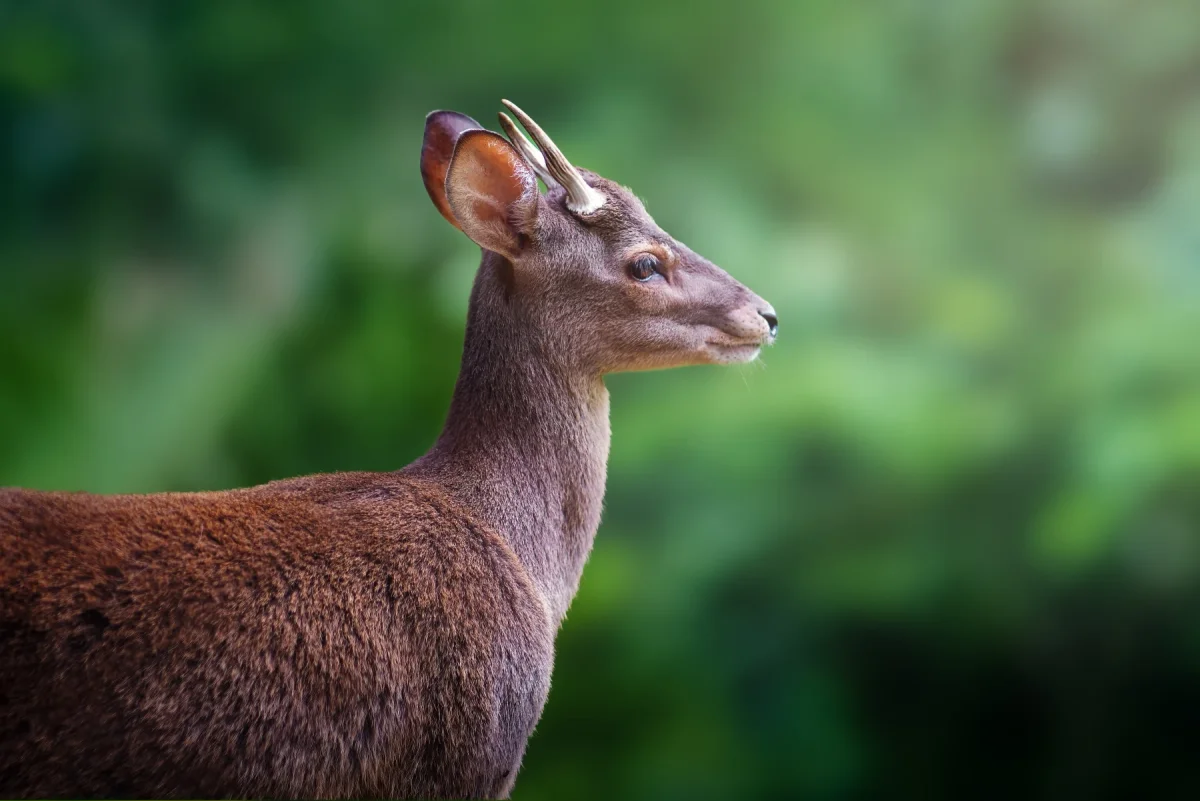
Brocket Deer
Mazama spp.
The red brocket deer is present in Trinidad, where it inhabits the forests of the Northern Range and other wooded areas across the island. Naturally shy and active around dawn and dusk, it feeds on fruits, leaves and shoots. Habitat loss and hunting pressure have reduced its numbers, making forest conservation in Trinidad increasingly important for the survival of this small cervid over the long term.

Iguana
Iguana iguana
The green iguana is native to Trinidad and Tobago, found in tropical forests, mangroves and river edges on both main islands. In Trinidad it is present in the Northern Range and throughout the lowland forests, while in Tobago it is widespread in forested areas and along watercourses. The species is part of the local wildlife heritage and is sometimes hunted for food in rural communities on both islands.
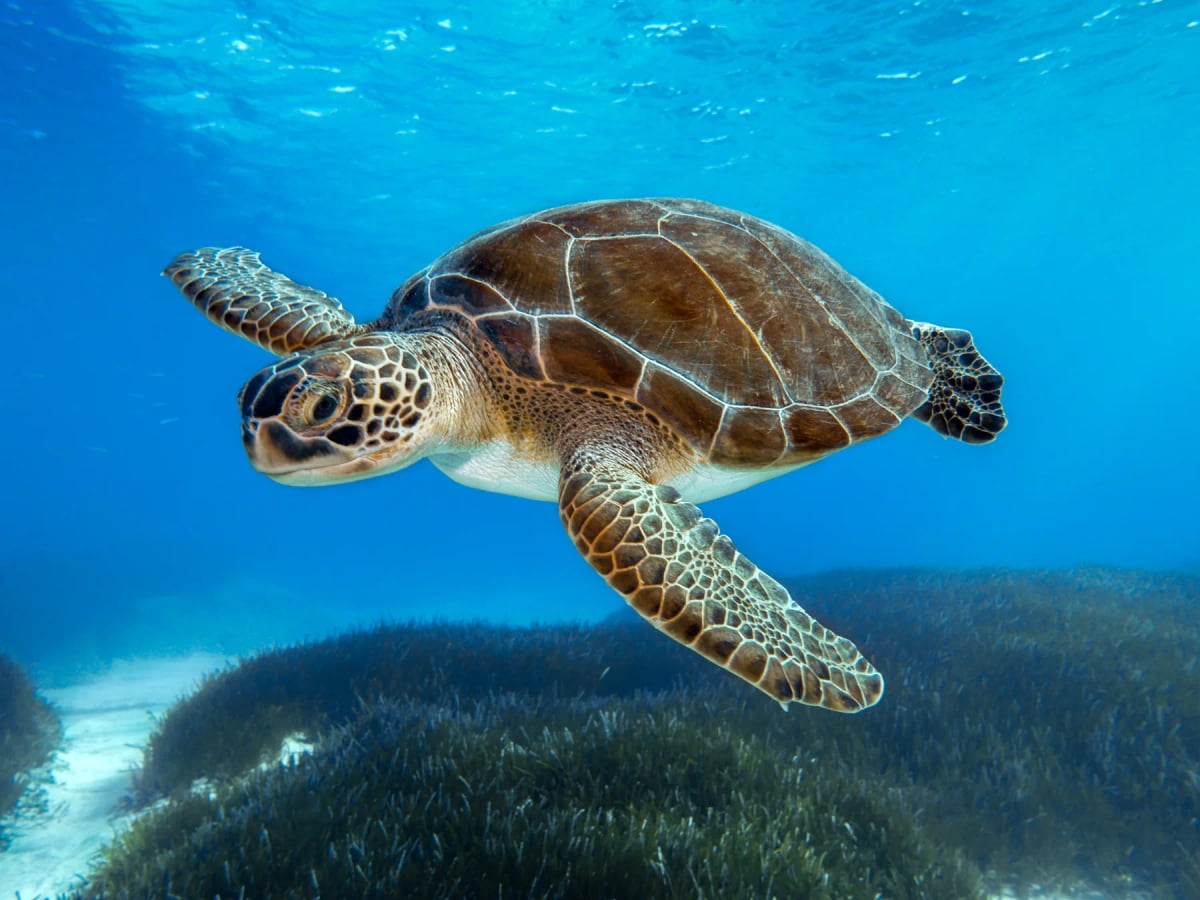
Sea Turtle
Cheloniidae & Dermochelyidae (families)
Trinidad and Tobago is one of the most important leatherback sea turtle nesting countries in the world. Grande Riviere beach on Trinidad's north coast is one of the highest density leatherback nesting beaches on Earth, where hundreds of females come ashore on a single night during peak season between March and July. Matura beach is another major leatherback site. Hawksbill and green turtles also nest on beaches across both islands, and community conservation groups have been protecting nesting turtles for decades.
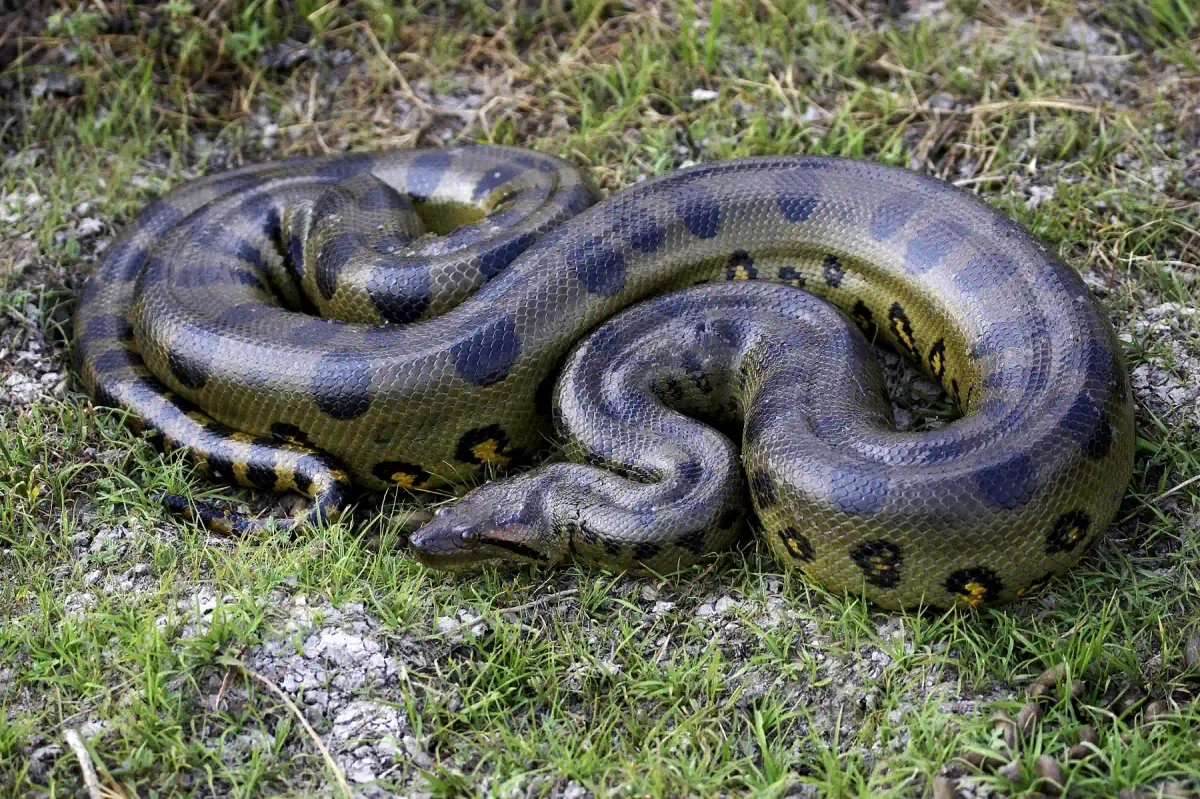
Anaconda
Eunectes murinus
The green anaconda is found on the island of Trinidad, where it inhabits swamps, rivers, and forested wetlands, particularly in the Nariva Swamp in the east of the island. Trinidad's fauna has strong connections to the South American mainland, and the anaconda is one of several large reptiles found there. The species is not present on Tobago. Nariva Swamp is a Ramsar wetland site and one of the best places to observe anacondas in Trinidad.
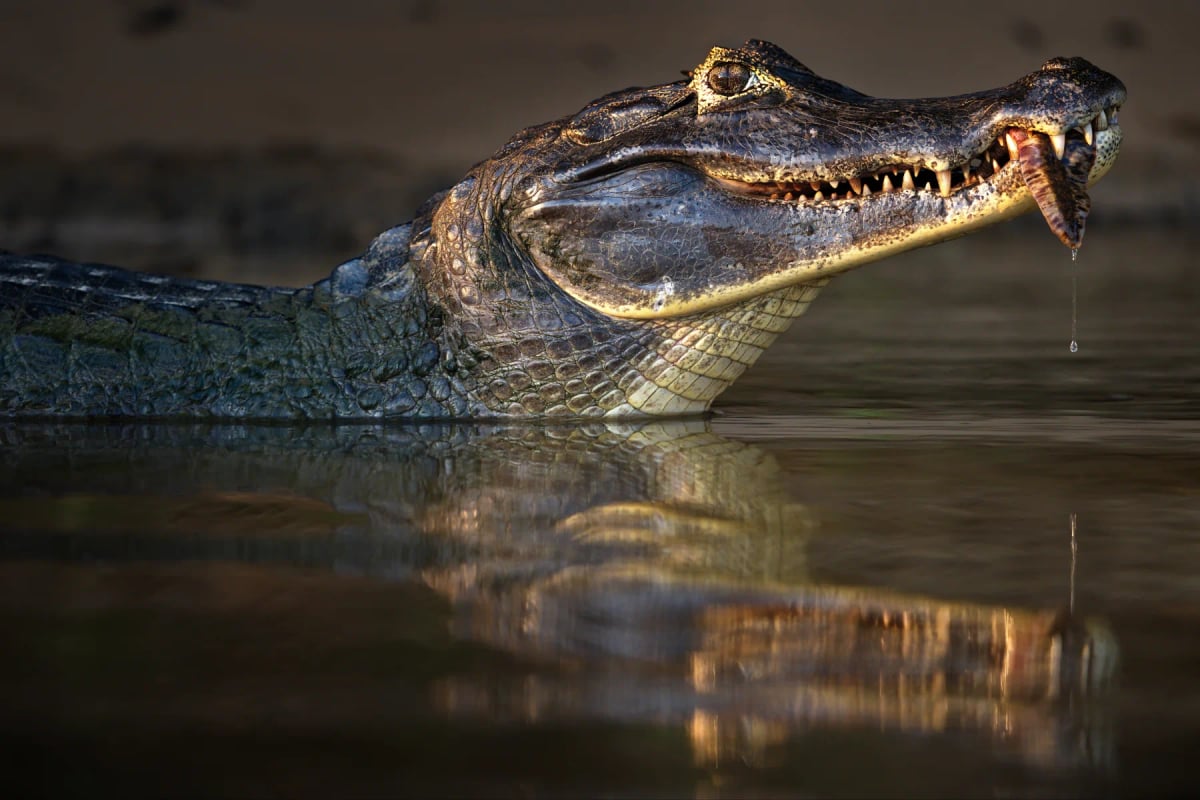
Caiman
Caiman spp.
In Trinidad and Tobago, the spectacled caiman is found primarily in Trinidad's freshwater swamps, rivers, and wetlands, particularly in the Nariva Swamp, the largest freshwater wetland in the eastern Caribbean. Caimans were historically hunted for their skins, which reduced local populations considerably. Today, the Nariva Swamp's status as a Ramsar Wetland of International Importance provides a degree of protection. Trinidad's caimans represent one of the most northerly island populations of the species in the Caribbean.
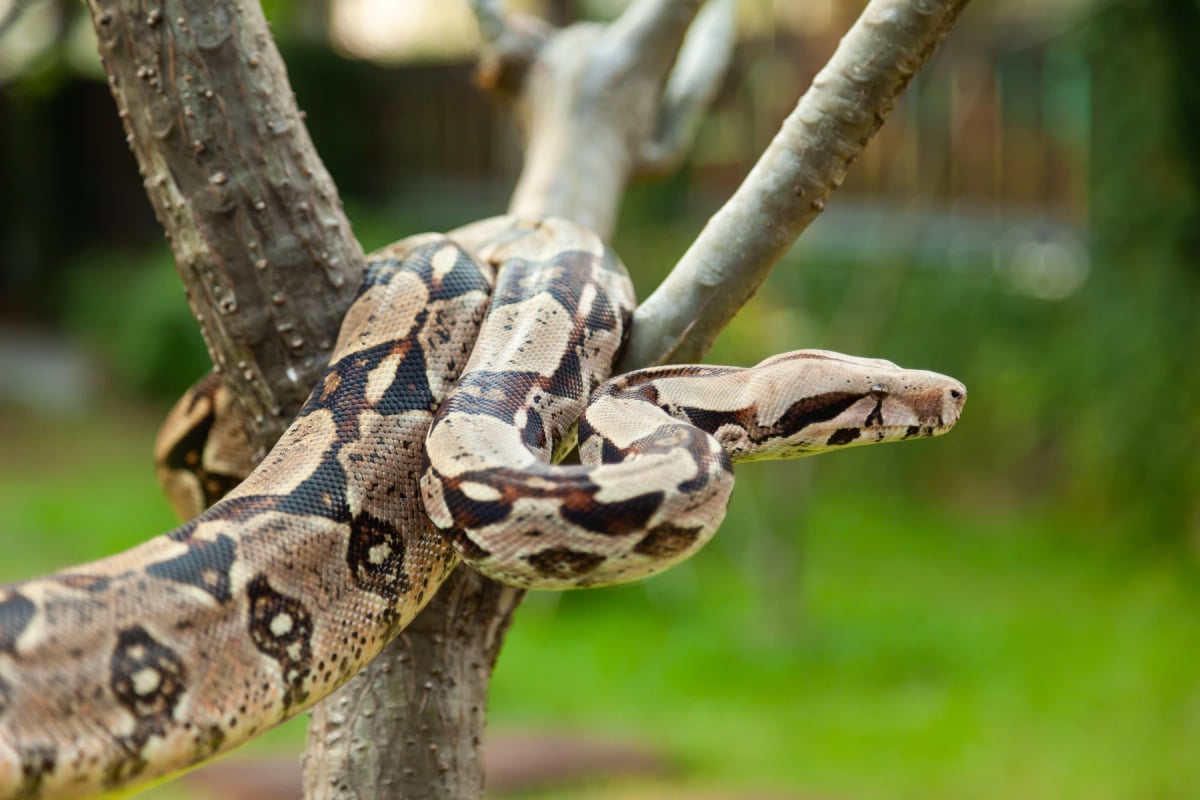
Boa Constrictor
Boa constrictor
In Trinidad and Tobago, the boa constrictor inhabits forested areas, forest edges, and agricultural land, particularly across Trinidad, where it is more commonly encountered. It preys on rodents, birds, and small mammals, making it a valuable controller of pest populations. Listed as Least Concern by the IUCN, it nonetheless faces pressure from habitat clearance and persecution by people who encounter it near homes.
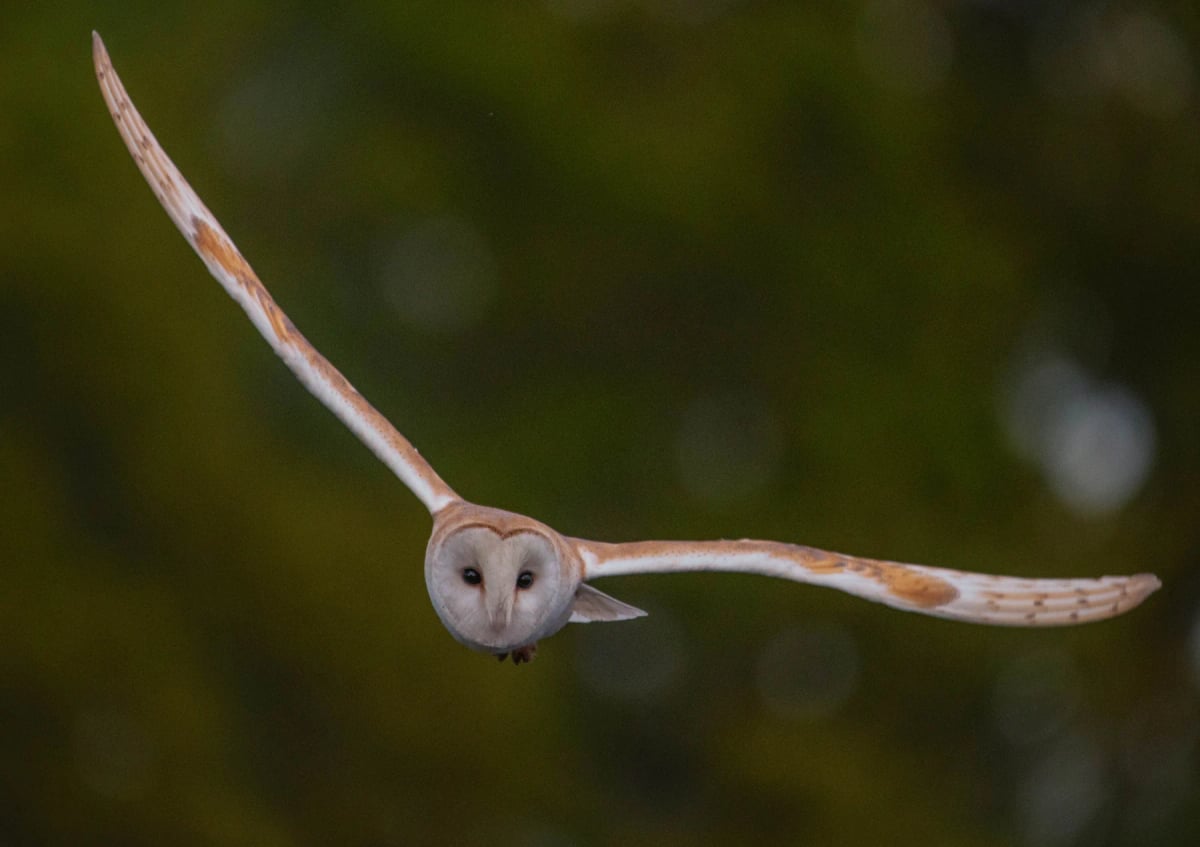
Barn Owl
Tyto alba
The barn owl is a resident of Trinidad and Tobago, found in open country, cane fields, pastures and around towns and villages, where it nests in old buildings, church towers and hollow trees. It hunts rats and mice at night and is often seen in car headlights along country roads. Like elsewhere in the Caribbean, its screech has earned it a place in local folklore as a bird of ill omen, although it is a useful controller of rodents. The IUCN lists it as Least Concern.
Scarlet Ibis
Eudocimus ruber
The Scarlet Ibis is the national bird of Trinidad and Tobago, a title it shares with the Rufous-vented Chachalaca. In Trinidad, the Caroni Swamp is the most celebrated site for watching these birds, where thousands descend at dusk to roost in the mangroves in a breathtaking display of color. The swamp is a protected Ramsar wetland, and guided boat tours make this one of the Caribbean's great wildlife experiences.
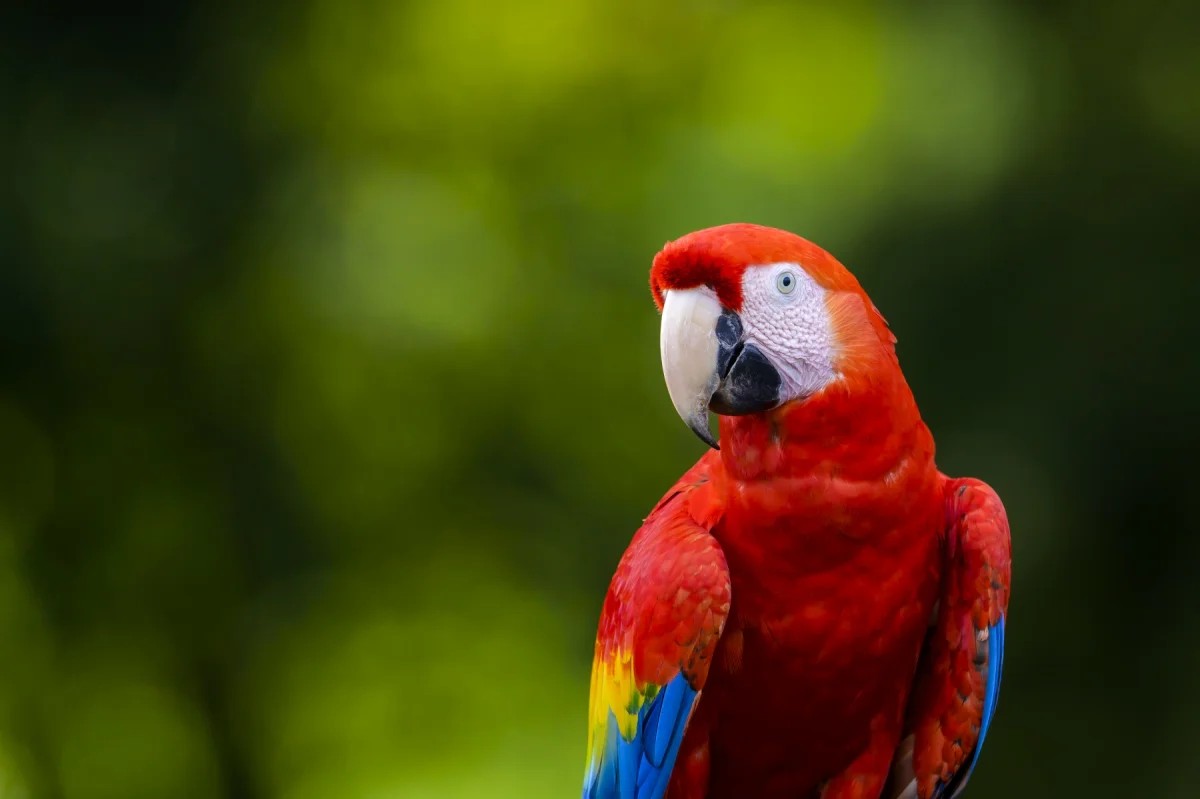
Scarlet Macaw
Ara macao
On Trinidad, scarlet macaws are seen mostly in the forested south of the island, from Los Blanquizales and Palo Seco to Moruga, where flocks have grown in recent years. Trinidad lies just off the coast of Venezuela, within reach of the mainland population. Sightings are a highlight for birdwatchers, and nest poaching remains the main threat to the birds on the island. IUCN status: Least Concern.
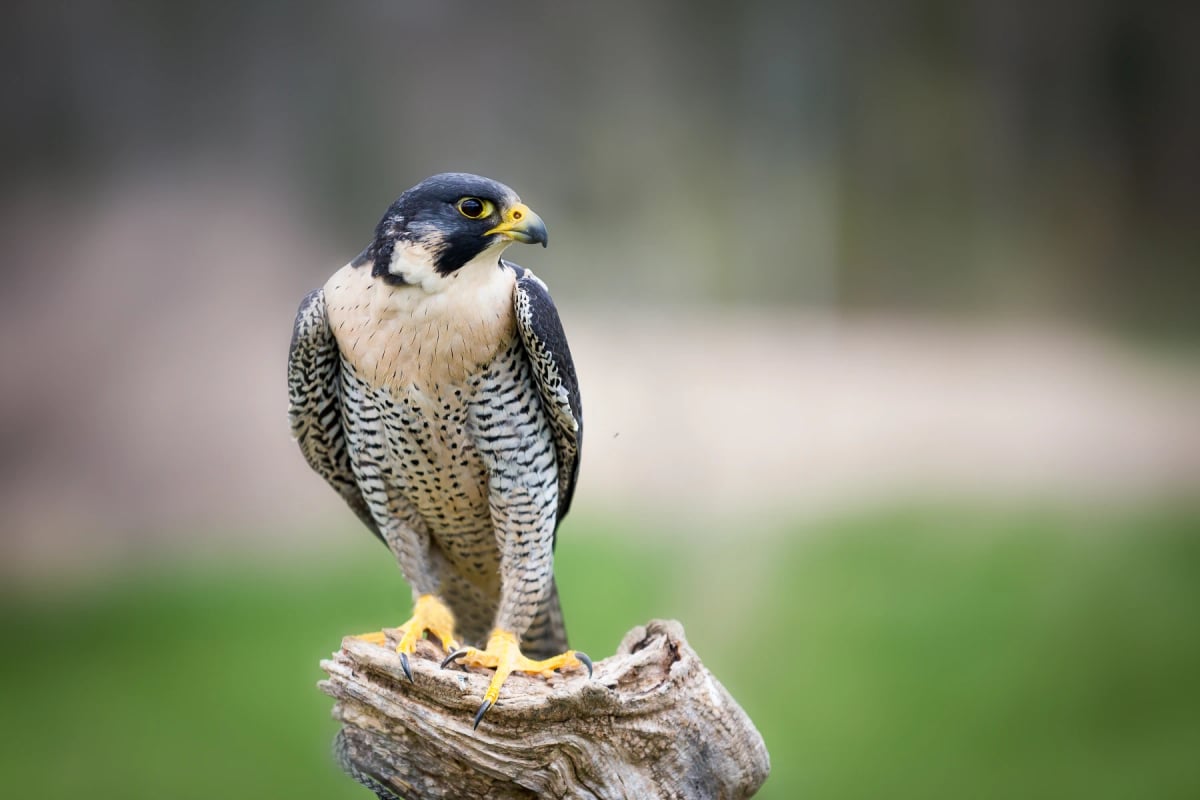
Peregrine Falcon
Falco peregrinus
The peregrine falcon visits Trinidad and Tobago as a seasonal migrant from North America, typically arriving between October and April. It hunts shorebirds, pigeons, and other birds along the coasts and wetlands of both islands. Trinidad's Caroni Swamp is among the notable sites where this species has been recorded. The IUCN lists the peregrine falcon as Least Concern.
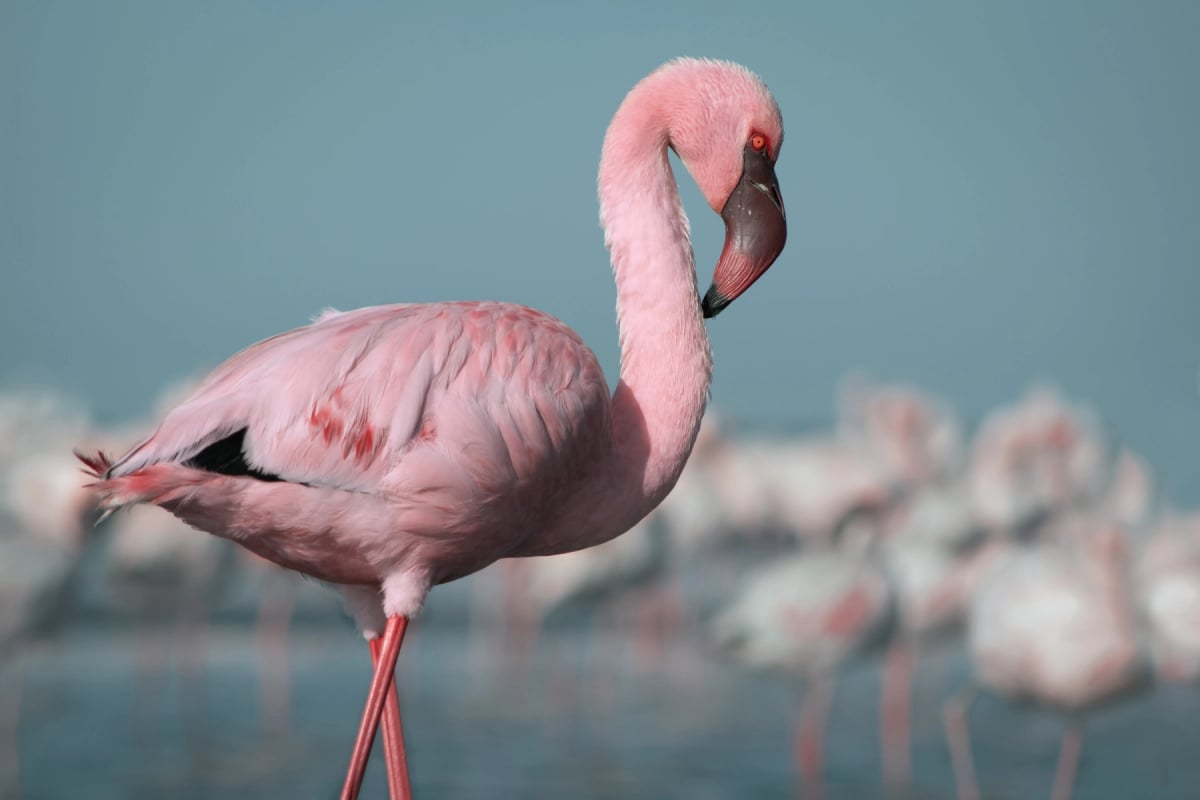
Flamingo
Phoenicopteridae (6 species)
The American flamingo lives in Trinidad and Tobago, mostly on the west coast of Trinidad, facing the Gulf of Paria. Flocks feed on tidal mudflats and in the Caroni Swamp area, and they are close to the large flamingo populations of Venezuela, just across the gulf, so birds move between the two countries. Their bright orange pink color makes them easy to spot among herons and scarlet ibis. IUCN status: Least Concern.
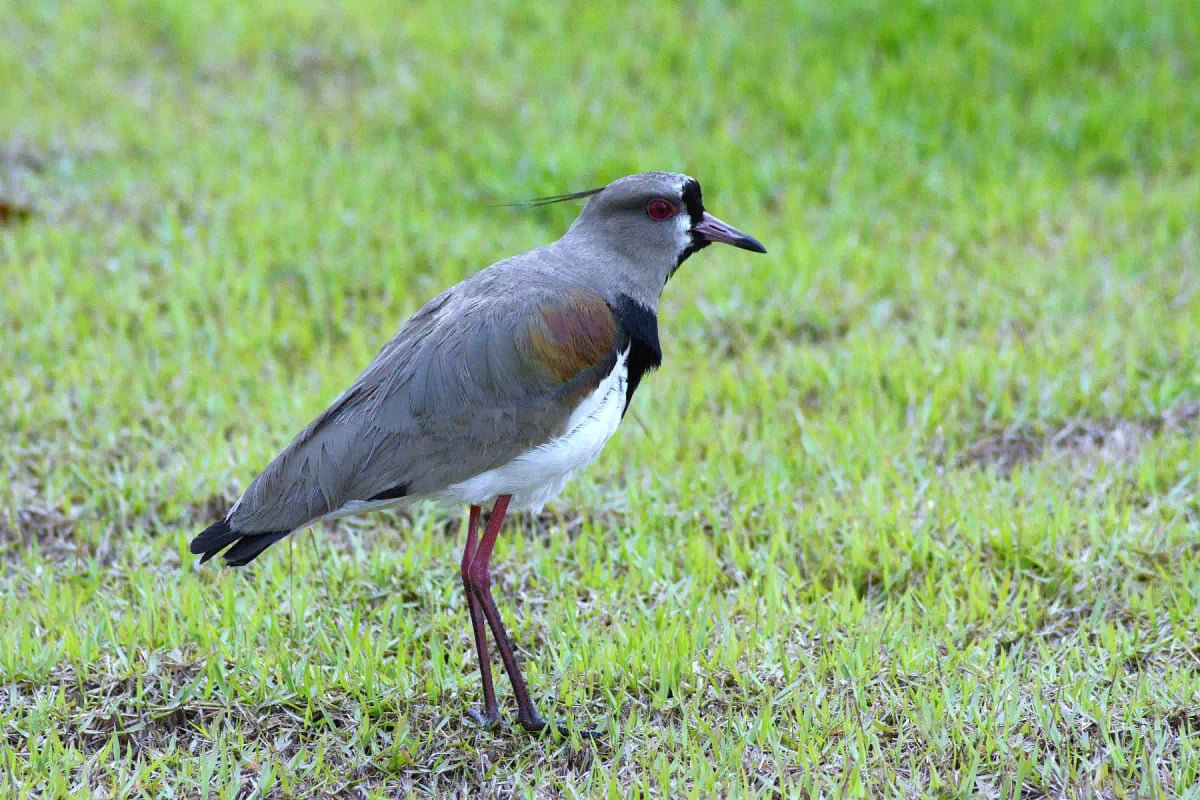
Southern Lapwing
Vanellus chilensis
The southern lapwing has established itself in Trinidad, where it colonized the island relatively recently and has since spread across open grasslands, pastures, and wetland edges. It is far less common in Tobago. Its loud calls and bold personality make it easy to spot. Its IUCN status is Least Concern, and the population in Trinidad continues to grow steadily.
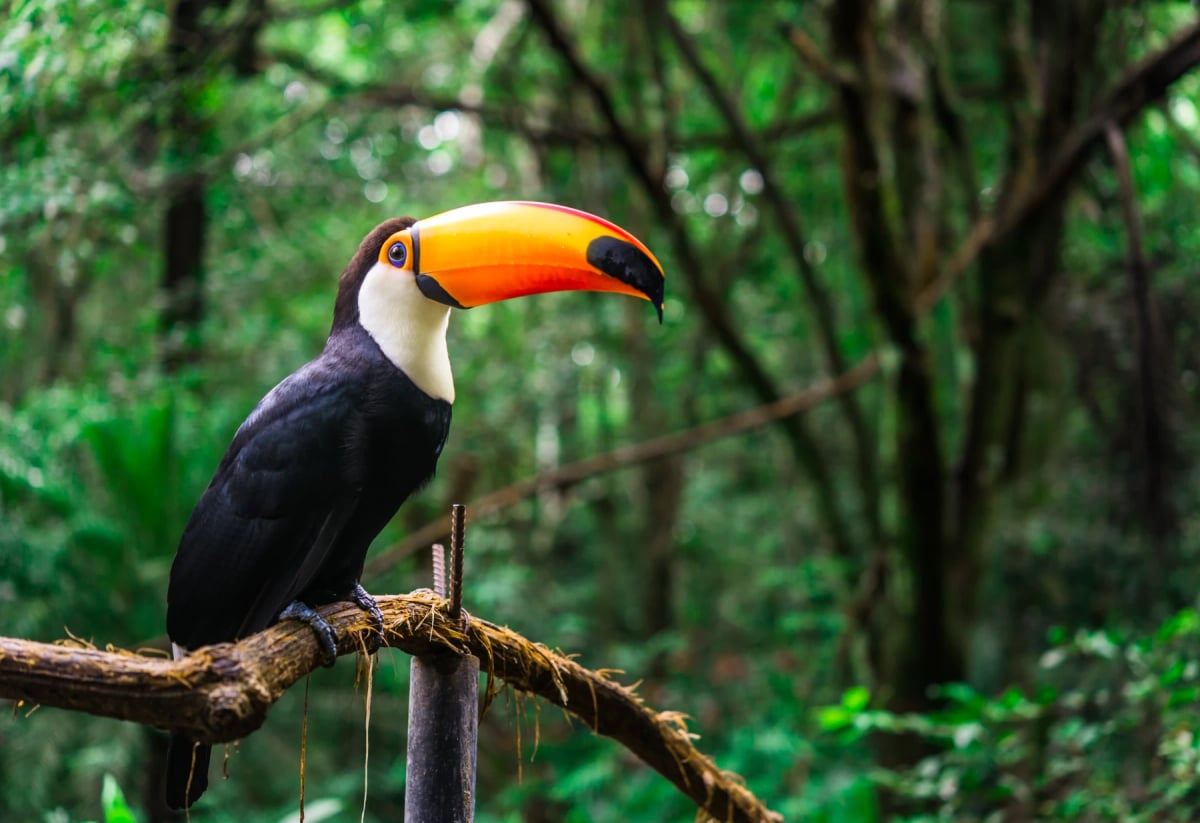
Toucan
Ramphastos spp.
The channel-billed toucan is the species most commonly seen in Trinidad and Tobago, where it inhabits forested areas and the edges of plantations. Trinidad's northern range and its southern lowland forests both provide suitable habitat. Toucans here are known to travel in small groups and are a popular sight for birdwatchers visiting the island. Their role as seed dispersers benefits the local forest ecosystem. IUCN status: Least Concern.
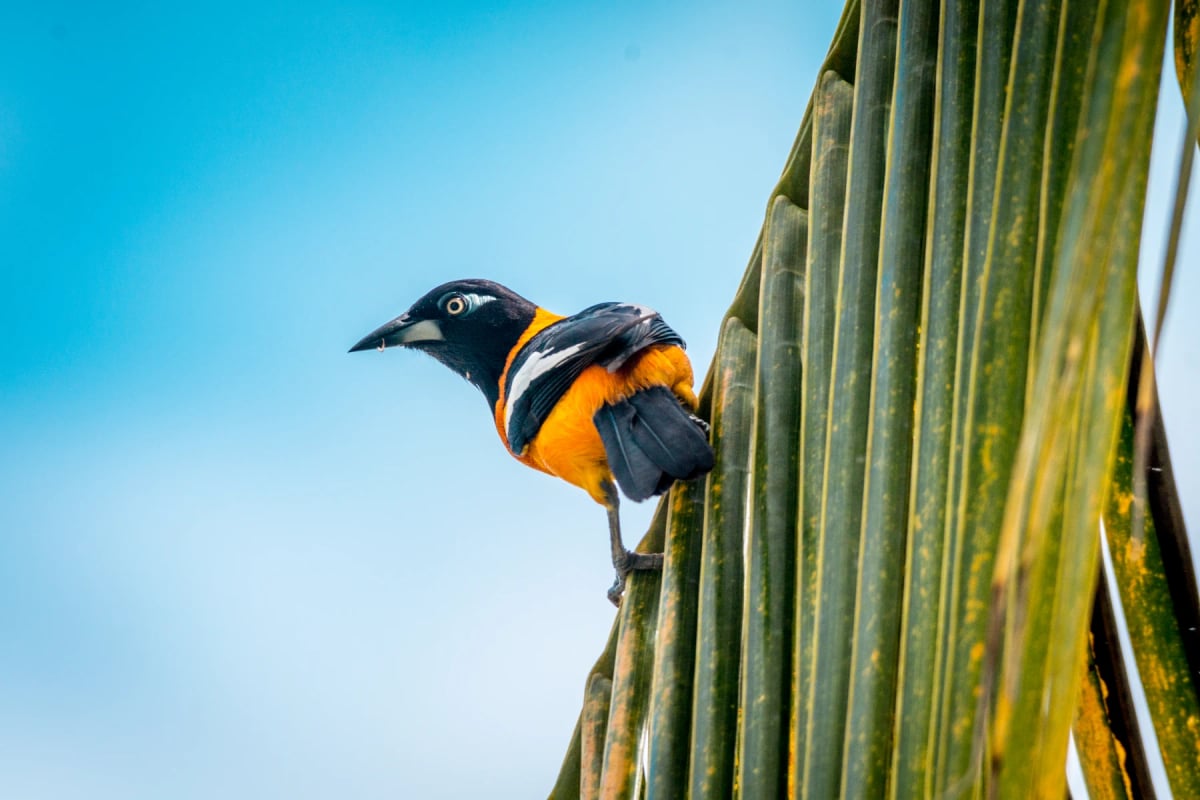
Turpial
Icterus icterus
On the island of Trinidad, the Venezuelan troupial is a striking visitor found mainly in drier areas of the northern and western parts of the island. Believed to have arrived from the nearby South American mainland, it stands out in scrub and open woodland with its vivid orange and black coloring. It feeds on insects, fruit, and nectar, and its habit of taking over existing nests sets it apart from most other birds on the island.
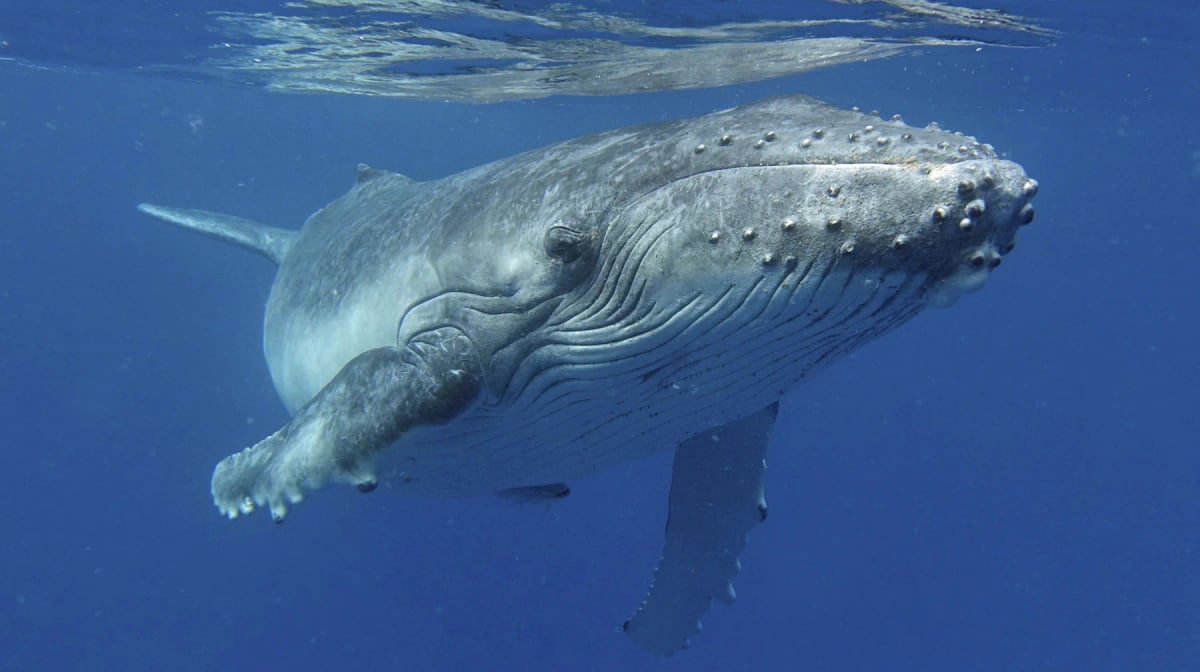
Humpback Whale
Megaptera novaeangliae
Humpback whales pass through the Caribbean waters near Trinidad and Tobago as part of their North Atlantic migration. Warm waters in this part of the Caribbean serve as important breeding and calving habitat for the species. Males produce elaborate songs that can travel great distances underwater, a behaviour well documented in the Caribbean. These whales grow up to 16 metres in length and are recognised by their long pectoral fins. The IUCN classifies the species as Least Concern.
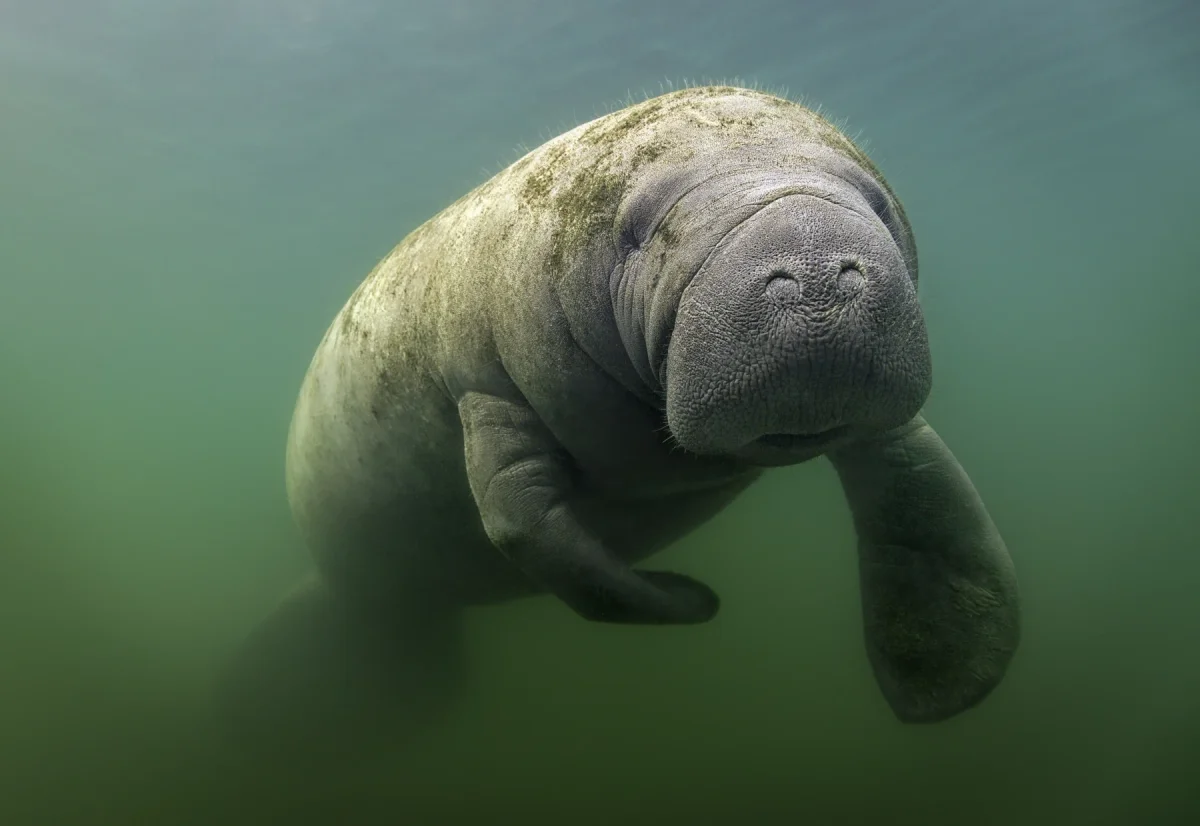
Manatee
Trichechus manatus
In Trinidad and Tobago, West Indian manatees are found mainly in the sheltered rivers, swamps, and coastal wetlands of Trinidad, including the Nariva Swamp, one of the largest freshwater wetlands in the Caribbean. Their numbers are low and they face threats from hunting, fishing gear entanglement, and habitat loss. The species is listed as Vulnerable, and local awareness efforts are critical to its survival in these islands.
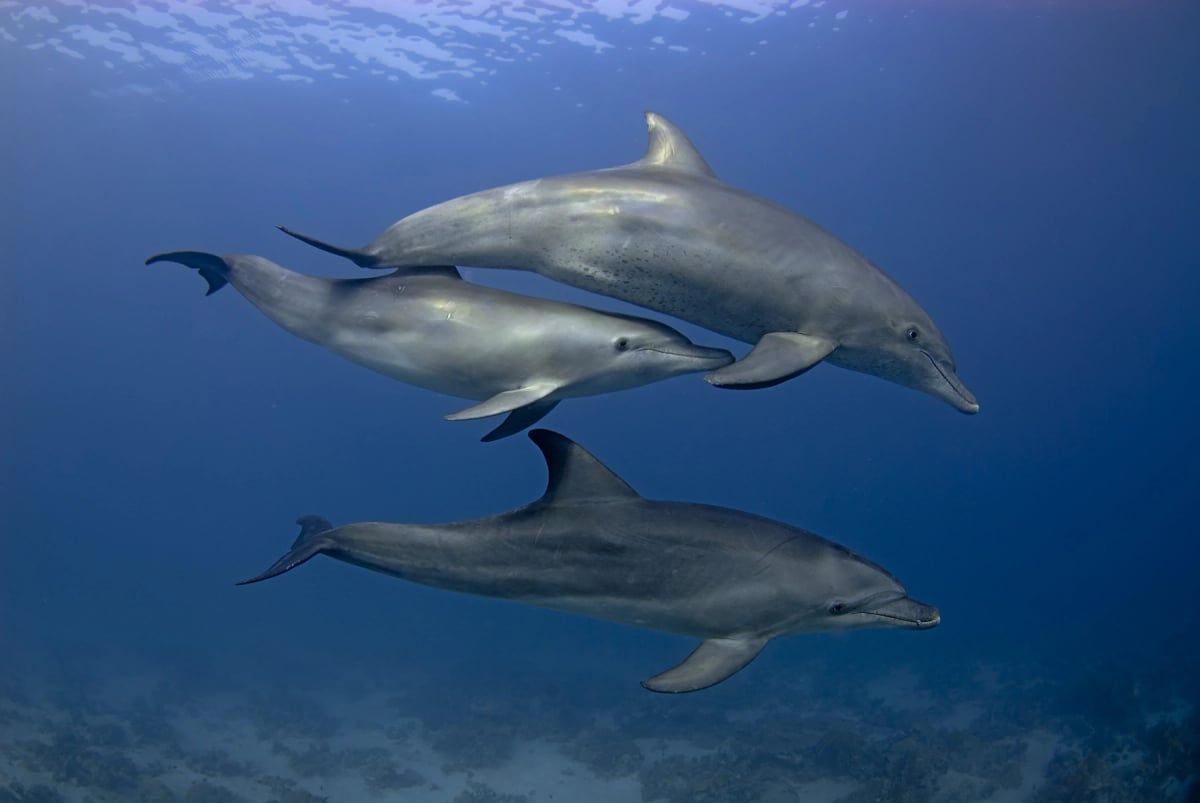
Bottlenose Dolphin
Tursiops truncatus
Bottlenose dolphins are regularly seen in the coastal waters of Trinidad and Tobago, particularly around Tobago's coral reefs and in the Gulf of Paria near Trinidad. They travel in pods and are known to ride the bow waves of boats. The nutrient-rich waters of the Caribbean and Atlantic here support healthy fish populations that sustain these dolphins year-round. The IUCN lists the species as Least Concern.
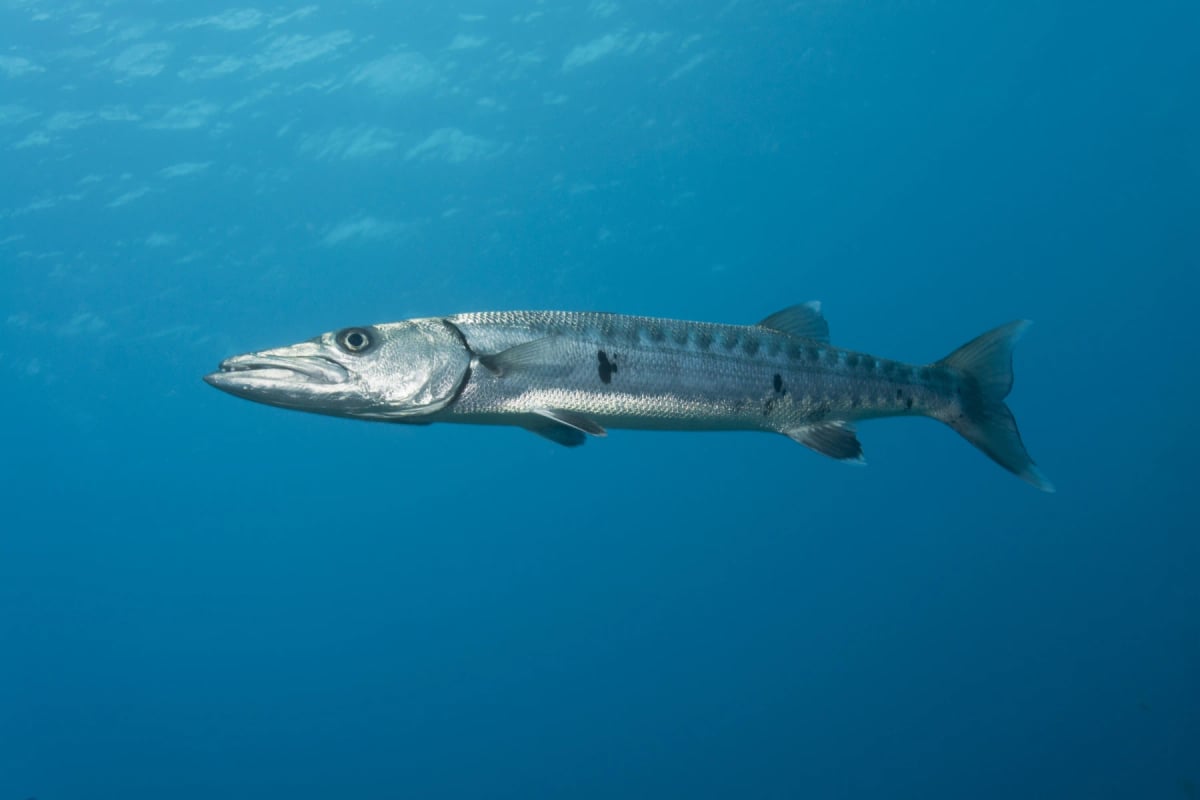
Barracuda
Sphyraena spp.
Barracudas are found in the coastal and reef waters of Trinidad and Tobago, with Tobago offering the better reef diving of the two islands. The great barracuda is a regular presence on Tobago's coral reefs, particularly around Speyside and the famous dive sites of the northeast coast, where strong currents bring nutrient-rich water and support abundant marine life. Barracudas are seen both alone and occasionally in small groups near reef drop-offs and in open water. Trinidad's murkier, nutrient-rich waters see them less frequently than the clearer reefs of Tobago.
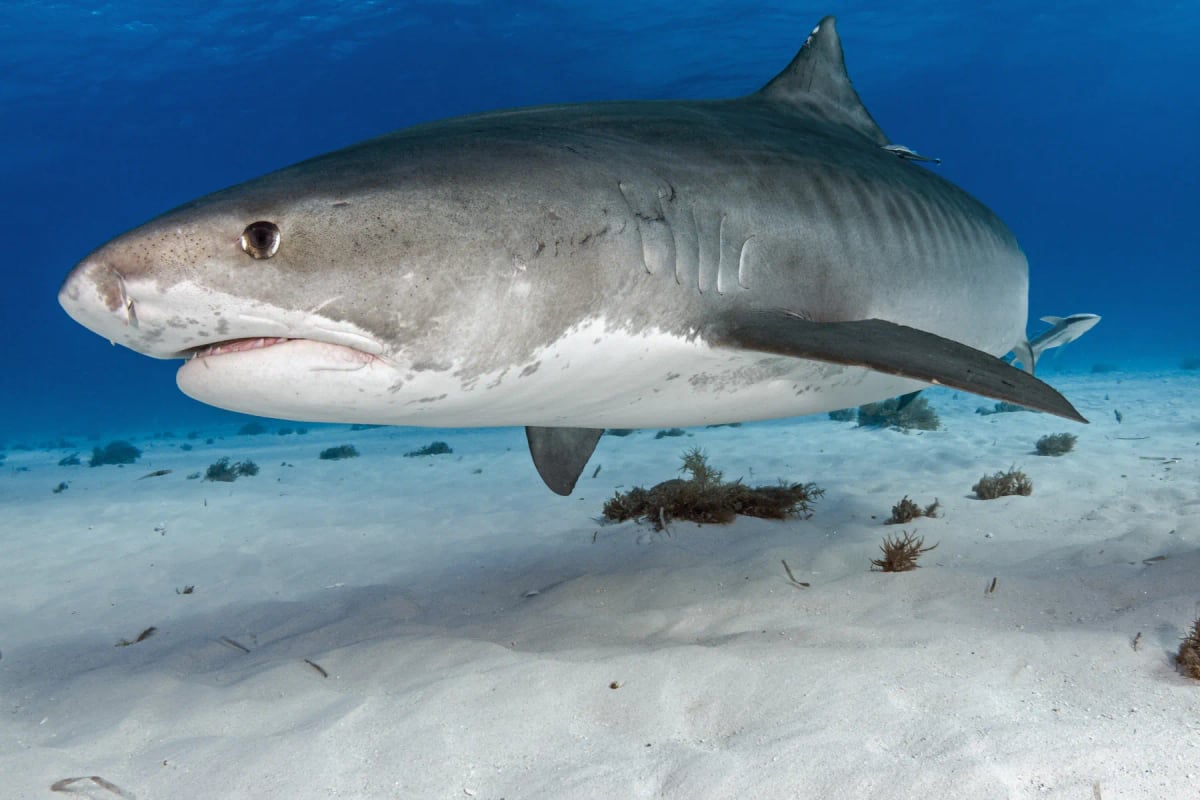
Tiger Shark
Galeocerdo cuvier
Tiger sharks frequent the Caribbean and Atlantic waters surrounding Trinidad and Tobago, where warm temperatures and plentiful marine life make the area ideal habitat. They feed on fish, sea turtles, and rays in both shallow coastal zones and deeper offshore water. The twin-island nation sits close to the South American continent, and the nutrient-rich outflow from rivers adds to the productivity of these seas. Fishing pressure remains a concern for the species. Their IUCN status is Near Threatened.
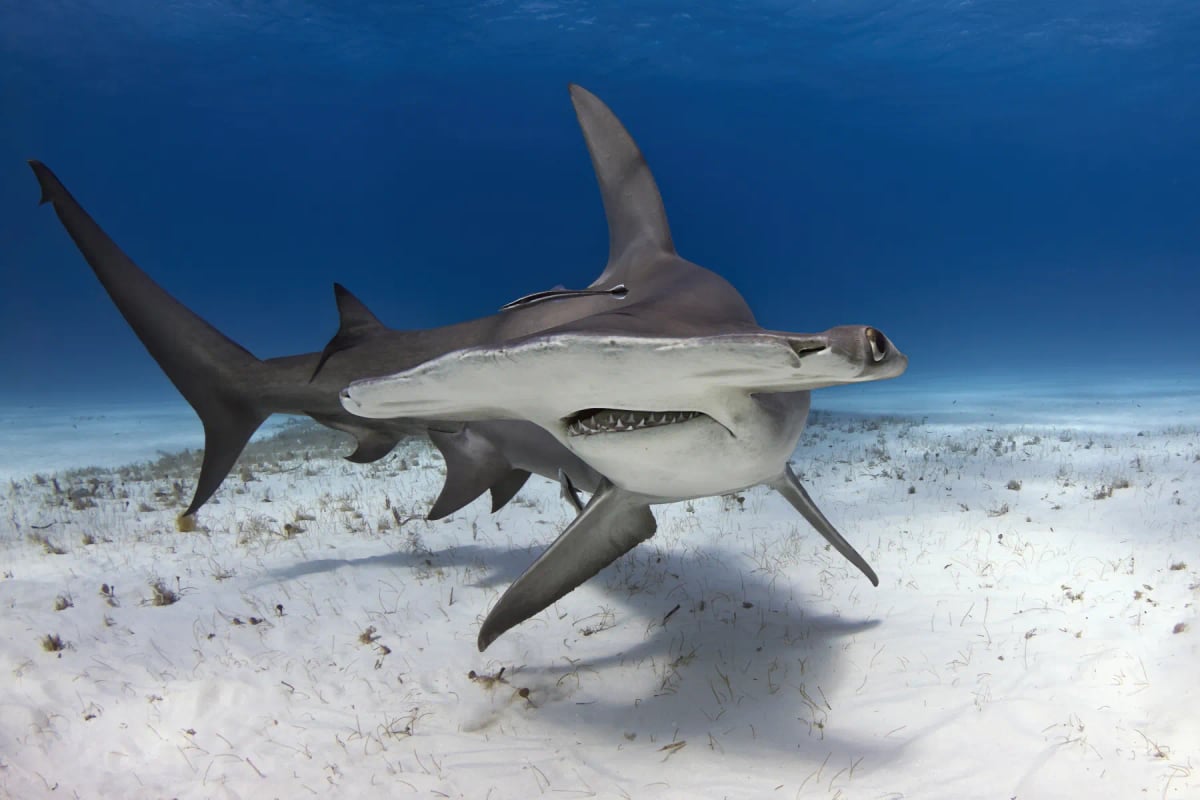
Hammerhead Shark
Sphyrna spp.
The waters around Trinidad and Tobago, located at the southern edge of the Caribbean near the South American coast, provide warm tropical habitat for hammerhead sharks. These sharks play an important role in the local marine ecosystem. Fishing pressure in the Caribbean has reduced hammerhead populations significantly. Conservation groups in Trinidad and Tobago have been raising awareness about the importance of protecting sharks in the region's coastal and offshore waters.
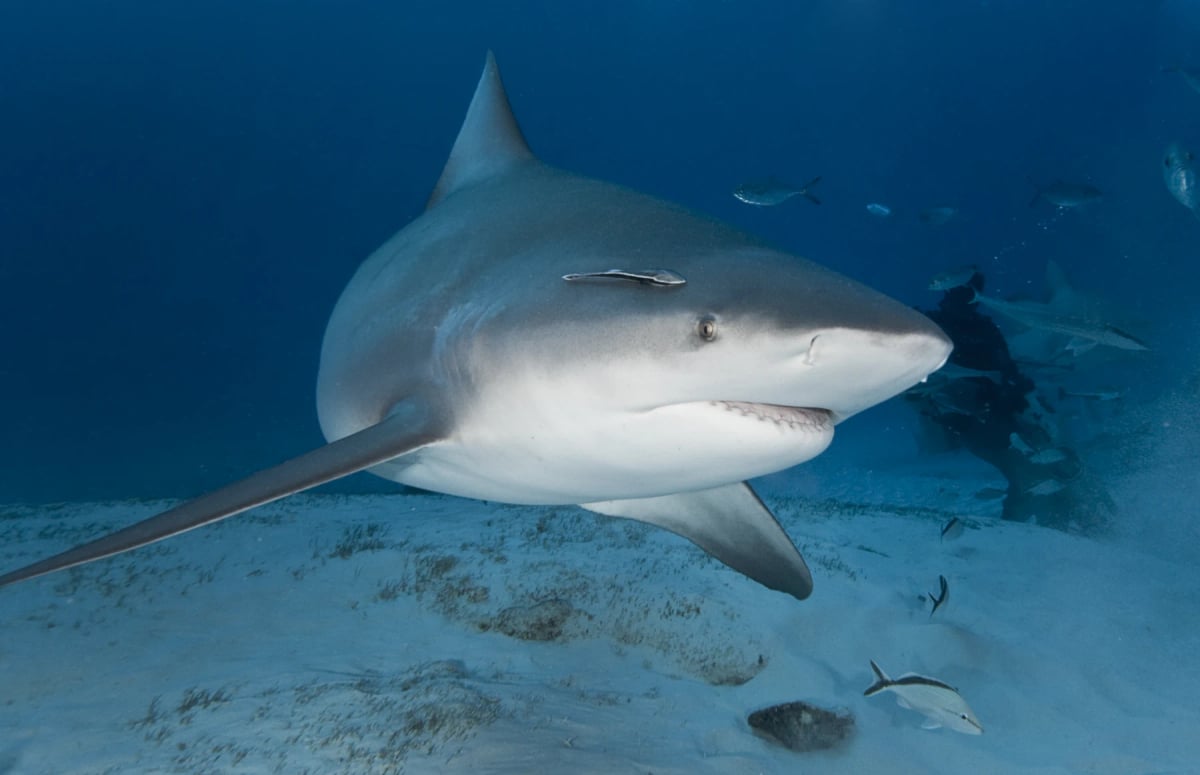
Bull Shark
Carcharhinus leucas
Bull sharks are recorded in the coastal and estuarine waters of Trinidad and Tobago, particularly around the Gulf of Paria, which receives freshwater discharge from Venezuela's Orinoco River system. These conditions suit bull sharks well. They are occasionally encountered by fishers working inshore zones. Their Near Threatened IUCN status highlights the need for regional monitoring across Caribbean and South American coastal habitats.
Frequently Asked Questions
What animals live in Trinidad and Tobago?
Trinidad and Tobago is home to ocelots, red brocket deer, armadillos and West Indian manatees. Its birds include the scarlet ibis, a national bird, toucans, scarlet macaws, troupials, southern lapwings and peregrine falcons. Reptiles include green anacondas, boa constrictors, caimans, green iguanas and sea turtles, especially the huge leatherbacks that nest on Trinidad's beaches. In the sea live humpback whales, bottlenose dolphins, barracudas and tiger, bull and hammerhead sharks. Because Trinidad was once joined to South America, much of its wildlife is the same as in nearby Venezuela.
What are the national birds of Trinidad and Tobago?
Trinidad and Tobago has two national birds. The scarlet ibis represents Trinidad and the cocrico represents Tobago, and both appear on the national coat of arms. The scarlet ibis is a wading bird with bright red feathers that lives in mangroves and mudflats, and the Caroni Swamp is its most famous home. The cocrico is a brown, chicken like bird with a long tail, known for its loud calls at dawn, and it lives in the forests of Tobago. Both birds are protected by law.
Where can you see the scarlet ibis in Trinidad?
The best place is the Caroni Swamp, a large mangrove wetland on Trinidad's west coast, just south of Port of Spain. Boat tours leave in the late afternoon and wait near the mangrove islands where the ibises sleep. Around sunset, flocks of bright red birds fly in from their feeding grounds and settle in the trees until they look covered in red. The birds can be seen all year, and the swamp is a protected sanctuary, so visitors watch from the boats without landing on the roosting islands.
What birds can you see in Trinidad and Tobago?
Trinidad and Tobago is one of the best birding places in the Caribbean, because it has many South American birds. Among the birds on this site, the scarlet ibis is the most famous, with thousands roosting in the Caroni Swamp. Toucans live in the forests of Trinidad, and a small population of scarlet macaws lives around the Nariva Swamp. The troupial, orange and black, lives in drier areas, and the southern lapwing, a noisy bird that arrived from South America, is common in open fields. Peregrine falcons visit from North America between autumn and spring.
Are there dangerous animals in Trinidad and Tobago?
A few, but serious incidents are rare. Trinidad has some venomous snakes in its forests and farmland, while Tobago has none. The green anaconda and the boa constrictor are large but not venomous, and they avoid people. Caimans live in swamps and rivers and should not be approached. At sea, bull, tiger and hammerhead sharks live around the islands, but attacks are very uncommon. When hiking in Trinidad, boots, long pants and a flashlight at night are the best protection, and a local guide helps a lot in remote forests.
Researched and written by Juan Pablo. Sources: IUCN Red List, scientific literature and regional field guides. Last updated: .