Animals in Portugal
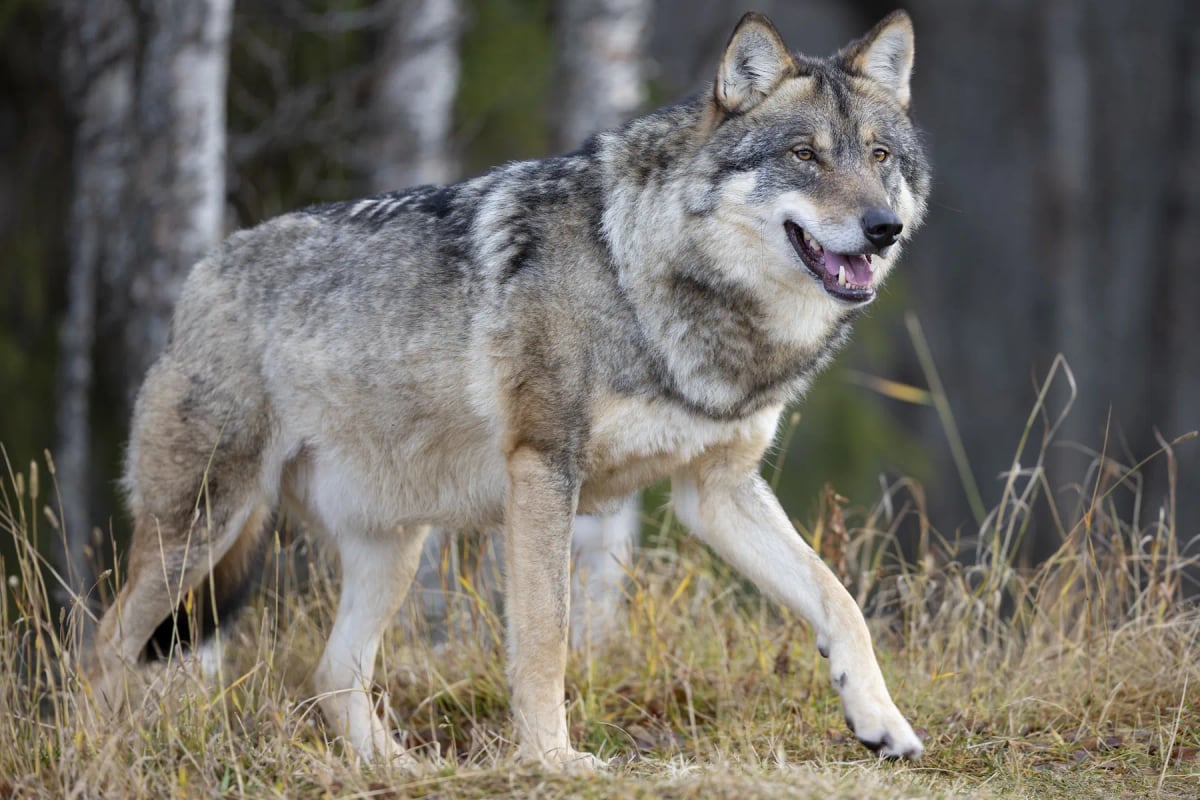
Gray Wolf
Canis lupus
The gray wolf is a strong cultural symbol in Portugal. It appears in stories and local art and still lives in family groups in the north. Its return to several districts reflects patient protection and respect for rural landscapes. As a top predator it keeps deer and boar in balance, and its image links mountain villages, old paths and present day conservation work across the country.
View details→Wildlife in Portugal
Portugal brings together Atlantic coast, cork oak woods and mountain ranges. Peneda Gerês and Douro International offer marked trails, quiet valleys and viewpoints over river canyons. In the south, Ria Formosa has boat trips through lagoons and islands. Offshore routes in Madeira and the Azores show rich marine life. Short day trips from Porto, Lisbon and Faro make nature easy to reach year round.
Most Dangerous Animals in Portugal
Wildlife risks in Portugal depend on place. In oak woods and hills, wild boar can charge if it feels cornered. Gray wolves avoid towns but defend dens and food. The Iberian lynx is very shy and keeps away from people. At sea, orcas and sharks such as great white, hammerhead, bull and tiger may pass far offshore. Most encounters are brief and seen from a safe distance.
Top 10 Animals in Portugal
Our Top 10 picks focus on species with strong interest and clear places to see them. The Iberian lynx stands out in the Guadiana valley, where careful work brought it back. The gray wolf holds the north in remote sierras. The peregrine falcon is easy to watch on cliffs and tall buildings. Far offshore, the great white shark belongs to deep Atlantic waters and adds a marine note to the list.
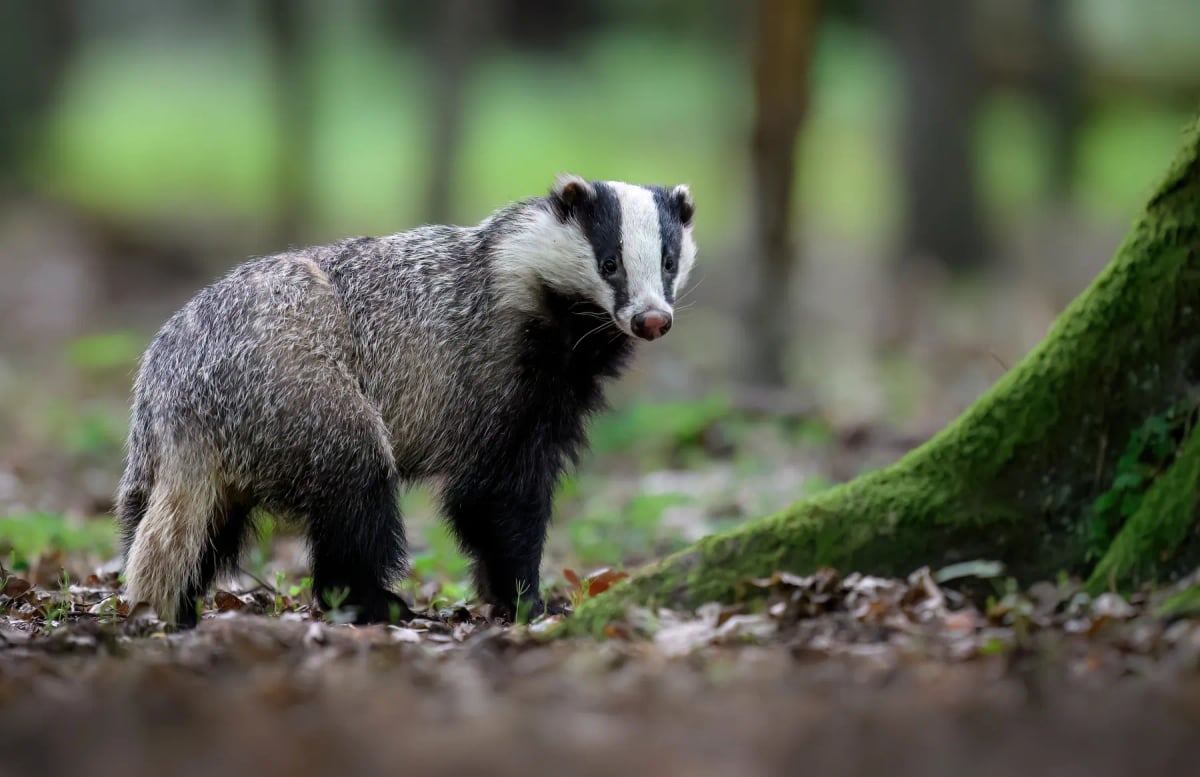
Badger
Meles meles
The Eurasian badger is widespread across Portugal in woodland, scrubland and mixed farmland, from the wetter forests of the north to the drier landscapes of the Alentejo and Algarve. It is nocturnal and rarely seen despite being common in many areas. In Portugal the badger feeds on earthworms, insects, fruit, roots and small animals, with fruit becoming especially important in late summer and autumn. Populations are stable and the species is legally protected.
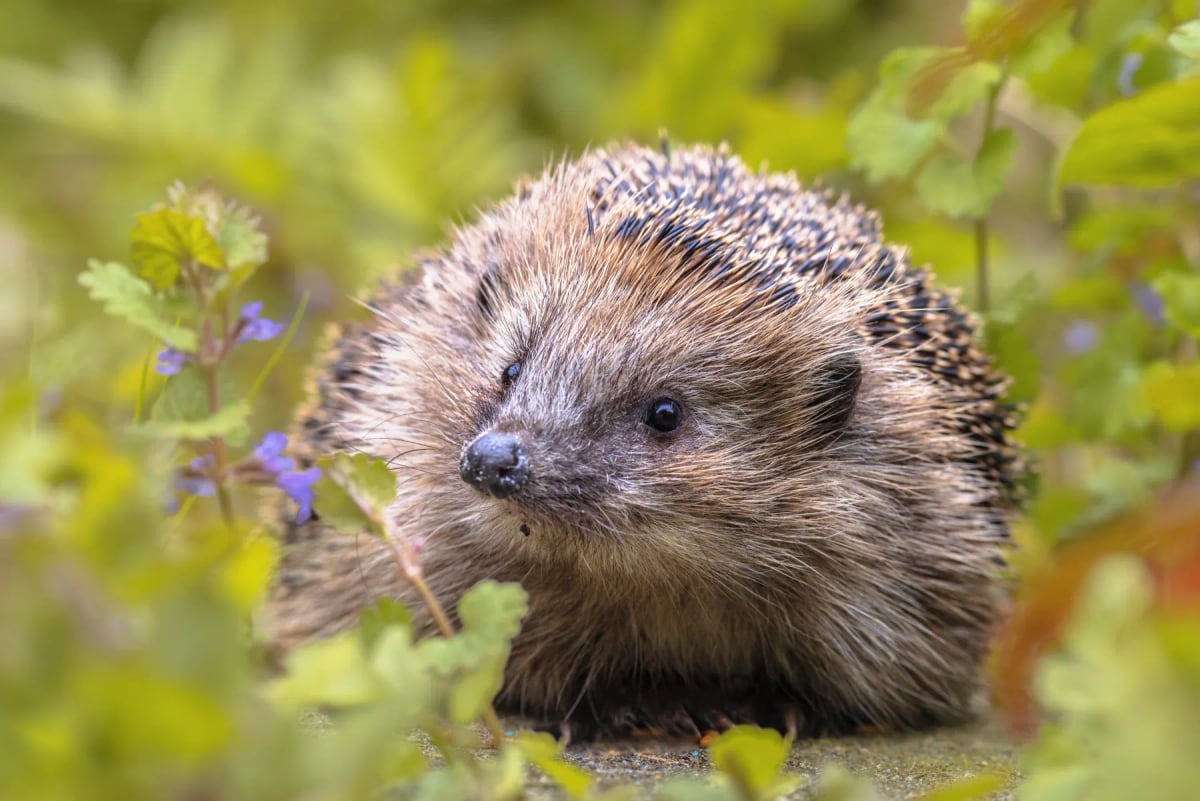
Hedgehog
Erinaceus europaeus
In Portugal, the European hedgehog is widespread across the mainland, from the green river valleys of the north to the dry plains of the Alentejo and the scrubland of the Algarve. It favours areas where cover and food are close together, such as olive groves, vineyard edges, and suburban gardens. The warm, dry summers of southern Portugal mean hedgehogs here are especially reliant on finding water. Pesticide use in agriculture is considered one of the main pressures on local populations. IUCN status: Least Concern.
Gray Wolf
Canis lupus
Portugal is home to a distinct and isolated population of the Iberian wolf, found mainly in the mountains and forests of the north, particularly in the regions of Trás-os-Montes and Minho. This population has recovered from near extinction thanks to full legal protection granted in 1988. Wolves here face ongoing pressure from poaching and conflicts with sheep farming communities. The Iberian wolf is considered a separate subspecies and remains vulnerable in the broader Iberian context.
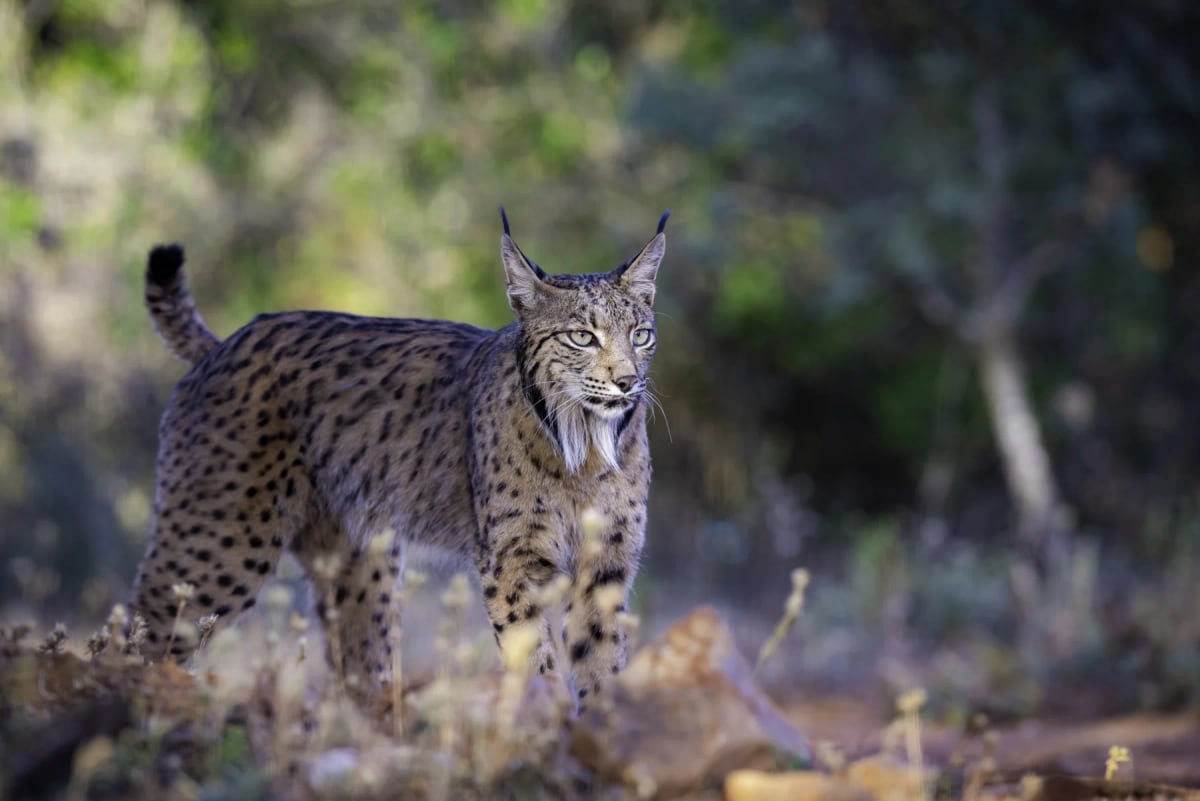
Iberian Lynx
Lynx pardinus
The Iberian lynx was extinct in Portugal for decades before a reintroduction program brought it back in the 2010s. Animals were released into the valley of the Guadiana River, in the Alentejo region, where Mediterranean scrubland and a recovering rabbit population provide suitable conditions. Portugal now hosts a growing population and plays a vital role in securing the future of this species across the peninsula.
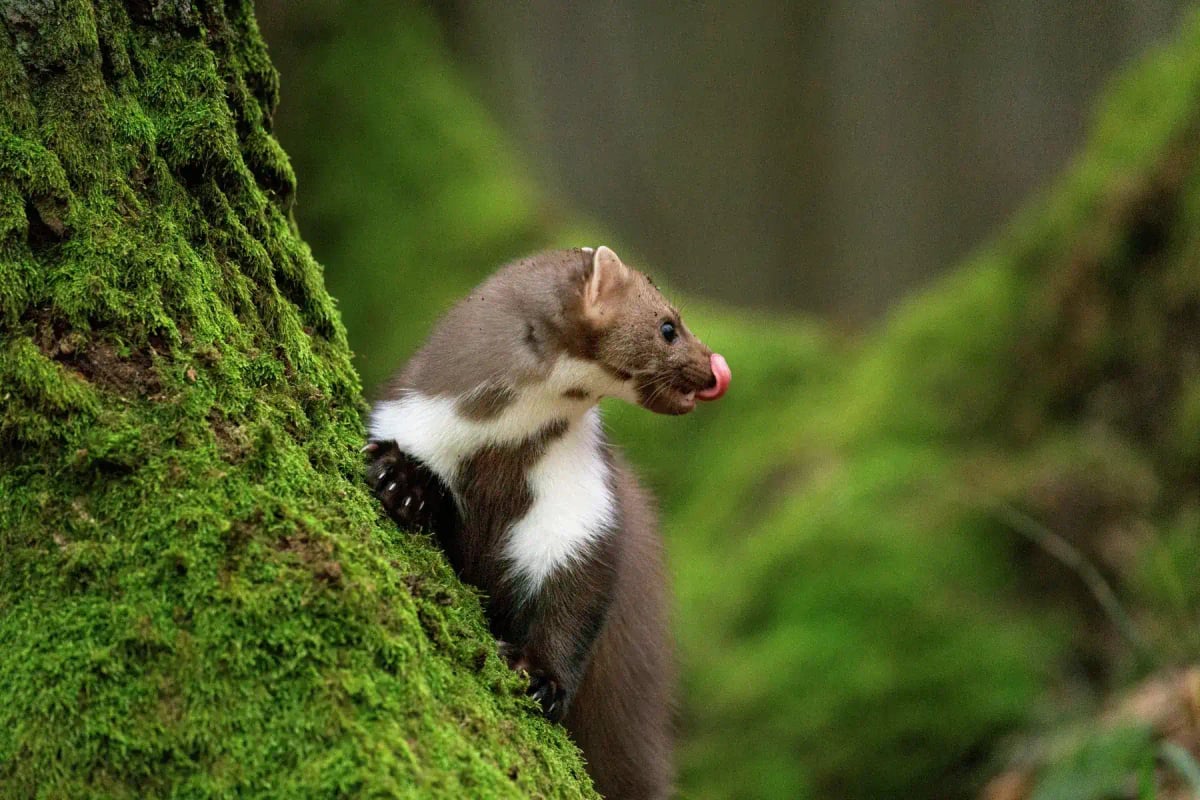
Marten
Martes martes / Martes foina
In Portugal, the stone marten is the resident species, as the pine marten does not occur here. It adapts well to the mixed landscapes of the country, from the cork oak woodlands of the Alentejo to rocky hillsides and rural villages. It is an opportunistic hunter and forager, feeding on rodents, fruit, and insects. Populations are generally stable throughout the country. IUCN status: Least Concern.
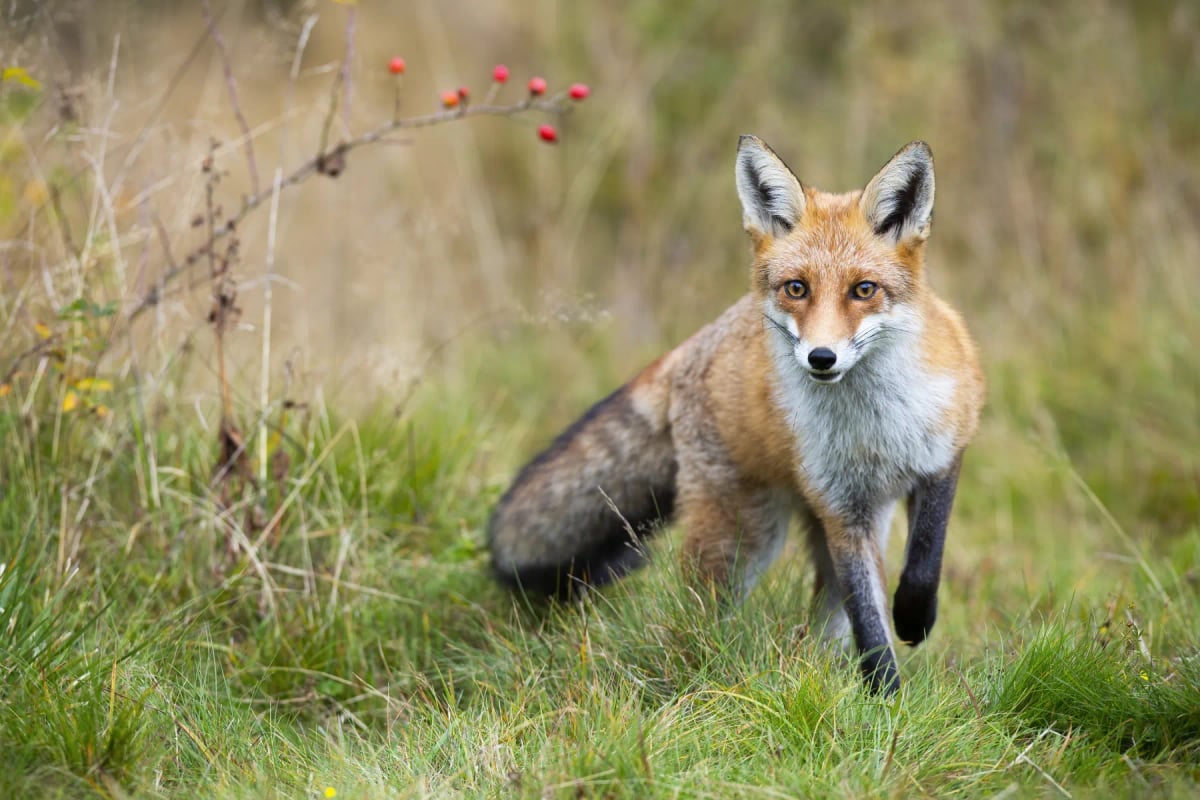
Red Fox
Vulpes vulpes
In Portugal, the red fox is common across the mainland, from the oak woodlands of the Alentejo to the scrublands of the Algarve. It is one of the top predators in areas where wolves and lynx are absent. Its diet includes rabbits, rodents, fruit, and insects. The species thrives in both rural and peri-urban environments and faces no major conservation threats. Its IUCN status is Least Concern.
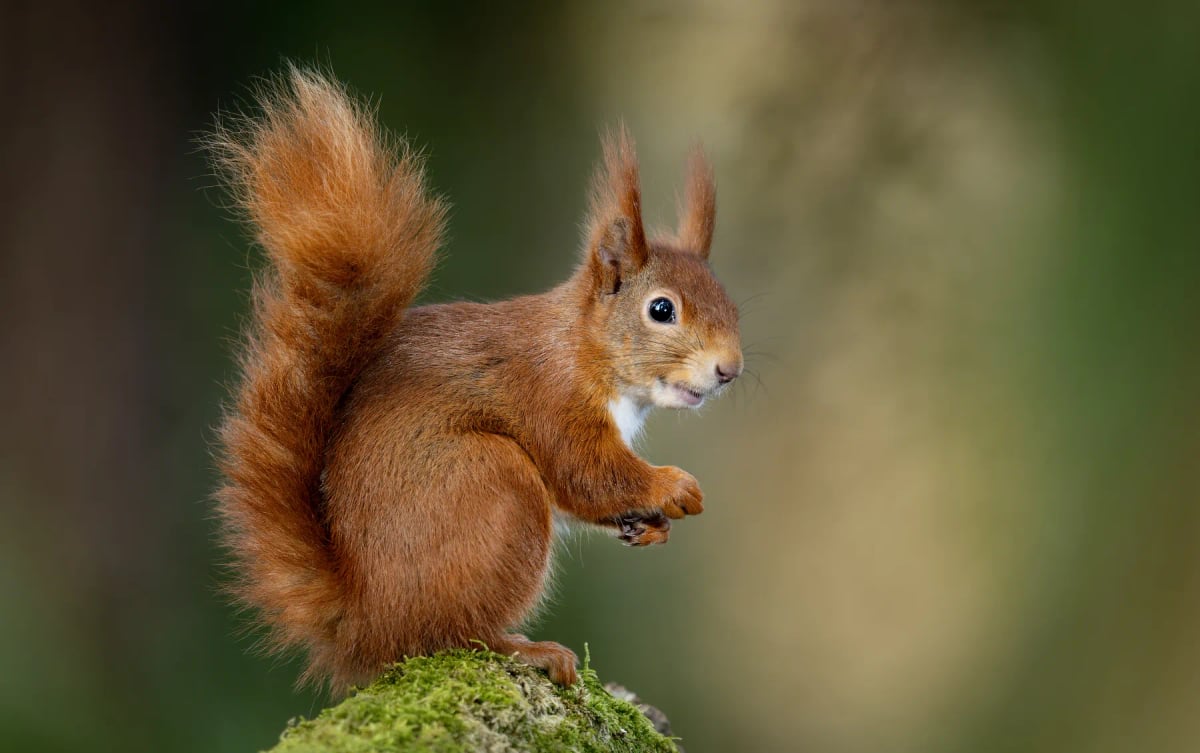
Red Squirrel
Sciurus vulgaris
In Portugal, the red squirrel is found mainly in the pine and oak forests of the north and centre of the country, including areas of the Trás-os-Montes region. It is the only wild squirrel native to the country, and its presence is not threatened by the grey squirrel as it is in some other parts of western Europe. Its IUCN status is Least Concern.
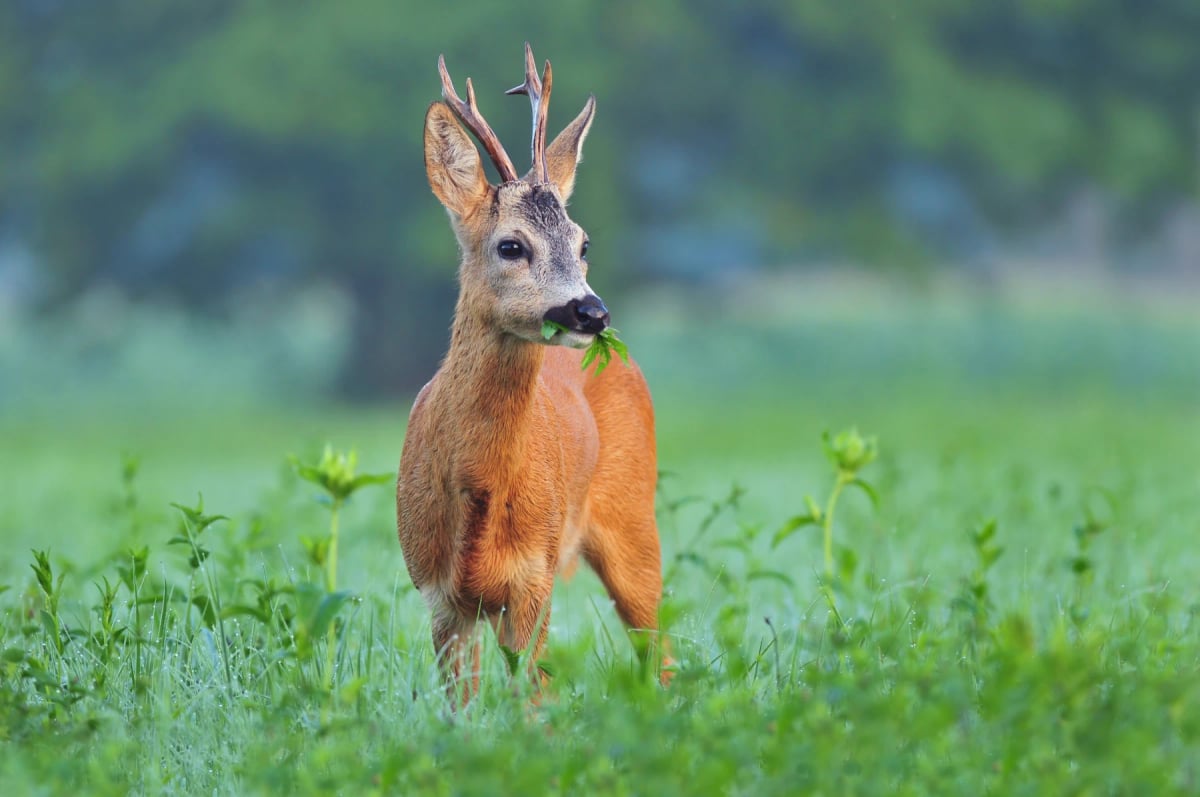
Roe Deer
Capreolus capreolus
In Portugal, roe deer are found mainly in the north and centre of the country, particularly in oak woodland and scrubland in regions such as Trás-os-Montes and the Douro valley. They are less common in the south, where habitat becomes more open and dry. Feeding on leaves, herbs, and shoots, they are most visible at dawn and dusk along forest edges. IUCN status: Least Concern.
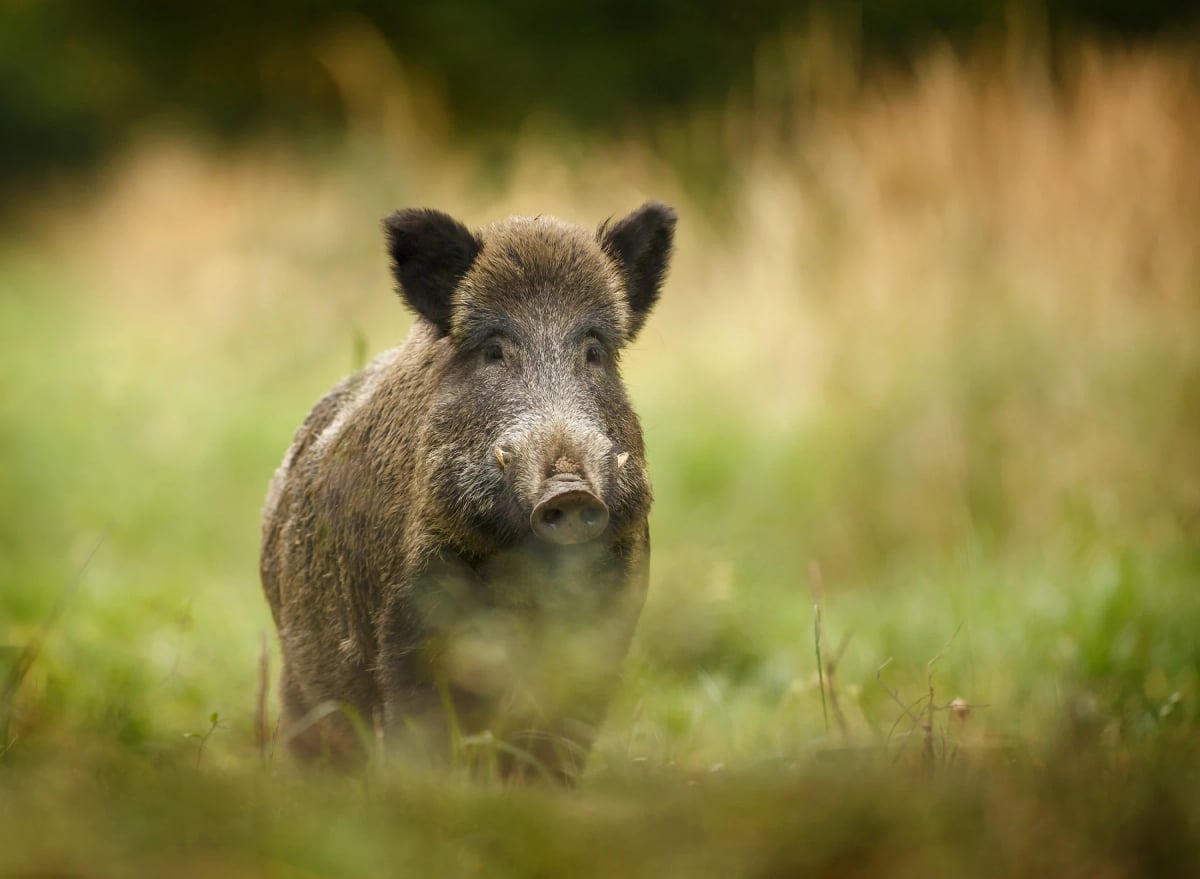
Wild Boar
Sus scrofa
Wild boars are widespread across the forested hills and mountains of mainland Portugal, particularly in the north and center of the country. Populations have grown substantially in recent decades, leading to more frequent crop damage and an increasing presence near rural villages. The species is a popular game animal, and regulated hunting remains the main tool used to manage its numbers.
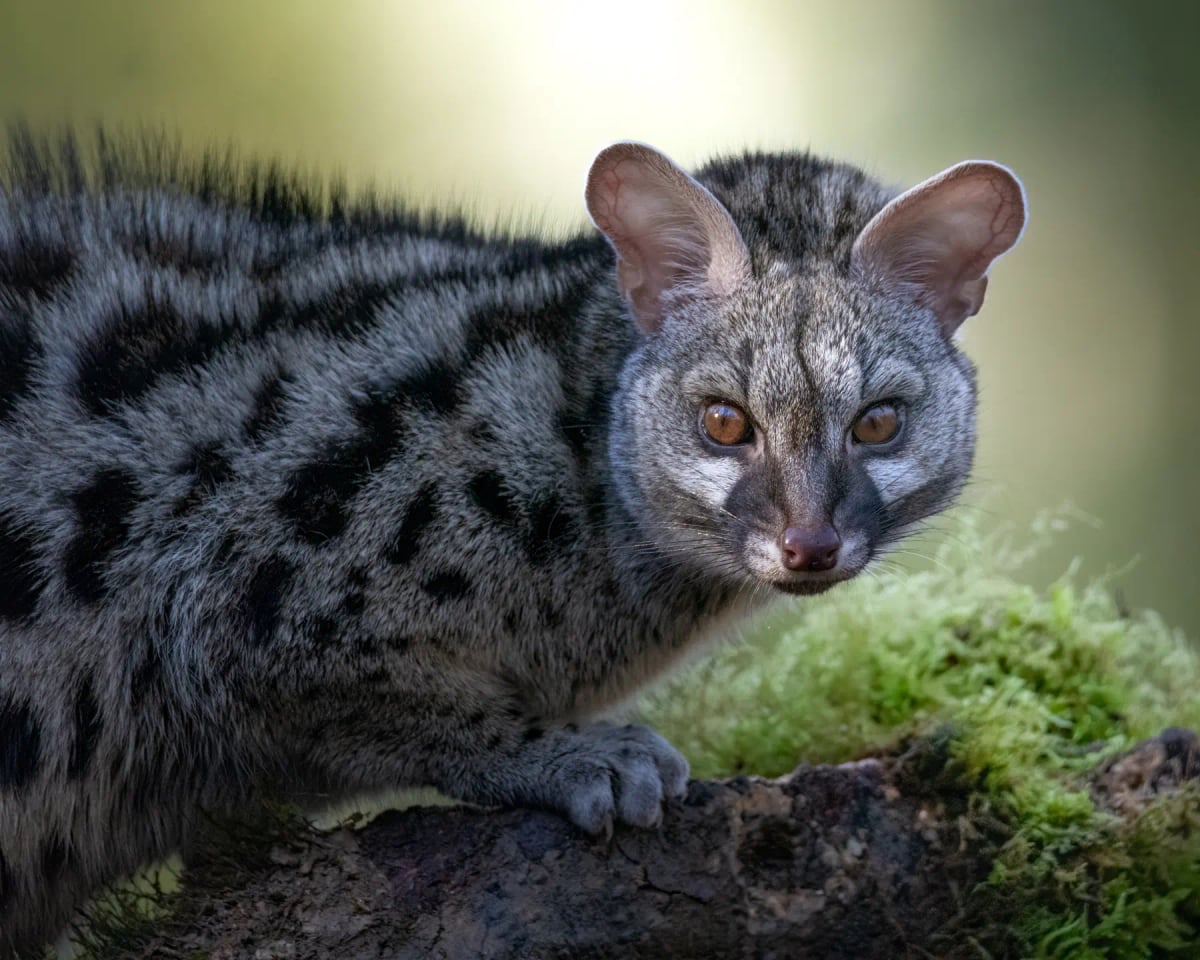
Common Genet
Genetta genetta
The common genet is found across mainland Portugal, from the scrublands of the Alentejo to the forested valleys of the north. It was introduced to the Iberian Peninsula by humans during the medieval period and has since established itself as a permanent resident. Nocturnal and secretive, it shelters in hollow trees and rocky outcrops. It feeds on small mammals, birds, insects, and fruit, and is listed as Least Concern by the IUCN.
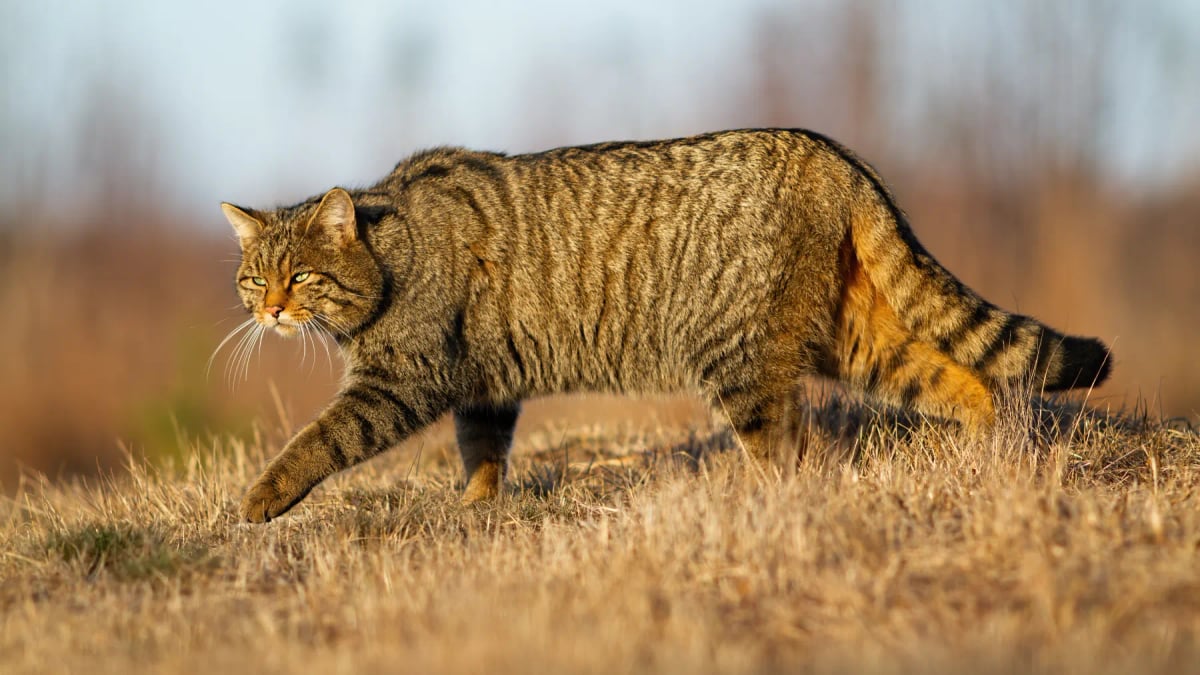
European Wildcat
Felis silvestris silvestris
In Portugal, the European wildcat is found mainly in the northeast, particularly in Trás-os-Montes and the montado woodlands of the interior. It is bulkier than a domestic cat, with a striped tabby coat and a thick, blunt-tipped tail. Habitat loss and crossbreeding with feral cats are the main threats here. The IUCN lists it as Least Concern, though Portuguese populations remain locally fragile.
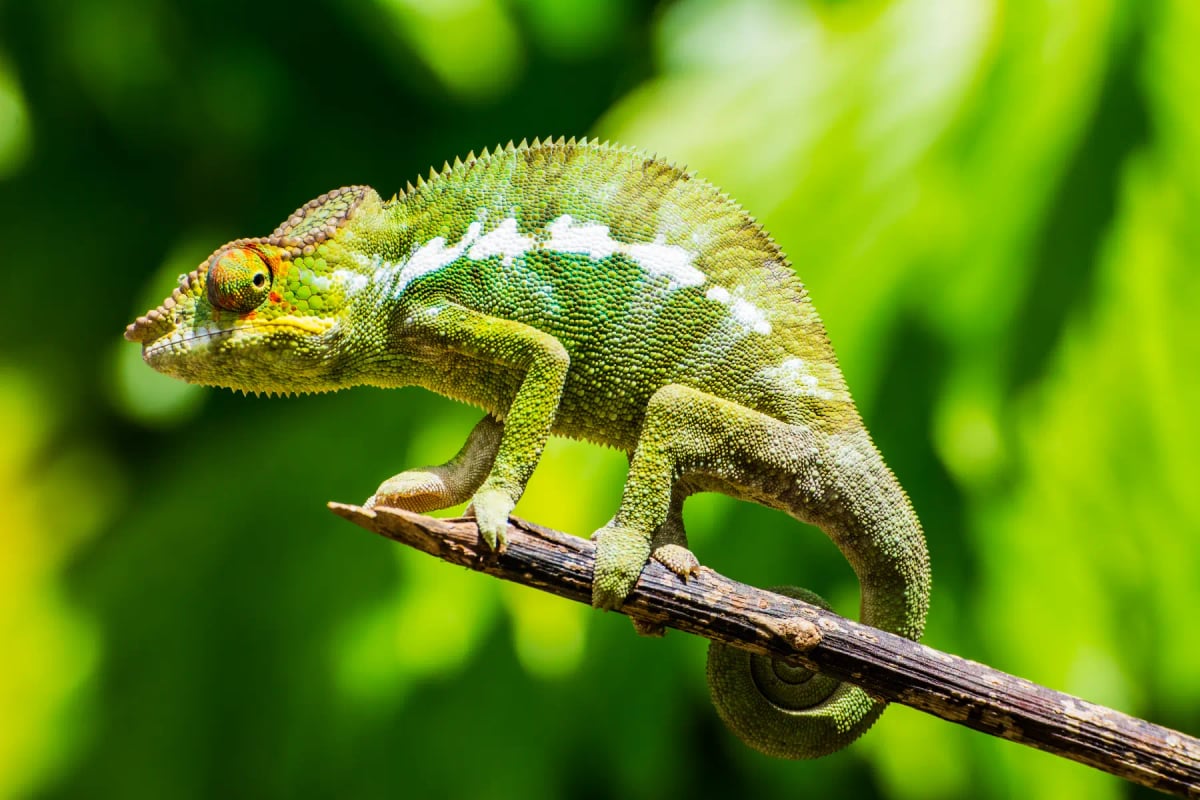
Chameleon
Chamaeleo chamaeleon
Portugal is home to one of the westernmost populations of the common chameleon in the world, found in the Algarve region and parts of the Alentejo coast. It favors the warm scrublands, pine woods, and dense shrubby vegetation typical of southern Portugal. The species is legally protected here. Road traffic and habitat loss from coastal development are the main pressures on this population at the edge of the species range.
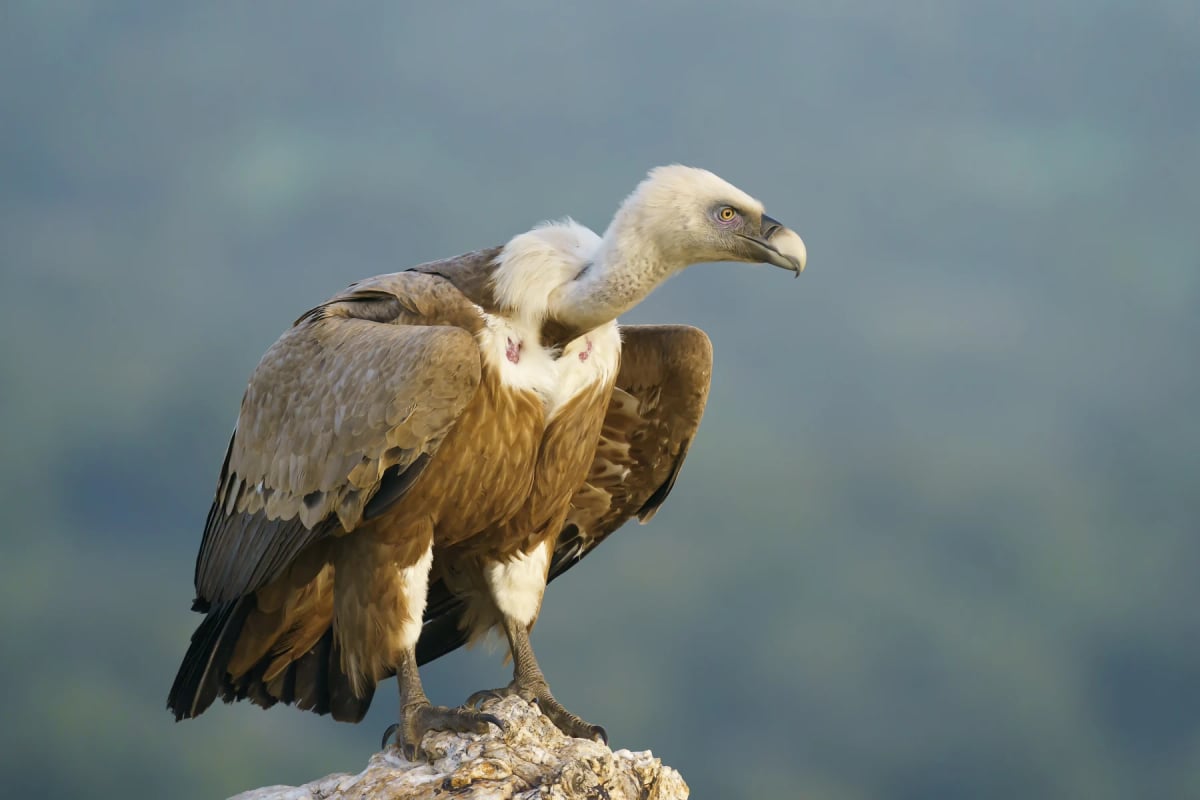
Griffon Vulture
Gyps fulvus
Portugal's griffon vultures are mainly found in the northeast, particularly in the Douro International Natural Park along the border with Spain. The steep schist cliffs above the Douro River provide ideal nesting sites for colonies. The species also occurs in the Tejo International Natural Park. Cooperation across the border with Spain has been key to maintaining healthy populations in this corner of the Iberian Peninsula. IUCN status: Least Concern.
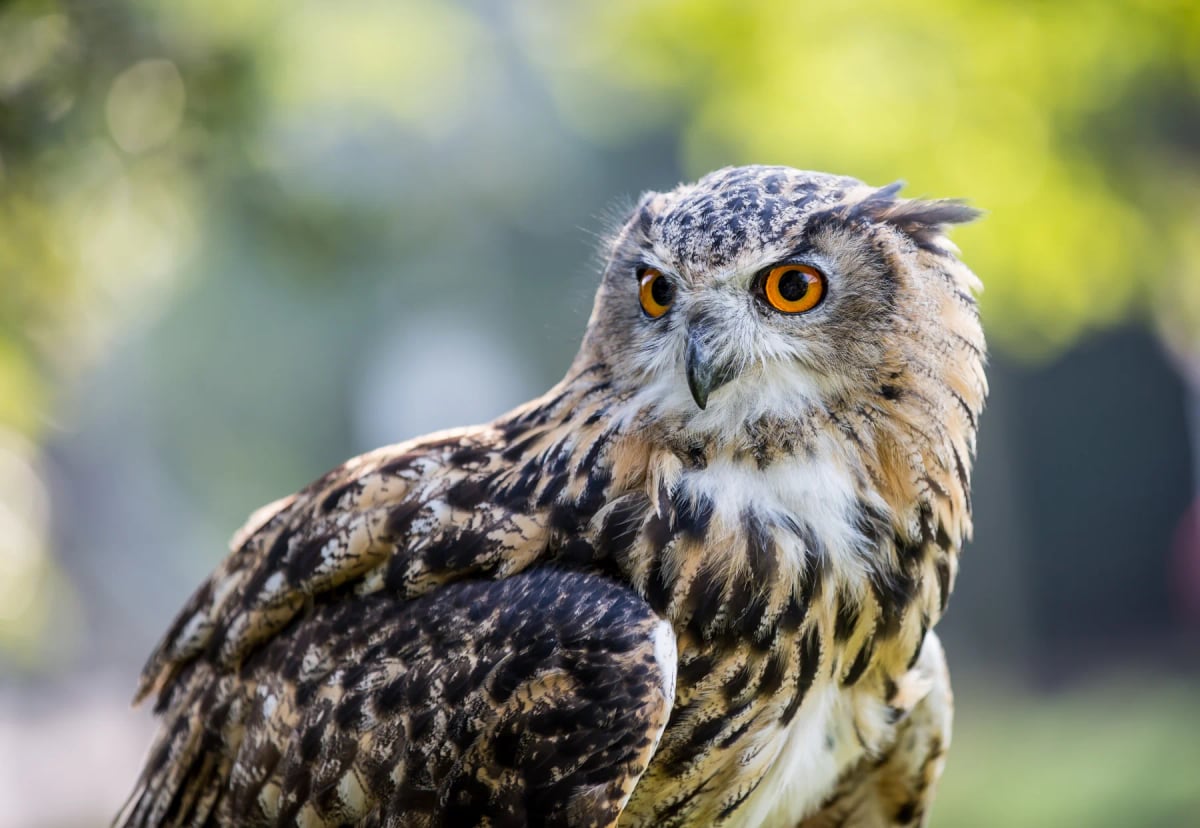
Eagle Owl
Bubo bubo
In Portugal, the eagle owl is found throughout the country, from the rocky gorges of the northeast to the open scrubland of the Alentejo and the rugged coastlines of the Algarve. It nests on cliff ledges and hunts rabbits, rodents, and hedgehogs across a variety of habitats. The Portuguese population is considered stable, and the species benefits from the country's broad range of wild terrain. The IUCN lists it as Least Concern.
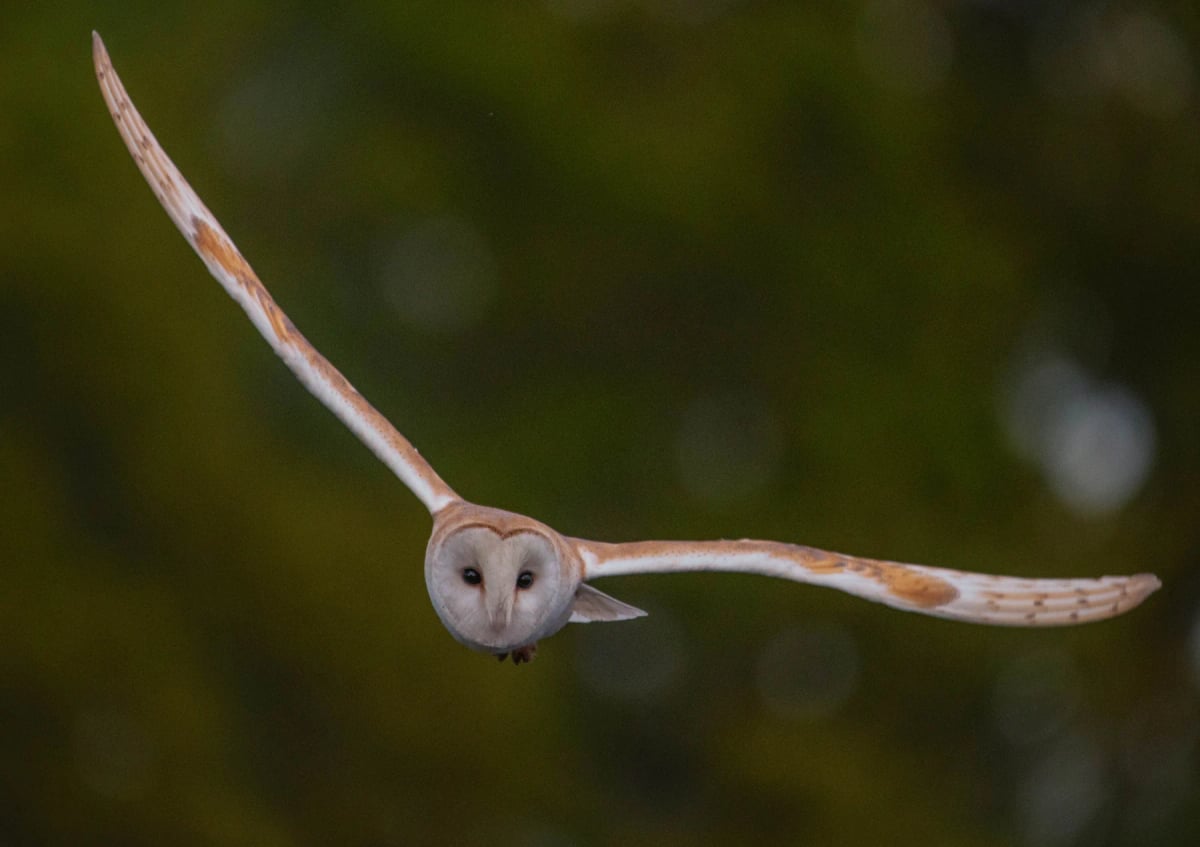
Barn Owl
Tyto alba
The barn owl is one of the most widespread and familiar birds of prey in Portugal, found across the entire country from the Minho in the north to the Algarve in the south, including the Azores and Madeira archipelagos. It nests in old farm buildings, church towers, cliff faces, and hollow cork oaks, and hunts rodents at night across farmland, vineyards, olive groves, and open countryside. Portugal's mild climate and diverse agricultural landscape support stable and generally healthy populations. Farmers across the country actively encourage its presence as a natural and effective alternative to rodenticide use.
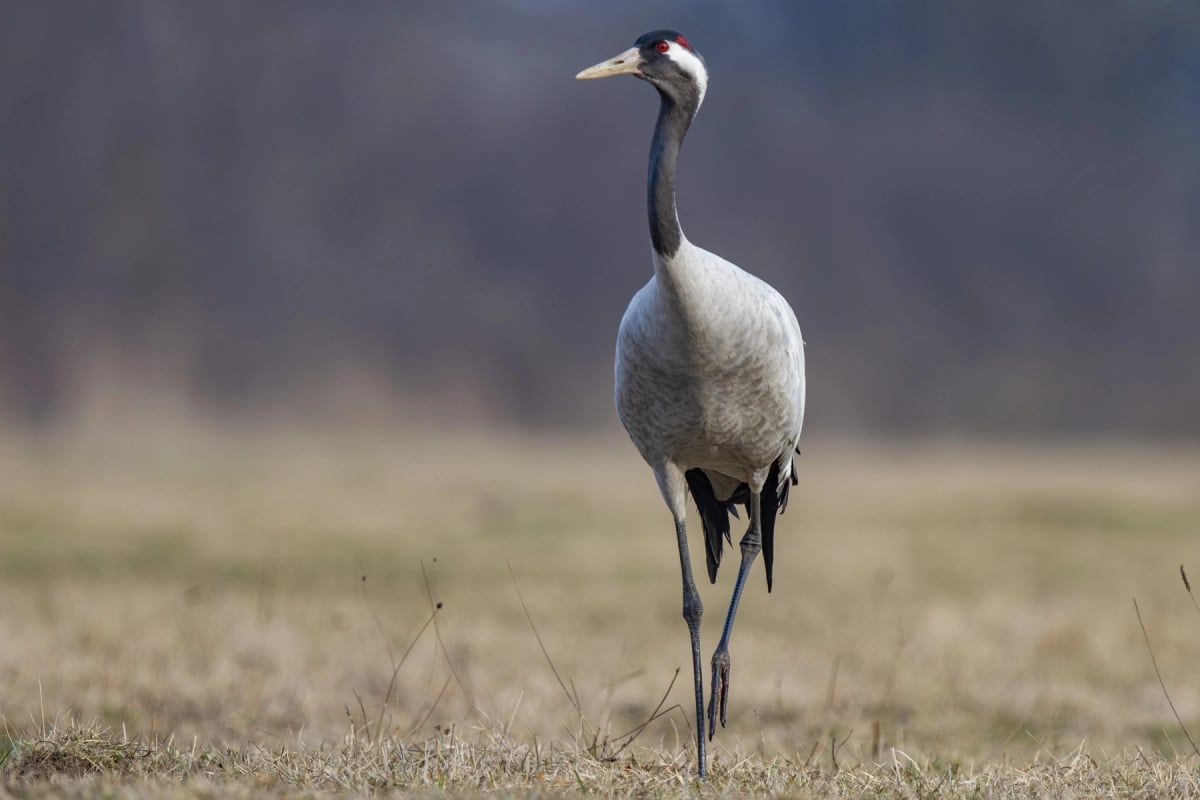
Crane
Grus grus
Portugal serves as a wintering ground for common cranes that arrive from breeding areas in northern and central Europe each autumn. The plains of the Alentejo region, with their open cereal fields and scattered wetlands, are a key area for wintering flocks. The species is listed as Least Concern by the IUCN. The Tagus and Guadiana river basins also provide important habitat, and crane numbers in Portugal have increased in recent years as populations across Europe have grown.
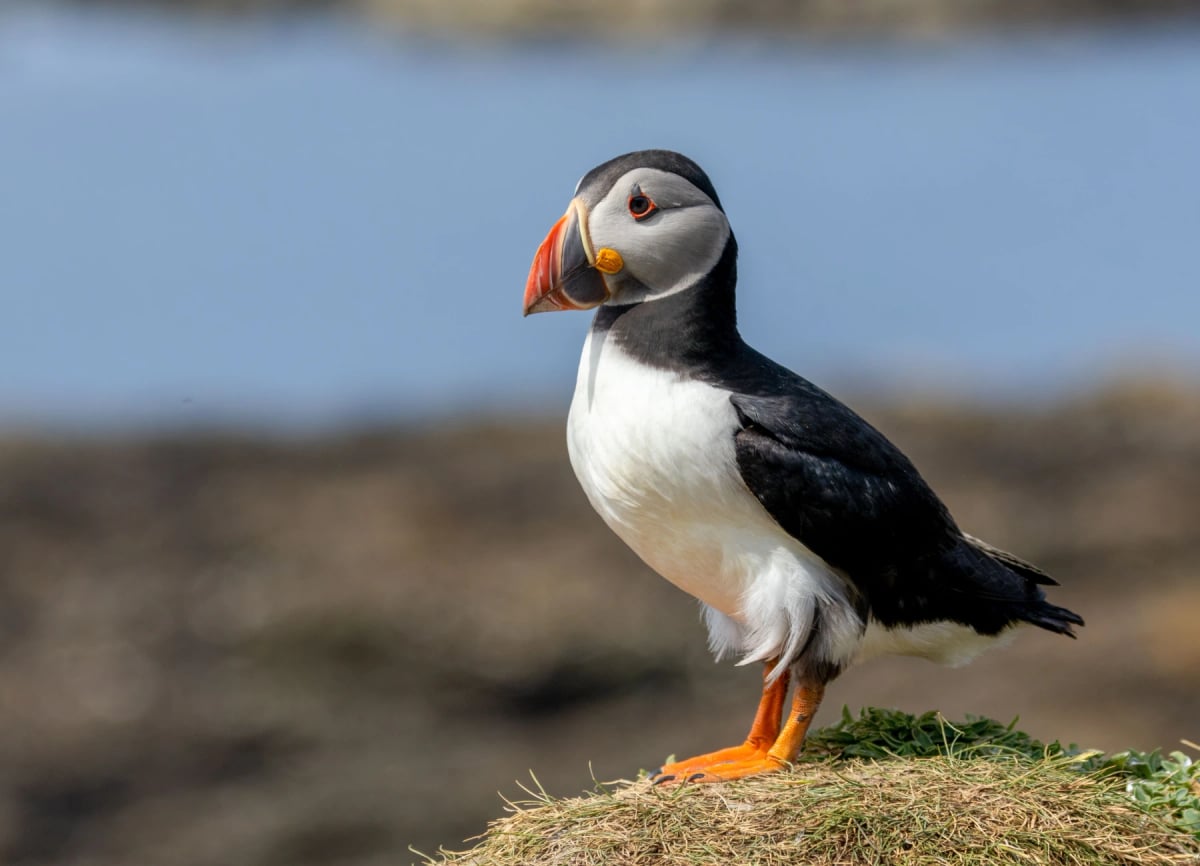
Puffin
Fratercula arctica
The Atlantic puffin spends the winter in Portuguese waters, outside the breeding season. Birds from colonies in the British Isles, France and elsewhere travel south and are found at sea along the whole coast, usually far from shore, and they are sometimes seen from headlands such as Cabo Carvoeiro near Peniche or found on beaches after storms. They return north in spring to breed. IUCN status: Vulnerable.
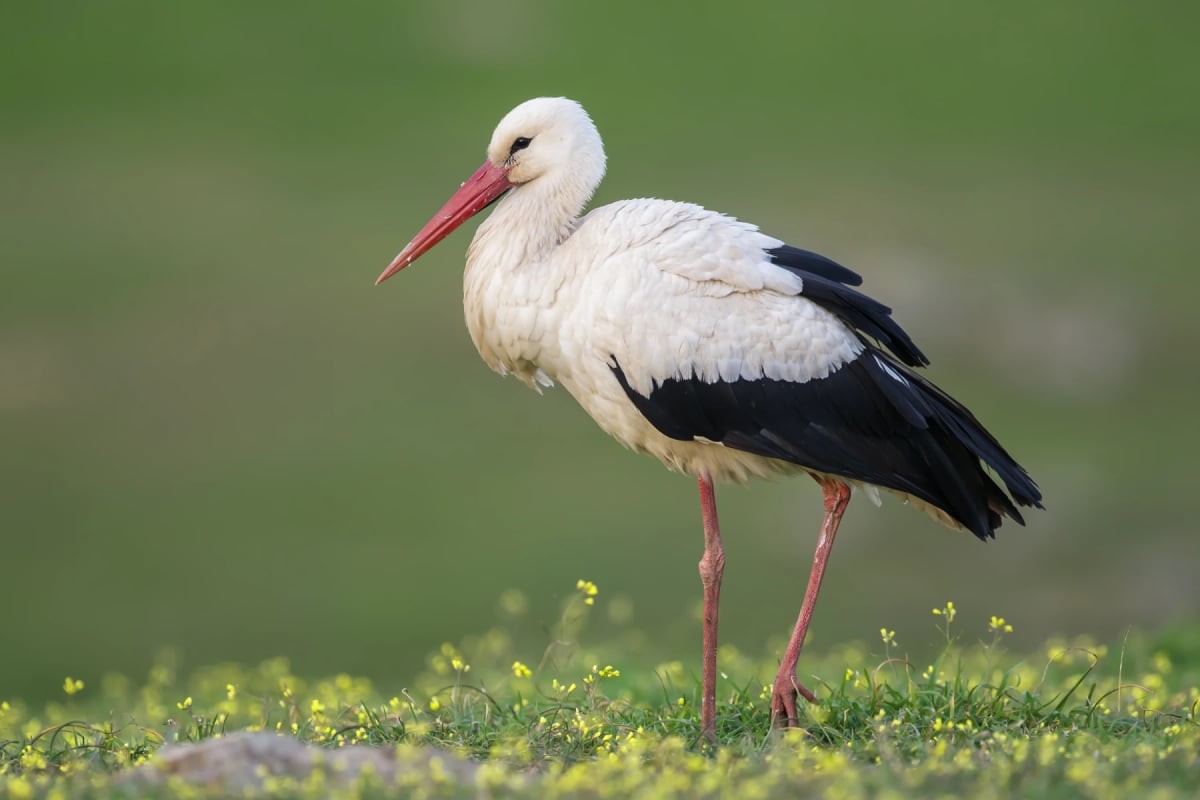
Stork
Ciconia ciconia
Portugal holds about 7,700 pairs of white storks, with the Alentejo especially important. Many Portuguese storks now skip the African migration and stay all year, feeding on farmland and rubbish tips. The southwest coast has something unique: around Cabo Sardão, storks nest on top of sea stacks and cliffs, the only colony of its kind in the world, with more than forty nests. IUCN status: Least Concern.
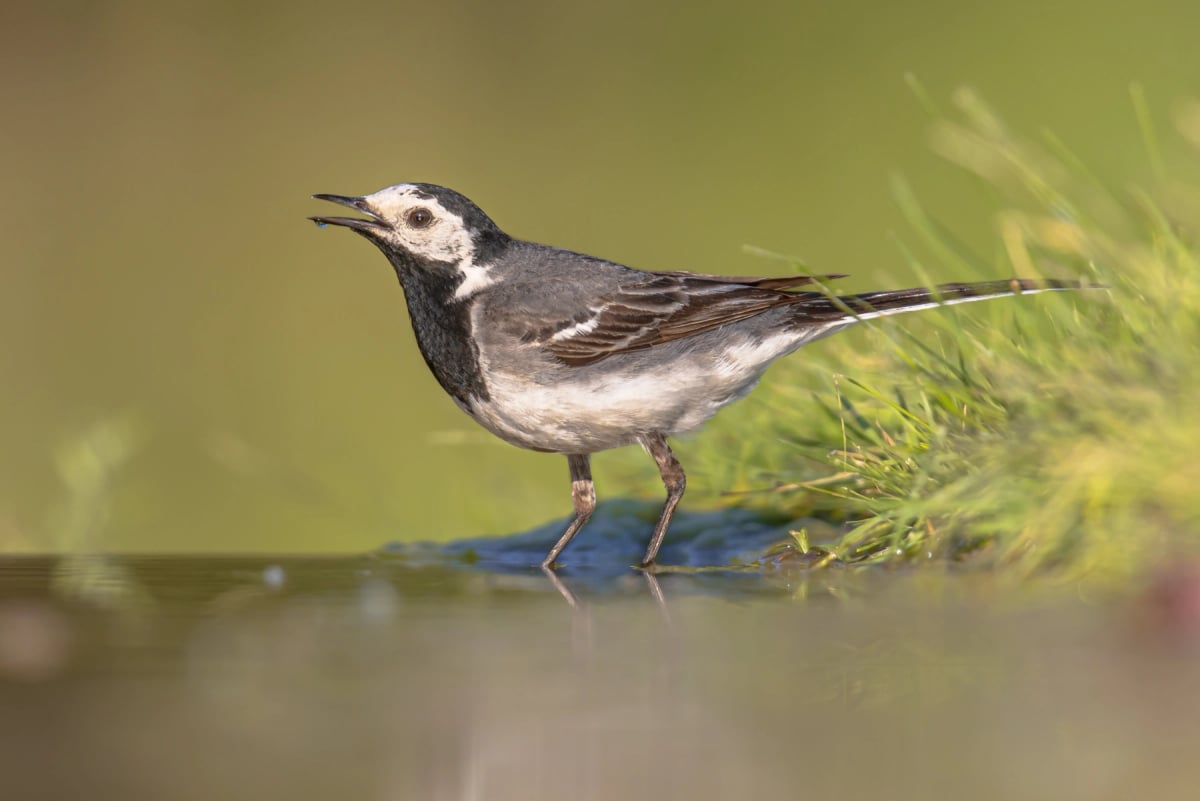
White Wagtail
Motacilla alba
In Portugal, the white wagtail is present throughout the year. Resident birds breed in a variety of open habitats including riverbanks, farmland and coastal areas, while their numbers are boosted in winter by birds arriving from northern Europe. The Tagus estuary and the Alentejo plains are among the best areas to observe them. Portugal's mild Atlantic climate means many wagtails choose to spend the winter here rather than continuing further south into Africa.
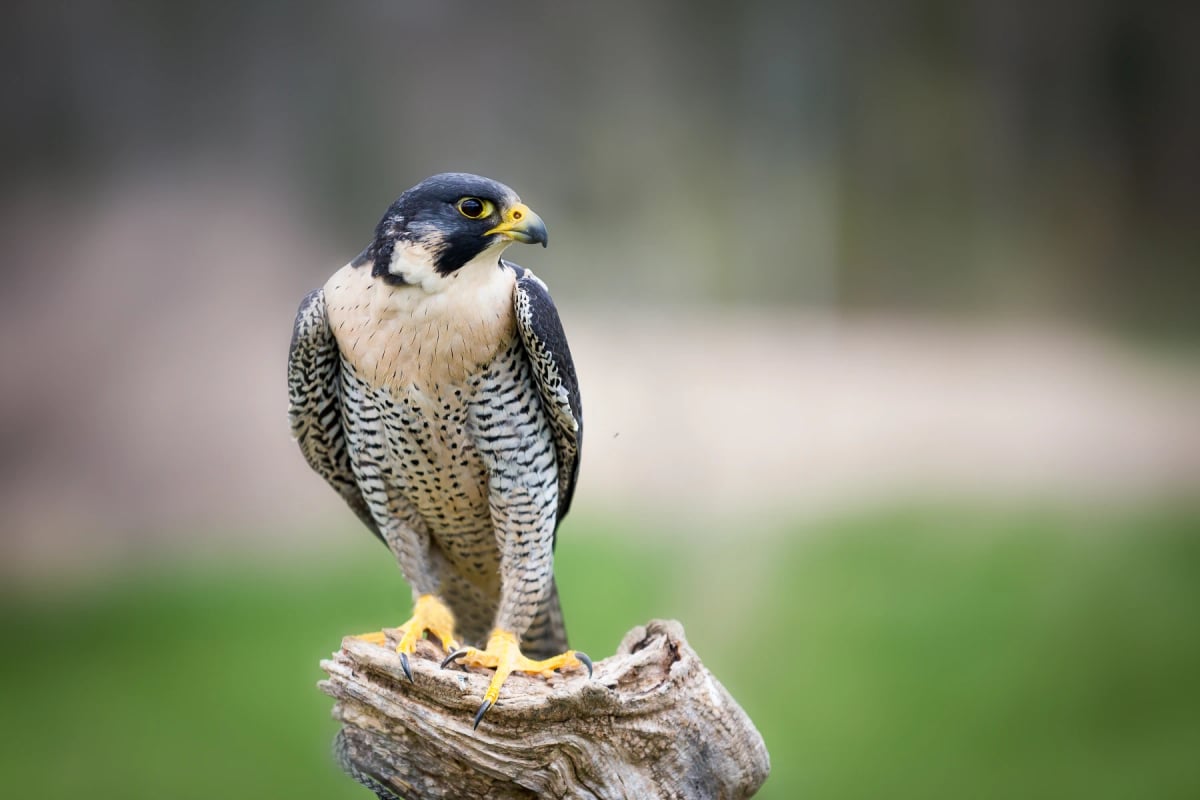
Peregrine Falcon
Falco peregrinus
Portugal supports resident peregrine falcons throughout the year, with breeding pairs established on sea cliffs along the Algarve coast and on rocky escarpments inland. The country's Atlantic coastline is especially important, offering both nesting sites and abundant seabird prey. Migrating birds from northern Europe also pass through or winter in Portugal. After recovery from DDT impacts, populations here have grown steadily. Its IUCN status is Least Concern.
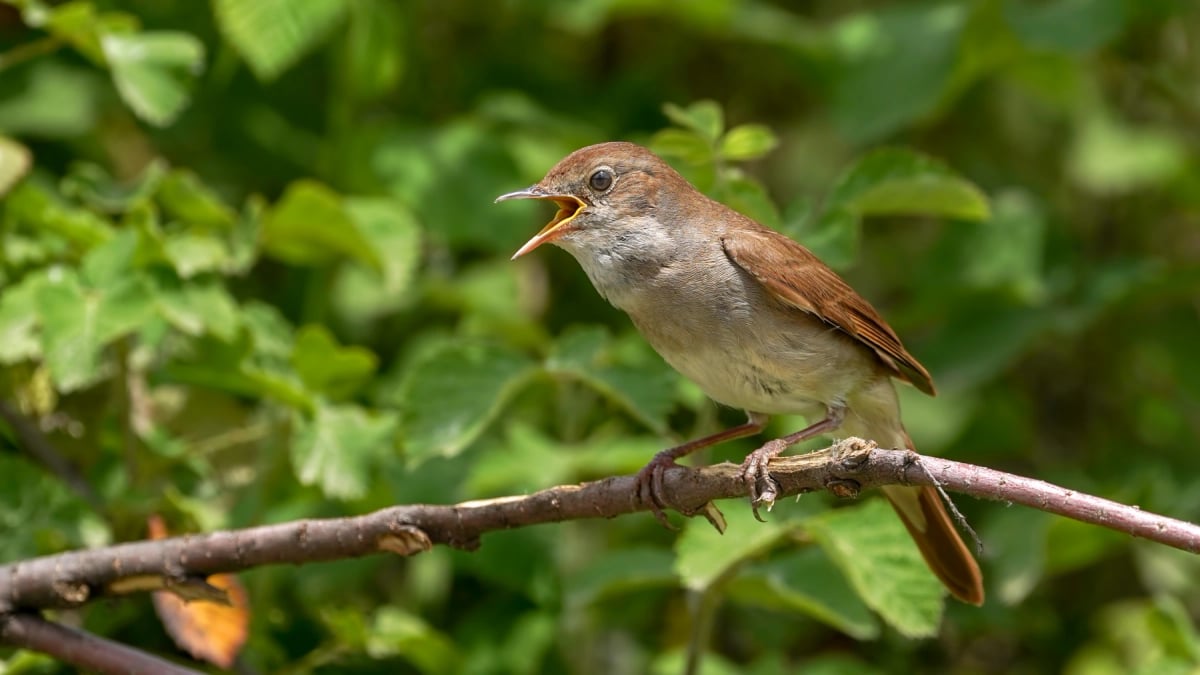
Nightingale
Luscinia megarhynchos
In Portugal, the nightingale is a familiar spring and summer visitor, singing from dense scrub and riverside thickets across much of the country. It is especially common in the Alentejo and along the Tagus valley, where tangled undergrowth offers ideal nesting cover. Its powerful song fills warm evenings from April onward. Like elsewhere in western Europe, habitat loss to agricultural change poses a growing threat to local numbers.
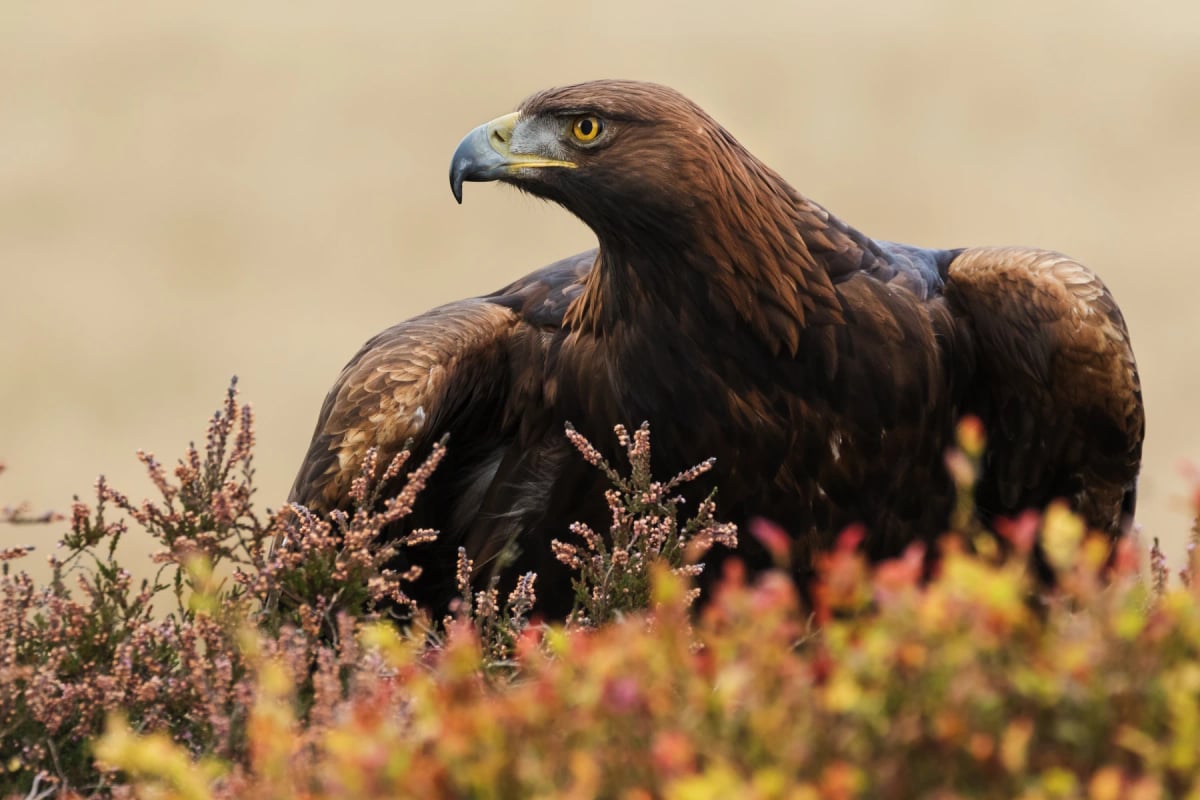
Golden Eagle
Aquila chrysaetos
In Portugal, the golden eagle is found mainly in the northeastern interior, particularly across the highlands of Trás-os-Montes and the mountain ranges near the Spanish border. It hunts over open shrublands and rocky hillsides, feeding on rabbits and other small animals. The population is small but considered stable. Pairs nest on cliff ledges in quiet areas and are sensitive to disturbance during the breeding season.
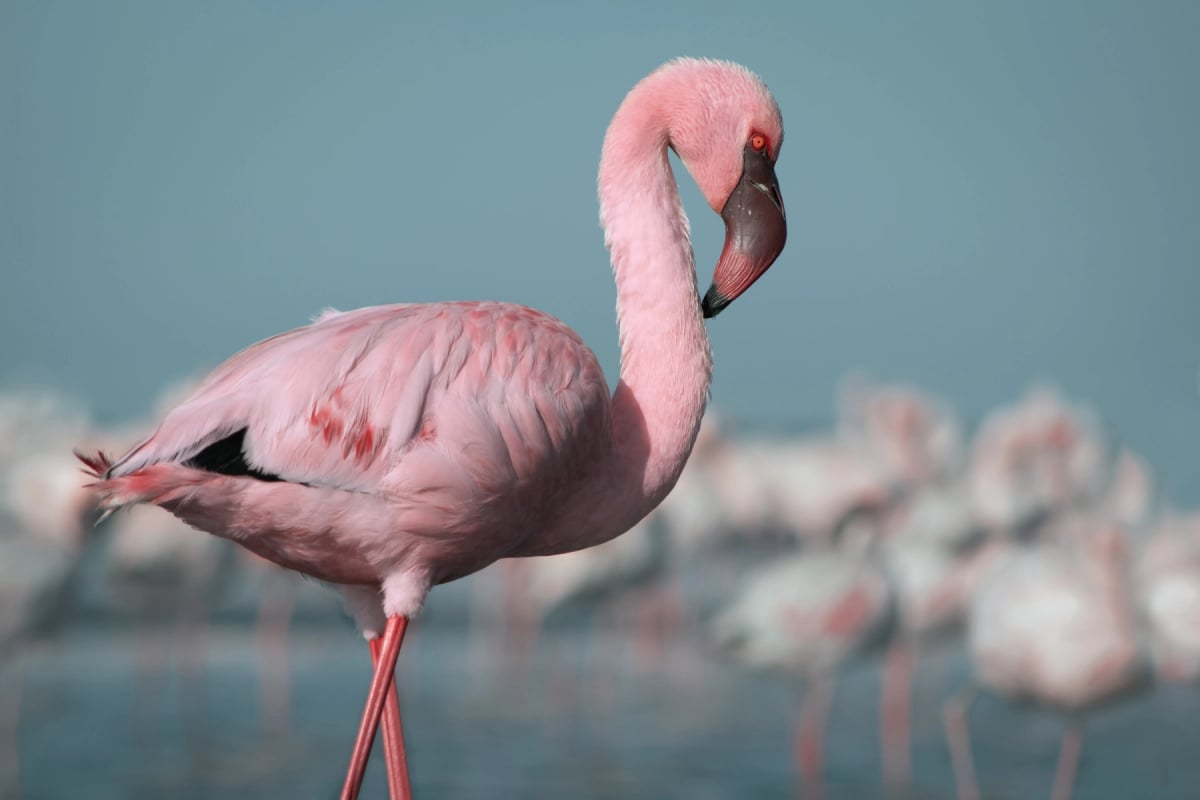
Flamingo
Phoenicopteridae (6 species)
The greater flamingo visits Portugal outside the breeding season, and it has become a common sight on the country's estuaries. Thousands feed in the Tagus estuary near Lisbon, the Sado estuary near Setúbal and the Ria Formosa and Castro Marim salt marshes in the Algarve, often within sight of towns. Most come from the colonies of Spain and France, and they filter brine shrimp and small invertebrates in the shallows. IUCN status: Least Concern.
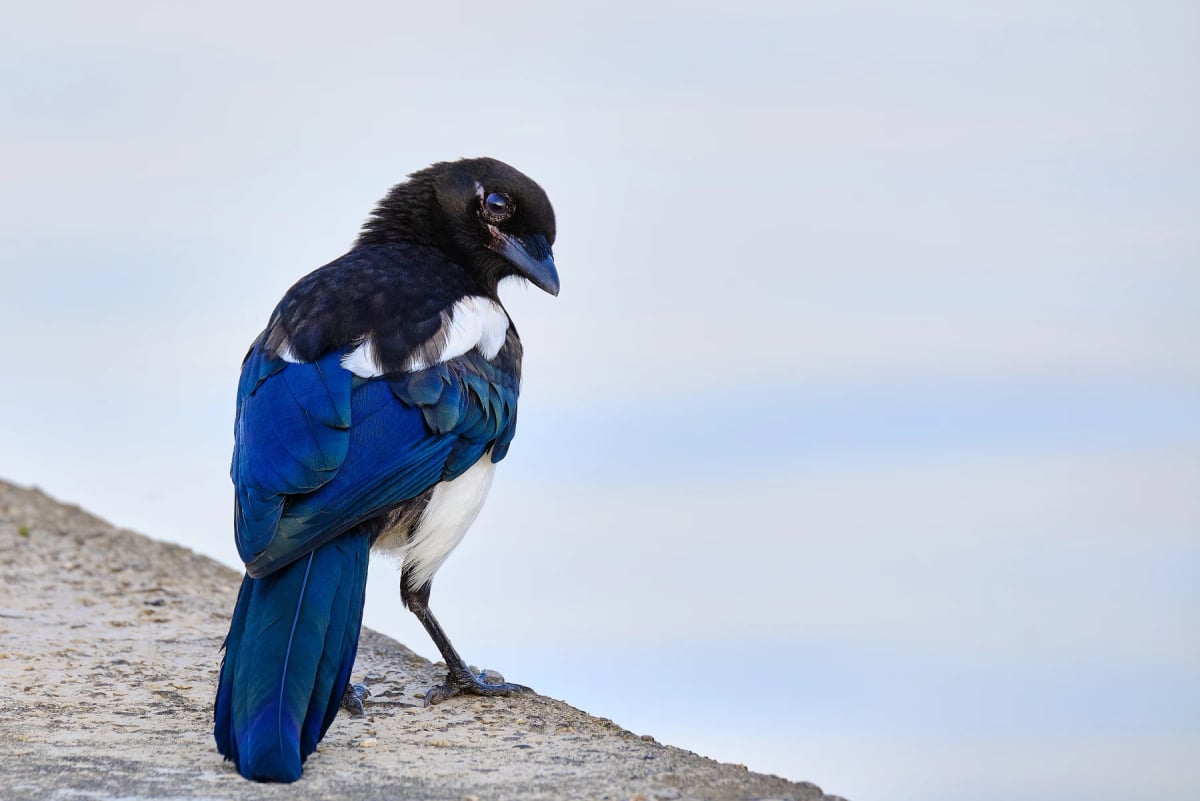
Eurasian Magpie
Pica pica
In Portugal, the Eurasian Magpie is well established across the country, particularly in the cork oak woodlands of the Alentejo and along river corridors further north. It moves comfortably through farmland, scrubland, and suburban gardens. Like all magpies, it eats a wide variety of food and caches items to eat later. It is a common and stable species here with no conservation concerns. IUCN status: Least Concern.
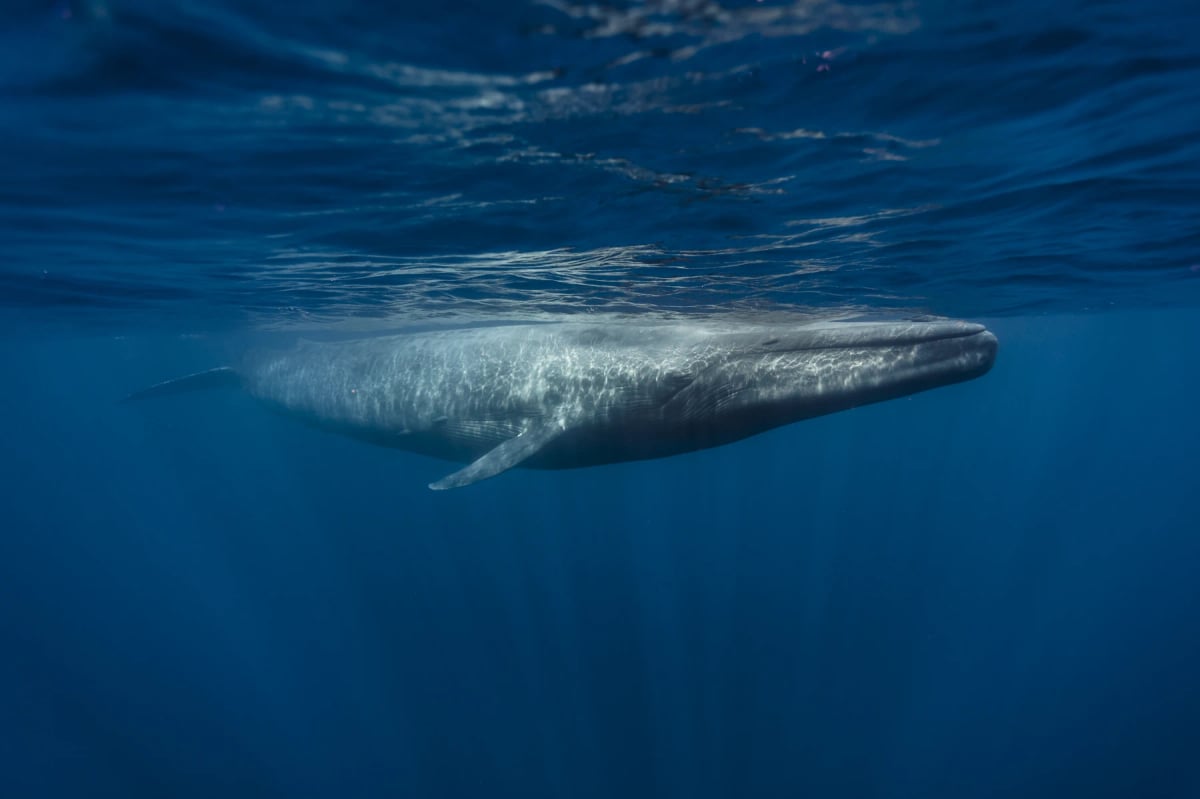
Blue Whale
Balaenoptera musculus
The Azores sit directly on a spring migration corridor, and between March and June blue whales pass the islands on their way north toward Arctic feeding grounds. Boats leaving from Pico and Faial encounter them alongside fin and sei whales during the busiest weeks. The archipelago has shifted from a whaling past to a research and whale watching economy, and its lookout towers on land are still used to spot blows far offshore.
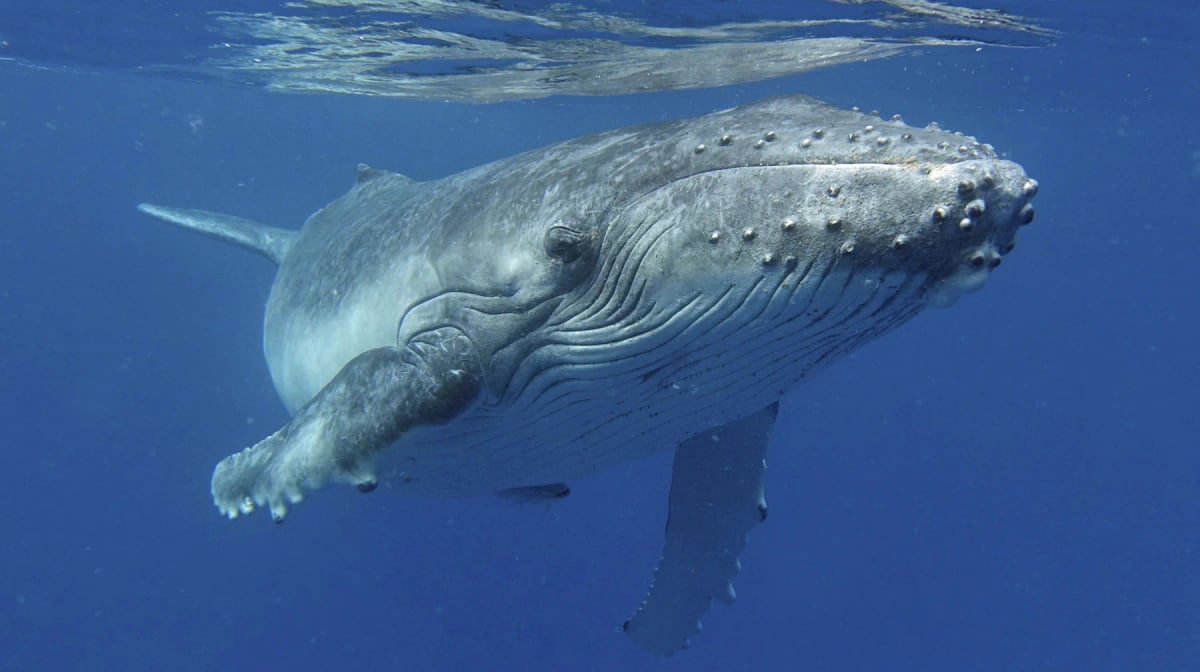
Humpback Whale
Megaptera novaeangliae
Portugal's position along the eastern North Atlantic, together with the ocean surrounding the Azores archipelago, makes it one of Europe's most important locations for whale encounters. The Azores in particular sit above deep, productive ocean waters that attract humpback whales on their migrations between feeding grounds in the north and breeding areas in tropical seas. Whale watching from the Azores has become a well-established and responsible tourism industry.
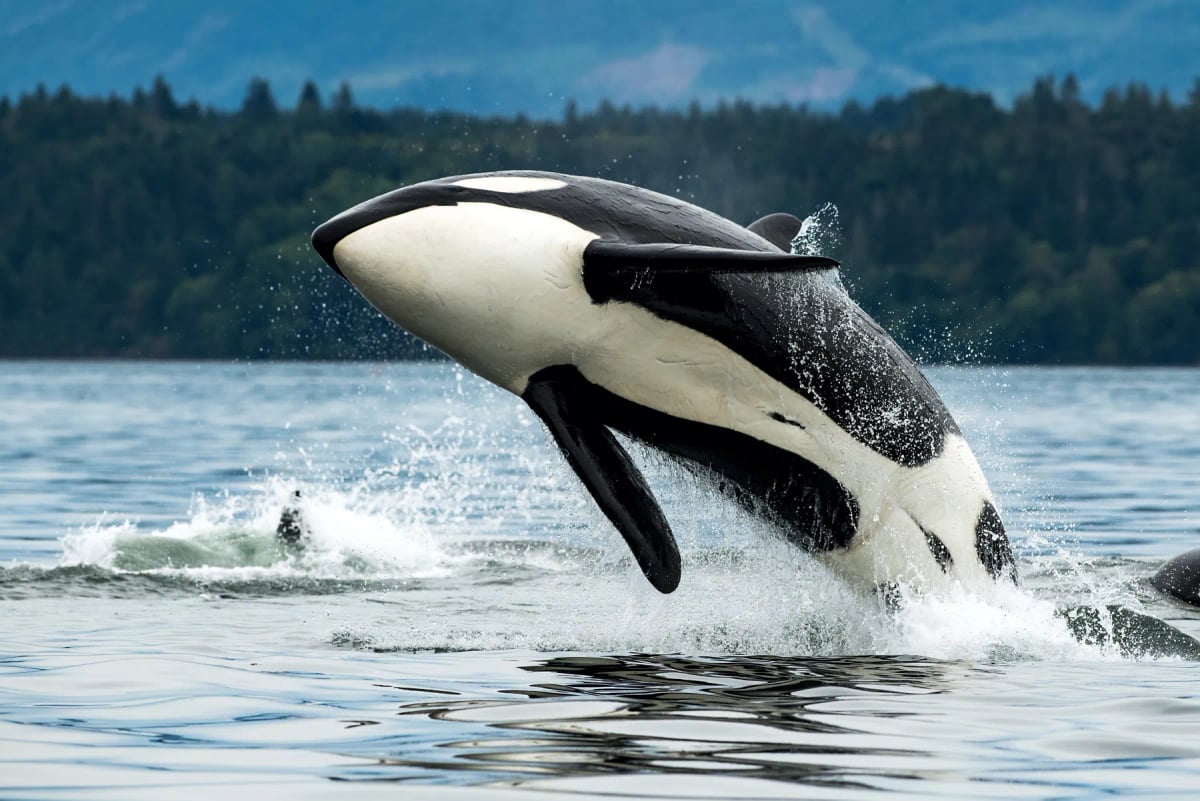
Orca
Orcinus orca
Orcas are seen along the Portuguese coast and in the waters around the Azores and Madeira archipelagos. In recent years, a small group of orcas in the Strait of Gibraltar has drawn international attention for interacting with sailing vessels. Portugal's Atlantic waters are an important corridor for these animals as they travel between feeding grounds. The IUCN classifies the species globally as Data Deficient.

Bottlenose Dolphin
Tursiops truncatus
Bottlenose dolphins are a well established presence along Portugal's Atlantic coastline and in the waters around the Azores and Madeira archipelagos. The Sado Estuary near Setúbal is home to a small resident population that has been studied for decades. Vessel traffic and prey depletion are key concerns for coastal groups. The IUCN lists the species as Least Concern.
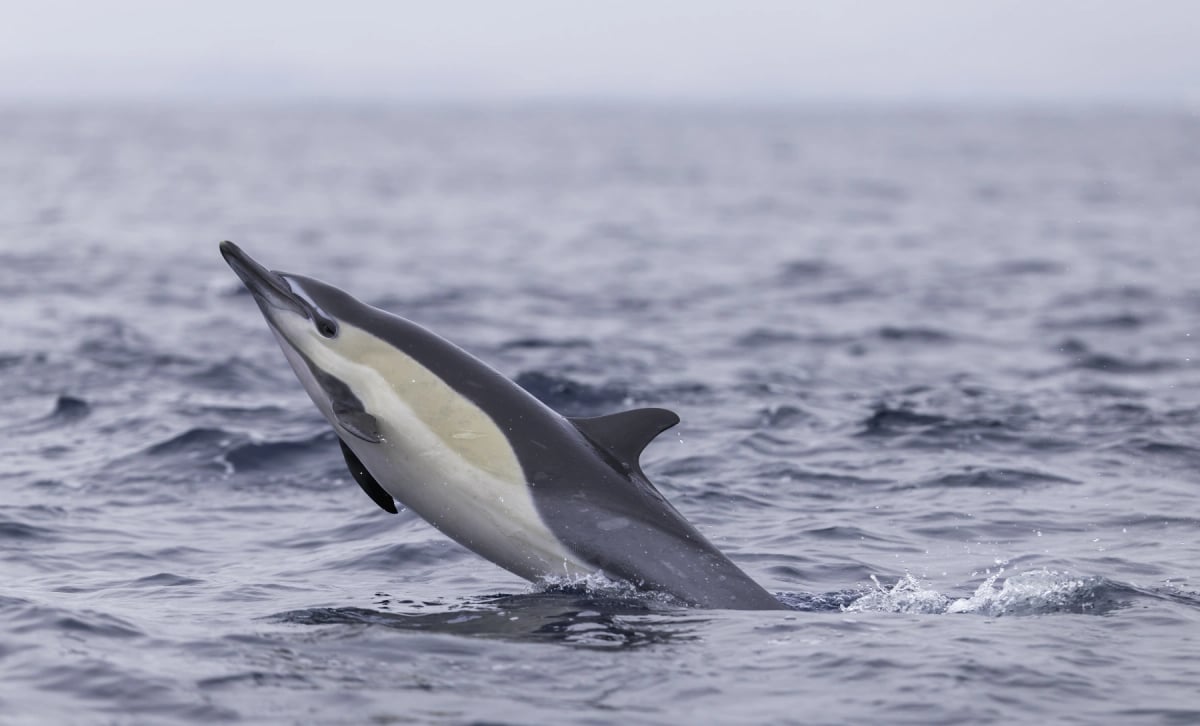
Common Dolphin
Delphinus delphis
Portugal is one of the best places in Europe to observe common dolphins. Large pods are regularly seen off the coasts of the Algarve, the Azores, and Madeira, where warm Atlantic currents meet productive feeding grounds. The Azores in particular are renowned for spectacular superpods. These dolphins are also frequently spotted from ferries and whale-watching vessels operating out of mainland ports. IUCN status: Least Concern.
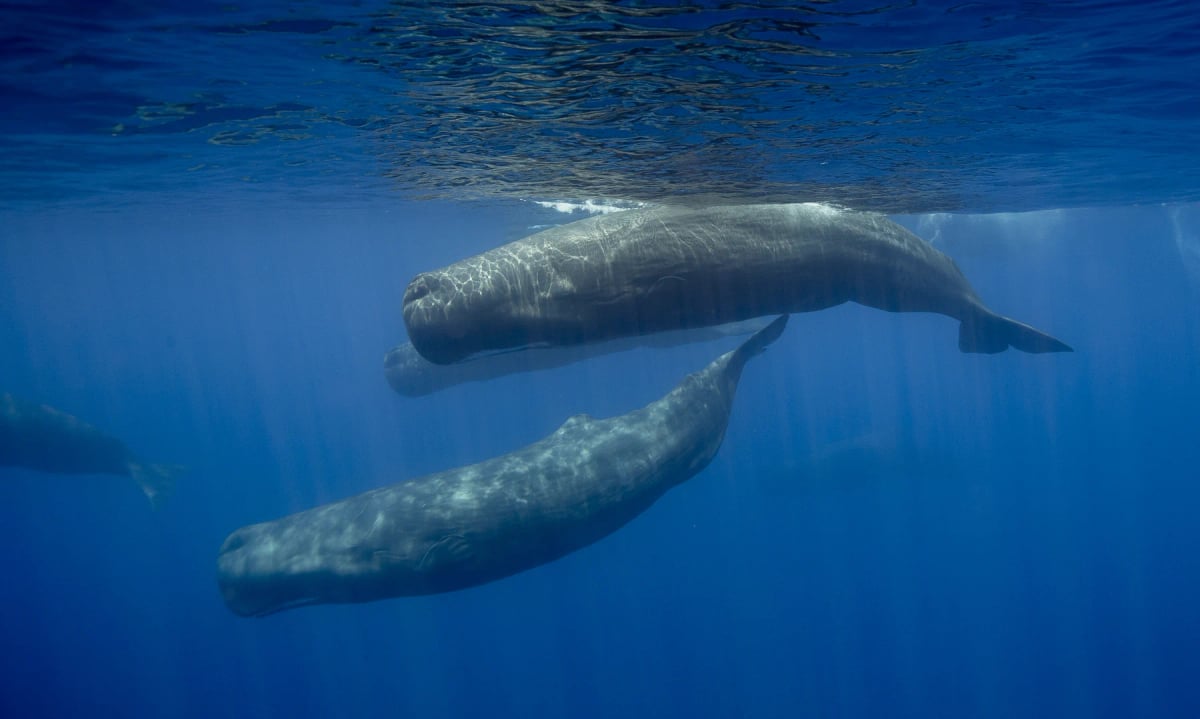
Sperm Whale
Physeter macrocephalus
Portugal's connection to sperm whales is especially strong in the Azores archipelago, where these whales gather year round in the deep Atlantic waters surrounding the islands. The Azores were once a center of whaling activity, but today the islands have transformed into a world class destination for whale watching. Sperm whales are Vulnerable, and the Azores serve as a key research site where scientists study their social behavior and population dynamics.
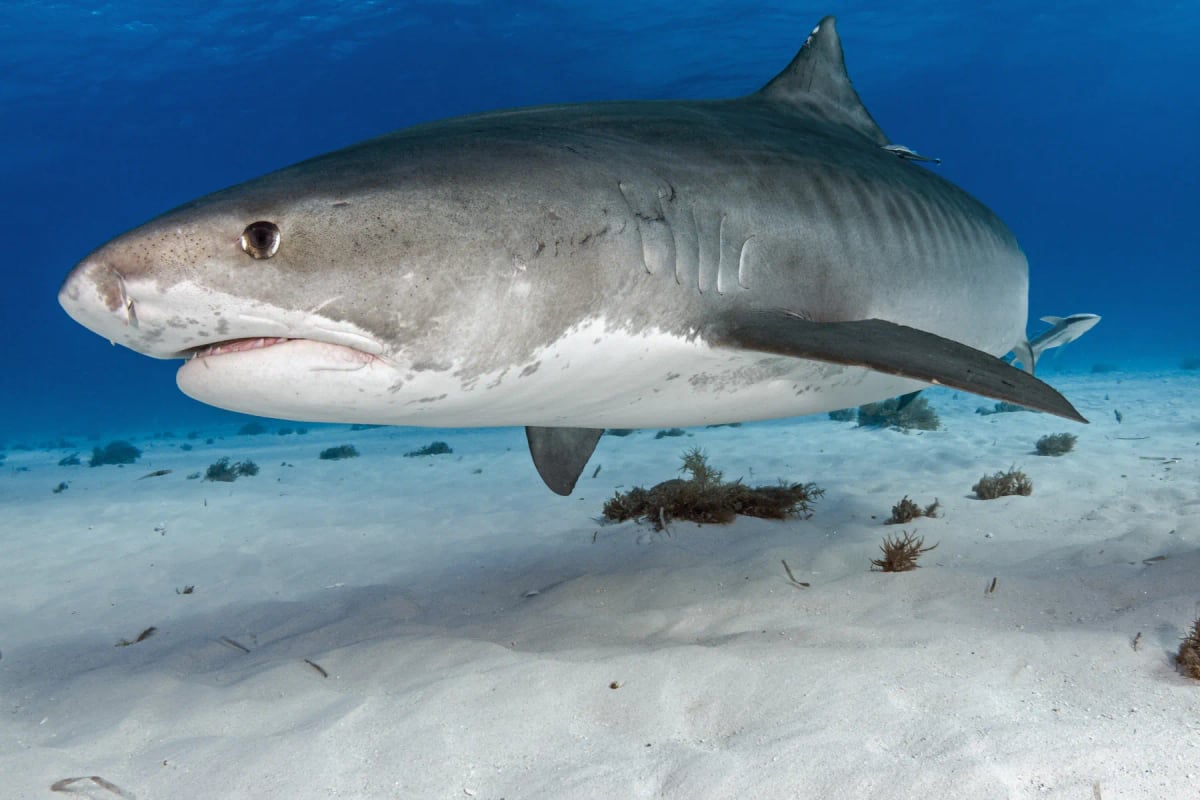
Tiger Shark
Galeocerdo cuvier
Tiger sharks have been recorded in Portuguese Atlantic waters, including around the Azores and Madeira archipelagos, where warm ocean currents attract a wide range of marine life. Growing up to 5 metres long, this solitary predator feeds on fish, rays, and sea turtles. It is listed as Near Threatened by the IUCN, with bycatch in Atlantic fisheries being a key concern.
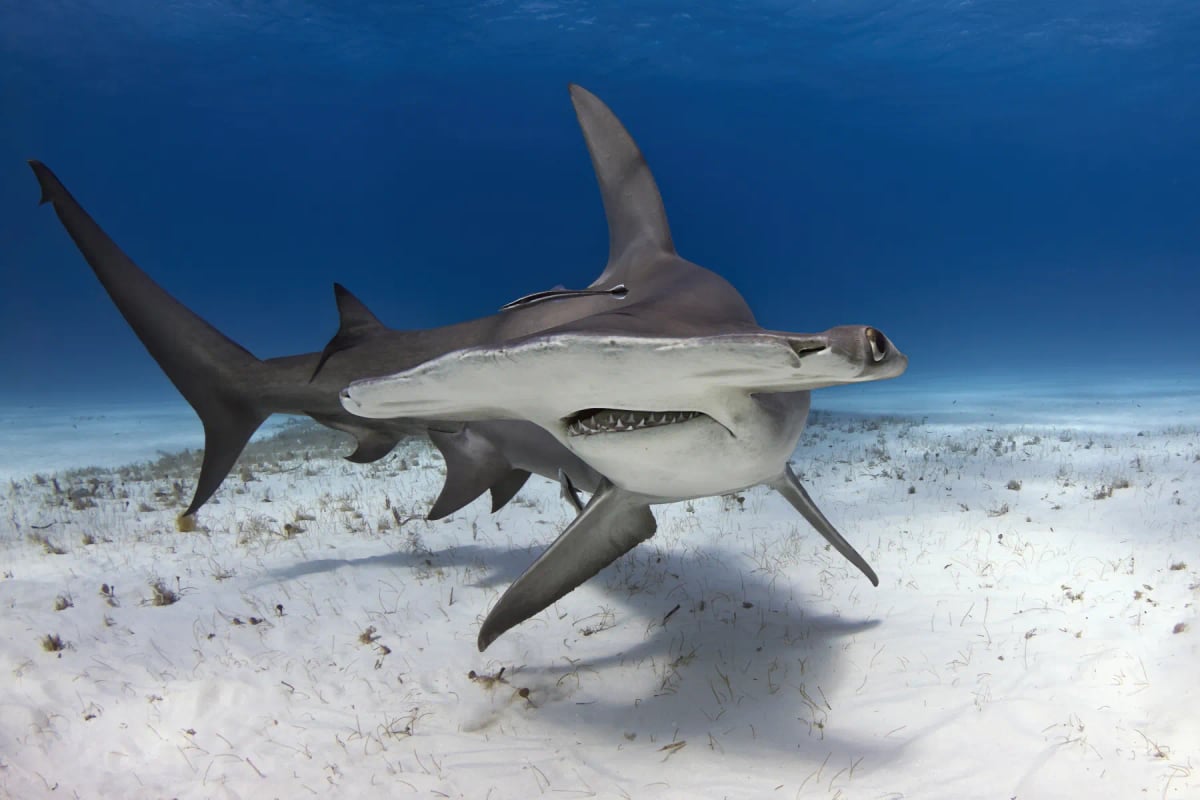
Hammerhead Shark
Sphyrna spp.
Portugal's extensive Atlantic coastline and its territories, including the Azores and Madeira, place it in important waters for hammerhead sharks. The Azores in particular are known as a hotspot for large schools of scalloped hammerheads. Portugal has supported EU measures to protect sharks, though bycatch and the fin trade continue to pose risks. These waters offer some of the best opportunities in Europe to study these animals.
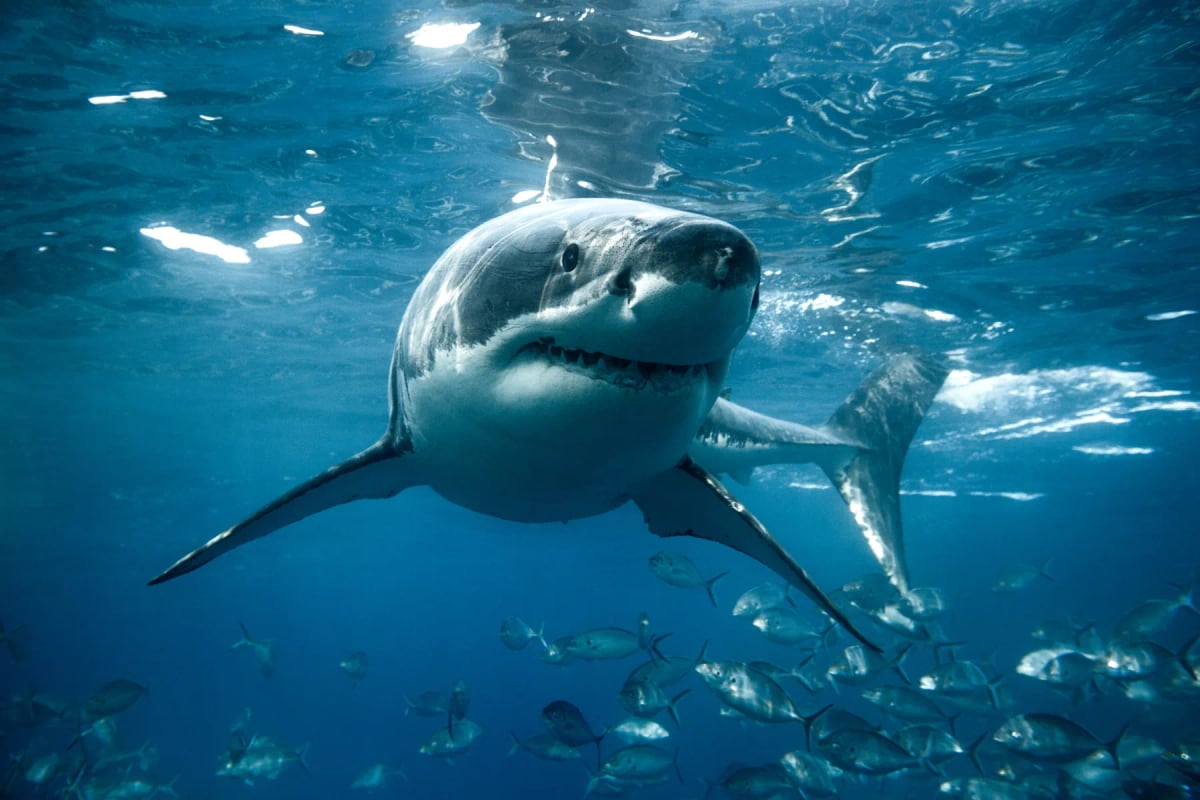
Great White Shark
Carcharodon carcharias
Great white sharks have been recorded in Portuguese waters, including around the Azores archipelago in the North Atlantic. The Azores, surrounded by deep and productive ocean, act as a crossroads for large marine species moving across the Atlantic. Continental Portuguese coastal waters have also recorded sightings, and the country plays a role in European efforts to better understand the movements of great whites in the Atlantic.
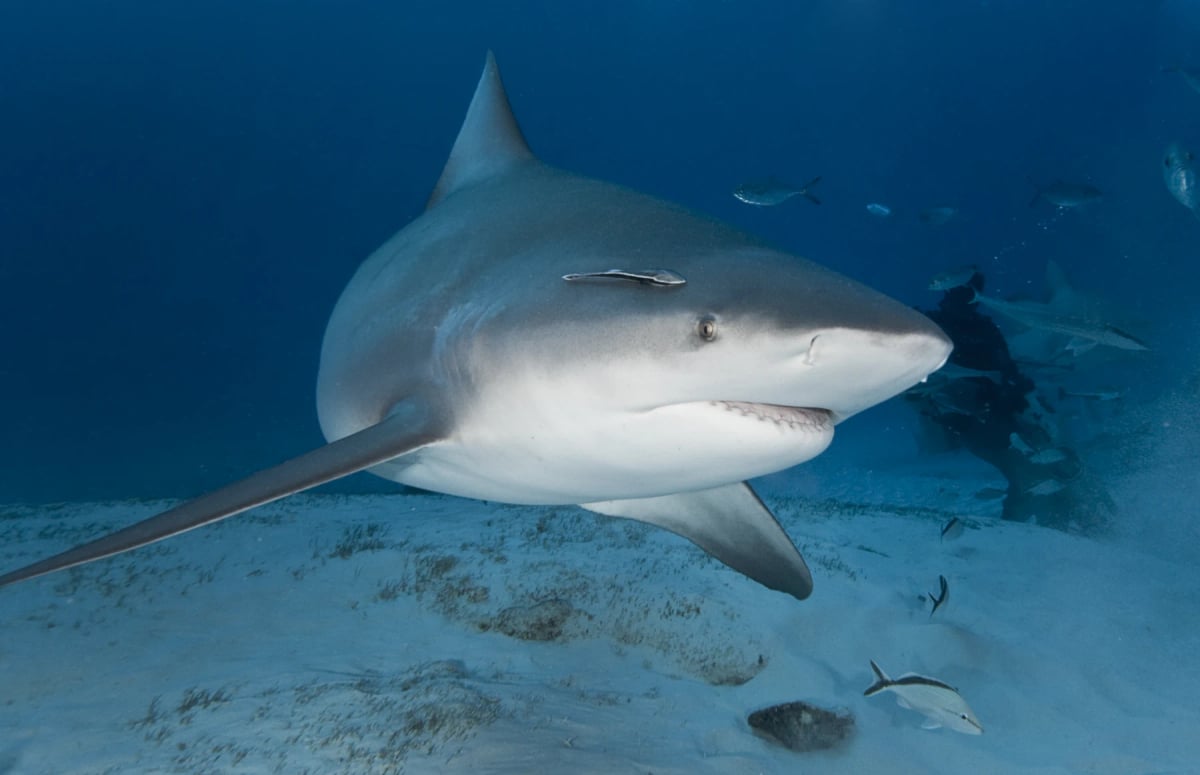
Bull Shark
Carcharhinus leucas
Bull sharks are recorded in Portuguese coastal waters, primarily in the warmer southern regions and occasionally around the Azores and Madeira archipelagos in the Atlantic. Their presence along the mainland coast represents the northern edge of a broad Atlantic distribution. While not commonly encountered, confirmed records exist. Portugal's growing marine protected area network may benefit this Near Threatened species as climate patterns continue shifting in the Atlantic.
Researched and written by Juan Pablo. Sources: IUCN Red List, scientific literature and regional field guides. Last updated: .