Animals in Antarctica
Wildlife in Antarctica
Antarctica’s wildlife thrives against extreme odds, shaped by ice, wind and isolation. Despite its harsh climate, the continent supports a surprisingly rich web of life, especially along its coasts, where ocean currents bring nutrients that sustain massive populations of seabirds, seals and whales. Penguins are emblematic of this frozen frontier, but the region also hosts great albatrosses, petrels and large marine mammals, all adapted to the rhythm of cold seas and long polar seasons. The balance here is fragile and truly inspiring, offering a glimpse into nature’s resilience at its rawest.
Most Dangerous Animals in Antarctica
Antarctica is not usually seen as a place with dangerous wildlife, yet a few powerful predators still deserve respect. In the icy ocean, orcas move in coordinated groups and hunt with remarkable skill, while leopard seals dominate many coastal areas and can be unpredictable at close range. Human encounters are uncommon thanks to strict rules and limited access, but remembering that these are true hunters helps keep research and tourism both safe and responsible in such a remote environment.
Top 10 Animals in Antarctica
On this site the group of top animals for Antarctica is designed to highlight a small set of species that people most strongly associate with the continent. Instead of trying to list every bird, seal or whale that visits these waters, it focuses on a handful of truly emblematic creatures that sum up its frozen coasts and open sea. As new entries are added over time, the list will remain selective, offering a clear snapshot of what many visitors imagine first when they think about Antarctic wildlife.
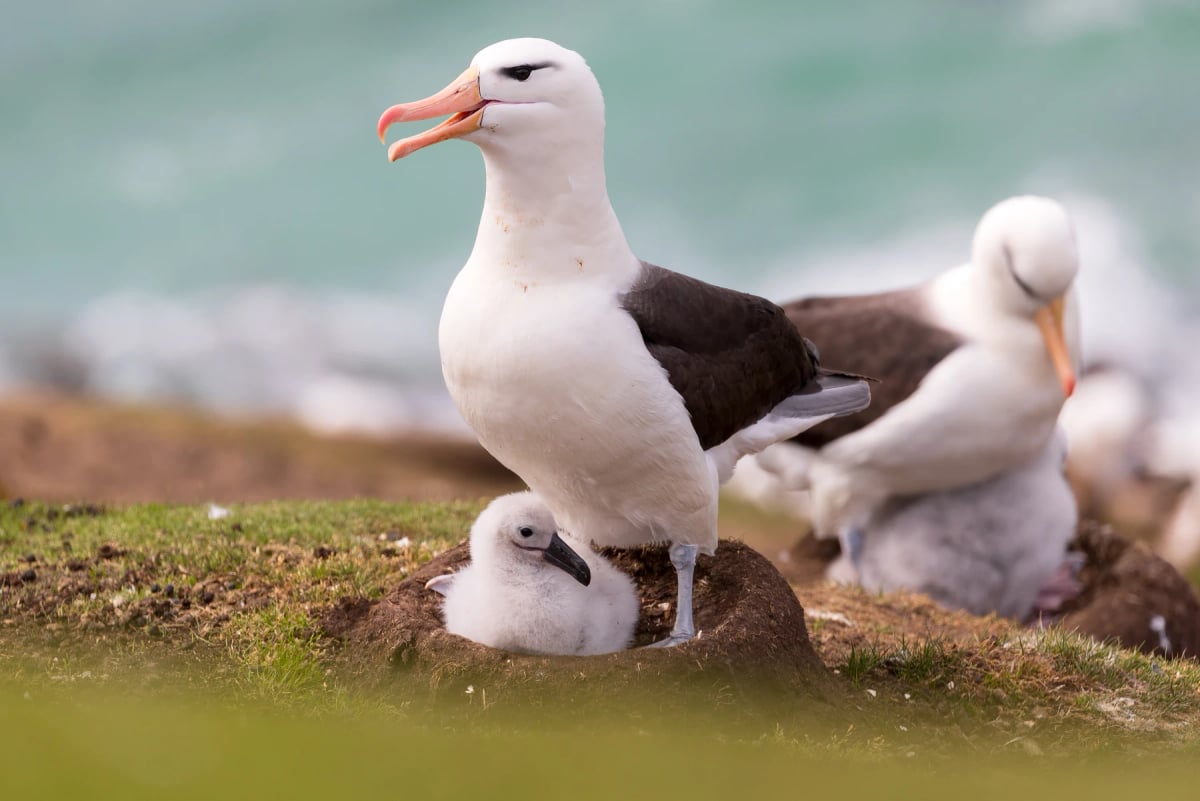
Black browed Albatross
Thalassarche melanophris
The black browed albatross is a familiar sight over Antarctic and sub Antarctic waters, where it forages alongside other seabirds on the rich marine resources of the Southern Ocean. While it does not nest on the Antarctic continent itself, it regularly ventures into these seas during foraging trips from nearby island colonies. The health of Antarctic ecosystems is directly tied to this species' food supply. IUCN status: Least Concern.
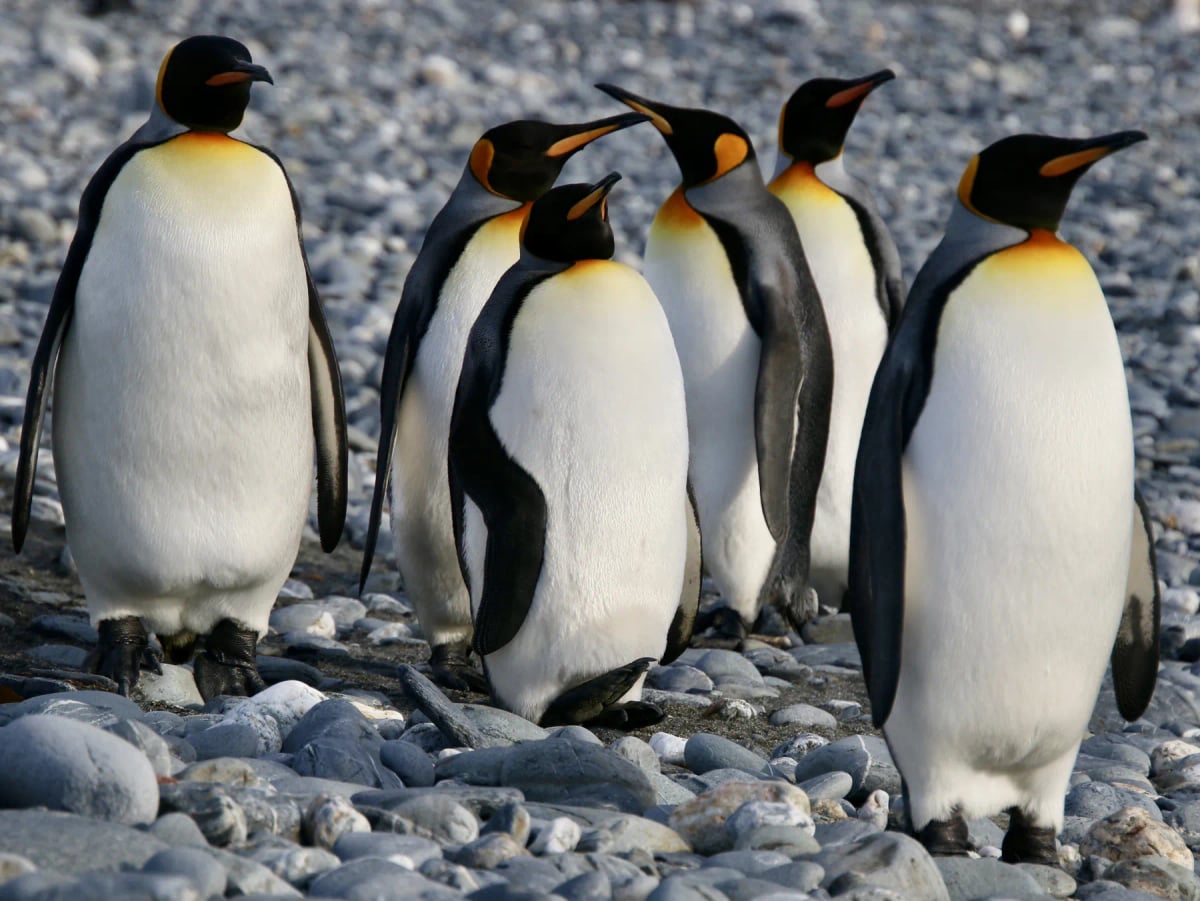
King Penguin
Aptenodytes patagonicus
King penguins are present in the Antarctic region, typically around its northern fringes and subantarctic zones rather than the continent's interior ice. They are powerful divers, reaching depths beyond 300 meters to pursue squid and lanternfish in frigid waters. With warming ocean conditions increasingly affecting prey availability around Antarctica, the species faces real pressure over the long term despite its current stable status. IUCN status: Least Concern.
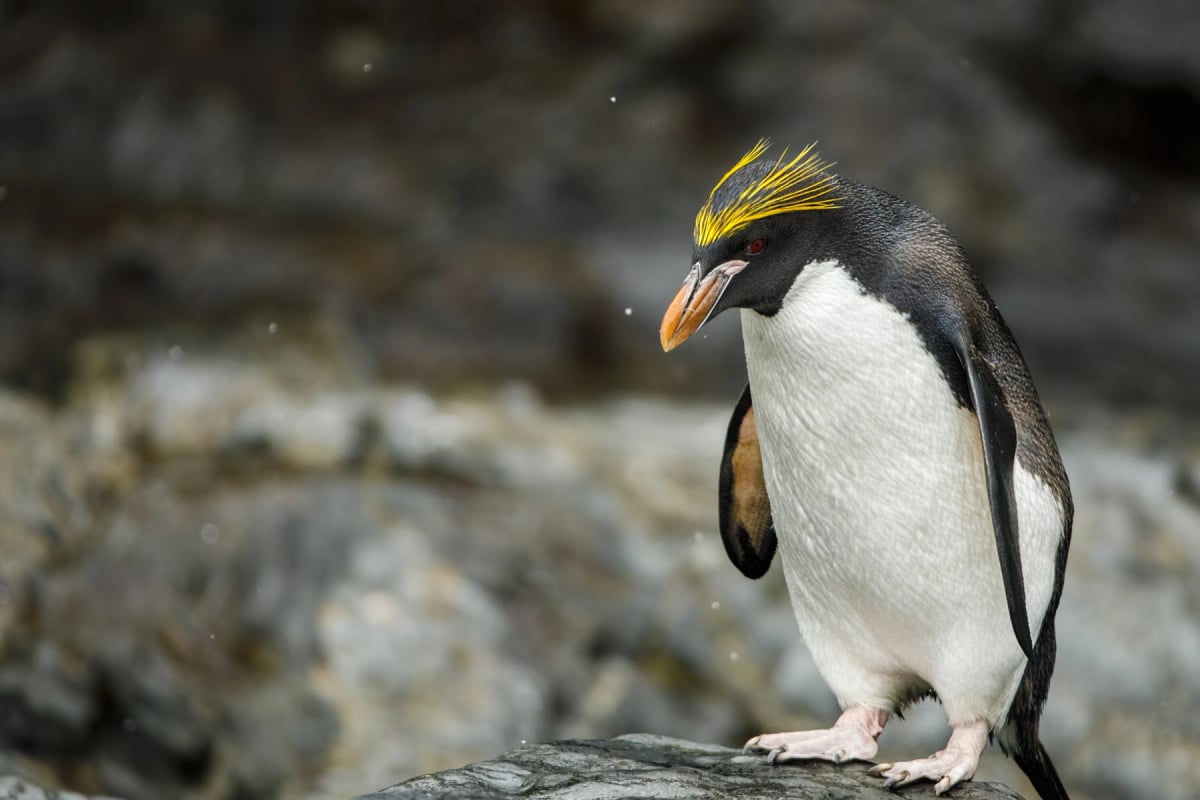
Macaroni Penguin
Eudyptes chrysolophus
Along the Antarctic Peninsula, macaroni penguins form some of the largest seabird colonies on the planet. Their golden orange head crests make them easy to spot among the crowds. They dive deep into icy southern waters to catch krill and small fish, sometimes going beyond 100 meters. Though still numerous, their population has declined steadily, and the IUCN now lists them as Vulnerable.
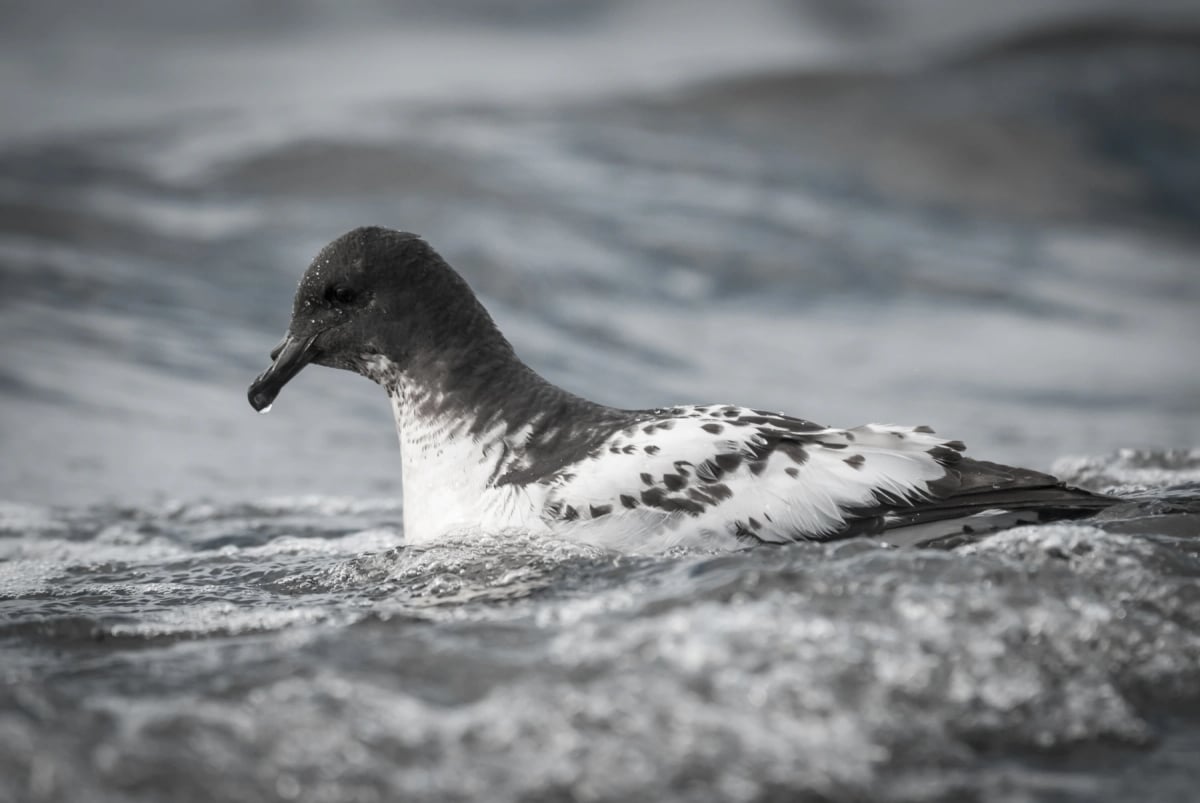
Cape Petrel
Daption capense
Antarctica is the core breeding ground for the Cape Petrel. Vast colonies gather on rocky coastal cliffs, where each pair raises a single chick each season. The species is among the most visible seabirds of the Southern Ocean, commonly seen following ships across Antarctic waters. Its bold black and white patterned upperparts make it one of the easiest Antarctic birds to identify. IUCN status: Least Concern.
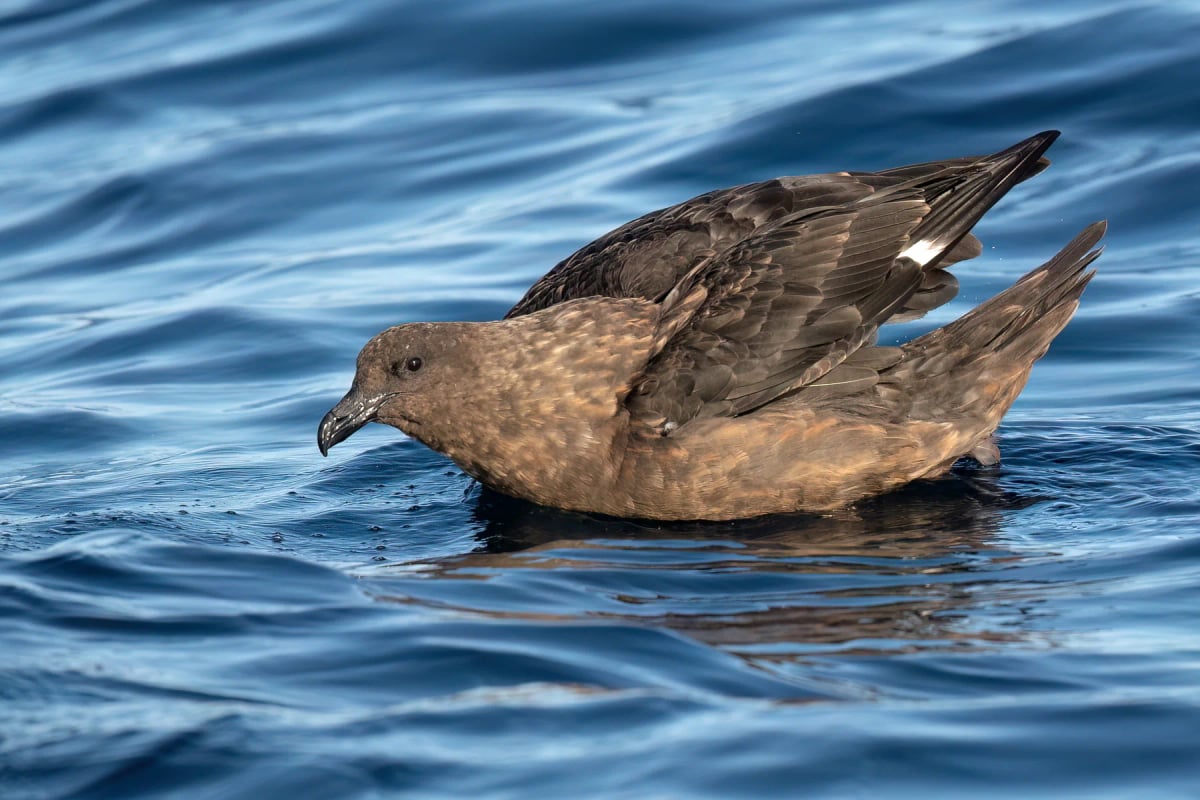
Brown Skua
Stercorarius antarcticus
The brown skua is one of Antarctica's most formidable birds, nesting on ice-free coastal ground and preying heavily on penguin eggs and chicks. Pairs hold and defend territories with great aggression, even driving off humans who approach too close. Outside the breeding season, individuals roam far across the Southern Ocean. The species is classified as Least Concern by the IUCN, with Antarctic populations considered stable.
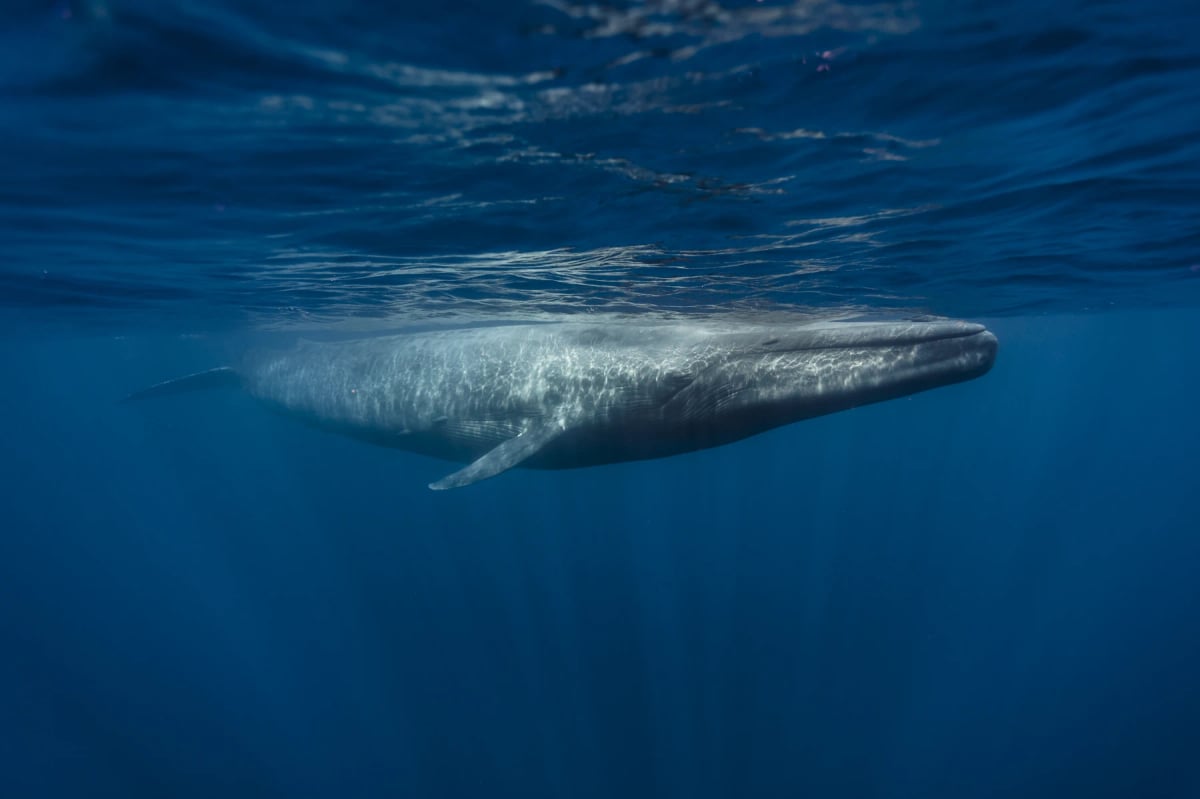
Blue Whale
Balaenoptera musculus
The waters around Antarctica hold the Antarctic blue whale, the largest subspecies and the one that suffered most from industrial whaling, with more than three hundred thousand killed in the Southern Ocean during the twentieth century. Summer brings the whales south to feed on the immense krill swarms of the Scotia Sea and the Antarctic Peninsula. Recovery has been slow, and sightings remain rare even on expedition voyages, which makes each acoustic detection valuable to researchers.
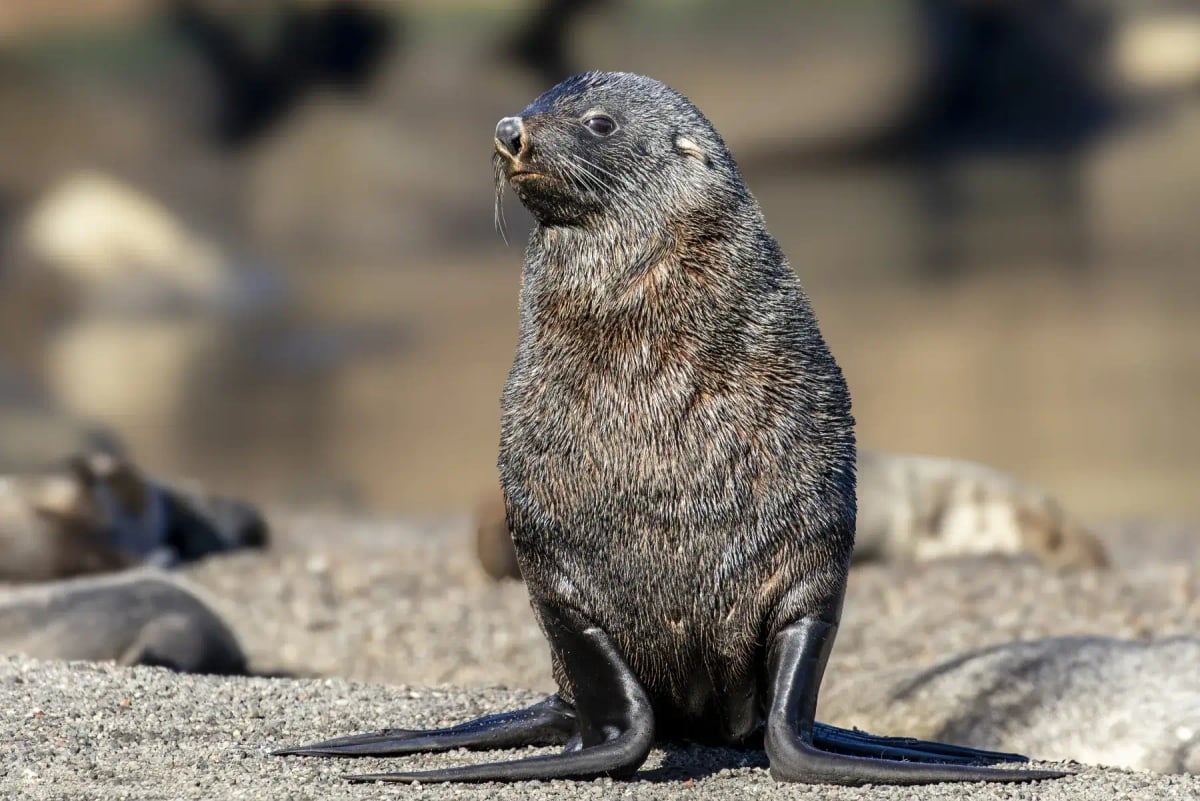
Fur Seal
Arctocephalus spp.
Antarctic fur seals (Arctocephalus gazella) are among the most abundant fur seals in the world, with South Georgia Island holding the largest concentration. They breed in noisy colonies on rocky beaches and feed heavily on krill and fish in the surrounding Southern Ocean. Once nearly wiped out by commercial hunting, their populations have recovered dramatically and are now listed as Least Concern by the IUCN.
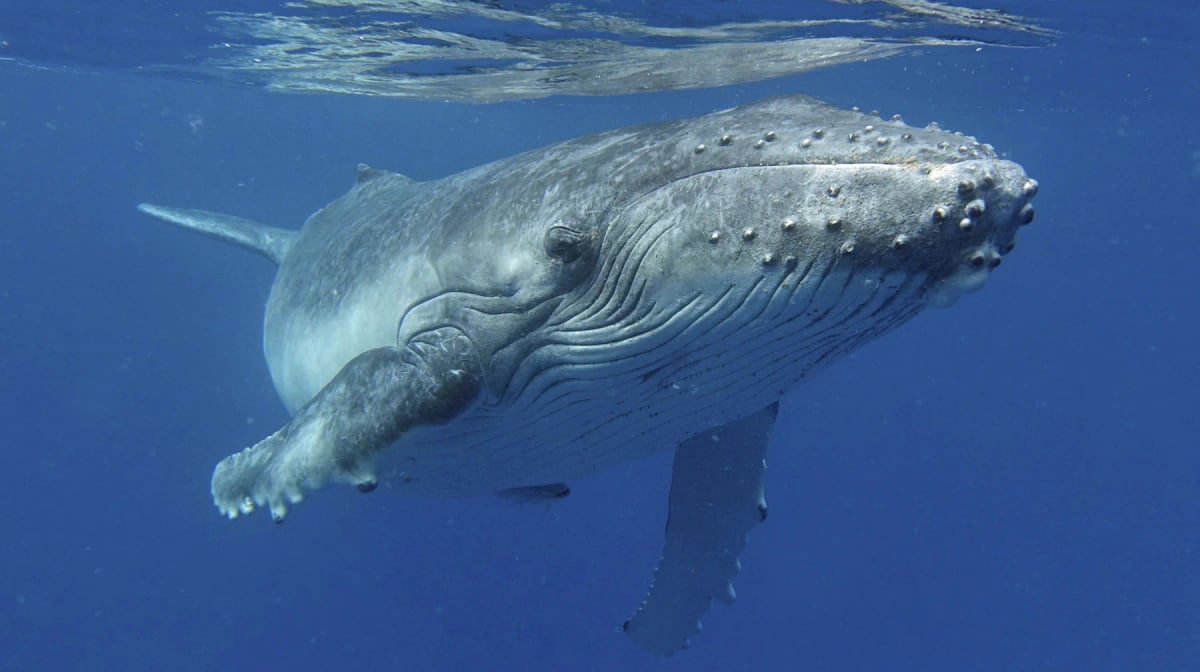
Humpback Whale
Megaptera novaeangliae
Antarctica is one of the most important feeding grounds on Earth for humpback whales. During the southern summer, these whales gather in Antarctic waters to feast on the vast swarms of krill that thrive beneath the surface. A single whale can consume enormous quantities of food each day, building up the energy reserves needed for their long migration to warm tropical waters. The IUCN lists the species as Least Concern.
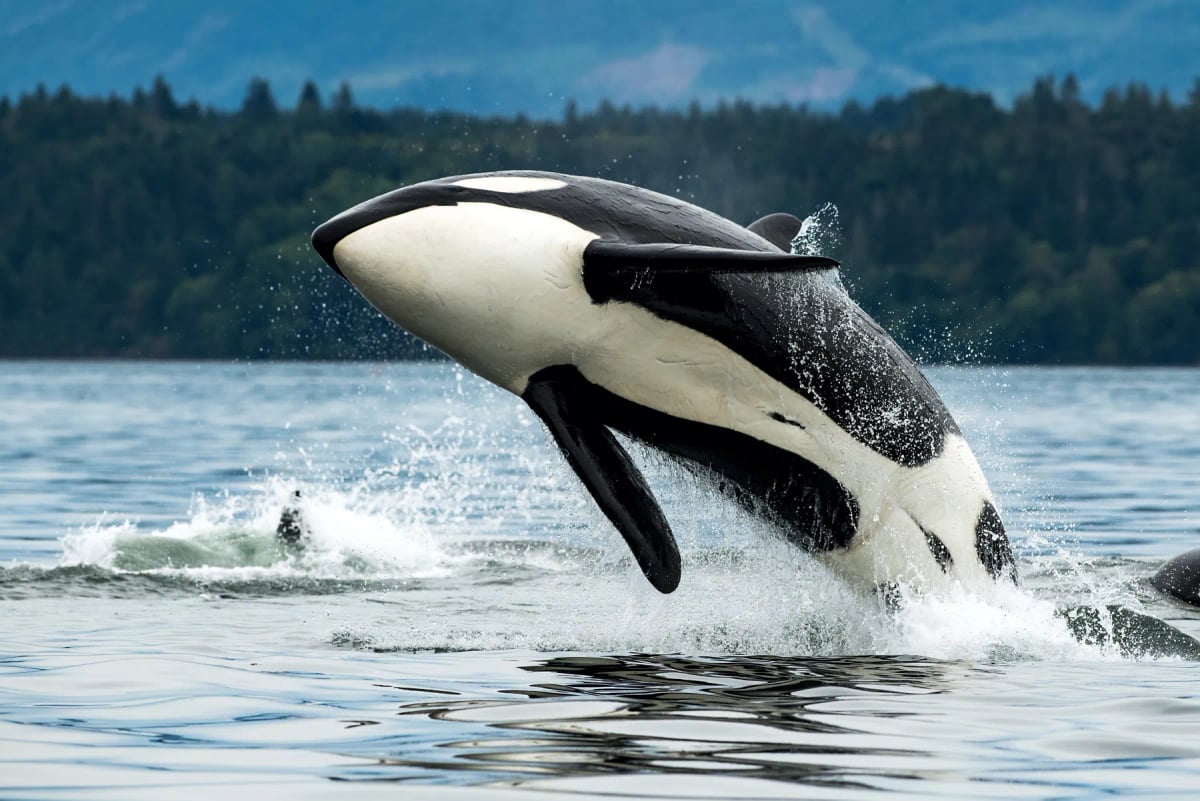
Orca
Orcinus orca
Orcas are apex predators in Antarctic waters, hunting in coordinated groups with impressive intelligence and efficiency. Several distinct types inhabit the region, each specializing in different prey, from fish and penguins to other marine mammals. Antarctica offers some of the best opportunities in the world to observe and study their hunting strategies in open, accessible waters, and researchers continue to learn from what happens here.
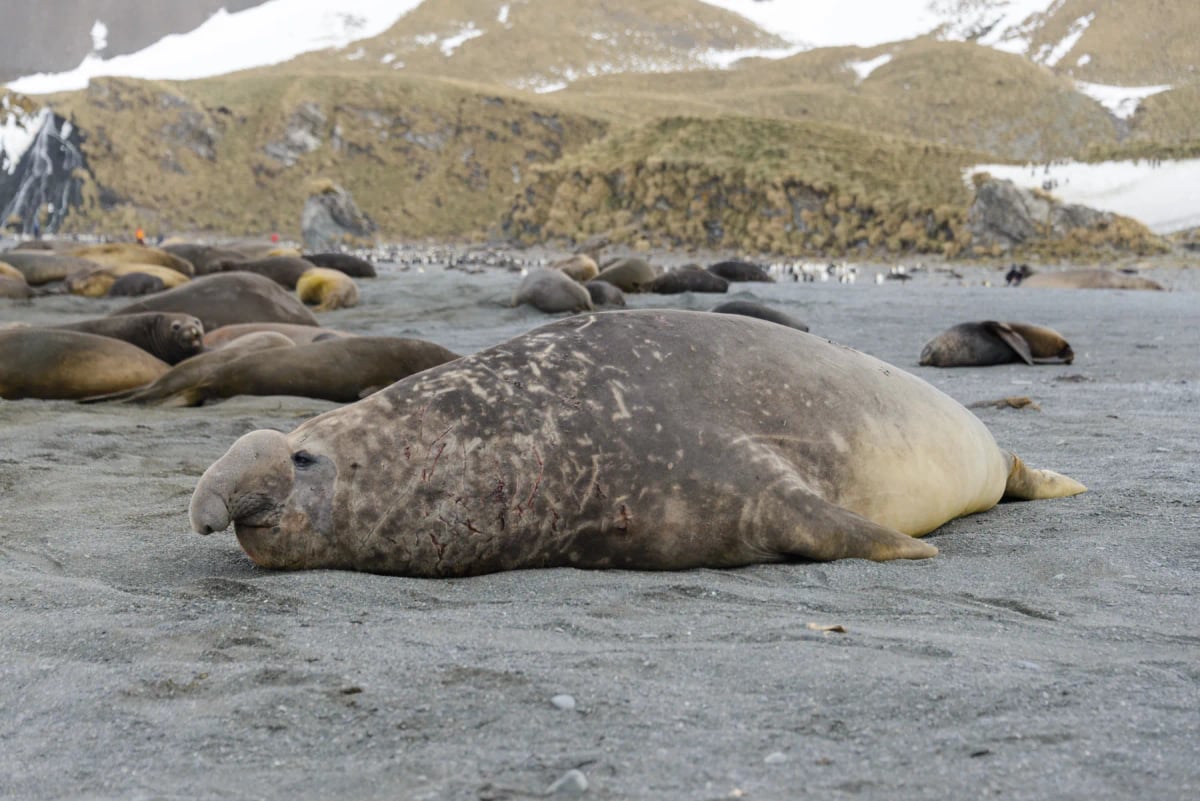
Elephant Seal
Mirounga spp.
Southern elephant seals forage extensively in Antarctic waters, diving to extraordinary depths in pursuit of squid and fish beneath the ice. While they breed mainly on subantarctic islands, many individuals travel deep into Antarctic waters to feed during the non-breeding months. Their ability to dive beyond 1,500 meters makes them uniquely suited to exploit the rich resources of the Southern Ocean surrounding the Antarctic continent.
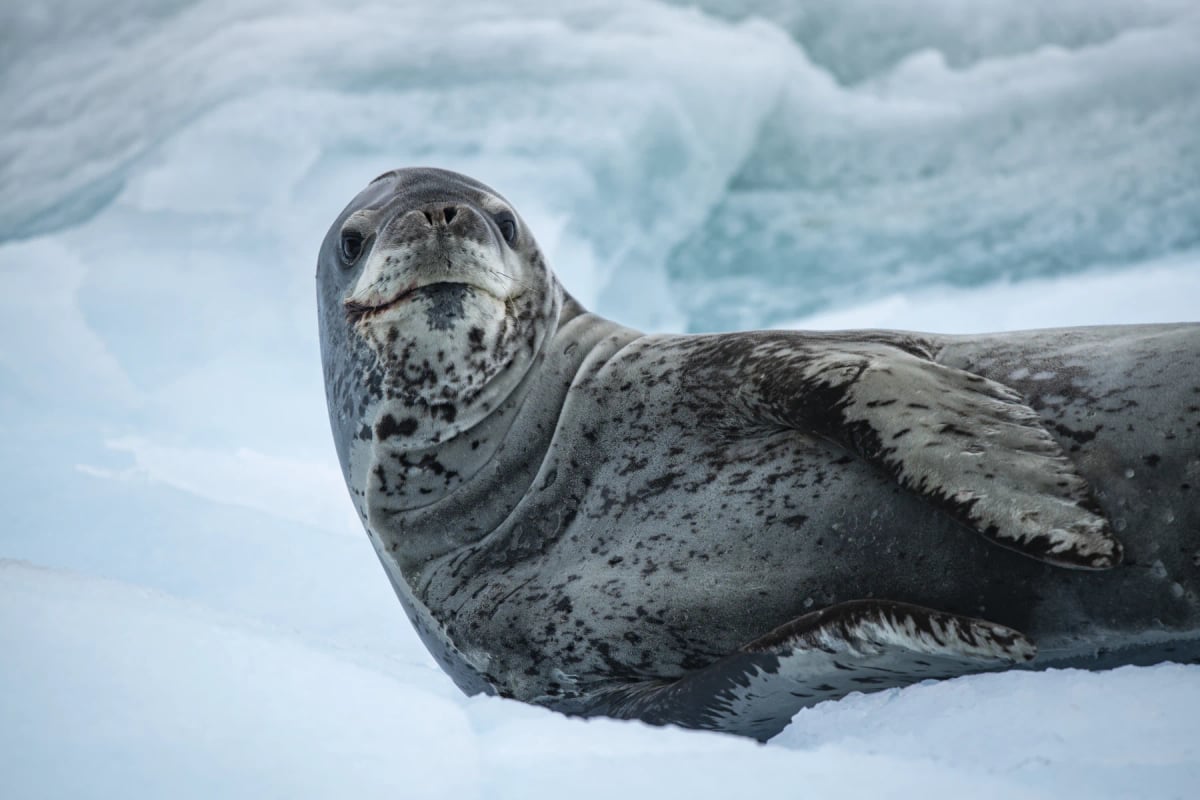
Leopard Seal
Hydrurga leptonyx
The leopard seal is one of Antarctica's most powerful hunters, patrolling the edges of ice shelves and pack ice in search of penguins, fish, and krill. Females can reach over 3.5 metres in length, making them larger than males. Though listed as Least Concern by the IUCN, the ongoing loss of sea ice across Antarctic waters poses a real threat to the species over the long term.
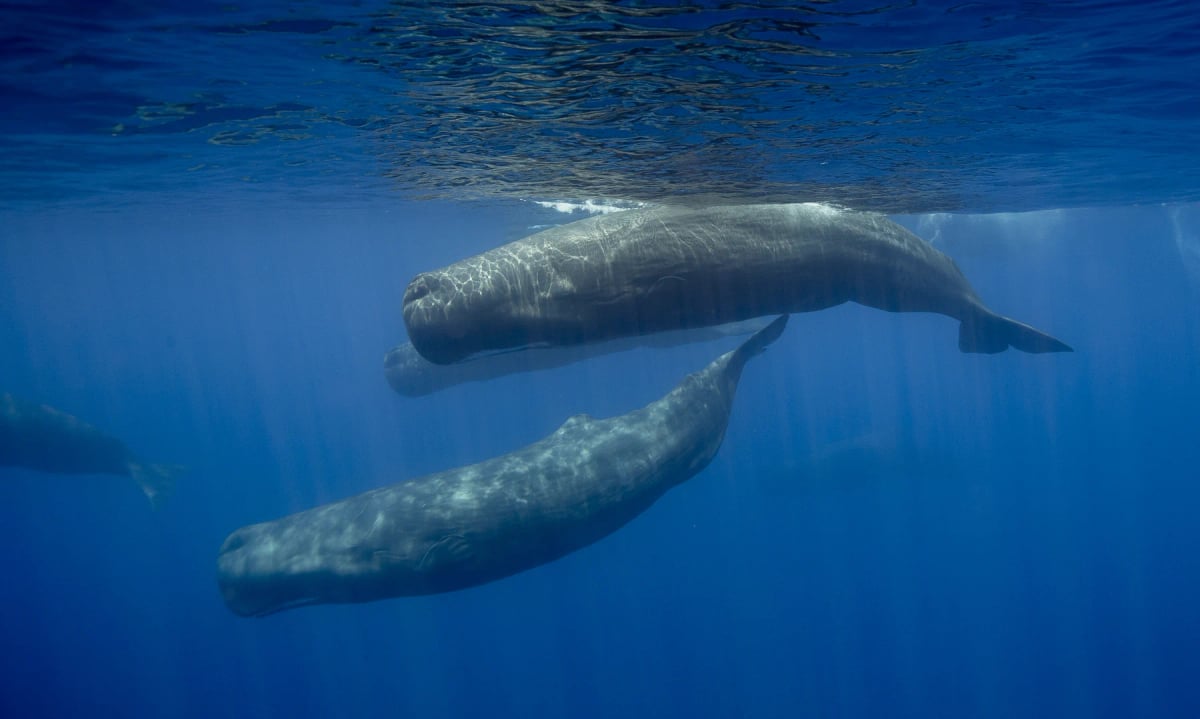
Sperm Whale
Physeter macrocephalus
Adult male sperm whales undertake long migrations into the frigid waters surrounding Antarctica, where productivity is extraordinarily high. The Southern Ocean offers an abundance of prey, including deep water squid species that attract these massive hunters. Females and young generally remain in warmer latitudes, so the individuals seen in Antarctic waters are almost always large, solitary males taking advantage of the rich feeding conditions at the edges of the ice.
Researched and written by Juan Pablo. Sources: IUCN Red List, scientific literature and regional field guides. Last updated: .