Animals in Pakistan
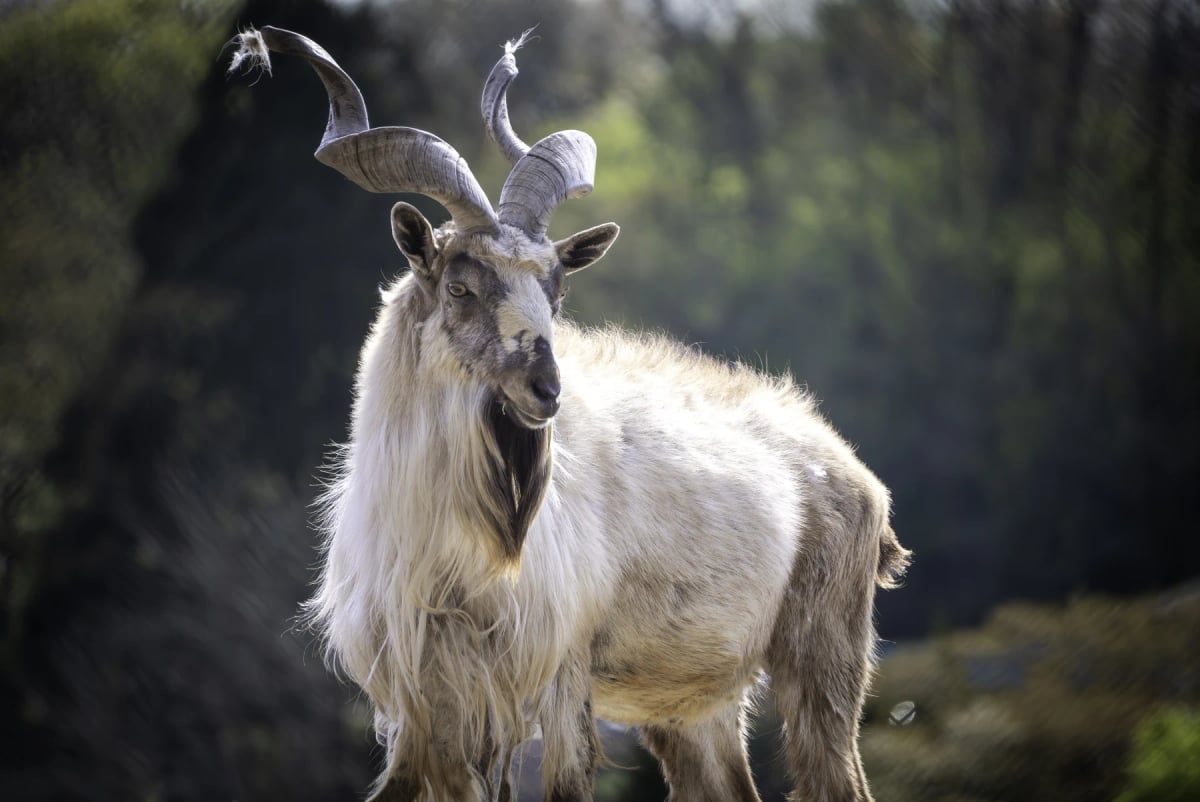
Markhor
Capra falconeri
The markhor is the national animal and a symbol of mountain life in the north and west. Its spiral horns and sure step on rock ledges appear in school books, stamps and conservation displays. Community guards and managed hunting zones financed field work that helped herds recover in several valleys. Visitor centers use the markhor to explain how villages, grazing lands and wildlife can share the same slopes over the long term.
View details→Wildlife in Pakistan
Pakistan brings together Karakoram peaks, dry plateaus, river plains and a long Arabian Sea shore. Road trips link cities with valleys like Hunza and Skardu, where clear paths reach village viewpoints and alpine meadows. Jeep tracks cross Deosai grasslands in summer, and Hingol National Park adds canyons and sea cliffs near Gwadar. In the Indus delta, boat rides pass mudflats and mangroves that host birds, dolphins and calm sunset tours.
Most Dangerous Animals in Pakistan
Wildlife risk in Pakistan depends on place and season. In hill forests and alpine edges, big cats are secretive but powerful, and bears or wild boar can react if surprised near food. On rivers and lakes, the mugger crocodile is the main concern. Along the Arabian Sea, large sharks such as hammerhead, bull and tiger use deep channels far from crowded beaches. Most encounters are brief and noticed at a distance on marked routes.
Top 10 Animals in Pakistan
Our Top 10 for Pakistan follows a simple idea. It blends a desert icon with mountain predators and a fast city and cliff hunter. The dromedary camel represents travel across dry country and old caravan routes. Leopard, Eurasian lynx and gray wolf anchor the image of remote forests and high valleys. The peregrine falcon adds clear views from towers, bridges and cliffs. Together they sketch routes that join plains, ranges and towns.
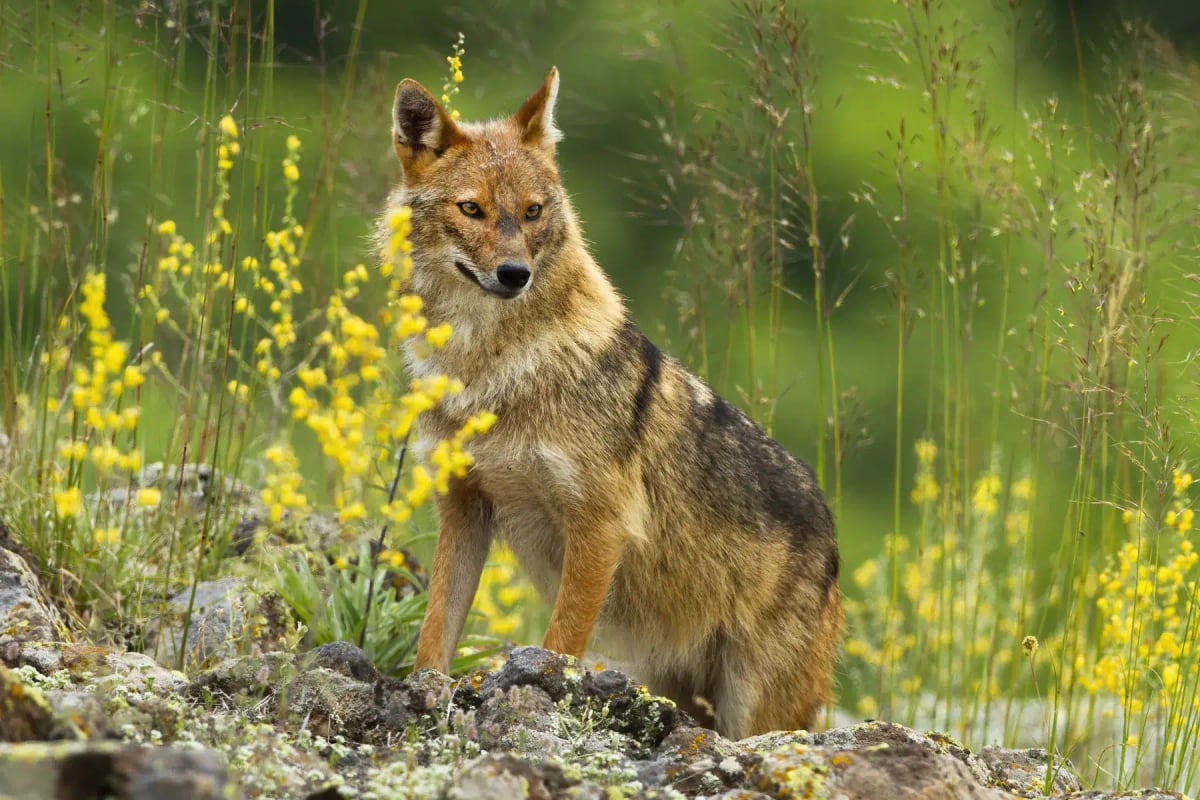
Golden Jackal
Canis aureus
The golden jackal is found across much of Pakistan, from the Indus River plains to the foothills of the northwest. It adapts well to farmland, riverine scrub, and areas near villages. Pairs and small family groups are the norm, and their howling calls are a familiar sound after dark in rural Sindh and Punjab. Its IUCN status is Least Concern.
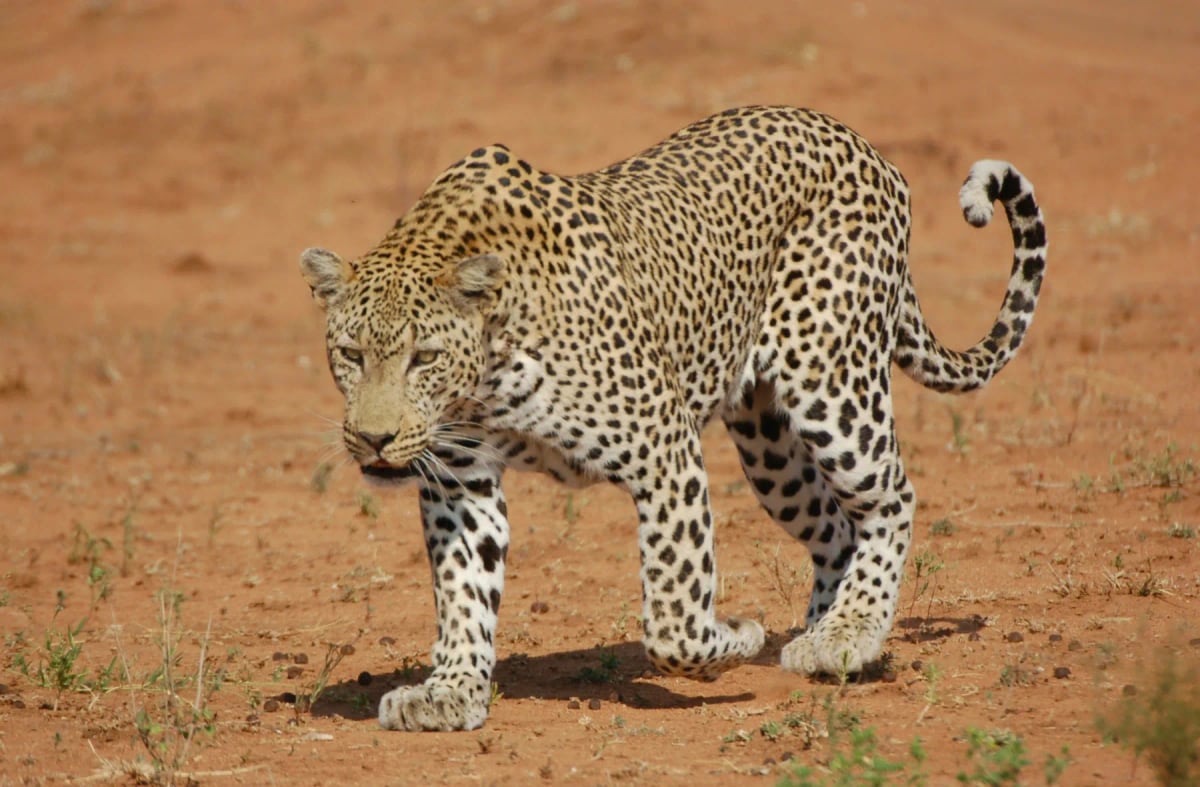
Leopard
Panthera pardus
Leopards in Pakistan are distributed across several distinct regions, including the forests of Khyber Pakhtunkhwa, the hills of Balochistan, and parts of Azad Kashmir. They occupy a range of habitats from subtropical forests to rocky mountain slopes. Conflict with local communities over livestock losses is a persistent challenge. Snow leopards share some higher altitude zones, but the common leopard remains the dominant large cat in the mid to lower elevations.
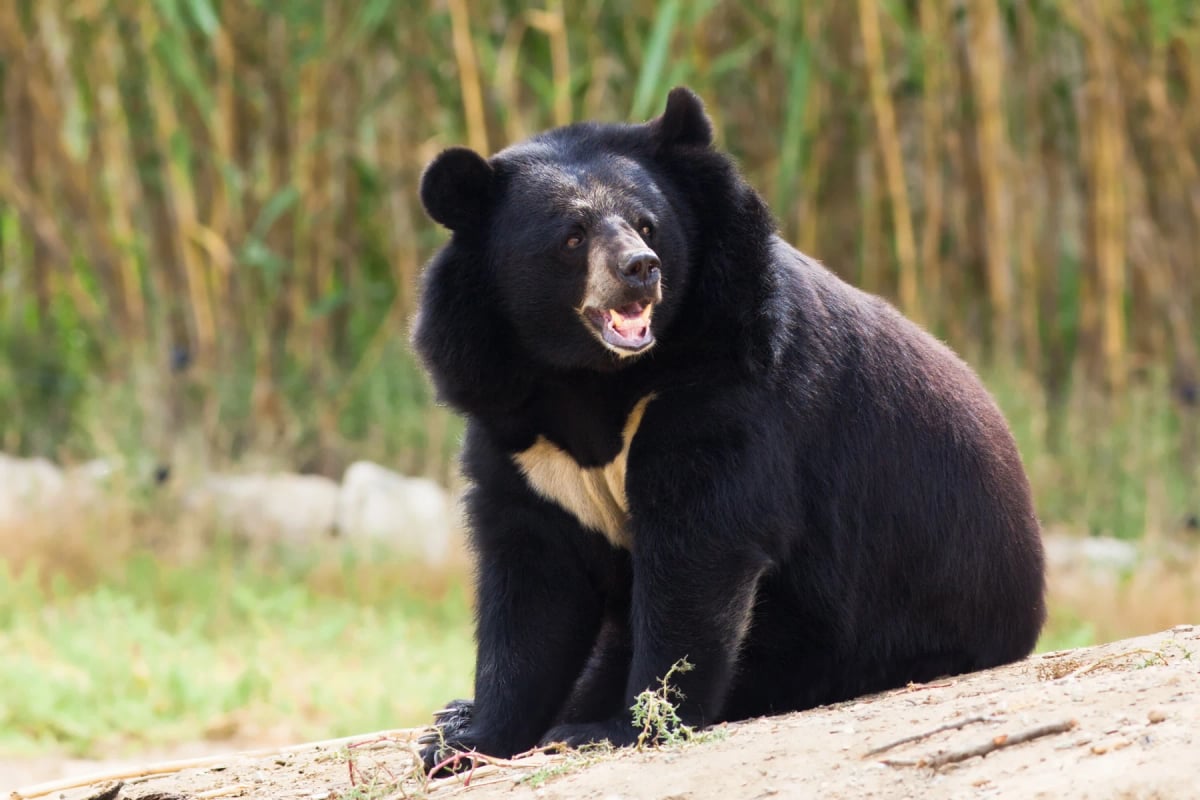
Asiatic Black Bear
Ursus thibetanus
The Asiatic black bear is present in the forested areas of Pakistan's northern territories, including Azad Kashmir, Khyber Pakhtunkhwa, and parts of Gilgit-Baltistan. It inhabits mountain forests at mid to high elevations and is known to descend toward villages in search of food, particularly in autumn. Conflict with farming and livestock communities is a recurring problem. The species is legally protected in Pakistan, and some populations overlap with community-managed conservation areas in the north of the country.
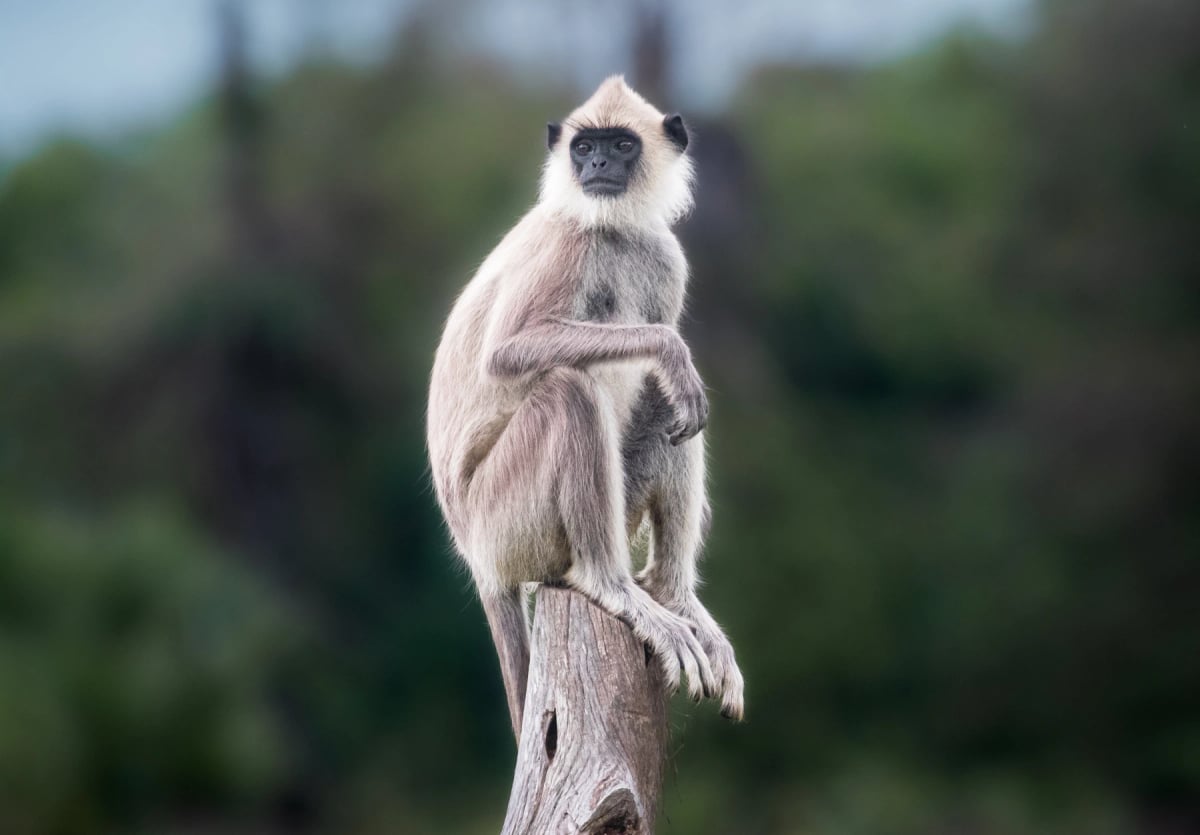
Langur
Semnopithecus spp.
In Pakistan, langurs are found in the forested hills of Azad Kashmir and parts of Khyber Pakhtunkhwa, where subtropical and temperate forests provide food and shelter. They live in troops and feed on leaves, fruit, and flowers. Their range in Pakistan sits at the northwestern edge of the species' distribution across South Asia. Deforestation and hunting pressure have made these populations particularly vulnerable over recent decades.
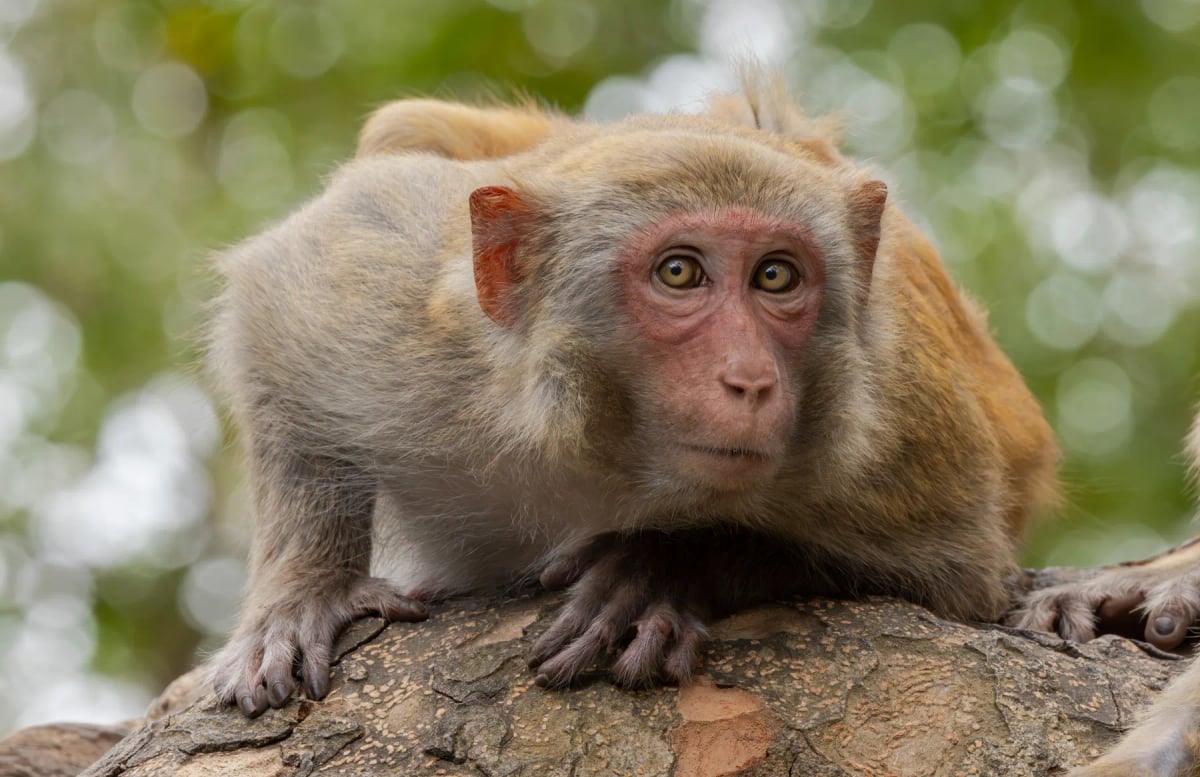
Macaque
Macaca spp.
The rhesus macaque is the macaque species found in Pakistan, mainly in forested areas of Punjab, Azad Kashmir, and the foothills of the Himalayas. They adapt well to living near human settlements, often gathering around temples and towns where people leave out food. Troops can number in the dozens, and females stay with their birth group throughout their lives while males move between groups.
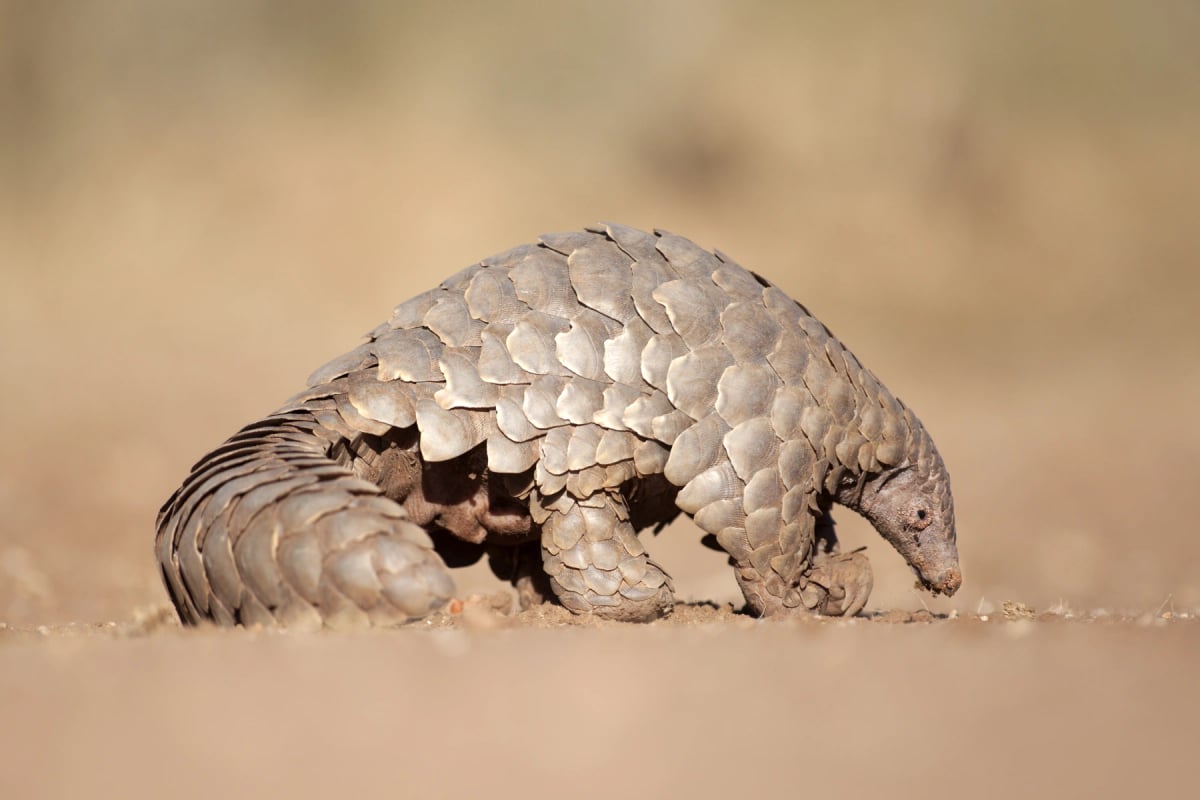
Pangolin
Manis spp.
The Indian pangolin (Manis crassicaudata) is present in parts of eastern and central Pakistan, including Punjab and Sindh, where it lives in dry scrub forests and rocky hillsides. It is largely nocturnal and rarely seen. Poaching for the illegal trade and habitat degradation from overgrazing are serious concerns. Pakistan's Wildlife Protection Acts cover it at the provincial level, though enforcement varies widely across its range in the country.
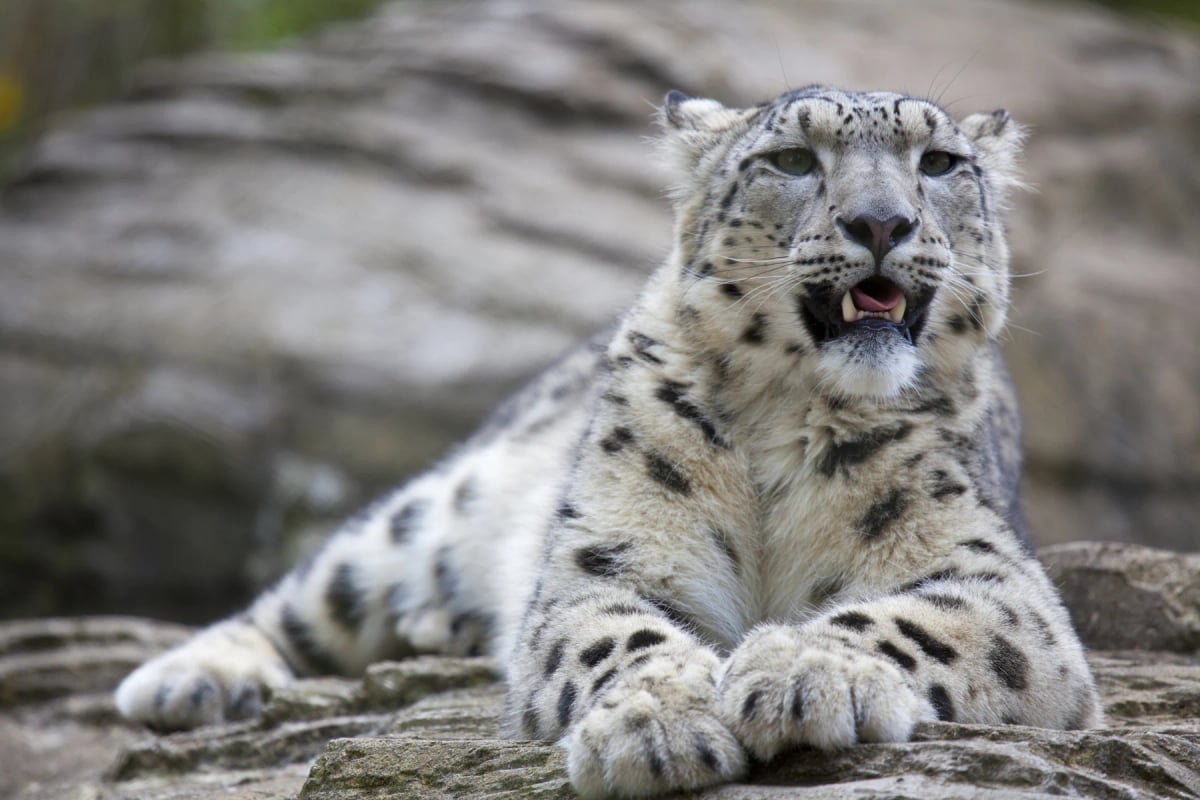
Snow Leopard
Panthera uncia
Pakistan's Karakoram, Hindu Kush, and western Himalayan ranges shelter snow leopards at elevations where few other large predators survive. Chitral Gol National Park and the Khunjerab National Park in Gilgit-Baltistan are key protected areas for the species. Snow leopard populations here face threats from poaching for their fur and bones, as well as retaliatory killing by herders. Community conservation programs have helped build local support. IUCN status: Vulnerable.
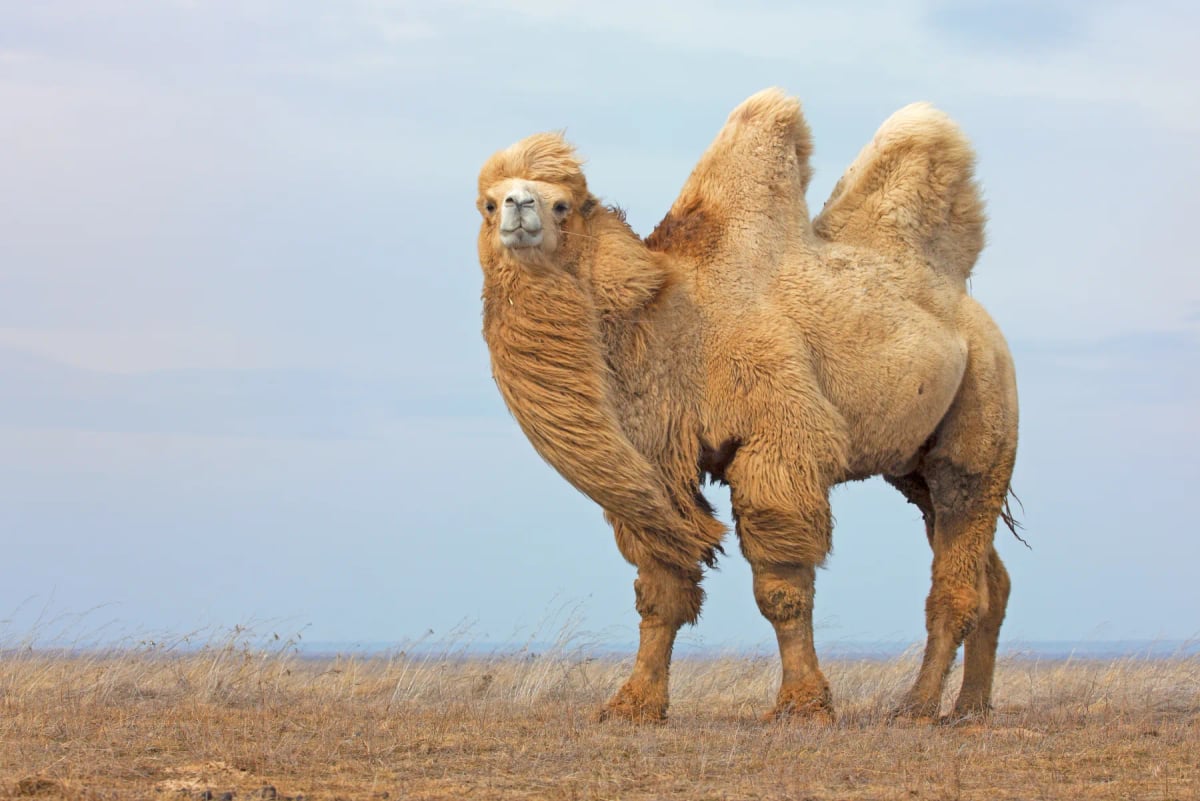
Bactrian Camel
Camelus bactrianus
Pakistan has a small but established population of domesticated Bactrian camels, estimated at around 200 individuals, found mainly in the northern regions bordering China and Afghanistan. These animals are kept by local communities in high-altitude, cold areas where their thick coat and endurance give them an advantage over other livestock. While the dromedary is far more common in Pakistan's southern plains and desert regions, the Bactrian camel has maintained a presence in the country's mountainous north for centuries.
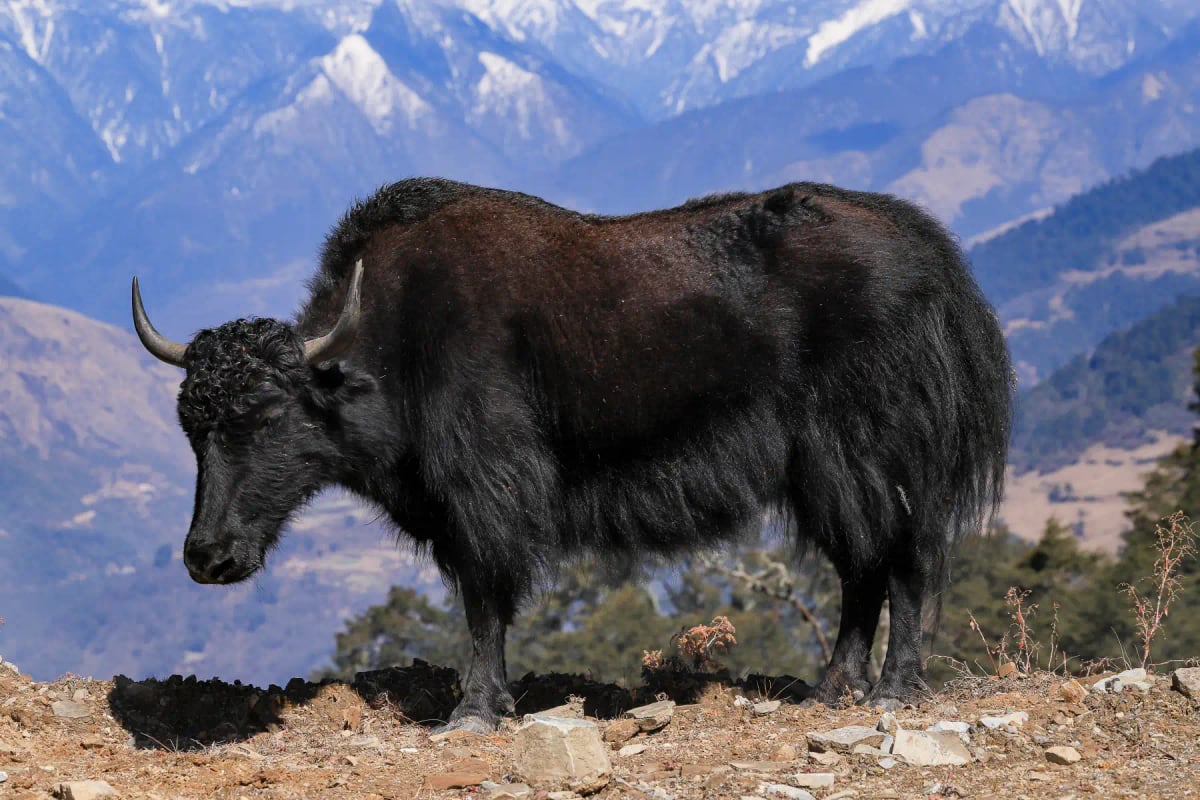
Yak
Bos grunniens
In Pakistan, yaks are found in small numbers in the northern highlands of Gilgit Baltistan, near the Karakoram and western Himalaya. Mountain communities there use them as pack animals and for milk and wool in valleys too steep and cold for most other livestock. Their population is smaller than in neighboring countries, but yaks remain valuable to herders in these high border regions.
Markhor
Capra falconeri
Pakistan is home to the largest markhor populations in the world, found in the Karakoram, Hindu Kush, and Himalayan ranges. Community conservation programs and regulated trophy hunting schemes have helped the species recover significantly after numbers fell to critical lows. The markhor is also Pakistan's national animal, a symbol of pride that has encouraged public support for its protection over the long term.
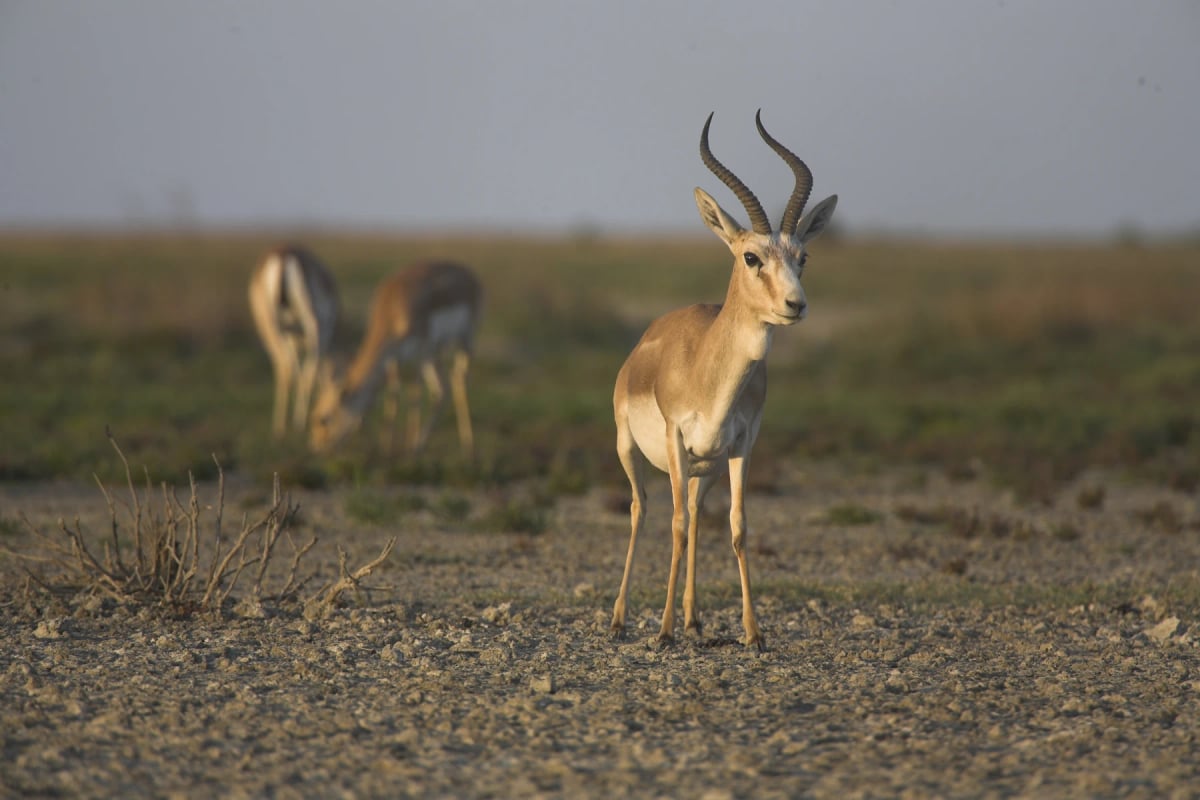
Goitered Gazelle
Gazella subgutturosa
The goitered gazelle occurs in the arid plains and rocky desert zones of Balochistan in southwestern Pakistan, where it grazes on sparse vegetation and tolerates intense heat. Populations here are small and isolated, making them especially fragile. Unregulated hunting and the loss of open habitat to farming and grazing by livestock have been the main pressures. The IUCN lists the species as Vulnerable across its entire range.
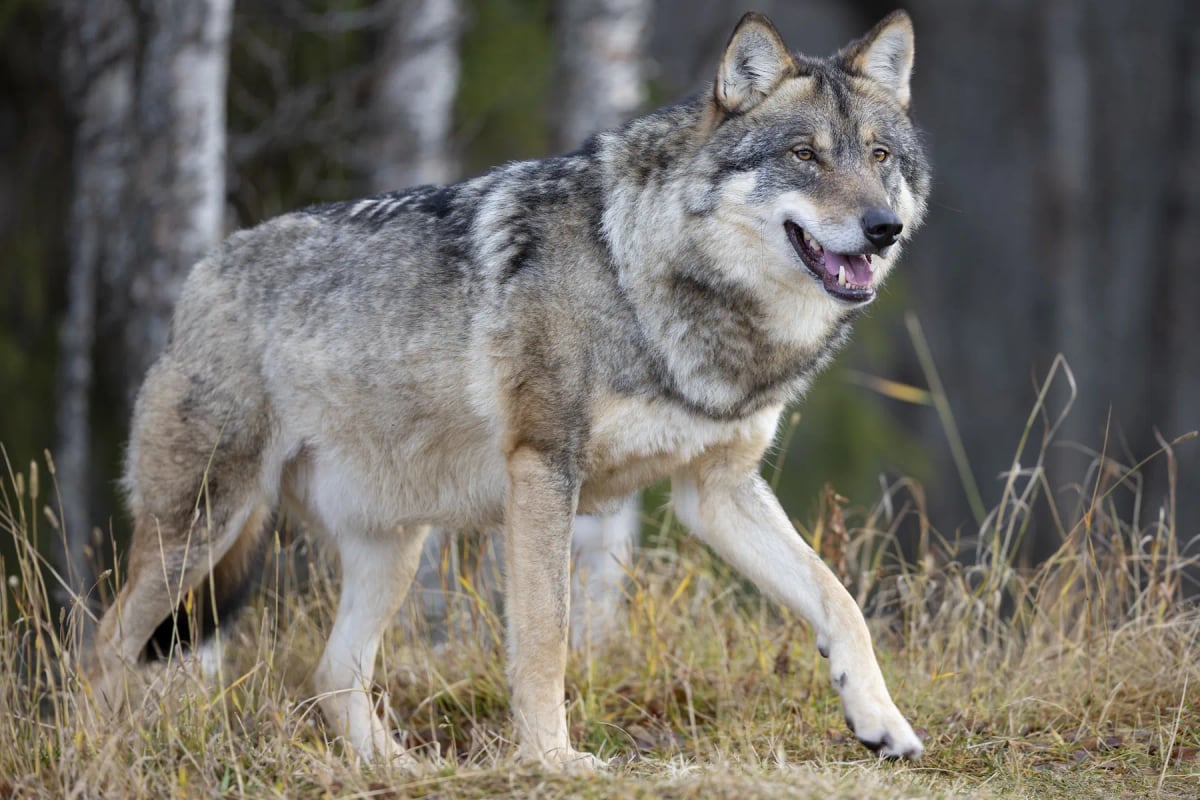
Gray Wolf
Canis lupus
In Pakistan, gray wolves are found across mountainous and arid landscapes, including areas of Balochistan, the northern highlands, and parts of Khyber Pakhtunkhwa. They share territory with snow leopards and other large predators. Wolves here often come into conflict with nomadic herding communities whose livestock they sometimes prey upon. Conservation attention has grown in recent years, though data on population size and distribution across the country remains limited.
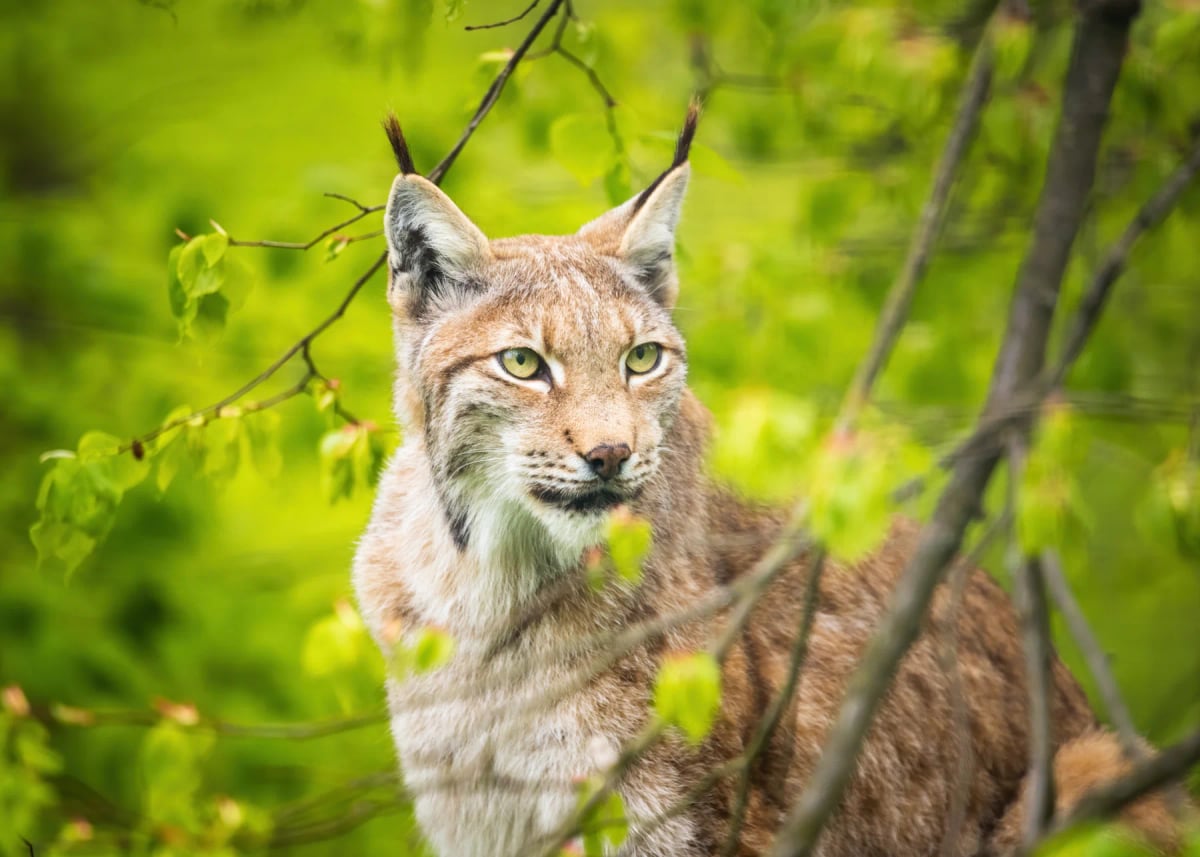
Eurasian Lynx
Lynx lynx
The Eurasian Lynx occurs in the high mountain forests of northern Pakistan, including parts of Gilgit-Baltistan and Chitral. Living at significant elevation alongside species such as the snow leopard, it preys on hares, small ungulates, and birds. It is rarely observed due to the remoteness of its habitat. Conservation data from Pakistan remains limited. The IUCN lists the species as Least Concern.
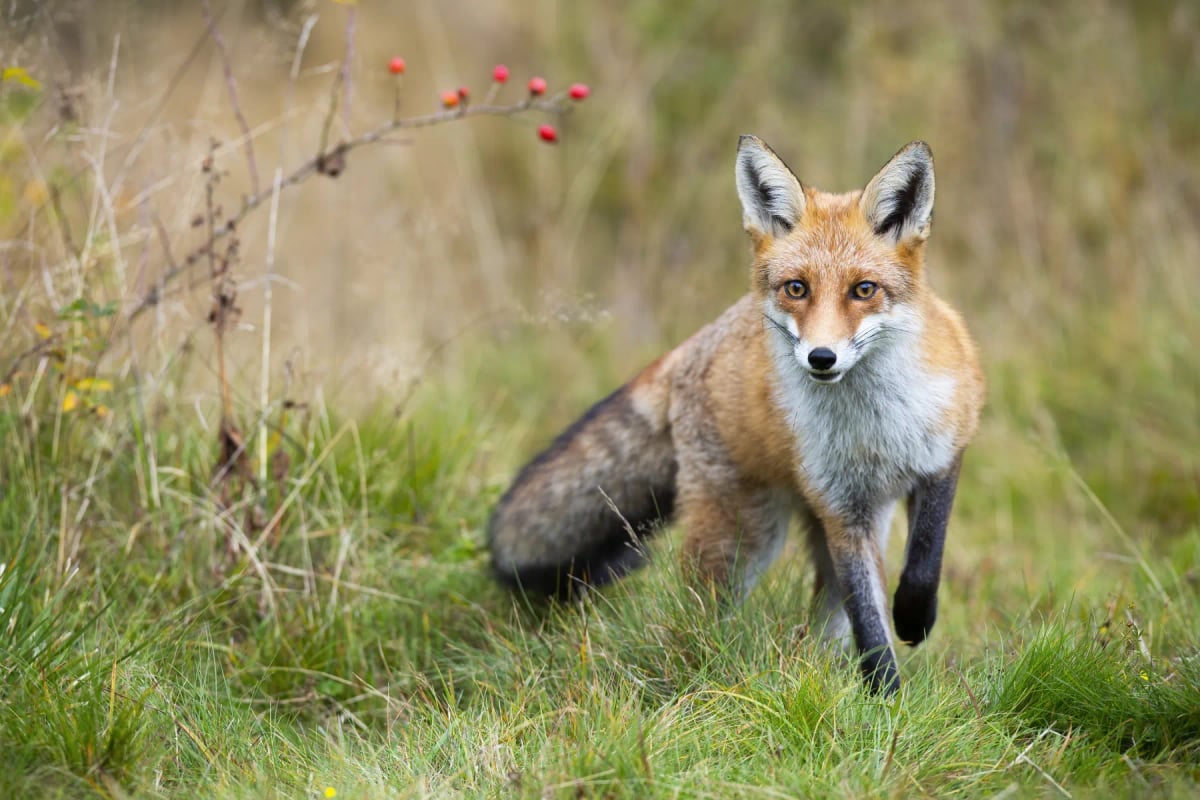
Red Fox
Vulpes vulpes
The red fox is widely distributed across Pakistan, appearing in the plains of Punjab, the semi-arid regions of Balochistan, and the foothills of the Himalayas in the north. It benefits from its flexible diet and ability to live near human settlements. Farmers occasionally view it as a pest due to poultry predation, though it also controls rodent populations. Its IUCN status is Least Concern.
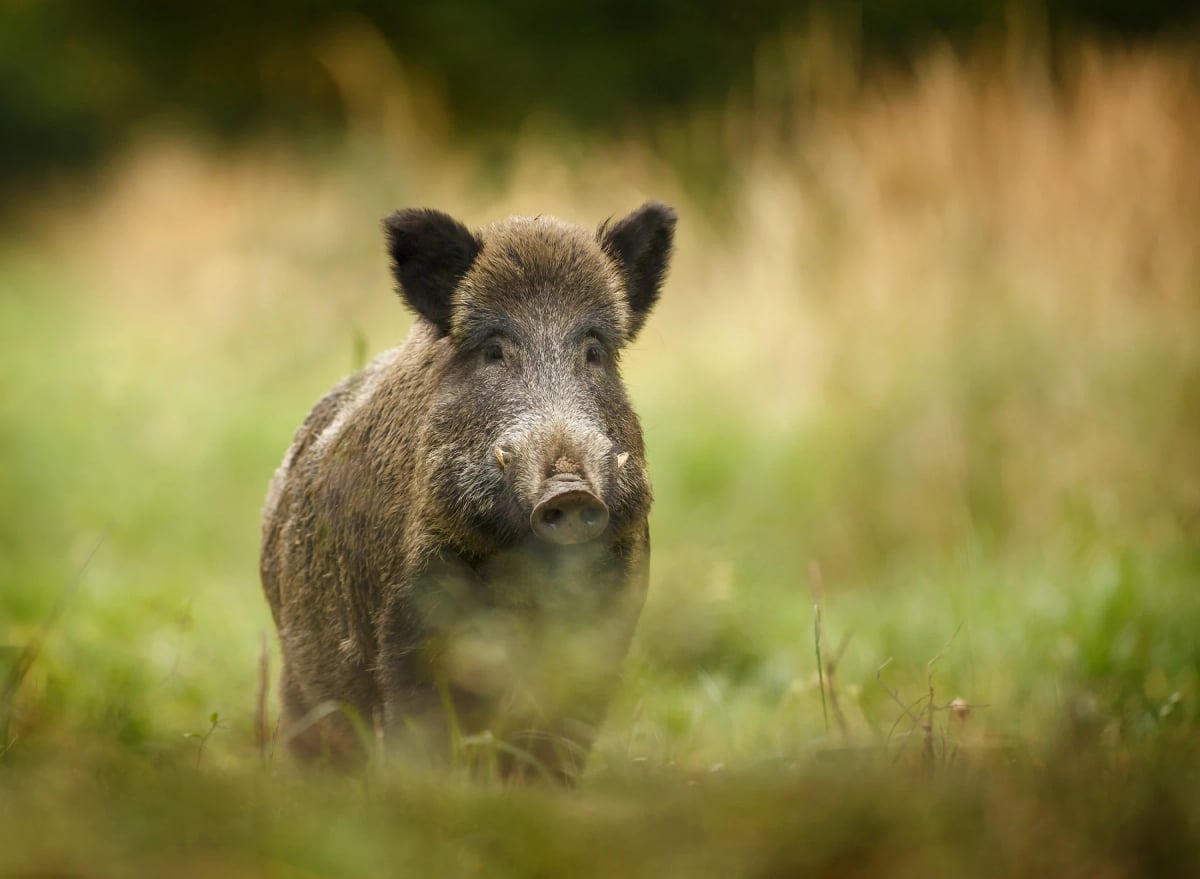
Wild Boar
Sus scrofa
Wild boars in Pakistan live mainly in the reed beds and riverine forests along the Indus River, as well as in agricultural areas of Punjab and Sindh. Because most Pakistanis do not eat pork for religious reasons, boars face little hunting pressure and are widely regarded as a serious agricultural pest, raiding sugarcane and wheat fields. Authorities sometimes organize culling drives to limit crop losses near farmland.
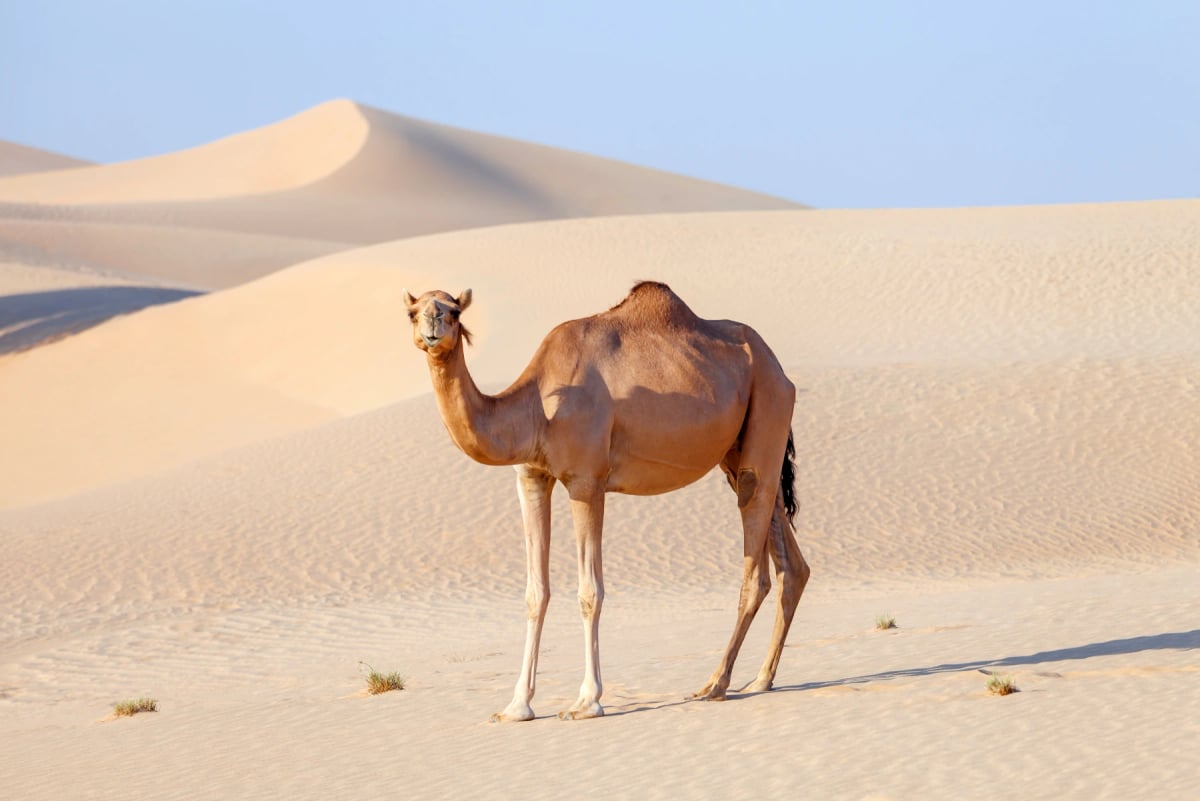
Dromedary Camel
Camelus dromedarius
Pakistan is home to a sizeable population of dromedary camels, concentrated mainly in the provinces of Balochistan and Sindh, where arid conditions suit the species well. Pakistani dromedaries are used for transport, farming, milk, and meat, and camel breeding is an important livelihood for many rural families. The Thar Desert, which extends into Sindh, supports particularly dense populations of these animals alongside nomadic and semi-nomadic herding communities.
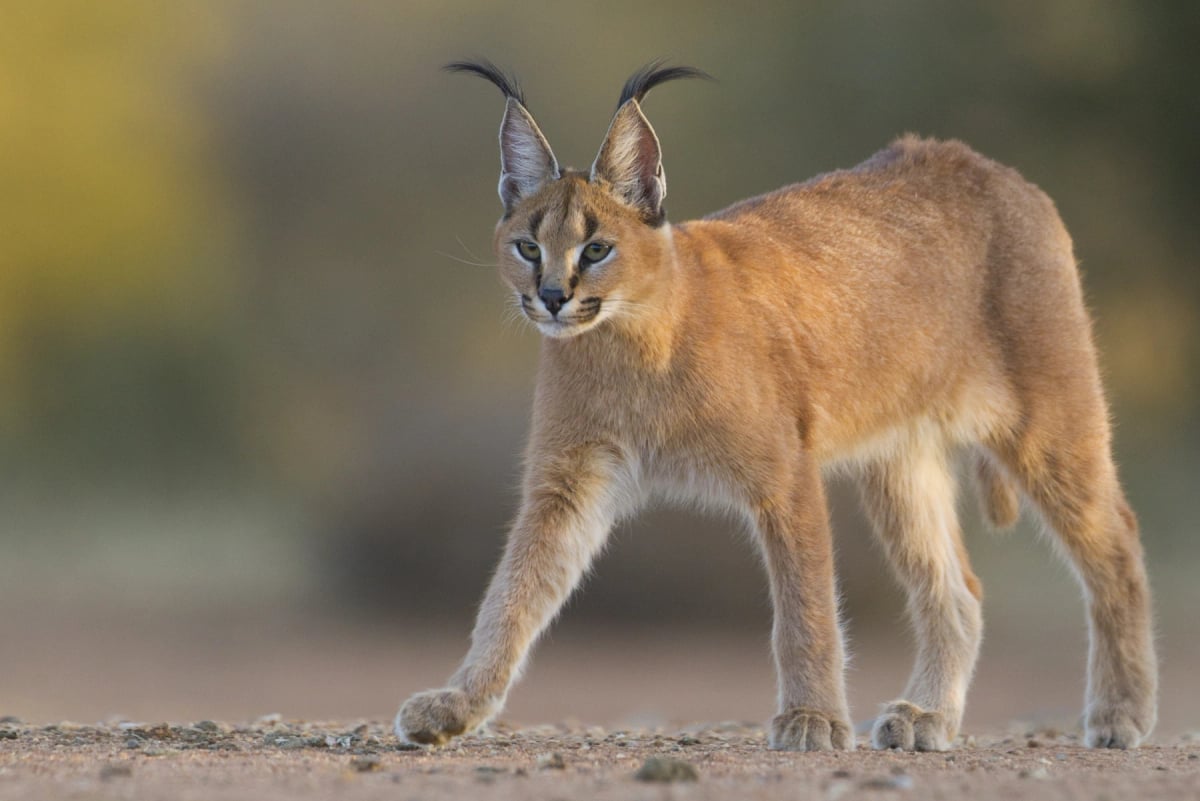
Caracal
Caracal caracal
In Pakistan, the caracal inhabits arid and semi-arid terrain across Balochistan and parts of Sindh and Punjab, where rocky hillsides and scrubland provide ideal cover. Adults weigh between 8 and 19 kg and are recognized by the distinctive black tufts on their ears. Mostly solitary and active at night, they prey on hares, rodents, and birds. The IUCN lists the species as Least Concern, though habitat loss poses a growing threat.
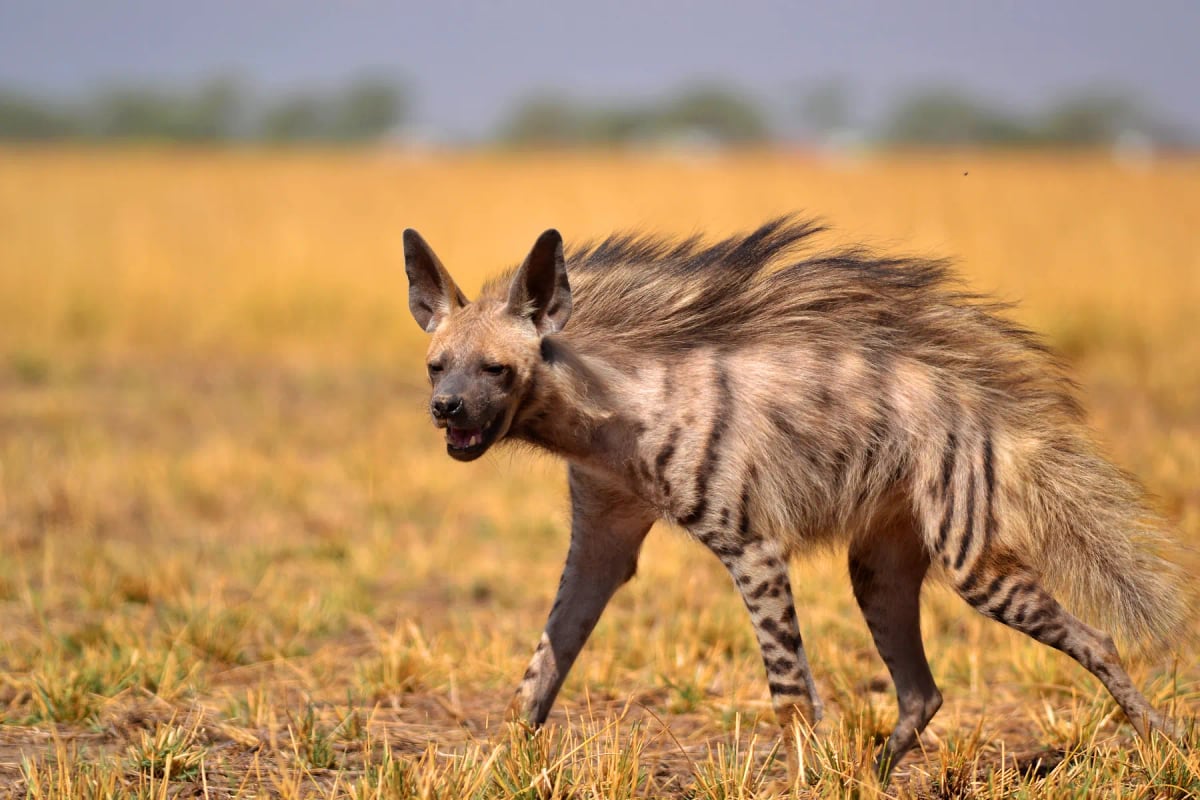
Striped Hyena
Hyaena hyaena
In Pakistan, the striped hyena is found in arid and semi-arid zones, including parts of Balochistan and Sindh, where it uses rocky terrain and dry riverbeds for shelter. It scavenges on livestock carcasses and wild prey remains, often putting it in conflict with local herding communities. Persecution and habitat degradation are the main threats. The IUCN lists it as Near Threatened.

Honey Badger
Mellivora capensis
The honey badger is found across much of Pakistan, from the arid plains of Sindh and Balochistan to forested foothills in the north, part of a range that connects the Indian subcontinent with the Middle East. It digs for rodents, reptiles and insects and is known to confront snakes and even larger predators when threatened. Sightings remain uncommon due to its nocturnal habits. The IUCN lists it as Least Concern.
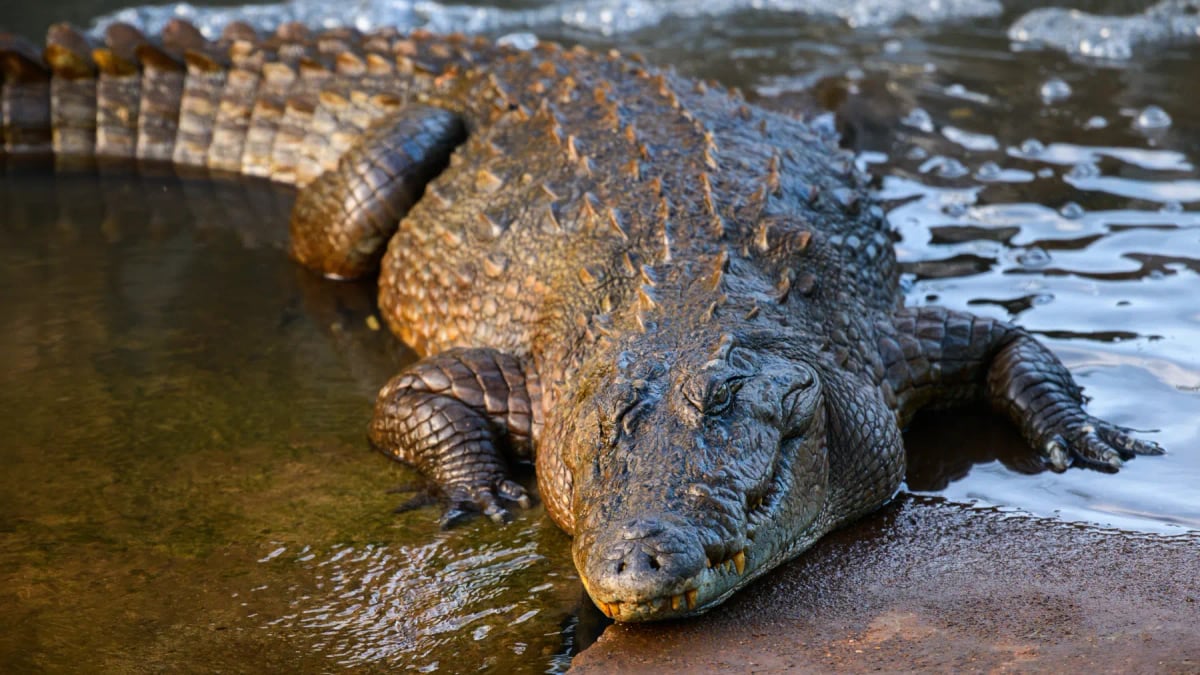
Mugger Crocodile
Crocodylus palustris
Pakistan holds one of the more significant mugger crocodile populations outside India, concentrated in the rivers and lakes of Sindh and Balochistan. The Indus River system and wetlands like Keenjhar Lake provide key habitat. The species is legally protected in Pakistan but faces ongoing pressure from wetland drainage, accidental capture in fishing nets, and conflict with local communities whose livestock it occasionally takes.
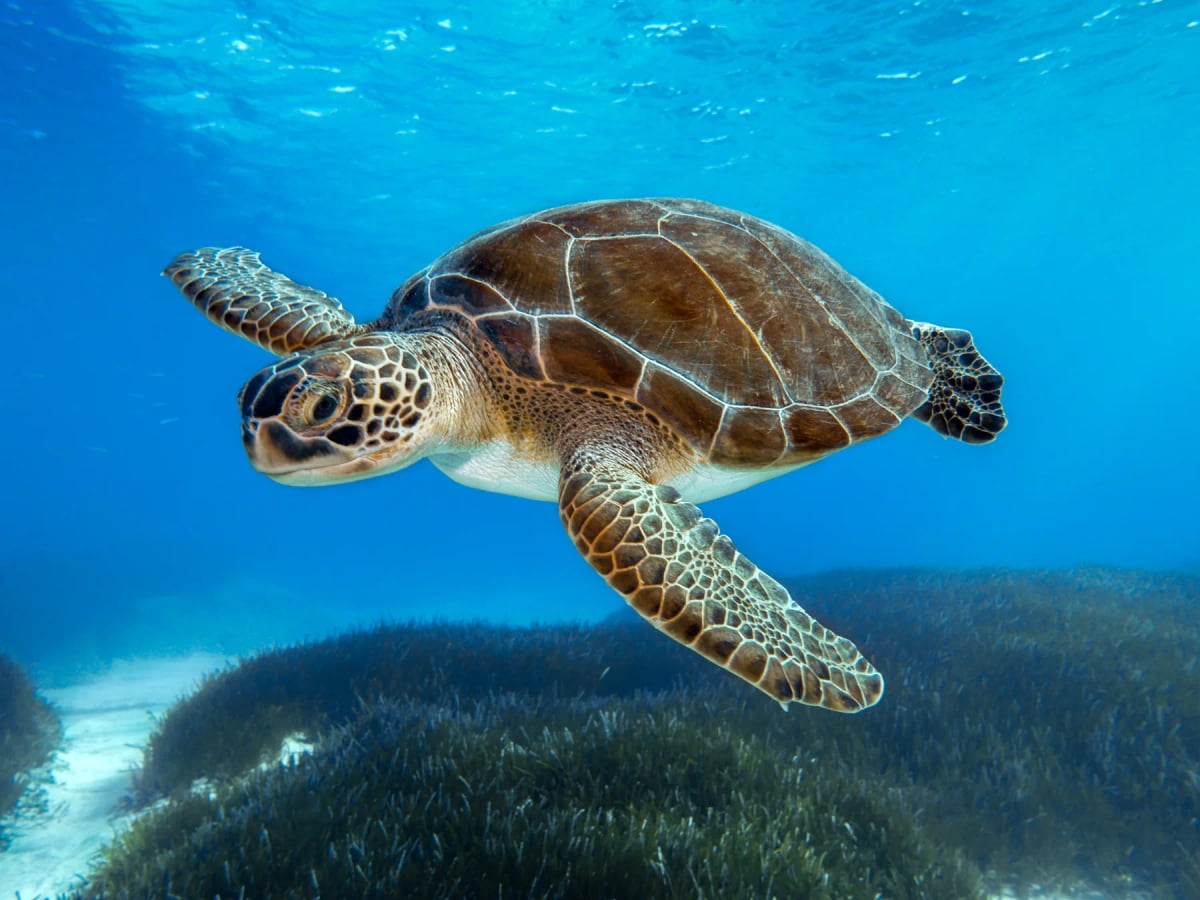
Sea Turtle
Cheloniidae & Dermochelyidae (families)
Pakistan's Arabian Sea coastline supports nesting populations of green and loggerhead sea turtles. Hawkes Bay and Sandspit beaches near Karachi are the most significant nesting sites in the country, where green turtles arrive in considerable numbers during the nesting season. Pakistan was among the first countries in the region to establish a sea turtle conservation program, which has been operating at Sandspit since the 1980s. Loggerhead turtles also use Pakistani waters, particularly around Astola Island in the Arabian Sea.
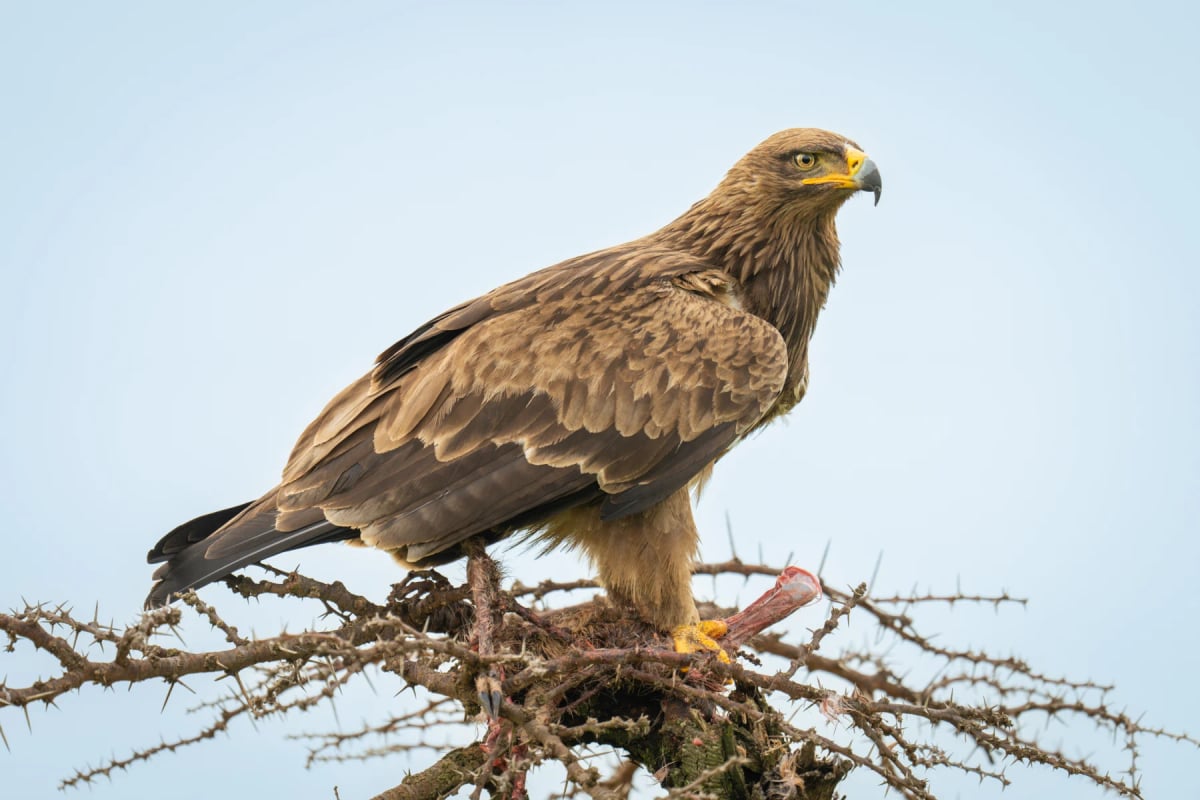
Steppe Eagle
Aquila nipalensis
Pakistan serves as both a migration corridor and a wintering area for Steppe Eagles. Birds funnel through the Indus Valley and surrounding plains, taking advantage of open farmland and scrub habitat. Large gatherings can occasionally be spotted near carrion or insect swarms. The species is Endangered, and threats along South Asian flyways, including poisoning and trapping, put additional pressure on the population.
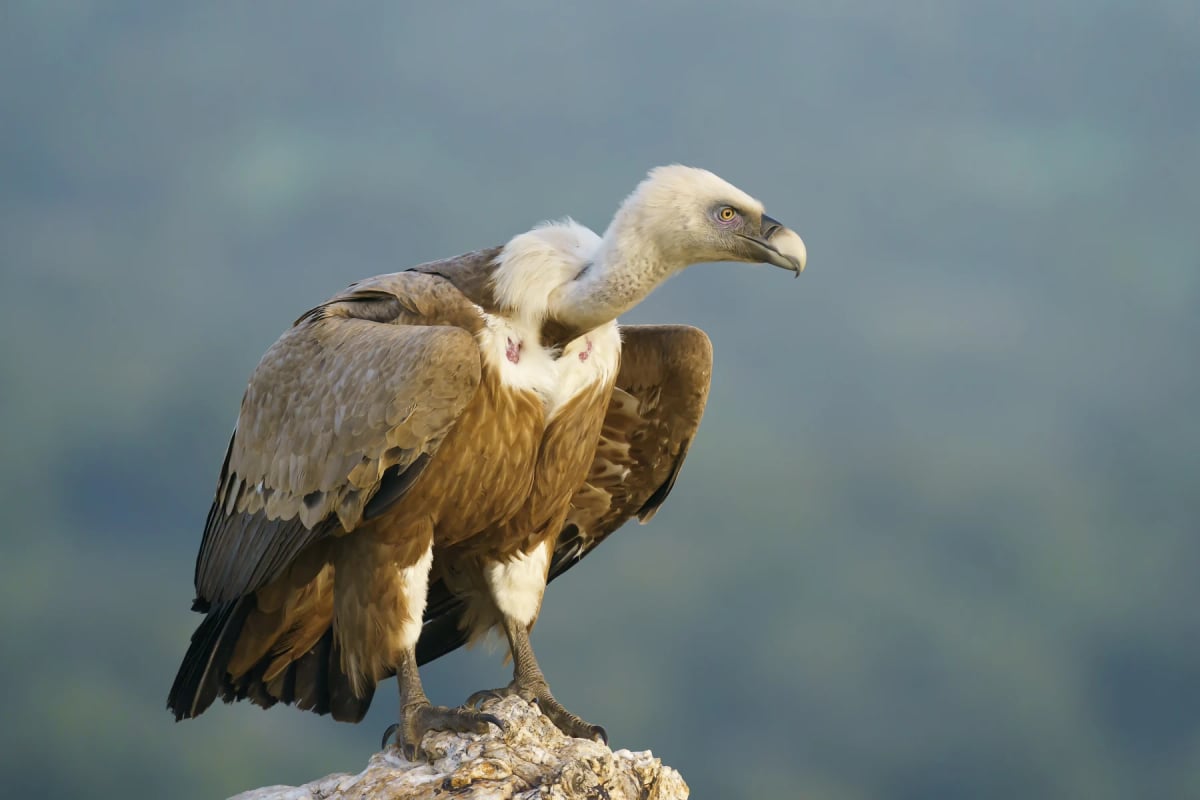
Griffon Vulture
Gyps fulvus
The griffon vulture breeds across Pakistan's mountains, from the Hindu Kush, Karakoram, and western Himalaya in the north to Balochistan, the Salt Range, and the hills of Sindh. It nests on sheer cliff faces and soars over open valleys in search of carrion. Pakistan's rugged terrain offers ideal conditions for this bird, which keeps the land clean by eating carcasses. IUCN status: Least Concern.
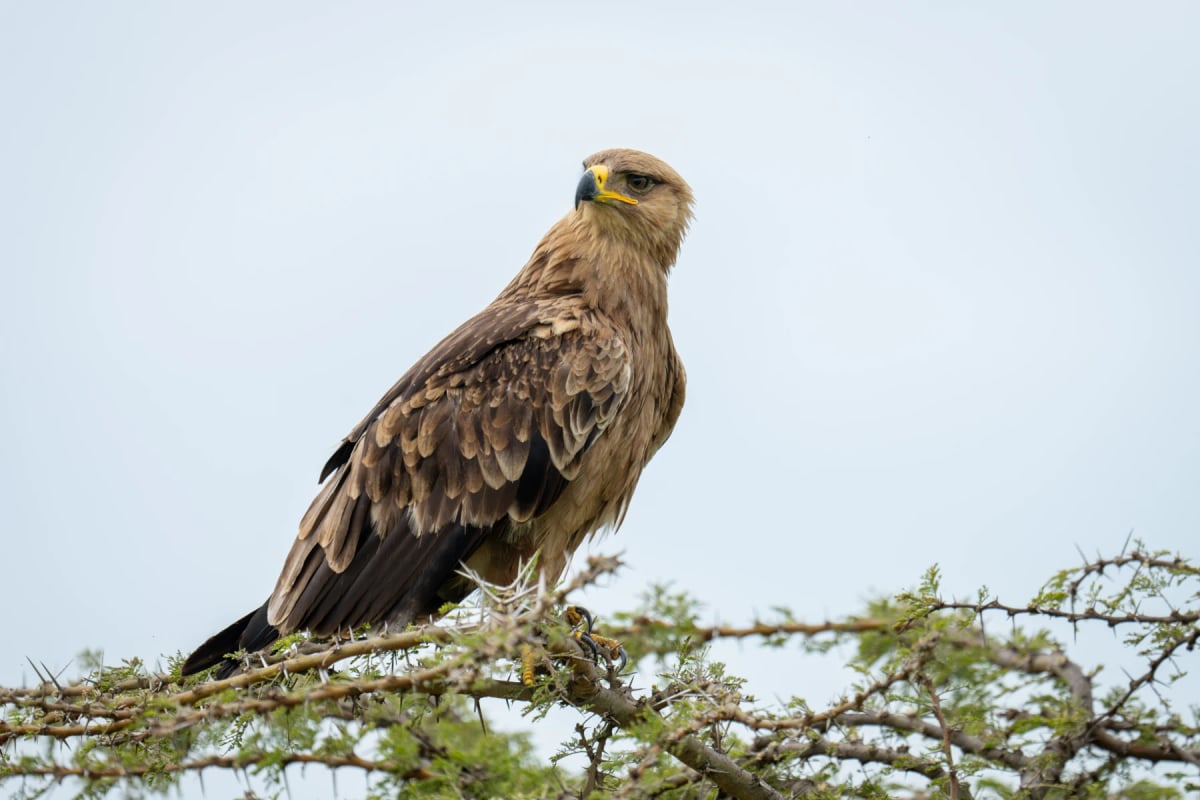
Tawny Eagle
Aquila rapax
The tawny eagle is present in Pakistan's semi-arid plains and open scrublands, particularly in areas of Sindh and Punjab. It is a skilled opportunist, hunting rodents and lizards while also feeding on carrion. Like elsewhere in South Asia, its population has dropped considerably due to habitat loss and unintentional poisoning. The IUCN considers it Vulnerable, reflecting a worrying trend across the subcontinent.
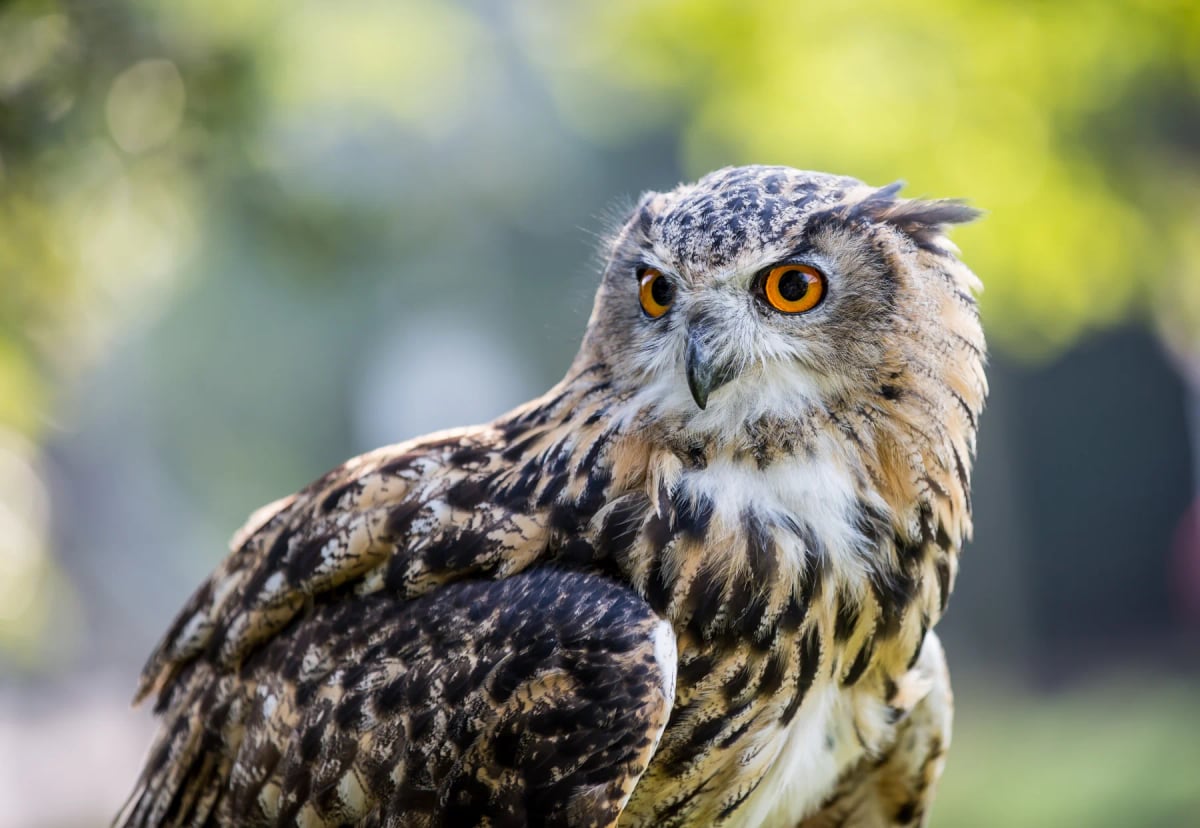
Eagle Owl
Bubo bubo
In Pakistan, the eagle owl inhabits the rugged mountain ranges of the north, including the Himalayas, Karakoram, and Hindu Kush. It favors rocky gorges and cliffs at high elevation, where it hunts at night for rodents, birds, and other small animals. The species is seldom studied in the region, so much about its behavior and population size in Pakistan remains to be documented. The IUCN lists it as Least Concern.
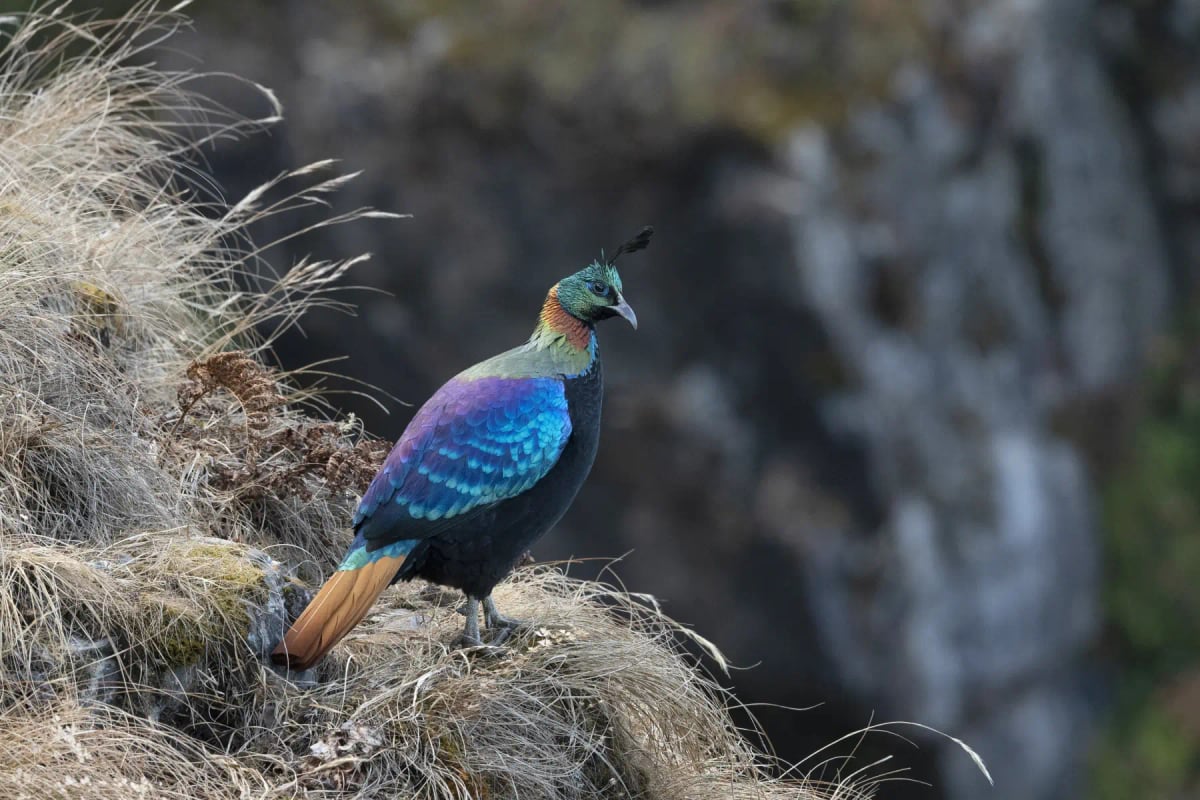
Himalayan Monal
Lophophorus impejanus
In Pakistan, the Himalayan monal is found in the forests and alpine pastures of Khyber Pakhtunkhwa and Gilgit Baltistan, particularly in areas such as Chitral and Dir. It lives at elevations between roughly 2,500 and 4,500 meters, digging through snow and soil to reach roots, bulbs, and insects beneath the surface. Hunting has historically been a concern in this region, and local conservation efforts aim to protect remaining populations.
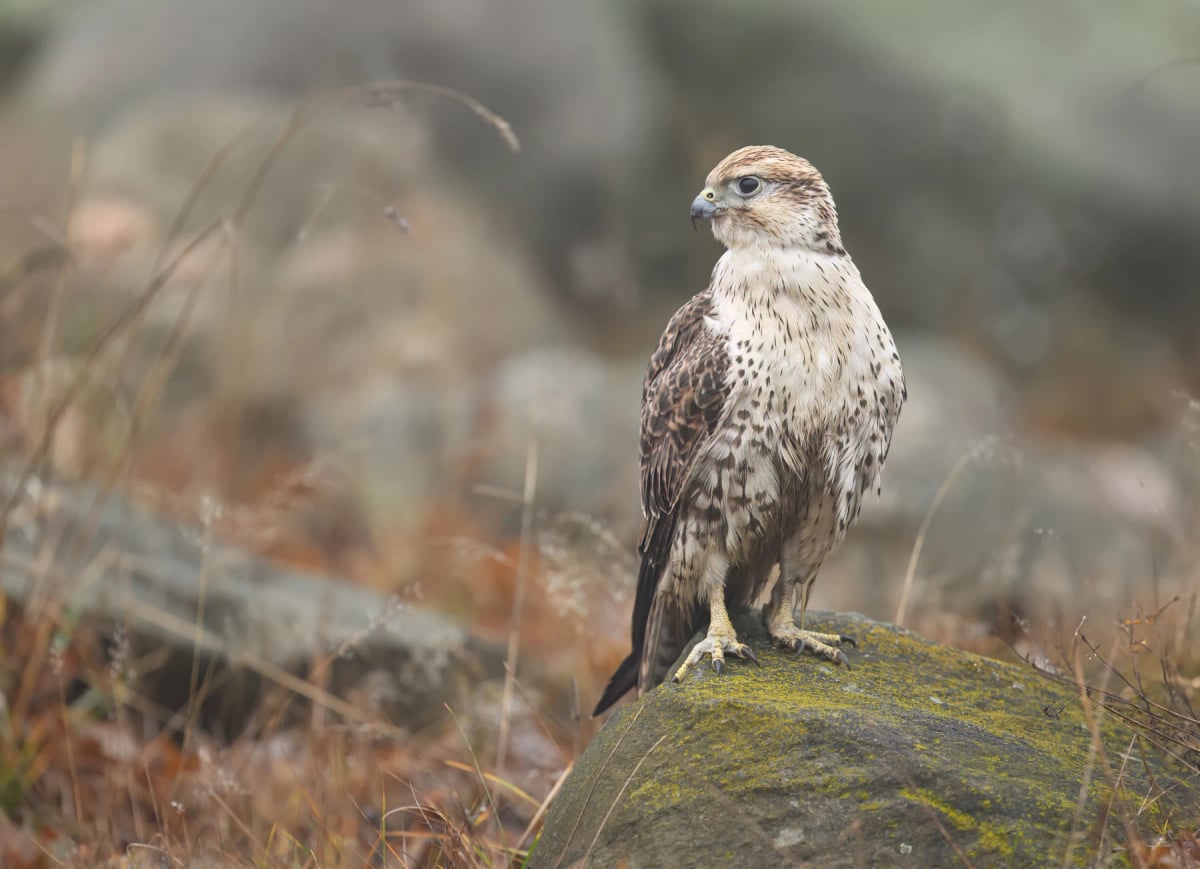
Saker Falcon
Falco cherrug
Pakistan forms part of the saker falcon's wintering range in South Asia. Birds move through and into the country from their Central Asian breeding grounds, favouring open plains, semi-arid scrubland and agricultural areas where prey is accessible. Pakistan also lies along important migration corridors used by the species each year. Illegal trapping for the falconry trade remains one of the greatest pressures on saker populations passing through the region. The IUCN lists this species as Endangered.
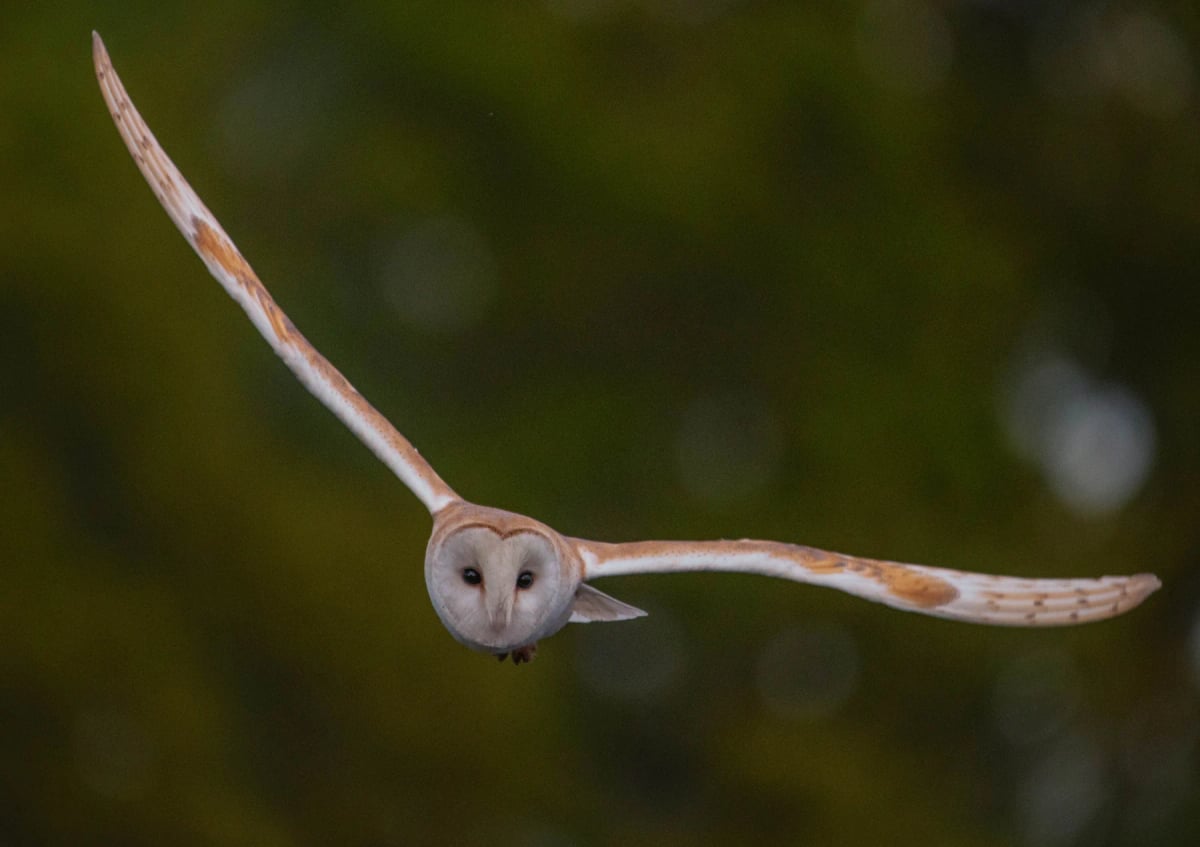
Barn Owl
Tyto alba
The barn owl is found across Pakistan in open farmland, scrubland, and areas near villages and towns from the Indus plains and the Punjab agricultural heartland to the lower Sindh delta and the foothills of the northwest. It nests in old buildings, ruins, cliff faces, and hollow trees, and hunts rodents at night. In the densely farmed Indus Valley, where wheat, rice, and cotton are the main crops, it provides useful natural control of the small mammal populations that damage stored grain. Its nocturnal habits and association with old ruins give it a place in local rural culture across the country.
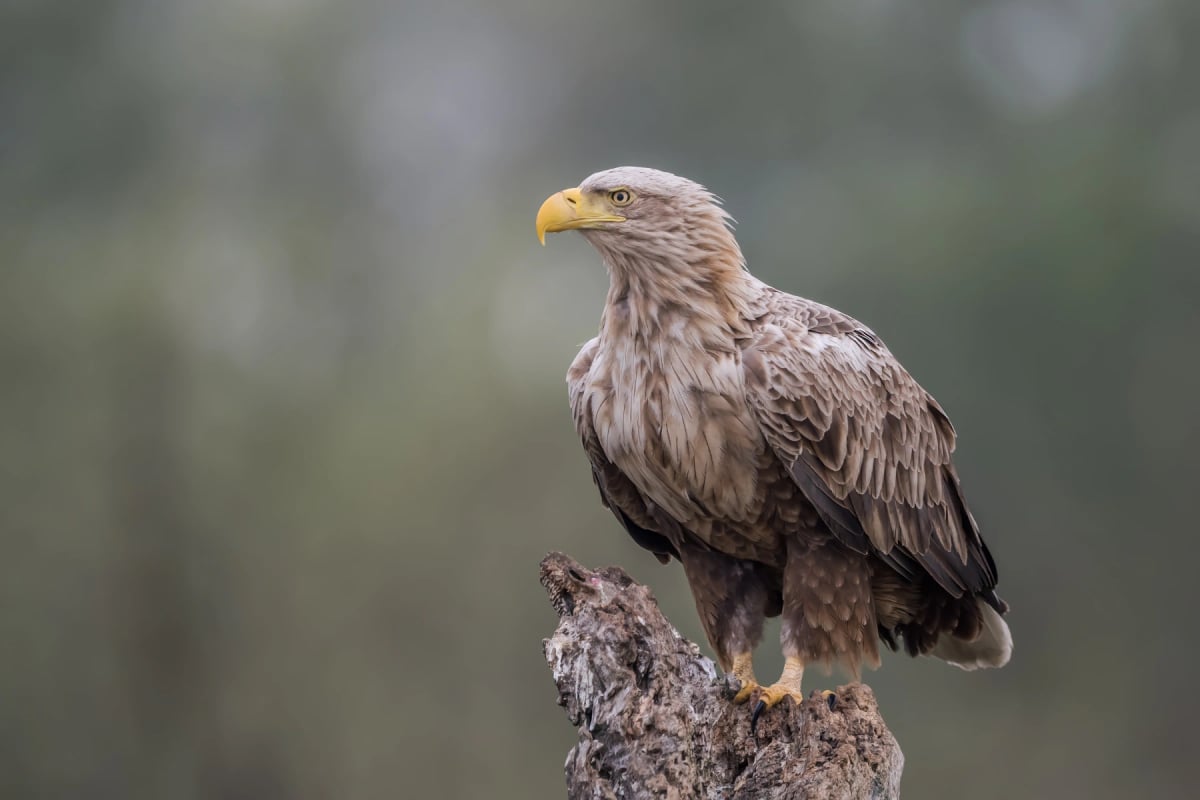
White tailed Eagle
Haliaeetus albicilla
In Pakistan, the white tailed eagle is a scarce winter visitor, most likely to be found along the Indus River floodplain and the wetlands of Sindh province, including the area around Manchar Lake, one of the largest freshwater lakes in Asia. It may also appear in the northwest near large rivers and reservoirs. Sightings are uncommon, and the species passes through or overwinters in low numbers during the cooler months.
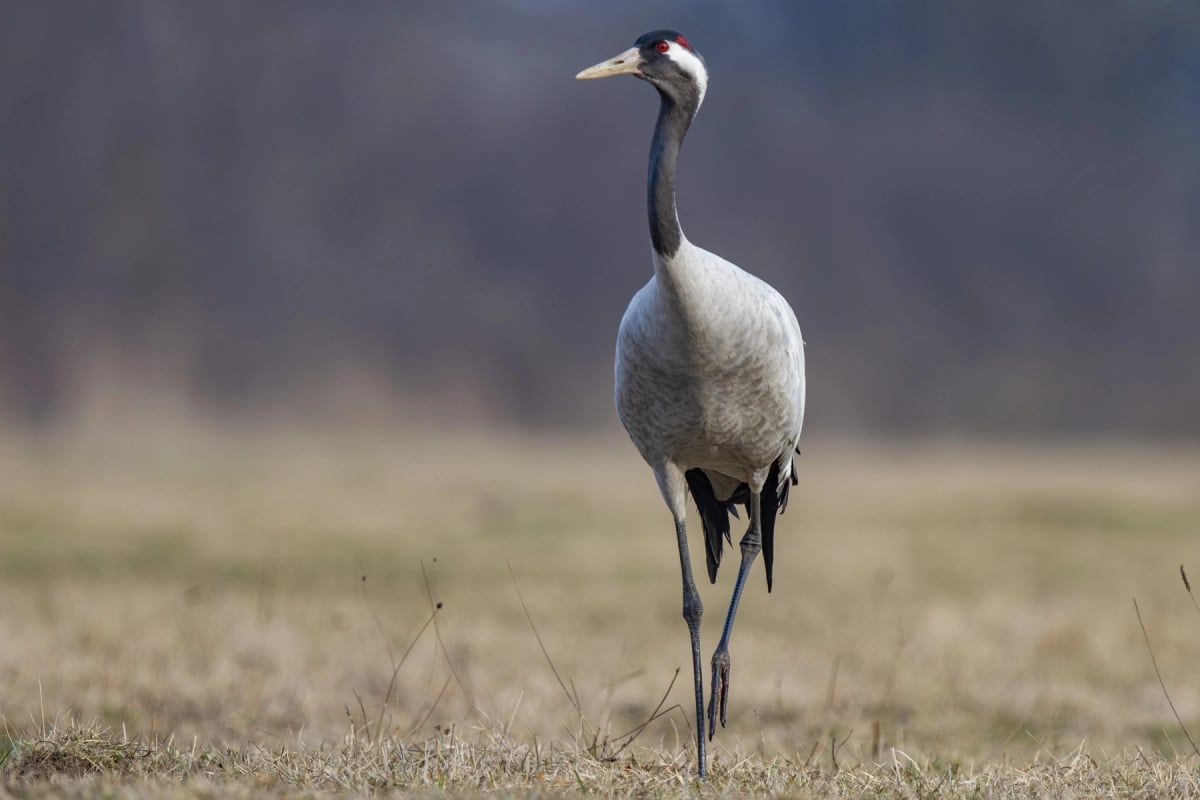
Crane
Grus grus
Pakistan lies along the Central Asian Flyway, and the common crane crosses parts of the country during migration, with some birds wintering in wetlands and river floodplains in the north and northwest. The Indus Valley provides feeding habitat where cranes forage for seeds, roots and small animals. Hunting pressure has historically been a concern for migratory birds in the region. Its IUCN status is Least Concern.
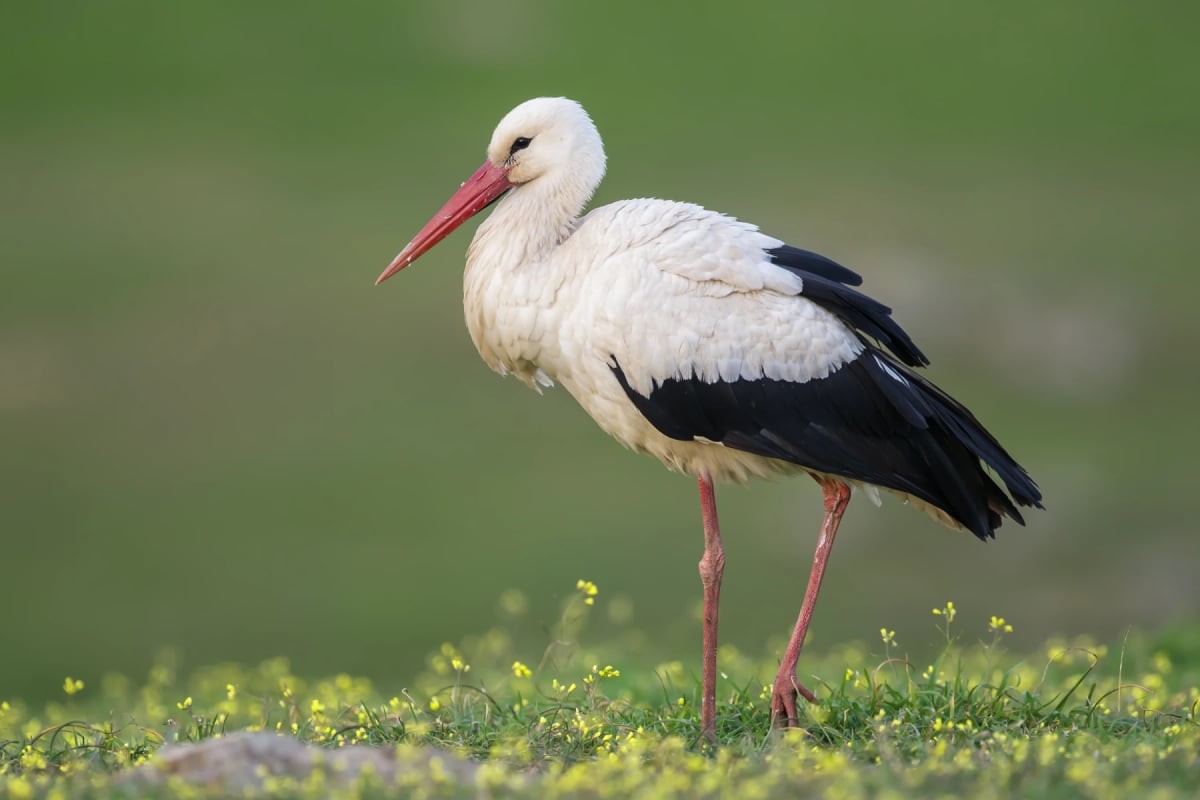
Stork
Ciconia ciconia
White storks occur in Pakistan mainly as passage migrants and winter visitors, moving through the Indus Valley and the agricultural plains of Punjab and Sindh. Flocks have been recorded feeding in irrigated fields and beside rivers and wetlands. Pakistan lies on the eastern edge of the species' migration range, and while numbers here are smaller than in the west, the country provides important staging habitat during long distance movements.
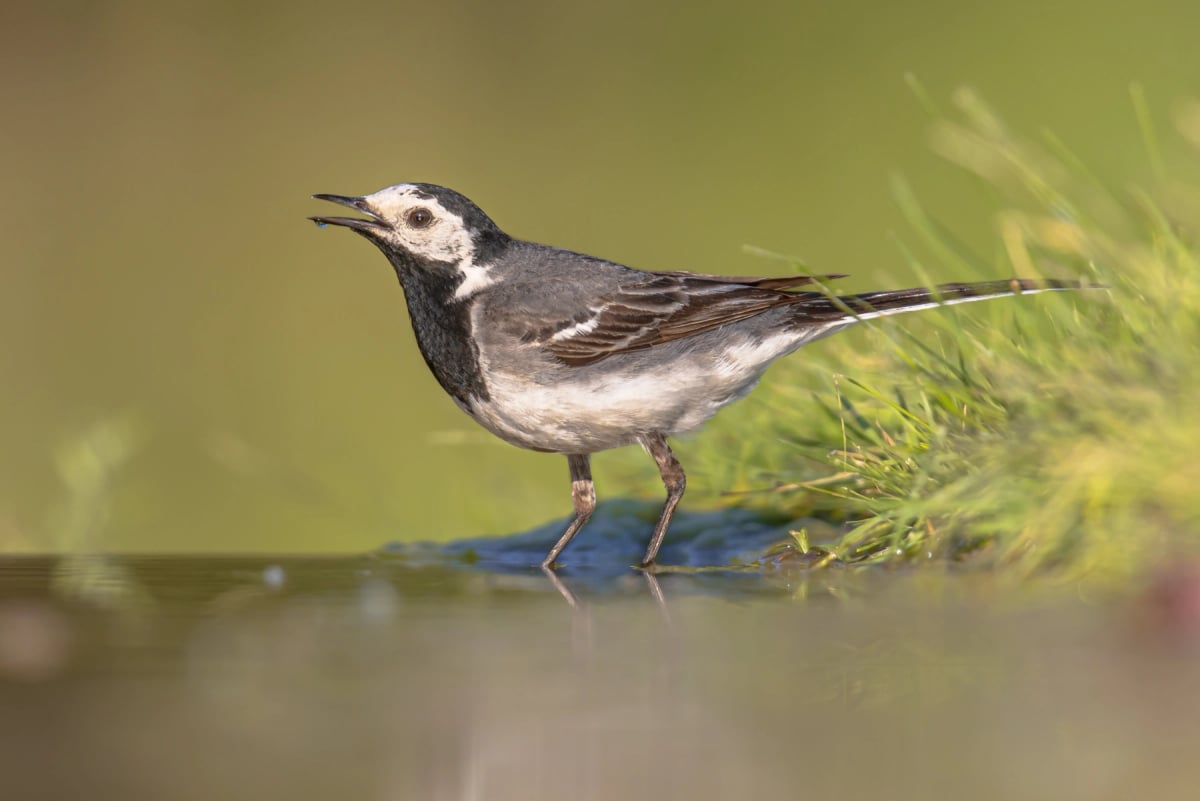
White Wagtail
Motacilla alba
In Pakistan the white wagtail both breeds and winters. The masked wagtail and the Himalayan form breed along rivers and streams in the northern mountains, such as Gilgit-Baltistan and Chitral, and in winter large numbers from Central Asia spread across the plains of Punjab and Sindh, feeding along the Indus, canals, rice fields and city lawns. IUCN status: Least Concern.
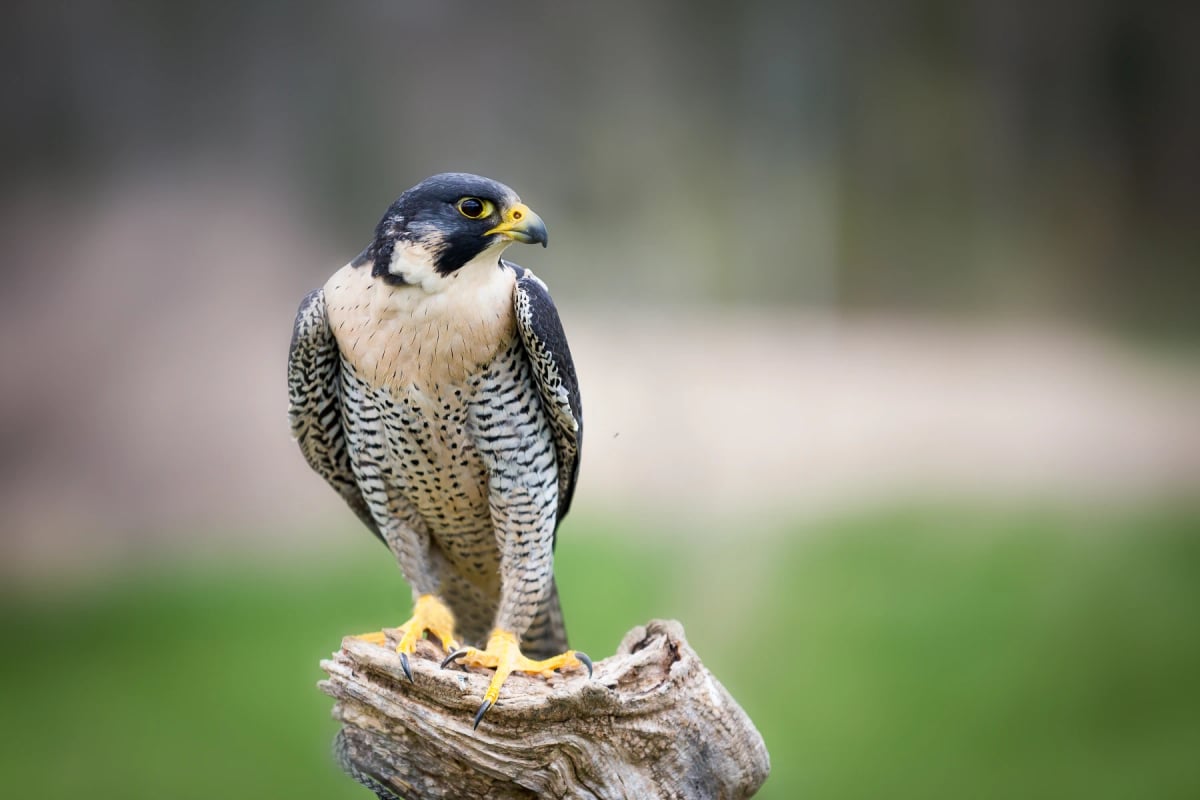
Peregrine Falcon
Falco peregrinus
Pakistan's landscape ranges from the high peaks of the Karakoram and Hindu Kush to arid lowland plains, and the peregrine falcon occupies much of this range. It breeds on cliff faces in the northern mountains and is recorded as a winter visitor and passage migrant across the rest of the country. Wetlands such as those in Sindh attract wintering individuals that feed on waterbirds and waders. The species is known to local falconers and has cultural significance in the region. Its IUCN status is Least Concern.
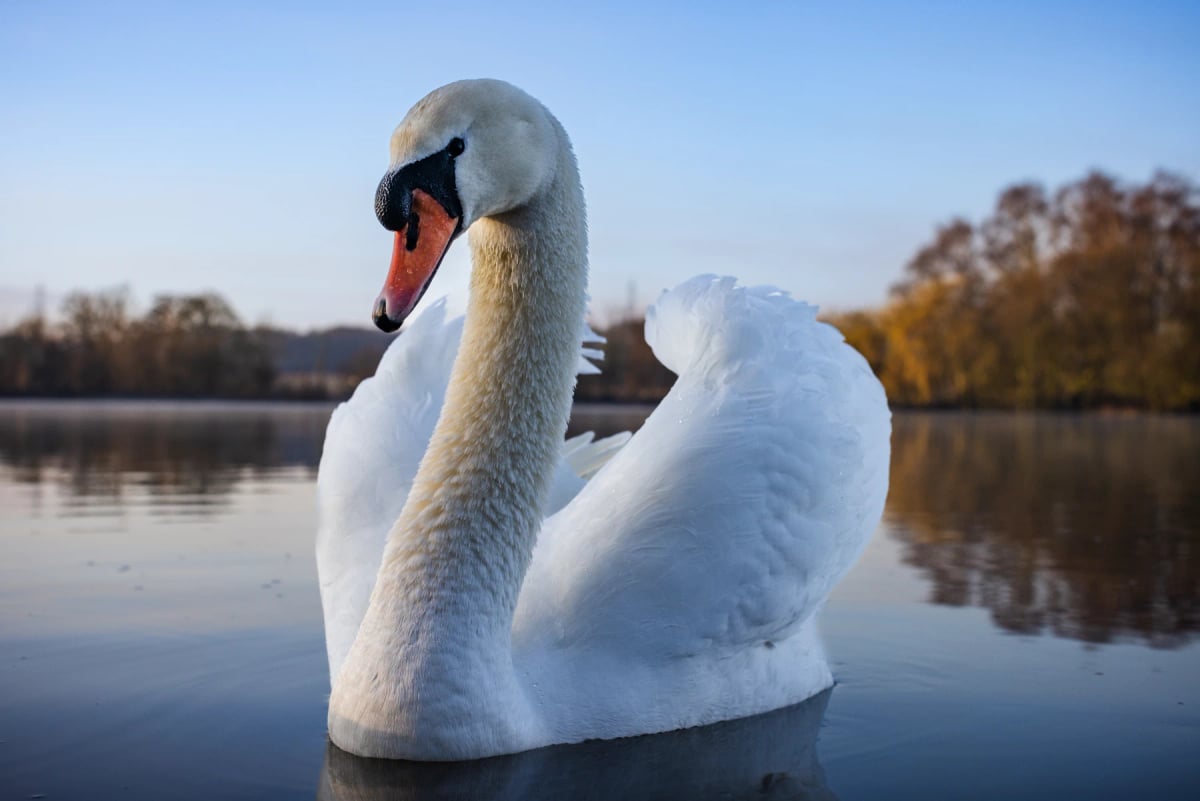
Mute Swan
Cygnus olor
In Pakistan, the mute swan is an uncommon winter visitor, recorded mainly in the northern wetlands and larger river valleys where it stops during long-distance movements from Central Asian breeding areas. It is far less frequently seen here than in Europe, and sightings tend to occur in areas such as the Indus plains. Pakistan's network of wetlands plays a role in supporting waterbirds during migration. The IUCN lists this species as Least Concern.
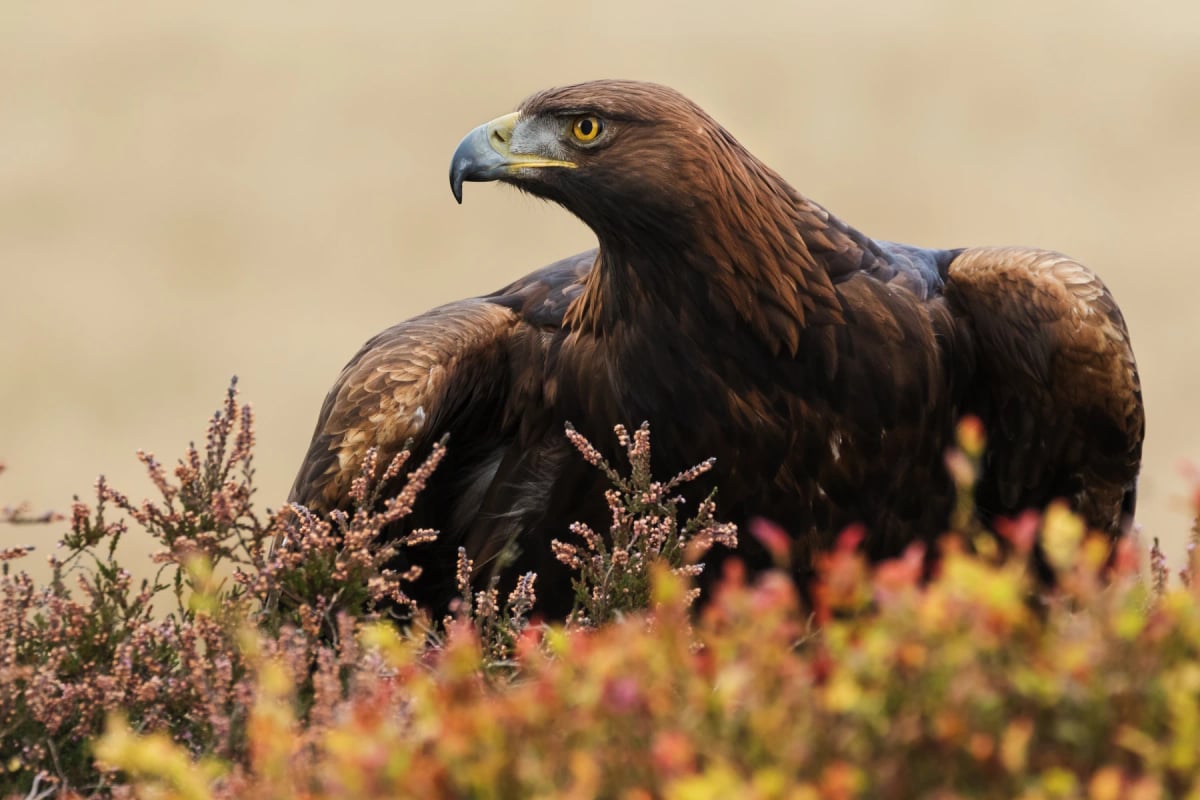
Golden Eagle
Aquila chrysaetos
In Pakistan, the golden eagle is found across the mountainous north, including the Karakoram, Hindu Kush, and western Himalayan ranges. It hunts over open slopes and high valleys, targeting marmots, hares, and other mountain animals. Nesting occurs on inaccessible cliff faces in areas with little human disturbance. The bird is also a symbol of strength in local cultural traditions across parts of the country.
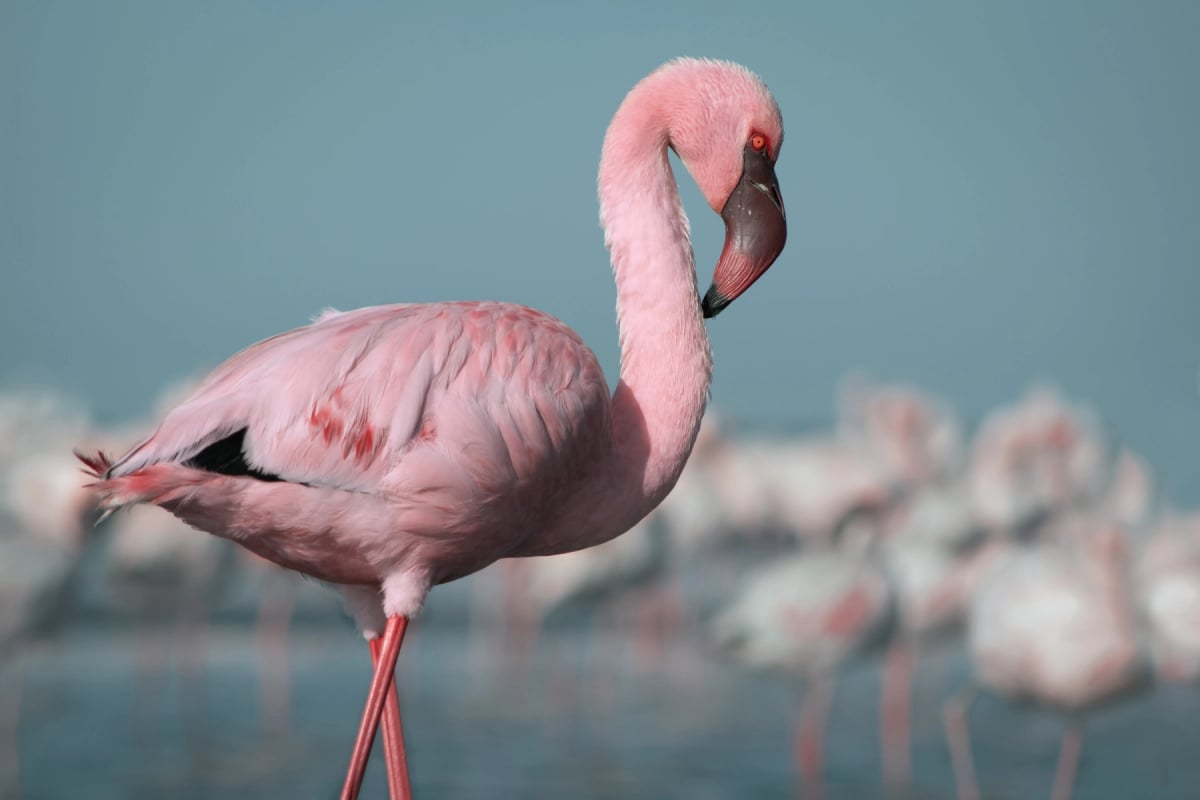
Flamingo
Phoenicopteridae (6 species)
In Pakistan, flamingos are found mainly along the coastline of Sindh and Balochistan, particularly around the Indus Delta and the shores of the Arabian Sea. The Greater Flamingo is the species most commonly recorded here. These coastal wetlands provide the shallow, saline conditions flamingos depend on for feeding. The IUCN lists the species as Least Concern, but coastal development puts pressure on these vital habitats over the long term.
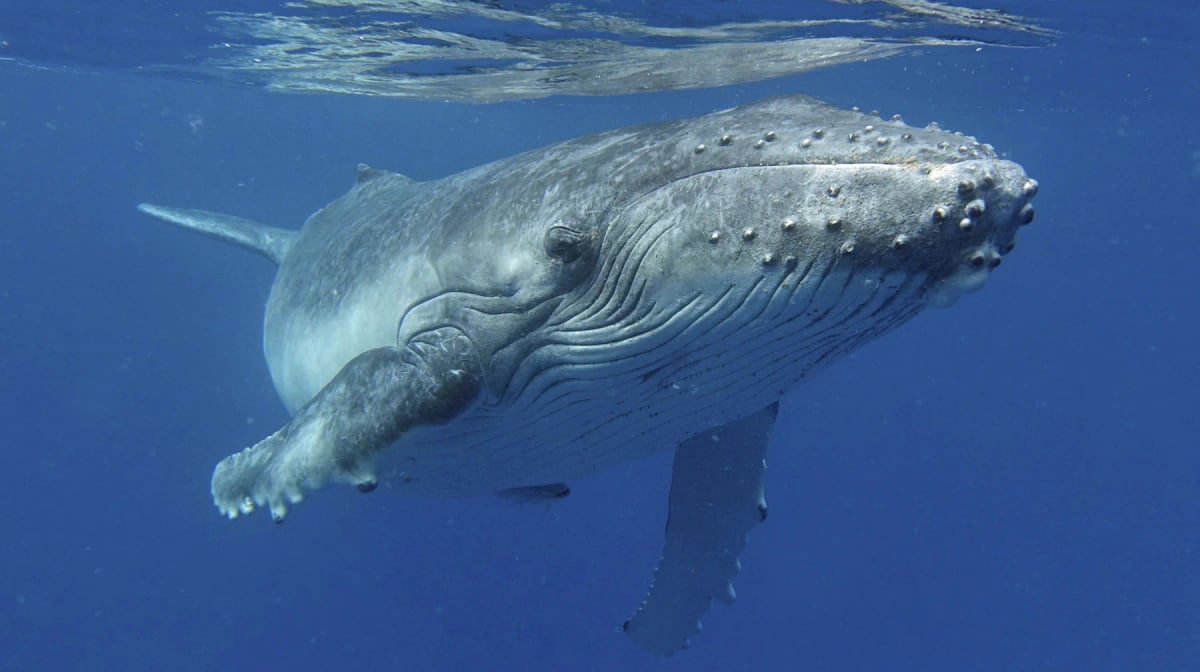
Humpback Whale
Megaptera novaeangliae
The waters of the Arabian Sea bordering Pakistan fall within the range of the rare and isolated Arabian Sea humpback whale population. This group is one of the smallest and most genetically distinct populations known, and its presence in Pakistani waters highlights the broader conservation importance of the northern Indian Ocean. Very little dedicated research has taken place here, making any sighting particularly valuable.
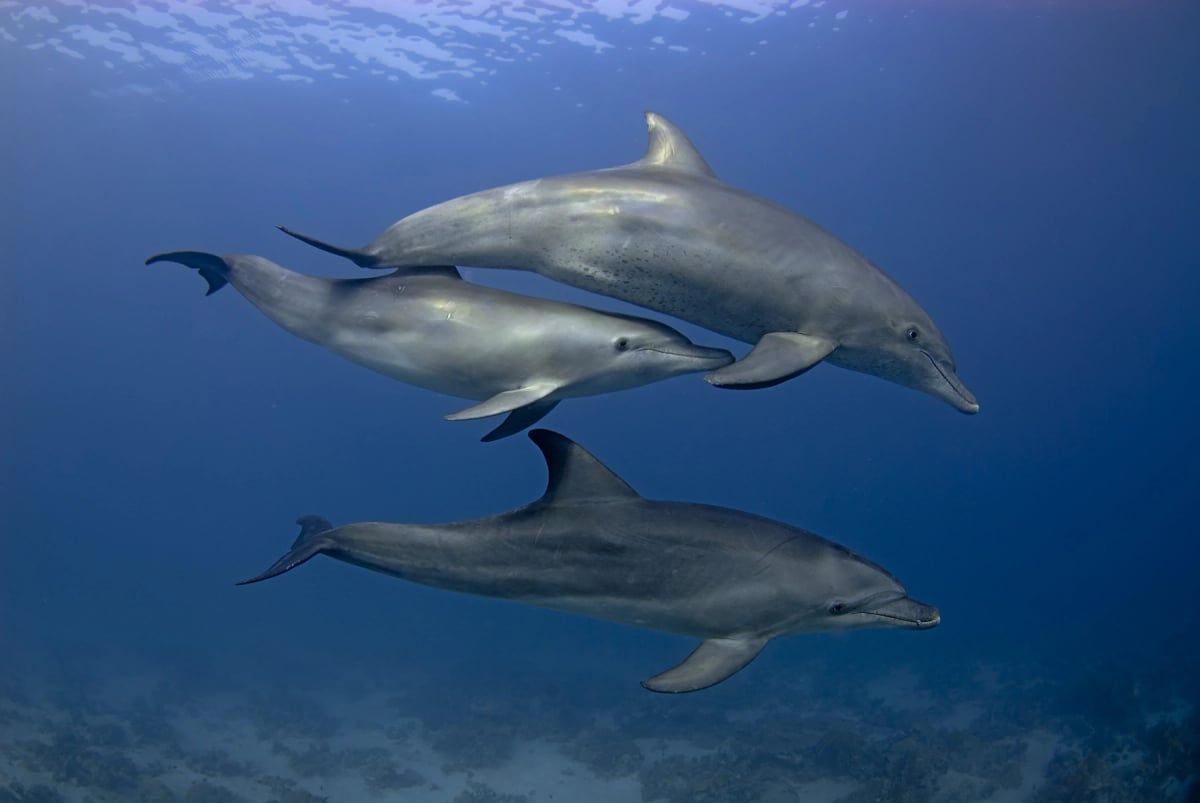
Bottlenose Dolphin
Tursiops truncatus
Along the Makran Coast and in the waters near Karachi, bottlenose dolphins inhabit the northern Arabian Sea. They are found in coastal and offshore zones, sometimes entering the mouths of large tidal creeks. Bycatch in gillnet fisheries poses a documented threat to dolphins in this region. The IUCN classifies the species as Least Concern at the global level.
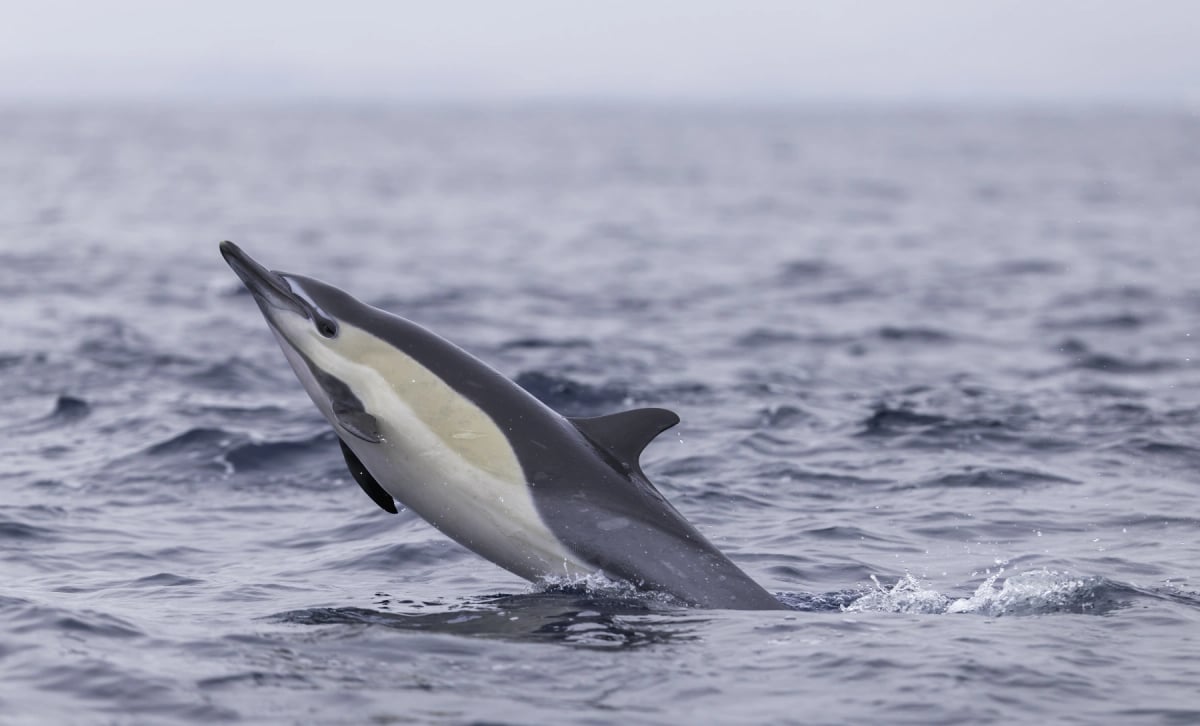
Common Dolphin
Delphinus delphis
Common dolphins have been recorded in the coastal and offshore waters of Pakistan, in the northern Arabian Sea and around the Makran coastline. The region's productive fishing grounds attract small fish and squid, the preferred prey of this species. The IUCN lists the common dolphin as Least Concern globally, though bycatch in gillnet fisheries operating off Pakistan poses a real concern for marine mammal populations in the area.
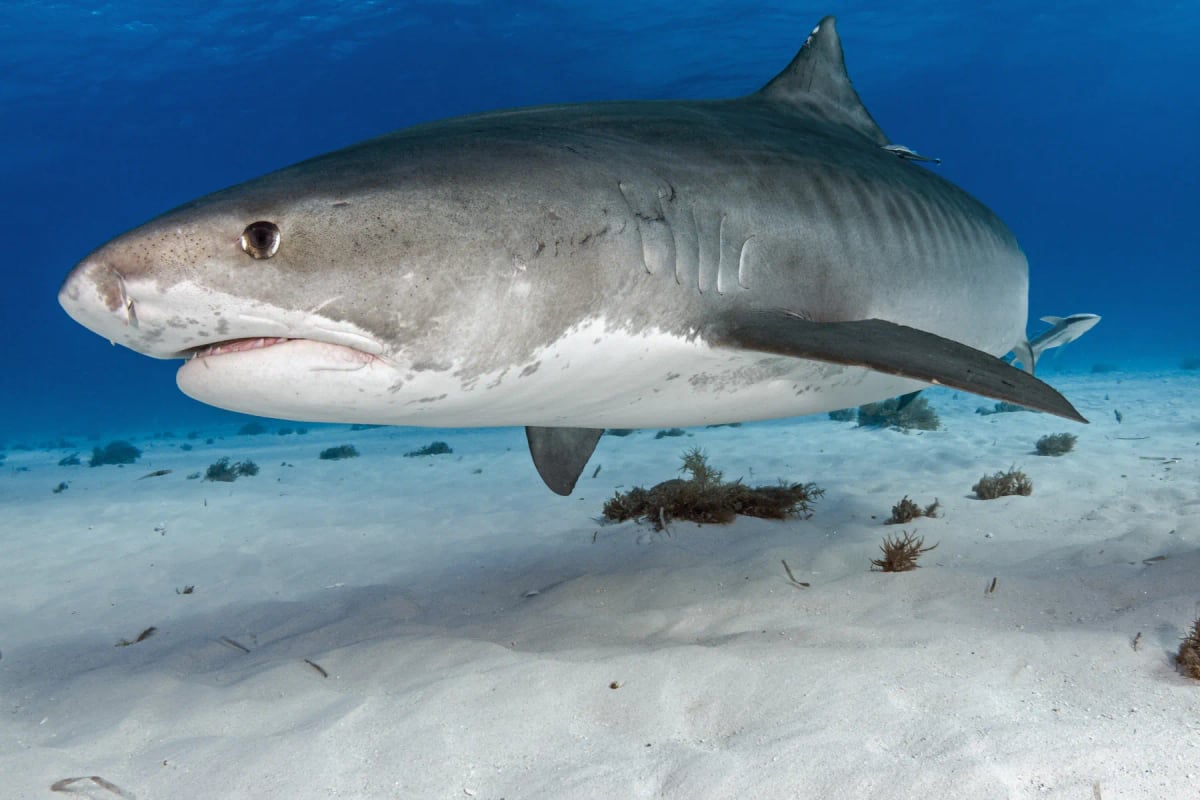
Tiger Shark
Galeocerdo cuvier
Tiger sharks inhabit the warm coastal waters of Pakistan along the northern Arabian Sea, including areas near the Makran Coast and the Indus Delta. These productive, nutrient-rich zones support a wide range of marine life that tiger sharks feed on. The species faces considerable pressure from commercial and artisanal fishing fleets operating in Pakistani waters, where sharks are caught both as target species and as bycatch. The IUCN lists the tiger shark as Near Threatened across its global range.

Hammerhead Shark
Sphyrna spp.
Hammerhead sharks patrol the warm coastal waters of the Arabian Sea along Pakistan's coastline, particularly around Karachi and the Makran Coast. Their distinctively shaped heads give them exceptional sensory abilities to hunt rays and fish across the seafloor. Sadly, these sharks face serious pressure from fishing nets and the fin trade, which has pushed several species to the brink of extinction.
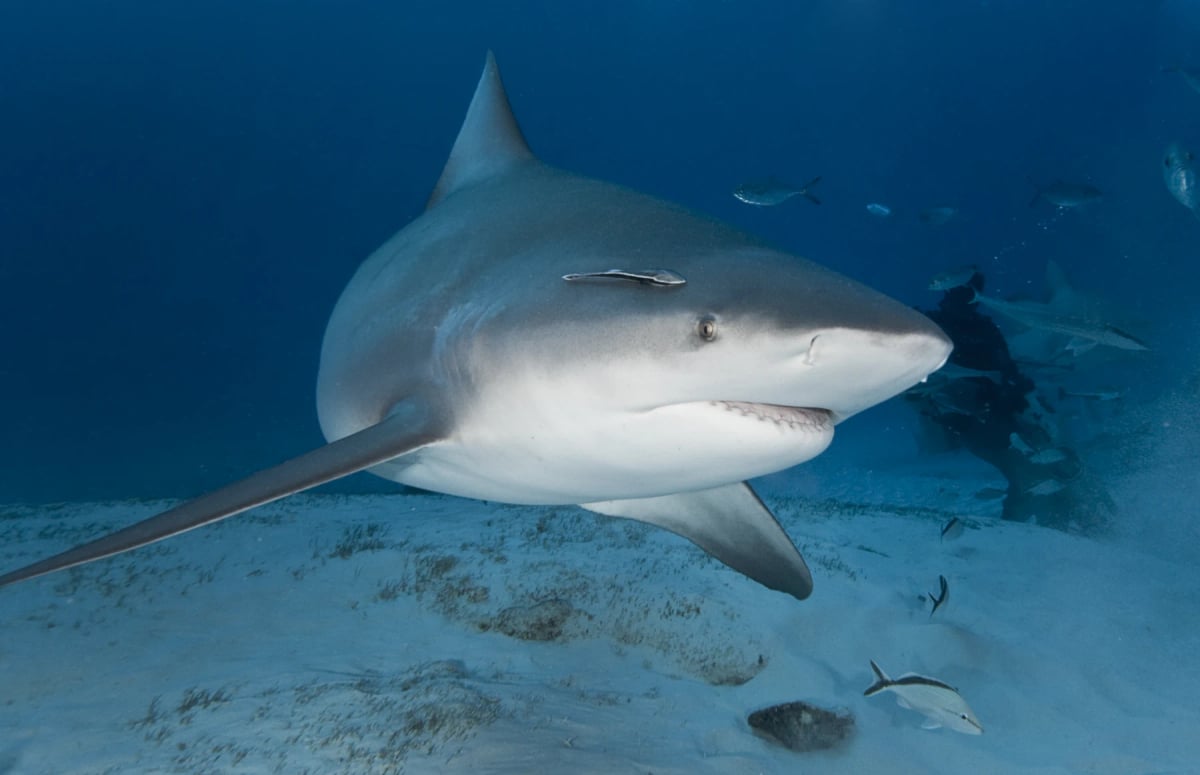
Bull Shark
Carcharhinus leucas
Bull sharks inhabit the coastal waters of Pakistan along the Arabian Sea, including the Indus Delta near Karachi, where freshwater outflow from the Indus River creates the brackish conditions this species favours. The delta's shallow, murky channels are well suited to their hunting style. Fishing activity in the region poses a risk to their populations, and the species carries Near Threatened status on the IUCN Red List.
Researched and written by Juan Pablo. Sources: IUCN Red List, scientific literature and regional field guides. Last updated: .