Serval
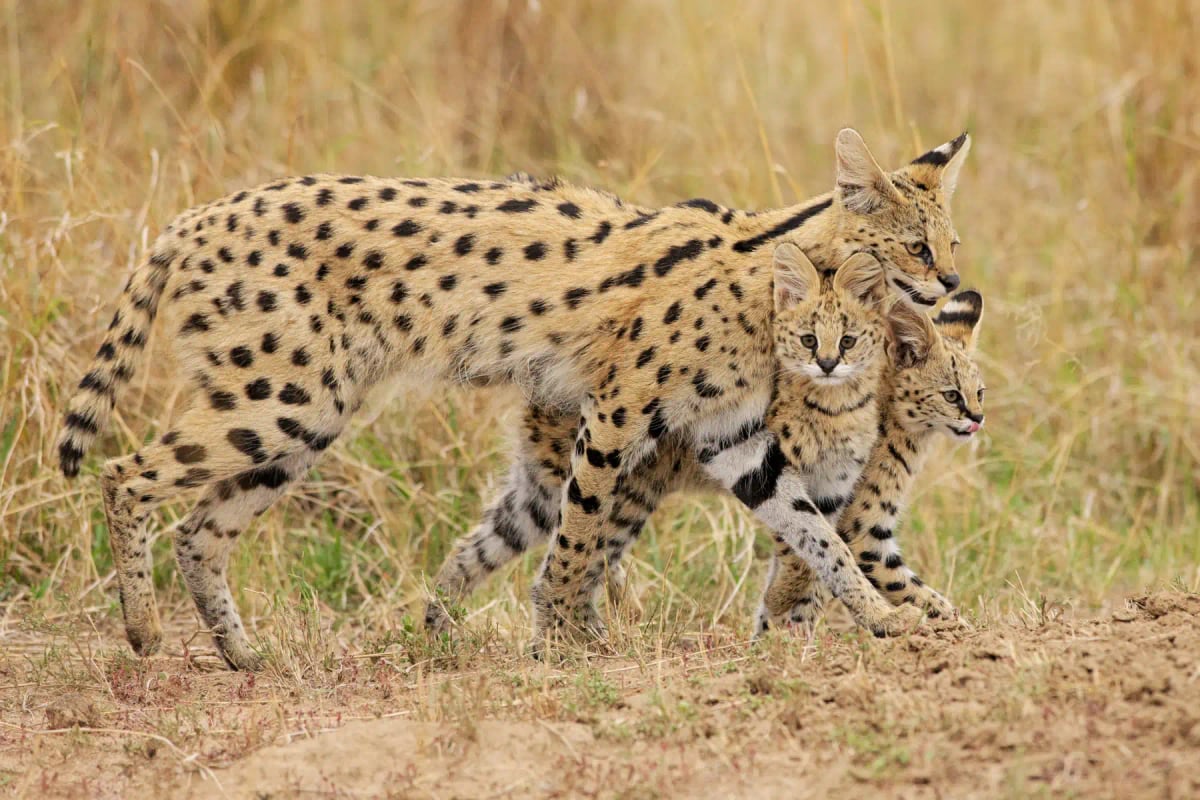
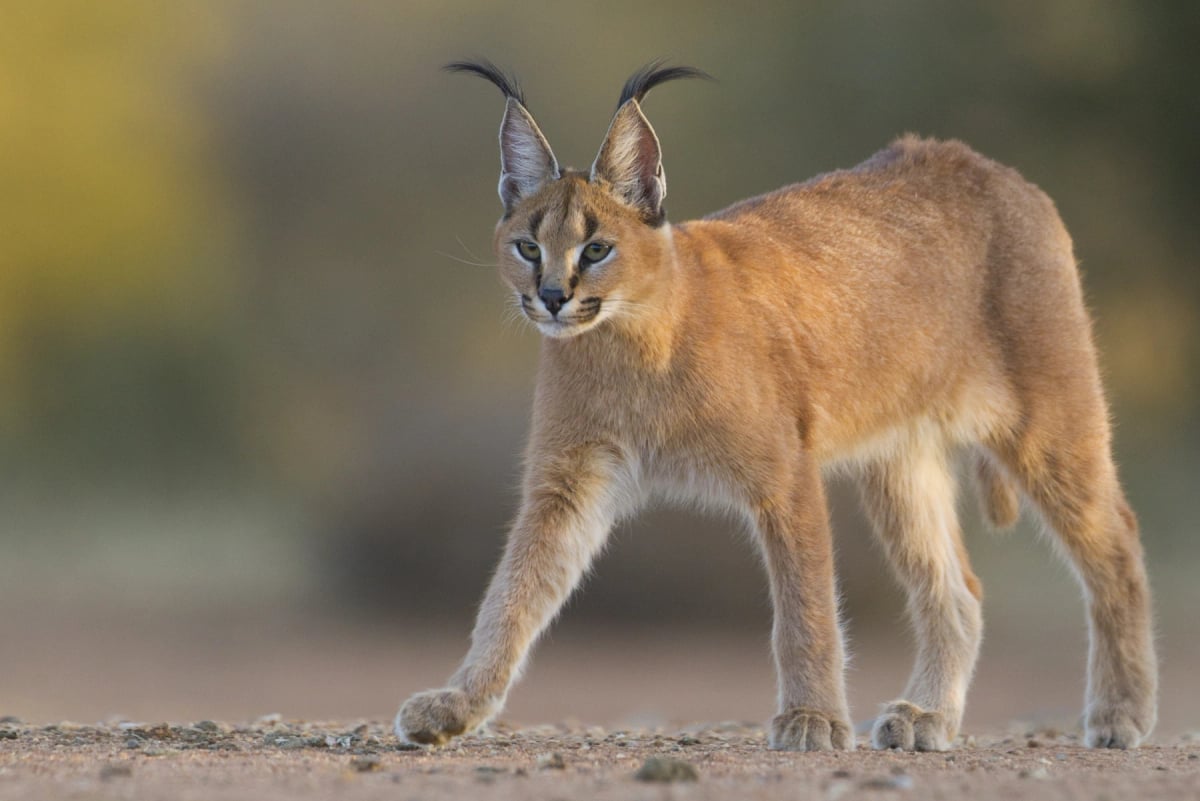
The serval (Leptailurus serval) is a slender wild cat with legs that are long relative to its body, a small head, and remarkably large ears. It lives across much of sub-Saharan Africa, favoring wetlands, moist grasslands, and savannas where tall vegetation provides cover for hunting. Those oversized ears are not just for show: servals can pinpoint the rustling of a rodent beneath the grass without even seeing it, then launch a vertical leap of up to 3 meters to strike with their forepaws. Rodents account for the majority of their diet, though they also take birds, frogs, reptiles, and large insects. Servals are active mainly at dusk and during the night, and they live alone, each individual holding a territory marked with scent. The IUCN lists the species as Least Concern, though hunting for pelts and the exotic pet trade put pressure on local populations.
Habitat and distribution
Servals are spread across much of sub-Saharan Africa, ranging from Senegal in the west to Ethiopia and Kenya in the east, and south through Tanzania, Zambia, and into South Africa. A small isolated population also survives in northern Tunisia. The species gravitates strongly toward wetlands, reed beds, and moist grasslands where tall grasses give it cover to hunt. Elevation is no barrier: servals have been recorded on moorlands above 3,000 meters on Mount Kenya. Two habitats they consistently avoid are dense tropical rainforest, where visibility is too low, and open arid desert, where prey and water are too scarce. Proximity to permanent water is perhaps the single most reliable predictor of where a serval will set up a territory.
Diet
Rodents sit at the heart of the serval's menu, accounting for roughly 80 to 90 percent of what it consumes over the course of a year. Grass rats and vlei rats are particular favourites. Beyond rodents, servals will take birds flushed from cover, frogs along stream banks, small reptiles, and large insects when the opportunity presents itself. Unlike many cats that bite the throat of their prey, servals typically deliver a precise strike to the skull or spine with their forepaws, killing small animals almost instantly. Their hunting success rate is notably high for a wild cat, with some studies suggesting they catch prey on roughly half of all attempts. This efficiency means a serval spends less time hunting and more time resting compared to many other African predators.
Behavior
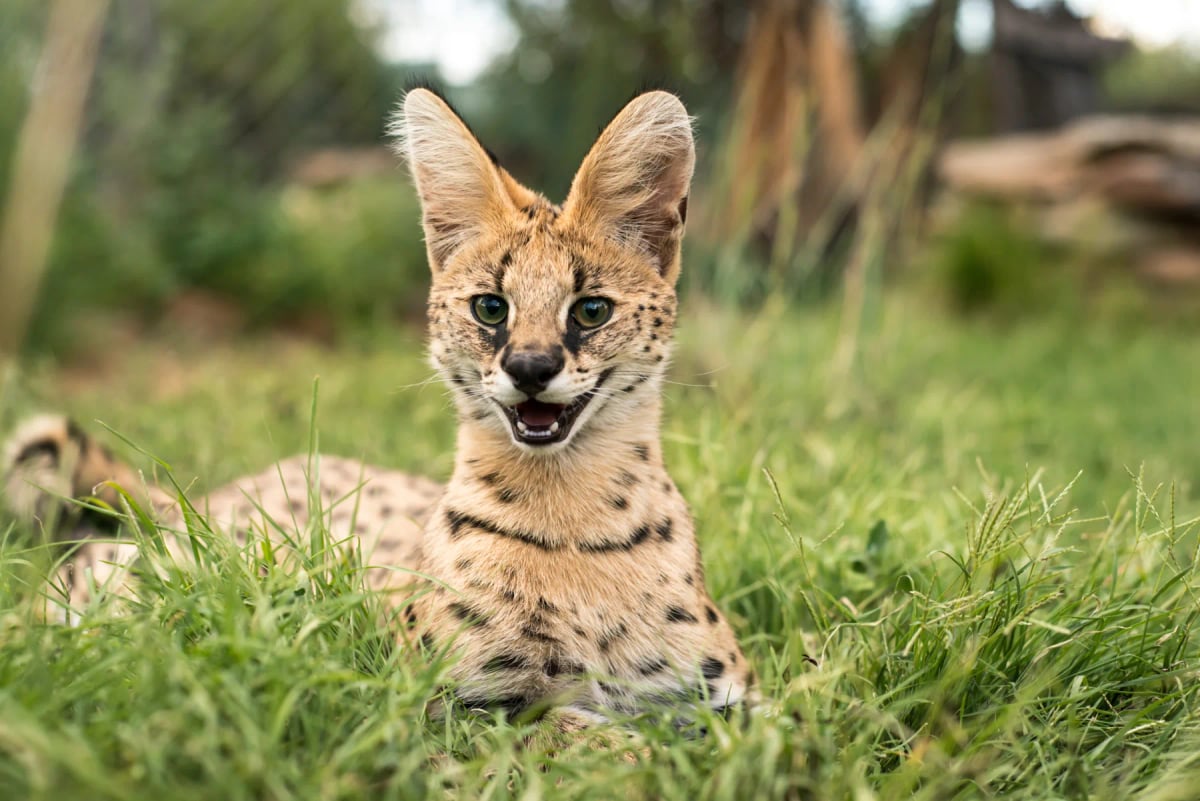
Outside of mating, servals live alone. Each individual holds a territory that it marks regularly using urine, feces, and cheek rubbing. Male territories tend to be larger and may overlap with those of one or more females. Activity peaks around dusk and in the hours before dawn, though servals in some areas have been observed hunting during the day as well. When a serval is not actively hunting, it rests in dense vegetation or in thickets, staying hidden from both prey and larger predators such as leopards and hyenas. Communication between individuals includes a high-pitched call, purring, and a range of shorter vocalizations. Females raise cubs without any help from the male, nursing them for around five months before they begin to hunt on their own.
Adaptations
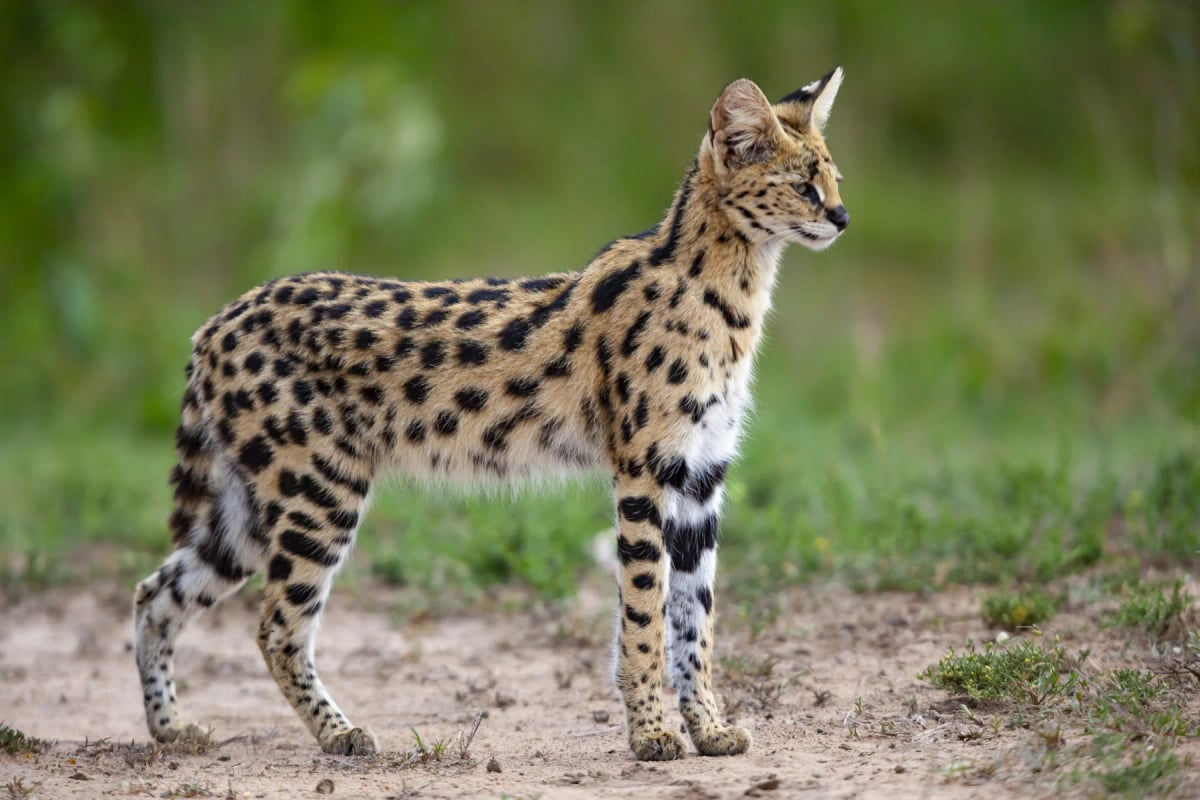
Few cats are as finely tuned to a single habitat as the serval. Its legs are the longest in proportion to body size of any cat species on Earth, allowing it to peer above tall grass and to launch leaps of up to 3 meters straight into the air. Those jumps are guided by ears that are extraordinarily large for the size of the animal, capable of rotating independently to zero in on the faintest rustle beneath the grass. A serval can locate a hidden rodent by sound alone, without ever seeing it. Its spotted and streaked coat provides camouflage in dappled light filtered through reeds and grass stems. Even its long neck plays a role, giving it the reach to snatch a bird mid-flight or pull prey from a burrow without having to crouch uncomfortably.
Conservation
The IUCN currently rates the serval as Least Concern, reflecting its wide range and generally stable numbers across sub-Saharan Africa. That broad picture, however, masks real pressure in certain areas. In parts of West Africa, servals are hunted for their pelts, which are used in traditional ceremonies and sold in local markets. Capture for the exotic pet trade is another ongoing problem, one that takes animals from wild populations before they ever have the chance to breed. Habitat loss tied to the conversion of wetlands and grasslands for agriculture chips away at the prey-rich environments the serval depends on. In North Africa, the Tunisian population is considered particularly vulnerable given its small size and isolation. Continued monitoring and the protection of key wetland habitats are seen as the most practical steps toward keeping populations healthy.
Where it is found
The Serval can be found in places such as:
Researched and written by Juan Pablo. Sources: IUCN Red List, scientific literature and regional field guides. Last updated: .
Technical factsheet




Frequently Asked Questions
What do servals eat?
Rodents make up the bulk of a serval's diet, somewhere between 80 and 90 percent of what it eats across a full year. Grass rats and vlei rats are firm favourites. When the chance arises, servals will also catch birds, frogs, small reptiles, and large insects. They kill small prey with a sharp strike of their forepaws to the skull or spine rather than biting the throat like most other cats.
Where do servals live?
Servals are found across much of sub-Saharan Africa, from Senegal in the west to Ethiopia and Kenya in the east, and as far south as South Africa. A small isolated population also lives in northern Tunisia. They favour wetlands, reed beds, and moist grasslands where tall vegetation gives them cover. They avoid dense rainforest and dry desert, and they almost always stay close to a permanent source of water.
How does a serval hunt?
A serval relies heavily on its enormous ears to detect prey. It can pinpoint a rodent moving under the grass purely by sound, without seeing it at all. Once it locks onto the target, it launches a vertical leap of up to 3 meters and strikes down with both forepaws. This technique is remarkably effective: studies suggest servals successfully catch prey on roughly half of all their hunting attempts, which is very high for a wild cat.
Is the serval endangered?
The IUCN currently lists the serval as Least Concern, meaning the species as a whole is not at immediate risk of extinction. That said, certain populations face real pressure. In parts of West Africa, servals are hunted for their pelts. The exotic pet trade also removes animals from the wild before they can breed. The small isolated population in Tunisia is considered especially vulnerable due to its limited size.
Can a serval be kept as a pet?
Servals are captured from the wild for the exotic pet trade, but keeping one comes with serious problems. They are wild animals with strong hunting instincts and territorial needs that no home environment can properly meet. In many countries it is illegal to own one without special permits. Beyond the legal issues, the capture of servals for private ownership actively harms wild populations by removing animals that would otherwise breed.
How big is a serval?
Servals are medium-sized cats, typically weighing between 8 and 18 kilograms, with males generally larger than females. What makes them stand out is their build: their legs are the longest in proportion to body size of any cat species on Earth. That long-legged frame, combined with a relatively small head and enormous ears, gives them a look quite unlike any other wild cat found in Africa.
Are servals solitary animals?
Yes, servals live alone for most of their lives. Each individual marks and defends its own territory using urine, droppings, and scent from cheek glands. Males hold larger territories that may overlap with those of one or more females. The only extended social bond is between a mother and her cubs. Females raise their young entirely on their own, nursing them for around five months before the cubs start hunting independently.