Animals in Gabon
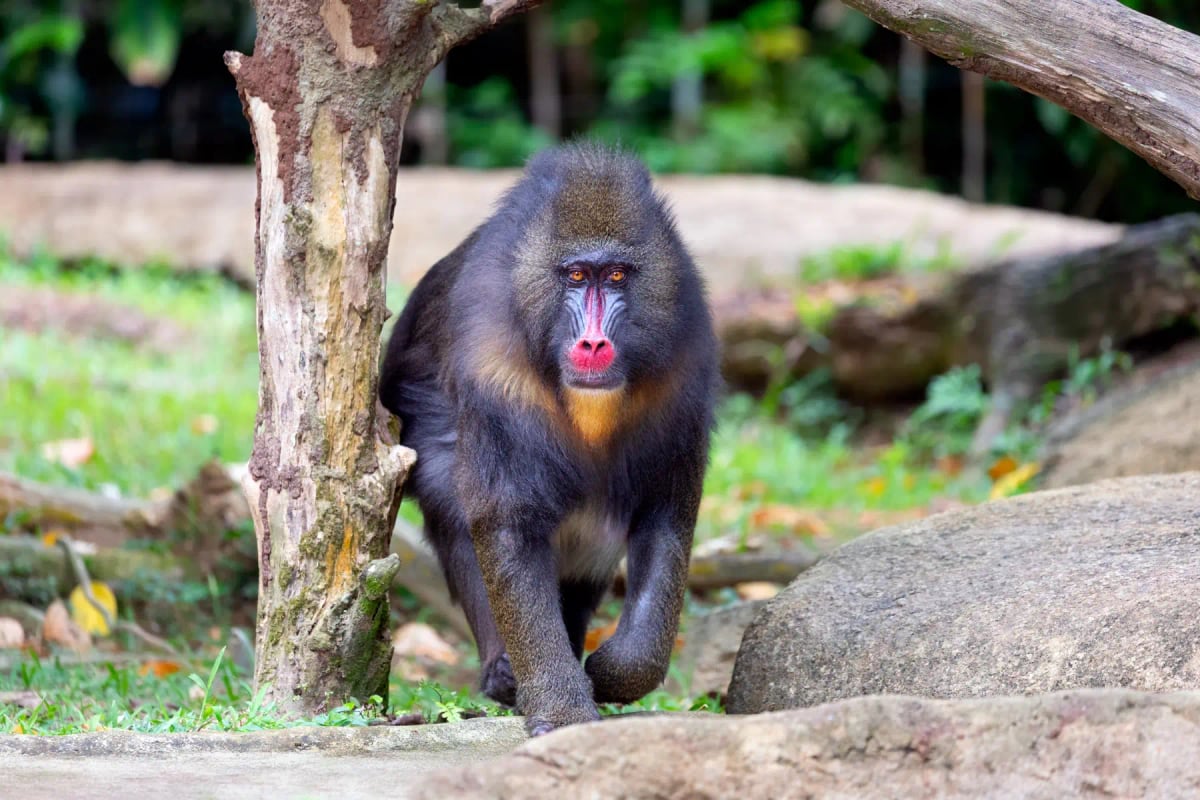
Mandrill
Mandrillus sphinx
The mandrill, Gabon’s national animal, is known for its bright face and social behavior. It lives in dense forests and has become a symbol of the country’s tropical nature and commitment to protecting its wildlife.
View details→Wildlife in Gabon
Gabon’s rainforests and Atlantic coast shelter an incredible variety of animals. Forest elephants, gorillas, dolphins and whales live among rivers and mangroves that make the country one of Central Africa’s best places for wildlife and nature tourism.
Most Dangerous Animals in Gabon
Gabon’s wild areas host animals that require caution, including elephants, lions, hyenas and crocodiles. In coastal waters, sharks and orcas may appear, so guided excursions are recommended for a safe and respectful experience with nature.
Top 10 Animals in Gabon
Chimpanzees, leopards, hippos and mandrills are among Gabon’s most recognized animals. National parks such as Loango and Ivindo allow visitors to explore rainforests, spot wildlife and enjoy some of Africa’s most unspoiled landscapes.
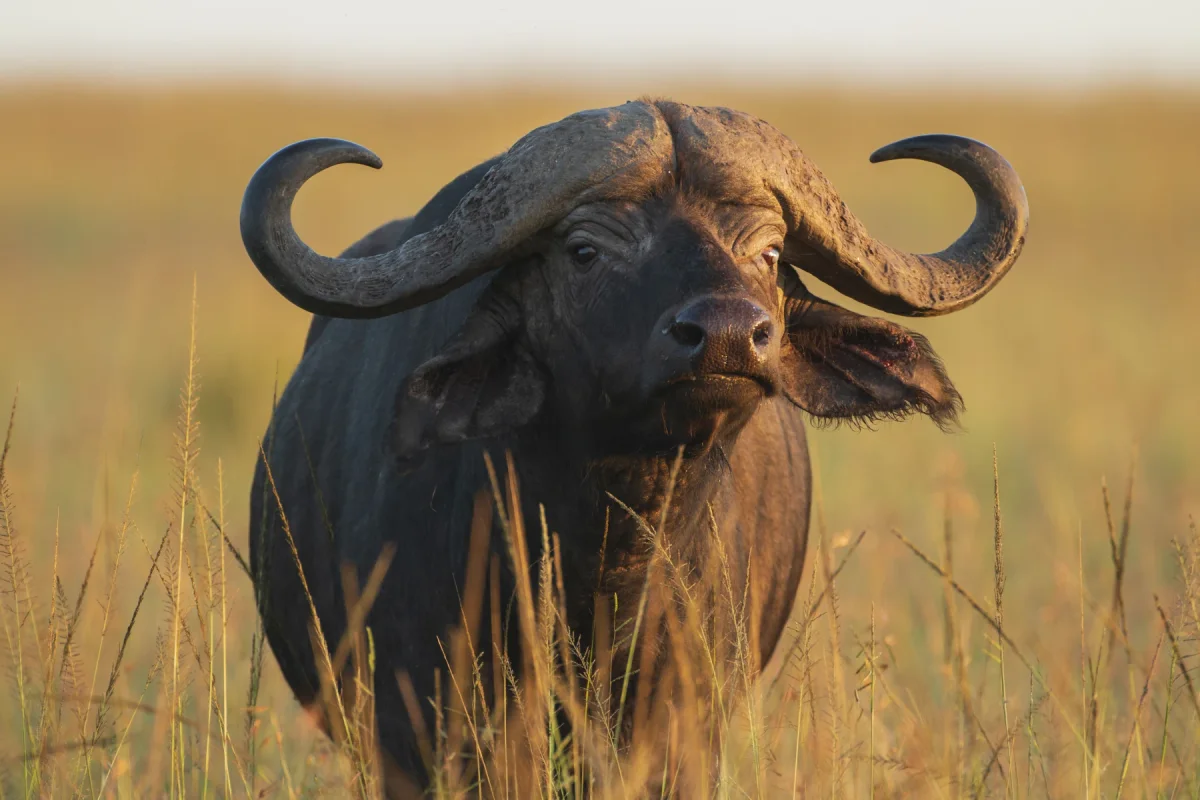
Buffalo
Syncerus caffer
Gabon supports a significant population of African buffaloes, particularly within its extensive network of national parks, including Lopé National Park. Here, buffaloes move between patches of forest and open savanna, taking advantage of mineral-rich clearings known as bais. Gabon's strong commitment to conservation and low human population density have helped maintain relatively healthy buffalo populations across much of the country.
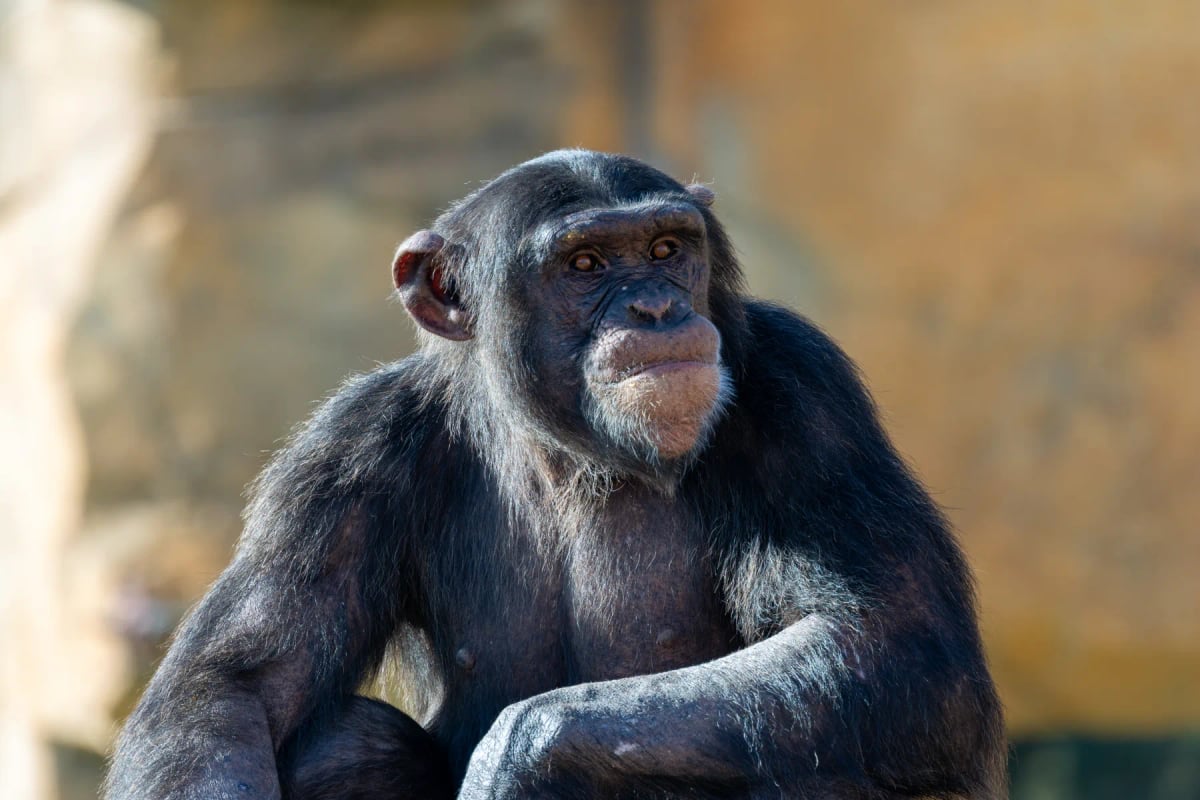
Chimpanzee
Pan troglodytes
Gabon holds one of the largest and most intact chimpanzee populations in Africa, sheltered within its vast rainforest cover, which protects more than 85% of the country. Communities here thrive across both logged and protected areas, including Lopé National Park. Gabon's relatively low human population density has helped reduce hunting pressure, making it a stronghold for the species across Central Africa.
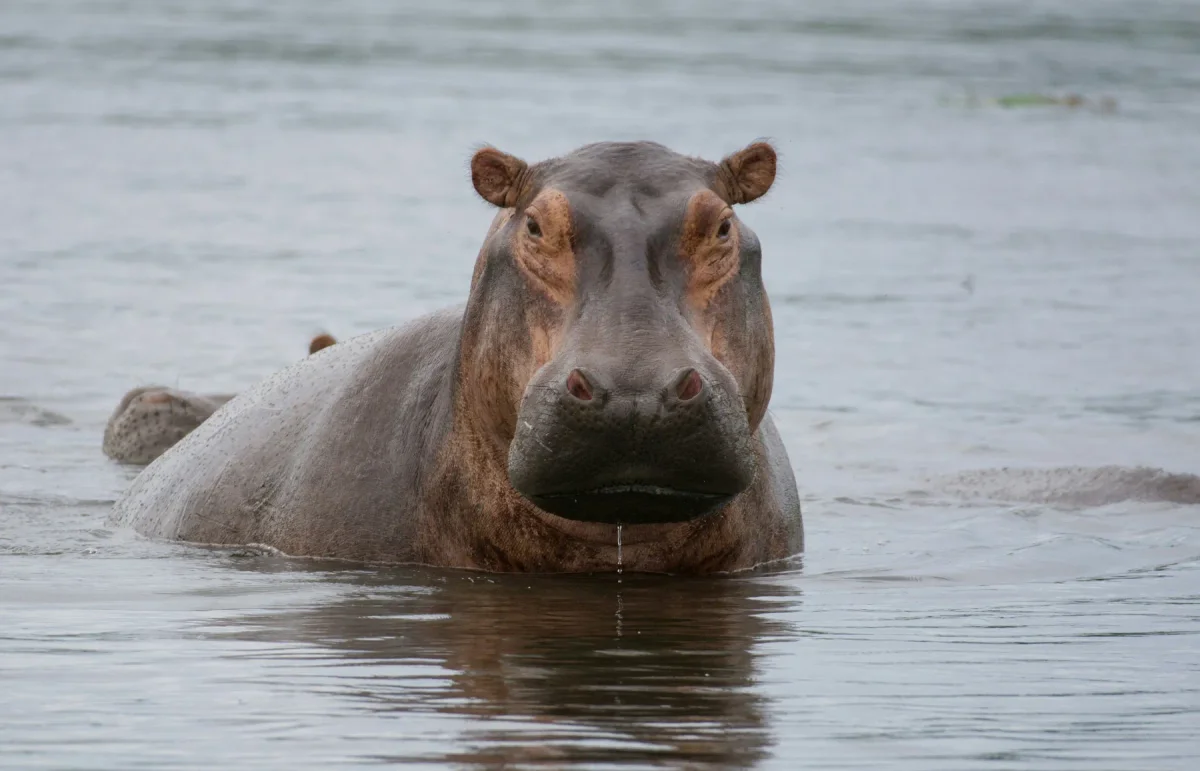
Hippopotamus
Hippopotamus amphibius
Gabon is one of the strongholds for hippopotamuses in Central Africa, with healthy populations living along the Ogooué River and its tributaries, as well as in coastal lagoons and rainforest river systems. Much of the country remains forested and relatively undisturbed, giving hippos space to thrive. The IUCN lists the hippopotamus as Vulnerable, though Gabon's well-managed national parks offer meaningful protection.
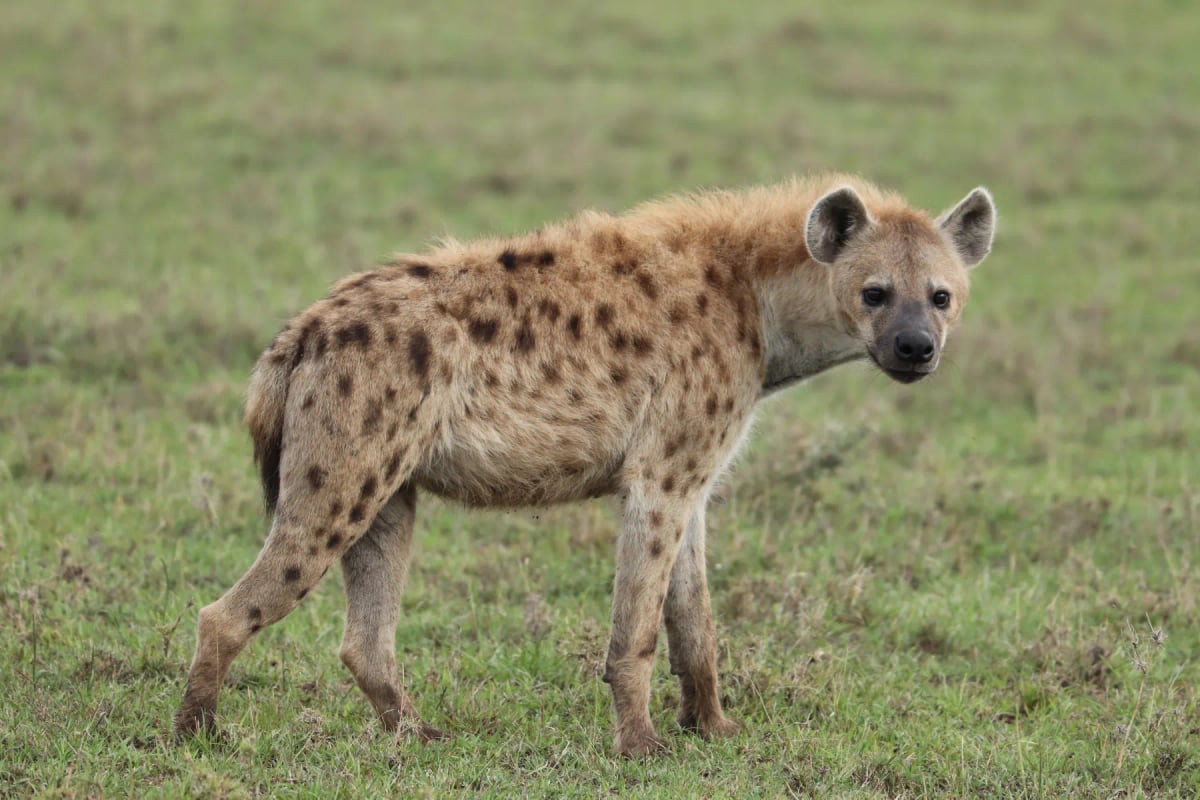
Spotted Hyena
Crocuta crocuta
The spotted hyena is present in Gabon but is far less common here than in the open savannas of eastern and southern Africa. Gabon's dense rainforest cover limits suitable habitat, so sightings tend to occur in savanna patches and forest edges in the north and east. Listed as Least Concern globally, populations in Gabon remain small and are not well studied.
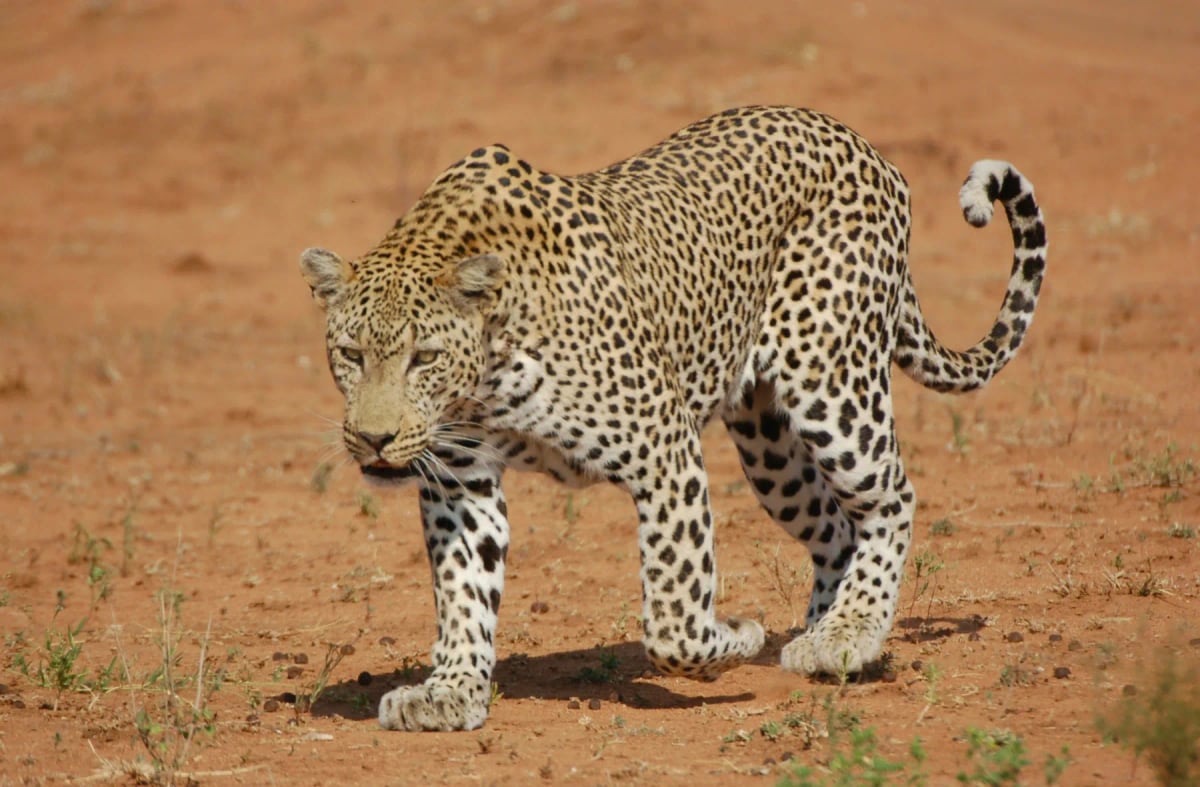
Leopard
Panthera pardus
Gabon's vast and largely intact rainforest makes it one of the more secure places for leopards in Central Africa. They are found throughout the country, including within Lopé National Park, a UNESCO World Heritage Site. With around 85 percent of Gabon covered by forest, leopards have ample territory and prey. Bushmeat hunting and logging near forest edges remain the main pressures on the population.
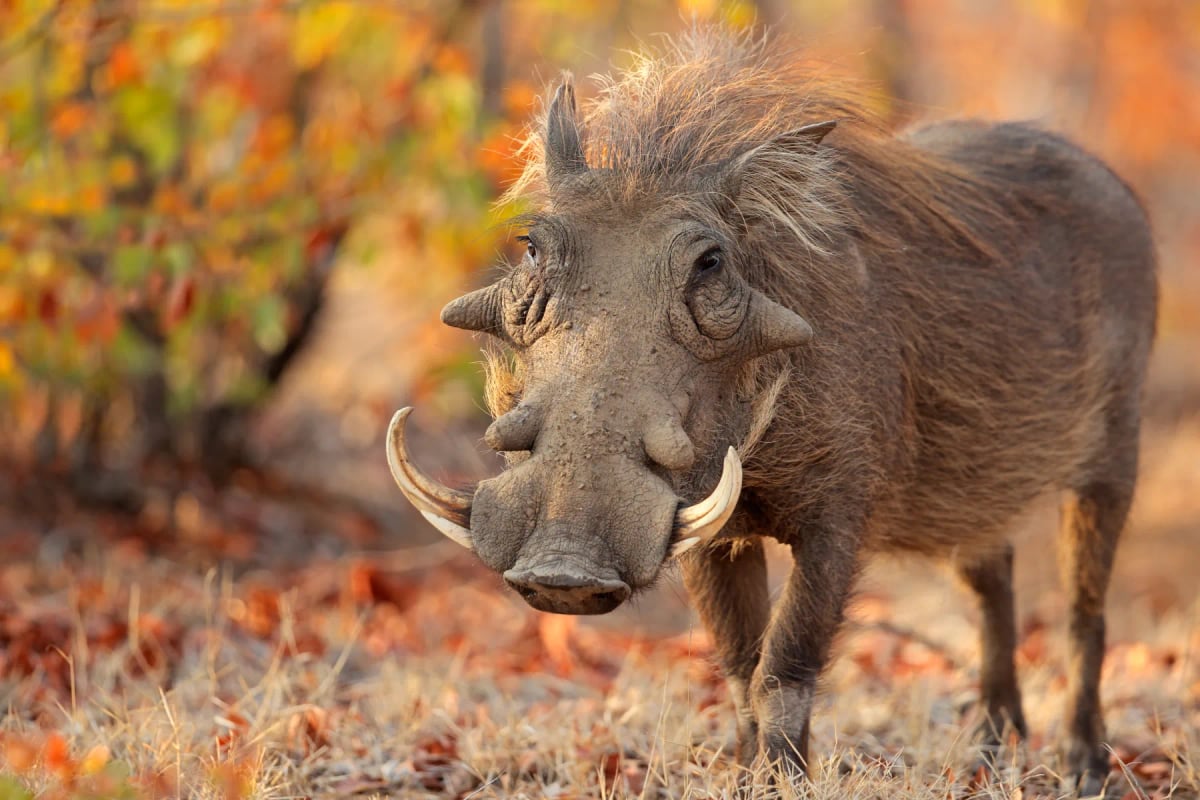
Warthog
Phacochoerus africanus
In Gabon, warthogs inhabit savanna patches and open areas within and around the country's forests, including parts of Lopé National Park where woodland gives way to grassland. They feed on grasses and roots and shelter in burrows. Gabon's extensive forest cover makes suitable open habitat somewhat limited, but populations in savanna zones remain stable. The IUCN lists the species as Least Concern.
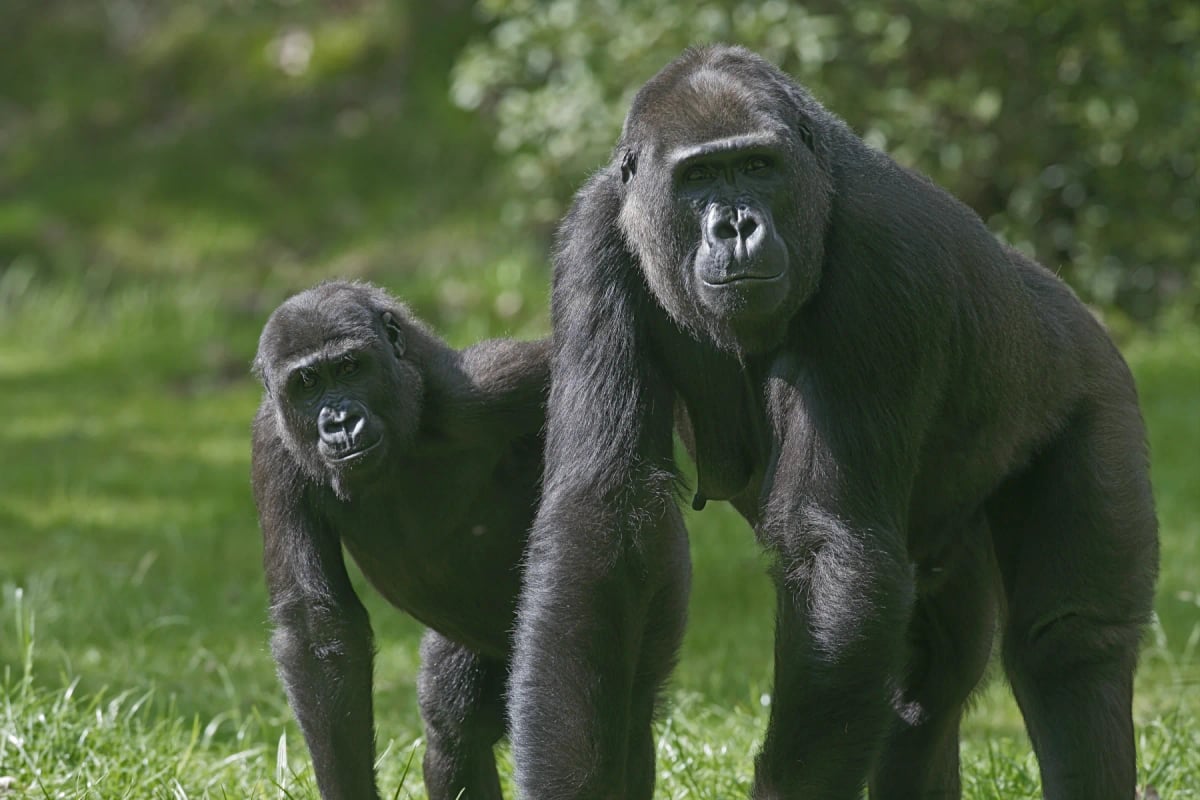
Western Lowland Gorilla
Gorilla gorilla gorilla
Gabon is considered one of the most important countries for the survival of western lowland gorillas. It holds a large share of the total wild population, protected across an extensive network of national parks including Lopé and Ivindo. Much of Gabon's rainforest remains intact, making it a stronghold for the subspecies. Oil revenues have historically reduced pressure on forests compared to neighboring countries.
Mandrill
Mandrillus sphinx
Gabon holds some of the most important mandrill populations in the world, sheltered within its vast and well-preserved rainforests. The country's low human population density and large network of national parks offer meaningful protection for this Vulnerable species. Mandrills here form some of the largest primate gatherings known, with hordes exceeding 800 individuals. Males are easily recognized by their bold red and blue facial markings and large canine teeth.
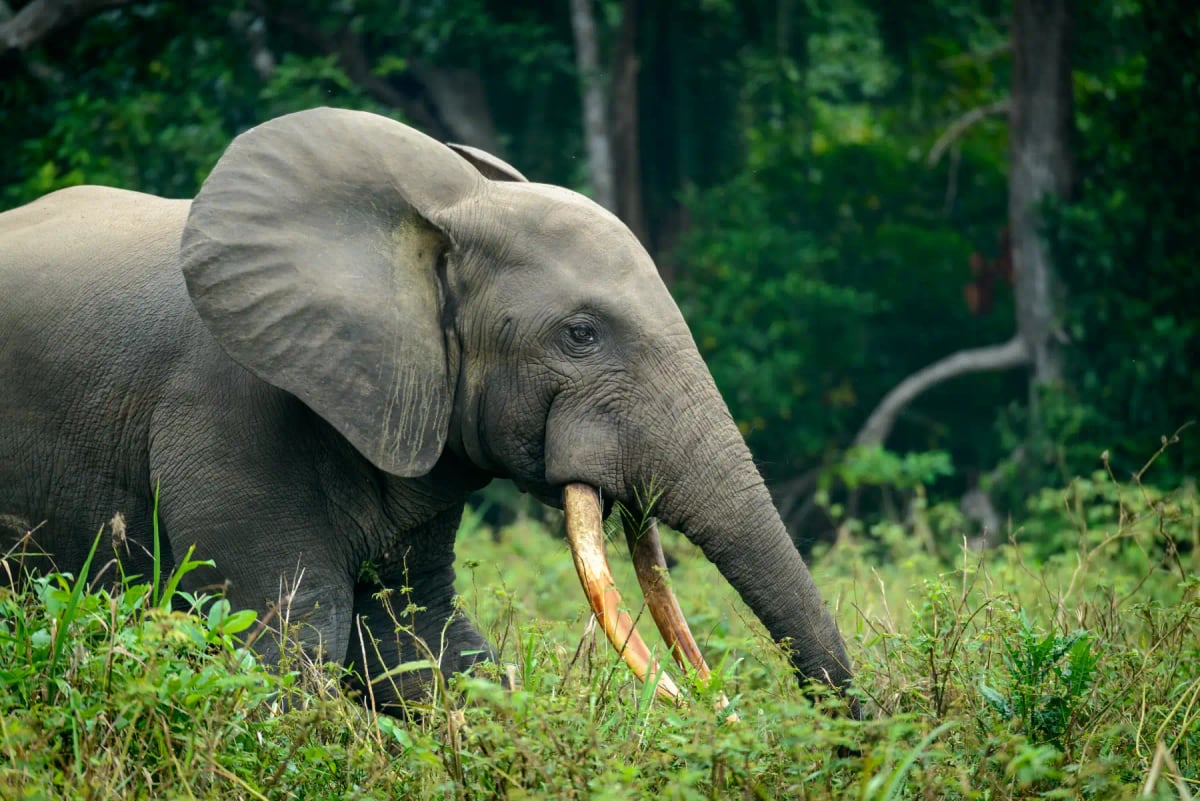
African Forest Elephant
Loxodonta cyclotis
Gabon is the single most important country for the African forest elephant, holding an estimated 60 percent of the world's remaining population. The country's vast and largely intact rainforest, combined with low human density and strong legal protections, has made it a global refuge for the species. Lopé National Park and the Ivindo River basin are key areas, and bais such as Langoué attract large gatherings. Gabon's commitment to forest conservation makes it the best hope for the survival of this species over time.
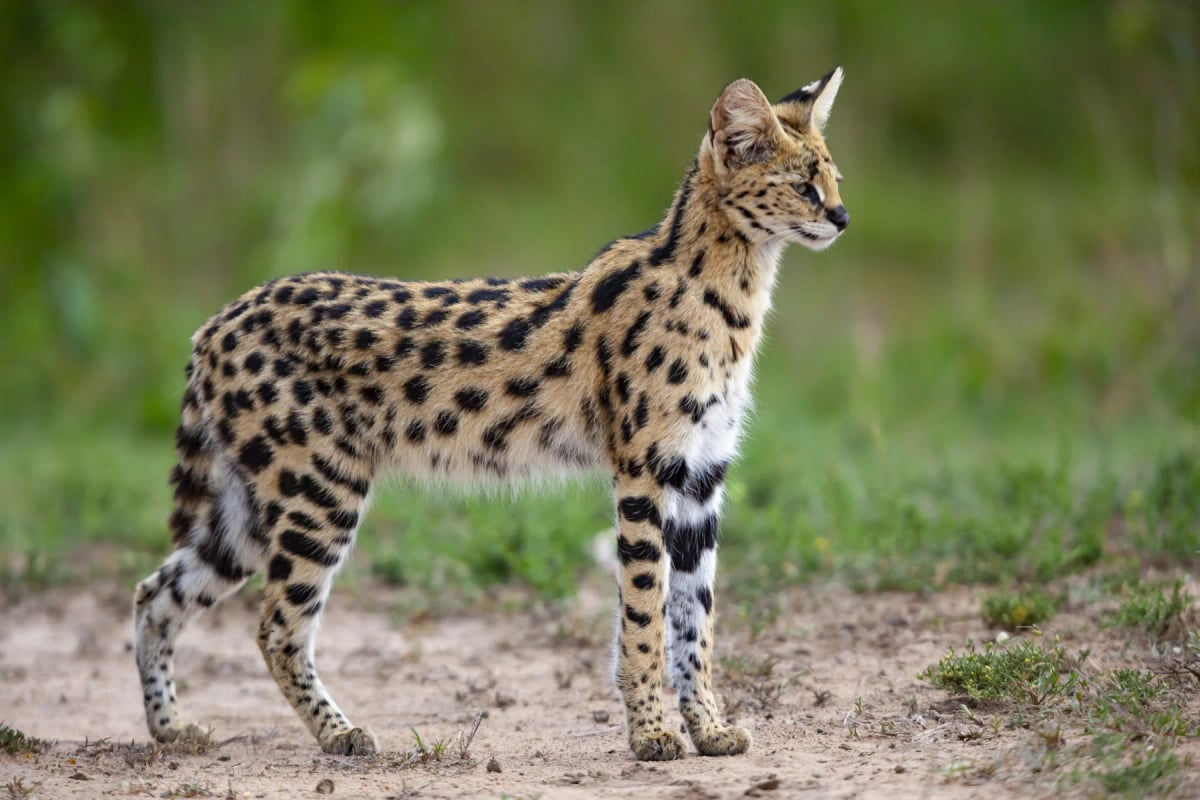
Serval
Leptailurus serval
In Gabon, the serval is found mainly in open grasslands and forest clearings rather than in the dense rainforest that covers much of the country. It favors areas near rivers and swampy ground where prey is easier to locate. Gabon's extensive network of national parks offers meaningful protection for wildlife, including the serval. The IUCN rates the species as Least Concern, and Gabon's strong conservation policies help support its populations.
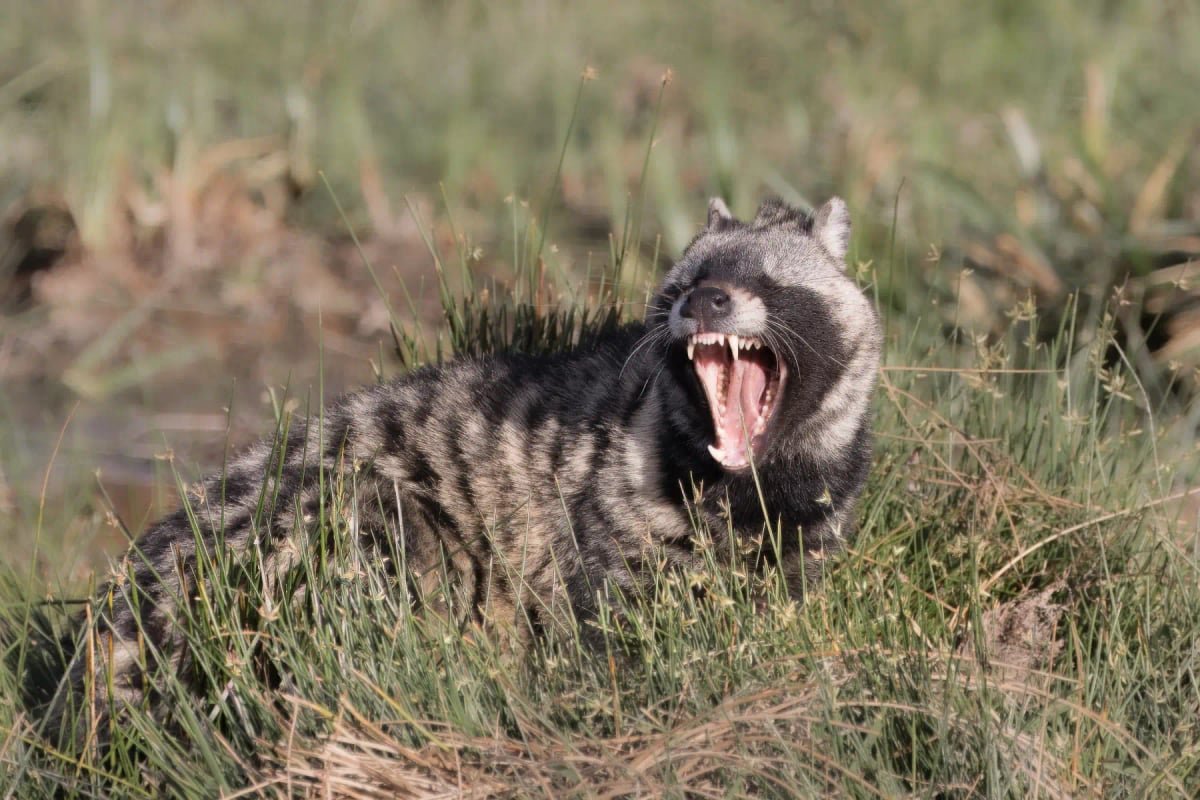
African Civet
Civettictis civetta
Gabon's largely intact equatorial rainforest makes it one of the best-preserved African civet habitats on the continent. The species is found across most of the country, from coastal forest and mangrove edges inland to the dense rainforest of the Lopé and Minkébé areas. Low human population density and extensive protected areas have shielded large portions of Gabon's forest from clearance, supporting robust populations of civets and other nocturnal carnivores throughout the country.

Honey Badger
Mellivora capensis
In Gabon, the honey badger inhabits savanna patches and woodland edges, as the country's dense equatorial rainforest covers most of the interior. It is an opportunistic feeder, hunting everything from scorpions to small mammals, and is well known for its ability to dig rapidly and its resistance to venom. The IUCN rates it as Least Concern, and Gabon's extensive protected areas offer indirect support for the species.
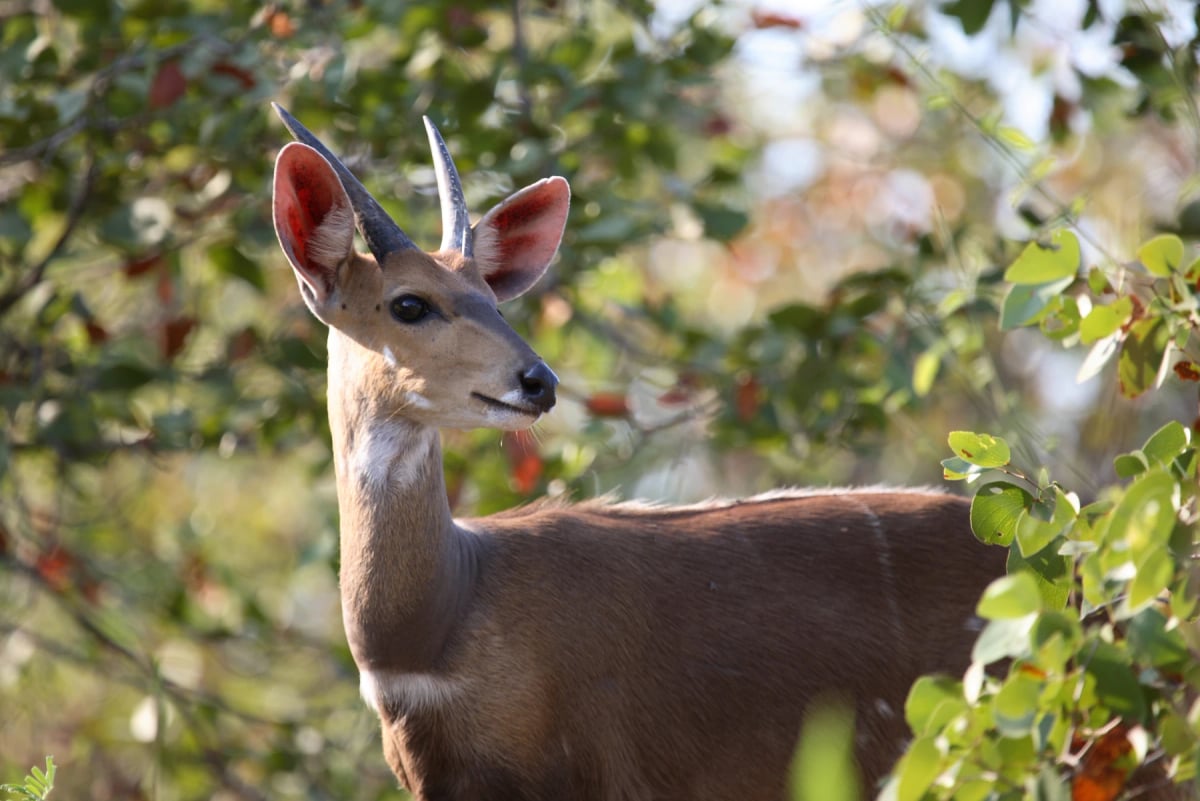
Bushbuck
Tragelaphus scriptus
Gabon's extensive rainforests provide excellent habitat for bushbucks throughout the country. These solitary browsers are widespread in undisturbed forest areas and forest margins. The country's vast forest cover and relatively low human population density support stable bushbuck populations in this Central African stronghold.
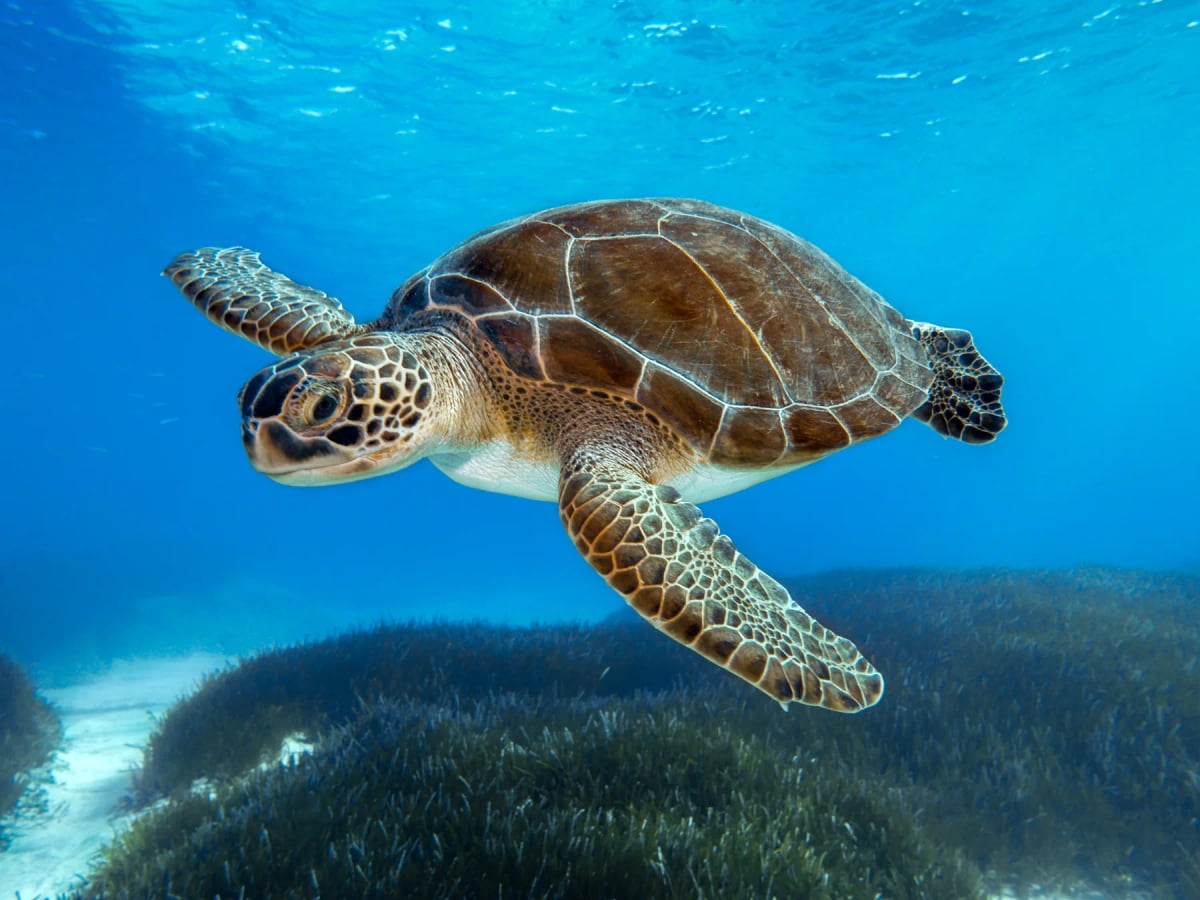
Sea Turtle
Cheloniidae & Dermochelyidae (families)
Gabon holds some of the most important sea turtle nesting beaches in the world. Mayumba National Park, in the south of the country, is one of the largest leatherback nesting sites on Earth, with thousands of females arriving between October and April. Olive ridley and green turtles also nest along the Gabonese coast. The country's commitment to marine protection, including a network of national parks covering a significant portion of its coastal waters, has made it a model for sea turtle conservation in Central Africa.
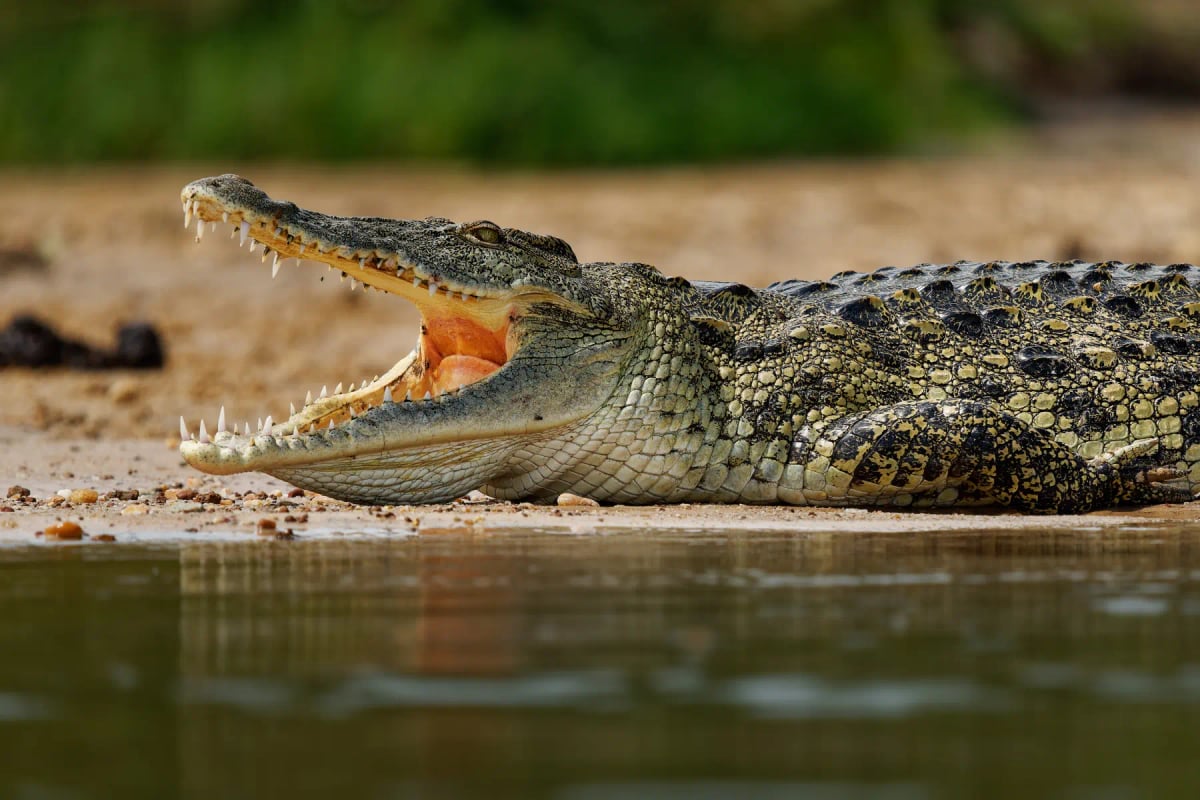
Nile Crocodile
Crocodylus niloticus
In Gabon, the Nile crocodile inhabits rivers and wetlands woven through the country's dense rainforest interior, including waterways that flow through Lopé National Park. It shares these habitats with remarkable biodiversity. A patient and powerful hunter, it can bring down prey as large as small antelopes. The IUCN rates it as Least Concern, and Gabon's extensive protected areas offer some of the best remaining habitat on the continent.
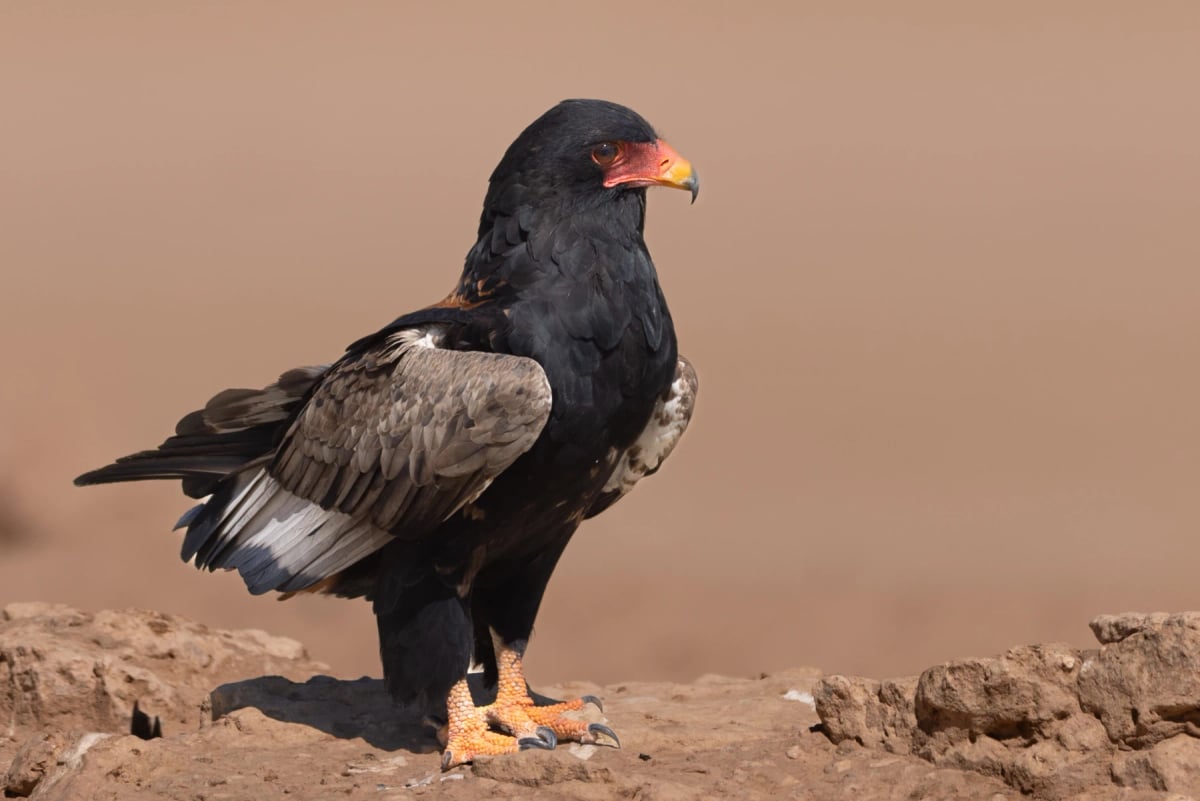
Bateleur
Terathopius ecaudatus
In Gabon, the Bateleur is found primarily in the savanna patches and open woodland areas of the country's interior, away from the dense equatorial forest that covers much of the country. It is not commonly recorded and is considered rare at a national level. The species relies on open terrain for its characteristic soaring flight. Classified as Endangered by the IUCN, its presence in Gabon represents the western edge of its central African range.
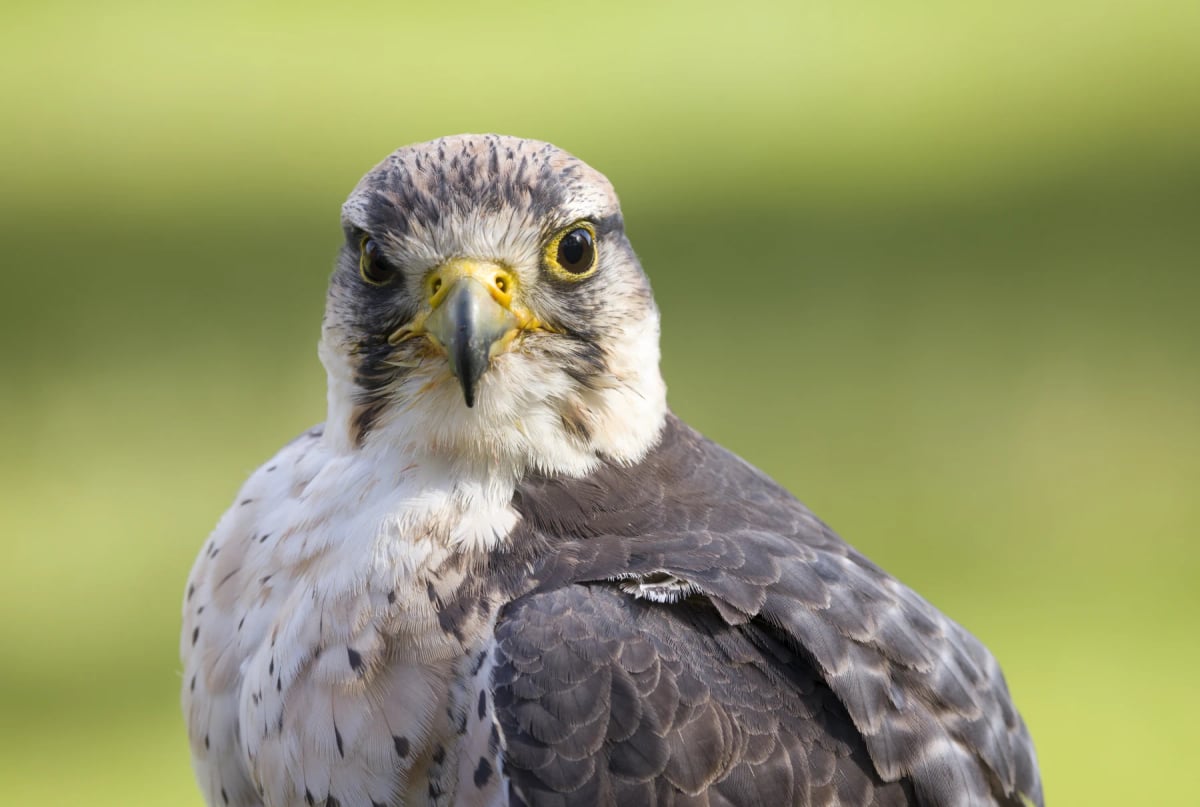
Lanner Falcon
Falco biarmicus
In Gabon, the lanner falcon inhabits open and semi-open habitats along the savanna edges that fringe the country's extensive rainforest zones. It is not common here, sitting near the western limit of its range in central Africa. It hunts birds in open clearings and along forest margins, relying on speed and low pursuit flights. The IUCN lists it as Least Concern.
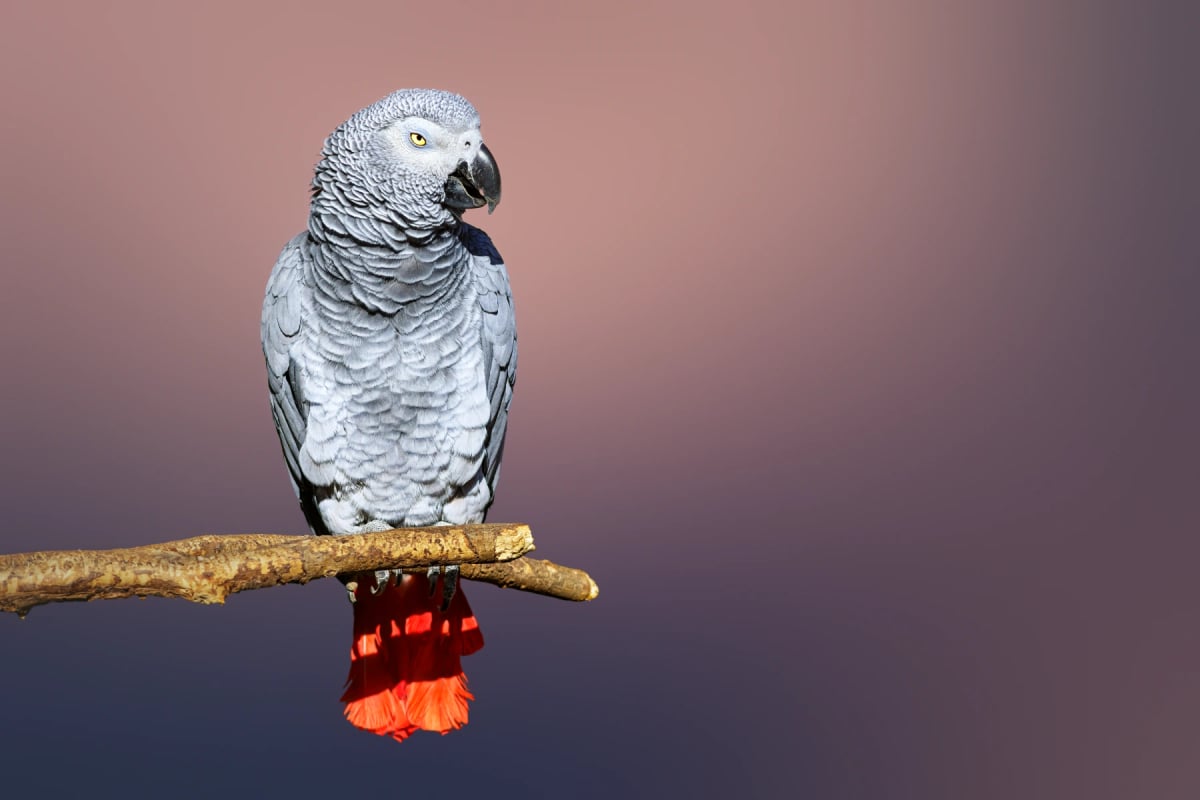
African Grey Parrot
Psittacus erithacus
Gabon is one of the most forested countries in Africa, with over 85 percent of its territory covered by rainforest, and it holds a significant African grey parrot population as a result. The country's relatively low human population density and extensive protected area network have helped preserve large areas of intact habitat. Gabon had legal export quotas of 250 birds per year before the CITES Appendix I listing in 2016, and illegal trapping continues to be a concern despite stronger trade controls in recent years.
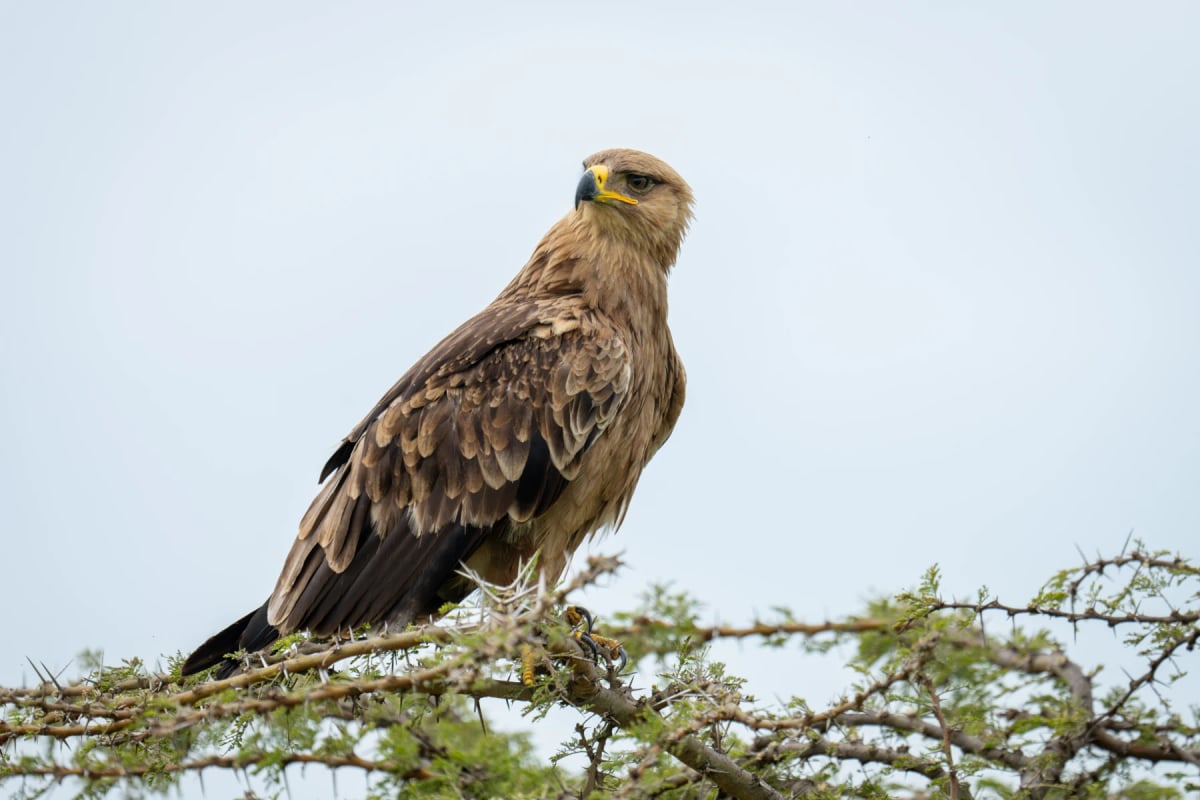
Tawny Eagle
Aquila rapax
The Tawny Eagle is found only at the margins of its range in Gabon, appearing in the more open, seasonally dry habitats in the north and east of the country rather than in the dense rainforest that covers most of the land. It feeds on small vertebrates and carrion and tends to avoid closed forest environments. Habitat quality in its preferred areas is important to its presence. The IUCN lists it as Vulnerable.
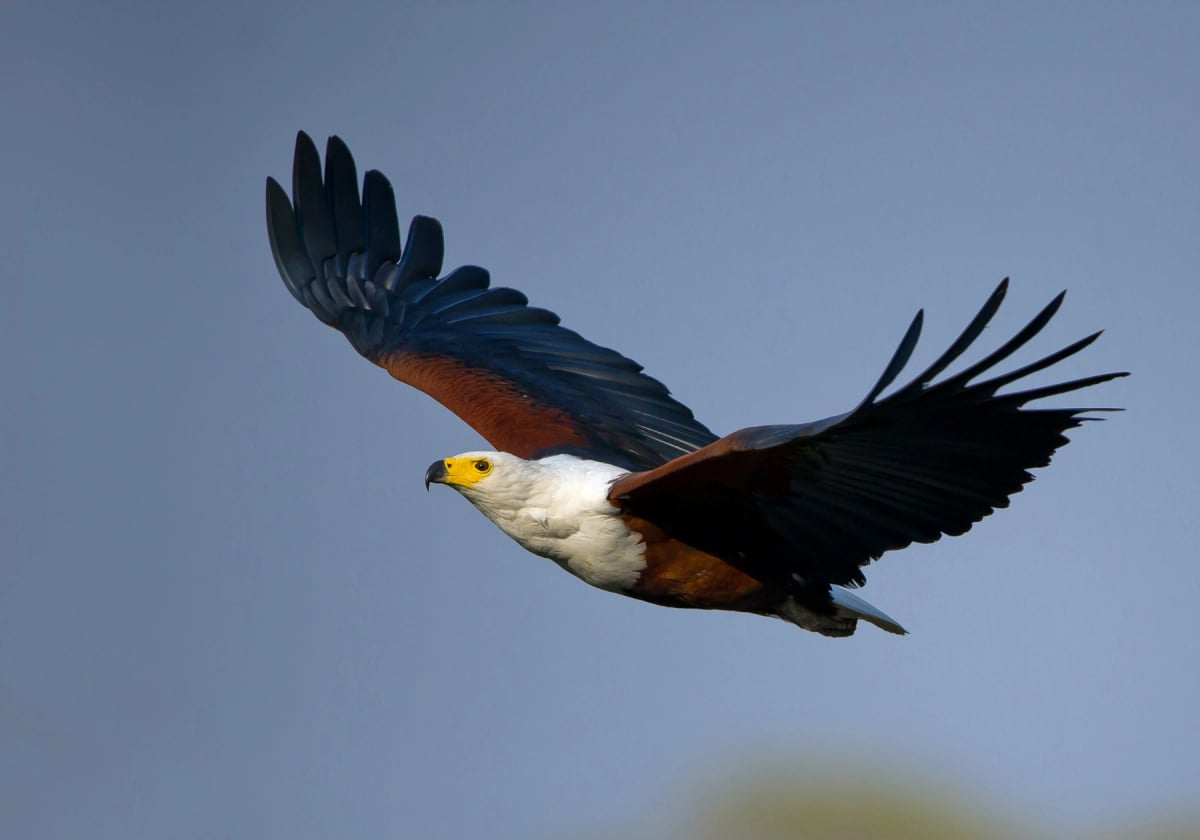
African Fish Eagle
Haliaeetus vocifer
The African fish eagle is a resident in Gabon along the major rivers of the country's interior, including the Ogooué and its tributaries, which drain much of the country toward the Atlantic coast. The bird is present wherever there is open freshwater and sufficient fish, from the interior rainforest rivers to the coastal estuary systems. It is regularly heard calling across Gabonese waterways and is a familiar presence in the country's extensive wetland areas.
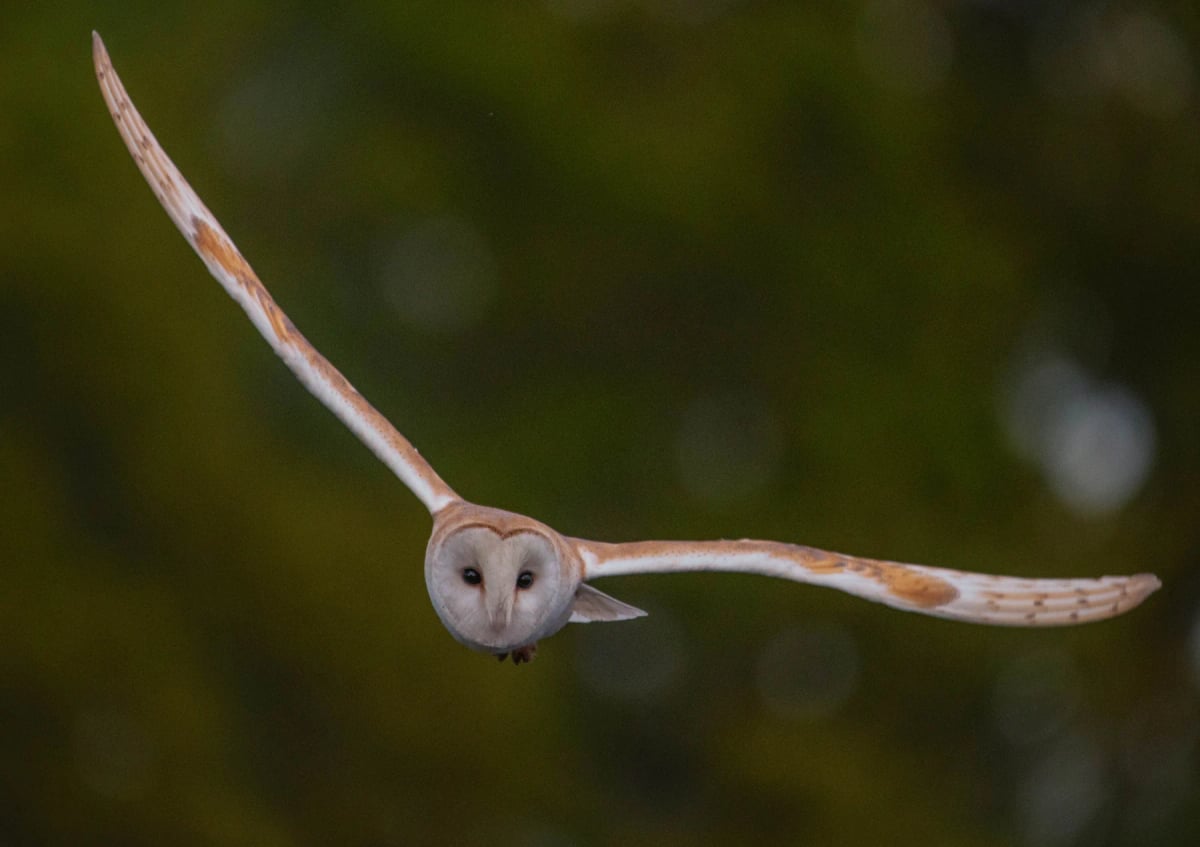
Barn Owl
Tyto alba
The barn owl is present in Gabon mainly in open farmland, savanna patches, and the outskirts of towns and villages, particularly in the coastal lowlands and areas around Libreville and the Ogooué River valley. Dense equatorial rainforest covers most of the country's interior and offers little suitable open habitat, so the species is far less widespread here than in the open savannas of neighboring countries. Where it does occur, it nests in old buildings and hollow trees.
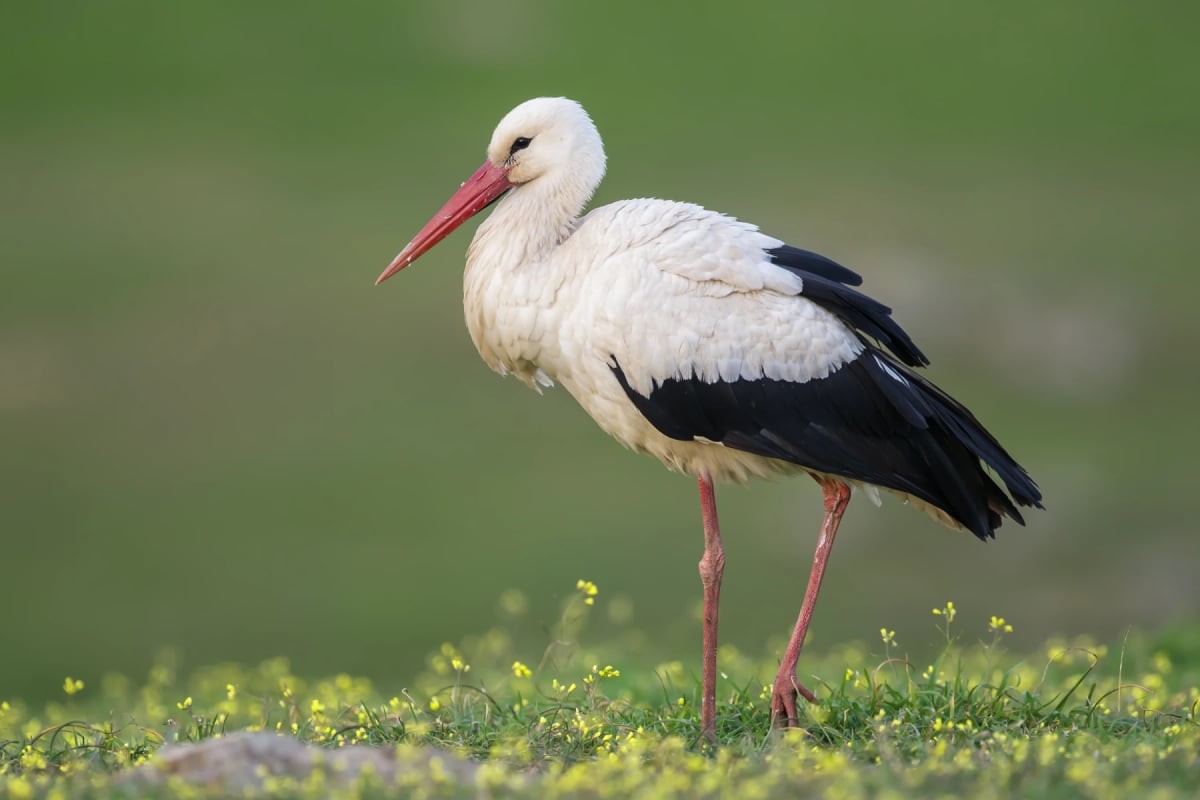
Stork
Ciconia ciconia
Gabon receives white storks as visitors during the northern winter, when the birds travel south from their European breeding grounds. They tend to use the more open landscapes of the country, including savannas and wetland edges, rather than the dense rainforest interior. Groups forage for insects, frogs, and small animals. The white stork is listed as Least Concern by the IUCN, and its presence in Gabon forms part of a continent-wide wintering pattern.
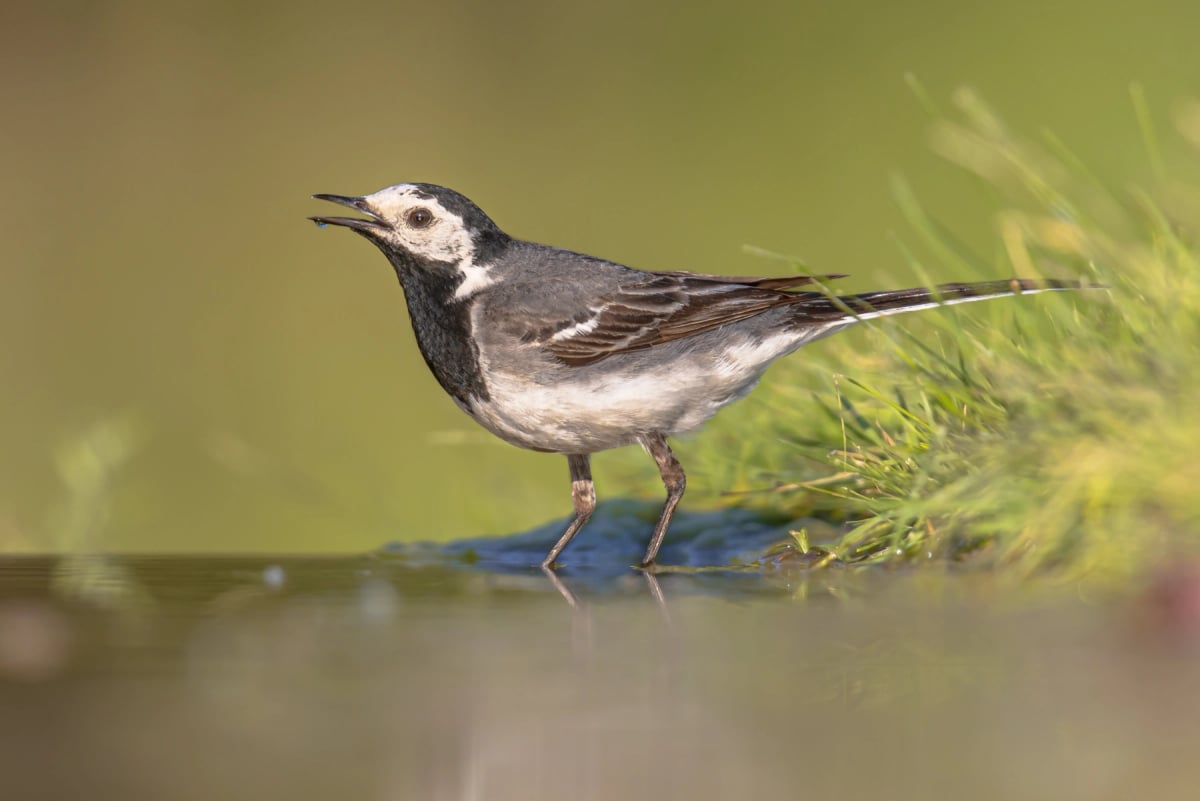
White Wagtail
Motacilla alba
Small black, white and grey bird with a slender tail that bobs up and down as it walks and feeds along the edges of water and open ground.
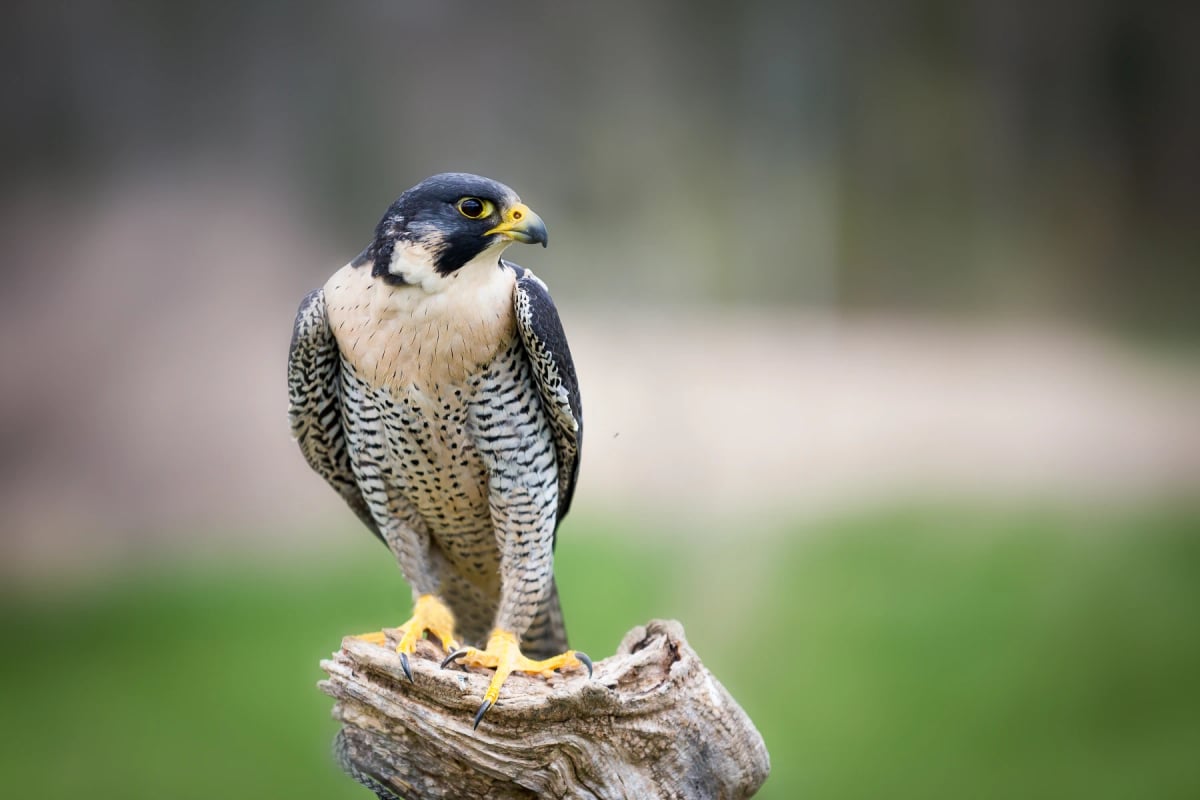
Peregrine Falcon
Falco peregrinus
In Gabon, the peregrine falcon is a non-breeding visitor recorded along the Atlantic coast and over the country's extensive equatorial forests. It passes through during migration, hunting smaller birds over both forested and open areas. The coastal wetlands around the Ogooué River delta offer productive hunting grounds during its stay. Sightings are more frequent between October and March. Its IUCN status is Least Concern.
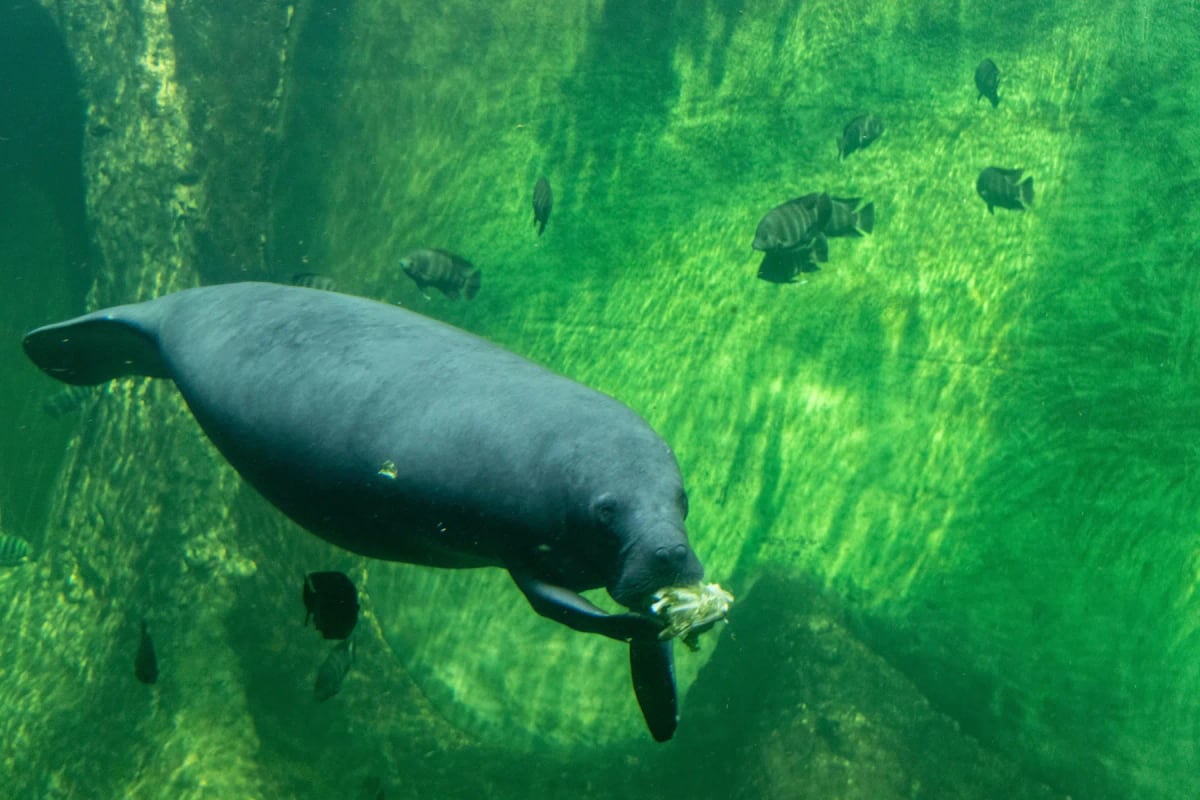
African Manatee
Trichechus senegalensis
Gabon's extensive Atlantic coastline, mangrove systems and large rivers such as the Ogooué make it one of the more important countries for the African manatee within its range. The species inhabits estuaries, tidal rivers and freshwater stretches across much of the country. Gabon's relatively intact forest cover helps preserve water quality and riparian vegetation, though fishing pressure and incidental capture remain concerns.
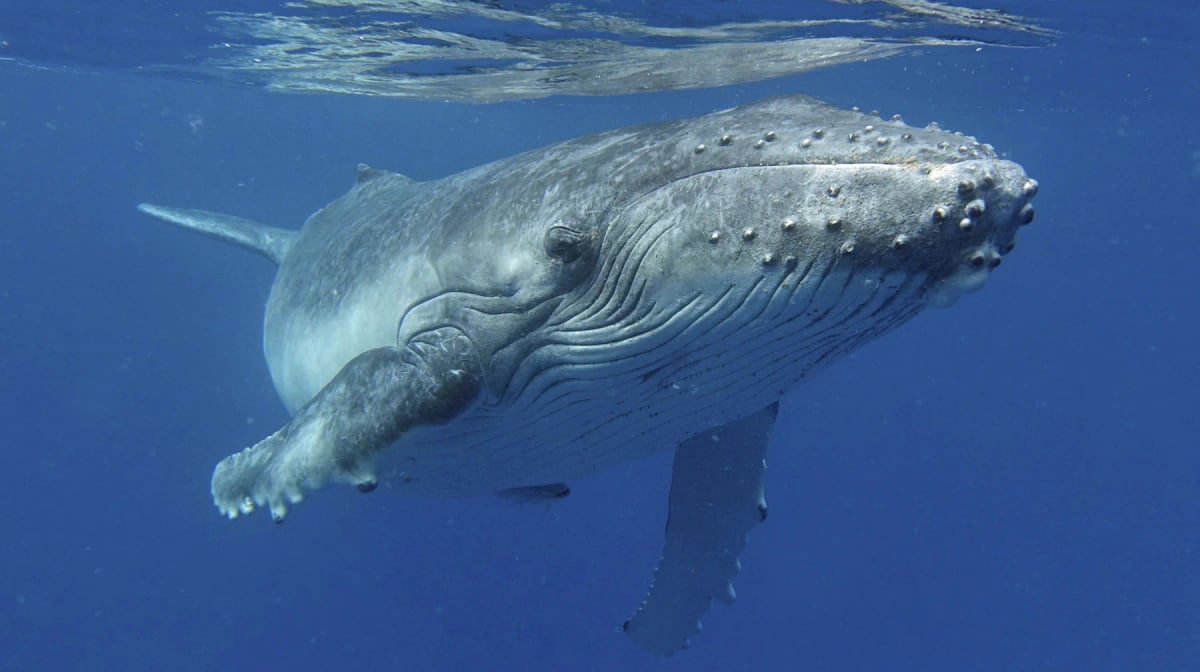
Humpback Whale
Megaptera novaeangliae
Gabon's Atlantic coast and the waters of the Gulf of Guinea are among the most significant humpback whale breeding grounds in the eastern Atlantic. Whales from the Southern Hemisphere travel north each year to calve and mate in these warm equatorial waters. Gabon has made notable efforts to protect its marine environment, including establishing protected areas at sea. The IUCN classifies the humpback whale as Least Concern.
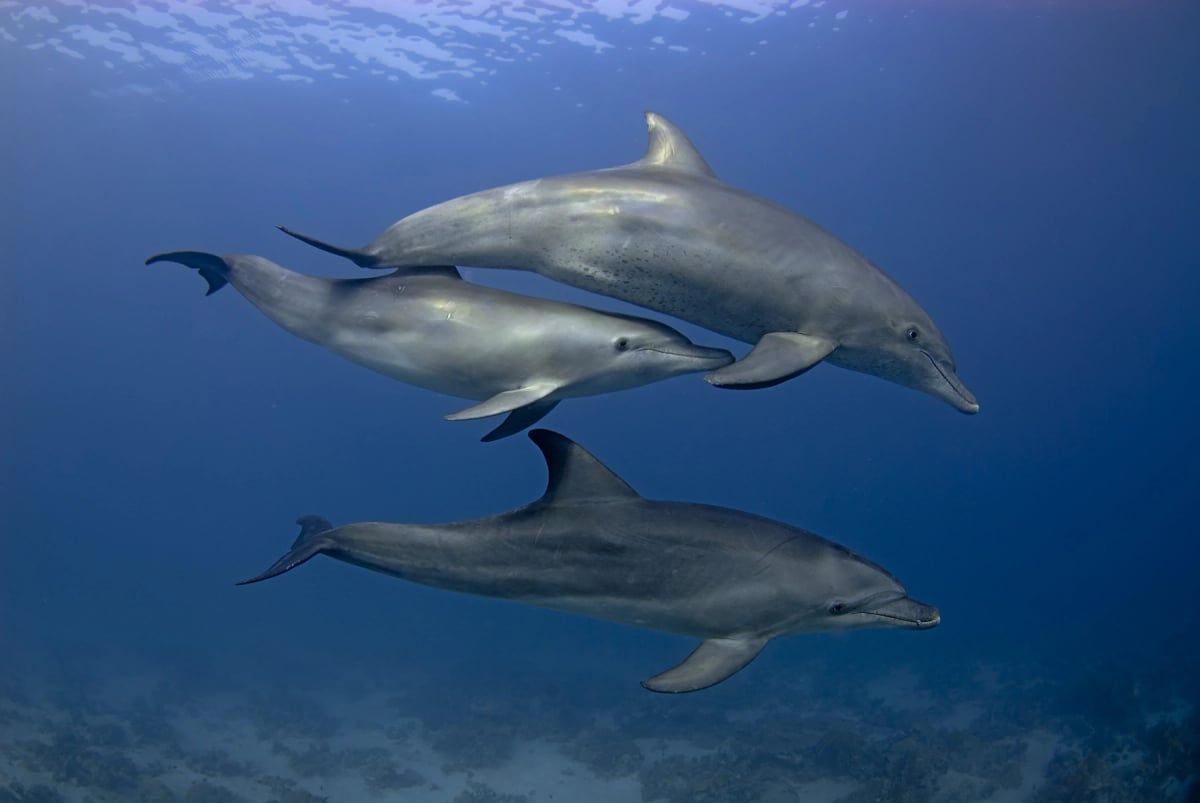
Bottlenose Dolphin
Tursiops truncatus
Bottlenose dolphins are present along Gabon's Atlantic coastline, one of the most ecologically significant marine regions in Central Africa. The waters off Gabon support rich fisheries and a variety of cetacean species. Dolphins are sometimes observed near the Loango National Park coast, where diverse wildlife congregates close to the sea. Gabon has expanded its network of marine protected areas in recent years, benefiting coastal dolphin populations. The IUCN lists the species as Least Concern.
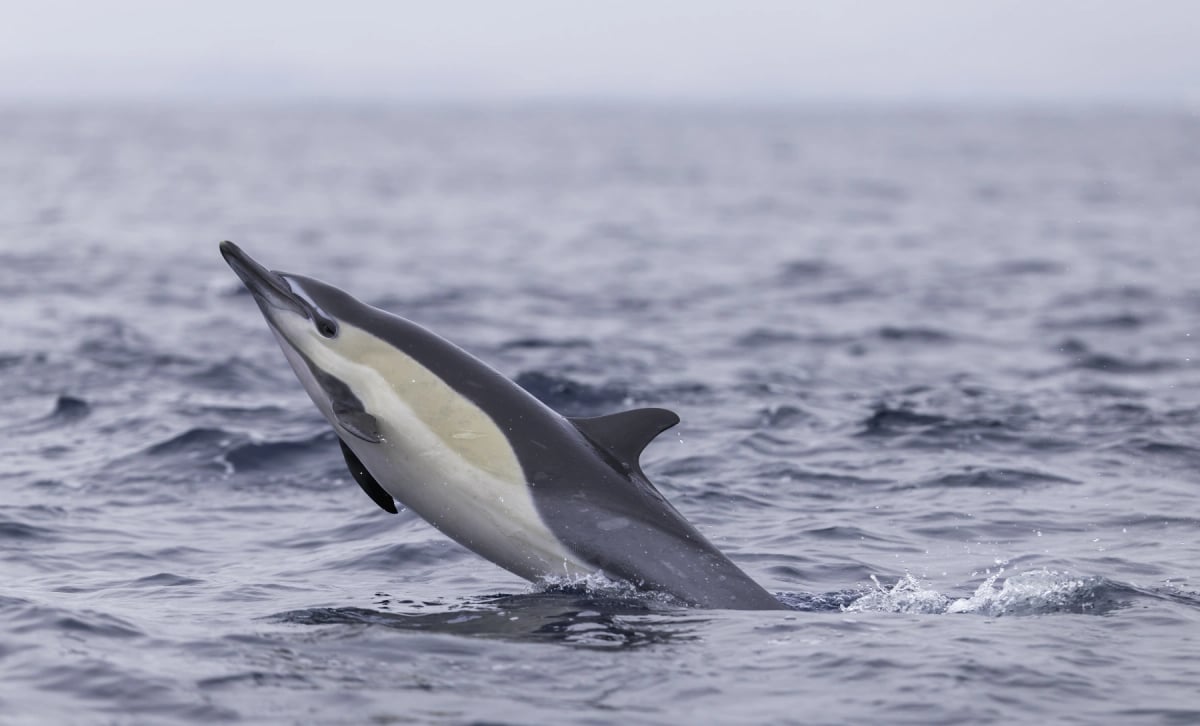
Common Dolphin
Delphinus delphis
Along the Atlantic coast of Gabon, common dolphins inhabit warm tropical waters rich in fish. They are often seen in the open ocean near the Gulf of Guinea, feeding on small schooling fish and squid. Gabon's marine environment, supported by nutrient currents along the central African coast, provides good foraging conditions for this energetic and sociable species. IUCN status: Least Concern.
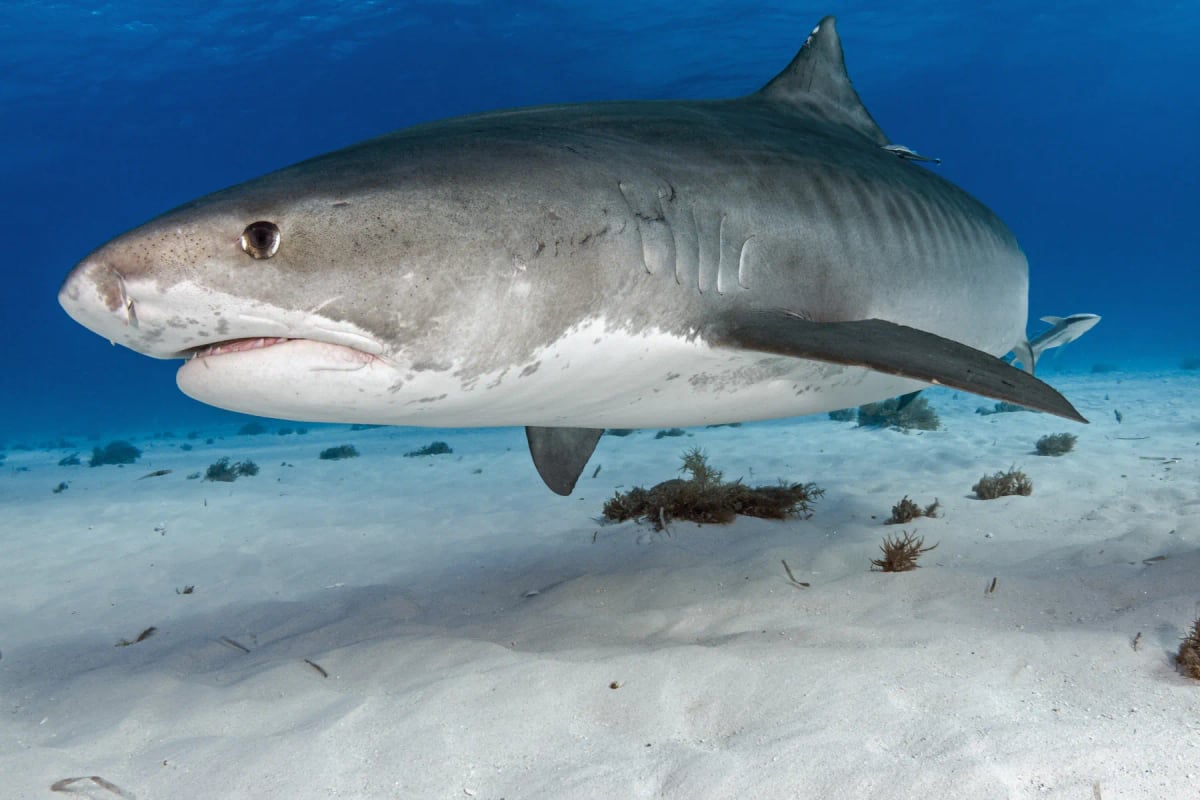
Tiger Shark
Galeocerdo cuvier
Tiger sharks patrol the warm Atlantic waters along Gabon's coastline, an area known for its rich marine biodiversity and relatively intact ocean ecosystems. They are drawn to coastal shallows and river mouths where prey is abundant. Gabon has made significant strides in marine protection, and tiger sharks benefit from these efforts as a species listed Near Threatened by the IUCN due to fishing pressure worldwide.
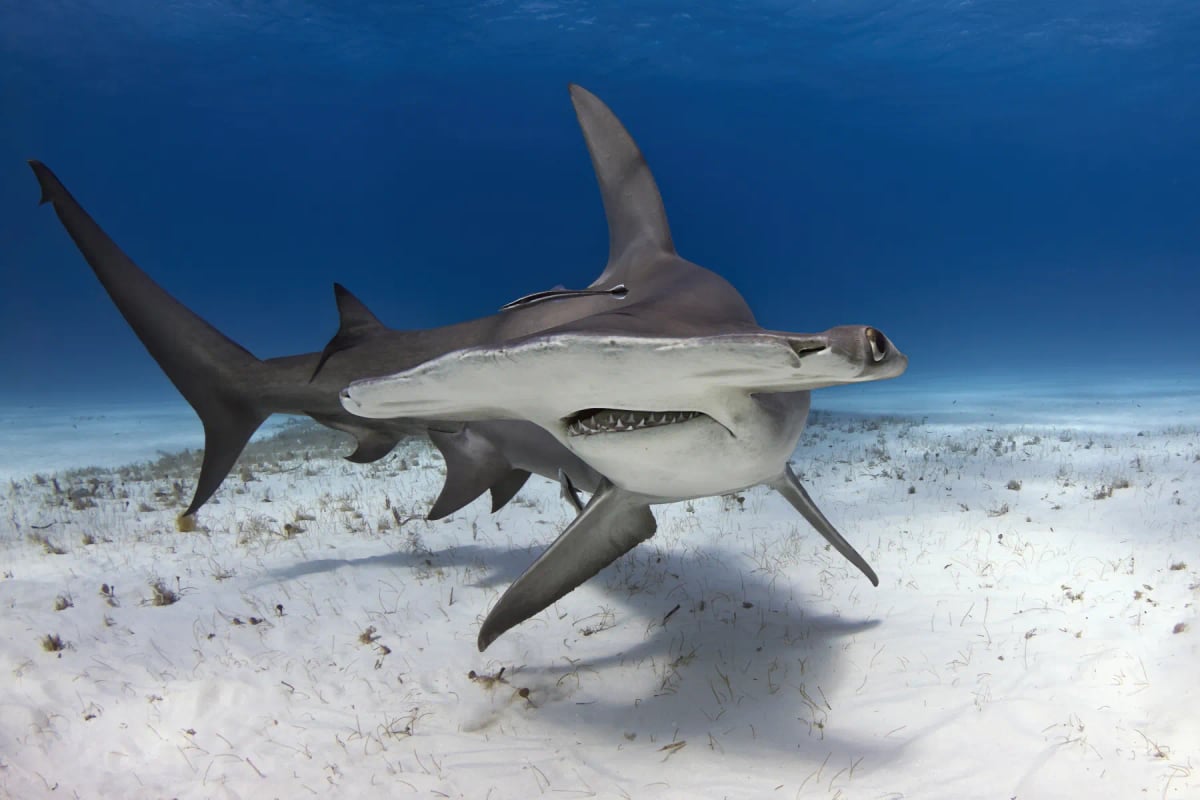
Hammerhead Shark
Sphyrna spp.
Gabon's Atlantic coastline along the Gulf of Guinea is a productive marine environment where Hammerhead Sharks are known to occur. Gabon has shown a strong commitment to ocean conservation, protecting large stretches of its coastal waters as marine parks. These protected areas provide important refuge for Critically Endangered species like the Hammerhead, supporting both the sharks and the broader health of the ecosystem.
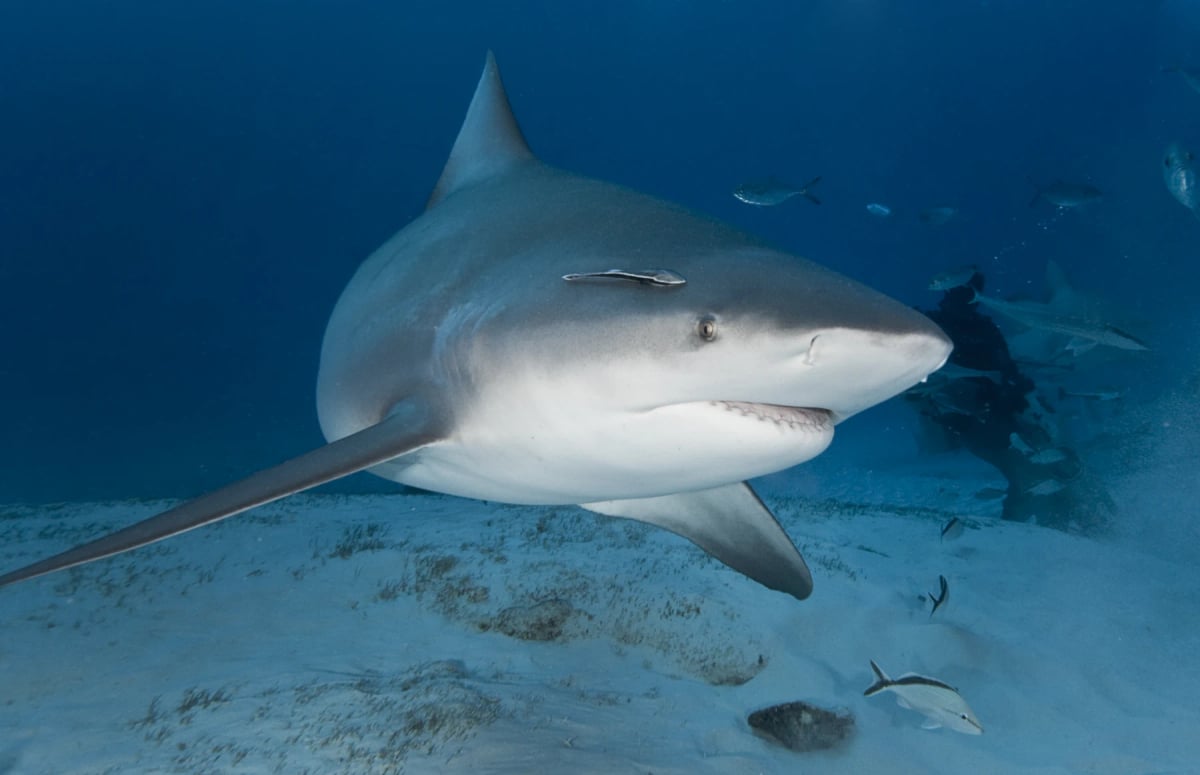
Bull Shark
Carcharhinus leucas
Gabon's coastline along the Gulf of Guinea, together with its network of river systems emptying into the Atlantic, offers productive habitat for bull sharks. The country's relatively intact mangrove estuaries and low levels of coastal industrial development make it one of the better-preserved stretches of the central African coast. Bull sharks here are Near Threatened according to the IUCN, and Gabon's expanding network of marine protected areas may benefit the species over the long term.
Researched and written by Juan Pablo. Sources: IUCN Red List, scientific literature and regional field guides. Last updated: .