Animals in Oman
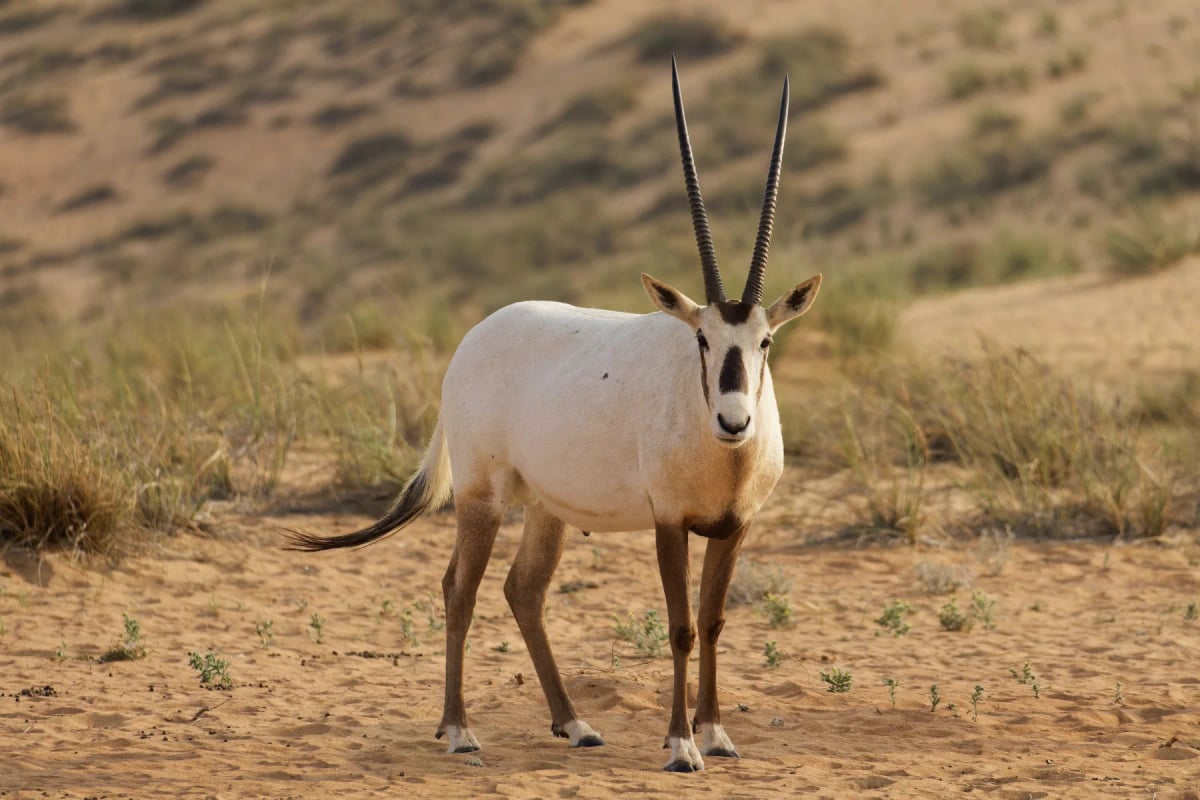
Arabian Oryx
Oryx leucoryx
The Arabian oryx is used as a main animal symbol of Oman and appears in park logos, coins and visitor centres. It lives in open desert plains and fenced reserves where groups are watched and counted. Guided tours and education displays show how this pale antelope returned to the wild and now represents care for dry lands and slow travel across the sand.
View details→Wildlife in Oman
Oman has long desert plains, rocky mountains and warm seas along the Gulf of Oman and the Arabian Sea. Visitors usually meet wildlife on coastal walks, boat trips from small ports and guided drives through sand dunes and dry valleys. On these routes they may see gazelles, foxes, camels, turtles, dolphins and many seabirds while staying near roads and towns.
Most Dangerous Animals in Oman
Danger for visitors in Oman appears mainly in quiet desert zones and offshore waters. Striped hyenas, leopards, wolves and honey badgers are strong carnivores that can react with force if they feel cornered near rocks or scrub. At sea orcas and large sharks such as hammerhead, bull and tiger sharks hunt in deeper water, and most contacts stay brief and distant.
Top 10 Animals in Oman
The top 10 list for Oman highlights leopards, camels, wolves and the peregrine falcon, which fit well with its deserts and high ridges. Leopards and wolves use rough hills and quiet valleys, while camels move across open plains and tourist tracks. The falcon hunts near cliffs and coastal headlands and can be seen from simple viewpoints and short walks.
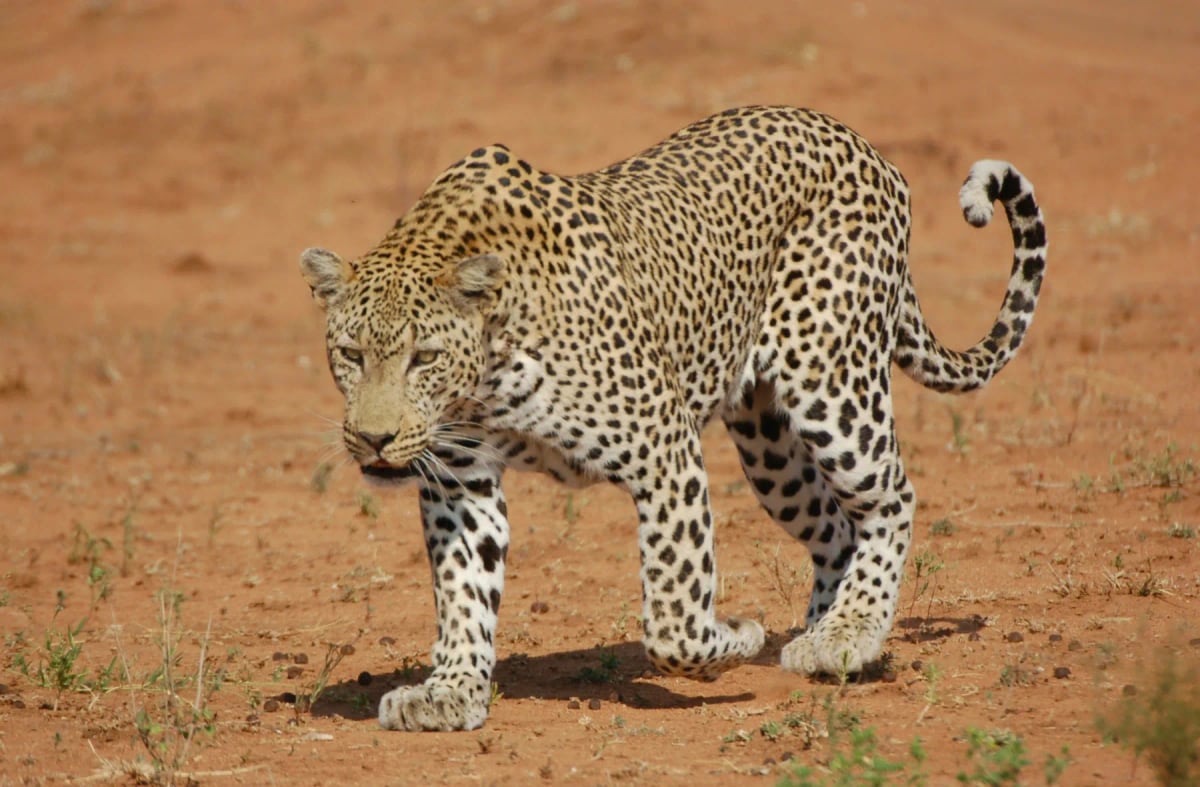
Leopard
Panthera pardus
The Arabian leopard, a subspecies found in Oman, is among the rarest large carnivores in the world. It survives in the rugged Dhofar Mountains in the south of the country, where rocky cliffs and dry woodland provide shelter. Oman has invested in dedicated conservation programs for this subspecies, which is critically endangered. Prey availability and human pressure remain the biggest obstacles to the recovery of this population.
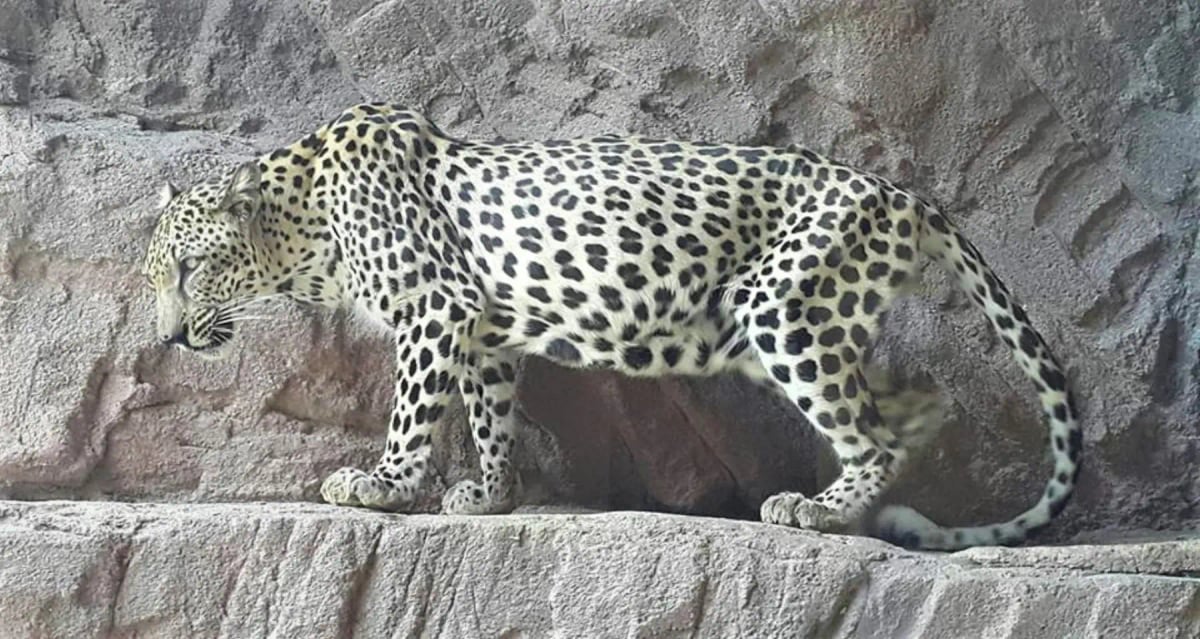
Arabian Leopard
Panthera pardus nimr
Oman holds the most stable known population of Arabian leopards, concentrated in the Dhofar mountains of the south, particularly within Jabal Samhan Nature Reserve. Camera trap surveys have documented individuals across steep limestone escarpments and rocky wadis. Recent records suggest the range is expanding northward into the Nejd region. Oman's active captive breeding program and protected area network make it the strongest base for the subspecies' survival over the long term.
Arabian Oryx
Oryx leucoryx
Oman was the site of the world's first Arabian oryx reintroduction, launched in 1982 in the Jiddat al-Harasis desert. Despite a severe poaching crisis in the late 1990s that reduced the free-ranging population to just 60 individuals, captive breeding programs have sustained and gradually rebuilt numbers. The Arabian Oryx Sanctuary, though reduced in area, continues to provide habitat, and Oman remains one of the two core range countries for the subspecies' recovery.
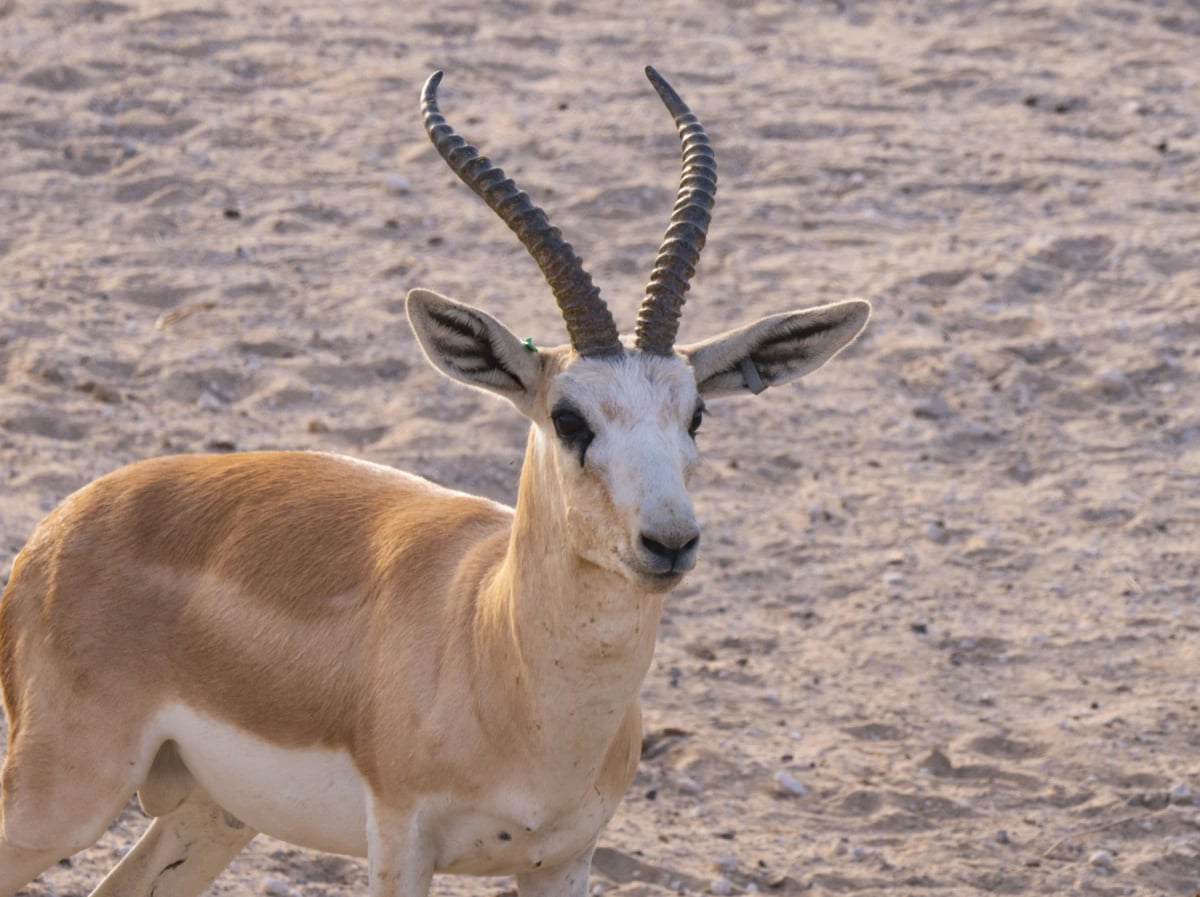
Sand Gazelle
Gazella marica
In Oman, the sand gazelle is found across the gravel plains and sandy expanses of the interior, including areas around the Wahiba Sands and the Jiddat al Harasis plateau. The country has invested in wildlife protection through nature reserves, and the reem benefits from reduced hunting pressure in these zones. Its pale coat blends seamlessly with Oman's sun-bleached desert landscape, and small herds can still be spotted in remote areas.
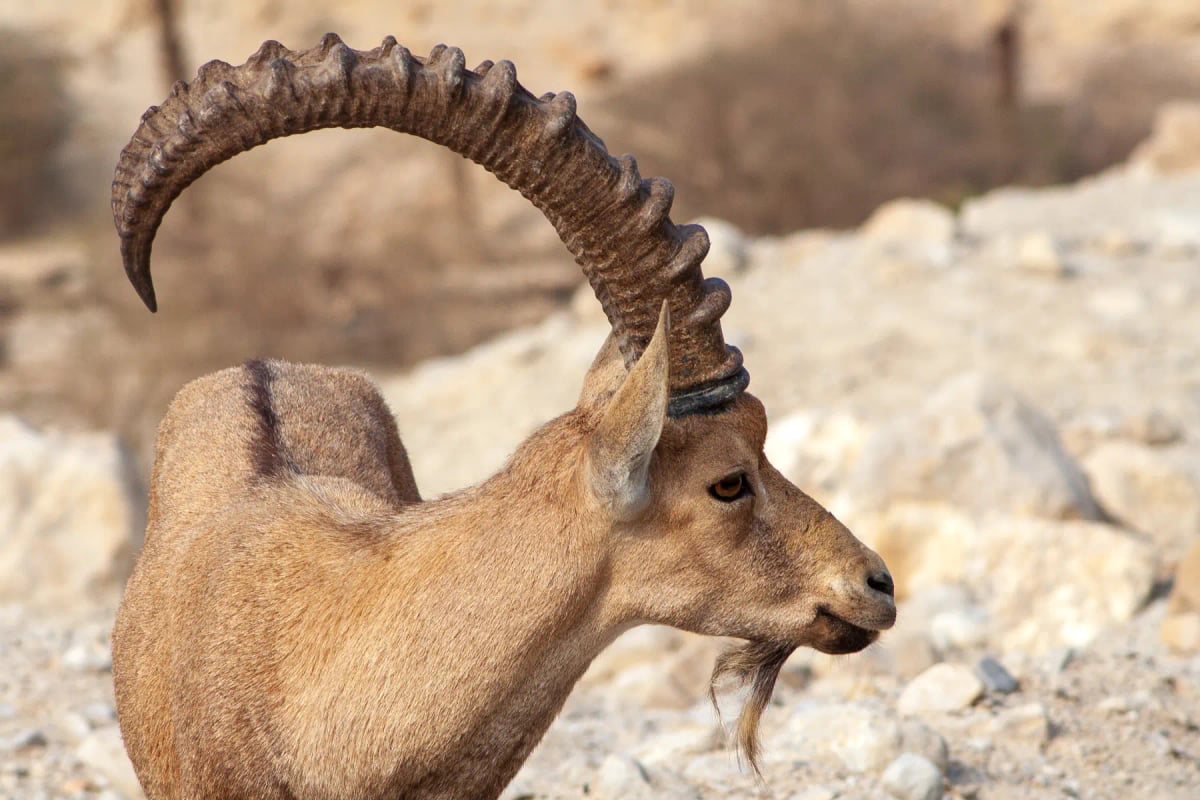
Nubian Ibex
Capra nubiana
In Oman, the Nubian ibex inhabits the dramatic escarpments of the Hajar Mountains, where sheer drops and sparse vegetation define the landscape. The animals are well adapted to the intense heat, using their pale sandy coats to manage body temperature. Small scattered groups survive across these highlands, and the species benefits from relative isolation in some areas. Continued monitoring and habitat protection remain essential for the population over the long term. IUCN status: Vulnerable.
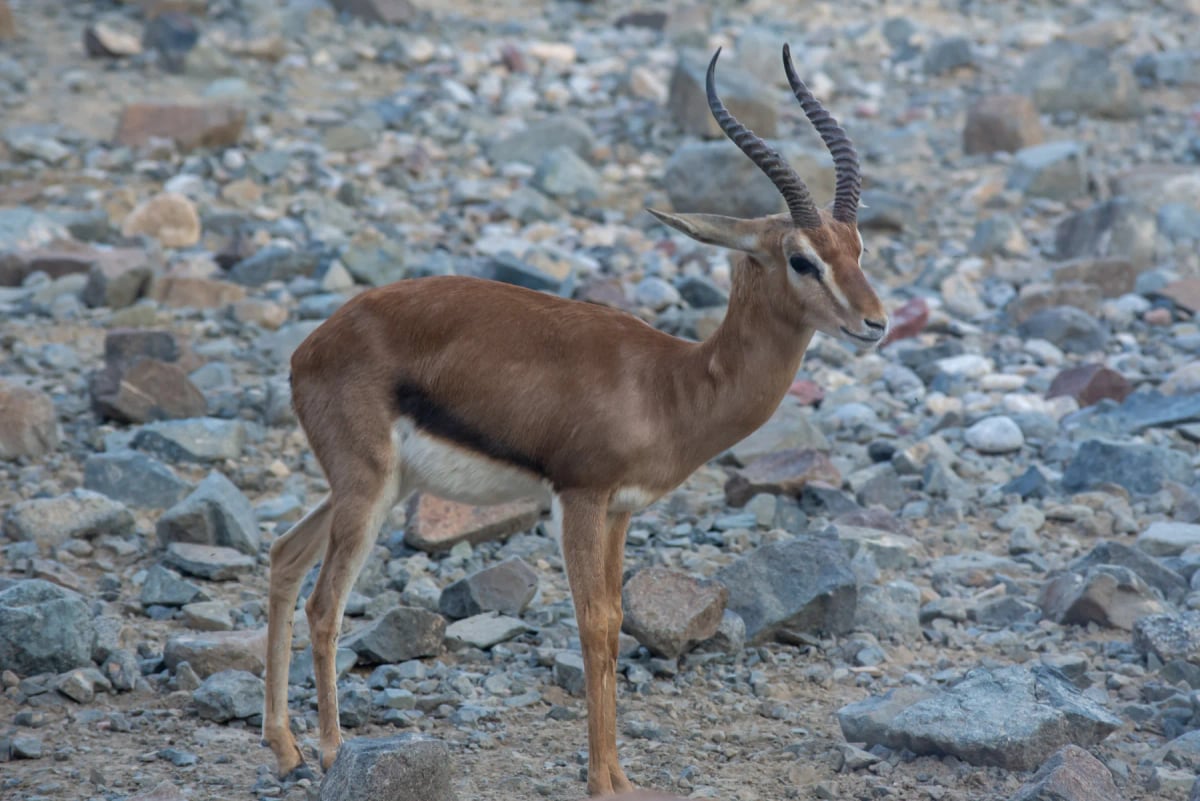
Arabian Gazelle
Gazella arabica
Oman holds one of the largest remaining wild populations of Arabian gazelle, spread across the Hajar mountains in the north, the desert plains of the interior and the Jabal Samhan foothills in the south. Protected areas such as Al Saleel National Park and the Arabian Oryx Sanctuary provide critical refuge. In 2023, a group was confirmed on Masirah Island, extending the known range of the species within the country.
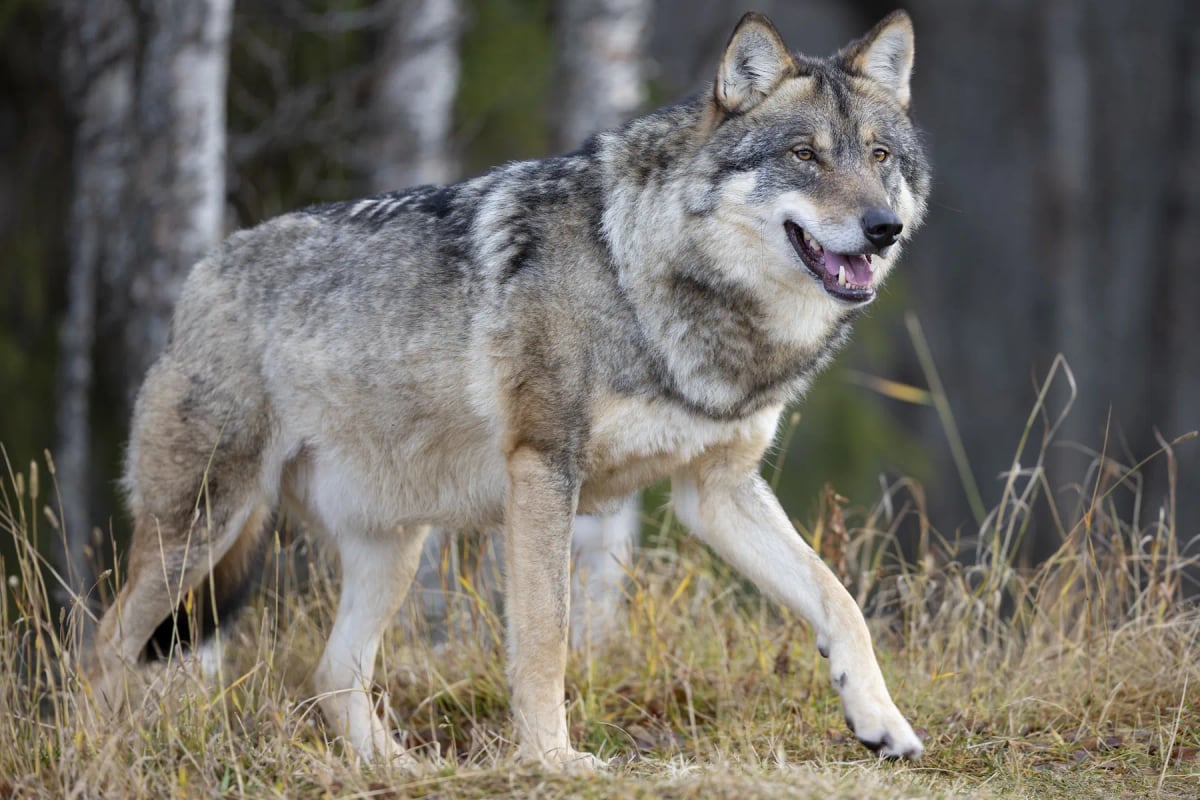
Gray Wolf
Canis lupus
A small and isolated population of gray wolves survives in Oman, primarily in the rugged mountains of Dhofar in the south of the country. These wolves belong to the Arabian wolf subspecies, among the smallest of all gray wolf populations. They live in arid terrain, feeding on small to medium sized prey and occasionally scavenging. Habitat loss and conflict with humans pose serious threats to their survival in this part of the Arabian Peninsula.
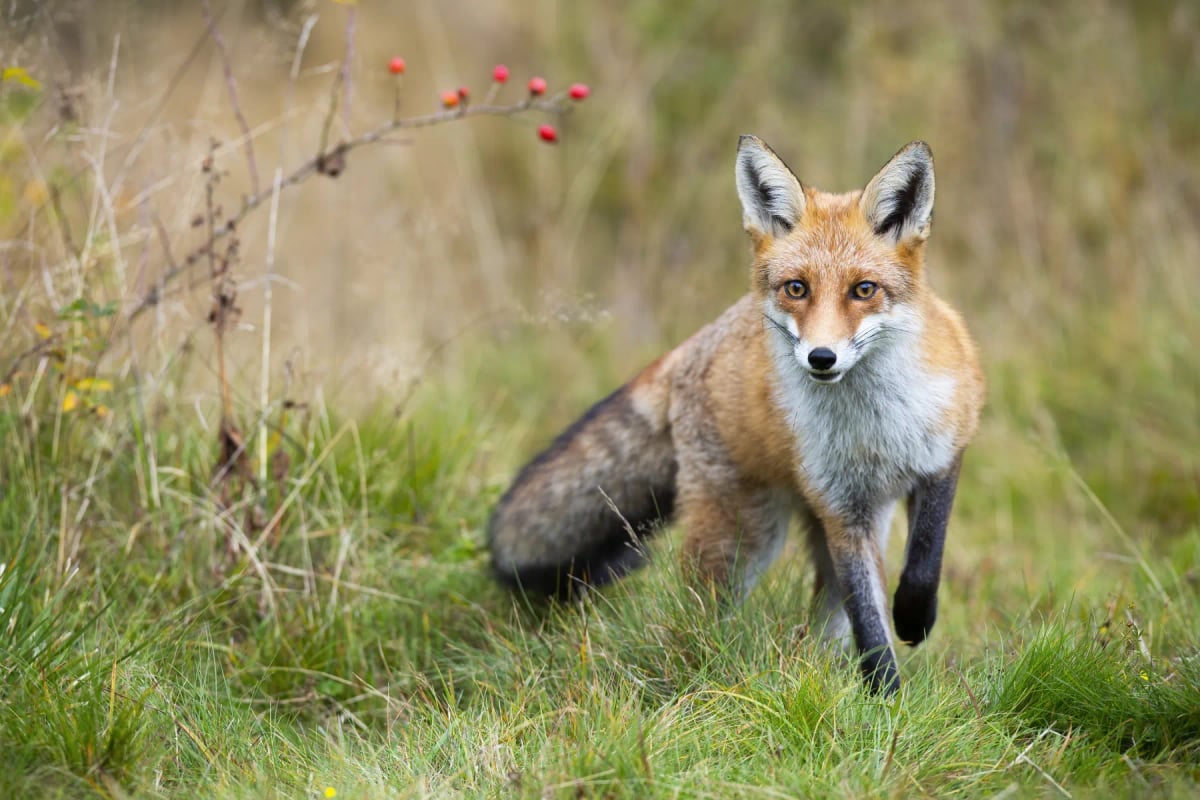
Red Fox
Vulpes vulpes
In Oman, the red fox inhabits arid landscapes including the Al Hajar Mountains and desert margins across the interior. It is most active at night, avoiding the intense daytime heat. An opportunistic feeder, it survives on insects, small mammals, fruit, and scraps near villages. It is well adapted to dry conditions and remains a common sight across the country. Its status is Least Concern.
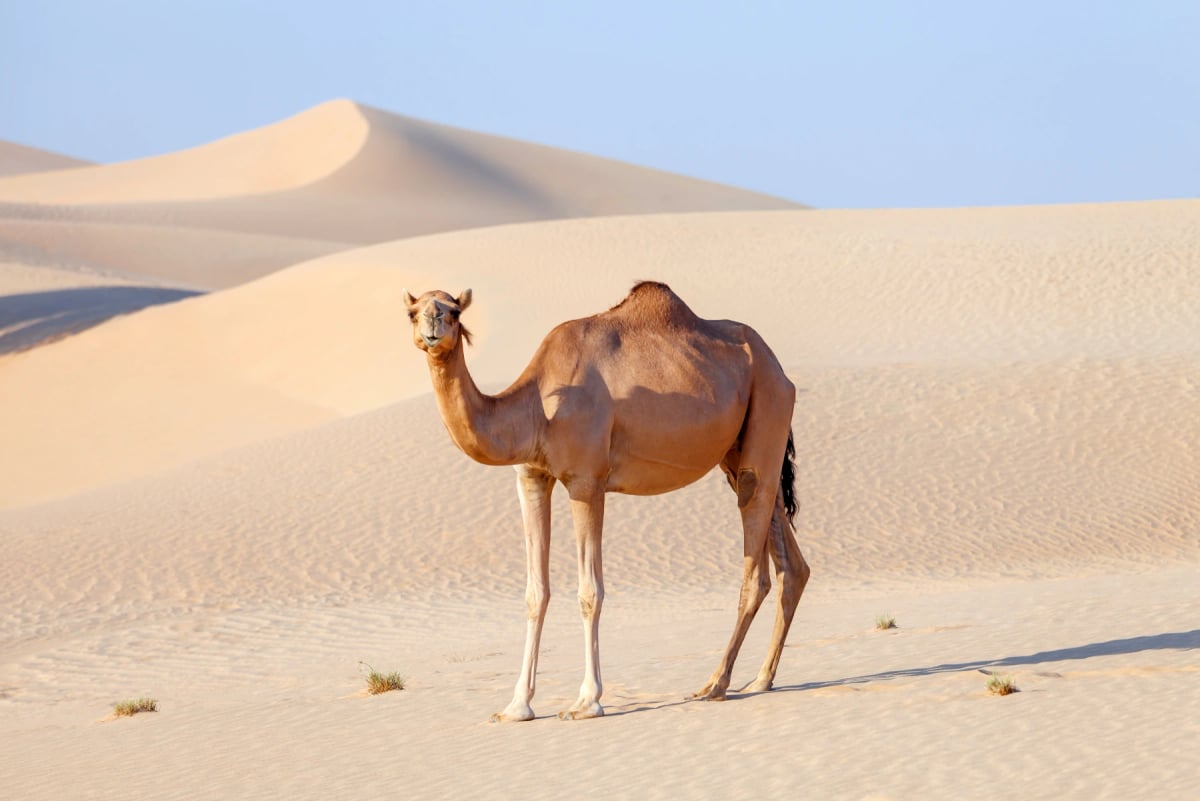
Dromedary Camel
Camelus dromedarius
In Oman, dromedary camels have been bred and traded for centuries across the gravel plains and sandy deserts of the interior, including the vast Rub' al Khali that extends into the south of the country. Omanis have a strong tradition of camel herding, and the animals are valued for racing, milk, and as a cultural symbol. Camel racing remains a popular tradition, especially during national festivals and celebrations.
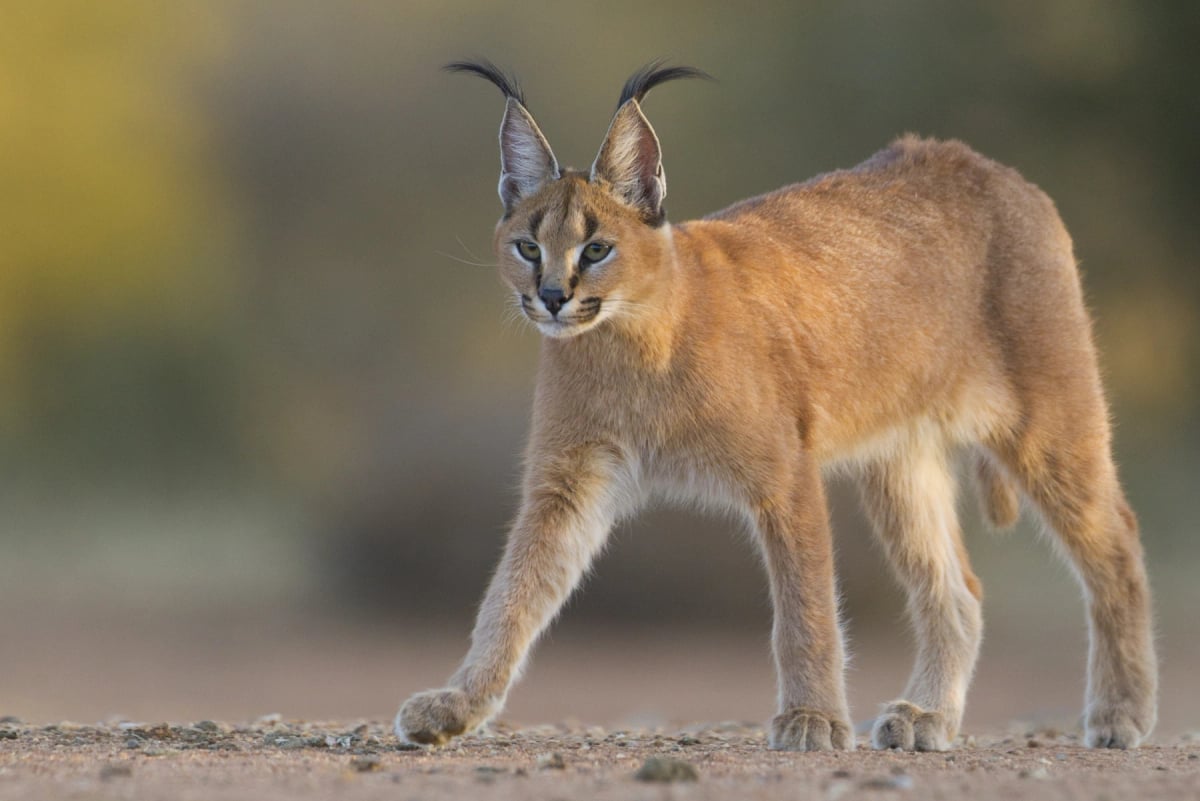
Caracal
Caracal caracal
In Oman, the caracal inhabits rocky wadis, mountain escarpments, and arid foothills, with the Hajar Mountains providing some of the most suitable habitat in the country. It is rarely observed and considered uncommon across the Arabian Peninsula. Prey availability, including hares and birds, can be limited in the harsh desert environment. Habitat disturbance and occasional persecution are key concerns. The IUCN classifies the caracal as Least Concern across its full range.
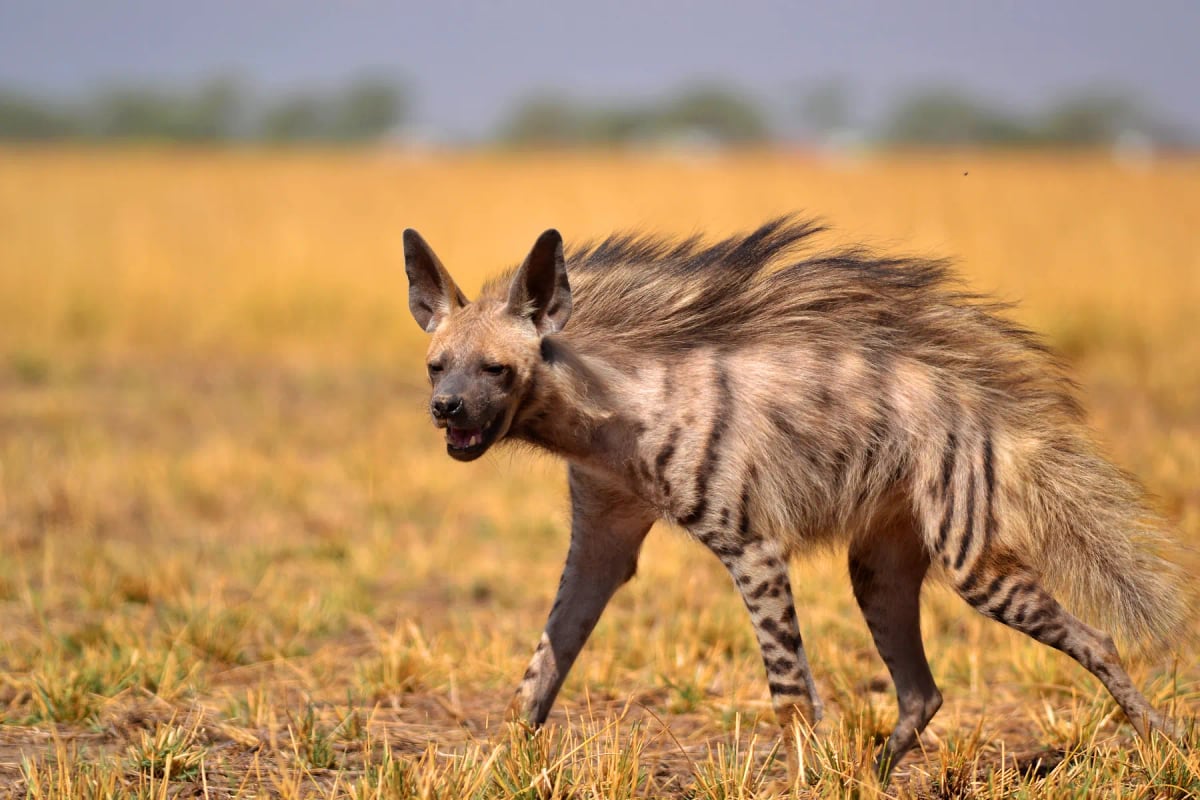
Striped Hyena
Hyaena hyaena
The striped hyena inhabits the rugged wadis and rocky desert terrain of Oman, where it shelters in caves and crevices through the day. It thrives as a scavenger in these sparse landscapes, crushing bones and consuming carrion that other animals ignore. Habitat disturbance and direct persecution remain ongoing concerns. The IUCN lists it as Near Threatened across its range.

Honey Badger
Mellivora capensis
The honey badger occurs in Oman across the rocky mountains of Dhofar and the gravel deserts further north, part of a thin but real presence on the Arabian Peninsula. It survives on small vertebrates and insects in this harsh, arid landscape and rarely encounters people. Records remain limited given the remote terrain it favors, though the IUCN considers the species Least Concern across its broader range.
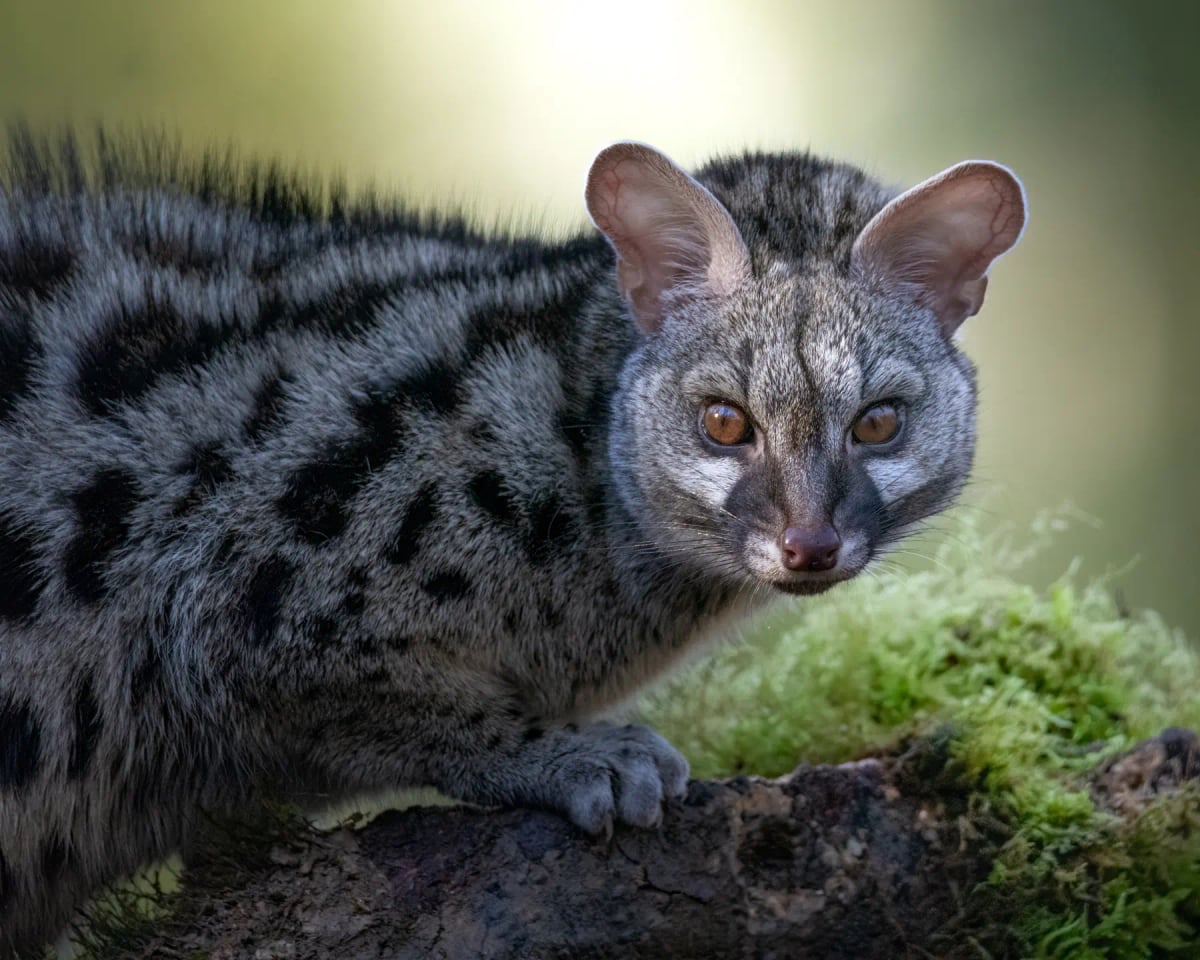
Common Genet
Genetta genetta
The common genet has been recorded in Oman, where it occupies rocky terrain and dry wadis, particularly in the Dhofar region in the south. This mountainous area receives monsoon rains that support denser vegetation, making it more suitable for the genet than the open desert interiors. It is nocturnal and feeds on small prey including rodents, birds, and insects. IUCN status: Least Concern.
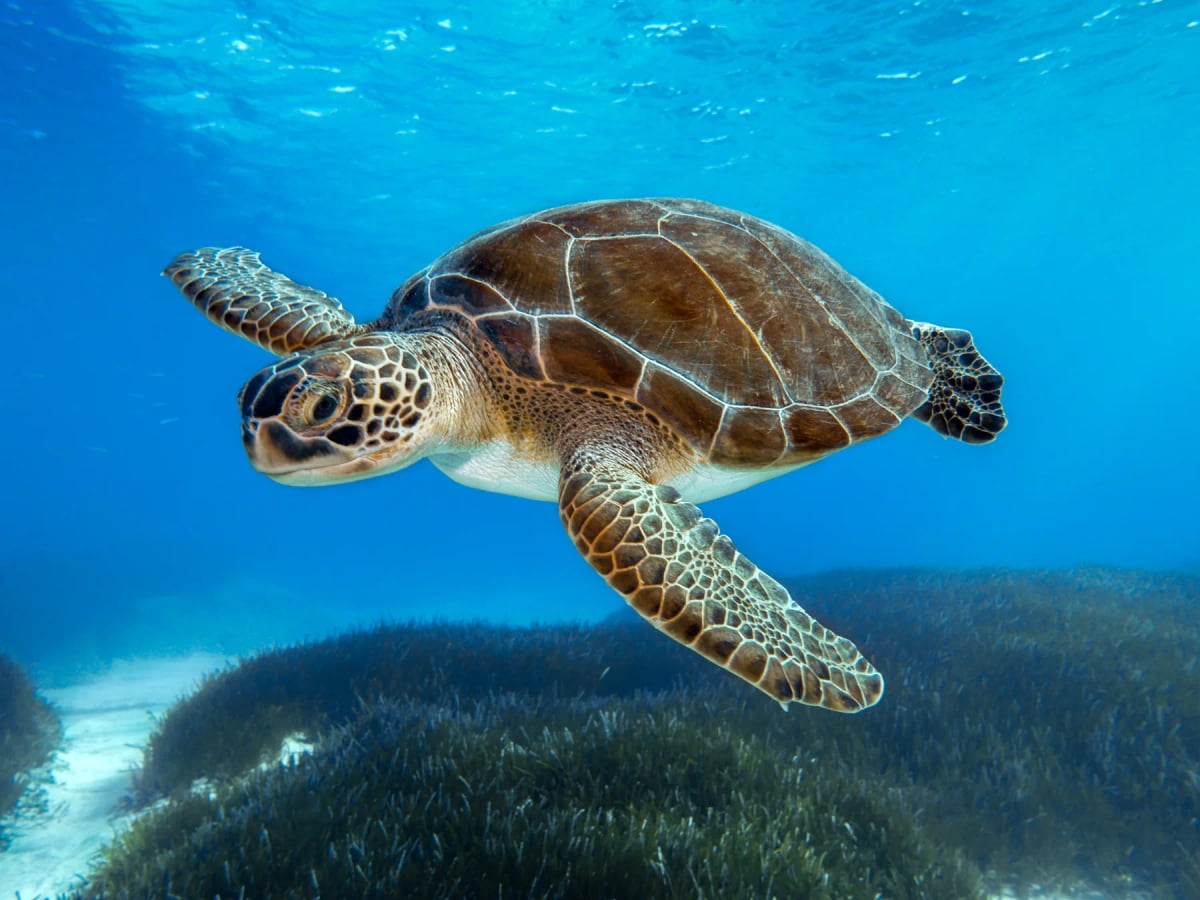
Sea Turtle
Cheloniidae & Dermochelyidae (families)
Oman holds one of the most important sea turtle nesting sites in the Indian Ocean. Ras Al Jinz on the eastern tip of the Arabian Peninsula is one of the largest green turtle nesting beaches in the world, where hundreds of females come ashore every night during the peak season. Loggerhead turtles also nest in significant numbers on Masirah Island, which holds one of the largest loggerhead populations outside the Atlantic. Both sites are protected and monitored, and Oman has developed dedicated turtle conservation programs and visitor facilities.
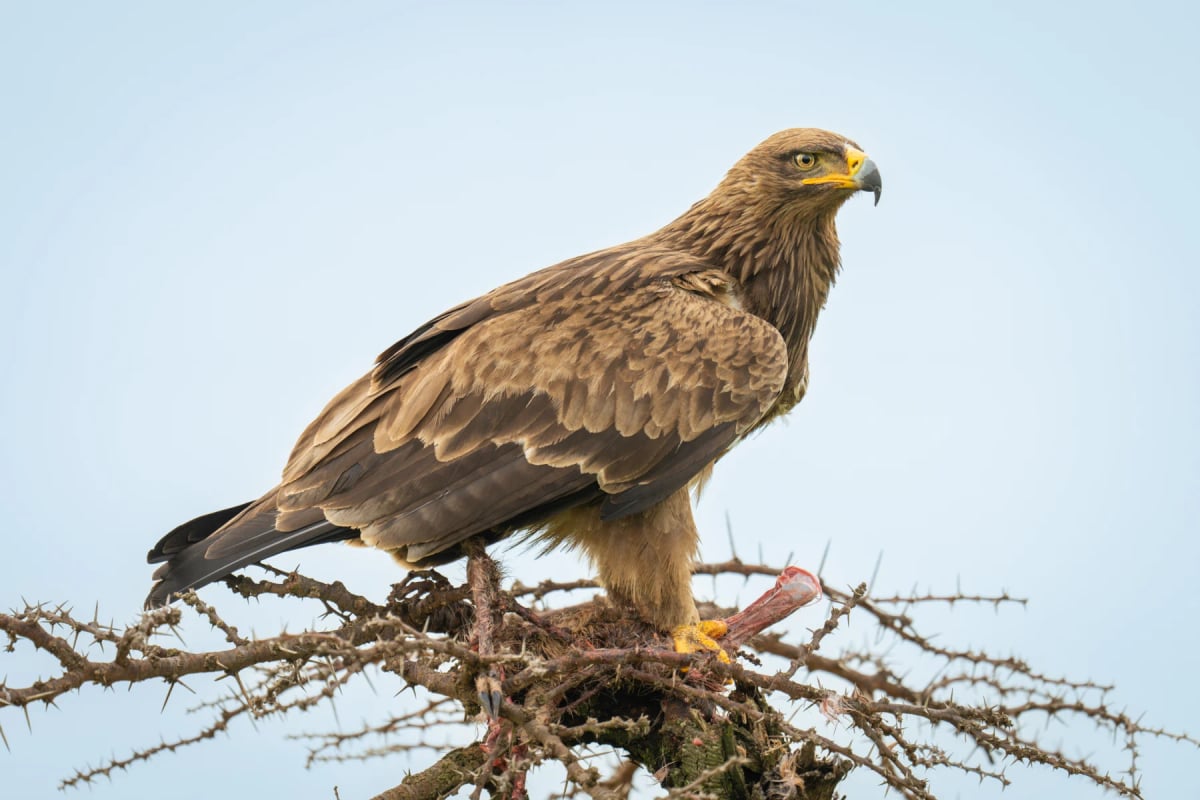
Steppe Eagle
Aquila nipalensis
Oman serves as both a migratory stopover and a wintering area for some Steppe Eagles traveling south from Central Asia. The open landscapes of the interior and the coastal plains provide suitable foraging habitat, where these large raptors search for carrion and small prey. Classified as Endangered by the IUCN, the species faces pressure from electrocution on power lines and poisoning, threats that affect birds throughout the Arabian Peninsula.
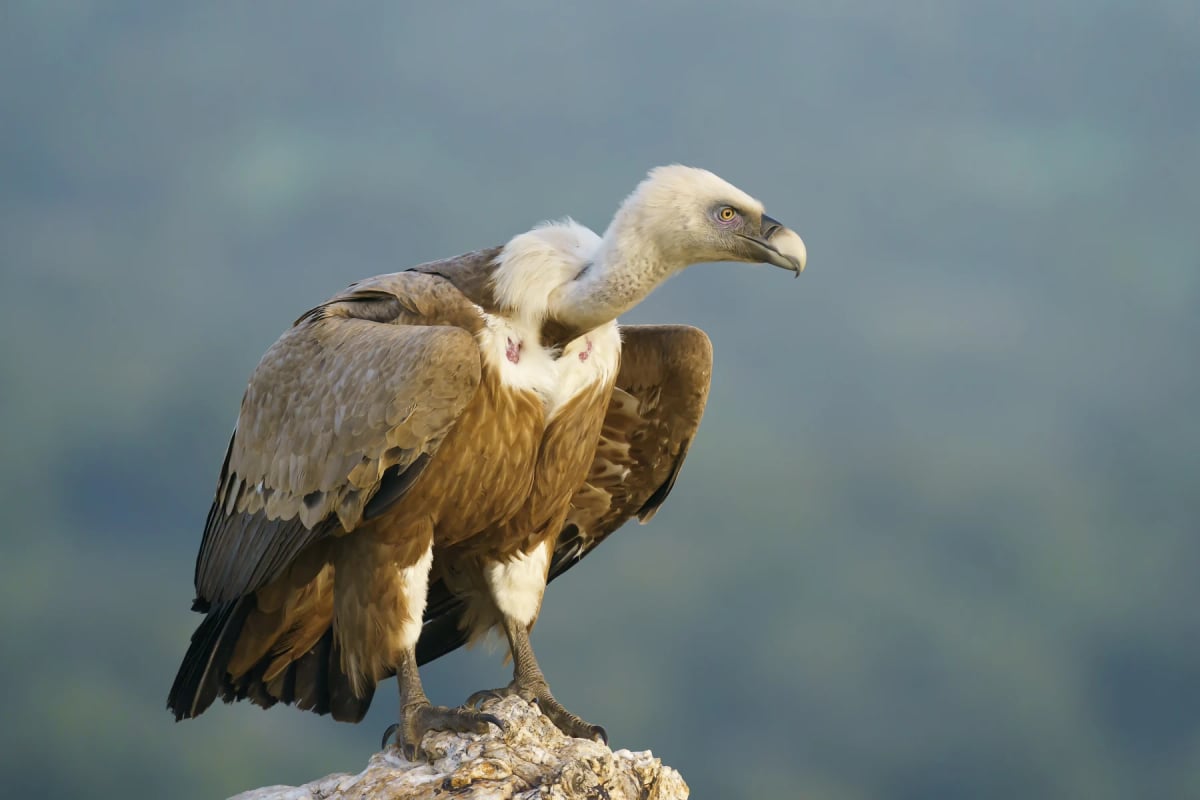
Griffon Vulture
Gyps fulvus
In Oman, griffon vultures have been recorded in the Hajar Mountains of the north and in the rugged terrain of Dhofar in the south. These regions offer the steep cliff faces this species needs for nesting in colonies. The birds soar over both coastal and inland areas, feeding on the carcasses of livestock and wild animals. Oman's varied landscape supports a range of wildlife, with the griffon vulture among its most impressive residents. IUCN status: Least Concern.
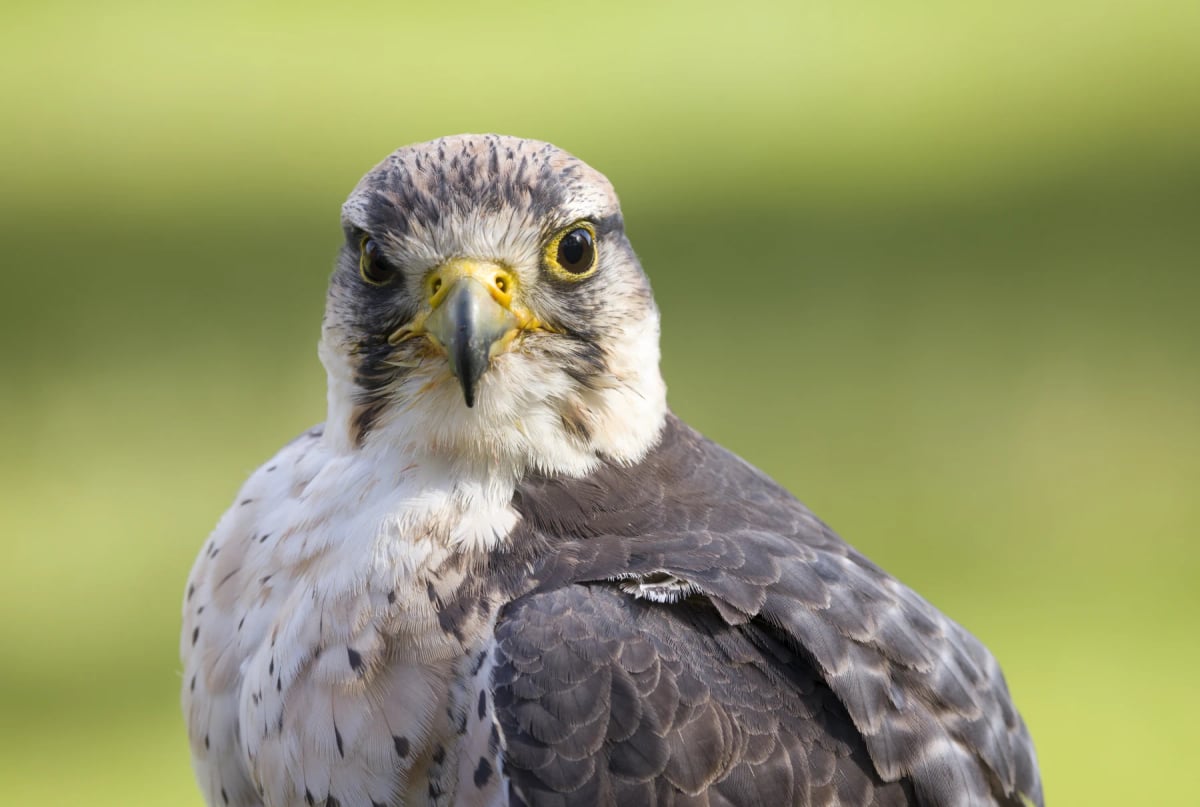
Lanner Falcon
Falco biarmicus
The lanner falcon visits Oman outside the breeding season, spending the cooler months in the mountainous interior, including the Hajar range, and across open desert terrain, where it hunts birds in open country. It does not breed in the country. Falconry has deep cultural roots in Oman, and the species has historically been prized in that tradition. The IUCN lists it as Least Concern, though illegal capture remains a concern in Arabia.
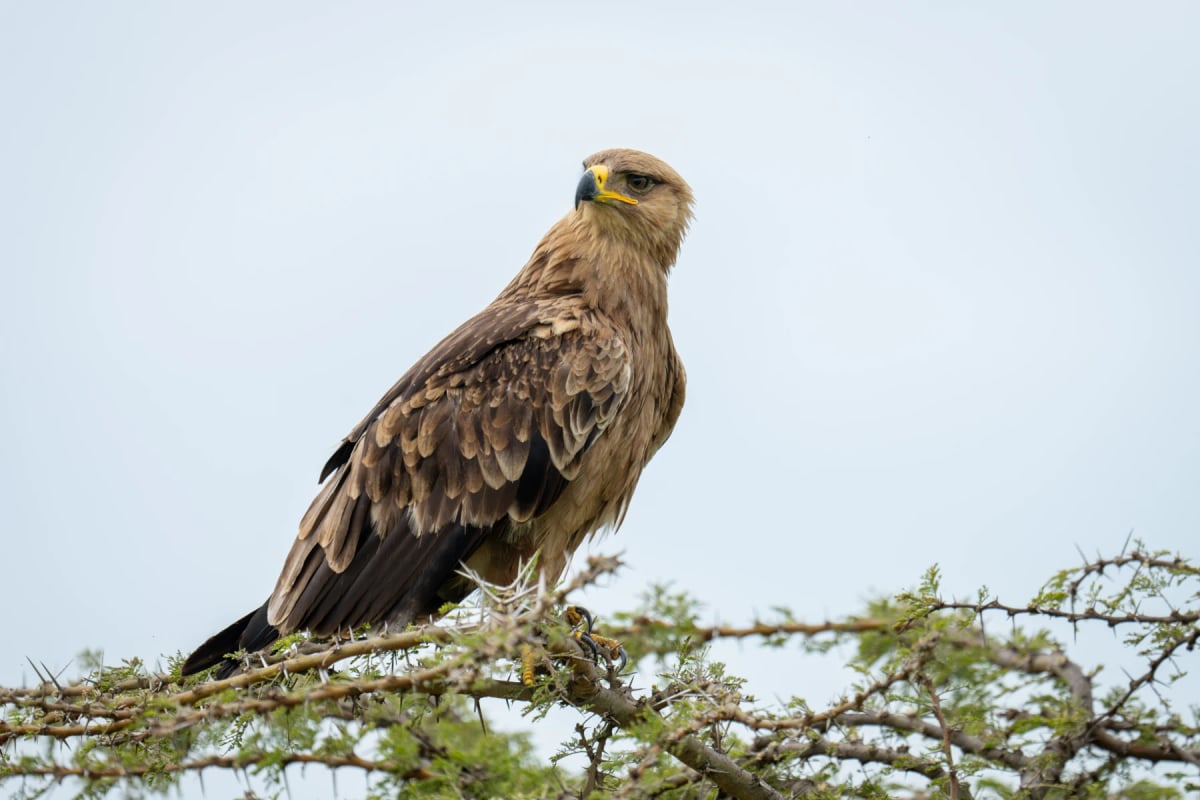
Tawny Eagle
Aquila rapax
The tawny eagle occurs in Oman across arid plains and open desert landscapes, particularly in interior regions away from the coast. It is a broad winged, powerful raptor that soars on warm air currents while scanning for prey below. It feeds on small animals and carrion alike. Declines across the Arabian Peninsula linked to habitat disturbance and poisoning have led the IUCN to list this eagle as Vulnerable.
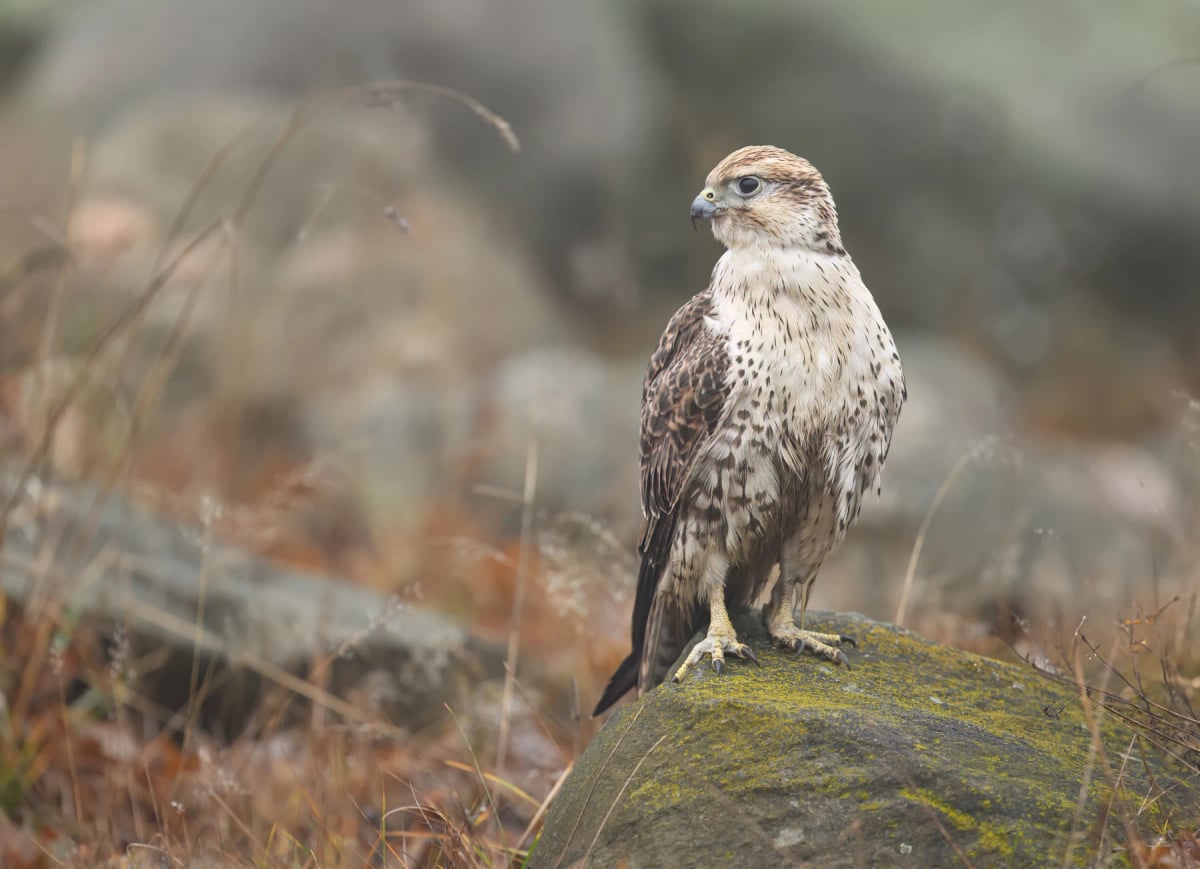
Saker Falcon
Falco cherrug
Oman lies within the wintering range of the saker falcon, with birds arriving from Central Asia and Eastern Europe during the cooler months. The open desert plains and semi-arid landscapes of the interior provide hunting opportunities, particularly for birds and small mammals. Oman has a deep cultural connection to falconry, and the saker is among the species historically prized in the region. Responsible falconry practices and conservation awareness are increasingly promoted here. The IUCN lists this species as Endangered.
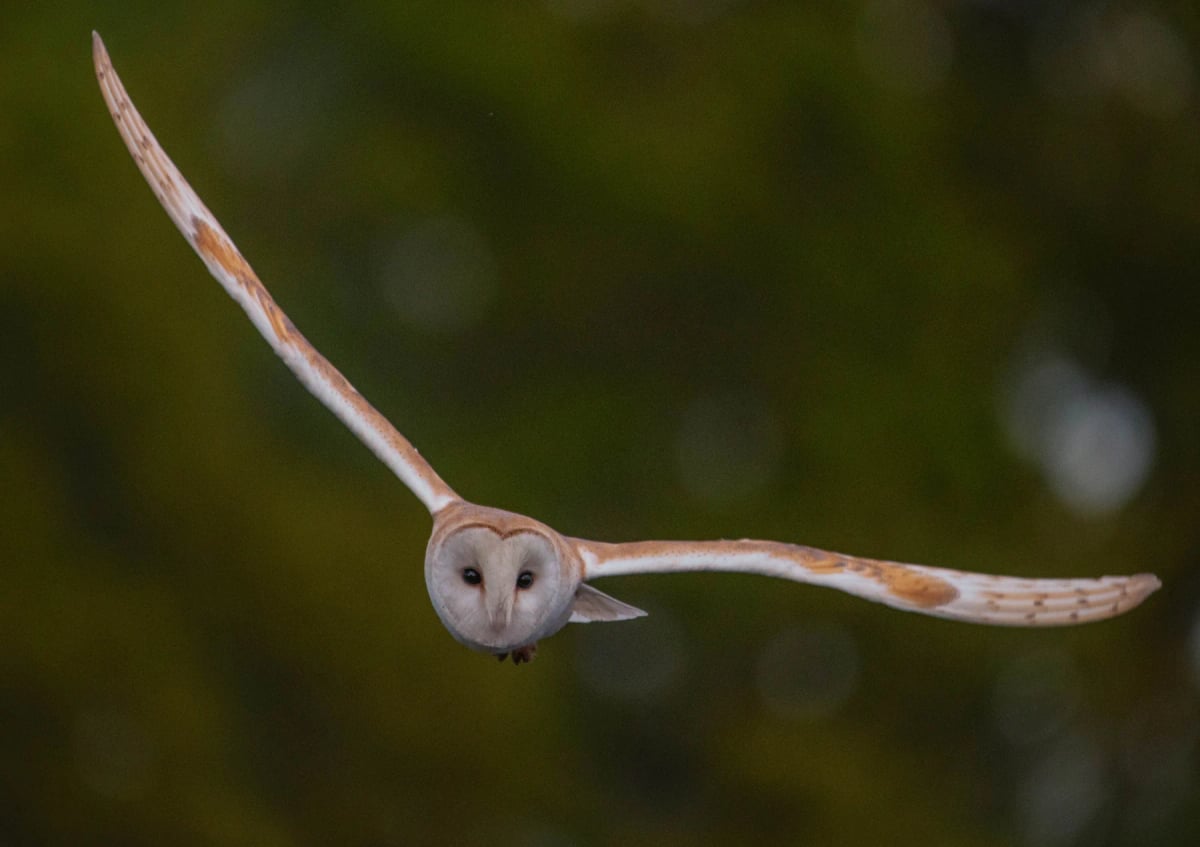
Barn Owl
Tyto alba
The barn owl is found in Oman in open farmland, date palm gardens, wadis, and rocky desert fringes, particularly in the Batinah coast, the Hajar Mountains foothills, and the Dhofar region in the south. It nests in old buildings, cliff faces, and palm groves, and hunts rodents and other small prey at night. Its ability to survive in arid environments makes it well suited to Oman's diverse landscape. It is more commonly encountered near irrigated agricultural areas and human settlements than in the open desert interior.
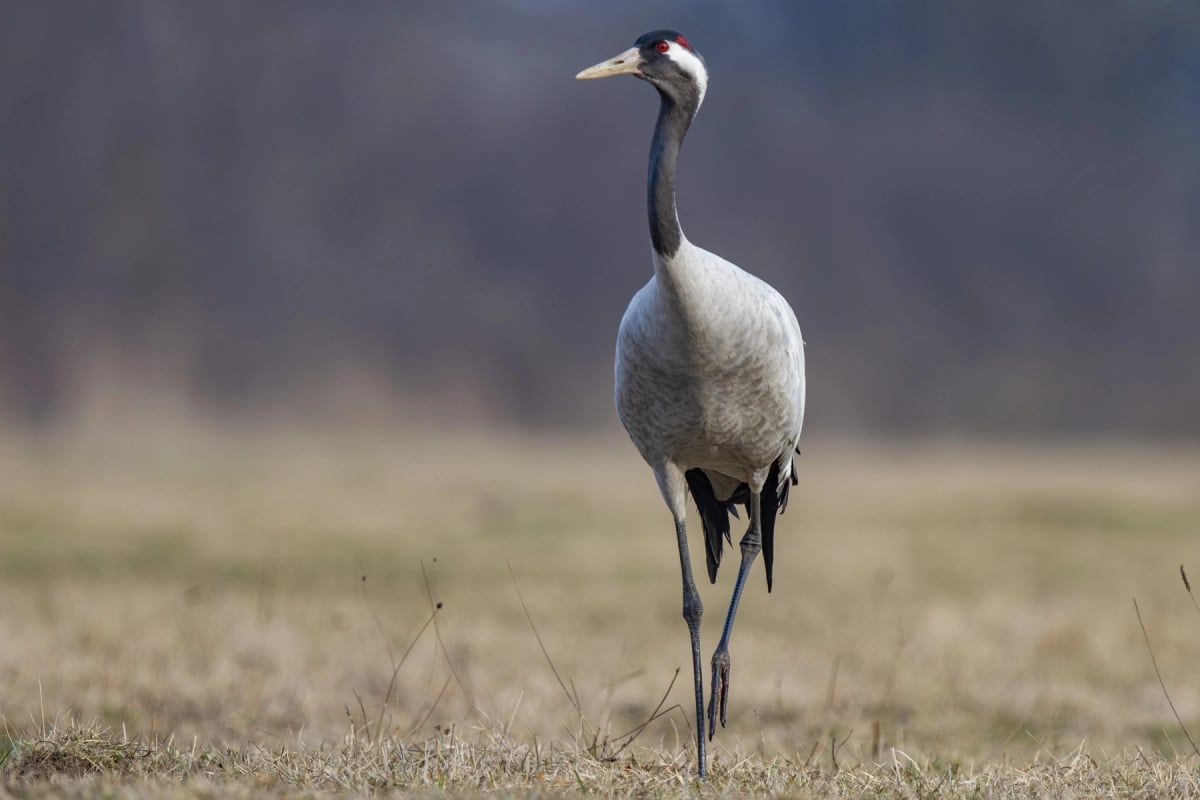
Crane
Grus grus
In Oman the common crane is an uncommon winter visitor and migrant at the southern end of the eastern flyway. Small groups arrive from Central Asia and Iran in late autumn and are most often seen on irrigated farmland, lagoons and pivot fields, especially in Dhofar in the south and on the Batinah coast. They stay until early spring before heading north again to their breeding grounds. IUCN status: Least Concern.
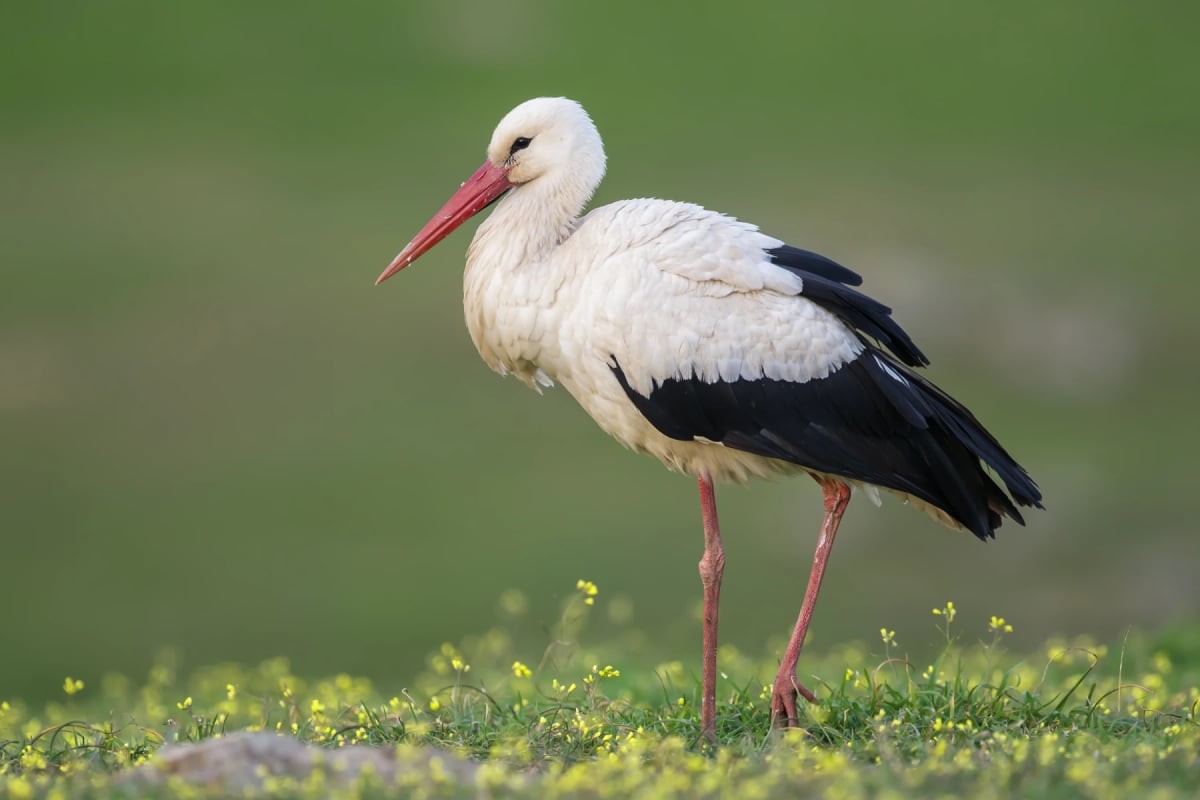
Stork
Ciconia ciconia
The white stork passes through Oman as a passage migrant, mainly recorded along the northern coastal plains and in the Dhofar region during autumn and spring movements. It does not breed in the country. Wetlands, wadis, and irrigated farmland offer temporary feeding opportunities for birds moving between breeding grounds in the west and their wintering areas in Africa. Sightings are irregular but well documented by local observers.
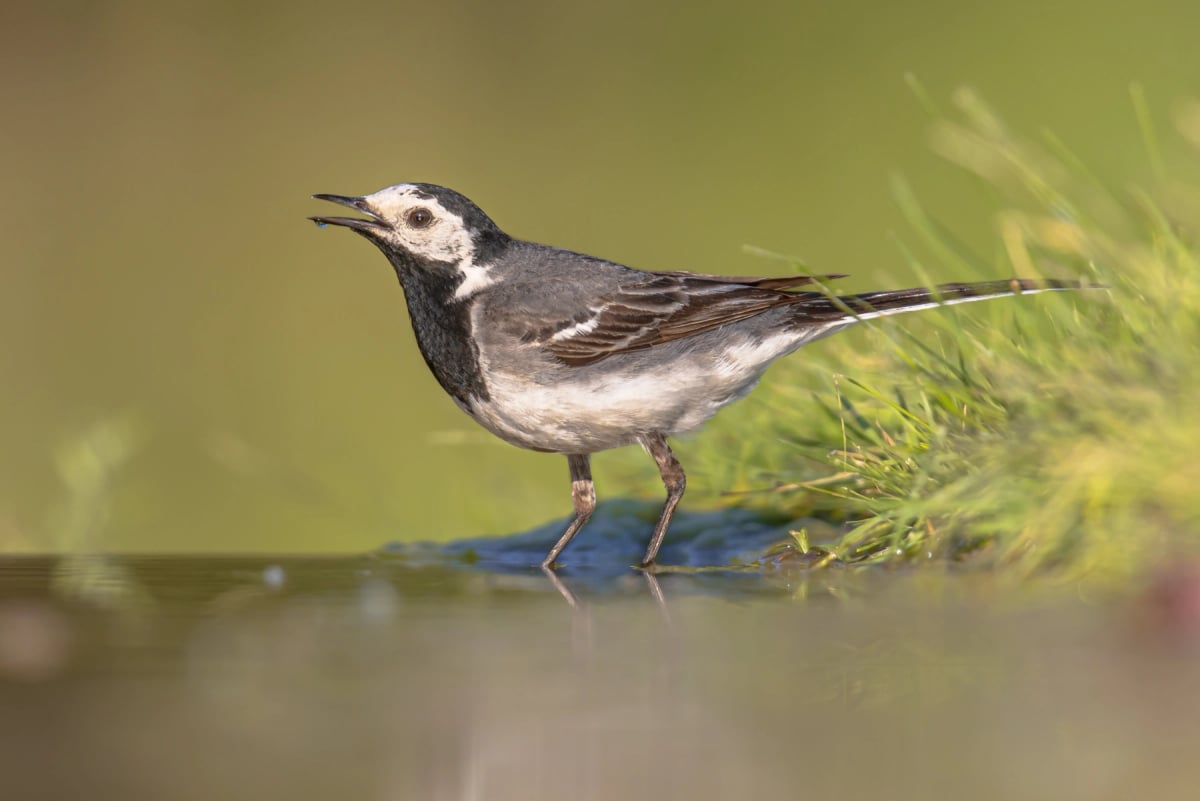
White Wagtail
Motacilla alba
Oman receives white wagtails as winter visitors and passage migrants, with birds moving through on their way between breeding grounds and African wintering areas. They appear in a range of open habitats, from coastal mudflats and wadis to gardens and agricultural land in the interior. The Batinah coast and the Muscat region are reliable spots to find them. A small number of birds may also be seen along Omani coasts during spring migration. IUCN status: Least Concern.
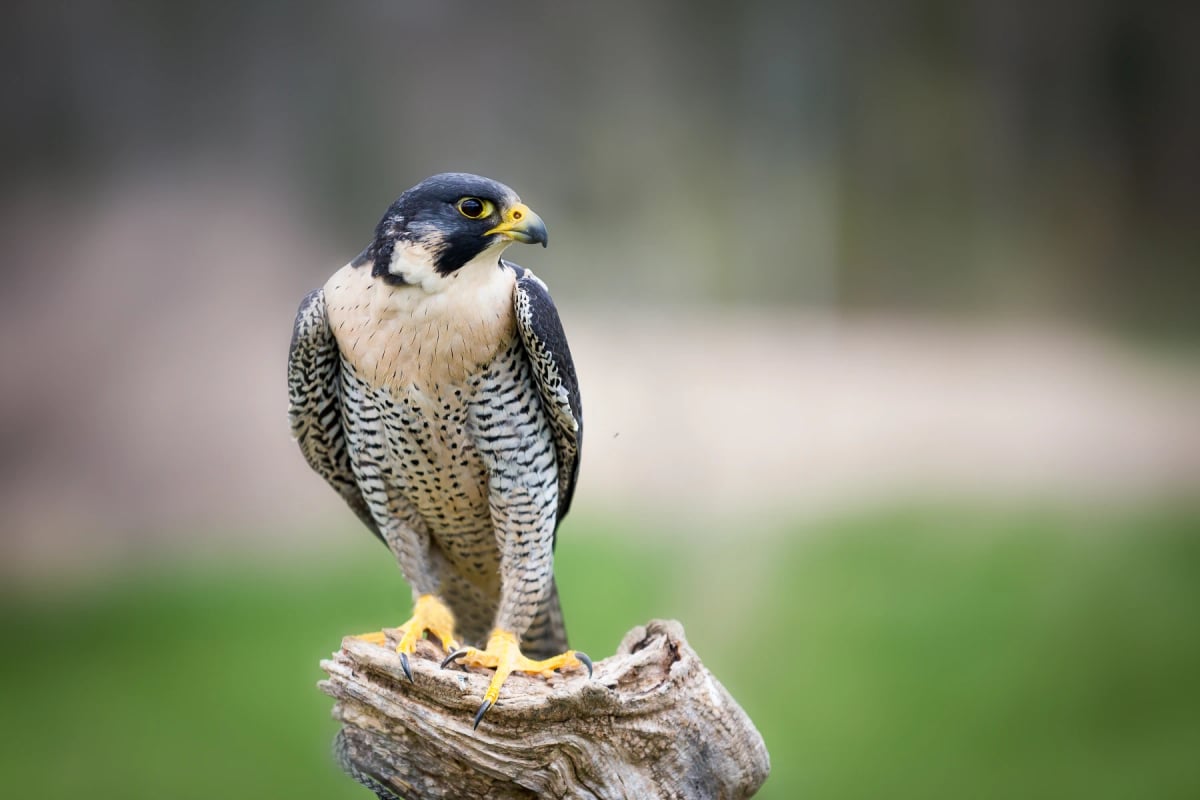
Peregrine Falcon
Falco peregrinus
The peregrine falcon passes through Oman during migration, taking advantage of the country's coastline and rocky wadis as stopover points. Some individuals winter along the Arabian Sea shore and around Muscat. Oman sits on an important flyway connecting breeding grounds in Central Asia to wintering areas further south. Birders regularly spot peregrines hunting waders and shorebirds along the coastal mudflats. Its IUCN status is Least Concern.
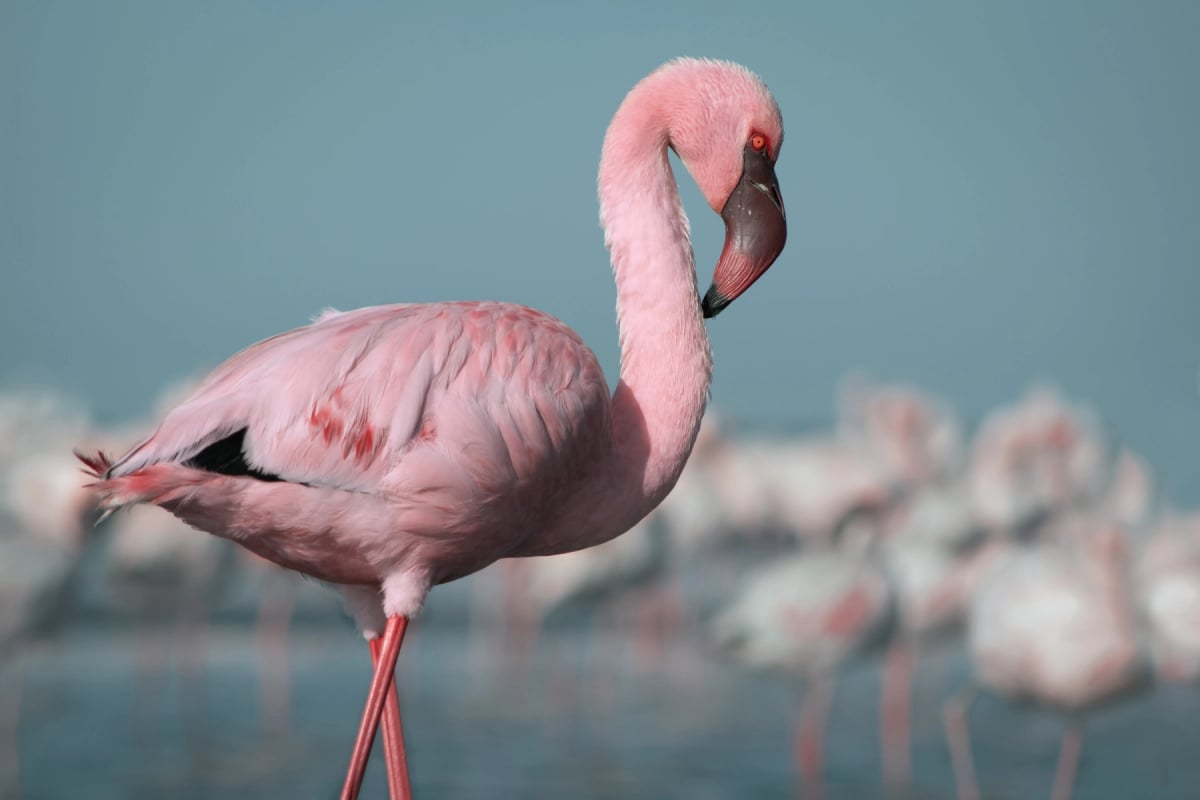
Flamingo
Phoenicopteridae (6 species)
The greater flamingo lives year round along the coast of Oman, and the country holds some of the best flamingo sites in Arabia. Barr Al Hikman, a huge expanse of tidal flats on the central coast, hosts thousands of birds, and flocks also gather in the khors, the coastal lagoons around Salalah in the south. They filter crabs, worms and small crustaceans from the mud, and numbers peak in winter. IUCN status: Least Concern.
Blue Whale
Balaenoptera musculus
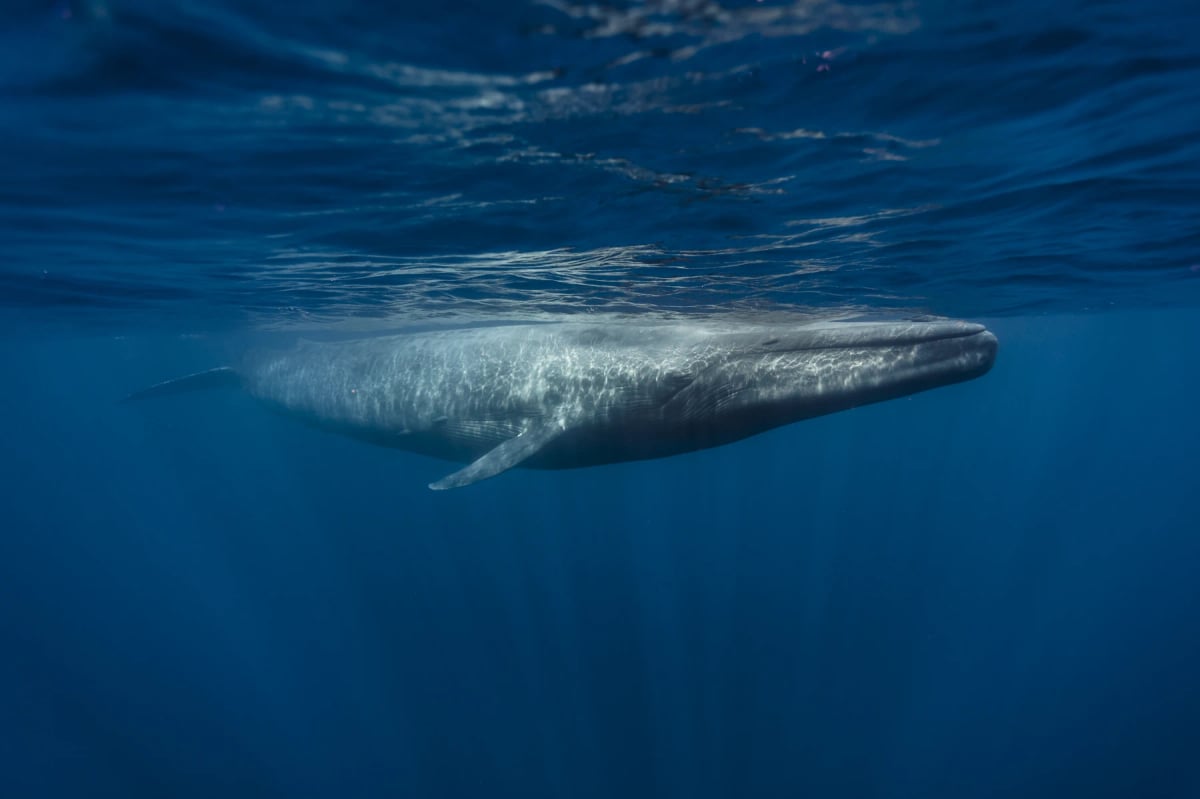
Oman lies within the range of the Arabian Sea blue whale, a small and genetically distinct population that does not undertake the long migrations typical of the species. The whales stay in the northern Indian Ocean all year, and acoustic surveys and research cruises off the Dhofar coast have documented their calls and movements. Their presence is real and scientifically important, but it is known mainly through research rather than regular sightings from the coast.
Humpback Whale
Megaptera novaeangliae
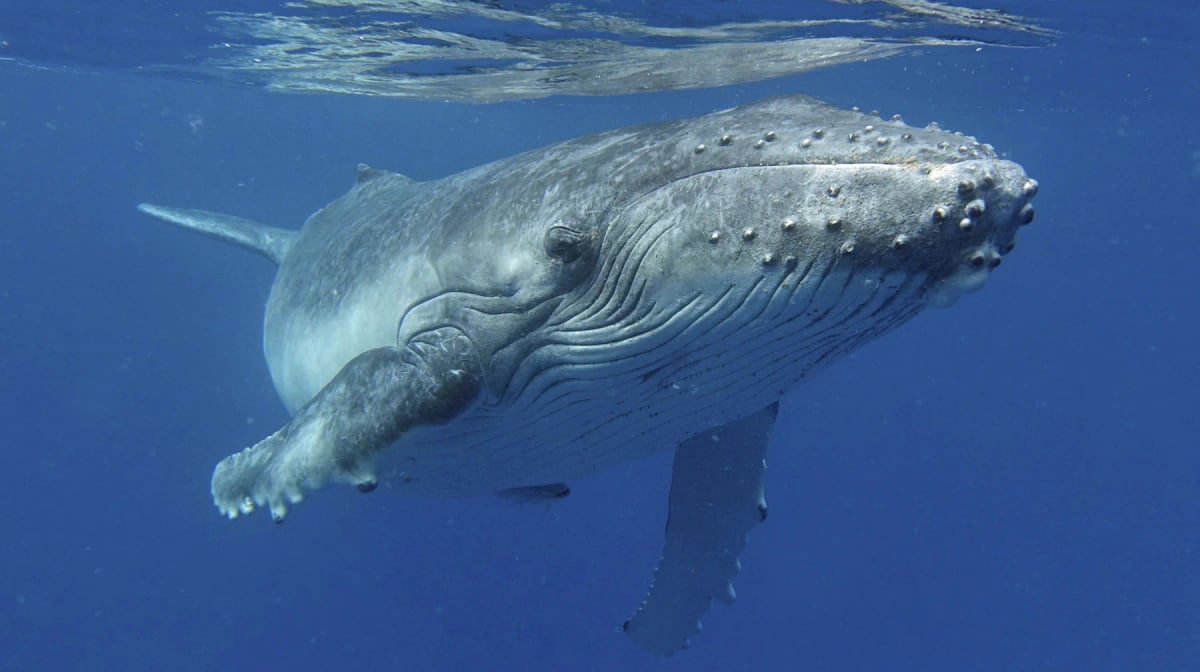
Humpback whales have been recorded in the Arabian Sea off the coast of Oman, where a small and genetically distinct population is known to reside year-round without undertaking the long migrations typical of other groups. This Arabian Sea population is considered one of the most isolated in the world, and researchers continue to study it to better understand its behaviour and conservation needs.
Orca
Orcinus orca
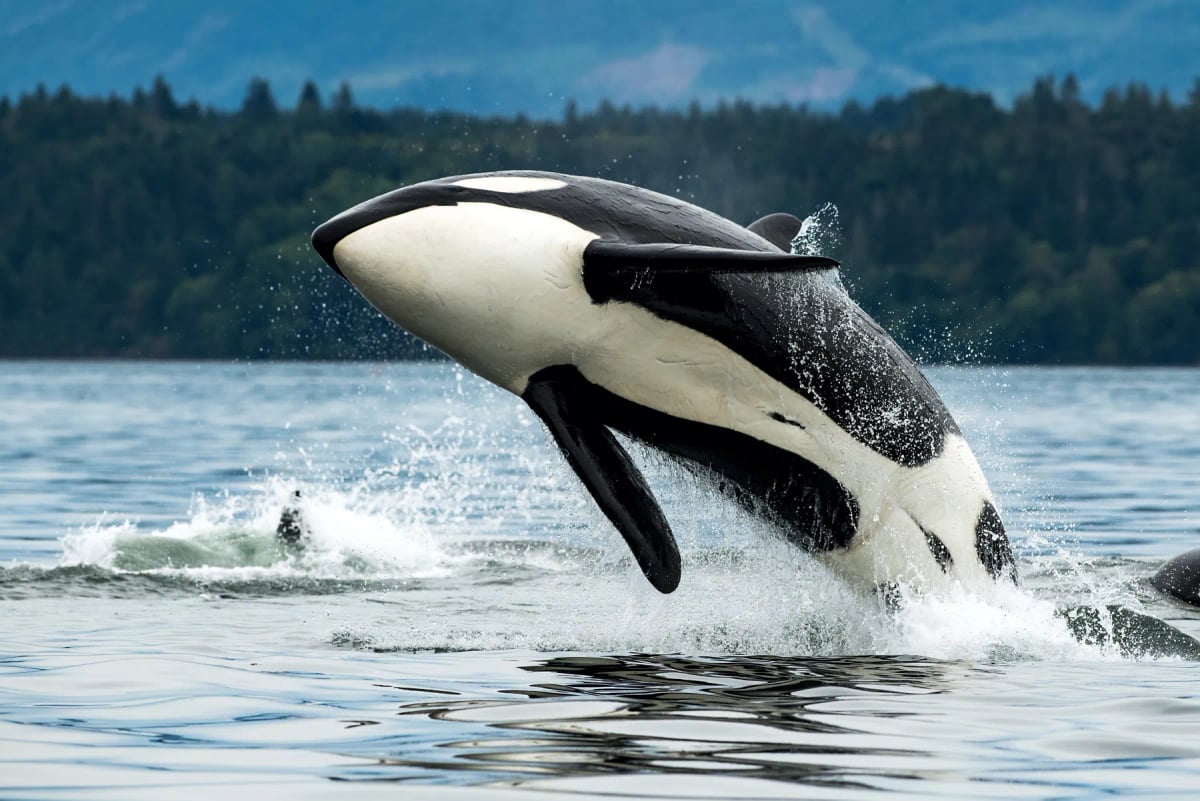
Orcas have been recorded in the Arabian Sea off the coast of Oman, where they move through warm waters in search of prey. Sightings are infrequent but confirmed, often involving small groups passing through the region. Oman's waters support a rich diversity of marine life, and orcas here may prey on fish and other marine mammals. The IUCN lists the species globally as Data Deficient.
Bottlenose Dolphin
Tursiops truncatus
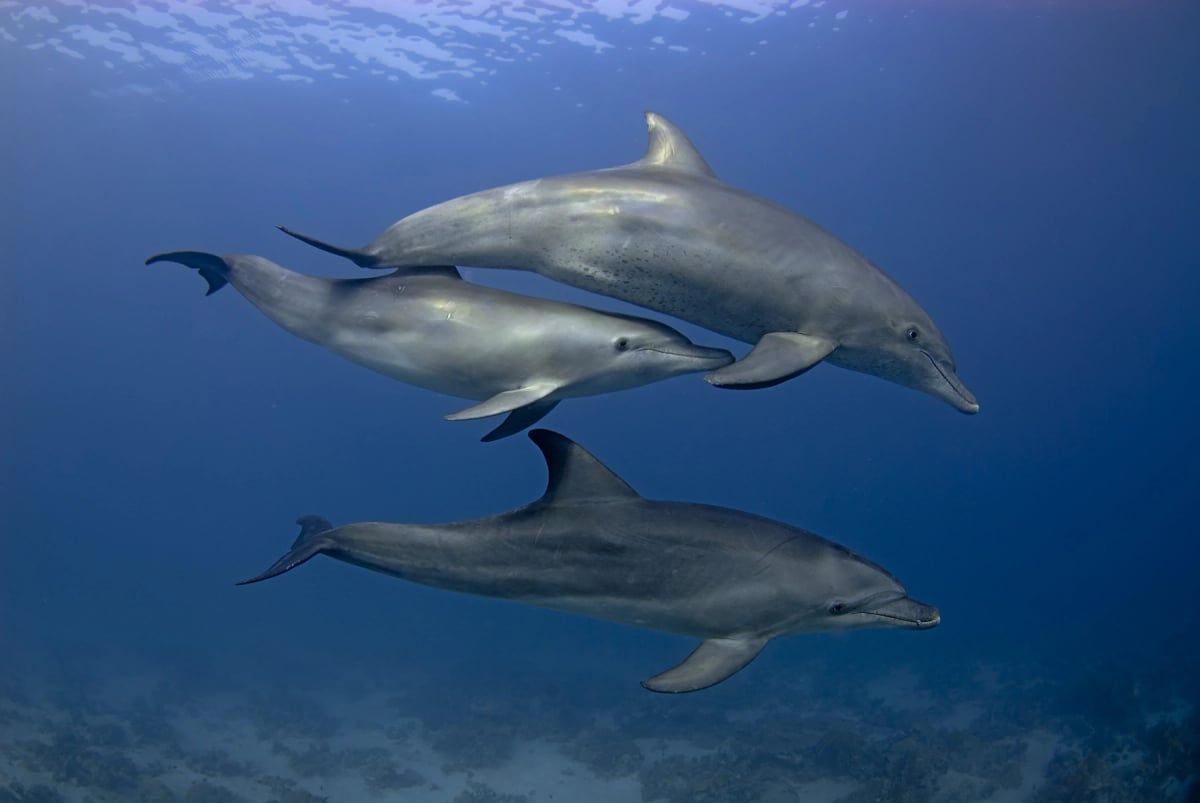
Bottlenose dolphins are a familiar sight in Omani waters, particularly in the Gulf of Oman and along the Arabian Sea coast. They are often seen in the rich upwelling zones near Dhofar, where nutrient dense currents support abundant fish populations. Pods frequently ride the bow waves of vessels in the region. The IUCN classifies the species globally as Least Concern.
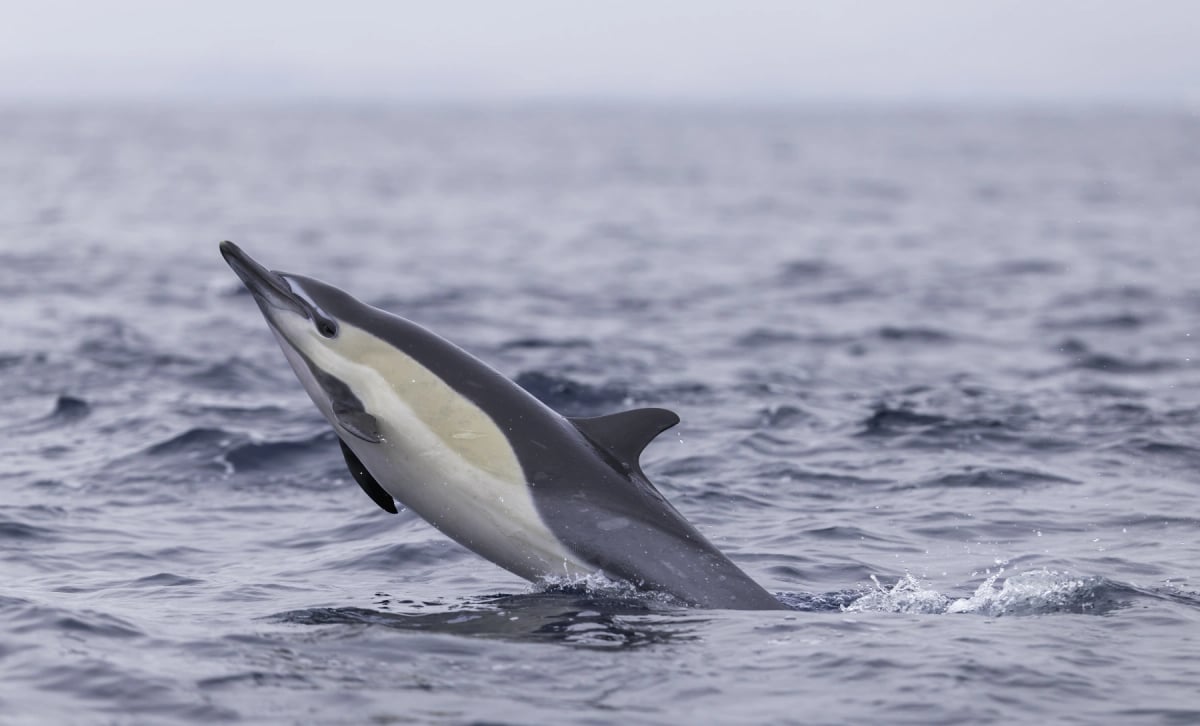
Common Dolphin
Delphinus delphis
The common dolphin is found in the Arabian Sea off the coast of Oman, particularly in the nutrient-rich upwelling zones that form along the southern coast near Dhofar. These productive waters attract large aggregations of fish, which in turn draw groups of common dolphins. The species is classified as Least Concern by the IUCN. Oman's waters are considered among the most biodiverse in the Arabian Peninsula for marine mammals.
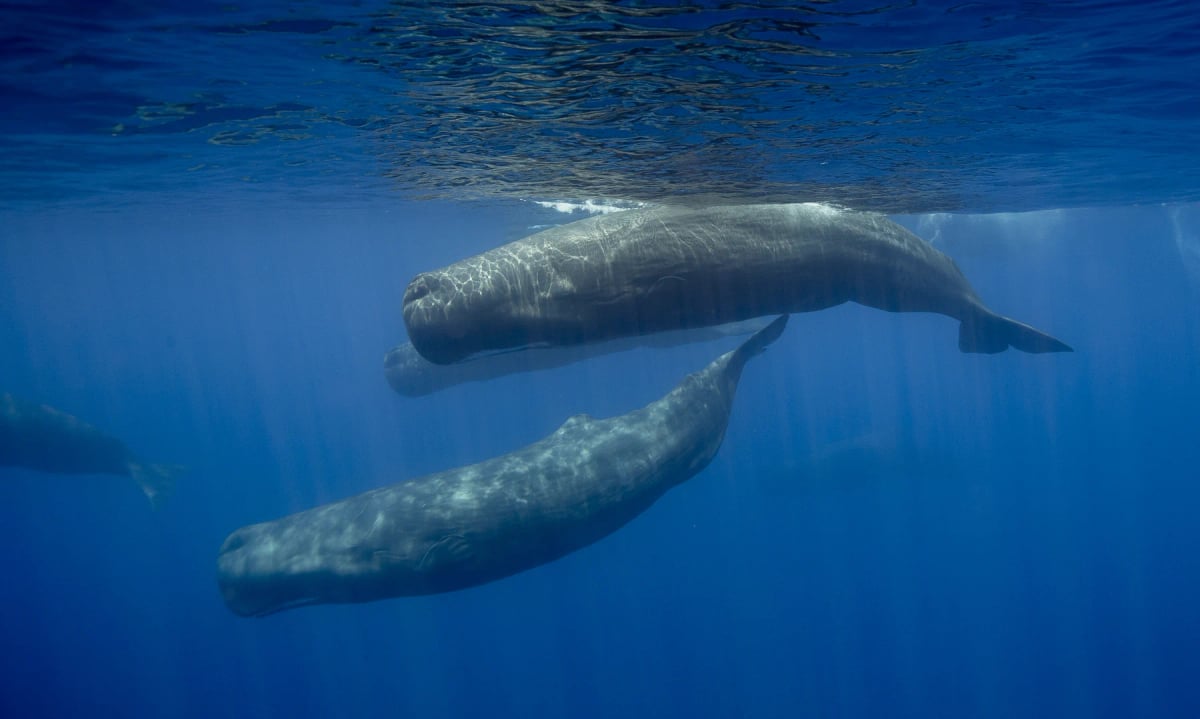
Sperm Whale
Physeter macrocephalus
The waters off Oman, particularly in the Arabian Sea and around the island of Masirah, support one of the most remarkable sperm whale populations in the world. Unlike most populations, the sperm whales of Oman appear to be resident year round, with both males and females present. This unusual pattern has made them a focus of scientific research. The IUCN classifies the sperm whale as Vulnerable globally, and Oman's resident group is of particular conservation interest.
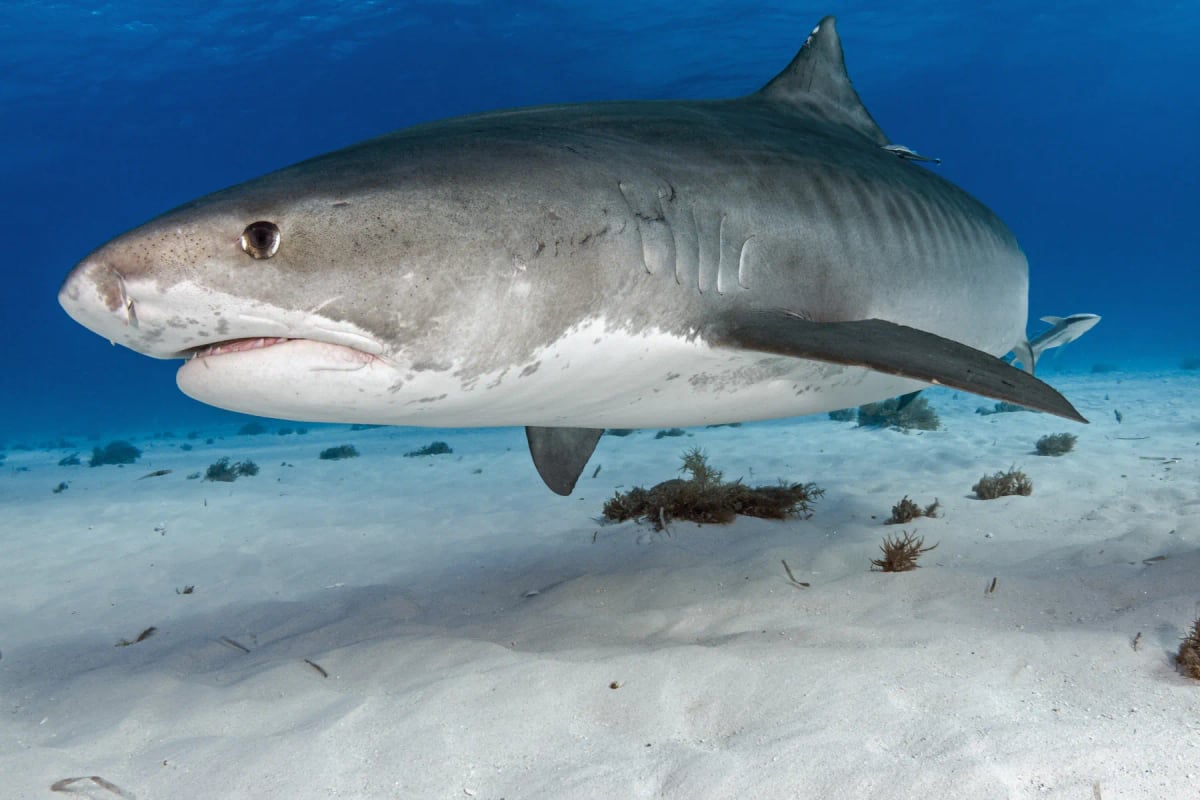
Tiger Shark
Galeocerdo cuvier
Tiger sharks are present in Omani waters across both the Arabian Sea and the Gulf of Oman. They are drawn to the region's warm coastal shallows, seagrass beds, and productive upwelling zones where prey is plentiful. Sea turtles, which nest on Oman's beaches in significant numbers, are a known part of the tiger shark's diet, making nesting areas potential feeding grounds. The species is listed as Near Threatened by the IUCN due to widespread fishing pressure.
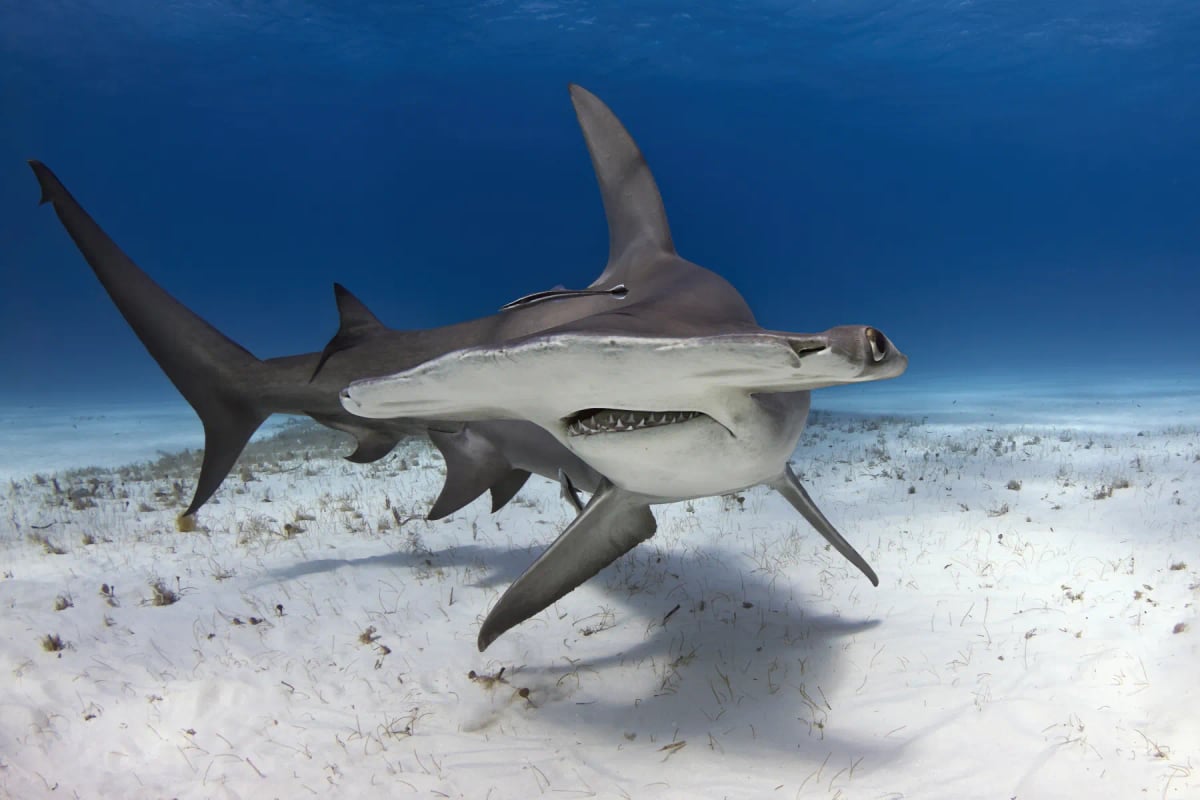
Hammerhead Shark
Sphyrna spp.
Hammerhead sharks are present in Omani waters, including the Arabian Sea and the Gulf of Oman, where warm temperatures and productive fisheries provide suitable conditions. The coastline of Oman, particularly around Musandam and Dhofar, offers habitat for these sharks near reefs and open water. Fishing pressure across the Arabian Peninsula has contributed to regional population declines, and hammerheads are now Critically Endangered throughout their range.
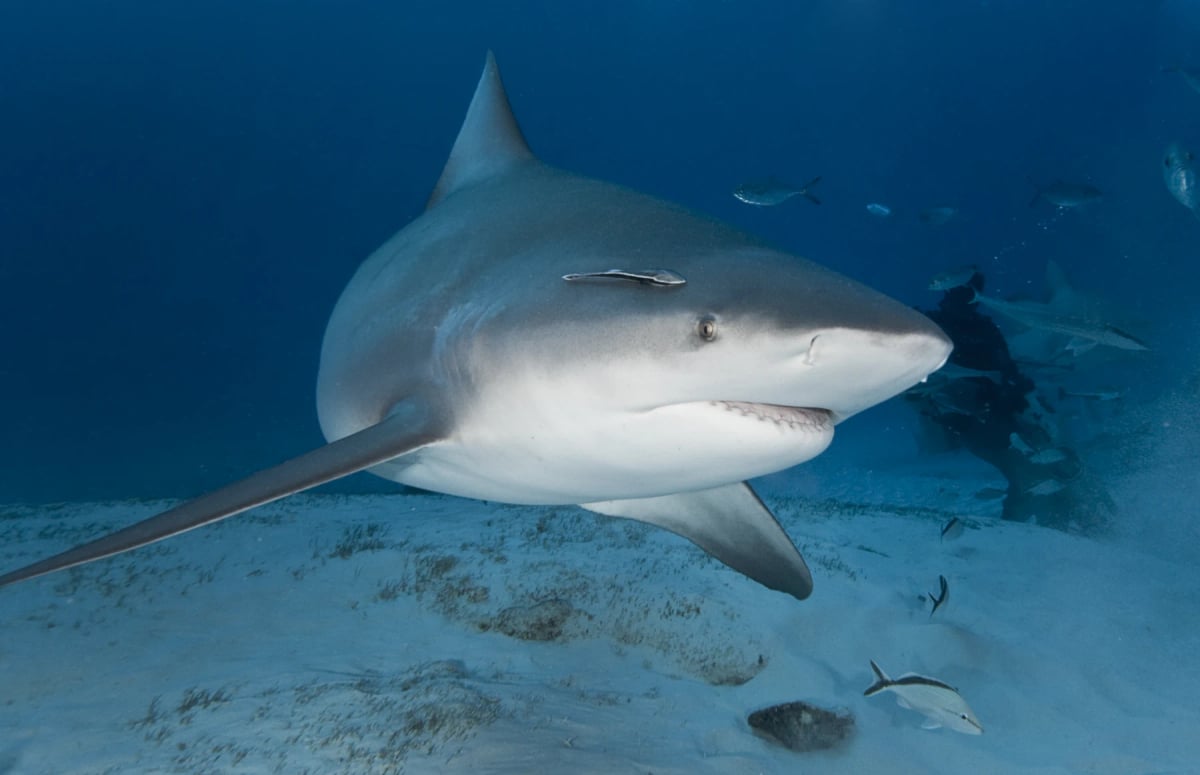
Bull Shark
Carcharhinus leucas
Bull sharks are present along the coastline of Oman, where warm Arabian Sea waters and the Gulf of Oman provide suitable habitat in coastal shallows and estuarine areas. They are opportunistic predators in these waters, feeding on fish and rays. Oman has made notable strides in marine conservation, and awareness of elasmobranch species, including this Near Threatened shark, is gradually growing within the region's fisheries management discussions.
Researched and written by Juan Pablo. Sources: IUCN Red List, scientific literature and regional field guides. Last updated: .