Animals in Gambia
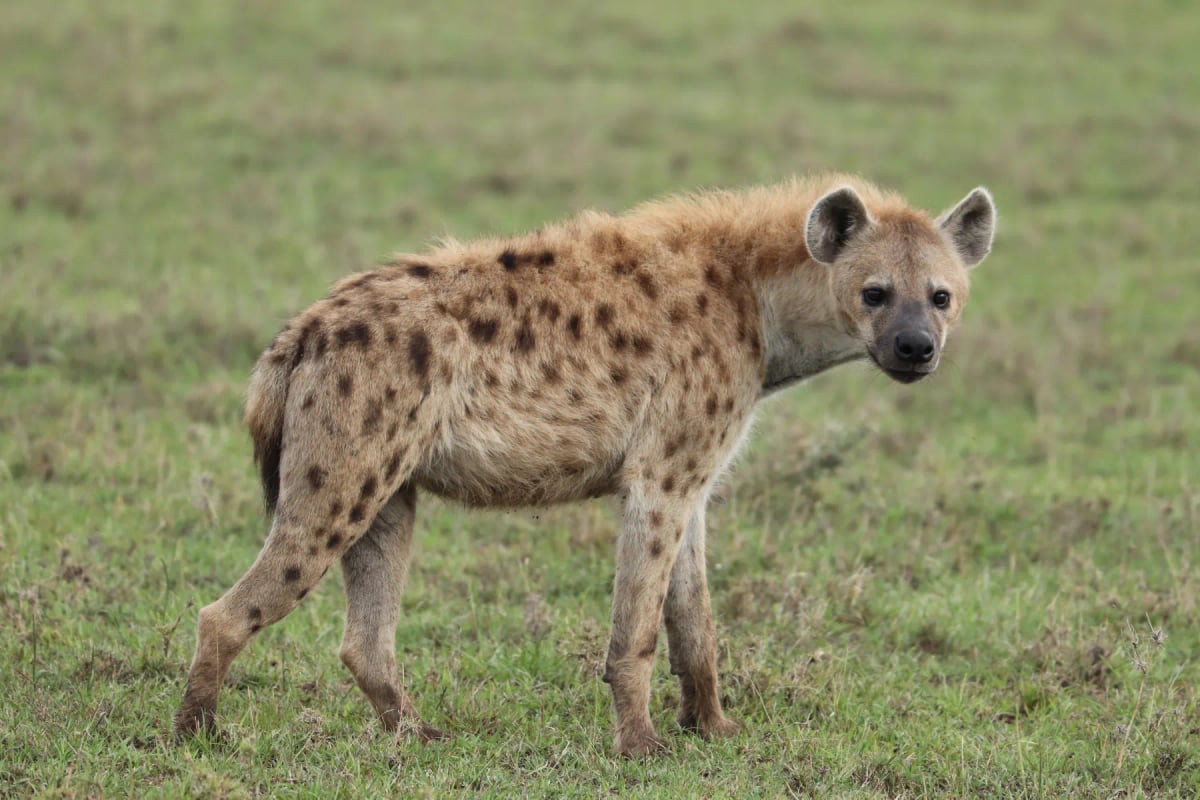
Spotted Hyena
Crocuta crocuta
The hyena, often viewed as Gambia’s national symbol, represents adaptability and survival. It lives in woodlands and grasslands across the country, reminding locals of the balance between wildlife and the communities that share the land.
View details→Wildlife in Gambia
Gambia’s wildlife thrives around the Gambia River, where forests, mangroves and wetlands meet. Hippos, manatees and many bird species live along its calm waters, making the country a peaceful destination for nature lovers and birdwatchers.
Most Dangerous Animals in Gambia
Wildlife in Gambia deserves respect, especially near rivers where hippos and hyenas live. In the ocean, sharks and orcas may appear. Local guides help visitors explore these areas safely and learn about the country’s natural balance.
Top 10 Animals in Gambia
The hippopotamus stands out as one of Gambia’s most iconic animals. Often seen along the river and in protected reserves, it plays a vital role in the ecosystem and attracts visitors who come to see its impressive size and calm behavior in the water.
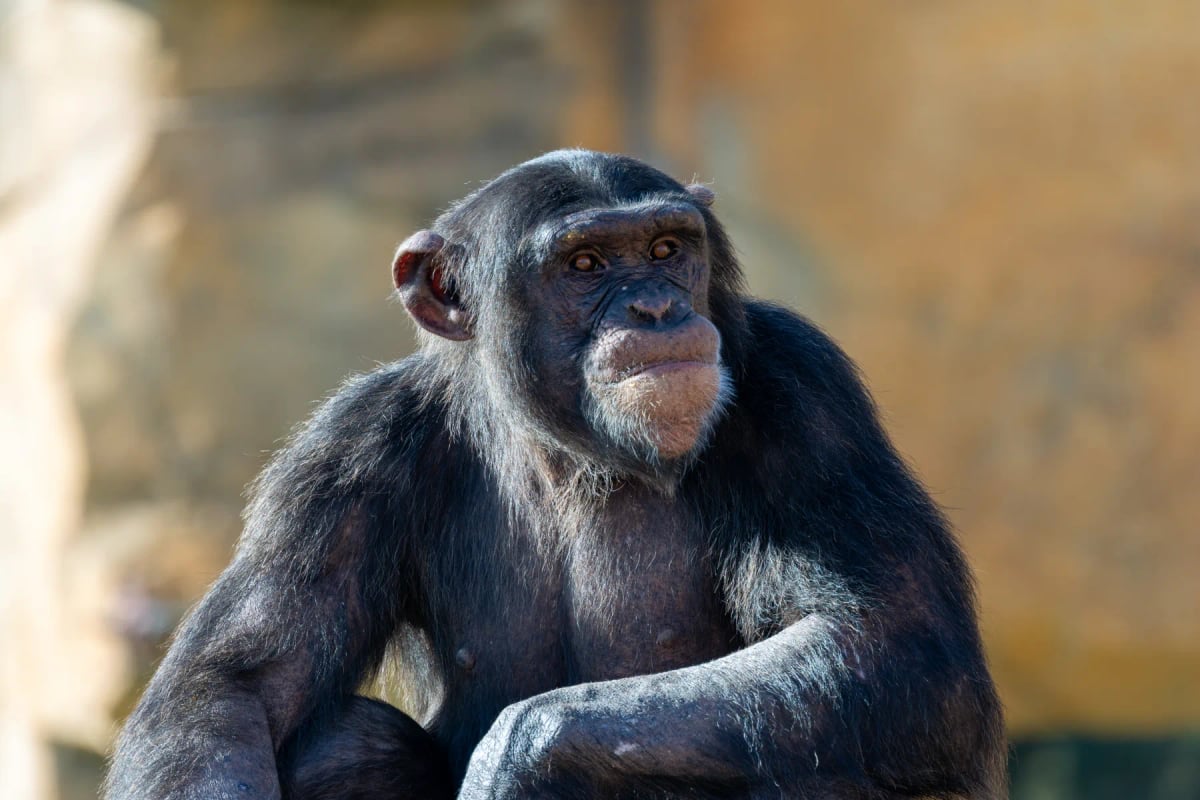
Chimpanzee
Pan troglodytes
In Gambia, chimpanzees survive in small, fragmented populations within the remaining patches of riparian forest and woodland along the Gambia River. The Chimpanzee Rehabilitation Project on the River Gambia National Park has been central to conservation efforts since the 1970s, caring for rescued individuals. Habitat loss and the extremely small size of wild groups make this one of the species' most vulnerable populations in West Africa.
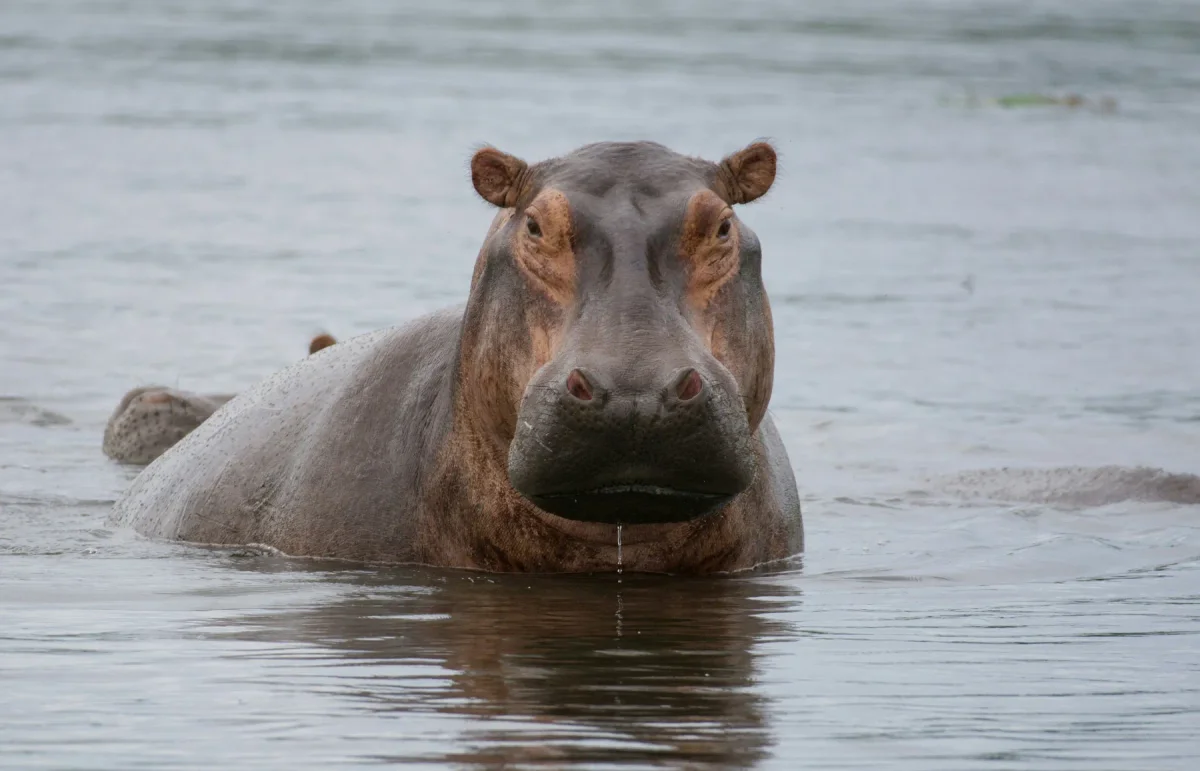
Hippopotamus
Hippopotamus amphibius
The Gambia River gives this small West African country its name, and it is also home to one of the region's remaining hippopotamus populations. Hippos are spotted regularly around the River Gambia National Park, where the species receives some protection. Habitat disturbance and proximity to human settlements remain concerns. The IUCN lists the hippopotamus as Vulnerable, and continued monitoring is essential for this population.
Spotted Hyena
Crocuta crocuta
In Gambia, spotted hyenas persist in small numbers in the woodland savannas and rural areas away from the densely populated coast. They are rarely seen but have been recorded in and around protected areas in the country's interior. Being one of Africa's smallest nations, available habitat is limited. Retaliatory killing following livestock losses is a significant threat to the survival of hyenas here. Their IUCN status is Least Concern.
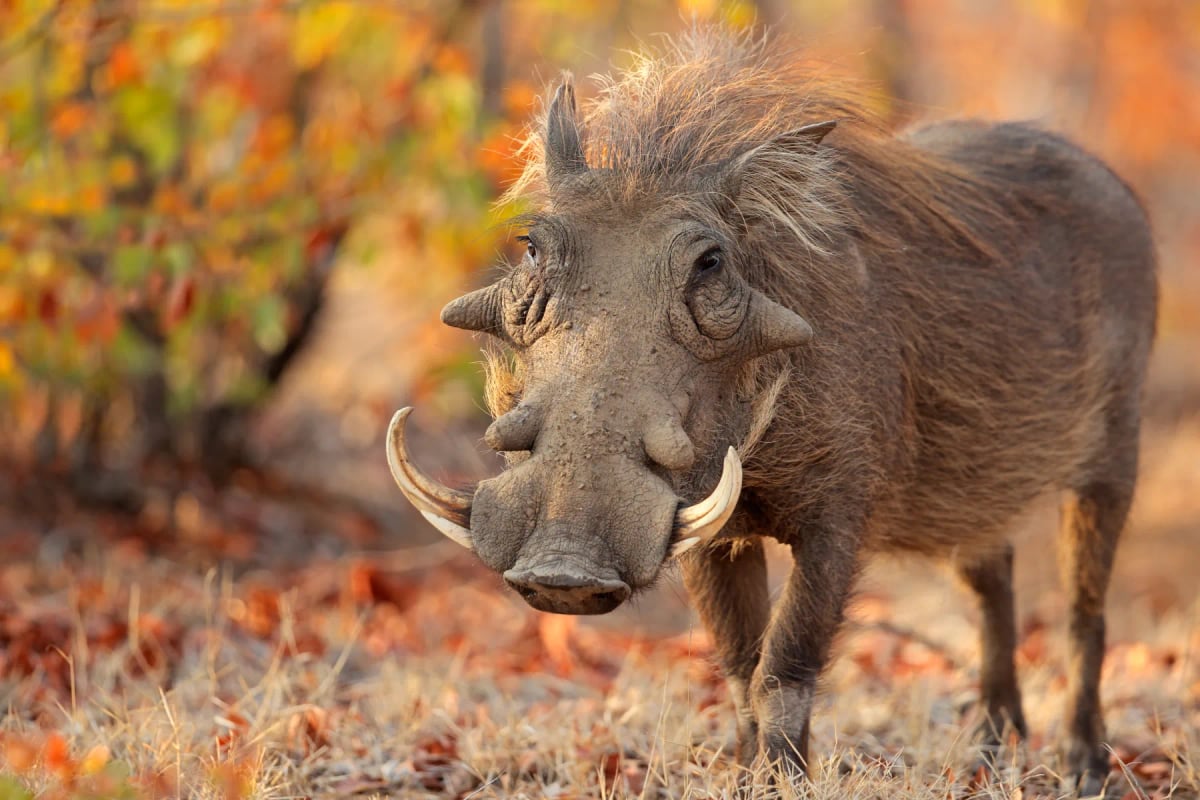
Warthog
Phacochoerus africanus
The warthog is present in The Gambia's open woodlands and savanna areas, including within the River Gambia National Park. It feeds on grasses and roots, and uses burrows for shelter and protection from predators. The Gambia's small size limits the overall range of the species within the country, but it remains a regular part of the local wildlife. Its IUCN status is Least Concern.
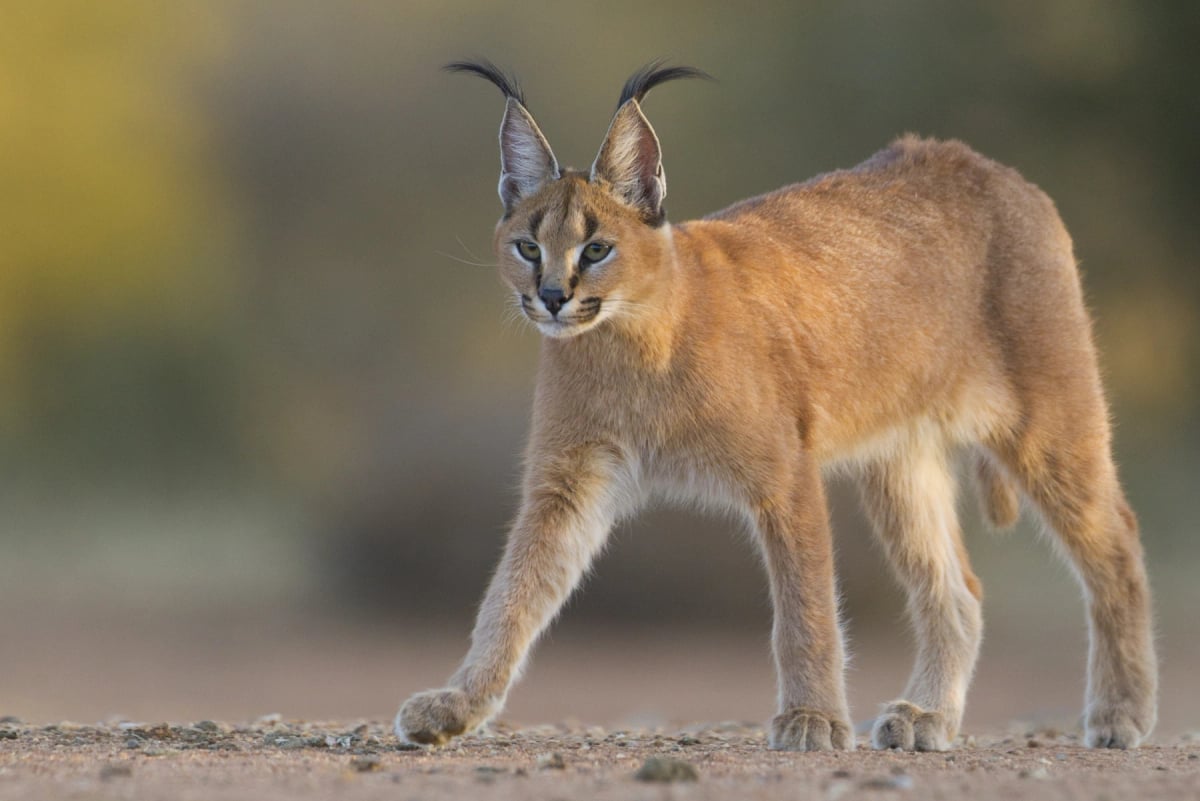
Caracal
Caracal caracal
In The Gambia, the caracal is considered rare and is associated with the drier woodland and savanna habitats found away from the riverine forests along the Gambia River. Its secretive, mostly nocturnal behavior makes sightings uncommon. Habitat loss due to agricultural expansion is the primary pressure it faces in this densely populated country. The IUCN lists the caracal as Least Concern across its wider African range.
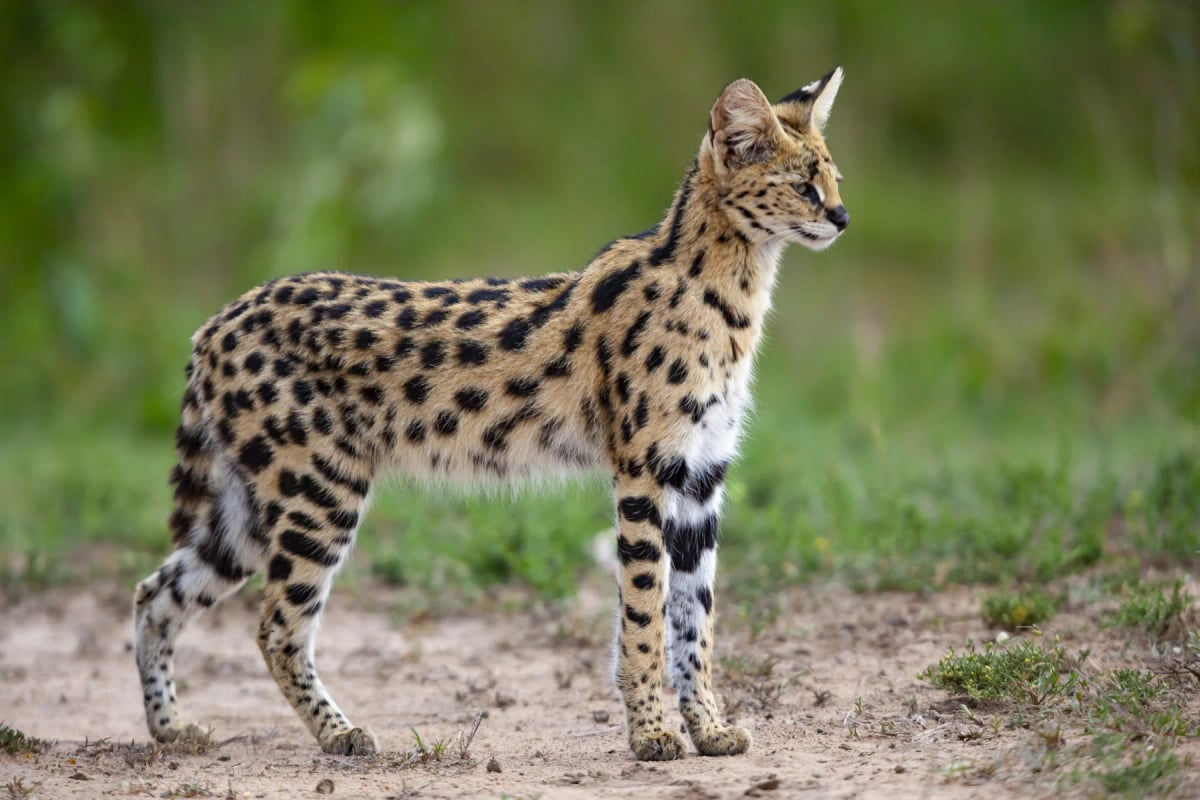
Serval
Leptailurus serval
The Gambia is one of Africa's smallest countries, but its riparian woodlands and grasslands along the Gambia River valley provide habitat for the serval. This slender cat hunts rodents and small animals in areas of tall grass close to water. Habitat loss and human pressure are significant concerns in such a densely populated country. The IUCN lists the serval as Least Concern globally, but its future in The Gambia depends on protecting remaining natural areas.
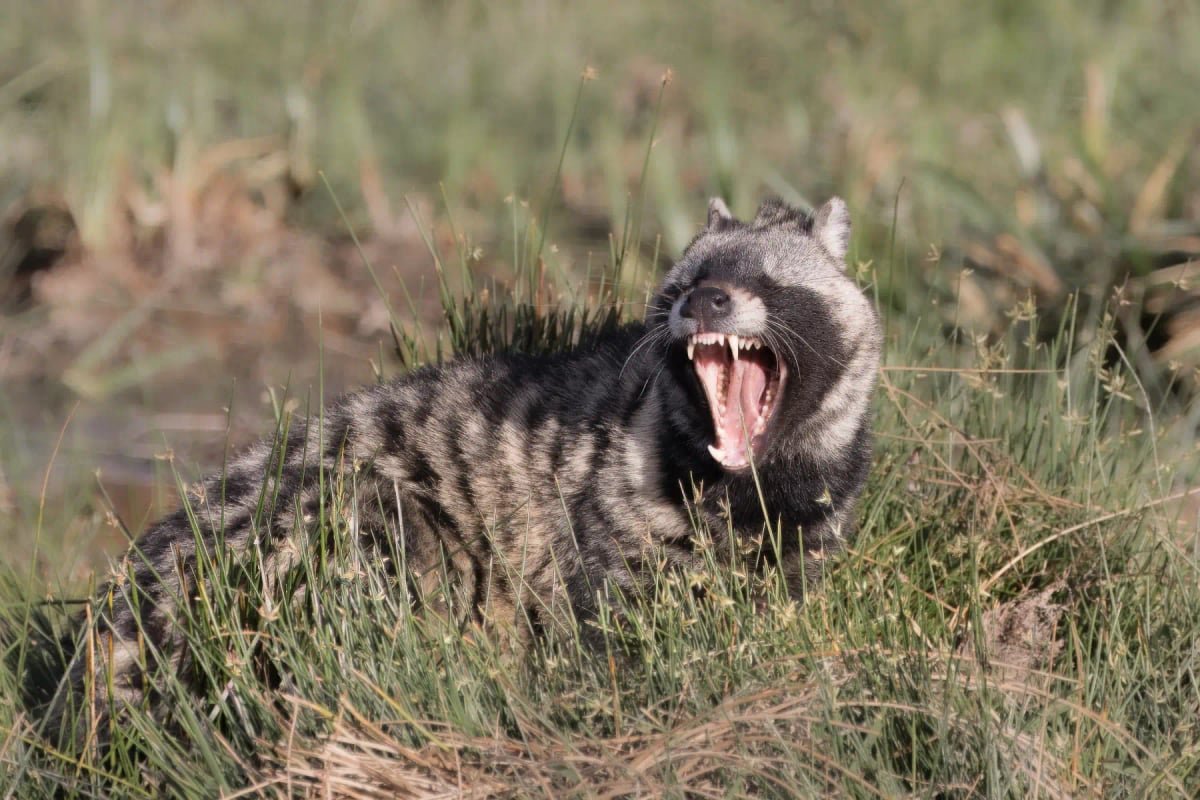
African Civet
Civettictis civetta
The African civet is present in The Gambia, concentrated along the riverine forests and woodland strips that border the Gambia River and its tributaries. In such a narrow and densely populated country, suitable habitat is limited and fragmented. Civets persist in areas like the Abuko Nature Reserve and the River Gambia National Park, where forest cover and permanent water remain available. Outside protected areas, encounters are rare due to widespread agricultural conversion.

Honey Badger
Mellivora capensis
The honey badger is present in The Gambia in savanna and scrubland habitats along the Gambia River corridor. Given the country's small size, its range here is limited but real. It is a solitary carnivore with a fearless reputation, eating snakes, insects, roots, and honey. Habitat loss from agriculture is a growing concern, though the IUCN continues to list the species as Least Concern across its full range.
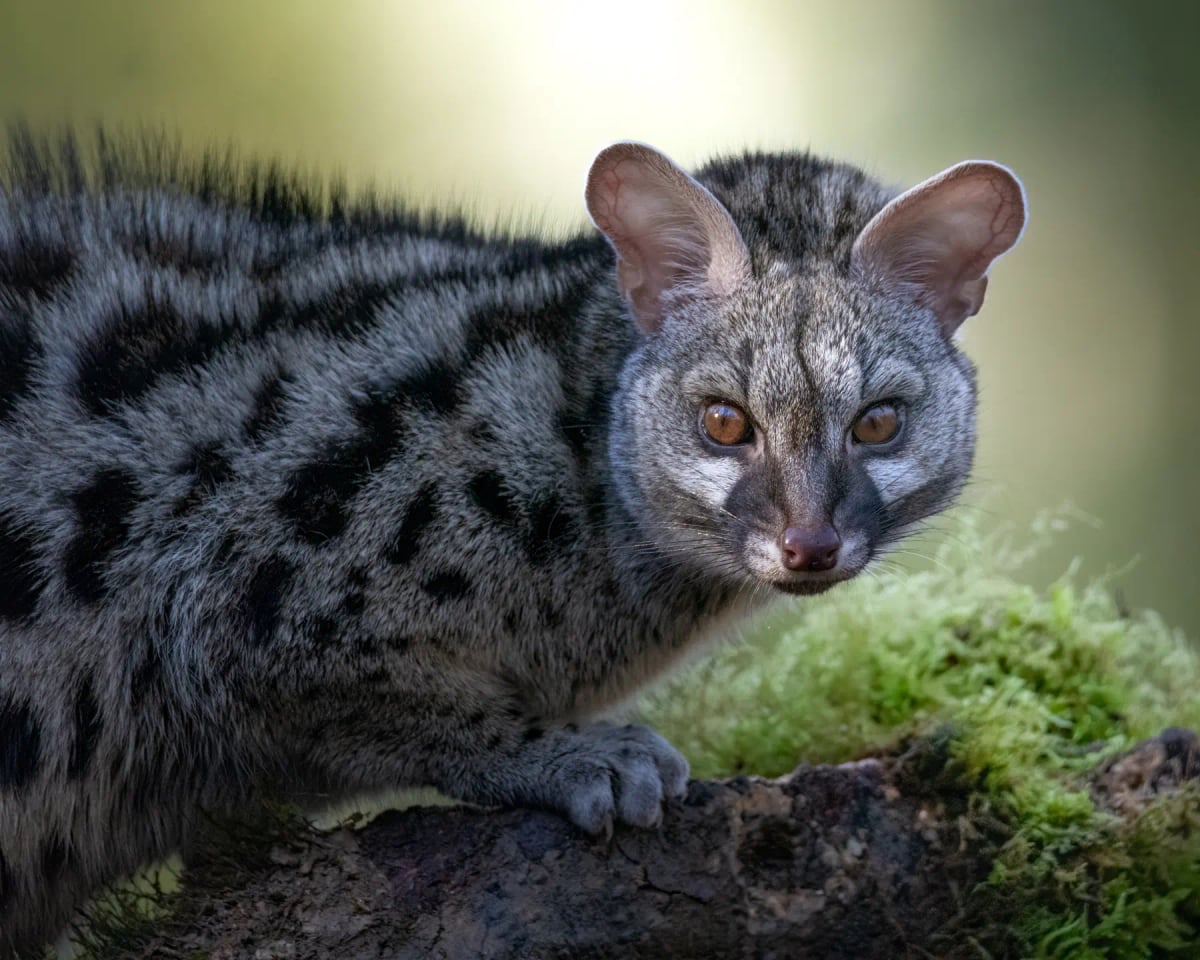
Common Genet
Genetta genetta
In Gambia, the common genet is found in riverine forests and wooded savannas along the Gambia River corridor. This small country's mix of gallery forest and scrubland provides good cover for a nocturnal and secretive animal. The genet feeds on small mammals, birds, insects, and some fruit. It is rarely seen due to its strictly nocturnal habits, but camera traps have confirmed its presence in protected areas. IUCN status: Least Concern.
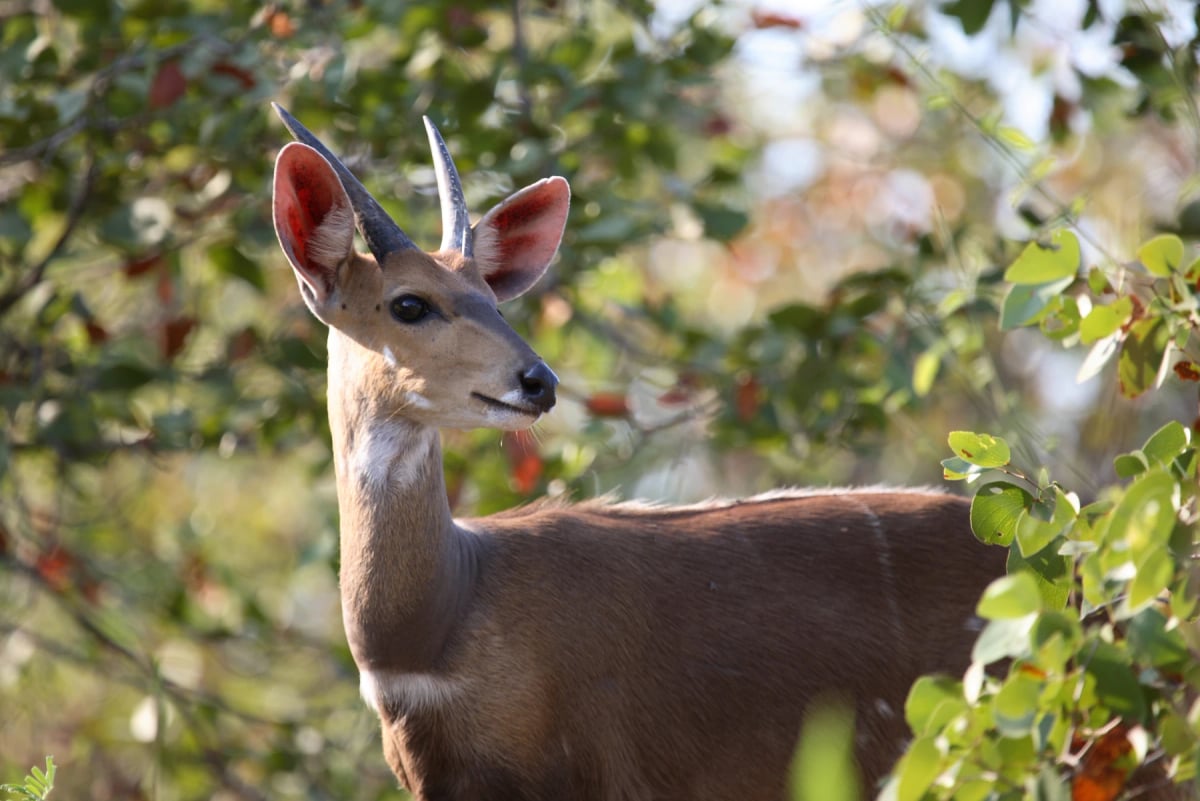
Bushbuck
Tragelaphus scriptus
In Gambia, bushbucks are found in scattered riverine woodlands and forest galleries along the Gambia River and its tributaries. This small West African nation provides marginal habitat for the species, and populations are localized in remaining forested wetlands. Their presence indicates the ecological value of these riparian zones.
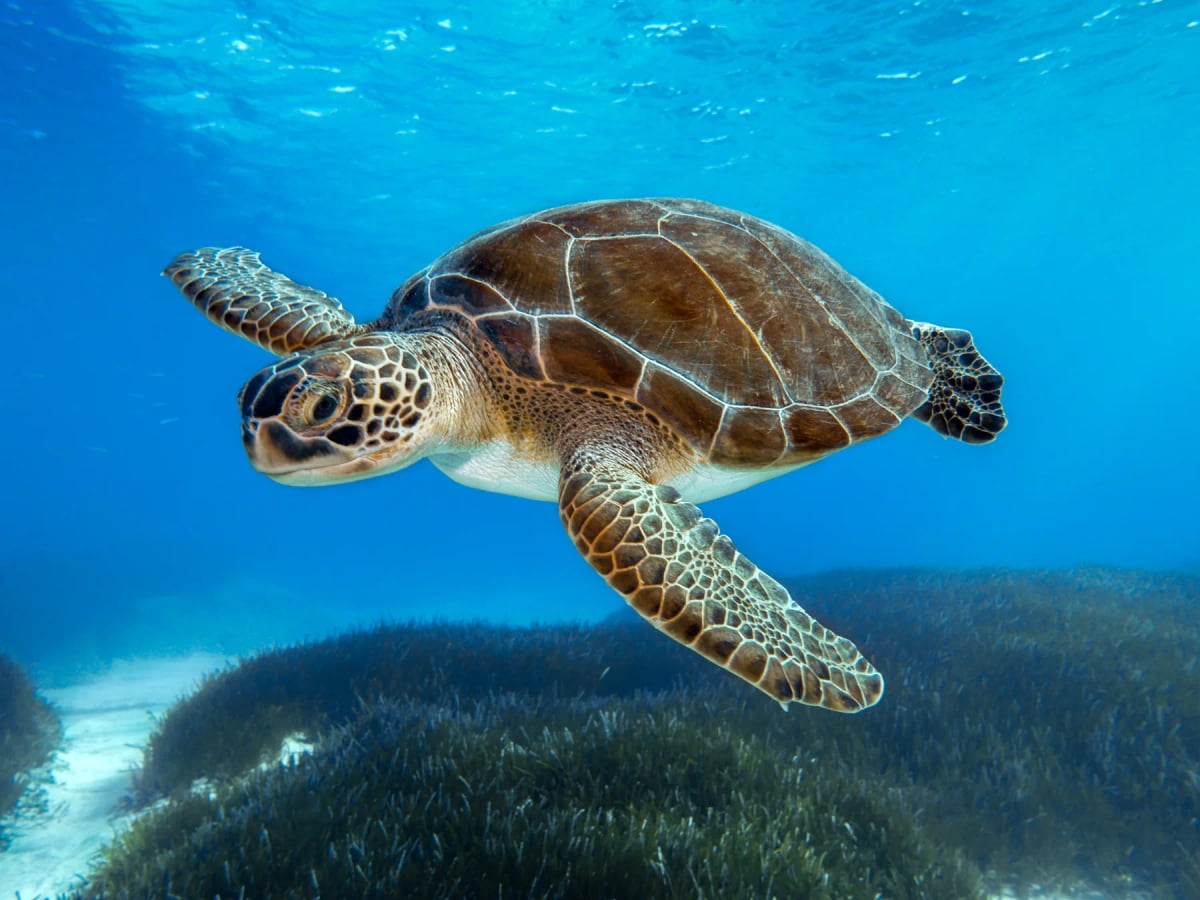
Sea Turtle
Cheloniidae & Dermochelyidae (families)
The Gambia's short Atlantic coastline and the waters at the mouth of the Gambia River provide habitat for sea turtles passing through the West African coast. Green, leatherback and olive ridley turtles have been recorded in Gambian waters, with occasional nesting on beaches along the coast. The country participates in regional West African sea turtle conservation networks, and local awareness programs work to reduce egg collection and bycatch in artisanal fisheries.
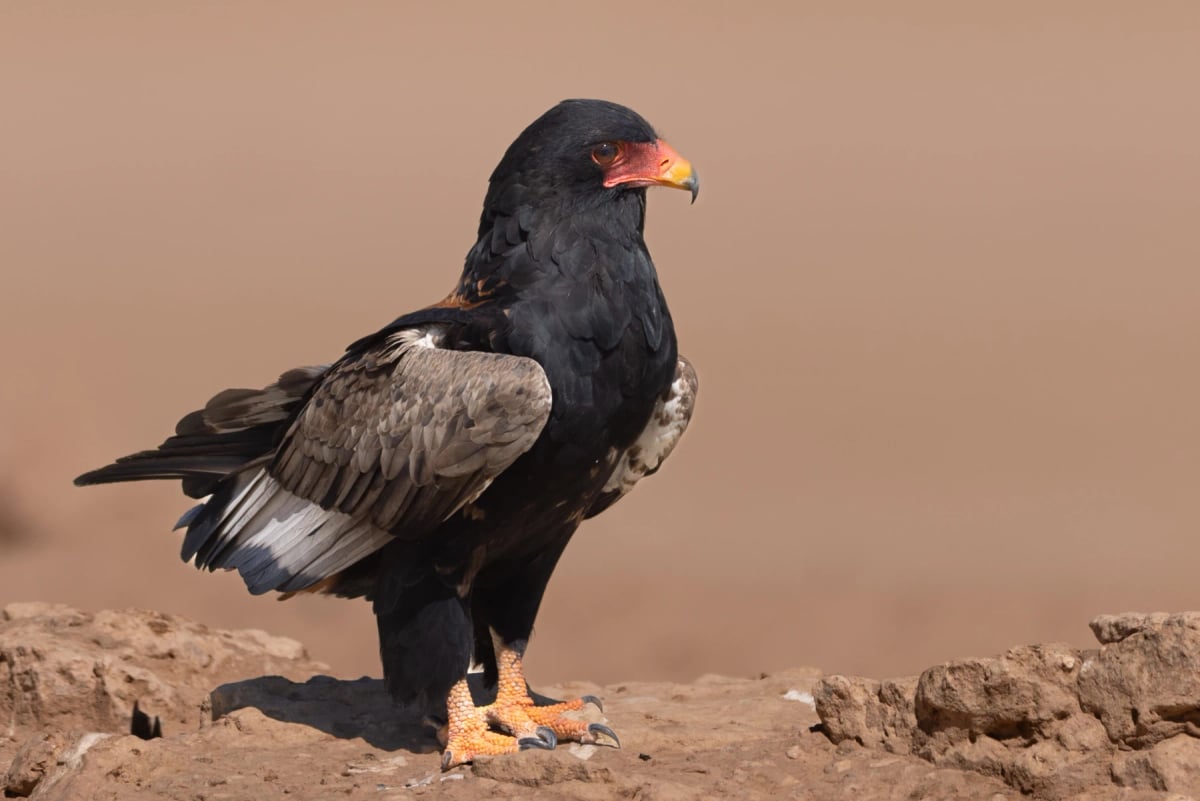
Bateleur
Terathopius ecaudatus
The bateleur is a rare visitor and occasional resident in The Gambia, most likely to be seen in the wooded savanna of the country's eastern interior. It soars over open ground in search of carrion and prey, though sightings are infrequent given the country's small land area. Habitat pressure and poisoning across the wider West African region have reduced populations significantly. The IUCN considers this eagle Endangered.
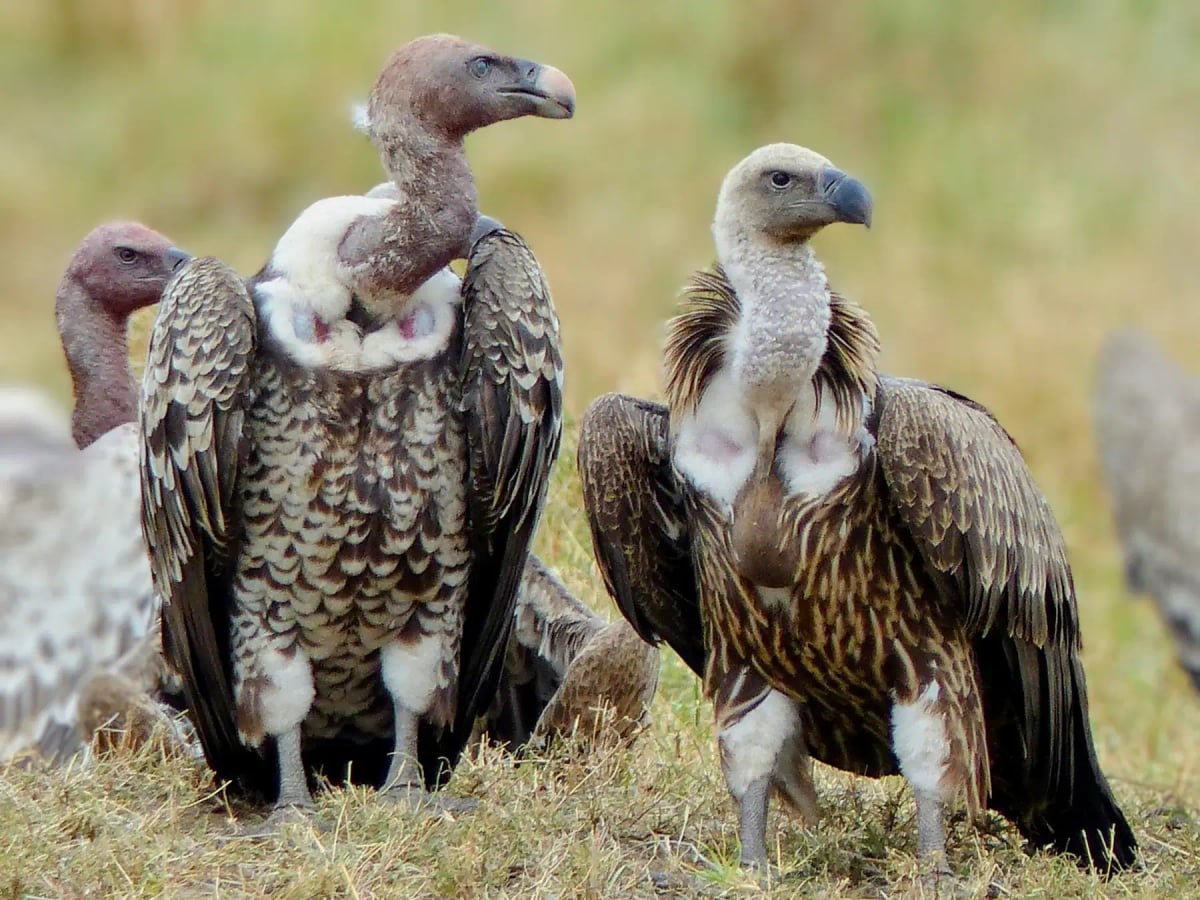
White backed Vulture
Gyps africanus
In Gambia, the white backed vulture is found in the savannas and open woodland along the Gambia River, especially in the east of the country, far from the busy coast. It shares carcasses with other vultures and nests in tall trees. Gambia also lies at the western end of the species' range, and like the rest of West Africa it has seen steep declines. The species is Critically Endangered.
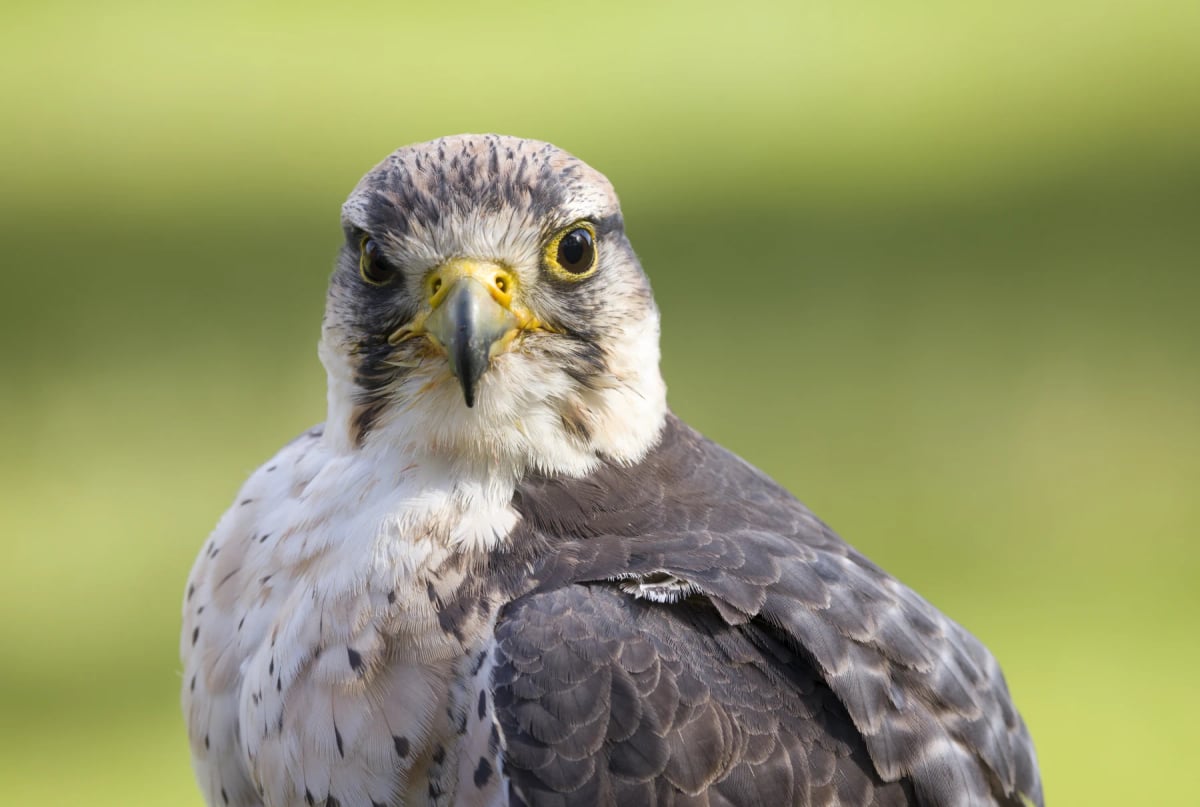
Lanner Falcon
Falco biarmicus
In Gambia, the lanner falcon is a scarce visitor seen mainly in open savanna and farmland habitats, particularly during the dry season when prey is more exposed. The country's small size and limited rocky terrain mean nesting records are rare, and most sightings involve birds moving through or wintering in the region. It is listed as Least Concern by the IUCN.
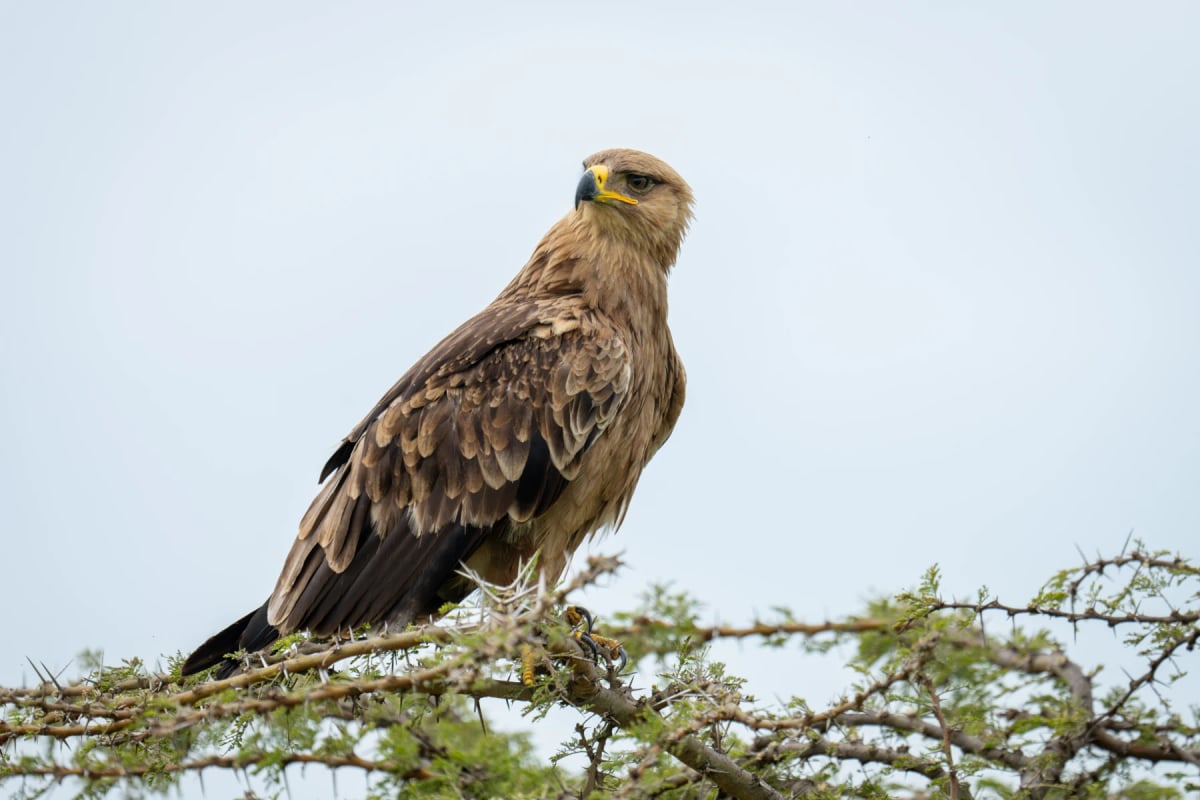
Tawny Eagle
Aquila rapax
In The Gambia, the Tawny Eagle inhabits open savanna and dry woodland areas, particularly in the interior of this narrow country. Birdwatchers visiting the region sometimes spot it perched in tall trees or soaring overhead. It feeds on a range of small animals and is not shy about stealing prey from other raptors. Habitat loss driven by agriculture is a concern for the species. The IUCN lists it as Vulnerable.
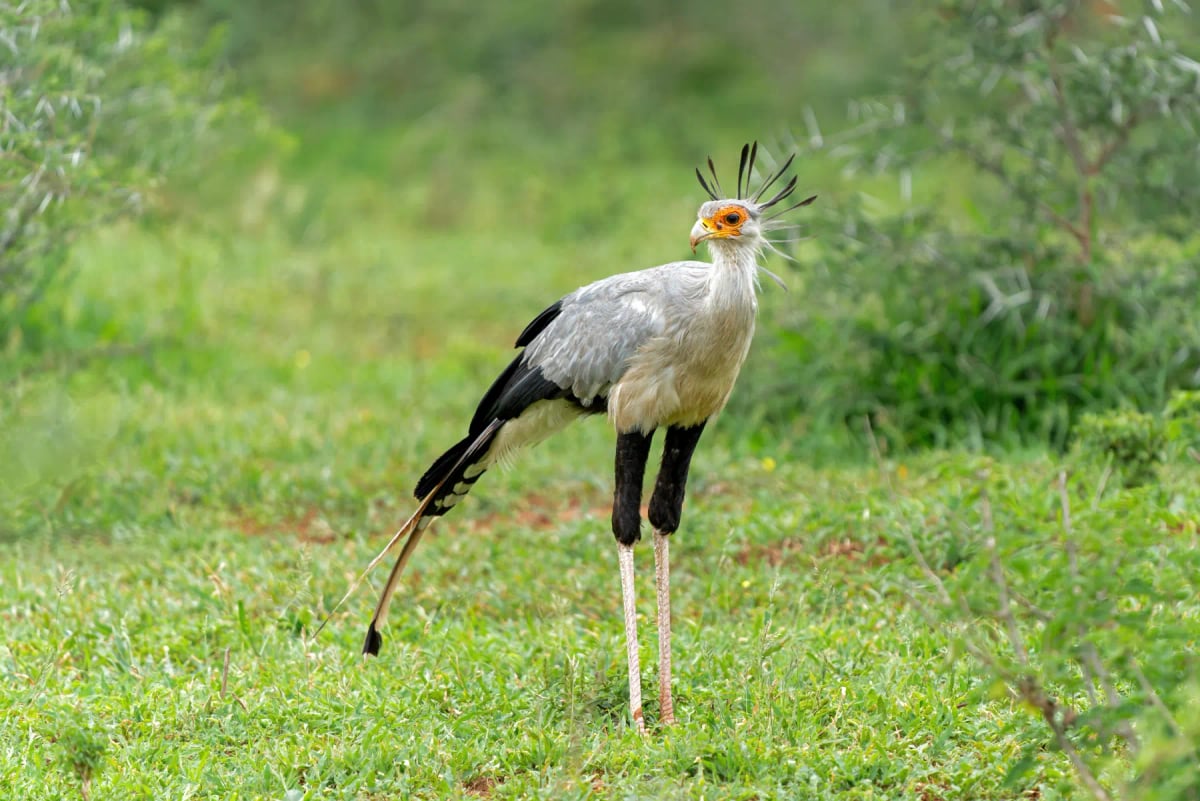
Secretary Bird
Sagittarius serpentarius
The secretary bird occurs in The Gambia in open savanna and grassland habitats, particularly in areas away from dense woodland. Given the country's small size, its population here is limited, and sightings are relatively uncommon. This ground-hunting raptor is recognized by its long legs, black crest feathers, and orange-red face. Grassland loss to agriculture is a growing pressure. The IUCN classifies the species as Endangered across its entire African range.
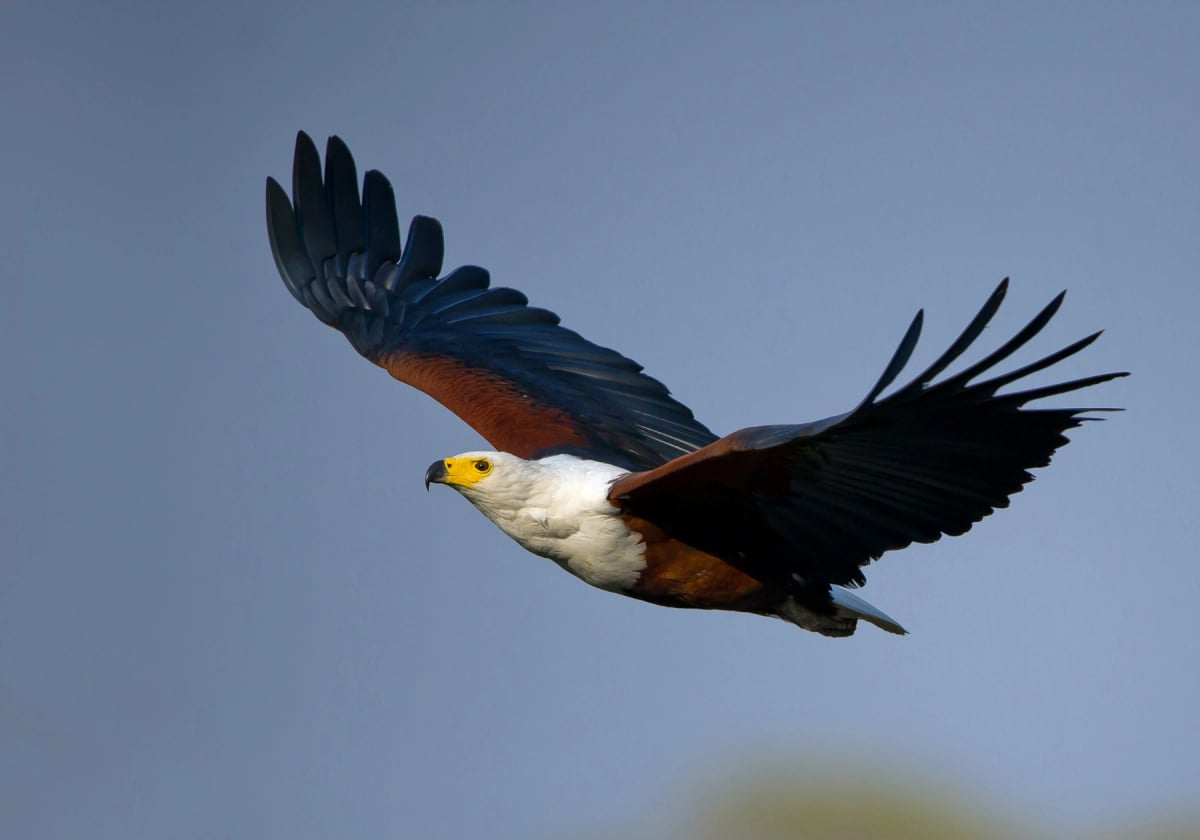
African Fish Eagle
Haliaeetus vocifer
The African fish eagle is found in Gambia along the Gambia River, which runs the entire length of the country from east to west. The river and its tidal creeks and mangrove-fringed banks offer consistent habitat, and the bird can be seen perching on tall trees above the water at various points along the river. Birdwatching sites such as the river lodges and wetland areas around Tendaba are among the most reliable locations to observe it.
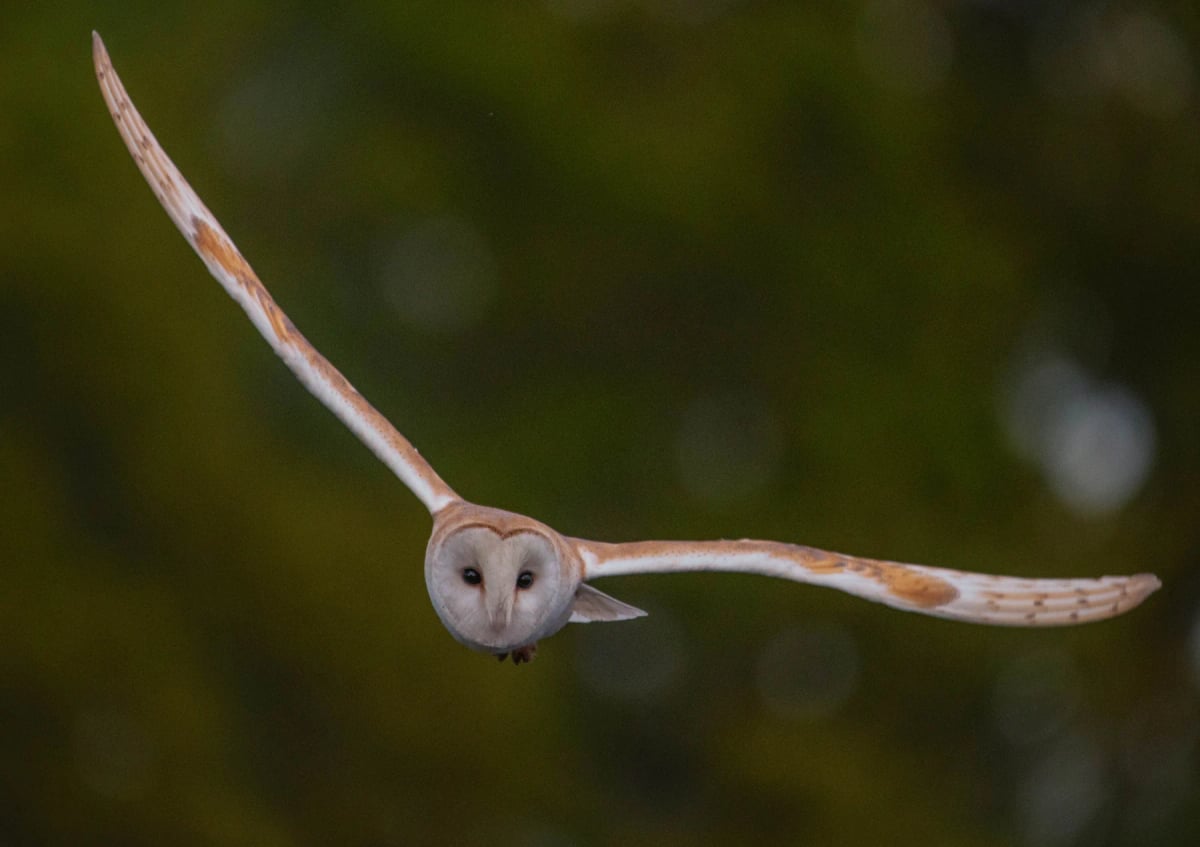
Barn Owl
Tyto alba
The barn owl is found across The Gambia in open farmland, savanna, and areas near villages and towns along the Gambia River valley and the surrounding countryside. It nests in old buildings, hollow trees, and large termite mounds on occasion, and hunts rodents at night. In this small and heavily farmed country it plays a useful role in controlling the small mammal populations that damage crops and stored grain. It is one of the more frequently encountered owls in the country.
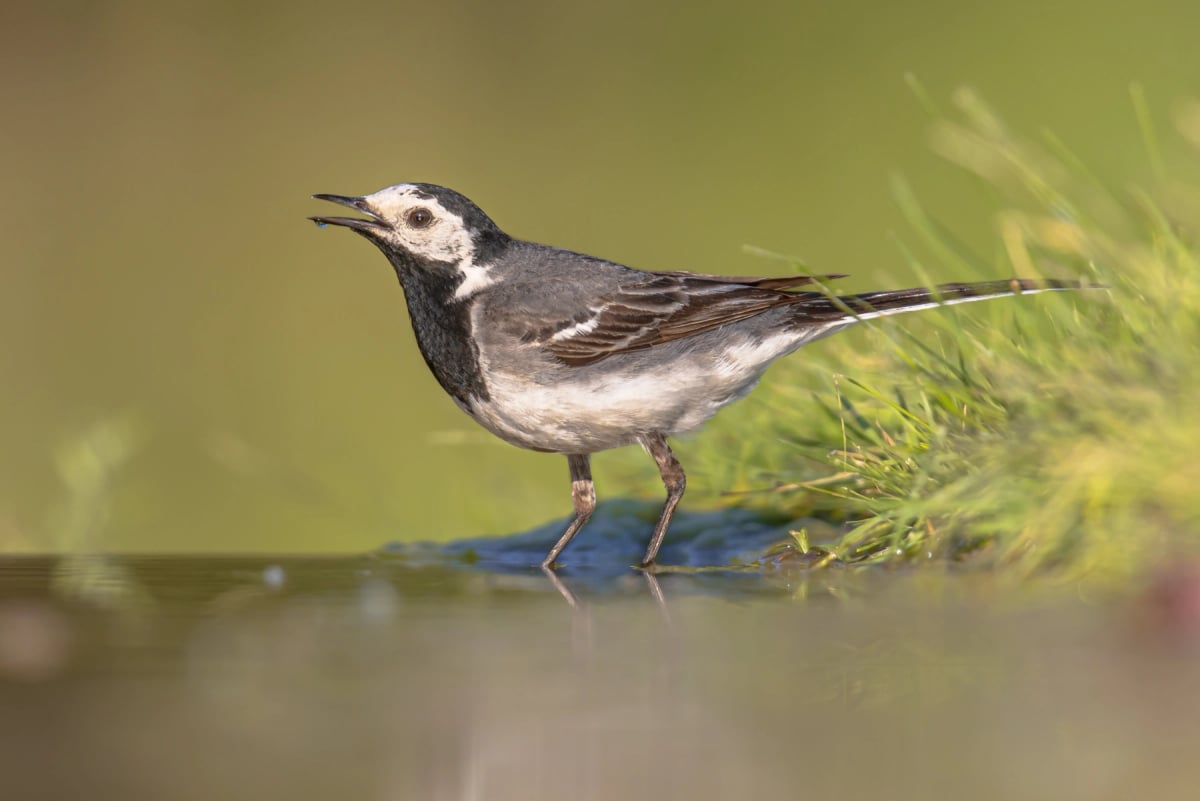
White Wagtail
Motacilla alba
The white wagtail visits The Gambia during the northern winter, drawn to the country's wetlands, rice fields and the banks of the Gambia River. It is a regular sight at Kotu Stream and other birding sites popular with visitors. During its stay it shares open ground with a variety of other migrants from Europe and Asia, feeding on insects in the warm conditions before returning north to breed in spring. IUCN status: Least Concern.
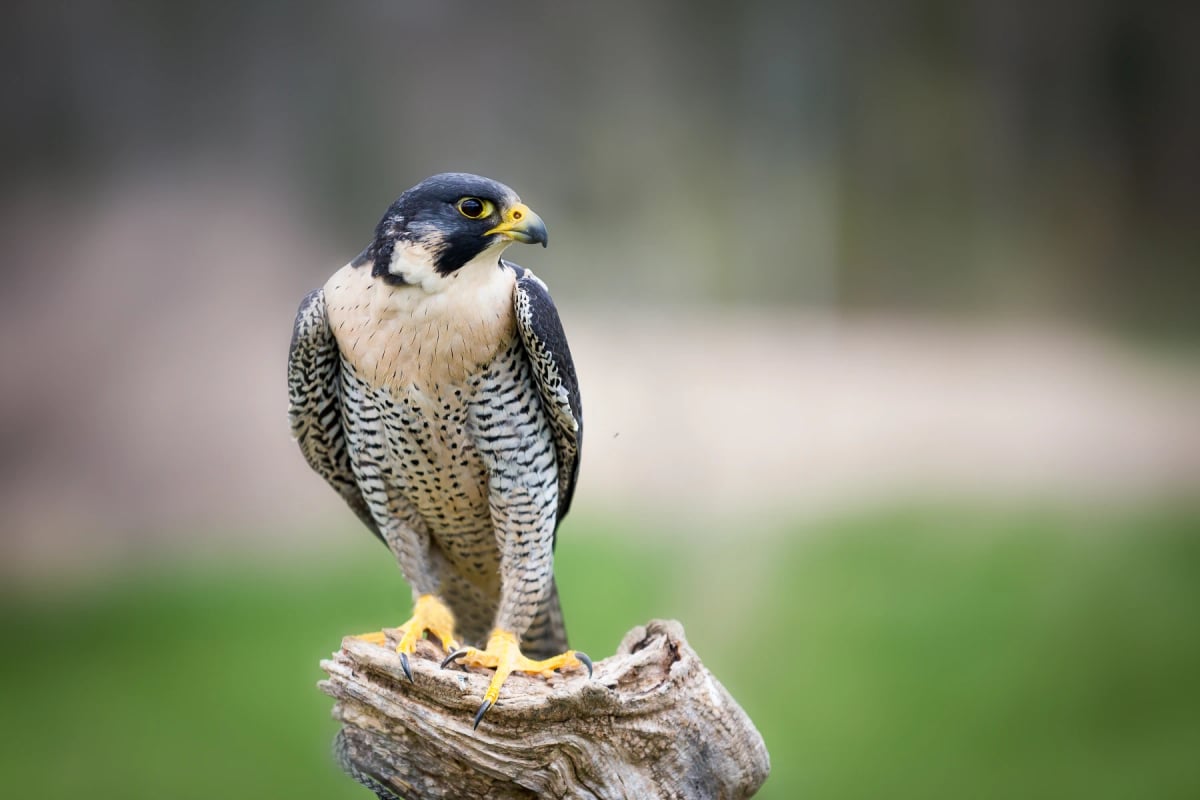
Peregrine Falcon
Falco peregrinus
The peregrine falcon is a regular migratory visitor to Gambia, arriving from European and Arctic breeding grounds each northern autumn. It hunts along the Gambia River, coastal wetlands, and open savanna, targeting waders and other birds. Its predictable appearance makes Gambia's River Gambia National Park and coastal areas productive spots for birdwatchers seeking this species each winter. Its IUCN status is Least Concern.
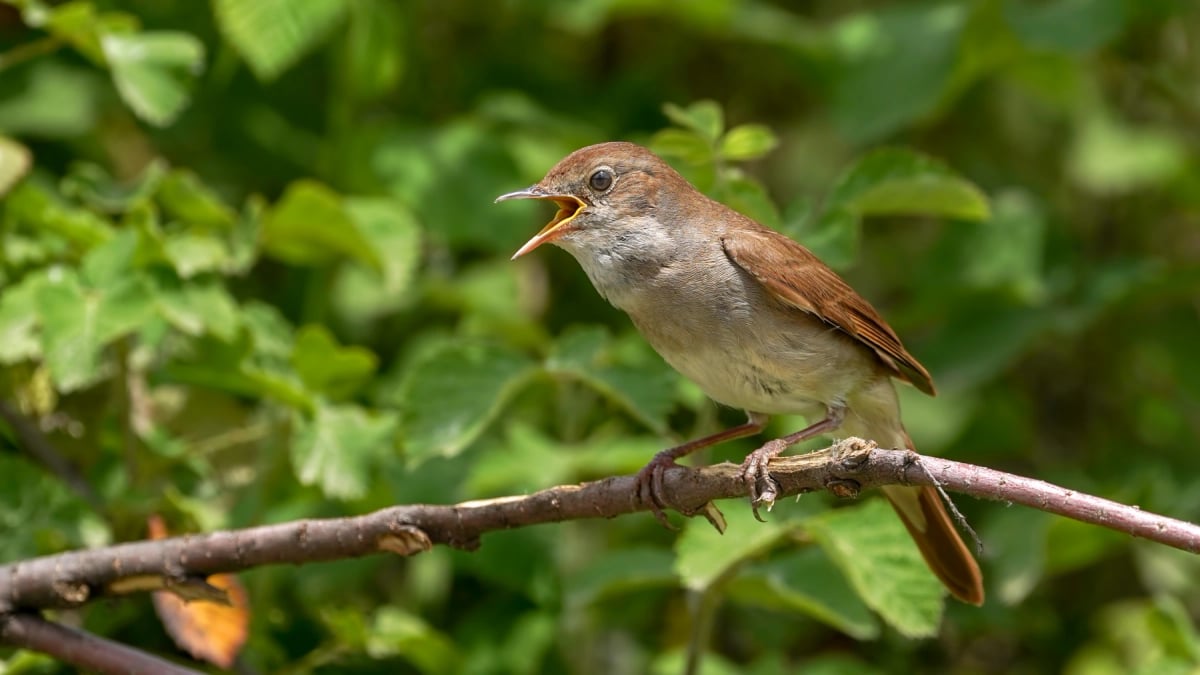
Nightingale
Luscinia megarhynchos
The nightingale visits Gambia during the northern winter, making it one of the westernmost points of its wintering range in West Africa. It favours dense scrub and woodland edges along the Gambia River corridor and surrounding areas. Quiet and unobtrusive at this time of year, it forages mostly on the ground among leaf litter, rarely singing. Its IUCN status is Least Concern.
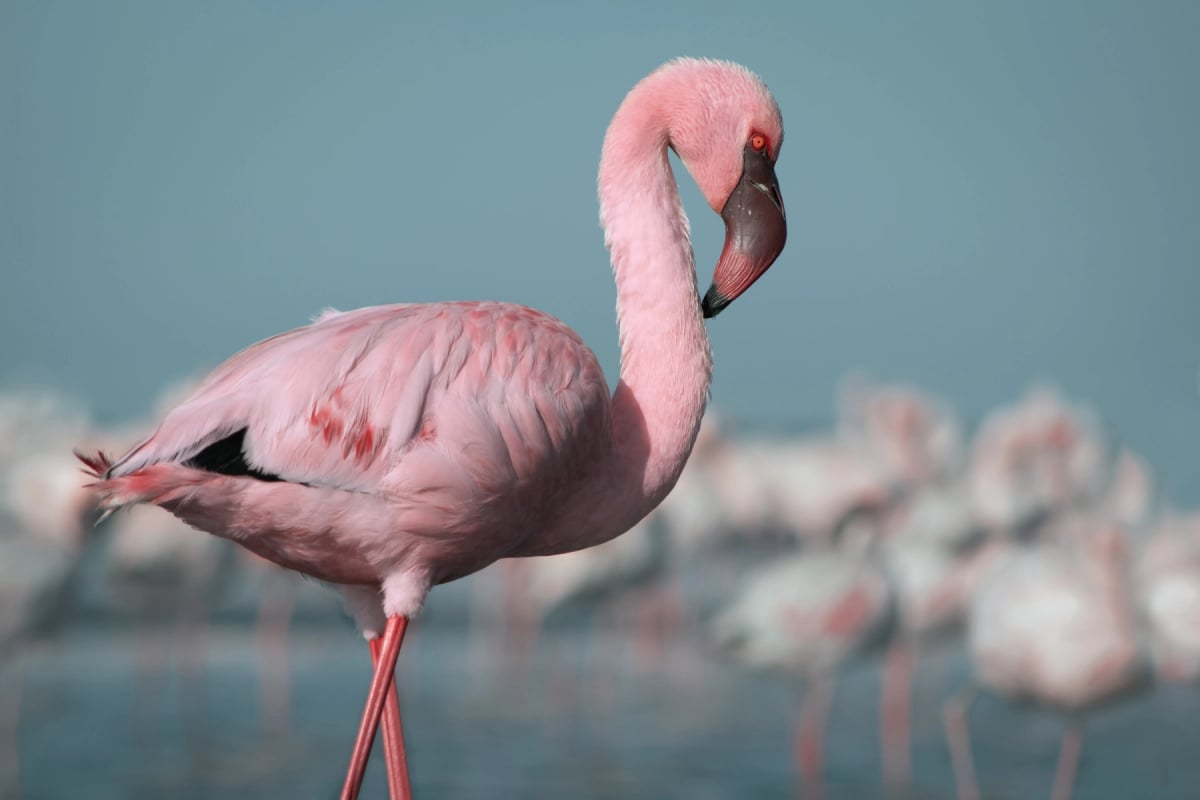
Flamingo
Phoenicopteridae (6 species)
The Gambia has the greater flamingo, present year round, and the lesser flamingo, which visits outside the breeding season. Both are uncommon and are seen mostly in coastal lagoons, salt flats and the wide estuary of the Gambia River, where shallow, salty water offers algae and small crustaceans. They are part of the flamingo population of West Africa, which moves along the coast between Senegal and Guinea Bissau. IUCN status: greater flamingo Least Concern, lesser flamingo Near Threatened.
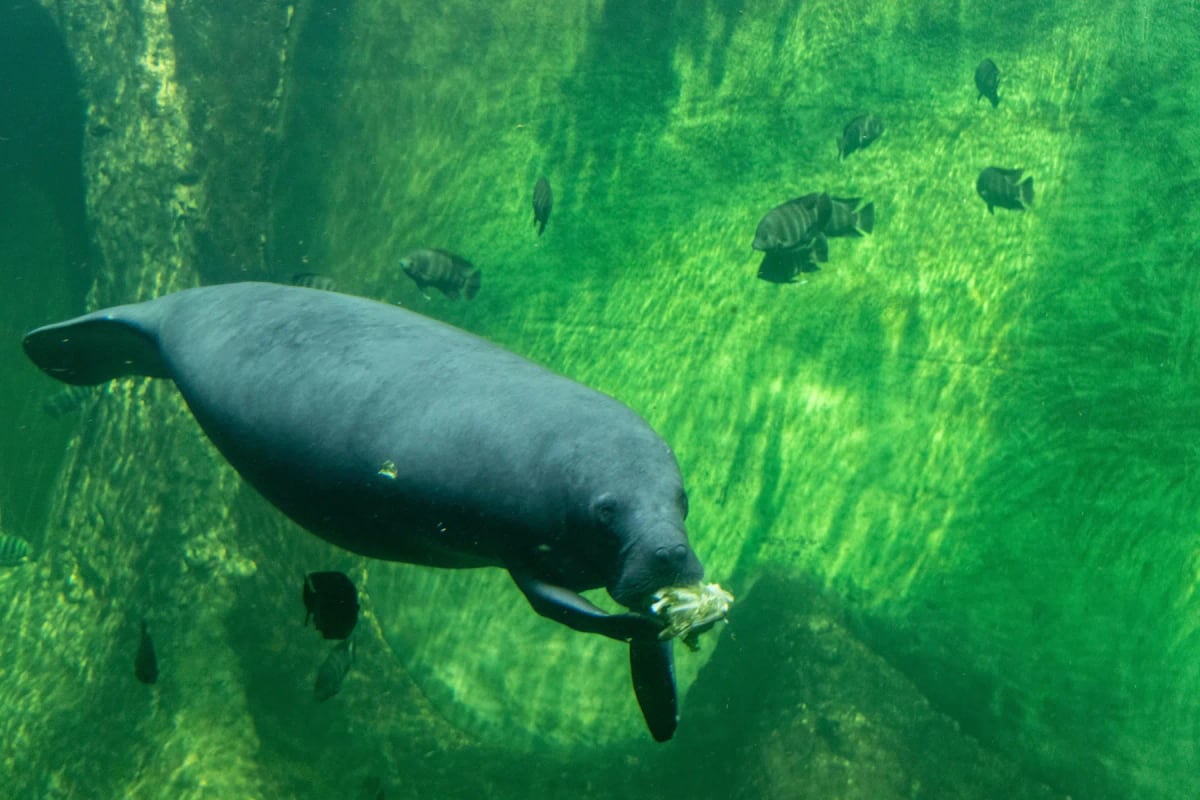
African Manatee
Trichechus senegalensis
The Gambia River is among the most thoroughly studied habitats for the African manatee in West Africa, and the species maintains a notable presence throughout much of its length. Gambia's narrow geography makes the manatee relatively accessible to researchers and local communities. Despite this, artisanal fishing nets remain a constant hazard, and hunting still occurs in some riverine villages.
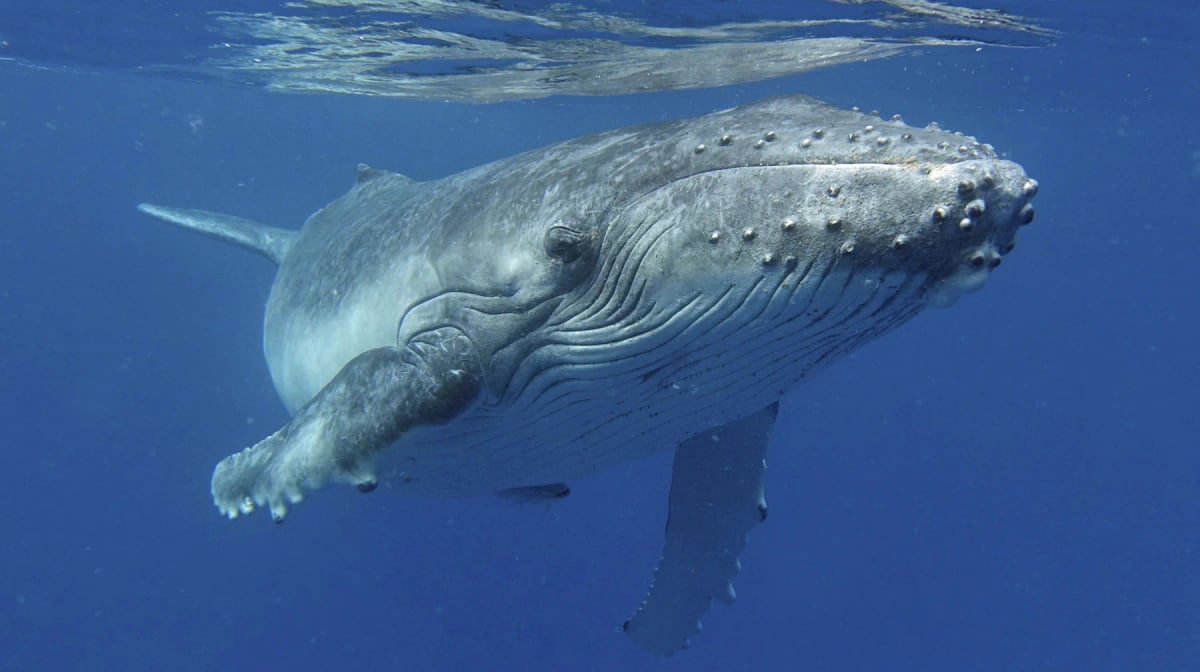
Humpback Whale
Megaptera novaeangliae
Humpback whales pass through the Atlantic waters off Gambia as part of their annual migration along the West African coast. They travel between cold feeding grounds to the south and warmer breeding areas closer to the equator. Gambia's position along this coastal corridor makes sightings possible from its shores and boats. These whales can weigh up to 40 tonnes and grow to 16 metres. The IUCN lists the species as Least Concern.
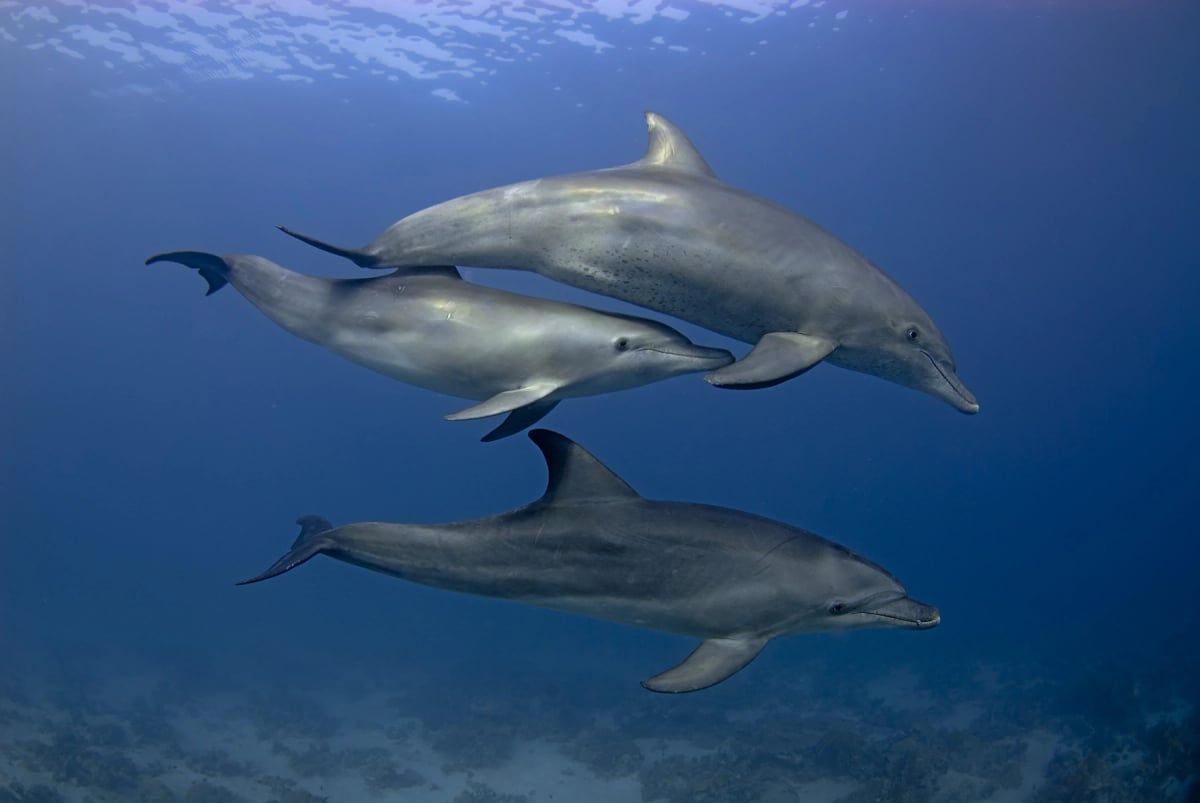
Bottlenose Dolphin
Tursiops truncatus
Bottlenose dolphins frequent the coastal Atlantic waters of The Gambia and are sometimes seen entering the lower reaches of the Gambia River estuary. The country's short but productive coastline supports artisanal fisheries, and dolphins often appear near fishing activity. Dolphin watching has become a small but growing part of the tourism economy. The proximity of dolphin habitat to human activity calls for careful management of these encounters. The IUCN lists the species as Least Concern.
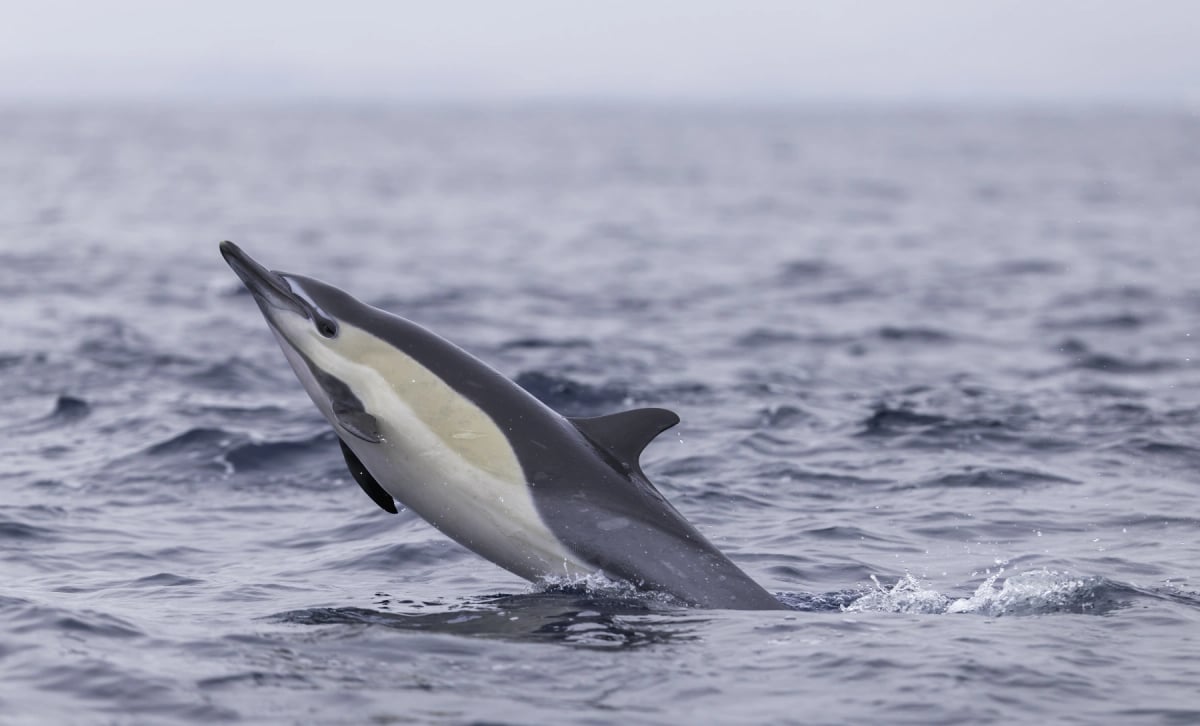
Common Dolphin
Delphinus delphis
The common dolphin occurs in Atlantic waters off the coast of Gambia, where the mixing of nutrient currents supports productive fishing grounds shared by both dolphins and local fishers. They typically travel in groups and feed on the small fish that are abundant in this part of West Africa. Dolphin sightings from the shore or small boats are not uncommon in the region. IUCN status: Least Concern.
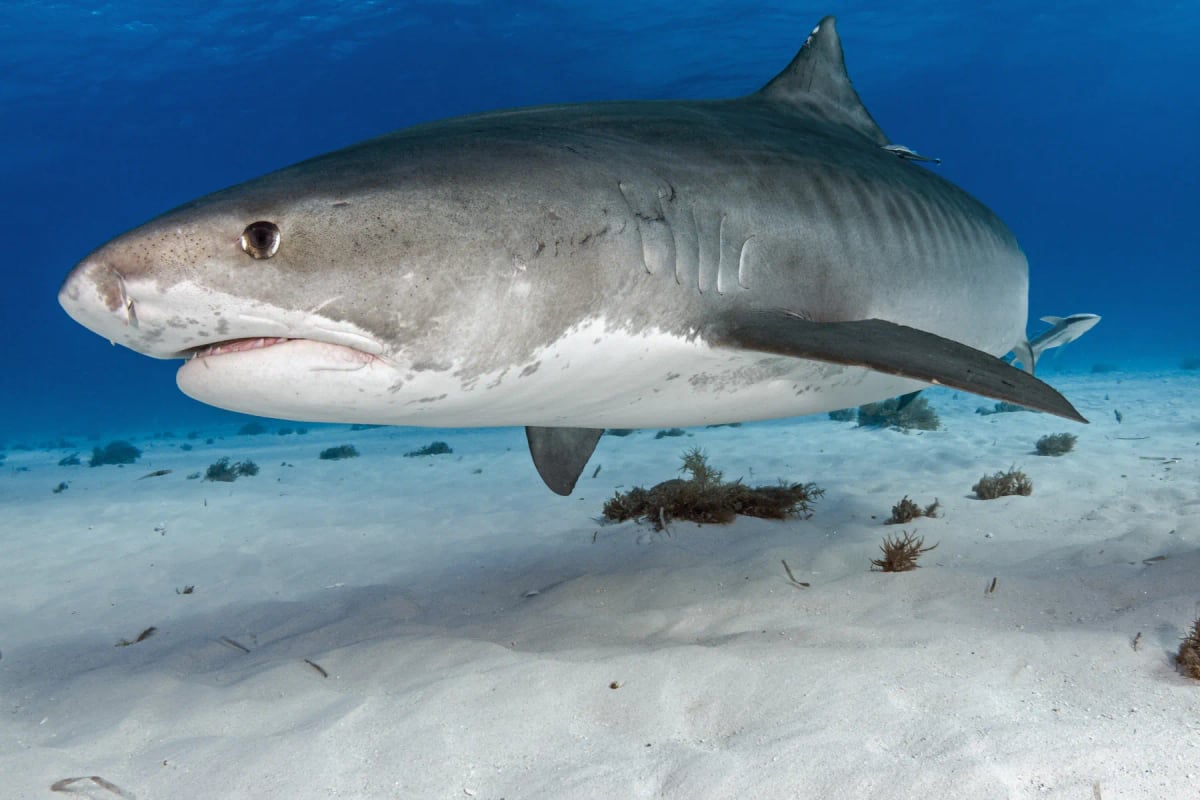
Tiger Shark
Galeocerdo cuvier
Along the Gambian coast and around the mouth of the Gambia River, tiger sharks find ideal conditions: warm shallow waters, estuaries, and a steady supply of fish and rays. This small West African nation sits within a stretch of coastline where tiger sharks are regularly encountered. The species faces pressure from artisanal and commercial fishing fleets active throughout the region.
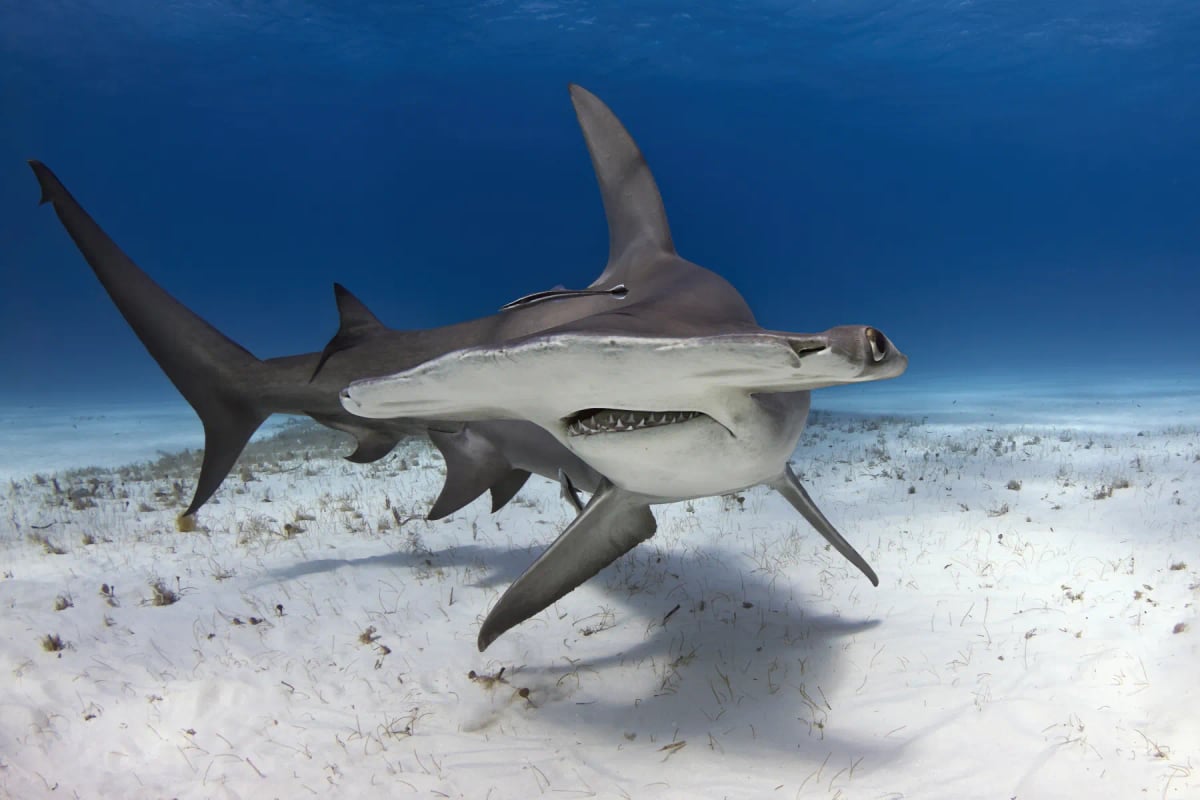
Hammerhead Shark
Sphyrna spp.
The Gambia's short but productive Atlantic coastline supports a range of marine species, including Hammerhead Sharks that patrol the warm waters of the West African shelf. Artisanal fishing is a major part of life here, and sharks are sometimes caught as bycatch. With the Hammerhead already Critically Endangered, conservation awareness among local fishing communities is increasingly important for their survival.
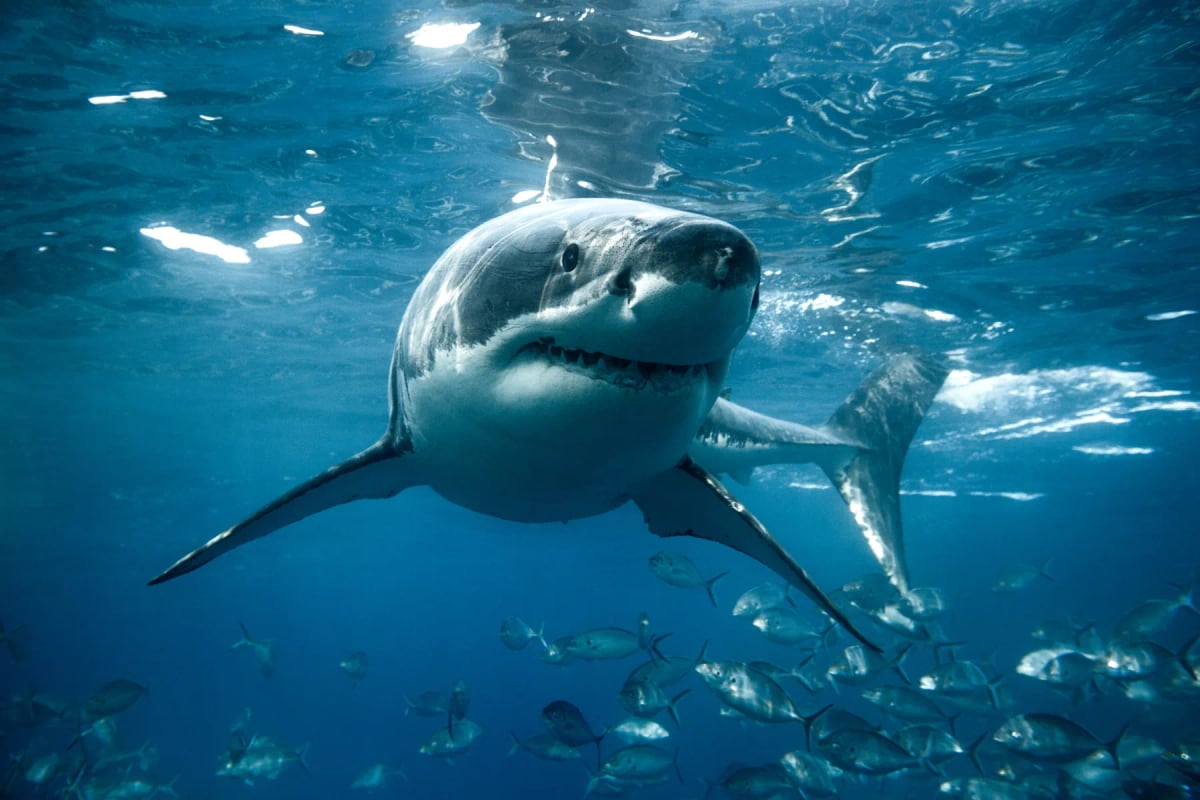
Great White Shark
Carcharodon carcharias
The great white shark occasionally passes through the Atlantic waters off the Gambia, one of West Africa's smallest coastal nations. These appearances are rare and likely involve individuals moving along the broader West African coastline. As the world's largest predatory fish, it is classified as Vulnerable by the IUCN. Overfishing and bycatch throughout West African waters pose serious threats to its survival over the long term.
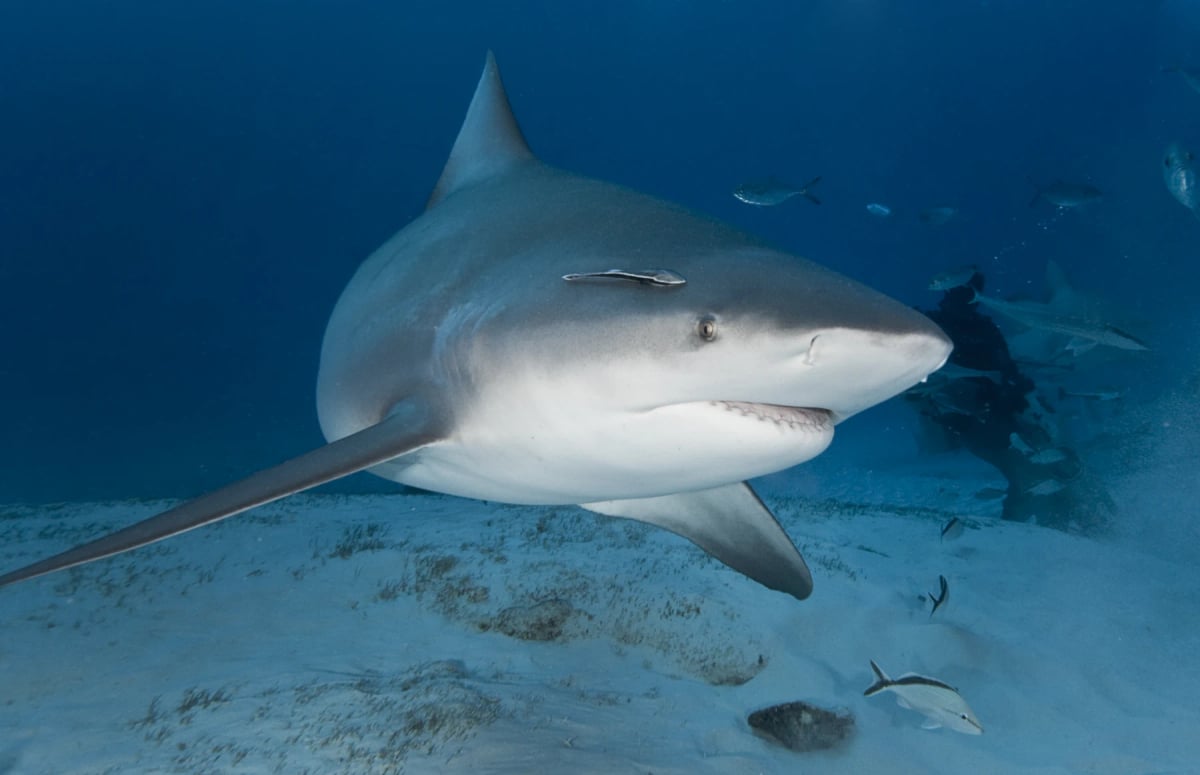
Bull Shark
Carcharhinus leucas
The Gambia River is one of West Africa's most significant waterways, and bull sharks have historically been recorded moving well inland along it, taking advantage of the species' ability to tolerate fresh water. The river's estuarine lower reaches and the Atlantic coastal waters surrounding the Gambia provide foraging habitat for this predator. Listed as Near Threatened by the IUCN, bull sharks face pressure from artisanal fishing throughout the region.
Researched and written by Juan Pablo. Sources: IUCN Red List, scientific literature and regional field guides. Last updated: .