Animals in Mauritania
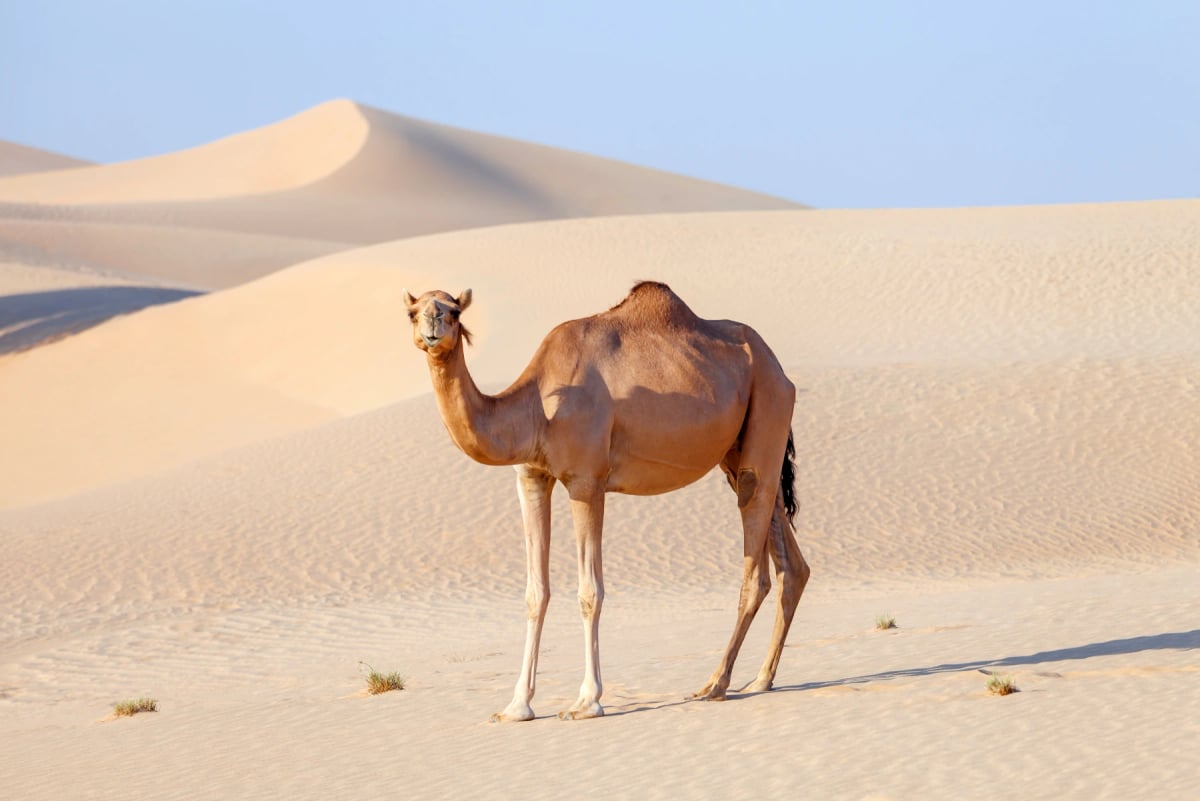
Dromedary Camel
Camelus dromedarius
The dromedary camel, Mauritania’s national animal, is essential to desert life and nomadic culture. It provides transport, milk and companionship in one of the world’s harshest environments. Beyond its utility, it represents patience, endurance and the deep connection between people and the Sahara.
View details→Wildlife in Mauritania
Mauritania’s wildlife survives between the dunes of the Sahara and the Atlantic Ocean. Fennec foxes, dromedaries and gazelles roam the dry interior, while sea turtles, dolphins and flamingos thrive along Banc d’Arguin National Park. These contrasting habitats make the country a meeting point between desert and marine life.
Most Dangerous Animals in Mauritania
Mauritania’s wildlife poses few threats, yet caution is advised in remote regions. Hyenas and desert snakes appear occasionally, while in the ocean, sharks may be found near fishing zones. Traveling with guides and respecting local advice ensures a safe and respectful experience with nature.
Top 10 Animals in Mauritania
Mauritania’s deserts and coasts host a variety of animals adapted to extreme conditions. The fennec fox, known for its large ears and nocturnal behavior, is a symbol of the Sahara. Along the coast, dolphins and flamingos attract nature lovers and researchers studying the region’s fragile ecosystems.
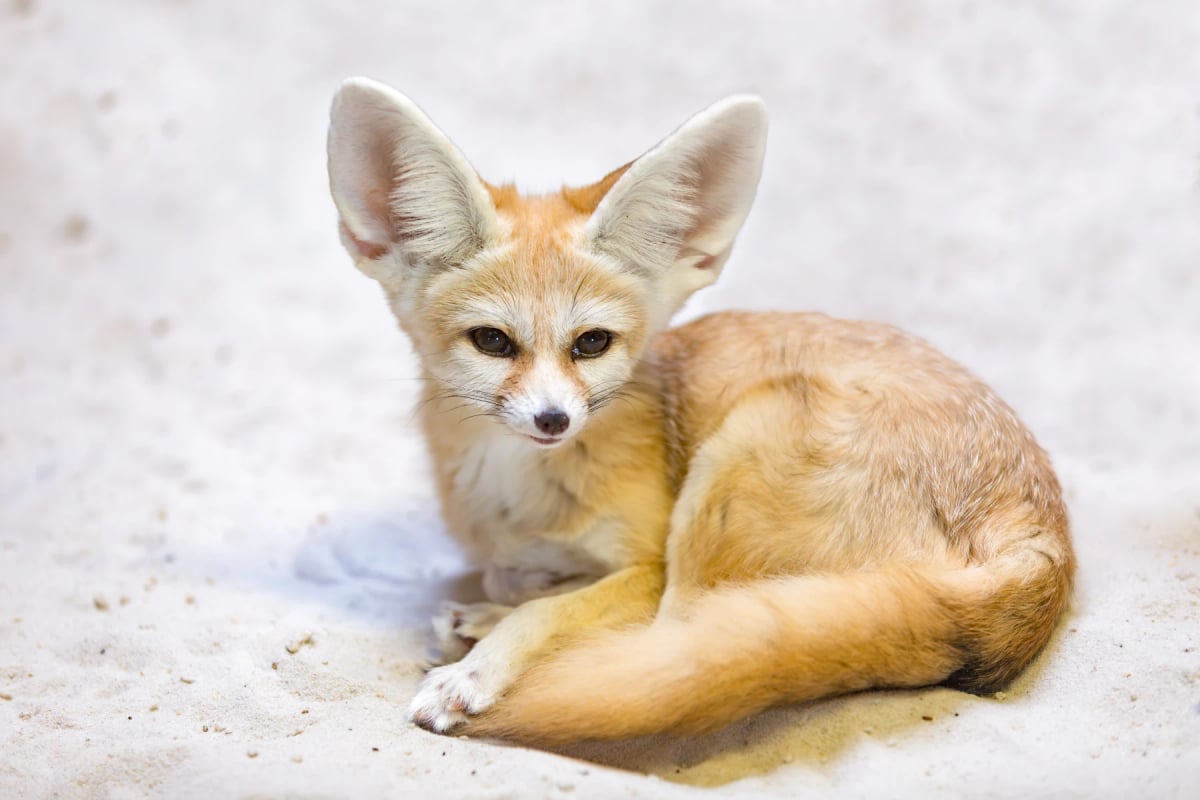
Fennec Fox
Vulpes zerda
Mauritania is one of the most arid countries in Africa, and the fennec fox is at home across much of its territory. It is particularly common in the sandy regions of the north and the Adrar plateau. Nocturnal and resourceful, it survives in areas where water is almost entirely absent by extracting moisture directly from its food.
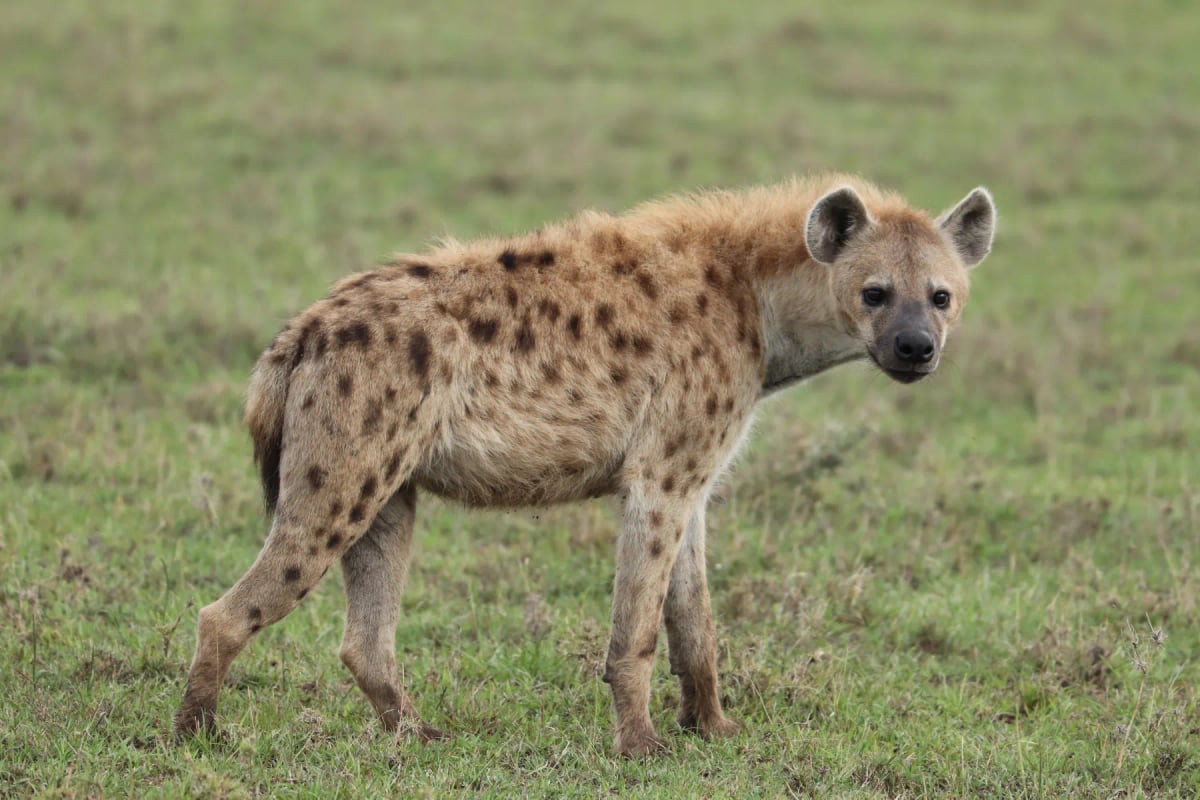
Spotted Hyena
Crocuta crocuta
In Mauritania, spotted hyenas occupy the southern Sahelian belt, where grasslands and scrub offer enough prey to sustain small populations. They are highly adaptable and can survive on a wide variety of food sources, which helps them endure in this arid environment. Encounters with pastoral communities are common, and retaliatory killing is one of the main pressures they face in this region.
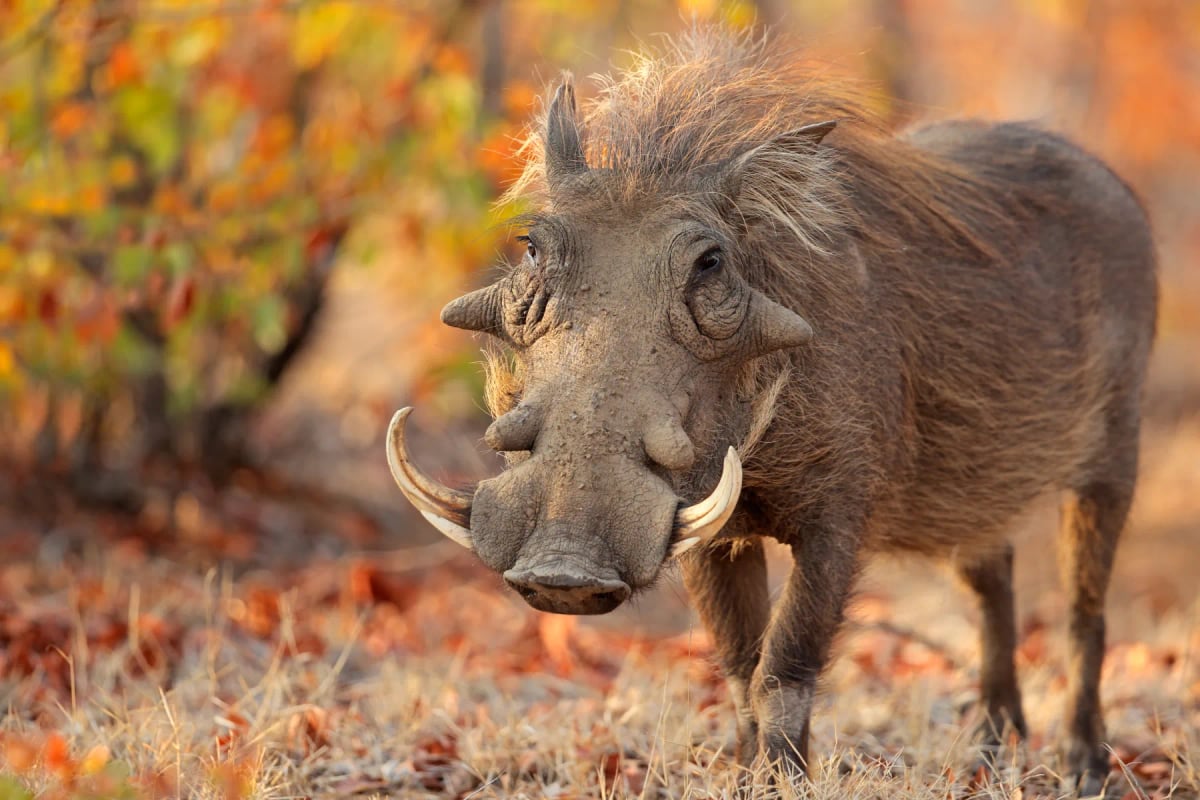
Warthog
Phacochoerus africanus
Warthogs in Mauritania are confined mainly to the southern Sahel strip, where enough vegetation survives to support them. They are far less common here than further south, living at the very northern edge of their range. Seasonal waterholes and patches of grassland are vital for their survival. Their presence in Mauritania reflects how adaptable this species can be even in harsh, arid conditions. IUCN status: Least Concern.
Dromedary Camel
Camelus dromedarius
Mauritania is one of the most camel dense countries in Africa, with herds roaming the Saharan north and the semi arid Sahel in the south. Camels are central to Mauritanian pastoral culture, prized above all for their milk, which forms a key part of the local diet. The animals are also traded at large livestock markets and symbolize wealth and social status among many nomadic communities across the country.
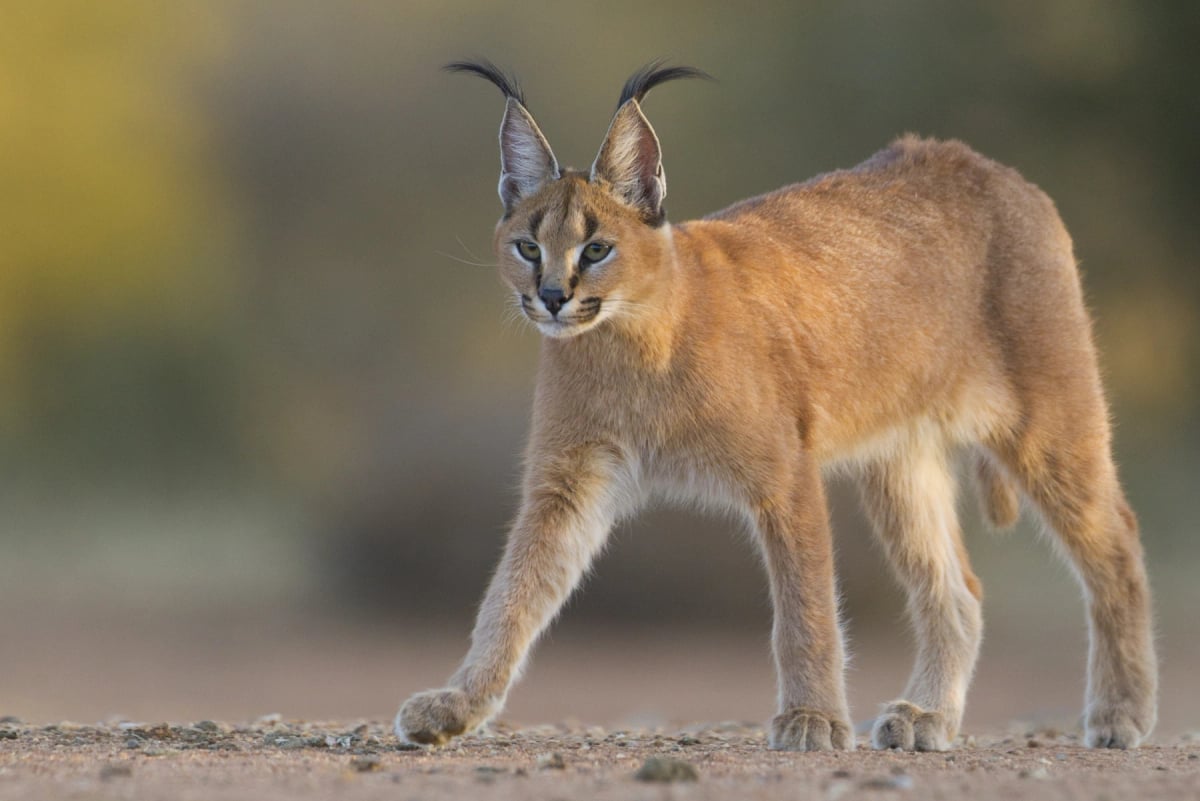
Caracal
Caracal caracal
Mauritania's vast arid and semi-arid landscapes, stretching from the Saharan interior to the Sahelian south, support a sparse caracal population. The cat navigates stony plains and dry riverbeds in search of hares, rodents, and birds. Little targeted research has been conducted on the species here, making precise population estimates difficult. Habitat degradation and conflict with pastoral communities are the primary threats. The IUCN status is Least Concern.
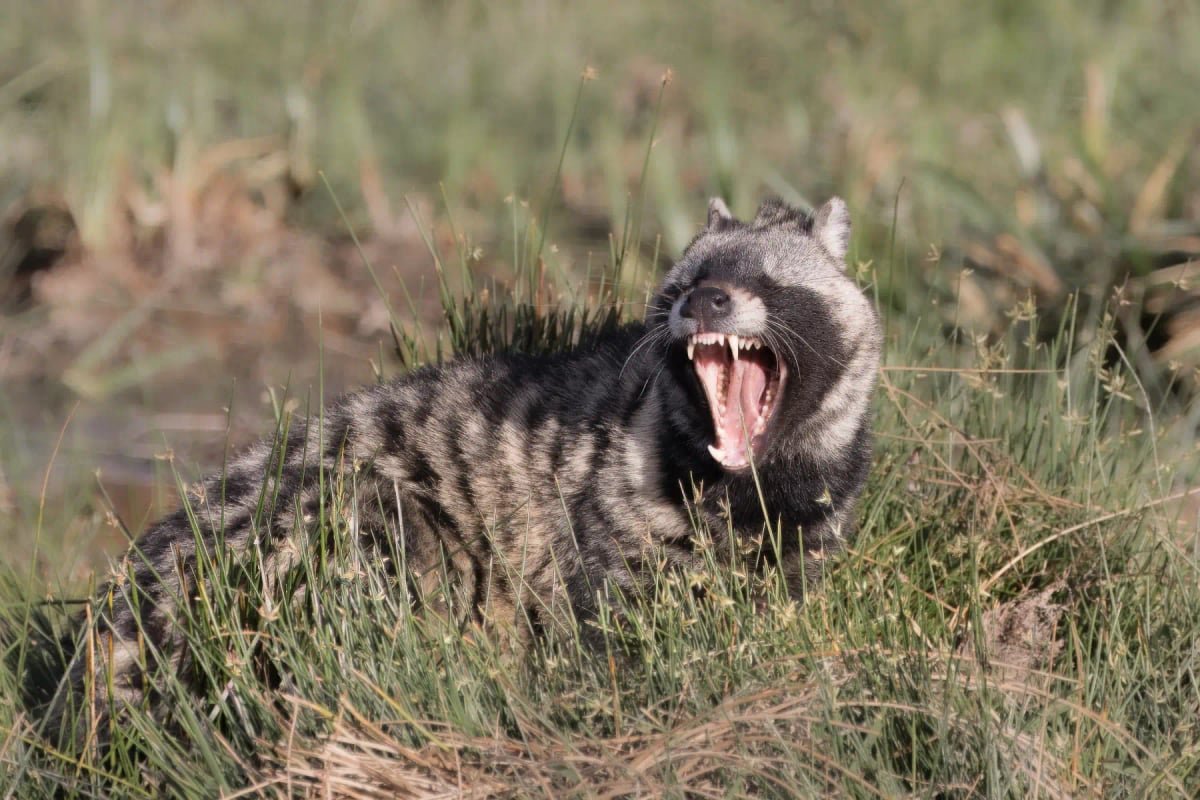
African Civet
Civettictis civetta
The African civet reaches the northwestern edge of its range in Mauritania, restricted to the far south along the Senegal River valley and the woodland savanna zone near the borders with Senegal and Mali. The vast majority of Mauritania is desert or arid scrub, entirely unsuitable for the species. Civet presence here is marginal and tied entirely to areas with permanent water and riparian vegetation.
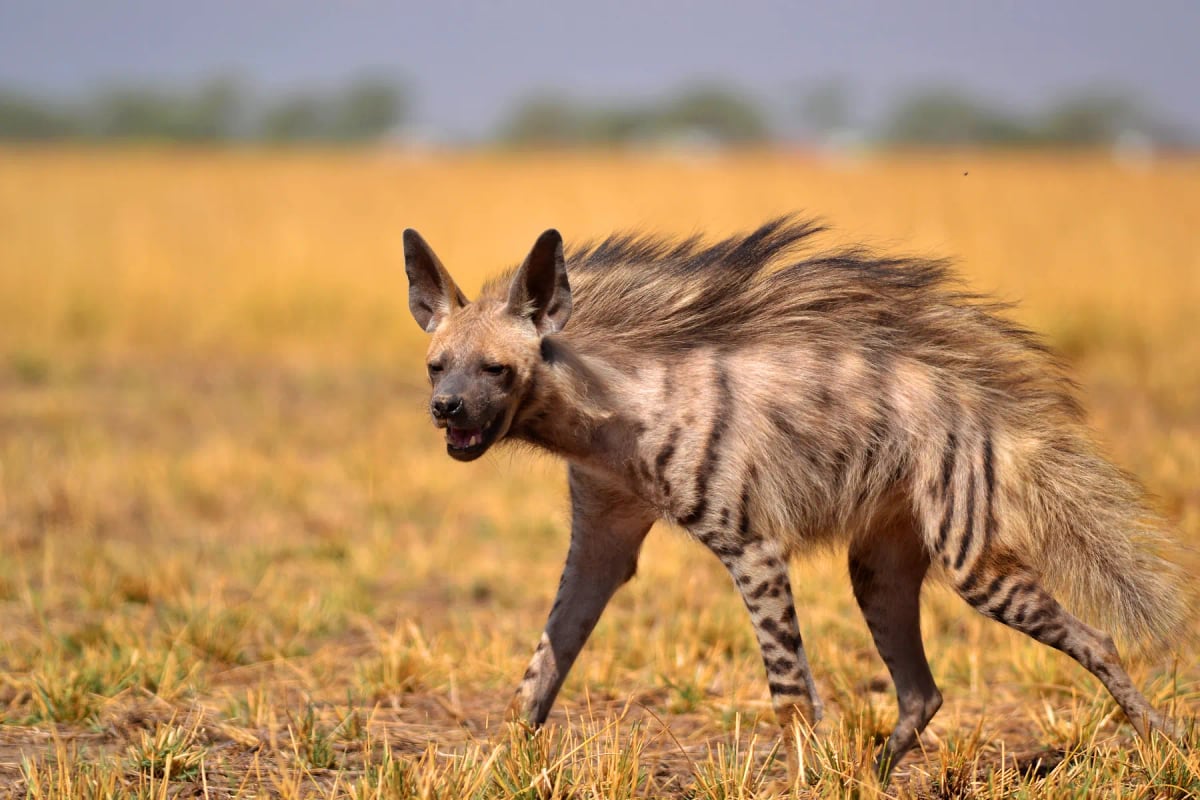
Striped Hyena
Hyaena hyaena
The striped hyena roams the arid fringes of the Sahara in Mauritania, where it picks its way through rocky outcrops and dry wadis in search of carrion and scraps. It is rarely seen, coming out only after dark and resting through the brutal desert heat. Persecution and a general scarcity of prey keep its numbers low. The IUCN lists it as Near Threatened.

Honey Badger
Mellivora capensis
The honey badger reaches the western edge of its range in Mauritania, limited mainly to the Sahelian fringe in the south near the Senegal River, since the vast Sahara covers most of the country. It survives on rodents, insects and reptiles in this sparse, dry landscape. Records here are scarce, but the species is considered Least Concern by the IUCN across its full distribution.
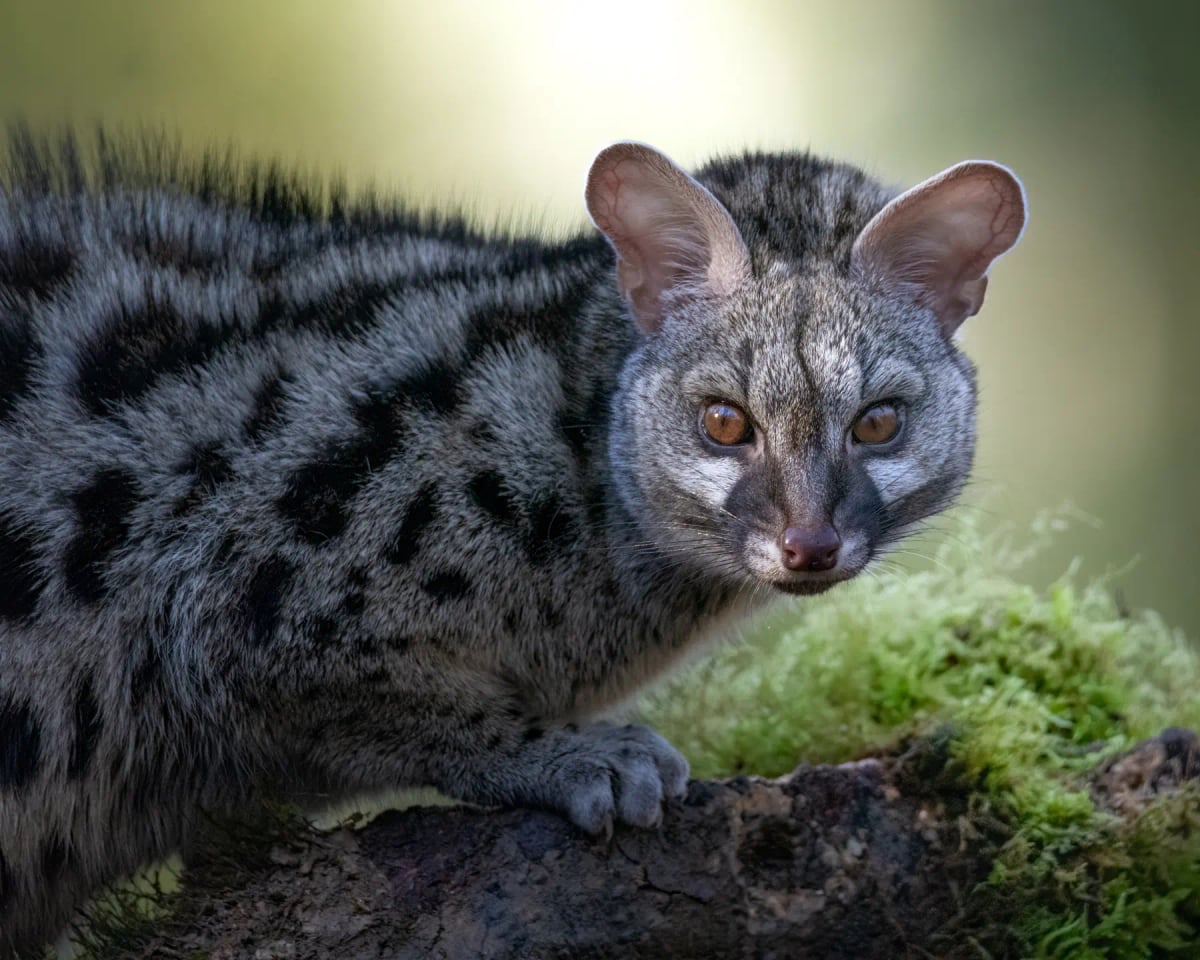
Common Genet
Genetta genetta
The common genet is found across Mauritania's southern regions, where the Sahel's scattered woodlands and rocky outcrops provide shelter and hunting grounds. Strictly nocturnal, it hides during the day in dense thickets or rock crevices and emerges at night to prey on small mammals, birds, and insects. Its spotted coat blends well with the dry, patchy vegetation of this arid country. IUCN status: Least Concern.
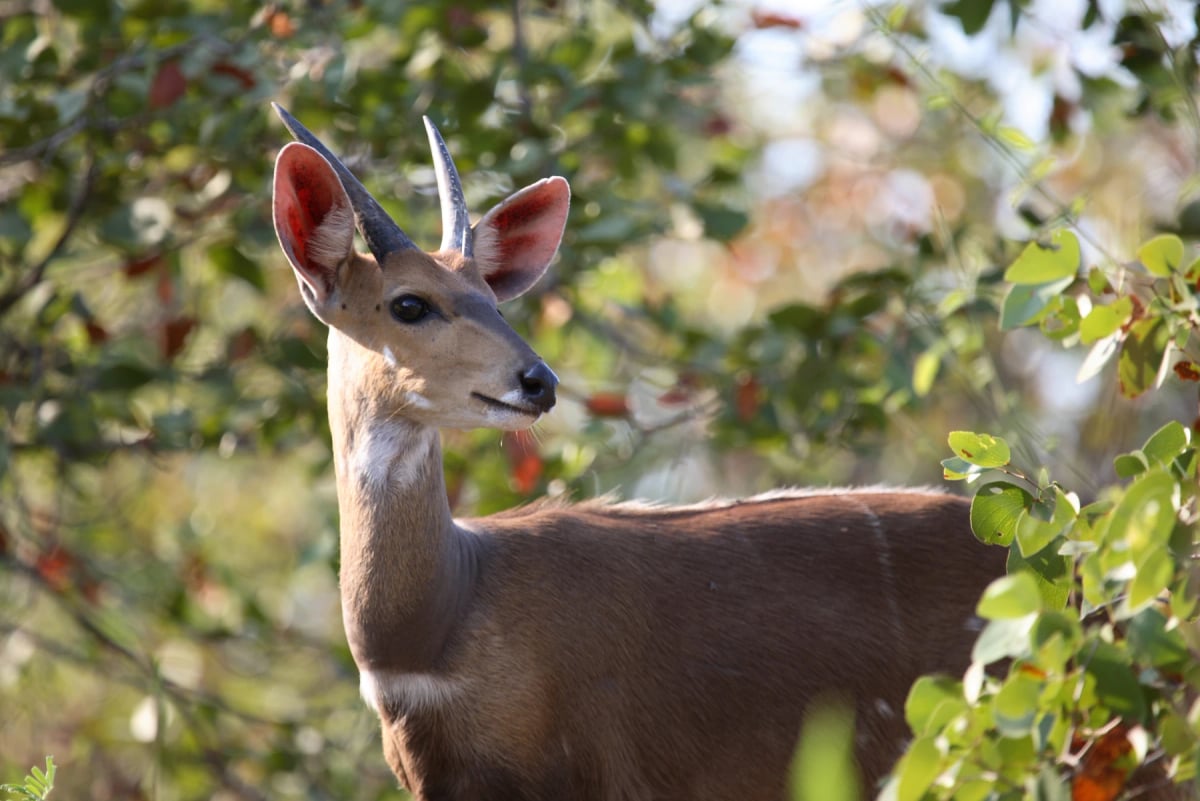
Bushbuck
Tragelaphus scriptus
Mauritania's bushbucks occupy scattered riverine woodlands and dense vegetation patches within the country's arid landscape. These solitary antelopes represent the northwestern limit of the species' African distribution. They depend entirely on vegetation pockets with sufficient moisture and cover for feeding and shelter. Their presence in Mauritania remains restricted to isolated habitats, making them rarely observed despite inhabiting the country's most vegetated zones.
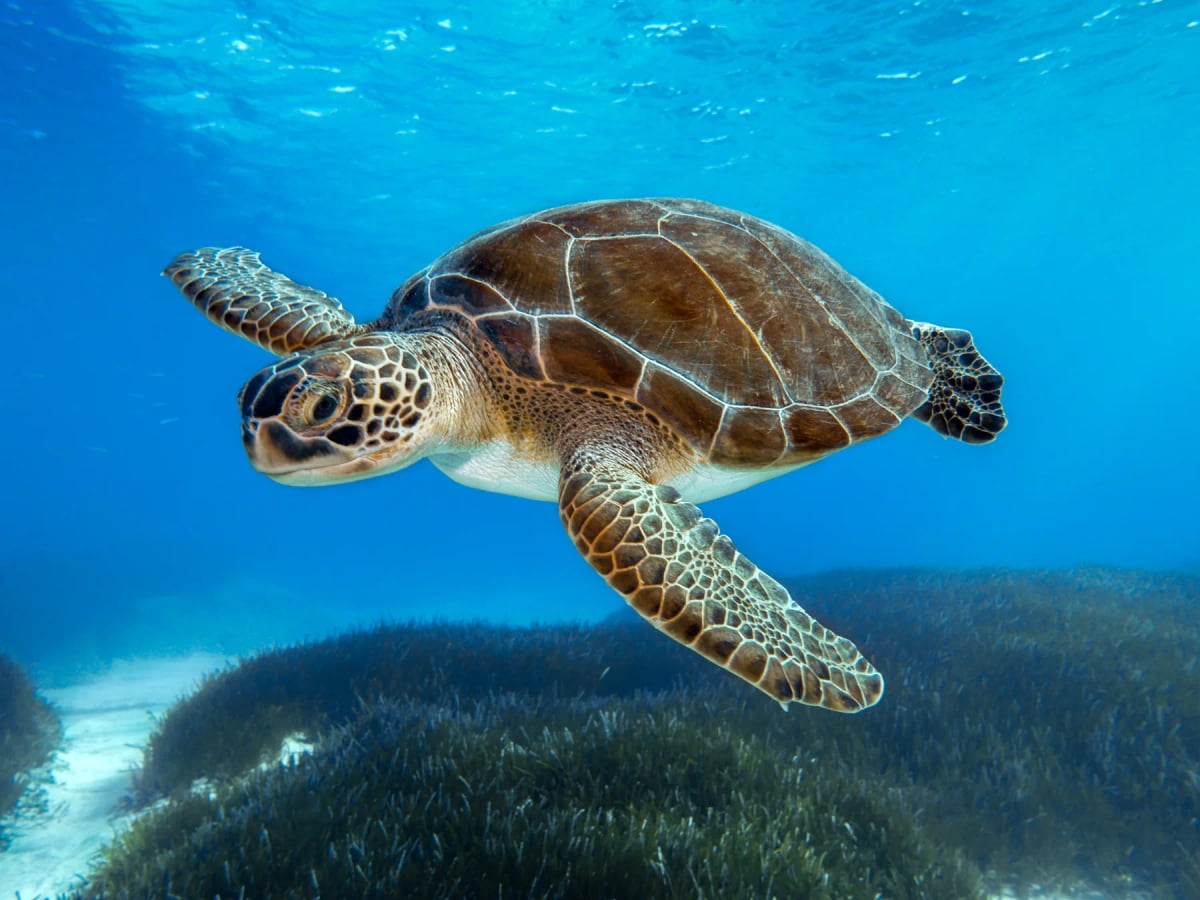
Sea Turtle
Cheloniidae & Dermochelyidae (families)
Mauritania's Atlantic coastline is part of the important West African sea turtle region. The Banc d'Arguin National Park, a UNESCO World Heritage Site, provides protected habitat for green and loggerhead turtles that use the shallow waters and seagrass beds as feeding grounds. Loggerhead turtles nesting in the Canary Islands are known to forage in Mauritanian waters, making the country an important link in the loggerhead population's life cycle across the eastern Atlantic.
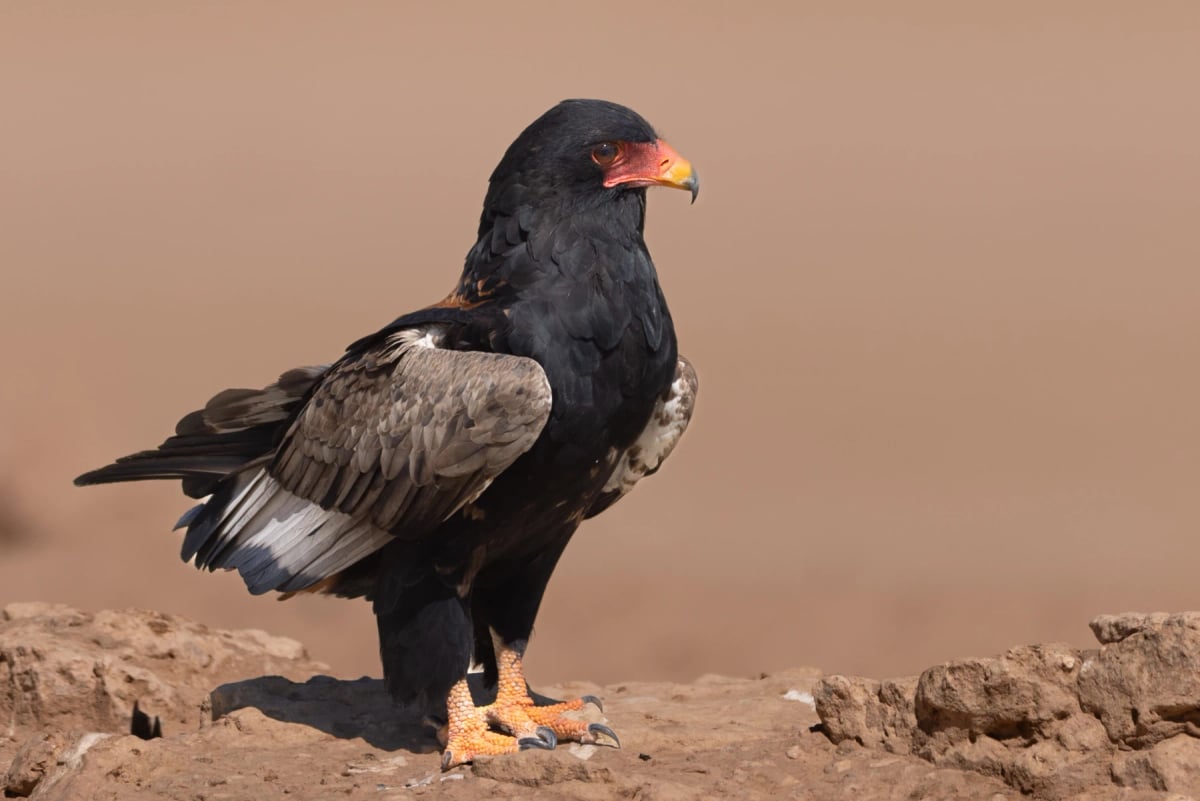
Bateleur
Terathopius ecaudatus
The bateleur reaches the northern edge of its range in Mauritania, where it occurs sparsely in the Sudanian and Sahelian zones of the south. It favors open savanna with scattered trees, hunting and scavenging across wide territories. As an Endangered species under the IUCN, its presence here is marginal but significant, and it faces threats from habitat loss driven by desertification and land use change.
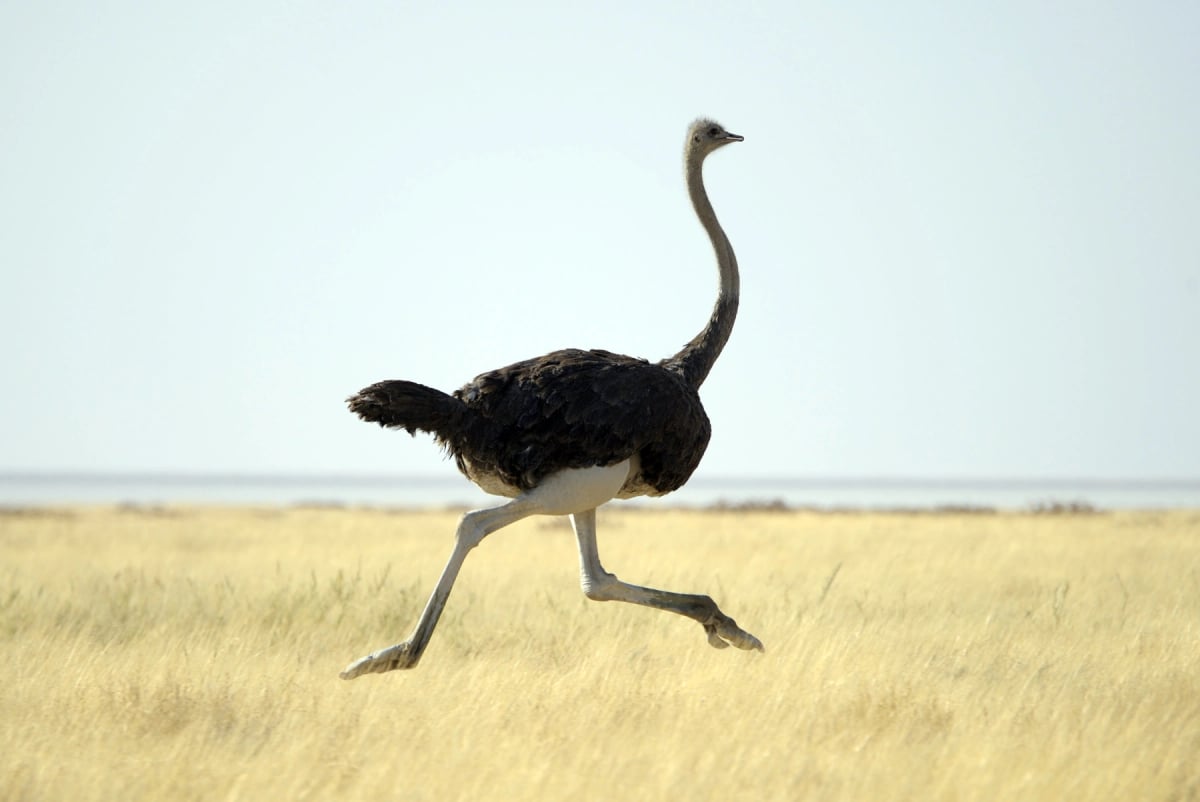
Ostrich
Struthio camelus
Ostriches inhabit the semi-arid Sahel belt of Mauritania, where sparse grasslands meet the edge of the Sahara. They are adapted to extreme heat and scarce water, surviving on grasses, seeds, and leaves found across these harsh landscapes. Populations in Mauritania have come under pressure from unregulated hunting over the decades. The species holds a Least Concern status globally, but local numbers remain a concern.
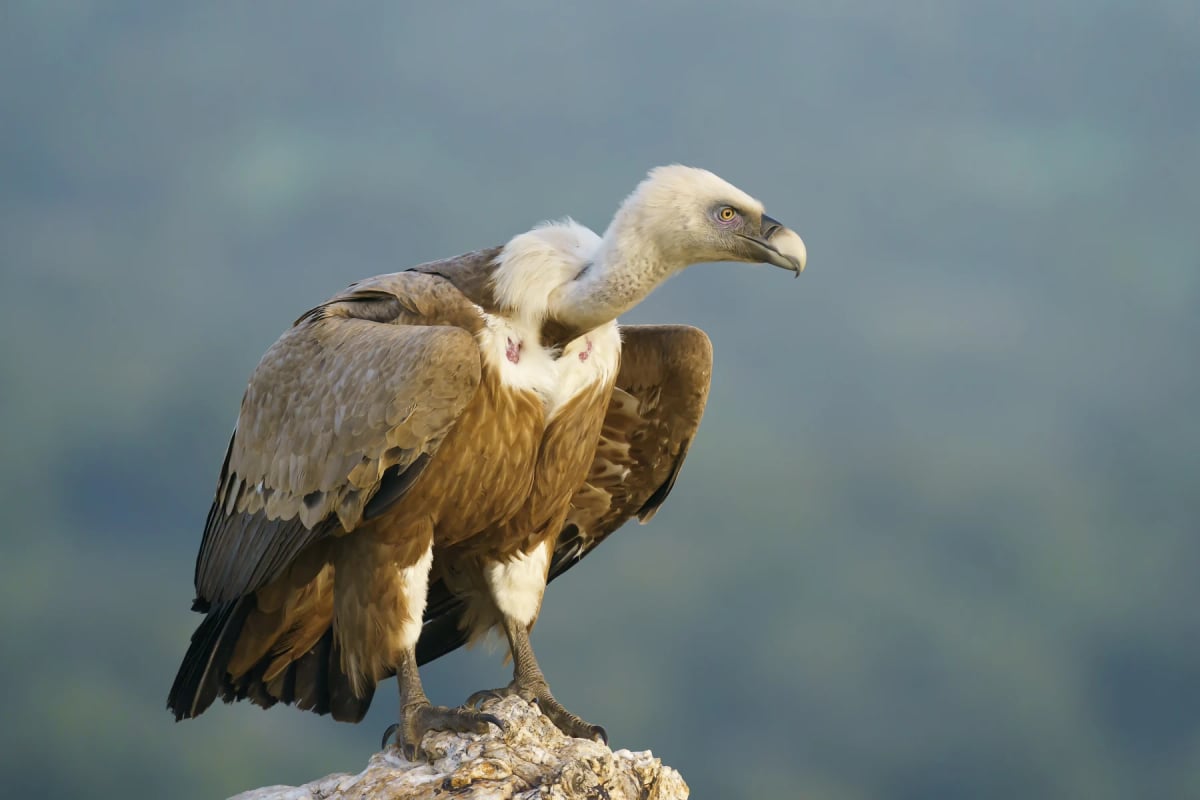
Griffon Vulture
Gyps fulvus
Mauritania is one of the first stops south of the Sahara for griffon vultures coming from Europe. Young birds from Spain cross the desert each autumn and spread over the Sahel, and the open plateaus and rocky escarpments of the country let them spot carcasses from great heights. The IUCN lists the species as resident here, and it plays a quiet but important cleaning role in this harsh land. IUCN status: Least Concern.
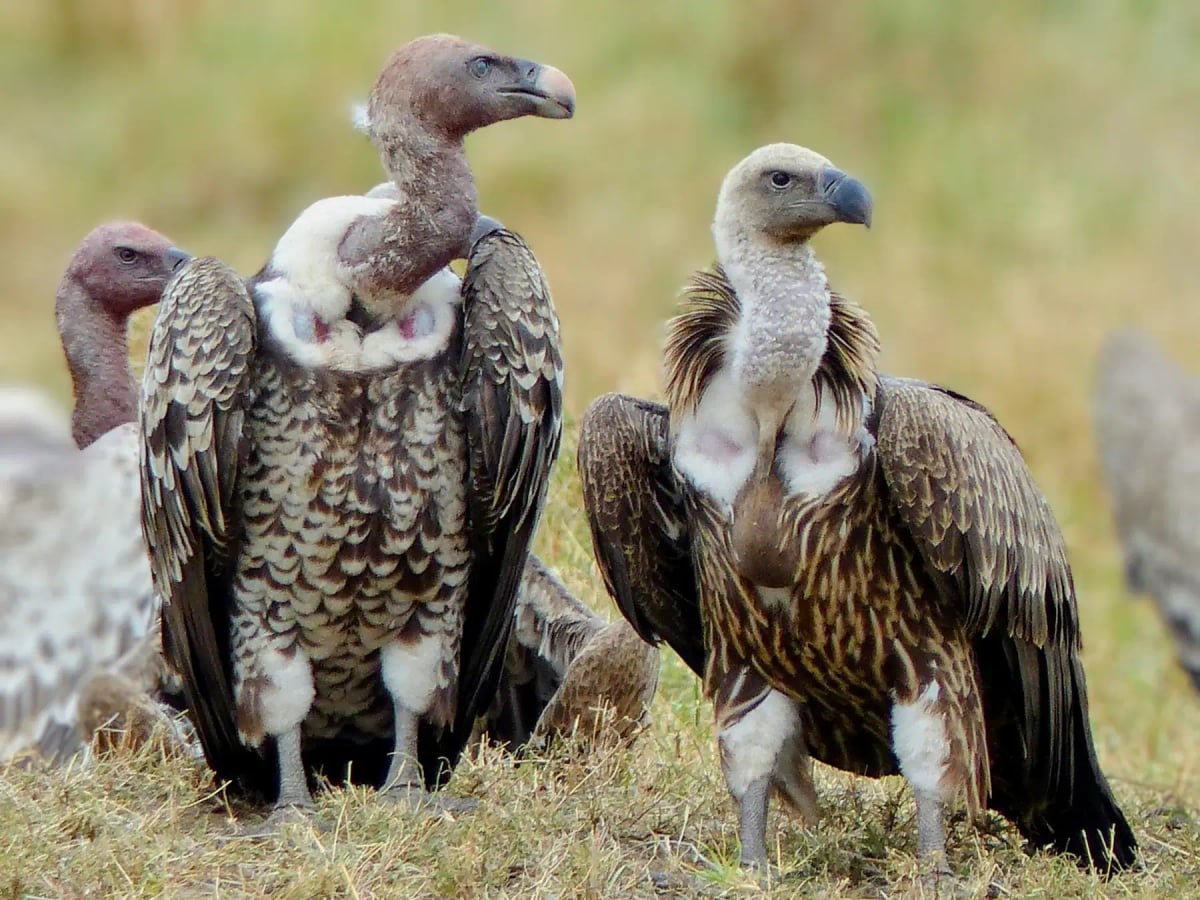
White backed Vulture
Gyps africanus
In Mauritania, the white backed vulture occurs mainly in the southern regions near the Senegal River valley, where patches of savanna and woodland support enough wildlife to sustain it. It is one of Africa's most important scavengers, with stomach acid strong enough to neutralize dangerous pathogens. The species is critically endangered, and poisoning, whether targeted or accidental, is among the gravest threats it faces today.
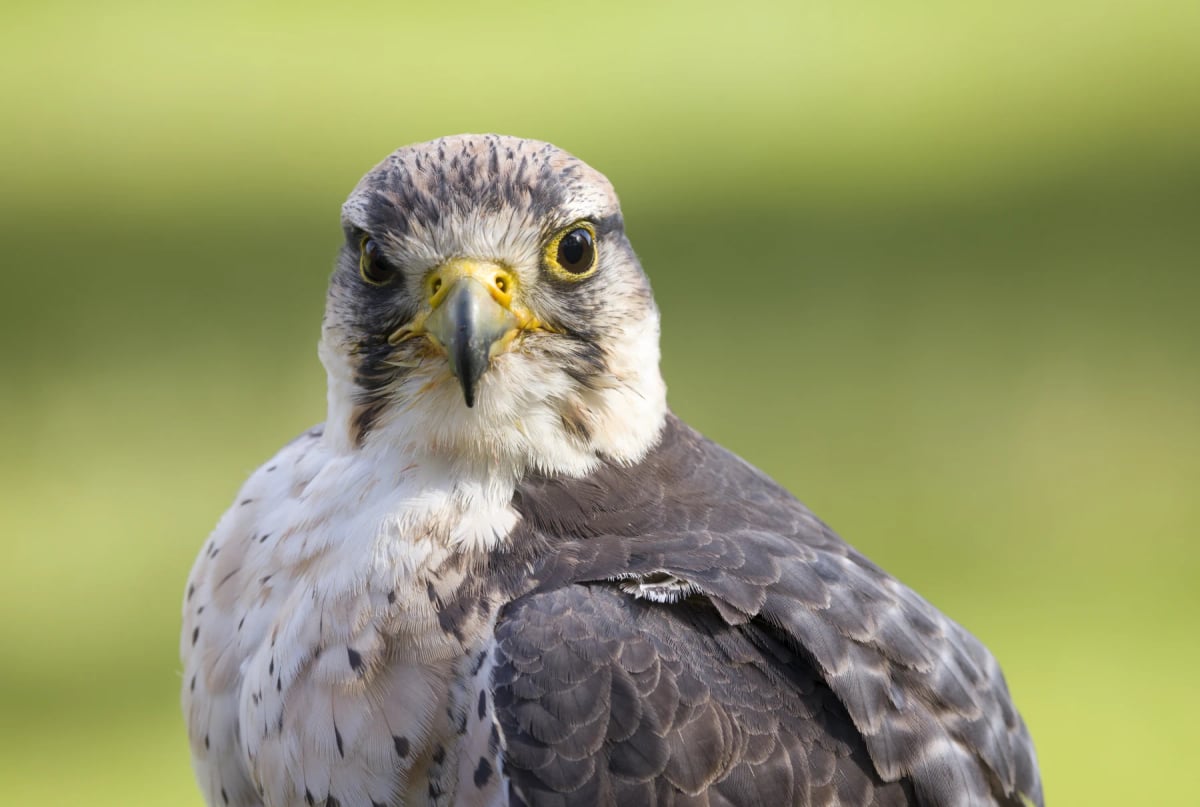
Lanner Falcon
Falco biarmicus
In Mauritania, the lanner falcon occupies the rocky desert terrain and semi-arid scrubland of the Sahara and Sahel regions. It is a resilient species that manages well in landscapes with little vegetation. Cliff faces and rocky outcrops scattered across the interior serve as nesting sites. The species hunts birds and large insects. Mauritania's vast arid interior provides extensive, largely undisturbed habitat for this falcon. IUCN status: Least Concern.
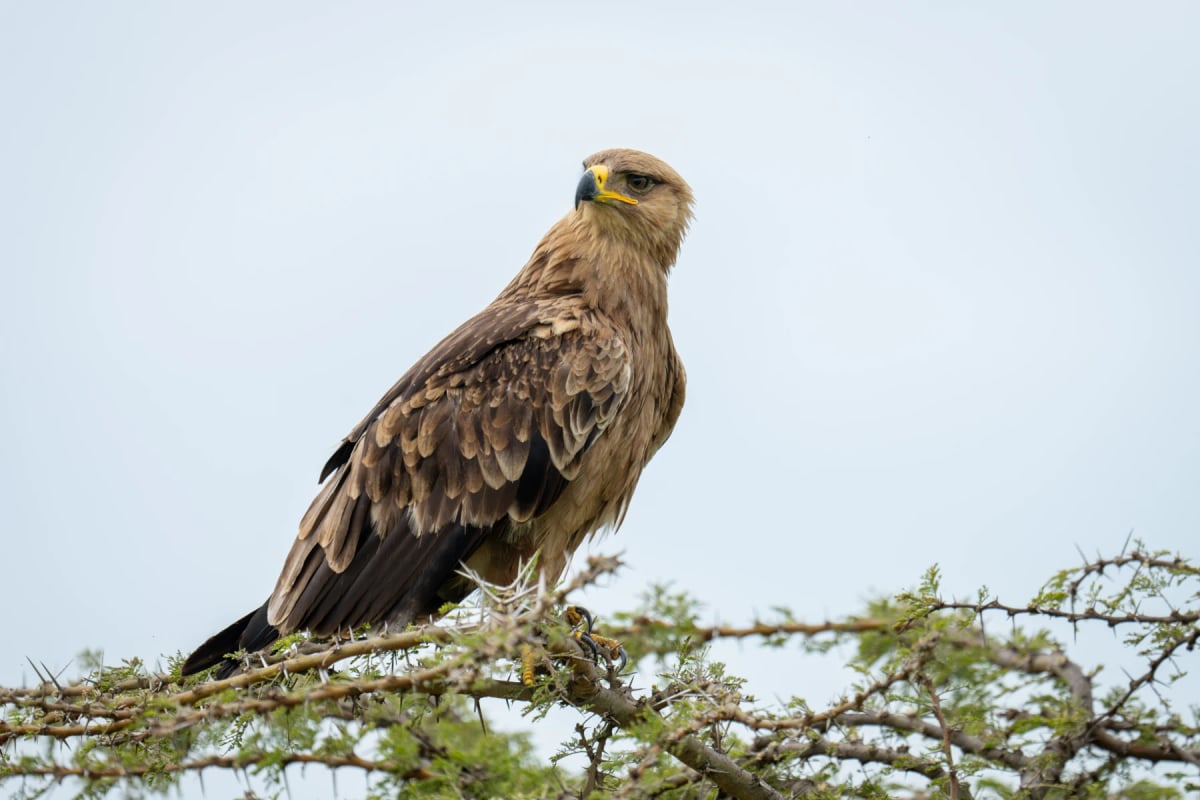
Tawny Eagle
Aquila rapax
In Mauritania, the tawny eagle inhabits the Sahel fringe and scattered acacia woodland in the southern part of the country, where it finds enough open ground to hunt and soar. It is not commonly recorded here, and its presence is largely tied to areas with some tree cover near dry riverbeds. Desertification and land degradation threaten what little suitable habitat remains. The IUCN lists this species as Vulnerable.
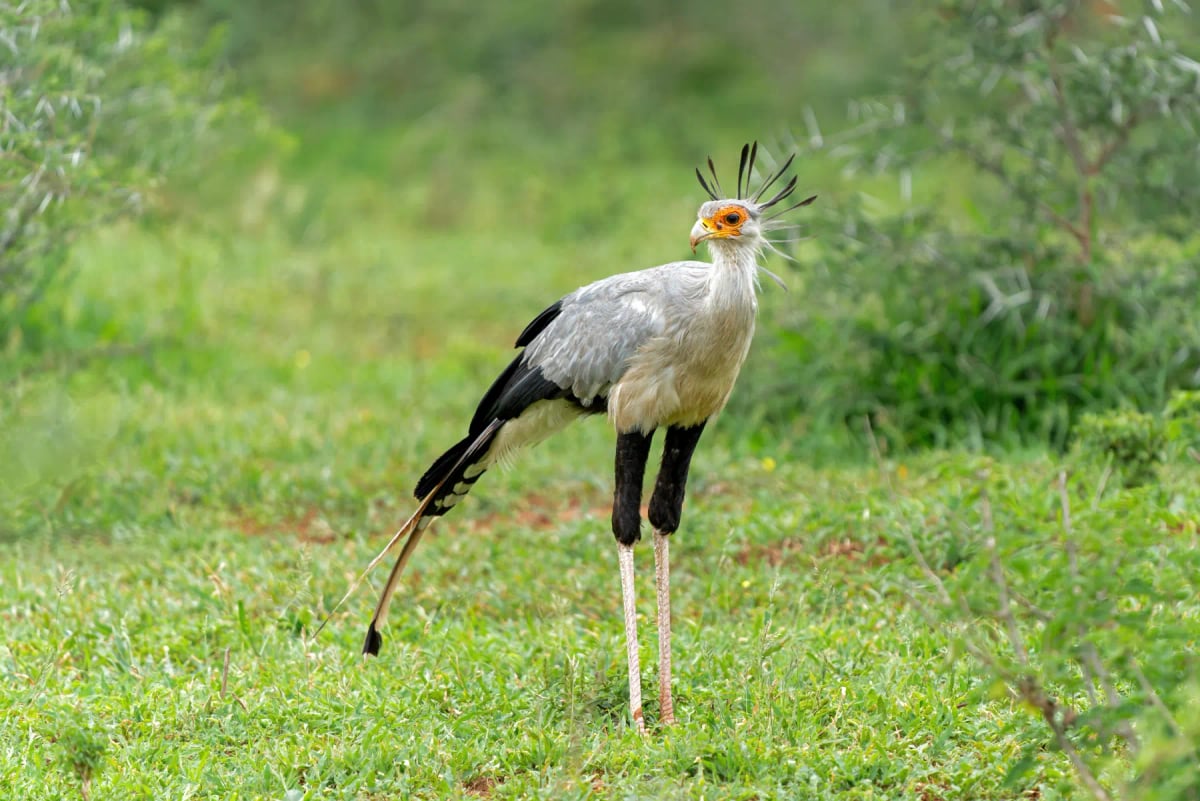
Secretary Bird
Sagittarius serpentarius
The secretary bird reaches the northern edge of its range in Mauritania, where it inhabits the sparse grasslands and open savanna of the Sahel zone in the south of the country. Here it stalks on foot through dry, open terrain hunting snakes, rodents, and large insects. Habitat pressure from desertification and agricultural activity threatens its presence in this arid region. The IUCN lists the species as Endangered.
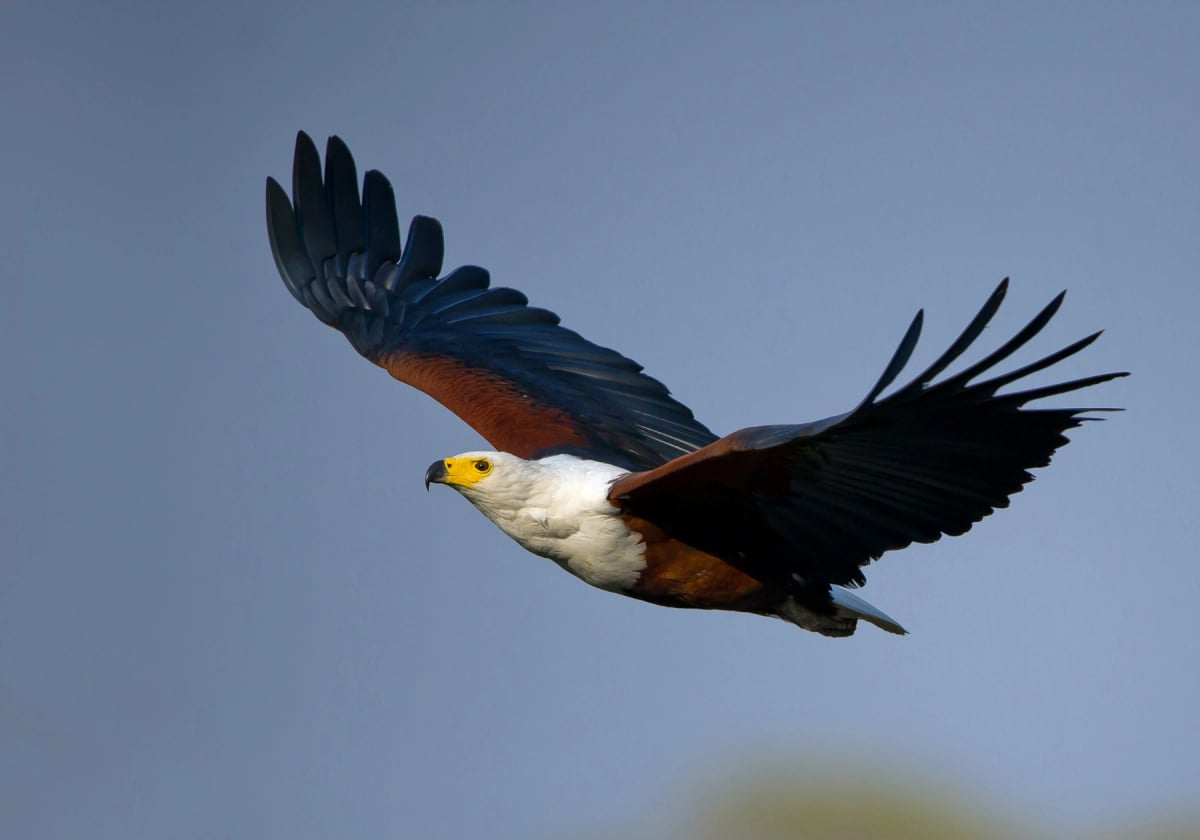
African Fish Eagle
Haliaeetus vocifer
The African fish eagle reaches its northwestern limit in Mauritania, where it is found mainly along the Senegal River, which forms the southern border with Senegal. It is an uncommon species here given the predominantly arid landscape, and permanent freshwater is scarce across most of the country. The river valley and the Diawling National Park wetlands near the coast offer the most consistent habitat for this eagle in Mauritania.
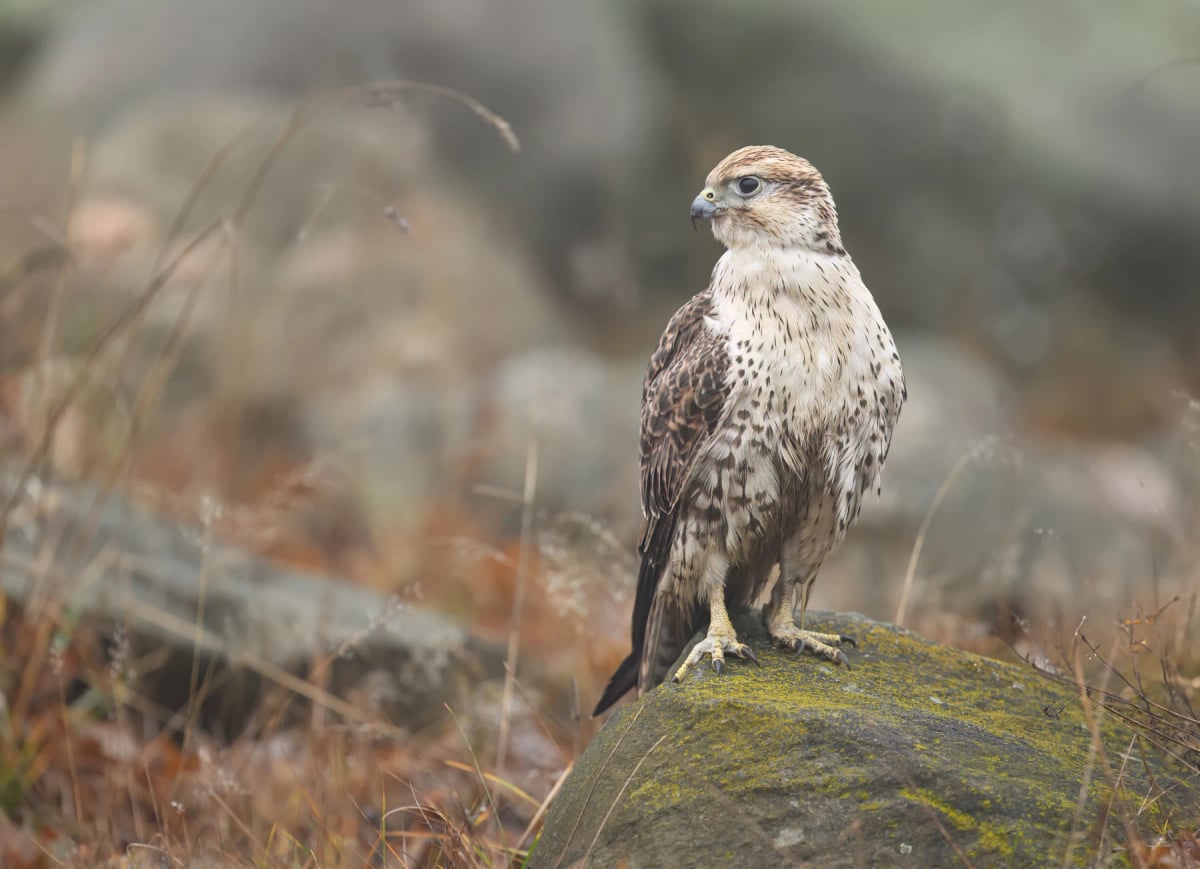
Saker Falcon
Falco cherrug
Mauritania receives saker falcons as winter visitors, with birds travelling south from their Eurasian breeding grounds through the Sahara and into the Sahel. The arid plains and open terrain of central and southern Mauritania offer suitable hunting ground for this powerful falcon. Like elsewhere along its migration route, illegal trapping for the falconry trade puts pressure on populations passing through the region. The IUCN lists the saker falcon as Endangered.
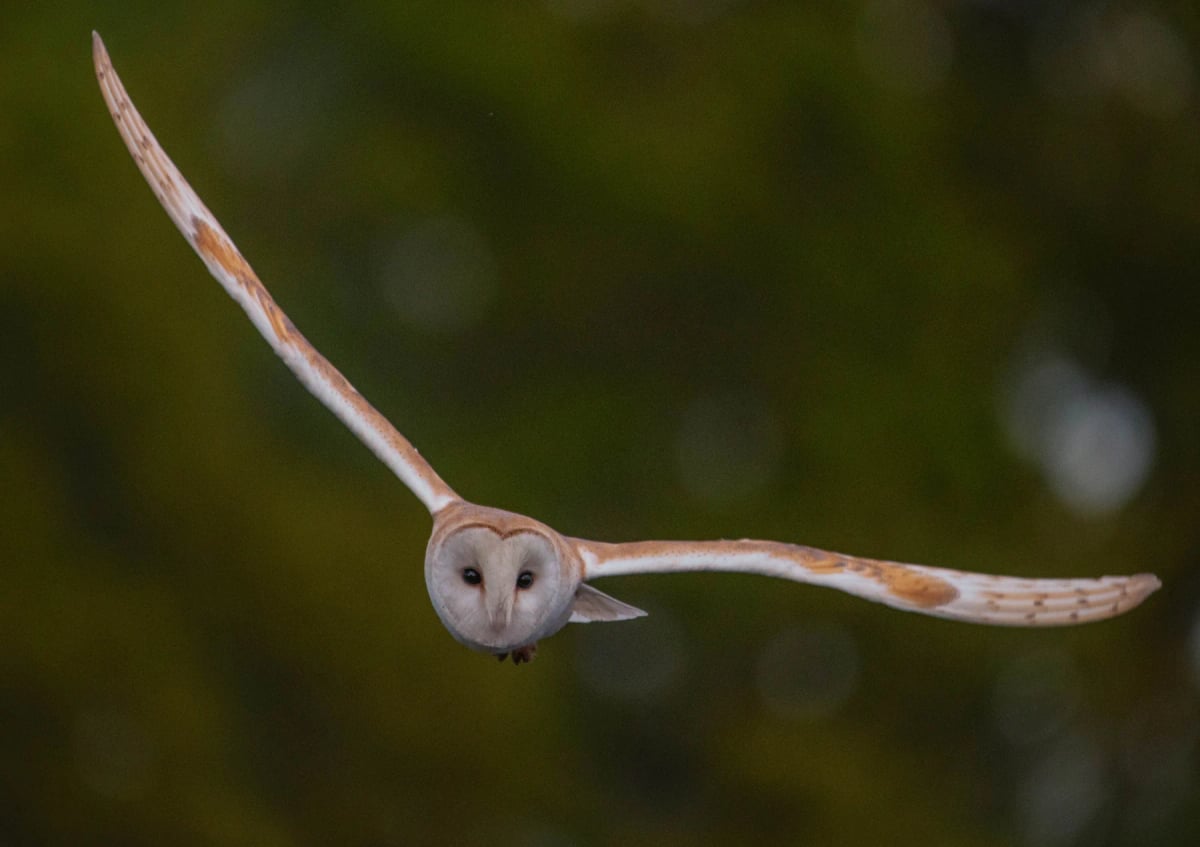
Barn Owl
Tyto alba
The barn owl is found in the inhabited zones of Mauritania, mainly in the Senegal River valley in the south, around the capital Nouakchott, and in oases scattered through the Saharan fringe. The vast desert interior of the country is largely unsuitable habitat. It nests in old buildings, palm groves, and rocky outcrops near water sources, and hunts rodents at night. In the agricultural communities of the south it provides natural control of small mammal populations that damage stored grain.
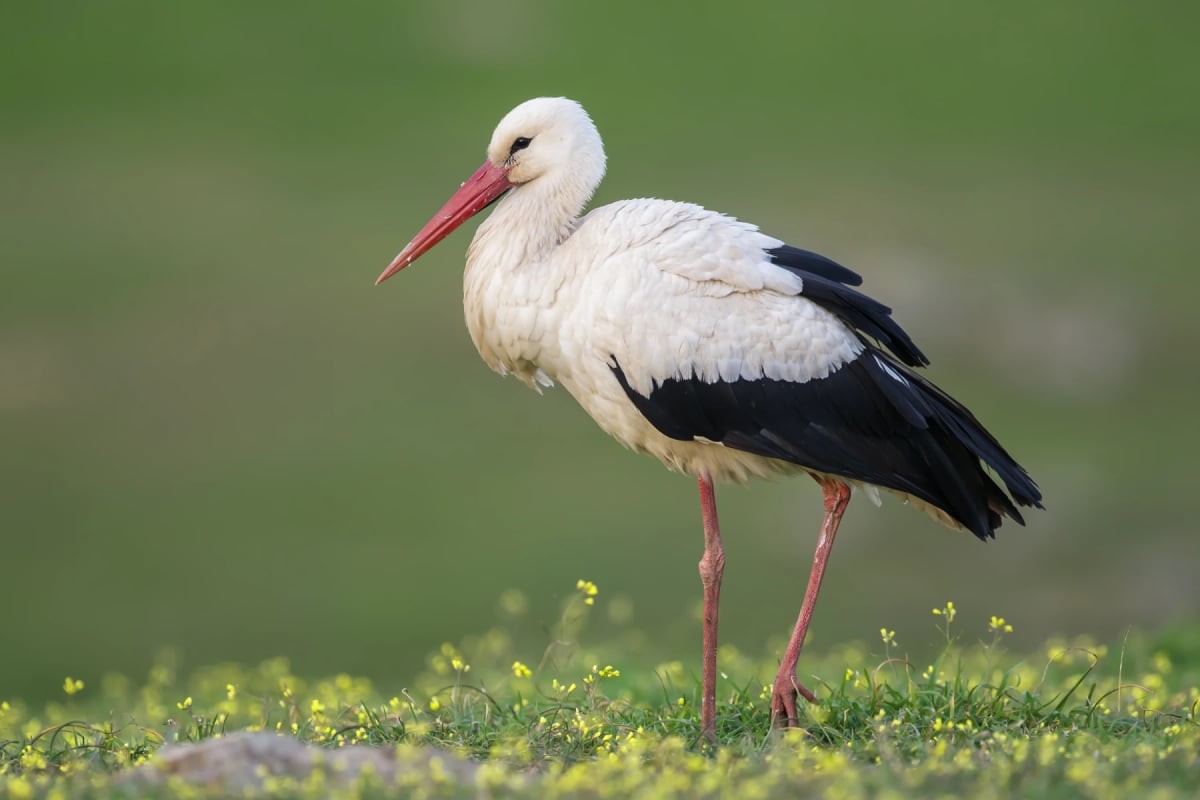
Stork
Ciconia ciconia
Mauritania serves as an important wintering and stopover area for white storks migrating along the western flyway from Europe. The Senegal River valley and surrounding wetlands in the south of the country offer rich feeding grounds. Storks forage for insects, frogs, and small animals across the sahel and floodplain areas. The IUCN lists the white stork as Least Concern globally.
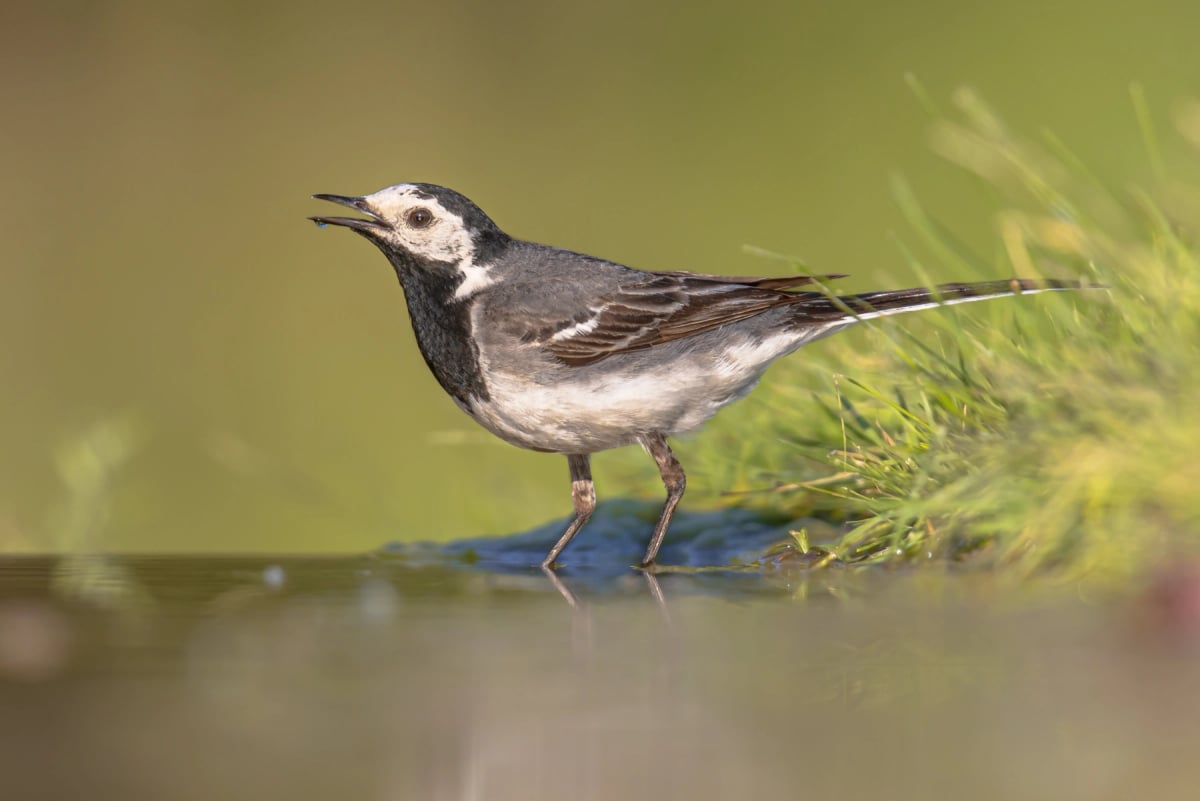
White Wagtail
Motacilla alba
The white wagtail winters in Mauritania, concentrating around the Senegal River valley in the south and wetland areas such as the Diawling National Park near the coast. These open, watered environments provide the insects it depends on through the dry season. Birds travel here from as far as northern Europe, covering enormous distances. Its IUCN status is Least Concern.
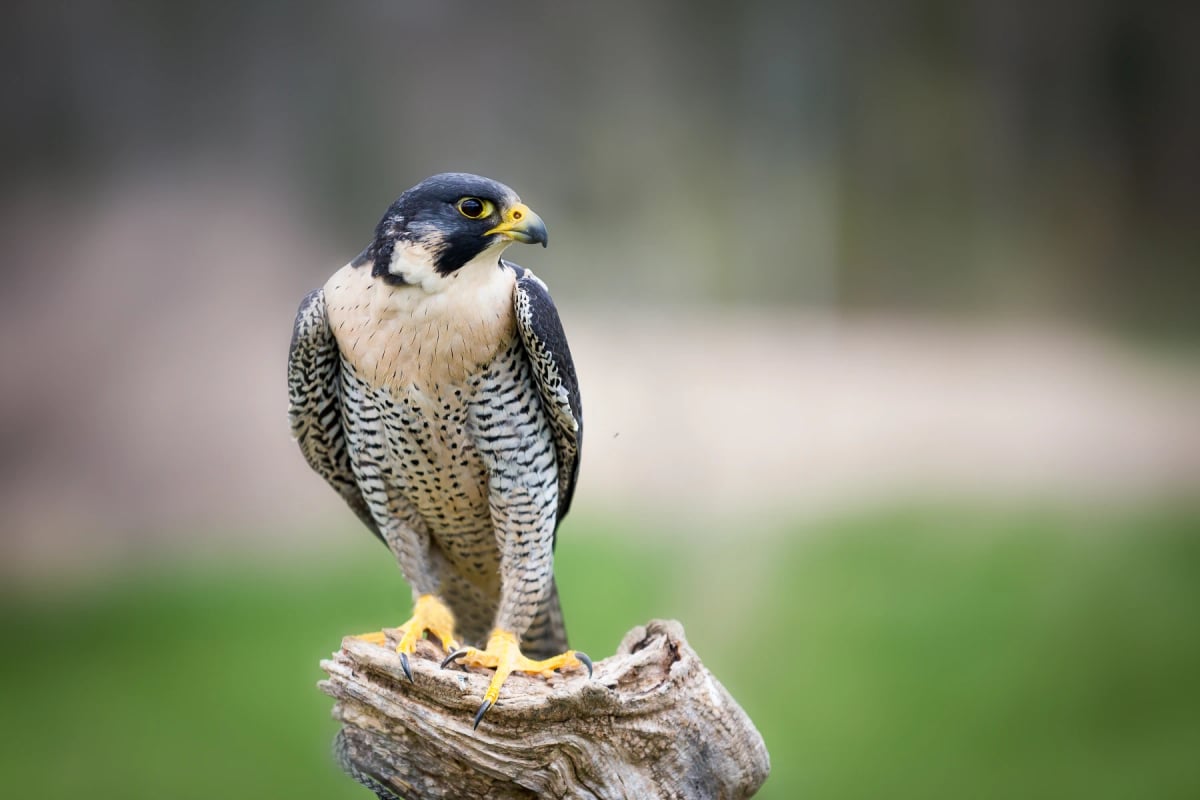
Peregrine Falcon
Falco peregrinus
Mauritania lies along a key migratory flyway connecting Europe and West Africa, and the peregrine falcon crosses the country in notable numbers each year. Some individuals also spend the winter along the Atlantic coast, where the Banc d'Arguin National Park shelters vast flocks of shorebirds that provide rich hunting opportunities. The rocky desert interior can host passing birds as well. The IUCN lists this species as Least Concern.
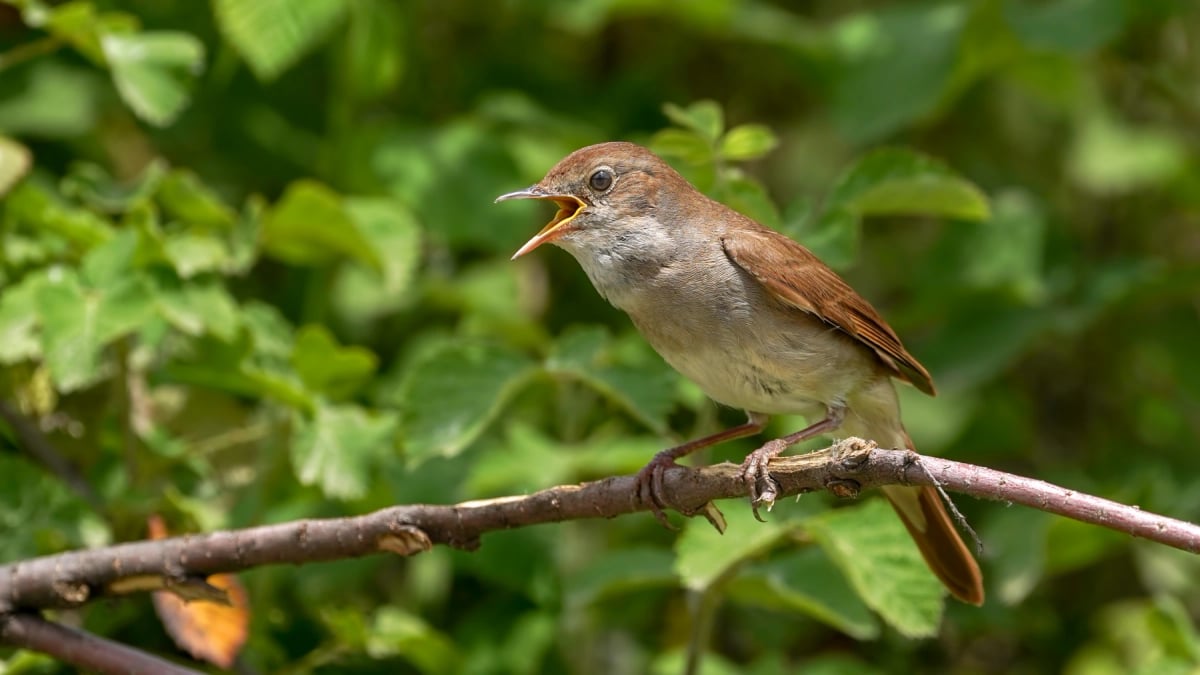
Nightingale
Luscinia megarhynchos
In Mauritania, the nightingale is a winter visitor and passage migrant, present mainly in the southern Sahel belt and along the Senegal River valley where scrub and thorny vegetation provide adequate shelter. It is a small brown bird with a distinctive reddish orange tail, far more often detected by sight than by song during the non-breeding months. Its IUCN status is Least Concern.
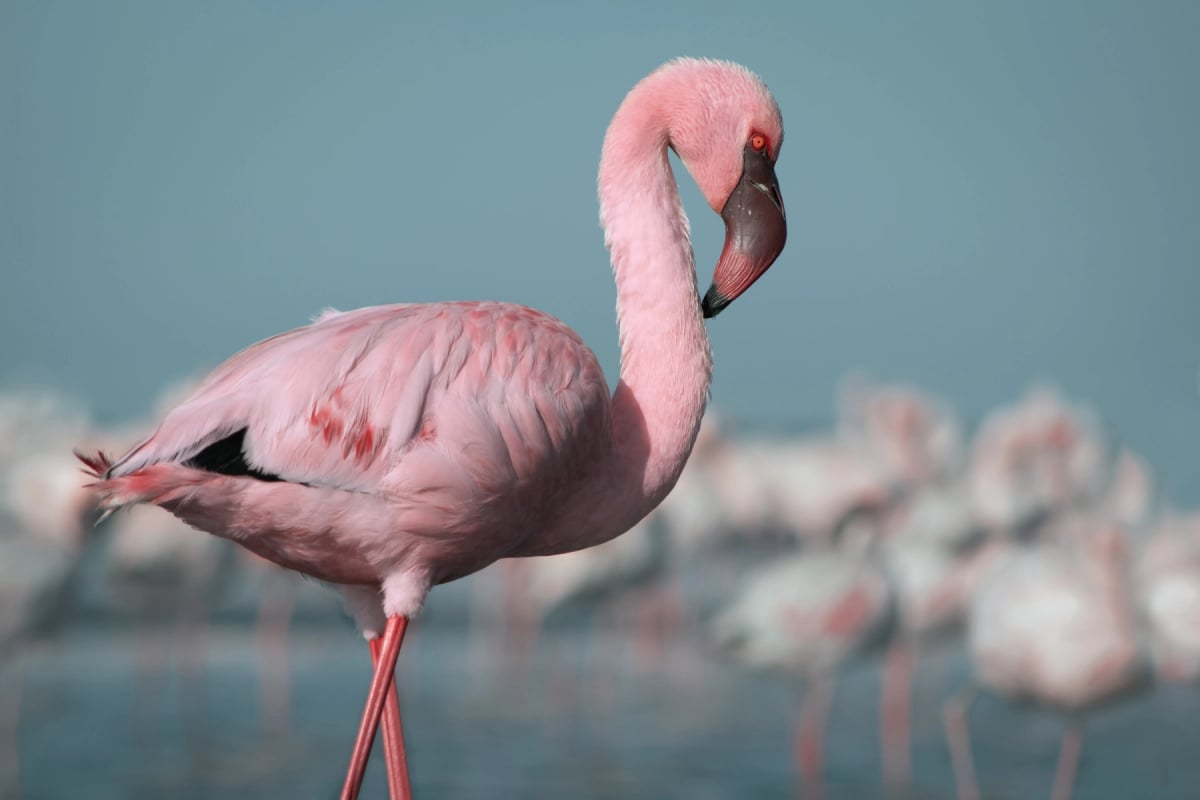
Flamingo
Phoenicopteridae (6 species)
Mauritania has the greater flamingo, which breeds there, and the lesser flamingo, which visits outside the breeding season. The Banc d'Arguin National Park, a vast area of shallow sea, sandbanks and islands on the Atlantic coast, is one of the most important bird sites in the world and holds a breeding colony of greater flamingos. Flocks also gather in the Diawling National Park, in the Senegal River delta. IUCN status: greater flamingo Least Concern, lesser flamingo Near Threatened.
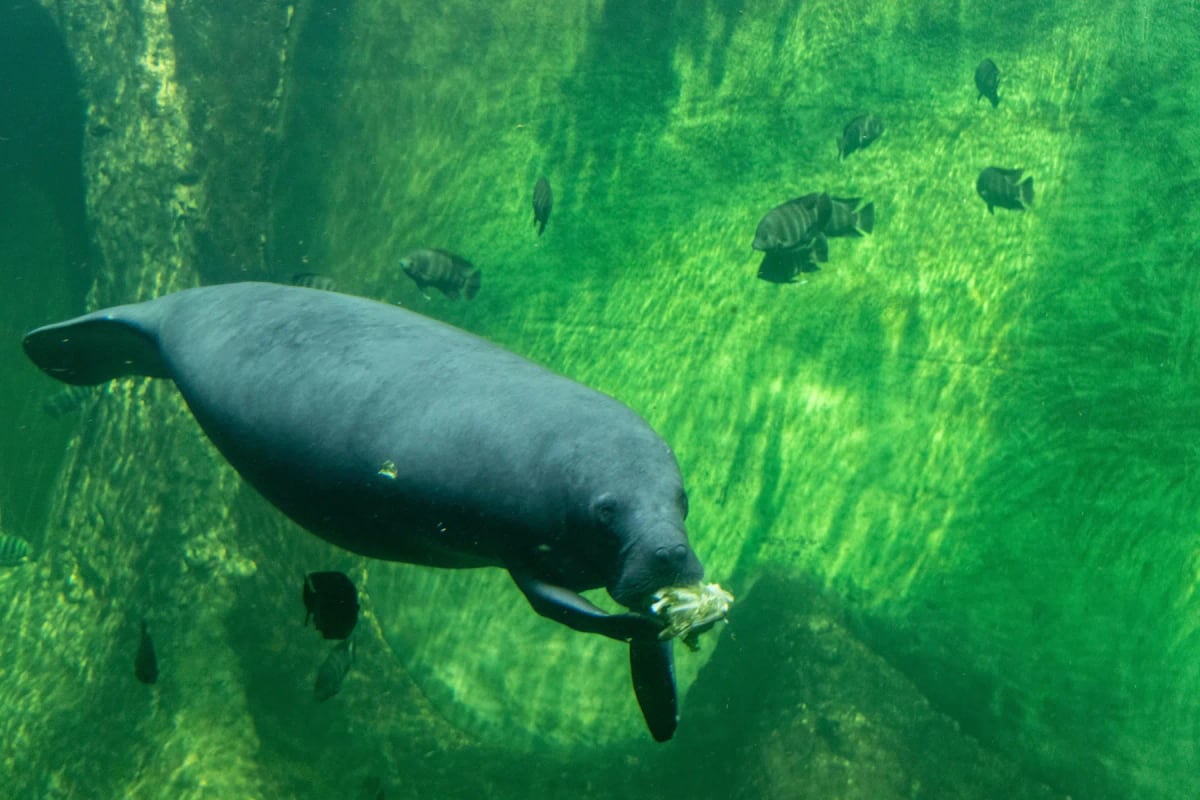
African Manatee
Trichechus senegalensis
Mauritania marks the northernmost point of the African manatee's range. The species has been recorded in the Senegal River along the southern border and in some coastal areas near the river delta. Populations at this extreme edge of the range are extremely small and largely dependent on connectivity with the more established groups to the south in Senegal.
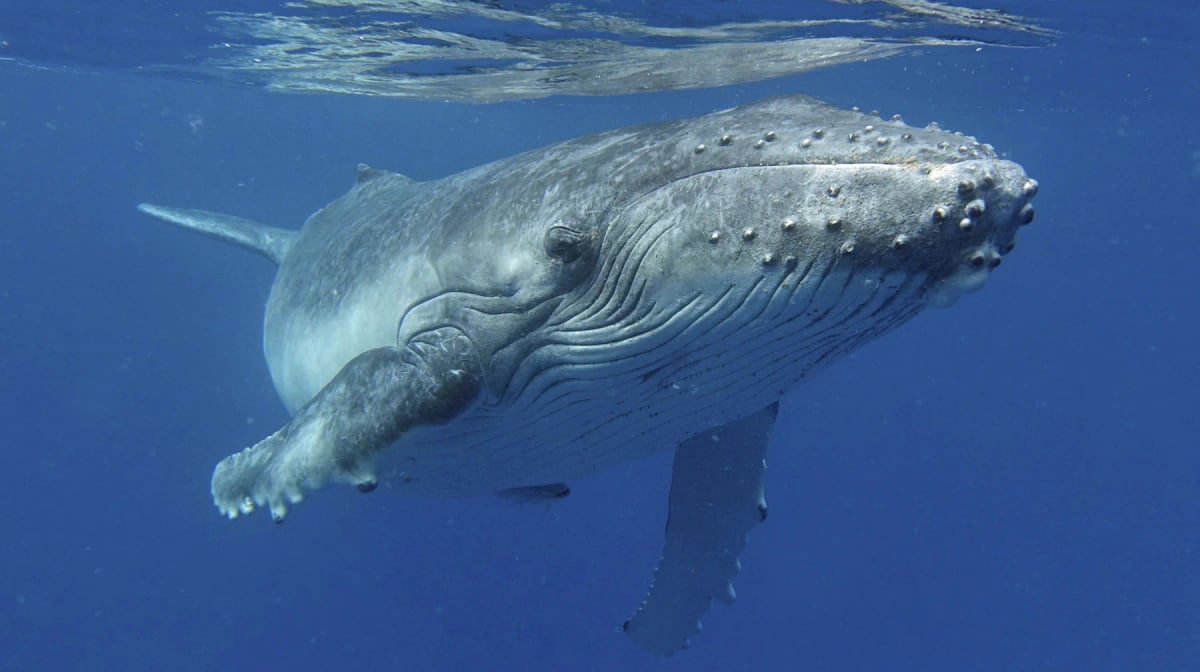
Humpback Whale
Megaptera novaeangliae
Off the coast of Mauritania, humpback whales move through the waters of the eastern North Atlantic during their migrations between feeding grounds further north and breeding areas in the tropics. The nutrient-rich upwellings along this stretch of the West African coast attract a variety of marine life. The IUCN lists the species as Least Concern, and populations in this ocean basin have shown steady recovery since the end of commercial whaling.
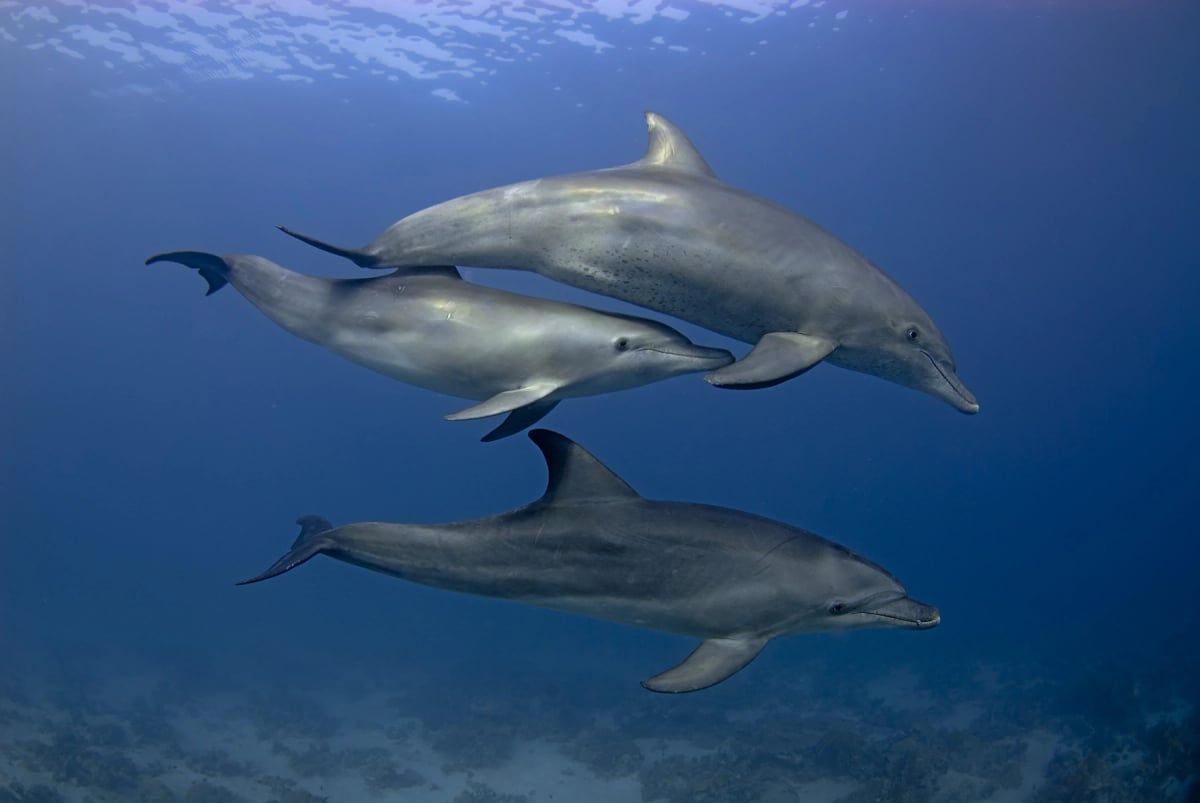
Bottlenose Dolphin
Tursiops truncatus
Bottlenose dolphins frequent the productive coastal waters of Mauritania, particularly around the Banc d'Arguin, a UNESCO World Heritage Site where cold upwellings support rich fish populations. They are often seen hunting cooperatively in shallow bays and estuaries along this West African coastline. Their presence reflects the exceptional marine biodiversity of the region. The IUCN lists the species as Least Concern globally.
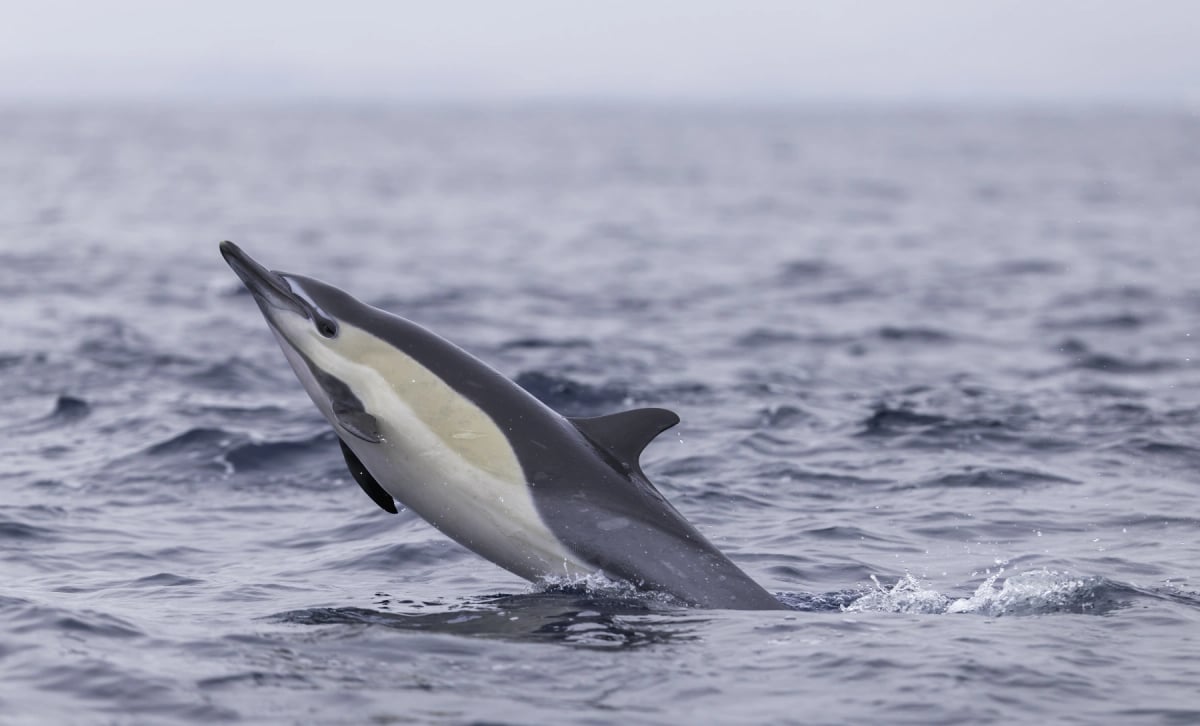
Common Dolphin
Delphinus delphis
Off the coast of Mauritania in the eastern Atlantic, the common dolphin benefits from some of the most productive fishing grounds in Africa. The cold, nutrient rich waters of the Canary Current support huge schools of sardines and anchovies, which are a key food source for these dolphins. Large pods are regularly observed in this region. Bycatch in industrial and artisanal fisheries is a concern for cetacean populations here.
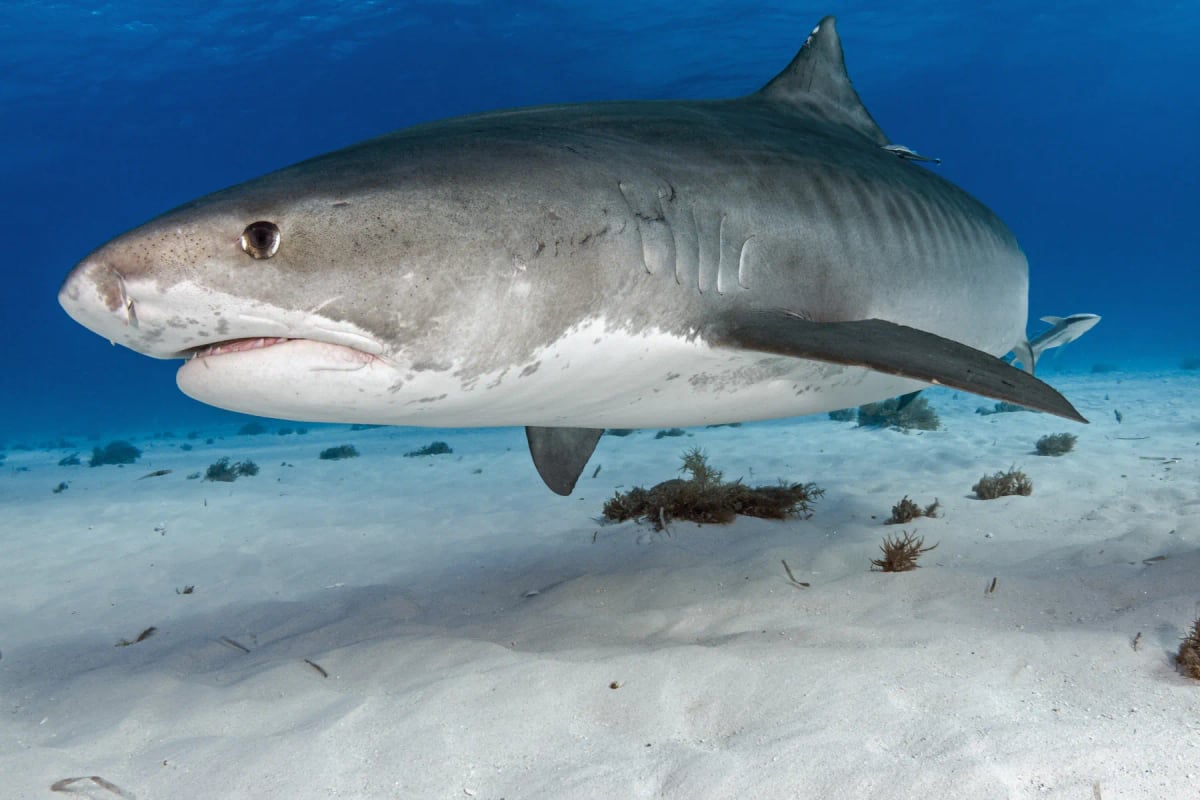
Tiger Shark
Galeocerdo cuvier
The Atlantic waters off Mauritania are among the most productive fishing grounds in West Africa, and the tiger shark is part of this rich marine ecosystem. These sharks patrol the coastal and offshore zones, feeding on fish, rays, and other prey. Mauritania's waters see heavy commercial fishing activity, which increases the risk of tiger sharks being caught as bycatch. The IUCN classifies the tiger shark as Near Threatened, reflecting fishing pressure across its range.
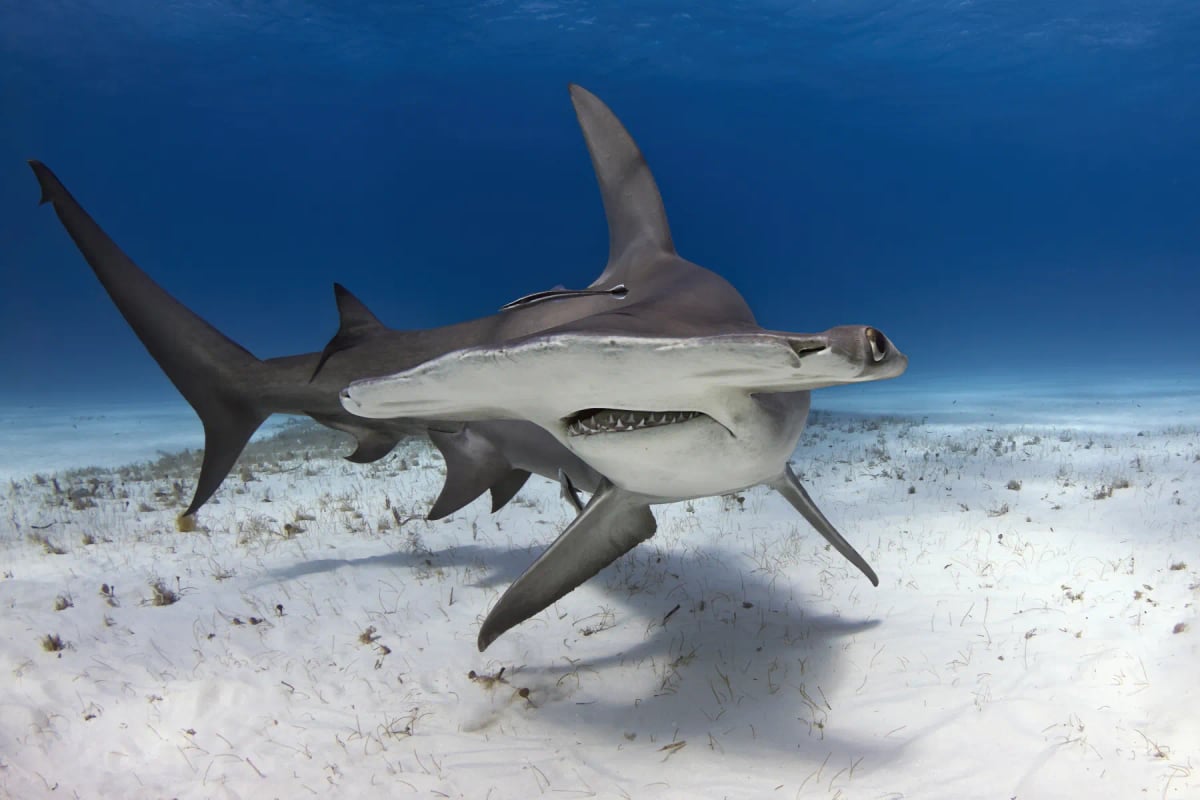
Hammerhead Shark
Sphyrna spp.
Hammerhead sharks patrol the productive Atlantic waters off Mauritania, including the rich feeding grounds near the Banc d'Arguin, a vast coastal zone where marine life thrives. These sharks are drawn by the abundance of rays and fish in the region. Critically Endangered globally, hammerheads face serious pressure from artisanal and commercial fishing fleets that operate along the West African coast.
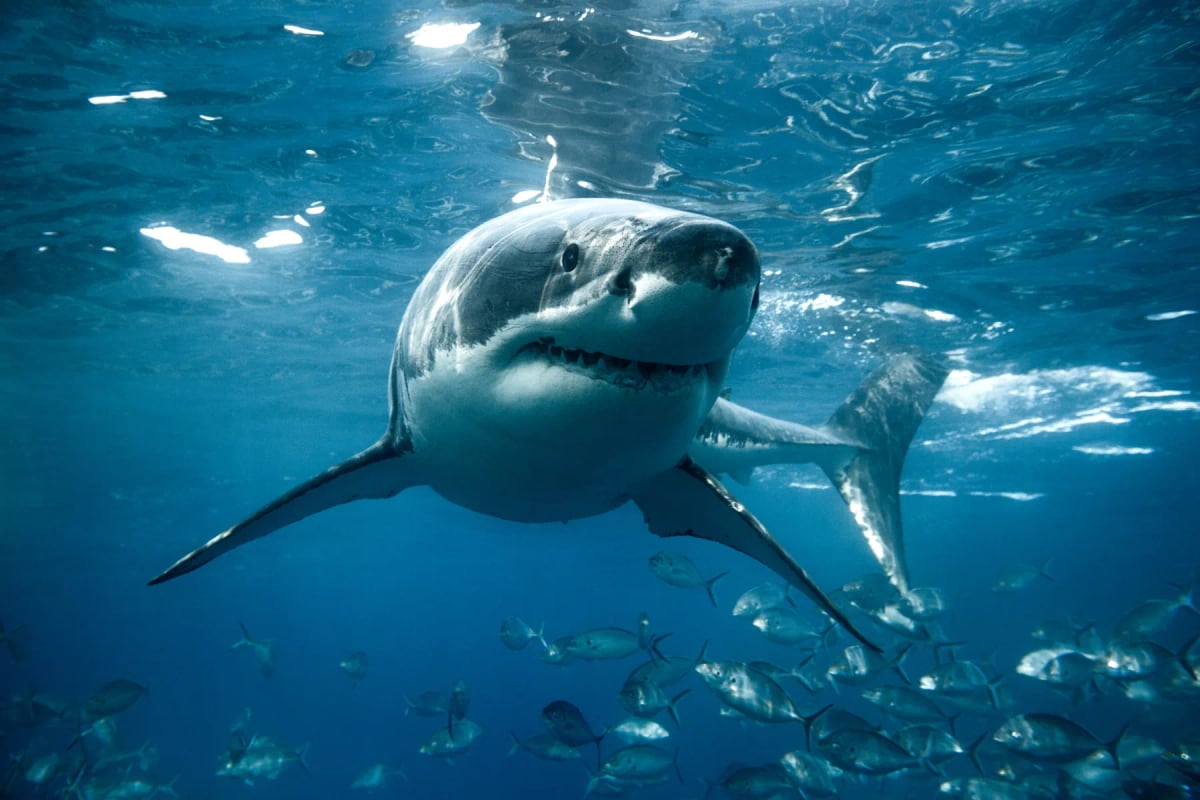
Great White Shark
Carcharodon carcharias
Off the coast of Mauritania, where the cold Canary Current meets productive upwelling zones in the Atlantic, the great white shark finds waters rich in prey. This nutrient-rich environment supports large populations of fish and marine mammals, making it suitable habitat for an apex predator of this size. Classified as Vulnerable, the species faces risk from artisanal and industrial fishing fleets that operate heavily along the Mauritanian coast.
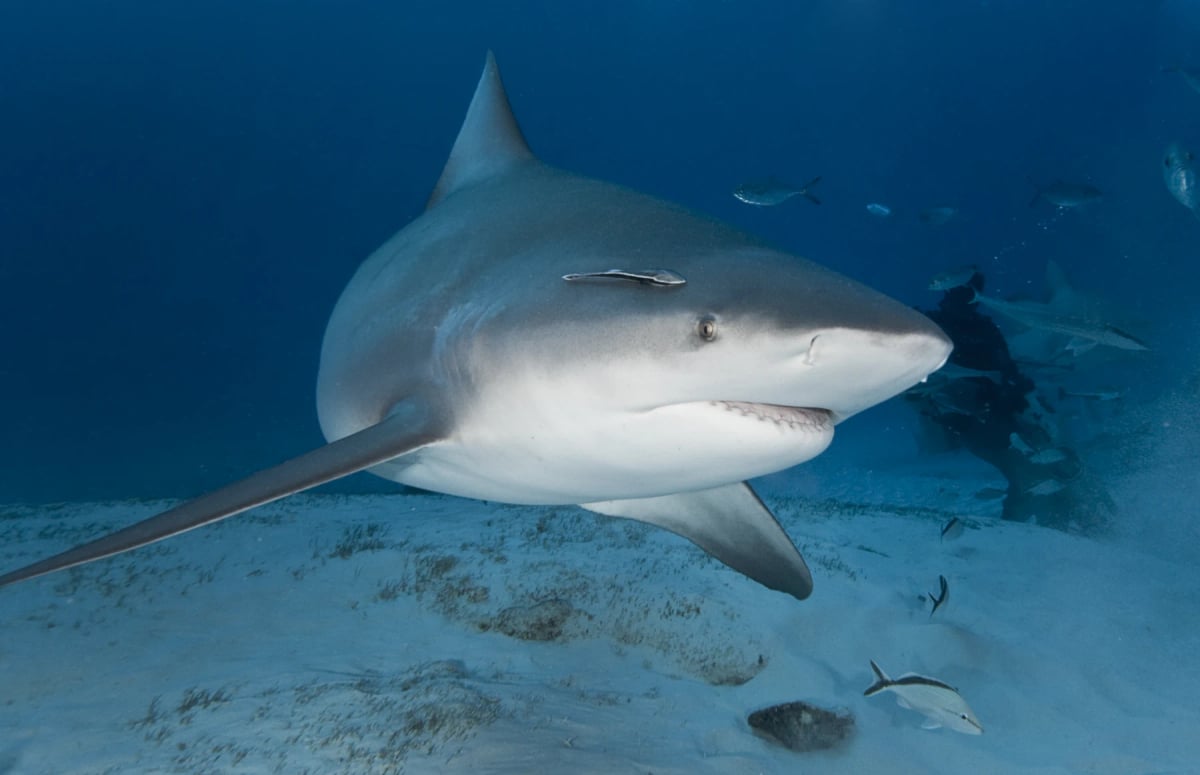
Bull Shark
Carcharhinus leucas
Bull sharks reach the northern edge of their West African range in the waters off Mauritania, where the Atlantic coast transitions toward more temperate conditions. They are more commonly encountered near the warmer southern coastal zones and estuarine habitats. The productive fishing grounds of Mauritania support high fishing effort, and bull sharks are occasionally taken as bycatch, contributing to concerns about their status in the region.
Researched and written by Juan Pablo. Sources: IUCN Red List, scientific literature and regional field guides. Last updated: .