Animals in Chile
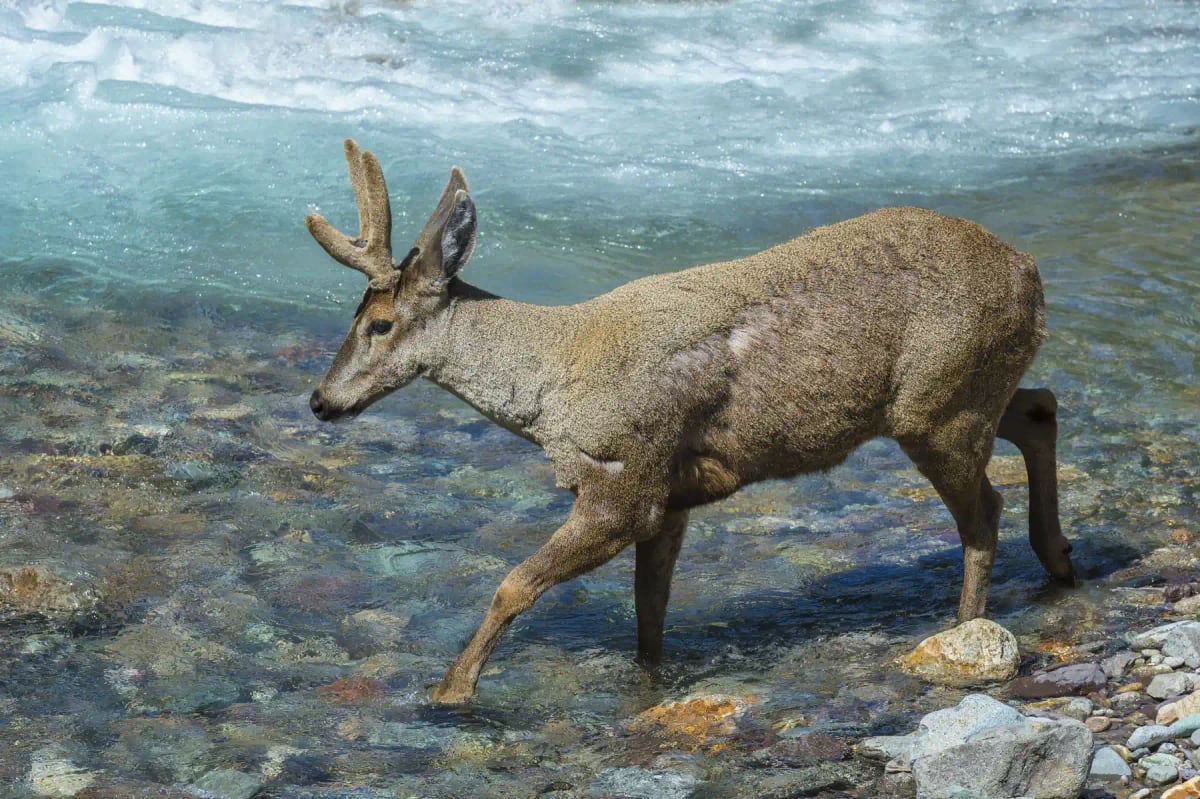
Huemul
Hippocamelus bisulcus
The huemul is one of Chile's national symbols, and it appears together with the Andean condor on the country's coat of arms. It is a stocky, medium sized deer with thick brown fur that keeps it warm in the cold mountains of the south. Males grow short, forked antlers, which they lose and grow back every year. Huemules live on steep slopes, in forest edges and in bushy areas near rivers and lakes, where they eat leaves, shoots and grasses. They usually move alone, in pairs or in small groups, and they are quiet and shy, so seeing one in the wild is a special moment. Hunting, the loss of their habitat, dogs and diseases from livestock have made the huemul an endangered species. Today Chile protects it in parks and reserves of Aysén and Magallanes, where most of the remaining huemules live.
View details→Wildlife in Chile
Chile is more than 4,000 kilometers long, so its wildlife changes a lot from north to south. In the Atacama Desert and the high Andes of the north, flamingos feed in salt lagoons, and vicuñas and llamas graze around Lake Chungará in Lauca National Park. In central Chile, Andean condors glide over the mountains close to Santiago. Farther south, black necked swans gather in the wetlands around Valdivia. Patagonia is the wildest part of the country. In Torres del Paine National Park, guanacos are everywhere, and it is one of the best places in the world to see wild pumas. The rare huemul hides in the southern forests, and the South American gray fox and the carancho are common sights. The sea is just as rich. Magellanic penguins nest on Magdalena Island near Punta Arenas, king penguins live in Tierra del Fuego, and blue whales feed in the waters off Chiloé.
Most Dangerous Animals in Chile
Chile is one of the safest countries in South America when it comes to wild animals. It has no large venomous snakes and no big dangerous animals like crocodiles or bears. The puma is the only large predator on land. Attacks on people are very rare, but in Patagonia and in the mountains near cities pumas are seen more often than before, so hikers should stay in groups, keep children close and never run if they meet one. Instead, it is best to stand tall, make noise and slowly back away. Pumas are a bigger problem for sheep farmers, who sometimes lose animals to them. At sea, sea lions can bite if people get too close to their colonies, especially males during the breeding season. Sharks and orcas live in Chilean waters, but they very rarely cause problems for people. Following park rules and local advice keeps any visit safe.
Top 10 Animals in Chile
The top 10 animals in Chile show how rich its seas are, but also how special its land animals can be. The puma is the biggest predator on land, and in Torres del Paine it has become used to seeing people from a distance, so guided tours there have a very good chance of spotting one. The vicuña, a wild relative of the llama with some of the finest wool in the world, lives high in the Andes of the north, and the llama has been raised there for thousands of years. Out at sea, blue whales, the largest animals on Earth, come to feed in the Gulf of Corcovado, near Chiloé, mainly from about January to April. Humpback whales feed in the Strait of Magellan, where the Francisco Coloane Marine Park protects them, and sperm whales and orcas also live in Chilean waters. Sea lions and Magellanic penguins are easy to see along much of the coast.
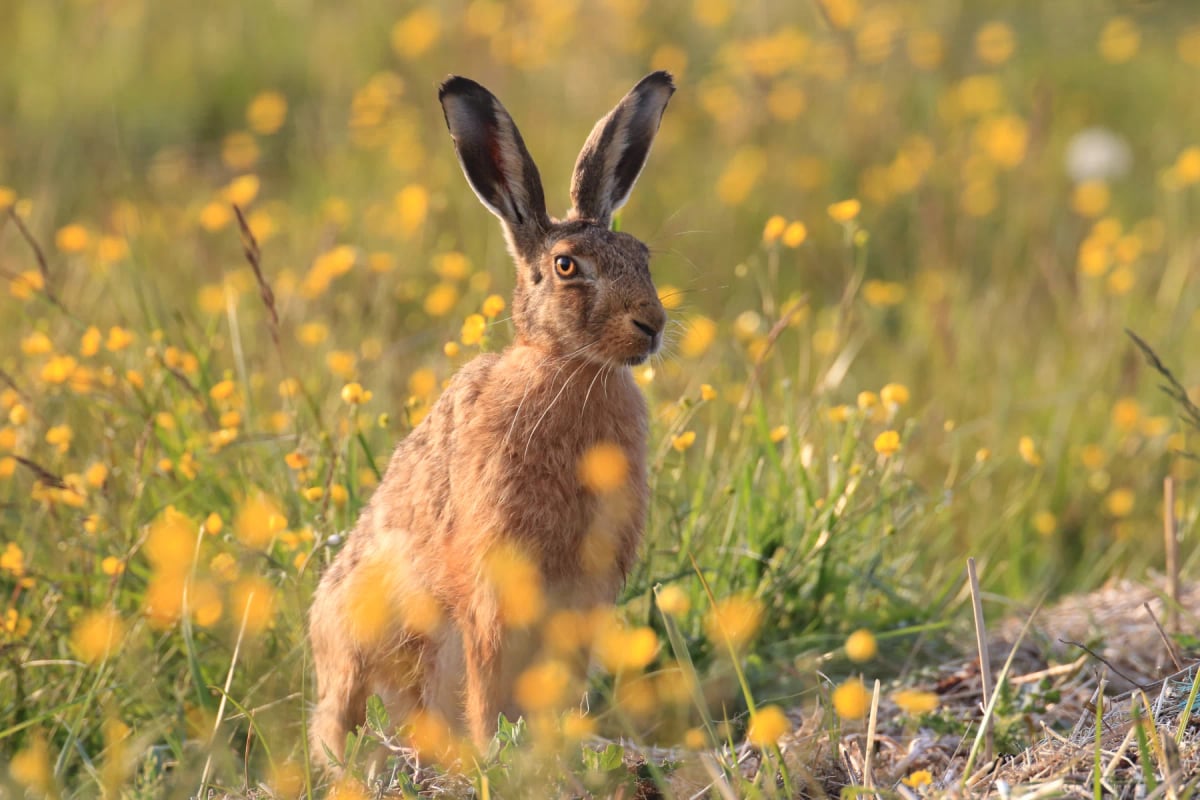
Hare
Lepus europaeus
The European hare was introduced to Chile and is now found throughout much of the country, from the central valleys to Patagonia in the south. It thrives in open shrublands, grasslands, and agricultural areas. In Chile, it is both hunted for sport and managed as a pest due to the damage it causes to crops and native vegetation. Its presence in Patagonia has raised concerns about effects on native plant communities.
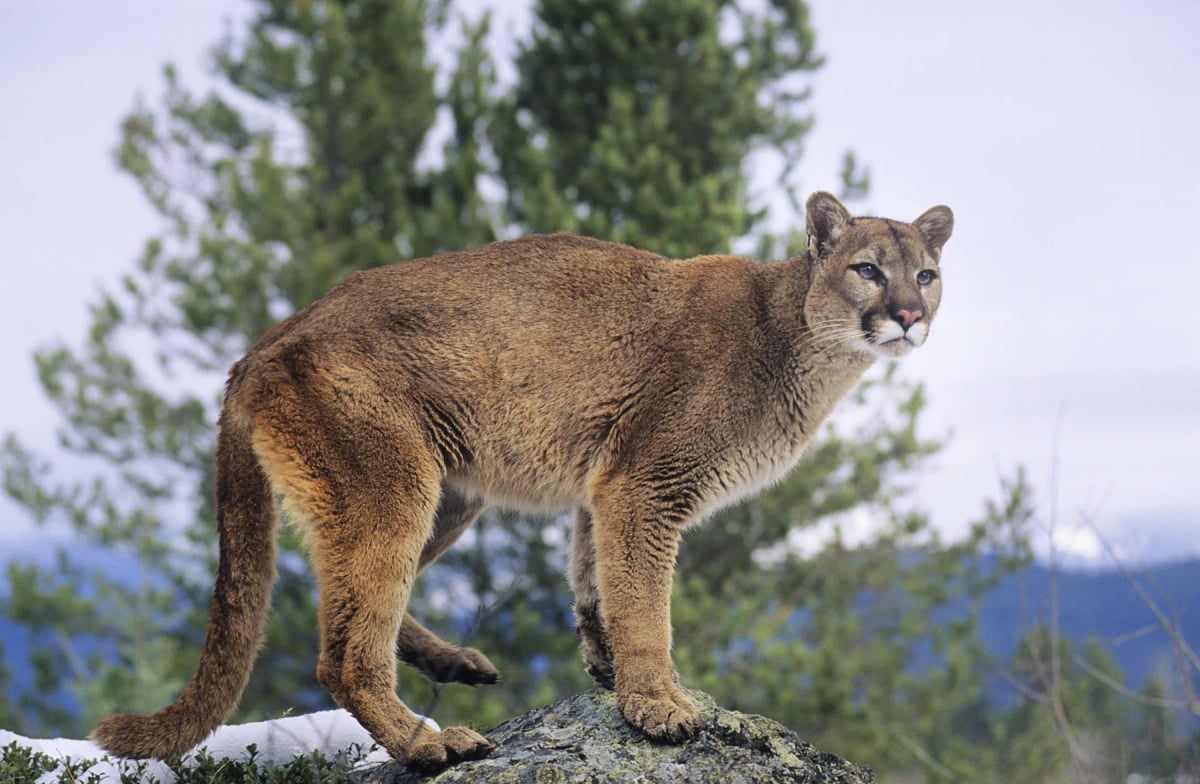
Cougar
Puma concolor
Chile's long and narrow shape means the cougar, known locally as puma or león, lives in an extraordinary range of environments, from the arid Atacama Desert in the north to the forests and glaciers of Chilean Patagonia in the south. Torres del Paine National Park has become one of the world's best places to observe pumas in the wild, drawing photographers and researchers from around the globe.
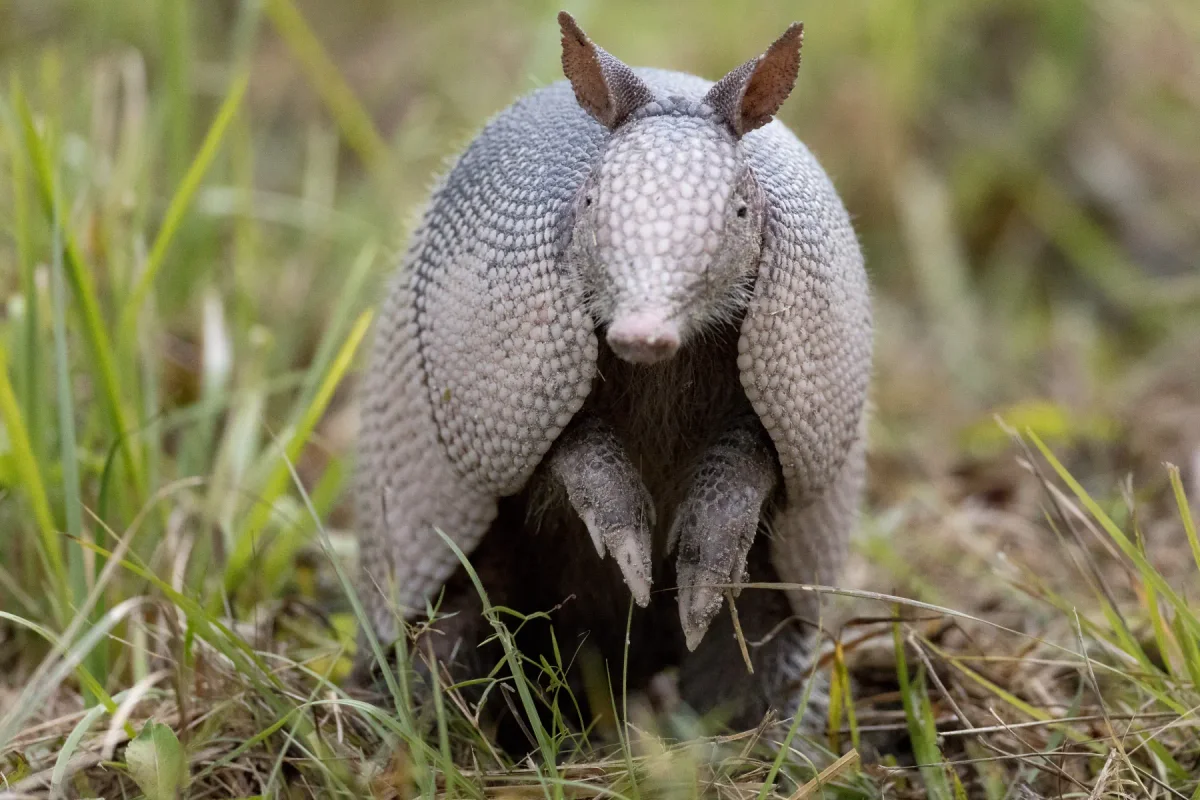
Armadillo
Dasypodidae spp.
Chile is home to two armadillo species at the southern and western edges of the family's range. The large hairy armadillo inhabits the arid regions of northern and central Chile, while the pichi, the armadillo with the southernmost distribution of any species in the family, ranges through Patagonia and reaches the southern tip of the continent. Both species are adapted to cold and dry conditions unusual among armadillos. The pichi is classified as Near Threatened due to hunting, road mortality, and competition with introduced species.
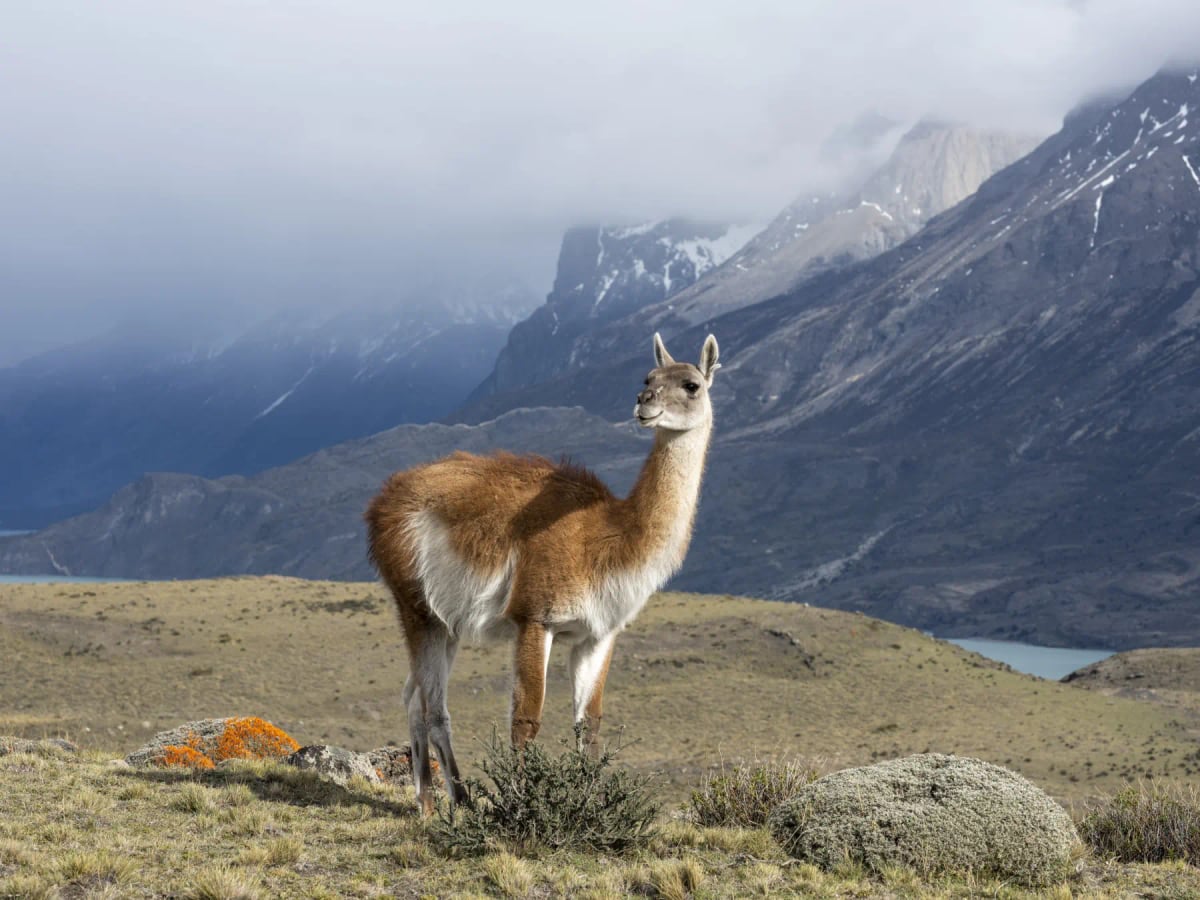
Guanaco
Lama guanicoe
In Chile, guanacos range from the Atacama Desert in the north to the cold grasslands of Magallanes in the far south. The Torres del Paine National Park is one of the best places to observe them in large numbers. Fencing of land for livestock has historically broken up their movement routes. Nationally, the guanaco holds a Least Concern status but faces real challenges in central Chile.

Llama
Lama glama
In Chile, llamas are concentrated in the high Andean regions of the Atacama and Tarapacá areas in the far north, where indigenous Aymara communities have herded them for generations. The landscape here is arid and stark, with grasses and scrub at altitudes above 3,500 meters. Llamas provide wool and meat to these communities and continue to be used as pack animals on remote highland routes.
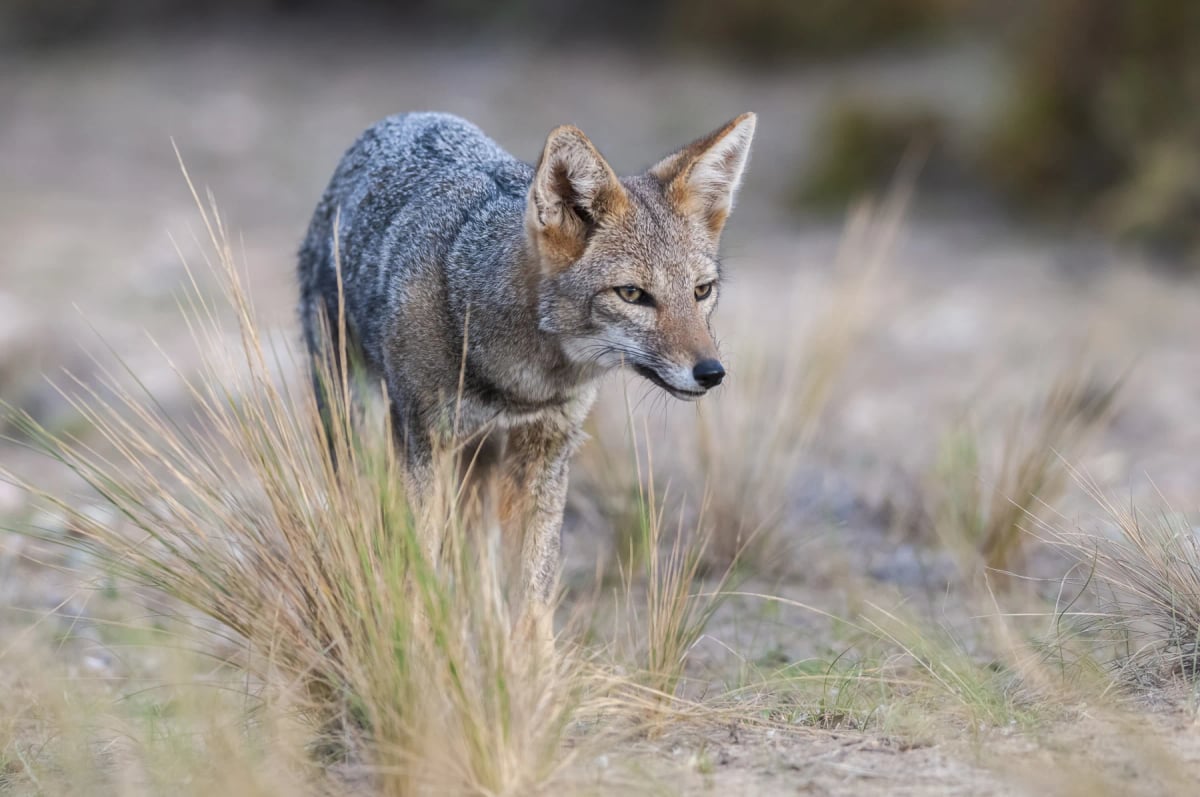
South American Gray Fox
Lycalopex griseus
Known locally as the chilla, the South American gray fox is one of Chile's most widespread wild canids, ranging from the Atacama Desert in the north to the cold shrublands of Patagonia in the south. It thrives in open habitats and farmland edges, hunting rodents and insects while also eating wild fruits. The IUCN considers it Least Concern, but habitat loss and persecution by farmers put pressure on local populations.
Huemul
Hippocamelus bisulcus
The huemul is one of Chile's most treasured animals and appears on the national coat of arms alongside the condor. It lives in the remote valleys and steep slopes of the southern Andes, from the Maule region down to Patagonia. Fewer than 2,000 survive in the wild. Chile has established several protected areas, including Torres del Paine National Park, to give this endangered deer a chance at survival over the long term.
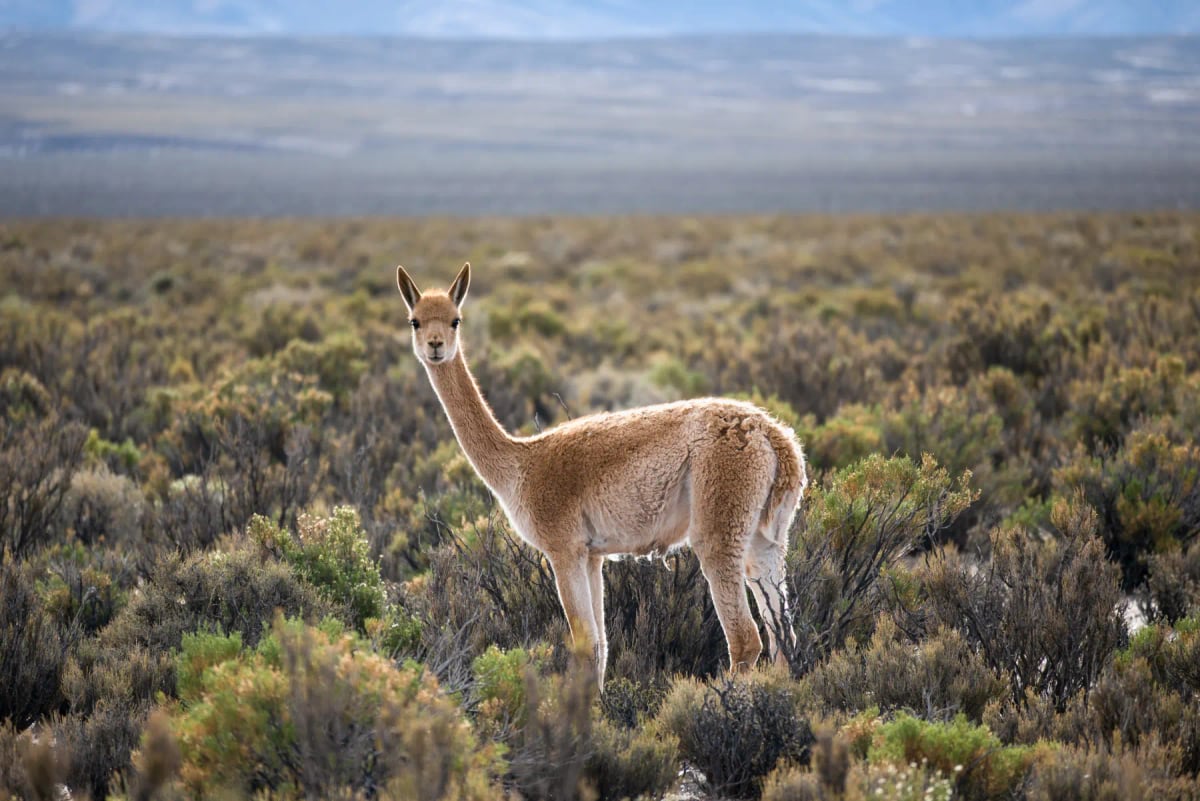
Vicuña
Vicugna vicugna
In Chile, the vicuña is found across the altiplano of the Atacama and Tarapacá regions in the far north of the country. It shares this stark, high-altitude landscape with flamingos and other Andean wildlife. After serious population decline in the twentieth century, coordinated conservation efforts have allowed numbers to rebound. The Lauca National Park serves as a key refuge, offering strong protection for herds moving across the Chilean puna.
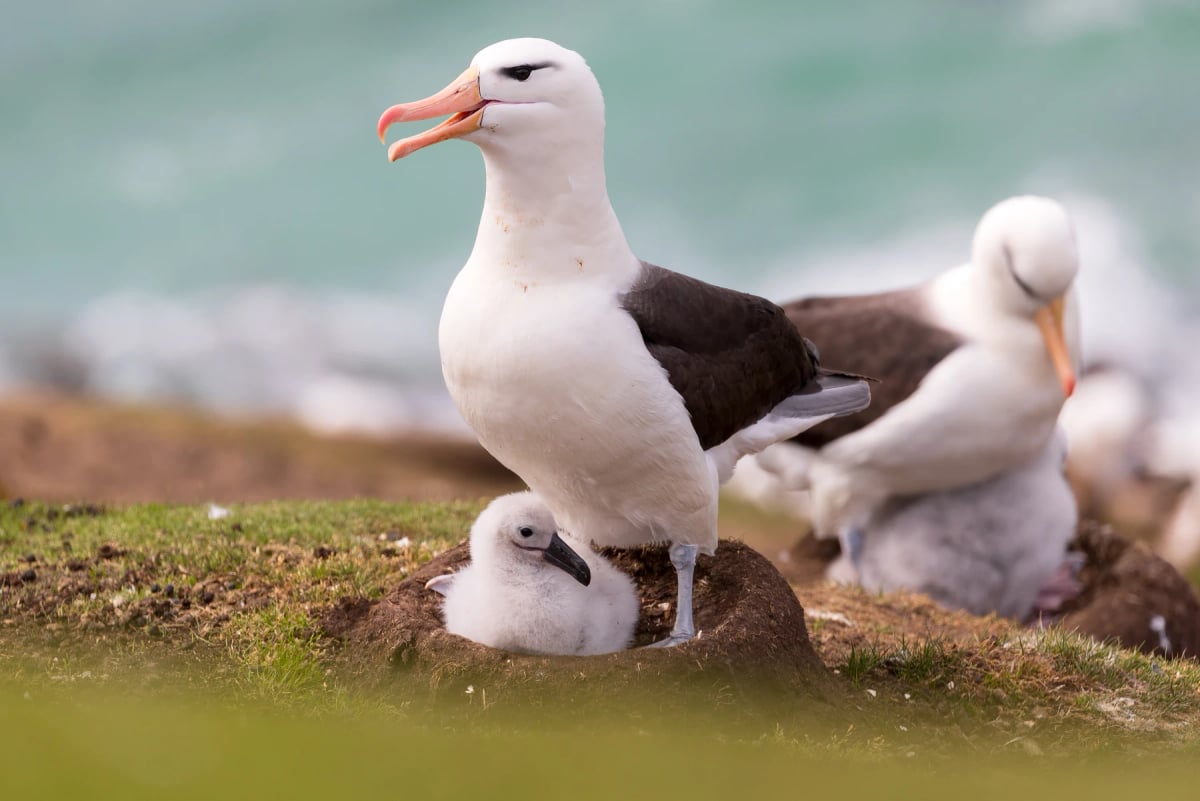
Black browed Albatross
Thalassarche melanophris
Chile hosts some of the most significant black browed albatross breeding colonies in the world, particularly on Diego Ramírez Islands and Cape Horn. These remote archipelagos in the far south provide the steep, windswept cliffs the species favors for nesting. Chilean waters are also important foraging grounds, though longline fishing activity in the region poses a serious bycatch threat to the species. IUCN status: Least Concern.
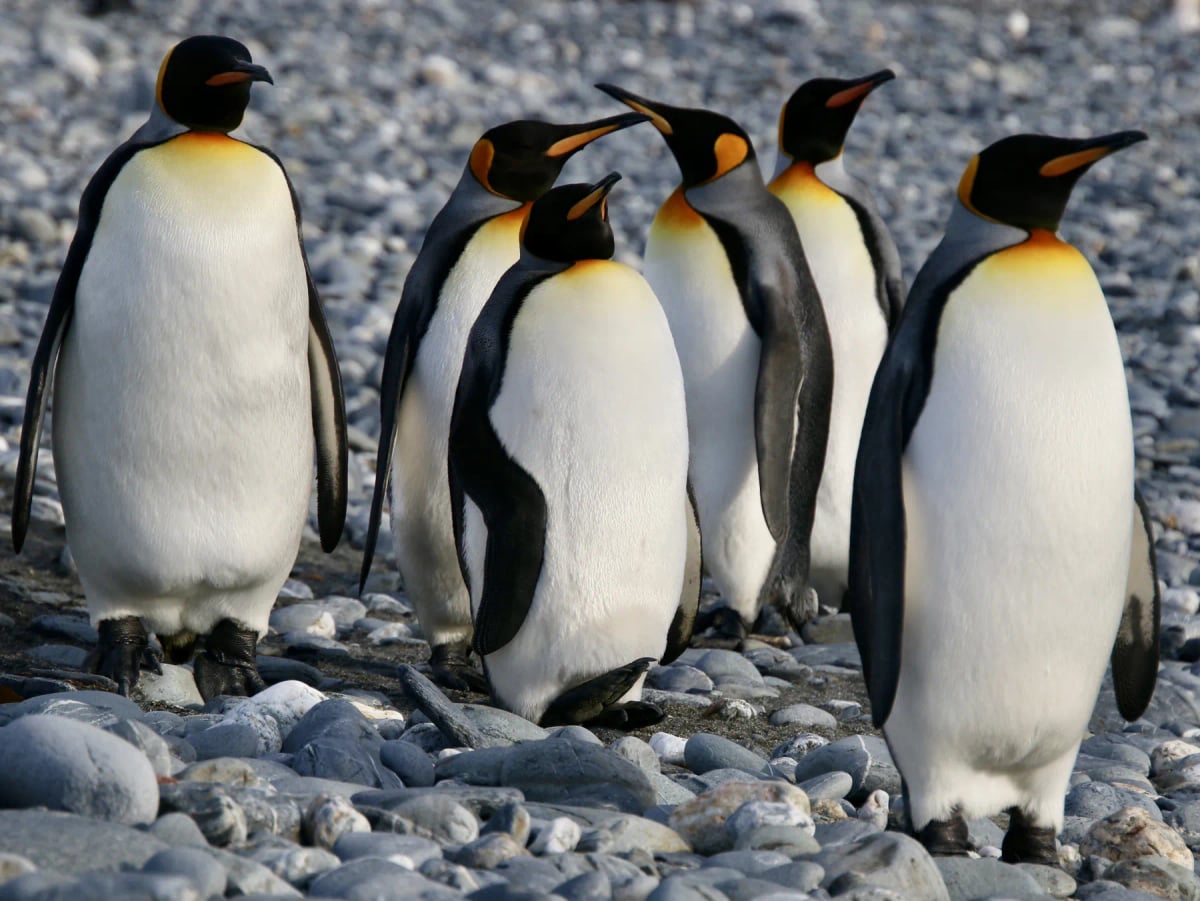
King Penguin
Aptenodytes patagonicus
In Chile, king penguins are present in the far south, including parts of Chilean Patagonia and subantarctic island territories. They are easily recognized by the vivid orange and yellow markings on their heads and chests. Chicks take up to 14 to 16 months to fledge, one of the longest rearing periods of any bird. Warming ocean temperatures in the region pose a growing threat to their food supply. IUCN status: Least Concern.
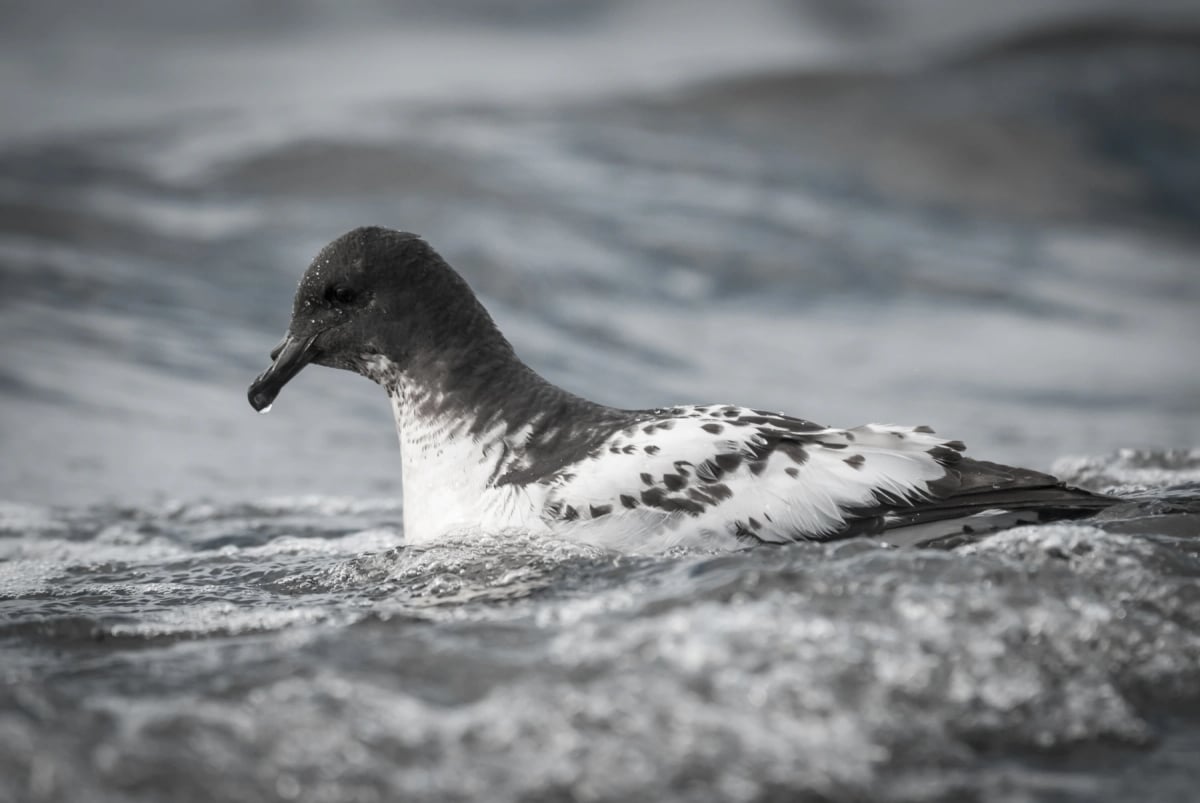
Cape Petrel
Daption capense
The Cape Petrel is a familiar sight in Chilean waters, ranging along the length of the Pacific coast and into the channels and fjords of southern Patagonia. It is especially common in the far south near Cape Horn, close to its Antarctic breeding grounds. Cold, nutrient-rich currents off Chile support abundant prey. The species is regularly observed from ferries and research vessels operating in the region. IUCN status: Least Concern.
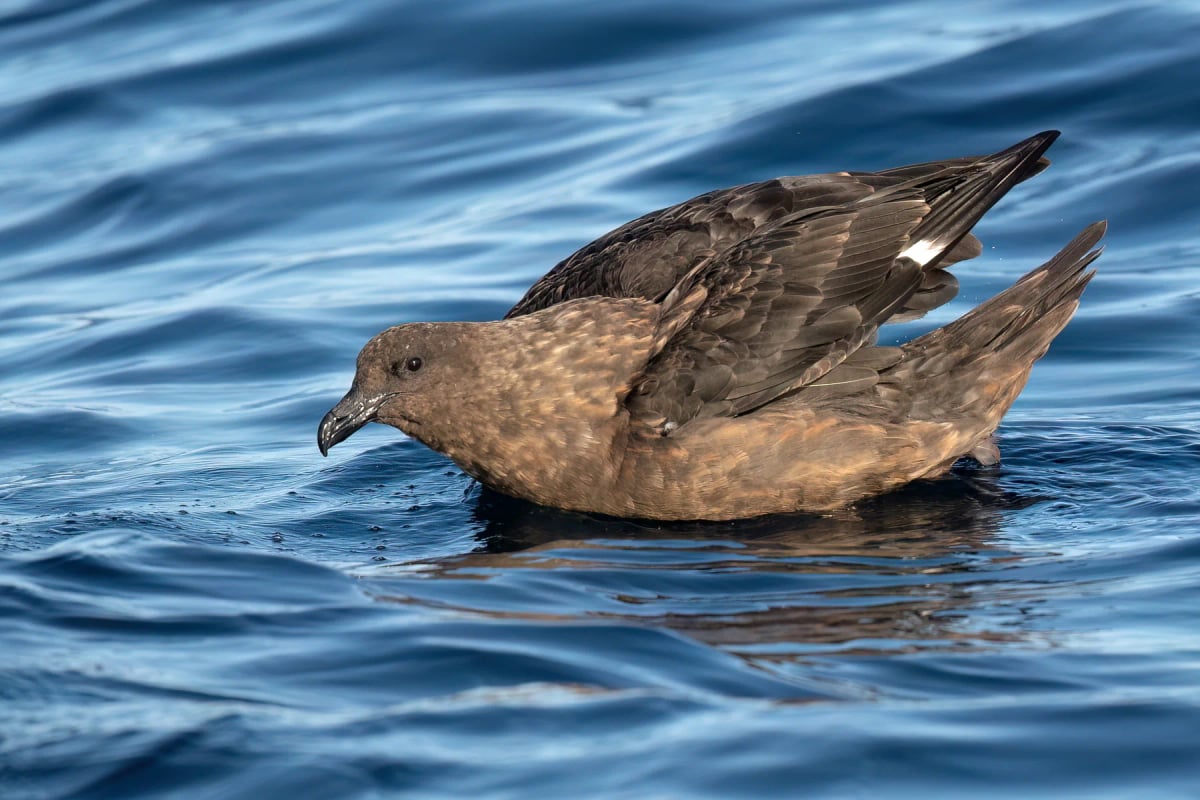
Brown Skua
Stercorarius antarcticus
Along the coast of southern Chile and its sub-Antarctic islands, the brown skua nests on open coastal ground and feeds by preying on seabird colonies and stealing catches from other birds in flight. The rugged, windswept terrain of Cape Horn and nearby islands provides ideal nesting habitat. Chilean populations are considered stable, and the IUCN lists the species as Least Concern with no major conservation concerns at present.
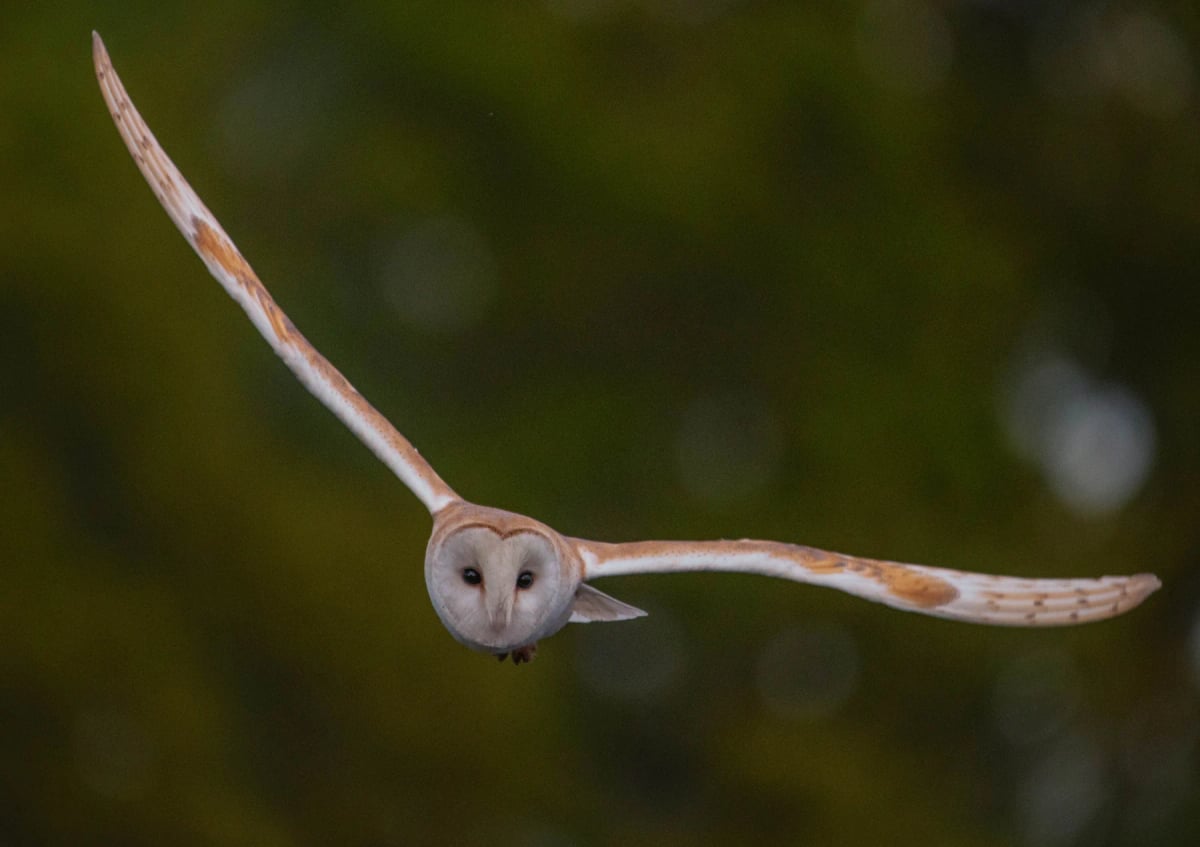
Barn Owl
Tyto alba
The barn owl is widespread across Chile from the Atacama region in the north to the lakes district in the south, nesting in old buildings, mine structures, cliff faces and hollow trees in farmland and open country. It is one of the most effective natural controllers of rodents in agricultural areas and is present across a wide range of Chilean habitats, from the arid north to the temperate forests of the south. Its eerie screeching call is a familiar nighttime sound in rural areas throughout the central valley and Andean foothills.
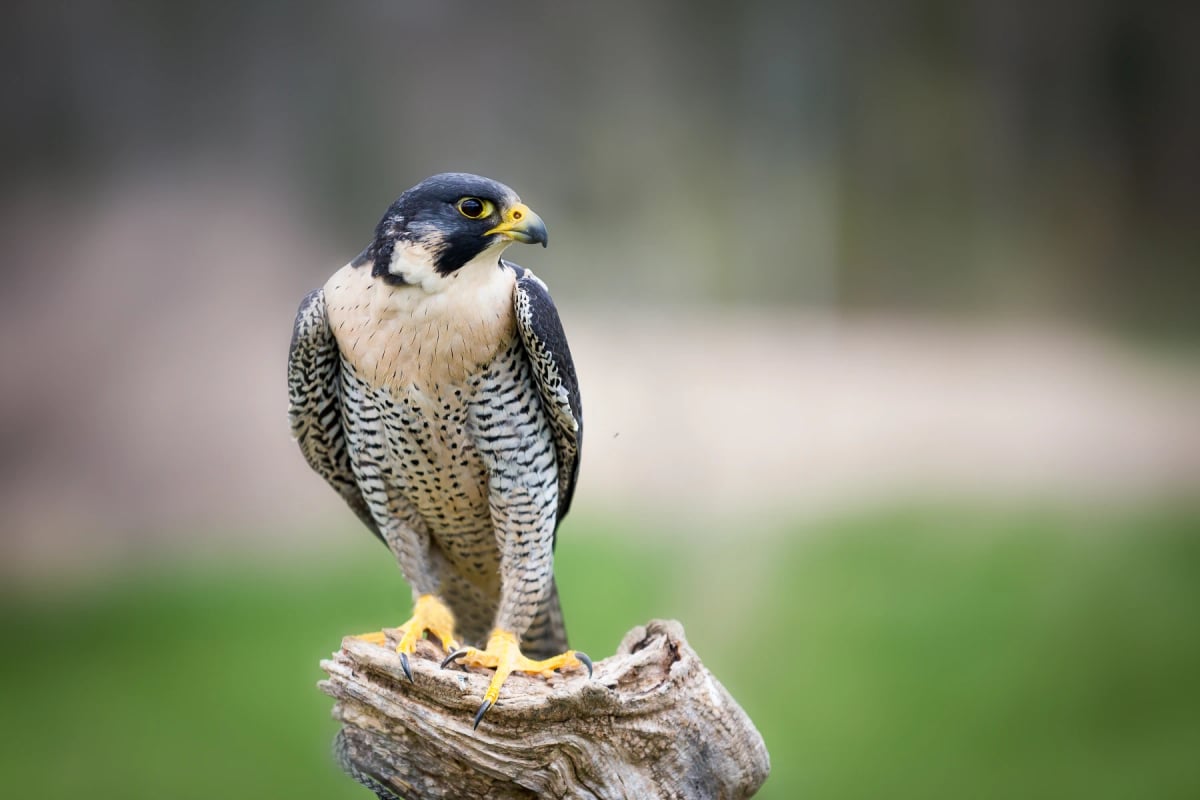
Peregrine Falcon
Falco peregrinus
In Chile, the peregrine falcon breeds along the dramatic cliffs of the Andes and Patagonia, and is also spotted along the Pacific coast. The subspecies found here, Falco peregrinus cassini, is resident in the south of the country. From the Atacama Desert in the north to the windswept fjords of Chilean Patagonia, this falcon occupies an extraordinary range of landscapes across one of the world's longest countries.
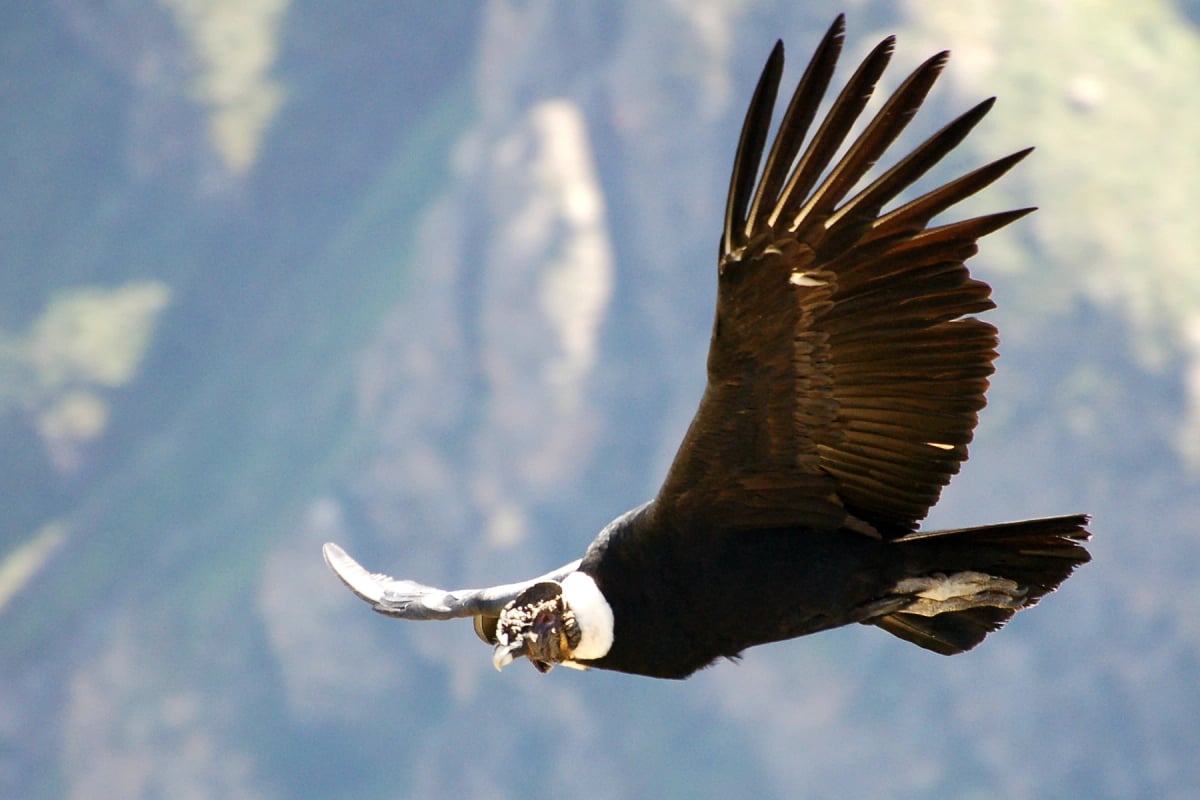
Andean Condor
Vultur gryphus
The Andean condor is Chile's national bird and shares the coat of arms with the huemul. It soars along the whole country, from the high plateaus of the north to the channels of Patagonia and Tierra del Fuego, and often comes down to the coast to feed on dead sea lions. The heaviest flying bird in the world on average, it is easy to spot in the mountains near Santiago and in Torres del Paine National Park. IUCN status: Vulnerable.
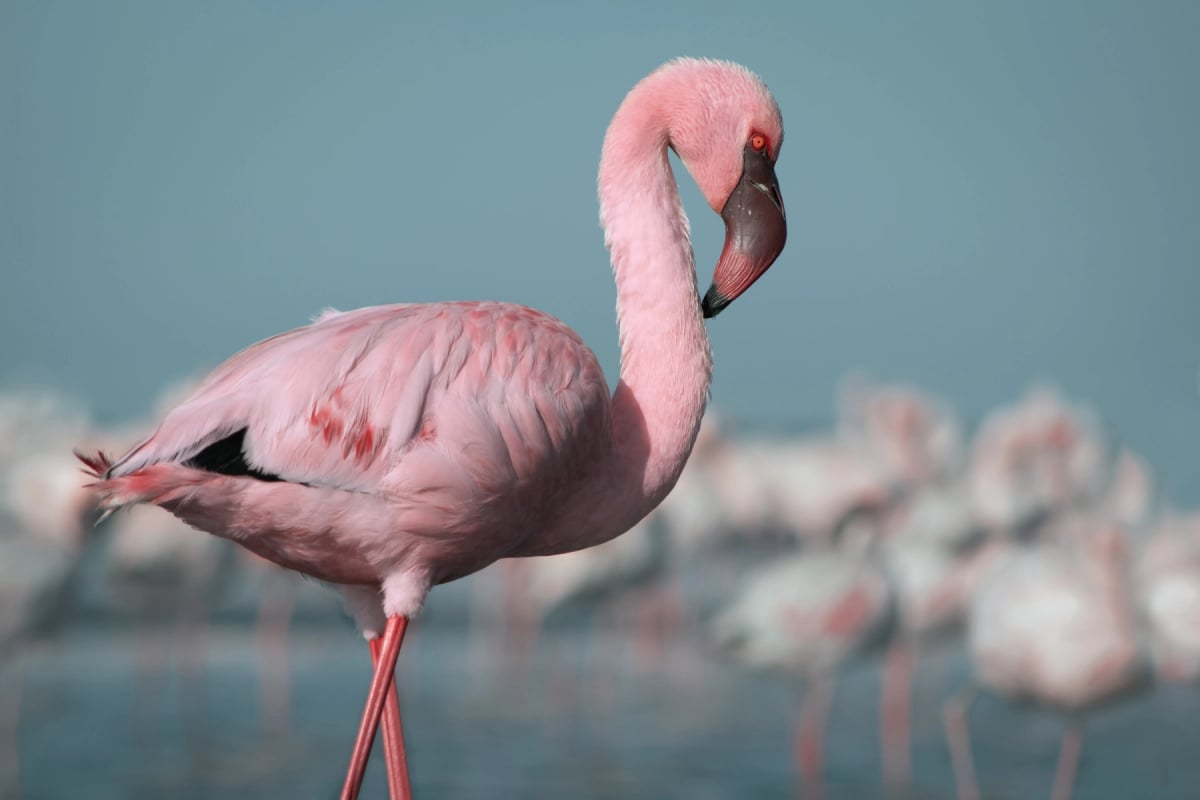
Flamingo
Phoenicopteridae (6 species)
Chile is home to three flamingo species: the Chilean, the Andean and the James's or puna flamingo. The Andean and James's flamingos breed on the high altitude salt flats of the north, such as the Salar de Atacama and Laguna Chaxa, above 2,300 meters, while the Chilean flamingo also lives further south, down to Patagonia. IUCN status: Andean flamingo Vulnerable, Chilean and James's flamingos Near Threatened.
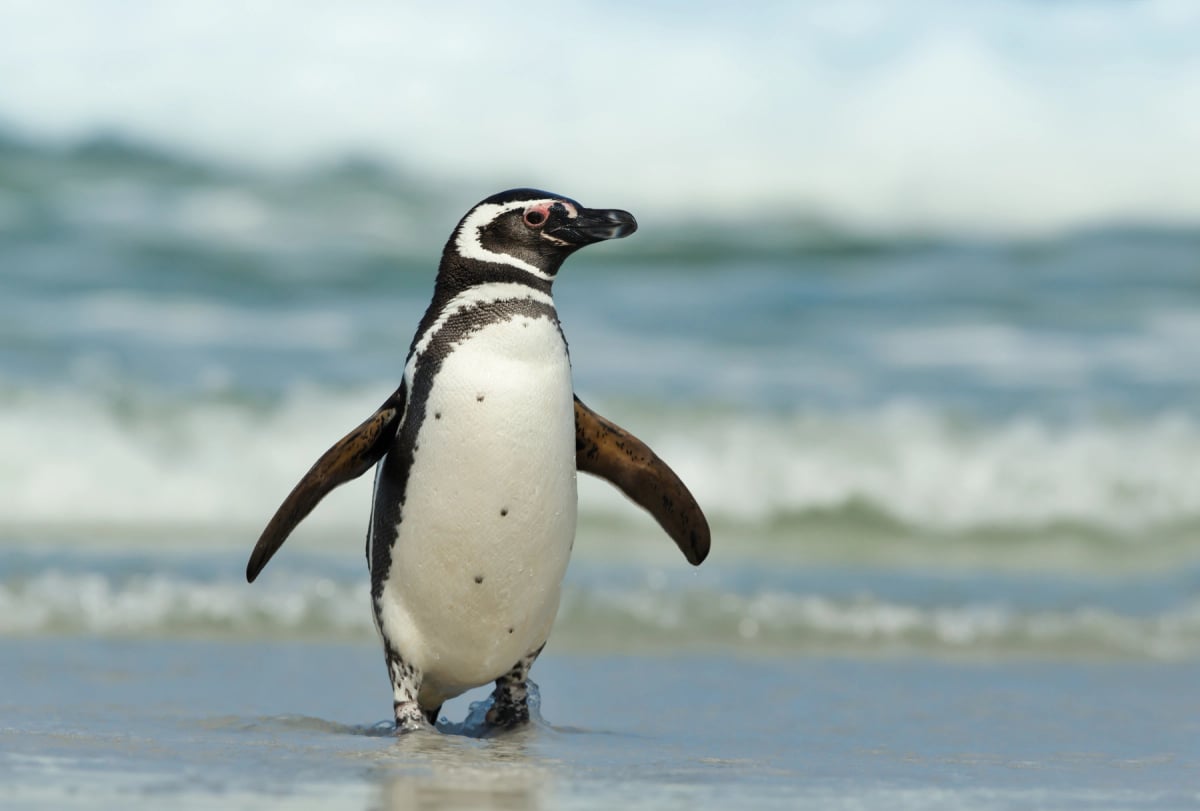
Magellanic Penguin
Spheniscus magellanicus
Along the Chilean coast and through the channels of Chilean Patagonia, Magellanic penguins nest in burrows among scrubland and rocky shores. Key colonies are found at Isla Magdalena, near Punta Arenas, where tens of thousands of birds breed each season. At sea, they pursue anchovies and sardines across cold southern waters. Entanglement in fishing gear remains one of the main threats in Chilean waters.
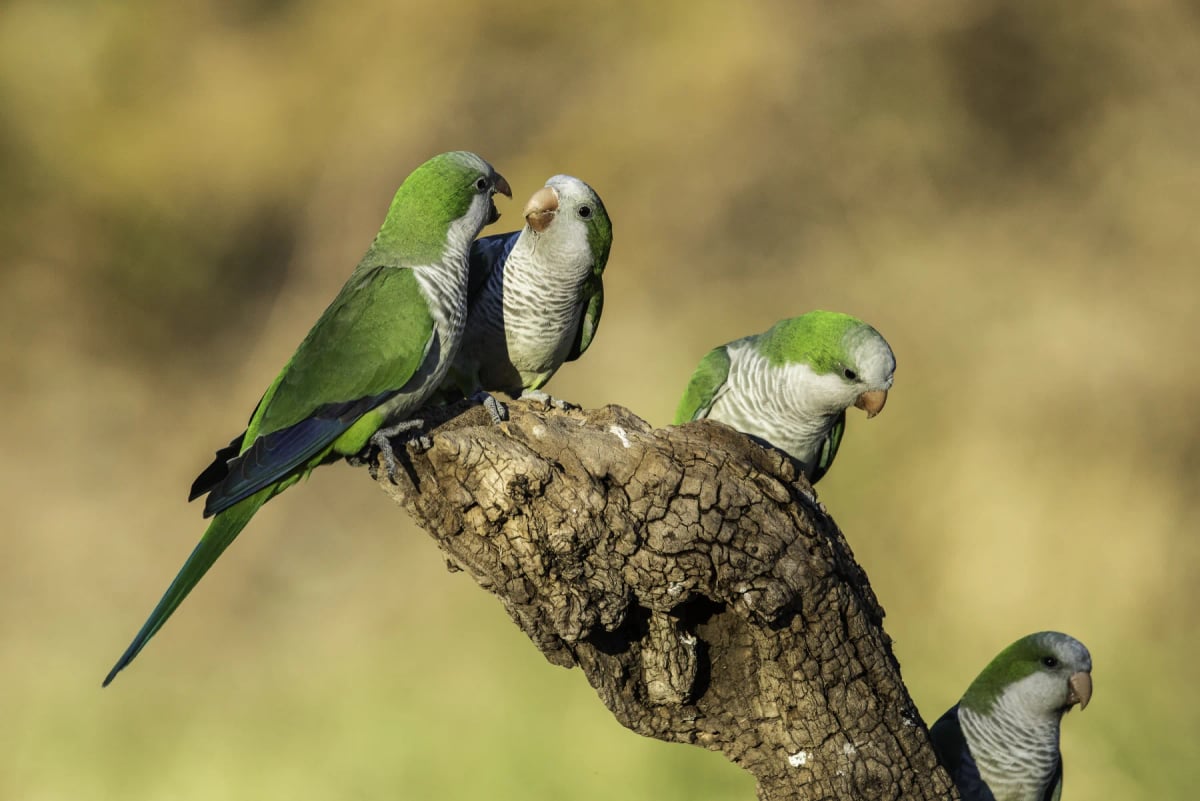
Monk Parakeet
Myiopsitta monachus
The monk parakeet is an introduced bird in Chile. It arrived from Argentina as a pet in the 1980s, and birds released in Santiago quickly spread. Today it lives mostly in cities, and researchers have counted about 600 nests in the Santiago Metropolitan Region, 320 in the district of La Reina alone. The SAG declared it harmful in 1997, and it is one of the country's priority invasive species. IUCN status: Least Concern.
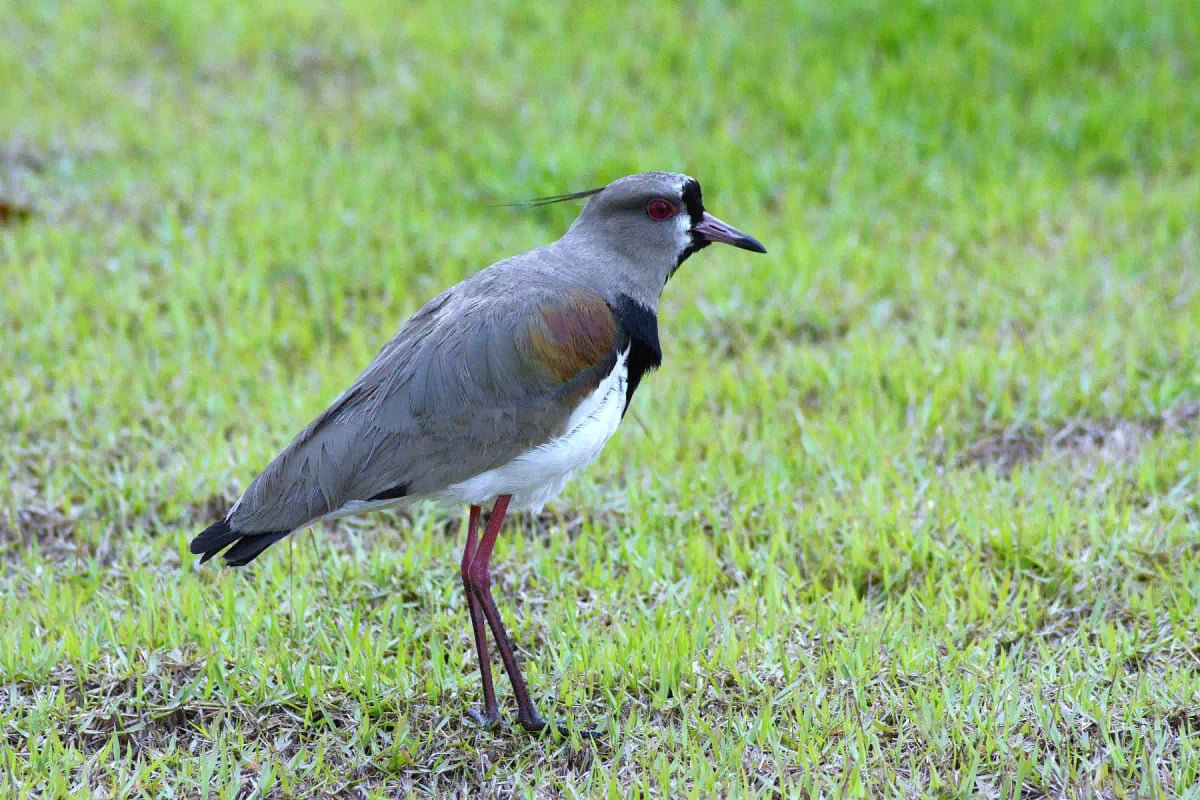
Southern Lapwing
Vanellus chilensis
In Chile, the southern lapwing is called the queltehue and is found mainly in the central and southern regions, from the valleys of the Coquimbo Region down through Patagonia. It favors moist grasslands, farmland edges and riverbanks. Its loud, repetitive call is a familiar sound across the Chilean countryside. Populations are healthy and its IUCN status is Least Concern.
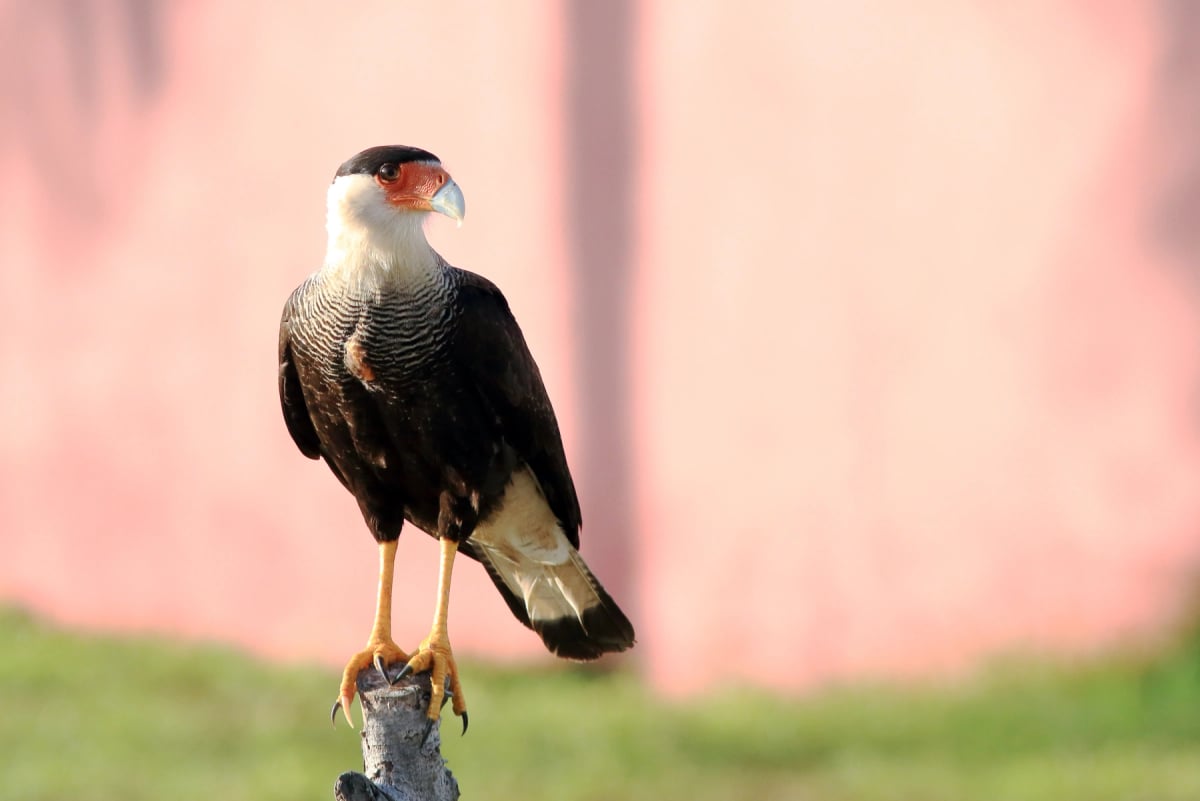
Southern Caracara
Caracara plancus
In Chile the southern caracara is called traro, and it lives from Arica in the far north all the way to Tierra del Fuego. It is much more common in the south of the country, including the open steppes of Aysén and Magallanes. It usually stays near an easy source of food, such as plowed fields, livestock areas or the coast, and it can be found from sea level up to about 2,000 meters.
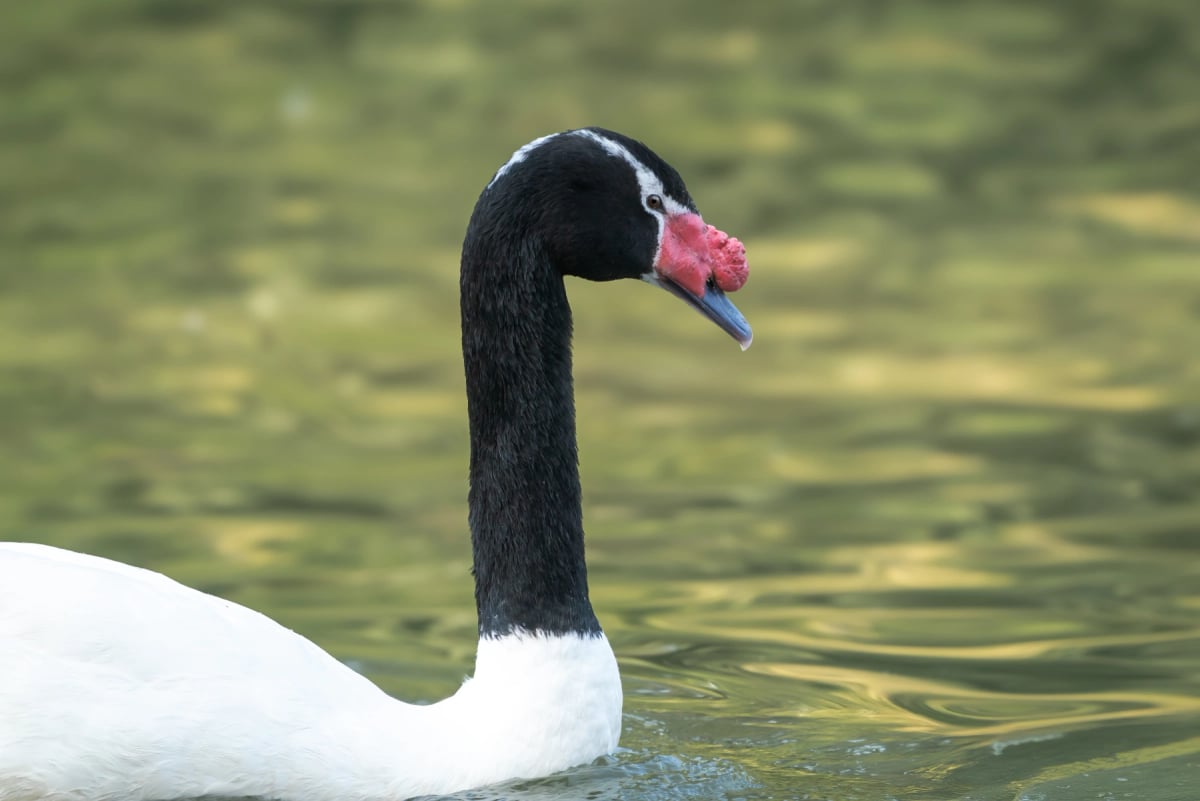
Black necked Swan
Cygnus melancoryphus
Chile is a stronghold for the black necked swan, from the Central Valley south through Patagonia to Tierra del Fuego, including Chiloé and Aysén. Its most famous site is the Río Cruces wetland near Valdivia, where swans collapsed from over 5,000 to a few hundred after pulp mill waste killed their food plant in 2004, then recovered to a peak of 22,419 in 2020. IUCN status: Least Concern.
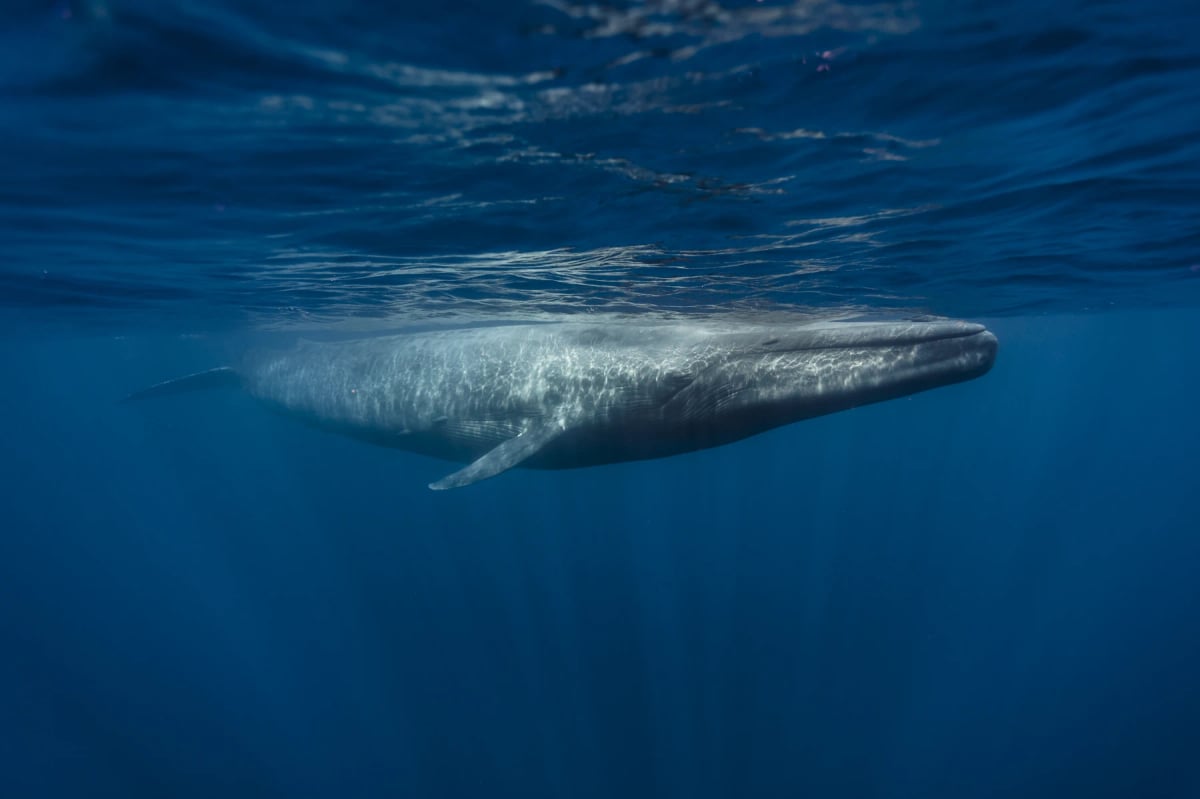
Blue Whale
Balaenoptera musculus
Southern Chile holds one of the most important blue whale feeding and nursing areas in the southern hemisphere, centred on the Gulf of Corcovado and the waters around Chiloé. The concentration was described by researchers in the early 2000s and changed how the species was understood in the South Pacific. Whales arrive roughly between December and April, and the area now supports monitoring programs and growing concern over salmon farming and vessel traffic.
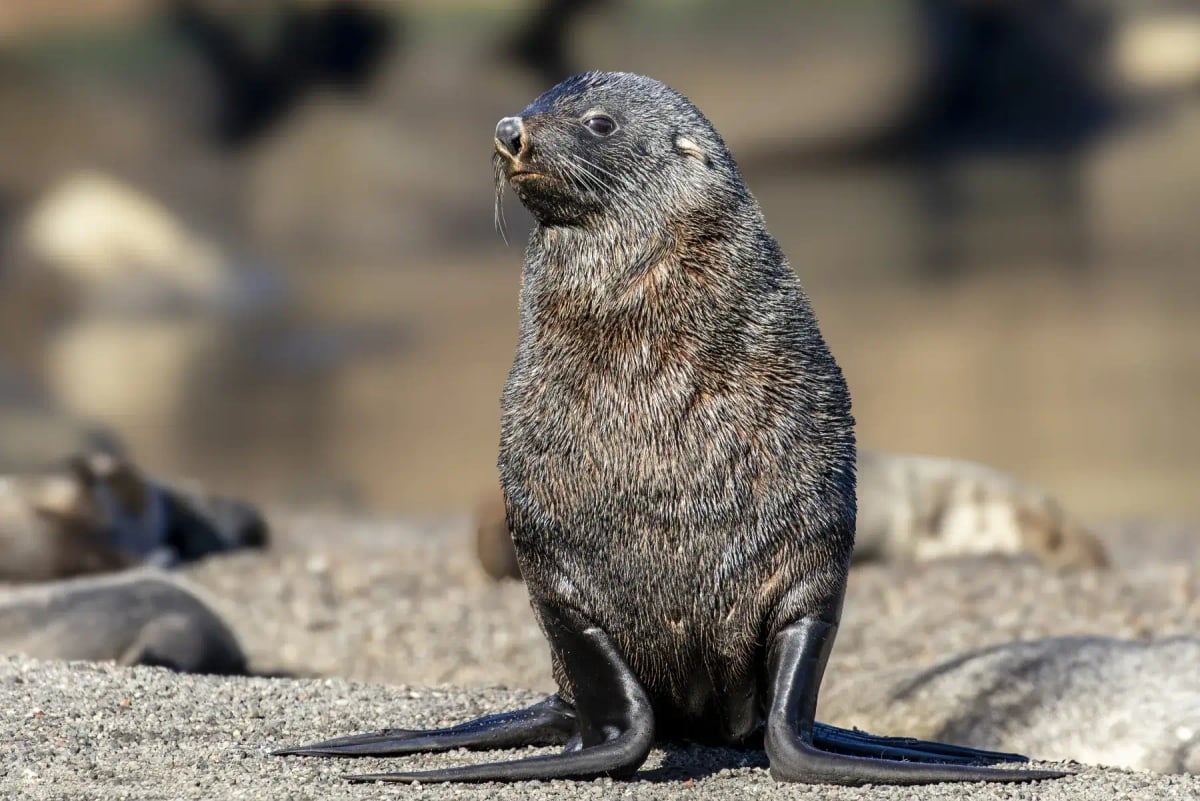
Fur Seal
Arctocephalus spp.
South American fur seals are found along much of the Chilean coast, from the Atacama Desert in the north to the cold channels of Patagonia and Cape Horn in the south. Chilean populations are affected by El Niño events, which reduce fish availability and can cause significant food shortages. Several protected marine areas along the coast offer some refuge, though bycatch in fishing nets continues to pose a serious threat.
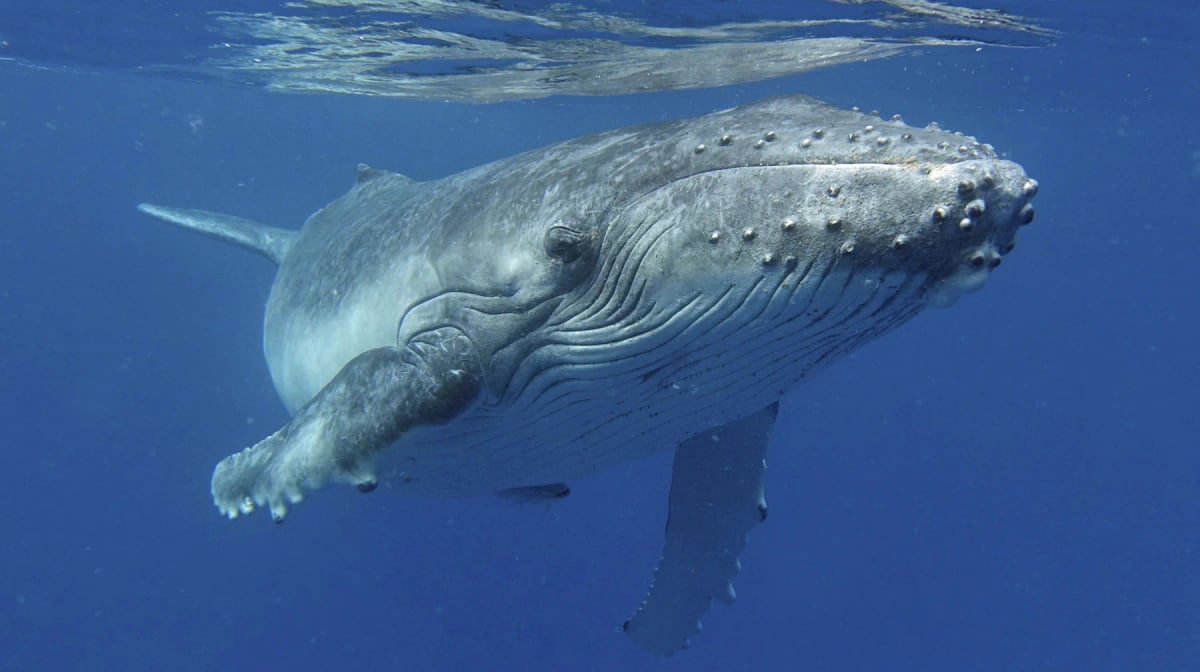
Humpback Whale
Megaptera novaeangliae
Chile's extensive coastline and the cold, nutrient-rich waters of Patagonia make it one of the most important feeding areas for humpback whales in the Southern Hemisphere. The channels and fjords of southern Chile, including areas near the Chiloé Archipelago, provide sheltered habitats where these whales feed on krill. Chile has become an increasingly significant destination for whale research and responsible wildlife tourism.
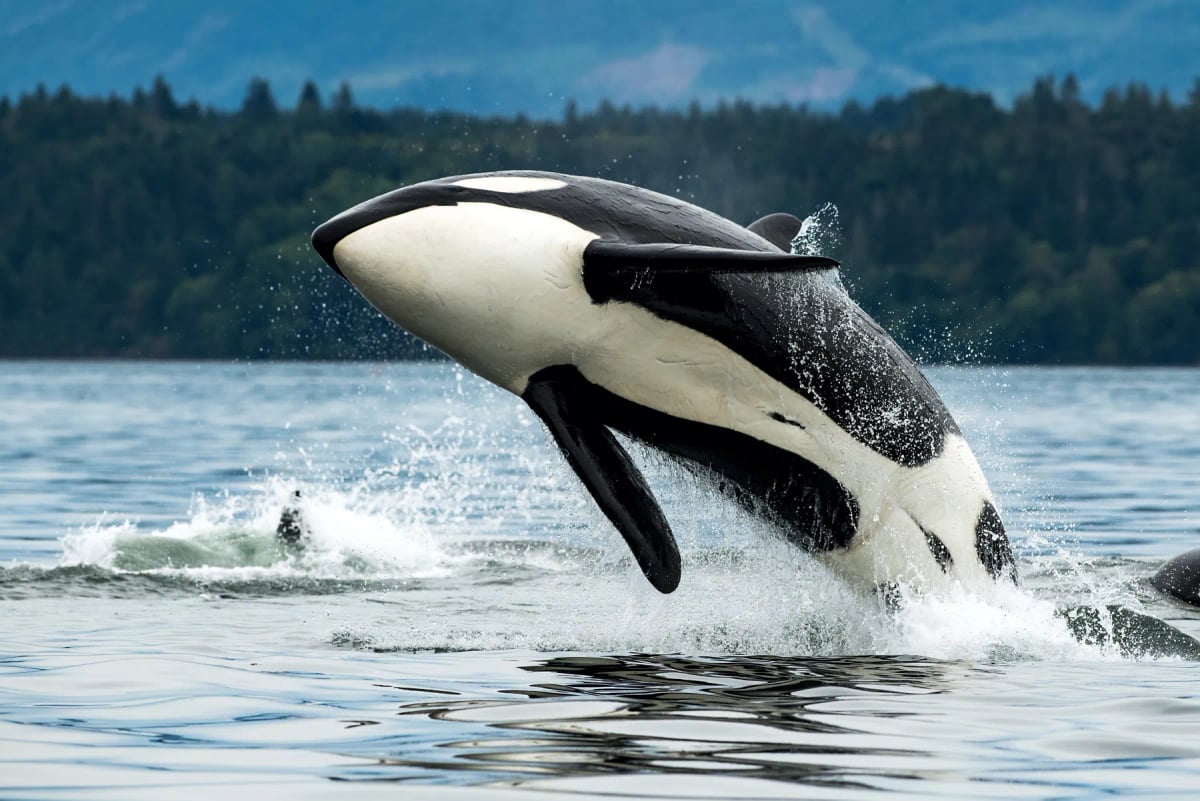
Orca
Orcinus orca
Chile's long Pacific coastline and the frigid channels of Patagonia make it an important area for orca activity in South America. Pods have been observed hunting sea lions along the coast near the Corcovado Gulf and around the Valdés-style beaches further south near Argentine waters. These highly cooperative hunters are known to intentionally strand themselves briefly on shore to catch prey. Their populations here face threats from salmon farming pollution.
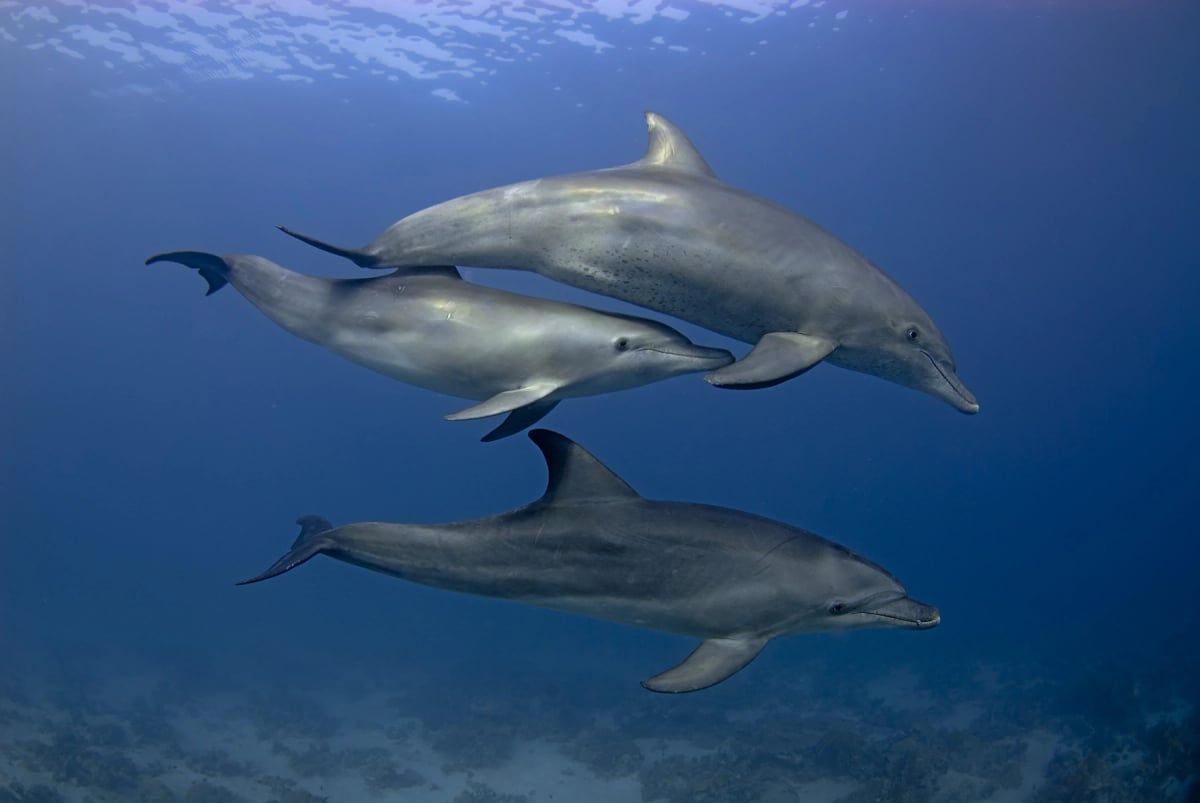
Bottlenose Dolphin
Tursiops truncatus
Bottlenose dolphins are present along Chile's Pacific coast, where they inhabit coastal bays, channels, and the open ocean in both temperate and warmer northern waters. The highly productive Humboldt Current system supports diverse marine life, providing ample prey for these dolphins. They are often spotted in small to medium pods near the shoreline. The species is classified as Least Concern globally by the IUCN.
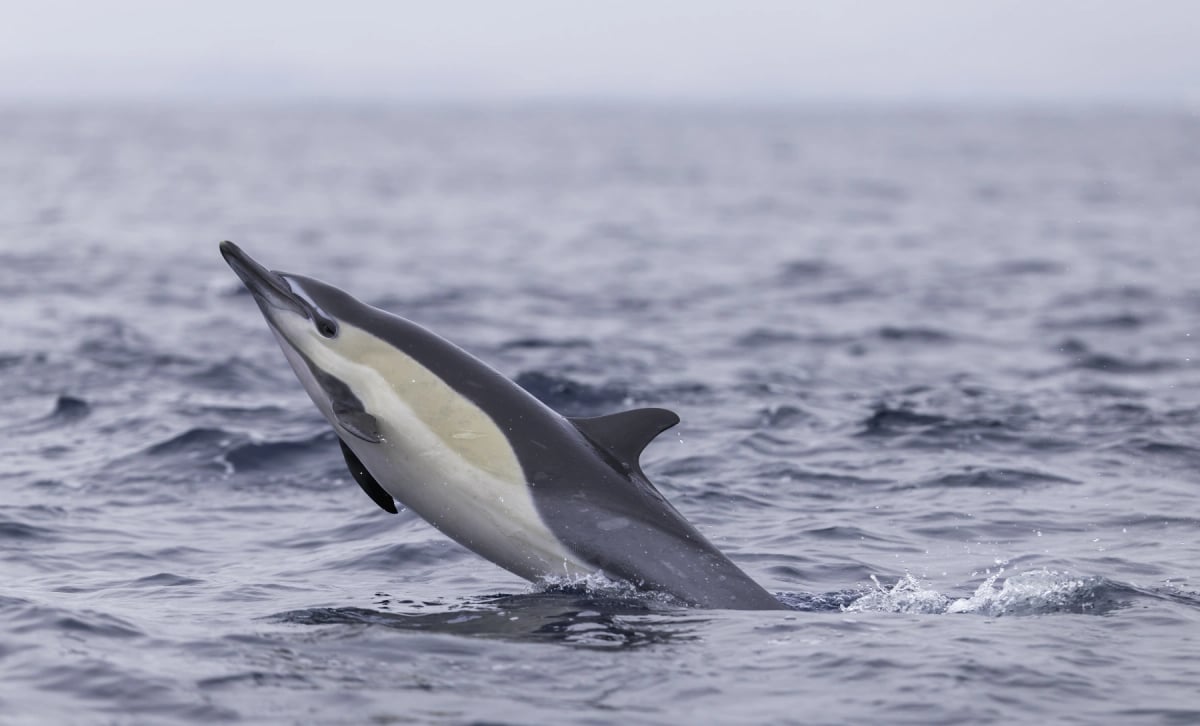
Common Dolphin
Delphinus delphis
Common dolphins are a familiar sight along Chile's extensive Pacific coastline, from the Atacama region south toward Patagonia. They gather in large groups, sometimes numbering in the thousands, feeding on anchovies and sardines in waters rich in nutrients from the Humboldt Current. Their striking hourglass flank pattern and habit of riding bow waves make them a favourite among sailors and whale watchers alike. IUCN status: Least Concern.
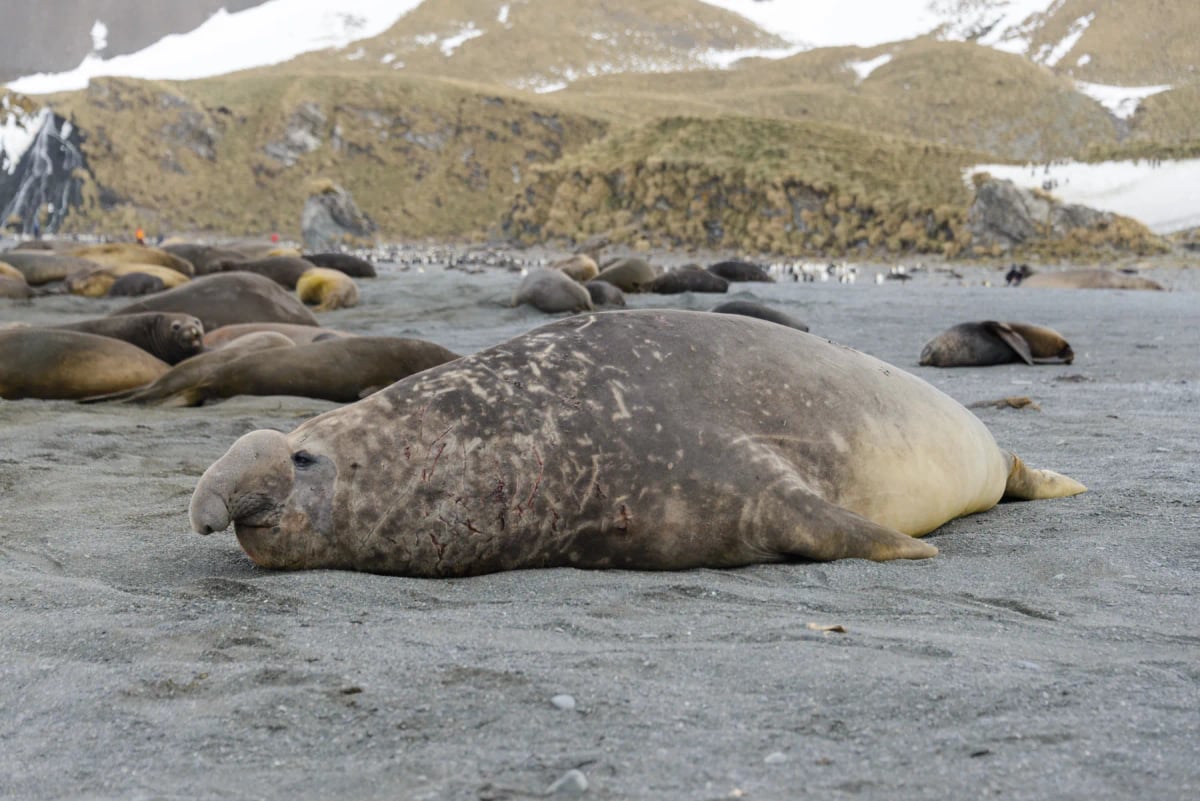
Elephant Seal
Mirounga spp.
Southern elephant seals are present along Chile's subantarctic coastline and around the Diego Ramírez and Ildefonso archipelagos in the far south. They also appear occasionally on beaches in the Magallanes region. These waters offer rich feeding grounds where the seals dive deep in pursuit of squid and fish. Chile's remote southern territories provide relatively undisturbed habitat that supports both resting and breeding activity.
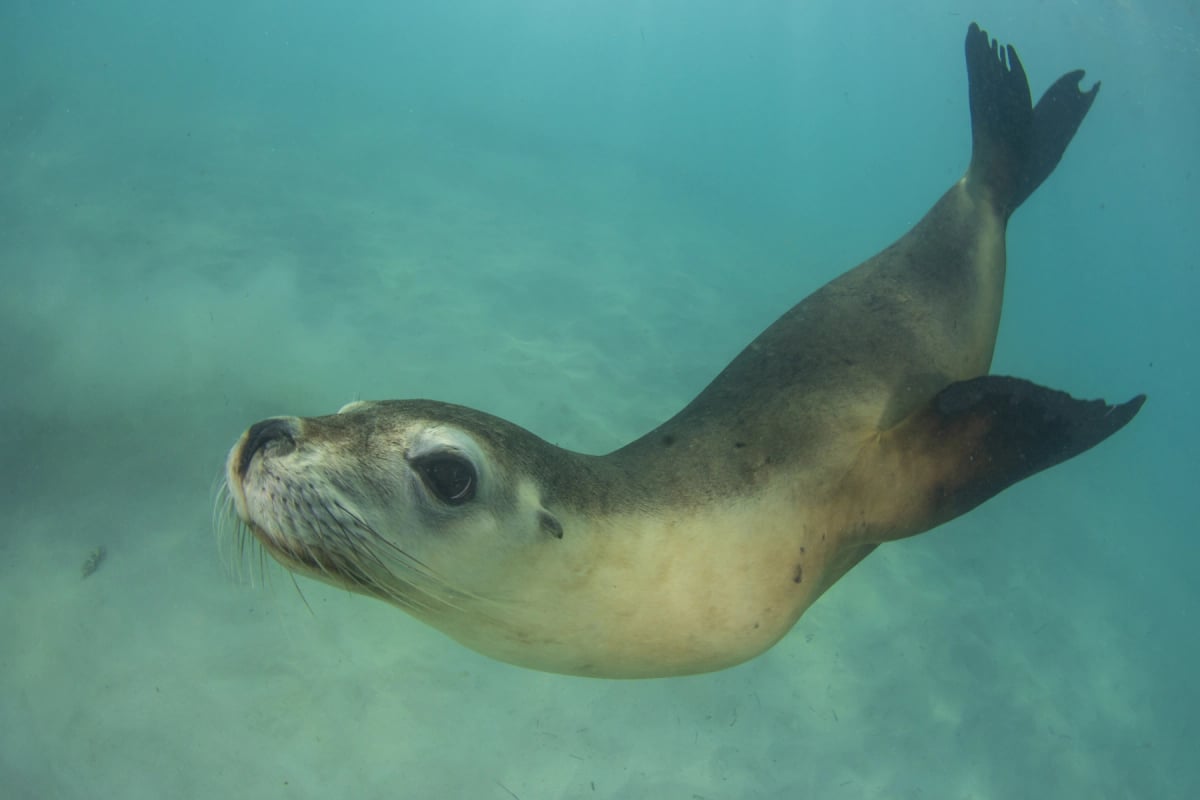
Sea Lion
Otariinae spp.
South American sea lions are a common sight along the lengthy Chilean coastline, from the Atacama Desert shore in the north all the way down to the channels of Chilean Patagonia. They rest on rocky outcrops and fish docks, often coming into conflict with local fisheries. The cold, nutrient-rich Humboldt Current keeps these waters full of fish and squid. Their IUCN status is Least Concern.
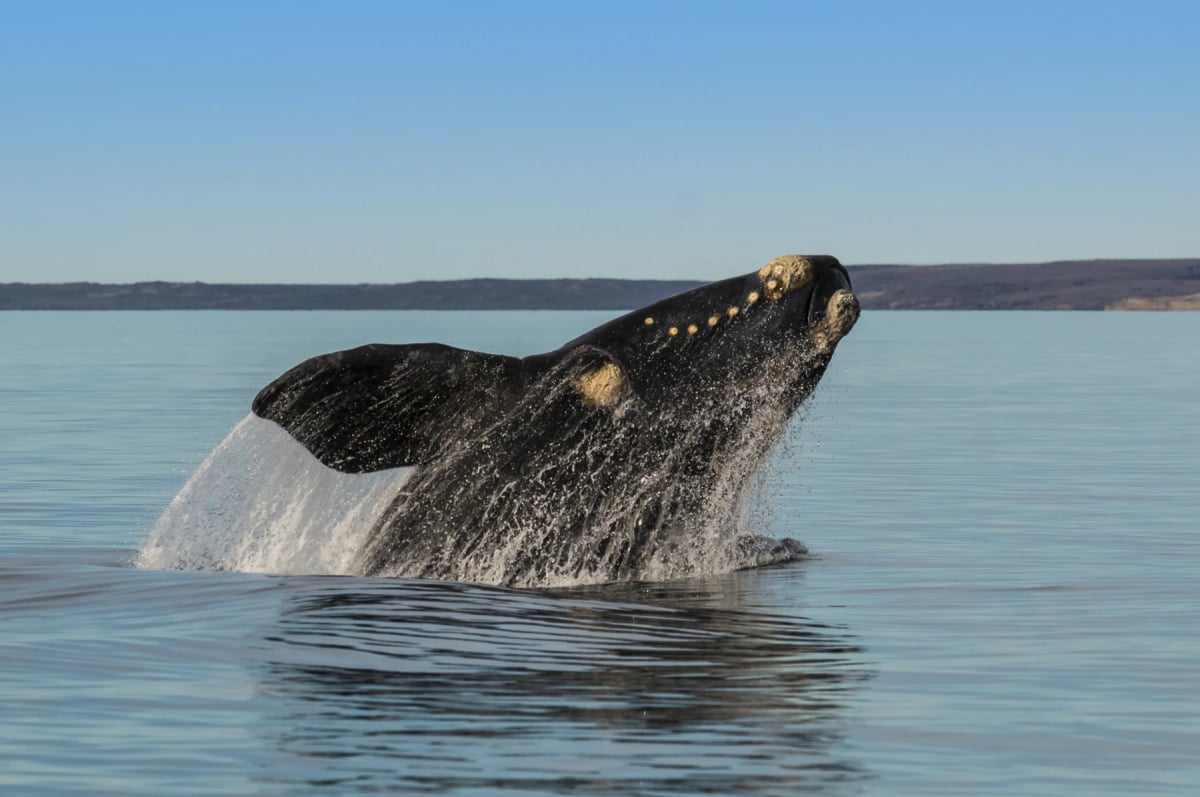
Southern Right Whale
Eubalaena australis
Chile's extensive and largely remote coastline, along with the waters around the subantarctic channels of Patagonia, provides habitat for southern right whales. Sightings occur in the Gulf of Corcovado and surrounding fjords, though the Chilean population remains small and is still recovering from the severe impact of historical whaling. Ongoing monitoring efforts aim to better understand their movements in Chilean waters. Listed as Least Concern.
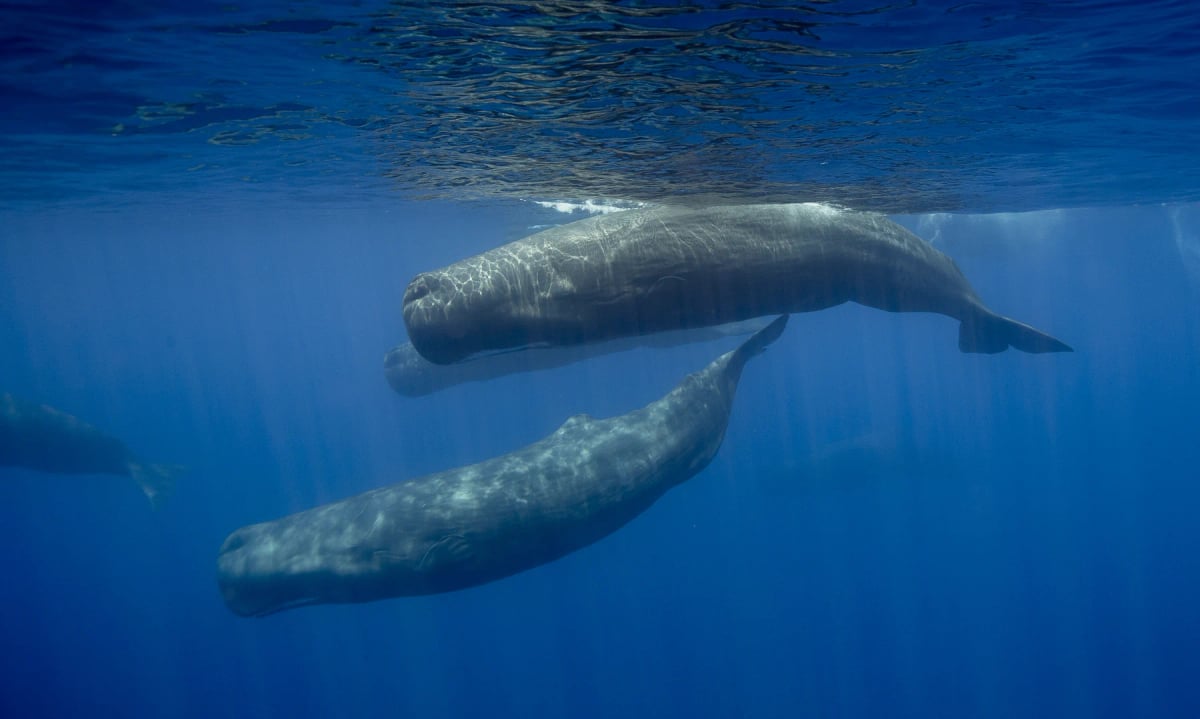
Sperm Whale
Physeter macrocephalus
Chile's long Pacific coastline borders some of the deepest ocean trenches in the world, making it prime habitat for sperm whales. They are observed regularly in waters off the Atacama region and further south toward Patagonia, where cold, nutrient-rich currents support abundant prey. Chile has strengthened its marine protected areas in recent years. Despite this progress, sperm whales remain Vulnerable globally, with entanglement and ship strikes posing real risks along busy Chilean shipping routes.
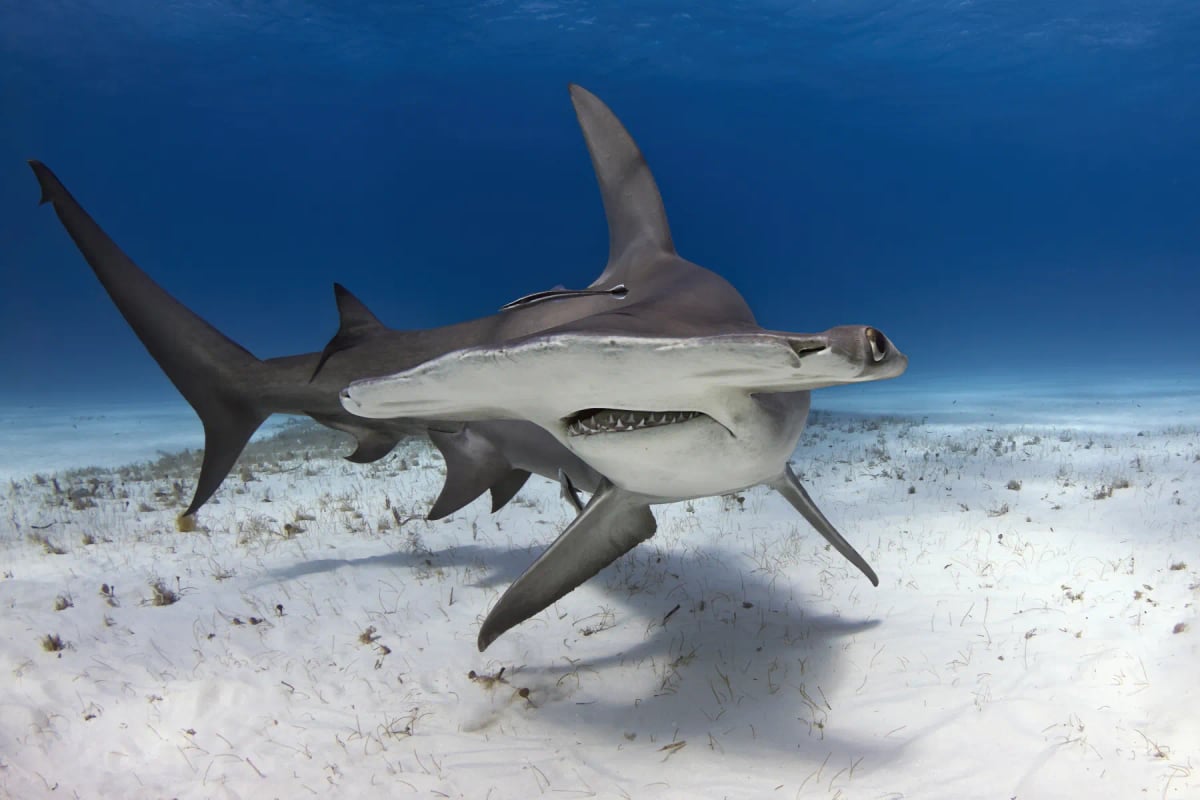
Hammerhead Shark
Sphyrna spp.
Hammerhead Sharks patrol the Pacific waters off Chile, particularly around the Desventuradas Islands and Easter Island. Their wide, flattened heads give them exceptional vision and an ability to detect prey with precision. In Chilean waters, these sharks face serious pressure from fishing fleets targeting the southeastern Pacific. Chile has taken steps toward marine conservation, though protections for hammerheads remain a work in progress.
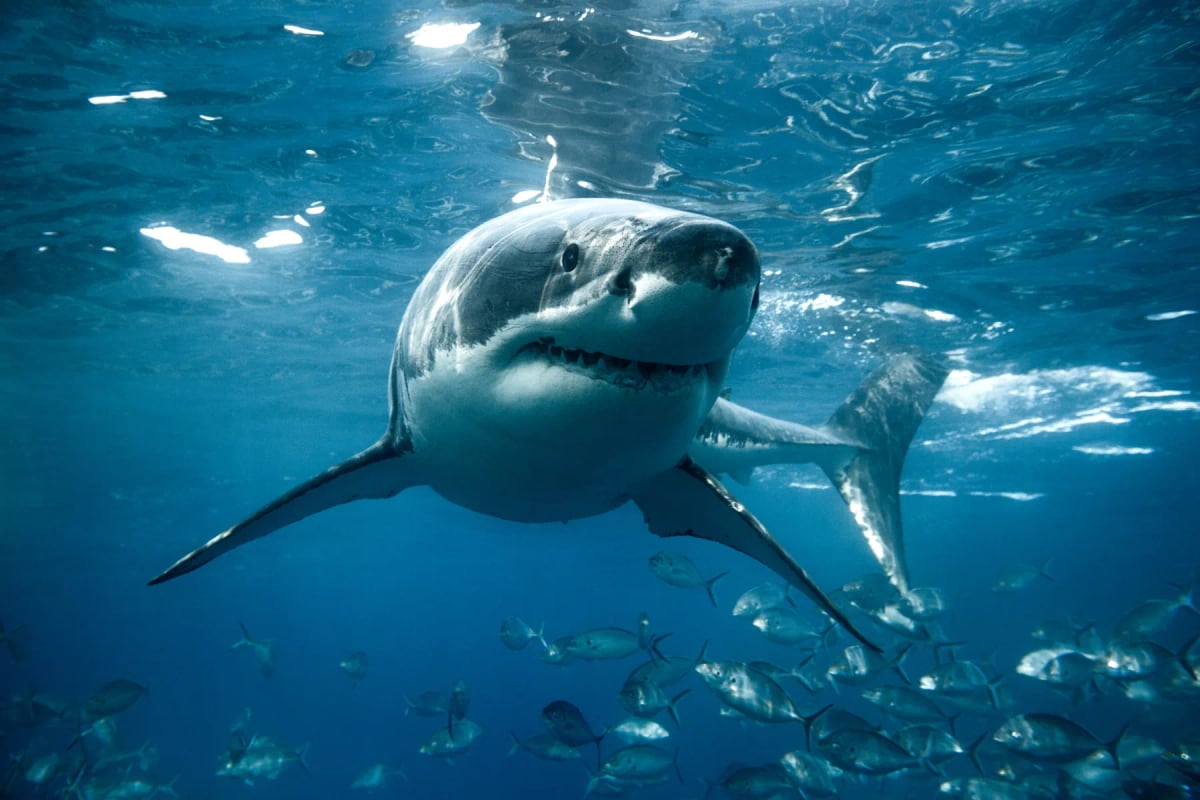
Great White Shark
Carcharodon carcharias
Great white sharks patrol the cold, nutrient-rich waters of the Chilean Pacific coast, particularly around the Atacama and Humboldt Current regions. These sharks follow the seasonal movements of sea lions and fur seals, which gather in large numbers along the Chilean shoreline. Chile has implemented fishing regulations that offer some protection to this Vulnerable species, though bycatch in longline fisheries remains a concern for populations in the region.
Frequently Asked Questions
What animals live in Chile?
Chile's animals include pumas, guanacos, vicuñas, llamas, huemules, South American gray foxes and armadillos. Its birds include the Andean condor, flamingos, black necked swans, caranchos and southern lapwings. Along its long coast live sea lions, fur seals, elephant seals, Magellanic penguins and king penguins. In its seas swim blue whales, humpback whales, sperm whales, orcas and dolphins, while albatrosses and petrels fly over the open ocean.
What animals live in Chilean Patagonia?
Chilean Patagonia is home to guanacos, pumas, huemules, South American gray foxes, armadillos and caranchos, and Andean condors are often seen flying over the mountains. Torres del Paine National Park is the best place to see many of them together, especially guanacos and pumas. On the coast, Magellanic penguins nest on Magdalena Island, king penguins live at Bahía Inútil in Tierra del Fuego, and elephant seals rest on remote beaches. Humpback whales feed in the Strait of Magellan in summer.
What is the national animal of Chile?
Chile has two animals on its coat of arms, the huemul and the Andean condor, and both are considered national symbols. The huemul is a shy, stocky deer from the southern Andes, and it is now an endangered species. The Andean condor is one of the largest flying birds in the world, with wings that can measure more than 3 meters from tip to tip. Both animals can still be seen in the wild in Chile, especially in Patagonia.
Where can you see penguins in Chile?
Magdalena Island, in the Strait of Magellan near Punta Arenas, has one of the largest Magellanic penguin colonies in Chile, and boat trips go there from about October to March. In Tierra del Fuego, the King Penguin Park at Bahía Inútil protects a small colony of king penguins that settled there in 2010, one of the few places in the world where you can see them without traveling to Antarctica or remote islands. Visitors watch them from a respectful distance behind marked areas.
Where can you see whales in Chile?
Chile is one of the best countries in South America for whale watching. Blue whales, the largest animals on Earth, feed in the Gulf of Corcovado near Chiloé, mainly from about January to April. Humpback whales spend the southern summer feeding in the Strait of Magellan, inside the Francisco Coloane Marine Park, the first marine park in Chile. Sperm whales, orcas and several kinds of dolphins can also be seen along the coast, depending on the season and the region.
Researched and written by Juan Pablo. Sources: IUCN Red List, scientific literature and regional field guides. Last updated: .