Animals in New York
Wildlife in New York
New York joins Adirondack peaks, Catskill forests, broad lakes and an Atlantic coast with long barrier beaches. The Hudson and Mohawk rivers cut easy routes between towns and refuges, and city parks add everyday bird life along paths and piers. Ferries and short drives link bays, cliffs and quiet wetlands, so visitors can plan simple outings for deer, beaver, otter and raptors across the year.
Most Dangerous Animals in New York
Risk in New York follows habitat. In northern woods the main concern is the American black bear, a strong animal that moves between rivers, berry flats and forest edges. In rocky hills and warm valleys, rattlesnakes rest on sunlit ledges in summer. Along ocean inlets and points, large sharks such as tiger and great white travel deep channels. Most reports describe brief encounters at a distance.
Top 10 Animals in New York
Our Top 10 for New York picks names that shape trips on both land and sea. The American black bear stands for wild forest days in the Adirondacks and Catskills. Peregrine falcon and bald eagle give clear city and river moments from bridges, cliffs and tall towers. The great white shark adds the open Atlantic to the picture. Together they outline a direct plan for photos, lookouts and boat routes.
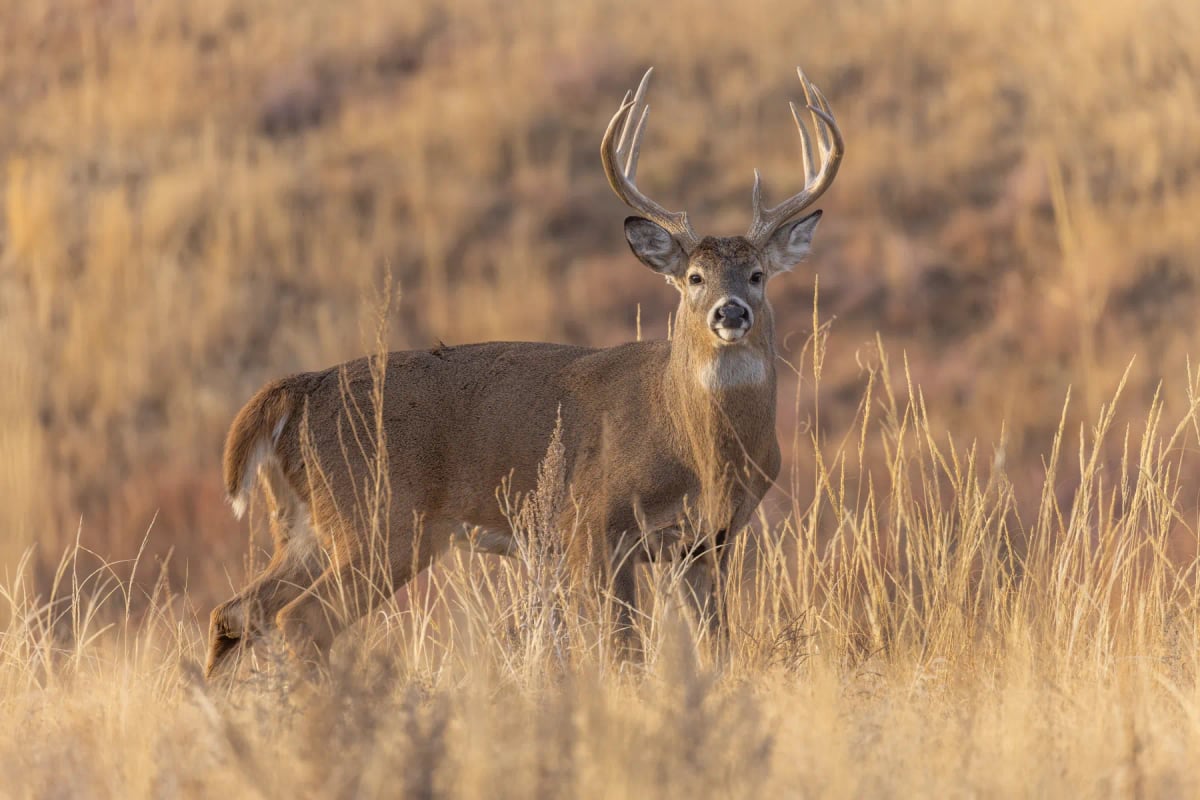
White tailed Deer
Odocoileus virginianus
New York has a thriving white tailed deer population spread across forests, farmland, and suburban areas throughout the state. Deer numbers grew significantly during the twentieth century as forests regrew and natural predators declined. Today, overpopulation in some areas leads to crop damage and increased vehicle collisions. Regulated hunting seasons and urban deer management programs help keep populations at levels that ecosystems can support.
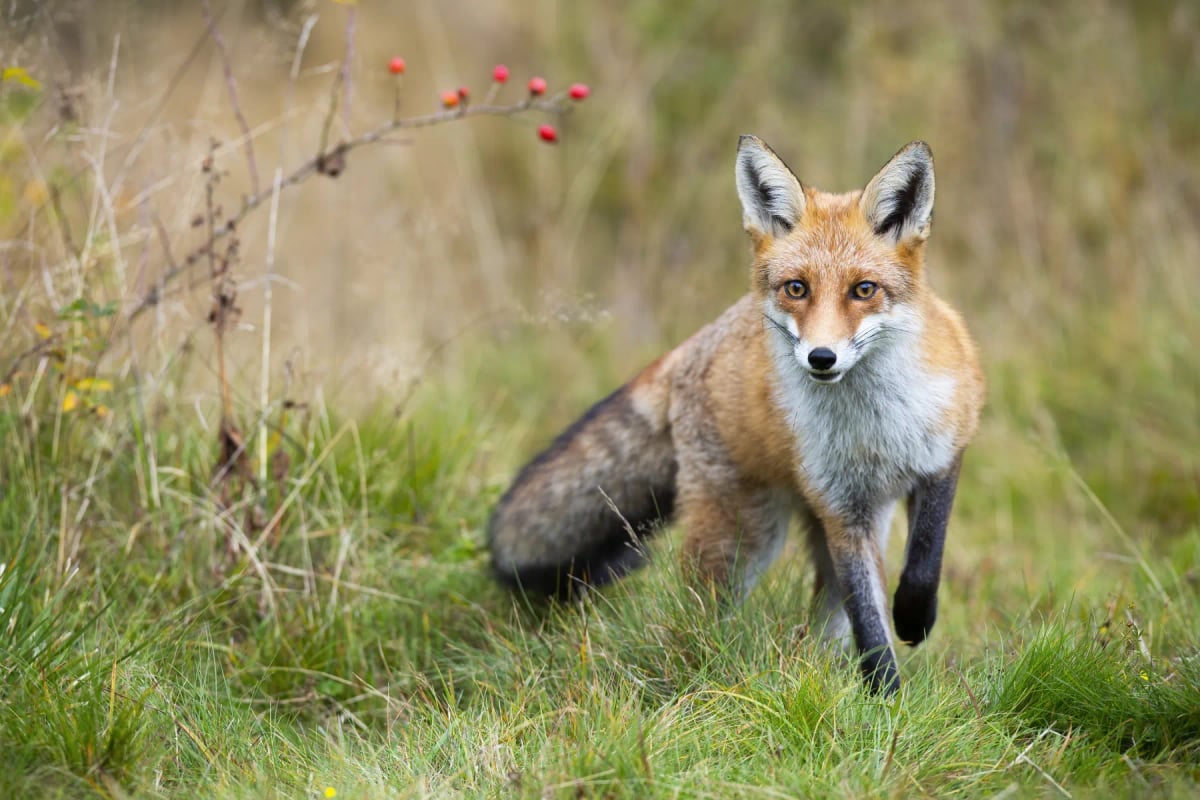
Red Fox
Vulpes vulpes
Red foxes are well established in New York State, thriving in both rural upstate regions and the green spaces of New York City, including Central Park and Staten Island. They are most visible at dawn and dusk, trotting along park paths or woodland edges in search of mice, squirrels, and rabbits. Their ability to live alongside millions of people makes them one of the city's most surprising and charismatic wild residents.
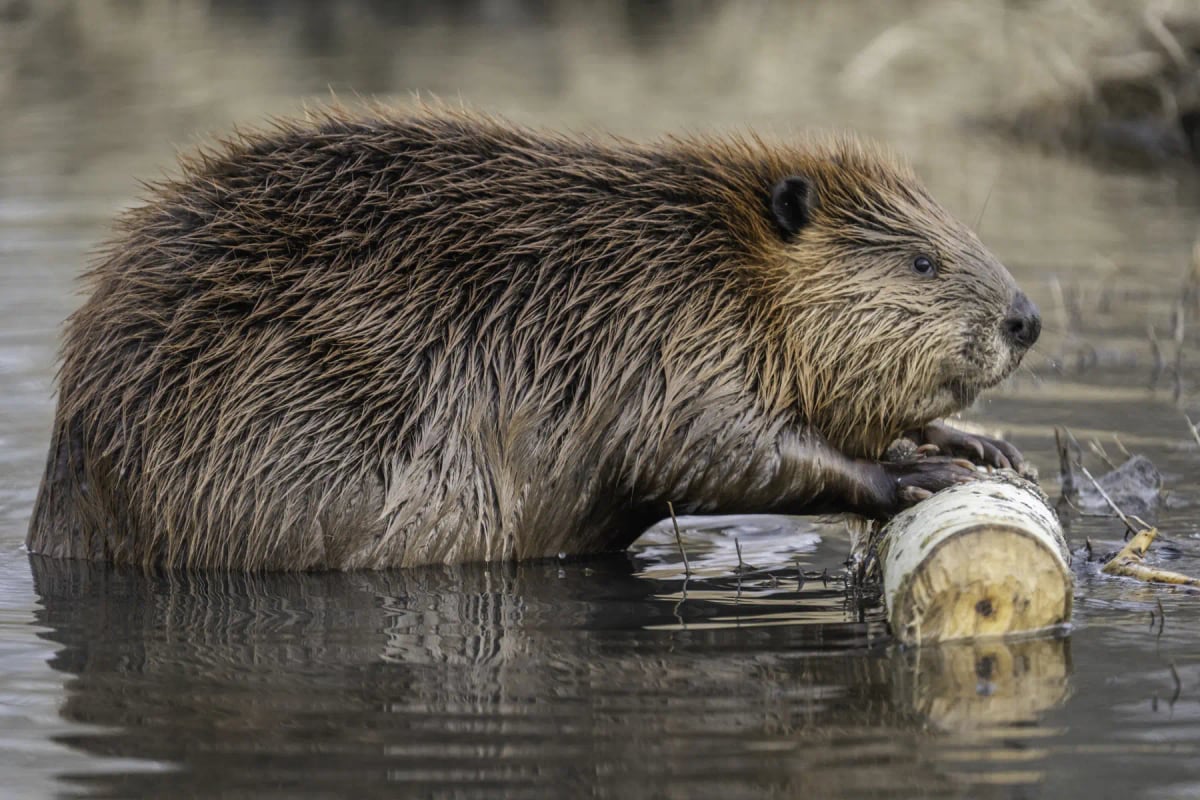
Beaver
Castor canadensis
Beavers were extirpated from New York State by the early 1900s due to overhunting. A successful reintroduction program in the Adirondacks helped populations recover, and beavers now inhabit wetlands, streams, and forested watersheds across much of the state. Their return has restored wetland habitats and improved water quality in many areas, though their dam building occasionally brings them into conflict with landowners in suburban zones.
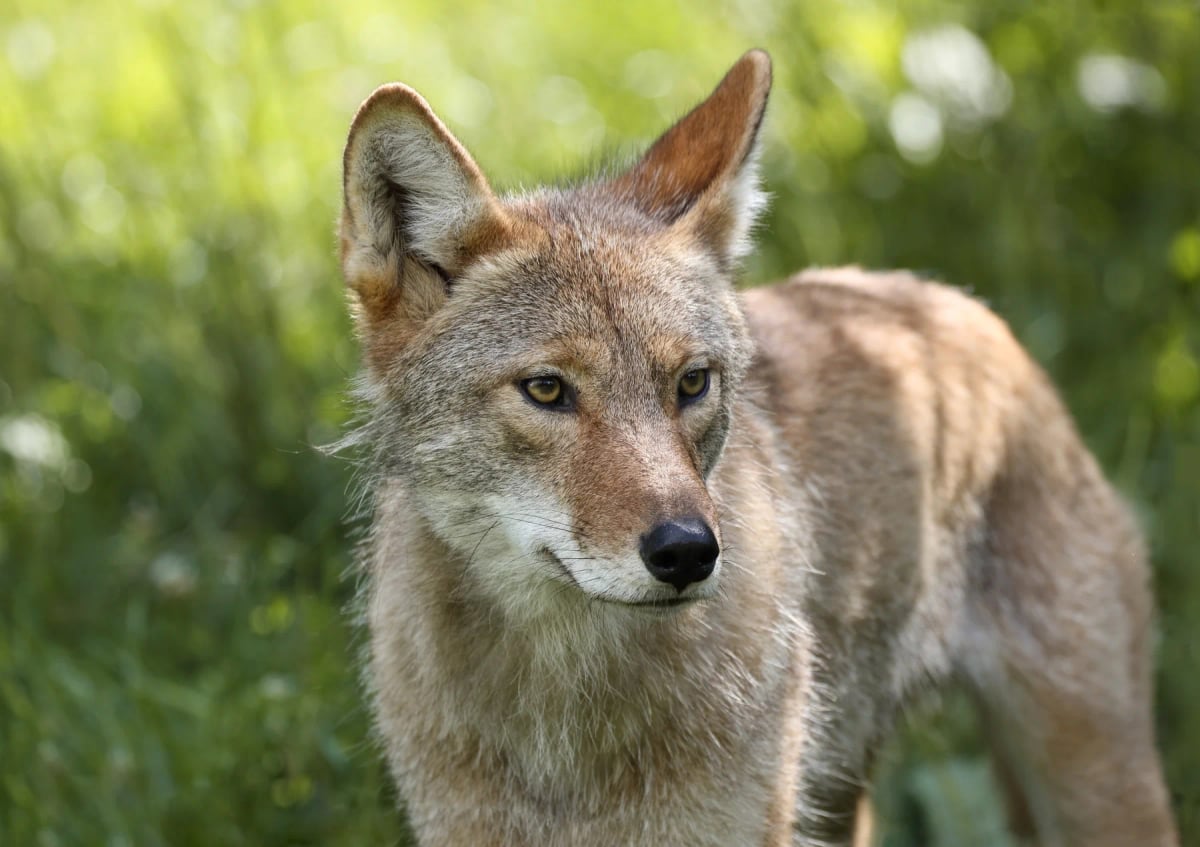
Coyote
Canis latrans
Coyotes are now a firmly established part of New York's wildlife, present across upstate forests and farmland and increasingly common within New York City itself, including sightings in Central Park and the Bronx. Descended partly from coyotes that interbred with wolves during their eastward expansion, these eastern individuals tend to be larger than their western relatives. They thrive in the mix of green spaces and dense urban neighborhoods. Their IUCN status is Least Concern.
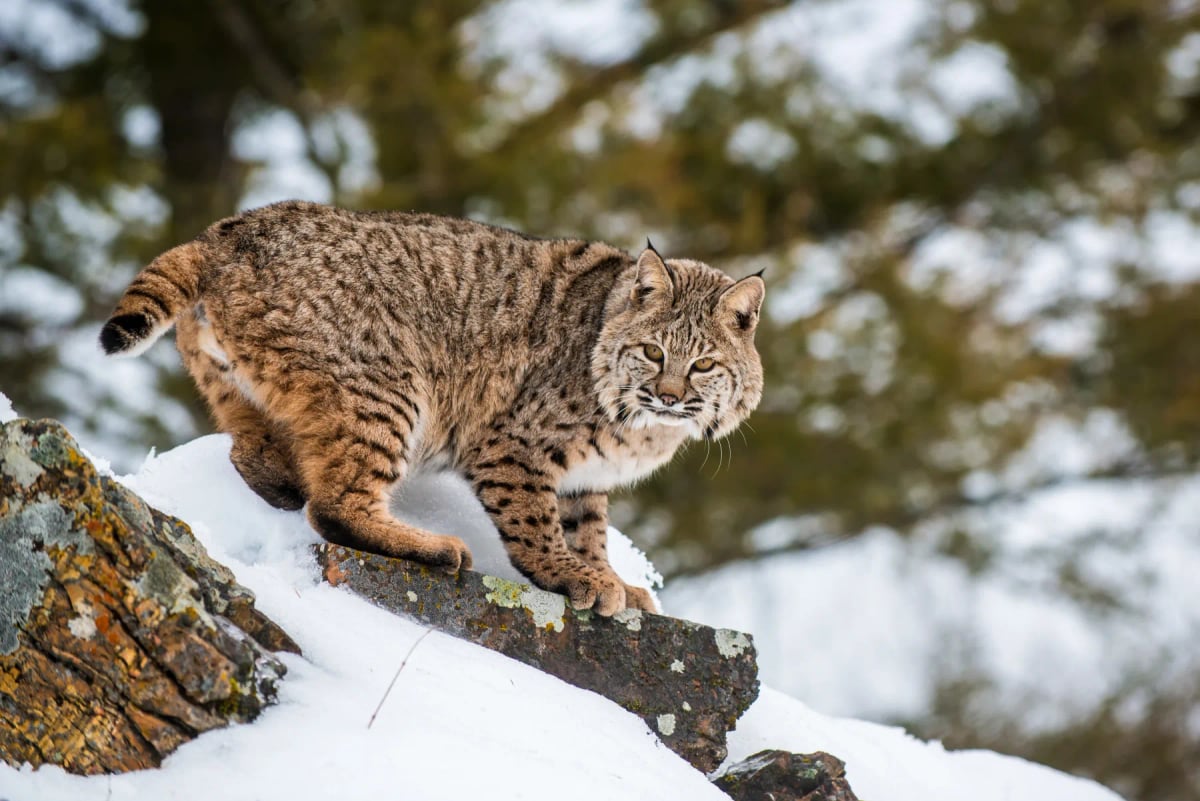
Bobcat
Lynx rufus
Bobcats are found across much of New York State, particularly in the Adirondacks, Catskills, and the forested regions of the Southern Tier. After population declines in the twentieth century due to habitat loss and trapping, numbers have recovered steadily. The species is absent from Long Island and most of New York City's suburbs. Snowshoe hares and cottontail rabbits are primary prey. New York lists the bobcat as a protected furbearer with a regulated harvest season.
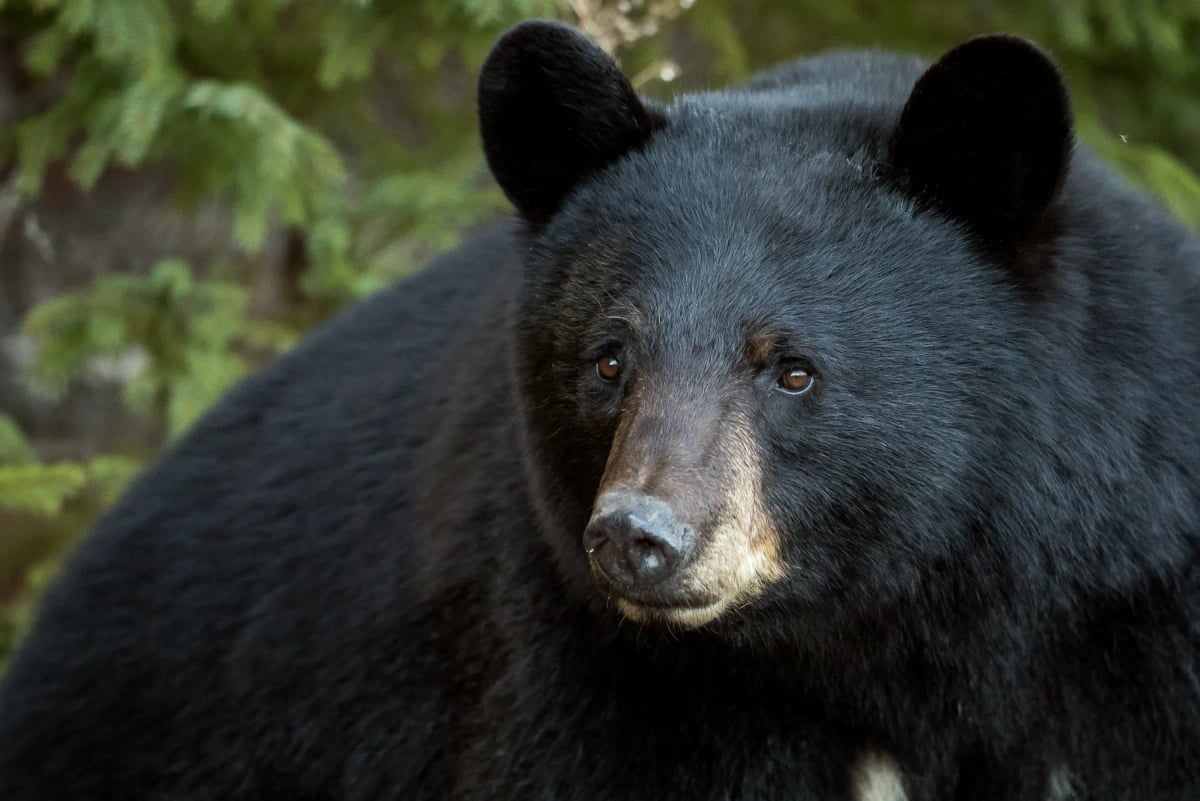
American Black Bear
Ursus americanus
New York's black bear population is concentrated in the Adirondacks, the Catskills, and the Hudson Valley. Numbers have increased substantially over the past several decades as forests have regrown and hunting regulations have tightened. Bears are increasingly reported in suburban areas at the edges of their range. The state manages the population through regulated hunting seasons and public education programs focused on reducing access to food sources.
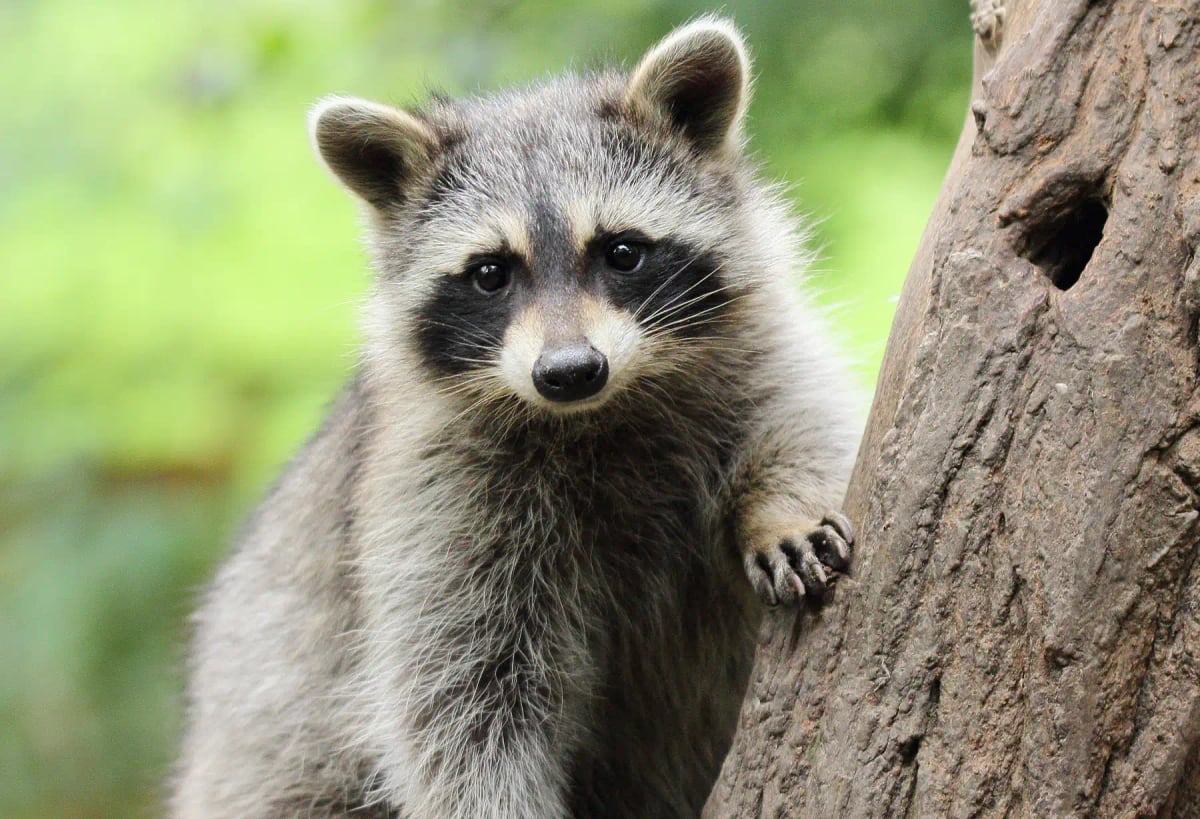
Raccoon
Procyon lotor
Raccoons thrive across New York State, from the forests of the Adirondacks to the streets of New York City. Urban raccoons have become a fixture in the city, raiding bins and denning in parks, attics, and storm drains. In more rural areas, they favor woodland streams and wetlands where food is plentiful. New York wildlife agencies manage raccoon populations partly because the animals are a primary carrier of rabies in the northeastern United States. Their IUCN status is Least Concern.
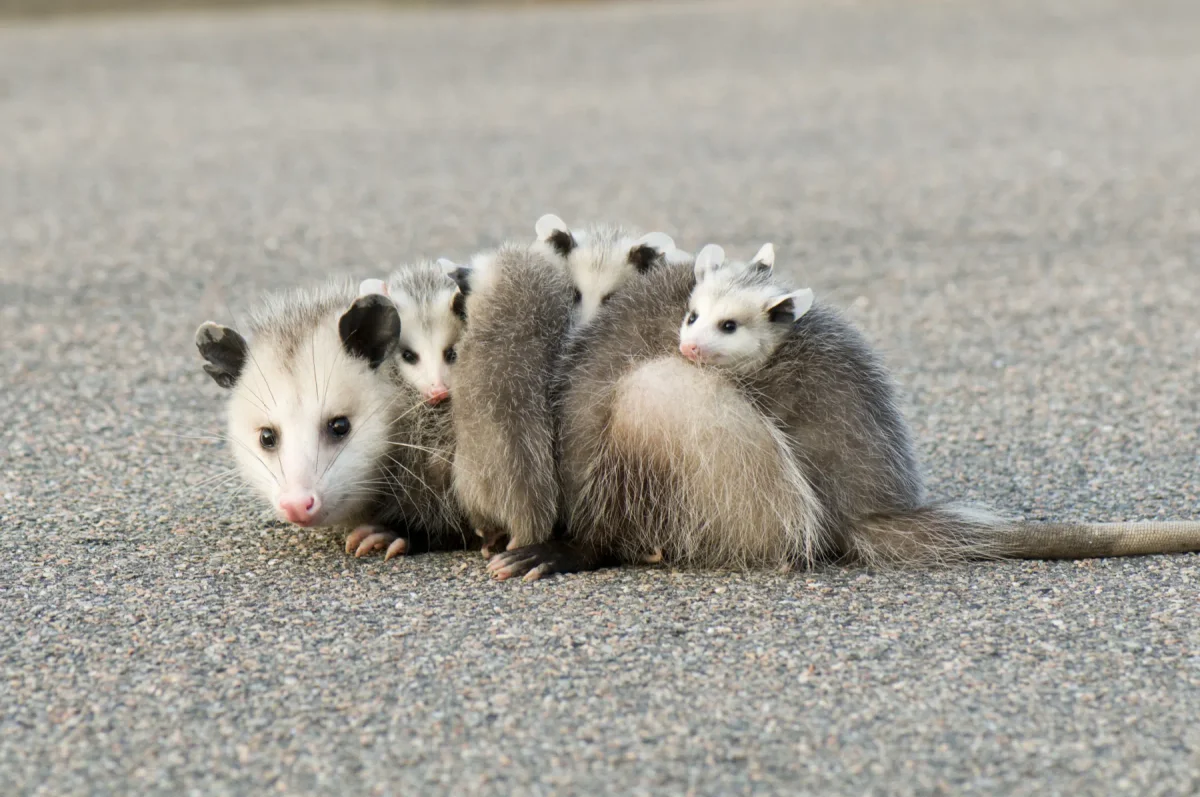
Opossum
Didelphis spp.
Opossums are a familiar sight across New York State, including New York City and its surrounding boroughs. They shelter in hollow logs, brush piles, and even building foundations, venturing out at night to forage. Cold winters can cause frostbite on their naked ears and tails, yet populations remain healthy and widespread. Listed as Least Concern, they are one of the few wild marsupials most New Yorkers will ever encounter in their own neighborhoods.
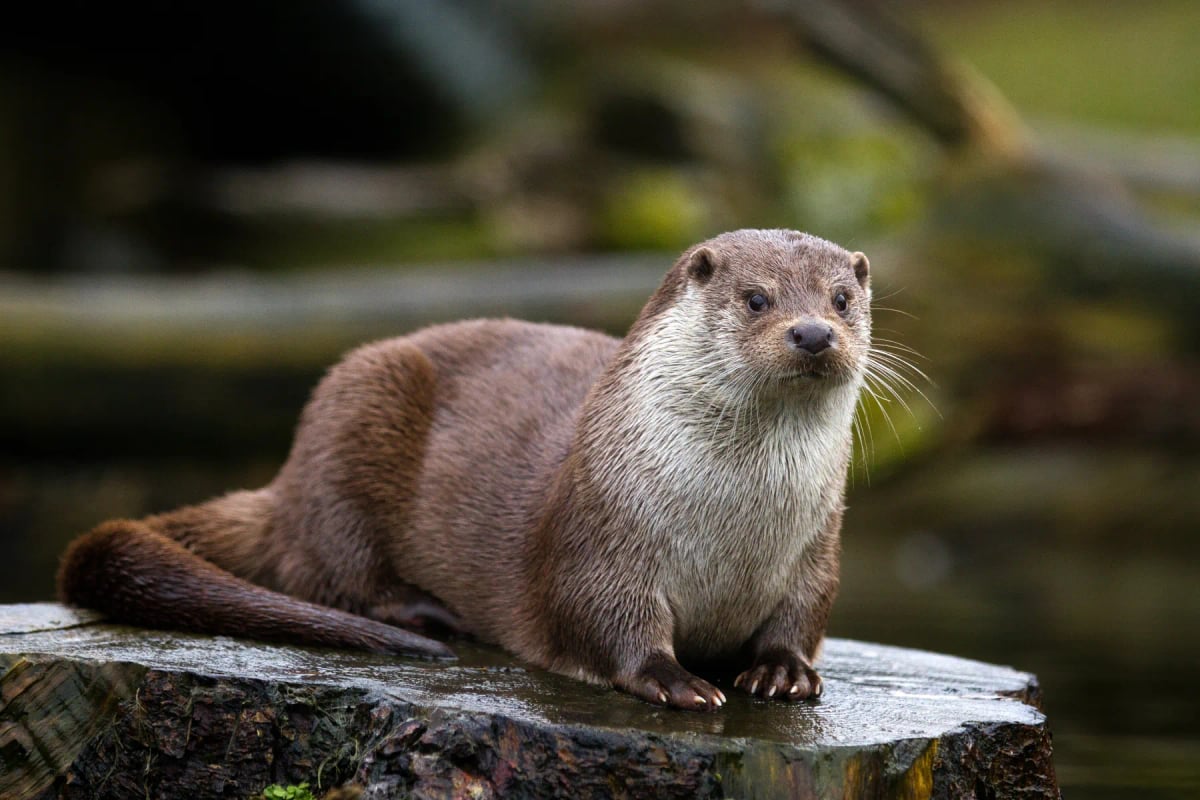
River Otter
Lontra canadensis
River otters were largely eliminated from New York by the early twentieth century due to trapping and habitat loss. A reintroduction effort launched in the Adirondacks during the 1990s proved highly successful, and the species has since spread to rivers, lakes and wetlands across much of the state. Today, spotting an otter along the Hudson River valley or in the Finger Lakes region is no longer unusual, a testament to the state's ongoing water quality improvements.
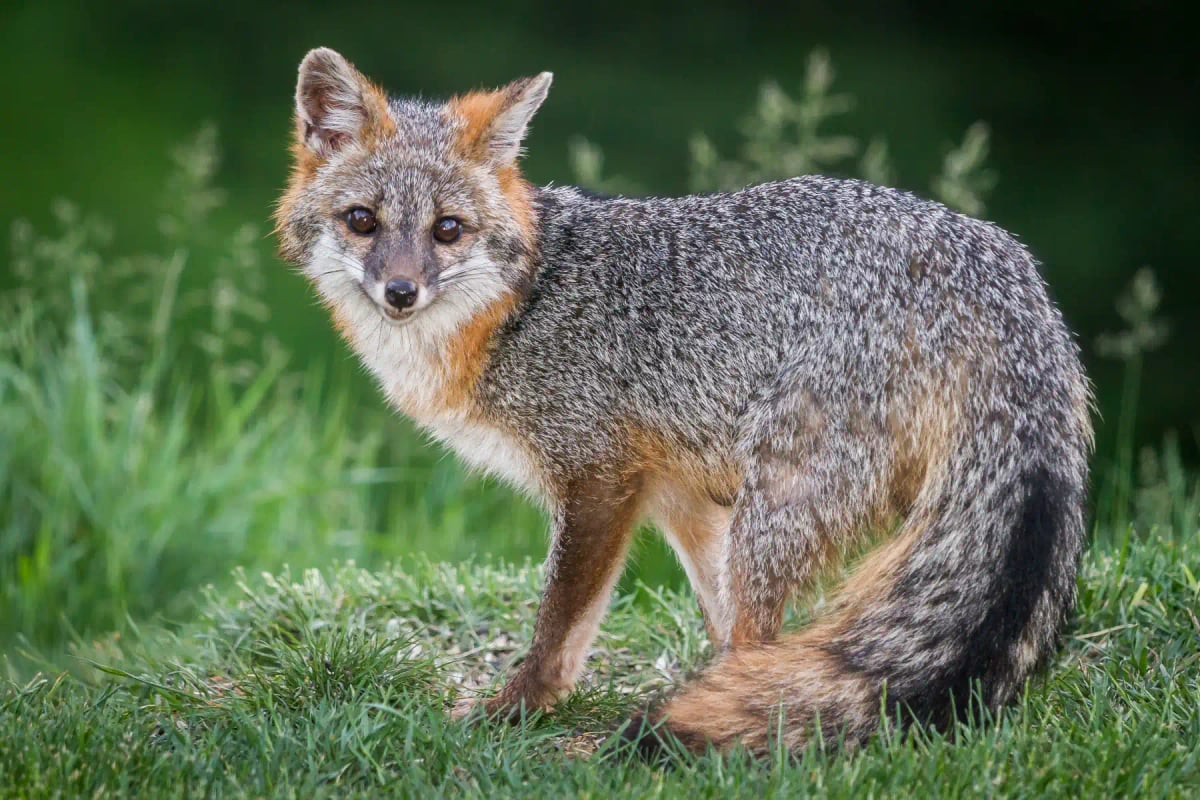
Gray Fox
Urocyon cinereoargenteus
In New York, the gray fox inhabits the deciduous forests, rocky hillsides, and brushy areas found throughout the state, including regions of the Hudson Valley and the Catskills. It tends to stay closer to forested cover than the red fox, which prefers more open land. Though not always easy to spot due to its nocturnal habits, it is a confirmed resident of the state and an important part of the local woodland ecosystem.
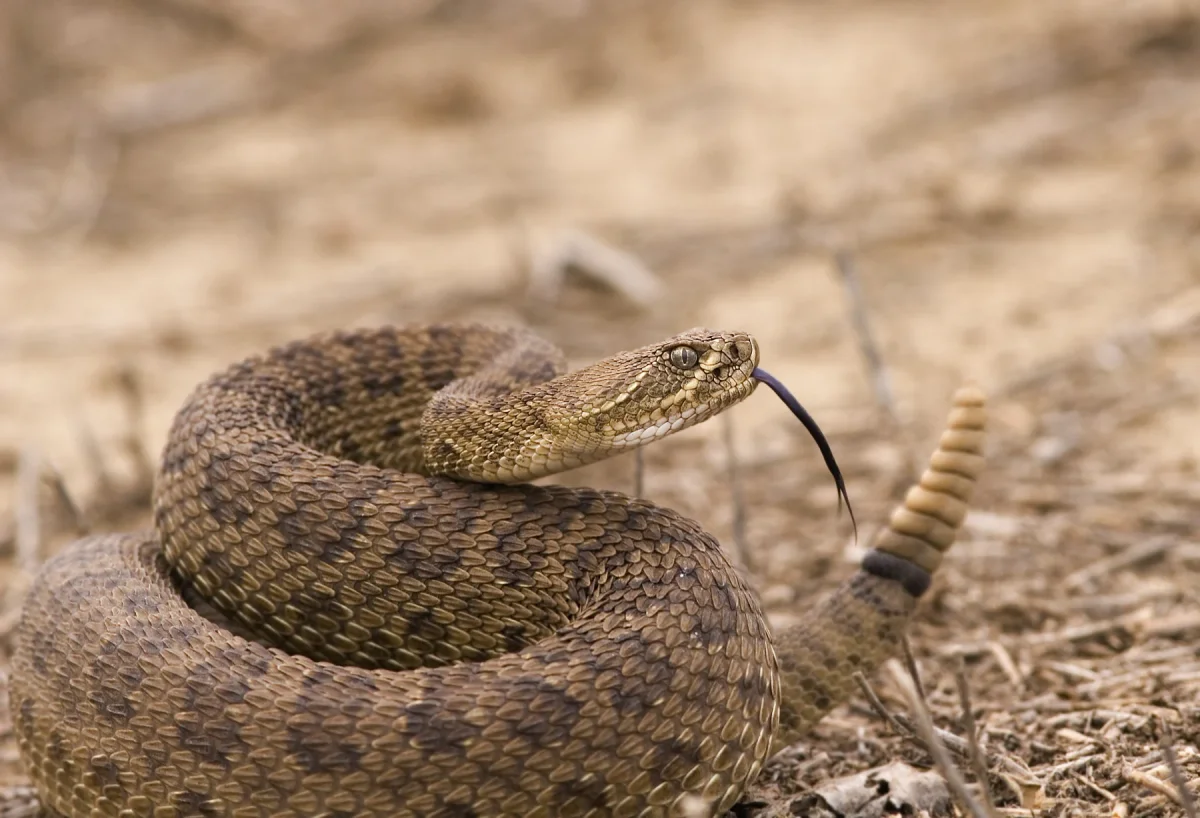
Rattlesnake
Crotalus spp. / Sistrurus spp.
New York has just one rattlesnake species, the Timber Rattlesnake (Crotalus horridus), which is listed as threatened at the state level. Populations are concentrated in the Appalachian highlands, the Hudson Valley, and parts of the Adirondacks. They depend on rocky south-facing ledges for basking and communal den sites. Habitat protection and public education programs are central to conservation efforts in the state. IUCN status: Least Concern.
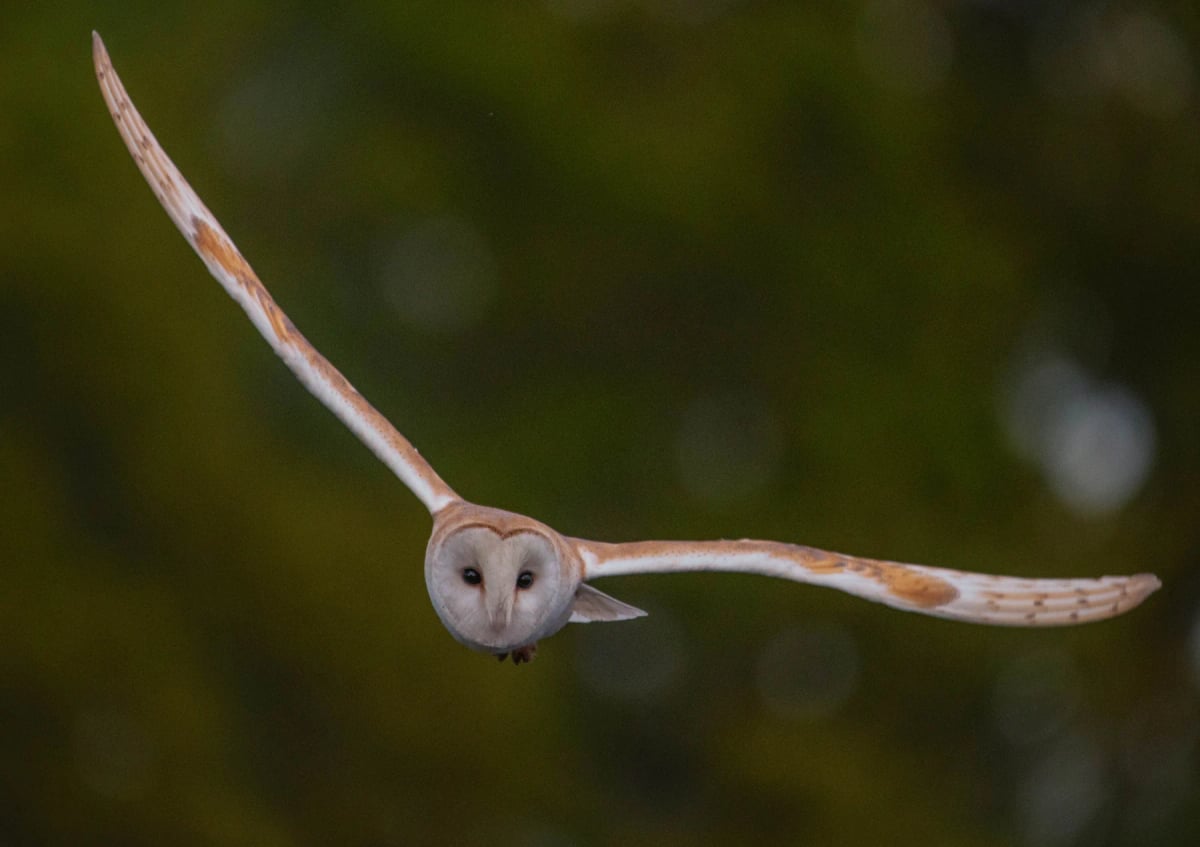
Barn Owl
Tyto alba
The barn owl is found in New York mainly in the agricultural lowlands of the Hudson Valley, Long Island, and the Finger Lakes region, where open farmland and old buildings provide nesting and hunting habitat. It is less common in the heavily forested Adirondacks and Catskills. New York sits near the northern edge of the barn owl's stable breeding range in the eastern United States, and cold winters can cause significant mortality. Nest box programs installed by farmers and conservation groups across Long Island and the Hudson Valley have helped support the population, which is considered vulnerable at the state level.
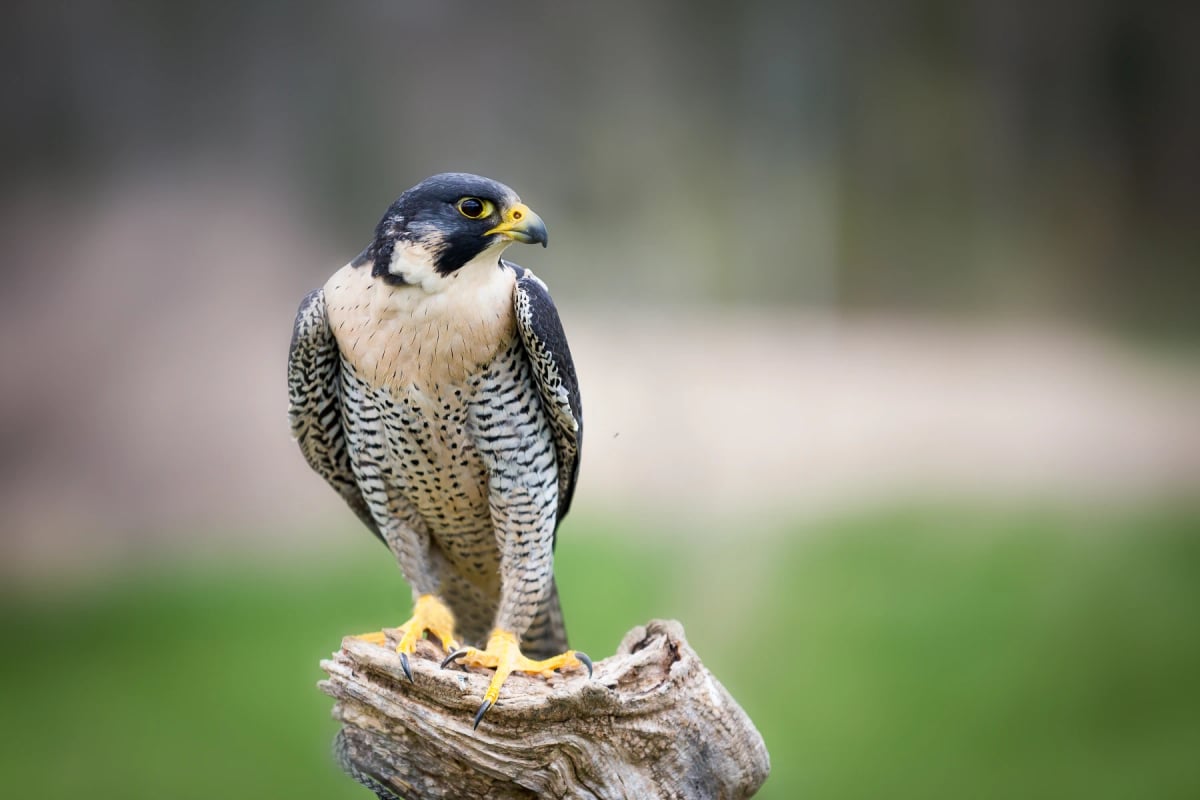
Peregrine Falcon
Falco peregrinus
New York City is one of the most famous urban strongholds for the peregrine falcon in the world. After nearly vanishing due to DDT, the species was reintroduced to the city in the 1980s and has thrived ever since. Falcons now nest on bridges, skyscrapers, and building ledges across all five boroughs, treating the city skyline much as they would a coastal cliff. New York State monitors these pairs closely each year.
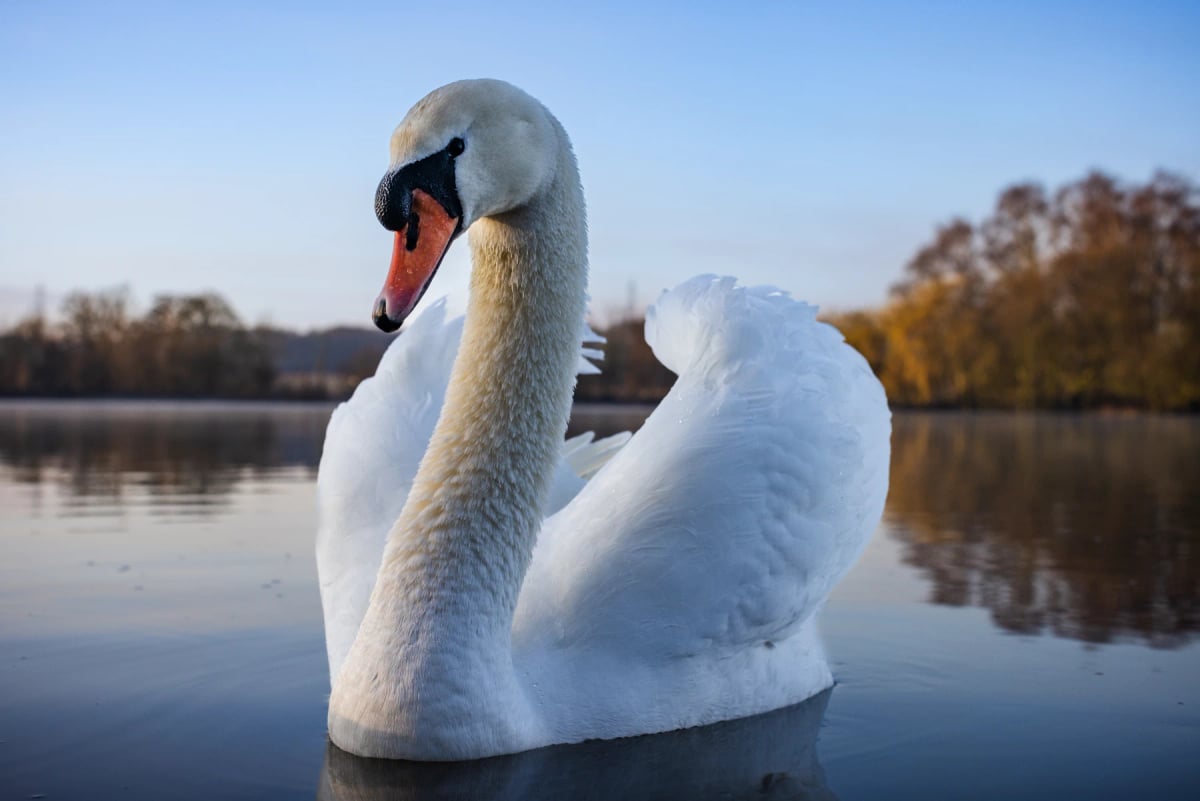
Mute Swan
Cygnus olor
New York has one of the oldest wild mute swan populations in North America. Birds released on estates in the lower Hudson Valley and on Long Island in the early 1900s spread across the bays and ponds of Long Island, and by the 1960s they were common at its east end. Today about 2,000 live downstate and a smaller group lives along Lake Ontario. The state works to keep their numbers from growing to protect native wetlands. IUCN status: Least Concern.
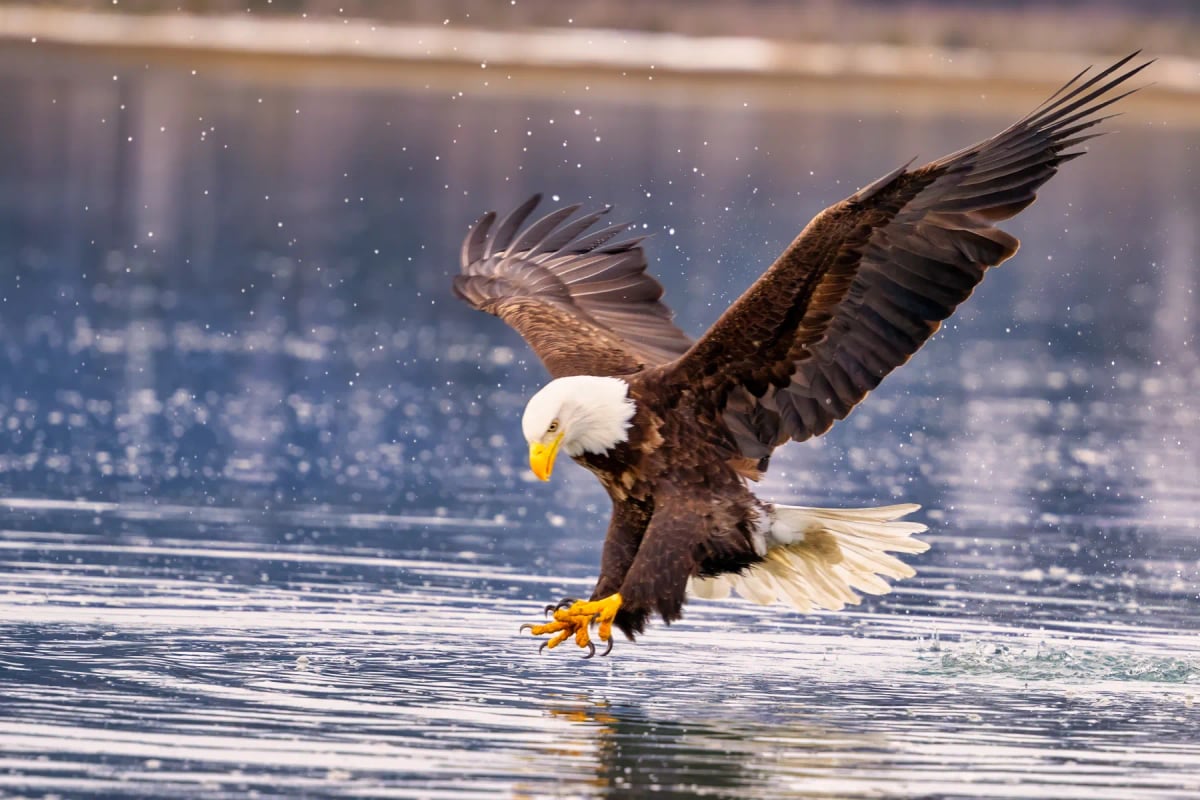
Bald Eagle
Haliaeetus leucocephalus
The bald eagle made a strong comeback in New York after disappearing as a breeding species by the 1970s. Today dozens of nesting pairs are established along the Hudson River, in the Catskills, and around the Adirondacks. Wintering eagles are also common near open water on the Hudson and at large lakes, making this species one of the most visible conservation success stories in the state.
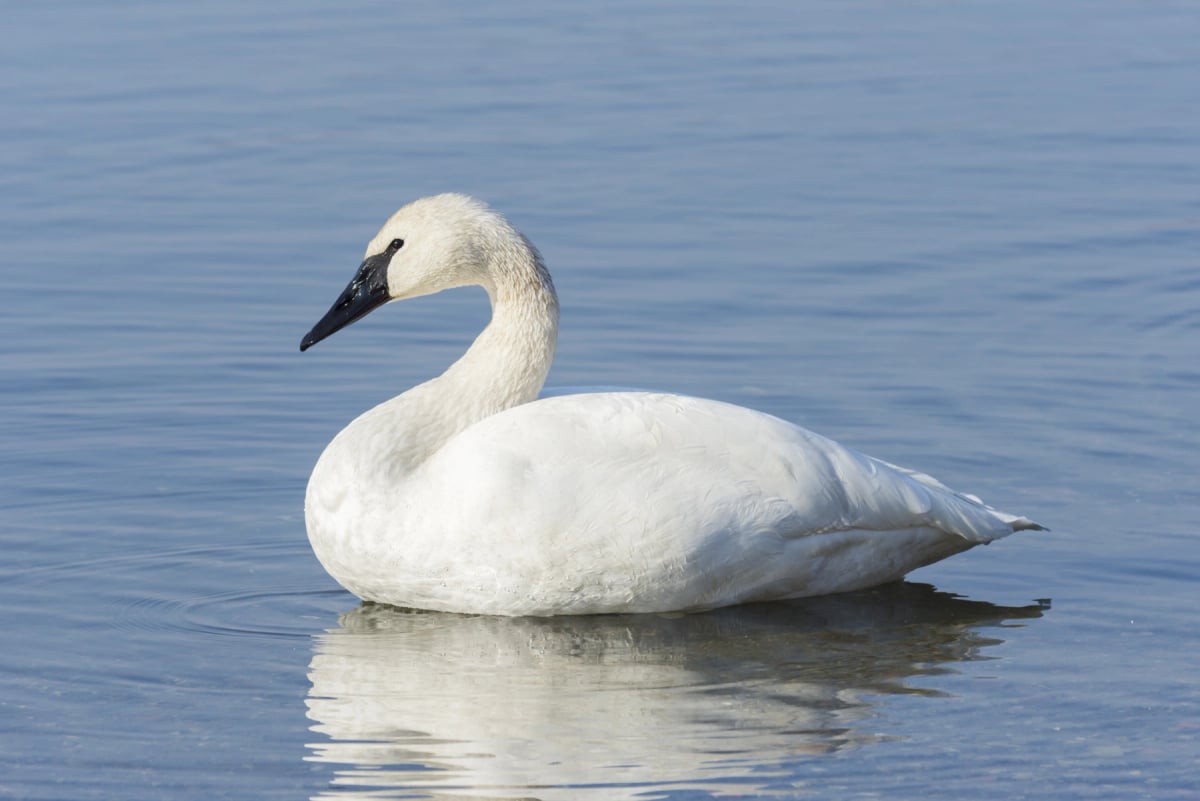
Trumpeter Swan
Cygnus buccinator
Trumpeter Swans are a small but growing presence in New York. They began nesting in the state in the mid 1990s, at a few wetlands around Lake Ontario, and the resident birds have numbered around 50 since 2010. In winter they are joined by swans coming south from Ontario, where a reintroduction program has restored the species since 1982. Look for a black bill to tell them from Mute Swans. IUCN status: Least Concern.
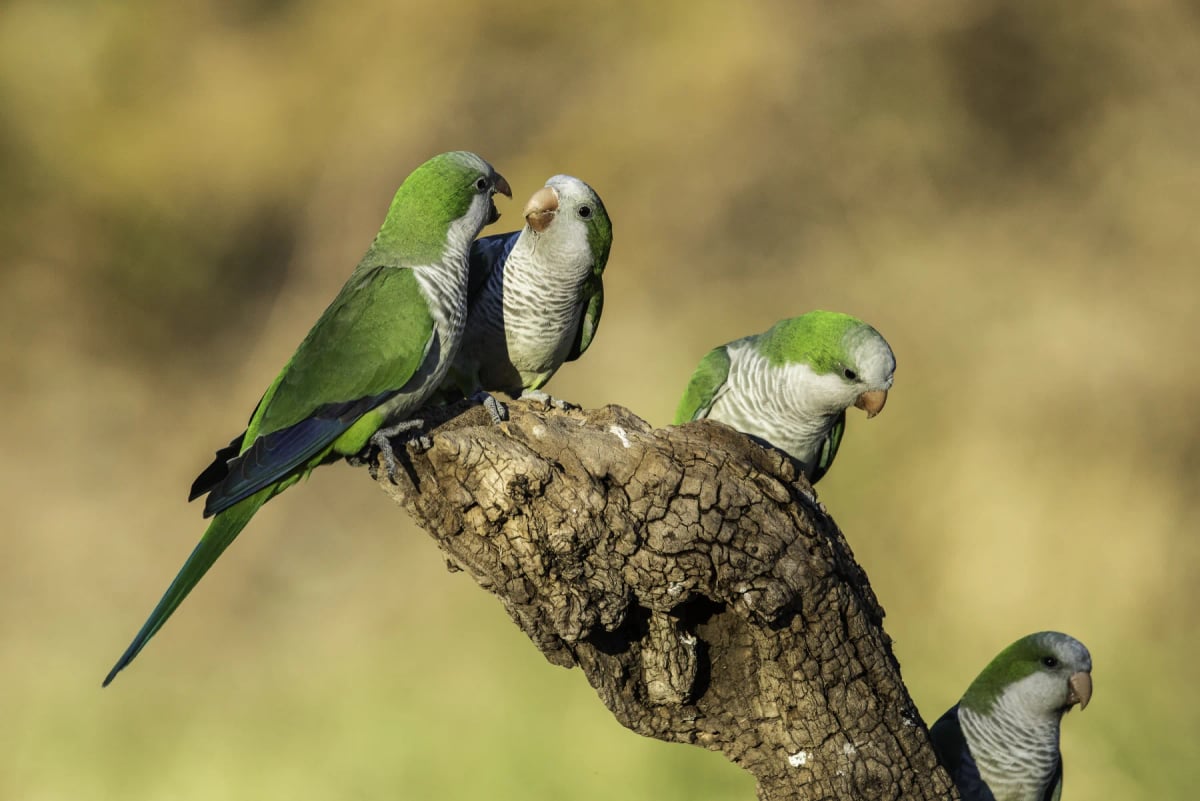
Monk Parakeet
Myiopsitta monachus
The wild green parrots of Brooklyn and Queens are monk parakeets, living there since the late 1960s or early 1970s. Legend says they escaped from a broken crate at JFK Airport, though it was never proven. They nest on utility poles, whose transformers give off warmth, which is why they never settled in Manhattan, where the wires run underground. Green-Wood Cemetery in Brooklyn hosts the best known colony. IUCN status: Least Concern.
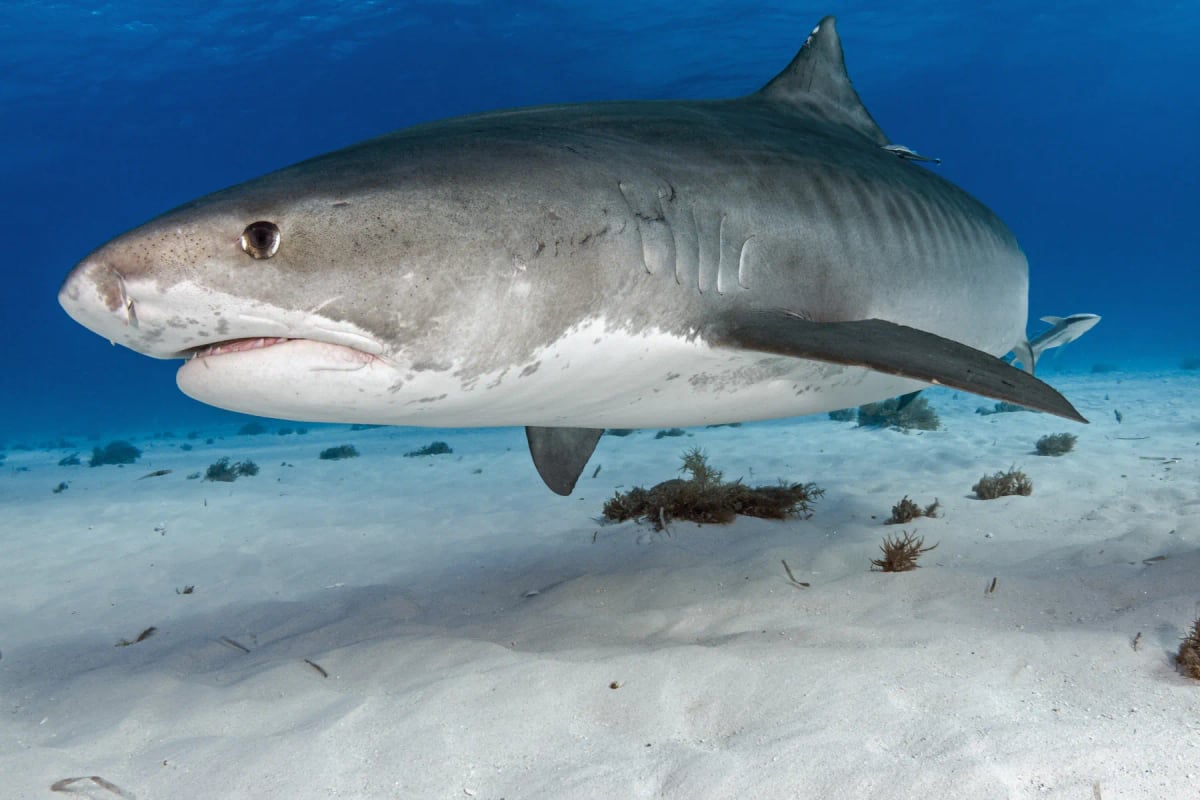
Tiger Shark
Galeocerdo cuvier
Tiger sharks appear in New York's Atlantic coastal waters mainly during summer and early autumn, when sea surface temperatures rise enough to draw them northward. They have been recorded off Long Island and in the waters of the New York Bight. While not as common here as further south, their seasonal presence reflects how widely this species can range along the US East Coast. The IUCN considers it Near Threatened.
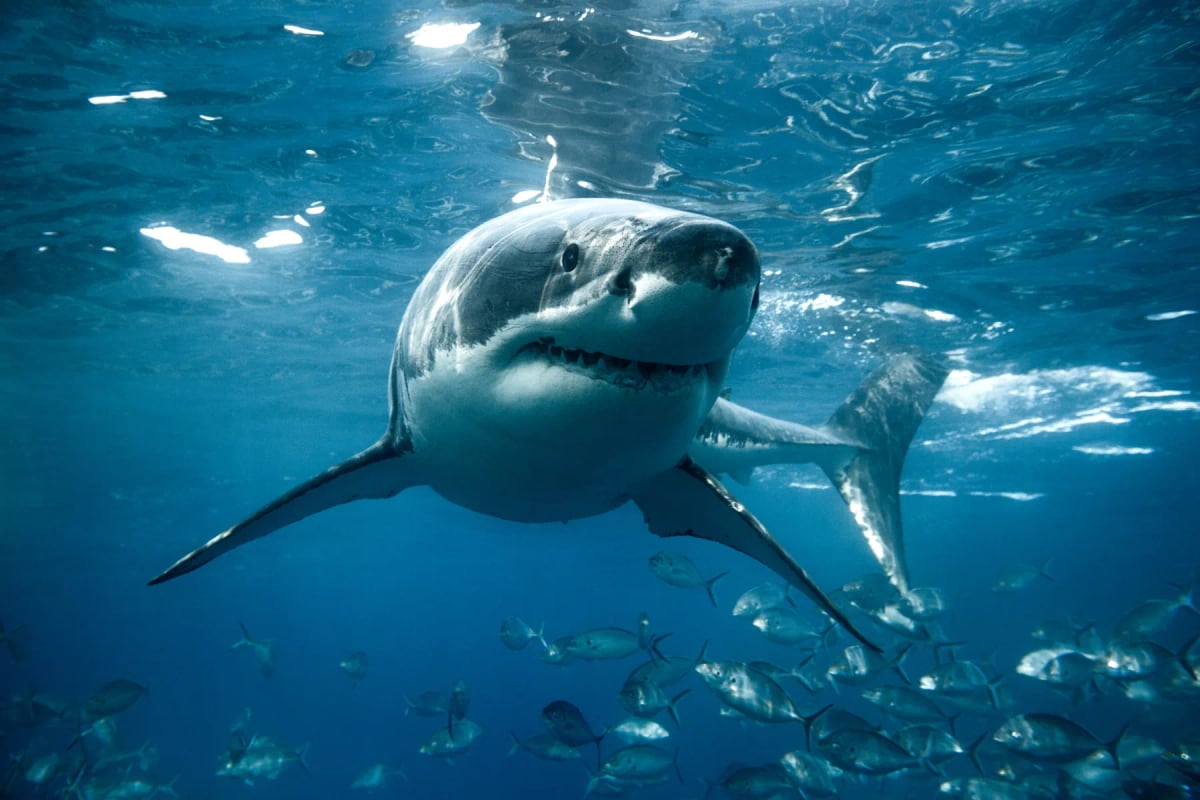
Great White Shark
Carcharodon carcharias
Great white sharks are present in the waters off New York, particularly during the warmer months when they move north along the Atlantic seaboard. The continental shelf waters of the Northeast Atlantic are part of their seasonal range, and the sharks often follow prey such as seals and fish. Tagging studies have shown that individual sharks make regular migrations through this region, and sightings off Long Island have become better documented in recent years.
Researched and written by Juan Pablo. Sources: IUCN Red List, scientific literature and regional field guides. Last updated: .