Animals in Kyrgyzstan
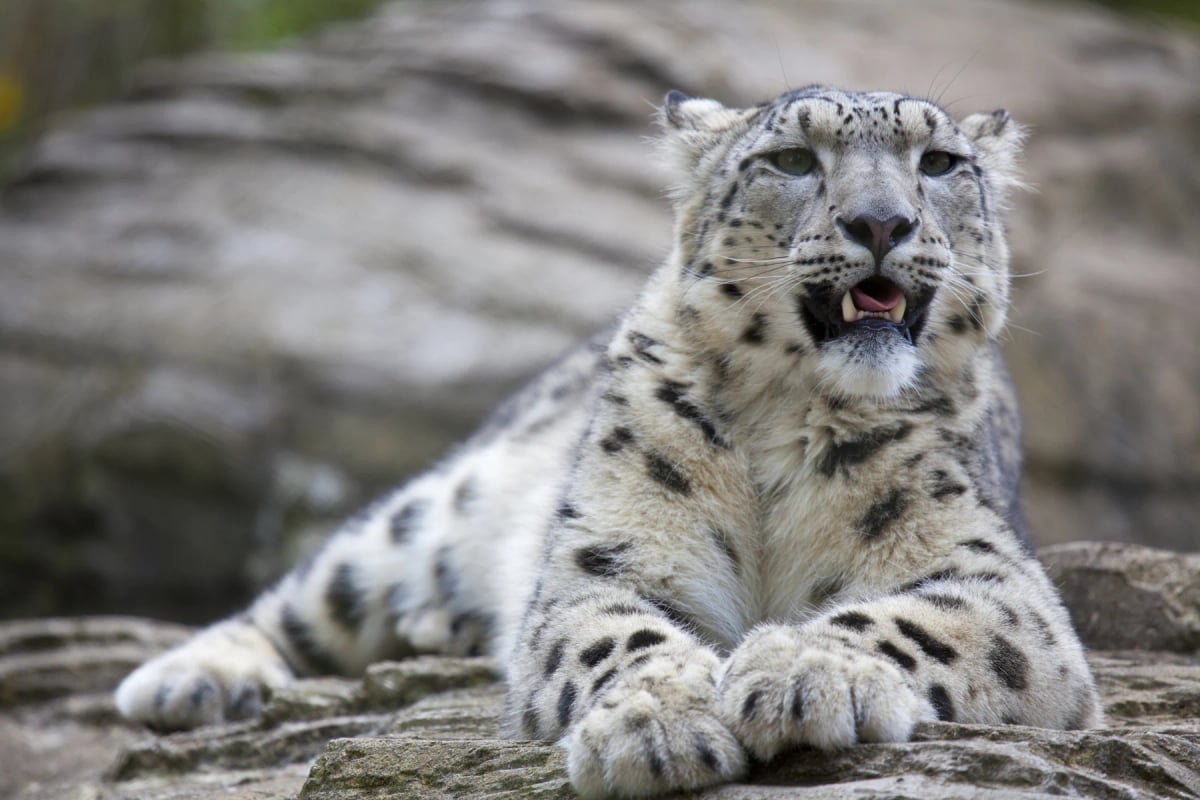
Snow Leopard
Panthera uncia
The snow leopard is a key animal symbol for Kyrgyzstan and is closely linked to its high mountains. People know it from legends, park logos and visitor centres rather than from direct contact, since it lives in remote cliffs and rocky slopes. For many it represents quiet strength, patience and the idea of hidden wildlife above the valleys and towns.
View details→Wildlife in Kyrgyzstan
Kyrgyzstan is a mountain country with high peaks, forested valleys and wide summer pastures around clear lakes. Visitors usually meet wildlife on day hikes from villages, scenic drives along mountain roads and boat trips on large alpine lakes. From these routes they may see foxes, wolves, gazelles, eagles and vultures while staying close to guesthouses and simple camps.
Most Dangerous Animals in Kyrgyzstan
Danger for visitors in Kyrgyzstan appears mainly in remote valleys and forested slopes. Wild boar can react with force if they feel cornered in thick scrub, while wolves, lynx and snow leopards are powerful carnivores that usually avoid people. Most travellers only notice distant tracks, calls at night or brief movement on hillsides seen from marked trails or roads.
Top 10 Animals in Kyrgyzstan
The top 10 list for Kyrgyzstan highlights lynx, wolves and the peregrine falcon, which fit well with its valleys and high ridges. Lynx and wolves use forests and open slopes and are sometimes seen at a distance from mountain roads or winter pastures. The peregrine falcon hunts near cliffs above lakes and villages and can be watched from simple viewpoints and hiking paths.
Snow Leopard
Panthera uncia
Kyrgyzstan's Tian Shan mountains are central to snow leopard conservation in Central Asia, and the country is home to a meaningful share of the regional population. The Sarychat-Ertash State Reserve was established specifically to protect this species and its prey. Community-based programs that give local herders a stake in conservation have shown promise in reducing retaliatory killings following livestock losses. IUCN status: Vulnerable.
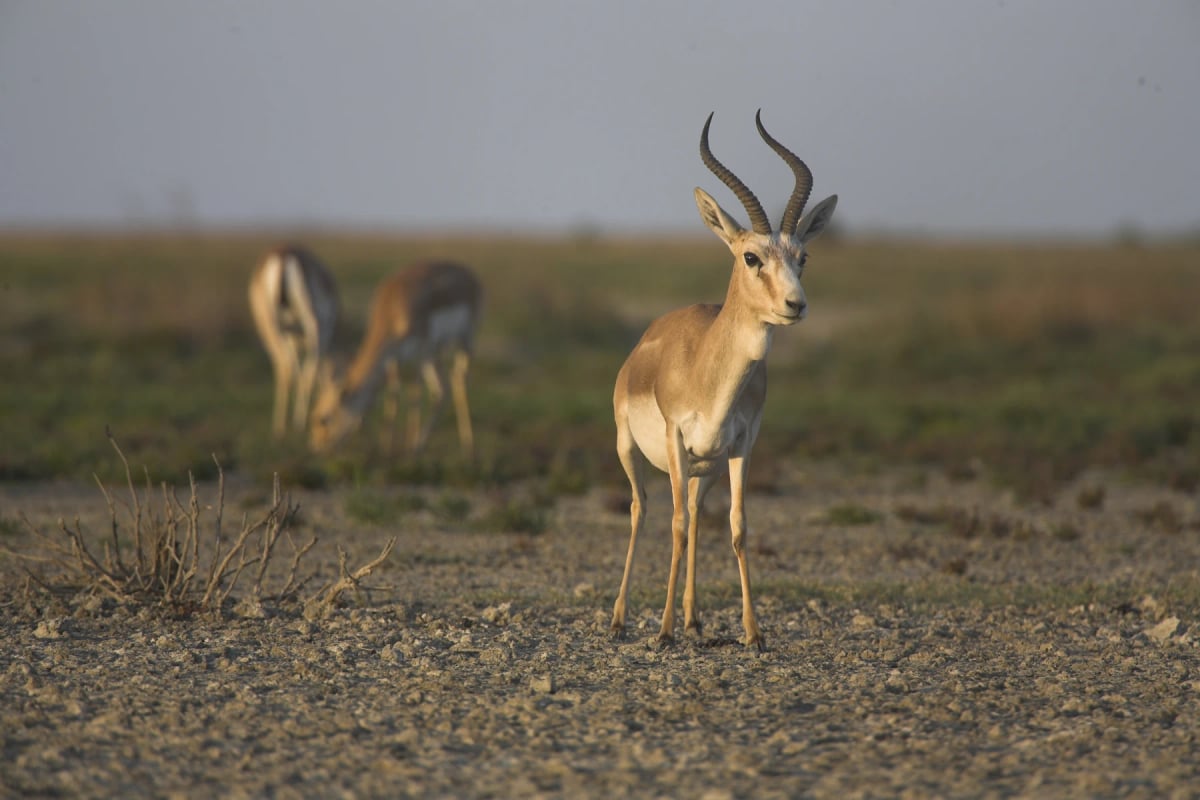
Goitered Gazelle
Gazella subgutturosa
The goitered gazelle occupies the drier valleys and foothill plains of Kyrgyzstan, particularly in areas bordering the Fergana Valley and the Issyk-Kul basin. It grazes on grasses and low shrubs in terrain that can be harsh and cold in winter. Livestock pressure and illegal hunting have reduced numbers over the decades. The IUCN classifies the species as Vulnerable, and its presence in Kyrgyzstan represents a range edge population.
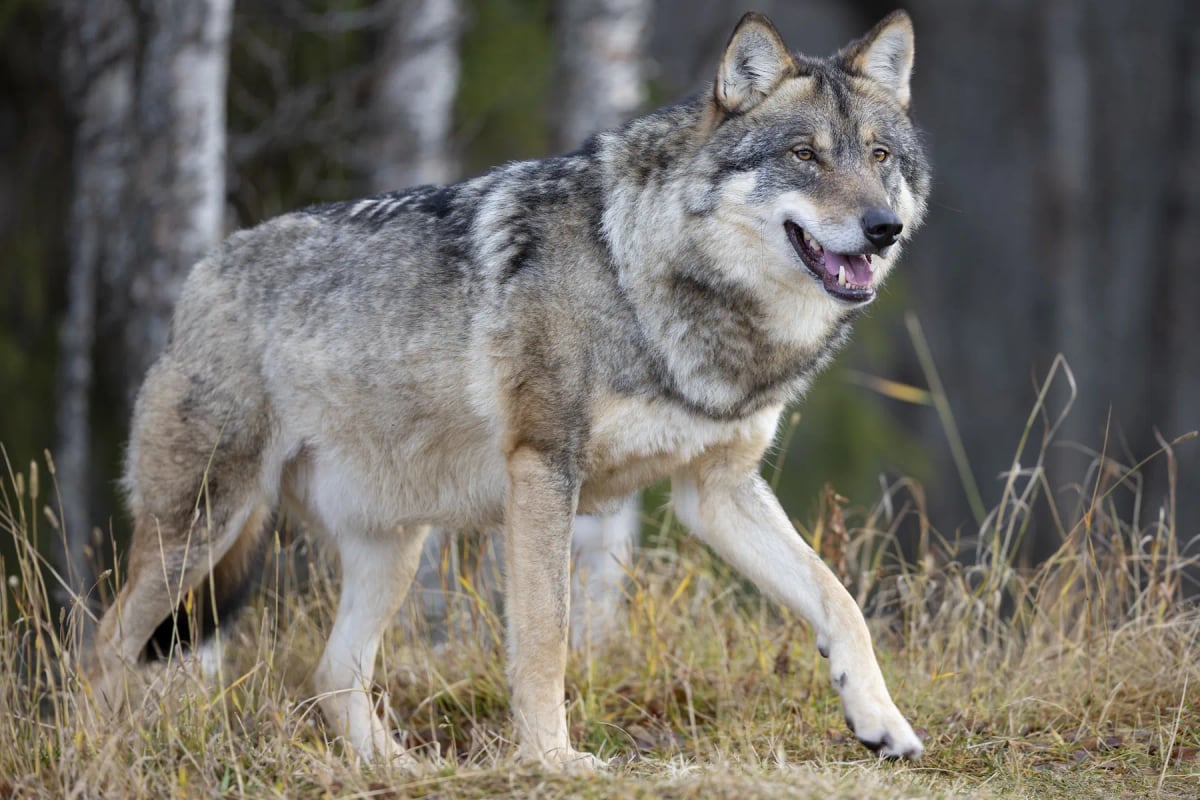
Gray Wolf
Canis lupus
Gray wolves roam widely across Kyrgyzstan, from the high pastures of the Tian Shan mountains to the valleys below. They are considered a serious threat to livestock by local herding communities, and hunting pressure on the species remains high. Packs pursue ibex, deer and domestic animals. Despite ongoing conflict with herders, the wolf population in Kyrgyzstan is regarded as relatively stable. Its global IUCN status is Least Concern.
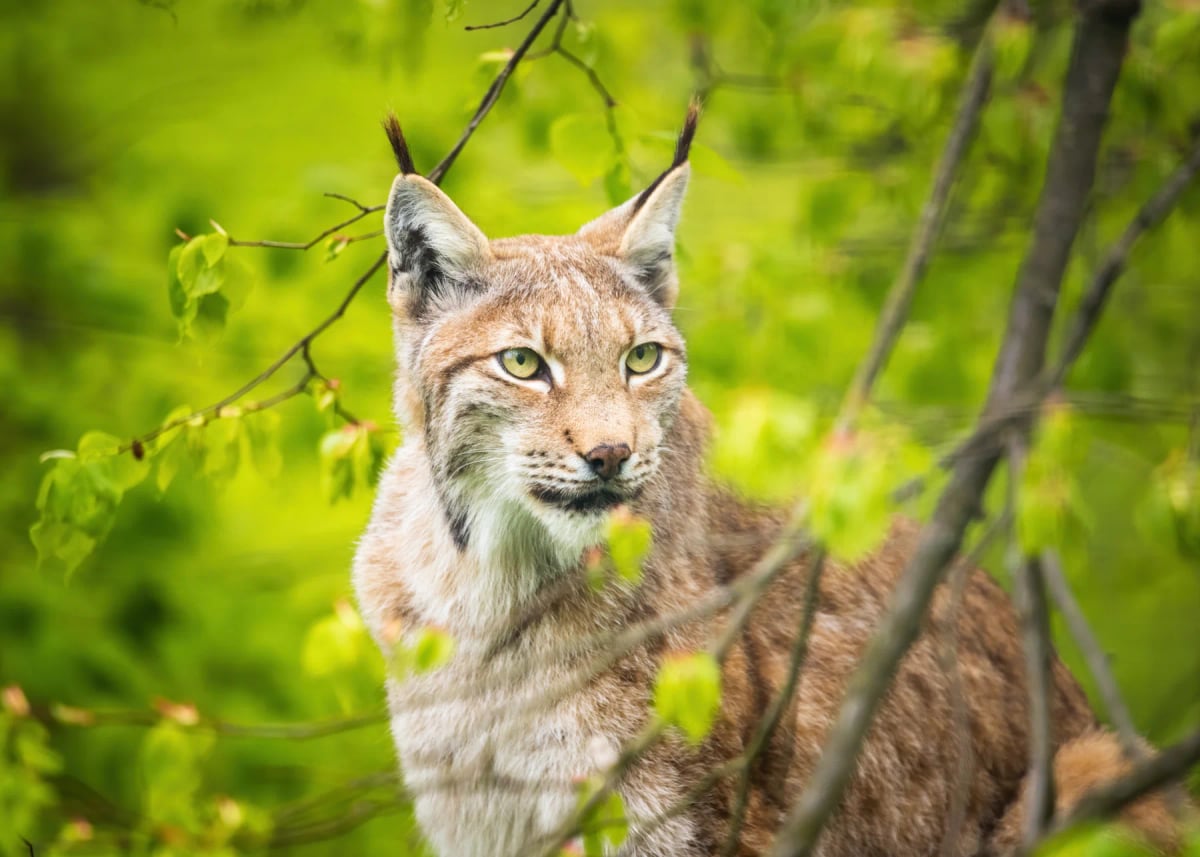
Eurasian Lynx
Lynx lynx
In Kyrgyzstan, the Eurasian Lynx inhabits the rugged mountain forests of the Tian Shan range, where it lives alongside snow leopards and wolves. It hunts roe deer, ibex, and hares, adapting its diet to what the high terrain provides. A solitary and secretive cat, it is rarely seen by people. The IUCN lists it as Least Concern.
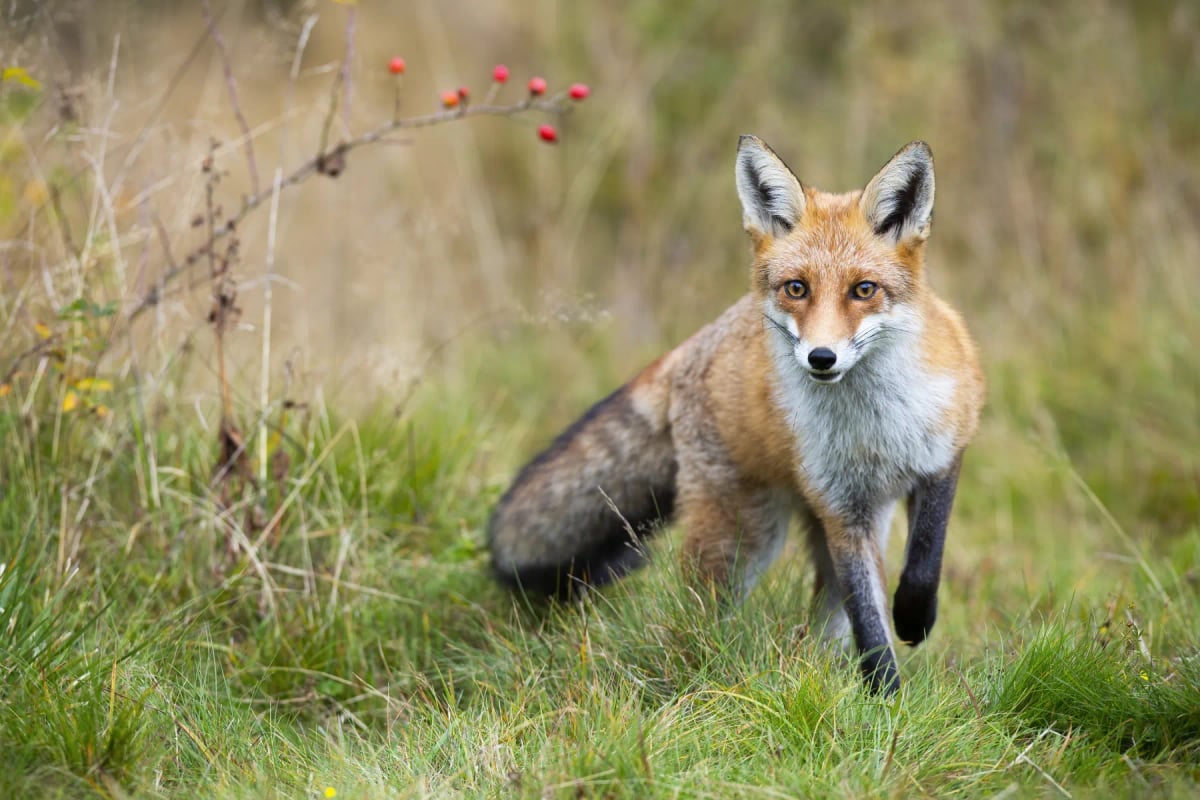
Red Fox
Vulpes vulpes
The red fox is a familiar presence across Kyrgyzstan, inhabiting the country's dramatic mountain landscapes, alpine meadows, and river valleys of the Tian Shan range. It is well adapted to high altitudes and cold winters, relying heavily on small rodents such as voles. Rural communities sometimes view it as a threat to poultry. It remains common throughout the country and is listed as Least Concern.
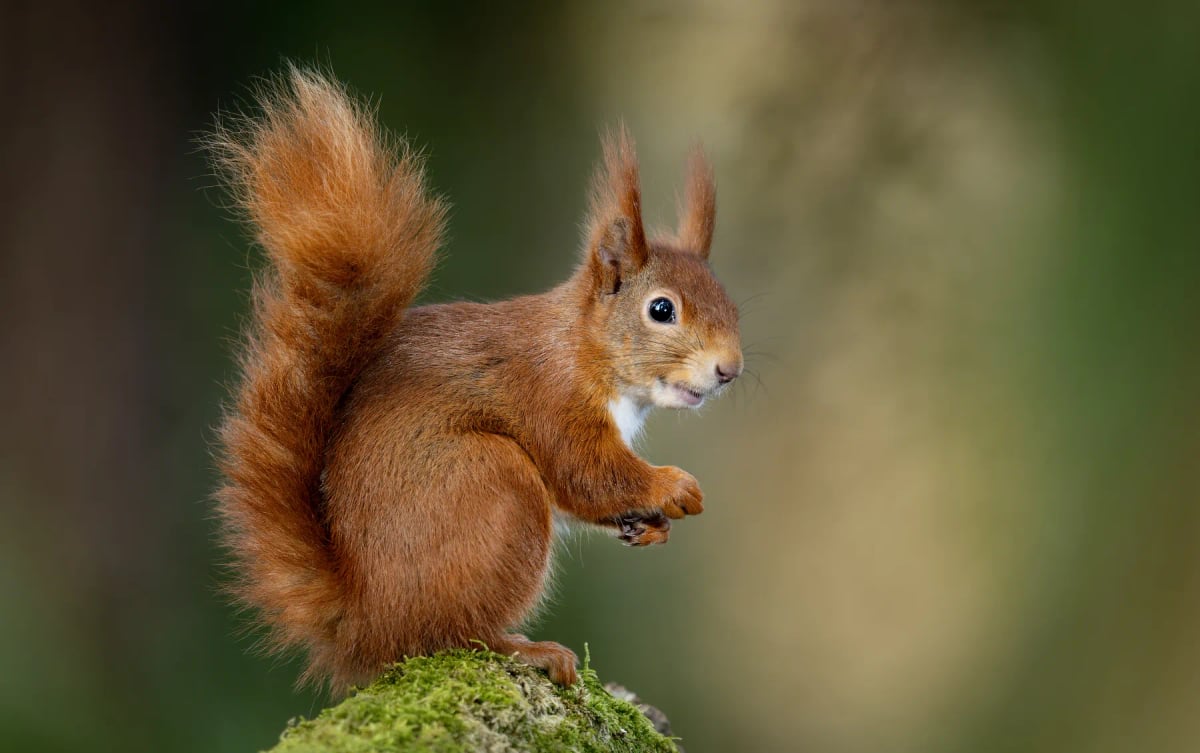
Red Squirrel
Sciurus vulgaris
In Kyrgyzstan, the red squirrel inhabits the mountain forests of the Tian Shan range, where spruce and fir trees provide food and shelter throughout the year. These high altitude forests are among the most important ecosystems in Central Asia, and the squirrel plays a role in seed dispersal within them. The species is considered stable in the country. Its IUCN status is Least Concern.
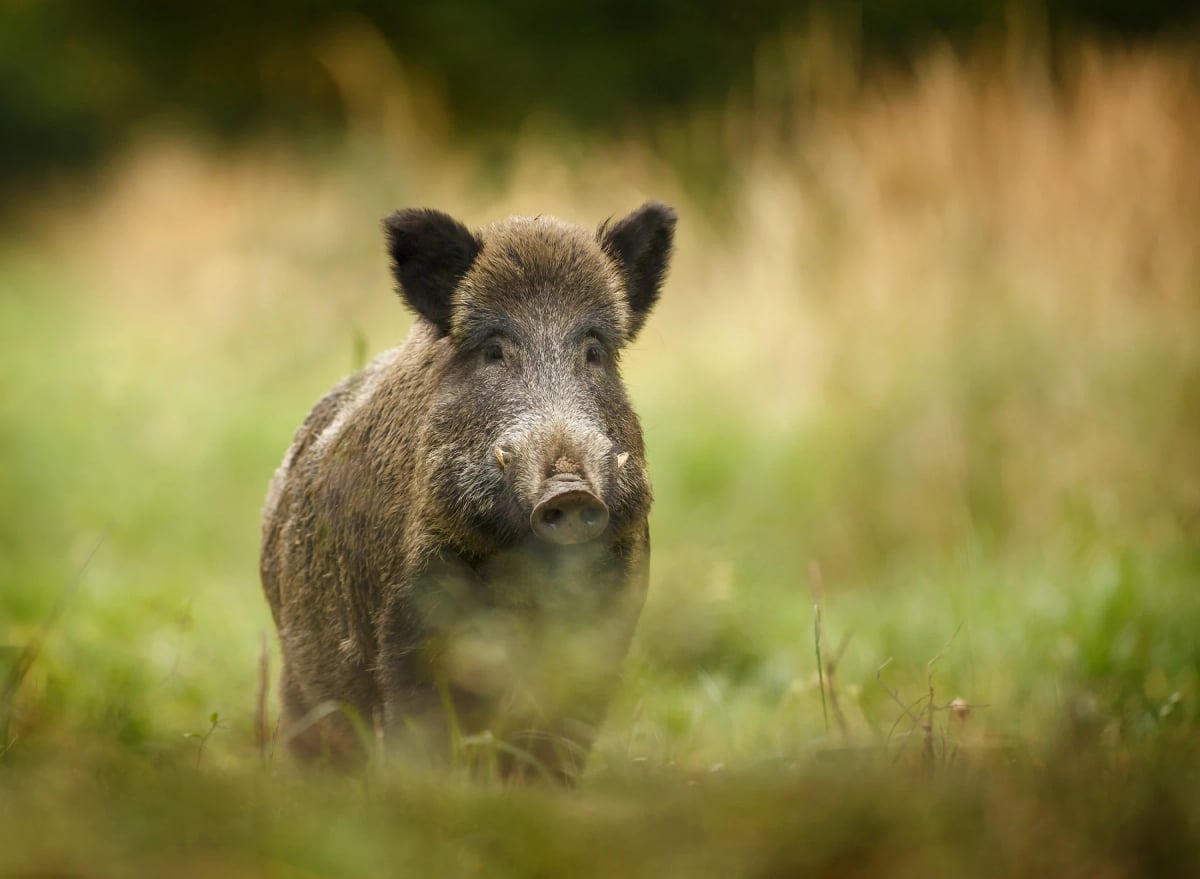
Wild Boar
Sus scrofa
Wild boars live in the forested mountain valleys and riverside vegetation of Kyrgyzstan, particularly in the foothills of the Tien Shan range and around Issyk Kul Lake. They feed on roots, nuts and crops near farmland, often staying close to water and dense cover. Wild boars are hunted in parts of the country and also serve as prey for predators such as wolves in remote mountain habitats.
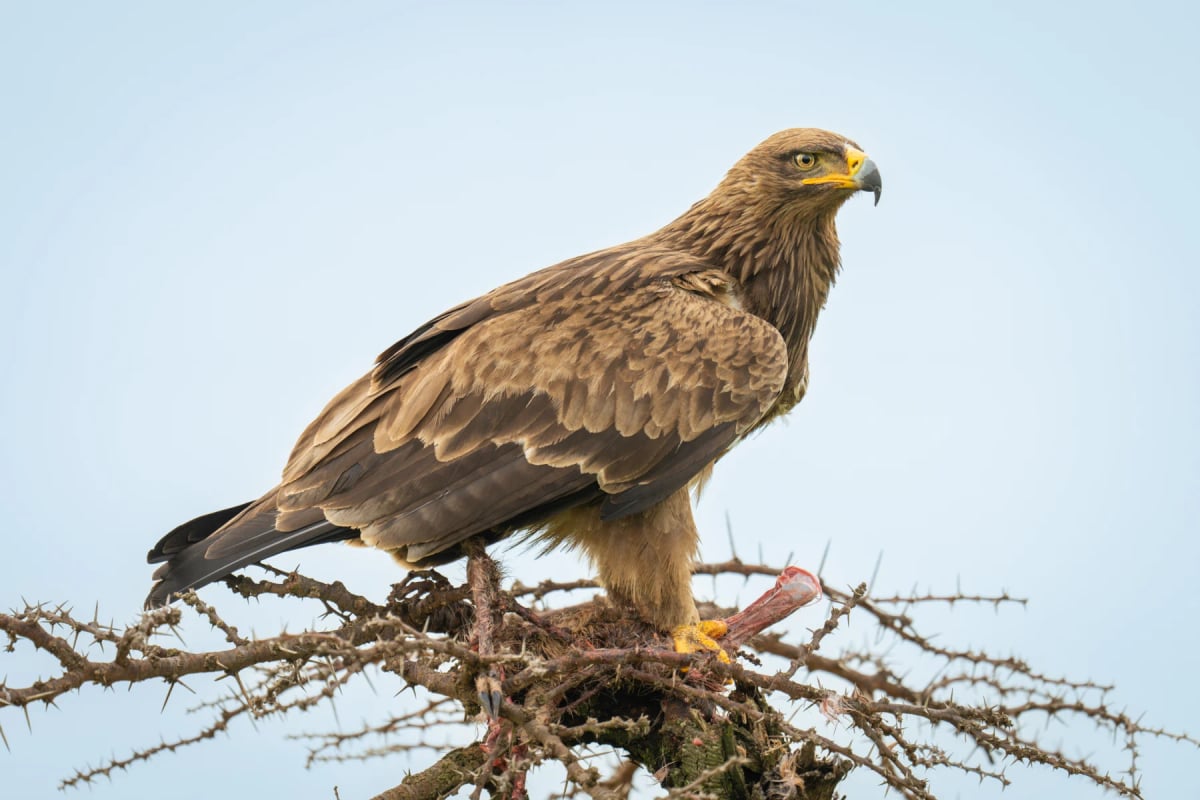
Steppe Eagle
Aquila nipalensis
In Kyrgyzstan, Steppe Eagles are seen during migration, moving through the country's valleys and open upland areas on their way between Central Asian breeding grounds and wintering sites further south. The rugged terrain and river corridors act as natural guides for migrating birds. The species is Endangered globally, and each bird completing this journey is a conservation success worth noting.
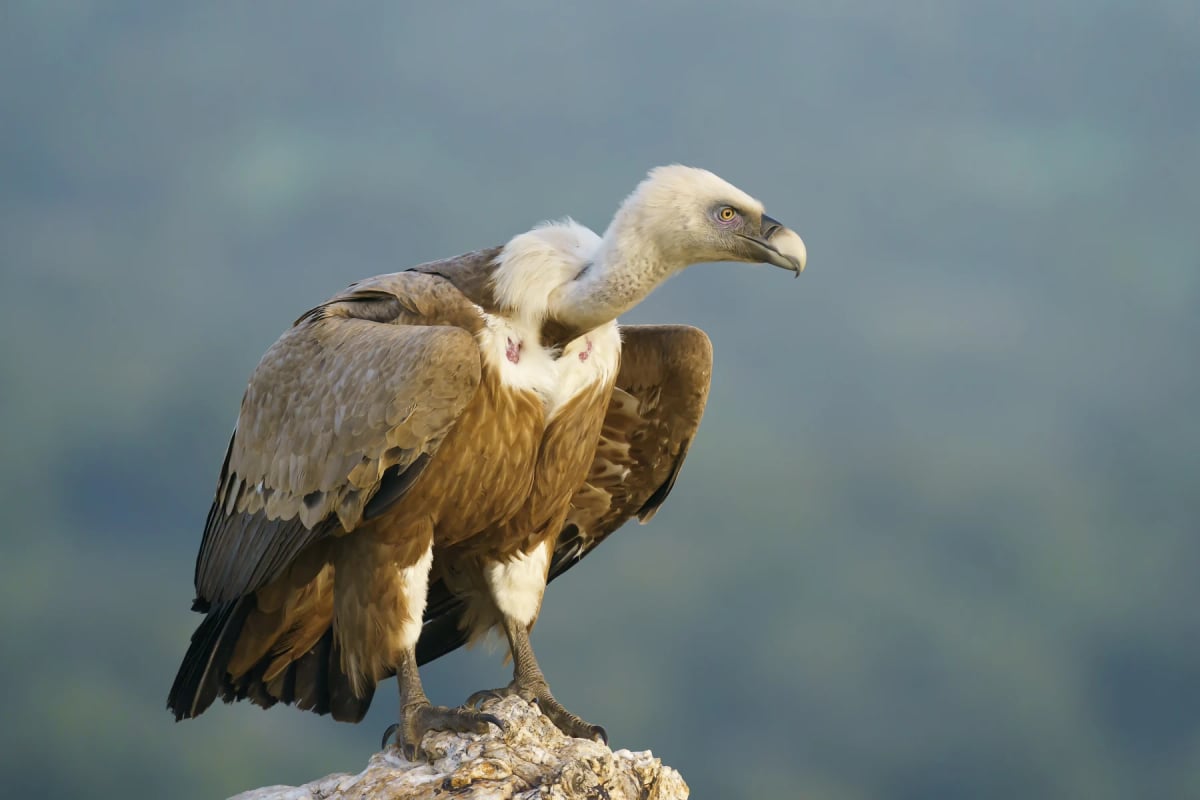
Griffon Vulture
Gyps fulvus
Kyrgyzstan is a breeding ground for the griffon vulture, thanks to the cliff systems of the Tian Shan and Alai mountains that cover much of the country. Colonies nest on rocky ledges at considerable altitude, and the birds use strong thermals to soar above alpine meadows and river gorges. The country's pastoral tradition means livestock carcasses have long fed these vultures, along with wild animals. IUCN status: Least Concern.
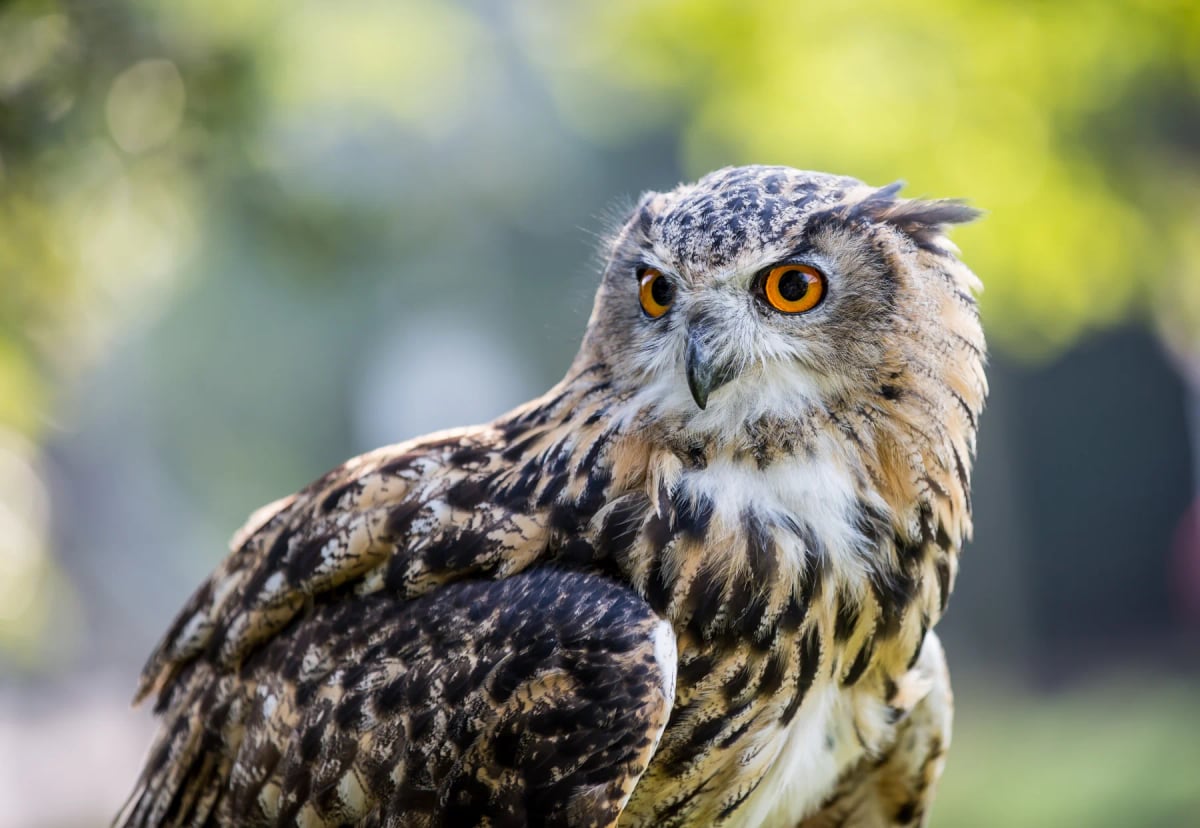
Eagle Owl
Bubo bubo
In Kyrgyzstan, the Eurasian eagle owl is a resident of the Tian Shan mountain system, where it nests among rocky cliffs and gorges at considerable elevation. The country's dramatic landscape, with alpine meadows and deep river valleys, provides a range of hunting grounds for this powerful owl. It preys mainly on rodents, hares, and birds. The IUCN lists the species as Least Concern across its Central Asian range.
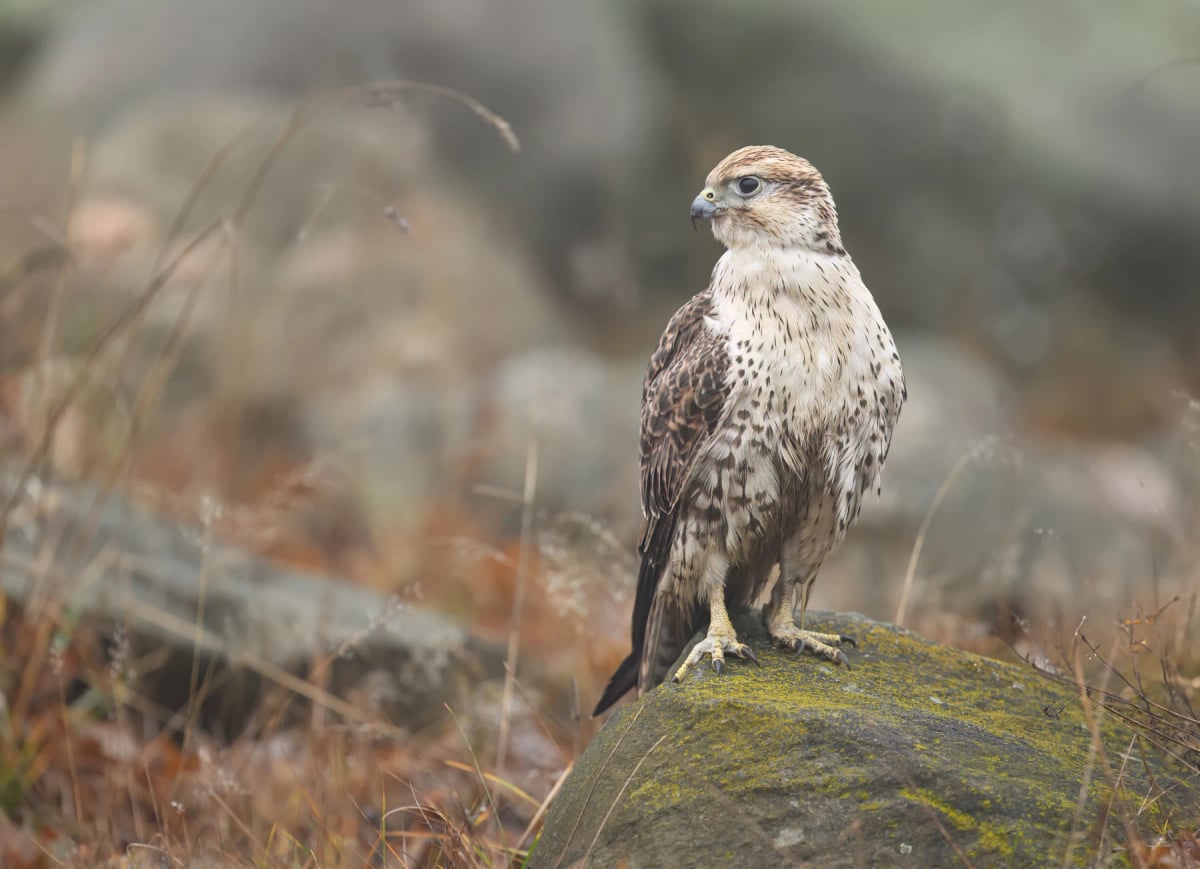
Saker Falcon
Falco cherrug
Kyrgyzstan is part of the core breeding range of the saker falcon in Central Asia. The mountain valleys, high plateaus and open grasslands of the Tian Shan range provide nesting sites and rich hunting grounds, where the bird targets ground squirrels and other small mammals. Falconry is deeply rooted in Kyrgyz culture and heritage. Illegal capture for the international falconry trade remains the greatest threat to the species here. The IUCN lists the saker falcon as Endangered.
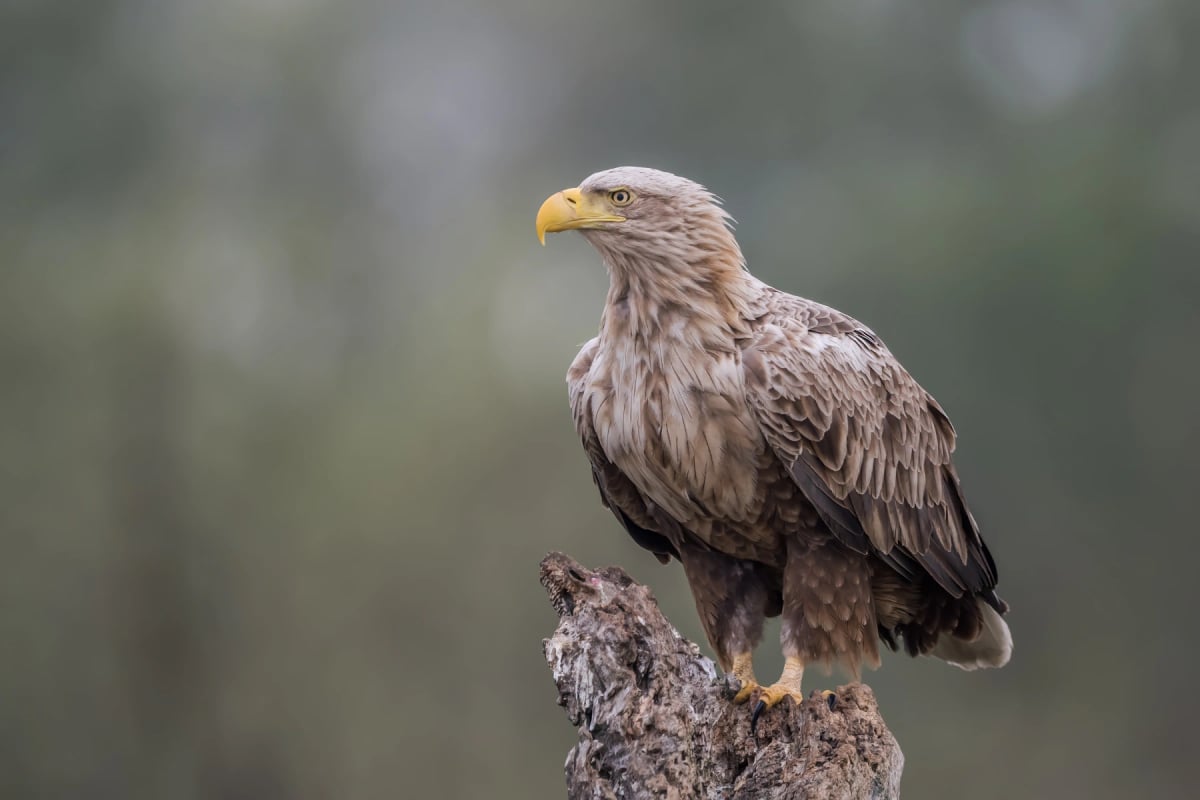
White tailed Eagle
Haliaeetus albicilla
In Kyrgyzstan, the white tailed eagle is recorded mainly as a passage migrant and occasional winter visitor, moving through the broad valleys and following the shores of large water bodies such as Lake Issyk-Kul. This deep mountain lake, which stays largely ice-free year round due to its size and salinity, provides a reliable food source for eagles passing through Central Asia on their seasonal movements.
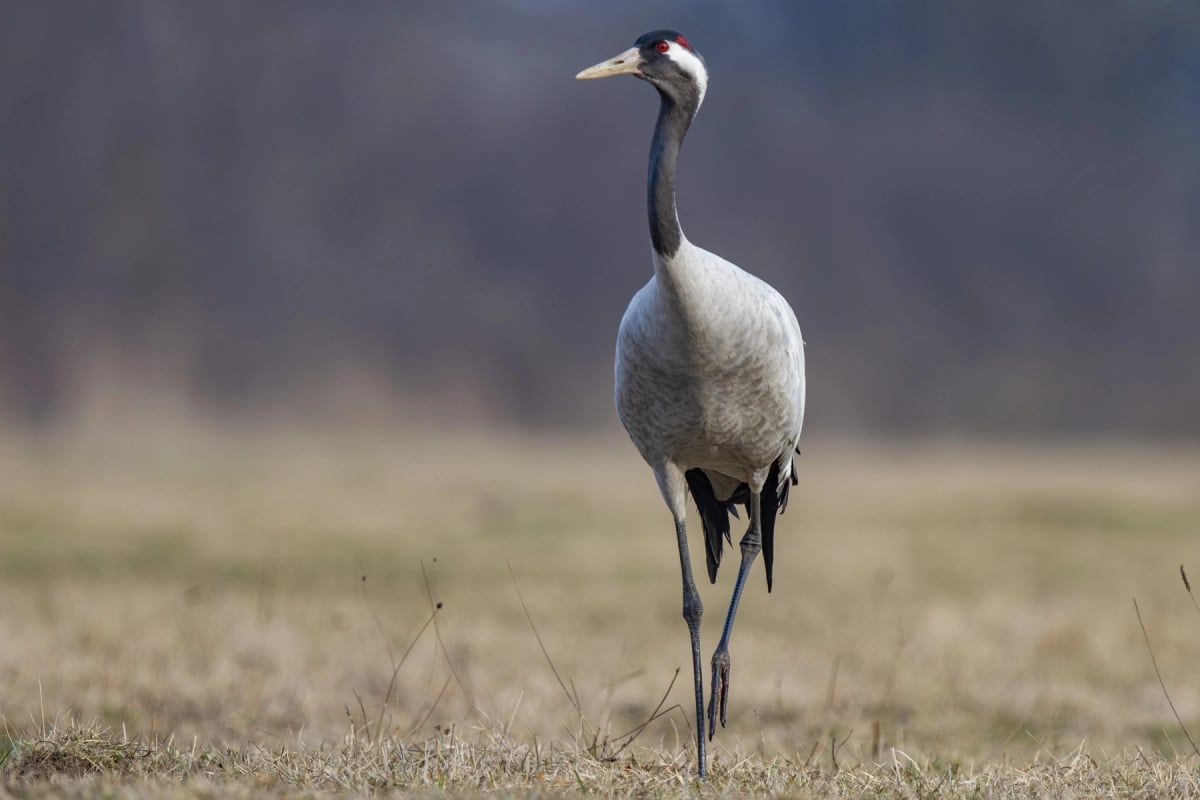
Crane
Grus grus
Common cranes migrate through Kyrgyzstan as they cross central Asia between their breeding and wintering grounds. River valleys and open highland areas provide resting points for traveling flocks. The dramatic mountain landscapes of the Tian Shan range form a backdrop to these seasonal movements. The species feeds on seeds, roots and small invertebrates during stopovers. The IUCN classifies the common crane as Least Concern globally.
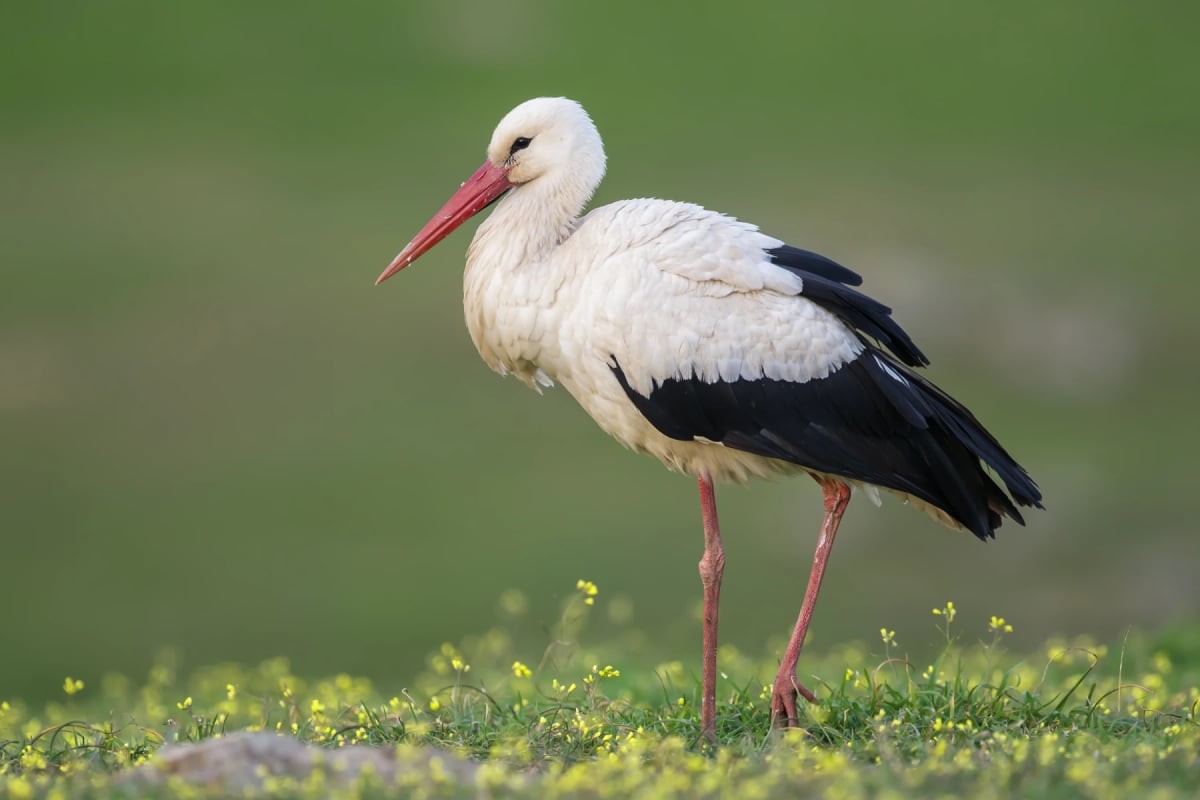
Stork
Ciconia ciconia
The white stork breeds in Kyrgyzstan, in the lowlands of the Fergana Valley in the southwest, where irrigated fields and villages give the Turkestan subspecies places to nest and feed. Pairs build their stick nests on poles, trees, and buildings and return to them each spring. In autumn these Central Asian storks head south to spend the winter from Iran to India rather than in Africa. IUCN status: Least Concern.
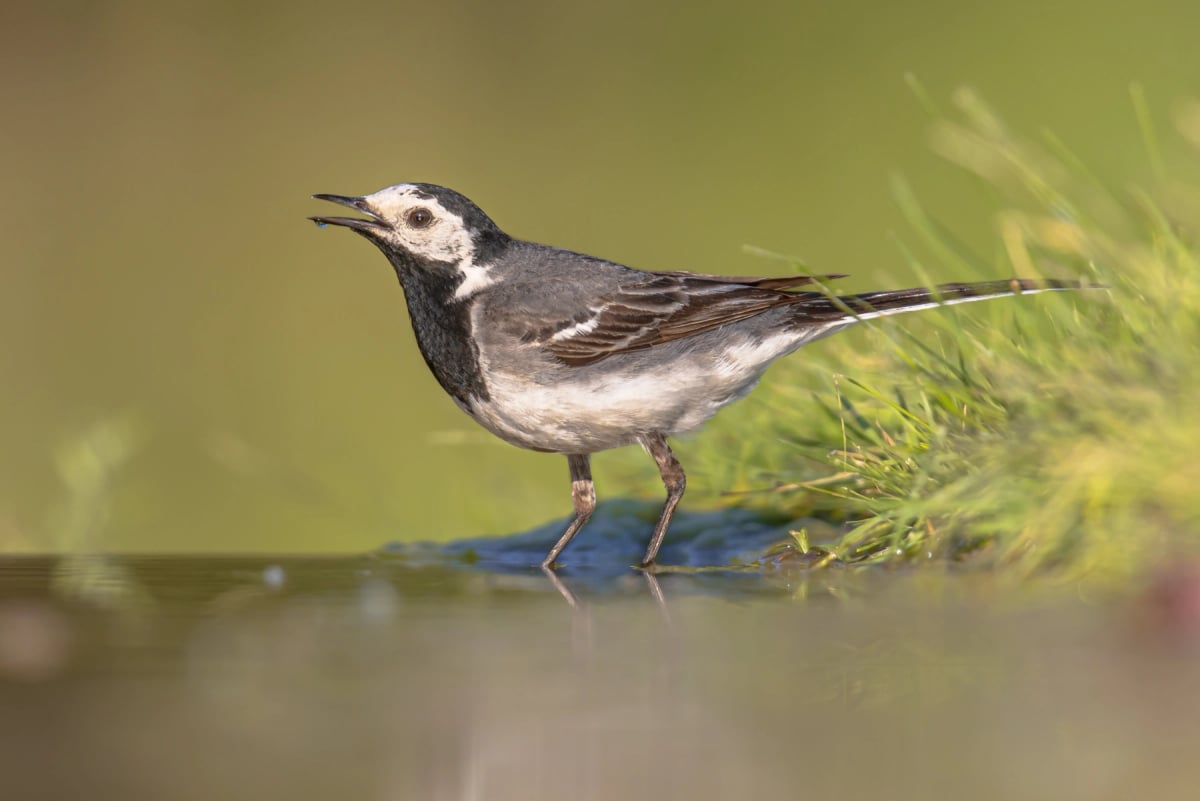
White Wagtail
Motacilla alba
The white wagtail breeds across Kyrgyzstan during the warmer months, taking advantage of the country's many mountain rivers, glacial streams and alpine valleys. It is commonly found along the banks of rivers draining into the Fergana Valley and around the shores of Lake Issyk-Kul, Central Asia's largest lake. It nests in rocky crevices and embankments, then moves south to warmer regions for the winter. It is one of the most visible small birds in the country.
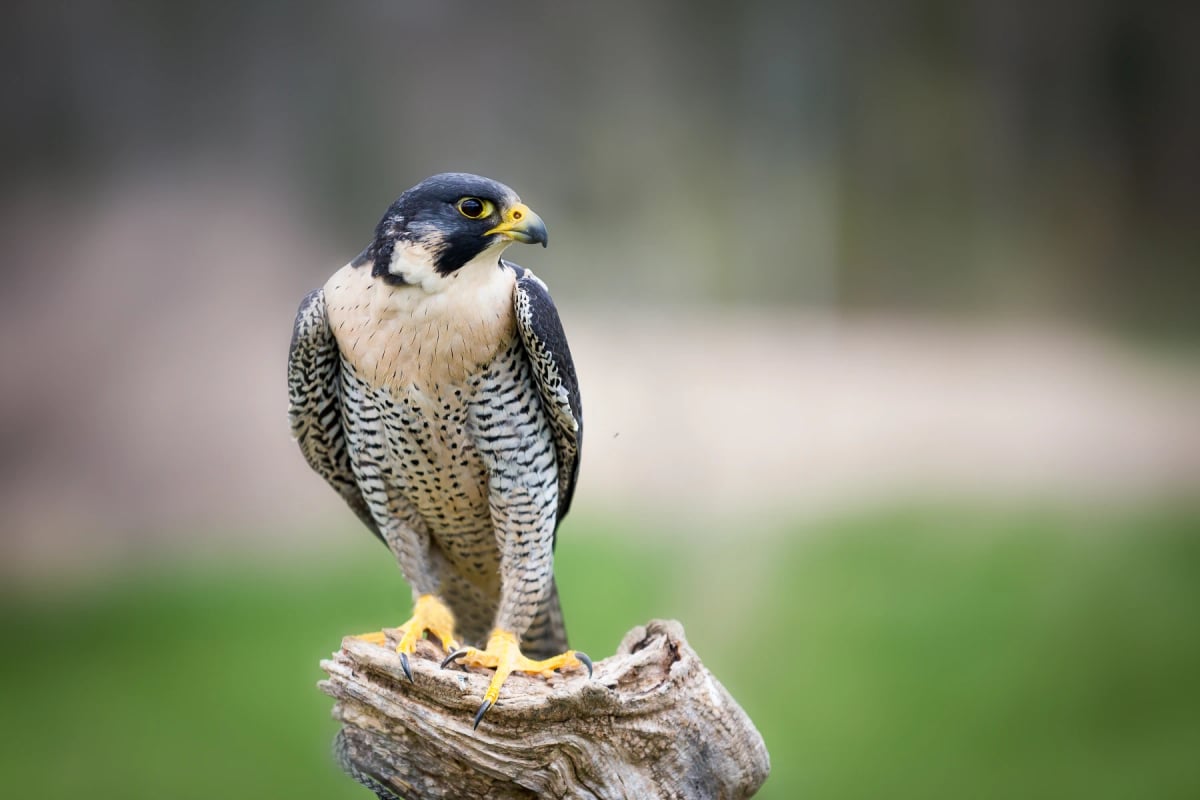
Peregrine Falcon
Falco peregrinus
Kyrgyzstan's rugged mountain landscape, dominated by the Tian Shan range, offers ideal nesting habitat for peregrine falcons on cliff faces and rocky gorges. The species breeds here and is also seen during migration. Falconry has deep roots in Kyrgyz culture and was inscribed on the UNESCO list of intangible cultural heritage, with the peregrine falcon playing a central role in that living tradition. IUCN status: Least Concern.
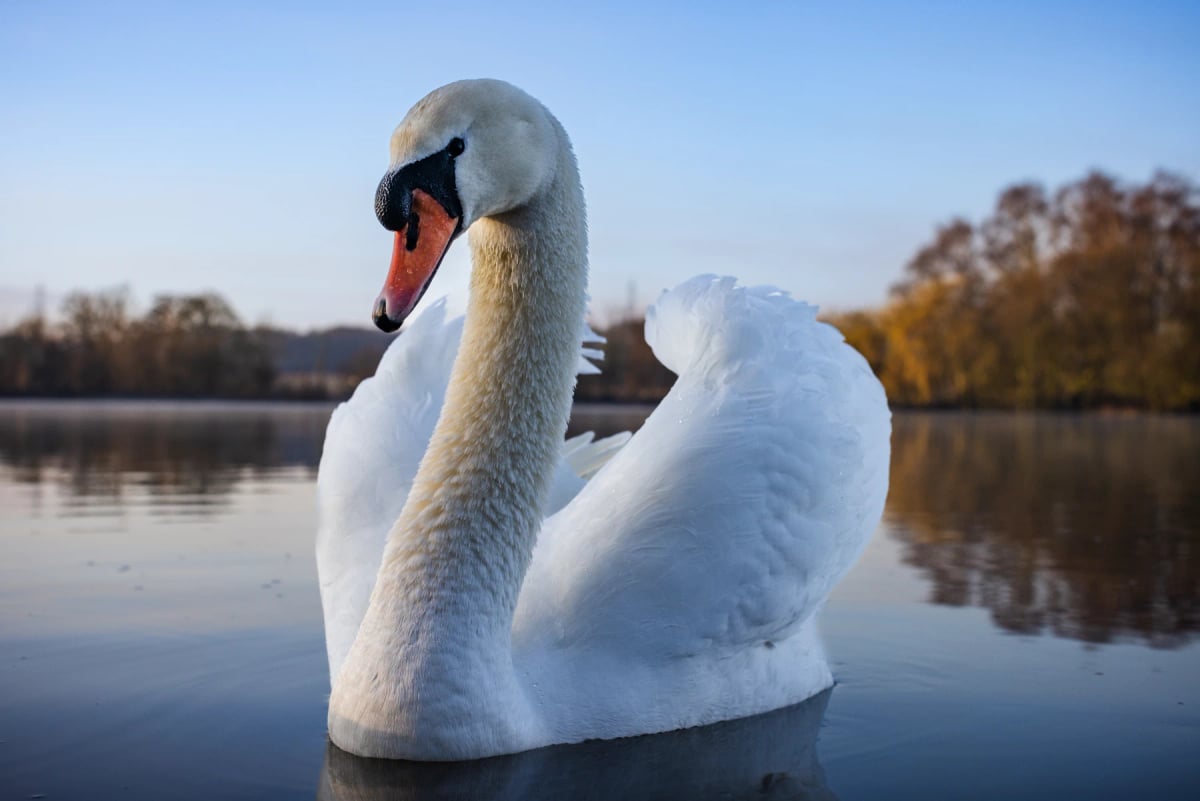
Mute Swan
Cygnus olor
The mute swan visits Kyrgyzstan outside the breeding season, mostly in winter, when birds from the steppes to the north look for open water. Lake Issyk-Kul, one of the largest mountain lakes in the world, does not freeze thanks to its depth and slightly salty water, which makes it a key wintering site for waterbirds, including this swan. The species does not breed in the country, but its white shape on the lake is a classic winter sight. IUCN status: Least Concern.
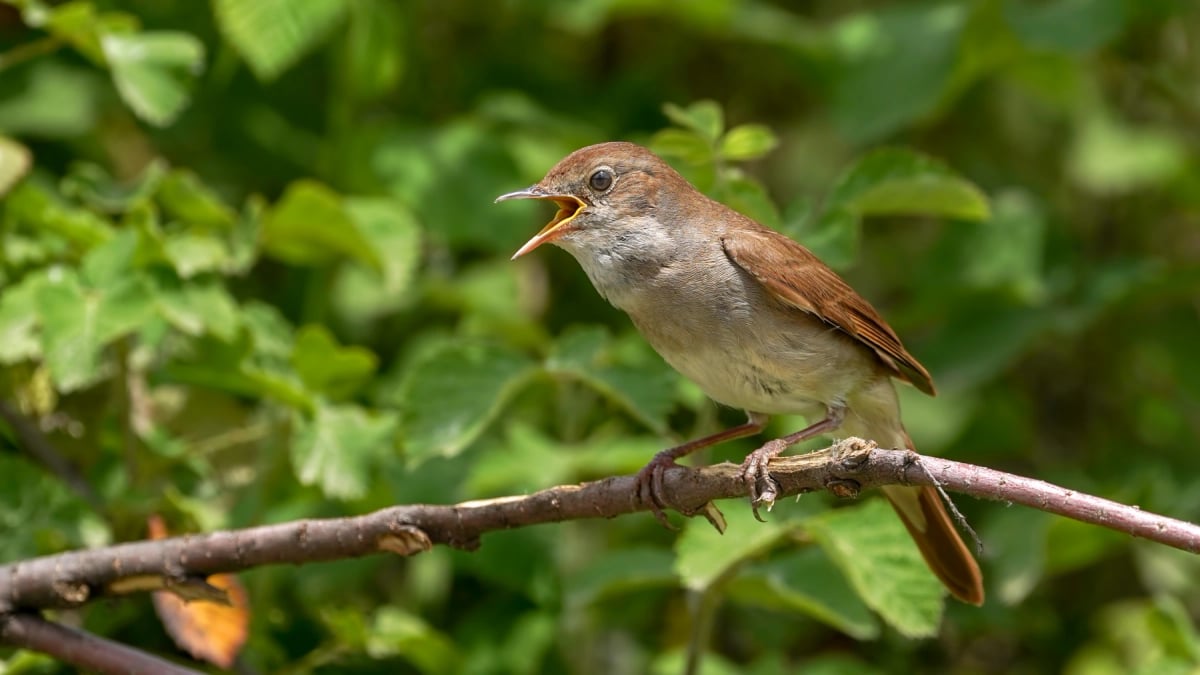
Nightingale
Luscinia megarhynchos
In Kyrgyzstan, the nightingale inhabits the river valleys and foothills of the Tian Shan mountains, where dense thickets of willow, tamarisk and scrub grow along streams and irrigation channels. It reaches the eastern edge of its breeding range here. Males deliver their remarkable song from within dense vegetation through the late spring and early summer months before migrating south to Africa for winter. Its IUCN status is Least Concern.
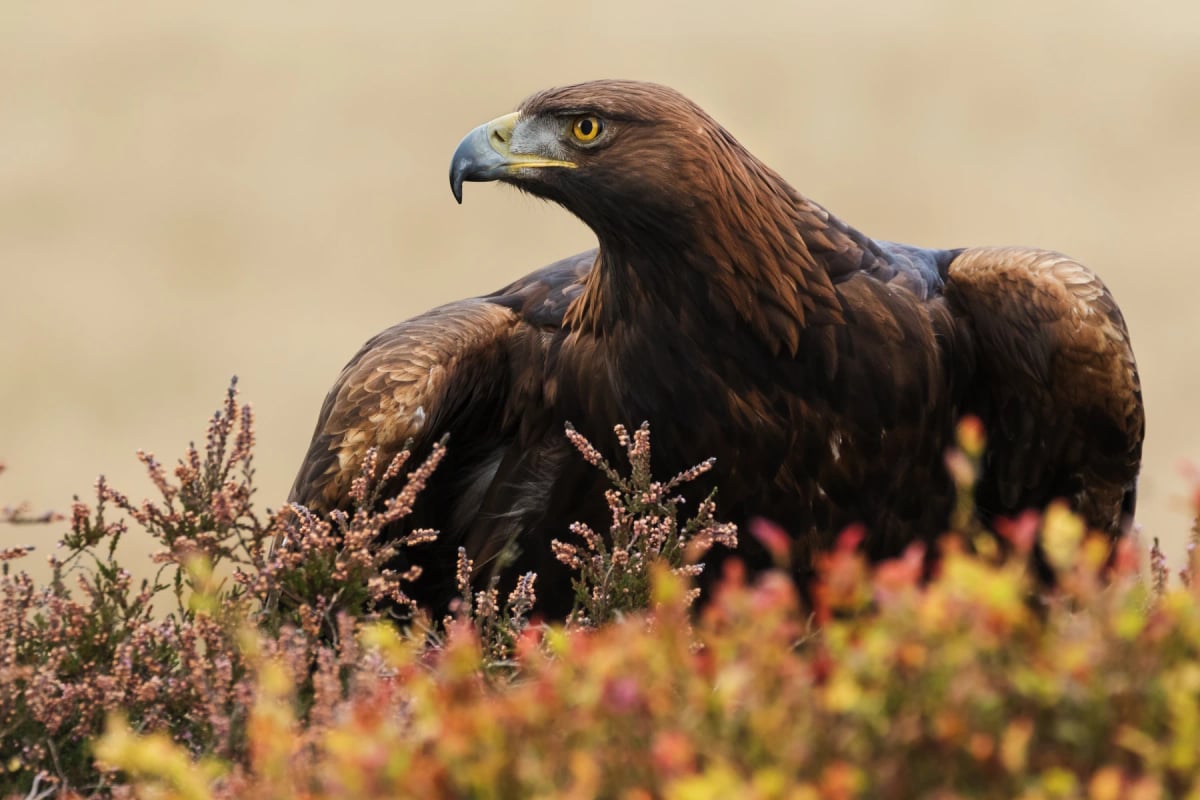
Golden Eagle
Aquila chrysaetos
Kyrgyzstan is one of the strongholds of the golden eagle in Central Asia. The Tian Shan and Pamir Alay mountain ranges provide ideal habitat, with open alpine meadows and rocky cliffs for nesting. The species holds deep cultural significance here, as Kyrgyz falconers have practiced the ancient art of hunting with golden eagles for centuries. The IUCN lists it as Least Concern.
Researched and written by Juan Pablo. Sources: IUCN Red List, scientific literature and regional field guides. Last updated: .